Advertisement

OnePlus 15s reportedly cancelled, Nord 6 delayed

Last year, OnePlus unveiled the OnePlus 13T in April in China, followed by a tweaked version that launched in India as the OnePlus 13s. Recent reports suggest that while the OnePlus 15T is expected to debut in China in the coming months, there is some disappointing news for users waiting for the OnePlus 15s in India.

OnePlus 15s could be cancelled, Nord 6 delayed

According to an X post by tech blogger Yogesh Brar, there is a nearly 90 percent chance that the OnePlus 15s has been cancelled. He had previously stated that the device had entered the testing phase but now claims that while it was expected to launch next month (February), it has been delayed. The tipster did not specify a revised launch timeline for India.

Reports indicate that the OnePlus 15s and Nord 6 were expected to debut as rebranded or tweaked versions of the upcoming OnePlus 15T and the recently launched OnePlus Turbo 6 in China.

The OnePlus 15T is tipped to feature a 6.31-inch OLED LTPO display with a 1.5K resolution and a 165Hz refresh rate. It is expected to run ColorOS 16 based on Android 16 and focus on a compact flagship form factor.

In terms of cameras, the OnePlus 15T is said to skip an ultra-wide camera, similar to the previous generation. It may feature either a 50-megapixel Sony IMX906 or a 200-megapixel Samsung HP5 primary camera, paired with a 50-megapixel Samsung JN5 telephoto camera.

Under the hood, the OnePlus 15T will arrive with the Snapdragon 8 Elite Gen 5 chipset, up to 16GB of LPDDR5x RAM, up to 1TB of UFS 4.1 storage, and around 7,000mAh battery with 100W charging.

The OnePlus Turbo 6 features a 6.78-inch flat OLED LTPS display with an FHD+ resolution of 2772 × 1272 pixels, a refresh rate of up to 165Hz, and 9340Hz PWM dimming. It is powered by the Snapdragon 8s Gen 4 chipset, paired with LPDDR5X RAM and UFS 4.1 storage, and runs Android 16 with ColorOS 16 on top.

The device packs a massive 9,000mAh battery with support for 80W wired charging and 27W reverse charging. Camera hardware includes a 16-megapixel front camera and a dual rear setup consisting of a 50-megapixel Sony LYT-600 sensor with OIS and a 2-megapixel monochrome lens.

For more daily updates, please visit our News Section.

Stay ahead in tech! Join our Telegram community and sign up for our daily newsletter of top stories.
OnePlus 15T RAM, storage, and color options tipped ahead of launch

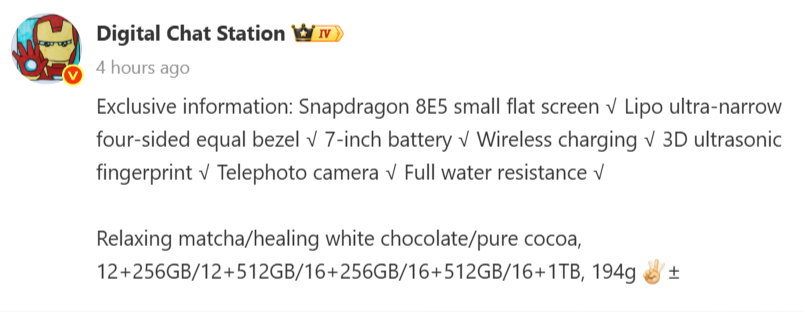
OnePlus is reportedly working on the OnePlus 15T as the successor to last year’s OnePlus 13T. Tipster Digital Chat Station has been consistently leaking details about the upcoming compact flagship. In his latest leak, the tipster has revealed information related to the RAM, storage, and colour options of the OnePlus 15T.

OnePlus 15T RAM, storage, colour options (rumored)

OnePlus 15T details leaked by DCS

According to the tipster, the OnePlus 15T will be available in multiple memory configurations, including 12GB+256GB, 12GB+512GB, 16GB+256GB, 16GB+512GB, and a top-end 16GB+1TB variant. In terms of color options, the device is said to launch in Relaxing Matcha, Healing White Chocolate, and Pure Cocoa shades.

OnePlus 15T specifications (rumored)

The OnePlus 15T is expected to feature a 6.31-inch OLED LTPO display offering a 1.5K resolution and a 165Hz refresh rate. The compact flagship is likely to ship with ColorOS 16 based on Android 16 out of the box.

For photography, the OnePlus 15T is tipped to feature a dual-camera setup, similar to its predecessor, and is said to skip an ultra-wide camera once again. The device may include either a 50-megapixel Sony IMX906 sensor or a 200-megapixel Samsung HP5 as the primary camera, paired with a 50-megapixel Samsung JN5 telephoto camera.

Under the hood, the OnePlus 15T is expected to be powered by the Snapdragon 8 Elite Gen 5 chipset. It is likely to come equipped with LPDDR5X RAM and UFS 4.1 storage. The phone is said to pack a battery of around 7,500mAh capacity and may support up to 100W wired fast charging and wireless charging.

Other reported features of the OnePlus 15T include an ultrasonic in-display fingerprint sensor, a metal middle frame, and an IP68/69-rated dust- and water-resistant chassis. The device is also said to have a slim profile, measuring around 8.5mm in thickness.

OnePlus 15T launch timeframe (rumored)

The OnePlus 15T is expected to launch in April in China. In the Chinese market, it is likely to compete with other compact flagship smartphones such as the Honor Magic 8 Pro Air, Vivo X300s, and Oppo Find X9s.

For more daily updates, please visit our News Section.

Stay ahead in tech! Join our Telegram community and sign up for our daily newsletter of top stories.
Redmi Turbo 5 Pro Max Geekbench run confirms it’s running an unannounced MediaTek chip

Xiaomi’s sub-brand Redmi is gearing up to launch the Turbo 5 Max series later this month. Ahead of the official announcement, an upcoming Redmi phone has appeared on Geekbench with a yet-to-be-announced MediaTek chipset.

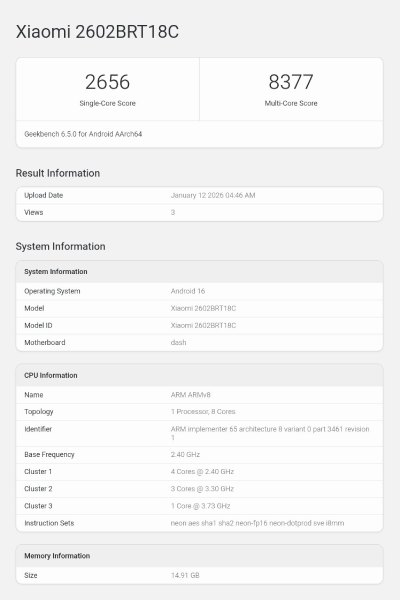
Listed under the model number 2602BRT18C, the device is likely a part of the upcoming Turbo series. And rumors suggest that it could be called the Redmi Turbo 5 Pro Max. 

The device scores 2,656 points in the single-core test and 8,377 points in the multi-core run. The more interesting detail, however, is the silicon powering it.

Redmi Turbo 5 Pro Max Geekbench

According to the benchmark listing, the chip features a 1+3+4 CPU configuration, with one prime core clocked at 3.73GHz, three high-performance cores running at 3.30GHz, and four efficiency cores capped at 2.40GHz. Graphics duties are handled by the Immortalis-G925 MC12 GPU.

This core layout closely matches what’s been rumored for MediaTek’s upcoming Dimensity 9500s. MediaTek will announce the new SoC on January 15, and Redmi’s launch could follow shortly after.

Details about the Turbo 5 Pro Max itself are limited, but alleged renders of the phone have already made their way online. 

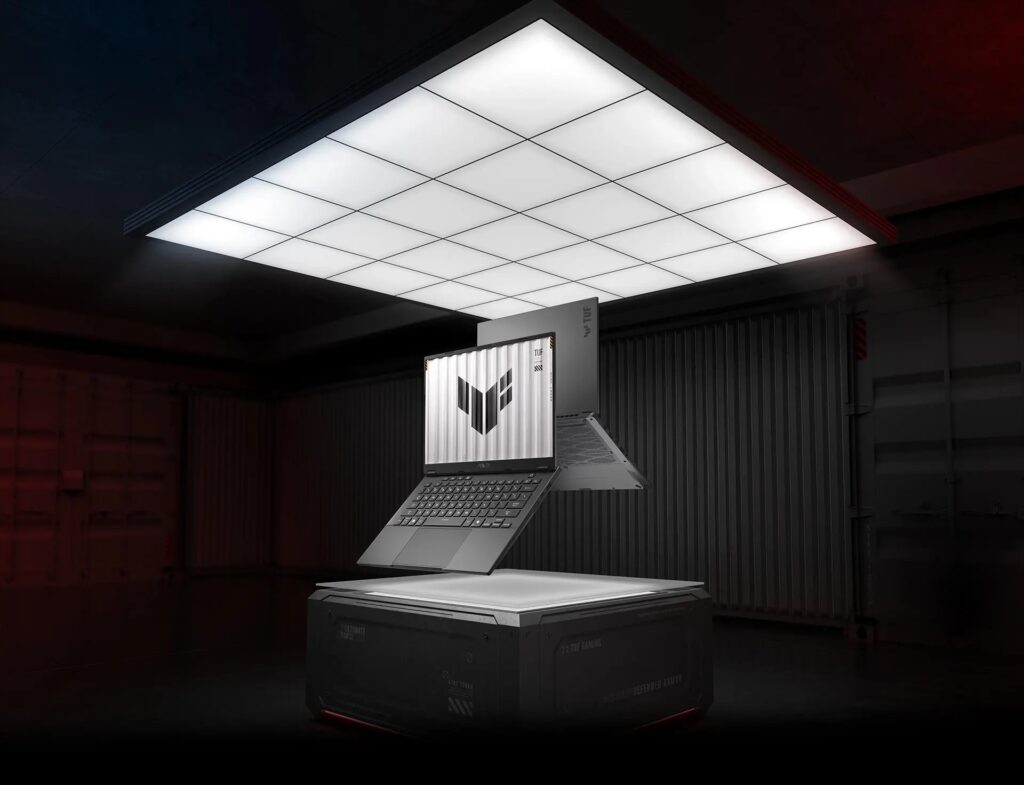
The smartphone has a dual-camera setup on the back. However, instead of the vertical alignment seen on the Turbo 4 and Turbo 4 Pro, the cameras now sit horizontally inside an oval-shaped camera module.

The rest of the design feels familiar. It has slim bezels on the front with a small centered hole-punch for the selfie camera, and the usual Redmi button placement. 

As with previous Turbo models, the phone will not stay exclusive to China. Internationally, the Redmi Turbo 5 Pro Max is expected to reappear under Poco branding, likely as part of the upcoming Poco X8 lineup.

For more daily updates, please visit our News Section.

Stay ahead in tech! Join our Telegram community and sign up for our daily newsletter of top stories.
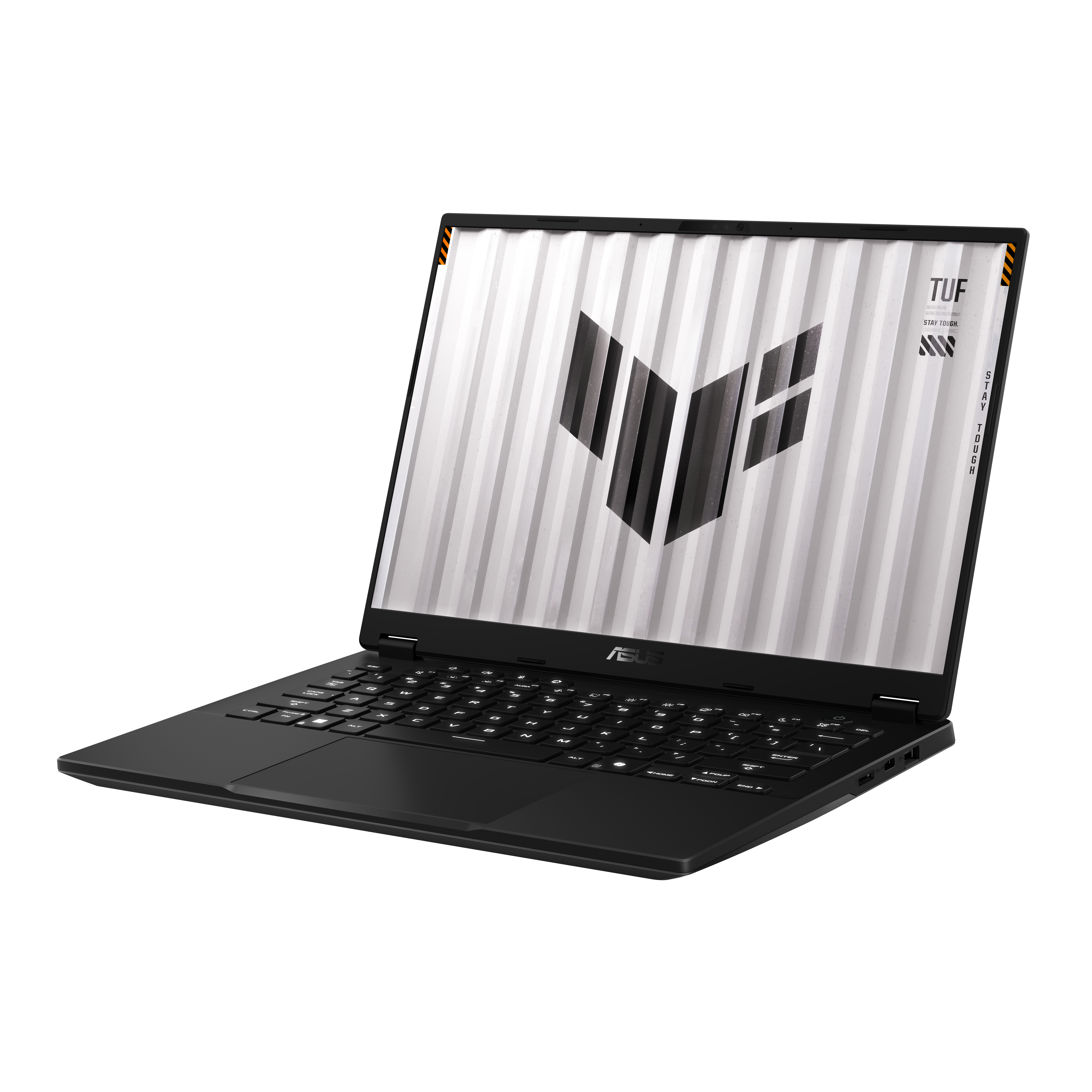
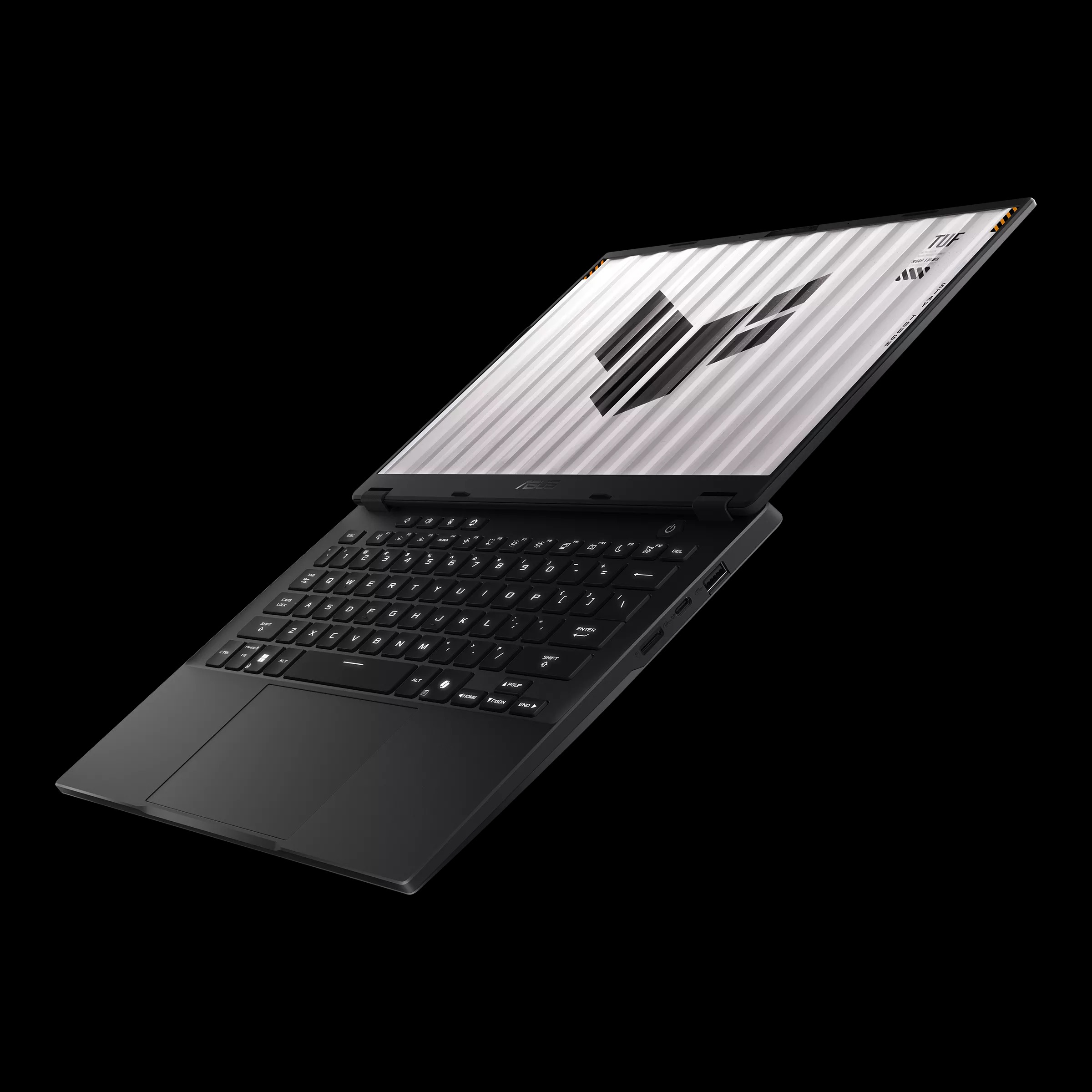
ASUS TUF Gaming A14 2026 Laptops Targets Portable Gaming With RTX 5060 & Military Grade Toughness

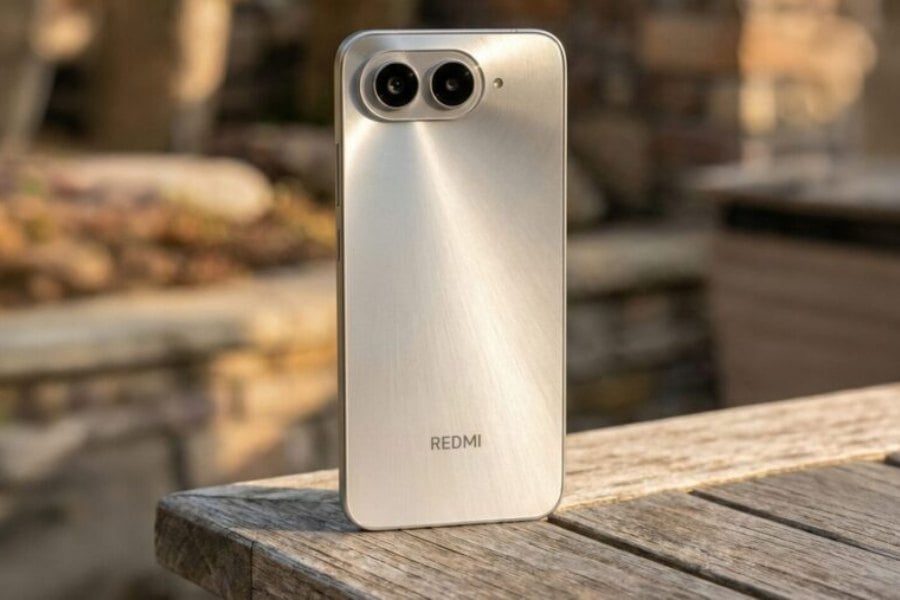
At the recently held CES 2026 event, ASUS introduced two new 14-inch gaming laptops under its TUF Gaming lineup. The TUF Gaming A14 FA401GM and FA401EA focus on delivering strong gaming and AI performance in a compact and lightweight chassis. Both models are built for users who want a portable system without sacrificing power.

ASUS TUF Gaming A14 Laptop

The TUF Gaming A14 FA401GM is powered by the AMD Ryzen AI 9 465 processor. It features 10 cores and 20 threads and includes a built-in NPU capable of up to 50 TOPS of AI performance. Graphics are handled by the NVIDIA GeForce RTX 5060 Laptop GPU, which supports a maximum TGP of 115W with Dynamic Boost in Manual Mode. This hardware combination is aimed at modern AAA games and competitive esports titles while still handling multitasking such as streaming and background applications.

The RTX 5060 Laptop GPU supports the latest DLSS technologies, including DLSS 4. This brings Multi Frame Generation along with improved Ray Reconstruction and Super Resolution, powered by fifth-generation Tensor Cores. These features help increase frame rates, reduce latency, and improve visual quality across a wide range of games.

The TUF Gaming A14 FA401EA focuses on efficiency and integrated performance. It is the first TUF Gaming laptop to use the AMD Ryzen AI Max+ 392 processor. This chip includes 12 CPU cores, Radeon 8060S integrated graphics with 40 compute units, and an NPU capable of 50 TOPS of AI performance. The processor uses a chiplet design that allows the CPU and GPU to share the same memory pool, improving efficiency for gaming, multitasking, and local AI workloads. This model targets users who do not need a dedicated GPU but still want solid gaming and creative performance.

Both laptops feature a 14-inch 2.5K display with a resolution of 2560×1600, a 165Hz refresh rate, and a 16:10 aspect ratio. The panel covers 100 percent of the sRGB color space, reaches 400 nits of brightness, and supports a 3ms response time with overdrive. The FA401GM supports NVIDIA G-SYNC, while the FA401EA supports AMD FreeSync.

Despite their size, the laptops deliver strong thermal performance. The FA401GM supports up to 115W GPU power, while the FA401EA reaches a maximum TDP of 95W in Manual Mode. Cooling is handled by new fan motors, 97-blade fans, and micro-holes in the keyboard deck to improve airflow and keep surface temperatures in check.

Both models support quad-channel LPDDR5X memory, with up to 32GB at 7500MHz on the FA401GM and up to 64GB at 8000MHz on the FA401EA. Storage includes two M.2 2280 PCIe 4.0 slots with support for up to 4TB. Connectivity includes USB4 with DisplayPort and Power Delivery, USB Type-C, USB Type-A, HDMI 2.1, a UHS-II microSD card reader, WiFi 6E, Bluetooth 5.3, and a 73Wh battery. Weights range from 1.46kg to 1.48kg, making the new TUF Gaming A14 models among the most portable gaming laptops announced at CES 2026.

Don’t miss a thing! Join our Telegram community for instant updates and grab our free daily newsletter for the best tech stories!

For more daily updates, please visit our News Section.

(Source)

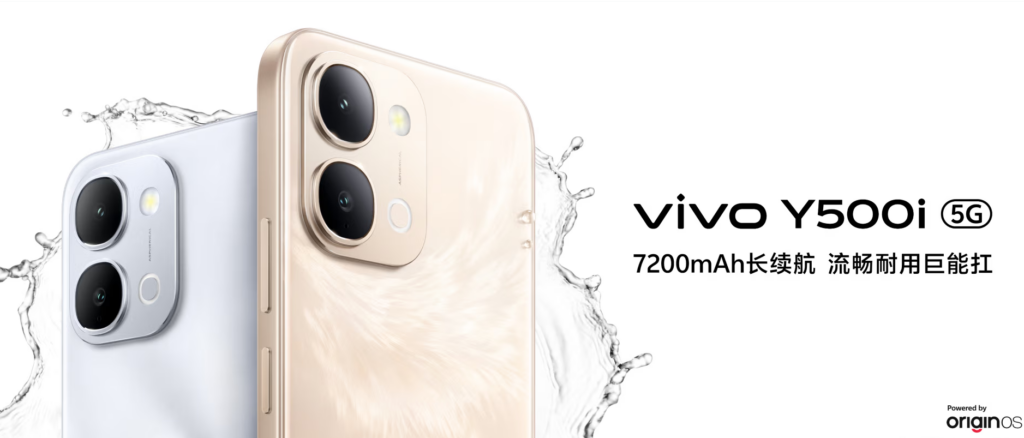
Vivo Y500i launched with 7,200mAh battery, 12GB RAM, 512GB storage

After announcing the Vivo Y500 and Y500 Pro last year, Vivo is back with a new phone from the same series dubbed the Vivo Y500i in China. It focuses on long battery life, large storage options, and reliable 5G performance, targeting users who prioritise endurance and everyday usability. Here’s a look at all the innards and pricing of the phone.

Vivo Y500i specifications and features

The Vivo Y500iv features a 6.75-inch LCD display with an HD+ resolution of 1570 x 720 pixels. The panel supports up to a 120Hz refresh rate and a peak brightness of 1200nits. For security, it features a side-mounted fingerprint sensor.

Under the hood, the Vivo Y500i is powered by the Snapdragon 4 Gen 2 chipset. The phone is available in 8GB and 12GB RAM options, with LPDDR5X used on the 8GB variant and LPDDR4X on the 12GB variant. Storage options include 128GB, 256GB, and 512GB UFS 3.1. Vivo’s memory fusion technology allows up to 12GB or 8GB of virtual RAM, depending on the variant.

One of the key highlights of the Vivo Y500i is its battery. The phone packs a single-cell 7,200mAh lithium-ion battery with 44W Flash Charge support. The device runs OriginOS 6, which is likely based on Android 16.

Vivo Y500i
Vivo Y500i

On the camera front, the Vivo Y500i features a 5-megapixel front camera with an f/2.2 aperture. The rear houses a single 50-megapixel camera with an f/1.8 aperture and autofocus support. Other features include Wi-Fi dual-band support, Bluetooth 4.2, GPS with multiple satellite systems, USB-C, a 3.5mm headphone jack, an IR blaster, and essential sensors.

For durability, the Y500i comes with an IP68/69-rated dust and water-resistant body. It also carries SGS Gold Label 5-star drop and shock resistance certification. In terms of design, the Vivo Y500i measures 166.64 x 78.43mm x 8.49mm and weighs around 219 grams.

Vivo Y500i price and availability

The Vivo Y500i has arrived in China in Galaxy Silver, Obsidian Black, and Phoenix Gold colour options. Buyers can choose from variants such as 8GB+128GB, 8GB+256GB, 8GB+512GB, 12GB+256GB, and 12GB+512GB. These variants are priced at 1,499 Yuan (~$210), 1,799 Yuan (~$250), 1,999 Yuan (~$280), 1,999 Yuan (~$280), and 2,199 Yuan (~$315), respectively.

For more daily updates, please visit our News Section.

Stay ahead in tech! Join our Telegram community and sign up for our daily newsletter of top stories.
Honor Magic 8 RSR full specifications leaked before January 19 launch

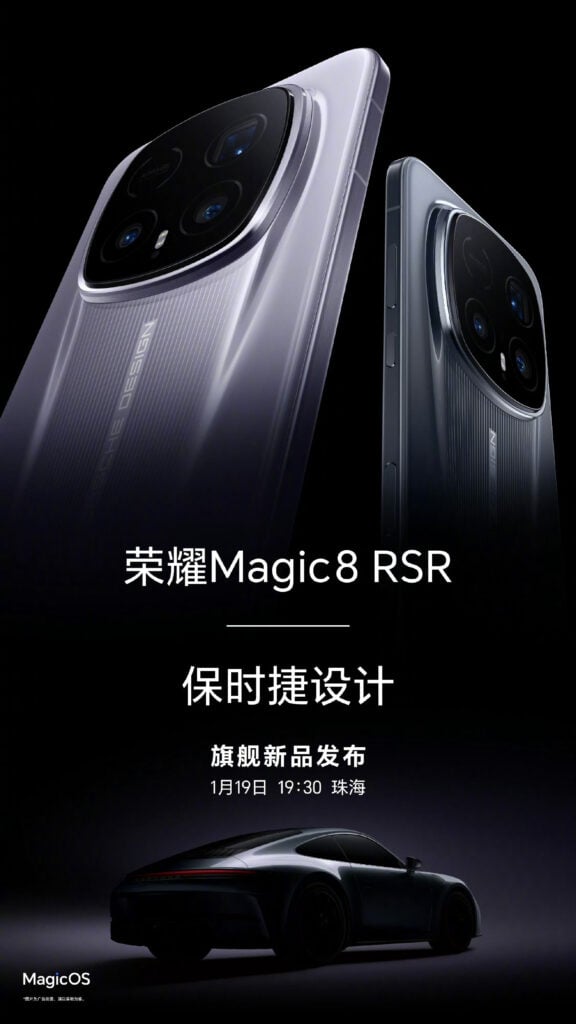
Honor recently confirmed that it will hold a launch event on Jan. 19 to unveil the Honor Magic 8 Pro, a compact flagship phone. Today, the brand released the following image to reveal that the Magic 8 RSR will also be announced through the same event. This phone will arrive as an enhanced version of the Magic 8 Pro.

Honor Magic 8 RSR launch date

Honor Magic 8 RSR launch date

The above image showcases the Honor Magic 8 RSR in two shades, such as purple and black. Both models have a squircle camera module instead of the hexagonal one, which was seen on the previous generation. While Honor has not revealed anything about the phone’s technical information, a recent Weibo post by a Chinese tech blogger has revealed almost everything about it.

Honor Magic 8 RSR specifications (rumored)

As per a new leak, the Honor Magic 8 RSR will arrive with a 6.71-inch LTPO OLED 1.5K screen with a quad-curved design. Under the hood, the device will feature the Snapdragon 8 Elite Gen 5 chip and a massive 7,200mAh battery with 120W wired and 80W wireless charging support.

The Magic 8 RSR will ship with 24GB of RAM and 1TB of storage. It will run on Magic 10 OS-based Android 16 and will feature a 50-megapixel front camera. On the back, it will have an OIS-enabled 50-megapixel primary camera, a 50-megapixel ultra-wide lens, and a 200-megapixel periscope telpehoto camera with 3.7x optical zoom and OIS support.  

It will come with other features, such as an ultrasonic in-screen fingerprint sensor, 3D facial recognition, a dedicated camera button, and a satellite connectivity support. It will also have an IP68/69/69K-rated chassis.

For more daily updates, please visit our News Section.

Stay ahead in tech! Join our Telegram community and sign up for our daily newsletter of top stories.
Casio launches WS1800 digital watches in the US with retro design and 10-year battery life

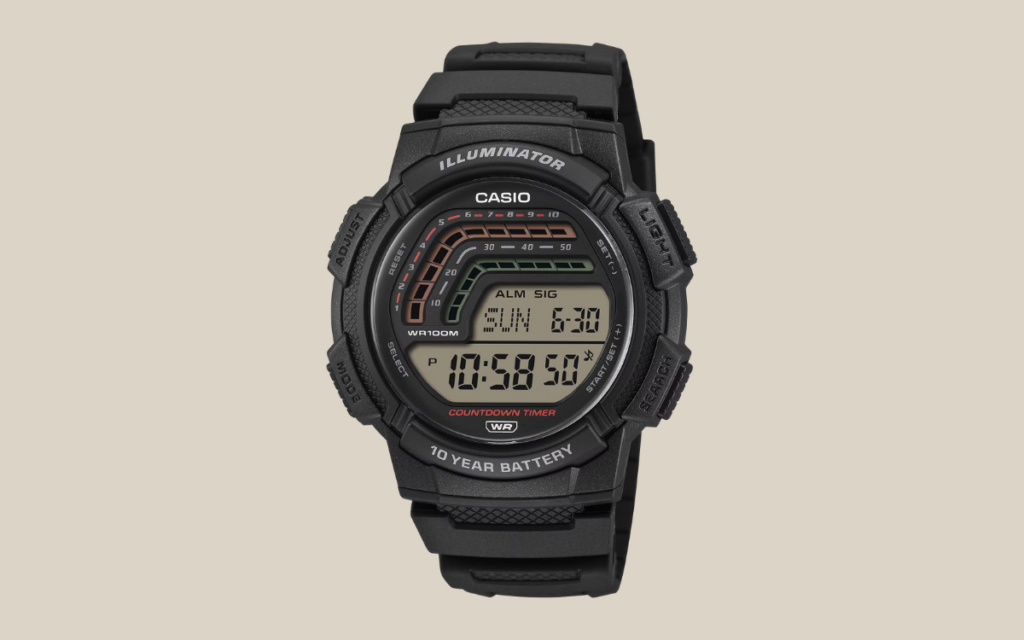
Casio has launched the WS1800 digital watch series in the United States. The new lineup includes three models: WS-1800-1AV (black), WS-1800-2AV (blue), and WS-1800-3AV (green). Each model is priced at $39.95 and is available through Casio’s official US website. The watches also appear on Amazon for pre-order at a higher price of around $65.

Casio WS1800

Casio WS1800 Specifications

The WS1800 is positioned as a sports-oriented digital watch with a retro-style design. It features a wide graphic display with upper dual scales and a larger main screen that shows the time, date, and day of the week. Casio uses a spherical resin glass for the front, while the case and band are made of lightweight resin. The watch weighs 41 grams and supports wrist sizes between 145 mm and 215 mm.

Casio has rated the watch for 100-meter water resistance. The built-in CR2025 battery is expected to last up to 10 years. The display supports an amber LED backlight with afterglow for better visibility in low-light conditions.

The WS1800 comes with a dual-display stopwatch that tracks game time and total elapsed time at the same time. It allows the event timer to be set between 1 and 60 minutes, and the stopwatch continues running even after the timer expires. The upper display measures up to 59 minutes and 59 seconds, while the lower display supports timing up to 99 minutes and 59 seconds.

Casio WS1800

Casio has also included a preset countdown timer with fixed intervals ranging from 10 to 45 minutes. The timer features auto-repeat and an elapsed time mode. In addition, the watch supports up to nine interval timers with independent start times. These timers can be set in one-minute and five-second increments.

Additionally, the watch supports 29 time zones across 48 cities, along with a daily alarm, an hourly time signal, and a full auto calendar valid until 2099. It maintains a monthly accuracy of ±30 seconds, supports both 12-hour and 24-hour time formats, and lets users mute button operation tones if needed.

In related news, Casio recently unveiled the MRG-B2100D-2A, a Japanese pagoda inspired timepiece with a blue dial and a titanium build, and also announced a new limited edition G-Shock created in collaboration with a durable Japanese bag brand.

For more daily updates, please visit our News Section.

Stay ahead in tech! Join our Telegram community and sign up for our daily newsletter of top stories!

AOC launches Agon Pro AG276QSG2 gaming monitor with 2K 360Hz display and G-Sync Pulsar tech

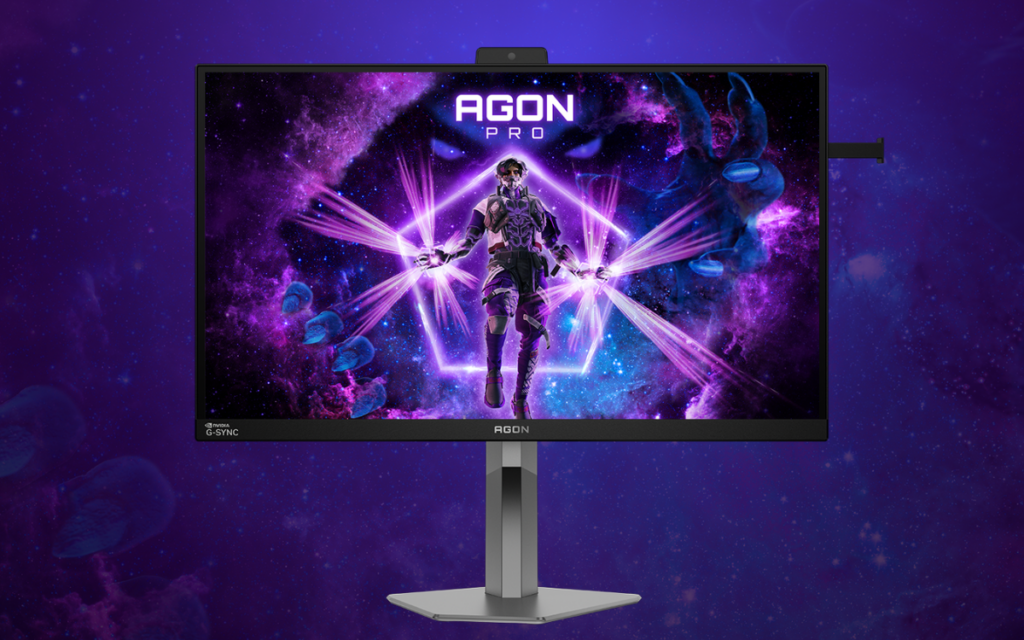
AOC has officially launched the Agon Pro AG276QSG2 gaming monitor, targeting esports players and competitive gamers. The new model is priced at 4,999 yuan ($716) in China and $599.99 in the global market.

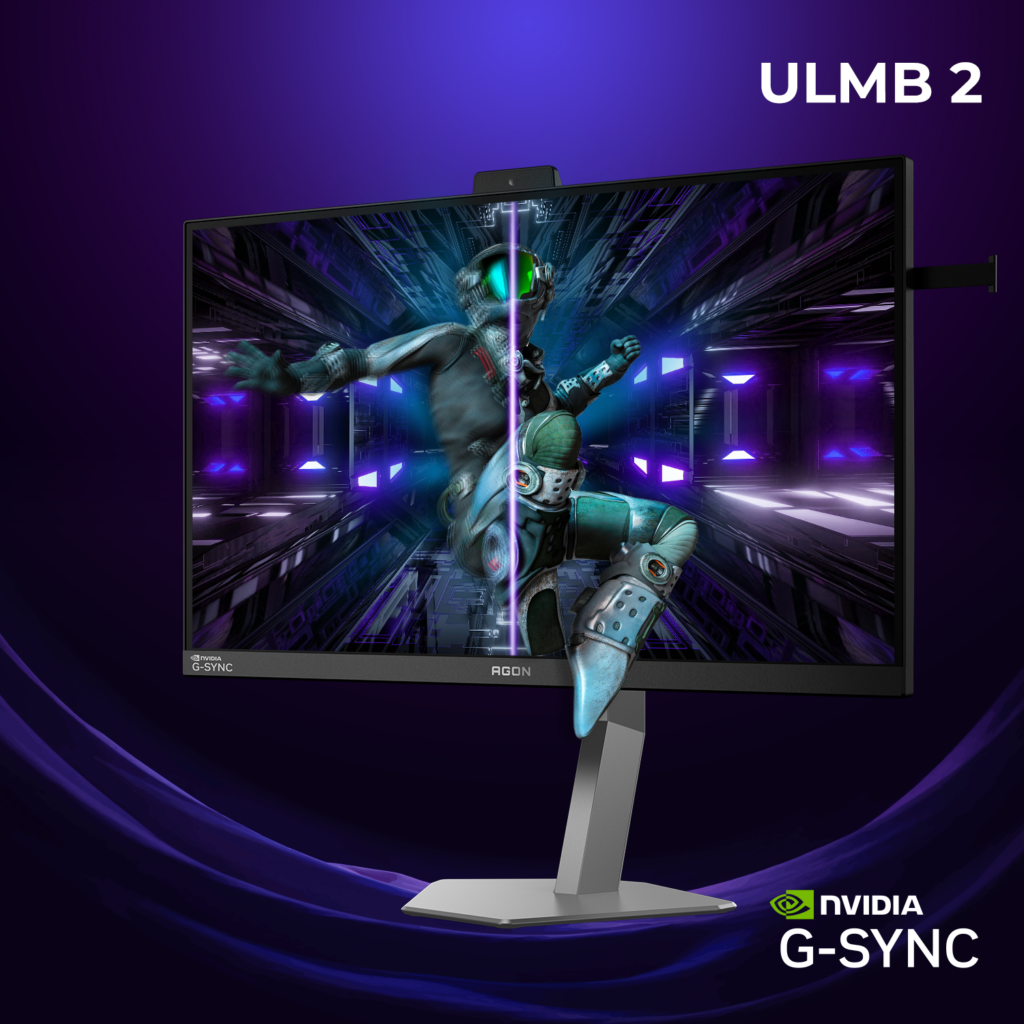
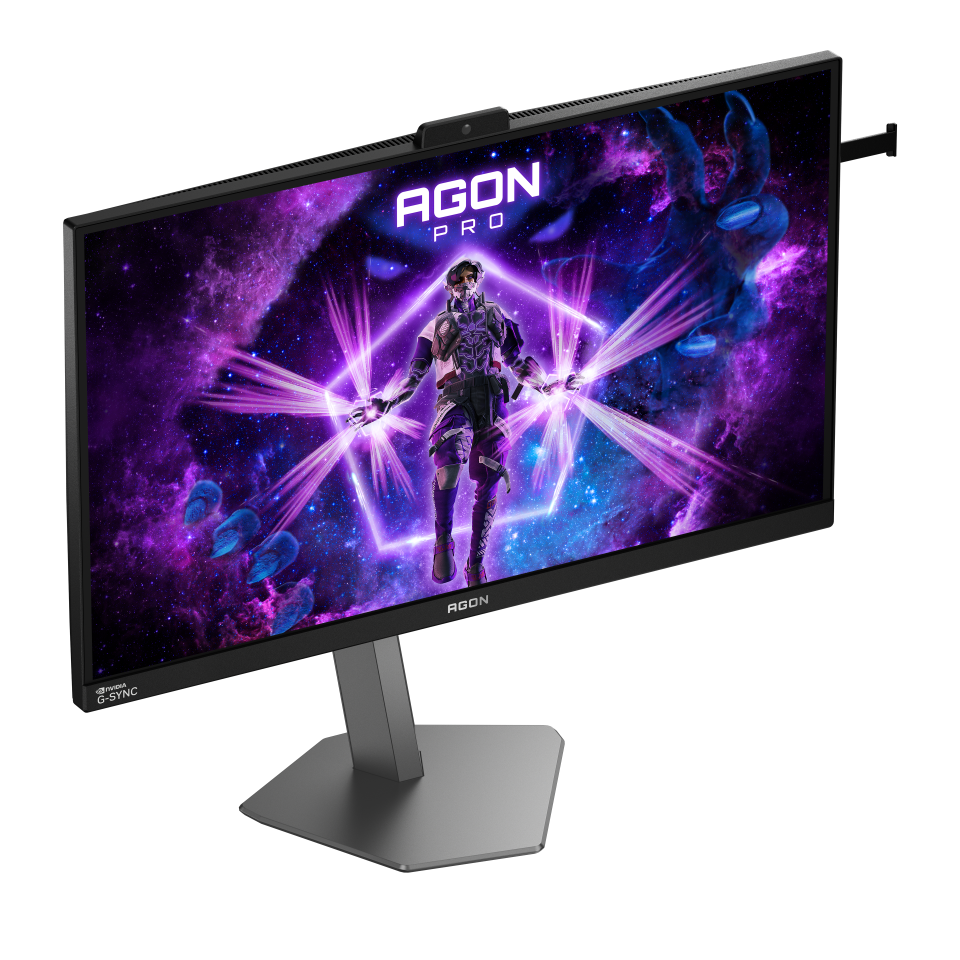
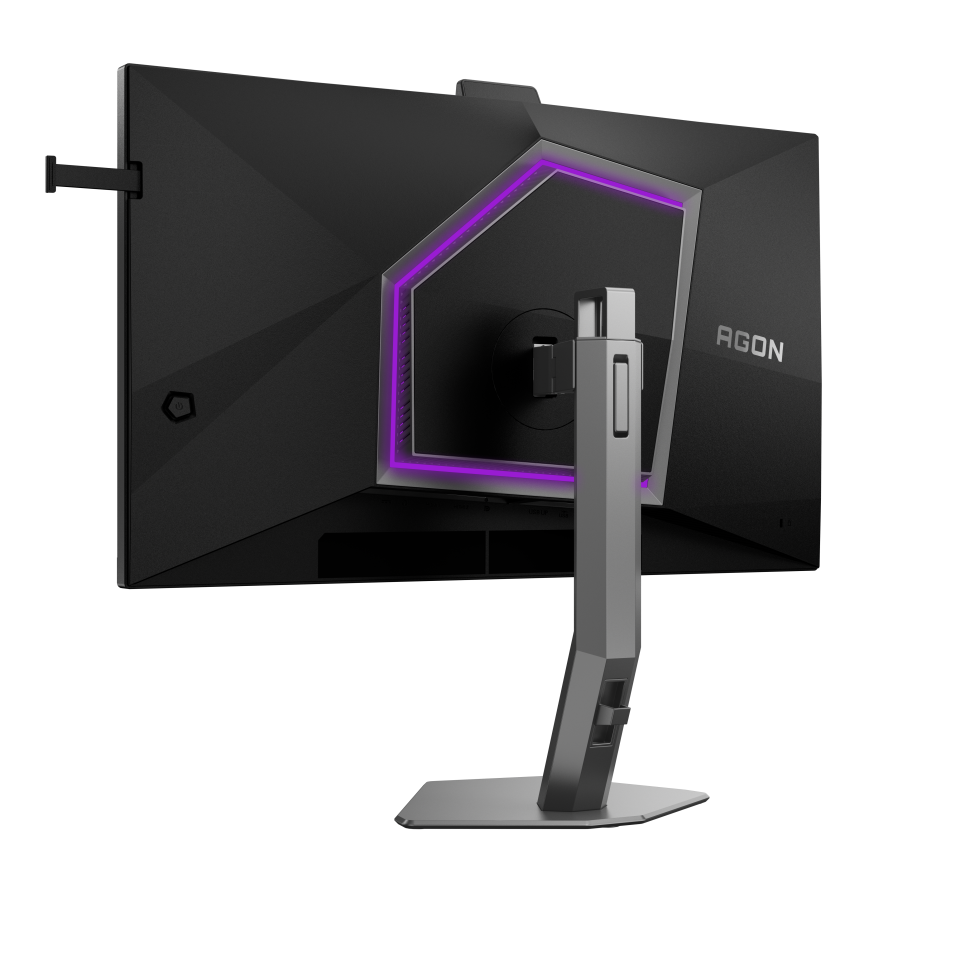
AOC Agon Pro AG276QSG2 gaming monitor

AOC AG276QSG2 Specifications

The AG276QSG2 features a 27-inch Fast IPS panel with a 2560 x 1440 pixel resolution and supports a 360Hz refresh rate.

AOC integrates Nvidia G-Sync Pulsar with a dedicated G-Sync module, combining variable refresh rate and ULMB2 backlight strobing to deliver up to four times higher motion clarity than conventional backlight systems. The monitor supports a 0.69ms response time in strobe mode and 1ms gray-to-gray in standard operation.

The panel supports 100% sRGB and 90% DCI-P3 color gamuts and includes True 8-bit color depth. It comes factory calibrated with an average Delta E below 2. The monitor also supports HDR10 and reaches a peak brightness of 500 nits under HDR mode.

The AG276QSG2 uses G-Sync Ambient Adaptive technology to automatically adjust brightness and color temperature based on ambient lighting through a built-in light sensor. It also features hardware-level low blue light filtering to help reduce eye strain without compromising color accuracy.

For connectivity, the monitor includes two HDMI 2.1 ports, a DisplayPort 1.4 with DSC, USB 3.2 ports with upstream support, a micro USB for firmware updates, and a 3.5mm audio jack, along with dual 2W speakers and rear RGB Light FX.

The stand supports up to 130mm height adjustment along with tilt, swivel, and full pivot. It also includes a built-in headphone hook, cable management, and a carrying handle, while 100 x 100mm VESA mounting support is available.

In related news, HP has unveiled the Series 7 Pro monitor with a 31.5-inch 4K 120Hz display and Thunderbolt 4 support, while Acer has introduced the ProDesigner PE320QX, a 32-inch 6K monitor with extensive connectivity options.

For more daily updates, please visit our News Section.

Stay ahead in tech! Join our Telegram community and sign up for our daily newsletter of top stories! 💡

Best phones at CES 2026

CES 2026 didn’t centre entirely on smartphones, yet several new phones showcased at the event captured attention for their bold ideas and varied approaches to mobile design. From ambitious foldables and productivity-oriented flagships to fresh takes on connectivity and communication, the show offered glimpses of what to expect in the smartphone landscape through 2026.

Foldables and flagship innovations

Samsung Galaxy Z TriFold images
Samsung Galaxy Z TriFold

One of the most eye-catching phones at CES 2026 was the Samsung Galaxy Z TriFold, a tri-folding device that opens up into a large 10-inch internal display while still folding into a compact form. This much-talked-about phone runs on a powerful Snapdragon chipset and features a 200-megapixel main camera, aiming to blend productivity and entertainment in a single device. Samsung announced pricing at 3.59 million won (around $3,700) in Korea, with wider global availability planned in the coming months.

Moto-Razr-Fold-with-stylus-input-leak
Motorola Razr Fold

Motorola joined the foldable conversation with the Motorola Razr Fold, a new book-style foldable that brings an 8.1-inch internal display and a 6.6-inch external screen into a design that pays homage to its classic Razr lineage. It also integrates a triple 50-megapixel camera array and stylus support that aims to appeal to productivity-oriented users.

Flagship phones also featured strongly. Motorola’s Signature phone, equipped with Snapdragon 8 Gen 5 performance, a 6.8-inch Extreme AMOLED display and a 50-megapixel triple camera setup, was priced at about €999 (approximately $1,170) in its initial European markets.

Fresh ideas and practical picks

TCL NxtPaper 70 Pro
TCL Nxtpaper 70 Pro

Beyond foldables and traditional flagship models, several devices stood out for their unique propositions. TCL’s Nxtpaper 70 Pro grabbed interest with its eye-friendly matte display and Gemini AI support, bringing a fresh idea for mid-range phones. The 256 GB configuration was announced at €339 (around $400), positioning it as a compelling alternative in its segment.

Infinix Note 60 global satellite connectivity for HD calls
Infinix Note 60 has global satellite connectivity for HD calls

Infinix also made a notable appearance with its Infinix Note 60 series, highlighted for global satellite calling and messaging support, a feature that allows basic communication even where conventional networks are unavailable. While official pricing hasn’t been fully confirmed, the innovative connectivity and the introduction of HydroFlow liquid cooling and ModuVerse modular accessory support suggest that Infinix is aiming for a mix of utility and differentiated features at an attractive price point.

A particularly intriguing announcement at CES 2026 was the Clicks Communicator, a smartphone designed with a physical QWERTY keyboard that evokes the nostalgia of classic BlackBerry-style devices. It features a 4.03-inch AMOLED screen, Android 16 with support for major messaging apps, a 50-megapixel rear camera, and 256 GB of storage expandable up to 2 TB via microSD. The device was priced at $499 for full retail, with early reservation pricing starting at $399.

Clicks Communicator
Clicks Communicator

The Communicator’s focus on messaging and productivity offers a different take on smartphone use, where tactile input and streamlined communication replace hours of endless scrolling. It also includes a 3.5 mm headphone jack, a 4,000 mAh battery, and is pitched both as a secondary device and a possible primary phone for enthusiasts of physical keyboards.

Overall, the best phones at CES 2026 highlighted varied approaches to smartphone innovation, with foldables pushing new form factors, flagships reinforcing performance standards, and mid-range devices like TCL’s matte display phone and Infinix’s satellite-enabled models proving that innovation is not limited to premium segments. Unconventional devices such as the Clicks Communicator also showed there is still room for ideas focused on communication and productivity, as brands continue to experiment beyond conventional slab-style smartphones.

For more daily updates, please visit our News Section.

Stay ahead in tech! Join our Telegram community and sign up for our daily newsletter of top stories.

Why AI PCs dominated CES 2026 announcements

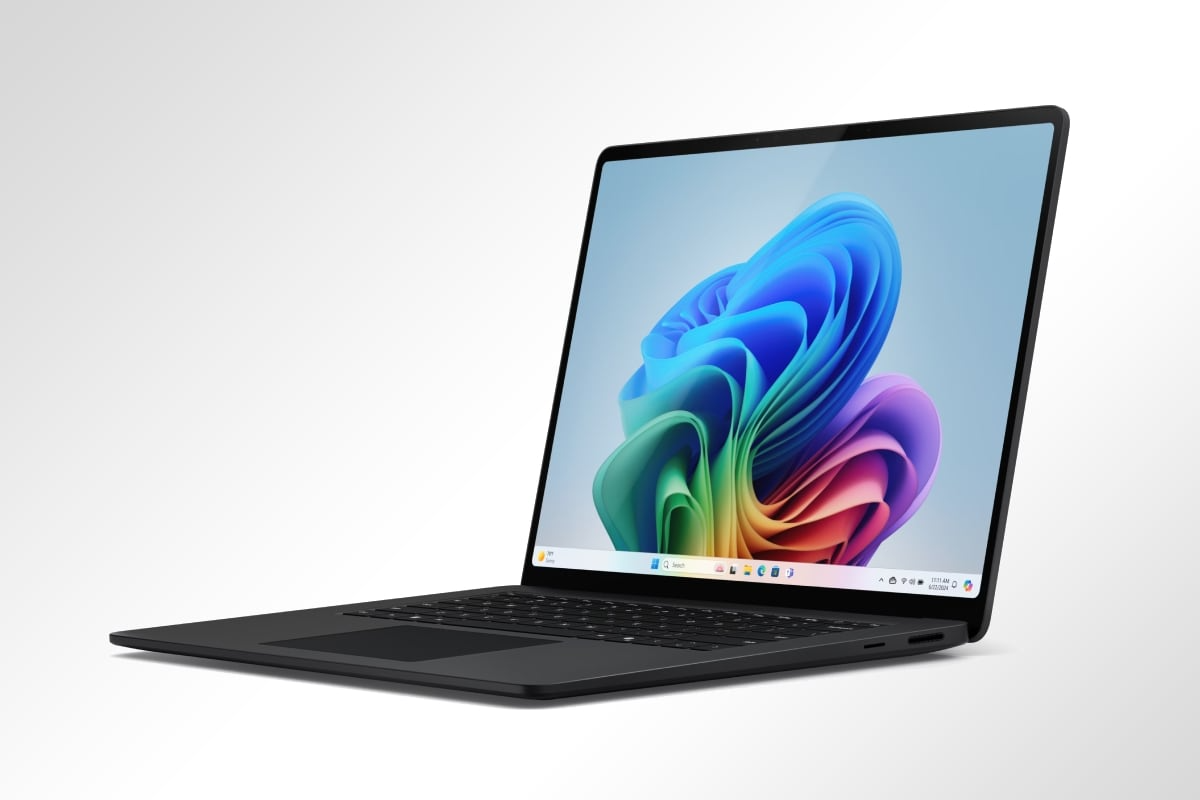
CES 2026 opened with a familiar pattern where laptops and PCs once again filled keynote stages, but this time the spotlight was clearly on AI PCs. Brands such as Samsung, Dell, HP, Lenovo, Asus, and Microsoft partners used the event to highlight how on-device AI has moved from concept to mainstream product strategy, setting the tone for the rest of the year.

1A clear message to consumers and enterprises

Microsoft Surface Laptop 7

Another reason AI PCs dominated CES 2026 is the clarity of messaging aimed at both consumers and businesses. For consumers, brands positioned AI PCs as future-ready devices that will remain relevant for several years, especially as more applications integrate AI features.

For enterprises, companies like Dell and Lenovo showcased AI-enabled ThinkPad and Latitude models with on-device security analytics and automated IT management, reducing reliance on external servers.

Pricing was also carefully addressed during CES 2026. While premium AI PCs were showcased in higher-end configurations, several brands indicated that more affordable AI-enabled laptops would arrive as the year progresses. This approach signals that AI PCs are not niche products but are being positioned as the next standard category. CES 2026 made it clear that the industry views AI as the foundation of personal computing rather than a short-term trend.

For more daily updates, please visit our News Section.

Stay ahead in tech! Join our Telegram community and sign up for our daily newsletter of top stories.
Next

iQOO Z11 Turbo promises 76% less Wi-Fi lag with new Thunder Z1 gaming chip

iQOO has confirmed that it will launch the iQOO Z11 Turbo in China on January 15. The company has been promoting the device as a performance-focused smartphone with a strong emphasis on gaming connectivity, battery life, and flagship-grade internals.

iQOO Z11 Turbo

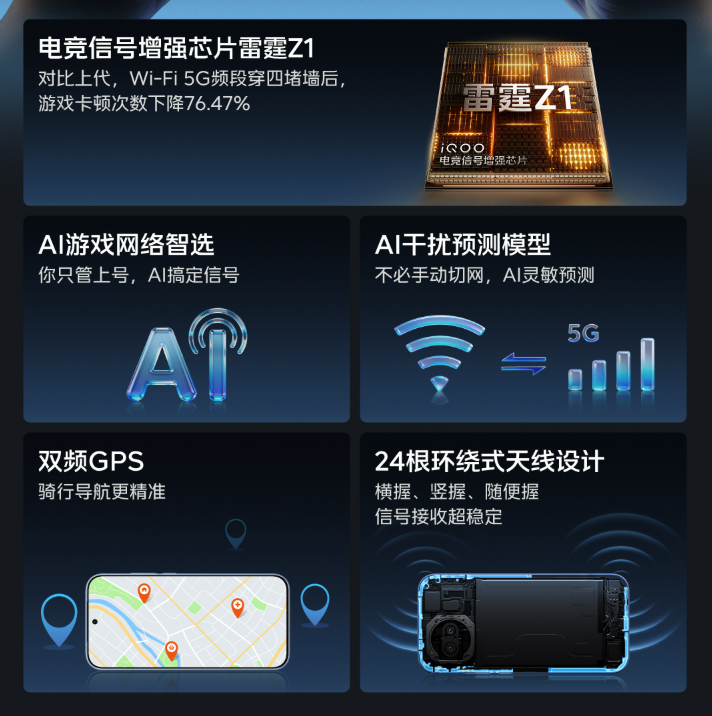
According to official teasers on Weibo, the iQOO Z11 Turbo will feature the Global Esports Network System 2.0. This system includes the new Thunder Z1 gaming signal enhancement chip, which improves network stability during intense gaming sessions. iQOO claims that the chip reduces game stutter by 76.47% compared to the previous generation when using Wi-Fi 5GHz signals through four walls.

The system features AI Gaming Network Smart Selection, which automatically chooses the best network based on real-time conditions. It also features an AI interference prediction model that anticipates potential signal issues and adjusts performance in advance. These features aim to maintain a stable connection during competitive gameplay.

iQOO Z11 Turbo

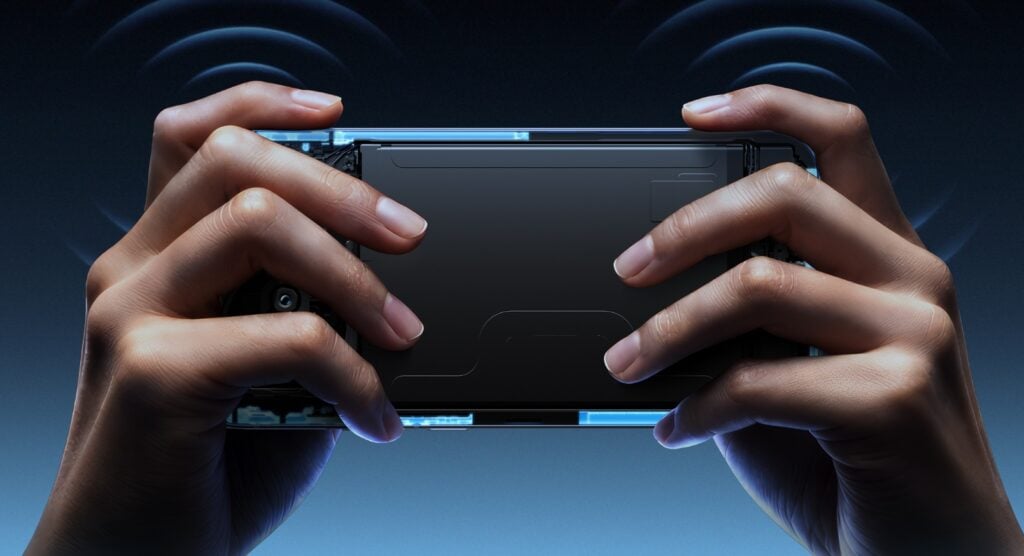
iQOO has also confirmed that the phone will support dual-frequency GPS for improved navigation accuracy. The device will include 5G connectivity with a 24-antenna surround design to ensure signal reception in any grip orientation.

The iQOO Z11 Turbo is expected to feature a 6.59-inch LTPS OLED display with a 1.5K resolution and a 144Hz refresh rate. The phone will run on the Snapdragon 8 Gen 5 processor. It will be available in multiple configurations, including up to 16GB of LPDDR5X RAM and 1TB of UFS 4.1 storage.

The phone will pack a 7,600mAh battery, which is claimed to be the largest in its size category. It will support 100W fast charging. Despite the large battery, the device is expected to remain relatively slim at 7.9mm thick and weigh around 202 grams.

Other expected features include an ultrasonic 3D fingerprint sensor,a 200MP main camera, IP68 and IP69 ratings for water and dust resistance, and Android 16 out of the box with OriginOS 6.

For more daily updates, please visit our News Section.

Stay ahead in tech! Join our Telegram community and sign up for our daily newsletter of top stories! 💡

Redmi K90 Ultra to feature built-in cooling fan, and surprisingly no new chip

Redmi is known for launching its Ultra-branded flagship with a new chipset by the middle of each year. In the past, the Redmi K60 Ultra, K70 Ultra, and K80 Ultra were launched with the Dimensity 9200+, Dimensity 9300+, and Dimensity 9400+, respectively. However, a new leak reveals that the upcoming Redmi K90 Ultra will feature an existing chipset rather than a new one. The same leak has also revealed a few more details about the phone.

Redmi K90 Ultra key specs tipped

Redmi K90 Ultra specs leak

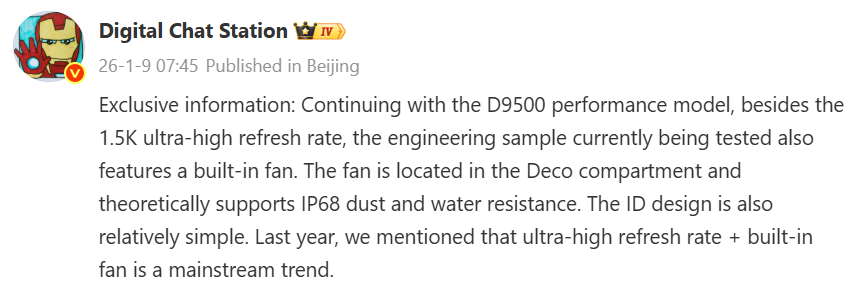
The above leak, which reportedly pertains to the Redmi K90 Ultra, states that it will feature an OLED panel offering a 1.5K resolution and an ultra-high refresh rate. Under the hood, the device is said to be powered by the Dimensity 9500 chipset, not the Plus variant.

A recent leak by the same source revealed that MediaTek will not be launching the Dimensity 9500 Plus, an overclocked version of the existing Dimensity 9500, this year. Coming back to the K90 Ultra leak, it also states that the device will be equipped with a built-in cooling fan, a trend that will gain momentum this year. The tipster added that the phone will offer IP68-level dust and water resistance, along with a relatively clean, minimalist design.

Previous reports have revealed that the Redmi K90 Ultra will feature a 6.8-inch display with support for a 165Hz refresh rate and house a massive 10,000mAh battery with 100W wired charging and fast wireless charging. Despite packing a large battery, the device is said to have an 8.5mm-thick body. It is also expected to arrive with features such as a metal frame and an ultrasonic in-display fingerprint sensor.

As far as launch is concerned, the Redmi K90 Ultra may launch in May or June this year in China. Like the previous generation models, the K90 Ultra may remain confined to the Chinese market.

For more daily updates, please visit our News Section.

Stay ahead in tech! Join our Telegram community and sign up for our daily newsletter of top stories.
Honor Magic 8 Pro Air camera specs surface, proving compact phones can excel at photography

On Jan. 19, Honor will unveil the Magic 8 Pro Air, a compact phone packed with impressive flagship specs in China. Recent reports have already leaked several of its details, but its camera specifications had not surfaced until now. A new leak, courtesy of tipster Teme, has revealed the camera details, suggesting that compact phones do not need to compromise in the photography department.

Honor Magic 8 Pro Air specifications (rumored)

According to Teme, the Honor Magic 8 Pro Air will feature a 50-megapixel OmniVision selfie camera. Its rear camera setup will include a 50-megapixel OV50Q main camera with OIS and a 23mm focal length. The same primary sensor is also available on the Honor Magic 8 Pro.

The Magic 8 Pro Air’s rear camera setup will also include a 50-megapixel OV50M ultra-wide camera with a 16mm focal length and a 112-degree FOV. It will also feature a 64-megapixel OV64B telephoto camera with OIS and 3.2x optical zoom.

The Magic 8 Pro Air will arrive with a 6.31-inch OLED panel that supports a 1.5K resolution. Under the hood, it will feature the Dimensity 9500 chip and a 5,500mAh battery with 80W charging. Other reports have revealed that it will arrive with up to 16GB of RAM and up to 1TB of storage.

The Magic 8 Pro Air runs on MagicOS 10-based Android 16. For security, it will feature an ultrasonic in-display fingerprint sensor. The upcoming Honor compact flagship will measure 6.1mm in thickness and weigh around 158 grams. It will be available in shades, such as white, black, orange, and purple.

For more daily updates, please visit our News Section.

Stay ahead in tech! Join our Telegram community and sign up for our daily newsletter of top stories.

Ayaneo launches Pocket DMG Aura Yellow Limited Edition

Ayaneo has officially launched the Pocket DMG handheld in a new Aura Yellow Limited Edition in China. The device retains the same specifications as the original versions but comes with a refreshed look and pricing starting at 2,399 yuan ($344). This color variant joins the existing lineup that includes Silver Limited Edition, Moonlight White, Arctic Black, and Retro Color editions.

Ayaneo Pocket DMG Aura Yellow

Ayaneo Pocket DMG Specifications

The Pocket DMG adopts a vertical, retro-inspired design paired with a compact 3.92-inch OLED display. The panel delivers a 1240 x 1080 resolution with a pixel density of 419 PPI, reaches up to 450 nits of peak brightness, and covers 104% of the NTSC color gamut. Its 8:7 aspect ratio suits emulation and retro gaming particularly well.

The handheld runs on Qualcomm’s second-generation Snapdragon G3x gaming platform. Ayaneo has equipped the device with LPDDR5X memory and UFS 4.0 storage for most variants, while the 128GB model uses UFS 3.1.

To maintain stable performance, the Pocket DMG uses an active air-cooling system. The cooling solution features a heat dissipation fin surface of 13,330mm². The battery has a 6000mAh capacity and supports 25W PD fast charging over USB-C.

Ayaneo Pocket DMG Aura Yellow

In terms of controls, the handheld comes equipped with mid-sized Hall-effect analog sticks, tactile L1/L2 and R1/R2 shoulder buttons, a D-pad, and ABXY buttons. Motion input relies on a six-axis gyroscope, while vibration feedback is handled by an X-axis linear motor. The device also includes dual-mode touchpads and a MagicSwitch rotary wheel that supports volume control and customizable shortcuts.

The system includes additional hardware controls, such as a dedicated Turbo button for performance switching and a Home button that supports emulator and Xbox menu functions. Biometric security is handled by a fingerprint scanner built into the power button.

The Pocket DMG supports Wi-Fi, Bluetooth 5.3, and includes a microSD card slot with SD 3.0 support. It runs Android 13 out of the box and uses AyaSpace for system management and AyaHome as the launcher.

In related news, Mangmi has recently unveiled the Pocket Max handheld featuring a 7-inch OLED display with a 144Hz refresh rate and a retro-inspired design. Anbernic has also launched the RG477V gaming handheld, which packs a Dimensity 8300 chip alongside a 120Hz display.

For more daily updates, please visit our News Section.

Stay ahead in tech! Join our Telegram community and sign up for our daily newsletter of top stories! 💡

Dreame’s CES 2026 showcase marked its biggest move beyond smart cleaning

Dreame marked an important milestone at CES 2026, using the global tech event to outline how its ambitions have grown beyond individual smart devices. The company presented its most expansive showcase to date, offering a first look at how it sees connected living evolving inside modern homes.

Dreame’s whole-home smart ecosystem at CES 2026

Dreame at CES 2026
Dreame at CES 2026

At CES 2026, Dreame presented its first complete Whole-Home Smart Ecosystem across two major venues in Las Vegas. The brand occupied dedicated spaces at the Las Vegas Convention Center and the Venetian Expo, underlining the scale of its presence and its intent to address smart living as an integrated experience rather than a collection of standalone products.

This appearance reflected a clear shift in Dreame’s strategy. Known primarily for its robot vacuums and smart cleaning products, the company used CES to show how it is expanding into broader home categories. The focus was on connectivity across rooms and devices, with technology designed to remain unobtrusive while supporting daily routines.

One of the key reveals was the X60 Series robot vacuum, positioned as the company’s thinnest flagship so far. Dreame also displayed a range of smart appliances aimed at living rooms and kitchens, including a new air conditioning concept and a refrigerator designed to deliver instant sparkling water. Personal care products were also folded into the ecosystem, highlighted by the AirStyle Pro HI, which combines drying and styling functions in a single device.

Dreame also hosted a dedicated ecosystem presentation during the event, offering a closer look at how its product categories connect within a single smart home setup. With an exhibition footprint exceeding 1,200 square metres across two venues, the showcase indicated Dreame’s intent to compete in the wider smart home ecosystem space rather than remain focused solely on cleaning hardware.

For more daily updates, please visit our News Section.

Stay ahead in tech! Join our Telegram community and sign up for our daily newsletter of top stories.
Oppo Pad 5 launches with 12.1-inch display, massive battery, and AI note-making features

After launching the Reno 15 series, Oppo has expanded its tablet portfolio in India with the launch of the Oppo Pad 5. The new tablet targets users looking for a large-screen Android device with productivity-focused features, long battery life, and optional 5G connectivity. While it shares the name with the China model, the Indian variant comes with notable hardware differences, which are detailed below.

Oppo Pad 5 specifications and features

OPPO Pad 5 Matte Display Edition
Oppo Pad 5

The Oppo Pad 5 features a 12.1-inch LCD screen with a 2.8K resolution of 2800 x 1980 pixels and a 7:5 aspect ratio. The panel supports refresh rates of up to 120Hz, Dolby Vision, and offers up to 900 nits brightness in high brightness mode. OPPO has opted for an anti-glare matte finish, making it suitable for reading, note-taking, and extended usage.

Powering the tablet is the MediaTek Dimensity 7300-Ultra chipset built on a 4nm process, paired with 8GB of LPDDR5X RAM and up to 256GB of UFS 3.1 storage. The device runs on Android 16-based ColorOS 16 and includes AI-assisted note-taking features aimed at improving organisation and productivity.

In terms of cameras, the Oppo Pad 5 comes with an 8-megapixel rear camera and an 8-megapixel front-facing camera, both with an f/2.0 aperture. It is backed by a 10,050mAh battery with support for 33W SuperVOOC fast charging.

Audio duties are handled by quad speakers, while connectivity options include Wi-Fi 6, Bluetooth 5.4, USB Type-C, and optional 5G support. It also supports the Oppo Pencil 2R, offering 4,096 levels of pressure sensitivity and low latency for writing and sketching.

Oppo Pad 5 price in India, availability

The Oppo Pad 5 is available in Aurora Pink and Starlight Black colour options. The Wi-Fi variant with 8GB RAM and 128GB storage is priced at Rs 26,999 (~$300), while the 8GB RAM and 256GB storage 5G model costs Rs 32,999 (~$365).

Sales begin on January 13 through the Oppo India online store, Flipkart, and offline retail outlets, with pre-orders already open. Launch offers include instant bank discounts of up to Rs 2,000 and no-cost EMI options for up to nine months.

For more daily updates, please visit our News Section.

Stay ahead in tech! Join our Telegram community and sign up for our daily newsletter of top stories.

Xiaomi 17 Max to launch in April, what’s the “Pro” thing that it lacks?

A recent report revealed that Xiaomi is working on a new Xiaomi 17 series phone. This will be the fifth phone in the series in the Chinese market after the Xiaomi 17, Xiaomi 17 Pro, Xiaomi 17 Pro Max, and Xiaomi 17 Ultra. A Weibo post by a Chinese tech blogger has not only revealed its moniker but also its launch timeframe.

Xiaomi 17 Max launch timeframe, key details (rumored)

Vivo X300s, Oppo Find X9s, and Xiaomi 17 Max incoming in March and April

The above Weibo post reveals that the months of March and April will see the arrival of new flagship phones, such as the Vivo X300s and Oppo Find X9s, in China. The same timeframe will also see the arrival of the Xiaomi 17 Max.

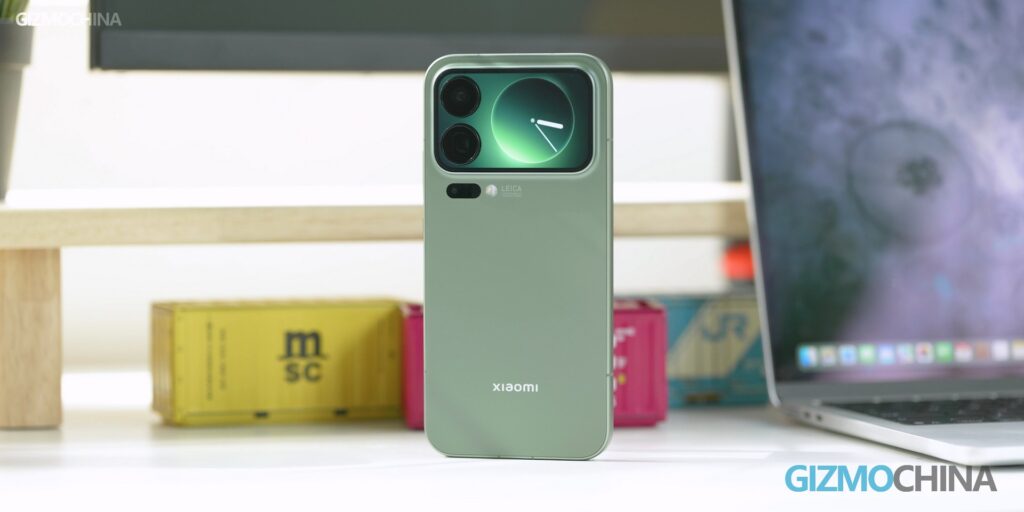
Xiaomi 17 Max won’t feature a rear display

He further mentioned in the comments section that the Xiaomi 17 Max will lack the secondary rear-facing display. This could be the major differentiator between the Xiaomi 17 Max and the 17 Pro Max.

A previous leak revealed that the Xiaomi 17 Max will arrive with a 6.8-inch or a 6.9-inch display. Under the hood, it will feature the Snapdragon 8 Elite Gen 5 chipset. It is also expected to feature a periscope telephoto camera.

The rest of its specifications are under wraps, but it won’t be surprising if it inherits most of the specs from the Pro Max variant. Hopefully, upcoming reports will reveal more details about it.

Xiaoim 17 Pro Max

The Xiaomi 17 Pro Max has a 6.9-inch OLED 2K 120Hz screen, a Snapdragon 8 Elite Gen 5 chip, and a 7,500mAh battery with 100W wired, 50W wireless, and 22.5W reverse wireless charging. It has a 50-megapixel front-facing camera, and its back panel features a 50-megapixel OmniVision Light Fusion 950L main camera, a 50-megapixel ultra-wide lens, and a 50-megapixel periscope telephoto camera with 5x optical zoom.

For more daily updates, please visit our News Section.

Stay ahead in tech! Join our Telegram community and sign up for our daily newsletter of top stories.
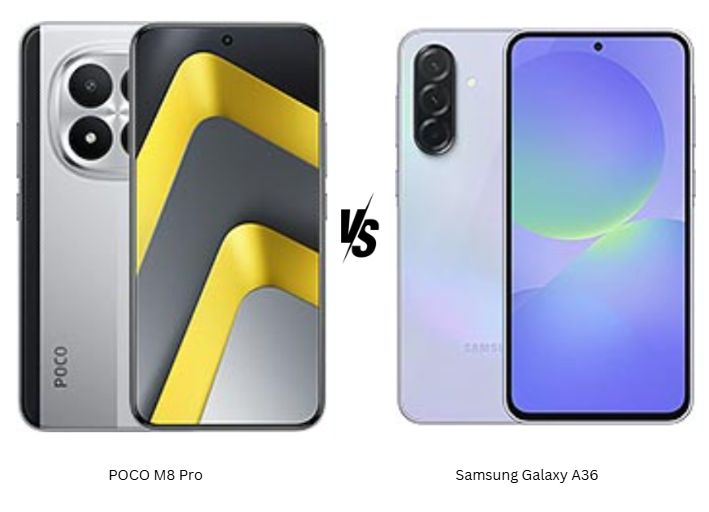
POCO M8 Pro vs Galaxy A36: One Is Clearly the Smarter Buy

Choosing between the POCO M8 Pro and Samsung Galaxy A36 isn’t just about specs, it’s about deciding what kind of smartphone experience matters more. One focuses on raw power, ultra-fast charging, and aggressive hardware value, while the other leans on polish, long-term software support, and a familiar premium feel. Both sit in the upper mid-range, but they approach the segment from very different angles. This comparison breaks down where each phone truly shines, helping you decide whether performance-driven value or long-term refinement makes more sense for your daily use.

1. Design and Display

Build and Feel

POCO M8 Pro focuses on durability with Gorilla Glass Victus 2, a reinforced plastic back, and higher water-resistance ratings in select regions. It feels built for tougher daily use and less delicate handling. Samsung Galaxy A36 takes a cleaner, more premium route with a glass back and Victus+ protection, paired with IP67 resistance. The Samsung feels more refined and lifestyle-oriented, while POCO gives off a rugged, performance-driven vibe that suits rougher usage.

Display Quality

POCO’s AMOLED panel stands out with higher peak brightness, Dolby Vision, HDR10+, and very high PWM dimming, making long viewing sessions feel more immersive and comfortable. Galaxy A36 uses a Super AMOLED display that prioritizes balanced colors and consistency rather than extreme brightness. Samsung’s display feels calmer and more controlled, while POCO’s feels more vivid and cinematic.

Verdict

POCO M8 Pro suits users who value toughness and bold visuals. Galaxy A36 fits those who prefer a polished look and balanced screen tuning.

2. Specifications 

Performance

POCO M8 Pro’s Snapdragon 7s Gen 4 delivers noticeably stronger performance than the Snapdragon 6 Gen 3 in the Galaxy A36. Apps open faster, multitasking feels smoother, and gaming stability is better on POCO. Galaxy A36 focuses more on efficiency and steady everyday performance rather than pushing limits. Samsung’s longer update promise adds reassurance for long-term ownership.

Battery and Charging

POCO M8 Pro clearly leads with a much larger battery and ultra-fast 100W charging, making quick top-ups extremely effective. Reverse wired charging adds extra flexibility. Galaxy A36 offers dependable battery life but slower 45W charging, which feels conservative by comparison.

Verdict

POCO M8 Pro wins for power users and fast charging needs. Galaxy A36 feels better aligned with long-term, steady usage.

3. Camera

Main and Secondary Lenses

Both phones rely on a 50MP OIS main camera, but their output styles differ. POCO M8 Pro benefits from a larger sensor, delivering better low-light consistency and detail. Samsung Galaxy A36 adds flexibility with a macro lens and stronger video features, including 4K with gyro-based stabilization. Samsung’s images lean toward vibrant processing, while POCO’s results feel more natural.

Selfie Camera

POCO offers a higher-resolution selfie camera that captures sharper daylight photos. Galaxy A36 counters with 4K selfie video and 10-bit HDR, making it more appealing for video calls and content creation.

Verdict

POCO M8 Pro favors photography detail. Galaxy A36 is better suited for video-centric users.

4. Pricing

POCO M8 Pro is priced at around $300, while the Galaxy A36 costs roughly $400. POCO delivers stronger hardware, faster charging, and better performance for significantly less money. Samsung’s higher price reflects longer software support, refined design, and stronger video features. 

The price gap makes POCO the clear value option, while Samsung targets buyers prioritizing longevity and brand experience.

Disclaimer:
Prices are approximate and may vary based on country, region, and applicable taxes.

5. Conclusion

POCO M8 Pro stands out with 100W charging, a massive battery, Dolby Vision display, IR blaster, and tougher water resistance. It feels built for users who want maximum specs at a lower price. Galaxy A36 emphasizes long software support, a clean One UI experience, stable cameras, and a more polished design that suits everyday mainstream use.

Verdict

POCO M8 Pro offers superior value with stronger performance and charging. Galaxy A36 appeals to users who value long-term updates and a refined ecosystem. Overall, POCO M8 Pro is the better pick if you want better specs, faster charging, stronger performance, and overall value in a single choice.

Read More:

Sodium-Ion Battery Breakthrough: Why This Could Be the Real Game-Changer for EVs?

The electric vehicle (EV) industry ended 2025 with a major shift. Sodium-ion batteries, long viewed as a secondary technology, have now become a serious contender in the EV battery race.

Two major developments marked this shift: CATL’s commercial production of its Naxtra sodium-ion cells and Zhaona New Energy’s announcement of a high-density solid-state sodium-ion prototype. These breakthroughs could push sodium to the front of the pack in affordable and sustainable battery technology.

energy

1. Sodium Clears the Energy Hurdle

CATL launched its Naxtra sodium-ion brand in April 2025. Mass production began in December, and the new cells reached an energy density of 175 Wh/kg. This performance exceeded many lithium iron phosphate (LFP) batteries, which typically range between 160 and 170 Wh/kg. The Naxtra cells now allow full-size EVs to achieve up to 500 kilometers of range. This puts sodium-ion batteries in direct competition with mainstream lithium-based alternatives.

Zhaona New Energy added another milestone in December. The company revealed a solid-state sodium-ion battery that delivers an energy density of 348.5 Wh/kg. The design uses a ceramic-coated structure and eliminates the anode, which improves both energy density and long-term stability. This result brings sodium-ion performance closer to high-end nickel manganese cobalt (NMC) lithium batteries.

2. Lower Cost, Better in Cold, Safer to Ship

Sodium-ion batteries provide three clear advantages: cost reduction, cold-weather reliability, and shipping safety.

Sodium is inexpensive and widely available. It does not require high-cost materials like cobalt or nickel and can be sourced from sea salt. It also avoids copper by using aluminum current collectors. This allows battery makers to cut production costs significantly. Analysts estimate sodium-ion cells could drop to $40/kWh, far lower than current LFP costs, which hover around $70/kWh. That price point makes $20,000 EVs commercially viable without subsidies.
In cold climates, sodium-ion cells show strong performance. The Naxtra batteries retain 90% of their capacity even at -40°C. This addresses one of lithium’s biggest flaws, significant range loss in freezing conditions.

Sodium-ion batteries can also be safely discharged to 0.0V without causing damage, unlike lithium batteries, which must retain a minimum charge to avoid internal short circuits. This zero-voltage tolerance improves safety during storage and transportation by reducing the risk of thermal runaway. It also allows simpler packaging and helps lower overall shipping and handling costs.

3. Mixing Sodium and Lithium

Battery makers are increasingly exploring a dual-chemistry approach rather than relying on a single cell type. In these hybrid concepts, sodium-ion cells are used for better cold-weather performance, fast charge and discharge, and lower costs, while lithium-ion cells continue to provide high energy density for long driving range.

Such designs aim to balance performance and cost, with long-range figures still driven mainly by lithium-ion chemistry rather than sodium-ion alone. The mixed-chemistry approach gives automakers more flexibility to tune battery behavior for different climates, use cases, and regional requirements, although large-scale commercial deployment is still in the early stages.
4. Global Race to Build with Salt

Sodium-ion battery production is scaling rapidly worldwide, with China leading the push through companies such as CATL, BYD, and HiNa Battery. BYD’s new plant in Qinghai is already producing sodium-ion cells for entry-level electric vehicles.

India is also increasing investment via players like Reliance and KPIT, focusing on applications such as three-wheelers and light commercial vehicles. In Europe, France-based TIAMAT is developing fast-charging sodium-ion cells, while in the U.S., companies like Natron Energy are targeting grid-scale energy storage solutions.

Sodium’s wide availability gives countries an opportunity to reduce dependence on lithium imports. It also removes the need for cobalt and nickel mining, which comes with high environmental and ethical costs. Sodium-ion batteries are easier to recycle and meet new sustainability standards in Europe and other regions.

5. Will Sodium Replace Lithium?

Not entirely. Lithium batteries still dominate in performance-heavy applications such as sports cars and long-haul trucks. They remain lighter and more compact for the same energy capacity. However, sodium-ion batteries now offer a better fit for most consumer EVs. They reduce costs, improve cold-weather performance, and simplify logistics. These advantages make sodium a more practical choice for mass adoption.

The sodium-ion shift represents more than a new battery type. It changes the structure of the EV industry. By solving cost, climate, and safety challenges at once, sodium-ion batteries are well-positioned to power the next phase of global electrification.

For more daily updates, please visit our News Section.

Stay ahead in tech! Join our Telegram community and sign up for our daily newsletter of top stories!

Upcoming Honor phone with 10,000mAh to cost ~$140, key specifications leaked

Honor is the only mainstream smartphone brand to have launched 10,000mAh battery phones. In December 2025, it unveiled the Honor Win and Win RT with flagship-grade specifications, both packing a 10,000mAh battery. Earlier this month, the brand introduced the Honor Power 2, a mid-range phone equipped with a 10,080mAh battery. A new leak reveals that the company is now gearing up to launch yet another 10,000mAh phone, and this one is expected to be the most affordable yet.

Honor X80 key specifications, price tipped

This upcoming Honor phone with a 10,000mAh battery is the Honor X80, as per a new leak by tipster Digital Chat Station. According to the tipster, it will house a massive 6.81-inch LTPS OLED screen with support for a 1.5K resolution. In terms of display design, it will be a flat panel equipped with rounded corners.

Under the hood, the Honor X80 will feature a Snapdragon 7-series chipset, which does not appear to be the Snapdragon 7 Gen 4, as the tipster described it as a low-power variant. Therefore, it seems likely that the device may be powered by the Snapdragon 7s Gen 4.

The tipster did not reveal any additional details about the Honor X80 but claimed that it would cost around 1,000 Yuan (~$140). He also added that other brands are expected to launch 10,000mAh battery phones by the end of this year.

Honor X70 launch date-
Honor X70

There is no information regarding the Honor X80’s launch timeframe. To recall, the Honor X70, equipped with the Snapdragon 6 Gen 4 chipset and an 8,300mAh battery, was announced in July 2025. However, at present, it remains unclear whether the X80 will be unveiled in July this year or much earlier in February by following a six-month release cycle.

For more daily updates, please visit our News Section.

Stay ahead in tech! Join our Telegram community and sign up for our daily newsletter of top stories.