Xiaomi’s Mijia Smart Servo-oscillation Electric Toothbrush Pro has appeared on the company’s global website, pointing to a possible wider launch outside China. The toothbrush is already available in Xiaomi’s home market, but the company has not shared global pricing or country-wise availability yet.
The main change here is the new servo-oscillation motor. Xiaomi says the brush can vibrate while sweeping at up to a 60-degree angle, giving it three times wider cleaning coverage. The movement is designed to copy the Bass brushing method, where the bristles sit at a 45-degree angle to the gum line and clean two to three teeth at a time. Xiaomi claims the brush can deliver up to 92 percent cleaning efficiency.
The toothbrush also uses a six-axis gyroscope to understand which part of the mouth is being cleaned. It changes its behaviour depending on the surface. On the chewing surfaces, it reduces the sweep angle and increases vibration frequency. On the sides of teeth, it increases the sweep angle to cover more area.
A colour display on the handle gives users live feedback while brushing. It can show brushing time, missed spots, cleaning status, and plaque levels. There is also a pressure warning system. When the user brushes too hard, the toothbrush vibrates, the indicator on the back blinks red, and the power output drops to reduce the risk of gum damage.
Xiaomi is offering two brush heads with this model. The cleaning head has dual spiral columns and crescent-shaped bristles for daily use. The soft head has a circular wrapped layout with graduated bristles for sensitive gums. Both use copper-free bristle insertion, soft rubber coating, and bristle colour indicators. Xiaomi says the brush head should be changed every three months.
The toothbrush connects to the Xiaomi Home app through Bluetooth Low Energy 5.4. Users can create custom brushing plans, adjust cleaning parameters, check recent brushing reports, view plaque risk status, and get oral care suggestions.
Battery life is rated at up to 180 days in gentle mode and 90 days in standard mode. It charges through USB Type-C, and a two-minute top-up is enough for one deep clean. The toothbrush comes in blue and white.
For more daily updates, please visit our News Section.
Motorola has announced the Moto G37 as the most affordable model in its latest Moto G lineup. The phone was introduced alongside the Moto G87, with the G37 positioned as a budget 5G handset with a high refresh rate screen, a large battery, and added durability claims.
The Moto G37 features a 6.67-inch LCD display with Full HD+ resolution and a 120Hz refresh rate. The screen is protected by Corning Gorilla Glass 7i. For audio, Motorola has included stereo speakers with Dolby Atmos tuning, wired Hi-Res Audio support, and a 3.5mm headphone jack.
The phone runs on the MediaTek Dimensity 6300, a 6nm octa-core chipset clocked at up to 2.4GHz. It is paired with 4GB of LPDDR4X RAM. Motorola is also advertising up to 12GB RAM, but this includes up to 8GB of RAM Boost virtual memory taken from internal storage. Storage options include 64GB, 128GB, and 256GB of UFS 2.2 storage, with microSD expansion up to 1TB.
Motorola has also changed the camera setup. The Moto G37 uses a 50MP f/1.8 main camera with PDAF and quad-pixel binning for 12.5MP output, along with a 2-in-1 ambient and flicker light sensor. There is no ultrawide camera. The front camera is an 8MP f/2.0 fixed-focus unit. Both cameras record up to 2K video at 30fps.
The phone packs a 5,200mAh typical battery, with a 5,100mAh minimum rated capacity for EU energy labelling. It measures 166.23 x 76.50 x 7.85mm and weighs 191g. Other features include IP64 splash resistance, MIL-STD-810H certification, 5G sub-6GHz, Wi-Fi 5, Bluetooth 5.4, NFC, FM radio, USB-C 2.0, Android 16, Hello UX, Moto Secure, Gemini, and Circle to Search.
Motorola has not shared wider availability details in the provided data. However, the Moto G35 5G launched in Europe at €199 in September 2024, and the Moto G37 is positioned around 25 percent higher year-on-year based on the same pricing context.
For more daily updates, please visit our News Section.
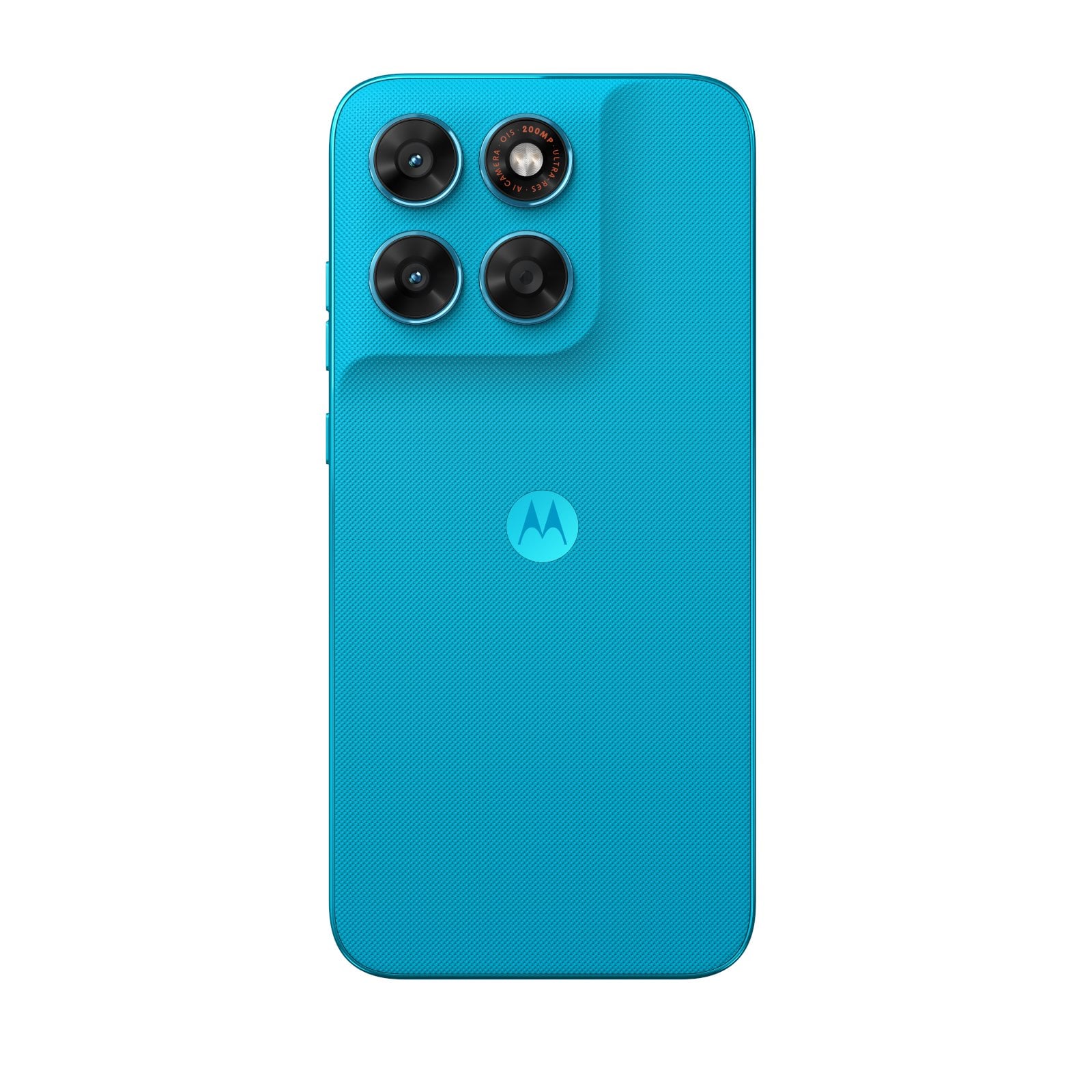
Motorola has introduced the Moto G87 as its latest G series smartphone and the successor to last year’s Moto G77. The phone brings a sharper display, a higher-resolution main camera, stronger durability ratings, and Android 16 out of the box.
A 200MP camera leads the upgrade list
The biggest upgrade is the rear camera system. The Moto G87 packs a 200MP main sensor with Optical Image Stabilization and Ultra Pixel technology, which Motorola claims improves light sensitivity by 16 times for low-light photography, along with 2x lossless zoom. An 8MP ultrawide with an f/2.2 aperture rounds out the back, while the front gets a 32MP shooter for selfies and video calls. Features include Auto Smile Capture, Portrait Mode across 24mm, 35mm, and 50mm focal lengths, and Google Photos tools like Magic Eraser, Photo Unblur, Reimagine, and Auto Frame.
The display gets brighter and sharper
The phone features a 6.78-inch 1.5K Extreme AMOLED display with a 1272 x 2772 pixel resolution, 120Hz refresh rate and up to 5000 nits peak brightness. Motorola says the resolution is 17 percent higher than standard Full HD. The screen is protected by Corning Gorilla Glass 7i.
Performance, battery and software
Under the hood, the Moto G87 runs on the 6nm MediaTek Dimensity 6400 chipset, with two Cortex-A76 cores clocked at 2.5GHz and six Cortex-A55 cores at 2GHz, paired with an Arm Mali-G57 MC2 GPU. It comes with 4GB or 8GB LPDDR4x RAM, 128GB or 256GB UFS 2.2 storage, and microSD expansion up to 2TB. RAM Boost can virtually expand memory up to 24GB.
The device packs a 5200mAh battery with 30W TurboPower charging. Other features include dual SIM support, 5G, 4G VoLTE, Wi-Fi 6, Bluetooth 5.4, GPS, GLONASS, USB Type-C, NFC, an in-display fingerprint scanner, stereo speakers, Dolby Atmos, USB Type-C audio and Hi-Res Audio support. Motorola says audio output is up to 280 percent louder than the previous generation.
For durability, the Moto G87 carries IP66, IP68, and IP69 ratings, along with MIL-STD-810H certification. It is rated to survive drops from up to 1.2 meters. The phone measures 164.58 x 77.37 x 7.38mm and weighs 183g.
Pricing & availability
The Moto G87 starts at 399 euros (around $466). It will roll out across EMEA and Latin America in the coming weeks.
For more daily updates, please visit our News Section.
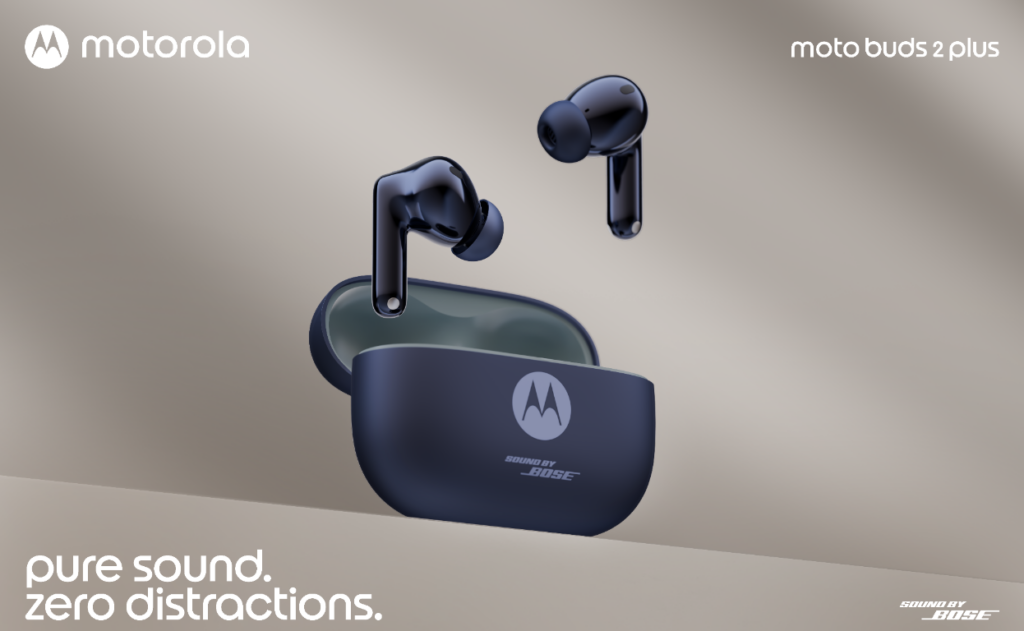
Motorola is bringing the Moto Buds 2 Plus to North America, while also giving the earbuds a more fashion-led treatment through its new Brilliant Collection. The earbuds were initially launched early last month in multiple global markets. The markets. The Brilliant Collection is a new variant that adds Swarovski crystals and a Violet Indigo finish for markets outside the region. Specification-wise, it is identical to the regular Buds 2 Plus.
What does the North America launch include?
In the United States, the Moto Buds 2 Plus launch in PANTONE Silhouette on Motorola.com from April 30, priced at $149.99. Motorola says the earbuds are built with Sound by Bose technology, Dynamic Active Noise Cancellation, Spatial Audio, and Hi-Res Audio support with LHDC. The setup uses 11mm drivers for bass and Knowles balanced armatures for clearer detail.
For calls, the earbuds include six microphones with Environmental Noise Cancellation and high signal-to-noise ratio support. Users can also enable CrystalTalk AI through the Moto Buds app to reduce background noise and make voices clearer in loud places.
Battery life is listed at up to nine hours on a single charge and up to 40 hours with the charging case. Motorola has also added Dual Connection for pairing with two devices, Audio Share for connecting two sets of Moto Buds 2 Plus to one phone, and Wear Detection, which pauses audio when the earbuds are removed.
How does the Brilliant Collection version stand out?
Motorola is also placing the Moto Buds 2 Plus inside its new Brilliant Collection, alongside the Motorola Signature phone. This version comes in PANTONE Violet Indigo and is designed around a constellation theme. Each earbud carries 12 Swarovski crystals, while the case has 41 hand-placed Swarovski crystals around the Motorola logo.
The Brilliant Collection version of the Moto Buds 2 Plus will roll out in select markets across Europe, the Middle East, Africa, Latin America, and Asia-Pacific in the coming weeks. North America, for now, gets the standard Silhouette version.
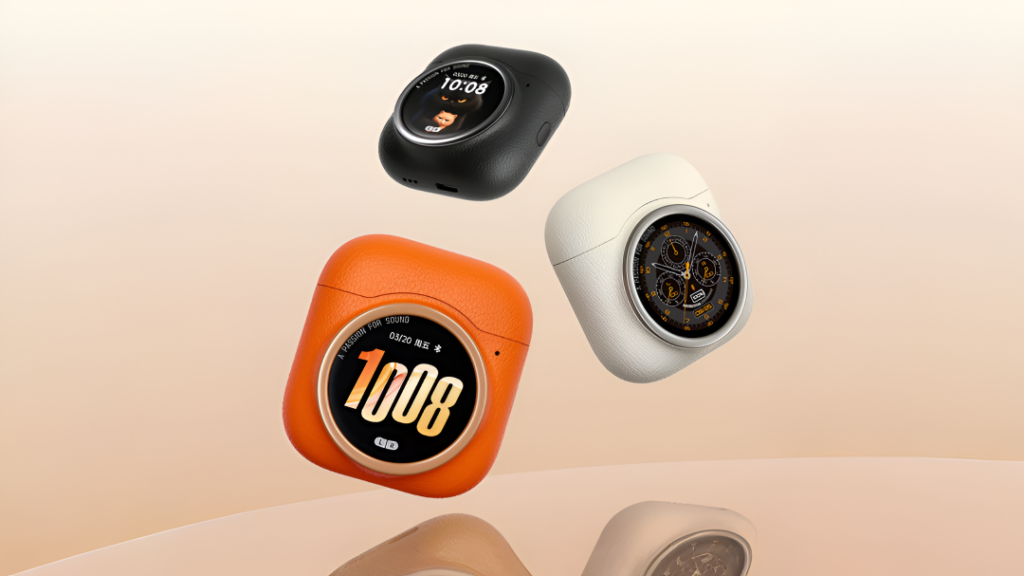
Edifier has launched its flagship Lolli5 ANC earbuds in the Chinese market. These will be available on JD.com starting May 6, priced at 539 yuan ($78).
Edifier Lolli5 ANC Specifications
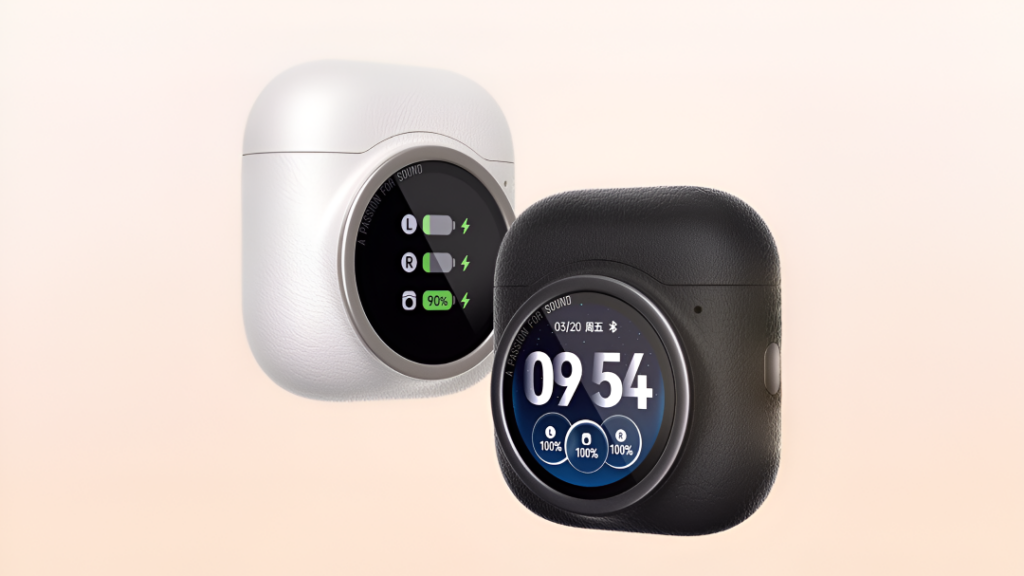
The Lolli5 ANC earbuds include a charging case with a smart touch display for music control, mode switching, camera activation, and AI features. It displays time, battery, and date, and users can customize it with wallpapers, photos, or GIFs.
Edifier has equipped the earbuds with 13mm dual composite LCP diaphragm drivers to deliver powerful bass, rich mids, and detailed highs. These support the LDAC codec for high-resolution audio at up to 990 kbps and feature dual Hi-Res Audio Wireless certifications.
The Lolli5 ANC earbuds feature adaptive active noise cancellation that adjusts to the user’s environment, offering effective noise reduction and resistance to wind noise outdoors. These also include a 3+3 microphone system with feedforward, feedback, and voice microphones to enhance call clarity.
In terms of smart features, the earbuds use Doubao and DeepSeek dual AI integration to offer real-time translation across 21 languages, meeting transcription, and AI-driven Q&A via a companion app, making them practical for both entertainment and productivity.
The earbuds feature Bluetooth 6.0 for stable connectivity and low power consumption, along with dual-device pairing for seamless switching between devices. These offer up to 32 hours of battery life with ANC off and 24 hours with ANC on, providing 6 to 8 hours of playback per earbud on a single charge.
Additionally, these include an IP55 rating for dust and water resistance, making them ideal for workouts and daily use, along with a low-latency gaming mode and in-ear detection for automatic playback control.
In related news, Ugreen has recently introduced the HiTune X8 clip-on earbuds featuring Hi-Res Audio, LDAC support, AI-powered translation, and up to 46 hours of battery life, while Baseus has also unveiled the MC2 clip-on earbuds with a massive 60-hour battery, IP67-rated durability, and LDAC audio support.
For more daily updates, please visit our News Section.
For a long time, Poco has been associated with value-first smartphones—devices that make calculated compromises to deliver strong performance at aggressive prices. That identity hasn’t disappeared, but it has clearly evolved. Over the past few years, Poco has been steadily moving beyond just “budget killers” and into a space where it challenges flagship devices, albeit with a different set of priorities.
The Poco X8 Pro Max feels like the clearest example of that shift so far. Instead of trying to be a perfectly balanced all-rounder, it leans heavily into performance and battery life. After using it as my daily driver, it’s evident that this focus works—but it also comes with some noticeable trade-offs.
7Final verdict: Powerful, but focused
The Poco X8 Pro Max is not trying to be everything for everyone, and that’s clear from the moment you start using it.
It excels in performance, offers excellent sustained gaming capabilities, and delivers some of the best battery life in its segment. These strengths make it a compelling choice for users who prioritize power and endurance.
At the same time, the compromises are equally clear. The camera system is average, and the software experience lacks polish.
If your priorities are gaming, performance, and long battery life, the Poco X8 Pro Max is easy to recommend. However, if you’re looking for a more balanced device with better cameras and cleaner software, you might want to consider alternatives.
Personally, I see this as a specialist device rather than a true all-rounder. It does a few things exceptionally well—and if those align with your needs, it’s absolutely worth the price. It is priced at Rs 42,999 (~450) for the 12GB+256GB variant and Rs 46,999 (~$500) for the 12GB+512GB edition.
For more daily updates, please visit our News Section.
Motorola is back with another round of flip-style foldables. And this time, it’s not just a simple refresh. The company is introducing three models instead of the usual two — the Razr 70, Razr 70 Plus, and Razr 70 Ultra.
The Razr 70 Plus is the new addition here. It sits in the middle, neither quite premium nor exactly entry-level. And as you can expect, it borrows from both sides.
The overall design hasn’t changed much. Motorola is sticking with the same clamshell approach, with finishes that mix colors and textures depending on the variant.
When closed, the Razr 70 Plus and Ultra look almost identical. Both get a 4-inch external display. The standard Razr 70 is slightly smaller here, with a 3.63-inch cover screen.
Open them up, and the Ultra greets you with a 6.96-inch panel. The Razr 70 and 70 Plus have a slightly smaller 6.90-inch screen.
The Ultra also leads in battery capacity with a 5,000mAh cell. The base model comes close at 4,800mAh. The Plus drops to 4,500mAh for some reason.
Motorola Razr 70
As for cameras, all three phones use dual 50-megapixel rear sensors. But the Ultra has a more advanced LOFIC sensor, which promises faster capture and significantly better dynamic range. The front camera is 50 megapixels on the Ultra, while the others stick with 32 megapixels.
Performance
Under the hood, the vanilla Razr 70 runs on a MediaTek Dimensity 7450X. The Plus has a more capable, but slightly older, Snapdragon 8s Gen 3. The Ultra, meanwhile, packs the Snapdragon 8 Elite.
All three phones boot Android 16, with some software tricks up their sleeves. There’s a wrist-twist gesture for zooming in camcorder mode, and a feature called Frame Match that helps line up shots when someone else is taking your photo.
AI is part of the pitch, too. Moto AI comes built in, with support for tools like Gemini, Microsoft Copilot, and Perplexity. It’s a mix of platforms rather than a single system. That might give users more flexibility. Or just more options to sort through.
Price
Now, in terms of price, the Razr 70 starts at €869 for the 8/256GB variant. The Razr 70 Plus lands at €1,049 for 12/256GB, while the 12/512GB variant costs €1,149. The Ultra tops out at €1,399. Both the base and Ultra models are more expensive than last year’s versions.
On May 7, OnePlus will announce the new Nord smartphone lineup in India with the launch of the OnePlus Nord CE 6 and OnePlus Nord CE 6 Lite. Ahead of the official unveiling, the company has now confirmed when both smartphones will go on sale, while several hardware details about the two devices have also surfaced online.
OnePlus Nord CE 6, Nord CE 6 Lite availability dates officially revealed
The OnePlus Nord CE 6 and Nord CE 6 Lite are scheduled to launch in India on May 7 at 12pm IST. Soon after the launch event, the standard Nord CE 6 will become available for purchase from May 8 at 12pm, while the Nord CE 6 Lite will go on sale starting May 12 at 12pm. Both smartphones will be sold through Amazon India, the official OnePlus India website, OnePlus Experience Stores, and offline retail outlets across the country.
OnePlus Nord CE 6, Nord CE 6 Lite specifications
The OnePlus Nord CE 6 will be powered by the Snapdragon 7s Gen 4 chipset and feature an AMOLED display with 1.5K resolution and a 144Hz refresh rate. The phone is confirmed to pack an 8,000mAh battery with support for 80W fast charging and 27W reverse charging.
It is also expected to include dual stereo speakers, a 32-megapixel front camera with autofocus support, and multiple durability certifications, including IP66, IP68, IP69, IP69K, and MIL-STD-810H compliance.
The Nord CE 6 Lite will feature the MediaTek Dimensity 7400 Apex chipset paired with UFS 3.1 storage and a large vapor chamber cooling system. It is expected to include a 6.72-inch full-HD+ display supporting up to 144Hz refresh rate in supported apps and games.
The phone will house a 7,000mAh battery with 45W charging support and feature a 50-megapixel rear camera capable of recording 4K videos.
OnePlus Nord CE 6, Nord CE 6 Lite pricing (expected)
While official pricing is still under wraps, the OnePlus Nord CE 6 is expected to launch between Rs 25,000 (~$265) and Rs 30,000 (~$315). The Nord CE 6 Lite could be priced between Rs 20,000 (~$210) and Rs 25,000 (~$265) in India. OnePlus has also confirmed the color variants for both devices.
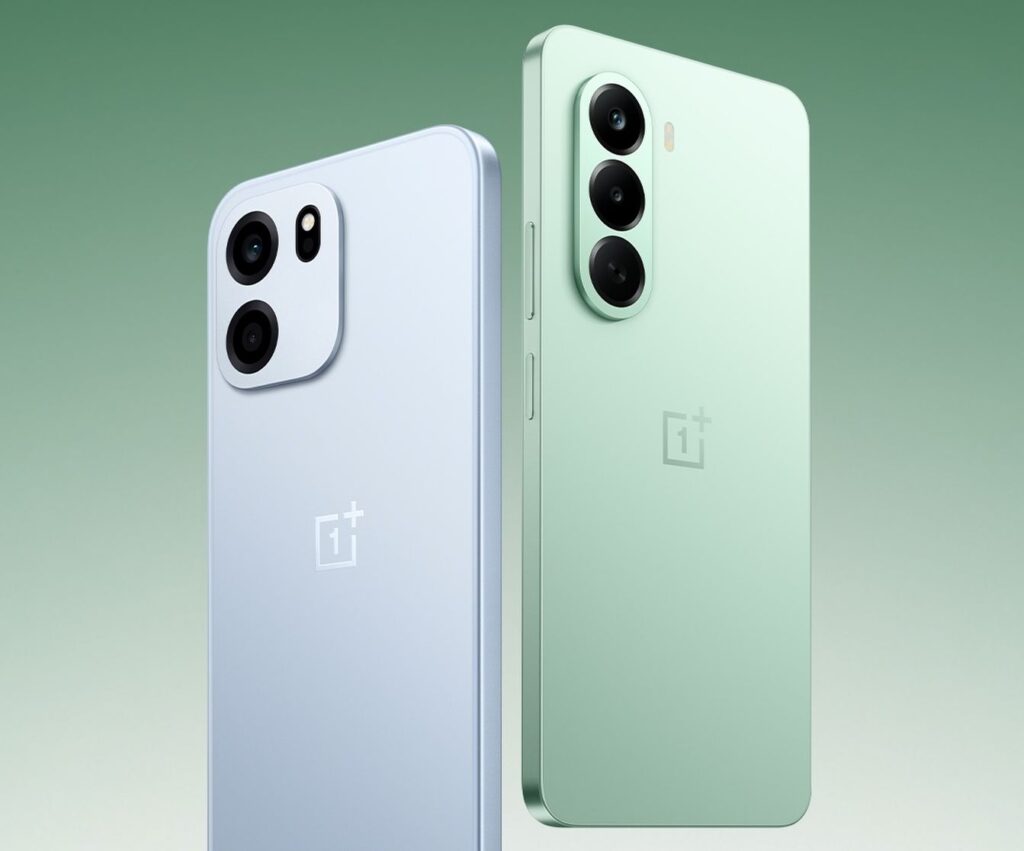
The Nord CE 6 will arrive in Fresh Blue, Lunar Pearl, and Pitch Black shades. The Nord CE 6 Lite, on the other hand, will be introduced in Vivid Mint and Hyper Black finishes.
For more daily updates, please visit our News Section.
Dreame has unveiled the F20 air fryer in China, expanding its growing range of smart home appliances. The new model focuses on family-sized cooking and introduces features such as dual heat source cooking, a metal inner cavity, and a transparent viewing window designed to make monitoring food preparation easier.
Dreame F20 air fryer specifications and features
Dreame F20 air fryer
The Dreame F20 air fryer comes with a 6-litre cooking basket aimed at households that prepare larger portions in a single cycle. It features a 1700W heating setup with upper and lower heat sources that work together to cook food evenly. According to the company, the design allows 360-degree hot air circulation to reduce the need for manually flipping food while cooking.
The appliance also includes an 11-blade high-speed fan and a curved air duct structure to improve airflow movement inside the chamber. Dreame says this setup helps food cook evenly from multiple directions, especially for dishes such as roasted chicken and grilled snacks. The fryer supports temperatures ranging from 40 to 200 degrees Celsius, allowing it to handle baking, roasting, reheating, and air frying tasks.
Another notable addition is the all-metal inner cavity paired with a titanium ceramic non-stick coating. The company claims the coating can withstand high temperatures up to 400 degrees Celsius and is designed for improved scratch resistance.
A transparent viewing window has also been added so users can check cooking progress without opening the basket. The F20 further includes eight preset cooking modes, touchscreen controls, support for 1 to 60-minute timers, and a 45-minute automatic keep-warm function.
Dreame F20 air fryer price and availability
Dreame has launched the F20 air fryer in China at a price of 299 Yuan (~$45) and is currently listed on JD.com. The details regarding availability in other markets have not been confirmed yet.
For more daily updates, please visit our News Section.
Caviar has launched its new Rose Collection, a series of custom iPhone 17 Pro and Pro Max models featuring a striking soft-pink body. The luxury customization brand designed these high-end devices for customers who value exclusivity, style, and opulence. Prices for the collection begin at $8,200 and go as high as $20,270, making this lineup one of the most premium offerings in the tech world.
Design Details
The Rose Collection includes four unique designs: Sex and the City, Pink Lotus, Queen of Thorns, and Ophelia. Caviar defined each model with a specific theme inspired by femininity, fashion, and luxury.
The first model, Sex and the City, starts at $8,840. Caviar paired its pink body with a high-heel pattern and a three-dimensional Apple logo made from 18K gold. The company created this design to reflect big-city style and bold confidence, targeting those who see fashion as a way of life. Caviar limited this design to 99 pieces.
The Pink Lotus model stands out as the most expensive in the collection, starting at $20,270. Caviar used 999 gold plating on the frame and topped it with 84 natural diamonds and mother-of-pearl inlays. The intricate design takes inspiration from the lotus flower, a symbol of purity and harmony in Eastern cultures. Only 14 units are available, making it one of the rarest versions in the collection.
The Queen of Thorns model focuses on romance and elegance, inspired by the Art Nouveau aesthetics of Alphonse Mucha. Caviar coated the device with pink enamel roses and added a 999 gold-plated Apple logo. This version also comes with a limited run of 99 units and starts at $8,200.
The final model, Ophelia, starts at $10,270. Caviar designed this version with gold accents, premium calfskin leather, and soft pink enamel. Caviar named the model after the Shakespearean character to reflect a sense of delicate beauty and poetic inspiration. Caviar has limited the Ophelia model to 19 pieces.
All models in the Rose Collection come with premium packaging that includes an interactive box and a 24K gold-plated key.
Redmi is reportedly working on the Redmi K100 and Redmi K100 Pro Max smartphones, which are expected to debut in China in October this year. Last month, tipster Digital Chat Station claimed that the Pro Max edition would arrive with a significant price increase. Now, in a new Weibo post, the tipster has also hinted at what to expect from the Redmi K100’s pricing.
Redmi K100 chipset, price tipped
Redmi K100 price hike tipped by DCS
A couple of weeks ago, DCS claimed that the 12GB+256GB variants of the Redmi K100 Pro Max, iQOO 16, and OnePlus 16 could see a significant price hike to around 5,000 Yuan (~$730). These devices are said to feature Qualcomm’s next-generation Snapdragon 8 Elite Gen 6 chipset.
Now, the tipster has also shared details about the Redmi K100. According to DCS, the device may arrive with Qualcomm’s previous-generation flagship chip, likely the Snapdragon 8 Elite Gen 5. The tipster added that smartphones in this segment could start in the “4K” price range in China, which likely refers to around 4,000 Yuan (~$585). This price could apply to the base model, which may feature a 12GB+256GB configuration.
For comparison, the Redmi K90 launched last year at 2,599 Yuan (~$365) for the 12GB+256GB variant. If the rumored pricing turns out to be accurate, the Redmi K100 could see a price increase of nearly 54 percent compared to its predecessor. Such a jump would push the K-series further into flagship pricing territory, moving away from its traditional affordable flagship positioning.
The rest of the Redmi K100 series specifications are yet to be revealed. However, the Redmi K100 Pro Max is expected to feature a 200-megapixel primary camera, a 50-megapixel ultra-wide lens, and a 50-megapixel periscope telephoto camera, according to previous leaks. Readers are advised to wait for newer reports to learn more about these upcoming flagship phones.
Like the Redmi K90 series, the K100 lineup may remain exclusive to the Chinese market. However, rebranded versions of these devices could launch globally as the Poco F9 Pro and Poco F9 Ultra in the first quarter of 2027.
For more daily updates, please visit our News Section.
The Snapdragon 8 Gen 5 is positioned as a high-end smartphone chipset, offering flagship-level performance at a much lower price. It’s built using a newer architecture and packed with AI-driven enhancements, but let’s be honest – not every new chip translates into a worthwhile upgrade for the users.
If you’re already using a device powered by a Snapdragon 8-series chipset, the big question is whether the Snapdragon 8 Gen 5 is a meaningful upgrade or just another incremental spec bump? Because in 2026, raw performance alone isn’t enough. Users want real-world gains in AI capabilities, battery efficiency, and camera processing for an upgrade to justify.
Here, we’ll take a closer look at whether the Snapdragon 8 Gen 5 offers meaningful upgrades or if it’s better to hold onto your current device. Let’s break it down.
Snapdragon 8 Gen 5 benchmark scores look promising, but there’s a catch
The Snapdragon 8 Gen 5 puts solid gains on the table when compared to the Snapdragon 8 Gen 3, but it couldn’t outperform the Snapdragon 8 Elite. This essentially tells the correct positioning of the newer Snapdragon 8 Gen 5 – sitting between the other two.
To obtain benchmark results, we selected devices from a single brand to reduce software-related differences. We ran the tests on the OnePlus 15R (Snapdragon 8 Gen 5), the OnePlus 13 (Snapdragon 8 Elite), and the OnePlus 13R (Snapdragon 8 Gen 3).
In the Geekbench 6 CPU test, the Snapdragon 8 Gen 5 sits between the other two chips, with 3,026 points in single-core performance. In the multi-core test, however, the Snapdragon 8 Gen 5 bridges the gap with the Snapdragon 8 Elite, while the 8 Gen 3 lags much further behind.
SD 8 Gen 5
SD 8 Elite
SD 8 Gen 3
Single core
2,837
3,026
2,243
Multi core
9,352
9,306
6,591
We also tested the devices on the AnTuTu benchmark to get a clearer picture. In terms of total score, the Snapdragon 8 Gen 5 sits in the middle, again, with a total score of 2.96 million. The Snapdragon 8 Elite leads with 2.96 million points, while the Snapdragon 8 Gen 3 sits below the other two with 2.27 million points.
SD 8 Gen 5
SD 8 Elite
SD 8 Gen 3
AnTuTu score
2,961,236
2,994,563
2,274,520
CPU
914,878
862,692
607,409
GPU
974,402
1,095,049
796,782
Memory
382,729
393,623
353,279
UX
689,228
643,199
517,050
The breakdown of the AnTuTu score offers much better insights than a vague total score. In the CPU test, the Snapdragon 8 Gen 5 pulls off a 6% higher score than the Snapdragon 8 Elite, which widens to 50% when compared to the 8 Gen 3.
In the GPU test, the Snapdragon 8 Gen 5 gets about 12% lower score than the Snapdragon 8 Elite, but outperforms the Snapdragon 8 Gen 3 by 22%.
Performance upgrades
The Snapdragon 8 Gen 5 uses TSMC’s N3P (3nm) node, which yields slightly better performance and efficiency over the N3E (3nm) node used for the Snapdragon 8 Elite. The 8 Gen 3 chip uses an older N4P (4nm) node.
Except for the Snapdragon 8 Gen 3, the other two chips use custom-designed Oryon CPU cores, which deliver better performance over the ARM CPU cores in the 8 Gen 3. The 8 Gen 5 also benefits from newer-generation Oryon cores, but the higher clock speeds on the Snapdragon 8 Elite offer the chip an edge in CPU performance.
The Snapdragon 8 Elite also maintains an edge in gaming performance, thanks to a stronger peak graphics performance on the Snapdragon 8 Elite, while the 8 Gen 5’s Adreno 829 is a cut-down, more affordable GPU with modern gaming features.
The Elite chip is a better choice for max settings, ray tracing, and higher sustained frame rates. That said, the Snapdragon 8 Gen 5 still remains strong enough for demanding games and emulators except at the most extreme settings.
The AI gap between the Snapdragon 8 Gen 5 and Snapdragon 8 Elite is much smaller than the GPU gap, as both chips use a very similar Hexagon NPU setup, promising fast on-device AI and multimodal Gen AI support.
Camera upgrades
The camera upgrades are real and promising. It borrows the 20-bit AI ISP from the top-tier Snapdragon 8 Elite Gen 5 chipset, offering more headroom for HDR, denoising, and color processing compared to the 18-bit ISP on the Snapdragon 8 Elite and 8 Gen 3.
The rest of the camera specs match those of the Snapdragon 8 Elite, including support for up to 320MP single-camera capture, 4K/120fps video recording, and limitless real-time semantic segmentation.
Connectivity upgrades
The Snapdragon 8 Gen 5 features the same connectivity as the Snapdragon 8 Elite. Meaning, a peak speed of 10Gbps on a cellular connection and 5.8Gbps on a Wi-Fi connection. Both chips have the modern Bluetooth 6.0 connectivity.
In short, the Snapdragon 8 Gen 5 borrows the connectivity features from the Snapdragon 8 Elite, both of which are a step up over the 8 Gen 3.
Snapdragon 8 Gen 5: Should you upgrade or skip it?
Well, that depends. If you’re using a Snapdragon 8 Gen 3 or older chipset, upgrading to the Snapdragon 8 Gen 5 makes sense. You should expect at least 20% jump in the CPU and GPU performance. So, gaming would feel smoother, snappier, and more consistent. The new chip also offers better AI capabilities, a more powerful ISP, and modern connectivity features. So, there are improvements in almost every aspect, making it a true upgrade.
However, if you’re already using a Snapdragon 8 Elite or newer flagships, switching to Snapdragon 8 Gen 5 would feel like a downgrade. The Elite chip excels in raw performance, especially in CPU‑burst and sustained‑GPU workloads.
2 x 3.8 GHz — Oryon (3rd gen) 6 x 3.32 GHz — Oryon (3rd gen)
2 x 4.32 GHz — Oryon (2nd gen) 6 x 3.53 GHz — Oryon (2nd gen)
1 x 3.3 GHz — Cortex-X4 3 x 3.15 GHz — Cortex-A720 2 x 2.96 GHz — Cortex-A720 2 x 2.27 GHz — Cortex-A520
GPU
Adreno 829 ray tracing support Snapdragon Elite Gaming features
Adreno 830 ray tracing support Snapdragon Elite Gaming features
Adreno 750 ray tracing support Snapdragon Elite Gaming features
NPU
Qualcomm Hexagon NPU agentic AI support
Qualcomm Hexagon NPU
Qualcomm Hexagon NPU
Memory
LPDDR5x, up to 4.8 GHz
LPDDR5x, up to 5.3 GHz
LPDDR5x, up to 4.8 GHz
Storage
UFS 4.1
UFS 4.0
UFS 4.0
Camera
Qualcomm Spectra triple AI ISP (20-bit) up to 320MP single camera up to 108MP single camera with zero shutter lag up to 48MP triple cameras with zero shutter lag real-time semantic segmentation (limitless) 4K/120fps video recording 1080p/480fps slow-mo video recording
Qualcomm Spectra triple AI ISP (18-bit) up to 320MP single camera up to 108MP single camera with zero shutter lag up to 48MP triple cameras with zero shutter lag real-time semantic segmentation (limitless) 8K/30fps video recording 1080p/480fps slow-mo video recording
Qualcomm Spectra triple AI ISP (18-bit) up to 200MP single camera up to 108MP single camera with zero shutter lag up to 36MP triple cameras with zero shutter lag real-time semantic segmentation (up to 12 layers) 8K/30fps or 4K/120fps video recording 720p/960fps slow-mo video recording
Logitech G has announced the launch of the G512 X TMR Analog/Mechanical Gaming Keyboard, a significant step forward in gaming technology. The new keyboard focuses on modularity and customization, catering specifically to players who want their gear to match their style and performance.
Logitech G G512 X Specifications
The G512 X features the Tunnel Magneto Resistance (TMR) sensor technology, which allows for analog input. This technology enables players to map actions based on the depth of a keystroke. The feature is well-suited for games like racing sims and tactical shooters where precision is crucial.
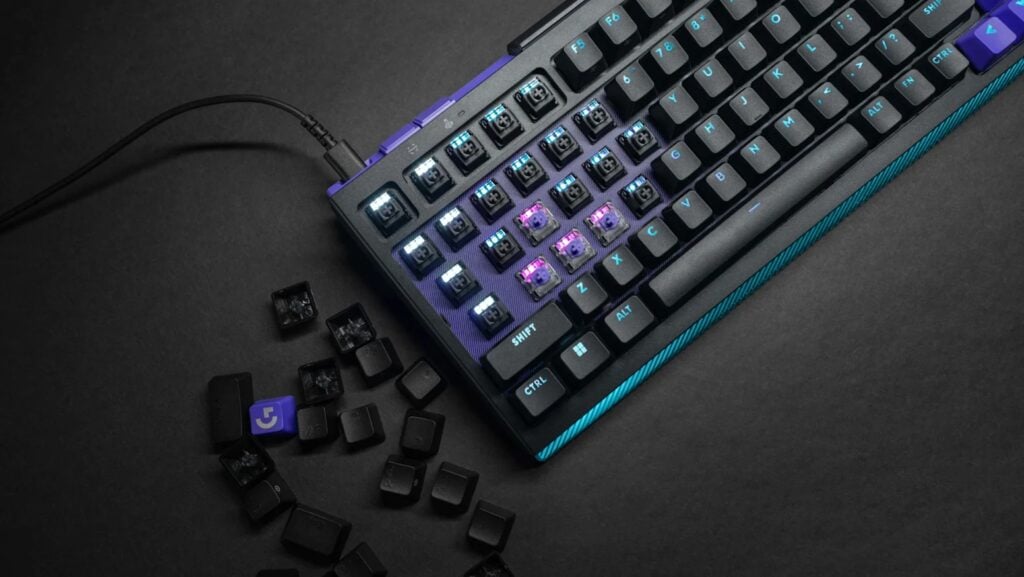
Logitech has equipped the G512 X with Dual Swap Capability, allowing users to use a mix of analog and mechanical switches. The keyboard includes 39 hybrid TMR switch sockets, which work with the most popular 3-pin and 5-pin switches. Logitech ships the keyboard with nine Gateron KS-20 analog switches, offering precise input right out of the box.
The keyboard achieves true 8K performance with a 0.125 ms response time, ensuring fast and accurate keystrokes for competitive gaming. Logitech also includes SAPP (Second Actuation Pressure Point) Rings, which allow users to assign two actions to a single keypress at different depths. Additionally, it also includes two physical rotary controls and a bold RGB Lightbar for immersive lighting effects.
The G512 X comes in two layouts: 75-key and 98-key. Players can accessorize the keyboard with an acrylic palm rest, which is sold separately, to enhance comfort during long sessions. Logitech also includes storage space in the back of the keyboard for housing keycap pullers, switches, and SAPP rings.
Pricing and Availability
The G512 X is available in both black and white. Logitech has priced the 75-key layout at $179.99 and the 98-key layout at $199.99. The keyboard is available today on LogitechG.com and will arrive at global retailers on May 2, 2026.
In related news, Logitech G has recently launched the Logitech G PRO X2 SUPERSTRIKE Gaming Mouse in India, bringing haptic click technology to its latest high-performance gaming mouse.
For more daily updates, please visit our News Section.
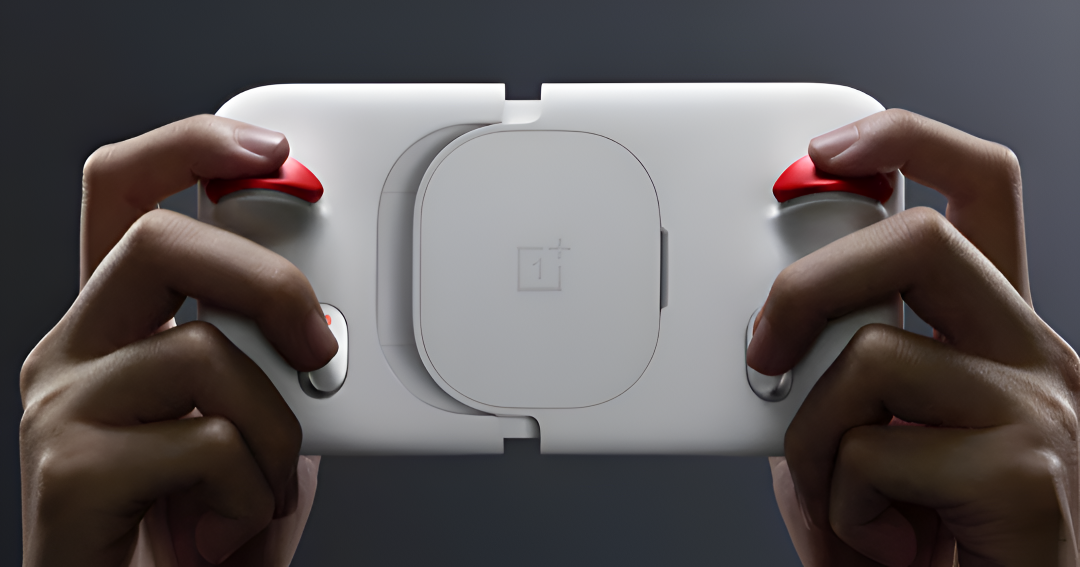
OnePlus announced the Strix Gaming Controller alongside its latest gaming-focused smartphone, the OnePlus Ace 6 Ultra. The controller is designed to offer a console-like gaming experience for mobile users.
It attaches directly to compatible smartphones, providing a seamless handheld gaming setup. Here is a detailed breakdown of what the OnePlus Strix Gaming Controller brings to the table.
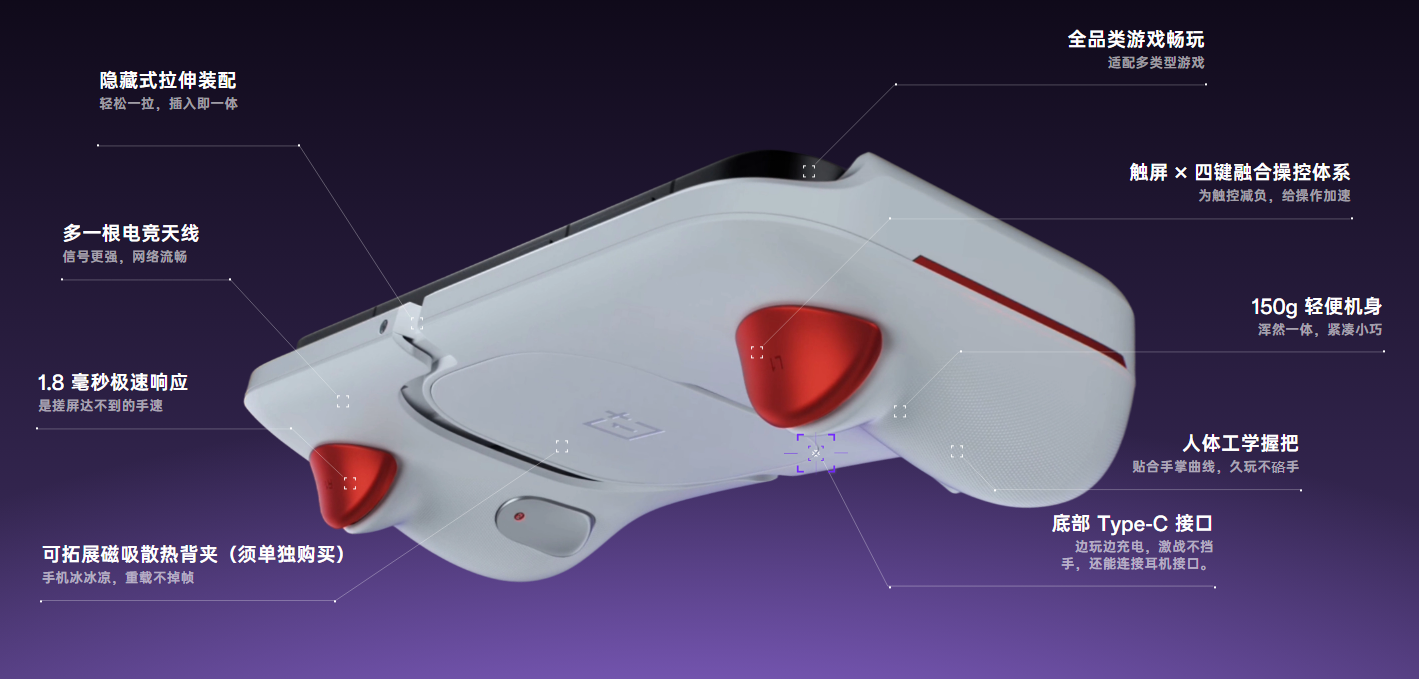
OnePlus designed the controller to feel comfortable during extended gaming sessions. The controller weighs 150 grams and uses low-density fiber materials to ensure a lightweight and balanced design. The ergonomic grip fits naturally in the hand and minimizes wrist strain, making it ideal for long hours of gameplay.
The company included anti-slip textures along the controller’s surface. The grip structure curves to improve stability and ensure firm handling during intense gaming moments.
2. Advanced Control System
OnePlus has chosen a unique joystick-free design for the controller. It uses four mechanical trigger buttons, which provide ultra-short key travel of just 0.7mm.
These micro-switch buttons mimic the performance and feedback of gaming mouse clicks, offering precise and tactile input. The controller achieves a 1000Hz polling rate and a response time of 1.8 milliseconds, making it suitable for competitive gaming.
The hybrid control system combines physical buttons and touchscreen functionality. This setup reduces dependency on on-screen controls and improves visibility by freeing up screen space. It allows players to execute complex commands in genres like FPS and MOBA games with greater accuracy.
3. Packed with Features for Gamers
The Strix Gaming Controller includes a bottom-mounted USB Type-C charging port. Players can charge their smartphones while using the controller without compromising their grip or comfort. The device also supports audio passthrough, which allows gamers to connect wired headphones for improved sound quality during gameplay.
OnePlus has also added button customization to the controller, allowing users to assign functions like live screen recording, screenshots, and instant replay capture. The custom mapping system works across various game genres, giving players flexibility in configuring controls.
4. Connectivity and Thermal Management
OnePlus incorporated a high-performance gaming antenna into the controller to enhance connectivity. The antenna strengthens signal reception during online gaming, ensuring smooth and stable gameplay.
The controller features a magnetic attachment point for cooling accessories. Gamers can purchase these modules separately to reduce device overheating during intensive gaming sessions. This cooling option helps maintain performance when gaming for extended periods.
5. Who Is It For?
The OnePlus Strix Gaming Controller pairs seamlessly with the OnePlus Ace 6 Ultra smartphone. The phone features the MediaTek Dimensity 9500 chipset, which enables high-performance gaming at up to 165fps. The Ace 6 Ultra also includes a 165Hz OLED display, a massive 8,600mAh battery, and 120W fast charging, making it an ideal companion for the controller.
The retractable design of the controller makes it compatible with other smartphones as well. Although it works best with OnePlus devices, players can use the Strix Controller on a range of smartphones with similar dimensions.
6. Pricing and Availability
The Strix Gaming Controller has a retail price of 449 yuan ($66). OnePlus is offering a discount that brings the price down to 399 yuan ($58) when purchased as part of a bundle with the OnePlus Ace 6 Ultra. Pre-orders have already started, and the device is now available in China.
For more daily updates, please visit our News Section.
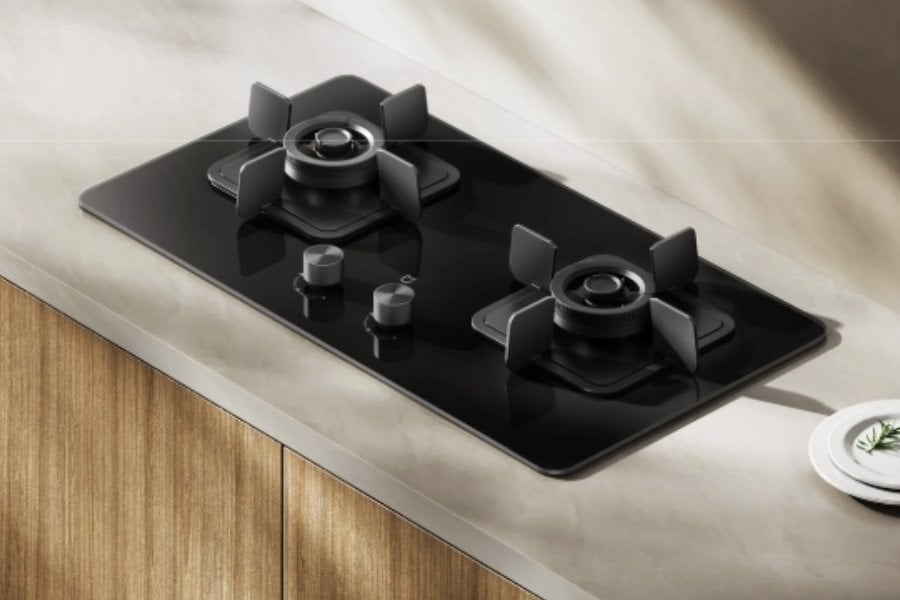
Xiaomi has launched a new home appliance, Mijia Gas Stove 3C 5200W, on its Youpin platform. It’s priced at 899 yuan (~ $131), with an early-bird price of 699 yuan (~ $102).
As you can guess by name, the stove is designed for natural gas use and comes with dual-burner support, high heat output, and smart connectivity through the Mi Home app.
Xiaomi Mijia Gas Stove 3C 5200W Specifications
The key spec here is power. Each burner supports up to 5.2kW of rated heat load, giving the stove a combined high-output setup for fast cooking and high-heat stir-frying.
Xiaomi says the design uses a three-dimensional oxygen intake structure paired with an upgraded large burner head. The idea is to spread flame more evenly from the center outward.
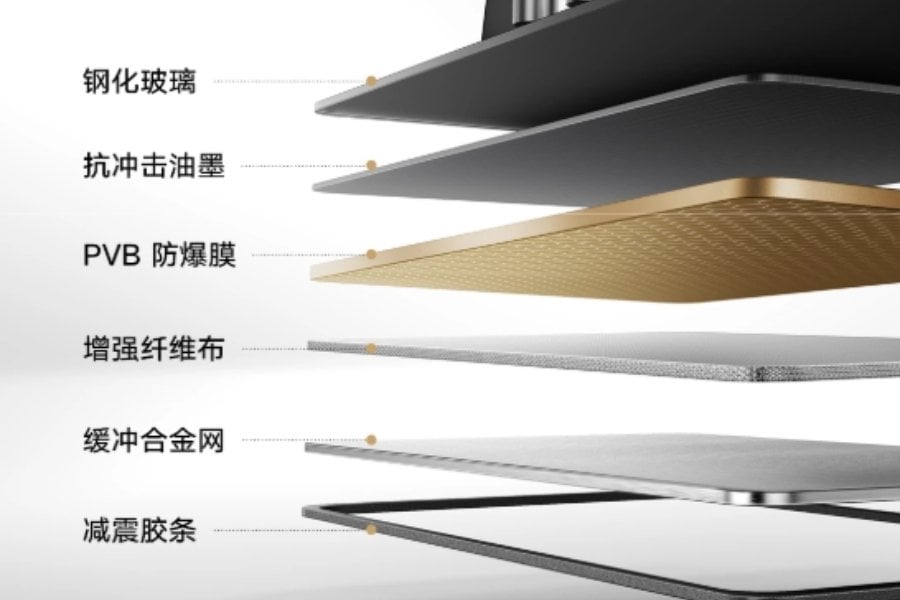
On the hardware side, the stove features a six-layer reinforced explosion-proof glass panel. It combines tempered glass, impact-resistant ink layers, a PVB explosion-proof film, reinforced fiber cloth, a buffer alloy mesh, and shock-absorbing strips.
There’s also a removable burner system for easier cleaning. The chassis is adjustable, so it can fit different kitchen cutouts without requiring modification to existing holes. The adaptable opening range is listed between 630–700 mm by 330–370 mm.
The stove safety features include an accidental flameout protection system. If the flame goes out unexpectedly, it can automatically detect it and shut off the gas supply to reduce leak risk.
The stove also connects to the Mi Home app. Users can get alerts if they forget to turn off the stove, receive low-battery warnings, and sync operation with a compatible range hood for automated ventilation control.
Other details include pulse ignition, a thermal efficiency rating of at least 65% for natural gas models, and a net weight of 10 kg. Xiaomi is offering a 5-year warranty.
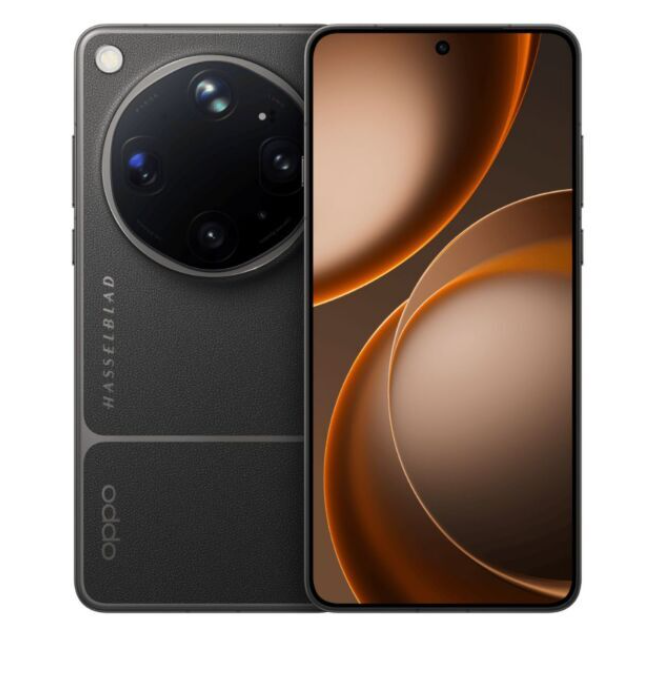
OPPO Find X9 Ultra Hasselblad Earth Explorer Master Set is not just another flagship smartphone. It is designed as a complete photography-focused package for users who want DSLR-like flexibility in a mobile device. With powerful hardware, advanced cameras, and exclusive Hasselblad accessories, this edition targets creators, travelers, and enthusiasts who care about image quality and versatility.
Price and Availability:
This exclusive Master Set is now available via Giztop for $2299. Giztop also provides international shipping, so users across regions can get their hands on this limited-edition photography-focused flagship.
Design and Display
The device features a large 6.82-inch AMOLED LTPO display with a sharp 3168 × 1440 resolution. The screen delivers rich colors, deep contrast, and smooth visuals, making it ideal for both content consumption and photo editing. The overall design follows a premium flagship approach, with a solid build and a camera module that reflects its photography-first identity.
Performance and Battery
Powered by the Snapdragon 8 Elite Gen 5 processor, the phone offers top-tier performance for gaming, multitasking, and heavy creative work. It is paired with 16GB LPDDR5X RAM and 1TB UFS 4.1 storage, ensuring fast speeds and plenty of space for high-resolution photos and videos.
The 7050mAh battery is one of the biggest highlights, delivering long-lasting usage even with heavy camera use. It supports 100W wired SuperVOOC charging and 50W wireless charging, making it quick and convenient to power up.
Camera System and Photography Features
The quad-camera setup is the main highlight. It includes a 200MP main camera, a 200MP periscope telephoto lens, a 50MP secondary periscope telephoto, and a 50MP ultra-wide camera. This setup allows true optical zoom across multiple focal lengths, giving users flexibility similar to professional cameras.
With Hasselblad tuning, the phone focuses on natural colors and high dynamic range. Features like advanced zoom, 8K video recording, and professional shooting modes make it suitable for both casual and serious photography.
Hasselblad Master Set and Special Features
What makes this edition unique is the bundled Hasselblad accessories. The package includes a professional teleconverter lens, a photography grip case, a custom strap, and a filter adapter ring. These additions turn the phone into a more camera-like system, improving handling and shooting control.
This limited-edition set is designed for users who want more than just a smartphone. It brings together performance, camera innovation, and professional tools in one complete package, making it stand out in the ultra-premium segment.
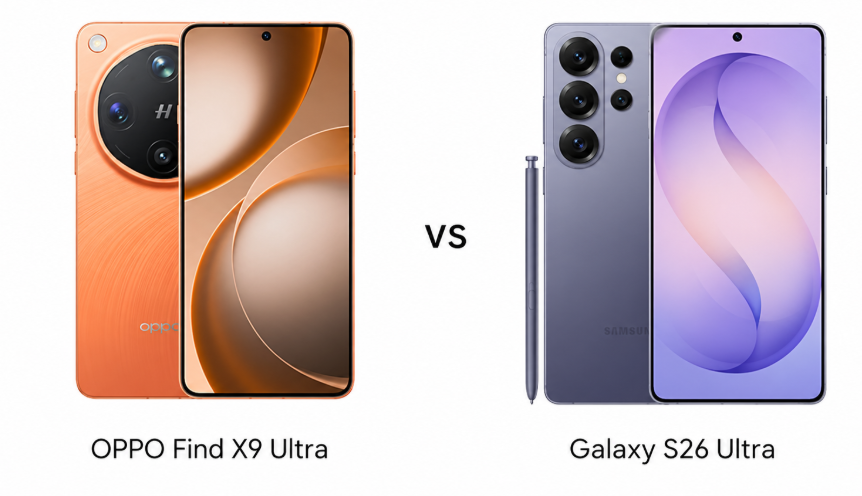
Ultra-flagships are no longer just about power; they’re about how differently brands define “the best.” The OPPO Find X9 Ultra and Samsung Galaxy S26 Ultra take two distinct paths: one pushes extreme hardware and charging innovation, while the other refines performance, software longevity, and ecosystem features. This comparison highlights which approach actually makes more sense, depending on how a flagship is used day to day.
The OPPO Find X9 Ultra leans into a premium, camera-centric design with options like eco leather that add grip and character. It feels built for enthusiasts who appreciate both durability and a slightly bold aesthetic. The Samsung Galaxy S26 Ultra, on the other hand, sticks to a refined, industrial approach with its Armor frame and integrated stylus. It looks cleaner and more business-like, with tighter finishing and a more polished in-hand experience. The inclusion of the S Pen subtly adds functional value that goes beyond just design.
Display Quality
OPPO pushes ahead with a 144Hz LTPO AMOLED panel and extremely high peak brightness, making it more aggressive and fluid, especially for gaming and outdoor use. Samsung counters with a slightly larger panel, excellent anti-reflective coating, and a more color-accurate tuning. While OPPO feels more vibrant and dynamic, Samsung’s display appears more controlled and easier on the eyes during long sessions.
Verdict
OPPO feels more exciting and cutting-edge, while Samsung delivers a more refined and practical flagship experience.
2. Specifications Including Battery
Performance
Both devices run on the Snapdragon 8 Elite Gen 5, but Samsung edges ahead slightly with a higher clocked prime core and GPU tuning. In real-world use, both feel extremely fast, but Samsung may hold a slight advantage in sustained workloads and optimization. OPPO compensates with aggressive performance tuning that feels snappier in bursts, especially during gaming or multitasking. Software support is another key difference, with Samsung offering significantly longer update longevity, which adds long-term value.
Battery and Charging
This is where OPPO clearly dominates. The massive 7050mAh battery, combined with 100W wired and 50W wireless charging, makes it a powerhouse for heavy users. Samsung’s 5000mAh battery is reliable but feels conservative, and its charging speeds lag. OPPO simply reduces battery anxiety in a way Samsung does not fully match.
Verdict
Samsung offers better long-term polish and slightly stronger optimization, but OPPO wins decisively in battery and charging convenience.
3. Camera
Main and Secondary Lenses
OPPO takes a more ambitious approach with dual 200MP sensors and a versatile zoom system that includes both 3x and 10x optical options. This setup feels designed for flexibility and detail retention across all focal lengths. Samsung, while more traditional, delivers a highly refined camera system with strong computational photography and reliable consistency. Its 5x zoom is practical, but it lacks the extended reach and experimentation OPPO offers. OPPO feels more like a photography toolkit, while Samsung feels like a dependable point-and-shoot flagship.
Selfie Camera
The difference is clear here. OPPO’s 50MP front camera delivers sharper and more detailed selfies, especially in well-lit conditions. Samsung’s 12MP sensor is tuned for natural results and better consistency, but it lacks the raw resolution advantage.
Verdict
OPPO leads in hardware versatility and zoom capabilities, while Samsung remains more consistent and predictable in everyday shooting.
4. Pricing
OPPO Find X9 Ultra is priced at around ₹1,03,000, while the Samsung Galaxy S26 Ultra comes in significantly higher at approximately ₹1,40,000. This creates a noticeable gap in positioning, with OPPO offering flagship-level hardware at a more aggressive price point. Samsung justifies its premium with longer software support, brand value, and ecosystem features, but the difference is hard to ignore.
Is the price justified and value for money
OPPO feels like the better deal purely from a hardware perspective, especially considering its battery, charging, and camera system. Samsung, however, positions itself as a long-term investment with better software longevity and ecosystem integration. For users focused on raw specs and immediate value, OPPO stands out more clearly.
Verdict
OPPO delivers stronger value for money, while Samsung charges a premium for refinement and long-term reliability.
Disclaimer: Prices are approximate and may vary based on country, region, launch timing, and applicable taxes. Always check whether the listed price is for a China unit or a global/international variant when purchasing.
5. Conclusion
OPPO stands out with its massive battery, ultra-fast charging, and highly experimental camera setup that pushes boundaries. It feels like a device built for users who want maximum hardware innovation. Samsung counters with features like the S Pen, DeX support, anti-reflective display, and extended software updates, making it a more productivity-focused flagship. These additions create a more complete ecosystem experience rather than just a hardware showcase.
Verdict
OPPO Find X9 Ultra is the better choice for users who prioritize battery life, fast charging, and camera versatility at a lower price. The Samsung Galaxy S26 Ultra, however, is more balanced, refined, and future-proof, making it a stronger pick for long-term usage and productivity-focused buyers.
Disclaimer: This comparison is based on the specifications provided and is intended for general informational purposes. Actual performance, camera results, battery life, and overall experience may vary depending on real-world usage, software updates, and individual preferences.
Both the Xiaomi 17T and Xiaomi 17T Pro recently surfaced in Geekbench listings. Now, a fresh leak is giving us a complete look at the two phones ahead of launch.
According to details shared by Dealabs, both phones are expected to launch in Europe with 12GB of RAM. The standard 17T will be available in 256GB and 512GB storage options, while the Pro is said to come in a single 512GB variant.
Pricing in Europe could start at €749 for the 17T and €999 for the Pro, which is about €100 more than their predecessors.
Xiaomi 17T
Xiaomi 17T and Xiaomi 17T Pro specifications (expected)
For the price, the 17T will offer a MediaTek Dimensity 8500-Ultra processor, while the Pro is said to be powered by the Dimensity 9500.
The 17T will pack a 6,500mAh battery, while the Pro stretches that to 7,000mAh. For charging, the former is limited to 67W, while the Pro supports 100W wired and 50W wireless charging.
On the front, the 17T might feature a slightly smaller 6.59-inch AMOLED panel with a 120Hz refresh rate. Meanwhile, the Pro will have a larger 6.83-inch screen that bumps the refresh rate up to 144Hz.
Xiaomi 17T
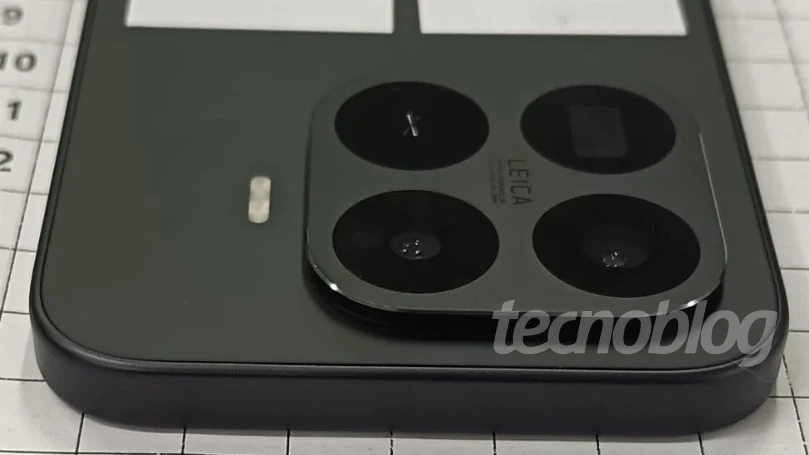
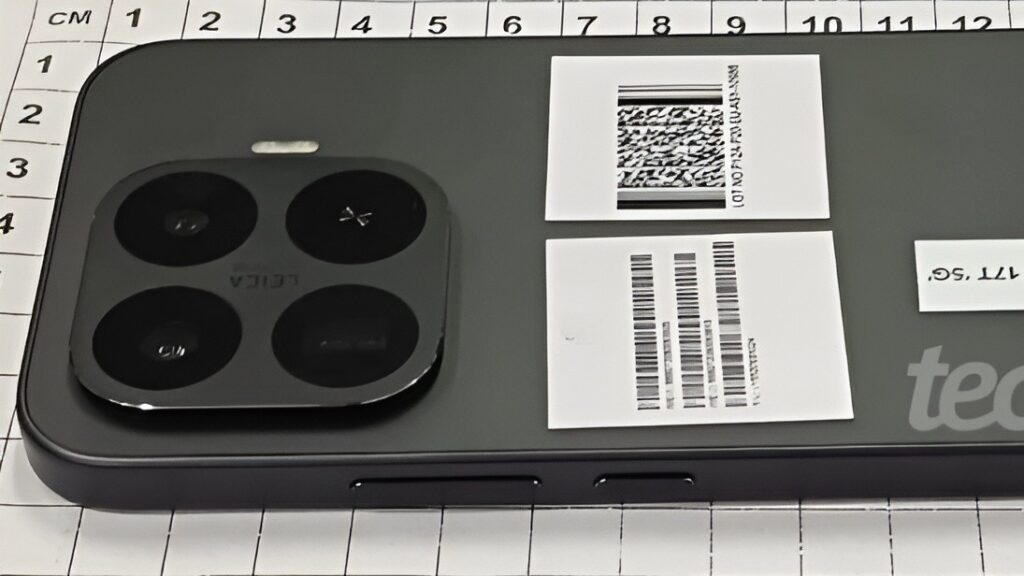
On the camera side, both phones keep a triple Leica-branded setup. The Pro version gets a newer Light Fusion 950 main sensor (versus the Light Fusion 800 on the standard model), while both models feature the same 50MP telephoto camera with 5x optical zoom and a 12MP ultra-wide lens. The front camera is a 32MP shooter on both devices.
Software will be based on Android 16 with Xiaomi’s HyperOS skin on top. Both phones are said to come in the same color options: Blue, Black, and Purple.
There’s still no confirmed launch date, but with this level of detail already out, it likely won’t be far off.
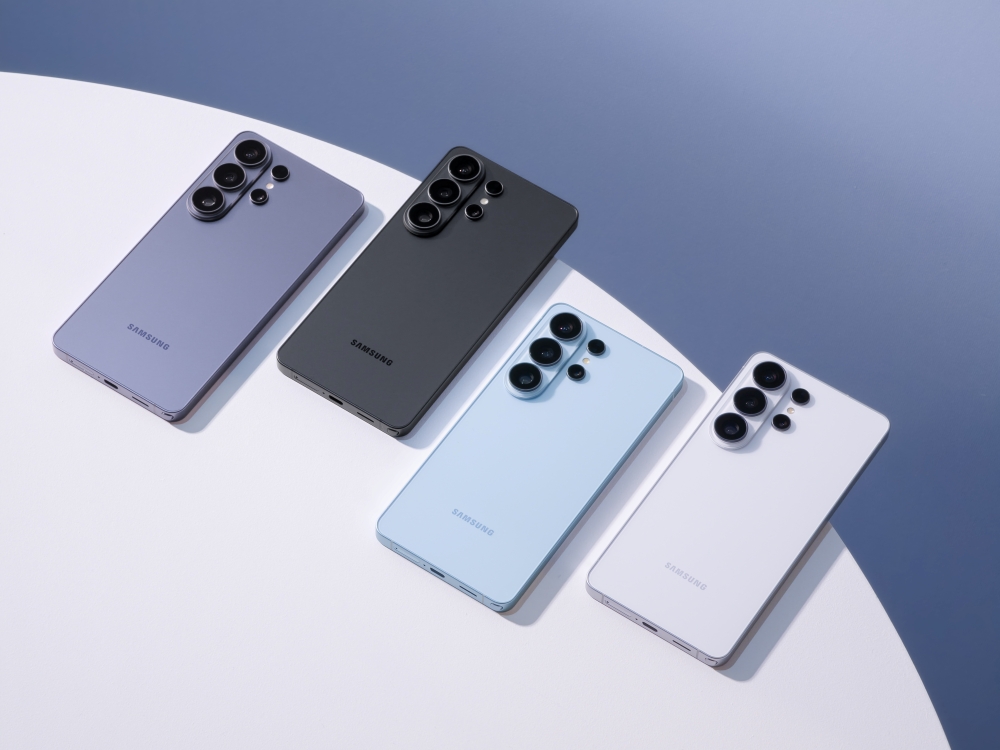
Samsung has stuck with a fairly familiar camera design on its Galaxy S phones for a while now. Since the Galaxy S22, the camera layout has barely changed, aside from a few small tweaks. That might finally change with the Galaxy S27 series.
A new leak from South Korea suggests Samsung is looking at reworking the rear camera layout for the entire S27 lineup. The exact design is still unclear, but the reason behind the shift seems to be more practical than cosmetic.
It isn’t about sensor or lens upgrades
Samsung is reportedly planning to add built-in magnets to the Galaxy S27 series. This would enable proper Qi2 magnetic wireless charging and support for magnetic accessories without needing a case. That includes things like snap-on chargers, power banks, wallets, and stands. It is something we have already seen elsewhere, but Samsung has been a bit slower to adopt it.
Interestingly, the current camera layout is said to be part of the problem. The vertical arrangement apparently takes up space that would otherwise be needed for a circular magnet ring. If that is the case, a redesign is less about looks and more about making room internally.
Samsung was expected to bring this feature to the Galaxy S26 series, but it never happened. Now, most of the signs point to the S27 as the point where it finally comes together.
If this change goes through, it would mark a shift away from a design that has been around for several generations. There are also hints that a similar camera layout might show up on another upcoming Samsung device before the S27 series, possibly the upcoming foldables.
That said, the leak also mentions cost management. A major design overhaul, as tipster Lanzuk on Naver notes, could be put on hold or delayed to keep R&D expenses in check. Still, a new back design may arrive within the next few generations of Galaxy flagships.
OnePlus has shared its April 2026 OxygenOS FAQ, covering current bugs, feature guidance, app requirements, and rollout details for the B60P01 software version. The update comes as part of the company’s monthly OxygenOS information thread, which is meant to answer common user questions around system behavior, build status, and product features.
One of the issues listed in the April FAQ is screen flickering during video recording. OnePlus said the problem is affecting some devices and is still being analyzed by its team. The company has not confirmed a fixed rollout timeline for this specific issue, but said it will continue working on improvements.
The FAQ also addresses a camera launch issue seen when using a screen-off gesture or shortcut. In some cases, the camera shortcut does not automatically wake the display when the screen is off. OnePlus said the issue has already been fixed in the latest version. Users facing the problem are advised to update their devices. Until then, the screen can be turned on manually by pressing the power button.
OnePlus has also explained how users in Thailand can add the Songkran Watermark through the Photos app. The option is available through Photos App > select taken photo > Edit > Watermark. The feature requires OxygenOS version 13.0.1 or above and Photos App version 15.75.0 or above. It is available only in Thailand from April 1 to April 30, 2026. OnePlus said the Photos app can be updated through the App Market.
Real-time sports scores on Live Alerts
The April FAQ also includes guidance for real-time sports scores on Live Alerts. Users can enable it through Settings > Notifications & Quick Settings > Live Alerts > Allow Live Alerts > Sports from Google > Sports from Google settings, then follow their preferred teams. OnePlus noted that this feature is available only on certain models.
The Content Portal feature can be enabled from Settings > Accessibility & convenience > Content Portal > Drag & drop. It allows users to share images, text, and other content more easily.
OnePlus also confirmed that the B60P01 version started rolling out on April 8, 2026, and is scheduled to reach users by April 30, 2026. The update brings improvements to certain operations and system stability for a smoother experience.
We use cookies on our website to give you the most relevant experience by remembering your preferences and repeat visits. By clicking “Accept”, you consent to the use of ALL the cookies.
This website uses cookies to improve your experience while you navigate through the website. Out of these, the cookies that are categorized as necessary are stored on your browser as they are essential for the working of basic functionalities of the website. We also use third-party cookies that help us analyze and understand how you use this website. These cookies will be stored in your browser only with your consent. You also have the option to opt-out of these cookies. But opting out of some of these cookies may affect your browsing experience.
Necessary cookies are absolutely essential for the website to function properly. This category only includes cookies that ensures basic functionalities and security features of the website. These cookies do not store any personal information.
Any cookies that may not be particularly necessary for the website to function and is used specifically to collect user personal data via analytics, ads, other embedded contents are termed as non-necessary cookies. It is mandatory to procure user consent prior to running these cookies on your website.