Realme has launched the Realme 16 5G in India, targeting younger audiences. Let’s check out its key specs and pricing.
Realme 16 5G Specifications
The Realme 16 5G features an impressive 6.57-inch AMOLED Full HD+ display with a 120Hz refresh rate. The display delivers up to 4200 nits peak brightness and supports 100% DCI-P3 color gamut. The screen is protected by DT Star D+ glass.
Under the hood, the device is powered by the MediaTek Dimensity 6400 Turbo 6nm processor with an octa-core CPU and Mali-G57 MC2 GPU. It offers 8GB or 12GB LPDDR4X RAM and UFS 2.2 storage options of 128GB and 256GB.
The Realme 16 5G runs on Realme UI 7.0, based on Android 15. The software is optimized for a smooth and responsive experience, featuring Flux Engine for AI-based resource management. Realme has also promised a 72-month fluency protection plan.
For photography, the device features a dual 50MP rear camera system with a Sony IMX852 sensor and a 2MP monochrome lens, along with a 50MP front-facing camera. It offers features like AI-based tools for creativity, and supports 1080p video recording, underwater photography, and auto-edited AI Instant Clips. The device also includes a rear selfie mirror with Aura Ring Flash, voice countdown, and gesture recognition for hands-free shots.
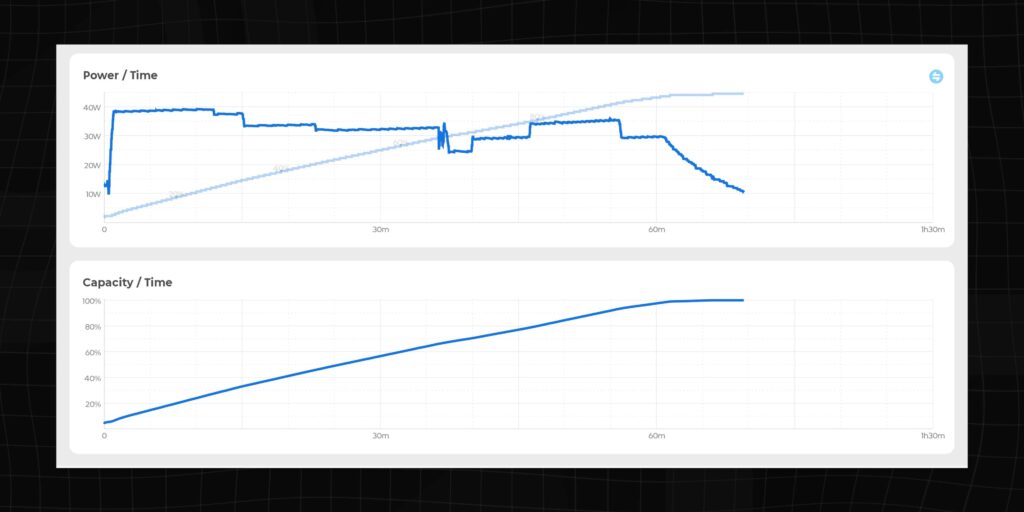
The Realme 16 5G features a 7000mAh battery with 60W fast charging, reaching 50% in 30 minutes and 100% in 74 minutes. It includes bypass charging, reverse charging, and Realme’s Titan Long-Life Algorithm, ensuring 80% battery health after 1,600 charge cycles for extended durability.
The device is designed for durability with IP66, IP68, IP69, and IP69K water and dust resistance ratings. It includes an in-display fingerprint sensor, facial recognition, Wi-Fi 6, Bluetooth 5.4, 5G support, and stereo Hi-Res audio speakers.
Pricing and Availability
The Realme 16 5G is available in two colors: Air White and Air Black.
Pricing starts at ₹28,999 for the 8GB + 128GB variant, while the 8GB + 256GB and 12GB + 256GB models are priced at ₹30,999 and ₹33,999, respectively.
For more daily updates, please visit our News Section.
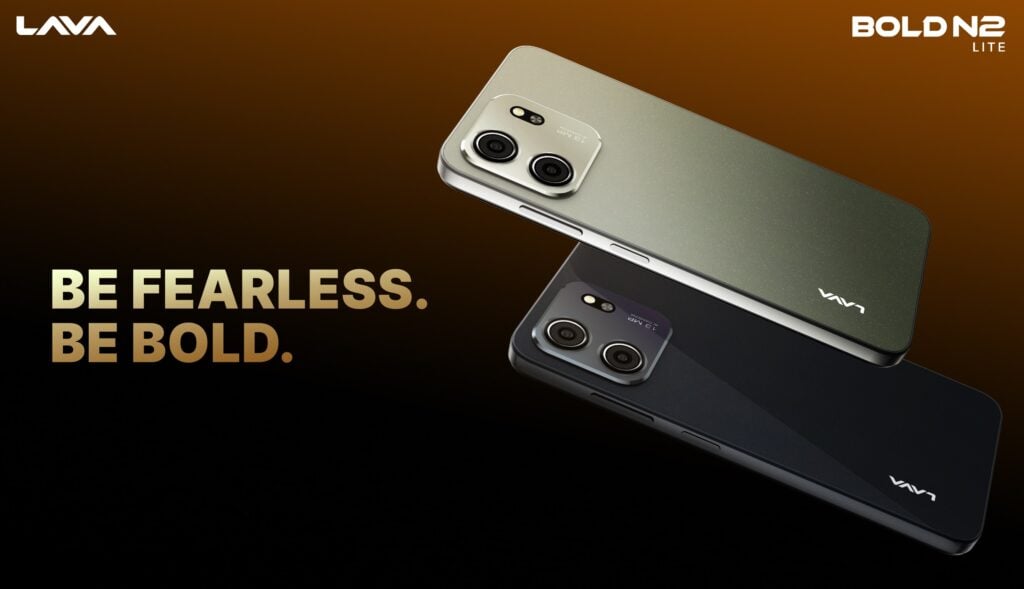
Lava Bold N2 Lite has been launched as part of Lava’s Bold series, expanding the lineup after the Bold N2 in February and the Bold N2 Pro earlier this week. This model is positioned in the entry-level segment.
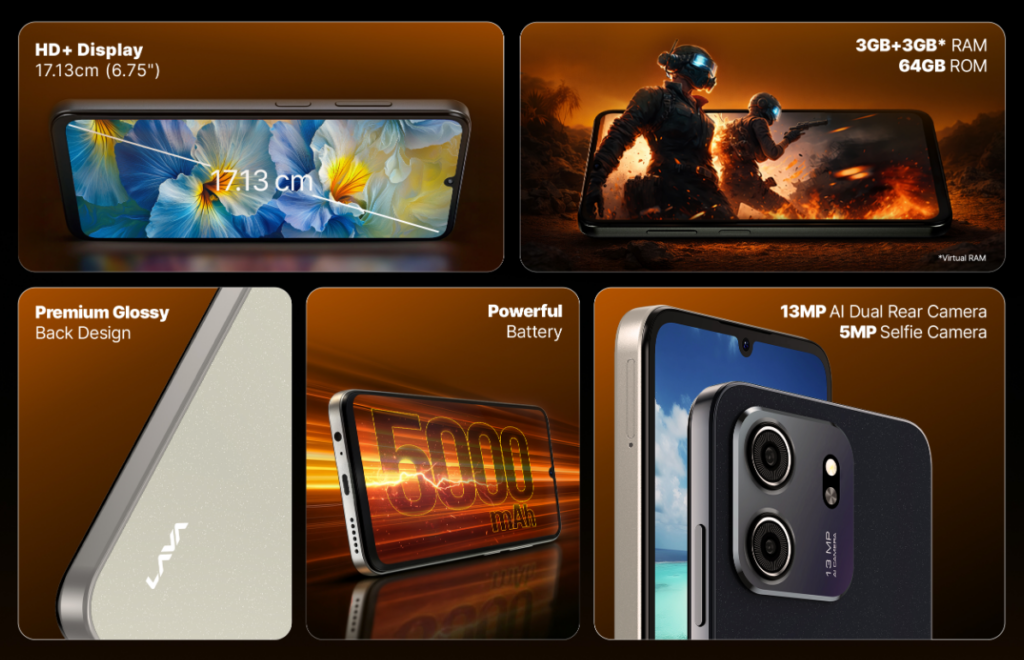
It comes with a 6.75-inch HD+ LCD display with a resolution of 720 x 1600 pixels and a 90Hz refresh rate. The phone is powered by a 1.6GHz octa-core Unisoc SC9863A processor with an IMG8322 GPU. It has 3GB of RAM and supports an additional 3GB of virtual RAM. Storage stands at 64GB and can be expanded up to 512GB using a microSD card.
The device runs Android 15 Go Edition and supports dual SIM (nano + nano + microSD). It includes a side-mounted fingerprint scanner for security. For optics, it features a 13MP rear camera with LED flash and a 5MP front camera. Other hardware features include a 3.5mm audio jack, FM radio, and a bottom-ported speaker.
The phone has an IP64 rating for dust and splash resistance. Connectivity options include dual 4G VoLTE, Wi-Fi 802.11 ac, Bluetooth 4.2, GPS, and a USB Type-C port. It measures 164.96 x 76.1 x 8.8 mm. It is backed by a 5000mAh battery with support for 10W charging.
Pricing & availability
The Lava Bold N2 Lite is available in Nilgiri Blue and Kolar Gold. It is priced at Rs. 7,399 for the 4GB + 64GB variant. With a Rs. 400 coupon and an additional Rs. 500 discount on the purchase of two units, the effective price comes down to Rs. 6,499. The phone will go on sale via Amazon India starting April 10 at 12 PM.
For more daily updates, please visit our News Section.
Samsung has only just rolled out the Galaxy Buds 4 and Buds 4 Pro, so seeing something new already wasn’t really expected. But that’s exactly what turned up, quietly, inside the Galaxy Buds app.
Digging through the latest version of the app, there’s a new name listed: “Galaxy Buds Able.” No context around it, no announcement, just a reference sitting there. And it immediately feels a bit… off.
Part of that is the name itself. Samsung’s earbuds have followed a pretty clear pattern so far, Pro, FE, numbered generations. “Able” doesn’t really line up with any of that. It doesn’t sound like a final retail name either. More like something internal that slipped through.
The model number adds to that feeling. It’s listed as SM-U600, which is unusual because every Galaxy Buds model so far has used the SM-R series. That’s been consistent for years, so switching to something entirely different is hard to ignore.
Then there are small inconsistencies in the app itself. In some places it says “Galaxy Buds Able,” in others it just says “Able.” That kind of thing usually points to something that’s still being worked on, not something that’s ready to be shown.
As for what this actually is, there isn’t much to go on yet. The name has led to some guesses around accessibility or hearing-related features. But nothing concrete so far.
Overall, this feels less like a product reveal and more like an early trace of something in development. The kind of thing that shows up in software before it’s fully figured out.
It might turn into a proper product, or it might not. Either way, it’s one of those small leaks that raises more questions than it answers.
A new leak from Kartikey Singh suggests Xiaomi is planning a handful of ambitious devices for the second half of 2026. Not just routine upgrades either. The focus seems to be on things like camera hardware, modular design, and its own silicon.
This comes after a busy first half, with the Xiaomi 17 series, new tablets, Poco models, and even a lightweight laptop already out. So adding more to that list is a bit surprising, but not completely unexpected either.
One of the claims that stands out is a phone described as having the “most powerful smartphone camera of 2026.” That’s a big statement, though Xiaomi has been pushing camera tech quite aggressively lately, especially with Leica in the picture. So it’s at least believable they’re aiming in that direction.
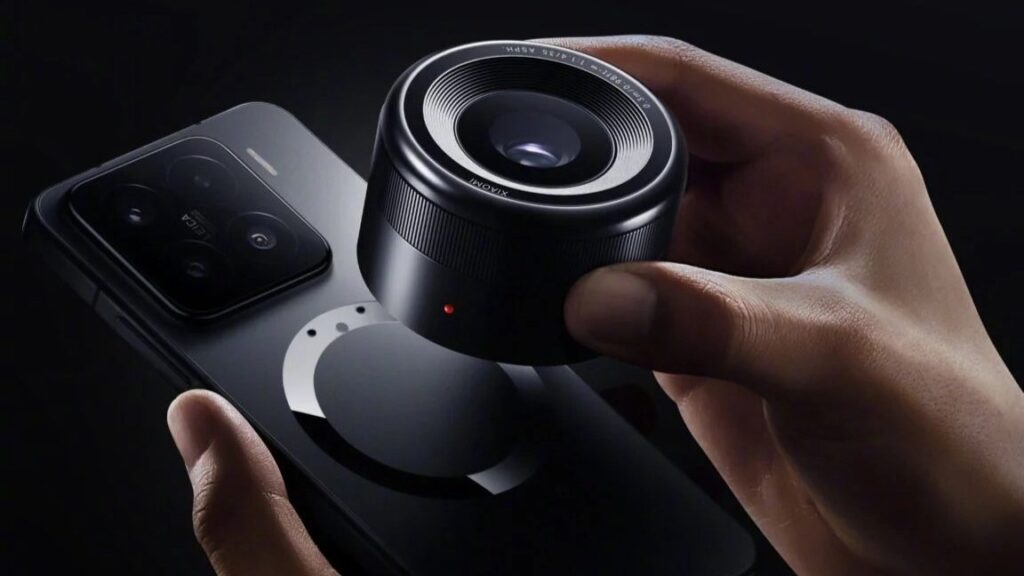
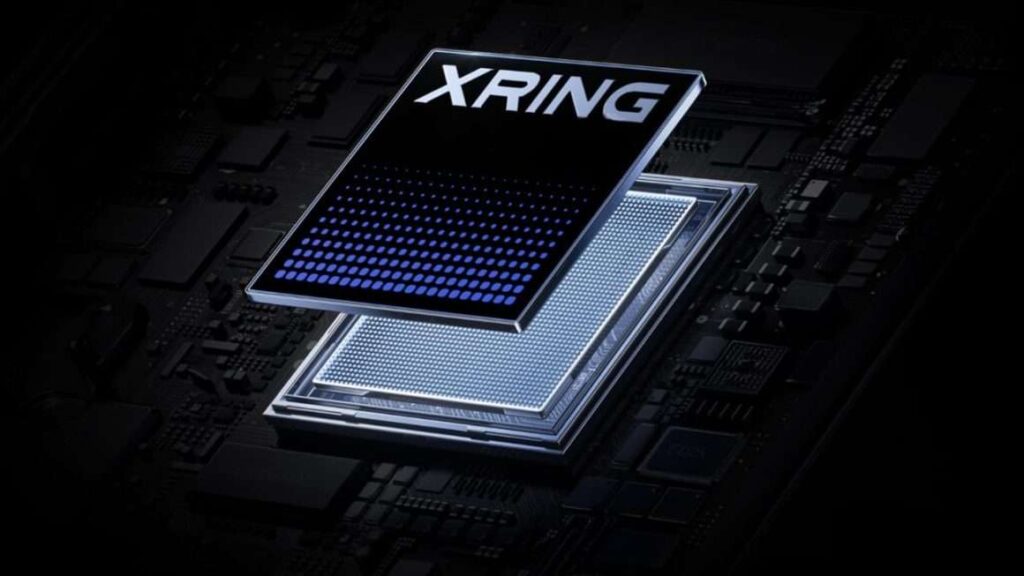
The modular phone is probably the more unusual part. This likely ties back to Xiaomi’s Modular Optical System, which was shown earlier as a concept. The idea is simple on paper, attach external lenses to the phone and get closer to a proper camera setup. It was experimental at the time, but now there are hints that parts of it may actually be moving toward production. There’s also talk of a new flagship running on the upcoming XRING O2.
Details are still pretty limited, and timelines are unclear. It’s also one of those cases where not everything mentioned will necessarily make it to final release.
Still, taken together, it feels like Xiaomi is trying to do a bit more than just incremental upgrades this year. If even one or two of these ideas land properly, the second half of the year could end up being more interesting than usual.
Vivo has launched the mid-premium smartphone V70 FE in India, following its debut in Indonesia last month. Let’s check out its specs and pricing details.
Vivo V70 FE Specifications
The Vivo V70 FE features a 6.83-inch 1.5K AMOLED display with a 2800 x 1260 resolution, a 120Hz adaptive refresh rate, and up to 1900 nits peak brightness for excellent sunlight readability. It supports HDR10+ for vivid colors and is protected by durable Diamond Shield Glass.
Under the hood, the device is powered by the MediaTek Dimensity 7360-Turbo chipset (4nm) with a clock speed of up to 2.5GHz and Mali-G615 MC2 GPU. It offers 8GB or 12GB LPDDR5 RAM and up to 256GB UFS 3.1 storage.
The smartphone runs on the latest Android 16, topped with OriginOS 6. Vivo has promised four years of OS updates and six years of security patches. It brings features like AI-enhanced productivity tools, advanced personalization, and optimizations for smooth everyday use.
For photography, the V70 FE boasts a 200MP main rear camera with OIS using Samsung’s HP9 sensor, an 8MP ultra-wide lens, and a 50MP front camera with eye autofocus. It includes AI-powered features like AI SuperZoom (30x), AI Magic Weather, and four-season portrait mode, catering to photography enthusiasts.
Despite its slim 7.59mm profile, the device packs a 7000mAh battery with 90W FlashCharge. It also features bypass charging.
The V70 FE is IP68/IP69-certified for water and dust resistance. It offers dual speakers, an in-display fingerprint sensor, and modern connectivity options like 5G, Wi-Fi 6, Bluetooth 5.4, and NFC.
Pricing and Availability
The Vivo V70 FE is available in two stunning color options: Northern Lights Purple and Monsoon Blue. The Northern Lights Purple uses Darkness Glow Technology to emit a soft glow in low light for a luminous effect.
The pricing begins at ₹37,999 for the 8GB + 128GB variant, ₹40,999 for the 8GB + 256GB model, and ₹44,999 for the 12GB + 256GB version.
Pre-orders are now open on Vivo’s official store, Amazon.in, Flipkart, and offline retail outlets. The phone will go on sale starting April 9th.
For more daily updates, please visit our News Section.
Huawei usually refreshes its book-style foldable once a year. The Mate X7 landed last November, and if the schedule holds, its successor should follow a similar release window.
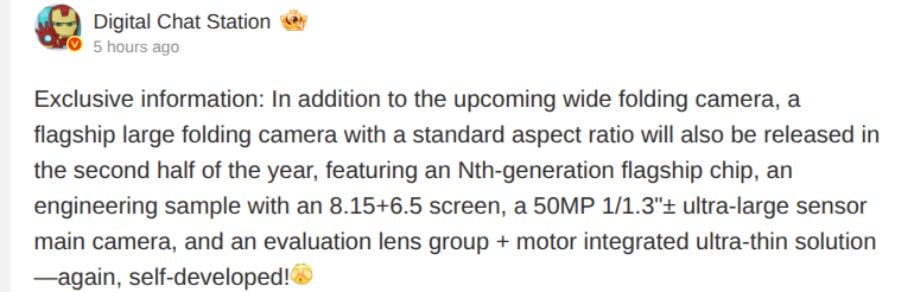
A fresh leak by tipster Digital Chat Station has now revealed the first details of the upcoming Huawei Mate X8. The device is said to feature a 6.5-inch outer screen and an 8.15-inch inner folding display—that’s slightly larger than what Huawei offers on the Mate X7.
On the camera side, the leak points to a 50-megapixel main sensor with a relatively large 1/1.3-inch size. There’s also mention of an “ultra-thin” camera module design.
Under the hood, the Mate X8 is expected to debut the new Kirin 9040 series chip, which would succeed the Kirin 9030 Pro found in the previous Mate X7 generation.
Huawei’s in-house silicon has been gradually improving in performance despite limitations. The Kirin 9040 is the next step of that, but it will still struggle to match the raw performance levels of Qualcomm’s or MediaTek’s top counterparts.
In terms of software, the device is rumored to ship with HarmonyOS 7, building on the foundation of HarmonyOS 6.
Huawei Mate X8 is also rumored with 20GB RAM
Moreover, a previous leak claims that the Mate X8 could come with 20GB of RAM. Memory prices are on the rise, which has also affected smartphones, so it remains to be seen whether Huawei will actually offer this configuration.
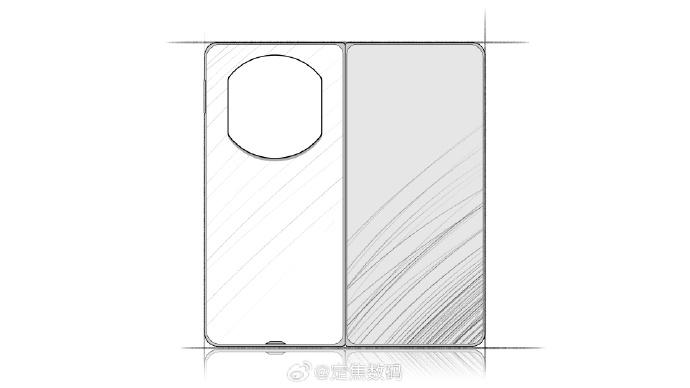
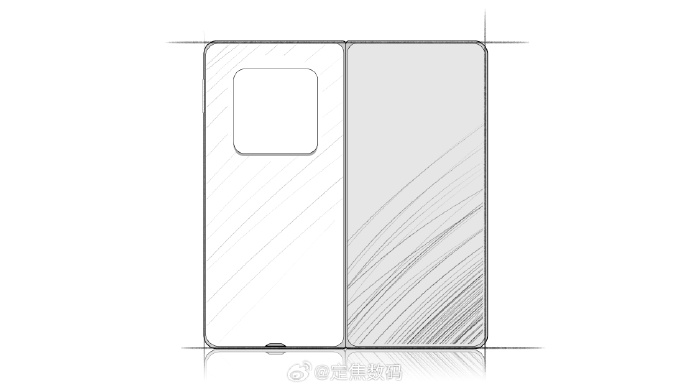
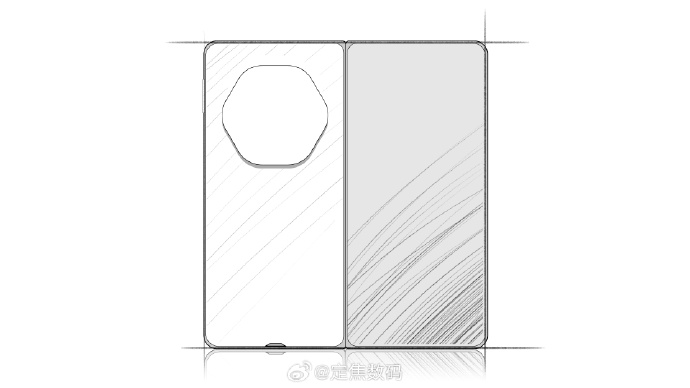
More importantly, the report also says the Mate X8 will feature a completely redesigned camera module, with two possible concept designs already sketched.
Of course, none of this is confirmed yet. But Huawei will once again focus on iterative upgrades while tightening and refining its hardware and software integration. As in previous years, more details are expected to surface closer to launch.
Xiaomi has launched the Redmi Note 15 SE 5G Special Edition in India, a mid-range smartphone that delivers premium features, emphasizing performance, design, and functionality at a competitive price.
Redmi Note 15 SE 5G Specifications
The Redmi Note 15 SE features a 6.77-inch FHD+ curved AMOLED display with a 120Hz refresh rate, 3200 nits peak brightness, and 12-bit color depth. It supports HDR10+, DCI-P3, and TÜV Rheinland certifications, ensuring a premium, eye-friendly viewing experience.
Under the hood, the device is powered by the 4nm Snapdragon 6 Gen 3 chipset with Adreno 710 GPU. It features up to 8GB of LPDDR4X RAM and expandable UFS 2.2 storage.
The device runs on Android 15 with HyperOS 2, offering a smooth interface, seamless device interconnectivity, and features like shared clipboard and call syncing. It guarantees 4 years of OS updates and 6 years of security patches.
In the camera department, the Redmi Note 15 SE features a 50MP primary lens with 1/2.88” Light Fusion 400 sensor and f/1.8 aperture. It also includes a 2MP depth sensor for professional-quality portraits. The camera supports 4K 30fps video recording. For selfies, it features a 20MP front camera and includes AI features like AI Erase, Dynamic Shots, and Artistic Portrait modes.
The Special Edition comes with a 5800mAh silicon-carbon battery, 45W fast charging, and reverse wired charging. It includes TUV-certified Smart Charging 2.0 for safety and longevity, lasting 1,600 charge cycles over 5 years.
The Redmi Note 15 SE offers IP65/IP66 dust and water resistance, MIL-STD-810H durability, Dolby Atmos stereo speakers, an in-display fingerprint sensor, 5G support, and an infrared blaster.
Pricing and Availability
The Redmi Note 15 SE 5G is priced at ₹19,999 for the 6GB + 128GB variant, ₹21,999 for the 8GB + 128GB variant, and ₹22,999 for the 8GB + 256GB variant.
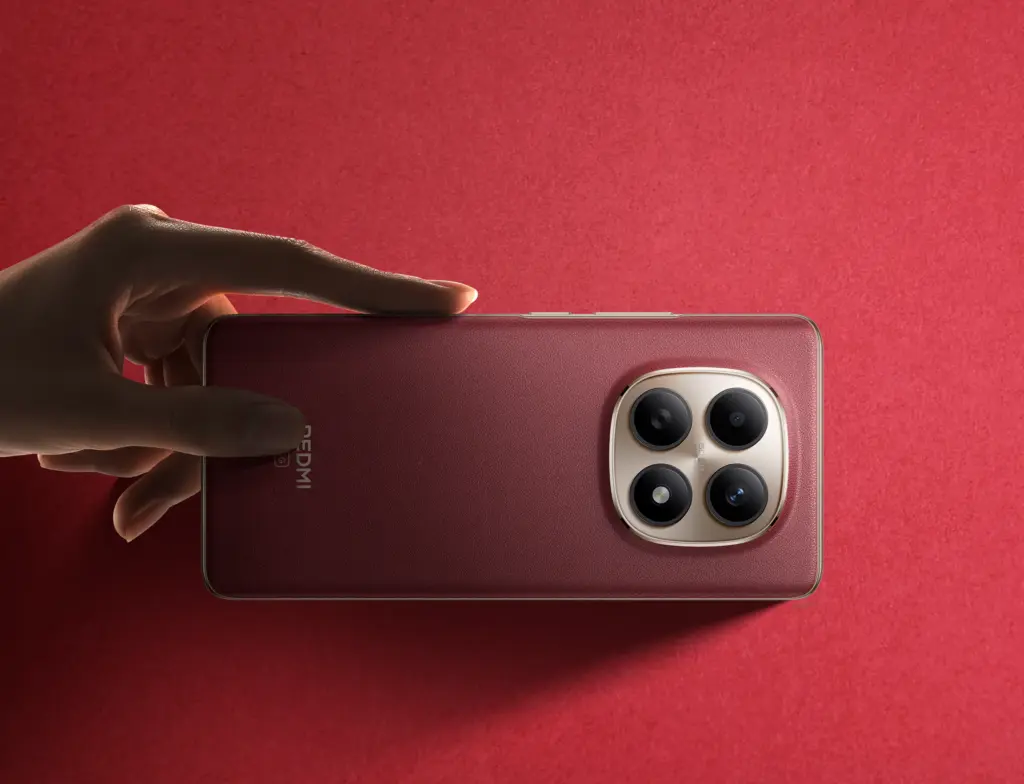
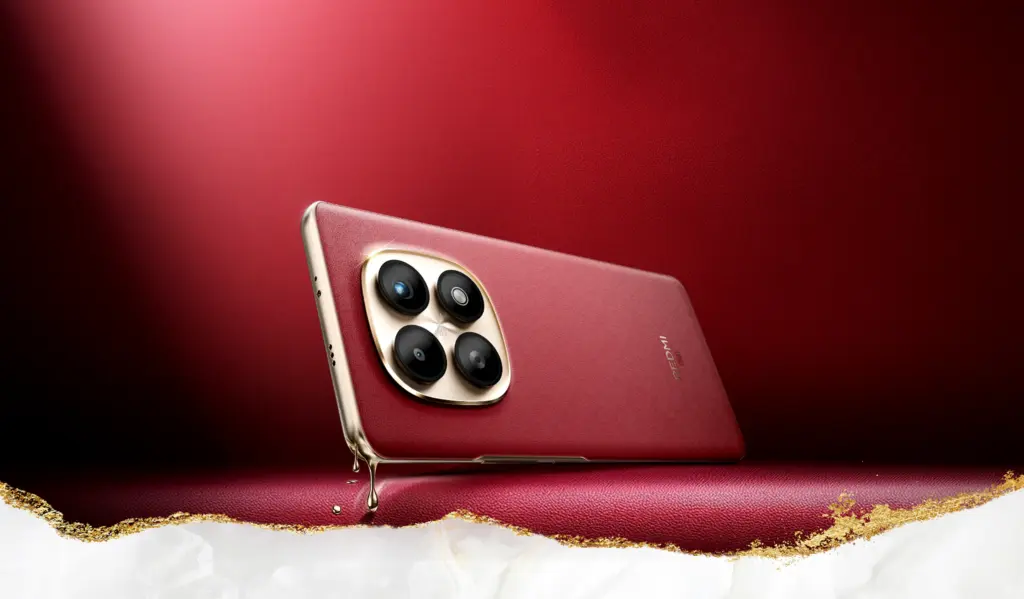
It will be available in Crimson Reserve (vegan leather finish), Frosted White, and Carbon Black colors. The smartphone goes on sale starting April 7th through Flipkart, Mi.com, and offline retail stores.
For more daily updates, please visit our News Section.
HONOR has officially kicked off the first wave of teasers for its upcoming HONOR 600 Series, offering an early look at what the brand is positioning as its next major step in the premium mid-range segment. The teasers highlight a refined design approach, combining an ultra-thin profile with a focus on long-lasting battery endurance, a balance that has become increasingly important for modern users.
Beyond design, HONOR is emphasizing improvements in imaging, particularly in low-light photography. The company hints at enhanced night performance backed by advanced AI imaging capabilities, suggesting a continued push toward smarter, software-driven camera experiences. This aligns with the broader shift toward integrating AI more deeply into everyday smartphone usage, especially in photography and real-time processing.
Performance also appears to be a key pillar of the upcoming lineup. HONOR has confirmed the inclusion of a flagship-level chipset, indicating a focus on delivering top-tier speed and efficiency without moving into ultra-premium pricing territory. Combined with battery optimizations, this could position the device as a strong all-rounder for both performance and longevity.
While full specifications are yet to be revealed, the direction of the HONOR 600 Series suggests a more complete upgrade rather than a routine refresh. The emphasis on meaningful improvements across design, camera, and performance reflects changing consumer expectations, where noticeable upgrades matter more than ever.
A recent report from Counterpoint Research reinforces this shift, noting that devices combining advanced hardware with optimized AI features are likely to stand out. Based on its early teasers, the HONOR 600 Series appears to be moving firmly in that direction ahead of its global launch.
The Samsung Galaxy S26 Ultra has arrived, and it takes smartphone capabilities to the next level. This flagship device features a massive 6.9-inch AMOLED display, a 200MP camera, and impressive hardware that sets new standards in performance and functionality.
However, choosing between the storage options can feel tricky. The Samsung S26 Ultra 512GB variant stands out as a practical choice for users who need extra space for demanding apps, media, and workflows.
Here’s a detailed look at who should consider upgrading to the 512GB model and why it might be worth the extra $200 compared to the 256GB base variant.
For mobile videographers and photographers, the 512GB tier is practically mandatory. The S26 Ultra’s 200MP sensor, paired with an upgraded f/1.4 aperture, makes it a formidable tool for content creation. Samsung has also optimized the device to capture 4K video at 120fps and 8K video at 30fps, formats that demand massive data throughput and storage capacity.
Shooting a single minute of 8K footage can consume over 600MB of storage. For creators shooting high-resolution B-roll or vlogs on a daily basis, a 256GB drive will reach capacity in a matter of weeks. The 512GB model provides the necessary headroom to store dozens of active projects locally without the constant need to offload files to an external SSD.
2. Gamers
If you are buying the S26 Ultra for its gaming prowess, the 512GB variant is the logical choice. The mobile gaming landscape has shifted dramatically, with AAA titles like Genshin Impact, Honkai: Star Rail, PUBG Mobile, and Delta Force Mobile requiring 30GB to 50GB of storage each once high-resolution texture packs are downloaded.
Powered by the Snapdragon 8 Elite Gen 5 processor, the S26 Ultra is built for sustained, high-fidelity gaming. The 512GB capacity allows you to keep 5 to 10 massive titles installed simultaneously, alongside your daily apps and media. For serious gamers, the base 256GB model will quickly become a bottleneck, leading to the frustration of constantly deleting and redownloading games.
3. Future Proof Users
For those who view their smartphone as a long-term investment, the 512GB model offers unparalleled peace of mind. Samsung now guarantees 7 years of software and security updates, meaning the S26 Ultra is built to last well into the next decade.
However, long-term usage naturally leads to storage bloat. High-res photos, 4K videos, app caches, and hefty system updates accumulate rapidly. The 512GB tier future-proofs your device, ensuring you won’t be micromanaging your storage or heavily relying on cloud subscriptions three or four years down the line.
4. Professionals and Frequent Travelers
Enterprise users and professionals who rely on their devices in the field will also find the 512GB model indispensable. If your workflow involves storing large offline assets, such as architectural blueprints, heavy databases, or high-bitrate video presentations, local storage is king.
This is particularly crucial for frequent travelers. In regions with spotty 5G coverage or restricted Wi-Fi, cloud storage is a liability. The 512GB variant ensures seamless, offline access to mission-critical files without tethering you to an external flash drive.
5. Who Can Skip the 512GB Upgrade?
While the 512GB model is the optimal choice for many, it isn’t strictly necessary for everyone.
If your digital life is firmly rooted in cloud ecosystems like Google One, iCloud, or OneDrive, the 256GB base model will serve you perfectly well. For users whose daily routine consists of web browsing, social media, media streaming, and casual photography, 256GB is more than adequate.
Furthermore, with the S26 Ultra starting at a hefty $1,299, buyers looking to experience flagship features without stretching their budget further can confidently stick to the base model.
Conversely, professional filmmakers and photographers shooting exclusively in RAW formats or mastering 8K workflows should bypass the 512GB model entirely and look toward the 1TB tier. The 1TB variant also unlocks a RAM upgrade to 16GB, providing the necessary memory bandwidth for rendering heavy video files directly on the device.
For more daily updates, please visit our News Section.
Anker has come up with a slightly different take on the usual power strip, and it’s clearly aimed at people tired of cables running all over their desk.
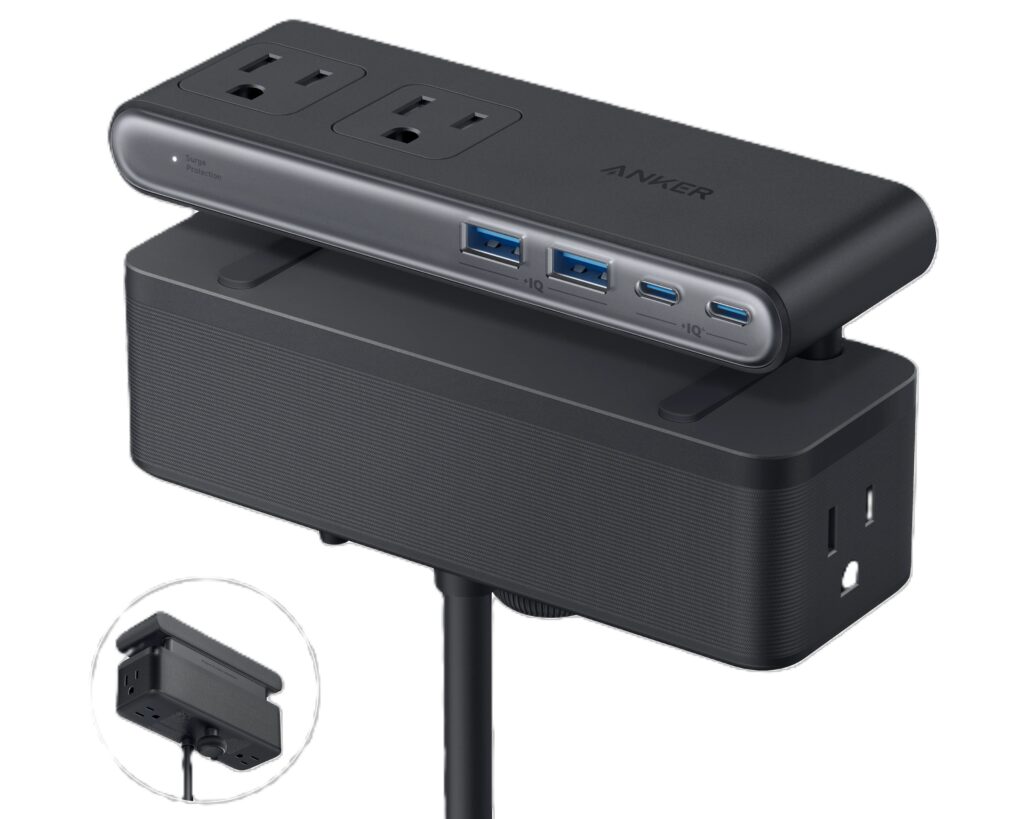
The new Nano Power Strip (10-in-1, 70W, Clamp) is designed to sit right on the edge of your desk. It uses a clamp-style mount, with two sections that grip the top and bottom of the desk and tighten into place with a rotating knob. Simple idea, but it solves a pretty common annoyance.
The layout is split across two levels. On the top section, you get easy access to ports you’ll probably use more often, while the lower section handles additional outlets that don’t need to be front and center.
Up front, there are four USB ports, including two USB-C and two USB-A. One of the USB-C ports can push up to 70W, which should be enough for most laptops. The rest of the outputs are standard AC sockets, bringing the total to ten.
It’s also got 1500J surge protection, which is expected at this point but still good to have, especially if you’re plugging in multiple devices.
Compared to Anker’s earlier Nano charging station, this one is less about portability and more about keeping your desk clean. The clamp design means fewer cables hanging off the edge or disappearing behind the table, which is really the main appeal here.
It’s priced at $69.99 and is expected to go on sale in the US around mid-April 2026. There’s no clear word on availability in other regions yet.
For anyone dealing with a messy setup, this feels like a practical upgrade. Whether it ends up being genuinely useful day to day will probably come down to how well that clamp holds up and how convenient the layout feels in real use.
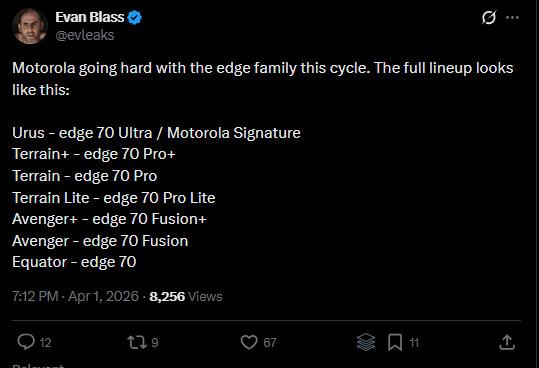
Motorola doesn’t seem done with the Edge 70 lineup just yet. Even with multiple models already out, a new leak suggests the company is preparing to add at least three more options to the mix.
Details shared by tipster Evan Blass on X mention the Edge 70 Pro, Edge 70 Pro+, and Edge 70 Pro Lite. Internally, these are said to go by the codenames “Terrain,” “Terrain+,” and “Terrain Lite.” That would push the Edge 70 family even further, which already includes the standard Edge 70, along with the Fusion, Fusion+, and the higher-end Motorola Signature variant. It’s a slightly crowded lineup at this point, but it also gives Motorola room to target different price brackets.
There isn’t much in terms of confirmed specs yet, but one of the upcoming models has already left a small trail. A device believed to be the Edge 70 Pro (model number XT2607-1) showed up in Brazil’s Anatel certification database earlier this year.
The listing mentions a 6,500mAh battery, which is on the larger side, along with 90W wired charging and support for wireless charging. Connectivity features like Wi-Fi 6E and NFC are also present, suggesting this isn’t exactly a budget-focused device.
The naming itself gives a rough idea of how Motorola might position these. The Pro Lite could end up as a more affordable option with a few compromises, while the Pro and Pro+ models likely aim for better performance or optics.
Motorola has been doing this for a while now, releasing slightly different variants across regions, so it wouldn’t be surprising if some of these models are market-specific.
There’s no timeline yet for when these devices will be announced. But with competition in the mid-range segment getting tighter, expanding the lineup like this does make some sense.
For now, it looks like Motorola is leaning further into choice. Whether that actually makes things clearer for buyers or just more confusing will depend on how these models are priced and differentiated.
Honor has announced a new midrange phone, the Honor X80i, with pre-orders opening today in China. The device starts at 1,999 yuan, though government subsidies bring the effective starting price down to 1,699.15 yuan. Sales are scheduled to begin on April 10th.
The Honor X80i comes in four finishes — Sand Pink, Lime Green, Moon Shadow White, and Obsidian Black — and measures 7.34mm thick while weighing 185 grams.
Honor says the phone uses a metal frame and a flagship-style integrated cold-carving process. It also carries SGS Gold Label five-star certification for drop resistance, with claims of surviving drops from up to 1.8 meters. There’s also IP66 dust and water resistance.
Honor X80i Specifications
On the front, the phone features a 6.6-inch OLED display with a 1.5K resolution and ultra-narrow bezels. It supports a 120Hz refresh rate and reaches a peak brightness of 6500 nits. Honor is also emphasizing eye comfort here, with 3840Hz PWM dimming designed to reduce strain during extended use.
Internally, the X80i is powered by a Dimensity 6500 Elite chipset and paired with a large 7000mAh battery. Honor claims the battery can maintain its performance for over six years. Charging is capped at 45W.
In terms of camera, the phone has a single 50-megapixel rear sensor and an 8-megapixel front-facing camera.
Elsewhere, the phone includes an upgraded antenna system that reportedly improves weak signal performance by up to 130 percent, along with a new cooling system, stereo speakers, and an AI-enabled physical button.
The Honor X80i is available in multiple configurations, starting with 8GB RAM and 128GB storage for 1,999 yuan. The 8/256GB and 12/356GB models cost 2,199 yuan and CNY 2,499, while the higher-tier 12/512GB model is priced at 2,799 yuan. As with many Honor releases, there’s no word yet on wider global availability.
For more daily updates, please visit our News Section.
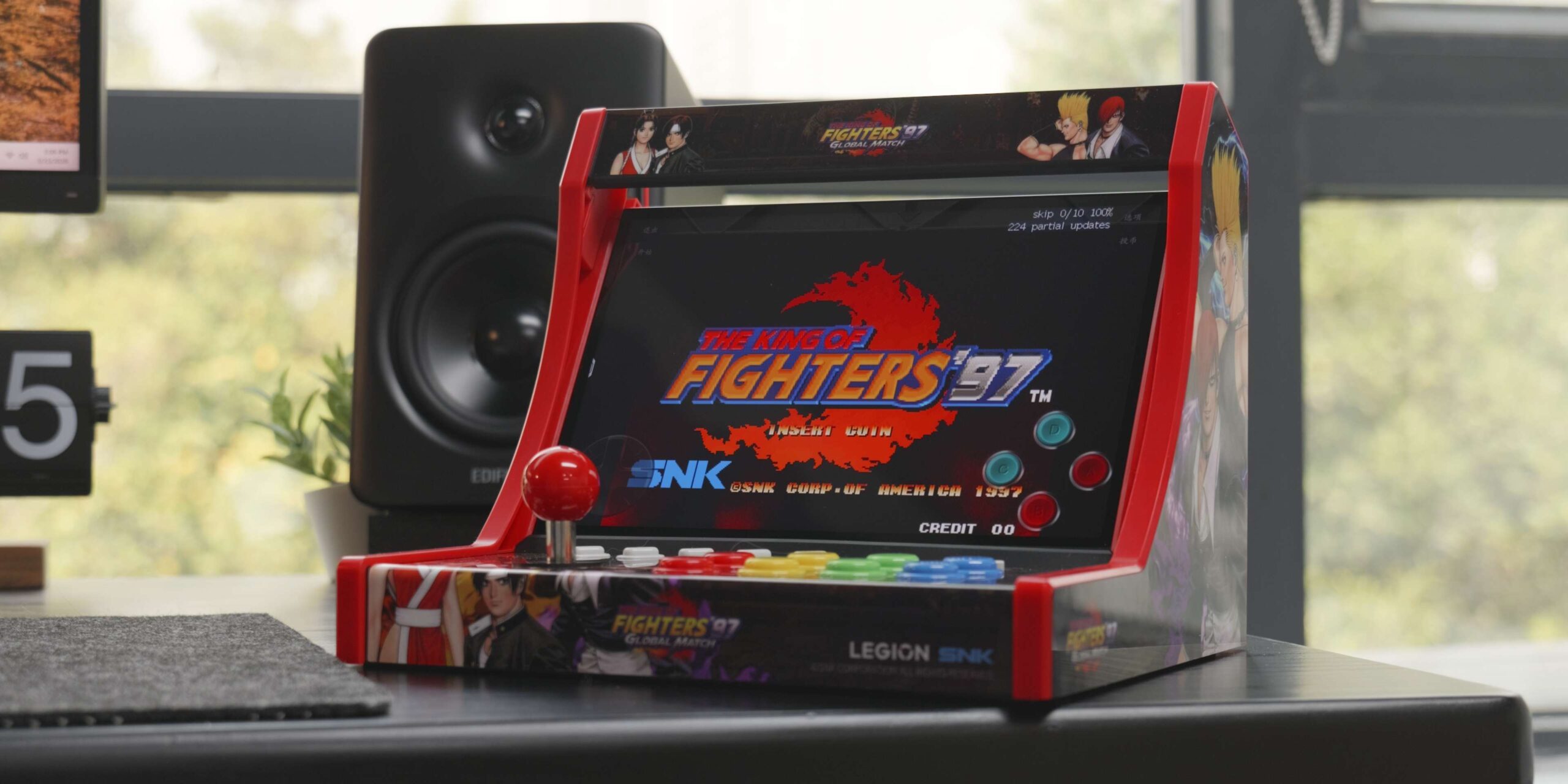
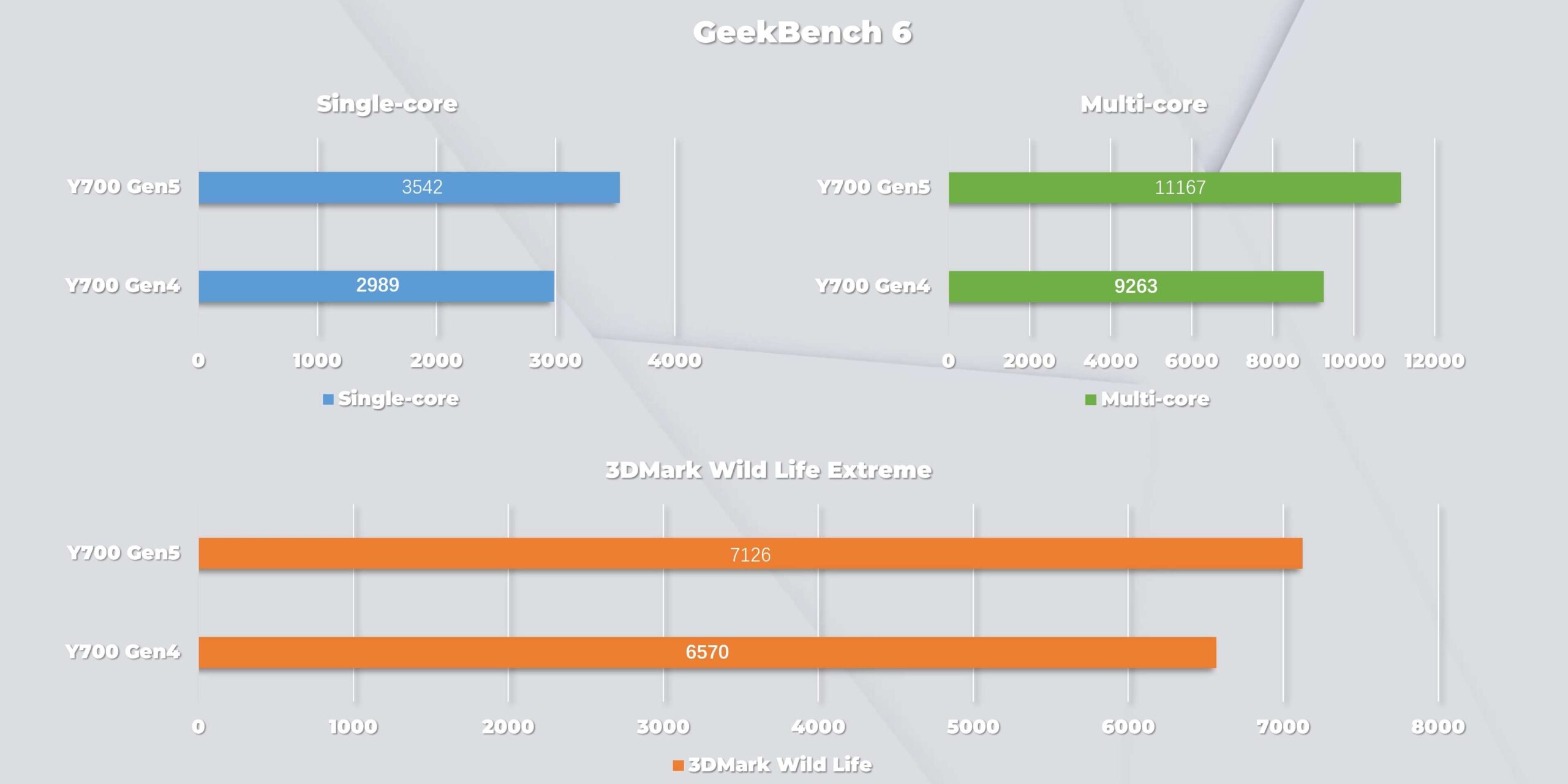
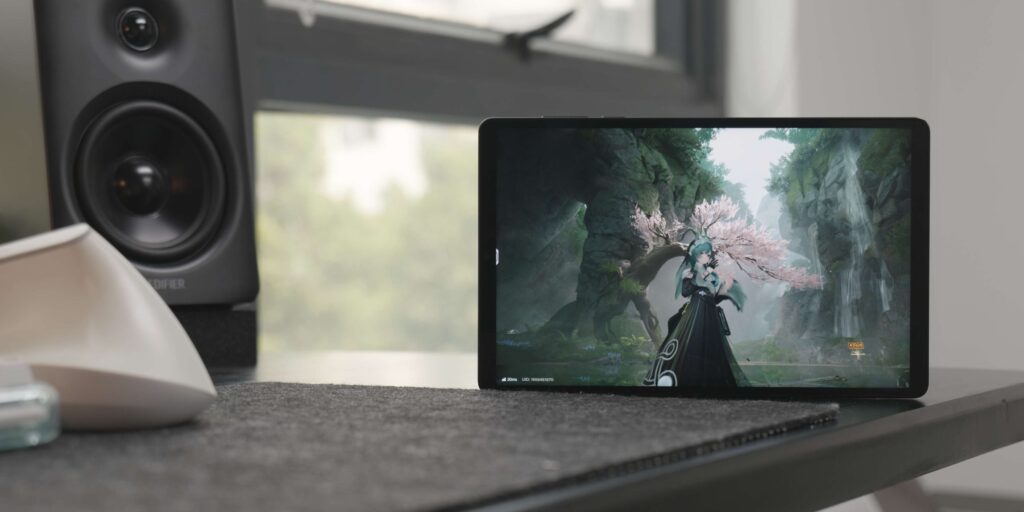
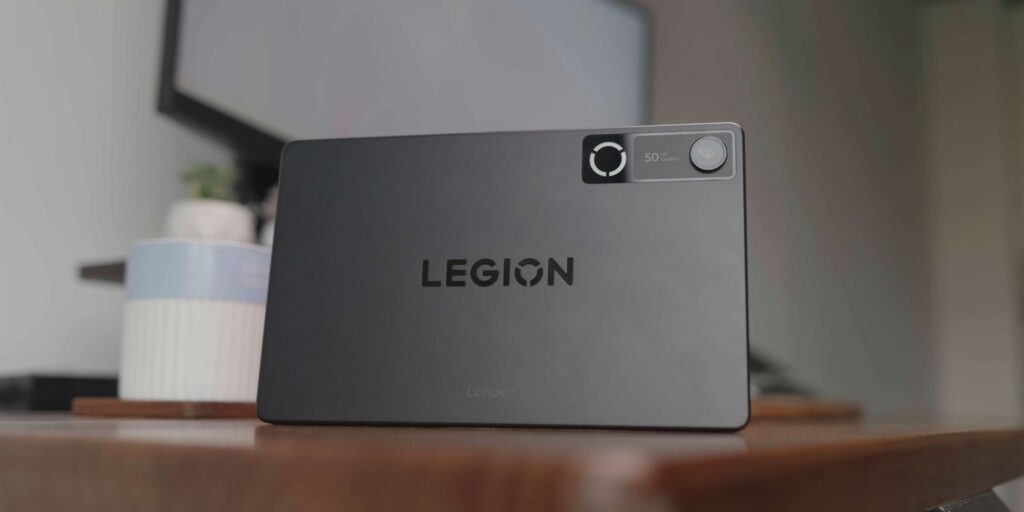
This is the Lenovo Legion Y700 Gen 5, which was officially unveiled at MWC 2026 earlier this month. At first glance, its specs don’t seem to This is the Lenovo Legion Y700 Gen 5, officially unveiled at MWC 2026 earlier this month. At first glance, its specs don’t differ much from the previous Gen 4 model—the most noticeable upgrades are the new processor and a larger battery. However, the Chinese launch of the tablet comes with an all-new accessory – Y700 Arcade Dock, which can easily turn this compact tablet into a retro arcade machine. This Dock is exclusive to the Chinese version and unavailable globally. There are also limited-edition variants co-branded with The King of Fighters ’97 GM and Metal Slug 3. Currently, you can purchase the tablet and this accessory via GeekWills, and it is compatible with both the Y700 Gen 4 and Gen 5.
Design
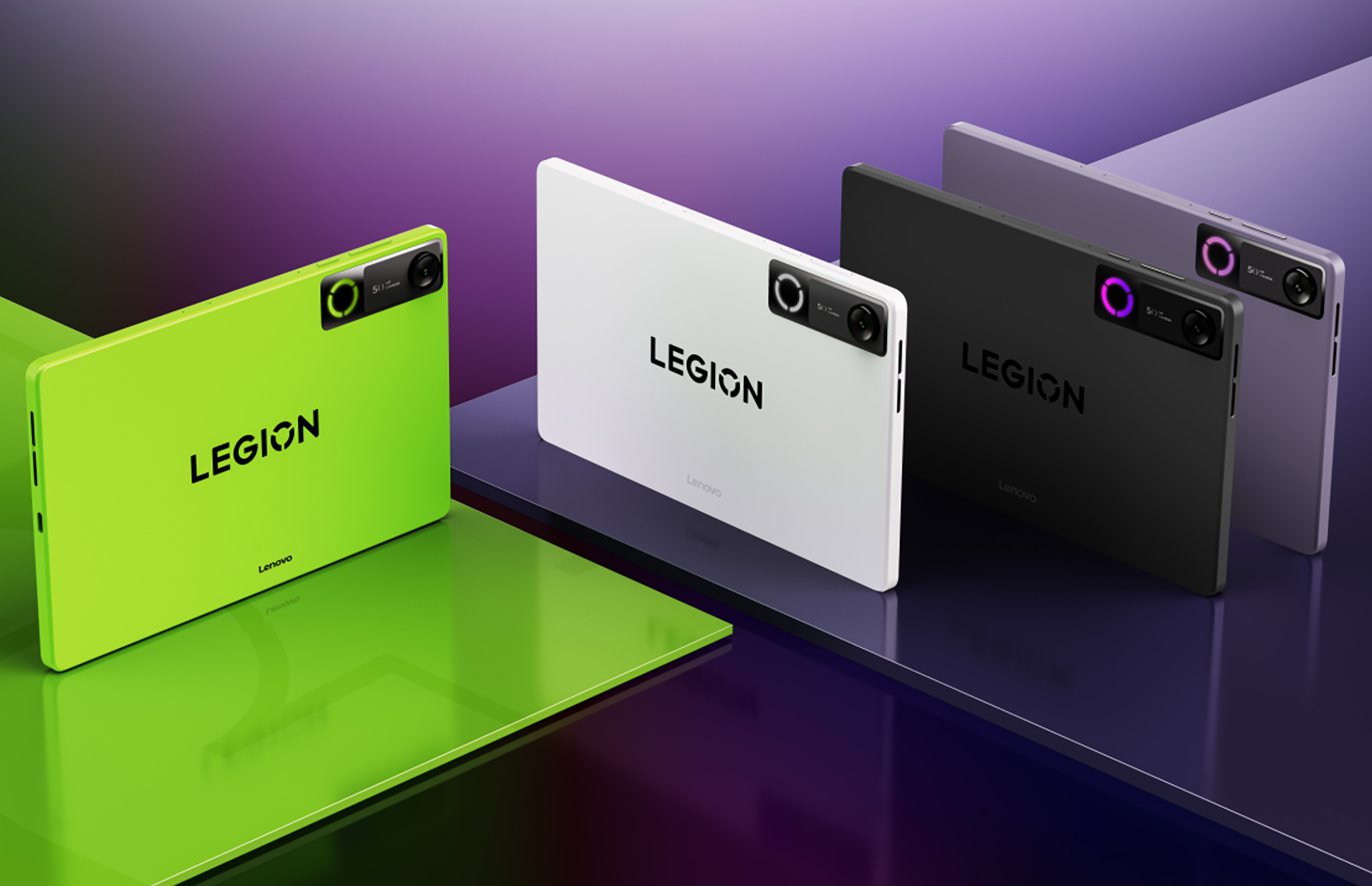
In terms of design, the Y700 Gen 5 carries forward the classic styling of the Y700 series. It features a unibody aluminum alloy build, delivering a solid in-hand feel, and the back panel maintains its seamless integrity as always. For color options, besides the classic black and white, there are two new shades: purple and green. Judging from official renders, the green finish looks incredibly distinctive for a gaming tablet.
However, these two new colorways will hit the market at a later date. The newly added co-branded dock is currently only sold in China. What’s more, Lenovo does not pre-install any emulators or games on the tablet, so you will need extra setup and debugging to get it fully functional.The tablet is slightly thicker than its predecessor, with its weight increased to 360g. This makes the grip feel heavier and more substantial.
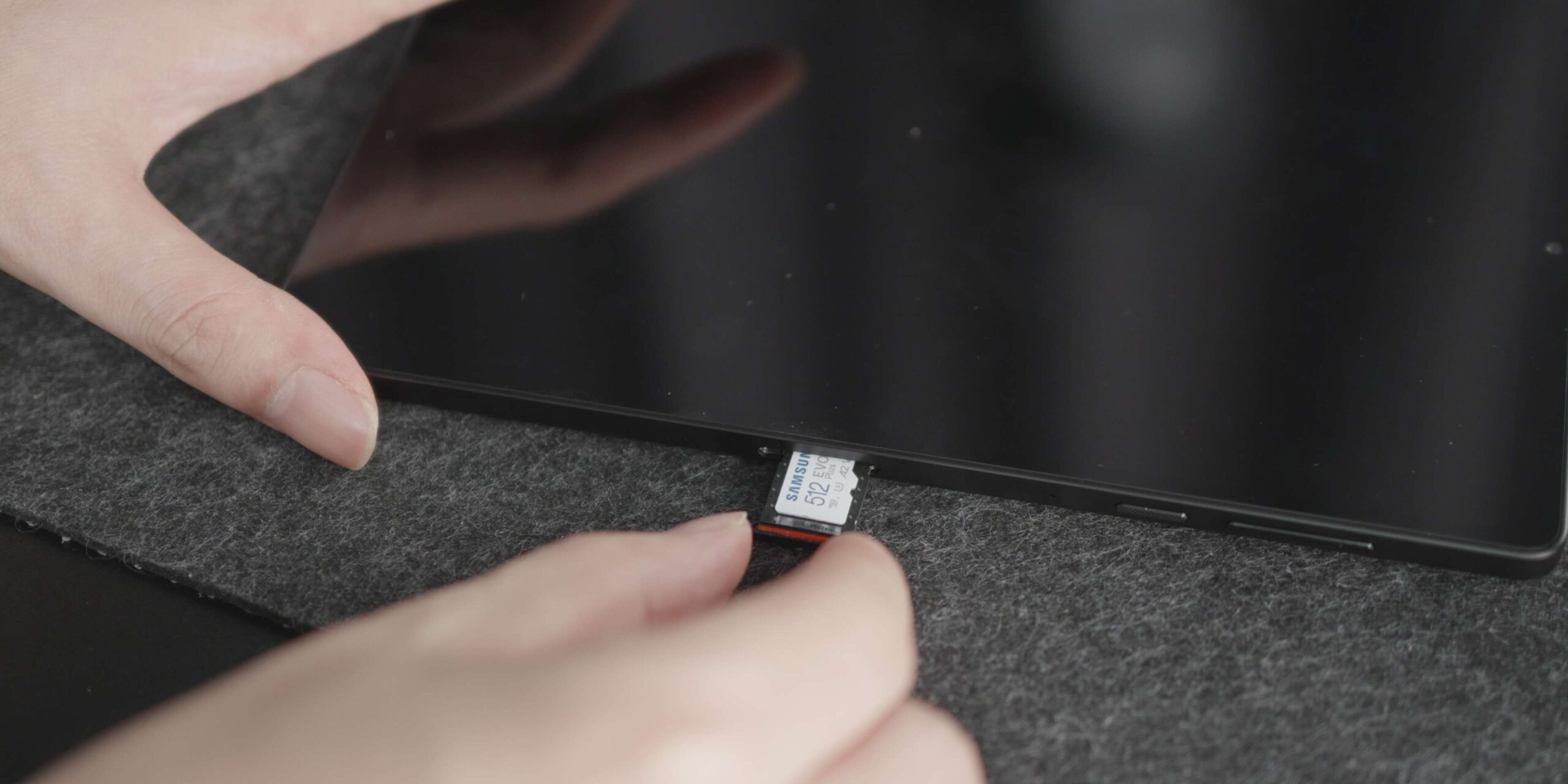
The rear fill light has also been redesigned from the previous linear strip to an RGB circular light, which can automatically turn on during gameplay.The external I/O ports and physical buttons remain unchanged from the last generation. The port next to the speaker only supports USB 2.0 and does not offer video output functionality. The other port supports a 10Gbps transfer speed, alongside DP video output that can handle up to 4K 144Hz. It also supports microSD card expansion for up to 2TB of extra storage.
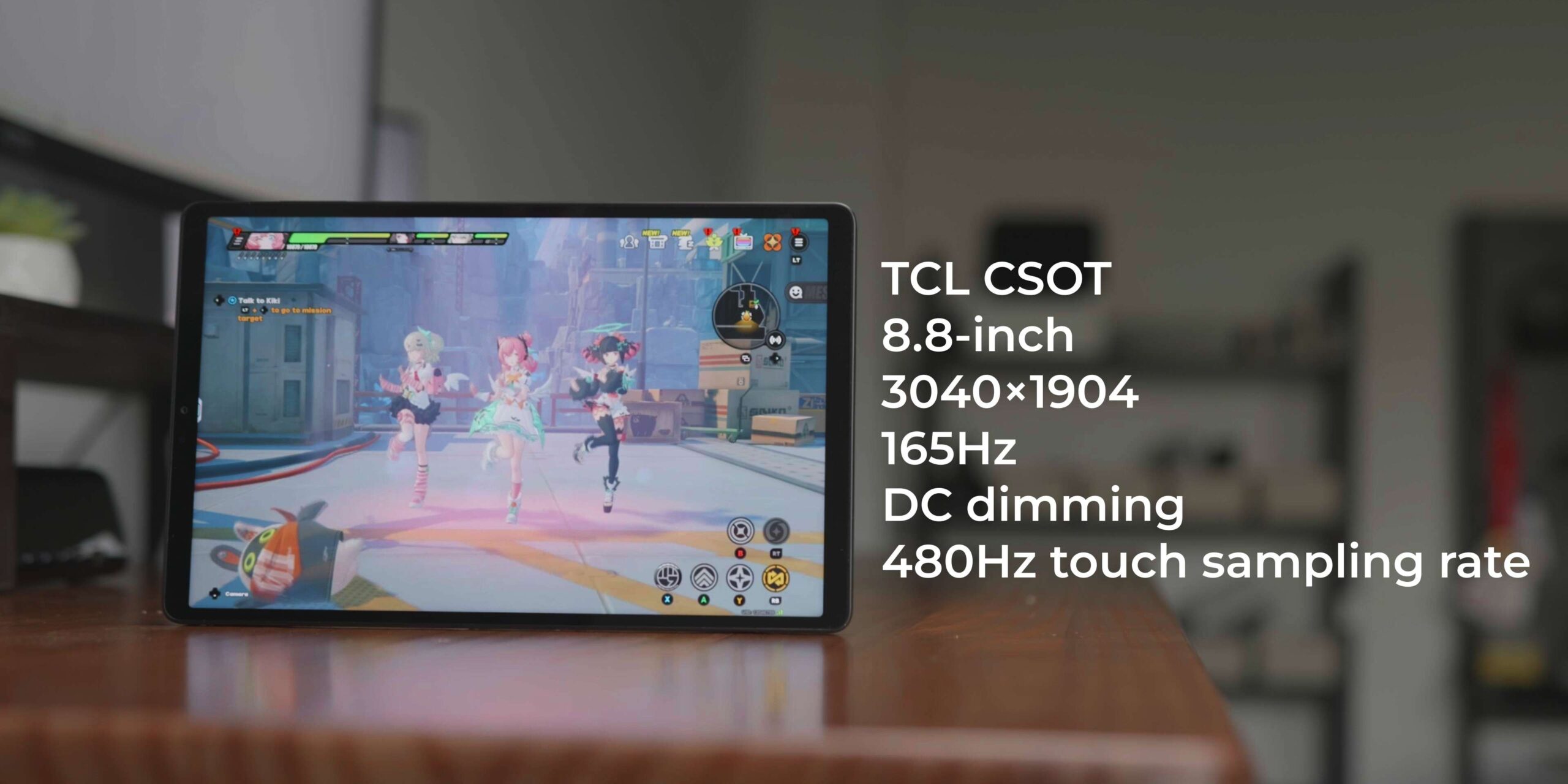
The tablet retains the same 8.8-inch LCD screen with 408PPI, but its brightness and touch sampling rate have both been upgraded. If you’ve been following the Y700 tablet series, you’ve probably noticed that Lenovo has been continuously improving the touch experience across recent generations. This time, the touch sampling rate has been boosted to 480Hz. I can’t fully put into words how powerful this spec is, but I can tell you this: the Y700 Gen 5 is far more responsive to touch inputs.
Gaming Performance
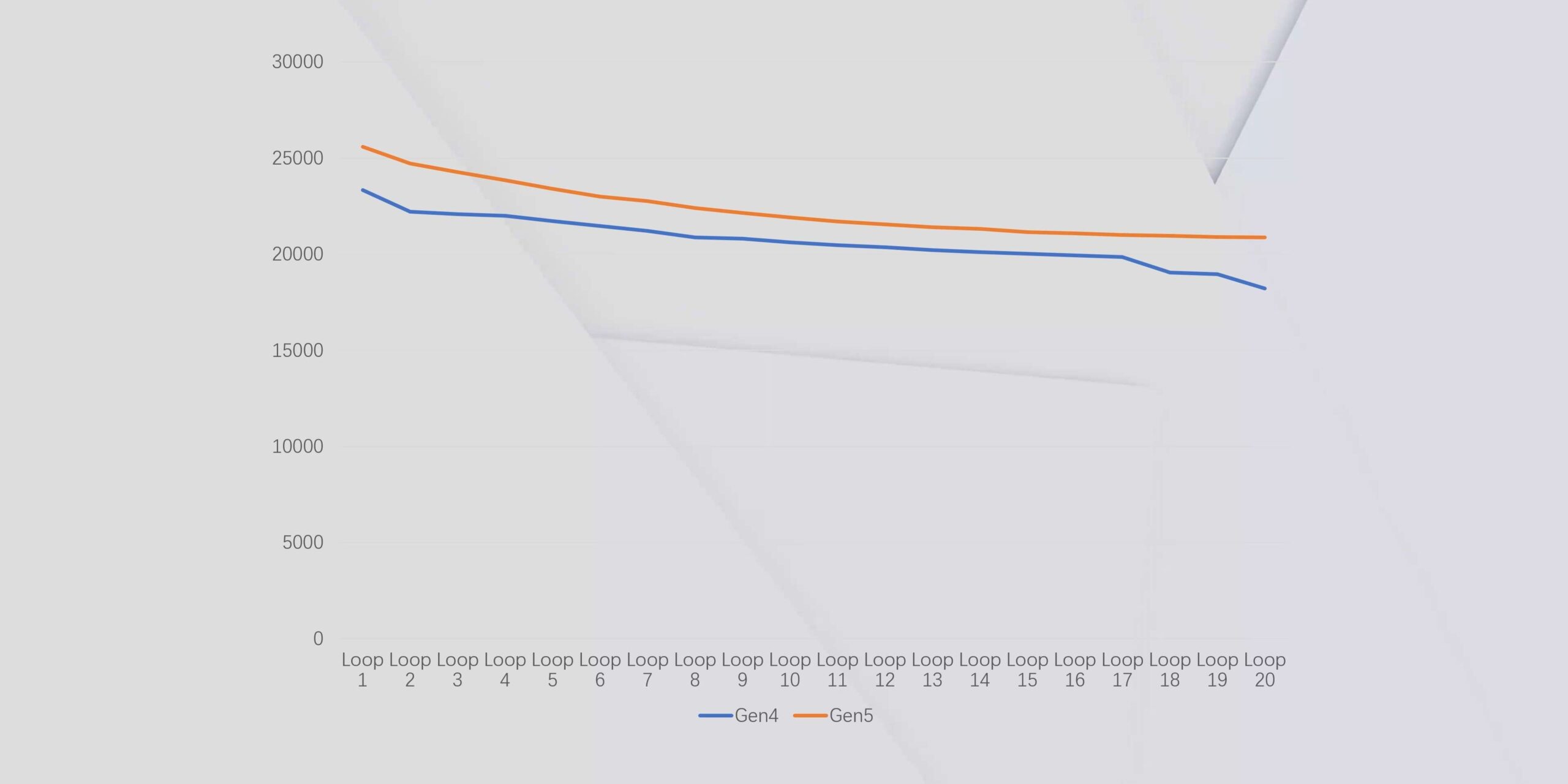
The Y700 Gen 5 still boasts top-tier hardware specifications in the current market: a flagship processor, high-frequency memory, and high-speed storage are all included. Lenovo has even enhanced the cooling system further this time around. That brings me back to last year’s tests: the Y700 Gen 4 had powerful hardware too, and it performed well in various short-term performance benchmarks. But it suffered from unstable performance during long-term stress tests.
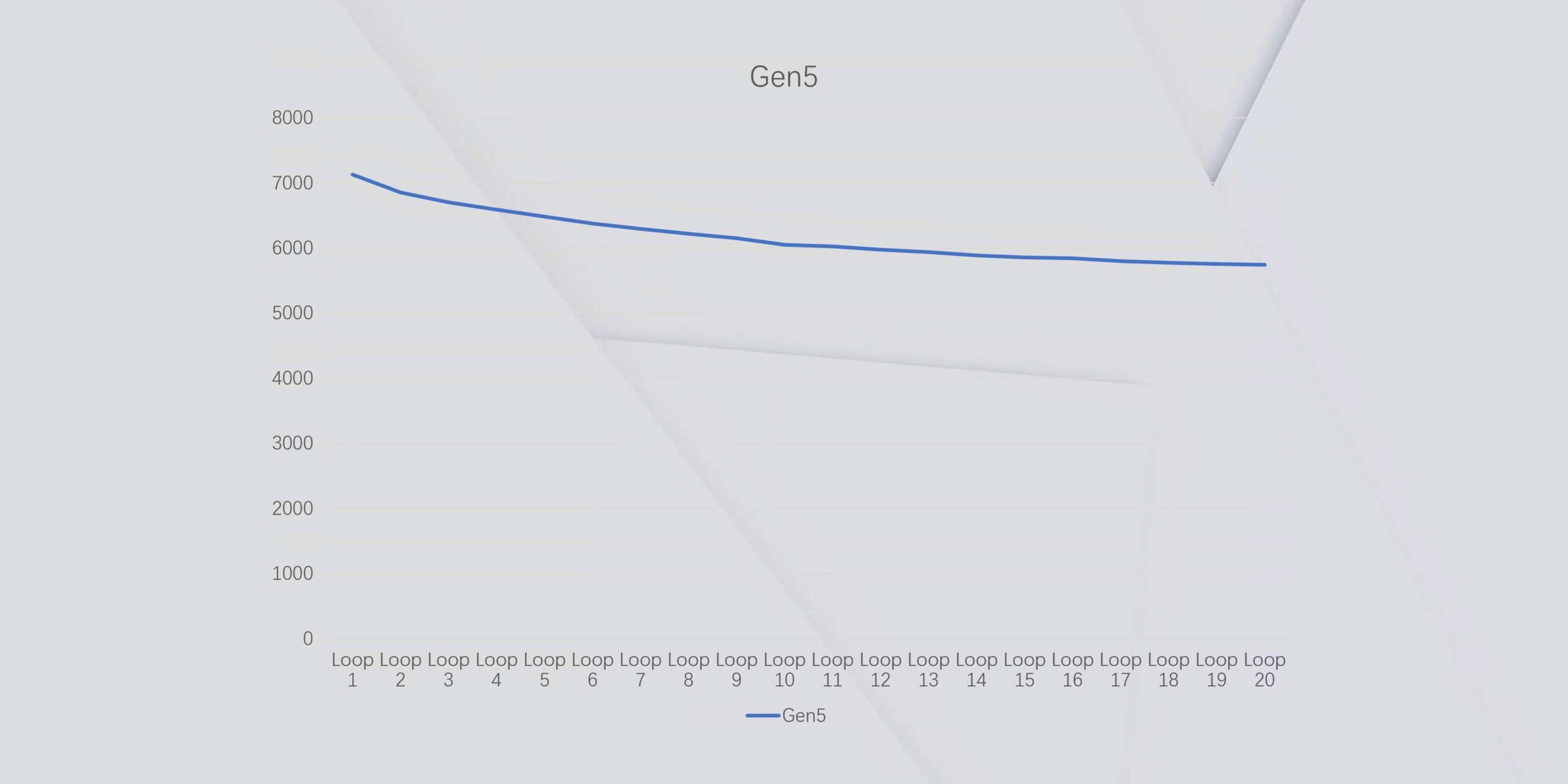
So, will the Gen 5 model repeat the same flaws?First off, in the 3DMark Wild Life Extreme Stress Test, the Y700 Gen 5 achieved an average score of 6173 with a stability rate of 80.6%—a massive improvement over the Gen 4’s 67% stability score from last year. We also ran the lighter Wild Life Stress Test, and the stability result was nearly identical. During testing, the tablet’s peak power draw approached 20W at one point. After a 20-minute test run, the maximum body temperature reached 45°C, which is also lower than the Gen 4’s temperature performance.
Starting with Honkai: Star Rail, we ran map tests at the Golden Hour scene. The tablet delivered excellent performance, achieving near-perfect frame rates without any manual in-tablet settings adjustments. Its power consumption was also much better than the Gen 4. Over the entire test, it only consumed 5% battery, and its temperature performance was impressive too—peak temperature stayed under 41°C, with heat concentrated mostly around the logo. This ensures long-term gaming comfort.
In the more demanding Wuthering Waves, the tablet showed clear performance improvements as well. It can run at nearly full frame rates without any extra tweaks. Plus, its operating temperature during long gaming sessions is 6°C lower than the previous generation.
We also tested the newly released Arknights: Endfield, and the tablet performed flawlessly. It ran smoothly even during fast in-game movement, with no noticeable issues at all. As a dedicated gaming tablet, it can handle every game we threw at it without a hitch.
Battery Life & Charging
The battery is one of the biggest upgrades this time around, jumping from the Gen 4’s 29Wh to 34.7Wh—an increase of roughly 20%, which is definitely exciting news. However, the charging power has not been upgraded accordingly; the package still comes with the same 68W charger.
If you want faster charging speeds, I recommend placing the tablet in an air-conditioned room—just as we did with the Gen 4—as this can extend the duration of fast charging. The bypass charging function is still present and doesn’t have overly strict charger requirements; it only supports PD or PPS chargers. As for real-world battery life, we ran a continuous usage test: one hour of Honkai: Star Rail drained 20% of the battery, 30 minutes of Wuthering Waves drained 16%, and two hours of movie playback consumed 18%. After all that, the tablet still had 46% battery remaining.
Cons & Conclusion
To be honest, the performance of the Y700 Gen 5 took me by surprise. When I tested the Gen 4 last year, I acknowledged its solid performance but felt it fell short of being a “perfect gaming tablet”—issues like screen ghosting, thermal throttling during extended sessions, and mediocre battery life held it back. The Gen 5, however, has fixed nearly all of its predecessor’s flaws. You no longer have to worry about overheating or unresponsive touch controls. The only real concern is the price: it retails for up to €699 in Europe and starts at $849 in the US. If you’re a die-hard fan of small-screen gaming or have strict portable gaming needs, this is currently the best option on the market. RedMagic and Xiaomi are set to launch competing products soon, but I believe their biggest challenge will be the same as the Y700’s: pricing.
Android 16 rollout hasn’t been quick from Motorola (it’s still rolling out), but the Android 17 beta expansion from the brand is turning heads. The company has already announced the Android 17 beta program for many devices, and now a fresh set of devices has joined the party.
Motorola was the first third-party manufacturer to announce the Android 17 beta program for its devices, just a week after Google released the first Android 17 beta. The beta program has largely remained limited to mid-range Motorola phones, but the latest batch also includes some high-end models, such as the Razr 60 Ultra and Motorola Signature.
If you’re rocking any of these Motorola smartphones and belong to a supported region, you can sign up for the Android 17 beta program to get early access to the upcoming features and enhancements.
How to sign up for Motorola’s Android 17 beta program?
Note that beta builds may contain bugs and broken features. Therefore, it’s advised not to install them on a primary device.
Tap on the registration link for your Motorola phone.
Fill in the required details and submit your application.
Please keep in mind that Motorola may send emails regarding your beta application. So, remember to check your inbox regularly, including the spam folder.
Once your beta application is approved, you’ll receive an OTA update. It’s best to manually check for updates every few days by navigating to Settings > System updates > Check for updates.
As of writing this post, Google has released three public betas of Android 17, with more to arrive in the coming weeks. The latest OS already has reached the platform stability phase and the stable version is expected to arrive for Google Pixels in June 2026. Other brands, including Motorola, will take a few more weeks to make final changes and could start rolling it out in Q3 2026.
We’ll keep an eye on the latest development and post the same in the Motorola section on Gizmochina. Remember to visit that regularly to get fresh updates. Alternatively, you can join our Telegram channel to get instant notifications about the latest software updates and major tech headlines.
The upcoming Motorola Razr 70 foldable smartphone is expected to launch in Q2 2026, most likely in April or May. According to reports from YtechB published on April 1, the device has also appeared on certification platforms. It was earlier listed on China’s Ministry of Industry and Information Technology on March 10, confirming that the launch is getting closer. These listings usually indicate that the phone has entered its final testing phase.
Design and Color Options
The Razr 70 is expected to continue Motorola’s sleek foldable design with a slim and lightweight body. It measures 171.3 × 73.9 × 7.2 mm and weighs around 188 grams. The phone will reportedly be available in three unique finishes: African Violet, Shining Green with a carbon fiber texture, and Iron Black featuring a fabric-like finish. These options suggest a strong focus on premium styling and a modern look.
Performance and Storage
Under the hood, the device is said to feature an octa-core processor with a maximum clock speed of 2.75GHz, although the exact chipset has not been revealed yet. The Razr 70 could come in multiple configurations, including 8GB, 12GB, and 16GB RAM, with a top variant going up to 18GB. Storage options may range from 256GB to 1TB, offering flexibility for different users.
Camera and Battery
For photography, the phone is expected to include a dual 50MP rear camera setup and a 32MP front camera for selfies. It may also pack a 4500mAh dual-cell battery, which should provide solid daily usage for a foldable device.
Motorola Razr 70 – Leaked Specs:
Category
Details
Launch
Q2 2026 (April–May expected)
Model
XT2657-8
Display
6.9-inch OLED (FHD+), 3.63-inch cover display
Processor
Octa-core, up to 2.75GHz
RAM
8GB / 12GB / 16GB / up to 18GB
Storage
256GB / 512GB / up to 1TB
Rear Camera
Dual 50MP
Front Camera
32MP
Battery
4500mAh
Charging
33W (expected)
Design
Flip foldable, slim build
Dimensions
171.3 × 73.9 × 7.2 mm
Weight
188g
Colors
African Violet, Shining Green, Iron Black
Disclaimer: These specifications are based on leaks and certifications and may change before the official launch.
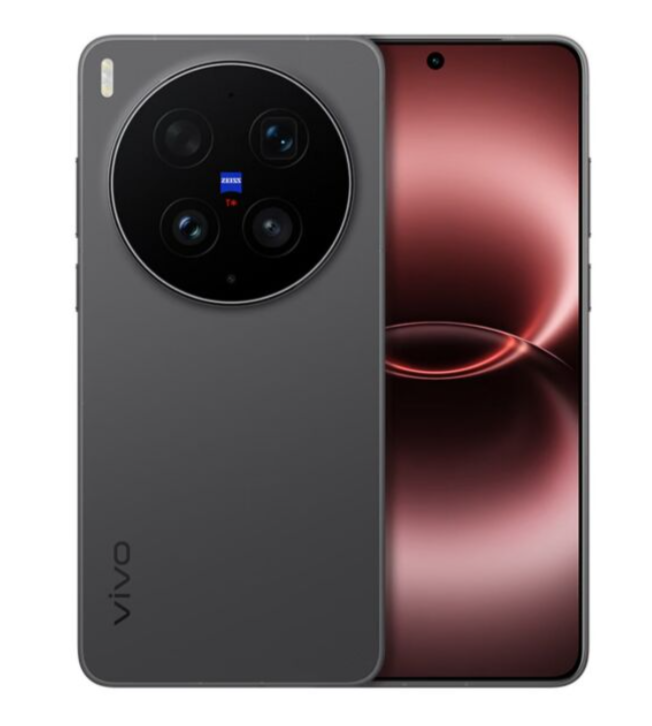
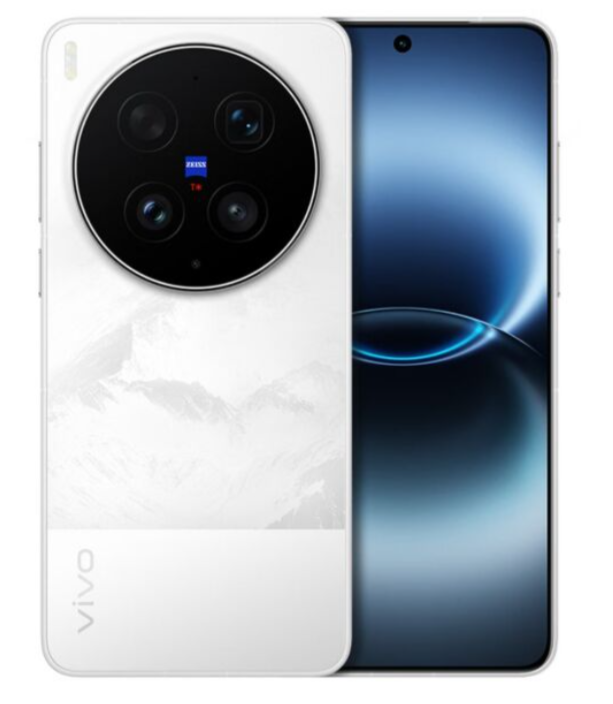
Vivo X300 Ultra is now available for global customers via Giztop, starting at $1199. With international shipping and an exclusive $30 discount using the coupon code V3U30, this flagship becomes even more appealing for buyers worldwide.
A Next-Gen Flagship Experience
What makes the Vivo X300 Ultra truly special is that it feels like one of the first phones to push every major spec to an extreme level at once. It features a large 6.82-inch BOE Q10+ AMOLED display with 2K resolution and a smooth 144Hz refresh rate, delivering a very sharp and fluid experience. Powered by the new Snapdragon 8 Elite Gen 5 chipset, it offers top-tier performance for gaming, multitasking, and heavy usage.
Breakthrough Camera System
The biggest highlight here is the camera setup. The phone combines a 200MP Sony main sensor and a 200MP periscope lens, which is rare and almost industry-first at this level. With ZEISS T* coating and telephoto macro support, it is built for users who want DSLR-like versatility directly from their phone. The 50MP ultra-wide and 50MP front camera further complete a very powerful imaging system.
Massive Battery with Ultra-Fast Charging
Another standout feature is the huge 6600mAh battery paired with 100W fast charging. It can reach 50% in just 10 minutes and fully charge in around 30 minutes, making it ideal for heavy users.
Deal & Availability
Vivo X300 Ultra is currently in stock on Giztop with global shipping. Use coupon code V3U30 to get $30 off, making this ultra-premium flagship slightly more affordable.
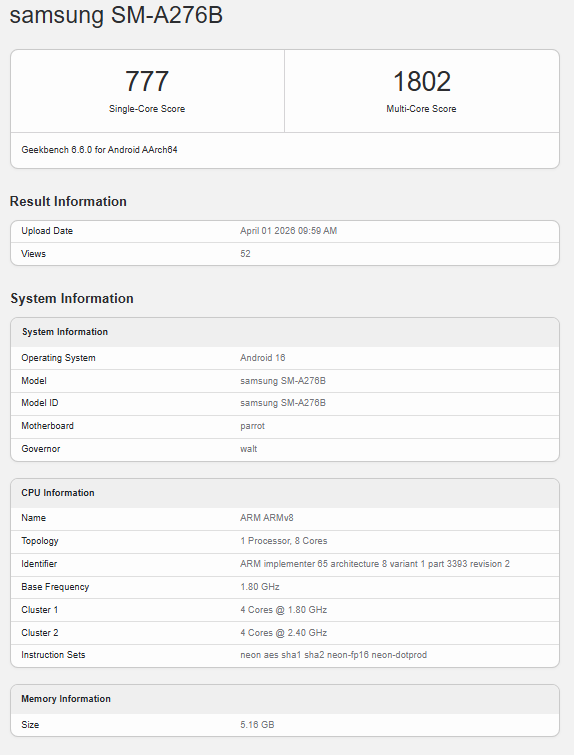
AN unreleased mid-range phone from Samsung has appeared on Geekbench, giving an early look at its chipset and CPU performance.
The listing, tied to model number SM-A276B, is widely believed to be the Galaxy A27 5G. The core cluster points to a Snapdragon 6 Gen 3 chipset, which is a bit of an interesting choice. It’s not exactly new, and it already showed up in devices like the Galaxy A36 last year.
The unit tested here comes with 6GB RAM and is running Android 16, likely with One UI 8.5 on top, though that part isn’t confirmed yet.
As for performance, the numbers are… modest. The phone scores 777 in single-core and 1,802 in multi-core on Geekbench. That’s actually lower than what the Galaxy A26 managed with its Exynos 1380. Still, this is an early test unit, so there’s always a chance things improve before launch. NanoReview data suggests the Snapdragon 6 Gen 3 matches the Exynos 1380 in single-core and slightly outperforms it in multi-core tests.
Battery-wise, leaks suggest Samsung is sticking with a 5,000mAh cell, which isn’t surprising. Samsung already rolled out the Galaxy A37 and A57 recently, so the A27 will likely sit below those as a more accessible option. For reference, the Galaxy A37 runs on the Exynos 1480, while the Galaxy A57 uses the newer Exynos 1680.
Galaxy A27 Geekbench listing
At this point, details around the display, cameras, and pricing of the Galaxy A27 are still unclear. If pricing is aggressive enough, it could still make sense for buyers who just want a simple, reliable 5G phone. But looking at the price jump between the Galaxy A57, A37 and their predecessors, it doesn’t look like Samsung will stick to the ₹24,999 pricing of the Galaxy A26 this year.
Oppo is preparing to launch the Oppo Find X9 Ultra on April 21. Ahead of the official unveiling, the global (and likely Indian) variant of the device has surfaced on Geekbench.
The listing reveals the model number CPH2841, confirming that this is the international version of the Find X9 Ultra.
According to the Geekbench database, the Oppo Find X9 Ultra will be powered by Qualcomm’s latest Snapdragon 8 Elite Gen 5 chipset. It is paired with the Adreno 840 GPU, which should handle graphics-intensive tasks like gaming and high-resolution video processing with ease.
Oppo Find X9 Ultra CPH2841 Global/Indian variant spotted on Geekbench.
The device tested on Geekbench comes with 12GB of RAM, running on Android 16 out of the box.
In terms of performance scores, the Find X9 Ultra achieved 3,584 points in the single-core test and 10,812 points in the multi-core test.
While Geekbench results don’t always reflect real-world usage perfectly, the raw numbers do reveal their processing strength.
Oppo Find X9 Ultra Expected Specifications
Aside from the Snapdragon chip, the Find X9 Ultra is said to feature a 6.82-inch OLED display with 2K resolution, similar to its predecessor.
The phone has a beefy camera setup including a 200-megapixel main sensor, a 50-megapixel ultra-wide lens, a 200-megapixel 3x periscope telephoto camera for portraits and a 50MP telephoto with 10x optical zoom support. For selfies, it will use a 50-megapixel front-facing camera.
Oppo Find X9 Ultra, Find X9s Pro launch date
The battery capacity is rumored to be around 7,050mAh, which is larger than the 6100mAh battery of Find X8 Ultra. Charging support may include 80W wired and 50W wireless speeds.
We are just weeks away from the official launch. Fortunately, we are well aware of the key specs. If the usual pattern holds, pricing information shouldn’t stay under wraps for much longer either. We’ll be keeping an eye on what surfaces next.
For more daily updates, please visit our News Section.
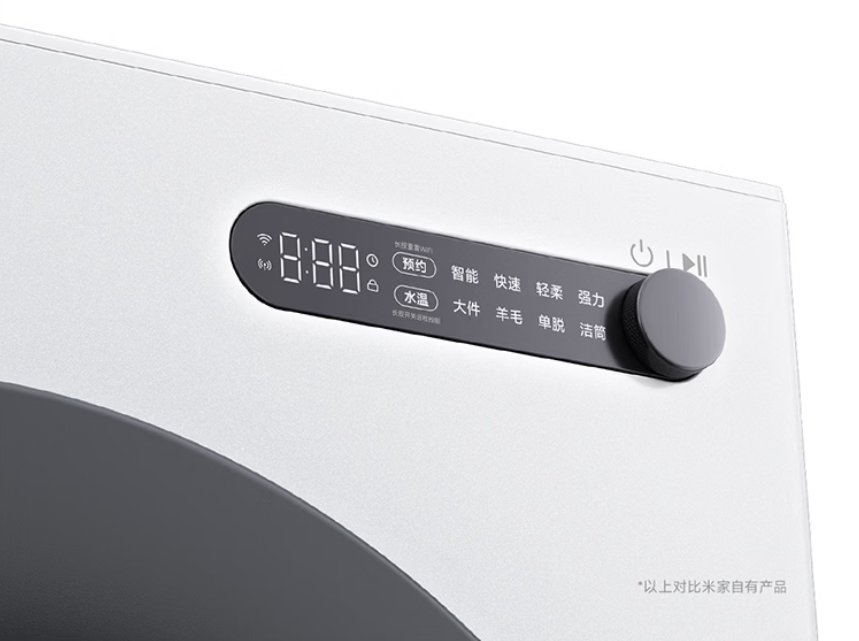
Xiaomi has introduced the Mijia 10Kg Ultra-Slim Built-In Front-Load Washing Machine in China. The new washing machine is now available on JD.com for 1199 yuan ($174). Xiaomi designed the appliance to fit seamlessly into modern kitchens and compact laundry spaces, featuring an ultra-slim body and advanced smart features.
The Mijia washing machine comes with a 516mm slim build, making it suitable for standard 600mm household cabinets. It leaves a minimal 15mm gap, ensuring a clean and built-in design. The exterior includes a flat, seamless panel and a rotary knob control system.
Xiaomi equipped the washing machine with a large 525mm drum. The machine offers a cleaning ratio of 1.25, which exceeds the Chinese standard of 1.03, ensuring better stain removal. Its 3D water flow system dissolves detergent quickly, improves penetration into fabric fibers, and ensures thorough rinsing.
The appliance supports 24 washing programs tailored to specific needs. It can handle different materials such as wool, silk, down jackets, and outdoor wear. Xiaomi designed the device to clean up to 35 types of common stains, including mud, oil, coffee, and makeup. The pre-mixing detergent feature improves cleaning performance while protecting fabric fibers.
The Mijia washing machine is equipped with a durable DD direct-drive motor, featuring 1500W of power and a maximum spin speed of 1200rpm. It includes six-dimensional shock absorption and seven-layer noise insulation for quiet operation, functions within a water pressure range of 0.05MPa to 0.8MPa, and is designed with a 99.9% effective antibacterial door seal to ensure hygiene.
The machine offers high-temperature washing at 60°C for effective cleaning and 95°C steam sterilization to eliminate bacteria, mites, and viruses.
For smart features, the washing machine integrates with Xiaomi HyperOS Connect, offering Mijia app remote control, voice commands via XiaoAI, intelligent load sensing, mid-cycle laundry addition, 24-hour scheduling, and real-time alerts. It also interacts with Xiaomi’s AIoT ecosystem, such as lowering a smart drying rack or turning on lights when the wash cycle ends.
Xiaomi backs the product with a three-year full warranty and a ten-year motor warranty.
In related news, Xiaomi has recently introduced the Smart Camera 4 Max AI Zoom Edition, featuring a dual-camera setup and up to 12x zoom capabilities.
For more daily updates, please visit our News Section.
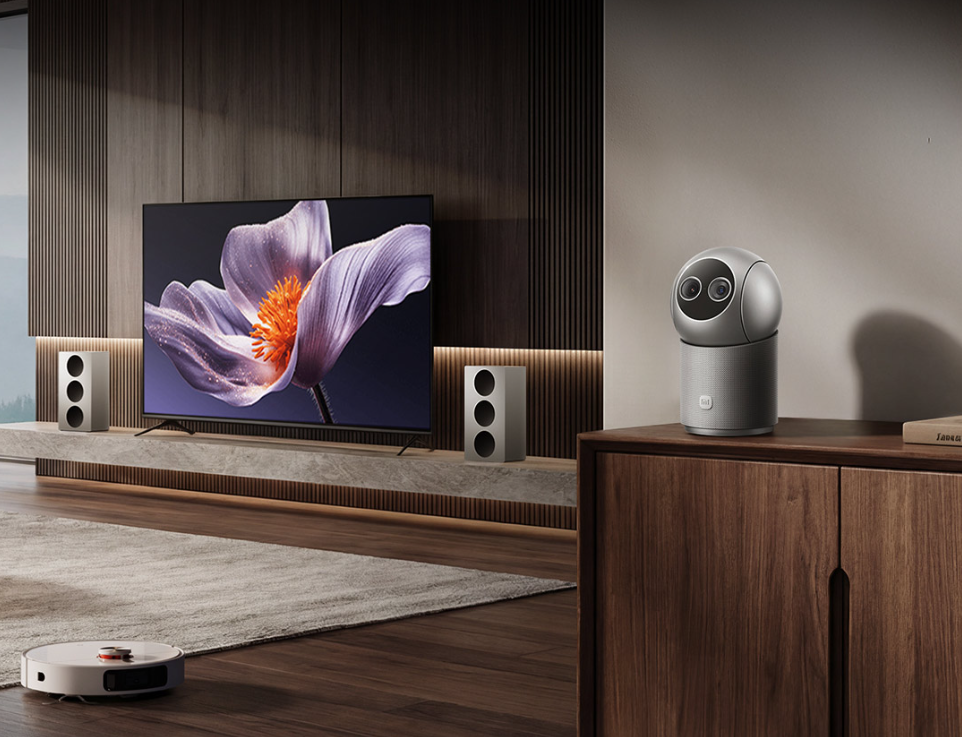
Xiaomi has officially launched the Smart Camera 4 Max AI Zoom Edition on its Youpin platform. The camera is priced at 799 yuan ($116) and will begin crowdfunding on April 8, 2026. Xiaomi describes it as its most advanced indoor smart camera, combining high-end hardware with AI-powered features.
Xiaomi Smart Camera 4 Max AI Zoom Edition Specs
The Smart Camera 4 Max features a dual-camera system. The first camera is a 12MP telephoto lens that supports 6P optical structure, f/1.6 aperture, and autofocus. It also includes an 8mm focal length for capturing detailed close-ups.
The second camera is an 8MP ultra-wide lens with a 127-degree field of view and a 2.8mm focal length for broader coverage. Xiaomi has equipped both lenses with superior imaging capabilities, including full-color night vision and 10 infrared fill lights for effective monitoring in complete darkness.
The device supports up to 12x hybrid zoom and 3x lossless zoom, enabling users to zoom into distant objects or activities without losing much detail. The advanced ISP sensor ensures better low-light performance, enhancing image clarity in challenging lighting conditions.
Xiaomi has integrated its first large-scale AI caregiving model into the camera. The model allows the device to monitor children, elderly individuals, and pets. It can detect events such as falls, inactivity, changes in behavior, or unusual activity.
The camera uses advanced activity recognition to evaluate whether a child is studying or distracted. The AI generates daily activity reports and supports text-based video search, letting users find specific footage using simple keywords.
The camera uses a 3 TOPS quad-core AI processing chip to ensure fast analysis and accurate detection. Xiaomi has equipped it with enhanced human recognition technology, which works even with side profiles or partial visibility. It also includes dual microphones with noise reduction and a large speaker for clear two-way voice communication.
The device features a motorized gimbal for 360-degree horizontal rotation and 180-degree vertical movement, allowing it to monitor an entire room without blind spots.
It supports Wi-Fi 6 for fast streaming and integrates with HyperOS Connect and the Mi Home ecosystem for smart home automation. It features a Mijia security chip for data encryption and a physical lens shield for enhanced privacy.
Xiaomi offers multiple storage options, including support for microSD cards up to 256GB, cloud storage, and NAS compatibility.
In related news, Xiaomi also recently introduced the Mijia Garment Steamer 2, offering up to 120g/min steam output along with six dedicated fabric modes for versatile garment care.
For more daily updates, please visit our News Section.
We use cookies on our website to give you the most relevant experience by remembering your preferences and repeat visits. By clicking “Accept”, you consent to the use of ALL the cookies.
This website uses cookies to improve your experience while you navigate through the website. Out of these, the cookies that are categorized as necessary are stored on your browser as they are essential for the working of basic functionalities of the website. We also use third-party cookies that help us analyze and understand how you use this website. These cookies will be stored in your browser only with your consent. You also have the option to opt-out of these cookies. But opting out of some of these cookies may affect your browsing experience.
Necessary cookies are absolutely essential for the website to function properly. This category only includes cookies that ensures basic functionalities and security features of the website. These cookies do not store any personal information.
Any cookies that may not be particularly necessary for the website to function and is used specifically to collect user personal data via analytics, ads, other embedded contents are termed as non-necessary cookies. It is mandatory to procure user consent prior to running these cookies on your website.