Advertisement

Honor Power 2 gets spotted with upcoming Dimensity 8500 on Geekbench

Tomorrow, Honor will unveil the Honor Win and Win RT, gaming-focused flagship phones in China. In January 2026, the brand is expected to announce the Honor Power 2, which is said to pack a huge battery along with upper mid-range specifications. Speculation is rife that the device will come equipped with a Dimensity 8-series chipset. Ahead of the expected launch, the phone has appeared on Geekbench benchmarking, revealing key details about its chipset.

Honor Power 2 Geekbench listing

Reports have revealed that the Honor Power 2 will feature the upcoming Dimensity 8500 chipset. This chip is also expected to power other phones, such as the Redmi Turbo 5 / Poco X8 Pro and Realme Neo 8 SE. The screenshot above seemingly reveals the Honor Power 2’s Geekbench listing, where it is reportedly labelled with the SER-AN00 model number.

The Geekbench listing reveals that it is powered by an upcoming MediaTek chip, which includes a prime CPU core clocked at 3.40GHz, three cores operating at 3.20GHz, and four cores running at 2.20GHz. For graphics, it is equipped with the Mali-G720 MC8 GPU.

Based on a previous leak, it can be said that this chip could be the upcoming Dimensity 8500. The handset has managed to score 1,532 points in the single-core test and 5,632 points in the multi-core test.

In comparison, the existing Dimensity 8400 chip has a 3.25GHz Cortex-A725 prime core, three Cortex-A725 cores clocked at 3.3GHz, four Cortex-A725 cores running at 2.1GHz, and a Mali-G720 MC7 GPU. This chip scores around 1,400 to 1,500 in the single-core test and around 5,600 in the multi-core test.

Coming back to the Honor Power 2 Geekbench listing, the device is equipped with 12GB of RAM and Android 16, with the MagicOS 10 layer on top.

Speaking of the phone, rumours suggest that the Honor Power 2 will arrive with a 6.79-inch OLED 1.5K display, a 16-megapixel front camera, and a 50-megapixel main camera on the back. It goes without saying that the major highlight of the phone will be its battery, which is said to be around 10,080mAh. The device will offer 80W charging and is expected to arrive in shades such as Midnight Black, Snow White, and Sunrise Orange.

Other Dimensity 8500 phones

The Dimensity 8500 is also expected to power the Redmi Turbo 5, Poco X8 Pro, and Realme Neo 8 SE. The Turbo 5 could be the first phone to feature the said chip, but it will remain exclusive to China. The Poco X8 Pro will arrive as a global version of the Turbo 5.

For more daily updates, please visit our News Section.

Stay ahead in tech! Join our Telegram community and sign up for our daily newsletter of top stories.

(via)

25 Xiaomi devices set to receive HyperOS 3 update before 2026

Xiaomi could be expanding HyperOS 3‘s reach to as many as 25 devices before the end of 2025. Based on internal server listings, the company has already finished builds of HyperOS 3 for a wide range of phones and tablets, suggesting imminent launch.

According to tracking data spotted on HyperOSUpdates.com, multiple HyperOS 3 builds are currently marked as “ready to release” on Xiaomi’s servers. The label confirms these updates are not part of an internal test or public beta phase anymore. Instead, they are the final builds that can be pushed to users through a staged rollout at any time.

REDMI-K60-Ultra-Review
Redmi K60 Ultra

If the information holds up, Xiaomi could release the update in the remaining week of December.

List of Xiaomi devices ready for HyperOS 3 release 

Here’s the list of Xiaomi, Redmi, and Poco with “ready to release” HyperOS status:

Cihaz ModeliDurum
Xiaomi Pad 6 Max 14Ready to release
Xiaomi Pad 6 ProReady to release
Xiaomi 13T ProReady to release
Redmi K60 UltraReady to release
Redmi K60Ready to release
POCO F5 ProReady to release
Redmi 15Ready to release
POCO C75Ready to release
POCO F6Ready to release
POCO X6 NeoReady to release
POCO Pad M1Ready to release
POCO M6 Pro 4GReady to release
POCO M7 4GReady to release
POCO M7 Pro 5GReady to release
Redmi 15 4GReady to release
Redmi Note 15Ready to release
Redmi Pad ProReady to release
Redmi Pad 2 ProReady to release
Redmi Pad 2Ready to release
Redmi A4Ready to release
Redmi Pad SE 4GReady to release
Redmi Note 13 Pro+Ready to release
Redmi Note 13 Pro 4GReady to release
POCO M7 5GReady to release
Redmi 14C / Redmi A3 ProReady to release

To note, not every device will receive the same underlying Android version. Higher-end models, such as the Pad 6 Max 14, Pad 6 Pro, and Redmi K60 Pro variants, are confirmed to run HyperOS 3 on top of Android 15. Other devices are expected to ship with different Android bases, depending on their hardware and update policies.

For more daily updates, please visit our News Section.

Stay ahead in tech! Join our Telegram community and sign up for our daily newsletter of top stories! 💡

(Via)

OnePlus makes Turbo series official: 165Hz refresh rate, Fengchi gaming kernel confirmed

After weeks of leaks and rumors, OnePlus has finally made things official. The company is launching a new Turbo series smartphone in China soon. OnePlus is positioning the new lineup as a “performance and battery life supernova” that will inherit the performance genes of its flagship phones.

According to the brand, the upcoming OnePlus Turbo delivers the “strongest battery life” in its segment, along with what the company calls an “unprecedented gaming experience” for its price range.

Adding to the announcement, OnePlus China President Li Jie says the Turbo series will bring several gaming-focused technologies previously limited to high-end models. These include a 165Hz ultra-high refresh rate display, the company’s Fengchi gaming kernel, and what OnePlus calls an “e-sports triple core.”

Li says these features have already been well received by professional players and hardcore gamers, and that the Turbo series will bring them to a much wider audience.

OnePlus Turbo specifications

As far as the specs are concerned, the OnePlus Turbo is said to feature a 6.78-inch flat LTPS OLED panel with a 1.5K resolution and a 165Hz refresh rate.

Under the hood, an AnTuTu listing confirms the phone will be powered by Qualcomm’s Snapdragon 8s Gen 4 chipset. It scored 2,609,327 points on the benchmark.

OnePlus 15R

The phone will feature flagship-grade LPDDR5X RAM and UFS 4.0 storage. Memory option ranges from 12GB RAM with 256GB storage to a top-end 16GB RAM and 512GB storage variant. In China, the phone is expected to launch in Unique Black, Ocean Green, and Light Chaser Silver shades.

Fueling the phone could be a massive 9,000mAh battery with fast charging support. Other specifications include a metal middle frame and an ultrasonic in-display fingerprint sensor. 

Interestingly, a previous report also points to another OnePlus Turbo-series phone with V branding. This model is expected to feature a Snapdragon 7-series chipset, a 165Hz display, and a large battery. Its color options include Unique Black, Nova White, and Fearless Blue. More details on this variant are expected to surface soon.

For more daily updates, please visit our News Section.

Stay ahead in tech! Join our Telegram community and sign up for our daily newsletter of top stories.

(Source 1, 2)

Redmi A7 Pro and Poco C81’s display, processor, and battery details leak

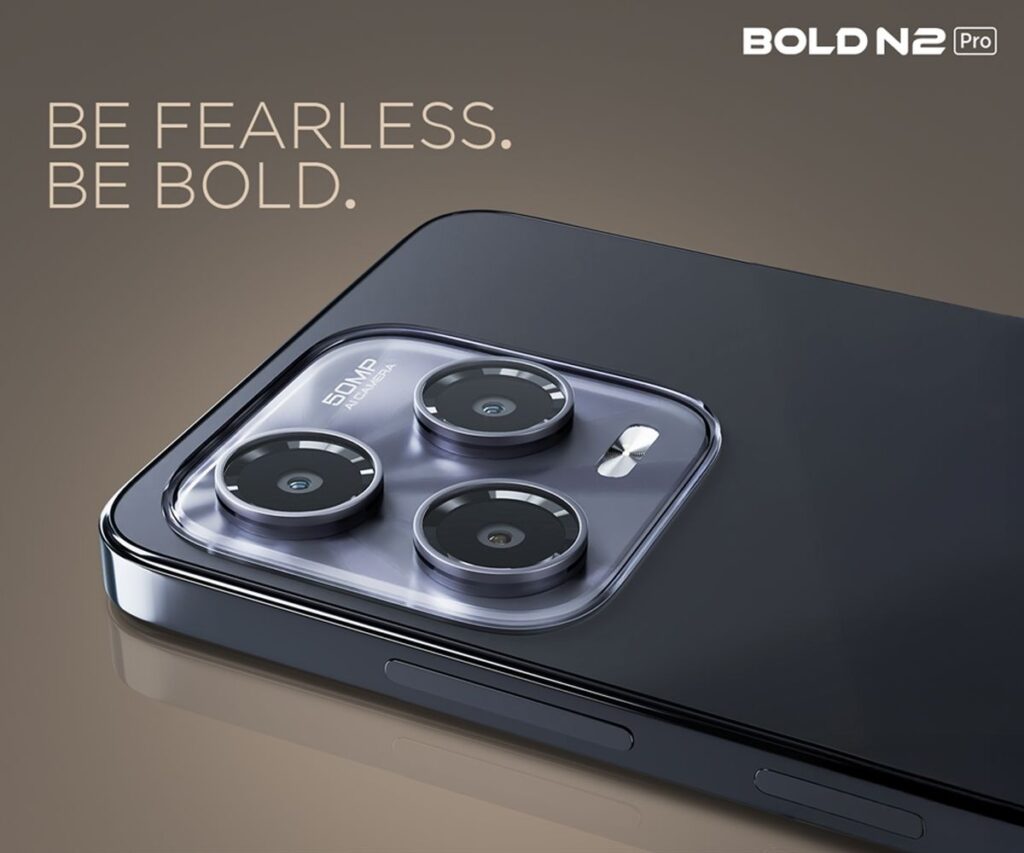
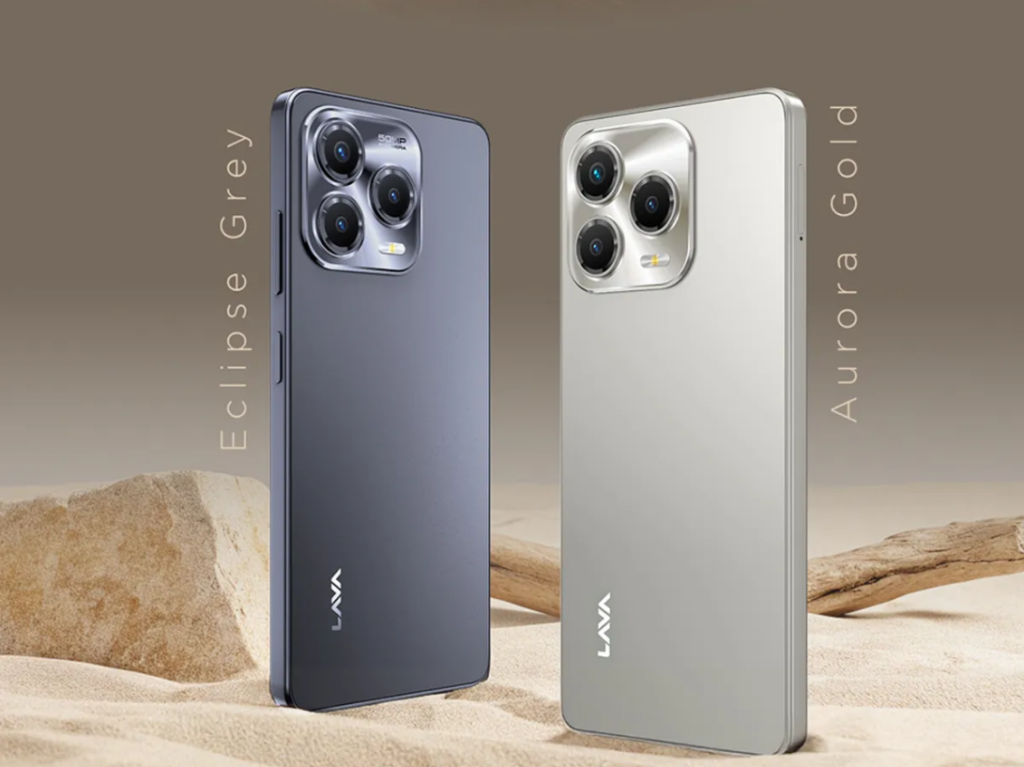
Xiaomi’s next budget smartphones, under the Redmi and Poco brands, have made their first appearance on certification sites. We’re talking about the Rsdmi A7 Pro and the Poco C81, which will be nearly identical in terms of hardware but are likely headed to different markets.

Both devices have been listed in GSMA IMEI and FCC listings, which reveal most of their core specifications. The IMEI database confirms that the Redmi A7 Pro carries the model number 25128RN17A, while the Poco C81 uses identifier 25128RN17G.

The near-identical naming confirms their close relationship, but what’s even more interesting is that the fact that Redmi is jumping straight from the Redmi A5 to the Redmi A7 Pro. Yes, the company is skipping the Redmi A6 altogether. Poco C81, on the other hand, succeeds Poco C71.

Redmi A7 Pro / Poco C81 Specifications 

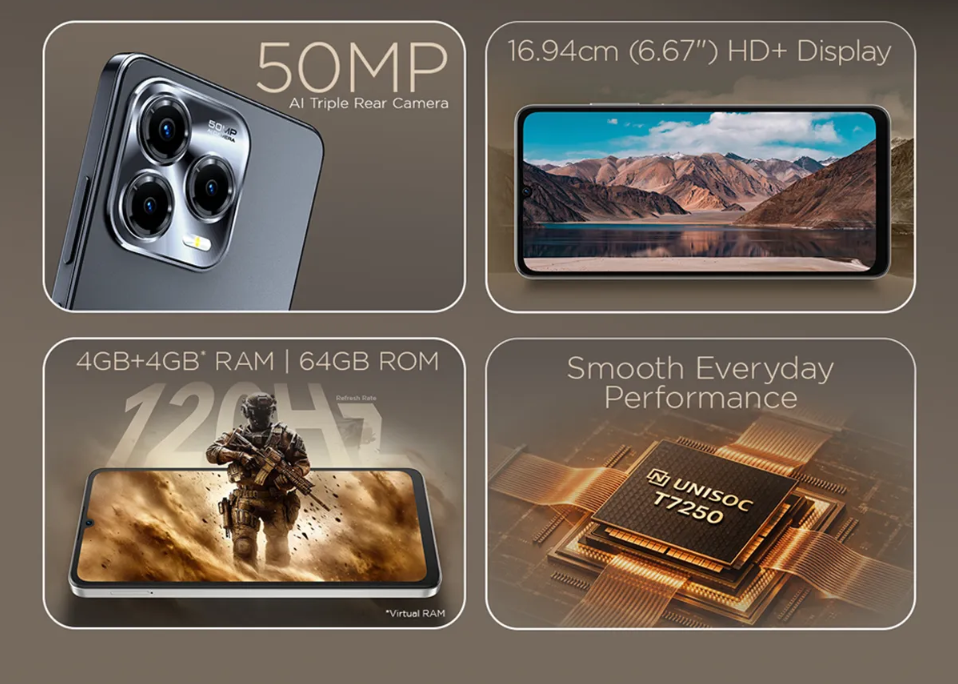
The FCC listing also confirms that both phones will feature a large display measuring just under seven inches. It’s an IPS LCD panel with a waterdrop notch, which is about as classic budget-phone design as it gets in 2025.

Under the hood, the Redmi A7 Pro and Poco C81 are expected to run on the Unisoc T7250. It’s a 12nm chip with a mix of performance and efficiency CPU cores, paired with a Mali-G57 GPU. 

Memory options could top out at 4GB of LPDDR4X RAM and 64GB or 128GB of slower eMMC storage. On the software side, the phones could ship with Android 15 or the lighter Android 15 Go Edition.

One of the more notable details is the battery. Xiaomi is said to be equipping these phones with a 6,000mAh cell. Charging, however, remains modest at 15W over USB-C, and the certification listings suggest that a charger won’t be included in the box.

Last but not least, there’s no mention of specific sensors, but the phones are expected to feature a single rear camera, keeping things simple. 

For more daily updates, please visit our News Section.

Stay ahead in tech! Join our Telegram community and sign up for our daily newsletter of top stories! 💡

(Source)

Logitech launches G304 X gaming mouse with 57g weight, Hero 25K sensor and 106h battery

Logitech G has officially launched the G304 X Lightspeed wireless gaming mouse in China, an upgraded version of its popular G304 and G305 models. The new mouse keeps the familiar outer shell of the original but introduces several key improvements in power, weight, connectivity, and tracking performance.

Logitech G304 X

Logitech G304 X Specifications

The most significant change comes from the switch to a built-in 290mAh lithium battery. This replaces the AA battery found in previous models and helps reduce the mouse’s weight to approximately 57 grams. Logitech has also redesigned the internal layout to achieve a more centered balance, which improves control and stability during fast-paced gameplay.

The G304 X supports dual-mode connectivity. It can connect wirelessly through Logitech’s updated Lightspeed 2.4GHz technology or operate via USB-C in wired mode. The company claims that the latest version of Lightspeed improves latency and interference resistance, making the mouse more reliable in crowded wireless environments.

Logitech G304X Gaming Mouse

The mouse features the Hero 25K optical sensor, which offers tracking accuracy across a range of 100 to 25,000 DPI. Logitech plans to raise this to 25,600 DPI through a future software update via the Logitech G Hub. The sensor supports a 1000Hz polling rate, 400+ IPS tracking speed, and 40G acceleration tolerance.

The built-in battery delivers up to 106 hours of wireless use on a full charge. It also supports fast charging, with a 10-minute top-up providing around 11 hours of use, and allows gaming while charging via the USB-C cable.

Logitech G304X Gaming Mouse

Logitech includes onboard memory that stores one default profile, with support for up to five profiles through G Hub software. The mouse uses PTFE feet for smooth gliding and features primary switches rated for 20 million clicks.

The G304 X is compatible with Windows 10 or later and macOS 12 or later. Logitech is offering the mouse in four color options: black, white, purple, and pink. It comes with a two-year limited hardware warranty.

Please Note: When you buy something using the links in our articles, we may earn a small commission at no cost to you.

In related news, Logitech has recently launched the MX Master 4 mouse in India, bringing haptic feedback to its flagship productivity lineup.

For more daily updates, please visit our News Section.

Stay ahead in tech! Join our Telegram community and sign up for our daily newsletter of top stories! 💡

Samsung launches new Odyssey gaming monitors, with the world’s first 6K 3D display

Samsung has just revealed its most ambitious Odyssey gaming monitor lineup to date. Its latest announcement brings breakthrough display technologies built for gamers and creators alike. The top of the lineup brings the world’s first glasses free 3D 6K gaming monitor, while one model pushes the limit with a super smooth 1,040Hz refresh rate. So let’s check them out.

Samsung 6K 3D Odyssey Gaming Monitor

1. Odyssey 3D (G90XH)

The new Odyssey 3D gaming monitor is easily a highlight of the announcement. This is the world’s first 6K gaming monitor, which brings an immersive 3D experience. The monitor can dynamically adjust depth and perspective based on the viewer’s position, delivering layered 3D visuals without requiring any headset or eyewear. It sports a tall 32-inch screen with a 165Hz refresh rate that boosts to 330Hz with Dual more, 1ms GtG response time. As of right now, select games like The First Berserker: Khazan and Lies of P: Overture are already optimized to make use of this 3D depth effect.

2. Odyssey G6 (G60H)

For gamers focused on competitive speed and responsiveness, Samsung’s Odyssey G6 (G60H) pushes refresh rates into new territory. This 27-inch panel claims the world’s first 1,040Hz refresh rate through its Dual Mode technology, while still offering a native QHD resolution at up to 600Hz. High refresh combined with adaptive-sync support that includes both Nvidia G-Sync and AMD’s FreeSync Premium for a smooth and responsive image. This makes the G6 especially appealing to pro gamers and enthusiasts chasing every advantage in reaction time and clarity.

3. Odyssey G8 Series

Samsung is expanding its Odyssey G8 family with three distinct models that deliver a blend of high resolution and high refresh capabilities:

  • Odyssey G8 (G80HS): A 32-inch IPS LCD with 6K resolution, a 165Hz native refresh rate, and Dual Mode support to push refresh up to 330Hz at 3K resolution. This model hits the sweet spot for players who want both visual fidelity and performance.
  • Odyssey G8 (G80HF): A 27-inch monitor featuring a 5K panel (5,120 × 2,880), a 180Hz native refresh rate, and Dual Mode up to 360Hz in QHD mode for those seeking sharp visuals without sacrificing smoothness.
  • Odyssey OLED G8 (G80SH): The OLED entry in this group sports a 4K QD-OLED panel with a 240 Hz refresh rate, deep blacks thanks to VESA DisplayHDR True Black 500 certification, and vibrant HDR10+ support. The display delivers striking contrast and color, making it perfect for cinematic single-player games and content creation workflows.
  • All three models support adaptive sync and premium gaming features to ensure fluid gameplay across a variety of titles and GPU configurations.

4. Future-Ready Connectivity and Ecosystem

Across the Odyssey lineup, Samsung includes modern connectivity standards such as HDMI 2.1 and DisplayPort 2.1, ensuring bandwidth for high refresh and resolution combinations. These connections are essential for taking full advantage of 6K output and rapid refresh modes from high-end graphics cards.

For more daily updates, please visit our News Section.

Tech enthusiast? Get the latest news first! Follow our Telegram channel and subscribe to our free newsletter for your daily tech fix! ⚡

Alleged Samsung Wide Fold dummy looks surprisingly similar to Apple’s iPhone Fold

Apple and Samsung may be heading toward the same idea for their next foldables. A fresh leak suggests both companies are working on a shorter, wider folding phone—one that trades height for a more practical, pocket-friendly shape.

According to well-known leaker Ice Universe, dummy units of the rumored iPhone Fold and a so-called Samsung Wide Fold show striking similarities. Both devices adopt a wider layout. The approach is closer to what Oppo attempted with the early Find N models.

The goal appears simple: make both the inner and outer display more useful. The cover display is easier to type on, while the wider inner screen makes more sense for watching and reading content. When unfolded, both devices reportedly feature an inner display with a 4:3 aspect ratio, giving them a tablet-like feel.

Ice Universe claims the iPhone Fold would use a 7.58-inch inner screen, paired with a 5.35-inch outer display. Samsung’s wide foldable is said to be slightly larger, with a 7.6-inch inner panel and a 5.4-inch cover screen. On paper, the difference is minimal, and assuming similar thickness and weight, the two phones could feel nearly identical in the hand.

The key difference, at least for now, seems to come down to execution. Hinge design and software optimization are likely to separate the two.

The leak arrives as interest around Apple’s first foldable continues to grow. CAD-based renders of the iPhone Fold have been circulating for months. Samsung’s wide foldable now looks like a direct response.

So is Samsung actually moving away from its tall foldable design in favor of a wider one to match Apple or broader industry trends? Probably not. The rumored Wide Fold may simply be an additional model rather than a full replacement. Reports suggest Samsung is working on two Galaxy Z Fold devices for 2026, indicating the company may continue offering both form factors side by side.

Don’t miss a thing! Join our Telegram community for instant updates and grab our free daily newsletter for the best tech stories!

For more daily updates, please visit our News Section.

(Source)

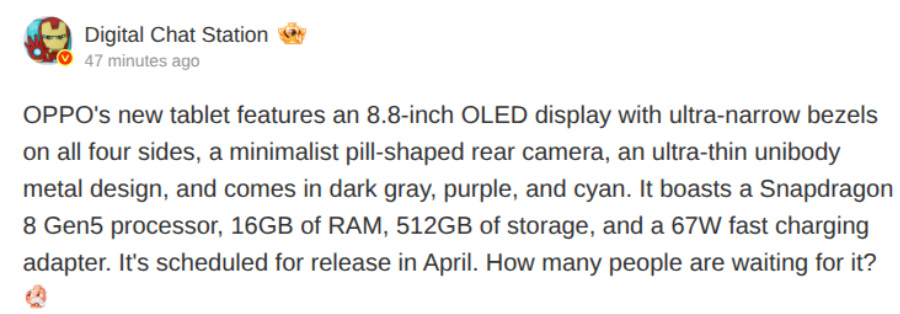
New Oppo Pad 5 may launch with the Reno 15 series in India

Oppo is preparing to release the Reno 15 series of smartphones in India soon. But it seems like these mid range devices might not be arriving alone, as a fresh sighting has hinted that the Oppo Pad 5 could be launching in the region as well.

Oppo Pad 5 India Launch Near?

To recall, the Chinese tech giant is expected to unveil the Reno 15 series in India sometime next month. Meanwhile, the Oppo Pad Air 5 will be launching in China tomorrow (25th December 2025). But in a surprising twist, the Oppo Pad 5 has just surfaced on the brand’s official website. The company first released the Oppo Pad 5 as a flagship tablet. However, the global version doesn’t appear to be a premium model.

Oppo Pad 5
Oppo Pad 5 (Global Version)

In other words, the Oppo Pad 5 global/Indian variant might be a rebranded model of another existing tablet. Looking at this model, the design appears quite similar to the Oppo Pad Air 5. Looking at the official listing, the Oppo Pad 5 will arrive in India with 8GB of RAM and 128GB of internal storage. The WiFi only model surfaced on the website with a tall 12.1-inch display with a 2.8K resolution and eye comfort features.

A black color option can be seen along with support for a stylus. Other notable features that we can expect from the Oppo Pad Air 5 include a massive 10,050mAh battery pack, 33W wired fast charging, a display with 900 nits peak brightness, and a Dimensity 7300 SoC (rumored).

For more daily updates, please visit our News Section.

Don’t miss a thing! Join our Telegram community for instant updates and grab our free daily newsletter for the best tech stories!

Galaxy Z TriFold put through brutal folding test — here’s how it held up

With two hinges and a screen that folds in three sections, Galaxy Z TriFold pushes Samsung’s foldable design further than ever. But with that ambition comes a big question: how long will dual dual-hinge foldable actually last?

Samsung Galaxy Z TriFold how is it different

A South Korean YouTube channel, Omokgyo Electronics Shopping Mall, recently tried to find out. In a multi-day livestream, the team ran the Galaxy Z TriFold through a relentless folding test, opening and closing the device around the clock to see where it would give in.

Samsung officially rates the phone for 200,000 folds, a figure meant to reflect years of regular use. The test, however, was anything but regular. Three hosts took turns continuously folding and unfolding the device with almost no breaks.

Did it survive?

Early warning signs appeared after 61,000 folds, when one hinge began making faint creaking noises. The second hinge followed at around 121,000 cycles. By roughly 144,000 folds, the hinges had lost much of their tension. The phone could still open, but it no longer stayed fully flat on its own.

Notably, the display itself never failed. Despite the stress placed on the hinges, the large foldable screen remained fully functional until the end of the test.

That final number falls short of Samsung’s stated durability rating, but the context matters. Non-stop mechanical folding isn’t how people use their phones, and the fold-counting sensors attached during the test may have affected hinge movement. In everyday use, the TriFold could still come much closer to Samsung’s claim.

For reference, Samsung rates the Galaxy Z Fold 7 at up to 500,000 folds, highlighting how much more demanding the tri-fold design is. As with any first-generation product, improvements are likely in future models.

For now, the test suggests potential buyers of the Galaxy Z TriFold should not worry about the durability and reliability of the device, though there’s still room for refinement as the form factor matures.

Don’t miss a thing! Join our Telegram community for instant updates and grab our free daily newsletter for the best tech stories!

For more daily updates, please visit our News Section.

(Source)

Should You Invest in a Smart Ring in 2026?

Smart rings have been around long enough that they are no longer a novelty. But it’s still fair to call them niche. A big reason for that is that most mainstream consumer tech brands have yet to dabble in this category. 

There’s Samsung with the Galaxy Ring, and… yeah, that’s pretty much it. Even major Chinese manufacturers like Xiaomi, Oppo, and Vivo don’t seem to view smart rings as mainstream enough to earn a spot in their portfolios.

Samsung Galaxy Ring
Samsung Galaxy Ring

You might argue that brands like RingConn and Oura have been working in this space for years, and yes, they are. But the availability of these wearables is still limited to select countries, making them still a niche gadget. 

That said, smart rings are often considered more reliable for tracking health metrics. It’s because they are easier to wear and stay in place, unless the ring is loose on the finger.

It’s also a good option for those who don’t like the idea of wearing a smartwatch. So, if you’re thinking about buying one, is a smart ring actually worth investing in for 2026? The answer, as usual, depends on what you expect from it and what you’re willing to live without.

Please Note: When you buy something using the links in our articles, we may earn a small commission at no cost to you.

1. What Smart Rings Are Trying to Do

At their core, smart rings are health trackers that don’t look or feel like traditional gadgets. They sit on your finger, collect data quietly in the background, and send everything to an app on your phone. Most of them track sleep, heart rate, heart rate variability, blood oxygen levels, body temperature changes, and activity throughout the day.

The pitch here is that it’s a ring, small and light, easy to wear all the time. You don’t need a screen on it, you don’t interact with it much, and ideally, you forget it’s there. 

Compared to smartwatches, which demand your attention with notifications and apps, smart rings are meant to stay out of our daily routine. 

2. The Current State of Smart Rings

5 Perfect Valentine's Day Gifts for Her
Oura Ring Gen 4

The smart ring market is still small compared to smartwatches, but it’s more established than it used to be. Oura is probably the dominating brand as it was among the first to enter this category. Samsung joined the space in 2024 with Galaxy Ring, and it naturally works best if you’re already using a Samsung phone.

There are other brands too. Many of them are trying to stand out by avoiding subscriptions. Oh, and I forgot to mention that the Oura Ring requires a separate subscription called Oura Membership.

However, what’s evident is that this market is not moving at the same speed as smartphones or smartwatches. Updates are incremental. New generations improve sensors, refine algorithms, and tweak designs, but there might not be dramatic leaps every year. 

That can be a good thing if you don’t like buying new hardware often, but it also means you shouldn’t expect a smart ring to suddenly become something completely different next year.

3. Why a Smart Ring Might Make Sense for You

The strongest case for a smart ring is long-term health tracking without friction. Because rings are comfortable and unobtrusive, people tend to wear them all day and night. 

This consistency means you can track sleep or workout data more reliably. Rings are often considered better at this than bulkier wearables, as their ease of wear results in fewer data gaps.

Another thumbs-up for smart rings is battery life. Most rings last several days on a single charge, sometimes close to a week. It’s honestly relaxing to switch from Wear OS smartwatches, which often need recharging every couple of days, if not sooner. You’re also less likely to miss data because the device ran out of power.

There’s also the fact that smart rings don’t compete for your attention. They don’t buzz, light up, or interrupt you. It’s best for people who already feel overwhelmed by screens and notifications. You check your data when you want to.

4. Where Smart Rings Still Fall Short

For all their strengths, smart rings are limited devices. They are not replacements for smartwatches, and this will never change. If you want real-time notifications, GPS tracking, music controls, or a screen you can glance at, a smart ring won’t help you.

Another issue is cost, especially when subscriptions are involved. Some of the more popular smart rings charge a monthly fee to unlock detailed insights and long-term trends. Over time, that can make a relatively small device feel expensive. Not everyone is comfortable paying ongoing fees for something that mostly tracks data in the background.

Fit can also be an issue. Rings need to be sized correctly, and fingers can change size depending on temperature, time of day, or activity. Most companies offer sizing kits, but it’s still a more complicated process than buying a watch and adjusting the strap.

There’s also the question of how useful the data actually is. Smart rings generate a lot of numbers, graphs, and scores. For some people, that could be helpful. But for others, it might not matter much except the usual sleep and heart rate data. 

5. Who Smart Rings Are Actually For

In 2026, smart rings make the most sense for a specific type of user.

If you care about sleep quality, recovery, and general health trends, and you prefer something that works quietly in the background, a smart ring can fit well into your routine. It’s also a good option if you dislike wearing watches or find them uncomfortable, especially at night.

They’re less useful for people who want active interaction with their wearable. If you like checking notifications, tracking runs with GPS, or using apps directly on your wrist, a smartwatch still does all of that better.

Smart rings also aren’t ideal if you’re skeptical of subscription models or don’t want another app asking you to pay monthly. While there are options without subscriptions, they’re still not the norm.

6. So, Should You Invest in One?

A smart ring in 2026 isn’t a risky purchase, but it’s not an obvious one either. The technology is mature enough to do what it promises, and for the right person, it can be genuinely useful. At the same time, it doesn’t solve problems you didn’t already know you had.

You can think of a smart ring less as a must-have gadget and more as a specific tool. It works well if you want passive health tracking, decent battery life, and something that stays out of your way. It doesn’t work well if you expect it to replace a smartwatch or actively change how you use technology every day.

Don’t miss a thing! Join our Telegram community for instant updates and grab our free daily newsletter for the best tech stories!

For more daily updates, please visit our News Section.

OnePlus 13 Gets OxygenOS 16.0.2.402 with Neon Filter, XPAN Mode & December Security Patch

OnePlus has initiated the incremental rollout of OxygenOS 16.0.2.402 for the OnePlus 13 across India, Europe, and global markets. The update arrives in batches, bringing AI integration improvements, enhanced security features, and camera upgrades.

OnePlus 13 Arctic Dawn

AI and Storage Management

Users can now access storage cleanup tools directly through Smart Sidebar, streamlining device maintenance without navigating multiple menus.

Security Improvements

The update enables direct editing of images and videos within Private Safe without unlocking, maintaining privacy while improving accessibility. Phone Manager now prompts users to enable automatic blocklist updates over Wi-Fi and mobile data, enhancing threat detection and protection efficiency. The December 2025 Android security patch is integrated.

Camera Enhancements

A new “Neon” filter replicates the CineStill 800T film aesthetic for atmospheric night portraits. The XPAN mode receives a comprehensive UI overhaul mimicking panoramic film cameras, featuring updated preview screens with switchable skins, enhanced development functions, and new audio-haptic feedback when capturing shots or changing film effects. XPAN watermarks are now supported.

User Interface Refinements

The Photos app filter now includes “Motion Photo,” “Screenshots & screen recordings,” and “Edited” categories for easier content organization. Thumbnail parsing has been optimized for faster display speeds.

Home screen functionality expands with stackable 2×1 widgets and the ability to resize and rearrange app icons and shortcuts, including cloned app icons. Circle to Search activation improves in gesture navigation mode, functioning even when the gesture guide bar is hidden.

OnePlus 13 OxygenOS 16.0.2.402
OnePlus 13 OxygenOS 16.0.2.402 Changelog

Rollout Details

The incremental deployment begins with limited users before expanding within days. Indian users can report issues via the OnePlus Community App’s Bug Report section or by dialing *#800#.

Don’t miss a thing! Join our Telegram community for instant updates and grab our free daily newsletter for the best tech stories!

For more daily updates, please visit our News Section.

DJI Osmo Pocket 4 Pro launch window leaks

DJI’s next pocket-sized gimbal camera might not arrive as quickly as many creators were hoping. Fresh information now suggests the Osmo Pocket 4 Pro could launch several months after the standard model, despite earlier expectations of a joint debut.

Speculation around a new Osmo Pocket has been building for most of the year. Many expected DJI to refresh the lineup before the end of 2025, especially after the strong reception to the Osmo Pocket 3. That never happened. Since then, uncertainty around DJI’s US sales situation has only added to the confusion, though leaks have continued to surface.

Recent testing footage shared online appeared to show two unreleased Osmo Pocket devices. One looked like a straightforward successor to the current model. The other stood out, featuring what appears to be a second camera lens. This has fueled talk of a Pro variant, possibly aimed at more advanced shooting modes, wider framing, or improved subject tracking.

According to leaker Photorabz, who claims the details were confirmed through official channels, DJI is planning a staggered release. The standard Osmo Pocket 4 is reportedly scheduled for early next year. The Osmo Pocket 4 Pro, however, may not follow until spring. The timeline points to a launch after April, with May or June now looking more likely.

If accurate, this would mark a change from earlier predictions that both models would launch together. Instead, DJI may be giving creators time to adopt the base version before rolling out the more feature-focused Pro model.

DJI’s pocket gimbals remain popular among vloggers and mobile filmmakers thanks to their compact size and strong stabilization. A delayed Pro launch could mean more meaningful upgrades—just not as soon as some had hoped.

Stay ahead in tech! Join our Telegram community and sign up for our daily newsletter of top stories!

For more daily updates, please visit our News Section.

(Source)

Xiaomi launches its flagship electric shaver with dual-ring stainless-steel blades and 95-day battery life

Xiaomi has officially launched the Mijia Electric Shaver Pro in China, following its initial unveiling earlier this month. The new model features a dual-ring beard-locking structure, a high-speed intelligent motor, and a 360-degree floating shaving head. It is priced at 469 yuan ($66) and is positioned as a flagship-grade grooming device within Xiaomi’s smart lifestyle ecosystem.

Mijia Electric Shaver Pro

Mijia Electric Shaver Pro Specifications

The Mijia Electric Shaver Pro features a triple-head rotary design, with each head using a dual-ring corrugated foil to increase cutting surface area and improve hair capture in fewer passes. The shaving head also includes a micro-bead guide coating that reduces skin friction, while the low-nickel stainless steel foil helps minimize irritation for sensitive skin.

Xiaomi equips the shaver with dual concave stainless steel inner blades produced using MIM metal injection molding technology. The blades rotate in coordination with the outer foil to form a stable beard-locking system, improving cutting consistency and reducing hair pulling compared to traditional straight-slot foil designs.

The shaver runs on a high-speed motor capable of up to five million cutting actions per minute. It features an integrated intelligent chip that performs real-time detection at a frequency of 100 times per second and adjusts the power output based on beard density. The shaver supports two speeds: standard mode at 2900 rpm and enhanced mode at 3100 rpm.

The head uses a 360-degree omnidirectional floating design that adapts to different face contours, including the jawline and chin. It supports vertical, lateral, angled, and swing movements to reduce missed areas. An intelligent pressure sensor monitors applied force and triggers a rear light ring that changes color in real time to help prevent excessive pressure on the skin.

Xiaomi has also included a dynamic color display that shows shaving mode, battery level, travel lock status, and maintenance reminders. The Mijia Electric Shaver Pro supports Type-C fast charging and offers up to 95 days of battery life in standard mode or 90 days in enhanced mode, based on one-minute daily use. The device is IPX8-rated for full-body waterproofing and supports both dry and wet shaving.

In related news, Xiaomi has recently launched its priciest ceiling light to date with a 10,000-lumen output, and eye-care features, alongside the new Mijia Washer Dryer Set Pro with 12kg washing and 12kg drying capacity powered by HyperOS.

For more daily updates, please visit our News Section.

Stay ahead in tech! Join our Telegram community and sign up for our daily newsletter of top stories! 💡
(JD)

Xiaomi 17 Ultra Leica Edition teaser video reveals physical zoom ring

Xiaomi has offered another early look at its upcoming Xiaomi 17 Ultra Leica Edition, and this one focuses squarely on how the phone is meant to be used — not just what’s inside it. The big talking point is a new physical zoom ring wrapped around the rear camera module, clearly inspired by traditional cameras.

In newly shared official videos, Xiaomi shows the so-called “Master Zoom Ring” in action. The rotary control sits around the circular camera bump and appears to allow users to zoom in and out by twisting the ring, much like adjusting a lens on a mirrorless or DSLR camera. Compared to on-screen sliders, it looks far more tactile and precise.

According to well-known leaker Digital Chat Station, the ring isn’t just cosmetic. It’s expected to offer real hardware-level zoom control, likely tied directly to the phone’s optical zoom system. Exactly how granular the control is — and whether it can be customized — should become clearer at launch.

The Leica Edition also adds some visual flair. A raised 3D Leica engraving near the camera module gives the phone a more camera-like identity, clearly separating it from the standard Xiaomi 17 Ultra.

As for the hardware underneath, the Leica Edition shares the same core setup as the regular model. That includes Qualcomm’s Snapdragon 8 Elite Gen 5 chipset and a camera system headlined by a 200MP periscope telephoto lens with 70mm to 100mm continuous optical zoom. Xiaomi has already shared main and telephoto samples showing the imaging capabilities, though these images should be taken with the usual grain of salt.

Both the standard Xiaomi 17 Ultra and the Leica Edition are set to launch in China on December 25. If the zoom ring works as smoothly as the teasers suggest, it could offer something genuinely different — especially for photography enthusiasts who miss the physical controls of a dedicated camera when travelling with their phone.

Don’t miss a thing! Join our Telegram community for instant updates and grab our free daily newsletter for the best tech stories!

For more daily updates, please visit our News Section.

(Sources: 1, 2 )

OnePlus Open Update: OxygenOS 16.0.2.400 Brings Smart Sidebar Tools and Photos App Improvements

OnePlus started rolling out OxygenOS 16.0.2.400 for the OnePlus Open in India. The update hits a small group of users first, with a wider release coming in a few days.

What’s New

You can now open storage cleanup tools directly from Smart Sidebar instead of digging through settings. The update lets you resize app icons and their shortcuts, then drag them around to rearrange them. You can also stack 2×1 widgets on your home screen to save space. App clones work the same way now. You can resize their icons and add shortcuts just like regular apps.

The Photos app has three new filters: Motion Photo, Screenshots & screen recordings, and Edited. Finding specific types of media is faster now. Thumbnails load quicker because OnePlus improved how the app processes them.

Private Safe now lets you edit photos and videos without unlocking them first. You get convenience without losing security.

Phone Manager will ask if you want automatic blocklist updates over Wi-Fi and mobile data. Turn this on and the blocklist updates right away, which means better spam detection and protection.

Reporting and Rollout

Indian users can report bugs two ways: through the Bug Report section in the OnePlus Community App profile, or by dialing *#800# to open the feedback tool.

For more daily updates, please visit our News Section.

Stay ahead in tech! Join our Telegram community and sign up for our daily newsletter of top stories!

(Source)

Xiaomi gives Redmi Bluetooth Speaker 2 a sleek new look with Twilight Black edition

Xiaomi has launched a new Twilight Black variant of its Redmi Bluetooth Speaker 2, now available for crowdfunding at 89 yuan ($12). This new color joins the existing lineup, which includes matte black, mist green, and coral orange.

Redmi Bluetooth Speaker 2

Redmi Bluetooth Speaker 2 Specs

The speaker features a black-and-orange contrast design with a high-gloss accent band running along the body. The compact, rounded build is wrapped in a finely textured fabric for a better grip and a premium look. Xiaomi has included a detachable metal carabiner, allowing users to clip the speaker to backpacks or belts during travel or outdoor activities. The speaker weighs approximately 200 grams.

The speaker comes with a dual-unit acoustic setup. It includes a 1.5-inch full-range driver rated at 5W and a large passive radiator that enhances bass performance. The speaker delivers clear mids and highs with improved low-frequency output for genres like pop, EDM, and hip-hop.

Redmi Bluetooth Speaker 2

The Redmi Bluetooth Speaker 2 meets IP67 dust and water resistance standards. It can withstand exposure to sand, splashes, and light rain, making it suitable for outdoor use.

For power, it includes a 1000mAh battery that provides up to 5 hours of playback at around 80% volume. Charging is handled through a USB Type-C port, which also supports USB audio input. This allows the speaker to function as an external sound source for laptops and tablets.

Redmi Bluetooth Speaker 2

The speaker supports Bluetooth 5.3 for stable wireless connections. It also supports TWS stereo pairing, which lets users link two identical units wirelessly to create a stereo sound setup. Xiaomi has included support for offline playback through a microSD card slot, which accepts cards up to 512GB and plays MP3, WAV, WMA, and FLAC formats.

In related news, Xiaomi has recently launched its priciest ceiling light to date with a 10,000-lumen output, eye-care features, and HyperOS support, alongside the new Mijia Washer Dryer Set Pro with 12kg washing and 12kg drying capacity powered by HyperOS.

For more daily updates, please visit our News Section.

Stay ahead in tech! Join our Telegram community and sign up for our daily newsletter of top stories! 💡
Oppo Pad Air 5 Teased Ahead of China Launch With Soft Light Display and 10,050mAh Battery

Oppo is set to officially introduce the Oppo Pad Air 5 in China tomorrow, and pre-orders for the tablet are already live in the country. Ahead of the launch, the company has shared more details that outline its focus on students, learning use cases, and long-term daily performance.

The Oppo Pad Air 5 will be offered in two display variants: a standard display version and a Soft Light display version. The Soft Light variant comes with TÜV Rheinland Smart Eye Protection 4.0 certification and uses a nanoscale textured coating. According to Oppo, this surface reduces glare and reflections while also providing a paper-like writing feel, making it better suited for note-taking and long study sessions.

The tablet runs on ColorOS 16 and is claimed to deliver up to four years of smooth performance. Oppo is positioning the Pad Air 5 as a device that can last from school enrollment through graduation without major slowdowns. Software continuity and stability are being highlighted as key strengths.

Oppo Pad Air 5
Oppo Pad Air 5

The tablet supports 5G network sharing from a connected smartphone, allowing users to access the internet without a separate SIM. Application relay lets users continue apps between their phone and tablet. The notes material flow feature enables users to capture content on a phone and instantly transfer it to the tablet. The Pad Air 5 also supports fast file transfers with iPhone, data transfer with Insta360 Go Ultra cameras, and file sharing with other Android devices.

In terms of hardware, the tablet packs a 10,050mAh battery and supports 33W SuperCharge fast charging. Oppo claims the battery can handle extended online learning, with marketing material stating support for up to 15 consecutive online classes on a single charge.

Previously revealed specifications confirm a 12.1-inch display with a 2.8K resolution and peak brightness of up to 900 nits. The Oppo Pad Air 5 will be available in three memory configurations: 8GB RAM with 128GB storage, 8GB RAM with 256GB storage, and 12GB RAM with 256GB storage. Color options include Starlight Pink and Space Grey. Oppo will reveal the full specifications, pricing, and availability details of the Oppo Pad Air 5 at its official launch event tomorrow.

For more daily updates, please visit our News Section.

Don’t miss a thing! Join our Telegram community for instant updates and grab our free daily newsletter for the best tech stories!

(Source: 12)

Lenovo just dropped a 144Hz IPS monitor that costs less than $90

Lenovo has launched the new ThinkVision S25-4e monitor in China, targeting users who need a high-refresh-rate IPS panel without spending too much. The monitor is now available on JD.com with a retail price of 609 yuan ($86).

Lenovo ThinkVision S25-4e

Lenovo ThinkVision S25-4e Specs

The S25-4e features a 24.5-inch Full HD (1920 x 1080) IPS display with a 144Hz refresh rate and 4ms response time, delivering smooth visuals for both office and casual gaming use. The display uses WLED backlighting and has a typical brightness of 250 nits.

The monitor supports 8-bit color output using a 6-bit + FRC configuration and covers 99% of the sRGB color gamut, which helps deliver accurate and vivid colors across various content types.

Lenovo has prioritized eye comfort in this model. The monitor comes with TÜV Rheinland Eye Comfort Certification, hardware-level low blue light filtering, and global DC dimming to minimize screen flicker.

Lenovo ThinkVision S25-4e

The IPS panel provides 178-degree viewing angles, allowing colors and contrast to remain consistent even when viewed from the sides. The monitor also features a 1500:1 static contrast ratio, which enhances detail in dark scenes.

On the design front, the S25-4e adopts a three-side micro-bezel layout for a cleaner appearance and better suitability in multi-monitor setups. The included stand supports tilt adjustment, and the monitor is VESA mount compatible (100 x 100 mm) for more flexible installations.

For connectivity, the monitor includes one HDMI 1.4 port and one VGA port, ensuring compatibility with both modern and legacy systems. It also comes with a red-point multidirectional joystick that helps to navigate the on-screen display menu.

In related news, Lenovo has recently launched the X1 digital camera featuring a 12MP Sony sensor, 4K video recording, and 18x zoom, alongside the new Lecoo Cool 310 desktops powered by Core Ultra 5 or Ryzen processors with up to 16GB of RAM.

For more daily updates, please visit our News Section.

Stay ahead in tech! Join our Telegram community and sign up for our daily newsletter of top stories! 💡
(JD)

iPhone Fold renders fuel rumors of first crease-free display on foldable

Apple’s long-rumored foldable iPhone has finally shown up in what are probably the first good-looking renders. And they come with a bold claim that its screen crease might be nearly invisible.

Courtesy of Jon Prosser at Front Page Tech, the YouTuber published a video today, showing the iPhone Fold’s design in full. Prosser claims Apple has chosen to make a book-style foldable instead of a clamshell because of what he thinks Apple has pulled off here.

The iPhone Fold reportedly features a 5.5-inch display on the front, while the inner screen will measure 7.8 inches. The highlight, of course, is the crease. Or the lack of it. 

Prosser says Apple is using a combination of a pressure-dispersing metal plate, liquid metal in the hinge, and an in-cell touch panel to give iPhone Fold a crease-free look.

The claim lines up with an earlier report that suggests Apple is developing ultra-thin flexible glass (UFG) specifically to tackle the crease problem. If true, this could be Apple’s biggest contribution to foldable hardware yet.

Moreover, the iPhone Fold reportedly measures 9mm when folded and just 4.5mm when unfolded.

Performance, Camera, Battery, and More

The iPhone Fold is expected to run on Apple’s A20 Pro chip. It will also use Apple’s second-generation C2 modem and a high-density battery that should offer great battery life.

As for cameras, you can expect two at the back housed in an iPhone Air–like module. You’ll also get one camera on the cover display and another on the internal screen. Sadly, no under-display camera. 

Another claim that corroborates previous rumors is that the Fold will skip Face ID in favor of a fingerprint sensor. It will reside in the power button, which Prosser says Apple has moved to the top of the device.

Last but not least, Prosser claims the iPhone Fold will come in only black and white color options and at a price between $2,000 and $2,500.

Stay ahead in tech! Join our Telegram community and sign up for our daily newsletter of top stories!

For more daily updates, please visit our News Section.

(Source)

Honor WIN teaser reveals 5920Hz PWM dimming, eye-comfort focus for long gaming sessions

Honor is getting ready to launch its new WIN gaming phone lineup, and the company is clearly putting a lot of emphasis on one thing many gaming phones overlook: eye comfort.

Ahead of the official unveiling on December 26, Honor confirmed that every phone in the upcoming WIN series will feature what it calls an AI Oasis eye-protection gaming display. The company says the screen is specifically tuned for 3D games and fast-paced visuals, with built-in anti-dizziness technology designed to reduce eye strain and motion sickness during long gaming sessions. According to Honor, the system can cut discomfort by up to 54 percent, though real-world results will need independent testing.

A major highlight is the display’s 5920Hz PWM dimming, which Honor claims is the highest “zero-risk” flicker control in the industry. The panel has also received TÜV Rheinland’s Global Eye Protection 5.0 certification, covering issues like dry eyes and fatigue during extended use.

The WIN lineup will include two models: the Honor WIN, positioned as a flagship gaming phone, and the slightly toned-down Honor WIN RT. Both devices share one eye-catching spec—a massive 10,000mAh battery, aimed at extended gaming without constant charging breaks.

On the performance side, Honor isn’t holding back. The top-end WIN model runs on Qualcomm’s Snapdragon 8 Elite Gen 5 chipset, paired with LPDDR5X RAM and UFS 4.1 storage. Audio is handled by Honor Surround Subwoofer 2.0, featuring dual symmetrical speakers for louder, more immersive sound.

Durability also seems to be a focus. The entire series is rated for IP68, IP69, and IP69K resistance. With the WIN series, Honor appears to be targeting hardcore mobile gamers—but with a stronger focus on long-term comfort rather than just raw performance numbers.

Don’t miss a thing! Join our Telegram community for instant updates and grab our free daily newsletter for the best tech stories!

For more daily updates, please visit our News Section.

(Source)