Add GIZMOCHINA as Preferred Source on Google
As an Amazon Associate, Gizmochina earns from qualifying purchases. Links on this page may earn us a commission at no extra cost to you.
Smart rings have been around long enough that they are no longer a novelty. But it’s still fair to call them niche. A big reason for that is that most mainstream consumer tech brands have yet to dabble in this category.
There’s Samsung with the Galaxy Ring, and… yeah, that’s pretty much it. Even major Chinese manufacturers like Xiaomi, Oppo, and Vivo don’t seem to view smart rings as mainstream enough to earn a spot in their portfolios.
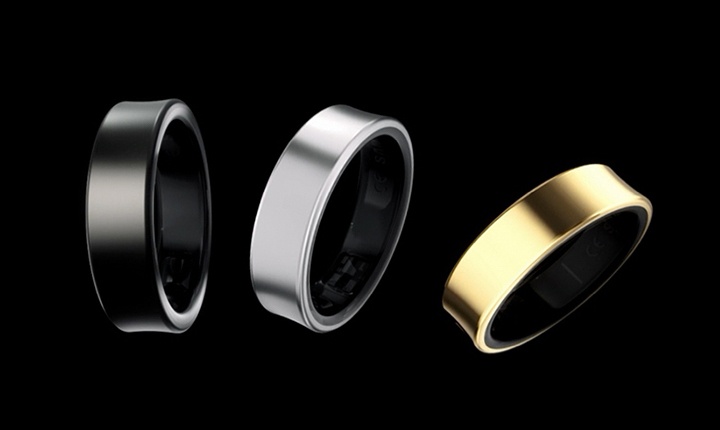
You might argue that brands like RingConn and Oura have been working in this space for years, and yes, they are. But the availability of these wearables is still limited to select countries, making them still a niche gadget.
That said, smart rings are often considered more reliable for tracking health metrics. It’s because they are easier to wear and stay in place, unless the ring is loose on the finger.
It’s also a good option for those who don’t like the idea of wearing a smartwatch. So, if you’re thinking about buying one, is a smart ring actually worth investing in for 2026? The answer, as usual, depends on what you expect from it and what you’re willing to live without.


Please Note: When you buy something using the links in our articles, we may earn a small commission at no cost to you.
1. What Smart Rings Are Trying to Do
At their core, smart rings are health trackers that don’t look or feel like traditional gadgets. They sit on your finger, collect data quietly in the background, and send everything to an app on your phone. Most of them track sleep, heart rate, heart rate variability, blood oxygen levels, body temperature changes, and activity throughout the day.
The pitch here is that it’s a ring, small and light, easy to wear all the time. You don’t need a screen on it, you don’t interact with it much, and ideally, you forget it’s there.
Compared to smartwatches, which demand your attention with notifications and apps, smart rings are meant to stay out of our daily routine.
2. The Current State of Smart Rings
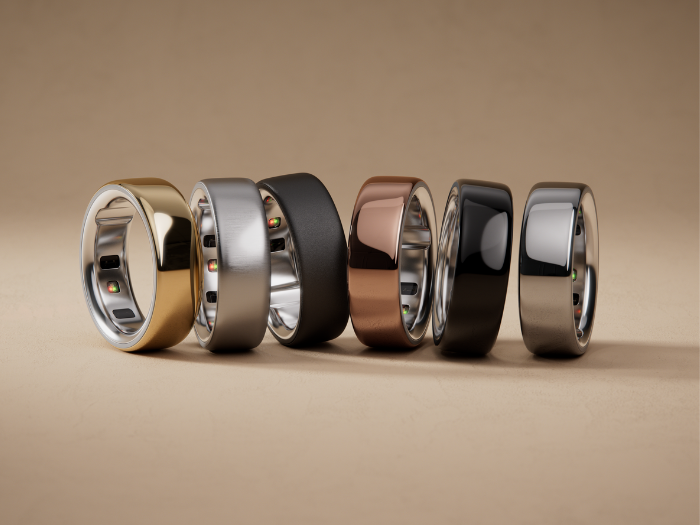
The smart ring market is still small compared to smartwatches, but it’s more established than it used to be. Oura is probably the dominating brand as it was among the first to enter this category. Samsung joined the space in 2024 with Galaxy Ring, and it naturally works best if you’re already using a Samsung phone.
There are other brands too. Many of them are trying to stand out by avoiding subscriptions. Oh, and I forgot to mention that the Oura Ring requires a separate subscription called Oura Membership.
However, what’s evident is that this market is not moving at the same speed as smartphones or smartwatches. Updates are incremental. New generations improve sensors, refine algorithms, and tweak designs, but there might not be dramatic leaps every year.
That can be a good thing if you don’t like buying new hardware often, but it also means you shouldn’t expect a smart ring to suddenly become something completely different next year.
3. Why a Smart Ring Might Make Sense for You
The strongest case for a smart ring is long-term health tracking without friction. Because rings are comfortable and unobtrusive, people tend to wear them all day and night.
This consistency means you can track sleep or workout data more reliably. Rings are often considered better at this than bulkier wearables, as their ease of wear results in fewer data gaps.
Another thumbs-up for smart rings is battery life. Most rings last several days on a single charge, sometimes close to a week. It’s honestly relaxing to switch from Wear OS smartwatches, which often need recharging every couple of days, if not sooner. You’re also less likely to miss data because the device ran out of power.
There’s also the fact that smart rings don’t compete for your attention. They don’t buzz, light up, or interrupt you. It’s best for people who already feel overwhelmed by screens and notifications. You check your data when you want to.
4. Where Smart Rings Still Fall Short
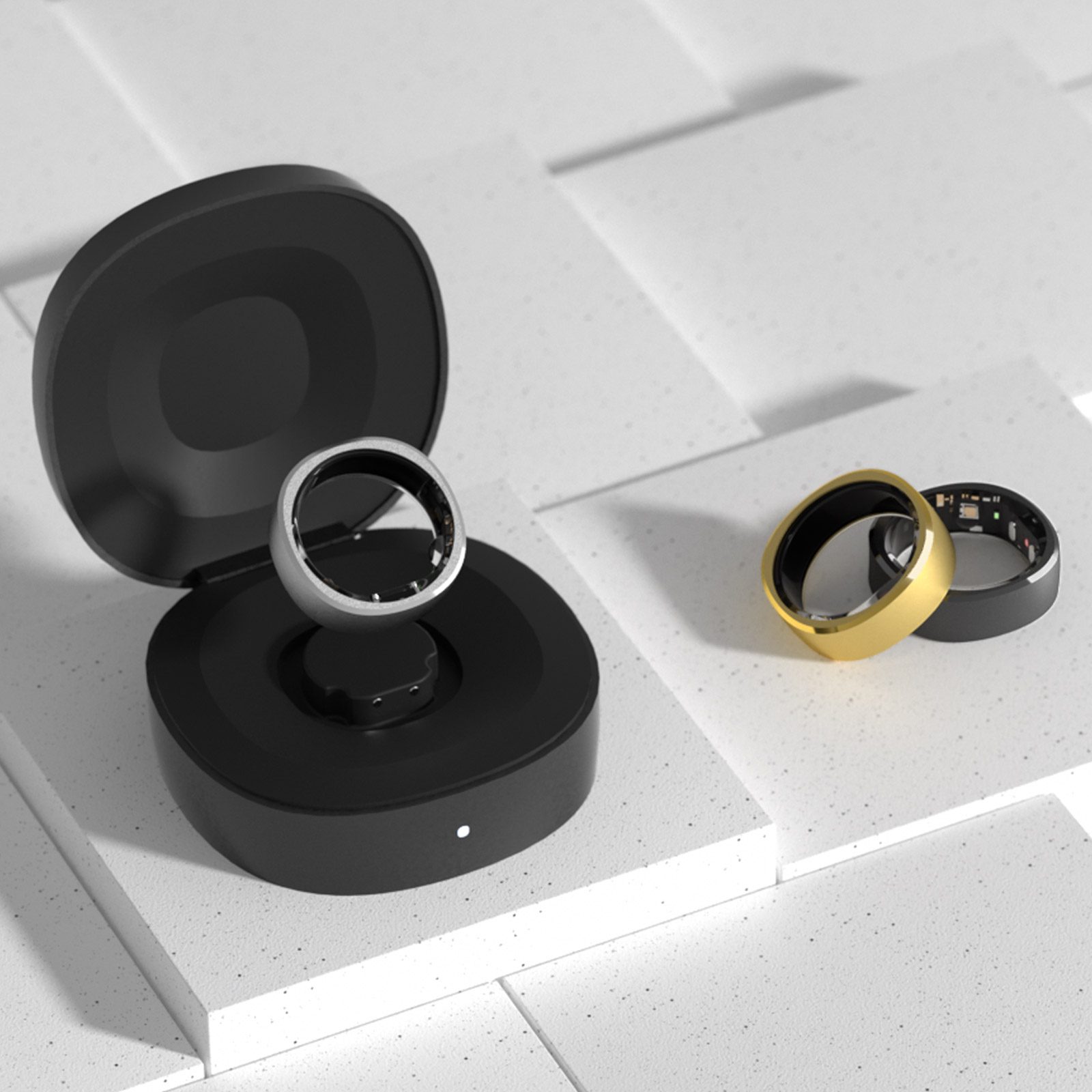
For all their strengths, smart rings are limited devices. They are not replacements for smartwatches, and this will never change. If you want real-time notifications, GPS tracking, music controls, or a screen you can glance at, a smart ring won’t help you.
Another issue is cost, especially when subscriptions are involved. Some of the more popular smart rings charge a monthly fee to unlock detailed insights and long-term trends. Over time, that can make a relatively small device feel expensive. Not everyone is comfortable paying ongoing fees for something that mostly tracks data in the background.
Fit can also be an issue. Rings need to be sized correctly, and fingers can change size depending on temperature, time of day, or activity. Most companies offer sizing kits, but it’s still a more complicated process than buying a watch and adjusting the strap.
There’s also the question of how useful the data actually is. Smart rings generate a lot of numbers, graphs, and scores. For some people, that could be helpful. But for others, it might not matter much except the usual sleep and heart rate data.
5. Who Smart Rings Are Actually For
In 2026, smart rings make the most sense for a specific type of user.
If you care about sleep quality, recovery, and general health trends, and you prefer something that works quietly in the background, a smart ring can fit well into your routine. It’s also a good option if you dislike wearing watches or find them uncomfortable, especially at night.
They’re less useful for people who want active interaction with their wearable. If you like checking notifications, tracking runs with GPS, or using apps directly on your wrist, a smartwatch still does all of that better.
Smart rings also aren’t ideal if you’re skeptical of subscription models or don’t want another app asking you to pay monthly. While there are options without subscriptions, they’re still not the norm.
6. So, Should You Invest in One?
A smart ring in 2026 isn’t a risky purchase, but it’s not an obvious one either. The technology is mature enough to do what it promises, and for the right person, it can be genuinely useful. At the same time, it doesn’t solve problems you didn’t already know you had.
You can think of a smart ring less as a must-have gadget and more as a specific tool. It works well if you want passive health tracking, decent battery life, and something that stays out of your way. It doesn’t work well if you expect it to replace a smartwatch or actively change how you use technology every day.
Don’t miss a thing! Join our Telegram community for instant updates and grab our free daily newsletter for the best tech stories!
For more daily updates, please visit our News Section.