Advertisement

Citizen’s Doctor Doom watch drops to $425.71, a good $70 discount

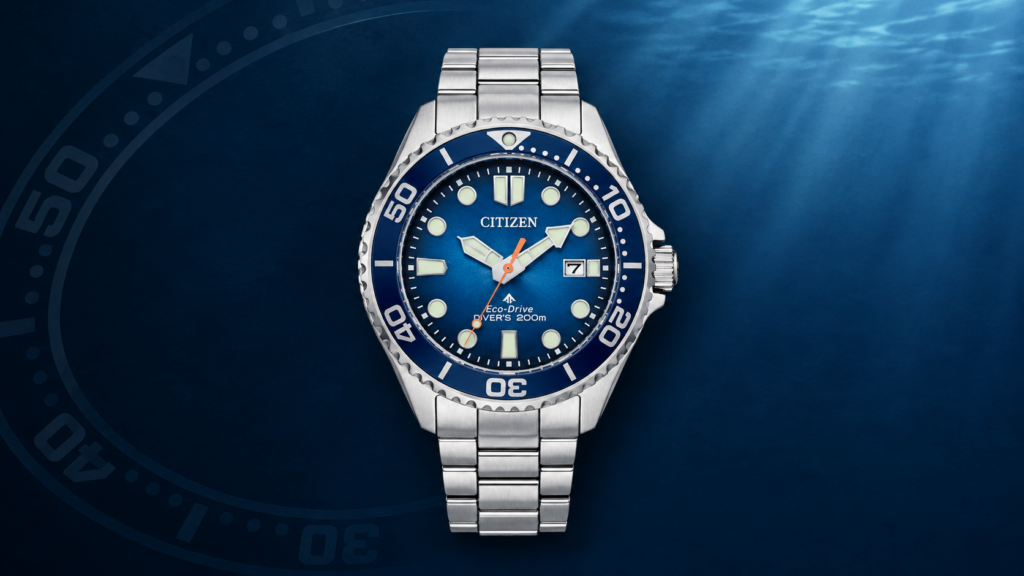
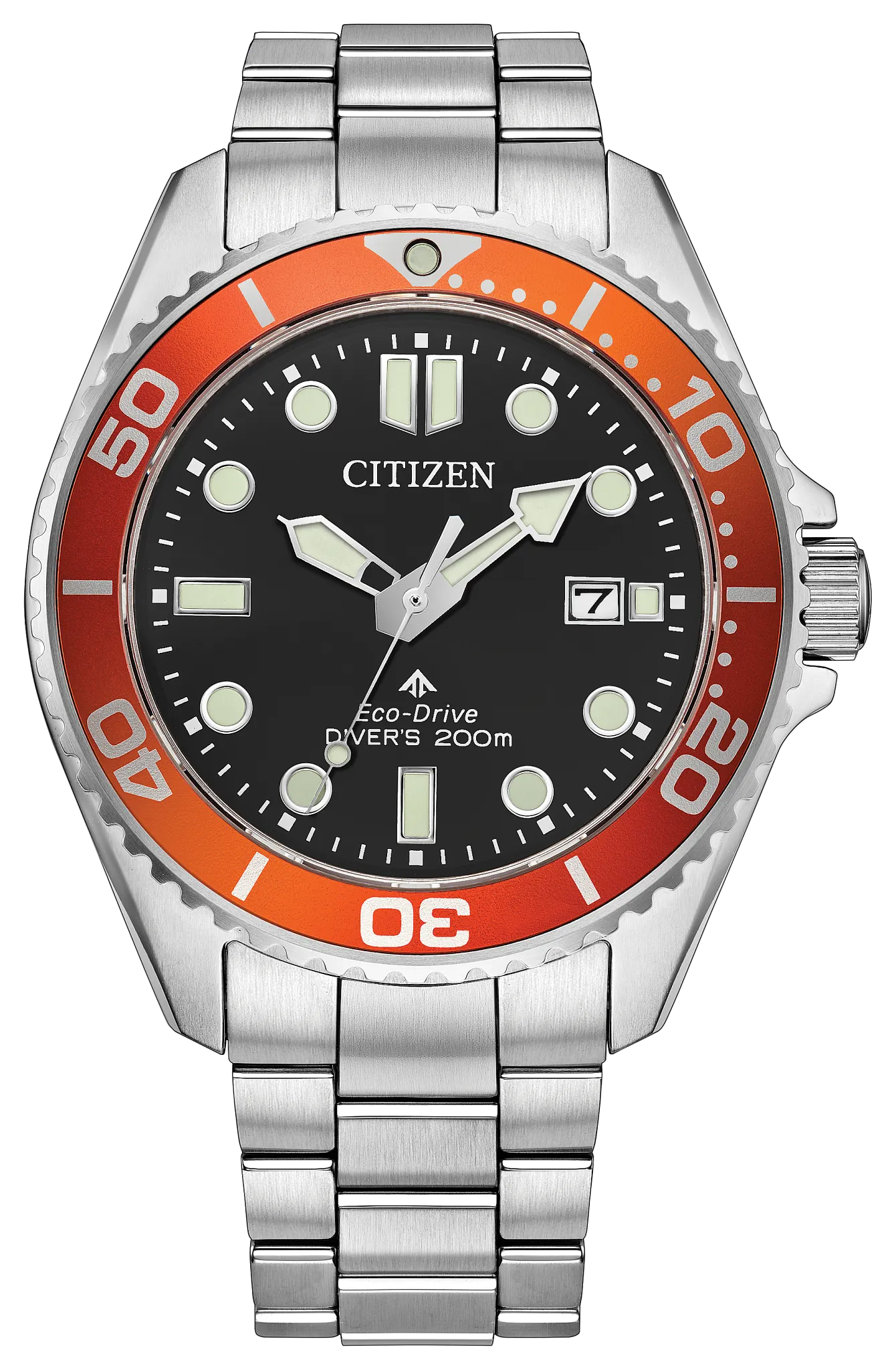
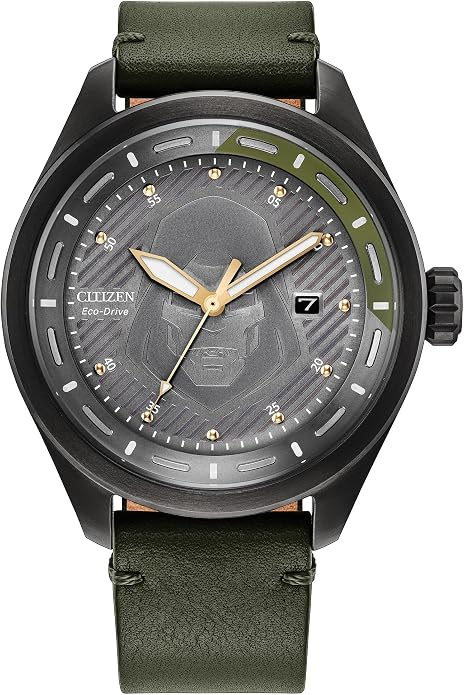
Amazon US has the Citizen AW5027-44W Doctor Doom watch at $425, down from its $495 launch price, a $69.29 (14%) saving. It’s worth it if you’re a Doom or Marvel fan who wants a battery-free watch you’ll actually wear.

Is this a good price?
Doctor Doom citizen watch AW5027-44W

Citizen launched the AW5027-44W in the US in October 2026 at $495. At $425.71, Amazon is $69.29 below that, or 14% off list price. It’s a modest saving, but a real one on a watch that’s barely a month old.

Citizen hasn’t made an official price cut on this model. This is an Amazon discount, not a markdown from Citizen. It is the lowest price since its launch, but the watch only launched in October, so that window is short.

Price now$425.71
List price$495
You save$69.29 (14%)
Price as of11 Nov 2026, 1AM EDT

Product prices and availability are accurate as of the date/time indicated and are subject to change.

What you get

  • Mask dial: The gray dial builds Doctor Doom’s metal mask up in relief instead of printing it on. This is what you’re paying for, and gold-tone hands keep it from looking like a toy.
  • Eco-Drive: Citizen’s J810 light-powered quartz runs three hands and a date at 3 o’clock. You never need a battery change.
  • Daily-wear build: The 42.5mm grey stainless steel case weighs 88g, uses 20mm lugs and is rated to 100m. It’s tough enough for swimming and everyday knocks, though the crystal is mineral, not sapphire.
  • Collector extras: A textured green leather strap, a Doom logo etched on the case back, a display box and a double-sided coin. That makes it an easy gift.

What users liked and what they didn’t

Liked:

  • The relief mask dial is the standout, and it reads as more than a printed logo.
  • Gold hands and green accents keep the theme fairly restrained.
  • The coin, box, and etched case back suit collectors and gift buyers.
  • Eco-Drive means no battery swaps.
  • 100 m water resistance makes it practical for daily wear.

Didn’t like:

  • Mineral crystal scratches more easily than sapphire, which stands out at this price.
  • Underneath, it’s a plain three-hand quartz watch, so most of the cost is the character design.
  • Citizen doesn’t say how long the lume lasts.

How it compares

  • CITIZEN Men’s Eco-Drive Fantastic Four 39mm Super Titanium AW0131-66W ($468.75 on Amazon US): The Fantastic Four model suits smaller wrists. It’s a 39mm limited-edition Marvel Eco-Drive in lighter Super Titanium, and it also comes with a coin.
  • CITIZEN Men’s Eco-Drive Marvel’s X-Men 42.3mm Stainless Steel AW5007-17W ($281 on Amazon US): X-Men fans get the same recipe here: Eco-Drive, mineral crystal, and a leather strap, in a near-identical 42.3mm steel case. Choose it if the character matters more to you than the mask dial.
  • CITIZEN Men’s Automatic Tsuyosa 40mm Stainless Steel NJ0151-53Z ($371.25 on Amazon US): If you’d rather have a regular watch than a character piece, the Tsuyosa is the one. It’s a 40mm Citizen with a mechanical automatic movement and a steel bracelet.

Rival prices on Amazon US as of 11 Nov 2026, 1AM EDT. Product prices and availability are accurate as of the date/time indicated and are subject to change.

Should you buy it?

Buy it now if you’re a Doctor Doom or Marvel collector who wants a wearable, battery-free watch or a gift that arrives looking the part. Skip it if you want sapphire, a mechanical movement, or a non-themed design, because that money buys more watches elsewhere.
Where to buy

Oppo Reno 17 series to feature four 50MP cameras, details officially confirmed

Oppo has officially confirmed the camera setup on the standard Oppo Reno 17 ahead of its China launch. The vanilla model uses four 50-megapixel cameras and is promoted as a Live Photo-focused phone. It will be unveiled on November 16 at 7 PM China time, alongside the Reno 17 Pro.

Oppo Reno 17 official camera specs

Oppo Reno 17
Oppo Reno 17

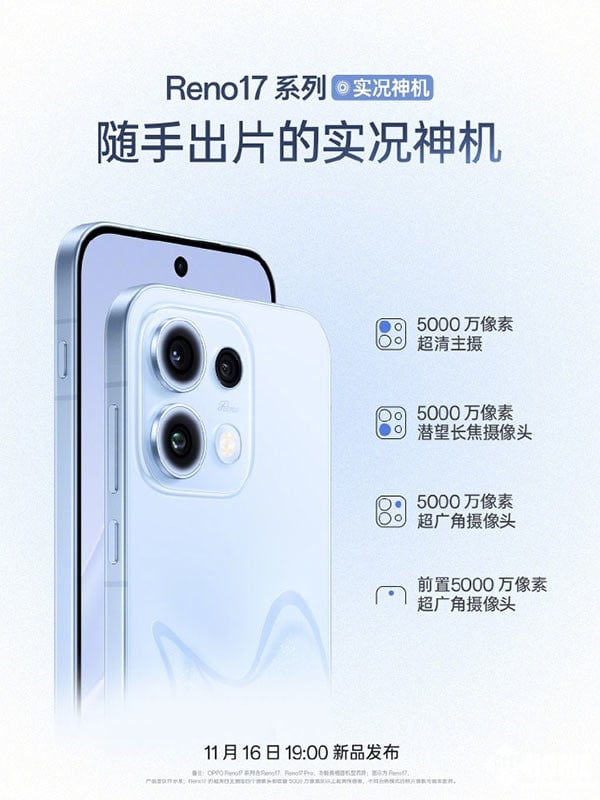
A new official teaser spells out the hardware on the standard Reno 17. It lists a 50-megapixel ultra-clear main camera, a 50-megapixel periscope telephoto, and a 50-megapixel ultra-wide on the rear, plus a 50-megapixel ultra-wide selfie camera.

That is a shift from the Chinese Reno 16 and Reno 16 Pro, which both launched with a 200-megapixel main camera, a 50-megapixel ultra-wide, and a 50-megapixel periscope on the rear, plus a 50-megapixel front camera. The vanilla Reno 17 moves to four 50-megapixel cameras, compared with the 200-megapixel main on its predecessors.

Oppo says the Reno 17 series includes the Reno 17 and the Reno 17 Pro, and that specifications vary by model. The poster notes that the pictured phone is the Reno 17, and that “ultra-clear four main cameras” means all four cameras use 50-megapixel or higher sensors. This list is therefore for the vanilla Reno 17 only. It is not clear yet whether Oppo will also drop the 200-megapixel primary sensor on the Reno 17 Pro.

Live Photo features and the November 16 launch

On official Weibo today, Oppo framed the series as a Live Photo phone that keeps casual shots sharp across every focal length. It highlighted ultra-clear natural-color Live Photos that reproduce the light and color of the moment, plus 4K long Live Photos that run for six seconds.

A new Live Photo color palette is part of the same tease, and Oppo says a light swipe can produce a ready-to-share look. Official creatives show bluer skies, warmer light, and a cinematic grade.

Oppo locked in the November 16 China event last week, when official images of the Reno 17 and Reno 17 Pro went live. Pricing and any camera differences on the Pro should be confirmed at the event.

Which Reno 17 camera are you most interested in trying first, the 50-megapixel periscope or the ultra-wide selfie camera? Let us know in the comments.

For daily updates, please visit our News Section.

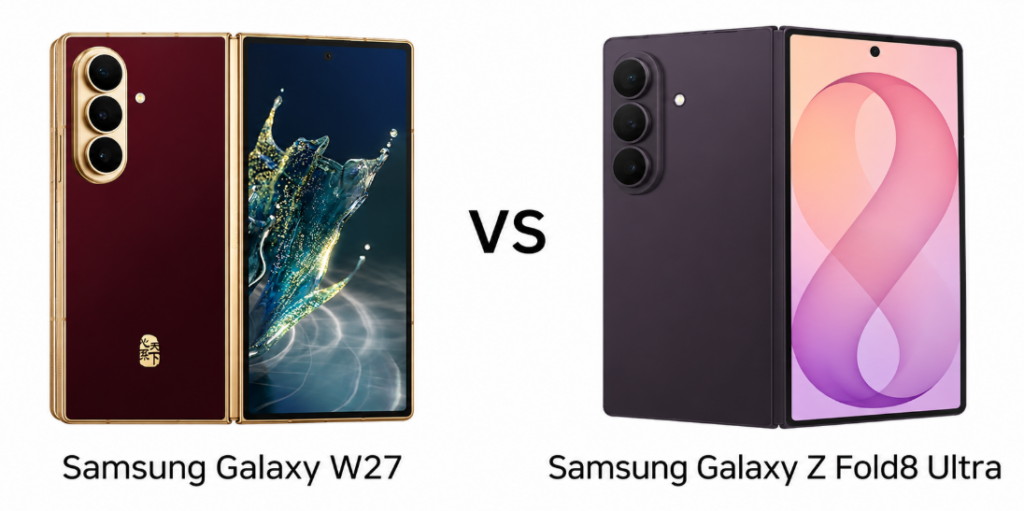
Samsung Galaxy W27 vs Samsung Galaxy Z Fold8 Ultra: What’s Actually Different?

Samsung’s Galaxy W27 and Galaxy Z Fold8 Ultra present an unusual comparison. Rather than two competing foldables with substantially different hardware, they represent two regional interpretations of Samsung’s premium foldable flagship. The W27 targets China’s luxury smartphone market, while the Z Fold8 Ultra serves international buyers. Despite their shared hardware, a few exclusive features and regional differences make this comparison interesting.

Did You Know? The Samsung Galaxy W27 belongs to Samsung’s China-exclusive W Series, developed in partnership with China Telecom under the Heart to the World brand. Unlike the globally marketed Galaxy Z Fold series, the W lineup targets China’s premium luxury smartphone segment, bringing exclusive designs, premium packaging and China-specific features such as Tiantong satellite communication. The W27 is therefore more than a regional rename of the Galaxy Z Fold8 Ultra; it represents Samsung’s luxury-focused approach to the Chinese market. 

Samsung Galaxy W27 vs Z Fold8 Ultra

1. Major Features:

CategorySamsung Galaxy W27Galaxy Z Fold8 UltraWinner
Market AvailabilityChina exclusiveGlobal marketsZ Fold8 Ultra – Wider availability
Launch DateOctober 29, 2026August 6, 2026—
DesignPremium dual-tone design with gold accentsConventional flagship designW27 – More exclusive styling
FrameAdvanced Armor AluminumAdvanced Armor AluminumTie
Cover ProtectionGorilla Glass Ceramic 3Gorilla Glass Ceramic 3Tie
Water & Dust ResistanceIP48IP48Tie
Main Display8-inch Dynamic AMOLED 2X8-inch Dynamic LTPO AMOLED 2XZ Fold8 Ultra – LTPO technology
Display Resolution2504 × 2256 pixels2504 × 2256 pixelsTie
Cover Display6.5-inch Dynamic AMOLED 2X6.5-inch Dynamic LTPO AMOLED 2XZ Fold8 Ultra – LTPO technology
Refresh Rate120Hz adaptive120Hz adaptiveTie
Peak Brightness3,000 nits3,000 nitsTie
ProcessorSnapdragon 8 Elite Gen 5 for GalaxySnapdragon 8 Elite Gen 5 for GalaxyTie
GPUAdreno 840Adreno 840Tie
RAM16GB LPDDR5X12GB / 16GBW27 – 16GB standard
Storage512GB / 1TB256GB / 512GB / 1TBZ Fold8 Ultra – More choices
Main Camera200MP, OIS200MP, OISTie
Ultra-Wide Camera50MP50MPTie
Telephoto Camera10MP, OIS, 3x optical zoom10MP, OIS, 3x optical zoomTie
Digital ZoomUp to 30xUp to 30xTie
Inner Selfie Camera10MP10MPTie
Cover Selfie Camera10MP10MPTie
Battery5,000mAh5,000mAhTie
Wired Charging45W45WTie
Wireless Charging20W20WTie
Reverse Wireless ChargingSupported4.5WTie
Satellite CommunicationTiantong satellite communicationNot listedW27 – Satellite connectivity
Operating SystemAndroid 17Android 17Tie
User InterfaceOne UI 9One UI 9Tie
Software UpdatesNot specifiedUp to 7 major Android updatesZ Fold8 Ultra – Confirmed update policy
Wi-FiWi-Fi 7Wi-Fi 7Tie
Bluetooth6.06.0Tie
NFCYesYesTie
UWBYesYesTie
USBUSB Type-CUSB Type-C 3.2Z Fold8 Ultra – Faster USB standard
SIMDual SIMNano-SIM + eSIM + eSIM (up to 2 active)Z Fold8 Ultra – eSIM support
Fingerprint SensorSide-mountedSide-mountedTie
Price (Base Variant)¥18,999 (approx. $2,830)Approx. $2,100Z Fold8 Ultra – Lower starting price
Disclaimer: Specs are based on available data. Actual performance may vary. Verify details from official sources before buying.

2. Design and Display

Build and Feel

The Galaxy W27 stands out with a more extravagant design, featuring gold-coloured accents, a textured frame and two distinctive finishes: Jixia Hong and Jihu Blue. Its premium appearance reflects Samsung’s China-exclusive Heart to the World series, giving it a more luxurious identity than the conventional flagship styling of the Z Fold8 Ultra.

The Z Fold8 Ultra takes a comparatively understated approach, prioritising a familiar flagship aesthetic. Both phones feature Advanced Armor Aluminum construction, IP48 protection and Gorilla Glass Ceramic 3 cover protection. The W27 looks more exclusive, but the Z Fold8 Ultra’s traditional styling makes it the more universally appealing option.

Display Quality

There is practically no reason to choose one over the other for display quality. Both feature an 8-inch Dynamic AMOLED 2X main display with a 120Hz adaptive refresh rate, 3,000-nit peak brightness and HDR10+ support. Their 6.5-inch cover displays also share 120Hz refresh rates and the same resolution.

The Z Fold8 Ultra additionally features LTPO AMOLED technology and an anti-reflective coating in its main display specifications. Both deliver an excellent experience for multitasking, gaming and watching content, although the Ultra has a slight advantage on paper in display technology.

Verdict

The W27 wins on visual exclusivity, while the Z Fold8 Ultra offers a more understated flagship aesthetic. Display performance is virtually identical, making design the primary reason to prefer either model.

3. Specifications Including Battery

Performance

Both foldables use Qualcomm’s Snapdragon 8 Elite Gen 5 for Galaxy processor and Adreno 840 GPU, making their underlying performance practically identical. However, the W27 simplifies the buying decision with 16GB RAM as standard and 512GB or 1TB storage configurations.

The Z Fold8 Ultra offers greater flexibility, starting with 12GB RAM and 256GB storage, while higher configurations provide up to 16GB RAM and 1TB storage. Both run Android 17 with One UI 9, and the global model offers up to seven major Android upgrades. Neither has a meaningful processing advantage, although the W27’s higher starting memory configuration is appealing.

Battery and Charging

Battery performance is another area where Samsung maintains parity. Both smartphones pack a 5,000mAh battery with 45W wired charging and 20W wireless charging. Reverse wireless charging is also available, allowing users to power compatible accessories.

Neither device offers a substantial battery advantage, and their charging capabilities should deliver a similar everyday experience. The Z Fold8 Ultra supports Qi2.2 wireless charging, while the W27 also brings 20W wireless charging. Battery capacity and charging speeds are not meaningful reasons to choose the more expensive model.

Verdict

Performance and battery life are essentially tied. The W27 gets an advantage in its minimum RAM configuration, but the Z Fold8 Ultra offers more affordable entry-level configurations without sacrificing processing power.

4. Camera

Main and Secondary Lenses

Samsung equips both foldables with the same triple-camera arrangement: a 200MP primary sensor with OIS, a 50MP ultra-wide camera and a 10MP telephoto camera with OIS and 3x optical zoom. This gives both devices comparable photographic versatility, from detailed everyday shots to wider landscapes and zoom photography.

Video capabilities are similarly impressive, with support for 8K recording at 30fps and 4K recording at up to 120fps. The identical camera hardware means buyers should not expect the W27 to deliver a significant improvement in image quality. Both are well-equipped flagship camera systems, with no meaningful hardware advantage for either model.

Selfie Camera

The front camera hardware is also unchanged. Both smartphones feature a 10MP inner display camera and a separate 10MP cover camera, providing flexibility for video calls, selfies and content creation.

The cover camera is particularly useful for taking selfies with the rear display preview, while the inner camera accommodates video calls when the device is unfolded. Since the camera specifications are identical, choosing the W27 does not bring an additional photography advantage. The Z Fold8 Ultra remains equally capable for everyday selfies and video communication.

Verdict

Neither smartphone wins the camera battle. Their identical 200MP main, 50MP ultra-wide and 10MP telephoto setups deliver essentially the same photographic capabilities, making camera performance irrelevant to the buying decision.

5. Pricing

The Samsung Galaxy W27 starts at ¥18,999 (priced around $2,830) for its 16GB/512GB configuration, while the 16GB/1TB model costs ¥21,999 (priced around $3,275). The Z Fold8 Ultra has a significantly broader lineup, with its entry-level US pricing starting around $2,100. Higher configurations cost more, with the 16GB/1TB version positioned closer to the W27’s premium pricing. This makes the W27 considerably more expensive at the entry level, despite sharing almost all its core hardware with the global model.

Is the price justified?

The W27’s premium pricing reflects its exclusive positioning, distinctive gold-accented design, satellite communication and higher minimum memory configuration. Samsung also bundles premium accessories, including a Kevlar magnetic case and a 45W charger in China. However, these extras do not fundamentally change the smartphone experience.

The Z Fold8 Ultra offers nearly identical hardware at a lower entry price, with broader regional availability and more flexible configurations. For most buyers, paying extra for the W27 is difficult to justify when its biggest advantages are cosmetic and region-specific.

Verdict

The Galaxy Z Fold8 Ultra is the clear value-for-money winner. The W27 is a luxury alternative, but its premium price is difficult to justify through hardware differences alone.

6. Conclusion

The Galaxy W27’s biggest differentiator is its Tiantong satellite communication, supporting satellite calls and messages when conventional mobile networks are unavailable. It also brings exclusive China-market styling, a premium gold-accented finish, 16GB RAM as standard, and a more elaborate retail package.

The Z Fold8 Ultra counters with wider international availability, more storage and memory configurations, and a more practical buying experience outside China. Importantly, the W27’s satellite functionality is tied to China’s Tiantong network and relevant carrier services, so it should not be considered a universal advantage for international buyers.

Verdict

The Samsung Galaxy Z Fold8 Ultra is the better purchase for most consumers, offering virtually identical flagship hardware, broader availability and better value. The W27 makes sense primarily for buyers who specifically want its exclusive design, China-market positioning and satellite communication features. Ultimately, it is a more luxurious regional alternative rather than a hardware upgrade.

Disclaimer: Prices, specifications, and availability may vary by region and retailer. Recommendations in this article are based on editorial opinion, feature-based value, and market positioning at the time of writing. Readers are advised to do their own research before making a purchase.

Read More:

Redmi is planning a 12000mAh phone, while next stop is 14000mAh

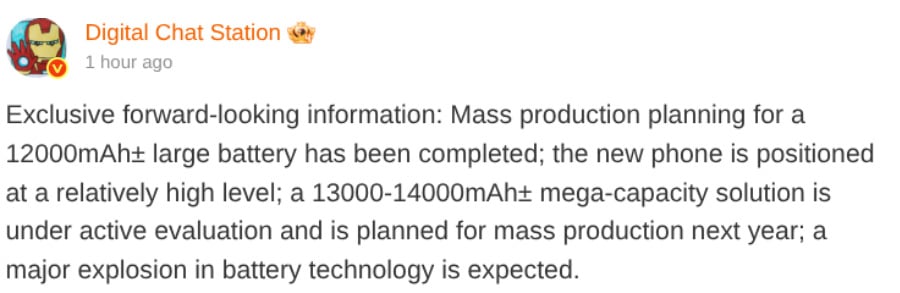
Redmi is already planning a battery bigger than the one in the Redmi K100. We followed the Redmi K100’s 10,000mAh cell from an August leak to its official confirmation before the phone’s official launch in October. A new leak now says a 12,000mAh cell has finished mass-production planning.

The leak further says the cell is meant for a mid-to-high-end phone. However, it does not name the model.

Another claim in the leak is that the company is working on an even bigger cell. A battery of roughly 13,000mAh to 14,000mAh is said to be under active evaluation. It could go into mass production next year, though it’s written in pencil.

Digital Chat Station social media post detailing future Redmi large battery capacity plans.

Redmi’s battery push timeline

Redmi has raised its battery ceiling fast. The Redmi Turbo 5 Max launched in January with a 9,000mAh battery. That was the biggest cell on a Redmi phone at the time. The Redmi K100 reached 10,000mAh by October and pairs it with 100W wired charging. A 12,000mAh phone would add 3,000mAh to the Redmi Turbo 5 Max in under a year.

Other phones are already in the queue. Earlier leaks pointed to more than 10,000mAh for the Redmi Turbo 6 Max. An April leak put roughly 10,000mAh in the Redmi Note 17 Pro Max. The new leak does not say whether the 12,000mAh cell belongs to either phone.

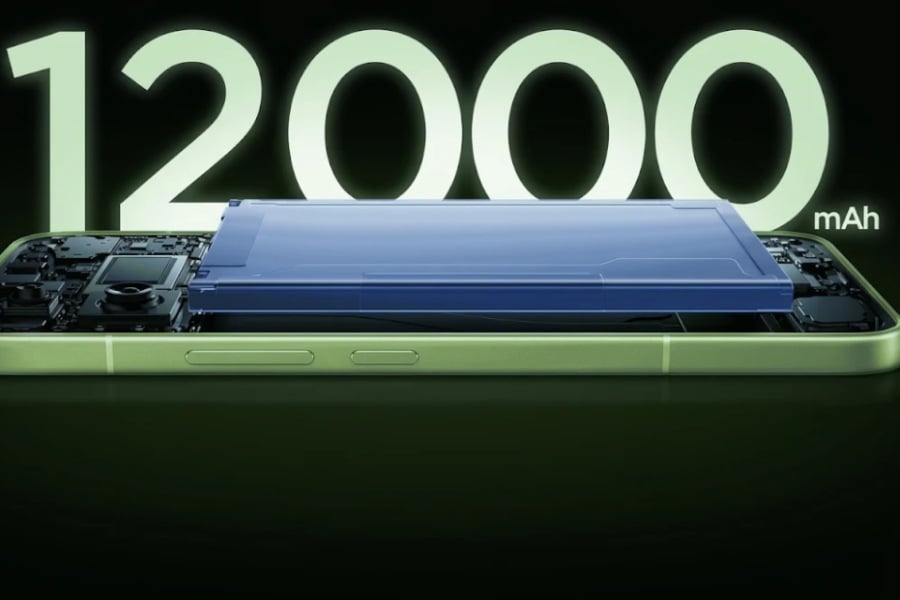
A large smartphone battery rests inside a device with 12000 mAh text displayed above.
AI Altered Image

You can’t tell much else yet. The leak says nothing about charging speed, thickness, weight, or price. For reference, the Redmi K100 starts at about $525 (CNY 3,499). Mass-production planning also comes before a launch. It does not set a date.

Availability is another open question. The Redmi K100 is still China-only and the company has shared no hints of its global release either. The said 12,000mAh Redmi phone could do the same.

Honor’s first wide-screen phone has a battery bigger than 8000mAh, claims leak

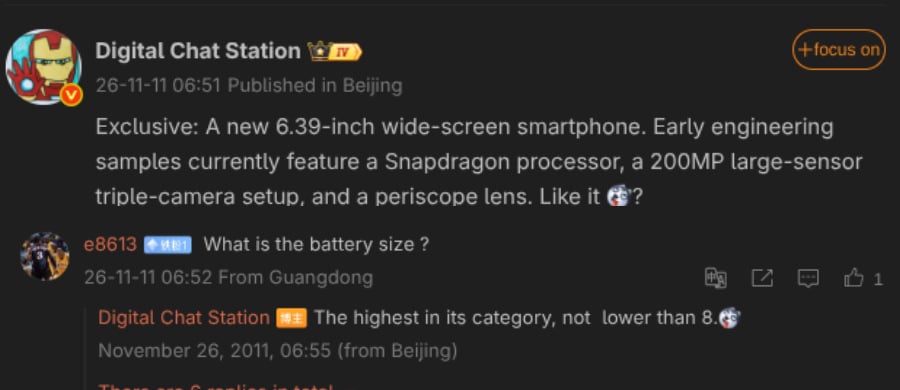
Honor’s first wide-screen phone could have a bigger battery than the Huawei Pura X View that started the trend. According to tipster Digital Chat Station (DCS), the upcoming 6.39-inch phone will pack a battery rated at 8,000mAh or higher. The tipster also claims this would be the largest battery in its category.

The leak follows a report from last month in which DCS said Oppo and Honor would lead Android brands into the wide-screen candybar phone market after Huawei introduced the Pura X View.

Digital Chat Station social media post discussing a new wide-screen smartphone battery capacity.

Same screen size, bigger battery

The Huawei Pura X View has a 6.39-inch OLED display with a 16:9.5 aspect ratio and a 7,000mAh battery. Honor’s phone is tipped to have the same screen size but at least 1,000mAh more battery capacity.

However, fitting a larger battery into a phone this size could affect its dimensions and weight. DCS has not shared either figure, so it remains to be seen how thick the Honor phone will be. For comparison, the Pura X View measures just 6.68mm thick.

The leak also mentions a 200MP triple rear camera system with a large sensor and a periscope lens. DCS has not clarified whether the 200MP sensor will serve as the main camera or the telephoto camera.

Moreover, the leak claims early engineering samples of the phone reportedly run on a Snapdragon processor, although the tipster has not revealed which chip Honor is testing.

Large batteries have also featured in DCS’s recent Honor leaks. The tipster previously claimed the Honor 700 series would come with a 9,000mAh battery and a 200MP main camera.

Honor has made no comments on whether and when it plans to launch a wide-screen phone. The battery, camera, and processor details are based on early engineering samples, so they could change before the device reaches the market.

iPhone 18 and iPhone Air 2 dummy models show rear camera layouts in new leak

A new image claims to show dummy models of the iPhone 18 and iPhone Air 2. It follows the X-ray images of the iPhone 18 and iPhone 18e that surfaced earlier this month. This time, the images show the rear designs of both phones.

The models shown in the video appear to be CNC-machined aluminium. The leak does not explain what they are intended for, although they could be moulds used to make protective cases. That would explain why they only show the phones’ outer shapes without any internal details. Apple has not confirmed any of this, so the designs should be treated as unverified.

Two iPhone dummy models showing different rear camera layouts on a textured surface.

Starting with the iPhone 18, its dummy model shows a rear design similar to the iPhone 17. There are two cameras arranged vertically inside a pill-shaped module. If the dummy is accurate, Apple will keep the same camera layout for another generation.

The iPhone Air 2, meanwhile, has a more noticeable change. Its dummy model shows a raised camera section similar to the original iPhone Air, but with two camera cut-outs instead of one. There is also a smaller circular cut-out beside them, likely for the LED flash. The current iPhone Air has just one rear camera, so adding a second would be a significant hardware change.

Two metal dummy models of the iPhone 18 and iPhone Air 2 showing rear designs.

An earlier supply-chain leak claimed Apple was reworking the iPhone Air 2 with a sleeker design. The report also mentioned plans to address some of the biggest complaints about the first model. Adding a second rear camera would tackle one of the common criticisms of the original iPhone Air.

What the X-ray leak said about the battery

The earlier X-ray images also included some battery information. According to their annotations, the iPhone 18 could get a 4,430mAh battery, up from 3,671mAh in the previous model. That’s an increase of around 20%. The images also suggest Apple may remove the physical SIM tray to make room for the larger battery, although the higher capacity likely applies to eSIM-only versions. For reference, Apple’s listed battery capacity for the iPhone 17 is slightly higher at 3,692mAh.

The iPhone 18e is also expected to share the iPhone 18’s internal layout. Its battery could increase from 4,005mAh in the iPhone 17e to 4,430mAh, a roughly 10% jump.

All three phones, including the iPhone Air 2, are expected to arrive in spring 2027. However, dummy models and X-ray scans don’t always reflect the final hardware, so the camera designs and battery capacities could still change before launch. Apple has yet to announce any of these models, and more leaks are likely to surface in the coming months.

iPhone 18 and 18e could share more than just their looks, X-ray scans suggest

Some fresh X-ray images of two unreleased iPhones have started circulating online. The scans, shared by a known leaker, suggest Apple is reusing a lot of the same internal layout across models while making targeted tweaks. The details point to bigger batteries and closer alignment between the regular iPhone and the more affordable “e” model expected around spring 2027.

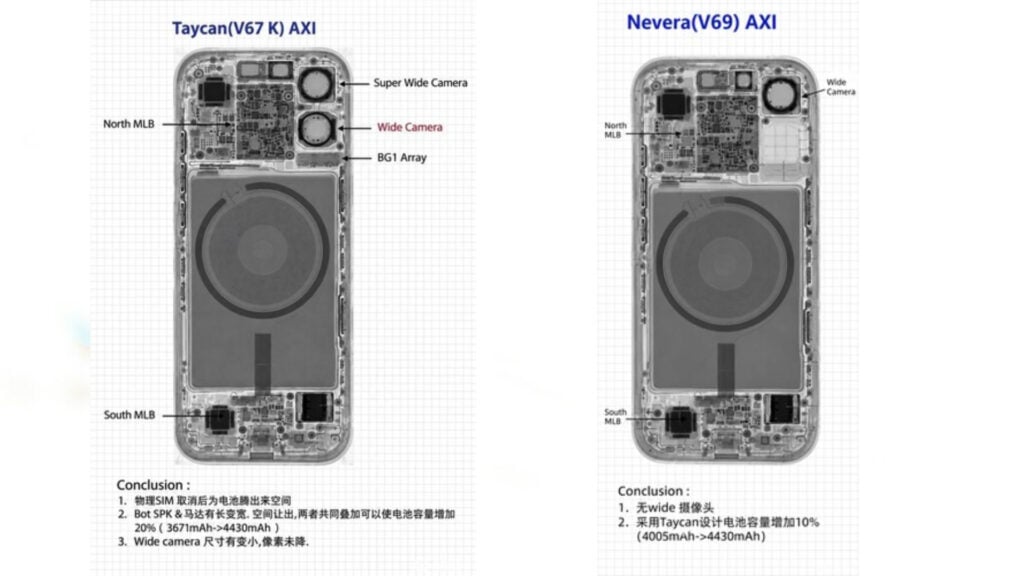
iPhone 18, 18e X-ray images

The images were posted on Baidu Tieba’s Qualcomm forum by Littertree66. They show automated X-ray inspection scans of two devices: one codenamed Taycan (V67 K), which the leaker links to the standard iPhone 18, and another called Nevera (V69), said to be the iPhone 18e. Both phones look nearly identical inside. The north and south logic boards sit in the same spots, the battery footprint matches, and even the MagSafe coils line up.

On the Taycan images, annotations claim that dropping the physical SIM tray opened up space for a larger battery. The bottom speaker and haptic motor also switched from a long, narrow design to a wider one. Together those changes are said to push capacity from a baseline of about 3,671 mAh up to 4,430 mAh, roughly a 20% jump. That baseline is actually a bit lower than the 3,692 mAh Apple lists for the current iPhone 17, so the bigger number would likely apply to eSIM-only versions.

The wide camera module also looks physically smaller than the previous generation, though the sensor resolution is described as unchanged. A part labeled “BG1 Array” sits below the dual rear cameras and is thought to support the second lens.

The Nevera scans claim the iPhone 18e uses the same overall design and also jumps to that same 4,430 mAh battery, a roughly 10% increase from the iPhone 17e’s 4,005 mAh. It shows a single rear “Wide” camera sitting where the standard model has its Super Wide unit, with the leftover space filled by what looks like plastic filler.

Pre-production hardware can change before retail, so the final specs could still shift. Even so, the idea of a shared platform and larger batteries across both models lines up with earlier rumors that the standard and “e” iPhones would get closer.

(Source)

AOC launches new 27-inch gaming monitor with 4K 200Hz and 1080p 400Hz dual modes

AOC has released the Agon AG277UXA, a new 27-inch monitor in China that features a dual-mode display. The monitor is designed to run at either a 4K (3840 x 2160) resolution with a 200Hz refresh rate or a 1080p (1920 x 1080) resolution at 400Hz.

AOC AG277UXA Monitor

AOC Agon AG277UXA Monitor Specifications

To switch between the two modes, AOC has included a dedicated hardware button on the monitor. The display also has settings to change the active viewing area. You can digitally shrink the picture to a 24.5-inch size or use a 4:3 aspect ratio at a 1280 x 960 resolution.

AOC AG277UXA Monitor

These specific configurations are often used by esports players who prefer a smaller, more centralized field of view. The monitor uses a Fast IPS panel with a 1ms gray-to-gray response time and a 0.3ms MPRT, alongside custom overdrive tuning meant to reduce motion blur and ghosting.

For color and brightness, the AG277UXA covers 95% of the DCI-P3 gamut and supports 10-bit color. It has a peak brightness of 450 nits and carries DisplayHDR 400 certification. The displays are factory-calibrated to a Delta E of less than 1.

The screen surface uses a three-layer treatment: a standard anti-glare coating, an anti-reflection layer to cut down on ambient light interference, and an oleophobic anti-fingerprint coating to make wiping away dust and smudges easier.

The port selection includes one DisplayPort 2.1 connection with 54Gbps of bandwidth, two HDMI 2.1 ports, and a USB-C port. The USB-C port supports video input but only provides 15W of power delivery, which can charge smaller accessories like a phone but will not power a laptop.

The monitor also features a built-in KVM switch for controlling two computers with one mouse and keyboard, a three-port USB-A hub, and a built-in headphone hook.

AOC AG277UXA Monitor

The included stand adjusts for height, tilt, swivel, and pivot. On the back of the monitor, there is an RGB lighting array that integrates natively with Windows 11 Dynamic Lighting, meaning you can sync the lights with other hardware without downloading extra software.

Pricing and Availability

The AG277UXA is currently available in China with a standard retail price of 2,999 yuan ($450) and an initial launch price of 2,199 yuan ($330).

In related news, AOC has recently launched a 32-inch 4K QD-OLED monitor featuring Samsung’s new five-layer Penta Tandem technology, alongside a new 16-inch OLED portable monitor with a slim aluminium alloy body.

(JD)

Timex is bringing back a 1976 Viscount to mark the 50th anniversary of Rocky

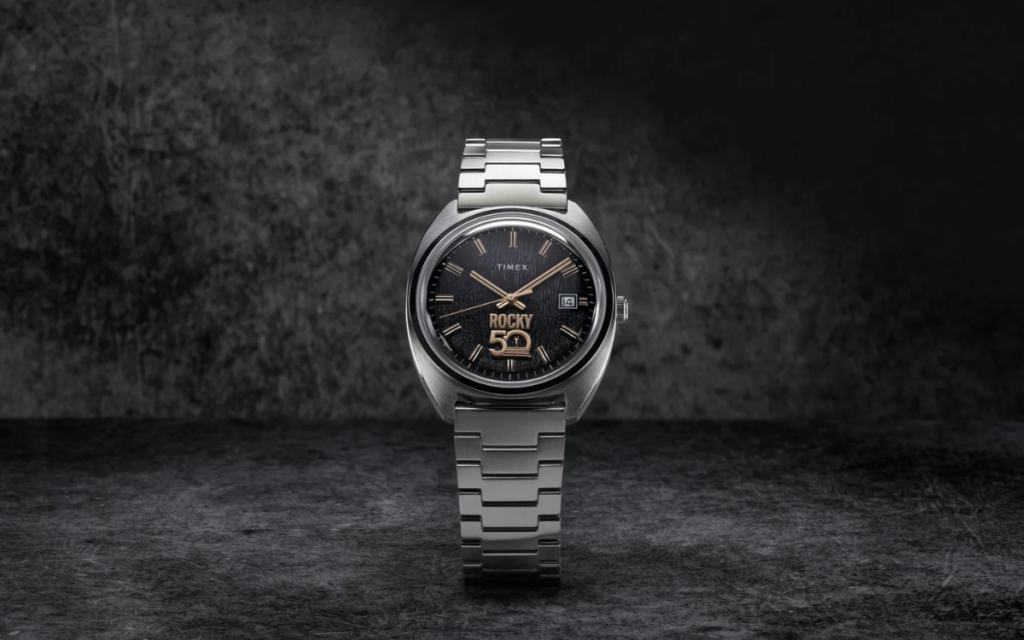
Timex is tapping into 1970s nostalgia with its latest release, a limited-edition watch commemorating the 50th anniversary of the original Rocky film. The Rocky 50th Anniversary Timex Viscount 1976 revives a specific design from the same year the movie debuted, pairing vintage aesthetics with modern automatic internals.

Timex Viscount 1976 Rocky 50th Anniversary

Design Details

From a hardware perspective, the watch leans heavily into its retro roots. It features a 38mm stainless-steel case, a size that aligns well with current trends favoring smaller, more traditional wristwatches over the oversized models of the past decade. The case construction mixes circular brushing with polished edges and a polished bezel.

On the front, there’s a heavily textured dial punctuated by gold-tone hour markers, matching hands, and a standard date window at the 3 o’clock position. Timex also opted for a vintage-style domed acrylic crystal, a design choice that adds period-accurate distortion and character, though buyers should note that acrylic is naturally more prone to scratches than modern sapphire glass.

Timex Viscount 1976 Rocky 50th Anniversary

The movie tie-in is handled directly. There is a prominent gold-tone Rocky 50th-anniversary logo stamped on the dial. On the reverse side, an exhibition case back displays a second anniversary logo alongside an engraved unique edition number, confirming this will be a limited production run. The watch ships with a fully brushed stainless-steel bracelet equipped with quick-release spring bars for tool-less strap swapping.

Inside, Timex is using a Miyota 8215 automatic movement. It’s a familiar, reliable Japanese workhorse caliber that relies on the movement of the wearer’s wrist to stay wound, offering a standard 40-hour power reserve.

Timex Viscount 1976 Rocky 50th Anniversary

It’s not a high-end luxury movement, but it fits perfectly within Timex’s usual wheelhouse of accessible, durable timepieces, and you can see the mechanics operating through the rear display window.

Pricing and Availability

Timex hasn’t officially listed the watch on its storefront, and the company hasn’t disclosed pricing or the exact number of units that will be produced. Given the Miyota movement and standard stainless steel construction, it will likely sit in the brand’s mid-tier pricing bracket, but franchise fans and watch collectors will have to wait for the final retail details to drop.

(Timex)

Apple and Samsung turn to Chinese AI partners to compete in the world’s biggest smartphone market

Western and South Korean phone makers are reportedly turning to Chinese AI partners to deliver advanced features in the world’s biggest smartphone market.

Side-by-side app icons for Samsung Bixby and Apple Siri

Apple has formalized a strategic partnership with Alibaba Group to power key parts of Apple Intelligence for users in mainland China. Alibaba’s Qwen model will handle server-side text generation, visual context queries, and more complex Siri processing. On-device tasks like basic photo editing and translation will still run on Apple’s own foundation models. The features are already available for testing in the latest iOS developer beta and are expected to roll out publicly with iOS 27.3 in December.

iPhone lock screen with Siri interface

This setup closely mirrors what Samsung has been doing. The South Korean company has worked with Baidu since the Galaxy S24 series, using the Ernie model to power Galaxy AI features in China, including visual search, Bixby queries, live call translation, document summarization, and related tools. That collaboration has continued and expanded with later models like the S26 series.

These partnerships help both companies meet Chinese regulatory requirements for generative AI services. They also create tighter connections to the major local digital platforms. Integrating generative capabilities with services like Alipay, Taobao, and Baidu Maps delivers contextual usefulness that purely global models often struggle to match inside China.

Industry observers point out that while these alliances solve immediate compliance and localization needs, they also raise longer-term strategic questions. Relying on domestic Chinese LLMs for core AI processing in such a large market can create dependencies and may limit how much these companies can differentiate themselves as local AI capabilities keep advancing. Neither Apple nor Alibaba has publicly detailed the full technical mechanisms used to stay compliant with Chinese content rules, though sources have indicated filtering technology is part of the solution.

Overall, the moves highlight a pragmatic reality for foreign device makers: competing effectively in China increasingly means working closely with the country’s leading AI and internet platforms.

(Source)

RedMagic 12 Pro+ vs OnePlus Ace 7 Pro: Which Flagship Gaming Phone Is Better?

RedMagic 12 Pro+ and OnePlus Ace 7 Pro take different approaches to flagship performance, combining powerful Snapdragon processors with high-refresh-rate displays and advanced cooling systems. Both target demanding users, but their camera hardware, battery technology, charging capabilities, and pricing reveal some important differences. Here is how the two phones compare.

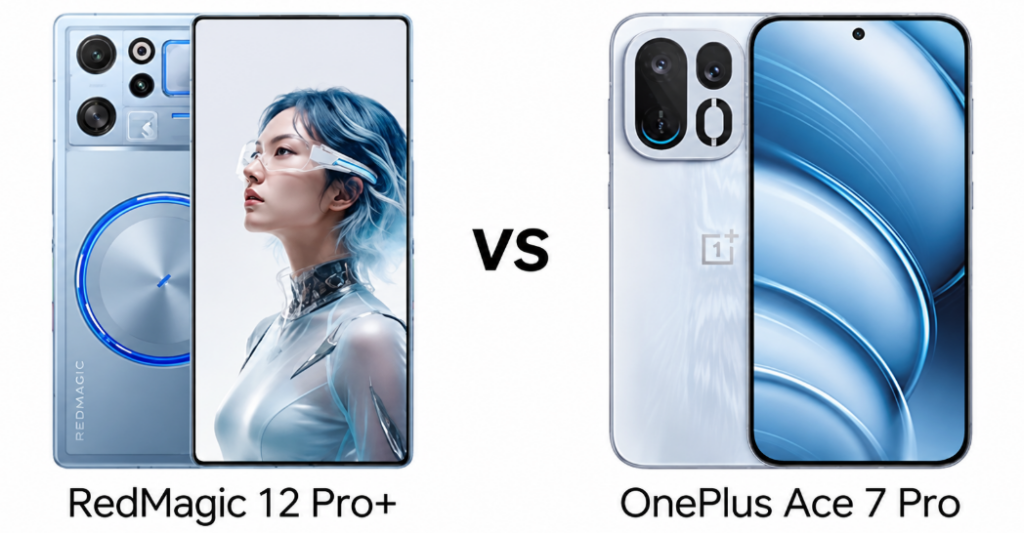
Side-by-side comparison of the RedMagic 12 Pro+ and OnePlus Ace 7 Pro gaming smartphones.

1. Major Features:

CategoryRedMagic 12 Pro+OnePlus Ace 7 ProWinner
BuildGorilla Glass 7i, aluminum frameCrystal Shield Glass, aluminum frameRedMagic – Gorilla Glass 7i on both sides
Water ResistanceIP68/IP69IP68/IP69KOnePlus – Higher-pressure water protection
Cooling SystemBuilt-in cooling fanBuilt-in bi-directional cooling fanOnePlus – Bi-directional cooling
Display TypeAMOLED, 185HzLTPO AMOLED, 185HzOnePlus – LTPO technology
Display Size6.85 inches6.78 inchesRedMagic – Larger display
Resolution1216 x 2688 pixels1272 x 2772 pixelsOnePlus – Higher resolution
Peak Brightness5000 nits2000 nitsRedMagic – Higher peak brightness
PWM DimmingNot specified3840HzOnePlus – Higher-frequency PWM dimming
HDR SupportNot specifiedHDR10+, HDR VividOnePlus – HDR support
Operating SystemAndroid 17, RedMagic OS 12Android 17, ColorOS 17—
ChipsetSnapdragon 8 Elite Extreme Gen 6 (2nm)Snapdragon 8 Elite Gen 5 (3nm)RedMagic – Newer-generation chipset
GPUAdreno 850Adreno 840RedMagic – Newer GPU
RAMUp to 16GBUp to 16GB—
StorageUp to 1TB UFS 4.1 ProUp to 1TB UFS 4.1RedMagic – UFS 4.1 Pro
Main Camera50MP, OIS200MP, OISOnePlus – Higher-resolution primary camera
Secondary Camera50MP ultrawide50MP periscope telephotoOnePlus – 3.5x optical zoom
Optical Zoom—3.5xOnePlus – Dedicated optical zoom
Video RecordingUp to 8K@30fps, 4K@120fpsUp to 8K@30fps, 4K@120fps—
Selfie Camera16MP under-display16MP punch-holeRedMagic – Uninterrupted display
Stereo SpeakersYes, Dolby AtmosYesRedMagic – Dolby Atmos
Bluetooth6.05.4RedMagic – Newer Bluetooth version
Wi-FiWi-Fi 7, tri-bandWi-Fi 7, dual-bandRedMagic – Tri-band connectivity
USBUSB 3.2 Gen 2, DisplayPortUSB 2.0RedMagic – Faster USB and DisplayPort
Fingerprint SensorUltrasonicUltrasonic—
Battery8400mAh9000mAhOnePlus – Larger battery
Wired Charging120W100WRedMagic – Faster wired charging
Wireless Charging80W—RedMagic – Wireless charging support
Reverse Charging22.5W wired—RedMagic – Reverse wired charging
Bypass Charging—YesOnePlus – Dedicated bypass charging
PriceApprox. $1,000 / ₹1,00,000Approx. $720 / ₹69,000OnePlus – More affordable
Disclaimer: Specs are based on available data. Actual performance may vary. Verify details from official sources before buying.

2. Design and Display

Build and Feel

The RedMagic 12 Pro+ features a premium glass-and-aluminum construction with Gorilla Glass 7i protection on both sides. Its built-in cooling fan and pressure-sensitive gaming zones reinforce its gaming-focused identity. It also offers IP68/IP69 protection, making it more than just a performance-oriented device.

The OnePlus Ace 7 Pro adopts a similarly premium approach, combining Crystal Shield Glass with an aluminum frame and either a glass or glass-fiber reinforced plastic back. Its bi-directional cooling fan and IP68/IP69K protection add durability and practical gaming benefits. The OnePlus design feels slightly more conventional, while RedMagic offers a more distinctive gaming experience.

Display Quality

Both smartphones feature impressive 185Hz displays, making them particularly attractive to competitive gamers. However, their display technologies and brightness capabilities differ. The RedMagic 12 Pro+ uses a 6.85-inch AMOLED panel with a 1216 x 2688 resolution, 1900 nits of HBM brightness, and up to 5000 nits peak brightness.

The OnePlus Ace 7 Pro features a 6.78-inch LTPO AMOLED display with a sharper 1272 x 2772 resolution. It also supports HDR10+, HDR Vivid, and 3840Hz PWM dimming. Although its peak brightness reaches 2000 nits, RedMagic has a considerable advantage in brightness figures. OnePlus, however, offers more advanced display technology for everyday viewing.

Verdict

RedMagic wins on peak brightness and gaming-focused controls, while OnePlus delivers LTPO technology, sharper resolution, and better display versatility for everyday use.

3. Specifications Including Battery

Performance

The RedMagic 12 Pro+ is powered by the Snapdragon 8 Elite Extreme Gen 6, built on a 2nm process and paired with an Adreno 850 GPU. Its configurations include up to 16GB RAM and 1TB UFS 4.1 Pro storage. Combined with its built-in cooling fan, it is designed to sustain demanding gaming sessions.

The OnePlus Ace 7 Pro runs on the Snapdragon 8 Elite Gen 5, featuring an Adreno 840 GPU. It also offers up to 16GB RAM and 1TB UFS 4.1 storage. Both phones run Android 17 with their respective software interfaces. RedMagic appears stronger on raw hardware specifications, while OnePlus remains a serious flagship performer with its own active cooling system.

Battery and Charging

The OnePlus Ace 7 Pro packs a larger 9000mAh silicon-carbon battery, compared with the RedMagic 12 Pro+’s 8400mAh battery. This gives OnePlus an advantage in battery capacity, potentially making it the more practical option for extended daily usage and gaming.

However, RedMagic counters with 120W wired charging, 80W wireless charging, and 22.5W reverse wired charging. OnePlus supports 100W wired charging alongside UFCS, PPS, and PD/QC charging protocols. It also includes bypass charging, which is particularly useful during extended gaming sessions. RedMagic offers more charging versatility, but OnePlus has the larger battery.

Verdict

RedMagic takes the performance and charging lead with its more powerful chipset and wireless charging. OnePlus wins battery capacity, but RedMagic offers the more complete gaming hardware package.

4. Camera

Main and Secondary Lenses

The RedMagic 12 Pro+ features a dual rear-camera system comprising a 50MP primary sensor with OIS and a 50MP ultrawide camera. While the primary camera includes optical stabilization and multidirectional PDAF, the absence of a dedicated telephoto lens limits its versatility for distant subjects.

The OnePlus Ace 7 Pro takes a considerably more ambitious approach with a 200MP primary camera featuring OIS and a 50MP periscope telephoto camera offering 3.5x optical zoom. This combination provides greater flexibility for photography, particularly when capturing distant subjects. It also supports an 8K video recording option, alongside 4K recording at up to 120fps. OnePlus is clearly the stronger choice for users who prioritize camera versatility.

Selfie Camera

Both smartphones feature 16MP front-facing cameras, but their implementation differs. The RedMagic 12 Pro+ uses an under-display selfie camera, allowing it to maintain an uninterrupted screen without a conventional camera cutout. This creates a cleaner viewing experience, particularly during gaming and video playback.

The OnePlus Ace 7 Pro uses a conventional 16MP selfie camera with panorama support and gyro-EIS for video recording. Although it does not offer the same uninterrupted display experience, its conventional camera placement is generally a more practical approach for selfies and video calls. RedMagic prioritizes screen aesthetics, while OnePlus takes the more conventional camera route.

Verdict

OnePlus wins the camera department with its 200MP primary sensor and 3.5x periscope telephoto lens. RedMagic’s under-display camera is distinctive, but less versatile.

5. Pricing

The RedMagic 12 Pro+ is priced around $1,000 (₹1,00,000), positioning it firmly in the premium flagship segment. The OnePlus Ace 7 Pro is priced around $720 (₹69,000), making it considerably more affordable despite offering several high-end specifications.

The difference is substantial, with OnePlus costing approximately $280 less. This gives it an immediate value advantage, especially for buyers who want flagship-level performance, a large battery, and versatile cameras without spending as much.

Verdict

OnePlus Ace 7 Pro wins on pricing and overall value. RedMagic justifies its premium for dedicated gamers, but its higher price limits its broader appeal.

6. Conclusion

The RedMagic 12 Pro+ stands out with its 185Hz AMOLED display, 5000-nit peak brightness, pressure-sensitive gaming zones, under-display selfie camera, and 80W wireless charging. Its Snapdragon 8 Elite Extreme Gen 6 and built-in cooling fan further strengthen its dedicated gaming credentials.

The OnePlus Ace 7 Pro counters with a 9000mAh battery, 200MP primary camera, 50MP periscope telephoto lens, LTPO AMOLED technology, and bypass charging. Its bi-directional cooling fan also makes it a compelling gaming device. The combination of a versatile camera system, larger battery, and lower price makes OnePlus a more complete everyday flagship.

Verdict

The OnePlus Ace 7 Pro is the overall winner, offering better camera versatility, a larger battery, and substantially better value. RedMagic 12 Pro+ remains the better specialist gaming phone.

Disclaimer: Prices, specifications, and availability may vary by region and retailer. Recommendations in this article are based on editorial opinion, feature-based value, and market positioning at the time of writing. Readers are advised to do their own research before making a purchase.

Read More:

OnePlus Turbo 6V vs Nord 5: Is a 9000mAh Battery Better Than Flagship Performance?

OnePlus has two interesting options competing in the upper mid-range segment, but they take very different approaches. The OnePlus Turbo 6V focuses on battery endurance, durability and a high-refresh-rate display, while the OnePlus Nord 5 prioritizes processing power, camera versatility and a more balanced experience. With a relatively small price difference, choosing between them comes down to what matters most in everyday use.

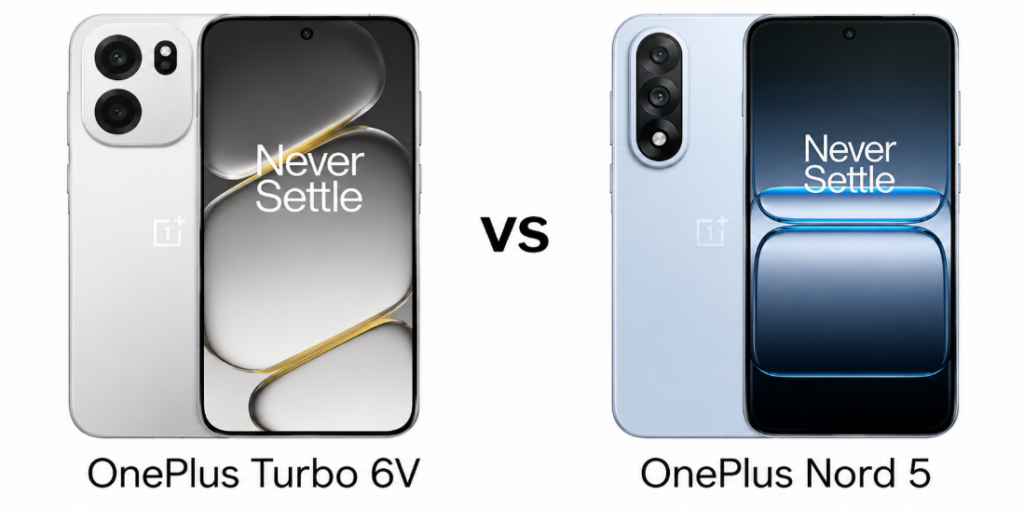
OnePlus Turbo 6V vs Nord 5

1. Major Features:

CategoryOnePlus Turbo 6VOnePlus Nord 5Winner & Reason
Display Size6.78-inch6.83-inchOnePlus Nord 5
Display TypeAMOLED, 1B colorsSwift AMOLED, 1B colorsOnePlus Nord 5
Refresh Rate144Hz144Hz–
Resolution1272 × 2772 pixels1272 × 2800 pixelsOnePlus Nord 5
HDR Support–HDR10+, Ultra HDROnePlus Nord 5
Screen Protection–Gorilla Glass 7iOnePlus Nord 5
Water ResistanceIP68/IP69KIP65OnePlus Turbo 6V
Operating SystemAndroid 16, ColorOS 16Android 15, OxygenOS 15OnePlus Turbo 6V
ProcessorSnapdragon 7s Gen 4Snapdragon 8s Gen 3OnePlus Nord 5
GPUAdreno 810Adreno 735OnePlus Nord 5
RAM8GB/12GB8GB/12GB–
Storage256GB/512GB256GB/512GB–
Storage TypeUFS 3.1UFS 3.1–
Rear Camera50MP main camera50MP main + 8MP ultrawideOnePlus Nord 5
Main Camera OISYesYes–
Ultrawide Camera–8MPOnePlus Nord 5
Rear Video Recording4K@60fps4K@60fps–
Selfie Camera16MP50MP with AFOnePlus Nord 5
Selfie Video1080p@30fps4K@60fpsOnePlus Nord 5
SpeakersStereo speakersStereo speakers–
Bluetooth5.45.4–
NFCYesYes–
Infrared PortYesYes–
Fingerprint SensorOptical under-displayOptical under-display–
Battery Capacity9000mAh6800mAh (Global) / 5200mAh (Europe)OnePlus Turbo 6V
Wired Charging80W80W–
Reverse Wired Charging27W5WOnePlus Turbo 6V
Bypass Charging–YesOnePlus Nord 5
PriceApprox. $300 / ₹25,000Approx. $360 / ₹30,000OnePlus Turbo 6V

2. Design and Display

Build and Feel

The OnePlus Turbo 6V and OnePlus Nord 5 feature similar design proportions, dual Nano-SIM support and stereo speakers. However, their durability ratings create a noticeable difference. The Turbo 6V offers IP68/IP69K protection, providing resistance against immersion and high-pressure water jets. The Nord 5 comes with IP65 protection, which covers dust and low-pressure water jets.

The Nord 5 features a Gorilla Glass 7i front, plastic back and plastic frame, giving it a clearly defined construction specification. The Turbo 6V’s higher water-resistance rating makes it more reassuring for users who frequently encounter challenging environments. Both phones offer practical designs, but the Turbo 6V has the advantage in durability.

Display Quality

Both smartphones feature 144Hz AMOLED displays with 1 billion colors and 3840Hz PWM dimming. The Turbo 6V has a 6.78-inch panel with a resolution of 1272 x 2772 pixels, while the Nord 5 offers a slightly larger 6.83-inch display with 1272 x 2800 pixels. Both deliver approximately 450ppi pixel density.

The Nord 5 adds HDR10+ support, Ultra HDR image compatibility and Gorilla Glass 7i protection. Both offer 800 nits typical brightness and 1800 nits peak brightness, although the Nord 5 also specifies 1400 nits HBM brightness.

Verdict

The OnePlus Nord 5 offers a more feature-rich display with HDR10+ and screen protection, but the Turbo 6V counters with stronger water resistance. The Nord 5 narrowly wins the display comparison.

3. Specifications Including Battery

Performance

The OnePlus Nord 5 is powered by the Snapdragon 8s Gen 3, while the Turbo 6V uses the Snapdragon 7s Gen 4. Both processors are manufactured using a 4nm process, but the Nord 5’s flagship-oriented chipset provides a stronger performance foundation, particularly for demanding applications and gaming.

The Nord 5 features a Cortex-X4 performance core clocked at 3.0GHz, supported by Cortex-A720 and Cortex-A520 cores alongside the Adreno 735 GPU. The Turbo 6V uses Cortex-A720 and Cortex-A520 cores with an Adreno 810 GPU. Both offer up to 12GB RAM and 512GB storage with UFS 3.1 technology. The Nord 5 is also listed with up to four major Android updates, while the Turbo 6V launches with Android 16 and ColorOS 16. The Nord 5 is the more established performance-focused choice.

Battery and Charging

Battery capacity is where the Turbo 6V makes a major statement. It packs a massive 9000mAh silicon-carbon battery, considerably larger than either Nord 5 battery configuration. The Nord 5 comes with a 5200mAh battery in Europe and a 6800mAh battery in its global version.

Both phones support 80W wired charging, but their additional charging capabilities differ. The Turbo 6V supports 27W reverse wired charging, UFCS and 55W PPS, while the Nord 5 offers 5W reverse wired charging, 33W PPS and bypass charging. The Turbo 6V is clearly better suited to users who prioritize extended battery life.

Verdict

The Nord 5 wins on processing power, but the Turbo 6V dominates battery capacity and reverse charging. For endurance-focused buyers, the Turbo 6V is the more compelling option.

4. Camera

Main and Secondary Lenses

The OnePlus Nord 5 offers a more versatile rear camera system with a 50MP primary sensor featuring OIS and an 8MP ultrawide camera with a 116-degree field of view. This combination provides greater flexibility for landscape photography, group shots and everyday shooting situations.

The Turbo 6V also features a 50MP primary camera with PDAF and OIS, but its secondary camera arrangement does not offer the same clearly defined ultrawide functionality. It includes a color spectrum sensor alongside its main camera. Both smartphones support 4K video recording at 30fps and 60fps, with additional 1080p recording options. The Nord 5 is the more practical choice for photography enthusiasts because its dedicated ultrawide camera provides greater shooting flexibility.

Selfie Camera

The front camera comparison is particularly interesting because the Nord 5 features a 50MP autofocus selfie camera, while the Turbo 6V comes with a 16MP front-facing sensor. The Nord 5 also supports 4K video recording at 30fps and 60fps, making it more capable for high-resolution video calls and content creation.

The Turbo 6V supports 1080p video recording at 30fps with gyro-EIS, which should be sufficient for regular selfies and video calls. However, the Nord 5’s higher-resolution sensor and autofocus provide a more attractive package for users who frequently capture selfies or record themselves.

Verdict

The OnePlus Nord 5 is the clear camera winner, offering a dedicated ultrawide lens, a 50MP autofocus selfie camera and more flexible video recording capabilities.

5. Pricing

The OnePlus Turbo 6V is priced around $300 / ₹25,000, making it the more affordable option between these two smartphones. Its combination of a 9000mAh battery, 144Hz AMOLED display, IP68/IP69K protection and 80W charging makes it an interesting proposition in this price segment.

The OnePlus Nord 5 is priced around $360 / ₹30,000, positioning it approximately $60 or ₹5,000 higher. For that additional cost, buyers get the Snapdragon 8s Gen 3 processor, a more versatile rear camera setup, a 50MP autofocus selfie camera and a more feature-rich display. Its larger global battery configuration also makes it competitive in endurance.

Verdict

The Turbo 6V offers better value for battery-focused buyers, but the Nord 5 justifies its premium with stronger performance and cameras. The better purchase depends on individual priorities.

6. Conclusion

The OnePlus Turbo 6V stands out with its enormous 9000mAh silicon-carbon battery, 27W reverse wired charging and IP68/IP69K protection. These features make it particularly appealing to users who want fewer charging interruptions and better protection against water exposure. Its 144Hz AMOLED display and Snapdragon 7s Gen 4 chipset further strengthen its everyday appeal.

The OnePlus Nord 5 brings a different set of advantages, including the Snapdragon 8s Gen 3 processor, a 50MP main camera with an 8MP ultrawide sensor, a 50MP autofocus selfie camera and HDR10+ display support. It also offers bypass charging, which is useful for gaming while plugged in. Although its battery capacity is smaller, its hardware delivers a more versatile overall package.

Verdict

The OnePlus Nord 5 is the overall winner thanks to its stronger processor, more versatile camera system, better selfie capabilities and feature-rich display. However, the Turbo 6V is the better alternative for buyers who prioritize exceptional battery endurance, durability and affordability.

Disclaimer: Prices, specifications, and availability may vary by region and retailer. Recommendations in this article are based on editorial opinion, feature-based value, and market positioning at the time of writing. Readers are advised to do their own research before making a purchase.

Read More:

ANTHBOT M9 Robotic Lawn Mower With AI Obstacle Avoidance Is Now on Sale at Amazon (Coupon)

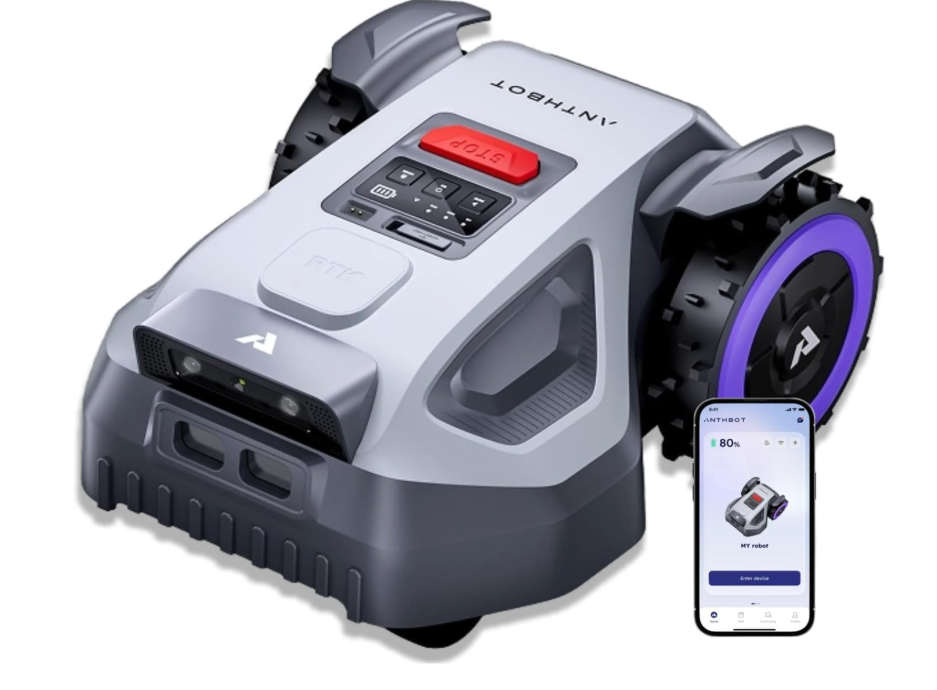
ANTHBOT M9 Robotic Lawn Mower is now available at a discounted price on Amazon, offering an automatic lawn-care solution for small and medium-sized yards. The mower features wire-free operation, AI-powered obstacle avoidance, automatic mapping, and NRTK positioning technology. It is designed to handle different lawn layouts while reducing the need for manual mowing.

With a limited-time promotional offer on Amazon, buyers can get the ANTHBOT M9 for $617 instead of its regular $819 price by applying the discount code: BFUSBOT

ANTHBOT M9 Robotic Lawn Mower

Features and Specs:

The ANTHBOT M9 uses a dual AI vision system combined with NRTK positioning technology to navigate lawns with improved accuracy. Its dual-camera system features a 150-degree HDR field of view and AI algorithms capable of identifying more than 1,000 types of common garden obstacles. This helps the mower recognize objects in its path and navigate around them.

The robotic lawn mower supports slopes of up to 45%, making it suitable for lawns with uneven terrain. It also features five free-rotating blades and an adjustable cutting height ranging from 1.2 to 2.7 inches. Users can select different mowing paths through the ANTHBOT app to customize how their lawn is maintained.

Another useful feature is its automatic mapping capability. The M9 can create a virtual lawn map in approximately 10 minutes without requiring users to manually drive it around the property. Through the app, users can manage up to 30 work zones, create paths between different areas, and set no-go zones.

The mower also supports automatic recharging and resume functionality. When its battery needs charging, it returns to its charging station and resumes mowing afterward. With a maximum mowing area of 0.3 acres, it is designed for small to medium-sized residential yards. Its operating noise level is rated at 58dB or lower.

ANTHBOT M9 Robotic Lawn Mower

Amazon Deal:

The ANTHBOT M9 Robotic Lawn Mower is available on Amazon for a discounted price of $617, down from its regular price of $819. This is a saving of $202, or approximately 25% off the original price. Buyers can use the coupon code BFUSBOT at checkout to claim the promotional price. The deal started on November 3, 2026, at 01:00 PST and will remain available until December 5, 2026, at 23:59 PST. Interested buyers have until the offer’s end date to take advantage of the discount, subject to availability and the terms of the promotion.

Rogbid launches new VitalRing with ECG, SpO2 tracking and titanium alloy build

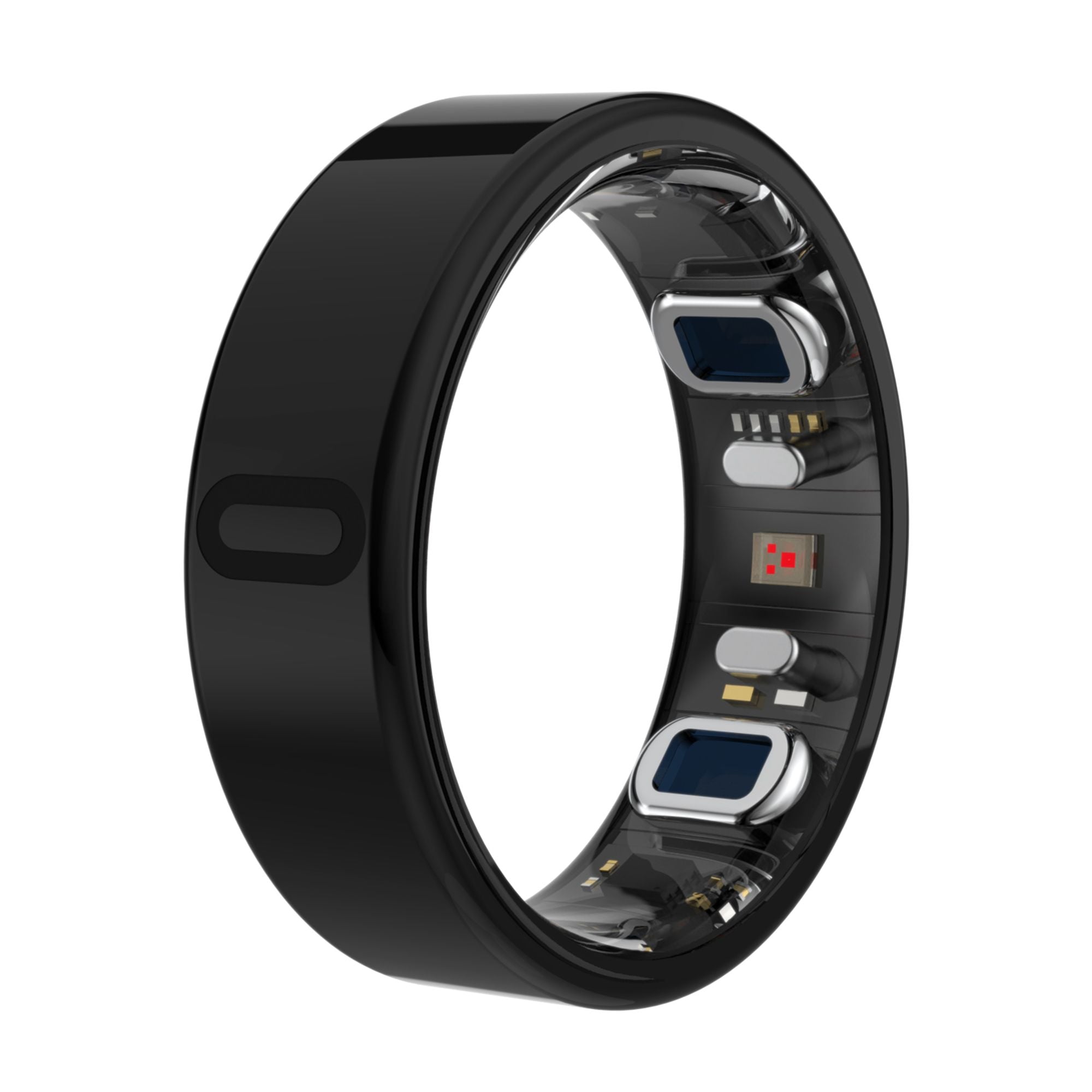
Rogbid has announced its latest wearable, the VitalRing, a titanium smart ring that leans heavily into cardiovascular health tracking. The device enters an increasingly crowded smart ring market but attempts to differentiate itself with built-in ECG capabilities alongside standard fitness metrics.

Rogbid VitalRing

Rogbid VitalRing Specifications

From a design perspective, the VitalRing is built with a titanium alloy outer shell and an epoxy resin inner lining. It measures 8mm in width and weighs approximately five grams. Rogbid says that the titanium construction makes it roughly 45% lighter than a stainless steel equivalent while maintaining daily durability. It also carries a 5ATM water resistance rating, meaning it is rated to survive swimming, showering, and daily hand washing.

In terms of health monitoring, the VitalRing equips a Nordic 54L15 main control chip and a TI4950 analog front-end chip to process PPG, ECG, and SpO2 measurements. It also supports on-demand ECG readings through its dual-touch contacts, which require a finger from the opposite hand to complete the electrical circuit. The ring continuously monitors heart rate, blood oxygen saturation, HRV, and body temperature. It also features sleep stage tracking, daily stress monitoring, and menstrual cycle tracking.

On the software and smart features side, the VitalRing tracks standard daily activity metrics like step count, distance, and calories burned across various sports modes. It includes a remote care feature for sharing health data with family members, as well as a gesture control function that allows users to trigger their smartphone camera remotely.

Rogbid VitalRing

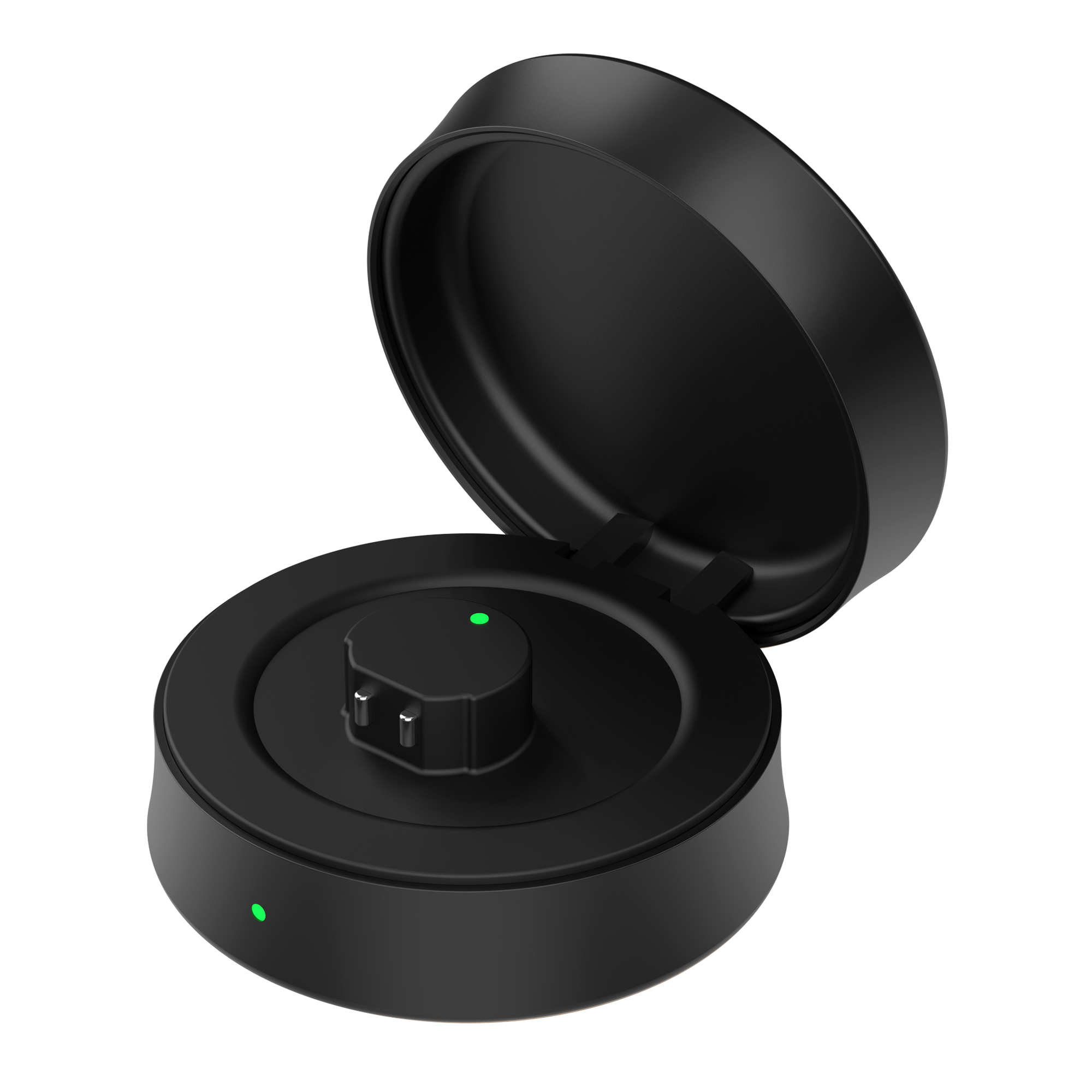
For battery life, Rogbid claims the ring can last 8 to 10 days on a single charge. To manage charging, the ring comes with a 400mAh magnetic charging case.

Pricing and Availability

The Rogbid VitalRing is available now through the company’s official store in Aura Gold, Lunar Silver, and Obsidian Black, with US sizes ranging from 8 to 13. As part of a current Double 11 promotion, Rogbid is bundling the $129.99 ring with a mystery gift box that includes either a smartwatch or a second smart ring.

In related news, Rogbid has recently launched the Model R5 Android smartwatch with a 2.4-inch display, 4G LTE, and a rotating camera, alongside the VisionMax smart glasses featuring a 20MP Sony camera, 4K recording, and up to 9 hours of battery life.

Citizen launches Promaster Dive Uncharted Waters watches with Eco-Drive and sapphire crystal

Citizen has expanded the availability of its Promaster Dive Uncharted Waters watches, bringing the lineup to the US market. After initially launching in Canada last month, the three new solar-powered dive watches are now available to purchase directly through Citizen’s US website.

Promaster Dive Uncharted Waters Limited Edition
Edited

Pricing and Design Details

The collection is a collaboration with sport fisher Peter Miller, focusing on standard analog timekeeping and physical durability rather than connected features.

The watches feature Citizen’s Eco-Drive movement, which uses ambient light to keep them running without a traditional replaceable battery or daily manual winding. The technology absorbs both natural sunlight and artificial indoor light to continuously charge the internal cell, eliminating the need for battery replacements.

In terms of shared hardware, all three watches are built with silver-tone stainless steel cases and feature sapphire crystals, which are standard in this price range for preventing scratches. They are ISO-certified for scuba diving and rated for 200 meters of water resistance. Each watch has a basic three-hand layout and a date window.

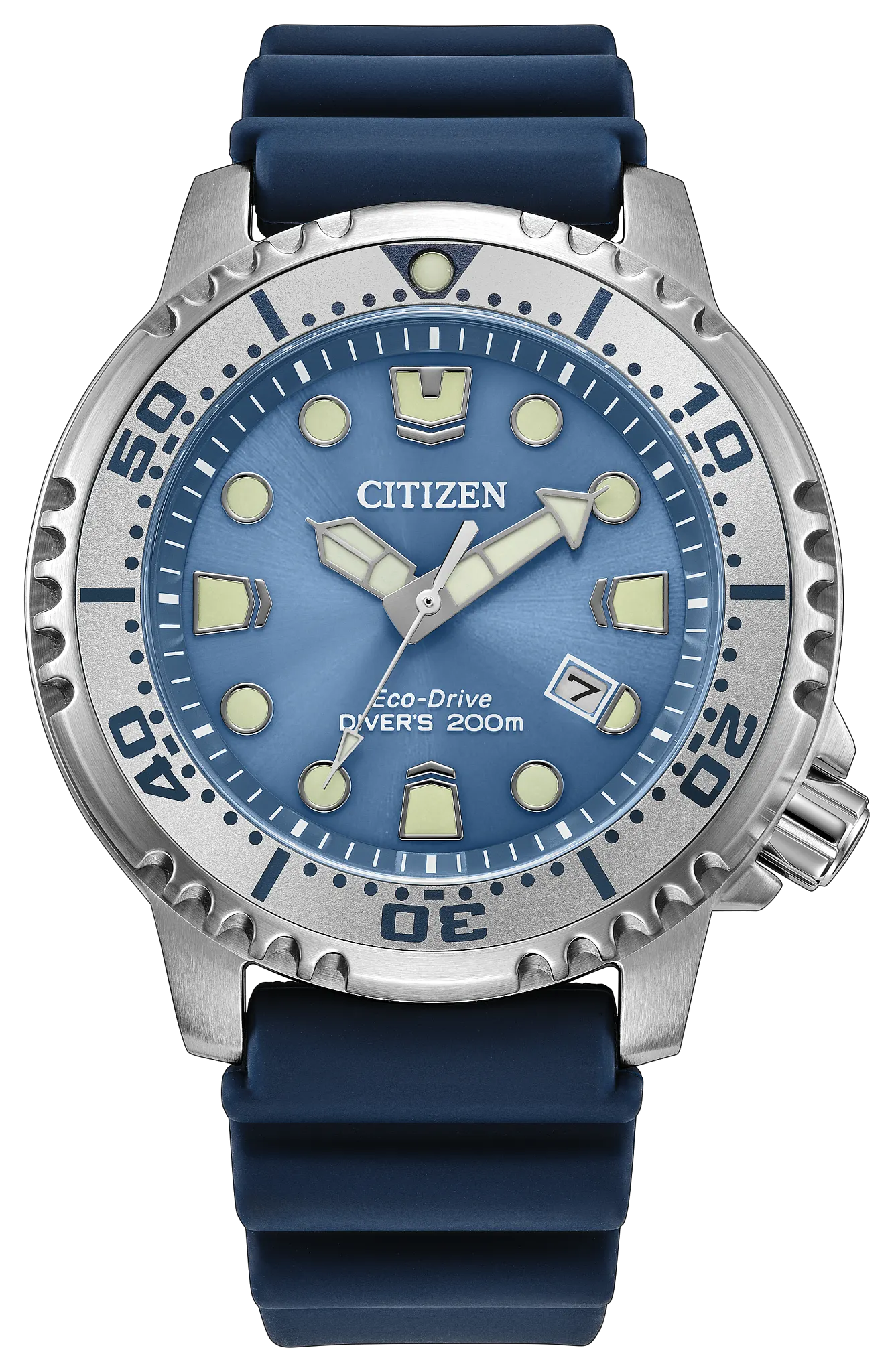
The lineup starts with the BN0251-04L, which is priced at $425. It is the largest watch in the group with a 44mm case width. This model features a light blue dial and is paired with a navy blue polyurethane strap that secures with a standard buckle.

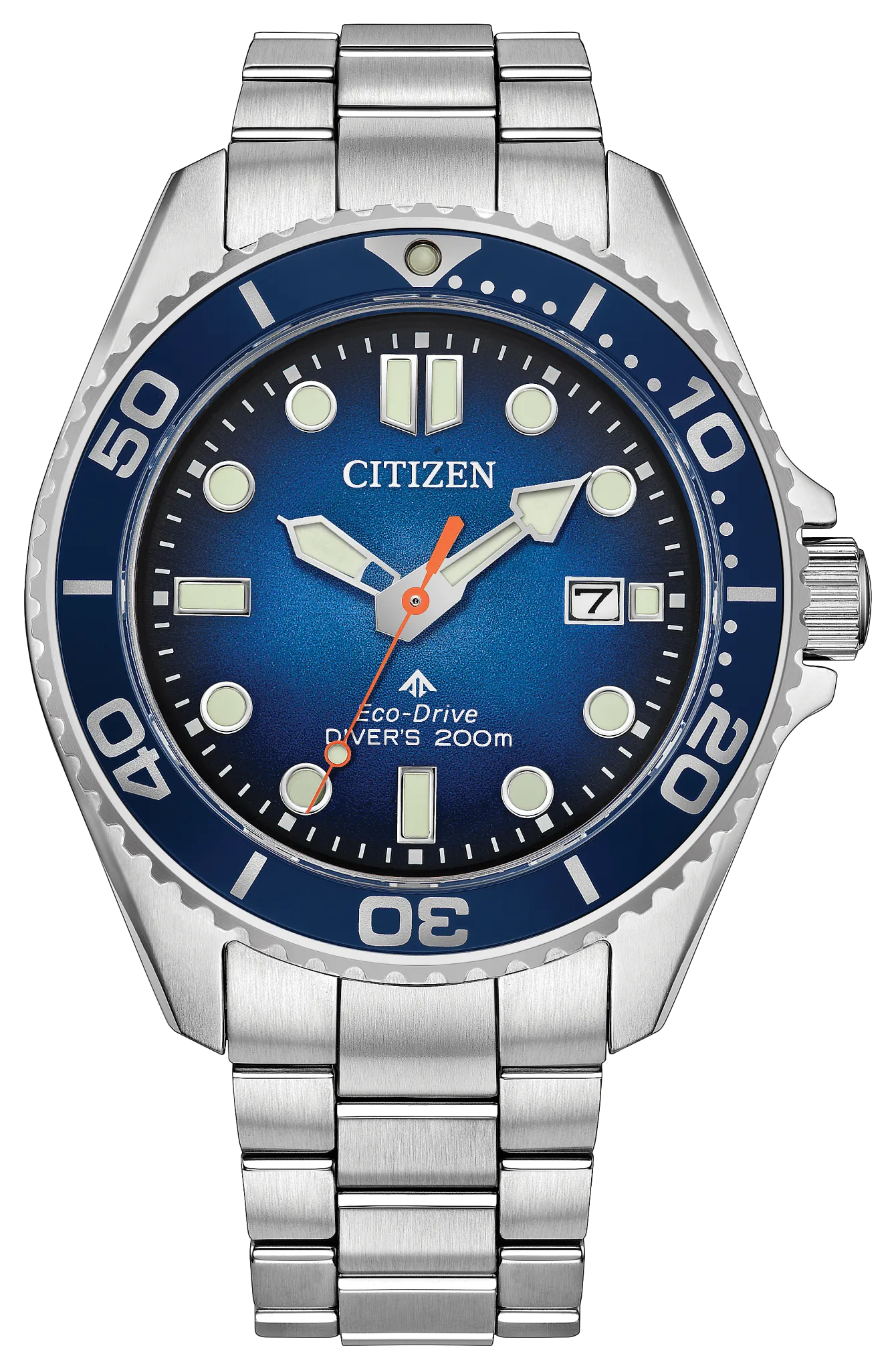
The other two models, the BN0276-54L and BN0270-51E, are priced slightly higher at $450. These versions have smaller 40.6mm cases and swap the polyurethane strap for a stainless steel bracelet with a push-button safety clasp.

The BN0276-54L comes with a blue dial and an orange seconds hand. Meanwhile, the BN0270-51E features a black dial and an orange unidirectional bezel.

In related news, Citizen has recently launched a limited-edition Disney watch featuring Mickey Mouse floating above New York City.

(Citizen 1,2,3)

REDMAGIC 12 Pro+ China vs REDMAGIC 12 Pro Global: What’s Different?

REDMAGIC has taken an interesting approach with its latest gaming flagship. The company launched the REDMAGIC 12 Pro+ in China but introduced the same phone internationally under the REDMAGIC 12 Pro name, dropping the Plus branding. Despite sharing the same core hardware and design, the two regional versions have several differences that could influence buying decisions. From wired charging speeds and gaming triggers to camera specifications and pricing, here’s what separates the Chinese and global models.

REDMAGIC 12 Pro+ China vs Global
RedMagic 12 Pro+ China vs RedMagic 12 Pro Global

1. Design and Display

Build and Feel

The Chinese REDMAGIC 12 Pro+ and global REDMAGIC 12 Pro share an identical design, featuring Gorilla Glass 7i protection, an aviation-grade aluminum frame and a built-in cooling fan. Both also carry IP68/IP69 dust and water resistance, while their cooling fans have a separate IPX8 rating. The main difference comes from the gaming shoulder triggers. The Chinese model offers 700Hz touch sensing, compared with 520Hz on the global version. This gives the Chinese variant an advantage for competitive gaming, particularly in titles that rely heavily on quick trigger inputs.

Display Quality

Both smartphones feature a 6.85-inch AMOLED display with a 1216 x 2688 resolution, an 185Hz refresh rate and up to 5,000 nits of peak brightness. Gorilla Glass 7i protection is also identical. However, the global model explicitly lists HDR10 support, while the Chinese specifications highlight 1-billion-colour reproduction. Their overall viewing experience should remain largely similar, with the high refresh rate being a major attraction for gamers. Neither version offers a significant advantage in core display hardware.

Verdict

The Chinese REDMAGIC 12 Pro+ wins narrowly with its faster 700Hz gaming triggers, while both versions offer essentially identical designs, durability and display experiences.

2. Specifications Including Battery

Performance

Both regional versions use the Snapdragon 8 Elite Extreme Gen 6 processor, paired with the Adreno 850 GPU. Memory configurations are also identical, offering 12GB RAM with 256GB storage, 16GB with 512GB and 16GB with 1TB. Both use UFS 4.1 Pro storage and run Android 17-based REDMAGIC OS 12. Their built-in cooling systems further strengthen their gaming capabilities. Consequently, neither model has a clear advantage in processing power or memory. Buyers can expect essentially the same core gaming performance from both versions.

Battery and Charging

Battery capacity is identical at 8,400mAh, and both smartphones support 80W wireless charging. However, the Chinese REDMAGIC 12 Pro+ supports 120W wired charging, whereas the global REDMAGIC 12 Pro is limited to 80W. Both versions also support 22.5W reverse wired charging and wireless reverse charging. This makes the Chinese model more appealing for users who prioritise faster wired top-ups. The global version still offers substantial charging capabilities, but its lower wired charging speed is one of the biggest compromises compared with its Chinese counterpart.

Verdict

The Chinese REDMAGIC 12 Pro+ takes the lead with 120W wired charging and faster shoulder triggers, although both versions share identical processing hardware and battery capacity.

3. Camera

Main and Secondary Lenses

Both smartphones feature dual 50MP rear cameras with optical image stabilisation on the primary sensor. However, their camera specifications differ slightly. The Chinese REDMAGIC 12 Pro+ features a 50MP main camera with an f/1.9 aperture and a 50MP ultrawide camera with an f/2.0 aperture. The global REDMAGIC 12 Pro uses a slightly different main sensor specification, alongside an f/2.2 ultrawide camera. Both support 8K video recording at 30fps and 4K recording at up to 120fps. These differences give the Chinese version a slight hardware distinction, although real-world image quality will depend on processing and optimisation.

Selfie Camera

Both versions feature a 16MP under-display selfie camera with an f/2.0 aperture, HDR support and 1080p video recording at up to 60fps. However, the Chinese model has a listed focal length of 22mm, compared with 26mm on the global version. Both retain the under-display implementation, keeping the front of the display free from conventional camera cutouts. Neither version introduces a higher-resolution selfie camera, so the front-camera experience should remain broadly comparable. The differences are relatively minor compared with their gaming-focused hardware.

Verdict

The Chinese model has a slightly different rear-camera configuration and ultrawide aperture, but neither version offers a major camera advantage over the other.

4. Pricing

The Chinese REDMAGIC 12 Pro+ is priced around ¥6999, which converts to approximately  $1,000 (₹1,00,000), while the global REDMAGIC 12 Pro is priced around $940 (₹90,000). These are approximate market estimates rather than universal official prices. Both versions offer identical memory configurations, including up to 16GB RAM and 1TB storage. The global version therefore has a pricing advantage, although actual costs will depend on regional availability, taxes and retailer pricing.

Verdict

The global REDMAGIC 12 Pro offers better estimated value for money, while the Chinese Pro+ is worth considering for buyers specifically seeking its faster charging and gaming triggers.

5. Conclusion

The REDMAGIC 12 Pro+ and REDMAGIC 12 Pro are essentially the same gaming flagship sold under different regional names, but their differences are worth considering. The Chinese version stands out with 120W wired charging, 700Hz shoulder triggers and slightly different camera specifications. Meanwhile, the global version offers 80W wired charging, 520Hz triggers and explicitly listed HDR10 and HLG display support. 

Both retain the Snapdragon 8 Elite Extreme Gen 6 processor, 8,400mAh battery, 185Hz AMOLED display, 80W wireless charging and identical memory configurations. These differences make the Chinese version more appealing to enthusiasts chasing maximum gaming responsiveness and charging speed, while the global model prioritises international availability and a lower estimated acquisition cost.

Verdict

Overall Winner: REDMAGIC 12 Pro (Global). Its lower estimated price, identical core performance, and more convenient international availability make it the better overall purchase. The Chinese Pro+ remains the better choice for faster charging and gaming triggers.

Read More:

Motorola Signature 27 vs Honor Magic 9 Pro Max: Which flagship gives you more for your money?

The Motorola Signature 27 costs $1,599.99 in the US and comes with a 200MP camera. The Honor Magic 9 Pro Max has two 200MP cameras and starts at around $900 in China.

Both phones run on Qualcomm’s Snapdragon 8 Elite Extreme Gen 6 chip, but they take different approaches to the rest of the hardware. Motorola promises seven years of OS updates and has confirmed US availability, while Honor packs an 8,800mAh battery, 80W wireless charging, and a camera system developed with ARRI.

Availability is also a big part of this comparison. Honor launched the Magic 9 Pro Max in China on September 28 and brought it to Hong Kong on November 4. Europe is next, with a January 2027 release planned. The company has not announced a US launch.

So, if you’re considering either phone, here’s how their hardware, cameras, battery life, and software compare.

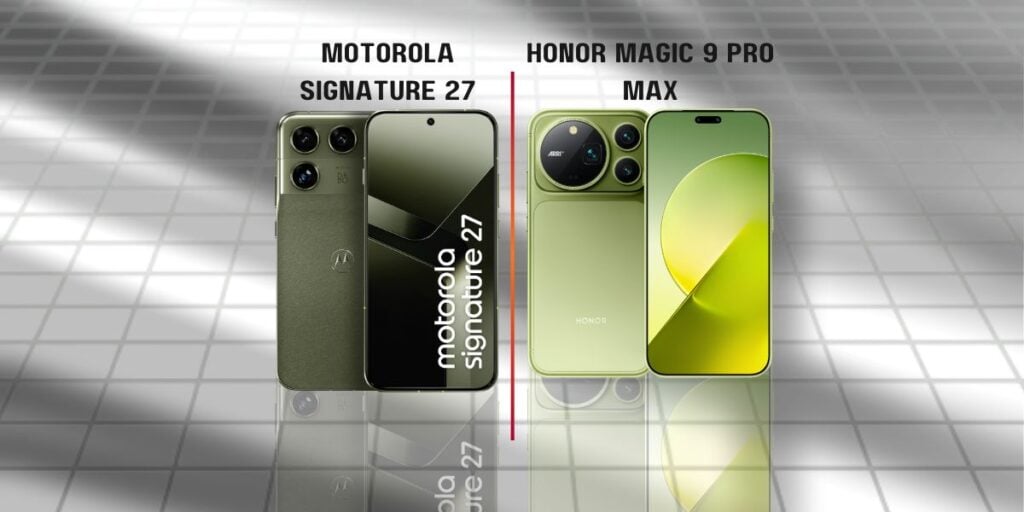
Side by side comparison of the Motorola Signature 27 and Honor Magic 9 Pro Max.

1. Performance and cooling

Neither phone has an advantage on paper when it comes to the processor. Both use Qualcomm’s Snapdragon 8 Elite Extreme Gen 6, which is built on a 2nm process. The chip has an Adreno 850 GPU.

If not the processor, the two brands’ core layout around it is quite different. The Signature 27 comes with an ArcticMesh setup that is 40% larger than the one in its predecessor. It combines diamond-infused thermal gel, liquid metal, and a 3D vapor chamber to keep temperatures under control during demanding tasks. Motorola also mentions a six-antenna design for wireless connectivity.

Meanwhile, Honor has equipped the Magic 9 Pro Max with its advanced Plate-level cooling system 2.0 to help rapidly dissipate heat during demanding workloads. There’s also a third-generation C3 radio chip with a seven-core RF architecture, which is meant to provide a more stable signal.

Nonetheless, both should deliver similar processing performance.

2. Display

The Honor Magic 9 Pro Max has a 6.8-inch LTPO OLED display with a resolution of 1,320 x 2,868 pixels. Its refresh rate adjusts between 1Hz and 120Hz, while Honor claims peak brightness of 10,000 nits and a minimum brightness of 1 nit. The panel also supports 4,320Hz PWM dimming and has an anti-reflective coating that reduces reflectivity to 1.5%.

Motorola also has a 6.8-inch panel on the Signature 27, but it’s a Tandem OLED, or Extreme AMOLED Duo per brand. As a result, it offers an incredible peak brightness of up to 12,000 nits and Dolby Vision support. The screen refreshes at 120Hz and has Corning Gorilla Glass Ceramic 3 protection.

3. Cameras

Honor has the more extensive camera hardware on paper. The Magic 9 Pro Max has a 200MP main camera with a 1/1.28-inch sensor and an f/1.57 lens. It sits alongside a 200MP periscope telephoto camera with a 1/1.4-inch sensor and an f/2.6 lens. Both cameras support CIPA 8.0 stabilization, while a 50MP ultrawide handles wider shots.

The front camera is another unusual part of the setup. Honor uses a 55MP square sensor with a 1:1 aspect ratio, allowing users to switch between 1:1, 16:9, and 9:16 framing without rotating the phone. A 3D depth sensor also sits on the front.

Honor has added its H1 imaging chip, built on a 6nm process, to handle RAW noise reduction. The phone also comes with 14 ARRI Looks presets, with a larger collection available to download. It can record video using the ARRI LogC3 profile.

Meanwhile, the Motorola Signature 27 has a 50MP Sony LYTIA L910 main sensor with LOFIC technology, which helps preserve details in bright and dark areas of the same image. The phone also has a 200MP periscope telephoto camera with 3x optical zoom.

Rounding out the rear camera setup is a 50MP ultrawide and a dedicated EVS Action Sensor. The latter is intended to help capture fast-moving subjects in low-light conditions. Worth noting, the Signature 27 ranks above the iPhone 18 Pro in DXOMARK’s camera rating.

Honor has the stronger main camera specifications, although both phones have 200MP periscope cameras. Honor also sells an optional teleconverter for longer-range shots, while Motorola relies on AI processing to reach 100x zoom.

4. Video, audio and accessories

Honor has several extras for people who want to use the Magic 9 Pro Max for video recording. The phone has a four-microphone array with a directional microphone, which Honor says can pick up sound from as far as 20 meters away.

There are also two optional teleconverters. The Honor Telephoto Converter G200 weighs 88g and extends the camera’s reach to a 200mm equivalent focal length. The G500 goes up to 500mm equivalent. Buyers can also get a SmallRig cage kit with mounting points for accessories such as lights and microphones. All these accessories are sold separately.

The Signature 27 has a simpler audio setup. It is the company’s first phone with Audio by Bang & Olufsen and includes different sound modes for music, movies, gaming, and podcasts, but Motorola doesn’t have a comparable collection of video accessories.

5. Battery and charging

As for battery, the Magic 9 Pro Max packs an 8,800mAh silicon-carbon battery with 40% silicon content. It supports 100W charging over a cable and 80W wirelessly, although the wireless charger is sold separately

The Motorola Signature 27 has a smaller 7,000mAh silicon-carbon battery. It supports 90W wired and 50W wireless charging, with both chargers sold separately.

6. Design and durability

The Honor Magic 9 Pro Max has a metal unibody frame and a large rear camera module inspired by ARRI cinema cameras. The phone measures 161.64 x 76.98 x 8.59mm and weighs 233g.

It comes in Moss Green, Silver Salt, and Shadow Black. Honor also gives it IP68, IP69, and IP69K ratings for dust and water resistance. For security, the phone has 3D face unlock and an ultrasonic fingerprint reader.

The Motorola Signature 27 is slightly thinner at 7.99mm, with dimensions of 162.01 x 77.04mm. It comes in Pantone Coal Smoke with a Tactical Weave back finish, while the Capulet Olive version has a brushed textile-style finish. Gorilla Glass protects the front.

Motorola lists IP68 and IP69 ratings and says the phone passed 14 MIL-STD-810H procedures across 16 categories. The company hasn’t provided a weight in the available specifications.

7. Software and updates

Both the Signature 27 and Magic 9 Pro Max promise seven years of Android updates and seven years of security patches. Motorola also offers Gemini Intelligence and Motorola Qira support.

Qira can help users find and recall information across their apps. It requires a Motorola or Lenovo account and at least 12GB of RAM. Motorola also has RAM Boost, which can extend the available memory up to 24GB.

The Honor Magic 9 Pro Max runs MagicOS 11 based on Android 17. It comes with Honor’s YOYO assistant and a dedicated AI button. Users can press it to record video highlights, while YOYO can also handle scheduled tasks and reminders for pickup codes.

Honor has also added several features for people using Apple devices. The phone can sync iPhone call notifications, pair with an Apple Watch, and connect to Macs.

8. Price and availability

As for the price, the Signature 27 costs $1,599.99 for the 12GB RAM and 512GB storage configuration, which is the only version available in the country. It is sold unlocked and supports Verizon, AT&T, and T-Mobile.

Pre-orders are set to begin on November 19 through Motorola.com, Amazon, and Best Buy, while sales will start on November 26. In the UK, the phone starts at £1,299.

Honor’s pricing currently covers China. The Magic 9 Pro Max starts at CNY 6,499 (about $910) for the 12GB RAM and 256GB storage model. The phone arrived in Hong Kong on November 4, with a European release planned for January 2027. The rollout includes the UK and France. Honor has not announced a US release, though.

For buyers in the US, the Motorola Signature 27 is the only one of these two phones with confirmed local availability. Buyers in the UK and other European markets will have both options once Honor begins its regional rollout. The European price of the Magic 9 Pro Max will be important in deciding how the two compare.

9. Which one should you buy?

The Honor Magic 9 Pro Max makes more sense if camera hardware, video recording, and battery life are your main priorities. It has two 200MP rear cameras, ARRI video features, an 8,800mAh battery, and faster wired and wireless charging. The optional teleconverters and SmallRig cage also give video creators more accessories to work with.

The Motorola Signature 27 is worth considering if long software support and US availability matter more. It still has a 200MP periscope camera, LOFIC technology on its main sensor, and Bang & Olufsen audio. It’s also thinner than the Honor phone.

However, $1,599.99 is a lot to pay, especially when comparing it with phones such as the Galaxy S26 Ultra and iPhone 18 Pro Max. Honor could make a stronger case if its European pricing stays close to the Chinese price.

10. Motorola Signature 27 vs Honor Magic 9 Pro Max: how they compare

SpecificationMotorola Signature 27Honor Magic 9 Pro Max
ChipsetSnapdragon 8 Elite Extreme Gen 6Snapdragon 8 Elite Extreme Gen 6
Display6.8-inch Extreme AMOLED Duo6.8-inch LTPO OLED, 1–120Hz
Peak brightness claimUp to 12,000 nitsUp to 10,000 nits
Main camera50MP Sony LYTIA L910200MP, 1/1.28-inch, f/1.57
Telephoto200MP periscope, 3x optical200MP, 1/1.4-inch, f/2.6
Ultrawide50MP50MP, f/2.0
Front cameraNot listed55MP, 1:1 square sensor
Battery7,000mAh silicon-carbon8,800mAh silicon-carbon
Wired charging90W100W
Wireless charging50W80W
Water and dust ratingIP68 and IP69IP68, IP69 and IP69K
Thickness7.99mm8.59mm
SoftwareAndroid with Gemini Intelligence and Motorola QiraMagicOS 11 on Android 17
Memory and storage12GB and 512GB in the US12GB and 256GB up to 16GB and 1TB
Starting price$1,599.99 (US)CNY 6,499 (China)

One UI 9.5 could be a disappointing upgrade but One UI 10 is tipped to bring “historically biggest change”

Samsung Galaxy smartphone

Samsung has been rolling out the One UI 9.0 software for a few weeks now. The Android 17-based update is now available to a wide range of eligible devices. With the rollout entering into the final phases, Samsung’s software team has already begun preparing for the One UI 9.5 release early next year, but the wait may not be worth it.

One UI 9.5 is tipped to bring minor changes

Tipster Ice Universe, who has been a reliable source for Samsung leaks for years, has shared on X that One UI 9.5 will be a minor update. It will be based on Android 17, just like One UI 9.0. The upcoming software is expected to debut with the Galaxy S27 series in February or March 2027.

Ice Universe leak about One UI 10

Samsung hasn’t shared anything about One UI 9.5 yet. However, there have been quite a few recent leaks, revealing details about the upcoming changes. One of the biggest visual upgrades spotted so far is the new ripple animation applied system wide, making the interaction feel more fluid and alive.

One UI 9.5 reportedly adds new Galaxy AI tools to Samsung Keyboard. However, users may finally have to pay to use Galaxy AI features. One UI 9.5 is also expected to offer improved Liquid Glass aesthetics, a native app lock, and DeX improvements.

While One UI 9.5 may bring quite a few changes, they feel well short of a major upgrade. Samsung could offer more to One UI 9.5. We’ll know more about the changes once the beta program goes live, which could happen later this month.

One UI 10 is tipped to offer historical changes

Tipster Ice Universe believes that Samsung is saving the best for the One UI 10. He says the software will introduce “historically biggest change” without going much into exact changes.

One UI 10 will be based on Android 18, and is expected to debut with the next-generation Galaxy foldables in the mid-2027. Some early rumors suggest the upcoming software could integrate artificial intelligence directly into the core architecture rather than treating AI as a set of standalone tools.

One UI 10 is rumored to introduce proactive AI agents capable of completing multi-step tasks across different apps and services in the background. It may also be able to pull relevant details into a single unified view from different apps. The update is said to focus on deeper integration across Samsung products, including phones, tablets, foldables, and newer hardware like Galaxy Ring, smart glasses, and the Galaxy XR headset.

These are some early rumored changes coming to One UI 10. Reports also believe it could bring major visual upgrades and a host of exciting features. We’ll learn more about them as we get closer to the release.

Recent rumors suggest Samsung could rebrand One UI 10 to ‘Galaxy OS’. There hasn’t been concrete evidence yet, so it’s best to take the information with a pinch of salt.

65-inch LG OLED AI B6 drops to $999.99 on Amazon, $1,000 off

Amazon has dropped the 65-inch LG OLED AI B6 4K Smart TV to $999.99, a $1,000 cut from its $1,999.99 list price. The 2026 model is now available at half its launch list price. It is the most affordable 65-inch OLED in this year’s LG lineup and a timely living-room or console upgrade.

LG OLED AI B6 specifications and features

LG OLED AI B6
LG OLED AI B6

The OLED65B6GUA uses a 65-inch 4K OLED panel at 3840 x 2160, with more than 8.3 million self-lit pixels, Perfect Black, and Vivid Color. The α8 AI Processor 4K Gen3 detects what you are watching and tunes the picture and sound to match.

HDR support includes Dolby Vision, HDR10, and HLG, along with FILMMAKER MODE with Ambient Light Technology. A 20W 2.0-channel speaker system supports Dolby Atmos, and OLED Care helps protect the panel over time.

Gamers get a native 120Hz refresh rate, a 0.1ms response time, NVIDIA G-Sync, AMD FreeSync Premium, and variable refresh rate. Four HDMI 2.1 ports support 4K at 120Hz, VRR, and Auto Low Latency Mode for current consoles. That makes it a strong fit for PS5, Xbox Series X|S, and PC gaming setups.

It runs webOS 26, with Google Gemini, LG Channels for more than 400 free channels, and over 10,000 on-demand movies and shows. With the stand, it measures 57.0 x 35.4 x 8.6 inches and weighs 38.1 pounds.

LG introduced the B6 in its 2026 TV lineup, below the brighter C6 and G6 OLED models. It remains a full OLED set for most living-room and console setups.

LG OLED AI B6 deal price and availability

LG OLED AI B6
LG OLED AI B6

Amazon is selling the 65-inch OLED65B6GUA for $999.99, 50 percent off the $1,999.99 list price, and the listing is in stock. The official LG site currently lists the same model at $1,199.99, and Best Buy is also at $1,199.99.

Holiday prices can move quickly, so confirm the figure before you buy. No promotional code is required for the Amazon discount.

Are you picking up the 65-inch B6 OLED at $999.99, or waiting for a C6 deal?

For daily updates, please visit our News Section.

Xiaomi 18 Pro series global launch is set for November 17 in Paris

Xiaomi has confirmed that the Xiaomi 18 Pro series will make its global debut in Paris on November 17. The announcement follows a teaser from Xu Fei, Xiaomi’s VP and CMO, who hinted at the launch date a few days ago.

This marks a change from last year, when only the standard Xiaomi 17 made it to international markets while the Pro models remained exclusive to China. Xiaomi had already confirmed a November launch window for the Xiaomi 18 Pro series, and the company has now revealed the exact date and venue.

Promotional poster for the Xiaomi 18 Pro series global launch event on November 17.

Xiaomi 18 Pro series launch time and livestream

The launch event will begin at 14:00 GMT+1 on November 17, which translates to 6:30 PM in India. The event will be livestreamed through both X and YouTube.

Xiaomi has also confirmed three color options for the series: White, Cosmic Blue, and Velvet Red.

Both the Xiaomi 18 Pro and Xiaomi 18 Pro Max have already appeared in global certification databases. However, earlier leaks suggest their global versions could have smaller batteries than the models sold in China.

One report puts the global Xiaomi 18 Pro at 6,000mAh and the Pro Max at 7,050mAh. The Chinese versions reportedly pack 7,000mAh and 8,500mAh batteries, respectively. These figures came from code strings spotted in an earlier leak, rather than an official announcement, so the final capacities could be different.

India’s launch plans are less clear. Xiaomi has teased the Xiaomi 18 Pro for the Indian market, but has not mentioned the Pro Max so far.