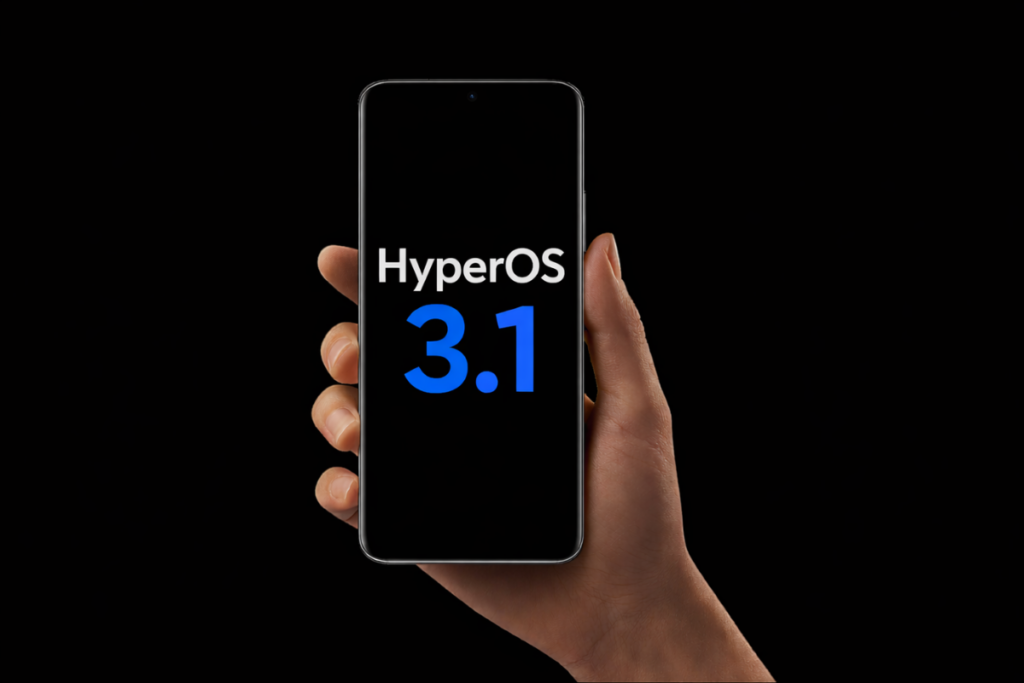
Xiaomi has been testing HyperOS 3.1 for quite some time now across a range of its devices. That testing phase has finally come to an end, as the company has just announced the rollout schedule, and the update starts rolling out today.
Xiaomi HyperOS 3.1 rollout timeline
This rollout plan applies to Xiaomi devices sold in China. It has been published on the Chinese community forum. So, if you belong to a different region, the update may take a little longer to reach your device.
These devices will receive the update starting today
Xiaomi 17 Ultra Leica Edition
Xiaomi 17 Ultra
Xiaomi 17 Pro Max
Xiaomi 17 Pro
Xiaomi 17
Xiaomi Pad 8 Pro
Xiaomi Pad 8
Redmi K90 Pro Max
Redmi K90
These devices will receive the update by March 31
Xiaomi 15 Ultra
Xiaomi 15S Pro
Xiaomi 15 Pro
Xiaomi 15
Xiaomi MIX Flip 2
Xiaomi Pad 7 Ultra
Xiaomi Pad 7S Pro 12.5
Xiaomi Pad 7 Pro
Xiaomi Pad 7
Redmi K80 Pro
Redmi K80 Ultimate Edition
Redmi K80
Redmi Turbo 5 Max
Redmi Turbo 5
Redmi K Pad
These devices will receive the update by April 15
Xiaomi 14 Ultra
Xiaomi 14 Ultra Titanium Special Edition
Xiaomi 14 Pro
Xiaomi 14 Pro Titanium Special Edition
Xiaomi 14
Xiaomi MIX Fold 4
Xiaomi MIX Flip
Xiaomi Mi 5 Pro
Redmi K70 Pro
Redmi K70 Ultimate Edition
Redmi K70
Redmi K70E
Redmi Turbo 4 Pro
Redmi Turbo 4
Redmi Note 15 Pro+
Redmi Note 15 Pro
Redmi Note 15
Redmi Pad 2 Pro
These devices will receive the update by April 23
Xiaomi 13 Ultra
Xiaomi 13 Pro
Xiaomi 13
Xiaomi MIX Fold 3
Xiaomi Mi 4 Pro
Xiaomi Pad 6S Pro 12.4
Redmi K60 Pro
Redmi K60 Ultimate Edition
Redmi Turbo 3
Redmi Note 15R
Redmi Note 14 Pro+
Redmi Note 14 Pro
Redmi Note 14 5G
Redmi Note 13 Pro+
Redmi Note 13 Pro
Redmi Note 13R
Redmi 15R 5G
Redmi 14R 5G
Redmi 14C
Redmi Pad 2
Redmi Pad Pro 5G
Redmi Pad Pro
For those living outside China, the good thing is that HyperOS 3.1 will also be released globally, as relevant builds were spotted on the global servers recently. We can expect a global rollout schedule by the end of this month.
While HyperOS 3.1 isn’t a major upgrade, it still brings meaningful changes and quality-of-life improvements. It addresses one of Android’s longstanding update pain points, which is long, intrusive update installs, by introducing Super OTA. This is a next-gen update mechanism that applies system updates faster and more smoothly, with minimal reboot time.
The latest software also refines core UI elements with smoother animations, refreshed system apps like Gallery and Weather, expanded lock screen customizations, and a more interactive HyperIsland. It also improves cross-platform integration with native Apple AirPods support, enabling quick pop-up pairing and access to spatial audio on compatible earbuds.
HyperOS 3.1 reorganizes the accessibility options for easier access, and select modes now feature quick gesture controls. It also includes numerous improvements under the hood, resulting in better memory management, smoother app launches, and reduced frame stuttering.
To ensure you don’t miss out on the latest HyperOS stories, remember to visit the Xiaomi section on this website regularly. Alternatively, you can join us on Telegram to get instant notifications about the latest HyperOS updates, along with the biggest tech headlines.
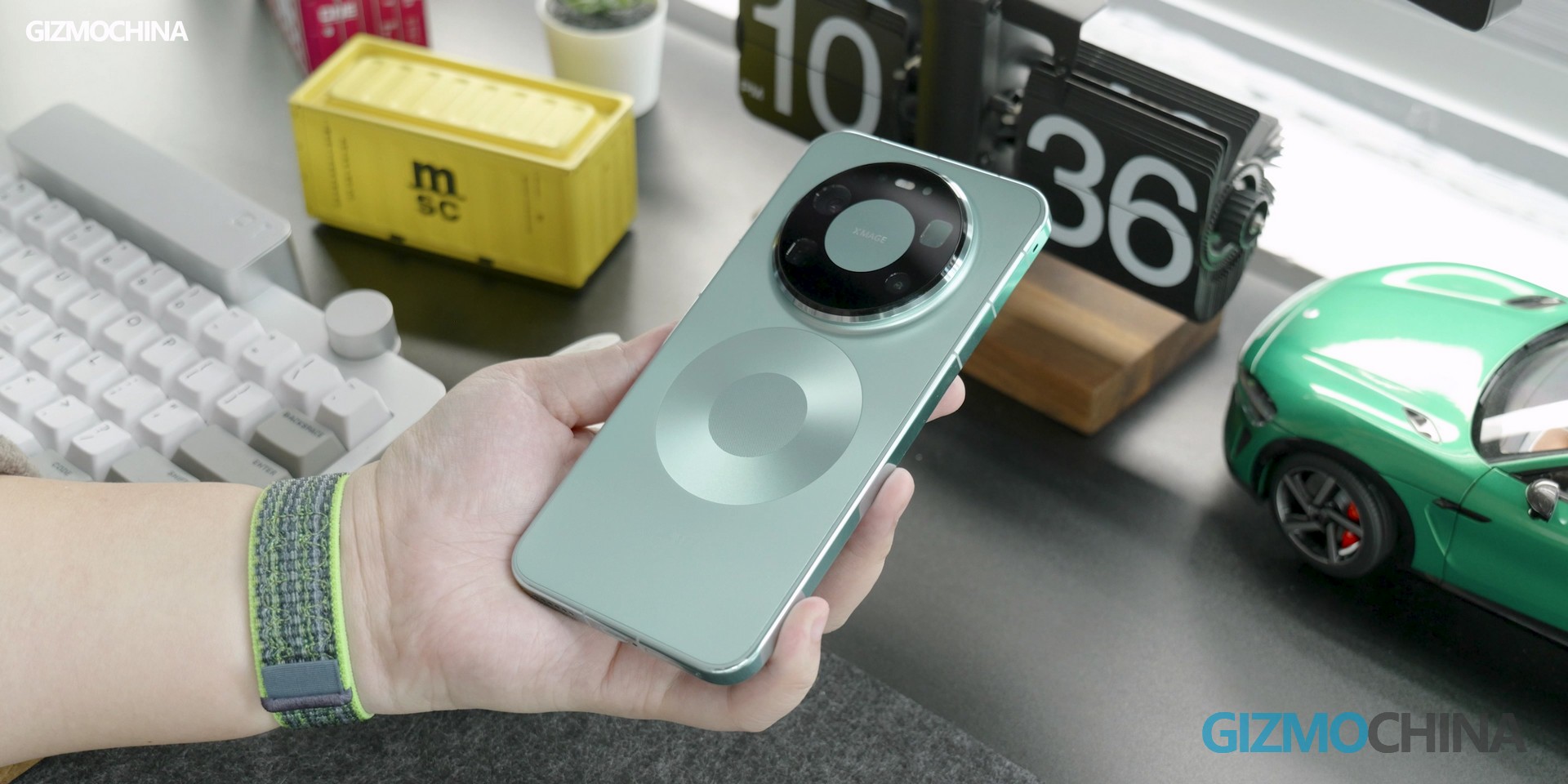
MWC 2026 introduced a wide range of new devices, from flagship smartphones to experimental concepts. Huawei led the announcements with the Huawei Mate 80 Pro, a flagship smartphone featuring a 3000-nit OLED display, variable-aperture camera, and strong durability ratings. The company also revealed the Huawei Watch GT Runner 2, a titanium running smartwatch with dual-band GPS and long sports tracking battery life.
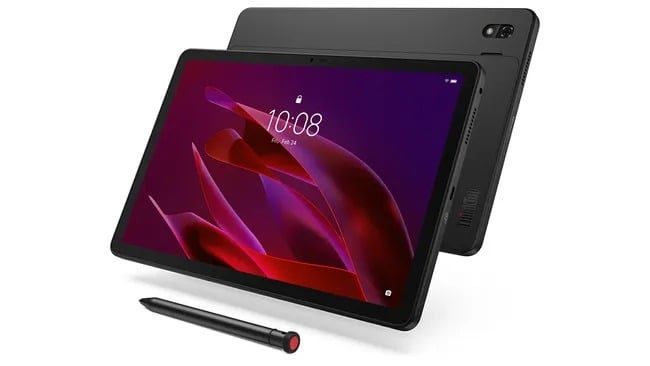
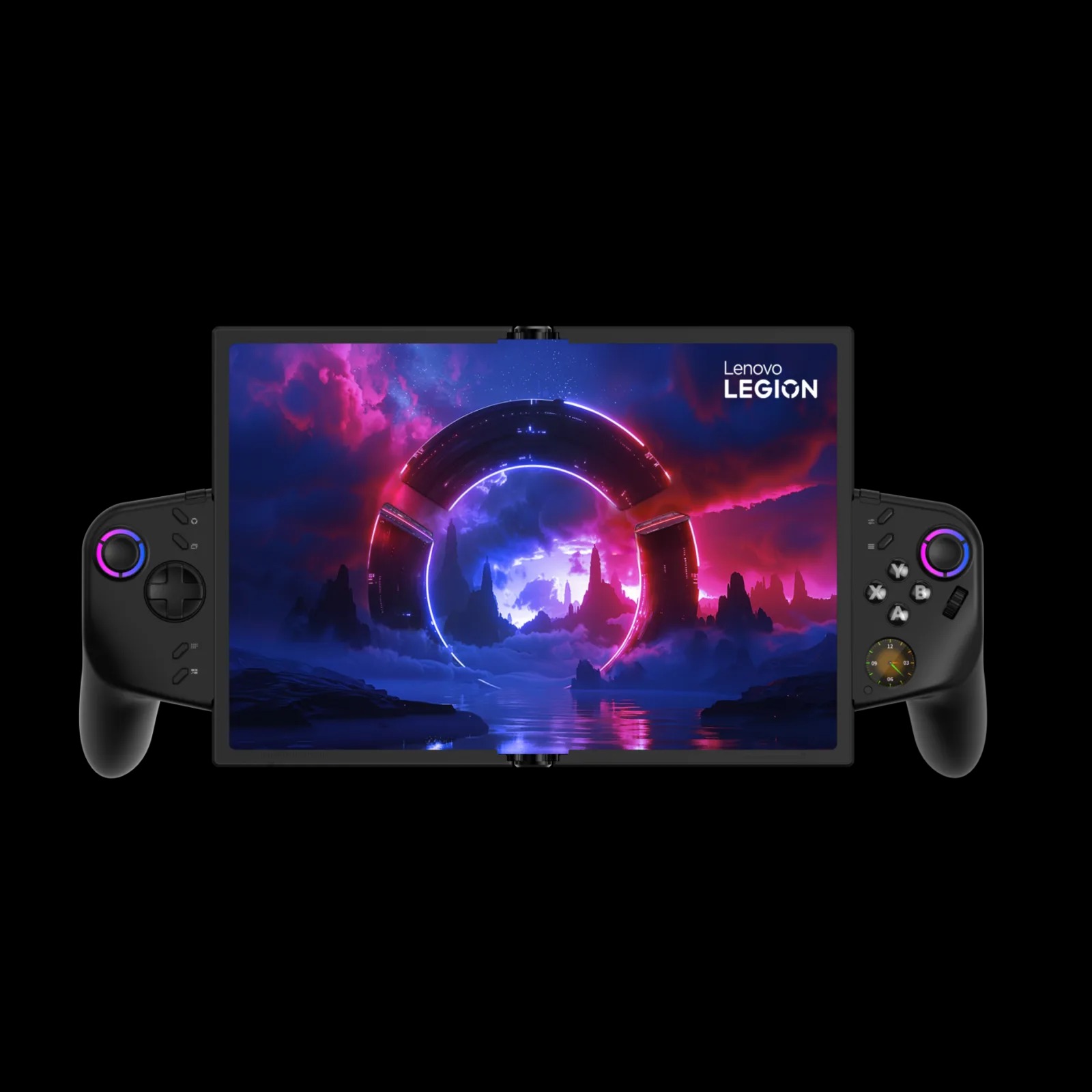
Honor showcased the Honor Magic V6 foldable, notable for its thin 4 mm open profile and 6,660 mAh battery. Lenovo presented the Lenovo ThinkBook Modular AI PC Concept and the Lenovo Legion Go Fold Concept gaming handheld, while XGIMI MemoMind One glasses and the Lenovo ThinkTab X11 rugged tablet also drew attention.
The Huawei Mate 80 Pro marks Huawei’s first global Mate flagship since 2022. It features a 6.75-inch flat OLED display with adaptive refresh from 1 Hz to 120 Hz and peak brightness of 3000 nits. While the brand has not confirmed it, the device likely uses Huawei’s in-house Kirin 9030 Pro processor with 16 GB RAM and 512 GB storage.
The camera system includes a 50 MP Ultra Lighting main sensor with variable aperture from f/1.4 to f/4.0 and optical image stabilization. It also has a 40 MP ultra-wide camera and a 48 MP 4× telephoto camera with up to 100× zoom. A 13 MP autofocus front camera sits in a punch-hole cutout. The phone uses a 5,750 mAh battery that supports 100 W wired charging and 80 W wireless SuperCharge.
Huawei also focused on durability. The phone uses second-generation Kunlun glass, a vegan fiber frame, and IP68 and IP69 protection against water and dust. It is rated to survive up to 6 meters of water submersion and high-pressure water jets. The device runs EMUI 15 globally, while the Chinese version uses HarmonyOS 6. The design includes Huawei’s Dual Space Rings camera layout with two circular rings.
The Huawei Mate 80 Series didn’t just win at MWC; It is also a declaration of return. The Mate80 Series represents a pinnacle of hardware engineering. The integration of the brand-new chipset delivers a thermal efficiency and sustained performance that outclass much of the competition. However, the true standout is the imaging system—by re-architecting the sensor layout and leveraging AI-driven computational photography, Huawei has effectively closed the gap on optical zoom, offering focal lengths previously unattainable in a consumer device. As for the rest, it is, quite simply, the most technically accomplished smartphone on the market.
2. Huawei Watch GT Runner 2 – Best Wearable
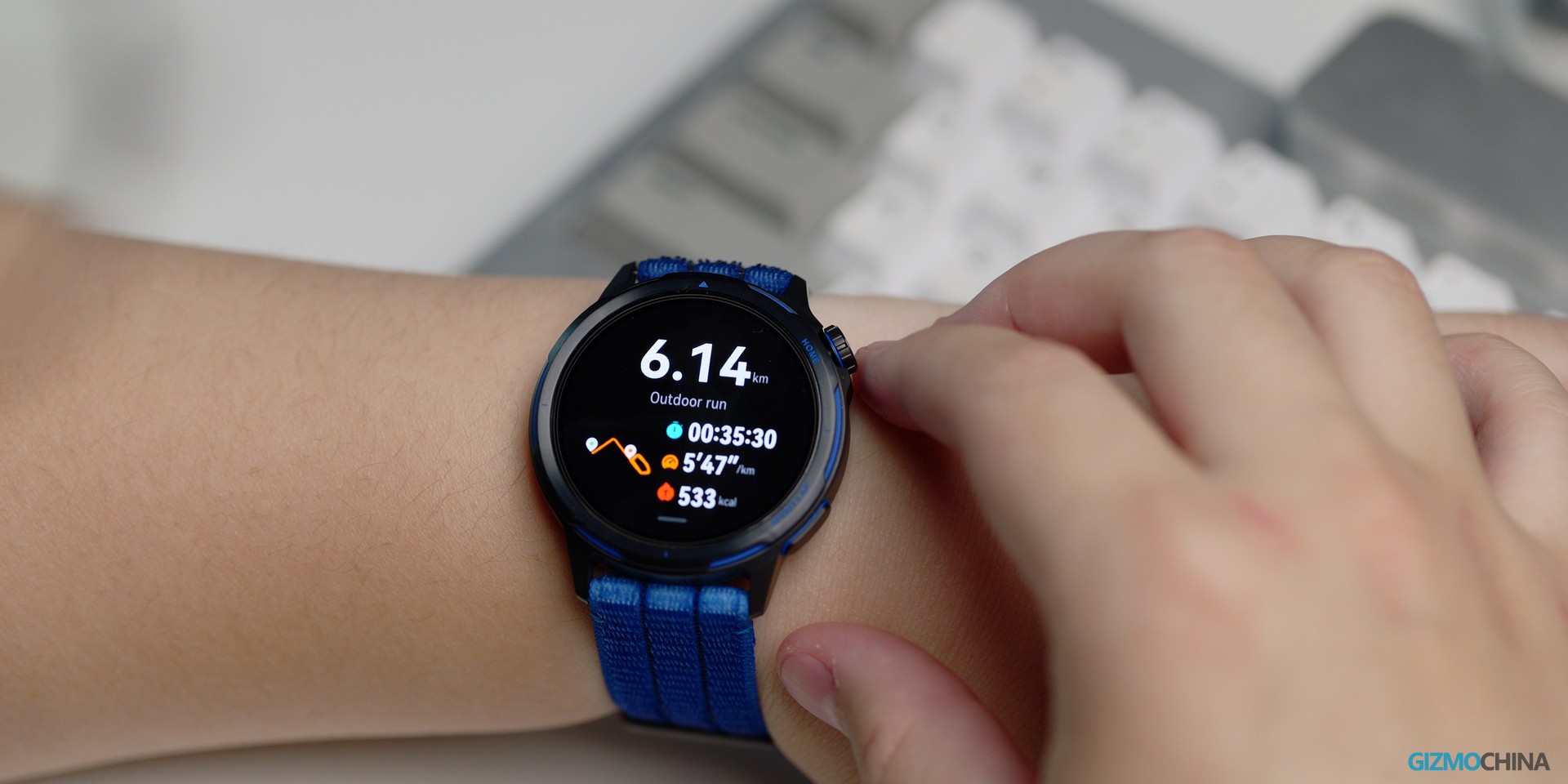
The Huawei Watch GT Runner 2 is designed for runners and endurance athletes. It uses a titanium alloy case measuring 43.5 mm and only 10.7 mm thick. The watch weighs about 34.5 g. The display is a 1.32-inch AMOLED panel with 466×466 resolution and 3000-nit brightness, protected by second-generation Kunlun glass.
Huawei added a new 3D floating antenna system with dual-band GPS using L1 and L5 signals. The company says this improves positioning accuracy by about 20 percent in dense cities or tunnels.
The watch includes an Intelligent Marathon Mode developed with DSM-Firmenich. It offers structured training plans, pace charts, finish predictions, and digital pacing guidance.
The device supports more than 100 sports modes, including triathlon, trail running, golf, and freediving down to 40 meters. It also tracks ECG, blood oxygen, sleep, and stress. The watch has 5 ATM water resistance and an IP69 rating. Battery life is rated at up to 14 days for light use, 7 days for typical use, or about 32 hours with GPS tracking enabled.
The HUAWEI WATCH GT Runner 2 redefines sports wearables. Its ‘Best Smart Wearable’ win was largely attributed to its industry-leading biomechanical tracking precision and optimized experience for humanity’s oldest sport – running. With refined 3D floating antenna for ‘the best distance, pace, and route tracking performance ever’ and advanced running dynamics, it delivers lab-grade analytics directly to the wrist—bridging the gap between casual fitness trackers and professional coaching tools.
3. Honor Magic V6 – Best Foldable
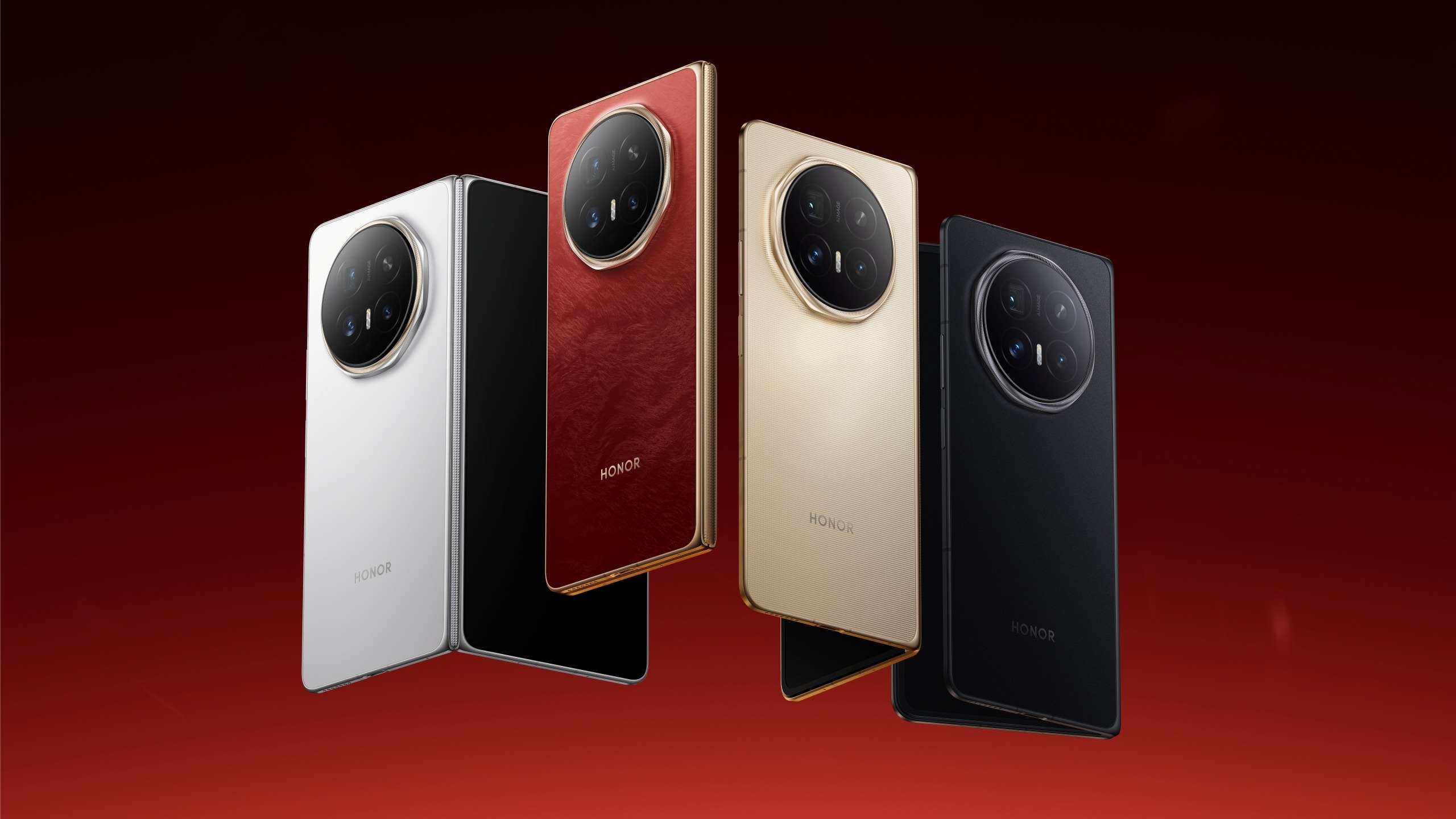
Honor’s latest flagship foldable, the Magic V6, pushed two records: at 8.75 mm folded (4 mm open) it’s the thinnest foldable yet, and it packs a gargantuan battery (6,660 mAh) for all-day life.
It runs the Snapdragon 8 Elite Gen 5 processor with 16 GB RAM and 512 GB storage. The inner display is a 7.95-inch LTPO2 AMOLED panel with 2352×2172 resolution, 1–120 Hz refresh rate, and 5000-nit peak brightness. The outer display is a 6.52-inch LTPO AMOLED panel with 2420 × 1080 resolution and up to 6000 nits brightness. Both displays support stylus input. The phone includes high-frequency PWM dimming, anti-reflective coating that reduces glare by 33 percent, and true 10-bit color.
Honor engineered a new Super Steel Hinge (2800 MPa steel) tested for 500k folds and a reinforced Ultra-Thin Glass, while the crease is claimed to be “minimal, imperceptible.”
The camera setup includes a 50 MP main camera with OIS and variable aperture from f/1.4 to f/4.0, a 64 MP periscope telephoto camera with 3× optical zoom and OIS, and a 50 MP ultra-wide camera.
It runs MagicOS 10 based on Android 16 and will receive seven years of OS updates. Honor says the device is the first foldable to receive TÜV Rheinland certification for 24-hour battery life thanks to its silicon-carbon blade battery with 32 percent silicon.
The HONOR Magic V6 redefines what a foldable can be. By packing a groundbreaking 6660mAh silicon-carbon battery into a chassis just 4mm thin when unfolded, Honor has shattered the compromise between portability and endurance. Meanwhile, its rich AI software capabilities also give its large external display more versatile applications.
4. Lenovo ThinkBook Modular AI PC Concept – Best Concept
The Lenovo ThinkBook Modular AI PC Concept is a flexible laptop idea designed for business users. The base unit has a 14-inch display. Additional modules such as keyboards, ports, and extra displays attach using Lenovo’s Magic Bay pogo-pin connector system.
A second 14-inch display can attach to the lid for face-to-face viewing or sit beside the laptop as a vertical monitor. Removing the keyboard allows both displays to form a 19-inch dual-screen workstation.
Users can also swap I/O modules such as USB-A, USB-C, and HDMI without replacing the entire device. Lenovo designed the system with repairability and long product lifecycles in mind. Pricing and release plans have not been announced since it remains a concept.
The Lenovo ThinkBook Modular AI PC Concept is a manifesto for the future of personal computing, recognizing a bold reimagining of what a laptop can become. By decoupling core components into swappable, intelligent modules—from AI-accelerated graphics units to hot-swappable storage and I/O expansions—Lenovo transforms a traditional clamshell into a living ecosystem.
5. MemoMind One – Smart AR Glasses
The XGIMI MemoMind One AI glasses bring assistant features into lightweight eyewear. The glasses weigh about 30 g and use dual microLED waveguide displays to project information onto the lenses. They do not include cameras to address privacy concerns.
Built-in speakers and microphones support voice commands for AI chat, translations, reminders, and summaries. During demonstrations, the glasses translated conversations between Chinese and English and created reminders such as flight check-in alerts.
The glasses resemble regular frames but have thicker temples that hold the battery and projection hardware. Users see subtle green text overlays for notifications, calendar updates, and weather.
The glasses run a hybrid operating system that switches between multiple AI models on the device. Battery life is about 16 hours per charge, and XGIMI is developing a charging case for extended use.
While competitors force users to cross their eyes at single-square projections, MemoMind’s dual-eye waveguide display delivers crisp, natural text across both lenses—making augmented information feel like an extension of normal vision.
6. Lenovo ThinkTab X11 – Rugged Tablet
The Lenovo ThinkTab X11 is a rugged Android tablet built for logistics, construction, and field work. It features a 10.95-inch LCD display with a 90 Hz refresh rate and 600-nit brightness that works with gloves or wet hands.
The tablet runs the Snapdragon 7s Gen 3 processor with up to 12 GB RAM and 512 GB UFS storage. Its chassis is MIL-STD-810H certified and IP68 rated for dust and water resistance. The device also has a removable back panel with a screwless latch.
The tablet supports a battery-less mode that allows operation from external power sources such as vehicles. It includes two USB-C ports for charging and peripherals, NFC support, and a 10,200 mAh battery.
The tablet runs Android 14 with enterprise management features. Lenovo confirmed a starting price of about €499, or roughly $540, with an April 2026 launch.
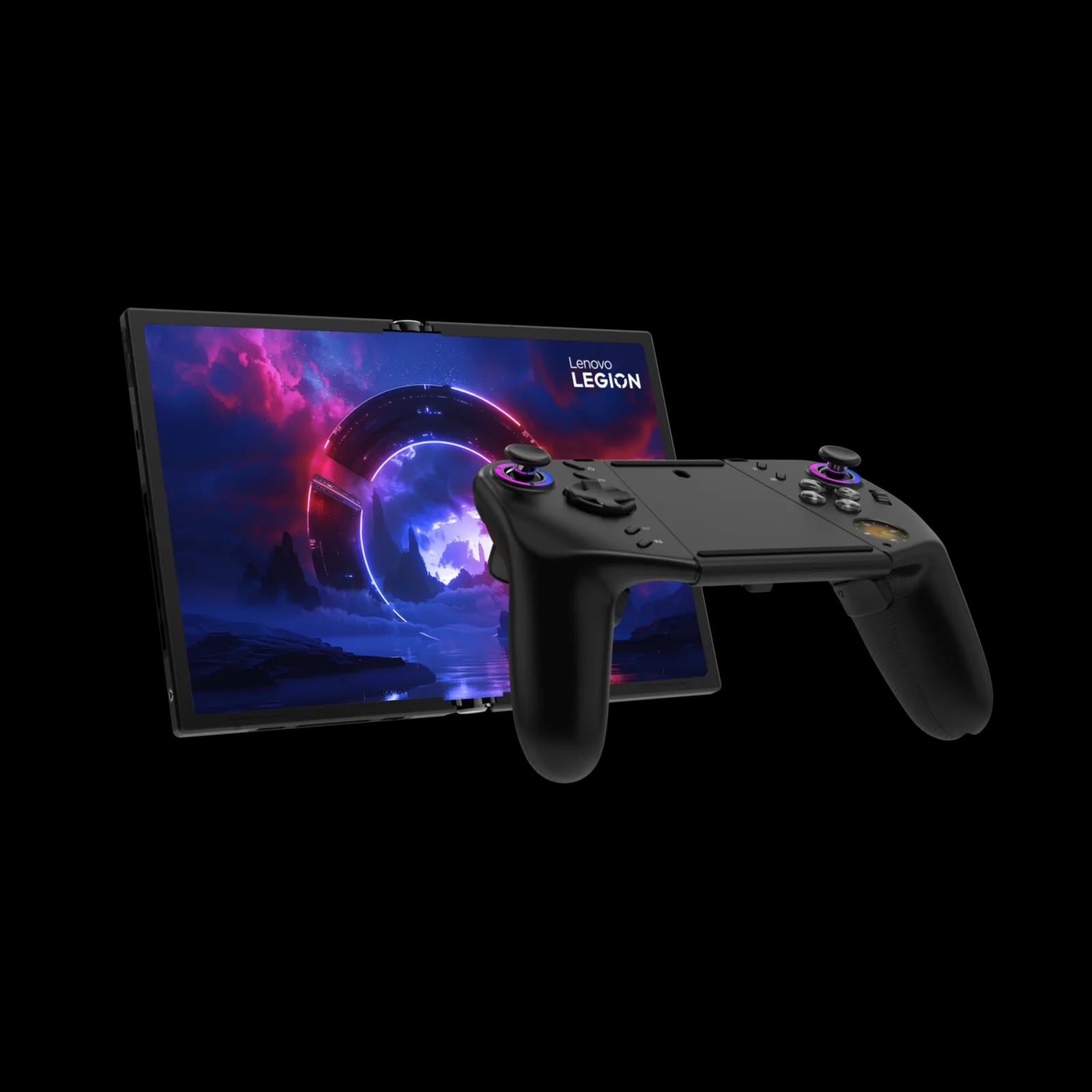
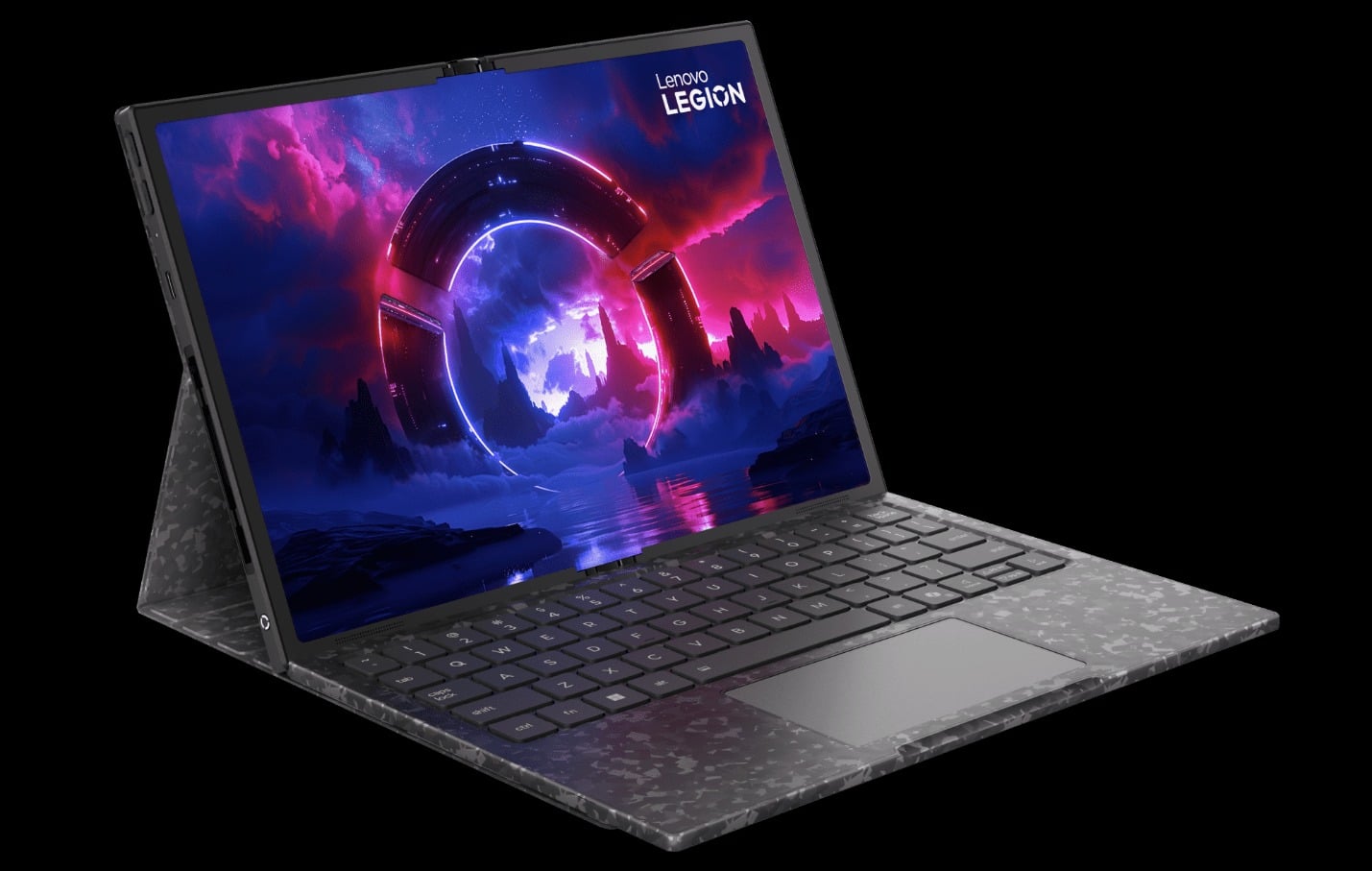
7. Lenovo Legion Go Fold Concept – Foldable Gaming Handheld
The Lenovo Legion Go Fold Concept is a unique gaming handheld that takes advantage of advancements in foldable display technology, allowing it to function as a 3-in-1 device: a gaming console, a tablet, and a mini laptop.
When folded, it uses a 7.7-inch 1600p POLED display with detachable magnetic controllers. When unfolded, the display expands to 11.6 inches.
The device supports several modes. Standard handheld mode uses the 7.7-inch display. Vertical split-screen mode unfolds the display into two stacked panels so users can play a game on one side while viewing guides or chat on the other.
Horizon mode rotates the unfolded display into an 11.6-inch landscape gaming screen. Desktop mode allows the device to connect to a dock with a wireless keyboard and touchpad.
The system runs on an Intel Core Ultra 7 258V processor with 32 GB RAM and a 48 Wh battery. The right controller includes a touchscreen for shortcuts and performance stats. The device runs Windows 11 and supports PC game libraries. Since it is still a concept, Lenovo has not announced pricing or release plans.
Vivo has confirmed the launch date for its next budget-focused smartphone in India. The Vivo T5x 5G will be introduced on March 17, 2026, with the event scheduled for 12 PM IST. The phone is expected to succeed the Vivo T4x 5G, bringing a few notable upgrades aimed at users who want strong battery life and reliable everyday performance.
One of the biggest talking points is the battery. The T5x 5G is widely expected to pack a 7,200mAh battery, which the brand is marketing as the “Segment’s Biggest Battery.” The company is using silicon-carbon battery technology to help increase capacity without making the phone excessively bulky.
Charging support is rated at 44W wired fast charging. The phone is also expected to support reverse wired charging, along with bypass charging for situations like gaming.
Inside, the device will run on the MediaTek Dimensity 7400 Turbo processor. The chipset has managed to cross the one-million mark on AnTuTu, which would put it comfortably in the upper tier of performance for this segment. On paper at least, it should handle multitasking and casual gaming without much difficulty. Durability is another area Vivo is highlighting. The phone is said to come with IP68 and IP69 ratings.
Camera hardware looks fairly straightforward. The rear setup includes a 50MP Sony IMX852 main sensor, which supports 4K video recording. On the front, the phone is expected to feature a 32MP selfie camera, which, if true, would be another notable upgrade over the 8MP selfie of the Vivo T4x.
Software will be based on Android 16, paired with OriginOS 6. The device is expected to receive two major Android updates along with four years of security patches.
As for pricing, Vivo hasn’t revealed anything yet. But early hints suggest the T5x 5G could launch under Rs 23,000. Once announced, it will be available through Flipkart, Vivo’s official online store, and retail outlets across India.
This month, OnePlus will unveil the OnePlus 15T, a compact flagship phone. In all likelihood, it will be the last phone in the OnePlus 15 series. The company will shift its focus to the OnePlus 16 lineup in the second half of 2026, and early reports suggest that the OnePlus 16 will offer top-notch performance. A new leak that has surfaced today not only supports this claim but also reveals a key detail about its camera.
OnePlus 16’s chipset, RAM, and periscope camera tipped
As per the leak, the OnePlus 16 will be powered by the upcoming 2nm Snapdragon 8 Elite Gen 6 Pro (SM8975), which will have support for LPDDR6 RAM. Reports have revealed that LPDDR6 will roughly double the maximum bandwidth of the original LPDDR5, jumping from a peak of 6.4 Gbps to as high as 14.4 Gbps, while specifically optimizing for the massive data throughput required by on-device generative AI.
The inclusion of the said chipset accompanied by the latest RAM suggests that the OnePlus 16 will arrive with a significant boost in overall performance and efficiency. With rising memory costs, the inclusion of LPDDR6 also suggests a price hike. Recently, DCS claimed that the 12GB+256GB base model of the device may cost around 5,000 Yuan (~$725).
Multiple reports have said that the OnePlus 16 will be equipped with a 200-megapixel camera. Today’s leak says that the OP16 will feature a 200-megapixel periscope telephoto camera, which could feature the Samsung HP5 sensor as per previous reports. Likely, the camera setup may include two 50-megapixel cameras for the main and ultra-wide cameras, respectively.
Past reports have claimed that the OnePlus 16’s OLED panel may support 1.5K resolution along with a 200Hz or 240Hz refresh rate, and an ultrasonic in-screen fingerprint sensor. The phone is expected to ship with OxygenOS 17-based Android 17.
Early reports suggest that the OnePlus 16 may launch in October in China, followed by a global announcement in November.
For more daily updates, please visit our News Section.
Samsung’s Galaxy S26 Ultra raised a few eyebrows when the company replaced the titanium frame used on previous models with Aluminum. Some people saw it as a downgrade on paper. Samsung, however, said the switch helped achieve a lighter and slimmer design while still keeping the phone durable. A new drop test from YouTuber PBKreviews now offers a better idea of how the phone actually holds up.
In the video, the Galaxy S26 Ultra is dropped multiple times from roughly head height onto concrete. This can happen unintentionally when a phone slips out of your hand or pocket. For the most part, the results are surprisingly good.
The front display, protected by Corning Gorilla Armor 2, survives every drop without cracking. There’s no spiderweb pattern across the screen, and the display continues working normally throughout the test. The Armor Aluminum 2 frame also handles the impacts fairly well. It picks up visible dents and scratches, but there’s no structural damage and the phone remains fully functional.
Not everything escapes unscathed, though. One weak point appears to be the glass covering the camera lenses. In the test, the lens cover for the 50MP telephoto camera cracks during the first direct face-down drop and breaks further in later impacts. Despite that damage, the camera itself continues to function. The thinner camera ring design may leave the glass slightly more exposed to impacts.
Compared to the titanium frame on the Galaxy S25 Ultra, the aluminum frame on the S26 Ultra seems to show scratches and dents more easily. Still, these appear to be mostly cosmetic rather than structural problems.
What makes the result notable is that the Galaxy S26 Ultra is thinner than before, measuring 7.9mm, compared to 8.2mm on the previous model. It’s also lighter at 214 grams. Maintaining that level of durability while reducing thickness is likely part of the reason Samsung opted for aluminum this time.
Overall, the test suggests the Galaxy S26 Ultra remains a durable flagship phone, even if the aluminum frame may pick up visible marks over time. For most users, especially those who use a case, the difference may not matter much in everyday use.
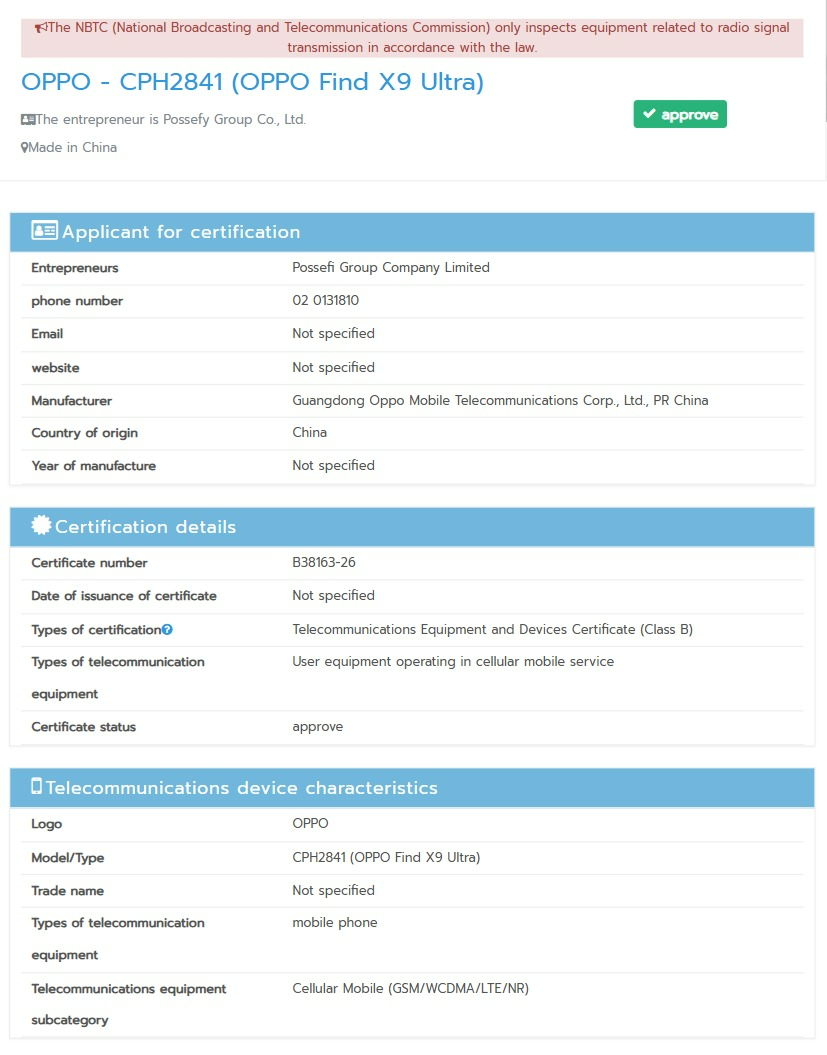
Last week, Oppo confirmed that the Oppo Find X9 Ultra will be released globally. Now, in a new development, the device, along with the Find X9s, has passed the NBTC certification in Thailand. Although these devices have been spotted before, the NBTC listings have confirmed their monikers for the first time.
The Oppo Find X9 Ultra with model number CPH2841 and the Find X9sv with model number CPH2873 have been approved by Thailand’s NBTC. As usual, the NBTC listings have not revealed anything about their specifications.
Oppo Find X9 Ultra at SDPPI
Oppo Find X9s approved by BIS
Both model numbers have previously appeared on Indonesia’s TKDN and SDPPI certification platforms. The Find X9s was also approved by India’s BIS authority back in January.
Oppo Find X9 Ultra, Find X9s: What to expect?
The Find X9 Ultra is expected to deliver an ultimate photography experience and rival the likes of the Samsung Galaxy S26 Ultra and the upcoming Vivo X300 Ultra. This Snapdragon 8 Elite Gen 5 chipset-powered phone is expected to pack a quad-camera setup featuring a 200-megapixel Sony LYT-901 main camera, a 200-megapixel OmniVision OV52A periscope telephoto camera with 3x optical zoom, a 50-megapixel Samsung JN5 periscope telephoto camera with 10x optical zoom, and a 50-megapixel Samsung JN5 ultra-wide camera with a 15mm focal length.
The X9 Ultra is also expected to house a 6.82-inch OLED 2K 120Hz screen and a battery of around 7,000mAh capacity. It is expected to support 80W wired and 50W wireless charging.
The Find X9s could be a toned-down version of the existing Find X9. It will be one of the early adopters of the Dimensity 9500s chip and is likely to lack wireless charging. It will have a triple 50-megapixel camera setup on the back, but the camera sensors may not be the same as the X9. The rest of the specs could be identical between both phones.
For more daily updates, please visit our News Section.
Xiaomi has just launched its latest tablet, the Xiaomi Pad 8, in India, and it takes on the popular Apple iPad (11th Gen), which launched last year and remains one of the best tablets on the market.
Both devices offer strong performance and capable displays, but Xiaomi focuses more on value while Apple leans on its refined ecosystem. Here is a quick comparison to help you decide which one suits you better.
The Xiaomi Pad 8 features an 11.2-inch 3.2K LCD screen with a resolution of 3200×x2136 and a 3:2 aspect ratio. It supports a 144Hz adaptive refresh rate, Dolby Vision, and TÜV Rheinland-certified low blue light technology.
The device also comes in a Nano Texture Display version, which reduces reflectivity by 70% with AG nano-texture and AR coating. The tablet has a full-metal unibody design and measures only 5.75mm in thickness, giving it a premium and sleek appearance.
The Apple iPad 11th Gen offers a 10.9-inch Liquid Retina display with a resolution of 2360×1640. The display supports True Tone and reaches 500 nits of brightness, but does not include a high refresh rate.
The iPad measures 7mm in thickness, making it slightly bulkier than the Xiaomi Pad 8. The iPad retains Apple’s signature design with slightly thicker bezels and rounded edges, but Xiaomi’s display and form factor make it more suited for productivity and media use.
2. Performance
The Xiaomi Pad 8 is powered by the Snapdragon 8s Gen 4 chipset, paired with up to 12GB of LPDDR5T RAM and UFS 4.1 storage. This combination ensures blazing-fast performance, whether you’re multitasking, gaming, or editing documents.
The tablet also supports Wi-Fi 7 and Bluetooth 5.4, making it future-proof in terms of connectivity.
The iPad 11th Gen runs on the A16 Bionic chip, a 5-core CPU with a 4-core GPU and a 16-core Neural Engine. While the A16’s performance is top-tier and optimized for iPadOS, the lack of higher refresh rates limits its gaming potential compared to Xiaomi’s offering.
For everyday tasks, however, the difference may not be noticeable unless you’re into demanding apps or multiplayer gaming.
3. Software
The Pad 8 runs on HyperOS 3, based on Android 16. The software includes advanced multitasking features such as a 5:5 vertical split view and a 1:9 horizontal split ratio for window management.
It also includes Workstation Mode, which provides a desktop-like experience with an upgraded dock for quick access to apps. Xiaomi has integrated WPS Office into the OS, making it easy to create and edit documents, slides, and spreadsheets.
The iPad (11th Gen) runs on iPadOS 26. Features such as Stage Manager and a PC-level Safari browser make multitasking smooth and intuitive.
Although HyperOS offers better multitasking options on paper, the overall software experience might feel more polished on iPadOS. Ultimately, it comes down to preference, as some users prefer Android while others prefer the Apple ecosystem.
4. Productivity Features
Xiaomi offers productivity accessories for the Pad 8, including the Focus Pen Pro, a pressure-sensitive stylus with gesture support, and the Focus Keyboard/Focus Keyboard Pro for a laptop-like typing experience.
These accessories are priced competitively and deliver excellent value, making the Pad 8 a great choice for budget-conscious users.
Apple takes productivity to the next level with its Magic Keyboard Folio and the 2nd Gen Apple Pencil, which is known for its precision and unmatched low latency.
The iPad also includes optional 5G connectivity, making it a highly versatile device. If you are already invested in the Apple ecosystem, nothing beats Apple’s seamless integration across devices.
From iCloud to Handoff, Apple’s ecosystem ensures a frictionless experience that Android is still striving to match.
5. Battery and Charging
The Xiaomi Pad 8 features a 9200mAh battery that supports 45W fast charging. Xiaomi claims that the tablet can deliver up to 9.3 hours of video playback.
The tablet also supports reverse charging, which adds extra utility for users who need to charge other devices.
The iPad 11th Gen has a 28.6-watt-hour battery that Apple says can last up to 10 hours of web surfing on Wi-Fi.
While the battery life is comparable to Xiaomi’s offering, the lack of fast charging support makes it less convenient for users who need quick recharges.
6. Cameras and Audio
The Xiaomi Pad 8 comes with a 13MP rear camera and an 8MP front camera. The rear camera supports 4K video recording, while the front camera is suitable for video calls and selfies.
The tablet includes quad speakers with Dolby Atmos support, which provides an immersive audio experience for content consumption and gaming.
The iPad 11th Gen has a 12MP rear camera and a 12MP front-facing camera with Center Stage. Center Stage keeps users in focus during video calls by tracking their movement.
The iPad also includes stereo speakers, which provide good audio quality but fall short of Xiaomi’s quad-speaker setup.
7. Pricing and Accessories
The Xiaomi Pad 8 starts at ₹33,999 for the 8GB+128GB model, while the top-end 12GB+256GB Nano Texture Display version is priced at ₹38,999.
The Focus Pen Pro is priced at ₹5,999, and the Focus Keyboard is available for ₹8,999. These prices make Xiaomi’s tablet and accessories more affordable compared to Apple’s offerings.
The iPad 11th Gen starts at ₹34,900 for the 128GB Wi-Fi model. The Magic Keyboard Folio is priced at ₹24,900, and the Apple Pencil costs ₹11,900.
The higher accessory prices make the iPad a more expensive option for users who want to use it as a productivity device.
8. Which Should You Buy?
If you’re looking for a productivity-focused tablet with cutting-edge display tech, powerful hardware, and affordable accessories, the Xiaomi Pad 8 is the better pick.
Its high refresh rate, fast charging, and productivity features make it a versatile device for work and play.
However, if you’re already into Apple’s ecosystem or prioritize software polish and app support, the iPad 11th Gen remains a solid choice.
While it may not match Xiaomi’s hardware value, its seamless integration with Apple’s ecosystem and refined iPadOS experience are hard to beat.
For more daily updates, please visit our News Section.
OPPO has added a new storage variant to its OPPO K14x 5G lineup in India. The phone is now available in a 4GB RAM and 64GB storage version. This joins the existing 4GB + 128GB and 6GB + 128GB models that were introduced last month.
Oppo k14x 5G
The new OPPO K14x 5G 4GB + 64GB variant is priced at ₹12,999. It is currently available through Flipkart and the OPPO India online store. Buyers can get an instant bank discount of ₹750. The phone is also available with a three-month no-cost EMI option. It comes in the same Icy Blue and Prism Violet colour options offered with the other variants.
The OPPO K14x 5G features a 6.75-inch HD+ display with a resolution of 1604 × 720 pixels. The screen supports a 120Hz refresh rate and offers up to 1125 nits of peak brightness. The device runs on the MediaTek Dimensity 6300 processor built on a 6nm process. Graphics are handled by the ARM Mali G57 MC2 GPU clocked at 1072MHz.
The phone comes with 4GB or 6GB LPDDR4X RAM and supports up to 8GB virtual RAM expansion. Storage options include 64GB or 128GB UFS 2.2 storage. Users can expand storage up to 1TB using a microSD card through the hybrid dual SIM slot.
For photography, the OPPO K14x 5G has a 50MP main rear camera with an f/1.8 aperture and a 2MP portrait sensor with an f/2.4 aperture. The rear camera setup includes an LED flash and supports video recording up to 1080p at 60fps. On the front, the phone has a 5MP camera with an f/2.2 aperture that supports 1080p video recording at 30fps.
The device runs Android 16 with ColorOS 16. It includes a side-mounted fingerprint sensor and has an IP64 rating for dust and splash resistance. Connectivity features include 5G SA and NSA, dual 4G VoLTE, Wi Fi 802.11ac with 2.4GHz and 5GHz support, Bluetooth 5.4, GPS with GLONASS, and a USB Type C port.
The phone measures 166.6 × 78.5 × 8.61mm and weighs 212g. It is powered by a 6500mAh battery that supports 45W SuperVOOC fast charging.
For more daily updates, please visit our News Section.
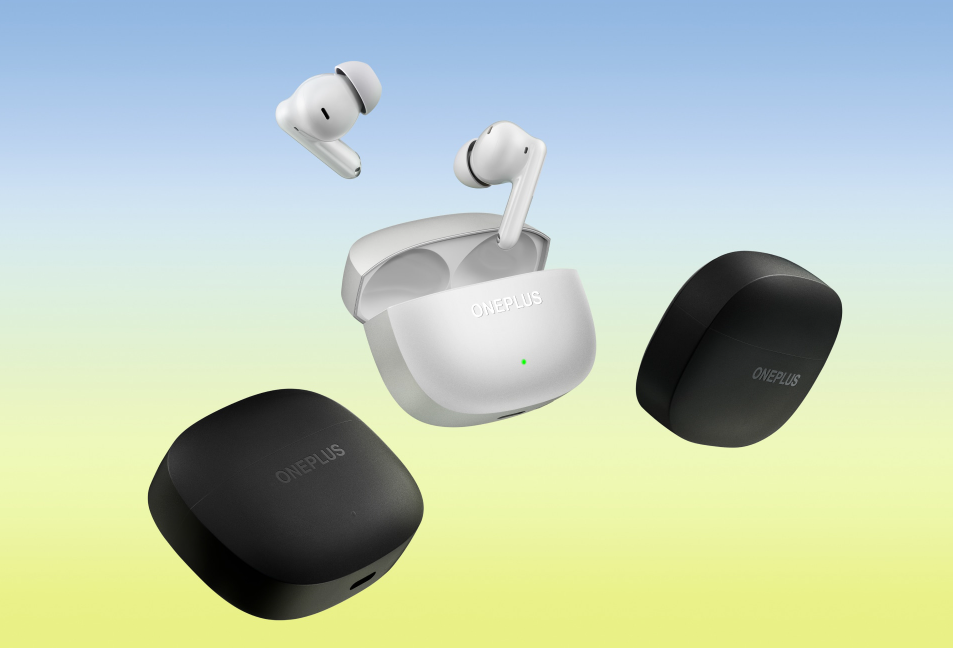
OnePlus has announced early details about its next pair of wireless earbuds, the OnePlus Nord Buds 4 Pro. The new model will replace the Nord Buds 3 Pro released last year. The company plans to reveal the full specifications, pricing, and battery information during the official launch on March 19.
The earbuds will include a six-microphone system designed to improve call clarity. OnePlus calls this setup “Six-Mic AI Clear Call.” Each earbud contains three microphones that work with AI noise reduction technology to focus on the user’s voice while reducing surrounding background noise during phone calls.
For audio performance, the Nord Buds 4 Pro will use 12mm, titanium-coated dynamic drivers. These drivers are designed to deliver stronger bass and clearer vocals. OnePlus states that the driver system offers a noticeable power improvement compared to the previous generation.
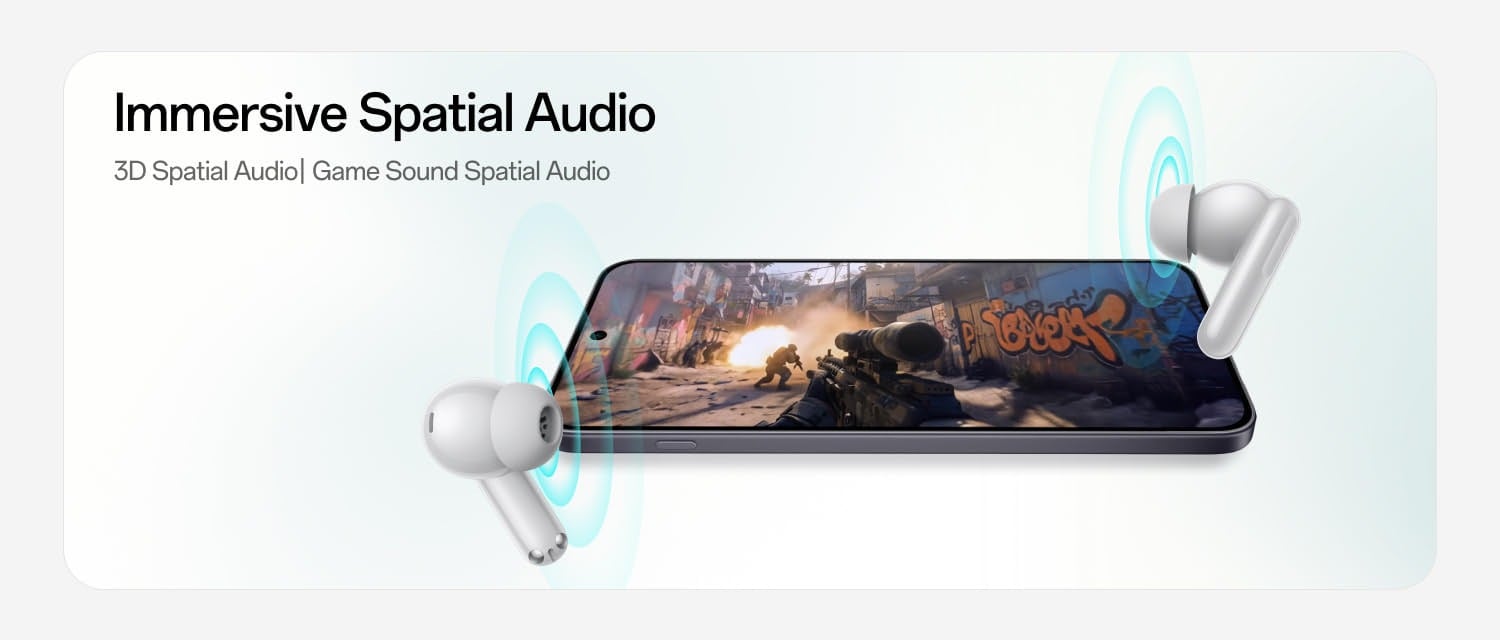
The earbuds will also support several advanced audio features. These include 3D spatial audio and gaming spatial audio to create a more immersive listening experience. The Nord Buds 4 Pro will also support the LHDC 5.0 high-resolution audio codec for higher-quality wireless audio when paired with compatible devices.
OnePlus has also focused on noise cancellation. The Nord Buds 4 Pro feature Active Noise Cancellation that can block up to 55 decibels of external noise. The ANC system has received high-performance noise cancellation certification from TÜV Rheinland.
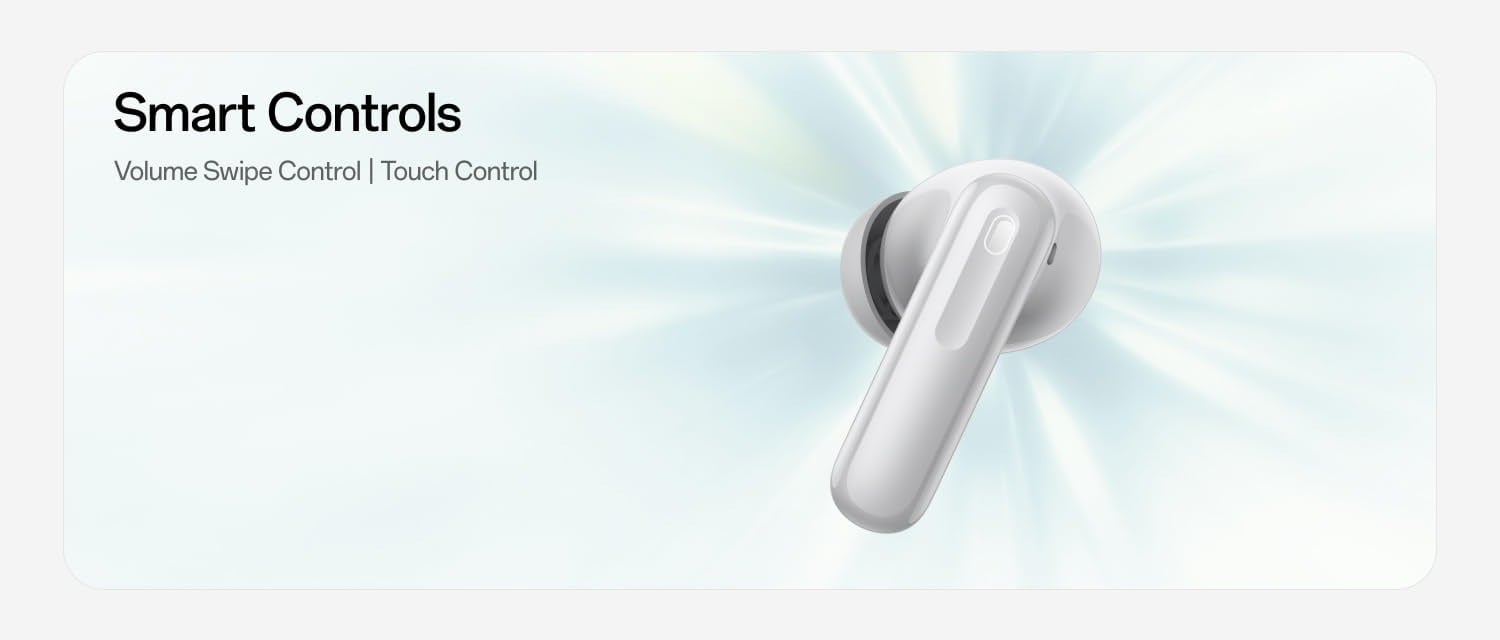
In terms of controls, the earbud stems include touch and swipe gesture support. Users can adjust volume, control playback, and manage audio directly from the earbuds without needing to open their smartphone.
The design includes two color options called Radiant Gray and Raven Black. Each earbud weighs 4.4 grams. OnePlus has also reduced the size of the charging case by more than 10 percent compared to the previous generation.
After the launch event on March 19, the OnePlus Nord Buds 4 Pro will be sold through Amazon India, Flipkart, the OnePlus India online store, and offline retail stores. More details about battery life, pricing, and regional availability will be confirmed at launch.
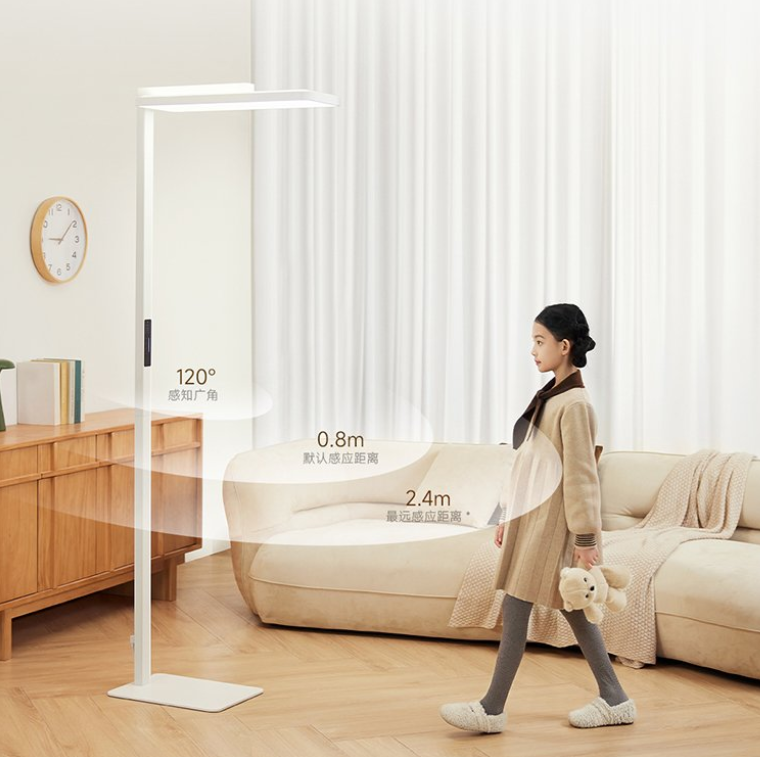
Xiaomi has launched the Mijia Vertical Study Lamp 2 in China. The lamp comes with a standard retail price of 2,499 yuan ($363), but the introductory price is set at 2,349 yuan ($342).
Mijia Vertical Study Lamp 2 Specifications
The Mijia Vertical Study Lamp 2 features a dual-light source system that delivers a total luminous flux of 12,700 lumens. The upper light source produces 9,700 lumens for ambient lighting, while the lower source outputs 3,000 lumens for focused desk illumination. Xiaomi designed the lamp for rooms up to 15 square meters, ensuring uniform lighting conditions for studying or reading.
The lamp uses 640 full-spectrum LED beads with a 4000K neutral white color temperature. This configuration closely replicates natural sunlight. It achieves a color rendering index (Ra) of 98 and a solar spectrum fitting coefficient (GFC) above 0.985, which ensures accurate color reproduction for tasks like reading or drawing. Xiaomi claims the lamp maintains minimal glare with a UGR rating below 13 and reduces visible hand shadows on the desk.
The lamp includes AI-based brightness adjustment with an ambient light sensor for stable illumination and a 24GHz radar sensor for detecting user presence. It learns user lighting preferences over time for more precise adjustments.
In terms of control, the lamp offers options via a touch panel, Bluetooth remote, or the Mijia app, allowing users to customize brightness, sensor settings, and lighting modes like study, ambient, and screen modes.
The Study Lamp 2 features a 90-degree rotatable head and covers a desk area of 1.2m x 0.6m. It delivers over 1,800 lux brightness in the central area with high uniformity. Xiaomi designed the lamp for durability, promising up to 38,000 hours of operation, equivalent to 17 years of six-hour daily use.
In related news, Xiaomi has recently launched the Mijia Kids Electric Toothbrush Pro with smart features and animated brushing guidance. The company has also introduced a new smart air conditioner that can detect when someone is in the room and automatically adjust its operation.
For more daily updates, please visit our News Section.
Xiaomi continues to expand its smart home ecosystem with the launch of the Mijia 10kg front-load washing machine, now available for pre-order in China at a launch price of just 1,199 yuan ($174). The new appliance combines minimalist aesthetics, impressive cleaning performance, and advanced smart features, setting a new standard in the budget washing machine market.
Mijia 10kg Front-Load Washing Machine Specs
The washing machine features a compact 516mm body, which fits neatly into standard 600mm cabinets. Xiaomi included a 15mm micro-gap embedded installation to provide a seamless fit with cabinetry and reduce dust accumulation. The control panel uses a simple rotary knob and push-button interface for easy operation.
The washing machine offers a superior wash ratio of 1.25, surpassing the national standard of 1.03. It features a 525mm drum for improved cleaning and reduced tangling, a 3D water flow system for effective dirt and residue removal, and a detergent pre-mix window to prevent residue buildup on clothes.
Xiaomi included 35 stain removal options, 24 washing programs for different fabrics, and a DD direct-drive motor for quiet operation. It features six-dimensional vibration reduction, seven-layer noise insulation, and a nano antibacterial door seal with a 99.9% antibacterial rate for enhanced hygiene.
The washing machine supports Xiaomi HyperOS Connect, enabling control via the Mijia app or XiaoAI voice assistant. It integrates with smart home features like notifications, automated drying rack adjustments, and lighting coordination after a wash cycle, with OTA updates for ongoing functionality improvements.
Xiaomi provides a 3-year warranty for the washing machine and a 10-year warranty for the motor.
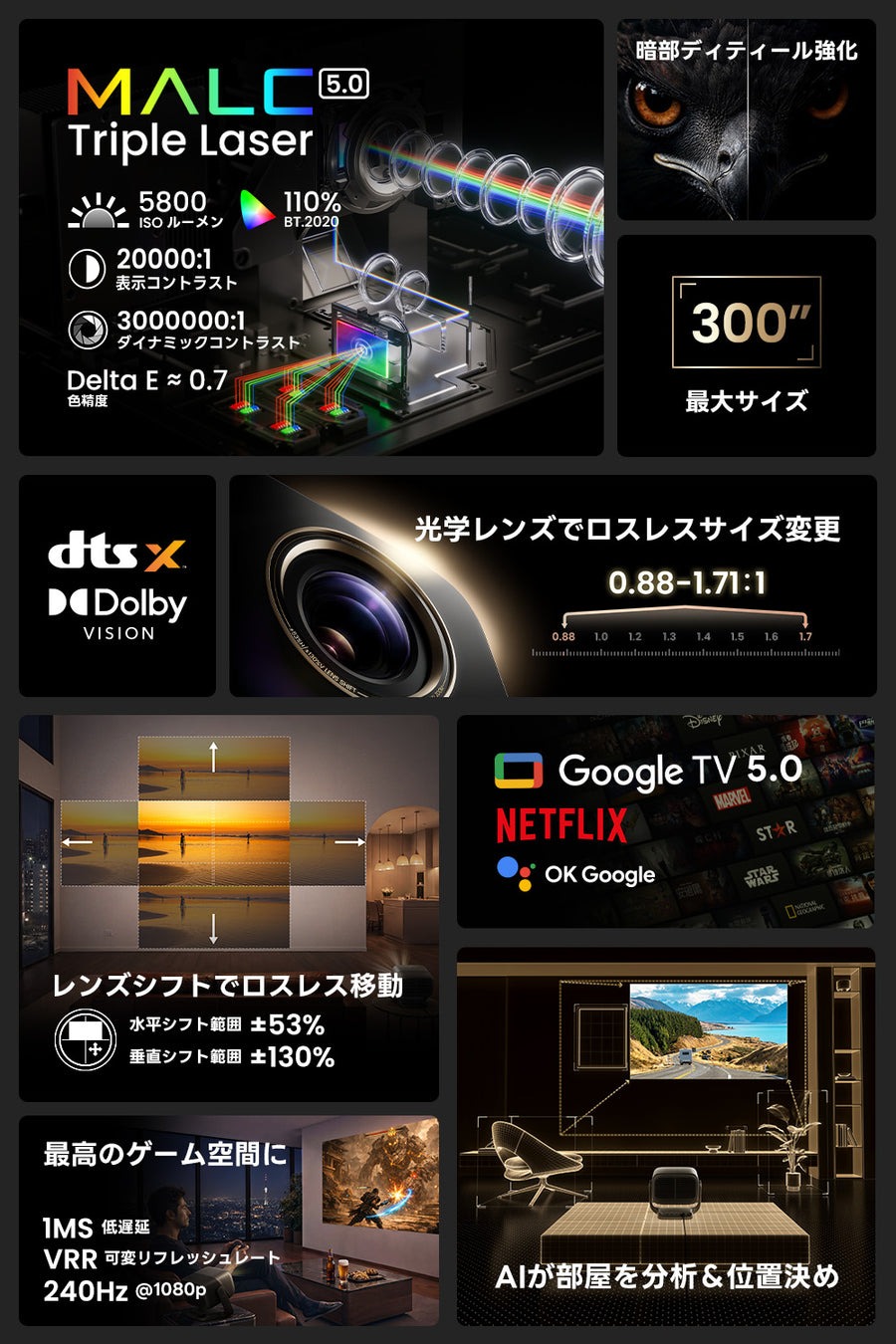
JMGO has released the N3 Ultimate 4K laser projector in Japan. The projector is designed for large-screen home viewing and supports HDR10 and Dolby Vision. It can project an image as large as 300 inches, making it suitable for home theater setups in living rooms or dedicated media rooms.
The N3 Ultimate uses JMGO’s MALC 5.0 triple-laser optical engine, which uses separate red, green, and blue lasers. This system delivers 5,800 ISO lumens of brightness, allowing the projector to produce clear images even in rooms with ambient light. JMGO says the projector offers a 20,000:1 native contrast ratio and up to 3,000,000:1 dynamic contrast. It also achieves Delta E ≈ 0.7 color accuracy and covers about 110 percent of the BT.2020 color space, helping reproduce accurate colors across different types of content.
The projector includes AI image processing designed to improve picture quality automatically. It analyzes scenes in real time and adjusts brightness, contrast, and color depending on the content being displayed. The system can also enhance darker scenes by identifying shadow details and adjusting the laser output so that objects in dark areas remain visible while black levels stay deep.
Installation is designed to be simple. The projector can scan the room and detect furniture, shelves, and other obstacles. It then suggests the best projection position and automatically adjusts the image alignment. Users can also save preferred projection positions so the projector remembers them and restores them automatically when moved.
The N3 Ultimate supports optical zoom with a 0.88 to 1.7:1 throw ratio, allowing a 100-inch image from about 1.9 meters away. It also supports horizontal lens shift up to ±53 percent and vertical lens shift up to ±130 percent. These adjustments use physical lens movement rather than digital correction, which helps maintain image clarity.
The projector runs Google TV 5.0, giving access to more than 10,000 apps, including YouTube, Netflix, Disney+, Prime Video, U-NEXT, Hulu, and ABEMA. It also supports Google Assistant voice control. For sound, the device includes dual 12.5 W speakers with Dolby Audio and DTS:X certification.
Gaming support is also included. The projector supports 1080p resolution at up to 240 Hz, variable refresh rate, and input latency as low as 1 ms.
Pricing & availability
The JMGO N3 Ultimate is priced at 499,180 yen, which is about $3,200, on the company’s website in Japan. It is also available for pre-order on Amazon US for $3,599.
Xiaomi has launched the Mijia Kids Electric Toothbrush Pro, a smart toothbrush designed to help children develop better brushing habits. The company has also announced a 0-yuan public testing program for the product.
Mijia Kids Electric Toothbrush Pro Specs
The toothbrush features a color display with animated brushing guidance. The screen provides step-by-step instructions, 30-second reminders to switch brushing zones, and positive feedback after the two-minute brushing cycle. Xiaomi says the animations make brushing more engaging for kids while promoting proper techniques. The toothbrush uses a six-axis motion sensor paired with AI algorithms to monitor brushing coverage. It highlights missed areas in orange and ensures children achieve complete cleaning.
Xiaomi has included real-time brushing speed and pressure detection. The toothbrush lights up in red and vibrates if it detects excessive horizontal brushing speed, helping children avoid damaging their enamel or gums. A ring around the handle changes color based on brushing pressure, with green indicating correct force and red signaling excessive pressure.
The toothbrush offers three cleaning modes tailored to different age groups. It provides a gentle mode for kids aged 3-6 and a stronger mode for children aged 7-12. Parents can customize brushing intensity through the Mijia app, which also tracks brushing performance and generates detailed reports. The app allows users to mark dental conditions like cavities and create personalized brushing plans.
The toothbrush features fluoride-infused bristles with rounded edges to protect gums, a flexible, shock-absorbing head, and a soft rubber coating with a silicone protective ring to enhance comfort and prevent contact with the throat.
The Mijia Toothbrush Pro includes IPX8 waterproofing and a 90-day battery life. It charges via USB-C and takes four hours for a full charge. Xiaomi also offers personalization stickers, making the toothbrush more appealing to children.
In related news, Xiaomi recently introduced a smart air conditioner that can detect when someone enters the room and automatically adjust its airflow and temperature. The company has also launched a new smart fan that can run on a power bank and uses 3D airflow technology to circulate cool air across the entire room.
For more daily updates, please visit our News Section.
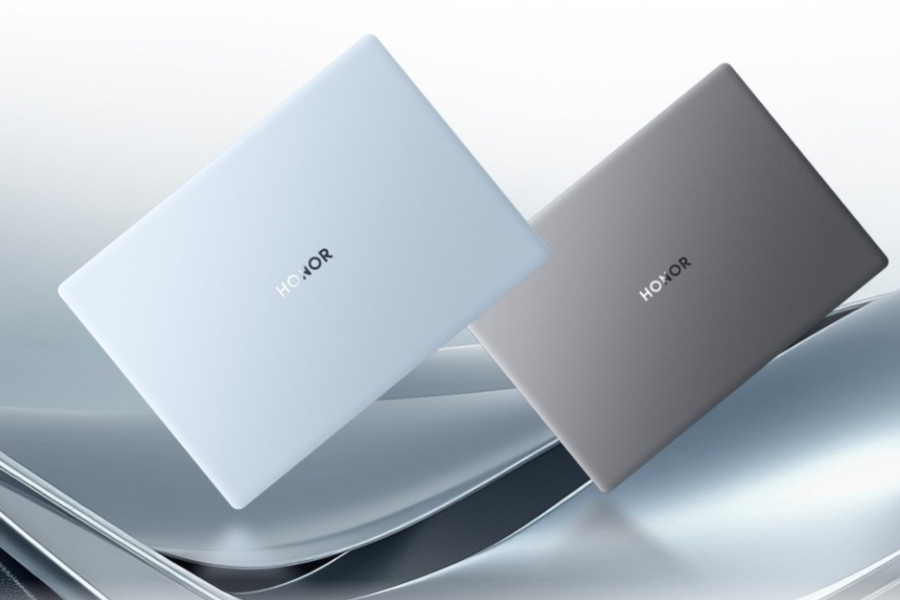
Honor just took the wraps off the new Magic V6 foldable. Next up, the company may be preparing something very different, a gaming laptop.
According to a post from Chinese tech tipster Digital Chat Station, the gaming machine is powered by an Intel Core i7-14650HX processor and an Nvidia GeForce RTX 5060 GPU.
The leaker claims to have briefly tested the laptop and says that the system was running its cooling fans at full capacity during use. While that detail doesn’t reveal much about sustained performance yet, it does suggest that the hardware inside is designed for heavier workloads.
According to the post, the prototype configuration includes 16GB of DDR5 RAM and storage options of either 512GB or 1TB SSD.
Honor WIN 2 is also incoming!
Interestingly, the blogger also suggested a possible name for the device: “WIN Gaming Laptop.” The name appears to connect the laptop with Honor’s “WIN” lineup of smartphones; however, it is certainly not the marketing name.
The leak also mentions a new smartphone. The next-generation Honor WIN 2 smartphone is reportedly already in mold testing, which usually happens during the early hardware development stage. The leaker claims both the core configuration and peripheral components are currently being finalized.
None of this has been officially confirmed by Honor yet, but the company has previously hinted that a gaming laptop is on the way. Back in December, Zhu Chencai, general manager of PC products at Honor Terminal Co., Ltd., said on social media that a new gaming laptop was nearing release.
Later that same month, during a product launch event, Honor reiterated that the device would arrive sometime this year. The company also said the laptop would serve as the designated machine for the Delta Force Professional League.
For now, most of the details remain unofficial. But we’ll keep you in the loop if more information surfaces.
For more daily updates, please visit our News Section.
Honor Magic V6 has officially launched today in China. The new foldable arrives with Qualcomm’s Snapdragon 8 Elite Gen 5 processor, a large 7,150mAh battery, and a design that Honor says is durable and thin.
Honor Magic V6
The phone starts at 8,999 yuan (about $1,250) for the 12GB RAM and 256GB storage model. A 12GB + 512GB version costs 9,999 yuan (around $1,390), while the 16GB + 512GB model is priced at 10,999 yuan (about $1,530).
The top-tier configuration with 16GB of RAM and 1TB of storage goes up to 11,999 yuan (roughly $1,670). It’s available in four colors: Red Rabbit Red, Sunrise Gold, Snow White, and Velvet Black.
Honor Magic V6 Specifications
One of the main talking points is what Honor calls its “black diamond screen.” According to the company, the external display is coated with 5,600 layers of silicon nitride designed to improve wear resistance by three times compared to previous designs. The foldable display also includes a low-reflection coating with reflectivity rated at just 1.5 percent.
Honor demonstrated the screen’s durability during the launch event by pressing a power drill against it, claiming the display remained intact. The company says the phone can be used without a protective case and should maintain reliability for up to 36 months.
The inner foldable screen also introduces what Honor says is a “seamless crease” design. According to the brand, it reduces the visible fold, or crease, by 44 percent compared to the previous generation. The display structure includes an anti-reflective protective layer, an impact-resistant UTG glass layer, and a carbon fiber support layer. Honor claims this setup improves impact resistance by about 33 percent and has received eye-protection certification from TÜV Rheinland.
The inner display can reach up to 5,000 nits peak brightness, while the outer screen can hit 6,000 nits. Both support 4,320Hz PWM dimming and stylus input.
The foldable is also thin
In terms of design, the Magic V6 weighs about 219 grams and measures roughly 8.75mm thick when folded and 4.0mm when unfolded. Its among the lightest and thinnest foldable phones so far. The device features a 3D textured back panel and an aerospace-grade aluminum frame.
The Magic V6 also carries both IP68 and IP69 ratings and is rated to survive water depths of up to four meters.
Honor Magic V6
Despite being slim, the foldable packs a 7,150mAh Silicon-Carbon battery with silicon content exceeding 32 percent. The battery has an energy density of 985Wh/L, which Honor claims is a record for foldable devices. Honor also offers a second model with a 6,850mAh battery and slightly lower silicon content.
On the camera side, the Magic V6 includes a 64-megapixel telephoto camera using a 1/2-inch sensor and supports CIPA 6.5 level stabilization. Honor has also integrated its AiMAGE color engine and AI-assisted photography features like intelligent composition and dual-screen shooting previews.
Honor is also introducing what it calls an “AI Intelligence Officer,” which can proactively push news or scheduled content. The Magic V6 supports AI translation across 14 languages, real-time screen translation, and a range of gaming optimizations, including 120FPS support.
Honor Magic V6 -7,150mAh battery
Connectivity is another area Honor highlights. The device supports 25 5G bands across more than 200 regions and is the first phone to support BeiDou satellite SMS services across China’s three major carriers.
Interestingly, the Magic V6 also has several features designed to work with Apple devices. Users can access iCloud Photo Library, extend their Mac display wirelessly, transfer files to a Mac with one tap, and connect with AirPods or Apple Watch features.
For more daily updates, please visit our News Section.
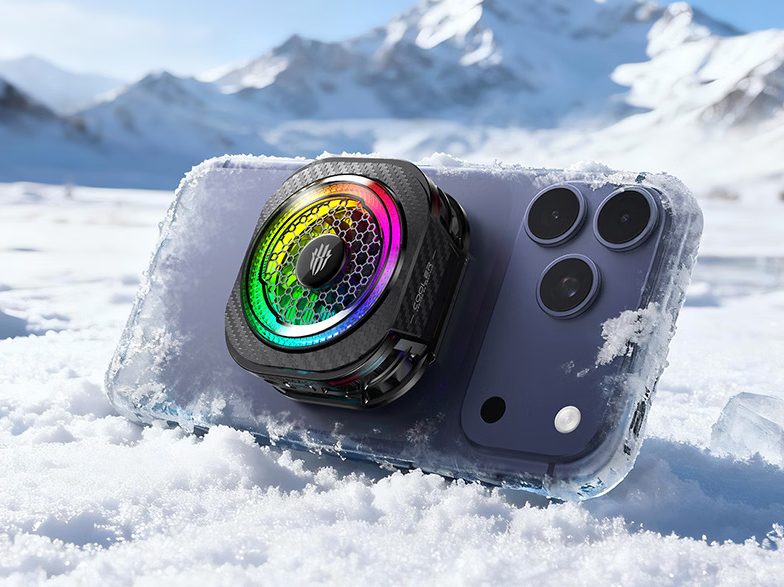
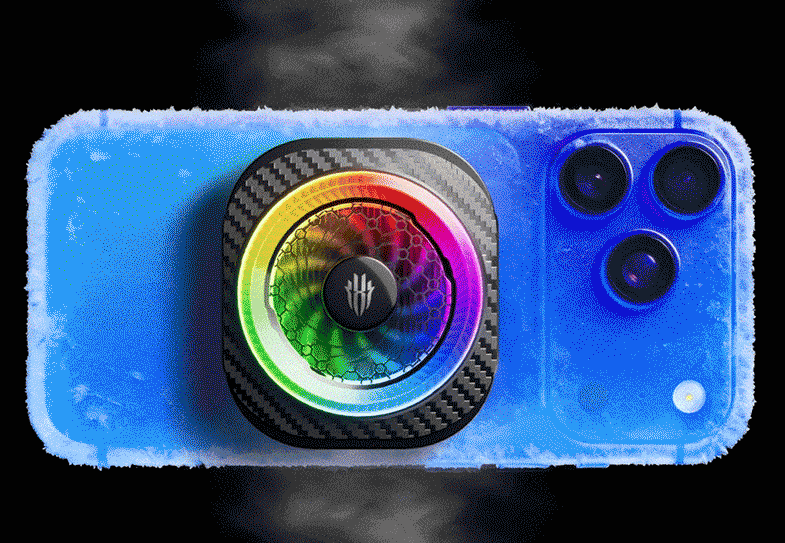
Red Magic has launched the Cooler 8 Air in China, a smartphone cooling accessory designed for gamers and performance users. The cooler weighs 65 grams and supports 18W power output, achieving cooling temperatures as low as −20°C. The company has priced the Cooler 8 Air at a promotional launch price of 129 yuan ($18), down from its regular price of 149 yuan ($22).
Red Magic Cooler 8 Air Specifications
The Cooler 8 Air has a compact design with dimensions of 63 x 21 mm. Red Magic claims the device is as light as a typical phone case, which helps reduce hand fatigue during extended gaming sessions. The slim 21 mm profile ensures it does not interfere with hand placement, allowing users to maintain a comfortable grip while gaming.
Red Magic has equipped the cooler with a thermoelectric cooling (TEC) module. The module helps reduce smartphone temperatures by up to 45°C under no-load conditions and delivers a minimum cooling temperature of −20°C. The device operates at 18W power output, which enables efficient cooling without increasing bulk.
The company enhanced the cooler with a larger 30 x 30 mm TEC cooling plate, increasing the core cooling area by 44%. Additionally, a 45 mm aluminum alloy heat dissipation surface expands the cooling area by 40%, improving heat distribution across the phone’s surface.
The cooler features a seven-blade fan that runs at speeds of up to 6000 RPM. Despite its high speed, the fan maintains noise levels as low as 30 dB, comparable to a quiet indoor environment.
The device includes RGB lighting with six customizable LEDs. It also offers dual installation options, with a magnetic attachment for iPhone 12 and newer models and an optional clip-on system for Android devices. The clip-on version costs 139 yuan ($20), and the clip can be purchased separately for 20 yuan ($2.8).
In related news, Red Magic has also launched the Cooler 8 Pro, a higher-end model designed for more demanding users. It features up to 36W cooling power, an AI-based temperature control system, and built-in RGB lighting.
For more daily updates, please visit our News Section.
Red Magic has launched the Cooler 8 Pro, a smartphone cooling accessory featuring its 8th-generation Colding cooling architecture. The device includes a self-developed AI temperature control system and starts at 229 yuan ($33) during its introductory sale, down from the original price of 269 yuan ($39).
Red Magic Cooler 8 Pro Specifications
The Cooler 8 Pro features a 1640 mm² semiconductor TEC cooling plate with 124 pairs of PN junction micro cooling pumps. Red Magic claims this design improves cooling performance by 130% compared to the previous generation. The cooler delivers up to 36W of cooling power, reducing surface temperatures by as much as 80°C under heavy loads. It can reach an idle cooling temperature as low as –25°C.
Red Magic equips the Cooler 8 Pro with an 11-blade fan that spins at up to 6500 RPM. The fan works alongside a large aviation-grade aluminum heat sink to dissipate heat efficiently. The vertical airflow design pushes hot air upwards and downwards, ensuring comfort during extended gaming sessions.
The cooler uses 52 neodymium magnets that provide a magnetic force of about 14N. These magnets securely attach the cooler to compatible smartphones, keeping it stable during gaming or movement.
The Cooler 8 Pro includes an AI temperature control system that uses a high-precision NTC sensor to monitor the cooler and smartphone temperatures in real time. The system automatically adjusts cooling intensity to prevent condensation while maintaining performance.
The device features RGB lighting with six customizable effects and temperature-sensitive cooling fins that change color based on heat levels. It measures 70 x 63 x 31 mm and weighs 113 grams.
Red Magic recommends a 45W or higher charger to achieve full cooling performance, with a 65W charger suggested for high-performance modes.
In related news, Red Magic has recently teased the upcoming Gaming Tablet 5 Pro, a compact gaming tablet revealed shortly after the announcement of the Legion Tab Gen 5.
For more daily updates, please visit our News Section.
Smartphone makers have been steadily increasing battery capacities in recent months. March 2026 will see a handful of phones with huge batteries, including the Honor Magic V6, which offers one of the largest batteries on a foldable phone. Some other models even cross the 9,000mAh and 10,000mAh thresholds, signalling a clear industry shift toward longer battery life. Here’s a look at the phones with huge batteries that have launched or are expected to arrive in March 2026.
12Ai+ Pulse 2 – 6,000mAh
AI+ Pulse 2
The Ai+ Pulse 2 is an entry-level 4G LTE smartphone announced earlier this month for Rs 5,999 (~$65). Despite its low price, it includes some notable features, such as a 120Hz display, a 50-megapixel camera, and up to 128GB of storage, which is uncommon in this segment.
Oppo is said to be working on three smartphones for the Find X10 series: the Find X10, Find X10 Pro, and Find X10 Pro Max. A new leak has now revealed the screen sizes of these devices.
According to information shared by tipster Digital Chat Station, the Oppo Find X10 could feature a 6.59-inch mid-sized display with a 1.5K resolution. Meanwhile, the Find X10 Pro is said to come with a slightly larger 6.78-inch screen, also with a 1.5K resolution.
As for the Oppo Find X10 Pro Max, the tipster says the display for this “ultra-sized” model is still undecided internally. Oppo may be considering multiple options before finalizing the design. One possibility under discussion, however, is using the same high-end display Oppo is currently using in the Find X9 Ultra.
Dimensity 9600 all-around?
The leak also claims that all three phones could run on MediaTek’s upcoming MediaTek Dimensity 9600 chipset. That said, this contradicts an earlier report from the same tipster.
It suggests the base Find X10 might use the MediaTek Dimensity 9500 instead, while the Find X10 Pro and Pro Max would feature the Dimensity 9600. As with most early leaks, it’s best to take these details with a pinch of salt.
Oppo Find X9 Pro
Moreover, in the comments, the tipster suggests it will be difficult for the brand to upgrade upcoming flagships to LPDDR6 and UFS 5.0. That’s because this combo is “comparable in price to a chip”. The Find X9 series, in comparison, includes LPDDR5X RAM and UFS 4.1 storage.
Apart from this, a few previous leaks have revealed some other specs for these phones. For instance, the Oppo Find X10 Pro Max is rumored to come with three 200MP cameras on the back.
For now, though, most of these details remain unconfirmed.
For more daily updates, please visit our News Section.
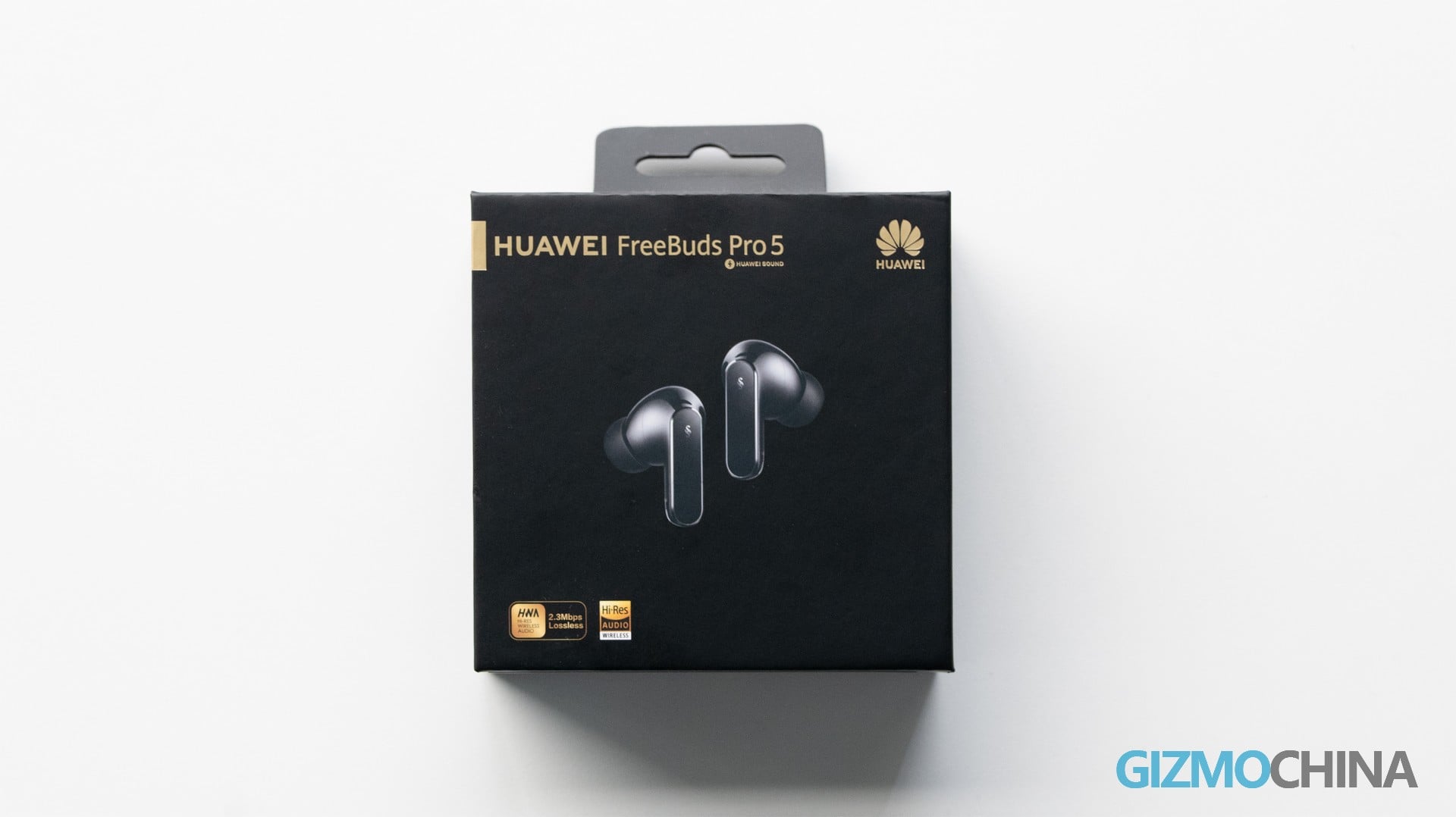
Seeking a premium alternative to the AirPods Pro outside the Apple ecosystem? For Android users demanding excellence in build quality, acoustic performance, controls, design, and feature set, the answer has arrived. HUAWEI continues to close the gap between platforms, and the FreeBuds Pro 5 represents its most compelling statement yet. After extensive hands-on testing, my assessment is unambiguous: alongside the AirPods Pro, the FreeBuds Pro 5 currently stands as one of the two finest true wireless earbuds available—period.
Design & Comfort
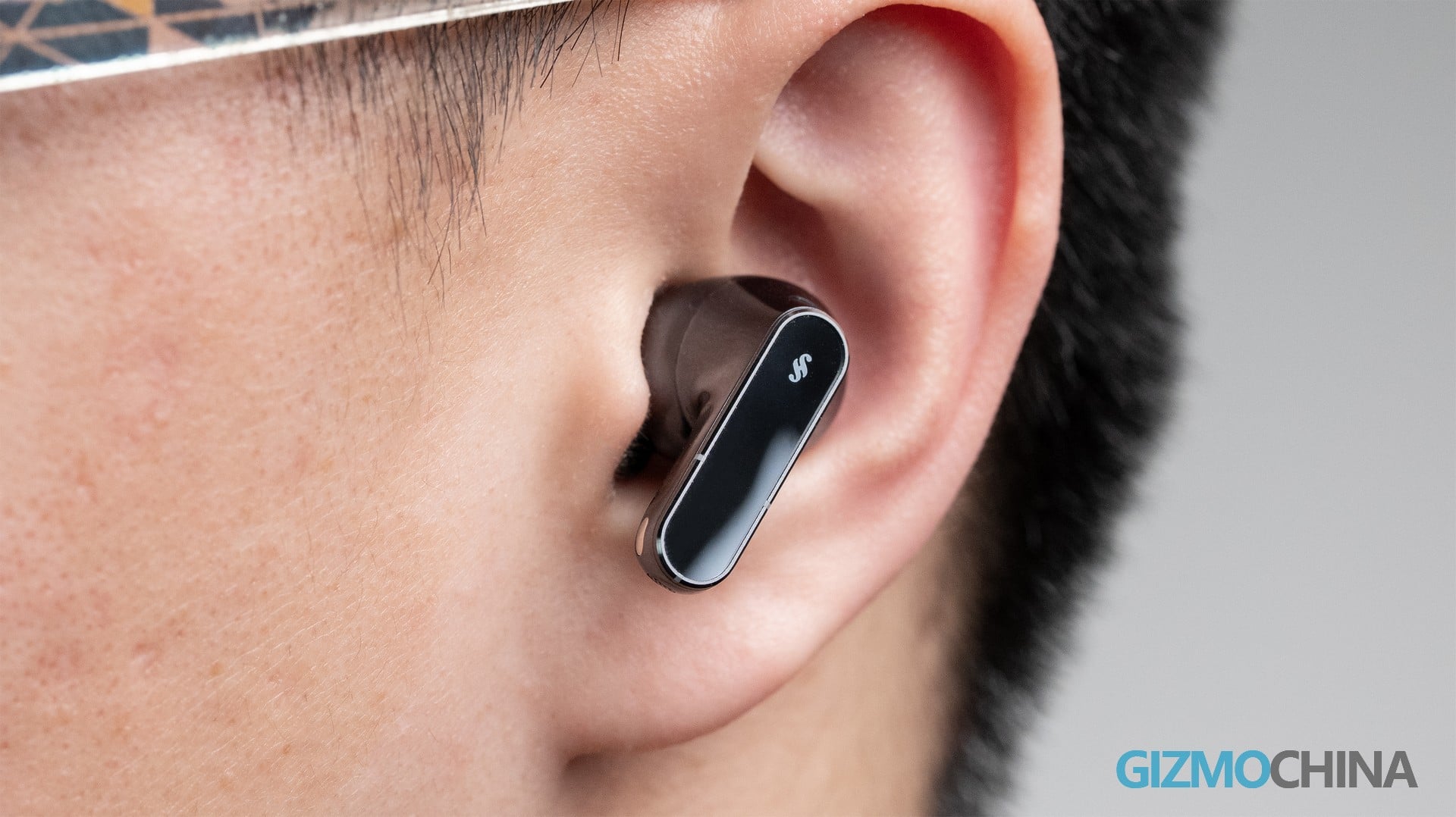
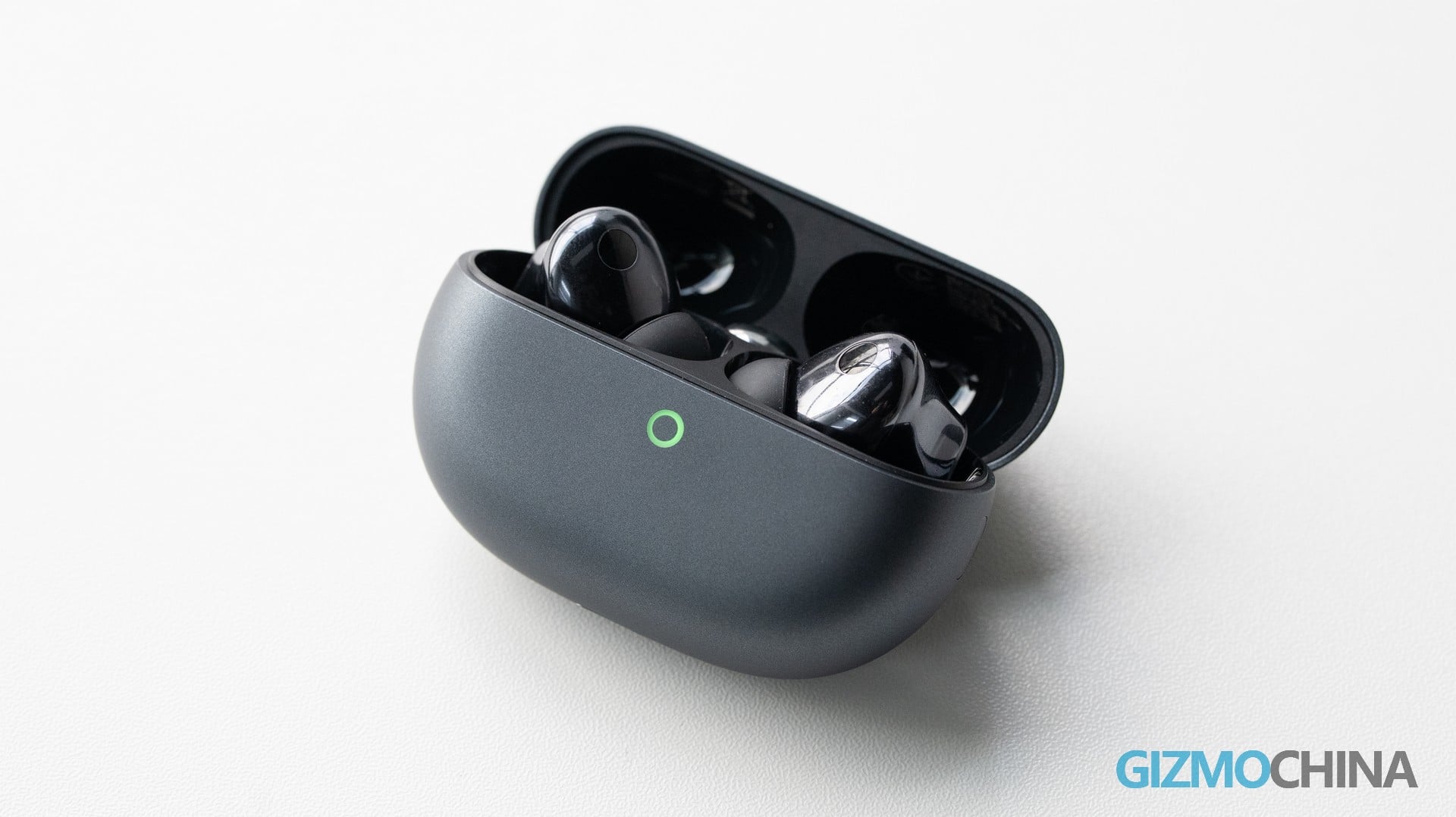
The FreeBuds Pro 5 adheres to the established design language of its predecessors, retaining the familiar oval charging case. Yet HUAWEI has refined numerous details with precision. The front indicator light now sits within an elegant circular ring, while the lid hinge has been seamlessly concealed from view. Particularly noteworthy is the ingenious unification of the speaker grille and charging port into a single structural element—among the most thoughtful industrial design choices I’ve encountered—yielding a notably cleaner silhouette.The matte finish of the charging case delivers a satisfying tactile quality, though users should exercise caution: the smooth surface offers minimal grip and can prove somewhat slippery in hand.
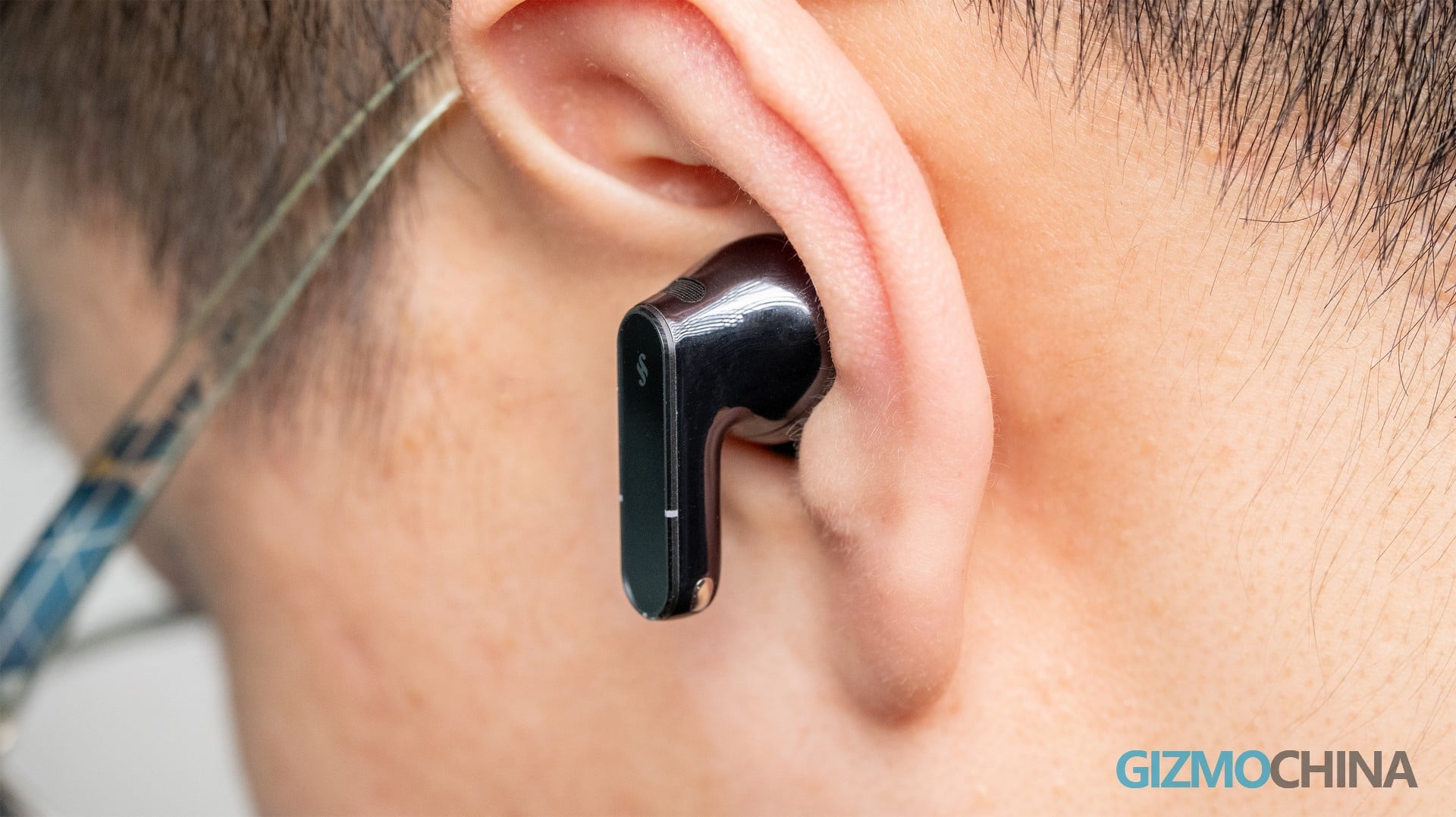
The earbuds themselves have undergone the most noticeable changes. The battery section is made with a combination of glass and metal materials, and the HUAWEI SOUND logo highlights the flagship status of these earbuds. Each FreeBuds Pro 5 earbud weighs only 5.5 grams, which is 0.3 grams lighter than the previous generation, and the overall size has also been reduced by 10%. I once wore them from nine to six during a full workday without taking them off, and I did not experience any discomfort. They truly manage to be both stylish and comfortable.
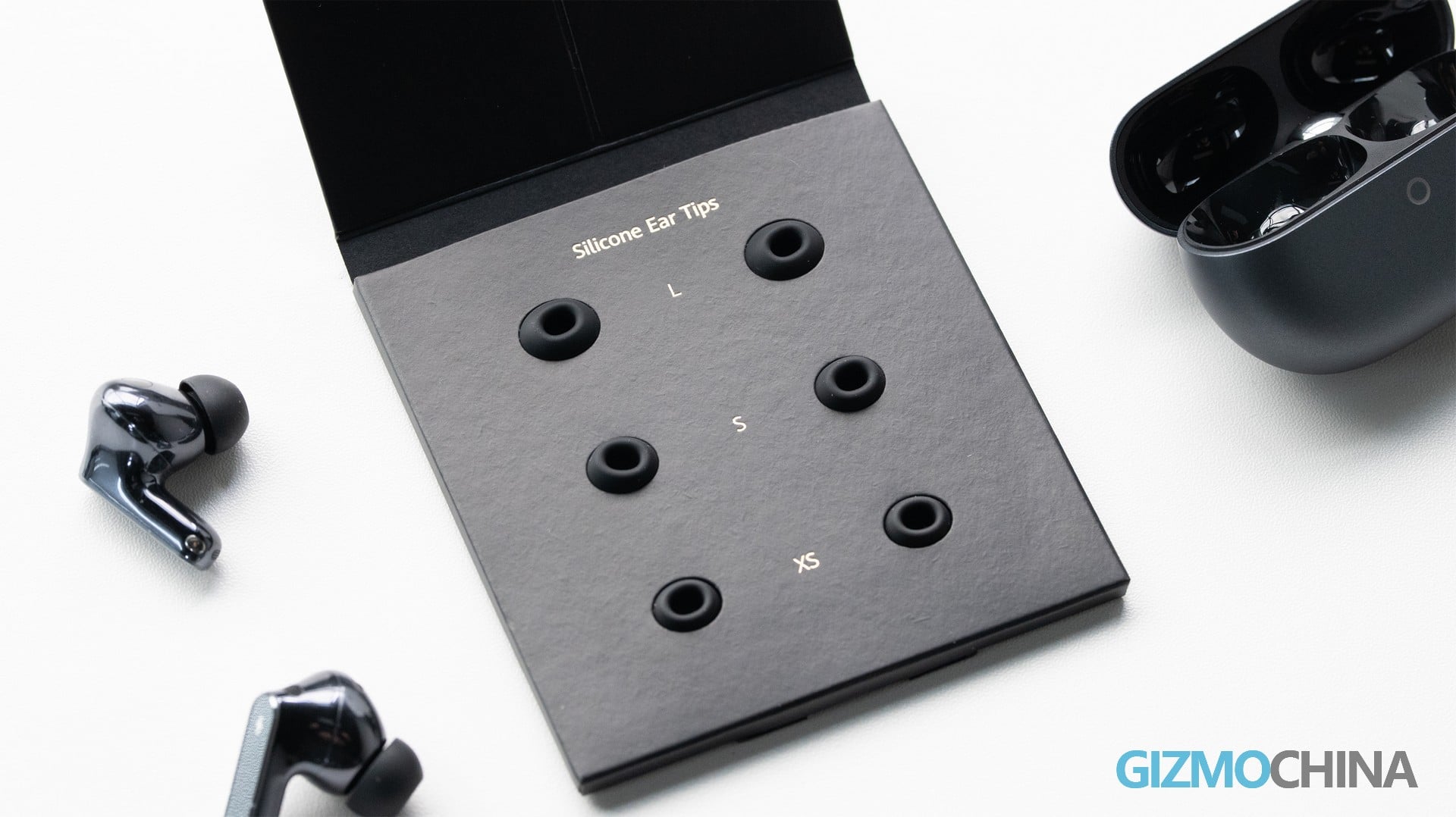
Inside the box, three sets of silicone ear tips of different sizes are included. If you want to try different types of ear tips, HUAWEI also offers memory foam tips in its store. There is even a dedicated audio setting specifically designed for these tips.
Controls & Features
The FreeBuds Pro 5 offers three input methods: swipe gestures, pinch controls, and tap commands. Swiping and pinching will feel immediately familiar to AirPods Pro veterans, while tapping remains the standard across most Android and third-party alternatives. This comprehensive approach ensures that regardless of your established muscle memory, the FreeBuds Pro 5 accommodates your preferences with minimal adaptation required. The feature set extends beyond basic controls, and it’s clearly designed to compete directly with the AirPods Pro. Call management via head gestures—answering or declining by nodding or shaking—alongside automatic volume adjustment based on ambient noise levels, positions the FreeBuds Pro 5 among the most intelligently adaptive earbuds in its class.
In fact, the dual-device connection capability may render the FreeBuds Pro 5 superior to the AirPods Pro for multi-device workflows. For users operating across ecosystems—such as those with a Windows workstation alongside mobile devices—seamless switching between sources proves remarkably efficient. Spatial audio with head tracking extends to virtually any paired device, including Windows PCs, Android handsets, and even iOS hardware. This degree of platform-agnostic feature parity is genuinely impressive, and notably rare in the current market.
The sole functional advantage held by the AirPods Pro is direct camera control from the earbuds—a minor concession in the broader feature landscape. Beyond this single exception, the AirPods Pro offer no meaningful functional superiority.
Sound Quality
Unlike Apple, HUAWEI’s pursuit of sound quality seems to have no limits. HUAWEI FreeBuds Pro 5 uses advanced digital cross-over technology based on its third-generation audio chip with dual DSPs. This chip includes two professional audio DACs. The audio source is split by the DSPs, and each DAC independently drives the low-frequency and high-frequency drivers. This results in a 200% improvement in digital cross-over precision and a 50% reduction in DAC noise.
The FreeBuds Pro 5 sounds fuller and more engaging than most rivals. The dual-driver setup—with separate processing for bass and treble—delivers punchier lows and clearer mids, so vocals stand out with real presence. Where the AirPods Pro 3 can sound a bit muffled, Huawei’s tuning feels more open and immediate. The soundstage is wide, with background details crisp rather than buried. It’s a musical, immersive presentation rather than a digital-simulated one—and for most listeners, that’s a definite strength.
Of course, in order to satisfy different listening preferences, FreeBuds Pro 5 also provides a variety of EQ presets as well as customizable EQ options. The absence of these features is one of the reasons why some music enthusiasts are not particularly fond of AirPods Pro.
Noise Cancellation & Transparency
HUAWEI FreeBuds Pro 5 is the first-ever dual-driver ANC earbud that uses both an ultra-linear dual-magnet driver and an ultra-thin micro planar diaphragm driver to emit inverted-phase sound waves that counteract external environmental noise. Both acoustic units work together to generate counter-noise, while a new MIMO AI sensing model actively detects the surrounding environment and adjusts parameters in real time—improving overall noise reduction performance to 220% compared with Huawei FreeBuds Pro 4.
As shown in the chart, the maximum noise reduction depth can reach up to 47 dB. Wind noise suppression is also very impressive. When encountering strong wind, the earbuds will moderately reduce the noise cancellation intensity to prevent wind noise from becoming too noticeable.
Advantages for HUAWEI Phone Users
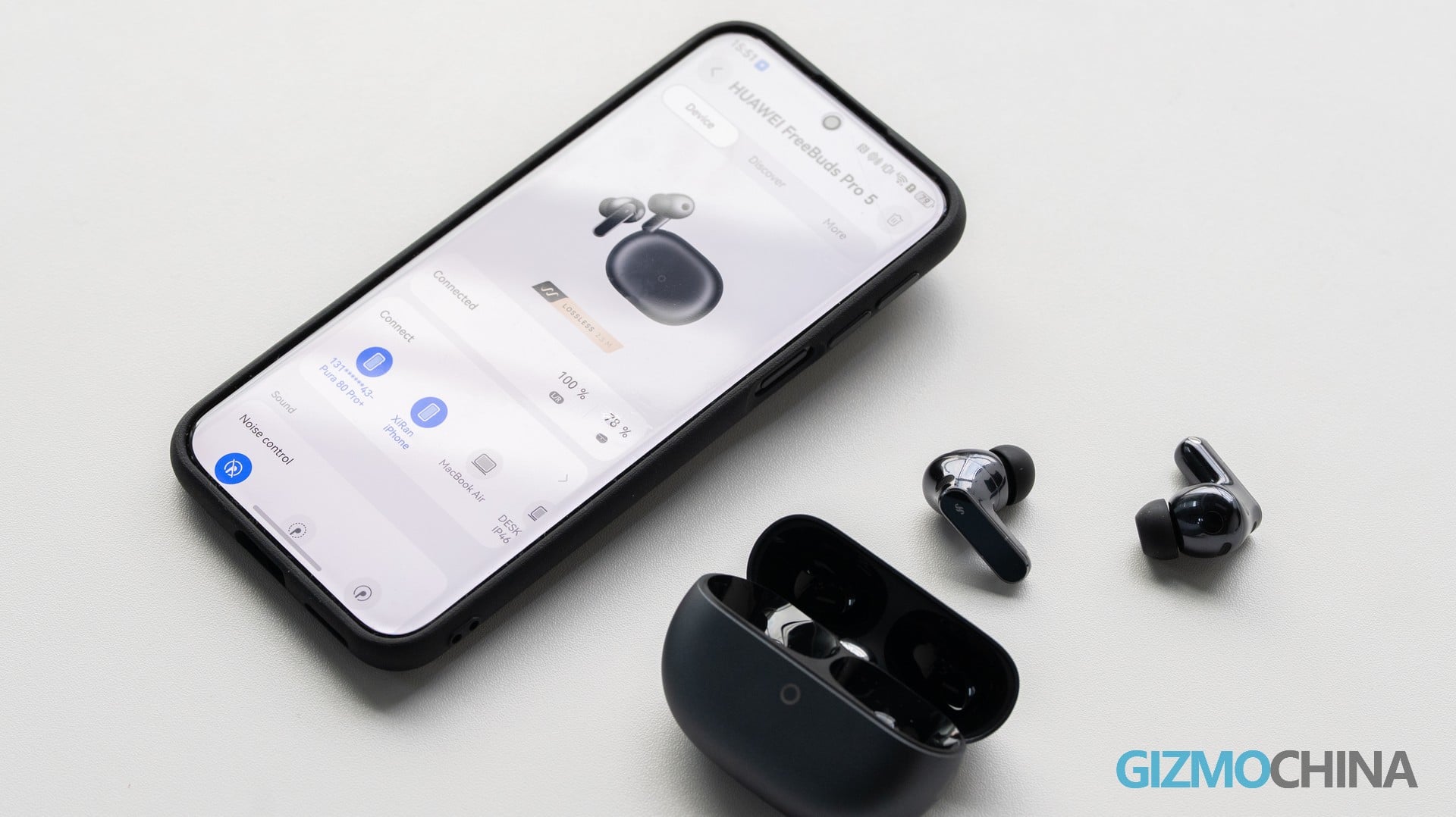
The features mentioned above are available to both Android phones and iPhones. However, since these are HUAWEI earbuds, connecting them to HUAWEI phones naturally unlocks some exclusive advantages.
The most notable one is 2.3 Mbps lossless audio. When paired with certain HUAWEI phones and using HUAWEI’s self-developed L2HC 4.0 codec technology, the transmission speed can reach up to 2.3 Mbps, delivering 48 kHz / 24-bit lossless audio quality. Even if you are using an older HUAWEI device, such as the Pura 70 Pro, the transmission speed can still reach 1.5 Mbps.
Some additional features, such as voice message announcements and certain health-related options, are also exclusive to HUAWEI phone users.
Battery Life
Officially, HUAWEI claims that FreeBuds Pro 5 can last up to 9 hours with ANC turned off, and around 6 hours with ANC turned on. In practical terms, that means charging the earbuds once during lunch is enough to keep them running throughout the rest of your workday.
During my usage, I never actually managed to drain the battery completely. In-ear earbuds usually need to be taken off occasionally to let your ears rest anyway. In short, battery life is definitely not a weak point of the FreeBuds Pro 5.
Conclusion
The HUAWEI FreeBuds Pro 5 delivers exceptional performance across nearly every metric. Frankly, with the series now in its fifth generation, it’s genuinely difficult to identify any glaring weaknesses. If the price gives you pause, consider this: the AirPods Pro, which falls a bit short on sound quality, commands an even higher premium. From that vantage point, HUAWEI’s pricing feels entirely justified. In my assessment, the FreeBuds Pro 5 establishes a new benchmark for ANC earbuds. If your budget sits above $200, this pair deserves a spot on your shortlist.
We use cookies on our website to give you the most relevant experience by remembering your preferences and repeat visits. By clicking “Accept”, you consent to the use of ALL the cookies.
This website uses cookies to improve your experience while you navigate through the website. Out of these, the cookies that are categorized as necessary are stored on your browser as they are essential for the working of basic functionalities of the website. We also use third-party cookies that help us analyze and understand how you use this website. These cookies will be stored in your browser only with your consent. You also have the option to opt-out of these cookies. But opting out of some of these cookies may affect your browsing experience.
Necessary cookies are absolutely essential for the website to function properly. This category only includes cookies that ensures basic functionalities and security features of the website. These cookies do not store any personal information.
Any cookies that may not be particularly necessary for the website to function and is used specifically to collect user personal data via analytics, ads, other embedded contents are termed as non-necessary cookies. It is mandatory to procure user consent prior to running these cookies on your website.