Advertisement

Oppo Find N6 Slim Foldable Reportedly Being Tested in India

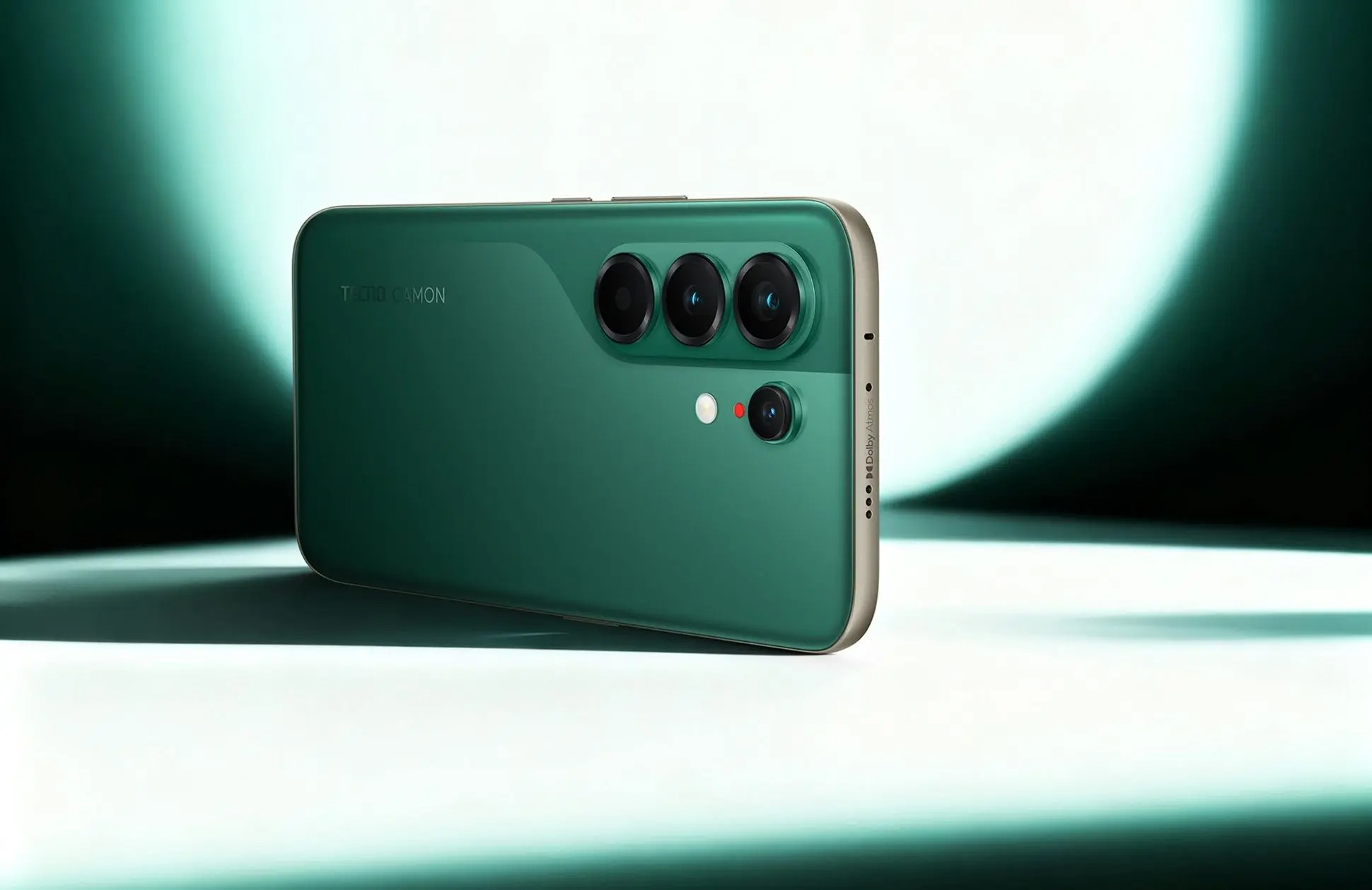
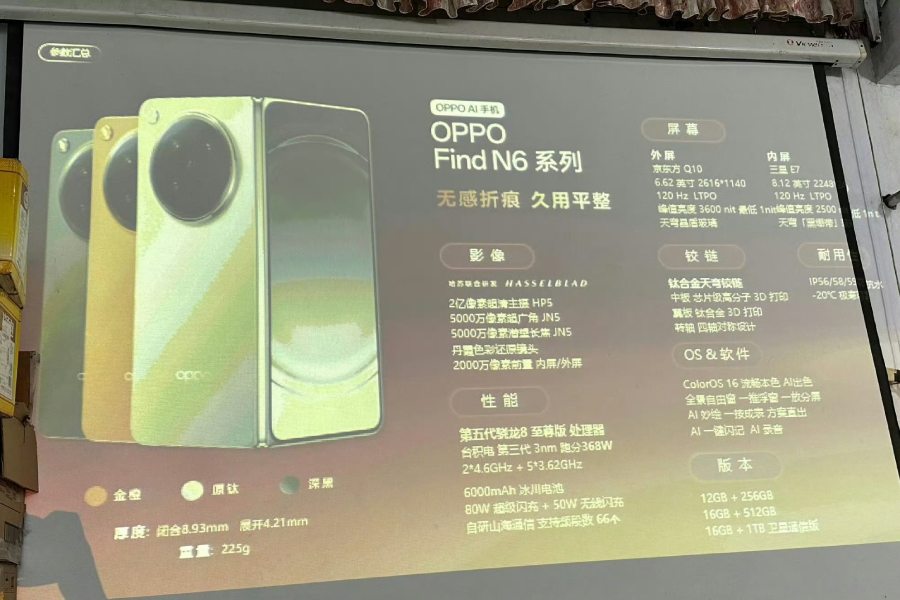
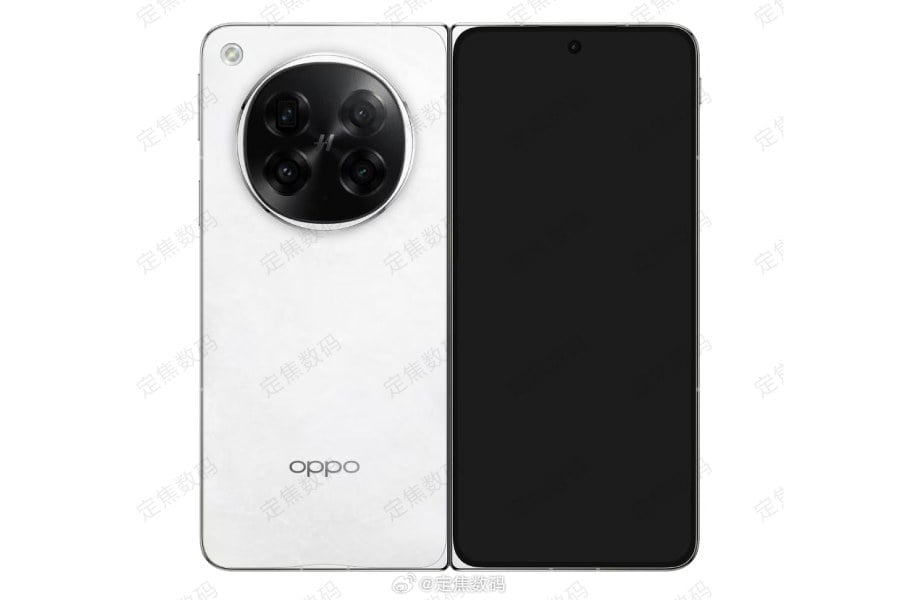
Oppo’s next foldable phone, expected to be called the Oppo Find N6, has reportedly entered testing in India. This comes months after the company launched the Find N5 in China, which became the thinnest foldable phone in the world with a folded thickness of 8.93mm. Leaks now suggest the Find N6 will be even thinner and lighter than a regular foldable phone.

Oppo Find N5

Tipster Debayan Roy (@Gadgetsdata) posted on X that the Find N6 is being tested in India. He said device testing usually means a launch is close, but in this case, the India launch is still not confirmed. He also said the Find N6 is unlikely to launch in India under the OnePlus name.

According to earlier leaks, the Oppo Find N6 is expected to feature a 6.6 inch outer display and an 8.1 inch foldable inner display. Even with a slimmer body, the phone is said to pack a battery of more than 6,000mAh.

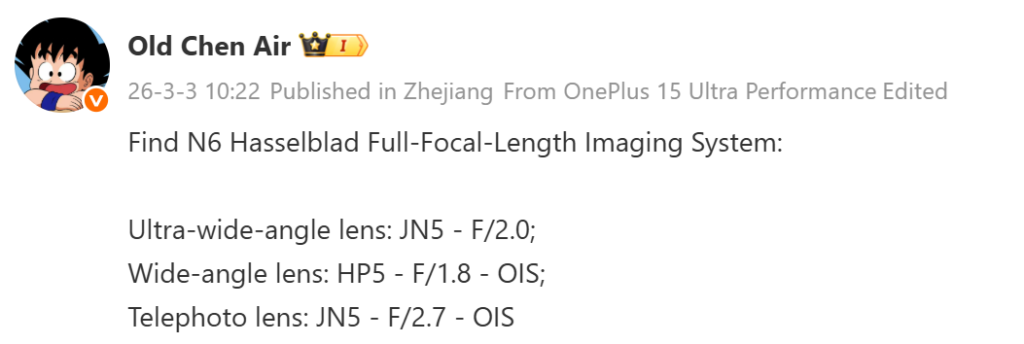
The rear camera setup may include a 50 megapixel Sony LYT 808 main camera with a 1/1.4 inch sensor. It is also said to have an ultra wide camera, a thin periscope lens with 3x optical zoom and a multispectral sensor.

On the software side, the Find N6 is expected to run Android 16 with ColorOS 16. Other leaked features include a Plus key, a side mounted fingerprint sensor and wireless charging support. The phone is also said to offer full level water resistance, similar to the Find N5 which had an IPX8 and IPX9 rating. A previous leak also claimed the device may have a titanium build.

(Source)

TCL launches A400 Pro QD-Mini LED Art TV with 4K 144Hz, AI art generation & gallery-style design

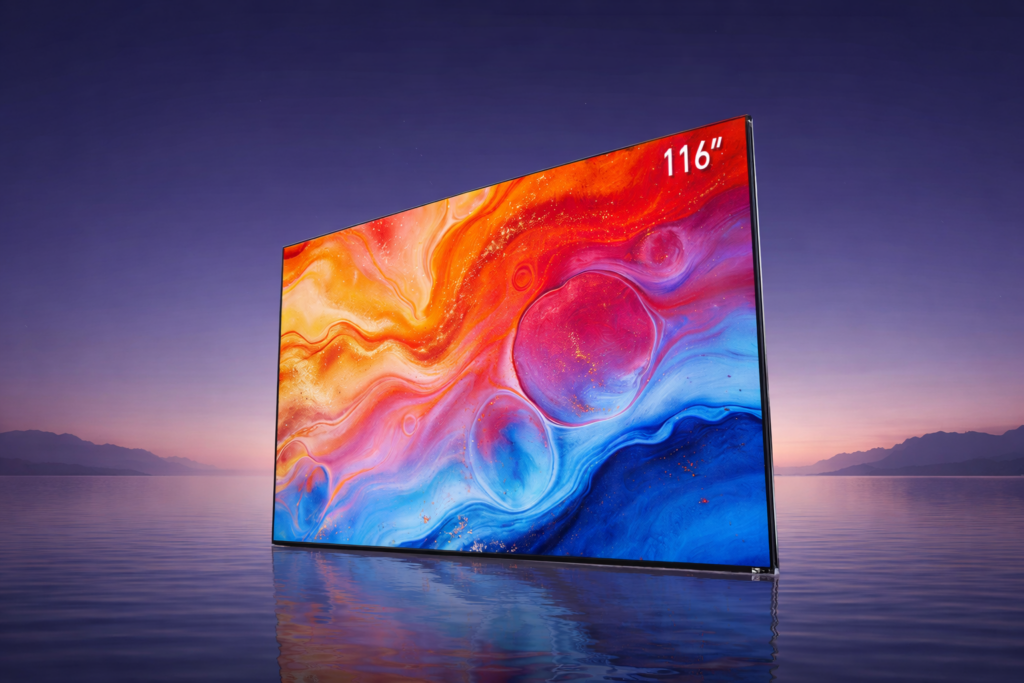
TCL has officially introduced the A400 Pro, a new QD Mini LED Art TV in the Chinese market. It is designed to blend high-end display performance with a gallery-style design. The TV is available in five sizes: 55, 65, 75, 85, and 98 inches.

TCL A400 Pro QD Mini LED Art TV

TCL A400 Pro Specifications

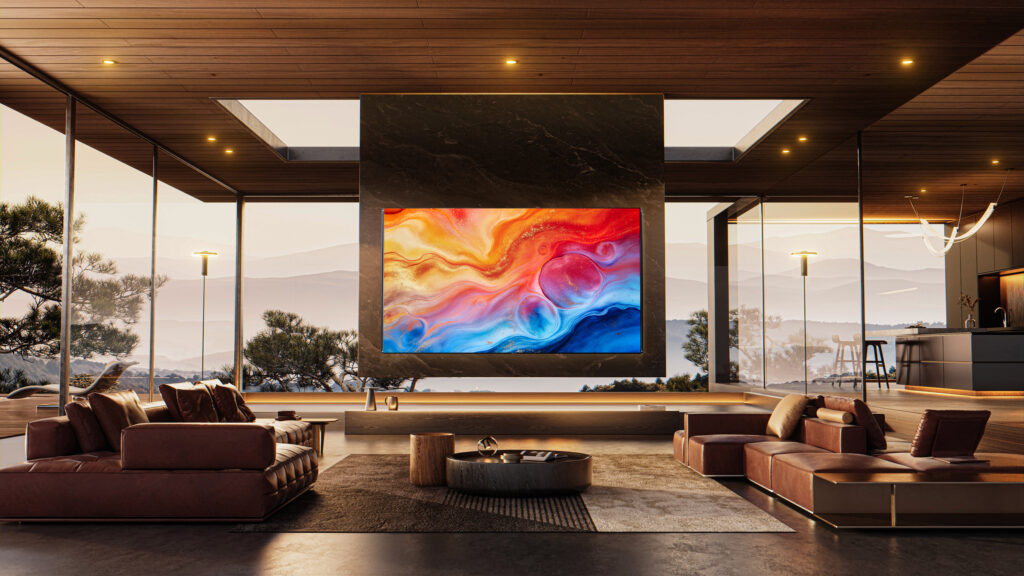
Since this is an Art TV, it comes with a design that treats the screen like a piece of gallery decor. TCL uses a light walnut-textured frame shaped through a one-piece bending process that eliminates visible seams and keeps the exterior clean for minimalist interiors.

The matte canvas finish cuts reflections and gives the surface a look similar to painted artwork. TCL keeps the entire lineup slim, with a depth of 3.99 cm up to 75 inches, 4.15 cm for the 85-inch model, and 4.45 cm for the 98-inch version.

The A400 Pro features TCL’s QD Mini LED panel technology with independent local dimming zones and high brightness control. It uses Quantum Dot Pro materials that reach 157 percent of the BT.709 color gamut and achieve a professional-grade Delta E value of under 0.99.

The TV supports native 4K 144Hz refresh rate and up to 288Hz through TCL’s DLG mode. It includes VRR, ALLM, and AMD FreeSync Premium Pro for gaming. TCL has equipped the TV with its TSR AI image engine for scene detection, backlight control, and motion optimization.

TCL A400 Pro QD Mini LED Art TV

TCL ships the A400 Pro with its Lingkong OS 3.0, which supports app installations, casting from Android and iOS, multi-protocol file sharing, and user profiles. The interface allows instant switching between TV and Art modes with no boot ads. The system runs on the Fuxi large language model and includes more than 18 AI agents across education, entertainment, fitness, and other categories.

The A400 Pro supports Art Mode, which features over 100 classic artworks from global museums. It can display them as stills or animate elements into dynamic paintings. The system also includes an AI generation tool that lets users create custom artworks by selecting styles and prompts.

On the audio front, TCL uses an Onkyo Hi-Fi speaker system with a side-firing layout to maintain clarity when mounted close to a wall. The TV supports Dolby Atmos and DTS:X.

Connectivity includes four HDMI 2.1 ports, USB 3.0, Wi-Fi 6, and support for NAS protocols such as FTP, SMB, and NFS. The TV offers 4 GB of RAM and 64 GB of internal storage across most models.

Pricing and Availability

The TCL A400 Pro is available in five sizes, starting at 7,999 yuan (about $1,120) for the 55-inch model. The 65-inch version is priced at 10,999 yuan (about $1,540), and the 75-inch option comes in at 12,999 yuan (about $1,820). The 85-inch model costs 14,999 yuan (about $2,100), while the top-end 98-inch variant is priced at 19,999 yuan (about $2,800). These are now up for sale on JD.com.

In related TV news, Dreame’s new Mini LED TVs arrive with an integrated 70W Dolby Atmos soundbar and onboard AI processing, and Elista has introduced its Xplore TV series with 4K panels, Google TV support, and hands-free voice control.

For more daily updates, please visit our News Section.

Stay ahead in tech! Join our Telegram community and sign up for our daily newsletter of top stories! 💡

(TCL JD)

Huawei launches its first AI companion that talks, reacts & remembers everything

Huawei has launched its first AI-powered emotional-companion pet, Smart Hanhan, at the recent Mate 80 series event. The device went on sale on Huawei Mall for 399 yuan ($56), and all three color variants sold out soon after the listings went live.

Huawei AI companion

The Smart Hanhan features a compact plush design that focuses on emotional support rather than simple entertainment. It measures 80 x 68 x 82 millimeters and weighs just 140 grams, excluding its limbs. The device combines soft plush fabric with silicone, plastic, and internal electronics to create a comfortable and expressive companion.

Huawei equips the product with its Xiaoyi large-model AI system, which supports natural and emotion-aware conversations. It detects changes in tone, emotional cues, and context, so replies feel personal and emotionally intelligent.

Hanhan responds to voice, touch, and movement, and each type of input triggers a specific reaction. Tapping or stroking its head shifts its facial expressions, while a gentle shake makes the toy tremble with excitement.

The pet comes with a 1800mAh battery that supports 6 to 8 hours of continuous interaction. Under normal daily use, the battery can last more than 48 hours. It needs close to six hours to recharge fully.

Huawei first AI companion

The product is compatible with smartphones running HarmonyOS 5.0 or newer, including models like the Mate 80, Mate 80 Pro, Mate X7, and Mate 80 RS. It connects to the phone to create a diary system that records emotional exchanges and logs daily interactions as memory entries. Huawei includes a 3-month SVIP membership that unlocks unlimited conversation “energy points.”

For more daily updates, please visit our News Section.

Stay ahead in tech! Join our Telegram community and sign up for our daily newsletter of top stories! 💡

(Vmall)

Honor Play 60A 5G certification confirms key specs: bigger yet slimmer and lighter

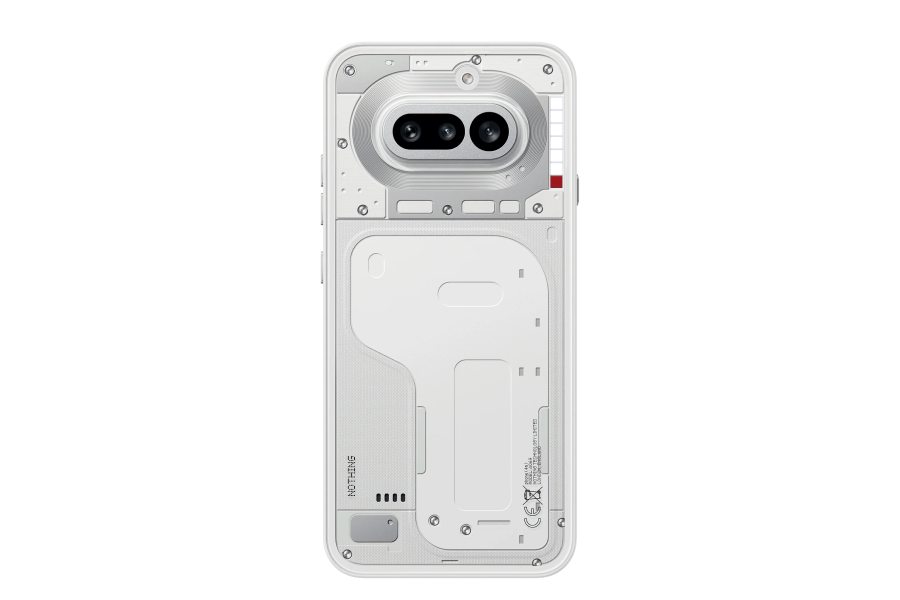
Honor looks to be preparing another budget phone for its Play lineup. A new model — likely the Honor Play 60A — has popped up on China’s Telecom Equipment Terminal Network, giving us a first look at what to expect before the official announcement.

According to the listing, the phone (model NLA-AN00) measures 167 × 77 × 7.89 mm and weighs just 186g, making it slimmer and lighter than the current Play 60. For reference, the Play 60 comes in at 8.4mm thick and 197g.

Up front, the alleged Play 60A packs a 6.75-inch display running at 720 × 1600, and inside is an unnamed octa-core chip that’s clocked at 2.2 GHz and supports 5G connectivity. For those wondering what the catch is: the battery is a 5130mAh rated unit, smaller than the Play 60’s 6000mAh cell.

Camera specs are modest: a 13MP main shooter on the back and a 5MP selfie camera, lining up with the series’ budget-friendly focus.

For comparison, the Play 60 — launched in April — came with MediaTek’s Dimensity 6300 and a 6.61-inch LCD that hit up to 120Hz. Pricing started at 1199 yuan for 6GB+128GB and went up from there, with three colors on offer: Midnight Black, Jade Dragon Snow, and Dawn Green.

The Play 60A seems to slim things down while slightly enlarging the display, though details like refresh rate, storage options, and charging speed haven’t surfaced yet. Still, the overall approach is familiar: large screen, decent battery, and everyday performance at a wallet-friendly price.

Honor hasn’t said when the Play 60A will go official, but with certification already complete, an announcement shouldn’t be far away.

Don’t miss a thing! Join our Telegram community for instant updates and grab our free daily newsletter for the best tech stories!

For more daily updates, please visit our News Section.
(Source)

OnePlus Pad Go 2 Cleared by FCC with Android 16 and 5G Support confirming US launch

The OnePlus Pad Go 2 has been listed on the FCC website, confirming its upcoming launch in the United States and revealing several important details. Spotted by folks at TheTechOutlook, the tablet appears under the model number OPD2504 and carries the FCC ID 2ABZ2-OPD2504. The listing shows that it runs OxygenOS 16 based on Android 16, and its hardware version is marked as 11.

The filing also confirms the tablet’s connectivity features. It supports Bluetooth BR, EDR, and BLE, along with WiFi 6. Dual band WiFi support for 2.4GHz and 5GHz networks is included. The Pad Go 2 will also be a 5G capable device with support for 2G, 3G, 4G, and 5G networks.

OnePlus has already announced that the Pad Go 2 will launch in India on December 17, 2025, alongside the OnePlus 15R. The official landing pages are live on OnePlus India, Amazon India, and Flipkart. The tablet will also launch in Europe on the same day together with the OnePlus Watch Lite.

OnePlus Pad Go 2
OnePlus Pad Go 2

The Pad Go 2 will feature a single rear camera and will be available in an 8GB RAM and 256GB storage variant. OnePlus will offer two color options. These include Shadow Black and Purple. The tablet will also support the OnePlus Pad Go 2 Stylo, which features 4096 levels of pressure sensitivity. OnePlus has mentioned that the device will include AI features and productivity tools, although full details are yet to be revealed.

To give users a clear baseline, the first generation OnePlus Pad Go features an 11.35 inch LCD with a 2.4K resolution. It includes Redlift Eye Care, a quad speaker setup with Dolby Atmos, and storage expansion up to 1TB. It is powered by the MediaTek Helio G99, comes with an 8000 mAh battery, offers 514 hours of standby time, and ships with OxygenOS 13.2. It also includes TÜV Rheinland certification for blue light, intelligent brightness, DC dimming, and bedtime mode.

Stay ahead in tech! Join our Telegram community and sign up for our daily newsletter of top stories!

For more daily updates, please visit our News Section.

(via)

Realme Watch 5 Key Features Confirmed Ahead of India Launch

Realme is preparing to launch the Realme Watch 5 in India. The company recently confirmed its availability on Flipkart, but the launch date is still unknown. Now, the brand has revealed the full list of key features for the smartwatch.

Realme Watch 5

The Realme Watch 5 has a 1.97-inch AMOLED display with a 390×450 pixel resolution, 600 nits brightness, a 60Hz refresh rate, and a 79 percent screen-to-body ratio. It includes an aluminium alloy crown and a honeycomb speaker hole. The screen supports Always-on Display, and Realme says it can adapt to day and night. The watch is powered by a 460mAh battery. It offers up to 16 days of normal use, up to 20 days in Light Smart Mode, and up to 720 minutes of Bluetooth calling.

For fitness tracking, the Watch 5 comes with 108 sports modes. It also has Sports Independent GPS with 5 GNSS systems for accurate outdoor tracking. Users can check daily activity data and view sports data with one tap. Health features include Sleep Monitoring, Breathing Training, Menstruation Management, Heart Rate Monitoring, SpO2 Max Monitoring, and Stress Monitoring.

The Realme Watch 5 includes IP68 dust and water resistance, a Compass, NFC card support, HD Bluetooth calling, and an Independent Bluetooth intercom. The watch offers more than 300 watch face themes. These include customizable, multi-functional, animation, and album options. It also provides key post-sports indicators and a Game Guardian Mode. The watch works as an on-wrist coach with preset goals, a pacing metronome, a smart running partner, and running courses.

The smartwatch comes with a 3D-wave strap made from skin-safe materials. It is easy to clean and stays visible in the dark. Realme has already launched the Watch 5 in global markets, and the India launch date is expected to be announced soon.

(Source)

The Best-Looking Premium Casio Watches You Can Buy in 2025

Casio has built its reputation on rugged and reliable timepieces, yet its 2025 lineup signals a clear shift toward more refined craftsmanship. The Japanese brand now places greater emphasis on premium materials, precision engineering, and stronger design identity across its top-tier models.

Enthusiasts who appreciate advanced technology, traditional aesthetics, or hand-finished details will find that these watches do more than measure time. They stand out as expressive pieces with a distinct sense of character.

1. Casio MRG-B2100B-1A

Casio-MRG-B2100B-1A

Casio brought the 2100 series into the flagship MR-G family with the MRG-B2100B-1A. The design borrows from kigumi, a traditional Japanese woodworking technique that connects components without nails. The bezel uses 27 separate titanium parts, each joined using shock-absorbing materials to ensure structural integrity and style.

The top bezel layer uses Cobarion, a titanium alloy with a hardness four times greater than pure titanium. DAT55G titanium forms the band, while a diamond-like carbon coating and sapphire crystal enhance scratch resistance. This model includes Bluetooth connectivity, Tough Solar charging, and Multi-Band 6 radio calibration. It delivers rugged capability in a polished, architectural form.

Price: $5,300

2. Casio MRG-B2000KT-3A

Casio-MRG-B2000KT-3A

Casio released the MRG-B2000KT-3A as a limited-edition MR-G model with just 800 units worldwide. The standout feature is a hand-engraved phoenix motif on the bezel, created by metalsmith Kobayashi Masao. The bezel is finished in green DLC coating on hardened titanium, which reflects the deep colors of heated iron.

The case shows a crystallized titanium pattern finished with a copper-brown AIP coating. Emerald-set bezel screws reinforce the phoenix theme and add a symbolic touch of wisdom. The Dura Soft rubber strap carries a bishamon tortoise shell texture that improves durability and comfort.

The MRG-B2000KT-3A supports Bluetooth syncing, solar charging, and 200-meter water resistance. Its caseback is engraved with a limited-edition number, and it ships in special packaging.

Price: £6,200

3. Casio OCW-S6000-1A

Casio-OCW-S6000-1A

The OCW-S6000-1A focuses on elegance. It features a 24-facet polygonal bezel crafted from sapphire crystal with vapor deposition that shifts between blue and black tones depending on lighting. The 8.7 mm-thick titanium case remains lightweight and refined while maintaining toughness through a titanium carbide coating.

This Oceanus model uses Casio’s Multi-Band 6 and Bluetooth time calibration to ensure accuracy worldwide. It also includes Tough Solar charging, a screw-lock crown, and 100-meter water resistance. Despite its slim profile, it supports world time, phone finder, and watch status display via the Casio Watches app.

Price: $2,000

4. Casio OCWS7000-1A

Casio-OCWS7000-1A

The OCWS7000-1A builds on the same titanium DNA but adds sportier elements. It features a blue-ringed sapphire crystal bezel that changes color depending on the viewing angle. Casio added a tachymeter and a chronograph dial, making this one of the most functionally complete models in the Manta series.

This model offers world time sync for 300+ cities, stopwatch functions, Bluetooth auto-time correction, and a full titanium band. The case is 9.5 mm thick and weighs just 83 g. The blend of sporty functionality and subtle luxury gives the OCWS7000 a unique position in Casio’s premium catalog.

Price: $1,500

5. Casio GM2100YMG-9A

Casio-GM2100YMG-9A

Casio designed the GM2100YMG-9A to achieve high visual impact and structural integrity. The timepiece utilizes a gold ion-plated bezel for contrast against the black dial. For optimized wearability, the strap is constructed from high-durability, flexible silicone. Furthermore, the finish employs vapor-deposited gold, which is secured beneath a urethane coating to provide exceptional abrasion resistance and maintain the luster

This analog-digital hybrid includes dual LED lights, 200-meter water resistance, and a carbon-reinforced resin case. Despite lacking Bluetooth or solar charging, the design and finish make it one of the most stylish and accessible G-Steel models currently available.

Price: $300

6. Casio GMWB5000GD-9

Casio-GMWB5000GD-9

The GMWB5000GD-9 gives the original 1983 G‑Shock square a full‑metal transformation. The stainless‑steel case and bracelet come in a polished gold ion‑plated finish, paired with a DLC-coated screw‑back for added durability. Resin cushioning beneath the metal bezel helps the watch retain classic G-Shock toughness.

It supports Bluetooth connectivity, Multi‑Band 6 radio time calibration, Tough Solar charging, and a high‑contrast STN LCD. The combination of the gold finish with the iconic square profile makes it one of the most striking full‑metal designs in the lineup.

Price: $660

7. Casio GM2110D-3A1

Casio-GM2110D-3A1

The GM2110D-3A1 takes the popular GA2100 octagonal shape and upgrades it with a stainless-steel bezel and a matching metal bracelet. Casio forged, cut, and polished the bezel to create a clean uniform octagonal surface, while a high‑rigidity resin inner case preserves shock resistance.

The dial uses a glossy metallic finish with either slate gray or blue‑green tones, depending on the variant. The watch remains slim and wearable despite the metal construction and retains the familiar analog‑digital functionality of the 2100 series.

Price: $330

In related news, we recently covered the best-looking budget Casio watches you can buy in 2025, so feel free to check that out as well.

For more daily updates, please visit our News Section.

Stay ahead in tech! Join our Telegram community and sign up for our daily newsletter of top stories! 💡

Redmi Note 16 Pro+ could be equipped with 200MP main camera

Realme is reportedly gearing up to launch the Realme 16 series of smartphones in China. A recent TENAA listing revealed that the Realme 16 Pro will be equipped with a 200-megapixel main camera. A new leak, courtesy of tipster Smart Pikachu, reveals that the Redmi Note 16 series will also feature a 200-megapixel camera.

Realme, Redmi to launch 200MP camera phones

Realme, Redmi to launch 200MP camera phones

As per the above leak, Realme and Redmi are testing mid-range phones with a 200-megapixel main camera. The Redmi Note 16 hashtag used by the tipster suggests that this generation will have a 200-megapixel camera. The 200-megapixel camera is unlikely to be available on the standard model and will instead appear on the Note 16 Pro+ and Note 16 Pro editions.

The Realme 16 Pro is said to feature a 200-megapixel + 8-megapixel dual-camera setup. The Realme 16 Pro+ may retain the same camera hardware, along with an additional periscope telephoto camera.

As the Redmi Note 15 series was announced in August this year, the Note 16 lineup will likely be unveiled in the same month next year. Since there is ample time remaining before the launch, more details about the Note 16 series are expected to surface in the coming months. Early reports suggest that the Pro models may feature a 1.5K OLED flat display and a 7,500mAh battery.

As far as the Realme 16 series is concerned, the TENAA certification reveals that the device may go official by the end of this month or in January 2026. The series is also expected to reach the global market in January 2026.

For more daily updates, please visit our News Section.

Stay ahead in tech! Join our Telegram community and sign up for our daily newsletter of top stories.

Samsung’s Galaxy Z TriFold now rumored to be cheaper than Huawei’s counterpart

Samsung’s tri-fold phone is more closer as the days go by. It’s expected to launch as early as December first week. Ahead of the launch, a new leak from South Korea suggests that the upcoming Galaxy Z Fold could arrive with a lower-than-expected price tag.

According to information shared by the Korean blogger yeux1122, Samsung is considering a starting price of around 3.6 million won, roughly $2,447, in its home market. That’s notably lower than earlier estimates that suggest a starting price of around $3000.

It also puts Samsung in direct pricing competition with Huawei’s Mate XTs, currently the only commercially available trifold device. Huawei sells the XTs for roughly $2,520 after dropping the price from the first-gen model. 

Expected specifications

As a tri-fold, it’s obvious that the device uses two hinges. One of the hinges is expected to have a tighter bend so the displays can stack neatly when folded in. 

The Galaxy Z Trifold is also expected to feature a G-shaped inward-folding design to protect the sensitive inner OLED panel. This method doesn’t expose the main screen, while Huawei uses a Z-format mechanism, revealing the bending edge of the panel outside. 

Once opened, the TriFold spreads into a 10-inch OLED workspace with a 6.5-inch outer screen for normal phone use. The bezels reportedly remain thicker than most recent flagships, but the rest of the hardware is a 2025 flagship. 

It will have a 200-megapixel main camera with up to 100x zoom, a 12-megapixel ultrawide, a 10-megapixel 3x telephoto, and a titanium frame.

Inside, Samsung is said to be using three batteries, possibly silicon-carbon cells. And this will power the Qualcomm Snapdragon 8 Elite series chipset for top-tier performance.

Stay ahead in tech! Join our Telegram community and sign up for our daily newsletter of top stories!

For more daily updates, please visit our News Section.

(Source)

iPhone 17e to resemble iPhone 17 with a notch-free display direction

A recent leak revealed the key specifications of the Apple iPhone 17e, which is expected to debut by early 2026. Now, a new development reveals that the iPhone 17e will not feature a chunky notch like the iPhone 16e. A render based on imagination (via MyDrivers) suggests what to expect from the 17e’s display design. Here’s a look at what’s revealed.

iPhone 17e render

iPhone 17e render
iPhone 17e render

The concept images suggest the iPhone 17e will closely resemble a single-camera version of the standard iPhone 17. The most significant shift involves the display interface; the device will finally abandon the legacy notch for the Dynamic Island, unifying the aesthetic across Apple’s portfolio. However, the screen technology might not see a corresponding leap, likely retaining a 6.1-inch panel with a standard 60Hz refresh rate.

iPhone 17e
iPhone 17e

Performance-wise, the handset is expected to run on the next-generation A19 chip, though it may feature reduced GPU cores to distinguish it from the standard model.

This targets users on older devices like the iPhone 11 who need a reliable upgrade. Combining the new hardware with the inherent fluidity of iOS, the device is projected to maintain smooth performance for several years.

A previous report revealed that the other major upgrade would be in the selfie camera, which may jump to an 18-megapixel sensor with Center Stage support. The rear is likely to house a single 48-megapixel wide camera.

Internal connectivity could also see a shift with the inclusion of Apple’s custom C1 modem and N1 wireless chip, designed to improve data transfer speeds and energy efficiency. If these specifications hold true, the phone will narrow the performance gap between Apple’s budget and flagship offerings.

For more daily updates, please visit our News Section.

Stay ahead in tech! Join our Telegram community and sign up for our daily newsletter of top stories.

Sennheiser HDB 630 India Launch: High-Resolution Wireless Headphones Announced

Sennheiser has launched the HDB 630 wireless headphones in India, following their US release last month. The company says the HDB 630 is made for listeners who want strong audio performance with both wired and wireless flexibility. The design comes from the Momentum 4 but adds a customized acoustic system for focused listening.

The headphones use a 42 mm dynamic transducer built at Sennheiser’s Tullamore facility in Ireland. It is supported by several acoustic treatments that aim to deliver clean mids, clear vocals, and fast dynamics. The company says the sound stays close to what is heard in the mastering studio.

The HDB 630 works with wired and wireless high-resolution audio. Through the USB Type C port or the supplied analog cable, listeners can play music at up to 24 bit and 96 kHz. Wireless use is supported by Bluetooth 5.2 with aptX Adaptive. This is meant to offer stable streaming and better sound quality. Sennheiser also includes a USB Type C transmitter dongle. This gives high-resolution aptX Adaptive support to devices that do not support it natively. Only about 16 percent of current smartphones support this codec, and the dongle raises compatibility to about 80 percent.

The headphones introduce new sound tuning tools through the Smart Control Plus app. Crossfeed, inspired by the HE 1, blends left and right signals to create a more speaker-like experience. A new Parametric Equalizer gives control over individual frequencies with adjustable bandwidth, filter types, and an A and B comparison toggle. These settings are processed on the headphones themselves, so the sound remains the same across apps and devices. Users can also share presets. A future update will add QR code preset sharing. The app also lets users adjust noise cancellation, on-head detection, and codec selection.

Pricing & availability

The Sennheiser HDB 630 costs Rs. 54,990 in India. It can be pre-booked for Rs. 44,990, and customers will get an Accentum Open TWS headset worth Rs. 12,990 at no extra cost. Pre-booking is open until December 4 on Sennheiser’s website, Amazon, Headphone Zone, Audio Store, Concept Kart, and select retail stores. It comes with a two-year warranty. In the US, the headphones are priced at 499.95 dollars.

For more daily updates, please visit our News Section.

Don’t miss a thing! Join our Telegram community for instant updates and grab our free daily newsletter for the best tech stories!

For more daily updates, please visit our News Section.
Don’t miss a thing! Join our Telegram community for instant updates and grab our free daily newsletter for the best tech stories!

Edifier launches Airpulse A60 desktop Hi-Fi Bluetooth speakers

Edifier has launched the Airpulse A60, a new pair of desktop Hi-Fi Bluetooth speakers designed for near-field listening. The speakers are now available on Chinese e-commerce platforms in two finishes: walnut wood and matte white. The walnut version is priced at 1,980 yuan ($280), while the white variant costs 2,280 yuan ($322).

Edifier Airpulse A60

Edifier Airpulse A60 Specifications

The Airpulse A60 uses a compact bookshelf-style design with an MDF cabinet and 18 mm thick acoustic foam inside to reduce standing waves and improve sound clarity. The overall build is aimed at desktop users who want a clean, premium-looking audio setup.

Each speaker uses a planar diaphragm tweeter that extends to 40 kHz and relies on an integrated voice coil to keep distortion low and maintain clean, detailed treble. It also includes a 3.5-inch aluminium mid-bass driver with a 30 mm voice coil, a long-throw design, and a high-strength ferrite magnet. The driver sits in a cast aluminium frame that lowers vibration and improves mid and low-frequency performance.

Edifier Airpulse A60

Edifier equips the system with two Texas Instruments TAS5754M Class D amplifier chips that support 192 kHz digital input and keep distortion under control at higher volumes. Two additional TI DSP chips manage crossover duties, loudness balance, and overall dynamic processing. The setup also includes a TI PCM9211 ADC capable of handling 24-bit/216 kHz audio, while a Savitech USB controller takes care of high-resolution playback over USB.

The A60 supports AUX, USB, and optical connections, along with Bluetooth 5.1. It relies on a Qualcomm Bluetooth chipset and supports aptX and aptX HD for higher-quality wireless audio. It also includes a subwoofer output for users who want stronger low-end performance.

Edifier Airpulse A60

Each speaker delivers 30 watts to the mid-bass driver and 10 watts to the tweeter. The system has a rated frequency response of 52 Hz to 20 kHz and a signal-to-noise ratio of at least 90 dB. Edifier also includes a transparent speaker cable and a remote control for input selection and volume adjustment.

In related news, Xiaomi recently introduced the Sound Pocket in Europe with Bluetooth 5.4 and 10 hours of battery life, and Panasonic unveiled a Final Fantasy XIV edition of its SoundSlayer gaming neck speaker.

For more daily updates, please visit our News Section.

Stay ahead in tech! Join our Telegram community and sign up for our daily newsletter of top stories! 💡

(Edifier JD)

Samsung T7 Resurrected: New Eco-Friendly Portable SSD With 100% Recycled Aluminum

Samsung has introduced the Portable SSD T7 Resurrected, a refreshed version of the T7 built with a stronger focus on sustainability while keeping the same performance as the previous model. The new drive uses a body made from 100 percent recycled aluminum certified by TÜV Rheinland.

The aluminum comes from leftover material from Samsung Galaxy device production. Samsung has also removed the coloring process, giving the SSD a natural aluminum finish and reducing chemical use. The packaging uses 100 percent recycled paper and ASA certified soy ink. These changes helped the product win a 2026 CES Innovation Award in the Sustainability and Energy category.

The T7 Resurrected offers sequential read speeds up to 1,050 MB per second and write speeds up to 1,000 MB per second on the USB 3.2 Gen 2 standard. It is available in 1TB, 2TB, and 4TB storage options. The drive keeps the same compact design as the earlier T7, measuring 85 x 57 x 8mm and weighing 72 grams, which makes it suitable for creators who work on the move.

The SSD supports a wide range of devices and operating systems. It works with Windows, macOS, and Android. It can be used with PCs, laptops, tablets, and smartphones. Its durability rating includes drop resistance up to two meters. It also handles non operating shock at 1,500G for 0.5ms across three axes and non operating vibration between 20 and 2,000Hz at 20G. The operating temperature range is 0°C to 60°C and the non operating range is minus 40°C to 85°C. Humidity tolerance is 5 percent to 95 percent non condensing.

The T7 Resurrected includes AES 256 bit hardware encryption and works with Samsung Magician software for management and security. The product holds certifications from CE, BSMI, KC, VCCI, RCM, FCC, IC, UL, TUV, CB, and UKCA. It is compliant with RoHS 2 and comes with a three year limited warranty.

Pricing & availability

Prices are set at 119.99 dollars for 1TB, 205.99 dollars for 2TB, and 378.99 dollars for 4TB, with global availability starting November 30, 2025.

For more daily updates, please visit our News Section.

Stay ahead in tech! Join our Telegram community and sign up for our daily newsletter of top stories.

(Source)

OnePlus Ace 6T’s 165fps gameplay: brand confirms supported games

OnePlus is gearing up for the launch of its next affordable gaming phone — and it’s going big on frame rates. Just days before its December 3 debut, the company confirmed that the upcoming OnePlus Ace 6T will support 165fps gameplay on a few popular titles.

Games like League of Legends: Wild Rift, KartRider Rush+, and even Clash of Clans will be able to run at 165 frames per second on the device. That support relies not just on the 165Hz display, but on additional tuning inside OnePlus’ gaming software.

Under the hood, the Ace 6T will debut Qualcomm’s latest Snapdragon 8 Gen 5 chip — making it the first phone to ship with the new 3nm processor. Qualcomm’s upgraded Oryon CPU design includes two prime cores hitting up to 3.8GHz, alongside six performance cores at 3.32GHz. OnePlus is planning three color options at launch: Shadow Green, Electric Purple, and Flash Black.

Battery life and charging also sound ambitious. OnePlus is expected to pack an 8,300mAh battery — the largest currently announced for a OnePlus phone — paired with 100W SuperVOOC fast charging. The phone retains a 3D ultrasonic fingerprint reader and that gaming-ready 165Hz panel.

The push toward ultra-high refresh rate gaming has been building for months. At its OnePlus Gaming Conference back in September, the company pledged to bring 165Hz displays across its lineup, starting with the OnePlus 15. The Ace 6T now joins that effort while taking things a step further with 165fps support in competitive and rhythm titles.

We’ll see how much of a difference this makes once the phone is in players’ hands — but on paper, the OnePlus Ace 6T could bring some of the smoothest gameplay currently possible on a smartphone — especially for those titles that are tuned to hit 165fps. More details are expected when OnePlus officially unveils the device on December 3.

Don’t miss a thing! Join our Telegram community for instant updates and grab our free daily newsletter for the best tech stories!

For more daily updates, please visit our News Section.
(Via)

Huawei Pura X2 with Kirin 9030 chip may launch in Q1 2026

Earlier this year, Huawei introduced a unique twist to the foldable market with the Huawei Pura X, a device that featured a distinct wide format compared to standard flip phones. While the industry is still catching up to that design, reports indicate the brand is already moving forward with a sequel. A new leak from tipster Smart Pikachu has surfaced on Weibo, shedding light on the launch timeline and potential processing power of the upcoming device. Here is a look at the first details about the Pura X2.

Huawei Pura X2 launch timeframe and chipset tipped

According to the information shared on Weibo, the tech giant is currently testing the new wide-screen vertical foldable. The tipster suggests that the phone is tentatively scheduled to arrive in the first quarter of 2026. This places the potential release window between January and March of next year.

Under the hood, the handset will likely run on the Kirin 9030 chipset. This specific processor recently made its debut with the Mate 80 Pro series in China, offering a performance bump over the previous generation.

Beyond the chip, the leak indicates the internal screen will be quite large. This suggests Huawei intends to keep the distinctive form factor that functions more like a small tablet than a traditional tall flip phone.

Huawei Pura X specifications

The original Huawei Pura X sports a 6.3-inch LTPO OLED main display with a unique 16:10 aspect ratio and a 3.5-inch external screen. Ideally, the new model will retain or improve upon the triple rear camera system, which includes a 50-megapixel main sensor, a 40-megapixel ultra-wide lens, and an 8-megapixel telephoto shooter with 3.5x optical zoom.

It is powered by a 4,720 mAh battery supporting 66W wired and 40W wireless charging. The original Pura X runs on the Kirin 9020, so the move to the 9030 represents a logical generational leap for the lineup.

For more daily updates, please visit our News Section.

Stay ahead in tech! Join our Telegram community and sign up for our daily newsletter of top stories.

Realme P4x 5G India Price Leaked: Starts at Rs 15,999

Realme will launch the Realme P4x 5G in India on December 4, along with the Realme Watch 5. Both devices already appear on Flipkart through dedicated microsites that highlight their main features. Ahead of the event, tipster @yabhishekhd has shared the complete pricing for all variants of the Realme P4x 5G.

Realme P4x 5G

According to the leak, the Realme P4x 5G will be offered in three storage options. The 6GB RAM and 128GB storage model is priced at Rs 15,999. The 8GB RAM and 128GB storage model is priced at Rs 17,499. The 8GB RAM and 256GB storage model is priced at Rs 19,499. These prices place the phone in the mid-range bracket.

A previous leak has revealed that the Realme P4x 5G will feature a 6.72-inch LCD display with FHD+ resolution. The screen will reportedly supports a 144Hz refresh rate and can reach 1000 nits peak brightness. Realme refers to this as a sunlight display. The phone runs on the Dimensity 7400 Ultra 5G chip. It also supports 18GB dynamic RAM that combines 8GB onboard RAM with 10GB virtual RAM. Storage goes up to 256GB with UFS 3.1 speeds. Realme claims an AnTuTu score of more than 780000.

The device includes a 5300 mm² VC FrostCore cooling system. It has a 7000 mAh battery with support for 45W wired charging. The rear camera setup is led by a 50MP AI sensor that supports 4K video recording. The phone also carries military grade durability certification.

Realme says the P4x 5G outperforms its direct competitor with a better chipset, a higher AnTuTu score, and a faster 760 ms app launch speed. It also claims lower temperatures with a peak of 38°C during YouTube playback. The phone supports 90 FPS in BGMI. Battery endurance claims include 9 extra hours of FPS gaming, 25.5 extra hours of INS usage, and 20.6 extra hours of YouTube watching. Audio output is rated at 82 dB. The Realme P4x 5G will be available in Green, Silver, and Pink.

(Source)

Asus ROG Ally handhelds quietly get faster and smarter with latest update

If you own an Asus ROG Ally, you might want to check for updates — because your handheld could already be faster than the day you bought it.

ASUS ROG Xbox Ally

Tech YouTuber ETA Prime recently noticed some surprisingly big performance gains on both the original Ally and the newer ROG Ally X after a batch of fresh software updates from Asus and Microsoft. In several games, frame rates are up by around 15–20% without bumping up the power draw.

The boost mainly stems from Asus Command Center SE version 2.1.15.0, which rolled out earlier this month. It’s available across all Ally models, including the Xbox-branded Ally lineup. One key change: AMD Radeon Chill is now baked into Asus’ FPS limiter, reducing power use during easier gameplay moments to stretch out battery life.

But the star of the update is a new “core parking” option on the Ally X. By disabling a couple of CPU cores, the system frees up more thermal headroom for the Radeon 890M integrated GPU to stretch its legs. In ETA Prime’s testing, Forza Horizon 5 ran about 18% faster at the same 18W TDP — a sizeable jump for a simple toggle.

Microsoft has been pitching in too. Its new Default Game Profiles automatically apply tuned settings on dozens of titles, cutting down on the usual handheld tweaking. More profiles are on the way, according to the company.

Some reviewers still argue that the original Ally with the Ryzen Z1 Extreme, or rivals like Lenovo’s Legion Go might be better buys overall. But these updates are a clear sign that Asus isn’t treating the Z2 A-powered Ally models as second-class citizens. Owners who’ve already installed the latest software are reporting smoother gameplay and slightly better battery life — and all they had to do was hit “Update.”

ETA Prime’s full benchmark results are making the rounds, but the takeaway is simple: the ROG Ally lineup just got a free performance upgrade, and it’s a pretty good one.

Don’t miss a thing! Join our Telegram community for instant updates and grab our free daily newsletter for the best tech stories!

For more daily updates, please visit our News Section.
(Source)

OnePlus 15 Cleared for US Release as FCC Approval and Pricing Go Live

The OnePlus 15 has cleared its last major requirement for a US launch. The flagship phone was introduced in China last month and arrived in global and Indian markets this month. Its US release was delayed because the device was still waiting for FCC approval during the recent US government shutdown. The shutdown ended on 12 November, and the OnePlus 15 has now received FCC certification, as reported by tipster @UniverseIce.

The certified model is the global variant with the number CPH2749. OnePlus has not confirmed the US availability date, but the phone is already listed on the OnePlus US website with a Coming Soon label. The 12GB RAM and 256GB storage model is priced at 899.99 dollars. The 16GB RAM and 512GB storage model is priced at 999.99 dollars.

OnePlus 15
OnePlus 15

The OnePlus 15 features a 6.78-inch 1.5K LTPO AMOLED display with a resolution of 2772 by 1272. It supports adaptive refresh rates from 1Hz to 120Hz and reaches 165Hz in supported games. The screen offers 1800 nits HBM brightness and can dim to 1 nit for night use. It is protected by Gorilla Glass Victus 2. The panel also includes a 3200Hz touch sampling rate and a dedicated touch chip for faster response during gaming.

The phone runs on the Snapdragon 8 Elite Gen 5 chipset built on a 3nm process, paired with the Adreno 840 GPU. It supports up to 16GB LPDDR5X Ultra Plus RAM and up to 1TB UFS 4.1 storage. The cooling system includes a 360 degree Cryo-Velocity setup with a 5,731 square millimeter 3D vapor chamber, aerospace grade aerogel insulation, and a white graphite back.

The rear camera setup has three 50MP sensors. The main camera uses the Sony IMX906 with OIS. The ultra-wide camera uses the Omnivision OV50D with a 116 degree field of view. The telephoto camera is a 3.5x periscope lens using the Samsung JN5 sensor. The phone records 4K at 120fps in Dolby Vision and up to 8K video. The front camera is a 32MP RGBW sensor that records 4K at 60fps. Features are powered by the DetailMax Engine, which includes Ultra-Clear 26MP mode, Clear Burst, and Clear Night Engine.

The battery is a 7300mAh Silicon NanoStack unit, the largest ever on a OnePlus phone. It supports 120W SuperVOOC wired charging and 50W AirVOOC wireless charging. The battery is designed to retain more than 80 percent health after four years. Bypass Charging is available for gaming and other heavy use.

Other features include an ultrasonic in-display fingerprint sensor, stereo speakers, USB Type-C audio support, and IP66, IP68, IP69, and IP69K ratings for dust and water protection. Connectivity options include 5G SA and NSA, Wi-Fi 7, Bluetooth 6.0, dual GPS bands, and NFC.

For more daily updates, please visit our News Section.

Stay ahead in tech! Join our Telegram community and sign up for our daily newsletter of top stories!

(Source)

ChatGPT search could soon include tailored ads, beta code reveals

Open AI seems to be developing an advertising system for ChatGPT, starting within search-connected answers. The hints emerged from engineer Tibor Blaho, who checked the Android beta app version 1.2025.329. The code contains early references for ad placement formats and shopping-style sponsored cards, indicating that OpenAI is testing a different income direction while staying focused on the search layer for now.

How sponsored content could look in ChatGPT search

The latest ChatGPT Android beta includes internal markers that outline how ads might be arranged when ChatGPT fetches information from the web. These markers describe sections for sponsored product cards and scrolling lists, indicating that ads are first being shaped as part of AI-backed search answers rather than the main chat interface. This means users may eventually see shopping-linked sponsored cards or swipeable panels while going through search-enhanced responses.

Some of the strings point toward marketplace-related content feeds that could collect retail or product listings and display them dynamically along with AI search answers. This suggests OpenAI is building the skeleton that lets advertisers share product-driven material in card or carousel formats.

The presence of these markers in a beta build indicates testing and system preparation, not a full rollout. OpenAI has not released a public announcement yet, and no timelines have been shared.

Why intent-driven ads are central to OpenAI’s test

ChatGPT now processes billions of prompts per day, with overall platform visits estimated in the billions every month. India has the highest number of active users, giving OpenAI a large audience base where search-focused ads may scale quickly.

Unlike traditional search platforms that show ads based on keywords alone, conversational AI can infer intent from query structure, recent follow-ups, and conversation themes, allowing ad targeting to feel more precise than general interest-based systems.

Search ads work best when a user clearly shows buying intent, compares products, asks for pricing, or looks for options. AI conversations are naturally suited to detecting these signals in real time. This could help OpenAI build an advertising system that feels less disruptive and more relevant, especially in searches that turn toward product choices. But the ability to target at a user level raises valid concerns around privacy and reliability, especially if users are not fully aware of how recommendations or sponsored cards are selected.

For more daily updates, please visit our News Section.

Stay ahead in tech! Join our Telegram community and sign up for our daily newsletter of top stories.

Samsung finally adds a toggle to turn of ads on its premium refrigerators

Buying an expensive refrigerator should mean cold drinks and quiet convenience — not banner ads next to your eggs. But that’s exactly what Samsung’s latest Family Hub and Bespoke fridges started doing earlier this year, and people were not thrilled.

Back in September, Samsung quietly pushed an update that slipped promotional tiles into the Weather, Color, and Daily Board screens on the fridge’s giant display — the one customers use to check recipes or manage groceries. Overnight, kitchens turned into mini billboards.

The reaction was immediate. Owners jumped to Reddit, Samsung forums, and social media to complain that paying thousands upfront shouldn’t lead to ads in their home… especially not in the place they make dinner.

Thankfully, Samsung appears to have gotten the message. A new software update has begun rolling out that adds a simple toggle to shut the ads off entirely. It’s buried a bit — you’ll find it under Settings → Advertisements — but once you flip it, the screen goes back to the clean layout people originally signed up for.

It’s a small change, but the decision to provide a switch to turn off the ads says a lot. Samsung could’ve tried to justify the ads, but instead is letting customers opt out completely.

Owners of recent Family Hub and Bespoke 4-Door Flex models say they’re already seeing the update. If yours hasn’t received it yet, a manual system update check should bring it in the next few days.

A fridge shouldn’t feel like a free-to-play app with microtransactions.

Don’t miss a thing! Join our Telegram community for instant updates and grab our free daily newsletter for the best tech stories!

For more daily updates, please visit our News Section.
(Sources: 1, 2)