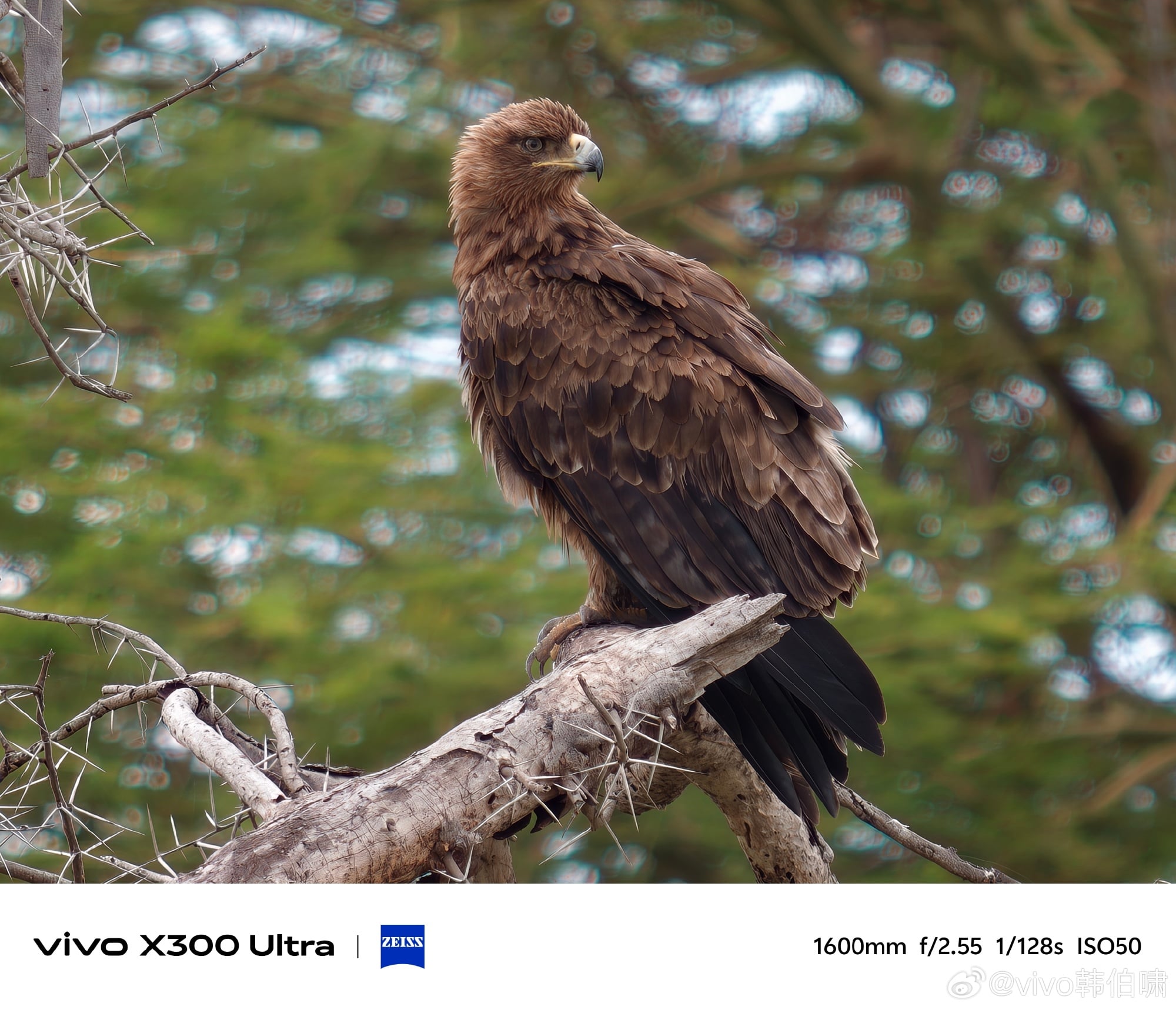
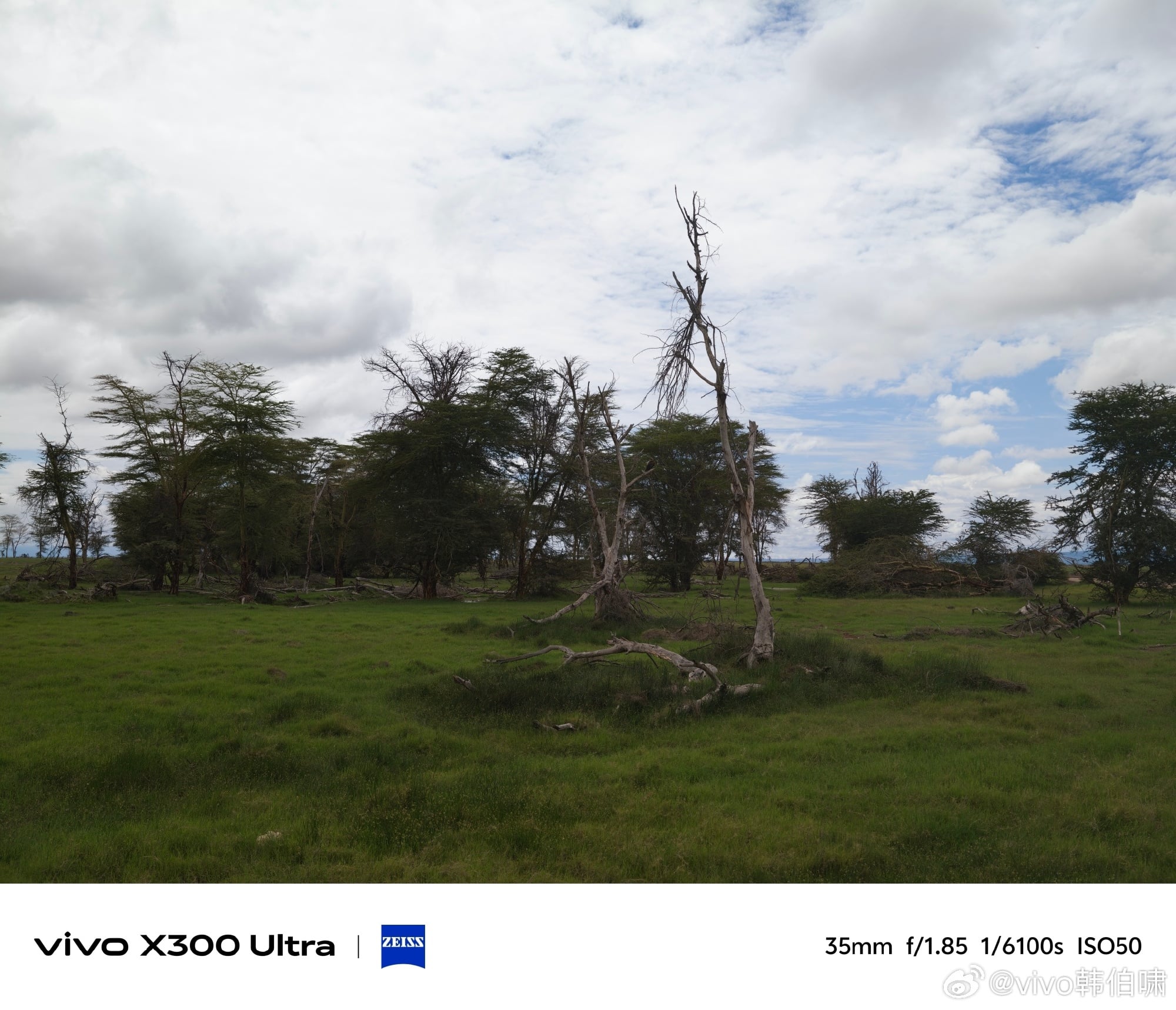
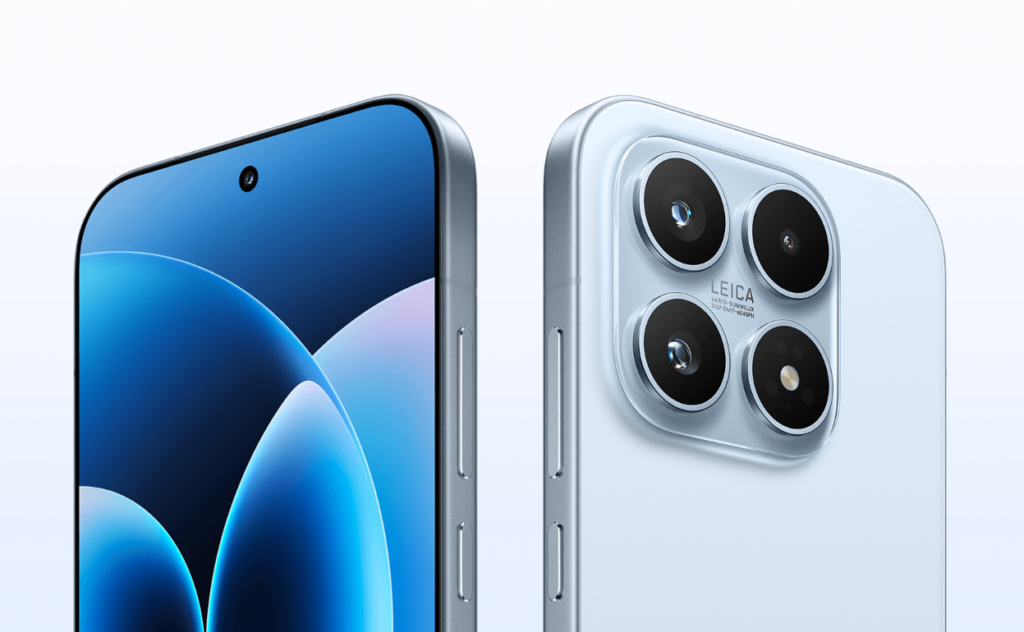
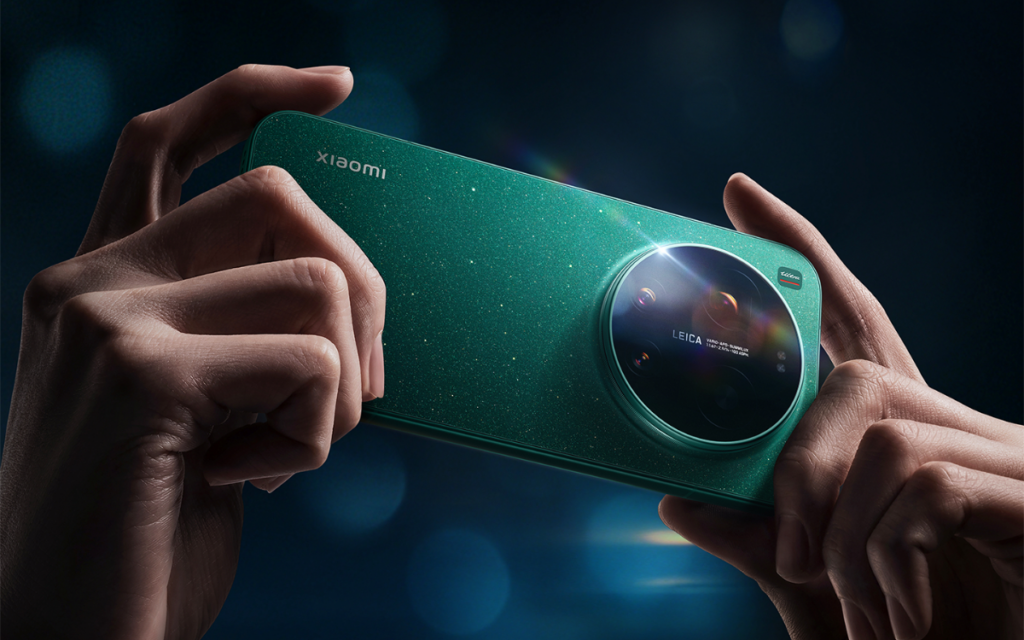
Vivo’s upcoming X300 Ultra is starting to appear more frequently in leaks and teasers, and the company is once again putting a strong focus on camera hardware. In the latest teaser, Vivo executive Han Bo Xiao shared early camera samples on Weibo.
The posts highlight the phone’s primary and telephoto camera, which uses the 200MP Sony LYT-901 and 200MP Samsung ISOCELL HPO sensor, respectively. Unlike many smartphones that stick closer to a 23–24mm focal length for the main camera, this one uses a 35mm equivalent lens for the main camera. The camera is tuned in collaboration with Zeiss, something Vivo has relied on heavily in its flagship models.
The sensor is reportedly capable of capturing about 30 percent more light per pixel compared to previous generations. Some of the shared images show strong details and fairly natural colors. The size of the main sensor is also quite large at 1/1.12 inches, which should help with low-light photography.
Vivo is also said to support external teleconverter accessories, allowing focal lengths around 200mm or 400mm. In one of the examples shared online, zoom levels equivalent to roughly 1600mm have been demonstrated, though that clearly involved heavy digital cropping.
Beyond cameras, the phone has also surfaced on Geekbench under model number V2562. The listing points to Qualcomm’s Snapdragon 8 Elite Gen 5 chipset, along with 16GB of RAM and Android 16. The benchmark scores themselves look fairly average, but that’s not unusual for early tests on a camera-focused device.
Vivo hasn’t confirmed an exact launch date. However, a well-known Weibo tipster, Bald Panda, claims the X300 Ultra could arrive in China before the end of March 2026. Some speculation points to March 30 as a possible launch day.
The gaming smartphone segment continues to push new limits, with several brands now offering devices built specifically for high-performance mobile gaming.
Companies like Red Magic, OnePlus, and iQOO lead the space with phones that feature flagship processors, advanced cooling systems, high refresh rate displays, and gamer-focused features designed for long and demanding play sessions.
Here is a detailed look at some of the best gaming phones you can buy in March 2026.
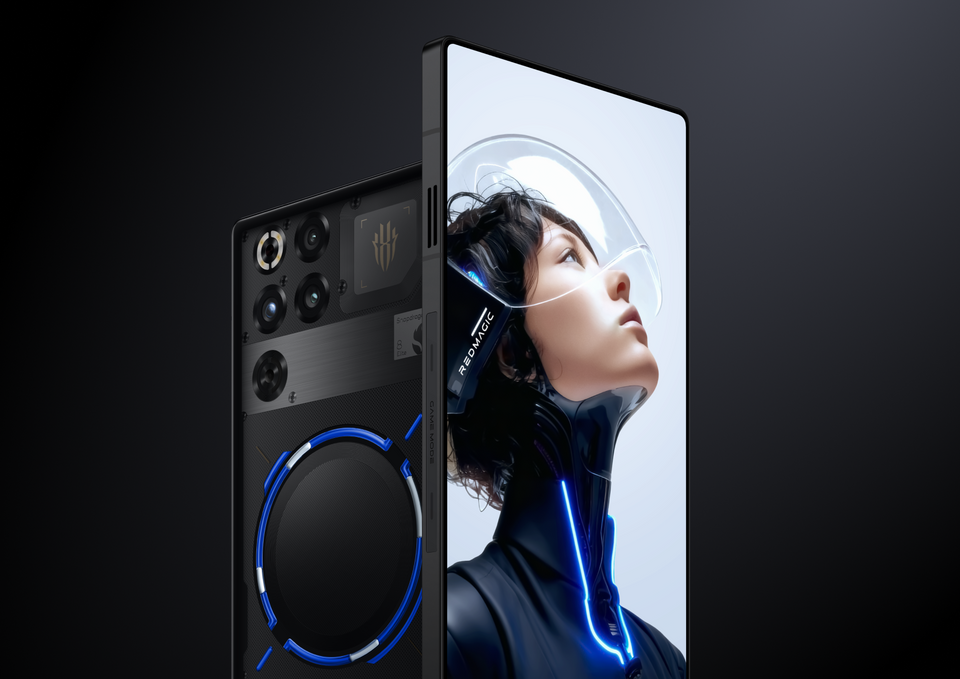
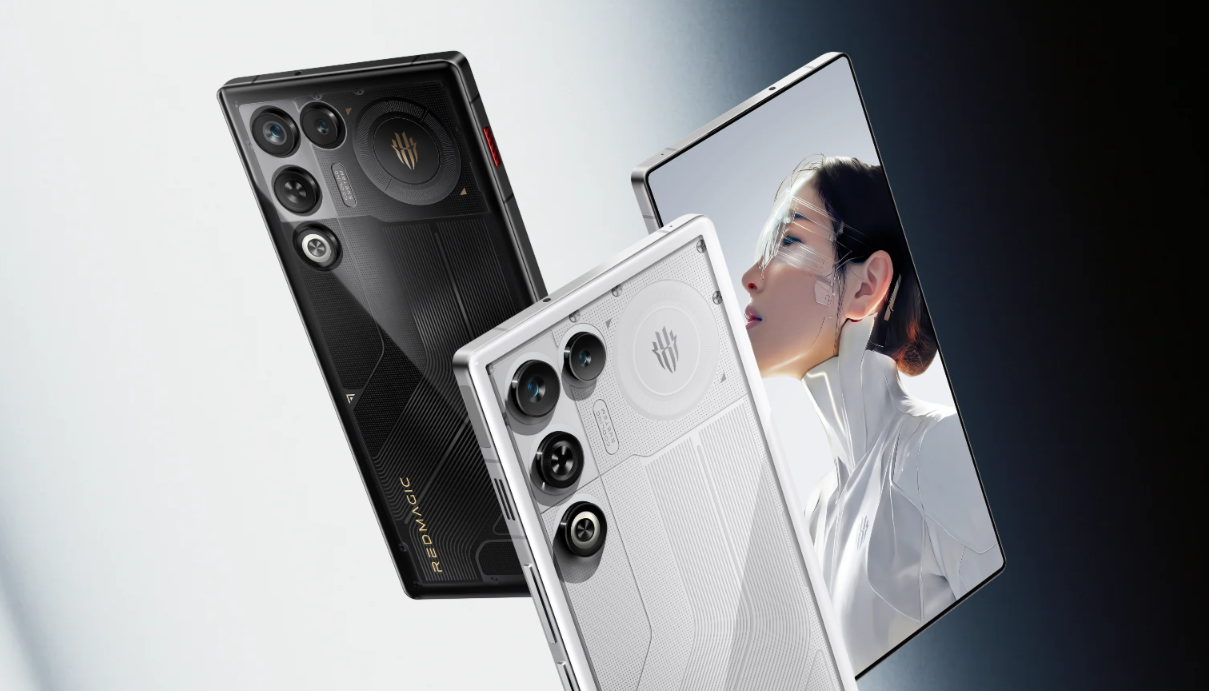
The Red Magic 11 Pro is a beast in every sense of the word. The phone uses the Snapdragon 8 Elite Gen 5 SoC and offers up to 24GB LPDDR5T RAM with 1TB UFS 4.1 Pro storage.
Red Magic claims the phone scored 4.35 million points on AnTuTu 11, making it one of the fastest phones on the market.
The 6.85-inch OLED BOE X10 display features a 144Hz refresh rate and 2000 nits peak brightness. Red Magic added the Ultra Graphics Engine 3.0, which upscales select games to 2K at 144Hz for enhanced clarity.
The phone comes with a dual cooling system that combines liquid and air-based mechanisms. The 24,000 RPM Turbo Fan and Liquid Metal 3.0 technology reduce heat by up to 50%, ensuring consistent gaming performance.
The phone includes 520Hz shoulder triggers for precise controls and a 7500mAh battery that supports 80W fast charging.
The phone also features a futuristic, gamer-focused design with a transparent back, RGB lighting, and visible liquid cooling tubes, making it the most attractive and powerful gaming phone on the market.
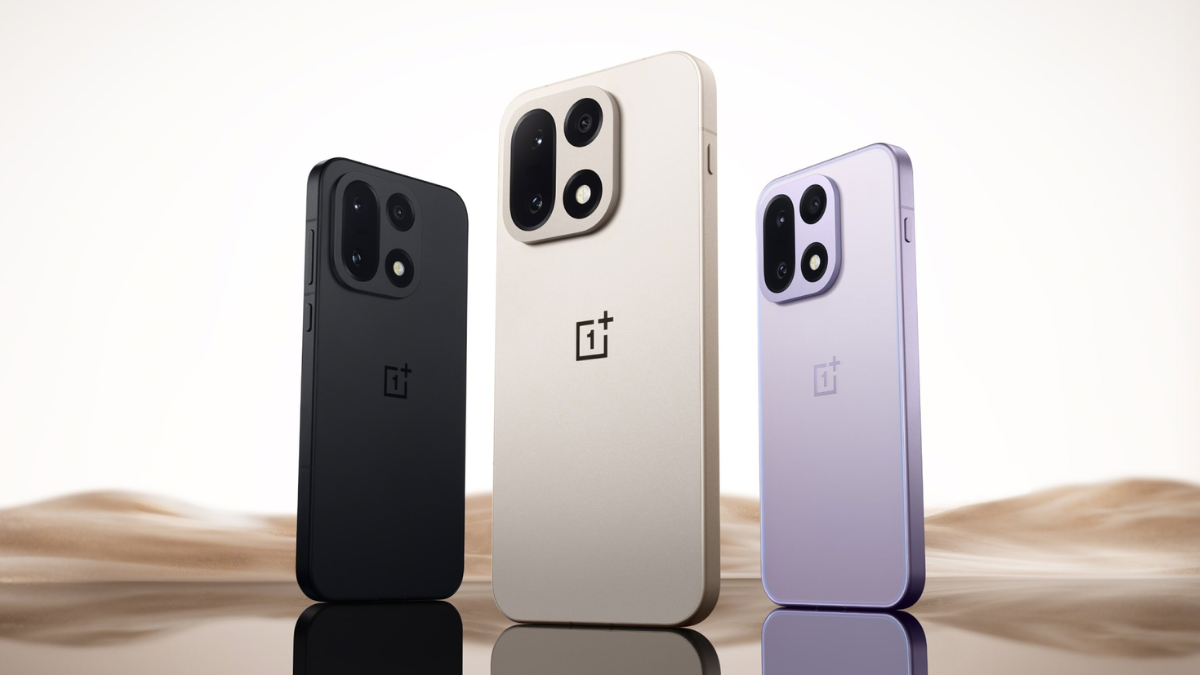
2. OnePlus 15
OnePlus introduced the OnePlus 15 as a flagship phone with impressive gaming capabilities. The phone runs on the Snapdragon 8 Elite Gen 5 SoC and offers up to 16GB LPDDR5X RAM with 1TB UFS 4.1 storage.
The 6.78-inch AMOLED LTPO display features a 165Hz refresh rate, providing ultra-smooth visuals for gaming. OnePlus included a 360° Cryo-Velocity Cooling System with a 5731mm² vapor chamber and advanced insulation to reduce overheating during intensive gaming.
The phone also features a 7300mAh Silicon NanoStack battery with 120W fast charging, ensuring minimal downtime between gaming sessions. OnePlus has focused on balancing performance with design, making the OnePlus 15 a versatile flagship for gamers and general users alike.
3. Red Magic 11 Air
Red Magic launched the Red Magic 11 Air as a more affordable gaming phone. The phone uses the Snapdragon 8 Elite SoC, offers up to 16GB LPDDR5X RAM, and includes 512GB UFS 4.1 storage.
The phone features a 6.85-inch 144Hz OLED display, ensuring smooth and responsive visuals. Red Magic introduced an active cooling system with a 24,000 RPM Turbo Fan and a 4D Ice-Steps Vapor Chamber, which provides 40% more efficient heat dissipation than previous models.
Red Magic retained its signature transparent design with RGB lighting, making the phone visually unique. The 7000mAh battery with 80W fast charging ensures extended gameplay. Starting at $529, the Red Magic 11 Air offers excellent performance for its price.
4. iQOO 15R
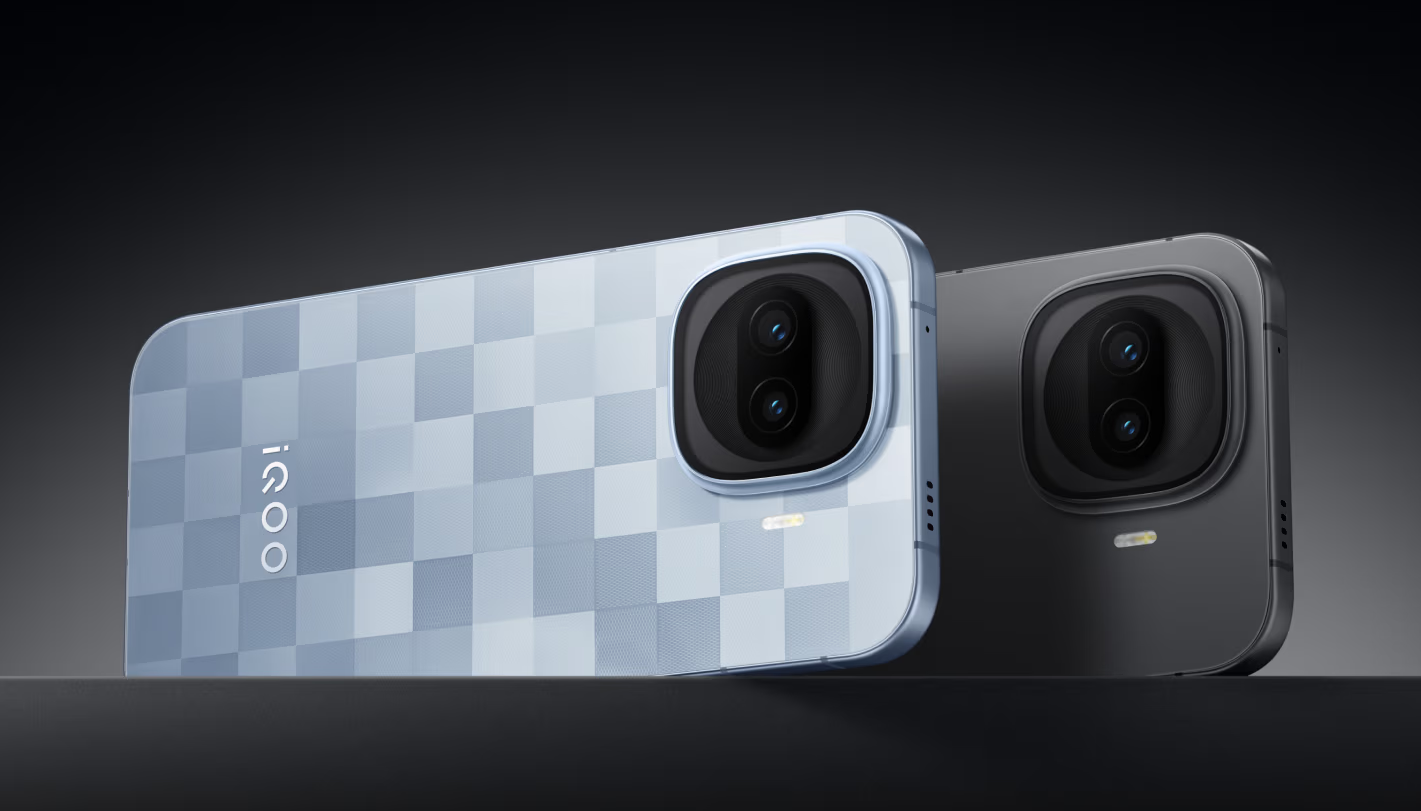
iQOO launched the iQOO 15R as a mid-range gaming phone with premium features. The phone runs on the Snapdragon 8 Gen 5 SoC and comes with 12GB LPDDR5X RAM and 512GB UFS 4.1 storage.
The 6.59-inch AMOLED display offers a 144Hz refresh rate and 5000 nits peak brightness, ensuring sharp and vibrant visuals. iQOO added the IceCore VC cooling system, which uses dual-layer graphene sheets and reduces temperatures by up to 15°C.
The phone includes a 7600mAh battery that supports 100W fast charging, allowing it to reach 50% charge in 33 minutes. iQOO priced the 15R starting at Rs. 44,999 ($488), making it an attractive option for gamers who want both performance and value.
5. OnePlus 15R
OnePlus launched the OnePlus 15R as a midrange gaming phone with flagship-level features. The phone uses the Snapdragon 8 Gen 5 SoC, offers 12GB LPDDR5X RAM, and includes 512GB UFS 4.1 storage.
The 6.83-inch AMOLED display supports a 165Hz refresh rate, ensuring smooth gameplay across titles. OnePlus included a dedicated touch response chip, providing a 3200Hz touch sampling rate for precise controls.
The 7400mAh battery supports 80W fast charging, ensuring minimal downtime. OnePlus priced the 15R starting at Rs. 47,999/$699, making it an excellent choice for gamers seeking high performance on a budget.
For more daily updates, please visit our News Section.
US pre-orders for the Galaxy S26 series are nearly 25% higher than the Galaxy S25 series.
The Galaxy S26 Ultra accounts for about 80% of total US pre-orders.
The series recorded 1.35 million pre-orders in South Korea, a new Galaxy S record.
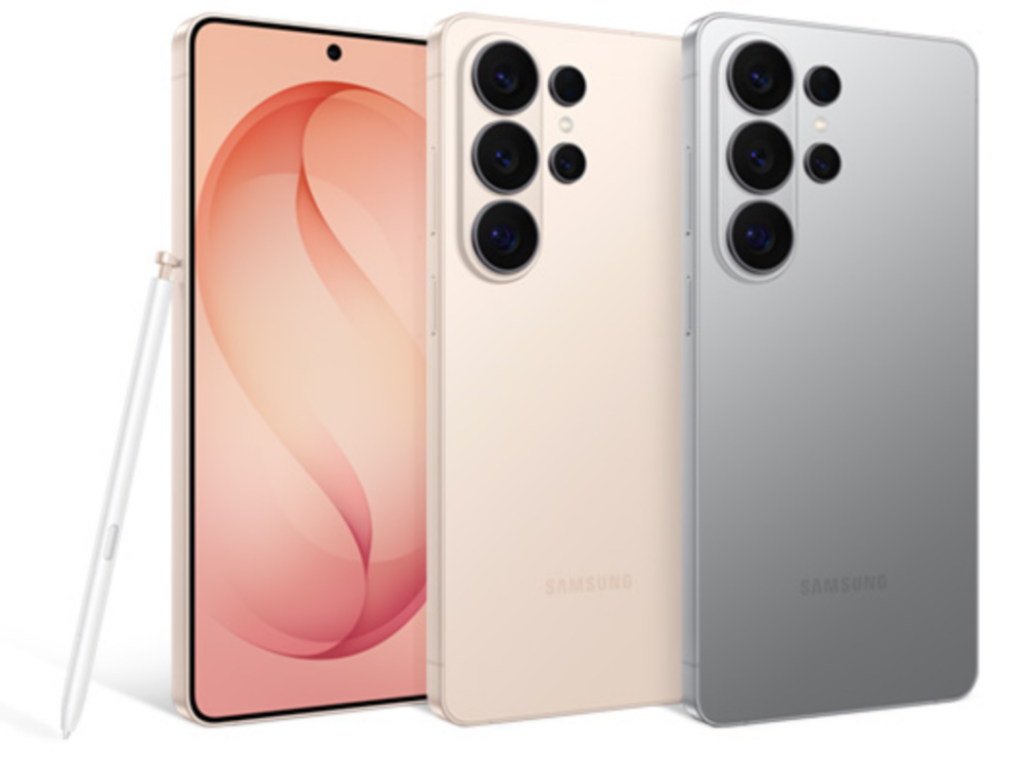
Samsung announced on March 10, 2026, that its Galaxy S26 series has started strongly in the United States, with pre-orders showing solid growth compared with the previous generation.
According to the company, Galaxy S26 series pre-orders in the US are nearly 25% higher than those of the Galaxy S25 lineup. The figures include orders placed through Samsung.com, major US carriers, and national retailers.
The data also shows that buyers are strongly favoring the Galaxy S26 Ultra, which represents around 80% of total pre-orders in the US. This suggests the top-end model is driving much of the early demand for the lineup.
Carrier channels recorded particularly strong momentum. Pre-orders through major US carriers increased by more than 70% compared with the Galaxy S25 generation, indicating strong interest through operator sales channels.
Retail performance also improved significantly. At major retailers such as Best Buy, Galaxy S26 pre-orders were more than double those of the Galaxy S25 series.
In South Korea, the Galaxy S26 series reached 1.35 million pre-orders, setting a new record for the Galaxy S series. For comparison, the Galaxy S25 lineup reached 1.3 million pre-orders in 11 days, while the Galaxy S26 series surpassed that figure in just 7 days.
In Samsung’s domestic market as well, the Galaxy S26 Ultra leads demand, accounting for around 70% of total pre-orders.
Vivo has started teasing details about its upcoming vivo X300s, and battery life seems to be one of the main highlights this time. According to product manager Han Boxiao, the phone will feature a 7100mAh battery, the largest ever used in the company’s X-series lineup.
The battery is part of what Vivo calls its Blue Ocean Battery system. It uses Vivo’s fourth-generation silicon anode technology. The result is a noticeable increase in battery capacity, considering last year’s Vivo X200s packed a 6200mAh battery.
Cooling is another area where the company claims improvements. The X300s includes a larger vapor chamber cooling system, referred to as the Ice Pulse Fluid VC. Paired with a chip upgrade, it should help the phone maintain a higher stable performance during heavier workloads.
A few smaller upgrades have also been mentioned. The device will include an updated ultrasonic fingerprint sensor, which Vivo says is about 15% faster and can unlock the phone even with slightly wet fingers. The phone will also support USB 3.2 Gen1, allowing data transfer speeds of up to 5Gbps.
The bypass charging system now powers the device during everyday tasks like video streaming and reading articles, instead of being limited to gaming.
Vivo is also introducing new power-management solutions. One of them, called MicroPower Genie 2.0, is designed to restore apps or tasks if the phone suddenly shuts down due to low battery. That could be useful for things like unfinished photo edits or games.
On the hardware side, the X300s is expected to feature a 6.78-inch flat display with 1.5K resolution and a 144Hz refresh rate. Camera hardware appears fairly ambitious as well, with reports pointing to a 200MP main camera, alongside 50MP ultra-wide and 50MP periscope sensors. A 50MP front camera is also expected.
Other features include 90W fast charging, stereo speakers, an X-axis vibration motor, and IP68/IP69 water and dust resistance.
Vivo hasn’t announced an exact launch date yet, but the X300s is expected to debut in China soon, likely alongside other models in the X300 lineup. If the teasers are accurate, the device could stand out mainly for its unusually large battery in a flagship-level phone.
Acer has introduced the Acer Go 16 (N25JJ3), a new business-focused laptop designed for office productivity and everyday multitasking. The device combines Intel’s Core 5 processor with a large 16-inch display and generous memory and storage, targeting professionals and students who need a reliable work machine.
The laptop is powered by the Intel Core 5 210H processor, paired with 16GB LPDDR5-5200 RAM and a 1TB PCIe Gen4 SSD, offering smooth multitasking and fast storage performance for productivity workloads.
It features a 16-inch display with 1920 × 1200 resolution, providing a slightly taller aspect ratio suited for documents, spreadsheets, and web browsing. The panel covers 45% NTSC color gamut, indicating a focus on office and general-purpose use.
For thermal management, Acer includes a dual-fan cooling system with dual heat pipes, along with three selectable performance modes.
The laptop packs a 65Wh battery, rated for up to 10 hours of usage. The chassis measures 17.9 mm thick and weighs 1.81 kg. Other highlights include a backlit keyboard and an HD webcam with a physical privacy switch.
Connectivity includes Wi-Fi 6, Bluetooth 5.2, and ports such as USB-C, three USB-A ports, HDMI 1.4, RJ45 Ethernet, microSD, and a 2-in-1 audio jack.
The official price is 4099 yuan (≈ $596), while the subsidized price drops to 3441.65 yuan (≈ $501) under China’s digital product subsidy program.
Acer Go 16 (N25JJ3) – Key Features
Feature
Details
Processor
Intel Core 5 210H
RAM
16GB LPDDR5-5200
Storage
1TB PCIe Gen4 SSD
Display
16-inch, 1920 × 1200
Color Gamut
45% NTSC
Cooling
Dual fans + dual heat pipes
Battery
65Wh, up to 10 hours
Thickness
17.9 mm
Weight
1.81 kg
Wireless
Wi-Fi 6, Bluetooth 5.2
Ports
USB-C, 3× USB-A, HDMI 1.4, RJ45, microSD, 2-in-1 audio jack
Official Price
4099 yuan (≈ $596)
Subsidized Price
3441.65 yuan (≈ $501)
Market Context: China’s Digital Device Subsidy Program
China’s digital product subsidy program aims to boost consumer electronics sales by offering a 15% government discount on eligible devices priced under 6,000 yuan, with a maximum subsidy of 500 yuan. The initiative has made mid-range laptops, smartphones, and other digital devices more affordable, encouraging brands to promote subsidized pricing across the Chinese market.
Xiaomi has launched the Xiaomi 17 and Xiaomi 17 Ultra smartphones in India. The devices were introduced globally at MWC 2026 last week and bring top-tier hardware, advanced cameras, and improved displays.
Pricing and Availability
The Xiaomi 17 is priced at ₹89,999 for the 12GB + 256GB variant, while the 12GB + 512GB variant costs ₹99,999. The Xiaomi 17 Ultra is priced at ₹1,39,999 for the 16GB + 512GB model.
Early bird sales start on March 13 on mi.com, Amazon, and offline stores. Launch offers include discounts of up to ₹10,000, free damage protection for the Xiaomi 17, and a free Photography Kit Pro worth ₹19,999 for the Xiaomi 17 Ultra until March 17.
Please Note: When you buy something using the links in our articles, we may earn a small commission at no cost to you.
Specifications
Xiaomi 17
The Xiaomi 17 features a 6.3-inch 1.5K OLED LTPO display with a 1-120Hz refresh rate and a peak brightness of 3500 nits. It is powered by the Snapdragon 8 Elite Gen 5 processor paired with 12GB LPDDR5X RAM.
The phone’s triple rear camera setup includes 50MP sensors for wide, ultra-wide, and telephoto photography, developed in collaboration with Leica. The front camera has been upgraded to a 50MP sensor. The device comes with a 6330mAh battery that supports 100W wired and 50W wireless charging.
The Xiaomi 17 Ultra includes a 6.9-inch 2K OLED LTPO display and introduces a flat display to the Ultra series for the first time. It runs on the Snapdragon 8 Elite Gen 5 processor with 16GB RAM.
Xiaomi 17 Ultra
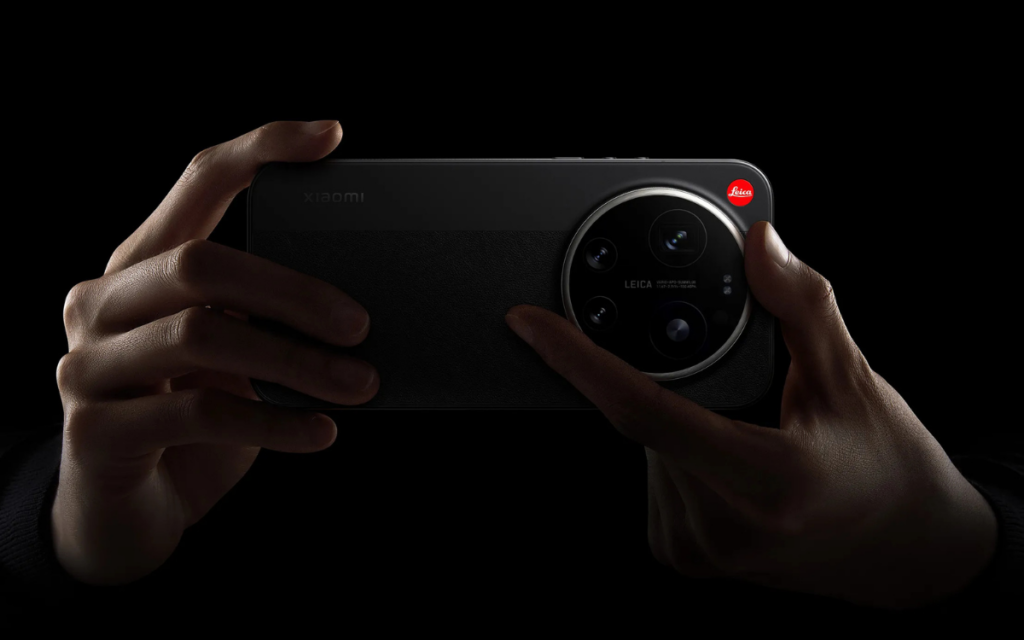
The Leica-tuned triple camera setup offers a 1-inch 50MP main sensor, a 50MP ultra-wide lens, and a 200MP telephoto lens with true optical zoom between 75mm and 100mm. The phone features LOFIC HDR technology for improved dynamic range and detail.
The Xiaomi 17 Ultra has a 6000mAh battery with 90W wired and 50W wireless charging support.
World’s flattest foldable display with a near “zero-feel” crease
Titanium alloy dome hinge reduces hinge undulation to just 0.1mm
Dome Memory Glass delivers 3× stronger durability with 99.9% shape restoration
OPPO has revealed the core technologies behind the OPPO Find N6, positioning it as the world’s flattest foldable smartphone. The company presented the new engineering breakthroughs during its Foldable Screen Crease-Free Technology Communication Conference, highlighting a series of innovations aimed at dramatically reducing the visible crease that has long been a limitation of foldable displays.
The main focus of the Find N6 is achieving a “zero-feel crease” display experience, where the fold line becomes almost imperceptible during everyday use. OPPO claims the new design significantly improves screen flatness compared to previous foldable devices, pushing the category closer to a truly seamless tablet-like display when unfolded.
At the center of this advancement is OPPO’s new-generation titanium alloy dome hinge. Unlike conventional three-axis hinge systems, the Find N6 uses a biomimetic symmetrical four-axis structure built with chip-level polymer 3D printing technology. This design reduces hinge surface undulation from 0.18mm to 0.1mm, helping the display maintain a flatter structure across the folding area while also improving the smoothness of opening and closing.
OPPO also introduced Dome Memory Glass, a new flexible glass technology designed to maintain screen flatness after repeated folding. The company says the material is more than three times stronger than traditional foldable glass and can restore 99.9% of its original shape after bending.
The device has passed 600,000 folding cycle tests and received TÜV Rheinland certification for crease performance, indicating strong durability alongside its improved flatness.
With these technologies, OPPO aims to push foldable displays closer to a truly crease-free design, potentially setting a new benchmark for the next generation of foldable smartphones.
35,000Pa suction power, making it the most powerful robot vacuum in Xiaomi’s Mijia ecosystem
Triple robotic cleaning arms and bionic robotic legs that can cross obstacles up to 6 cm
AI vision system can identify 280 objects and 47 types of dirt
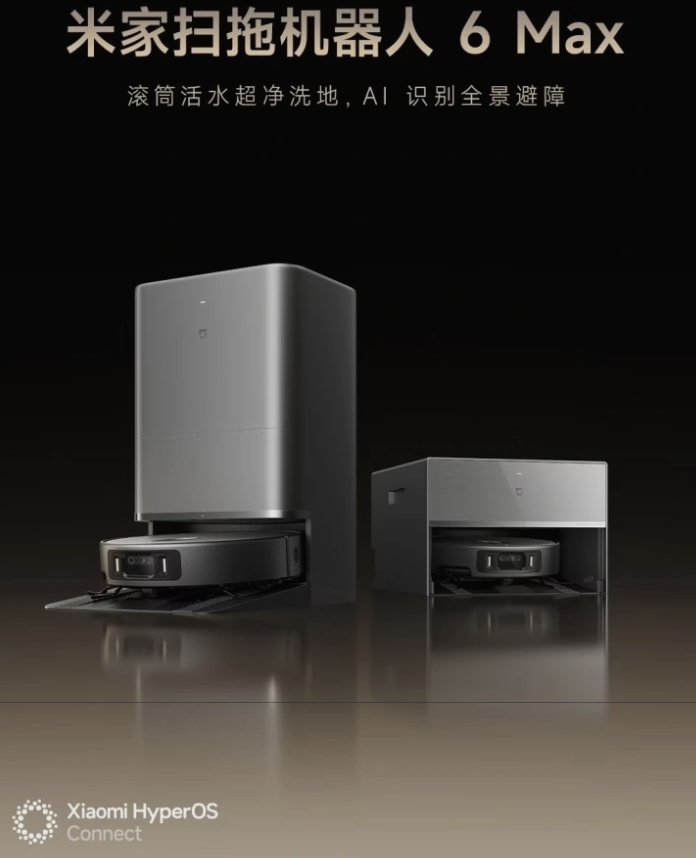
Xiaomi has introduced the Mi Robot Vacuum and Mop 6 Max, a new flagship cleaning robot positioned as the most powerful unit in the company’s Mijia smart home ecosystem. The device combines extremely high suction power with advanced AI-powered navigation and robotic hardware designed to improve cleaning coverage around furniture, walls, and tight corners.
The robot uses AI-powered panoramic obstacle avoidance supported by a triple-camera system. It integrates with the Mi Home app for remote control and supports Xiao Ai voice assistant for hands-free operation within Xiaomi’s smart home ecosystem.
Pricing and Availability
The Mi Robot Vacuum and Mop 6 Max has launched in China in two versions. The water tank version carries an official price of 6,599 yuan, with the launch price dropping to 5,863 yuan. After China’s appliance subsidy, the effective purchase price reaches 4,899 yuan (around $680). The water supply and drainage version is priced at 6,999 yuan, with a launch price of 6,451 yuan, and a final subsidized price of 5,399 yuan (around $750).
These lower prices apply only within China, where government subsidies currently support purchases of selected digital appliances.
Advanced Cleaning and AI Navigation
Xiaomi claims the robot delivers 35,000Pa suction power, combined with a real-time water washing system that simultaneously mops, scrapes, and cleans floors. A 16-hole water outlet system continuously cleans the mop during operation to maintain consistent performance.
The device also includes a dual anti-hair tangling system, featuring a hair-cutting main brush and anti-tangle side brushes designed to reduce maintenance.
For better edge and corner cleaning, Xiaomi has equipped the vacuum with triple robotic cleaning arms capable of performing edge sweeping, edge mopping, and targeted corner cleaning around walls, furniture, and table legs.
The robot also uses bionic dual robotic legs, allowing it to cross steps up to 6 cm and enter spaces as low as 9.3 cm, making it one of the strongest obstacle-crossing models in the Mijia lineup.
Smart Home Integration and Monitoring
The Mi Robot Vacuum and Mop 6 Max includes a built-in camera that allows users to monitor pets at home and even perform remote video calls through the Xiao Ai assistant.
Its AI vision system can recognize 280 types of objects and 47 types of dirt, including very small obstacles such as 3 mm earphone cables, automatically adjusting cleaning strategies to avoid collisions and improve efficiency.
The robot also supports Xiaomi Surge Smart Connect, enabling seamless integration with other smart devices through the Mi Home app.
Mi Robot Vacuum and Mop 6 Max — Key Features
Feature
Details
Product Name
Mi Robot Vacuum and Mop 6 Max
Maximum Suction
35,000Pa
Navigation
AI panoramic obstacle avoidance
AI Recognition
280 object types, 47 dirt types
Cameras
Triple-camera AI vision system
Cleaning System
Mop, scrape, and wash simultaneously
Water System
16-hole continuous mop cleaning
Anti-Tangle
Hair-cutting main brush + anti-tangle side brushes
Robotic Hardware
Triple robotic cleaning arms
Obstacle Crossing
Up to 6 cm
Minimum Height Clearance
9.3 cm
Smart Features
Mi Home app, Xiao Ai voice control
Extra Functions
Pet monitoring, remote video calls
Starting Price (China)
4,899 yuan after subsidy
Market Context: China’s Appliance Subsidy Program
China’s national appliance subsidy program is a government initiative designed to increase domestic consumption of electronics and smart home devices. The program typically offers around 10–15% discounts on eligible products, including robot vacuums, TVs, smartphones, and other connected appliances.
For companies like Xiaomi, this policy significantly lowers the effective launch price for Chinese consumers, making high-end devices more accessible and intensifying competition in the local market. As a result, brands often release more advanced hardware while keeping headline prices aggressive to attract buyers.
ANTHBOT Genie Smart AI Robot Lawn Mower is designed to make lawn maintenance simple, automated, and efficient. Built with advanced AI vision, RTK positioning, and smart app controls, the mower eliminates complicated installation while delivering precise and reliable mowing. It is especially useful for homeowners who want a fully automated lawn care solution without the hassle of perimeter wires.
Deal and Availability
ANTHBOT Genie Smart AI Robot Lawn Mower is currently available at a discounted price. The mower normally costs €1599, but it is now available for €1009 for a limited time. Buyers can use the discount code GESAVE250 at checkout to get the deal. This promotion started on March 5, 2026, and will run until April 1, 2026, on the official ANTHBOT store.
Easy Installation & Setup
One of the biggest advantages of the ANTHBOT Genie is its wire-free installation. Unlike traditional robotic lawn mowers that require perimeter wiring, the Genie uses RTK-based mapping, allowing the mower to understand lawn boundaries without manual setup.
The installation process is simple and typically takes around 10 minutes. Users can start mowing quickly with a plug-and-play setup. The mower also supports two mapping modes: automatic mapping and remote control mapping. This flexibility makes it easier to configure lawns of different shapes and sizes.
Precise Navigation with RTK GPS
The mower uses an exclusive RTK GPS positioning system to ensure accurate navigation across the lawn. This system provides strong signal stability and improves positioning accuracy, even in challenging environments.
Satellite positioning can be completed in under 55 seconds, allowing the mower to begin work quickly. The RTK system also improves signal stability by up to 50% in shaded areas, helping the mower maintain accuracy under trees or near buildings.
AI Vision & Smart Obstacle Detection
To enhance safety and navigation, the ANTHBOT Genie features an advanced AI vision system with 300° coverage. The system can recognize and avoid more than 1000 different types of obstacles, including people, pets, and garden objects.
A quad-camera setup with four AI cameras provides detailed visual information for navigation. Combined with a powerful 8-core processor, the mower can respond instantly to obstacles and adjust its path automatically. A 360° collision sensing system further ensures that the mower avoids accidental contact.
Smart Lawn Management
Using the ANTHBOT mobile app, users can manage their lawn remotely. The app allows homeowners to create multiple mowing zones, set no-go areas, adjust cutting height and speed, and schedule mowing sessions.
This multi-zone management feature is particularly useful for complex or segmented lawns, where different areas require different mowing settings.
Performance & Safety
The mower features a 3000 RPM blade disc and adjustable mowing directions from 0° to 180°, enabling custom patterns such as crisscross mowing for a cleaner lawn finish. It is designed to handle uneven terrain and different grass types.
For safety and durability, the Genie has an IPX6 waterproof rating, allowing it to be washed with water. It also includes rain detection, automatically returning to its base when rain begins. Additional protections include a digital geo-fence anti-theft system, an emergency stop button, OTA firmware updates, and TÜV safety certification.
As many of you may already know, DOOGEE is a brand best known for making rugged phones. This year marks their 16th year in the rugged phone business, and to date, they have over one million users across more than 60 countries worldwide. One of the reasons I believe DOOGEE has been so successful is its extremely detailed and diverse product lineup.
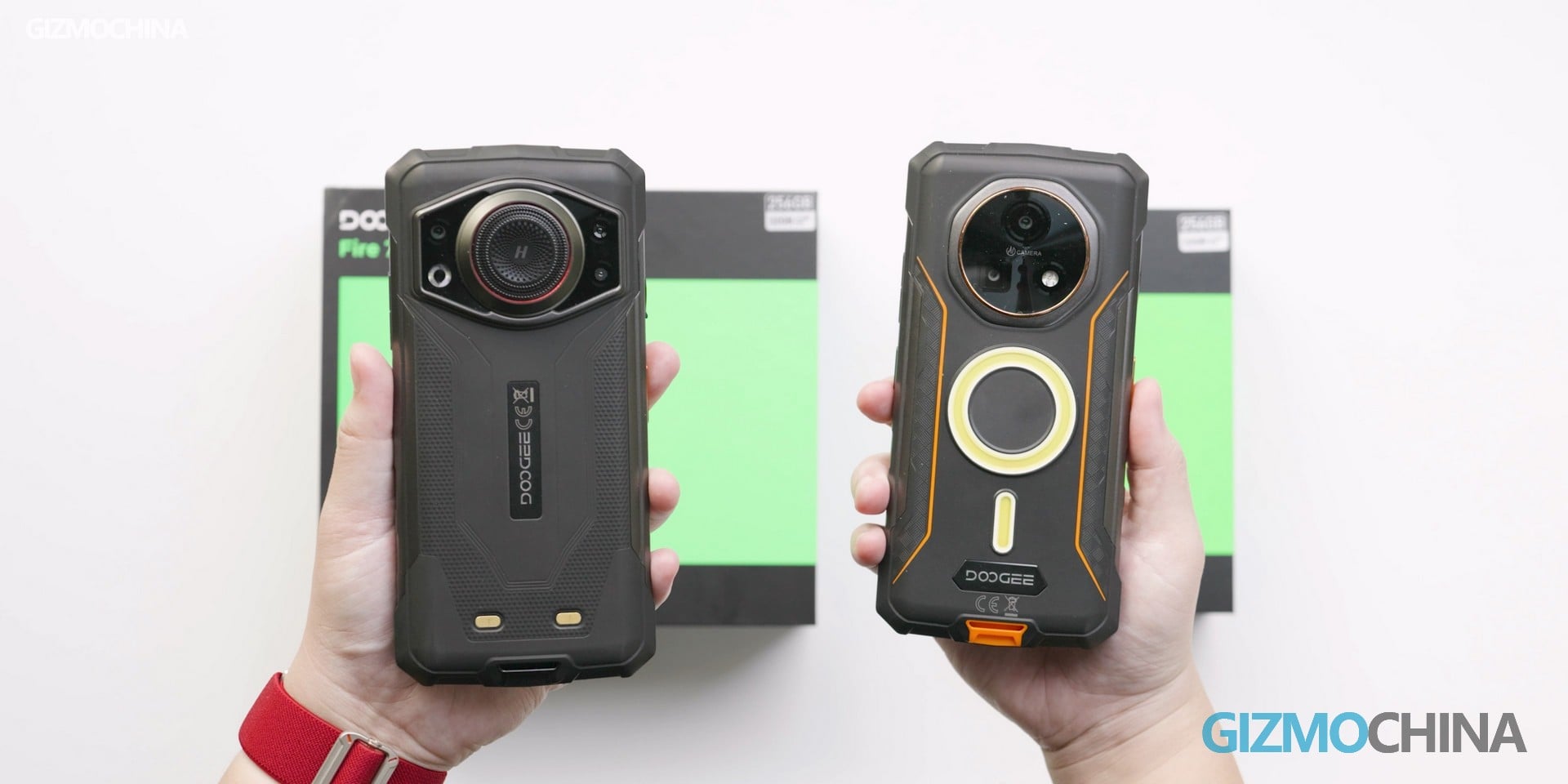
We’ve reviewed many DOOGEE phones in the past, and each one had its own distinct selling point. The two new Fire series devices we’re introducing today are no exception. The positioning of this series can be summed up in one phrase: “All Tools, One Phone.”
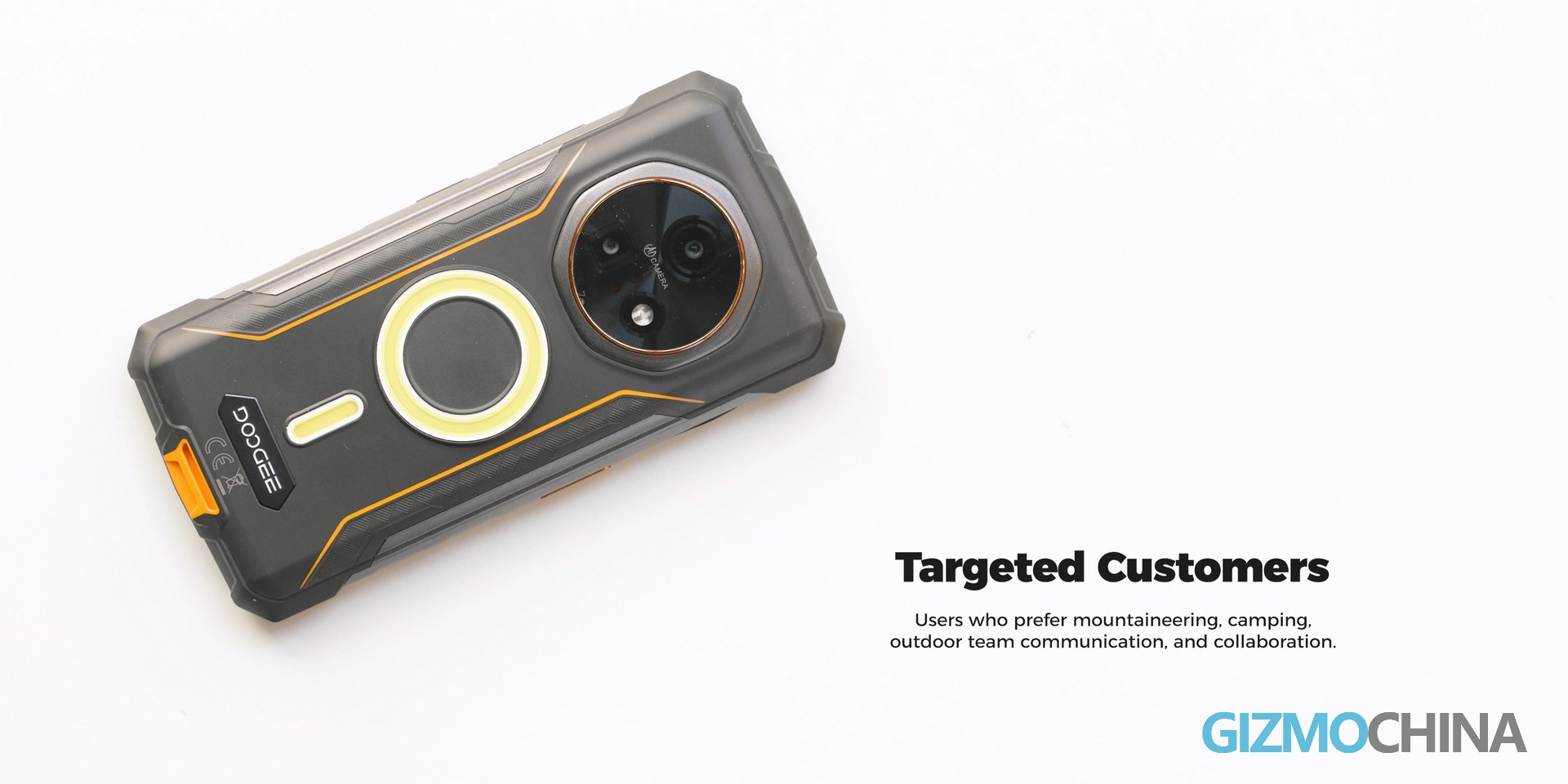
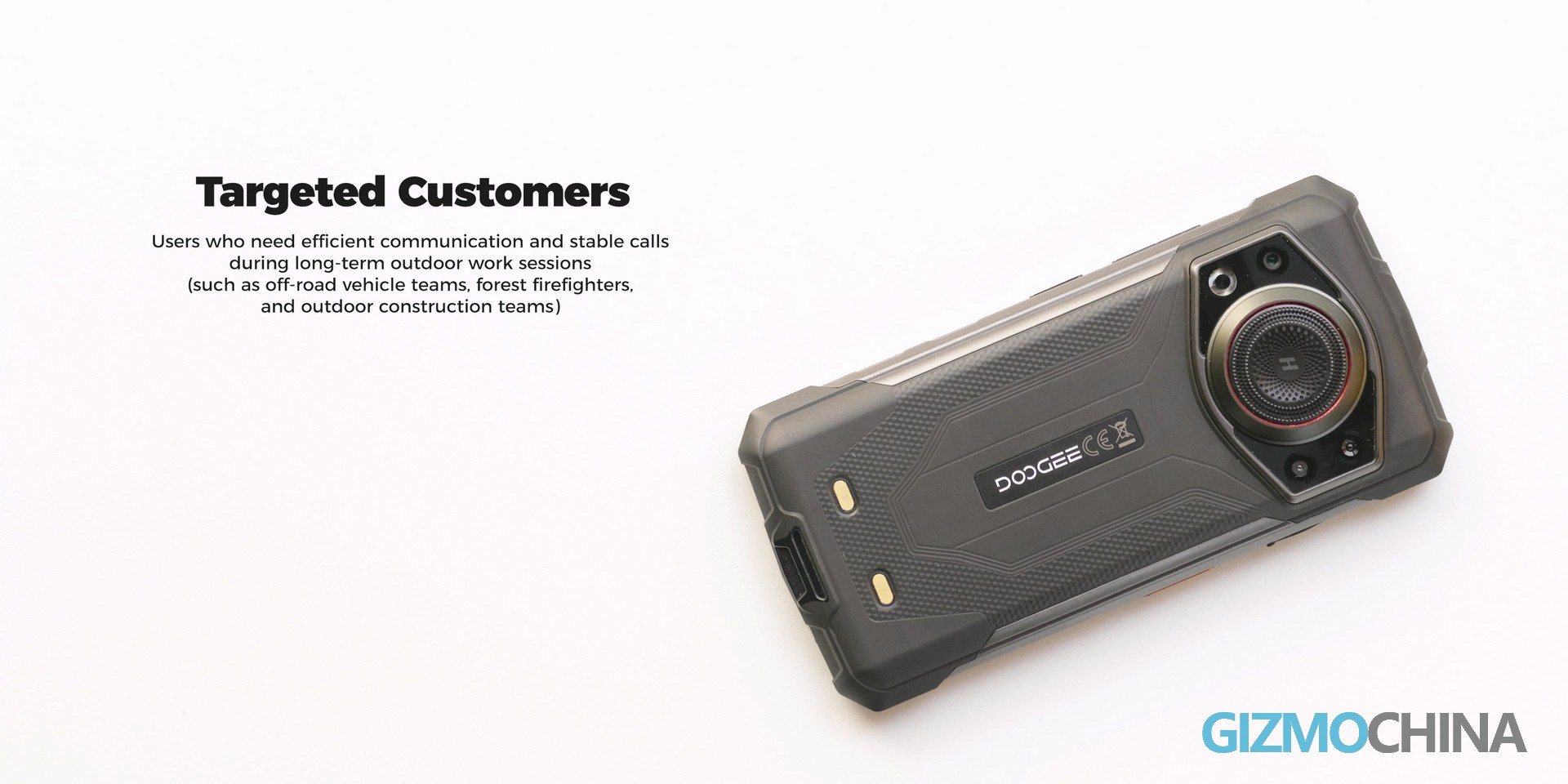
Within the lineup, the Fire 7 Pro is geared more toward outdoor team recreation and camping adventures. At the same time, the Fire 7 Ultra is designed for more professional teams, such as off-road vehicle crews or forest firefighters.
Buy the DOOGEE Fire 7 Pro & Ultra at DOOGEE Official here, or specifically on Amazon: Fire 7 Ultra: 30% off + 5% Code: BNYLO45A, Final Price: $303.99 Fire 7 Pro: 30% off, Final Price: $279.99
Design
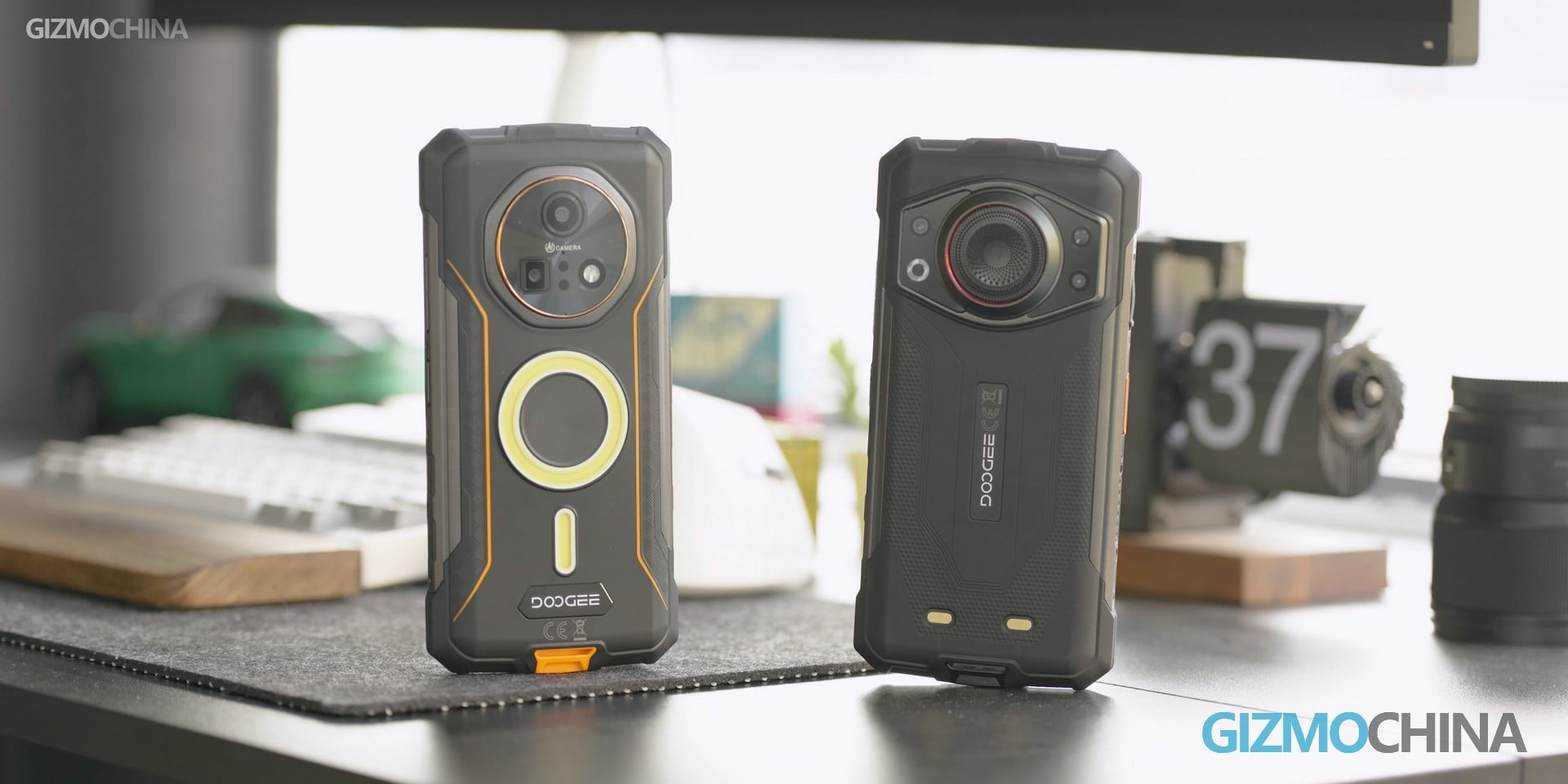
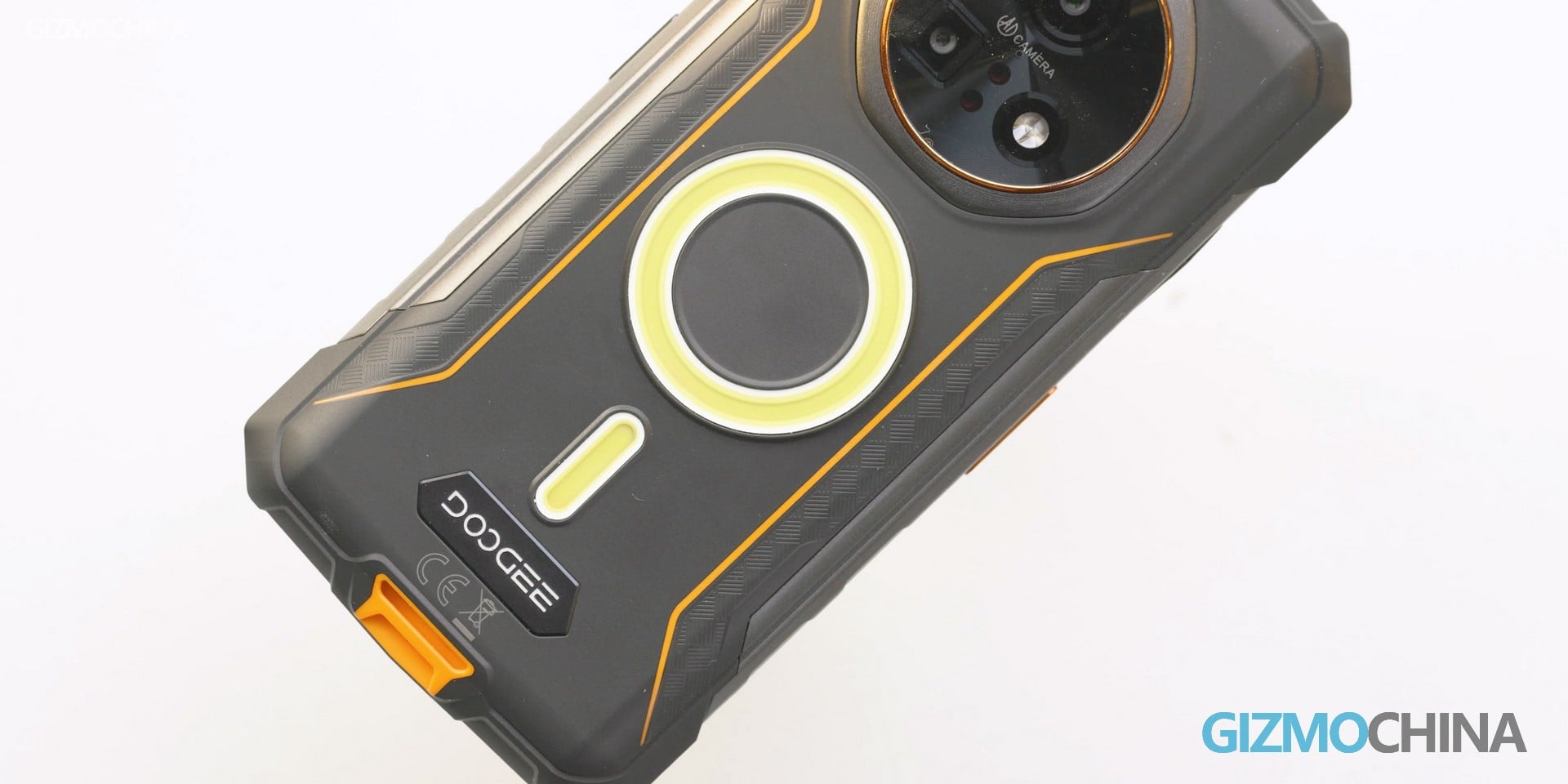
Although both phones belong to the same series, they look quite different—and that’s perfectly reasonable given their different use cases. To accommodate the 1,200-lumen camping light on the back of the Fire 7 Pro, the DOOGEE logo has been moved to the very bottom of the rear panel.
By the way, while this camping light may look a bit like MagSafe, it is simply a standalone light with no magnets inside.
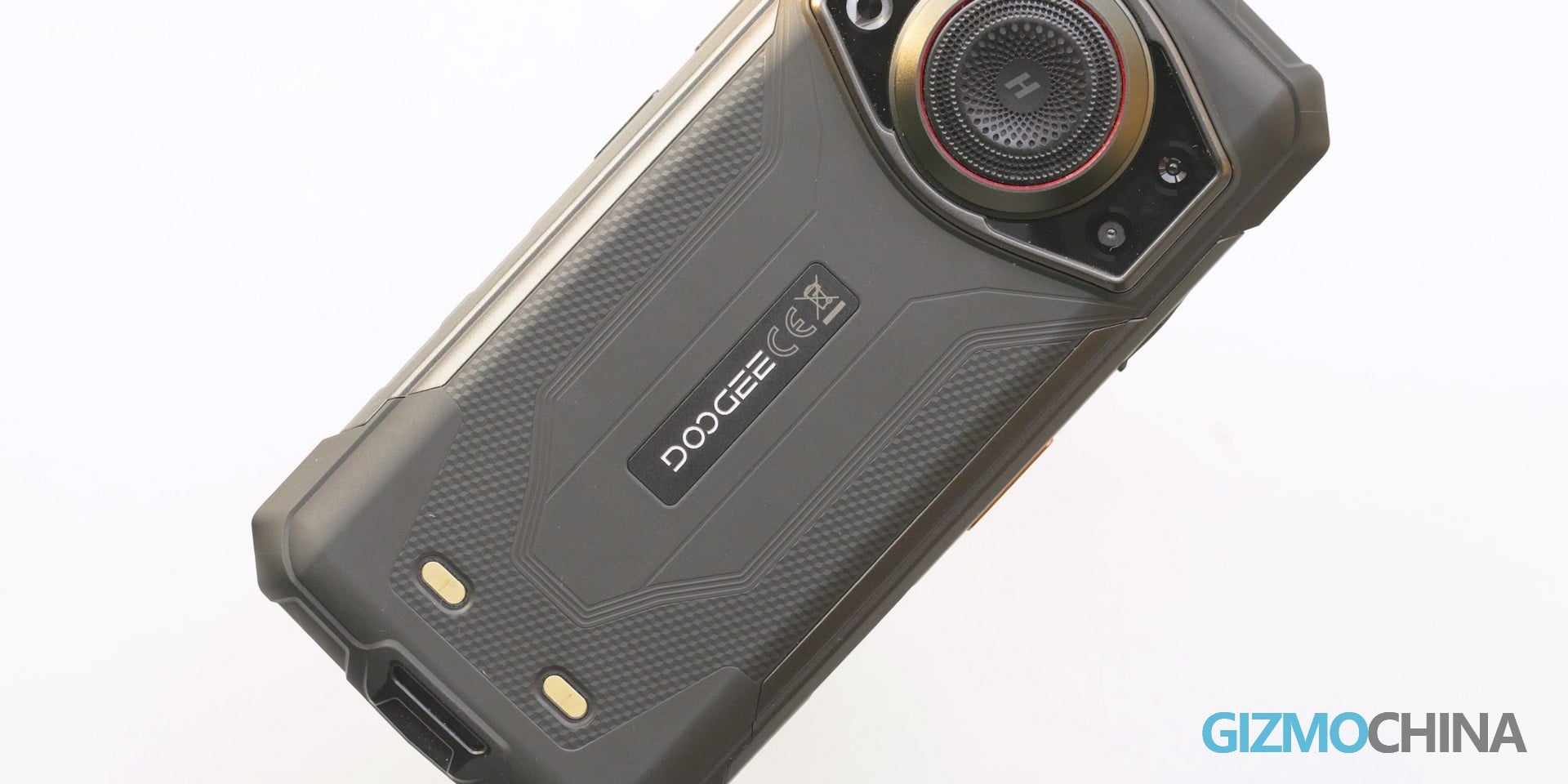
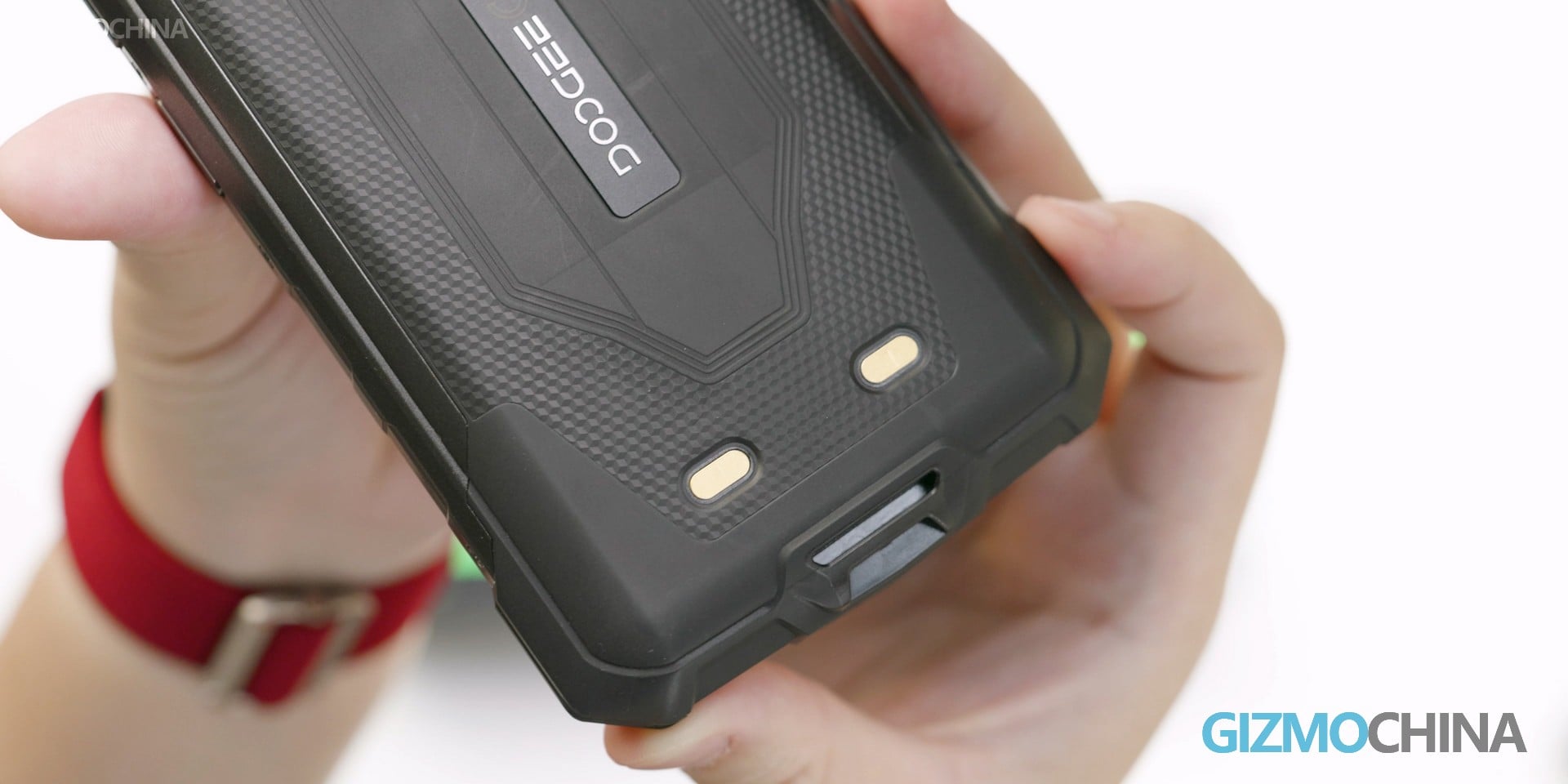
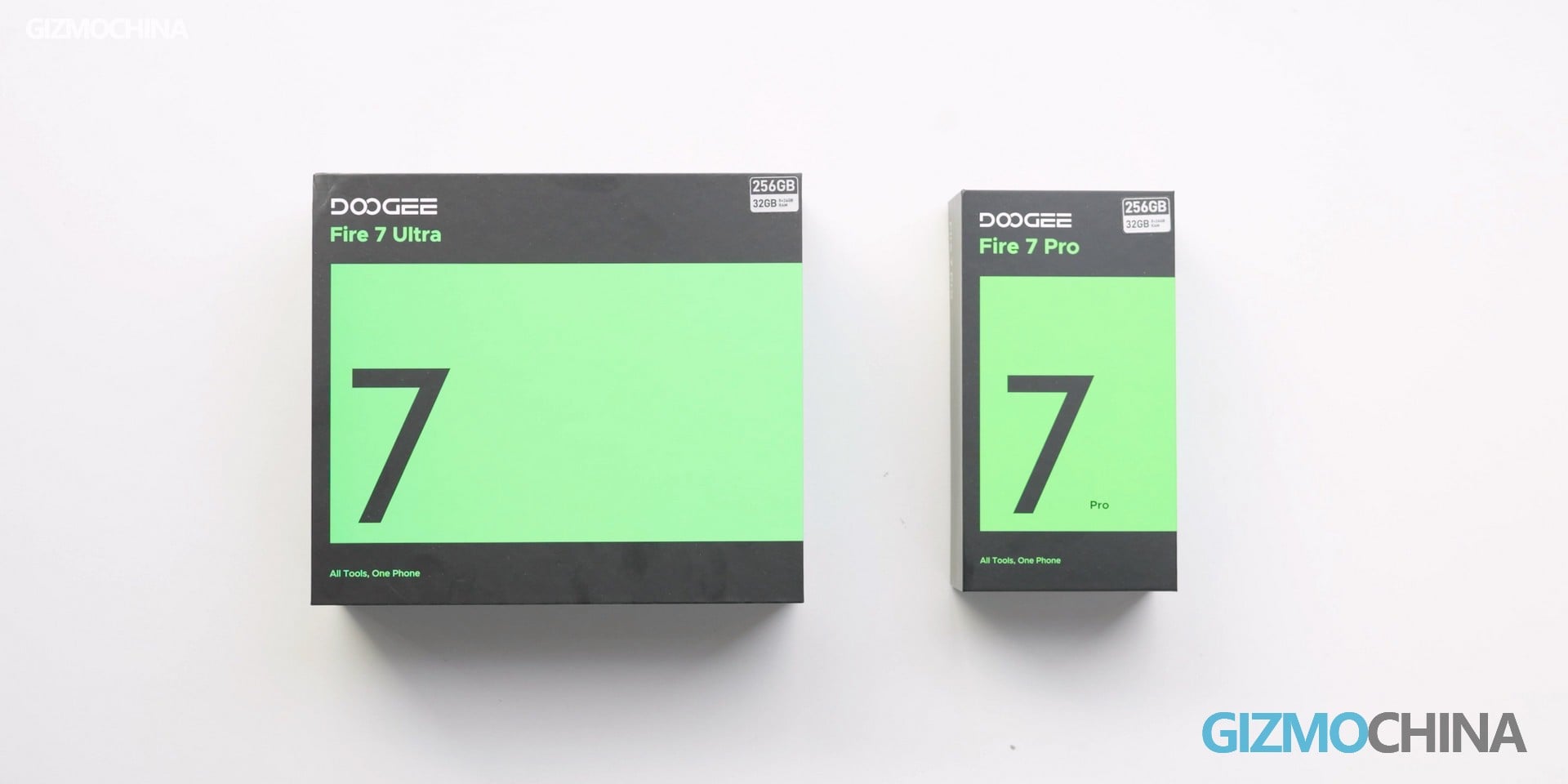
The back of the Fire 7 Ultra, on the other hand, is much cleaner, featuring only two contact pins near the bottom. What are these contacts for? That brings us to the packaging.
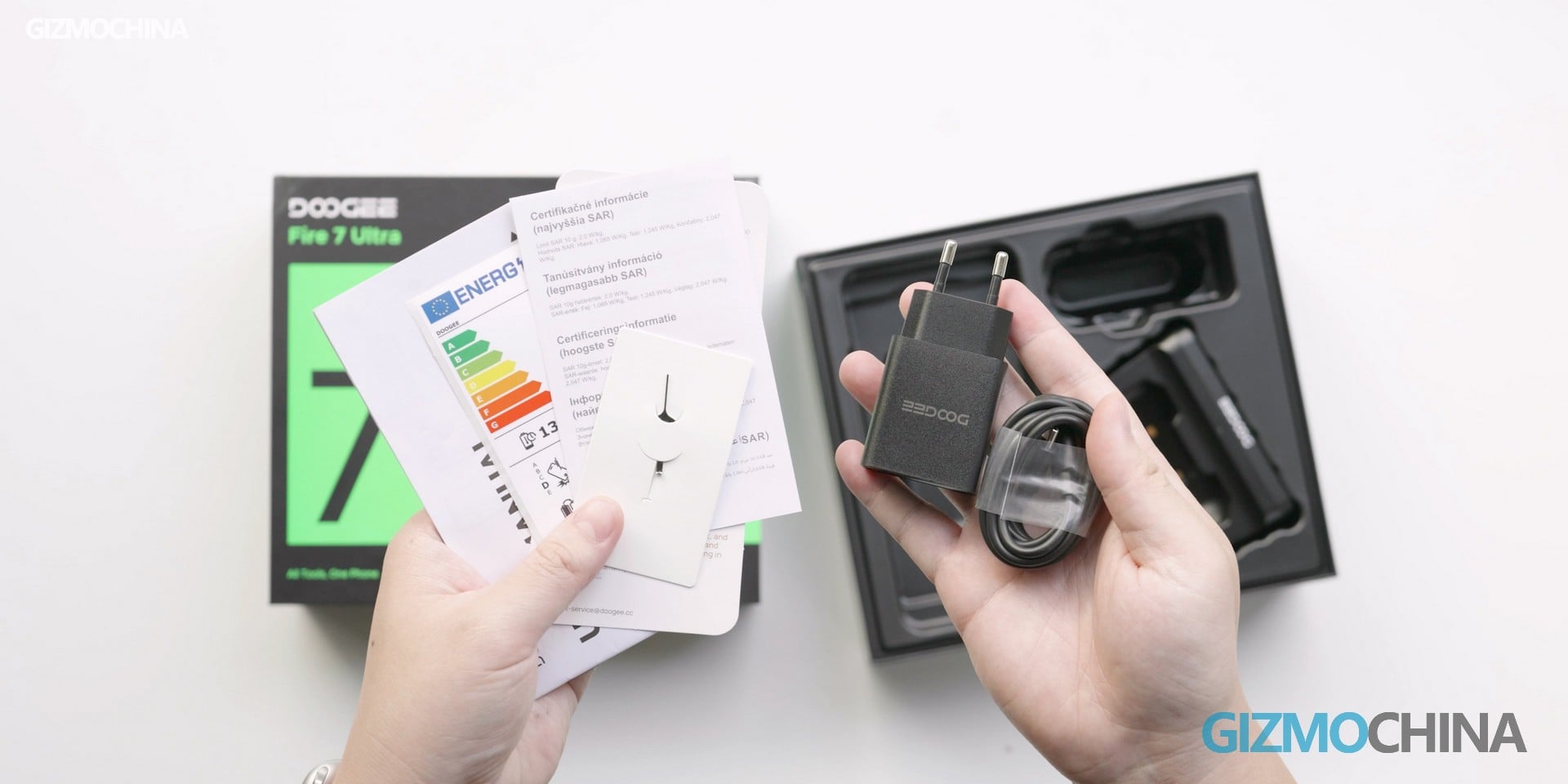
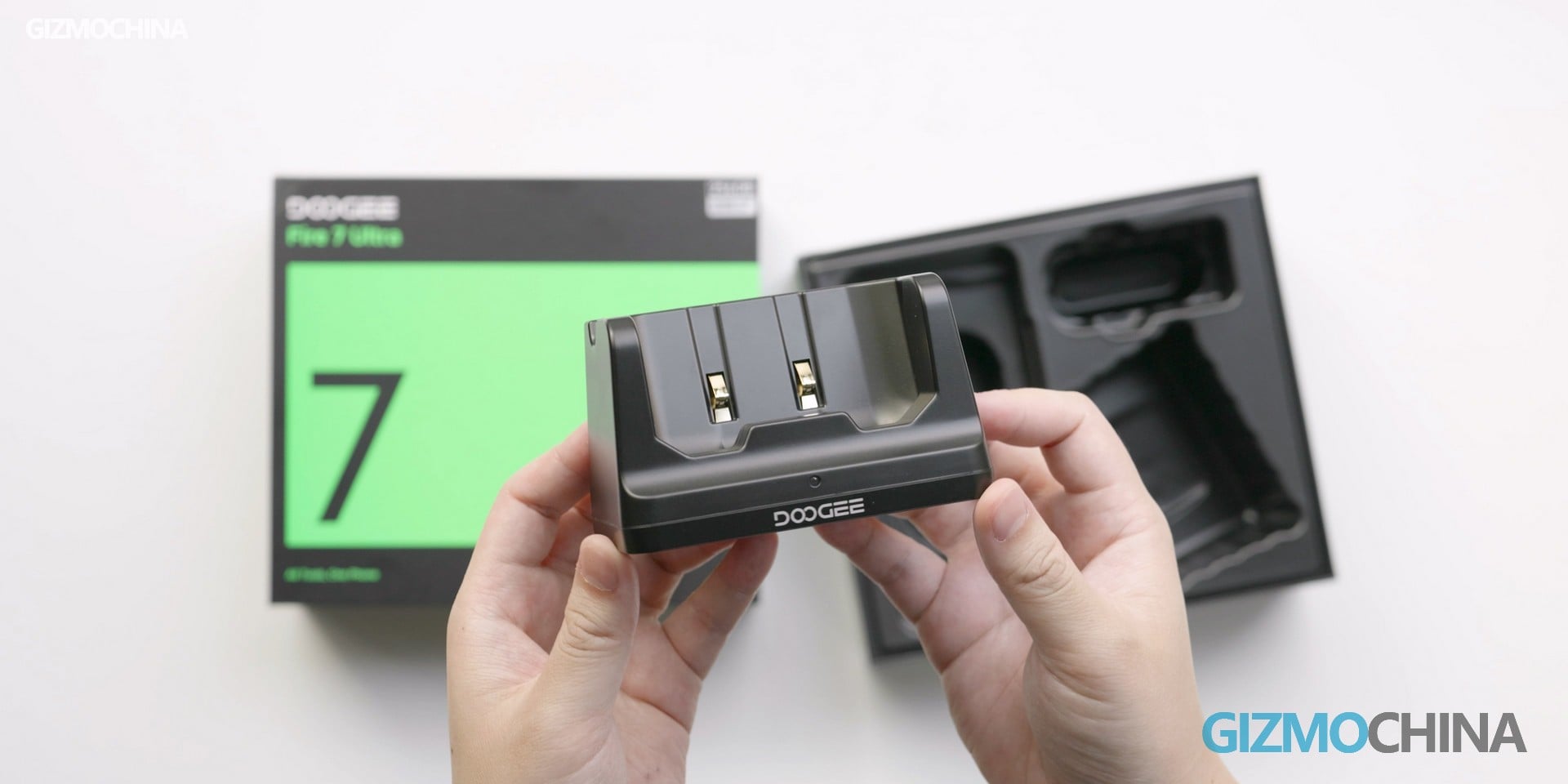
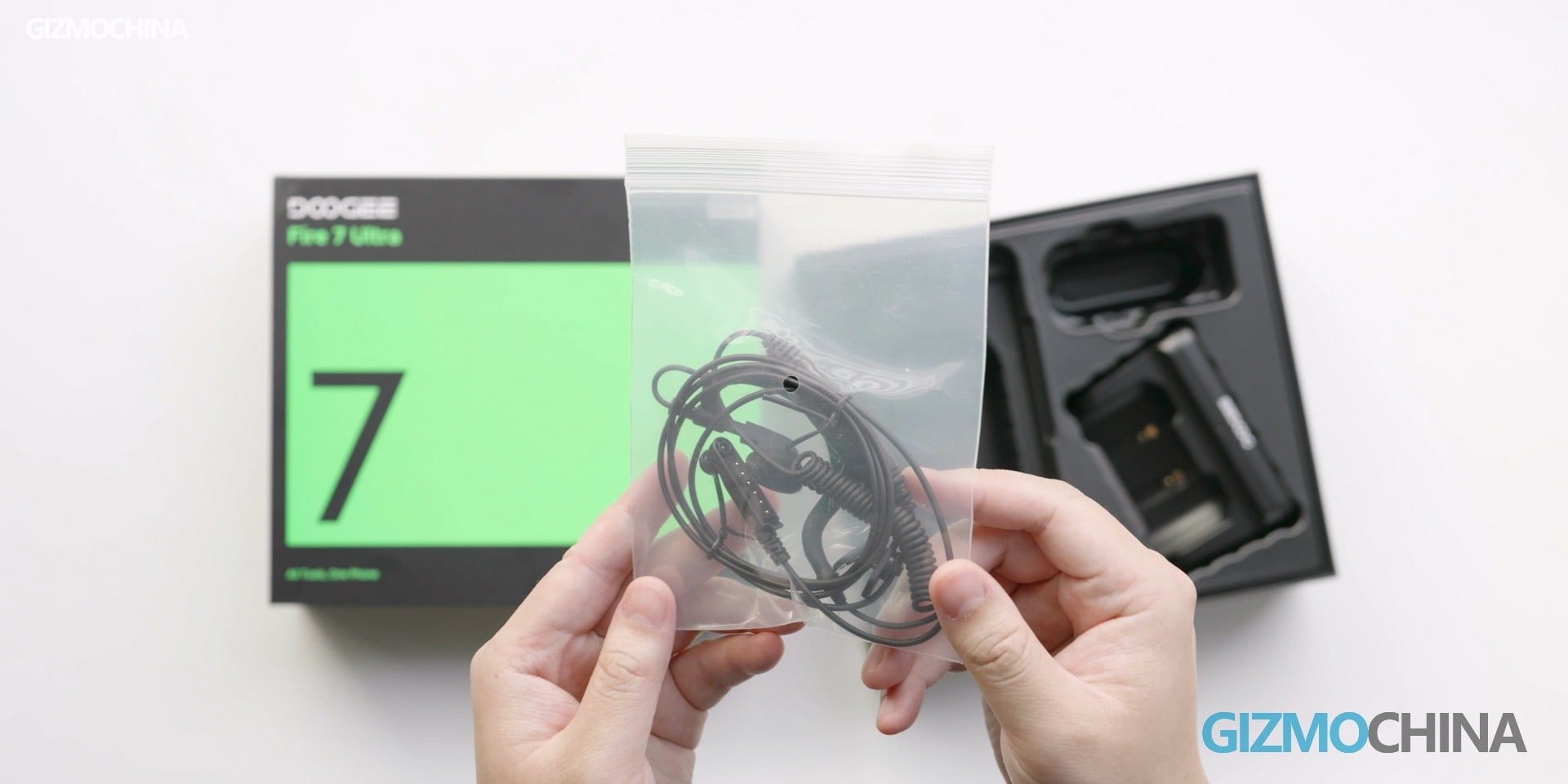
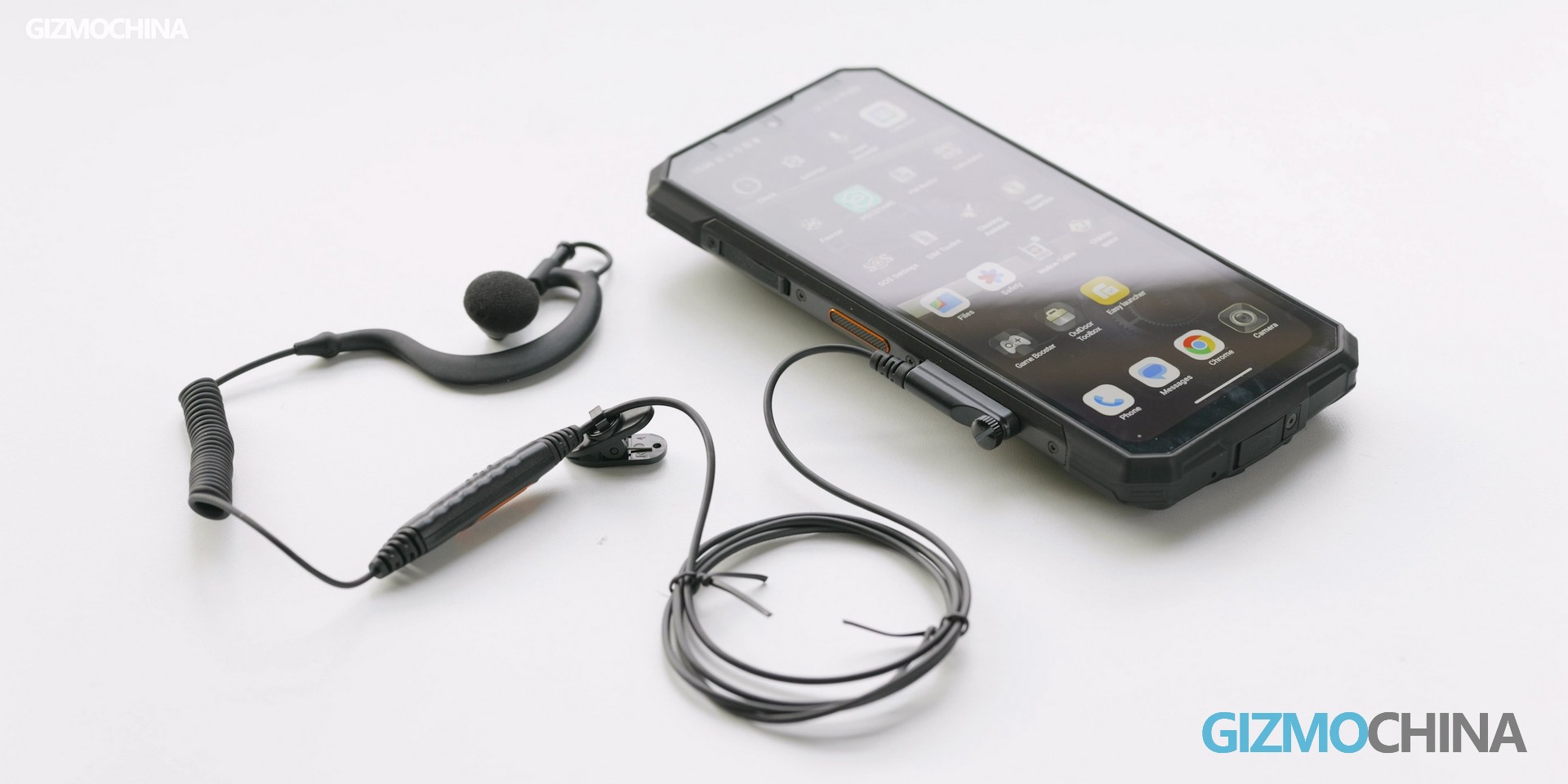
The Fire 7 Ultra comes in a much larger box, mainly because it includes more accessories. In addition to the usual manuals, charger, and cable, you also get a desktop charging base and a walkie-talkie headset. See those two contacts on the charging base? Through them, the Fire 7 Ultra can be charged at 10W.
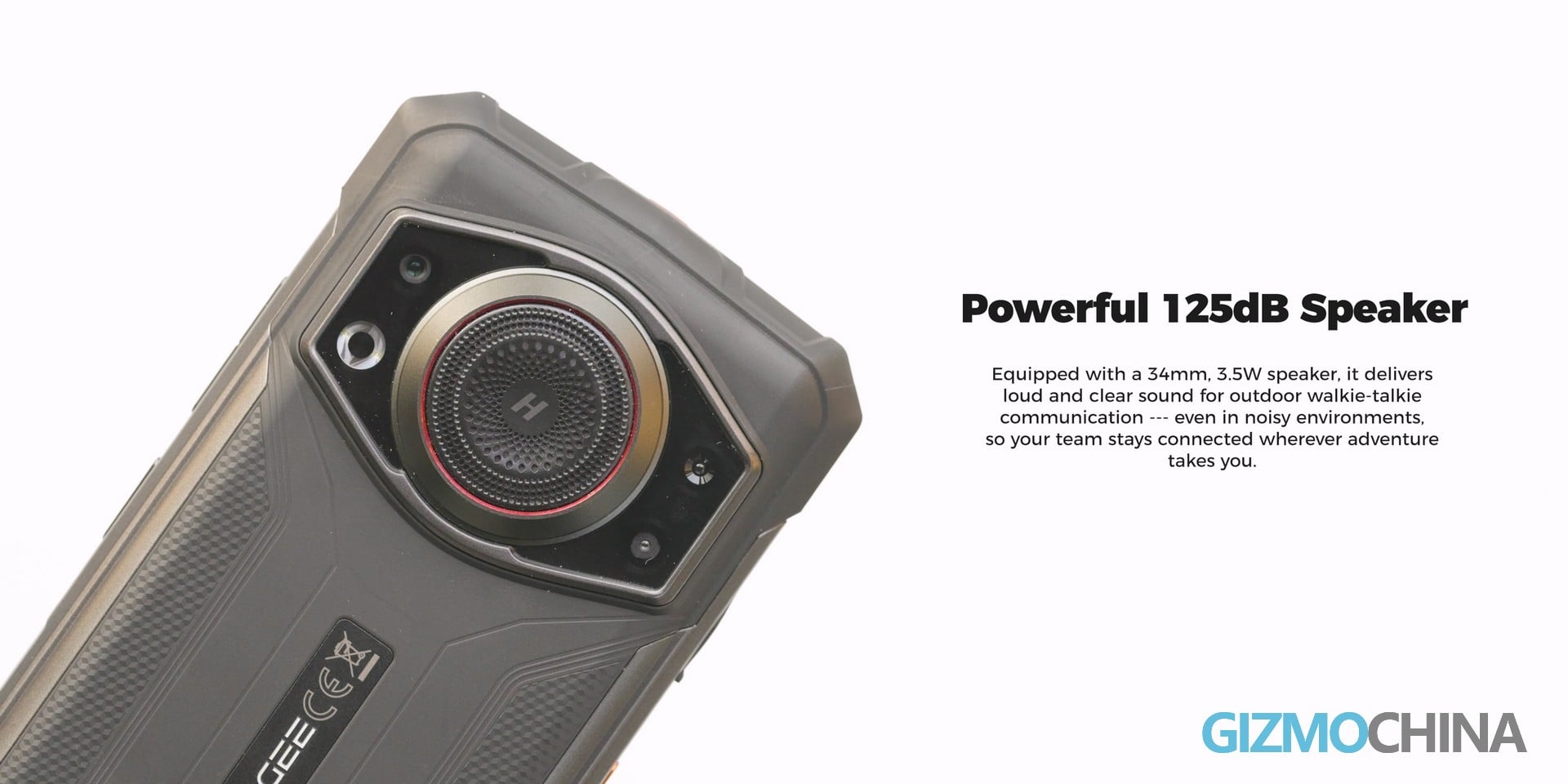
The “Ultra” branding also extends to the speaker. This 3.5W speaker can reach a maximum volume of up to 125dB, making it easy to hear the other party clearly in virtually any environment.
The Ultra also has an extra button on the top that the Pro doesn’t. As its name suggests, pressing it activates SOS mode. You don’t have to worry about accidental presses—unless you really dig into it with your finger, you won’t be able to trigger it, no matter how hard you press it.
Aside from that, the remaining features are the same on both phones: triple card slots, NFC, an IP69K waterproof rating, and 8GB of RAM paired with 256GB of storage.
Walkie-Talkie
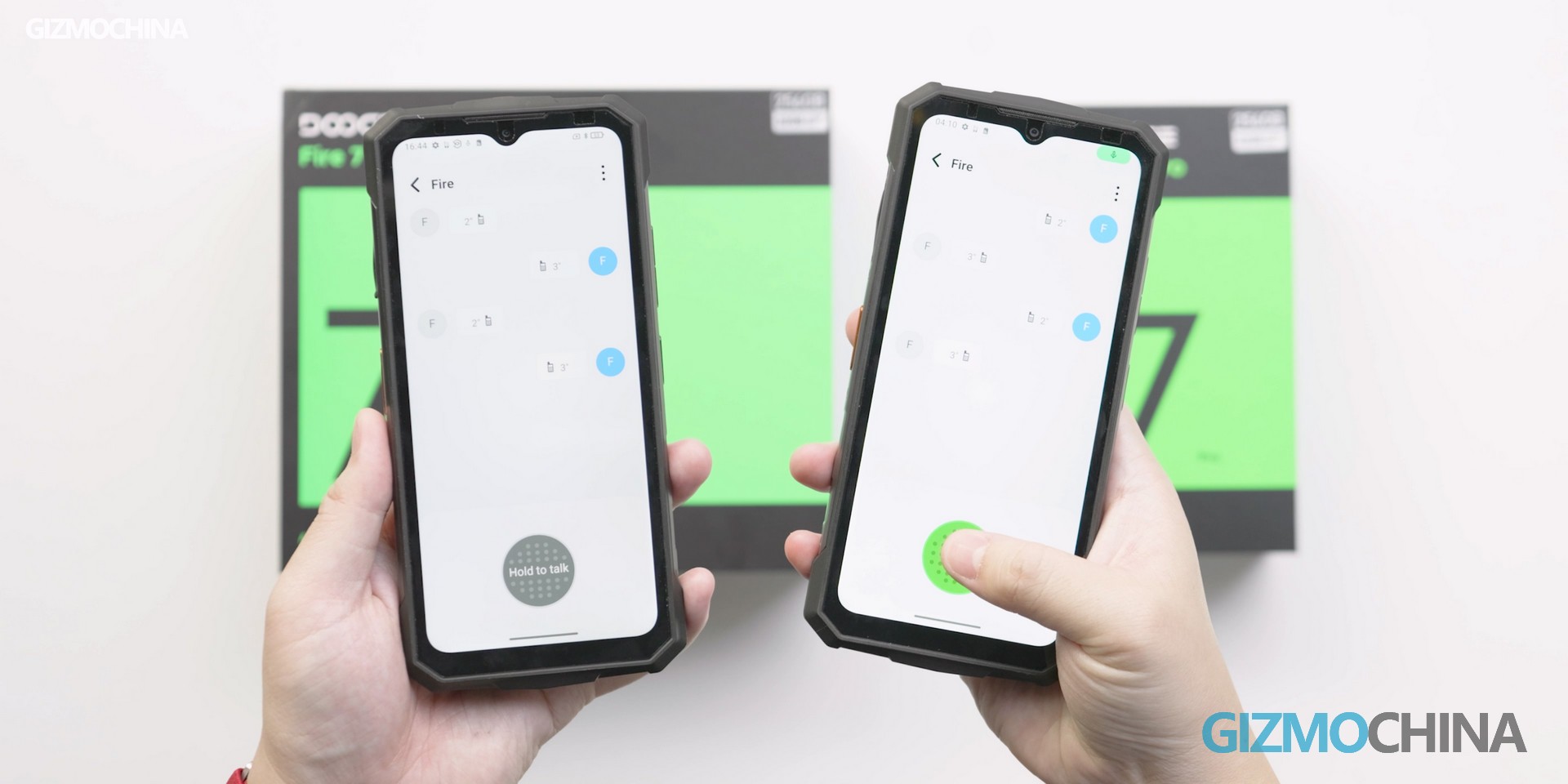
The PoC (Push-to-Talk over Cellular) walkie-talkie function is one of the Fire 7 series’ core features—and also one of its most controversial. When people hear “walkie-talkie,” their first reaction is often: outdoor signal coverage is poor, so why not just use a traditional radio? The answer is that these phones are not meant to replace your traditional walkie-talkies, but to serve as a backup solution that ensures you’re never completely out of contact.
The biggest advantage of Push-to-Talk over Cellular isn’t whether it works in places with absolutely no signal, but rather its communication range and management capabilities. With 4G or 5G network coverage, the walkie-talkie range of the Fire 7 series is essentially equal to the coverage of the cellular network itself. You can be on one side of a city and talk in real time with teammates dozens of kilometers away—or even in a different city altogether—something traditional walkie-talkies simply can’t achieve.
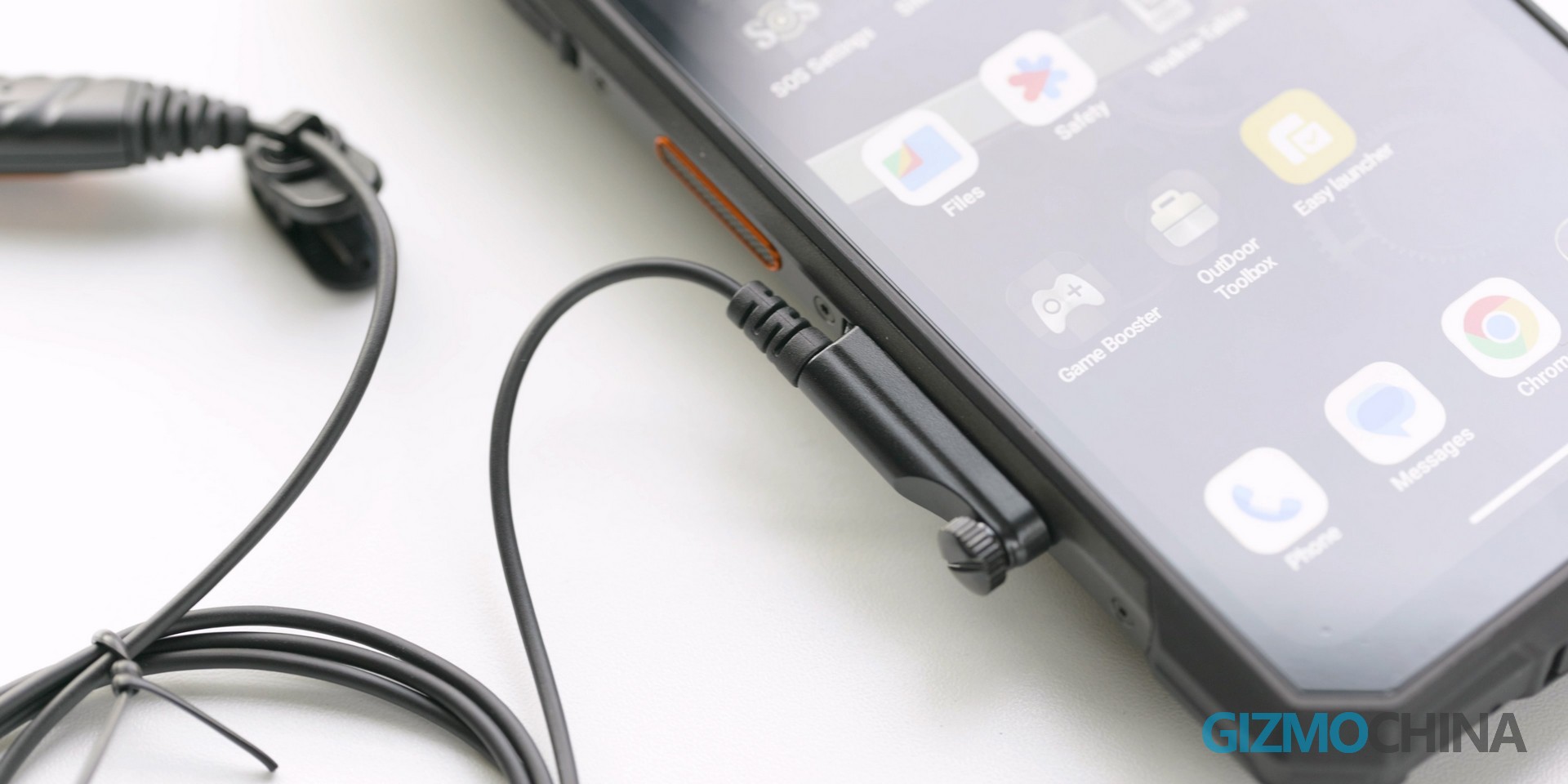
The Fire 7 Ultra is clearly the more professional tool when it comes to walkie-talkie performance. The included walkie-talkie headset connects via the contact pins on the side of the phone. Even in extreme environments such as heavy wind, engine noise, or fire scenes, it can still ensure clear and intelligible communication.
Battery Life
For rugged phones, battery life is always a key topic. In this regard, the Fire 7 Pro and Fire 7 Ultra continue DOOGEE’s long-standing “stack-the-specs” approach. Both phones are equipped with massive 13,000mAh batteries, enough to support multiple days of intensive outdoor use. If left on standby, they can last up to a month.
Both devices support 33W wired charging and 5W reverse charging. There is one area that could be improved: since the battery capacity is already larger than my power bank, it would be great if the reverse charging power were higher. That way, I could genuinely stop carrying an extra power bank to charge my other devices.
Other Features
In terms of core hardware, neither the Fire 7 Pro nor the Fire 7 Ultra aims for flagship-level performance. Instead, they opt for the MediaTek Dimensity 6300 platform, which prioritizes stability and power efficiency. This chipset is more than capable of handling navigation, PoC communication, multitasking, and everyday apps, while also helping to control heat and battery consumption.
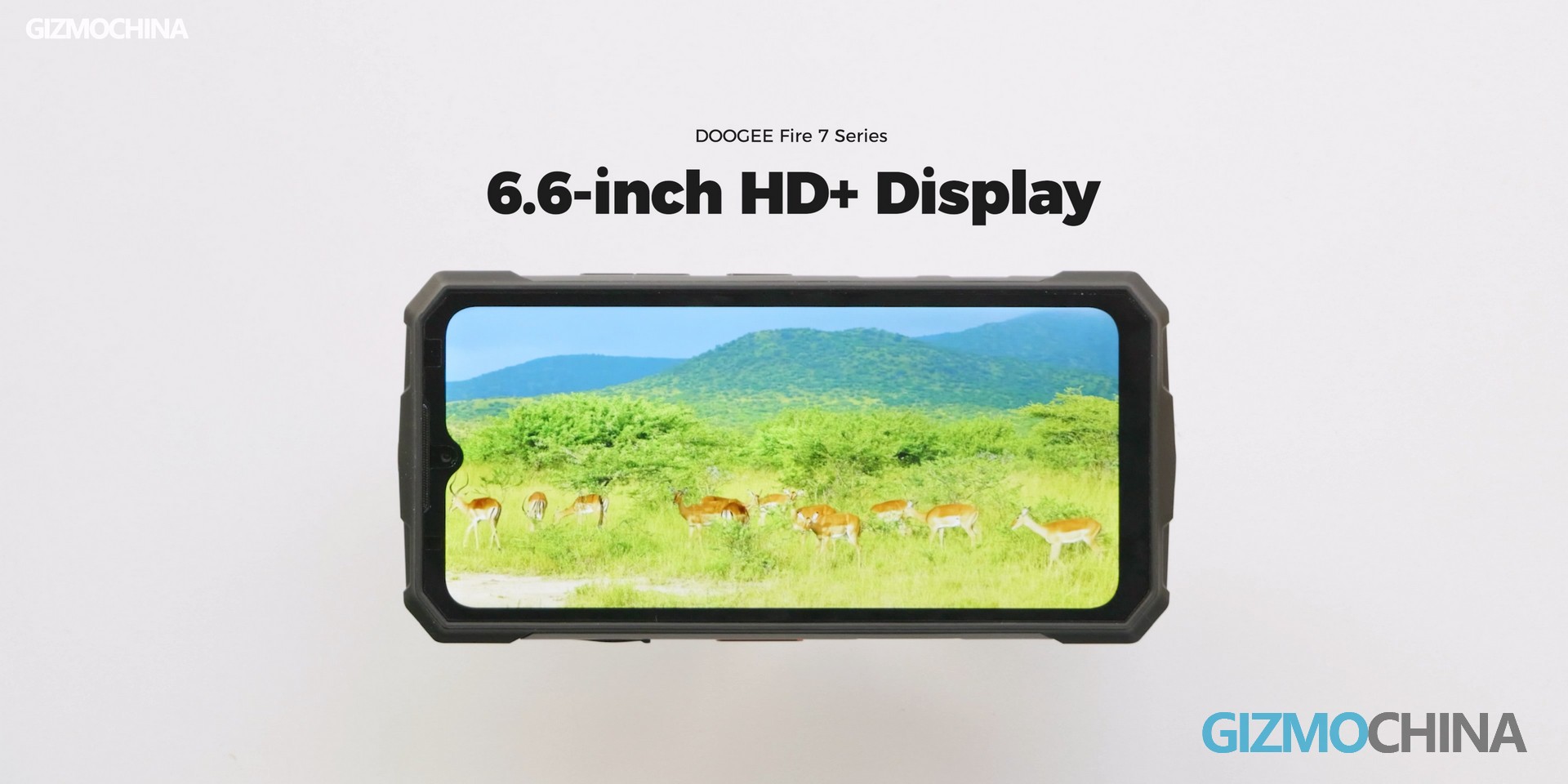
Both phones feature a 6.6-inch display with a 90Hz refresh rate.
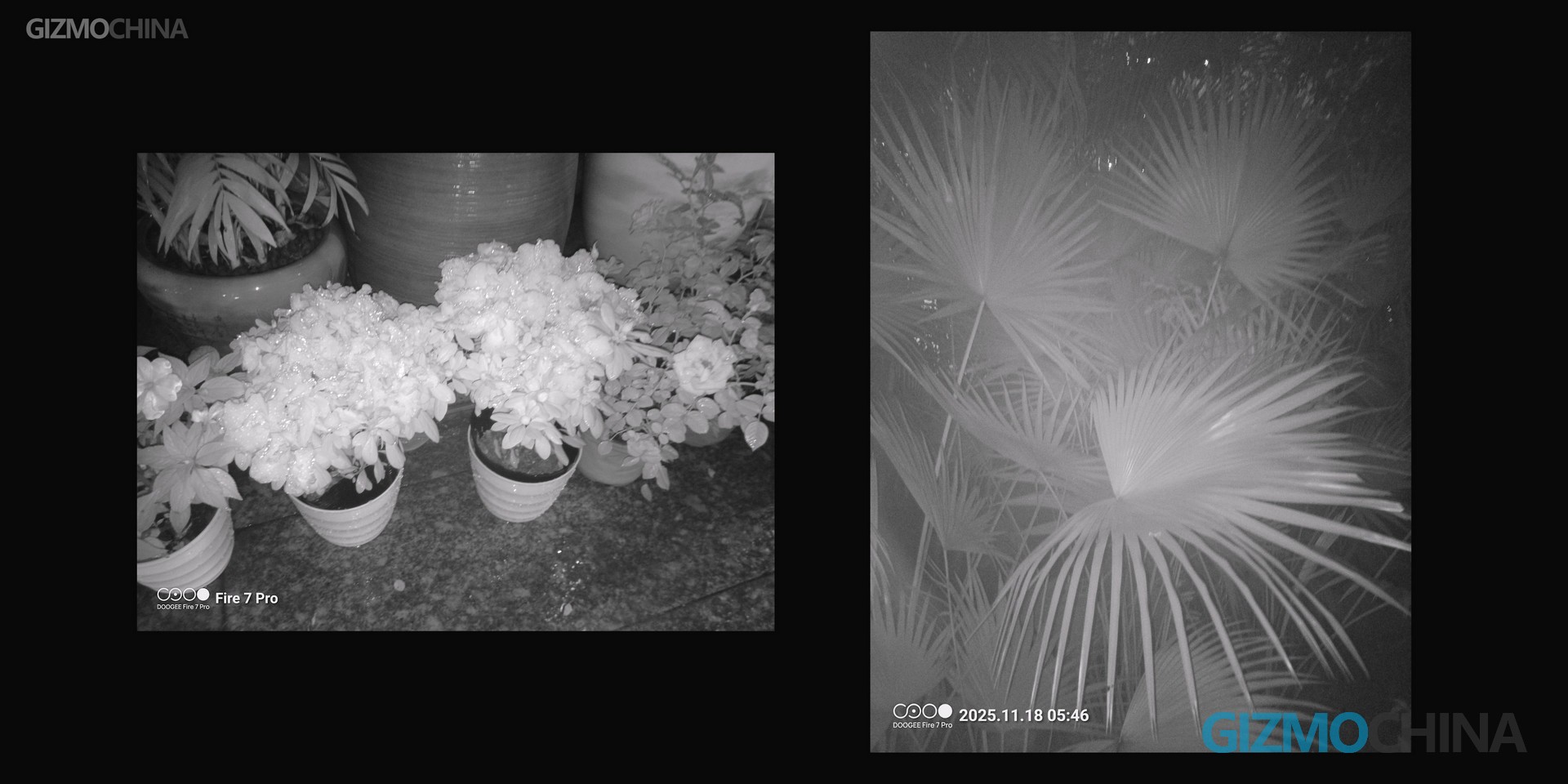
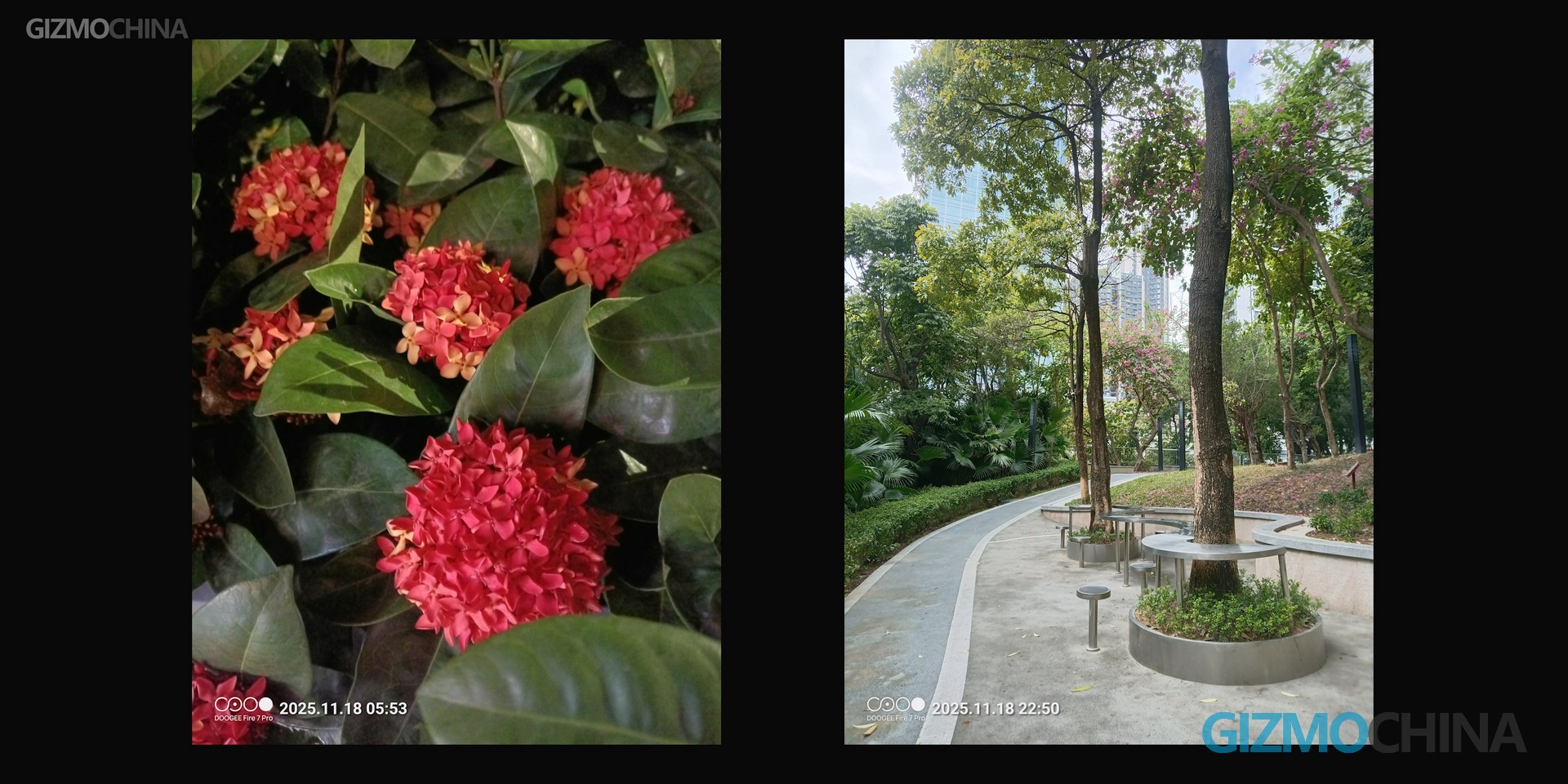
When it comes to cameras, both rely on a 64MP main sensor. The Fire 7 Pro stands out by adding a 20MP night vision camera, which is especially useful for camping or nighttime environments.
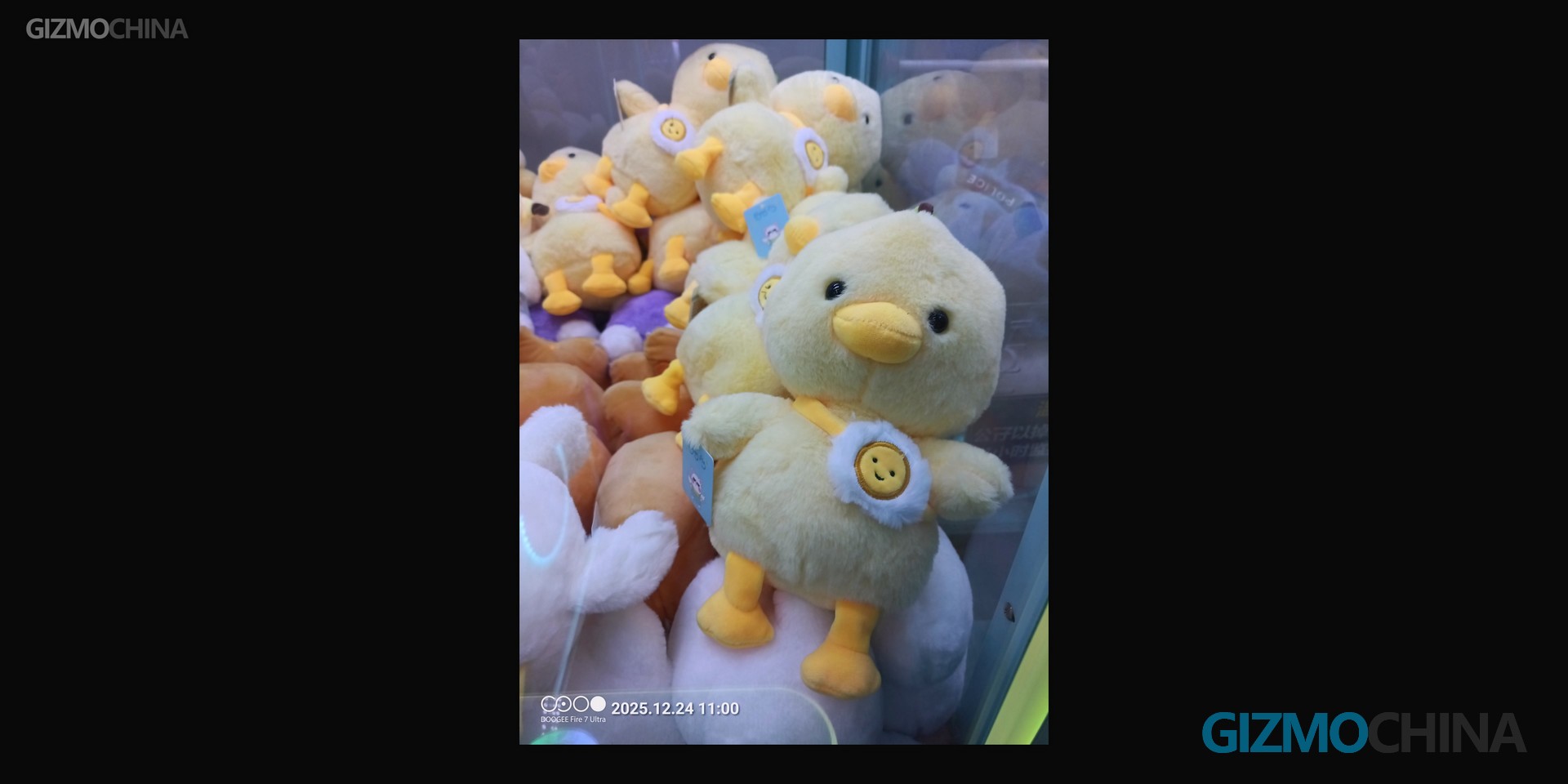
The Fire 7 Ultra, by comparison, focuses more on basic documentation and work-related evidence capture. Overall, this setup may not be flashy, but it’s stable, durable, and well aligned with the Fire series’ positioning as a tool-oriented phone.
Conclusion
The Fire 7 Pro and Fire 7 Ultra are not phones that try to please everyone. Their target users are clearly defined, and their roles are well differentiated. If you’re an outdoor enthusiast, a camping fan, or someone into hiking or light exploration, and you want a phone that can handle lighting, night photography, and quick team communication, the Fire 7 Pro offers a very appealing combination of features.
If you’re part of an off-road vehicle team, forestry patrol, or firefighting-related profession, and what you need is reliable walkie-talkie performance, clear command transmission, and dependable battery life, then the Fire 7 Ultra is clearly the tool designed for you. They may not be “value-for-money phones” in the traditional sense, but they do deliver on the promise of “All Tools, One Phone” in a very thorough way.
Samsung was quick to begin the One UI 8.5 beta program in early December, but unfortunately, it has remained exclusive to the Galaxy S25 series so far. The brand hasn’t even announced whether it will expand to more devices. Well, that could change soon, as preparation for the One UI 8.5 beta program has begun for the Galaxy Z Fold 7 and Galaxy Z Flip 7.
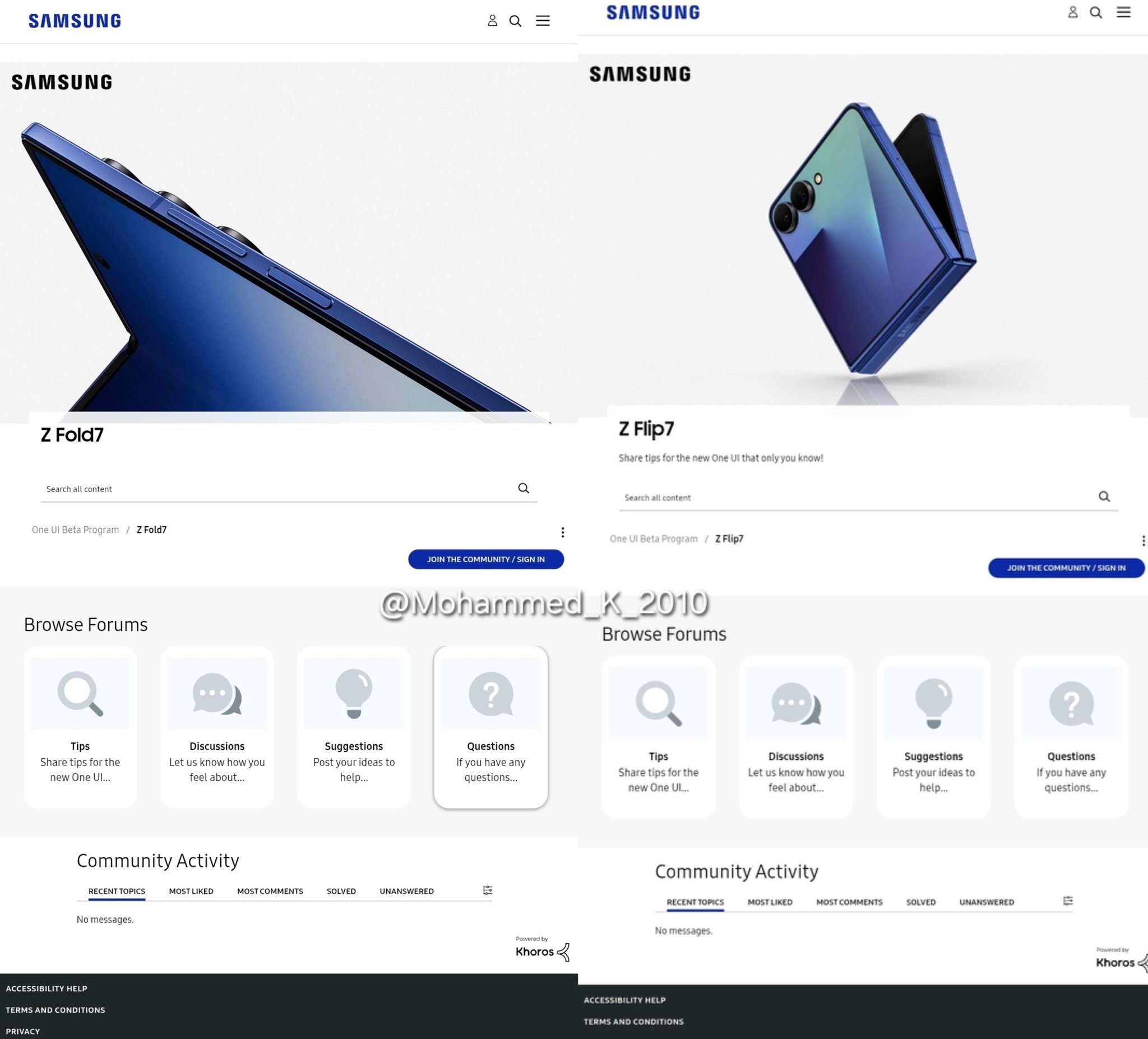
Earlier this week, One UI 8.5 firmware files for the Galaxy Z Fold 7 and Galaxy Z Flip 7 were spotted on Samsung’s servers, but they don’t guarantee a beta release. The same has been spotted for dozens of Galaxy devices in recent weeks. What further solidifies the arrival of the One UI 8.5 beta for the Galaxy Z Fold 7 and Galaxy Z Flip 7 is that the tech giant has created One UI 8.5 beta program sections for these two devices on its Community forum (via). This strongly suggests that Samsung is preparing to begin the One UI 8.5 beta program for these phones soon.
Once the beta program is live, Galaxy Z Fold 7 and Galaxy Z Flip 7 owners will have a chance to get early access to the latest features and upgrades in One UI 8.5. Keep in mind that the seats are limited and fill up very quickly. So, you must apply for the beta program as soon as it opens. We’ll update you on the website when that happens.
The One UI 8.5 beta program for the Galaxy Z Fold 7 and Galaxy Z Flip 7 will likely be available in the same regions as the beta program for the Galaxy S25 series has been released. That includes South Korea, India, the US, the UK, Germany, and Poland.
Unlike regular updates, Samsung doesn’t notify you when the beta program for your Galaxy device goes live. You must check the Samsung Members app regularly to stay informed. Or, you can join our Telegram channel to get instant notifications about the latest One UI information, along with the biggest tech headlines.
Realme’s next number-series smartphone has started appearing in leaks months before its expected debut. A recent tip from a well-known source has hinted at the camera hardware that could arrive on the Realme 17 Pro+. Here’s a look at what the first leak about the 17 Pro series has revealed.
Realme 17 Pro+ camera details leak
Realme 17 Pro+ camera specs leak
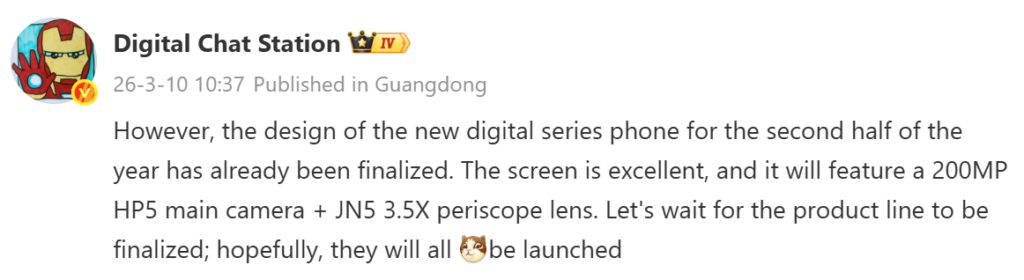
According to Digital Chat Station, Realme has already finalized plans to introduce a new numeric-series phone in the second half of the year. Although the tipster did not explicitly mention the device name, the specifications discussed in the post strongly suggest that it could be the Realme 17 Pro+.
The leak indicates that the phone could feature a high-quality display, though details such as the panel size or resolution have not been revealed yet. It goes without saying that the camera system will be its major highlight, as the device is said to include a 200-megapixel Samsung HP5 sensor as the primary camera. Alongside it, the handset may include a 50-megapixel Samsung JN5 periscope telephoto camera that supports 3.5x optical zoom.
Interestingly, these sensors are already present on the Realme 16 Pro+. Because of this, the upcoming model may not bring a major overhaul to the main and telephoto cameras. The tipster also mentioned that the final lineup of the series is still being arranged, which means additional models could be introduced alongside the Pro+ variant.
Realme has been following a pattern of releasing two generations of its number-series phones each year. The company recently introduced the Realme 16 Pro and Realme 16 Pro+ in India, while some regions also received the standard Realme 16. If the same timeline continues, the next series may appear in the second half of 2026.
Earlier launches suggest that the Realme 17 Pro series could launch at the start of the second half of this year. For reference, the Realme 15 series debuted in July 2025, while the Realme 16 Pro lineup arrived in January this year.
For more daily updates, please visit our News Section.
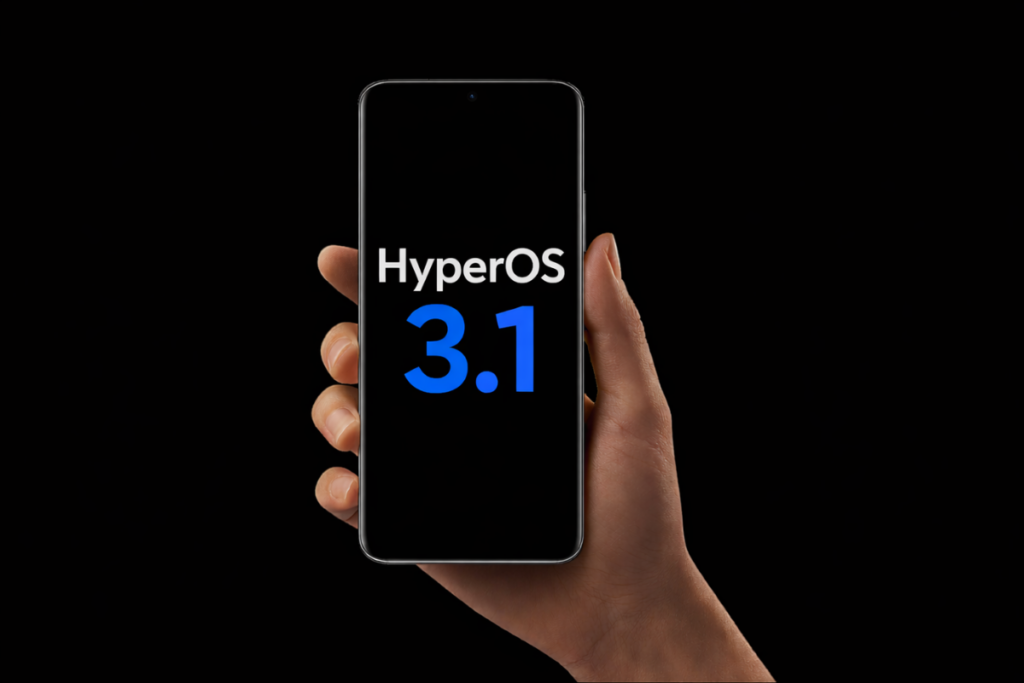
Xiaomi has been testing HyperOS 3.1 for quite some time now across a range of its devices. That testing phase has finally come to an end, as the company has just announced the rollout schedule, and the update starts rolling out today.
Xiaomi HyperOS 3.1 rollout timeline
This rollout plan applies to Xiaomi devices sold in China. It has been published on the Chinese community forum. So, if you belong to a different region, the update may take a little longer to reach your device.
These devices will receive the update starting today
Xiaomi 17 Ultra Leica Edition
Xiaomi 17 Ultra
Xiaomi 17 Pro Max
Xiaomi 17 Pro
Xiaomi 17
Xiaomi Pad 8 Pro
Xiaomi Pad 8
Redmi K90 Pro Max
Redmi K90
These devices will receive the update by March 31
Xiaomi 15 Ultra
Xiaomi 15S Pro
Xiaomi 15 Pro
Xiaomi 15
Xiaomi MIX Flip 2
Xiaomi Pad 7 Ultra
Xiaomi Pad 7S Pro 12.5
Xiaomi Pad 7 Pro
Xiaomi Pad 7
Redmi K80 Pro
Redmi K80 Ultimate Edition
Redmi K80
Redmi Turbo 5 Max
Redmi Turbo 5
Redmi K Pad
These devices will receive the update by April 15
Xiaomi 14 Ultra
Xiaomi 14 Ultra Titanium Special Edition
Xiaomi 14 Pro
Xiaomi 14 Pro Titanium Special Edition
Xiaomi 14
Xiaomi MIX Fold 4
Xiaomi MIX Flip
Xiaomi Mi 5 Pro
Redmi K70 Pro
Redmi K70 Ultimate Edition
Redmi K70
Redmi K70E
Redmi Turbo 4 Pro
Redmi Turbo 4
Redmi Note 15 Pro+
Redmi Note 15 Pro
Redmi Note 15
Redmi Pad 2 Pro
These devices will receive the update by April 23
Xiaomi 13 Ultra
Xiaomi 13 Pro
Xiaomi 13
Xiaomi MIX Fold 3
Xiaomi Mi 4 Pro
Xiaomi Pad 6S Pro 12.4
Redmi K60 Pro
Redmi K60 Ultimate Edition
Redmi Turbo 3
Redmi Note 15R
Redmi Note 14 Pro+
Redmi Note 14 Pro
Redmi Note 14 5G
Redmi Note 13 Pro+
Redmi Note 13 Pro
Redmi Note 13R
Redmi 15R 5G
Redmi 14R 5G
Redmi 14C
Redmi Pad 2
Redmi Pad Pro 5G
Redmi Pad Pro
For those living outside China, the good thing is that HyperOS 3.1 will also be released globally, as relevant builds were spotted on the global servers recently. We can expect a global rollout schedule by the end of this month.
While HyperOS 3.1 isn’t a major upgrade, it still brings meaningful changes and quality-of-life improvements. It addresses one of Android’s longstanding update pain points, which is long, intrusive update installs, by introducing Super OTA. This is a next-gen update mechanism that applies system updates faster and more smoothly, with minimal reboot time.
The latest software also refines core UI elements with smoother animations, refreshed system apps like Gallery and Weather, expanded lock screen customizations, and a more interactive HyperIsland. It also improves cross-platform integration with native Apple AirPods support, enabling quick pop-up pairing and access to spatial audio on compatible earbuds.
HyperOS 3.1 reorganizes the accessibility options for easier access, and select modes now feature quick gesture controls. It also includes numerous improvements under the hood, resulting in better memory management, smoother app launches, and reduced frame stuttering.
To ensure you don’t miss out on the latest HyperOS stories, remember to visit the Xiaomi section on this website regularly. Alternatively, you can join us on Telegram to get instant notifications about the latest HyperOS updates, along with the biggest tech headlines.
MWC 2026 introduced a wide range of new devices, from flagship smartphones to experimental concepts. Huawei led the announcements with the Huawei Mate 80 Pro, a flagship smartphone featuring a 3000-nit OLED display, variable-aperture camera, and strong durability ratings. The company also revealed the Huawei Watch GT Runner 2, a titanium running smartwatch with dual-band GPS and long sports tracking battery life.
Honor showcased the Honor Magic V6 foldable, notable for its thin 4 mm open profile and 6,660 mAh battery. Lenovo presented the Lenovo ThinkBook Modular AI PC Concept and the Lenovo Legion Go Fold Concept gaming handheld, while XGIMI MemoMind One glasses and the Lenovo ThinkTab X11 rugged tablet also drew attention.
The Huawei Mate 80 Pro marks Huawei’s first global Mate flagship since 2022. It features a 6.75-inch flat OLED display with adaptive refresh from 1 Hz to 120 Hz and peak brightness of 3000 nits. While the brand has not confirmed it, the device likely uses Huawei’s in-house Kirin 9030 Pro processor with 16 GB RAM and 512 GB storage.
The camera system includes a 50 MP Ultra Lighting main sensor with variable aperture from f/1.4 to f/4.0 and optical image stabilization. It also has a 40 MP ultra-wide camera and a 48 MP 4× telephoto camera with up to 100× zoom. A 13 MP autofocus front camera sits in a punch-hole cutout. The phone uses a 5,750 mAh battery that supports 100 W wired charging and 80 W wireless SuperCharge.
Huawei also focused on durability. The phone uses second-generation Kunlun glass, a vegan fiber frame, and IP68 and IP69 protection against water and dust. It is rated to survive up to 6 meters of water submersion and high-pressure water jets. The device runs EMUI 15 globally, while the Chinese version uses HarmonyOS 6. The design includes Huawei’s Dual Space Rings camera layout with two circular rings.
The Huawei Mate 80 Series didn’t just win at MWC; It is also a declaration of return. The Mate80 Series represents a pinnacle of hardware engineering. The integration of the brand-new chipset delivers a thermal efficiency and sustained performance that outclass much of the competition. However, the true standout is the imaging system—by re-architecting the sensor layout and leveraging AI-driven computational photography, Huawei has effectively closed the gap on optical zoom, offering focal lengths previously unattainable in a consumer device. As for the rest, it is, quite simply, the most technically accomplished smartphone on the market.
2. Huawei Watch GT Runner 2 – Best Wearable
The Huawei Watch GT Runner 2 is designed for runners and endurance athletes. It uses a titanium alloy case measuring 43.5 mm and only 10.7 mm thick. The watch weighs about 34.5 g. The display is a 1.32-inch AMOLED panel with 466×466 resolution and 3000-nit brightness, protected by second-generation Kunlun glass.
Huawei added a new 3D floating antenna system with dual-band GPS using L1 and L5 signals. The company says this improves positioning accuracy by about 20 percent in dense cities or tunnels.
The watch includes an Intelligent Marathon Mode developed with DSM-Firmenich. It offers structured training plans, pace charts, finish predictions, and digital pacing guidance.
The device supports more than 100 sports modes, including triathlon, trail running, golf, and freediving down to 40 meters. It also tracks ECG, blood oxygen, sleep, and stress. The watch has 5 ATM water resistance and an IP69 rating. Battery life is rated at up to 14 days for light use, 7 days for typical use, or about 32 hours with GPS tracking enabled.
The HUAWEI WATCH GT Runner 2 redefines sports wearables. Its ‘Best Smart Wearable’ win was largely attributed to its industry-leading biomechanical tracking precision and optimized experience for humanity’s oldest sport – running. With refined 3D floating antenna for ‘the best distance, pace, and route tracking performance ever’ and advanced running dynamics, it delivers lab-grade analytics directly to the wrist—bridging the gap between casual fitness trackers and professional coaching tools.
3. Honor Magic V6 – Best Foldable
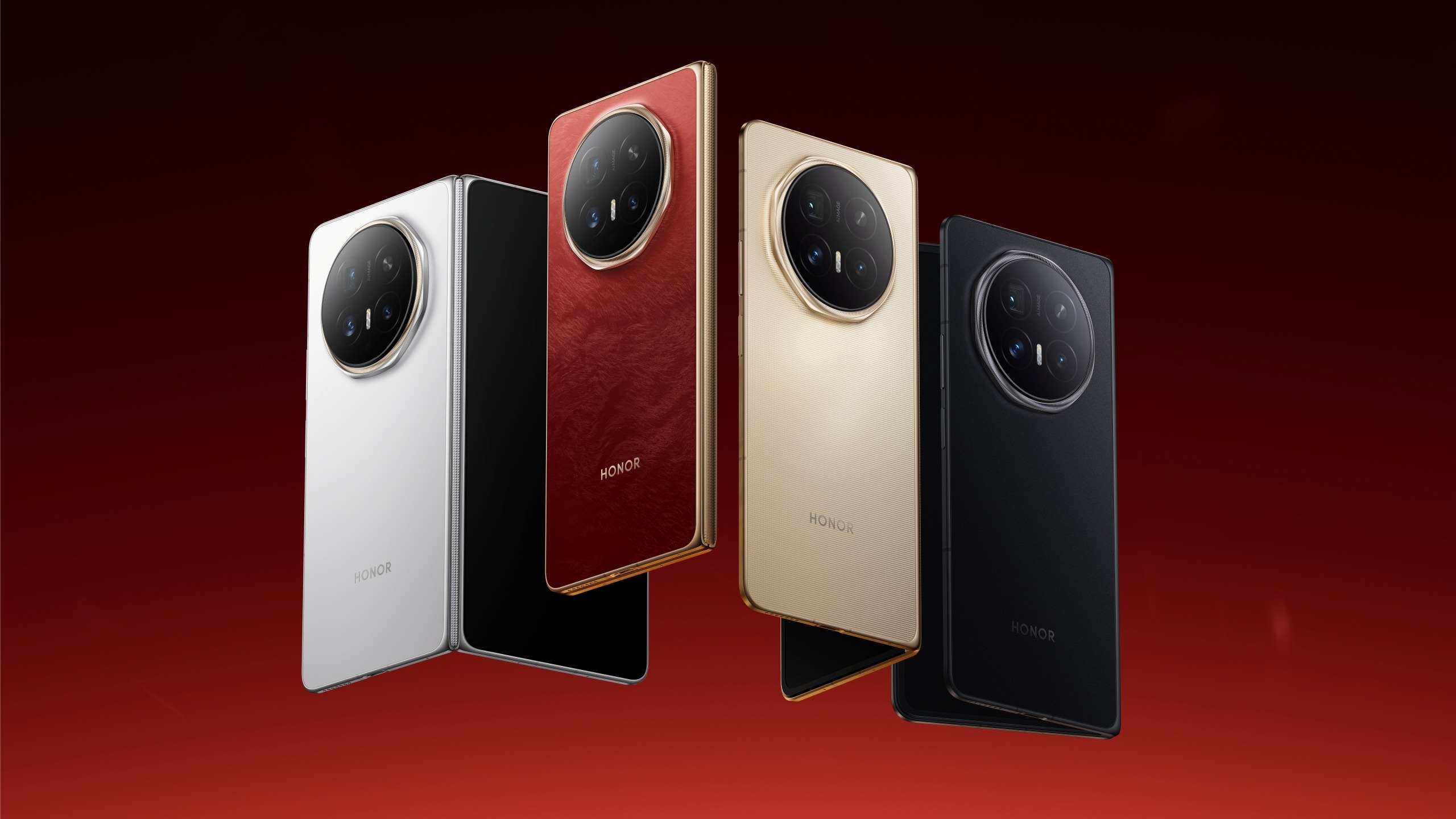
Honor’s latest flagship foldable, the Magic V6, pushed two records: at 8.75 mm folded (4 mm open) it’s the thinnest foldable yet, and it packs a gargantuan battery (6,660 mAh) for all-day life.
It runs the Snapdragon 8 Elite Gen 5 processor with 16 GB RAM and 512 GB storage. The inner display is a 7.95-inch LTPO2 AMOLED panel with 2352×2172 resolution, 1–120 Hz refresh rate, and 5000-nit peak brightness. The outer display is a 6.52-inch LTPO AMOLED panel with 2420 × 1080 resolution and up to 6000 nits brightness. Both displays support stylus input. The phone includes high-frequency PWM dimming, anti-reflective coating that reduces glare by 33 percent, and true 10-bit color.
Honor engineered a new Super Steel Hinge (2800 MPa steel) tested for 500k folds and a reinforced Ultra-Thin Glass, while the crease is claimed to be “minimal, imperceptible.”
The camera setup includes a 50 MP main camera with OIS and variable aperture from f/1.4 to f/4.0, a 64 MP periscope telephoto camera with 3× optical zoom and OIS, and a 50 MP ultra-wide camera.
It runs MagicOS 10 based on Android 16 and will receive seven years of OS updates. Honor says the device is the first foldable to receive TÜV Rheinland certification for 24-hour battery life thanks to its silicon-carbon blade battery with 32 percent silicon.
The HONOR Magic V6 redefines what a foldable can be. By packing a groundbreaking 6660mAh silicon-carbon battery into a chassis just 4mm thin when unfolded, Honor has shattered the compromise between portability and endurance. Meanwhile, its rich AI software capabilities also give its large external display more versatile applications.
4. Lenovo ThinkBook Modular AI PC Concept – Best Concept
The Lenovo ThinkBook Modular AI PC Concept is a flexible laptop idea designed for business users. The base unit has a 14-inch display. Additional modules such as keyboards, ports, and extra displays attach using Lenovo’s Magic Bay pogo-pin connector system.
A second 14-inch display can attach to the lid for face-to-face viewing or sit beside the laptop as a vertical monitor. Removing the keyboard allows both displays to form a 19-inch dual-screen workstation.
Users can also swap I/O modules such as USB-A, USB-C, and HDMI without replacing the entire device. Lenovo designed the system with repairability and long product lifecycles in mind. Pricing and release plans have not been announced since it remains a concept.
The Lenovo ThinkBook Modular AI PC Concept is a manifesto for the future of personal computing, recognizing a bold reimagining of what a laptop can become. By decoupling core components into swappable, intelligent modules—from AI-accelerated graphics units to hot-swappable storage and I/O expansions—Lenovo transforms a traditional clamshell into a living ecosystem.
5. MemoMind One – Smart AR Glasses
The XGIMI MemoMind One AI glasses bring assistant features into lightweight eyewear. The glasses weigh about 30 g and use dual microLED waveguide displays to project information onto the lenses. They do not include cameras to address privacy concerns.
Built-in speakers and microphones support voice commands for AI chat, translations, reminders, and summaries. During demonstrations, the glasses translated conversations between Chinese and English and created reminders such as flight check-in alerts.
The glasses resemble regular frames but have thicker temples that hold the battery and projection hardware. Users see subtle green text overlays for notifications, calendar updates, and weather.
The glasses run a hybrid operating system that switches between multiple AI models on the device. Battery life is about 16 hours per charge, and XGIMI is developing a charging case for extended use.
While competitors force users to cross their eyes at single-square projections, MemoMind’s dual-eye waveguide display delivers crisp, natural text across both lenses—making augmented information feel like an extension of normal vision.
6. Lenovo ThinkTab X11 – Rugged Tablet
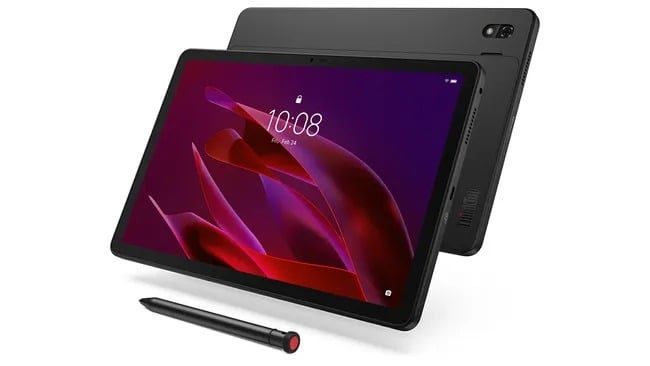
The Lenovo ThinkTab X11 is a rugged Android tablet built for logistics, construction, and field work. It features a 10.95-inch LCD display with a 90 Hz refresh rate and 600-nit brightness that works with gloves or wet hands.
The tablet runs the Snapdragon 7s Gen 3 processor with up to 12 GB RAM and 512 GB UFS storage. Its chassis is MIL-STD-810H certified and IP68 rated for dust and water resistance. The device also has a removable back panel with a screwless latch.
The tablet supports a battery-less mode that allows operation from external power sources such as vehicles. It includes two USB-C ports for charging and peripherals, NFC support, and a 10,200 mAh battery.
The tablet runs Android 14 with enterprise management features. Lenovo confirmed a starting price of about €499, or roughly $540, with an April 2026 launch.
7. Lenovo Legion Go Fold Concept – Foldable Gaming Handheld
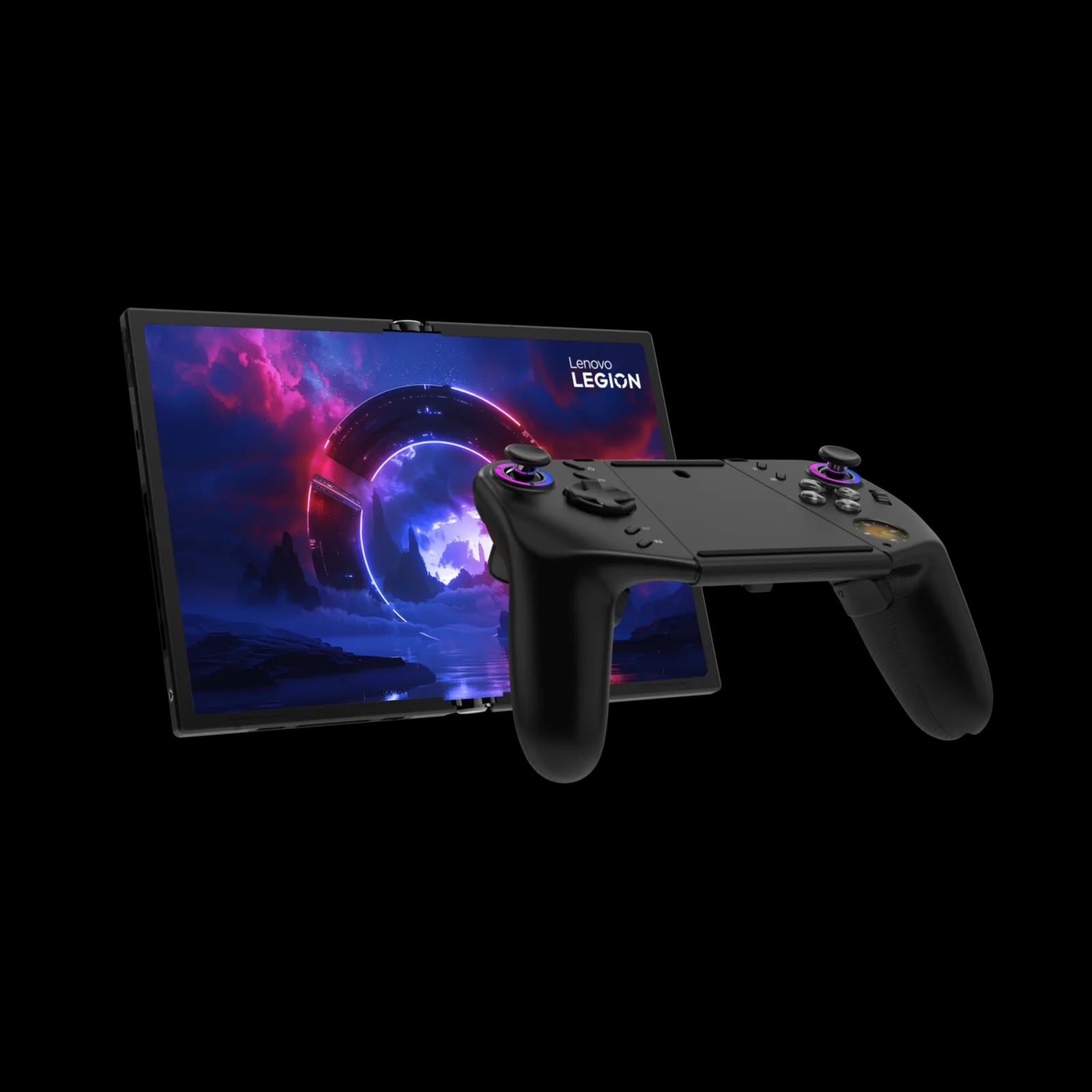
The Lenovo Legion Go Fold Concept is a unique gaming handheld that takes advantage of advancements in foldable display technology, allowing it to function as a 3-in-1 device: a gaming console, a tablet, and a mini laptop.
When folded, it uses a 7.7-inch 1600p POLED display with detachable magnetic controllers. When unfolded, the display expands to 11.6 inches.
The device supports several modes. Standard handheld mode uses the 7.7-inch display. Vertical split-screen mode unfolds the display into two stacked panels so users can play a game on one side while viewing guides or chat on the other.
Horizon mode rotates the unfolded display into an 11.6-inch landscape gaming screen. Desktop mode allows the device to connect to a dock with a wireless keyboard and touchpad.
The system runs on an Intel Core Ultra 7 258V processor with 32 GB RAM and a 48 Wh battery. The right controller includes a touchscreen for shortcuts and performance stats. The device runs Windows 11 and supports PC game libraries. Since it is still a concept, Lenovo has not announced pricing or release plans.
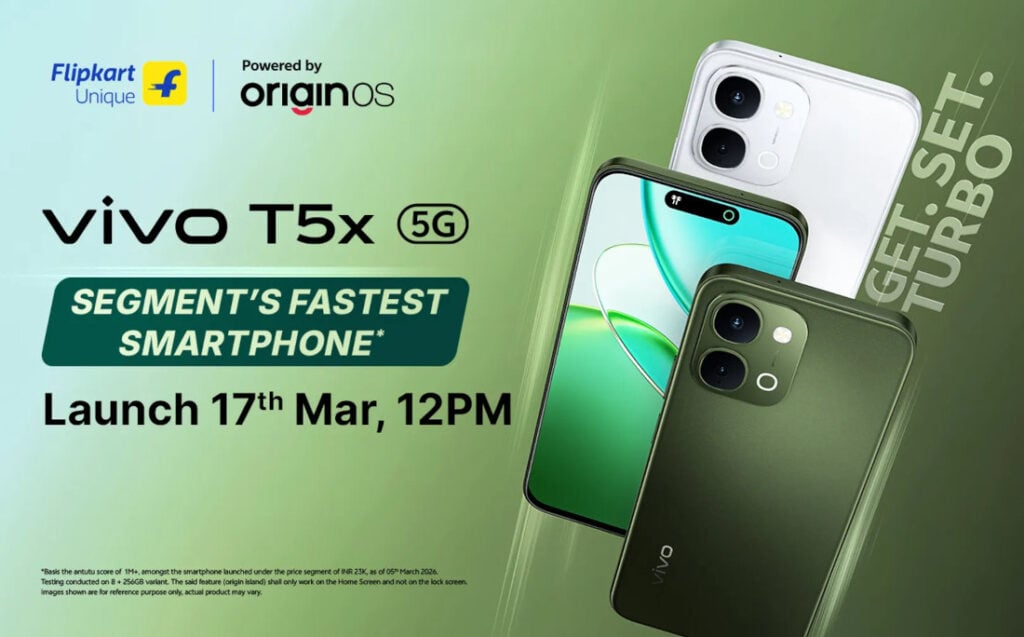
Vivo has confirmed the launch date for its next budget-focused smartphone in India. The Vivo T5x 5G will be introduced on March 17, 2026, with the event scheduled for 12 PM IST. The phone is expected to succeed the Vivo T4x 5G, bringing a few notable upgrades aimed at users who want strong battery life and reliable everyday performance.
One of the biggest talking points is the battery. The T5x 5G is widely expected to pack a 7,200mAh battery, which the brand is marketing as the “Segment’s Biggest Battery.” The company is using silicon-carbon battery technology to help increase capacity without making the phone excessively bulky.
Charging support is rated at 44W wired fast charging. The phone is also expected to support reverse wired charging, along with bypass charging for situations like gaming.
Inside, the device will run on the MediaTek Dimensity 7400 Turbo processor. The chipset has managed to cross the one-million mark on AnTuTu, which would put it comfortably in the upper tier of performance for this segment. On paper at least, it should handle multitasking and casual gaming without much difficulty. Durability is another area Vivo is highlighting. The phone is said to come with IP68 and IP69 ratings.
Camera hardware looks fairly straightforward. The rear setup includes a 50MP Sony IMX852 main sensor, which supports 4K video recording. On the front, the phone is expected to feature a 32MP selfie camera, which, if true, would be another notable upgrade over the 8MP selfie of the Vivo T4x.
Software will be based on Android 16, paired with OriginOS 6. The device is expected to receive two major Android updates along with four years of security patches.
As for pricing, Vivo hasn’t revealed anything yet. But early hints suggest the T5x 5G could launch under Rs 23,000. Once announced, it will be available through Flipkart, Vivo’s official online store, and retail outlets across India.
This month, OnePlus will unveil the OnePlus 15T, a compact flagship phone. In all likelihood, it will be the last phone in the OnePlus 15 series. The company will shift its focus to the OnePlus 16 lineup in the second half of 2026, and early reports suggest that the OnePlus 16 will offer top-notch performance. A new leak that has surfaced today not only supports this claim but also reveals a key detail about its camera.
OnePlus 16’s chipset, RAM, and periscope camera tipped
As per the leak, the OnePlus 16 will be powered by the upcoming 2nm Snapdragon 8 Elite Gen 6 Pro (SM8975), which will have support for LPDDR6 RAM. Reports have revealed that LPDDR6 will roughly double the maximum bandwidth of the original LPDDR5, jumping from a peak of 6.4 Gbps to as high as 14.4 Gbps, while specifically optimizing for the massive data throughput required by on-device generative AI.
The inclusion of the said chipset accompanied by the latest RAM suggests that the OnePlus 16 will arrive with a significant boost in overall performance and efficiency. With rising memory costs, the inclusion of LPDDR6 also suggests a price hike. Recently, DCS claimed that the 12GB+256GB base model of the device may cost around 5,000 Yuan (~$725).
Multiple reports have said that the OnePlus 16 will be equipped with a 200-megapixel camera. Today’s leak says that the OP16 will feature a 200-megapixel periscope telephoto camera, which could feature the Samsung HP5 sensor as per previous reports. Likely, the camera setup may include two 50-megapixel cameras for the main and ultra-wide cameras, respectively.
Past reports have claimed that the OnePlus 16’s OLED panel may support 1.5K resolution along with a 200Hz or 240Hz refresh rate, and an ultrasonic in-screen fingerprint sensor. The phone is expected to ship with OxygenOS 17-based Android 17.
Early reports suggest that the OnePlus 16 may launch in October in China, followed by a global announcement in November.
For more daily updates, please visit our News Section.
Samsung’s Galaxy S26 Ultra raised a few eyebrows when the company replaced the titanium frame used on previous models with Aluminum. Some people saw it as a downgrade on paper. Samsung, however, said the switch helped achieve a lighter and slimmer design while still keeping the phone durable. A new drop test from YouTuber PBKreviews now offers a better idea of how the phone actually holds up.
In the video, the Galaxy S26 Ultra is dropped multiple times from roughly head height onto concrete. This can happen unintentionally when a phone slips out of your hand or pocket. For the most part, the results are surprisingly good.
The front display, protected by Corning Gorilla Armor 2, survives every drop without cracking. There’s no spiderweb pattern across the screen, and the display continues working normally throughout the test. The Armor Aluminum 2 frame also handles the impacts fairly well. It picks up visible dents and scratches, but there’s no structural damage and the phone remains fully functional.
Not everything escapes unscathed, though. One weak point appears to be the glass covering the camera lenses. In the test, the lens cover for the 50MP telephoto camera cracks during the first direct face-down drop and breaks further in later impacts. Despite that damage, the camera itself continues to function. The thinner camera ring design may leave the glass slightly more exposed to impacts.
Compared to the titanium frame on the Galaxy S25 Ultra, the aluminum frame on the S26 Ultra seems to show scratches and dents more easily. Still, these appear to be mostly cosmetic rather than structural problems.
What makes the result notable is that the Galaxy S26 Ultra is thinner than before, measuring 7.9mm, compared to 8.2mm on the previous model. It’s also lighter at 214 grams. Maintaining that level of durability while reducing thickness is likely part of the reason Samsung opted for aluminum this time.
Overall, the test suggests the Galaxy S26 Ultra remains a durable flagship phone, even if the aluminum frame may pick up visible marks over time. For most users, especially those who use a case, the difference may not matter much in everyday use.
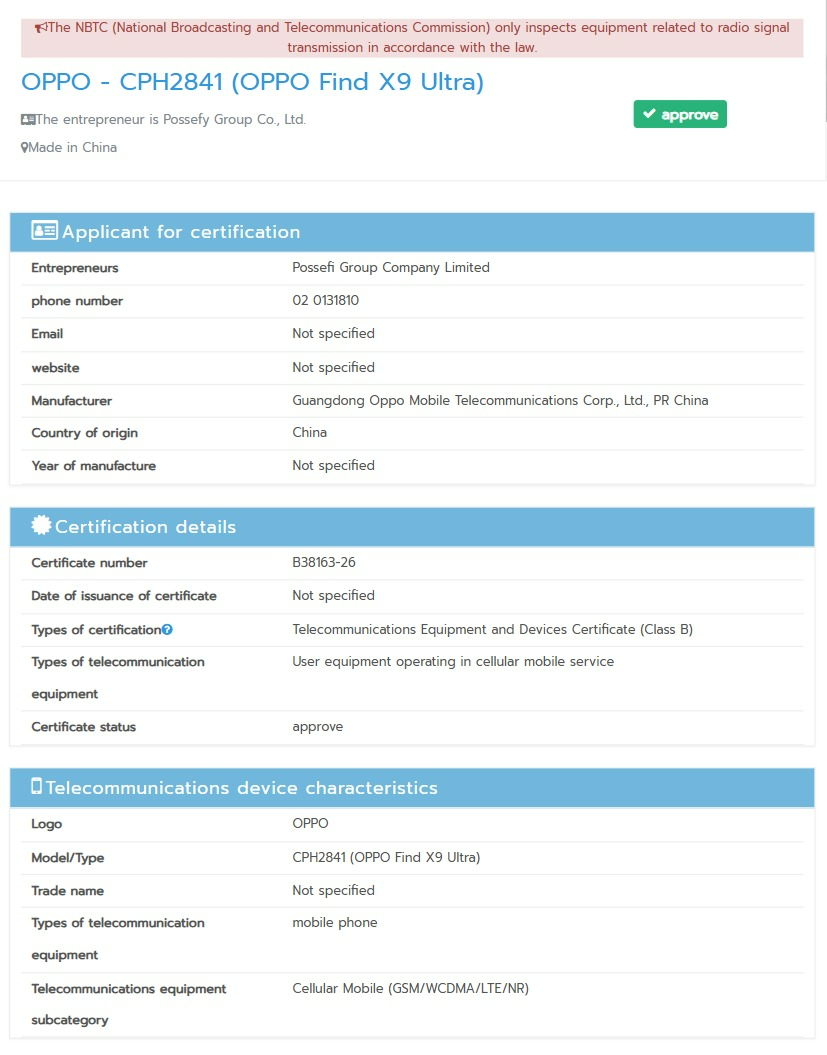
Last week, Oppo confirmed that the Oppo Find X9 Ultra will be released globally. Now, in a new development, the device, along with the Find X9s, has passed the NBTC certification in Thailand. Although these devices have been spotted before, the NBTC listings have confirmed their monikers for the first time.
The Oppo Find X9 Ultra with model number CPH2841 and the Find X9sv with model number CPH2873 have been approved by Thailand’s NBTC. As usual, the NBTC listings have not revealed anything about their specifications.
Oppo Find X9 Ultra at SDPPI
Oppo Find X9s approved by BIS
Both model numbers have previously appeared on Indonesia’s TKDN and SDPPI certification platforms. The Find X9s was also approved by India’s BIS authority back in January.
Oppo Find X9 Ultra, Find X9s: What to expect?
The Find X9 Ultra is expected to deliver an ultimate photography experience and rival the likes of the Samsung Galaxy S26 Ultra and the upcoming Vivo X300 Ultra. This Snapdragon 8 Elite Gen 5 chipset-powered phone is expected to pack a quad-camera setup featuring a 200-megapixel Sony LYT-901 main camera, a 200-megapixel OmniVision OV52A periscope telephoto camera with 3x optical zoom, a 50-megapixel Samsung JN5 periscope telephoto camera with 10x optical zoom, and a 50-megapixel Samsung JN5 ultra-wide camera with a 15mm focal length.
The X9 Ultra is also expected to house a 6.82-inch OLED 2K 120Hz screen and a battery of around 7,000mAh capacity. It is expected to support 80W wired and 50W wireless charging.
The Find X9s could be a toned-down version of the existing Find X9. It will be one of the early adopters of the Dimensity 9500s chip and is likely to lack wireless charging. It will have a triple 50-megapixel camera setup on the back, but the camera sensors may not be the same as the X9. The rest of the specs could be identical between both phones.
For more daily updates, please visit our News Section.
Xiaomi has just launched its latest tablet, the Xiaomi Pad 8, in India, and it takes on the popular Apple iPad (11th Gen), which launched last year and remains one of the best tablets on the market.
Both devices offer strong performance and capable displays, but Xiaomi focuses more on value while Apple leans on its refined ecosystem. Here is a quick comparison to help you decide which one suits you better.
The Xiaomi Pad 8 features an 11.2-inch 3.2K LCD screen with a resolution of 3200×x2136 and a 3:2 aspect ratio. It supports a 144Hz adaptive refresh rate, Dolby Vision, and TÜV Rheinland-certified low blue light technology.
The device also comes in a Nano Texture Display version, which reduces reflectivity by 70% with AG nano-texture and AR coating. The tablet has a full-metal unibody design and measures only 5.75mm in thickness, giving it a premium and sleek appearance.
The Apple iPad 11th Gen offers a 10.9-inch Liquid Retina display with a resolution of 2360×1640. The display supports True Tone and reaches 500 nits of brightness, but does not include a high refresh rate.
The iPad measures 7mm in thickness, making it slightly bulkier than the Xiaomi Pad 8. The iPad retains Apple’s signature design with slightly thicker bezels and rounded edges, but Xiaomi’s display and form factor make it more suited for productivity and media use.
2. Performance
The Xiaomi Pad 8 is powered by the Snapdragon 8s Gen 4 chipset, paired with up to 12GB of LPDDR5T RAM and UFS 4.1 storage. This combination ensures blazing-fast performance, whether you’re multitasking, gaming, or editing documents.
The tablet also supports Wi-Fi 7 and Bluetooth 5.4, making it future-proof in terms of connectivity.
The iPad 11th Gen runs on the A16 Bionic chip, a 5-core CPU with a 4-core GPU and a 16-core Neural Engine. While the A16’s performance is top-tier and optimized for iPadOS, the lack of higher refresh rates limits its gaming potential compared to Xiaomi’s offering.
For everyday tasks, however, the difference may not be noticeable unless you’re into demanding apps or multiplayer gaming.
3. Software
The Pad 8 runs on HyperOS 3, based on Android 16. The software includes advanced multitasking features such as a 5:5 vertical split view and a 1:9 horizontal split ratio for window management.
It also includes Workstation Mode, which provides a desktop-like experience with an upgraded dock for quick access to apps. Xiaomi has integrated WPS Office into the OS, making it easy to create and edit documents, slides, and spreadsheets.
The iPad (11th Gen) runs on iPadOS 26. Features such as Stage Manager and a PC-level Safari browser make multitasking smooth and intuitive.
Although HyperOS offers better multitasking options on paper, the overall software experience might feel more polished on iPadOS. Ultimately, it comes down to preference, as some users prefer Android while others prefer the Apple ecosystem.
4. Productivity Features
Xiaomi offers productivity accessories for the Pad 8, including the Focus Pen Pro, a pressure-sensitive stylus with gesture support, and the Focus Keyboard/Focus Keyboard Pro for a laptop-like typing experience.
These accessories are priced competitively and deliver excellent value, making the Pad 8 a great choice for budget-conscious users.
Apple takes productivity to the next level with its Magic Keyboard Folio and the 2nd Gen Apple Pencil, which is known for its precision and unmatched low latency.
The iPad also includes optional 5G connectivity, making it a highly versatile device. If you are already invested in the Apple ecosystem, nothing beats Apple’s seamless integration across devices.
From iCloud to Handoff, Apple’s ecosystem ensures a frictionless experience that Android is still striving to match.
5. Battery and Charging
The Xiaomi Pad 8 features a 9200mAh battery that supports 45W fast charging. Xiaomi claims that the tablet can deliver up to 9.3 hours of video playback.
The tablet also supports reverse charging, which adds extra utility for users who need to charge other devices.
The iPad 11th Gen has a 28.6-watt-hour battery that Apple says can last up to 10 hours of web surfing on Wi-Fi.
While the battery life is comparable to Xiaomi’s offering, the lack of fast charging support makes it less convenient for users who need quick recharges.
6. Cameras and Audio
The Xiaomi Pad 8 comes with a 13MP rear camera and an 8MP front camera. The rear camera supports 4K video recording, while the front camera is suitable for video calls and selfies.
The tablet includes quad speakers with Dolby Atmos support, which provides an immersive audio experience for content consumption and gaming.
The iPad 11th Gen has a 12MP rear camera and a 12MP front-facing camera with Center Stage. Center Stage keeps users in focus during video calls by tracking their movement.
The iPad also includes stereo speakers, which provide good audio quality but fall short of Xiaomi’s quad-speaker setup.
7. Pricing and Accessories
The Xiaomi Pad 8 starts at ₹33,999 for the 8GB+128GB model, while the top-end 12GB+256GB Nano Texture Display version is priced at ₹38,999.
The Focus Pen Pro is priced at ₹5,999, and the Focus Keyboard is available for ₹8,999. These prices make Xiaomi’s tablet and accessories more affordable compared to Apple’s offerings.
The iPad 11th Gen starts at ₹34,900 for the 128GB Wi-Fi model. The Magic Keyboard Folio is priced at ₹24,900, and the Apple Pencil costs ₹11,900.
The higher accessory prices make the iPad a more expensive option for users who want to use it as a productivity device.
8. Which Should You Buy?
If you’re looking for a productivity-focused tablet with cutting-edge display tech, powerful hardware, and affordable accessories, the Xiaomi Pad 8 is the better pick.
Its high refresh rate, fast charging, and productivity features make it a versatile device for work and play.
However, if you’re already into Apple’s ecosystem or prioritize software polish and app support, the iPad 11th Gen remains a solid choice.
While it may not match Xiaomi’s hardware value, its seamless integration with Apple’s ecosystem and refined iPadOS experience are hard to beat.
For more daily updates, please visit our News Section.
OPPO has added a new storage variant to its OPPO K14x 5G lineup in India. The phone is now available in a 4GB RAM and 64GB storage version. This joins the existing 4GB + 128GB and 6GB + 128GB models that were introduced last month.
Oppo k14x 5G
The new OPPO K14x 5G 4GB + 64GB variant is priced at ₹12,999. It is currently available through Flipkart and the OPPO India online store. Buyers can get an instant bank discount of ₹750. The phone is also available with a three-month no-cost EMI option. It comes in the same Icy Blue and Prism Violet colour options offered with the other variants.
The OPPO K14x 5G features a 6.75-inch HD+ display with a resolution of 1604 × 720 pixels. The screen supports a 120Hz refresh rate and offers up to 1125 nits of peak brightness. The device runs on the MediaTek Dimensity 6300 processor built on a 6nm process. Graphics are handled by the ARM Mali G57 MC2 GPU clocked at 1072MHz.
The phone comes with 4GB or 6GB LPDDR4X RAM and supports up to 8GB virtual RAM expansion. Storage options include 64GB or 128GB UFS 2.2 storage. Users can expand storage up to 1TB using a microSD card through the hybrid dual SIM slot.
For photography, the OPPO K14x 5G has a 50MP main rear camera with an f/1.8 aperture and a 2MP portrait sensor with an f/2.4 aperture. The rear camera setup includes an LED flash and supports video recording up to 1080p at 60fps. On the front, the phone has a 5MP camera with an f/2.2 aperture that supports 1080p video recording at 30fps.
The device runs Android 16 with ColorOS 16. It includes a side-mounted fingerprint sensor and has an IP64 rating for dust and splash resistance. Connectivity features include 5G SA and NSA, dual 4G VoLTE, Wi Fi 802.11ac with 2.4GHz and 5GHz support, Bluetooth 5.4, GPS with GLONASS, and a USB Type C port.
The phone measures 166.6 × 78.5 × 8.61mm and weighs 212g. It is powered by a 6500mAh battery that supports 45W SuperVOOC fast charging.
For more daily updates, please visit our News Section.
We use cookies on our website to give you the most relevant experience by remembering your preferences and repeat visits. By clicking “Accept”, you consent to the use of ALL the cookies.
This website uses cookies to improve your experience while you navigate through the website. Out of these, the cookies that are categorized as necessary are stored on your browser as they are essential for the working of basic functionalities of the website. We also use third-party cookies that help us analyze and understand how you use this website. These cookies will be stored in your browser only with your consent. You also have the option to opt-out of these cookies. But opting out of some of these cookies may affect your browsing experience.
Necessary cookies are absolutely essential for the website to function properly. This category only includes cookies that ensures basic functionalities and security features of the website. These cookies do not store any personal information.
Any cookies that may not be particularly necessary for the website to function and is used specifically to collect user personal data via analytics, ads, other embedded contents are termed as non-necessary cookies. It is mandatory to procure user consent prior to running these cookies on your website.