Advertisement

iQOO 15 Mini may no longer be in development

A recent tip from Digital Chat Station has raised questions about the future of iQOO’s compact smartphone plans. The leak indicates a change in the company’s product roadmap, though it stops short of confirming the full picture. With several rival brands preparing smaller flagships for next year, the update on iQOO’s direction has drawn attention. The detailed information shared by the tipster sheds light on what may have changed internally.

iQOO 15 Mini may have been cancelled

iQOO 15 Mini may have been cancelled

According to Digital Chat Station, iQOO has halted work on the device that was previously referred to as the iQOO 15 Mini. Earlier reports had suggested that iQOO intended to introduce the Mini alongside the iQOO 15 Ultra. The new report comes as a surprise as the same source claimed earlier this month that the company had started testing this phone.

The Mini was expected to bring a compact body with a 6.3-inch flat display, an ultrasonic fingerprint scanner and a sizeable 7,000 mAh battery. It was also rumored to include gaming triggers and an internal cooling fan, hinting at a gaming-focused direction.

The leak now suggests that these plans have been shelved. If accurate, the iQOO 15 lineup will continue with the standard model launched recently and the upcoming Ultra. The Ultra variant has been rumored to carry the main hardware of the iQOO 15, along with added features such as stronger cooling and possibly a redesigned camera layout. Speculation indicates that the Ultra could arrive in the first half of 2026, though the exact timeline remains unconfirmed.

The update arrives at a time when Oppo, Vivo, OnePlus and Honor are preparing compact flagship models for the first half of 2026. These include the Oppo Find X9s, Vivo X300s, OnePlus 15T and Honor Magic 8 Mini. Except for the OnePlus device, most of these phones are expected to be powered by the Dimensity 9500 series.

The Oppo and Vivo models are believed to be enhanced versions of their current flagships and may arrive alongside their Ultra counterparts next year. With several brands moving ahead in this space, it remains to be seen whether iQOO will revisit its compact strategy later.

For more daily updates, please visit our News Section.

Stay ahead in tech! Join our Telegram community and sign up for our daily newsletter of top stories.

iQOO 15 vs iPhone 17: Which One Offers Better Value?

iQOO 15 and iPhone 17 target two very different kinds of buyers, making this comparison especially important. One appeals to performance-hungry users who want maximum value and cutting-edge speed, while the other attracts those who prioritize long-term reliability, polished software, and ecosystem benefits. With both phones shaping the upper mid-range and premium segments, comparing them helps buyers understand which device aligns better with their daily priorities, whether that’s raw power, seamless experience, or future-proof support.

1. Design and Display

Build and Feel

iQOO 15 leans toward a bold, performance-centric design with a color-changing rear panel and a rugged IP68/IP69 rating that gives it a slightly more adventurous character. The iPhone 17 takes a more refined approach with its polished aluminum frame, Ceramic Shield protection, and a cleaner, minimalist aesthetic. Apple’s ecosystem-ready build tends to feel more unified, while the iQOO 15 offers a more futuristic flair with a touch of gaming DNA. For users who enjoy expressive hardware, the iQOO feels more playful, whereas the iPhone aims for timeless practicality.

Display Quality

iQOO’s LTPO AMOLED delivers exceptionally rich colors and a noticeably fluid 144Hz experience, making it shine for visually intense content and gaming. The iPhone 17 counters with a Super Retina XDR OLED at 120Hz, prioritizing color accuracy and consistent brightness for real-world use. The iQOO’s higher refresh rate feels more dynamic, while Apple’s tuning gives everyday visuals more natural balance.

Verdict

For users prioritizing smoothness and immersion, the iQOO 15 edges ahead; for consistent accuracy and polished aesthetics, the iPhone 17 remains more dependable.

2. Specifications

Performance

The Snapdragon 8 Elite Gen 5 in the iQOO 15 pushes aggressively toward raw power, supported by faster RAM options and UFS 4.1 storage geared for heavy multitasking and gaming. Apple’s A19 chip focuses on efficiency and stable performance, excelling particularly in thermal consistency and long-term responsiveness. The iQOO feels better suited for high-intensity workloads, while the iPhone’s optimization provides steadier everyday behavior with a more cohesive OS-hardware synergy.

Battery and Charging

The iQOO 15 stands out with its massive battery and extremely fast 100W wired charging plus 40W wireless support. Its endurance leans toward multi-day usage for moderate users. iPhone 17 emphasizes reliability instead, offering fast wired charging and MagSafe convenience, though with a smaller battery. Apple’s charging ecosystem feels more predictable, while the iQOO’s speed-first approach gives thrill-seekers a practical advantage.

Verdict

The iQOO 15 wins for power users seeking longevity and speed; the iPhone 17 wins for optimized efficiency and ecosystem simplicity.

3. Camera

Main and Secondary Lenses

The iQOO 15 brings a versatile triple-camera setup including a strong periscope telephoto lens, offering excellent reach and stability for zoom shots. Its large sensors help capture detailed outdoor scenes with punchy colors. The iPhone 17, although limited to two lenses, relies heavily on computational photography. Its image processing delivers more natural tones and stronger low-light consistency. While the iQOO gives enthusiasts more flexibility, the iPhone often produces more balanced results without requiring manual adjustments.

Selfie Camera

The iQOO 15’s 32MP selfie shooter delivers sharp detail and vibrant tones, ideal for users who prefer crisp, social-media-ready images. The iPhone 17’s 18MP camera, paired with its 3D sensor, provides better depth detection and more accurate facial exposure. The overall output tends to feel more cinematic and polished, especially in video.

Verdict

iQOO 15 is superior for zoom and flexibility; iPhone 17 secures the win for consistency and selfie performance.

4. Pricing

The iQOO 15 enters the market at around $650, offering exceptional value through top-tier hardware, a high-refresh display, a large battery, rapid charging, and a feature-rich camera setup. It feels built for users who want maximum performance without crossing into premium-flagship pricing.

iPhone 17, priced around $800, costs more but compensates through stronger long-term software support, better ecosystem integration, and more reliable overall photography, an appealing balance for users who consider longevity and stability more important than raw specs.

While the iQOO 15 is clearly the value champion, the iPhone 17 justifies the premium for buyers invested in Apple’s ecosystem or those who prioritize sustained reliability.

5. Conclusion

The iQOO 15 stands out with its color-shifting back, ultra-fast charging, high-refresh LTPO display, and performance-heavy Snapdragon platform. Its periscope camera adds an extra layer of versatility that appeals to creative users. The iPhone 17 differentiates itself with Face ID, satellite features, stronger computational photography, and seamless cross-device integration. Each device brings a unique personality, one rooted in speed and innovation, the other in consistency and ecosystem harmony.

Verdict

Choose the iQOO 15 if performance value and charging speed matter most; choose the iPhone 17 for long-term reliability, cleaner software, and better ecosystem benefits.

Read More:

Vivo X300 Pro vs OnePlus 15: Which Premium Flagship Is Truly Worth Your Money?

In a market full of flagship heavyweights, the Vivo X300 Pro and OnePlus 15 stand out as two devices fighting for very different kinds of buyers. One attracts users who crave cinematic photography and visual finesse, while the other appeals to those who want raw speed and effortless power. This comparison matters because both phones deliver premium experiences but in distinct ways, helping shoppers decide which flagship truly matches their style, priorities, and long-term expectations

Major Features:

FeatureVivo X300 ProOnePlus 15Winner
PerformanceDimensity 9500, efficient but not top-endSnapdragon 8 Elite Gen 5, stronger CPU/GPUOnePlus
Camera SystemLarger sensors, Zeiss optics, better zoomReliable but smaller sensors, weaker zoomVivo
Display QualityBrighter HDR performance, higher peak brightnessFaster refresh rate, smooth for gamingVivo
Battery & ChargingGood efficiency, slower chargingBigger battery, much faster chargingOnePlus
Price-to-Value RatioLower price with flagship-level featuresHigher price for performance + batteryVivo

1. Design and Display

Build and Feel

Both phones aim for a premium flagship feel, but they achieve it differently. The Vivo X300 Pro delivers a more refined, camera-centric aesthetic, helped by its Zeiss partnership and clean design lines that give it a professional look. The OnePlus 15, on the other hand, embraces a more modern, performance-oriented design with a ceramic-like coating and a sturdier overall presence. Both offer top-tier durability ratings, but the OnePlus 15 feels slightly more ready for rough everyday handling. Users who prefer finesse may lean toward Vivo, while those who appreciate rugged elegance may prefer OnePlus.

Display Quality

Vivo offers an ultra-bright LTPO AMOLED panel with excellent HDR performance and more vibrant peak brightness, making it better suited for outdoor visibility and cinematic content. The OnePlus 15 counters with a faster refresh rate and equally rich color reproduction, delivering smoother animations and gaming responsiveness. Vivo’s display feels more polished for media, whereas OnePlus stands out for speed-focused users who prioritize fluidity.

Verdict

Vivo wins for brightness and cinematic quality, while OnePlus appeals more to gamers and speed lovers.

2. Specifications 

Performance

OnePlus 15 carries a significant performance advantage with the Snapdragon 8 Elite Gen 5, delivering faster real-world speeds, stronger GPU output, and smoother multitasking. Vivo X300 Pro’s Dimensity 9500 is powerful, but it leans more toward efficiency and thermal stability than brute force. For users who prioritize peak performance, the OnePlus 15 simply responds quicker in heavy workloads and graphics-intensive scenarios. Vivo remains reliable and consistent, but the OnePlus edge is noticeable during intensive gaming and high-refresh-rate tasks.

Battery and Charging

OnePlus offers a larger battery with much faster wired charging, making it ideal for users who constantly need quick top-ups. Its wireless and reverse charging capabilities are also more versatile, giving it broader day-to-day flexibility. Vivo’s battery is good, especially considering its more balanced power usage, but the charging speeds feel restrained when placed next to OnePlus. Those who value convenience and heavy, long-duration usage will see OnePlus as the more future-proof choice.

Verdict

OnePlus 15 clearly leads this category for performance and charging convenience, while Vivo focuses on stability and efficiency.

3. Camera

Main and Secondary Lenses

Vivo X300 Pro is designed for serious photography, offering a superior periscope zoom, a larger main sensor, and Zeiss-tuned optics that deliver more accurate color science. Images appear more natural and cinematic, especially in mixed lighting. OnePlus 15’s triple 50MP setup is versatile and reliable, with strong HDR and fast autofocus, but its telephoto system doesn’t quite match Vivo’s reach or clarity. Vivo’s lens quality and sensor tuning give it a noticeable advantage in professional-looking shots.

Selfie Camera

Vivo again takes a lead with a higher-resolution front camera and autofocus that enhances sharpness and subject detail. Its output feels more refined, particularly for creators who frequently use their front camera for vlogs or portraits. OnePlus still performs well, but its selfies lean toward a softer interpretation with less depth.

Verdict

Vivo X300 Pro wins the camera section convincingly, offering a stronger all-around imaging system for enthusiasts.

4. Pricing

Vivo X300 Pro comes in at around $800, making it the more affordable flagship of the two, while the OnePlus 15 lands closer to $900. Considering the price gap, Vivo offers stronger camera hardware and a brighter display at a more competitive value. OnePlus justifies its higher price with faster charging, a larger battery, and superior raw performance. 

Users prioritizing performance may find the premium worth paying, while camera-focused buyers will appreciate the savings with Vivo. Ultimately, the decision depends on whether speed or photography matters more.

Disclaimer:
Prices are approximate and may vary based on country, region, and applicable taxes.

5. Conclusion

Vivo X300 Pro stands out with Zeiss optics, superior zoom capability, professional-grade video features, and exceptional display brightness. These elements give it a more content-creator-centric identity. 

OnePlus 15 differentiates itself with class-leading performance, ultra-fast charging, and strong battery efficiency, making it ideal for users who value raw power and practicality. Each device brings something unique: Vivo focuses on visual excellence, while OnePlus leans into speed and endurance.

Verdict

Choose the Vivo X300 Pro for the best photography and media experience; choose the OnePlus 15 if you want top-tier performance and charging that keeps up with demanding daily use.

Read More:

iQOO 15 vs Samsung Galaxy S25 Ultra: Which Flagship Is Better for You?

iQOO 15 and Samsung Galaxy S25 Ultra target two very different premium smartphone buyers, making this comparison essential for anyone choosing between raw performance value and long-term flagship refinement. Power users, gamers, and value-focused buyers will naturally lean toward the iQOO 15, while professionals, creators, and ecosystem-driven users are drawn to the S25 Ultra’s premium experience. Comparing them helps clarify which device truly aligns with your priorities, speed, and aggressive pricing or polished features and long-term reliability.

1. Design and Display

Build and Feel

The iQOO 15 emphasizes durability with its high-pressure water-resistant body and color-changing rear panel, giving it a fresh, youthful identity. It feels more performance-driven, especially for users who prefer a bold, gaming-centric aesthetic. The Galaxy S25 Ultra, on the other hand, carries a refined titanium build with stronger scratch resistance and support for a built-in stylus. This gives it a more professional character suited for business and productivity-focused users. Both phones feel premium, but the S25 Ultra’s materials and polish provide a more executive appeal.

Display Quality

iQOO leans into visual intensity with a super-bright LTPO AMOLED panel, high refresh rate, and support for Dolby Vision and HDR Vivid. It feels like the more immersive choice for gaming or vibrant content. Samsung’s Dynamic AMOLED 2X delivers slightly lower refresh but stronger color accuracy, anti-reflective coating, and better outdoor visibility. Its tuning feels more balanced, making it ideal for creators or users who prefer a natural color profile.

Verdict

The S25 Ultra offers a more sophisticated build and balanced display tuning, while the iQOO 15 feels brighter and more dynamic for entertainment-heavy use.

2. Specifications 

Performance

The iQOO 15 uses the Snapdragon 8 Elite Gen 5 tuned with higher GPU capabilities and faster CPU peaks, giving it an edge in raw performance. Its UFS 4.1 storage also performs slightly faster in real-world loading tasks. The S25 Ultra runs the Snapdragon 8 Elite variant with more stability, better thermal control, and top-tier software optimization. It feels slightly more reliable under extended productivity tasks, though gaming enthusiasts may notice iQOO’s extra power.

Battery and Charging

iQOO delivers a massive battery paired with extremely fast wired charging and faster wireless speeds. This makes it more suitable for users who need long endurance and rapid turnarounds. Samsung’s battery lasts well thanks to optimization, but charges noticeably slower, making it better for users who prefer consistent efficiency over peak capacity. Its reverse wireless charging remains a practical bonus.

Verdict

iQOO wins in performance bursts and battery strength, while the S25 Ultra prioritizes stability, efficiency, and smarter software integration.

3. Camera

Main and Secondary Lenses

Samsung’s quad-camera setup is built for versatility, featuring a high-resolution primary sensor and a dual telephoto system offering 3x and 5x optical zoom. This makes it more suited for travel, portrait, and distant subjects. Its ultrawide camera also offers superior stabilization. The iQOO 15’s triple-camera system is simplified but strong, especially in daylight and short-range telephoto shots. Its focus feels more performance-oriented than versatility-driven. While Samsung delivers more dynamic range and detail, iQOO’s images appear more contrast-heavy, which some may find visually appealing.

Selfie Camera

The S25 Ultra offers cleaner processing and better HDR handling in various lighting conditions. Its selfie colors feel more natural and professional. The iQOO 15 provides high resolution with sharp output, making it ideal for social-media-focused users who want a punchier look.

Verdict

Samsung clearly wins in overall camera versatility and consistency, while the iQOO 15 appeals to users who prefer stylized photos and simpler point-and-shoot performance.

4. Pricing

The iQOO 15 comes in significantly cheaper, offering flagship-level performance and premium features at roughly half the S25 Ultra’s price. This makes it an excellent value for gamers, performance seekers, or buyers wanting maximum hardware per dollar. The Samsung Galaxy S25 Ultra, however, justifies its premium cost with a much more versatile camera system, longer software support, stylus functionality, and a more luxurious build. Its price targets users who prioritize longevity, stability, and ecosystem advantages.

Overall, the price difference defines the choice: iQOO is the value-driven flagship, Samsung is the long-term premium investment.

Disclaimer:
Prices are approximate and may vary based on country, region, and applicable taxes.

5. Conclusion

The iQOO 15 stands out with its large battery, ultra-fast charging, vibrant high-refresh display, and performance tuning that caters heavily to power users and gamers. Its color-changing design also adds personality. The Samsung Galaxy S25 Ultra counters with unmatched software longevity, a versatile camera system, stylus support, and a premium titanium build. It feels crafted for professionals, creators, and users who want a device that excels in both productivity and imaging.

Verdict

Choose the iQOO 15 for top-tier performance and incredible value. Choose the Galaxy S25 Ultra for long-term reliability, superior cameras, and a more premium ecosystem experience.

Read More:

Alienware Area-51 Desktop Now Available With AMD Ryzen 9 9950X3D and 9800X3D Processors

Dell has expanded the Alienware Area-51 desktop lineup with new AMD Ryzen 9000 series processor options. The system was launched at CES 2025 with Intel Core Ultra 200 Arrow Lake processors, but AMD versions were not available at that time. The new models are now on sale.

Alienware Area-51 Desktop

Alienware Area-51 (AMD model) features

The Area-51 uses the X870E motherboard and can be configured with the Ryzen 7 9800X3D or the Ryzen 9 9950X3D. Both processors include AMD’s 3D V-cache technology, which improves access to game data and boosts performance in titles that depend on high cache sizes. Alienware says this update is a direct response to gamers who requested more high-end processor choices.

Alienware Area-51 Desktop

The overall design of the Area-51 stays the same, focusing on thermal control and stable high-power performance. The desktop uses a positive pressure cooling system with dual 140 mm fans, dual 180 mm fans, and up to three 120 mm intake fans. Cool air is pushed toward the CPU and GPU and warm air exits through a passive rear exhaust. This setup is designed to maintain steady temperatures during long gaming sessions.

With the Ryzen 9 9950X3D, the system supports up to 200W of dedicated CPU power. It also offers more than 600W of graphics power when paired with an NVIDIA GeForce RTX 5090. Storage capacity increases as well, with support for up to 12TB through three 4TB NVMe M.2 PCIe Gen 4 SSDs.

Alienware says these updates add more choice without changing the core design of the machine. More configurations with AMD and NVIDIA hardware will be added in the future.

Pricing & availability

The Alienware Area-51 with AMD Ryzen 9000 series processors is available now on Alienware.com. Prices start at 4,349.99 dollars for the model with the Ryzen 7 9800X3D and the NVIDIA GeForce RTX 5080.

Don’t miss a thing! Join our Telegram community for instant updates and grab our free daily newsletter for the best tech stories!

For more daily updates, please visit our News Section.

(Source)

MatePad Edge is Huawei’s first 2-in-1 HarmonyOS tablet, launching with 24GB RAM

Huawei is going all-in on RAM for its upcoming devices. The Mate 80 RS and Mate X7 smartphones are confirmed to feature 20GB of RAM. But if you feel that’s still not enough, the company is also launching a 2-in-1 tablet called the MatePad Edge with an absurd 24GB of RAM.

Huawei officially announced the MatePad Edge today, giving us our first proper look. And as expected, it works in both tablet and laptop-style modes. It has a PC territory 14.2-inch OLED screen, which gives enough room to work around with.

However, most of the real details come from tipster Digital Chat Station, who outlined the key specs on a post in Weibo. According to DCS, the top-tier MatePad Edge will ship with 24GB of RAM and 1TB of storage. 

It’s said to run on a Kirin 9-series “PC-grade” chip and even includes an active cooling fan to keep thermals in check. DCS also mentions a Soft Light edition of the tablet, which swaps in a display designed to cut glare and reduce eye strain.

Moreover, the MatePad Edge keyboard is said to support multi-angle hovering, has 1.8mm key travel, a Free Touch pressure-sensitive trackpad, and a built-in 65W charging port. It also recognizes when you switch between PC and tablet forms.

A previous report revealed that the MatePad Edge will also have a 16/512GB variant and will launch in Moonlight Silver and Space Gray options.

MatePad Edge is Huawei’s first 2-in-1 HarmonyOS tablet

The MateBook Edge succeeds the MateBook E lineup introduced back in 2021. The first product, the MateBook E itself, is also a 2-in-1 device. Later, the company followed it up with the MateBook E Go in 2022. 

However, both devices came preinstalled with Windows. Huawei is rebranding MateBook E with MatePad Edge branding, and it now runs HarmonyOS. As a result, the MatePad Edge is Huawei’s first 2-in-1 HarmonyOS tablet. It’s launching alongside Mate 80 phones on November 25th.

Don’t miss a thing! Join our Telegram community for instant updates and grab our free daily newsletter for the best tech stories!

For more daily updates, please visit our News Section.

Qualcomm confirms November 26 launch for Snapdragon 8 Gen 5

It’s finally official. After months of teasers and leaks, Qualcomm today confirms when it will unveil the Snapdragon 8 Gen 5 chipset.

In a Weibo post, the company announced that the new chip will be revealed in China on November 26. The Snapdragon 8 Gen 5 is expected to slot just below the top-tier Snapdragon 8 Elite Gen 5 in Qualcomm’s lineup, offering a high-end option without quite reaching flagship levels.

At its September event, Qualcomm confirmed that the 8 Gen 5 is built on a 3nm process and features its custom Oryon CPU cores. The prime core clocks in at 3.8GHz, while the performance cores hit 3.32GHz.

Previous leaks have also shed light on the GPU. The 8 Gen 5 will use the Adreno 840, which is based on the same IP as the Elite’s GPU but with slightly lower performance, running at 1.2GHz.

In the benchmarks, the chip reportedly scores over 3.3 million points on AnTuTu, around 3,000 single-core and 10,000 multi-core on Geekbench 6. It can also score around 100 frames per second on the Aztec 1440p benchmark.

All in all, the 8 Gen 5 will have CPU performance on par with the last-gen Snapdragon 8 Elite. The GPU performance is marginally lower, though you can still expect a flagship experience. 

Phones coming with Snapdragon 8 Gen 5

The first phone to feature the new chip will be the OnePlus Ace 6T, launching this November. Shortly after, Vivo confirmed that the Vivo S50 Pro Mini will also use the 8 Gen 5 when it arrives in December.

Last but not least, Honor is also expected to launch the GT 2 smartphone with 8 Gen 5. The device is likely to launch in December or January.

Don’t miss a thing! Join our Telegram community for instant updates and grab our free daily newsletter for the best tech stories!

For more daily updates, please visit our News Section.

Xiaomi G34WQi 2026 Curved Gaming Monitor Unveiled Globally With 180Hz WQHD Display

The Xiaomi Curved Gaming Monitor G34WQi 2026 is now listed on Xiaomi’s global site, a few weeks after its debut in China as the Redmi Gaming Monitor G34WQ 2026. Xiaomi has not shared market availability yet, but the listing confirms all key details.

Xiaomi Curved Gaming Monitor G34WQi 2026

The monitor uses a 34 inch WQHD panel with a 3440 × 1440 resolution and a 21:9 aspect ratio. The screen has a 1500R curvature that follows natural eye movement and keeps the viewing distance even across the display. Xiaomi says the ultra-wide layout offers about 30 percent more viewing area than a standard 16:9 screen.

For gaming, the G34WQi 2026 supports a 180Hz refresh rate and a 1ms GTG response time. This setup aims to reduce blur and ghosting in fast scenes. FreeSync Premium keeps the refresh rate in sync with the GPU to limit tearing and stuttering.

The monitor meets HDR 400 standards and reaches a peak brightness of 400 nits. It has a 3500:1 contrast ratio for deeper blacks and brighter highlights. Colour coverage includes 95 percent DCI-P3, 100 percent sRGB and 10 bit colour depth. Xiaomi lists colour accuracy at Delta E under 2.

The panel is certified for low blue light by TÜV Rheinland. It also uses DC dimming to reduce flicker during long viewing sessions. The monitor supports height adjustment, tilt, swivel and VESA wall mounting at 100 x 100 mm. It also features ultra-narrow bezels and weighs 6.5 kg with the stand.

Connectivity includes two DisplayPort 1.4 ports, two HDMI 2.0 ports, one audio port and one DC IN port. Power input is rated at 24V 2.71A and the monitor has a rated power of 65W. Viewing angles are 178 degrees horizontal and vertical. The item measures 811.3 mm in length, 277.3 mm in width and 521.5 mm in height with the stand. It supports 1.07 billion colours.

Pricing and regional availability will be announced when Xiaomi begins its rollout.

Don’t miss a thing! Join our Telegram community for instant updates and grab our free daily newsletter for the best tech stories!

For more daily updates, please visit our News Section.

(Source)

Xiaomi begins HyperOS 3 testing for Poco F5 and F5 Pro

POCO F5, F5 Pro HyperOS 3 internal test build

The Poco F5 and Poco F5 Pro have entered the internal testing phase for HyperOS 3, indicating they are getting closer to a stable release. As spotted by Xiaomitime, these HyperOS 3 internal builds are based on Android 15, not Android 16, which means the Poco F5 and F5 Pro will likely miss out on some of the latest features.

The HyperOS 3 test build for the Poco F5 has been spotted in India and EEA regions, whereas the test build for the Pro model has appeared in even more regions, including  Europe, Turkey, Taiwan, and Russia. Here are the internal test builds:

  • Poco F5
    • India: OS3.0.0.1.VMRINXM
    • EEA: OS3.0.0.1.VMREUXM
  • Poco F5 Pro
    • Turkey: OS3.0.0.1.VMNTRXM
    • Taiwan: OS3.0.0.1.VMNTWXM
    • Russia: OS3.0.0.1.VMNRUXM
    • EEA: OS3.0.0.1.VMNEUXM

These internal test builds aren’t available to the public, but indicate that a broader stable release could be on the way. Once the internal testing is done, Xiaomi may release the beta update to a limited set of users, followed by the stable release.

Xiaomi hasn’t officially confirmed that an Android 15 version of the HyperOS 3 upgrade is in the pipeline. However, the internal test builds tell a different story. So far, the company has only released the HyperOS 3 upgrade based on Android 16, but it won’t be long before the Android 15 version starts rolling out to older devices.

Here’s a list of Xiaomi devices that are already getting the Android 16-based HyperOS 3 update:

  • Xiaomi 15
  • Xiaomi 15 Ultra
  • Xiaomi 15T
  • Xiaomi 15T Pro
  • Poco F7 Ultra
  • Poco X7
  • Poco X7 Pro
  • Poco M7
  • Xiaomi Pad 7
  • Xiaomi Pad 7 Pro
  • Redmi Note 14 Pro 5G
  • Redmi Note 14 Pro+ 5G
  • Redmi 15
  • Redmi 13 5G

Remember to visit the HyperOS section regularly for the latest news and updates. You can also follow our Telegram channel and subscribe to our free newsletter for your daily dose of tech!v

Be sure to check our HyperOS section regularly for fresh updates. Or, if you prefer your news instant and on-the-go, hop into our Telegram channel for instant notification about the latest software updates and all the biggest tech headlines.

Realme 16 Pro storage and color options leak months ahead of launch

Realme’s mid-range number series has settled into a predictable six-month refresh cycle, and the next update seems to be right on schedule. 

The company launched the Realme 15 lineup back in July, which means the Realme 16 series should arrive sometime around January or February 2026. 

We’re still a couple of months away from any official teasers, but a new leak has now revealed the color and storage options for the upcoming Realme 16 Pro in India.

According to the leak, the Realme 16 Pro will come in three color options, each carrying the internal model number RMX5120 for the Indian market. The color options include Peeble Grey, Master Gold, and Orchid Purple. 

All the variants will share similar storage options. The base model starts with 8GB of RAM and 128GB of storage, followed by 8GB + 256GB. And for power users, the Realme 16 Pro is said to be available in 12GB + 256GB and a top-end 12GB + 512GB model.

That said, the leak doesn’t reveal anything about the design, chipset, or camera upgrades. So here’s a quick recap of Realme 15 Pro features.

Realme 15 Pro

The device boasts a 6.8-inch AMOLED display with up to 144Hz refresh rate and Gorilla Glass 7i protection. The phone gets its raw power from the Snapdragon 7 Gen 4 chip, which is paired with up to 12GB / 512GB storage. 

The rear camera setup on the phone includes a 50MP main and a 50MP ultrawide, while the company uses another 50MP sensor for selfies. 

Realme 15 5G and 15 Pro 5G launch specs india news

You also get an in-display fingerprint sensor, IP66/IP68/IP69-rated durability, and the usual array of connectivity: 5G, Wi-Fi, Bluetooth 5.4, GPS, and USB-C. 

Fueling the phones is a 7,000mAh cell with support for 80W charging across the board.

Don’t miss a thing! Join our Telegram community for instant updates and grab our free daily newsletter for the best tech stories!

For more daily updates, please visit our News Section.

6 Reasons Why You Should Buy a Neckband Over Earbuds

I have been a neckband user for a couple of years now, and it wasn’t for the reasons I initially thought. I’ve used many earbuds over the years, and I really liked their ease of use, audio quality, and portability.

But not once in all these years have I managed to keep a pair safe for more than a few months. Sometimes I lose both of my buds, other times one earbud, and I have even lost the charging case. At this point, I feel like I’ve lost more earbuds than I’ve used.

ANC earbuds are still my default choice for binge-watching shows. They sound great, they are small, and they pair quickly. But neckbands have their own purpose. And after losing some of my favorite earbuds, I understand their importance more than ever. 

Neckbands may not look as modern as true wireless earbuds, but they solve problems that most of us quietly deal with every day. So here’s why you should consider buying a neckband over earbuds in 2025.

1. Neckbands Don’t Fall Out. Ever.

Let’s start with the most practical reason. Earbuds fall out. It’s not a question of “if,” but “when.” You’re on a bus, walking home, or running at the gym, and one tiny bud decides to jump out of your ear and roll across the floor, and you’re never going to find it.

Neckbands solve this problem completely.

Because the band stays on your neck, the earbuds stay secure. Even if one ear tip slips out, it just hangs by your shoulder. For people with smaller or larger ear canals, or anyone who constantly adjusts their earbuds every 5 minutes, a neckband is simply a better experience.

And if you’re someone who takes calls often, neckbands also help the mic stay closer to your mouth, offering more stability and clearer voice pickup.

2. Battery Life That Leaves Earbuds in the Dust

Battery life on true wireless earbuds has improved a lot over the years, but they still can’t beat a neckband. A typical pair of TWS earbuds gives you 5–8 hours on a single charge. Some premium models might promise 10–12 hours of runtime, but only at lower volume and with ANC switched off.

Neckbands, though, easily deliver 20 to 30 hours of playback, and some models go even beyond that.

Because neckbands have more physical space, manufacturers can pack bigger batteries without worrying about weight or size. 

3. Better Call Quality

Many people buy earbuds mainly for calls, office meetings, Zoom calls, interviews, or just talking to family. But earbuds usually have small microphones that sit far from the mouth, forcing the AI algorithms to work harder to isolate your voice from noise around you.

Neckbands give you an advantage here. The mic modules in neckbands are usually larger and sometimes placed closer to your mouth on the cable. This means clear voice quality, less wind noise, and better performance in noisy environments. 

It’s not to say that neckbands offer the absolute best quality over earbuds. But neckbands are usually cheaper, and for the earbuds of the same value, you are likely to get better audio quality in a neckband. 

4. No Case, No Charging Hassle, No Pocket Bulk

Earbuds depend on their case. The case charges them. The case keeps them safe. The case keeps them paired. But the case is also another thing you need to carry, and possibly lose.

Neckbands remove this extra burden. There’s no case to remember, no lid to open, no charging pins to clean. A single USB-C port on the band charges the whole device. That’s it.

And when you’re walking or running, you don’t need pockets at all. The neckband sits there, ready whenever you need it. For people who wear outfits without pockets or who don’t like carrying a bag, this simplicity is underrated.

5. Comfort

A lot of people assume that neckbands are uncomfortable because of the band. But know that neckbands are incredibly lightweight, sometimes lighter than earbuds + charging case combined.

With soft silicone materials and flexible designs, you forget you’re wearing one after a while. The earbuds rest gently in your ears without the constant pressure that some TWS earbuds create.

This makes neckbands a better choice for things like office work, online classes, or long listening sessions. If earbuds make your ears hurt after an hour, a neckband could definitely be a relief.

6. Prices Are Usually Lower

Now, this is why I love neckbands the most. Truly wireless earbuds come with a lot of tech packed into small hardware. Imagine mini batteries, antennas, sensors, two audio chips, plus the charging case. That complexity increases the cost.

Neckbands are simpler to manufacture, and that means better pricing. For the same price as a budget TWS, you can often get a neckband with much better battery life, better microphone quality, and stronger bass from bigger drivers. 

Neckbands give you more value for your money, especially in the budget and midrange categories.

7. Neckbands Still Make Sense in 2025

Earbuds are not going away. They’re great for many people because of their compact form factors and style. But neckbands offer practicality. They solve problems that many users don’t talk about but face every day, be it falling earbuds, weak battery life, lost cases, unreliable mic quality, and ear discomfort.

If you want a device that “just works,” stays secure, lasts all day, and gives you great audio without stress, a neckband is still one of the smartest buys in 2025.

Don’t miss a thing! Join our Telegram community for instant updates and grab our free daily newsletter for the best tech stories!

For more daily updates, please visit our News Section.

Apple’s N1 chip gives the iPhone 17 a real edge in network performance

Apple’s iPhone 17 lineup is getting plenty of attention for the usual stuff—large camera deco, unibody design, another chipset bump, and some issues with the anodized aluminum—but one of the more interesting changes is the one most people won’t even see. The phone is running on Apple’s new N1 networking chip, the first time the company has replaced the Broadcom parts it used for years. And based on fresh numbers from Ookla’s Speedtest data, that change is already showing up in real-world results.

Ookla pulled together crowdsourced Wi-Fi 7 performance from a wide mix of devices: the Pixel 10 series, Samsung’s Galaxy S25 lineup, and a handful of Snapdragon- and Dimensity-based phones including the vivo X200 Pro, Oppo Find X8 Pro, and the Huawei Pura 80 family. What surprised a lot of people is how well the iPhone 17 is hanging with (and sometimes beating) these Android flagships, even though this is Apple’s first attempt at building its own networking silicon.

Compared to the iPhone 16, the jump is clear—roughly a 40% boost in overall network performance. Globally, Google’s Pixel 10 still squeaks ahead with a slightly higher median download speed, but the gap is tiny. And when you look at the slower end of results—the speeds people hit in crowded apartments, cafés, airports—the iPhone 17 actually comes out looking stronger. It manages to hold onto more bandwidth when things get messy.

North America is where the difference shows the most. It has the highest Wi-Fi 7 adoption right now, and in that sample, the iPhone 17 posts peak speeds around 416 Mbps. That’s a hair above the Pixel 10 Pro (411.21 Mbps) and well ahead of Samsung’s S25 (323.69 Mbps). The high-end numbers tell a similar story: Apple is almost brushing 1 Gbps at the 90th percentile, which is impressive for a first-gen custom chip.

One weird wrinkle: the N1 still tops out at 160 MHz channel width, even though Wi-Fi 7 goes up to 320 MHz. On paper, that should hold Apple back. But Ookla’s data suggests that whatever Apple is doing under the hood is making up for the narrower channels, at least for now.

Wi-Fi 7 is still new in most of the world—only a small percentage of users in Europe and Asia are actually running it—but Apple clearly sees this as a long-term play.

Don’t miss a thing! Join our Telegram community for instant updates and grab our free daily newsletter for the best tech stories!

For more daily updates, please visit our News Section.

(Source)

Philips Evnia 27M2N6501L Monitor Debuts with 1440p QD OLED Panel and 240 Hz Refresh Rate

Philips has released the Evnia 27M2N6501L, a new 27-inch QD OLED gaming monitor for the European and UK markets. It is part of the Evnia 6000 series and uses a third-generation QD OLED panel, similar to what is found in other recent 27-inch OLED gaming displays.

Philips Evnia 27M2N6501L

The monitor has a 2560 x 1440 resolution with a 240 Hz refresh rate and a 0.3 ms grey to grey response time. It reaches 200 nits brightness in SDR and 400 nits peak brightness in HDR at 10 percent APL. The panel supports true 10-bit colour and offers 98 percent Adobe RGB, 99 percent DCI-P3, 147.5 percent sRGB and 120 percent NTSC coverage. Philips also lists Delta E below 2 for sRGB accuracy. The contrast ratio is rated at 1.5 million to 1.

The display includes several gaming-focused tools. Stark ShadowBoost improves visibility in dark scenes. Smart Sniper adds a small zoom window for precise aiming. Smart Crosshair changes reticle colour based on the background. ClearMR Tier 13,000 improves motion clarity. AI-enhanced Ambiglow lighting is built in on three sides and adjusts to the content on screen. The monitor also supports NVIDIA G-SYNC over DisplayPort.

Connectivity includes one DisplayPort 1.4 port, two HDMI 2.1 ports, one USB-B 3.2 Gen 1 upstream port, two USB-A 3.2 Gen 1 downstream ports and a 3.5 mm headphone jack. USB Type-C is not included. MultiView allows two sources to be viewed at once. The Evnia Precision Centre software can be used to customise settings.

The stand supports 130 mm height adjustment along with pivot, swivel and tilt. The monitor also supports a 100 x 100 mm VESA mount. Philips includes HDMI, DisplayPort, USB and power cables in the box.

Pricing & availability

The Evnia 27M2N6501L costs 399 pounds in the UK and 499 euros in Europe. It will be available later this month in the Eurozone and in December in the UK.

For more daily updates, please visit our News Section.

Stay ahead in tech! Join our Telegram community and sign up for our daily newsletter of top stories!

A surprise Vivo X200T could be heading to the Indian market

Vivo may be gearing up for the big X300 series launch in India next month, but it looks like the company isn’t quite done with the X200 family yet. A new device, believed to be the Vivo X200T, has quietly surfaced in the GSMA IMEI database.

The listing, spotted by Smartprix, shows a Vivo phone registered on November 17 with the model number V2561. The listing also makes it certain that the device in question is the Vivo X200T. 

The timing here is interesting. The X300 series is nearly here, so why release another X200 model now? We don’t know yet. But the listing suggests Vivo could launch the X200T in global markets, including India. 

A T phone usually means one thing: performance

While there are zero confirmed specs at the moment, the “T” badge gives us a pretty good hint at what to expect. Over the years, the T branding has always been about raw speed. These phones typically prioritize power and performance over camera capabilities or ultra-premium extras.

So if Vivo follows that tradition, the X200T could land as a more performance-centric sibling to the standard X200. Or at least, that is what we think of it. 

Vivo X200 FE

For now, though, everything is still early. The IMEI appearance simply confirms that the phone exists and is moving through official channels. 

As more leaks surface in the coming weeks, we should get a clearer idea of where the Vivo X200T will sit in the lineup and why Vivo decided to release one last X200 model this late in the cycle.

Don’t miss a thing! Join our Telegram community for instant updates and grab our free daily newsletter for the best tech stories!

For more daily updates, please visit our News Section.

(Source)

Exynos 2600: Samsung officially reveals performance and efficiency gains of its 2nm process

Samsung has started talking openly about its first 2nm chips — and the numbers are raising eyebrows for an unexpected reason: they’re surprisingly modest. The company is aiming to ship the new silicon in 2026, starting with European versions of the Galaxy S26 series. On paper, the improvements don’t scream “revolution,” but behind the scenes they’re already landing Samsung big contracts and even bigger expectations.
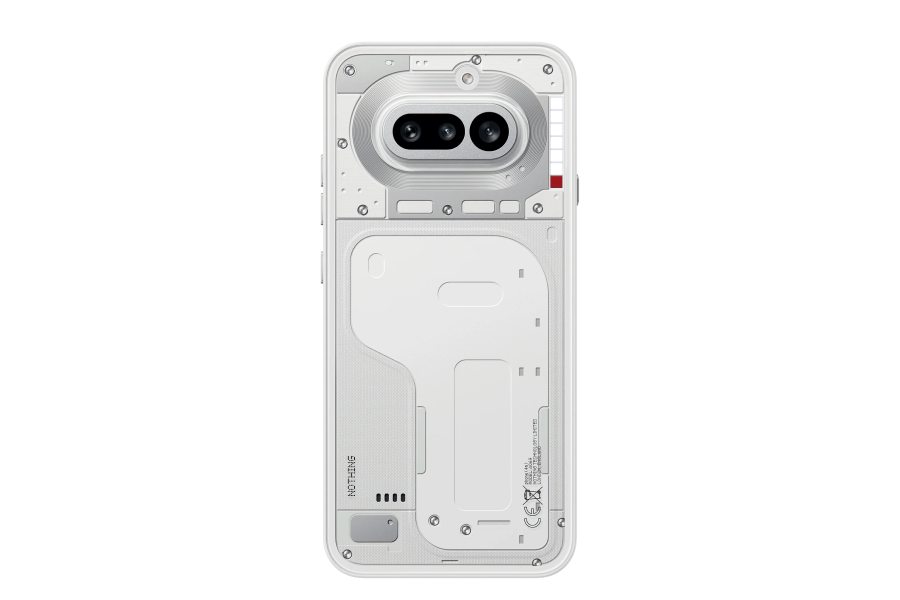
Exynos 2600
Exynos 2600

For years, Samsung’s Exynos chips have been the weak link in its global flagship strategy. Buyers in Europe have routinely ended up with slower, less efficient devices than their Snapdragon-equipped counterparts in the US, and it looks like the same split is coming back for the S26 and S26+. Those two models are expected to use the Exynos 2600, while the S26 Ultra will reportedly stick with Qualcomm’s Snapdragon 8 Elite Gen 5 worldwide.

Still, Samsung seems confident. In its latest financial update, the company outlined what the new 2nm Gate-All-Around (GAA) process is supposed to deliver: roughly a 5% performance lift, an 8% bump in efficiency, and about a 5% reduction in chip size compared to its second-gen 3nm process. On their own, those numbers aren’t huge. But they’re already paying off. Samsung has apparently secured around a quarter of Galaxy S26 orders and landed a massive $16.5 billion Tesla contract for its AI6 chips — all based on early 2nm capabilities.
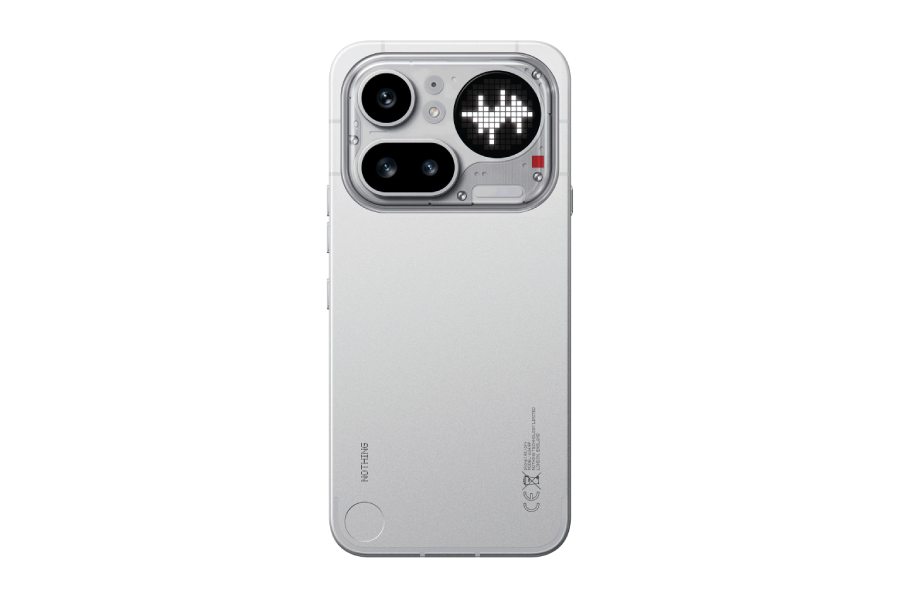
Yield is another piece of the puzzle. Samsung says the Exynos 2600 is hitting about a 60% yield rate so far, which is reportedly enough to start serious production. If that holds, the company could save $20–$30 per unit compared to using Snapdragon chips — potentially lowering the bill of materials (BoM) for the European S26 models by a significant margin.

But not everyone is convinced this is the comeback Samsung wants it to be. Exynos has a long history of looking good on spec sheets and struggling once the phones hit people’s hands. And there’s still a fundamental design gap: while Qualcomm and Apple build heavily customized CPU architectures, Samsung continues to use ARM’s standard Lumex core designs, which usually trail behind in real-world optimization.

With the Galaxy S26 launch creeping closer, the question is pretty simple: is Samsung’s early 2nm jump a genuine turning point or just another round of déjà vu for European buyers? The company clearly thinks small steps will add up. Whether customers agree is another story.

Don’t miss a thing! Join our Telegram community for instant updates and grab our free daily newsletter for the best tech stories!

For more daily updates, please visit our News Section.

(Source)

HMD Terra M Debuts as an Ultra-Rugged Smart Feature Phone for Critical Field Work

HMD Global has announced the HMD Terra M, a compact rugged smart feature phone built for organizations that need reliable communication in harsh and sensitive conditions.

HMD Terra M feature phone

The Terra M has a 2.8-inch glove-friendly touchscreen, a high-output loudspeaker and programmable Push to Talk and emergency keys. The phone runs enterprise-ready software that supports quick deployment, pre-loaded enterprise apps and smooth Mobile Device Management enrollment.

HMD Founder and CEO Jean-François Baril said the Terra M and Ivalo XE strengthen the company’s plan to build secure, resilient and sovereign mobility solutions for mission-critical use.

The phone is built to withstand harsh conditions. It is designed to meet MIL-STD-810H requirements and carries IP68 and IP69K ratings. It can handle drops of up to 1.8 metres. Connectivity support includes 4G, VoLTE, VoWi-Fi, hotspot mode, NFC, dual SIM and eSIM. The Terra M is powered by the Qualcomm Dragonwing QCM2290 chipset and will receive five years of quarterly security updates from its global launch date. Its battery performance offers up to 10 days of standby time with optimised power management.
HMD is also releasing mission-ready accessories. These include a stackable charging cradle that connects up to 10 devices and a rugged belt clip holster for quick access during field work or shift operations.
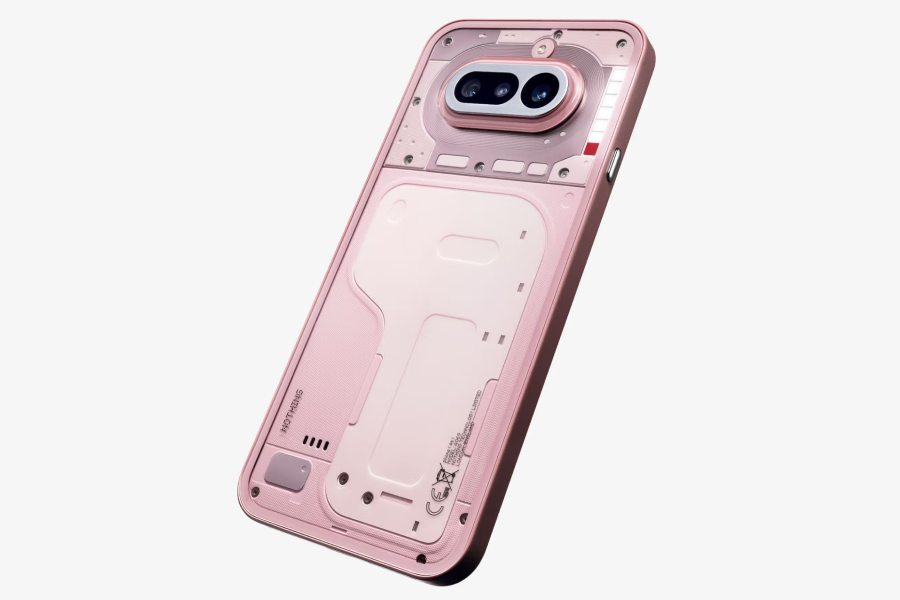
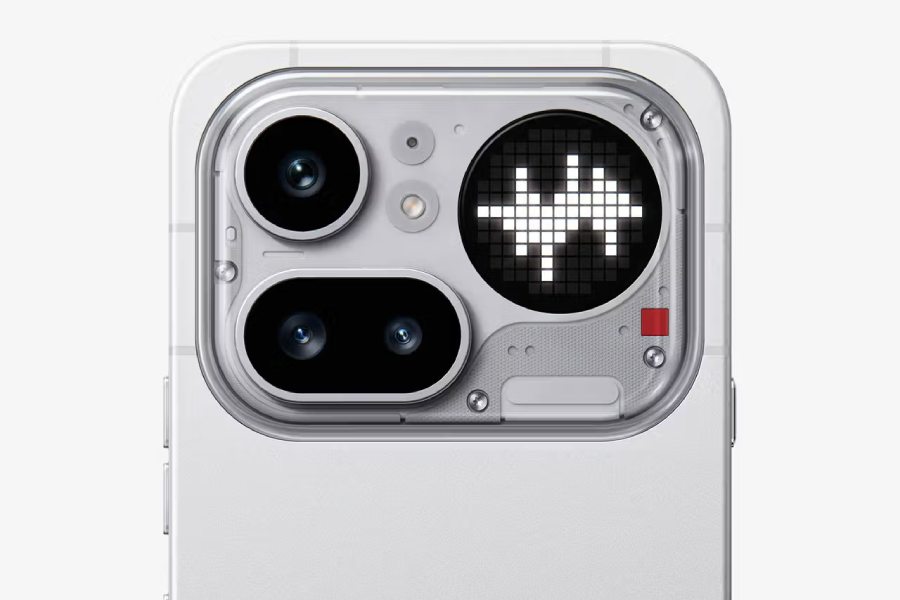
The HMD Terra M will be available through HMD Secure and selected partners in Q1 2026.

For more daily updates, please visit our News Section.

Stay ahead in tech! Join our Telegram community and sign up for our daily newsletter of top stories!

(Source)

Minisforum launches NAB3R Mini PC with Intel i3-1220P and quad 4K display support

Minisforum has launched the NAB3R mini PC in the Japanese market. The compact desktop features Intel’s 12th-generation Core i3-1220P processor and support for up to four external displays. It is priced at 74,300 yen ($478).

Minisforum NAB3R Mini PC

Minisforum NAB3R Specifications

The NAB3R uses a 10-core, 12-thread Intel Core i3-1220P chip with a maximum turbo frequency of 4.4GHz. The CPU includes two performance cores and eight efficiency cores. Minisforum ships the unit with 16GB of DDR4-3200 RAM and a 512GB PCIe 4.0 NVMe SSD, both of which can be upgraded easily thanks to the tool-free chassis. The RAM is expandable up to 64GB, and the SSD slot supports high-speed PCIe 4.0 drives.

Minisforum NAB3R Mini PC

The mini PC supports quad-display output using two HDMI ports and two USB Type-C ports. One of the USB-C ports handles video-only output, while the other supports power delivery. All four display outputs support up to 4K at 60Hz. This setup helps users create a multi-monitor workspace in a compact environment.

On the connectivity front, the NAB3R includes two 2.5G Ethernet ports, four USB 3.2 Type-A ports, one USB 3.2 Gen1 Type-C port, and a 3.5mm audio jack. Wireless features include Wi-Fi 6 and Bluetooth 5.2.

Minisforum NAB3R Mini PC

The device uses a cooling solution that includes two heat pipes, dual air outlets, and a side vent. Minisforum has also added an active heatsink for the SSD to help manage thermal performance. The tool-free chassis design makes upgrades simple and fast.

The NAB3R targets users in the mid to entry-level segment. It supports Windows 11 out of the box and can handle tasks such as web browsing, office applications, and light media editing. However, the mini PC does not include modern high-speed interfaces like USB4, Thunderbolt, or OCuLink, so external GPU expansion is not supported.

In related mini PC news, Beelink recently launched the SER9 Max Mini PC, featuring the Ryzen 7 H-255 processor and Radeon 780M graphics. Meanwhile, Minisforum has introduced the X1 Lite-255 Mini PC, which includes the Ryzen 7-255 chip with USB4 and OCuLink support.

For more daily updates, please visit our News Section.

Stay ahead in tech! Join our Telegram community and sign up for our daily newsletter of top stories! 💡

(Source, Via)

Kingston launches Dual Portable SSD with USB-A/C ports, up to 1050MB/s speeds & 2TB storage

Kingston has launched a new Dual Portable SSD in the United States, combining the compact form factor of a traditional USB flash drive with full SSD-class performance.

Kingston Dual Portable SSD

Kingston Dual Portable SSD Specifications

The device supports USB 3.2 Gen 2 and delivers read speeds of up to 1,050MB/s and write speeds up to 950MB/s. It features both USB Type-A and Type-C connectors and comes in three storage options: 512GB, 1TB, and 2TB.

Kingston Dual Portable SSD

The new drive is priced at $97 for the 512GB model, $144 for the 1TB variant, and $239 for the 2TB version. All three variants use 3D NAND flash and are housed in a durable metal-plastic casing. Kingston has designed the drive to offer fast and seamless transfers across a wide range of devices, including desktops, laptops, tablets, and smartphones.

The Dual Portable SSD supports plug-and-play compatibility without requiring a cable. It has a compact design with dimensions of 71.85mm x 21.1mm x 8.6mm and weighs just 13 grams. The form factor allows it to fit easily into a pocket, backpack, or small gadget pouch.

Kingston Dual Portable SSD

Kingston says the drive is compatible with Windows 11, macOS 13.7.6 and later, Linux 4.4x and above, Chrome OS, Android, and iOS/iPadOS 13 and newer. It is designed to help users move large files quickly between different ecosystems. The company is targeting users who need portable high-speed storage for 4K videos, high-resolution photos, or project files.

Kingston Dual Portable SSD

The drive supports operating temperatures from 0°C to 60°C and storage temperatures from -20°C to 85°C. It also comes with a five-year limited warranty and free technical support. The device is now available in the U.S. through Kingston’s retail and Amazon.com.

In related news, Nextorage has recently introduced the NX-PFS1PRO portable SSD with a built-in display, 20Gbps transfer speed, and multiple security features. Lexar has also launched the TouchLock SSD, which adds a secret NFC unlock system and MagSafe support for easier everyday use.

For more daily updates, please visit our News Section.

Stay ahead in tech! Join our Telegram community and sign up for our daily newsletter of top stories! 💡

(Source)

Oppo Find X9 vs OnePlus 15: Which Flagship Is Better for Indian Buyers?

With the launch of the Oppo Find X9 and OnePlus 15, Indian buyers now face a tough but exciting decision when choosing their next premium smartphone. Both phones bring flagship-class performance, modern designs and powerful internals, but both emphasize very different strengths. So here’s a breakdown of their key differences in performance, cameras, battery, design, and more.

1. Performance

Oppo Find X9 vs OnePlus 15
Oppo Find X9

When it comes to processing power, the two phones take different routes. The Find X9 is powered by the MediaTek’s latest and greatest Dimensity 9500 that brings improvements to CPU, GPU, and AI performance. Oppo claims that its latest flagship phone gets a notable graphics performance boost along with upgrades to the power efficiency.

On the other hand, the OnePlus 15 packs Qualcomm’s top end Snapdragon 8 Elite Gen 5. This processor that offers one of the fastest performances on any Android smartphone. But both chipsets are quite similar in terms of real world performance as their respective flagship chips from both brands. So in everyday use and intensive tasks like gaming, these processors are neck-in-neck.

2. Battery

OnePlus 15
OnePlus 15

However, the OnePlus 15 does edge ahead with the battery size. It is powered by a massive 7,300mAh battery pack, which supports 120W wired fast charging and 50W wireless fast charging. This model also offers bypass charging to prevent overheating when gaming. Meanwhile, the Oppo Find X9 has an ever-so-slightly smaller 7,025mAh cell with a slower 80W wired fast charging but similar 50W wireless charging speeds. It isn’t surprising that OnePlus has a bigger battery capacity considering the brand’s shift to performance focused devices, while Oppo still focuses on premium well rounded models.

3. Cameras

OnePlus 15

One of the biggest differentiators is in camera setup and tuning. The Find X9 carries a Hasselblad-tuned camera system, offering premium color science and imaging refinement. It has a quad camera setup that consists of a 50MP Sony LYT808 main camera (1/1.4, OIS), a 50MP Sony LYT600 periscope telephoto shooter (1/1.95-inch, OIS, 3x optical zoom), a 50MP Samsung JN5 ultra wide angle lens, and a 2MP multi-spectral camera. The front gets a 32MP selfie shooter.

While on paper these are specs similar to the older OnePlus 13, the newer OnePlus 15 gets a downgrade on nearly every image sensor this year. The new main camera is a smaller 50MP Sony IMX906 (OIS, 1/1.56-inch) shooter that is paired with a smaller 50MP Samsung JN5 periscope telephoto shooter (1/2.75-inch, 3.5x optical zoom), and a 50MP Omnivision OV50D ultra wide angle lens. On the front, you get a 32MP RGBW selfie camera. OnePlus has also ended its collaboration with Hasselblad this year, opting for the in-house DetailMax and LUMO imaging engine.

4. Display

OPPO Find X9

The OnePlus 15’s display is one of its major highlights as the tall 6.78-inch LTPO AMOLED panel supports up to 165Hz refresh rate, 1.5K resolution, and 1800 nits of peak brightness. The super smooth display is the key feature here as the company aims on providing a smoother gaming experience. In contrast, the Oppo Find X9 has a smaller 6.59-inch AMOLED display with a 120Hz refresh rate, 1.5K resolution, and up to 3600 nits of peak brightness.

5. Pricing & Verdict

In the Indian market, Oppo announced the Find X9 with a starting price tag of Rs 74,999 for its 12GB + 256GB model. This same base storage configuration on the OnePlus 15 costs Rs 72,999. So the latest OnePlus flagship is a bit cheaper, but this comes at a cost. When comparing the Oppo Find X9 and OnePlus 15 for Indian buyers comes down to what you prioritize most.

The Find X9 is a well rounded flagship smartphone that brings high end performance, robust battery life, a premium design, and great cameras all around. On the other hand, the OnePlus 15 arrives with a major shift in brand strategy, with an emphasis on high performance and a smooth gaming experience thanks to its faster 165Hz refresh rate. The large battery capacity also ensures you have an uninterrupted gaming session. So one is a proper flagship phone while the other is a high end phone built for gaming and other intensive tasks.

For more daily updates, please visit our News Section.

Don’t miss a thing! Join our Telegram community for instant updates and grab our free daily newsletter for the best tech stories!

Moto G57 Power Launches in India on November 24 with a Gigantic Battery

Motorola has officially confirmed that the Moto G57 Power will be launching in India soon. Earlier this month, the company announced the G57 series in Europe, with the lineup consisting of the standard Moto G57 and the Moto G57 Power. We now have an Indian release date for the latter, so here’s what we know.

Motorola Confirms Moto G57 Power in India

In the teaser image posters, the brand revealed that the Moto G57 will debut in India on 24th November 2025. This model is the latest entry in the G Power lineup, which is known for its large battery capacities. While the pricing details are still unknown, the teasers confirm plenty of its key specs and features. Under the hood, the smartphone is the world’s first smartphone to feature the Snapdragon 6s Gen 4 SoC that is coupled with 8GB of RAM and 128GB of internal storage.

Moto G57 Power
Moto G57 Power

Furthermore, a massive 7,000mAh battery pack powers this model, which promises to offer up to 60 hours of battery life. On the front, you get a tall 6.72-inch LCD panel that offers an FHD+ resolution, a 120Hz refresh rate, an 8MP selfie shooter, and Corning’s Gorilla Glass 7i for protection. Meanwhile, the rear has a 50MP Sony LYT600 primary sensor. Other notable features include Android 16 OS out of the box, IP64 rating for water and dust resistance, military grade durability, stereo speakers with Dolby Atmos tuning, and 3 years of security updates.

Looking at the teasers, the Moto G57 Power will debut in multiple color options that include Pantone Regatta, Pantone Corsair, and Pantone Fluidity. The company’s next budget phone will go on sale via Flipkart, Motorola’s official website, and offline retail stores.

For more daily updates, please visit our News Section.

Tech enthusiast? Get the latest news first! Follow our Telegram channel and subscribe to our free newsletter for your daily tech fix! ⚡