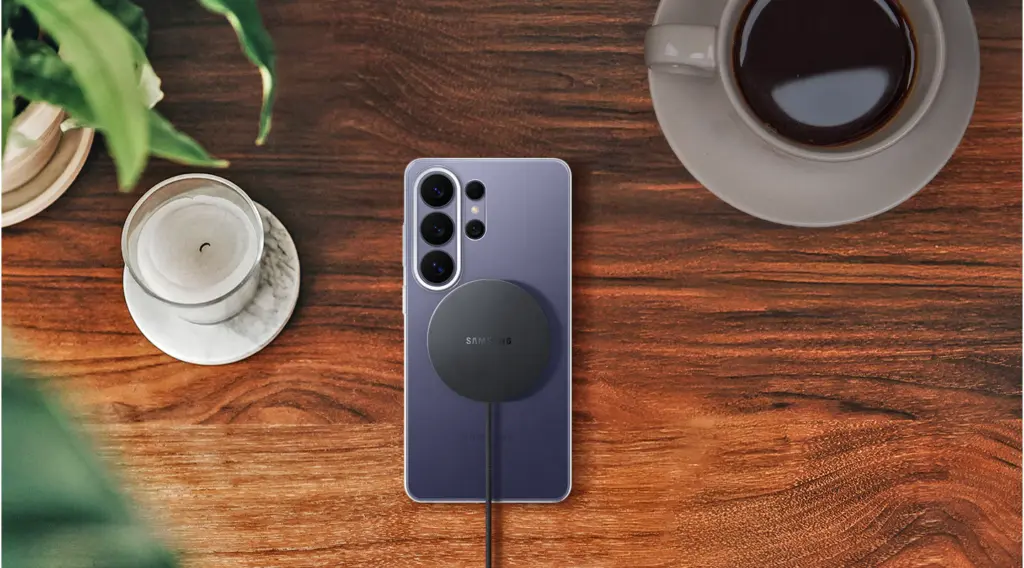
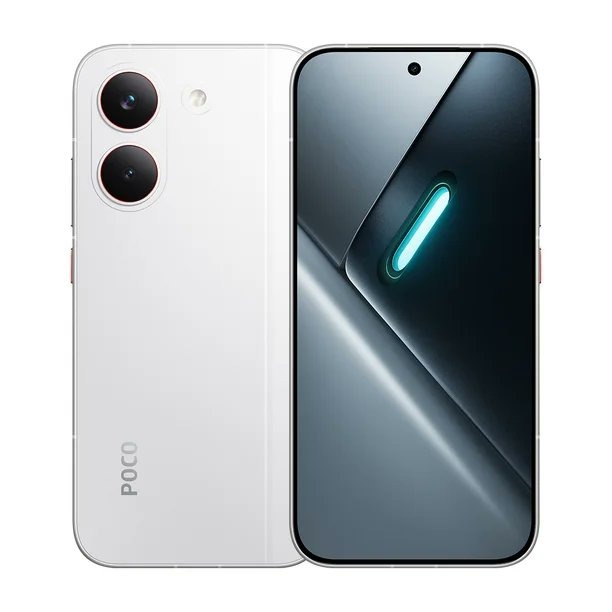
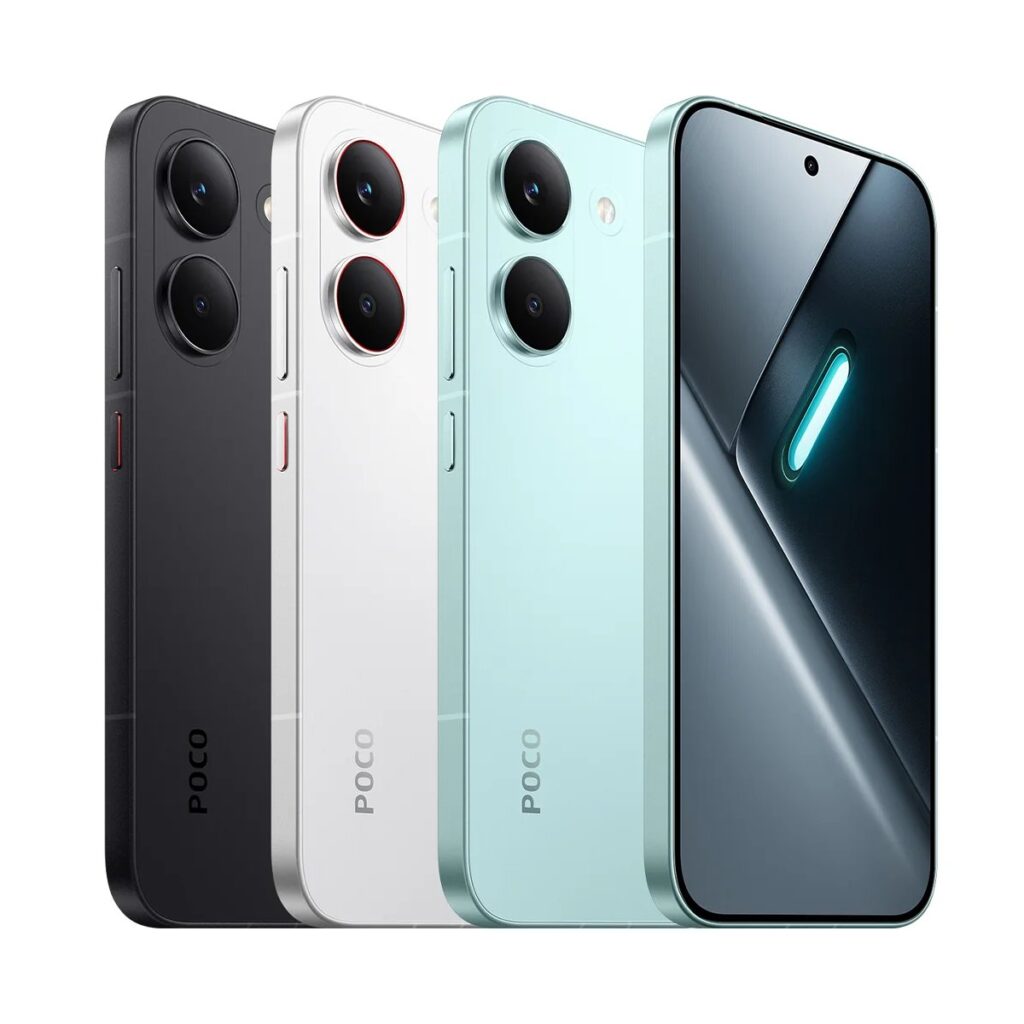
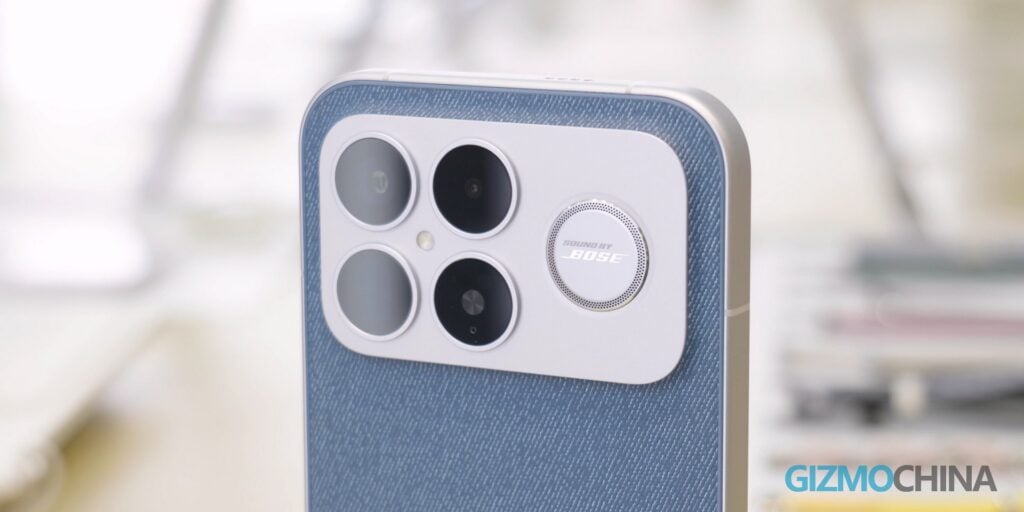
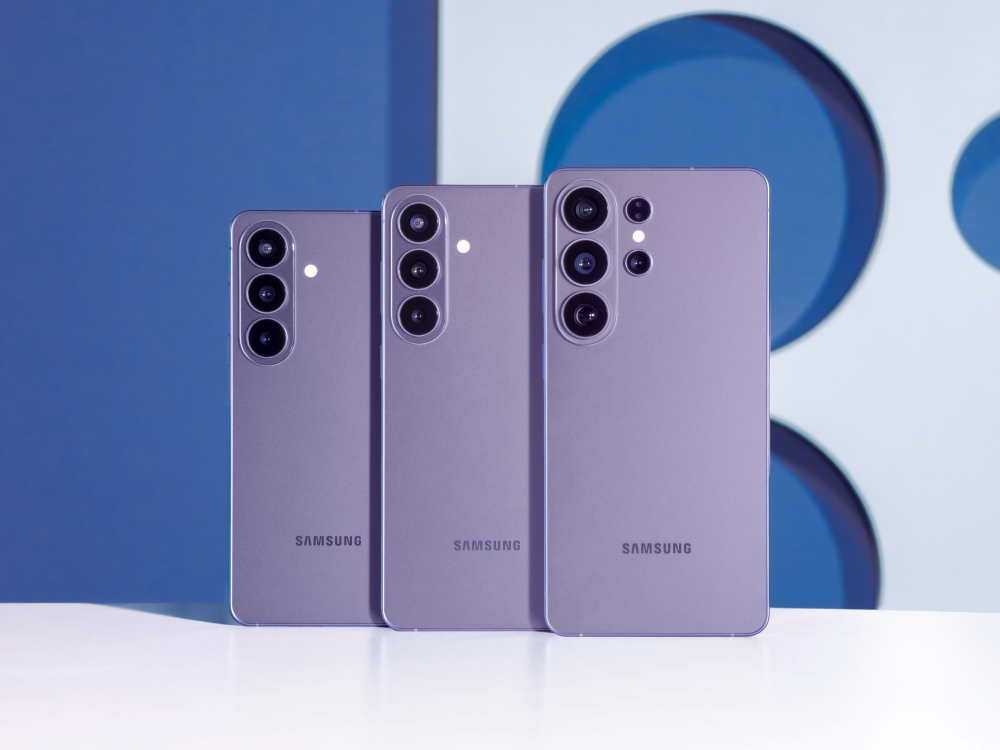
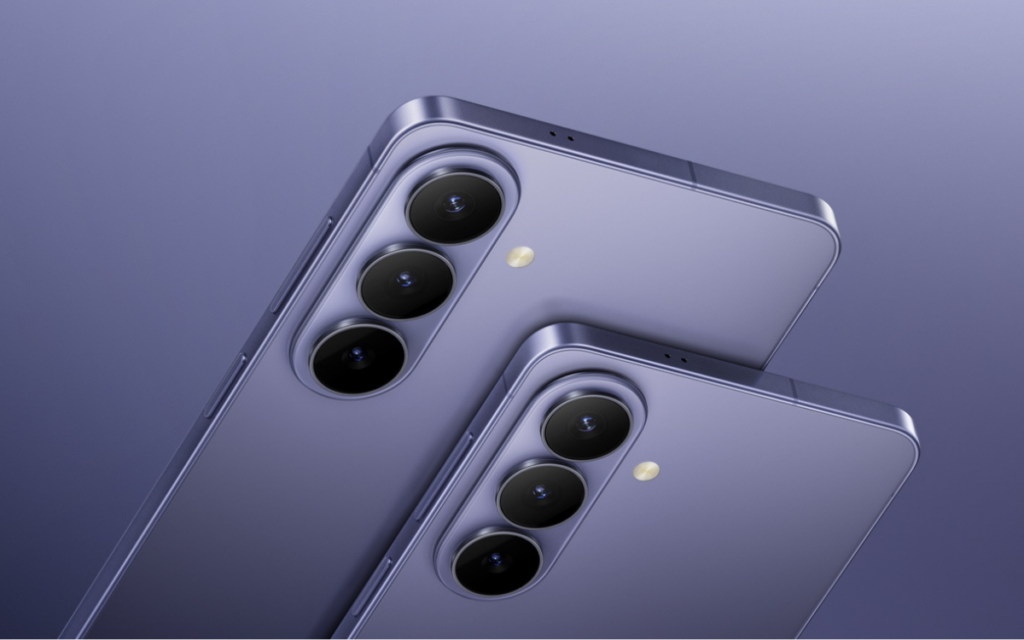
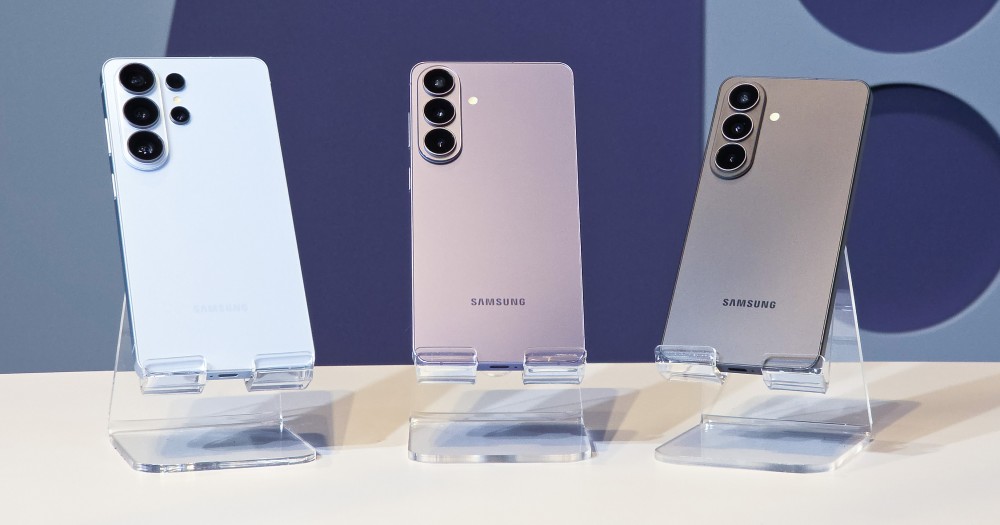
Samsung has quietly expanded the accessory lineup alongside its Galaxy S26 Series announcement with the launch of a new 25W magnetic wireless charger. The accessory makes charging simpler and more stylish for Galaxy owners, especially those who want a sleek magnetic solution rather than a traditional charging pad.
What’s New: Qi2 Magnetic Charging at 25W
Unlike most generic wireless chargers, Samsung’s new Magnet Wireless Charger uses the Qi2 standard, which is the latest wireless charging protocol that supports magnetic alignment similar in concept to Apple’s MagSafe. This helps ensure better alignment between the phone and charger for more efficient power transfer. Despite this magnetic alignment, Samsung’s latest flagships do not have built-in magnets for Qi2 by default. Meaning, you still need a compatible magnetic case to properly secure the device to the charger for full power delivery.
Samsung S25 Magnetic Charger
The charger itself is super-thin (about 4.4mm) and includes a 1.5m USB-C cable with a fabric exterior for durability and daily flexibility. Samsung claims this magnetic charger can deliver up to 25W of wireless power, specifically supported on the Galaxy S26 Ultra. The Galaxy S26+ and Galaxy S26, on the other hand, are capped at about 20W and 15W, respectively.
Samsung claims that the new 25W magnetic charger can bring the Galaxy S26 Ultra to around 50% charge in just under an hour. This new charging accessory carries a minimalist and ultra thin design with a textured USB-C cable to resist fraying and tangling. The brand has already listed the Magnet Wireless Charger in some regions, including the US, where it is listed for 49.99 US Dollars. The global release in other regions, like India, is expected to kick off soon.
For more daily updates, please visit our News Section.
February 2026 didn’t bring a lot of new phones, but it did feature a couple of super exciting launches, including the Galaxy S26 series and the Pixel 10a. The Xiaomi 17 series is also launching on the last day of February. However, March 2026 is turning out to be an exciting month, packed with smartphone launches from multiple brands, including Honor, Nothing, Apple, Motorola, and POCO.
We’ll see some mid-range phones, such as the Edge 70 Fusion, POCO X8 Pro, and Nothing Phone (4a), as well as some high-end phones, including the Honor Magic V6 and iPhone 17e. The Honor Robot Phone is also launching in March to catch our attention.
Upcoming smartphone launches in March 2026
1. Honor Magic V6 and Robot Phone
Launch date: March 1, 2026
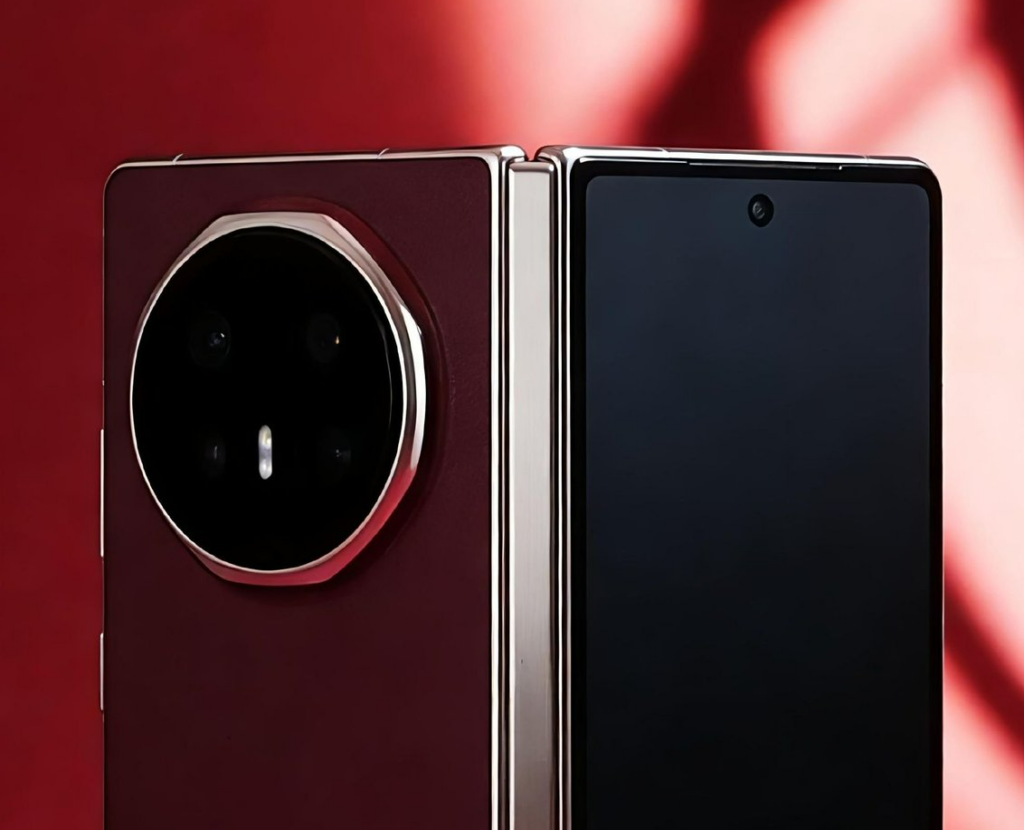
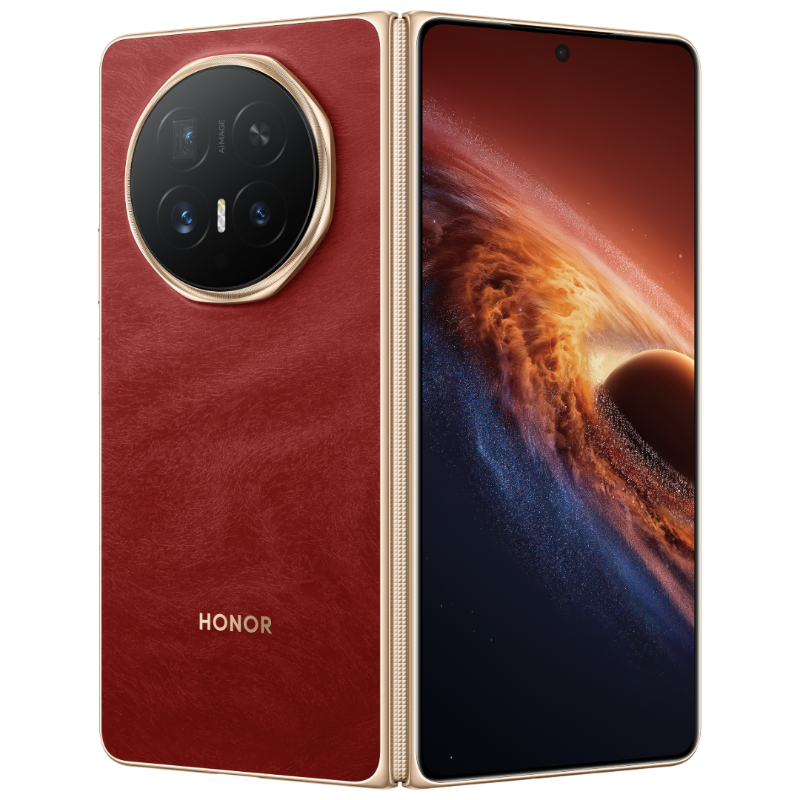
Honor Magic V6
Honor Magic V6 is the company’s next-generation foldable smartphone, focusing on enhanced durability, higher battery capacity, and an even slimmer design profile.
The Magic V6 is expected to feature a 200MP primary camera and a 7,150mAh battery with 120W fast charging. The brand claims full-level waterproofing and support for Beidou satellite communication. Recent leaks say the Magic V6 could feature Honor’s self-developed C1+ radio frequency enhancement chip and the E2 energy efficiency enhancement chip.
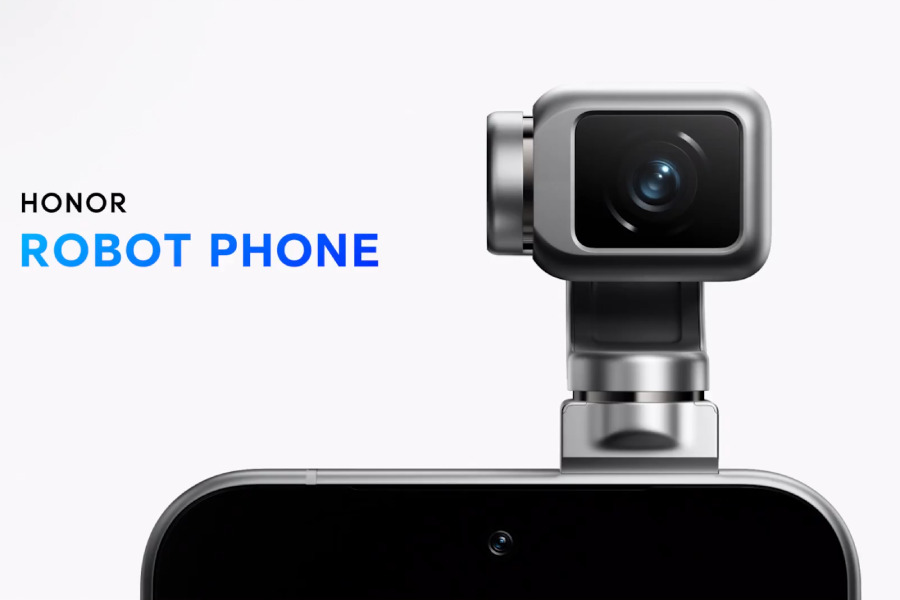
Honor Robot Phone
Alongside the Magic V6 foldable phone, Honor will also unveil the Honor Robot Phone at the MWC event on March 1. The company offered a sneak peek of the device at CES 2026 in January 2026, and we’ll soon have the complete picture.
Honor calls it the industry’s first “robot phone,” featuring a hidden robotic-arm gimbal that deploys with a single tap. This allows the phone to physically move for automatic composition, subject tracking, and enhanced stabilization, claimed by the brand.
The Honor Robot Phone integrates a powerful AI system that can see and respond in real time. The company says it can proactively suggest content, coordinate with other devices across its ecosystem, and function as a digital assistant that feels more personal and context-aware.
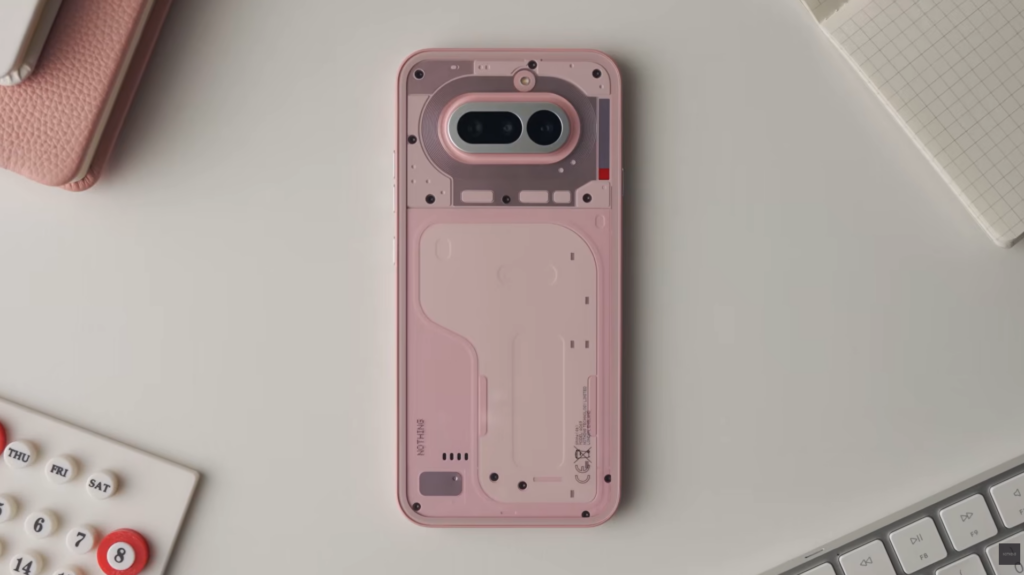
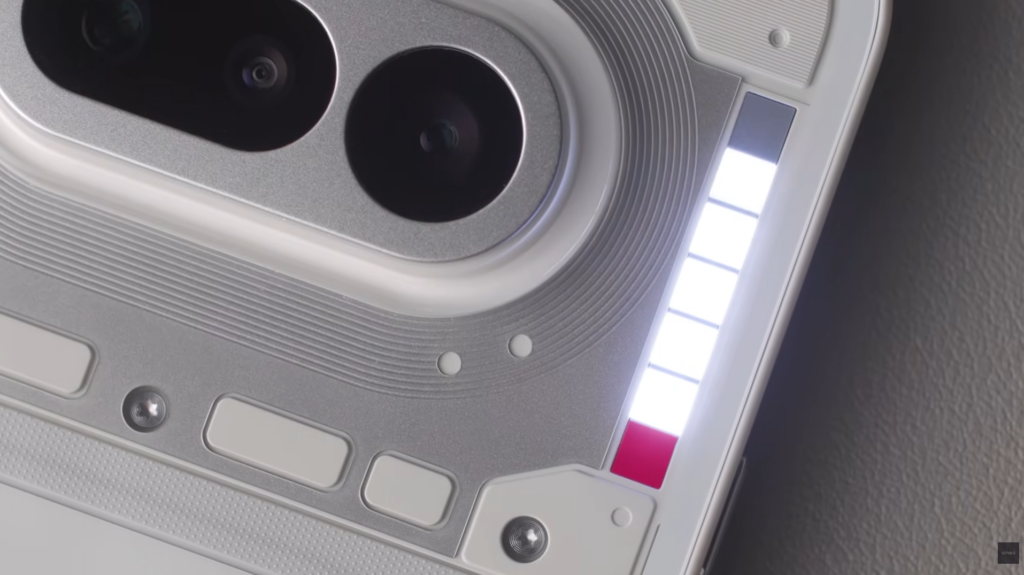
It’s one of the most anticipated smartphone launches of March 2026, featuring a redesigned Glyph Bar lighting system. There’s a dedicated red LED in the new Glyph Bar that signals recording activity. The Glyph Bar works with numerous system-level features, including Android 16’s live updates.
According to previous leaks and rumors, we can expect the Nothing Phone (4a) to feature a 6.78-inch 120Hz AMOLED panel, Snapdragon 7s Gen 4 processor, a 50MP primary rear camera, and a 32MP selfie camera. The device could be offered with 8GB or 12GB of RAM, paired with 128GB of storage.
Apple is expected to unveil the iPhone 17e, along with a bunch of Other products, at the upcoming event on March 4. The device is expected to feature the A19 chip, the same chip powering the iPhone 17, but could have a downclocked CPU and GPU. It’s also said to bring an upgraded display engine, ISP, and Neural Engine to improve the on-device AI performance.
iPhone 17e could get a MagSafe upgrade, boosting charging speed to at least 15W. Furthermore, we might also see an upgraded Apple’s C1X modem. The iPhone 17e will likely retain the same display, camera, and design as the 16e.
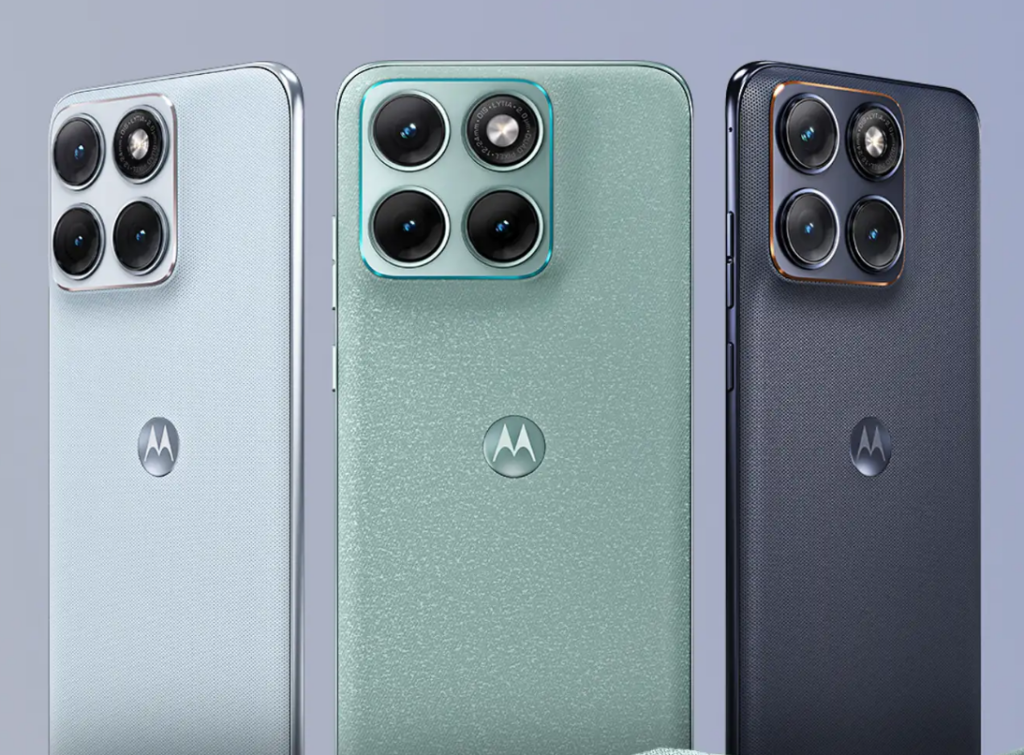
The Edge 70 Fusion is confirmed to launch in March, but the exact date is still under wraps. However, given the number of teasers Motorola has posted recently, we can expect the device to go official in the first half of the month.
Motorola has already teased pretty much everything about the Edge 70 Fusion, except for the pricing. So, we already know that the phone will sport a curved 1.5K display with a 144Hz refresh rate, HDR10+, and 5,200 nits of peak brightness. It will have a Snapdragon 7s Gen 4 chipset at its core and a long-lasting 7,000mAh battery with 68W fast charging support.
The Edge 70 Fusion will feature a triple-rear-camera setup, including a 50MP Sony LYT-710 primary sensor, a 13MP ultrawide sensor, and an unspecified macro camera. On the other side, it will have a 32MP selfie snapper.
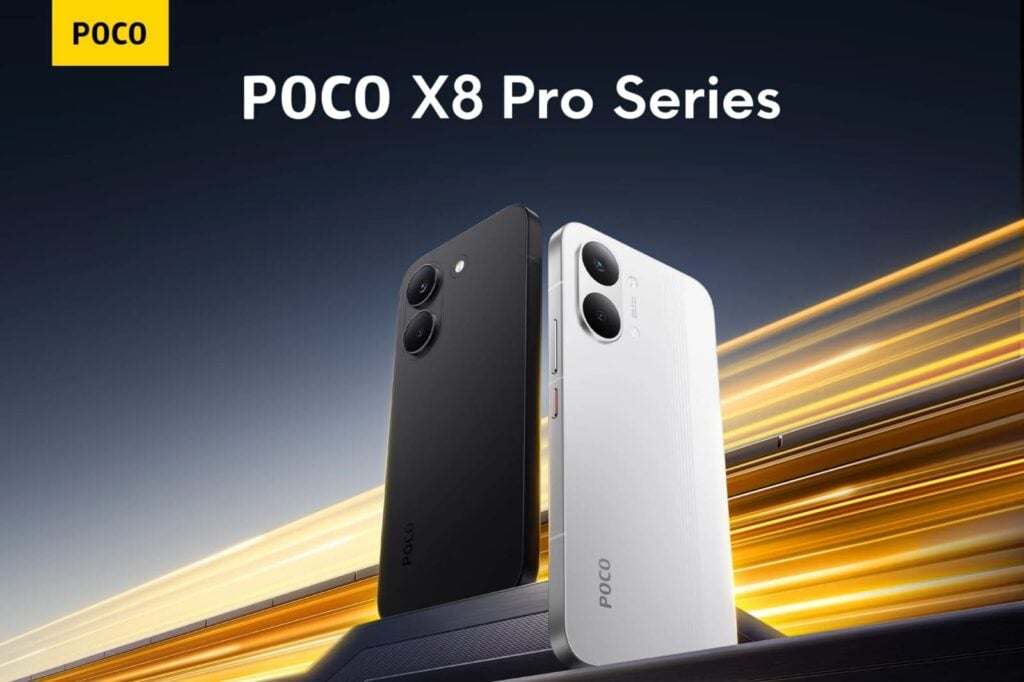
The POCO X8 Pro series is expected to launch in India in early March 2026. According to recent leaks, the brand could announce two models in the lineup, the POCO X8 Pro and the POCO X8 Pro Max, targeting the premium mid-range segment.
POCO X8 Pro
The POCO X8 Pro is said to feature a 6.59-inch 1.5K OLED display with a 120Hz refresh rate and 2000 nits of peak brightness. It’s expected to be powered by the Dimensity 8350 Ultra processor, paired with LPDDR5x RAM and UFS 4.1 storage.
The smartphone could feature a dual camera setup on the back: a 50MP Sony IMX882 primary sensor with OIS and an 8MP ultrawide lens, along with a 20MP front-facing camera. It’s expected to offer a 6,500mAh battery with 100W fast charging support and IP68, IP69, and IP69K certifications.
POCO X8 Pro Max
The “Max” variant could feature a slightly bigger 6.83-inch OLED display and a more powerful Dimensity 9500s processor. It’s expected to feature a 50MP Light Hunter 600 as the primary sensor, supported by an 8MP ultra-wide unit. For selfies, the device may use a 20MP OV20B sensor.
The POCO X8 Pro Max is said to have an 8,500mAh battery with support for 100W wired charging and 27W reverse charging. Additionally, it could feature dual stereo speakers, LHDC 5.0 audio support, a 3D ultrasonic fingerprint sensor, and IP68/IP69/IP69K certification.
We’ll keep bringing you the latest stories in our News section. Make sure to visit it regularly to stay up-to-date. Or, you can join our Telegram channel to get instant notification.
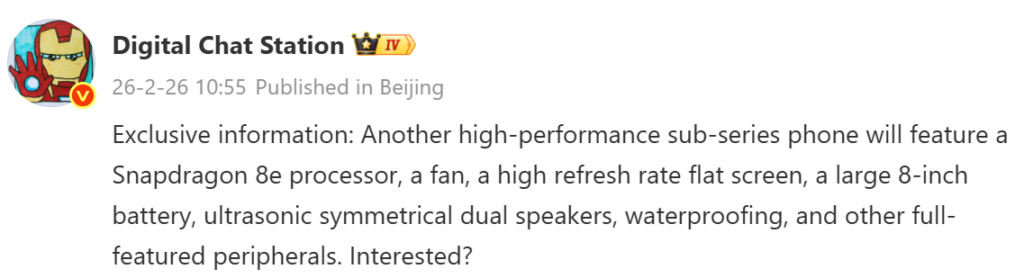
The Redmi K90 series currently includes the Redmi K90 and K90 Pro Max. In April, the company is expected to unveil the Dimensity 9500-powered Redmi K90 Ultra. A new leak from tipster Digital Chat Station indicates that another K90 series phone may also be in development. Although the official name of the device remains unknown, the leak highlights several key specifications of this upcoming model.
Redmi K90 Pro key details tipped
Redmi K90 series specs leak
According to the tipster, the new Redmi phone will be powered by the Snapdragon 8 Elite chip. The presence of this chipset suggests that the device could belong to the K90 lineup. The leak further mentions that the handset will feature a high refresh rate display, a large battery with around 8,000mAh capacity, and a built-in cooling fan aimed at enhancing sustained performance.
In addition, the device is said to include an ultrasonic in-screen fingerprint sensor, symmetrical dual speakers, and a fully water-resistant body, pointing toward a flagship-grade build and feature set.
Currently, the Redmi K90 and K90 Pro Max are powered by the Snapdragon 8 Elite and Snapdragon 8 Elite Gen 5 chipsets, respectively. This positioning indicates that the newly tipped Snapdragon 8 Elite-powered model could sit between the K90 and K90 Pro Max in the lineup. As a result, it is speculated that the device may launch in China under the Redmi K90 Pro branding.
Redmi K90 Pro Max
This is not the first time rumors have suggested the existence of the Redmi K90 Pro. Back in November 2025, tipster Smart Pikachu claimed that Redmi was working on two additional K90 series models, namely the Redmi K90 Pro and Redmi K90 Ultra. That leak suggested the K90 Pro would feature a 6.6-inch display, while the Ultra variant could come with a larger 6.8-inch screen. Both devices are expected to debut together in China.
For more daily updates, please visit our News Section.
After Samsung’s big Galaxy Unpacked 2026 event, new accessories could be coming to India this spring. These are new peripheral gadgets that are all about charging. A new leak has revealed that three new power adapters are on the way, including two fast travel chargers and a magnetic charger. So here’s what we know.
New Samsung Chargers Dropping Soon
According to dealer pricing documents shared by tech insider Abhishek Yadav, the South Korean tech giant’s upcoming lineup includes three new power adapters:
A 25W Fast Magnetic Charger (Model: EP-P2900B).
A 50W Travel Adapter Duo with Cable (Model: EP-T5020X).
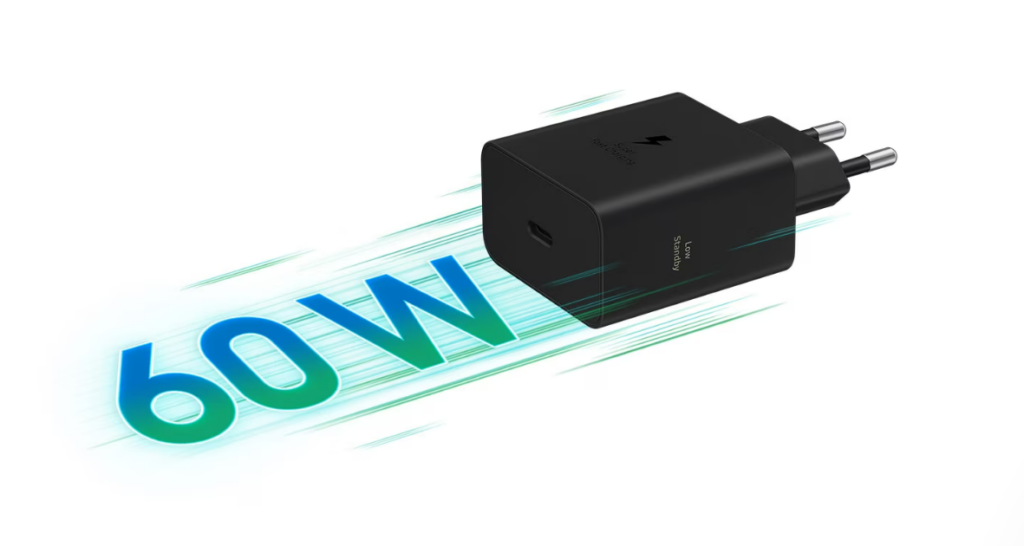
A 60W Travel Adapter (Model: EP-T6010N).
Samsung 60W charger
These accessories haven’t all gone live on Samsung’s official site yet, but one of them, the 60W Travel Adapter, is already listed for pre-order on the Samsung India website with a “notify me” button and a scheduled launch timeframe. Based on what we know so far, the magnetic charger is tipped to be Samsung’s first 25W magnetic power adapter in India.
A magnetic charger at 25W could especially appeal to users of Samsung’s latest flagship phones that support up to 25W Qi2 wireless charging. The second charger on the leaked roster is a 50W Travel Adapter Duo that reportedly ships with a cable. Last but not least, we have the 60W Travel Adapter, which is already showing up on Samsung India’s online portal. We also have some pricing details from the tipster’s tweet. Samsung’s 25W Magnetic Wireless Charger could cost Rs 3,299, while the 50W Travel Adapter Duo and 60W Travel Adapter could carry a Rs 4,499 and Rs 3,499 price tag, respectively.
For more daily updates, please visit our News Section.
Apple’s foldable iPhone has been “coming soon” for years, at least according to leaks. Now, a new round of details suggests the company may finally be closing in on one of the biggest challenges that’s kept it out of the foldable race: the display crease.
One of the main criticisms of current foldables, including devices like the Samsung Galaxy Z Fold 7, is the crease. It’s not always a dealbreaker, but it’s noticeable. Reports over the years have suggested Apple wasn’t willing to enter the category until it could meaningfully reduce that crease.
A new leak from Chinese Weibo account Fixed Focus Digital claims that progress has been made. According to the post, Apple’s first foldable, widely referred to as the “iPhone Fold”, could feature an inner display with a crease depth of under 0.15 mm and a fold angle below 2.5 degrees.
Those numbers might not mean much at first glance, but they’re telling. A smaller crease depth means a shallower indentation along the fold, both visually and to the touch. For context, a human hair is roughly 0.05–0.1 mm thick, so anything under 0.15 mm would be relatively subtle. Current foldables often measure significantly deeper at the crease. If accurate, Apple’s implementation would be among the flattest we’ve seen so far: not invisible, but close.
The display itself is reportedly being supplied by Samsung Display, using newer materials and improved lamination techniques to better distribute stress along the hinge.
Beyond the screen, a few design details are also circulating. The rear camera module is said to resemble the minimalist layout of the iPhone Air, featuring two sensors: likely a main and an ultra-wide. Touch ID could return, embedded in the power button, replacing Face ID to save internal space and avoid additional cutouts on the inner display.
Production orders are reportedly in place, pointing to a potential September 2026 launch window, possibly alongside the iPhone 18 Pro and iPhone 18 Pro Max. If that timeline holds, Apple’s first foldable could finally become official next fall.
If the crease really is as shallow as claimed, it would explain why Apple has taken its time.
The Vivo V70 Elite and iQOO 15R have entered the Indian market with flagship-level features and competitive pricing. Both devices cater to premium users, but each smartphone targets a different audience. Here’s a detailed comparison of the two devices based on design, display, performance, cameras, and pricing.
The Vivo V70 Elite focuses on elegance and comfort. It features a flat-edge design with an aerospace-grade metal frame and ultra-narrow bezels. The phone is designed to fit comfortably in one hand, thanks to its Golden Grip size. It comes in colors like Passion Red, Sand Beige, and Authentic Black, adding a premium look.
The iQOO 15R takes a performance-oriented approach to design. It uses Schott Shield glass for added durability and comes in two colors: Dark Knight with a matte black finish and Triumph Silver with a patterned back exclusive to India. The iQOO 15R is slightly thicker and heavier than the Vivo V70 Elite, but it maintains a modern and sturdy build.
Both devices have IP68 and IP69 ratings for dust and water resistance. The Vivo V70 Elite appeals to users who prefer a sophisticated design, while the iQOO 15R is better suited for gamers and those looking for a robust build.
2. Display
The Vivo V70 Elite and iQOO 15R feature 6.59-inch AMOLED displays with a resolution of 2750 x 1260 pixels. However, there are differences in refresh rates and display features.
The Vivo V70 Elite comes with a 120Hz flat AMOLED display that offers a peak brightness of 5000 nits. It supports 4320Hz PWM dimming, making it ideal for content consumption with vibrant colors and smooth animations.
The iQOO 15R also features a flat OLED panel, but with a higher 144Hz refresh rate and a 3200Hz touch sampling rate. It also supports 5000 nits peak brightness, DC-like dimming, and offers a faster touch response, making it better for gaming.
3. Performance and Software
The Vivo V70 Elite is powered by the Snapdragon 8s Gen 3 processor, paired with up to 16GB LPDDR5X RAM and UFS 4.1 storage. It includes a 4200mm² VC cooling system and supports features like 4D game vibration for enhanced gaming.
The iQOO 15R takes performance a step further with the Snapdragon 8 Gen 5 processor. It comes with the Q2 gaming chip and supports up to 144 FPS gaming and features advanced cooling systems, including a 6500mm² VC cooling panel and dual-layer graphite sheets. The iQOO 15R also includes a network enhancement chip for improved connectivity.
Both devices run Android 16 with OriginOS 6. iQOO 15R performs better for gamers and power users, while the Vivo V70 Elite handles multitasking and general use efficiently.
4. Cameras
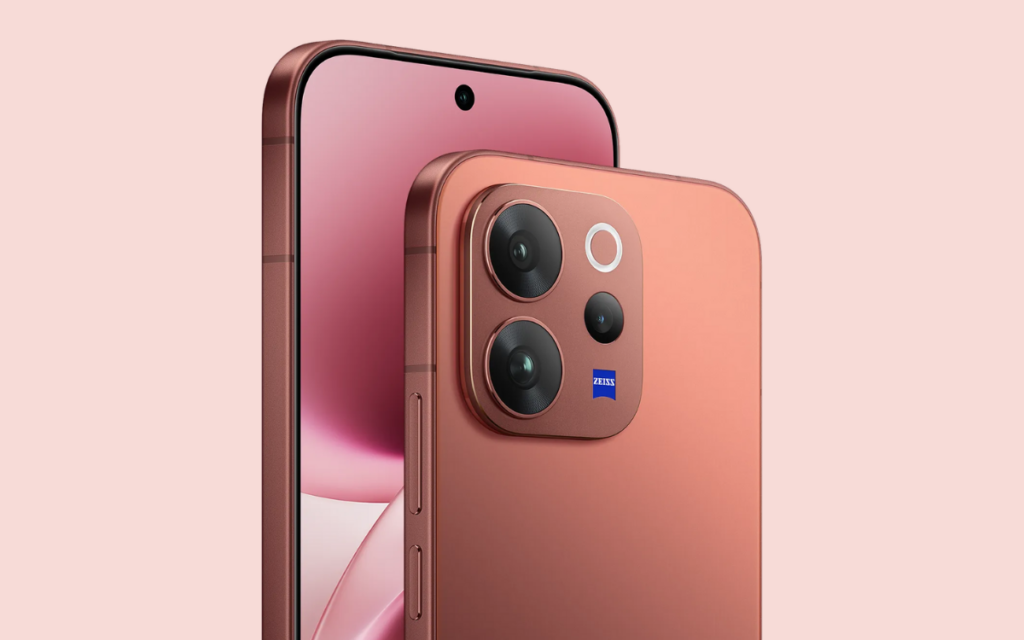
The Vivo V70 Elite focuses heavily on photography. It uses Zeiss optics with a 50MP Zeiss night telephoto camera, a 50MP Zeiss OIS main camera, and an 8MP ultra-wide camera. The telephoto lens supports 3x optical zoom and up to 100X digital zoom. The phone includes AI-powered features like AI Holi Portrait, making it ideal for low-light and detailed photography.
The iQOO 15R has a 50MP Sony LYT-700V main sensor with OIS, an 8MP ultra-wide lens, and a 32MP front camera. While the iQOO 15R delivers good picture quality, it does not match the telephoto and low-light capabilities of the Vivo V70 Elite.
For photography enthusiasts, the Vivo V70 Elite is the better choice. The iQOO 15R offers decent cameras but prioritizes performance over photography.
5. Battery and Charging
The iQOO 15R includes a 7600mAh battery with 100W FlashCharge support. The phone can charge up to 50% in 33 minutes. It uses advanced silicon anode and semi-solid-state battery technology, which improves durability and performance.
The Vivo V70 Elite has a slightly smaller 6500mAh battery with 90W fast charging. While it offers good battery life, it does not charge as quickly as the iQOO 15R or provide the same level of durability.
The iQOO 15R is the better option for users who need long battery life and fast charging.
6. Pricing and Value
The Vivo V70 Elite starts at ₹51,999 for the 8GB + 256GB model. The 12GB + 256GB model costs ₹56,999, and the 12GB + 512GB model is priced at ₹61,999.
The iQOO 15R starts at ₹44,999 for the 8GB + 256GB model. The 12GB + 256GB model is priced at ₹47,999, and the 12GB + 512GB model costs ₹52,999.
The iQOO 15R offers better value for money, especially for gamers and performance enthusiasts. The Vivo V70 Elite justifies its price with premium design and superior cameras.
7. Verdict
The Vivo V70 Elite is the better choice for users who prioritize design, photography, and an immersive display. Its Zeiss optics and sleek build make it ideal for lifestyle users.
The iQOO 15R is the better option for gamers and performance-oriented users. Its Snapdragon 8 Gen 5 processor, 144Hz display, and fast charging deliver excellent performance at a competitive price.
Both devices excel in their respective areas, but the iQOO 15R offers better overall value for most users.
For more daily updates, please visit our News Section.
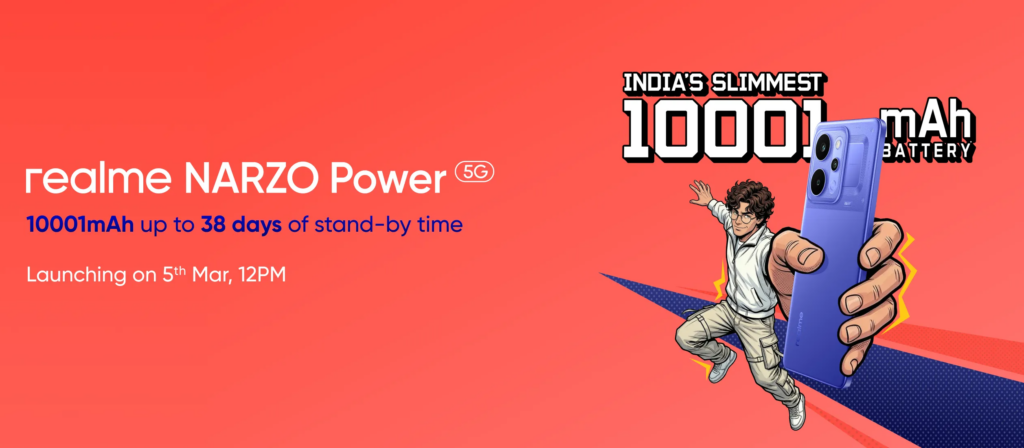
In January, the Realme Power Narzo 5G moniker was spotted on the HDR10+ certification database, hinting at an imminent launch. The brand has now officially confirmed that the Narzo Power 5G will debut on March 5. Like other Narzo devices, the upcoming model will be sold via Amazon alongside Realme’s official stores. A dedicated microsite on Amazon and Realme India’s website has started revealing important details, giving a clearer picture of what buyers can expect from the device ahead of its announcement.
Realme Narzo Power 5G specifications
Realme Narzo Power 5G is launching on March 5
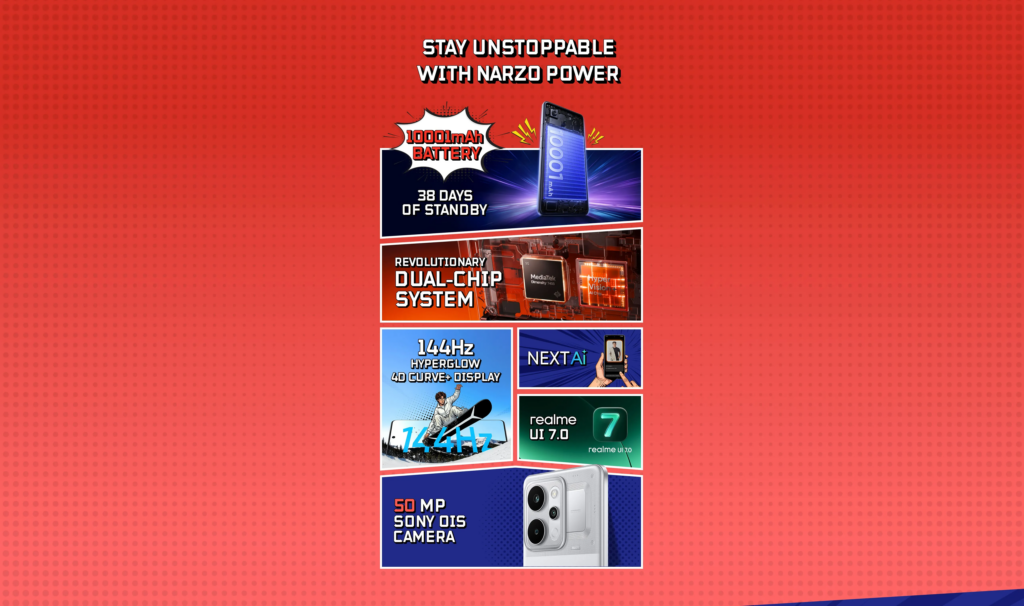
The Realme Narzo Power 5G is positioned as a feature-rich mid-range smartphone, centred around a large 6.8-inch AMOLED curved display with 1.5K resolution and a 144Hz refresh rate. The panel is claimed to deliver peak brightness levels of up to 6500 nits, suggesting improved outdoor visibility and HDR performance.
Powering the device is the Dimensity 7400 chipset paired with a Hyper Vision+ AI chip, which is likely designed to enhance image processing, gaming performance, and system efficiency.
Realme Narzo Power 5G key features
For photography, the handset includes a 50-megapixel Sony IMX882 primary camera with OIS support, accompanied by an 8-megapixel ultra-wide lens. A 16-megapixel front camera handles selfies and video calls, while 4K video recording is supported.
The phone runs Realme UI 7.0 based on Android 16 and is confirmed to receive three years of Android updates along with four years of security patches.
A key highlight is the large 10,000mAh battery with 80W fast charging and 27W wired reverse charging, allowing the device to function as a power source for other gadgets. The inclusion of IP66, IP68 and IP69 ratings indicates strong protection against dust and water exposure.
Realme Narzo Power 5G price (expected)
Realme Narzo Power 5G colors
Official teasers have confirmed Titan Blue and Titan Silver color options for the device. Industry speculation suggests that the Narzo Power 5G could be a rebranded version of the Realme P4 Power 5G, which is sold via Flipkart in India. Based on this positioning, the Narzo model may arrive with a starting price of around Rs 26,000, although final pricing will only be known at launch.
The Realme 16 Power designed for the Chinese market is said to be a rebranded version of the Realme Narzo Power 5G / Realme P4 Power.
For more daily updates, please visit our News Section.
The “s” chips inside the Snapdragon 8-series have been popular for offering great performance at an affordable price, and the Snapdragon 8s Gen 4 is no different. It delivers a strong CPU performance with an all-big-core CPU design, a reliable Adreno GPU for smooth gaming, and a mature ISP.
The Dimensity 9300 Plus was announced a year before the Snapdragon 8s Gen 4, featuring an even more powerful CPU with more large cores, a capable GPU, and competitive camera and connectivity capabilities. The real question is whether the Snapdragon 8s Gen 4 truly outperforms the Dimensity 9300 Plus, or if the Dimensity 9300 Plus is too compelling to ignore? Let’s find out.
Let’s begin with the spec sheet:
Snapdragon 8s Gen 4
Dimensity 9300 Plus
Announced
April 2025
May 2025
Process node
TSMC’s 4nm (N4P)
TSMC’s 4nm (N4P)
CPU cores
8-core
8-core
CPU cores
1 x 3.21GHz — Cortex-X4 3 x 3.0GHz — Cortex-A720 2 x 2.8GHz — Cortex-A720 2 x 2.02GHz — Cortex-A720
1 x 3.4GHz — Cortex-X4 3 x 2.85GHz — Cortex-X4 4 x 2.0GHz — Cortex-A720
GPU
Adreno 825 ray tracing support Snapdragon Elite Gaming features
Mali-G720 Immortalis MP12 ray tracing support MediaTek Adaptive Gaming Technology (MAGT)
NPU
Qualcomm Hexagon NPU
MediaTek NPU 790
Memory
LPDDR5X up to 4.8GHz speed
LPDDR5X, LPDDR5T up to 4.8GHz speed
Storage
UFS 4.0
UFS 4 + MCQ
Camera
Quacomm Spectra ISP (Triple AI-ISPs, 18-bit) up to 320MP single camera up to 108MP single camera with zero shutter lag up to 36MP triple cameras with zero shutter lag real-time semantic segmentation (up to 250 layers) 4K/60fps video recording
Imagiq 990 ISP (18-bit) up to 320MP single camera AI Semantic Analysis Video Engine (up to 16 categories) up to 8K/30fps video recording
Connectivity
Snapdragon X75 5G modem (sub-6GHz) up to 4.2Gbps download speed Wi-Fi 7 (peak speed: 5.8Gbps) Bluetooth 6.0
MediaTek 5G R16 modem (mmWave, sub-6GHz) up to 7Gbps download speed Wi-Fi 7 (peak speed: 6.5Gbps) Bluetooth 5.4
Snapdragon 8s Gen 4 vs Dimensity 9300 Plus: Benchmark score
Note: The benchmark tests were performed on the POCO F7 (powered by the Snapdragon 8s Gen 4) and the Vivo X200 FE (powered by the Dimensity 9300 Plus)
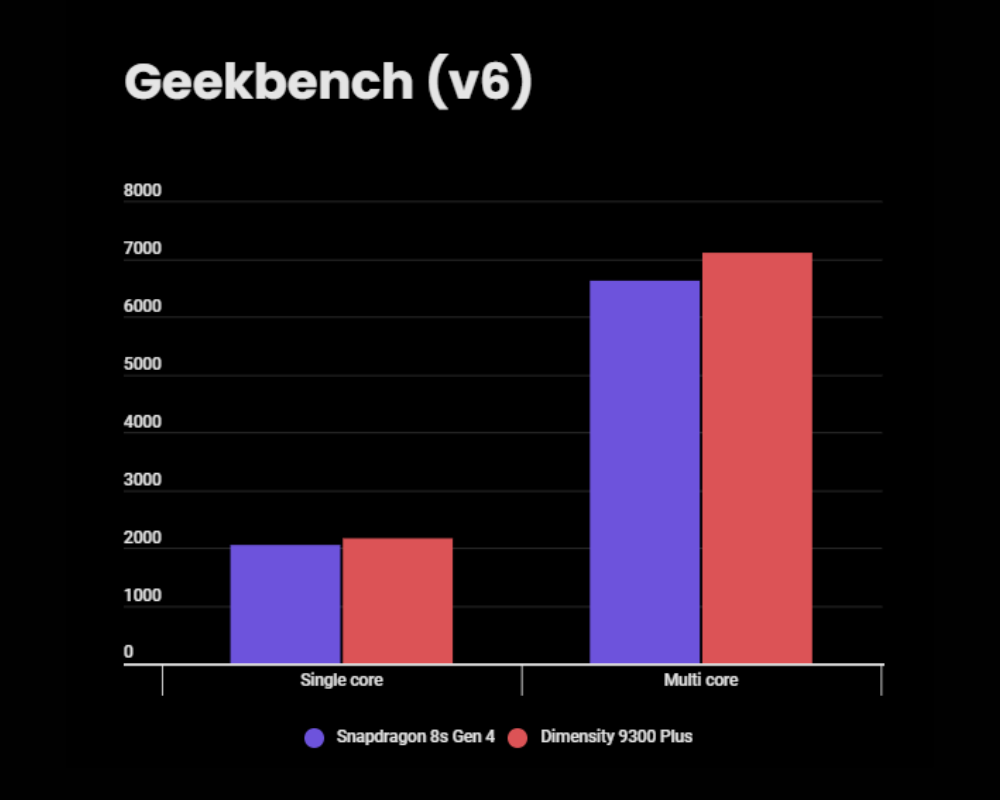
Geekbench performance
Thanks to a more performance-focused CPU configuration, the Dimensity 9300 Plus pulls higher Geekbench scores. In the single-core test, it gets about a 5.6% higher score, while the multi-core score is up by 7.3%.
Snapdragon 8s Gen 4
Dimensity 9300 Plus
Single core
2,047
2,162
Multi core
6,620
7,104
The difference isn’t significant. However, the Dimensity 9300 Plus would still benefit from peak performance. In regular everyday tasks like browsing the internet and scrolling through your social feeds, there shouldn’t be any performance difference, though.
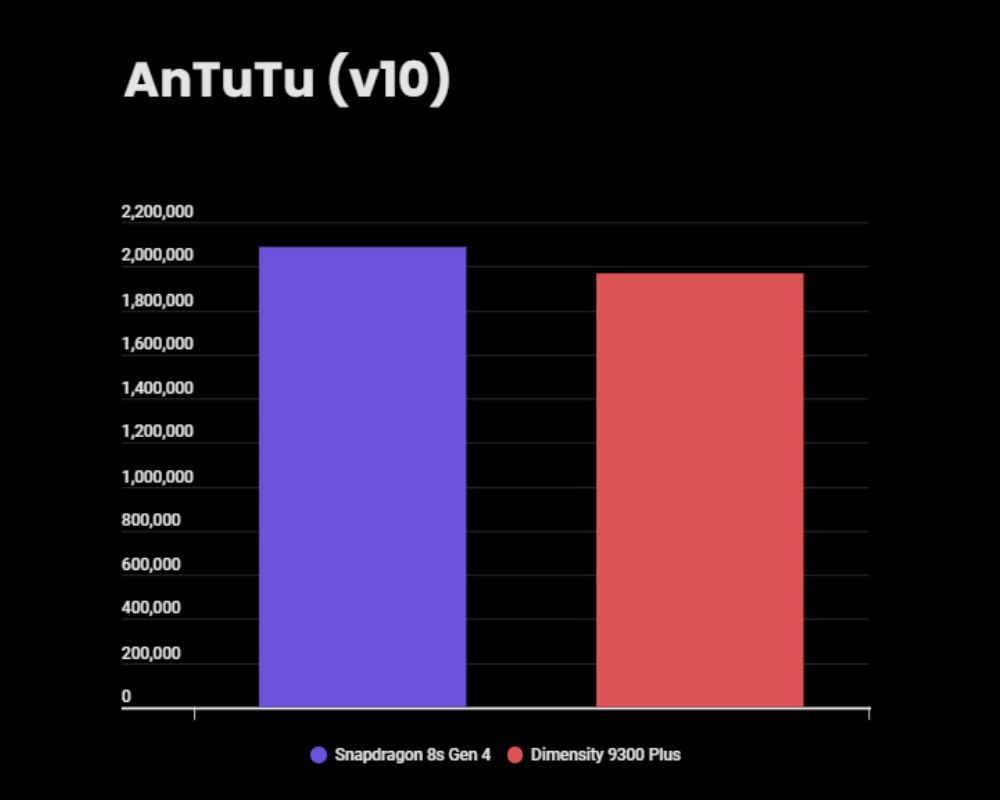
AnTuTu performance
In the AnTuTu benchmark, the Snapdragon 8s Gen 4 outperforms the Dimensity 9300+ by 6% in total score. The latter still gets a slightly higher CPU score, but the Snapdragon chip makes a strong comeback in the GPU score, scoring 465K (vs. 455K on the Dimensity 9300+).
Snapdragon 8s Gen 4
Dimensity 9300 Plus
AnTuTu score
2,087,410
1,968,353
CPU
455,444
465,444
GPU
877,203
803,677
Memory
428,872
338,353
UX
325,891
360,879
The Snapdragon 8s Gen 4 also benefits from better memory performance, while the Dimensity 9300+ achieves a higher score in the user experience (UX) test.
3DMark performance
3DMark Wild Life Extreme Stress Test
The 3DMark Wild Life Extreme Stress Test further solidifies the point that the Snapdragon 8s Gen 4 offers better gaming performance. It gets about a 10% better high score, which represents the peak performance.
Snapdragon 8s Gen 4
Dimensity 9300 Plus
High score
4,470
4,046
Low score
3,542
2,405
Stability
79.24%
59.44%
The gap widens significantly to 47% in the low-score test, indicating that the Snapdragon 8s Gen 4 chip doesn’t throttle as much as the Dimensity 9300+ during long gaming sessions. This results in much better stability on Snapdragon 8s Gen 4 devices.
Now that we know the benchmark scores, let’s examine the key differences to get a clearer picture.
Snapdragon 8s Gen 4 vs Dimensity 9300 Plus: Key differences
CPU, GPU & NPU
The CPUs of Snapdragon 8s Gen 4 and Dimensity 9300 Plus comprise Cortex-X4 and Cortex-A720 cores. The Cortex-X4 offers higher performance, while the Cortex-A720 balances power and efficiency. Since the Dimensity 9300 Plus features more Cortex-X4 cores, it is able to achieve higher peak performance in CPU tests across benchmarks. The chip also benefits from a higher CPU clock speed.
Gaming performance has always been a major strength of Qualcomm chips, thanks to highly optimized Adreno GPUs, improved driver support, and excellent sustained performance. The Snapdragon 8s Gen 4 with Adreno 825 GPU achieves a much better score and stability on gaming benchmarks than the Dimensity 9300 Plus with Mali-G720 GPU.
For on-device AI intelligence, the Snapdragon 8s Gen 4 relies on Qualcomm’s Hexagon NPU architecture. It brings generative AI capabilities and support for multimodal and multilingual AI assistants.
Qualcomm also uses AI to improve the camera output and deliver stronger connectivity. MediaTek also leverages its NPU 790 in these areas and supports a variety of popular LLMs, including Alibaba Qwen, Google Gemini nano, and Meta Llama 3.
Camera and imaging
Equipped with an 18-bit triple ISP, the Snapdragon 8s Gen 4 supports up to 320MP single camera and real-time semantic segmentation for photos and videos with up to 250 layers. Furthermore, the chip supports intelligent, real-time skin and sky tone correction and up to 4K video recording at 60fps.
The Dimensity 9300 Plus, on the other hand, features an 18-bit Imagiq 990 ISP with up to 320MP single camera, AI Semantic Analysis Video Engine with 16 categories of scene segmentation, and 8K video recording at 30fps. MediaTek highlights AI-videography and zero-latency video preview as key features.
Connectivity
The Snapdragon X75 5G modem on the Snapdragon 8s Gen 4 is a sub-6GHz-only modem with a peak download speed of 4.2Gbps. Over a Wi-Fi 7 connection, the peak speed jumps to 5.8Gbps. The modem supports Bluetooth 6.0, Bluetooth Low Energy, and XPAN, enabling earbuds/headphones to stay connected via Wi-Fi for wider-range coverage.
The Dimensity 9300+ features an integrated 5G modem supporting both mmWave and sub-6 GHz. Furthermore, it offers higher download speeds over 5G and Wi-Fi connections, but doesn’t bring support for the latest Bluetooth standard.
Snapdragon 8s Gen 4 vs Dimensity 9300 Plus: Which is a better choice?
The Snapdragon 8s Gen 4 features a more powerful Adreno 825 GPU, delivering a smooth gaming experience, even during longer sessions, with much less throttling. The positive aspects also include a high memory performance, an advanced Hexagon NPU, a mature 18-bit AI ISP, and Bluetooth 6.0 support.
The Dimensity 9300 Plus excels in peak CPU performance and supports 8K video recording. The integrated 5G modem supports both mmWave and sub-6GHz bands with faster download speeds. And the Imagiq 990 ISP features AI video enhancements and zero-latency preview.
In short, the Snapdragon 8s Gen 4 is a better choice for gaming, while the Dimensity 9300 Plus delivers higher peak CPU performance. For everyday usage, both chipsets offer a similar performance with no significant difference.
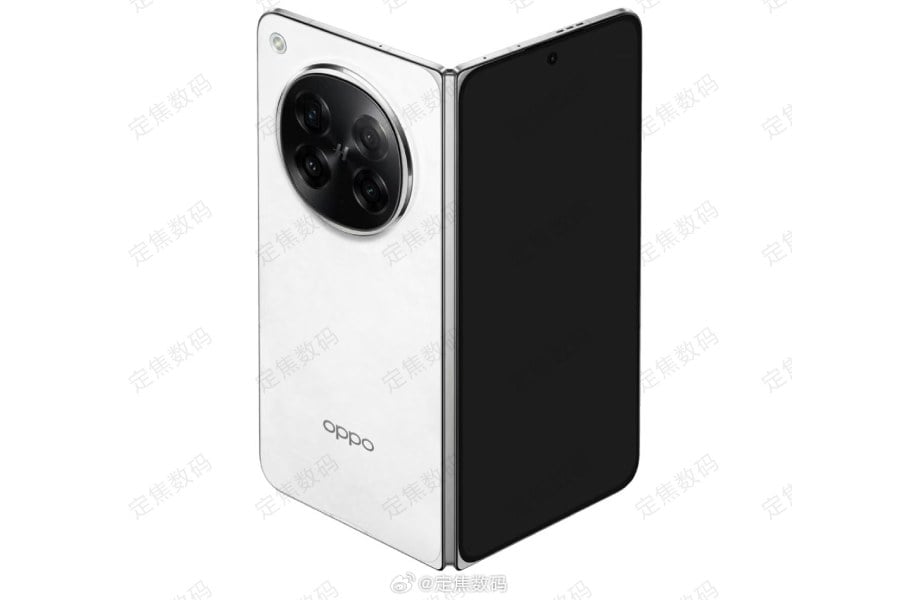
Oppo is gradually revealing new details about its upcoming foldable flagship, the Oppo Find N6, as anticipation builds ahead of its expected debut in China. In a recent Weibo post, a company executive confirmed that the device will introduce notable camera innovations to the foldable segment.
Oppo Find N6: Hasselblad-tuned quad camera
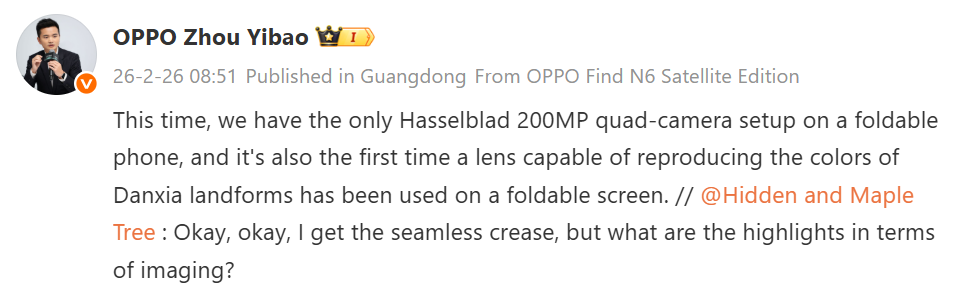
According to Find series product manager Zhou Yibao, the Oppo Find N6 will feature what is described as the only Hasselblad-tuned 200-megapixel ultra-clear quad-camera system in the foldable category.
The executive also confirmed that Oppo’s Danxia color reproduction technology will debut on a foldable phone for the first time. This system is believed to rely on a multispectral sensor designed to capture environmental color data more accurately, enabling improved color consistency and more natural-looking images. The Weibo post further confirms the existence of the Find N6 Satellite Edition.
Reports suggest the rear camera setup may include a large-sensor 200-megapixel primary camera, a 50-megapixel ultra-wide lens, and a periscope telephoto camera with optical zoom capabilities, alongside the dedicated Danxia color module. The partnership with Hasselblad is expected to further refine colour tuning and image processing.
Oppo Find N6
Beyond imaging, rumours indicate that the Find N6 could feature an 8.12-inch 2K 120Hz foldable inner display paired with a 6.62-inch FHD+ 120Hz cover screen. It could be powered by a 7-core Snapdragon 8 Elite Gen 5 platform. Additional leaks point to configurations offering up to 16GB of LPDDR5x RAM and up to 1TB of UFS 4.1 storage.
Battery capacity is expected to reach around 6,000mAh, with support for fast wired charging. Oppo has also hinted at improvements aimed at reducing the visibility of the display crease, suggesting possible advancements in hinge design and materials. It will also have other features, such as ColorOS 16 based on Android 16, a Plus Key, and a side-facing fingerprint sensor.
Oppo Find N6 launch date (rumored)
As per a recent report, the Oppo Find N6 will debut on March 17. It remains to be seen whether the N6 also launches on the same day in other markets.
For more daily updates, please visit our News Section.
ZTE is heading back to Barcelona with another gaming phone.
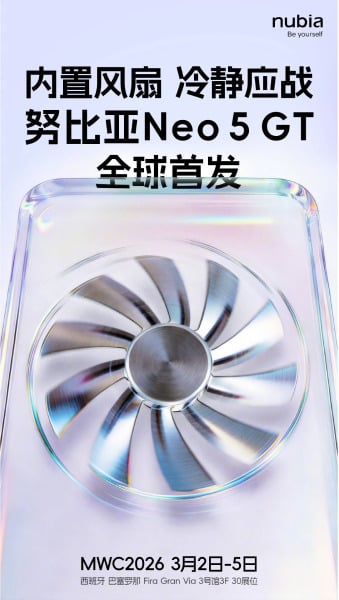
The company announced today that it will hold a new product launch event for its new phones at Mobile World Congress 2026, taking place from March 2nd to 5th in Spain. The highlight of the event will be the global debut of the Nubia Neo 5 GT.
According to the official teaser poster, the Nubia Neo 5 GT will feature a built-in cooling fan. Active cooling isn’t new to gaming phones, but it’s still rare outside this niche. A built-in fan suggests ZTE is aiming for sustained gaming performance.
Beyond that, ZTE hasn’t shared much. However, thanks to a leak, we already have the device’s design and full specs.
Nubia Neo 5 GT Specifications
As you can see, the Nubia Neo 5 GT features camera cutouts with an octagonal design, and a light accent on the right side adds to the aggressive look.
Up front, the phone is expected to feature a 6.77-inch FHD+ AMOLED display with a 120Hz refresh rate. It supports up to 1200 nits of brightness and covers 100 percent of the DCI-P3 color gamut.
Powering the device is the UNISOC T9100 chipset, built on a 6nm TSMC process. It uses a mix of Cortex-A76 and Cortex-A55 cores, topped by a prime core clocked at 2.7GHz. The phone also has a large vapor chamber (4083mm²) for cooling.
The phone comes with LPDDR4X RAM and UFS 3.1 storage, though exact configurations haven’t been confirmed. It powers everything via a 6,000mAh battery, with support for 80W fast charging, and also includes bypass charging.
In terms of optics, the phone could feature a 50-megapixel rear camera and an 8-megapixel front camera, supported by Nubia’s NEOVISION imaging system.
Other features include dual stereo speakers with DTS:X Ultra support, a Z-axis linear motor for stronger vibration feedback, hardware gyroscope support, and shoulder trigger buttons labeled R1 and L1.
The Nubia Neo 5 GT will be available in Black, Yellow, and White.
For more daily updates, please visit our News Section.
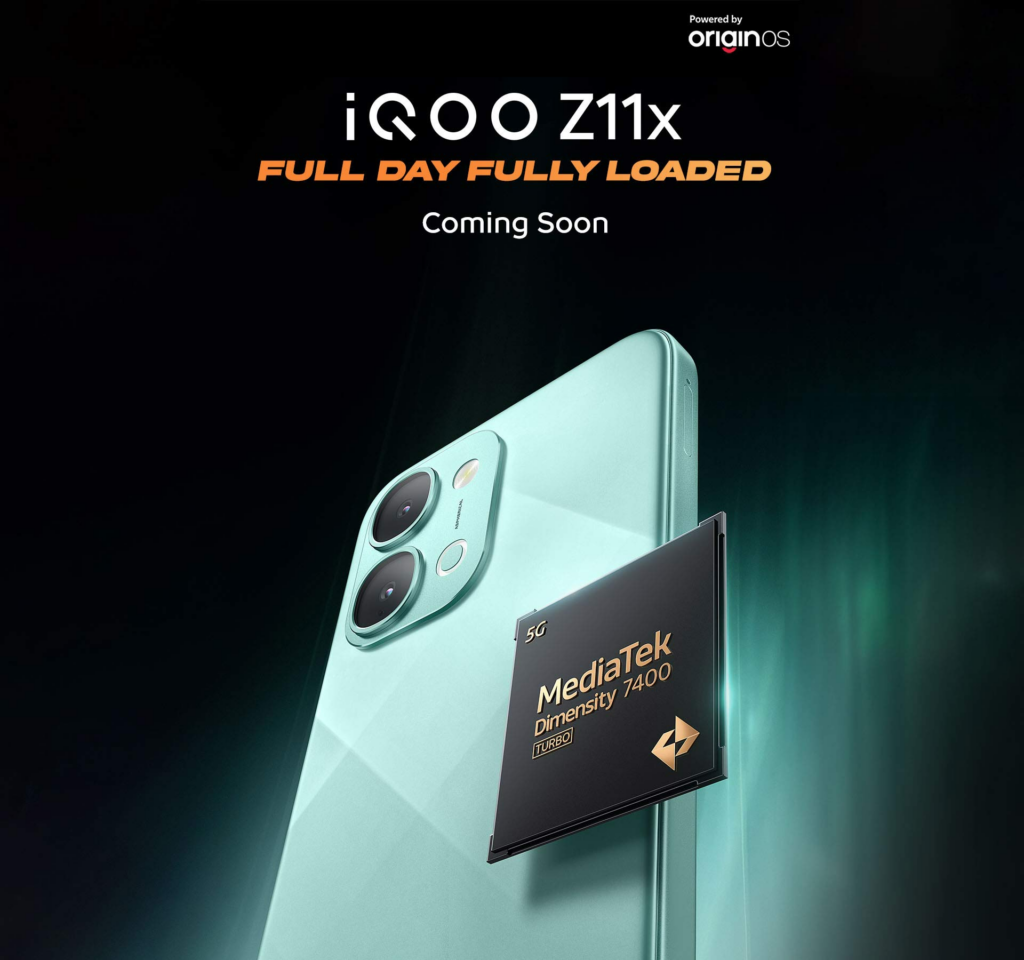
iQOO has started teasing the arrival of the iQOO Z11x in India. Its landing pages available on the iQOO India website and Amazon have revealed key details about the handset. Now that the first Z11x teaser is live, it appears that it may debut next month (March) in India.
iQOO Z11x: Key details confirmed
iQOO Z11x teaser
The iQOO Z11x’s teaser reveals a mint-colored variant equipped with a squircle camera module housing a dual-camera setup, a regular LED, and what appears to be a ring LED. A SIM card tray slot can be seen on the left side of the device.
The fine print of the microsite reveals that the device will have an 8GB+256GB version. The listing has also confirmed that it will arrive at a sub-Rs 23,000 price tag.
Other details of the iQOO Z11x remain under wraps. Apart from India, the device is also expected to be released in markets like Malaysia and Thailand in the coming weeks.
In India, the iQOO Z11x will be sold via Amazon, apart from the iQOO India online store. Speculation suggests that the rumored Vivo T5x for the Indian market will be a rebranded version of the Z11x. Being a T-series model, it is likely to be sold through Flipkart.
The iQOO Z11x will be a successor to last year’s iQOO Z10x, which had a 6.72-inch IPS LCD FHD+ 120Hz screen, a Dimensity 7300 chip, LPDDR4x RAM, UFS 3.1 storage, a 6,500mAh battery with 44W charging, an 8-megapixel front camera, and a 50-megapixel single camera. The device also came with an MIL-STD-810H-compliant chassis along with IP64-rated dust and water resistance.
For more daily updates, please visit our News Section.
Fresh details about the Casio G-Shock GM-H5600 have surfaced online. The Great G-Shock World blog reports that the upcoming model could arrive as early as March. Earlier certifications had already confirmed its existence, setting the stage for its anticipated debut. Here’s a look at what to expect from this Casio watch.
The GM-H5600 is believed to build upon the design language of classic square G-Shock watches while introducing modern fitness tracking capabilities. Reports indicate that the device will feature an optical heart rate monitor along with motion sensors capable of tracking steps and workout activities.
The design is expected to draw inspiration from both the DW-H5600 fitness-focused series and the metal-cased GM-5600 lineup, blending durability with a more premium aesthetic suitable for everyday wear, including business environments.
One of the key highlights could be the inclusion of a memory-in-pixel LCD screen. This display technology is known for improved readability and higher contrast compared to traditional panels, which should enhance visibility in various lighting conditions. Whether the display will use a positive or negative colour scheme remains unclear at this stage.
Recent reports suggest that Casio may unveil the GM-H5600 in March 2026, earlier than some previous estimates that pointed towards a broader 2026 release window. The watch is expected to debut first in Japan before expanding to other markets over time. Rumours also indicate that two colour variants could be available at launch, including silver and gold finishes, reinforcing its premium positioning within the G-Shock lineup.
While detailed specifications and official pricing have yet to be confirmed, the device is widely expected to target users looking for a rugged digital watch with added health monitoring features. More concrete details are likely to emerge closer to the official announcement as Casio finalizes launch plans.
For more daily updates, please visit our News Section.
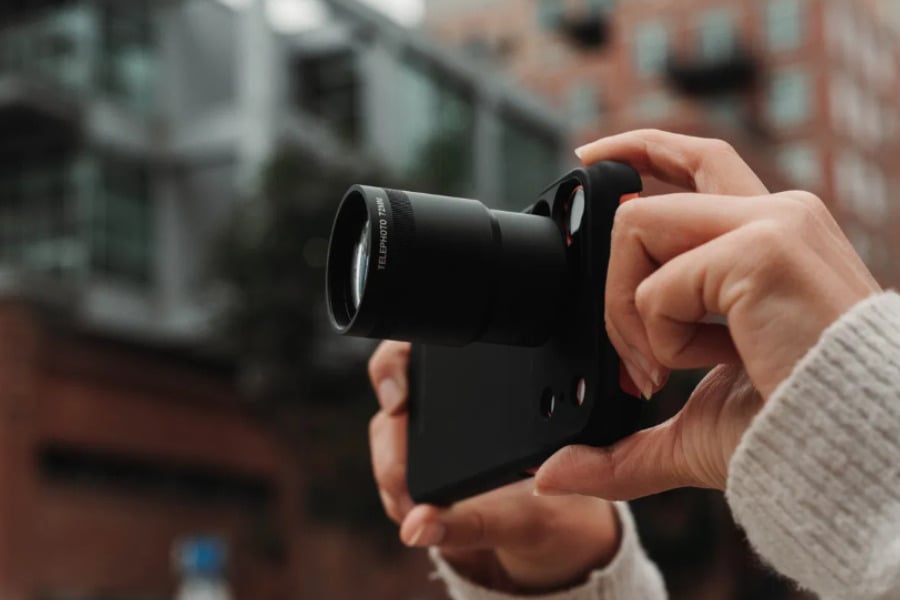
US accessory maker SANDMARC has officially introduced a new telephoto add-on built specifically for Apple’s latest iPhones. Called the Tetraprism 72mm lens, the accessory is designed to mount onto compatible iPhone models and extend their native zoom capabilities by an additional 3x.
The lens is fairly substantial in size. It weighs 180 grams, measures 70mm in height, and has a 40.5mm diameter. There’s also a 17mm threaded mount built into the design. The size is closer to a compact camera lens that happens to connect to your phone.
SANDMARC Tetraprism 72mm lens for iPhone 17 Pro and iPhone 16 Pro
According to SANDMARC, the lens is tuned specifically for the quad prism telephoto system expected on the iPhone 17 Pro series. When paired together, the company says the setup can reach up to 24x zoom through optical magnification.
The accessory also works with older models. On the iPhone 16 Pro series and the iPhone 15 Pro Max, SANDMARC claims users can achieve up to 15x hybrid zoom.
The main pitch here is image quality at distance. Instead of relying heavily on digital cropping, the Tetraprism 72mm lens uses multi-element, multi-layer coated glass to reduce glare and maintain color accuracy. The company also points to improved optical compression, which can help with subject separation and give photos more natural depth.
The design is modular. It attaches directly to a dedicated iPhone lens case and works with other SANDMARC filters and accessories. The company says the lens is good for wildlife photography, events, and landscape clicks.
Chinese smartphone makers, in particular, have started offering a teleconverter set for their Ultra phones on their own. The latest Xiaomi 17 Ultra, for instance, comes with a 4.3x teleconverter lens.
It’s unlikely that Apple will explore this route anytime soon. So our best bet is to rely on accessory brands like SANDMARC for it.
For more daily updates, please visit our News Section.
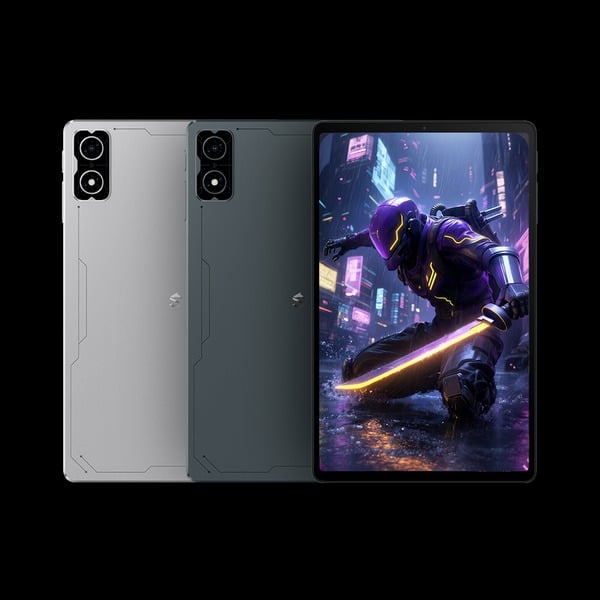
Xiaomi has started selling its new Black Shark Gaming Tablet globally. The device was teased earlier and later appeared on the Black Shark website with full specifications, but no pricing or availability details. It is now available through the official Black Shark store on AliExpress with worldwide shipping.
The tablet has a compact 8.8-inch design focused on gaming. It weighs 332 g and is 7.7 mm thick. The body is made from aerospace-grade aluminum alloy with laser-finished detailing. It comes in black and silver color options.
The device is powered by Qualcomm’s Snapdragon 8s Gen 3 processor. The chipset includes an octa-core CPU with speeds up to 3.0 GHz and a 40 TOPS NPU. Black Shark claims an AnTuTu score of more than 1.9 million. The tablet runs Android 16 out of the box. It includes 12 GB of LPDDR5X RAM and 256 GB of UFS 4.0 storage. Storage can be expanded by up to 2 TB using a TF card.
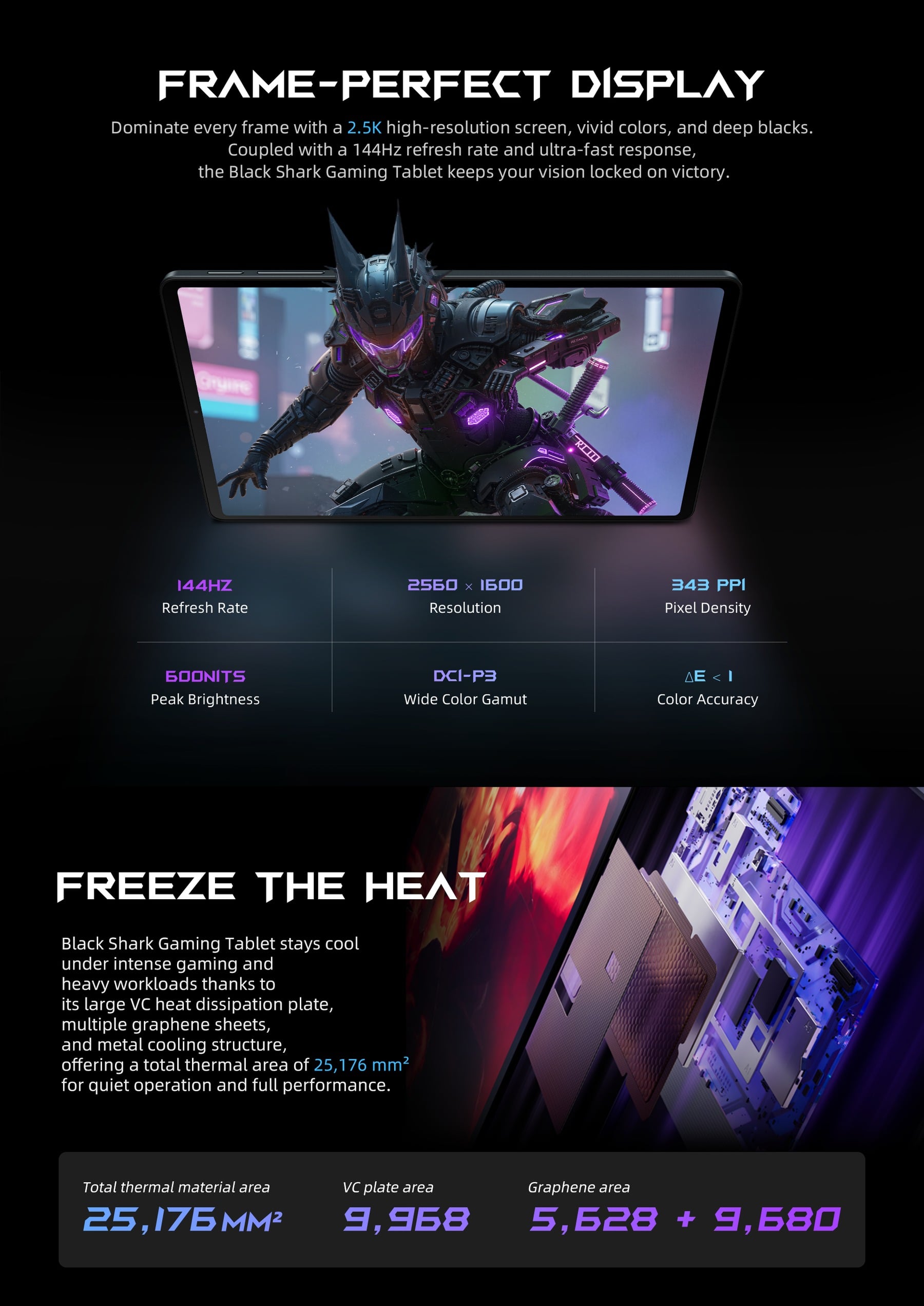
The display is a 2.5K panel with a resolution of 2560 × 1600 pixels and a 144 Hz refresh rate. It has a pixel density of 343 PPI and reaches up to 600 nits of peak brightness. The panel supports the DCI-P3 color gamut and is factory calibrated with ΔE < 1 color accuracy.
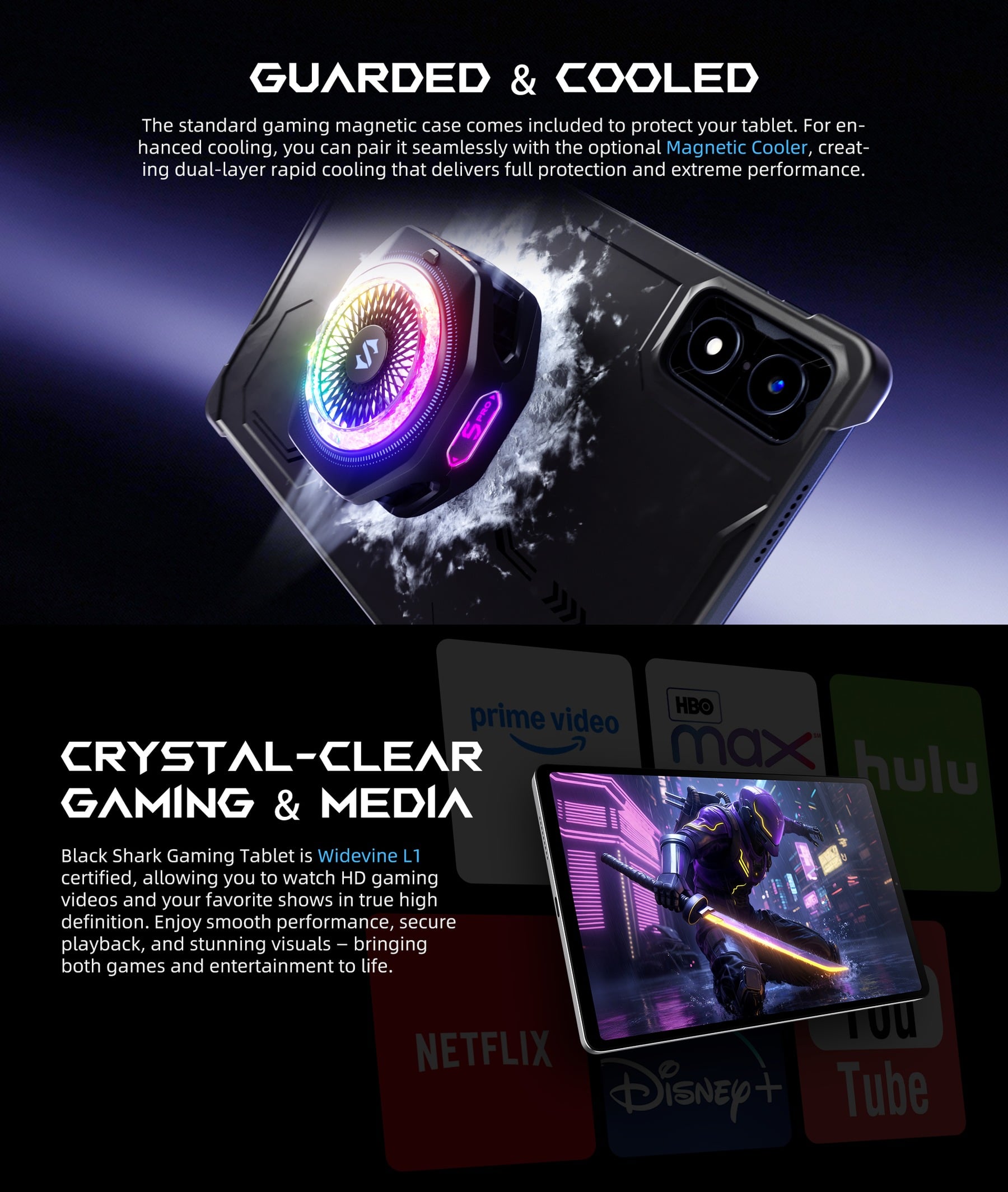
Cooling is handled by a large vapor chamber, multiple graphene sheets, and a metal cooling structure with a total thermal material area of 25,176 mm². There is also an optional magnetic external cooler available for additional cooling.
Connectivity features include dual-band Wi-Fi 6 with 2×2 MIMO, Bluetooth 5.4, and DisplayPort output with support for 4K video. Audio comes from symmetrical dual speakers powered by a K9 smart amplifier.
The tablet has a 7,300 mAh battery rated for up to 5.6 hours of gaming, 10.3 hours of web browsing, 7 hours of video playback, and up to 76 hours of music playback. It includes a 13 MP rear camera and a 5 MP front camera.
Pricing & availability
The Black Shark Gaming Tablet is currently shipping worldwide, including the United States. It is available in black and silver with 12 GB RAM and 256 GB storage. Pricing is listed at $670.97 with import charges included. In the UK it costs £558.59, and in the Eurozone it is priced at €635.69.
For more daily updates, please visit our News Section.
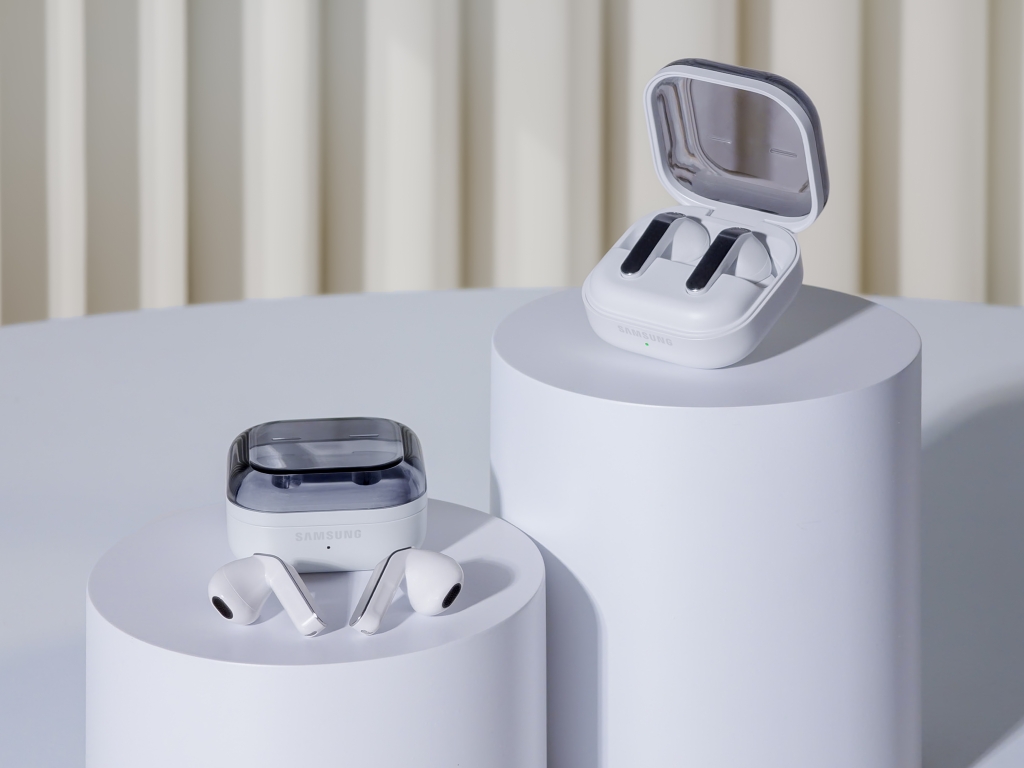
Samsung has officially unveiled the Galaxy Buds 4 and Galaxy Buds 4 Pro, its latest premium true wireless earbuds, alongside the Galaxy S26 series. The new lineup focuses on improved audio hardware, adaptive sound processing, AI integration, and refined ergonomics. Pre-orders begin today in select markets, with general availability scheduled for March 11.
Both the Galaxy Buds 4 and Galaxy Buds 4 Pro include several built-in technologies such as Enhanced Adaptive Active Noise Cancellation (ANC), Adaptive Equalizer (EQ), Super Clear Call technology, 24-bit Hi-Fi audio support, and Galaxy AI assistant integration. These features are designed to automatically adjust sound output, reduce background noise, and improve communication clarity depending on the user’s environment and fit.
New Blade Design Focuses on Fit and Comfort
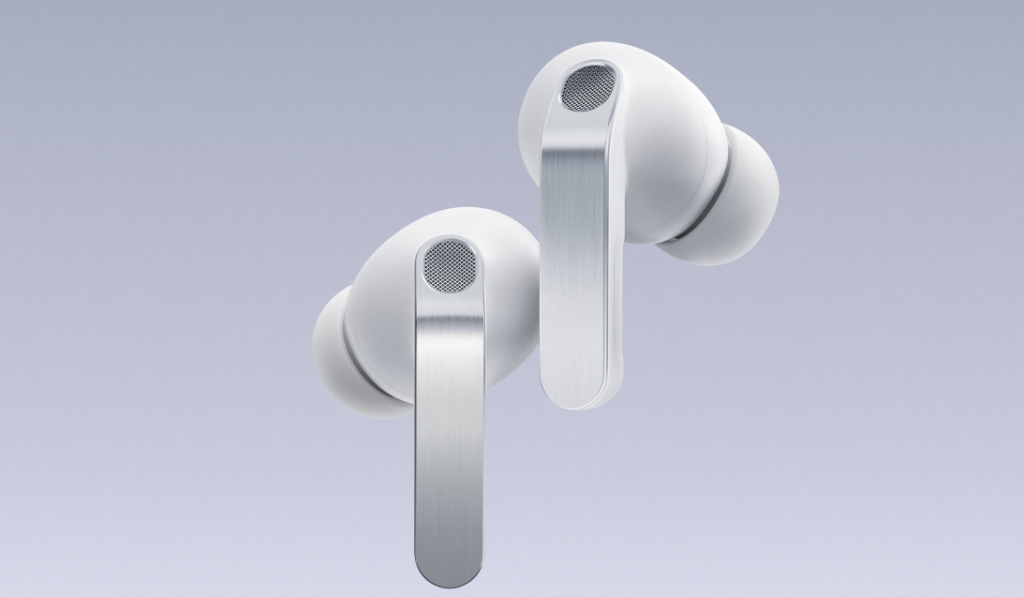
The Galaxy Buds 4 series introduces a new blade design developed using computational modeling based on hundreds of millions of ear data points and more than 10,000 simulations. The earbuds feature smaller heads and a stabilized blade with a metal finish and engraved pinch control area for easier interaction. A transparent clamshell charging case highlights the design while simplifying storage and charging.
Samsung offers two fit styles across the lineup. The Galaxy Buds 4 Pro uses a canal-fit design intended to maximize sound isolation and functionality, while the Galaxy Buds 4 uses an open-fit design focused on comfort for everyday wear. Both models are available in Black and White, with an additional online-exclusive Pink Gold option for the Pro version.
Upgraded Audio Hardware in Galaxy Buds 4 Pro
The Galaxy Buds 4 Pro include upgraded audio hardware with a wider woofer that increases the effective vibration area by nearly 20 percent compared to the previous generation. Combined with a tweeter, the two-way speaker system supports 24-bit/96kHz high-resolution audio, which allows more detailed bass and clearer treble reproduction. The speaker placement also helps improve noise cancellation performance while reducing wind interference.
Adaptive ANC and EQ for Personalized Sound
The earbuds include Enhanced Adaptive ANC technology, which analyzes surrounding noise and wearing conditions in real time and automatically adjusts noise reduction levels. The Adaptive EQ system evaluates how the earbuds sit in the user’s ears and dynamically tunes frequencies to deliver more accurate sound tailored to the listener.
Super Clear Call Technology for Better Voice Quality
Both models also include Super Clear Call technology. This feature uses super wideband Bluetooth processing and machine learning-based noise reduction to separate the user’s voice from background noise, helping maintain clearer conversations even in busy environments.
The earbuds integrate with the Galaxy ecosystem and support AI assistants such as Bixby, Google Gemini, and Perplexity. Users can activate these assistants using voice commands or hands-free controls. The Galaxy Buds 4 Pro additionally support head gesture controls for managing calls and assistant interactions. Pairing is simplified through automatic device detection when the charging case is opened near a compatible Galaxy device, with controls accessible through the Quick Panel interface.
The Galaxy Buds 4 feature an 11 mm speaker, three microphones, Bluetooth 6.1 connectivity, Auracast support, and IP54 water resistance. Battery capacity is 45 mAh per earbud with a 515 mAh charging case, delivering up to 5 hours of playback with ANC enabled and up to 24 hours total with the case. With ANC disabled, playback increases to 6 hours per charge and up to 30 hours total.
The Galaxy Buds 4 Pro include a two-way driver system, higher battery capacity at 61 mAh per earbud, and IP57 water resistance. Playback reaches up to 6 hours with ANC enabled and 26 hours total, or up to 7 hours per charge and 30 hours total with ANC disabled. Both models support Android 12 or newer devices with at least 1.5 GB RAM.
Price and Availability
The Galaxy Buds 4 are available in Black and White and can be pre-ordered starting today for €179/$179.99/£159/₹16,999, ahead of their release on March 6. Pre-orders for the Galaxy Buds 4 Pro also began on February 25, 2026, in select markets, priced at $249/₹22,999. Samsung plans to begin shipping early orders for both models on March 6.
For more daily updates, please visit our News Section.
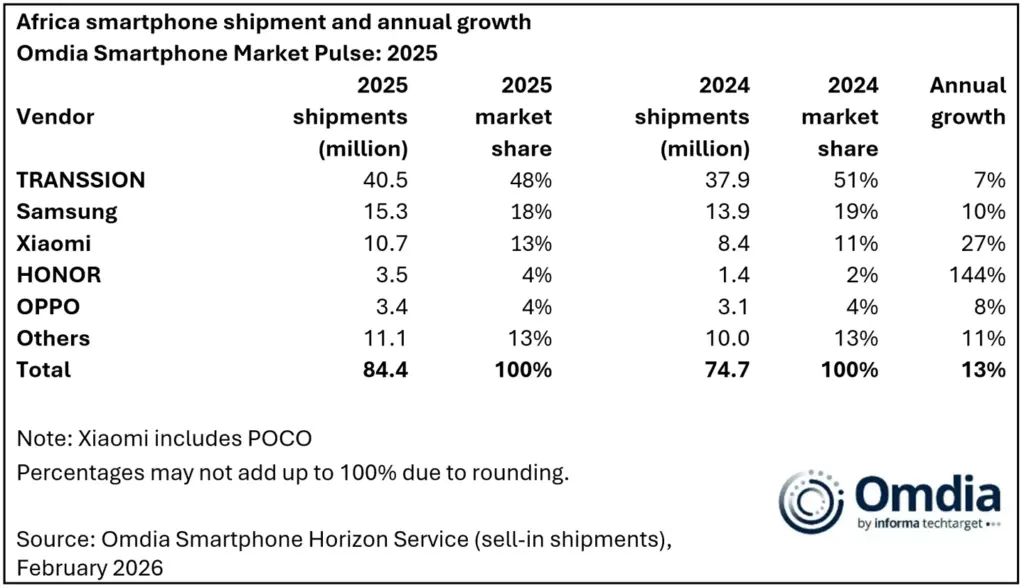
Africa’s smartphone market had a strong 2025, even as global growth remained uneven. New data from Omdia shows the continent shipped 84.4 million smartphones last year, up 13% year-over-year, the fastest pace of recovery since 2021.
Growth accelerated toward the end of the year. Q4 shipments rose 14% to 23.1 million units, helped by expanded financing programs, improved currency stability in key markets, wider 4G rollout, and early 5G adoption in countries like South Africa and Egypt. Holiday promotions and aggressive pricing also played a role.
Smartphones now make up roughly 55% of total mobile phone shipments in Africa, highlighting the steady shift away from feature phones. Sub-Saharan Africa continued to outpace North Africa, acting as the main growth engine.
At the country level, South Africa led with 38% growth, driven largely by prepaid demand and strong uptake of sub-$100 devices. Nigeria followed with 25% growth, fueled by affordable 4G smartphones dominating the sub-$200 segment. Egypt grew 22%, supported by local manufacturing and value-focused portfolios. Kenya saw modest 3% growth amid cost pressures, while Morocco dipped 3% due to higher import tariffs.
Transsion — through TECNO, Infinix, and itel — maintained a commanding 48% market share for the year, shipping over 40.5 million units. However, its Q4 share slipped slightly as competition intensified in the entry-level tier. Samsung held second place, posting 27% Q4 growth thanks to the Galaxy A series and a broader mid-range portfolio. Xiaomi, Honor, and Oppo also recorded solid gains, particularly in expanding 4G and mid-range segments.
Still, challenges loom. Entry-level devices below $200 accounted for 81% of shipments in 2025, leaving vendors exposed to rising component costs. Average selling prices rose 11% in Q4 as consumers gradually shifted toward better-specced models.
Looking ahead, Omdia expects shipments to decline 23% in 2026 due to inflation and tighter channel inventory management. For now, though, 2025 stands out as a year of resilience and strong momentum for Africa’s smartphone market.
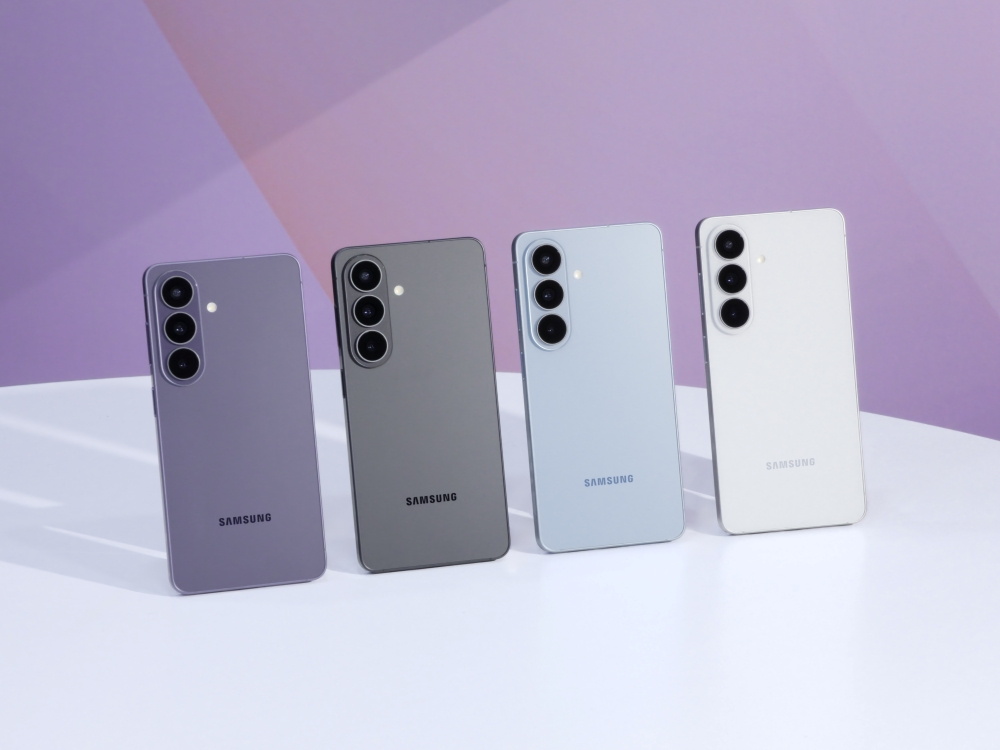
The Galaxy S26 features a 6.3-inch FHD+ (2340 x 1080 pixels) Infinity-O Dynamic AMOLED 2X display, while the Galaxy S26+ offers a larger 6.7-inch QHD+ (3120 x 1440 pixels) display. Both displays boast a 1-120Hz adaptive refresh rate and are protected by Corning Gorilla Glass Victus 2.
The Galaxy S26 series comes with two chipset options, depending on the region: the Samsung Exynos 2600 processor or the Qualcomm Snapdragon 8 Elite Gen 5 for Galaxy. Both chips are built on a 3nm process. The series also feature redesigned Vapor Chamber that improves heat dissipation by up to 29%.
The S26 series runs on Android 16 with One UI 8.5 on top. The software offers advanced AI features such as Photo Assist for natural-language photo edits, Now Nudge for smart suggestions, Creative Studio for sticker creation, and Now Brief for personalized reminders and updates.
The Galaxy S26 series features a powerful 50MP main camera with a 1/1.56″ sensor, f/1.8 aperture, and OIS, accompanied by a 12MP ultra-wide lens with a 120° field of view and a 10MP telephoto lens with 3x optical zoom. These cameras are powered by the ProVisual Engine, delivering exceptional clarity and detail in any lighting condition.
The devices also feature Nightography, elevating low-light photography by capturing vivid details even in dim settings. They support 4K video recording at 60fps and 8K at 30fps. For selfies, these feature a 12MP front camera, which supports 4K 60fps recording and includes AI-powered enhancements for natural, detailed selfies.
The Galaxy S26 is equipped with a 4300mAh battery, while the Galaxy S26+ features a larger 4900mAh battery. Both devices support ultra-fast charging, with the S26+ capable of reaching 69% charge in just 30 minutes using 45W wired charging. They also offer 20W Qi2 wireless charging and Wireless PowerShare for convenient on-the-go power.
Both devices feature an IP68 rating for dust and water resistance, ensuring durability in various environments. For connectivity, these include 5G, Wi-Fi 7, Bluetooth 5.4, USB-C, and dual SIM.
Pricing and Availability
The Galaxy S26 starts at $899.99 for the 12GB + 256GB model, while the Galaxy S26+ starts at $1,099.99.
Both devices are available in stunning colors, including Silver Shadow, Pink Gold, Cobalt Violet, Sky Blue, White, and Black.
Pre-orders are live now on Samsung.com.
For more daily updates, please visit our News Section.
Samsung is expanding its Bespoke lineup again. The company has introduced the Bespoke AI Ice Purifier, a countertop appliance that combines water purification and high-capacity ice production in a single unit.
The concept is straightforward: instead of having a separate water purifier and ice maker, Samsung is merging the two into one device. For households that regularly consume filtered water and use a lot of ice, that consolidation could be appealing.
The purification system uses a four-stage NSF-certified filter. Samsung says it’s designed to remove bacteria, microplastics, heavy metals such as lead and mercury, and dozens of other contaminants, up to 82 in total. The company also claims the filter can block particles far smaller than a human hair, though real-world performance will ultimately depend on usage and local water quality.
The ice-making system is where Samsung is leaning heavily into the “AI” branding. The built-in module can reportedly produce up to 1,000 ice cubes per day, equivalent to around 8 kilograms, and store roughly 100 cubes at a time.
Hygiene is clearly a major focus. The unit features electrolysis-based sterilization for internal pipes every few days, automatic monthly cleaning for the ice box and tray, and UV sterilization at the water dispensing outlet. The idea is to reduce manual maintenance while keeping both water and ice as clean as possible.
On the smart side, the purifier integrates with Samsung’s broader ecosystem. It supports Bixby voice commands, allowing users to control water temperature and volume hands-free. Voice recognition can even differentiate between family members and recall personalized presets.
Through the SmartThings app, users can fine-tune water output between 50 and 1,000 ml and set hot water temperatures up to 90°C. The front touchscreen adds another layer of control, showing settings, weather information, and quick access shortcuts. Up to 20 custom presets can be saved for things like coffee brewing or preparing baby formula.
For now, the Bespoke AI Ice Purifier is exclusive to South Korea, and Samsung hasn’t announced plans for a wider release. The product is priced at 2.39 million KRW (roughly $1,650–$1,780 USD), clearly placing it in the premium segment.
Ai+ Smartphone, a relatively new Indian brand, is broadening its portfolio beyond phones. The company has announced a range of affordable audio products and smartwatches under the NovaPods and NovaWatch names, while also teasing new smartphones to round out its growing ecosystem.
NovaPods Clips
The NovaPods lineup covers multiple price points, but the core hardware remains consistent. All models use 10mm dynamic drivers and carry an IPX4 rating for splash resistance.
At the top of the range are the NovaPods Clips, priced at ₹3,999. These adopt an open-ear, clip-on design that wraps around the ear instead of sealing inside it. The idea is simple: let users stay aware of their surroundings while listening to music. Ai+ claims up to six hours of playback per charge, extending to 16 hours with the case. The earbuds also support Bluetooth 6.0, low latency rated at 50ms, and touch controls.
NovaPods ClipsNovaPods Clips
The NovaPods Pro, priced at ₹1,999, take a more conventional in-ear approach but add active noise cancellation rated at up to 40dB. Ai+ says they offer up to five hours per charge (30 hours total with the case), along with six-mic environmental noise cancellation for calls, dual-device pairing, and a slightly lower 45ms latency figure.
NovaPods Pro
At the entry level, the NovaPods Go come in at just ₹699. They skip ANC but include dual microphones, touch controls, and up to 6.5 hours of playback (24 hours total with the case). The company is also leaning into brighter color options here, including Forest Green, Midnight Black, and Ice Blue White.
The NovaWatch Wearbuds (also referred to as Ai+ Wearbuds) is the most distinctive model at ₹7,999. It combines a smartwatch with built-in detachable wireless earbuds housed inside the watch body. The watch itself features a 1.43-inch AMOLED display with 466×466 resolution, Bluetooth 5.3 dual mode, heart rate and SpO2 monitoring, and even ChatGPT integration. There’s 2GB of onboard storage for music, while the 310mAh watch battery is paired with 25mAh batteries inside each earbud.
More conventional is the NovaWatch Active, priced at ₹2,499. It features a 1.73-inch squircle AMOLED display (466×466 resolution), a functional crown, Bluetooth calling, IP68 water resistance, and a 300mAh battery. Standard health tracking features are included, such as heart rate, SpO2, sleep monitoring, stress tracking, and women’s health tracking.
NovaWatch Active
All NovaPods and NovaWatch products will go on sale exclusively via Flipkart starting February 27 at 12 PM IST.
With this expansion, Ai+ appears to be building toward a broader AIoT ecosystem rather than focusing solely on smartphones.
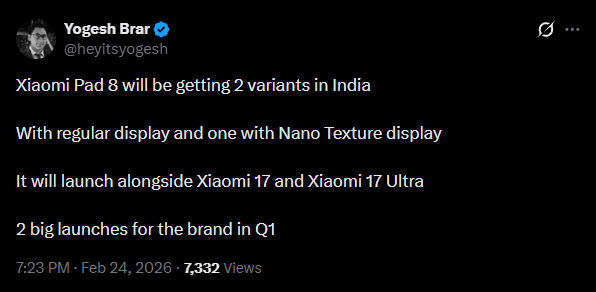
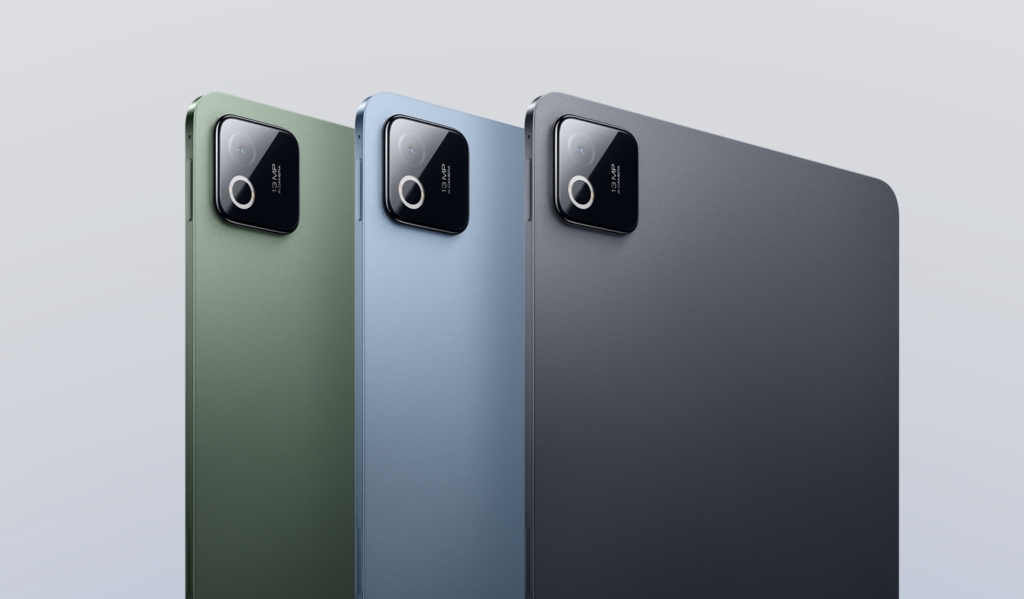
Fresh details have emerged about the Xiaomi Pad 8 ahead of its India debut, confirming that the tablet will arrive in two versions. According to tipster Yogesh Brar, Xiaomi will offer the device with a standard screen as well as a Nano Texture Display option when it launches on February 28 alongside the Xiaomi 17 series.
The Nano Texture model is expected to mirror the variant sold in China that uses an anti-glare nano-texture layer combined with AR coating to cut reflections by around 70 percent. Xiaomi marketed this version as the Soft Light edition in its home market.
Key specifications have also been teased through Amazon’s promotional page. The tablet will be powered by Qualcomm’s Snapdragon 8s Gen 4 chipset and is claimed to cross 2 million points on AnTuTu benchmarks. Xiaomi is also promoting battery endurance, stating that the device will pack a 9000mAh battery capable of lasting up to two days on a single charge. The listing additionally confirms support for accessories such as the Xiaomi Focus Pen Pro and the Xiaomi Focus Keyboard.
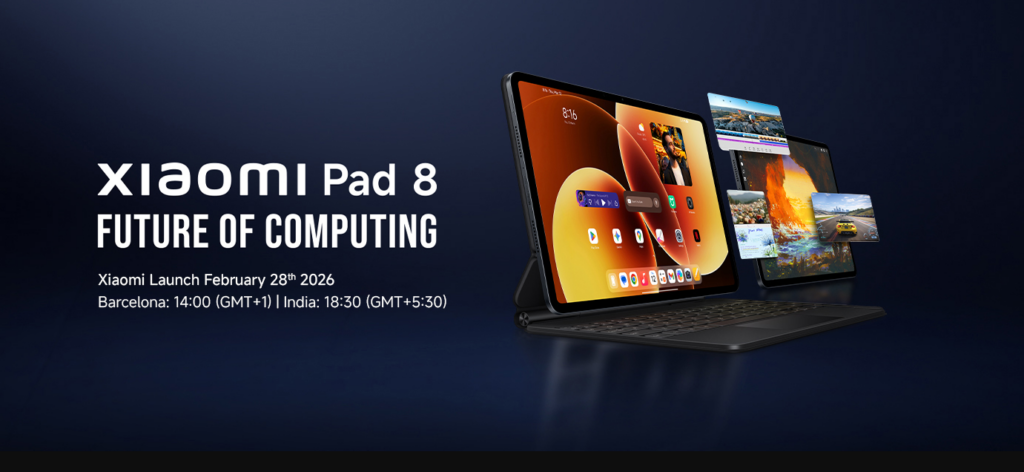
Xiaomi has already scheduled the India launch event for February 28, 2026, at 6:30 PM IST. Pricing, storage options, and availability timelines are expected to be revealed during the announcement.
Based on the Chinese model, the Xiaomi Pad 8 is expected to feature an 11.2-inch panel with 3.2K resolution and a 144Hz refresh rate. The display delivers 345 PPI pixel density, peak brightness up to 800 nits, DC dimming support, and TÜV Rheinland triple eye protection certification. The tablet runs HyperOS 3 based on Android 16 and includes a quad-speaker system with Dolby Atmos.
Connectivity options include Wi-Fi 7, Bluetooth 5.4, and USB Type-C, along with a side-mounted fingerprint sensor for authentication. The device measures 5.75mm thick and weighs 485 grams. Fast charging support is rated at 45W, positioning the Xiaomi Pad 8 as a slim performance-focused tablet designed for productivity, media consumption, and gaming.
We use cookies on our website to give you the most relevant experience by remembering your preferences and repeat visits. By clicking “Accept”, you consent to the use of ALL the cookies.
This website uses cookies to improve your experience while you navigate through the website. Out of these, the cookies that are categorized as necessary are stored on your browser as they are essential for the working of basic functionalities of the website. We also use third-party cookies that help us analyze and understand how you use this website. These cookies will be stored in your browser only with your consent. You also have the option to opt-out of these cookies. But opting out of some of these cookies may affect your browsing experience.
Necessary cookies are absolutely essential for the website to function properly. This category only includes cookies that ensures basic functionalities and security features of the website. These cookies do not store any personal information.
Any cookies that may not be particularly necessary for the website to function and is used specifically to collect user personal data via analytics, ads, other embedded contents are termed as non-necessary cookies. It is mandatory to procure user consent prior to running these cookies on your website.