Advertisement

Google Pixel 3 and 3 XL get final update in form of February security patch

Google on Monday rolled out the final update for the Pixel 3 and Pixel 3 XL. The update, which was announced back in November, carries the latest February security patch and officially retires the devices from any further software support.

Both models had hit their official EOL back in October 2021 but Google was kind enough to provide an additional patch just as it did with the Pixel 2 series.
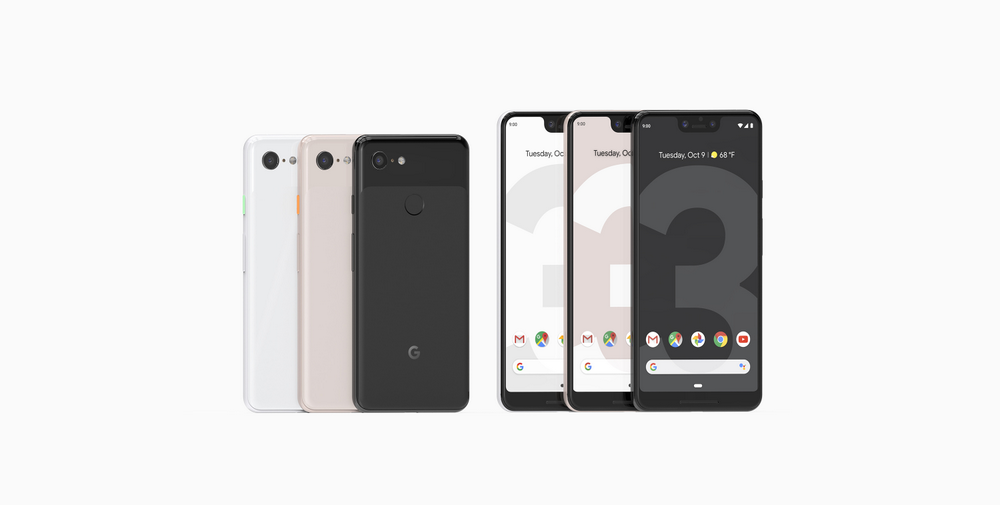
Google Pixel 3 series featured

The update is actually the second after the Pixel 3 series’ hit the end of its guaranteed update period, with the first being a patch for the crucial Microsoft Teams emergency calling issue.

Google has confirmed to 9to5Google that the OTA is indeed the final release. The update is labeled “Feb 2022” and comes in two variants, with Australian carriers Telstra, Optus, and Vodafone getting their own version.

The Google Pixel 3 XL was Google’s first attempt at an all-display front, although the result was a controversial notch paired with a huge chin. Design blunders aside, the flagship phone continued to impress with its camera capabilities and well-optimized, simplistic software.

The Google Pixel 3, on the other hand, went for a more traditional design and offered specs near-identical to its XL sibling save for the smaller battery and display with a lower pixel count.

RELATED:

Tesla Cybertruck prototype spotted at the Fremont factory by a Drone

Back in 2019, Tesla had unveiled a futuristic new vehicle, the Cybertruck. However, this model saw various delays in production. But now, a Cybertruck prototype has just been spotted, which showcases its ongoing development.

Last month, we had reported on the American electric vehicle maker delaying the Cybertruck’s production to late 2023, after previously delaying the production to late 2022 despite initial plans for 2021 production. While there has been delays, a drone shot has revealed that the company is actively working on the upcoming vehicle. The video was uploaded on YouTube (Via TechTimes) and offers us a look at the highly anticipated futuristic looking EV that has the recognizable angular design.

After Elon Musk announced the production delays, the Cybertruck had been spotted in the wild a couple of times. Now, the new footage from a drone gives us a clear look at a prototype, with Tesla engineers working on the vehicle. Recent rumors have hinted at the Cybertruck being smaller than the one showcased back in 2019. Although, the drone shots shows that it doesn’t appear ‘small’ by any means.

Tesla

Unfortunately, since its a prototype, it was found to be missing a notable feature, which is its giant single windshield wiper blade that was shown off more than two years ago. But this might be due to the model being a prototype that is being worked on, since we can see the engineers hooking up the Cybertruck with what appears to be sensors and more.

RELATED:


Redmi Smart TV X43 launched in India with 43″ 4K HDR Dolby Vision display

The Redmi Smart TV X43 was launched in India today as the most compact version of the Redmi Smart TV X series that went live back in March 2021. The launch takes the tally up to a total of 4 models and all of them carry identical specifications, save for the screen size.

Starting with the display, the Redmi Smart TV X43 has a 4K HDR (3840*2160) panel with support for Dolby Vision, HDR 10+, and over 85% of the NTSC color space. Vivid Picture Engine and Wide Color Gamut are also supported. The inclusion of MEMC means blur-free visuals in sports and games.

redmi smart tv x43 inline

For audio, you get a 30W (15W*2) dual stereo speaker setup with support for Dolby Audio, DTS-HD, and DTS Virtual:X. There’s also a Dolby Atmos passthrough eARC promising “a uniquely immersive audio experience that makes you feel like you’re inside the story.”

The Redmi Smart TV X43 runs on Android TV 10, meaning Chromecast is built-in and Google Assistant is supported. Mi Home app is also bundled, allowing a one-stop solution for all other smart devices at home.

redmi smart tv x43

The Android TV 10 interface is layered with PatchWall atop, offering an exclusive and intuitive content experience. The launcher comes with a number of features including smart recommendations, Universal Search, Kids Mode, and live TV.

The Redmi Smart TV X43 108 cm (43 inches) Black is currently listed for Rs 28,999 and will be made available starting February 16th on mi.com, Amazon, and retail stores.

RELATED:

Realme 9 5G specifications leaked, here’s what to expect

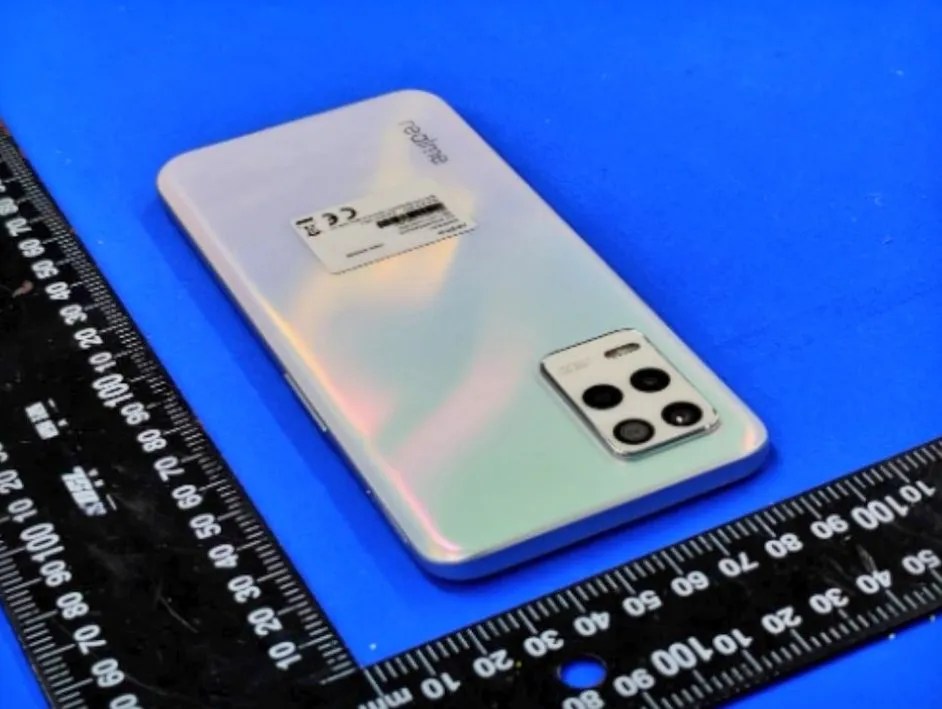
The Realme 9 Pro 5G and Realme Pro+ 5G smartphones will go official in the coming week. Last month, the company unveiled the Realme 9i handset. Recent reports have revealed that the company is also working on the launch of the Realme 9 5G. Recently, the handset was spotted at the FCC certification site. The FCC documents included a user manual of the phone through which some of its specs were revealed. Now, tipster Yogesh Brar has shared the key specs of the Realme 9 5G.

Realme 9 5G specifications (rumored)

The Realme 9 5G has a 6.5-inch display that offers a Full HD+ resolution and a 90Hz refresh rate. Probably, it will come equipped with an LCD panel. Other reports have revealed that it will be sporting a punch-hole display.

Realme-RMX3388 (1)
Alleged image of Realme 9 5G from FCC documents

The Dimensity 810 5G chip will be present under the hood of the Realme 9 5G. The device is expected to arrive with 6 GB / 8 GB of RAM and 64 GB / 128 GB of storage. It will come arrive with Realme UI based Android 12 OS pre-installed. It will feature a side-facing fingerprint scanner.

The Realme 9 5G will house a 5,000mAh battery that supports 18W fast charging. It will be equipped with a 16-megapixel camera for snapping selfies. Its rear camera setup may include a 48-megapixel primary camera, a 2-megapixel depth sensor, and a 2-megapixel macro camera.

The specifications of the Realme 9 5G are almost identical to the Realme 8 5G from last year. It appears that the Realme 9 5G may differ in departments like chipset and design as compared to its predecessor, which was fuelled by the Dimensity 700.

Realme 9 5G pricing (expected)

The new leak has no information on the pricing of the Realme 9 5G. The device is likely to be slotted between the Realme 9i and Realme 9 Pro. Probably, it will be priced around Rs 15,000 (~200).

RELATED:

Redmi Smart Band Pro launched in India with 1.47″ AMOLED display, SpO2 monitoring

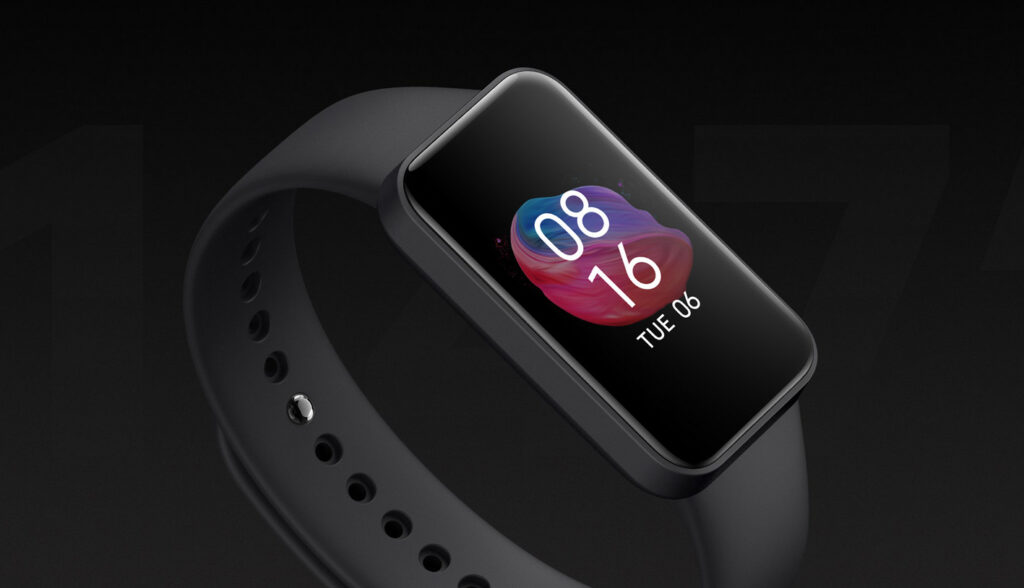
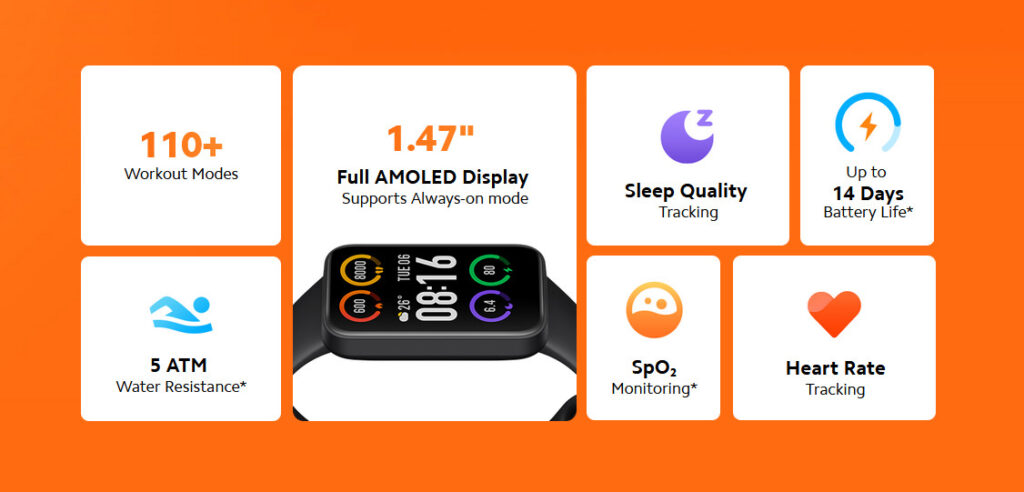
The Redmi Smart Band Pro was launched on Wednesday in India as part of a launch event that also saw the Redmi Note 11 series and the Redmi Smart TV X43. The wearable that was already released in multiple other markets outside of China, comes with a number of compelling specs including a 1.47″ Full AMOLED Display with always-on support.

redmi smart band pro featured

Starting with the design, the front of the Redmi Smart Band Pro is occupied largely by the relatively large display that’s surrounded by slim bezels. The TPU strap has a matte finish and goes well with the overall “smooth and light weight” fit of the band. Weighing in at just 15g, you can practically wear and forget you’ve got it on.

The 1.47″ display has a max brightness of 450nits, sports a 194×368 resolution, and supports 100% NTSC for lifelike colors. 50+ official band faces mean you can customize its look to your heart’s content.

redmi smart band pro features

Over 110 sports modes are offered including basic stuff like outdoor running along with a bunch of other activities. These keep track of burned calories, heart rate changes, and workout durations. The band also comes with support for a couple of additional activities, namely trail running, and yoga.

Other health-related features include 24-hour heart rate monitoring, SpO₂ tracking, sleep quality tracking. Recorded info can be viewed from the band itself or through the Xiaomi Wear app.

The 200 mAh powering the Redmi Smart Band Pro can be filled up through magnetic charging and provides 14 days of usage. This can be extended to 20 days through the power saving mode.

redmi smart band pro promo

Being rated 5 ATM, the band can go with you anywhere from a cold shower at home to shallow beach water.

The Redmi Smart Band Pro can be purchased for Rs 3,499 from February 14th through mi.com, Mi Home, Amazon India, and authorized retail stores. That pricing is a limited-time offer though, following which it will rise to Rs 3,999.

RELATED:

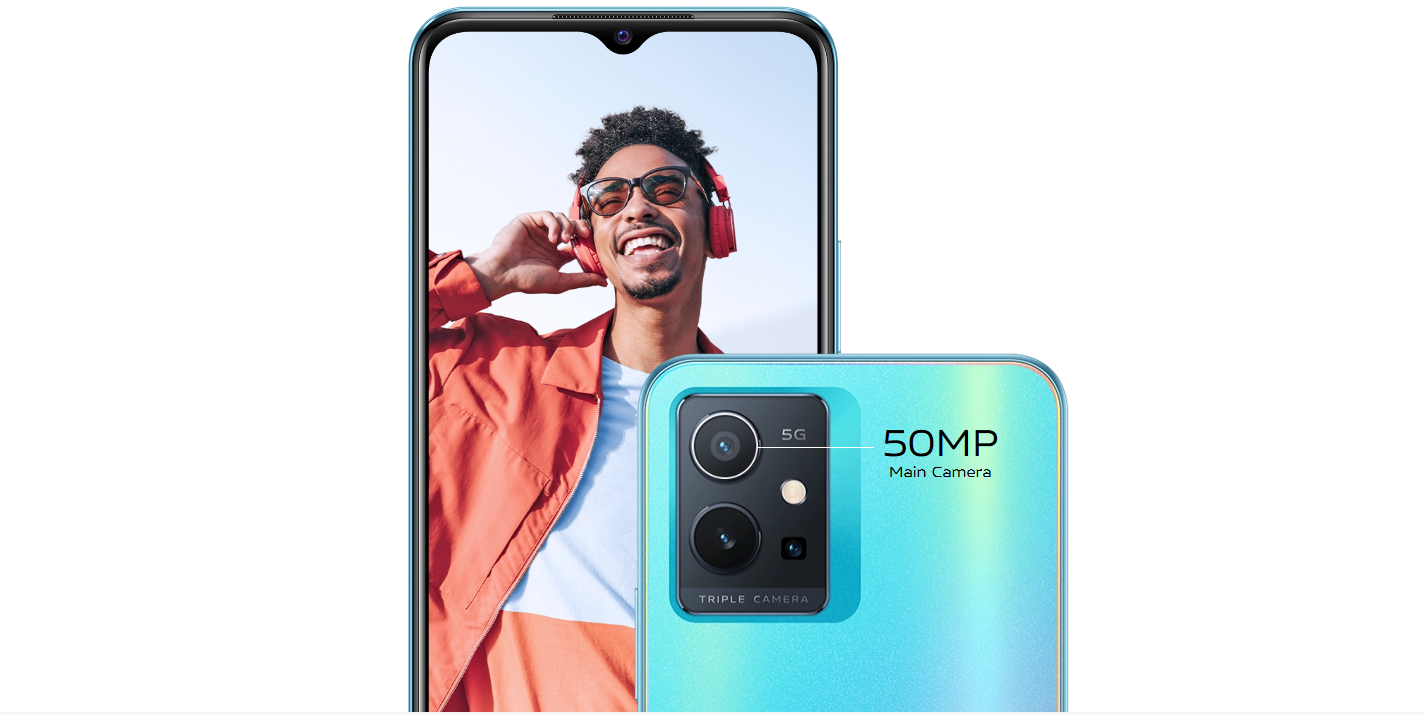
Vivo T1 5G launched in India, with Snapdragon 695, 50 MP triple cameras, & 120Hz Display

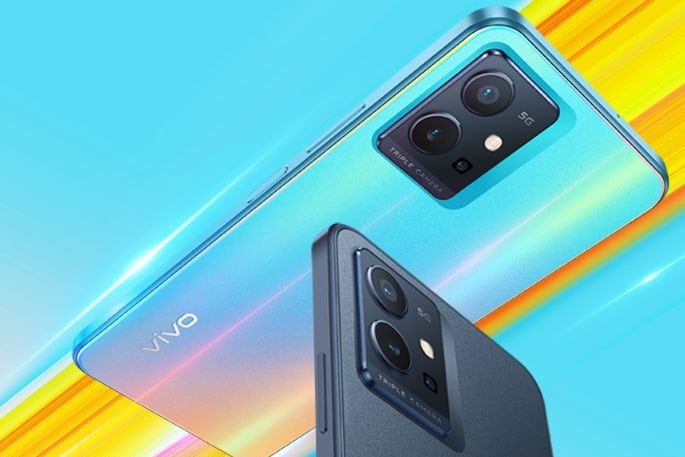
The Vivo T1 5G has just been launched in India. The company claims that the new device is the slimmest 5G handset in the mid range segment (Sub 20K INR). So let’s check it out:

Vivo T1 5G

Design & Display

The Chinese smartphone maker clearly placed an emphasis on the new smartphone’s design. It features a 2.5D straight middle frame design, measures just 8.25 mm in thickness, and weighs 187 grams. The Vivo T1 5G sports a 6.58 inch IPS FHD+ display that supports 120Hz refresh rate and 240Hz touch sampling rate. The front houses a waterdrop notch, which houses the selfie camera.

Camera

The Vivo T1 5G is equipped with a ’50 megapixel AI Triple Rear Turbo Camera’ setup on the rear. The primary sensor is a 50 megapixel shooter that supports Super Night mode and Bokeh mode among other camera features. This sensor is paired with two additional sensors, which are both 2 megapixel shooters. These sensors offer Super Macro mode, and even a human eye tracking focus feature as well. On the front, the device features a 16 megapixel selfie shooter.

Vivo

Specifications

Under the hood, the handset houses a Qualcomm Snapdragon 695, which is a 6nm based 5G enabled processor. The company claims that this is the ‘fastest smartphone in the segment’, with a AnTuTu score of 400,000 points. Vivo further added that the phone arrives with a 15 percent CPU improvement and 30 percent bump in GPU performance. For memory, it features up to 8GB of RAM that can be virtually expanded to hit a maximum of 12GB RAM. It also offers 128GB of internal storage that can be further expanded up to 1TB via a microSD card slot.

The brand ships the T1 5G with a “Turbo 5 Layer Liquid Cooling” technology. As the name suggests, it uses 5 layers of cooling mechanisms like liquid copper tube, graphite heat dissipation film, and more along with turbo cooling intelligent thermal management system to reduce the device’s temperature by up to 10 degree Celsius. The device is powered by a large 5,000mAh battery pack and runs on Funtouch OS 12.0.

Vivo

Price, Colors, & Availability

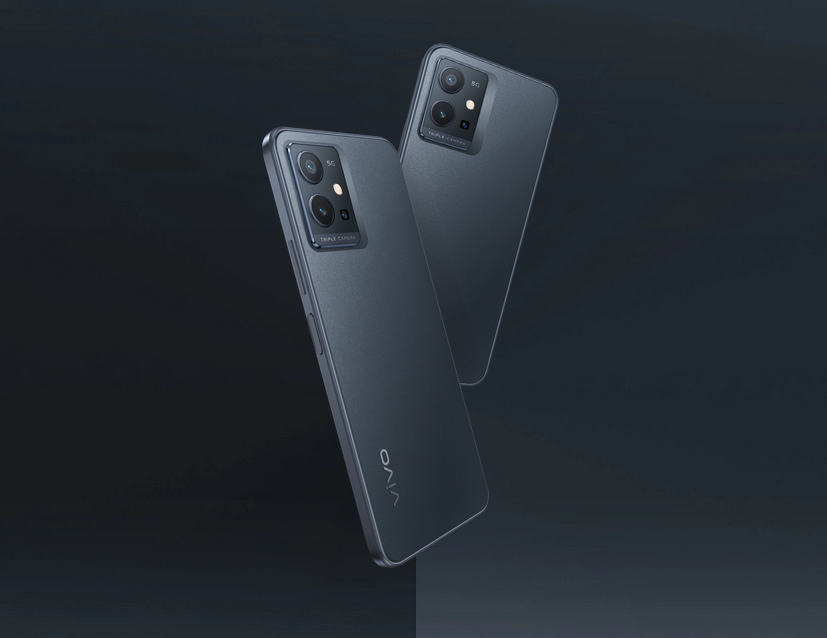
The device will be available in India in two color options, namely Starlight Black and Rainbow Fantasy (Blue). Vivo is launching the T1 5G in multiple configurations, including a 4GB RAM, 6GB RAM, and 8GB RAM models that are paired with 128GB storage. It starts from 15,990 INR (roughly 213 US Dollars) for the 4GB variant, while the 6GB model costs 16,990 INR (roughly 227 US Dollars), and the 8GB version is priced at 19,990 INR (roughly 267 US Dollars). The first sale of the handset will start from 14th February 2022 and will be available for purchase on Flipkart.com, company’s official website, and partnered offline retailers as well.

RELATED:


Redmi Note 11, Redmi Note 11S launched in India with 90Hz AMOLED display, MIUI 13, and more

After teasing for days, Xiaomi has finally launched the Redmi Note 11 and the Redmi Note 11S in India as scheduled. The latest smartphones from the company succeed the Redmi Note 10 and the Redmi Note 10S from last year. They were first announced for other international markets at the end of January.


Redmi Note 11 / Redmi Note 11S Price and Availability in India

The Redmi Note 11 phones will retail at the following price tags in India.

Redmi Note 11

  • Price
    • 4GB + 64GB – ₹13,499
    • 6GB + 64GB – ₹14,499
    • 6GB + 128GB – ₹15,999
  • Colors
    • Space Black
    • Horizon Blue
    • Stardust White
  • First Sale – 12 PM, February 11

Redmi Note 11S

  • Price
    • 6GB + 64GB – ₹16,499
    • 6GB + 128GB – ₹17,499
    • 8GB + 128GB – ₹18,499
  • Colors
    • Space Black
    • Horizon Blue
    • Polar White
  • First Sale – 12 PM, Feburary 21

Customers will be available to purchase these handsets from Mi.com, Amazon India, Mi Home retail stores, and partner retail stores across the country. They can avail a 10% discount using debit/credit cards issued by Bank of Baroda.

Redmi Note 11 / Redmi Note 11S Specifications and Features

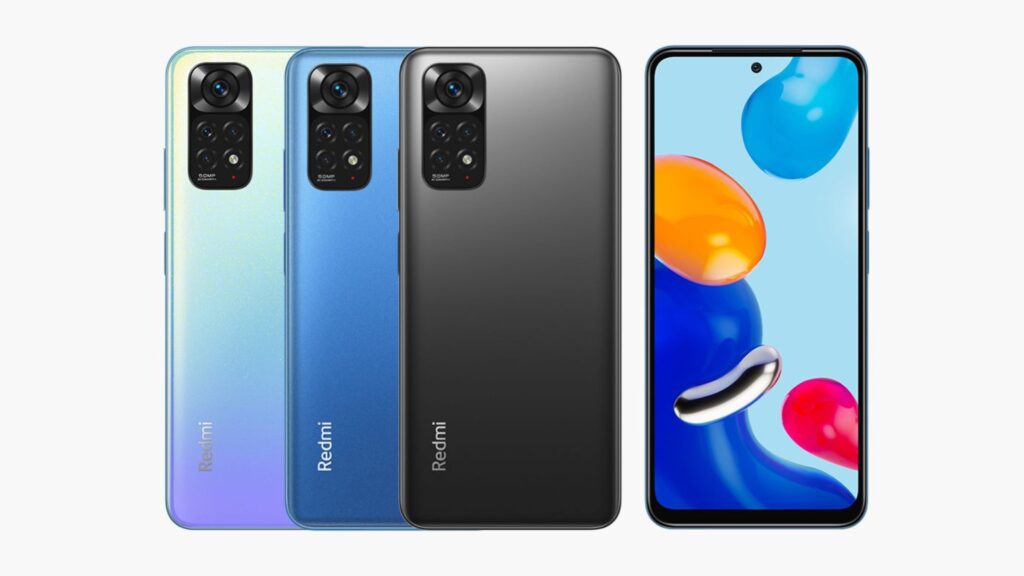
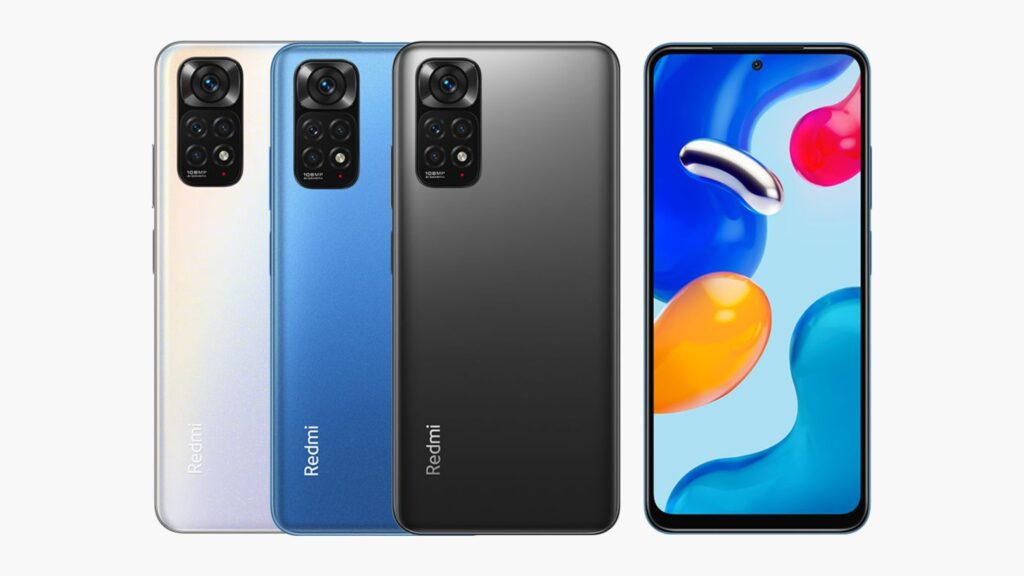
The Redmi Note 11 and the Redmi Note 11S feature an identical flat frame design and a plastic body. They measure 159.87 x 73.87 x 8.09mm in dimensions and weigh 179. They come in two common colors and one exclusive color for each.

On the front, the devices flaunt a 6.43-inch centered punch-hole AMOLED display with a resolution of 2400 x 1080 pixels (FHD+), 409 PPI, a 90Hz refresh rate, and up to 180Hz touch sampling rate. The panel has a 4,500,000:1 contrast ratio, 700 nits typical brightness level, 1000 nits peak brightness level. It supports DCI-P3 color gamut, Reading Mode 3.0, and Sunlight Display.

Redmi Note 11 All Colors Global
Redmi Note 11

Further, they are powered by two different chipsets. The vanilla model sports a Qualcomm Snapdragon 680 SoC, whereas the S model houses a MediaTek Helio G96 chip along with liquid cooling technology. Either way, the duo comes with LPDDR4x RAM and UFS 2.2 storage.

For photography and videography, both use a quad-camera setup on the rear comprising of an 8MP ultrawide unit, a 2MP macro snapper, and a 2MP depth sensor. The Redmi Note 11 arrives with a 50MP main camera and a 13MP selfie camera, On the other hand, the Redmi Note 11S features a 108MP primary camera and a 16MP front-facing camera.

Redmi Note 11S All Colors Global
Redmi Note 11S

On the connectivity front, the handsets offer dual SIM card slots, 4G, dual-band WiFi, Bluetooth 5.0, GNSS, and USB Type-C port. They also have a dedicated MicroSD card slot, 3.5mm headphone jack, dual stereo speakers, Hi-Res Audio certification, side-mounted fingerprint sensor, IR blaster, z-axis linear vibration motor, and essential sensors (accelerometer, virtual proximity sensor, gyroscope, ambient light sensor, and compass).

The phones boot MIUI 13 based on Android 11. Lastly, they get their juice from a 5000mAh battery, which supports 33W fast charging.


RELATED:


Xiaomi CIVI gets an official price cut making it way more affordable

Back in September 2021, Xiaomi unveiled the Xiaomi CIVI smartphone exclusively in the Chinese market. The device was launched at a starting price of CNY 2,599(~$408) and offered mid-range specs like a 120Hz screen and Snapdragon 778G SoC. Last month itself, the phone was available with a CNY 100(~$18) coupon and now, the device has received an official price cut.

The Xiaomi CIVI will not be available for as low as CNY 2299(~$361), which is a CNY 300(~$47) price cut. The device will go on sale for this price starting from tomorrow on JD.com and other authorized stores in the country.

Xiaomi CIVI price drop

The Xiaomi CIVI is the first device under the CIVI series. It comes with a 6.55-inch punch-hole AMOLED panel sporting a Full-HD+(1080 x 2400 pixels) resolution. It has a 120Hz refresh rate Gorilla Glass 5 protection.

One of the phone’s highlights is its 32MP selfie camera. It is a Samsung GD1 sensor that has auto-focus and skin renewal technology. It also has dual-soft LED flash feature. It is powered by the Qualcomm Snapdragon 778G SoC paired with RAM and LPDDR4x RAM and UFS 3.1 internal storage. It has a 4,500mAh battery that supports 55W fast charging support.

The device has an in-display fingerprint scanner and features a Dolby Atmos speaker setup. It has NFC support and boots on MIUI 12.5(Android 11 OS) out of the box.

RELATED:

Xiaomi 12 Ultra to have a 120W fast charging support and a big battery

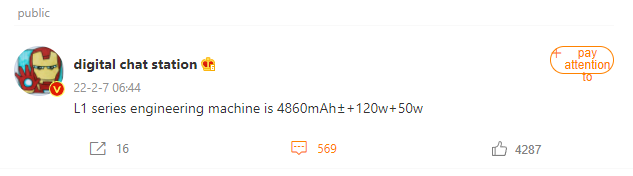
Xiaomi 12 Ultra will be soon introduced in China and will be an addition to the existing Xiaomi 12 lineup. The leaks so far have revealed some camera details of the smartphone with it having Leica-branded cameras. Now, the tipster DigitalChatStation reveals some more specs of the phone shedding light on its battery.

The tipster reveals that the Xiaomi 12 Ultra will have a 4,680mAh battery. This is slightly bigger than the Xiaomi 12 Pro that has a 4,600mAh cell. Furthermore, the Ultra will bag 120W wired and 50W wireless fast charging. This will be an upgrade over the predecessor Mi 11 Ultra’s 67W fast charging.

Xiaomi 12 Ultra

It is worth noting that the older Mi 10 Ultra did support the same 120W and 50W charging solution. So, Xiaomi seems to skip it last year and is bringing it back again this year. Also, even the current Xiaomi 12 Pro has the same fast charging speeds.

Apart from this, the tipster had earlier revealed that the Xiaomi 12 Ultra will feature a Samsung AMOLED panel with a 2k resolution. It will be a curved screen with a 120Hz refresh rate and HDR10+ support.

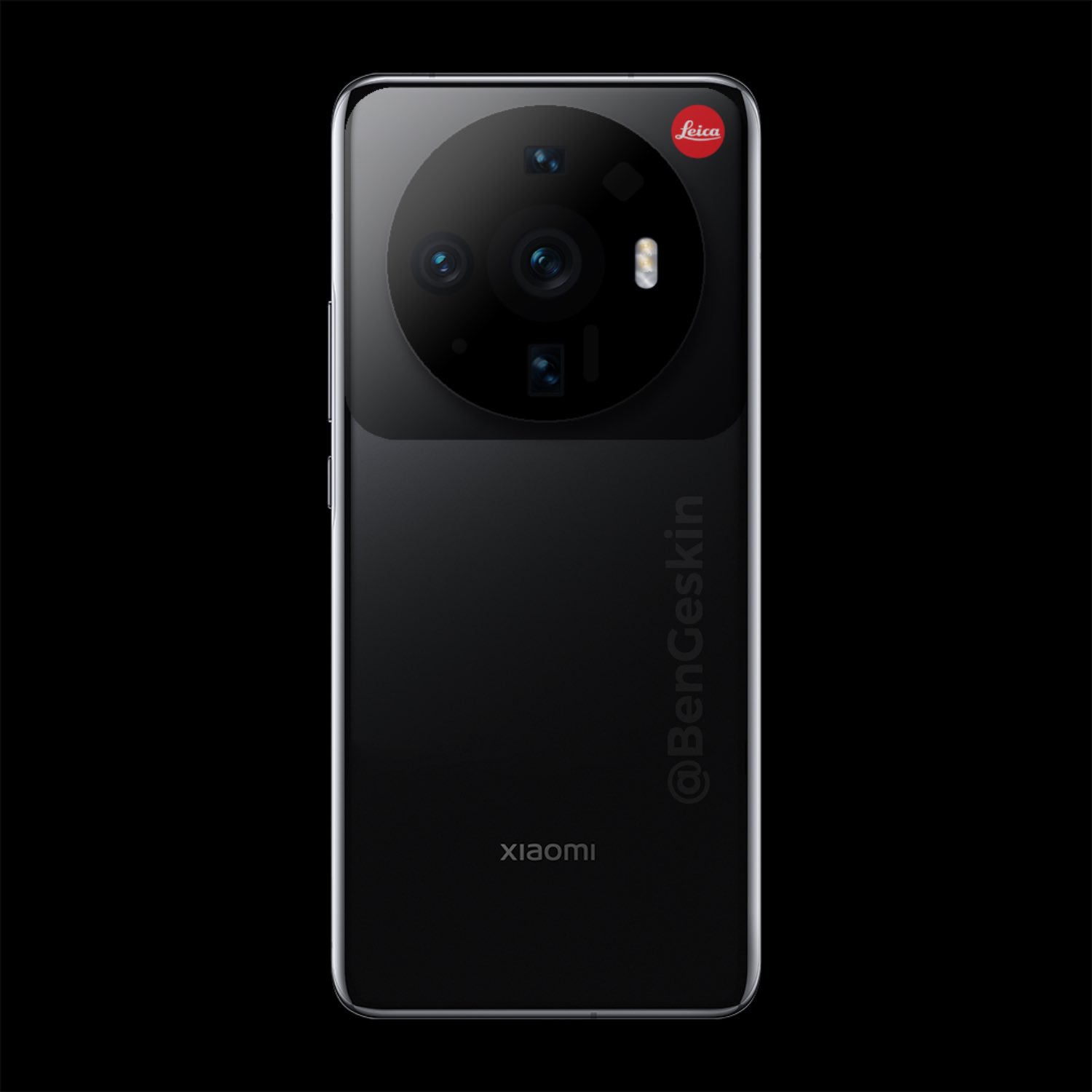
ben geskin xiaomi 12 ultra render
Credits: Ben Geskin

In terms of optics, the device is touted to have a similar camera system as the Mi 11 Ultra. As per a tipster, it will have the same 50MP + 48MP + 48MP triple camera system but will have Leica branded sensors, which is unlike the predecessor. One of these sensors will be a 5x periscope lens.

Although not confirmed, it is expected to come powered by the latest Qualcomm Snapdragon 8 Gen 1 SoC. It will have an in-display fingerprint scanner. The device is expected to run on MIUI 13 based on Android 12 OS out of the box.

RELATED:

Samsung Galaxy S22, S22+, S22 Ultra: India variants, color options, availability leaked before launch

Samsung is all set to launch the Galaxy S22 lineup and Galaxy Tab S8 series later today. Ahead of the launch, the rumor mill is working hard to leak everything about the upcoming flagship smartphones and tablets from Samsung. A fresh leak by reliable tipster Ishan Agarwal has revealed the variants, color options, and availability details of the Galaxy S22 lineup.

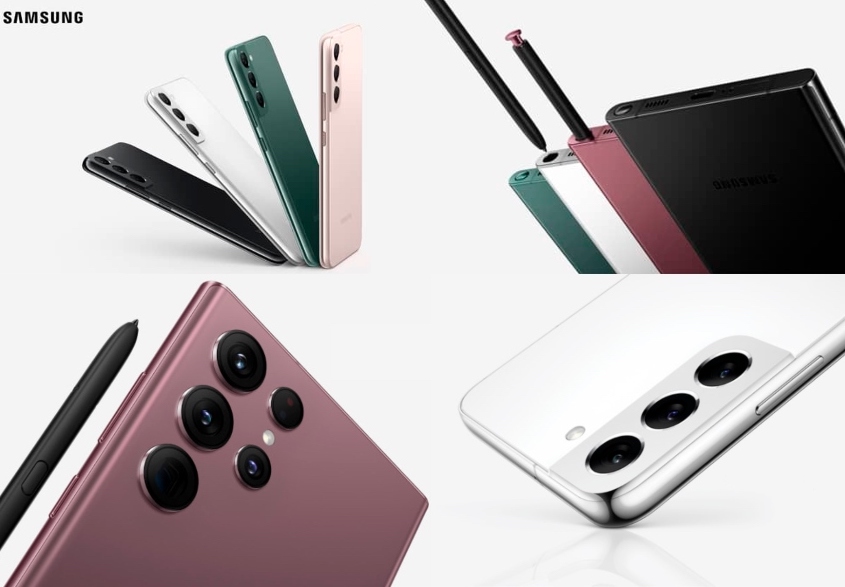
The new leak reveals that the Galaxy S22 and Galaxy S22 Plus will come in two flavors such as 8 GB RAM + 128 GB storage and 8 GB RAM + 256 GB storage. It will be available in three colors such as black, white, and green. Shown below are the renders shared by Agarwal.

Galaxy S22 series

The Galaxy S22 Ultra is likely to come in two variants such as 12 GB RAM + 256 GB storage and 12 GB RAM + 512 GB storage options. It is speculated to come in colors like Phantom Black and Phantom White. The S22 Ultra will be also available in burgundy and green colors in other markets. Unfortunately, these color variants are unlikely to be available in India at launch.

Reports have claimed that the Galaxy S22 Ultra will be made available earlier while the S22/S22+ could be release later in some markets. As far as India is concerned, Agarwal claimed that the Galaxy S22 trio might go on sale starting March 11.

In the past, Samsung has prioritized in releasing Exynos variants of its flagship phones in India. However, this time around, the S22 trio coming to India will be equipped with the Snapdragon 8 Gen 1 chipset. As previous reports have revealed, the Galaxy S22 Ultra will be the company’s first S-series flagship to feature a dedicated slot to store the S-Pen stylus. At present, there is no word on the pricing of the Galaxy S22 lineup for the Indian market.

RELATED:

Samsung Galaxy A51 demoted to biannual updates before Android 12 rollout

Samsung launched the Galaxy A51 in December 2019. It has been only a little over 2 years since its release.  Despite that, the South Korean tech giant has already reduced the frequency of software updates for this smartphone.

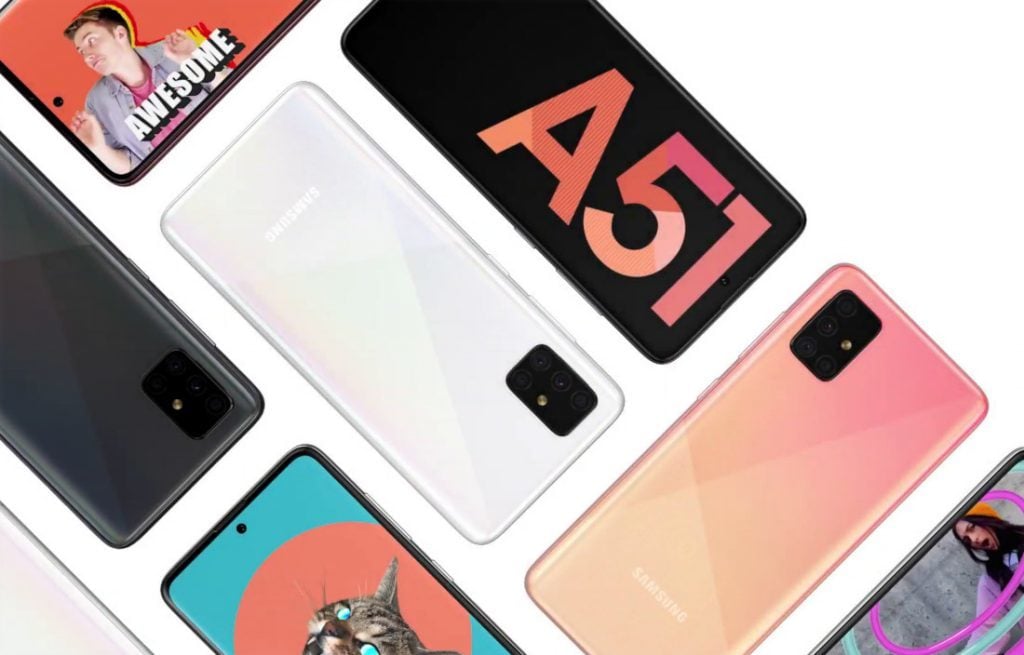
Samsung-Galaxy-A51
Samsung Galaxy A51

According to GalaxyClub, Samsung has demoted the Galaxy A51 to biannual updates. The device had been receiving quarterly updates since its release. But unfortunately, not anymore as it will only get two security updates in a year.

For those unaware, the phone is eligible for three generations of OS updates. However, it has received only one in the form of Android 11 for now. Before it could get Android 12, the company has lowered its update frequency.

This raises a doubt whether Samsung will be able to keep up with its promise of delivering three Android updates and four years of security updates for Galaxy A51. Hopefully, the firm doesn’t disappoint customers and fans alike.

The handset is scheduled to get access to Android 12-based One UI 4.0 in April. Perhaps, the brand might start seeding the update a month earlier in March, like it has been doing for other eligible devices.

What are your thoughts on Samsung decrementing the security updates for Galaxy A51 just after a single Android update? Do let us know in the comment section below.


RELATED:


LG Display is reportedly gearing up to start producing OLED panels for Apple iPad

Apple is slowly shifting towards OLED panels on its devices. The company is already using OLED display on the iPhone and Apple Watch and now the company is expected to use the same on the iPad and Mac in the coming years.

A new report from The Elec claims that LG Display is preparing equipment at its facilities and reconfiguring the production line to make OLED panels specifically for future iPads.

Apple iPad

The report adds that LG Display is moving manufacturing equipment and tools from its E5 lines at a production plant in Gumi, South Korea to another plant of the company in Paju.

It goes on to add that the move is risky and rarely happens as there is a higher risk of equipment getting damaged during transportation. Apart from the risk of damage, the calibration process for the production line is also lengthy.

Interestingly, this isn’t the first time we are hearing about LG Display working on OELD panels for the iPad models. Last month, it was claimed that the company is planning to expand the Paju plant to supply panels for next-generation ‌iPhone‌ and ‌iPad‌ models.

LG is said to be planning to start the mass production of its OLED panels at the Paju facility a couple of years later, most likely in 2024. However, Apple is expected to launch the first iPad with an OLED display next year, most likely featuring a panel from Samsung.

RELATED: 

Redmi K50 series launch date, K50 Gaming Edition design confirmed

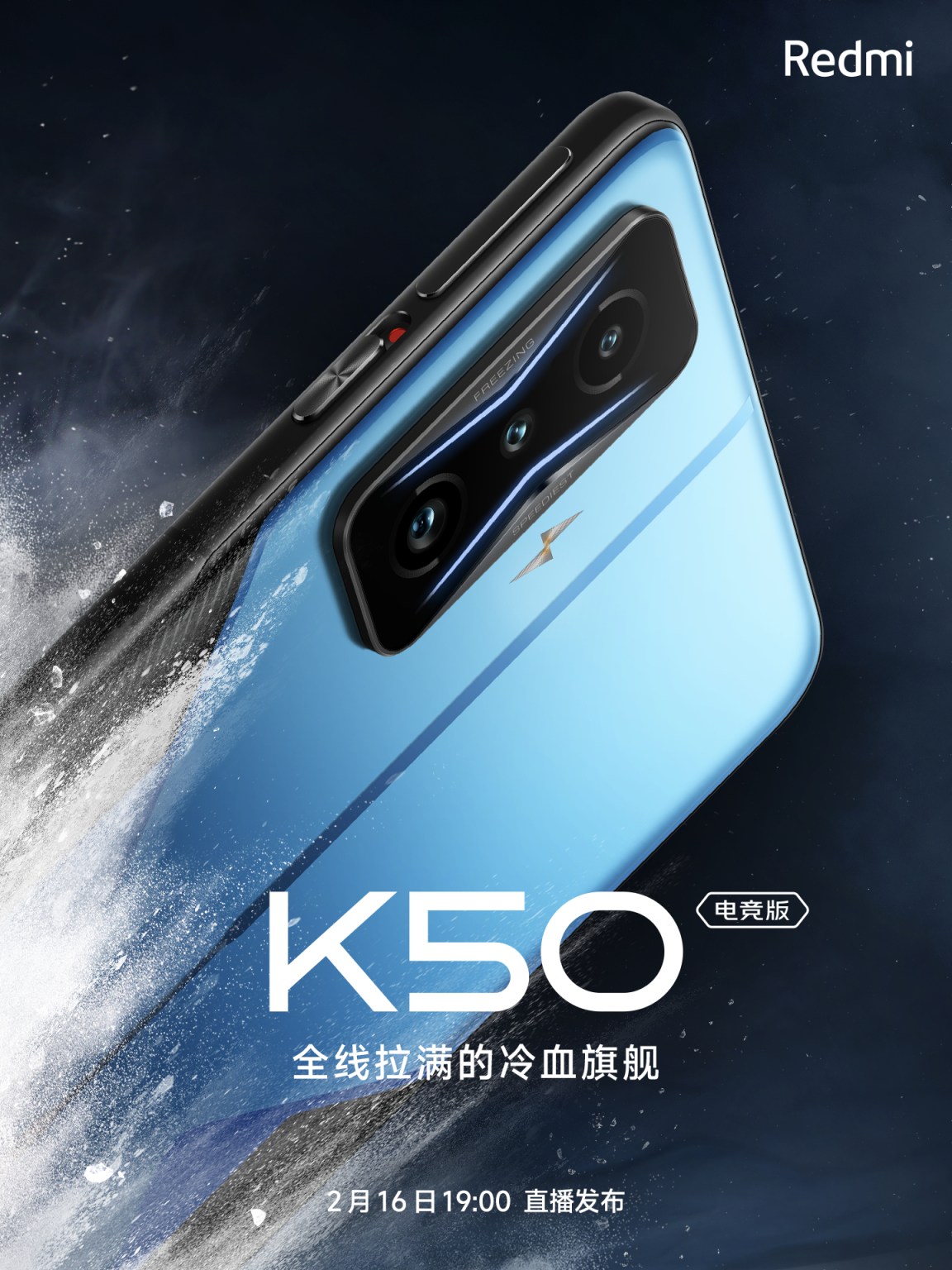
Redmi K50 series launch date has been confirmed. The company released a poster through its Weibo account to confirm that it will be holding an unveiling event at 7 PM (local time) on Feb. 16 to unveil the Redmi K50 lineup. The poster released by the brand gives a first look at one of the Redmi K50 series of smartphones. Likely, the teased device is likely to debut in the market as the Redmi K50 Gaming Edition.

The smartphone shown in the poster can be seen sporting a triple camera unit on its back. The camera module seems to be integrated with RGB lighting. In addition, the device also features mechanical trigger buttons, which indicates that it will be a gaming-focused device. The overall design suggests that it could be the Redmi K50 Gaming Edition, which will succeed last year’s Redmi K40 Gaming Edition.

RedmI k50 series launch date

The Redmi K50 lineup reportedly includes the Redmi K50, K50 Pro, K50 Pro+, and K50 Gaming Edition. Reports have claimed that the model numbers of these handsets are 22021211RC, 22041211AC, 22011211C, and 21121210C. These smartphones are said to be powered by the Dimensity 8000, Snapdragon 870, Dimensity 9000, and Snapdragon 8 Gen 1. There is no confirmation on whether all four models will be unveiled through the upcoming launch event.

Redmi K50 Gaming Edition specifications (rumored)

Rumors have it that the Redmi K50 Gaming Edition has 162 x 76.8 x 8.45mm dimensions and weighs 210 grams. The device is likely to house a 6.67-inch OLED QHD+ display that offers a high refresh rate. For selfies, it may feature a 16-megapixel snapper, and its rear seems to be fitted with a 64-megapixel + 13-megapixel + 2-megapixel triple camera unit. It may come with a side-facing fingerprint scanner.

The Snapdragon 8 Gen 1 powered device may feature a 4,700mAh battery that supports 120W fast charging. It may come with other features such as ultrawide-band support, x-axis linear motor, and JBL dual speakers.

RELATED:

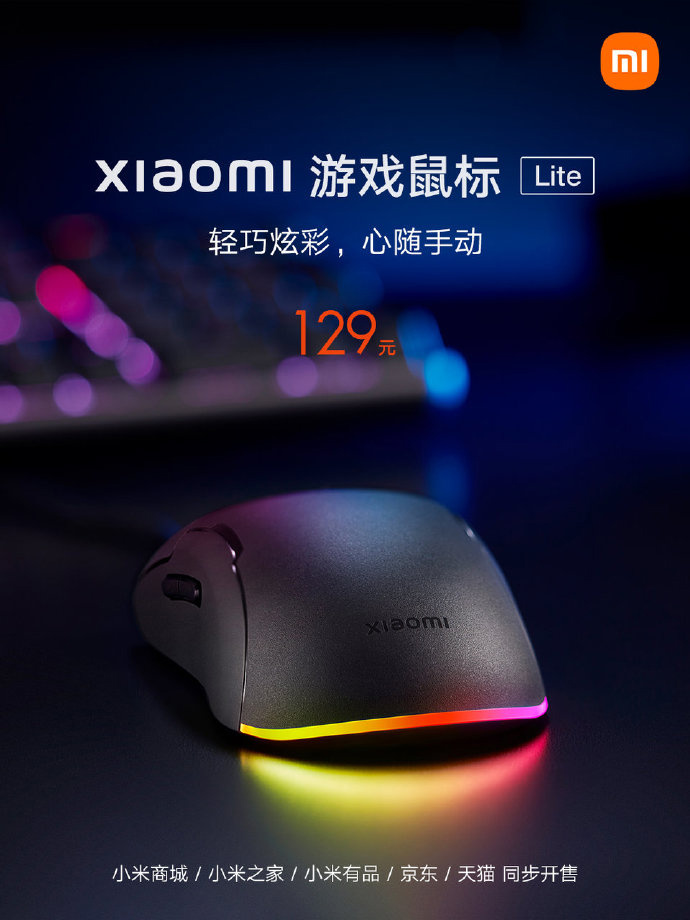
Xiaomi Gaming Mouse Lite officially goes on sale in China for 129 yuan ($28)

Last month, Xiaomi had started crowdfunding for its new gaming mouse dubbed as Gaming Mouse Lite. Today, the company has announced that the product is now available for purchase in the country.

The retail price for the Xiaomi Gaming Mouse Lite is 129 yuan which roughly converts to $28. It is 30 yuan more than what the company was charging to those customers who backed the project during the crowdfunding.

Xiaomi Gaming Mouse Lite Sale China

The mouse is quite lightweight at just 72 grams and is rated IP54 which protects the device against dust deposit buildup, avoiding double click issues. To give it the appearance of the gaming product, there’s an RGB light strip.

The lighting on the RGB strip can be easily changed and adjusted with a combination of keys on the mouse, eliminating the need for discrete software. The device uses TTC dust-proof gold micro-motion switches that are claimed to have a lifespan of 80 million clicks.

It also comes with the Pixart 3327 optical sensor with up to 6200DPI. The Xiaomi Gaming Mouse Lite offers a variety of DPI adjustments including 400, 800, 1600, 300, and 6200 DPI. Additionally, the mouse has a maximum moving speed of 220 inches per second.

There’s no wireless connectivity support for the mouse, helping the product achieve a sub-1ms response time with NXP 32-bit ARM architecture MCU.

RELATED: 

Apple’s new MacBook Pro powered by M2 chipset to reportedly launch next month

Apple is rumored to be gearing up to host its first launch event of the year next month and now a new report claims that the Cupertino-based technology giant will be launching the next-generation entry-level MacBook Pro at the same event.

The latest report coming from DigiTimes claims that the Apple MacBook Pro, powered by the yet unannounced M2 chipset, will go official next month. This is likely to happen at the rumored event taking place on 8th March.

Apple MacBook Pro

The development comes just days after it was reported that the upcoming iPhone SE, which will also have 5G connectivity support, could get launched on 8th March. It’s noteworthy that the company has not yet confirmed the date of its upcoming event.

Apple M2 will mark the debut of the second-generation Apple Silicon processors after the company launched the M1 chipset a couple of years back. Apart from the MacBook Pro, the M2 chipset will power the new MacBook Air and other devices that are already powered by the current-generation M1 processor.

In terms of specifications, almost everything is expected to be the same as the M1-powered MacBook Pro. This ensures that there won’t be any major supply chain issues for the product. Apart from the iPhone SE 2022 and the MacBook Pro, the company is also expected to launch a new iPad, which is likely to be the iPad Air.

Do note that the launch of the M2-powered MacBook Pro is still a rumor and there’s a possibility that the announcement of this device could take place at a later date. Instead, the company could announce the much-awaited 27-inch iMac.

RELATED: 

Patent reveals Huawei is Developing Wearables that Help the Blind to Navigate their Daily Lives

Ever since Huawei got restricted by the US sanctions, the company has been diversifying its product catalog away from smartphones, and into the IoT(Internet of Things) business instead. The company has been branching out into other businesses, such as Smart TVs, Smartwatches, and even Smart Electric Cars. In fact, Huawei may be planning to release devices in new product categories too, like its own medical assistance device. Recently, a patent database revealed that the company is working on wearables that help the blind to navigate in their daily lives.

huawei freebuds studio 4

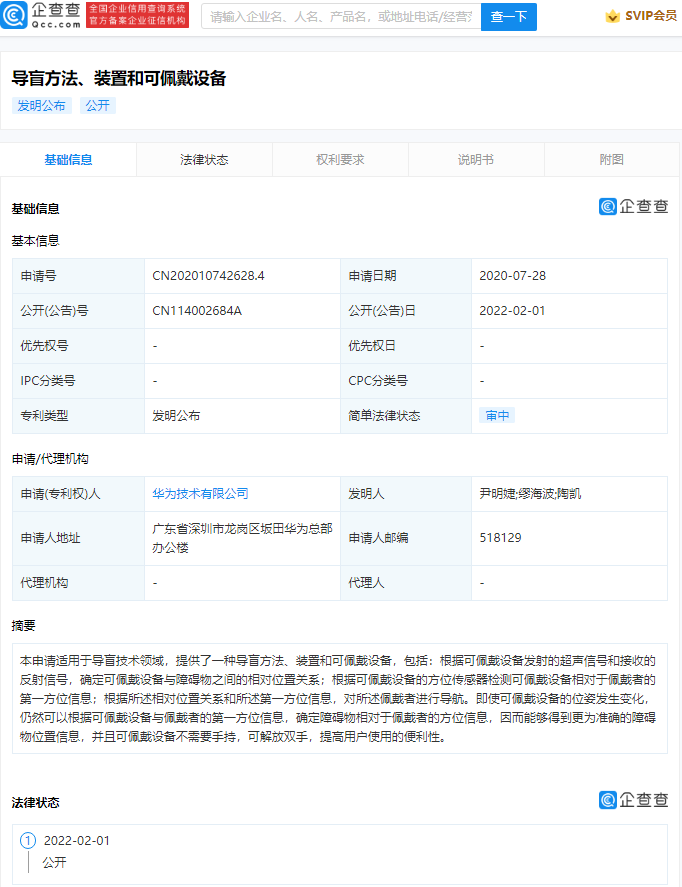
The news comes from China’s National Patent Database, QCC.com. Huawei Technologies Company Limited was approved of their “blind navigation wearable technology” and the public patent, ID number CN114002684A, was published on Feb 1, 2022.

huawei-patent-blind-wearable
Huawei Patent on Blind Wearable Technology, Source: QCC

The patent reveals that the technology is a pair of wearables for the blind to know and navigate around their surroundings. The technology will be equipped with ultrasonic sensors. The sensors emit ultrasonic signals in all directions and the signals will be reflected back to the device, then the device interprets the signal and maps out the surroundings. All of this data will be relayed to the user in a very concise manner, and the process is autonomous, providing convenience for the blind user.

No info was given wear the wearable is a smartwatch, smart glasses, or wireless earwear. However, considering this is a technology designed for blind people, high chance that it is a device equipped with speakers, i.e. wireless headphones or wireless earphones.


RELATED:


(Via)

Apple announces Tap to Pay feature for iPhones, debuts this spring on Stripe

Last month, we reported that Apple is working on NFC-enabled technology that will essentially let iPhone users receive card payments seamlessly with their device acting like a Point of Sale (POS) terminal for contactless debit and credit cards. Now, Apple has officially announced this feature.

Apple Tap to Pay

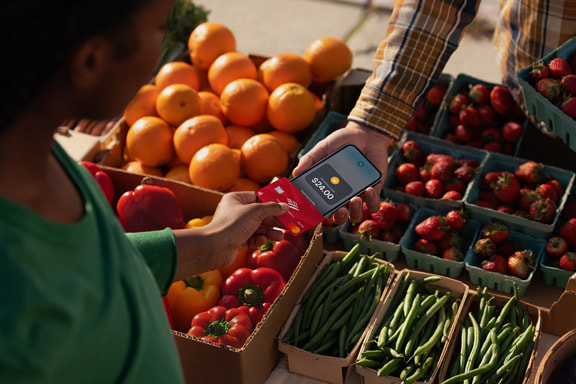
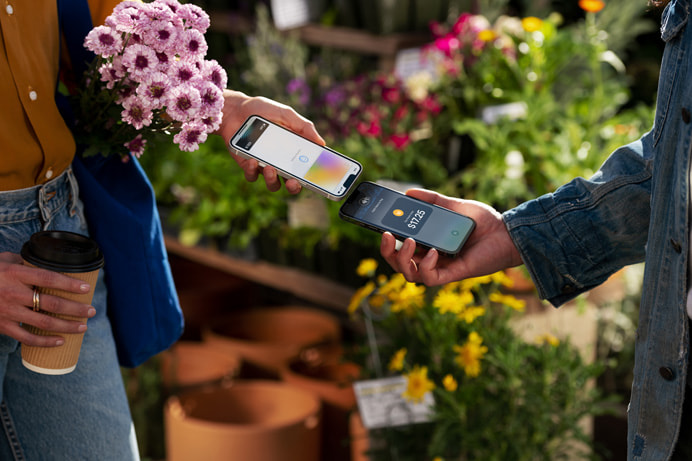
The company has announced that the new Tap to Pay feature will debut in spring with Stripe and will empower millions of merchants across the US, from small businesses to large retailers, to use their iPhone to seamlessly and securely accept Apple Pay, contactless credit and debit cards, and other digital wallets through a simple tap to their iPhone.

Apple is not keeping the functionality exclusive to its platform and has announced that the feature will be available for third-party payment platforms and app developers to integrate into their iOS apps and offer as a payment option to their business customers.

Apple Tap to Pay

Jennifer Bailey, the vice president of Apple Pay and Apple Wallet stated that “As more and more consumers are tapping to pay with digital wallets and credit cards, Tap to Pay on iPhone will provide businesses with a secure, private, and easy way to accept contactless payments and unlock new checkout experiences using the power, security, and convenience of iPhone.” She further added, “In collaboration with payment platforms, app developers, and payment networks, we’re making it easier than ever for businesses of all sizes — from solopreneurs to large retailers — to seamlessly accept contactless payments and continue to grow their business.”

Once the functionality is made available, users of iPhone XS and above will be able to access the Tap to Pay feature through a supported iOS app.

For now, Stripe has launched a landing page for this new feature and is allowing businesses and individuals to participate in the beta testing of the functionality.


RELATED:

(Source)

Wi-Fi issues appear on Google Pixel 6 series devices: Report

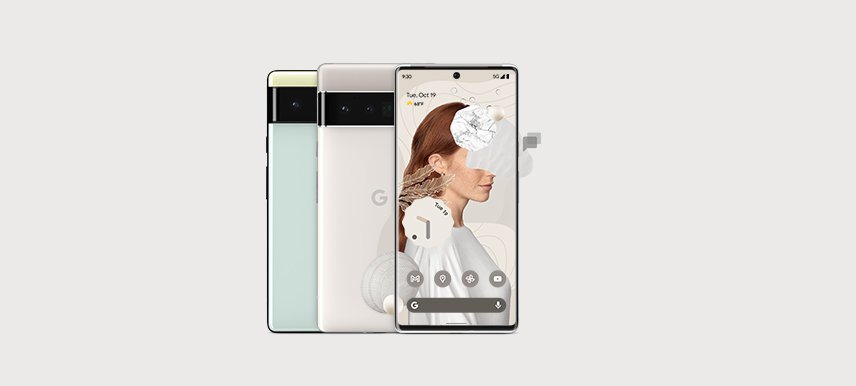
The Pixel 6 series devices from Google are the most popular phones from the search giant yet however, the devices have pretty been plagued with bugs pretty much from launch. And now, Pixel users are facing a new bug.

Google Pixel 6

New reports have surfaced across Reddit and Google support forums with Pixel 6 and Pixel 6 Pro users complaining of issues faced with Wi-Fi. According to the reports, the Wi-Fi of the device is automatically being shut off while the phone is locked. In some cases, the users are not able to turn on the Wi-Fi altogether. Google support directed one user to reset the device which initially worked, however, the issue later returned.

The issues have reportedly arisen after the latest February update and do not affect every user, however, there are enough cases reported that make it clear that it isn’t a rare issue either.

Users have found temporary workarounds which include resetting network settings, disabling “Adaptive connections,” and removing a Wi-Fi network. These workarounds can buy you some time with your Wi-Fi which could range from a few minutes to a few hours, however, it is not a permanent fix.

Google has yet to officially acknowledge the issue, and it is now certain how long it will take the search giant to fix the problem. However, Google’s recent track record in fixing the recent Magic Eraser bug gives users hope for a quick fix.


RELATED:


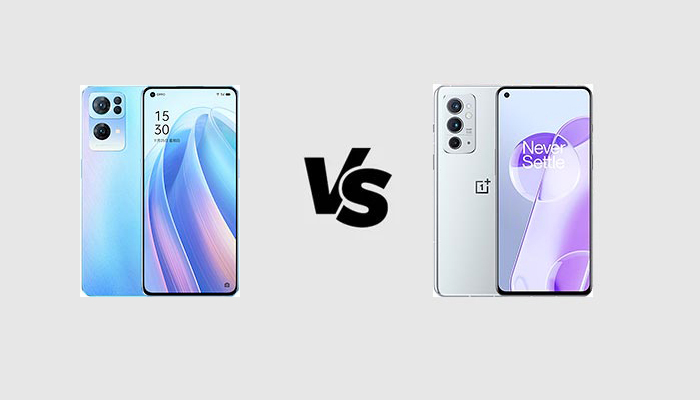
OPPO Reno7 Pro vs OnePlus 9RT: Specs Comparison

If you do not want to spend a lot of money but you still want a premium phone with flagship-class performance, you currently have a lot of recent choices in the Indian market. A few days ago, OPPO launched the Reno7 Pro 5G in the peninsula with very advanced specifications and a beautiful design offered at a good price. Is the OPPO Reno7 Pro 5G the best device in the high-end segment if we exclude top-tier flagships or there are other good rivals that can compete with it? Currently, there is a very important and valid rival from a sister company that might cannibalize its sales: the OnePlus 9RT. This is a comparison between their specifications which will let you learn the main differences.

OPPO Reno7 Pro 5G vs OnePlus 9RT 5G

OPPO Reno7 Pro 5G OnePlus 9RT 5G
DIMENSIONS AND WEIGHT 158.2 x 73.2 x 7.5 mm, 180 grams 162.2 x 74.6 x 8.3 mm, 199 g
DISPLAY  6.55 inches, 1080 x 2400p (Full HD+), AMOLED  6.62 inches, 1080 x 2400p (Full HD+), AMOLED
PROCESSOR Mediatek Dimensity 1200 Max 5G, octa-core 3 GHz Qualcomm Snapdragon 888, octa-core 2.84 GHz
MEMORY  8 GB RAM, 256 GB – 12 GB RAM, 256 GB 8 GB RAM, 128 GB – 8 GB RAM, 256 GB – 12 GB RAM, 256 GB
SOFTWARE  Android 11, ColorOS  Android 11, ColorOS
CONNECTIVITY  Wi-Fi 802.11 a/b/g/n/ac/ax, Bluetooth 5.2, GPS  Wi-Fi 802.11 a/b/g/n/ac/ax, Bluetooth 5.2, GPS
CAMERA Triple 50 + 8 + 2 MP, f/1.8 + f/2.2 + f/2.4
32 MP f/2.4 front camera
Triple 50 + 16 + 2 MP, f/1.8 + f/2.2 + f/2.4
16 MP f/2.4 front camera
BATTERY 4500 mAh, fast charging 65W  4500 mAh, fast charging 65W
ADDITIONAL FEATURES Dual SIM slot, 5G Dual SIM slot, 5G

Design

OPPO Reno7 Pro 5G is not only more beautiful than the OnePlus 9RT but also one of the most gorgeous devices out there if we consider the design. It is very thin and lightweight, and it comes with flat borders just like the latest iPhones. Further, on the rear side, it has a camera module built with premium materials and includes notification LEDs lights around. The OnePlus 9RT is built with premium materials including glass for the rear side and aluminum for the frame, but it is thicker and bigger than the OPPO Reno7 Pro 5G, and it lacks flat borders. The OPPO Reno7 Pro 5G wins the design comparison without any doubt.


Display

There are no very important differences between the displays of the OPPO Reno7 Pro 5G and the OnePlus 9RT, but they are different panels. Starting from the things in common, they are both AMOLED panels with a Full HD+ resolution of 1080 x 2400 pixels and the HDR10+ certification, as well as an in-display fingerprint reader and the Gorilla Glass 5 protection by Corning. The OnePlus 9RT has a wider display with a diagonal of 6.62 inches and it even comes with a higher 120 Hz refresh rate, so it has a better panel for gaming and for those who prefer having the smoothest viewing experience. Both the phones are equipped with stereo speakers: their earpiece doubles as a secondary speaker.


Specs & Software

The OPPO Reno7 Pro 5G is powered by the Dimensity 1200 Max chipset by MediaTek: an upgraded version of the Dimensity 1200. The OnePlus 9RT gets a Snapdragon 888 by Qualcomm (not the Plus variant, despite the phone being released in the second half of 2021). Despite being an upgrade of the Dimensity 1200, the newer Dimensity 1200 Max is still inferior to the Snapdragon 888 mobile platform in terms of CPU and GPU performance. And given that both the phones get the same memory configuration (up to 12 GB of RAM and up to 256 GB of internal storage), the OnePlus 9RT wins the hardware comparison. The software of these two devices is the same on the Chinese market, but it differs in the global market: ColorOS 12 and OxygenOS 12, respectively.


Camera

If you are looking for better rear cameras, then you should go for the OnePlus 9RT without thinking twice. It has a 50 MP Sony IMX766 main sensor with OIS, a 16 MP ultrawide camera, and a 2 MP macro sensor. The OPPO Reno7 Pro 5G sports a 50 MP camera without OIS, an inferior 8 MP ultrawide camera, and a 2 MP macro camera, but it has a superior front camera: the Sony IMX709 sensor with a 32 MP resolution.


Battery

OPPO Reno7 Pro 5G and OnePlus 9RT are equipped with the same battery: a 4500 mAh unit that supports 65W fast charging. The battery life provided by these two devices is very similar, so it is essentially a draw.


Price

The listing price of the OPPO Reno7 Pro 5G for the Indian market roughly translates into €467 / $533 at the actual change (Rs. 39,999). The base variant of the OnePlus 9RT has a listing price of Rs. 42,999 / €503 / $574 in India. At the end of the day, the OnePlus 9RT is a superior phone thanks to its higher refresh rate, better chipset, superior rear cameras. But the OPPO Reno7 Pro 5G has a better design and a more affordable price.


OPPO Reno7 Pro 5G vs OnePlus 9RT 5G: PRO and CONS

OPPO Reno7 Pro 5G

PRO

  • Better design
  • Rear LEDs
  • More compact
  • Better front camera
  • Reverse charging

CONS

  • Inferior rear cameras


OnePlus 9RT 5G

PRO

  • Better rear cameras
  • Amazing chipset
  • Higher refresh rate
  • Wider display

CONS

  • Chunkier


RELATED

Check the latest videos from our YouTube channel and subscribe:

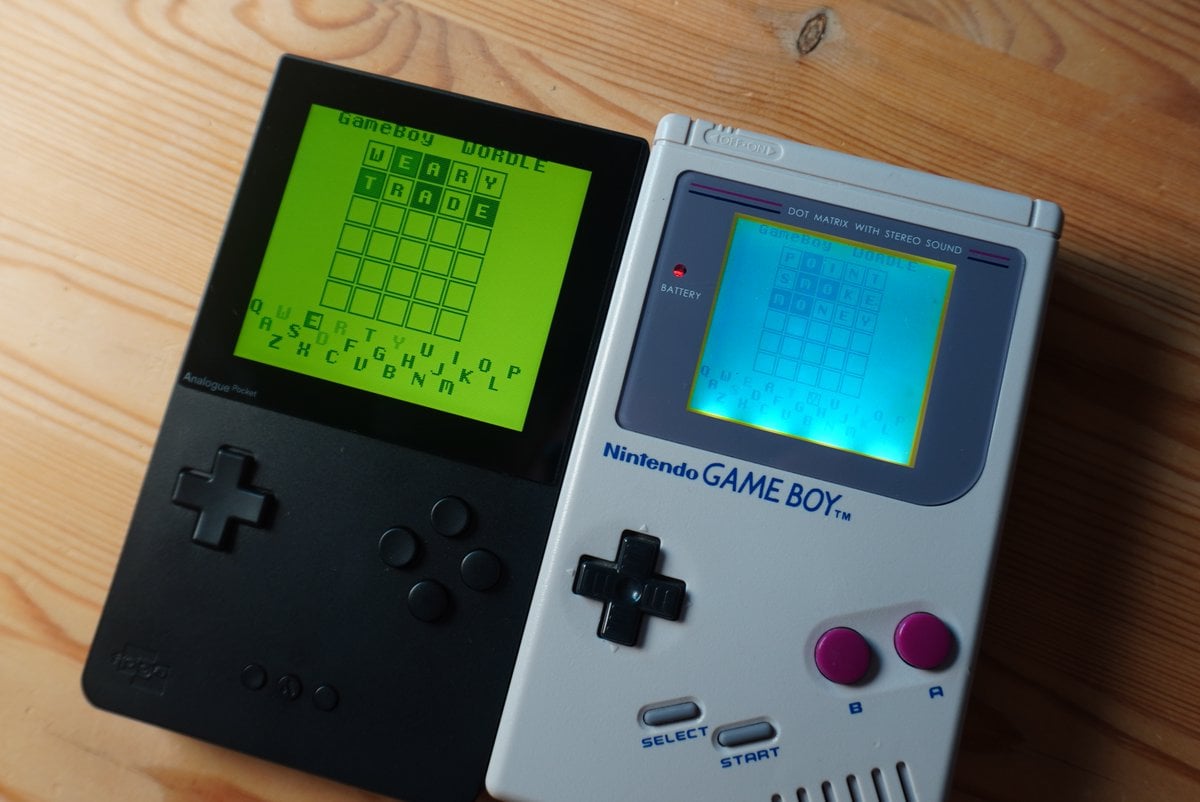
An abridged version of ‘Wordle’ finds its way into the iconic Game Boy 

The Game Boy is the ancestor of modern gaming devices including smartphones and it was introduced in 1989. The handheld device has seen several iterations and it still maintains its presence in the gaming segment to date. The Wordle word game has now been ported into Game Boy, bringing a vocabulary of up to 8,000 of the most popular English words.Wordle

The full version of the game cannot be incorporated into Game Boy due to the handheld’s limited ROM size. However, the new version of the Wordle game has now been incorporated as an abridged word list unlike the general version of the game. The game was ported into Game Boy by Kotaku notes security researcher Stackmashing who used some filtering mechanism to determine popular English words up to 8,000.

The procedure for having the device on your Game Boy includes downloading the game and loading it into a compatible cartridge that could then be used to play the game. Not much of the Nintendo iconic Game Boy is available and it could be stressful getting it into the console itself. So Wordle lovers can get the game from other devices which are easily accessible. The game has been adapted to several other applications like Palm PDA and there seems to be a direct plan to make it a ubiquitous game.

RELATED: