Advertisement

RED MAGIC 11 Pro Series Launches in China with 144Hz OLED Display, Snapdragon 8 Elite Gen 5 and Dual Cooling Tech

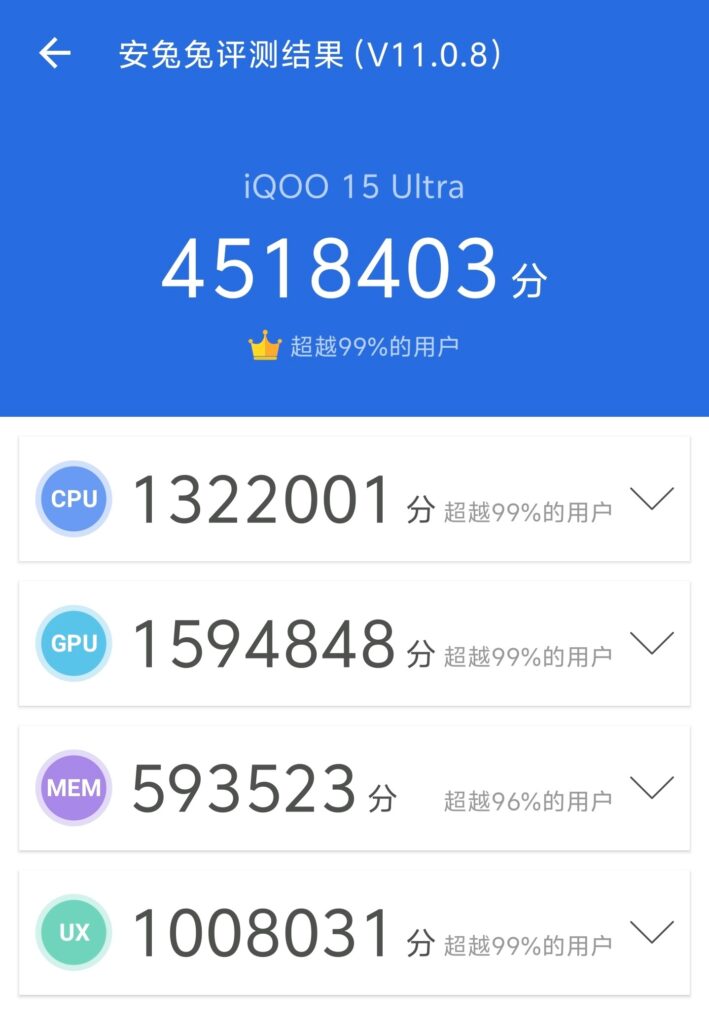
RED MAGIC has launched its latest flagship gaming phones, the RED MAGIC 11 Pro and 11 Pro+, in China. Both devices run on the Snapdragon 8 Elite Gen 5 chipset and have scored 4.35 million points on AnTuTu 11. They come with up to 24GB of LPDDR5T RAM and up to 1TB of UFS 4.1 PRO storage.

Display and Performance

The phones feature a 6.85-inch 1.5K BOE X10 OLED display with a 144Hz refresh rate, 10-bit color depth, and 100% DCI-P3 color gamut. With a peak brightness of 2000 nits, DC dimming, and 2592Hz PWM dimming, the display promises smooth, eye-safe visuals even during extended sessions. The touch sampling rate peaks at 960Hz, providing instant response for competitive gameplay.

RED MAGIC 11 Pro+ Golden Sage

Both devices come equipped with up to 24GB of LPDDR5T RAM and 1TB of UFS 4.1 PRO storage, ensuring seamless multitasking and rapid data access. The Snapdragon 8 Elite Gen 5 chip brings a 20% performance boost and up to 35% better power efficiency compared to the previous generation, ensuring faster load times and better battery endurance.

Gaming and Thermal Innovation

The Ultra Graphics Engine 3.0 and RedCore R4 chip enhance gaming performance by upscaling supported titles to 2K resolution at 144Hz. The China variant also includes a built-in PC emulator, letting users run desktop-level software on their phone.

Thermal management sees a major leap with RED MAGIC’s new dual-track cooling system, which combines active liquid and air cooling. Instead of a passive vapor chamber, it uses a ceramic micropump that circulates coolant through laser-cut microchannels. The fluorinated coolant operates between –40°C to 70°C, maintaining stability even under intense load. The company says the system underwent thousands of design iterations and tens of thousands of drop tests to ensure leak-proof durability.

Controls and Software

REDMAGIC 11 Pro and 11 Pro+
RED MAGIC 11 Pro and 11 Pro+

The phones feature a Synaptics touch chip with 3000Hz touch sampling, 520Hz shoulder triggers, and a 3D ultrasonic fingerprint sensor for precise control. Both run REDMAGIC OS 11, based on Android 16, and include the AI assistant MORA, capable of handling smart tasks like messaging, object recognition, and screen-based searches.

Camera and Battery

For imaging, the RED MAGIC 11 series houses a 50MP primary sensor (1/1.55”, f/1.88, OIS), a 50MP ultra-wide camera with a 120° field of view, and a 16MP under-display front camera by OmniVision. The phones support 8K at 60Hz and 4K at 144Hz video recording.

The RED MAGIC 11 Pro is backed by an 8000mAh battery with 80W fast charging, while the 11 Pro+ offers a 7500mAh battery with 120W wired and 80W wireless charging.

Pricing and Availability

The RED MAGIC 11 Pro series starts at 4,999 yuan (approx. USD 701) and goes up to 9,899 yuan (approx. USD 1,389) for the Golden Saga Edition. Both models are available now in China, with the global launch scheduled for November 7.

Don’t miss a thing! Join our Telegram community for instant updates and grab our free daily newsletter for the best tech stories!

For more daily updates, please visit our News Section.

This mechanical keyboard from ASUS brings Hall Effect precision and 1.47″ OLED display

Asus is leveling up its keyboard game with the new ROG Azoth 96 HE — a magnetic, feature-packed upgrade designed to please both gamers and heavy typists. Building on the Azoth’s reputation for premium feel and performance, this latest version adds a full numpad, swaps out traditional switches for Hall Effect sensors, and keeps that beloved OLED screen intact. The result looks like Asus’s most ambitious keyboard yet, one that aims to balance competitive responsiveness with all-day usability.

The ROG Azoth 96 HE expands the lineup beyond the original 75% model that launched in 2023 at $250 (and now sells for around $155 on Amazon). Instead of the ROG NX mechanical switches, this version introduces ROG HFX V2 magnetic switches—borrowed from the ROG Falcata—to deliver pinpoint accuracy and customizable actuation.

Users can fine-tune the trigger point anywhere between 0.1mm and 3.5mm, in 0.01mm steps, allowing for ultra-precise input. Features like Rapid Trigger enable faster key resets, while Asus’s Speed Tap lets users change movement direction instantly—perfect for FPS players looking to shave off every millisecond during counter-strafes.

The layout is another highlight. By moving to a 96% form factor, Asus manages to squeeze in a full numpad and a few extra keys. Connectivity options are comprehensive too: the keyboard supports tri-mode connections with ROG SpeedNova 8K wireless, Bluetooth, and USB-C, handling up to five devices at once. Impressively, the 8,000Hz polling rate works in both wired and wireless modes, ensuring near-zero latency. The familiar 1.47-inch OLED display and multifunction control knob also make a return, letting users adjust lighting, macros, and actuation settings on the fly.

Under the hood, Asus is continuing its focus on sound and feel. The Azoth 96 HE features a silicone gasket mount, pre-lubed stabilizers for longer keys, and six layers of dampening materials—including Poron and IXPE—for softer acoustics and a cushioned typing experience. The metal top plate and translucent ROG keycaps round off the design, giving it a premium yet customizable look.

Asus hasn’t revealed pricing or an exact release date, but given the upgrades, it’s safe to expect a price north of $300 when it arrives later this year or in early 2026.

Don’t miss a thing! Join our Telegram community for instant updates and grab our free daily newsletter for the best tech stories!

For more daily updates, please visit our News Section.

(Source: ASUS)

OnePlus Ace 6 design, color variants, key specifications officially confirmed

The OnePlus Ace 6 is the other flagship phone that is scheduled to launch with the OnePlus 15 and OnePlus Pad 2 on Oct. 27 in China. Ahead of the launch, the company has revealed its design, color variants, and key specifications. Here’s everything known about the company’s upcoming sub-flagship phone.

OnePlus Ace 6 design, color options

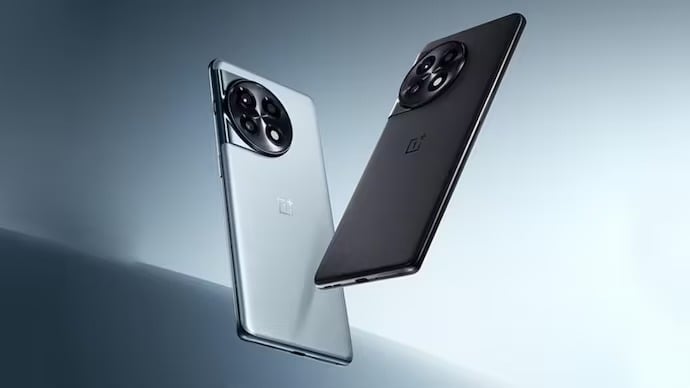
The OnePlus Ace 6’s pre-order listing on JD.com has revealed several details about it. As can be seen, the device will be available in three shades, such as black, white, and silver. Among these, only the silver edition has the “Ace” branding imprinted on the back panel. It is also equipped with a Plus key, which can be used to access OnePlus AI features.

OnePlus Ace 6 key specifications

The OnePlus Ace 6 is confirmed to feature an OLED panel that supports a 1.5K reoslution and a 165Hz refresh rate. The company has also revealed that the Ace 6 supports native 165fps gaming across top mobile titles. Popular games such as Call of Duty Mobile, League of Legends: Wild Rift, Naruto Mobile, Arena Breakout, Delta Force, and CrossFire: Legends are all optimised for the high refresh rate. The device covers major genres like FPS, MOBA, racing, fighting, music, and strategy, promising a flagship-level gaming experience tailored for both casual and competitive players.

For an enhanced gaming experience, it introduces a triple-chip architecture consisting of a gaming-optimized main processor (Snapdragon 8 Elite), a G2 network chip, and a touch control chip for enhanced responsiveness.

The Ace 6 also features a new Ice River cooling system with VC heat dissipation and aerospace-grade materials to maintain stable performance. It is confirmed to pack a massive 7,800mAh battery with 120W super-fast charging. A previous leak revealed that it will be available in multiple configurations, such as 12GB+256GB, 12GB+512GB, 16GB+256GB, 16GB+512GB, and 16GB+1TB.

For more daily updates, please visit our News Section.

Stay ahead in tech! Join our Telegram community and sign up for our daily newsletter of top stories.
(via)

Apple’s iPhone Fold reportedly delayed to 2027

The foldable phone trend has been thriving for years without Apple in the mix, but fans hoping for the company’s long-awaited entry might have to wait a little longer. Fresh reports suggest that Apple’s first foldable iPhone could be pushed back to 2027, with key engineering hurdles still being ironed out behind the scenes.

According to a research note from Japan’s Mizuho Securities, cited by Korean outlet The Elec, Apple is still refining the hinge and display structure for its foldable model—two of the most complex parts of any foldable device. The company was reportedly targeting mass production in the third quarter of 2026 to coincide with the iPhone 18 launch, but that timeline now appears unlikely. If the new schedule holds, the device could instead debut alongside the rumored iPhone 18e in spring 2027.

Mizuho has also trimmed its panel production forecast, dropping from an expected 13 million units to around 9 million. Even in an optimistic case, initial shipments could be limited to 5–7 million units. The total production plan sits somewhere between 10 and 15 million units, depending on final pricing and durability. The foldable is expected to cost well above $2,000 (the price tag for the Z Fold7), with Samsung Display remaining the exclusive OLED panel supplier.

Early details hint at a premium setup: a 7.8-inch inner LTPO display with Color filter on Encapsulation (CoE) for better brightness and thinner panels, paired with a 5.5-inch outer screen for quick access and daily use.

For now, Apple’s methodical approach suggests it’s not rushing into the foldable race. Whether that patience pays off—or simply gives rivals like Samsung and Honor more time to expand their lead—remains to be seen.

Don’t miss a thing! Join our Telegram community for instant updates and grab our free daily newsletter for the best tech stories!

For more daily updates, please visit our News Section.

(Source | Image)

Vivo X300 Pro vs Oppo Find X9 Pro: Who Really Gives More for $800?

Two $800 flagships, one tough choice: Vivo X300 Pro and Oppo Find X9 Pro are going head-to-head in one of the hottest smartphone comparisons of 2025. Both promise top-tier performance, stunning displays, and pro-level cameras. But which one actually gives you more for your money?

Key Specs

CategoryVivo X300 ProOppo Find X9 ProWinner
Build & FeelFlat, classic designCurved back, slightly better gripOppo
Display Peak Brightness4500 nits3600 nitsVivo
Display Size & QualityLTPO AMOLED, 120Hz, Dolby Vision, HDR10+LTPO AMOLED, 120Hz, Dolby Vision, HDR10+Tie
OS & UpdatesAndroid 16, up to 4 major updatesAndroid 16, up to 5 major updatesOppo
ProcessorDimensity 9500 (3 nm)Dimensity 9500 (3 nm)Tie
Battery Capacity6510 mAh7500 mAhOppo
Wired Charging90W80WVivo
Wireless Charging40W50WOppo
Reverse ChargingYes (wired + wireless)Yes (wireless 10W)Tie
Main Camera50 MP wide, 200 MP telephoto (3.7x), 50 MP ultra50 MP wide, 200 MP telephoto (3x), 50 MP ultraVivo (better zoom)
Camera FeaturesZeiss optics, 8K videoHasselblad color calibration, 4K Dolby VisionTie (different strengths)
Selfie Camera50 MP, AF, HDR50 MP, PDAFVivo (autofocus & HDR)
Wireless FeaturesBluetooth 5.4, NFC, IR, Satellite (optional)Bluetooth 6.0, NFC, IR, Satellite (1TB model)Oppo (newer Bluetooth)

1. Design and Display

Build and Feel:

Both Vivo X300 Pro and Oppo Find X9 Pro embrace a premium aesthetic with a sleek glass-aluminum construction and IP68/IP69 water resistance. The X300 Pro leans toward a minimalist, professional look with a flatter back, while the Find X9 Pro delivers a slightly more sculpted, curved rear panel for a smoother hand feel. Both phones are nearly identical in size, but the Oppo’s slightly curved edges make it more comfortable to hold during long usage. The inclusion of eSIM and dual-SIM flexibility on both enhances their global appeal. Overall, the Find X9 Pro edges ahead in ergonomics, while Vivo maintains a cleaner and more classic finish.

Display Quality:

Both devices offer LTPO AMOLED panels with adaptive 120Hz refresh rates and impressive HDR support. The Vivo X300 Pro shines with a record-breaking peak brightness of 4500 nits, ideal for outdoor use and HDR content. Meanwhile, the Oppo Find X9 Pro’s 3600-nit peak still delivers vibrant colors and punchy contrast, but doesn’t quite match Vivo’s sheer brightness power. Both displays are sharp and fluid, though Vivo’s ultra-high brightness and slightly higher pixel density give it a marginal edge for media consumption and gaming.

Verdict:

Both phones offer flagship-grade design and displays, but the Oppo takes a slight lead in ergonomics and grip, while Vivo wins on raw display performance. For users prioritizing sleek feel and comfort, Oppo is a solid pick, but those seeking the most visually immersive screen will likely prefer Vivo.

2. Specifications 

Performance:

Both phones are powered by the same Mediatek Dimensity 9500 chip, paired with fast UFS 4.1 storage and up to 16GB RAM. Day-to-day performance and multitasking are virtually identical, with both delivering exceptional speed in apps, gaming, and productivity tasks. However, the Oppo offers a slight edge with software longevity; it promises up to 5 major Android updates compared to Vivo’s 4. This gives Oppo a longer lifecycle, appealing to users who keep their phones for several years.

Battery and Charging:

The Find X9 Pro comes with a larger 7500 mAh battery, while the Vivo X300 Pro offers a still-impressive 6510 mAh cell. In real-world terms, Oppo can deliver slightly longer endurance, especially during intensive use like video streaming or navigation. Charging speeds are close: Vivo supports 90W wired and 40W wireless, whereas Oppo matches with 80W wired and leads with 50W wireless. The difference isn’t drastic, but Oppo’s larger battery and stronger wireless charging give it an upper hand for power users.

Verdict:

Performance is evenly matched, but Oppo’s extended software support and larger battery make it more future-proof. Vivo offers a great balance but slightly lags in wireless charging power and longevity.

3. Camera

Main and Secondary Lenses:

Both phones bring serious camera hardware with 50 MP main and ultrawide lenses and a 200 MP telephoto lens. Vivo’s periscope telephoto has a slightly longer optical zoom (3.7x vs. Oppo’s 3x), making it better for distant subjects. Oppo, however, has the advantage of a wider aperture on the telephoto, improving low-light performance. Additionally, Oppo integrates Hasselblad Color Calibration, producing warmer, more natural tones, while Vivo collaborates with Zeiss for crisper, detail-rich output. Videographers may appreciate Vivo’s 8K capability, whereas Oppo’s 4K Dolby Vision recording remains excellent.

Selfie Camera:

Both devices feature a 50 MP selfie camera capable of 4K recording, ensuring flagship-level clarity. Vivo’s autofocus and HDR tuning tend to deliver sharper, more balanced selfies, while Oppo prioritizes dynamic range and color accuracy. In challenging lighting conditions, Oppo maintains skin tone fidelity, while Vivo’s sharper output is great for content creators.

Verdict:

Camera quality is neck to neck, with each excelling in different areas. Oppo leans into natural tones and strong low-light performance, while Vivo emphasizes sharpness and zoom flexibility. Content creators who love vibrant, detailed shots may prefer Vivo, while photography purists may gravitate toward Oppo’s Hasselblad tuning.

4. Pricing

Both devices are priced at approximately $800, putting them in direct competition within the upper flagship tier. At this price point, users expect premium performance, robust cameras, and excellent displays,  all of which both phones deliver.

Since both are priced similarly, the decision ultimately comes down to priorities. Oppo offers longer software support and better battery endurance, giving more value over time. Vivo counters with a brighter display and stronger zoom capabilities.

Disclaimer:
Prices are approximate and may vary based on country, region, and applicable taxes.

5. Conclusion

The Find X9 Pro brings satellite connectivity in its top variant, faster wireless charging, and extended software support, features aimed at long-term users and tech enthusiasts. The Vivo X300 Pro impresses with its record-breaking brightness, Zeiss-powered camera system, and robust videography tools, including 8K recording and 3D LUT import, catering to creators.

Verdict:

Both phones represent the pinnacle of flagship competition in 2025. Oppo stands out as the more rounded, future-ready choice with better endurance and software longevity. Vivo, on the other hand, offers the most visually striking display and a camera system tuned for sharp, vibrant output.

For power users and content creators, Vivo might be more enticing; for balanced, long-lasting daily use, Oppo is the smarter pick.

Read More:

Samsung quietly drops update support for four Galaxy phones

Samsung software update

Samsung is the best in the business when it comes to software updates. The brand is highly praised for offering long-term software updates, and that’s true even for budget phones. Still, even the most generous update policies eventually reach their conclusion — and that time has come for a few of Samsung’s devices.

As spotted by Sammobile, the company has removed four Galaxy smartphones from the official support list: Galaxy A52s, Galaxy A03s, Galaxy M32 5G, and Galaxy F42 5G. This means these Galaxy phones won’t receive major One UI upgrades as well as security patches. In fact, they stopped receiving OS updates long ago, and going forward, no new security updates will be provided to them.

Related:
1. Here are the top six features in One UI 8
2. Samsung may beat its own schedule to finish One UI 8 rollout in October

All four Galaxy smartphones were released in the second half of 2021 and promised four years of security updates, which are now fulfilled. As a result, they have been added to the end-of-life (EOL) list.

If you own a Galaxy A52s, Galaxy A03s, Galaxy M32 5G, or Galaxy F42 5G, consider upgrading to a newer model. This ensures your device continues to receive the latest features and security patches, protecting you from various vulnerabilities. You can, however, continue to use any of these Galaxy smartphones. They would work just fine. However, I won’t recommend doing so, especially if the device contains sensitive data.

You can look at the list of Samsung devices that promise six major Android upgrades and seven major Android upgrades to find a reliable upgrade that stays relevant for the years to come.

Remember to visit our Samsung section regularly to get the latest updates on One UI updates. You can also follow our Telegram channel and subscribe to our free newsletter for your daily dose of tech!

Also Read:
1. Here’s the One UI 8 eligible devices list and rollout timeline
2. One UI 8 stable update is now available for these Samsung devices

Vivo Y500 Pro with 200MP Samsung HP5 camera to launch in November

Vivo Y500 Pro with 200MP Samsung HP5 camera to launch in November

Last month, Vivo confirmed that it will launch the Vivo Y500 Pro, equipped with a 200-megapixel camera, before the end of this year in China. It would be the company’s first-ever Y-series phone to sport such a high-end camera. A new Weibo post by tipster Digital Chat Station has revealed a more specific launch timeframe for the Y500 Pro.

Vivo Y500 Pro to launch in November

DCS leaks Vivo Y500 Pro’s launch timeframe

According to DCS, Vivo is preparing to launch the Y500 Pro mid-range phone by mid-November in China. He added that the phone will focus on being both practical and durable, appealing to users who prioritise reliability in daily use.

What’s interesting about the Vivo Y500 Pro’s 200-megapixel camera is that it features the Samsung HP5 sensor. It is the same camera that’s available as the periscope telephoto camera on the Find X9 Pro. This means that the Y500 Pro will offer a Pro-level, flagship-quality photography experience.

There is a possibility that the Vivo Y500 Pro could be based on the Vivo V60e, which recently debuted with the Samsung HP5 200-megapixel main camera.

Vivo V60e specifications

Vivo V60e camera

The Vivo V60e has a 6.77-inch AMOLED display that supports a 1.5K resolution, a 120Hz refresh rate, and 1600 nits of peak brightness. For security, it has an in-screen fingerprint sensor, and it runs on Funtouch OS 15-based Android 15.

Under the hood, the Vivo V60e features the Dimensity 7360-Turbo chipset. It is available in India in multiple LPDDR4x + UFS 2.2 storage options, such as 8GB+128GB, 8GB+256GB, and 12GB+256GB.

The Vivo V60e has a 6,500mAh battery with 90W fast charging support. On the front, it features a 50-megapixel camera with autofocus support. Its rear camera setup includes a 200-megapixel Samsung HP5 main camera with OIS support and an 8-megapixel ultra-wide lens. It also comes with other features, such as dual speakers, NFC, and an IR blaster.

For more daily updates, please visit our News Section.

Stay ahead in tech! Join our Telegram community and sign up for our daily newsletter of top stories.
OnePlus Pad 2 confirmed to launch with OnePlus 15, Ace 6

Earlier today, OnePlus confirmed that it will hold a launch event on Oct. 27 in China to unveil the much-anticipated OnePlus 15 and OnePlus Ace 6 smartphones. Now, the brand has also revealed that it will announce a new flagship tablet called the OnePlus Pad 2 alongside its new smartphones. Here’s what to expect from the upcoming tablet.

OnePlus Pad 2 specifications: What to expect?

OnePlus Pad 2 launch date

As per a leak that surfaced in September, the OnePlus Pad 2 will reportedly be a rebranded version of the Oppo Pad 5, which recently debuted in China. The only noticeable difference is said to be that the OnePlus model will be available in two colours – Azure and Dark Gray, while the Oppo Pad 5 is offered in purple, grey, and silver shades. As seen in the official teaser poster, the design of the OnePlus Pad 2 looks identical to Oppo’s tablet.

The OnePlus Pad 2 is expected to feature a 12.1-inch LCD display with a 3K resolution (3000 x 2120 pixels), a 7:5 aspect ratio, and a 144Hz refresh rate. The tablet will run a tablet-optimised version of ColorOS 16-based Android 16.

OnePlus Pad 2 colors

Under the hood, the device will be powered by the Dimensity 9400 Plus chipset, paired with LPDDR5x RAM and UFS 4.1 storage. It will be available in three configurations: such as 8GB+256GB, 12GB+256GB, and 16GB+512GB.

The tablet is expected to pack a 10,420mAh battery with 67W fast charging support. It may feature an 8-megapixel front camera and an 8-megapixel rear camera. Connectivity options could include Wi-Fi 7, Bluetooth 5.4, GPS, USB-C (3.2 Gen 1), face unlock, and stylus support. The OnePlus Pad 2 is said to measure around 5.9mm in thickness and weigh approximately 579 grams.

For more daily updates, please visit our News Section.

Stay ahead in tech! Join our Telegram community and sign up for our daily newsletter of top stories.
Redmi Note 15 series India launch timeframe revealed

There have been some vague claims that the Redmi Note 15 series will be launching later this year in China. A new report by SmartPrix, citing tipster Yogesh Brar as the source, has leaked the India launch timeframe. Additionally, it has also shared key details about the series.

Redmi Note 15 series launch timeline for India

Redmi-Note-15-Pro
Redmi Note 15 Pro

According to the report, the Redmi Note 15 series will launch in India by early January 2026. It also states that the variants heading to India will be slightly different from their Chinese versions, which debuted in August in China.

Like their Chinese editions, the Indian versions of the Redmi Note 15, Note 15 Pro, and Note 15 Pro+ are said to be powered by the Snapdragon 6 Gen 3, Dimensity 7400-Ultra, and Snapdragon 7s Gen 4 chipsets, respectively. There is a possibility that the global/Indian variants will have different cameras compared to their Chinese counterparts.

Meanwhile, the global editions of the Redmi Note 15 series have been gradually receiving certifications in different markets. The Note 15 5G and Note 15 Pro, with model numbers 25098RA98G and 25080RABDG, respectively, have been approved by certification platforms in Singapore and Thailand.

The Pro model has also been approved by Indonesia’s SDPPI and the UAE’s TDRA. The Note 15 Pro+, which has the model number 2410ERA8BG, has also been spotted at the SDPPI certification. The certifications indicate that the Note 15 series will be heading to multiple markets, with the official launch for other regions also expected in January 2026.

For more daily updates, please visit our News Section.

Stay ahead in tech! Join our Telegram community and sign up for our daily newsletter of top stories.
(source)

Huawei announces Nova 14 Vitality Edition in China with 5500mAh battery, AMOLED screen

Alongside the Nova Flip S, Huawei today unveiled the Nova 14 Vitality Edition in China. It joins as the fifth member in the Nova 14 series, sitting just above the Nova 14i launched earlier this month. Let’s walk through the specs and features here.

Huawei Nova 14 Vitality Edition Specifications

The phone is built around a 6.7-inch flat OLED display with FHD+ resolution and a 120Hz refresh rate. Huawei says the panel can hit up to 1,100 nits of brightness. 

The bezels are slim, and the design keeps things simple with a frosted glass finish on the white and blue models, while the black version opts for a plain back. The phone measures 7.15mm thick and weighs 191 grams.

Under the hood, the device runs HarmonyOS 5.1 and is available in 256GB and 512GB storage options, though Huawei hasn’t disclosed which chipset powers it.

On the back, there’s a 50MP RYYB main camera (1/1.56″) with OIS, joined by an 8MP ultra-wide lens. The front houses another 50MP sensor (1/2.5″) for selfies and video calls.

The Nova 14 Vitality Edition packs a 5,500mAh battery with support for 66W fast charging, which should comfortably get through a day and refill quickly. Other features include IP65 dust and water resistance, a side-mounted fingerprint sensor, an IR blaster, and HarmonyOS 5.1 out of the box.

Price and Availability

The Nova 14 Vitality Edition starts at CNY 2,149 (around $300) for the 256GB model and CNY 2,449 (around $345) for the 512GB variant. Sales kick off on October 24, and the phone will be available through Huawei’s official Vmall store in China.

Don’t miss a thing! Join our Telegram community for instant updates and grab our free daily newsletter for the best tech stories!

For more daily updates, please visit our News Section.

OPPO Find X9 Series Hands-on: The Art of Balance

It is found that OPPO’s product managers have recently become very fond of one particular word in public or on social media: balance. Earlier this year, after Gizmochina Review finished the in-depth reviews of the Xiaomi, vivo, and OPPO’s Ultra models, I found that the OPPO Find X8 Ultra was the most well-balanced phone among them, with the fewest shortcomings. And now, the new Find X9 series appears to carry on this ‘strength’.

The camera specs of these two phones are clearly more powerful than those of the Xiaomi 17 series, and their batteries are also much larger than those of the vivo X300 series. If you don’t know which brand’s flagship to buy, these two models from the Find X9 series will be a safe choice. And if you are interested in getting the phones early, please check them out on GeekWills here – OPPO Find X9 & Find X9 Pro.

Design

In 2025, phone brands probably have realized one thing over the flagship category: consumers are already tired of identical designs. That’s why the shapes of recent phones are more distinctive. Some use a unibody aluminum alloy body, while others add a secondary screen on the back. As for the Find X9, well… it seems to have gone back to the very beginning, placing the camera module at the top-left corner, stable and neat. No doubt, you can picture many past smartphones in your mind. Does this design look familiar to you? Yes, that’s right — particularly, it’s the same design as the OnePlus 13s. The difference is that the Find X9 series has a larger and more refined camera module.

If you look closely, the Find X9 standard version uses a ring-shaped flash, while the Pro version has to move the flash out of the island, because the periscope telephoto lens occupies the position where the flash should be. There’s another difference between the standard and the Pro: the camera control button on the Pro’s shoulder. It’s located quite close to the middle, which means it’s not an easy position to hold firmly and touch, unless you’ve got a big enough hand…right hand.

Overall, the Find X9 series has seen significant changes in appearance, especially this rouge (dark pink) version, which helps it stand out among all the new phones and become one of the most eye-catching new releases.

Display

Like most Chinese smartphones, one of the main distinctions between the standard version and the Pro version lies in their size. The standard version measures around 6.6 inches, slightly larger than the Xiaomi 17 and the vivo X300, and it has been upgraded to ultrasonic fingerprint recognition.

The Pro version is 6.78 inches, but this time it switches to a flat display instead of the previous quad-curved one.

Both phones have 1.15mm bezels, so the larger Pro looks like it has narrower edges. In terms of thickness, both models are similar to the previous generation, though the X9 series is slightly heavier. They support IP68 and IP69 dust&water resistance respectively. The only flaw that stands out is that the USB-C port on the standard version is still USB 2.0, which makes it the slowest in data transfer among recently released flagship phones.

Camera

Both phones share the same ultra-wide-angle camera and include a 2MP multispectral sensor. The main difference in their camera systems lies in the main and telephoto cameras. The standard version uses a smaller main sensor and an LYT-600 telephoto cam, which does not support macro function. The Pro version, on the other hand, uses an LYT-828 main sensor and a brand-new 200MP Samsung HP5 telephoto camera, officially certified by Hasselblad.

And this time, OPPO has also improved the quality of Live Photos — now, photos are captured at 50MP by default, instead of 12MP. Video zoom and exposure have also been optimized. And if you want to attach an external telephoto lens, that’s no problem either — OPPO has released a dedicated external telephoto lens kit.

From the looks of it, OPPO has invested a lot in the Find X9 series’ camera system, and I’m really looking forward to seeing how it performs in the upcoming review.

SoC & Battery

The Find X9 series is powered by the Dimensity 9500, MediaTek’s latest top-tier processor, so there’s no need to worry about performance.

Both models now feature much larger batteries, matching the Xiaomi 17 series, and exceeding the vivo X300 series by about 1,000mAh. The charging system supports 80W wired charging and 50W wireless charging. Overall, the Find X9 series has the fewest shortcomings among all the newly released flagship phones.

I’ve summarized the specifications of the latest three flagship phones, and it’s easy to see that the Find X9 series is currently the most well-balanced one. The pricing also indicates that OPPO is ready to compete head-to-head with the other two brands.

If you don’t really know what kind of phone you like or dislike, then the Find X9 series will be the one for you. Since last year, OPPO seems to have realized one simple truth: less is more. The fewer weaknesses you have, the more valuable you become. So, would you like a phone that represents the idea of “balance”?

OxygenOS 16 Is Finally Here: What’s New & What’s Improved

OnePlus has officially rolled out OxygenOS 16 globally, calling it a milestone update under its “Intelligently Yours” banner. This isn’t just a simple cosmetic, it brings deep AI integration, a new organizational system called Plus Mind, smarter camera and writing tools, cross-device enhancements, and revamped UI design. So here’s everything you need to know.

1. Plus Mind & Mind Space

OxygenOS 16 Open Beta

At the heart of OxygenOS 16 is Plus Mind, a personal intelligence engine that shapes how your content is organized. This feature is a part of OnePlus’ Mind Space, which is a hub that collects screenshots, notes, reminders, images, and more. Supported devices can get quick access to this feature with a three finger swipe upwards.

But models with the Plus Key, namely OnePlus 13s, get an even easier launch option. But Plus Mind isn’t just a folder: it’s context aware. If you capture an event poster, it can suggest adding it to your calendar. Long, scrolling screenshots are auto-saved, entire web pages can be clipped, and all of that content is neatly arranged in Mind Space.

2. Gemini Integration

OxygenOS 16 features

OxygenOS 16 brings deeper integration of Google Gemini. The AI system now works directly with your saved content in Mind Space for more personalized suggestions. So you could ask it to plan a room layout using these saved images, and it will use your content to generate ideas. This tight integration lets Gemini act less like a generic assistant and more like a version of AI customized around your habits.

3. AI Tools for Everyday Tasks

OxygenOS 16 rollout timeline

OnePlus isn’t using AI for just the assistant and organization tools; the brand has also built various useful AI powered tools in the OxygenOS 16 custom skin:

  • AI Writer can auto-generate charts, captions, and summaries.
  • AI Scan turns your camera into an intelligent scanner for documents and whiteboards.
  • AI Portrait Glow and AI Perfect Shot help enhance photos instantly.
  • AI PlayLab houses experimental tools like text-to-image or image-to-video, giving users early access to creative AI features.

4. Performance, Connectivity & Ecosystem Uplift

OxygenOS 16 brings the new Parallel Processing 2.0 system that makes animations and other UI actions smoother. This adds to its fluidic feel. The major software upgrade also bolsters cross-device compatibility, with support for seamless sharing with Windows and Mac and improved syncing with iPhones and Apple Watch for an improved cross device connection.

5. Redesigned UI

The Flux Theme 2.0 introduces animated wallpapers and adaptive depth effects that respond to touch. Furthermore, Fluid Cloud brings live updates from apps like Spotify or delivery services directly to your homescreen. The lock screen also gains new full-screen AOD options and fresh layouts. Across the OS, rounded edges, Gaussian blur, and translucent layers also add a more refined look to the design.

6. Better Security & Tablet Optimizations

OxygenOS 16 introduces the Private Computing Cloud, described by OnePlus as Android’s first full-chain security solution. It protects sensitive data at CPU/GPU levels while keeping user privacy under control. OnePlus has even optimized the experience for tablets with scalable icons, an expanded dock, and improved multitasking. Users can even control their PC from the tablet, drag-and-drop files, and run productivity workflows more seamlessly.

7. Rollout Schedule

The open beta kicks off on October 17, giving enthusiasts early access. The OnePlus 15 will ship with OxygenOS 16 out of the box, with older flagships models getting the update soon after. Multiple models will get OxygenOS 16 update in November 2025, so let’s check them out:

  • OnePlus 13
  • OnePlus 13R
  • OnePlus 13s
  • OnePlus Open
  • OnePlus 12
  • OnePlus 12R
  • OnePlus Pad 3
  • OnePlus Pad 2

More models will get this update in the following months, so stick around for more.

For more daily updates, please visit our News Section.

Tech enthusiast? Get the latest news first! Follow our Telegram channel and subscribe to our free newsletter for your daily tech fix! ⚡

iPhone 18 Pro models could feature a variable aperture camera for better low-light shots

Apple might finally bring a major camera upgrade to the iPhone 18 Pro lineup — a variable aperture lens. According to a new report from Korea’s ETNews, both the iPhone 18 Pro and Pro Max are expected to include the feature, allowing the main camera to physically adjust how much light it lets in.

Unlike the fixed f/1.78 aperture used on the iPhone 14 Pro through iPhone 17 Pro models, this setup can open wider in dim environments for brighter, cleaner photos, or narrow down in daylight to prevent overexposure. It also gives users more control over depth of field — useful for portraits with strong background blur or sharper landscape shots with everything in focus.

Apple is reportedly working with two Chinese companies – Luxshare ICT and Sunny Optical – for the actuator that controls the aperture’s movement. Analyst Ming-Chi Kuo previously hinted at this collaboration back in late 2024, lending more weight to today’s report.

While Samsung experimented with variable apertures years ago on the Galaxy S9 and S10, the company dropped the feature after 2020 due to its higher cost and design complexity. With the technological advancements achieved by Apple’s contract manufacturers in recent years, the variable aperture mechanism on the iPhone 18 Pro models is expected to be both slimmer and more cost-efficient. That said, the addition could still give Apple reason to raise prices. The iPhone 17 Pro starts at $1,099, and the iPhone 18 Pro might go a bit higher. We’ll know more as development progresses.

The new camera system is expected to debut in fall 2026 alongside the iPhone Air 2 and Apple’s first foldable iPhone. If the leaks hold true, this could be one of Apple’s most significant leaps in mobile photography in years, blending hardware finesse with its already-strong computational processing.

The iPhone 18 Pro models are also rumored to drop the Dynamic Island in favor of an under-display Face ID system.

Don’t miss a thing! Join our Telegram community for instant updates and grab our free daily newsletter for the best tech stories!

For more daily updates, please visit our News Section.

(Source)

OPPO Find X9 Pro: A 200MP Flagship Phone for $899 at Giztop

OPPO Find X9 Pro is a flagship smartphone designed to deliver top-notch performance, stunning visuals, and exceptional camera quality. With its modern design and premium features, it’s built for users who want speed, power, and style in one device.

OPPO Find X9 Pro is now available from Giztop, starting at $899. You can choose from three stylish color options: White, Red, and Titanium

Brilliant Display

The phone features a 6.78-inch LTPO 2.0 AMOLED display with a 1.5K (2772×1272) resolution and a smooth 120Hz refresh rate. It supports 10-bit colors and covers 100% of the DCI-P3 color gamut, ensuring vibrant, lifelike visuals. Whether you’re watching videos, gaming, or browsing, the contrast ratio of 5,000,000:1 makes every detail pop.

Powerful Performance

Under the hood, the Find X9 Pro is powered by the MediaTek Dimensity 9500 processor. It comes with 12GB or 16GB LPDDR5X RAM and up to 1TB UFS 4.1 storage. This combination ensures fast app launches, smooth multitasking, and lag-free performance for daily tasks and heavy gaming.

Pro-Level Cameras

The phone features a powerful rear quad-camera setup: a 50MP Sony LYT-828 main camera, a 50MP ultra-wide lens, a 200MP periscope telephoto camera, and a 2MP multispectral lens. On the front, it sports a 50MP Sony IMX615 sensor for clear selfies and video calls.

Long-Lasting Battery

With its massive 7500mAh battery, the OPPO Find X9 Pro keeps you going all day. It supports 80W SuperVOOC fast charging and 50W wireless charging, letting you power up quickly whenever needed.

Smooth Software Experience

Running on ColorOS 16 based on Android 16, the device offers a clean, responsive, and customizable user experience. This makes everyday tasks fast and enjoyable, keeping you connected on the go.


Why Vivo OriginOS 6 is a big deal?

For years, Vivo‘s global software story has been one of compromise. While Chinese models got the sleek, innovative OriginOS, global units were stuck with the comparatively utilitarian Funtouch OS, an interface that felt more 2018 than 2025.

That changes with OriginOS 6, a full-scale global launch of Vivo’s Android 16-based custom skin that replaces Funtouch OS entirely. And it’s not just a skin-deep facelift. It’s an overhaul of how Vivo phones feel, function, and interact with you and with other devices.

This is a software pivot that matters.

Vivo OriginOS 6 rollout timeline

Long Overdue Merge of Two Worlds

Until now, Vivo ran a dual-UI strategy: OriginOS for China and Funtouch OS for the rest of the world. It made sense, culturally and functionally. But it also created an unnecessary divide. OriginOS was always the better-designed, more futuristic system, while Funtouch felt like a patched-up relic from Android’s past. Now, OriginOS 6 unifies that experience.

And Vivo isn’t playing it safe. This isn’t a watered-down export. Global models are getting the OriginOS 6 with the same visuals, same AI features, same performance optimizations, and no unnecessary bloat or region-specific limitations.

Refined Design

The first thing you’ll notice is the interface. Inspired by natural light and movement, OriginOS 6 adopts a new design language called “Light and Shadow Space.” It sounds fancy, but it looks even better: depth, translucency, and dynamic visuals that make everything from your home screen to lock screen feel alive. Mirror Screen Effects shift depending on your viewing angle. Widgets can be resized, repositioned, and stacked. And there’s a new typeface, Vivo Sans2, supporting over 40 languages, a clear sign that this UI was built with international users in mind.

But this isn’t just visual flair. It’s underpinned by actual performance gains. Vivo’s new Blue River Smooth Engine improves frame stability by 11%, while Dual-Path Rendering and Super Core Architecture enhance rendering efficiency and app launch speeds significantly. Even long-term use gets a boost. Vivo claims the system can stay smooth for five years, and SGS has certified that.

Practical AI

Vivo is leaning hard into AI, and not just the buzzword kind. Through a tight collaboration with Google, OriginOS 6 integrates Gemini and Circle to Search at the system level, letting you interact with on-screen content in genuinely useful ways. Tap and hold to identify products, scan addresses, or summarize screen content with “Little V Memory.”

Then there’s Origin Island, a new persistent, dynamic UI element that sits at the top of your screen in the style of Apple’s Dynamic Island. It contextualizes actions in real-time. You can drag a file, switch to another app, and keep working on it from a suggestion bubble. Copy a phone number and instantly call, message, or save it. It’s the kind of ambient, intelligent interface Android has been missing.

Smarter, More Connected Ecosystem

OriginOS 6 turns your Vivo phone into a better hub. Shake to Share lets you transfer photos or files to nearby phones without Wi-Fi. Small Window 2.0 lets you continue app sessions in your car. Cross-platform features like Office Kit and One-Tap Transfer make it easier to switch tasks between your phone, PC, and even tablets.

Charging gets a smart boost too, with the upgraded BlueVolt system managing heat and power flow more intelligently. And then there’s the Vivo Security Framework, now backed by certifications from CAICT, DNV, and ioXt, offering AI-powered protections that span chip to cloud.

Global Vision Done Right

The global launch of OriginOS 6 doesn’t just mark the end of Funtouch OS. It signals Vivo’s seriousness in treating its international audience as equals. You’re no longer getting the export edition of its vision for smartphones. You’re getting the real thing, complete with the polish, power, and performance that makes it a legitimate competitor to Samsung’s One UI and Apple’s iOS.

OriginOS 6 is Vivo’s boldest software move yet, and for the first time, everyone around the world gets to be part of it.

And that’s a big deal.

For more daily updates, please visit our News Section.

Stay ahead in tech! Join our Telegram community and sign up for our daily newsletter of top stories! 💡

Sony Xperia 1 VIII surfaces on eSIM database

Sony’s Xperia 1 lineup has always stood apart — built for Android purists and creators who value pro-level camera tools. But while Sony has been quietly scaling back its smartphone ambitions, early traces of the Xperia 1 VIII have started appearing online, and it’s expected to ship with Qualcomm’s latest Snapdragon 8 Elite Gen 5 chipset.

The new chip, announced at Qualcomm’s recent Summit, promises serious gains over the 8 Elite — up to 20% faster CPU, 23% faster GPU, and 35% increase in power efficiency. It’s already powering flagships like Xiaomi’s 17 series, Honor’s Magic 8 Pro, and will power upcoming flagships like Samsung’s Galaxy S26 Ultra, and gaming-focused phones like the iQOO 15, RedMagic 11 Pro series, and Asus ROG Phone 10. Sony’s inclusion in this list suggests it isn’t ready to compromise in performance, even though it’s not aimed at gamers. The new chip should give it more headroom to make the most of its camera hardware.

Model numbers such as PM-1502-BV, PM-1503-BV, and now PM-1521-BV have been spotted in eSIM databases, hinting at both global and regional versions. For Japan, listings point to SO-51G for Docomo and possibly SOG17 and A601SO for other carriers — a pattern that aligns with past Xperia releases.

While Sony hasn’t confirmed anything, these sightings are a good indication that the Xperia 1 VIII is well into testing. Snapdragon 8 Elite Gen 5’s performance numbers compete neck and neck with Apple’s A19 Pro, suggesting the next Xperia could pack some serious horsepower. What’s still under wraps are the camera details, design tweaks, and whether Sony plans to bring the device back to North America.

If it follows the usual schedule, the Xperia 1 VIII could arrive in the first half of 2026, roughly a year after the Xperia 1 VII’s June debut.

Don’t miss a thing! Join our Telegram community for instant updates and grab our free daily newsletter for the best tech stories!

For more daily updates, please visit our News Section.

(Source: 1, 2)

Ulefone RugKing Sets New Standard for Budget Rugged Smartphones

Ulefone has officially launched the first model of its new RugKing series, aiming to deliver exceptional durability and powerful features at a friendly price point. This budget rugged smartphone is designed for those who work or adventure in tough environments, and it packs a surprise feature that sets it apart: a 126 dB super-loud speaker, the first of its kind in its segment.

Built to Survive the Toughest Conditions

The RugKing is built for durability. Its display is protected by Corning Gorilla Glass 3, which is four times stronger than standard glass. The device can survive drops from up to 2 meters (around 6.5 feet), making it ideal for use in construction sites, hiking trips, or other challenging outdoor conditions.

This phone isn’t just resistant to scratches and impacts; it can withstand extreme tests like drilling or hammering nails without breaking. Its fully sealed design makes it resistant to dust and water, surviving submersion in water or sand for up to 30 minutes. Additionally, the four reinforced corners add another layer of protection, absorbing shocks and minimizing damage from falls.

Extra-Loud Audio and Powerful Lighting

One of the most impressive features of the Ulefone RugKing is its 126 dB super speaker with 3.5 W rated power. This makes it perfect for use in noisy environments, whether it’s a construction site, a festival, or an outdoor adventure.

On top of the device is a 126-lumen flashlight, dubbed the “Super Torch.” This built-in torch eliminates the need to carry an extra flashlight, making it useful for camping, emergency use, or nighttime work.

Reliable Performance for Everyday Use

The phone runs on a Unisoc T7255 8-core processor with 8 GB RAM and 256 GB of internal storage. It has a 5.99-inch display that offers 910 nits of peak brightness, ensuring clear visibility even under direct sunlight. This is especially useful for outdoor users who need their screens to stay bright and readable.

Outdoor-Ready Camera System

The RugKing also comes with a 50 MP main camera and a 2 MP macro camera for close-up shots. Whether you’re documenting your outdoor journey or capturing worksite details, the camera is designed to deliver sharp and clear photos.

All-in-One Outdoor Tool

More than just a phone, the Ulefone RugKing positions itself as a multi-functional outdoor companion, combining durability, loud audio, bright lighting, and practical features in one device. It’s built for adventurers, construction workers, and anyone who needs a phone that won’t break easily.

Price and Availability

The Ulefone RugKing is available through the official Ulefone store. By combining extreme durability with affordability, it stands out as one of the most practical options in the budget rugged phone segment.

OnePlus OxygenOS 16 rollout timeline is here: check when it’s coming to your phone

OxygenOS 16 rollout timeline

OnePlus has finally unveiled OxygenOS 16 — its latest custom skin based on Android 16. It introduces a suite of AI-powered features, more lock screen customizations, performance enhancements, new widgets, and fluid animation powered by the “OnePlus Flow Motion” engine. There’s a new Plus Mind feature designed to organize on-screen content into a central hub called Mind Space.

In short, the latest OxygenOS skin is not just another upgrade, but a major one that truly elevates the user experience and makes the device more useful. You may be wondering when the update is coming to your device. So, here’s the official OxygenOS 16 rollout timeline.

OxygenOS 16 features

OnePlus OxygenOS 16 (Android 16) rollout timeline

The OxygenOS 16 rollout begins next month, starting with the OnePlus 13 series, and expands to the OnePlus 12 series, OnePlus Pad, and a few tablets later in the month. The OnePlus 11 series and some mid-range Nord phones will join the party in December, while the remaining devices will receive the update in the first quarter of 2026.

Starting November 2025

  • OnePlus 13
  • OnePlus 13R
  • OnePlus 13S
  • OnePlus Open
  • OnePlus 12
  • OnePlus 12R
  • OnePlus Pad 3
  • OnePlus Pad 2

Starting December 2025

  • OnePlus 11 5G
  • OnePlus 11R 5G
  • OnePlus Nord 5
  • OnePlus Nord CE5
  • OnePlus Nord 4
  • OnePlus Nord 3 5G

Starting Q1 2026

  • OnePlus 10 Pro 5G
  • OnePlus Nord CE4
  • OnePlus Nord CE4 Lite 5G
  • OnePlus Pad
  • OnePlus Pad Lite

The updates are usually rolled out in batches. So, if an update starts rolling out somewhere else, it may take a few days to reach your device. However, the expansion is usually quick. To manually check for updates, go to Settings > System & update > Software update, and then tap on Check for updates.

OxygenOS 16 is a major upgrade with a download size of a few gigabytes. To ensure a smooth upgrade to OxygenOS 16, please ensure your device has at least 5-6GB of free internal storage before downloading the software package and at least 40% battery before installing it. You can also create a backup of important data for added security.

If your OnePlus device didn’t make the cut to the list, it may have already received the promised number of major Android upgrades. To ensure your next upgrade remains relevant for years to come, here’s a list of OnePlus phones that promise four OS upgrades.

You can regularly visit the OnePlus section on Gizmochina to know which devices are getting the update. Alternatively, you can join us on Telegram to stay notified about the latest software releases, smartphone launches, AI news, and tech breakthroughs.

Open AI pauses AI video generation of Martin Luther King Jr. after reports of disrespectful depictions

Open AI has been allowing users to create AI-generated videos of famous deceased figures such as Michael Jackson, Queen Elizabeth, Isaac Newton, and Stephen Hawking. These clips, often shared on social media platforms like TikTok, YouTube Shorts, and Reels, have sparked both fascination and controversy. While some user-created videos are humorous, others cross the line into disrespectful territory. OpenAI has now paused the ability to generate videos of Martin Luther King Jr., following reports of offensive depictions. Read on to know the reason behind this decision.

OpenAI halts MLK videos, releases statement

As per an official X (formerly Twitter) by Open AI, ithas temporarily stopped users from generating AI videos of Martin Luther King Jr. on its Sora video platform after receiving a request from the late civil rights leader’s estate. The pause comes after some users created inappropriate or mocking portrayals of Dr. King, leading to public backlash.

OpenAI stated that while there are “strong free speech interests in depicting historical figures,” it believes that “public figures and their families should ultimately have control over how their likeness is used.” The company further added that authorised representatives or estate owners can now request OpenAI to restrict use of their likeness in Sora.

Growing debate on consent and ethics in AI video generation

Sora, launched recently, allows users to create highly realistic AI-generated videos of historical figures and celebrities. However, the platform has become a centre of debate regarding consent and ethical boundaries in AI-generated content.

Dr. Bernice King, daughter of Martin Luther King Jr., urged users to stop circulating AI clips of her father, echoing similar requests made by Robin Williams’s daughter about deepfake recreations of her late father. Reports indicate that users had produced offensive videos showing Dr. King making animal noises or fighting with Malcolm X, which many viewed as deeply disrespectful.

The controversy highlights a wider issue concerning how AI platforms handle depictions of real people, both living and deceased. OpenAI has confirmed that it is working on new safeguards that will allow copyright holders, estates, and families to manage or block unauthorized recreations. The company has also said it plans to introduce tighter moderation policies for Sora while continuing to refine its AI video tools.

For more daily updates, please visit our News Section.

Stay ahead in tech! Join our Telegram community and sign up for our daily newsletter of top stories.

Huawei Nova Flip S launches as the most affordable foldable from Huawei

Huawei today officially unveiled the Nova Flip S in China. The clamshell foldable is the sequel to the original Nova Flip and, more importantly, it comes with a much lower price tag.

The Nova series has long been Huawei’s more affordable lineup, but the first Nova Flip launched at a steep 5,288 yuan (~$740) price tag. The Nova Flip S starts at just 3,488 yuan (~$490), making it the most affordable foldable from Huawei in China. 

Huawei Nova Flip S Specifications 

Design-wise, the Nova Flip S largely mirrors its predecessor. It maintains the same 6.9mm thickness, 195-gram weight, and cover design. Huawei has added two new color options, Sky Blue and Feather Sand Black, alongside the existing New Green, Zero White, Sakura Pink, and Star Black finishes.

The external display remains a 2.14-inch square screen with a 480×480 resolution, supporting fun themes like cute pets, DIY wallpapers, and interactive call displays. 

You can also pin apps to the outer screen for quick access, like for checking the weather, viewing your schedule, or making QR code payments. The live window feature can show real-time updates like flights or food deliveries.
Inside, the 6.9-inch main screen offers a 1136×2698 resolution and a 1–120Hz LTPO adaptive refresh rate. It uses a water drop hinge system for minimal crease visibility and is certified for 1.2 million folds by Swiss SGS.

Under the hood, the Nova Flip S packs a 4,400mAh battery with 66W wired fast charging, side-mounted fingerprint recognition, and life waterproof certification for daily splashes.
The foldables’ camera setup includes a 50-megapixel main sensor (f/1.9) and an 8-megapixel ultra-wide (f/2.2) on the back. The front has a 32MP sensor and both support 4K video recording with AIS stabilization. 

The device runs HarmonyOS 5.1, but Huawei has not released the chip details. 

Huawei is offering the Nova Flip S in two storage variants: 256GB for 3,488 yuan and 512GB for 3,788 yuan.

For more daily updates, please visit our News Section.

Stay ahead in tech! Join our Telegram community and sign up for our daily newsletter of top stories.