Advertisement

Redmi AirDots 3 Pro could launch as POCO Pop Buds and Redmi Buds 3 Pro in some markets

A year ago, POCO India crowdfunded a name for its first truly wireless earphones. However, the brand is yet to debut this product. Thankfully, these earbuds may finally launch in the coming days as they appear on the Bluetooth SIG website.
Redmi AirDots 3 Pro Featured A

POCO India’s first truly wireless earphones were confirmed to be called POCO Pop Buds in May 2020. A pair of TWS with this branding has been now certified by Bluetooth SIG (via @i_hsay).

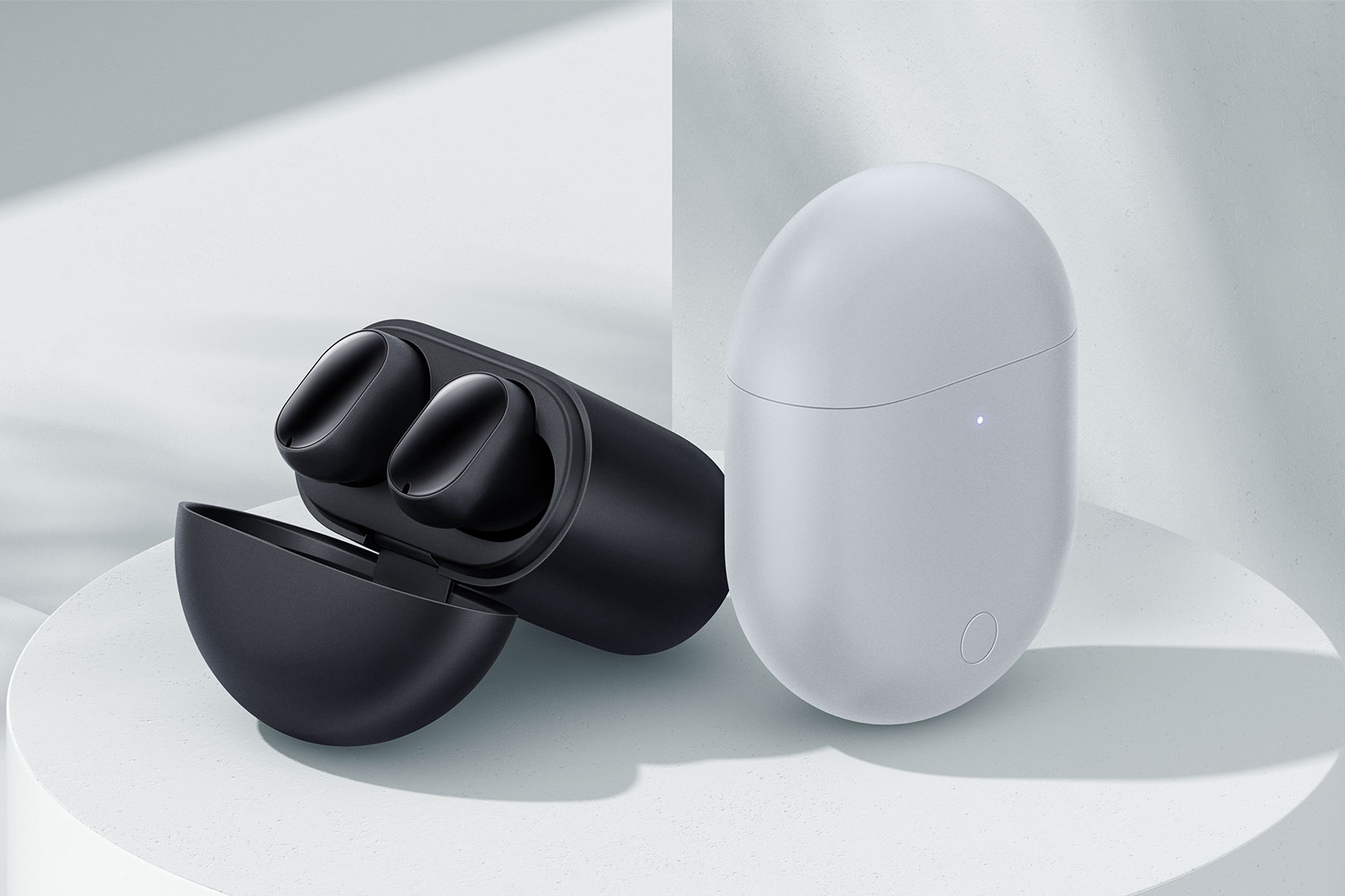
Unsurprisingly, these earbuds will be a rebadged Redmi product. According to the listing, the recently launched Redmi AirDots 3 Pro with model number TWSEJ01ZM will make their way to some regions as POCO Pop Buds as well as Redmi Buds 3 Pro.

Hence, the POCO Pop Buds should have the exact same set of specifications as the Redmi AirDots 3 Pro. Additionally, they could arrive in exclusive colors like ‘POCO Yellow’.

Redmi AirDots 3 Pro Featured C
Talking about specs, we can expect features like 9mm drivers, Bluetooth 5.2, 35dB Active Noise Cancellation (ANC), 69ms low latency, gesture controls, multi-device connection, IPX4 splash resistance, Qi wireless charging, and up to 28-hour battery life.
Unfortunately, there’s no official word from either POCO or Redmi regarding the POCO Pop Buds and Redmi Buds 3 Pro. Anyway, we believe that the POCO-branded product could go official alongside the POCO F3 GT.


RELATED:


Deal: Last day to get $50 OFF on Realme GT 5G (Coupon)

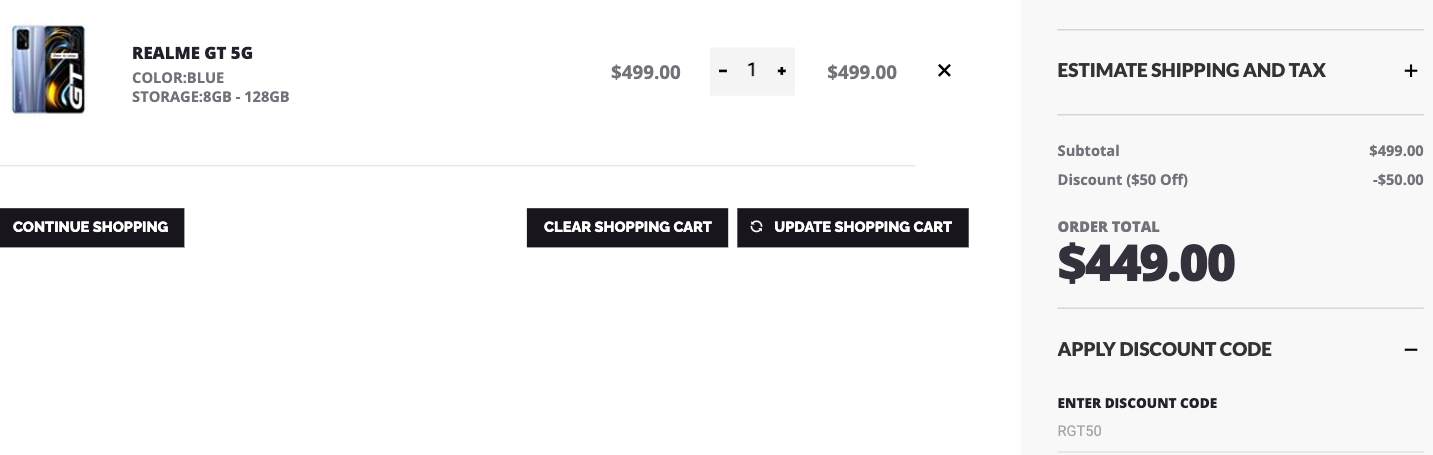
Last day to get $50 OFF on Realme GT 5G. You can now buy the smartphone for a discounted price of $449 by using the code RGT50 only at Giztop. 

WHERE TO BUY

Realme Gt deal

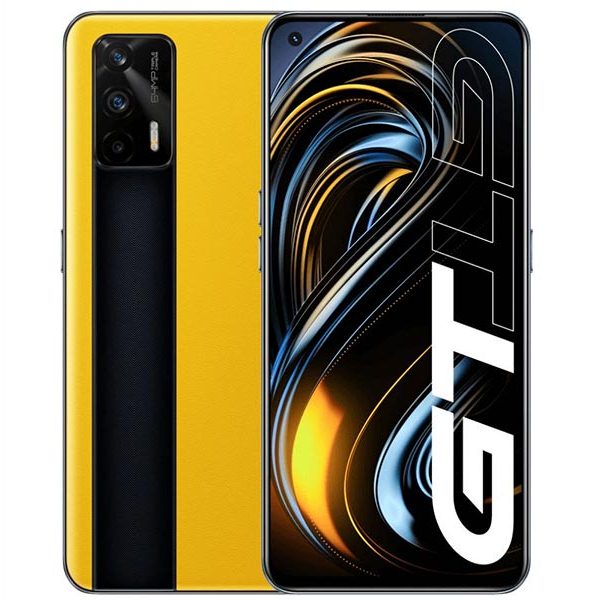
The 6.43-inch S-AMOLED display smartphone comes with a Snapdragon 888 Octa processor and a triple rear camera setup of 64MP + 8MP + 2MP. The smartphone features a 16MP selfie camera. The impressive and creative design on Realme GT is complimented with a dedicated GT mode which leapfrogs your gaming performance with enhanced images, 4D-in-game vibrations, dynamic sound effects, etc. 

Realme GT 5G

Fueled by a 4000mAh large battery, the smartphone supports 65W fast charging that can charge your phone from scratch to 100% in just 35 minutes. The phone comes in two memory variants viz: 8GB-128GB and 12GB -256GB.

Realme GT 5G rear-

Retailing at $499 you can now buy Realme GT 5G from Giztop at a discounted price of $449 using the coupon code RGT50. Please note that this price is applicable on the 8GB + 128GB variant only and the final price may vary as per your variant and color. This coupon is valid only till 31 May 2021. All orders made using the coupon code will be shipped starting 5 June 2021. So hurry up and place your orders asap.


For more information on such exciting deals and offers check out our deals hub.

Lenovo launches the Xiaoxin Panda Printer with AI scanning, OCR, & more!

Lenovo is presently releasing products on all fronts, little wonder why the company recorded a milestone in its earnings for the 2020/2021 fiscal year. Away from smartphones and PCs, the company has now announced the Xiaoxin Panda Printer.

Lenovo Xiaoxin Panda Printer

The Xiaoxin Panda Printer features remote printing, AI scanning, and wrong question search functions, among other new features. It carries a retail price starting at 849 yuan (~$133).

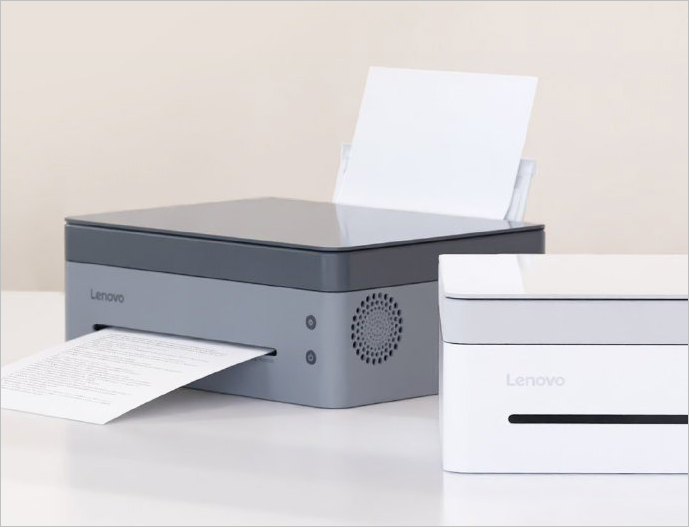
In terms of the design, Lenovo’s Xiaoxin Panda Printer surprisingly looks like the regular Deskjet printers with its rectangular shape. It is capable of several functions apart from just printing out paper documents. It can be used as a scanner and a photocopier. Other interesting features include support for multi-person wireless connection, cloud printing support, and also supports mobile AI Scan photos without worrying about blurry images. The device also supports high-speed printing at a rate of 22 pages per minute. It is a laser printer, erasing the concern about ink clogging or paper jamming.Xiaoxin Panda Printer

In addition, this device also supports OCR text recognition to search for errors, provide spelling suggestions in order to ensure the printed paper is error-free. This makes it suitable for children who are in school.

Lenovo is yet to announce when the Xiaoxin Panda printer will go on sale. However, we expect it to launch in China soon. We can’t say, at the moment, if Lenovo will launch this printer for the global market.

RELATED:


(via)


Expected list of devices with HarmonyOS surfaces before June 2 launch

There is no more doubt that June 2 will mark a significant milestone for tech giant Huawei in its pursuit of software independence. Huawei is expected to officially launch its homegrown HarmonyOS operating system for smartphones as a viable alternative to Android.

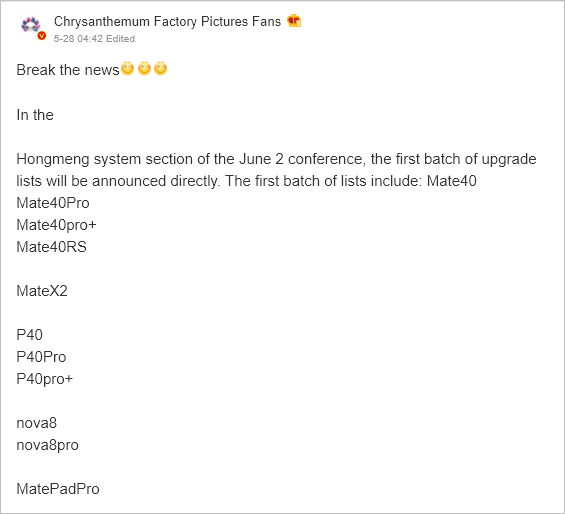
A list of Huawei devices migrating to the platform has now surfaced online. The leaked list includes the Mate 40 series (Mate 40, Mate 40 Pro, Mate 40 Pro+, Mate 40 RS), Mate X2, and MatePad Pro. We would certainly see more devices joining the bandwagon, and this is expected to be pretty rapid. However, Huawei will formally announce the devices that will be among the first to migrate to the new platform on June 2, just days away.

The company hopes to achieve more than a quarter of a billion devices running on HarmonyOS by the year’s end. The bulk of the projected devices that will ultimately rely on the Android alternative will come from existing devices that migrate to the new platform, while a fraction will come from new devices.

Huawei’s HarmonyOS is a product borne out of the extended and stringent sanctions imposed on the Chinese company by the US government. The sanctions saw Huawei’s smartphone business gasping for breath as Washington tightened the noose.

The release of an alternative platform to Google’s Android has significant ramifications in the short term. It could signal the beginning of some level of independence and over-reliance on suppliers from the United States for critical software components. Huawei has so far been able to shield the HarmonyOS from prying eyes since not much is known about the platform. However, it may not be significantly different from the current Android 11 in terms of the user interface and design functionality.

RELATED:


(source)


Xiaomi introduces 200W wired and 120W wireless HyperCharge technology, full charge in 8 mins

In August 2020, Xiaomi announced the Xiaomi Mi 10 Ultra as its first phone with a 120W fast charging solution. Recent reports claimed that the company has plans to launch a 200W fast charging phone in the second half of the year. Today, the company unveiled its latest HyperCharge fast charging solutions to reveal what to expect from its smartphones in the future. Xiaomi’s newly announced 200W wired charging technology promises to charge a smartphone in just 8 minutes. Alongside it, the company also unveiled its 120W wireless charging that can charge a phone in just 15 minutes.

Xiaomi announced its 120W charging solution along with the Mi 10 Ultra that came with a 4,500mAh battery. The technology could fully charge the Mi 10 Ultra in just 23 minutes. What about the new 200W HyperCharge technology by Xiaomi?

As shown in the below video, the 200W wired charging solution by Xiaomi can charge a 4,000mAh battery to 50 percent capacity in just 3 minutes. And it takes 8 minutes to gain 100 percent battery juice.

On the other side, the all-new 120W wireless charging can charge a 4,000mAh battery to 10 precent in just 1 minute, 50 percent in 7 minutes, and 100 precent in only 15 minutes. The 120W wired and 120W wireless HyperCharge solutions can be seen powering the custom build version of the Xiaomi Mi 11 Pro.

The 120W wireless HyperCharge has arrived as a successor to Xiaomi’s 80W wireless charging, which was announced back in October last year. The 80W wireless charging technology can fully charge a 4,000mAh battery in 19 minutes.

RELATED:

Realme X7 Max 5G price in India emerge ahead of launch

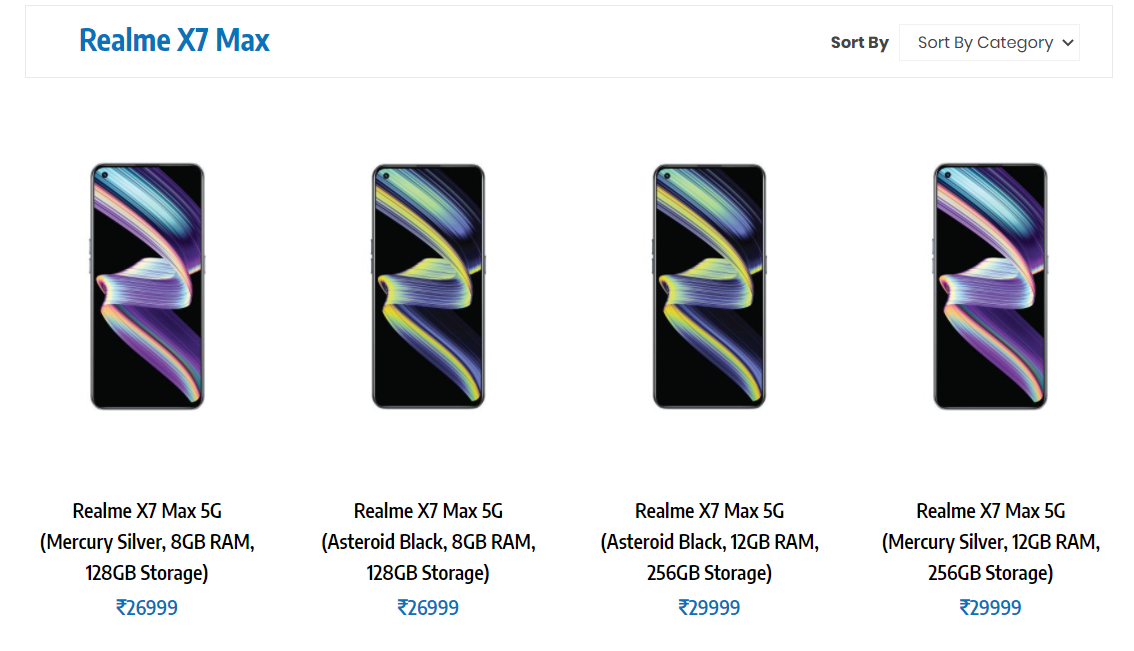
Later today, Realme will be announcing the Realme X7 Max 5G smartphone in India. It is speculated to arrive as a rebadged version of the Realme GT Neo, which was unveiled last month in China. Ahead of the launch, an Indian retailer named Sangeetha Mobiles (via) has already listed the Realme X7 Max 5G along with its pricing.

The Sangeetha Mobiles listing reveals that the Realme X7 Max 5G will come in two options such as 8 GB RAM + 128 GB storage and 12 GB RAM + 256 GB storage. They are priced at Rs 26,999 and Rs 29,999, respectively. Both variants are listed in colors like Asteroid Black and Mercury Silver.

Realme X7 Max 5G
A screenshot of the Realme X7 Max 5G’s listing at Sangeetha Mobiles

Realme X7 Max 5G specifications and features

The Realme X7 Max 5G has a 6.43-inch AMOLED screen that offers a Full HD+ resolution of 1080 x 2400 pixel, a 120Hz refresh rate, and an in-display fingerprint scanner. The Dimensity 1200 chipset powers the device with LPDDR4x RAM and UFS 3.1 storage. It does not feature a microSD card slot. The phone runs on Android 11 OS, which is overlaid with Realme UI 2.0 skin.

The smartphone has a front camera of 32-megapixel, and its back panel has a 64-megapixel + 8-megapixel + 2-megapixel triple camera system. It is backed by a 4,500mAh battery, which supports 50W rapid charging.

In related news, Realme India could be soon announcing the Realme GT 5G flagship, which is powered by the Snapdragon 888 SoC. The handset was found listed as “coming soon” on Realme India’s website. Probably, it will break cover at some point in June in India.

RELATED:

Promo video of Sony’s upcoming WF-1000XM4 wireless buds surfaces online

The full picture of the upcoming Sony WF-100XM4 wireless earbuds can be pieced together based on several leaks and official releases concerning the flagship accessory. In what could be an insider job, an official promo video of the device has been leaked on Reddit, giving us our first real look at those pair of beauties.Sony WF-10000XM4 As per the leaked official promo video, we can see that the device has more robust active noise cancellation capabilities, will run on a custom V1 processor in combination with some new drivers. The noise cancellation is enhanced by the presence of internal and external dual feedback noise reduction modules. There is also the availability of a conversion mechanism using the speak-to-chat feature.

The earbuds, as we know, are wireless and have Bluetooth high-resolution connectivity, several hands-free features that combine to give the user a very compelling user experience. Audio quality is significantly enhanced with the use of bone conduction microphones which feature precise voice functionality. The WF-1000XM4 has Voice Assistant support, so you can easily use Alexa or Google Assistant to carry out commands.Sony WF-10000XM4

The device is also IPX4 rated and can withstand water coming in contact with it without damage, and it has a battery that can offer up to 8 hours of service on a full charge, which is further extended to a full day with the charging case in place. Fast charging is possible via the USB-C port or wirelessly.

Sony has not come up with the fine details of the product and the actual pricing but the earbuds may likely be available in two color variants. However, it is expected to be pricier than its predecessors.  We’re certainly close to the official rollout of the Sony WF-1000XM4.

RELATED:


(source, via)


Top stories from last week: Redmi Note 8 2021, Fuschia OS makes it debut, Lenovo and Samsung announce new tablets, Xiaomi removed from US Blacklist, and more

Last week was packed full of announcements. Not only were there several new phones but we also got a handful of new tablets from two tech giants, a new operating system, and new CPU and GPU cores from Arm.

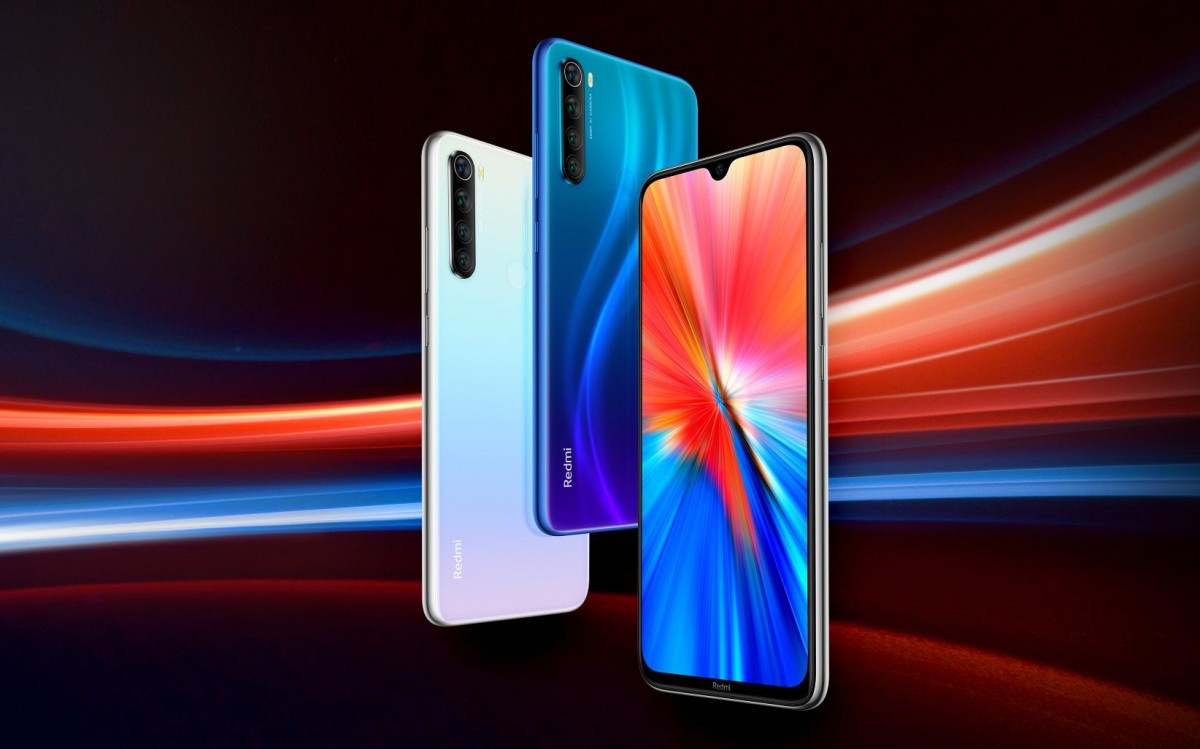
Redmi Note 8 2021

Redmi Note 8 2021

The Redmi Note 8 2021 was one of the devices announced last week. The refreshed phone which originally launched in 2019 now comes with a new processor and the latest version of Android. There is no price tag yet but it will be sold in Europe.


Fuchsia OS
Fuchsia OS

Fuchsia OS is official, rolls out to the Nest Hub

Fuchsia OS, the operating system in development by Google since 2016 is now official and the tech giant is pushing it out as an update to the first-gen Nest Hub which originally runs Cast OS. Google has bigger plans for the operating system but it is starting with its IoT devices, so expect to see the new OS power a lot more devices soon.


Xiaomi Mi Logo

US drops Xiaomi from its trade blacklist

The United States has had no other choice than to Xiaomi has officially been removed from the US trade blacklist following a ruling from a US court. The company had taken the US Govt. to court following its addition to a list of companies designated as Communist Chinese Military Companies. The court has now ruled in favor of the Chinese tech giant.


Lenovo YOGA Pad Pro featured

Lenovo and Samsung’s new tablets battle it out

Both Lenovo and Samsung announced new tablets last week. The latter announced the Xiaoxin Pad Pro 2021, Xiaoxin Pad Plus, and the YOGA Pad Pro while Samsung announced the Galaxy Tab S7 FE and the Galaxy Tab A7 Lite.

ARM

Arm’s new CPU cores are powerful and boast a new architecture

Arm’s CPUs and GPUs are the basis for a lot of mobile processors. Last week, it announced new ones that are not only powerful but also mark a big shift in architecture as they drop the 2011 Arm v8 for the new Arm v9.

The new CPUs include the Cortex-X2 performance core, the Cortex-A710 big core which succeeds the Cortex-A78, and the Cortex-A510 which succeeds the Cortex-A55 that was announced back in 2018. As you can see, Arm has switched from two digits to three for its big core and little cores.

For the new GPUs, we have the Mali-G710 and Mali-G610 for high-end chips and the Mali-G510 and Mali-G310, successors to the Mali-G57 and Mali-G31 for budget and mid-range chips. All of this GPUs are available with different cores, so that will play a role in their performance when they begin to appear in chipsets.


OPPO Reno6

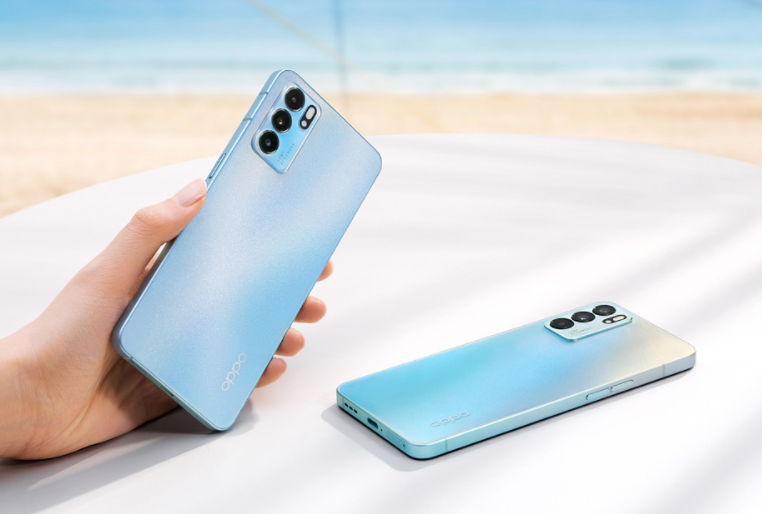
OPPO Reno6 series

The Reno6 series made its debut in China last week. The three devices come with high refresh rate displays, MediaTek and Qualcomm processors, and support for 65W fast charging across board.


realme OS Preference Survey

Realme could switch back to ColorOS

When Realme first began shipping phones, the devices ran ColorOS. Along the line, it announced its own UI called realme UI, which is actually a fork of OPPO’s ColorOS. Now a recent survey carried out by the brand realme could switch back to ColorOS for its smartphones, though with some features exclusive to its own phones.


RedMagic 6R
RedMagic 6R

Redmagic 6R is a more affordable gaming flagship

Nubia’s RedMagic gaming smartphone brand announced a new model for its RedMagic 6 series last week. The RedMagic 6R is a proper flagship in its own right with its AMOLED display, 144Hz refresh rate, Snapdragon 888 chip, and support for 55W fast charging, but it is more affordable than its siblings with a starting price of under ~$450.


RELATED:

Poll of The Week: Redmi Note 10 Pro 5G (China) or Redmi Note 10 Pro (Global)?

The Redmi Note 10 Pro (5G) launched a few days ago in China and it is quite different from the Redmi Note 10 Pro (global version) that was announced back in March.

Some of the key differences include support for 5G on the Chinese version as a result of the Dimensity 1100 whereas the global version has a Snapdragon 732G processor. It also has a 120Hz LCD screen with Gorilla Glass Victus protection while the global version comes with a 120Hz AMOLED display with Gorilla Glass 5.

Xiaomi also ships the global version with a 108MP quad camera setup while the Chinese version has a 64MP triple camera setup. Another major difference is that the Redmi Note 10 Pro 5G has a 5000mAh battery with support for 67W fast wired charging while the Redmi Note 10 Pro (global) has a 5020mAh battery with support for 33W fast wired charging.

As you can see, these are quite significant differences. Xiaomi is yet to say if the Redmi Note 10 Pro 5G will get a global launch, nevertheless, we want to know which one of the two phones you prefer. Is it the Redmi Note 10 Pro 5G or the Redmi Note 10 (Global version)?

[yop_poll id=”86″]


RELATED:

Lenovo records its best performance ever in 2020/2021 with over $60bn in revenue

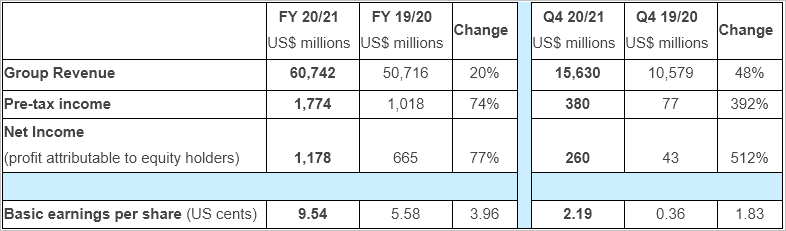
Lenovo Group unveiled its full-year financials for the 2020/2021 fiscal year, and it shows some impressive performances. The Group had a solid fourth-quarter result and achieved a milestone of crossing the $60 billion mark in revenues for the fiscal year. Profits also showed record-breaking levels, which indicates that the Lenovo brand is on the right trajectory in its development.

Exceptional growth indices were recorded across the Group’s businesses, reflecting a solid outlook for the company. It also demonstrates resilience, consistency, and an ability to engender sustainability across the Group. The Lenovo Group continues to expand its outreach through diversification to areas of strong competencies, which could have resulted in the impressive and record-setting financial results released. The company’s corporate strategy is the 3S, which denotes a preference for Smart applications and technology in the Internet of Things, Infrastructure, and Solutions. The company hopes to continue to sustain its strong performance, going forward and will explore growth opportunities created by trends in the tech marketplace.

A close look at the numbers from the financials shows a 48% increase in revenue accruals to the Group to $15.6 billion. A massive 392% jump in pre-tax profits was observed together with another 512% surge in profits after tax, which is a record, by the way.

The financial results show that the Group performed excellently across several performance indicators, and its shareholders are expected to reap bountiful returns on their investments this year. Lenovo shareholders will get a dividend of $0.0309 per share for the 2020/2021 fiscal year.

According to Lenovo’s Chairman and CEO, Yuanging Yang, the company delivered its best-ever performance in almost a decade in the last quarter of the fiscal year. It achieved a milestone of $60 billion in revenue on the back of a strong focus on the company’s core competencies.

The growth pattern showed significant contributions from various segments of the Group including laptops, tablets, data, cloud services, and smartphones, amongst others. It also showed a growing global presence of Lenovo, with solid performances observed in Europe, North America, and the Asia Pacific.

The company will continue to leverage its core mandate while interfacing with new opportunities as it seeks to sustain this strong performance.

RELATED:


(source)


Microsoft’s Your Phone App extends its multi-app multitasking feature to more Samsung devices

In recent times, the relationship between Microsoft and Samsung has gotten stronger with new partnerships and features that make their devices work better with each other. One of such features is the Microsoft Your Phone App that allows select Samsung Galaxy phones to run multiple apps simultaneously when connected to a Windows computer. Now, more Samsung devices are getting the feature.

When it was announced in January, the multi-app multitasking feature was limited to the Galaxy Note 20 series, the Galaxy Z Fold 2, the Galaxy Z Flip/Z Flip 5G, the Galaxy S20 5G series, and the Galaxy S21 series. Now MSPoweruser reports that Microsoft has added a few more devices to the list.

These devices are as follows:

The source reports that users also have to have their PCs running the Windows 10 May 2020 update or later and also have their computer and Samsung Galaxy device connected to the same Wi-Fi network.

When connected to your PC, you will be able to make and receive calls from your PC, send and receive SMS messages, mirror your apps and access them on your PC, easily copy and transfer files between devices, and more.


RELATED:

Xiaomi will announce new record-breaking HyperCharge fast charging technology tomorrow

Xiaomi is one of the manufacturers that has pushed the bar of fast charging technology to incredible levels. It currently holds the record for the fastest wireless charging technology and is one of the few manufacturers with a device that supports 120W fast wired charging. Now, it is ready to set another record tomorrow when it unveils its new HyperCharge fast charging technology.

The tech giant has shared a post across its social media channels that say it will set a new record with its new HyperCharge fast charging technology. We are not sure if the new technology is wired or wireless but we want to believe it is the former.

Earlier this year, there were reports that Xiaomi has a phone with support for 200W fast charging planned for release in the second half of this year. However, the source explained that the 200W is a sum of all the modes of charging the device supports i.e. wired + wireless + reverse wireless charging. The Mi 11 Ultra which is Xiaomi’s highest premium model supports 67W wired charging, 67W wireless charging, and 10W reverse wireless charging which sums up to 144W. So whatever will be announced tomorrow should see the manufacturer get closer or arrive at the 200W mark.

The Chinese brand already holds the record for the fastest wireless charging technology in a device with its 67W wireless charging technology present in the Mi 11 Pro and Mi 11 Ultra. Last year, it announced an 80W wireless fast charging technology that is yet to be supported by any device yet though it already sells an 80W wireless charger.


RELATED:

Deal: Get Blackview BL6000 Pro with Android 11 for $379 (Original Price $599)

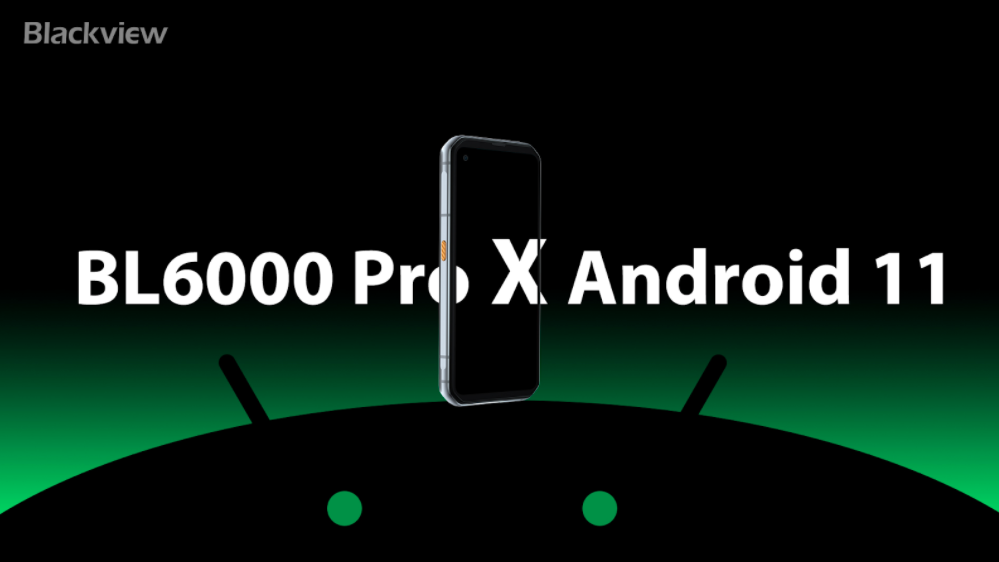
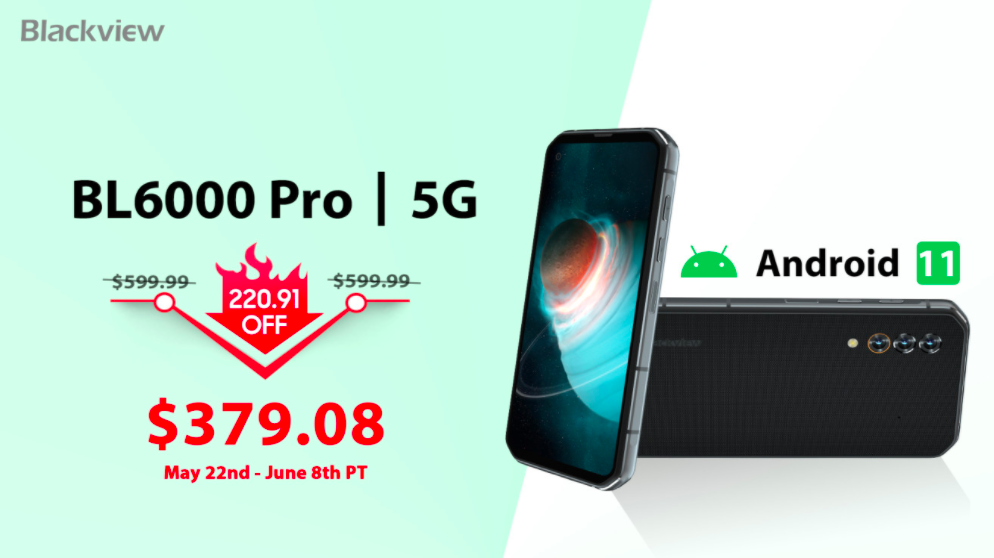
Blackview BL6000 Pro is now available with the latest Android 11. The rugged 5G smartphone which generally retails for $599 can now be bought for $379.08 only. 

blackview bl6000 pro upgrade

NEW FEATURES:

With the latest Android 11 update, you bow get new and advanced features on the smartphone like Enhanced Privacy, Improved user experience, Smarter Device Control, etc. With the latest updates, you now get an all-in-one notification section and chat bubbles, optimized control over smart home devices, and media players.

Apart from the Android upgrade, the smartphone is also optimized for better touch-sensitive and made some other improvements like faster fingerprint unlock accurate gesture recognition, enhanced charging speed, etc.

Please note that the existing users with the old Android 10 BL6000 Pro smartphones can also manually make upgrades through the OTA update which will be available on 5 June 2021.


SMARTPHONE FEATURES:

blackview bl6000 pro upgrade

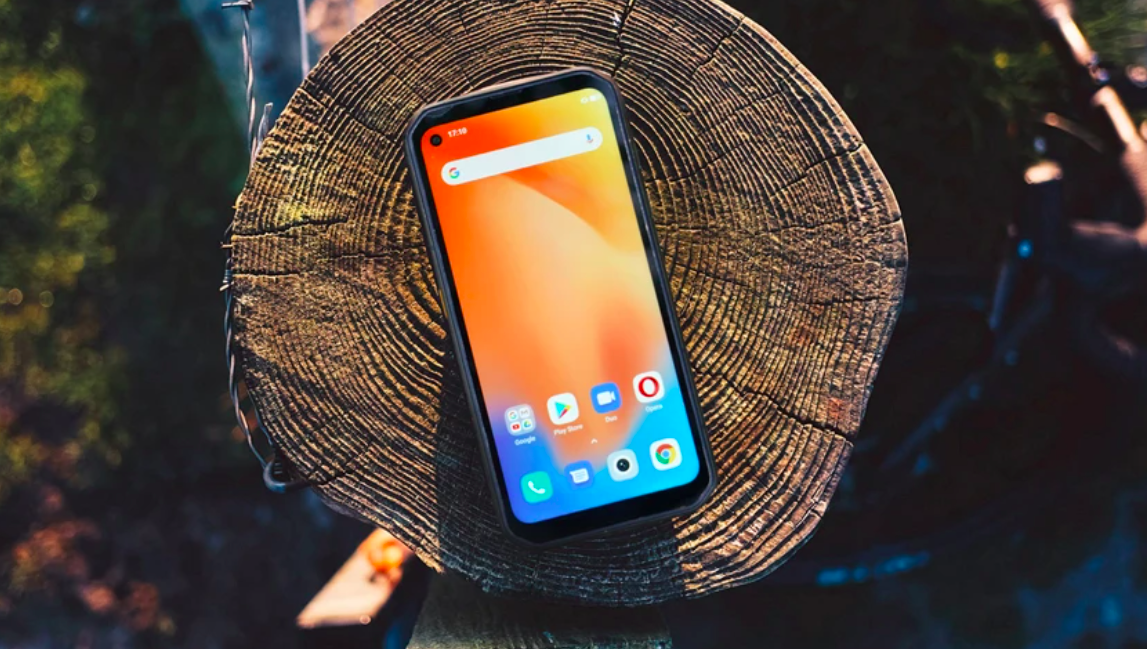
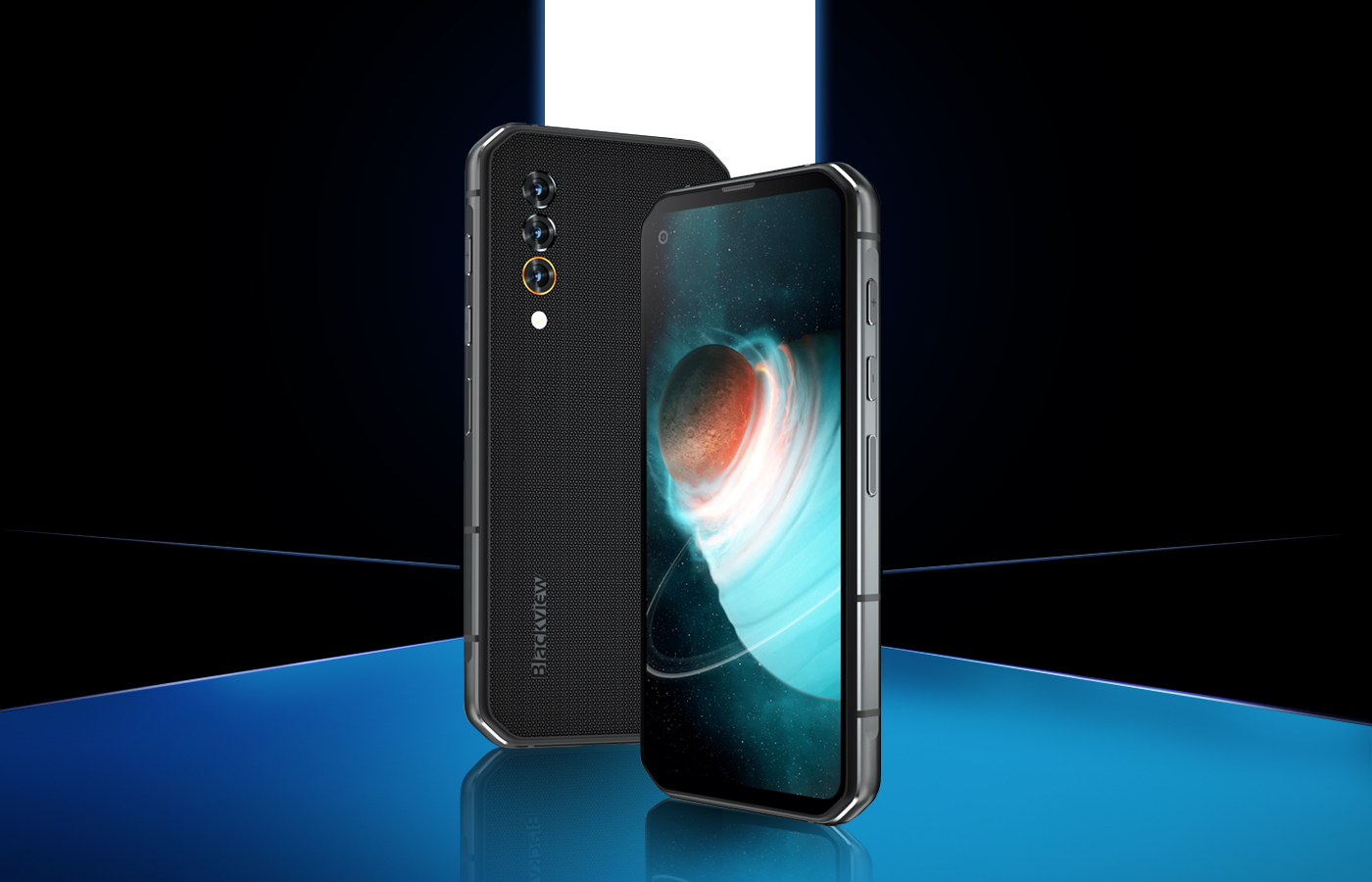
Blackview Bl6000 Pro 5G rugged smartphone comes with a 6.36-inch FHD+ Punch Hole Display and is powered by the MediaTek Dimensity 800 chipset. The smartphone features a triple rear camera setup with a 48MP Sony IMX582 sensor. For your selfies, you have a Samsung S5K3P9-SP 16MP front camera.

Blackview Bl6000 Pro1

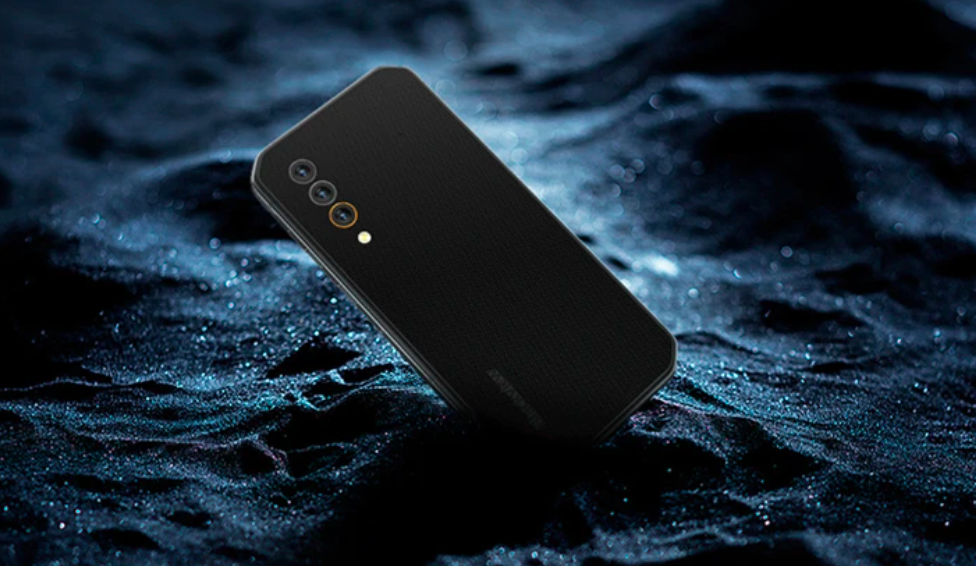
Blackview Bl6000 Pro 5G smartphone is designed to work in the harshest environment and comes with an IP68, IP69K, and MIL-STD-810G certification making it waterproof, dustproof, drop-proof, and shockproof. The smartphone is up to – 30 degrees celsius cold resistant and can withstand dangerous and hazardous weather elements like heat, pressure, etc. 

Blackview Bl6000 Pro3

Designed using nanotechnology and sealed with a special membrane, the smartphone can withstand up to 1.5m of water for up to 30 minutes and a robust metal body structure makes it drop-proof up to 1.5m in height.

The smartphone comes with 8GB RAM and 256GB ROM and is powered by a massive 5280mAh battery that gives you 11 hours of video time and 480 hours of standby on one single charge. 

Blackview BL6000 Pro-4-

Retailing at $599 you can now buy Blackview Bl6000 Pro for a heavily discounted price of $379.08 only. Please note that this promotional discount ends on 8 June 2021. So hurry up and place your order asap. 


For more information on such exciting deals and offers check out our deals hub.

Next Week in Tech: Meizu Watch, Realme X7 Max and 4K TV, and Huawei’s launch event

The month of May has been packed with several launches and announcements but the month is not yet over. With the last day of the month on Monday, there are still a few key announcements. June is also off to an interesting start with a launch from Huawei. Here is what’s happening next week in tech:

Meizu Watch

Meizu Watch – May 31

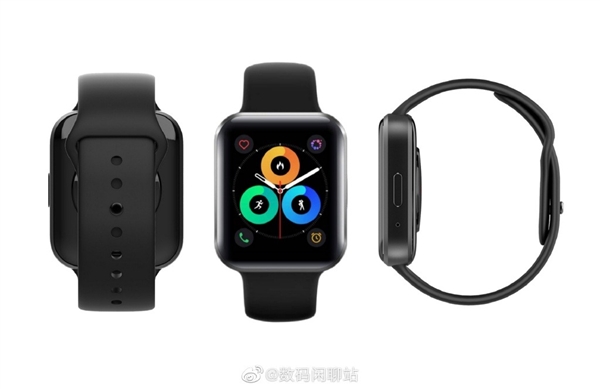
The Meizu Watch has been a long time coming and now it will be announced on Monday, May 31. The smartwatch will be powered by the Snapdragon Wear 4100, run Flyme for Watch, have an eSIM, and come with a charging cradle with a detachable USB-C cable.


realme Smart TV 4K Featured
realme Smart TV 4K, Huawei

Realme Indian Launch – May 31

Realme will announce two new products for the Indian market on Monday too. The first is the Realme X7 Max 5G smartphone and there is the Realme Smart TV 4K. The latter is a rebadge of the Realme GT Neo sold in China while the TV will be available in 43-inch and 50-inch versions.


Huawei Watch 3 HarmonyOS Teaser

Huawei China Launch Event- June 2

Huawei has a big announcement set for Wednesday, June 2. The manufacturer will unveil HarmonyOS for smartphones as well as a few devices powered by the operating system such as the MatePad Pro 2. It will also announce a new smartwatch powered by a version of the OS designed for watches.


RELATED:

Realme GT 5G listed as “coming soon” on Indian website, schedules 5G summit for June 3

A few weeks ago Realme confirmed that its flagship phone, the Realme GT will get a global launch followed by a release of the global version of Android 12 Beta for the device.

realme 5G Summit

The manufacturer has already confirmed that the flagship will launch in Europe in June but while it is yet to announce a launch date for the Indian market, a page on its website has revealed the phone will be launching soon in the country.

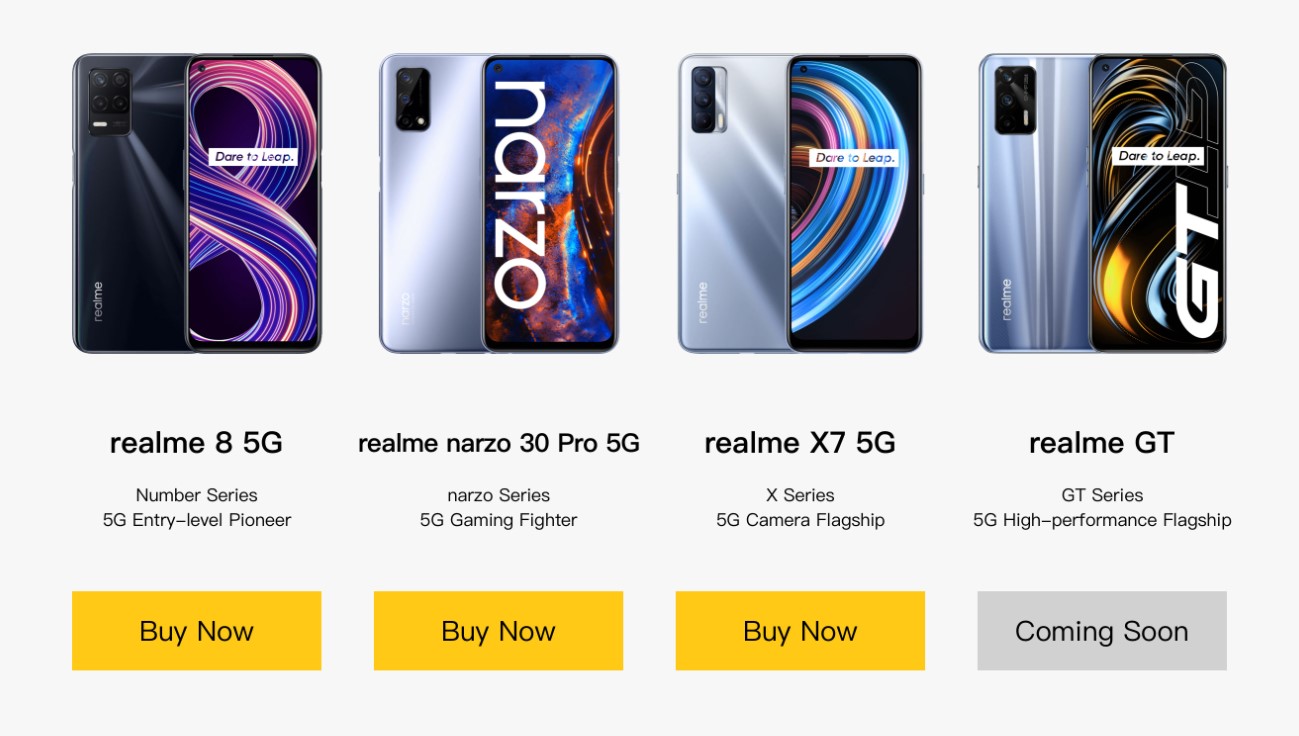
The page is for its global 5G summit scheduled for June 3 and it has a list of 5G smartphones from the brand. Among these devices is the Realme GT 5G, but unlike the others, it is listed as “coming soon”. The other devices that were listed are the Realme 8 5G, Realme Narzo 30 Pro 5G, and the Realme X7 5G.

realme GT 5G India

The 5G summit will begin at 10 AM GMT+1 and will have executives from Counterpoint Research, GSMA Intelligence, and Qualcomm as guest speakers. The company’s CEO of India and Europe, Madhav Sheth will also be among the speakers in addition to the brand director, Johnny Chen.

Realme will also hold more 5G sessions in other countries. There will be one in Indonesia on June 8; in India on June 10; Mexico, Columbia, and Peru on June 16; Russia on June 17; and the Middle East and Africa on June 28.

The Realme GT launched in China in March. It has a 6.43-inch FHD+ Super AMOLED screen with a 120Hz refresh rate, and a punch hole at the top left corner of the screen. There is a Snapdragon 888 inside it along with 12GB of RAM and 128GB or 256GB of storage.

On the back of the device is a 64MP triple camera setup that includes an 8MP ultrawide angle camera and a 2MP macro camera. There is a 16MP sensor nestled in the hole at the top corner of the screen. the Realme GT has stereo speakers and is one of the few flagships in 2021 with an audio jack. It packs a 4500mAh battery, and with support for 65W fast charging, you can fill it up in about 35 minutes.


RELATED:

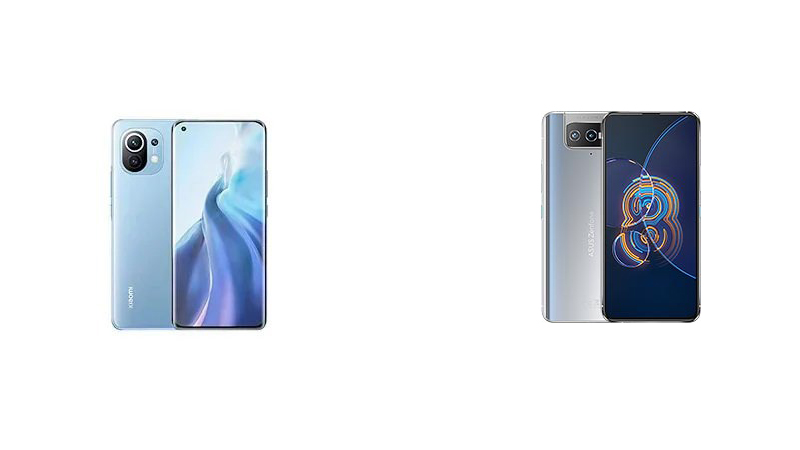
Xiaomi Mi 11 vs Asus Zenfone 8 Flip: Specs Comparison

Asus is not only ROG gaming phones. Despite the company axed its budget offerings, the Zenfone series is still alive and kicking with flagships being released every year. This year the Taiwanese company released the compact Zenfone 8 and the Asus Zenfone 8 Flip: both are flagship killers with unique features in the actual Android market. But in the same price range as the Asus Zenfone 8 Flip you have another stunning choice: the vanilla Xiaomi Mi 11. Is the new Asus flagship able to compete with Xiaomi’s beast or the Zenfone series is still too expensive to catch your attention? Let’s discover it together in this comparison.

Xiaomi Mi 11 vs Asus Zenfone 8 Flip

Xiaomi Mi 11 Asus Zenfone 8 Flip
DIMENSIONS AND WEIGHT 164.3 x 74.6 x 8.1 mm, 196 g 165 x 77.3 x 9.6 mm, 230 g
DISPLAY  6.81 inches, 1440 x 3200p (Quad HD+), AMOLED  6.67 inches, 1080 x 2400p (Full HD+), Super AMOLED
PROCESSOR Qualcomm Snapdragon 888, octa-core 2.84 GHz Qualcomm Snapdragon 888, octa-core 2.84 GHz
MEMORY 8 GB RAM, 256 GB – 8 GB RAM, 256 GB – 12 GB RAM, 256 GB 8 GB RAM, 128 GB – 8 GB RAM, 256 GB – micro SD dedicated slot
SOFTWARE  Android 11, MIUI  Android 11, Zen UI
CONNECTIVITY  Wi-Fi 802.11 a/b/g/n/ac/ax, Bluetooth 5.2, GPS  Wi-Fi 802.11 a/b/g/n/ac/ax/6e, Bluetooth 5.2, GPS
CAMERA Triple 108 + 13 + 5 MP, f/1.9 + f/2.4 + f/2.4
20 MP front camera
Triple 64 + 8 + 12 MP, f/1.8 + f/2.4 + f/2.2
No front camera (uses main camera)
BATTERY  4600 mAh, fast charging 50W, wireless charging 50W  5000 mAh, fast charging 30W
ADDITIONAL FEATURES Dual SIM slot, 5G, reverse wireless charging 10W Dual SIM slot, 5G, flip-up camera

Design

The Asus Zenfone 8 Flip is one of the few flagships without holes or other interruptions in the display (thanks to its flip-up camera). That makes it definitely interesting in terms of design. But I love the Xiaomi Mi 11 too much because of its curved screen, high screen-to-body ratio, and original rear cover, so my choice would still be the Xiaomi Mi 11. Further, the Xiaomi Mi 11 is protected by Gorilla Glass Victus, so it should be sturdier.


Display

If you need the best display, you should go for the Xiaomi Mi 11 without thinking twice. Its Quad HD+ resolution provides a higher level of detail and its 120 Hz refresh rate provides a smoother viewing experience. Further, it shows up to one billion colors and it even comes with a wider diagonal for the display (6.81 inches vs 6.67 inches). Last but not least, it has a higher brightness which guarantees higher visibility under sunlight. The Zenfone 8 Flip still comes with a great display including the AMOLED technology, the HDR10+ certification, and a 90 Hz refresh rate, but it can not compete with the Xiaomi Mi 11.


Specs & Software

Xiaomi Mi 11 and Asus Zenfone 8 Flip are both flagships fueled by the Snapdragon 888 mobile platform by Qualcomm, but the Mi 11 comes in a configuration with 12 GB of RAM, while Asus Zenfone 8 Flip stops at 8 GB. Further, the MIUI software found on the Xiaomi Mi 11 is richer in features than the Zen UI. On the other hand, Zenfone 8 Flip is one of the few flagships which still retain the micro SD slot to expand the internal storage.


Camera

The Xiaomi Mi 11 has a better main camera: a 108 MP main sensor with OIS and 8K video recording support. The Asus Zenfone 8 Flip has an inferior 64 MP main sensor but superior secondary sensors, including an 8 MP telephoto sensor with 3x optical zoom (the Mi 11 lacks a telephoto sensor) and a 12 MP ultrawide camera. Further, the rear camera module of the Zenfone 8 Flip can be used as a front camera because it is a flip-up camera module.


Battery

The Asus Zenfone 8 Flip has a bigger battery than Xiaomi Mi 11: while the former has a big 5000 mAh unit, the Mi 11 comes with just 4600 mAh. It is also a more efficient phone because its display is smaller and it comes with a lower resolution, so it will most likely last more on a single charge. But the Xiaomi Mi 11 wins the charging comparison: it supports fast wireless charging (which is not present on the Zenfone 8 Flip) with a power of 50W and even faster wired charging (55W vs 30W).


Price

The Xiaomi Mi 11 and the Asus Zenfone 8 Flip are priced at €800/$975 in the global market (Europe). The same price for two very different phones and there is not a clear winner, despite I would definitely choose the Xiaomi Mi 11 unless the Asus Zenfone 8 Flip goes more affordable. The Xiaomi Mi 11 offers a better display, wireless charging, and faster charging speeds. With the Asus Zenfone 8 Flip, you get a more interesting camera setup and a bigger battery.


Xiaomi Mi 11 vs Asus Zenfone 8 Flip: PRO and CONS

Xiaomi Mi 11

PRO

  • Better display
  • More advanced software
  • 108 MP camera
  • Wireless charging
  • Faster charging

CONS

  • Smaller battery


Asus Zenfone 8 Flip

PRO

  • Bigger battery
  • Flip-up cameras
  • Telephoto sensor
  • Holeless display
  • Micro SD slot

CONS

  • Inferior display


RELATED

Check the latest videos from our YouTube channel and subscribe:

Latest Redmi K40 Gaming Edition update brings support for Google Mobile Services

A new update is rolling out to the Redmi K40 Gaming Edition and while the file size is small, it is a pretty important one especially for those outside China that plan to get their hands on the phone.

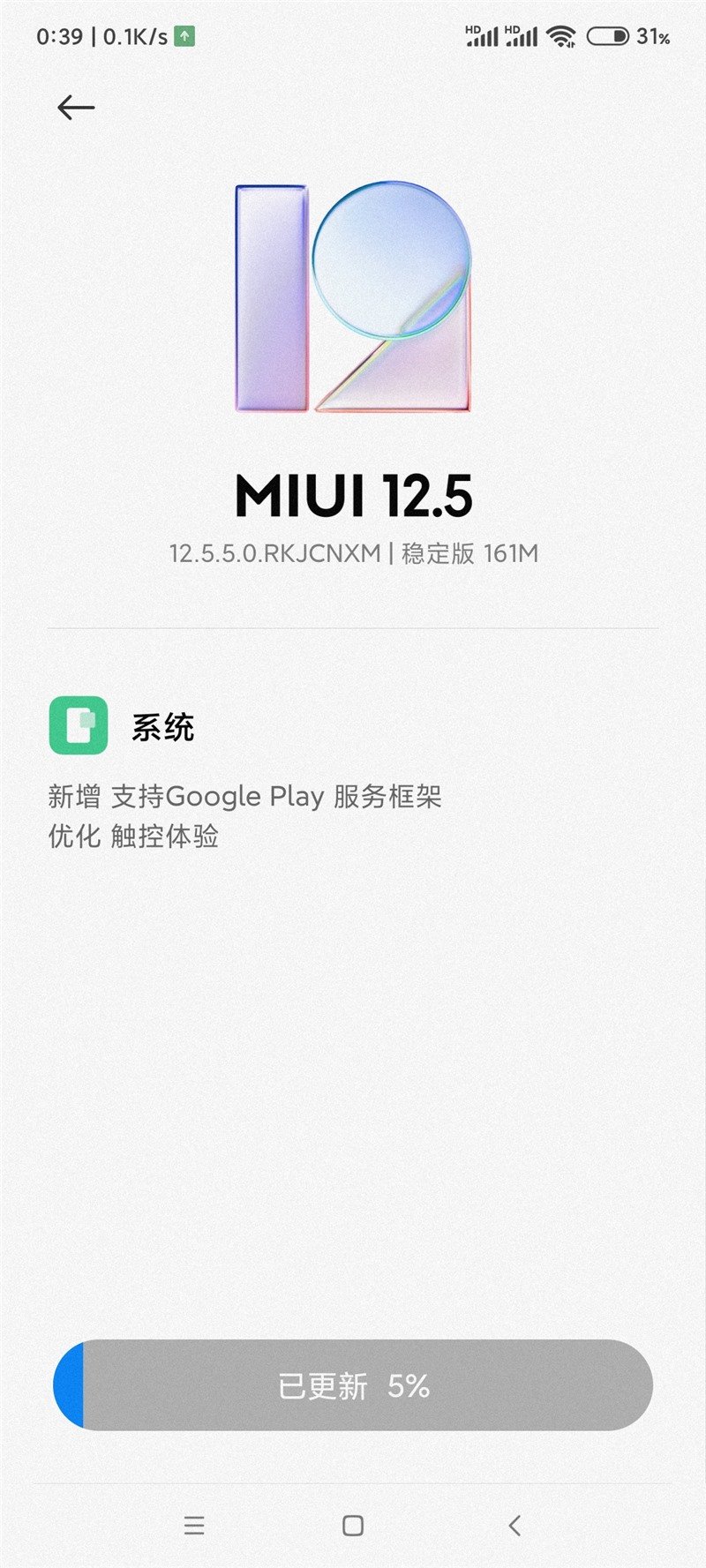
The update is rolling out as MIUI 12.5.5.0RKJCNXM is 161 MB in size, and according to the changelog, it brings support for the Google Play Services framework. This means those who purchase this device from China can install Google Mobile Services on it. This is an important update as Xiaomi had revealed earlier this year that it will remove support for the framework from its devices going forward.

WHERE TO BUY
Redmi K40 Gaming Edition at $399 @Giztop
Redmi K40 Gaming Edition MIUI GMS update
Image source: ITHome

Save for adding support for the Google Play Services framework, the update also optimizes the touch experience.

The Redmi K40 Gaming Edition launched last month as the brand’s first gaming smartphone. Powered by the Dimensity 1200 processor, the phone has a 6.67-inch FHD+ OLED display with a 120Hz refresh rate. It comes with up to 12GB of RAM and up to 256GB of non-expandable storage.

There are three cameras on the back of the Redmi K40 Gaming Edition – a 64MP main camera, an 8MP ultrawide angle camera, and a 2MP macro camera. It also has a 16MP front-facing camera, JBL-tuned stereo speakers, retractable shoulder buttons, Gorilla Glass 5 on both sides, and an IP53 rating. Redmi ships it with a 5065mAh battery with support for 67W fast charging. It runs Android 11 out of the box.


Listed DIZO Watch, DIZO GoPods, and DIZO GoPods D are rebadged realme products

Earlier this week, it was announced that DIZO, an Indian-based company will be the first brand under Realme’s TechLife ecosystem. While the brand didn’t say when its first product will launch, it revealed its lineup will include products under “Smart Entertainment, Smart Home, Smart Care, and Accessories”. Now three DIZO-branded products have been spotted and they are practically rebadged Realme ones.

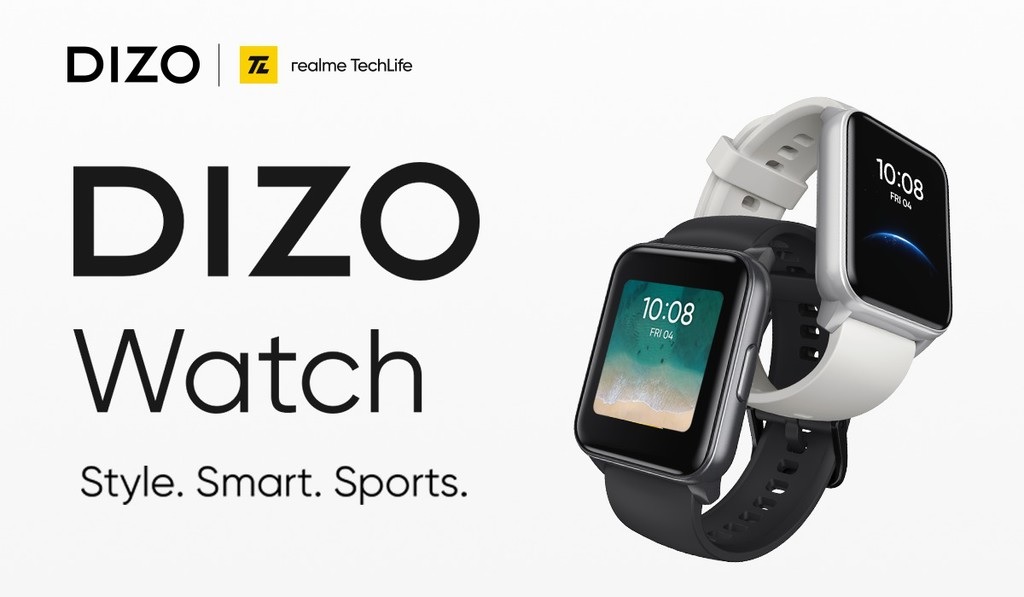
The products were seen by Twitter user Chun (@chunvn8888) who found them on the official DIZO store on Shopee Vietnam. The three products are the DIZO Watch, DIZO GoPods, and the DIZO GoPods D. The first two products are the rebadged realme Watch 2 and realme Buds Air 2 respectively while the GoPods D is based on the realme Buds Q2.

We expected DIZO’s first set of products will be IoT devices and not a rebadged realme smartwatch and earphones but that is not the case. Nevertheless, fans of realme in Vietnam should be happy with these products as their realme equivalents are not sold in the country. So this is their chance to get their hands on them.

DIZO Watch

The DIZO Watch is priced at VND 1,490,000 (~$64) and is available in black, though a white variant should be available later. It has a 1.4-inch display, a 12-day battery life, support for 90 sports modes, a heart rate sensor, a blood oxygen monitor, an IP68 rating, and doubles as an AIoT hub for supported devices.


DIZO GoPods

The DIZO GoPods has a price tag of VND 2,690,000 (~$117) and is currently available in black though the images also show an off-white variant with black earbuds. The earbuds have Bluetooth 5.2, ANC, a transparent mode, a realme R2 chip, 10mm drivers, a game mode with 88ms super-low latency, and up to 25 hours of playback with the case. It is also IPX5 water-resistant and can be tweaked to the owner’s preference via the realme Link app.


DIZO GoPods D

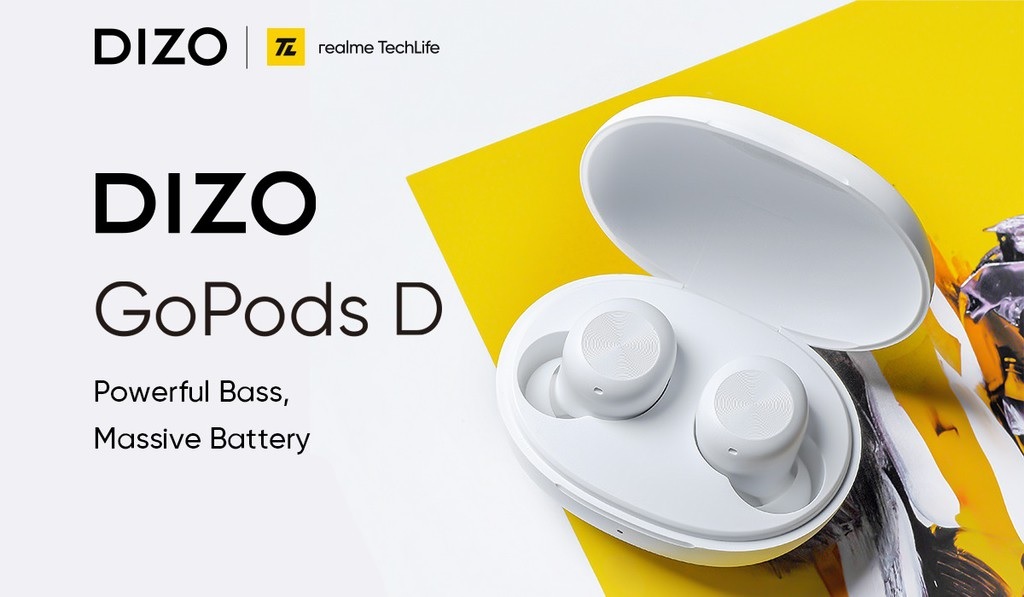
The DIZO GoPods D is based on the design of the realme Buds Q2 but has slightly different features. Priced at VND 790,000 (~$34), each earbud has 10mm drivers, connects via Bluetooth 5.0, is IPX4 rated, and weighs 4.1 grams. The earbuds have a battery life of 20 hours with the case and charge via a micro-USB port. There is also fast charging support. One significant difference between this and the realme Buds Q2 is the game mode – the DIZO has 110ms low latency while the Buds Q2 has 88ms low latency. Unlike the other two products, it is not yet available for purchase.


RELATED:

Xiaomi Mi 9T aka Redmi K20 Android 11 update released

Recently, Xiaomi rolled out MIUI 12.5 update for the Redmi K20 Pro. Hence, the vanilla Redmi K20 was also expected to get it soon. Instead, the company is seeding the Android 11 update for the Mi 9T, a variant of Redmi K20 that was sold in western markets.

Xiaomi Mi 9T Glacier Blue Featured
Xiaomi Mi 9T

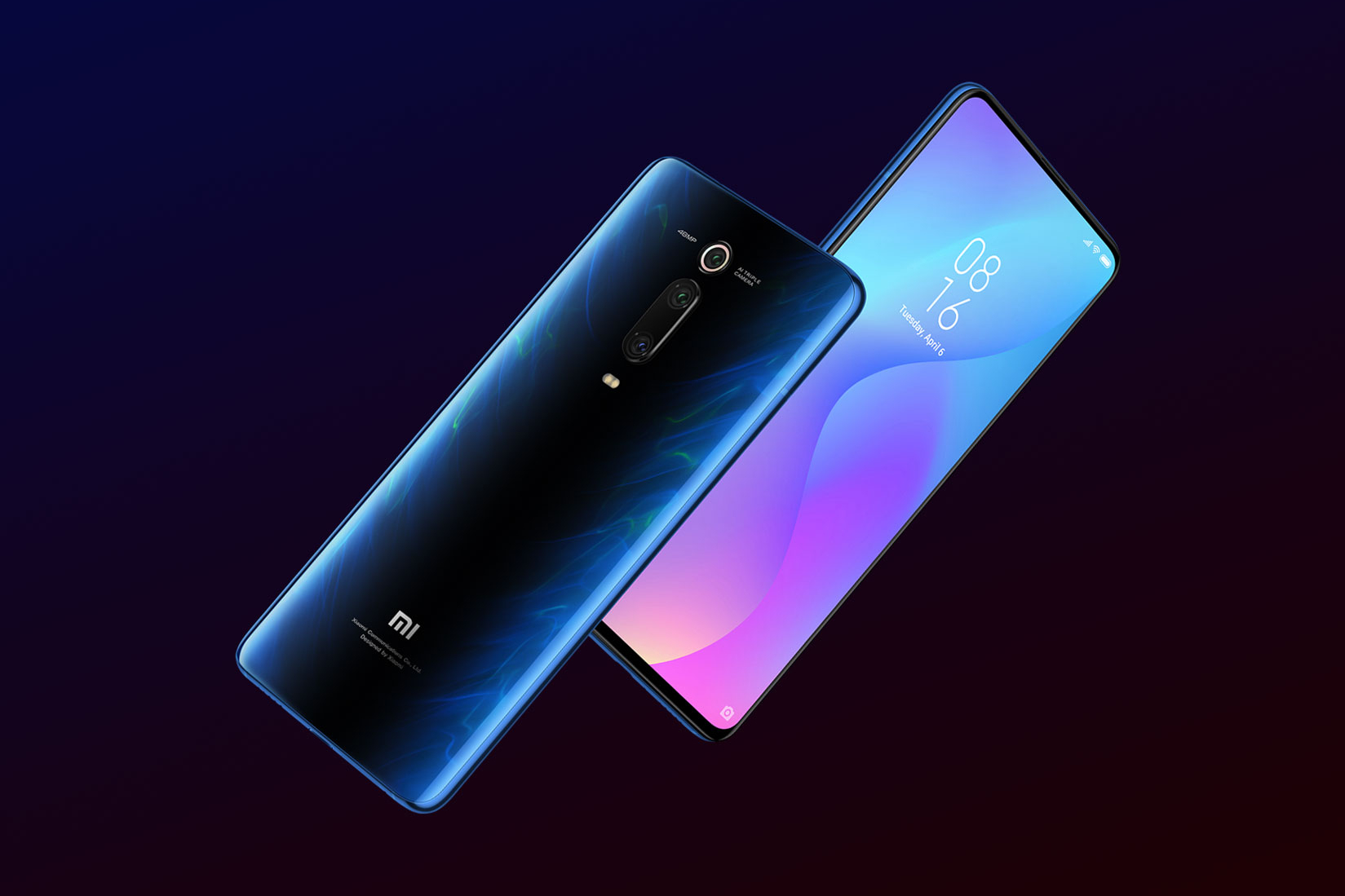
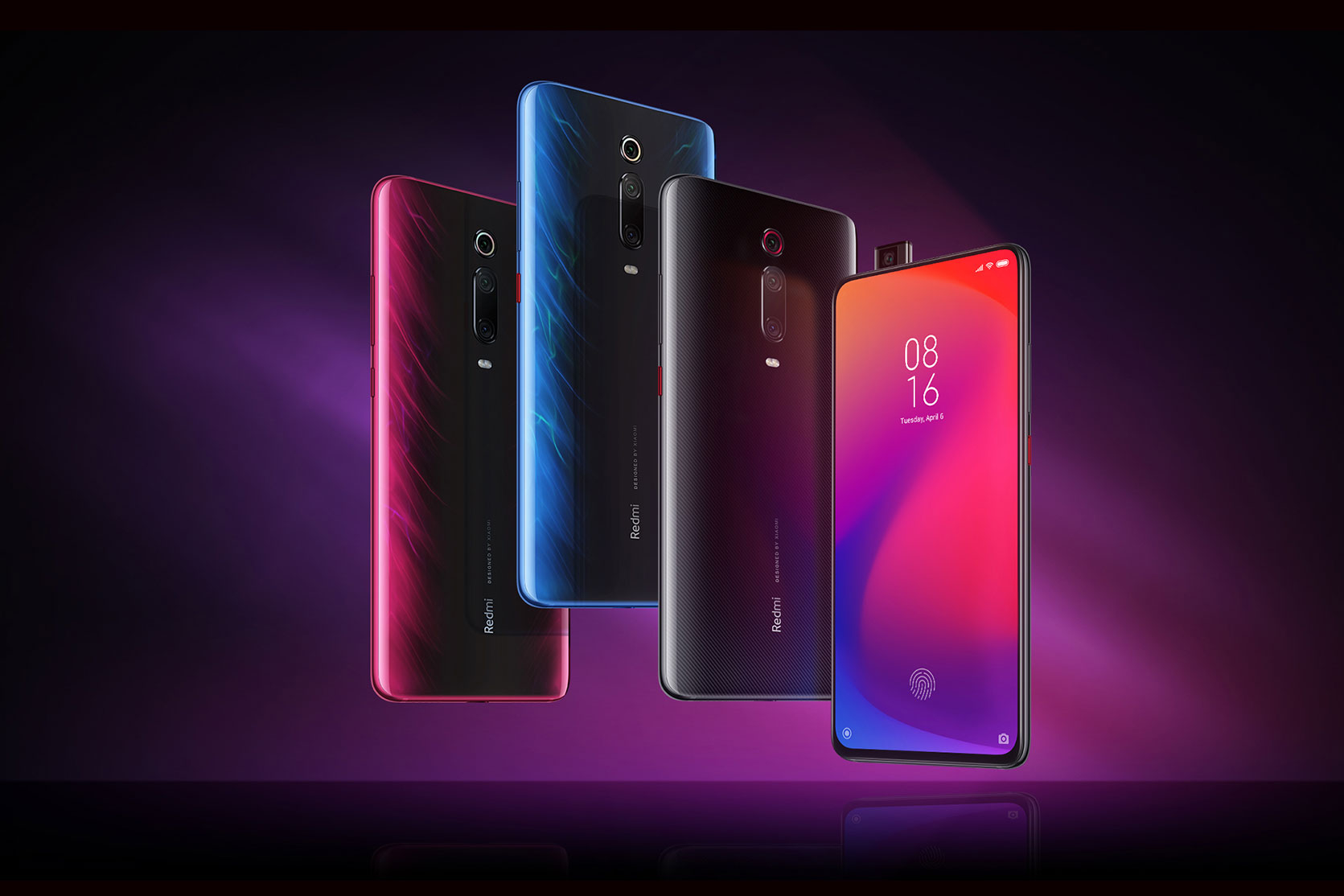
The Redmi K20 series was the first flagship smartphone lineup from Redmi. The series includes two models, namely Redmi K20 and Redmi K20 Pro. These two handsets are also known as Mi 9T and Mi 9T Pro in some markets.

The original Chinese Redmi K20 received the Android 11 update in February. The Redmi K20 Pro was expected to get it next. But Xiaomi delayed the update and released it just recently along with MIUI 12.5.

On the other hand, none of the international versions of these phones got neither of the two updates until now. The Mi 9T, which is a different name for the vanilla Redmi K20 in some regions has started receiving the Android 11 update.

Redmi K20 Colors Featured
Redmi K20

The latest system update for this handset is currently live for the ‘Global’ variant with build number V12.1.2.0.RFJMIXM. This software build is labeled as both ‘Stable Beta’ and ‘Mi Pilot’. This means it is only released for Mi Pilot testers.

However, it could be available for a select few regular users as well. If you are one of those, do let us know in the comment section below. Anyway, the update should reach all users as well as regional variants of the Mi 9T / Redmi K20 in the coming days.


RELATED:


Xiaomi Mi Note 10 Lite, Redmi K30 Ultra receive MIUI 12.5 update

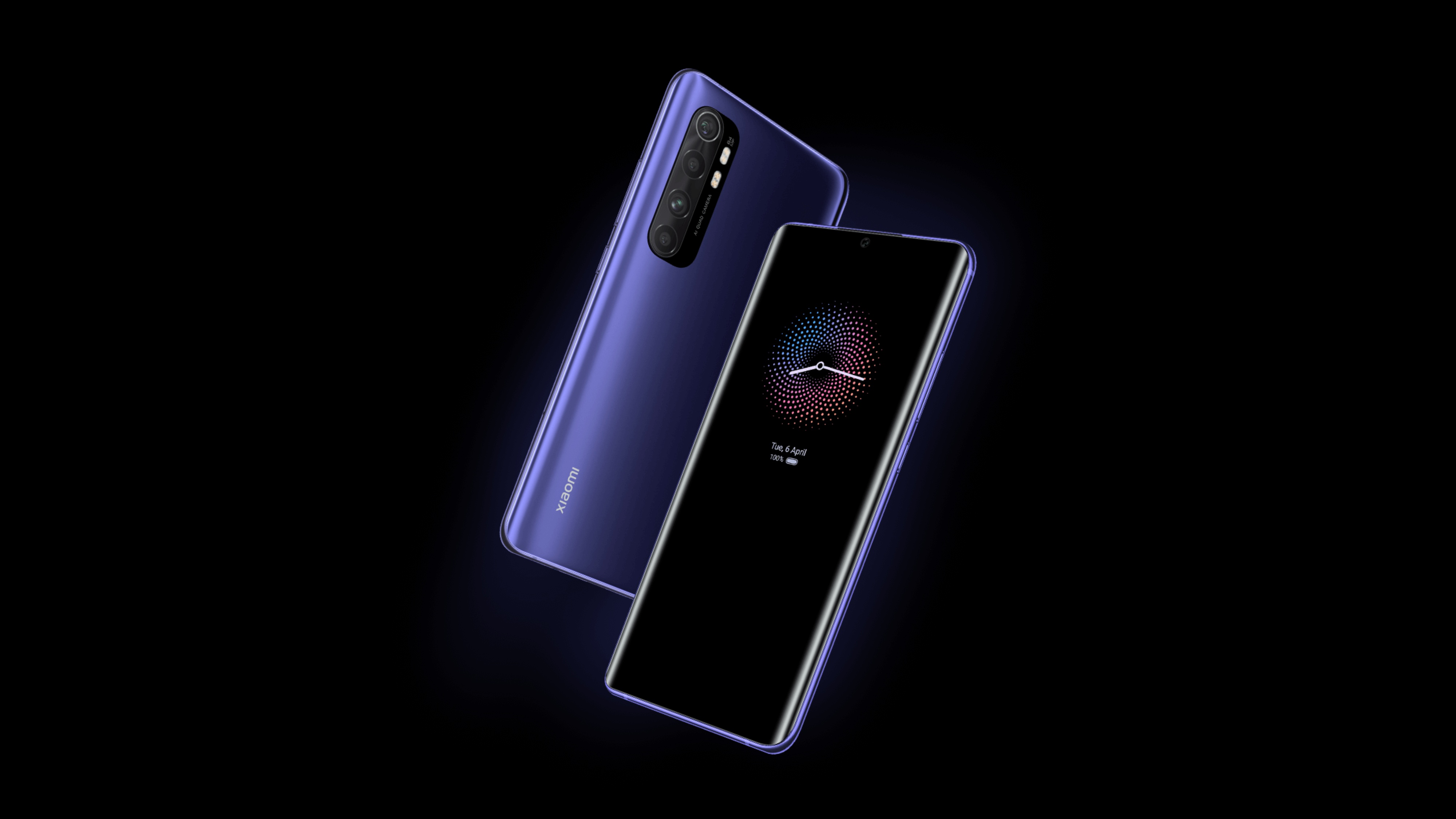
Xiaomi has been lately releasing MIUI 12.5 update for a number of eligible devices. The latest phones to join this list are the China-exclusive Redmi K30 Ultra and the limited market-exclusive Mi Note 10 Lite. The former is an affordable flagship, whereas the latter is a mid-ranger.

Redmi K30 Ultra Featured A
Redmi K30 Ultra

The Redmi K30 Ultra was launched alongside the Mi 10 Ultra to commemorate Xiaomi’s 10th anniversary in August 2020. The handset debuted with MIUI 12 based on Android 10.

Now, nearly a year later after its release, the phone has started receiving the MIUI 12.5 update. This system update also brings Android 11, just like on Redmi K20 Pro and Mi 9. The update arrives with build number V12.5.3.0.RJNCNXM.

On other hand, the Xiaomi Mi Note 10 Lite was launched before the former smartphone. Hence, it debuted with older MIUI 11 based on Android 10. However, after getting the MIUI 12 update, this handset also received the Android 11 update earlier this year.

Xiaomi Mi Note 10 Lite Nebula Purple Featured
Xiaomi Mi Note 10 Lite

Now, Xiaomi has started rolling out the MIUI 12.5 update for the ‘Global’ variant of the Mi Note 10 Lite. The update comes with build number V12.5.1.0.RFNMIXM.

Anyway, it is worth noting that the newly released software builds for both of these smartphones are in the ‘Stable Beta’ phase right now. This means the update is being seeded out in batches for a select few users. 

But all users should get the update in the coming days, including users with other regional variants (EEA, Turkey, Russia) of Mi Note 10 Lite.


RELATED: