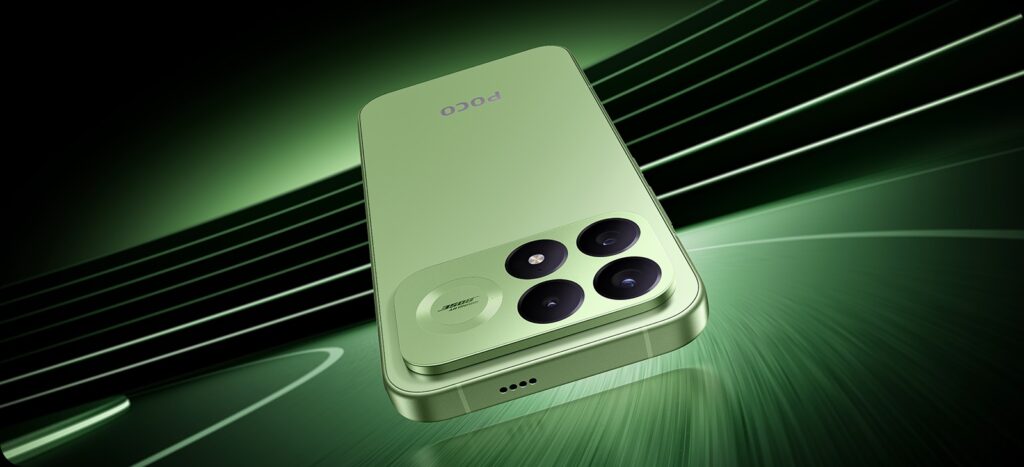
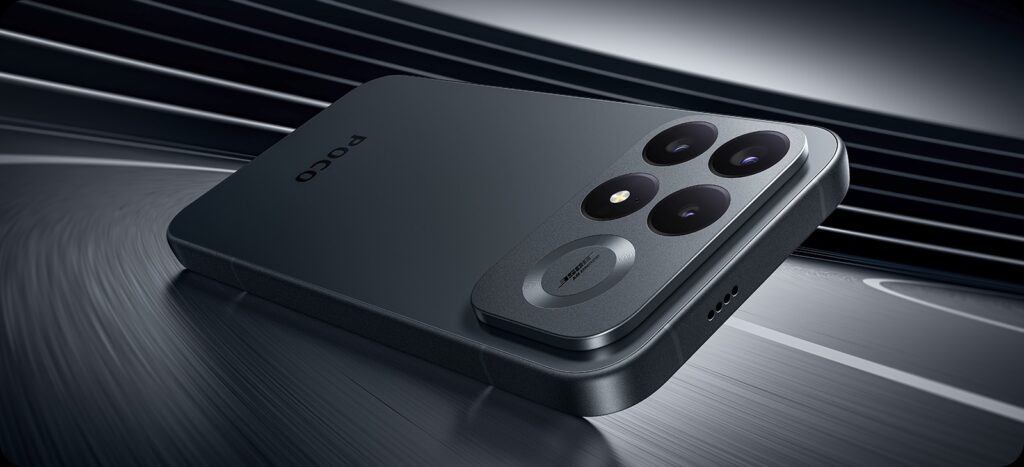
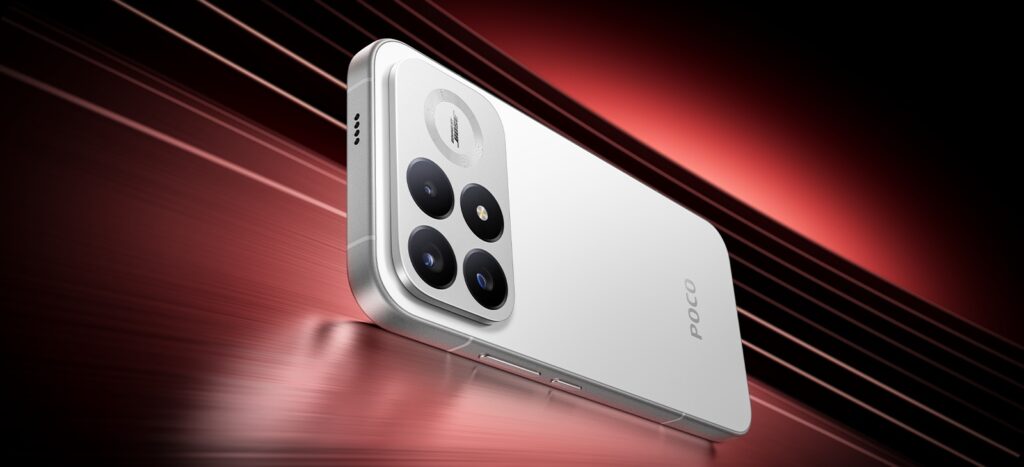
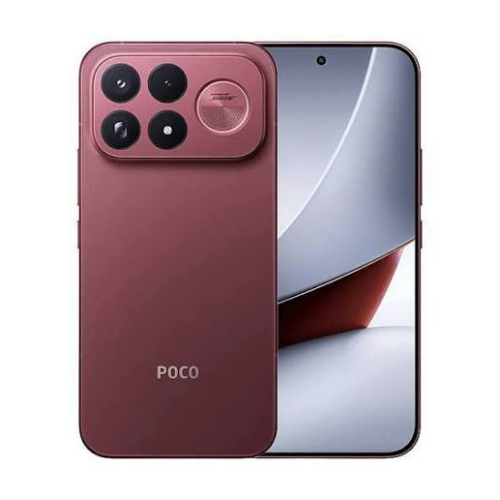
Poco has launched the F9 Pro globally alongside the F9 Ultra. The new model focuses on gaming, battery life, and display performance, while also introducing features such as wireless charging and a telephoto camera to the series.
It is powered by Qualcomm’s Snapdragon 8 Elite Gen 5 V Series (SM8850-1-AB) processor. The chip is built using a 3nm process and uses third-generation Qualcomm Oryon CPU cores, with a maximum clock speed of 4.6GHz. Poco is also including its VisionBoost D8 graphics chipset, which is designed to improve image quality and frame rates in supported games.
The VisionBoost system supports frame interpolation of up to 185 frames per second. It also includes features such as Game HDR and AI super resolution. These features are intended to make games look smoother and clearer, although the results will depend on the individual game and whether it supports the technology.
The phone uses a 3D IceLoop cooling system to manage heat during longer gaming sessions. The cooling system has a 26,000-square-millimeter heat dissipation area, a 5,200-square-millimeter liquid heat pipe area, and a large graphite layer. Poco says it can reduce SoC temperatures by up to 3 degrees Celsius under certain testing conditions. The device comes with 12GB of LPDDR5X Ultra RAM and is available with either 256GB or 512GB of UFS 4.1 storage.
The 6.59-inch AMOLED display has a 185Hz refresh rate and 2510 x 1156 resolution, supports 68 billion colors and DCI-P3, and reaches 4,500 nits in multi-scenario use and 10,000 nits peak with selected HDR content.
It also offers full-range DC dimming, 16,000 dimming levels, a 1-nit minimum brightness, and TÜV Rheinland certifications for flicker-free operation, hardware-level low blue light, intelligent eye care, and circadian-friendly viewing.
The F9 Pro has a 6,330mAh silicon-carbon battery. It supports 100W wired charging and 50W wireless charging. According to Poco, wired charging can take the battery to 50% in 19 minutes, while wireless charging reaches 50 percent in 35 minutes. The phone can also charge other devices at up to 27W through a cable or 22.5W wirelessly.
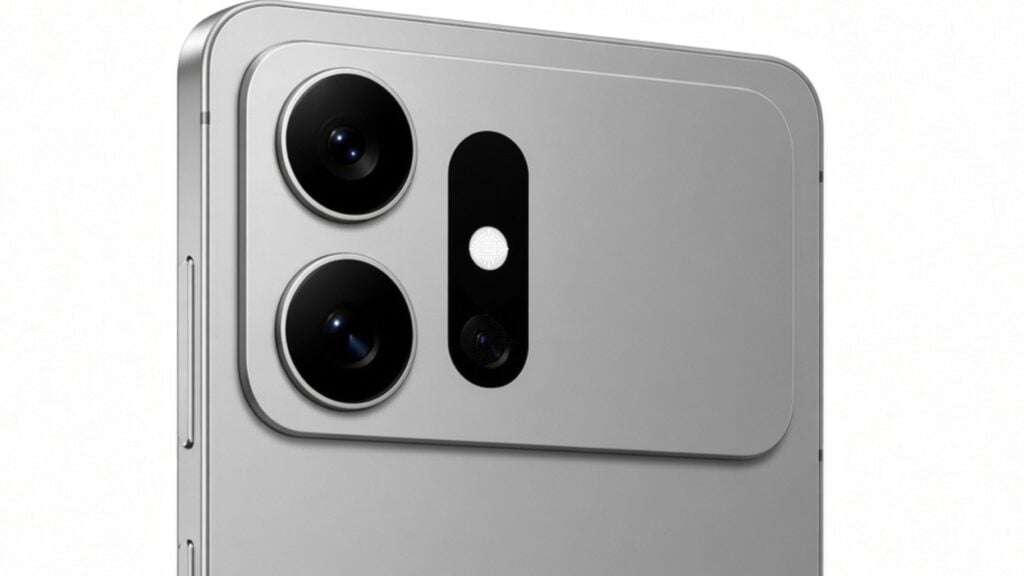
The rear camera system includes a 200-megapixel main camera with OIS, a 50-megapixel floating telephoto camera, and an 8-megapixel ultrawide camera. The telephoto camera has a 60mm equivalent focal length, 2.5x optical zoom, and a minimum focusing distance of 10 centimeters for close-up photography. For selfies, it includes a 32-megapixel lens.
The phone has symmetrical stereo speakers tuned with Bose. It offers Dynamic and Balanced sound profiles, with additional volume tuning intended to keep audio clear at different volume levels.
The F9 Pro is available in White and Aurora Green. The Aurora Green version has a rear panel that can glow after exposure to sunlight or indoor light. The phone also has an IP68 rating for dust and water resistance.
Pricing and Availability
The 12GB/256GB model costs $699, while the 12GB/512GB version is priced at $769. In select markets, Poco is offering benefits including trials of Spotify Premium, YouTube Premium, and Google AI Pro.
Poco has launched the F9 Ultra globally, introducing a high-end phone with a large battery, a high-refresh-rate display, and a camera system that includes a periscope telephoto lens.
Poco F9 Ultra Specifications
The phone is powered by Qualcomm’s Snapdragon 8 Elite Gen 5, which is built using a 3nm process. Its CPU includes two prime cores running at up to 4.6GHz and six performance cores reaching 3.62GHz. Poco has also added its VisionBoost D8 chipset to handle features such as image enhancement, frame interpolation, and Game HDR in supported games.
The F9 Ultra is available with up to 16GB of LPDDR5X Ultra RAM and 1TB of UFS 4.1 storage. It comes in three configurations: 12GB of RAM with 256GB of storage, 16GB with 512GB, or 16GB with 1TB.
Poco is focusing heavily on gaming with this model. The phone uses a 3D IceLoop cooling system, along with a large graphite layer, to help control heat during extended use. Its WildBoost Engine can adjust performance and power consumption depending on the game. The display supports refresh rates of up to 185Hz, and Poco says more than 20 games can make use of frame rates up to 185fps.
The 6.9-inch AMOLED screen has a 2608 x 1200 resolution, 12-bit color, Dolby Vision, HDR10 Plus, and a DCI-P3 wide color gamut. It can reach a claimed peak brightness of 10,000 nits in limited HDR areas, although typical brightness is rated at 850 nits. The screen also supports up to 4,800Hz instant touch sampling in Game Turbo mode, but this feature is limited to compatible games and software settings.
On the back, the F9 Ultra has a 200-megapixel main camera with OIS, a 50-megapixel periscope telephoto camera, and a 50-megapixel ultrawide camera. The telephoto lens offers 5x optical zoom and has a 120mm-equivalent focal length. It can also be used for close-up photography from around 30cm. The rear camera supports 8K video at 30fps and 4K recording at up to 60fps. For selfies, it features a 32-megapixel camera that can record in 4K.
The 8,050mAh battery supports 100W wired charging and 50W wireless charging. Poco says wired charging can take the battery to full in around 50 minutes, while wireless charging can reach 50% in approximately 37 minutes. The phone can also charge other devices at up to 27W through a cable or 22.5W wirelessly. The charger is sold separately.
The phone also includes Bose-tuned stereo speakers with a separate subwoofer, Wi-Fi 7, Bluetooth 6.0, NFC, an IR blaster, USB 3.2 Gen 1, an ultrasonic fingerprint sensor, and IP68-rated dust and water resistance.
The Poco F9 Ultra is available in Black and Dark Cherry. Prices start at $799 for the 12GB/256GB model, while the 16GB/512GB version costs $949. The 16GB/1TB model is priced at $1,199.
For more daily updates, please visit our News Section.
Let’s be real for a second: for a long time, buying a foldable phone meant making a compromise. You wanted that big, beautiful tablet screen in your pocket, but you had to accept a device that felt like a brick, had sub-par battery life, and featured cameras that belonged on a mid-ranger from three years ago.
In 2026, the foldable landscape has fundamentally shifted. Thanks to the absolute magic of silicon-carbon batteries, next-generation titanium hinges, and the sheer brute force of the Snapdragon 8 Elite Gen 5 and Tensor G6 chips, the compromises are gone. Foldables are now thinner than some standard slab phones, their batteries are pushing past 6,000mAh, and they pack 200MP camera sensors.
If you are finally ready to ditch the traditional smartphone form factor, here is the definitive guide to the best foldable phones you can buy in 2026.
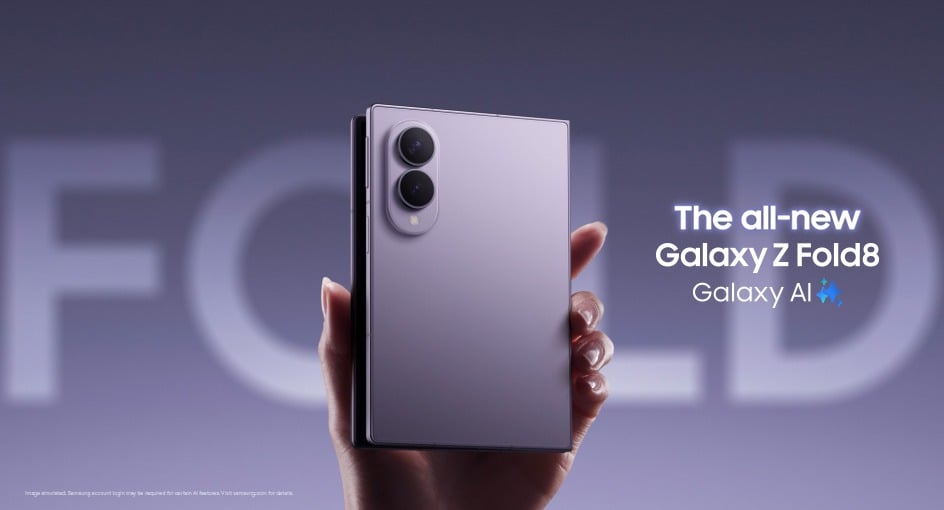
Samsung basically invented this category, and with the Galaxy Z Fold 8, they have perfected the mainstream foldable formula. Weighing in at just 201 grams, it’s Samsung’s lightest Z Fold ever, making it feel remarkably normal when closed. They’ve finally tweaked the aspect ratios to what we’ve been begging for, giving us a highly usable 10:16 cover screen that doesn’t feel cramped, and a 4:3 inner display that reaches a blinding 3,000 nits of peak brightness.
It is powered by the Snapdragon 8 Elite Gen 5 and packs a 4,800mAh battery, making it a safe and reliable choice for most people. Samsung also introduced Flex Titanium Technology, which combines a titanium-alloy film with an enhanced plate to seriously reduce the visibility of the crease over time. The device also features dual 50MP sensors and the new My FanCam auto-tracking feature, making it one of the most refined foldable smartphones available.
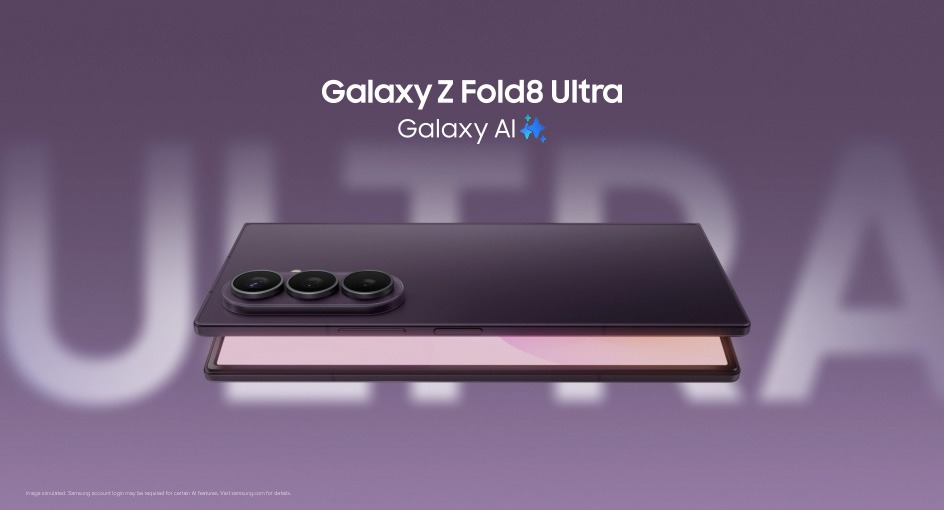
If the standard Fold 8 is the mainstream benchmark, the Galaxy Z Fold 8 Ultra is Samsung bringing its unhinged Ultra philosophy to the folding world. This is for the power users who want absolutely everything without compromise. When unfolded, this thing is an absurdly thin 4.1mm. It features a massive 8-inch main display and bumps the battery up to a 5,000mAh cell.
But the real story here is the camera and productivity suite. Samsung crammed a 200MP primary sensor into this incredibly thin chassis, which actually processes full-resolution HDR imagery, backed by an expanded graphite cooling system so the phone doesn’t melt in your hands.
It also brings the new Gemini Notebook agentic AI features in One UI 9, which can automatically generate meeting recaps and visual summaries, making the Fold 8 Ultra a powerful productivity-focused device.
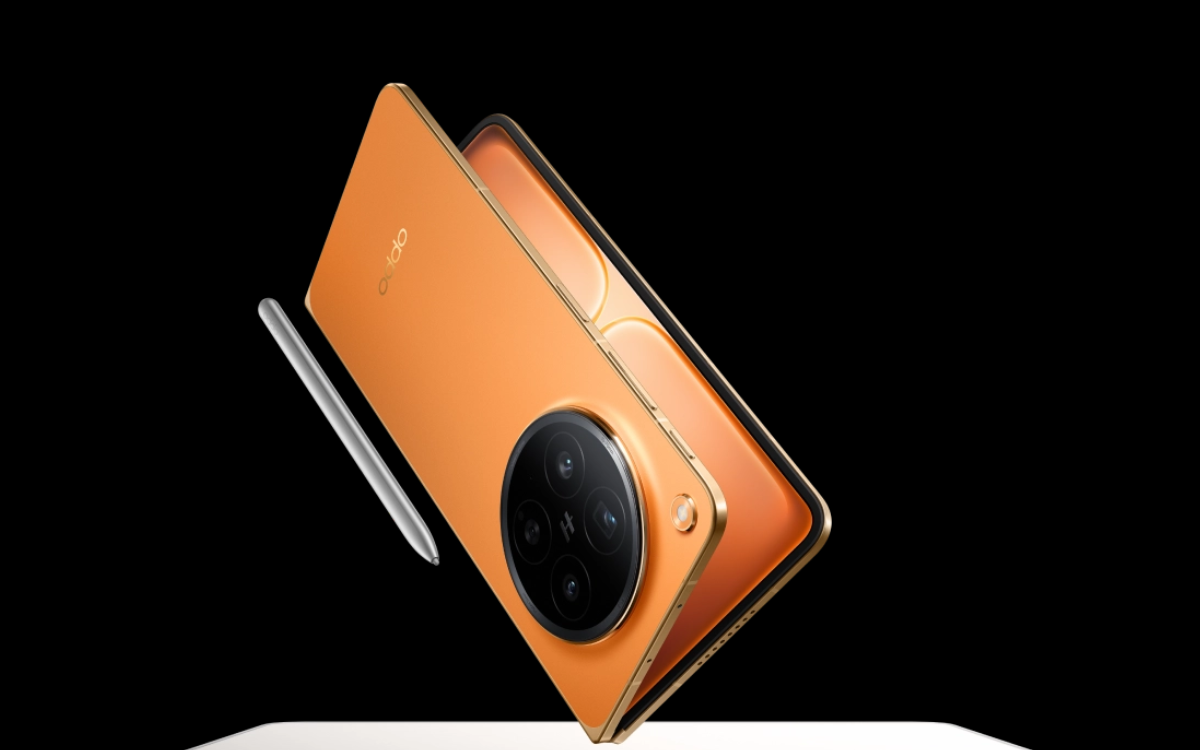
The Oppo Find N series maintains its wider, passport-like shape, which many users prefer for typing on the cover screen. The Find N6 focuses heavily on camera quality and hinge durability. Using a new 3D-printed titanium hinge, the device manages to keep the inner screen crease very minimal.
The camera system, tuned in partnership with Hasselblad, includes a 200MP main sensor, a 50MP ultra-wide, and a 50MP 3x periscope lens. Oppo also included a large 6,000mAh silicon-carbon battery with 80W wired charging, all within an 8.93mm thick frame.
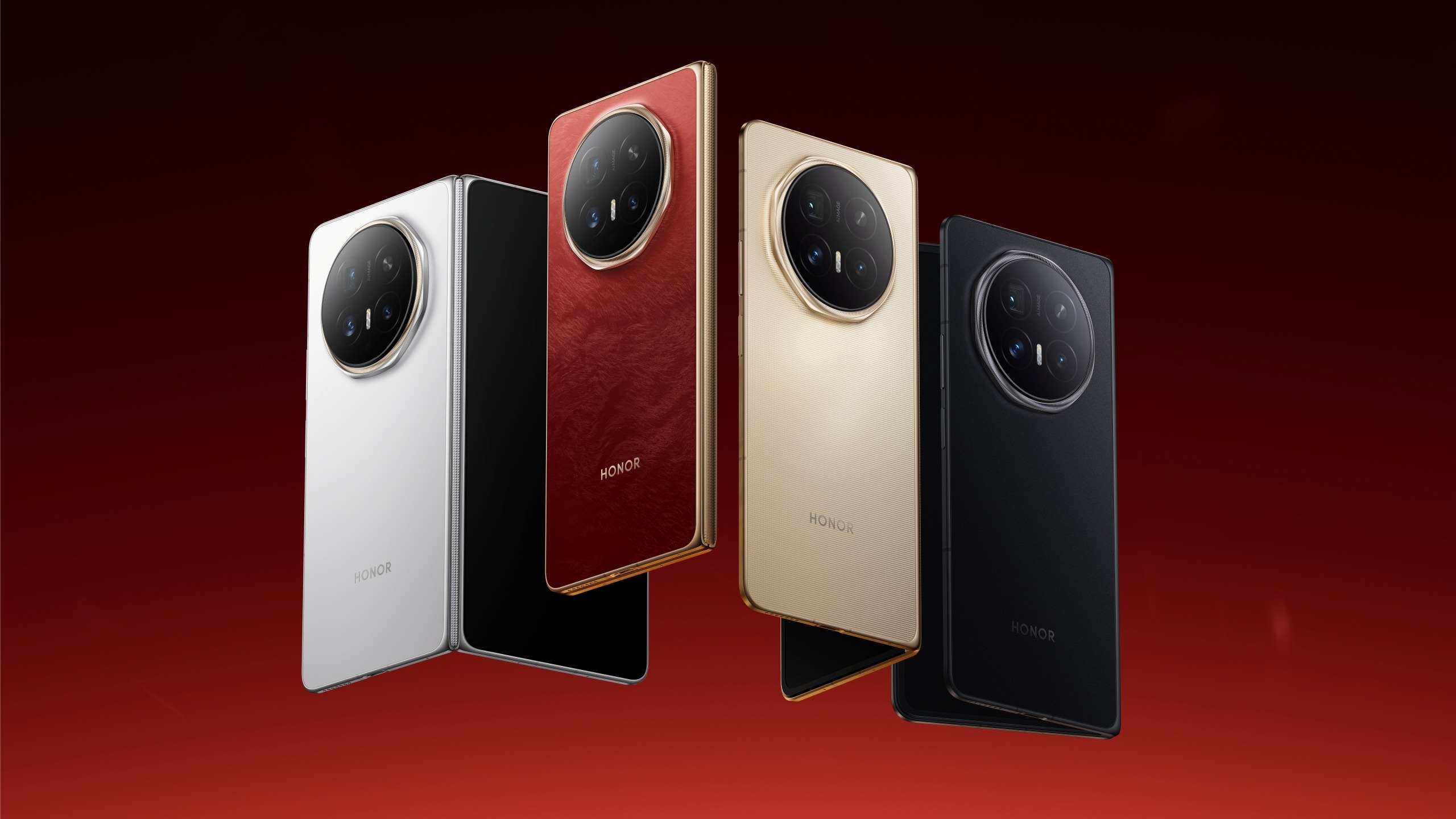
Honor continues to focus on making foldables as thin as possible. The Magic V6 measures 8.75mm when closed, making it one of the slimmest options currently available. Despite the thin profile, it houses a 6,660mAh battery, which provides excellent longevity.
The displays are quite bright, with the cover screen reaching up to 6,000 nits for HDR content. It features a capable camera setup, including a 64MP periscope lens alongside dual 50MP sensors, and offers software features that integrate surprisingly well with other ecosystems, including basic cross-compatibility with some Apple devices.
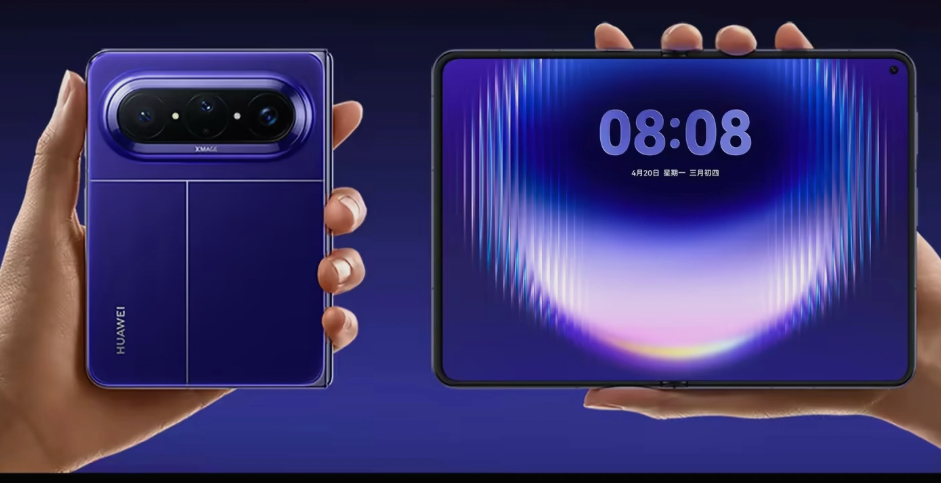
The Huawei Pura X Max is hard to get in the US, but it is an interesting device if you are looking at international options. In terms of its overall design and book-style form factor, it is actually quite similar to the Galaxy Z Fold 8.
It runs on the Kirin 9030 Pro chip and features a 7.7-inch inner screen paired with a 5.4-inch outer display. It is relatively light at 229g and measures 5.2mm thick when opened. For cameras, it uses a 50MP main sensor with a variable aperture (f/1.4 to f/4.0) to help with natural depth of field, plus a 50MP telephoto and a 12.5MP ultra-wide.
It also packs a 5,300mAh battery with 66W wired charging and supports Huawei‘s M-Pen 3 Mini stylus. The main catch is that it doesn’t come with Google Play Services, which is a dealbreaker for a lot of people, but the physical hardware and updated hinge design are solid.
The Google Pixel 11 Pro Fold is Google’s latest book-style foldable, focusing heavily on software and everyday usability. It runs on the new Tensor G6 chip and features a redesigned gearless hinge that helps slim down the bezels and reduce the overall weight. For cameras, it uses a 48MP main sensor capable of 30x Super Res Zoom, relying on Google‘s well-known computational photography rather than massive hardware numbers.
A unique addition to the design is the HiLight, a multi-functional LED ring around the camera flash used for color-coded notifications. If you prefer a clean Android interface and practical AI features over having the most extreme hardware specs, it is a very solid choice.
Expanding from their popular flip phones, Motorola’s Razr Fold is their entry into the full-sized, book-style foldable market. It uses Corning Gorilla Glass Ceramic 3 for added drop resistance and measures 4.55mm when open.
The device includes an 8.1-inch inner display and comes in several Pantone-validated colors. Inside, it runs on the Snapdragon 8 Gen 5, uses a 6,000mAh battery, and features a triple 50MP camera setup. Motorola is also promising seven years of OS updates for this model, matching Google and Samsung.
September doesn’t usually hand you a launch calendar this packed, but 2026 is on another level. More than 20 phones are expected to land this month alone, and nearly every major brand is throwing its biggest hardware into the same four-week window.
Part of the crowding comes down to timing that’s shifted across the industry at once. Apple is reportedly pulling its high-end launch earlier and pairing it with a brand-new form factor. Huawei has moved the Mate series up from its usual November slot to get ahead of the competition. Xiaomi is using September to introduce its in-house Xring O3 chip across two device families simultaneously, while Qualcomm’s Snapdragon 8 Elite Gen 6 and MediaTek’s Dimensity 9600 are both fresh enough that Xiaomi, Vivo, and iQOO all want to be first to ship them. Even brands that normally stagger their releases, like Honor and Oppo, are lining their flagships up close enough that you’ll be comparing specs sheets side by side whether you planned to or not.
Not every one of these will matter to you personally, and plenty are China-only at first. But if you’re trying to decide what to wait for, here’s what’s actually worth tracking, starting with the two launches most likely to set the tone for the rest of the year.
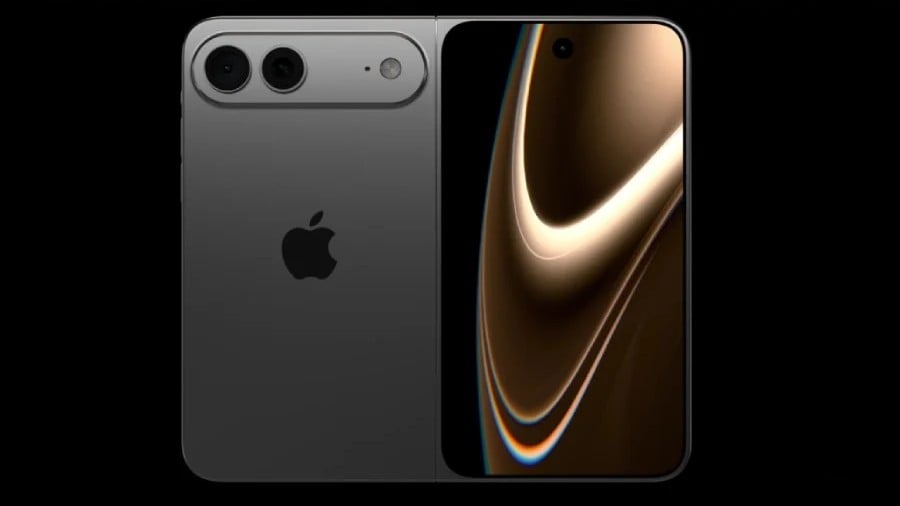
1. iPhone 18 Pro, Pro Max, and the first foldable iPhone
Apple’s event is set for September 9, and this year it’s not just the usual Pro refresh. You’re getting the iPhone 18 Pro and Pro Max alongside Apple’s first foldable iPhone.
The Pro models are tipped to keep familiar 6.3-inch and 6.9-inch screen sizes, but move to the A20 Pro chip built on a 2nm process, 12GB of RAM, and Apple’s own C2 modem instead of a third-party option. You’ll also see a shrunken Dynamic Island as Face ID components move further under the display.
The foldable is the bigger story for you if you’ve been waiting to see what Apple does with the form factor. According to rumors, it will have a 7.8-inch inner display and a 5.3-inch cover screen, built from a mix of titanium and aluminum. Apple is reportedly dropping Face ID here in favor of Touch ID, likely built into the power button, and skipping a telephoto lens on the dual rear camera setup. That’s a real trade-off for a device expected to cost more than $2,000, especially since Samsung’s Galaxy Z Fold series and Huawei’s Pura X line don’t cut that corner.
2. Xiaomi’s busiest month of the year
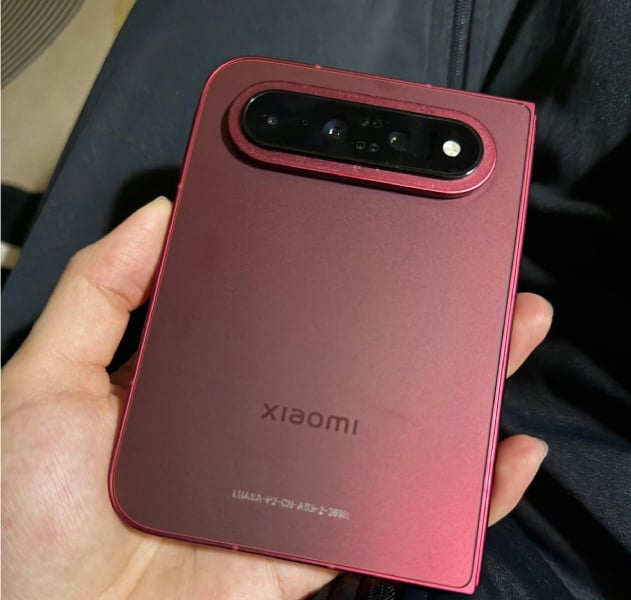
Xiaomi is treating September as a launch marathon. The company will launch the Xiaomi 18 Fold in early September with the company’s new in-house Xring O3 chip, paired with next-generation LPDDR6 RAM.
Moreover, you’re likely to get a 7.6-inch foldable display, a 6,000mAh battery that’s noticeably bigger than what Samsung and Huawei offer in their folding phones, 67W wired and 50W wireless charging, and a 200MP primary camera. It ships alongside the Xiaomi Pad 9 Pro Max, which uses the same chipset.
Toward the end of the month, Xiaomi is set to launch the Xiaomi 18 Pro series with Snapdragon 8 Elite Gen 6 hardware. Xiaomi will be the first brand to ship phones with that chipset.
You can expect dual 200MP SmartSens sensors, a dedicated AI button, and — notably — a faster global rollout than in past years. Xiaomi’s global 18 Pro and standard 18 models have already picked up certification in markets including Turkey, the EEA, Russia, Taiwan, and Japan, though India isn’t part of that initial batch as of yet.
3. Huawei Mate XT2
Unlike most of the phones in this roundup, the Mate XT2 doesn’t need a rumored tag. Huawei has officially confirmed its launch date for September 7, landing well before both the Mate 90 series and Apple’s own event. The device is Huawei’s third tri-fold phone, following the original Mate XT and last year’s Mate XTs refresh.
Pre-orders are already open in China in 16GB+512GB, 16GB+1TB, 16GB+1TB with a privacy display, and a top-end 16GB+2TB version bundled with a privacy display and a stylus. The first three configurations come in Obsidian Black, White, and Purple, while the top-tier model is Purple only.
On the hardware side, the device could get a Kirin 9050 Pro chipset built on Huawei’s newer process, a battery above 6,000mAh, and a redesigned hinge aimed at reducing the crease on the 10.2-inch unfolded display.
What’s notable is how Huawei is sequencing this against its other September launch. Rather than bundling everything into one event, the company is reportedly splitting the Mate XT2 and Mate 90 series across two separate dates. This gives Huawei two separate moments in the spotlight instead of one.
4. Huawei Mate 90 series arrives early with a new Kirin chip
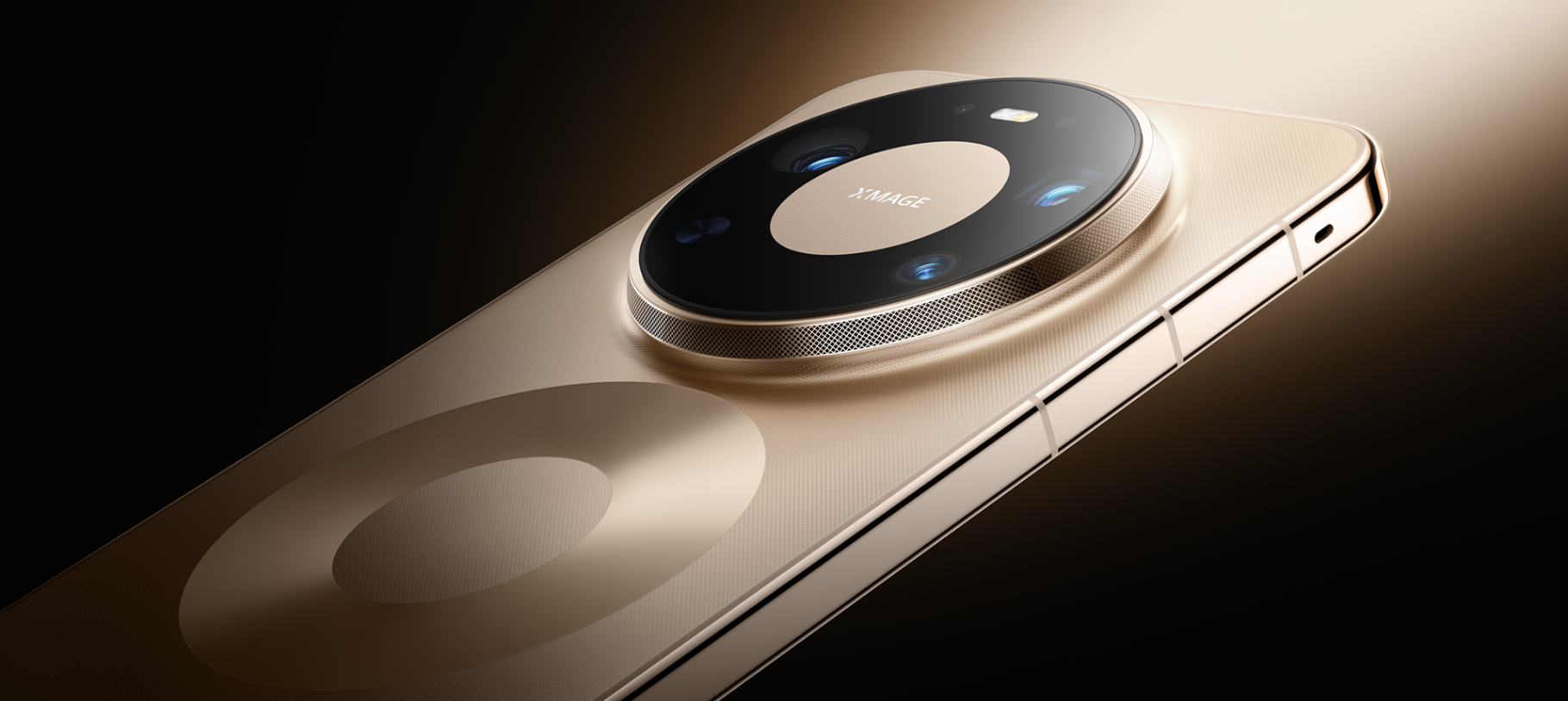
Huawei Mate 80 Pro Max
Moving to the Mate 90 series now, and if you know the Mate series has typically launched in November, this year it’s reportedly moving up to September to land closer to Apple’s event.
The chipset is the bigger story here. Huawei’s next Kirin processor is said to use a new “Tau” design approach that increases transistor density by more than 50%, putting performance in the neighborhood of early TSMC 3nm chips despite Huawei’s manufacturing constraints.
On the camera side, the Mate 90 Pro Max is tipped to bring back true long-range optical zoom with dual periscope telephoto lenses, including one capable of 10x optical zoom, a setup Huawei hasn’t offered since the P40 Pro+. Likewise, the battery capacity is expected to land between 6,800mAh and 7,000mAh across the Pro Max and RS models, paired with a 6.9-inch Tandem OLED display.
5. iQOO 16 Series
iQOO 15
The iQOO 16 series is, as usual, a performance-first flagship, and iQOO is expected to unveil it in China alongside the iQOO Neo 12 and a new compact tablet. You’ll get a 6.85-inch Samsung-made flat display running at 2K resolution with a 165Hz refresh rate, paired with the Snapdragon 8 Elite Gen 6 Pro chip.
What’s notable is that iQOO is putting more effort into the camera system this time. The device is tipped with three 50MP rear sensors, including a large 1/1.3-inch primary sensor with an f/1.68 aperture. Extras include Bose-tuned dual speakers, a dedicated X-axis linear motor for haptics, a 3D ultrasonic fingerprint sensor, and IP68/IP69 ratings. The device is likely to launch at the end of September or early October, so it’s one of the later arrivals in this whole wave.
6. Vivo X500 series goes all in on video
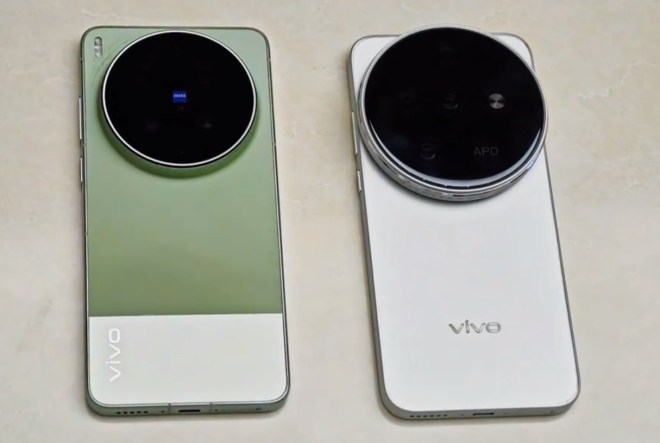
Vivo X500 Pro Max (left) with Vivo X300 Ultra (right)
Vivo has confirmed the X500 series for a September debut in China. As usual, both the X500 Pro and Pro Max have a Zeiss Super Dynamic main camera co-developed with Sony, rated for 17EV of dynamic range, which Vivo describes as the highest in the industry right now. The capability carries over to video too, with 4K 240fps slow motion and 4K 120fps HDR recording. The camera module also gets 3-degree OIS with gimbal-level stabilization.
Hardware-wise, the Vivo X500 Pro Max is expected to have a 6.85-inch 2K display using BOE’s Q11 panel, the first phone globally to get it. Vivo says it cuts motion blur during scrolling by 93% compared to the previous generation. The standard X500 and Pro model are expected to run MediaTek’s Dimensity 9600 series chips, while the Pro Max might step up to the Dimensity 9600 Pro.
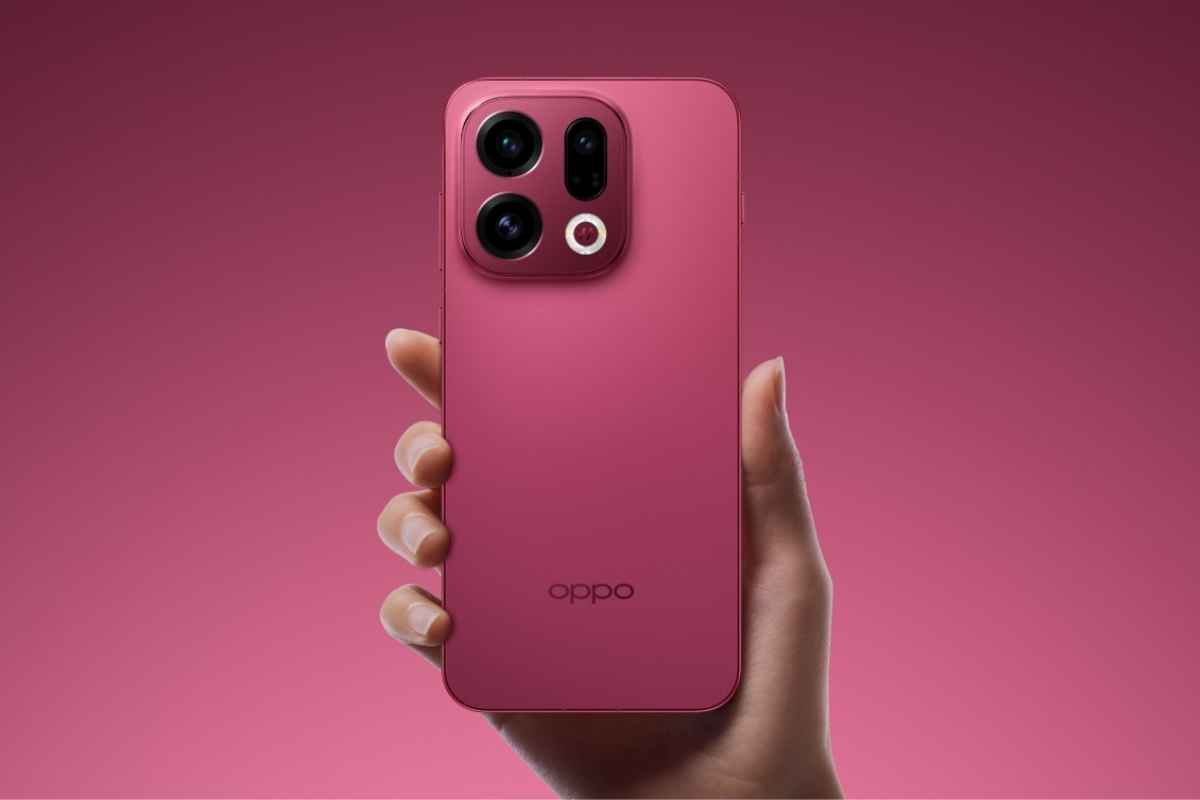
7. Oppo Find X10 series with dual periscope cameras
Oppo Find X9
The Oppo Find X10 series has been through a few rounds of leaks so far. The latest word points to the Pro Max sitting at the top of the range, above the standard Find X10 and Find X10 Pro, with a possible compact flagship variant thrown in for people who don’t want a massive phone. Camera-wise, you’re looking at dual 200MP rear sensors across the higher-end models.
Under the hood, the base Find X10 is tipped to run a MediaTek Dimensity 9600 series chip and pack an 8,000mAh battery. Oppo hasn’t confirmed pricing or an exact date yet, but everything points to a China launch this month, with the usual gap before it reaches global markets. If you’re comparing it against the Find X9 series you already know, expect the camera hardware to be the headline change rather than the design.
8. Honor Magic9 series brings ARRI’s cinema tools to the phone
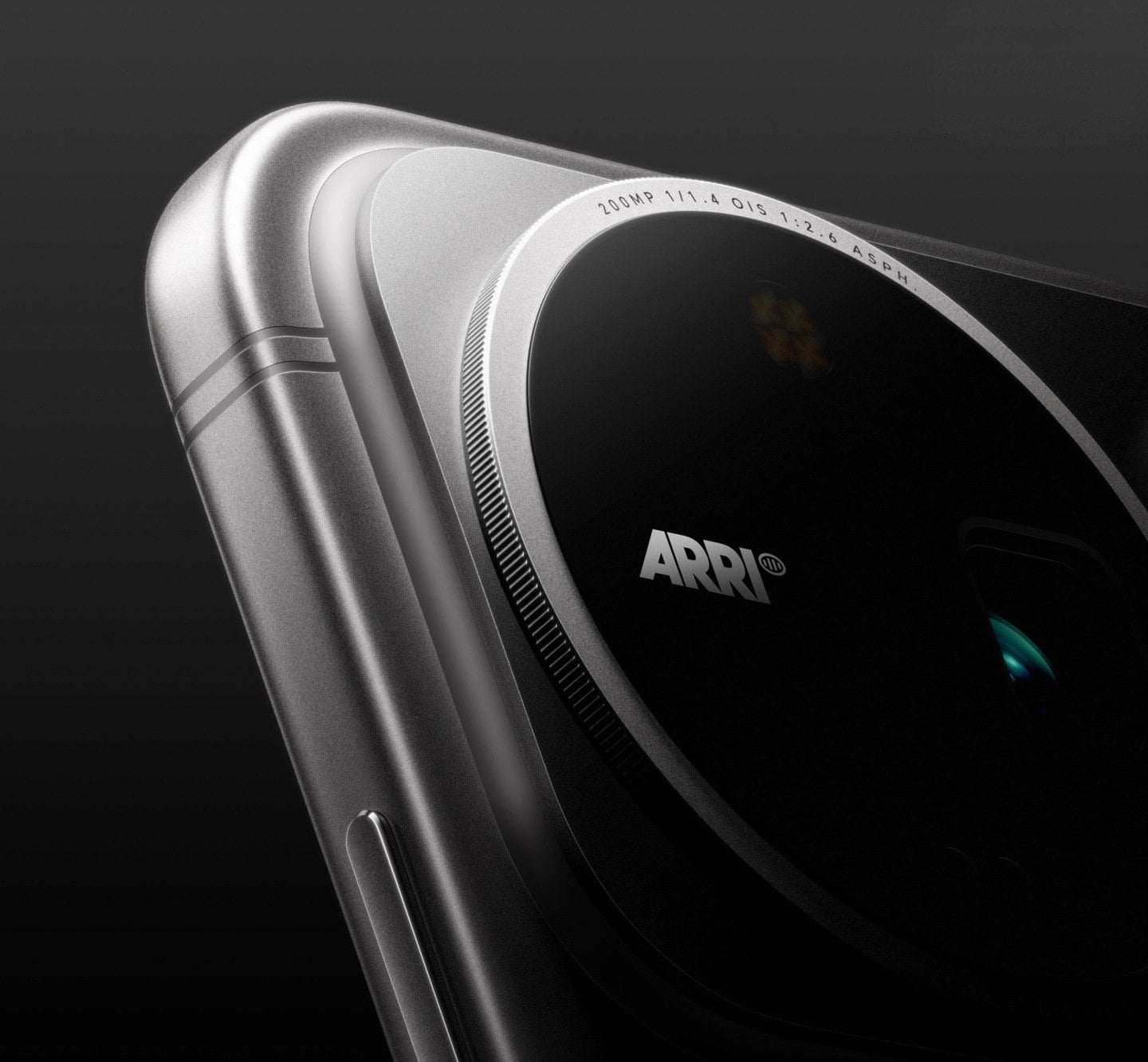
Honor has already confirmed the Magic9 series for a September 28 launch in Beijing, moving nearly a month earlier than the Magic8 series did last year. The headline feature is a continued partnership with ARRI, the cinema camera maker, bringing native Log-C3 video encoding and LUT color grading down to a phone. Honor is also tipped to give the standard Magic9 a square selfie camera, a first for an Android phone.
On the rear, it is rumored to have a 200MP main sensor with 3-degree OIS and a second 200MP periscope telephoto lens on the higher models, backed by a Snapdragon 8 Elite Gen 6 chipset. The battery is said to climb past 7,500mAh on the standard model and closer to 9,000mAh on the Pro, using Honor’s silicon-carbon battery tech.
Unlike most of the phones on this list, the Poco F9 series isn’t still stuck in leaks — Poco F9 Pro and F9 Ultra have a confirmed global launch date of September 1. Both are rebranded versions of the Redmi K100 Pro and K100 Pro Max, built around the Snapdragon 8 Elite Gen 5 chip. The F9 Pro gets a 6.59-inch QHD+ Plastic OLED display at 185Hz, while the F9 Ultra steps up to a 6.85-inch panel with a 2608 x 1200 resolution, both developed with TCL CSOT and Xiaomi contributing to the panel design.
Likewise, the F9 Pro packs 6,330mAh while the F9 Ultra jumps to 8,050mAh, both supporting 100W wired charging and USB Power Delivery. On camera, the F9 Ultra adds a 50MP ultrawide and a 50MP 5x telephoto on top of its main sensor, while the F9 Pro trims that down to an 8MP ultrawide and a 2.5x telephoto.
Dreame has added a new wet and dry vacuum cleaner to its India portfolio, targeting users who want one device for multiple cleaning tasks. The H12 Dual FlexReach combines floor cleaning with attachments designed for other surfaces and hard-to-reach areas. It also brings several features aimed at making everyday cleaning and maintenance easier.
The Dreame H12 Dual FlexReach supports six cleaning functions, covering wet and dry floor cleaning as well as carpets, sofas, curtains, keyboards and car interiors. Its 23,000Pa suction system is designed to pick up dust, debris and wet spills, while the 180-degree lie-flat design lets the vacuum reach underneath low furniture. The body can clean spaces as low as 14cm, while the brush head can reach down to 9.6cm.
The vacuum comes with a TangleCut Resilient Scraper designed to reduce hair tangling, while its 90°C hot-wash self-cleaning system removes grease and residue from the brush. ]High-temperature hot-air drying follows the cleaning cycle. AirGuard Multi-Cone Technology uses multi-stage filtration to capture 99.95% of particles measuring 0.3μm or larger.
Dreame H12 Dual FlexReach’s key features
A detachable 4,000mAh battery provides up to 50 minutes of runtime for floor washing and up to 60 minutes in vacuum mode, depending on the mode used. The device has a 400W rated power output, a 780ml clean water tank and a 700ml used water tank when standing. The multi-surface brush also includes white LED illumination to make fine dust easier to spot.
Dreame H12 Dual FlexReach price and availability
The Dreame H12 Dual FlexReach is priced at Rs. 44,999 in India. It is available through Dreame India’s website from September 1, followed by Amazon from September 5. Croma will begin selling it in the third week of September, while select retail stores will follow. The vacuum comes with a one-year warranty and after-sales support across more than 160 cities in India.
Optoma has launched its N-series professional displays in India, bringing a new range of commercial screens aimed at businesses and public spaces. The lineup combines 4K visuals with features designed for continuous operation and flexible installation. It also focuses on simplifying digital signage and display management across different business environments.
The Optoma N-series professional displays are available in 55-inch, 65-inch, 75-inch, 86-inch, and 98-inch sizes. Each model supports native 4K Ultra HD resolution, 24/7 continuous operation, and both portrait and landscape orientations, making the range suitable for retail outlets, hotels, hospitals, offices, transportation hubs, and public spaces. The panels also feature slim bezels, 25% haze anti-glare glass, wide viewing angles, Low Blue Light technology and flicker-free operation.
The displays run Android 14 and feature an integrated media player, allowing businesses to schedule and publish content without needing a separate playback device. The Optoma Management Suite (OMS) adds centralized control for device monitoring, firmware updates, power scheduling, and content distribution across multiple displays. Connectivity options include HDMI, DisplayPort, USB Type-C, and LAN, while models measuring 65 inches and above also feature an OPS slot. Wireless connectivity is available as an option.
The N-Series is also designed with long-term commercial use in mind. Intelligent scheduling and power management can help organizations manage energy consumption, while the packaging uses 99% recyclable materials. The combination of continuous operation, remote management, and flexible installation makes the displays suitable for applications ranging from promotional signage and menus to dashboards, wayfinding, and information screens.
Optoma N-series price and availability
Optoma has announced the N-Series in India, but it has not revealed the pricing of individual screen sizes yet. The company is expected to share availability and pricing details through its local sales channels. The range targets businesses across retail, hospitality, healthcare, corporate, transportation and other commercial environments.
Huawei already took the MatePad Air (2026) global back in July, and we spent time with the tablet for a full review shortly after. Now the tablet is heading home. Weibo tipster Digital Chat Station says Huawei is prepping a version of the Air for China, but with slight changes.
According to the leak, the China-market MatePad Air keeps the 12-inch panel but switches from IPS LCD to OLED, running at 2.8K resolution with a 144Hz refresh rate. You get the same 5.3mm profile and 509-gram weight as the global model, along with a 10,100mAh battery. It’s said to be powered by a Kirin T93 series chip, a better version of the Kirin T93C found in the international version.
None of this is a surprise if you’ve followed the Air’s rollout. The global version already ditched its predecessor’s LCD panel for OLED, so a matching China release was only a matter of time. What the leak doesn’t confirm is pricing, exact chip variant, or a launch date, though September looks like the likely window.
Huawei MatePad Mini 2 in works too
The MatePad Air isn’t the only tablet the tipster flagged. Huawei is also said to be working on the second-generation MatePad Mini; it is reportedly getting the OLED upgrade as well. Huawei hasn’t confirmed timing for the Mini follow-up, but the tipster’s wording suggests it’s further along than earlier reports let on.
All in all, the leak suggests Huawei is standardizing OLED across more of its tablet lineup rather than reserving it for the Pro series alone. If the Air’s China variant does land in September, expect Huawei to pair the announcement with pricing and possibly a Soft Light Edition, following the pattern set by its earlier MatePad launches. We’ll update this piece once official details surface.
For more daily updates, please visit our News Section.
JBL has launched a new speaker lineup focused on whole-home audio. The new Cove series lets you connect multiple speakers over Wi-Fi via the JBL One app, so music plays across rooms without having to reset or regroup the speakers each time.
You can also pair a Cove speaker with a JBL Bar Series MK2 soundbar to use it as a rear surround speaker, turning your living room into a home theater setup without buying a separate pair of speakers.
The Cove lineup is made up of three speakers. JBL Cove M1 is the entry-level model, built for everyday listening with three tweeters and one woofer, plus AI-based sound enhancement. It costs $230.
The JBL Cove P1 is portable, has a built-in battery rated for 14 hours and Dolby Atmos support, and retails for $400. At the top, the JBL Cove X1 is the biggest of the three, packing four tweeters and two woofers with Dolby Atmos, and is priced at $450.
All three come in black or white and go on sale September 13. The system uses a modular setup, so you don’t need to buy every speaker at once — you can start with one and add more later as your budget allows.
On the feature side, the whole-home audio system can be controlled without opening the JBL One app, while the initial setup takes three steps. The app also offers custom sound presets and access to built-in music services.
Each speaker uses a dual-channel design and can automatically adjust its tuning based on the room. JBL calls this “constant field sound,” which is designed to distribute audio more evenly throughout the space. The AI sound enhancement also helps reduce distortion when playing music at higher volumes.
For streaming, the Cove speakers support Wi-Fi, Bluetooth, AirPlay 2, Google Cast, Roon Ready, Spotify Connect, Tidal Connect, and Qobuz Connect. Spotify users get one-tap access through the Moment button via Spotify Tap. Voice control is built in too, and JBL plans to add Alexa+ support later this year.
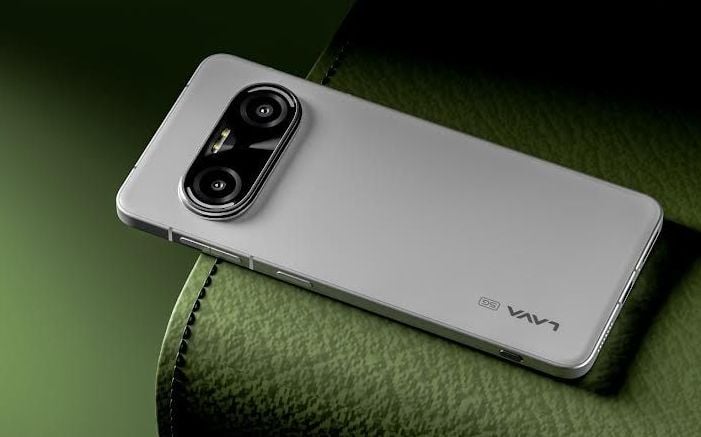
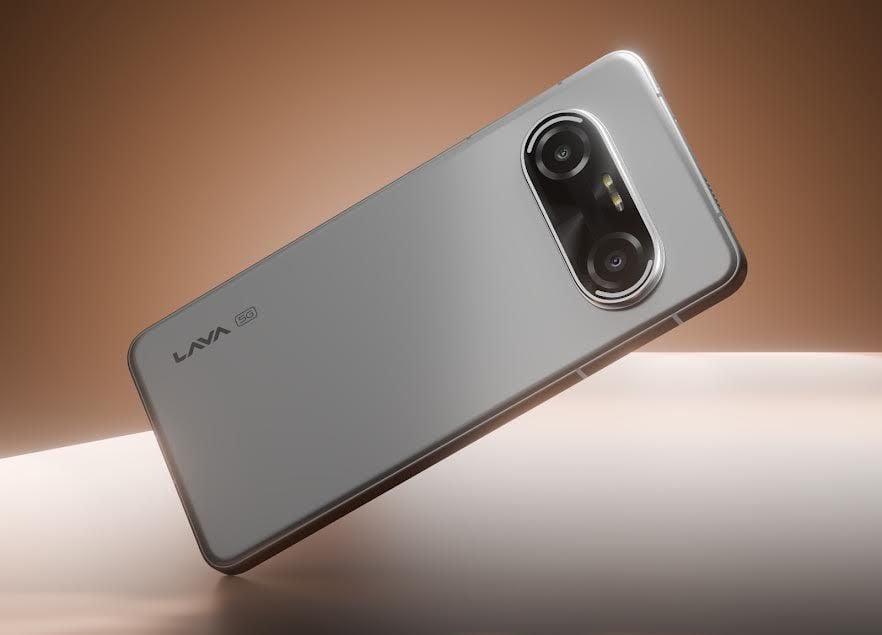
Lava is taking its Agni smartphone series beyond India with the launch of the Agni 4N in the UK. While it is an entirely new phone for the UK, it is a slightly tweaked version of the existing Agni 4, which debuted last year. Here’s a look at the specifications, feature, and price of the UK-bound edition.
The Agni 4N features a 6.67-inch 1.5K AMOLED display with a 120Hz refresh rate, 2400 nits of local peak brightness, and 10-bit color support. It is powered by the MediaTek Dimensity 8350 chipset, paired with 8GB of LPDDR5X RAM and 256GB of UFS 4.0 storage.
The phone runs stock Android 16 with Lava’s refreshed interface and zero bloatware. Lava has also promised two Android upgrades and three years of security updates. Vayu AI is integrated into the phone’s home screen and supports voice-based interactions alongside AI tools such as call summaries, photo editing, image generation, text assistance, and document analysis.
Lava Agni 4N
The horizontal camera module on the back has a 50-megapixel OIS primary camera with an 8-megapixel ultra-wide lens. The front gets a 50-megapixel selfie camera, with both camera systems supporting 4K video recording at 60fps.
The 5000mAh battery supports 66W charging, with Lava claiming a 50% charge in under 19 minutes. Connectivity includes 5G, Wi-Fi 6E, Bluetooth 5.4, USB Type-C 3.2, NFC and an IR blaster. An IP64 rating, Gorilla Glass protection and Wet Touch Control add further durability-focused features.
The main difference between the Agni 4N and the existing Lava Agni 4 is NFC connectivity, which the latter does not support.
Lava Agni 4N price and availability
The Lava Agni 4N is priced at £499 in the UK, which is approximately $675, for the 8GB+256GB configuration. It comes in Phantom Black and Lunar Mist and will go on sale through Amazon UK from September 4.
Xiaomi is all set to unveil the Xiaomi 18 Fold later this month in China. The device will be powered by Xiaomi’s all-new Xring O3 chip, built with a 3nm manufacturing process. Ahead of the expected launch, it has emerged on Geekbench, revealing its AI capabilities.
As can be seen above, Xiaomi’s upcoming foldable phone has now made another appearance on Geekbench, but this time the listing focuses on its AI performance. The device is identified as the Xiaomi 2608BPX34C, which is believed to be the upcoming Xiaomi 18 Fold, and the listing provides a closer look at its underlying hardware.
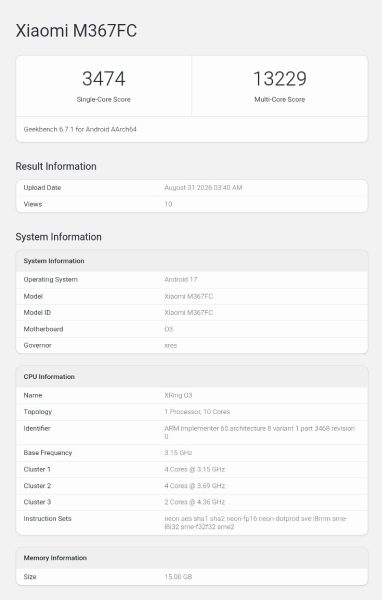
The Xiaomi 18 Fold scored 629 in the Single Precision test, 799 in Half Precision, and 634 in the Quantized test on Geekbench AI 1.7.0. The listing shows it has the O3 motherboard, further pointing towards Xiaomi’s upcoming Xring O3 flagship chipset. The chip is listed with a 10-core CPU, comprising four cores at 3.15GHz, four at 3.69GHz, and two performance cores reaching 4.36GHz. The listing also reveals that the device has 16GB of RAM and Android 17.
These results add another piece to the picture around Xiaomi’s next foldable, particularly as the Xring O3 is expected to bring major CPU, GPU and AI improvements. The same chipset is also showing promising numbers on the upcoming Xiaomi Pad 9 Pro Max, which has crossed the 14,000-point mark in Geekbench’s multi-core test. The tablet, listed under model number M367FC, recorded a peak score of 14,319, while another run reached 14,153 points.
The Xiaomi 18 Fold and Pad 9 Pro Max are expected to debut together. Rumors suggest that these devices will launch in the first half of this month, whereas the Xiaomi 18 lineup powered by the Snapdragon 8 Elite Gen 6 may break cover by the end of this montn.
For more daily updates, please visit our News Section.
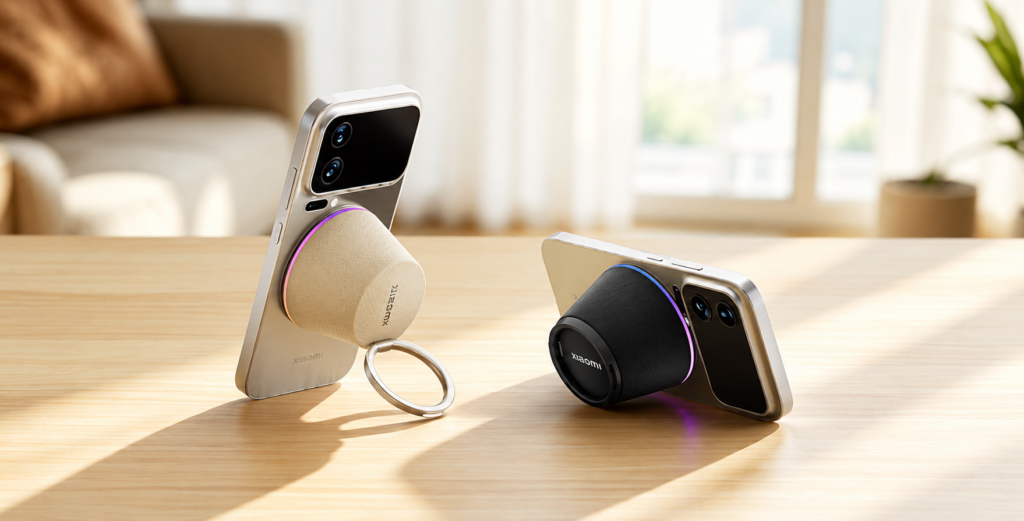
Xiaomi’s compact Bluetooth Speaker Magnetic Version has now gone on sale in China following a successful crowdfunding campaign. The tiny speaker combines audio playback with a magnetic phone stand, giving it a more practical design than a conventional portable speaker. It also packs Bluetooth 6.0, RGB lighting, and water resistance in a 95-gram body.
Xiaomi Magnetic Bluetooth Speaker specifications and features
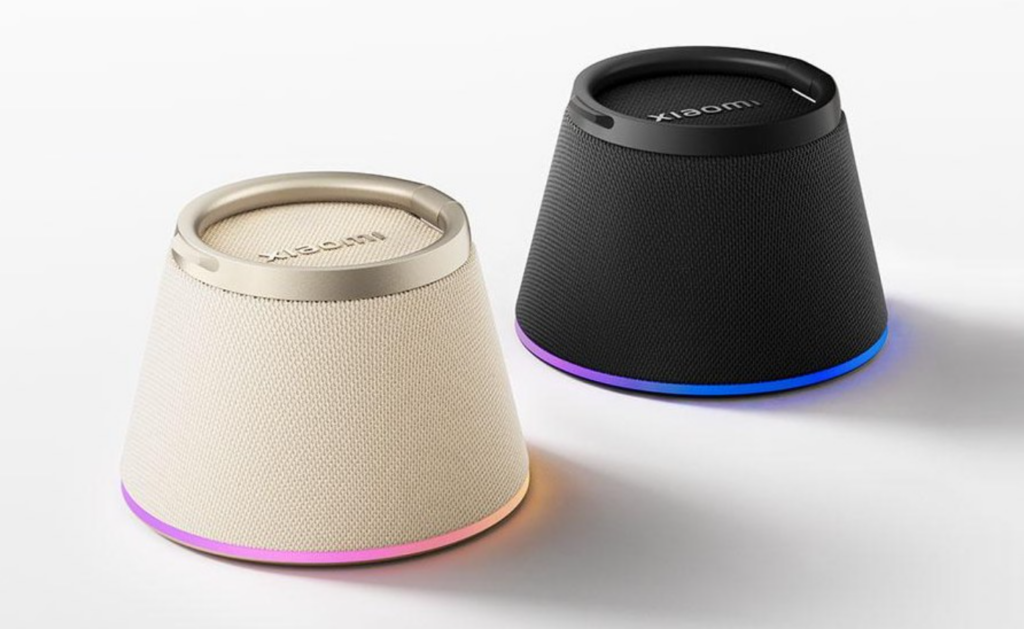
Xiaomi Magnetic Bluetooth Speaker
The speaker features a 1.5-inch full-range driver with 3W output and supports AAC and SBC audio codecs. Its magnetic base uses a Hall sensor to detect when a compatible phone is attached, automatically powering on the speaker, while removing the phone puts it into sleep mode. iPhone 12 and newer models can attach directly, while Android users can use the included magnetic ring.
A foldable metal ring on top works as both a carrying loop and a phone stand, allowing users to position the phone in landscape or portrait orientation. The speaker supports TWS stereo pairing with two units, while up to 10 speakers can be connected for a larger multi-speaker setup. It also carries an IP67 rating for dust and water resistance.
Xiaomi Magnetic Bluetooth Speaker
Power comes from a 650mAh battery, with Xiaomi claiming around four hours of continuous playback on a full charge. Charging is handled through USB-C, while the bottom of the speaker features an RGB light ring that reacts to music. Bluetooth 6.0 handles wireless connectivity, and the speaker weighs just 95 grams.
Xiaomi Magnetic Bluetooth Speaker price and availability
The Xiaomi Bluetooth Speaker Magnetic Version is now available in China for a launch price of 149 Yuan (~$22), down from its 199 Yuan (~$30) regular price. The promotional price is available from Sept. 1 to Sept. 30. It comes in Dark Gray and Light Brown finishes. Xiaomi has not announced global availability yet.
While the smartphone industry has struggled amid the ongoing chip crisis, Samsung has continued to release new smartphones across price segments. For every price segment, there are some excellent options, which is a good thing for buyers, but that also makes it difficult to pick the right one. To make it easy, we’ve curated a list of the best Samsung smartphones across price segments.
Whether you’re looking for an excellent camera phone, a phone that offers a great balance of price and features, or a phone that’s reliable but easy on your pocket, you’ll find the right one that checks your boxes on the list below.
The Galaxy S26 is a dominant flagship choice, particularly for those seeking a premium, compact phone with excellent performance and camera capabilities.
The 6.3-inch screen uses a high-quality AMOLED panel with LTPO support for extra battery saving. It offers a smooth 120Hz refresh rate and 2600 nits of peak brightness for excellent outdoor visibility. The triple camera setup on the back takes excellent shots across various lighting conditions. It comprises a 50MP main sensor with OIS, a 10MP telephoto shooter with OIS and 3x optical zoom, and a 12MP ultrawide snapper. It supports up to 8K video recording, while the 12MP selfie camera can record up to 4K videos.
Under the hood, it’s the top-tier Snapdragon 8 Elite Gen 5 chipset that ensures smooth performance even under heavy load, but it’s reserved for select regions, including the US, Canada, and China, while India and the rest of the world get the Exynos 2600. The Snapdragon chip delivers better gaming performance, but otherwise, the performance is similar. You can take a look at the comparison here.
The Galaxy S26 packs a 4300mAh battery with support for 25W fast charging. It also offers 15W wireless and 4.5W reverse wireless charging to power up your accessories. Being the latest release, it comes with a robust set of connectivity features, including high-speed Wi-Fi 7, Bluetooth 5.4, and fast USB Type-C 3.2.
The small Galaxy S26 delivers a premium experience. It starts at INR 76,900 (USD 799) for the 12GB RAM + 256GB storage and INR 99,999 (USD 899) for double the storage.
The Galaxy S26 Ultra needs no introduction. It’s an easy recommendation for anyone looking for the most capable camera setup on a Galaxy smartphone.
The 200MP ISOCELL HP2 sensor is the same sensor that’s inside the S25 Ultra, but the new phone has a wider f/1.4 aperture lens, allowing the device to pull in about 47% more light. The rear camera setup also includes a 50MP ultrawide lens and two telephoto lenses: one with 3x optical zoom and another with 5x optical zoom. The other side has a 12MP snapper for selfies and video calls.
The Galaxy S26 Ultra upgrades to a faster 60W wired charging and 25W wireless charging, while the battery capacity remains at 5000mAh. The device also benefits from a modern Bluetooth 6.0 standard, which is available on very few Galaxy devices.
The base Galaxy S26 Ultra with 12GB RAM and 256GB storage is priced at INR 1,24,999 (USD 1099), while the 512GB storage variant is available for purchase at INR 1,44,999 (USD 1299). The top-tier model with 16GB RAM and 1TB storage costs INR 1,74,999 (USD 1,599).
The Galaxy S26 FE delivers an excellent fit for people seeking a flagship-level experience at a not-so-flagship price. Obviously, there are some corner-cutting, including an older Exynos 2500 chip, but it’s still a solid-performing chipset in 2026 for most people.
The phone features a flagship-class 6.7-inch AMOLED screen with a 120Hz refresh rate and tough Gorilla Glass Victus+ protection. Since FE models launch a few months later, they typically come with a new OS and are therefore eligible to receive an extra major Android upgrade compared to their flagship siblings. The S26 FE will receive OS updates until Android 24, while its premium siblings will reach the end of the road with Android 23.
The Galaxy S26 FE features a high-end rear camera setup, featuring a 50MP primary camera, an 8MP telephoto lens with 3x optical zoom, and a 12MP ultrawide shooter. It can record videos in up to 8K resolution, whereas the 12MP selfie camera supports up to 4K recording.
The S26 FE packs a 4900mAh battery and supports 45W wired charging, which is faster than the regular S26 (25W). The device also supports reverse wireless charging, like its premium siblings. There are some corner-cutting on the connectivity part, though. The S26 FE doesn’t support Wi-Fi 7; instead, it offers Wi-Fi 6e. Also, it comes with USB Type-C 2.0, which is slightly slower for file transfers over a USB cable than USB Type-C 3.2 on the regular S26 models.
Even with several tradeoffs, the Galaxy S26 FE remains an excellent value flagship. Samsung has announced that the phone will go on sale in India, the US, and Europe in the first week of September, while sales in India will begin on September 18. The phone costs $699 in the US for the 8GB RAM and 128GB storage. Pricing details for the Indian market have yet to be announced, with rumors suggesting a unit could cost INR 70,000.
Samsung remains the leading brand in the foldable market, and the new Galaxy Z Fold 8 Ultra raises the bar for what a book-style foldable phone can do.
The Snapdragon 8 Elite Gen 5 chip ensures the Fold 8 Ultra runs smoothly, even during heavy tasks such as gaming or video editing. Plus, the high-end camera setup makes it the best choice for anyone looking for a premium foldable phone.
The Fold 8 Ultra borrows the rear camera setup from the Galaxy S26 Ultra except for the periscope lens. That means you get a 200MP main sensor, a 10MP telephoto with 3x optical zoom, and a 50MP ultrawide camera. The phone has 10MP selfie cameras on the cover screen and the inner screen, although you can use the rear camera for much better selfies.
Much of the Fold 8 Ultra’s capabilities are borrowed from the Galaxy S26 Ultra, including the 5000mAh battery, charging capabilities, and the modern connectivity suite.
The Galaxy Z Fold 8 Ultra starts at INR 195,000 (USD 1799) for the 12GB RAM and 256GB storage, while the 512GB storage model is priced at INR 214,999 (USD 1999). The top-tier variant with 16GB RAM and 1TB storage costs INR 255,000 (USD 2,399).
The Galaxy A57 stands out as a high-performance, well-rounded mid-range phone, bringing flagship-grade durability, long software support, and advanced AI features to a more accessible price segment.
The smartphone sports a slim 6.9mm profile with glass panels on both front and back, protected by robust Gorilla Glass Victus+, alongside a refined, metallic-feeling aluminum frame. It offers a complete IP68 dust and water resistance rating, ensuring peace of mind against everyday spills, rain, or dust.
The Galaxy A57 features a 6.7-inch Super AMOLED+ screen with HDR10+ support and a 120Hz refresh rate. It’s powered by the Exynos 1680 chipset, which can smoothly handle day-to-day operations as well as gaming at moderate settings. Software support is another plus for the A57, as the brand promises six generations of major OS upgrades.
The rear camera setup features a 50MP primary shooter, a 12MP ultrawide unit, and a 5MP macro camera, while the front side has a 12MP sensor. You can do 4K video recording from both sides. The Galaxy A57 also offers AI-based photo editing features such as Object Eraser, Best Face, Auto Trim, and Edit Suggestions. Speaking of AI, the device also brings the Voice transcription feature, which is typically found on high-end phones. Other specs include a 5000mAh battery, 45W fast charging, Wi-Fi 6e, Bluetooth 6.0, and USB Type-C 2.0.
Overall, the Galaxy A57 5G is a solid mid-range phone, currently priced at INR 56,999 for the base version with 8GB RAM and 128GB storage. There’s also a 12GB RAM option with the same storage for INR 62,499. In the US, the 128GB storage model costs USD 549, and the 256GB storage variant costs USD 610.
The Galaxy A07 5G is an excellent choice for media consumption as it packs a large 6.7-inch screen and a massive 6000mAh battery. The Dimensity 6300 processor ensures no lag in everyday apps and operations.
One of the best things about the Galaxy A07 is its software update policy. Samsung has promised to offer it six years of security patches and six major Android OS updates. Other brands typically restrict their budget phones to two OS upgrades.
The Galaxy A07 5G features a dual rear camera setup, including a 50MP primary sensor and a 2MP secondary lens for portrait effects. It has an 8MP selfie camera.
The much more affordable Galaxy A07 5G is currently priced at INR 18,999 for the base model with 4GB RAM and 128GB storage. You can double the storage by paying an additional INR 2000.
If you want the absolute best Galaxy phone with top-tier capabilities, the Galaxy S26 Ultra is a brilliant choice. It offers flagship performance, high-end camera hardware, great software support, and modern connectivity features.
The standard Galaxy S26 is a great pick for people looking for a compact phone that packs high-end hardware. The phone features an excellent rear camera setup, a flagship-class processor, and fast charging support. But if you want a flagship phone at a not-so-flagship price, the Galaxy S26 FE can be a great fit.
The Galaxy Z Fold 8 Ultra is currently the best pick for a foldable phone, as it packs the best hardware available in the category. There’s also a new Galaxy Z Fold 8 with a passport-size form factor, which has become quite popular soon after its release.
For the mid-range segment, the Galaxy A57 strikes an excellent balance of performance, camera quality, and battery life. It also offers several advanced AI features found only on expensive phones. And, if you’re simply looking for a reliable Samsung phone that’s easy on the pocket, the Galaxy A07 5G serves the purpose. It packs a large battery and a big screen, and it doesn’t lag in regular use.
Official teasers that have been rolled out so far suggest that the Vivo X500 Pro series will be a major step forward for smartphone photography and videography. In the latest teaser, Vivo product manager has revealed a notable video capability for the Pro models. At the same time, an alleged real-life image offers an early look at the X500 Pro Max next to the X300 Ultra.
Vivo product manager Han Boxiao has confirmed that the X500 Pro series will support 4K video recording at 240fps using the Zeiss Super Dynamic main camera. Compared with standard 4K 30fps recording, this captures eight times more frames, allowing users to slow down footage while retaining 4K resolution. Vivo says the feature is designed to capture fleeting moments such as highlights during travel with greater detail.
The company is also working on 4K 480fps and 4K 960fps slow-motion modes. These will be achieved through Vivo’s in-house 4K frame interpolation and video speed mapping algorithms, enabling 16x and 32x slow motion while maintaining 4K output. This could be particularly useful for scenes involving splashing liquids, bursting bubbles and other fast-moving subjects.
Vivo X500 Pro Max (left) with Vivo X300 Ultra (right) |Source 1 | Source 2
Meanwhile, an alleged photo shared online (via GSMArena) shows what could be the Vivo X500 Pro Max sitting beside the X300 Ultra. The Pro Max appears to have a camera island that stretches almost across the phone’s width, making the already large X300 Ultra look comparatively restrained. A separate hands-on video also appears to show a rotating ring around the camera module, with markings that could relate to ISO controls.
The X500 Pro Max is expected to feature three rear cameras, including a 50-megapixel main sensor, a 200-megapixel telephoto camera and a 50-megapixel ultra-wide camera. The main sensor is reportedly a 1/1.28-inch Sony LOFIC unit, while the telephoto camera could use Samsung’s 1/1.4-inch HP0 sensor.
The phone is also expected to feature a 6.85-inch LTPO display with a 144Hz refresh rate and one of MediaTek’s upcoming Dimensity 9600 chips. The Vivo X500 series is confirmed to launch in September, with the lineup expected to include the X500, X500 Pro and X500 Pro Max.
For more daily updates, please visit our News Section.
iQOO is reportedly preparing for its next launch event in China, where the company could unveil several new products, including the iQOO 16, iQOO Neo 12, and a new compact tablet. In the latest development, reliable tipster Digital Chat Station has revealed details about the iQOO 16’s design. Meanwhile, iQOO flagship series Product Manager Wang Ken has started teasing what appears to be the aforementioned tablet.
According to Digital Chat Station, the iQOO 16 will feature a new square-shaped camera module with heavily rounded corners. The three rear cameras are reportedly arranged in a connected layout within the module, giving the phone a distinctive appearance. The camera island is also said to feature additional detailing around its outer frame and underlying textures, adding a more intricate and mechanical character to the design.
The rear panel is expected to use a newly developed manufacturing process, with the overall design following a futuristic, science-fiction-inspired aesthetic. The combination of the unusual camera arrangement and textured finish could give the iQOO 16 a noticeably different look from previous models and help it stand out among upcoming flagships.
Earlier leaks suggest the iQOO 16 could feature three 50-megapixel rear cameras. The primary camera may use a 1/1.3-inch sensor with an f/1.68 aperture, while the ultrawide and periscope telephoto cameras are also expected to use 50-megapixel sensors.
On the front, it is expected to feature a 6.85-inch Samsung-made flat display with 2K resolution and a 165Hz refresh rate. It is also tipped to use the Snapdragon 8 Elite Gen 6 Pro and is rumored to pack an 8,500mAh battery with 100W wired charging, wireless charging, a dedicated display chip, 3D ultrasonic fingerprint sensor, USB 3.2, dual speakers, and IP68/IP69 ratings.
iQOO’s compact tablet teased
The screenshot shared by Wang Ken appears to tease the company’s upcoming compact tablet, although he has not revealed any specifications. The device is believed to be the Vivo tablet with model number iPA2691, which recently received SRRC certification in China. The compact is expected to feature the Snapdragon 8 Elite Gen 6-series chipset and an active cooling system with a built-in fan.
The tablet is also rumored to support Wi-Fi connectivity without cellular support and could target gaming users. An OLED display, slim bezels, and a high refresh rate are among the other expected features.
For more daily updates, please visit our News Section.
Samsung is adding a new, more affordable variant to its Galaxy Book 6 lineup, giving buyers another option alongside the existing models. While the current Galaxy Book 6 is offered with Intel Core Ultra 7 and Core Ultra 5 processors, the new variant comes with more affordable Intel Core 3 and Core 5 options. It retains key features such as a 14-inch display, Galaxy AI capabilities, and long battery life, making it a more accessible option for everyday computing.
Samsung Galaxy Book 6 specifications and features
Samsung Galaxy Book 6
The Samsung Galaxy Book 6 features a 14-inch LCD display with a 1920×1200 WUXGA resolution, 16:10 aspect ratio, 350-nit brightness, and an anti-reflective finish. It measures 313 x 221 x 15.7mm and weighs 1.35kg. The laptop is available with Intel Core 3 or Core 5 processors, Intel Graphics, and an Intel NPU offering up to 15 TOPS of AI performance.
Where to buySamsung Galaxy Book 6Latest price on AmazonCheck price →
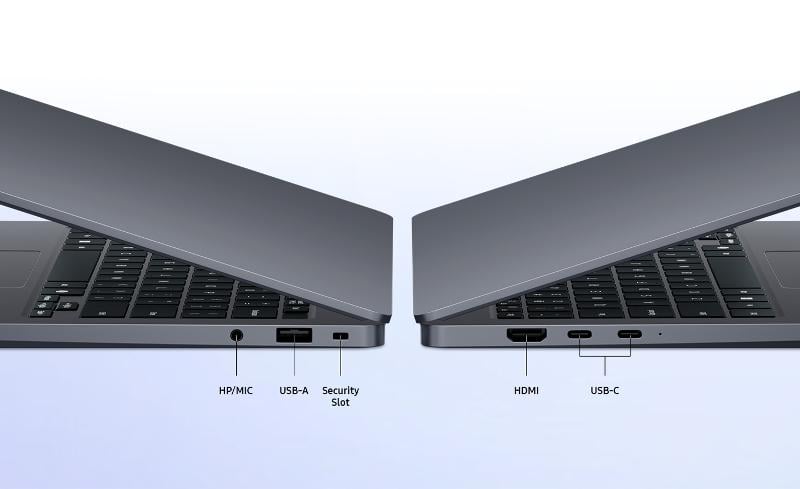
It packs a 61.2Wh battery rated for up to 25 hours of usage on a single charge. The 45W USB Type-C charger can provide around 33% charge in 30 minutes. Memory configurations include 8GB or 16GB LPDDR5X RAM, while storage options range from 256GB to 1TB. For connectivity, the laptop includes two USB Type-C ports, USB Type-A, HDMI 1.4, Wi-Fi 6E, Bluetooth 5.4, and a 3.5mm headphone jack.
Samsung Galaxy Book 6
Galaxy AI features include AI Select, AI Cut Out, and Note Assist. It runs Windows 11 Home or Pro 25H2 depending on the configuration. There’s a 2-megapixel webcam that supports 1080p video, while stereo speakers with Dolby Atmos handle audio.
Samsung Galaxy Book 6 price and availability
The Samsung Galaxy Book 6 starts at $799 and comes in Violet Silver and Gray. Regional specifications, configurations, colors, and features may differ.
For more daily updates, please visit our News Section.
Xiaomi’s next-generation Xring O3 chip is set to power two upcoming devices, the Xiaomi 18 Fold and Xiaomi Pad 9 Pro Max. Among them, the flagship tablet, reportedly carrying the model number M367FC, has already appeared on Geekbench, revealing its core specs and performance. Newer benchmark entries now show the chip crossing the 14,000 mark in multi-core performance.
The latest Geekbench listings show the Xiaomi M367FC reaching a peak multi-core score of 14,319, while another entry records 14,153. The single-core scores range from 3,474 to 3,710 across the listed results. These numbers provide an early look at the performance potential of the Xring O3 ahead of its arrival in Xiaomi’s upcoming hardware.
The Xring O3 is listed with a 10-core CPU configuration comprising four cores clocked at 3.15GHz, four at 3.69GHz, and two high-performance cores reaching 4.36GHz. Graphics are handled by a 16-core Mali-G2-Ultra-NX GPU.
Xiaomi has also claimed substantial generational gains, including up to 60% higher CPU performance and an 85% improvement in GPU performance, alongside a 64% increase in GPU power efficiency.
Unlike upcoming 2nm flagship chips from Qualcomm and MediaTek, the Xring O3 is built on a 3nm process. However, it is \ the first mobile chip to support LPDDR6 memory. The Xiaomi 18 Fold and Pad 9 Pro Max are expected to pair it with CXMT’s 16GB LPDDR6 memory, which can reach speeds of up to 12,800Mbps and deliver memory bandwidth of up to 113.8GB/s.
The chip also reportedly delivers 200 TOPS of tensor AI performance, 3.13 TFLOPS of vector AI performance, and up to 45% higher NPU performance. Xiaomi has claimed an AnTuTu score of 5.22 million, potentially making the Xring O3 the first mobile chip to cross five million points.
OnePlus is expected to announce the OnePlus 16 by early October in China. Ahead of the launch, reliable tipster Digital Chat Station has been consistently leaking details about the upcoming OnePlus flagship. Recently, he shared key information about the phone’s display, and now he has shared detailed information about its rear and front cameras.
OnePlus 16 camera setup gets a major upgrade
According to the latest leak, the OnePlus 16 will feature a 200-megapixel primary camera with a 1/1.4-inch sensor. This is said to be the only phone in its sub-series to receive the large 200-megapixel sensor, suggesting that OnePlus is putting greater emphasis on the main camera’s image quality.
The camera system is also expected to include a 50-megapixel 3x periscope telephoto camera using a 1/1.95-inch Sony sensor. The rear setup could be completed by a new 50-megapixel ultrawide camera, giving the OnePlus 16 a three-camera configuration covering standard, zoom, and wider shots.
On the front, the phone is tipped to feature a 50-megapixel selfie camera with autofocus. The autofocus capability could help with sharper selfies and more flexible framing compared with fixed-focus front cameras.
The camera changes are not the only notable hardware upgrades expected on the OnePlus 16. Earlier details from Digital Chat Station suggested that the phone will use a new-generation BOE Oriental Screen with a 165Hz refresh rate extending across more system and application scenarios. The panel is also expected to use the X4 light-emitting material jointly developed by OnePlus and BOE.
Gaming could push the refresh rate to 185Hz in supported titles, while OnePlus is expected to bring improvements to its high-refresh-rate technology, Fengchi Gaming Core, and e-sports triple-core technology.
The phone is also tipped to feature the Snapdragon 8 Elite Gen 6 Pro, a 9,000mAh battery with 100W wired and 50W wireless charging support, an ultrasonic in-display fingerprint sensor, ColorOS 17-based Android 17, dual speakers, an X-axis vibration motor, and IP68/IP69 protection.
Huawei dropped a new teaser a few days before its big event in Germany, and it points to a more portable MatePad Pro that’s thinner, cleaner-looking, and built around a display meant to cut down on glare and distractions.
In the short video, Huawei confirmed the MatePad Pro 12″ will be one of the products shown at the September 2 launch event in Munich. The tablet looks noticeably thinner than the previous MatePad Pro 12.2, just 4.7 millimeters. The bezels are tighter, the camera module is a bit larger and round, and it comes in a blue finish. At 454 grams, it’s lighter and more compact than the bigger MatePad Pro Max.
The standout feature is the PaperMatte OLED screen. It reportedly produces almost no glare even in bright daylight, building on Huawei’s existing anti-reflective coating that gives the surface a paper-like feel. That should make it easier to use outdoors and more comfortable for reading, note-taking, or drawing with a stylus. It’s also expected to work with the Huawei Glide keyboard case (the one with a multitouch trackpad) and the usual stylus support.
Full global specs haven’t been shared yet, but the design and positioning suggest the international version will be very close to the MatePad Pro 12″ already on sale in China. That one packs a high-quality OLED panel (with a PaperMatte option), a Kirin T93-series chipset, up to 12 GB of RAM, a 50 MP main camera, and solid multimedia features including multiple speakers. The global model is likely to keep the same focus on productivity and portability.
The larger MatePad Pro Max has already picked up strong reviews for its build quality, excellent speakers, and bright OLED display, though it misses cellular connectivity options that competitors offer.
Pricing, exact availability, and the full list of features should all land at the Munich event. Until then, this teaser is mostly about showing that Huawei is serious about making a thinner, lighter MatePad Pro that feels premium.
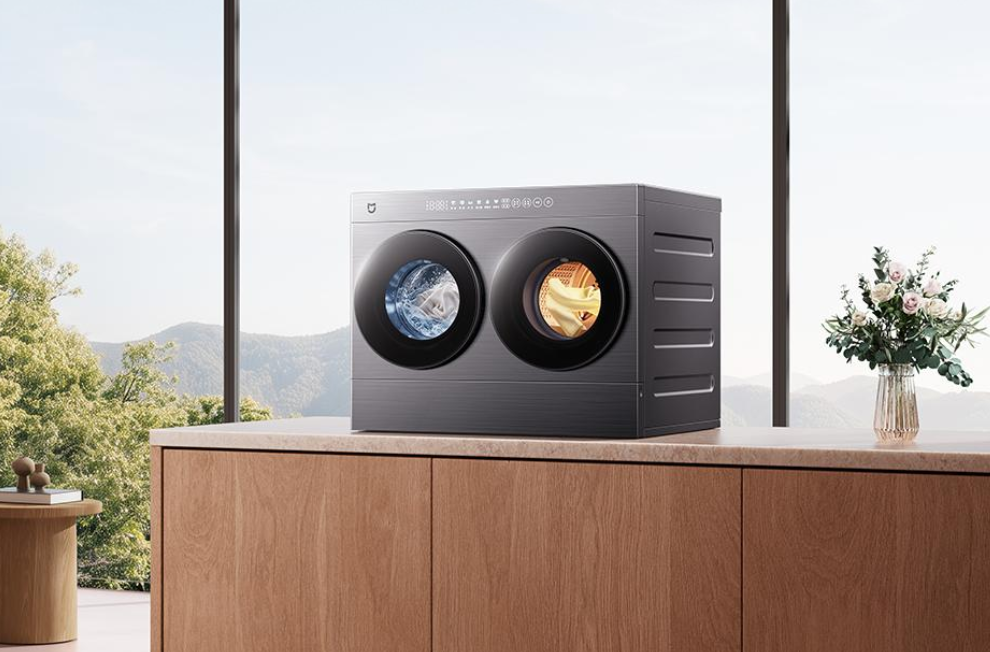
Xiaomi has launched the Mijia Mini Twin-Tub Washer-Dryer 5kg in China. It has a standard retail price of 3,499 yuan ($520) and now up for pre-order on JD.com. The appliance is built to handle a practical household task: washing different types of clothes at the same time without mixing them together.
Instead of a standard single drum, the machine splits its 5kg washing capacity across two independent 2.5kg tubs. For drying, each drum holds up to 1.5kg, giving the unit a total drying capacity of 3kg. This setup means you can wash baby clothes in one drum and adult clothes in the other, or keep delicates away from heavier fabrics. To make sure the loads stay separated, the machine uses independent water and drying channels for each tub, which prevents water from one drum crossing into the other.
Inside, the washer uses a direct-drive motor that reaches a maximum spin speed of 1,200rpm. The drums are 255mm in diameter. For detergent, the machine has two separate 150ml auto-dosing dispensers. It calculates how much soap is needed for a specific load to cut down on residue. Xiaomi claims a full dispenser can last for around a month under typical use, while the self-cleaning system helps prevent blockages over time.
The machine includes 34 wash programs for specific stains like coffee, mud, and makeup. There is a 40-minute quick wash-and-dry cycle for small items, and a 40°C low-temperature drying mode for silk that uses sensors to stop the cycle when the fabric is dry.
If you leave clothes in the machine overnight, it turns on a ventilation system to circulate fresh air and limit odors. It also has a 95°C high-temperature drum-cleaning mode and claims a 99.99% removal rate for bacteria and viruses.
Like other Mijia devices, it connects to the Mi Home app and HyperOS system. It supports voice controls and receives over-the-air software updates. The unit measures 598 x 574 x 478mm, which allows it to fit into standard 600mm-deep cabinets. It weighs 41kg and can sit on the floor, on a counter, or stacked on top of a standard front-loading washing machine.
Samsung is preparing for a major camera refresh for the Galaxy S Ultra model for 2027. The Galaxy S27 Ultra was previously rumored to ditch the 3x telephoto camera, and now we have some information about the second telephoto.
Just the removal of the 3x camera from the setup, while keeping the 5x telephoto untouched, was already a bit surprising, as it would leave the phone relying heavily on the main sensor for the 1x to 5x range. Portraits are a big part of smartphone photography these days, and that could take a hit in the 3x to 5x range.
As per the latest leak, Samsung is currently evaluating a 4x telephoto sensor with a 50MP resolution and a 1/1.9″ sensor size. This is actually larger than the current 5x periscope telephoto sensor, which measures 1/2.52″. So, we may expect less noise and fewer artifacts in images, along with better image quality overall. And, of course, it would make framing easier when shooting portraits.
Looking back, this wouldn’t even be the first time Samsung has used a 4x telephoto on an Ultra model. In fact, the very first Ultra debuted with a 4x, 48MP telephoto camera with a very similar 1/2.0″ sensor size. It was a major upgrade over the 12MP, 2x telephoto on the Galaxy S10+.
With the Galaxy S21 Ultra, Samsung moved to a much smaller 10MP dual-telephoto setup. Now, the S27 Ultra could be returning to a single telephoto camera with 4x optical zoom.
But the actual question is: will it happen?
🚨 EXCLUSIVE | Galaxy S27 Camera Strategy
Samsung is reportedly testing a shared telephoto strategy across the S27 lineup.
The Galaxy S27 and S27+ are said to use the same 3x telephoto system as the S27 Pro, while sharing their main and ultrawide camera hardware with the Ultra.…
The tipster says Samsung is weighing the upgrade against its bill of materials and the real-world benefits it would offer. If the difference between the new 4x solution and the existing 5x telephoto isn’t significant enough to justify the additional R&D cost, Samsung will reportedly retain the current 5x setup.
There are reportedly five S27 Ultra prototypes currently being evaluated, which suggests that the camera configuration is far from being completely locked in. It will be interesting to see which route Samsung ultimately takes with its upcoming Ultra model.
We use cookies on our website to give you the most relevant experience by remembering your preferences and repeat visits. By clicking “Accept”, you consent to the use of ALL the cookies.
This website uses cookies to improve your experience while you navigate through the website. Out of these, the cookies that are categorized as necessary are stored on your browser as they are essential for the working of basic functionalities of the website. We also use third-party cookies that help us analyze and understand how you use this website. These cookies will be stored in your browser only with your consent. You also have the option to opt-out of these cookies. But opting out of some of these cookies may affect your browsing experience.
Necessary cookies are absolutely essential for the website to function properly. This category only includes cookies that ensures basic functionalities and security features of the website. These cookies do not store any personal information.
Any cookies that may not be particularly necessary for the website to function and is used specifically to collect user personal data via analytics, ads, other embedded contents are termed as non-necessary cookies. It is mandatory to procure user consent prior to running these cookies on your website.