Advertisement

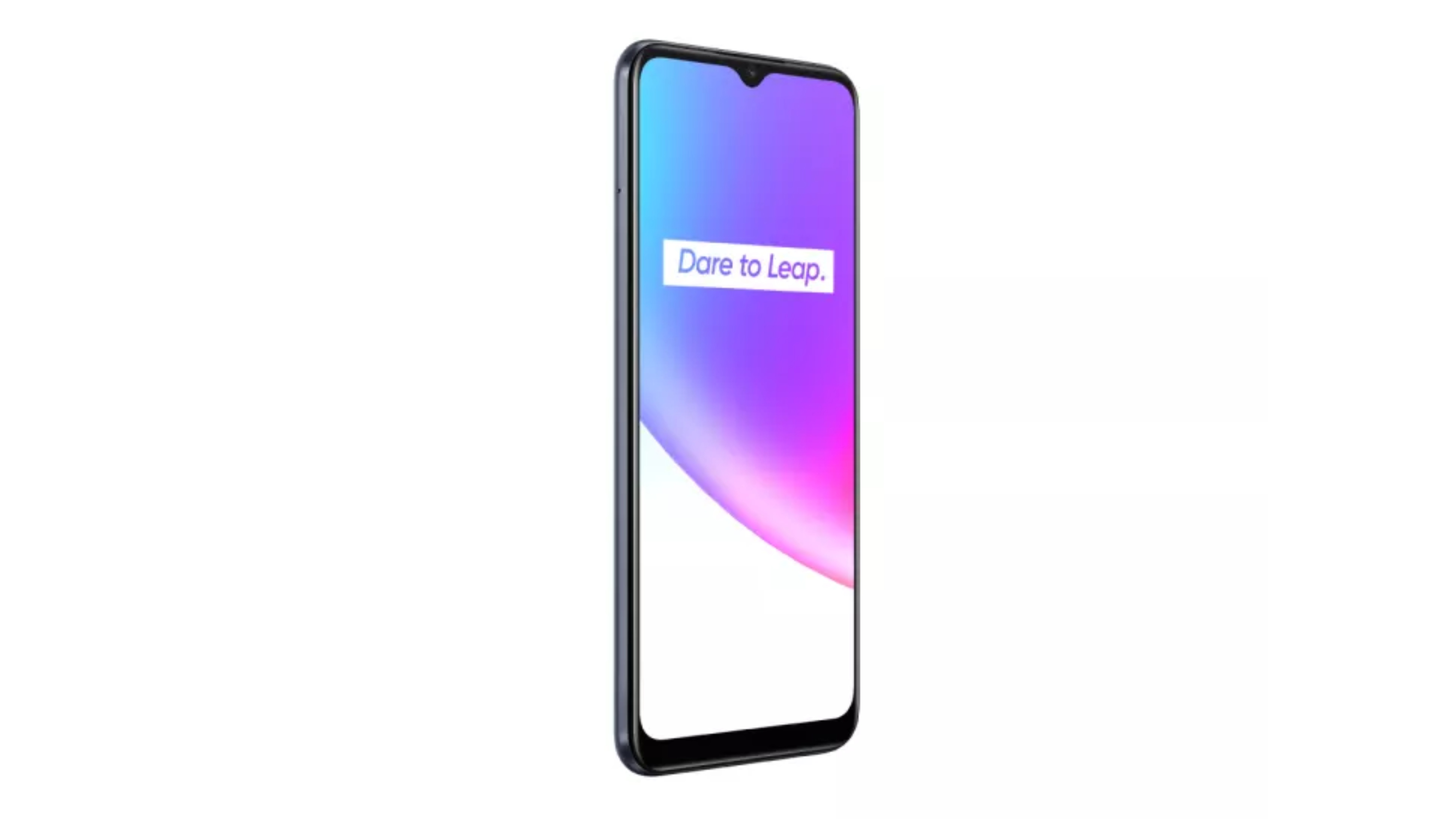
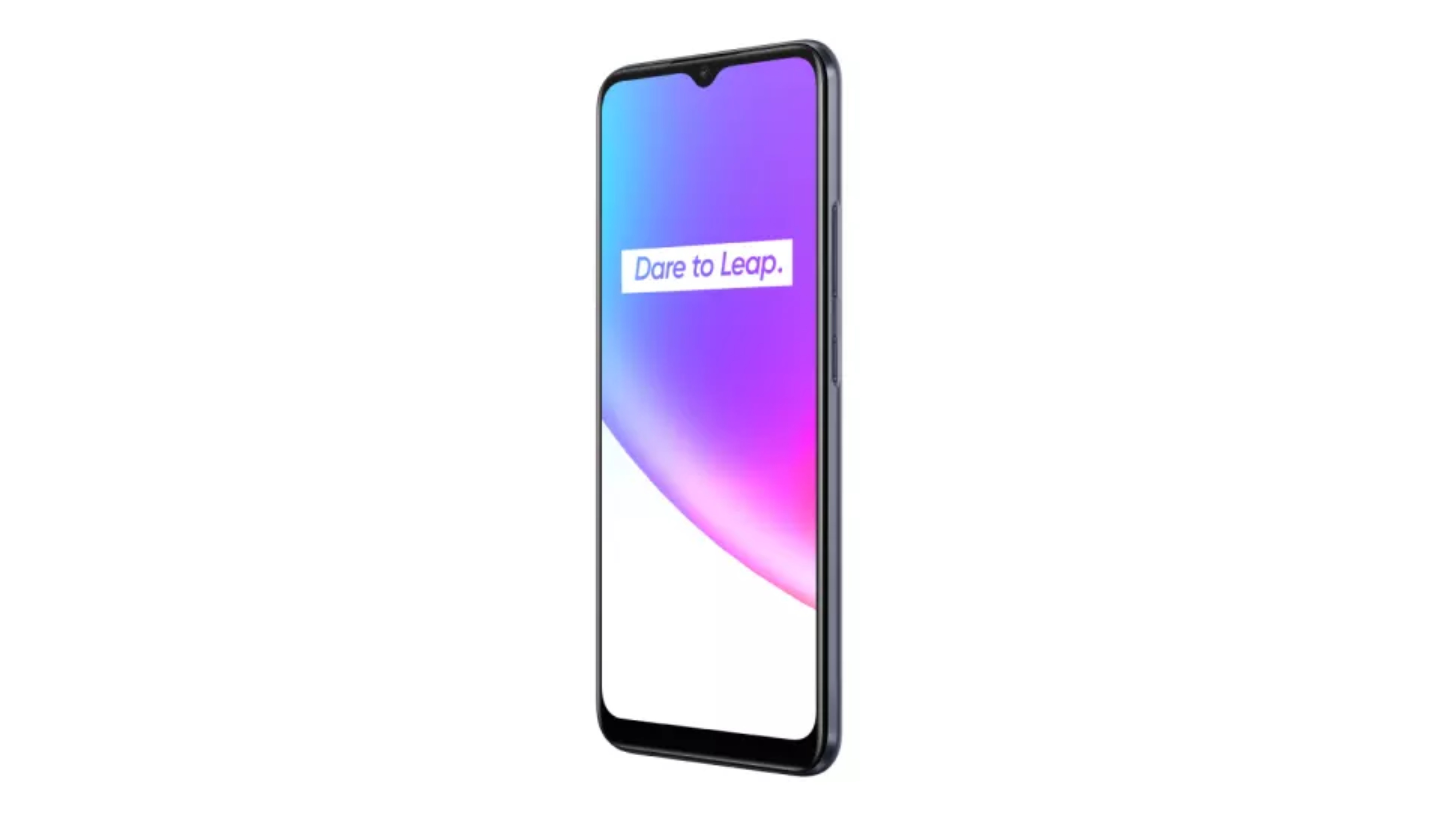
OPPO Reno2 Z ColorOS 11 (Android 11) beta registrations go live in India

Earlier this month, OPPO shared the ColorOS 11 update plan for the month of March 2021. As per the schedule, the company is supposed to open beta registrations for the OPPO Reno2 Z on March 17 in India. However, the brand has started recruiting testers two days early since yesterday.
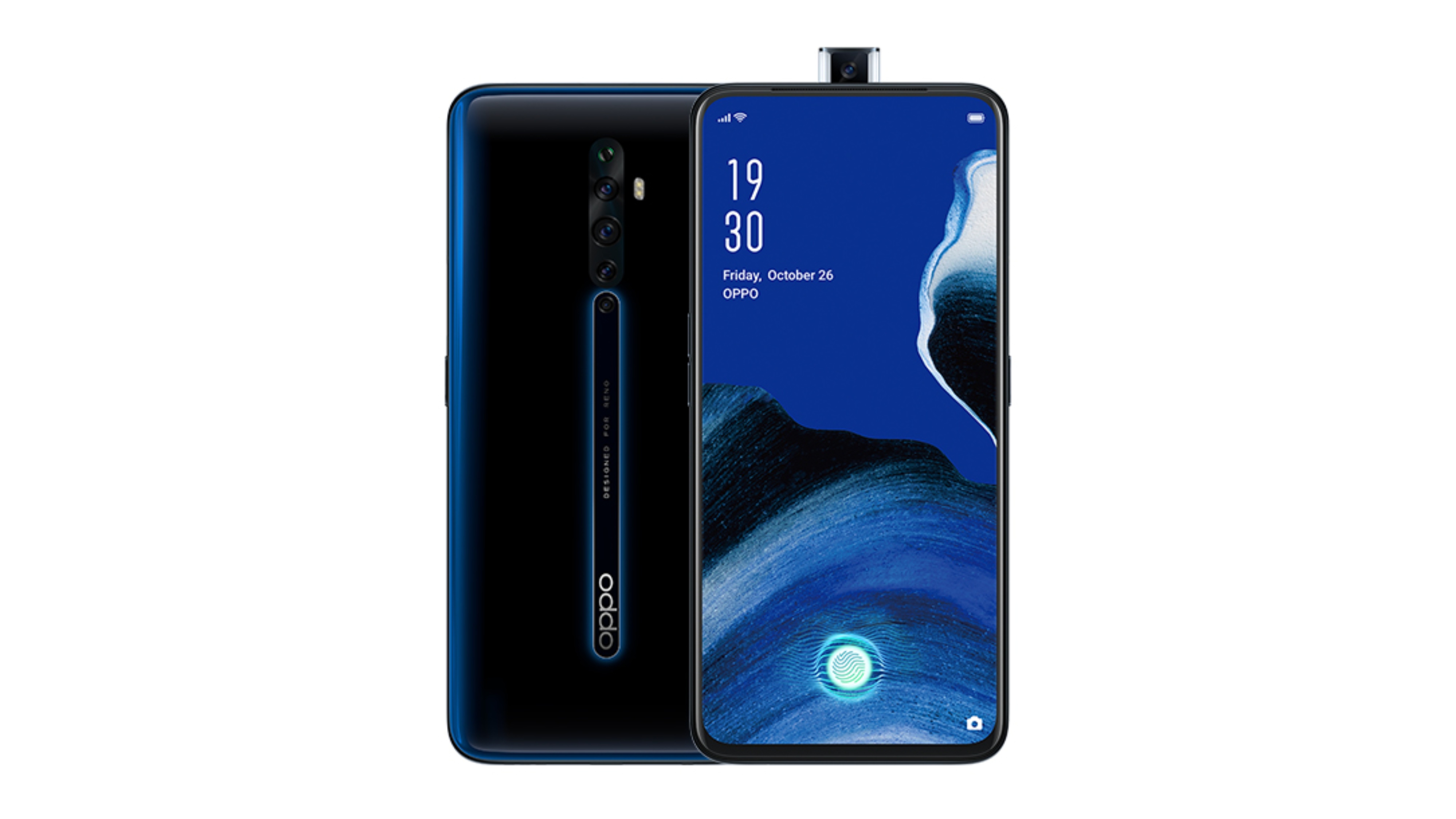
According to the announcement post on ColorOS Community, users who are on the software build version C.45 or C.47 can apply for the Android 11-based ColorOS 11 beta program in India. The first batch of recruitments will go on from March 15 to March 18.

In order to enroll in the program, interested users will have to navigate to Settings > Software Update > Gear Icon > Apply for Beta Version > Update Beta Version and follow the on-screen instructions. Users who get selected will receive the Android 11 beta update via OTA.

If they don’t get recruited, they can try registering whenever the company opens the next round. Anyway, all users should get the ColorOS 11 stable update in the coming days whether they apply for the beta program or not.

That said, Android 11 should be the last major update for the OPPO Reno2 Z. This smartphone debuted with Android 9.0 Pie-based ColorOS 6 in 2019 and was updated to ColorOS 7 (Android 10) last year.


RELATED:


Nokia G10 spotted with Helio P22, Nokia G20’s detail appear

HMD Global will be announcing a launch event on April 8th. Rumors have it that the company will announce Nokia X10, Nokia X20, and Nokia G10 smartphones. The initial report on G10 claimed that it will be arriving as a gaming-focused phone. However, its Geekbench listing tells a different story as it has been spotted with a low-powered chipset. At the same time, a new report by Nokia Power User has revealed the key details of a new phone named the Nokia G20, which may arrive with the G10.

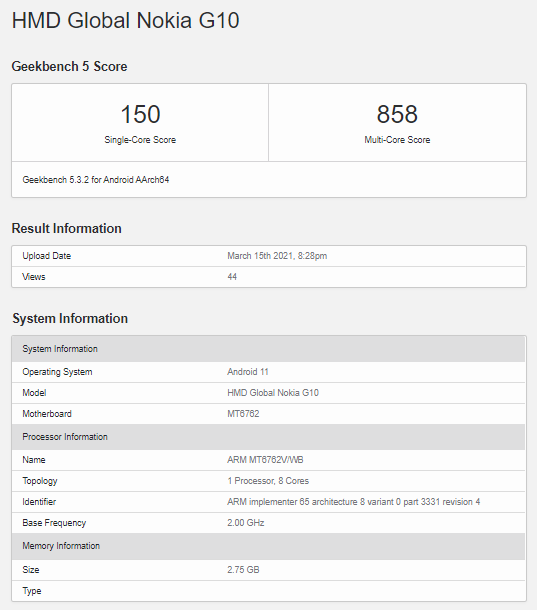
The Nokia G10’s has scored 150 in the single-core test and 858 in the multi-core. The handset recorded such low scores because it is equipped with an Helio P22 chipset, which is mentioned with the MT6762 model number in the listing. The SoC is supported by 4 GB of RAM and it runs on Android 11 OS.

Nokia G10 Geekbench

It is speculated that the handset has a 6.4-inch HD+ display, a 48-megapixel quad-camera system, a 16-megapixel selfie camera, 3GB / 4GB RAM, 32 GB / 64 GB storage, a 4,000mAh battery with 10W charging support. It may arrive in blue and purple color editions.

According to NPU, its source has revealed that the Nokia G20, which will be positioned higher than the G10, will feature a more powerful MediaTek chip. Without mentioning the details, it claimed the Nokia G20 will come with better cameras than the G10.

The publication claims that the Nokia G10 and G20 will bear some similarities with the Nokia 5.4. It calls the G10 a low-priced Nokia 5.4 alternative. On the other hand, the G20 is expected to offer a few better specs than the Nokia 5.4.

The Nikia G20 may arrive with 4 GB of RAM and 64 GB of storage. It could be coming in colors like Silver and Blue. The 4G+64GB base model could be priced at 169 euros (~$201).

RELATED:

realme C25 Indonesia launch date is March 23, Design and key specs revealed by a retailer

A few days back, realme C25 got certified by multiple certification bureaus. This smartphone with model number RMX3191 was even spotted on Geekbench. Now, this phone has been listed by a retailer in Indonesia revealing its primary specs, design, and launch date.

According to the listing of realme C25 on Lazada, the smartphone will be launching in Indonesia on March 23. The device will be available in two colors (Water Grey, Water Blue) and in a single 4GB + 64GB storage configuration.

As far as specifications are concerned, the realme C25 will be powered by a MediaTek Helio G70 SoC. However, the handset’s Geekbench listing said it to feature a MediaTek Helio P65 SoC instead.

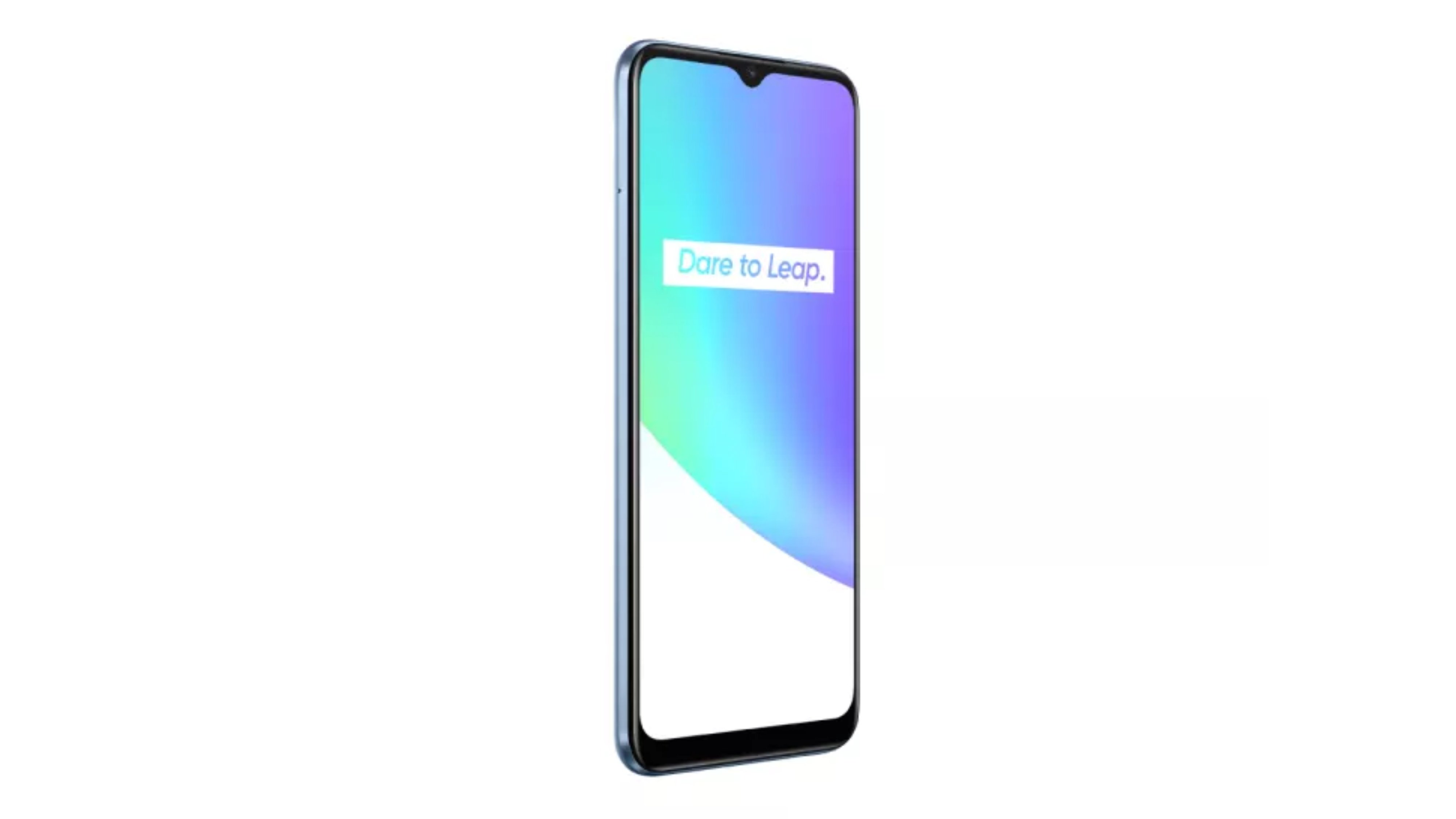
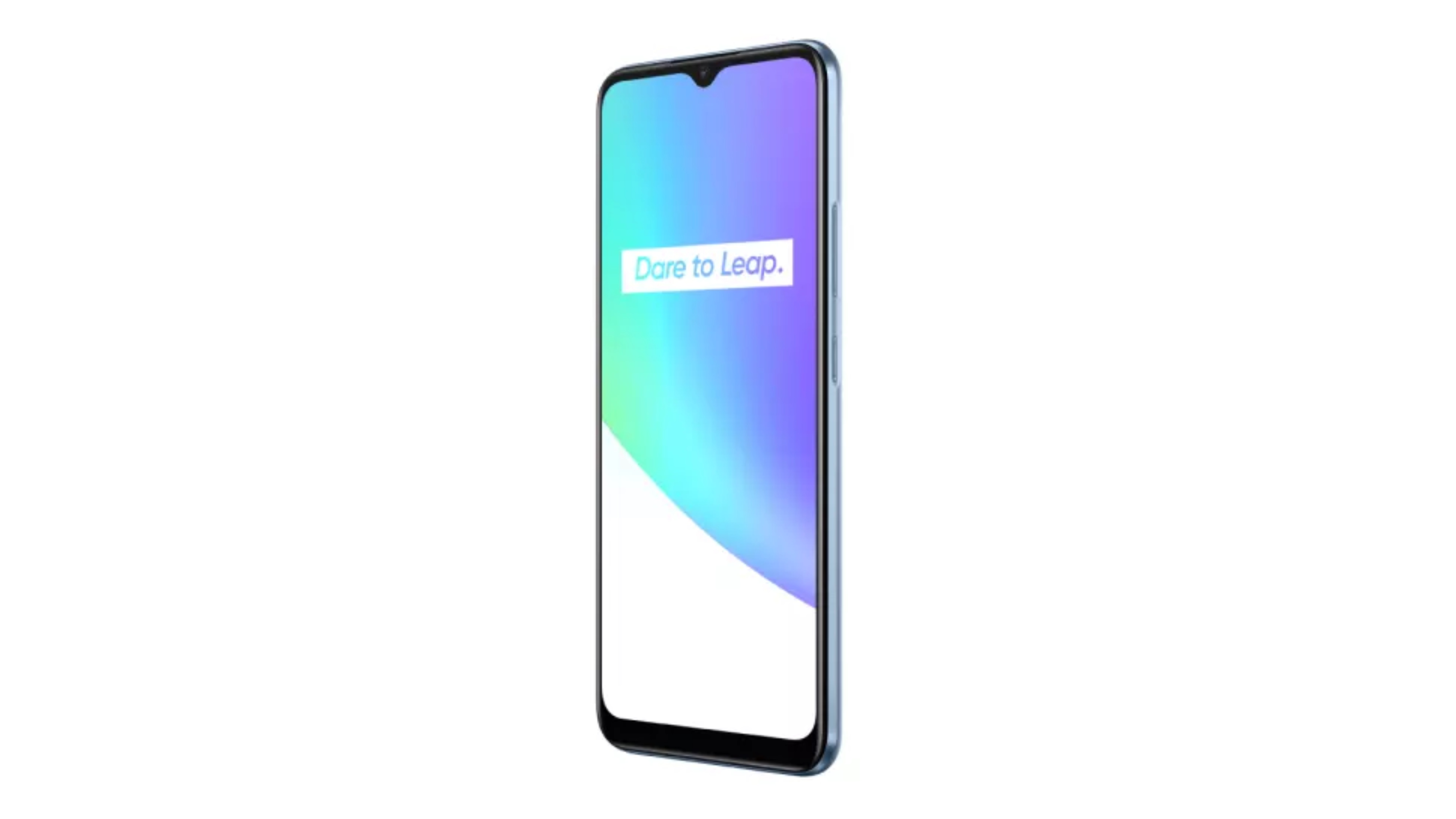
Further, the phone will sport a 48MP triple camera setup arranged in a matrix-like manner on the rear panel along with a capacitive fingerprint sensor. The device’s back will include a two-tone finish with a vertically placed realme branding.

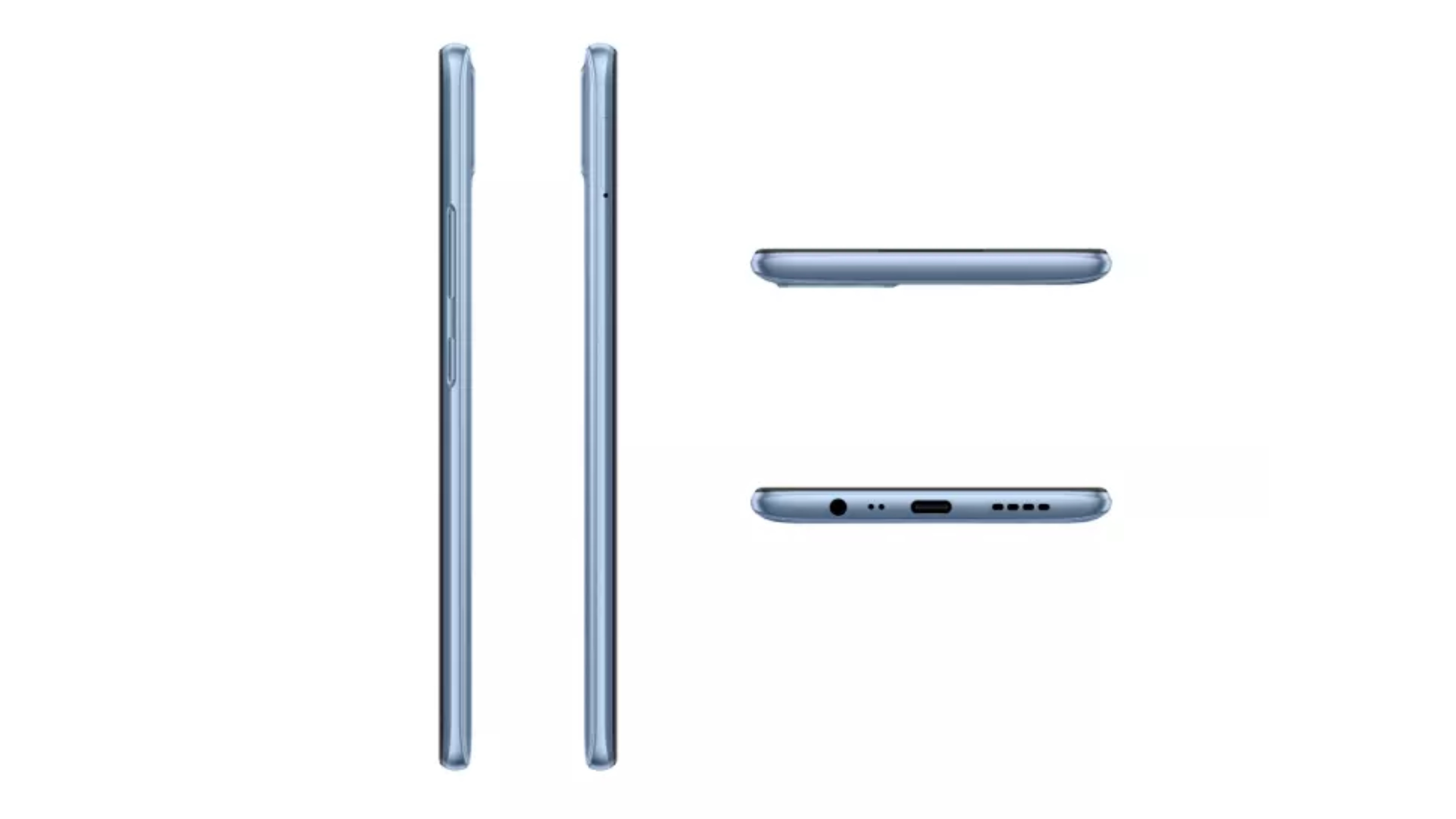
Other features of this handset will include a USB Type-C port, a 3.5mm headphone, and a 6,000mAh battery with support for 18W fast charging. Last but not least, the smartphone will run realme UI 2.0 based on Android 11 out of the box.

We expect to learn other aspects of the realme C25, including its price on March 23 when it will be officially launching in Indonesia.


RELATED:


(Via)

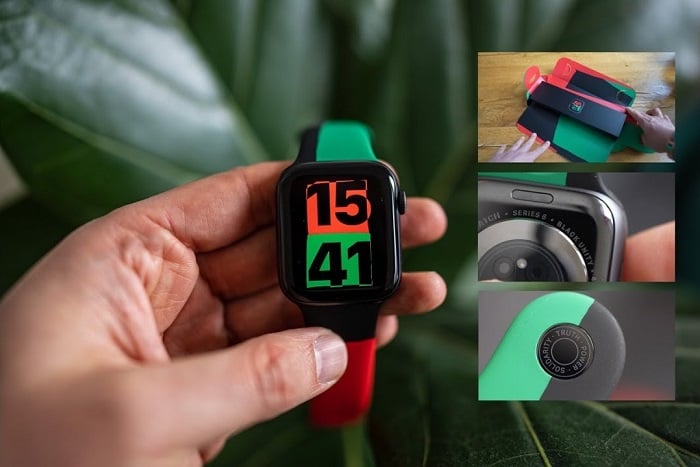
Apple leads the wearables market, while global shipments rise by 28% in 2020: Report

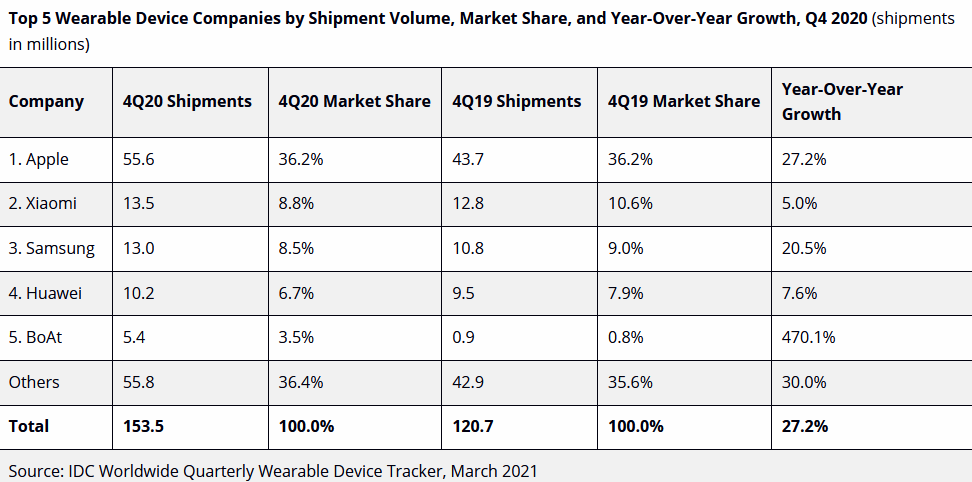
The global shipments of wearable products reached 153.5 million units in the fourth and final quarter of last year. This marked a year on year growth of 27.2 percent in this period while the annual shipments rose by over 28 percent, reaching 444.7 million units, with Apple leading the market once more.

Apple Watch Series 6

According to an IDC report, the holiday season was a big driver for sales, owing to new launches and lowering prices. However, the surging demand is also due to the rising trend of wearable products, especially as disposable income rose due to falling expenditure on leisure activities during the pandemic. Furthermore, the rise in demand also marks a shift in the market trends and increasing popularity of smaller connected devices.

Apple led the market with an overall share of 36.2 percent in the fourth quarter of 2020. Its Watch shipments rose by 45.6 percent during this period, thanks to rising appeal of its three models aimed at different price segments, namely Series 6, Watch SE, and Series 3. Furthermore, even its hearables shipments rose during this quarter, despite its year on year performance showing a slight fall to 22 percent, down from 28 percent and 29 percent in the previous two quarters.

Apple

Despite the overall market seeing a rise, the growth was not even across various segments of the market, as companies and brands were also affected by the ongoing issue of global semiconductor shortages. Notably, the wristband category declined by 17.8 percent during the final quarter and only accounted for 11.5 percent of the all wearables shipped. By far, the hearables category accounted for the largest share of shipments, with a 64.2 percent share. This was followed by watches that accounted for 24.1 percent market share.

RELATED:


Realme 8 Pro leak reveals display, processor, camera, and battery details

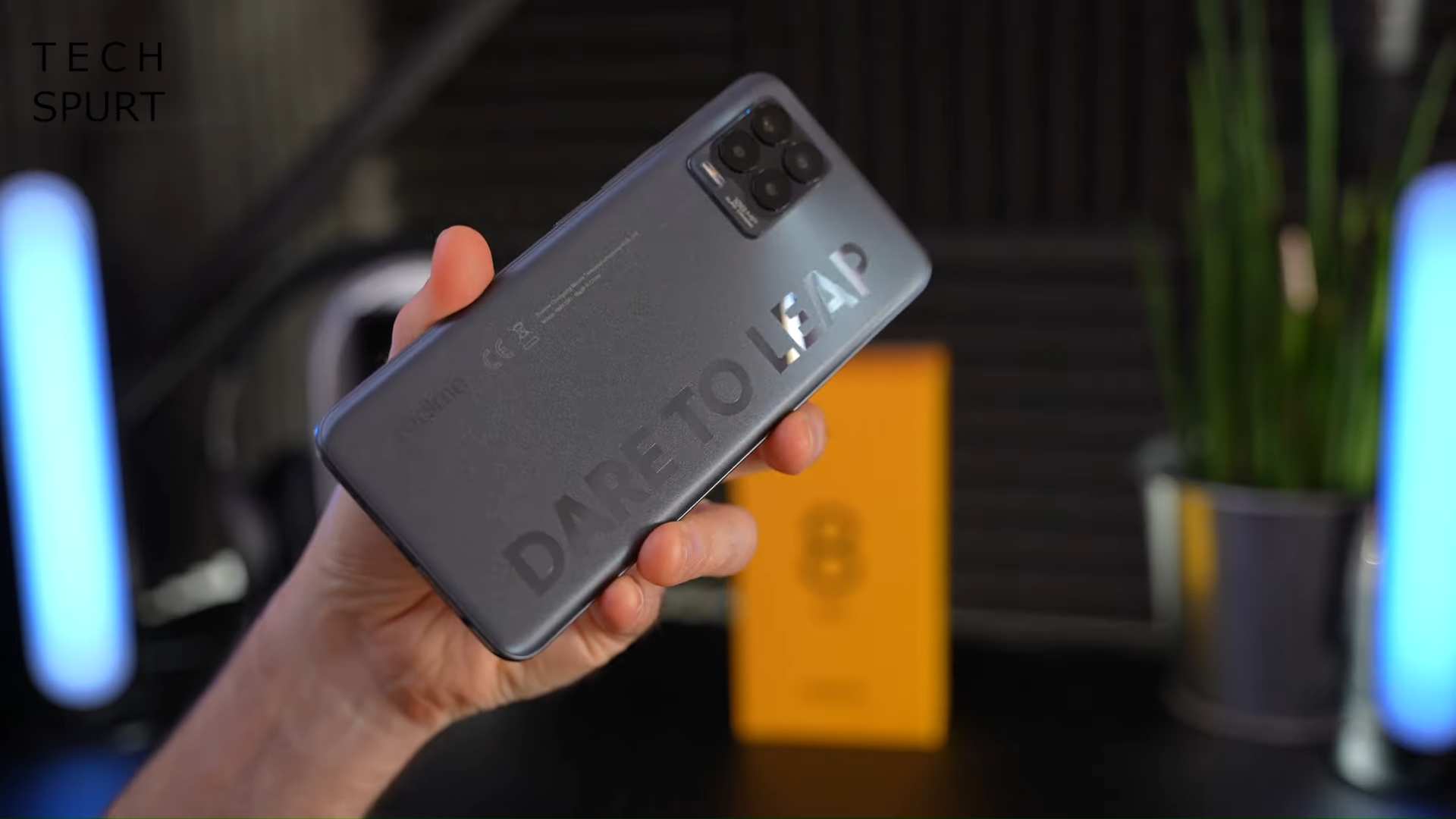
Realme will be launching the Realme 8 series of smartphones on March 24 in India. Yesterday, Tech Spurt YouTube channel released an unboxing video of the Realme 8 Pro. The video did not reveal the specs of the phone but showcased its design from all angles. In addition, it also revealed what is included in the retail box of the Realme 8 Pro. Tipster Debayan Roy has leaked the key specifications of the Realme 8 Pro today.
The tipster claimed that the Realme 8 Pro will be equipped with a 6.4-inch S-AMOLED display that supports a 60Hz refresh rate. The single punch-hole screen is expected to carry support for a Full HD+ resolution.

The Realme 7 Pro was powered by the Snapdragon 720G chipset. It appears that the company will be using the same chip to fuel the Realme 8 Pro. Recently, a leakster revealed that it will come in variants like 6 GB RAM + 128 GB storage and 8 GB RAM + 128 GB storage.

realme 8 pro
realme 8 Pro Credit: Tech Spurt

There is no word on the front camera of the Realme 8 Pro. The square-shaped rear camera module of the device may have a 108-megapixel primary camera, an 8-megapixel lens, and a pair of 2-megapixel sensors. The handset will be equipped with a 4,500mAh battery that supports 50W fast charging. In contrast, the Realme 7 Pro offered 65W fast charging.

The handset will come preloaded with Realme UI 2.0 based Android 11 OS. It also features an in-screen fingerprint reader. The device is expected to arrive in hues like Infinite Black, Infinite Blue, and Illuminating Yellow.

While the tipster is confident about the leaked specs of the Realme 8 Pro, it is advisable to digest this report with a grain of salt.

RELATED:

Xiaomi patents a new ‘anti-peeping’ technology to ensure user privacy

Earlier this week, a new Xiaomi patent was published online. The company’s mobile software unit published the new patent, which is for a new ‘anti-peeping’ technology to ensure user privacy.

Xiaomi

According to an ITHome report, the patent from the Chinese tech giant describes a dedicated sensor that is constantly working to sense at least one face that might appear within a predetermined range of the sensor. In other words, the sensor will be capable of capturing at least one face, by performing facial recognition on the acquired image. As per the result of the facial recognition software, the algorithm would determine whether there is a person peeping on the user’s smartphone.

Through this technology, the device will be able to ensure user privacy by preventing any confidential data of files from being ‘peeped’ or leaked. In other words, the patent is to help protect sensitive user data. Unfortunately, it is currently unknown if the the company is actually working on such a product or covering all bases for a future iteration of this technology.

Xiaomi

In the past, other consumer electronic makers have also patented similar technology as well. Although, a full fledged system has yet to be more widely adopted. So stay tuned for more, as we will be providing updates when additional information is available regarding this patent.

RELATED:


OnePlus to host Blind Box Sale for OnePlus 9 series in Europe tomorrow

OnePlus will be launching its next-generation flagship smartphones under the OnePlus 9 series next week on 23rd March. Soon after that, the devices will up for sale in several regions. But potential buyers in Europe have a chance to get the device earlier than others.

Deutsche Telekom and OnePlus are partnering for a Blind Box Sale which will take place tomorrow. Users will be paying €1,111 (approximately $1,324) and they will get either OnePlus 9 or OnePlus 9 Pro along with a bunch of accessories.

OnePlus 9 Series Blind Box Sale

The OnePlus 9 series smartphones are confirmed to get two years of official warranty. It remains to be seen if this is limited to Chinese users or applicable globally. The company decided to add an additional year of warranty as it found that most users replace their flagship smartphone after two years.

As for the specifications, the OnePlus 9 5G is expected to come with a 6.5-inch FHD+ AMOLED screen that offers a 120Hz refresh rate while the OnePlus 9 Pro 5G may feature a 6.67-inch AMOLED QHD+ screen with support for a 120Hz refresh rate. Under the hood, both the devices will come powered by the Snapdragon 888 mobile platform, coupled with up to 12GB of LPDDR5 RAM and up to 256GB of internal storage.

OnePlus 9 Pro Morning Mist

The smartphones are expected to feature a 16-megapixel front-facing camera. The Hasselblad branded rear camera system of the OnePlus 9 5G includes a 48-megapixel Sony IMX789 primary camera, and a 50-megapixel Sony IMX766 ultrawide snapper, and probably a telephoto lens. The Pro model has a quad-camera setup that includes a Sony IMX789 48-megapixel main camera, a 50-megapixel Sony IMX766 superwide sensor, an 8-megapixel telephoto lens, and a 2-megapixel depth helper.

The OnePlus 9 5G and 9 Pro 5G may feature a 4,500mAh battery with 65W fast charging support. A recent leak claimed that the Pro model will support 50W wireless charging. There is a possibility that the standard variant may come with 30W charging.

Recently, it has been leaked that the OnePlus 9 5G will come in Stellar Black, Arctic Sky, and Winter Mist colors while the Pro variant will be offered in three colors — Astral Black, Morning Mist, and Pine Green. The launch event for the OnePlus 9 series is scheduled for 23rd March and the devices will launch in China on 24th March.

RELATED: 

AnTuTu calls out Realme GT smartphone for its unverified high score; removes it from platform

AnTuTu, one of the leading smartphone benchmarking platforms issued an official statement to “fight against counterfeiting”. It said that the app couldn’t reproduce the scores secured by the Realme GT smartphone.

AnTuTu clarified that the Realme GT scores about 750,000 points in the AnTuTu v8. This is a good score among smartphones in the market that are powered by the Qualcomm Snapdragon 888 chipset. However, when the company conducted its own analysis during testing, it found that the score obtained by the phone was not a manifestation of its true strength but was obtained through other means.

Realme GT 5G rear-

Because of this, AnTuTu said that it will remove the Realme GT’s scores for three months from the platform. After three months, the device will be included in the relevant list if Realme takes constructive steps against such practice. If that is not done, then the device could be permanently removed from the platform.

Last month, Xu Qi, Vice President of Realme, had published a screenshot of the test score of the Realme GT smartphone. He claimed that in a random AnTuTu, the phone scored 770,000 points, making it one of the most powerful phones powered by SD888 SoC.

Earlier, a similar spat between Realme and AnTuTu had taken place because of the scoring related to the Realme X50 Pro smartphone. The smartphone maker had claimed that the phone’s AnTuTu score surpassed the 60W mark but AnTuTu refused to acknowledge that as the test wasn’t conducted on the internet.

Realme GT 5G flagship smartphone was launched earlier this month and then soon went on sale in China. With a starting price of 2,899 yuan, the company claimed that it managed to generate a revenue of 100 million yuan in just 10 seconds of the phone going on sale.

RELATED: 

Redmi explains why the K40 series has a side mounted fingerprint sensor

Earlier this week, Redmi officially released an article through its official Weibo account, a Chinese microblogging website, explaining why its latest K40 series of smartphones have its fingerprint sensor mounted on the side.
Redmi

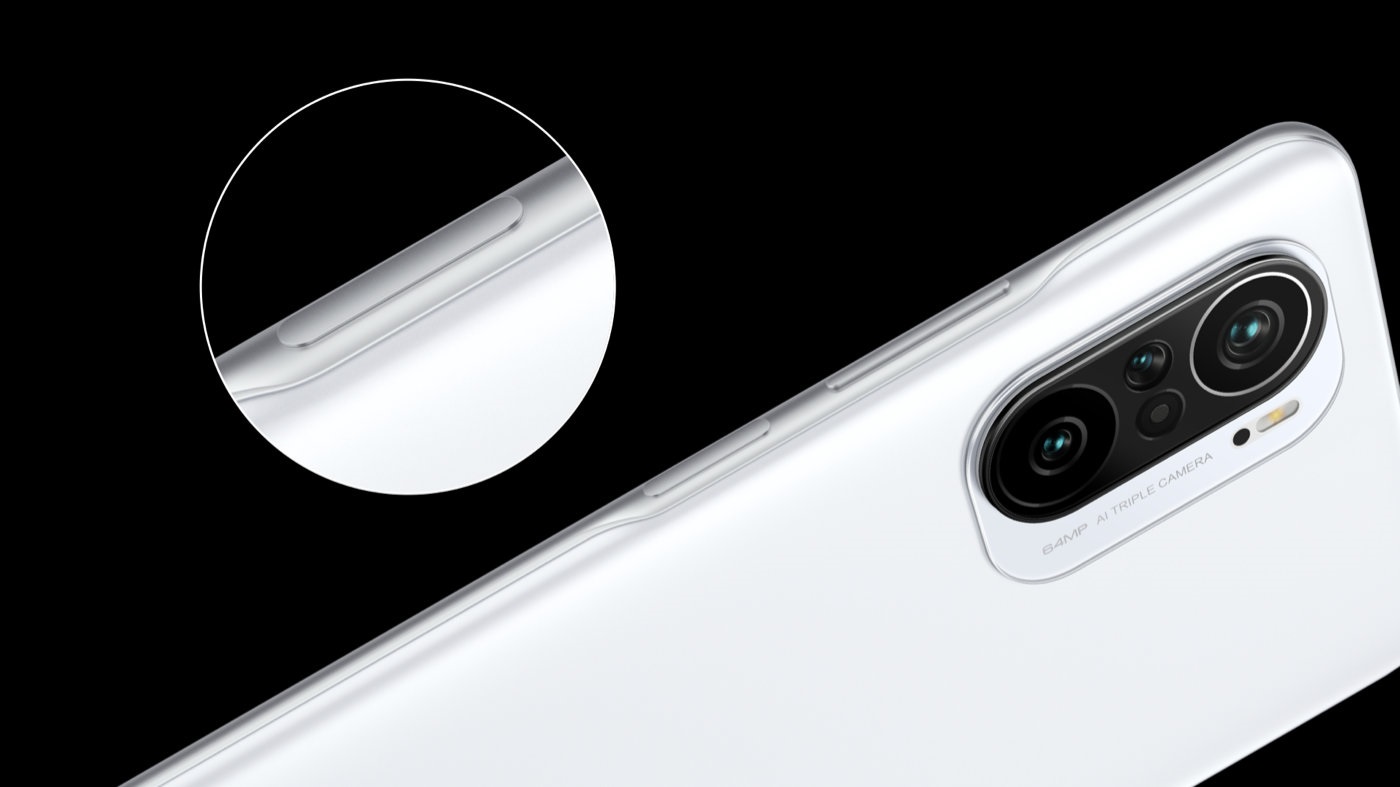
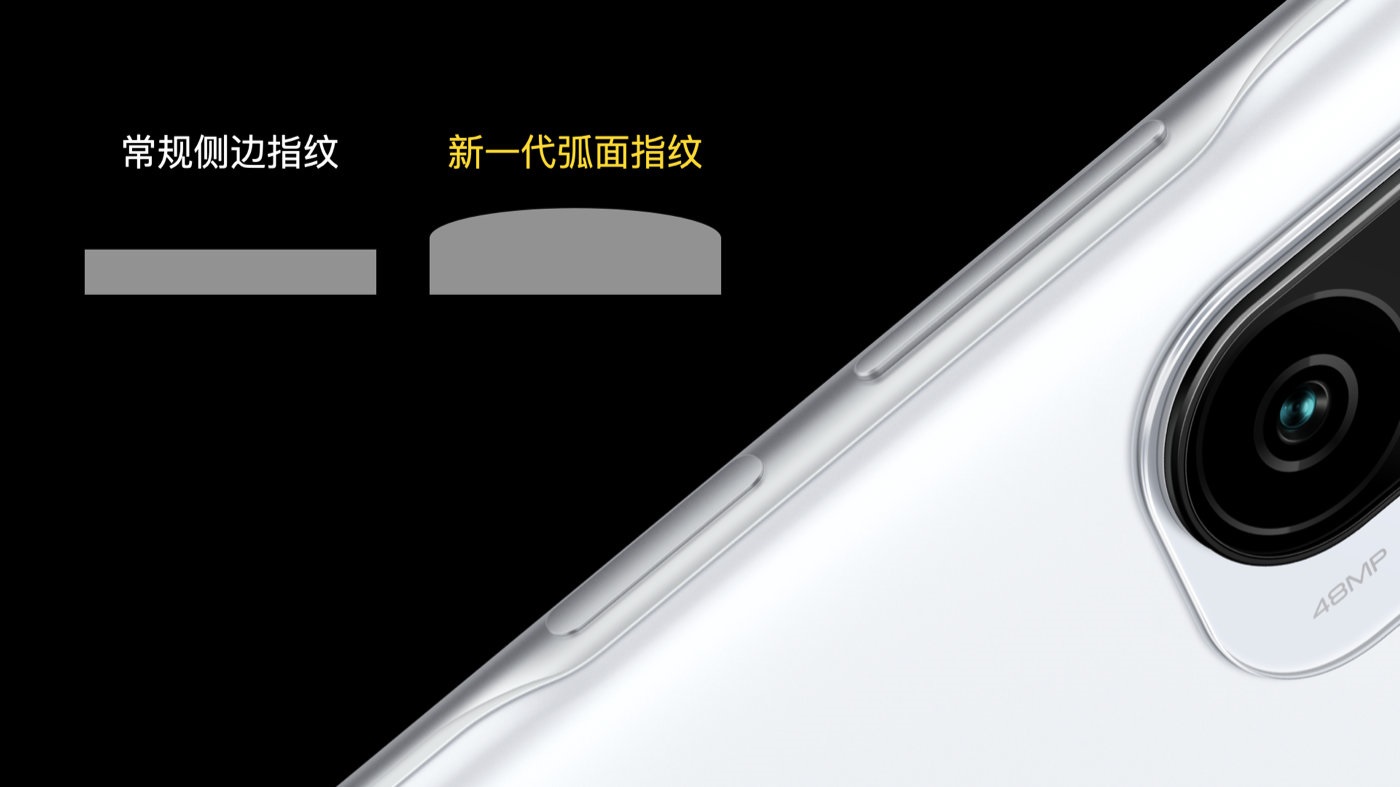
As per the article, the Chinese tech giant had to consider various factors while making the decision to have the fingerprint sensor placed on the side. This includes aesthetics and the overall look of the device along with its unlocking speeds. The last gen Redmi K30 series also featured a side mounted fingerprint scanner as well, although, that sensor required a small area to be cut out from the handset’s frame surface. But with the K40 lineup, the company housed the sensor on the button itself.

Furthermore, the fingerprint sensor on the K40 series is also thicker due to the button, which also enhances its structural strength and raises the height of the buttons as well. Similarly, due to its curved surface, the company’s team was also able to improve the materials and craftsmanship of the fingerprint button’s surface. This, in turn, improves its reception rate, which is also further optimized by recognition algorithm to ensure a quick and accurate unlock.

Redmi

The Redmi K40 series was launched last month and is the company’s current flagship lineup. It features top notch specifications like the Qualcomm Snapdragon 870/888 processor, with its price starting from 1999 Yuan (roughly 307 US Dollars). The brand also offers functions to this fingerprint scanner, while it is also directly tied with the Alipay health code as well.

RELATED:


POCO X3 Pro design revealed via leaked renders

Yesterday, both POCO India and POCO Global revealed when their next launch event will be. The brand is expected to announce the long-rumored POCO X3 Pro at these virtual conferences. We know some of the specs of this handset along with its price for Europe. But now, for the first time, we get to see its design, thanks to a few leaked renders.

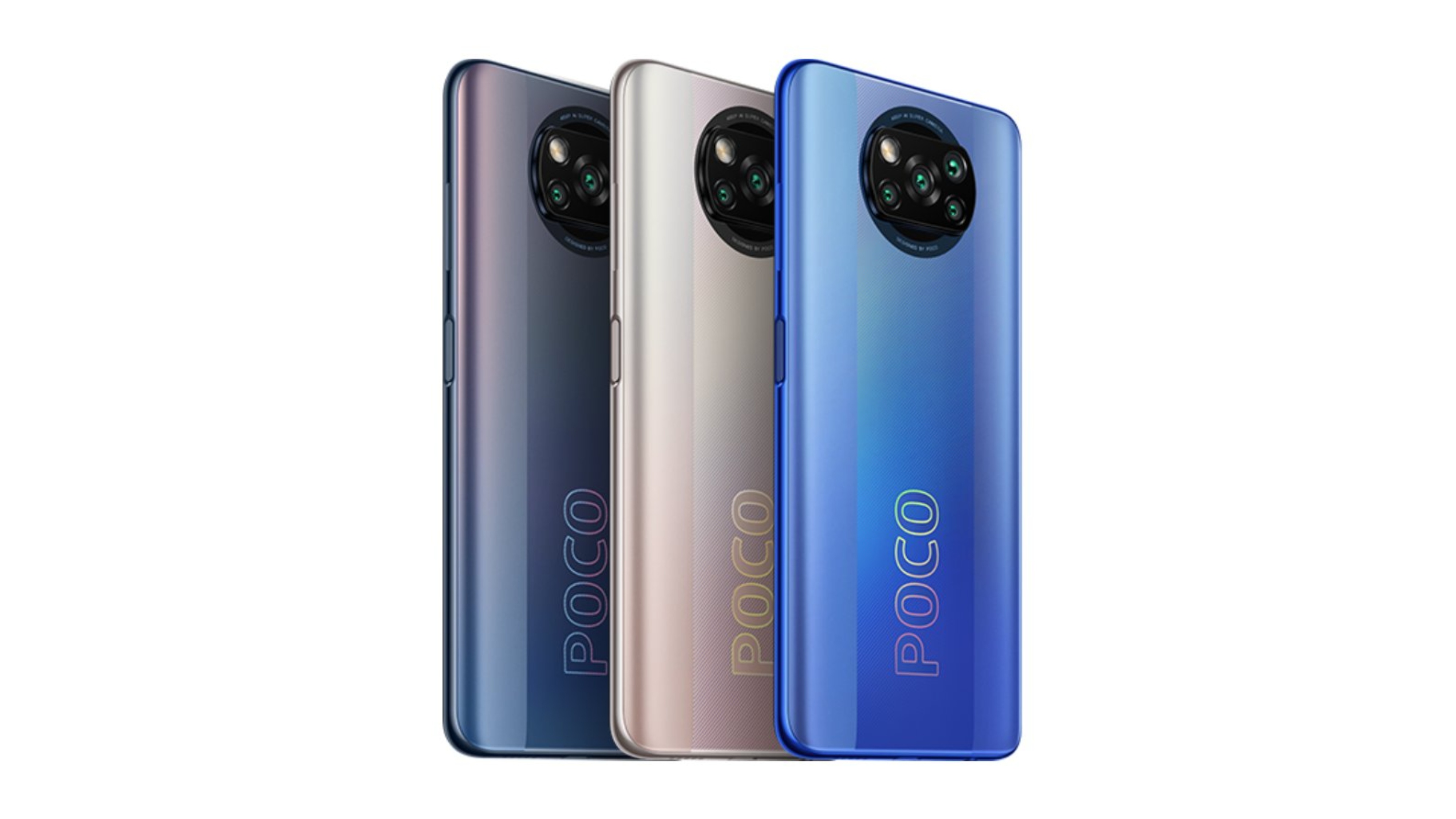
POCO X3 Pro Renders Leak Featured 01
POCO X3 Pro | Source: Ishan Agarwal (Twitter)

The renders of the upcoming POCO X3 Pro come from Ishan Agarwal. He shared them on Twitter, just like he posted the renders of the Redmi Note 10 series before its launch.

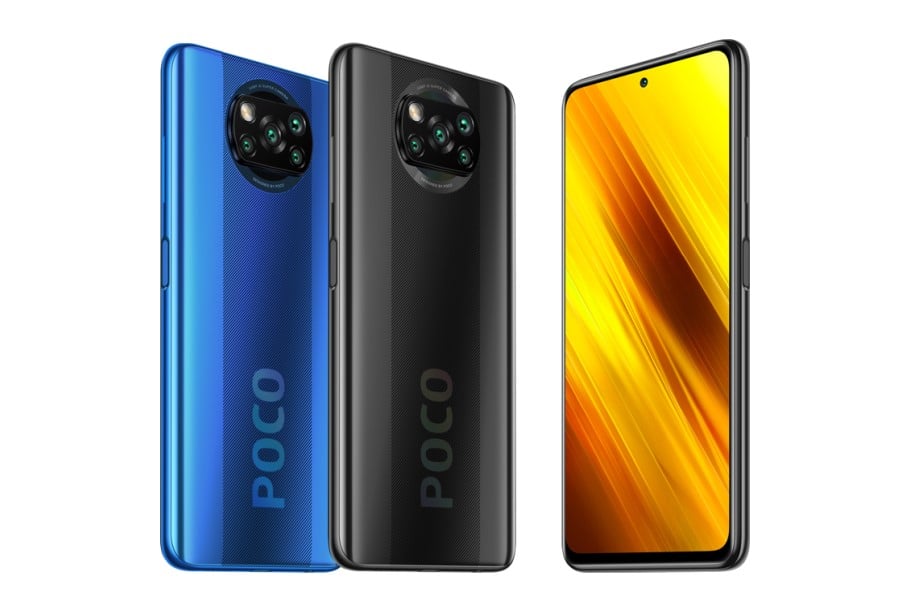
As per his tweet and the image, the POCO X3 Pro will be available in three colors, namely Phantom Black, Metal Bronze, and Frost Blue respectively. Going by his Redmi Note 10 series renders leak, these could be the name of the colors in Europe and not India. 

Talking about the design, the POCO X3 Pro will look identical to the standard POCO X3, as per the renders. The rear panel of the phone will have stripes, a huge POCO branding, and a large camera module. However, the colors will shimmer a little and that little thing will differentiate the Pro model from the non-Pro variant in terms of design.

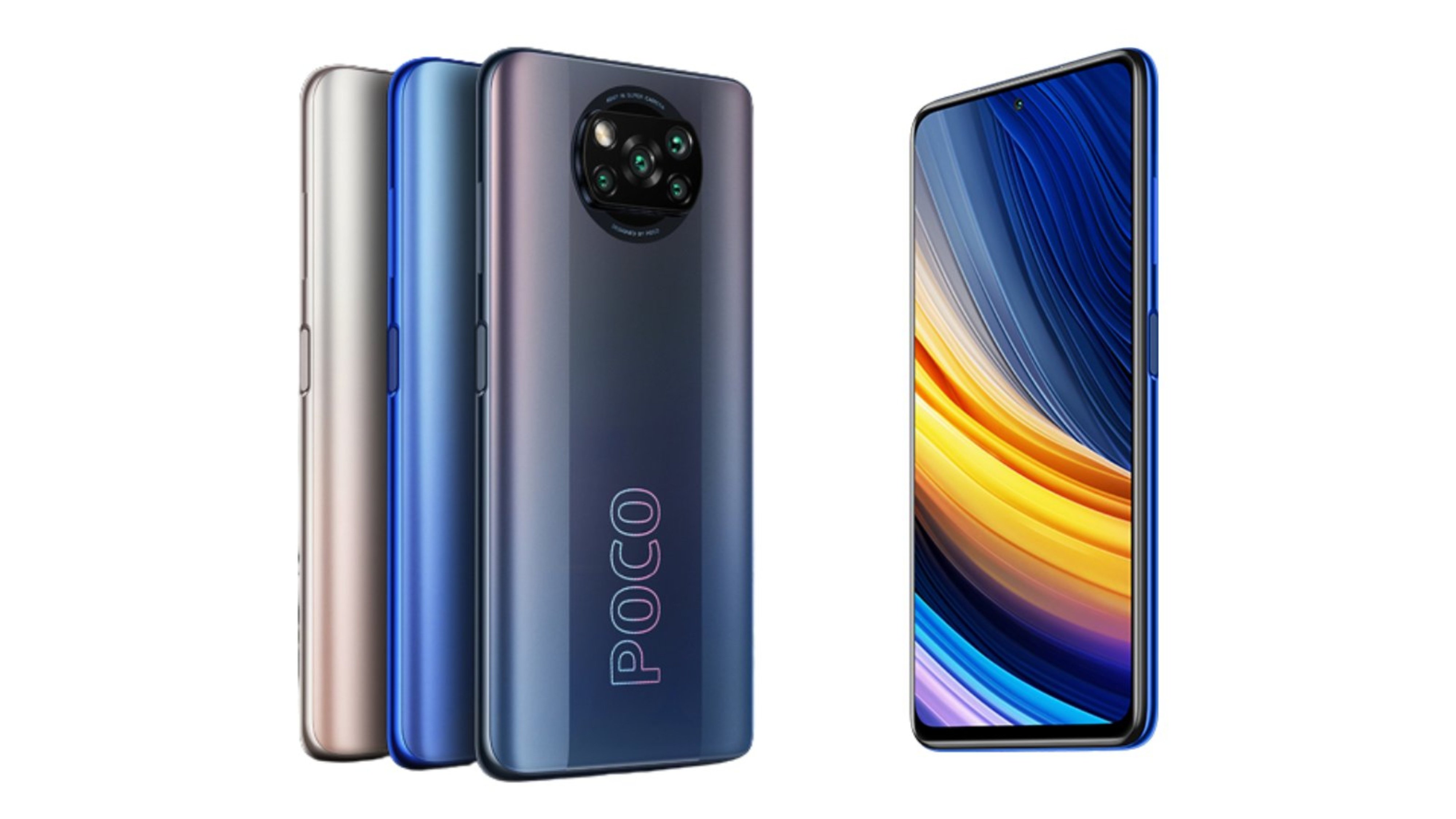
POCO X3 Pro Renders Leak Featured 02
POCO X3 Pro | Source: Ishan Agarwal (Twitter)

Further, the device will have a side-mounted fingerprint sensor. Whereas, on the front, it will flaunt a centered punch-hole display.

According to previous reports, the POCO X3 Pro will come with the unannounced Qualcomm Snapdragon 860 SoC, FHD+ display, 4G, dual-band WiFi, Bluetooth, NFC, 48MP quad-camera setup (wide + ultrawide + macro + depth), 6GB/8GB RAM, 128GB/256GB internal storage, and MIUI 12.

Last but not least, the smartphone is expected to retail for €269 and €319 for the 6GB + 128GB and 8GB + 256GB storage configurations respectively.


RELATED:


Xiaomi Mi 11 Lite key specs emerge, launch could be near

Recent reports have revealed that the upcoming Xiaomi Mi 11 Lite will come in 4G and 5G versions. Fresh leaks have appeared to reveal the key specifications regarding the display, processor, and cameras of the Mi 11 Lite 4G.

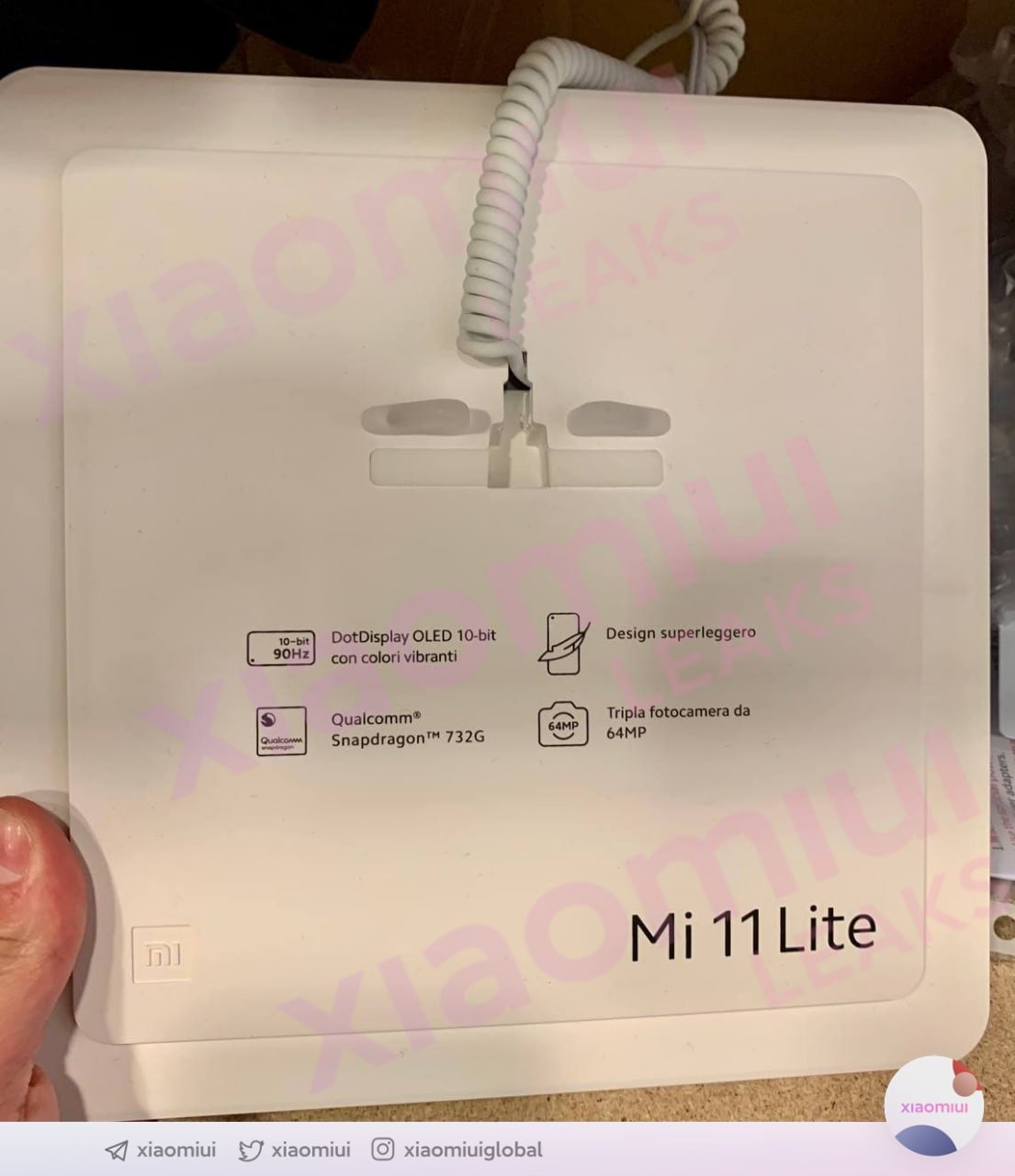
According to Digital Chat Station, the Xiaomi Mi 11 Lite 4G is equipped with a 6.55-inch screen. An image of the smartphone’s demo stand was shared by Xiaomiui Twitter handle. The image reveals that the Mi 11 Lite 4G features a 90Hz OLED screen that delivers 10-bit color depth. The Snapdragon 732G powers the device and it has a triple camera setup led by a 64-megapixel camera.

Xiaomi Mi 111 Lite 4G key details

There will be a slight difference between the Indian and global version of the Xiaomi Mi 11 Lite 4G. The global model has a macro lens, whereas the Indian edition is said to feature a depth sensor (probably, a 5-megapixel lens). The second sensor in the triple camera setup of the Mi 11 Lite 4G could be an 8-megapixel ultrawide sensor.

Past reports have also revealed that the Mi 11 Lite 4G has 6 GB / 6 GB of RAM and 128 GB of built-in storage. It will be running on MIUI 12 based Android 11 OS. It could be backed by a 4,250mAh battery that supports 33W fast charging.

Previous reports have revealed that the Xiaomi Mi 11 Lite 4G is codenamed as Courbet, whereas its 5G editions has a codename of Renoir. The 5G variant could be powered by the upcoming Snapdragon 7-series chip that is speculated to launch as the Snapdragon 775G. It may come in options such as 6 GB RAM +128 GB storage, 8 GB RAM + 128 GB storage, and 8 GB RAM + 256 GB storage. This device may get rebadged as the Xiaomi Mi CC11 in China.

RELATED:

OnePlus 9 Pro Morning Mist color teased; camera samples and screen specifications revealed

OnePlus has already confirmed that the next-generation flagship smartphones from the company, the OnePlus 9 series, are getting launched on 23rd March. Along with the phones, the company is also expected to launch the OnePlus Watch.

As the launch date nears, the Chinese company is sharing more and more details related to smartphones as teasers. In the latest, the company’s CEO Pete Lau has shared images of the OnePlus 9 Pro in Morning Mist color and has also showcased its camera capabilities.
OnePlus 9 Pro Morning Mist

The smartphone looks stunning in the new Morning Mist color. Pete Lau says that the process of getting this finish on the glass takes 30 steps and more than 25 days. Apart from this, it is known that the phone will come in a few more color options.

The company has also shared a few images as camera samples of the upcoming OnePlus 9 Pro’s rear camera module. The primary sensor in the setup is the custom-made Sony IMX789, coupled with a Sony IMX766 ultra-wide sensor. OnePlus has also partnered with Hasselblad to improve its camera performance.

The camera on the OnePlus 9 series is said to be capable of supporting 4K video recording at 120fps and 12-bit RAW format for capturing 68.7 billion colors. OnePlus has been criticized for camera performance and this time, it seems to be determined to change that.

Today, the company has also shared details about the OnePlus 9 Pro’s screen specifications. It claims that DisplayMate has certified its screen as A+. The true 10-bit display supports 2K resolution with 120Hz refresh rate, 8192-level brightness adjustment, automatic color temperature sensing, and is also the first batch of LTPO flexible screens.

The OnePlus 9 is expected to come in Blue, Black, and Purple colors while the Pro variant is expected to have three options — White, Green, and Black. Memory variants, pricing, and availability details will be officially revealed on 23rd March.

RELATED: 

Huami Technology shipped 45.7 million units of its wearable devices in 2020

Huami Technology, the wearable device-making company backed by Xiaomi, which has recently changed its name internationally to Zepp Health, has revealed financial details for the fourth quarter of 2020 and the whole year.

The company has revealed that in the fourth quarter of 2020, it generated an operating income of 1.973 billion yuan and the company’s adjusted net profit was 128 million yuan. For the same time duration, it managed to ship 11.3 million units of its products.

Huami Technology Logo

As for the whole year of 2020, the company generated around 6.433 billion yuan in operating income, indicating a year-on-year increase of 10.7 percent. The adjusted net profit stands at 294 million yuan. For the year 2020, the company shipped 45.7 million units with a year-on-year increase of 8 percent.

Huami also said that it spent around 538 million yuan in Research & Development, which shows around a 25 percent increase compared to 2019. It also revealed that as of 31st December 2020, the company held cash and cash equivalents of 2.273 yuan, which is approximately $348.4 million.

For those who are unaware, Huami Technology is one of the leading wearable device makers globally and owns Amazfit and Zepp lineup of products. The company changed its name to Zepp Health Corporation for the global markets, trying to better convey its aim of “Technology Connected Health” and is hoping for better performance in 2021.

The company predicts that the net income for the first quarter of 2021 will be around 1 billion yuan and 1.15 billion yuan. Huami Technology has also officially confirmed that the Mi Band 6 is “ready to go” and could soon get launched in the market by Xiaomi.

RELATED: 

POCO X3 Pro price, variants and color options appear through retailer listing

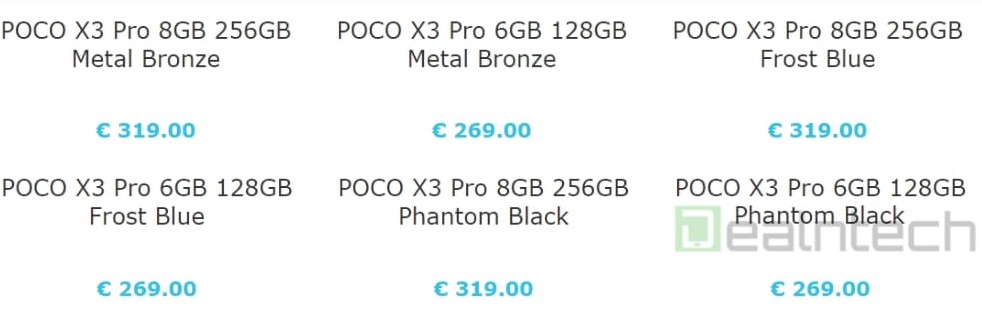
POCO is all set to launch the POCO X3 Pro smartphone in India on March 30. It will be an enhanced version of the POCO X3 handset from last year. DealnTech came across a European retailer listing of the POCO X3 Pro. The listing revealed the pricing of its two variants along with its color options.

The POCO X3 Pro may arrive in variants such as 6GB RAM + 128GB storage and 8GB RAM + 256GB storage. These variants could be priced at 269 euros (~$321) and 319 euros (~$380), respectively. It may arrive in color editions such as Phantom Black, Frost Blue, and Metal Bronze.

POCO X3 Pro retail price

The POCO X3 Pro is expected to arrive with a 120Hz refresh supporting FHD+ display. It is unclear whether the device has an AMOLED or LCD screen. A couple of leaks have claimed that the phone is powered by the Snapdragon 860. Interestingly, the chipset has not gone official yet.

POCO X3
POCO X3

The X3 Pro could be backed by a 5,200mAh battery. Like the POCO X3 handset, the Pro model may carry support for 33W fast charging. For photography, it may feature a 48-megapixel quad-camera system. It will come with other features like 4G VoLTE, dual-band Wi-Fi, NFC, and Android 11 OS. The other details of the POCO X3 Pro are yet to be revealed.

In related news, POCO will be holding a global launch event on March 22. While the company has not confirmed the name of the phone that will go official through the global event, it is speculated to unleash the Snapdragon 870 powered POCO F3.  Rumors have it that it is a rebadged version of the Redmi K40 that went official in February in China.

RELATED:


Black Shark 4 series launch date is March 23, Pro variant may flaunt 108MP camera

After teasing the arrival of the Black Shark 4 series from the beginning of this month, Black Shark finally confirmed its launch date today. It is scheduled to go official at 3:00 PM (local time) on March 23 in China. A fresh leak suggests that the Black Shark 4 Pro model may feature a 108-megapixel primary camera.

The Black Shark 4 series’ launch date poster has no information on its specifications. It is believed that the Black Shark model with the KRS-A0 model number that was spotted at Google Play Console, TENAA, and 3C is the Snapdragon 888 SoC powered handset. This device could be arriving in the market as the Black Shark 4 Pro.

Black Shark 4 series March 23 launch date

The PSR-A0 variant which has been spotted at the same platforms is said to be the Snapdragon 870 chipset powered Black Shark 4. The Black Shark 4 duo will come equipped with a 6.67-inch display that may carry support for a 144Hz refresh rate. The Black Shark 4 may support a Full HD+ resolution. However, it is yet to be confirmed whether the Pro model will carry support for a Quad HD+ resolution.

The Black Shark 4 series will be powered by a 4,500mAh battery. Both models are expected to come with 120W fast charging support. The recently unveiled Red Magic 6 Pro and ASUS ROG Phone 5 Ultimate gaming phones are equipped with up to 18 GB of RAM. It is unclear whether the Black Shark 4 Pro will also arrive in an 18 GB RAM edition.
When it comes to photography, the Black Shark 4 Pro will offer users a triple camera setup. A reliable tipster from China claimed today that this model features a main camera of 108-megapixel. The Black Shark 4 may feature a triple camera system led by a 48-megapixel or a 64-megapixel main camera. The Black Shark 4 duo will boot to Android 11 OS.

RELATED:

Amazfit looking to bring ECG and blood pressure monitoring to its wearables

New York Stock Exchange-listed wearable manufacturer Huami has over the years come out with various innovative features for its smartwatch and fitness bands. The Mi Band manufacturer seems poised to continue to blaze the trail of innovation in the wearable market.Amazfit GTR GTS featured smartwatch comparison (7)

The company is reportedly working on new features that would be introduced to consumers in the near future. Some of the features include ECG and blood pressure monitoring, improvements in AI deep learning, and possible Spotify integration.

This was disclosed in an interview by Zepp Health COO Mike Yeung (via). Zepp is a separate brand under Huami just like the Amazfit brand. The COO hint Huami was currently engaging with the US FDA to get its algorithm certified and also working on areas such as ECG and blood pressure monitoring. He also stated that the company was already in partnership with Alivecor in the US.

Alivcor is a renowned EKG sensor manufacturer and is acclaimed as the first company to get an ECG accessory for the Apple Watch approved by the FDA.

“Everybody heard about how Apple Watch got FDA approval, but to be frank, almost 18 months before that, we actually had our Health Band certified as a medical device by the China FDA so it can measure ECG accurately as a medical device,” Yeung added.

Huami isn’t just trying to get onboard the ECG-packing smartwatch train, instead it is working on a new innovation – cuffless blood pressure monitoring and glucose tracking. “Our biggest achievement is firstly our ECG, and secondly, sleep research. We’re going to continue to refine those further, and then the upcoming is in blood pressure and blood glucose monitoring. We are also quite optimistic now, based on current progress, about glucose monitoring. It’s been a difficult nut to crack, but we are now more optimistic than ever that we can do it,” Yeung disclosed.Amazfit GTS 2e All Colors Featured

In order for its product to appeal to a wider audience in the west, the company is partnering with some prominent brands suchas Spotify, according to Mr Yeung. “We’re with ecosystem partners in some instances, such as Spotify. Music playing and payment, for example, are things we are engaging with all the local partners to beef up. Over half of our products are sold overseas, outside of China. But mostly in Europe and Southeast Asia. We do have a very ambitious plan for North America’s expansion. Actually, we planned to expand very aggressively in North America last year, but due to COVID, we suspended that to resume,” he added.

We can’t say if these new features will be on the upcoming products but we won’t wait for too long to find out.

RELATED;

Sony Xperia Pro teardown reveals a huge vapor cooling chamber and more!

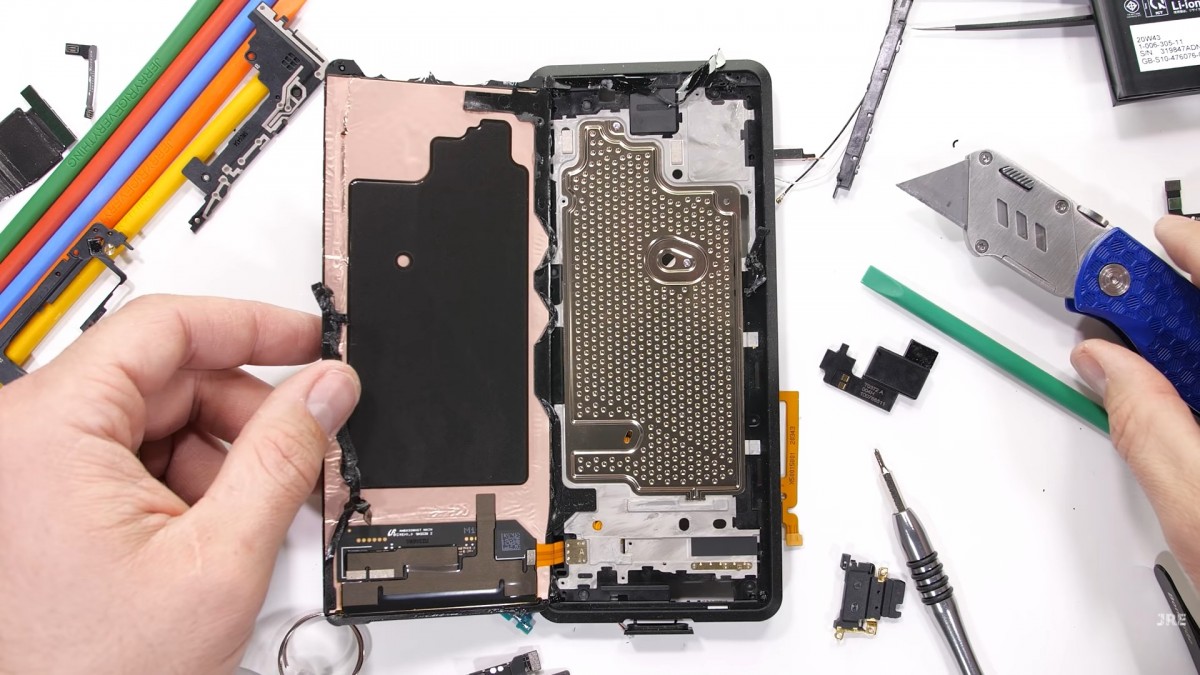
Sony‘s premium Xperia Pro smartphone which was launched in the US in January this year has received the teardown treatment from JerryRigEverything.Sony Xperia Pro teardown

The teardown shows that the pricy device which comes in at $2,499, utilises a plastic frame and back panel instead of metal and glass used on the Xperia 1 II model. We can’t tell why Sony decided to use plastic but for that price, we expect something more premium.

Inside the device, a mammoth vapr cooling chamber which is said to be the latest that has been seen on a smartphone could be seen. Vapor cooling chambers are usually known to be a design feature of gaming smartphones.  However, the Xperia Pro not only has one, but it is reputed to be the largest around to date.

The big vapour cooling chamber has a metal plate that functions as the interface with various graphite sheets conducting heat away from components and leading it to the plate. This includes sheets that help cool the phone’s 5G antennas. The metal plate in turn transfers heat to an enormous vapor chamber – it’s almost as tall and wide as the phone. The chamber then dumps all the heat out through the screen.

As a reminder, the Xperia Pro is powered by the old Snapdragon 865 chipset from last year and that is because it was first unveiled last year and was expected to have been launched last year.

Check out the full video from below.

RELATED; 

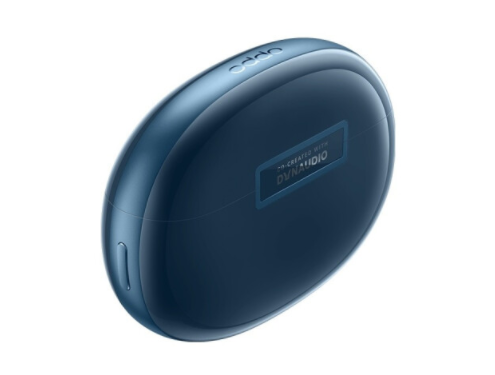
OPPO’s new Enco X just has a new paint job; will go on sale on March 19

Last week, OPPO released teaser posters that hinted at the release of a new pair of Enco X earbuds alongside the Find X3 series. The new pair of TWS earbuds, which is actually just a new colorway, is dubbed the Enco X Blue Edition and it will go on sale on March 19.

Enco X Blue Edition

Just as the name says, the new colorway has a blue paint job, and it brings the color options which include black, white, and Bamboo Green to four. OPPO has gone with a glossy finish for the earbuds and most part of the case, save for the frame which has a metallic finish. Inside the box are two pairs of extra silicone tips in the same blue color as the earbuds. Other than the different paint job, the features are the same.

Each earbud of the Enco X weighs 4.8 grams and has an 11mm driver and a 6mm speaker unit. The Enco X has four-levels of noise cancellation (counting when it is turned off too) including a transparent mode. The earbuds also support SBC, AAC, and LHDC codecs.

The battery life for each earbuds is about 5.5 hours and it goes up to 25 hours with the charging case. With ANC turned on (at the highest level), the total battery life drips to 20 hours. The case charges via USB-C and also supports Qi wireless charging.

The Enco X Blue Edition will sell for ¥999 (~$154), the same price as the other colorways. However, early buyers will be able to grab it for ¥919 (~$141) from JD.com.


RELATED:

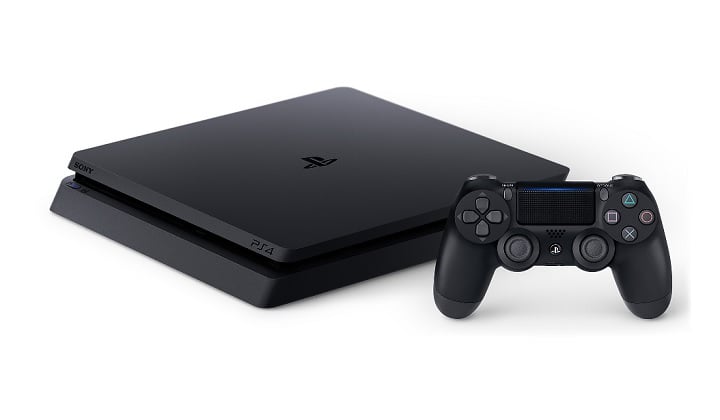
Sony is shutting down the PlayStation Communities feature on PS4

Sony is gradually winding down a number of features that were prominent with its PlayStation 4 console, as greater attention is now shifting to the PS5. Sony has notified its registered users of the PS4 via email of plans to discontinue the PlayStation Communities by April 2021.PlayStation 4 featured

The PlayStation Communities has provided a fertile platform for gaming enthusiasts and fans to interact, play games and discuss related interests. It had grown to become a melting pot of ideas and competition among users prior to the release of the successor Console, the PS5. Back in March 2020, Sony had discontinued the PlayStation Communities app from the PlayStation Store and gradually limited its functionalities.

The impending shutdown of the Communities feature follows the discontinuation earlier this month, of rental and movie purchases via the PlayStation Store, applicable for all current versions of the gaming console: PS4, PS4 Pro and PS5.

Sony has adduced some reasons behind the decision to pull the plug on the Communities feature, amidst a general realignment of features on the PlayStation Store. It stated that due to massive growth in subscription-based and ad-based entertainment services on its various consoles, the need for the feature was no longer necessary.

Sony also informed its customers that these changes will not come to force before August 31st this year and users can still access their purchased movie and TV content via the PlayStation Store.

The unfolding moves by Sony, even though aimed at providing high-quality content and services to its existing customers (PS4 users inclusive) could also be viewed with apprehension by owners of the PS4 console that their devices may become totally obsolete anytime soon. However, Sony is quite oblivious of this perception and has assured continuous support of the PS4 via regular updates and upgrades of its firmware for better and continuous performance.

RELATED;

(source)

Apple’s VR headset controller may be a device worn on two fingers, patent reveals

It is no longer news that Apple is in an advanced stage of development of a virtual reality (VR) headset. This has been the subject of several leaks, providing the design and operations of the innovative device that would certainly be a big statement by Apple when it is finally released.Apple VR controller

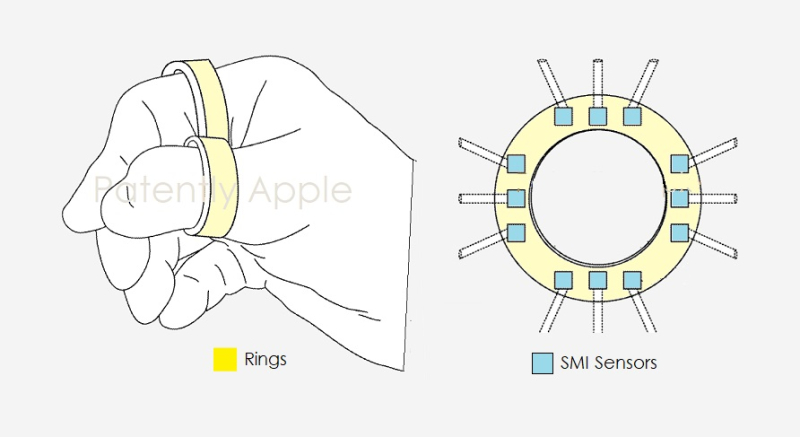
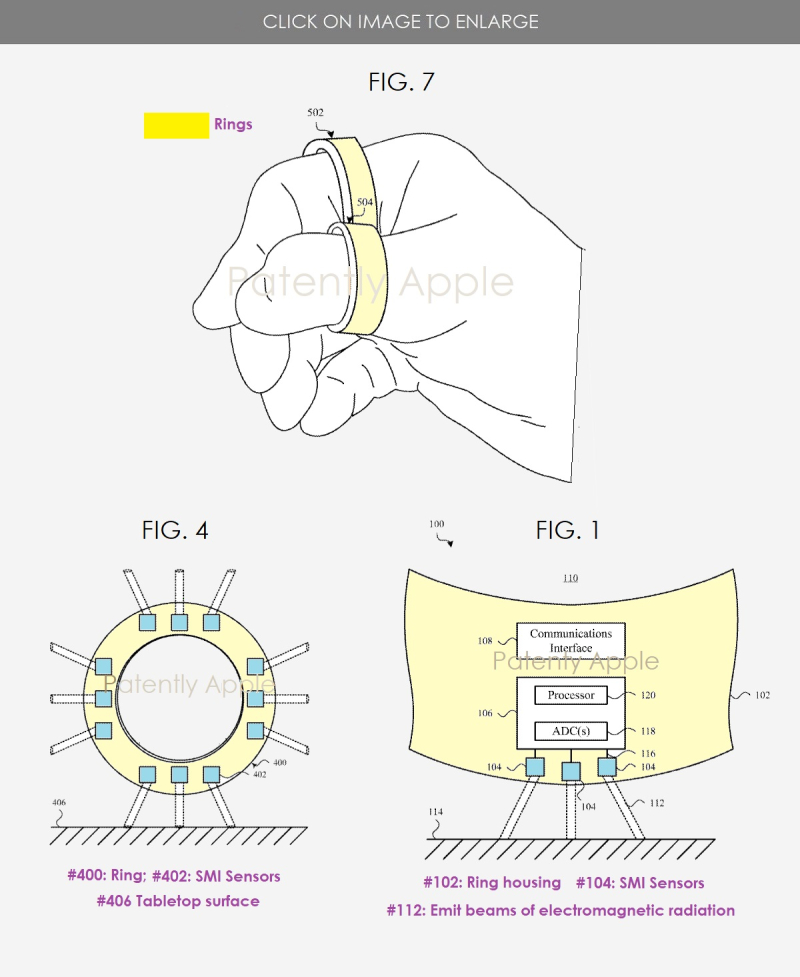
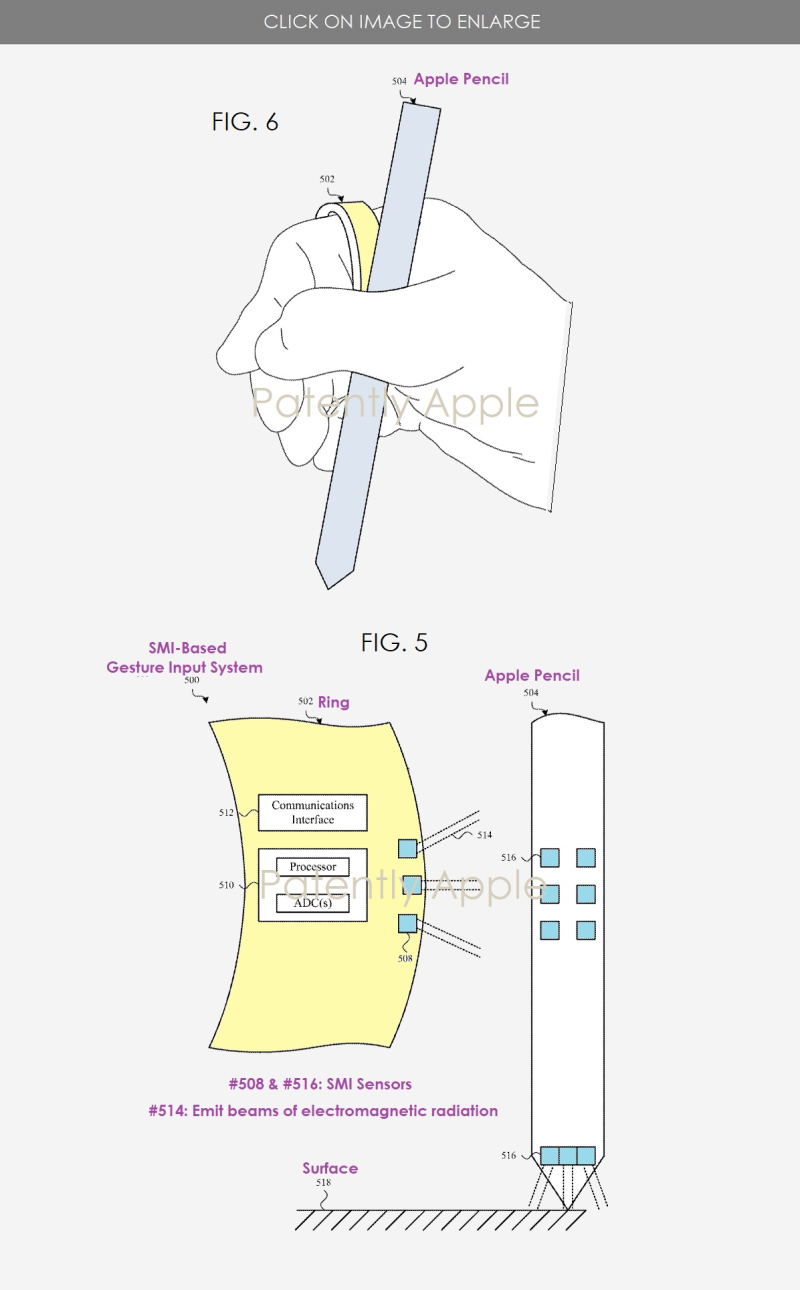
A recent slew of patents obtained by Apple and spotted by Patently Apple, has again brought the VR headset into the spotlight, as the patents point to how the headset can be controlled via a couple of rings worn on the fingers, that is, the likelihood of hand tracking controls for the device.

Although a patent may not provide definitive information about an upcoming product, it provides important glimpses about the possible design or operation of the product, and the Apple patents relating to the VR headset are no different.Apple VR headset

The leaks and patents, when pieced together carefully, have shown that the Apple headset has, in addition to VR, both mixed reality (MR) and augmented reality (AR) capabilities, which underscores the overall versatility of the device. Apple’s patent titled “self-mixing interferometry-based gesture input system including a wearable or handheld device” may therefore be referring to the VR headset’s control apparatus with two rings that would be worn on the thumb and index fingers. The finger movements would therefore be the inputs needed for the subsequent applications in any of the spheres whether VR or AR or MR. The emerging technology of alternative reality holds lots of promise in the tech space and several manufacturers are exploring development in this direction.

While further developments are awaited in the evolution of the VR headset, Apple is yet to put out any statement regarding the product, neither has it affirmed that the product is in development. However, this is the expected response as the company continues to grapple with numerous leaks of its trade secrets.

RELATED;