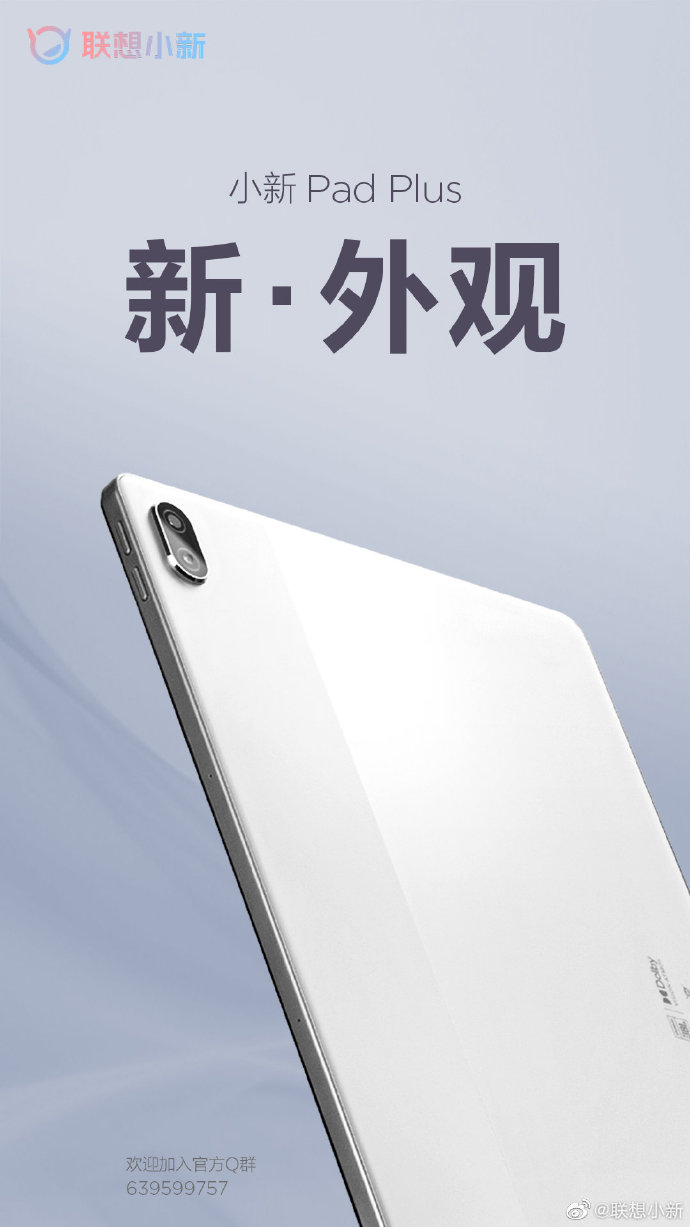
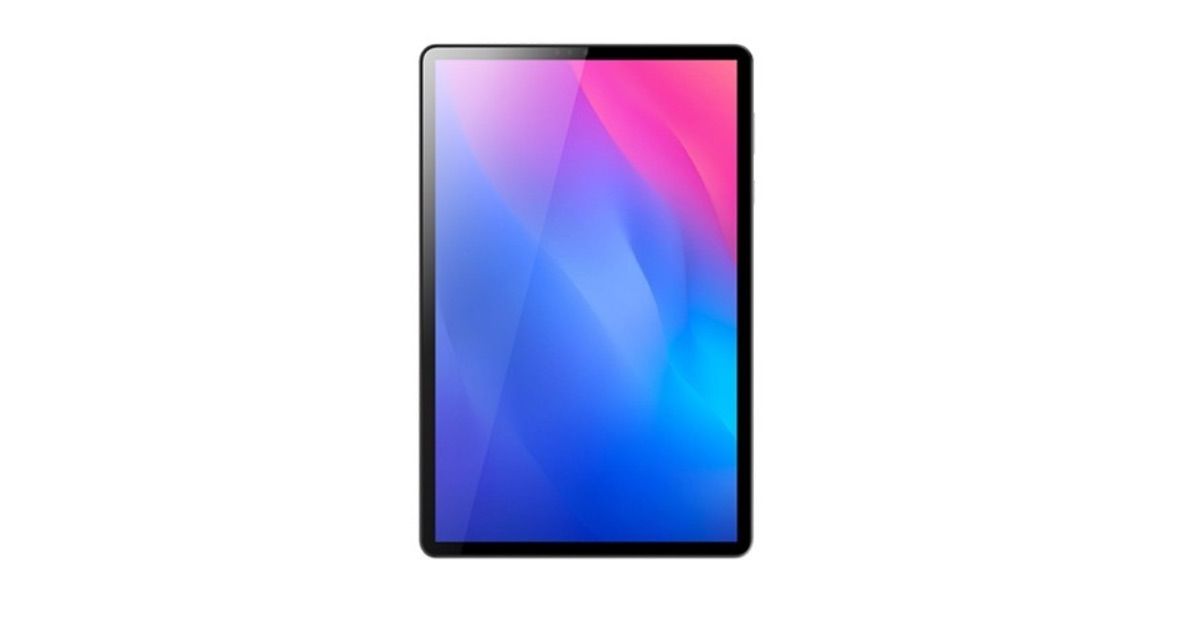
Yesterday, Lenovo revealed some key specs of its upcoming tablet, the Xiaoxin Pad Pro 2021. It also included some images that gave us a partial look at the flagship tablet. Today, it has shared another press render, this time of its other tablet, the Xiaoxin Pad Plus.
The Xiaoxin Pad Plus will have a smooth soft finish according to Lenovo. The tablet is shown in white with a dual-tone finish in the image but there is a possibility this will not be the only colorway available.
The render also shows that the tablet has dual rear cameras that protrude and Dolby Atmos.
The Xiaoxin Pad Plus will be a mid-range tablet with a Snapdragon 750G processor powering it. Lenovo confirmed the chipset in a reply to a question about the chip inside it. The Xiaoxin Pad Plus is expected to have a 5G modem but there should also be Wi-Fi variants available for those who want.
There is a possibility that the tablet will be sold outside China as the Lenovo Tab M10 5G. This is because the Tab M10 5G’s model number (TB-X607Z) is similar to that of the Xiaoxin Pad Plus (TB-J607Z). However, the former will have a different processor – the Snapdragon 690 – which is also a 5G processor.
Lenovo is yet to announce a release date for the new Xiaoxin Pad tablets neither has it announced when the new Tab M10 5G will be unveiled.
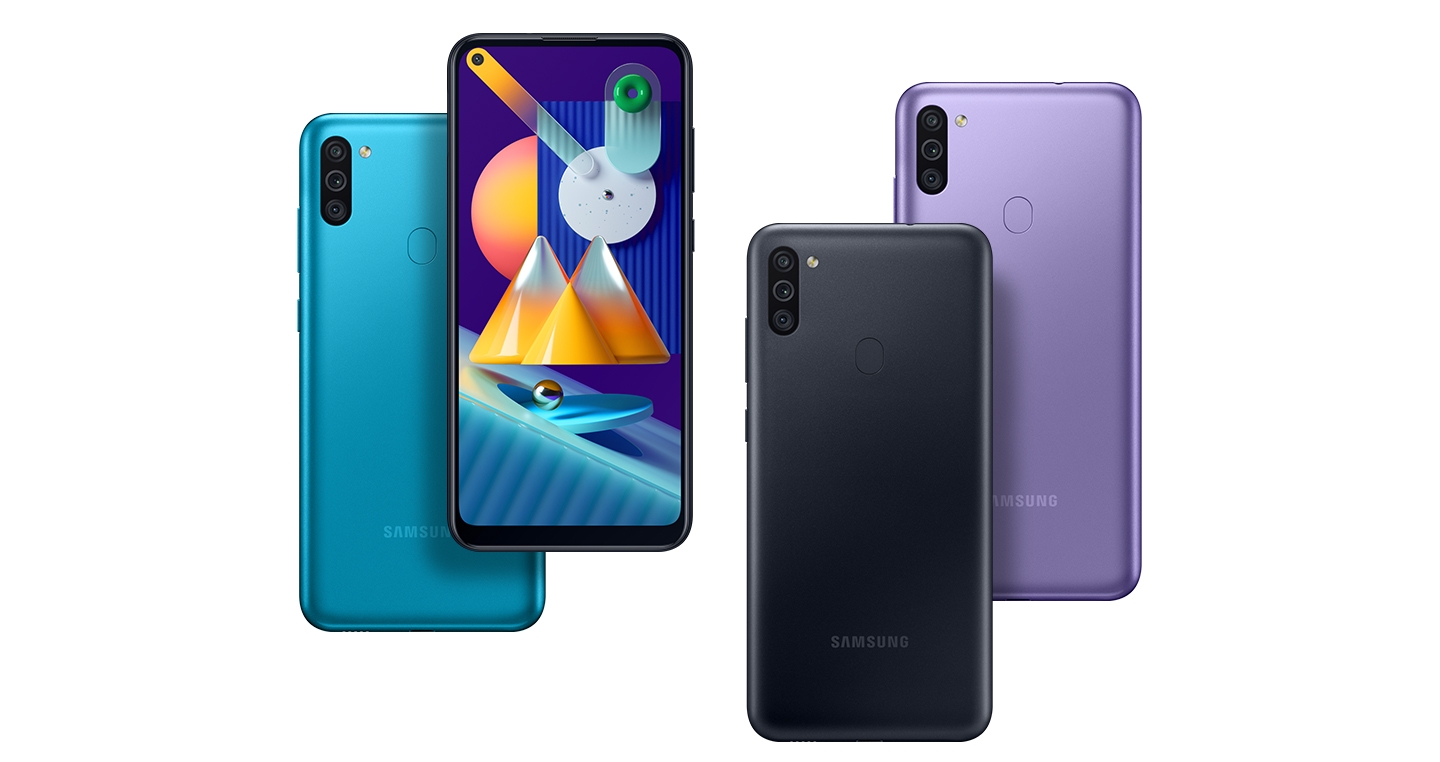
Samsung launched the Galaxy M11 in the first half of 2020. Since, its debut, the smartphone has received multiple price cuts, at least in India. Almost a year after its announcement, the device has started receiving the Android 11 update.
The Android 11 update for the Samsung Galaxy M11 arrives as One UI Core 3.1. According to a report by SamMobile, this update is currently live in Vietnam.
The latest system update for the South Korean tech giant’s budget smartphone comes with firmware version M115FXXU2BUD8. Apart from bringing Android 11 and the new One UI features, the new update also bumps up the security patch level to April 2021.
Users in Vietnam can head over to Settings > Software update > Download and install to check whether their unit has received the Android 11-based One UI Core 3.1 update. Users in other markets can also try this since they should also get this update in the coming days.
That said, the Samsung Galaxy M11 launched with One UI 2.x based on Android 10. Hence, One UI Core 3.1 (Android 11) is the handset’s first-ever major system update. It is not sure whether this phone will be receiving Android 12 in the future. However, it has been confirmed to get at least four years of security updates.
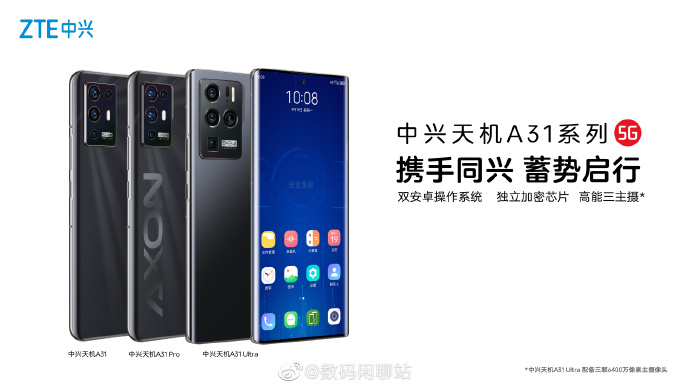
ZTE has announced a new series of smartphones in China. The Tianji Axon A31 series is based on the Axon 30 series but adds a security chip, support for dual profiles, and is exclusive to enterprise users (government officials, the police, and business professionals).
The Axon A31 series includes the Axon A31, the Axon A31 Pro, and the Axon A31 Ultra. The Axon A31 and the Axon A31 Pro share the same design as the Axon 30 Pro while the Axon A31 Ultra is based on the Axon 30 Ultra. All three phones have support for dual profiles – one for work and the other for personal use. They also have a special security encryption chip.
Unlike the other two models, the Axon A31 is not a flagship and some of its specs are different from that of the Axon 30 Pro. It swaps the Snapdragon 888 processor for the Snapdragon 768G, has a 64MP + 8MP + 2MP + 2MP quad camera, and instead of a 16MP selfie camera, it has a 44MP selfie camera.
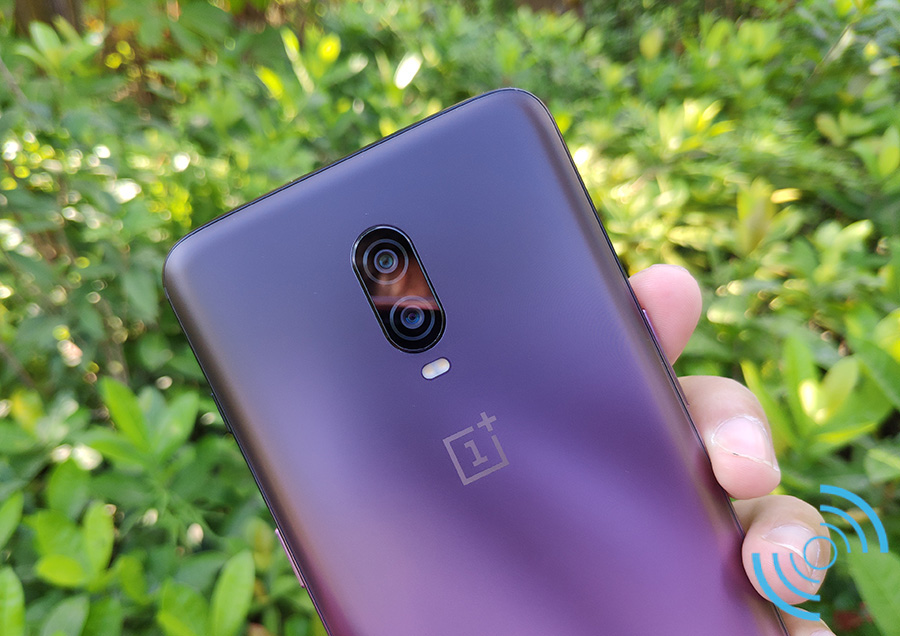
Late last month, OnePlus revealed that Android 11-based OxygenOS 11 Open Beta for the OnePlus 6 and the OnePlus 6T will be released by the end of August. That means the stable update for these smartphones could be arriving after Android 12 goes official. But thankfully, power users of these devices can experience Android 11 right away.
OnePlus 6T
At the end of March, LineageOS 18.1 based on Android 11 went official. The new version of the popular custom ROM brought Android 11 to 76 devices at launch.
Now, more than a month later, developers have released official nightly builds for the OnePlus 6 and the OnePlus 6T. Hence, interested users can try Android 11 on their smartphones without waiting till August for OxygenOS 11 Open Beta.
In order to install LineageOS 18.1, users will have to unlock the bootloader of their phone. Followed by that, they will have to replace the stock OnePlus recovery with a custom recovery like TWRP.
Once done, all they have to do is download the latest available nightly build from the LineageOS official website and install it via custom recovery. Additionally, they will have to install GApps package like OpenGApps for Google apps and services.
Unfortunately, custom ROMs are not for everyone. Hence, if you don’t have any prior experience, it’s better to wait for the official Android 11 update from OnePlus later this year.
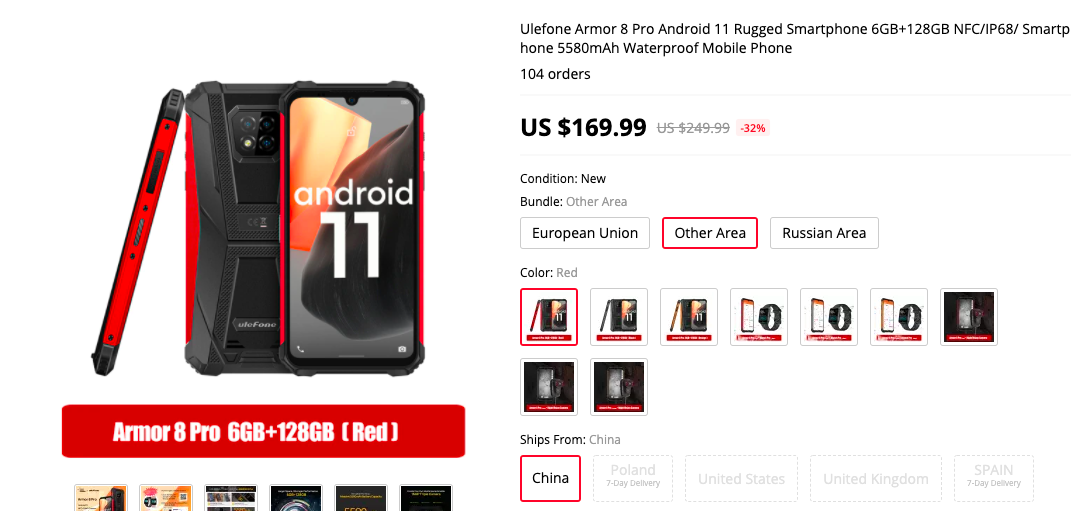
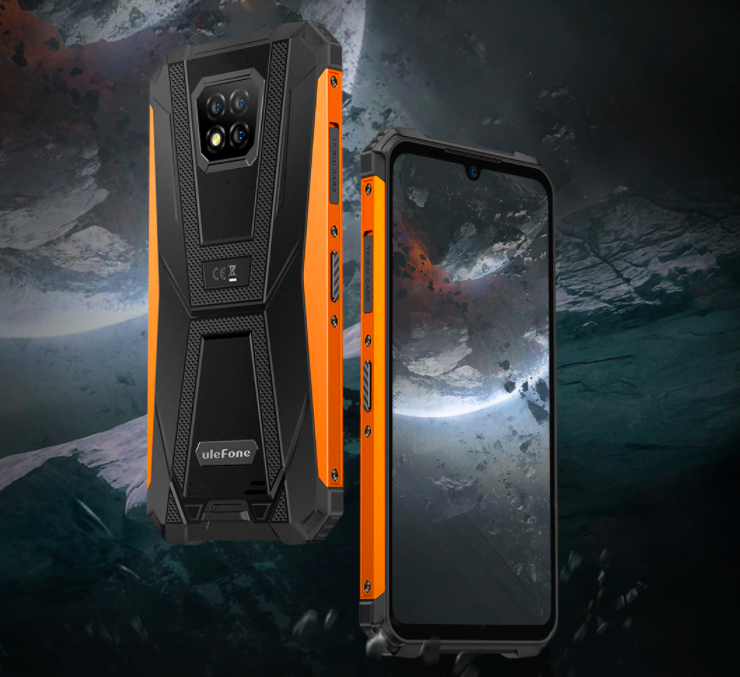
Ulefone Armor 8 Pro is specifically designed for adventure lovers and globe trotters who regularly find themselves in harsh conditions and extreme environments. The smartphone is powered by a MediaTek Helio P60 AI processor and comes with 6GB RAM and 128GB storage space. It features a beautiful scratch and drop-proof, waterdrop 6.1-inch screen and is fueled by a massive 5580mAh battery with 15W fast charging.
The phone comes with IP68/69 and MIL-STD 810G military certification, which makes it waterproof, dustproof, drop-proof, and high temperature and pressure resistant. It features a rear triple camera set up with a 16MP main camera and 5MP + 2MP secondary cameras. As for your selfies, you have a versatile 8MP front-facing camera. With tailor-made shortcut keys and a face ID and fingerprint sensor, the smartphone is easy to use and safe and secure.
Generally retailing at $249.99, you can now buy Ulefone Armor 8 Pro for just $169.99 on AliExpress. Please note that this deal is applicable on the Red, Orange, and Black color variant shipped from the China warehouse. So place your order before this super deal expires.
For more information on such exciting deals and offers check out ourdeals hub.
* Please Note: When you buy something using the links in our articles, we may earn a small commission at no cost to you.
Last month, Lenovo officially confirmed that it will be launching a new tablet called Xiaoxin Pad Plus in China. Additionally, a tipster revealed that the company will be also releasing a 5G variant of this tablet. Now, weeks later, the international variant of the said tablet appears on Geekbench and Google Play Console.
Lenovo Tab M10 5G | Source: Google Play Console via MySmartPrice
A new Lenovo tablet called Lenovo Tab M10 5G has been spotted on online databases. The device’s listings confirm some of its specifications.
According to Geekbench, this unreleased tablet will run Android 11 and will be powered by a Qualcomm Snapdragon 690 SoC coupled with 4GB RAM. Whereas, Google Play Console suggests that there will be a 6GB RAM variant as well.
Further, this tablet will sport an unknown-sized display with a resolution of 1200 x 1920 pixels (WUXGA) and 240 DPI. Lastly, the Lenovo Tab M10 5G will come with model number TB-X607Z.
This model number is similar to that of the WiFi-only variant of the Lenovo Xiaoxin Pad Plus (TB-J607Z). Hence, we think the Lenovo Tab M10 5G will be sold as Lenovo Xiaoxin Pad Plus 5G in China.
But there’s a problem with this speculation. Digital Chat Station claims that the Xiaoxin Pad Plus 5G will be powered by a Qualcomm Snapdragon 750G chipset.
Hence, as of now, we can say that there could be two 5G variants of this tablet with different chipsets.
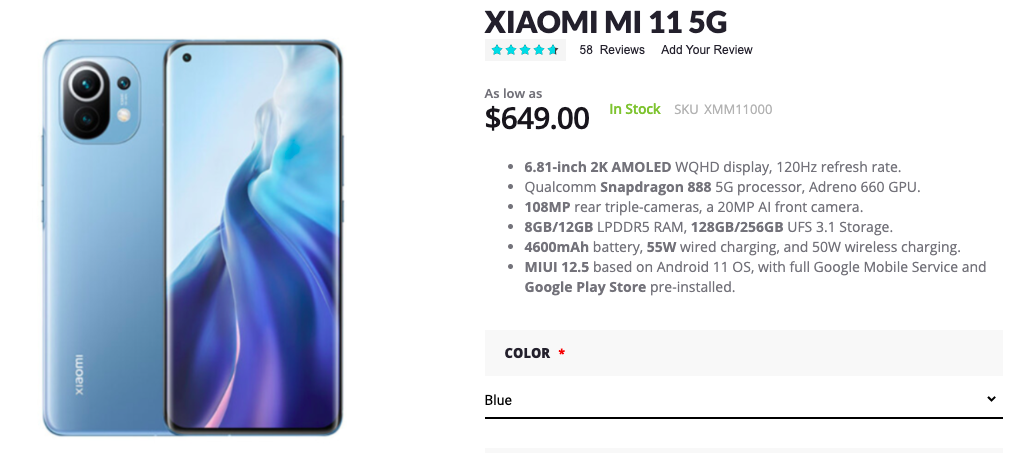
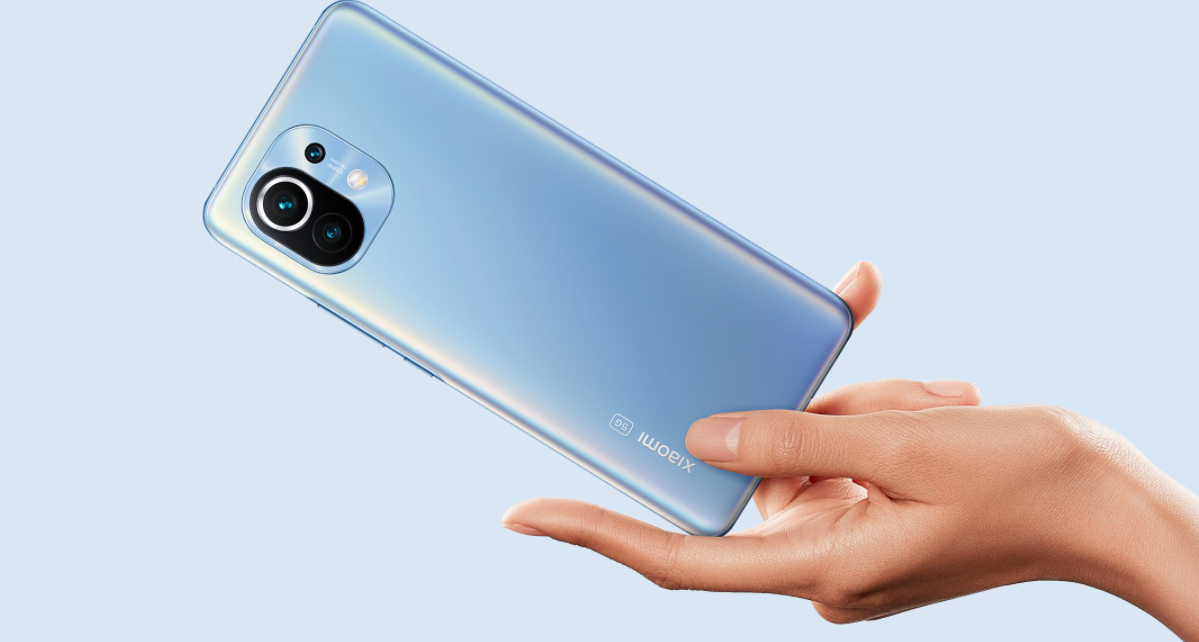
Xiaomi Mi 11 5G features a 6.81 inch 2K AMOLED display and Corning Gorilla Glass Victus. With an 8GB RAM and 128GB ROM, and the Snapdragon 888 Octa-Core processor this flagship is powerful enough for your daily needs.
The smartphone comes with triple rear cameras with a massive 108MP main camera and a 13MP ultrawide and 5MP micro camera. The 20MP selfie camera is adequate for all your social media needs and the cinematic filters and ultra night video function make it a pleasure to capture images and videos in dim and night light. Xiaomi Mi 11, supports 55W wired charging and 50W wireless charging and is fueled by a 4600mAh battery.
Giztop is giving out Xiaomi Mi 11 5G at a discounted price of $649. Please note that this deal is applicable only on the 8GB – 128GB and Blue color variant. The price may vary according to the variant. So make sure to check out the same before you place your order.
For more information on such exciting deals and offers check out ourdeals hub.
* Please Note: When you buy something using the links in our articles, we may earn a small commission at no cost to you.
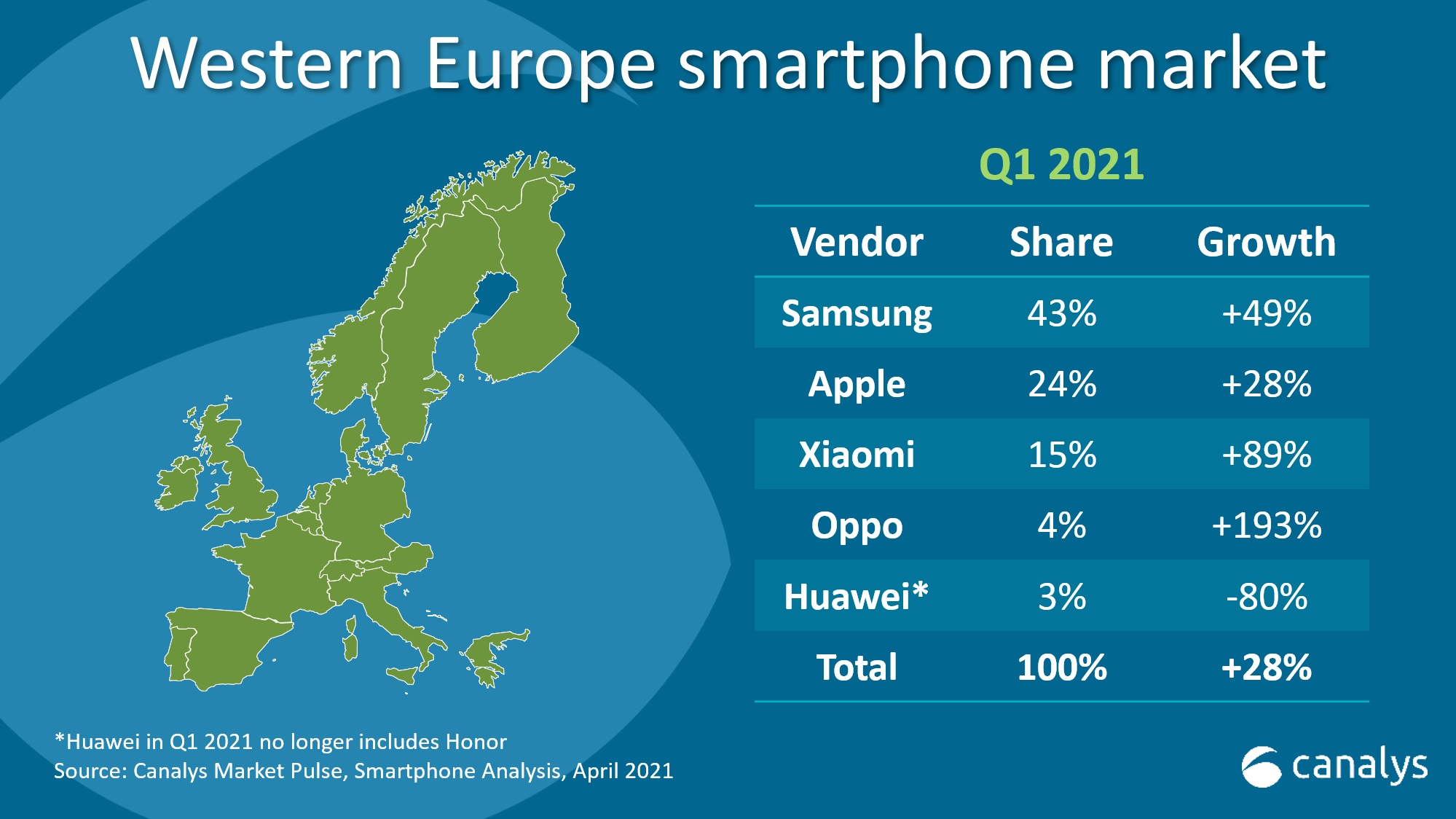
A new report has revealed that Chinese smartphone brands like Xiaomi and Oppo have seen impressive growth in Western Europe in the first quarter of this year, while Huawei sees a slump in performance.
According to a recent tweet from Canalys, smartphone manufacturers from China have seen strong performance in the region in Q1 2021. The tweet even shared an image that showcased the market shares of various vendors as well as their year on year growth. Looking at this image, it is clear that Samsung leads the market with a sizeable 43 percent market share, followed by Apple that had a 24 percent market share. Xiaomi, Oppo, and Huawei rounded up the list.
While Xiaomi and Oppo have a relatively lower market share, with 15 percent and 4 percent respectively, than Samsung and Apple, both brands saw explosive growth in the region. Samsung and Apple saw a 49 percent and 28 percent growth respectively, while Xiaomi saw a notable 89 percent growth and Oppo saw a whopping 193 percent growth. Huawei arrived last in the list with a mere 3 percent market share but its lower market share was due to its massive decline of 80 percent in the region while the other brands saw a positive performance.
Huawei’s decline is likely due to the various US sanctions that disrupted its supply chain and severely crippled its smartphone operations globally. This, in turn, led to its rivals like Oppo to try and fill in the vacuum left by Huawei. Meanwhile, Apple noted a strong quarter thanks to its larger iPhone 12 devices, as per Canalys.
Sony Interactive Entertainment LLC is apparently being sued for running an unlawful monopoly by restricting purchases of PlayStation games to its in house store. The news arrives from a consumers that have filed for the lawsuit.
According to a Bloombergreport, the Japanese tech giant might be facing a class action lawsuit by gamers that stated that the company has stopped allowing third party like Amazon, Best Buy, and Walmart, from selling download codes for PlayStation games two years ago. This has allowed the Sony PlayStation Store to become the only official source for the purchase of any digital PlayStation games. In other words, creating a monopoly in the market.
According to the consumers that have proposed the lawsuit, Sony’s monopoly allows it to charge supracompetitive prices for digital PlayStation games, which are significantly higher than their physical counterparts sold in a competitive retail market, and significantly higher than they would be in a competitive retail market for digital games.’ The sources further added that consumers can end up spending as much as 175 percent more for downloadable games than the sames ones that features a disk.
Unfortunately, Sony has yet to respond to any queries regarding this lawsuit as of right now. The case has been filed with the U.S. District Court, Northern District of California (San Francisco). So stay tuned for more, as we will be providing updates when additional information or any interesting development surfaces regarding this matter.
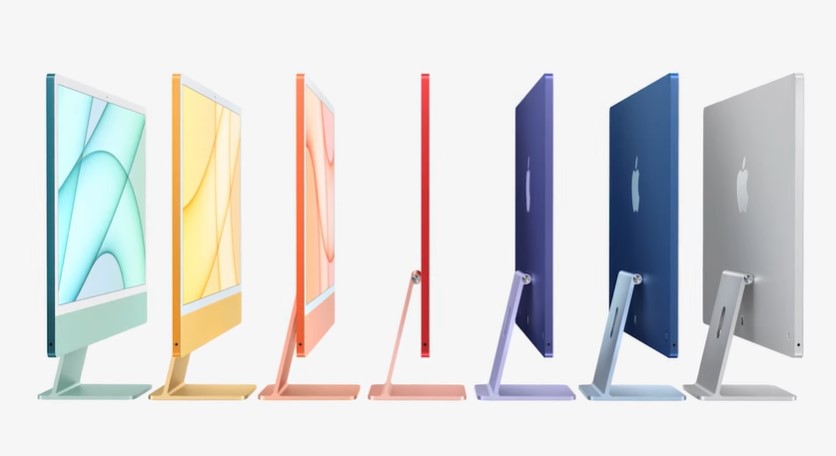
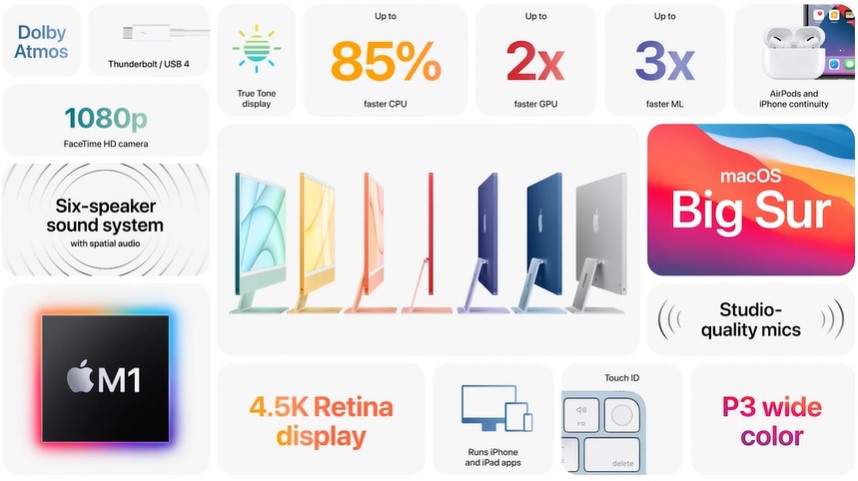
Apple is expected to become the market leader for AIO (All in One) PC. The news arrives after the company recently announced its newest iMacs that feature its in house M1 chipsets.
According to a DigiTimesreport, the Cupertino based giant is expected to lead the market since chip and component suppliers are prioritizing their shipments to support high end products, including the latest iMac. Furthermore, the iPhone maker is also expected to overtake HP as the top all in one PC brand vendor, as per sources close to the matter. Apart from leading the market with the help of the appeal of its new iMacs, the company also has an advantage in the chip supply chain.
In the AIO PC market, HP had achieved its success in the segment through its good range of sizes, stylish design, and affordable pricing as well. The company offers anywhere between low end to even high end models that helped it lead the market. But now, the PC market is expected to see a shift due to the impacts of the global chip shortage that has caused various companies to struggle to keep up with demand.
Notably, the company also has the advantage in terms of chip supply with TSMC, as it has commissioned the firm to make its own M1 processors. The brand also focuses more towards higher end specifications, higher margin chips, that would put Apple in a much better position than its predecessors.
Various reports have claimed that Samsung will be announcing the Galaxy Z Flip3 clamshell phone with a foldable screen in July or August. A fresh leak claims that the Galaxy Z Flip3 will debut in early August. The leak also reveals that it will be arriving with an affordable price tag.
It can be said based on the tweet by well-known tipster Tron, the Galaxy Z Flip3 may debut on Aug. 3. The Snapdragon 865+ powered Galaxy Z Flip 5G that debuted last year carried a price tag of $1,499. The tipster claimed that the Galaxy Z Flip3 will arrive with a starting price of $999 or $1,099.
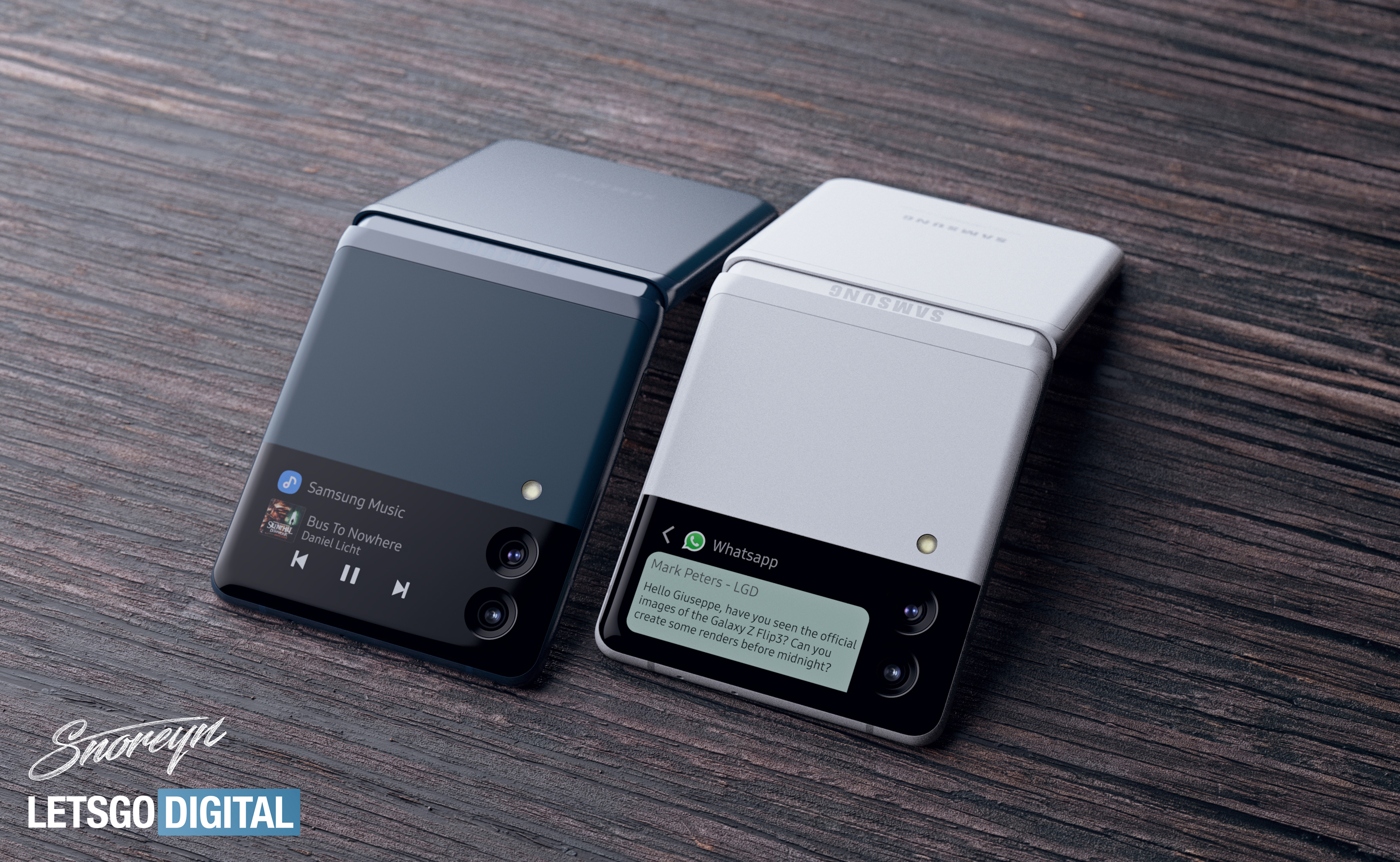
Recent reports have revealed the design of the Galaxy Z Flip3, but the rumor mill is yet to spill information on its specs. A leaked promo video of the Galaxy Z Flip3 that appeared earlier this week revealed that it could be coming with a two-tone design and multiple colors such as gray, white, purple, green, black, beige, blue, and pink.
Galaxy Z Flip3 3D renders by LetsGoDigital (Giuseppe Spinelli)
The Galaxy Z Flip3 is expected to feature a larger external display of 1.83 inches. It has a dual-camera system, which reportedly includes a 12-megapixel main snapper and a 12-megapixel ultrawide snapper. The inner screen of the Z Flip3 may feature a punch-hole design with a 10-megapixel selfie camera.
For better durability, the Galaxy Z Flip3 may come with a renewed Armor Frame and Gorilla Glass Victus protection on the outside. It is unclear which processor will be fueling the Z Flip3. Rumors have it that it may sell in variants like 128 GB and 256 GB. It remains to be seen whether the Galaxy Z Fold3 debuts alongside the Z Flip3.
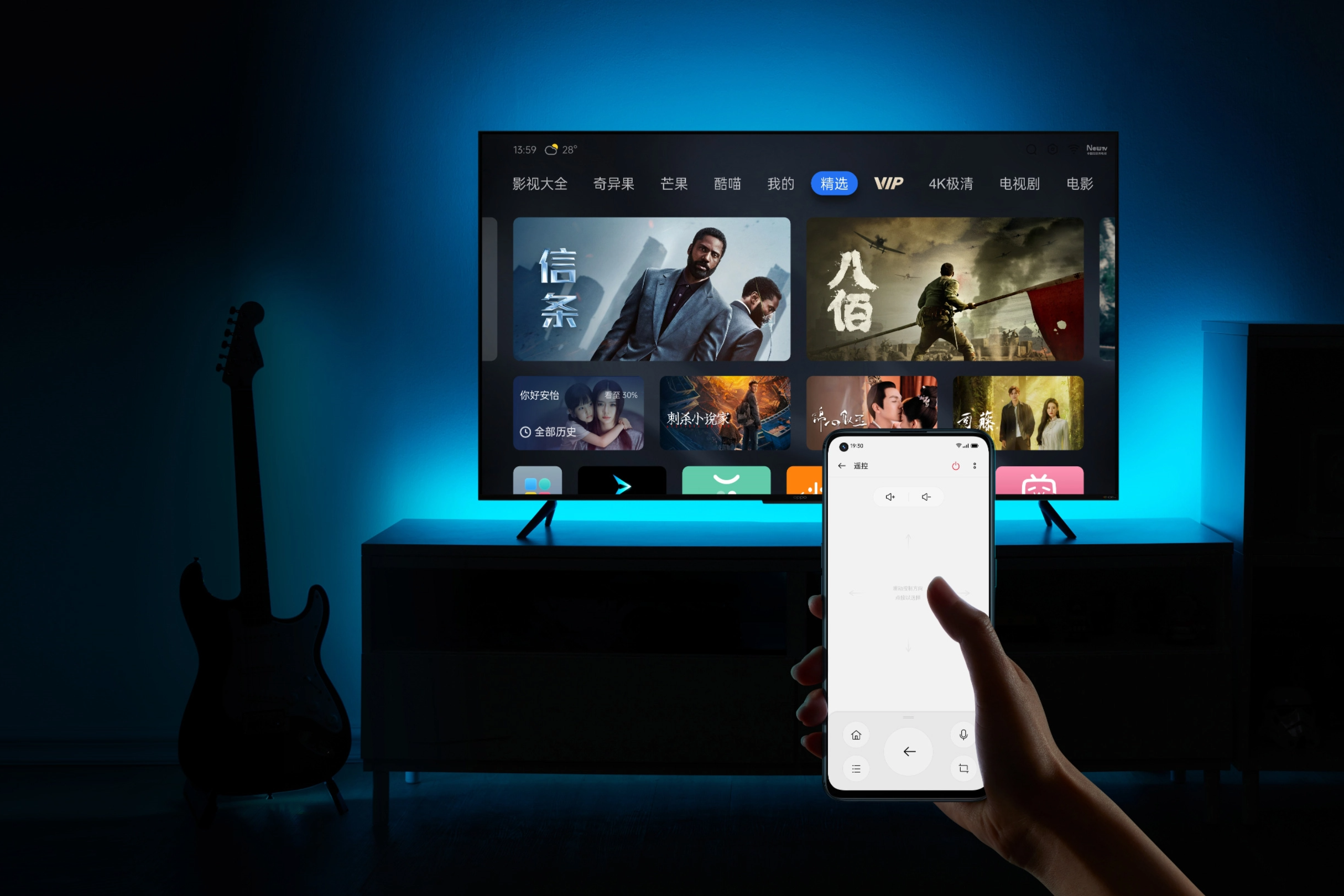
OPPO Smart TV K9 Series Specifications and Features
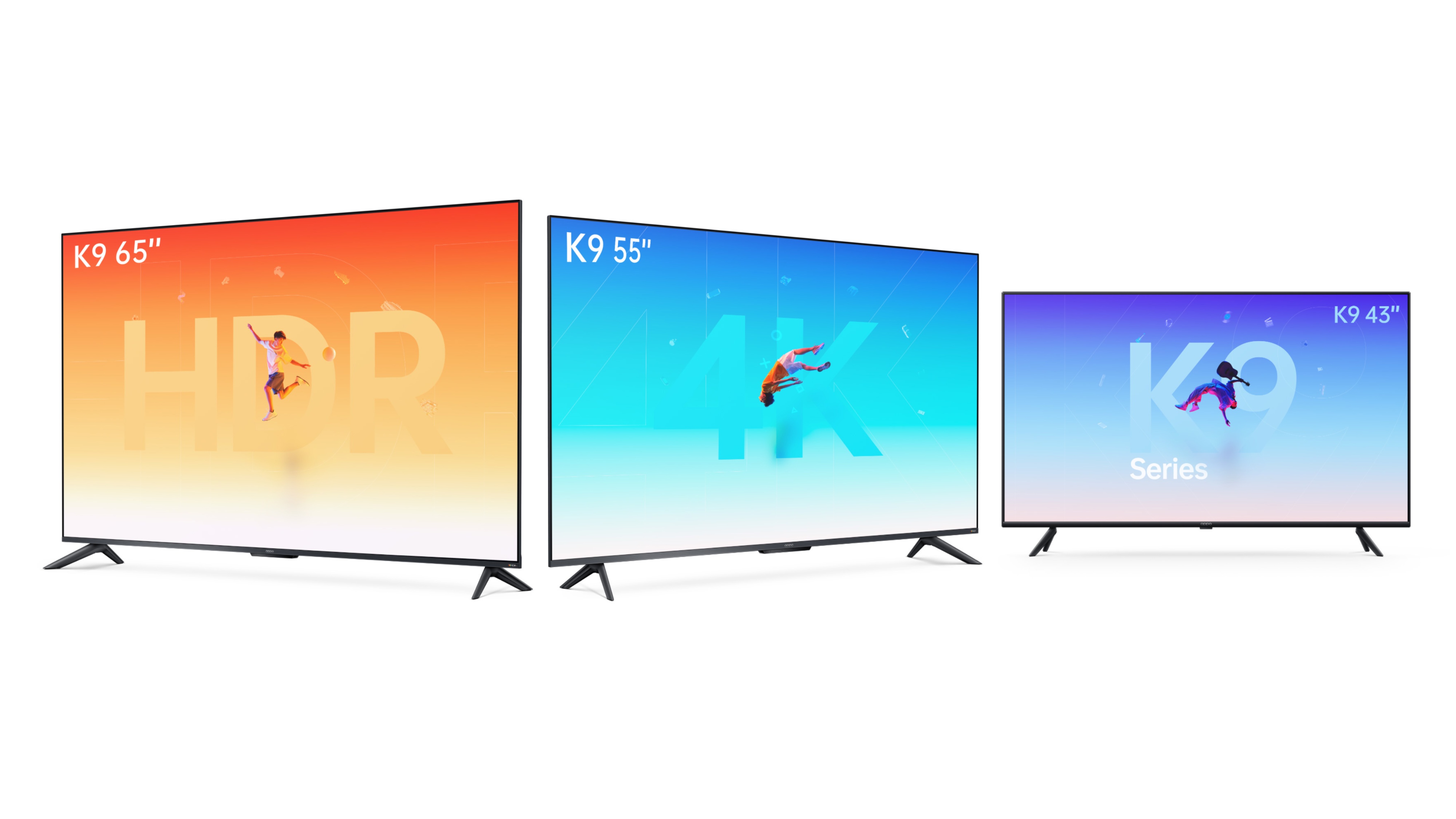
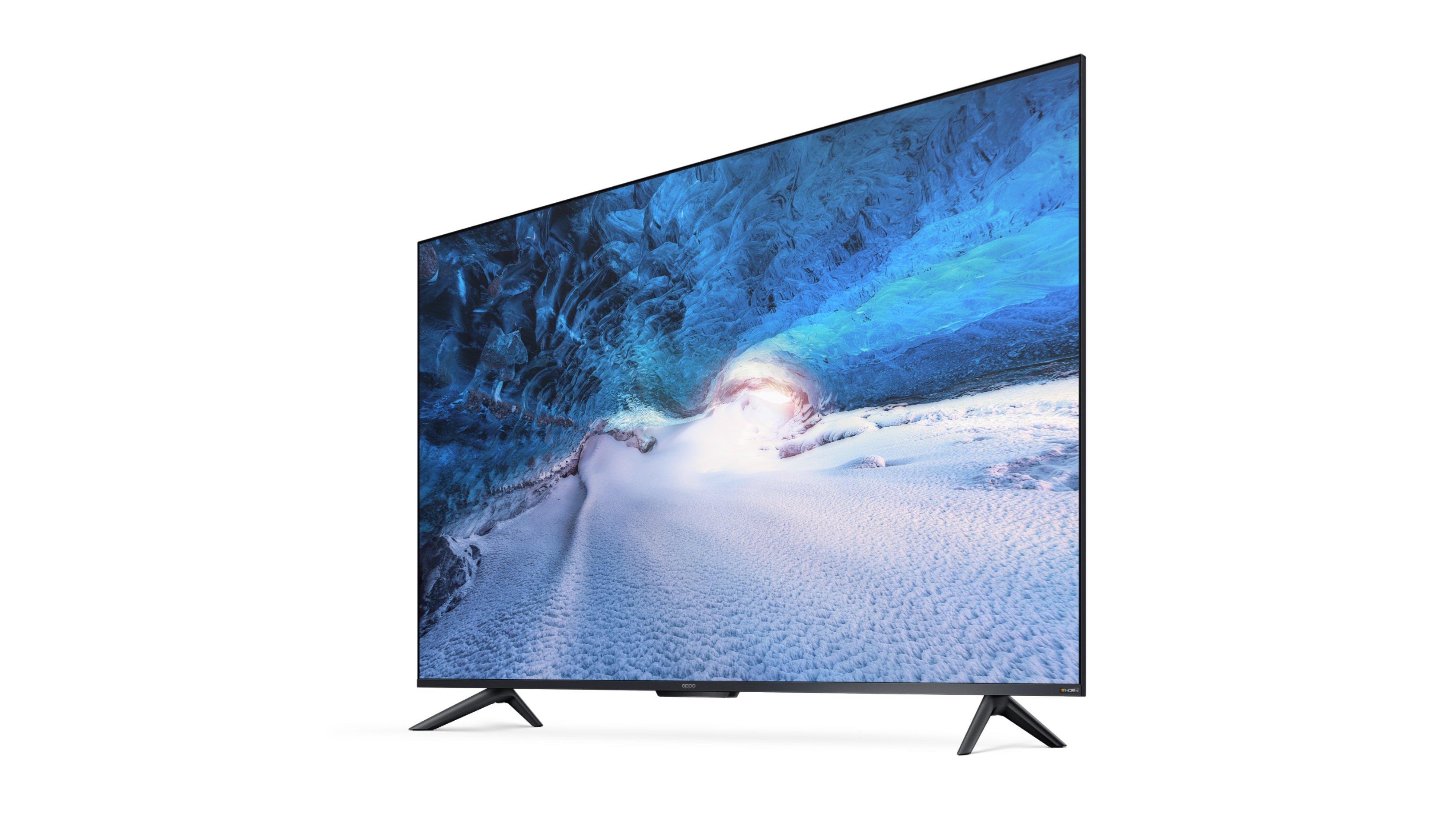
The OPPO Smart TV K9 Series consists of three models. Unlike Xiaomi Mi TVs, these televisions not only differ in sizes but also in terms of features as well.
First and foremost, the lineup includes three sizes – 43-inch, 55-inch, and 65-inch. All three variants flaunt an LED-backlit (DLED) LCD panel and a metal frame. However, the specs of the display are different.
The 43-inch model has an FHD (1920 x 1080 pixels) screen with a 60Hz refresh rate, 230 nits typical brightness level, and low blue light mode. On the other hand, the 55-inch and 65-inch versions sport a 4K (3840 x 2160 pixels) display with a 60Hz refresh rate, 1.07 billion colors, 93% DCI-P3 color gamut, ΔE<2 color accuracy, 300 nits typical brightness level, and low blue light mode.
Anyway, all three versions support HDR10, HDR10+, and HLG. But the 55-inch and 65-inch models can also decode and pass HDR10+ content. Additionally, the 65-inch variant also supports 60Hz dynamic MEMC.
Further, the 43-inch and 55-inch versions are powered by a MediaTek MT9632 SoC consisting of 4 x ARM Cortex-A53 CPU cores and ARM Mali-G52 MC1 GPU. Whereas, the 65-inch variant features a MediaTek MT9652 chipset comprising of 4 x ARM Cortex-A73 CPU cores and ARM Mali-G52 MC1 GPU.
All three come with 2GB RAM and run ColorOS TV 2.0. But the storage is only 8GB on the 43-inch model as compared to 16GB on the other two. Anyway, all three televisions support dual-band WiFi and Bluetooth 5.0.
As far ar as ports are concerned, all the TVs have 1 x DTMB, 1 x digital audio port (coaxial), 2 x USB 2.0, and 1 x LAN (Ethernet). Further, the 55-inch and 65-inch versions also have an AV port but it is RCA on the former and 3-in-1 on the latter.
Then, the 43-inch and 55-inch variants sport 3 x HDMI 2.0. However, the 65-inch version comes with 3 x HDMI 2.1 and one of them even supports eARC.
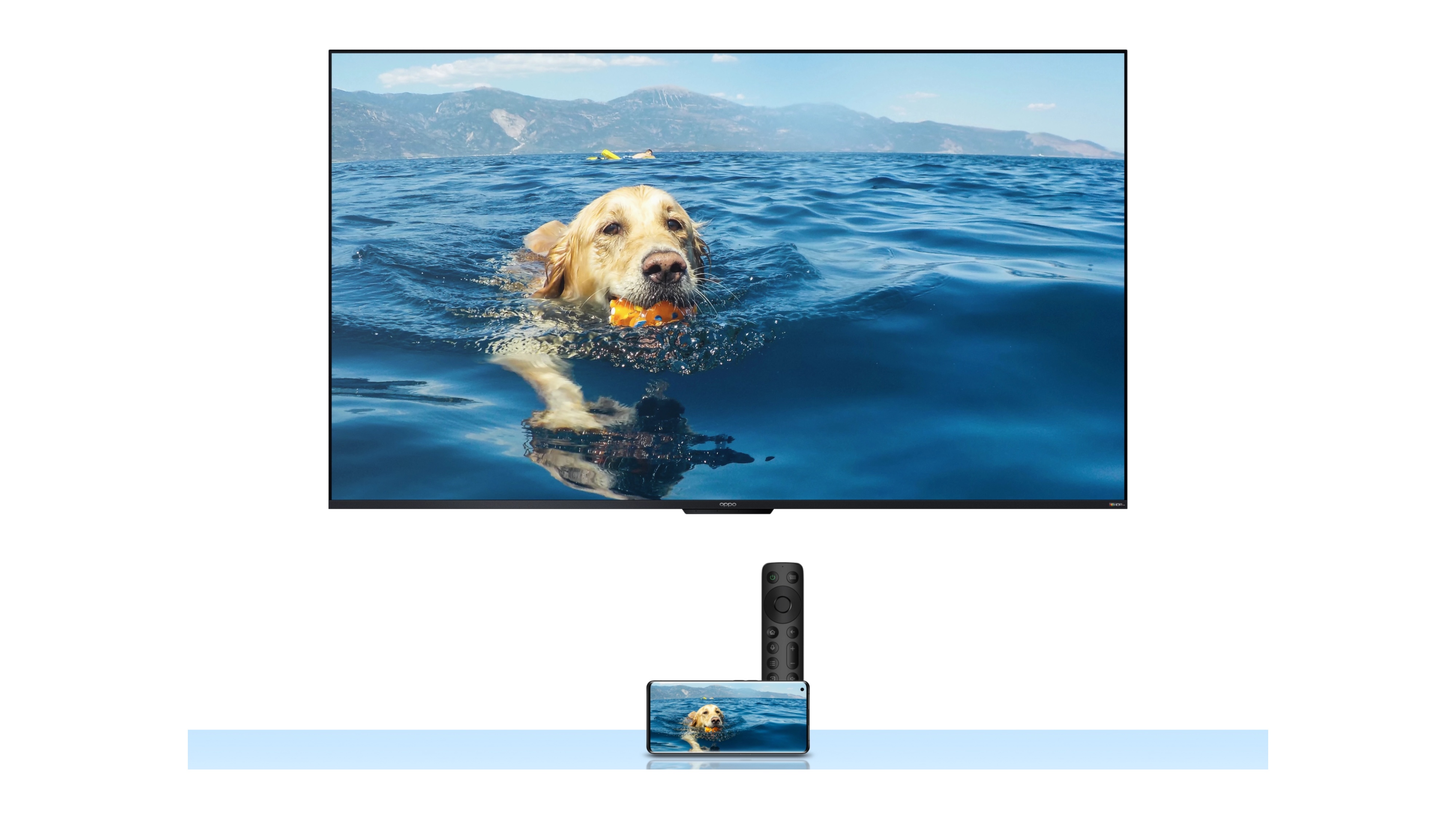
As for audio, all three televisions ship with Bluetooth voice and NFC-enabled remote control for Xiaobu AI assistant and to share content from OPPO smartphones. But additionally, the 55-inch and 65-inch models also come with far-field microphones. Also, these TVs have 2 x 15W (30W) speakers as opposed to 2 x 10W (20W) speakers on the 43-inch variant. But all of them support Dolby Audio.
Last but not least, the 55-inch and 65-inch also support an optional 1080p (FHD) external webcam accessory.
OPPO Smart TV K9 Price and Availability
The OPPO Smart TV K9 Series will retail for the following price tags in China.
OPPO Smart TV K9 43-inch – ¥1,999 ($309)
OPPO Smart TV K9 55-inch – ¥2,799 ($432)
OPPO Smart TV K9 65-inch – ¥3,999 ($618)
However, these televisions will be selling for ¥1,799 ($278), ¥1,999 ($309), and ¥3,299 ($510) respectively for a limited time. Their first sale is scheduled for May 11.
Lastly, OPPO will be also selling a bundle consisting of OPPO Smart TV K9 43-inch and OPPO K9 5G (8GB + 128GB) for only ¥2,999 ($463). But this deal will be limited to 999 customers only.
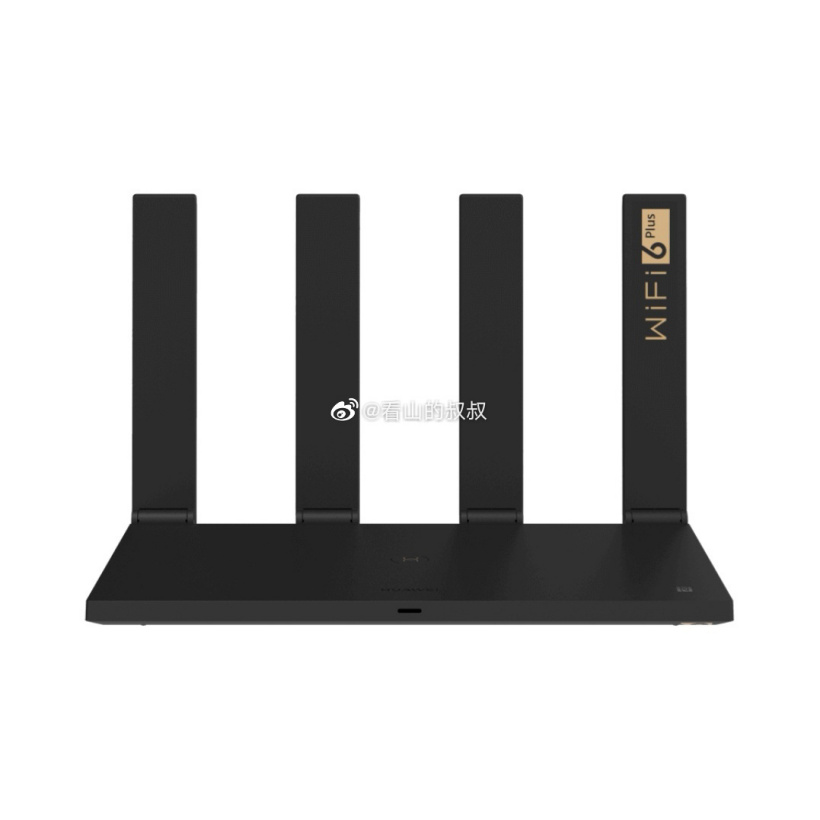
A new leak has revealed that the upcoming Huawei AX2 Pro WiFi Router will support the latest Wi-Fi 6 Plus standards. The news arrives from a leakster on Weibo, a Chinese microblogging website.
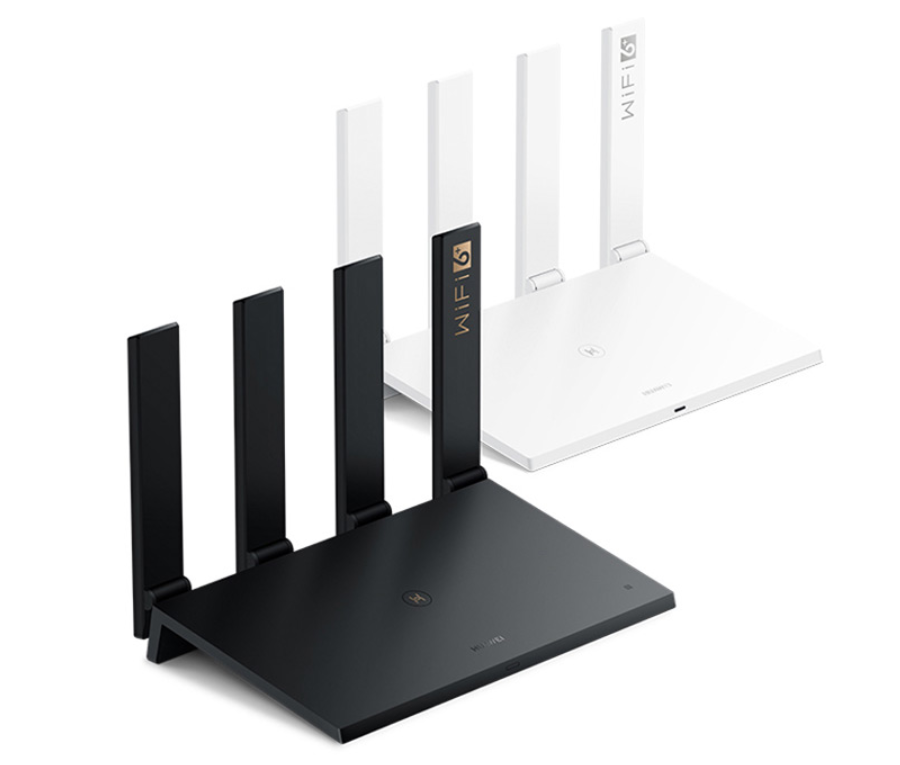
According to known tipster @看山的叔叔, the new AX2 Pro router from the Chinese tech giant is expected to support 2000Mbps wireless data transmission, although, the router will apparently not feature 160Hz bandwidth. Furthermore, the device is said to be available in two color variants, namely black and white. In terms of design, it will reportedly feature a body that is similar to the AX3 Pro that was launched last year.
The AX3 series from the company will also support the Huawei’s one touch to connect to the internet feature that will work with android smartphones that are equipped with the NFC. Through this, one can simply connect to the router by tapping their devices on the router for internet. The leakster also believes that the company will further reduce the price of the latest AX3 series of WiFi routers.
Keep in mind, this is still an unconfirmed leak, so take this report with a pinch of salt for now. Unfortunately, finer details regarding this router are currently unknown, but it will likely feature a quad core chip similar top its predecessor along with the latest WiFi 6 Plus standard. So stay tuned for more, as we will be providing updates when additional information is available regarding this matter.
Last month, Samsung announced the Galaxy Quantum2 smartphone in South Korea. Reports have claimed that this device will be heading to global markets with Galaxy A82 5G moniker. Earlier this week, the unannounced Galaxy A82 5G was found listed among other phones that are scheduled to receive quarterly security updates. Yesterday, reliable tipster Max Weinbach shared a leaked promo of the smartphone. These developments show that the arrival of the A82 5G may not be far away.
The promo video shows hat the Galaxy A82 5G does not reveal any information on its specs. It does confirm the moniker once again and reveals that it will offer a good battery life. The A82 5G is likely to feature the same specs that are available on the Galaxy Quantum2.
The Samsung Galaxy A82 5G may feature a 6.7-inch S-AMOLED display with Infinity-O punch-hole design. It offers a Quad HD+ resolution of 1400 x 3200 pixels and a 120H refresh rate. The device runs on One UI 3.1 based Android 11 OS.
The Snapdragon 855+ chipset by Qualcomm is expected to fuel the Galaxy A82 5G with 6 GB of RAM. For storage, it may offer users 128 GB of built-in storage and a dedicated slot for adding a microSD card.
The Galaxy A82 5G may come with a front camera of 10-megapixel. Its rear camera setup may include a 64-megapixel primary camera with OIS support, a 12-megapixel ultrawide lens, and a 5-megapixel macro camera.
The A82 5G phone may house a 4,500mAh battery that supports 25W rapid charging. The other features that are expected to be available on the A82 5G include a stereo speaker and an in-display fingerprint scanner.
Huawei has been facing various troubles in recent times with its smartphone business. The various US sanctions have already made it difficult for the company to acquire crucial components for its smartphones, and it seems that the chip shortage in China has further led it to abandon its low end models entirely.
According to a MyDriversreport, the Chinese tech giant’s official stores in China have been facing this issue. The report adds that employees working in these stores have revealed that the company is selling fewer handsets now, although, this is mainly attributed to the fact that the country is facing a shortage of smartphone chips. For those unaware, the world is facing a major shortage of semiconductors at the moment, with various industries being severely impacted.
As per the employee, almost every smartphone model in Huawei stores are now out of stock, with certain configurations and colors variants also being unavailable for the ones that are in stock. The report found that from the five experience stores that were visited, a combined total of just four smartphone models were on sale. Furthermore, apart from just the lack of various models, the prices of these devices have also changes and low end handsets have almost completely disappeared.
One of the official Huawei stores in Chengdu, China, had a salesperson say that the Nova series that were targeted towards students was no longer in production and that the cheapest variant that is currently available is the Nova 8 Pro. This is also available in limited quantities and is priced at 3999 Yuan (roughly 617 US Dollars).
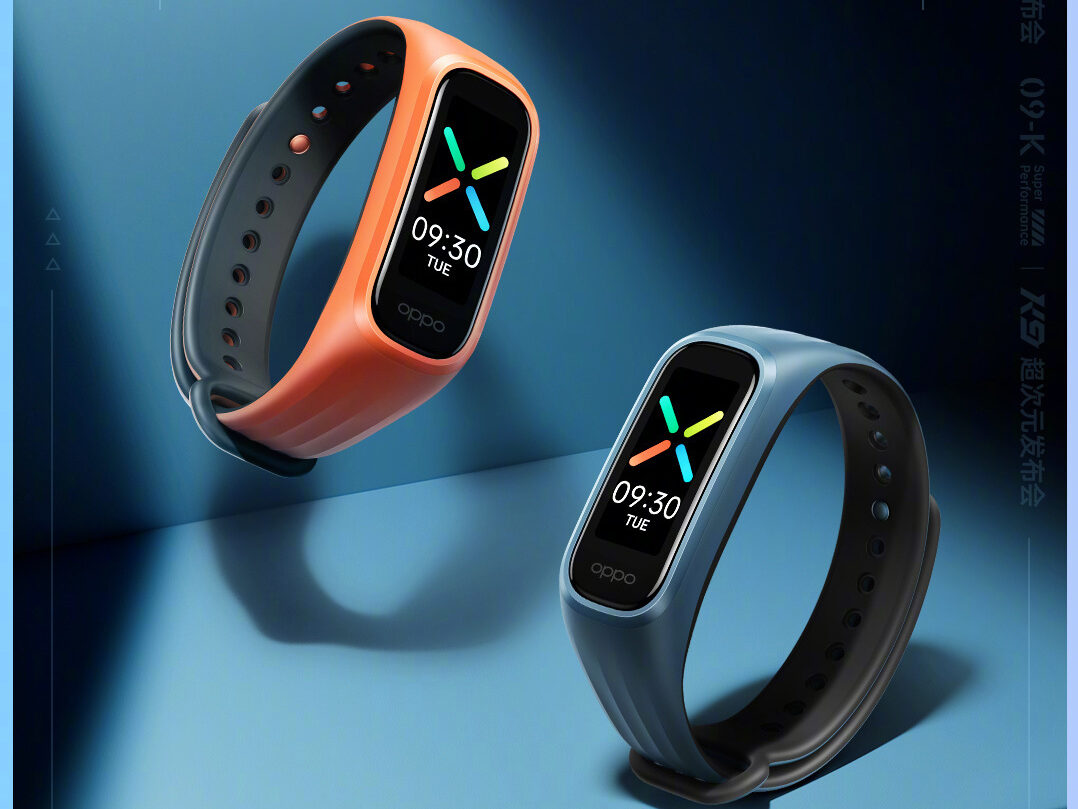
Talking about the Oppo Band Vitality Edition first, the new smart wearables will be available in two color variants, namely orange and blue. The band from the Chinese tech giant offers real time blood oxygen monitoring, and even supports online payment services like WeChat and Alipay payment as well. The smart wearables also supports live heart rate monitoring, sleep tracking and even allows users to control music on their smartphones. On the front, the band sports an 1.1 inch AMOLED panel and offers water resistance up to 50 meters.
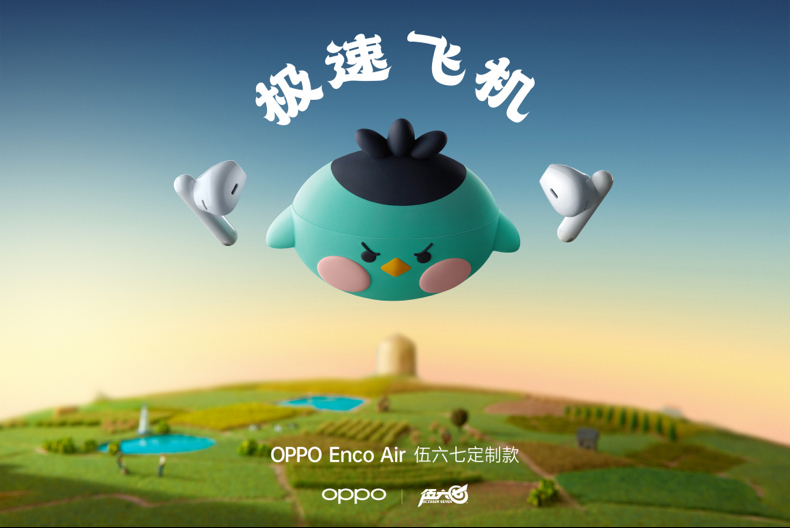
Arriving at the Oppo Enco Air earbuds, the hearables are the latest true wireless earphones from the company. These earbuds are set to offer a playback of up to 24 hours when paired with its charging case and the buds themselves feature a design similar to the base Apple AirPods. The product overall features a white color scheme and is powered by a 25mAh battery that also supports 10W fast charging via a USB Type C port.
The Oppo Band Vitality is available for a price of 199 Yuan (roughly 31 US Dollars) and is currently available for pre orders on JD.com for a special discounted price of 149 Yuan (roughly 23 US Dollars). Similarly, the new Enco Air TWS earbuds are available for a price of 299 Yuan (roughly 46 US Dollars) but can be pre ordered in a special discounted price of 249 Yuan (roughly 38 US Dollars). Notably, the company has also launched a unique custom Enco Buds Air Wu Liuqi Limited Edition, which is available for 2199 Yuan (roughly 340 US Dollars).
PUBG Mobile is apparently launching in India soon under a new name. The news arrives after the company behind the popular mobile game officially announced Battlegrounds Mobile India.
According to an official announcement from Krafton, the company behind the PUBG franchise, the new title will be an exclusive video game for the Indian subcontinent. The announcement arrived earlier this week and officially marks the re-entry of the popular mobile game in India. For those unaware, PUBG Mobile was banned from India as growing tensions between India and China had caused the former to ban certain Chinese apps, including the battle royale title as it was ported from PC to mobile by Tencent Games.
Now, Krafton is working on releasing the title under a new brand exclusively in India and offer its own esports ecosystem with various tournaments and leagues as well. Similar to the past entry, the new game will also be free to play on smartphones. Furthermore, the game will also have a pre registeration period prior to its launch, although, it is currently unknown when that actually is since the company did not announce any official dates. Interestingly, the company even changes the PUBG Mobile India’s YouTube channel’s name to Battlegrounds Mobile India.
Krafton also added that privacy and data security will be one of the top priorities of the brand moving forward in India, and that it would work with its partners to ensure data protection and security at each stage. The new logo of the game is quite similar to the older one’s but carries a distinct color scheme of saffron whit and green, which are also found in the country’s flag. So stay tuned for more updates.
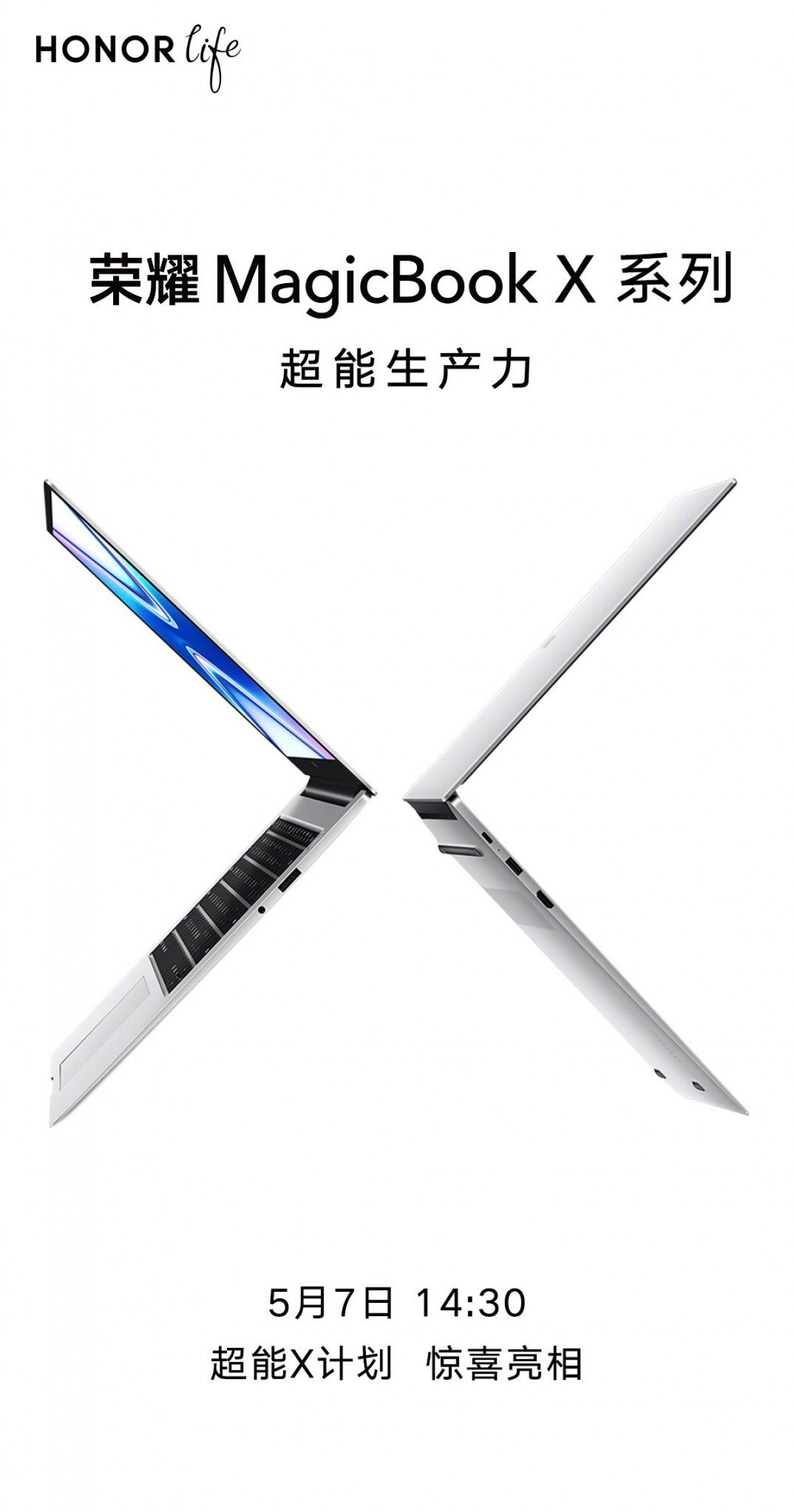
Honor, the company which recently spun off from Huawei as an independent brand, has scheduled a launch event tomorrow, i.e. 7th May in China. At the event, the company will be introducing a new laptop lineup called MagicBook X.
The event is scheduled to take place at 2:30 PM Beijing time. Looking at the image of the upcoming laptop showcased in the teaser photo, it seems that the device will be thinner and will have a compact design compared to other MagicBook laptops.
So far, there’s no information about how the company is planning to position this upcoming lineup of laptops. It appears that the MagicBook X could be an alternative to the MagicBook Pro lineup from the company.
From the image, it is confirmed that the upcoming laptop from Honor will come with two USB-A ports — one on each side. There’s also a micro HDMI, a 3.5 mm audio jack, and a USB-C for the power delivery.
Continuing with the trend, the laptop features very thin bezels, meaning that the front-facing camera sensor will be between the F6 and F7 keys on the keyboard — similar to other MagicBook models.
Currently, there’s no information available about the interns of these MagicBook X series devices. However, it’s just a few hours before we get information about its features, specifications, pricing details, and availability in China.
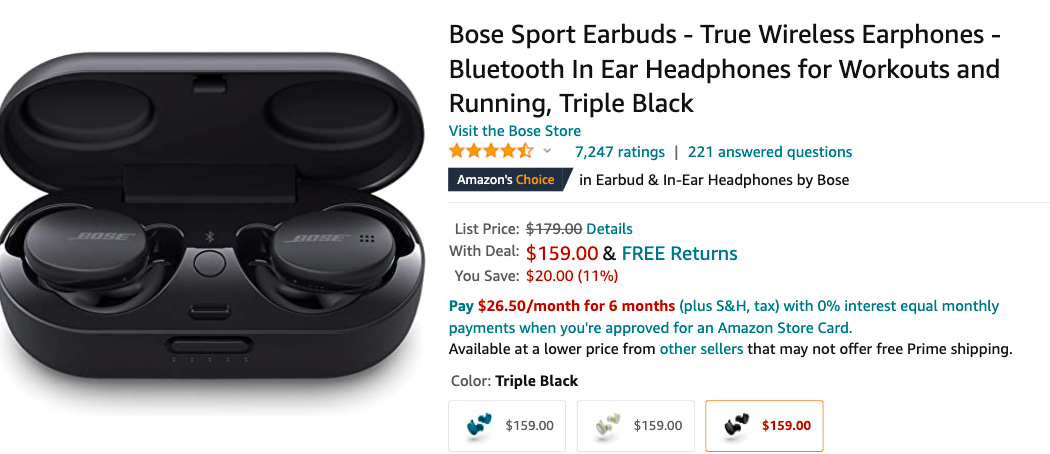
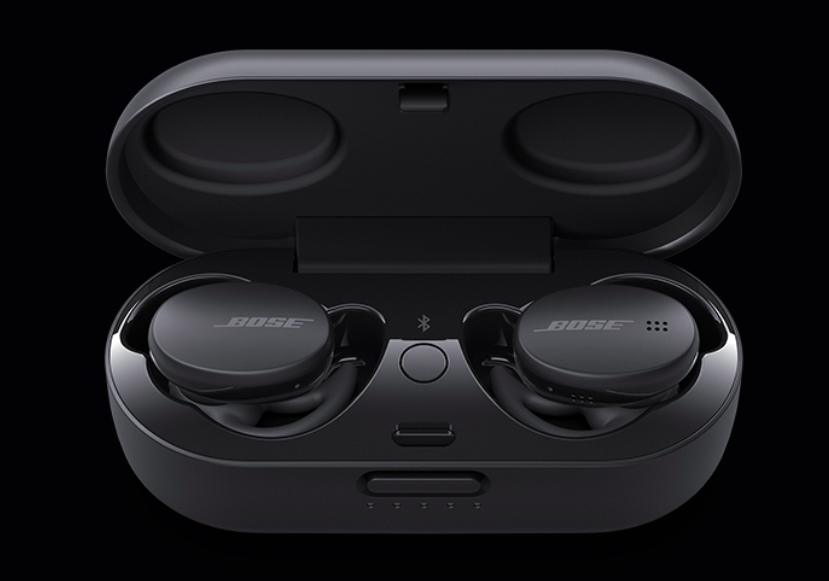
Designed specifically for athletes and health enthusiasts, Bose Sport Earbuds bring life-like sound quality to a comfortably secure fit, thereby enhancing your workout experience. The earbuds come with high-efficiency drivers and an acoustic port design that delivers big sound from this small device, making it perfect for playing some energetic and pumped-up workout music. Also with a capacitive touch interface, you can simply tap your earbuds for different functions like play or pause music, accept or reject calls, etc.
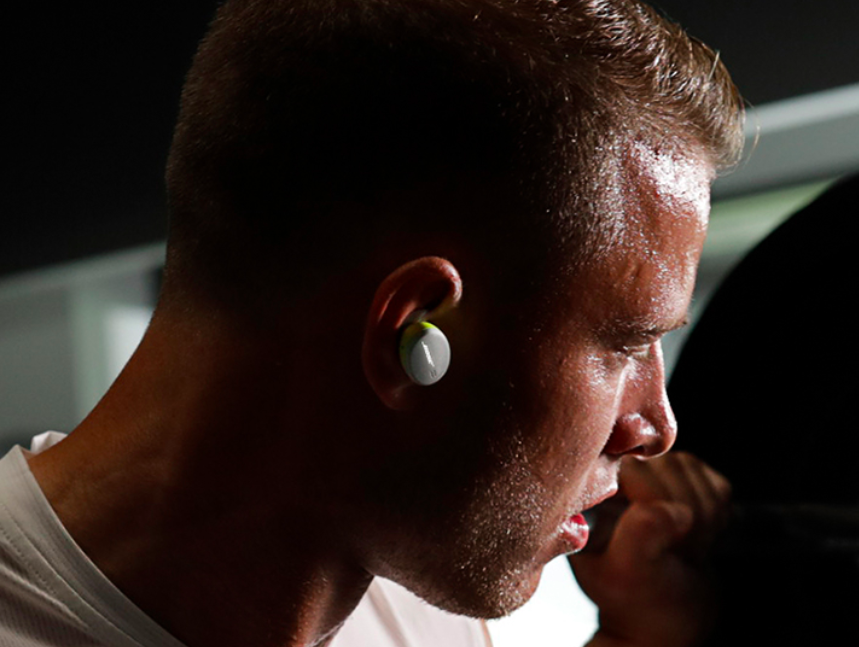
Design-wise Bose sport earbuds exceed your expectation with the umbrella-shaped StayHere Max tips. The tips feature an extended flexible wing, that ensures the earbuds stay securely in place no matter the intensity of your movement. This means you can exercise, move and run around freely without worrying about dropping your earbuds.
The earbuds come with an IPX4 certification making them moisture and sweat resistant and features a battery life of 5 hours on a single charge and 2 hours on a 15 min quick charge.
Generally retailing at $179 you can now buy Bose Sport Earbuds for $159 only at Amazon US. Please note that this offer is applicable on Triple Black, Glacier White, and Baltic Blue color variants.
For more information on such exciting deals and offers check out ourdeals hub.
* Please Note: When you buy something using the links in our articles, we may earn a small commission at no cost to you.
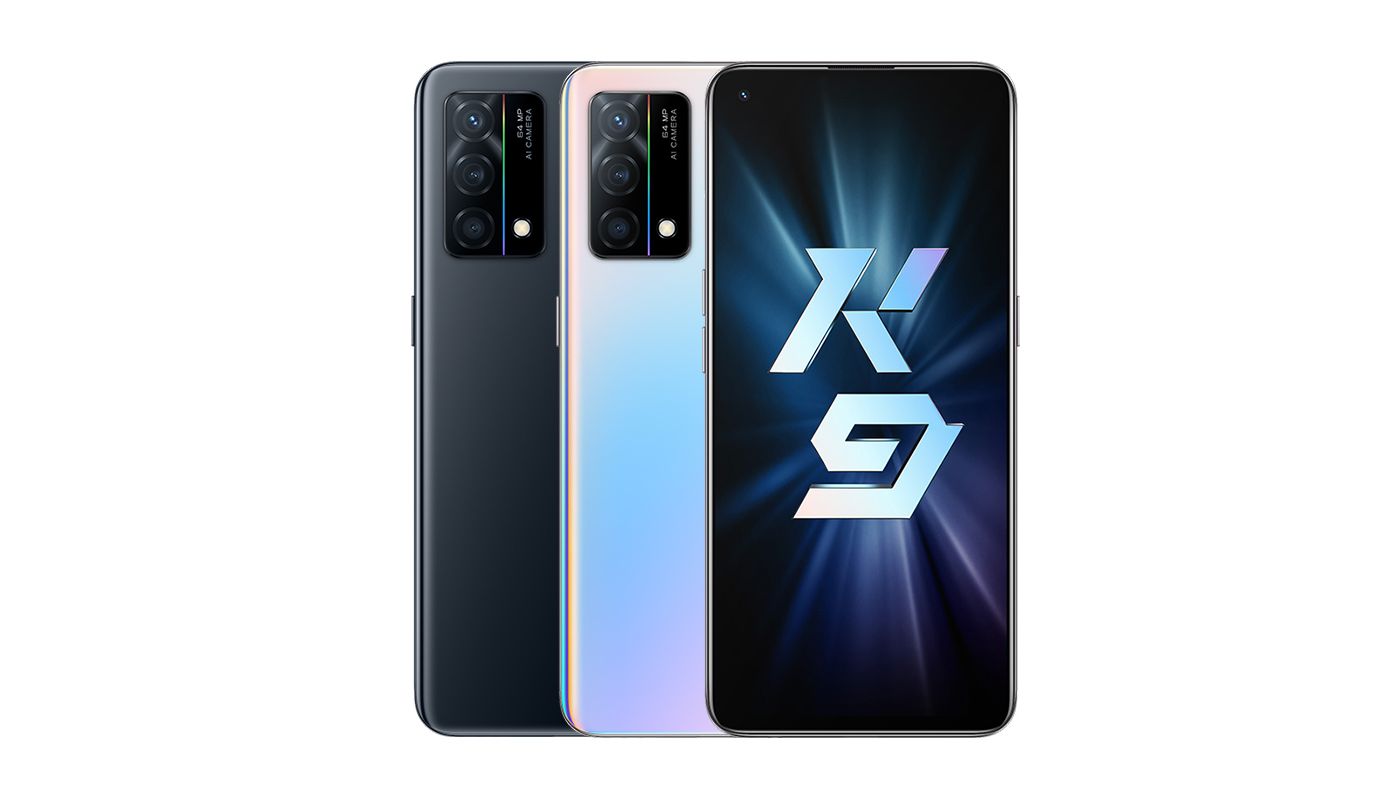
OPPO has announced the OPPO K9 5G smartphone in China. It has arrived as the successor to last year’s OPPO K7 5G phone. It is the first K-series phone from the brand to feature a high refresh rate display. The smartphone comes with other exciting features like a powerful midrange chipset with 5G support, a large-sized battery with fast charging capabilities, and a 64-megapixel quad-camera system.
OPPO K9 5G specifications and features
The OPPO K9 5G has a 6.43-inch AMOLED screen with a punch-hole design. It delivers a Full HD+ resolution of 1080 x 2400 pixels, a 20:9 aspect ratio, a 90Hz refresh rate, and a 180Hz touch sampling rate. OPPO claims that the screen of the K9 5G is integrated with a sixth-generation in-screen fingerprint reader.
The Snapdragon 768G chipset powers the OPPO K9 5G with 8GB of LPDDR4x RAM. The device comes with up to 256GB of native storage and it lacks support for a microSD card slot. It boots to ColorOS 11.1 based Android 11 OS.
OPPO K9 5G
On the front side of the OPPO K9 5G is a 32-megapixel selfie camera. The quad-camera system on the backside of the phone has a 64-megapixel primary lens, an 8-megapixel ultrawide lens with a 119-degree FOV, and a 2-megapixel macro lens.
The OPPO K9 5G has a 4,300mAh battery that offers 65W rapid charging. According to OPPO, the handset can fully charge in just 35 minutes using the 65W fast charger. For a smoother gaming experience, the phone ships with VC liquid-cooled heat sink, copper plate, and multi-layer thermal conductive graphite sheet for heat dissipation. The K9 5G offers users other features like a dual SIM slot, 5G, Wi-Fi 802.11ac, Bluetooth 5.1, GPS, USB-C, and a 3.5mm audio jack.
OPPO K9 5G pricing and availability
The OPPO K9 5G is priced at 1,999 Yuan (~$309) for the 8 GB RAM + 128 GB storage version and 2,199 Yuan (~$339) for the 8 GB RAM + 256 GB storage variant. It comes in two colors like Spades K (black) and Wings of Symphony (blue gradient).
We use cookies on our website to give you the most relevant experience by remembering your preferences and repeat visits. By clicking “Accept”, you consent to the use of ALL the cookies.
This website uses cookies to improve your experience while you navigate through the website. Out of these, the cookies that are categorized as necessary are stored on your browser as they are essential for the working of basic functionalities of the website. We also use third-party cookies that help us analyze and understand how you use this website. These cookies will be stored in your browser only with your consent. You also have the option to opt-out of these cookies. But opting out of some of these cookies may affect your browsing experience.
Necessary cookies are absolutely essential for the website to function properly. This category only includes cookies that ensures basic functionalities and security features of the website. These cookies do not store any personal information.
Any cookies that may not be particularly necessary for the website to function and is used specifically to collect user personal data via analytics, ads, other embedded contents are termed as non-necessary cookies. It is mandatory to procure user consent prior to running these cookies on your website.