Earlier this week, the Australian competition watchdog might soon have Apple and Google address their dominating market power with their app stores, namely iOS App Store and the Play Store.
According to a Reutersreport, these major tech giants might have regulations if they do not make changes regarding this matter. For those unaware, both Apple and Google have been facing pressure from various governments across the globe due to their major market dominance. Both firms charge developers and other firms a commission on any in app purchases made through their respective application platforms. Thus, this might lead to the Australian government passing regulations against both companies.
The Australian Competition and Consumer Commission (ACCC) stated that app developers should be allowed to provide customers with an alternative method of payments. Furthermore, the data collected from Google and Apple should be kept separate from their operations. Similarly, the ACCC even urged tech giants to allow consumers to change or remove pre installed or even default apps.
As per ACCC Chair Rod Sims, “We have identified a number of areas where action is required and have put forward potential measures to address areas of particular concern. There is a window of opportunity for Apple and Google themselves to take steps to improve outcomes for app developers and consumers.” Sims further added that the ACCC would look at changes of laws in other countries and other proposals but “regulation may be required if Apple and Google fail to take steps to address the concerns identified.”
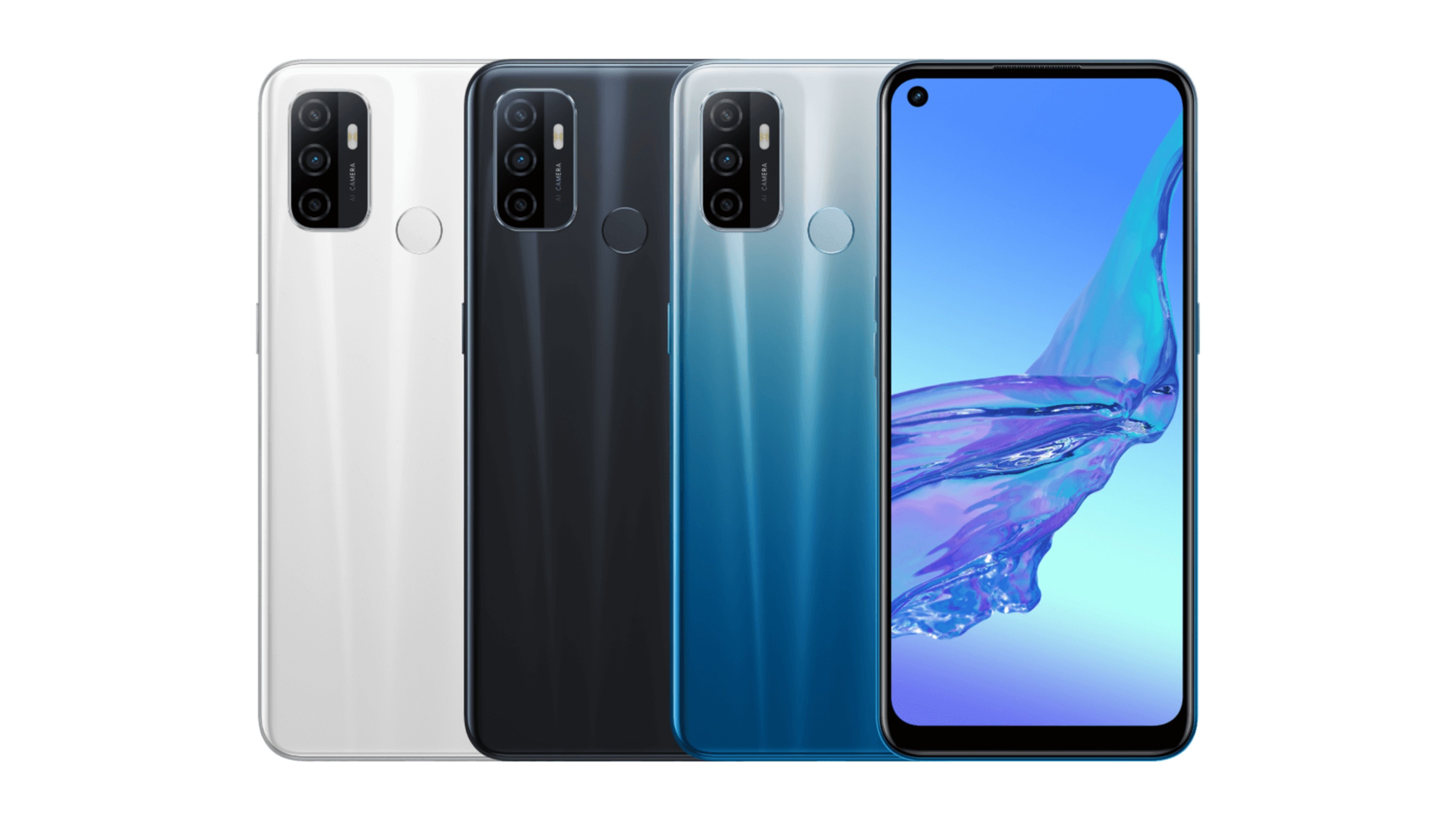
OPPO has been rolling out ColorOS 11 (Android 11) builds to eligible devices since September 2020. The company has been following the monthly timeline it releases at the start of each month. Going by this month’s schedule, it has now opened registrations for OPPO A53 Android 11 beta update.
OPPO A53
According to ColorOS 11 April 2021 update plan, OPPO is supposed to open beta registrations for five devices. Following the schedule, the registration went live for the first four phones on and before time in some instances. Similarly, the registrations are now live for the fifth and final handset – OPPO A53 as well.
The OPPO A53 ColorOS 11 Beta program is currently limited to India and Indonesia only. Interested users in these two regions should be on firmware version A.69/A.77 to register themselves for the initiative.
To enroll in the program, users need to navigate to Settings > Software Update > Gear Icon > Apply for Beta Version > Update Beta Version and follow the on-screen instructions. According to the official announcement post on ColorOS Community, the registrations will run from April 27 to May 11 for limited seats.
The OPPO A53 debuted with ColorOS 7.2 based on Android 11. Hence, ColorOS 11 (Android 11) is the smartphone’s first major update. Going by OPPO’s software update track record, it could receive Android 12 in the future.
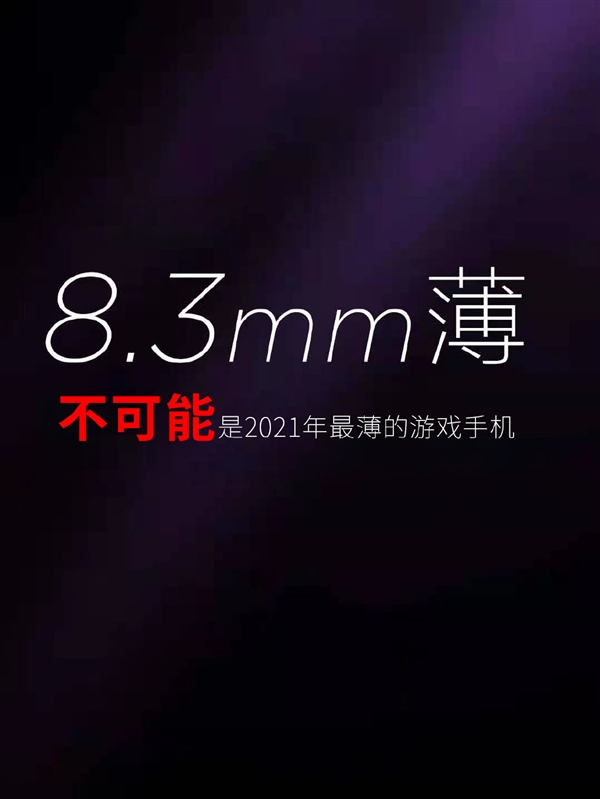
While gaming smartphones have grown in popularity in recent times as they offer great performance in a handset, these devices still suffer from a few common issues. This includes bulkiness, pricing, weight, and other similar problems. But, a Nubia executive has hinted that an upcoming gaming smartphone from the brand might be thinner than 8.3mm.
Recently, Lu Weibing, President of Xiaomi Group, announced that the Redmi K40 Game Enhanced Edition was the thinnest ever gaming smartphone. This devices measures just 8.3mm in thickness, but Ni Fei, Co Founder of Nubia, believes that this is not the thinnest gaming smartphone. At the moment, the Chinese brand does not offer any thin and light gaming smartphone. In other words, the senior official might be hinting at an upcoming gaming phone that will be thinner than 8.3mm.
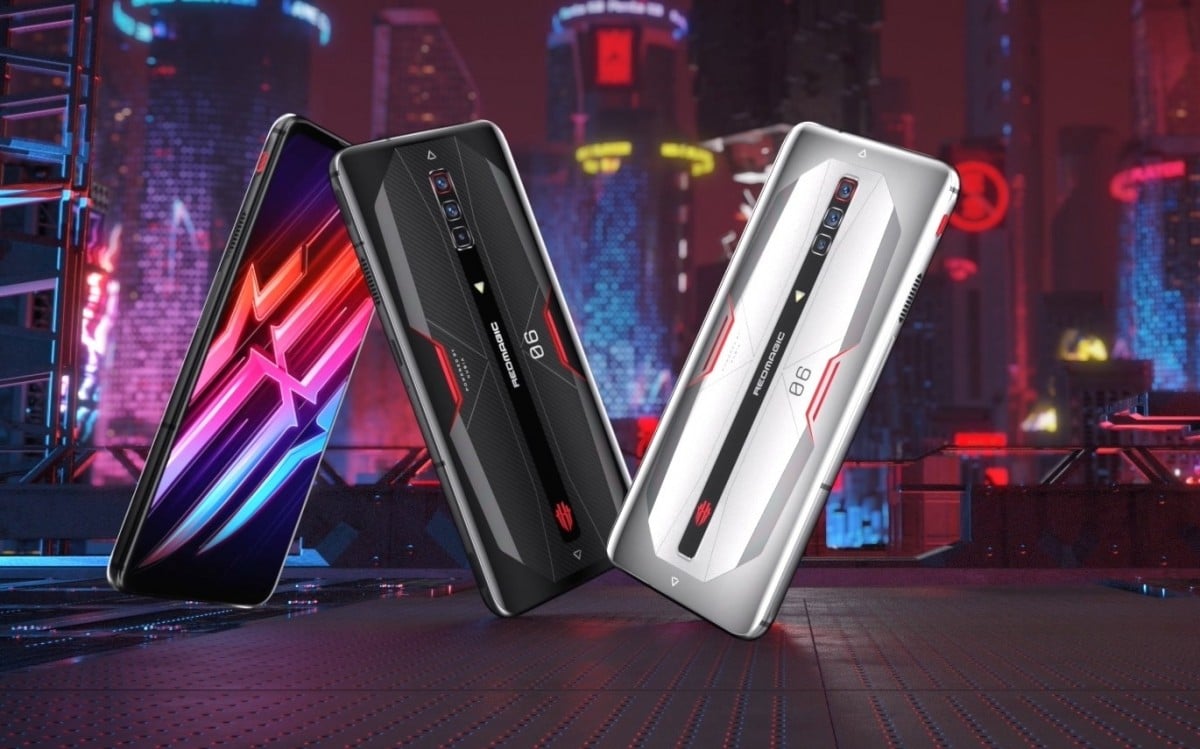
This statement could also imply that the company is working on making thinner and lighter smartphones that are similar to the latest entry of the Redmi K40 series. Furthermore, rumors have recently surfaced that the smartphone maker is working on a new variant within its latest Red Magic 6 series of gaming handsets. This device is expected to feature Qualcomm’s Snapdragon 888 SoC along with a large 4,200mAh battery pack, as per a MyDriversreport.
Meaning, this new variant might be a thin and light gaming smartphone from Nubia. Unfortunately, finer details regarding this device are currently unknown but it is reumored to launch soon. So stay tuned for more updates as additional reports or leaks would likely surface sometime in the near future.
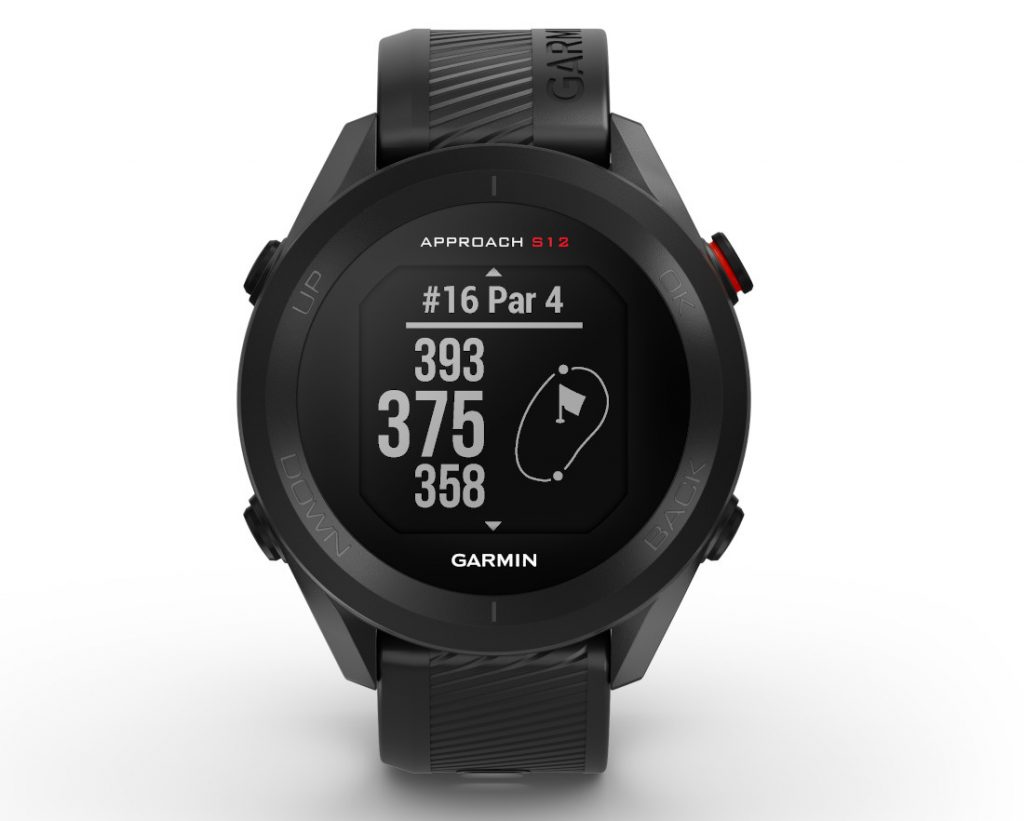
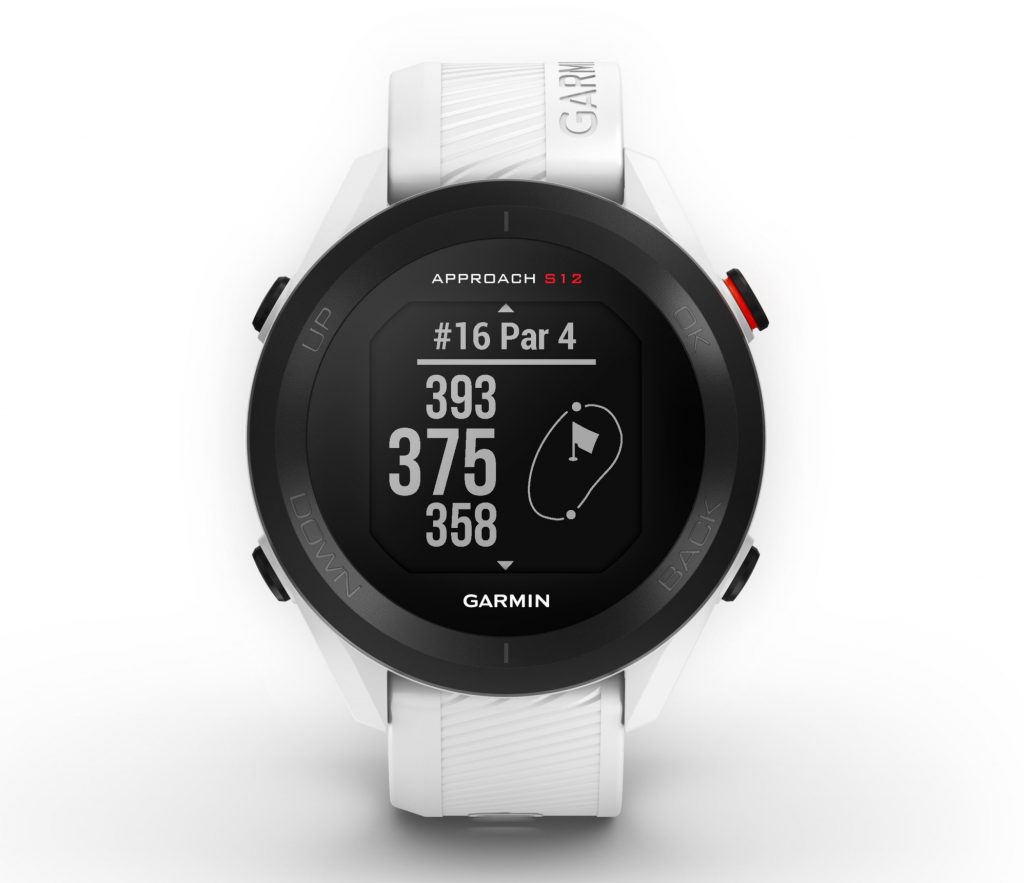
Popular fitness band and smartwatch manufacturer Garmin has introduced yet another innovative smartwatch for the Indian market. The watch is dubbed Garmin Approach S12 and it is targeted at golfers, featuring severe features such as GPS to help them improve their swing and their game. The watch is built to accurately curate data for each swing.
The watch utilizes a round dial with a rugged outlook. The display is a 1.3-inch panel that can be read even inside the sun. The watch also arrives with extra watch bands with a quick-release button to make changing the straps easy.
On the software side, the Approach S12 smartwatch is pre-loaded with over 42,000 golf courses around the world which helps in providing accurate data and aiding the golfer. The player’s data is updated through the Garmin Golf app. The app also keeps the player updated on happenings in the golfing circle and keeps the golfer abreast of his progress by providing various information such as weekly leaderboards, tournaments, review live scoring, strokes gained analysis, automatic scorecard uploads, and much more.
Further, the Approach S12 is said to feature Approach CT10 club sensors which users can decide to pair with for automatic club tracking to see how far players hit each club and for more tracking capabilities.
For battery life, the smartwatch is touted to present with up to 30 hours of battery on a single charge in GPS mode. That means when the GPS is not in use, the battery life will run into days if not weeks.
As for the price, the Garmin Approach S12 smartwatch adopts an Rs. 20,990 ($282) price tag. The smartwatch will be available in India via Amazon.in, synergizer.co.in, Tata Cliq, and Flipkart. It will also be sold in offline stores such as All Garmin Brand Stores (Pan India), World of Golf Sports (Pune), Bangalore Golf Store, and Bhasin Sports (Gurgaon).
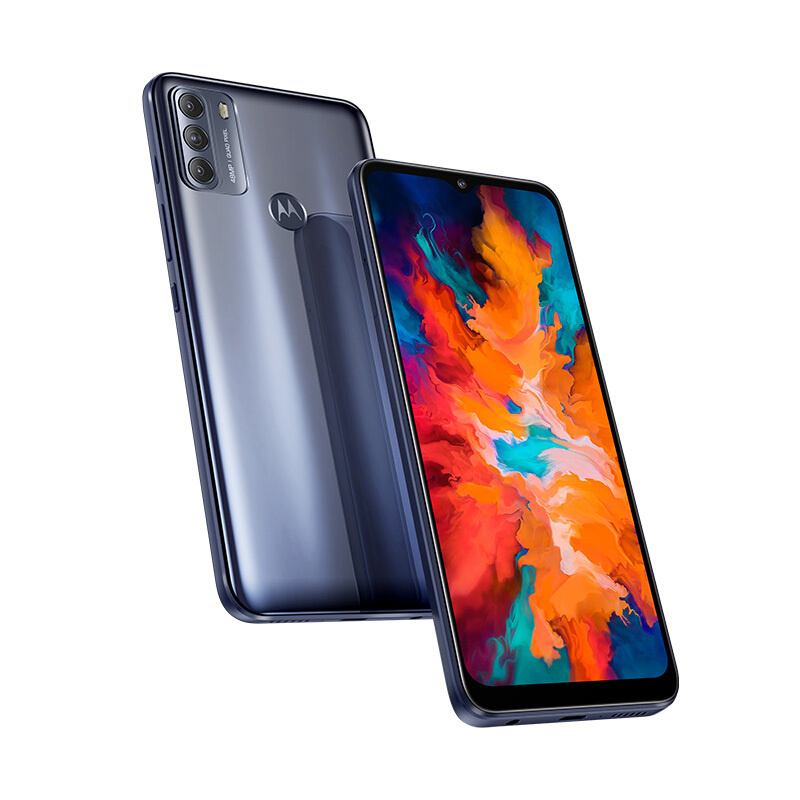
Last month, Lenovo-owned Motorola had launched the Moto G50 budget 5G smartphone in the European market. Now, the same smartphone has been launched in China, where it comes in a single variant that packs 8GB of RAM and 128GB of internal storage.
It is priced at 1,499 yuan which roughly converts to $231. The device can be purchased through Lenovo‘s official website, JD.com, and Tmall.com.
The Moto G50 smartphone features a 6.5-inch Max Vision HD+ display with a waterdrop notch. This display has a resolution of 1600×720 pixels, 90Hz refresh rate, 269 PPI, 20:9 aspect ratio, and 85 percent screen-body ratio.
Under the hood, the device has Qualcomm Snapdragon 480 5G chipset. The chipset is paired with 8GB RAM and 128GB internal storage. Apart from this, there’s also a microSD card slot allowing users to further expand the storage up to 1TB.
In the camera department, there’s a triple-camera setup on the back with a 48-megapixel f/1.7 main lens, a 5-megapixel f/2.4 macro lens, and a 2-megapixel f/2.4 depth sensor. Upfront, it comes with a 13-megapixel f/2.2 selfie shooter. Camera features on the device include HDR, Timer, Active photos, Pro mode, Portrait mode, Timelapse video, Hyperlapse video, and more.
Other features include a rear fingerprint sensor, face unlocking, a 3.5mm audio jack, USB Type-C port, Wi-Fi 5GHz, Bluetooth 5.0, NFC, GNSS (GPS, A-GPS, GLONASS, Galileo), and 4G LTE (Hybrid SIM slot).
The phone runs the latest Android 11 operating system out-of-the-box with an almost stock-like user interface. The device is powered by a 5,000mAh battery with 15W charging support but it comes with a 10W charger in the box.
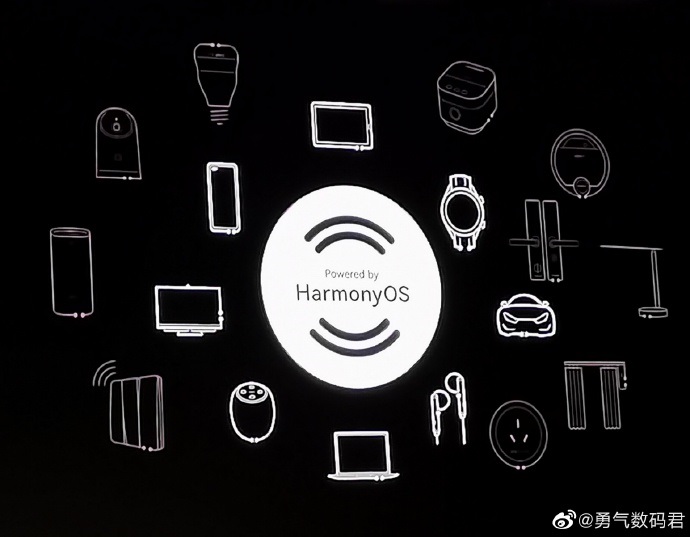
Huawei has recently started rolling out OTA updates that converted the UI on several of its newer devices from EMUI to HarmonyOS. Now, a few leaksters have claimed that they have received the full upgrade to the proprietary operating system.
According to a NotebookCheckreport, known Weibo tipsters including Changan Digital King and Digital Chat Station have claimed that they either heard of users receiving the major update of the HarmonyOS (AKA HongMengOS in China) or have received the new software themselves on their own devices. Similarly, a YouTube Channel CREATOR STUDIO has even posted a new video, which basically offers a walkthrough of what appears to be the new user interface on the Mate X2.
Looking at this video, the YouTuber claims that the foldable smartphone is running “HarmonyOS 2.0.0 Developer Beta 3.” Furthermore, the leaksters have also claimed that the update has been released to the end users as well. For those unaware, HarmonyOS is the Chinese tech giant’s in house OS that it claims was built from scratch from the ground up. Although, the numerous leaks that have surfaced recently reveal that its multiple homescreens, gesture based navigation, app icons and other interfaces resemble Android.
Keep in mind that this is still an unconfirmed report at the moment, so take it with a pinch of salt. Unfortunately, we will have to wait for more information to surface before providing any concrete statements as well. It is possible that the company is rolling out the new update in China in a staggered manner, so we can expect more devices to soon be included. Thus, stay tuned for more updates.
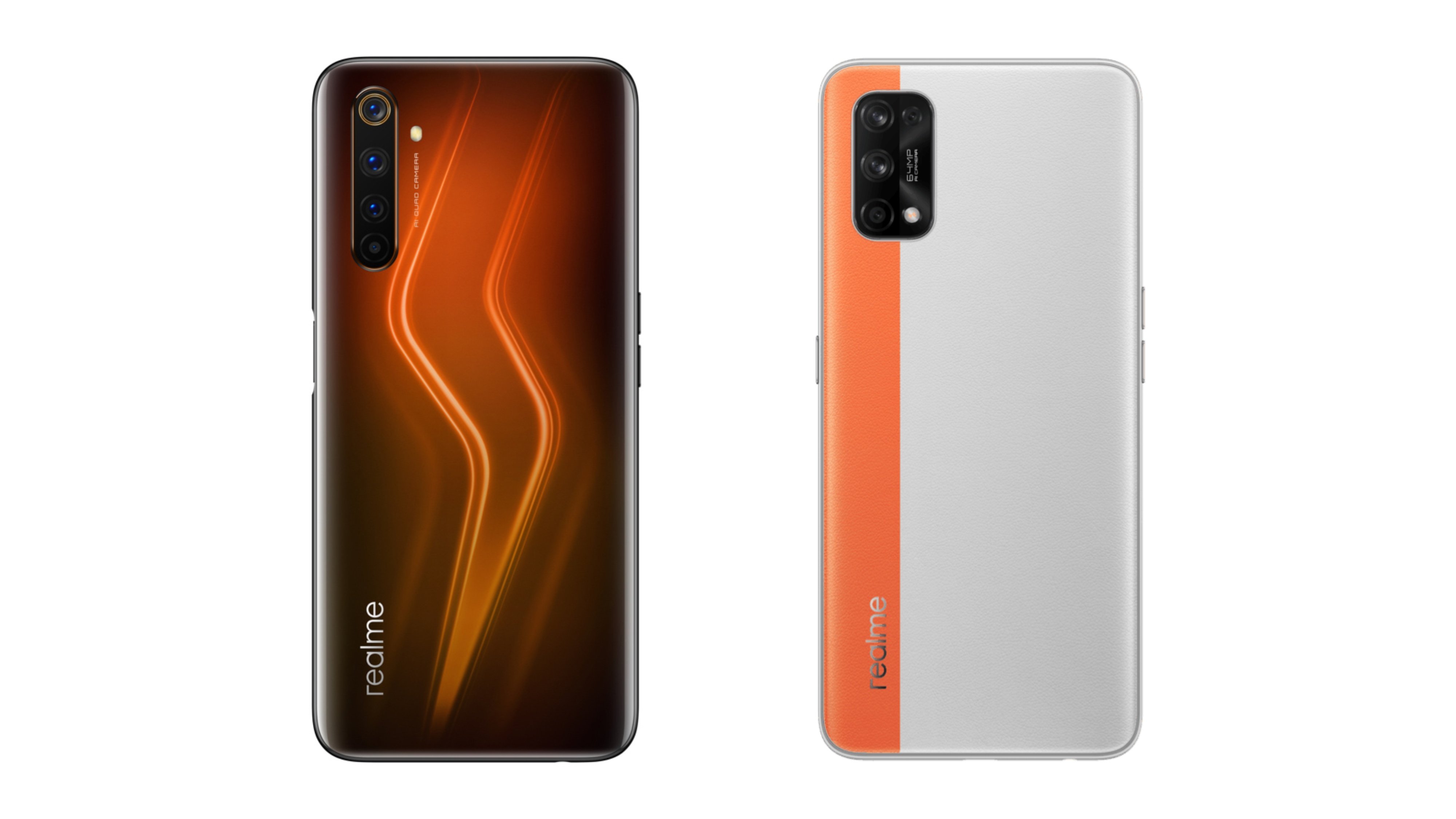
Chinese handset maker realme has been releasing Android 11-based realme UI 2.0 builds for eligible devices since September 2020. However, the brand has only updated a handful of phones to the stable version worldwide. Now, months later, the company’s popular realme 6 Pro and realme 7 Pro have started receiving the Android 11 stable update.
realme 6 Pro (left) and realme 7 Pro (right)
Both the realme 6 Pro and the realme 7 Pro debuted with realme UI based on Android 10. Though they were launched months apart from each other, they are getting the stable Android 11-based realme UI 2.0 update at the same time.
The latest system update for these phones arrives with the following firmware versions.
In order to receive the new update, users need to be on firmware version RMX2061_11.A.49 (realme 6 Pro) and RMX2170PU_11.A.37 (realme 7 Pro).
Anyway, like any other major system update, this one is also being rolled out in stages. Therefore, it may take some time to reach every unit. Also, it is worth noting that this update has been also released for users running the Open Beta build.
That said, users who don’t like the realme UI 2.0 update or facing any issues can roll back to Android 10 (realme UI). But that process will wipe the internal storage.
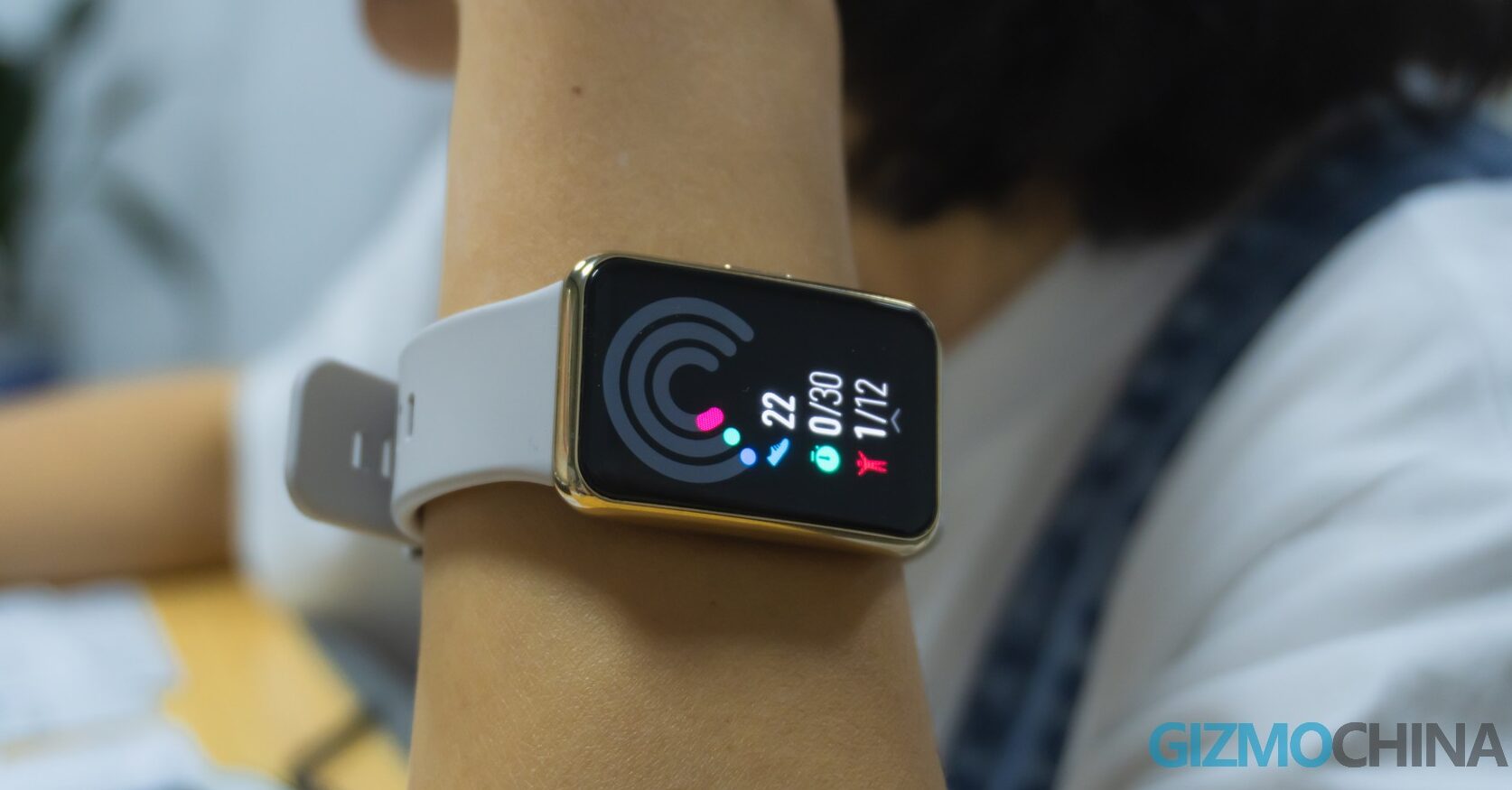
Like most electric devices, there are few options of smart wearable that really cares female users with fine design and exclusive features beyond tech things. But recently a latest HUAWEI smart watch caught my eyes, the HUAWEI Watch Fit Elegant Edition. As a female user, it’s my pleasure to give you a picture how the watch performs from a female perspective, after seeing most review works were done by non-female peers.
Design
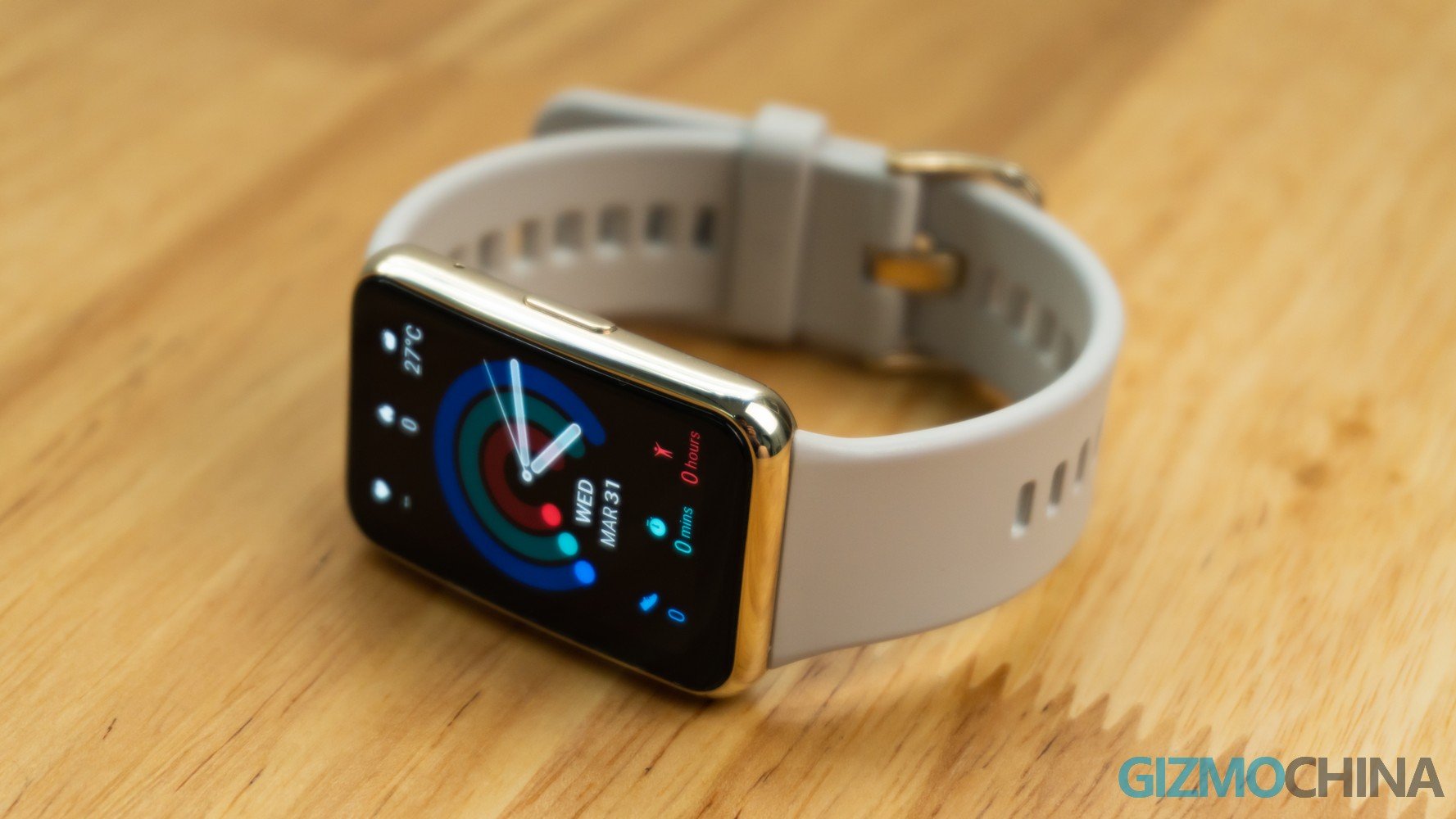
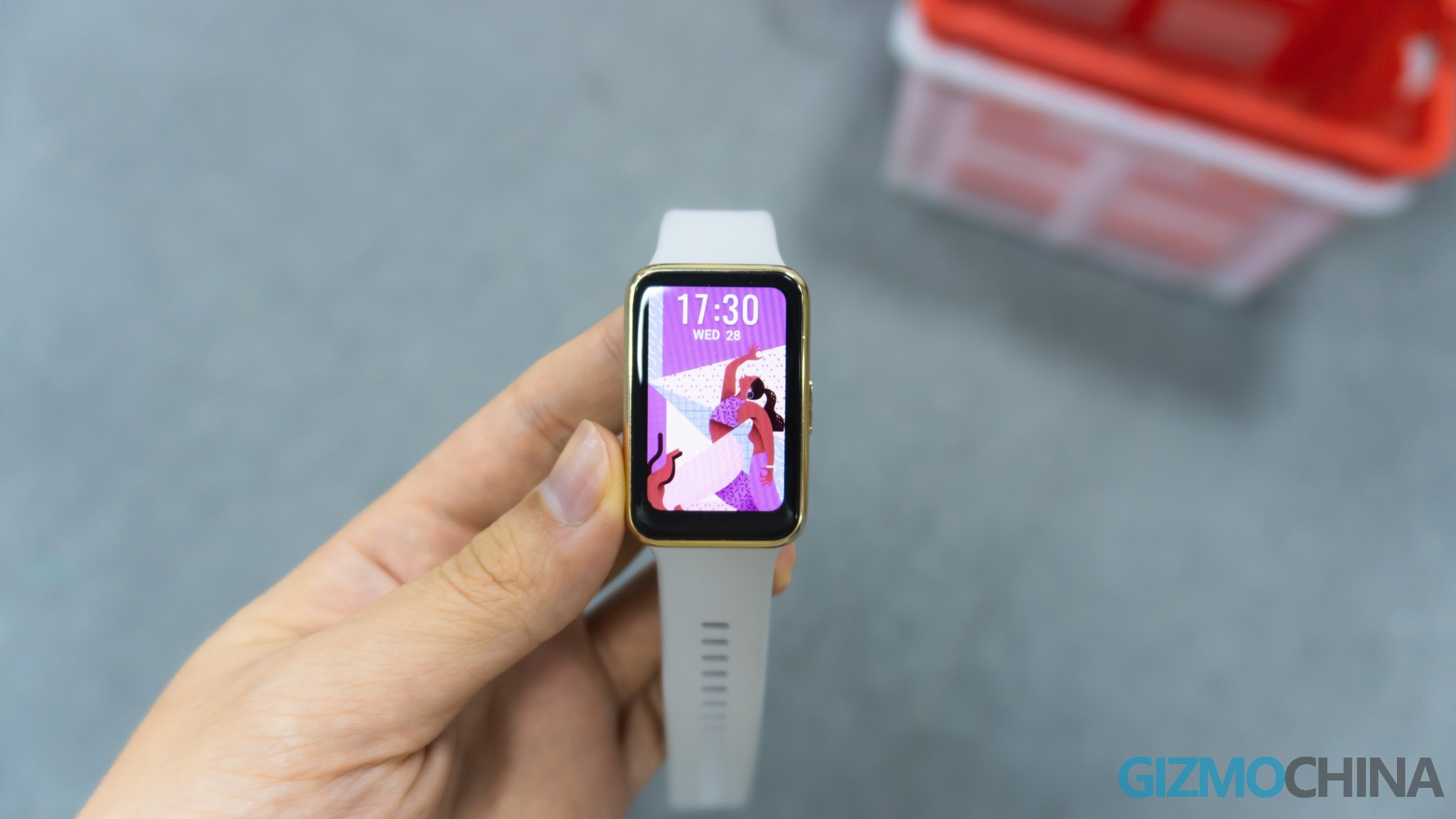
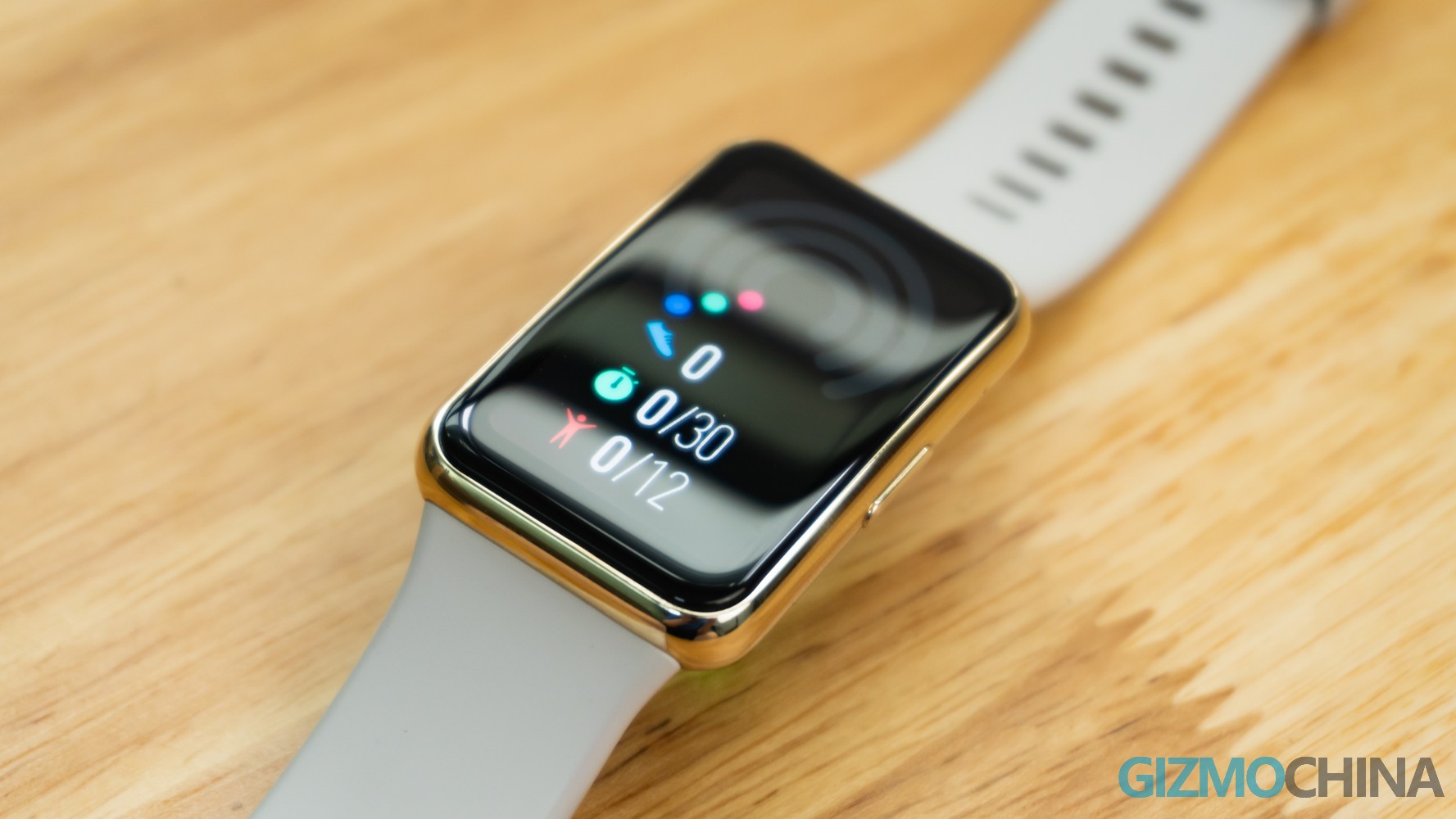
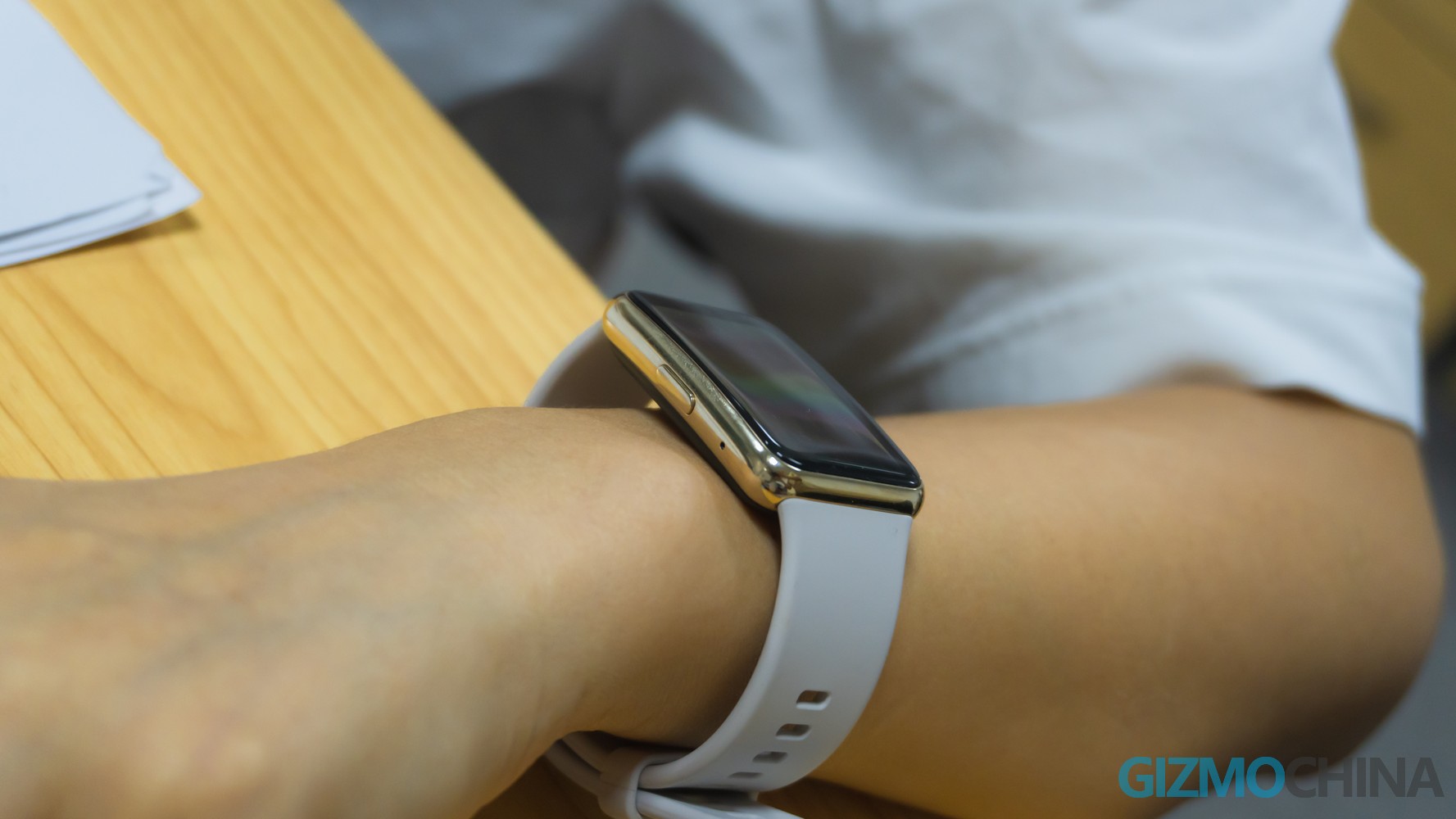
The very first good detail of the Watch Fit is the rectangular 2.5D curved display. And it truly means that the dial is curved with a beautiful arc to fit the surface of my wrist, which smartly makes it not to bump up too much over your wrist. Personally, a big display is really not necessary as it is unavoidable to have a bigger size of dial. It generally looks strange when those full-size wearables occur to my thin wrist. Wearing the Watch Fit (1.64-inch display) I didn’t have this concern. The Watch Fit (size: 46mm×30mm×10.7mm; weight: 27g) is lighter and thinner than most full-function smartwatches that I’ve ever tried.
The included off-white strap with the polished golden watch frame looks pretty stylish for female users. And more importantly, it didn’t make me spend much time again thinking about how to match my clothes with a smart wearable. Casual, formal or sports dress with this watch is very suitable, and it wouldn’t be abrupt or even too distracting.
Water-proofness
Another feature that saved my life is the so called 5ATM water-proofness. The official explanation says the watch could be used for shallow-water activities like swimming. For me, it’s a greatly release that I didn’t need to take down the watch as I’m cooking at home, where I relied much on the watch features like timer and stopwatch. The dial didn’t leave a little water stain after drenching.
Sports & Health tracking
At the beginning, I thought like the other watches, it would provide the similar sports modes with good sport data collection and display. However, it offers more than what I expected. Besides the 96 workout modes with reliable sport tracking, it can work like a private trainer by offering 12 kinds of animated fitness courses (Exercise at Work, Neck & shoulder Relaxation, Burn Fat Fast, etc.) these animated courses includes 44 standard movement demonstrations which perfectly guides your workout without any equipment.
And the other lasted wearable fitness trackers like the build-in GPS sensor, all-time heartrate monitoring and Blood oxygen saturation monitoring are all included in the Watch Fit. Furthermore, it’s so warm that the watch features a Period-cycle tracking specially for female users. With this feature on, the watch kept tracking the cycle and estimated ovulation date for me, and sent me reminders to let me know the special days coming. I’ve used several phone APPs that have the similar functions, but a wearable product is definitely more convenient to keep me better informed.
Battery
By far I’m satisfied with its battery standby. With almost all important functions on, the watch has lasted for one week without charging. HUAWEI officially claimed it can last for 10 days and can collect back the power for a whole day with only a 5-minute fast charge. The official claim sounds good but I didn’t really care much about it since I only required it to give me a continuous use for the whole week.
Conclusion
I used to complain with my friends about why most tech-thing producers do not seriously think about forms and functions of their products from the perspective of women. But now it seems someone is reviewing their products seriously. The HUAWEI Watch Fit is likely to be the first few products thinking about it seriously.
The new technology is not necessary to come with some kinds of ‘technological sense’, but more importantly, when transforming it into products for all human uses, I think it should be more humane and warmer. Fortunately, at least on the Watch Fit, I saw their efforts.
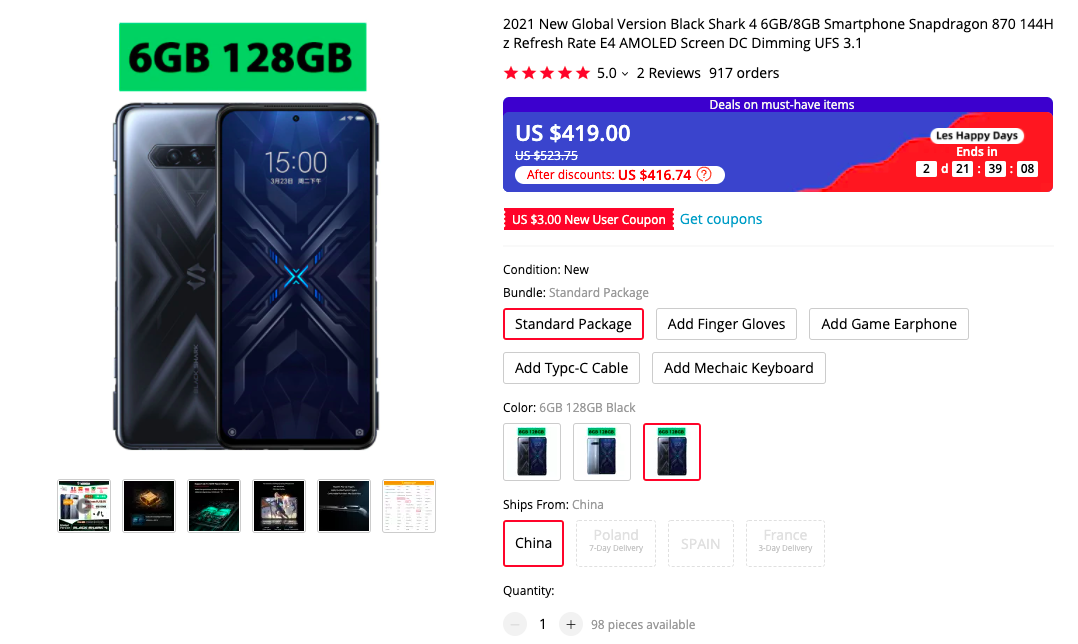
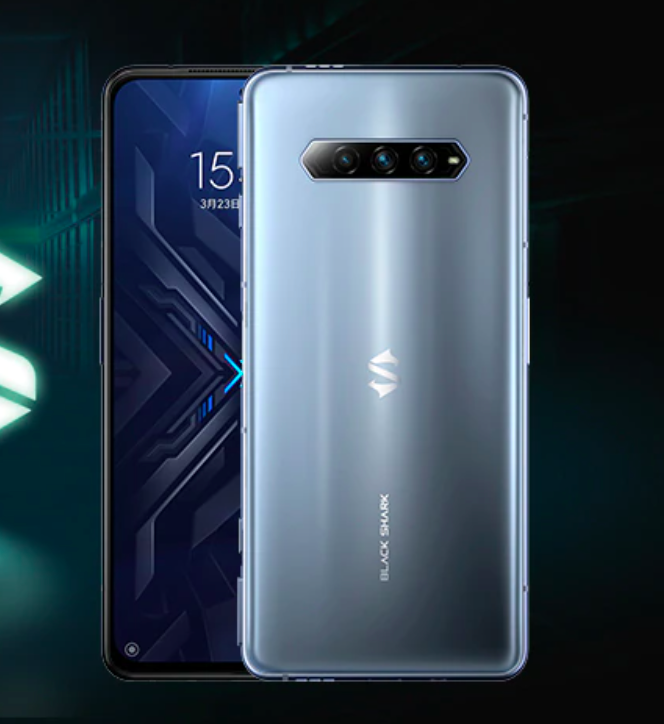
Black Shark in collaboration with AliExpress Les Happy Days deals is giving out some fantastic discounts on their latest smartphone the Black Shark 4. The smartphone which generally retails for $528 is now available for as low as $416.74 only via the Les Happy Days sale.
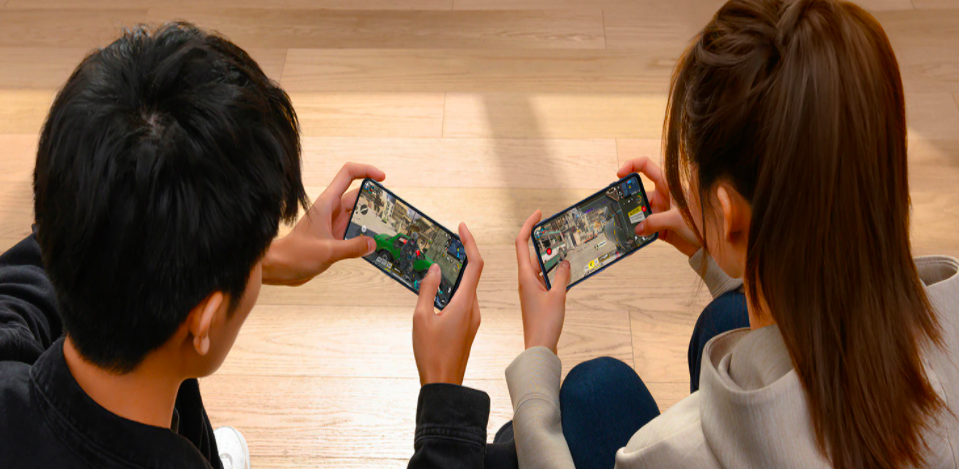
The gaming phone is powered by Qualcomm Snapdragon 870 processor and comes in two memory variants viz: 6GB + 128GB and 8GB + 128GB. The highlight feature of Black Shark 4 lies in its uniquely designed magnetic pop-up triggers which rise when playing a game and retract when not in use. The highly durable physical triggers give you a comfortable push back after each press thereby adding to the fun factor of your gameplay.
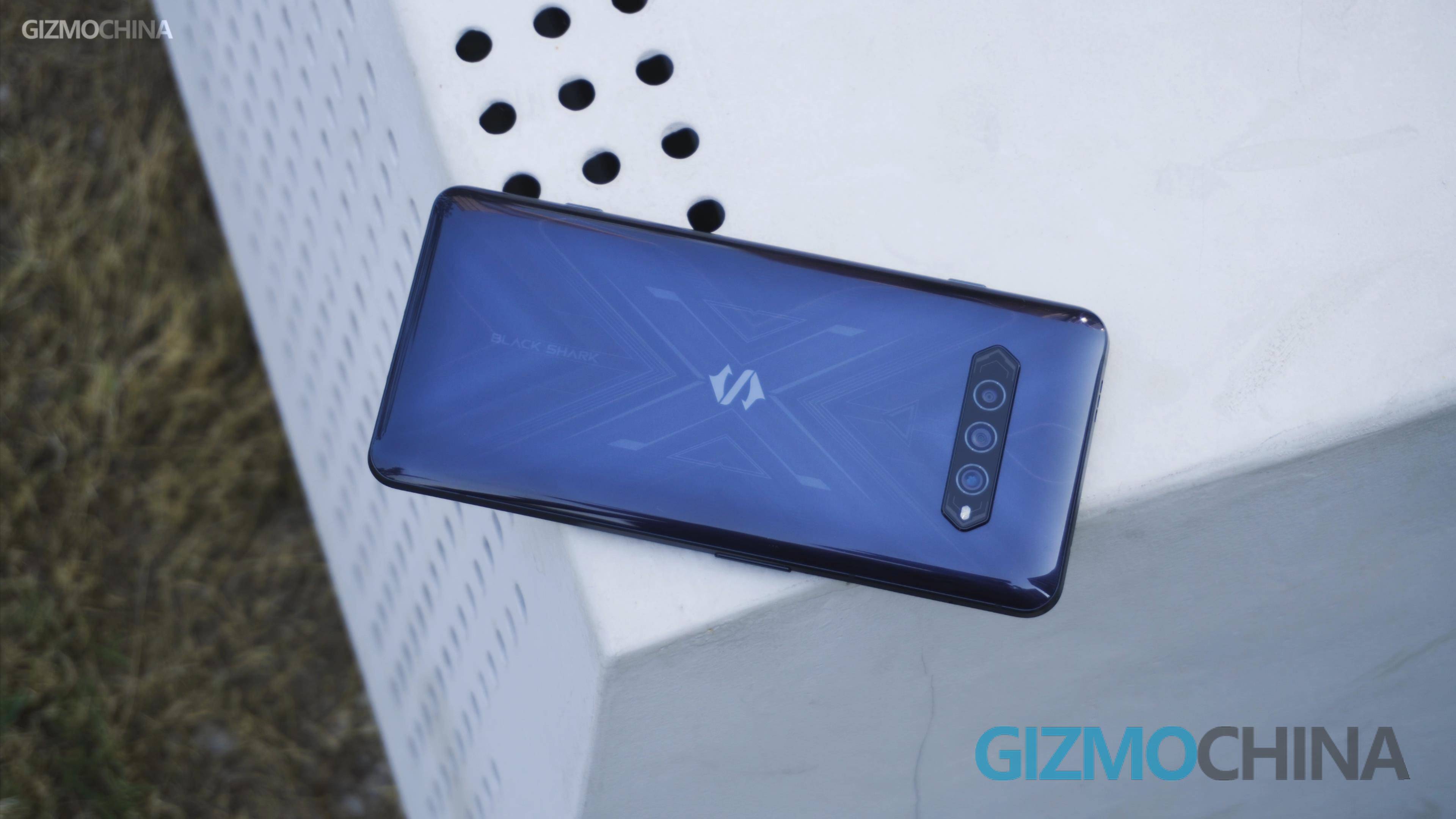
Unlike its competitors, this smartphone comes with a minimalistic and sleek design but does not compromise on features or functions. The device sports a simple gradient rear panel with a triple camera setup at the top featuring a 48MP main camera and 8MP and 5MP secondary cameras while the front features a 20MP punch-hole selfie camera.
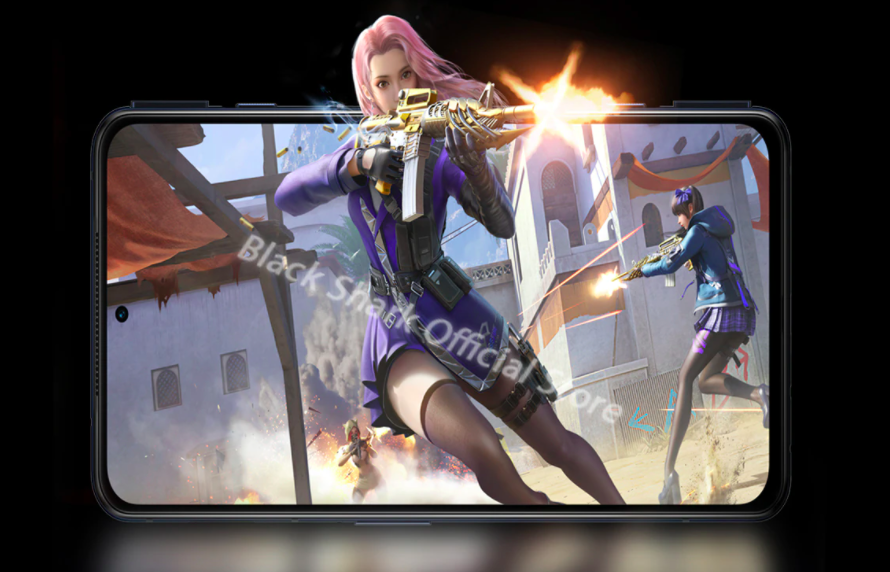
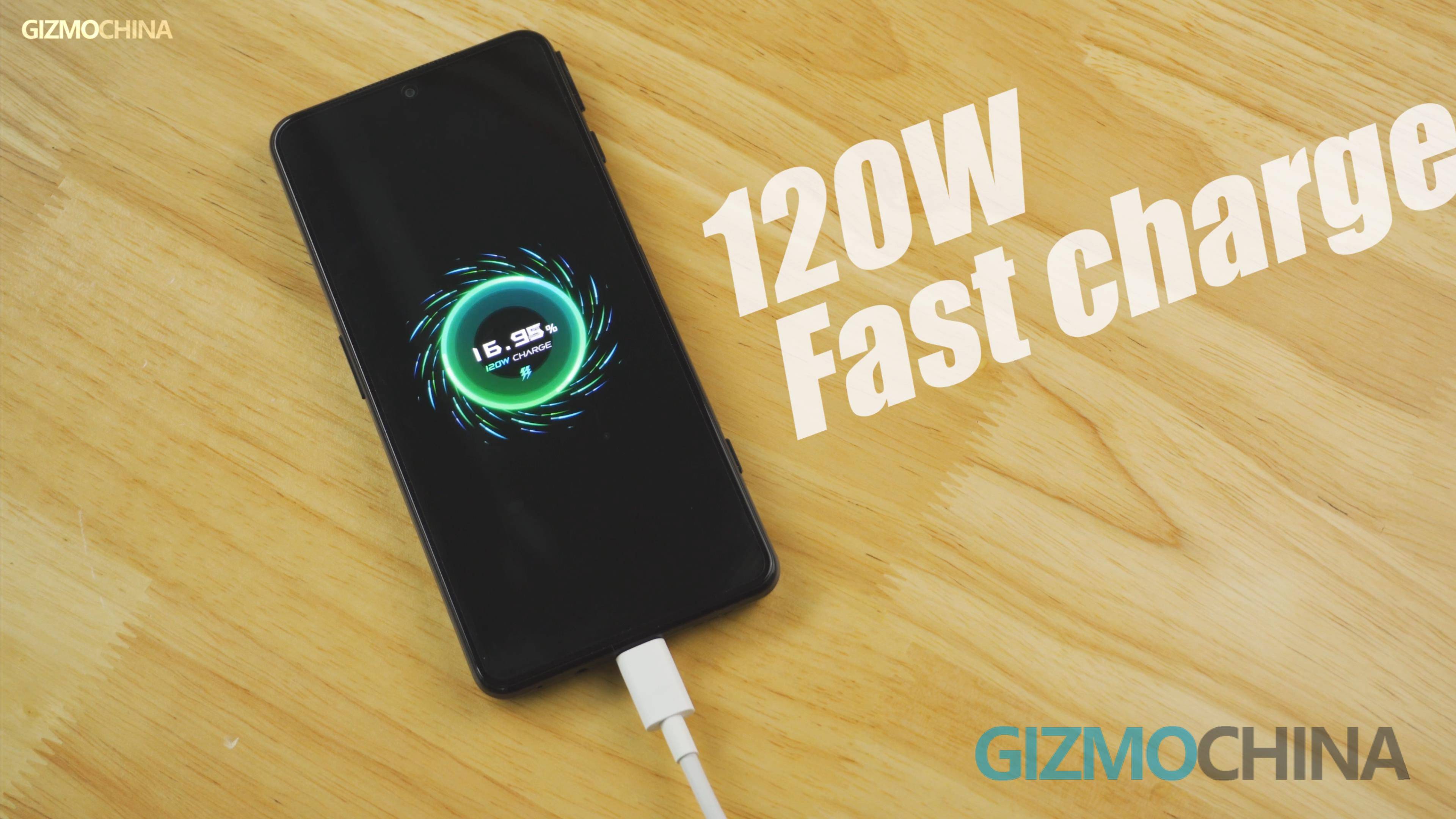
A massive 4500mAh battery fuels this gaming smartphone which also supports 120W HyperCharge. This means you get to 100% charge in just 17 minutes. The smartphone which comes with a 6.67” Samsung AMOLED screen uses a new generation E4 luminous material which improves the brightness and brings unprecedented super visual effects. With a record-breaking 720Hz touch sampling rate and a high-quality fully symmetrical stereo system you can be assured to have the best gaming experience on Black Shark 4.
Black Shark in collaboration with AliExpress Les Happy Days sale is now giving massive discounts on its latest smartphone, the Black Shark 4, Global Version. In this sale you can buy the Black Shark 4, 6GB + 128GB Black color variant for $416.74 (after discounts) and the 8GB + 128GB, Black and Grey color variant can be bought for $449 (after $30 store coupon discount).
Please note that the Les Happy Days sale starts on 28 April 2021 and ends on 30 April 2021. So without wasting any more time grab your discounted Black Shark 4 within the next two days, before the deal expires.
For more information on such exciting deals and offers check out ourdeals hub.
When it comes to gaming phones, Black Shark is a brand that cannot be ignored. Most of you already know that this brand is focused on gaming phones since it was founded back in 2018, but how about the fact that the brand is invested by another well-known brand, Xiaomi. So on these Black Shark models, some features remind us of the typical Xiaomi touch, such as the operating system based on MIUI, and, of course, the great value of money.
So today, the phone that we are going to share with you is one of their latest gaming models, the Black Shark 4. The main reason why we love this model is the pricing. The global version of the Blackshark 4 starts from 499 USD and is officially available now. It’s easily the most cost-effective gaming phone that you can buy globally in 2021. So if you are thinking about buying the Black shark 4, please check the link here. Considering its popularity in China, we’re pretty sure that it will soon be out of stock.
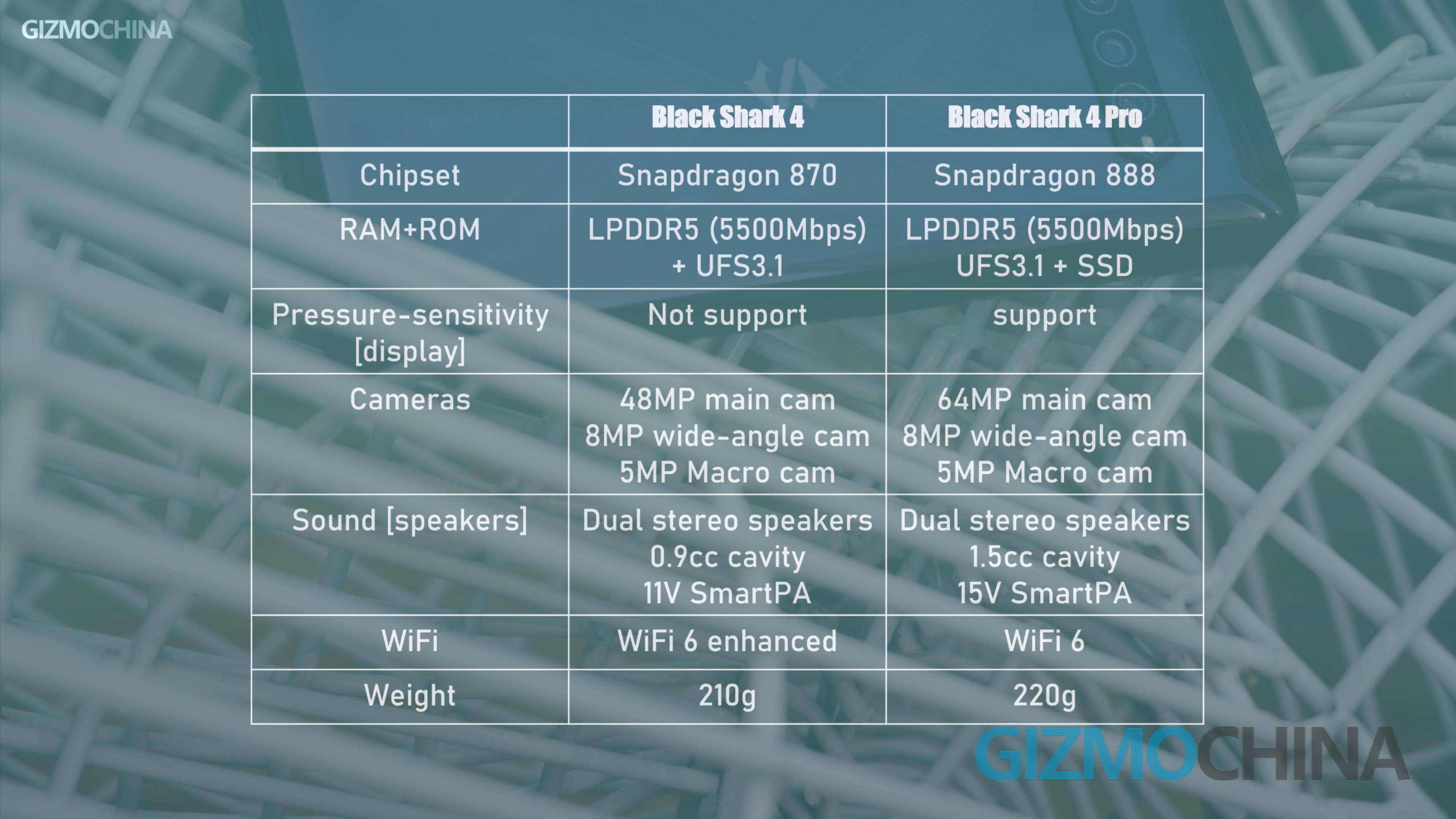
And even when compared to the Pro version, there’s no doubt that the standard Blackshark 4 is better value for money. You can check the comparison down below. To be honest, most upgrades on the Pro didn’t lead to a big difference in the gaming experience.
Black Shark 4 vs 4 Pro
Black Shark 4 Review: Design
The Black Shark 4 series’ design has changed a lot compared to their previous models. Now the Black Shark 4 looks much closer to a regular phone, being simplified and low-profile. The phone no longer has uneven surfaces with a combination of metal and glass on the rear design. Instead, it’s made up of a whole piece of smooth glass reshaping the phone’s appearance and giving gamers a different holding experience.
But thanks to the pop-up shoulder triggers, the Blackshark 4 is still one of the few gaming phones that offer the best gaming operation. Compared to others’ touch or pressure-sensitive buttons, the pop-up triggers can provide more intuitive physical feedback and give gamers a similar gaming experience to the gamepads.
About these two buttons, you can also customize them for special uses in different scenarios beyond gaming. For example, we can define the bottom Trigger as the switch of the one-hand mode to greatly improve the efficiency during one-hand use and even customize the top button for instant screenshots. And in the camera app, we can use the bottom button as the shutter button, while keeping the top one for zooming in. And by the way, the simulated mechanical sound effect of the trigger switch is so delightful that I can’t help sliding it from time to time.
As a gaming phone, the Black Shark 4 is not too heavy or bulky. It won’t cause much discomfort for long-time gaming. But at the same time, the relatively compact body does not allow the phone to feature a large battery as compared to other gaming phones. Therefore, to make up for the 4500mAh battery, Black Shark surprisingly features a 120W fast charging, which is one of the fastest charging solutions that you can have on a smartphone so far.
Black Shark 4 Review: Display
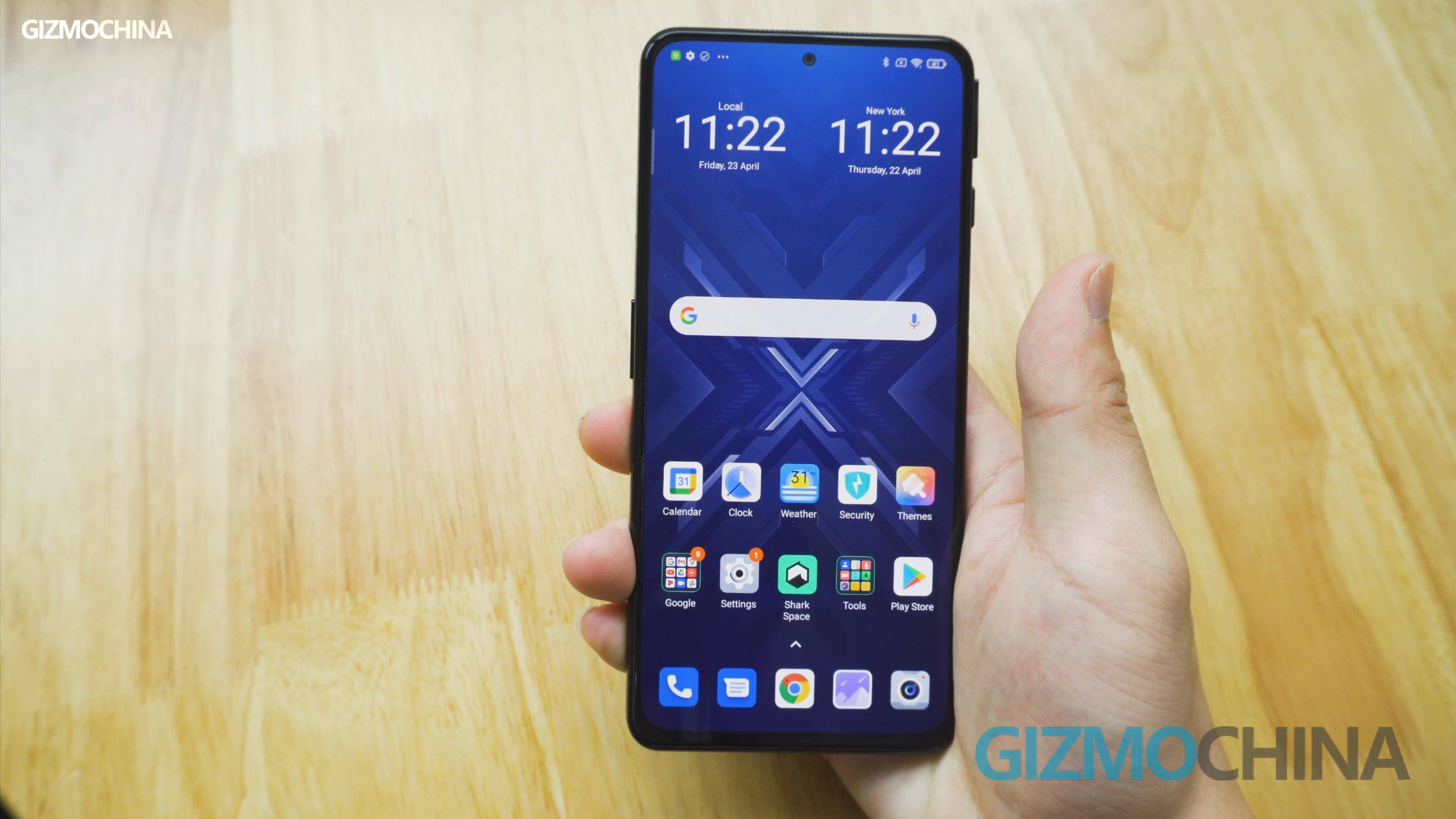
Now let’s look at its front. The Blackshark 4 features a 144Hz 1080P hole-punch display. And this display is made of the same Samsung E4 panel as the Mi 11 series, so there is no need to worry about the display quality. In the actual test, my eyes didn’t really feel discomfort after playing games for a long time on the phone.
And thanks to the dual forward-facing speakers, the phone is really good at delivering wonderful sound quality with stereo effect without using earphones. Or if you prefer wired audio quality rather than using the speakers, Blackshark was kind enough to reserve the 3.5mm headphone jack at the bottom.
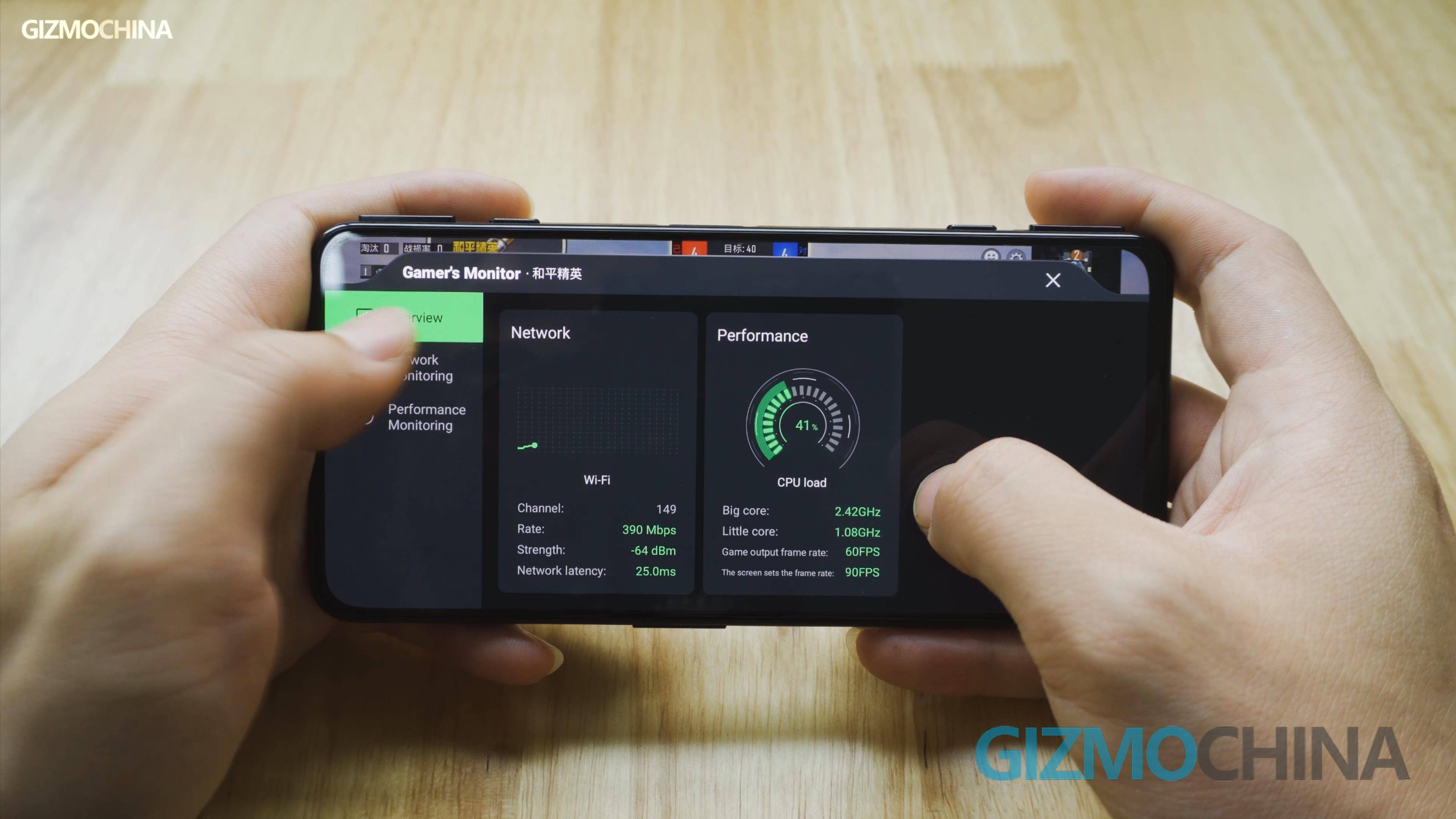
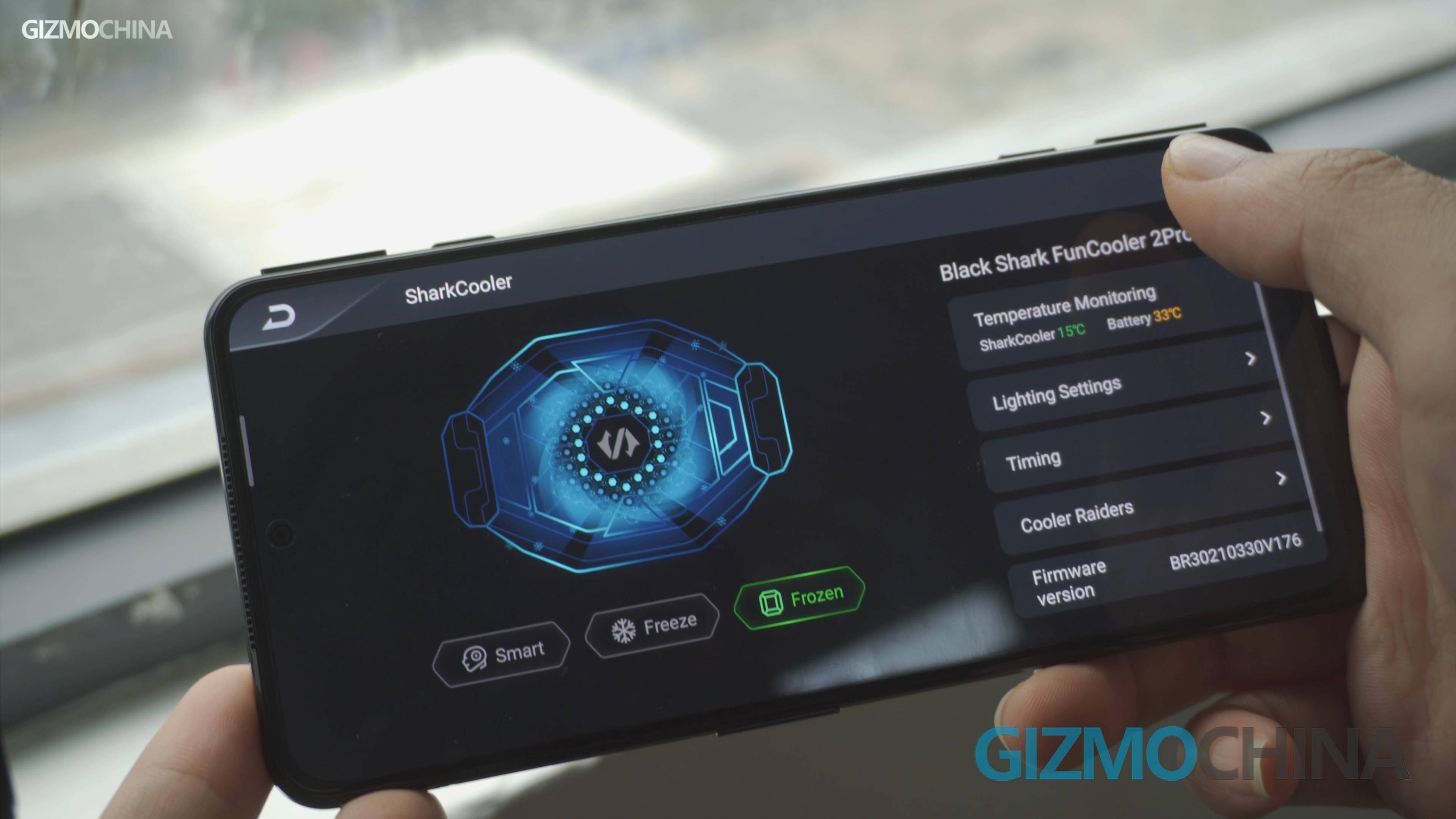
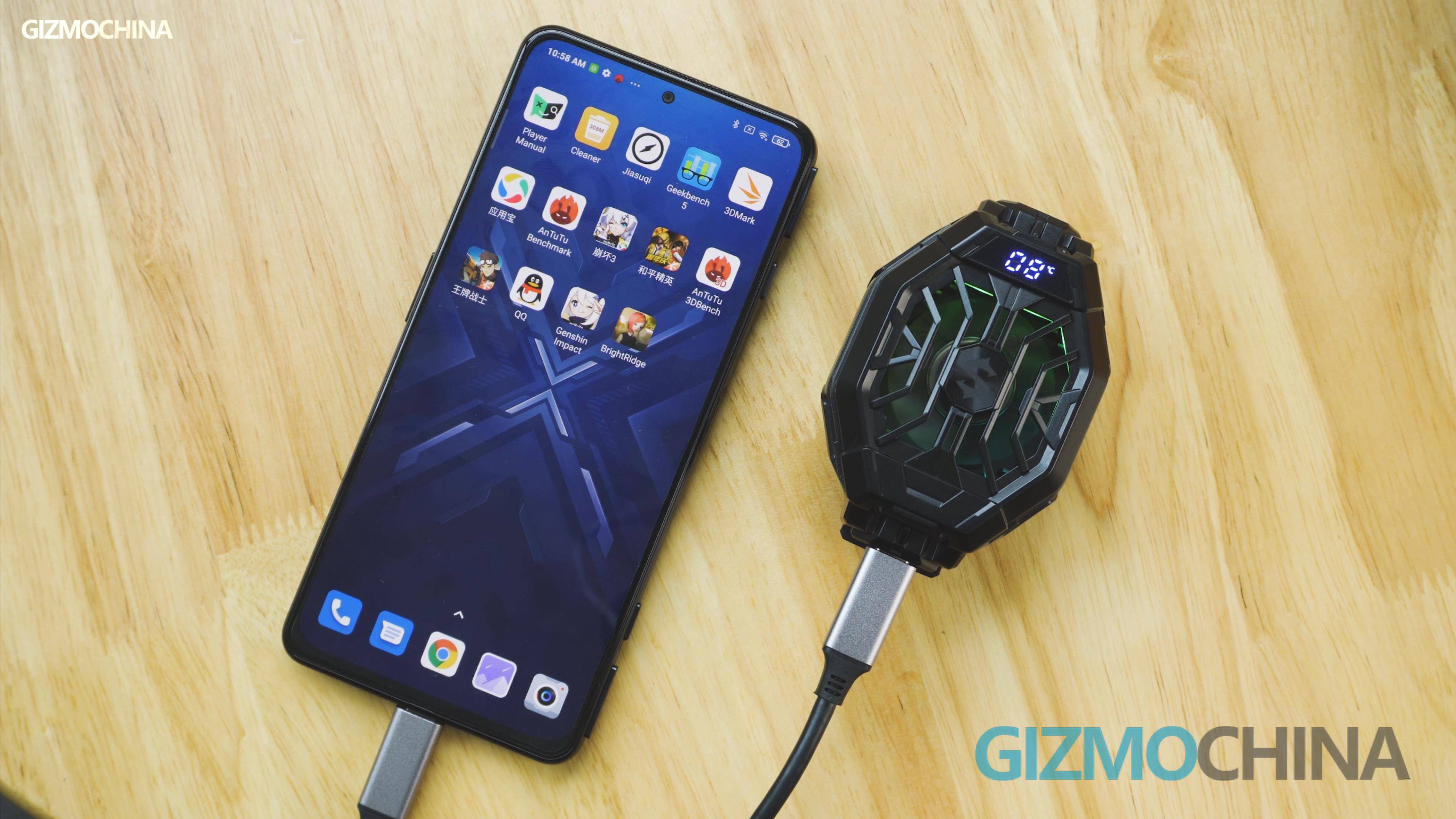
As for in-game software optimization, Blackshark developed an official app to help you manage installed games with a customized running performance setup. And if you are fond of using the official accessories, you can also manage the setup of these gaming equipment in the same app. Among these gaming accessories, there is an excellent cooling fan accessory that helps the phone achieve better performance output without suffering any heating issue. It’s the latest Funcooler 2 Pro.
This external cooling fan is easily the best one that we’ve ever used. We will show you its cooling effect in actual gaming very soon.
Black Shark 4 Review: Performance & Gaming
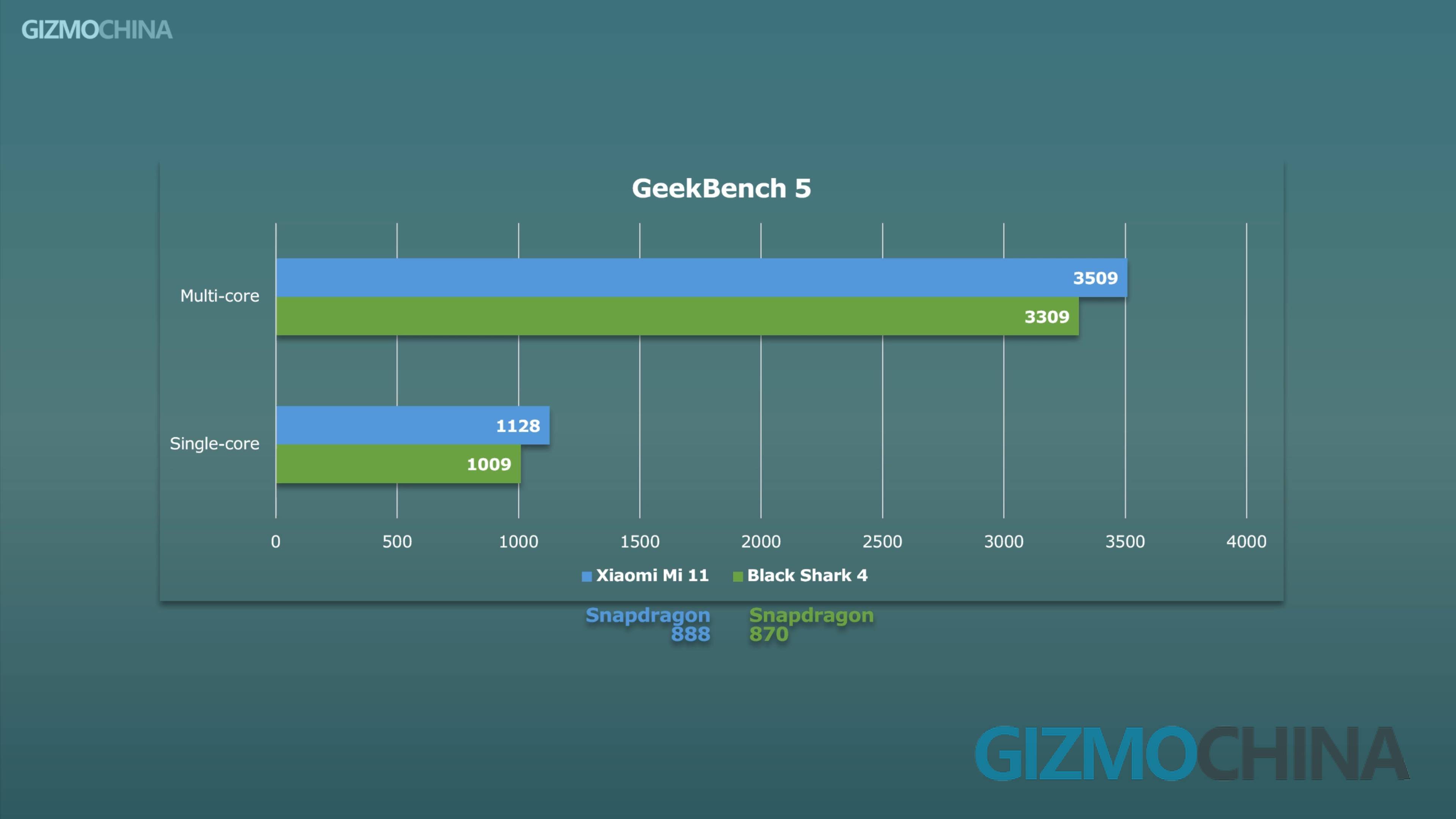
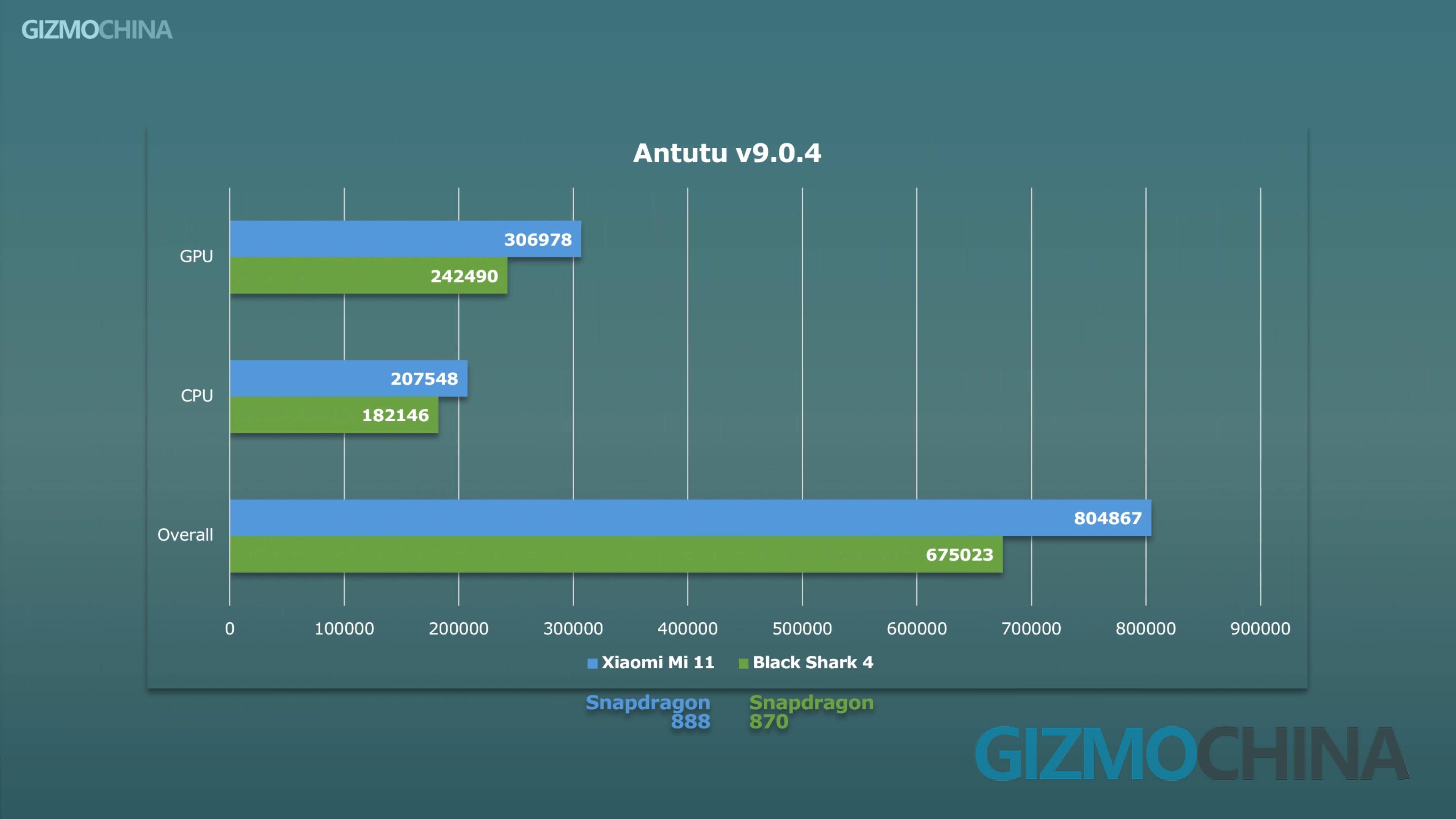
The Snapdragon 870 chipset in the Blackshark 4 is already able to handle almost all Android games without any performance issues. Although the results shown in the benchmarks indicated a performance gap between the 870 and the 888 chipsets, in actual use and gaming, the experience gap is really unperceivable.
Geekbench 5
Antutu
Now let’s check out the results of actual gaming.
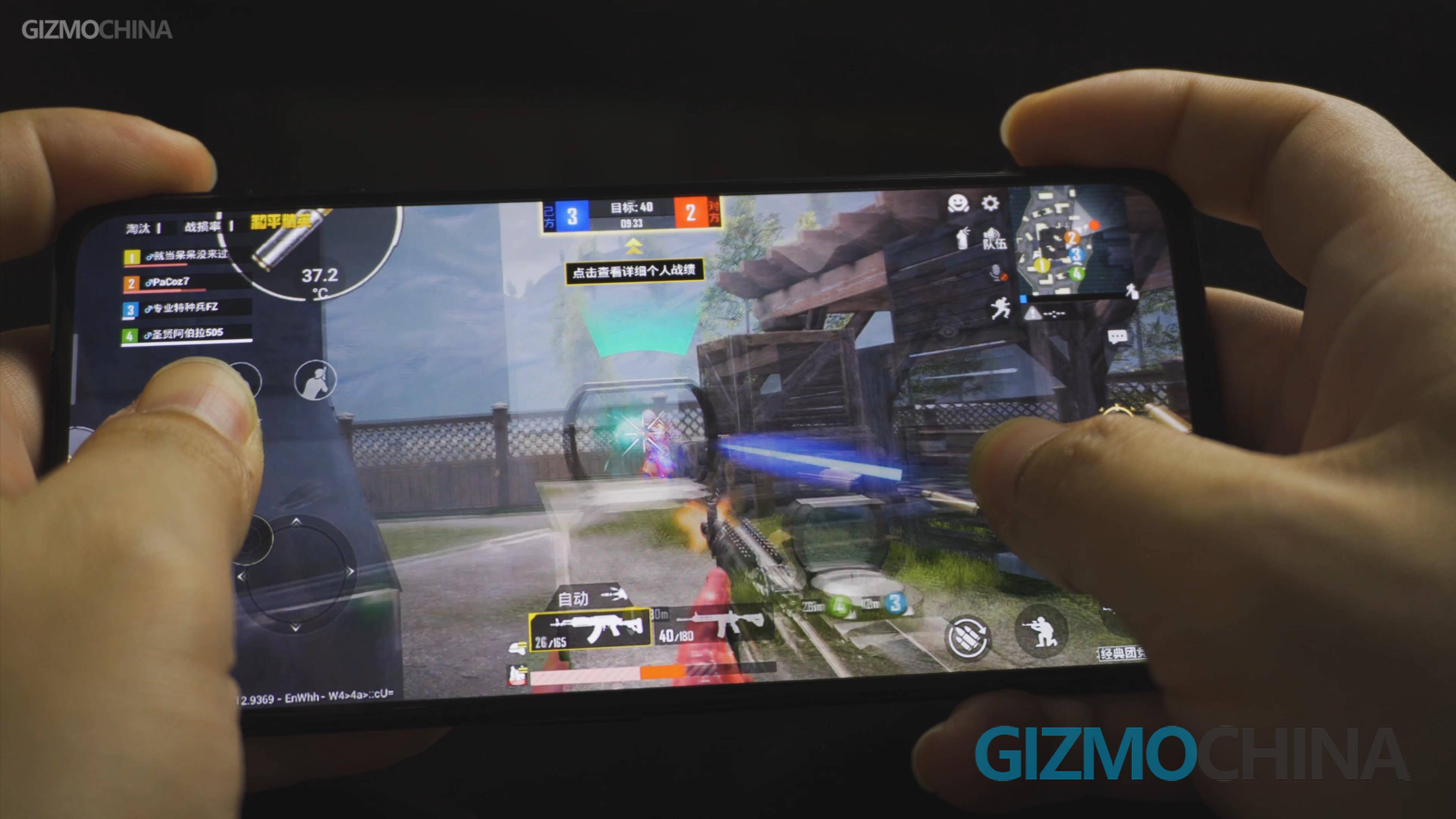
In the PUBG Mobile China version, we found a way to turn on 90fps framerate support under HDR graphics on the Blackshark 4. But by far this method is only available on Blackshark 4 and doesn’t work on the other latest models. The framerate easily went up to 90fps and remained at 89.04fps on an average during the entire test. By the way, gamers would definitely enjoy playing the game with the pop-up triggers. They are the best shoulder buttons for the PUBG Mobile that we’ve ever played with.
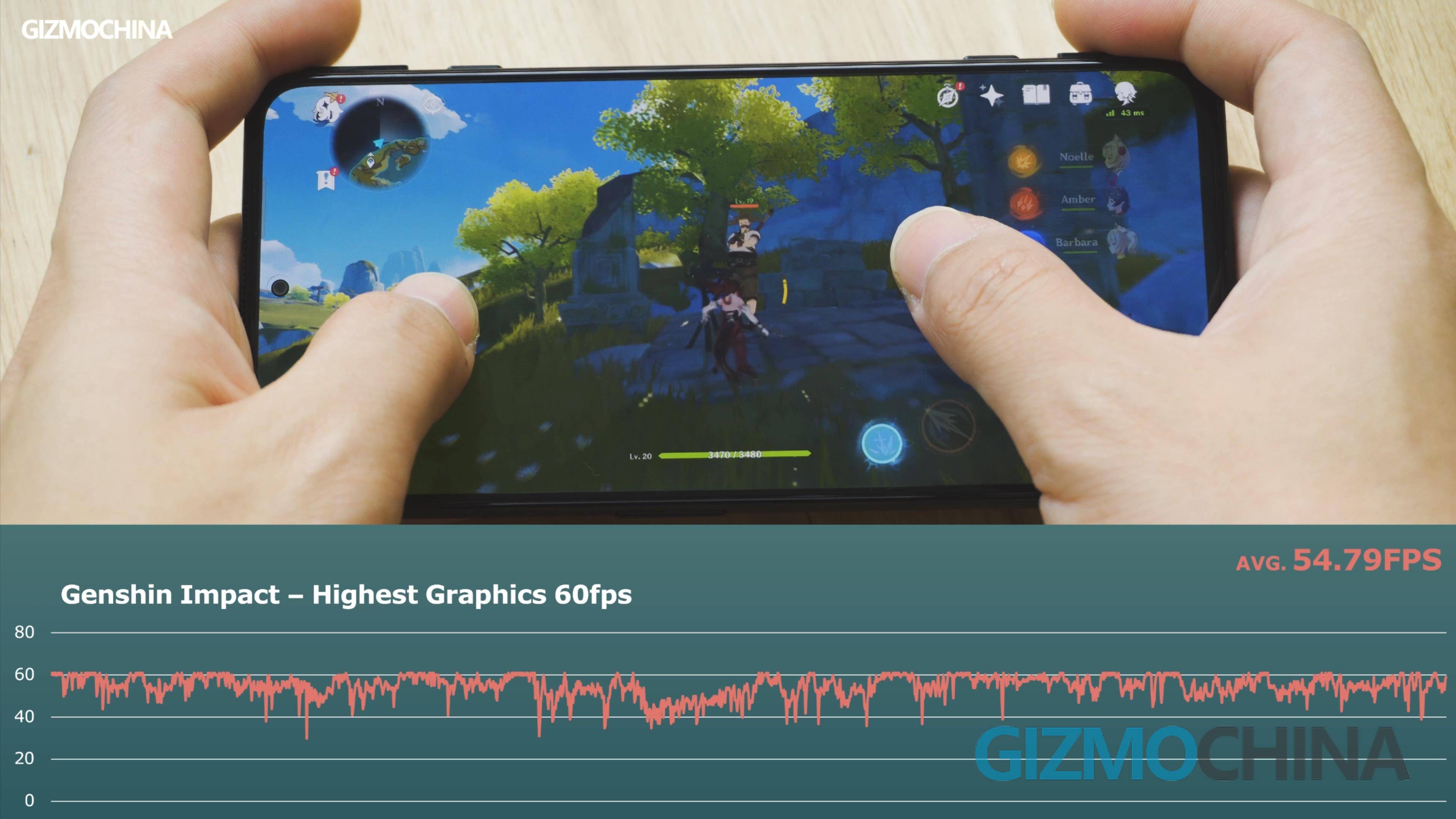
The second game we ran was Genshin Impact. The Blackshark 4 again presented excellent stability over the running framerate. There wasn’t much fluctuation during the 30-minute test and meanwhile, it maintained an average framerate at 54.8fps, which is also one of the best performances that we’ve tested on a phone running the Snapdragon 870.
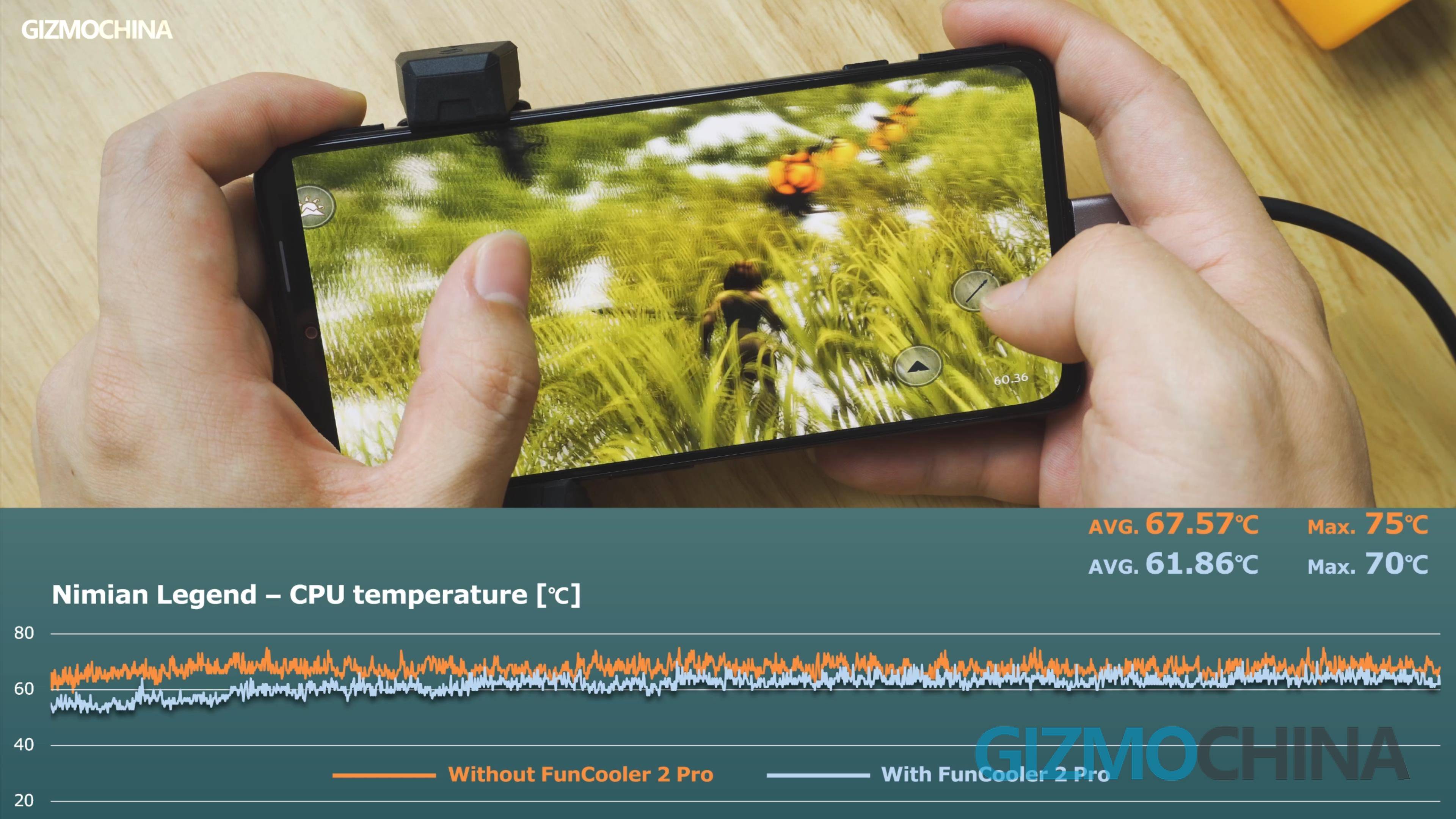
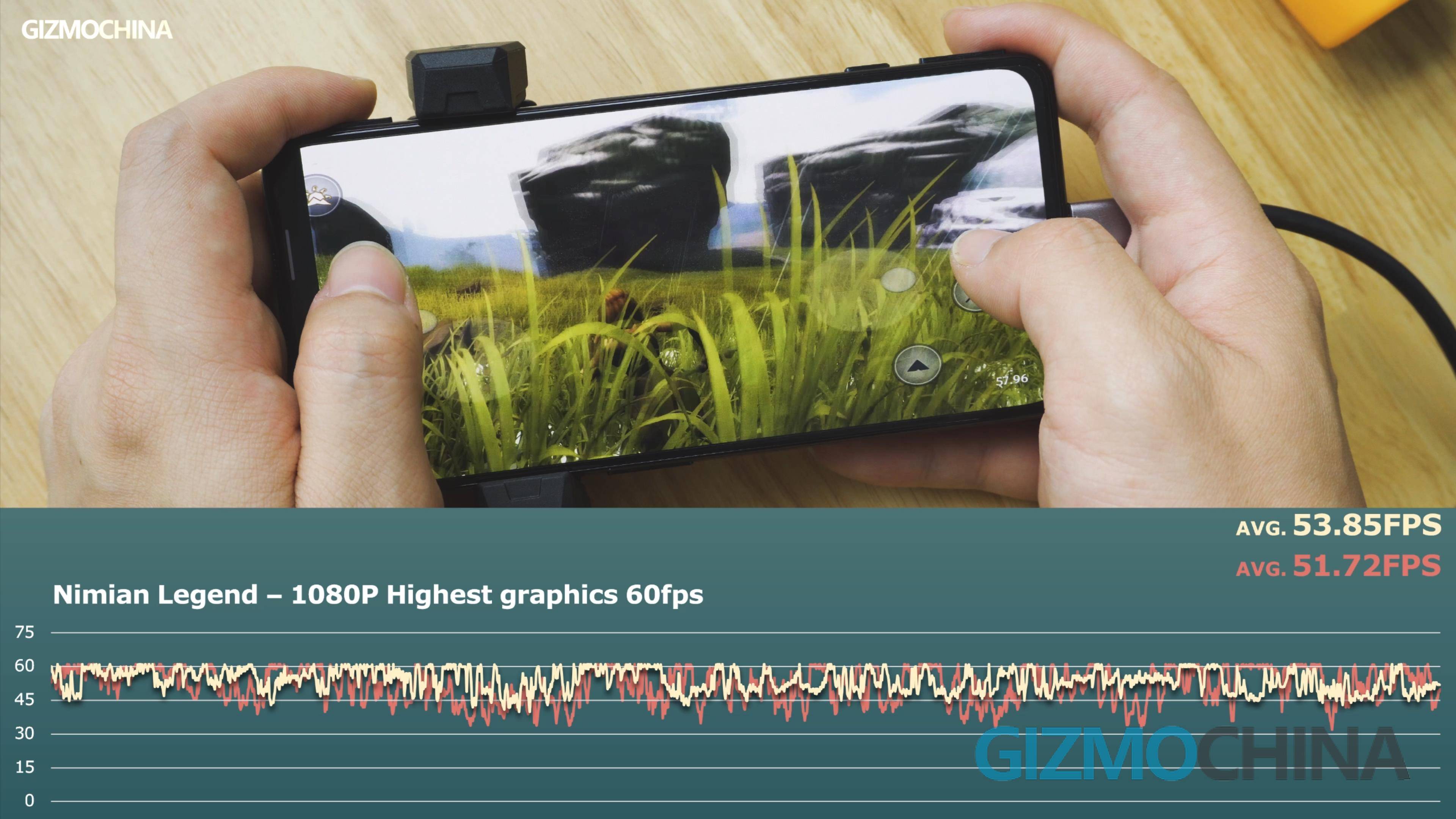
Then we ran the game Nimian Legend as our final stress test. The result was also not bad at all. The average framerate of 51.72fps also proves its strength as a gaming phone. But meanwhile, if we look closer at the CPU temperature, it’s obvious that the phone applied such an aggressive CPU strategy that it even allowed the CPU temperature to run up to 72℃. And it also led to a pretty hot holding experience.
Then we decided to connect the official cooling accessory, the Funcooler 2 Pro. Well, this cooling monster didn’t disappoint us. In its frozen mode, the CPU temperature dropped by over 5℃. And over the running framerate, it achieved an improvement of around 2.1fps with less fluctuation. Even if you are not playing games with Blackshark phones, we still recommend it as the best phone cooler for you.
Black Shark 4 Review: Battery Life & Charging
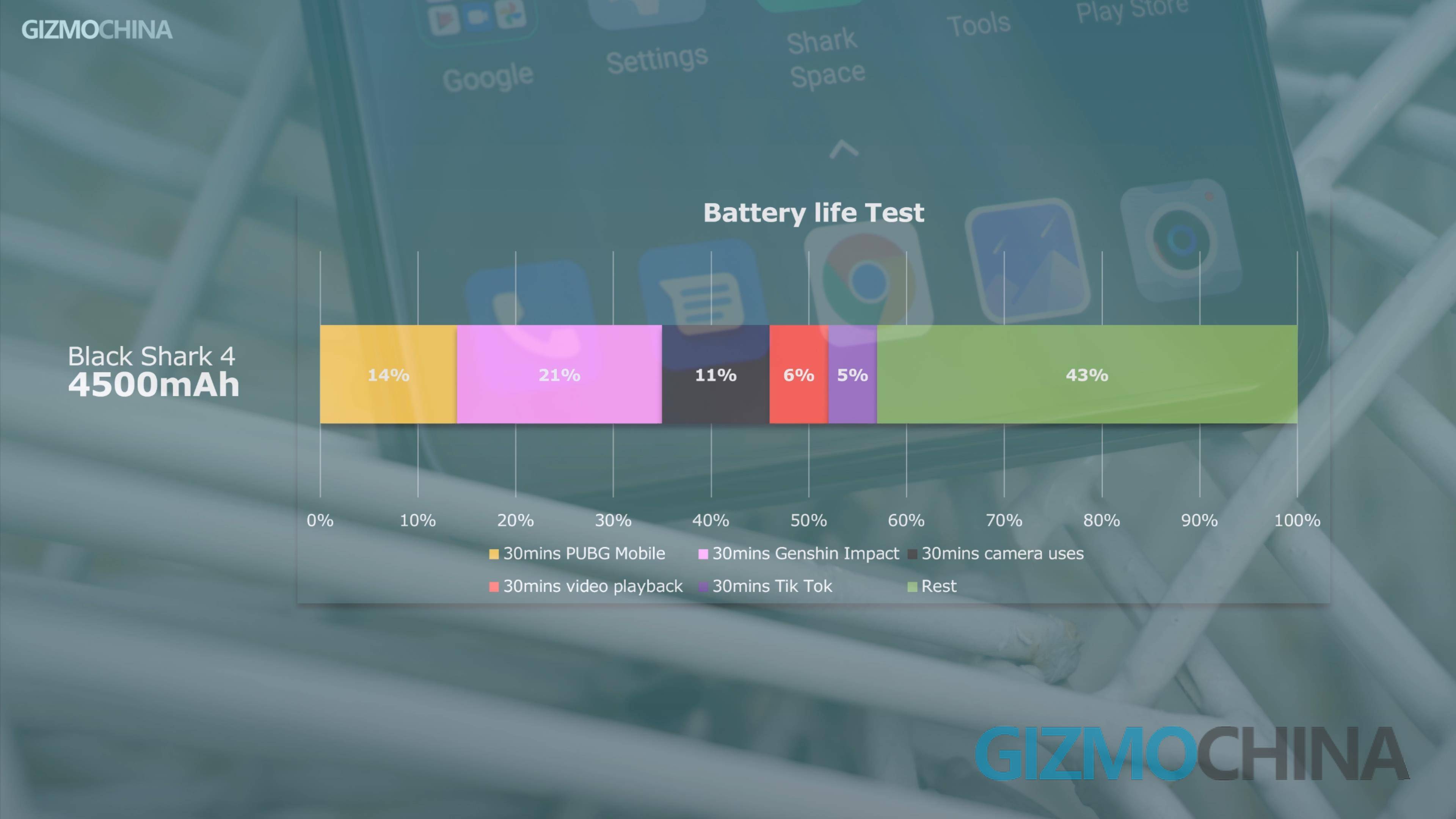
The battery life of the 4500mAh capacity didn’t bring us surprises, and this battery doesn’t really match its performance as a gaming phone. But fortunately, we have the 120W fast charge, which greatly comforts my anxiety every time it’s running out of power. The full charge only took us 16mins. Yes, 16 MINUTES! It’s pretty insane when you look at the rapidly rising battery percentage.
As for the audio quality of the speakers, there is nothing we could complain about. All we can say is that the speakers here are also one of the best stereo mobile speakers.
Black Shark 4 Review: Verdict
Unlike the Legion 2 Pro that we reviewed last week, the Black Shark 4 seems to care more about the balance between being a phone and a gaming machine. Probably you would complain about its common appearance, but if you truly use it for gaming, it won’t disappoint you with the excellent performance and friendly operation.
In addition, Black Shark has developed some interesting gaming accessories for their phones. So if you are not satisfied with the performance of the model, those kinds of accessories are able to improve your gaming experience to some extent.
If you are interested in more details about the brand and the phone, please check out the link here. It’s now available globally.
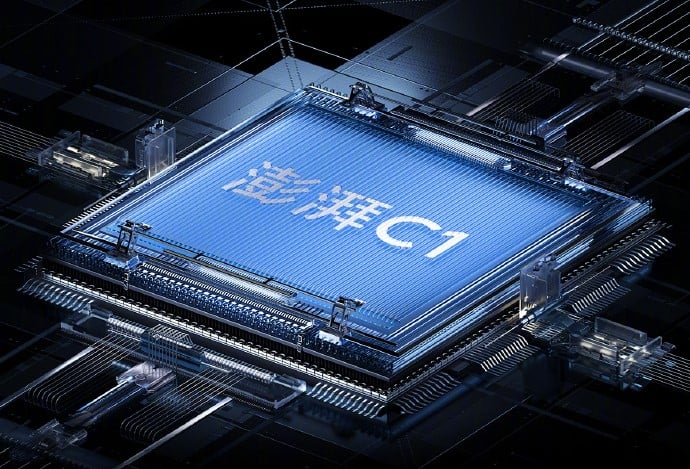
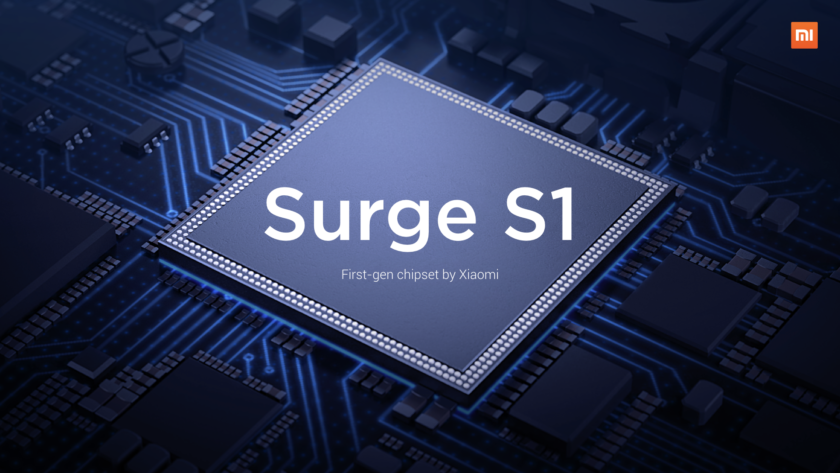
Xiaomi and Samsung have apparently partnered up to produce a new custom silicon. The two firms have reportedly held five meetings so far regarding the development of a SoC based on ARM Cortex X2 cores.
Surge C1 chip
According to CLIEN.NET (Via NotebookCheck), ARM has yet to announce the Cortex X2, although, the new architecture is expected to be unveiled later this year. Similar to the partnership between the Chinese and South Korean tech giant, Qualcomm is also expected to adopt the new v9 architecture for its upcoming flagship SoCs. Even Samsung would likely use the new cores for its competing Exynos based processors as well.
Unfortunately, this is still an unconfirmed report so take it with a pinch of salt. However, we had previously reported on the Chinese smartphone maker showing interest in developing custom silicon based chips, and this might be one of its efforts regarding the matter. So stay tuned for more, as we will be providing updates when additional information is available.
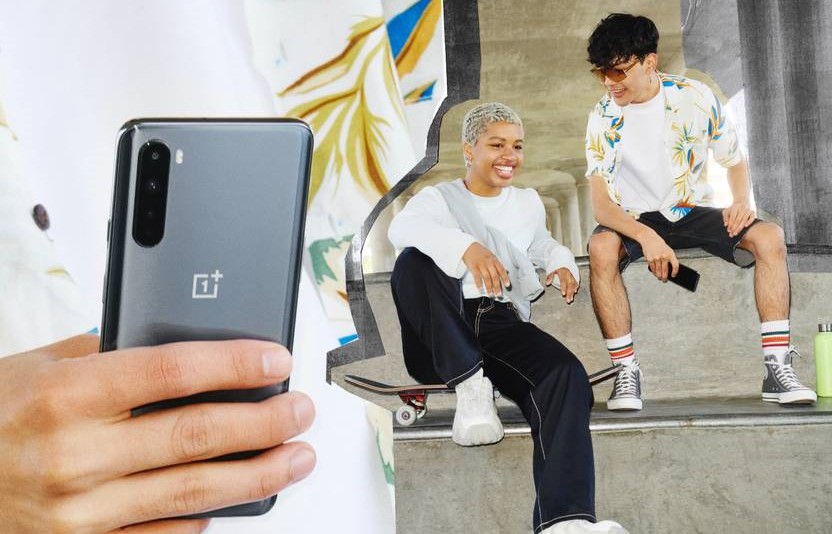
The last OxygenOS Open Beta update for the OnePlus Nord was released in early March. It was rolled out a few days after the company started seeding OxygenOS 11 (Android 11) update. Since then, OnePlus has re-released the Android 11 update after halting it for a while, which was later followed by a hotfix update. Now, almost two months later, the brand is rolling out the OxygenOS Open Beta 5 update for the OnePlus Nord.
Just like the previous public beta build, the OnePlus Nord OxygenOS Open Beta 5 update only brings fixes, in addition to some improvements. The fixes are meant for system, file manager, and camera. Whereas, the improvements are for network.
Talking about the fixes first, the latest public beta build for the OnePlus Nord brings fixes for general bugs, abnormal display issue while copying files to OTG, abnormal preview display in Nightscape Tripod mode, unresponsiveness of the camera app when setting profile photo in Contact app, frame drops in video recording, and abnormal preview display of 0.6x ultra-wide in 1080P 60FPS.
Lastly, this update brings improvements for the detection of wireless networks and the speed of WiFi connection.
OnePlus Nord OxygenOS Open Beta 5 Official Changelog
System
Fixed general bugs
Network
Improved the ability of detecting wireless network
Improved the speed of Wi-Fi connection
File Manager
Fixed abnormal display issue with the screen while copying files to OTG
Camera
Fixed the issue that the preview may display abnormally in Nightscape Tripod mode
Fixed the issue that the Camera becomes unresponsive when setting profile photo in Contact
Fixed the frame drops issue with the videos taken by the Camera
Fixed the issue that the preview abnormally display 0.6x ultra-wide in 1080P 60FPS
The OxygenOS Open Beta 5 update for the OnePlus Nord is being pushed in batches. It should be available for all users running the previous beta build in the coming days. Alternately, users on the stable channel can install it by downloading the appropriate file from the OnePlus Community.
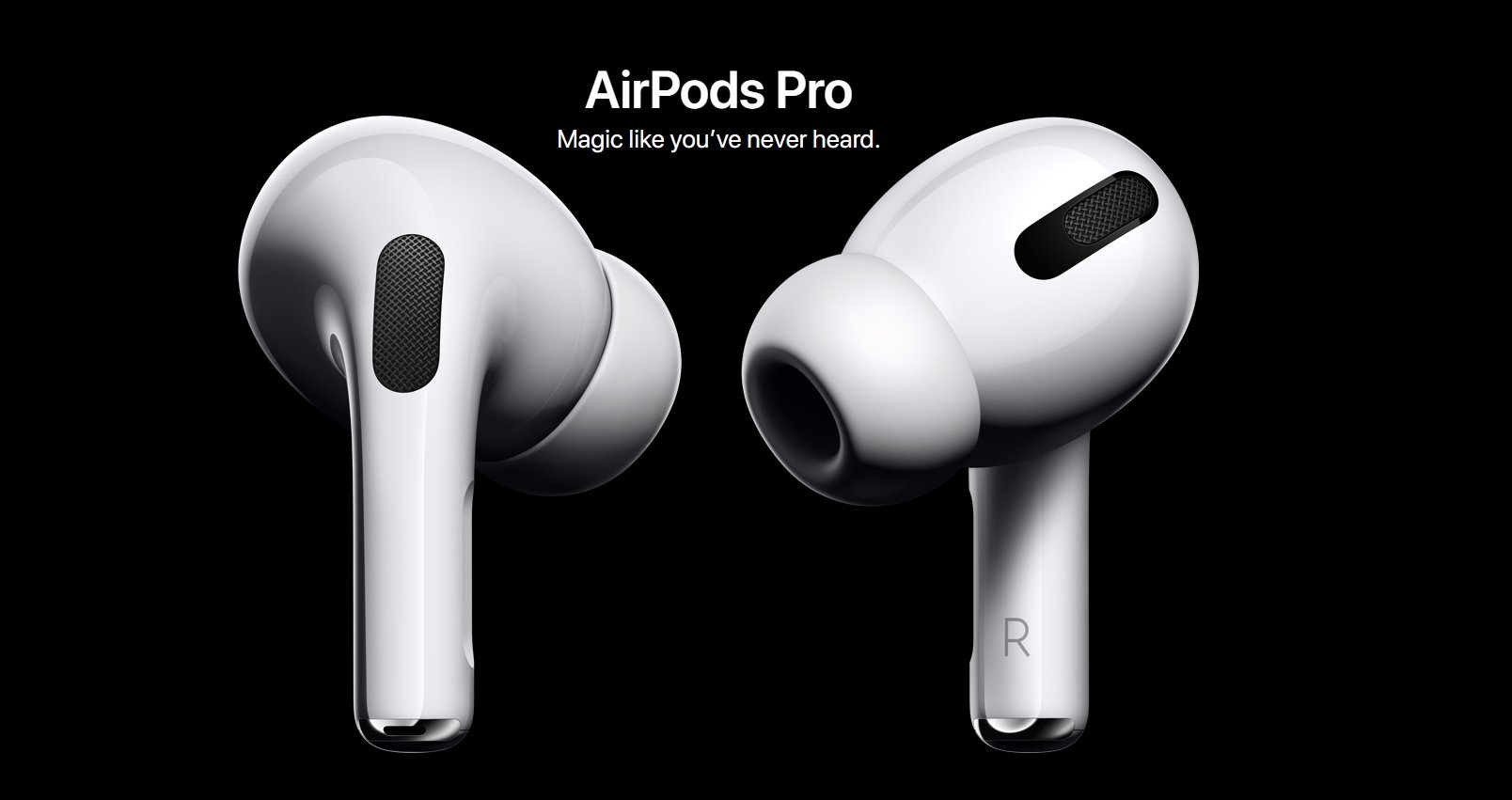
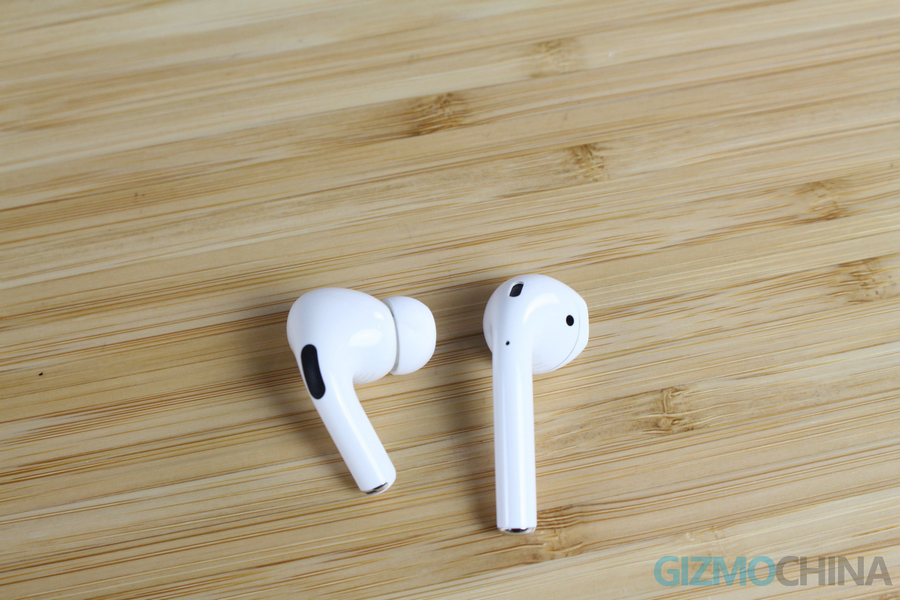
Apple is slashing its planning production of its AirPods series of wireless earphones by about 25 to 30 percent this year. The move arrives as growing competition has led to the decline of sales of its popular earbuds.
According to a NikkeiAsiareport, the news arrives from sources close to the matter, which believe that the company is expected to make anywhere between 75 million and 85 million units in 2021. This is noticeably lower than the 110 million units that was previously projected for the year. The lowering of productions units is an indicator that the company is wary of the falling demand for its AirPods lineup, which has been the brand’s fastest growing product line since its launch with double digit percentages of growth since 2016.
As per one of the sources, “The most significant order reduction is for the second quarter toward the start of the third quarter. The levels of inventory [in warehouses] and in-store stocks of AirPods are currently high … and demand is not as strong as expected.” Although, the Cupertino based giant is hoping that the new iteration of AirPods that is set to launch later this year will help boost the sales of its products.
Back in 2020, Apple shipped around 72.8 million units of AirPods in total, dominating the wireless Bluetooth true wireless earphones market with a 31 percent market share. Furthermore, its wearables and other accessories also accounted for 11 percent of Apple’s total revenue last year, or about 12.97 billion US Dollars. But despite its lead in the market, its sales expectations still fell short as the company had reportedly asked suppliers to make over 80 to 90 million units of AirPods.
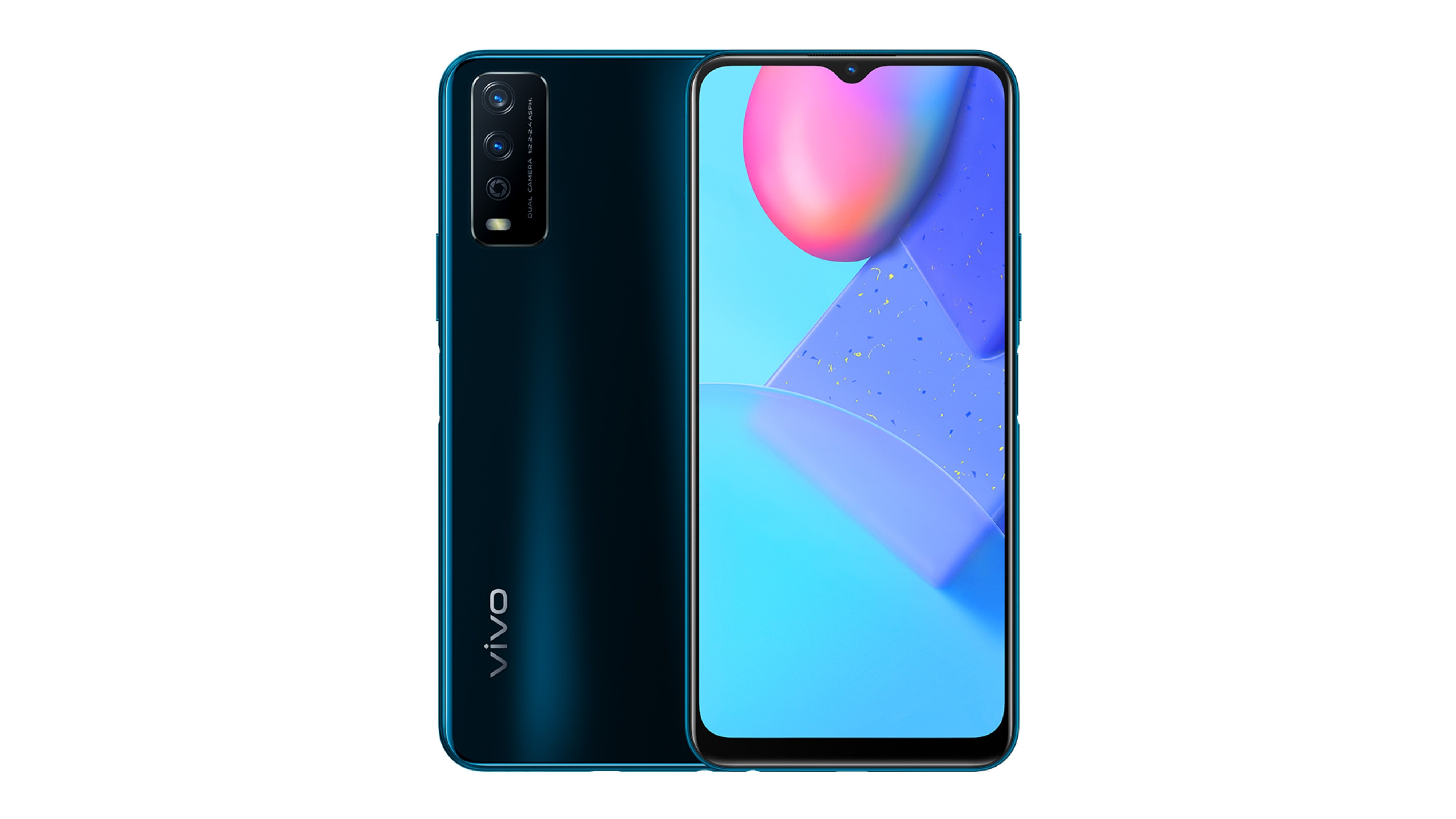
Chinese smartphone maker vivo will be soon launching a new model in the vivo Y12 series. This device will be called vivo Y12s 2021. The existence of this handset has been revealed by its Google Play Console listing and Indonesia Telecom certification.
According to Indonesia Telecom certification, the upcoming vivo Y12s 2021 will bear the model number V2039. On the other hand, the phone’s Google Play Console listing reveals some of its primary specs.
This forthcoming budget smartphone will be powered by a Qualcomm Snapdragon 439 SoC. In case you do not know, last year’s vivo Y12s features a MediaTek Helio P35 chipset.
Further, the device will have 3GB RAM just like its predecessor. It will also have the same HD+ display with a resolution of 720 x 1600 pixels and 300 DPI. Also, it will run Android 11 out of the box.
Unfortunately, nothing else is known about this handset. But going by other models in the vivo Y12 series, we expect the vivo Y12s 2021 to feature a similar design and identical set of specifications.
As of now, all we can say is the vivo Y12s 2021 will differ from the original vivo Y12s in terms of the chipset. However, there could be some differences in camera setup and other parameters.
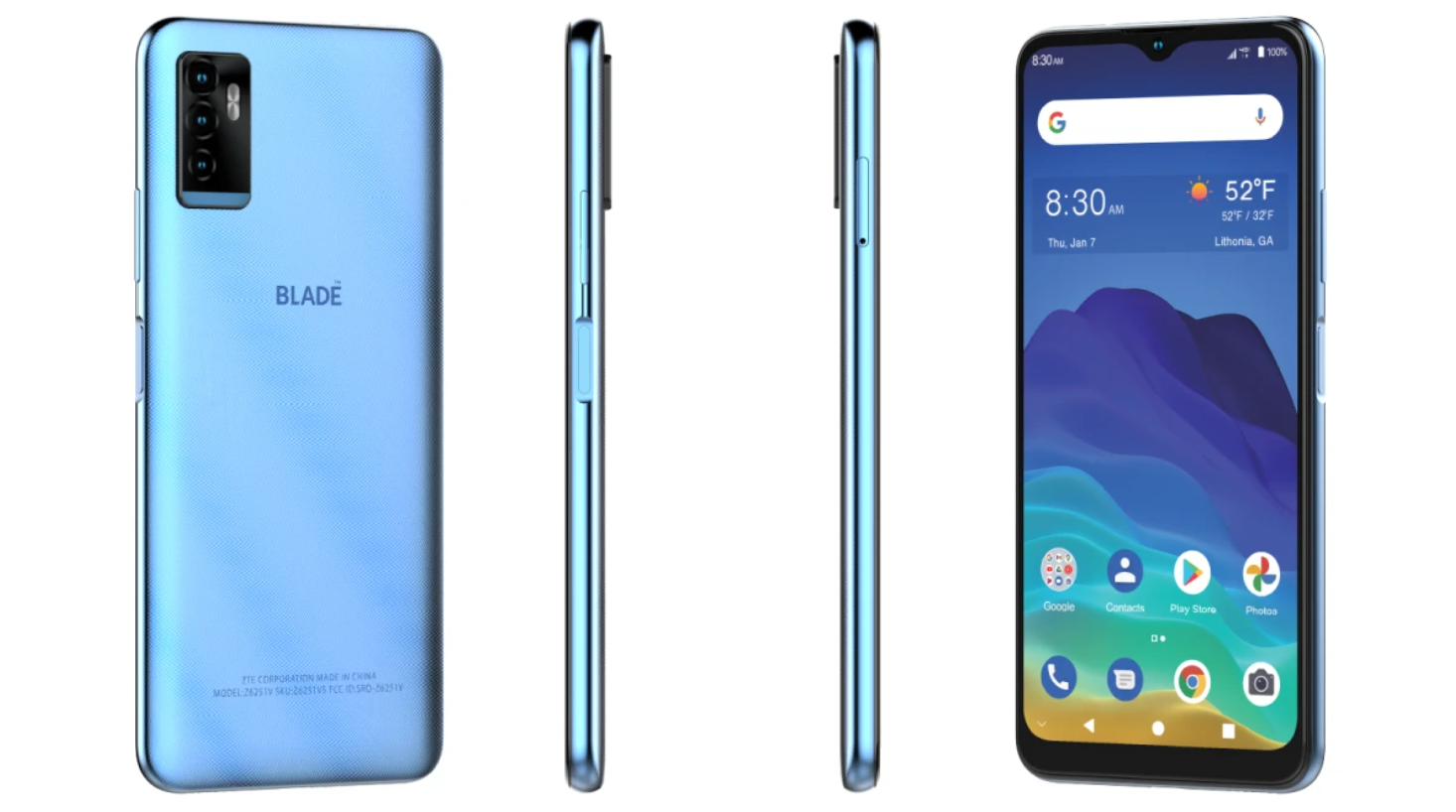
The U.S. has received a new ZTE smartphone called the Blade 11 Prime. It has arrived with a pricing of $192 and it can be also purchased with 24 monthly installments of $8. It is available for purchase through Verizon’s MVNOs such as Yahoo Mobile and Visible.
ZTE Blade 11 Prime specifications and features
The Blade 11 Prime has a 6.5-inch HD resolution supporting display with a teardrop notch. It is powered by the modest Helio P22 chipset and 4 GB of RAM.
The Blade 11 Prime ships with 64 GB of internal storage and it has a microSD card slot for additional storage. The device is preloaded with Android 11 OS and ZTE’s MiFavor UI.
ZTE Blade 11 Prime
For capturing selfies, it has a front camera of 8-megapixel. The rear camera system of the phone features a 16-megapixel main camera, an 8-megapixel wide-angle lens, and a 2-megapixel lens. It is unclear whether the latter is a macro or depth sensor.
The Blade 11 Prime houses a 4,000mAh battery, which supports wireless charging. The reverse charging feature allows users to charge another phone by establishing a connection using a USB-C to USB-C cable. For security, it has a side-facing fingerprint sensor.
The ZTE Blade 11 Prime is available in Sky Blue color only in the U.S. It is unclear whether this device will be made available in other markets.
Russia is apparently fining Apple for 12 million US Dollars for allegedly abusing the dominance of its mobile app store in the market. This marks another case of the brand facing charges over its app store.
According to a MoneyControlreport, The Federal Antimonopoly Service (FAS) stated earlier this week that the Cupertino based giant’s distribution of apps through its iOS operating system gave its own products a higher competitive advantage. Apple replied to this allegations and said that it “respectfully disagreed” with the ruling from FAS and said that it would appeal it. In recent months, western tech giants have come under increasing scrutiny in the region, with Twitter also facing pressure after failing to delete certain content online.
Similarly, Facebook, Google, and even TikTok have also been facing increasing pressure by the local government and authorities. In a statement, the FAS announced a 906.3 million Roubles (roughly 12.1 million US Dollars) fine on Apple for violating the Russian anti monopoly legislation. Back in 2020, the agency had found that the company has abused its dominant position and then issued a directive that had it remove provisions, which allowed it the right to reject third party apps from its App Store.
The move from the agency arrives after a complaint from known cybersecurity based firm Kaspersky Lab, which stated that a new version of its Safe Kids app was declined by Apple’s operating system. In response to this, the iPhone maker said that it has “worked with Kaspersky to get their app in compliance with rules that were put in place to protect children. They now have 13 apps on the App Store and we have processed hundreds of updates for them.”
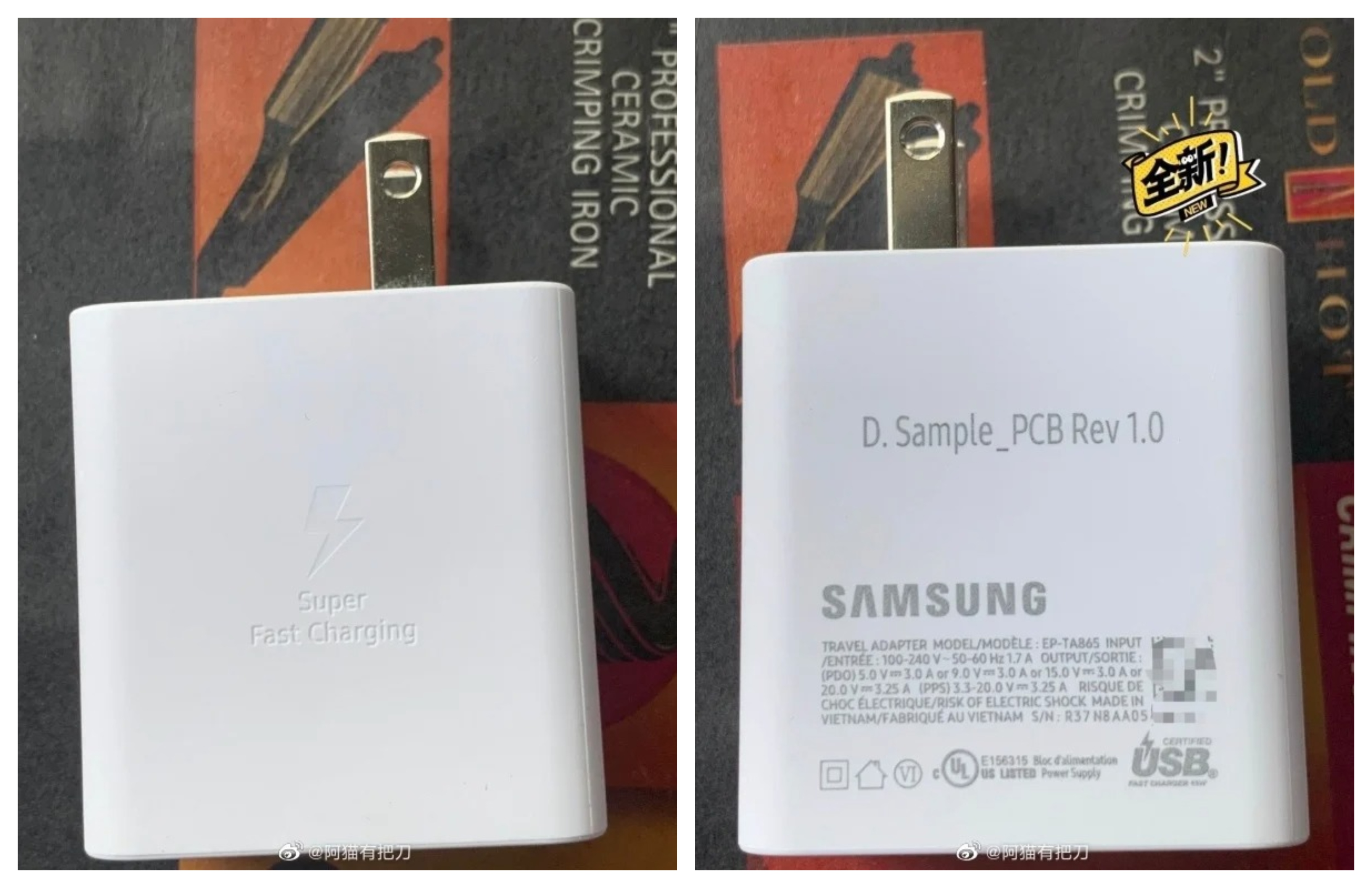
Samsung’s fastest charging smartphones (Galaxy Note10+, Galaxy S20 Ultra) are capped at 45W. But there is an unreleased 65W Samsung charger. This power adapter has now cleared another certification ahead of its launch.
Samsung is the world’s largest smartphone maker, however, the company does not have any high-speed charging phone in its portfolio. On the other hand, its competitors sell numerous phones with over 50W charging speeds. Some phones even charge at the rate of 120W.
This could change soon as the Samsung EP-TA865 65W charger has been now certified by India’s BIS, in addition to South Korea’s NRRA and TÜV SÜD. The new certification suggests that this charger could release in India.
Anyway, the important question is which Samsung smartphone will be compatible with this charger. As of now, there’s no info on any 65W Galaxy smartphone. Hence, we believe this power adapter could be a standalone accessory or it could be for the upcoming Galaxy laptops.
If this charger is meant for the new Samsung notebooks, then we expect it to debut at the Galaxy Unpacked event, which is scheduled to take place a few hours from now.
That said, according to the leaked images (pictured above), the Samsung EP-TA865 65W charger will feature a USB Type-C port, support USB PD (Power Delivery) with PPS (Programmable Power Supply), and will have a maximum output rate of 20V/3.25A.
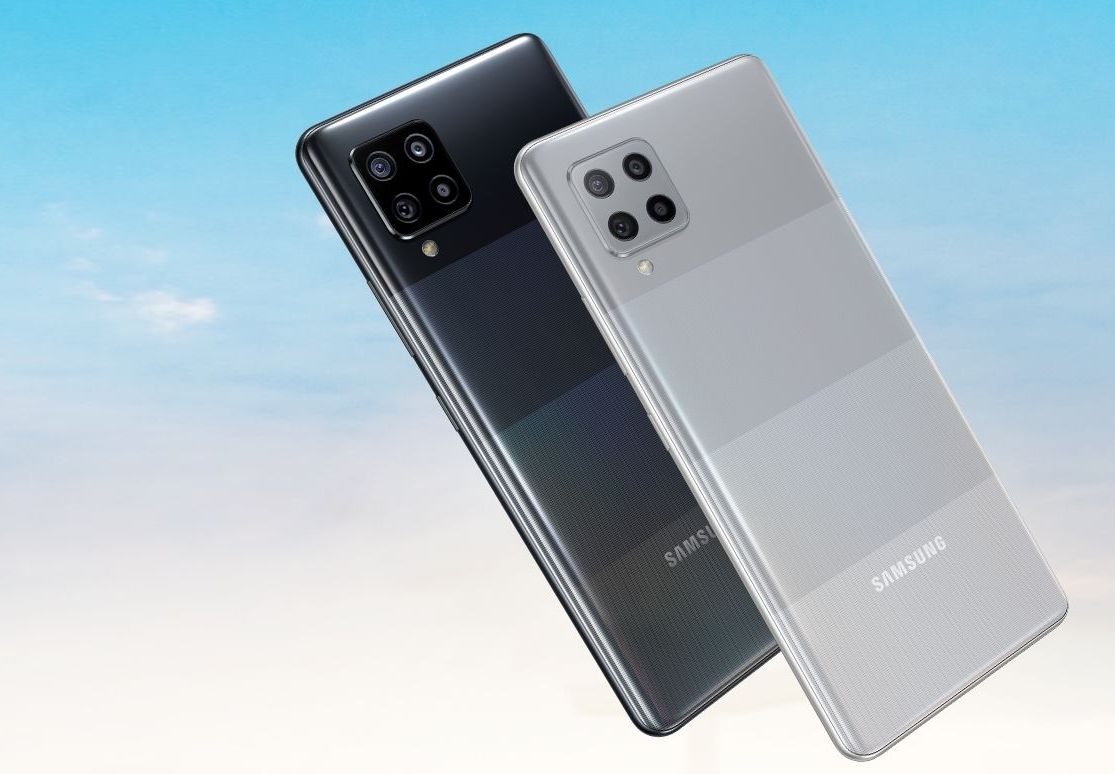
Samsung has taken off covers from the Galaxy M42 5G smartphone in India. It is the first M-series smartphone from the company to arrive with support for 5G connectivity. In terms of specifications and design, it is a slightly modified version of the Galaxy A42 5G phone that debuted in European markets in September 2020.
Samsung Galaxy M42 5G specifications and features
The Galaxy M42 5G houses a 6.6-inch AMOLED display that produces an HD+ resolution of 720 x 1600 pixels, a 20:9 aspect ratio. The Infinity-U notch screen is integrated with a fingerprint sensor. The polycarbonate rear, which has a glass-like appeal sports an impressive layered pattern.
The Galaxy M42 supports 5G thanks to the presence of the Snapdragon 750G chipset. The phone ships with up to 8 GB of RAM and 128 GB of storage. It comes with a dedicated microSD expansion slot. It is preinstalled with One UI 3.1 based Android 11 OS, which tags along with features like Samsung Pay and Knox security.
Samsung Galaxy M42 5G
For shooting selfies, the Galaxy M42 5G features a 20-megapixel front-facing camera. Its rear camera module has a 48-megapixel main camera with an f/1.8 aperture rating, an 8-megapixel superwide camera with a 119-degree FOV, a 2-megapixel macro camera, and a 2-megapixel depth sensor.
The Galaxy M42 5G has a big battery of 5,000mAh capacity, which supports 15W charging. The phone is packed with other features like a dual SIM slot with 5G support, Wi-Fi 802.11ac, Bluetooth 5.0, GPS, USB-C, and a 3.5mm audio jack.
Samsung Galaxy M42 5G price in India
The Galaxy M42 5G is priced at Rs 21,999 (~$295) for the 6 GB RAM and 128 GB storage model, while the 8 GB RAM + 128 GB storage edition costs Rs 23,999 (~$322). ]However, the 6 GB and 8 GB models will go on sale with an introductory price of Rs 19,999 (~$269) and Rs 21,999 (~$295), respectively. The M42 5G will be up for purchase through Samsung India’s online store and Flipkart starting from May 1. It will be available in two colors such as Prism Dot Black, and Prism Dot Grey.
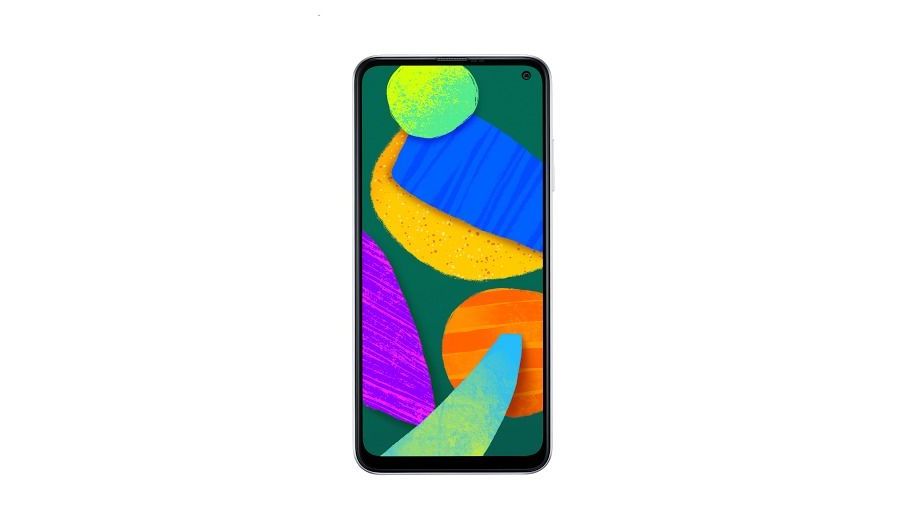
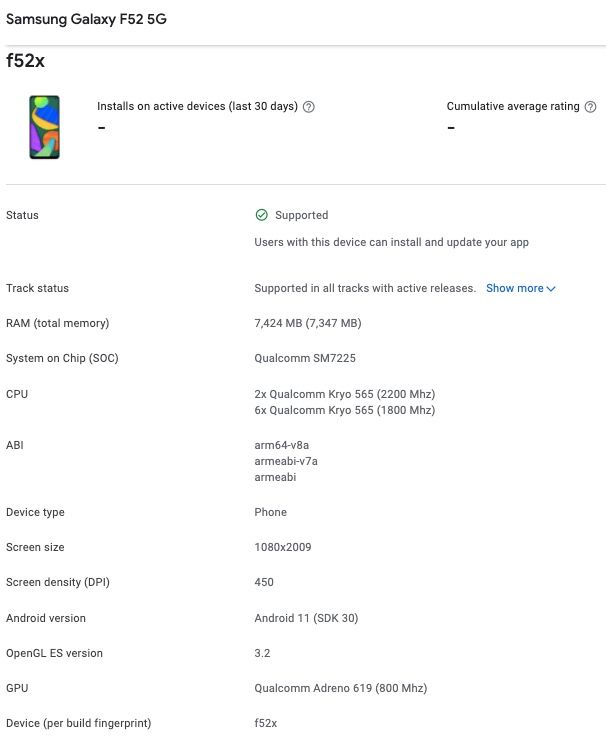
In the previous week, the upcoming Samsung Galaxy F52 5G bagged approval from China’s TENAA telecom authority. It appears that the phone could be also heading to other markets as it has now appeared in the database of Google Play Console.
The Google Play Console listing has an image of the phone, which resembles its picture that had appeared in the TENAA listing. The handset can be seen with a slightly thick chin and a selfie camera punch-hole at the upper-right corner. The rear image of the phone that surfaced at TENAA revealed that it has a rectangle-shaped camera island with four cameras and an LED flash inside it.
The Play Console states that the Galaxy F52 5G offers specs like Full HD+ resolution, 450ppi pixel density, Snapdragon 750G (mentioned as SM7225), 8 GB of RAM, and Android 11 OS.
1 of 2
Galaxy-F52-5G-Google-Play-Console-Render-
Samsung-Galaxy-F52-5G-Google-Play-Console
The TENAA listing of the Galaxy F52 will that it has a front camera of 16-megapixel and it has a main camera of 64-megapixel on the back. The device sports a 6.52-inch AMOLED screen with an in-screen fingerprint reader.
The handset is likely to ship with an internal storage of 128 GB and its 4,350mAh rated battery may support 25W rapid charging. The device is expected to arrive with other features like dual SIM support, Wi-Fi 802.11ac, Bluetooth 5.1, USB-C, and a 3.5mm headphone slot. The smartphone measures 164.63 x 76.3 x 8.7mm and weighs 199 grams. It is expected to arrive in colors like dark blue, gray, white.
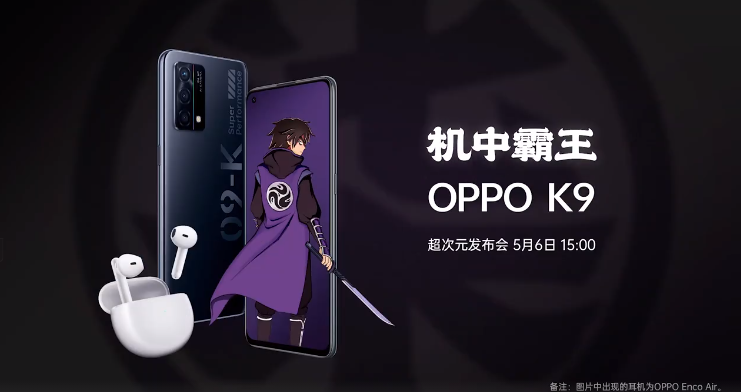
OPPO has already scheduled a launch event on May 6th in China where the company will be launching a sleeve of products, including the OPPO K9 series smartphones, entry-level Smart TV models, Enco Air TWS earphones, and a fitness tracker.
Now, the company has also announced that it is partnering with “Wu Liuqi” aka Scissor Seven, and both will now bring co-branded OPPO K9 to the market. A teaser video regarding the same has been released but it doesn’t reveal much.
For those who are unaware, Wu Liuqi is a TV animation that is produced by Xiaofengying, directed by He Xiaofeng, and released by Aha Entertainment. There have been three seasons of the series so far and is also released on Netflix.
A recent listing of the OPPO K9 5G revealed that the phone flaunts a 6.43-inch S-AMOLED display that supports an FHD+ resolution, a 90Hz refresh rate, and a 180Hz touch sampling rate. The punch-hole display is integrated with the 6th generation in-screen fingerprint reader and packs a front-facing camera of 32-megapixel.
Underneath, the device is powered by the Qualcomm Snapdragon 768 chipset and has managed to secure a score of 450,000+ on AnTuTu benchmarks. The device is packed with a 4,300mAh battery, which is accompanied by 66W fast charging technology. According to OPPO, the K9 5G can gain 100 percent battery juice in just 35 minutes.
The device offers users with VC liquid-cooled heat sink, copper plate, and multi-layer thermal conductive graphite sheet for heat dissipation. For the camera, there’s a 64-megapixel primary camera, an 8-megapixel ultrawide camera, and a 2-megapixel depth helper. It is a thin device with a thickness of only 7.9mm and it weighs 172 grams.
We use cookies on our website to give you the most relevant experience by remembering your preferences and repeat visits. By clicking “Accept”, you consent to the use of ALL the cookies.
This website uses cookies to improve your experience while you navigate through the website. Out of these, the cookies that are categorized as necessary are stored on your browser as they are essential for the working of basic functionalities of the website. We also use third-party cookies that help us analyze and understand how you use this website. These cookies will be stored in your browser only with your consent. You also have the option to opt-out of these cookies. But opting out of some of these cookies may affect your browsing experience.
Necessary cookies are absolutely essential for the website to function properly. This category only includes cookies that ensures basic functionalities and security features of the website. These cookies do not store any personal information.
Any cookies that may not be particularly necessary for the website to function and is used specifically to collect user personal data via analytics, ads, other embedded contents are termed as non-necessary cookies. It is mandatory to procure user consent prior to running these cookies on your website.