Redmi’s popular Note series of mid range smartphones is arriving in India soon. Xiaomi recently unveiled the Redmi Note 15 5G, Note 15 Pro 5G, Note 15 Pro+ 5G, Note 15 4G, and Note 15 Pro 4G in the global market. The brand just confirmed the launch of the Redmi Note 15 5G in India, and a fresh teaser has even revealed its camera and battery details. So lets check it out.
Redmi Note 15 5G teased: What to expect?
Xiaomi plans to release the Redmi Note 15 5G in the Indian market on 6th January 2026. But ahead of the official release, the device had some of its key specs revealed. The Chinese tech giant confirmed the new 108 MasterPixel camera in the previous teaser, which was showcased again. Unlike the 50MP camera in the Chinese variant, the global version has a higher resolution 108MP shooter.
Redmi Note 15 5G
The sensor will offer OIS (Optical Image Stabilization), 4K video recording, and it was even teased as a multifocal portrait legend. Apart from this, Xiaomi also claimed that the smartphone will bring a long battery life thanks to its 5,520mAh battery pack, which promises up to 1.6 days of usage and up to 5 years of total battery lifespan. The Redmi Note 15 5G supports 45W wired fast charging.
This appears quite similar to the specs of the Note 15 5G model that debuted in the European market. To recall, this model features Snapdragon 6 Gen 3 SoC under the hood, sports a tall 6.77-inch AMOLED display with an FHD+ resolution, a 120Hz refresh rate, an in-display fingerprint scanner, and an IP65 rating for water and dust resistance.
The Galaxy S26 series is at the centre of a developing supply situation that has drawn attention across the industry. A report from South Korea has revealed that Samsung is preparing for high-level discussions with Micron as it aims to secure stable mobile DRAM for its upcoming flagship. With the smartphone’s launch window nearing, rising memory prices and unsettled contracts have triggered a series of urgent developments that set the tone for what follows.
Samsung seeks emergency talks at CES 2026
TM Roh
TM Roh, who heads Samsung’s DX division, is reportedly scheduled to meet Micron CEO Sanjay Mehrotra on the opening day of CES 2026 in Las Vegas. Such meetings are rarely arranged during the event, but the growing strain on LPDDR5X supply appears to have made this one unavoidable.
Industry insiders say the price surge has been unusually steep. LPDDR5X 12GB modules that were trading at around 30 dollars earlier this year have reportedly jumped to nearly 70 dollars by late November, creating uncertainty in Samsung’s negotiations with both its DS division and Micro. The two suppliers have yet to finalize terms for the Galaxy S26, leaving the smartphone unit under pressure as it approaches mass production deadlines.
Several Korean reports note that memory manufacturers prefer quarterly supply agreements during price upswings rather than longer commitments. This has added another layer of difficulty for Samsung’s mobile division, which is already dealing with increased expenditure on application processors. The situation has elevated Micron’s importance in Samsung’s flagship portfolio, especially after the company supplied a large share of mobile DRAM for the Galaxy S25 series.
New DRAM technologies and internal challenges
Samsung’s DS unit is simultaneously advancing its next-generation LPDDR6 technology, expected to offer higher bandwidth and improved efficiency. Early signs suggest the company may showcase it at CES 2026, although commercial deployment could arrive later. Meanwhile, internal adoption of the Exynos 2600 remains limited, further tightening the mobile division’s budget as it negotiates memory procurement.
With the Galaxy S26 set to debut in early 2026, the outcome of TM Roh’s CES meeting may influence how smoothly Samsung can secure DRAM supply for its next flagship. While the company has declined to comment on its memory plans, the urgency around negotiations underscores the broader industry pressure caused by rising demand and limited production capacity.
For more daily updates, please visit our News Section.
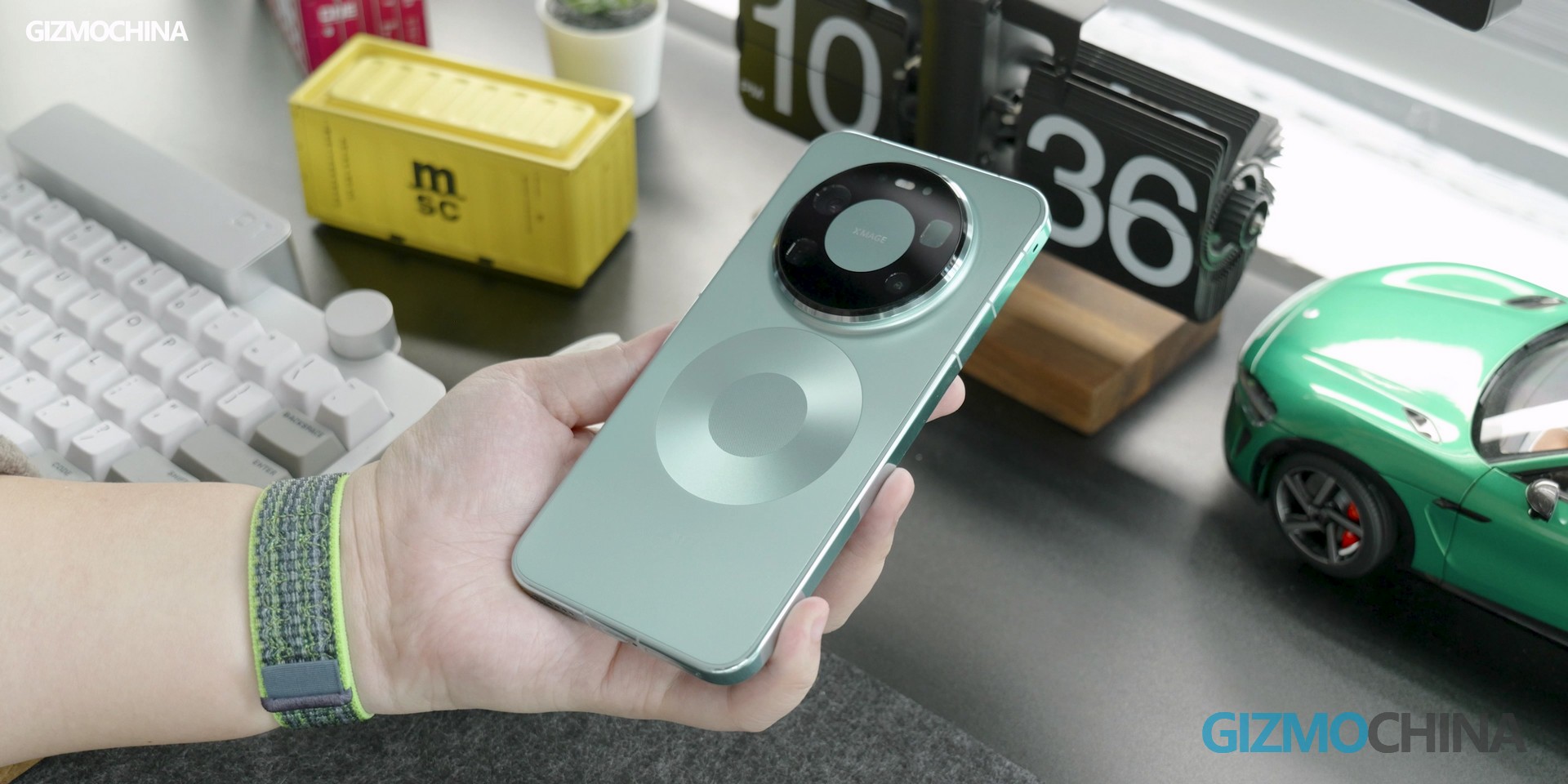
So yes, HUAWEI did it too. The Mate Pro+ series has now been renamed as Pro Max this year. Xiaomi taught us through its own sales numbers that, as long as the product is powerful enough, the name doesn’t matter. In fact, HUAWEI probably thinks the same way, which is why the Mate 80 Pro Max has become the new peak of HUAWEI smartphones. Also, this is the most impressive Pro Max I’ve ever seen. With a major redesign and a launch price lower than last year’s Mate 70 Pro+, there’s no reason the Mate 80 Pro Max would be anything less than great.
Design & Features
Let me answer the question you’re most curious about. No, this ring on the back doesn’t support magnetic accessories. Why the Mate 80 Pro Max has such a ring here it’s simply to prevent the functions of the wireless charging coil from being blocked by its metal back cover.
Compared to the Mate 70 series, the frames of the Mate 80 series have changed from round to flat. The benefit is that it looks slimmer. As for the downside, your hand will tell you.
The Mate 80 Pro Max is a phone with many holes. The three holes on the screen are nothing new; basically, the 3D facial recognition module and the front camera.
There are also five holes along the frame, including the microphone, speaker port, and SIM card slot—most of them are familiar to us. But what is this hole on the side for? HUAWEI told us that this is also one of the speakers. The difference is that it’s mainly used to cancel out the sound waves leaking during calls, to protect your privacy during phone calls.
Many of HUAWEI’s target users are outdoor explorers, so HUAWEI also designed new features for them. The Mate 80 Pro Max adds a new Expedition mode, which turns a modern smartphone into a professional outdoor tool. In addition to satellite communication and emergency messaging, it also extends battery life a lot. The map has also been optimized, automatically recording your path and allowing you to retrace your route anytime.
With IP68 and IP69 ratings, and the second-generation Kunlun Glass, treating the Mate 80 Pro Max as an ultimate rugged phone is absolutely justified.
Display
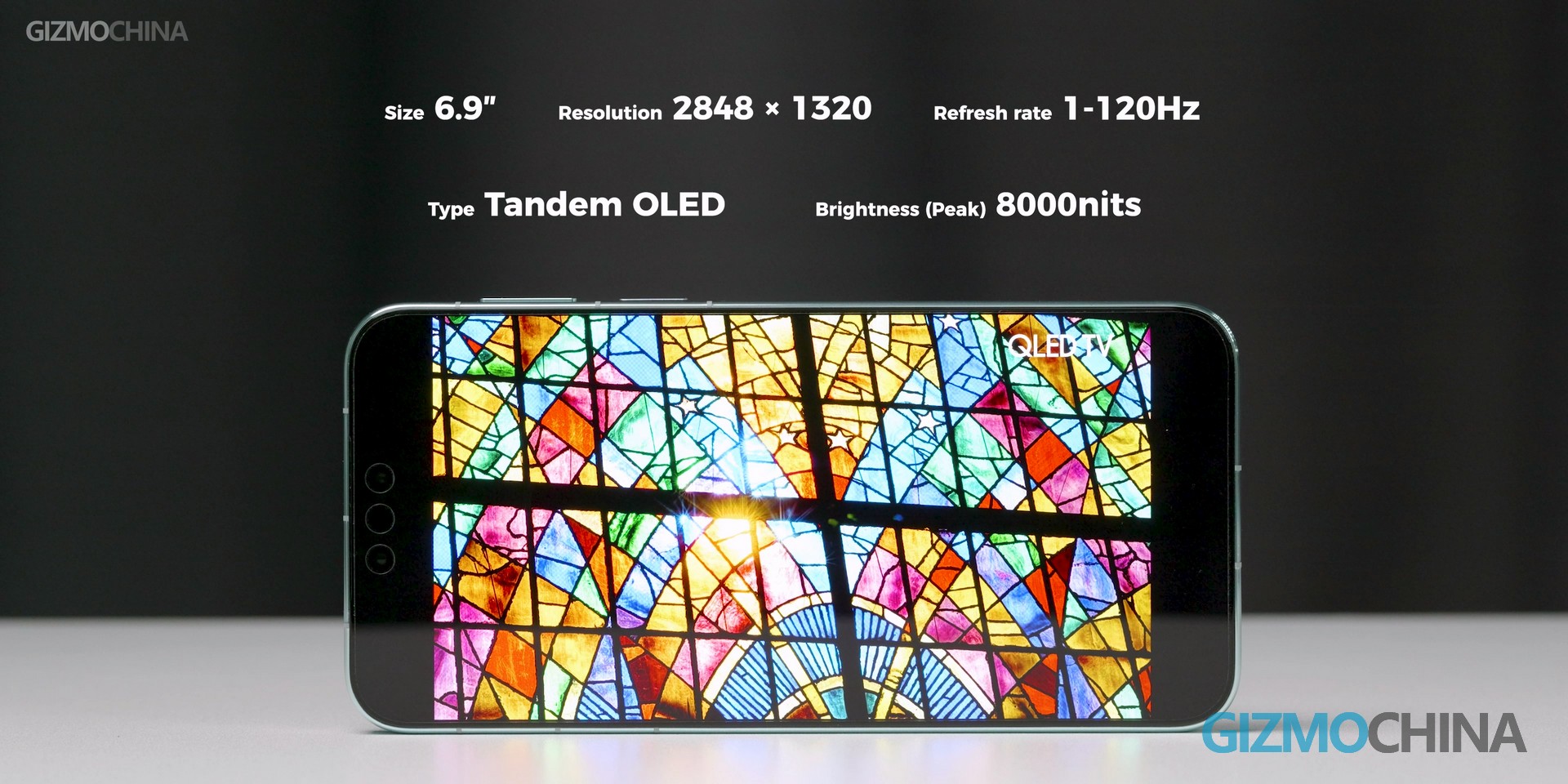
If you have the budget to buy the Mate 80 Pro Max or RS Ultimate version, your display will be upgraded from regular OLED to a Tandem one. Tandem OLED is not a new technology. The iPad Pro and HUAWEI Mate 70 RS Ultimate both use Tandem OLED.
The benefits of this panel are obvious—higher brightness, wider color gamut, and lower power consumption. Higher resolution may not be noticeable for everyone, but higher brightness is something you will definitely feel. I placed it next to several flagship phones we own, and at a glance, you can see how high the Mate 80 Pro Max’s brightness is.
Not only is it easier to read under sunlight, but it also excels at HDR content. The blinding highlights are hard to capture in video. Trust me, if you get a chance to see the Mate 80 Pro Max’s display in a store, you’ll definitely feel tempted to buy it.
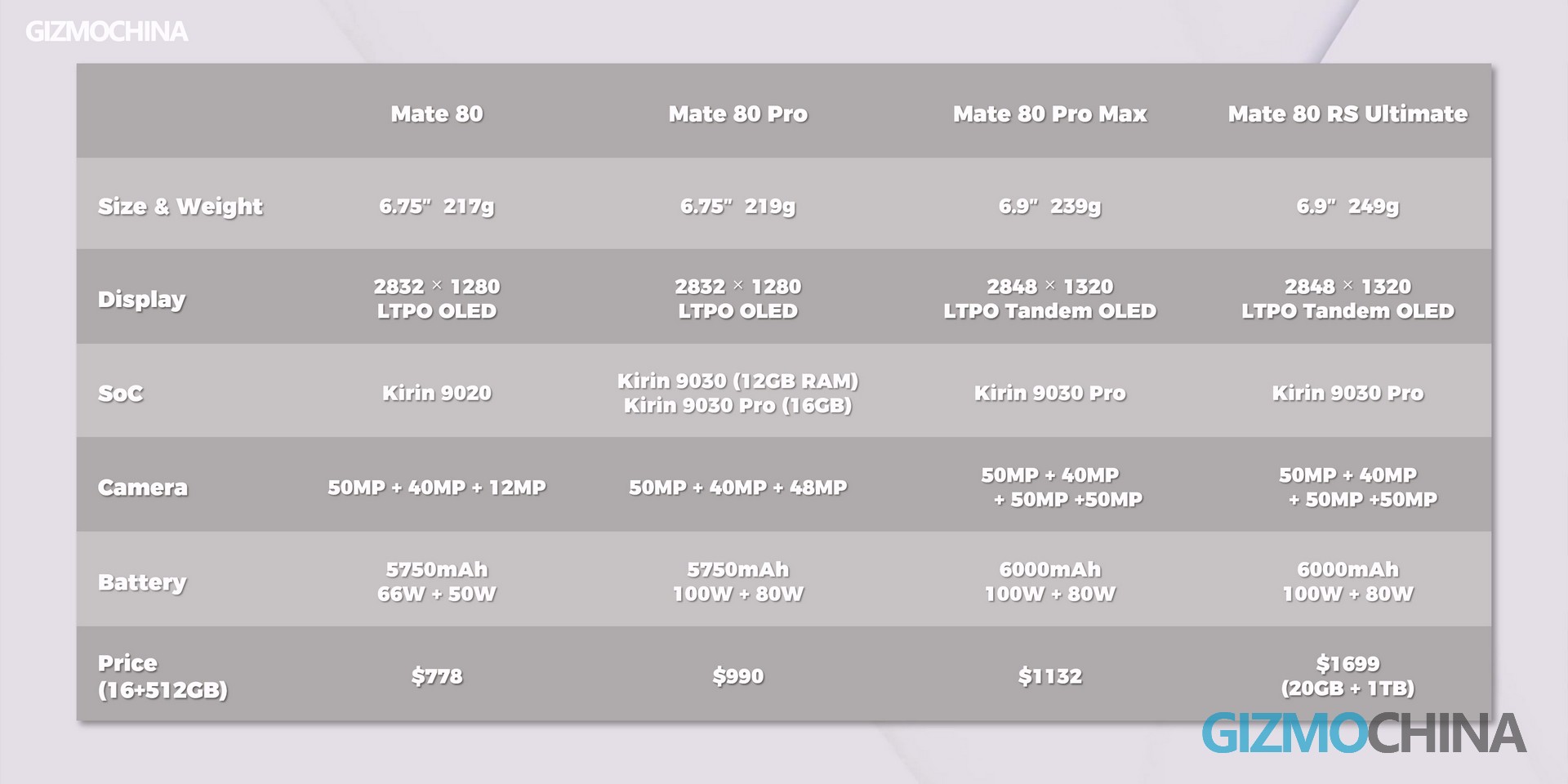
The only downside of Tandem OLED is expense; however, the Mate 80 Pro Max is probably the cheapest Tandem OLED phone at launch right now. So this should be one of the strongest reasons for you to buy this phone.
Performance & Battery
The Mate 80 Pro Max uses the latest and most powerful Kirin 9030 Pro platform. Compared to the Kirin 9020, the 9030 Pro has one extra P-core, and both CPU and GPU frequencies have been improved. It’s worth noting that the four phones in the Mate 80 series have three different Kirin processor models. If you want the highest performance from a HUAWEI phone, you need to get the 16GB RAM Pro version at least.
Since the benchmarks we commonly use are all blacklisted by HUAWEI, we won’t be running benchmarks this time—the scores can’t prove the strength of a chipset anyway. So let’s jump straight to gaming performance.
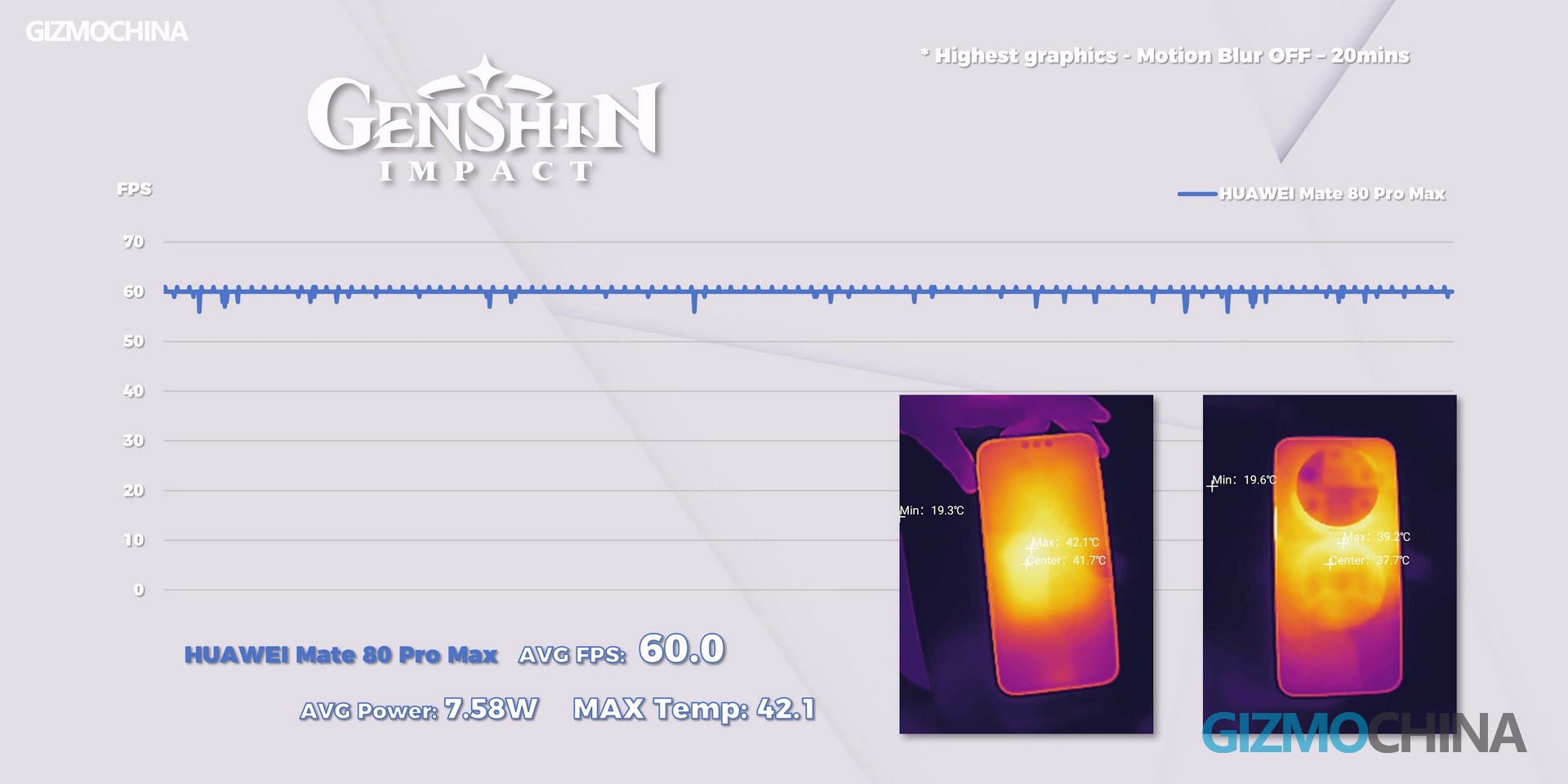
Fortunately, miHoYo developed a HarmonyOS-exclusive version of Genshin Impact. This makes it one of the very few games that can fully unleash the Kirin 9030 Pro’s performance. And when you enable high-performance mode, you can disable frame interpolation.
HUAWEI also designed a new performance monitoring tool for all HarmonyOS phones: HiSmartPerf. With this, we can finally capture accurate frame rate curves from HarmonyOSI devices.
Wow, look at this perfectly straight frame rate graph—can you believe this is from a HUAWEI phone? This is the native frame rate without interpolation. I can’t believe that. It’s beautiful. Thanks to the full metal back cover, heat is evenly distributed. From this, the gaming experience seems comparable to other Snapdragon 8 Elite Gen 5 phones.
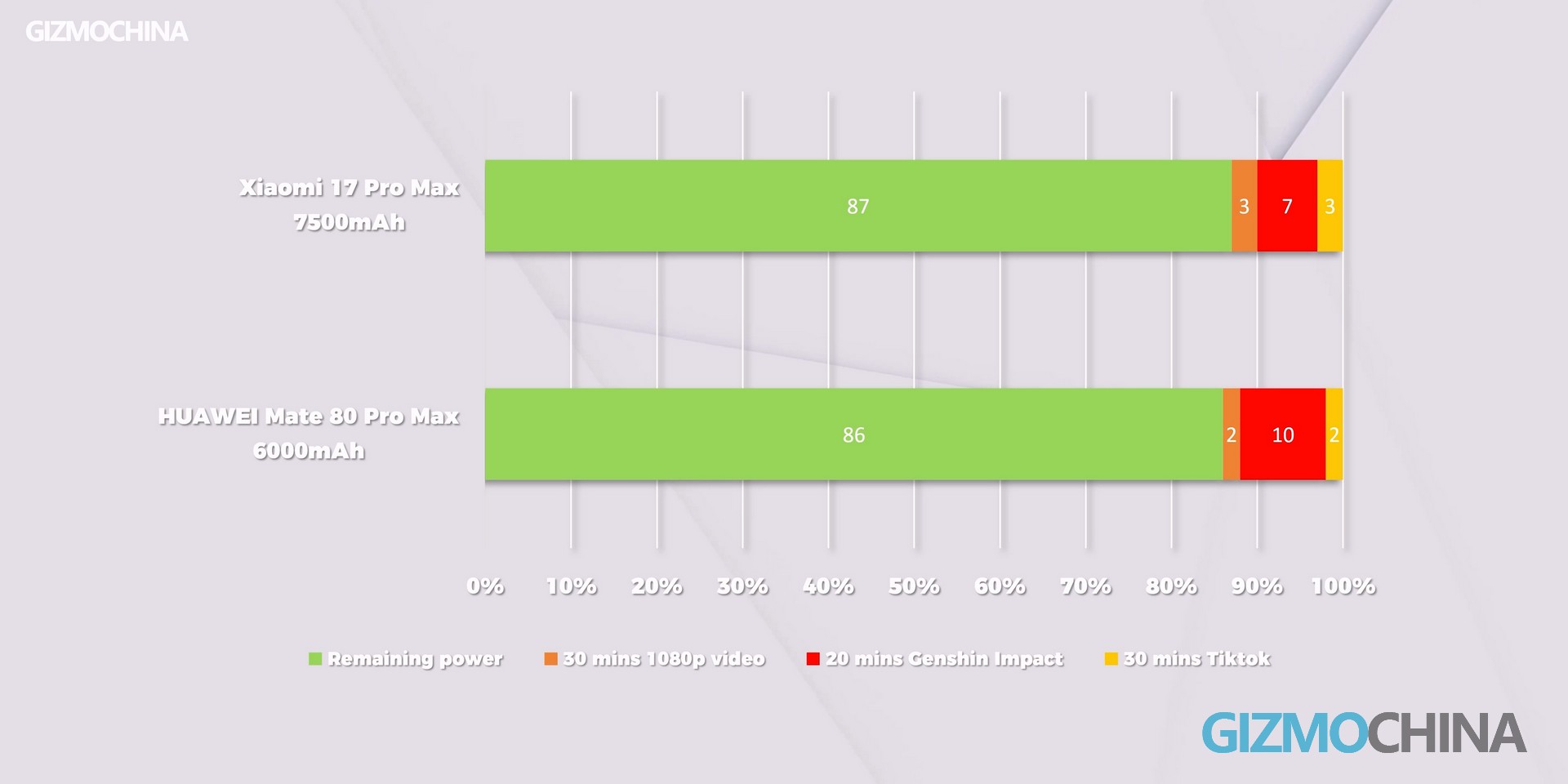
Well, the Kirin 9030 Pro has indeed made great progress, but there is a cost—its power consumption still has room to improve. And with the battery capacity only increased by 300mAh compared to the previous generation—less than we expected—so battery life in gaming does indeed fall behind. Fortunately, under light workloads, it’s power-efficient enough to rival phones with 7000mAh batteries if you don’t play games.
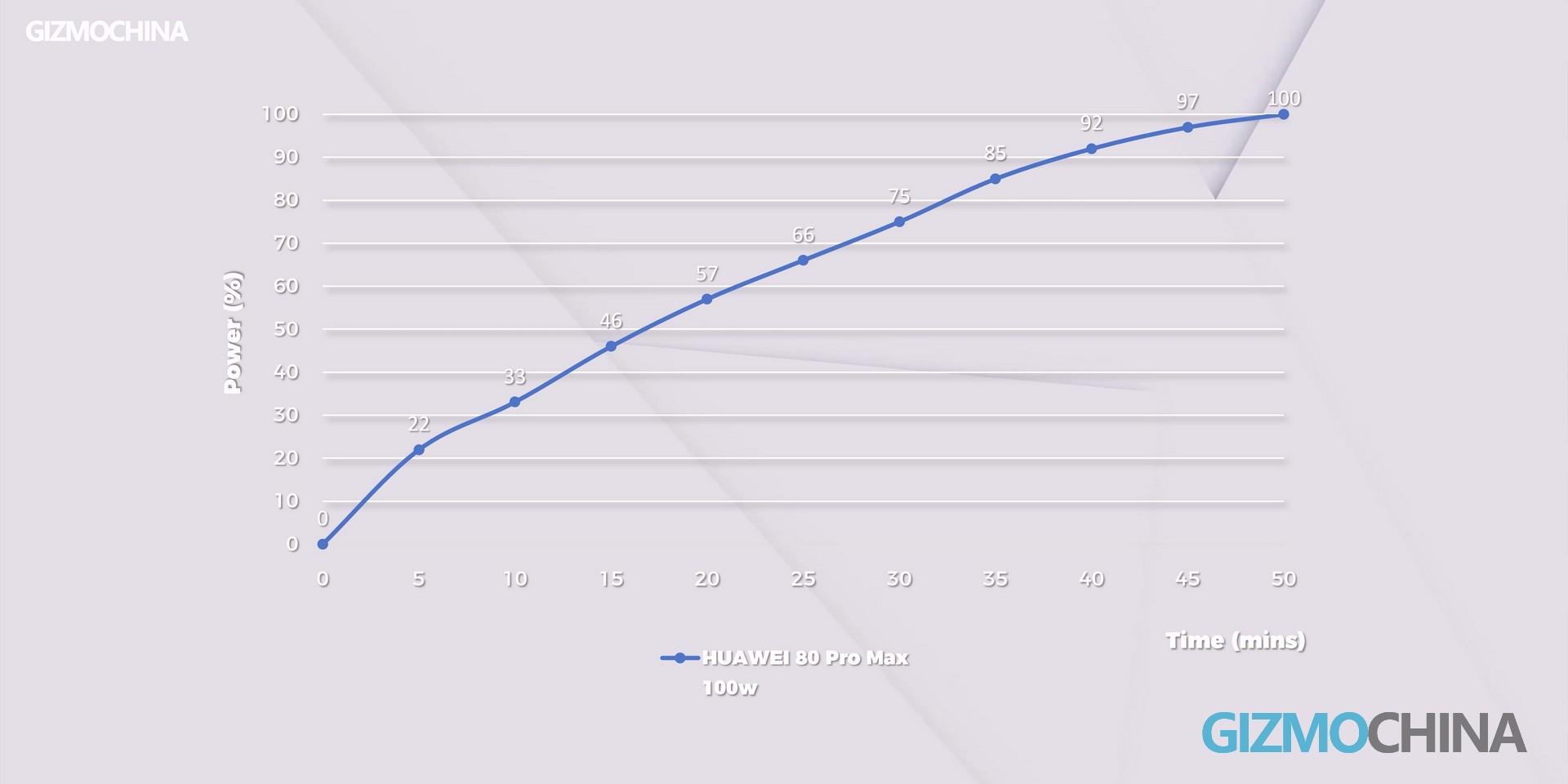
Wired charging supports 100W, and wireless charging goes up to 80W. It only takes 50 minutes to fully charge in our tests. Overall, I think battery and charging performance are still satisfying.
Camera
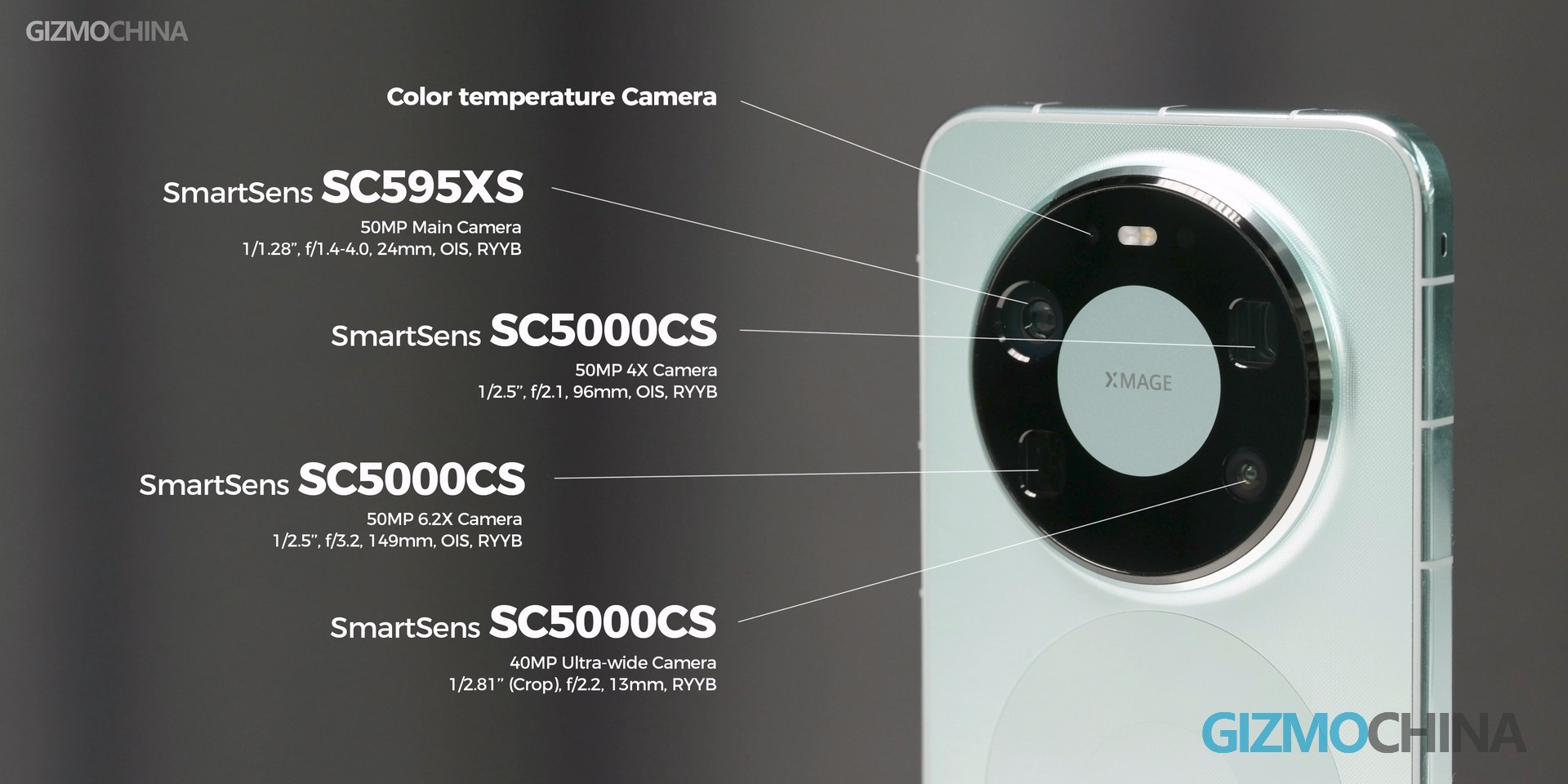
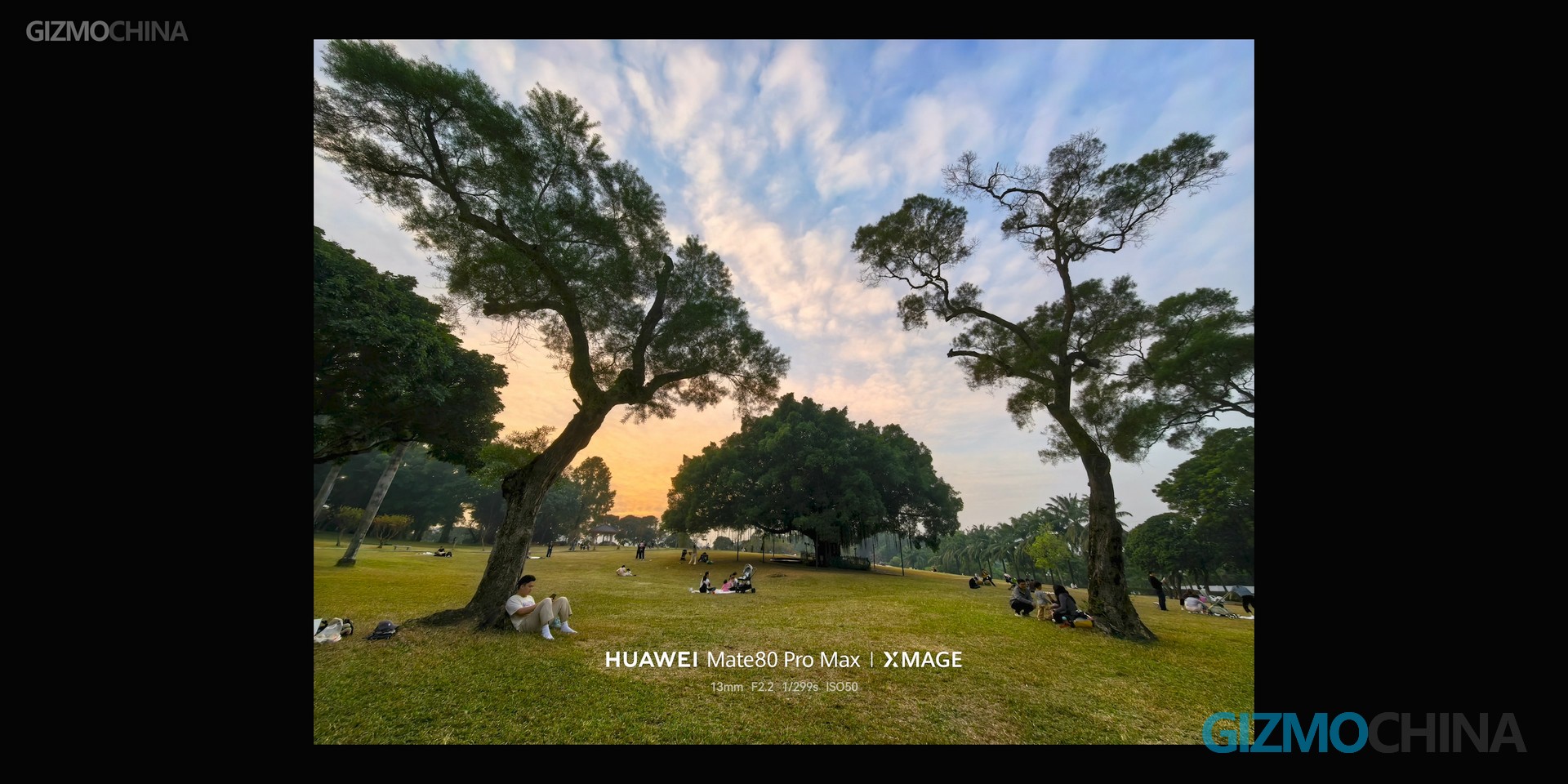
All four camera sensors on the Mate 80 Pro Max come from SmartSens Technology. Honestly, I’m very happy with all four of them. The ultra-wide has a sufficiently wide field of view, and 2 telephoto lenses let me capture subjects far away.
There are two things to note: First, the ultra-wide camera is not compromised like in many other flagships. It uses the same sensor as the two telephotos, meaning image quality at every focal length remains excellent. Secondly, every sensor uses an RYYB filter, increasing light intake and greatly improving low-light performance. And the color shift caused by RYYB can be corrected with the second-generation color temperature sensor. Combined with the variable aperture on the main camera and SmartSens’s new HDR technology, this is the most feature-rich and balanced camera system I’ve seen. Whether it’s dynamic range, white balance, or focal coverage, I can’t find any faults.
Some phones try to use a 200MP mid-telephoto camera, rely on in-sensor zoom to cover longer focal lengths. Although in most cases, the cropped photos look similar to the Mate 80 Pro Max’s 6.2x optical zoom, this approach has two major drawbacks you might not know: One, their telephoto cameras cannot shoot macro photos. The Mate 80 Pro Max’s 4x telephoto has a minimum focusing distance of 5cm—the best macro performance we’ve ever seen on any phone, period.
Two, if you need to shoot video using the telephoto lens, the quality difference becomes huge. So, between a single large-sensor telephoto and two smaller-sensor telephotos that cover longer ranges, I’ll always choose the latter.
Speaking of video recording, the Mate 80 Pro Max has improved a lot as well. Shaking caused by stabilization has been reduced significantly. The ultra-wide sensor is also larger than that of other flagships, performing better than expected in low light.
The front camera is also from SmartSens, but with a smaller sensor. Selfie quality is average.
Conclusion
After reviewing this phone, I realized I like it more than the time I bought it. Although it looks more ordinary now, and its performance can’t compete with other Pro Max devices, HarmonyOS 6 is very smooth, and battery life is excellent if you don’t play games. The camera system is my favorite—full-range quad cameras—and it also has the brightest display I’ve ever seen.
Add long-held advantages like signals and Face ID, and you’ll understand why HUAWEI phones remain popular. Oh, and it’s also cheaper now, so for longtime HUAWEI users, this is the perfect time to upgrade.
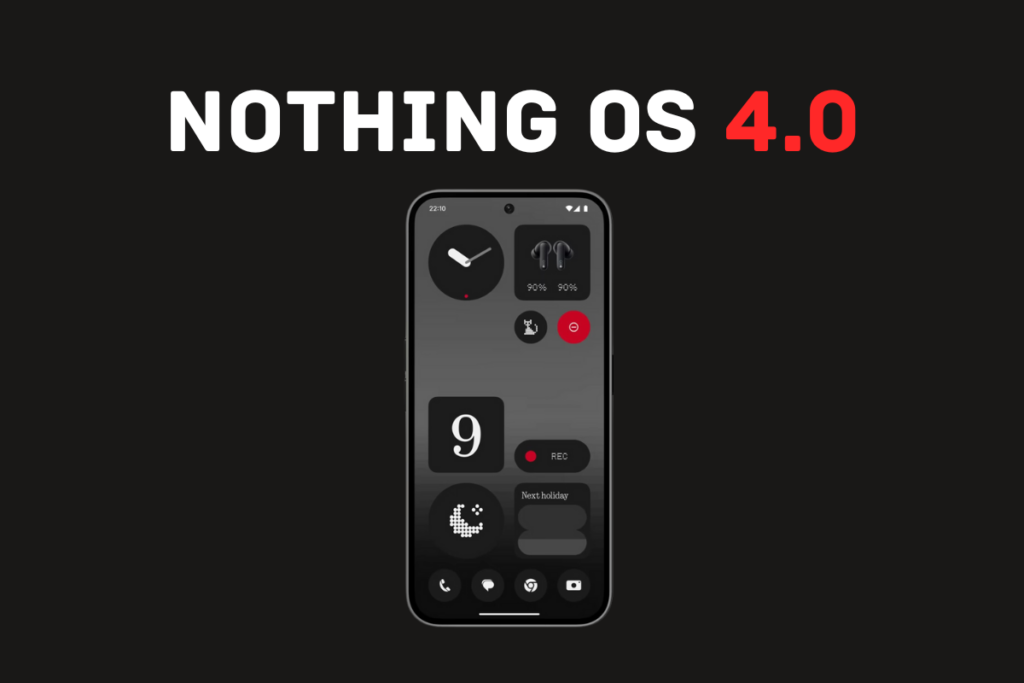
The stable rollout of Nothing OS 4.0 began last month, starting with the Nothing Phone 3, and it quickly expanded to the Phone 2, Phone 2a, Phone 2a Plus, Phone 3a, and Phone 3a Pro towards the end of November. However, many users are still waiting for their turn to receive the Android 16 update.
In the midst of users reporting delays in the rollout, a screenshot of a chat with Nothing’s support team surfaced on Reddit, leading to further disappointment among users awaiting the update. The screenshot (see it on Reddit) suggested that the Nothing OS 4.0 rollout has been temporarily suspended due to critical bugs requiring an urgent fix.
Finally, we now have an official update from Nothing’s team on the matter (via Android Authority). Here’s the official statement:
We use a phased rollout for every major software update so we can identify potential optimisations for users, these are often related to third-party apps.
Such optimisations were identified as part of the Nothing Phone (2a) Series and were rolled out on 1 December 2025. The rollout across all devices is progressing as planned and continues gradually.
If users have questions or feedback on Nothing OS 4.0, we invite them to reach out to our Customer Service team directly.”
So, Nothing has completely denied any claims regarding the rollout suspension. Instead, the company says the rollout is progressing as planned. If you’re among those waiting for the Nothing OS 4.0 update, note that the brand employs a phased rollout for every major upgrade, which means it may take some time for the update to reach all users. You can manually check for updates by navigating to Settings > System > System updates.
We’ll continue to post fresh updates about Nothing OS 4.0 in the Nothing section. If you prefer your news instant and on the go, hop into our Telegram channel for instant notification about the latest software updates and all the biggest tech headlines.
Vivo is likely to launch the V70 series phones in early 2026. So far, we have heard about two phones of the lineup: the Vivo V70 and V70 Lite. Both have appeared in at least one certification platform to confirm their existence.
A new leak suggests that these phones will be joined by another two devices called the Vivo V70 Elite and Vivo V70 FE.
No Vivo V70e or V70 Lite 4G
Words for this come from tipster Paras Guglani on X, who claims that the 2026 Vivo V70 lineup will not include any Pro or Pro Plus models. Not much is surprising, as the predecessor lineup didn’t have them either. What’s interesting, however, is the addition of Elite and FE models, with no mention of a V70e.
For comparison, the V60 series was quite different, comprising the V60 itself, the V60 Lite 5G, the V60 Lite 4G, and the V60e.
Vivo S50
Another detail from the leak is that all V70 phones are expected to have 5G connectivity. Vivo traditionally offered Lite models in multiple connectivity options to appeal to different markets, but that may no longer be the case.
Moreover, the tipster says that not all phones will launch in the same market. The standard Vivo V70 seems destined for India, while the Lite and Elite models might launch globally. The V70 FE, meanwhile, could see a release in India, though that’s less certain.
What we know
There’s not much detail available on any V70 phone. However, rumors suggest the standard V70 could be a rebrand of Vivo S50 from China. Given that, it might feature a 1.5K resolution and a 120Hz refresh rate.
The back will include a triple-camera setup, including a 50MP main sensor, an ultra-wide, and a 50MP telephoto camera with 3x optical zoom. A 50MP selfie camera is reportedly on board as well.
Rounding out the list are a 6,500mAh battery, 90W wired charging, and an IP69 rating.
For more daily updates, please visit our News Section.
Apart from the Vivo S50, the Vivo S50 Pro Mini bearing the model number V2527A has appeared in the database of China Telecom. As usual, the listing has revealed the key specifications of the device. Rumours suggest that the Vivo X300 FE, which is expected to launch in the near future for the global market, will be a rebranded version of the S50 Pro Mini. So, continue reading ahead to know what to expect from the Vivo X300 FE.
Vivo S50 Pro Mini specifications
Vivo S50 Pro Mini’s China Telecom listing
The China Telecom listing has revealed that the Vivo S50 Pro Mini will be a compact phone featuring a 6.31-inch OLED screen with a resolution of 2640 x 1216 pixels and an in-screen fingerprint sensor. The device measures 150.83 x 71.76 x 8.10mm and weighs 192 grams.
On the rear, the S50 Pro Mini is fitted with a triple camera setup comprising a 50-megapixel main camera, a 50-megapixel secondary camera and an 8-megapixel lens. For selfies, the device is equipped with a 50-megapixel front-facing camera.
Powering the S50 Pro Mini is the all-new Snapdragon 8 Gen 5 (SM8845) with a peak clock speed of 3.8GHz. The listing confirms configurations of 12GB+256GB, 12GB+512GB and 16GB+512GB, using LPDDR5x RAM and UFS 4.1 storage.
Vivo S50 Pro Mini
The S50 Pro Mini packs a 6,500mAh battery, which is the same capacity as the larger Vivo S50, which features a bigger 6.59-inch screen. Vivo has already revealed that it will support 90W wired and 40W wireless charging. The S50 Pro Mini runs Android 16, with expectations of OriginOS 6 on top.
Past reports have revealed that the S50 Pro Mini will have a glass back, an aerospace-grade aluminium frame and an IP68/69-rated body. It will be available in shades like Space Black, Confession White and Inspirational Purple.
For more daily updates, please visit our News Section.
Yesterday, it was widely reported that Samsung has silently released a new 60W charger, which could support 60W charging on the upcoming Galaxy S26 Ultra. Now, a new certification listing has emerged to confirm the fast-charging capabilities of the device.
Samsung Galaxy S26 Ultra 3C certified
Samsung Galaxy S26 Ultra 3C certified in China
The Galaxy S26 Ultra’s Chinese variant bearing the model number SM-S948B has been approved by China’s 3C certification platform. The listing reveals that the device will support 20A/3V (60W) charging, but it will be sold without a power brick.
This will be the first major charging speed upgrade arriving on Samsung phones, as 45W charging was introduced way back in 2019 on the Galaxy Note 10+. Apart from this 60W wired charging, the S26 Ultra is also expected to support wireless and reverse wireless charging.
The 3C listing also reveals that the Galaxy S26 Ultra will have support for satellite connectivity. This is not surprising since the S25 Ultra also came with support for it in China.
Likely, the S26 Ultra will be the only phone in the series to support 60W fast charging. The S26 Plus is expected to offer 45W charging. It remains to be seen whether the standard S26 will support 25W or 45W charging.
The 3C certification also hints at a delayed arrival for the Galaxy S26 series. The reason behind this is that the S25 Ultra was approved by the 3C authority in September 2024 before going official in January 2025. With the S26 Ultra getting certified by the 3C in December, it appears that the S26 series may debut by late February, as suggested by recent reports.
For more daily updates, please visit our News Section.
On Dec. 15, Vivo is set to announce the Vivo S50 and S50 Pro Mini in China. In the recent past, the brand has already confirmed the key specifications of the Pro Mini edition, but it has not revealed anything significant about the S50’s hardware. With only a few days remaining for the launch, the device has appeared in the product library of China Telecom, revealing all the key details.
Vivo S50 specifications
As per the China Telecom listing, the Vivo S50 will feature a 6.59-inch OLED display that offers a 1.5K resolution of 2750 × 1260 pixels. It is also likely to support a 120Hz refresh rate. The device will come with an in-screen fingerprint sensor.
The rear panel of the Vivo S50 is equipped with a triple camera setup that includes a 50-megapixel primary camera, an 8-megapixel lens and a 50-megapixel periscope telephoto camera featuring the Sony IMX882 sensor. On the front, the device will offer a 50-megapixel selfie camera.
The S50 is powered by the Snapdragon 8s Gen 3 chipset. Vivo has already confirmed that the device will feature LPDDR5x RAM and UFS 4.1 storage. The China Telecom database also lists its three variants: 12GB+ 256GB, 12GB+512GB and 16GB+512GB.
Vivo S50
The battery section of the listing confirms a 6,500mAh unit. As seen in its 3C certification, the phone will support 90W fast charging. The device is expected to run Android 16 paired with OriginOS 6.
In terms of build, Vivo has already confirmed that the S50 features an aerospace-grade aluminium frame. It is also likely to offer an IP68/69-rated body. Colour options include Space Black, Confession White, Inspirational Purple and Serene Blue.
Vivo V70 could be based on the S50
Vivo is working on the Vivo V70 for the global market. Although details about the device remain unknown, it could be based on the S50. One major difference could be that the V70 may swap the Snapdragon 8s Gen 3 for the Snapdragon 7 Gen 4 chipset.
Remember Xiaomi’s big new feature on the Xiaomi 17 Pro series? A secondary screen on the back to take on the iPhone 17 Pro models. Well, it seems like all you need is this particular protective case to get some of the useful features of that on your latest Apple flagship.
iPhone 17 Pro Gets a Xiaomi 17 Pro Inspired Case
Dockcase just released a new cover for the iPhone 17 Pro, which is called the Selfix case. This basically adds a cover display on the back of the phone. Being able to take selfie shoots as the secondary screen acts as a camera viewfinder is one of the best features of devices like flip phones. The Xiaomi 17 Pro series has this function too, but now, even the iPhone 17 Pro is capable of it.
Selfix Case for the iPhone 17 Pro
The large high resolution sensors are perfect for those vloggers and content creators. This is a tiny 1.6-inch circular AMOLED display with touchscreen support and 480 x 480p resolution. Dockcase’s Selfix case promises a zero lag experience and doesn’t require any dedicated companion app. But that’s not all, buyers also get a dedicated power button to allow users to switch the secondary screen on and off. There is even a PD 3.0 USB Type-C port that supports up to 100W input.
Adding even more to the feature list is a microSD card slot that can expand storage by up to 2TB. So even media, like pictures and videos, stored in the microSD card will still appear inside the regular iPhone gallery. Unfortunately, we still don’t have an official pricing and release date. Although, Dockcase has launched the product on Kickstarter, showcasing multiple color options. These include Midnight Black, Oat White, and Blush Pink.
Qualcomm has announced two new chipsets aimed at strengthening the mid-range and entry-level smartphone space. The Snapdragon 6s 4G Gen 2 and Snapdragon 4 Gen 4 mark the company’s next wave of affordable mobile platforms focusing on faster performance, improved imaging support and upgraded efficiency. With both processors expected to appear in 2026 devices, they signal Qualcomm’s ongoing push to remain competitive in the budget segment.
Snapdragon 6s 4G Gen 2
Snapdragon 6s 4G Gen 2Snapdragon 4 Gen 4
The Snapdragon 6s 4G Gen 2 is positioned as a dependable option for low-cost phones while still offering noticeable improvements over its predecessor. It comes with a Kryo CPU clocked at up to 2.9GHz and an enhanced Adreno GPU that delivers smoother visuals and gains in graphical output. The chipset supports 120fps playback on Full HD Plus displays, helping reduce lag in gaming and multimedia.
Imaging is also a key focus, with support for cameras up to 108-megapixel and the ability to capture photos and videos through multiple lenses at the same time. Qualcomm has strengthened AI-related functions as well, improving voice assistance and ensuring clearer audio through better microphone and echo management. These upgrades are intended to help budget phones deliver more reliable everyday performance.
Snapdragon 4 Gen 4
The Snapdragon 4 Gen 4 continues the same philosophy but leans more towards efficiency. It features a Kryo CPU capped at 2.3GHz along with an Adreno GPU that can handle 120fps output on compatible displays. Like the 6s 4G Gen 2, it supports 108-megapixel cameras, but adds hardware-level multi frame noise reduction for cleaner low light shots.
Battery life is another highlight, as the chip supports Quick Charge 4 Plus which can bring a phone from zero to fifty percent in about fifteen minutes. With 5G and Wi-Fi enhancements included, the chipset aims to power upcoming entry-level smartphones with a more balanced performance profile.
For more daily updates, please visit our News Section.
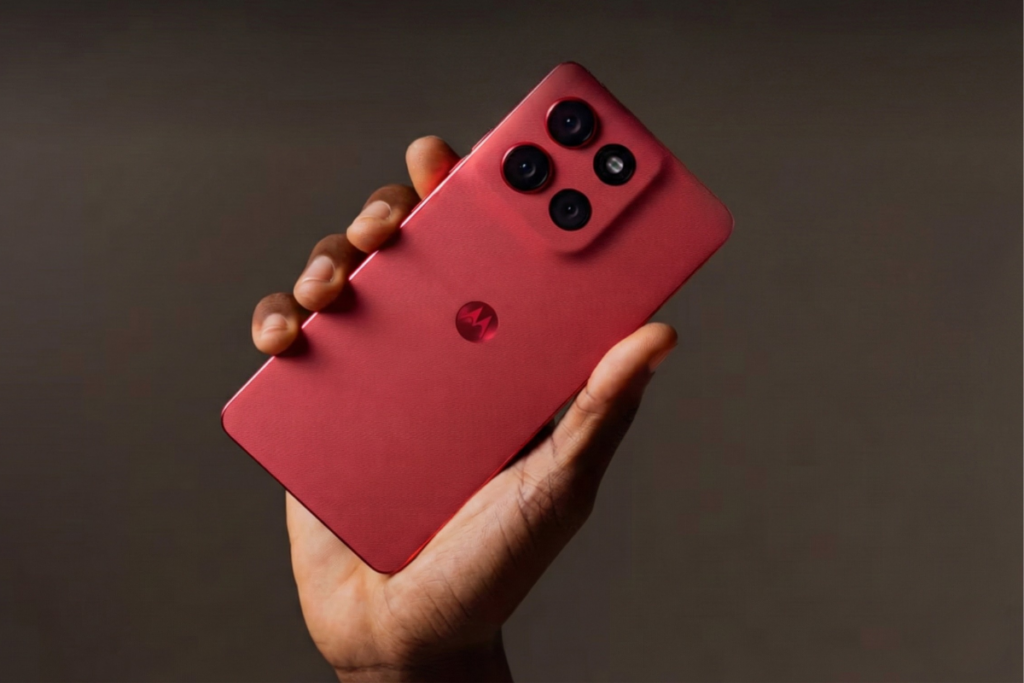
The Android 16 update is gradually expanding to budget Moto G series smartphones, with the latest being the Moto G86. Its sibling, the Moto G86 Power, received the latest software last month, and now the update is out for the vanilla model as well.
Motorola confirmed the Android 16 rollout for the Moto G86 via its support pages, as spotted by Ytechb. As the update has just started rolling out, its availability is currently limited to select regions, primarily European countries. However, it should also expand to other regions pretty soon.
The latest update for the Moto G86 is tagged with the firmware version W1VN36H.60-30. It’s the same firmware version as for the Moto G86 Power, and has a download size of about 1.33GB. The update also brings the October 2025 security patch, alongside the changes as part of Android 16.
If you have a Moto G86, navigate to Settings > System updates > Check for updates to check if the update is ready for your device. If it doesn’t appear, please check back in a few days, as the rollout will expand in stages.
Android 16 is the first major Android OS upgrade for the Moto G86, as it was launched a few months ago with Android 15. The smartphone will receive at least one more Android upgrade before it runs out of OS updates. However, it will continue to receive security updates for at least three more years.
Here’s the complete Android 16 update changelog for Moto G86:
Feature improvements After upgrading, you’ll see the following improvements to the Android operating system and other apps.
Find modes in one place Now you can find these modes in Settings > Modes:
– Do Not Disturb – Bedtime – Driving
You can also create custom modes to fit any situation where you want to choose a different set of people or apps who can interrupt you. Toggle these modes on or off in quick settings.
Connect to Wi-fi and hotspot with one tap If your phone and device you want to connect to its hotspot are using the same Google account, you no longer need to enter a password to connect.
Better support for low-energy audio hearing aids You can now choose to use either your hearing aid’s built-in microphone or your phone’s microphone during voice calls. Additionally, you can adjust the volume of ambient sound captured by the hearing aid’s microphones. These options help enhance call clarity, especially in noisy environments or when your hearing aid’s battery is running low.
Other improvements Android system updates add more than new features. Using the latest Android update provides other improvements such as:
– Enhanced security and protection to defend against evolving threats like malware, phishing, and data breaches – App compatibility with newer apps, which often require the latest Android version to function correctly – Performance improvements that optimize your phone’s operating system for smoother performance, better stability, and, in some cases, longer battery life – Bug fixes and stability enhancements to resolve known issues and improve overall reliability and stability
Remember to visit our Motorola section regularly for the latest updates. Alternatively, you can join our Telegram channel to get instant notifications about the latest software updates and tech breakthroughs.
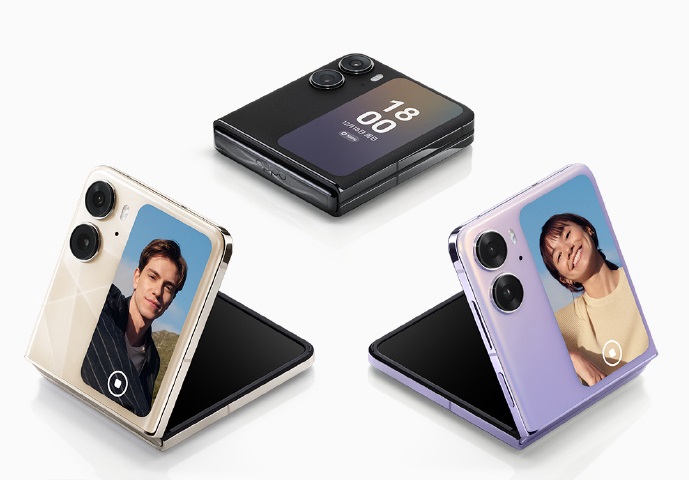
In a fresh wave of ColorOS updates, Oppo is expanding its list of devices eligible for ColorOS 16. There are a bunch of older smartphones getting the Android 16 OS update, including older premium foldable phones and even mid range devices. So here are the details.
Oppo’s ColorOS 16 custom skin brings the latest Android 16 OS and carries a download size of around 3.7GB. The company is rolling out the update in a staggered manner, so only a small batch of these models is getting the major software upgrade. Meaning, if you haven’t received the update yet, it should follow soon after.
To check if you’ve received the update go to Settings > System & update > Software update > tap the top of the page > tap the icon on the top right > Beta program > Release candidate> Apply Now. Click the Download now button and then install the update. It is worth noting that you should make sure that you have sufficient storage to download and install this update. Furthermore, it is also recommended to have over 40 percent battery life when installing ColorOS 16.
For more daily updates, please visit our News Section.
The Redmi TV X 2026, which originally appeared alongside the K90 series in October, is now receiving an expansion to its lineup. The earlier launch focused on the larger mini-LED variants, but Xiaomi has since added more accessible size options for a wider audience. This update marks a broader push from the brand to cater to varied living room setups while keeping the same design language and feature direction.
Redmi TV X (2026) now comes in three new screen size options
The newly introduced 55-inch, 65-inch and 75-inch models are priced at 2499 Yuan (~$355), 2999 Yuan (~$425), and 3799 Yuan (~$540). These join the previously released 98-inch and 85-inch versions, which were priced at 4799 Yuan (~$680) and 7599 Yuan (~$1,080). As 55-inch, 65-inch, and 75-inch models are entry-level offerings, the dimming zone count is lower, with 308, 384 and 512 zones, respectively.
Redmi TV X (2026)key specifications
Redmi TV X (2026) in 55-inch
The Redmi TV X (2026) features a peak brightness of 1200 nits, a dynamic contrast ratio of 12,000,000:1 and 4K 144Hz output, with support for VRR and an e-sports mode that increases the refresh rate to 288Hz. The series offers HDR10+ support, DCI P3 94 percent colour coverage and calibrated color accuracy.
Features like the Full Stack Color Engine and AI-driven dimming aim to improve contrast and clarity across different content types. The company has included its picture enhancement engine along with the Green Mountain eye protection system for high-frequency dimming and reduced flicker.
Redmi TV X (2026) connectivity features
For gaming, Dolby Vision Gaming, FreeSync Premium and a 4ms response time are supported. The TV also integrates smart home controls, voice assistance in multiple dialects and multi-screen sports viewing, making it a versatile addition to Xiaomi’s ecosystem.
The TVs run on the MediaTek MT9655 chipset paired with 4GB RAM and 64GB storage, and ship with the Hyper OS 3 platform. Connectivity includes Wi-Fi 6, Bluetooth 5.2, dual HDMI 2.1 ports, USB 3.0 and other essential interfaces.
For more daily updates, please visit our News Section.
Launching your drone straight from your watch might sound like a gimmick at first, but it turns out to be genuinely useful in certain situations. DJI clearly saw the potential and has now made it a real feature for Neo 2 owners.
A new firmware update, v01.00.0500, is rolling out now and adds full Apple Watch control — including a live camera feed — without needing to pull out your phone or the dedicated remote.
Once you update the DJI Fly app to version 1.19.4, compatible Apple Watch models (Series 8, Ultra 2, Ultra 3, and newer) can take off, change flight modes, capture photos or videos, and even show exactly what the drone sees in real time. The feature is aimed at runners, cyclists, and hikers who want to travel light, but early users are already trying it in more creative ways.
Voice controls also get an upgrade. After granting the app microphone access, you can speak flight commands or use the watch as a remote mic to record commentary or ambient sound directly into your footage — a neat touch for vloggers or anyone who wants to narrate hands-free.
There is one quirk, though: the wrist-based live feed doesn’t always play nicely with Apple’s raise-to-wake behavior. Lowering your wrist can interrupt the feed, which makes sense given the Apple Watch’s power-saving habits, but it’s something flyers will need to get used to.
The Neo 2 itself only launched at the end of October, pitched as a super-light travel drone for everyday use. It weighs just 151 grams and carries a 1/2-inch 12-megapixel sensor capable of 4K 60 fps landscape video, 4K 100 fps slow motion, and 2.7K vertical shooting, with a quoted 19-minute flight time. Prices start at 1,499 yuan, which works out to roughly US$212 or ₹19,195.
With the latest firmware, DJI hasn’t just added a convenience feature — it’s made the drone feel almost wearable. For runners after cinematic follow shots, cyclists wanting POV footage, or anyone who hates juggling extra gear, the Neo 2 just became a lot more appealing.
If you’ve noticed a pattern with Honor’s budget lineup lately, you’re not wrong. The company has been rolling out both its X7 and X8 series phones with simple alphabetical suffixes.
Today, we’re looking at the Honor X8 line, which began with the original model back in 2022 and has since continued with predictable additions: the X8a, X8b, and X8c.
The latest entry in that sequence is the Honor X8d, which has quietly surfaced on a retailer’s website in Kyrgyzstan. Even with a low-key debut, it’s enough to give us a good look at what the phone brings.
Honor X8d Specifications
The Honor X8d features a 6.77-inch AMOLED display with a resolution of 1080 × 2392. It’s powered by the Snapdragon 6s 4G Gen 2 chipset, which is making its debut next week. And yes, that’s the real name of the silicon.
Memory option includes 8GB of RAM and 128GB of internal storage. The listing shows no higher-capacity variant, so storage expansion or additional models remain unknown.
Honor has included a 7,000 mAh battery, which is larger than what’s typical in this segment. The phone supports 45W wired charging. The X8d also carries an IP65 rating, offering basic dust and splash resistance.
On the back, the phone includes a 108MP main camera along with a secondary 5MP sensor. On the front, there’s a 16MP selfie camera. The device weighs 188 grams and measures 162.9 × 76.3 × 7.5 mm.
As for software, the phone is likely based on Android 16 with MagicOS 10 on top. The device comes in Black, Blue, and Silver shades.
The X8d hasn’t been formally announced yet, so there’s no pricing or availability information at the moment. However, the quiet listing suggests a launch may not be far off.
Realme is all set to unveil the Realme Narzo 90 and Narzo 90x on Dec. 16 in India. Like previous Narzo models, the 90 series will be available through Amazon in India. With only a few days left for the event, a new leak by tipster Paras Guglani has outlined the design, colour variants, hardware and tentative pricing of both phones, giving a clear idea of what to expect from the upcoming lineup.
According to the leak, the Realme Narzo 90 would feature a 6.8-inch AMOLED display with a 120Hz refresh rate and 1400 nits HBM. It is tipped to run on the Dimensity 6400 Max chipset and offer the same RAM and storage options as the 90x.
The rear camera setup reportedly includes a 50-megapixel main sensor paired with a 2-megapixel secondary lens, while the front camera is expected to be 50-megapixel. It may also offer a 7000mAh battery with 60W charging, UFS 2.2 storage and Realme UI 6.0.
Realme Narzo 90xRealme Narzo 90x
The leak states that the Realme Narzo 90x may arrive as the more affordable option, featuring a 6.8-inch HD+ display with a 144Hz refresh rate and 1200nits high brightness mode. The device is said to run the Dimensity 6300 chipset and ship with 6GB or 8GB of RAM paired with 128GB of storage.
The Narzo 90x could include a 50-megapixel + 2-megapixel rear setup and an 8-megapixel selfie camera. A 7000mAh battery with 60W charging support and Realme UI 6.0 is also expected.
Realme Narzo 90, Narzo 90x price (rumored)
The leak further reveals that the Realme Narzo 90x may launch in Flash Blue and Nitro Blue, with pricing likely starting at Rs 14,999 including offers.
The Narzo 90 is said to arrive in Victory Gold and Carbon Black, with a starting price of around Rs 17,999 including offers.
For more daily updates, please visit our News Section.
EVs are driving the next generation of mobility globally, and the momentum behind electric vehicles has never been stronger. According to the IEA, EVs reduced oil demand by more than 1.3 million barrels per day in 2024, with that displacement increasing by ~30% year-on-year. And no group has contributed more to that surge than Chinese EV makers.
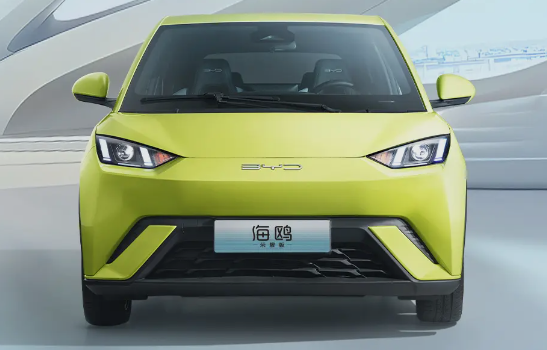
In just a few years, several Chinese brands have leapfrogged long-established Western automakers due to their aggressive innovation cycles and affordability. Take BYD, for example. It has surpassed Tesla in global pure electric vehicle (BEV) sales for much of 2025.
But it’s not just BYD. China has more than a dozen prominent EV brands that are competing fiercely in the global EV market. So if you’re trying to get a sense of which Chinese EV brands actually matter right now, here are the top five you should know.
Let’s start with BYD, because there’s really no way around it. The company started its business in 1995 as a manufacturer of rechargeable batteries, but is now among the world’s top EV makers that rivals Tesla in sheer volume.
But what makes BYD interesting isn’t the sales figures. Plenty of companies can chase that number. It’s how BYD got to the point where it is now.
The company builds almost everything in-house, from its now-famous Blade Battery to its own chips and even large parts of its software stack. It’s one of the few automakers that can legitimately claim control over most of its supply chain.
That level of vertical integration allows BYD to produce EVs at prices that often feel almost impossible by Western standards, while still maintaining healthy margins.
Its lineup is also massive, spanning tiny city cars, sleek electric sedans, and premium SUVs. Apart from China, the company is rapidly expanding across Europe, Asia, South America, and even Australia.
2. Geely
Geely is another Chinese brand that’s making rounds in the EV space. And unlike BYD, it uses a more segmented strategy to sell its cars.
Geely manufactures and sells its vehicles under different sub-brands: Zeekr for premium and tech-focused buyers, Geometry for affordable EVs, and several others that sit in between. This approach lets Geely target almost every pricing tier without confusing buyers about what each badge stands for.
And because Geely owns stakes in Volvo, Polestar, and even parts of Mercedes-Benz’s parent company, it benefits from deep experience in global markets.
In 2024, Geely achieved a 2.7% market share in the global market, ranking 6th overall, ahead of Volkswagen.
3. NIO
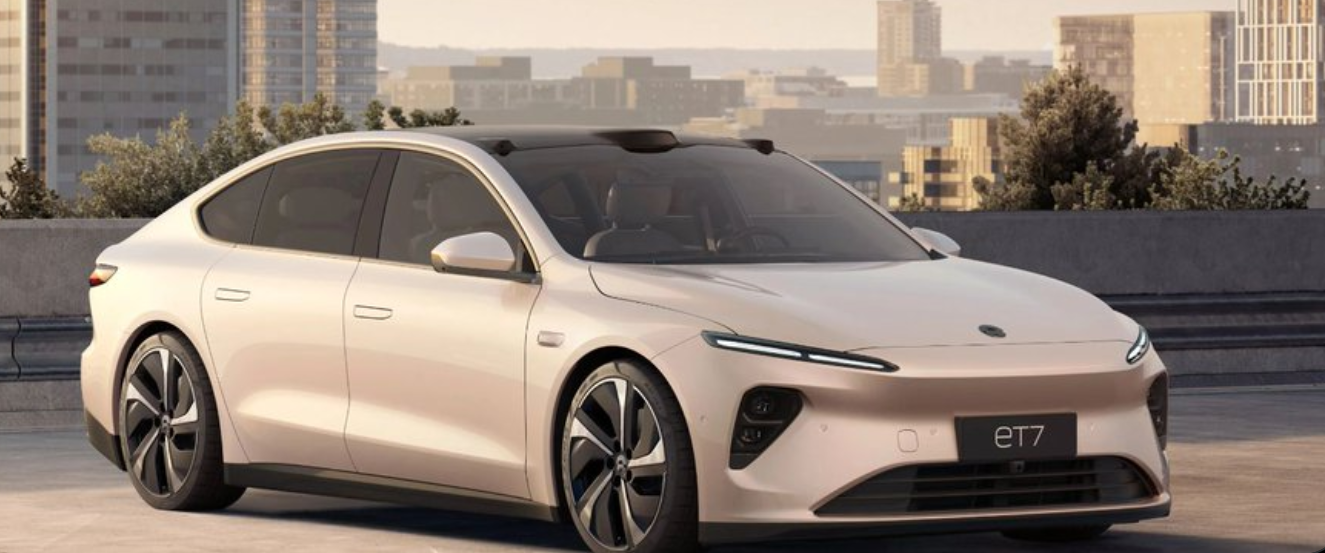
NIO is one of the more interesting car manufacturers to come from China. It technically sells electric SUVs and sedans, but for NIO, the real selling point is the experience it offers.
For instance, all NIO cars are designed with battery swapping (Power Swap) technology as a core feature. And if you guessed it, yes, a driver can simply exchange a depleted battery for a fully charged one in minutes.
As of late 2025, NIO’s battery swap infrastructure boasts over 3,400 stations in China, 59 stations in Europe, and 1 in the UAE.
NIO cars also come with NOMI, the world’s first in-vehicle AI assistant. NOMI can learn driver habits, engage in natural conversation, and execute multiple commands simultaneously.
And it’s not just EVs; NIO creates “lock-in” through services that go well beyond transportation. It operates NIO Houses, which are essentially luxurious clubhouses for owners, featuring cafés, libraries, meeting rooms, and children’s play areas.
Likewise, NIO Life is a lifestyle brand offering over 1,000 products, from sustainable fashion to home goods, used by over 50% of its customer base. Not to forget, NIO also has a smartphone line with its second model (NIO Phone 2) launched in 2024.
NIO crossed over 30,000 deliveries in a single month for the first time in late 2024. In 2025, it expanded its EV offerings with sub-brands like ONVO (family-friendly SUVs) and Firefly (small city EVs).
4. XPeng
Like NIO, XPeng is one of the newer players in China’s EV scene, doing business since 2014. Its first product was the G3 SUV in 2018, which was soon followed by the P7 electric sedan in 2019.
What sets XPeng apart is the company’s fixation on pushing AI deeper into mobility. Alongside its growing lineup of cars, XPeng has been building out an entire tech ecosystem, including what it calls the first AI-integrated operating system for vehicles, the AI Tianji System (XOS 5.1.0).
The company has also rolled out a full suite of AI-driven intelligent driving models — XNet, XPlanner, and XBrain — plus the world’s first 40-core chip designed for AI-defined cars, robots, and even flying vehicles, known as XPeng Turing.
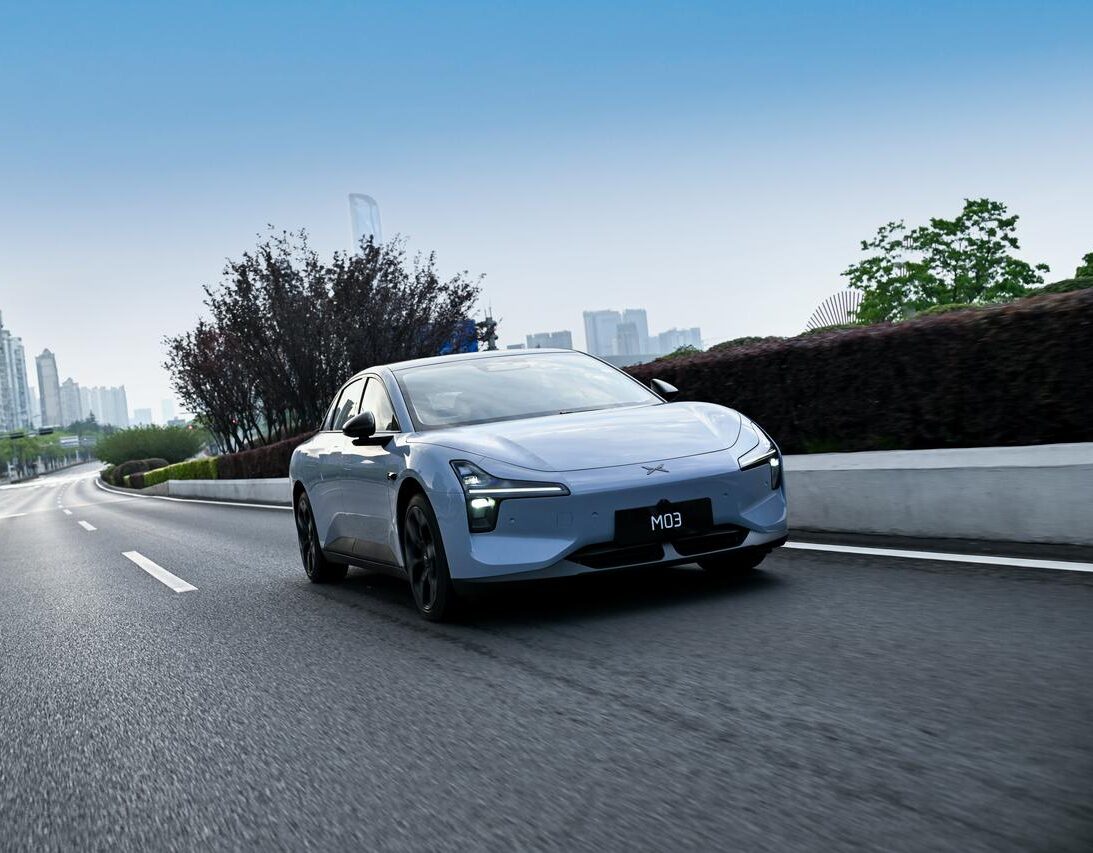
One of XPeng’s recent breakout hits is the Mona M03, an electric sedan packed with smart-driving tech that starts at just $17,000 in China.
5. Li Auto
Li Auto is a bit of an odd one on this list, but in a good way. While most of the others here lean heavily into pure battery EVs, Li Auto is better known for its range-extender EVs. These are essentially electric cars with a small gasoline engine that charges the battery when needed.
Purists might roll their eyes, but buyers love them, especially in areas where charging infrastructure still isn’t great. And the sales numbers speak for themselves.
Li Auto delivered over 500,000 vehicles in 2024, a jump from 376,030 in 2023. But the growth is more significant this year as its cumulative deliveries reached 1.4 million units by September 2025.
Not everyone is ready to jump fully into EV life, and plenty of places still don’t have the charging infrastructure to make it practical. And Li Auto is targeting that demographic.
Instead of pushing buyers into something that doesn’t suit their daily needs, it offers a middle ground. Once charging becomes as easy as filling a tank, Li Auto will likely pivot harder into pure EVs, but for now, it’s playing a smart, practical game.
OpenAI is taking a big swing at creative workflows. ChatGPT can now hook directly into Adobe Photoshop, Acrobat, and Adobe Express — letting you edit photos, tweak PDFs, or build quick graphics without ever leaving the chat window.
The feature is already live. Anyone with an Adobe account can log in through the OpenAI website and start using the tools right away. Once connected, these tools stay available in your chats. You can use the tools just by naming them in your prompts or by picking them from the plus menu.
The most surprising addition is Photoshop’s on-the-fly interface generation. Ask ChatGPT to brighten an image and it’ll pop up sliders for exposure, shadows, and highlights. Ask it for a stylized look and you might get options for grain, tone, or dithering. These aren’t mockups — ChatGPT is actually calling real Photoshop operations through Adobe’s MCP backend.
Adobe’s VP of Developer Platform, Aubrey Cattell, explained it with a nice metaphor: Adobe supplies the LEGO bricks and instructions through MCP, and ChatGPT figures out which pieces to snap together based on whatever you ask it to do. Because large language models can sometimes misinterpret intent, Adobe says it’s still fine-tuning how these UI elements get generated so that the controls feel intuitive.
If you need advanced tools, precise brushwork, or complex layouts, you can still jump into the full web versions of Photoshop, Acrobat, or Express. But for quick edits, fixes, or lightweight creative tasks, having these capabilities directly inside ChatGPT feels like a major convenience upgrade.
However, it’s worth noting that the feature is still in beta and may be a bit rough around the edges. In my own testing, Photoshop actions did trigger inside ChatGPT (using the prompt “Adobe Photoshop, help me blur the background of this image”), but the edited images never actually appeared.
Once these issues get ironed out, ChatGPT won’t just answer questions or generate images anymore — it will edge into the territory of real, professional creative software for the masses.
I spent three to four weeks with the iQOO 15, using it as my main phone for daily communication, gaming, media and photography. The iQOO 15 arrives with an aggressive spec sheet, pairing the Snapdragon 8 Elite Gen 5 with iQOO’s self-developed Q3 e-sports chip, a 7,000mAh Blue Ocean battery, and a new 2K 144Hz Samsung LEAD OLED panel. But on top of the hardware, iQOO is clearly positioning this device as a performance flagship that also aims for a well-rounded everyday experience. After extended use, here is how it held up.
6Verdict
iQOO 15 in Legend and Alpha shades
After three to four weeks with the iQOO 15, it is clear that iQOO has moved beyond building only performance-focused phones. The iQOO 15 is a performance flagship that also delivers in display quality, battery life, charging speed, camera consistency, and overall day-to-day usability.
Yes, it warms up under long gaming loads. Yes, the Halo Light is not as visible as on the iQOO 13, particularly with a case. But these drawbacks pale in comparison to what you gain.
Please Note: When you buy something using the links in our articles, we may earn a small commission at no cost to you.
If you want a phone that excels in gaming but still behaves like a complete flagship with no glaring weaknesses, the iQOO 15 stands out as one of the most balanced and powerful choices available today in India. It is not merely a gaming beast; it is a polished, all-round flagship that handles everything with confidence.
Cyberpunk 2077 just hit its five-year anniversary — hard to believe, considering how rocky its launch was and how far it’s come since. Despite everything, it’s still one of the most visually striking games on PC, thanks in no small part to NVIDIA’s early push for ray tracing. To mark the milestone, NVIDIA is dusting off something fans probably thought would never see daylight again: an original GeForce RTX 2080 Ti Cyberpunk 2077 Edition, and yes, it’s signed by Jensen Huang himself.
These cards were already rare when they were new. NVIDIA only made 200 of them back in 2020, and none ever hit retail shelves. Seventy-seven were given away during the original Cyberpunk promotion, and the rest essentially vanished into storage. Now, NVIDIA is offering up two more units — and at least one reportedly carries Jensen’s signature, which pretty much turns it into a collector’s grail piece rather than a GPU anyone would actually install.
The card itself is impossible to mistake: a custom AL5052 aluminum shroud in that unmistakable yellow-and-black Cyberpunk scheme, turquoise accents, and a matching backplate. Under all that flair, though, it’s still a standard RTX 2080 Ti Founders Edition. It launched with support for the game’s original ray-traced effects and DLSS 2.0, but modern features like RT Overdrive, DLSS 3.5 Ray Reconstruction, and DLSS 4 are out of reach for Turing. Not that it matters — whoever wins one of these isn’t going to be gaming on it. This is the kind of hardware you put behind glass.
If you don’t win but really want the look, there are third-party reproduction shroud kits floating around on eBay for people who happen to own a regular RTX 2080 Ti FE PCB. It’s not quite the same, but it’s a way to get close.
Five years in Night City Endless memories. One legendary GPU.
To celebrate the anniversary, we’re giving away a custom Cyberpunk 2077 GeForce RTX 2080 Ti signed by Jensen Huang.
As for entering the giveaway, it’s straightforward: just head to NVIDIA’s X post embedded above and comment “GeForce Season.”
That’s it. Two winners will be picked, and they’ll walk away with one of the rarest pieces of GeForce history ever made — a signed relic from the Turing era and a neat little slice of Cyberpunk memorabilia.
We use cookies on our website to give you the most relevant experience by remembering your preferences and repeat visits. By clicking “Accept”, you consent to the use of ALL the cookies.
This website uses cookies to improve your experience while you navigate through the website. Out of these, the cookies that are categorized as necessary are stored on your browser as they are essential for the working of basic functionalities of the website. We also use third-party cookies that help us analyze and understand how you use this website. These cookies will be stored in your browser only with your consent. You also have the option to opt-out of these cookies. But opting out of some of these cookies may affect your browsing experience.
Necessary cookies are absolutely essential for the website to function properly. This category only includes cookies that ensures basic functionalities and security features of the website. These cookies do not store any personal information.
Any cookies that may not be particularly necessary for the website to function and is used specifically to collect user personal data via analytics, ads, other embedded contents are termed as non-necessary cookies. It is mandatory to procure user consent prior to running these cookies on your website.