Meizu first launched its POP true wireless earphones in 2018 and last year, the company launched two models as successors — POP 2 and POP2s. Now, the company has launched yet another model in this lineup.
As expected, the company has today launched the Meizu POP Pro — it’s first true wireless earphones with active noise cancellation. It is priced at 499 yuan, which is approximately $77, and will be up for sale from tomorrow, i.e. 12th January at 10:00 AM local time.
Design-wise, the newly launched POP Pro resembles the Apple AirPods Pro for the earbuds as well as the charging case. The product is equipped with a three-microphone intelligent call noise reduction algorithm that gets rid of the external environmental noise when the user is making a phone call.
The company claims that thanks to its third-generation noise reduction algorithm, it effectively offers a deep noise reduction of up to 35 decibels. The Meizu POP Pro uses a custom 10mm composite diaphragm moving coil unit for more mid-to-high frequency details as well as strong and powerful bass.
As for the Active Noise Cancellation, the device is powered by Meizu‘s new “triple hybrid active noise reduction technology” which uses feedforward and feedback microphones in the in-ear structure which detects noise to eliminate it.
It comes with features like a one-click connection, wear detection, and touch-based controls. Coming to the battery life, the company says that it offers 6.5 hours of normal usage and 4 hours of usage with noise reduction enabled. Meizu has also claimed that the charging case increases battery life to 20 hours.
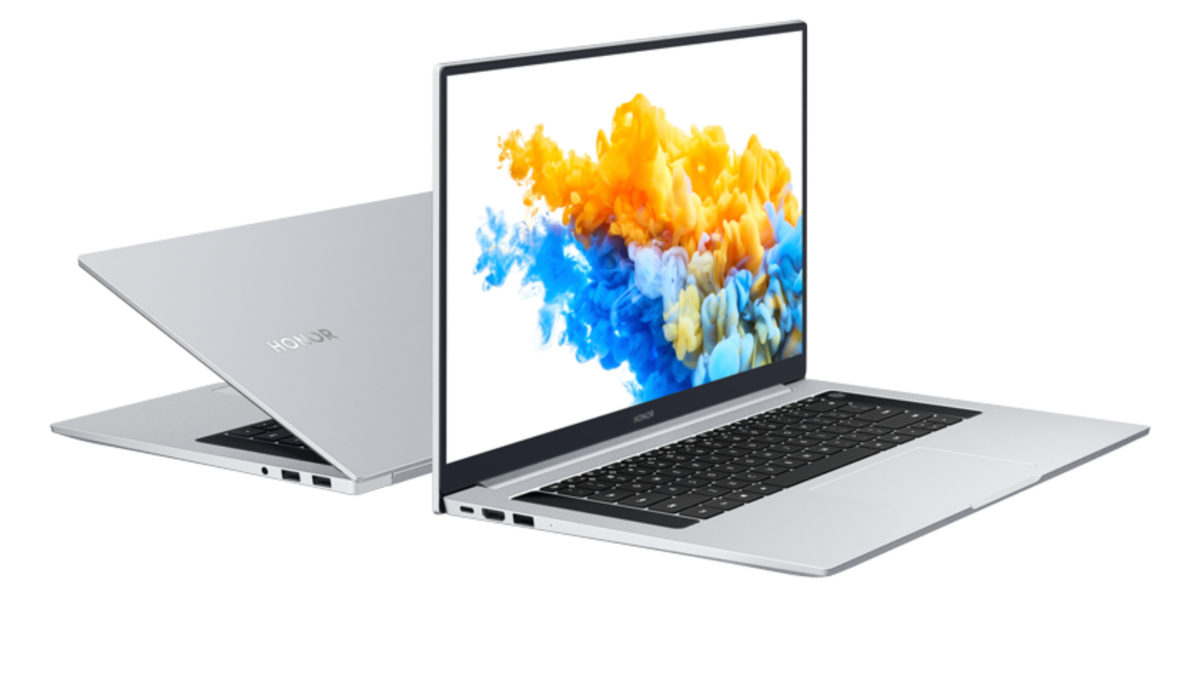
Just a couple of months after being independent, Honor has announced its latest laptop in the market — Honor MagicBook Pro 2021. The launch comes after the company separated from Huawei, allowing it to source components from US-based firms.
Unlike the previous HonorBook which was powered by the AMD Ryzen 5 4600H processor, the new models shift to Intel. The device comes powered by the Intel Core i5 10210U processor and NVIDIA GeForce MX350 GPU.
It’s noteworthy that the chipset used in this new laptop is a downgrade compared to the previous model. Also, it is using the 10th generation Intel chip even though the company has already launched the 11th generation models.
It features a 16.1-inch display that comes with a Full HD panel with 100% sRGB coverage. Internally, the device packs 16GB of RAM and 512GB NVMe for storage. There’s also a pop-up webcam for video calling. As for the ports, the device features three USB-A ports, one USB-C port, and a single HDMI connection, along with the usual 3.5mm headphone jack.
The laptop also comes with a fingerprint sensor that doubles as the computer’s power button. As for the battery life, the Chinese company claims to offer over 11 and a half hours of uptime on a single charge, thanks to the 56Wh battery.
Honor is also including a 65W power adapter, which is promised to offer 50 percent charging in about 30 minutes. While the company has not yet revealed the launch of availability, it is confirmed to be priced at $1,000.
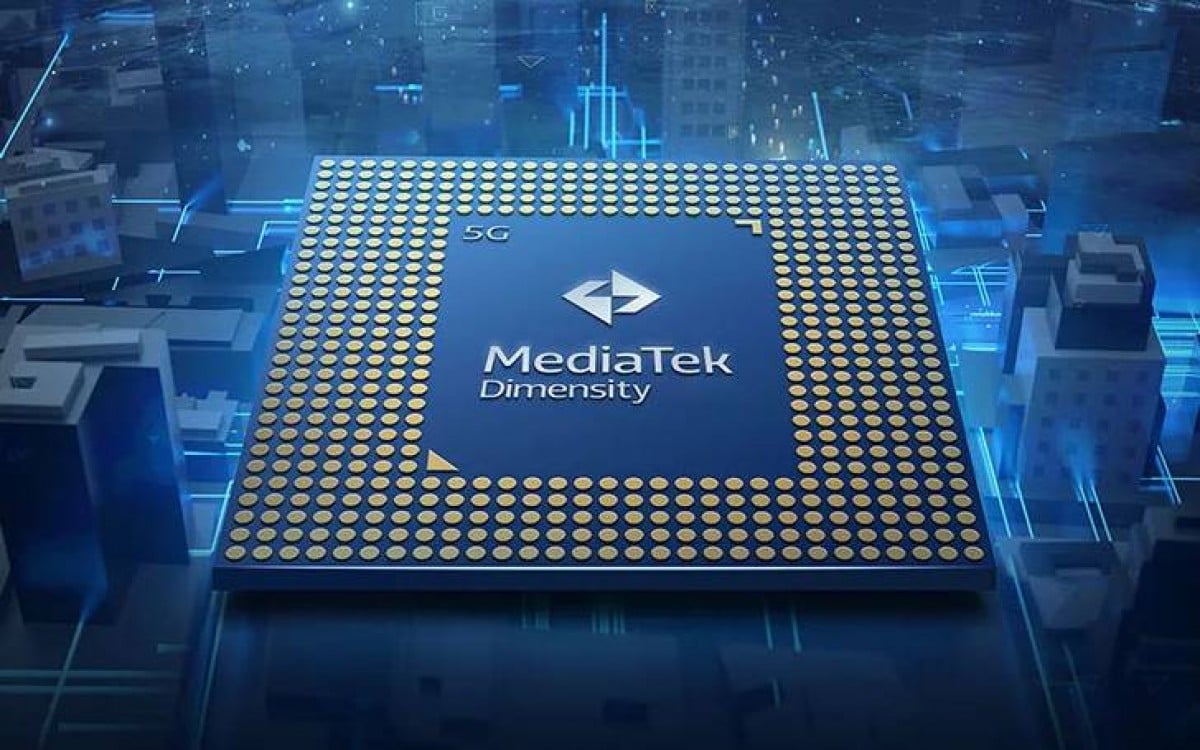
MediaTek is now the third largest customer of the world’s largest contract chipmaker, TSMC (Taiwan Semiconductor Manufacturing Company). The news arrives as the company sees a surge in demand for its mobile chipsets.
According to a ChinaTimesreport, MediaTek has jumped to the third spot after seeing an increase in orders from major smartphone manufacturers like Oppo, Vivo, and Xiaomi. These orders mainly comprised of its latest 5G enabled processors that have seen a growth in popularity in the industry. Furthermore, it is expected that the shipments of MediaTek chips will reach around 80 to 90 million units within the first half of this year.
This figure is around the same as the total annual shipment for 2020, marking a rise of 1.6 to 1.8 times in terms of annual shipments. At the moment, the company’s flagship 6nm 5G chipset, the Dimensity 1200 series, has reportedly begun, as per the report. Similarly, TSMC’s 7nm and 6nm processes are also projected to output 111,000 wafers in the first quarter of 2021. During this time, Apple would fully shift to the 5nm process for its Mac based and iPhone processors. The Cupertino based giant is also expected to use TSMC’s 5nm process for its upcoming graphics processing units as well in the future.
MediaTek is currently benefitting from the rise in popularity of 5G networking that has penetrated various industries. This includes the smartphone market, the PC industry, and even the wireless networking and the Internet of Things (IoT) field. Additionally, with Honor becoming independent from its former parent company Huawei, the chipmaker is also assessing on supplying the company with its 5G chips.
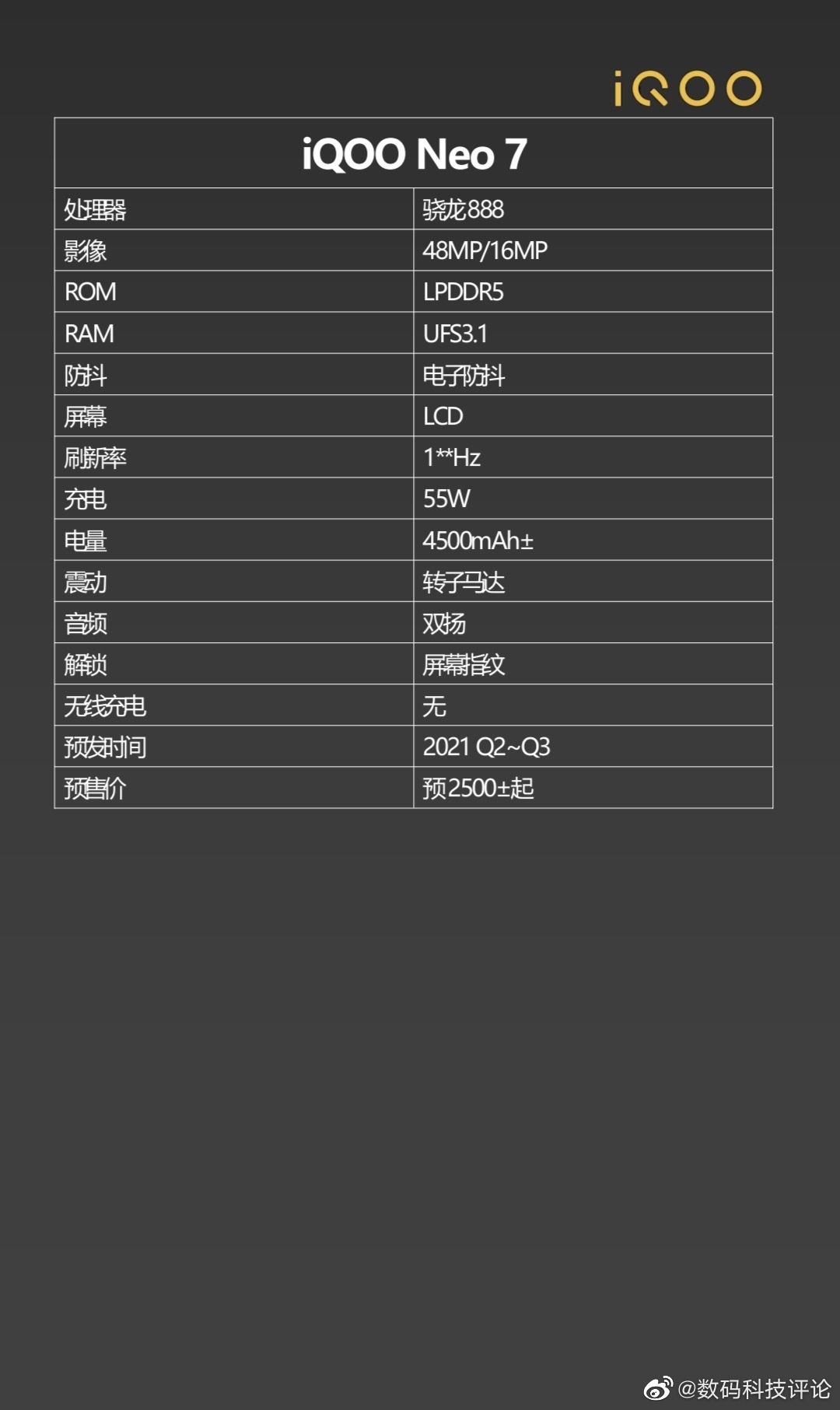
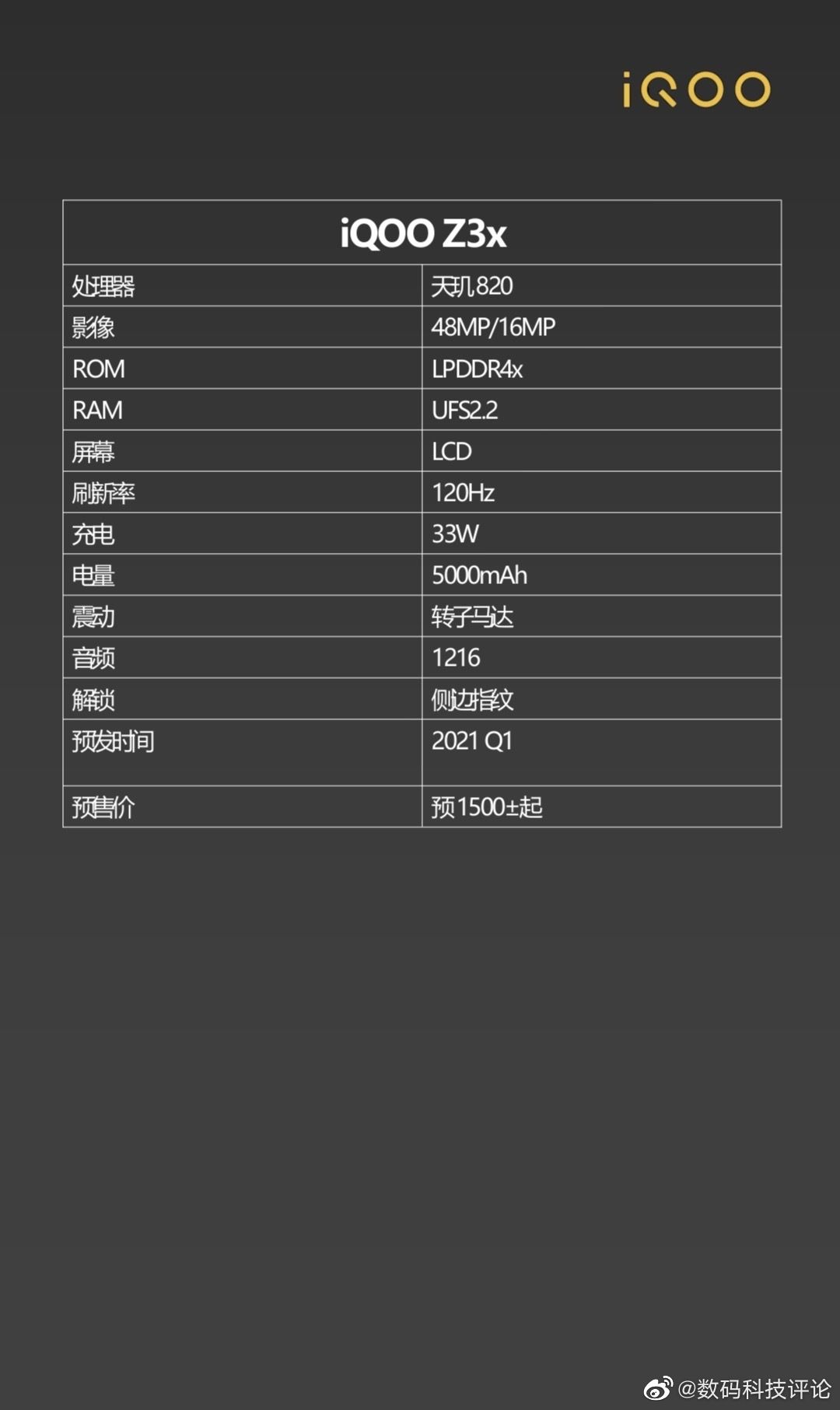
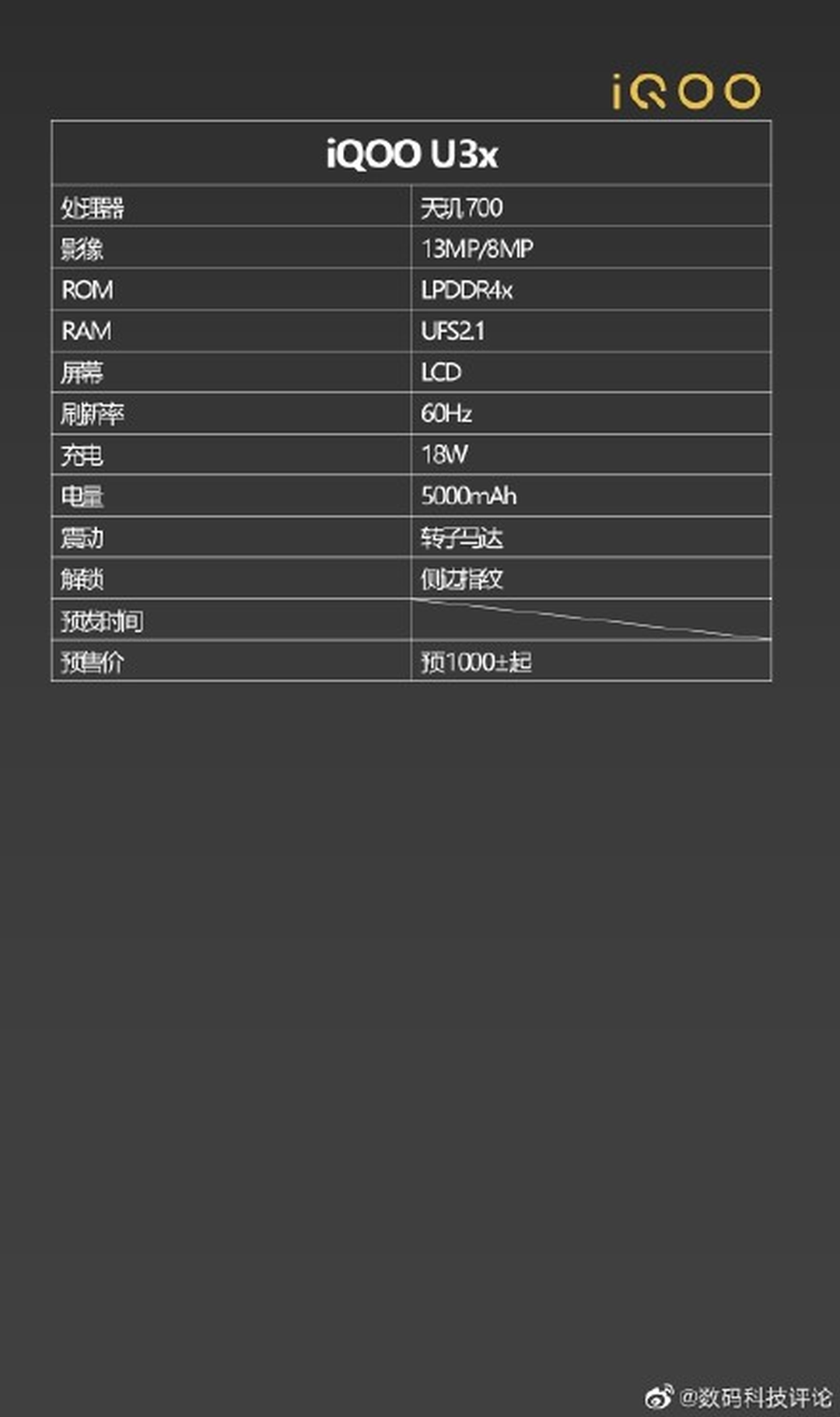
iQOO will be launching the iQOO 7 later today in China. A Weibo user has shared a couple of screenshots to share the specs of the upcoming iQOO phones such as iQOO 7 Neo, iQOO Z3, iQOO Z3x, and iQOO U3x. Before reading ahead, readers are advised to digest the leak with a grain of salt.
iQOO 7 Neo specifications (Unconfirmed)
The iQOO 7 Neo is expected to arrive with specs like an LCD display that offers a 120Hz or higher refresh rate, Snapdragon 888 chipset, LPDDR5 RAM, UFS 3.1 storage, and a 4,500mAh battery with 55W fast charging support. It could be coming with a 48-megapixel main camera and a 16-megapixel selfie snapper. The iQOO 7 Neo is expected to arrive in the second or third quarter in China with a pricing of around 2,500 Yuan (~$385).
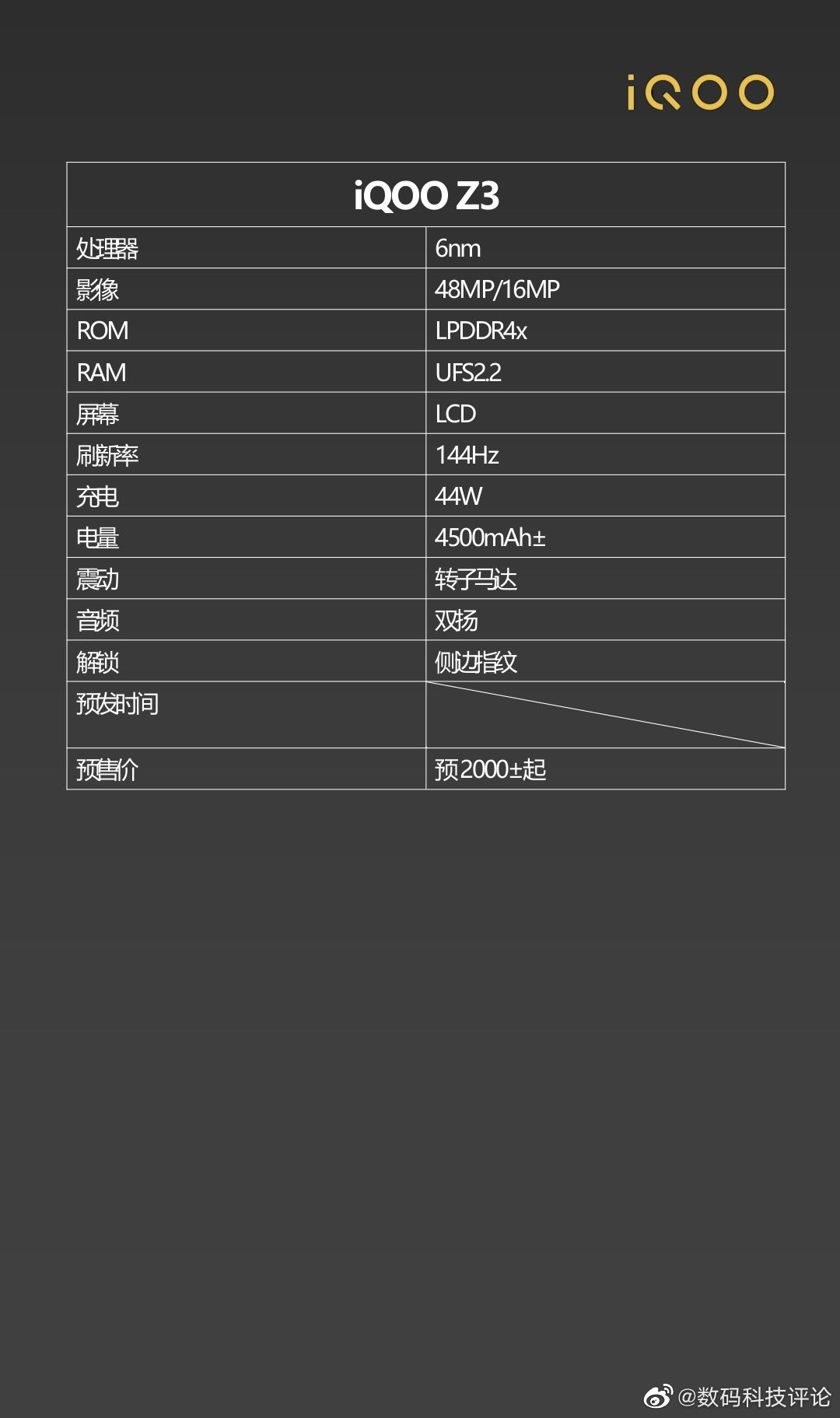
iQOO Z3 and Z3x specifications (Unconfirmed)
The iQOO Z3 and Z3x phones are expected to arrive as the successor to the iQOO Z1 and iQOO Z1x phones from last year. The iQOO Z3 leak reveals that it has a 144Hz LCD display, an unknown 6nm chipset, LPDDR4x RAM, UFS 2.2 storage a 4,500mAh battery with 44W fast charging technology. For photography, it may come with a 16-megapixel front camera and a 48-megapixel primary shooter. The device could be priced at 2,000 Yuan (~$308).
The iQOO Z3x may come with a 120Hz LCD display, Dimensity 820 chipset, LPPDR4x RAM, UFS 2.2 storage, and a 5,000mAh battery with 33W fast charging support. It could be coming with a 16-megapixel selfie camera and a 48-megapixel primary shooter. The device may launch in Q1 with a pricing of 1,500 Yuan (~$231).
iQOO U3x specifications (Unconfirmed)
The iQOO U3x is expected to arrive with a 60Hz LCD panel, Dimensity 700 chipset, LPPDR4x RAM, UFS 2.1 storage, and a 5,000mAh battery with 18W fast charging support. It may feature an 8-megapixel front camera and a 13-megapixel main camera. It may release with a price tag of 1,000 Yuan (~$154). This phone will be succeeding the iQOO U1x phone from 2020.
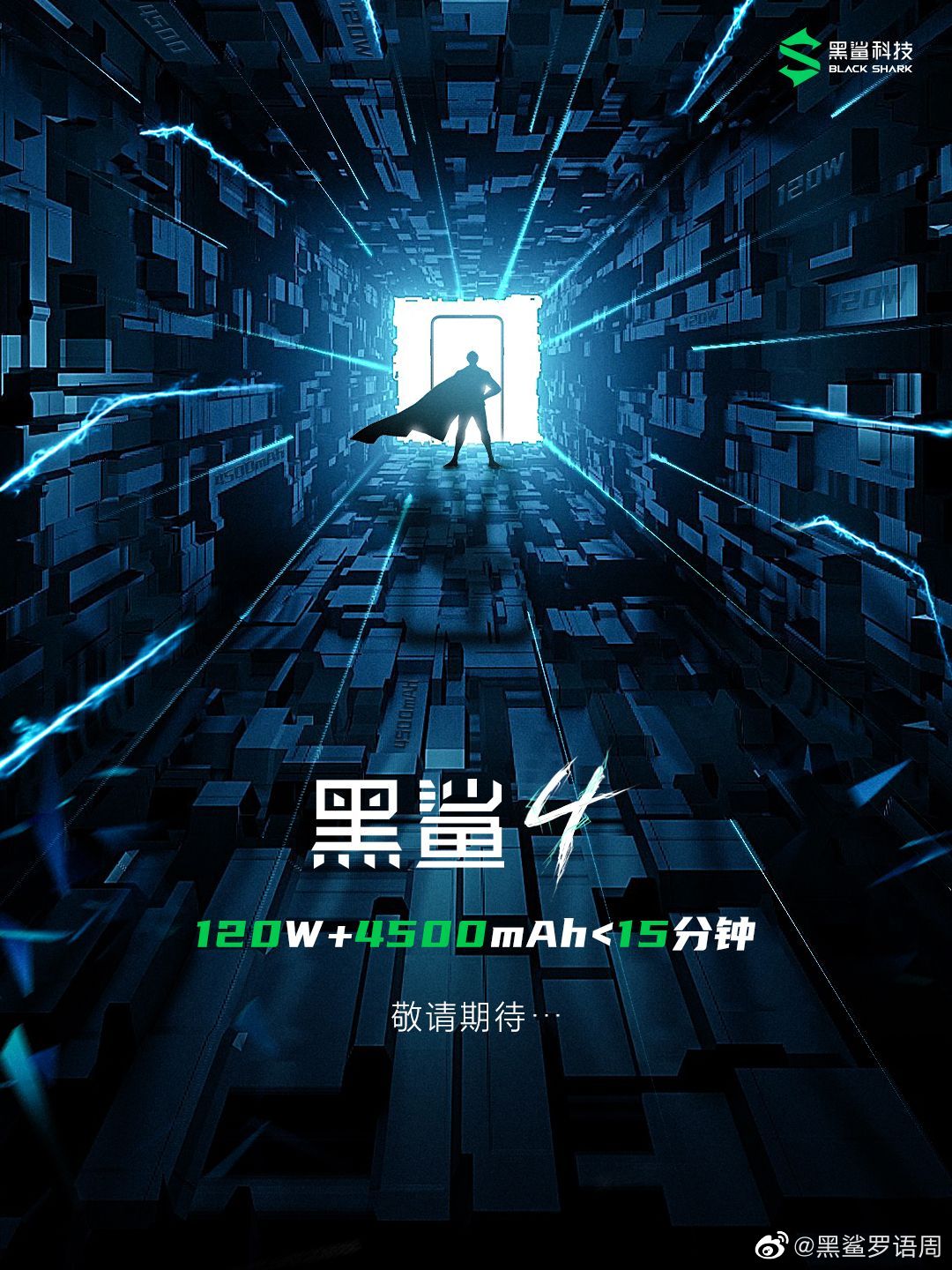
In March 2020, Black Shark announced the Snapdragon 865 mobile platform powered Black Shark 3 series gaming smartphones such as Black Shark 3 and Black Shark 3 Pro. Today, the company released the first teaser of the Black Shark 3 series’ successor. The poster confirms that its next gaming phone will be called the Black Shark 4.
In the previous week, Black Shark CEO Luo Yuzhou claimed that the next-generation Black Shark gaming phone will be an invincible device. It could be powered by the Snapdragon 888v mobile platform.
As mentioned in the new poster, the Black Shark 4 will be driven by a 4,500mAh battery and it will come with support for 120W superfast charging technology. The poster confirms that the smartphone could be charged completely in less than 15 minutes.
At present, the other specs of the Black Shark 4 are under wraps. Hence, it is yet to be ascertained whether the company will be announcing the Black Shark 4 Pro along with the vanilla model. In 2020, the company released the first teasers of the Black Shark 3 series in February. Now that the company has already started releasing teasers for the Black Shark 4, it may go official in early February.
The last Black Shark phone from the brand was the Black Shark 3S that debuted in the second half of 2020. The handset arrived with a 6.67-inch AMOLED display that produces a Full HD+ resolution of 1080 x 2400 pixels. The Snapdragon 865 powered handset came with12 GB of LPDDR5 RAM and 128 GB / 256 GB of UFS 3.1 storage.
The Black Shark 3S has a 20-mgeapixel selfie camera. The back panel of the phone has a 64-megapixel main camera, a 13-megapixel ultrawide shooter, and a 5-megapixel depth sensor. The 4,720mAh battery of the Black Shark 3S supports 65W fast charging.
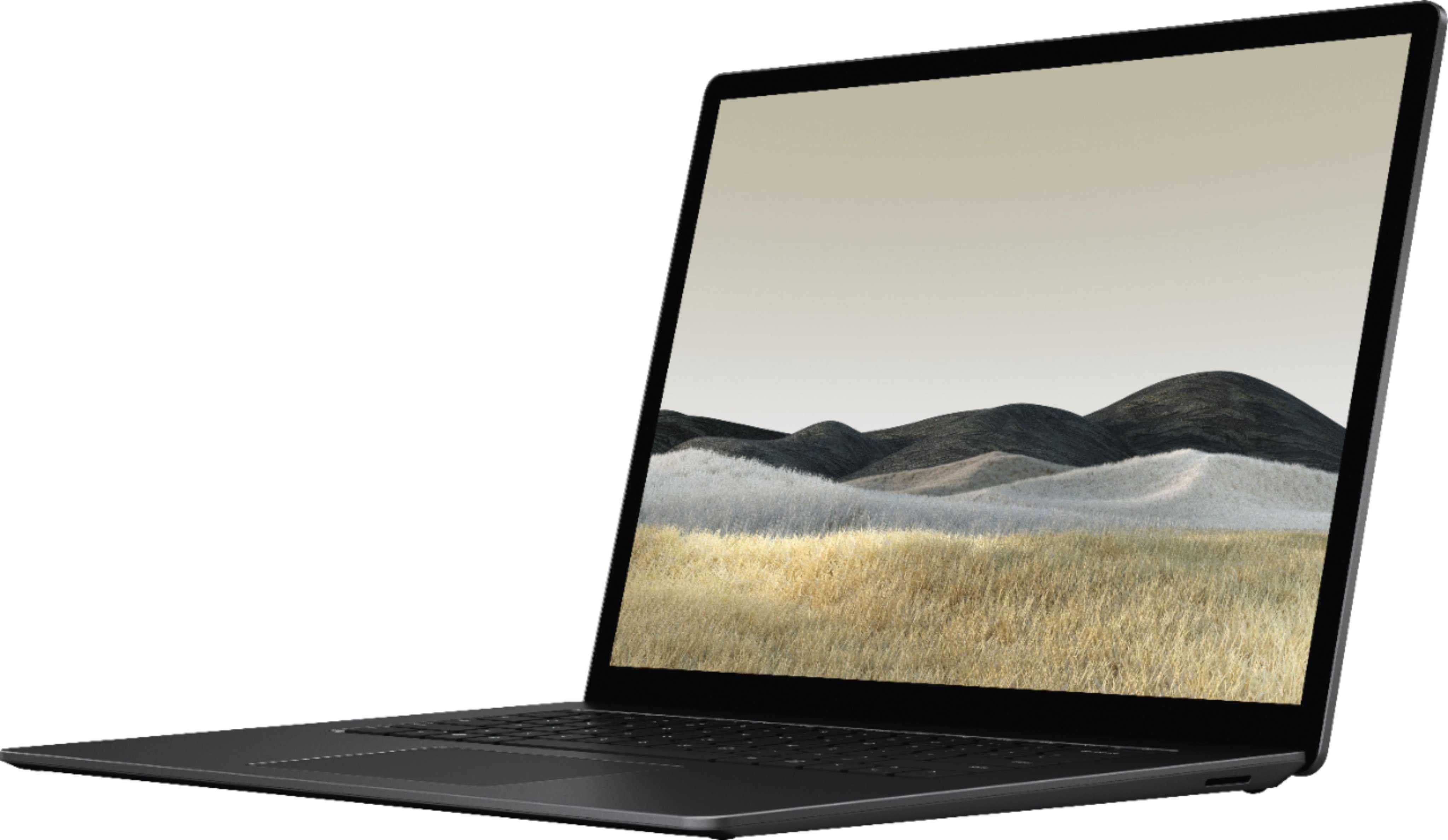
Microsoft is reportedly working on two new devices under its Surface lineup — Microsoft Surface Pro 8 and Surface Laptop 4. Interestingly, the report indicates that the Surface Laptop 4 could come with an option for AMD chipset.
When the Redmond-based tech giant launched the Surface Laptop 3 in October 2019, it became the first device to come packed with a modified version of AMD Ryzen 3700U and AMD Ryzen 5 3500U. Now, for its successor as well, the company will have an AMD variant for better optimization, reports WindowsLatest.
Surface Laptop 3
While the specifications of the upcoming Surface Laptop 4 are not yet known, the device will be offering in two chipset variants — Intel and AMD. Unlike the predecessor, which offers AMD variant only for the 15-inch model, the upcoming laptop will offer an AMD option for the 13.5-inch model as well.
Microsoft has reportedly started testing these models with custom AMD chips. It will be interesting to see what the company has in store for the new models and which chipset from AMD it opts for this time.
It is also being reported that the Microsoft Surface Laptop 4 could get announced by the end of this year. However, even if that’s the case, the device is unlikely to be available for purchase until March.
The Microsoft Surface Laptop 3 comes in two models — a 13.5-inch model that is powered by the 10th Generation Intel Core i5 or Core i7 chipset and a 15-inch model that is fueled by AMD’s “Ryzen Surface Edition” processor.
Both the devices come packed with up to 16GB of RAM and up to 512GB of SSD. Along with the proprietary Surface Connector, the laptop can be charged with a USB Type-C port. The company promises 80 percent of battery life with just an hour of charging.
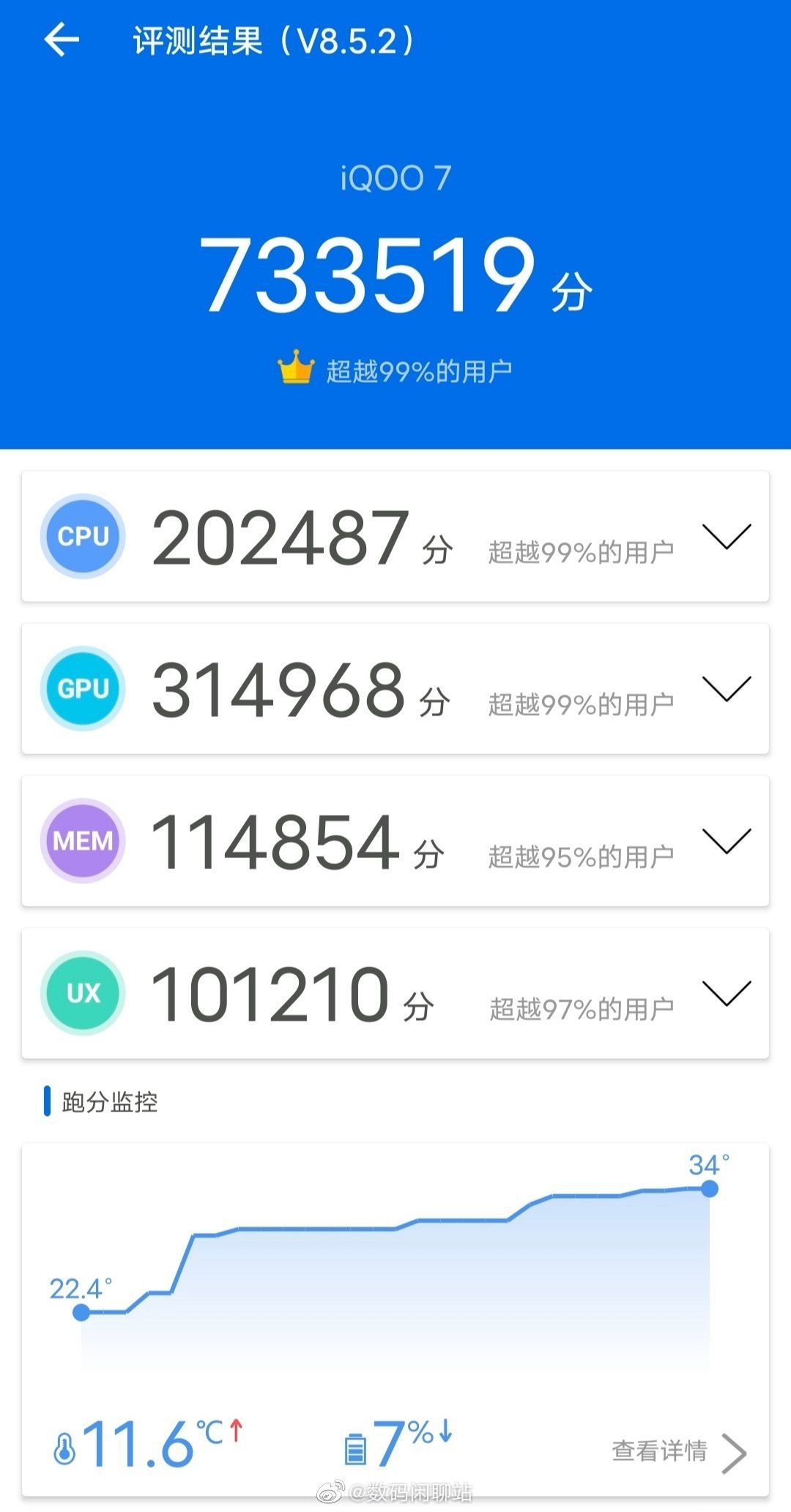
iQOO will be announcing the iQOO 7 flagship phone in China at 7:30 PM (local time) today. Earlier this month, the smartphone had appeared on the AnTuTu benchmarking platform with a staggering score of 752,935. Over the weekend, a screenshot of a new AnTuTu listing of the iQOO 7 appeared to reveal more on its benchmarking scores.
In the new screenshot, the iQOO 7 scored 202,487 in the CPU test, 3149,948 in the CPU test, 114,854 in the memory test, and 101,210 in the UX test. By this, the handset recorded a score of 733,519 on the benchmarking platform.
In the previously seen AnTuTu listing, the Snapdragon 888 powered iQOO 7 was spotted with specs like a 120Hz refresh rate supporting display, 12 GB of LPDDR5 RAM, 256 GB of UFS 3.1 storage, and Android 11 OS. The company today confirmed that the iQOO 7 will come equipped with an OriginOS upgrade.
Past reports have revealed that the iQOO 7 will be coming with a 6.56-inch AMOLED FHD+ display with a punch-hole design. It could be featuring the same screen that is available on the recently announced Vivo X60 handset. The device could be backed by a 4,000mAh battery that supports 120W fast charging. It lacks support for wireless charging.
There is no word on the front camera of the iQOO 7. The rear-facing triple camera system could be featuring a 48-megapixel Sony IMX589 chipset, a 13-megapixel ultrawide lens, and a 13-megapixel portrait lens. The phone is confirmed to arrive with dual-linear motors and dual speakers.
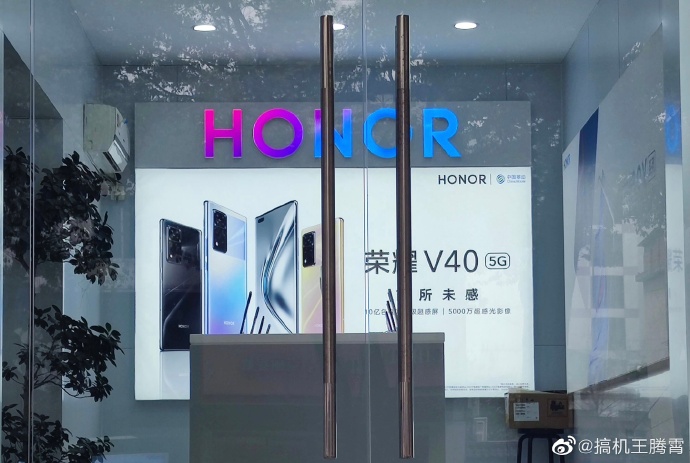
On Jan. 18, Honor will be announcing the Honor V40 smartphone in China. While a couple of leaks have revealed the front design of the V40, its rear appearance has remained a mystery. Weibo users have managed to spot a poster of the V40 at an offline store in China. The poster has revealed the front and rear design of the smartphone.
As can be seen in the poster, the Honor V40 can be seen in three colors in the poster such as black, blue, and peach/orange. The blurry images show that there is a rectangle-shaped camera housing at the upper-left corner of the rear shell. Sitting at the top is the main sensor, followed by three other sensors and an LED flash.
The Chinese text from the poster reveals that the Honor V40 is equipped with a 50-megapixel super-sensitive imaging lens as the primary shooter. Recent reports have claimed that the V40’s main camera could be the Sony IMX766 lens.
At the front, it features a dual punch-hole screen with curved edges. Reports have claimed that it could be fitted with the same 6.72-inch OLED FHD+ panel, which is available on the Huawei Nova 8 Pro. Hence, it is expected to arrive with support for a 10-bit color depth, a 120Hz refresh rate, and a 300Hz touch sampling rate. The display of the V40 could be integrated with a fingerprint scanner.
The Dimensity 1000+ SoC is highly likely to be present under the hood of the Honor V40. It could be equipped with LPPDR4x RAM, UFS 2.1 storage, and a 4,000mAh battery with 66W fast charging support. It is also likely to arrive with 45W wireless charging technology. The device will be preloaded with Magic UI 4.0 based Android 10 OS.
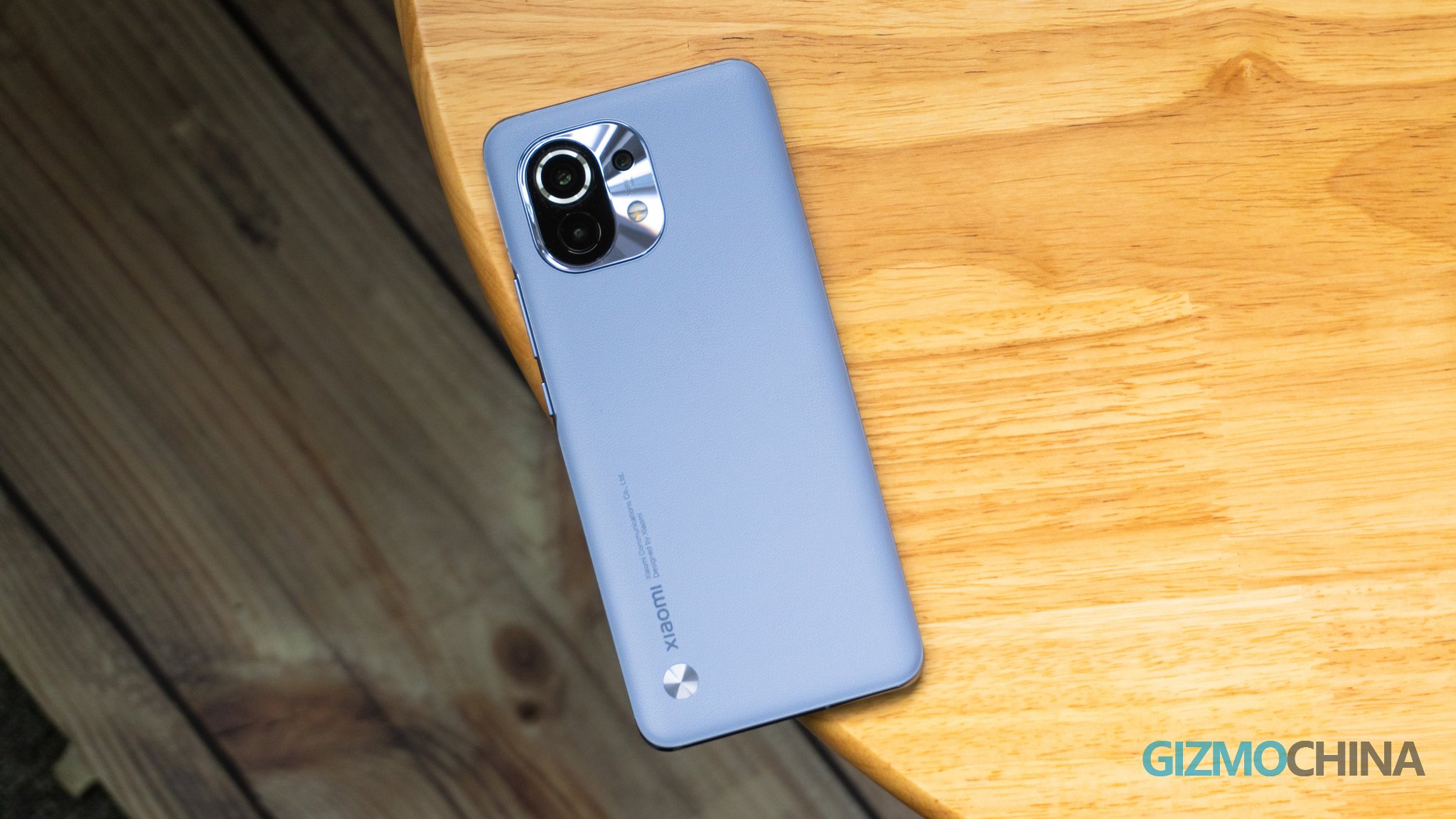
Xiaomi took the wraps off the Mi 11 flagship smartphone in December but the device went on sale for the first time on January 1. While the company revealed the first sale generated revenue of over 1.5 billion yuan in just 5 minutes, the company was elusive as to the number of units sold. Well, until now. Xiaomi was speculated to have sold over 350,000 units of the device. But that unofficial figure was arrived at using the average price of 4,300 yuan. Well, the Chinese tech giant has now officially announced that it sold over 500,000 units of the flagship. For this reason, Xiaomi held a celebration party that had in attendance Lei Jun, Redmi GM Lu Weibing, and a number of executives such as Zeng Xuezhong, president of the mobile phone department of Xiaomi Group.
The huge sale is an affirmation of the brand’s popularity and the receivership the Mi 11 enjoys already. Despite the removal of the charger, a good number of fans still want to get the device but most of the orders are for the non-Green edition which has an adapter inside the box. The first sale saw only 20,000 units of the Mi 11 Green Edition get sold.
The Mi 11 comes with several improvements over the Mi 10 including the screen, performance, fast charging technology, and several other aspects.
As a reminder, the Mi 11 packs a 6.81-inch curved display with a hole in the top left corner of the screen and Corning Gorilla Victus protection. The screen is not only bigger than that of the Mi 10 5G but also sharper as it has a 2K (3200 x 1440) resolution. It also has a 120Hz refresh rate and a 480Hz touch sampling rate.
The phone crams a 4600mAh battery under the hood with support for 55W fast wired charging as against 30W support on the Mi 10. It is powered by the Snapdragon 888 chipset paired with 8GB or 12GB of LPDDR5 RAM and up to 256GB of UFS 3.1 high-speed storage. There is also an in-display fingerprint scanner, which Xiaomi says can also measure your heart rate in addition to unlocking your phone and authorizing payments.
Other features include stereo speakers tuned by Harman Kardon, dual nano-SIM support, NFC, IR blaster, enhanced WiFi 6, and Bluetooth 5.2 with Qualcomm TrueWireless Stereo Plus. It runs MIUI 12 based on Android 11 out of the box.
A tweet by the official Amazfit Twitter account has revealed that the Amazfit GTS 2 and GTR 2 family will be announced on Monday, January 11 which is Day 1 of CES 2021.
The launch is actually for the Amazfit GTS 2e and Amazfit GTR 2e based on the tweets below which are teasers for the two smartwatches and because the GTS 2 and GTR 2 have already had a global launch.
Coming soon… we’re about to have a major launch at #CES2021, and we all know at least 1 person likes these GTR 2e watch colours. Tag ‘em and follow us! 😉 For an additional surprise, we have upcoming giveaways on this channel. Stay tuned for more details. #WhereLifeComesTogetherpic.twitter.com/kbnb51ha9s
As we said, the two smartwatches are more affordable models of their siblings which already launched a few months ago but a lower price tag is not the only selling point of the two watches as they also boast better battery life.
The Amazfit GTS 2e has a 1.65-inch Super Retina AMOLED display with 2.5D glass. It has support for up to 90 sports modes and also has heart rate measurement, SpO2 measurement, and temperature measurement. It doesn’t have built-in storage like the Amazfit GTS 2 neither does it have a speaker, so you cannot use it to receive calls. The Chinese version comes with the XiaoAI assistant but we expect the global version will have Amazon’s Alexa assistant on board. Its typical usage battery life is 14 days which is double that of the Amazfit GTS 2. The smartwatch is sold for ¥799 (~$123) in China, so we expect a price tag of under $140 for the global version.
The Amazfit GTR 2e has a smaller 1.39-inch round AMOLED display but it packs the same features as the GTS 2e such as a temperature sensor, SpO2 sensor, heart rate measurement, and sleep tracking. It doesn’t have built-in storage like the standard Amazfit GTR 2 and also misses out on a speaker. However, its battery life (typical usage) is 10 days more than that of the GTR 2 and it goes up to 45 days in basic watch mode. It also launched for ¥799 in China, so it should have the same price tag as the GTS 2e in global markets.
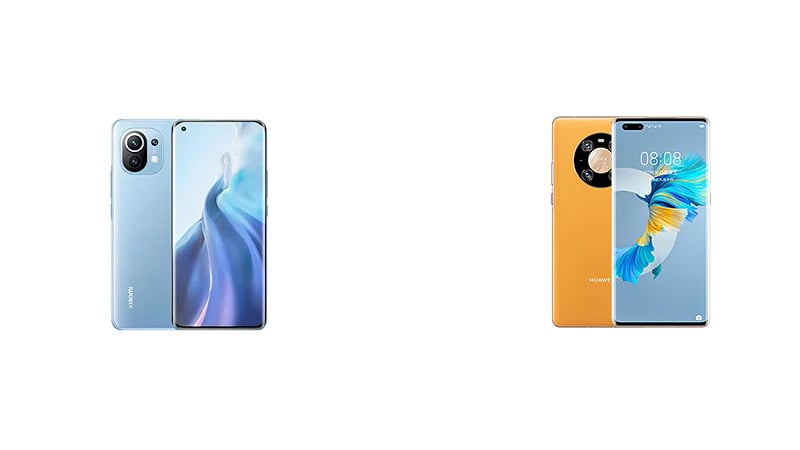
Xiaomi just came up with its first flagship of 2021: the Xiaomi Mi 11. The handset debuted in the Chinese with a very attractive price tag, but there is another Chinese flagship launched in the recent period which represents a great choice in the 5 nm segment for those who want a real top-tier device for this year: the Huawei Mate 40 Pro. We published this comparison to highlight the main differences between Xiaomi Mi 11 and Huawei Mate 40 Pro so that you can make the best choice depending on your personal needs. Let’s discover together whether it is worth considering the Huawei Mate 40 Pro or not with the Xiaomi Mi 11 around.
Triple 108 + 13 + 5 MP, f/1.9 + f/2.4 + f/2.4
20 MP front camera
Triple 50 + 12 + 20 MP, f/1.9 + f/3.4 + f/1.8
Dual 13 MP + TOF 3D f/2.4 front camera
BATTERY
4600 mAh, fast charging 50W, wireless charging 50W
4400 mAh, fast charging 66W and wireless charging 50W
ADDITIONAL FEATURES
Dual SIM slot, 5G, reverse wireless charging 10W
Dual SIM slot, 5G, water resistant (IP68), reverse wireless charging
Design
If you want the most elegant and futuristic back cover, we think you should choose the Xiaomi Mi 11. It has a cleaner rear side, a single punch hole on the display, and a very high screen-to-body ratio. But the Huawei Mate 40 Pro remains very attractive with its extremely curved display replacing physical keys with a side touch technology. Both the phones come in a version with a rear cover made of eco leather for a more raffinate look, but the Huawei Mate 40 Pro has an important advantage compared to the Mi 11: it is waterproof. Thanks to the IP68 certification, it is dust and water resistant, while Xiaomi Mi 11 is not. Last but not least, Huawei Mate 40 Pro is more compact.
Display
Xiaomi Mi 11 wins the display comparison: not only it has a wider display, but it provides a way better image quality. First of all, it has a higher resolution: with the Mi 11, you get a Quad HD+ panel with 1440 x 3200 pixels. Further, it shows up to one billion colors. The Xiaomi Mi 11 has a 120 Hz refresh rate and the HDR10+ certification as well. With the Huawei Mate 40 Pro, you get an OLED panel with a Full HD+ resolution, a 90 Hz refresh rate, and the HDR10 certification: it is easy for everyone to understand it is an inferior display. With these two devices, you have an in-display fingerprint reader, but the Huawei Mate 40 Pro supports 3D facial recognition as well thanks to a 3D TOF sensor placed in a dual punch hole.
Specs & Software
The Xiaomi Mi 11 has a superior hardware department to the Huawei Mate 40 Pro. It is the first phone to be powered by the Snapdragon 888 mobile platform, and it is not the only reason why it is a faster phone. Besides its amazing processor, the Xiaomi Mi 11 offers more RAM than Huawei Mate 40 Pro: up to 12 GB, paired with a UFS 3.1 native storage. But the Huawei Mate 40 Pro is still an amazing flagship with its 5 nm Kirin 9000 SoC and 8 GB of RAM. Unfortunately, the Huawei Mate 40 Pro does not have Google services in the global market. Mi 11 is still not global, but when it will be, it will include Google services.
Camera
Huawei Mate 40 Pro beats the Xiaomi Mi 11 if we look at camera performance. It has a 50 MP main camera sensor, a 12 MP periscope camera with 5x optical zoom, a 20 MP ultrawide sensor, and dual OIS. Mi 11 has a great 108 MP main sensor, but it lacks optical zoom and its secondary sensors are disappointing. The Huawei Mate 40 Pro wins even when it comes to the selfie camera, thanks to a great 13 MP front camera which can record 4K videos.
Xiaomi Mi 11 has a bigger battery than Huawei Mate 40 Pro, but this does not mean that its battery life is always longer. The Huawei Mate 40 Pro has a more efficient display and great software optimization. Further, it comes with a faster charging technology. Both the phones support 50W wireless charging and reverse wireless charging.
Price
Xiaomi Mi 11 is priced at €500/$610 in the Chinese market (talking about the base variant) and it is still not available in the global market. The Huawei Mate 40 Pro costs more than €1000/$1220 globally. Overall, Huawei Mate 40 Pro looks like a slightly better phone thanks to its better cameras. But the lack of Google services in the global market and the big price difference (as well as the great display and chipset of the Mi 11) make the Xiaomi Mi 11 a more interesting choice for most people.
Lenovo has a new pair of AR smart glasses. However, the ThinkReality A3 is not for the average consumer but for enterprise users and it needs to be connected to a Motorola smartphone powered by a Snapdragon 800 processor or a PC to work.
The design of the ThinkReality A3 gives it a smaller form factor than the HoloLens 2 which is actually a Mixed Reality glasses but it is still bulkier than your regular glasses. Lenovo says that it “fits like sunglasses and can be enhanced with an industrial frame for a safer and more durable use”.
There is a Snapdragon XR1 processor inside the glasses which helps it able to present the user with up to 5 virtual displays. There is an 8MP RGB camera that records in 1080p for remote expert use cases and a pair of fish-eye cameras that provide room-scale tracking.
If you want to use it with a PC, then you have to get the ThinkReality A3 PC Edition that connects to your laptop or workstation so that you can use multiple virtual monitors. Lenovo says the smart glasses cater to professionals in industries such as finance, architecture, and engineering and those who may be working in a place where space is limited and privacy is important.
The Industrial Edition is the one that connects to Motorola phones powered by a Snapdragon 800 series processor and has DisplayPort support. Lenovo says in its press release that this version is “supported by the ThinkReality software platform that allows commercial customers to build, deploy, and manage mixed reality applications and content on a global scale and with global support”. This version of the glasses is designed for workers in factories, laboratories, and hospitality and the ThinkReality platform allows for remote assistance, guided workflows, and 3D visualizations.
Lenovo didn’t reveal the price tag of both versions of the ThikReality A3 but it says that will be available in select markets by the middle of the year. We expect it to be expensive but the fact that there are two variants that can be used interchangeably is disappointing.
China’s search giant Baidu Inc will establish a company to make smart electric vehicles (EV) and would collaborate with Geely. Sources familiar with the matter that was first broached in December 2020, said that manufacturing is to be carried out at plants owned by automaker Geely.
Baidu will have a majority stake and absolute voting power in the new company. The arrangement is expected to significantly revamp some of Geely’s existing car plants to make the vehicles, with in-car software input from Baidu and engineering expertise from Geely.
Back in December, Reuters had already reported that Baidu was contemplating making its own EVs and had held talks with Geely, Guangzhou Automobile Group Co Ltd (GAC) and China FAW Group Corp Ltd’s Hongqi on a possible venture.. But the sources have now confirmed talks between both companies.
The companies are in talks to use Geely’s EV-focused platform, Sustainable Experience Architecture (SEA), for subsequent product development, one of the sources, who declined to be identified as the plan was private, said.
Baidu, which is developing autonomous driving technology and internet connectivity infrastructure, did not immediately respond to a request for comment. Geely declined to comment. Baidu’s shares at the New York Stock exchange surged on Friday.
Baidu’s competitor Alibaba has already formed an EV joint venture with China’s biggest automaker SAIC Motor Corp while China’s Didi Chuxing is making EVs designed for ride-hailing services with BYD. Drawing from the huge success of Tesla Inc in the commercialization of EVs, internet companies have expanded their operations to foster the development of automobile technology and investments. Informed sources said that Apple
Is also planning a move into automaking and could be designing an electric vehicle and batteries.
Geely is reputed to be China’s highest-profile automaker due to its stakes in Volvo, Daimler AG, and Malaysia’s Proton. The company is expanding its operations into EV production. Shares of Geely Automobile increased by 10% in the NYSE on Friday.
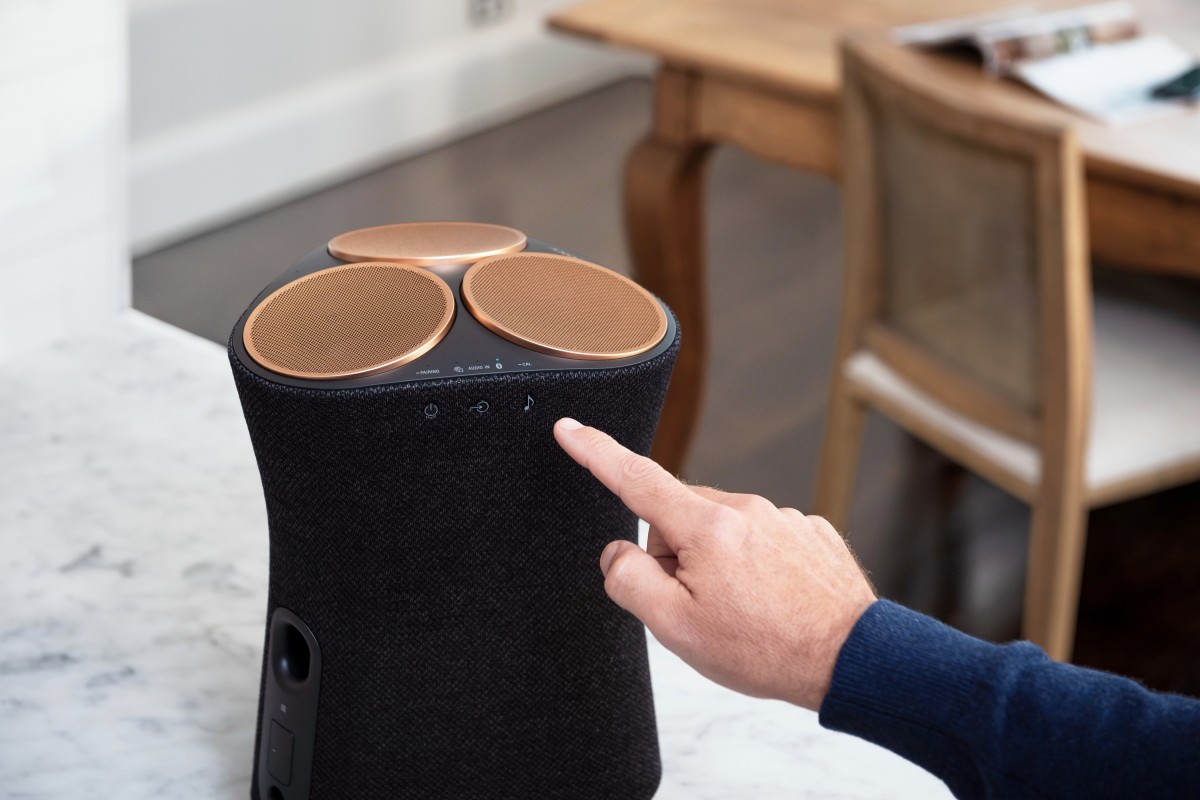
Japanese tech giant Sony has announced the release of two new wireless speaker systems, the SRS-RA5000 and the SRS-RA3000. Both speakers, according to Sony, are capable of providing a more compelling sound experience with their room-filling sound feature in indoor situations and also have Sony’s 360 Reality Audio feature.
The RA5000 is a seven-speaker system with three up-firing drivers, three front-facing drivers, and an internal woofer. The design creates a uniform sphere of sound around the speaker regardless of its position around the room. The device also has a manual sound calibration feature, allowing for an adjustment of the audio.
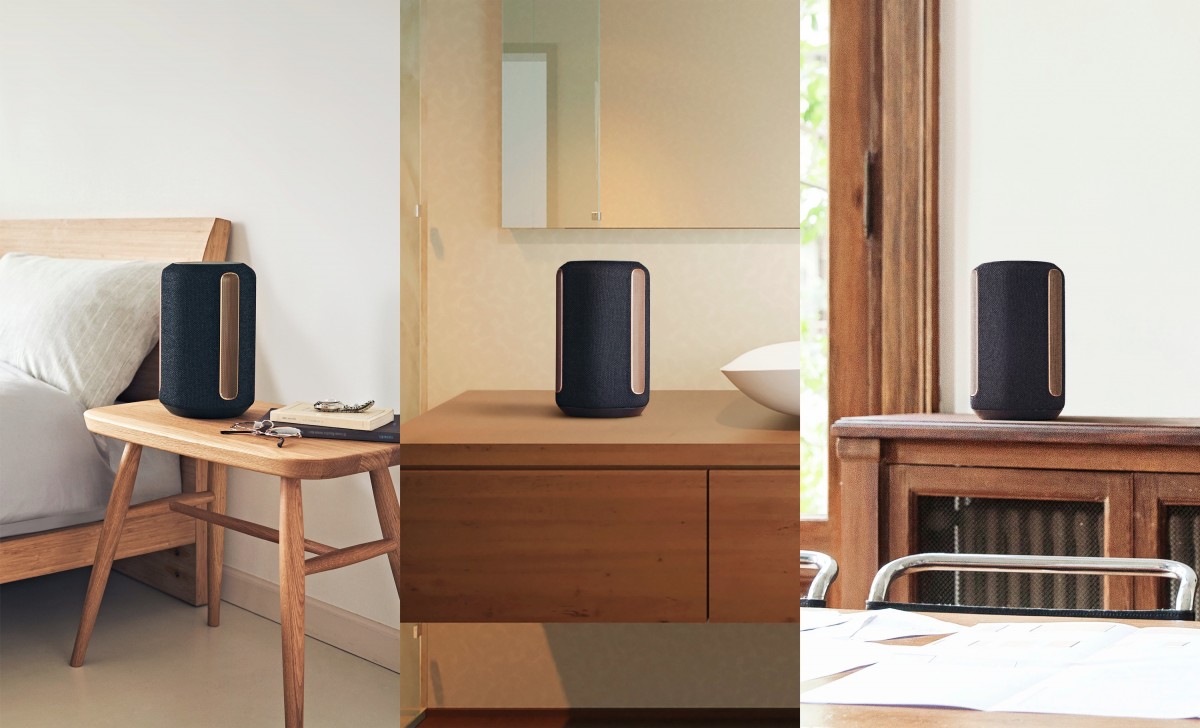
The cheaper and more portable RA3000 is designed as a three-speaker system that is made up of two tweeters that project sound in an arc via a long strip and an internal woofer. It also has two passive radiators as an additional layer for sound modulation.
The RA3000 is designed to be humidity-resistant, and this allows it to be placed in moist and humid environments without any damage or malfunction. Thus you can continue listening to the music inside your kitchen or in the bathroom. The RA5000 does not have the humidity-resistant capability. In addition, the RA3000 can also auto-calibrate itself to its surroundings, which is absent in the RA5000.
Both speakers have Bluetooth and Wi-Fi connectivity. Wireless connectivity allows for the streaming of content from Spotify using the Spotify Connect feature or the Chromecast integration is used to cast audio.
Both speakers also have integration with smart assistants like Amazon’s Alexa and Google Assistant. However, they are not smart speakers but they can integrate with other smart home devices and also play audio along with smart speakers. In order to successfully integrate the smart assistant, an Amazon or Google-compliant smartphone or any other smart device is needed which will serve as the interface between you and the speaker using Alexa or Google Assistant.
Presently, the speakers are only available in the UK and Europe, at a cost of £500/€599 for the RA5000 and £280/€359 for the RA3000. Both devices will be available in February 2021, while their entry into the North American market will be announced later.
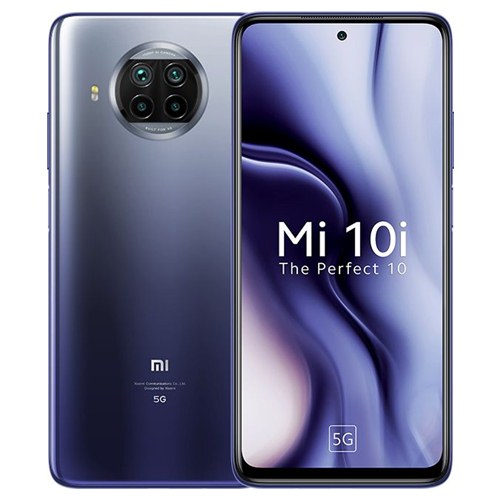
Last week was quite a busy one, further proof that the tech industry is already at full throttle. Not only were there a handful of new phones from manufacturers such as Redmi, Realme, and Motorola but there were some early CES announcements too and another round of app bans. Qualcomm also has a new 5G chipset for budget phones.
5G for you, 5G for me, 5G for everyone!!!
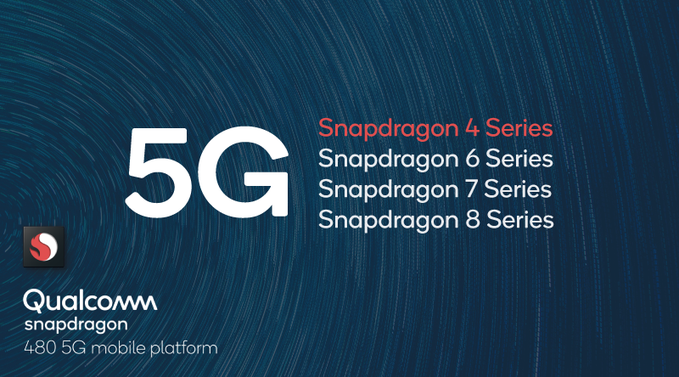
5G smartphones are about to get even cheaper as Qualcomm announced the first Snapdragon 400 series 5G processor last week. The Snapdragon 480 5G not only brings the new network standard but also packs significant upgrades in performance and image processing compared to the previous generation (Snapdragon 460). HMD Global, OnePlus, and OPPO have already signed up for the chipset, so look out for phones from them.
New phones from Alcatel, Coolpad, Lava, Motorola, Xiaomi, Realme, Samsung
India’s Lava also announced three new phones for its Z series that include entry-level and budget models. However, its most interesting announcement is the Lava myZ, a smartphone with “customizable specs”. Buyers will be able to choose from up to 66 different unique possibilities one of which is having 2GB of RAM and 128GB of onboard storage.
The Galaxy S21 series will be announced at a global event on Thursday, January 14. The new flagship phones from Samsung will not only have a new design and upgraded features but the Galaxy S21 Ultra will be the first Galaxy S phone to have support for the S Pen.
The S Pen stylus was originally a distinguishing feature of the Galaxy Note series. However, over the years, the stylus has been included with tablets and even computers. Now, Samsung has confirmed that this piece of hardware will be available for the first time for another of its smartphone series.
Samsung will not be shipping the Galaxy S21 Ultra with the S Pen included in the box. Instead, users will have to decide if they want it and then proceed to purchase it if their decision is yes. The S Pen is expected to cost between $40 to $50. According to a leak, the S Pen will sell for €49 and can be bought along with a special case that has a slot for the stylus for a total price of €89.
For this week’s poll, we want to know if you will purchase the S Pen if you were to buy the Galaxy S21 Ultra? So take the poll below and let us know. Also, share your thoughts in the comment box telling us what you think of Samsung’s decision to bring the S Pen to the Galaxy S series.
CES 2021 is almost here but that hasn’t stopped the brands from announcing their latest technologies, innovation, and products. The first-ever all-digital event will be one of a kind this time with companies hosting virtual experience booths.
Around 1,950 exhibitors are expected to hold conferences that include biggies like HiSense, TCL, Asus, Lenovo, LG, Nvidia, Panasonic, Samsung, Sony, and more. Ahead of one of the biggest shows that will fall between January 11-14, 2021 at CES 2021, let’s briefly look at already announced and expected products.
Announced Products
1LENOVO
Lenovo has introduced new Laptops, All-in-one Desktop, tablet, and more. You can take a look at them below:
Samsung will introduce a lot of new technologies, and products at CES. In fact, it has already announced a few of them ahead of January 11, 2021, at the 9 AM ET conference below:
LG’s 2021 is packed with a lot of new techs from TV-panels to refrigerators. You can experience them in a virtual booth from January 12 till February 15.
Sony’s main conference is on January 11 but the company has already announced it’s Bravia XR 2021 lineup of TVs. Let’s look at them and other announcements below:
Although Acer isn’t hosting a typical stream, it will have virtual events throughout the two days from January 12-14. You can look at some of the announced products below:
Amazfit & Zepp- Amazfit & its affiliate Zepp will hold conferences on January 12 around 12 AM ET(UTC+05:00). It is expected to announce the GTS2e, GTR2e for Global markets from China. We might also see other new GT-branded products.
AMD- AMD will hold a keynote address on January 12 at 11 AM ET(UTC+05:00). It is expected to unveil Ryzen 5000 mobile CPUs based on Zen-3 architecture. We can also expect other updates on its console, PC, and mobile platforms.
Intel- Intel has a conference scheduled for January 11 at 4 PM ET. It says it will unveil “process technology and packaging architecture” for consumer and business use. It is expected to unveil the 11th-gen Rocket Lake Desktop CPUs, Xe discrete GPUs, 11th-gen Intel Core vPro CPUs.
TCL- On January 11 at 11 AM ET(UTC+05:00), we can expect the next-gen miniLED TVs, soundbars, and home appliances.
Asus- Asus has already teased a new Duo-branded lineup(could be Laptop/screen with secondary display), ROG- New laptops in ROG STRIX, ZEPHYRUS, X13(likely new) on January 13.
DELL- Apart from the already announced products, Dell is expected to unveil new Alienware gaming laptops and accessories at the CES event. We might also get a retail price for last year’s Alienware UFO concept PC Prototype but don’t count on it.
Nvidia- On January 12, Nvidia has planned a Geforce RTX: Game On event where it is expected to unveil the Mobile versions of RTX 30 series- 3070, 3080, 3080Ti that will likely feature up to 16GB DDR6x vRAM. It might also unveil the long-rumored sub-$200 budget 3050,3060 GPUs.
That’s it for the announced/expected products for CES 2021. If you want to catch up on all the official information on the live stream, you can visit the CES page to know more.
Stay tuned to our social media handles from January 11 as we will be covering the important launches as and when they release!
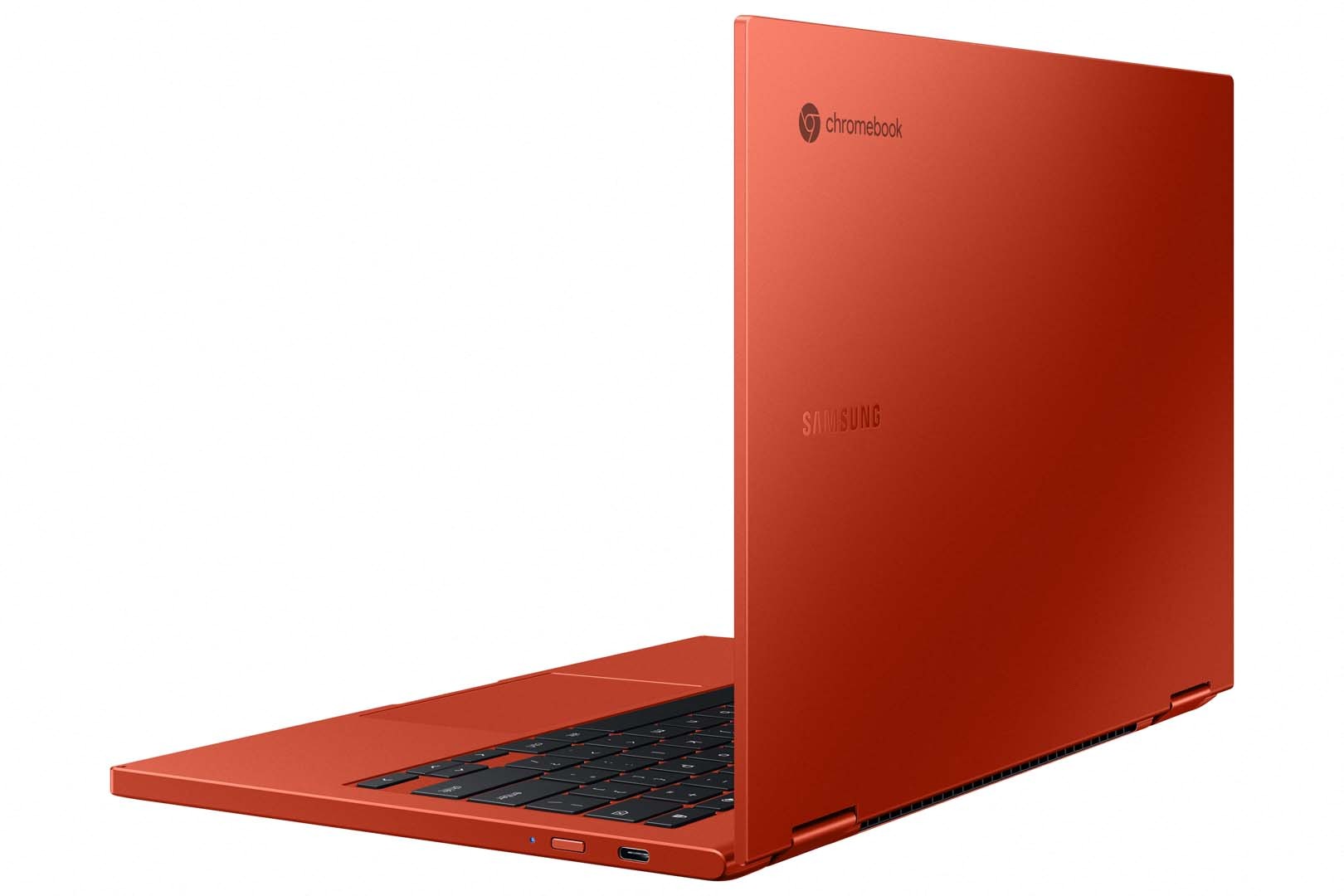
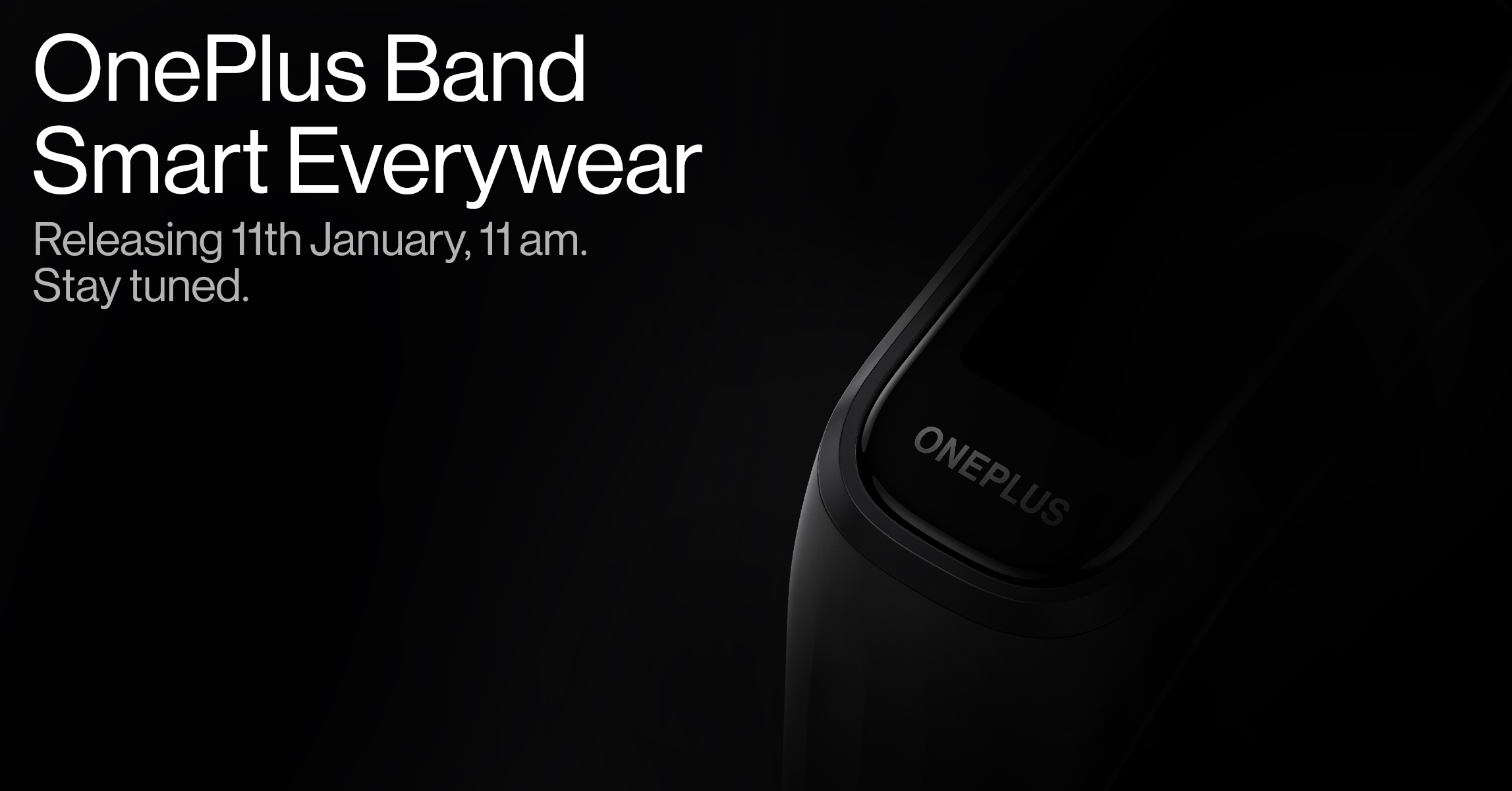
Next week is practically Samsung Week. After months of leaks and waiting, the Galaxy S21 series will finally be unveiled and that should take over the news. iQOO and OnePlus will also try to share the spotlight with a new phone and a new fitness tracker respectively. Oh! CES 2021, the all-virtual event also begins next week!!!
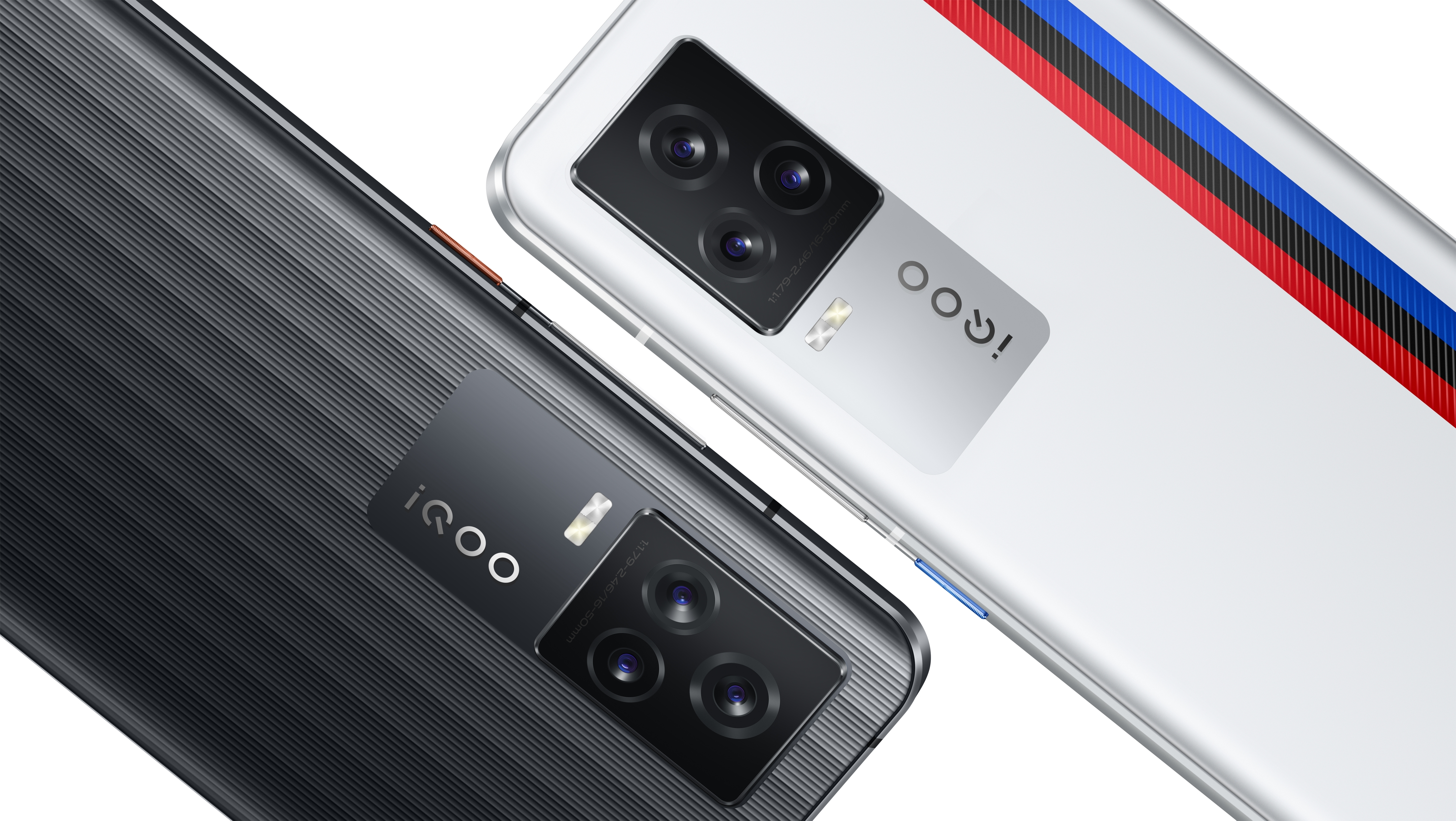
iQOO 7
iQOO 7 – Another manufacturer beats Samsung to the Snapdragon 888
Samsung is usually the first manufacturer to launch a phone with Qualcomm’s flagship processor but that changed with the Snapdragon 888. Xiaomi not only got to do so first with the launch of the Mi 11 but Vivo’s iQOO will also get to announce their iQOO 7 flagship phone before Samsung. The launch is on Monday, January 11, and you can be sure you will find all the details of the new phone here on Gizmochina.
CES 2011 – TVs, computers, and a few phones and tablets
Thanks to the pandemic, CES is a virtual event this year. The annual show which usually holds in Las Vegas and serves as a pilgrimage of some sort for tech enthusiasts will kick-off virtually on Monday and run through Thursday, January 14. And because it is a virtual event, it means everyone can watch live-streams and presentations. Don’t have the time to sit through all the announcements? Then check in every day here for our coverage of all the exciting products unveiled.
Samsung Week – A new Exynos in a new Galaxy
While CES goes into its second day, Samsung will announce a new Exynos chipset which is believed to be called the Exynos 2100. The flagship processor promises big gains in performance over its predecessor. The good news is that we won’t have to wait so long to find out if Samsung’s new chipset is as excellent as reported as the Korean giant will announce the Galaxy S21 series on Thursday, the 14th of January.
The new flagship series which includes the S21 itself, the Galaxy S21 Plus, and the Galaxy S21 Ultra, will come with the new Exynos processor in some markets and Qualcomm’s Snapdragon 888 in others. Ready for the next Battle Chip? We are excited too!
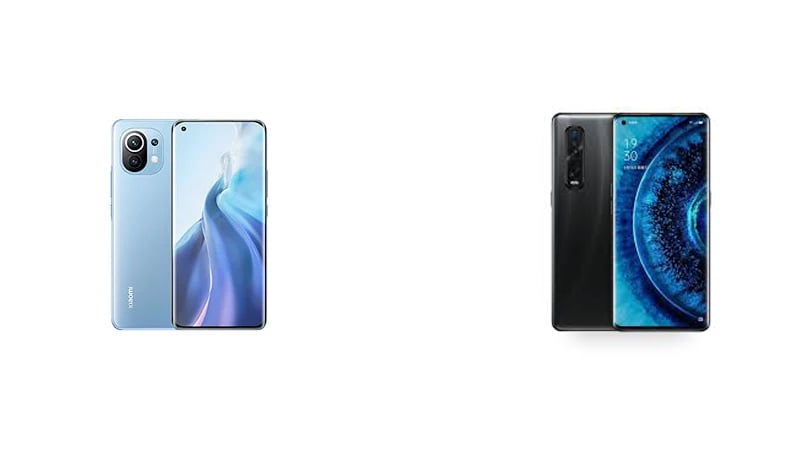
Xiaomi Mi 11 hitten the shelves with amazing specifications, but still a very interesting price tag. This does not make it the best top-tier flagship of the year, but a lot of people will be able to save money while getting one of the best phones out there. At the same time, a lot of people are wondering whether or not they should go for the Xiaomi Mi 11 or for a top-tier flagship from the previous generation. The OPPO Find X2 is a device sold at a similar price tag and offers amazing specifications as well. While waiting for the global launch of the Xiaomi Mi 11, here is a comparison between the specifications of Xiaomi Mi 11 and OPPO Find X2.
Triple 108 + 13 + 5 MP, f/1.9 + f/2.4 + f/2.4
20 MP front camera
Triple 48 + 13 + 12 MP, f/1.7 + f/2.4 + f/2.2
32 MP f/2.4 front camera
BATTERY
4600 mAh, fast charging 50W, wireless charging 50W
4200 mAh, fast charging 65W
ADDITIONAL FEATURES
Dual SIM slot, 5G, reverse wireless charging 10W
Dual SIM slot, 5G, water resistant (IP54)
Design
It is very hard to pick the best design between these two handsets: it depends on personal tastes. The Xiaomi Mi 11 has a very attractive eco-leather variant, but the OPPO Find X2 is available in a ceramic version which is thinner and lighter than the Xiaomi Mi 11, as well as more compact. Another important detail: the OPPO Find X2 is splash resistant, while the Xiaomi Mi 11 does not offer any certification against dust and water. On the other hand, Mi 11 has the Gorilla Glass Victus protection which should make its glass back and its display sturdier. Both the phones come with a curved screen, but the screen-to-body ratio of the Xiaomi Mi 11 is slightly higher.
Display
Xiaomi Mi 11 and OPPO Find X2 are very close even when it comes to the displays. Both feature an amazing Quad HD+ panel which shows up to one billion colors and offers a 120 Hz refresh rate, as well as the HDR10+ certification. It looks like the Mi 11 has a higher peak brightness with 1500 nits, but OPPO Find X2 guarantees a stunning image quality from every point of view. You will only get marginal differences, what really makes the difference is the display diagonal: on the Mi 11, it is 6.81 inches, while OPPO Find X2 has a 6.7-inch display. In both cases, you get an AMOLED panel with an in-display fingerprint scanner.
Specs & Software
The hardware department of the Xiaomi Mi 11 is more advanced than the hardware offered by the OPPO Find X2. You get a more powerful chipset: the Snapdragon 888 built at 5 nm, instead of the Snapdragon 865 found on the OPPO Find X2. The best Qualcomm’s SoC of 2021 is paired with up to 12 GB of RAM and up to 256 GB of internal storage. Despite it is not fueled by the Snapdragon 888, the OPPO Find X2 remains one of the fastest flagships and guarantees amazing performance in every scenario. Both the flagship feature the same highest-end memory configuration: 12/256 GB, but the Mi 11 has a UFS 3.1 native storage instead of UFS 3.0.
Camera
On the paper, the OPPO Find X2 wins our camera comparison for a simple reason: it includes a telephoto sensor with optical zoom, while Xiaomi Mi 11 does not. You do not get the optical zoom with the Mi 11, but its 108 MP main camera is amazing in terms of photo quality. And it is even able to record 8K videos. But the OPPO Find X2 is an amazing camera phone as well. OPPO Find X2 wins even when it comes to the front camera, thanks to a 32 MP selfie snapper.
The Xiaomi Mi 11 packs a bigger 4600 mAh battery and it is able to guarantee a longer battery life in a lot of scenarios not only because of the bigger battery but also because its chipset is built at 5 nm and is more efficient than the Snapdragon 865. OPPO Find X2 has a faster wired charging technology with 65W power, while Mi 11 stops at 55W. But the OPPO Find X2 lacks wireless charging, while Mi 11 features both fast wireless charging (50W power) and reverse wireless charging.
Price
OPPO Find X2 has a listing price of €999/$1221 in the global market, while Xiaomi Mi 11 is still not global, so we do not know how much it will cost. In China, it starts at about €500/$611. At the end of the day, Mi 11 looks better in terms of hardware and battery, while the OPPO Find X2 is more compact and it features more interesting cameras. Which one would you pick?
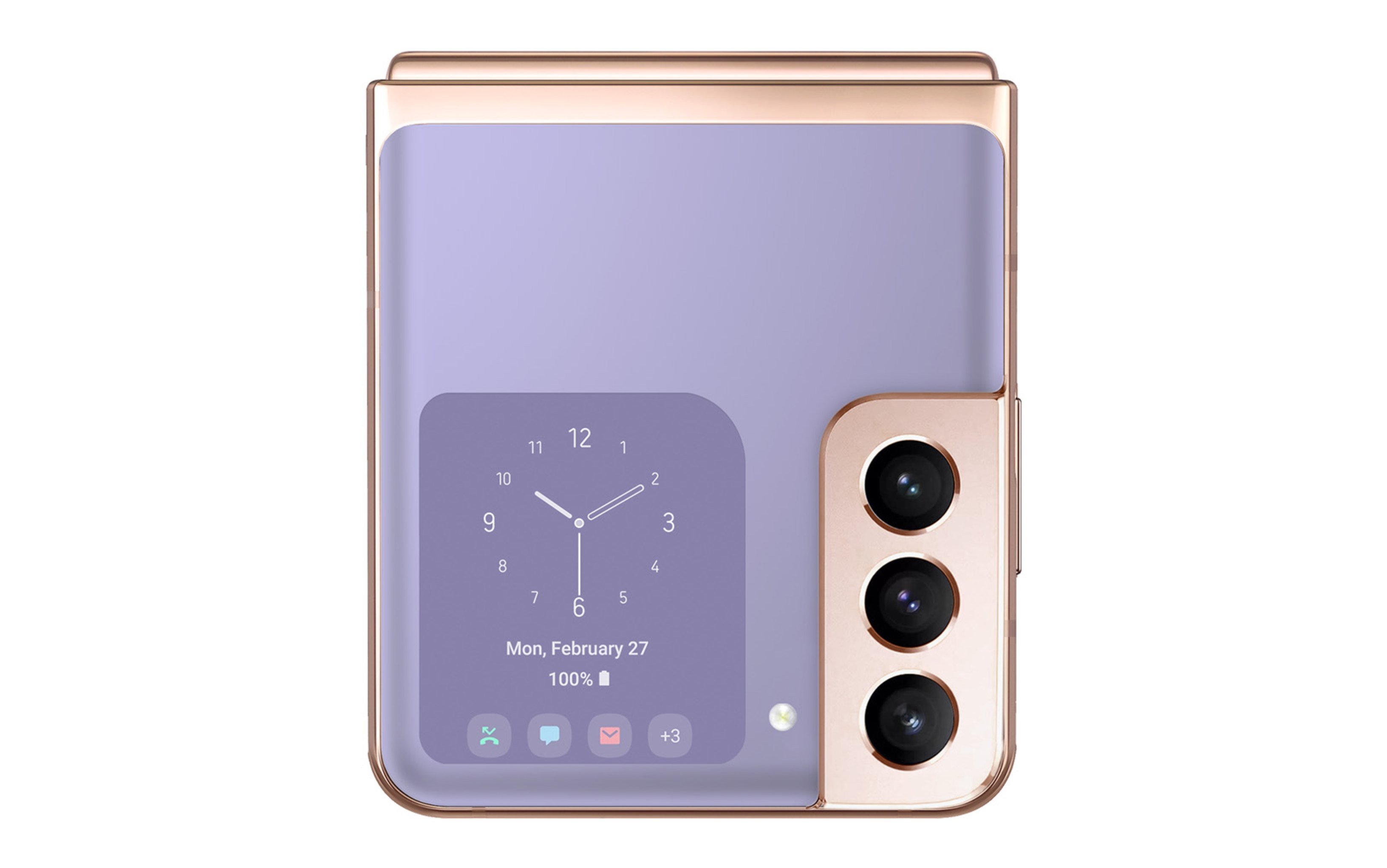
Samsung stepped on the ultimatum and opened out a gateway for foldable devices with the “Galaxy Fold”. Although it messed up the first attempt and launched the device twice in 2019, Samsung is currently the master of this art. The Galaxy Z Flip/Z Flip 5G is an example of the company’s one of many widening prospects. That said, a concept of next-gen clamshell device, which is rumored to be Z Flip3, has now surfaced online.
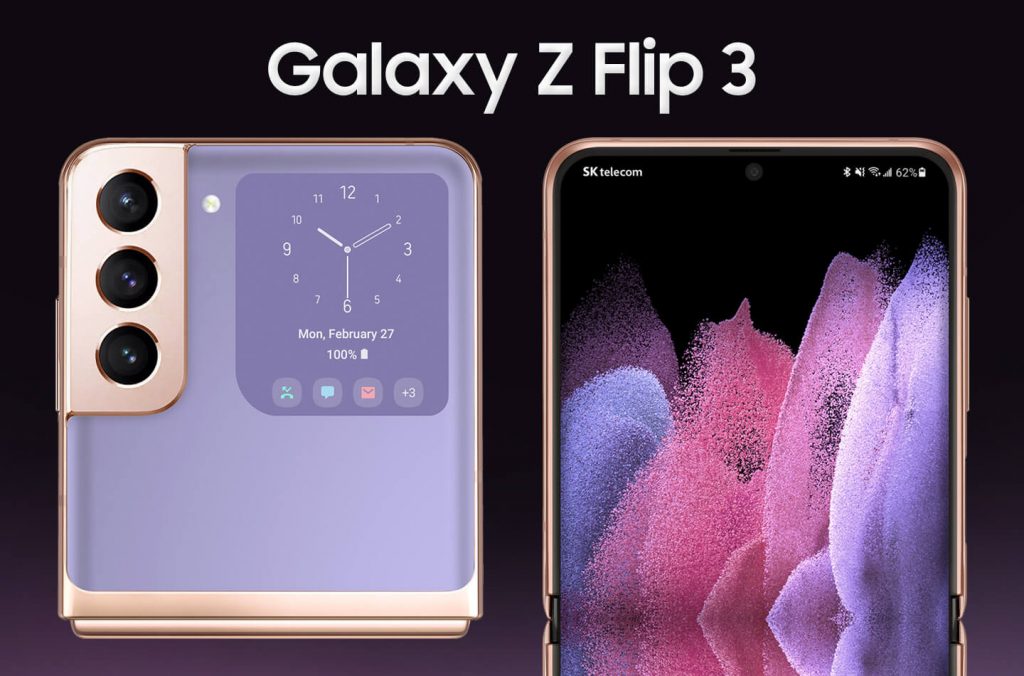
First uploaded on a Korean forum and spotted by @FrontTron, the concept render shows the Galaxy Z Flip3 in Purple color with Golden borders. Also, just like LetsGoDigital points out, its camera layout reminds us of Galaxy S21. The latter is likely the upcoming Galaxy-S flagship of 2021 from Samsung.
Further, LetsGoDigital has taken this image and imagined its unfolded position. They have used one of the leaked wallpapers of the Galaxy S21. Talking about the render itself, it shows a triple-camera setup which, if true, will replace the horizontal dual-camera setup on the predecessor.
Regarding the primary bending display, we might see a 6.70-inch AMOLED display on Z Flip3. This will be a 0.03-inch more than Flip and have a centered punch-hole for the selfie shooter. Other expected specs is an 120Hz LTPO screen, a mid-range SoC, faster storage, and charging support. It is expected to launch sometime in Q1 2021.
We use cookies on our website to give you the most relevant experience by remembering your preferences and repeat visits. By clicking “Accept”, you consent to the use of ALL the cookies.
This website uses cookies to improve your experience while you navigate through the website. Out of these, the cookies that are categorized as necessary are stored on your browser as they are essential for the working of basic functionalities of the website. We also use third-party cookies that help us analyze and understand how you use this website. These cookies will be stored in your browser only with your consent. You also have the option to opt-out of these cookies. But opting out of some of these cookies may affect your browsing experience.
Necessary cookies are absolutely essential for the website to function properly. This category only includes cookies that ensures basic functionalities and security features of the website. These cookies do not store any personal information.
Any cookies that may not be particularly necessary for the website to function and is used specifically to collect user personal data via analytics, ads, other embedded contents are termed as non-necessary cookies. It is mandatory to procure user consent prior to running these cookies on your website.