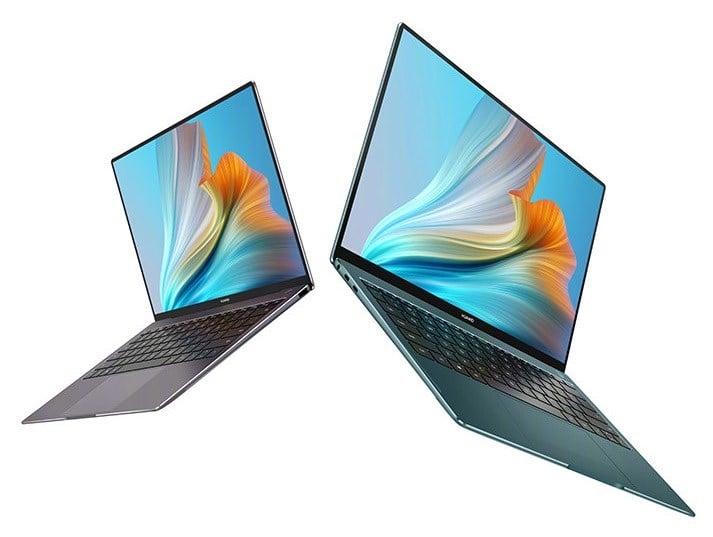
Huawei announced three new MateBook series laptops in its home market in China — Huawei MateBook 13, MateBook 14, and MateBook X Pro 2021. As the name indicates, the MateBook Pro X 2021 is the high-end variant in the lineup.
Now, the Huawei MateBook X Pro 2021 is available for pre-order in China with a deposit of 100 yuan (approximately $15) and the company has confirmed that the device will be officially up for purchase from 20th January.
The laptop features a thin and light metal build and comes in two color options — Gray and Teal. The highlight of the device is its display, featuring a 13.9-inch screen that offers 3K resolution and a 3:2 aspect ratio. It also comes with support for a 100% sRGB wide color gamut and offers a 91% screen-to-body ratio.
It comes with a new Touchpad that has four times the sensing area. The device also supports the company’s own Huawei Share technology. There are four high- and low-frequency speakers for an immersive audio experience.
The device also has Huawei Application Market as well as Quick Applications support. As for the internals, the device comes in three different configurations, packing up to Intel 11th generation Core i7 processor, 16GB RAM, and 1TB SSD.
Its pricing starts at 8,999 yuan (~$1,387) for the base model that includes a Core i5-1135G7 chipset, 16GB RAM, and 512GB of internal storage. Another model with Core i7-1165G7, 16GB RAM, and 512GB SSD is priced at 9,999 yuan (~$1,541). The top-end model with Core i7-1165G7, 16GB RAM, and 1TB SSD costs 11,999 yuan (~$1,849).
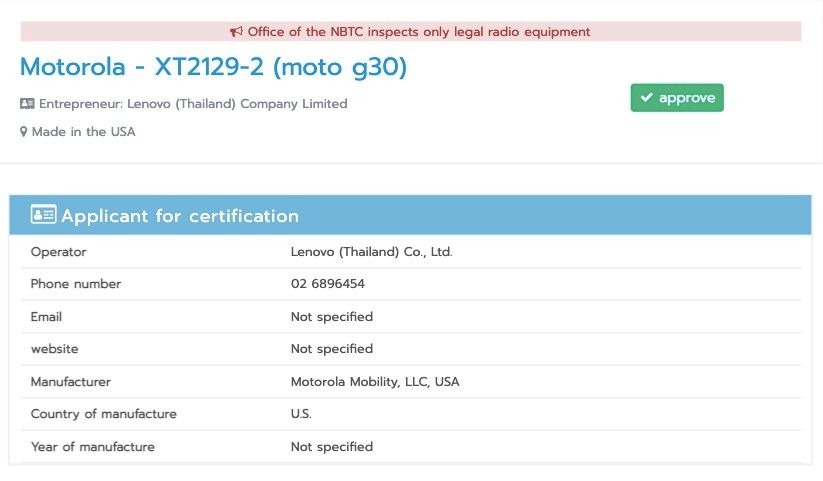
In December, it was revealed that Motorola is working on two smartphones that are codenamed Capria and Capri Plus. It is speculated that the XT-2127 model number belongs to the Capri whereas the XT-2129 model number is associated with the Capri Plus. Both models have received approvals from the Federal Communications Commission (FCC) and are expected to launch in Q1 this year. However, the rumor mill has been silent on their final marketing names. The XT2192-2 variant received approval from Thailand’s National Broadcasting and Telecommunications Commission (NBTC) today. The listing (via) has revealed that the phone could be heading to the country with the Moto G30 moniker.
The listing did not reveal any new information on the specifications of the Moto G30. Past reports have revealed that it will be a mid-range handset.
The Moto G30 is expected to arrive with a display that offers an HD+ resolution and a 90Hz refresh rate. Unfortunately, the size and design of the screen is not known yet. The device was spotted at the Geekbench benchmarking platform recently. While it was not mentioned explicitly in the listing, it is speculated that the Snapdragon 662 could be present under the hood of the G30.
The Moto G30 could be coming with a front camera of 13-megapixel. The backside of the phone could be featuring a triple camera system comprising of a 64-megapixel main camera, a 13-megapixel ultrawide lens, and a 2-megapixel depth sensor.
The G30 could be coming with a 5,000mAh battery. It is speculated to arrive in two models such as 4 GB RAM + 64 GB storage and 6 GB RAM + 128 GB storage.
MediaTek is growing rapidly in the smartphone chipset market and one of the reasons behind that is the company’s newly introduced Dimensity series. The company has already launched a few chips under the lineup and is now set to launch more.
The company has today confirmed by sharing a poster on its social media account that it will launch new Dimensity series products in China on 20th January. While MediaTek has not revealed what product it plans to launch, it is likely to be Dimensity 1200 (MT6893).
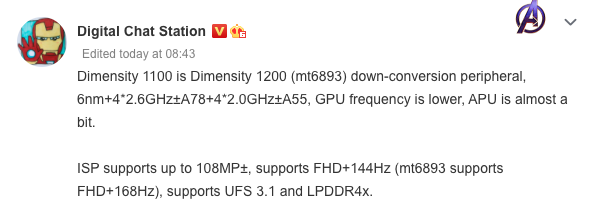
Now, another chipset from the company has been leaked online, which is dubbed as MediaTek Dimenisty 1100. From the leak, it seems that the Dimensity is just an under-clocked variant of the upcoming Dimensity 1200, and nothing much is changed.
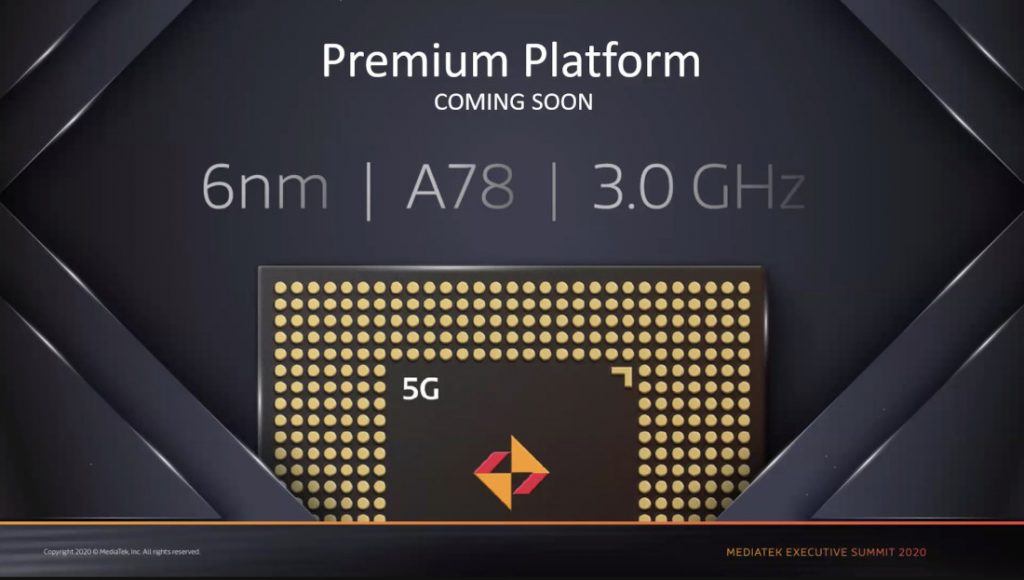
It is being reported that the MediaTek Dimensity 1100 will be manufactured using the 6nm processor and will have four Cortex A78 cores and four Cortex A55 cores in the 1+3+4 architecture. Its clock speed is said to be 2.6GHz and the GPU won’t be overclocked.
Additionally, the chipset packs ISP that supports 108MP primary camera sensor, a Full HD+ display with a 144Hz refresh rate, LPDDR4x RAM, and UFS 3.1 storage. Overall, it seems to be a mid-range offering from the company.
We expect the chipset to be announced later this week along with the MediaTek Dimensity 1200 SoC. To know for sure about these chipsets and expected availability in the market, we will have to wait for a couple of days.
In related news, it is being reported that the upcoming Redmi K40 smartphone will have a MediaTek-powered variant along with the Snapdragon 888 version. It remains to be seen which chipset from MediaTek ends up in this upcoming smartphone.
Last week, Redmi confirmed that the Redmi K40 series will be launching in February. The company also shared the key details on the specs and pricing of the K40 lineup. Yesterday, Redmi Product Director Wang Teng Thomas took to Weibo to hint that the company could be launching two Snapdragon 888 powered K40 series phones.
The machine-translation of Thomas’ Weibo post reads that there is more than one Snapdragon 888 version in the K40 series. Last year, Redmi launched multiple K30 series smartphones across different price points. At the beginning of the year 2020, it began with sales of the Redmi K30 5G and in February, it announced the Redmi K30 Pro and Redmi K30 Pro Zoom edition. Both Snapdragon 865 SoC powered phones carried identical specs, but the Zoom edition offered a better photography experience.
The first K40 phone with an SD888 chip onboard could very well be the Redmi K40 Pro smartphone. The second SD888 phone could be the successor to the Redmi K30 Pro Zoom edition. Apart from the Snapdragon 888 powered models, the company is also expected to launch a vanilla model powered by a new MediaTek chip or the new Snapdragon 7-series sm7350 chip by Qualcomm.
So far, Redmi has revealed that the Redmi K40 series will be carrying a starting price of 2,999 Yuan (~$462). It will be equipped with the most expensive flat display and it will be backed by a battery that is bigger than 4,000mAh. Rumors have that it could be sporting a punch-hole display with a high refresh rate support. The other details of the K40 models are under wraps. Since the lineup is set to launch next month, the company is expected to start revealing some of its key features in the coming days.
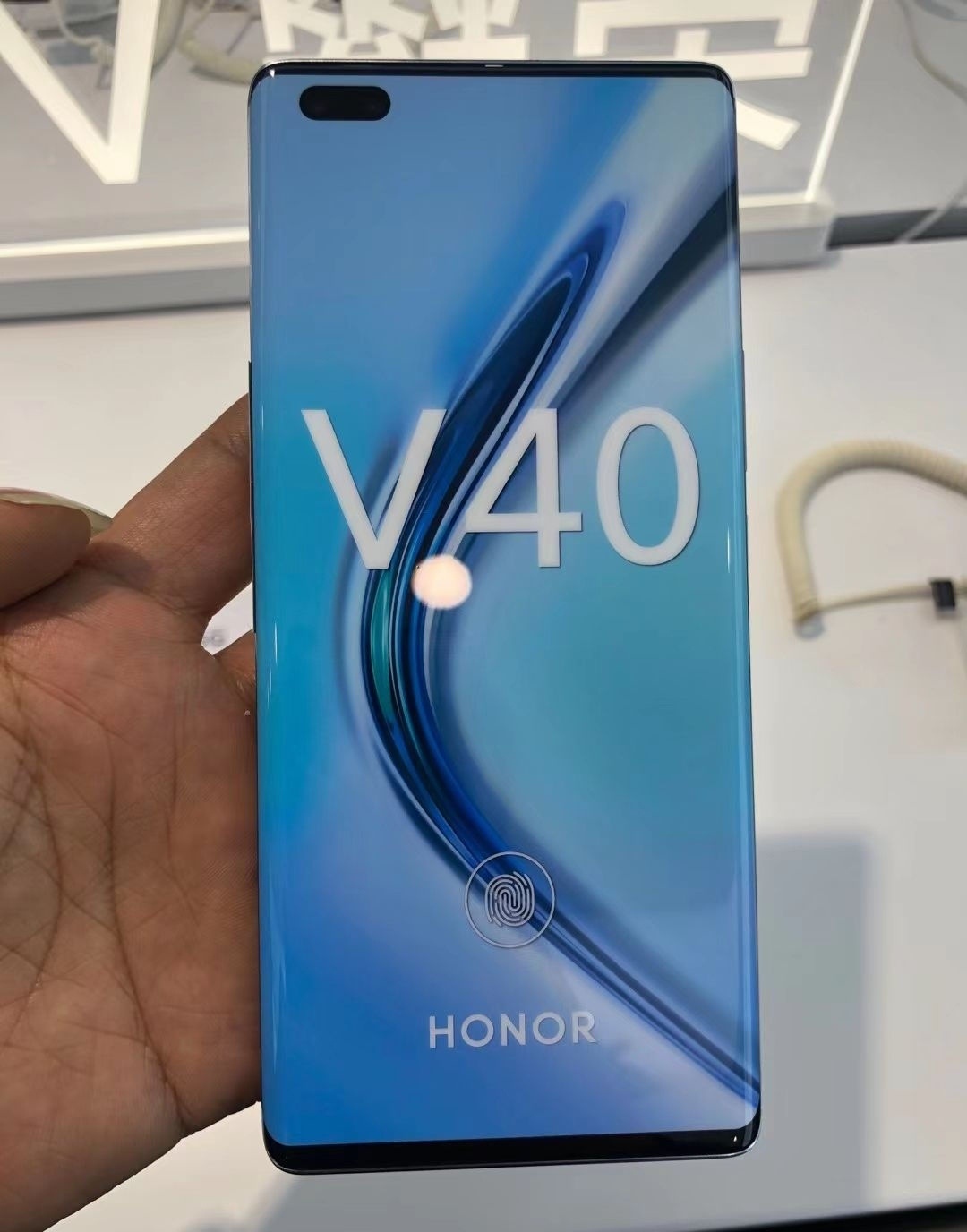
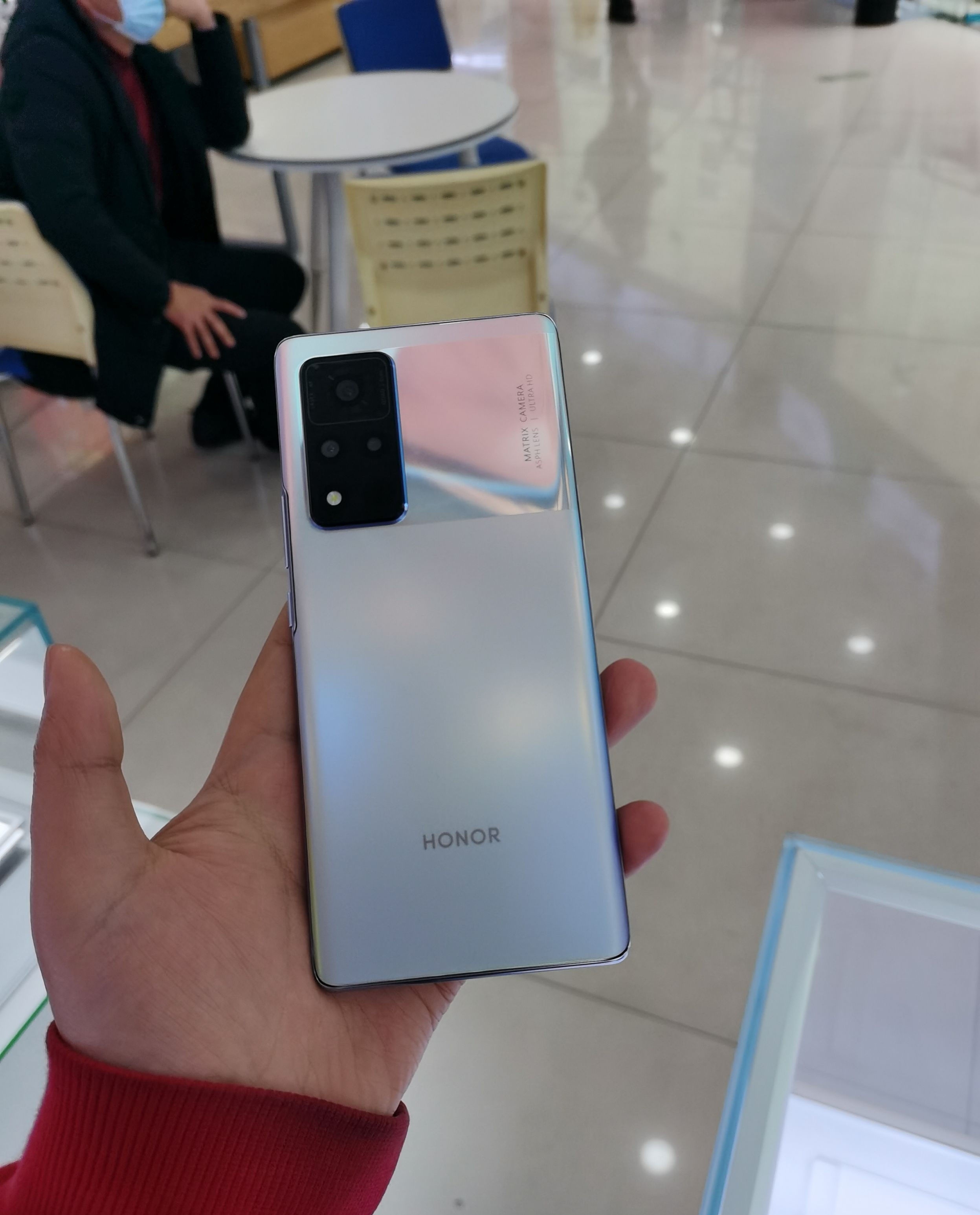
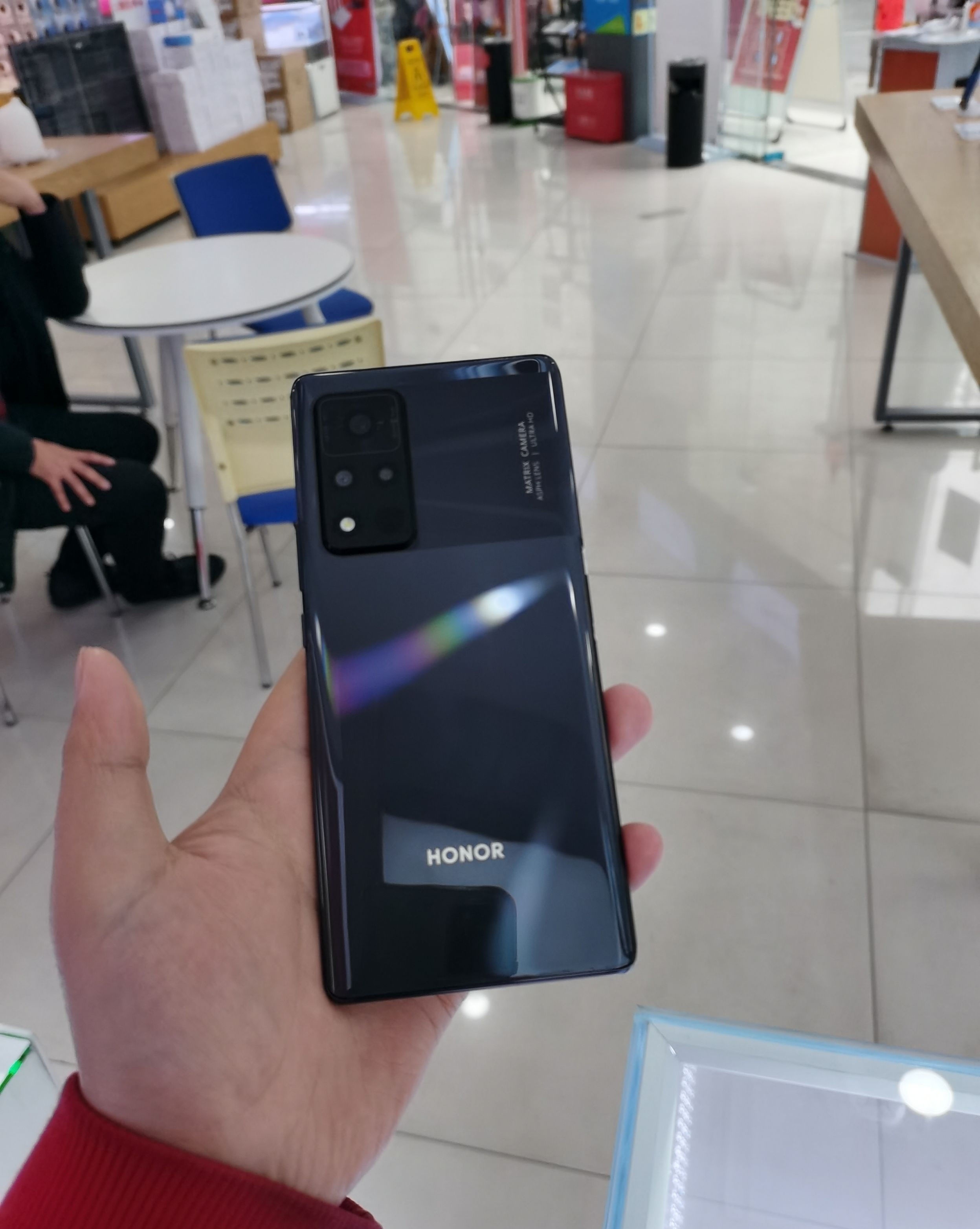
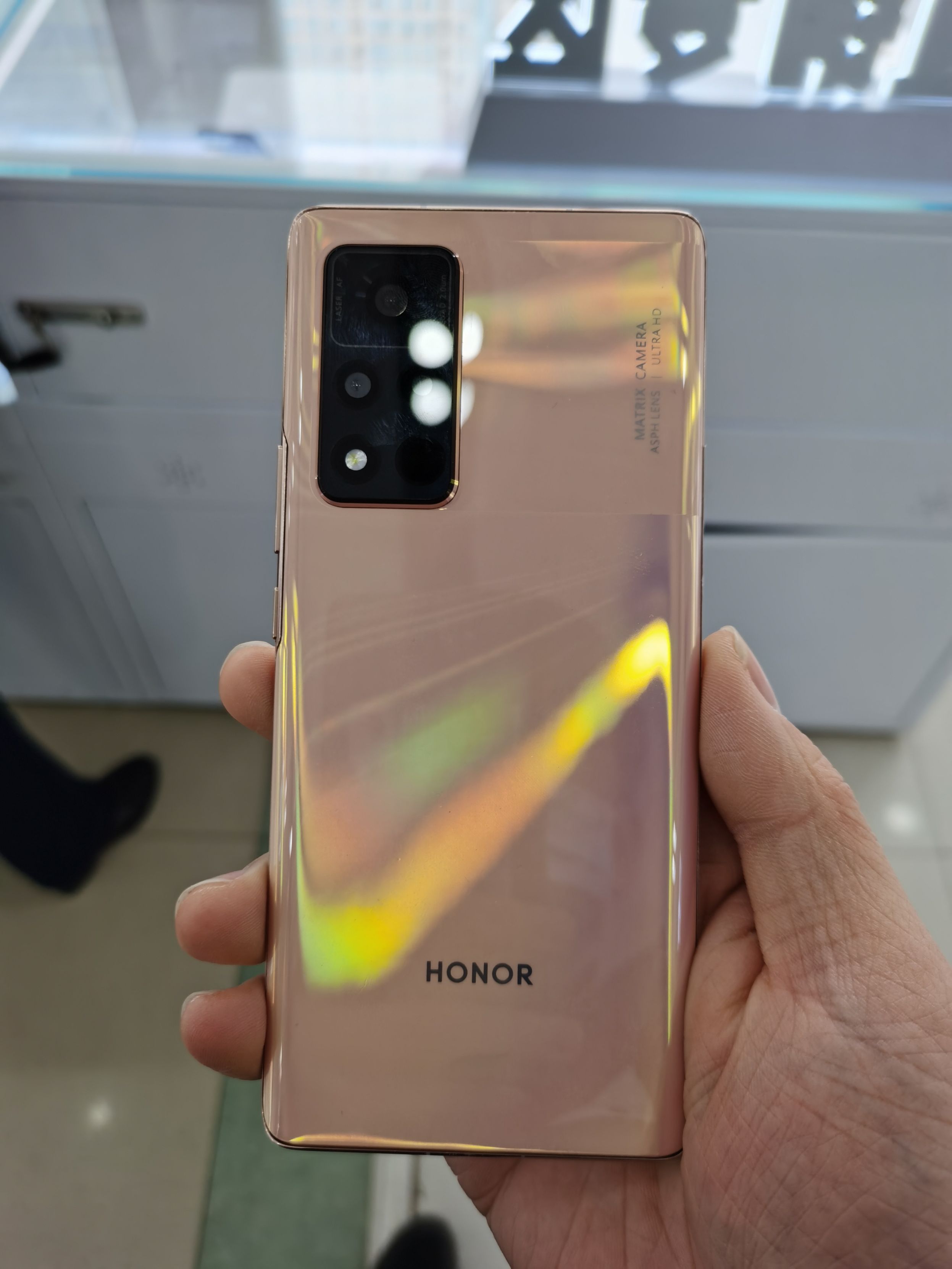
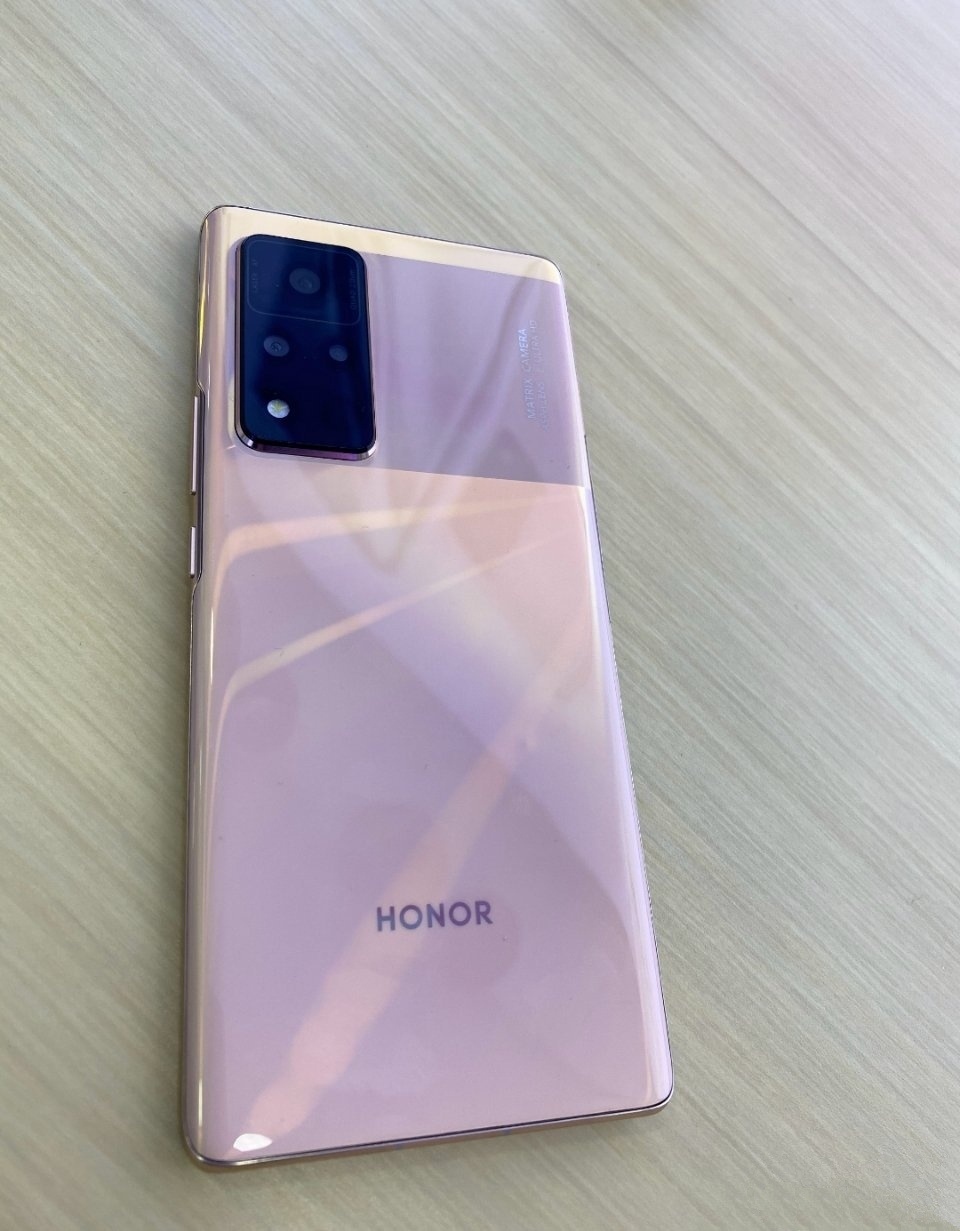
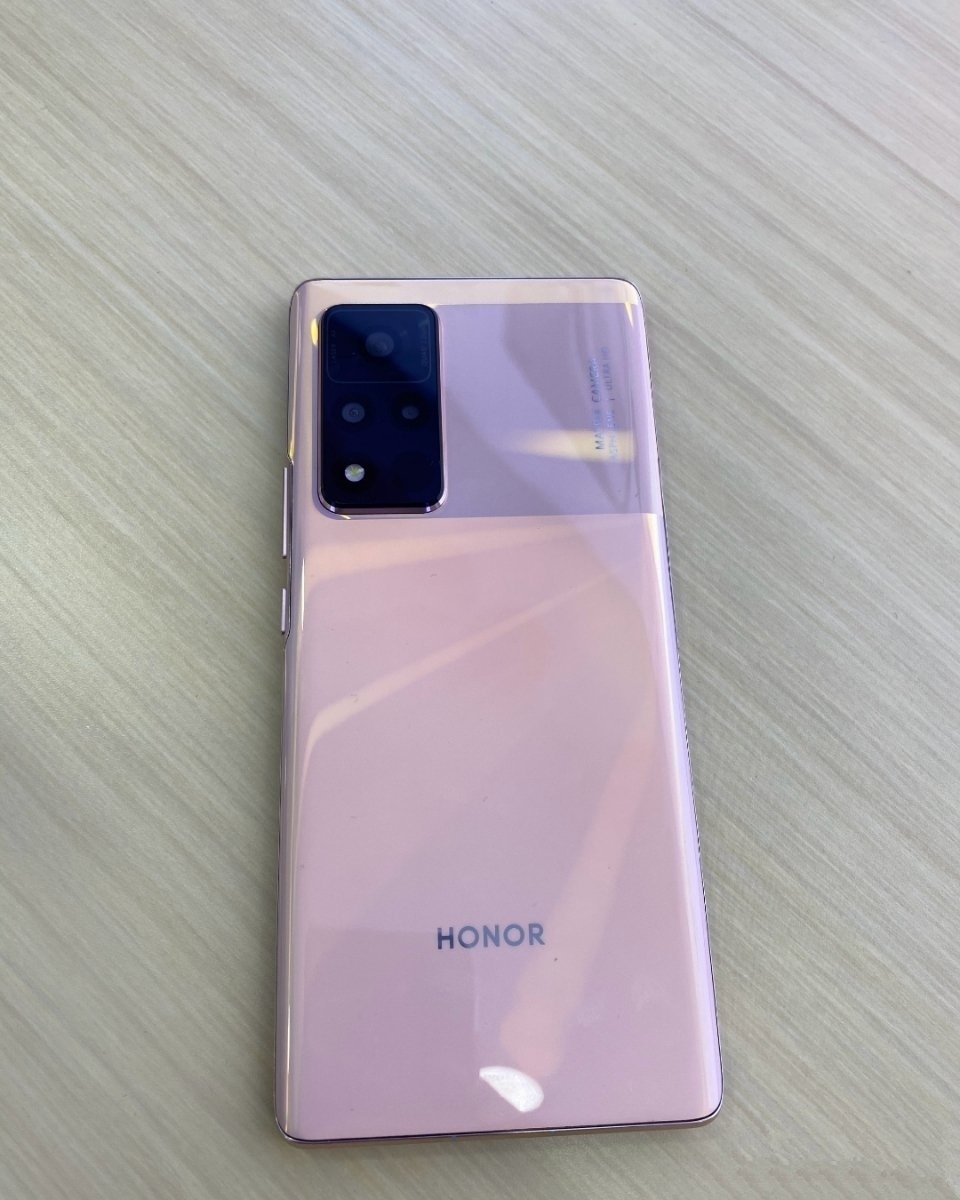
Earlier this month, Honor confirmed that it will be launching the Honor V40 on Jan. 18. Last week, the company revealed that its launch date has been postponed to Jan. 22. Ahead of the launch, the official renders of the Honor V40 have appeared in a listing at a Chinese retailer site.
1 of 5
Honor V40 render
The Honor V40 is now up for reservations on Suning and other retailer sites in China. The renders confirm the presence of a pill-shaped cutout at the upper-left corner of the V40’s screen. The display can be seen sporting curved edges. The rear view of the phone reveals that its rectangle-shaped camera module has three cameras, laser autofocus, and an LED flash unit
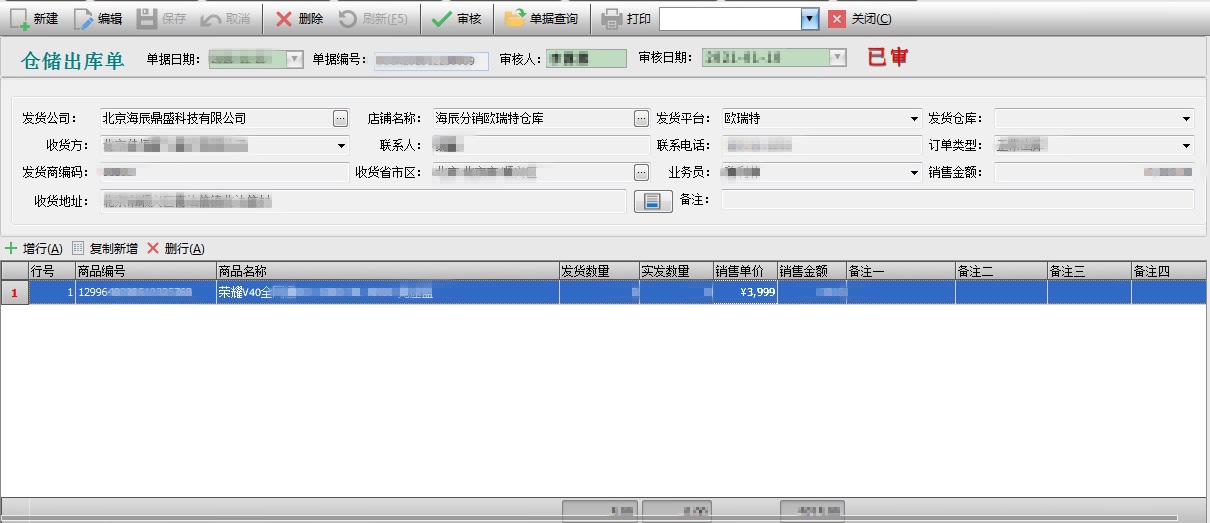
Recent reports have revealed that apart from black, the V40 will be also available in blue and orange colors. In addition, multiple sources have revealed the live shots of the Honor V40. A screenshot of the Honor V40’s price through a channel dealer warehouse has appeared on Weibo. The listing states that the device is priced at 3,999 Yuan (~$617).
Rumors have revealed that the Honor V40 could be coming with a 6.72-inch FHD+ AMOLED screen that offers a 120Hz refresh rate and a 300Hz touch sampling rate and it could be powered by the MediaTek Dimensity 1000 Plus chipset.
1 of 9
For photography, the Honor V40 could be sporting a 50-megapixel + 8-megapixel (ultrawide) + 2-megapixel (macro) rear camera setup and a 32-megapixel + 16-megapixel duals selfie camera system. The smartphone is rumored to house a 4,000mAh battery with 66W fast charging and a 50W wireless charging support. Lastly, it features an in-screen fingerprint reader.
At the end of the year 2020, POCO India seemingly teased the arrival of the POCO F2. Since then, the rumor mill has been spilling some information on the specs of the POCO F2. A recent leak claimed that it will not be a flagship phone, but an upper mid-range phone driven by the Snapdragon 732G. On Saturday, popular tipster and YouTuber Mukul Sharma carried out an AMA session with POCO India Country Director, Anuj Sharma to share some exclusive information. During the session, Anju revealed that the Snapdragon 7332G would not drive the POCO F2.
In December, two laptop batteries with model numbers R15B02W and R14B02W was certified by the Bureau of Indian Standards (BIS). These batteries were reportedly listed with POCO branding. Hence, the rumor mill started speculating that the POCO brand could be venturing into the laptop market soon. However, in the starting few minutes of the AMA session, Anuj confirmed that it was indeed a POCO battery, but it was not a laptop battery.
While Anuj spoke a couple of times about the POCO F2 in the AMA session, it is yet to be confirmed whether the successor to the legendary POCO F1 will be called POCO F2 or POCO F3. He revealed that the company the Snapdragon 732G (an upper mid-range chip) will not power the F-series. This indicates that the POCO F1’s successor could be a flagship SoC.
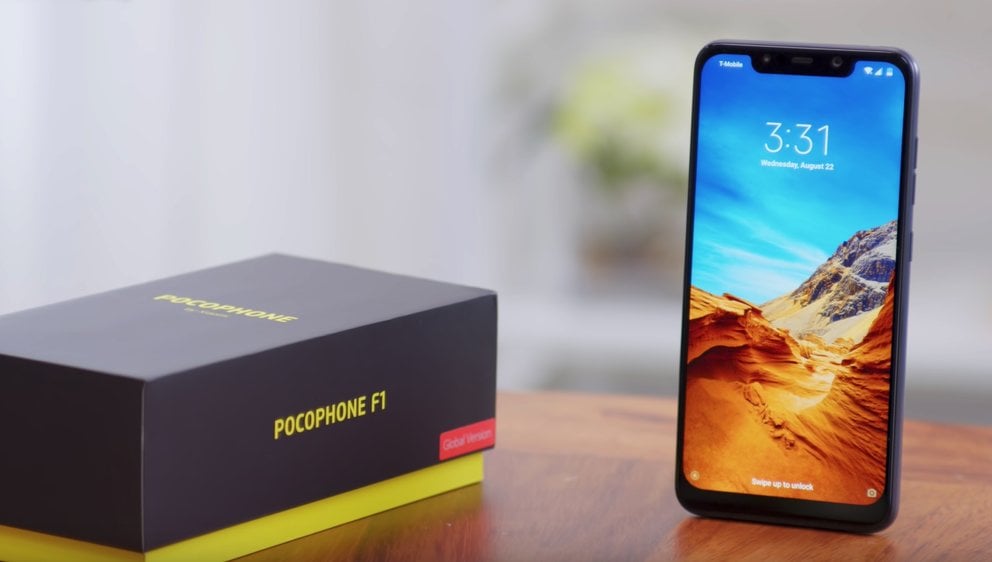
The Snapdragon 845 SoC powered POCO F1 came with an astonishing price tag of Rs 20,999 (~$287). Talking about the pricing of the F1’s successor, Anuj revealed that it will be priced higher as it is impossible to launch it with pricing that the F1 carried. He did not mention the specific price range of the POCO F2.
The POCO F2 Pro debuted in August 2020 with a starting price of 599 euros (~$723; ~Rs 52,920). It was a rebranded version of the Snapdragon 865 powered Redmi K30 Pro 5G that went official in March. Probably, the POCO F1’s successor featuring a flagship SoC could be priced between Rs 25,000 (~$341) to Rs 40,000 (~$546).
Anuj also revealed that he tasked the R&D team to work on another product that could end up as a spiritual successor to the POCO F1. It may be something, and it might not be called the F2. The POCO executive did not divulge much info on the mysterious device. Check out the video above to know what else Anuj spoke about in the AMA session.
WhatsApp announced changes to its privacy policy a few weeks ago. The announcement was met with disapproval as folks interpreted the changes to mean that their messages will no longer be private and their data will be exchanged with Facebook and its other services.
Following the development, several users numbering millions decided to switch to other messaging apps such as Telegram and Signal which offer better privacy. While WhatsApp has tried to reassure users about protecting and respecting their privacy via social media announcements, a blog post, full-page newspaper adverts, and even in-app stories, the deed has already been done and it will be hard to reverse it.
For this week’s poll, we want to know if you still use WhatsApp or if you have switched to a different messaging app. Also, let us know in the comment box if you will return to using the app following WhatsApp’s clarification.
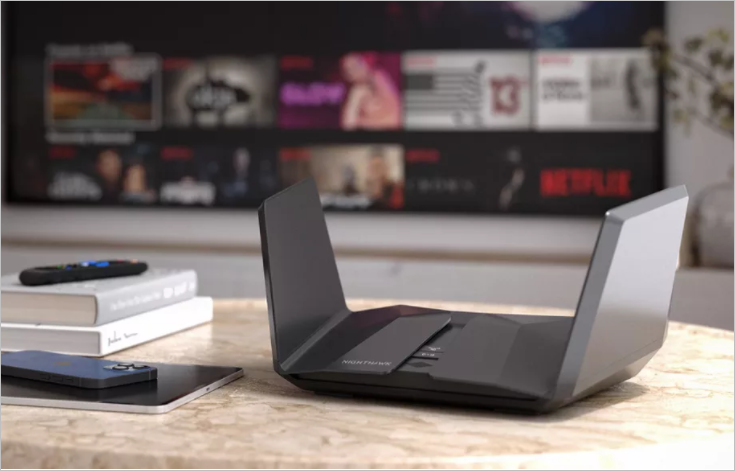
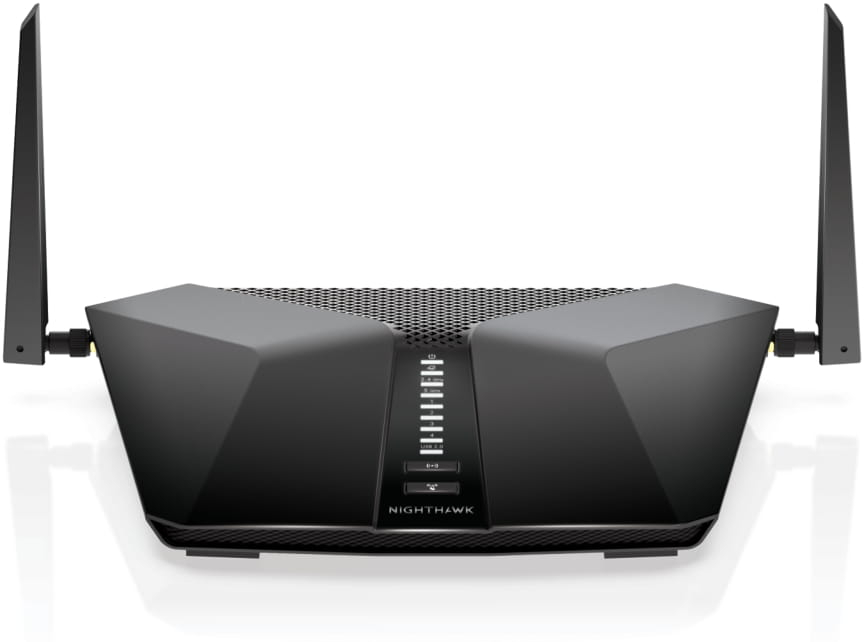
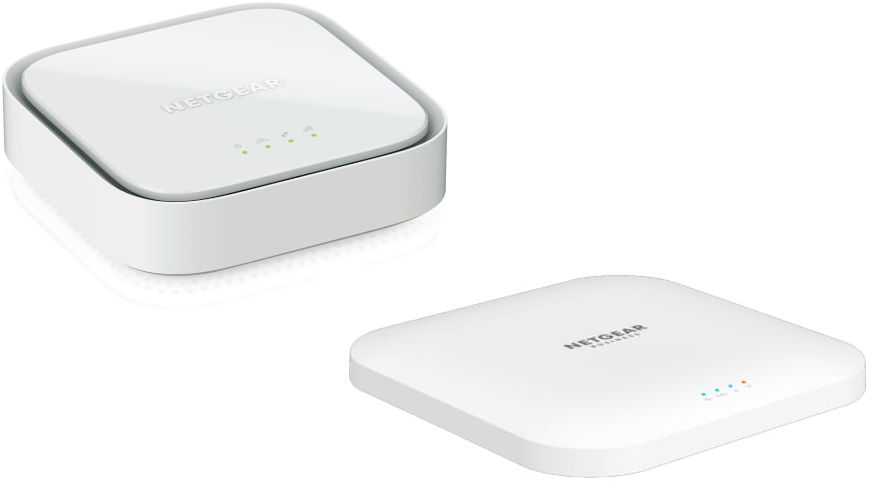
Popular networking products manufacturer Netgear has launched the Nighthawk RAXE500 Tri-band Wi-Fi Router. The new router is the brand’s first-ever Wi-Fi 6E router and it makes its debut alongside the Nighthawk 4G LTE Wi-Fi 6 Router, the LM1200 4G LTE Modem, and the WAX214 and WAX218 APs.
NETGEAR Nighthawk RAXE500 Tri-Band Wi-Fi Router
The Nighthawk RAXE500 Tri-band Wi-Fi Router is built with expanded capacity to use the present 6GHz Wi-Fi band for higher-capacity, lower latency connections. The router is great for use cases such as simultaneously streaming 4K/8K video, video conferencing, and conducting distance learning. It also features the latest WPA3 protocol, which should provide enhanced security.
The new high-end router has a semblance with a manta ray, which is similar to other products on Netgear’s Nighthawk line of wireless routers. Netgear says the router can push beyond gigabit speeds for mobile devices, and that it offers a total bandwidth of up to 10.8Gbps.
Netgear Wireless APs
Furthermore, the new Nighthawk RAXE500 Router features five-gigabit ports and two USB 3.0 ports on its rear. It supports multi-gigabit speeds via a compatible DOCSIS 3.1 modem, either through the RAXE500’s single 2.5Gb link or by opting for a multiport link aggregation method (which offers up to 2Gbps speeds).
The Netgear Nighthawk RAXE500 is priced at $599.99 and will be available later this month while the Nighthawk LAX20 costs $299.99 and the LM1200 LTE modem costs $149.99.
The previous week was an exciting one for nerds and geeks as it was packed full of events. From CES 2021 to Samsung having two important announcements, there are probably a ton of gadgets folks are looking forward to getting their hands on. Here is a recap of the top stories:
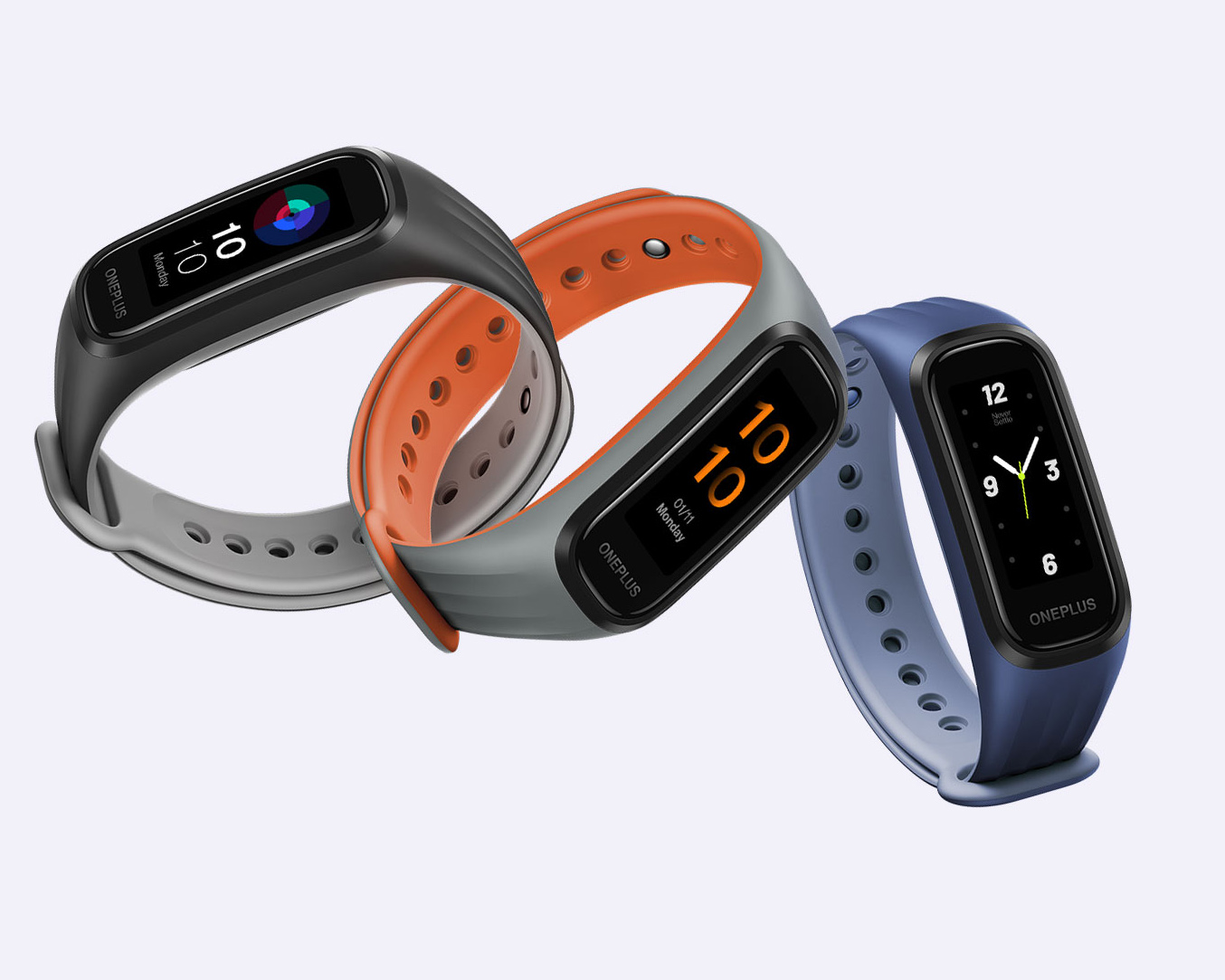
Oneplus Band
OnePlus Band wants to take on the Xiaomi Mi Band
The first wearable from OnePlus, the OnePlus Band was announced last week in India. The fitness tracker is priced at about $35, offers a 14-day battery life, can track sleep and activities including yoga, rowing, and elliptical. It also has a blood oxygen level monitor. OnePlus has not said anything about a launch in other markets.
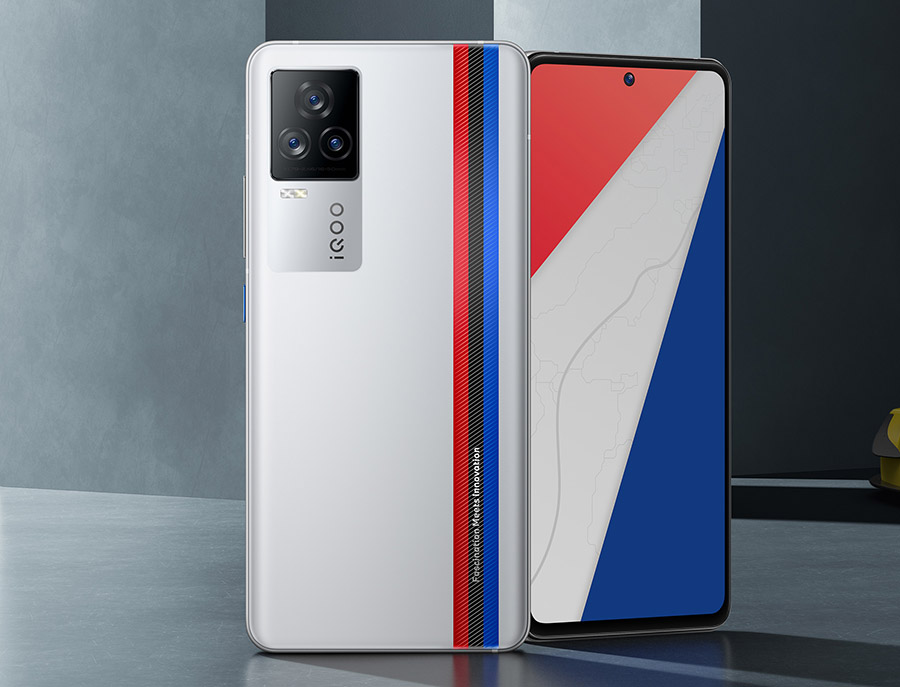
iQOO 7
iQOO 7 is fast in all ways
The iQOO 7 is the definition of fast. 120Hz refresh rate? Check. Snapdragon 888? Check. 120W charging? Check. This flagship phone from Vivo’s sub-brand also starts at under $600.
Samsung’s Exynos 2100 is a promising chipset
Samsung announced its Exynos 2100 processor last week and the 5nm chipset packs a punch. It brings significant improvements in CPU, GPU, and AI performance and its ISP is also pretty impressive. We compared it to the Snapdragon 888 and the result is surprising.
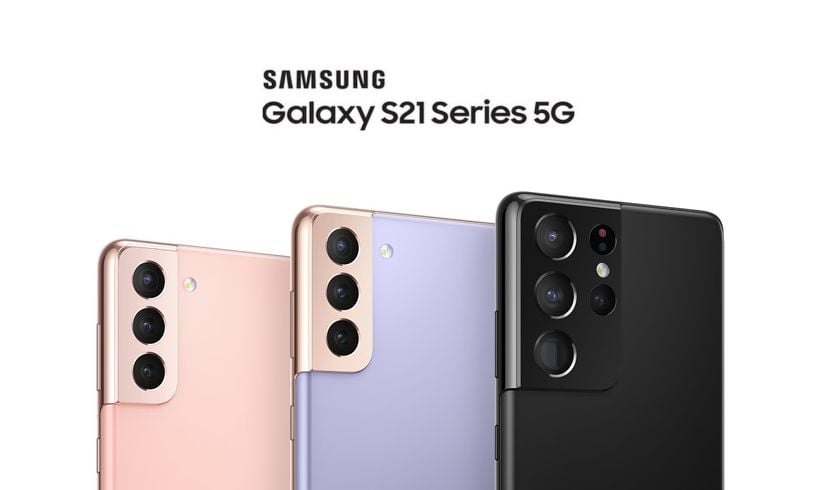
Galaxy S21 series arrives with S Pen support but no accessories in the box
The Galaxy S21 series was one of the key announcements last week. The Galaxy S21 and Galaxy S21 Plus rock a new design, improved cameras, and powerful processors but it is the Galaxy S21 Ultra that is turning heads. It packs better cameras, a bigger battery capacity, and is the only one with support for the S Pen. But just like its siblings, this phone that is priced over $1000 doesn’t come with a charger in the box. You also have to buy the S Pen separately for an extra $40.
It is claimed that your smartwatch, as well as other smart wearables that continuously measure the users’ vital statistics like heart rates, skin temperature, and other physiological indicators, can provide sufficient information that may help in determining possible coronavirus infection a few days before an individual is diagnosed with the virus, after doing a test.
Such devices include the Apple Watch, Garmin, and Fitbit watches, as well as other brands from producers of smart wearables, could indicate whether an individual is positive for COVID-19, even before the known symptoms are felt, at which time they have become symptomatic and tests could detect the presence of the virus. This is according to studies from a number of leading academic and medical institutions, including Mount Sinai Health System, and Stanford University, both in the US. It is believed in many quarters that wearable technology could play a very important role in curtailing the pandemic, as well as some other communicable diseases.
The researchers at Mount Sinai Health System discovered that the Apple Watch can detect subtle changes in a person’s heartbeat, which can provide evidence and a signal that the person may have contracted the coronavirus. This indication or signal could come as early as a week before the person may feel sick or the infection is detected after a test was conducted.
The study analyzed what was defined as heart rate variability — the variation in time between a person’s heartbeats, which is also an indicator of how well a person’s immune system is working. Persons who had COVID-19 were observed to have lower heart rate variability, while the COVID-negative persons were exhibiting a higher variability in the time between heartbeats.
It is noted that a high heart rate variability does not reflect or indicate an elevated heart rate, but rather It indicates that a person’s nervous system is quite active, adaptable, and could be more effective in coping with stress.
The Study involved about 300 health care workers in the Mount Sinai medical facility who wore Apple Watches for 153 days from April to September 2020.
Apple was not part of the Mount Sinai Study but is aware of the potentials of its smartwatches.
Data generated by smartwatches could be very helpful in the fight against the pandemic, as it is estimated that more than 50% of coronavirus cases are spread by asymptomatic persons, well unaware that they are carriers. This is according to a report by the US Centers for Disease Control and Prevention last week.
A separate and independent study by researchers from Stanford University, in which the participants wore a variety of different activity trackers from Garmin, Fitbit, Apple, and others, discovered that about 81% of COVID-19 positive participants experienced an elevated increase in their resting heart rates up to nine full days before symptoms began to be observed, which, according to the study, indicated the onset of symptoms.
The Stanford researchers used the smartwatch data to correctly identify up to 66% of COVID-19 cases, four to seven days before the participants showed symptoms, as reported in their study published in Nature Biomedical Engineering in November last year. The study examined data from 32 persons who tested positive for covid-19 among more than 5,000 participants.
The Stanford research team has gone ahead to create an alarm system that alerts wearers of smart devices that their heart rate has been elevated for a sustained period of time,
It is believed that such technology could assist to mitigate some of the observed shortcomings in relation to testing for coronavirus.
Manufacturers of these smart wearables are also looking at how the technology could be used to fight the virus and have started funding research in this direction.
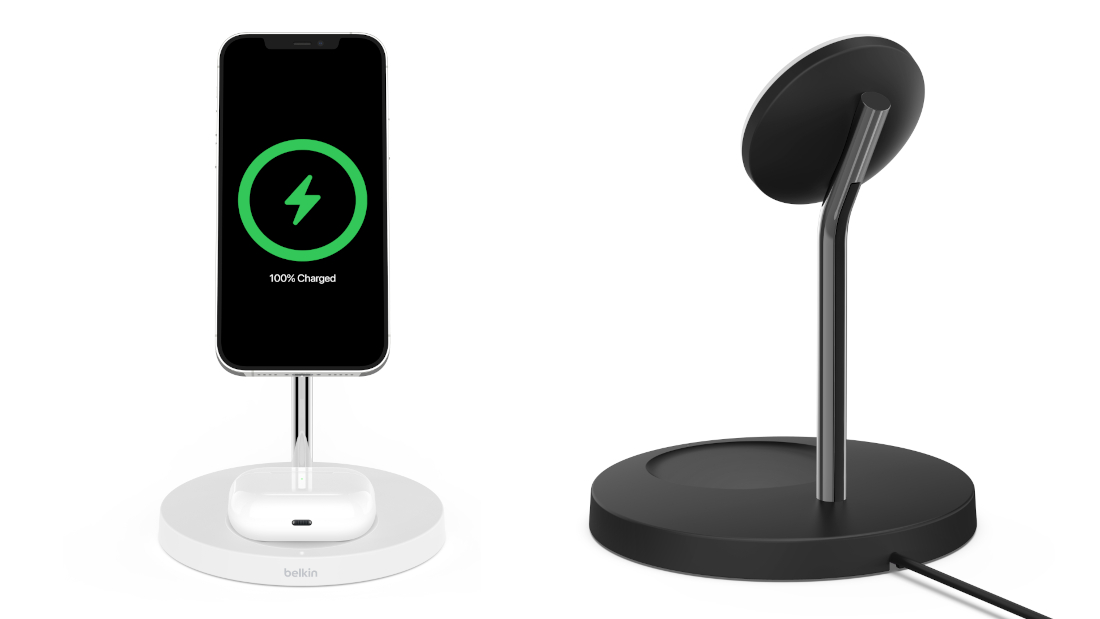
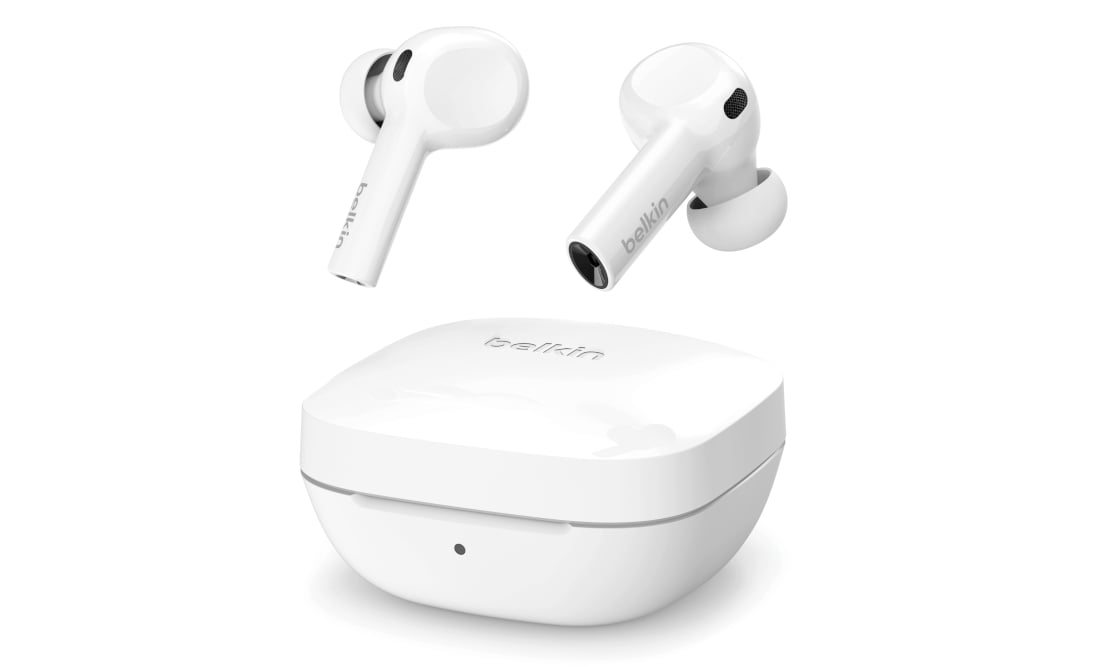
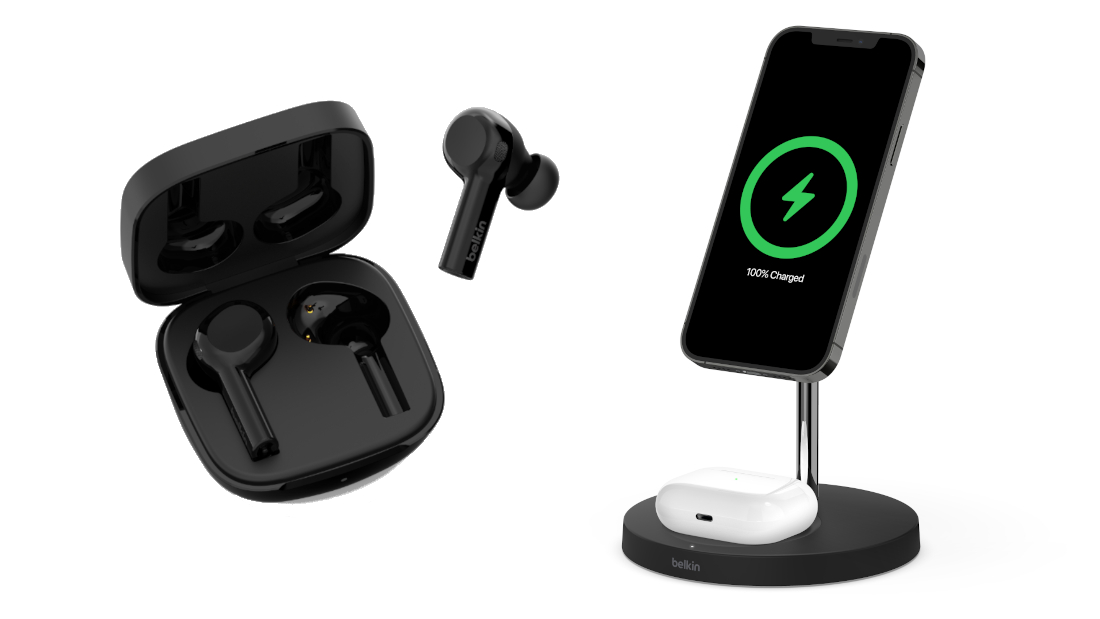
Belkin, a long-standing manufacturer of a wide array of electronics products, has announced the launch of its latest TWS headphones, the Soundform Freedom True Wireless Earbuds. Also announced was the BOOST↑CHARGE PRO 2-in-1 Wireless Charger Stand from Apple. The announcement of the launch of the two products was made during CES 2021.
The Belkin Soundform Freedom True Wireless Earbuds, among other features, has Qualcomm’s QCC3046 Bluetooth SoC built-in. These, in combination with the custom-built and impressive drivers, has made the device to be capable of delivering a wonderful sound experience, as the earbuds can produce powerful bass and great clarity for music playback.
The Belkin Soundform Freedom True Wireless Earbuds is IPX5 certified, and it is compatible with Apple’s Find My network. The earbuds also feature environmental noise cancellations.
On a single full charge, the battery of the earbuds is projected to last up to 8 hours, which Belkin claims can be further extended for another 20 hours with the charging case which is included in the package. It has a fast-charging capability, as charging the device for 15 minutes could provide up to two hours of music playback non-stop. In addition, the charging case can be charged either through its USB-C port or with a Qi wireless charger.
The BOOST↑CHARGE PRO 2-in-1 Wireless Charger Stand is part of Apple’s MagSafe accessory devices, and, according to Apple, it is capable of charging the iPhone 12 series smartphones at up to 15W. The Wireless Charger stand also contains a second charging coil for the AirPods Pro and AirPods True Wireless Earbuds, with Wireless Charging Case.
The Apple BOOST↑CHARGE PRO 2-in-1 Wireless Charger Stand with MagSafe will be available around April 2021 and would sell for about $100. The Belkin Soundform Freedom True Wireless Earbuds will be available around the same period of early April 2021, although the price is yet to be announced.
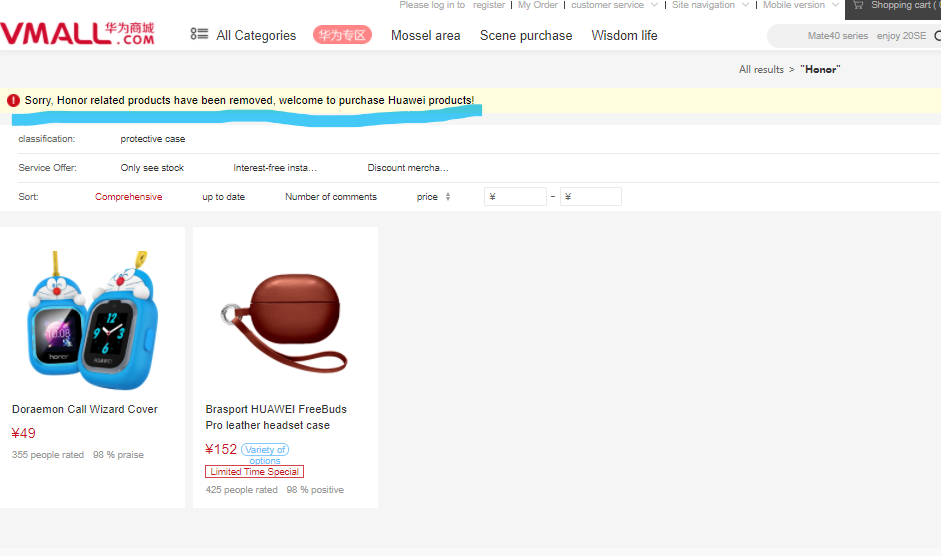
It is no news that Honor is no longer a Huawei company, and to further emphasize that, Huawei has delisted all Honor products from its Vmall online store.
If you head to Vmall.com and search for Honor, you get a message that says that “Honor related products have been removed…”. If you want to purchase Honor products, you will have to go to the manufacturer’s own online store via its official website, HiHonor.com.
The link to the Honor online store which was announced on January 12, is currently giving a 404 error. We want to believe the site is under maintenance. ITHome reports that aside from the website, there is also a WeChat app version of the store but a proper mobile app is yet to be announced.
The Honor Mall will sell the brand’s smartphones, tablets, smart displays, notebooks, earphones, and smartwatches. It has been reported that the 75-inch Honor X1 Smart Screen is already listed for purchase there and also opened registration for the new Honor MagicBook notebooks and Honor V40 smartphone scheduled to launch on January 22.
Honor used to be a subsidiary of Huawei before but the latter’s ongoing battle with the US has greatly affected its business. Last November, Honor was sold to Zhixin New Information technology Co. Ltd – a company formed from a consortium of more than 30 agents and dealers of the Honor brand, and Shenzhen Smart City Development Group Co. Ltd.
Honor has been in talks with chip manufacturers, MediaTek and Qualcomm, for chip supply. The manufacturer says it plans to ship more than 100 million smartphones this year and it can only do that if its chip supply and supply chain, in general, is not cut off.
ByteDance has pulled the plug on Smartisan, the Chinese company known for its well-designed smartphones. Both companies had worked together last year to release the Smartisan Nut R2 after reports surfaced that ByteDance had acquired some of Smartisan’s patents and also employed some members of its staff.
ByteDance shuts down Smartisan Mobile
According to Chinese media, ByteDance suspended the mobile phone hardware business on January 13. The Chinese company which owns TikTok announced that it has integrated the R&D team established by Smartisan into its own educational hardware team. This educational hardware team is said to be led by Yang Luyu, the founder of Musical.ly. The team will report to Chen Lin, the senior vice president of ByteDance and the head of the education business.
There are a handful of reasons that have surfaced regarding ByteDance’s decision to shut down the Smartisan mobile business. ITHome reports that a mobile phone distributor had revealed that the popularity and sales of Smartisan phones are very low. This is said to be partly because they are sold only online, and those sold offline are usually second-hand units. Another distributor revealed that he purchased a few second-hand units last year but he is yet to sell them. He has decided to write them off as a bad purchase.
Bigger outlets such as JD.com and Taobao have reported that total sales of the Smartisan Nut R2 flagship phone launched last year is less than 100,000 units. At the moment, the stores have slashed the price from ¥4499 (~$694) to ¥2299 (~$355). Now that news of the business shutting down has surfaced, we do not think anyone will want to buy such a phone.
Smartisan Nut R2
Another reason that has surfaced is the cost of production. ByteDance doesn’t have the supply chain advantage that bigger manufacturers such as OPPO, Vivo, and Xiaomi boast of, so the production cost is more expensive. It has been reported that ByteDance has switched to the development of desk lamps for its education business.
Wondering why desk lamps? A research institute, Multi-Whale Capital Education Research, predicts the K12 education smart hardware market will reach ¥57 billion by 2022 and smart lamps are part of the products that have gained popularity. Last October, ByteDance announced the Dali Smart Tutoring Lamp which has a screen and an educational coach built-in.
This may not be the end for Smartisan as there is a possibility that an investor or buyer may enter a deal with the owners to bring its products back to the market. However, if that is going to happen, the mistakes of the past will have to be avoided.
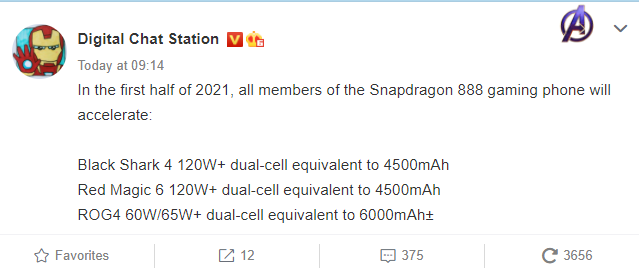
The ROG Phone 3, just like the ROG Phone II before it, has a 6000mAh battery capacity. Now, a leak has revealed that ASUS will once again go with a 6000mAh battery capacity for the ROG Phone 4.
Just a few flagship phones have a battery capacity of 5000mAh, so 6000mAh is more than sufficient for the ROG Phone 4. We also don’t see that battery capacity changing anytime soon. Seeing as battery capacity has remained unchanged over three generations, ASUS has decided to go with faster charging as the way to distinguish between the phones.
According to Digital Chat Station, the ROG Phone 4 will support 60W or 65W fast (wired) charging. This should allow users to recharge the dual-cell 6000mAh battery faster than its predecessor, the ROG Phone 3, which supports 30W fast wired charging.
When compared to other competing gaming smartphones that will also be launched this year such as the Black Shark 4 and Red Magic 6, the ROG 4’s 60W/65W fast charging is much slower than their 120W fast wired charging. However, its battery capacity is significantly higher than theirs which is just 4500mAh.
The ROG Phone 4 should also support reverse wired charging, Quick Charge 4, and Power Delivery. The phone is expected to arrive this quarter, which is at least four months earlier than the ROG Phone 3.
Just like other flagship phones, the ROG Phone 4 will have a Snapdragon 888 processor under its hood and support for 5G. Its AMOLED display is also expected to have a refresh rate of 144Hz or higher and it should run Android 11 out of the box.
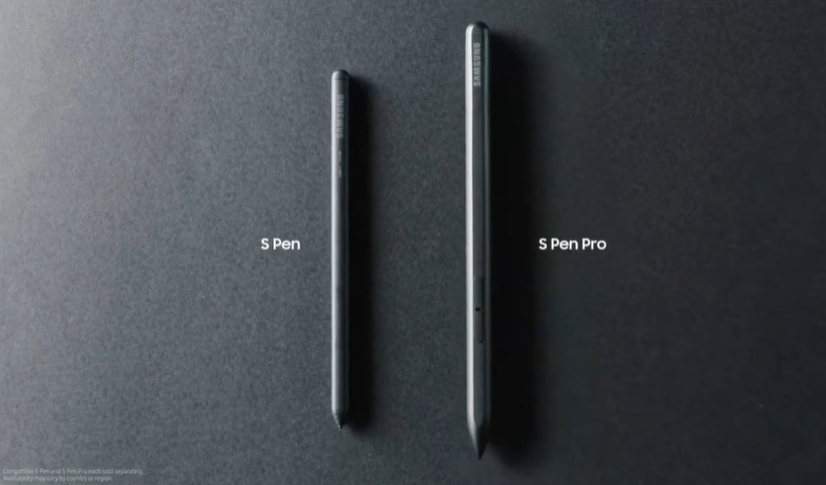
The Galaxy S21 Ultra‘s S Pen costs $40 if you want it as it does not come included in the box. It also doesn’t have the same features as the S Pen of the Galaxy Note 20 series. Samsung says a bigger stylus called the S Pen Pro with more features will arrive for the new flagship later this year.
The S Pen Pro is much bigger than the S Pen for the Galaxy S21 Ultra. It actually looks like the Apple Pencil in black. Some have said that it is just the S Pen of the Galaxy Tab S7 in black but it appears that is not the case.
S Pen and S Pen Pro for the Galaxy S21 Ultra
The S Pen for the Galaxy S21 Ultra doesn’t have Bluetooth and also doesn’t have air gestures but the S Pen Pro will have these features. Seeing as Samsung says that you can use the S Pen available with its other devices on the Galaxy S21 Ultra, you would think Bluetooth and air gesture feature of the S Pen of the Galaxy Note 20 will carry over the S21 Ultra, right? No. You only get the same basic functions as the standard S Pen.
What this means is that if you want these extra features, you will have to purchase the S Pen Pro. Samsung says it will arrive later this year but did not reveal the price. The stylus will also not have a special phone case where users can store it based on its size.
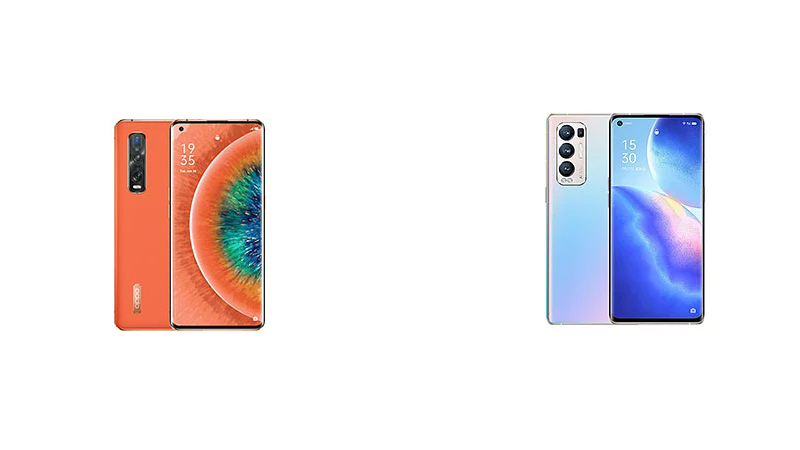
OPPO launched two top-tier flagships this year: OPPO Find X2 Pro and Reno5 Pro+. The former came in the first part of 2020, while the latter hitten the shelves at the end of the year. Despite that, there is a lot of confusion around their specifications and a lot of people do not know which one to buy since they do not understand which one is the most advanced and which delivers the highest value for money. Usually, the more flagships are recent, the more they are better than their predecessors. But the Find series is a higher-end series than the Reno lineup, and it is not exactly so in this case. This comparison will let you know the differences between the specifications of OPPO Find X2 Pro and Reno5 Pro+.
OPPO Find X2 Pro vs OPPO Reno5 Pro+
OPPO Find X2 Pro
OPPO Reno5 Pro+
DIMENSIONS AND WEIGHT
165.2 x 74.4 x 8.8 mm, 200 g
159.9 x 72.5 x 8 mm, 184 g
DISPLAY
6.7 inches, 1440 x 3168p (Quad HD+), AMOLED
6.55 inches, 1080 x 2400p (Full HD+), AMOLED
PROCESSOR
Qualcomm Snapdragon 865, octa-core 2.84 GHz
Qualcomm Snapdragon 865, octa-core 2.84 GHz
MEMORY
12 GB RAM, 256 GB – 12 GB RAM, 512 GB
8 GB RAM, 128 GB – 12 GB RAM, 256 GB
SOFTWARE
Android 10, ColorOS
Android 11, ColorOS
CONNECTIVITY
Wi-Fi 802.11 a/b/g/n/ac/ax, Bluetooth 5.1, GPS
Wi-Fi 802.11 a/b/g/n/ac/ax, Bluetooth 5.2, GPS
CAMERA
Triple 48 + 13 + 48 MP, f/1.7 + f/3.0 + f/2.2
32 MP f/2.4 front camera
The OPPO Find X2 Pro has a fantastic design, especially if we talk about materials. It is available in three color variants made of vegan leather and a ceramic version. It is one of the most raffinate devices in the market and it is even waterproof, thanks to the IP68 certification. But the OPPO Reno5 Pro+ is a premium device as well. It is made with a glass back and an aluminum frame: at first glance, we are talking about less raffinate materials, but the OPPO Reno5 Pro+ is the first commercial phone with an electrochromic glass changing its color after a simple double tap. Further, the OPPO Reno5 Pro+ is more compact, thinner, and lighter than the Find X2 Pro. This makes it an awesome flagship even in terms of aesthetics.
Display
The display champion is the Find X2 Pro: it has one of the best displays ever seen. We are talking about a 6.7-inch panel with a high Quad HD+ resolution, a 120 Hz refresh rate, a peak brightness of up to 1200 nits, one billion colors, and the AMOLED technology. The OPPO Reno5 Pro+ has a great AMOLED panel as well, but the resolution is lower and even the refresh rate. However, it remains an amazing display with the HDR10+ certification, a very high brightness, and great color reproduction. Both feature an in-display fingerprint reader and a punch-hole design, as well as curved edges and a very high screen-to-body ratio.
Specs & Software
With OPPO Find X2 Pro and OPPO Reno5 Pro+, you get exactly the same chipset: the octa-core Snapdragon 865 which is Qualcomm’s flagship chipset of 2020. The amount of RAM for the Find X2 Pro is 12 GB, while for the OPPO Reno5 Pro+ you get 8 GB and 12 GB. Find X2 Pro features up to 512 GB of UFS 3.0 internal storage, while Reno5 Pro+ has up to 256 GB of UFS 3.1 storage. The native storage of the Reno5 Pro+ is actually faster, but you can get more space with the Find X2 Pro. However, when it comes to storage speed, we are only talking about marginal differences. Find X2 Pro runs Android 10 out of the box, while Reno5 Pro+ ships with Android 11.
Camera
The OPPO Find X2 Pro has better secondary sensors, while the Reno5 Pro+ has a better main camera. So, if you want a more versatile camera phone, you should go for the Find X2 Pro. If you only care about normal photos, the Reno5 Pro+ is enough. The Find X2 Pro has a periscope sensor with a 5x optical zoom that is not present on the Reno5 Pro+. It also features a better 48 MP ultrawide camera, while Reno5 Pro+ stops at 16 MP. You do not get a dedicated macro camera on the Find X2 Pro, but the periscopic sensor is definitely more important. The front cameras are the same, with a 32 MP resolution and an f/2.4 focal aperture.
The OPPO Reno5 Pro+ has a bigger 4500 mAh battery and it is able to provide a longer battery life not only thanks to the bigger capacity but also because the display is more efficient. Both feature a 65W fast charging technology and both lack wireless charging. So the only difference is the battery capacity.
Price
The OPPO Reno5 Pro+ starts from €500/$604 in China, while the Find X2 Pro has an €826/$998 listing price in the country. Overall, Find X2 Pro is a very interesting phone due to its better display, IP68 certification, and more versatile cameras, but the OPPO Reno5 Pro+ is amazing thanks to its value for money, Android 11 out of the box, and bigger battery.
This week was packed with several announcements which is no surprise as it was not only CES Week but also Samsung Week. Thankfully, next week has fewer events but you wouldn’t want to miss them either.
Amazfit GTR 2e
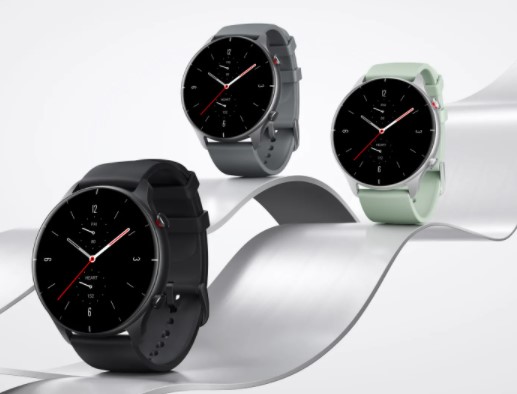
Amazfit GTR 2e and Amazfit GTS 2e are heading to India
Amazon’s Alexa is one of the top smart assistants. It is not only available on phones but also on tablets, computers, TVs, smart displays, smart speakers, and even microwaves. You will also find the assistant available in vehicles as Alexa Auto. Now, Amazon has announced a service that will allow customers (read car makers, consumer electronics manufacturers, and service providers) to customize the assistant.
Called Alexa Custom Assistant, it will allow manufacturers to build their own experiences on top of Alexa in a fashion similar to the way phone manufacturers build their own experiences on top of Android.
With Alexa Custom Assistant, manufacturers can have their own smart assistant name and create their own wake word in addition to skills and routines. They will also be able to create custom voices with help from Amazon’s own “voice science experts”.
Amazon said the solution will help manufacturers reduce the cost and complexity of building their own intelligent assistants.
“By reducing the burden of building the core capabilities of an intelligent assistant, companies can focus their time and resources on creating unique capabilities that delight their customers,”
One of the manufacturers that have signed up for Alexa Custom Assistant is Fiat Chrysler Automobiles. The car manufacturer has plans to bring a custom assistant to select vehicles.
Amazon Alexa Custom Assistant should help bring smart features to a lot more products now that manufacturers don’t have to build from the ground up. Amazon says it will manage the data generated by these manufacturers and it will apply the same “rigorous privacy and security policies” that it uses for Alexa.
The service is already available in countries where Alexa is supported such as the U.S., Canada, the U.K., Austria, France, Germany, Ireland, Spain, Japan, India, Australia, New Zealand, Mexico, and Brazil. Amazon says more countries will follow.
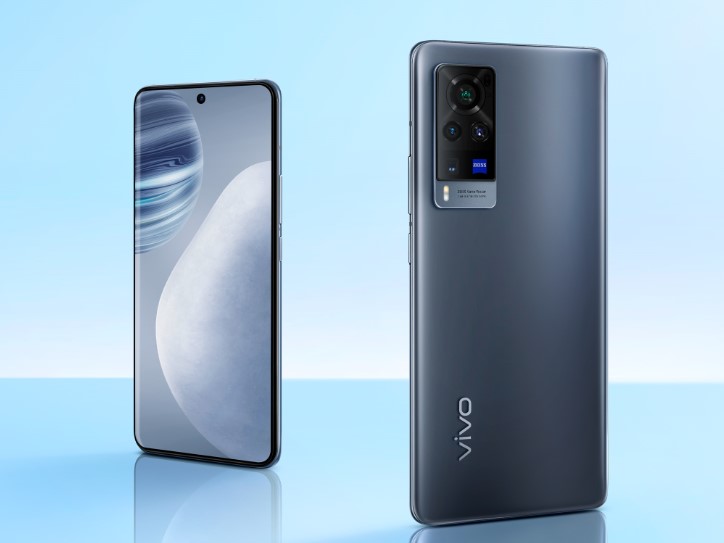
Following the launch of the Vivo X60 and Vivo X60 Pro, it was announced that there will be a third phone called the Vivo X60 Pro+. Unlike its siblings that are powered by the Exynos 1080 chipset, the Vivo 60 Pro+ will have a Snapdragon 888 processor. Now, a leak has revealed there may be another version with a different Snapdragon chipset.
Vivo X60 Pro
According to tweets by the leaker Teme (@RODENT950), the Vivo X60 Pro+ will have a version powered by the yet-to-be-announced Snapdragon 875 processor. In one of the tweets, he said the phone “seems to come with SD875” and in another, he said that alongside the Snapdragon 888 version of the phone, there is probably a new SD875 version.
Vivo X60 Pro+ seems to come with SD875🤔 2 vegan leather options, orange (similar than Mate 30) and black.
Vivo's top end flagship coming next week, early teaser show that it's focus on camera and performance. Theaser show's also that X60 Pro+ coming with SD888 but also there is probably new SD875 version ( sd865++).#VivoX60ProPluspic.twitter.com/a0EWyY06TZ
Qualcomm is yet to announce the Snapdragon 875 processor. Actually, the Snapdragon 888 was expected to launch as the Snapdragon 875 but it came as a surprise when it announced the processor with a different name. These new details reveal that there is an actual Snapdragon 875 processor, one that may be a higher clocked Snapdragon 865 Plus chipset.
There is also a possibility that it may arrive under a different name. Chinese leaker, Digital Chat Station, said that the processor may launch as the Snapdragon 870. He also added that the chipset has its CPU clocked at 3.19GHz and its GPU will be clocked higher too. For reference, the Snapdragon 865 Plus is clocked at 3.09GHz.
The Vivo X60 Pro+ is scheduled to launch on Thursday, the 21st of January, 2021 in China. The phone will come in 8GB RAM and 12GB RAM variants according to listings on JD.com with 128GB and 256GB of storage respectively. It will also come in Vegan leather options with one of them similar to the Huawei Mate 30.
Other specifications that have been revealed include a 6.56-inch AMOLED screen with a centered punch hole for the selfie camera, a 120Hz refresh rate, an in-display fingerprint scanner, and cameras with ZEISS optics.
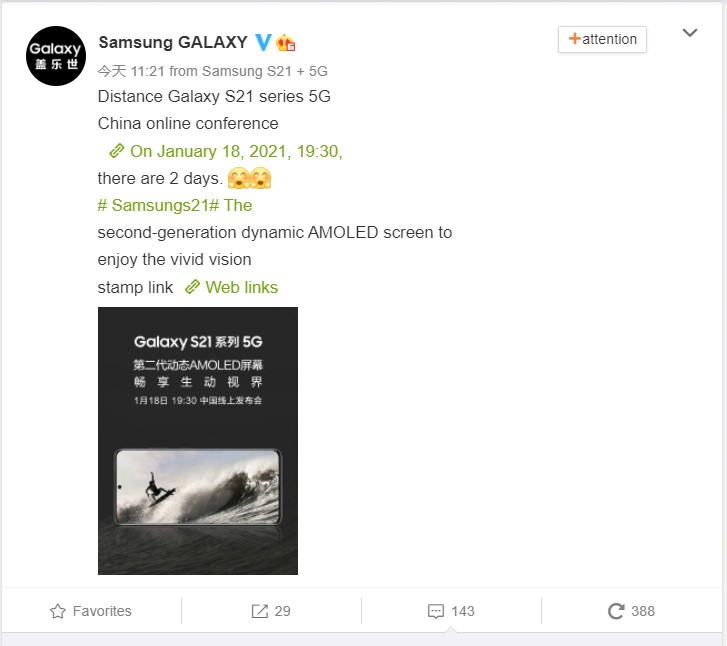
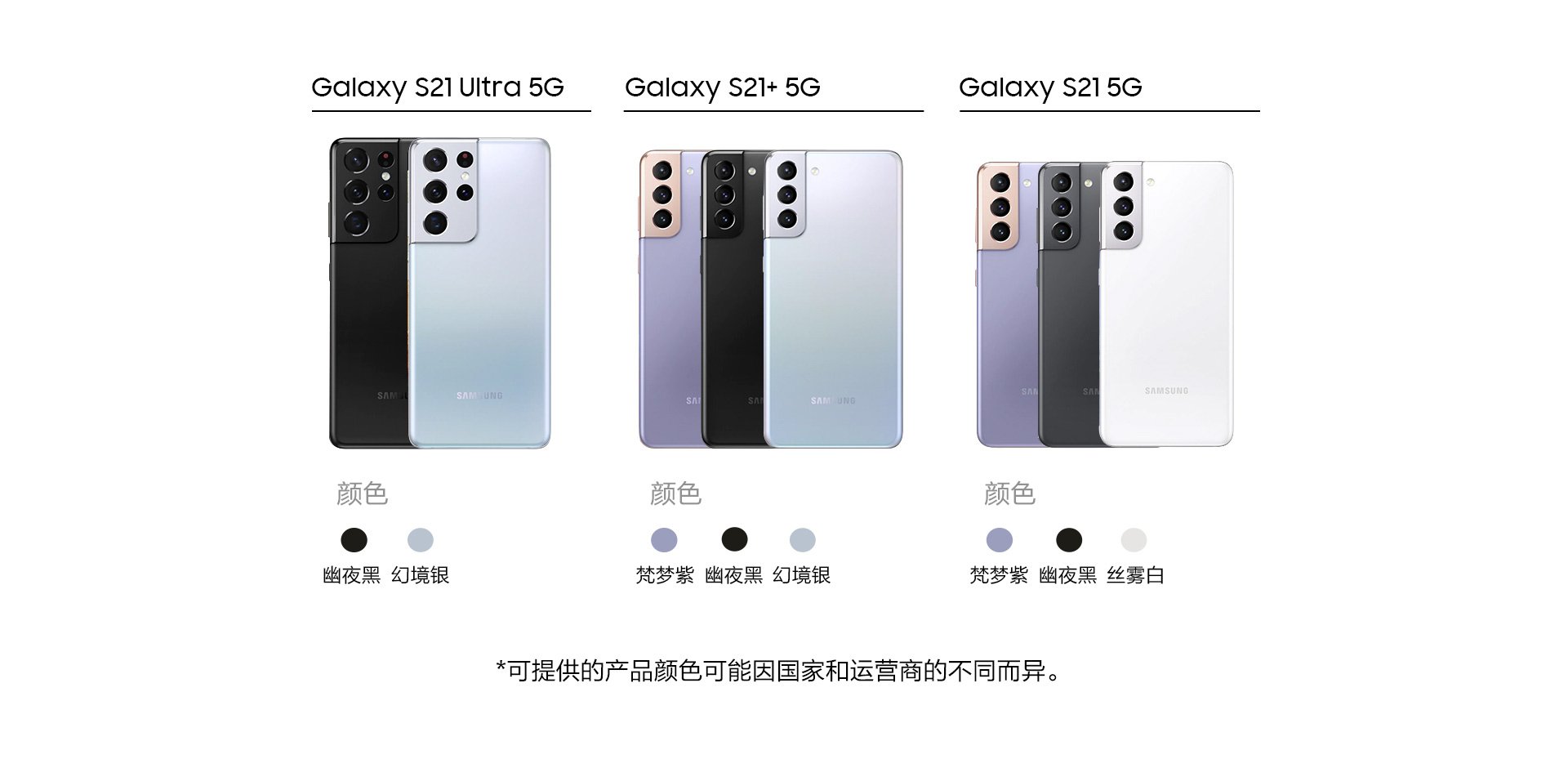
Samsung unveiled the Galaxy S21, Galaxy S21+ along with the Galaxy S21 Ultra(w/ S-Pen support) 5G smartphones on January 14 event. The company has already announced prices for the US, Europe, and countries like India. Ahead of a scheduled online event on January 18 in China, it has revealed the pricing and variants of the Galaxy S21 series.
1 of 2
Galaxy S21 China event
Galaxy S21 series Colors China
According to a Weibo Official post, Samsung is holding an online conference on January 18 at 19:30(UTC+8) in China. Here, it will probably unveil more details about Galaxy Buds Pro, Galaxy SmartTag, more S21 offers, and more. Anyway, let’s look at the Prices, storage variants, and Color options mentioned on the Samsung Shop website as follows:
Right from January 15, at 0:00 Beijing time, the devices are already on pre-orders in China. As per the official Samsung shop website, priority shipping starts from 0:00 on January 22.
A disclaimer says that the 16GB RAM variant of Galaxy S21 Ultra will ship only from January 25 in the country. The official specs list also shows that Galaxy S21, S21+ box will include a standard charger(could be 25W) but S21 Ultra won’t.
It’s worth noting that Samsung denotes the Price as “Early Adopters’ Price” in the Terms & Conditions below. It says any difference after the final reveal(i.e, on Jan. 18) will be refunded/sought to & from the consumer respectively.
We use cookies on our website to give you the most relevant experience by remembering your preferences and repeat visits. By clicking “Accept”, you consent to the use of ALL the cookies.
This website uses cookies to improve your experience while you navigate through the website. Out of these, the cookies that are categorized as necessary are stored on your browser as they are essential for the working of basic functionalities of the website. We also use third-party cookies that help us analyze and understand how you use this website. These cookies will be stored in your browser only with your consent. You also have the option to opt-out of these cookies. But opting out of some of these cookies may affect your browsing experience.
Necessary cookies are absolutely essential for the website to function properly. This category only includes cookies that ensures basic functionalities and security features of the website. These cookies do not store any personal information.
Any cookies that may not be particularly necessary for the website to function and is used specifically to collect user personal data via analytics, ads, other embedded contents are termed as non-necessary cookies. It is mandatory to procure user consent prior to running these cookies on your website.