Advertisement

iQOO 7 will feature Dual-Linear Motors with 3D vibration, and Hi-Res certified Dual-Speakers

iQOO is gearing to launch the next iteration of flagship, the iQOO 7 on January 11 in China. Ahead of the launch, it has been teasing the features of the device. Recently, the company has revealed its key specs including a pressure-sensitive screen, Dual-Linear Motors, and Dual Speakers with Hi-Res certification.
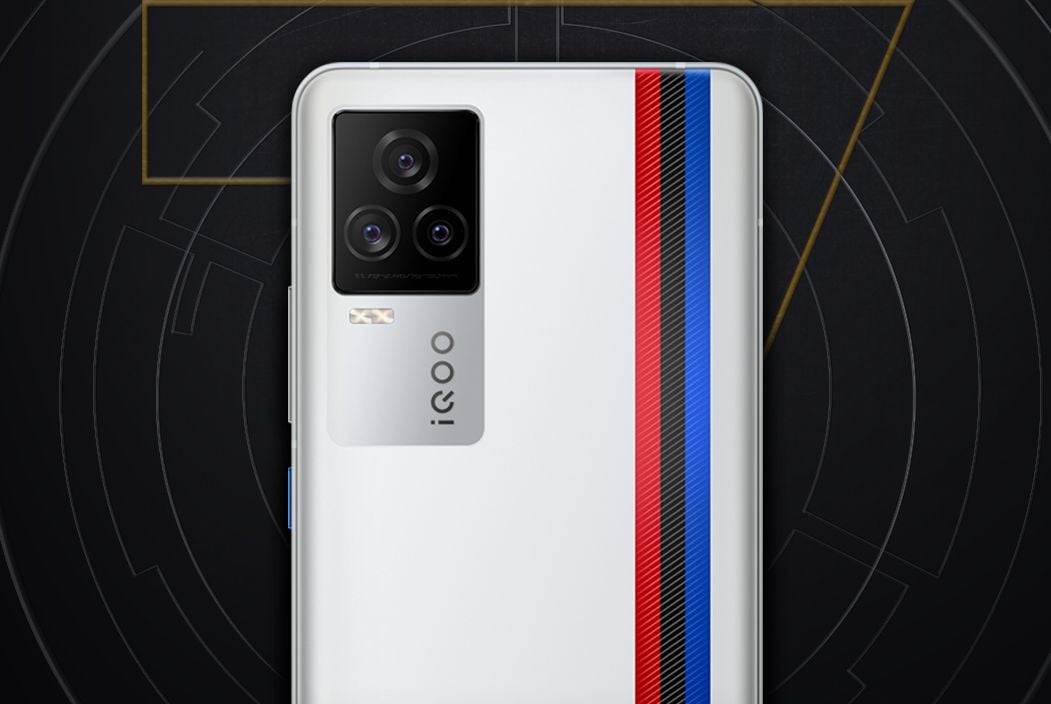
iQOO 7 BMW edition
iQOO 7 BMW edition

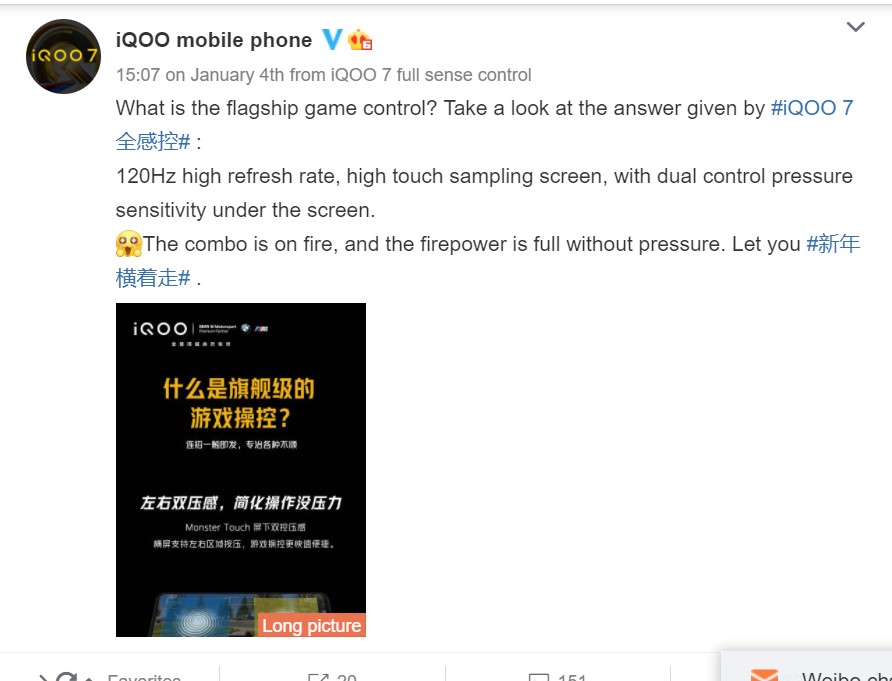
iQOO on Weibo, Shared a Video(via) to depict the features of the device. Precisely, the iQOO 7 will feature Dual- Linear Motors with one on the left and right side when held in Landscape mode. This coupled with a Monster Engine will help the device function like a Gamepad in giving feedback vibrations.

The company, in a poster, also says that the flagship will not only provide 3-Dimensional surround vibrations but also have a Dual Speakers with Hi-Res Certification. In fact, it will have a HiFi DAC chip that has a dynamic range (DNR=120dB) and THD<0.03%.

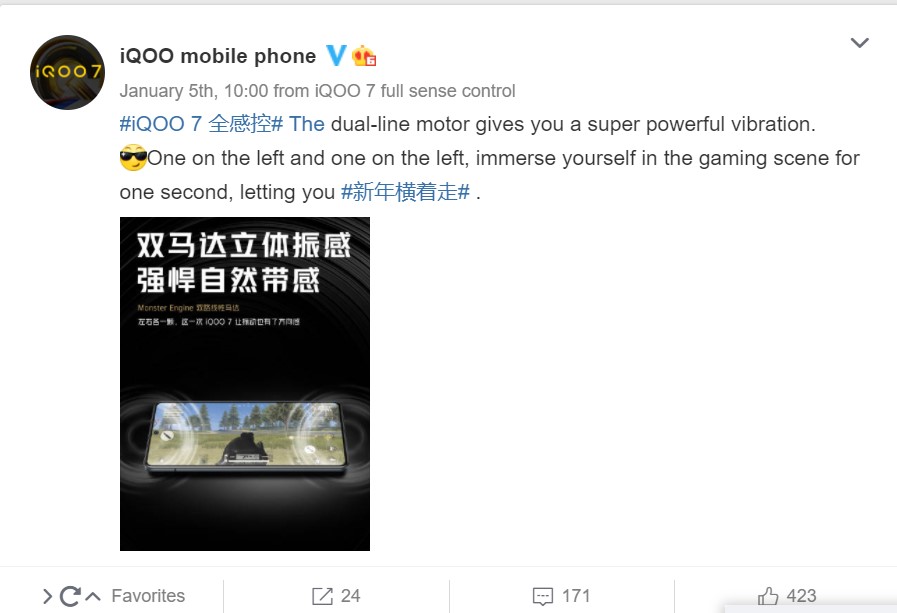
 

Additionally, iQOO 7 will feature a pressure-sensitive AMOLED display with a 120Hz refresh rate. Just like the Vibration, the screen also recognizes touch on the Left, Right areas in the Landscape area. The company has termed it as Monster Touch but let’s wait to see it’s implementation.

Other features of display confirmed are 100% DCI-P3 color gamut, HDR10+, SGS Certification for Blue-Light and Smear etc. The iQOO 7 is shaping out to be a pretty strong contender for flagship rivals in 2021. It will join the bandwagon of devices with Snapdragon 888 SoC.

Besides, the device is expected to feature a 6.6-inch 2400×1080 display in addition to having a centered punch-hole screen which is confirmed.  At the back, it will have a triple-camera setup with iQOO branding beneath. Out of this, the primary will likely be a 48MP Sony IMX598 with OIS.

Lastly, the iQOO 7 will feature a 120W charging that can essentially charge a 4,000mAh battery in just 15 minutes. Apart from the usual three colors, the company will also launch a BMW Special Edition and will be the official gaming smartphone of KPL(King Pro League).


iPhone SE 2020 and other affordable devices help Japan Smartphone sales recover in Q3 2020

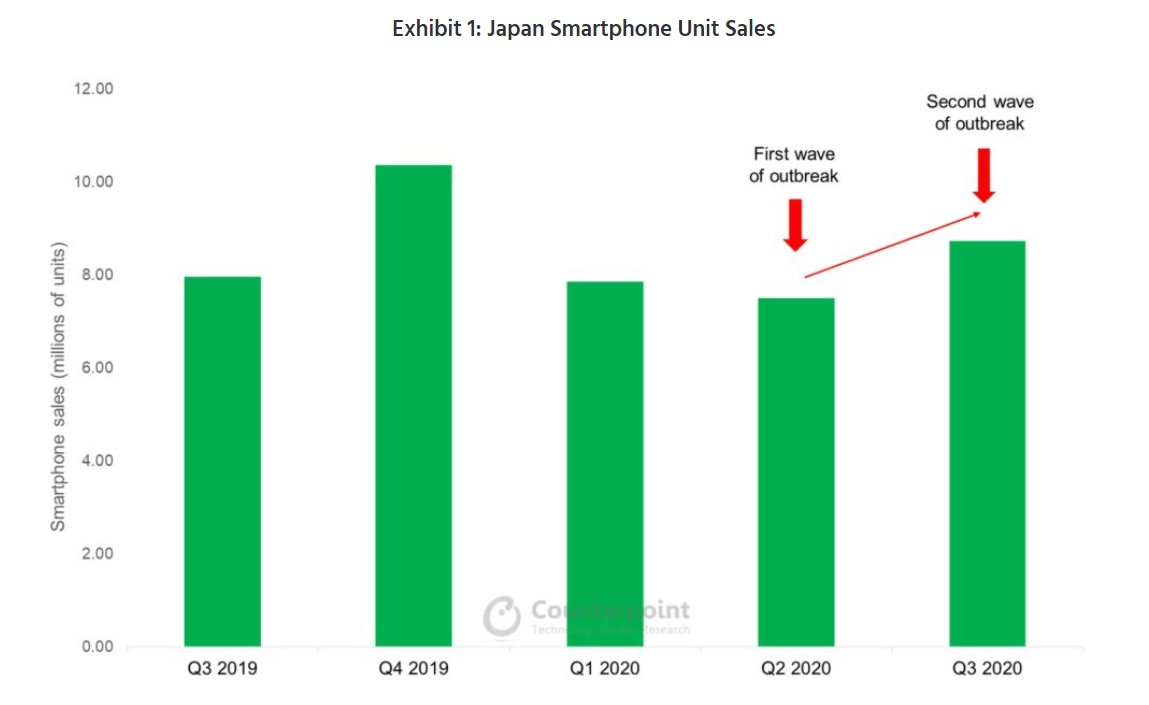
Japan is already attracting the attention of Chinese companies like Xiaomi. Amidst a lot of uncertainty in Q3 2020 due to a second-wave of COVID-19, it has recovered from a dull smartphone sales in Q2. A report from Counterpoint Research says that affordable phones were the catalyst of such sale figures.

smartphones

According to the report, smartphone unit sales have crossed the 8 million mark for the first time in 2020. This is both due to the pandemic forcing people to look at budget smartphones and the Government not enforcing any strict restrictions. Precisely, it has gone up 10% YoY(Year-over-Year) in Q3 when compared to Q2’s 24% YoY drop.

Some of the serious contributors to the sales include mid-rangers like iPhone SE 2020. And budget devices like Samsung Galaxy A20 and Fujitsu Arrows Be4. Premium smartphones, which usually get the most attention, got overshadowed by the low and mid-range segment thanks to COVID-19. Specifically, iPhone SE 2020 alone makes 26% of the total market share in Q3.


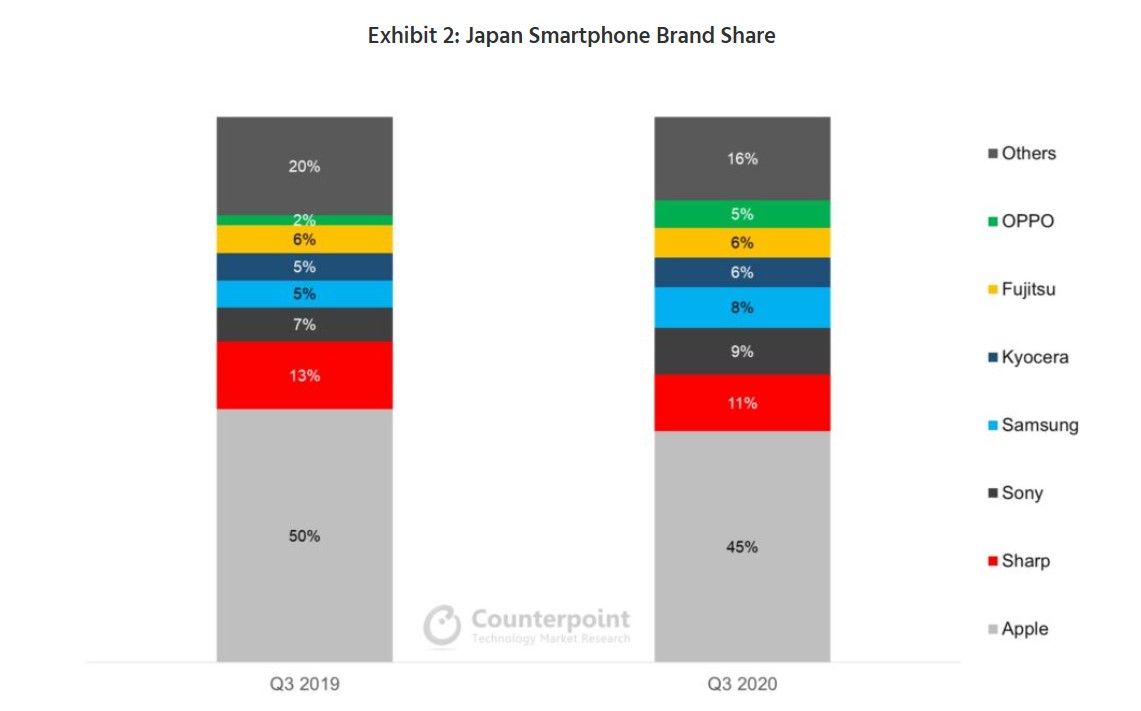
Additionally, sales in Q3 has also opened new opportunities in Japan where the share of sub-$150 phones has grown by 14% YoY in Q3 2020 but devices above $600 have declined to 18%. In terms of companies’ market share, Apple has reportedly lost 5% YoY due to delay in iPhone 12 series launch. Contrary to this, companies like Samsung, OPPO, which launched many phones have an 8% and 5% share respectively.

In spite of the dip, Apple remains the undisputed champion brand of the Japanese market as seen above. However, it no longer retains half the market share like Q3 2019 as companies like Fujitsu, Kyocera hold 6% each, and Sharp, Sony have 11 and 9% share respectively. The contribution of the other small companies is around 16%.

That said, Apple is expected to dominate the next Quarter, i.e, Q4 with iPhone 12‘s sales. Reasons like 5G, the need of replacing older iPhones, and increasing demand will reportedly drive the already strong initial sales forward.


POCO M2 and POCO C3 receive their first price cut in India

POCO became a separate brand under the Xiaomi Group in early January 2020. The first phone from the brand after going independent was POCO X2. Since then, it has launched a handful of devices. Two of them, POCO M2 and POCO C3, have now received their first permanent price cut in India.

POCO M2 Price Cut India

The POCO M2 debuted as the cheapest 6GB RAM smartphone in India in September of 2020. The handset comes in two storage configurations. The base 6GB + 64GB was introduced at ₹10,999, whereas the higher 6GB + 128GB version had been selling for ₹12,499.

But now, customers can now pick up this device for either ₹9,999 or ₹10,999 respectively. Because the brand has reduced its price by ₹1,000 and ₹1,500 respectively.

Hence, if you were saving money to buy the POCO M2 base version, you can now get the high-end version at the very same price. Anyway, you can still opt for the base version and buy accessories with the extra cash.

POCO C3 Price Cut India

On the other hand, the brand’s cheapest smartphone, POCO C3, has also received a price cut. But unlike the former phone, only the higher variant of this handset has got a ₹500 price drop. Therefore, interested customers can buy the POCO C3 for either ₹7,499 (3GB + 32GB) or ₹8,499 (4GB + 64GB).

The new prices of POCO M2 and POCO C3 are already live on Flipkart, POCO’s official online retailer in India.


WhatsApp makes Data Sharing with other Facebook companies ‘compulsory’

WhatsApp, which recently rolled out an important update for PC users, is a part of Facebook companies from 2014.  The company has so far evolved to co-exist with products, services offered across the messaging and social media platform, Facebook. As an addition, it has updated its privacy policy that makes data sharing with Facebook mandatory.

whatsappweb dark mode

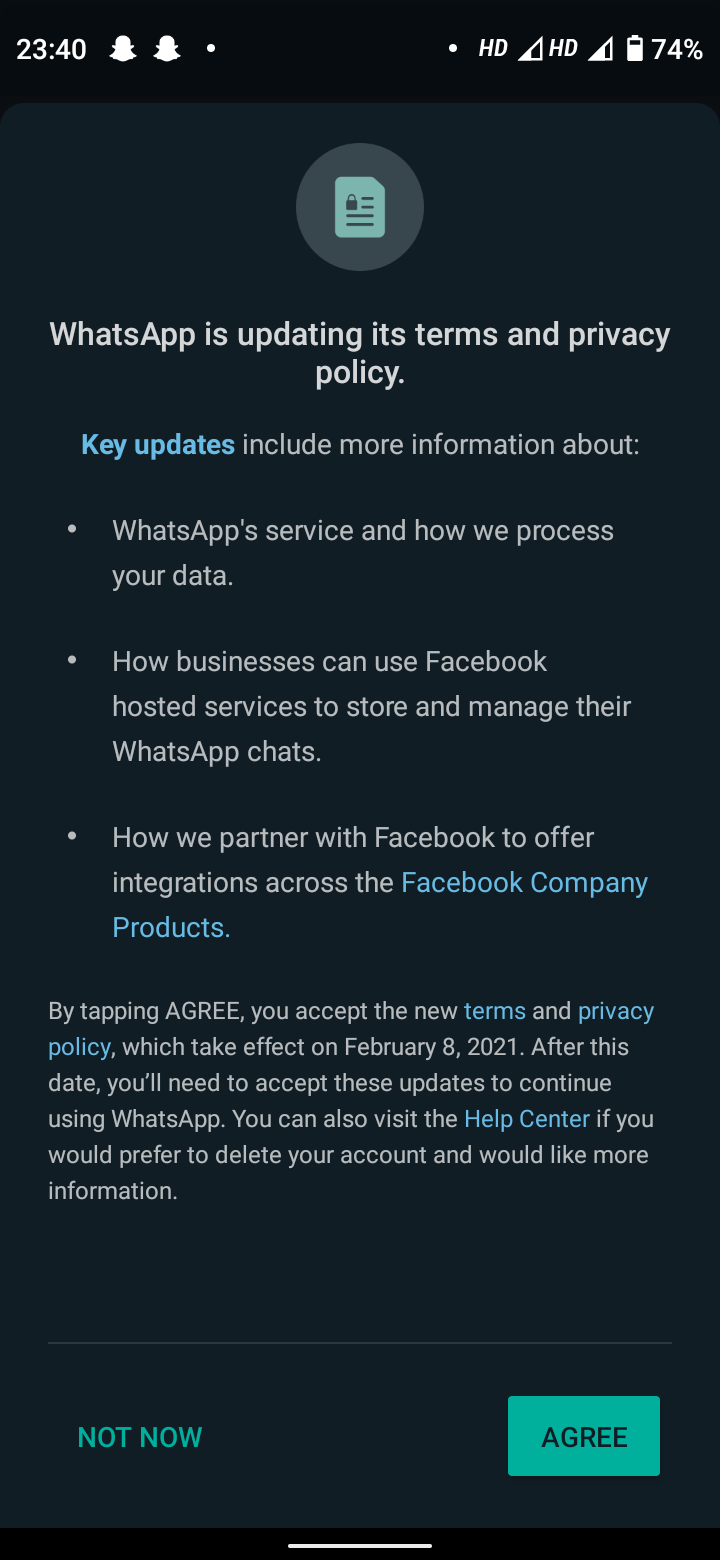
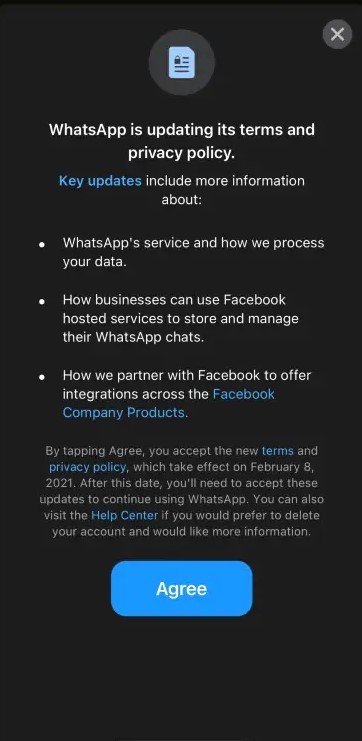
If you are a regular user of WhatsApp, you must have noticed a full-screen pop-up suddenly showing the information about updated Terms and Privacy Policy. In that case, you are not alone. The company’s new update(as of January 4, 2021) to this makes the data sharing compulsory.

And the cut-off date for that is February 8, 2021, as per the notification screenshot. As you can see below, the company briefly describes three important points:

  • WhatsApp Service and Processing of Data
  • Businesses can use Facebook Hosted Services to store WhatsApp chats.
  • Partnership with other Facebook Products for seamless integration.

It essentially means that the latest update, unlike previous versions where you had a choice to opt-out, will share information with other products of Facebook. In an FAQ, the company also details the kind of information it is sharing with its sisters. In case you don’t know, the subsidiaries of Facebook include Facebook Payments Inc., Facebook Payments International Limited., Onavo, Facebook Technologies LLC, and CrowdTangle.


That said, You can take a look at the category of information shared below:

  • Account Registration(eg. Phone Number)
  • Transaction Data
  • Service-Related Information
  • Information on how you interact with others(incl. Businesses)
  • Mobile device information
  • IP Adress
  • Others (Specified as on Privacy Policy->Information we collect)

Precisely, the others on the Privacy Policy page has new additions like Transactions And Payments Data(if you use WhatsApp Pay). The details that the company is entitled to collect includes Shipping Details, Payment Method, and Transaction Amount. The said payments feature has already begun its rollout in countries like India.

Additionally, there is also location-based information. WhatsApp says that even if you don’t use their location services, they will use the IP address and Phone Number to determine your general location. To this, the company reasons out that the process is for troubleshooting and diagnostic purposes.

The company Straight up says that you can either abide by these changes to continue using the service or go to Help Center and see how to “Delete your Account”.


This Hot Water Mug is a portable power bank & charges your phone wirelessly via heat energy

With innovation in technology bringing more effective and efficient way we interact with electronic gadgets, a new portable power bank has been developed, which can basically be charged by filling it up with warm water and also acts as a hot water mug

Power bank

The Beijing Institute of Space Vehicle Systems Engineering of the Rocket Academy has made this possible through the use of aerospace based technology. In other words, drinking more hot water can charge one’s smartphone as well, as per its description. In other words, the power bank also doubles as a thermos. As smartphones becoming more common in the modern world, power banks have become even more essential as well. Furthermore, the gadget working as a thermos ensures that the user stays hydrated and the device topped up.

As a thermos, the device is just compact enough to be portable and at room temperature, it can preserve heat for up to 6 hours above 65℃ and even preserve cold water below 9℃ for up to 6 hours as well. When working as a power bank, the hot water mug can convert thermal energy into electrical energy to charge various electronic products, even supporting wireless charging as well. So, one can essentially use this in various areas where there is no supply of electricity, an example being camping outside.

This is achieved by what is apparently called Aerospace black technology, which uses high-performance thermoelectric conversion technology from the aerospace field. In other words, this is technology quite literally originates from aerospace or rocket engineering. Let us know in the comments section down below if you would ever use such a unique power bank.


Samsung Galaxy A72’s design leaked once again through case mold images

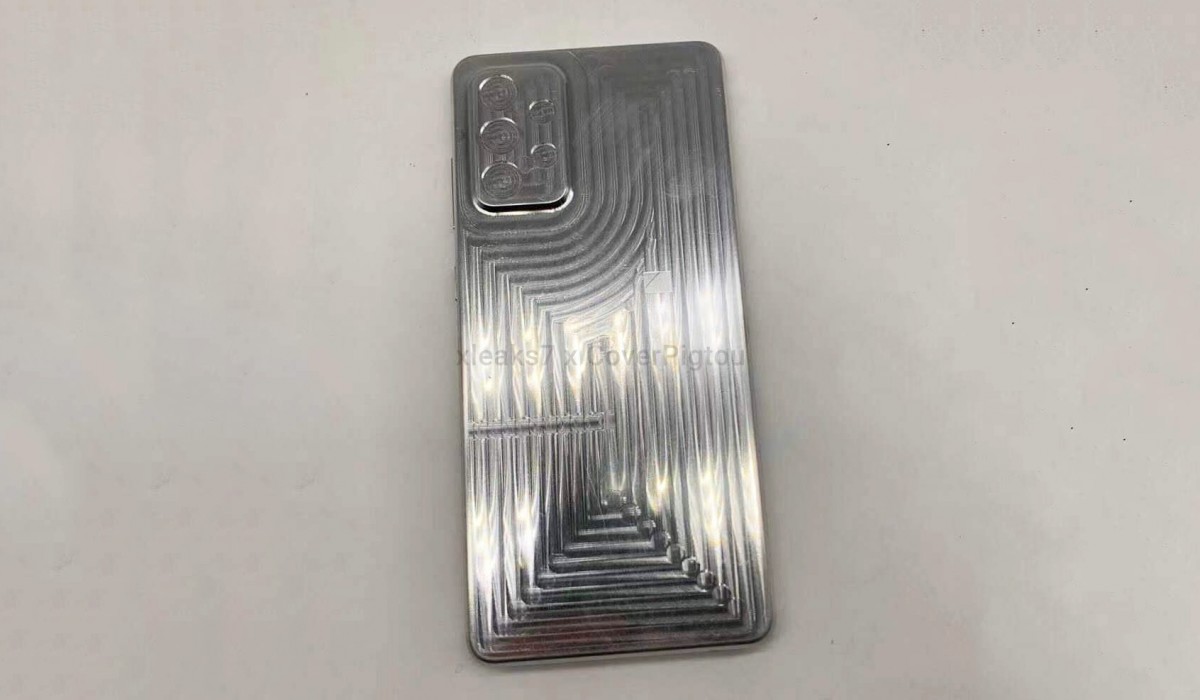
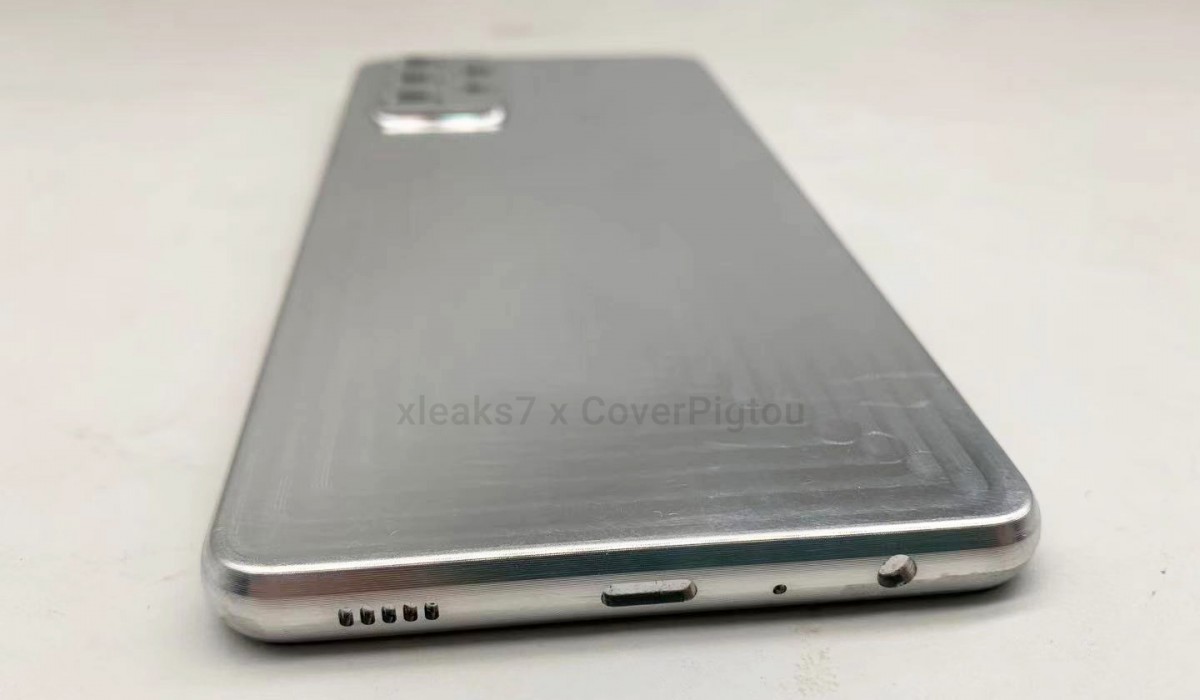
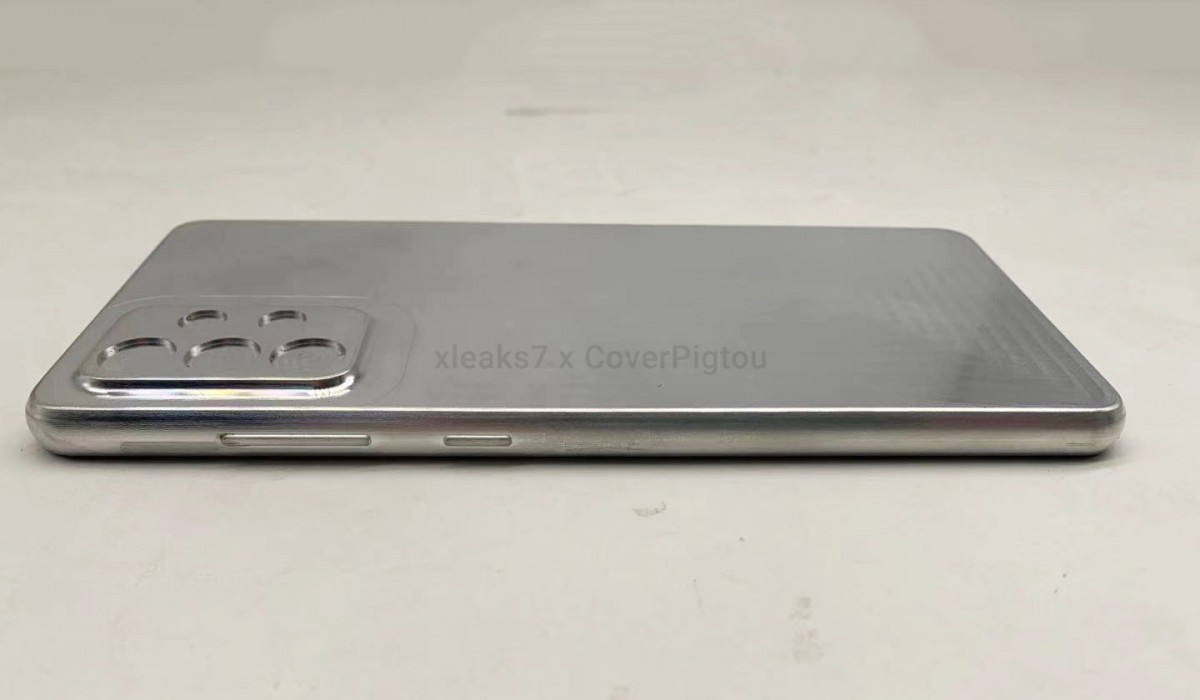
The Samsung Galaxy A72 5G along with the Galaxy A52 5G and Galaxy A32 5G are the three A-series smartphones that are expected to launch soon. The Galaxy A72 5G is expected to arrive as the successor to the Galaxy A71 4G and Galaxy A71 5G. An early leak had claimed that the A72 could be the first A-series phone from the company to feature a penta-lens camera setup. However, multiple recent reports have revealed that the Galaxy A72 5G will arrive with a quad-camera system. An Italian publication has shared the images of the aluminum case mold of the Galaxy A72 5G to reiterate its design.

The Galaxy A72 5G case mold images show that it has a lar-sized camera housing with five cutouts. The four cutouts are meant for the quad-camera system, whereas the remaining one is for the LED flash unit.

Past reports have revealed that the Galaxy A72 5G will have a primary camera of 64-megapixel with optical image stabilization support. The main shooter is likely to be coupled with a 12-megpaixel ultrawide lens and a pair of 5-megpaixel sensors for adding depth effects and macro shooting.

The images show that the right edge of the Galaxy A72 5G has a volume rocker and a power button. The bottom view of the mold reveals the presence of a 3.5mm audio port, a microphone, a USB-C slot, and an external speaker.

Past specifications leaks have revealed that the Galaxy A72 5G will be housing a 6.7-inch punch-hole AMOLED display. It is unclear which processor will be fueling the device. The 4G edition of the Galaxy A72 could be fueled by the Snapdragon 720G chipset.

The 4G model may arrive in Europe for around 450 euros to 500 euros, whereas its 5G sibling may cost around 550 euros to 600 euros. It could be available in four colors like black, blue, white, and violet.

Dell launches new Latitude and Precision Laptops alongside OptiPlex modular PCs

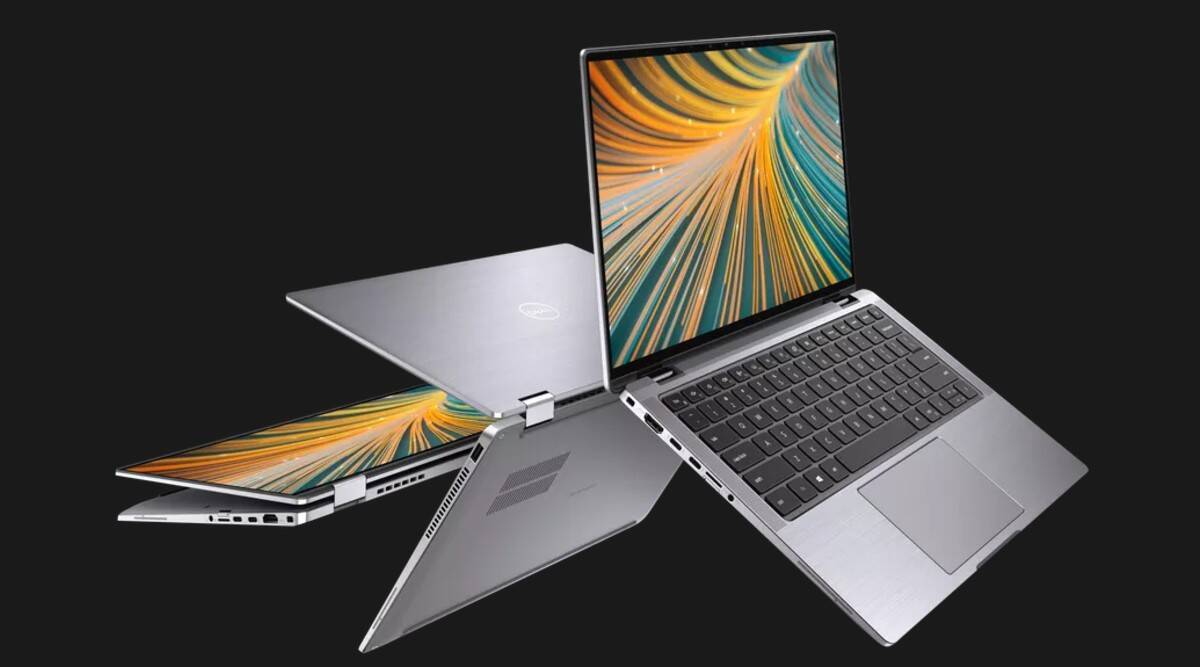
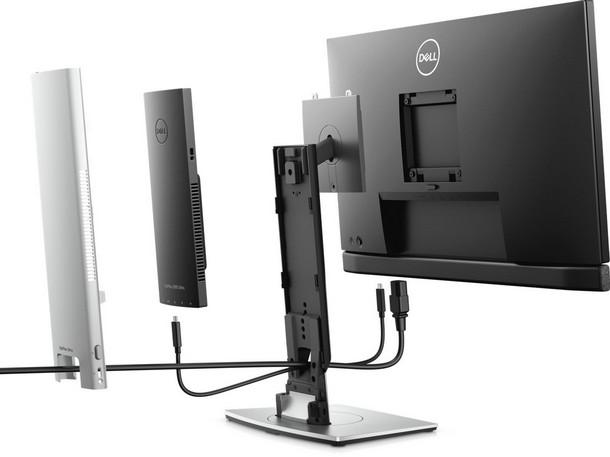
Earlier this week, Dell launched a wide range of laptops and desktops within its Latitude and OptiPlex range of PCs. The former includes the Latitude 9420, Latitude 7520, Latitude 5420, and Precision 3560 laptop, while the latter includes OptiPles 7090 Ultra and OptiPle 3090 modular desktop PCs.

All the new launches arrive with Intel’s latest 11th Gen Core processors, which run Windows 10 OS. Talking about the Dell Latitude and Precision laptops first:

    • Latitude 9420: It is a 2 in 1 form factor laptop that is powered by a 3-cell, 60Wh 6 Polymer battery that supports up to 65W charging over USB Type-C. The laptop weighs 1.33 kilograms and sports up to 11th-generation Intel Core i7 processor, paired with up to 32GB LPDDR4x SDRAM and up to 1TB of SSD M.2 PCIe NVMe Class 35 storage. It also supports Wi-Fi 6E and 5G LTE connectivity features as well. The display is a 14 inch QHD+ (2,560×1,600 pixels) panel and with touch support. It is priced at $1,949.
  • Latitude 7520: This laptop is similar to the Latitude 9420 and also features 11th-generation Intel Core i7 processor, along with up to 32GB of SDRAM. The display is a larger 15.6 inch panel with both FHD or UHD options and optional touch support. It is powered by a 4-cell, 63Wh battery that comes along with up to 90W USB Type-C adapter and weighs 1.62 kilograms. The laptop carried a price tag of $1,649.

Dell

  • Latitude 5420: The Dell Latitude 5420 is another 14 inch laptop, which also features FHD resolution and optional touch support. It can arrive with up to an 11th-generation Intel Core i7 processor, with up to 64GB LPDDR4 SDRAM and up to 1TB of SSD M.2 2280 PCIe Gen 4 NVMe 3×4 Class 40 storage. For graphics, users can also choose NVIDIA GeForce MX450 graphics with 2GB of dedicated DDR5 memory. The laptop is powered by a 4-cell 63Wh battery and comes bundled with up to 90W USB Type-C adapter and is priced at $1,049.

Dell

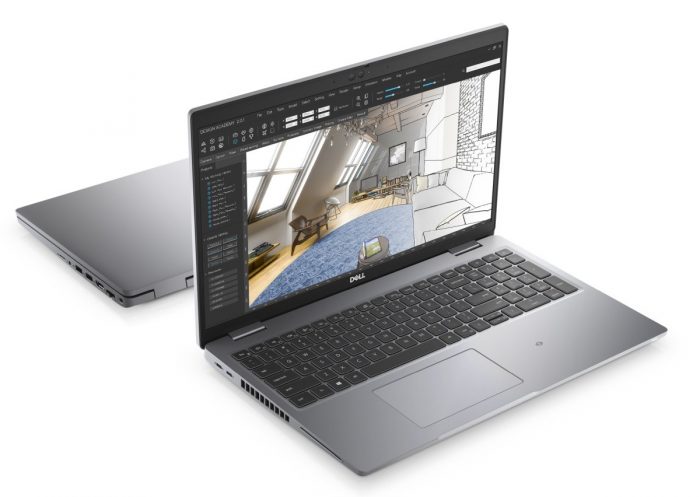
  • Precision 3560: The Precision 3560 is the only laptop from this series and features a 15.6-inch display with up to full-HD resolution and touch support. It also arrives with up to Intel Core i7-1185G7 processor, with up to 64GB of DDR4 RAM and up to 2TB of M.2 2280 PCIe x4 NVMe Class 40 SSD storage. Users also have the option of an NVIDIA Quadro T500 graphics with 2GB of dedicated memory. The laptop is powered by an optional 4-cell ExpressCharge battery, and is priced at $1,189.

Dell

Arriving at the desktops. Dell has also launched two modular desktop PCs, which includes:

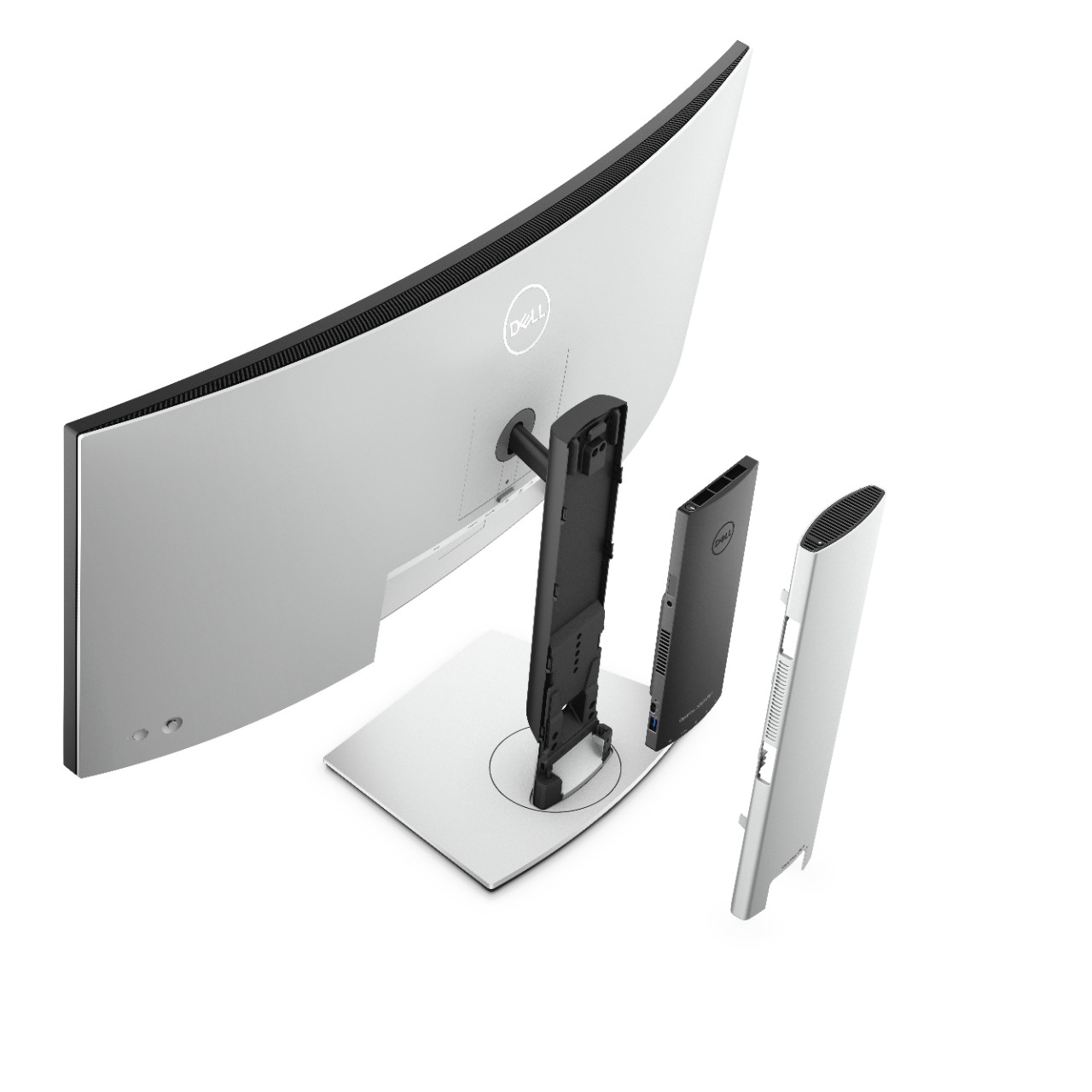
  • OptiPlex 7090: The Dell OptiPlex 7090 Ultra features a modular all-in-one design and is powered by up to 11th-generation Intel Core i5 processor paired with up to 64GB of DDR4 RAM, along with up to 2TB of M.2 2280 PCIe x4 NVMe Class 4 SSD. Users also have the option between Intel UHD Graphics and Intel Iris Xe Graphics options. For ports, USB 3.2 Gen 2, USB 4, Thunderbolt 4.0, DisplayPort 1.4, and RJ45 connectors, and more are offered with support for Wi-Fi 6 and Bluetooth 5.1 as well. It is priced at $769.

Dell

  • OptiPlex 3090 Ultra: The OptiPlex 3090 Ultra is quite similar to the 7090, although, the former is geared more towards small businesses and educators. It arrives with an 11th-generation Intel Core i5 processor, with up to 64GB of DDR4 RAM and up to 1TB of M.2 2230 PCIe x4 NVMe Class 35 SSD. Intel Iris Xe Graphics is also available, with port offerings also being similar. The PC is priced at $769.


LG Tone Free TWS Earbuds launch in India, arrives with UV Sanitizing Case

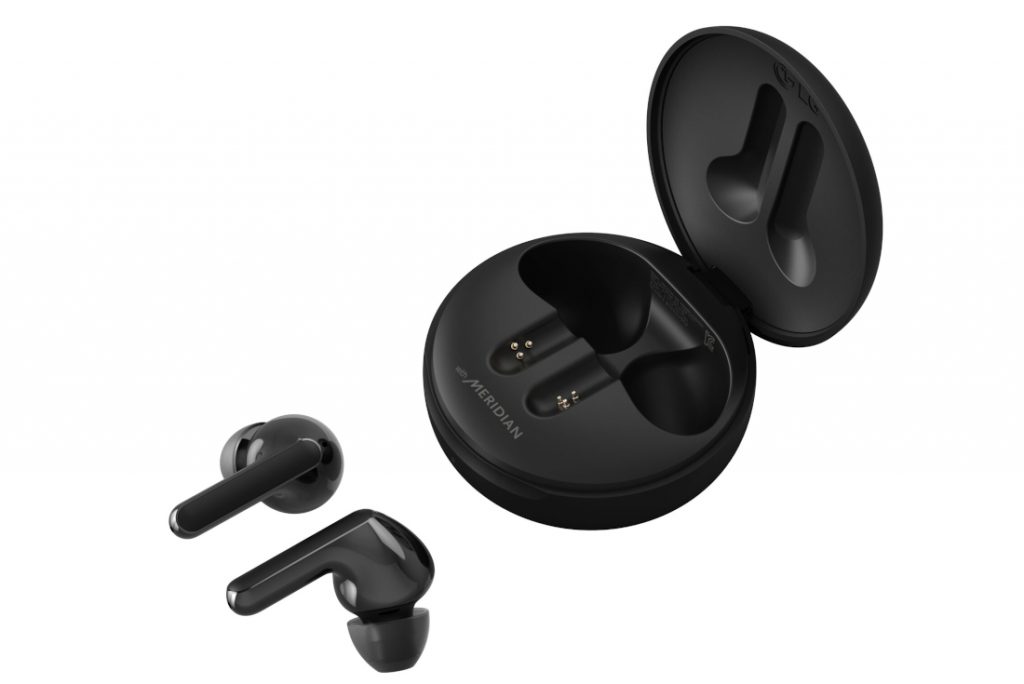
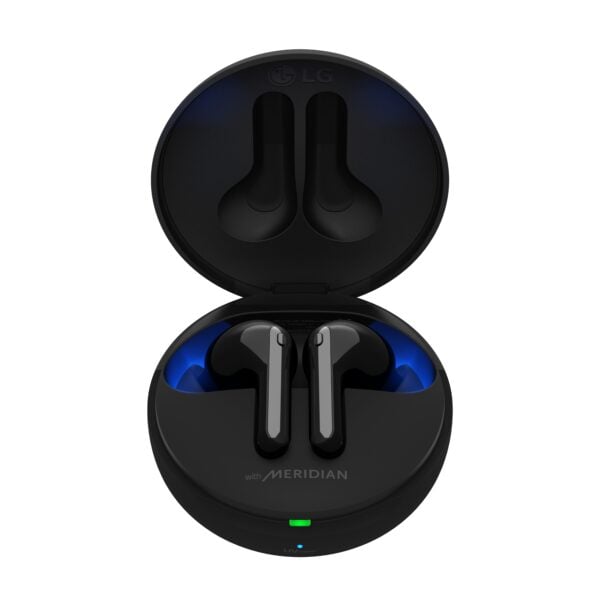
The LG Tone Free HBS-FN6 and HBS-FN7 true wireless stereo (TWS) earbuds have officially launched in India. These new wireless earphones arrive with a UV sanitization charging case.

LG Tone Free HBS-FN6 TWS earbuds

The LG Tone TWS earbuds were originally launched in late 2020 for the global market, but have just now arrived in India a few months after. Furthermore, these earbuds also arrive with a significant mark up in pricing, with the HBS-FN6 being priced at 24,990 INR (roughly 341 US Dollars) while the HBS-FN7 is priced at 29,990 INR (roughly 410 US Dollars). Both earbuds feature a UB sanitizing charging case for extra protection, while the more expensive variant features active noise canceling as well.

The LG Tone Free TWS earphones also feature sound tuning, which was made in partnership with the British loudspeaker maker, Meridian Audio. Both earbuds mostly offer the same features like Bluetooth 5, 6mm dynamic drivers, SBC and AAC Bluetooth codecs, IPX4 rating for water resistance, and up to six hours of battery life, with an additional two charges from the case. Notably, the charging case also supports fast charging and wireless charging. The more expensive sibling offers active noise cancellation as well, although, that would also cause an additional drain on the battery.

LG TONE Free FN7

Both the LG Tone Free HBS-FN6 and HBS-FN7 are among the most premium TWS earphones that are available in India. It is even priced higher than one of the most popular earphones in the world, the Apple AirPods Pro. In the US, these earbuds are available for around 150 US Dollars (roughly 11,000 INR) for the HBS-FN6 and 180 US Dollars (roughly 13,200 INR) for the HBS-FN7. You can buy these from the company’s official LG online store and will also be available through major e-retail websites and offline stores as well, starting from next week.


Redmi 7A receives MIUI 12 update in China

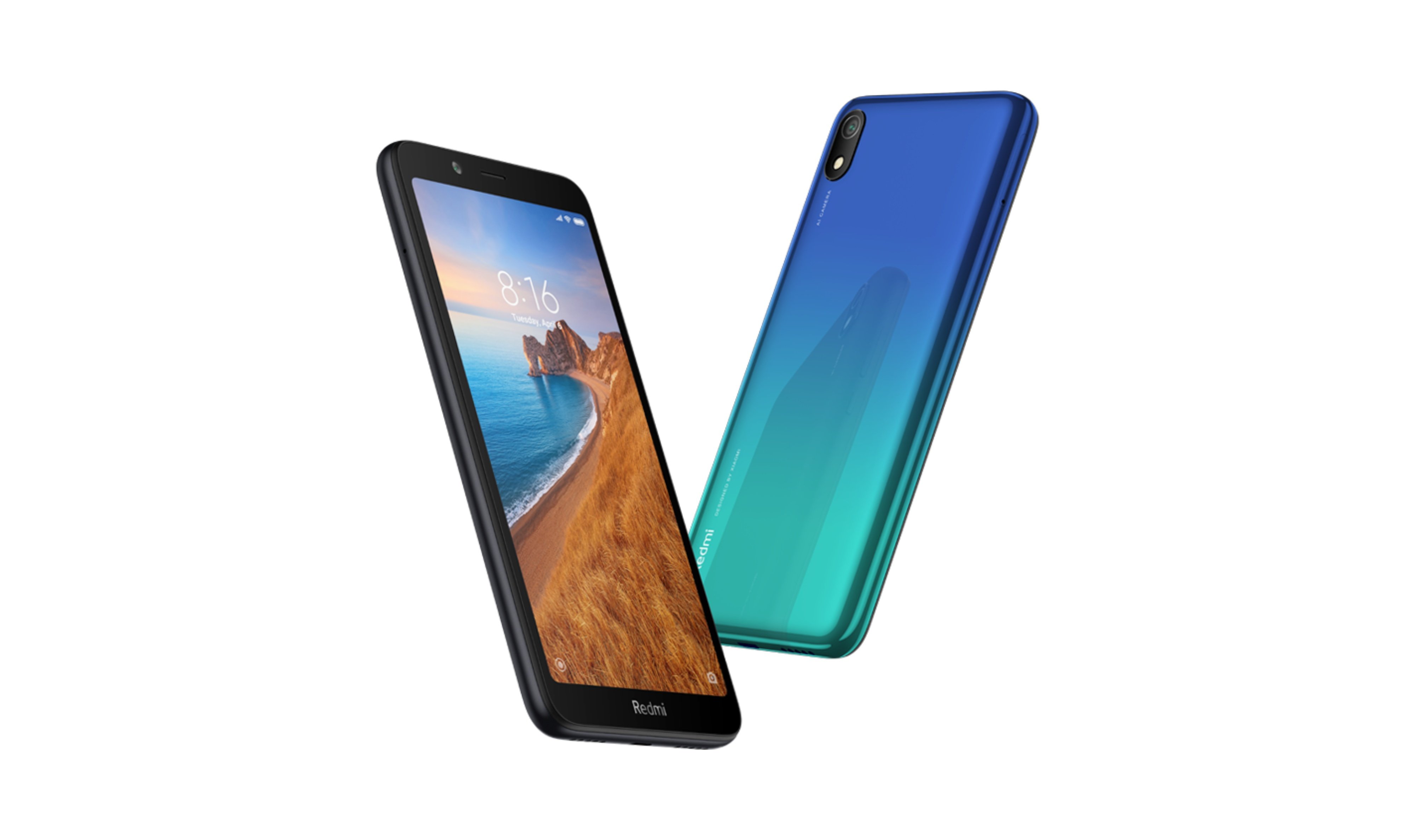
The Redmi 7A, like any other Redmi A series device, was the global best-seller of its time. The smartphone was introduced with MIUI 10 based on Android Pie. It was later updated to MIUI 11 and Android 10 respectively. Now, the handset has begun to receive MIUI 12 update.

Redmi 7A Gem Blue Featured

The MIUI 12 update for Redmi 7A is currently only live in China. The update comes with build number V12.0.2.0.QCMCNXM and is in the ‘Stable Beta’ phase. Hence, it is being rolled out to select users in the country.

If the early adopters don’t face any major issues, we expect Xiaomi to extend the availability of this update to more users in its home country China. Further, we also expect the company to start seeding the update to other regional variants of this phone namely Global, EEA, India, and Russia in the coming days.

That said, MIUI 12 is the last major MIUI update for Redmi 7A. It may or may not receive MIUI 12.5 later this year. Since this handset is not eligible for Android 11, users will have to stick with Android 10 till the end of the device’s lifetime.  Anyway, power users could install custom ROM to experience the latest version of Android.

Also, it is worth noting that Xiaomi had recently canceled the MIUI 12 update for Redmi 7 and Redmi Y3 citing performance issues. The irony is that these two smartphones feature better internals than the entry-level Redmi 7A.


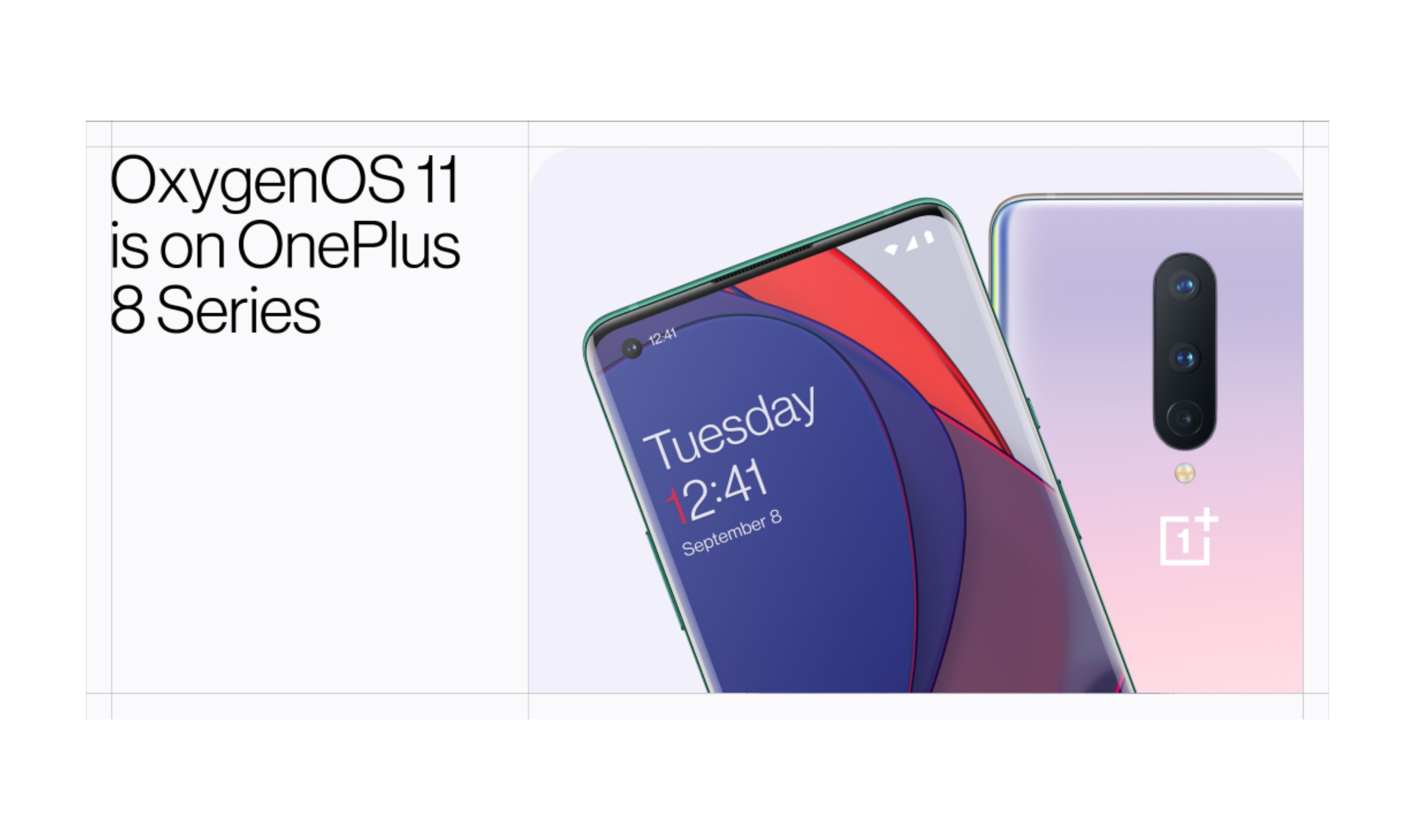
Top 5 OxygenOS 11 Features launched in 2020

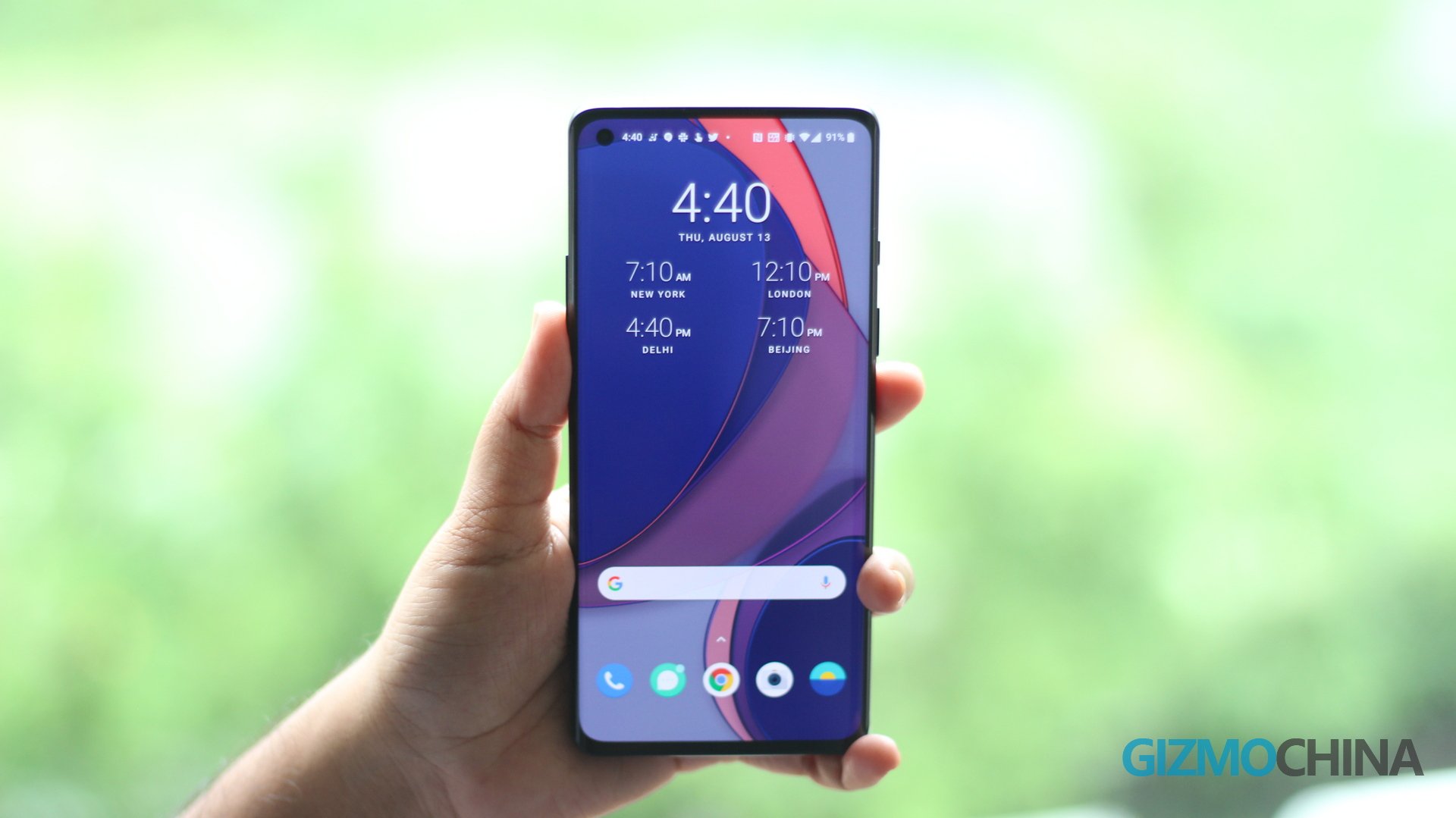
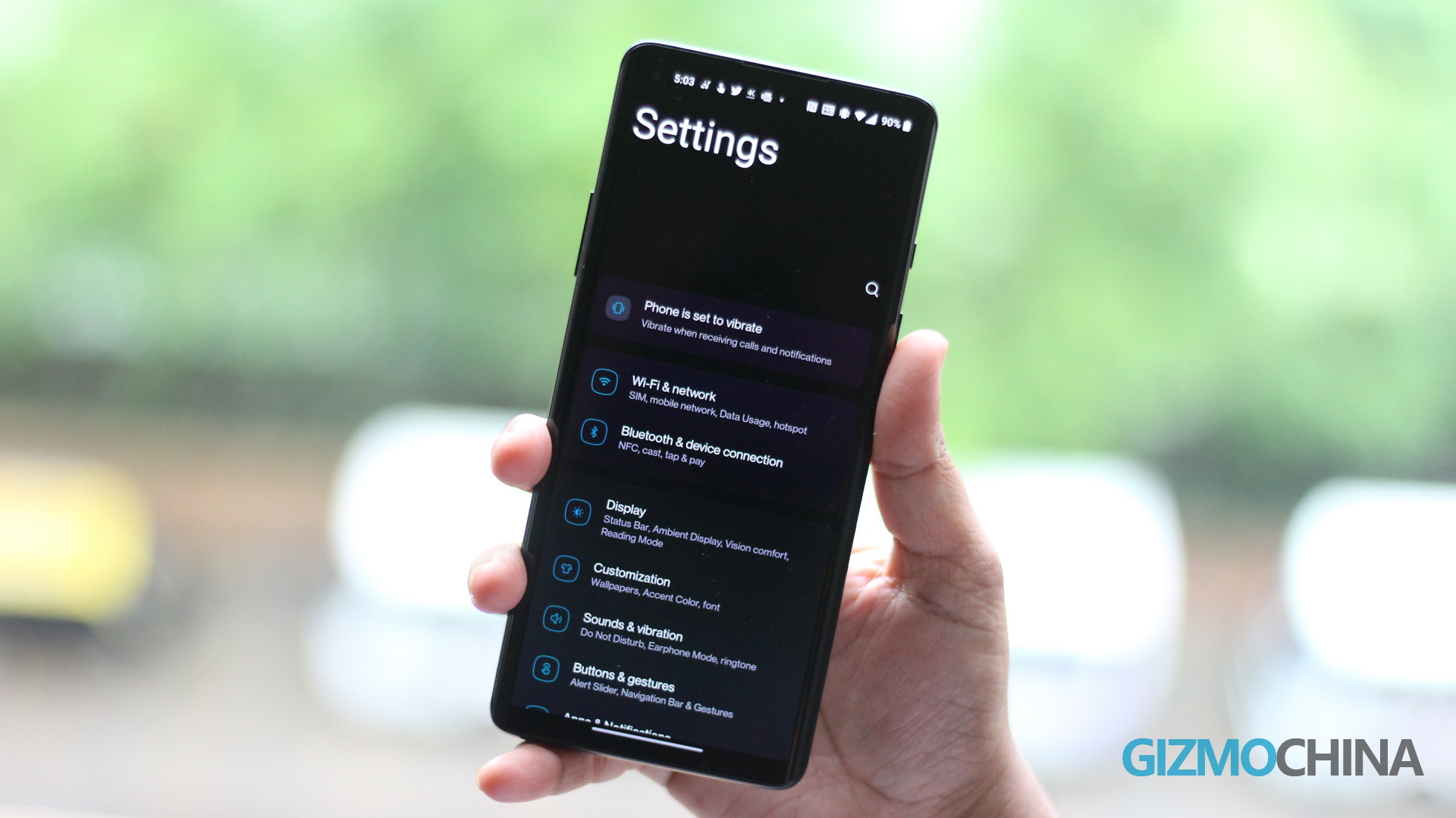
OxygenOS 11 got a significant revamp in 2020, which was a stark departure from the previous iterations that focused more on features and less on design. However, last year, OnePlus decided to shake things up with a brand new design philosophy focused on single-handed use. Since smartphones are becoming bigger and longer, using a smartphone UI with one hand can be a task. So OxygenOS 11 aims to solve this problem with the help of smart content placements within the UI that makes it easier to reach and operate the large device even with one hand. There were also a few more upgrades to the OS in 2020 like the addition of AOD as well as a new font family that replaced the OnePlus Slate font from 2017. 

OxygenOS 11 Android 11 featured

So let’s quickly take a look at the TOP 5 OxygenOS 11 Features launched in 2020!


1Redesigned Interface for Single-Handed Use

OxygenOS 11 Android 11 24

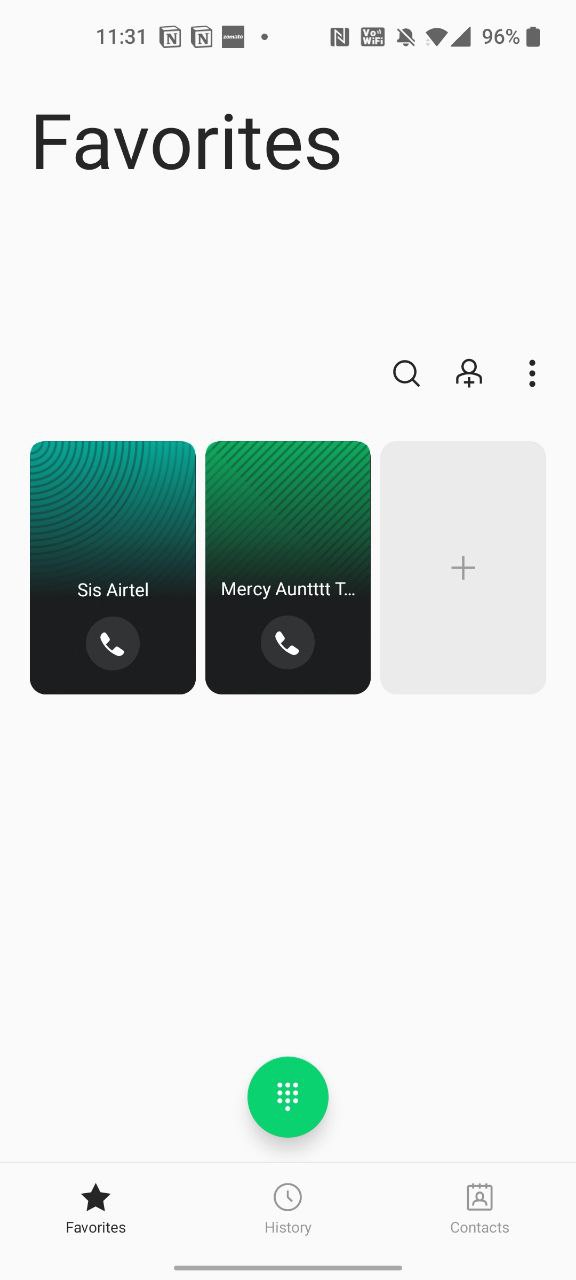
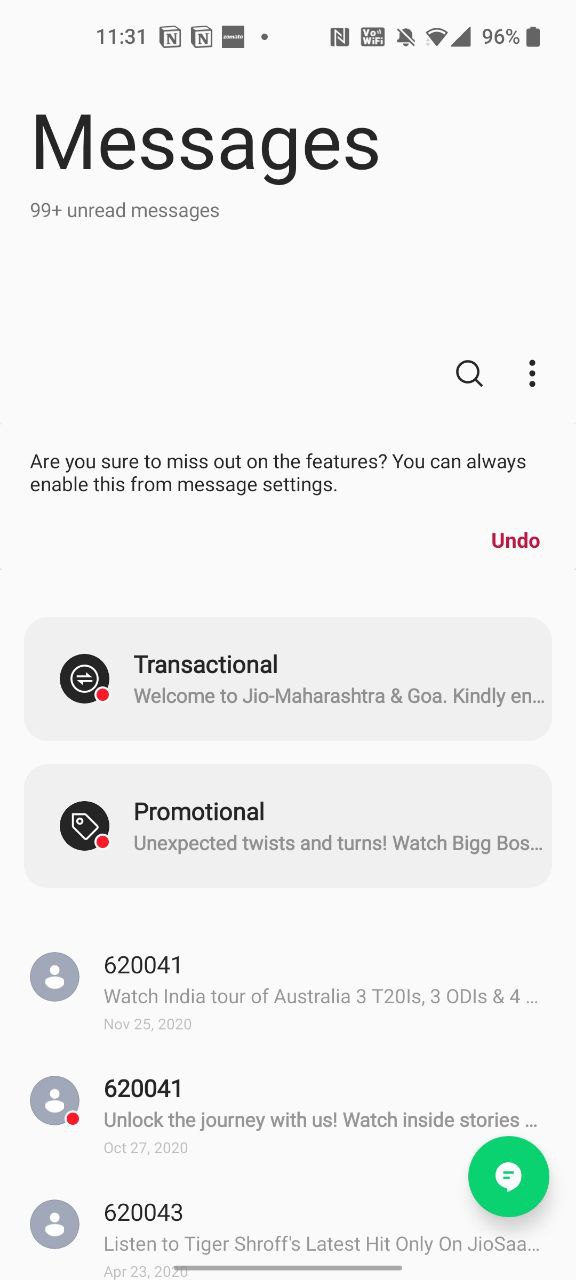
OxygenOS 11 brings a revamped design that focuses on easy one-handed usage. The OS shifts all the important elements and buttons to the lower half of the UI which makes it easy for single-handed use. This might have been the most controversial change in the OS in 2020 especially due to its similarity to OneUI’s design, but it also might be the most user-friendly change made to the OS in recent times. 

OnePlus employed user test data like heatmap to find out the areas which received the most touches as well as areas that were easy to reach with one hand. The company then shifted most of the important elements and resized the text to cater to a better one-hand user experience. Even the location of the navigation buttons, icons, and other interface elements in the system apps have been slightly tweaked to facilitate single-handed use. 


2Custom AOD

OxygenOS 11 Android 11 26

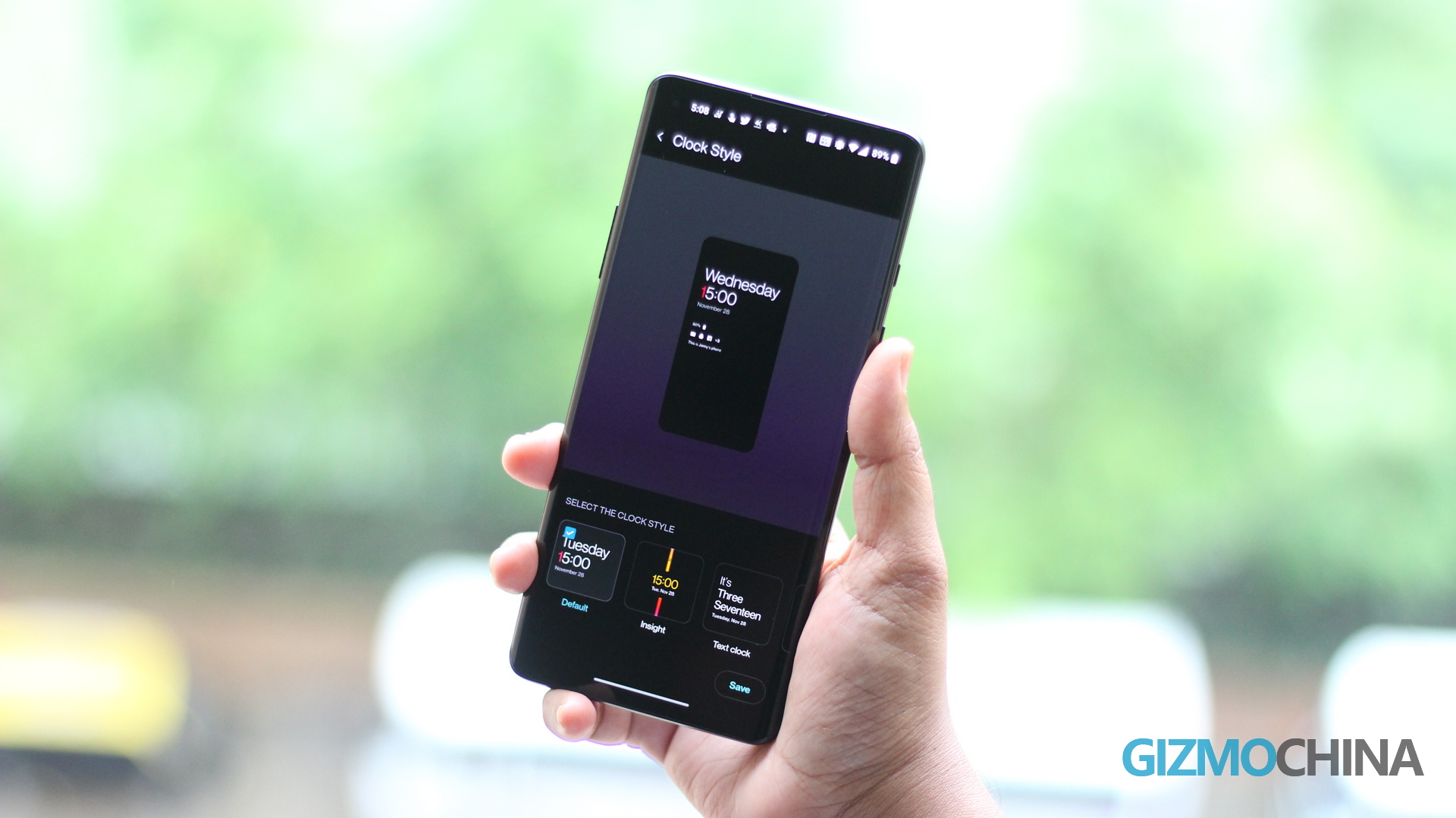
OxygenOS 11 not only adds the most requested feature to OnePlus smartphones but also brings in its own unique flavor in the form of customized AODs like Canvas AOD, Insights AOD, and Bitmoji AOD. 

canvas AOD oos11
canvas AOD oos11

The Canvas AOD was developed in partnership with the Parsons School of Design & Art in NYC. This customized AOD mode sketches your wallpaper and displays it as your ambient AOD. It looks pretty cool when it gets it right but it can be a task to get a perfect sketch. A simple clutter-free background and a side profile with well-defined edges will help you to get a near-perfect sketch. Notably, the Canvas AOD is now on the Play Store for faster updates. 

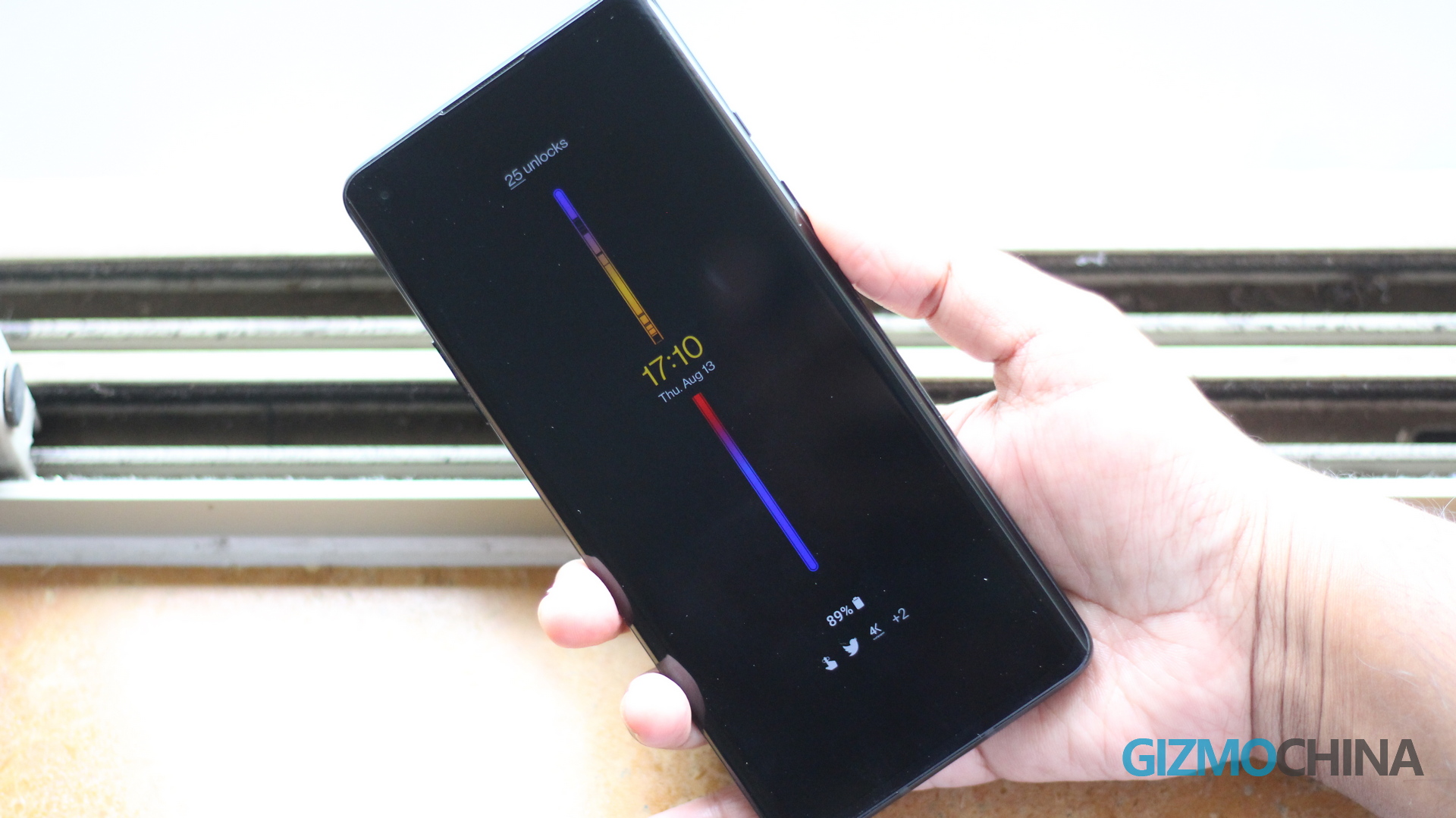
OxygenOS 11 Android 11 Insight AOD
Insight AOD

The Insight AOD adds a colorful bar in the middle of the AOD screen that gets a break/groove every time you unlock and use the phone. The longer your usage, the wider the groove. It also shows you the total unlocks in a day.

There’s another AOD style that’s incoming called Bitmoji AOD but it’s yet to be officially rolled out to OnePlus smartphones. 


3New Dark Mode

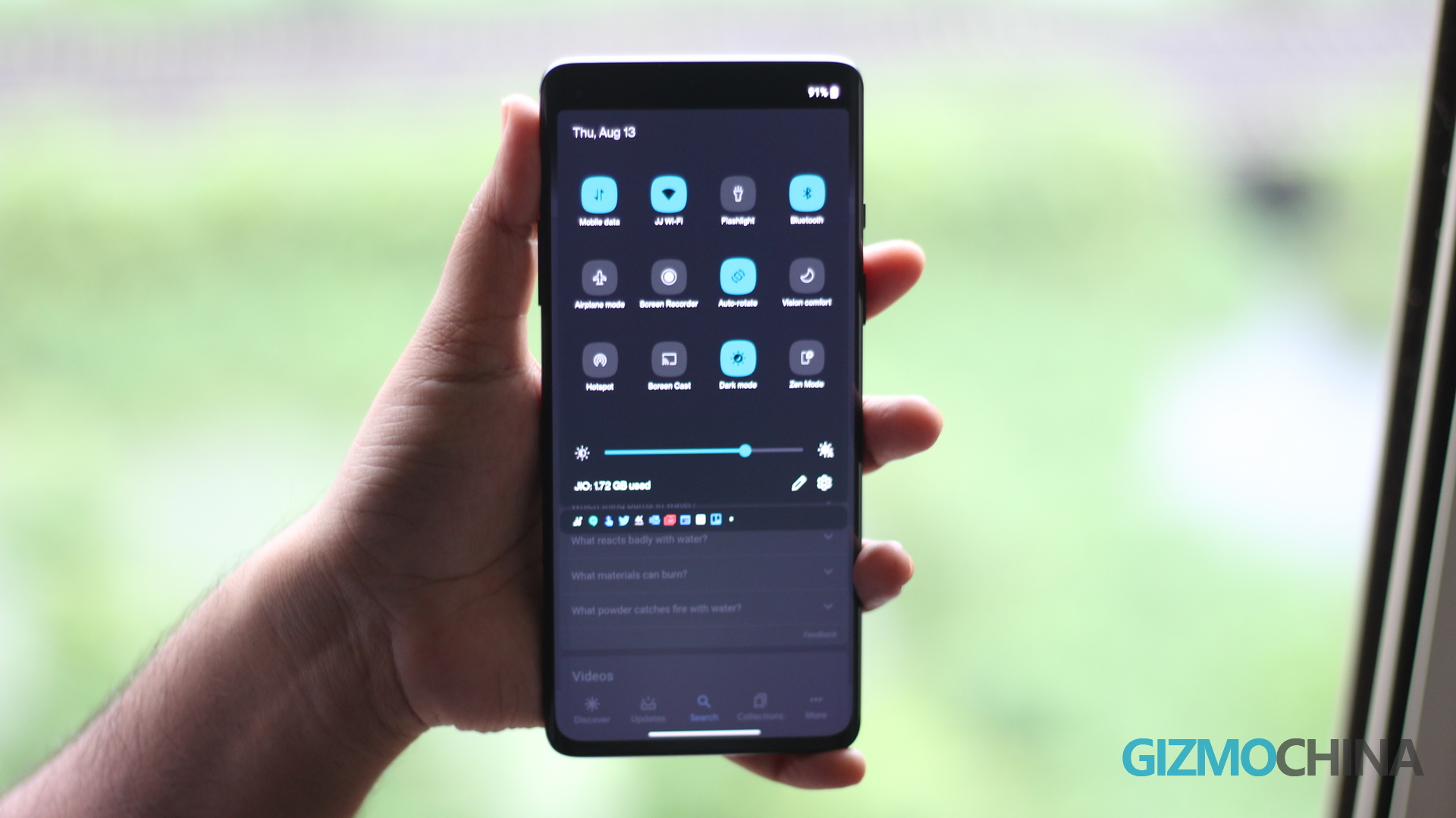
OxygenOS 11 Android 11 Dark Mode

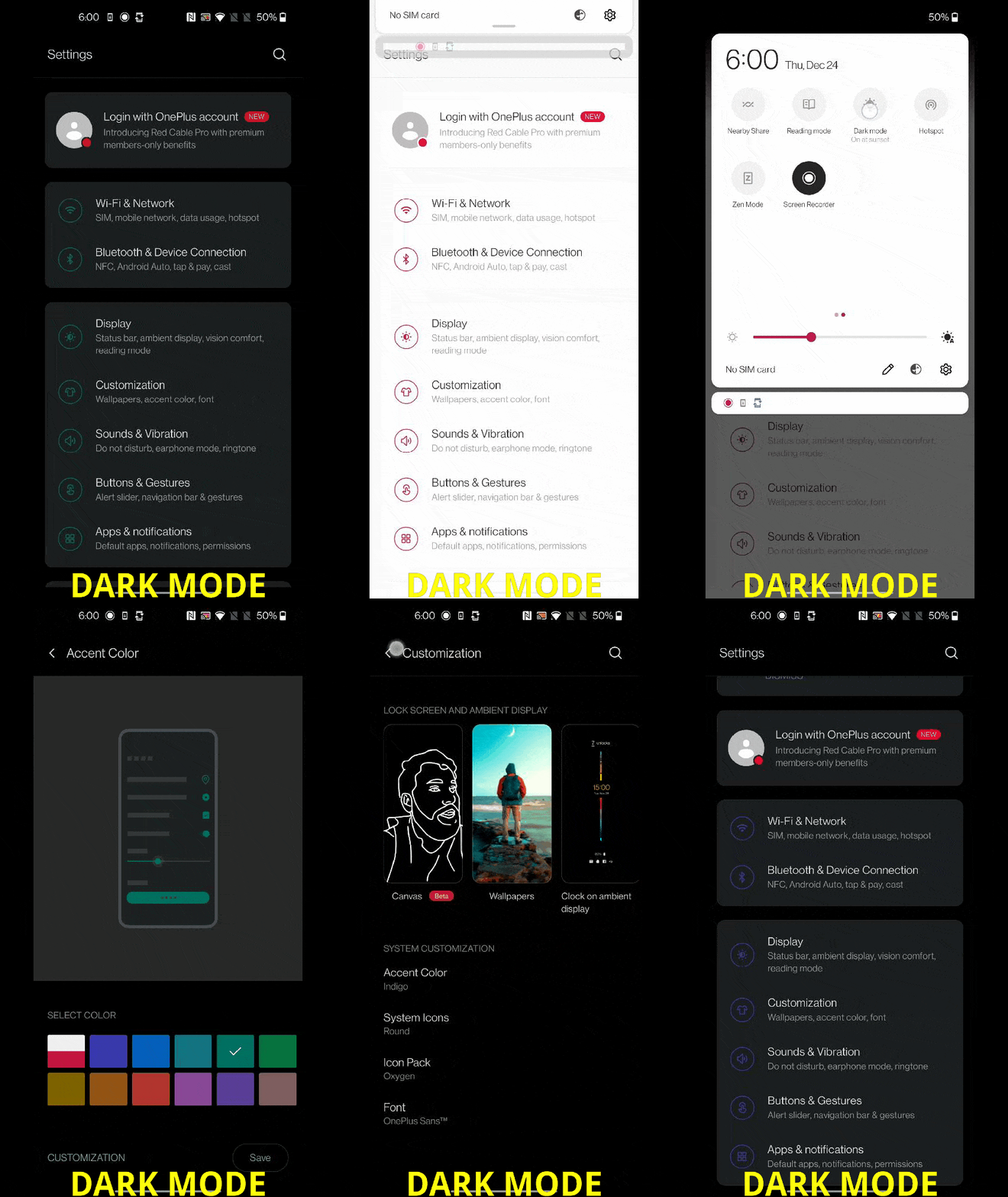
OxygenOS 11 improves the system-wide dark mode implemented in the previous iteration. You now get a dedicated dark mode toggle button in the quick settings menu and you can even set the accent color for the mode. There’s an option to automatically turn on and off dark mode according to the sunrise and sunset schedules as well. 


dark-mode OxygenOS 11
dark mode

4New Zen Mode Themes & Group Mode

OxygenOS 11 Android 11 17

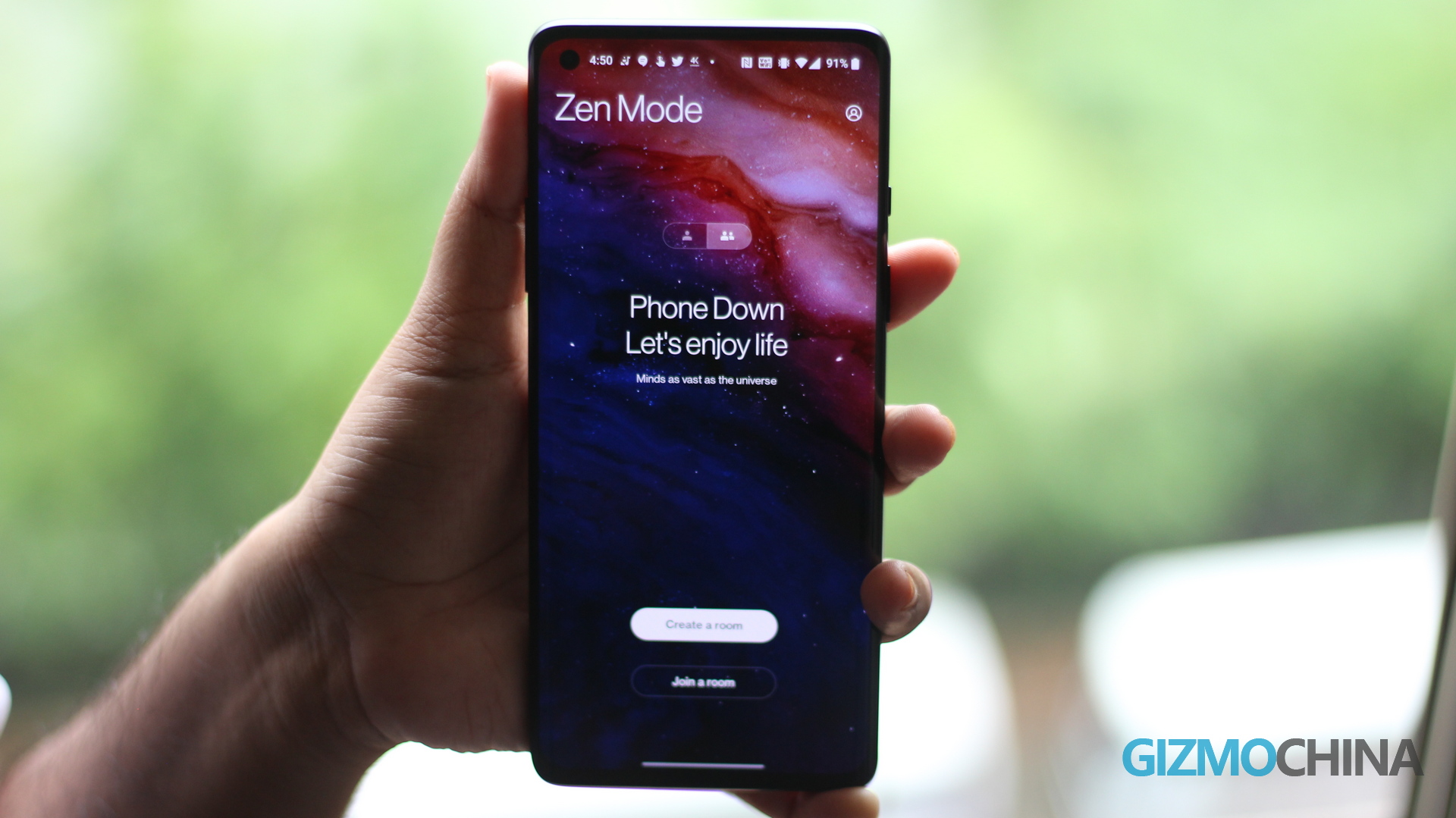
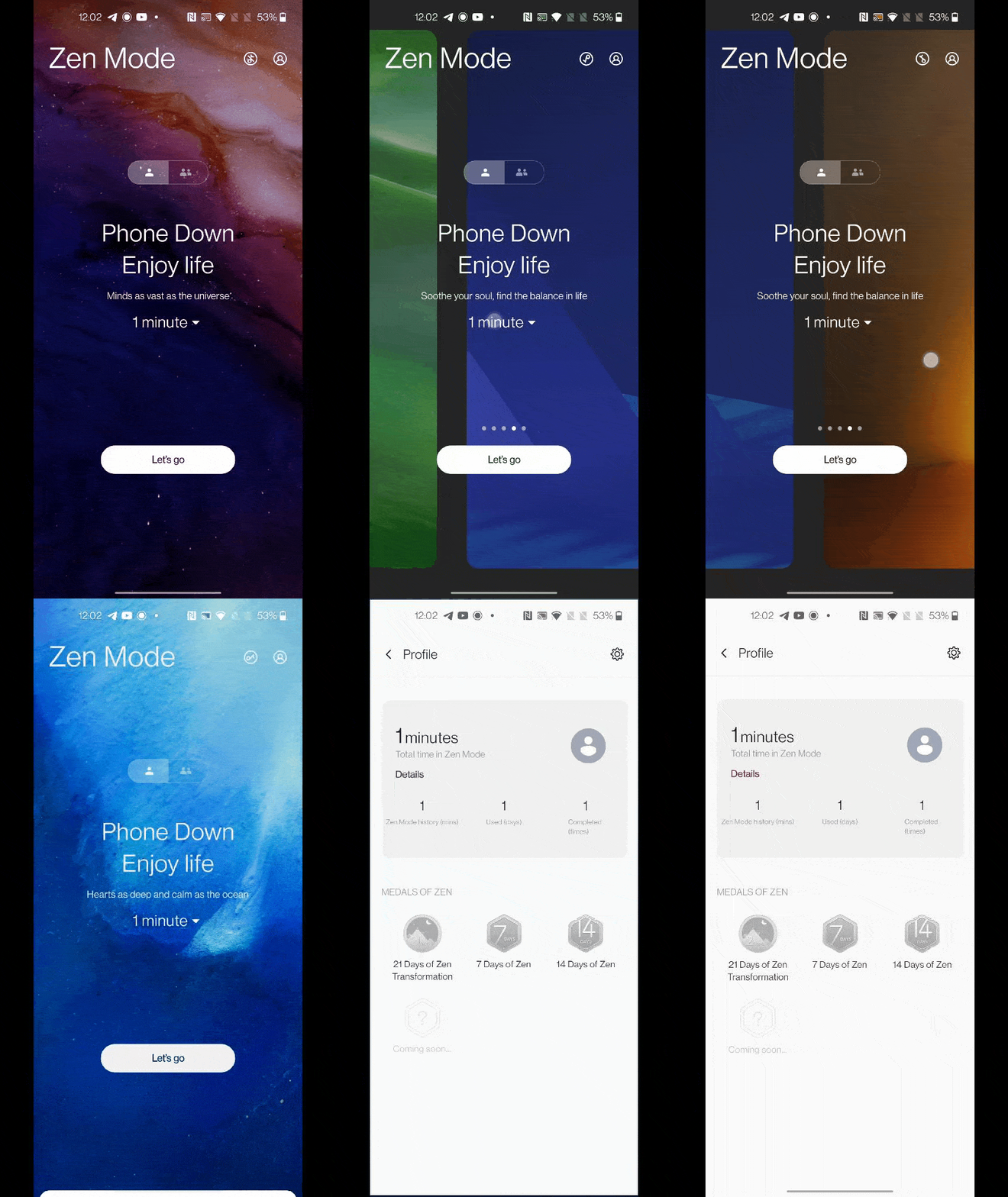
OnePlus’ Zen Mode gets new upgrades in the OxygenOS 11 with a special group mode that allows you to meditate/ take a break from your smartphones together as a group. You can even activate Zen mode on non-OnePlus devices via the browser (limited functionality). OnePlus has also added more three special Nature, Ocean, and the Universe with their dedicated background music tracks. Zen Mode 2.0 also adds more time options that range from a minute to 120 minutes!

zen mode2 OOS11
zen mode2 OOS11

5Weather App Redesign

OnePlus OxygenOS 11 Weather App

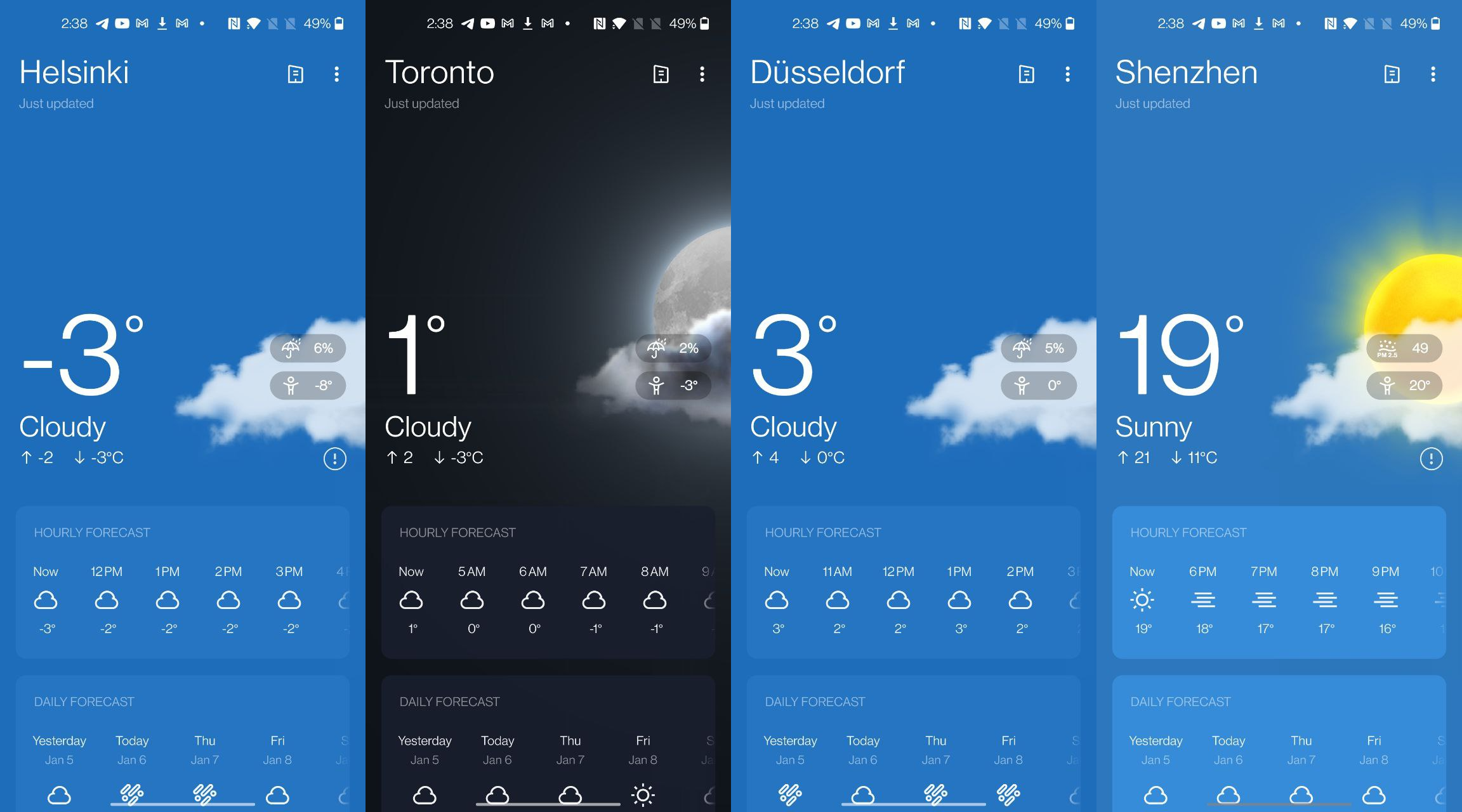
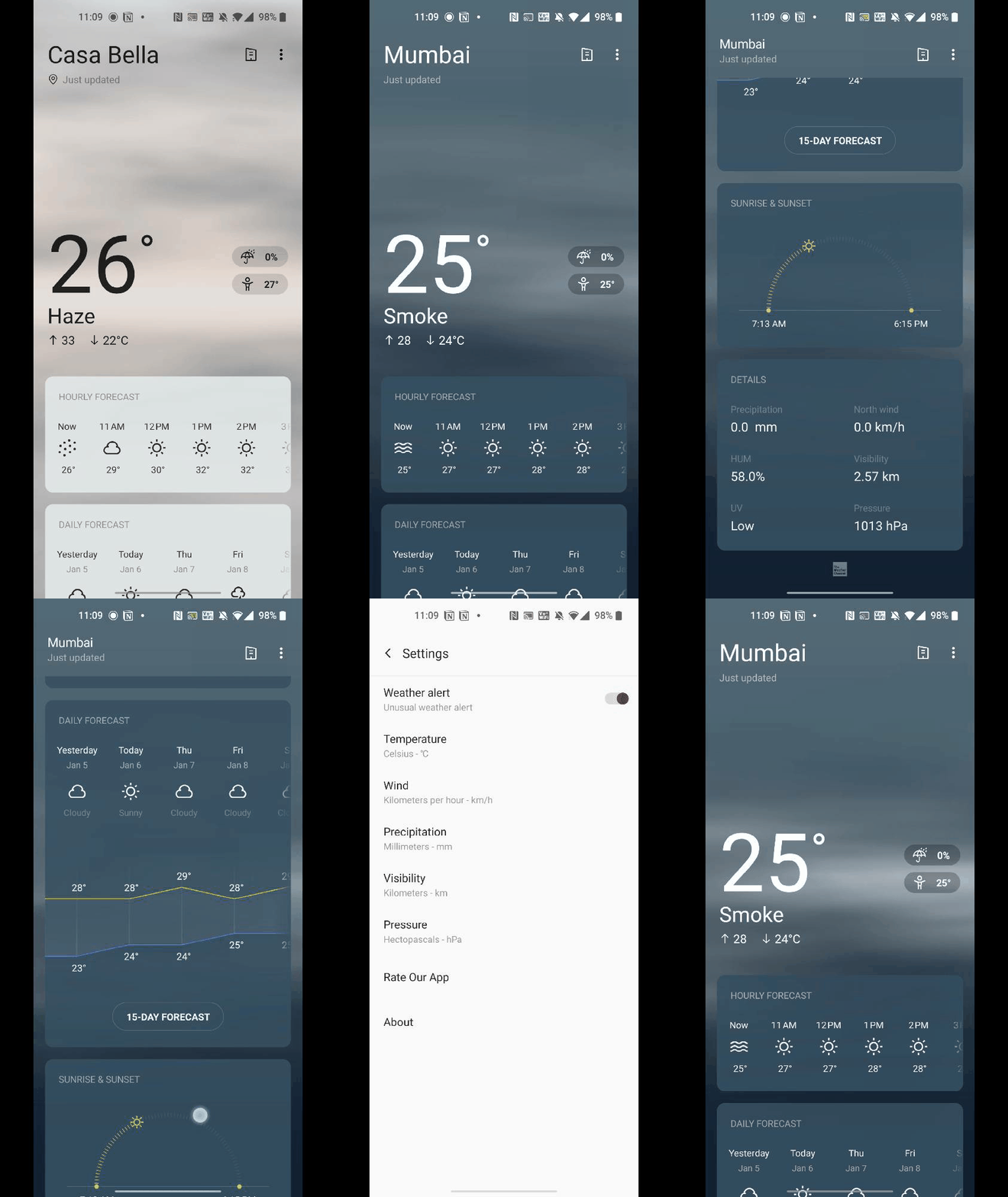
The OxygenOS 11 brings a tile-based design philosophy to the OnePlus Weather app. You can swipe right or left to change cities and get a quick view of the temperature, hourly and daily forecasts with exact sunrise and sunset timings. You can add over 10 cities and just swipe through to get the weather details of each city. 

weather oos11
weather app OOS11

Apart from these notable changes, the OxygenOS 11 also add minor features like a new OnePlus Sans font that replaces the OnePlus Slate font from 2017 and a new stories feature in the gallery. 

OnePlus 8 OnePlus 8 Pro OxygenOS 11 Android 11 Stable Update

Which is your favorite OxygenOs 11 feature? Or is there anything that you don’t like about the new OS? Let us know in the comments below!


Fake versions of Samsung Galaxy S21 Plus and Ultra are already out

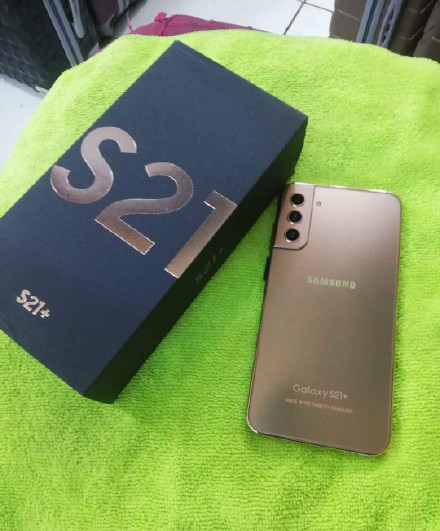
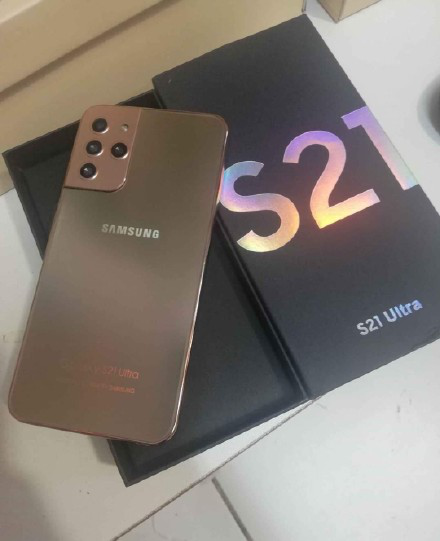
While Samsung is getting set for the launch of its latest Galaxy flagship smartphone on 14th January 2020, it seems that fake versions of the Galaxy S21+ and Galaxy S21 Ultra are already available.

Samsung

According to an iFeng report, fake imitations of the South Korean tech giant’s latest high end handset are already out in the market. This arrives just prior to the launch conference for the 2020 Galaxy flagship series from Samsung. The report also featured images of the copycat variants of the Galaxy S21+ and the Galaxy S21 Ultra. Looking at these images, it can be observed that both devices resemble previously leaked renders and designs of the Samsung flagship.

In other words, the actual Galaxy S21+ and Galaxy S21 Ultra might also feature a similar physical appearance, although, that is just speculation so take it with pinch of salt for now. While both devices have yet to be officially be unveiled, previous reports have mostly revealed the specifications of the devices. The Galaxy S21+ features a 6.3 inch FHD+ display with a 120Hz refresh rate, while the Galaxy S21 Ultra sports a 6.9 inch 2K display.

Samsung

Under the hood, the entire lineup will likely sport the Qualcomm Snapdragon 888 SoC paired with up to 16GB of RAM and 512GB of internal storage. On the other hand, the non Snapdragon variants will house the new Exynos 2100 processor. Unfortunately, these are just versions of the device so this isn’t a reliable source of information regarding the upcoming flagships, so stay tuned for the launch January 14 conference, which we will be covering.


Samsung Galaxy A52 5G bags 3C certification; Launch seems near

The Samsung Galaxy A52 5G could be one of the first A-series smartphones to debut in 2021. Today, the smartphone bagged 3C certification in China. With 3C certification in tow, it seems that the launch date of the A52 5G may not be far away.

At 3C, the Samsung Galaxy A52 has appeared with its SM-A5260 model number. The listing reveals that it is a 5G phone and its retail package may include a 15W charger. It is likely that China could be one of the first markets to receive the A52 5G.

Samsung Galaxy A52 5G 3C certification.jpg

Recent reports have revealed that the Galaxy A52 will be available in 4G and 5G variants depending on the market. Both the variants have already appeared on Geekbench 5 through which their key details have been revealed.

The Galaxy A52 4G could be powered by the Snapdragon 720G, whereas its 5G sibling could be equipped with the Snapdragon 750G chipset. The handset is expected to arrive with 6 GB / 8 GB of RAM, and it will be preloaded with Android 11 OS. It is unclear whether these models will have any other differences apart from the chipset.

Galaxy A52 5G
Galaxy A52 renders by Onleaks

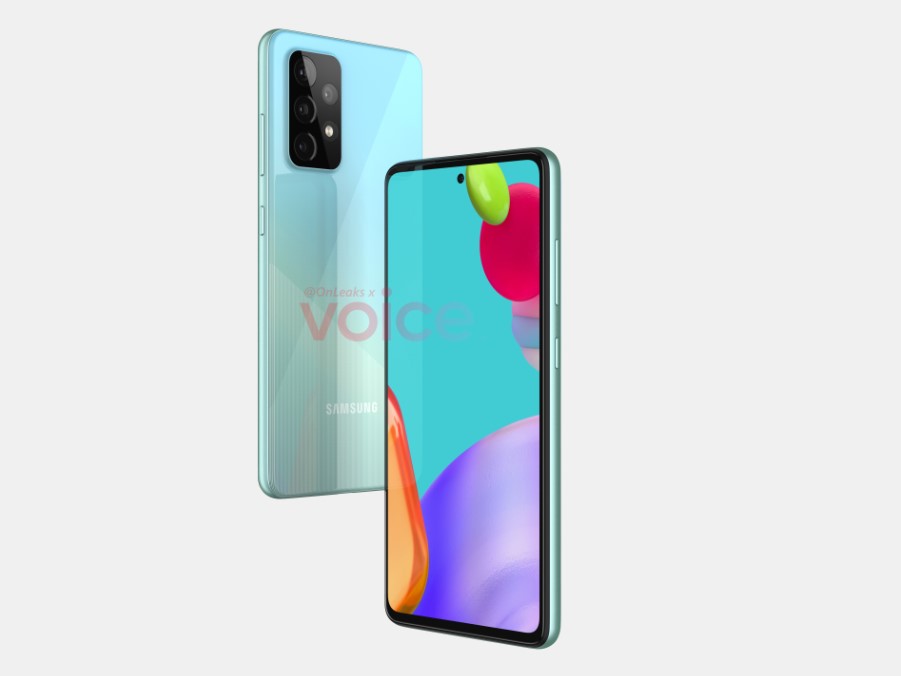
The CAD renders of the Galaxy A52 5G that surfaced last month revealed that it is equipped with a 6.5-inch FHD+ display. It could be housing an OLED panel with an in-screen fingerprint sensor. The backside of the phone could be equipped with a 64-megapixel quad camera setup. The other details of the smartphone are under wraps. It is speculated that it could be priced at $499. Speculations are rife that the Galaxy A32 5G and Galaxy A72 5G smartphones may also go official soon.


8K TV shipments to surpass 1 million units in 2021: Report

Despite 8K TVs still being quite expensive, a new report has suggested that these high resolution televisions are expected to surpass the 1 million unit shipment mark by the end of this year.

According to a Deloitte report (Via TheElec), the market share of 8K TVs across the globe is increasing in the premium TV segment. These include TVs that are on an average worth over 2,500 US Dollars, although, the sales price are continuing to drop as well. As per the report, around a million 8K TVs around the price of 3,300 US Dollars are expected to be sold this year, marking sales worth 3.3 billion US Dollars.

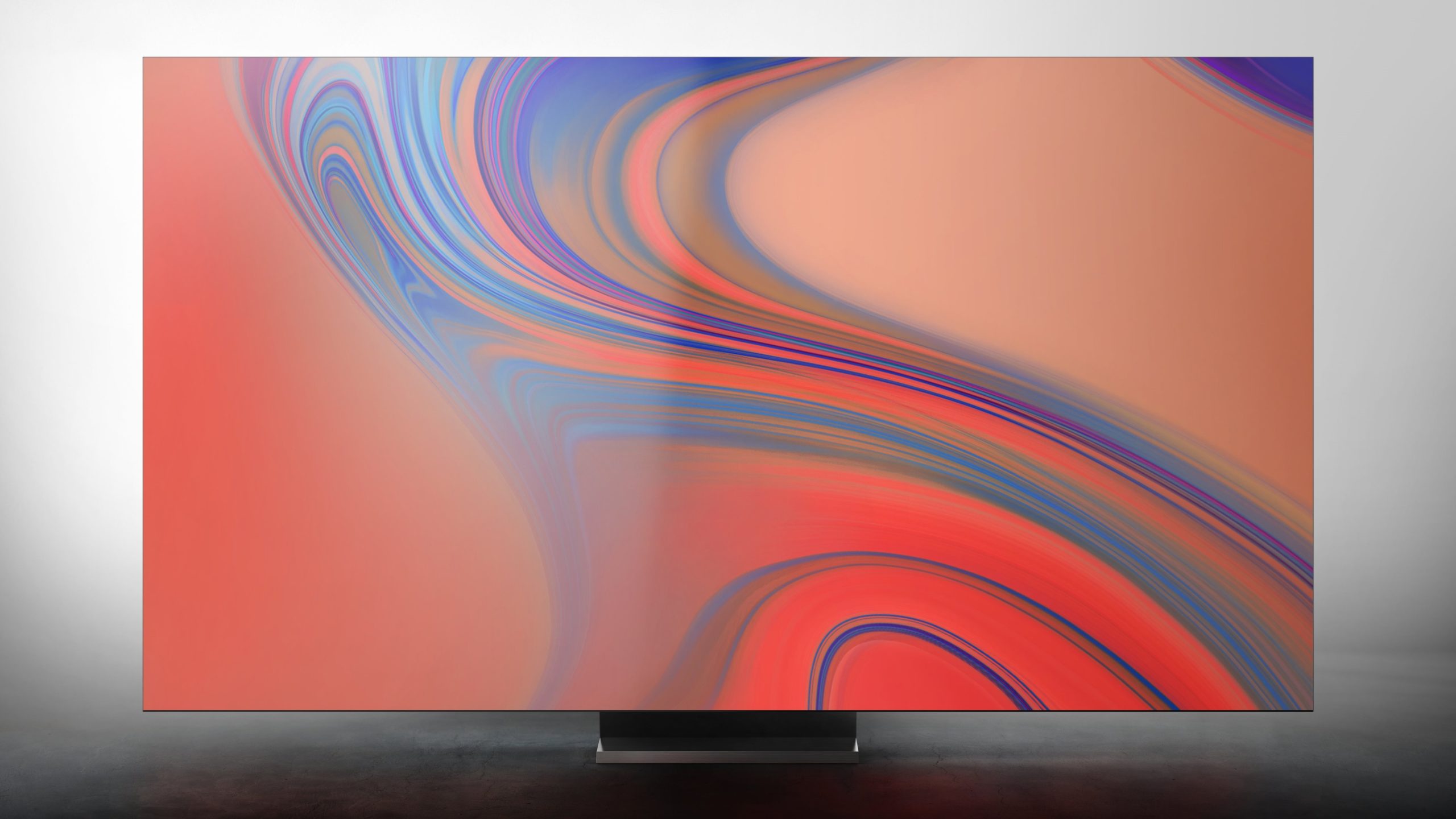
8K TV

Despite the sale of these high resolution televisions being slow, their demand is also steadily growing in the premium segments. At the moment, about 220 million units of Tvs are sold per year, out of which a million only accounts for around 0.5 percent of the total shipments. Back when 4K TVs launched back in 2013, companies suffered from issues with mass exposure due to the lack of content supporting the high resolution.
However, Deloitte believes that the 8K TVs might not face the same issue as remastered analog and digital content that have enabled users to enjoy content in 8K. An example being Japan’s NHK showcasing a remastered version of the classic 2001: Space Odyssey in 8K back in 2018. Furthermore, most IMAX films that were filmed in 65 to 75mm can also be supported in 8K, while more and more movies and series are being filmed in high resolutions like 8K.
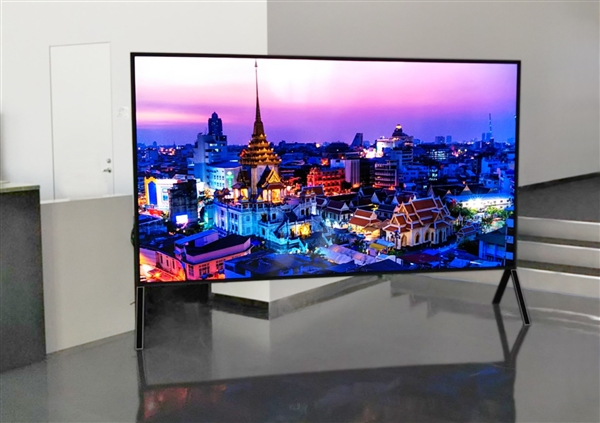
Sharp 8K TV

Notably, another aspect that is key to the growth of the high resolution panels is the difference in price between 4K and 8K TVs. Deloitte also believes that by 2022 users would be able to choose between multiple TV sizes over 65 inch as well, with 55 inch being one of the most popular options for 8K TVs, with projected shipments crossing 150 million units.


TECNO, itel, and Infinix continued to grow in Africa despite the global pandemic in 2020

There are a number of phone brands in the world. But there’s only one company that is more successful than any other in Africa. And it is none other than Transsion Holdings, the parent firm of TECNO, itel, and Infinix.

Transsion Holdings Logo Featured

Counterpoint Research, a well-known research firm has published a report on Transsion’s success in Africa. According to which, this company went public on the Shanghai Stock Exchange in September 2019. Just within 15 months, its market capitalization rocketed by 146% and as a result, its value rose to RMB 110.8 billion ($16.9 billion).

Unlike other brands, Transsion brands have been targeting low-tier cities and rural areas in Africa since their early days in the region. These brands spend heavily on distribution, sales & marketing, and campaigns & go-to-market activities to different regions’ realities. When required, they even send their managers from the Chinese headquarters to live and work in remote African places for a longer period of time to gain local language.

Because of this strategy, Transsion brands continued to grow in 2020 despite the COVID-19 global pandemic. The company reported revenue and income of RMB 25 billion ($3.77 billion) and RMB 1.95 billion ($295 million) in the first three quarters of last year.

In Q3 2019, TECNO, itel, and Infinix together led the Arican Smartphone as well as feature phone markets with 38% and 67% respectively. Also, 45% of smartphones priced under $100 were shipped by these three brands alone.

With Africa slowly developing, these brands are expected to continue their growth as the number of possible consumers (youth) driving smartphone usage is forecasted to increase by 30% or to 506 million in the next decade.


Xiaomi India hikes the prices of 7 Mi TV models

Apart from being India’s largest smartphone brand, Xiaomi is also the leading smart TV company in the country. The firm sells a wide variety of televisions in the country across different price categories. But unfortunately, with the new year, the Chinese tech giant has hiked the price of 7 TV models in the region.

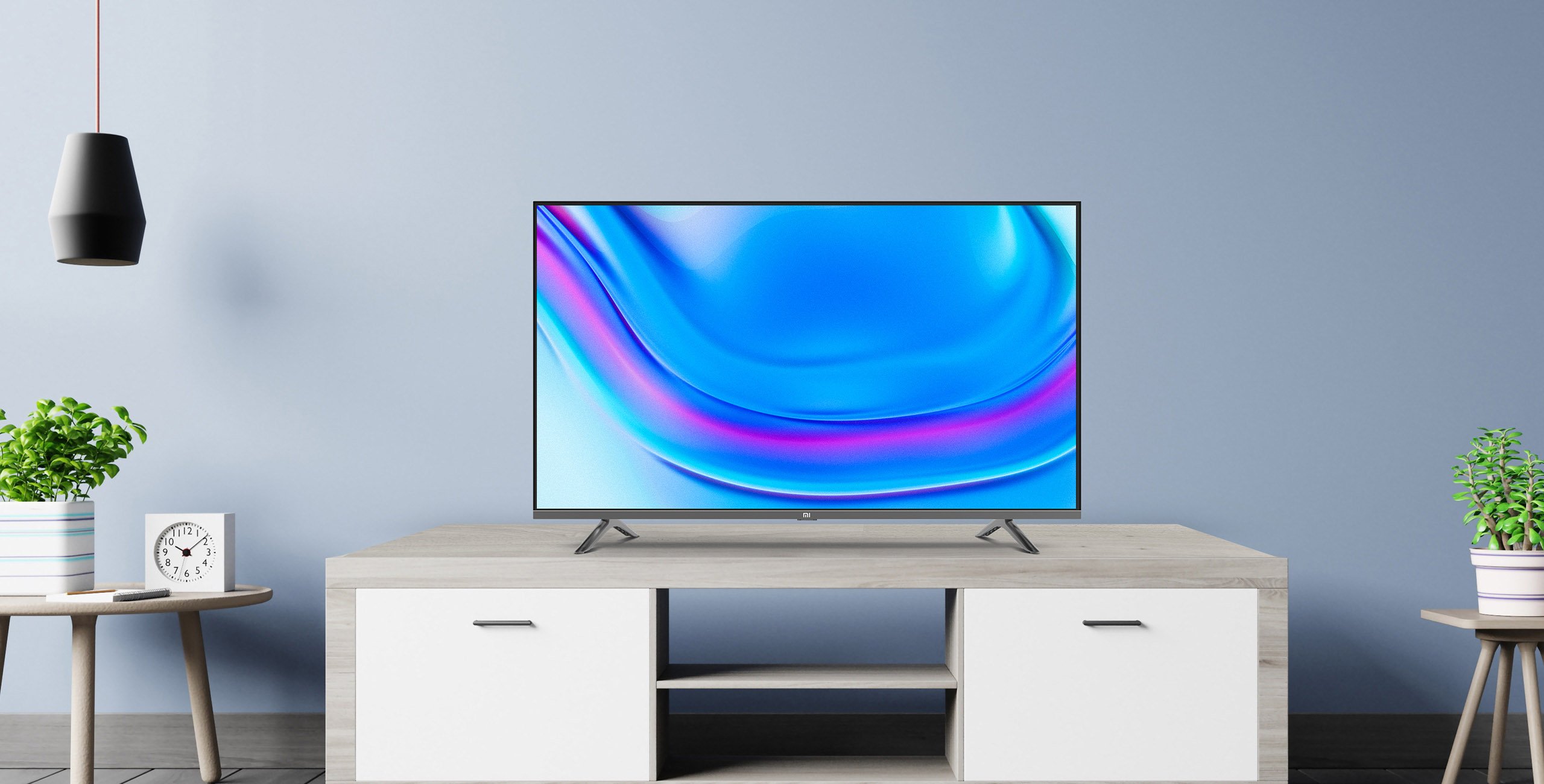
Xiaomi Mi TV 4A 32 Horizon Edition

Back in early December, Xiaomi hiked the prices of four Mi TV models in India. Now, a little over a month later, these televisions have received another price increment along with three other models.
According to 91Mobiles, the Beijing-based company has hiked the price of the following Mi TVs by up to ₹3,000.

Xiaomi Mi TV Price Hike India January 2021

Model

Old Price

Price Hike

New Price

Mi TV 4A Pro (32-inch)

₹13,999 ₹1,000 ₹14,999

Mi TV 4A (32-inch) Horizon Edition

₹14,499 ₹1,500 ₹15,999

Mi TV 4A Pro (43-inch)

₹22,499 ₹2,500

₹24,999

Mi TV 4A (43-inch) Horizon Edition ₹23,499 ₹2,500

₹25,999

Mi TV 4X (43-inch)

₹25,999 ₹3,000

₹28,999

Mi TV 4X (50-inch) ₹31,999 ₹3,000

₹34,999

Mi TV 4X (55-inch) ₹36,999 ₹3,000

₹39,999

Going by the above table, we can note that Xiaomi has increased the price of the standard HD TV by ₹1,000, Horizon Edition (slim bezel) HD TV by ₹1,500, FHD models by ₹2.500, and lastly, 4K models by ₹3,000.

Having said that, the new prices are already live at Mi.com, Amazon India, Flipkart, and other popular online as well as offline retailers.


Apple supplier: Demand for 5G handsets to reach 500 million units by new year

Known Apple supplier, Murata Manufacturing Co, is expecting the demand for 5G enabled smartphones to hit the half a billion mark in the coming fiscal year. This news also arrives as companies are rushing to snatch Huawei‘s market share in the global consumer market.

Apple

According to a Bloomberg report, the world’s largest ceramic capacitors maker, which supplier Apple and other smartphone brands, expects the demand for 5G devices to reach 500 million units by the end of this year. This would have major OEMs like Apple, Samsung, Xiaomi, Oppo, and Vivo try and secure components for their smartphone offerings. The companies would also fight to secure the void left behind by Huawei Technologies.

Murata President, Norio Nakajima, had stated in December 2020 that the company’s factories will not be taking any break during the holidays to catch up with the growing orders owing to high market demands. The senior official said that “the situation is most severe with our cutting-edge capacitors for smartphone use.” He further added that “These handset makers are competing to grab our supply capacity once taken by Huawei, and I am not sure how much of it is backed up by their actual production forecast. I feel like the move is overheated, and thus expect their orders would drop in February and March.”

Apple
Xioami Mi 10i 5G

The Apple supplier’s president said that the industry had reached 300 million 5G smartphones during the current fiscal year, and is expecting the upcoming year to have this figure reach at least 500 million. Furthermore, Murata is also preparing on making capital expenditure to keep pace with the growing demand as well. Interestingly, analysts see this projection from Murata’s chief as “too conservative” believing that demand for 5G handsets, especially from Apple, to not subside anytime soon and will continue to surpass expectations.


iPhone 12 series sees strong sales, but iPhone 12 mini might have ‘disappointed Apple’

Despite the Apple iPhone 12 series launch being delayed, the 2020 lineup was met with a positive reception overall and saw strong sales. However, the company might have been ‘disappointed’ with the iPhone 12 mini sales.

Apple

According to a CIRP report (Via 9To5Mac report), the iPhone 12 family accounted for 76 percent of new iPhone sales during the month of October through November just after the launch. Out of the entire lineup, the 6.1 inch base iPhone 12 model held the largest share of new iPhone sales in the US, with a 27 percent share. This was closely followed by the iPhone 12 Pro and iPhone 12 Pro Max, both of which accounted for around 20 percent of new iPhone sales in the US during the same period.

This figure is higher than the iPhone 11 series during its launch, which only accounted for about 69 percent of new iPhone sales. In other words, the iPhone 12 series is the most successful iPhone lineup in the US during the period after its launch. But despite its great market performance, the Consumer Intelligence Research Partners report found that the 5.4 inch iPhone 12 mini model didn’t match up to Apple’s expectations.

Apple iPhone 12 Mini

As per the report, the Apple iPhone 12 mini only accounted for 6 percent of new iPhone sales in the period of October to November 2020. According to analyst Mike Levin, the reason for this might have been the pricing of older iPhone models like the 499 US Dollars iPhone XR and the 599 US Dollars iPhone 11, which might have been more attractive to prospective buyers.


Apple reportedly working on a cheaper AirPods Max with plastic design

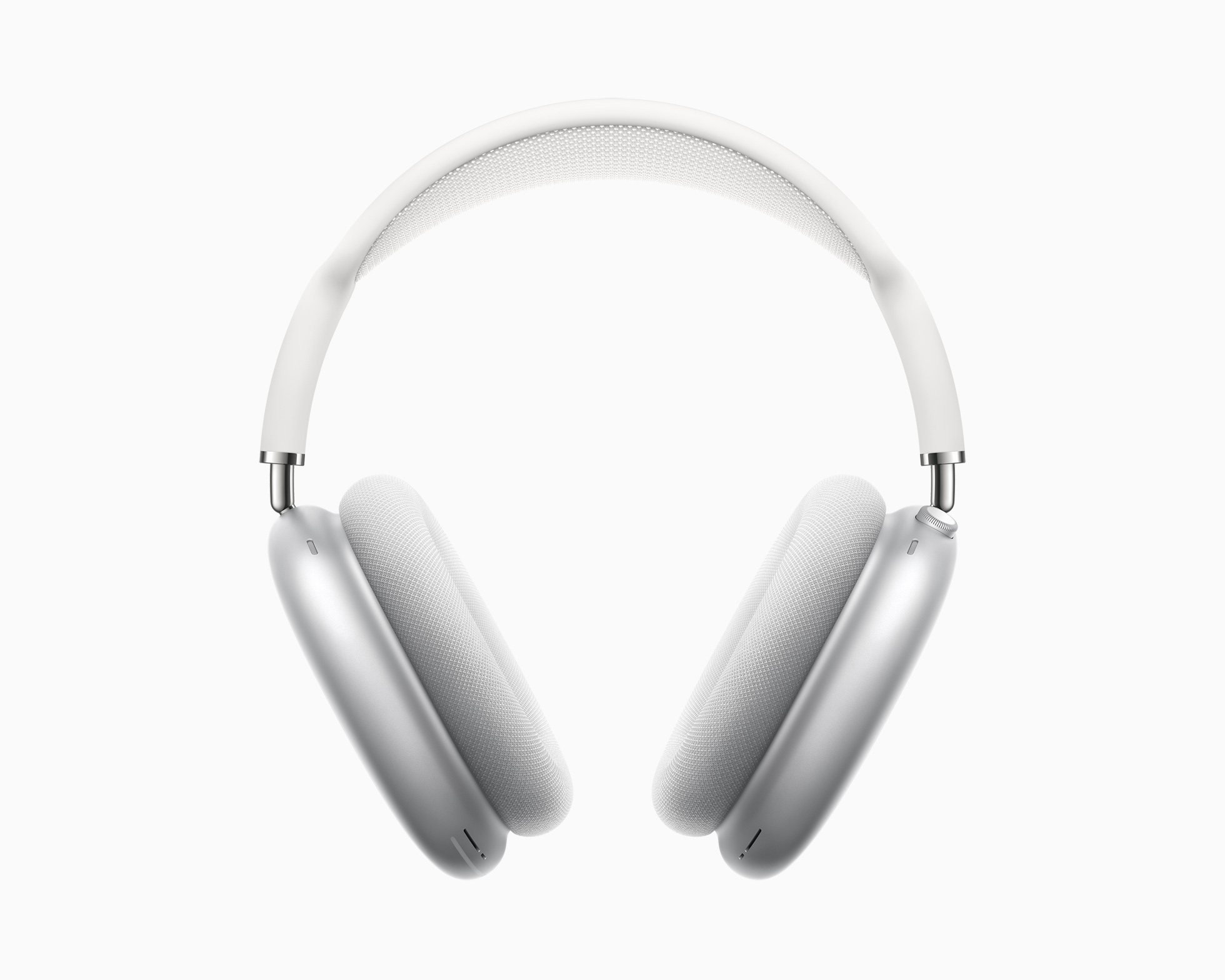
Expanding the portfolio of products under the AirPods lineup, Apple recently launched its AirPods Max headphones. It is also the most expensive product in the lineup, priced at $549, positioning it as a premium offering.

However, it now seems that the company has a cheaper variant of the same on its way. Reports have indicated that Apple could be launching a less-expensive ‘Sport’ edition of the AirPods Max and there will be few changes to make it cheaper.

Apple AirPods Max
Apple AirPods Max

As per the latest information coming from LeaksApplePro, the upcoming cheaper model of the Apple AirPods Max headphones could be priced around $350. With such pricing, it will be competing against the likes of the Sony WH-1000XM4 and the Bose QuietComfort 35 II.

To make the headphones cheaper, the company has planned to make some changes. It has reportedly opted to go with a plastic build instead of machine-textured anodized aluminum ear cups and stainless steel headband.

EDITOR’S PICK: Xiaomi Mi 11 Hands-on — Premium Design with a fabulous 2K 120Hz AMOLED screen

If the company opts for a good quality of plastic, the experience could be a premium one. Opting for plastic could be a good thing as the headphones will be lighter in weight, something that many users have criticized Apple for the current model of AirPods Max.

In terms of features, we expect Apple to retain some of the highlighting features of the recently launched headphones, including Active Noise Cancellation, spatial audio, and Transparency Mode, and 20-hour battery life. However, we advise you to take all this information related to the cheaper AirPods Max with a pinch of salt.

Meanwhile, Apple is all set to launch its next-generation AirPods true wireless earphones in the market in the coming months. The company is also expected to launch a couple of new products this year, including an AR device and AirTags, among others.


Huawei patents new drone control system that uses artificial intelligence

Huawei is a technology giant with a presence in several different categories, from consumer electronics to telecom equipment. The company is also exploring new categories, including Unmanned Aerial Vehicle (UAVs) or Drones.

The company has been authorized to apply for drone-related patents and its new patent has been published with number CN110737212B named UAV Control System and Method. Although the patent was published this month, the company applied for it in July 2018.

Huawei

EDITOR’S PICK: US President Donald Trump bans eight Chinese apps, including Alipay and WeChat Pay

As the title itself suggests, the patent is related to the control system and method for managing the drone. The system suggested in this patent include a task unit, a first action module, a sensor unit, a first function module, a collaborative computing module, and a first response module, among others.

The task unit splits the task after obtaining it into target actions and the information is sent to the first function module and first response module by the first action module. After getting data through the sensor units and performing several actions, the data is processed for the system using an AI chip.

A few weeks ago, we reported about another patent from Huawei related to drones which is named Unmanned Aerial Vehicle Identification Module and Storage Method. It details how the physical identifier and storage method works to read and track information of a drone during its whole life-cycle.

 

Samsung Galaxy S21 Ultra to support WQHD+ display and 120Hz refresh rate

Samsung introduced a 120Hz refresh rate on its smartphones with last year’s Galaxy S20 series. However, the high refresh rate was limited to Full HD+ screen resolution while the WQHD+ was limited to 60Hz.

But, if the new report coming from Ice Universe is to be believed, then the users won’t need to choose between high screen resolution or high refresh rate with the upcoming Galaxy S21 series flagship smartphones.

Samsung Galaxy S21 Ultra 5G render by Letsgodigital
Samsung Galaxy S21 Ultra 5G Render by Letsgodigital

It is said that the upcoming Samsung flagship smartphones will support a 120Hz adaptive refresh rate for WQHD+ (3200 × 1440 pixels) screen resolution as well. But the feature could be limited to the Galaxy S21 Ultra model.

It’s noteworthy that the newly launched Xiaomi Mi 11 flagship smartphone also comes with support for a 120Hz high refresh rate for its QHD+ screen resolution display, as we mentioned in our hands-on overview.

The other two models in the series — Galaxy S21 and Galaxy S21 Plus could be getting a downgrade. It appears that the company has decided to limited both these models to Full HD+ screen resolution instead of Quad HD+.

EDITOR’S PICK: US President Trump bans eight Chinese applications, including Alipay and WeChat Pay

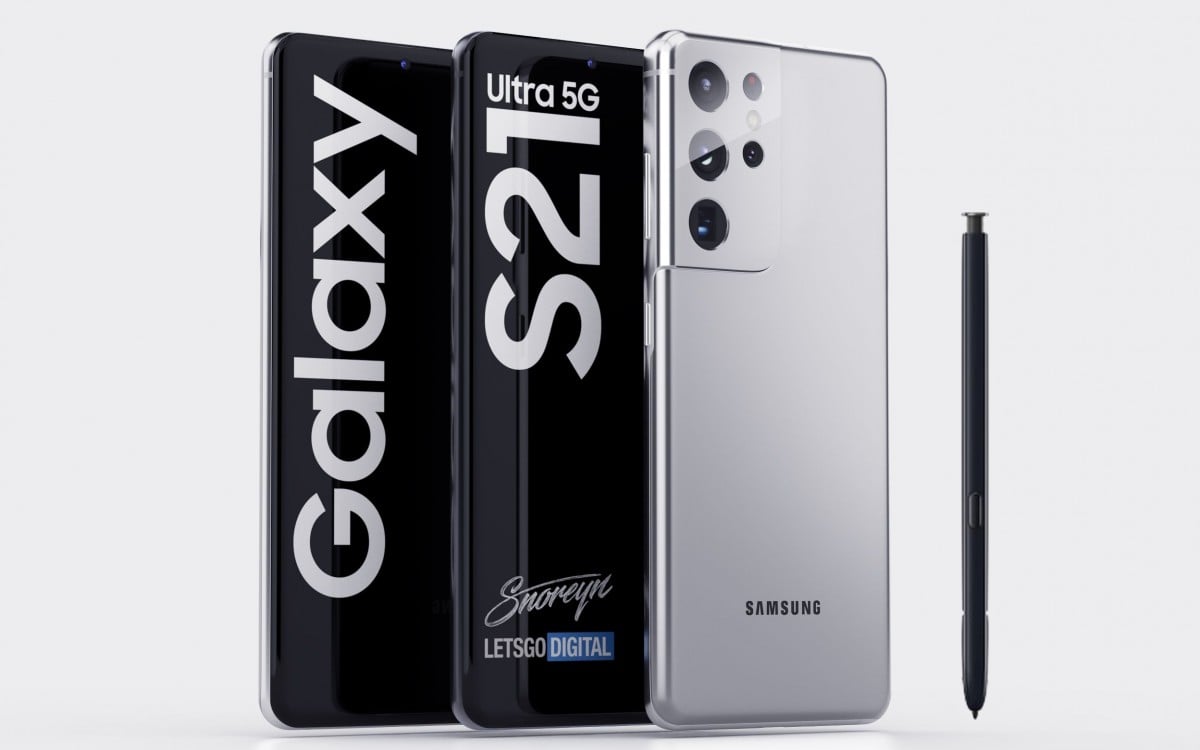
It has also been confirmed that the Samsung Galaxy S21 Ultra 5G will come with support for the S-Pen stylus, a first for the S-series smartphone. Being a top-of-the-line offering, the phone will offer the best from Samsung in terms of camera performance through the quad-camera configuration.

The device is expected to feature a 108MP primary camera sensor, along with a 12MP ultra-wide-angle lens, a 10MP sensor with support for 3x optical zoom, and another 10MP sensor with 10x optical zoom support. To look at the stunning images, the company will be offering a 6.8-inch AMOLED display on the Galaxy S21 Ultra with 1600nits peak brightness.
Samsung is all set to launch the Galaxy S21 series of flagship smartphones on 14th January at its Samsung Unpacked event. Along with these phones, the company is set to launch a few more products at the same event, including Galaxy Buds Pro TWS earphones.