Earlier this month, Samsung unveiled its 2021 lineup of laptops. The company had announced four new Windows 10 laptops, which included the Galaxy Book Flex 2, Galaxy Book Flex 2 5G, Galaxy Book Ion 2, and Notebook Plus 2. And now, the brand has released a new video of the Galaxy Book Flex 2 5G, offering us a first look at the new laptop.
On its official YouTube channel, the South Korean tech giant uploaded an official unboxing of the Galaxy Book Flex 2 5G. Apart from this, the company even uploaded another video, which explained how to use the new features on the laptop. Looking at the unboxing video first, the laptop arrives with a USB Type C charger, a SIM card ejector pin, and a quick start guide.
Furthermore, the Galaxy Book Flex 2 5G features a 13.3 inch Full HD touchscreen enabled display. Under the hood, an 11th Gen Intel Core processor runs the device paired with up to 16GB of RAM and up to 512GB of SSD internal storage. The notebook is a 2 in 1 laptop which also supports the S Pen, with a full sized keyboard, a 13 megapixel rear camera, a 720p webcam on the front, and even a trackpad. A 69.7WHr battery powers the laptops.
A notable feature of the Galaxy Book Flex 2 5G is its document mode in the camera app. This feature allows users to capture documents easily, offering additional productivity options. It also arrives with the Samsung Note app pre loaded, which lets users quickly note things down, draw, or even edit images or create PDFs and sign documents digitally as well.
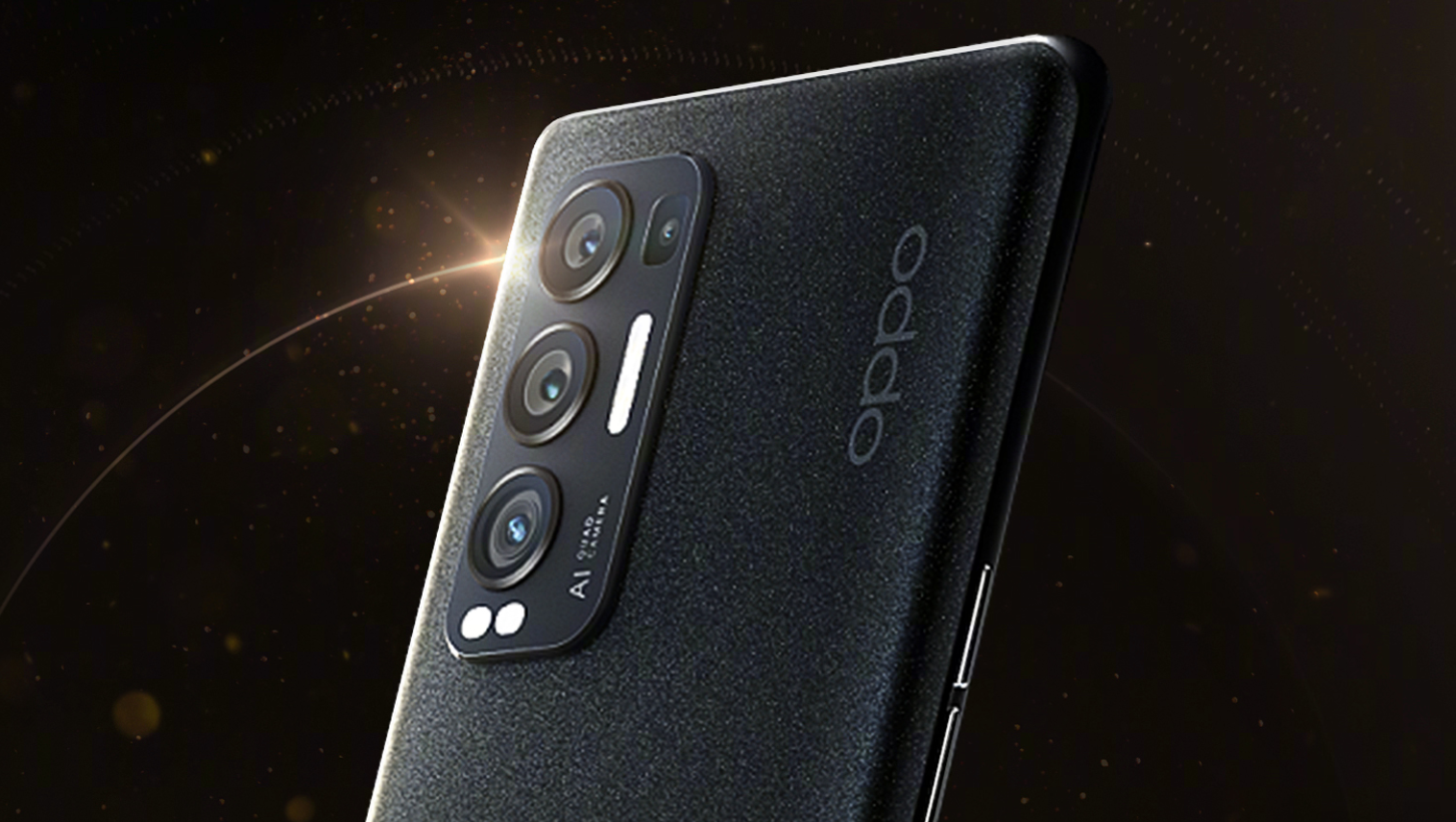
OPPO has recently launched the OPPO Reno5 Pro+ 5G flagship phone. Some of its major highlights include the Snapdragon 888 chipset, electrochromic rear, and the 50-megapixel Sony IMX766 lens built in partnership with Sony. A fresh leak by a reliable tipster from China states that OPPO and Sony are also working on another custom chip named Sony IMX789.
OPPO is expected to launch the Find X3 in the series in Q1 this year. The tipster mentioned that the Find X3 may not feature the Sony IMX789. The machine-translated text suggests that the al the flagship models from OPPO may use a customized sensor. The lens could remain exclusive to OPPO for certain a period.
It is unclear which upcoming OPPO smartphone will be arriving with the new IMX789 lens. It remains to be seen whether it arrives on the Reno6 series that may debut by mid-2021.
The recently introduced Sony IMX766 promises a top-notch photography experience in low-light conditions as its sensor size is 1/1.56-inch and it offers a unit pixel area of 1.0μm. As compared to the 48-megapixel Sony IMX586 lens, the IMX766 can intake 63.8 precent more light. While no technical information is available on the IMX789, it is likely to offer a superior experience than the IMX766 when it comes to low-light photography.
Leaked information shared by popular tipster Evan Blass earlier this month revealed that the forthcoming Find X3 Pro will have a 120Hz adaptive refresh display with curved edges. The 6.7-inch display will offer 1440 x 3216 pixels resolution and it will be capable to display images in 10-bit colors.
The rear-facing camera setup of the phone may feature the Sony IMX766 50-megapixel lens as the primary shooter, another Sony IMX766 lens for capturing ultrawide shots, a 14-megapixel telephoto lens with 2x optical zoom, and a 3-megapixel macro lens with 25x zoom support. The Snapdragon 888 powered phone will come with an improved version of the company’s 65W fast charging technology.
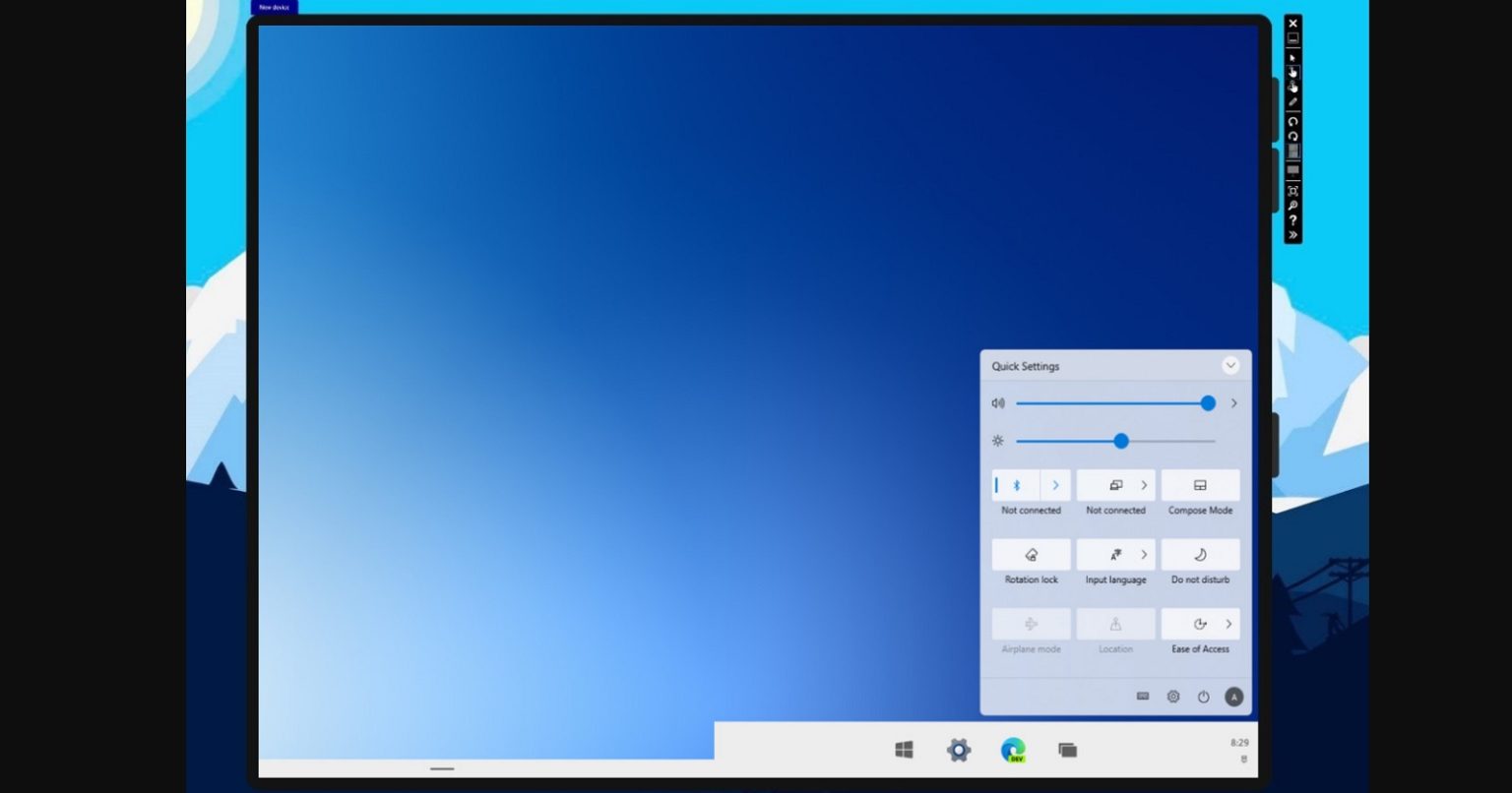
Microsoft has been working on a new version of Windows 10, which is called Windows 10X, for many months now. The operating system was supposed to launch this year but the company postponed it and made few changes to its initial plans.
Now, Windows 10X, which is built on top of the Windows 10 core operating system, is expected to officially release in the second quarter of next year. With just a few months to the launch, details are surfacing online.
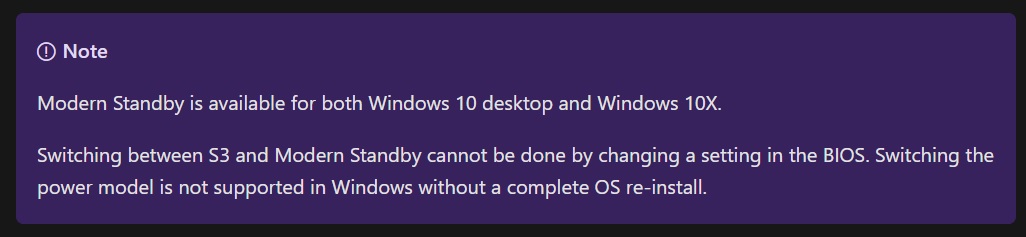
A new report reveals that the Windows 10X from Microsoft will come with a ‘Modern Standby’ feature to offer an instant-on and always-connected experience.
Currently, most Windows-powered laptops take some time to wake up from sleep mode. With instant-on, as the name indicates, the company aims to offer an experience where the system resumes as soon as the lid is open.
Another addition is the always-connected feature that will enable the apps to work in the background even during sleep mode. This will be helpful for apps like emails, allowing it to fetch email messages in the background. Most Windows Store Apps are said to be compatible with this feature.
Apart from the Modern Standby feature, the upcoming Windows 10X is expected to come with several other features and improvements, including a new File Explorer. To know what’s up the company’s sleeves, we will have to wait for a few more months.
For those who are unaware, the Windows 10X project started out with a focus on dual-screen and foldable devices, but a few months ago, the company delayed the launch and revealed that it’s changing focus to single-screen devices for the initial release.
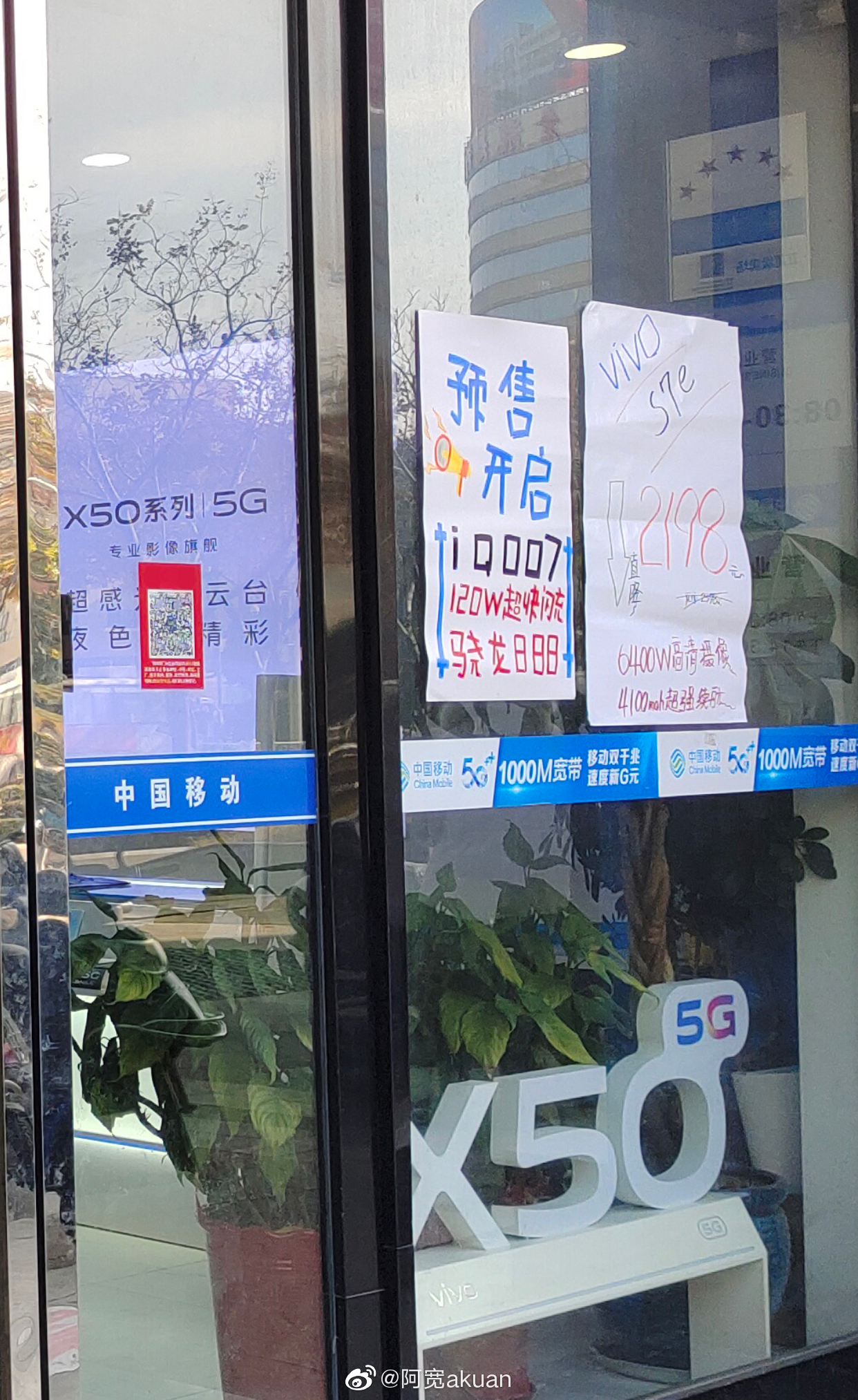
The iQOO 7 will be one of the first Snapdragon 888 powered smartphones to be in China. Recent reports have suggested that it is likely to go official before the Spring Festival of China, which falls on Feb. 12. On Friday, a Weibo user spotted a pre-sale poster of the upcoming iQOO 7 at a retail outlet in China. It seems that the smartphone may launch at some point in the coming month.
The Weibo user claimed that he spoke to the clerk at the store to ask about the iQOO 7. The clerk revealed that the stock of the next iQOO flagship will be available in about half a month. It appears that this in line with a recent leak that the iQOO 7 may break cover by mid-January.
While iQOO has already shared a rear render of the iQOO 7 to reveals its design, it is yet to reveal its front design and specifications. Like it did for the iQOO 5 Pro, the company will be selling a special BMW edition for the iQOO 7. The poster image by the Weibo user reveals that the smartphone will be accompanied by a 120W charger. Hence, it could be arriving as the first Snapdragon 888 powered smartphone with a 120W charger.
It is speculated that the iQOO V2049A phone that was recently approved by the 3C authority could be the iQOO 7 smartphone. The smartphone may carry a slightly bigger battery than the iQOO 5 Pro.
Apple has been working on a Smart Car system for a few years now under Project Titan, reports about which started surfacing online again this month related to the new battery technology and the mass production.
Recently, it was reported that the Apple Car could enter the mass production phase by the end of 2024. However, it seems that the timeline has been changed. Apple analyst Ming-Chi Kuo has now stated (via 9to5Mac) that the most realistic timeline is 2028 or later and added that the market is too bullish about Apple Car.
For his claim about the delayed launch, Kuo gives three reasons — uncertainty about the timing, uncertainty about the supplier and vehicle’s specifications, and uncertainty about the competitiveness in the EV market.
For those who are unaware, the autonomous car project of Apple has been in the works since 2014 when the company started the design of its own electric car from the scratch. However, the project struggled to proceed smoothly and at one point Apple decided to just focus on the software part of the technology.
But, after the return of Doug Field returned to Apple from Tesla a couple of years back, he started overseeing the project and revamped the team. And now, it seems that the company is making significant development in this field.
Kuo also notes that while Apple has several strengths, it doesn’t always work out for the company the way they expect. To highlight this point, he gives an example of Apple HomePod, which has struggled to get market share in the smart speaker space.
It’s also noteworthy that Apple is currently catching-up with the Electric Vehicle or Smart Car field and there are several companies that are in advanced stages of technology development or have started working on the commercial car.
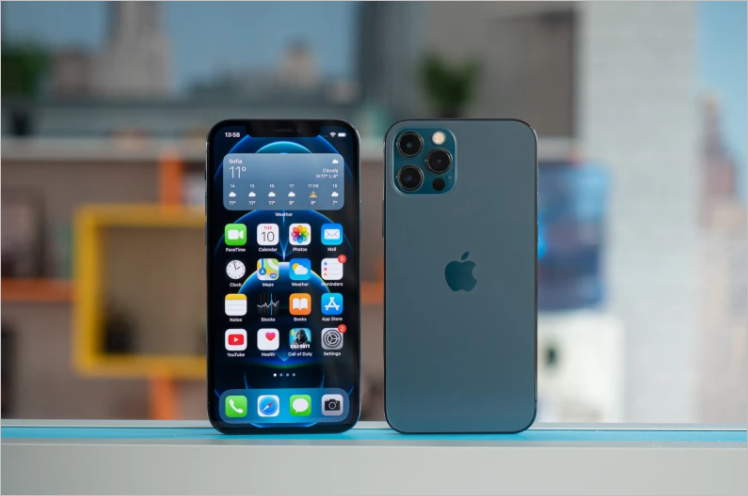
China-based display maker BOE has been trying to become a supplier of OLED panels to Apple for the iPhone 12 models for many months now but wasn’t able to secure orders from the Cupertino-based giant.
However, it seems that the company has finally managed to supply OLED screens for the iPhone 12 series to Apple. As per the reports, the Chinese company supplied the first batch of screens to Apple last week.
The development comes just days after it was revealed that BOE had finally passed Apple’s certification for supplying screens. It is not yet confirmed how many panels will be supplied by BOE to Apple for the iPhone 12 lineup but in the first batch, it reportedly sent 10,000 units of the 6.1-inch screen.
A recent report had stated that Samsung still remains the top choice for Apple when it comes to iPhone 12 screen. As a result, the South Korean company is expected to ship around 140 million OLED panels for iPhone in 2021, followed by LG Display which is expected to ship 30 million panels. Lastly, BOE is expected to ship 10 million OLED panels.
Earlier, it was reported that the BOE, which is already a display supplier for MacBook and iPad, will be supplying OLED screens for the new iPhones as Apple tries to reduce its dependence on Samsung. But the Chinese firm wasn’t able to meet Apple’s standard but after working on it for a few more months, it seems that the issues have been resolved and BOE is now a supplier for Apple iPhone 12 display panels.
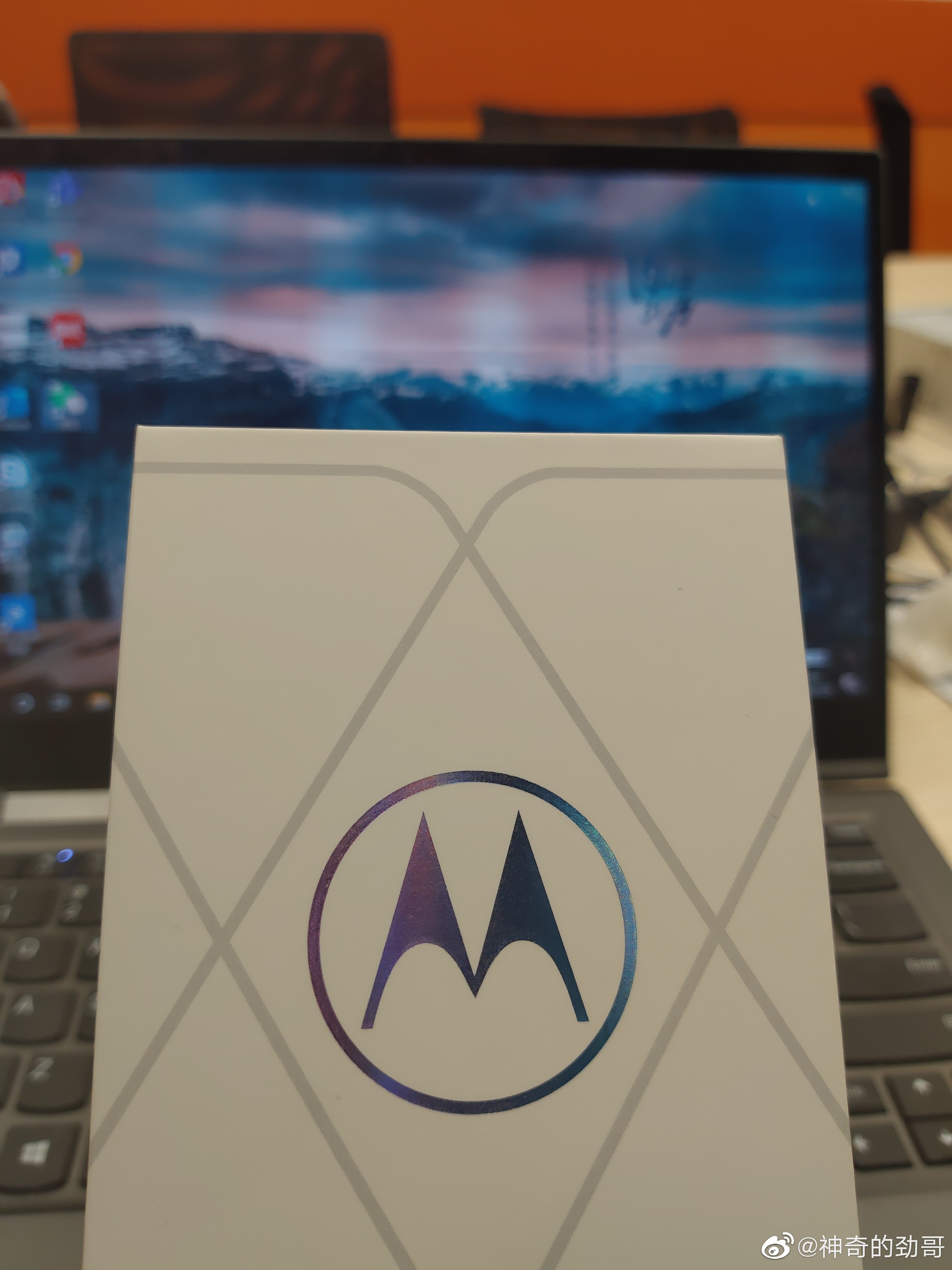
Last Friday, Chen Jin who is Lenovo China’s General Manager mobile phone business department shared a retail package of an unknown Motorola phone through Weibo. The Weibo post suggests that a couple of Motorola phones could be landing soon in China.
Lenovo sold only two Motorola phones such as Moto G7 Plus and Motorola P50 in China last year. However, the home market was treated with several Lenovo phones. This year, except for selling the Motorola Razr (2019) and Razr 5G phones, it did not launch any other Motorola branded phones in the home market. Also, very few Lenovo phones including the Lenovo Legion Pro were released in China.
In an interview last month, Jin said that the company adopted a new strategy for selling Lenovo and Motorola branded phones in China. Lenovo’s Lemon-named phones will be used to sell low budget phones. The company has already launched a couple of Lemon K12 series smartphones in China earlier this month.
The Legion brand will have performance-driven phones like the Legion Pro (aka Legion Duel in global markets). As far as Motorola branding is concerned, it will include mid-to-high smartphones. Hence, the teaser shared by Jin suggests that the company could be gearing up to launch a new mid-range or a high-end Motorola smartphone in China. Probably, the mysterious phone may go official as early as next month.
Motorola has launched a couple of 5G-ready phones such as Moto G 5G, Moto G 5G Plus, and so on in global markets recently. Probably, some of these phones could be landing in China soon. Motorola is expected to announce a Snapdragon 800-series Moto G phone soon. Also, it plans to launch a flagship phone powered by the Snapdragon 888 in 2021. The final product names of these high-end phones are under wraps.
Earlier this year, Xiaomi announced its first Wi-Fi 6 router, dubbed Xiaomi AIoT AX3600, along with the Mi 10 series flagship smartphones. Soon after the announcement, the device went on sale in China for 599 yuan, which is about $92.
Now, keeping up with the launch schedule, the company is gearing up to launch a new router along with the upcoming Mi 11 lineup, which is expected to be an Enhanced Version of the current AX3600. Ahead of the launch of this new router, the current device has received a price cut in China.
It has been confirmed through a listing on JD.com that the Xiaomi AIoT AX3600 will be available for purchase in China for 499 yuan (approximately $76) from 1st January.
As for the upcoming Enhanced Version, the company’s executive has revealed that it will have twice the bandwidth support and transmission information density has been increased by 20 percent, along with offering 2.1 times faster network speed.
To remind you of the details of the Mi AIoT Router AX3600, it is a flagship product in this category from Xiaomi. It is powered by Qualcomm’s IPQ8071A chipset that has four Cortex-A53 cores and is clocked at 1.0GHz. The chipset on the device is paired with 512MB of RAM and 256MB of internal storage.
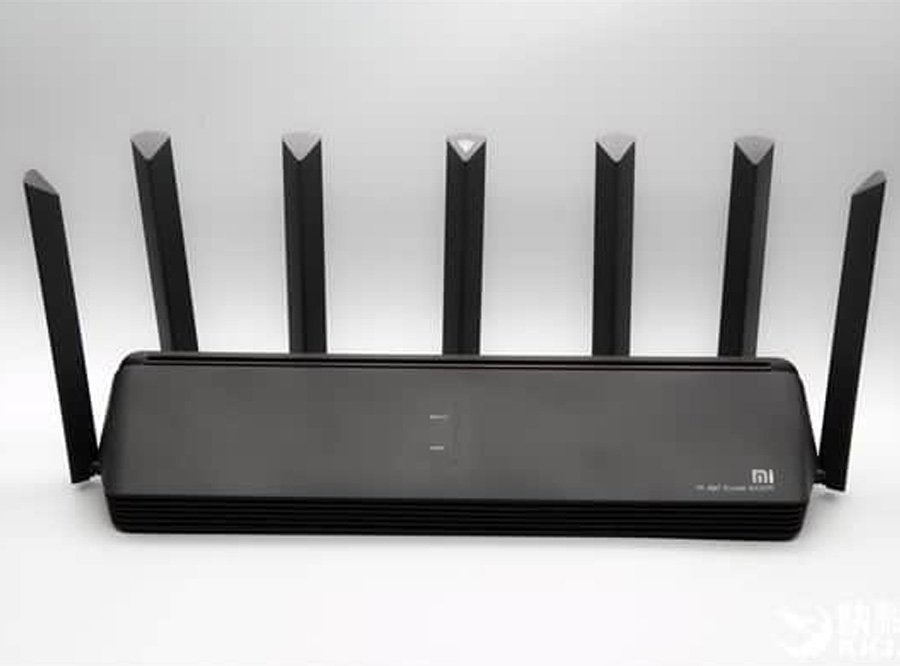
Xiaomi says that up to 248 devices can be connected to the router. The router comes with 7 high-gain antennas where one of the antennas is an IoT device antenna, two are 2.4GHz antennas and the remaining five are 5GHz antennas. It supports OFDMA technology (Orthogonal Frequency-Division Multiple Access) which allows it to send data to multiple terminal devices using only one transmission.
The Mi AIoT Router AX3600 works with the Mijia app and it automatically detects IoT devices from the surroundings, allowing users to set up via one-click configuration. It can also be controlled through a dedicated WiFi App which has been updated with new features such as real-time notification when a device connects or disconnects from the network.
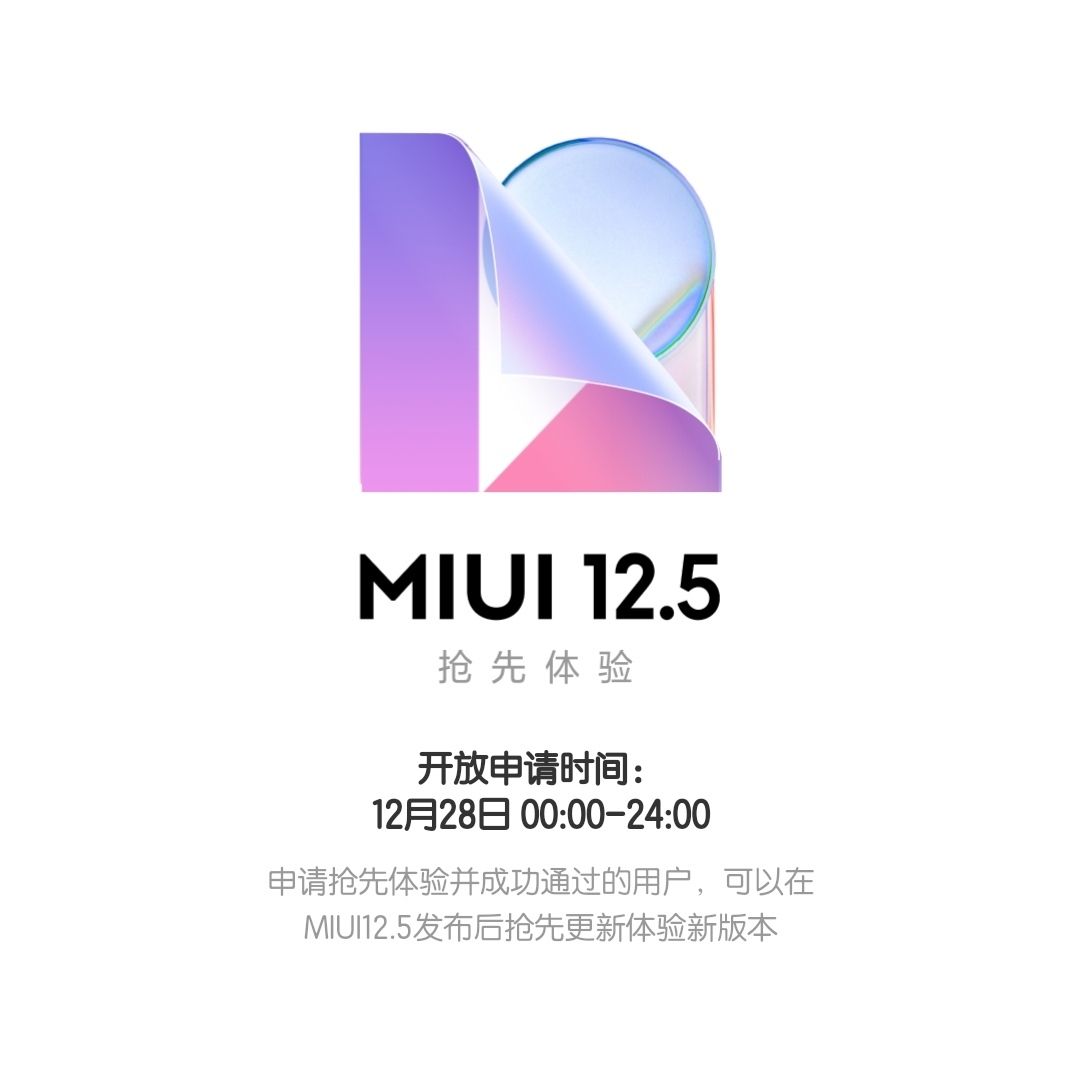
Xiaomi will be launching the Xiaomi Mi 11 later today at 7:30 PM (local time) in China. The same event will be also used to announce the MIUI 12.5. It will be announced as an updated version of the MIUI 12 that went official in China back in April. Starting from today, the company has commenced the MIUI 12.5 closed beta registrations.
The MIUI 12.5 closed beta is now available for 21 models through the “Early Access” registration process. Users in China who wish to try the MIUI 12.5 need to follow MIUI’s WeChat official account and hit “Early Access” to participate in the registration. After submitting the application, it will be reviewed and the closed beta MIUI 12.5 will be available for installation.
Reports have revealed that MIUI 12.5 will bring several improvements such as better privacy protection, cleaner UI, new animations, and more. Last week, the Xiaomi MIUI Turkey had confirmed that it will be releasing the final and stable version of the MIUI 12.5 in late February in the home market.
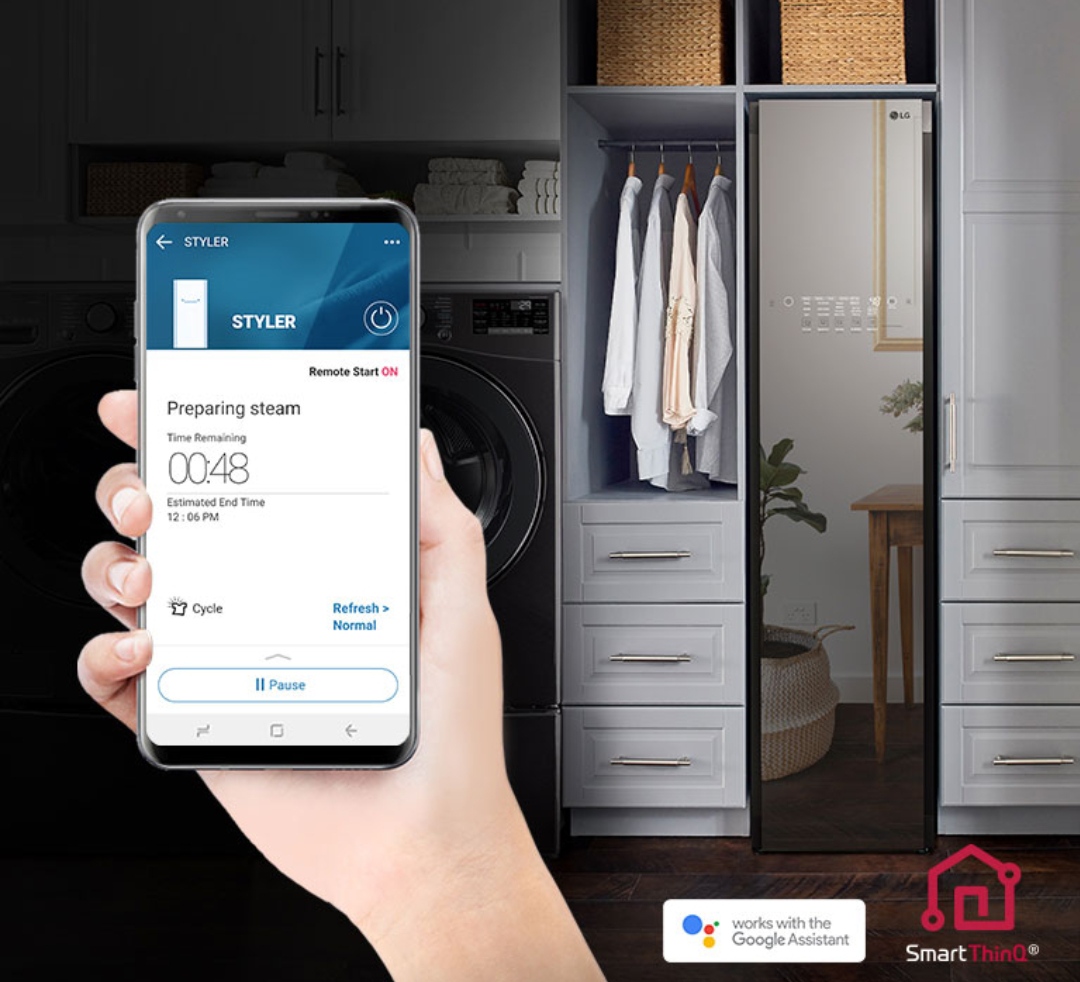
Korean tech giant LG has launched the LG Styler clothes steamer & sanitizer in India. The device offers deep-penetrating steam which not only keeps your cloth clean and virtually wrinkle-free thus maximizing the appearance of your clothing and other special-care items.
The LG Styler sanitizes the fabrics in your home and reduces allergens in clothes, bedding, sportswear, even your children’s plush toys – by up to 99% with its asthma and allergy-friendly CERTIFIED sanitizer. From clothing to pillows, this gentle steam system does it all – from getting wrinkles out of dress pants to fast drying for delicates like sweaters and lingerie (without the shrinking and damage from traditional high heat drying).
The Styler also boasts an odor-reducing feature and gentle dry with pants crease care setting, making it an ideal companion to your washer and dryer set.
The LG Styler features a crisp white finish that’s designed to blend seamlessly with your washer and dryer – for a laundry room that’s both fashionable and functional. All you need do is to plug the steam closet into a standard outlet and simply fill the water container to start your refresh.
The smart dryer can also be controlled via the SmartThinQ app right from your smartphone. It offers cycle times as fast as 20 minutes – perfect for a quick refresh.
The LG Styler is available for purchase in LG online and offline stores for a price of Rs. 160,000 (~$2175).
Commenting on the launch, Vijay Babu, VP – Home Appliances, LG Electronics India said:
“We have been launching Health & Hygiene range of Home Appliances, LG Styler is an extension of same. In the current scenario, consumers are concerned about hygiene & looking for solutions that enhance the same. We are extremely confident that LG Styler will be well received by the Indian consumers. With a sleek design and highly effective performance, the elegant LG Styler takes in-home clothing care to the next level”.
If you missed out on the major announcements and happenings from the mobile industry, then this post should bring you up to speed.
An Apple on Wheels
Apple is entering into the automobile industry and we should see the first car from the tech giant as early as 2024. It has also been reported that Apple’s car will use a new battery technology that is cheaper and has increased mileage compared to the competition.
Aye! One more Mi 10
The Mi 10 series is pretty large already with more than five members already but Xiaomi is not done yet as it plans to launch a new phone called the Mi 10i in India on January 5.
Realme has announced that its first Snapdragon 888 flagship phone for 2021 will launch as the Realme Koi. It will be nice if the phone has a special Koi fish wallpaper at the least or even a Koi-themed case that adds a bit of style.
The OnePlus Watch has been in development for a few years. It was expected to launch this year but the Chinese company changed its plans, not that it officially announced a launch date though. Nevertheless, an official statement by the CEO has said we should have the OnePlus Watch in our hands on our wrists early next year.
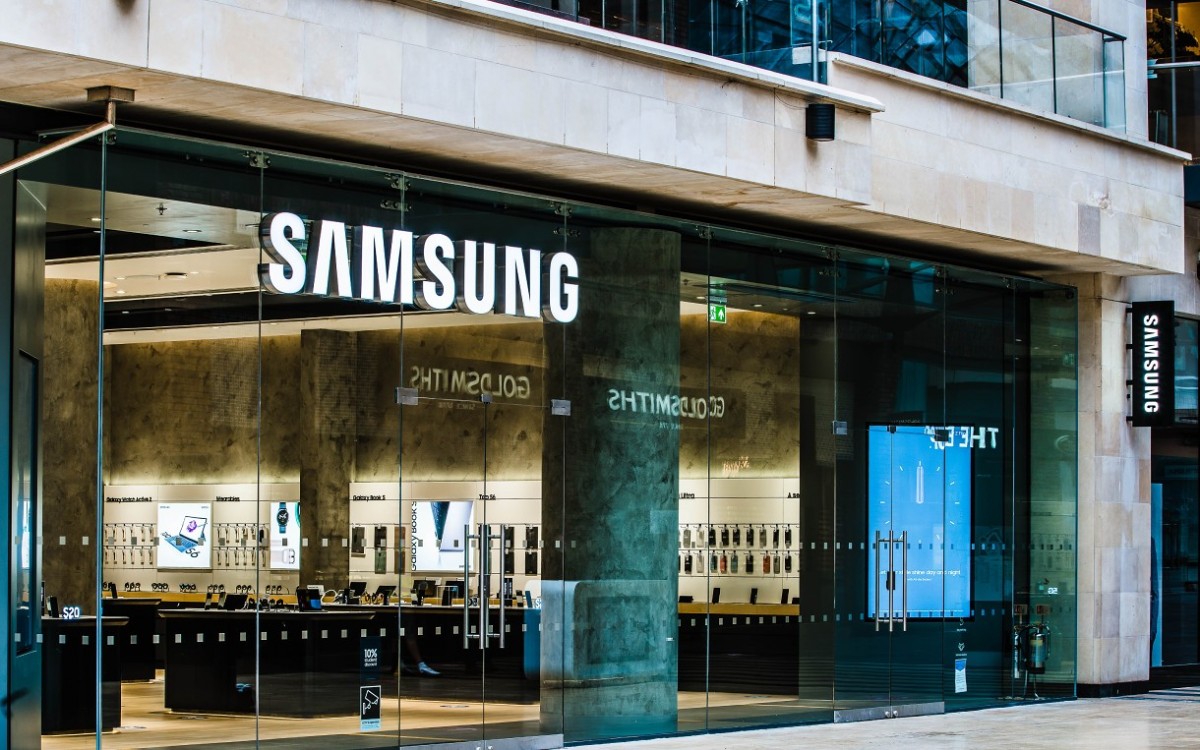
A recent report emanating from South Korea hints that global tech powerhouse, Samsung, may be unable to the 300 million thresholds for sales of its varied phone products this year, after 9 straight years of consistently massive sales globally. According to the South Korean report, it is estimated that the manufacturer will likely achieve about 270 million phones shipped out this year.
Although the report (via) did not highlight the possible causes for this massive decline in exports, the ravaging coronavirus pandemic tagged COVID-19 may have contributed substantially to its inability to meet its 9-year record.
At the end of the third quarter of 2020, Samsung confirmed that it had exported about 189 million units, which is still an appreciable figure when this year is put in perspective, due to the pandemic and other factors that significantly altered its forecasts.
According to recent updates by the South Korean tech giant, it has set a goal of eclipsing 307 million units in 2021 by expanding its mid-range and low-end 5G smartphone lineup and promoting the ever-widening segment of foldable models.
Of the projected 307 million units slated for 2021, about 287 million units, that is, about 93%, are going to be smartphones, while the remaining 7% (about 20 million units) would likely be from its feature phones stable. It is also expected that, of these 287 million projected exports of Samsung smartphones, 50 million are likely going to be flagship models.
Recently, Samsung has been making some decent inroads into the European market with a high possibility of nicking a few 5G supply contracts with some European mobile telecom operators. This was in addition to its successes in the American market, even in the face of the coronavirus pandemic.
A recent leak has highlighted the features and specs of Huawei‘s latest flagship laptop, powered by its own Kirin chip.
Recently, reports emanating from the Chinese company, which is a global trailblazer in pioneering 5G technology, says the company is presently working on the possible release of several personal computers that are powered by Huawei‘s custom-made silicon chip, called the HiSilicon ARM chip.
Frost Silver
This new leak however provides enough details about the forthcoming laptop coming from the company. However, it should be pointed out straight away that the leak was not from official sources of the company.
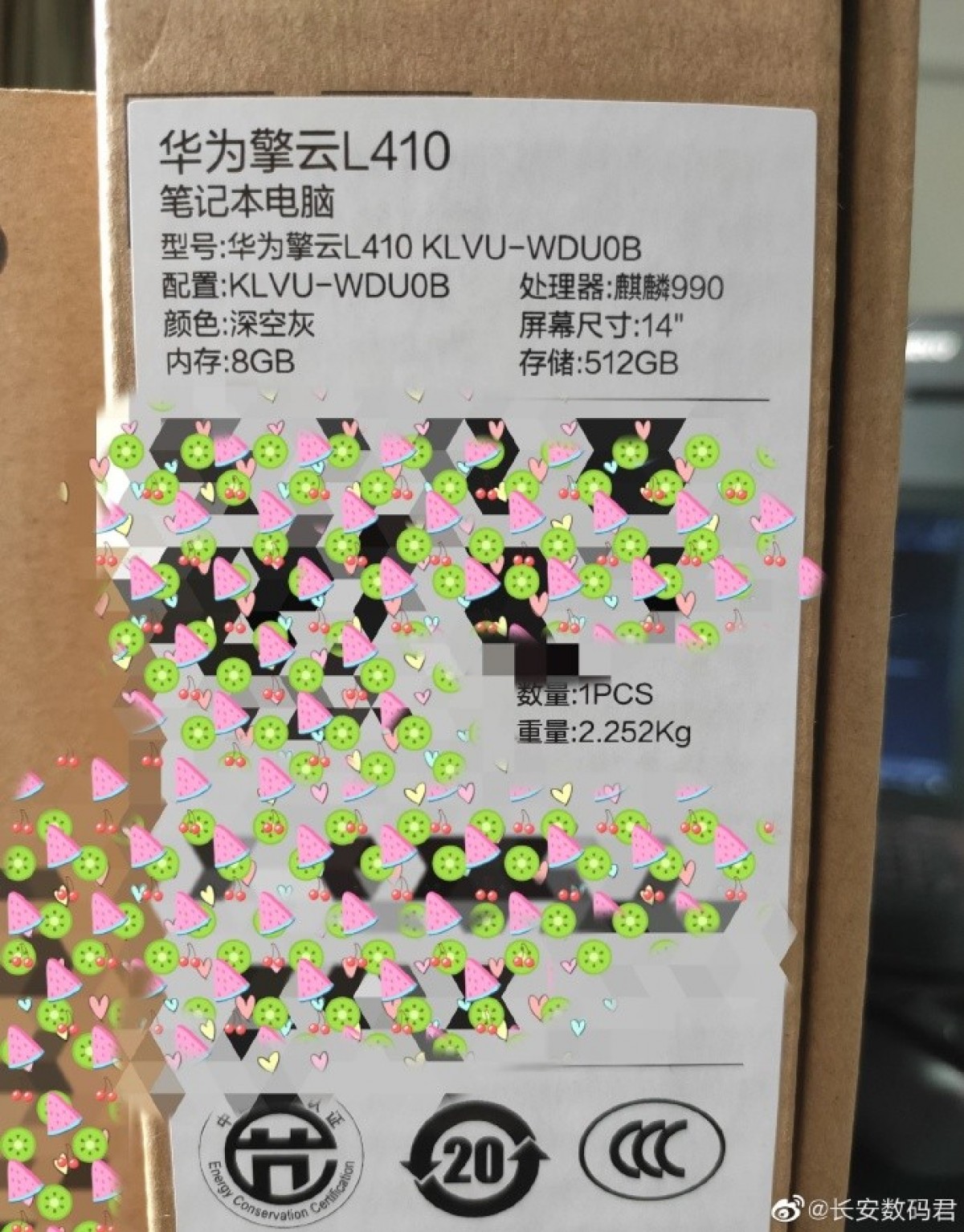
A photo of the notebook’s shipping box was released by a long-standing and reliable Weibo tipster, which revealed important specs of the soon to be released laptop.
We now present a sneak peek into the listed specs of the notebook. The device is powered by the impressive and powerful Kirin 990 chipset paired with 8GB of RAM, 512GB SSD, and a 14-inch 1080p display, well primed from excellent visuals and speed operations. The laptop has the Linux-based Deepin OS 20 operating system, and the transition to HarmonyOS will be a possibility in the nearest future.
The laptop itself has been named the Qingyun L410 and projections put its price far cheaper than the MateBook 14, even though they both come with similar specs and features. There’s also the exciting possibility of the laptop supporting 5G connectivity since its SoC has incorporated an integrated 5G modem. This 5G capability is one feature that could stand the device out and enhance Huawei’s reputation as a trailblazer in pioneering next-generation communications technology.
As should be expected, the notebook will most certainly berth in the Chinese market first before being released to the global market- that is if there were plans for the device to be released to the global market. Huawei is yet to release an official statement on the matter at this time.
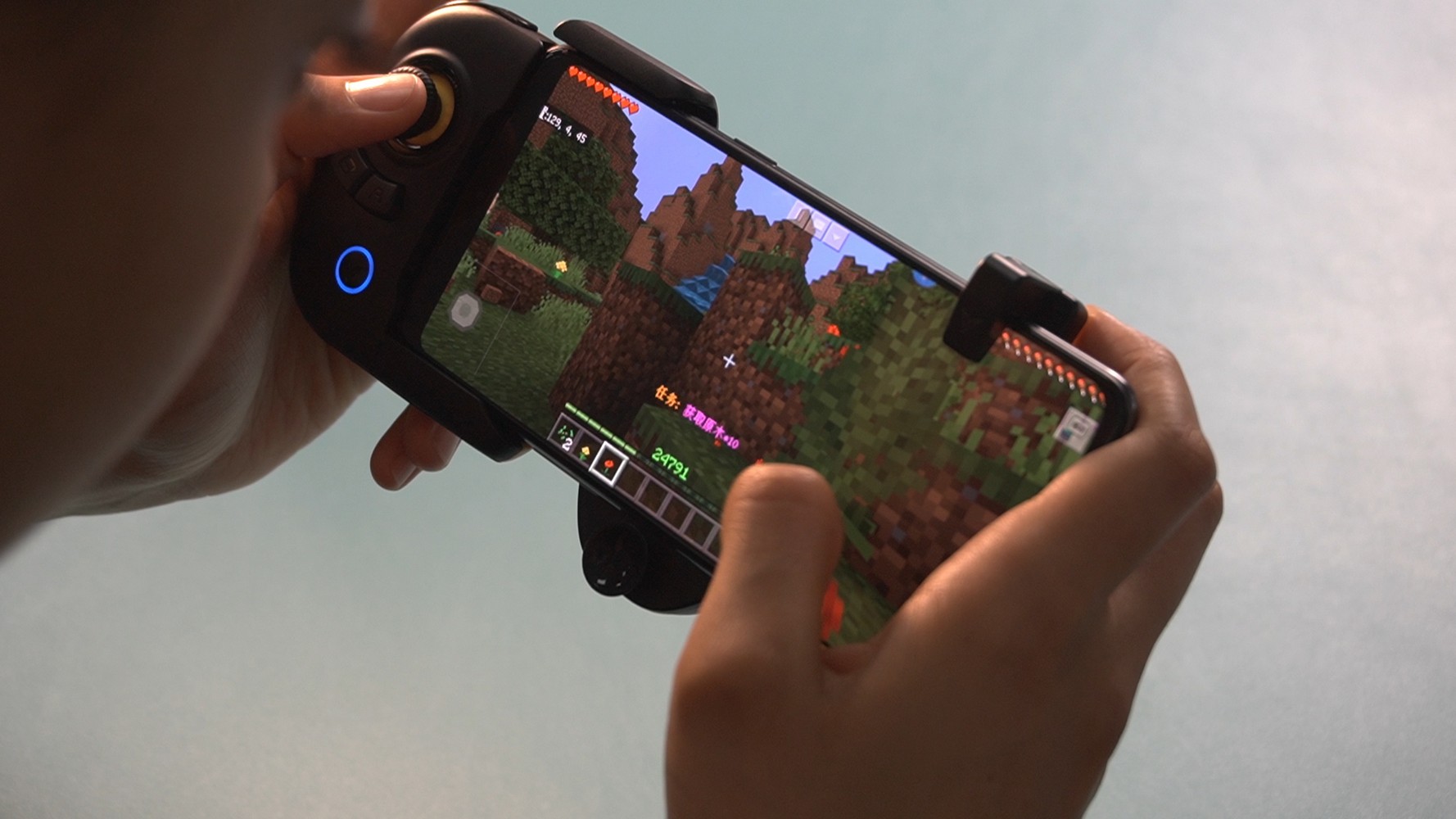
Mobile gaming has become a lot more popular over the years. It doesn’t matter if you are into multiplayer battle royal games such as PUBG, Fortnite, and Call of Duty: Mobile; role-playing games such as Genshin Impact; or racing games like Asphalt or Mario Kart Tour, there is probably a mobile game you enjoy.
With the advent of these games, mobile gaming accessories have also become popular. You can purchase a variety of controllers that can be attached to your phone to improve your gaming experience.
For our poll this week, we want to know if you use a game controller while playing or touch controls a.k.a on-screen controls or even a combination of both. So please take the poll and also post a comment telling us the type of controller you use if you use one.
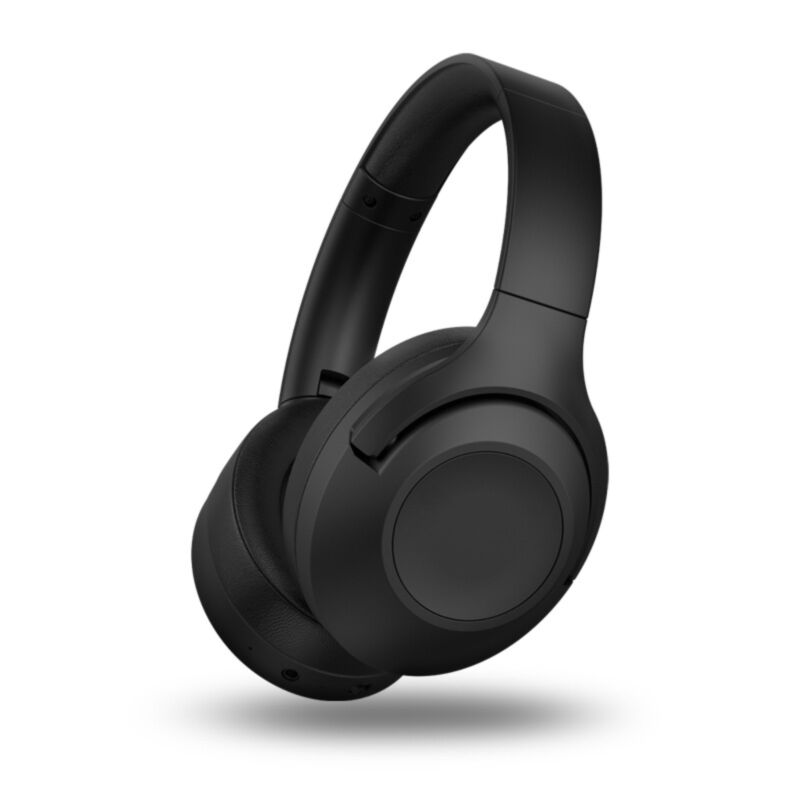
It’s the right time to give yourself a treat of wireless headphones as there are massive discounts on most of the audio devices and peripherals. Similarly, Zeaplus Studio wireless ANC headphones offering exciting features is available at a competitive price of $39.90. It offers high-quality audio along with the active noise cancellation feature.
Zeaplus Studio wireless headphones offer rotatable joints and an extended headband for comfortable wear. It features an ergonomic design and houses memory foam cushions to further improve the hearing experience. The headphone offers seamless connectivity with Bluetooth 5.0.
The users can enjoy flawless music and noiseless calls without worrying. It is quite easy to control the wireless headphones primarily using MFB button.
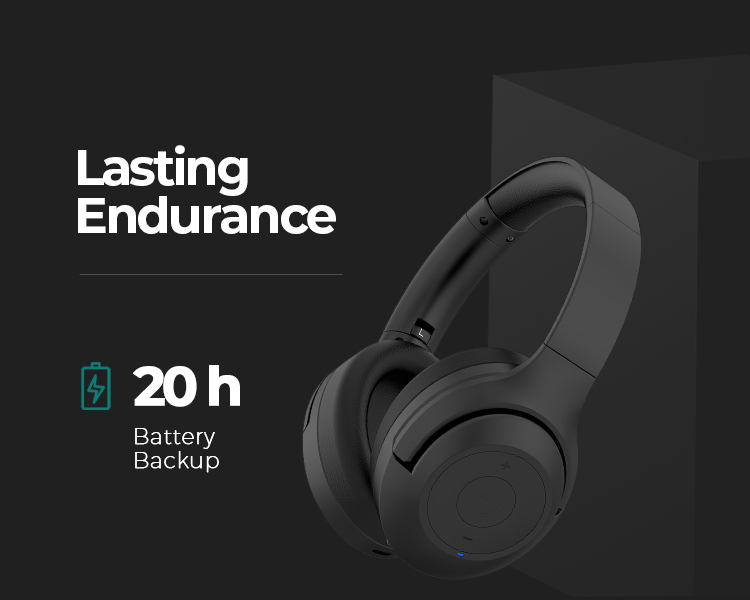
Zeaplus Studio wireless headphones carry 500 mAh battery which provides 20 hours of battery backup. However, the wired connection with ANC mode extends the battery standby time to 40 hours.
The headphones measure 7.19 x 2.92 x 9.95 inches in size and weigh 265 grams. It is available only in black colour. Zeaplus Stereo wireless headphones are retailing for the price of $39.90. However, you can enjoy $10 discount using coupon code ZS10ANC if you grab it before December 31.
The Mate 40 series was announced a few months ago. The series includes the Mate 40, the Mate 40 Pro, the Mate 40 Pro+, and the Mate 40 RS Porsche Edition. Alongside these phones, Huawei also announced a fifth Mate phone – the Mate 30E Pro 5G. However, it appears there is another Mate 40 phone in the pipeline, one that will arrive as the Mate 40E.
Huawei Mate 40E
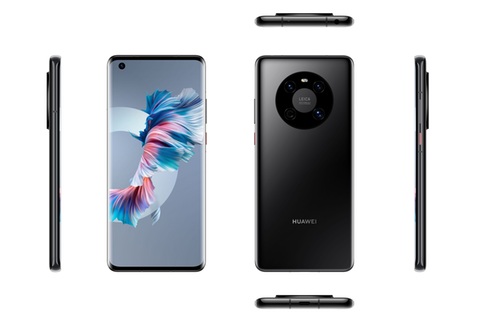
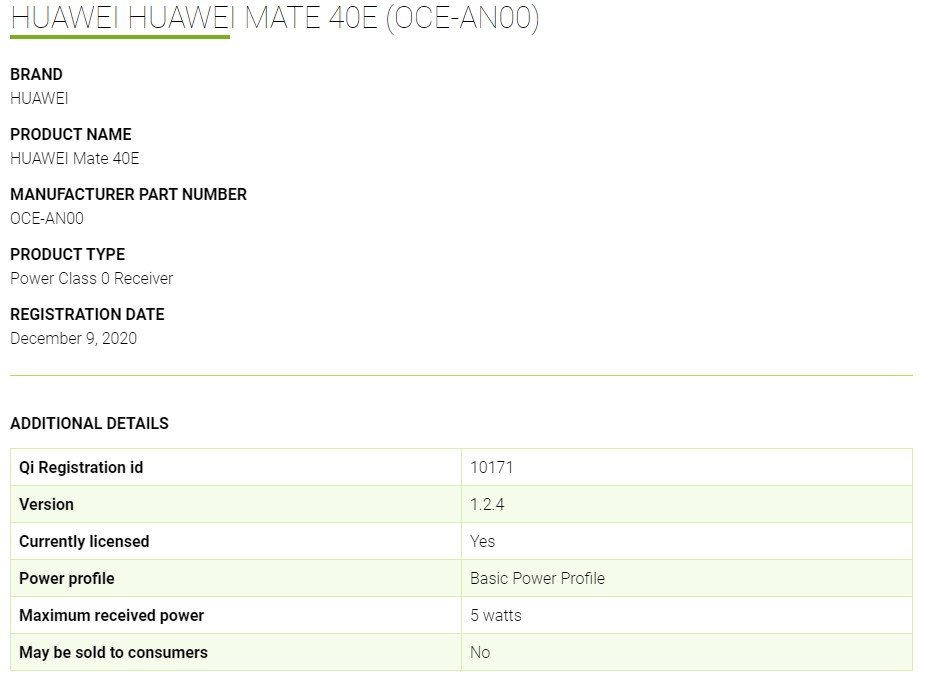
This new device was spotted in the database of the Wireless Power Consortium (WPC). The device which has model number OCE-AN00, (close to that of the Mate 40 which is OCE-AN10) was registered on December 9. The included image shows a device that looks like the standard Mate 40.
The phone packs a curved display with a hole in the top left corner of the screen for a single camera. The power button, which is red, is on the right side of the phone alongside the volume control button. On the back of the phone is a cookie-shaped camera housing that is home to four holes but three cameras. You can also see the Leica branding and an LED flash in the housing too. The Huawei Mate 40 has an audio jack and infrared sensor at the top while the bottom is home to the SIM tray, USB-C port, and a speaker grille.
TENAA already certified a Huawei phone with the OCE-AN00 model number. It has a 6.5-inch OLED screen with a 2376 x 1080 resolution. Unlike the standard Mate 40 which has a Kirin 9000E processor with a clock speed of 3.13GHz, the Mate 40E has a 2.86GHz processor. Our guess is that this might be the Kirin 990E 5G or Kirin 990 5G chipset. Since the Mate 40E has an “E” in its name, it is most likely powered by the Kirin 990E 5G.
The phone will come in 6GB, 8GB, and 12GB RAM variants with 128GB, 256GB, and 512GB storage options. The primary camera is a 50MP sensor and it comes with a 16MP sensor and an 8MP sensor which should be the ultrawide and telephoto cameras respectively. The selfie camera is a 13MP sensor.
The Mate 40E, when it launches will have support for storage expansion, an in-display fingerprint scanner, a 4100mAh battery, and run Android 10 out of the box. We do not know when the phone will be unveiled but as we can see from the specs, the Mate 40E is just a Mate 40 with a Kirin 990E 5G or Kirin 990 5G chipset, which means it should sell for less when it is announced.
Huawei most likely made this model due to its chip production issues. The Kirin 9000 series is in limited supply, so it is practically launching a Mate 40 phone with a last-gen processor.
Do you need a phone supporting the 5G connectivity but you have a very limited budget? At the moment, you have a very high amount of choices, especially if you are from China. That is why we decided to publish a comparison between the latest affordable 5G phones. In this comparison, you will see three phones available in Asia, two of which already hitten the shelves in Europe as well. We are talking about Realme 7 5G and OPPO A73 5G, both available worldwide. Given its high value for money, we also included the Redmi Note 9 5G which is only sold in the Chinese market for now, but it will surely debut in other regions soon.
Realme 7 5G vs Xiaomi Redmi Note 9 5G vs OPPO A73 5G
Triple 48 + 8 + 2 MP f/1.8, f/2.2 and f/2.4
13 MP f/2.3 front camera
Triple 16 + 8 + 2 MP f/2.2, f/2.2 and f/2.4
8 MP f/2.0 front camera
BATTERY
5000 mAh, fast charging 30W
5000 mAh
Fast charging 18W
4040 mAh, Fast charging 18W
ADDITIONAL FEATURES
Dual SIM slot, 5G
Dual SIM slot, 5G
Dual SIM slot, 5G
Design
With Realme 7 5G, Redmi Note 9 5G, and OPPO A73 5G you do not get premium designs, unfortunately. All the phones are built with a plastic body, so you do not get premium materials. If you want the best build quality, then you should go for the Redmi Note 9 5G which boasts the Gorilla Glass 5 protection for the front panel and it has a water-repellent coating. If you want the best look, then I believe you should opt for the Realme 7 5G as it comes in more attractive color variants. If you need the most compact phone, then choose the OPPO A73 5G which is actually thinner and lighter.
Display
You should definitely discard the Redmi Note 9 5G if you want the most advanced display. Unlike its two rivals, the IPS panel of the Redmi Note 9 5G has a standard refresh rate. With the Realme 7 5G, you can get a 120 Hz refresh rate, while the OPPO A73 5G has a 90 Hz refresh rate. The refresh rate is the most important difference between these displays, that is why Realme 7 5G wins the comparison. Each of these devices features a 6.5-inch diagonal and a Full HD+ resolution with 1080 x 2400 pixels.
Hardware/Software
Do you need the most powerful hardware department? Then go for the Redmi Note 9 5G without thinking twice. It is fueled by the Dimensity 800U chipset by MediaTek, it offers up to 8 GB of RAM and UFS 2.2 internal storage up to 256 GB. Realme 7 5G has exactly the same chipset and the same amount of RAM, but the internal storage is UFS 2.1. The OPPO A73 5G is available in the 8/128 GB configuration only, but unfortunately, it has a weaker Dimensity 700 chipset. OPPO A73 5G, Xiaomi Redmi Note 9 5G, and Realme 7 5G are all based on Android 10.
Camera
The most advanced camera phone of this trio is the Realme 7 5G: on the rear side, it has a 48 MP main sensor, an 8 MP ultrawide lens, and a pair of 2 MP sensors for macros and depth calculation. You get the same department with the Redmi Note 9 5G with the exception of the depth sensor. The OPPO A73 5G is a bit disappointing because it has a 16 MP main sensor instead of the better 48 MP one found on the Realme 7 5G and the Redmi Note 9 5G. The best front camera belongs to the Realme 7 5G boasting a 16 MP sensor.
Battery
Realme 7 5G and Redmi Note 9 5G have the same 5000 mAh battery capacity, but the Redmi Note 9 5G provides a longer battery life because its display has a standard refresh rate. Naturally, you could achieve a similar result by using 60 Hz on the Realme 7 5G. Further, the Realme 7 5G has a faster charging technology with 30W power. The OPPO has a smaller 4040 mAh battery and it can not compete with its opponents.
Price
Realme 7 5G is priced €279/$343 globally, OPPO A73 5G has a €300/$369 listing price, Note 9 5G is still not available in the global market and it carries a €192/$236 price tag in China. The winner of this comparison is the Realme 7 5G due to its 120 Hz refresh rate and great cameras.
Happy Holidays everyone! There are just a few days left before the year wraps up and the mobile phone industry intends to end it in style. The last week of the year is loaded with two major product announcements – the global debut of the Snapdragon 888 and the Exynos 1080 processor. These two processors will make their first appearance in smartphones from Xiaomi and Vivo respectively, two manufacturers that are not only Chinese giants but also global giants.
Xiaomi unleashes the dragon with the Mi 11
The first is Xiaomi who will announce the Mi 11 series on Monday, the 28th of December. The new flagship will be the first in the world to be powered by the Snapdragon 888 processor that was announced by Qualcomm at the beginning of this month.
Vivo to show off the Exynos 1080’s performance with the X60 series launch
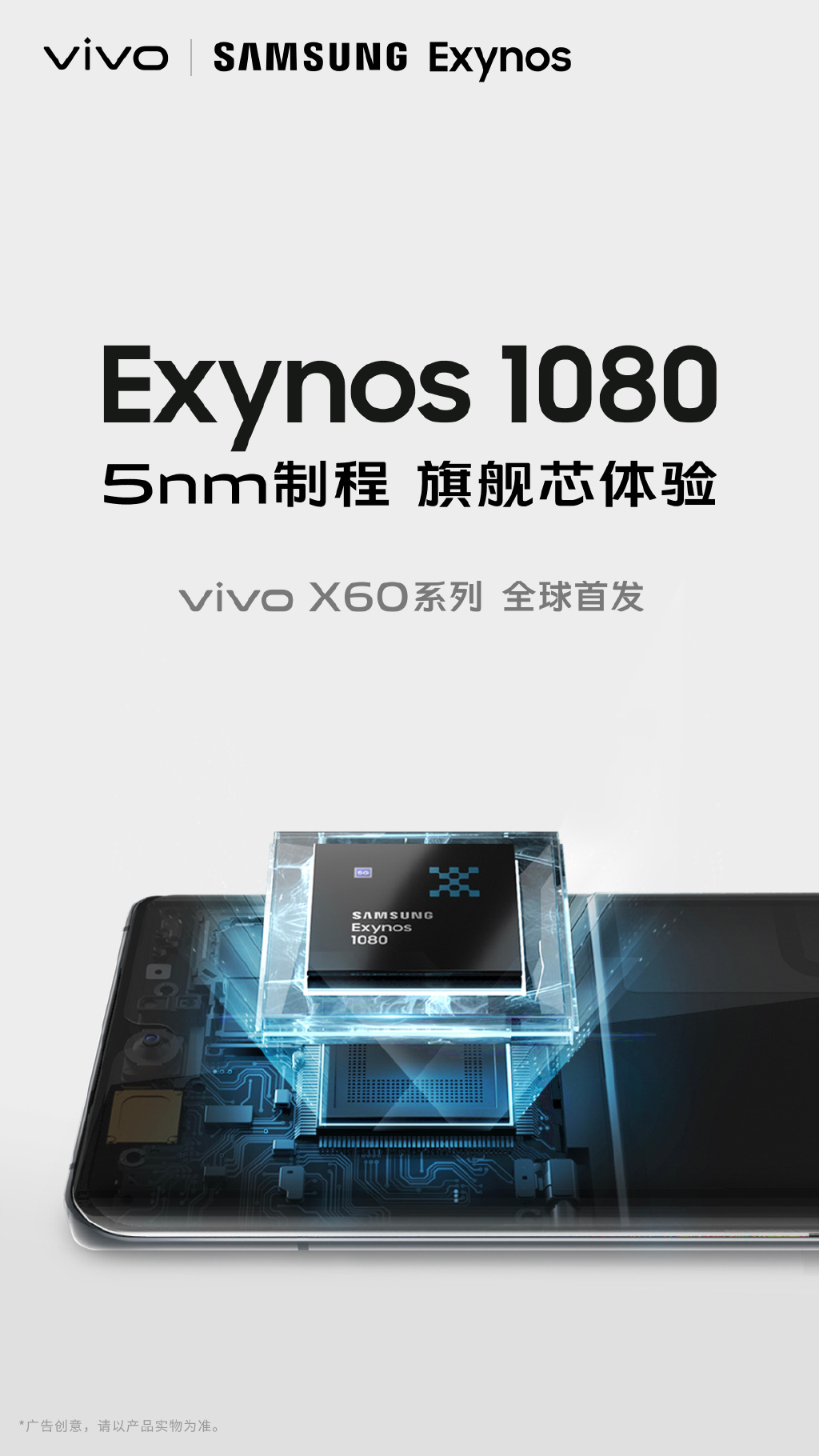
A day after Xiaomi’s event, Vivo will announce the Vivo X60 series which will be the first phones to be powered by Samsung’s Exynos 1080 processor that was launched in November.
The series which should consist of the Vivo X60, Vivo X60 Pro, and Vivo X60 Pro+ will be premium phones with not just a powerful chipset but also impressive cameras. Vivo has partnered with ZEISS for the cameras in its new smartphones and we are eager to see how good they are.
Internet giants have never stayed out of the ambit of controversy. For instance, Google recently caught conspiring actions to counteract strict EU rules. Now, it looks like Russia has smelled dubious activities of US Tech giants like Google’s YouTube, Twitter, and Facebook.
First reported by Financial Express, the Russian Parliament has drafted legislation against the US tech giants. Accordingly, regulators will block social media platforms like Facebook, Twitter, and Google’s YouTube if they are found guilty of censoring Russian people’s content. With this legislation, the parliament planning to restrict the companies which have been circumventing their drawbacks lately.
The reason for this development is said to be the increasing order of complaints against these companies. In fact, the censoring of content hasn’t spared the Russian media too. This move also comes at a time when other countries like Britain are considering rules to regulate these companies.
That said, the legislation has already been passed by the lower house of the parliament(State Duma). A statement from the country’s parliament says the relevant authorities would not spare any company if they limit information based on language/nationality.
For the unware, the Russian parliament is termed the Federal Assembly. It has two houses- Upper(Federation Council), Lower(State Duma). For legislation to turn into a law, it needs the approval of two houses and the consent of the President. Out of this, the above-mentioned legislation will be up for approval at the Federation Council now.
And as per reports, these are just for formalities and the Russian Govt has already upped the Ante on combating online extremism. Among the accused names, Twitter recently got a fine of $547,000 from Ireland’s DPC.
However, Google and Facebook are facing anti-trust issues in their own home country, the US. Anyway, the State Duma says other websites that carry out such unfair practices would also be banned. Let’s play the waiting game to see how this situation turns out.
Black Shark has announced a handful of new accessories for mobile phones. The accessories include a charger, charging cables for iPhones and Android, and shoulder buttons for mobile gaming.
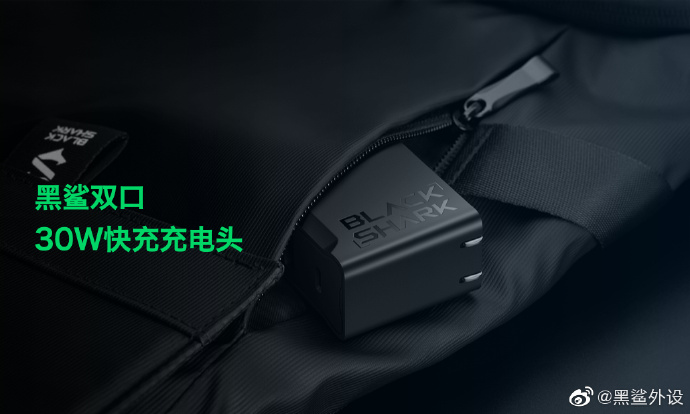
Black Shark Dual-Port 30W Charger
Black Shark’s new charger has dual-ports – a USB-C port and a USB-A port and a foldable plug. It has a maximum power output of 30W but we don’t know what each port outputs as there is no official listing of the product. It has a price tag of ¥79 (~$12).
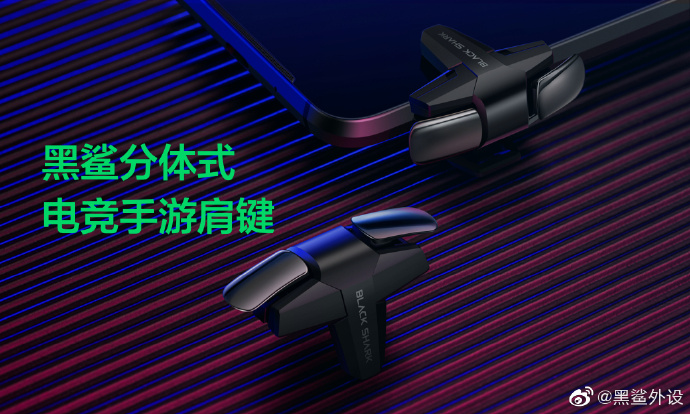
Black Shark Split Mobile Gaming Shoulder Triggers
Black Shark has also announced a pair of shoulder triggers for mobile gaming. These buttons serve as additional buttons that sit at the top of your phone. Each trigger has two buttons and is priced at ¥39 (~$6) per unit, so if you are buying for both sides, that is ¥78 (~$12).
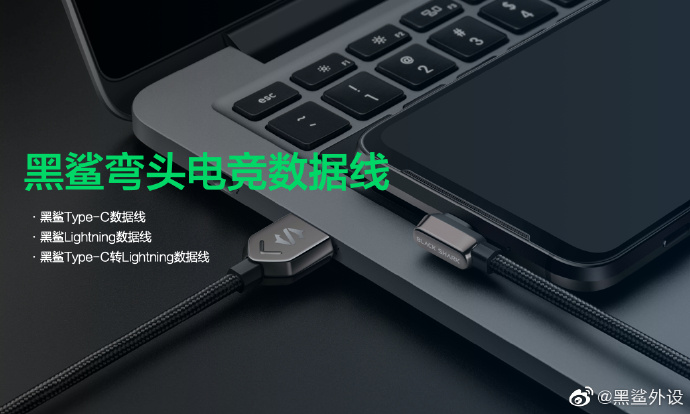
If you are in need of a USB-C data cable, Black Shark has a new one that costs ¥59 (~$9). The cable is braided and has an angled USB-C connector at one end and a USB-A connector at the other.
Black Shark Lightning Data Cable and Lightning Fast Charging Data Cable
Black Shark has two new cables for iPhones. One is priced at ¥59 (~$9) while the other which supports fast charging is ¥69 (~$10.5). Both have USB-A connectors on one end and an angled lightning connector on the other end.
These new accessories will be available for pre-order starting tomorrow at 18:00 local time and will go on sale on the 1st of January at 10:00 AM.
We use cookies on our website to give you the most relevant experience by remembering your preferences and repeat visits. By clicking “Accept”, you consent to the use of ALL the cookies.
This website uses cookies to improve your experience while you navigate through the website. Out of these, the cookies that are categorized as necessary are stored on your browser as they are essential for the working of basic functionalities of the website. We also use third-party cookies that help us analyze and understand how you use this website. These cookies will be stored in your browser only with your consent. You also have the option to opt-out of these cookies. But opting out of some of these cookies may affect your browsing experience.
Necessary cookies are absolutely essential for the website to function properly. This category only includes cookies that ensures basic functionalities and security features of the website. These cookies do not store any personal information.
Any cookies that may not be particularly necessary for the website to function and is used specifically to collect user personal data via analytics, ads, other embedded contents are termed as non-necessary cookies. It is mandatory to procure user consent prior to running these cookies on your website.