Advertisement

One UI 8.5 leaked video shows plenty of UI changes

Samsung One UI 8.5 leak

The stable One UI 8 rollout has just begun, but leaks have already started revealing important details about its next iteration, One UI 8.5. We already know that Samsung has been working on it for months, and recently, the Galaxy S25 Ultra was spotted on the test server with One UI 8.5 build. Now, a leaked video has surfaced on the internet, giving us our first look at the software well ahead of its official release.

A developer, @Feruzbek_101, was able to somehow modify the One UI 8.5 internal beta build and run it on a Galaxy S21+. The video shared by him reveals Samsung is making UI changes across various apps and functions, including the Settings app, Galaxy Themes, and Studio Editor.

The changes become visible right from the boot screen. There’s a new One UI 8.5 logo on the boot screen with gradients around it, giving it a colorful experience. Samsung has been showing a minimalist “Samsung Galaxy” text on the boot screen for years. It’s good that Samsung’s making some changes there.

One UI 8.5 boot screen UI

The Setting app is also getting some notable UI tweaks. The menu options are now compact, and there are no subtitle texts as well. The search bar is now located at the bottom, which is easier to reach, and there’s an overflow gradient on both top and bottom edges. There are also drop shadows on all containers and the search bar. The expanded search page now shows different categories in a three-column grid.

More changes are visible inside the Settings app when you tap on a specific item. The back button floats above the content and gets a drop shadow of its own, which looks similar to iOS 26. Furthermore, the One UI Home Screen page within the Settings page replaces the dummy icons with real ones.

One UI 8.5 phone app

The Phone app may be getting a big UI overhaul in One UI 8.5. As the video shows, the traditional three-tab structure is replaced with a pill-shaped design, making it easier to access options while also extending the screen’s usability. The Galaxy Studio is also getting a pill-shaped UI element. This could be implemented in more stock apps to offer users a streamlined user experience.

One UI 8.5 also brings design changes to the Galaxy Themes app. The app launch page features a giant brush icon, perhaps aiming to convey a colorful and tweaking vibe. Inside, the app shows pill-shaped buttons. The Device Care section gets a revamped UI, featuring a card design for the device health status. The individual options below show long progress bars.

You can click this link to watch the complete leaked video of One UI 8.5.

Related: Samsung devices that are eligible for One UI 8.5 update

The One U 8.5 is currently in an early phase of development, and therefore, these changes are not final yet. The stable build is expected to debut with the Galaxy S26 series in early 2026. That’s when we’ll see the full version of One UI 8.5 along with all new features and upgrades.

Remember to regularly visit our One UI 8.5 section for the latest updates on this topic. You can also follow us on Telegram to stay on top of the latest tech trends and updates.

Huawei Nova Flip S first leak reveals storage variants and price

Huawei launched the Nova Flip last year as its most affordable foldable. It looks like the company is now working on its successor. According to reliable tipster Digital Chat Station, the company is working on a new device called the Nova Flip S.

The device will reportedly come in multiple memory options: 12GB of RAM paired with 256GB, 512GB, or even 1TB of storage. The color option is said to include Sakura Pink, Zero White, Sky Blue, Starry Black, Feather Sand Black, and New Green.

On the software front, the phone will run HarmonyOS 5.0, Huawei’s latest operating system. The original Nova Flip launched with the Kirin 8 series chipset, and while this leak doesn’t confirm the processor for the Flip S, it’s reasonable to expect an upgraded chip for smoother performance.

As for price, Digital Chat Station suggests the Nova Flip S will land somewhere around 5,000 yuan (roughly $700 USD). 

Huawei Nova Flip Specifications

While other specs of Nova Flip S are yet to come, let’s take a quick recap of the specs of Nova Flip. The device measures 169.8 x 75.4 x 6.9 mm when unfolded and 87.6 x 75.4 x 15.1 mm folded, weighing about 195g. 

Huawei Nova Flip
Huawei Nova Flip

It features a 6.94-inch LTPO OLED foldable display with a 120Hz refresh rate and a 2.14-inch OLED cover screen. The main camera system includes a 50MP wide lens with OIS and an 8MP ultrawide lens, while the front houses a 32MP selfie camera capable of 4K video.

Other highlights include stereo speakers, no headphone jack, Wi-Fi 6 support, NFC, and a 4400mAh battery with 66W fast charging and 5W reverse charging. Security was handled by a side-mounted fingerprint scanner.

For more daily updates, please visit our News Section.

Stay ahead in tech! Join our Telegram community and sign up for our daily newsletter of top stories! 💡

Galaxy S25 Ultra vs iPhone 17 Pro Max: zoom test shakes things up

Samsung and Apple have gone head-to-head in another camera battle, this time focused on zoom. Popular reviewer SuperSaf recently compared the Galaxy S25 Ultra and iPhone 17 Pro Max across different zoom ranges, and the outcome wasn’t quite what many expected.

Starting at 3x zoom, Samsung looked strong. Thanks to its dedicated telephoto lens, the S25 Ultra produced crisper and more natural images than Apple, which relies on a crop from the main sensor at that level. For anyone shooting quick portraits or closer details, Samsung has the early edge.

Things turned around at 4x. That’s where Apple brings in its own telephoto hardware, and the results were immediately sharper and cleaner than Samsung’s hybrid approach. From 4x through about 4.9x, the iPhone delivered photos with noticeably better definition and less noise.

At 5x, both phones came out nearly tied, with similar sharpness and detail. From there up to 10x, it was hard to declare a clear winner, as both held up well in everyday scenarios.

When zooming way in at 20x and even 40x, the Galaxy S25 Ultra started to show its strength again. Under good lighting, Samsung’s image processing pulled out finer details, especially when capturing distant signs or text.

But in low light, the iPhone stole the show. Its larger telephoto sensor consistently produced brighter, more usable shots at every zoom level, while the S25 Ultra struggled with grain and artifacts due to artificial sharpening.

In the end, Samsung still has the edge in extreme daylight zoom, but Apple’s strong noise control, especially in low-light, makes this one of the closest battles yet between the two brands.

For those curious, here’s a comparison between the S25 Ultra and last year’s iPhone 16 Pro Max, which shows just how much Apple has improved with the latest model. On Samsung’s side, the upcoming S26 Ultra, expected in January, is rumored to keep almost the same imaging hardware as the S25 Ultra, with a stronger push toward AI-based image enhancements, similar to what we’ve seen with Google’s Pixel 10 series.

Don’t miss a thing! Join our Telegram community for instant updates and grab our free daily newsletter for the best tech stories!

For more daily updates, please visit our News Section.

Gmktec launches NucBox M5 Ultra Mini PC with Ryzen 7 7730U, up to 64GB RAM & triple 8K display

Gmktec has launched its latest Mini PC, the NucBox M5 Ultra, featuring AMD’s Ryzen 7 7730U processor and a compact chassis. The new model is now available globally and in Europe through Gmktec’s official online stores. It targets professionals, content creators, and users who need workstation-grade performance in a small form factor.

Gmktec NucBox M5 Ultra

Gmktec NucBox M5 Ultra Specifications

The NucBox M5 Ultra comes equipped with an AMD Ryzen 7 7730U processor, based on the Zen 3 architecture. The chip includes 8 cores and 16 threads, with a base frequency of 2.0GHz and a max boost clock of 4.5GHz.

It uses TSMC’s 7nm process and supports three power profiles: Silent (10W), Balanced (15W), and Performance (35W peak). Graphics is handled by integrated AMD Radeon Graphics, featuring 8 cores running at 2000MHz.

Gmktec pairs the CPU with dual-channel DDR4 RAM (3200 MT/s), offering configurations of 16GB or 32GB and support for up to 64GB. The system includes a 512GB PCIe 3.0 M.2 SSD by default and can be upgraded to 8TB per slot, totaling up to 16TB using the dual M.2 2280 slots. One slot supports both PCIe and SATA, while the second is PCIe-only.

The Mini PC supports triple display output via HDMI 2.0 (4K@60Hz), DisplayPort (up to 8K@60Hz), and USB-C DP (up to 8K). It also features dual 2.5G RJ45 Ethernet ports, Wi-Fi 6E, and Bluetooth 5.2.

The I/O selection includes 2× USB 3.2 Gen2, 2× USB 2.0, a 3.5mm headphone jack, and a Type-C port with DisplayPort and Power Delivery support.

Gmktec ships the M5 Ultra with a 19V/3.42A power adapter, VESA mount, and HDMI cable. The bare unit weighs 528g and measures 128.8 × 127 × 47.8 mm.

Pricing and Availability

The NucBox M5 Ultra is available in multiple configurations, including Barebone, 16GB RAM with 512GB SSD, and 32GB RAM with 1TB SSD. Gmktec has priced the 16GB model at $309.99 and the 32GB variant at $359.99.

As part of the launch promotion starting September 19, buyers can get a $12 / €10 discount using the code GMKM5UPR on the Global store or PRM5Ultra10 on the EU store.

For more daily updates, please visit our News Section.

Stay ahead in tech! Join our Telegram community and sign up for our daily newsletter of top stories! 💡

DJI Osmo Nano specs leak ahead of launch with 1/1.3-inch sensor and 10-bit D-Log profile

The Osmo Nano is DJI’s upcoming compact action camera that’s been floating around in rumors for quite a while. Its launch is set for September 23, but publication DroneXL spotted an early listing on an Australian retailer’s site, complete with a full spec sheet.

DJI Osmo Nano Specifications (Rumored)

At the core of the Osmo Nano is a new 1/1.3-inch sensor capable of shooting 4K video at 60fps, or slowing things down with 4K/120fps recording. The dynamic range is rated at 13.5 stops, and there’s a 10-bit D-Log M color profile for those who want more flexibility in post-production. DJI is also adding a Super Night Scene mode for low-light shooting.

For action-packed shots, the Osmo Nano doesn’t skimp on stabilization. It comes with DJI’s familiar RockSteady 3.0 stabilization along with Horizon Balancing, both of which support 4K/60fps recording. The camera also has a 143-degree ultra-wide lens.

Moreover, DJI claims the cam can offer up to 200 minutes of 1080p recording, and with fast charging, you can reportedly reach 80 percent in just 20 minutes. Other useful touches include USB 3.1 high-speed transfer, microSD expansion, and waterproofing up to 10 meters without a case. With the optional Osmo Pod, the device is rated at IPX4 splash resistance, making it more versatile for outdoor shoots.

The Osmo Nano also has creator-friendly features, like gesture controls, pre-recording, quick switching between landscape and portrait, and live previewing. 

There’s even Wi-Fi 6 support for faster wireless transfers. On the audio side, DJI is offering a direct Osmo Audio connection with dual microphones, removing the need for a separate receiver.

As for pricing, the 64GB model is expected to cost €369, while the 128GB version will be priced at €399.

For more daily updates, please visit our News Section.

Don’t miss a thing! Join our Telegram community for instant updates and grab our free daily newsletter for the best tech stories!

(Source)
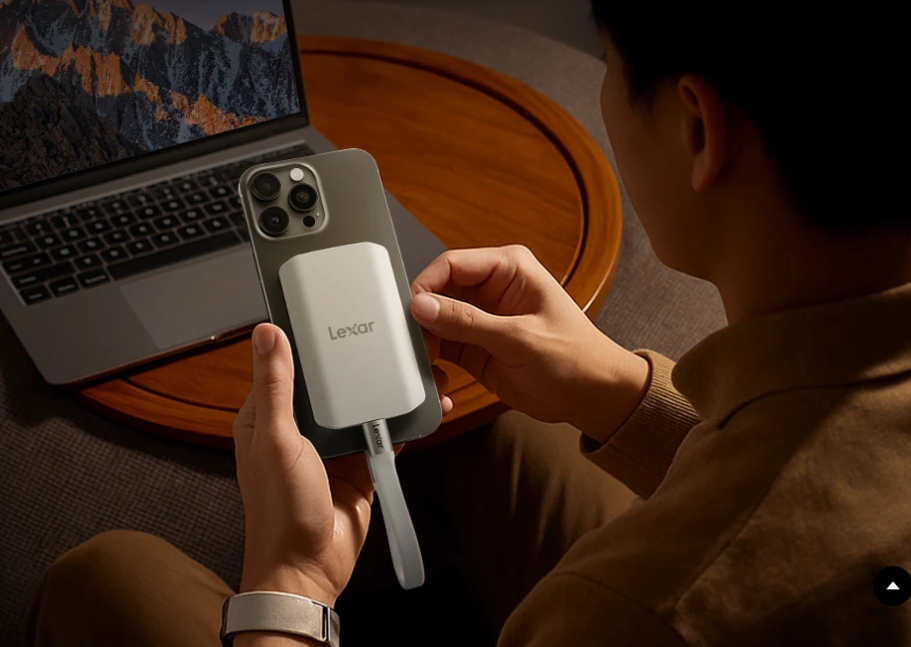
Garmin Bounce 2 Official: LTE, Text Messaging, Amazon Music, and Geofencing

Garmin has launched the Bounce 2, a smartwatch for kids with LTE connectivity that allows parents to stay in touch through two-way calling, text messaging, and real-time location tracking. The watch also offers fun and activity-focused features for children.

Bounce 2

Garmin Bounce 2 features:

Using the Garmin Jr. app on a compatible smartphone, parents and approved contacts can call or send messages to their child. Bounce 2 has a built-in speaker and microphone for calls and voice messages. Kids can respond with voice messages or use the full keyboard to send texts. Voice message transcriptions allow parents to read messages when listening is not possible.

The watch shows the child’s location in real-time and supports temporary geofencing. Parents are notified when the child enters or leaves a designated area.

Bounce 2 tracks running, walking, bicycling, jump roping, pickleball, and team sports. Kids can access animations, watch faces, and color themes. The watch also supports Amazon Music, allowing children to download songs to listen on the watch or compatible headphones (Amazon Music for Prime or Unlimited required). Voice commands let kids call parents or start timers.

The watch has a round 1.2-inch AMOLED display, touchscreen, and two side buttons for navigation. It is swim-friendly and built to handle daily activities. The battery lasts up to 2 days.

Availability and Pricing

Bounce 2 is available in light purple, turquoise, and slate gray. The retail price is $299.99. Garmin smartwatch plans cost $9.99 per month. Early buyers may receive additional offers.

For more daily updates, please visit our News Section.

Don’t miss a thing! Join our Telegram community for instant updates and grab our free daily newsletter for the best tech stories!

(Source)
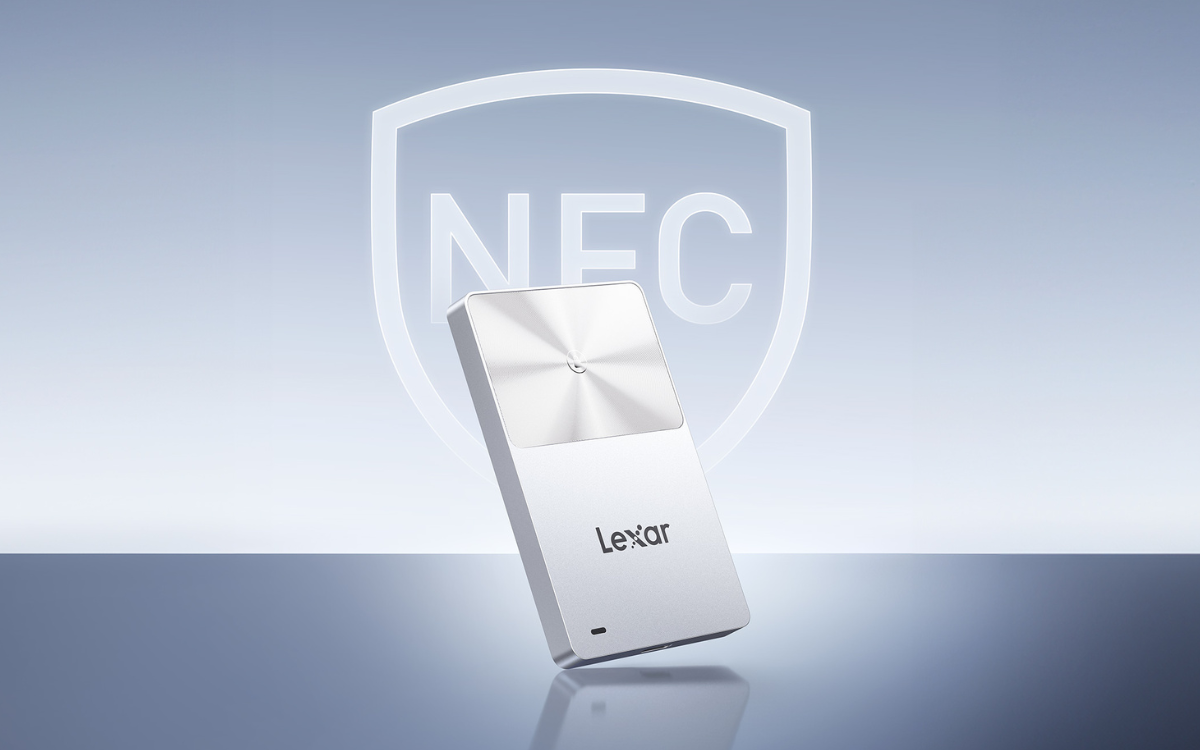
Huawei Watch GT 6 Global Launch: Titanium Build, AMOLED Display, and Long Battery

Alongside the Watch Ultimate 2, Huawei has also introduced the Watch GT 6 and Watch GT 6 Pro for global markets. The lineup features improved durability, extended battery life, and new health tools.

Huawei Watch GT 6

Huawei Watch GT 6

The Watch GT 6 comes in 41mm and 46mm sizes, while the Pro version is only available in 46mm. Both retain the sharp-angle design from the GT 5 series but with a more refined finish. The 41mm version uses a round case and targets a more fashionable look, while the 46mm models feature an octagonal frame. The smaller model has a 1.32-inch AMOLED display, while the larger ones use a 1.47-inch AMOLED panel.

The Watch GT 6 Pro offers a brighter and stronger build than its predecessor, with up to 3,000 nits of brightness, sapphire crystal glass, and an aerospace-grade titanium alloy case. The design is both lightweight and durable, rated IP69 and 6 ATM water resistant.

Huawei Watch GT 6

Battery performance is a key upgrade. The 46mm version delivers up to 12 days of battery life in normal use and up to 21 days with power-saving mode. The 41mm model offers 7 days of standard use and up to 14 days in power-saving mode. These improvements are driven by high-silicon stacked batteries, which increase energy density by 37 percent, effectively doubling endurance compared to earlier models.

The new lineup supports ECG, heart rate, SpO2, and sleep monitoring. It also adds virtual cycling, allowing cyclists to track performance through advanced metrics.

Price and Availability

The Watch GT 6 starts at £229.99 for both the 41mm and 46mm versions, with price variations depending on straps and the Outdoor Edition. The Watch GT 6 Pro is priced at £329.99. Early buyers will receive £30 off and a free strap for a limited period.

For more daily updates, please visit our News Section.

Tech enthusiast? Get the latest news first! Follow our Telegram channel and subscribe to our free newsletter for your daily tech fix!

Huawei Watch Ultimate 2 Announced: Design, Underwater Features, Battery, and More

Huawei has launched the Watch Ultimate 2 (Review) globally with a stronger design, advanced underwater functions, and improved connectivity. The first Watch Ultimate came out in March 2023, and the new model builds on it with refreshed looks and new features.

Design and Display

The Watch Ultimate 2 is available in Black and Blue. The Black version measures 48.5 x 48.5 x 12.9mm with a black fluoroelastomer strap. The Blue version measures 47.8 x 47.8 x 12.9mm and comes with a titanium strap plus long blue and white fluoroelastomer straps. Both support wrist sizes of 140-210mm, weigh 80.5 grams, and use a zirconium-based liquid metal case for protection. The screen uses sapphire glass and is a 1.5-inch LTPO 2.0 AMOLED panel with 466 x 466 resolution and 3500 nits peak brightness.

Features

The Watch Ultimate 2 is the first smartwatch rated for diving up to 150 meters. It supports audio features underwater with a waterproof structure. The device also includes sonar-based communication that allows messaging up to 30 meters below the surface. Users can add up to 50 diving partners, test messaging above water, and choose from modes such as recreational, technical, scuba, and free dive. The watch shows dive data including depth, time, speed, NDL, and PO2. All dive history and messages can be reviewed on the watch and in the Huawei Health app.

Between its two crowns is the multi-sensing X-Tap control, which provides access to heartbeat, ECG, and other health data. The watch supports eSIM calling with AI noise cancellation and stable signals. Expedition Mode lets users import routes and download offline maps, supported by the Sunflower Positioning System.

Battery life reaches 11 days in light use, 6 days in typical use, and 4 days with Always-On Display. Standard mode lasts 4.5 days on Android and 3.5 days on iOS. Other functions include fall detection, action camera control, zoomable course maps, golf tracking, ball trajectory sharing, smart gestures, payments, and AppGallery support.

Pricing & availability

The Watch Ultimate 2 will go on sale in October. Pricing has not yet been revealed. Early subscribers can receive 10% off or a £100 coupon.

For more daily updates, please visit our News Section.

Tech enthusiast? Get the latest news first! Follow our Telegram channel and subscribe to our free newsletter for your daily tech fix!

Huawei FreeBuds 7i Debuts Globally with Gesture Controls, AI Call Clarity and Multi-Platform Support

Huawei launched the FreeBuds 7i at its Product Launch Event in Paris on September 19, 2025. The new earbuds bring gesture controls, AI-based call clarity, and support for multiple platforms.

Huawei FreeBuds 7i

The main feature is Intelligent Dynamic ANC 4.0. This system adjusts to background noise in real time, reacting within half a second. It uses three microphones and updated AI algorithms to cut noise levels of up to 90 dB, helping deliver clear calls even in loud environments.

HUAWEI FreeBuds 7i

The FreeBuds 7i can connect to two devices at once and work with both Android and iOS. For sound, they include 3D spatial audio powered by an Inertial Measurement Unit and head-tracking technology. This setup changes the direction of sound as the listener moves their head, creating a three-dimensional effect.

The earbuds are IP54 certified for resistance against dust and splashes, making them fit for outdoor use and workouts. Huawei has included four ear tip sizes and an ergonomic shape for longer listening comfort. For hands-free use, calls can be answered or rejected with a simple nod or shake of the head.

Pricing & availability

Huawei priced the FreeBuds 7i at 99.99 EUR at launch. A promotional offer is available in select regions as part of the global rollout.

For more daily updates, please visit our News Section.

Tech enthusiast? Get the latest news first! Follow our Telegram channel and subscribe to our free newsletter for your daily tech fix!

Amazfit T-Rex 3 Pro Arrives in India: Built Tough with Titanium & Near Month Long Power

Amazfit has officially launched the T-Rex 3 Pro in the Indian market. The brand’s latest rugged smartwatch made its official global debut earlier this month, and now, the T-Rex 3 Pro is making its way to outdoor adventurers and other athletes in India. So here’s everything you need to know.

Amazfit’s New T-Rex 3 Pro Hits India

The latest T-Rex 3 Pro is a premium rugged smartwatch from the brand that features a Grane 5 titanium bezel that surrounds the 1.5-inch AMOLED display for the 48mm case (1.32-inch on the 44mm model). This panel has a 480 x 480 pixel resolution, up to 3000 nits of peak brightness, and Sapphire glass for protection. Amazfit built the watch with MIL-STD-810G military grade certification and 10ATM water resistance.

Amazfit T-Rex 3 Pro
Amazfit T-Rex 3 Pro

Amazfit’s T-Rex 3 Pro runs on the Zepss OS 6, with 26GB of storage, that brings access to HYROX training and over 180 sport modes. The wearable connects via Bluetooth 5.2 with support for Bluetooth calling thanks to the built-in speaker and microphone. Users also get 2.4GHz WiFi, dual band GPS, and six satellite system support. All of this also brings features like offline maps, route planning, and ski maps with resort data.

On a single full charge, the 48mm variant offers up to 25 days of battery life, while the 44mm version offers 17 days of battery life with normal use. Other notable features include heart rate tracking, SpO2 blood oxygen mapping, sleep and stress level tracking, and various other health related functions. The Amazfit T-Rex 3 Pro has been announced in the Tactical Black color for 34,999 INR. It is available for purchase on the brand’s official website, Amazon India, and major offline retailers.

Please Note: When you buy something using the links in our articles, we may earn a small commission at no cost to you.

For more daily updates, please visit our News Section.

Tech enthusiast? Get the latest news first! Follow our Telegram channel and subscribe to our free newsletter for your daily tech fix! ⚡

Huawei MatePad 12 X Goes Global with Stunning 2.8K Display & Ultra Slim 5.9mm Metal Design

Huawei has officially launched its latest premium tablet, the MatePad 12 X. This model is arriving in the global market with an impressively thin design and a vibrant high resolution display. There’s plenty of flagship level specs, features, and more, so here are all the details.

Huawei MatePad 12 X: What does it offer?

The Chinese tech giant’s new MatePad 12 X is a rebranded version of the MatePad Air, which debuted in China last month. It arrives with an all metal design, measuring just 5.9mm thick and weighing 555 grams. The MatePad 12 X sports a tall 12-inch LCD panel with a 2.8K resolution, up to 144Hz refresh rate (VRR support), up to 1000 nits of peak brightness, and TÜV Rheinland Low Blue Light certification. Buyers can also opt for a more premium model that features the PaperMatte display.

Huawei MatePad 12 X
Huawei MatePad 12 X (2025)

Huawei packs an advanced heat dissipation system that uses a PCBA-level 3D dispensing process and a custom 3D vapor cooling chamber. The brand claims that this allows the tablet to offer a 27 percent high performance. Powering this tablet is a sizeable 10,100mAh battery pack, which supports 66W wired fast charging. Other notable features include WiFi 7, Bluetooth 5.2 (BLE support), USB 3.1 port, HarmonyOS 4.3 out of the box, a six speaker setup, 12GB of RAM, and 256GB of internal storage.

The Huawei MatePad X was just announced in two color options, namely Greenery and White. It is available for purchase in the UK for 599.99 Pounds Sterling and 649.99 Euros in Europe. Huawei is also selling the Huawei Smart Magnetic Keyboard and the M-Pencil Pro stylus separately.

For more daily updates, please visit our News Section.

Tech enthusiast? Get the latest news first! Follow our Telegram channel and subscribe to our free newsletter for your daily tech fix! ⚡

iPhone 17 vs OnePlus 13R: Display, Performance, Camera & Battery Compared

iPhone 17 and OnePlus 13R represent two different approaches to premium smartphones in 2025. Apple focuses on refinement, ecosystem integration, and balanced performance, while OnePlus delivers aggressive hardware upgrades and competitive pricing. This comparison is important for buyers who want to know whether the refined Apple experience or the feature-packed OnePlus powerhouse offers better value.

1. Design and Display

iPhone 17
iPhone 17

Build and Feel:
iPhone 17 comes with a glass front and back protected by Ceramic Shield 2, paired with an aluminum frame. It is IP68 rated, ensuring solid resistance to dust and water immersion. The OnePlus 13R also uses glass with Gorilla Glass 7i protection and an aluminum frame, but it carries an IP65 rating, making it resistant to dust and light water jets rather than deep immersion. Apple’s higher water protection and premium Ceramic Shield provide more reliability for durability.

Verdict: The iPhone 17 feels more premium and secure in long-term use.

Display Quality:
Apple uses a 6.3-inch LTPO Super Retina XDR OLED panel with HDR10, peaking at 3000 nits brightness. The OnePlus 13R counters with a larger 6.78-inch LTPO 4.1 AMOLED display, supporting HDR10+, Dolby Vision, and HDR Vivid, peaking at 4500 nits brightness with 2160Hz PWM for reduced flicker. The OnePlus display is more advanced in terms of brightness and versatility, ideal for HDR streaming and gaming.

Verdict: OnePlus 13R leads in display technology.

Verdict:
While Apple offers more durability and compact elegance, OnePlus delivers a superior visual experience. Buyers valuing ruggedness may lean towards the iPhone 17, but for display enthusiasts, the OnePlus 13R is the better choice.

Please Note: When you buy something using the links in our articles, we may earn a small commission at no cost to you.

2. Specifications

Oneplus 13R
Oneplus 13R

Performance:
iPhone 17 runs on Apple’s A19 3nm chip with a 6-core CPU and 5-core GPU. It is known for unmatched single-core performance and software optimization. The OnePlus 13R runs the Snapdragon 8 Gen 3, paired with up to 16GB RAM and UFS 4.0 storage, offering multi-core efficiency and more RAM capacity. The A19 chip excels in sustained efficiency, while the Snapdragon delivers raw multitasking power.

Verdict: iPhone 17 is better for smoothness and updates, while OnePlus 13R is stronger for heavy multitasking.

Battery and Charging:
iPhone 17 houses a 3692 mAh battery with 50% charge in 20 minutes via wired PD2.0 and supports 25W wireless MagSafe/Qi2. OnePlus 13R packs a massive 6000 mAh battery with 80W fast charging, reaching 100% in under an hour. The difference is striking; OnePlus offers nearly double the endurance and far quicker charging.

Verdict: OnePlus 13R dominates in battery life and charging convenience.

Verdict:
Apple delivers optimized performance for longevity, but OnePlus offers sheer power and far better battery stamina. For heavy users, the OnePlus 13R is the practical choice.

3. Camera

iPhone 17
iPhone 17

iPhone 17 has a dual 48MP system—wide and ultrawide, both with advanced OIS and Dolby Vision HDR support. The OnePlus 13R offers a triple system: 50MP wide with OIS, 50MP telephoto with 2x optical zoom, and 8MP ultrawide. Apple ensures consistent image quality with excellent HDR processing, but OnePlus provides more versatility thanks to its telephoto lens.

Verdict: OnePlus 13R offers more flexibility, while iPhone 17 ensures more polished results.

Selfie Camera:
Apple equips an 18MP front camera with OIS, PDAF, and SL 3D sensors for depth and Face ID, capable of Dolby Vision HDR video. The OnePlus 13R uses a 16MP sensor with HDR and 1080p video. The iPhone 17 selfie system is significantly more advanced, making it better for creators and secure biometrics.

Verdict: iPhone 17 leads clearly in selfies and facial recognition.

Verdict:
OnePlus 13R is better for rear camera versatility, while the iPhone 17 dominates in selfies and video recording quality.

4. Pricing

OnePlus 13R
OnePlus 13R

iPhone 17 starts at around $800, while the OnePlus 13R costs about $600. With a $200 gap, OnePlus offers more aggressive specs for less money, making it the better value for budget-conscious buyers. However, Apple’s higher price reflects software support, stronger ecosystem integration, and durability.

Verdict: OnePlus 13R is better for value, but the iPhone 17 justifies its premium for long-term ecosystem benefits.

Disclaimer:
Prices are approximate and may vary based on country, region, and applicable taxes.

5. Conclusion

iPhone 17
iPhone 17

iPhone 17 brings Face ID with advanced SL 3D sensors, satellite connectivity for emergencies, and deep ecosystem integration with iOS 26. The OnePlus 13R highlights a larger 6000 mAh battery, ultra-bright 4500-nit display, 80W fast charging with Circle to Search, and Android 15 flexibility. Each phone has a unique focus: Apple on ecosystem and security, OnePlus on raw hardware and practicality.

Verdict:
For buyers wanting longevity, premium build, and the Apple ecosystem, the iPhone 17 is the safer pick. For those seeking hardware value, longer battery life, and a cutting-edge display at a lower price, the OnePlus 13R is the smarter option.

Read More:

Nothing Phone (3) software update brings camera, battery and Wi-Fi improvements

Nothing has released another major software update for the Phone (3), improving performance and fixing some buds. The build, Nothing OS V3.5-250911-2112, brings camera improvements along with fixes and system optimizations.

The update makes manual exposure control smoother and more precise. It also fixes a tint issue in certain scenes, which now show more natural colors. The AI SuperRes Zoom algorithm has been updated to improve the sharpness of text. Action Mode has been improved to cut down noise grains, and clarity has been enhanced for third-party camera apps. Video recording has also been upgraded with better contrast, making footage appear less hazy and more vibrant.

System changes include an optimisation for the Glyph Matrix display of Always-on Glyph Toys in multi-user mode. A bug that duplicated contact avatars when adding rules in Essential Notification has been fixed. Haptic issues when previewing Generative mode for notifications have been resolved. The About phone page now has better title alignment for Arabic.

The update also improves the Bluetooth device recording interface, available under Settings > Sound and Vibration > Bluetooth device recording. Battery usage has been optimised in certain situations, and heating has been reduced to give a more stable experience. Wi-Fi connectivity and overall network stability have been improved. Performance and system stability have also been fine-tuned.

Nothing OS V3.5-250911-2112 Changelog

Nothing has added a note that the device may temporarily heat up and use more power during the installation, but this will return to normal once the process finishes.

In other news, Nothing has teased its next major upgrade, Nothing OS 4.0, based on Android 16, calling it “Refined” and “Redefined.” With the stable release expected soon, the confirmed eligible devices are: Phone (3), Phone (3a), Phone (3a) Pro, Phone (2), Phone (2a), Phone (2a) Plus, CMF Phone 1, and CMF Phone 2 Pro.

For more daily updates, please visit our News Section.

Don’t miss a thing! Join our Telegram community for instant updates and grab our free daily newsletter for the best tech stories!

(Source)
Xiaomi announces HyperOS 3 stable rollout plan

Xiaomi HyperOS 3 stable rollout schedule

After launching HyperOS 3 last month in China, Xiaomi has quickly expanded the beta program to many devices, allowing a wider audience to get an early taste of the software. The brand has now revealed its complete rollout plans for the stable version of HyperOS 3, which will begin next month with the Xiaomi 15 series.

The HyperOS 3 stable rollout begins mid-October, but by the end of that month, Xiaomi plans to release the latest update to dozens of devices, including several flagship phones, high-end tablets, Redmi smartphones, televisions, and Xiaomi watches. The rollout will gradually cover more devices over the coming months and is scheduled for completion by January 2026.

Xiaomi HyperOS 3 stable rollout schedule

Note that HyperOS 3 has only been released in China, and this rollout plan is only applicable to that region.

October 2025

[By October 15]

  • Xiaomi 15 Ultra
  • Xiaomi 15S Pro
  • Xiaomi 15 Pro
  • Xiaomi 15
  • Redmi K80 Pro
  • Redmi K80 Supreme Edition

[By October 31]

  • Xiaomi MIX Flip 2
  • Xiaomi Civi 5 Pro
  • Xiaomi Pad 7 Ultra
  • Xiaomi Pad 7S Pro 12.5
  • Xiaomi Pad 7 Pro
  • Xiaomi Pad 7
  • Redmi K80
  • Redmi Turbo 4 Pro
  • Redmi Turbo 4
  • Redmi K Pad
  • Xiaomi TV S Pro Mini LED 2025 Series
  • Xiaomi TV S Pro Mini LED Series
  • Xiaomi TV S Mini LED 2025 Series
  • Xiaomi Watch S4 Sport
  • Xiaomi Watch S4
  • Xiaomi Watch S4 eSIM
  • Xiaomi Watch S4 eSIM (15th Anniversary Edition)
  • Xiaomi Watch S4 41mm

November 2025

[By November 15]

  • Xiaomi 14 Ultra
  • Xiaomi 14 Ultra Titanium Special Edition
  • Xiaomi 14 Pro
  • Xiaomi 14 Pro Titanium Special Edition
  • Xiaomi 14
  • Xiaomi MIX Fold 4
  • Xiaomi MIX Flip
  • Xiaomi Civi 4 Pro
  • Xiaomi Pad 6S Pro 12.4
  • Redmi K70 Pro
  • Redmi K70 Supreme Edition
  • Redmi K70
  • Redmi K70E
  • Redmi Pad 2

[By November 30]

  • Redmi TV X 2025 Series
  • Redmi Monitor G Pro 27U
  • Xiaomi Smart Band 10

December 2025

  • Xiaomi MIX Fold 3
  • Xiaomi 13 Ultra
  • Xiaomi 13 Pro
  • Xiaomi 13
  • Xiaomi Pad 6 Pro
  • Xiaomi Pad 6 Max 14
  • Redmi K60 Pro
  • Redmi K60 Supreme Edition
  • Redmi K60
  • Redmi Turbo 3
  • Redmi Note 15 Pro+
  • Redmi Note 15 Pro
  • Redmi Note 15
  • Redmi Note 14 Pro+
  • Redmi Note 14 Pro
  • Redmi Note 14 5G
  • Redmi Note 13 Pro+
  • Redmi Note 13 Pro
  • Redmi Note 13R Pro
  • Redmi Note 13 5G
  • Redmi Note 13R
  • Redmi Watch 5
  • Redmi Watch 5 eSIM
  • Xiaomi Smart Band 9 Pro
  • Xiaomi Smart Band 9

January 2026

  • Xiaomi MIX Fold 2
  • Xiaomi 12S Ultra
  • Xiaomi 12S Pro
  • Xiaomi 12S
  • Xiaomi 12 Pro
  • Xiaomi 12
  • Xiaomi Civi 3
  • Xiaomi Civi 2
  • Redmi K50 Supreme Edition
  • Redmi Note 15R
  • Redmi Pad Pro 5G
  • Redmi Pad Pro
  • Redmi Note 12 Turbo
  • Redmi Note 12T Pro
  • Redmi 14C
  • Redmi 14R 5G
  • Xiaomi TV S Mini LED Series
  • Redmi TV MAX 2025 Series
  • Redmi Smart TV A Pro Series
  • Redmi Smart TV A 2025 Series

This is the stable HyperOS 3 rollout plan for Xiaomi devices in China. For other regions, Xiaomi will likely announce a rollout plan at the HyperOS 3 global launch scheduled for September 24th.

Xiaomi will likely start rolling out the beta update soon after the global launch. If you want to be among the beta testers, check out this complete guide on how to install HyperOS beta updates.

Also read: Here are the five biggest upgrades to HyperOS 3

Remember to visit our HyperOS section regularly for the latest updates. Additionally, you can follow us on Telegram to stay on top of the latest tech trends and updates.

(source)
These OnePlus devices are eligible for four major Android updates: check if yours is on the list

OnePlus four major Android updates

OnePlus is a reliable brand when it comes to software updates. It offers timely software updates and longer software support, which is getting better with time. The brand offers a maximum of four major Android updates to its high-end smartphones. However, recent mid-range phones have also been promised the same treat.

Here, we’ve prepared a list of OnePlus phones and tablets that promise four major Android updates. Review the list below to find out if yours is in for a longer treat.

  • OnePlus 15 (last update: Android 20)
  • OnePlus 15R (last update: Android 20)
  • OnePlus 13 (Last update: Android 19)
  • OnePlus 13s (Last update: Android 19)
  • OnePlus 13R (Last update: Android 19)
  • OnePlus 13T (Last update: Android 19)
  • OnePlus 12 (Last update: Android 18)
  • OnePlus 11 (Last update: Android 17)
  • OnePlus Nord 5 (Last update: Android 19)
  • OnePlus Nord 4 (Last update: Android 19)
  • OnePlus Nord CE 5 (Last update: Android 19)
  • OnePlus Open (Last update: Android 17)
  • OnePlus Pad Lite (Last update: Android 19)

It’s great to see mid-range phones receiving the same software support as flagship phones, and hopefully, this trend will continue with upcoming phones as well.

Related: Here’s when your OnePlus device will get OxygenOS 16 update

OnePlus offers a maximum of four major OS updates, which doesn’t seem like a big deal, at least for their flagship devices, when you look at other brands. Take Oppo, for instance: it offers up to five OS updates. Even Motorola matches that. Samsung and Google are rocking the charts with up to seven major Android updates. Even the mid-range phones from Samsung now come with a promise of six OS updates. OnePlus, in the meantime, is stuck at four. It really feels like the brand needs an upgrade.

The brand is currently busy preparing for the stable OxygenOS 16 release, which would be based on Android 16. There hasn’t been an official announcement just yet, but the OxygenOS 16 closed beta testing is already live, hinting at an imminent release of the stable build.

You can head over to our Android 16 section to get all the updates on the same. Also, make sure to join us on Telegram so that you never miss an update.

Also read:
1. OnePlus devices eligible for OxygenOS 16 (Android 16) update
2. Android 16 will be the last major upgrade for these OnePlus devices

HUAWEI WATCH Ultimate 2 Review: The Versatile Safeguard & Courage Enhancer For Adventure

HUAWEI Ultimate Series

HUAWEI surprisingly updated their Watch Ultimate Series with the latest model – HUAWEI Watch Ultimate 2. The Ultimate series is undoubtedly one of the most ambitious and radical smartwatches currently available on the market. As it added professional golfing modes, diving modes and outdoor adventures, and sports tracking to the first Ultimate watch, it was destined to be one of the most versatile smart watches for both health tracking and sports assisting.

Over the past year, I’ve completed several outdoor adventures and sports activities wearing various Huawei watches, including the HUAWEI Watch Ultimate, HUAWEI Watch 5 series, and even the HUAWEI Watch Fit 4 Pro. This is likely all thanks to the Ultimate’s spirit of exploration and ambition. It has democratized professional outdoor activity tracking and route navigation across more affordable series (even given to the Fit 4 series), demonstrating far greater generosity than we’ve witnessed from the Apple Watch.

HUAWEI’s commitment to developing outdoor sports features is a boon for outdoor enthusiasts like mountaineers and hikers. The wearable market used to offer limited options with limited brands. Most of them with professional-grade features were really expensive models.

Now, HUAWEI’s integration of hardware and software capabilities across its various series has provided users with more options. In this review, I’ll share my real-world experience with the Ultimate 2, highlighting the pros and cons that might serve as reasons for your purchase.     

Structure & Design

Let us turn to the new Ultimate 2. It remains outstanding in sports tracking and health monitoring. Even by merely inheriting the predecessor’s core features, it’s more than capable of maintaining its unique competitiveness.

However, what continues to captivate me most about the new Ultimate is its design and build quality. The watch is available in Blue and Black editions. Especially the Black model, featuring rock and mountain elements, perfectly suits all kinds of outfits, though it might not be as eye-catching as the Blue one. The Ultimate 2 has an ultra-tough metal frame with a nanocrystal ceramic bezel and Sapphire-glass cover on the front face, shielding a 1.5” OLED display. I’ve tried to scratch the surface with a knife as a simple test for simulating everyday abrasion (though I know this is a bit much). Unsurprisingly, it left no visible scratches or damage.

X-TAP Sensor

The greatest upgrade is the X-TAP sensor on the side. We tried the great sensor on the HUAWEI Watch 5 Pro months ago. The X-TAP sensor houses three major sensors: ECG, PPG, and pressure sensors, which then provide faster, more accurate, and wider health measurement with fingertip touch and press. By pressing and touching the sensor for a few seconds, I can quickly start ‘Health Glance’ for a comprehensive check. And accordingly, the watch will generate a health report with up to 11 indicators. The detailed report will be accessed on the phone app, HUAWEI Health.

For outdoor activities, particularly those at high altitudes, SpO² is a particularly vital indicator. After comparing it with professional monitoring equipment, it is evident that the data measured by X-TAP from the fingertip is remarkably accurate.

Other details

Another notable design change is its more pronounced hollow-out design, lending the watch a greater sense of visual “lightness”. One more unseen design change lies in the strap, where a new release mechanism makes changing straps considerably easier.

150M Diving Mode: Water Resistance & Sonar-based Communication

In addition, to make it the most pro-smartwatch for deep diving, the designer gives it an insane water resistance structure for use down to 150 meters. I didn’t have time & testing device to put it through professional water pressure testing. And I believe most users will likely never reach its water resistance limits. However, as I have not personally tested it, I remain cautious about its ability to operate stably in deep water, and hope to update my experience in the future.

So, one of their key upgrades focuses on more professional diving capabilities, including support for diving operations at depths of 150 meters and independent underwater sonar-based communication. Regrettably, I was unable to complete a dive within the limited time available that would have sufficiently tested its new features. But I can explain in detail how it will help you complete your dive logs more safely with efficient & quick communication.

The constraints on underwater communication are markedly greater than those on land or in the air. Electromagnetic waves, on which above-water communication relies, attenuate rapidly in water, while sound waves are more sustainable for underwater but now carry less information. So the WATCH Ultimate 2 with a small sonar component can have quick and preset communication through delivering sound waves.  work better than electromagnetic or light waves, allowing for independent underwater communication.

I believe most underwater divers still rely on very primitive communication with their dive buddies, such as gestures, lights, and tapping objects. Now you can just add your dive buddies to the watch (both with the Watch Ultimate 2) and start standalone communication without any accessories. As HUAWEI claims, the watch supports over 50 predefined messages and one-touch SOS. And for the SOS function, the maximum transmission range is about 60m.

Currently, the only smartwatch I know of with similar functionality is the Garmin DESCENT series, but they place greater emphasis on pairing with the professional accessory DESCENT T2 Transceiver to accomplish a limited amount of critical communication, which is way less than the WATCH Ultimate 2 can do.

One-Touch SOS: Press and hold for 10 seconds to activate SOS mode. The Watch will automatically transmit distress signals every 25 seconds. This feature enables nearby divers to relay distress alerts, effectively expanding the transmission range of emergency signals.

More accurate positioning and navigation for Outdoors

Thanks to the Ultimate 2’s precise positioning and accurate altitude monitoring, I’ve made it an essential piece of gear for my hiking and mountaineering. I’ve worn it on numerous hikes through the Lake District in England, along the MacLehose Trail in Hong Kong, and up Mount Wutong (Elevation: 943 meters), the highest peak in Shenzhen, China. All were done alone.

Before each climb or walk, the route KML file would be imported into ‘My Route’ of the HUAWEI Health app, and sync it to my WATCH Ultimate 2 as well.

Instead of gripping my phone and constantly tapping the screen to check directions, I simply raised my wrist to display the route on the Ultimate 2. When you veer off course, the watch will also alert you with a voice prompt that you’re heading in the wrong direction.

Compared to its predecessor, the most noticeable improvement is its upgraded Sunflower positioning system. The watch supports dual-band five system positioning, including GPS, Glonass, Galileo, QZSS, and BeiDou. The mature system and updated positioning algorithm significantly reduced GPS Drift in environments with weak signals. The consistent performance of GPS has also benefited other outdoor sports that track trails and distance, such as Running and cycling. I know exactly that it takes 1.55km to run from my home to the nearest park track, and that one lap around the track is 545m. So I ran this complete route for a simple test (2.095km). Even accounting for the margin of error from pacing while waiting at two traffic lights, the distance recorded by this watch was also very satisfying: 2.15km.

As for the elevation tracking, it’s also accurate. For example, the elevation of Wutong Mountain, Shenzhen’s highest peak, is 943.7 meters, while the watch recorded my peak elevation of 940.1 meters—an error margin of less than 5 meters.

Another rather intriguing mode, particularly for outdoor users, is the expedition mode. It is functionally quite similar to hiking: adding route, positioning and navigation, and so on. But in this mode, you can mark the waypoints of important landmarks along the path to ensure a safe journey and guide a smooth return. Like the Glofing mode, the expedition mode is exclusive to the WATCH Ultimate series.

As for its performance in health tracking and sleep tracking, my conclusion remains unchanged: it absolutely stands head and shoulders above the rest. Whether introducing the new X-TAP sensor paired with the TruSense system to deliver more comprehensive and accurate monitoring, or integrating Health Glance feature to generate an instant report covering 11 indicators, these are features that other smartwatches struggle to replicate.

Cons: Software Experience

Over the past few years, I’ve reviewed various Huawei Watch series, and the distinct improvements and pleasant surprises can be sensed in each series and model. Unfortunately, even a powerhouse like the Ultimate 2 isn’t a perfect model. There is still room for improvement in its software and user experience. For example, when I import multiple routes to the watch, there’s no way to overlay multiple routes onto the map without navigation, and it’s also impossible to switch the routes during my outdoor tracking. Once I quit the navigation, the only way I can add another route to the map is to end the trip and restart it with another route navigation.

Huawei watches cannot directly connect and sync exercise data with certain fitness applications, such as AllTrails, a popular hiking tool. Whilst you may be able to sync data from the Huawei Health app to the target application via third-party solutions (such as Health Sync) – for instance, to Strava, which is used by most runners – this process is not particularly user-friendly.

Other features

There are a few ‘bonus’ features that I couldn’t go into in detail in the article, such as eSIM support (including eSIM with a standalone number), sleep breathing awareness, NFC support, and offline maps covering most countries and regions.  

Battery

As for the battery life, the fully charged Ultimate 2 can hold for about 5 days for regular use. But if you exercise daily for over 1 hour, it requires charging in about 4 days. But if you only wear it with expedition mode on, the battery life will extend to over 30 hours. Under diving mode and Golf mode, the watch lasts significantly longer, too (12-24 hours). And the watch might drain a bit faster with iOS system pairing.

Verdict

I believe you can find more specialized competitors in specific sports categories, but you’d be hard-pressed to discover a smart wearable as versatile as the Ultimate 2. Even though I still have my grievances with Ultimate 2, it remains my personal favorite at present.

I believe the best reason is that I always find myself excitedly strapping on my Ultimate 2 for outdoor activities, whether it’s running, hiking, cycling, or camping.

Yet the fact is that a smartwatch doesn’t directly grant you a healthier lifestyle or better athletic performance through its features alone. More likely, it becomes your safeguard and source of courage: by harnessing its various health and fitness features, users gain the confidence to challenge themselves and push their limits. In this regard, the Huawei Watch Ultimate 2 does a splendid job.

Vivo Y50i Debuts in China: Budget Phone with 90Hz Display & Gigantic Battery

Vivo has introduced its latest budget-friendly smartphone, the Vivo Y50i, combining performance and practicality at an affordable price point. This model brings a smooth display, an impressively large battery pack, and a capable processor. So let’s check it out.

This New Vivo Budget Phone Packs a Huge Battery & 120Hz Display

The Vivo Y50i sports a tall 6.74-inch LCD panel with an HD+ resolution, 90Hz refresh rate, up to 1000 nits of peak brightness, DC dimming, dark mode for eye comfort, up to 180Hz touch sampling rate, and TÜV Rheinland Low Blue Light certification. Under the hood, this model is equipped with the MediaTek Dimensity 6300 SoC, which powered the previous gen mid range smartphones.

Vivo Y50i
Vivo Y50i 5G

This chip is paired with up to 12GB of RAM and 256GB of internal storage. A massive 6,000mAh battery pack powers, which supports 15W charging. For photography, the rear has a 13MP shooter on the rear, while the front houses a 5MP camera for selfies and video calls. Out of the box, the Vivo Y50i runs on the OriginOS 5 custom skin, which brings various AI tools like AI erase.

Other notable features include Bluetooth 5.4, Android 15 OS, a 3.5mm audio jack, and dual nano SIM support. Vivo has just announced the new Vivo Y50i model in the Chinese market for a budget price tag of 1,499 Yuan, which is roughly around 210 US Dollars. This is for its lone 6GB + 128GB configuration. It is available in three color options, namely Diamond Black, Azure, and Platinum. In related news, the brand also unveiled the Vivo Y31 Pro and Vivo Y31 models with an affordable pricing in the Indian market earlier this week.

For more daily updates, please visit our News Section.

Tech enthusiast? Get the latest news first! Follow our Telegram channel and subscribe to our free newsletter for your daily tech fix! ⚡

Xiaomi Pad 8 Pro to feature 11.2-inch display, Snapdragon 8 Elite

Xiaomi is preparing to launch the Pad 8 series later this month. It will debut alongside the Xiaomi 17 series smartphones, though the exact launch date is still under wraps.

Pre-reservations for the tablet have already opened in China, where potential buyers can secure a unit through Xiaomi Mall for just CNY 1.

Meanwhile, tipster Digital Chat Station has shared a few details about the upcoming Xiaomi Pad 8 Pro ahead of its launch.

Xiaomi Pad 8 Pro Specifications

The tablet is expected to feature an 11.2-inch LCD and a large battery with support for 67W fast charging. Powering the device will be the Snapdragon 8 Elite processor, while on the software side, it will run Xiaomi’s HyperOS 3.

A new Xiaomi device with model number 25091RP04C appeared on Geekbench last week, scoring 2831 in single-core tests and 9260 in multi-core. The listing also shows 16GB of RAM and Android 16. The device is believed to be the upcoming Pad 8 Pro.

Xiaomi is also adding tools to make the tablet function more like a laptop. These include a new split-screen layout, a PC-level browser, and support for productivity apps such as WPS, CAJ, and CAD. The company is preparing accessories as well, including a keyboard and a new stylus, to expand its productivity use cases.

Xiaomi may reveal more details about the Pad very soon. Lu Weibing, the company’s partner and brand president, is set to host a livestream tonight at CST 7 PM to address popular questions about the upcoming Xiaomi 17 series phones. The session could also bring fresh news on the Pad 8 lineup.

For more daily updates, please visit our News Section.

Stay ahead in tech! Join our Telegram community and sign up for our daily newsletter of top stories.

Everything we know about Snapdragon 8 Elite Gen 5 ahead of next week’s launch

Snapdragon 8 Elite Gen 5

Building on the strong foundation established by last year’s Snapdragon 8 Elite, Qualcomm is set to launch its successor, the Snapdragon 8 Elite Gen 5, with stronger performance and efficiency. With less than a week to launch, there’s plenty of excitement around this flagship chipset. Thanks to early leaks and benchmarks, we already know much about the Snapdragon 8 Elite Gen 5. So, here’s everything you need to know about it ahead of the official launch.

Qualcomm’s weird naming scheme

The upcoming Qualcomm chip will be called “Snapdragon 8 Elite Gen 5,” which appears to be an unusual naming scheme, given that its predecessor was called Snapdragon 8 Elite. A rather simpler name could have been Snapdragon 8 Elite 2 or Snapdragon 8 Elite Gen 2, but for the chipmaker, the new name makes a lot of sense.

Qualcomm’s going back to the previous naming scheme. The first gen was 8 Gen 1, then 8 Gen 2, then 8 Gen 3, and then we got the Snapdragon 8 Elite (fourth generation), and now we’re heading towards the fifth-gen Snapdragon flagship. This wouldn’t have been that confusing if Snapdragon 8 Elite had actually been called Snapdragon 8 Elite Gen 4. I guess Qualcomm missed out on this.

Besides the Snapdragon 8 Elite Gen 5, Qualcomm may also unveil a slightly less powerful Snapdragon 8 Gen 5 at the Snapdragon Summit on September 23. Around mid-2026, there will be even more affordable Snapdragon 8s Gen 5 completing the lineup.

Snapdragon 8 Elite Gen 5: CPU, GPU, and other details

Qualcomm isn’t shifting to TSMC’s 2nm cutting-edge process node just yet. The upcoming Snapdragon 8 Elite Gen 5 will still utilize TSMC’s 3nm node, but with an improved ‘N3P’ technology. It can deliver a 5% better performance at the same power consumption as 8 Elite’s 3nm ‘N3E’ node.

The Snapdragon 8 Elite Gen 5 would still use the same “2+6” CPU cluster, but despite that, Qualcomm was able to achieve significant performance improvements in early benchmarks. According to Xiaomi 17 Pro’s Geekbench listing featuring the same chipset, there will be two custom Oryon cores at 3.63 GHz and six custom Oryon cores at 4.61 GHz.

Samsung appears to be preparing a “for Galaxy” version of the Snapdragon 8 Elite Gen 5 chipset, in partnership with the tech giant, featuring a higher clock speed. The alleged Geekbench listing of Galaxy S26 Edge, powered by the same chip, reveals two Oryon cores at 4.74 GHz and six Oryon cores at 3.63 GHz.

One of the key reasons for a performance boost will be a larger L2 and L3 cache. The last year’s 8 Elite has a 24MB cache (12MB L2, 12MB L3), and its successor will bring 32MB cache (16MB L2, 16MB L3).

The new Elite chip would also feature a new Adreno 840 GPU with a higher clock speed of 1.20 GHz. In contrast, the Snapdragon 8 Elite has an Adreno 830 GPU at 1.10 GHz. Some rumors suggest the new NPU may achieve up to 100TOPS of processing speed. If this turns out to be true, the 8 Elite Gen 5 will have a higher AI processing speed than most notebook-class chips.

Snapdragon 8 Elite Gen 5: Benchmark score

A Xiaomi smartphone, believed to be the Xiaomi 17 Pro, recently made an appearance on Geekbench 6.4 with the Snapdragon 8 Elite Gen 5 chip, showcasing its raw CPU performance. It achieved a single-core score of 3,831 and a multi-core score of 11,525, suggesting a considerable performance upgrade over Snapdragon 8 Elite (3,179/10,114).

Xiaomi 17 Pro (Snapdragon 8 Elite Gen 5) Geekbench score

The Apple A19 Pro (4,019/11,054), on the other hand, still leads in single-core performance, although the gap is narrowing; however, the Snapdragon chip makes a comeback in multi-core performance.

The AnTuTu listing hasn’t surfaced yet, but according to a reliable Chinese tipster, Digital Chat Station, the Snapdragon 8 Elite Gen 5 achieves about 4.4 million points on AnTuTu (version 11).

Xiaomi is likely to be the first brand to release a smartphone with the Snapdragon 8 Elite 5 chipset — possibly the Xiaomi 17 Pro. We’ll have more details about the chip and the upcoming devices featuring this flagship chip at the Snapdragon Summit next week.

Snapdragon 8 Elite Gen 5 (rumored)
StatusTo be announced (Sep 23)
Process nodeTSMC’s 3nm (N3P)
CPUOcta core
CPU cluster2 x 4.61 GHz — Oryon
6 x 3.63 GHz — Oryon
GPUAdreno 840 GPU at 1.20 GHz
Ray tracing support
NPUQualcomm NPU
Up to 100 TOPS
BenchmarkGeekbech v6.4:
– 3,831 (single core)
– 11,525 (multi core)
AnTuTu v11: about 4.4 million

You can read our section on Snapdragon 8 Elite Gen 5 for the complete coverage. Make sure to join us on Telegram for to stay up-to-date about the latest happenings in tech.

Cellcor Comet CBS-05 Pro wireless speaker launched with 10hr battery, 80W output

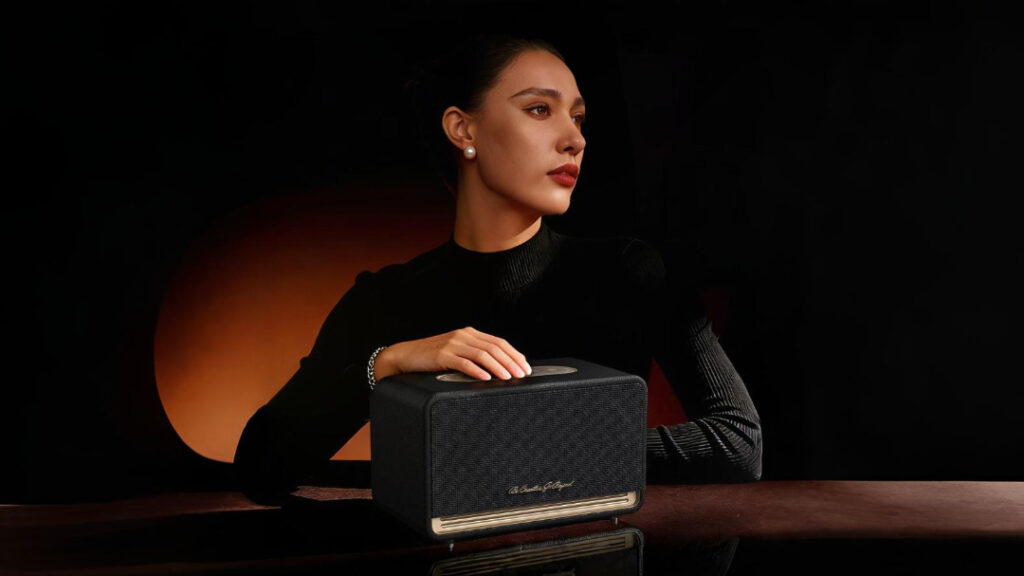
Cellecor, one of India’s rapidly growing lifestyle and electronics brands, has announced a new addition to its audio lineup. The company has confirmed the launch of the Comet CBS-05 Pro, a wireless speaker that combines style with functionality. Built for those who appreciate both aesthetics and performance, the speaker is targeted at modern consumers who see their devices as part of their lifestyle.

Comet CBS-05 Pro key specifications, features

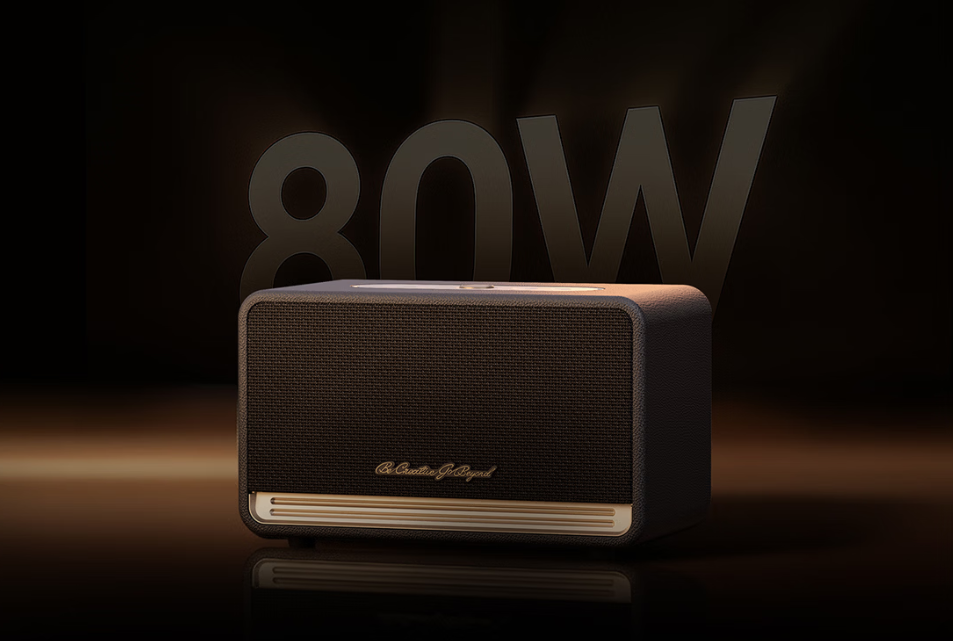
Cellcor Comet CBS-05 Pro wireless speaker

The Comet CBS-05 Pro has been developed to deliver strong sound while enhancing interiors with its premium fabric finish. It is powered by an 80W acoustic system that includes dual tweeters and a single driver to provide crisp and immersive audio.

The device is equipped with a 4,000mAh battery that supports up to 10 hours of continuous playback, along with Type-C fast charging for efficient recharging. Connectivity options are diverse, including Bluetooth v5.3, USB drive, SD card, 3.5mm AUX port, and 6.35mm wired microphone input, making it versatile enough for everyday listening or karaoke sessions.

With its compact yet elegant design, the Comet CBS-05 Pro is positioned as a product that fits seamlessly into homes, offices, and social spaces while delivering dependable audio performance.

Cellecor has also confirmed that alongside this launch, it is preparing to expand its lineup with upcoming party speakers aimed at music lovers and entertainers.

Comet CBS-05 Pro price in India, availability

The Comet CBS-05 Pro is priced at Rs 5,499 (~$62). It is available through Cellecor’s official retail outlets, its website, and several retail partners across India, including BIG C Mobiles, PAI International Electronics, LOT Mobiles, Sonovision Electronics, B New Mobiles, Happy Mobiles, Sathya Agencies, Sangeetha Mobiles, and Celekt Mobiles.

For more daily updates, please visit our News Section.

Stay ahead in tech! Join our Telegram community and sign up for our daily newsletter of top stories.