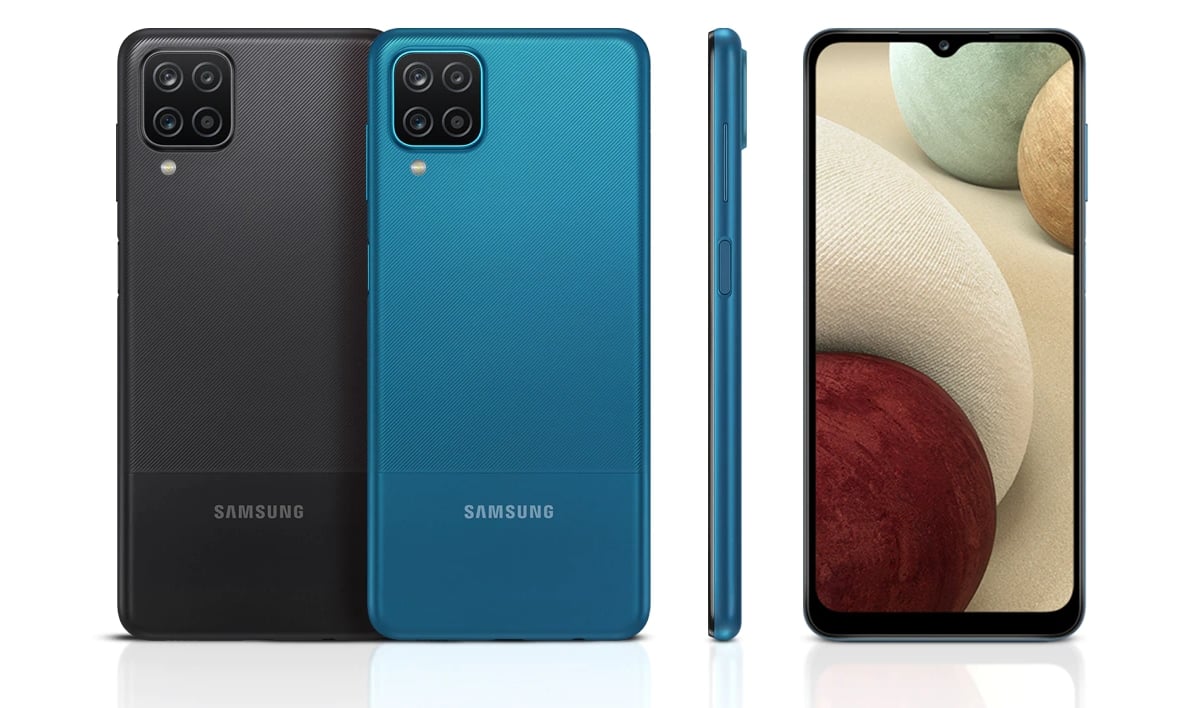
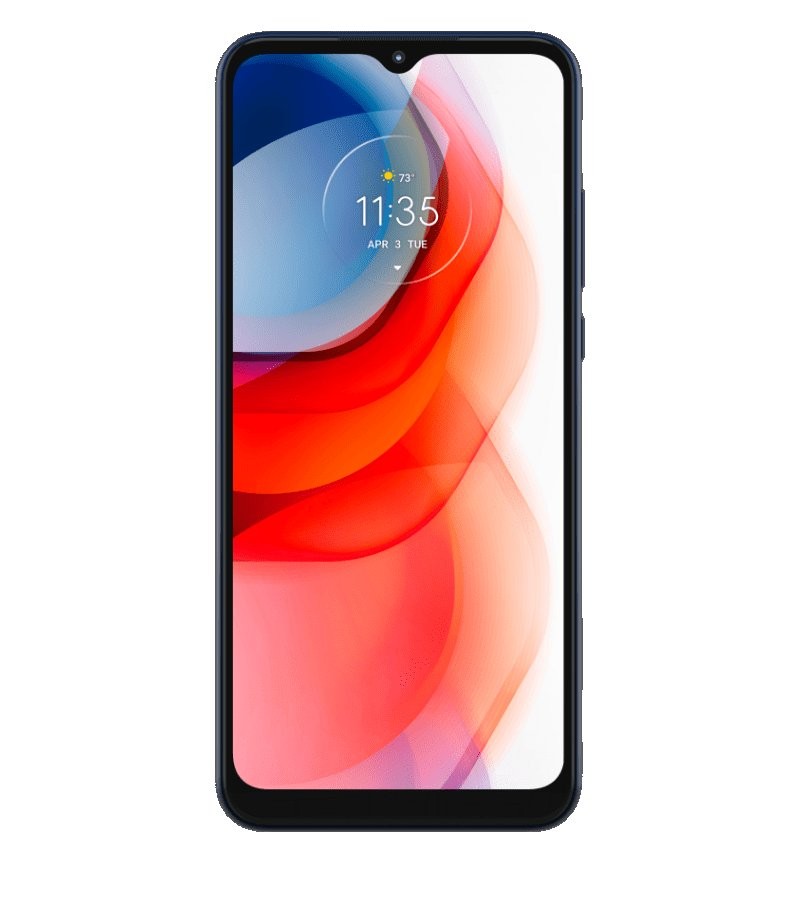
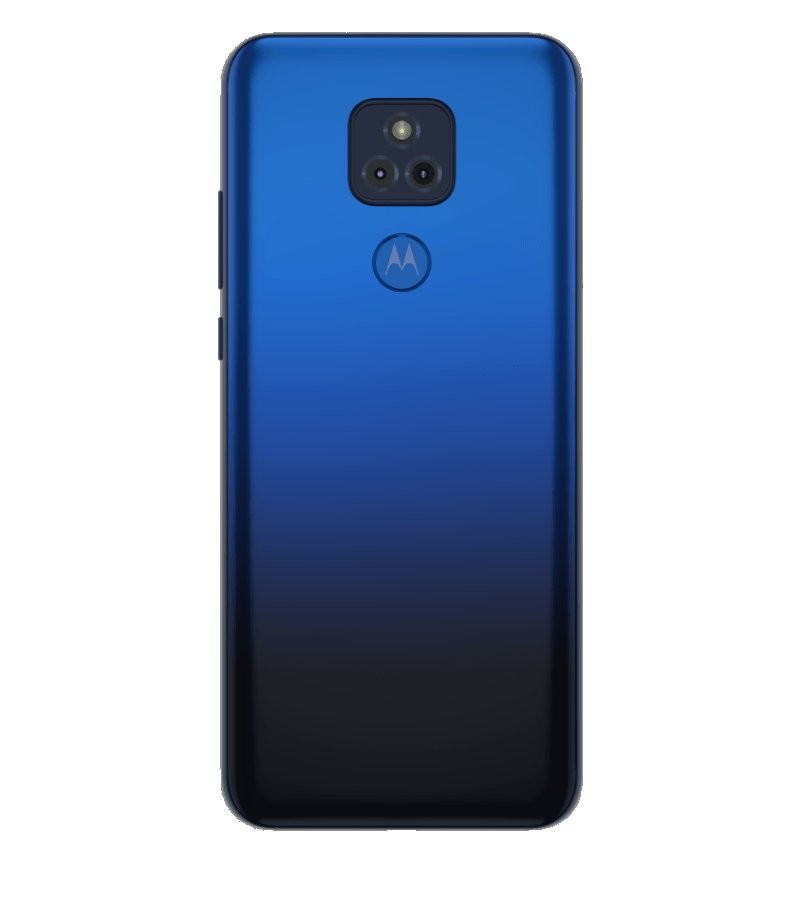
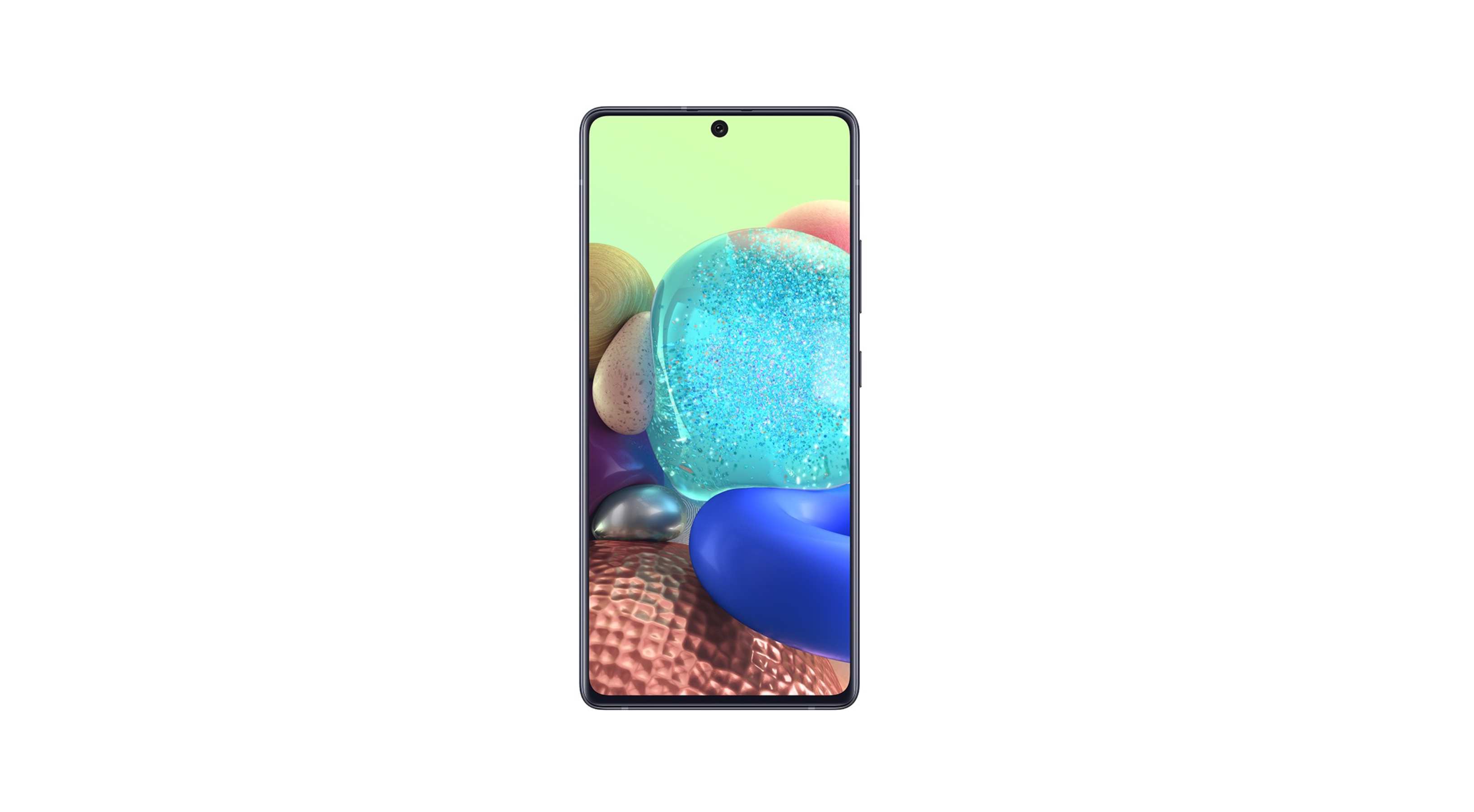
Samsung announced the Galaxy A12 smartphone in November 2020. At that time, the company did not confirm the pricing of the device. The sales of the Galaxy A12 are going to be soon as its pricing has been revealed.
The Samsung Galaxy A12 will be available for purchase in Singapore starting for today (Jan. 9) with a price tag of S$229 (~$172) in Singapore. It will be available in colors like Cosmic Black and Cosmic Blue. The device will be available in 4 GB RAM + 128 GB storage version in Singapore
In Malaysia, the Galaxy A12 is priced at RM799 (~$198) and it comes with 6 GB of RAM and 128 GB of storage. Black and blue are the A12’s color variants for Malaysia. In the U.K., the Galaxy A12 carries a price tag of £170 (~$230) and it carries 4 GB of RAM and 64 GB of storage. It comes in three colors like black, blue, and white in the U.K.
The Samsung Galaxy A12 has a 6.5-inch LCD panel that sports an Infinity-V notch. The Helio P35 chipset by MediaTek fuels the device and it is backed by a 5,000mAh battery. The handset comes with support for 15W fast charging. A fingerprint scanner is available on the right edge of the device.
At the front, the Galaxy A12 houses an 8-megapixel camera. The back panel of the phone has a 48-megapixel main camera, a 5-megapixel ultrawide lens, a 2-megapixel macro lens, and a 2-megapixel depth sensor. It comes preinstalled with One UI flavored Android 10 OS. For additional storage, it has a microSD card slot.
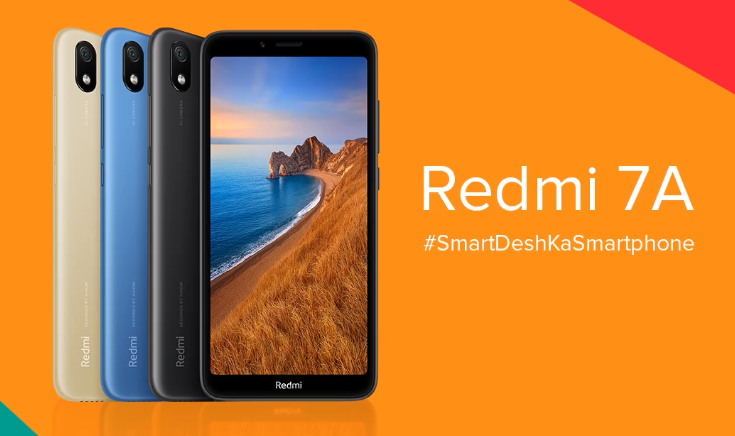
The Redmi 7A was one of the best entry-level smartphones of its time. The device debuted with MIUI 10 based on Android 9.0 (Pie). Later, Xiaomi updated its software to MIUI 11 based on Android 10. Earlier this week, the handset even started receiving MIUI 12 in China. Now, the same update is even live in India.
MIUI 12 was announced back in late April 2020. Since then, Xiaomi has been delivering this update to the eligible devices worldwide. Being a cheap phone from 2018, the Redmi 7A has begun to get this update only now.
That said, the MIUI 12 update for Redmi 7A in India comes with build number V12.0.1.0.QCMINXM. Since the rollout has just started now, the build is currently in the Stable Beta phase.
That means the update is only available for certain users in the country. But it should be available for every user if there’s no major issue with this build. Else, a new build will be released and it will go through the same cycle again.
Further, we also expect other variants of this smartphone such as Global, EEA, and Russia to get the update very soon. Also, it is worth noting that the MIUI 12 is the last major update for Redmi 7A as it is not eligible for Android 11 but may receive MIUI 12.5 later next year.
Lately, Xiaomi has been rolling out MIUI 12 update to its older affordable smartphones. The Redmi 7A began to receive this update recently and now, its successor Redmi 8A along with Redmi 8 has also started getting it. The update is live for multiple regional variants of these handsets at the same time.
The Redmi 8 and Redmi 8A launched with MIUI 10 based on Android 9.0 (Pie) just like the Redmi 7A. These smartphones were later updated to both MIUI 11 and Android 10. Now, they have begun to receive MIUI 12 as well.
That said, the MIUI 12 update is currently live for the following regional variants of Redmi 8.
Global: V12.0.1.0.QCNMIXM
EEA: V12.0.1.0.QCNEUXM
Russia: V12.0.1.0.QCNRUXM
Similarly, the Redmi 8A MIUI 12 update is available in the following regions as of now.
China: V12.0.1.0.QCPCNXM
EEA: V12.0.1.0.QCPEUXM
All the above-mentioned builds are in the Stable Beta phase except for the one meant for Redmi 8 Global variant. Because the update went live for this version in December itself. Also, we expect more regional variants to get the update, especially India, in the near future.
The MIUI 12 is the last major update for Redmi 8 and Redmi 8A. These devices may receive MIUI 12.5 later this year but they will be not getting Android 11.
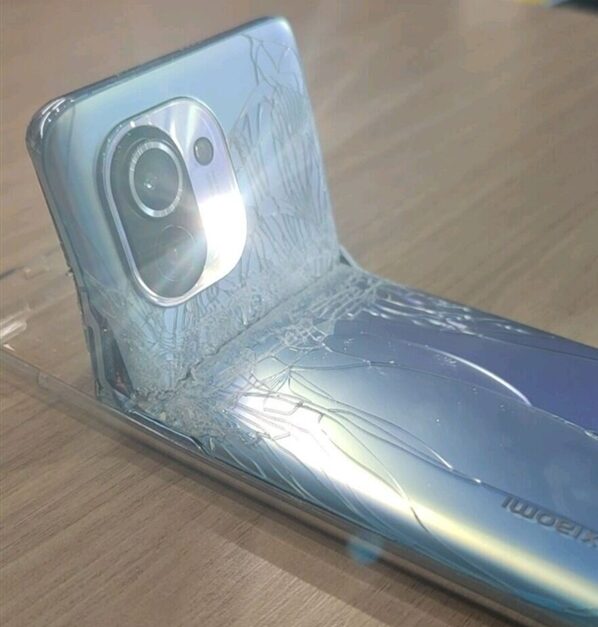
Just a week after Chinese tech giant Xiaomi officially put up the flagship Mi 11 series for sales, the first broken unit has been spotted and it is badly damaged in an awkward manner. The actual owner of the broken device is unknown but the damaged device was posted on the Chinese social app Weibo.
From the picture, it can be seen that the Mi 11 frame is bent backward nearly making an angle of 90 degrees close to the lower part of the camera module. The bend also narrowly missed the power button but resulted in the shattering of the rear glass panel.
Several reasons have been propounded as to what caused the damage with some even suggesting that the user was attempting to transform the device into a foldable phone.
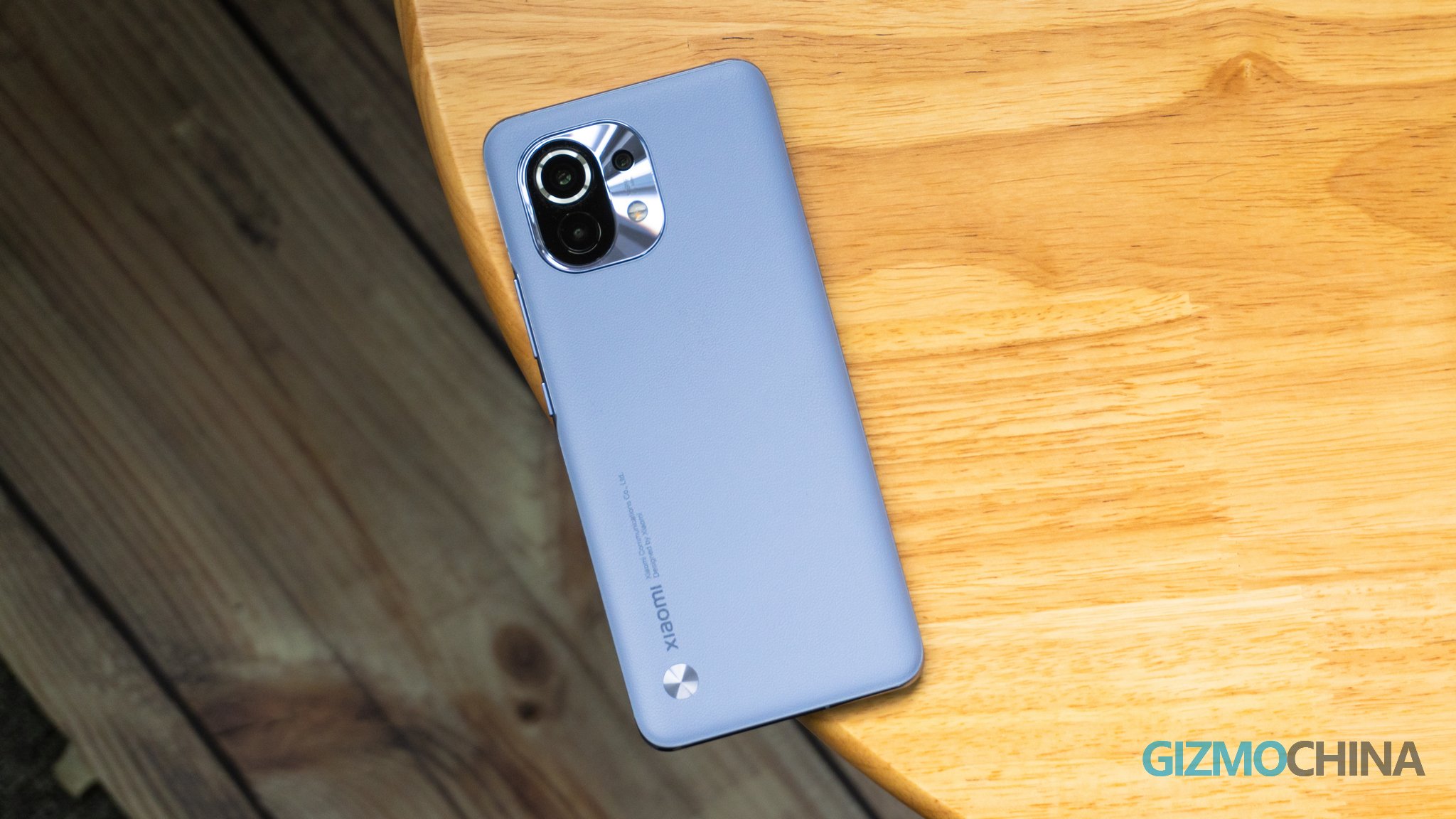
Xiaomi Mi 11 is equipped with Snapdragon 888 chip, the first device to pack Qualcomm’s last flagship SoC. The device also comes with a 2K 120Hz curved screen, 4600mAh battery, supports 55W wired, 50W wireless, and 10W wireless reverse charging. The main camera is a 100MP Samsung HMX sensor, Harman Kardon stereo dual speakers, among other features.
Just like other Xiaomi flagship models, the Mi 11 utilizes a front and rear glass design with an aluminum mid-frame. That isn’t all, the device uses the latest Corning Gorilla Glass Victus which is the strongest glass protection around presently. Thus, whatever that would’ve broken the model pictured above must have been a strong force. We’ll update this story if any new detail emerges. you can also check out our full Xiaomi Mi 11 review.
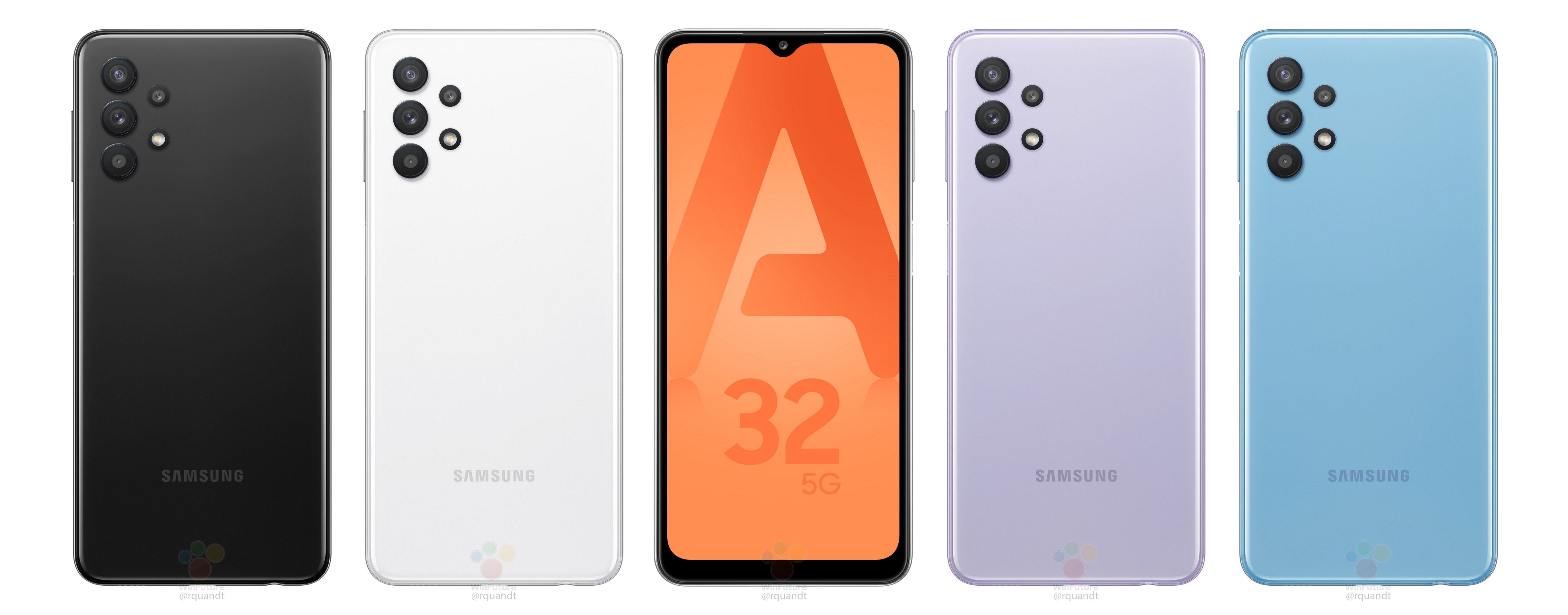
At the beginning of December, popular tipster Steve Hemmerstoffer shared the CAD renders of the upcoming Galaxy A32 5G. Yesterday, Winfuture.depublished a report to leak the official renders of the smartphone. The leak reveals that the Galaxy A32 5G will be indeed sporting a refreshed design as it was revealed through its CAD renders.
Samsung Galaxy A32 5G renders
Instead of using a large-sized dark frame for the quad-camera setup and LED flash like other brands, Samsung has placed the cameras and flash unit individually on the polycarbonate surface on the Galaxy A32 5G. The design seems to be inspired by the LG Velvet smartphone.
At the front, the Galaxy A32 5G features a teardrop notch enabled LCD panel of 6.5 inches. The chin of the device is fairly thick, and it has a side-mounted fingerprint scanner.
The appearance of the Galaxy A32 5G at Geekbench last month had revealed that it could be powered by the Dimensity 720. However, since the Dimensity 800U chip is misread by Geekbench as the Dimensity 720, there is a possibility that the A32 5G could be equipped with a D800U chip. It will come loaded with Android 11 OS.
It could be available with 6 GB of RAM and 64 GB / 128 GB of internal storage. The rear-facing camera setup may include a 48-megapixel main camera, an ultrawide lens, a macros shooter, and a depth helper. Other rumored features of the phone include support for a 5,000mAh battery, NFC, and 15W charging.
Rumors are rife that the device will be arriving as the cheapest 5G phone from the brand. Apart from A32 5G, the South Korean company is also expected to soon other A-series phones like Galaxy A52 5G and Galaxy A72 5G soon. In some markets, the company is expected to sell 4G variants of the Galaxy A32, A52, and A72.
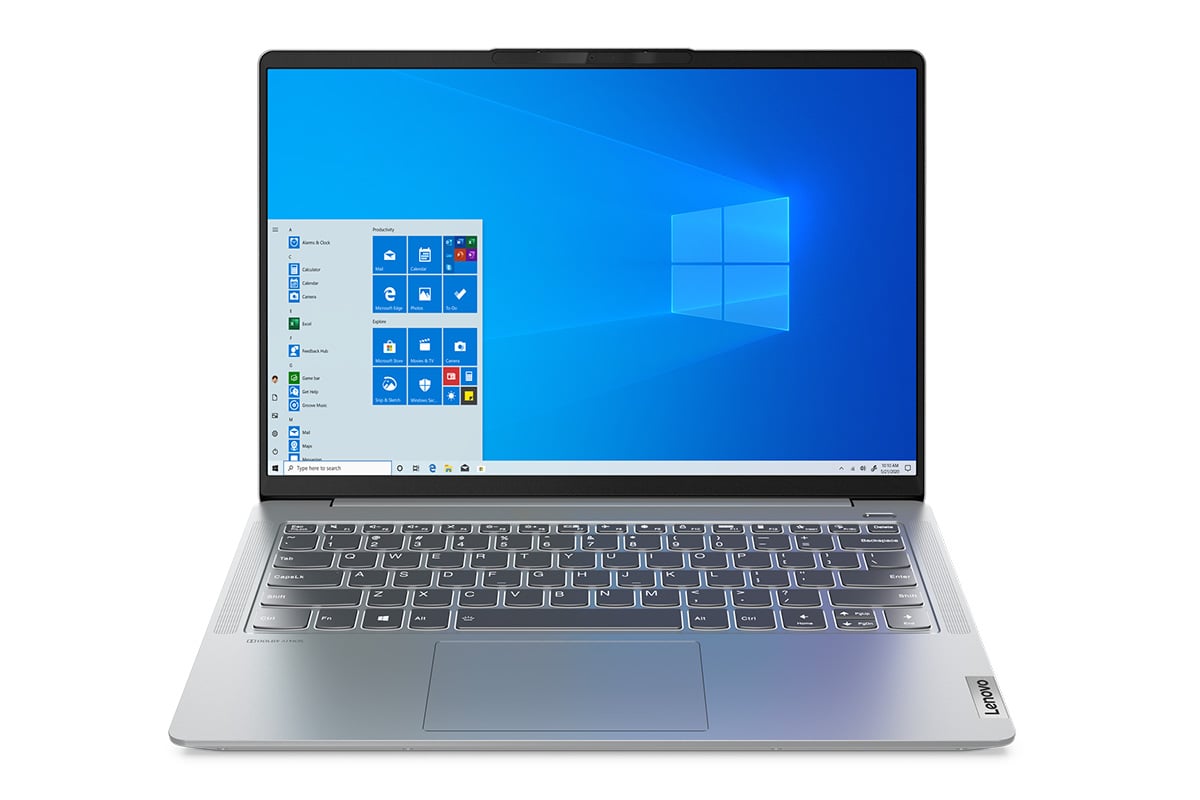
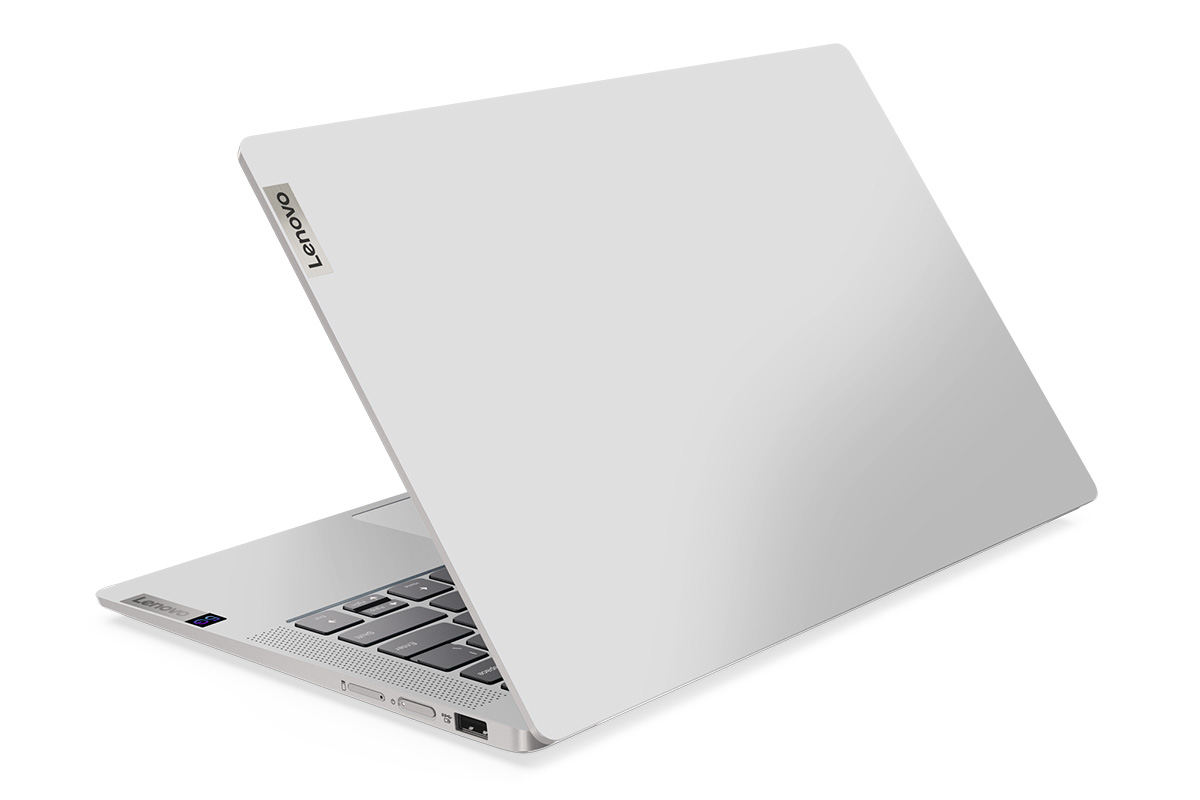
Lenovo has unveiled two exciting devices for video and gaming enthusiasts – the IdeaPad 5 Pro and IdeaPad 5i Pro. The two laptops are designed for higher performance with more powerful display options when compared with the IdeaPad set of Lenovo laptops. The naming of both devices followed the trend that has been observed in the last couple of years, as the Pro is attached to the base names from the previous models.
Lenovo IdeaPad 5i Pro
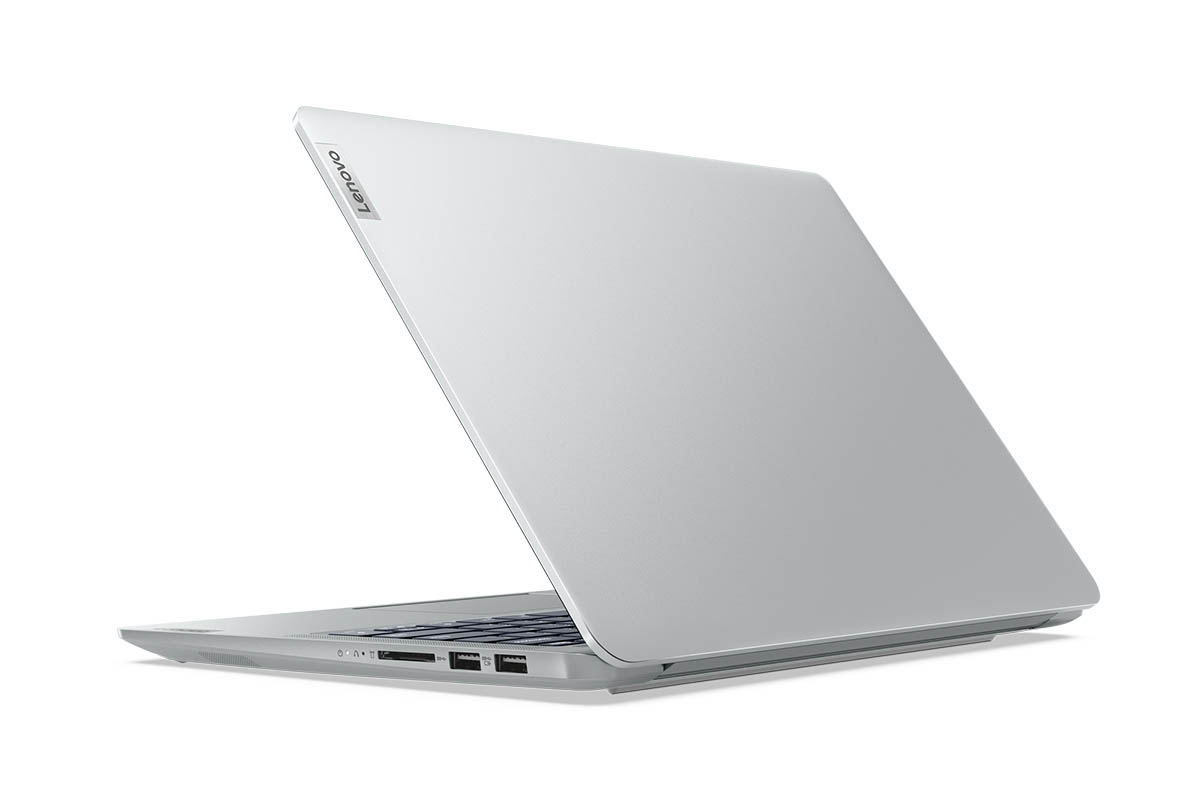
The IdeaPad 5 Pro is powered by AMD Ryzen processors, while the more premium IdeaPad 5i Pro uses Intel Core processors. The AMD and Intel versions both have either a 14-inch or 16-inch model, with most of the exciting features being replicated in both variants, albeit, one has a larger screen than the other. But there are some areas of fundamental differences between the 14-inch and 16-inch versions of the devices. One major difference is the choice of processors between Intel and AMD.
Lenovo IdeaPad 5i Pro
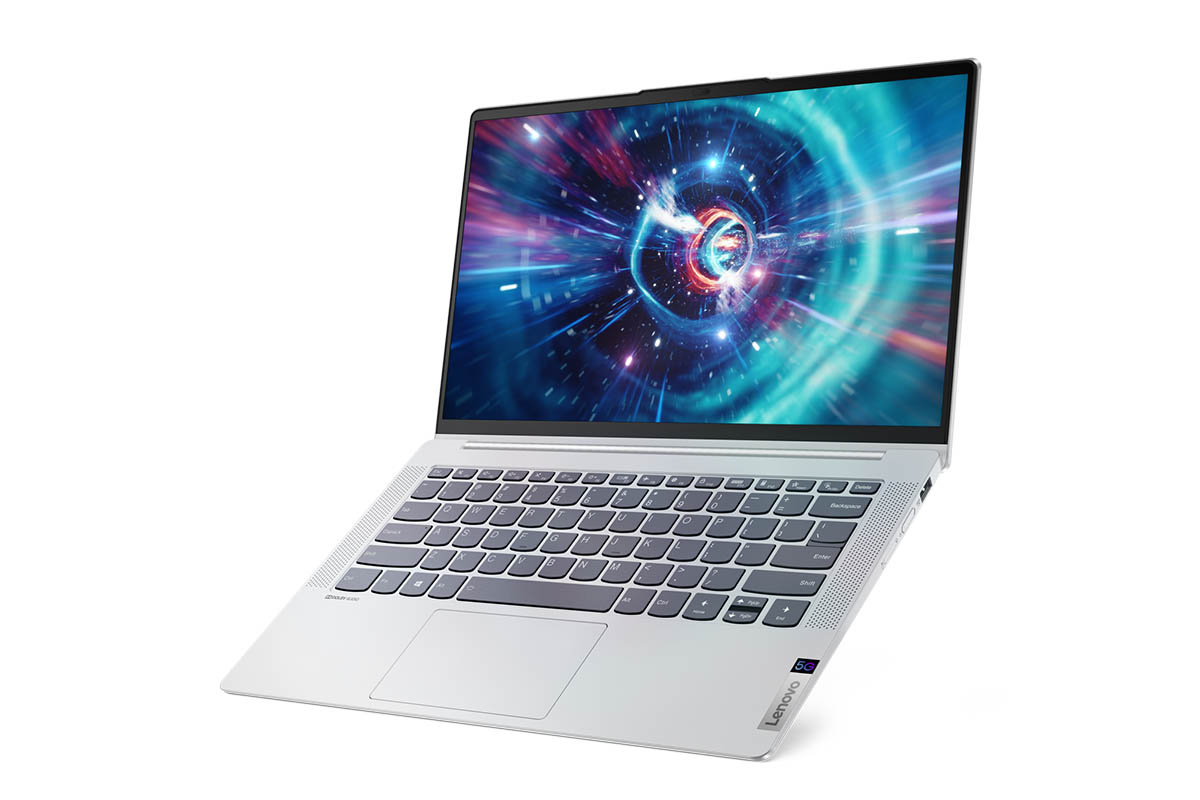
Both models share a lot of similar features and capabilities. However, Lenovo uses the thermal headroom in the 16-inch IdeaPad 5 Pro to pair next-generation Ryzen and RTX chips. Users have the option of switching between 60 Hz (or 90 Hz) (14-inch) and 120 Hz (16-inch) refresh rates on these 16:10 (2560 x 1600) displays available.
Lenovo IdeaPad 5 Pro
The RAM and GPU options have a maximum of 16 GB and the Nvidia MX450 respectively in the Intel models and the smaller AMD model. However, users can configure the 16-inch 5 Pro with up to 32 GB RAM and a next-generation GeForce RTX graphics card, probably an RTX 30 card (mobile Ampere). In addition, the larger Intel unit supports Thunderbolt 4.
There is an observed overlap between these new models and their predecessors, especially the IdeaPad Gaming 3, which was an entry-level gaming laptop using a Ryzen 5 or Core i5 and GTX 1650 Ti card. It could be possible that the new model may serve as a substitute or replacement for Gaming 3, which had been out of stock on the company’s US website. Therefore, it’s not unthinkable to assume that the much larger IdeaPad 5 Pro could be replacing the Gaming 3.
The displays now have a multi-use 16:10 aspect ratio at 2.5K (1560 x 1600) resolution. For gaming enthusiasts desirous of having faster refresh rates, they can choose the 90 Hz on the 14-inch panel or 120 Hz on the 16-inch panel. The new Fn+R hotkey is used for performance switching and Q-Control (Fn +Q) for switching between the display’s max refresh rate and 60 Hz when battery saving is most important.
The Lenovo IdeaPad 5 Pro and 5i Pro are available from April 2021 at 829 Euro (US$1020) and 899 Euro (US$1100) respectively.
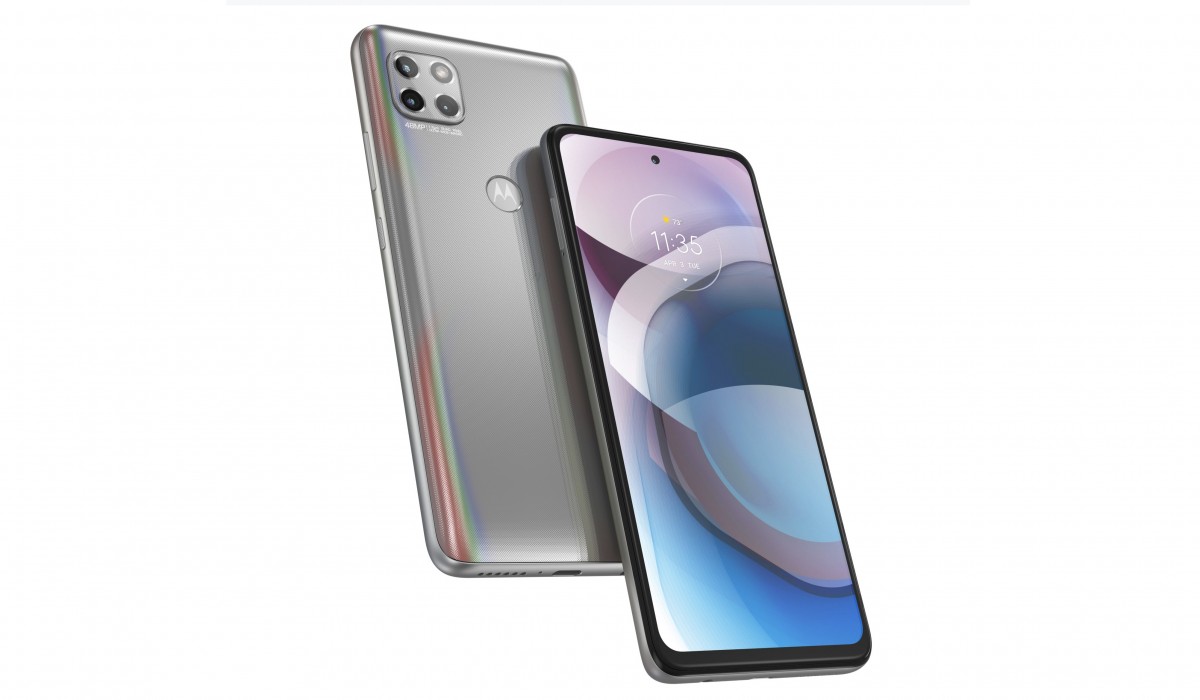
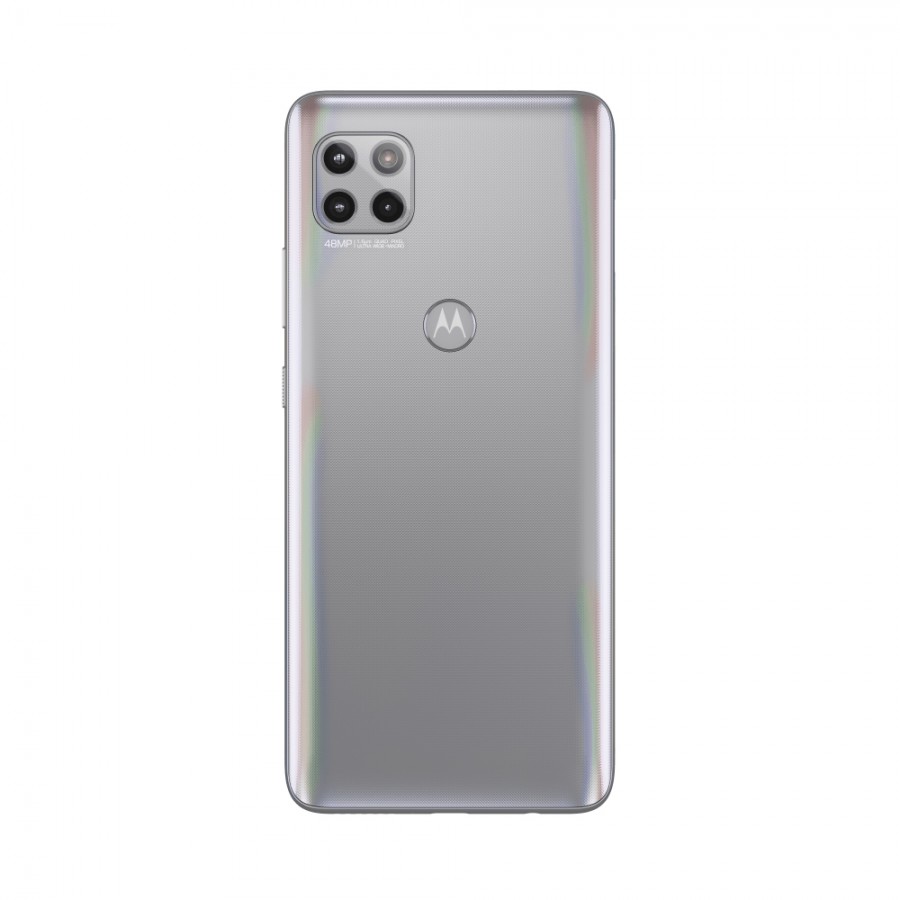
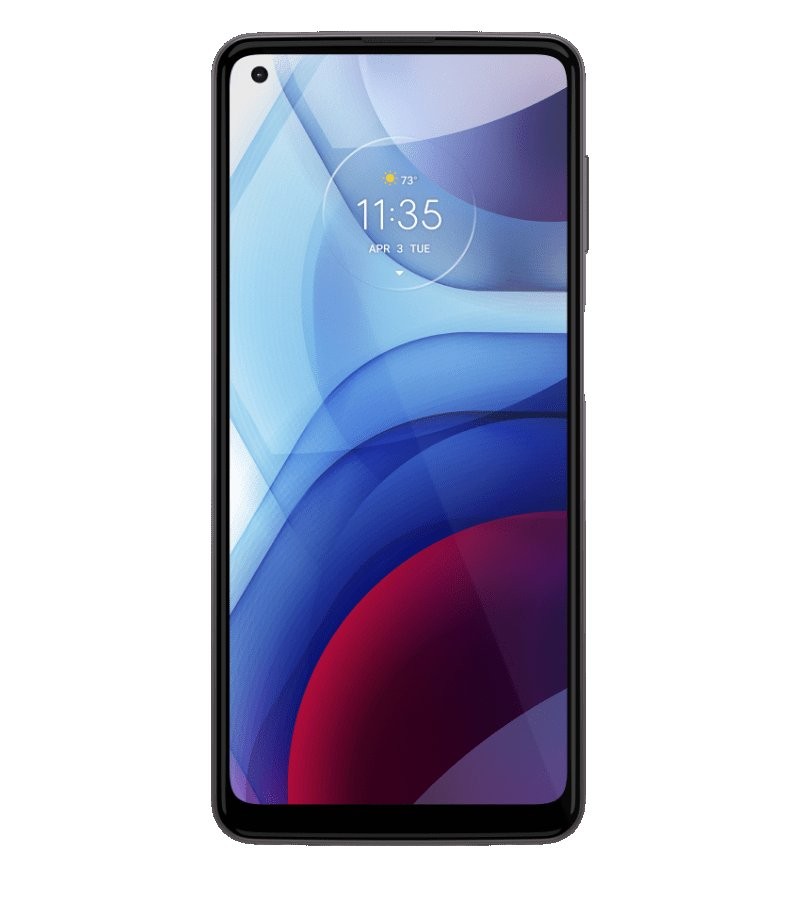
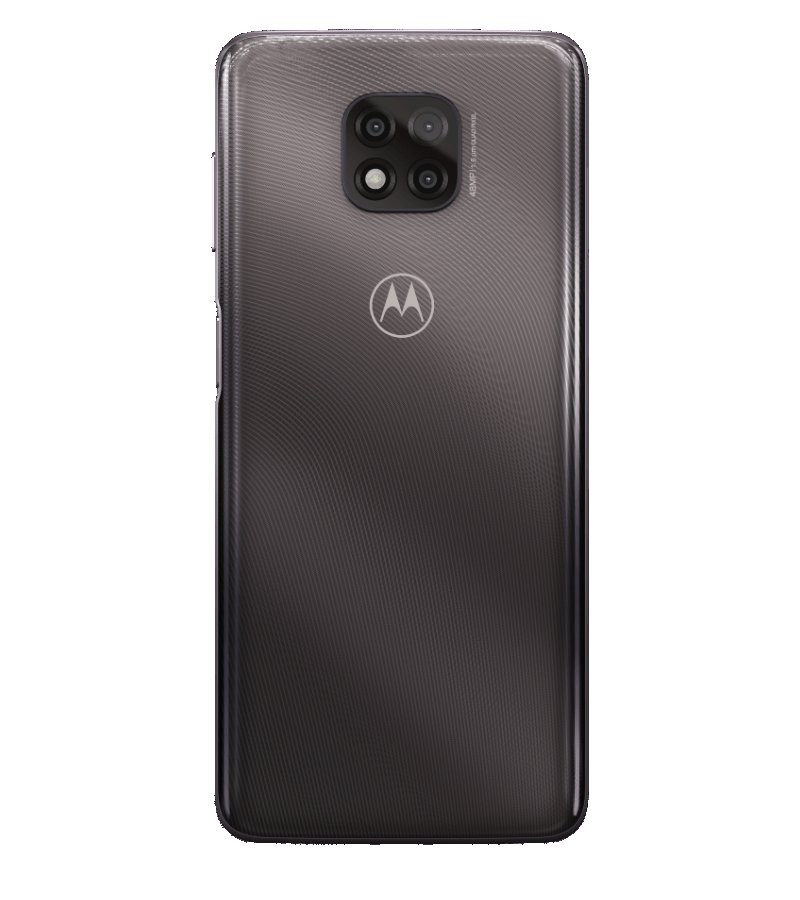
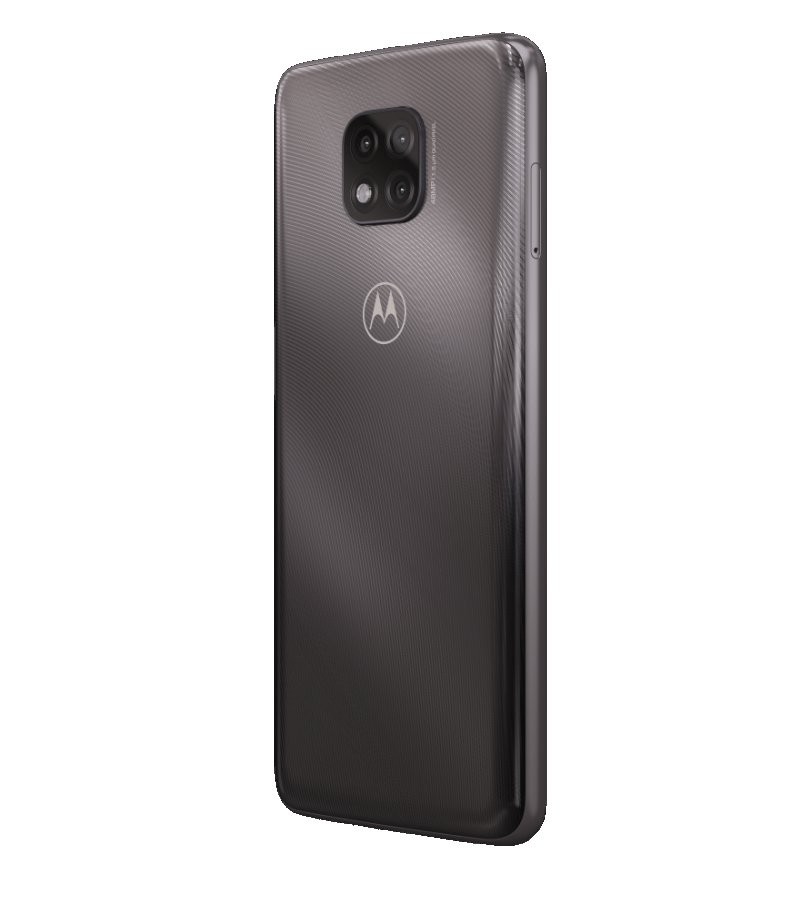
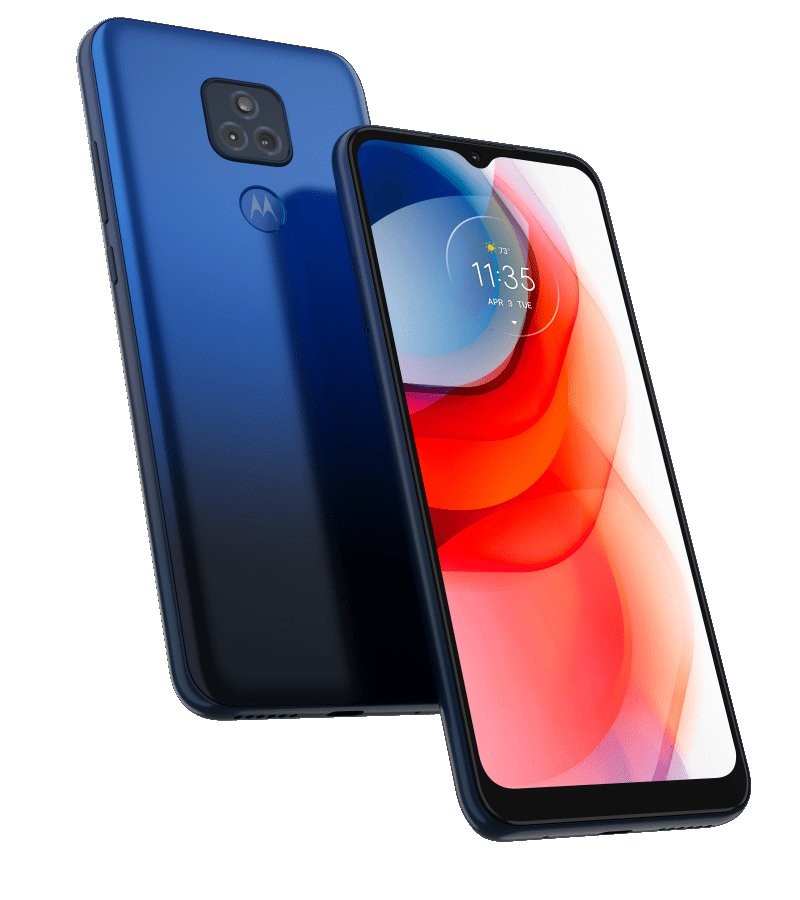
Back in July last year, Lenovo-owned Motorola announced the Moto G 5G Plus and later unveiled the device in the U.S as the Moto One 5G. The tech giant has now launched another 5G phone for the North American market. The device dubbed Motorola One 5G Ace is the brand’s most affordable 5G phone for North America and is the same device known as the Moto G 5G in India. It adopts a decent starting price of $399.
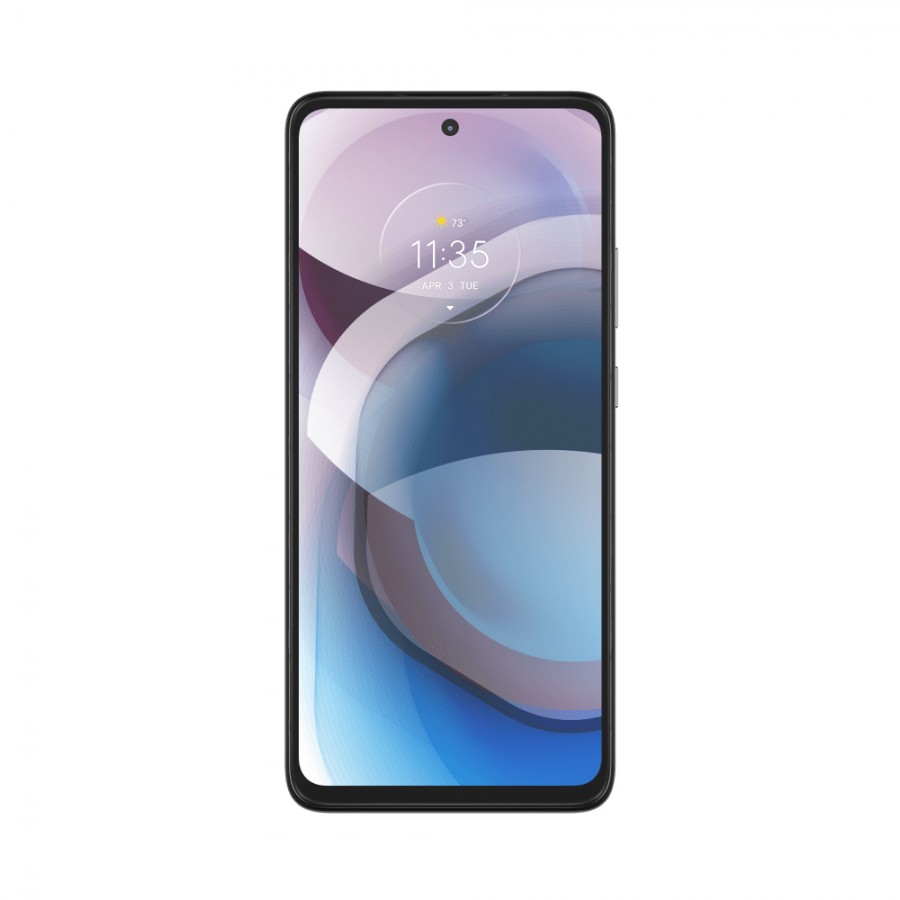
The Motorola One 5G Ace packs an expansive 6.7-inch LCD with an FHD+ resolution of 1920 x 1080 pixels. The display houses a centered punch-hole that holds a 16MP selfie camera and allowing Motorola to trim the bezels around the screen to make way for an immersive display experience.
Motorola One 5G Ace
The 5G phone is powered by the Qualcomm Snapdragon 750G chipset which is an 8nm SoC and which integrates the Snapdragon X52 5G modem for sub-6GHz 5G connectivity. The processor is paired with 4GB/6GB RAM options and there are 64GB and 128GB storage options with the option of expansion via microSD.
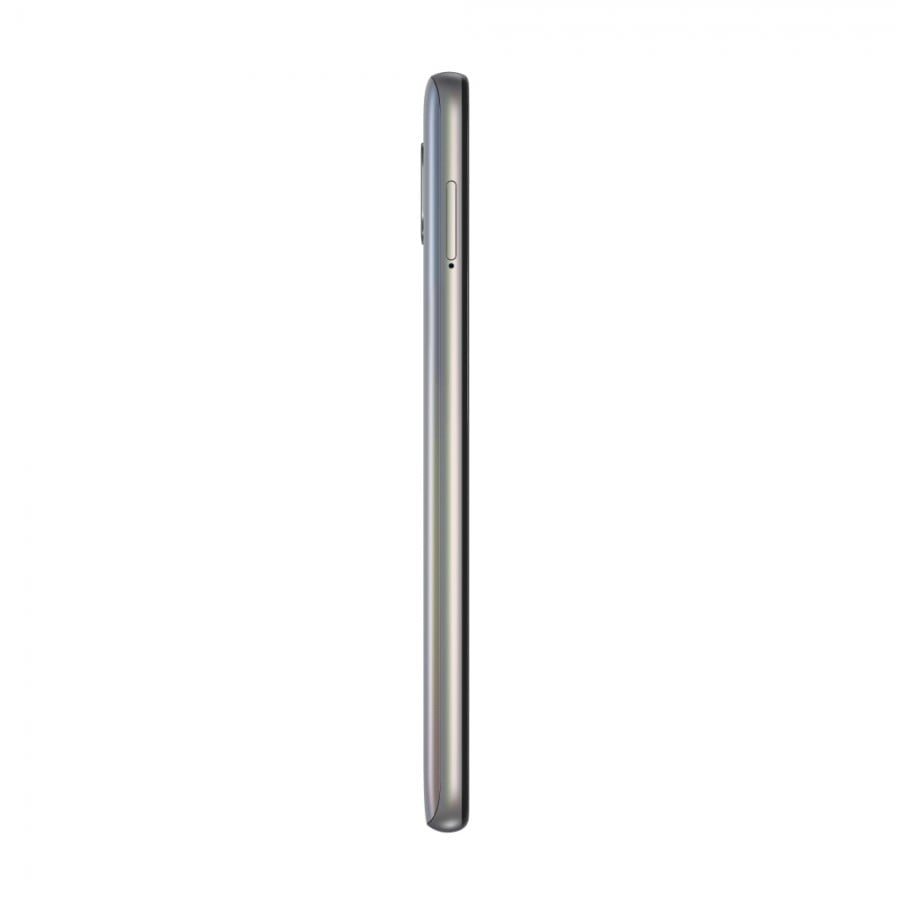
On the camera aspect, the phone packs a triple camera setup comprising a 48MP primary shooter bundled with an 8MP ultrawide module, a 2MP macro sensor, and an LED flash. The device also packs the trademark Moto dimple which houses the fingerprint scanner at the rear. The Moto One 5G Ace comes with an IP52 rating and weighs 212grams.
Motorola One 5G Ace
On the software side, the device runs Android 10 OS with Motorola’s My UX skin on top. The device gets its juice from a massive 5000mAh battery. The device supports 15W wired charging but Motorola slaps a 10W adapter in the box.
The Moto One 5G Ace is scheduled to go on sale starting January 14 in the US while it will go on sale in can later. The device comes in silver colorway only.
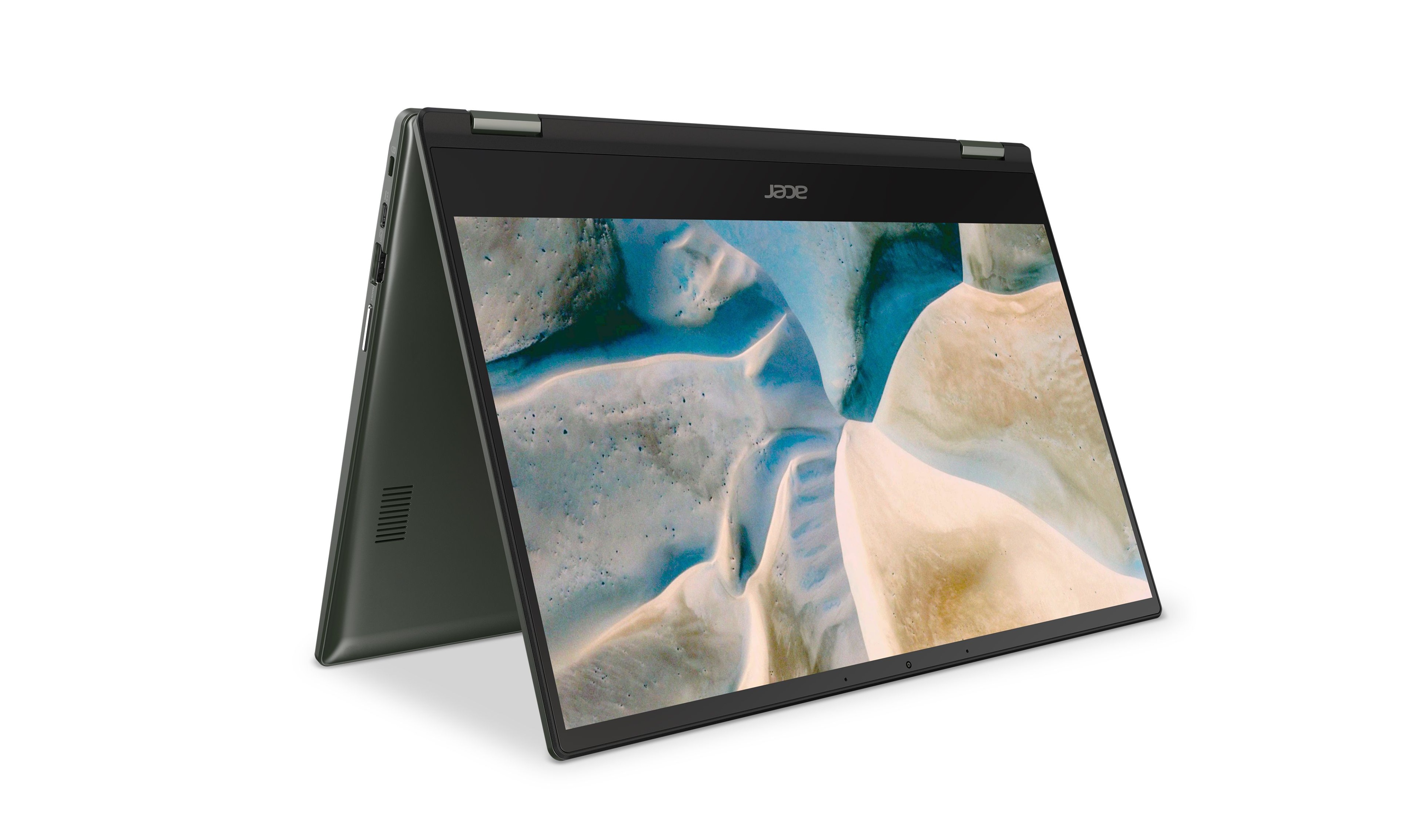
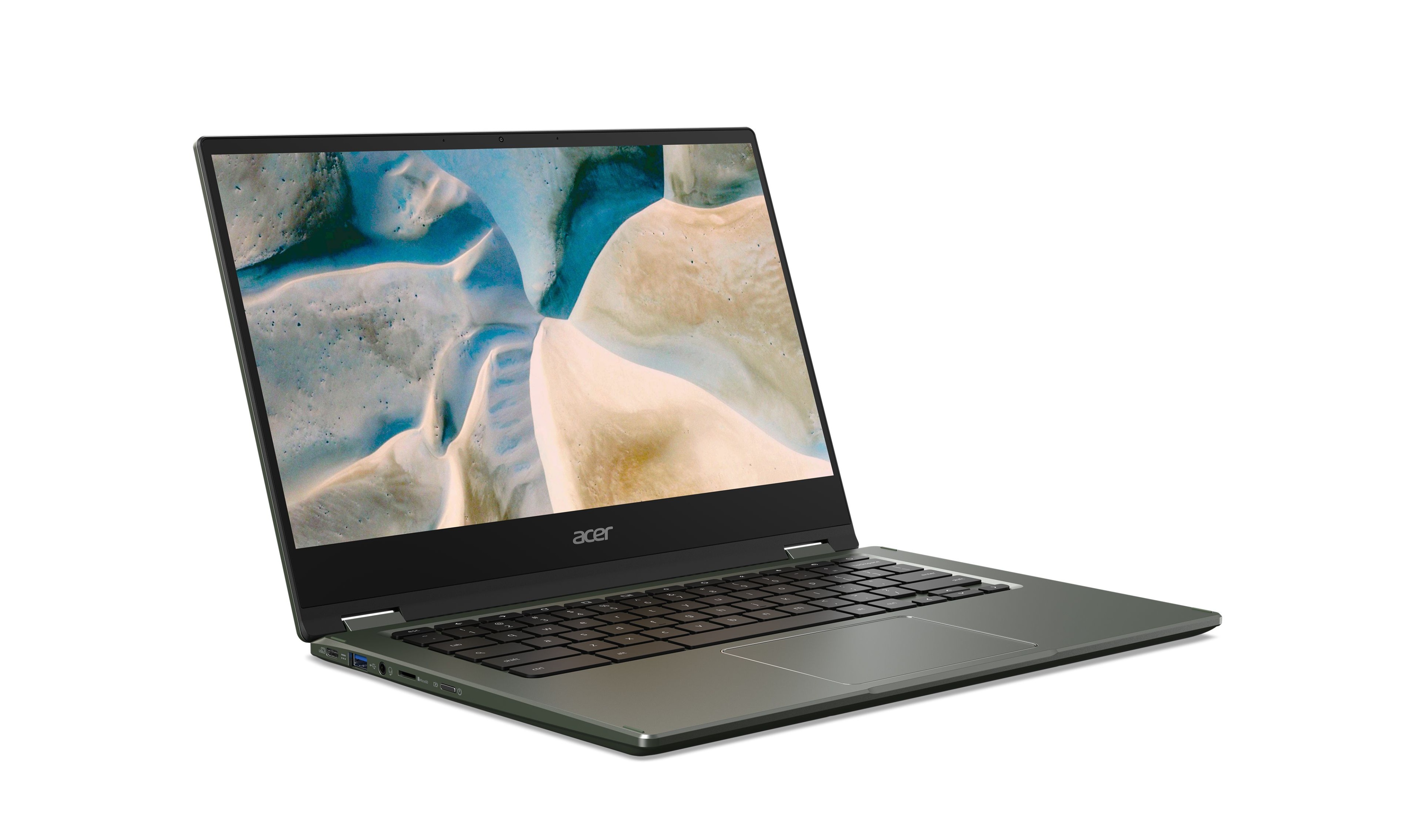
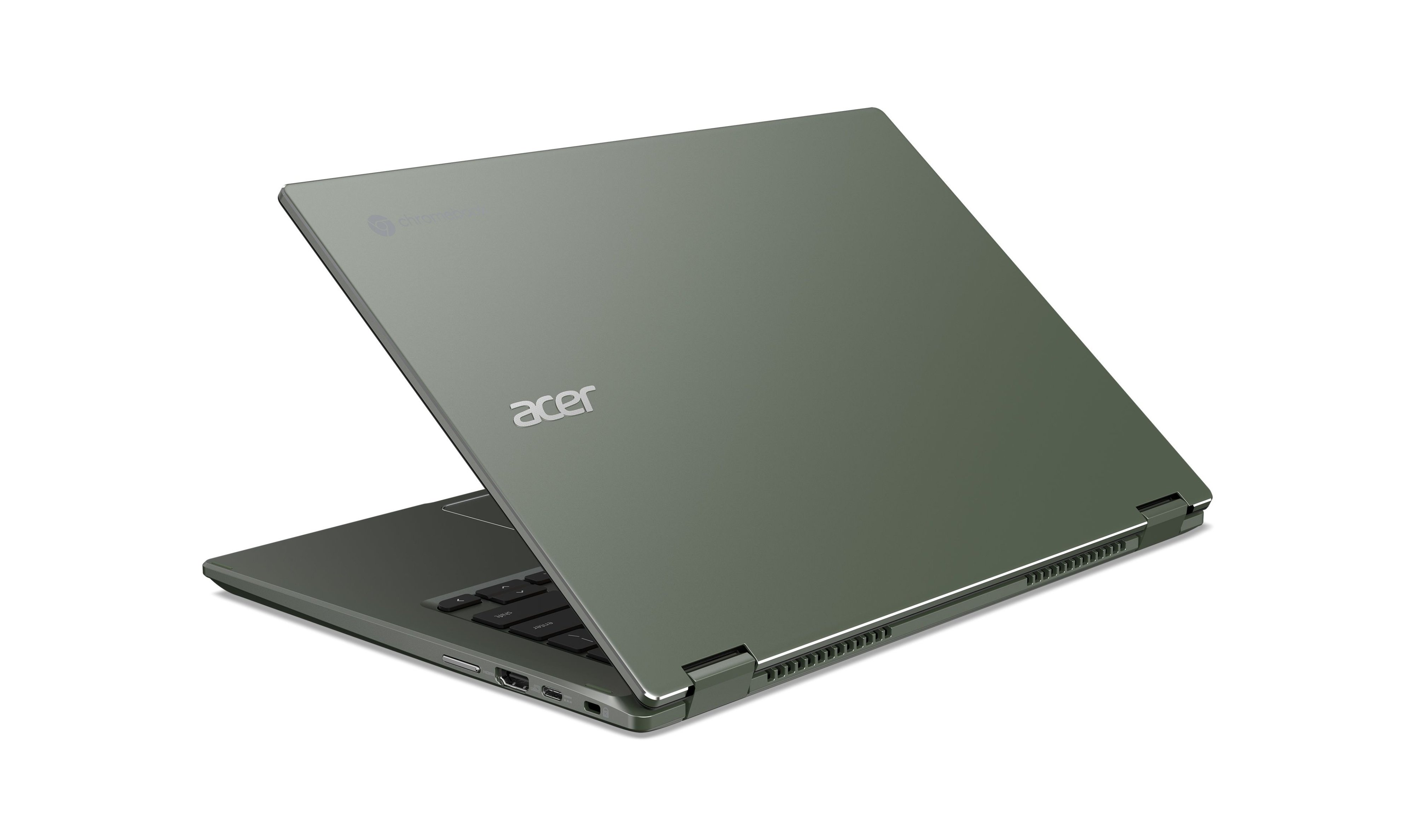
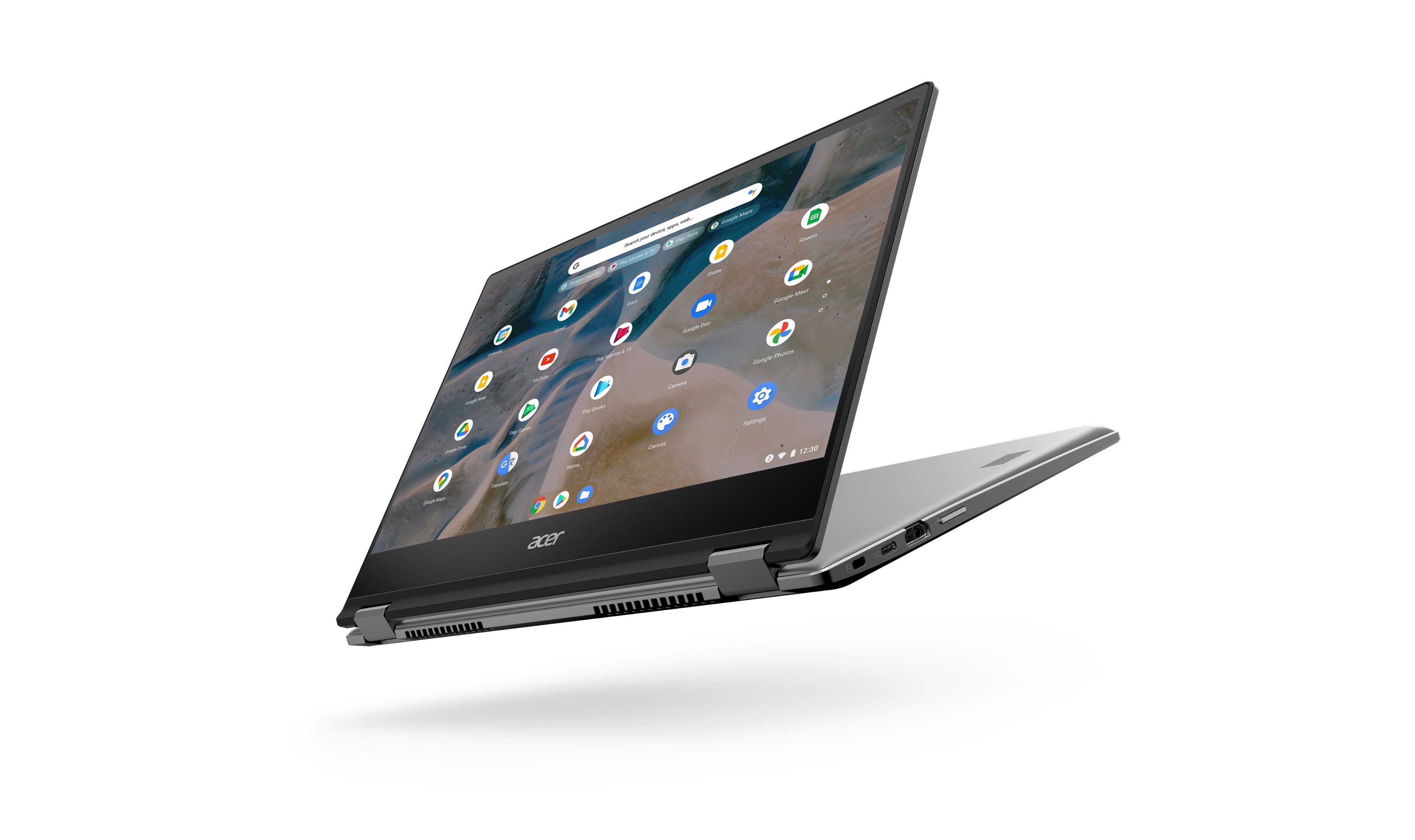
Ahead of CES 2021, Acer has announced a new Chrome OS laptop called Acer Chromebook Spin 514. The highlight of this notebook includes metal build, U.S. MIL-STD 810H certification, and AMD Ryzen 3000 C-Series processors. It will be available in multiple variants, in addition to Enterprise Edition models.
Acer Chromebook Spin 514 Specifications and Features
According to Acer, the new Chromebook Spin 514 models are powered by AMD Ryzen 7 3700C and Ryzen 5 3500C quad-core processors with respective built-in AMD Radeon Vega Graphics. It can be bought in up to 16GB DDR4 RAM and 256GB PCIe NVMe SSD storage version.
It flaunts a 14-inch FHD IPS LCD panel with support for touch input and Corning Gorilla Glass protection. The display features 6.1mm side bezels and a 78% screen-to-body ratio. Since the product is a convertible, it can be also used as a Chrome OS tablet as it can run Android apps, which can be installed from the Google Play Store. Also, buyers can opt for an optional backlit keyboard model.
As mentioned in the beginning, the laptop features a metal build and weighs about 1.55Kg and measures 17.35mm in thickness. As for ports, it comes with 2 x USB Type-C (USB 3.2 Gen 1) with support for DisplayPort and charging, 2 x USB Type-A (USB 3.2 Gen 1) with one of them supporting power-off charging, and a MicroSD reader. Some variants also feature an HDMI port.
1 of 3
On the connectivity front, the notebook features dual-band WiFi 5 and Bluetooth 5.0. Further, it sports a dual-speaker, dual-microphone with support for Google Assistant, and HD webcam.
Last but not least, it can be purchased in either Pure Silver, Steel Gray, or Mist Green color version.
Acer Chromebook Spin 514 Pricing and Availability
The Acer Chromebook Spin 514 (CP514-1H) will be available in the US from February starting at $479.99. Whereas, it will hit the shelves in Europe in March for a starting price of €529.
Similarly, the Acer Chromebook Spin 514 Enterprise Edition (CP514-1WH) will be available from March in both the US and Europe, starting at $749.99 and €799 respectively.
Motorola has proven itself to be a giant phonemaker for the mid-tier segment of the market. The company is continuing to be a frontrunner with the unveiling of the new G Stylus, G Power and G Play 2021 models. The three new G-series mid-rangers are packed with several exciting features, which the company aims will retain its share of the market and even make inroads into other areas. All three models can be ordered today, but only the G Play 2021 is ready to ship, with the G Stylus 2021 and G Power 2021 coming on board in a week’s time.
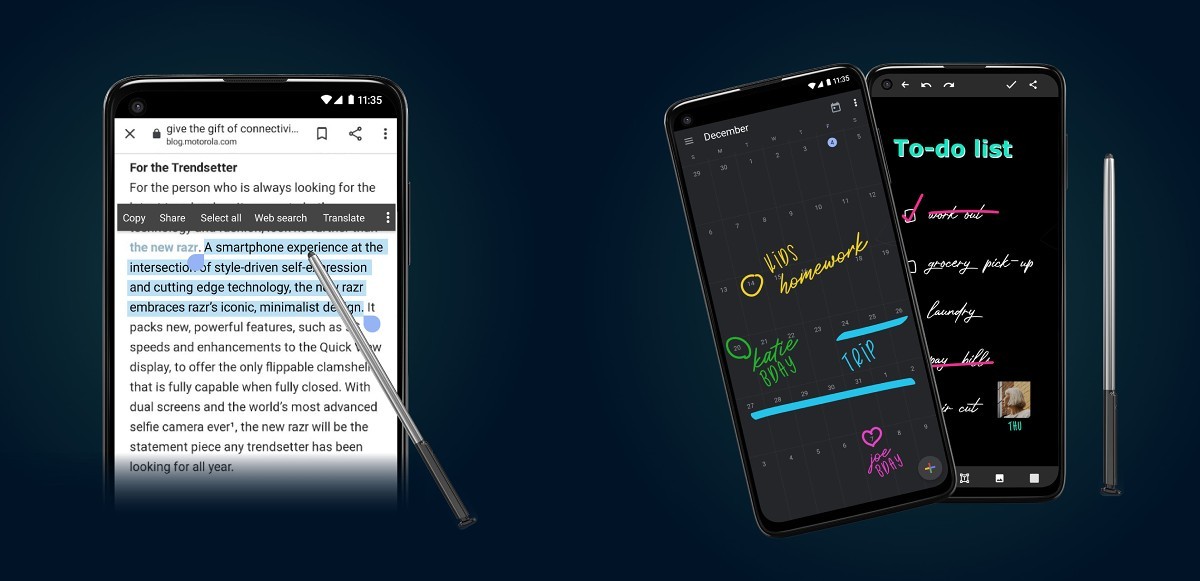
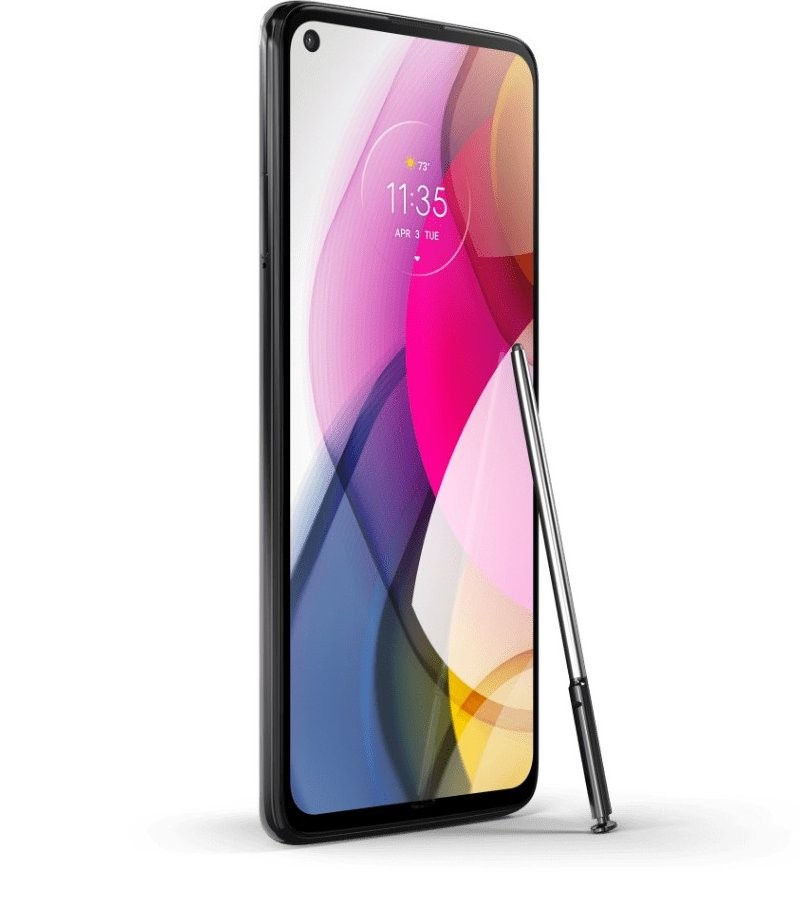
The Moto G Stylus 2021 has a 6.8-inch 1080p display, which holds the record as the largest G-series model yet, comes with a “push-pen” stylus, having a clickable top that makes it possible to pull it out of its sheath inside the phone. The stylus can be used to sketch stuff or highlight text and quickly copy it to another app. A Snapdragon 678 which runs on Android 10 provides seamless operation of the Stylus-specific custom software like the Moto Note app.
The phone has 4GB of RAM and 128GB storage (with a microSD slot option). The battery has 4,000 mAh capacity and supports only the standard 10W for charging.
1 of 3
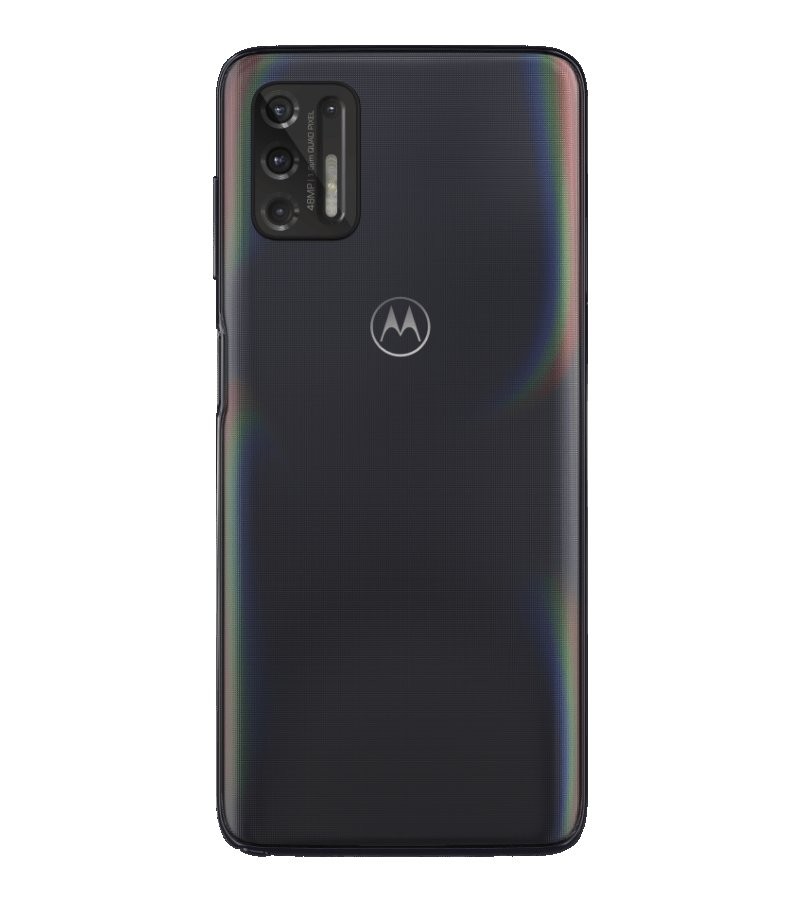
The camera has a 48MP main sensor together with an 8MP ultrawide (118°), 2MP macro and an additional 2MP depth sensor. The selfie camera is a 16MP module having pixel binning support. The main camera is capable of recording 4K 30 fps videos, while the ultra wide and selfie cameras can shoot hyperlapses.
The build of the G Stylus is plastic and it is designed for some waterproof capabilities, although no IP rating was provided.
The Moto G Stylus 2021 sells at $300 and can be ordered right away, although the first units will be shipped from January 13.
The Moto G Power 2021 has a larger capacity battery but a smaller screen when matched with the G Stylus, in addition to the absence of the stylus. The battery is 5,000 mAh and can last up to 3 days on a single full charge, which is quite higher than that of the Stylus, which can only last two days.
1 of 3
It comes with a 10W charger although it has support for 15W charging, with the right power charging device. It is powered by Snapdragon 662 chipset, and has options of 3GB or 4GB of RAM and 32GB or 64GB storage (with a free microSD slot for memory expansion). With a lower screen resolution (720P), it has a main 48MP camera, limited to 1080p resolution for videos. Also, the ultrawide module is absent, while the two 2MP modules are retained.
The new G Power sells for $250, while shipping begins from January 13.
The Moto G Play 2021 comes in the rear as the least expensive of the three models at $170 and sales and shipment begin today. It is a 6.5” IPS LCD with 720p resolution with Android 10 operating system, running on a Snapdragon 460 chipset with 3GB of RAM and 32GB storage (and a microSD slot).
The battery is at par with the G Power at 5,000 mAh and 10W USB-C charging. All three G-series phones have 3.5 mm jacks and they all lack NFC.
1 of 2
The camera features a 13MP main camera (1080p/60fps video), a 2MP depth sensor and a 5MP selfie camera. The selfie camera is in a notch instead of a punch hole as the other three, underlining that this is the low budget edition.
Before Christmas, OnePlus rolled out OxygneOs Open Beta 5 for the OnePlus 8 and the OnePlus 8 Pro. Now, a couple of weeks later, these handsets have begun to receive a new stable update in the form of OxygenOS 11.0.3.3. Just like the previous stable release, this one also brings a plethora of fixes.
Unlike the latest Open Beta update, the changelog for the latest stable build does not mention an updated security patch. Hence, we believe the security patch level still remains to be November 2020.
Further, the new release fixes alarm clock starting abnormally, failure to enable the auto-rotate feature, photos not displaying in the gallery app, pop-up window not showing up issue when connecting Bluetooth headset, and WiFi connection failure.
Other than the above-mentioned fixes, the fresh update also brings a new keyboard height adjustment feature as well as OnePlus Store app to manage OnePlus account, shop OnePlus products, get easy access to support, and discover exciting member-only benefits. But this app is only available for the India version of the handsets and they can be uninstalled.
Anyway, it is worth noting that the above-mentioned two additions were recently even made available for the OnePlus 8T with the OxygenOS 11.0.6.8/11.0.6.9 update.
OnePlus 8/8 Pro OxygenOS 11.0.3.3 Official Changelog
System
Newly added keyboard height adjustment where you can raise or hide the bottom shortcut bar for a better input experience (Go to Settings-System-Language & input-Keyboard height adjustment)
Fixed the issue of a small probability that the alarm clock starts abnormally
Fixed the failure to enable auto rotate feature
Gallery
Fixed a small probability issue that photos don’t display in the Gallery
Bluetooth
Fixed the small probability issue that no pop-up window shows up when connecting Bluetooth headset
Network
Fixed the issue that the WiFi connection failed in a specific situation
OnePlus Store (IN only)
An intuitive and convenient way to manage your OnePlus account, get easy-to-access support, discover exciting members-only benefits, and shop for OnePlus products. (Please note that it can be uninstalled)
The OxygenOS 11.0.3.3 update for the OnePlus 8 series is being rolled out in batches. Hence, it may take time to reach every unit out there.
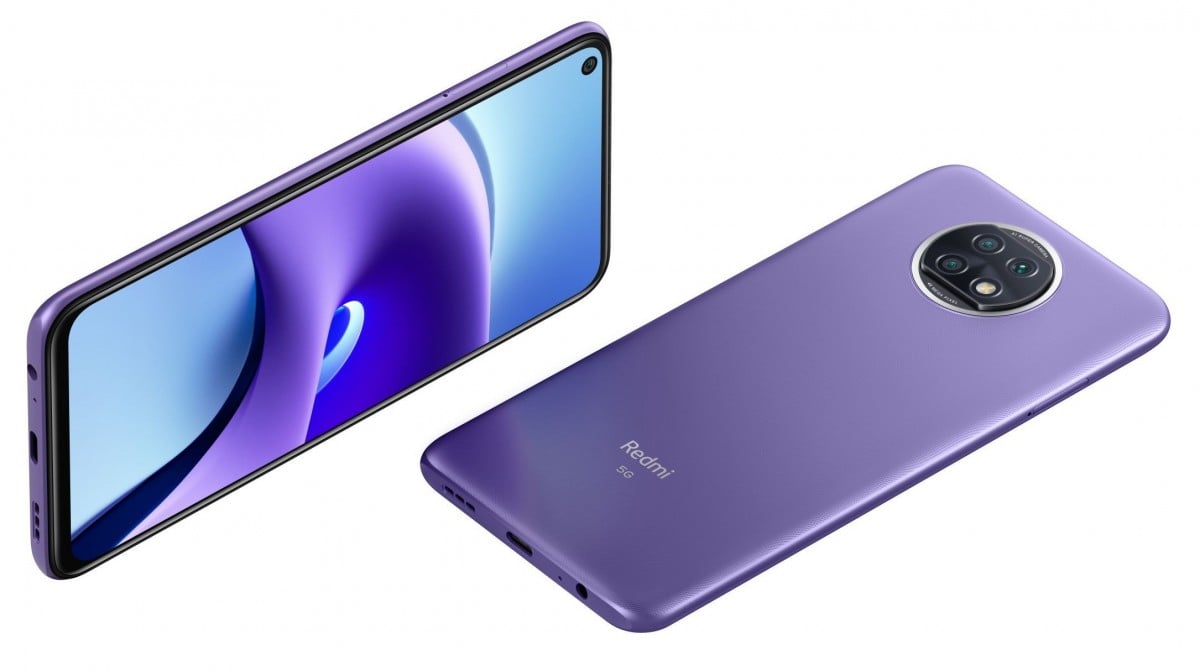
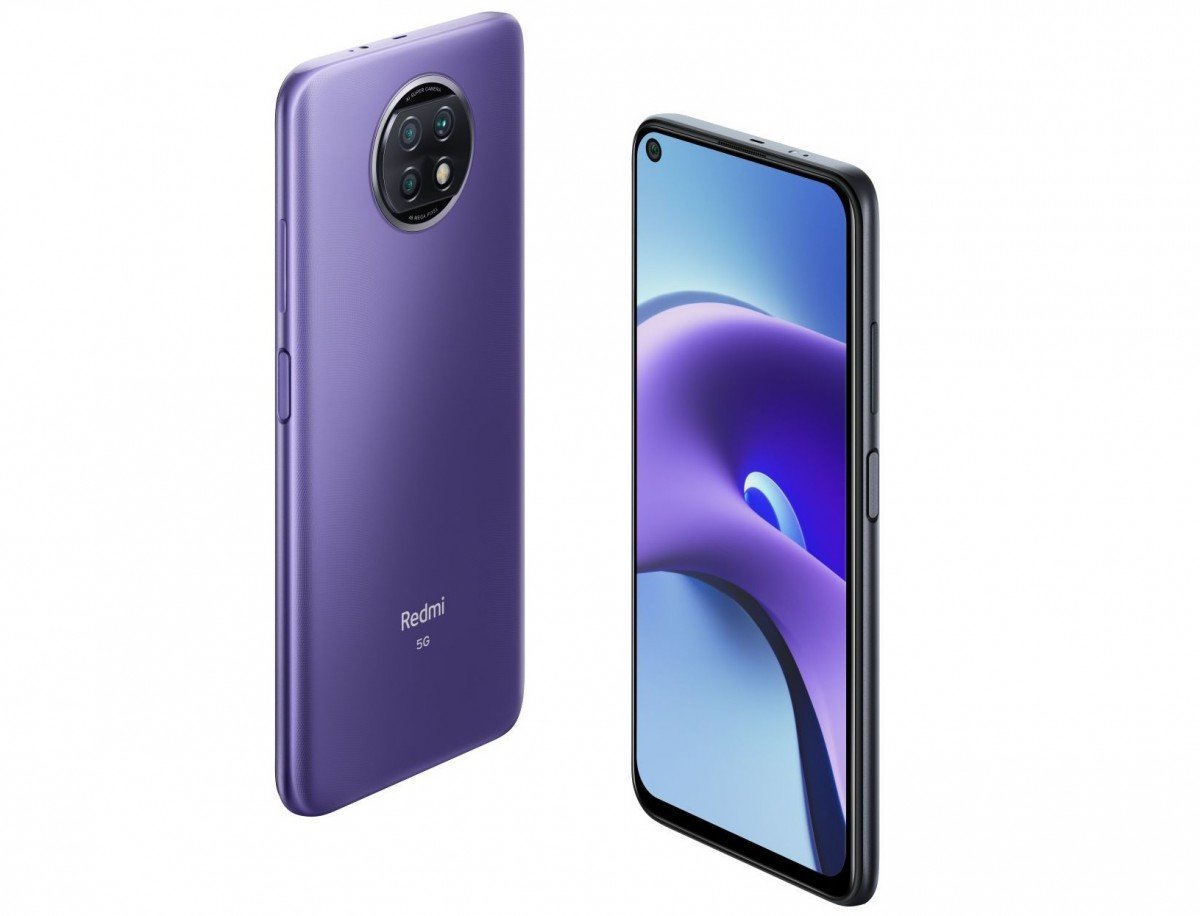
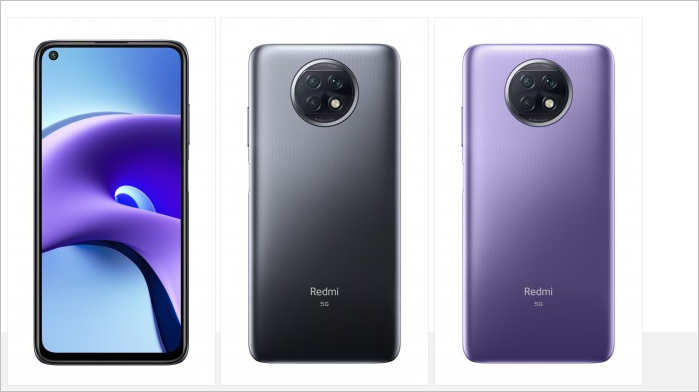
Chinese tech giant Xiaomi has officially launched the Redmi Note 9T 5G which is the global variant of the Redmi Note 9 5G that was launched in China recently. The company also announced the Redmi 9T packing a Qualcomm chipset.
Xiaomi Redmi Note 9T 5G packs a 6.53-inch IPS LCD display with an FHD+ resolution of 1080p. The device adopts a waterdrop screen while the rear adopts a vertically aligned quad-camera setup. The display packs 450 nits and has a standard 60Hz refresh rate.
Redmi Note 9T 5G
The Redmi Note 9T 5G is powered by a 7nm MediaTek Dimensity 800U chipset paired with 6GB of RAM. The device also comes with 64GB and 128GB storage options. The phone also comes with a splash-proof build as well as dual speakers just like the Chinese version.
For optics, the Redmi Note 9T 5G packs a triple camera setup. The setup includes a 48MP Quad-Bayer sensor with f/1.8 aperture, a 2MP depth sensor, and a 2MP macro sensor. There is no Ultrawide camera on this model, unlike the China-only Redmi Note 9 5G. At the front, there is a 13MP selfie camera with f/2.25 optics.
Keeping the lights on is a 5,000mAh battery with support for 18W fast charging. Xiaomi claims up to 3 years of continuous use without significant degradation.
The Redmi Note 9T 5G is available in two colors – Daybreak Purple and Nightfall Black. As for the prices, there is an early bird offer of €199 for the 4GB+64GB version while the 4GB+128GB version comes in at €249. The prices will increase slightly to €229 and €269 respectively after the promo. The models will be available from Xiaomi’s website and also from other third-party retailers.
Redmi 9T – Specs, Features & Pricing
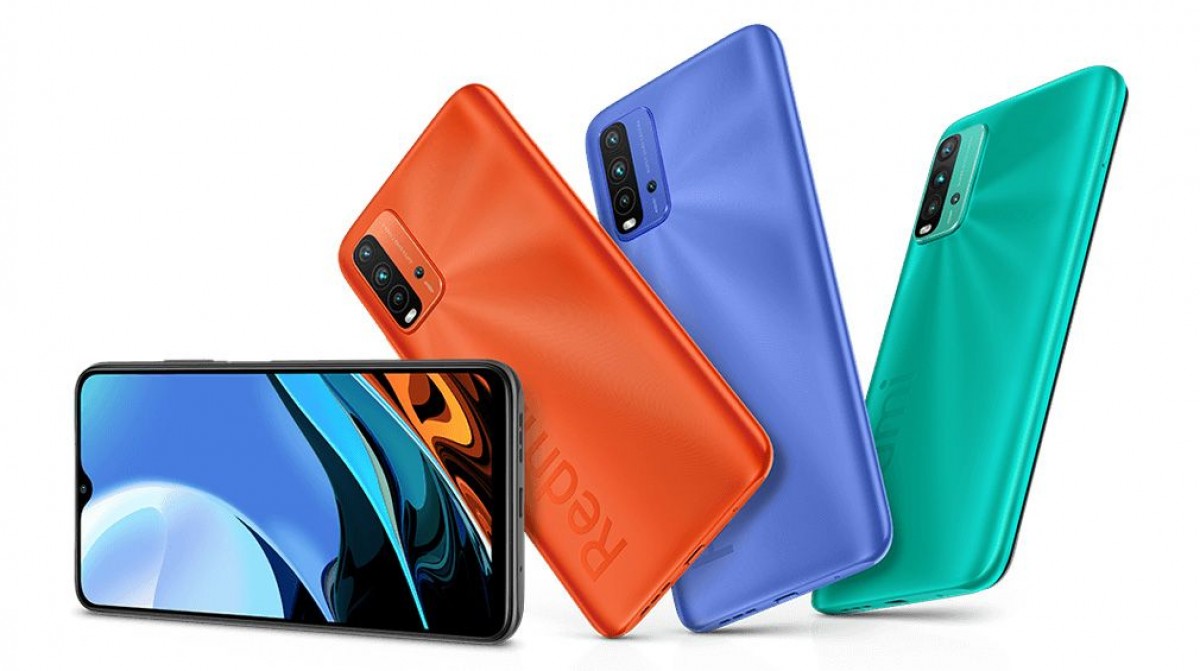
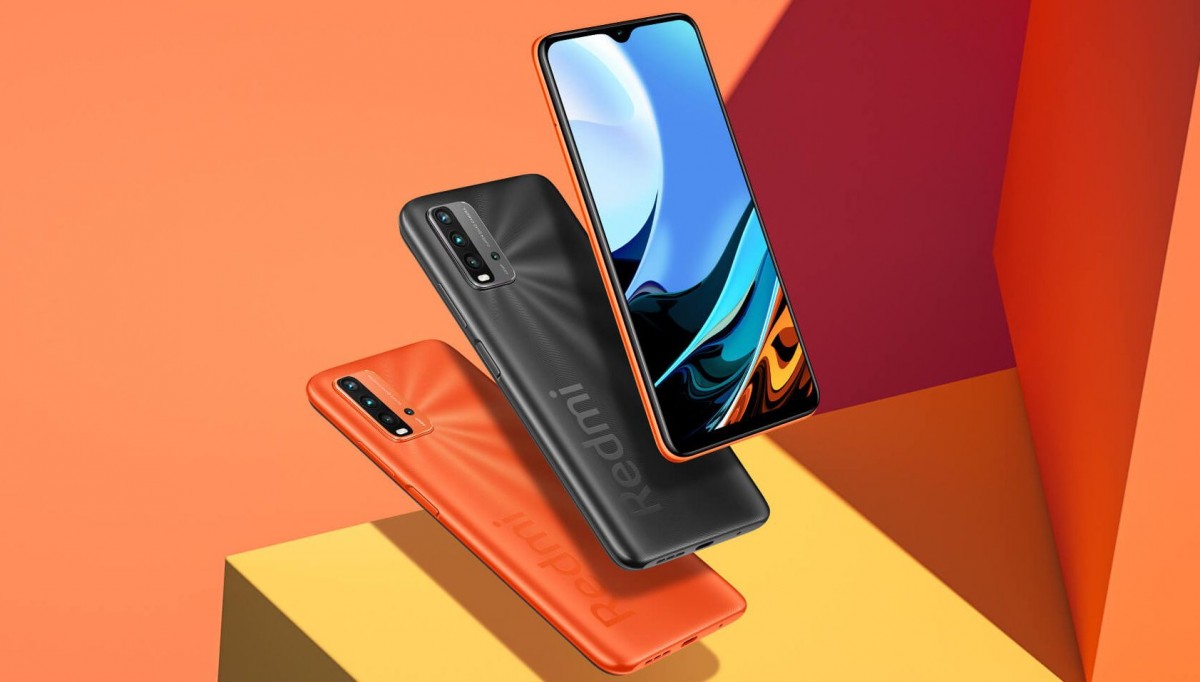
Xiaomi also launched the Redmi 9T for the global market. The device has several features that make it stand out while retaining the affordable pricing for which Xiaomi is known.
The Redmi 9T features a 6.53-inch IPS LCD with a resolution of 1080p just like the Redmi Note 9T 5G. The device is powered by a Qualcomm Snapdragon 662 processor paired with 4GB or 6GB of RAM while there is 64GB or 128GB of storage.
On the camera aspect, the Redmi 9T packs a Quad-camera setup, one sensor higher than the Redmi Note 9T 5G. The camera configuration is the same just the addition of a fourth 8MP f/2.2 ultrawide shooter. The front camera is an 8MP selfie camera.
The battery is a 6000mAh cell, another impressive addition. The phone also supports 18W fast charging. The phone also comes with an infrared sensor, 3.5mm headphone jack, and optional NFC.
As for the price, the Redmi 9T starts at €159 for a 4GB+64GB model (€10 more for NFC) and goes up to €189 for the 4GB+128GB model (again, €10 more for NFC). The price of the topmost 6GB+128GB variant hasn’t been announced. The phone will be available in four colors – Twilight Blue, Sunset Orange, Carbon Gray, and Ocean Green.
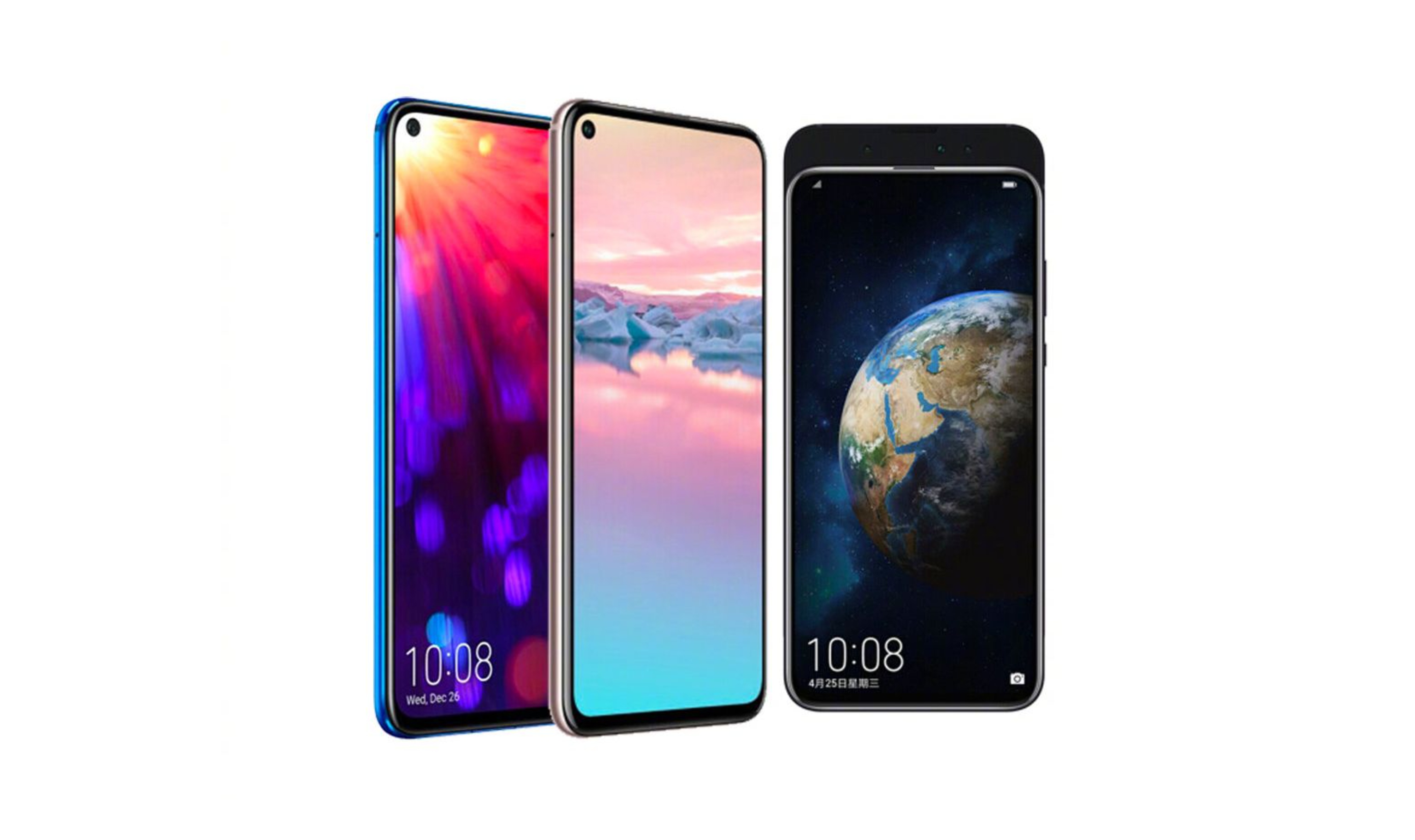
Although HUAWEI has sold its HONOR sub-brand to a consortium of over 30 agents and dealers, the latter’s smartphones still run Magic UI based on EMUI. Hence, four of its handsets have started receiving the latest Magic UI 4.0 stable update based on EMUI 11.
HUAWEI and HONOR-branded smartphones and tablets have been receiving EMUI 11 and Magic UI 4.0 builds ever since the Chinese tech giant unveiled the latest version of its mobile software in September 2020.
So far, newer HONOR premium handsets have received the stable update. Hence, the brand has now begun to deliver this update to the following older flagship models.
That said, the Magic UI 4.0 stable update for the above-listed phones is only live in China as of now. But we do expect the company to roll out a similar build in global markets in the coming days. Also, it is worth noting that the open beta program began for these devices only late last month. However, the firm has managed to deliver stable release quickly.
Anyway, though the update brings some exciting features, it is still based on Android 10 that was released in 2019. Also, the global version will be devoid of GMS (Google Mobile Services whenever it releases.
Samsung recently slashed the prices of entry-level smartphones in India. Today, the company has officially cut the prices of Galaxy A51 and Galaxy A71 mid-rangers in the country.
As 91Mobiles reports, the new prices of Galaxy A51 and A71 have already reflected on Amazon India and Samsung’s website. Both the devices get a ₹2,000 cut from the old price. You can take a look at the new prices of them below:
Galaxy A51(6GB + 128GB)- ₹20,999($286)
Galaxy A51(8GB + 128GB)- ₹22,499($307)
Galaxy A71(8GB + 128GB)- ₹27,499($375)
If you recall, the Galaxy A51 launched in India at ₹23,999. Hence, the new drop is ₹3,500 cheaper than the launch price at least for the 6GB variant. Also, regarding the Galaxy A71, the device is now ₹2,500 cheaper than the launch price.
Anyway, with Samsung reducing the price officially, the air is almost clear for the successors now. The Galaxy A52 and Galaxy A72 are expected to succeed in these devices this year. Last year, Samsung unveiled the A51, A71 around December 2019. However, that didn’t happen in 2020 for various reasons.
Anyway, the Galaxy A52, which has already received India’s BIS certification, will likely feature a 6.5-inch FHD+ AMOLED display, One UI 3.0 based Android 11, and quad-cameras on the back. The 4G variant of the device is expected to be powered by Snapdragon 720G with at least 8GB RAM while the 5G variant will have Snapdragon 750G.
The A72, on the other hand, will probably sport a 6.7-inch punch-hole AMOLED display. Although the chipset on it is not clear, Snapdragon 720G chipset could power the 4G model. Other expected specs include a 64MP-equipped quad-cameras, USB-C, and 3.5mm jack ports. Let’s wait for more leaks in the coming days.
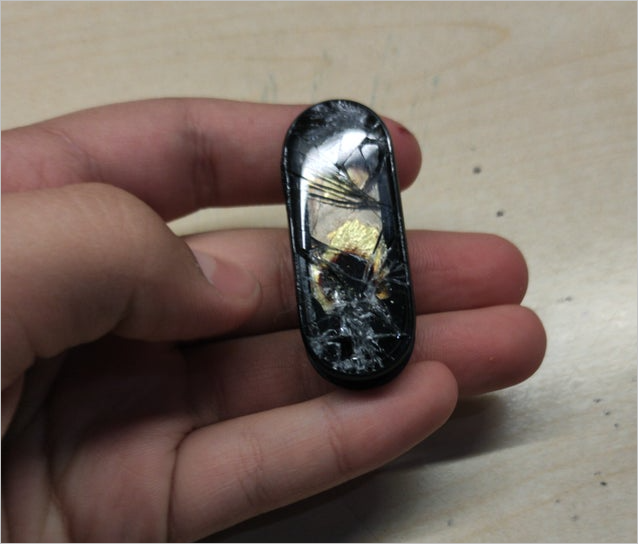
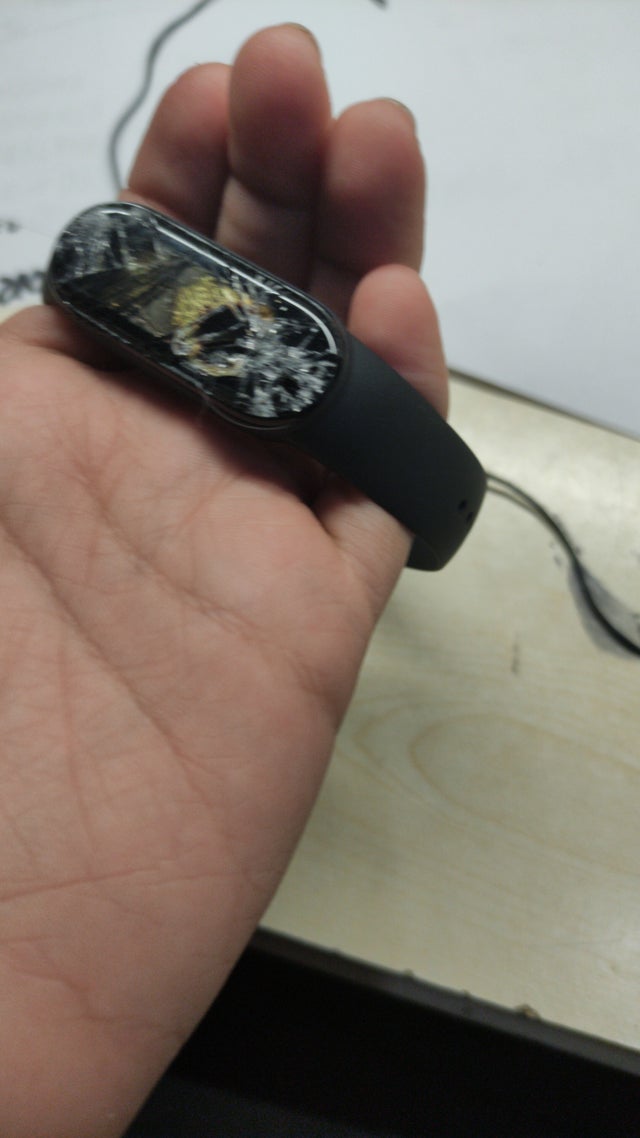
Xiaomi products are not known to explode so often. But we have had a few cases of exploding smartphones. However, a new report has emerged on Reddit of an exploded Mi Band 5.
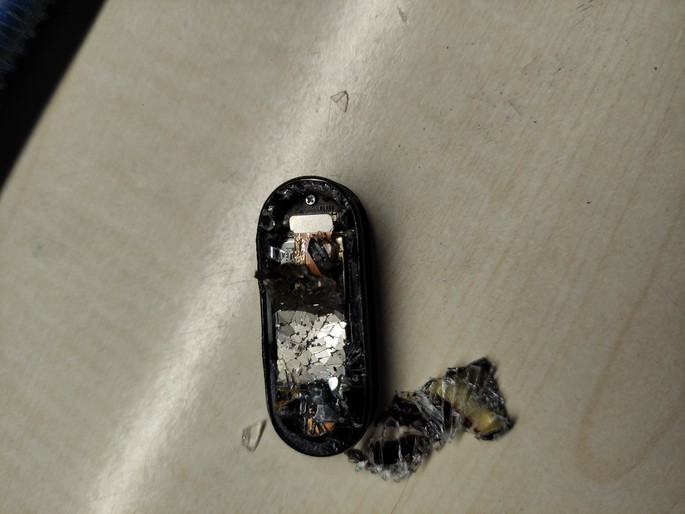
The Mi Band 5 is Xiaomi’s latest smart band which was released last year. The pictures posted by the fitness band user Michele Costa shows a completely burned-out and destroyed Mi Band 5. The user disclosed that the smart band exploded while it was being charged on a table. The user also hinted that he threw the device on the floor and stamped on it after it went up in flames. So it should be noted that some of the deformations noticed on the body was as a result of stepping on the device and not directly by the explosion.
We can’t say why the device went up in flames but we suspect a hardware issue must have resulted in the explosion. The victim claims the device was charged using the original charging cable that came with the device and a basic Mi 5V/1A charger. The Mi Band 5 which was launched as Mi Smart Band 5 also comes with a dedicated charging cable that attaches magnetically to the fitness tracker and utilizes a USB connector.
Costa claims to have contacted Xiaomi about the Mi Band 5 explosion and has also sent the wrecked device back to Amazon where it was purchased. There have been plenty of reports over the years of smartphones and other electronic devices exploding or catching on fire either through a hardware fault or random flaw, with the infamous Galaxy Note 7 battery defect issue costing Samsung an estimated US$17 billion in revenue. Xiaomi better start hoping this is a very isolated incident.
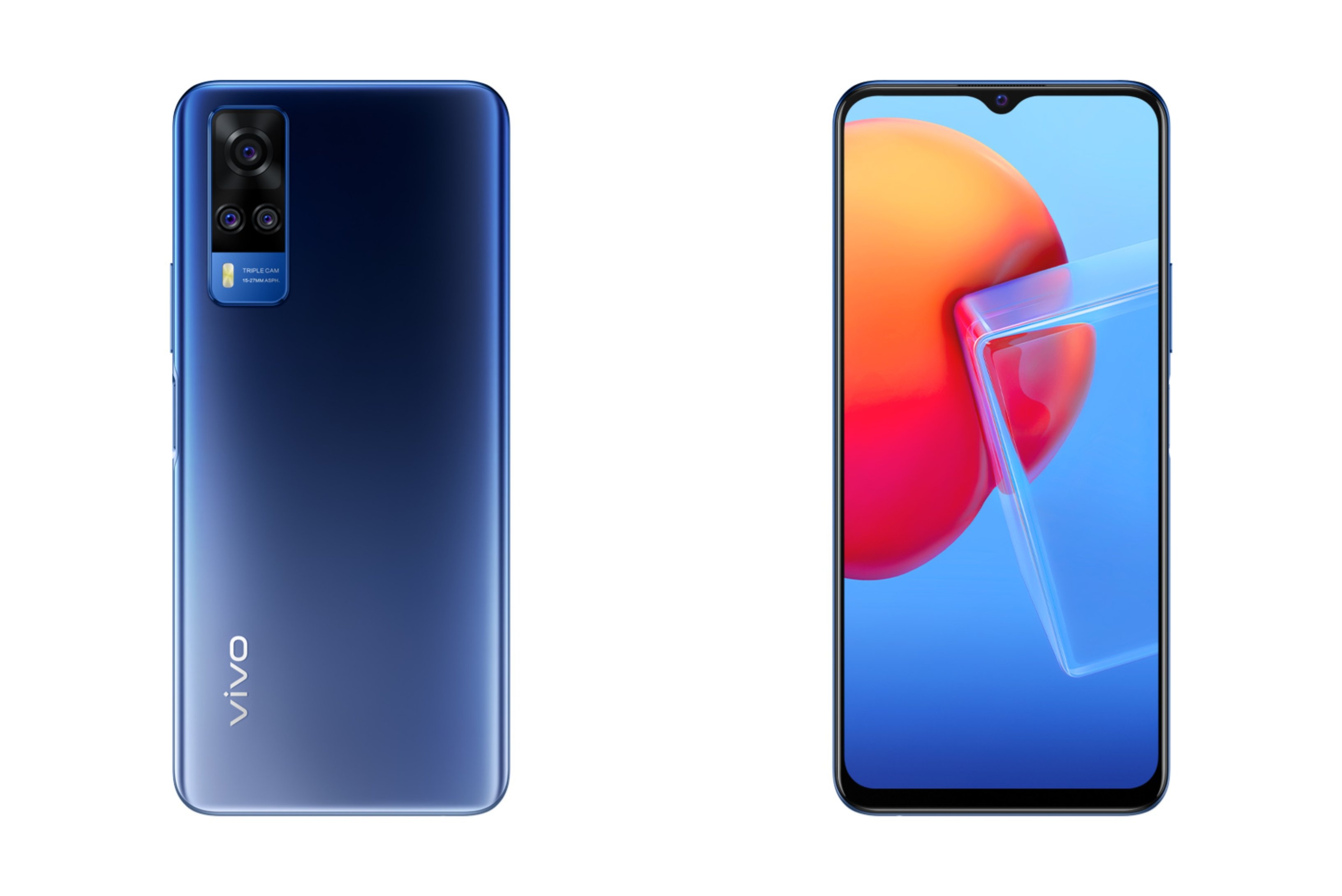
Vivo recently launched the Y51 smartphone in India back in December. Now, a report by MySmartPrice says that it will get a watered-down sibling soon.
According to the report, Vivo Y51A(2021) will be a slightly toned-down variant of the Y51. Citing retail sources, it says that the device will be the new Y-smartphone from Vivo in India. That’s not the only device with a Year tag on it. Recently, Vivo also brought a Vivo V20(2021) with slightly tweaked specs from Vivo V20.
Anyway, the report says that Vivo Y51A(2021) will sport a Snapdragon 662 SoC onboard. In contrast, if you look at the Vivo Y51, it has a Snapdragon 665 with a 10% slightly higher frequency. This already hints that the device will have less-appealing specs compared to the Y51. However, we can’t rule out the highlighting point that could be a plus for it, the price.
The Vivo Y51 with features like a FHD+ display, 8GB RAM, bigger camera than Y50, retails for 17,990($245). Hence, the Y51A should be definitely a bit cheaper than its sibling. That said, the report doesn’t have any further information regarding the specs, and design but we feel that it might have some similarities to the Y51.
Speaking of which, the Vivo Y51 sports a design similar to the X50, X60 series on the back. It comes in two colors- Titanium Sapphire and Crystal Symphony. Upfront, it features a 6.58-inch display with a resolution of 2400×1080 pixels.
For cameras, you get a 48MP main, 8MP ultra-wide, and a 2MP sensor. On the front, there is a single 16MP selfie shooter tucked below the v-shaped notch. Other features include a 5,000mAh battery with 18W charging, dual-SIM 4G, Wi-Fi, Bluetooth 5.0, side fingerprint sensor, 3.5mm audio jack, USB-C port, and more.
For the past few years, smartphone OEMs have been trying their best to reduce display bezels. As a result, we get to see phones with a wide variety of notches and punch holes. However, the main goal has always been to remove these obstructions to achieve a full-screen device.
The only way to achieve this is by placing the front camera underneath the display. We already have the first commercial handset with this design in the form of ZTE Axon 20 5G. But the list of products with this tech may soon grow as the world’s largest smartphone maker Samsung has patented an implementation regarding the same.
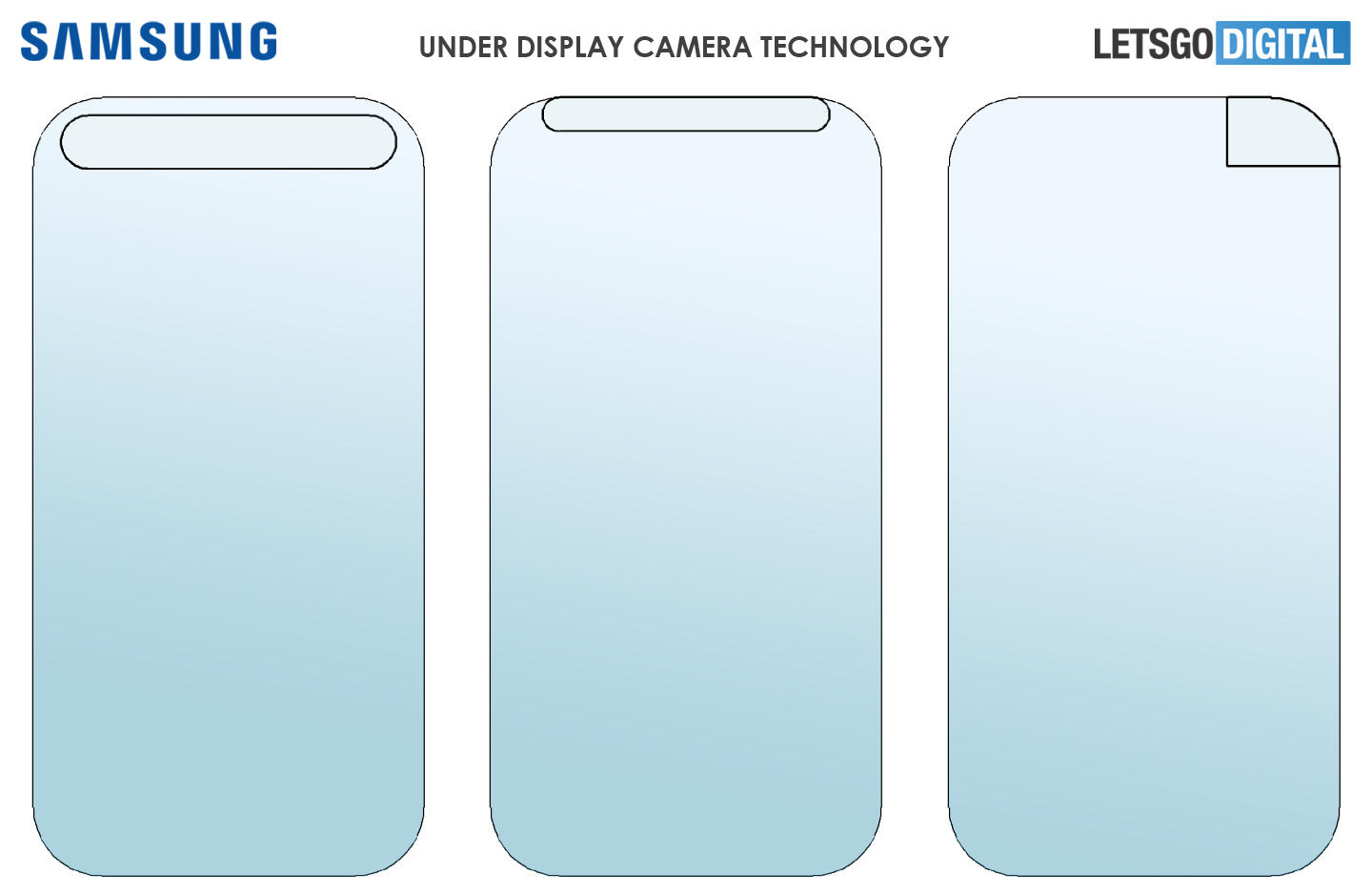
According to LetsGoDigital, Samsung Display filed a patent titled ‘Display Device’ with the USPTO (United States Patent and Trademark Office) in May 2020. Its documentation was later published on December 31, 2020.
This patent details the South Korean tech giant’s under-display camera implementation on smartphones. As per the documents, this solution includes two display parts. The first one is the primary screen with a better resolution, whereas the second smaller part has a comparatively lower resolution.
This second part can be either placed along the entire top side of the handset or any of the top sides. This section can be used not only to hide the front-facing camera but also LED flash and sensors.
Infrared sensors can be utilized to easily recognize objects/people as more light cannot enter underneath the display. This sensor can also calculate the distance between the phone and the objects/people.
That said, Samsung also makes reference to a similar patent filed in 2016 in the new one. Thus, we can say that the company has been continuously improving its implementation for years.
Anyway, it is not known when the tech behemoth will bring this solution to the market. Nevertheless, we can expect it to debut on a high-end Galaxy A series phone instead of flagships.
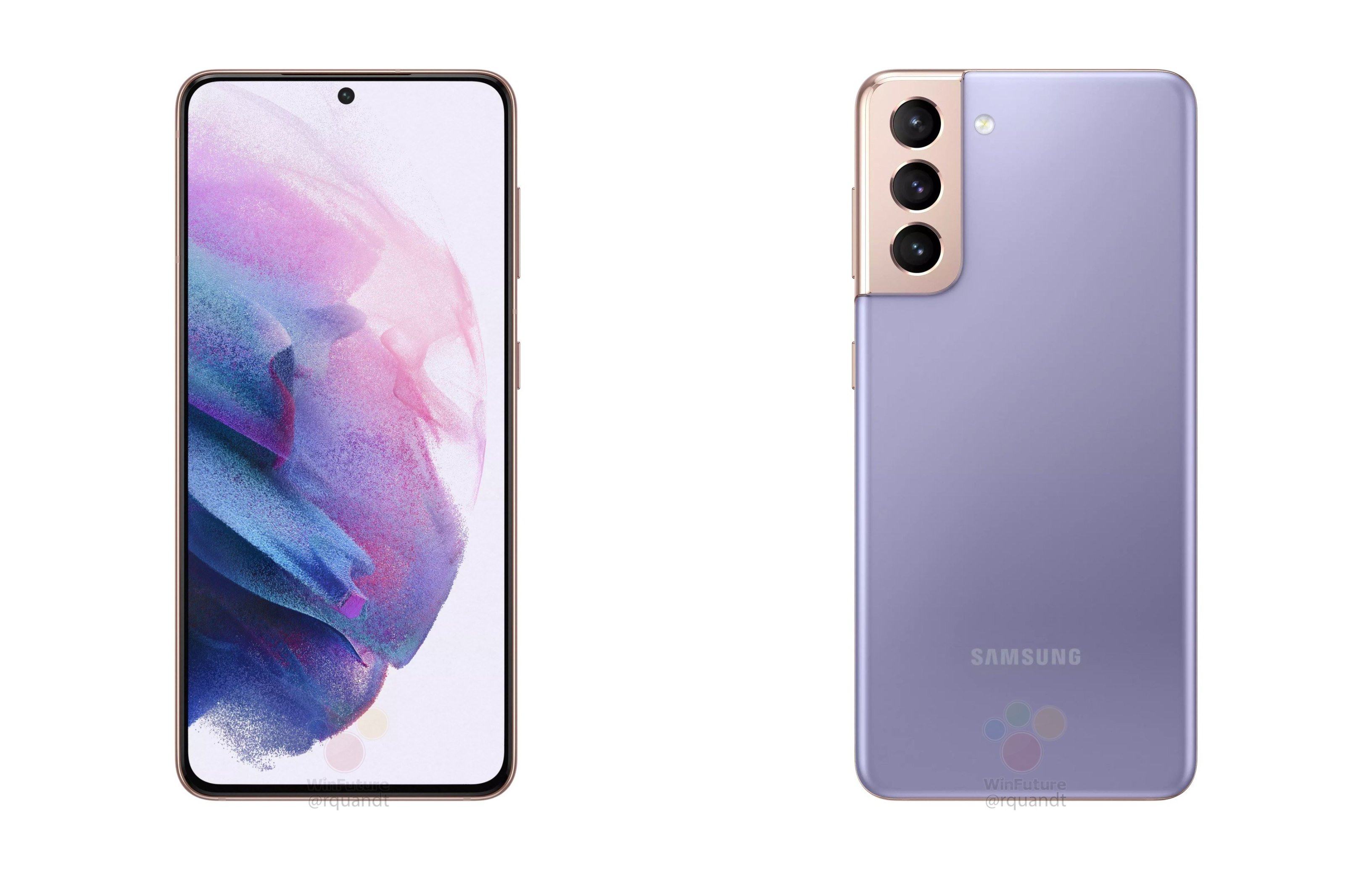
Samsung has been hyping up the next Galaxy Unpacked event that is happening on January 14. Almost all the details including price of the supposed Galaxy S21 series, for certain regions, have already been leaked. Now, Samsung says it will give a free case if you pre-reserve the device on its website.
Samsung India’s website(via) has a dedicated page for pre-reserving the next Galaxy smartphone. It hasn’t quite confirmed the moniker yet but it will mostly be the Galaxy S21 as per various reports. Anyway, the page says that users who pre-book the device by paying ₹2,000($27.30) will be eligible for a “Free Cover”(case) worth ₹3,849($53).
Here, the payment will actually fetch you a “Galaxy VIP Pass”. You can use this VIP pass during the final purchase and get the device on “Priority”. Also, applying the VIP pass will deduct the final price by ₹2,000. That’s not all as the website hints that there might be a chance of more gifts for early birds.
Anyway, Samsung hasn’t revealed which case would accompany the smartphone. Besides, the entire cases of the S21 series that the company is planning to launch have already been leaked. Having said that, you can also cancel the VIP pass anytime before using it in case you take a step back.
Reports say that Galaxy S21 series will divert from the previous generation and offer FHD+ display on S21, S21+, Plastic build on the S21. This is probably to keep the costs low whilst proving the latest features. Speaking of which, the series will mostly have three devices- Galaxy S21, Galaxy S21+, and Galaxy S21 Ultra.
Alongside the S21 devices, Samsung is also expected to unveil the Galaxy Buds Pro TWS and it’s Samsung Galaxy SmartTag Bluetooth tracker on January 14 at 10 AM EST(8 PM IST).
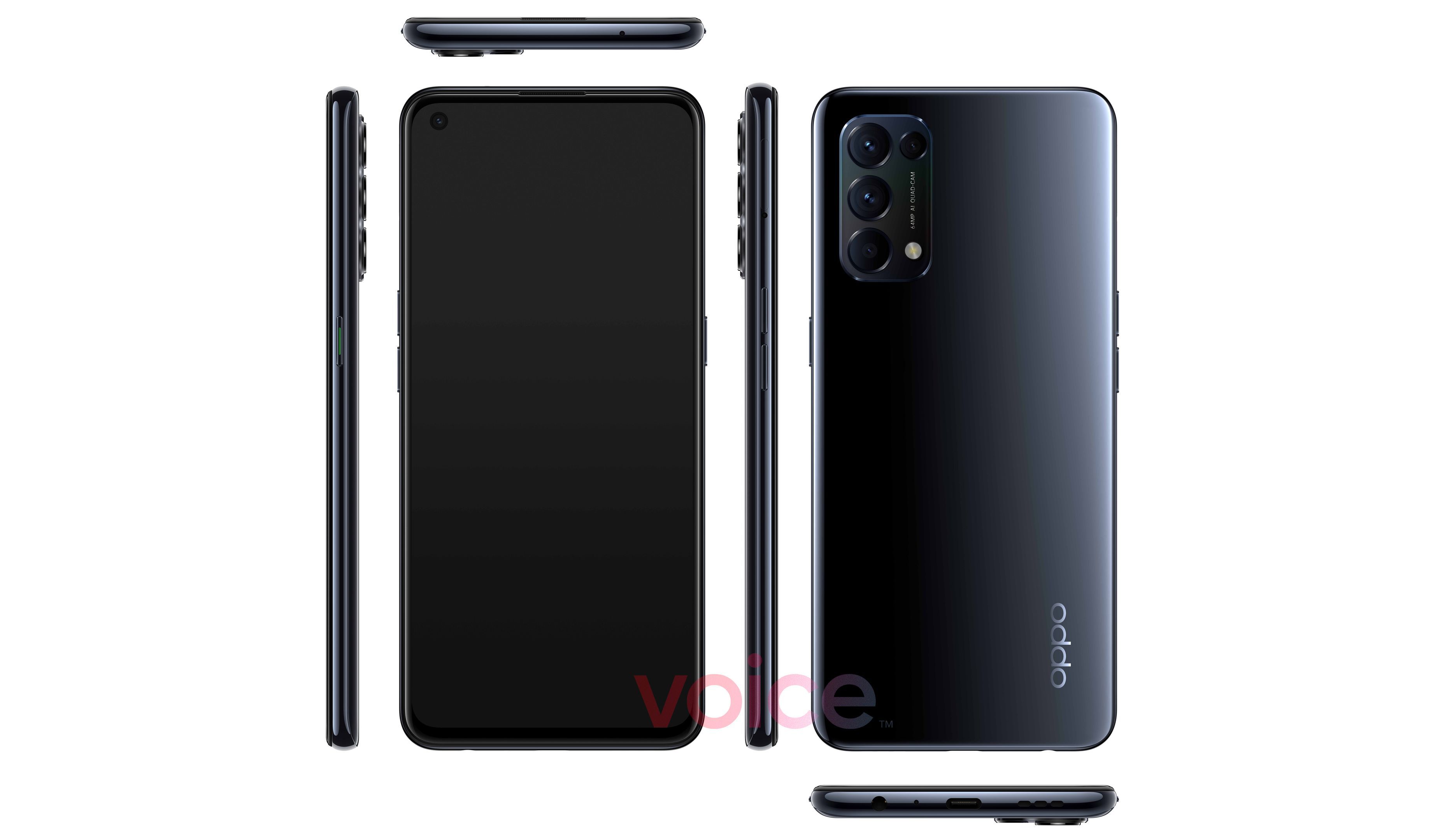
OPPO is expected to introduce the Find X3 and Find X3 Pro flagship phones in Q1 this year. Fresh information reveals that the lineup will also include an upper mid-range phone called the Find X3 Lite. It will be arriving as the successor to the Find X2 Lite from last year. According to reputed tipster Evan Blass, the Find X3 Lite will be a rebranded version of the Reno5 5Gv that debuted in China last month.
Blass revealed that not only the specs but also the design of the Find X3 Lite are identical to the Reno5 5G. However, the only noticeable difference is that it features a regular OPPO logo instead of the Reno Glow branding found on the Reno5 5G.
The tipster further mentioned that the entire Find X3 lineup that includes the Find X3 Pro, Find X3, Find X3 Lite, and another device named Find X3 Neo will be announced in early March. These phones are expected to be available for purchase from April.
The Find X3 Lite is expected to arrive with a 6.4-inch AMOLED display that supports a Full HD+ resolution of 1080 x 2400 pixels and a 90Hz refresh rate. The screen of the Find X3 Lite will be embedded with a fingerprint sensor.
The Snapdragon 765G SoC will be fueling the device with 8 GB of RAM. The handset will come with 128 GB of storage and ColorOS 11.1 based Android 11 OS preinstalled. The phone will be backed by a 4,300mAh battery that will tag along with 65W SuperVOOC 2.0 fast charging.
The pricing of the Find X3 Lite will be nearly identical to its Chinese counterpart. In China, the Reno5 5G is selling for 2,699 Yuan (~$417). The X3 Lite is expected to arrive in colors like Galactic Silver, Azure Blue, and Starry Black.
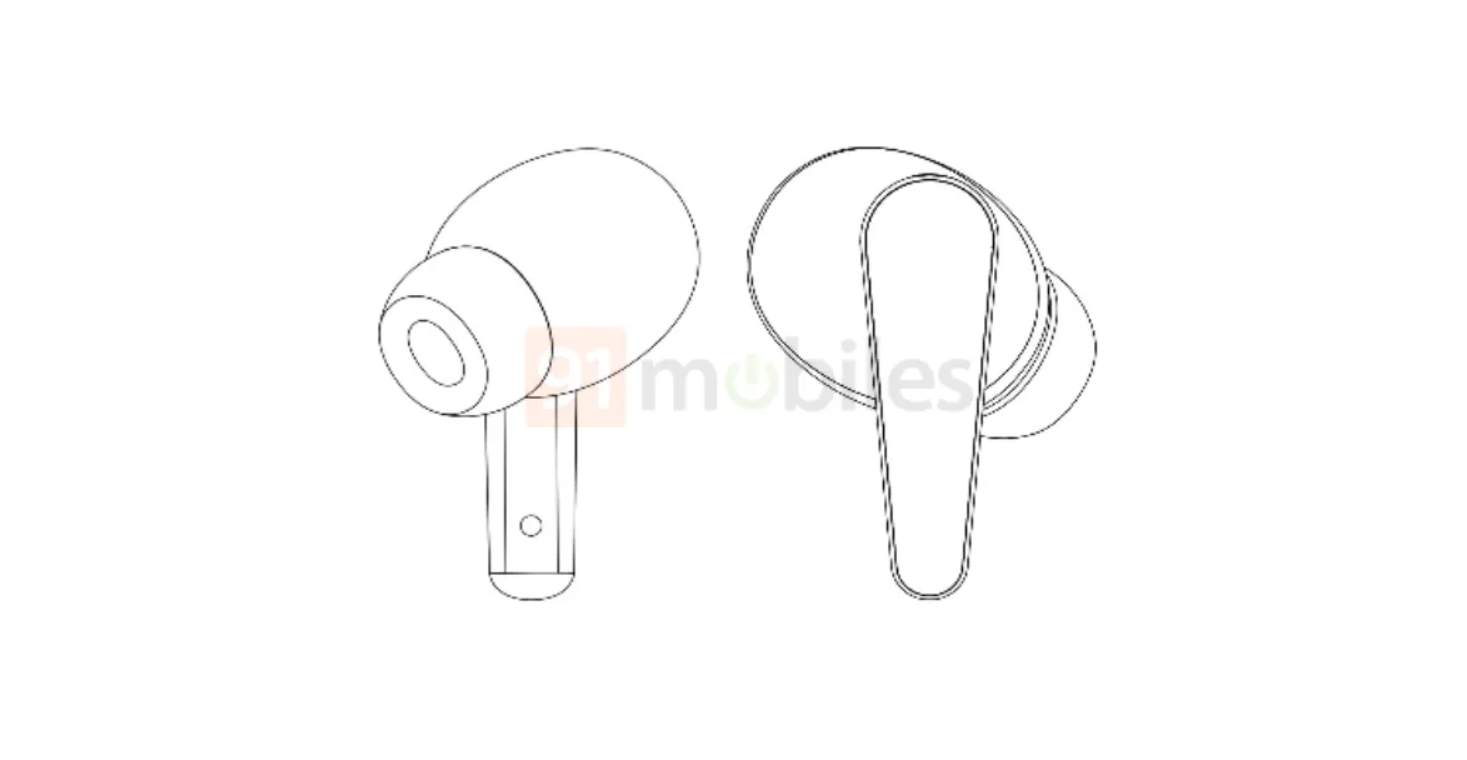
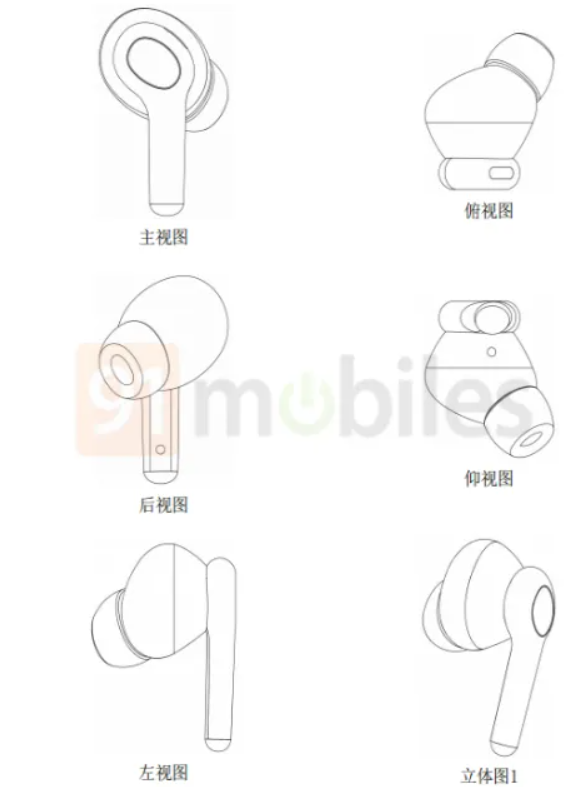
Vivo is apparently aiming at expanding its truly wireless earbuds lineup. The company recently filed for multiple patent designs for new TWS earbuds and their charging case in China.
Images via 91Mobiles
According to a 91Mobilesreport, the Chinese tech giant applied for three designs for a new TWS earbud in China. These patent documentation revealed two possible designs for the upcoming earbuds, with only a slight difference between both designs. In the patent, the charging case can also be seen along with the wireless earphones. Looking at both the patents, it can be observed that Vivo is adding silicon tips for its in ear style earphones.
These silicon tips are angled to provide a comfortable fit to the user, and also bear a slight resemblance to the popular Apple AirPods Pro. The primary difference between both patent designs is the fact that one of the variants features a marginally shorter and thicker stem. Both earbuds feature a charging pin at the bottom, with one of the variations apparently housing a capacitive button at the back for controls like play/pause and other commands.
This also implies that one of these Vivo earbuds design could feature touch support and gesture controls. Apart from these differences, both models feature a microphone/speaker at the top of the buds for what appears to be calls and noise cancelation. Talking about the charging case, it follows a simple rectangular form factor for both variants, with the USB Type C charging port being housed on the side. Unfortunately, this is just a patent so we still have no way of confirming if the company is actually working on such a product. So stay tuned for more updates.
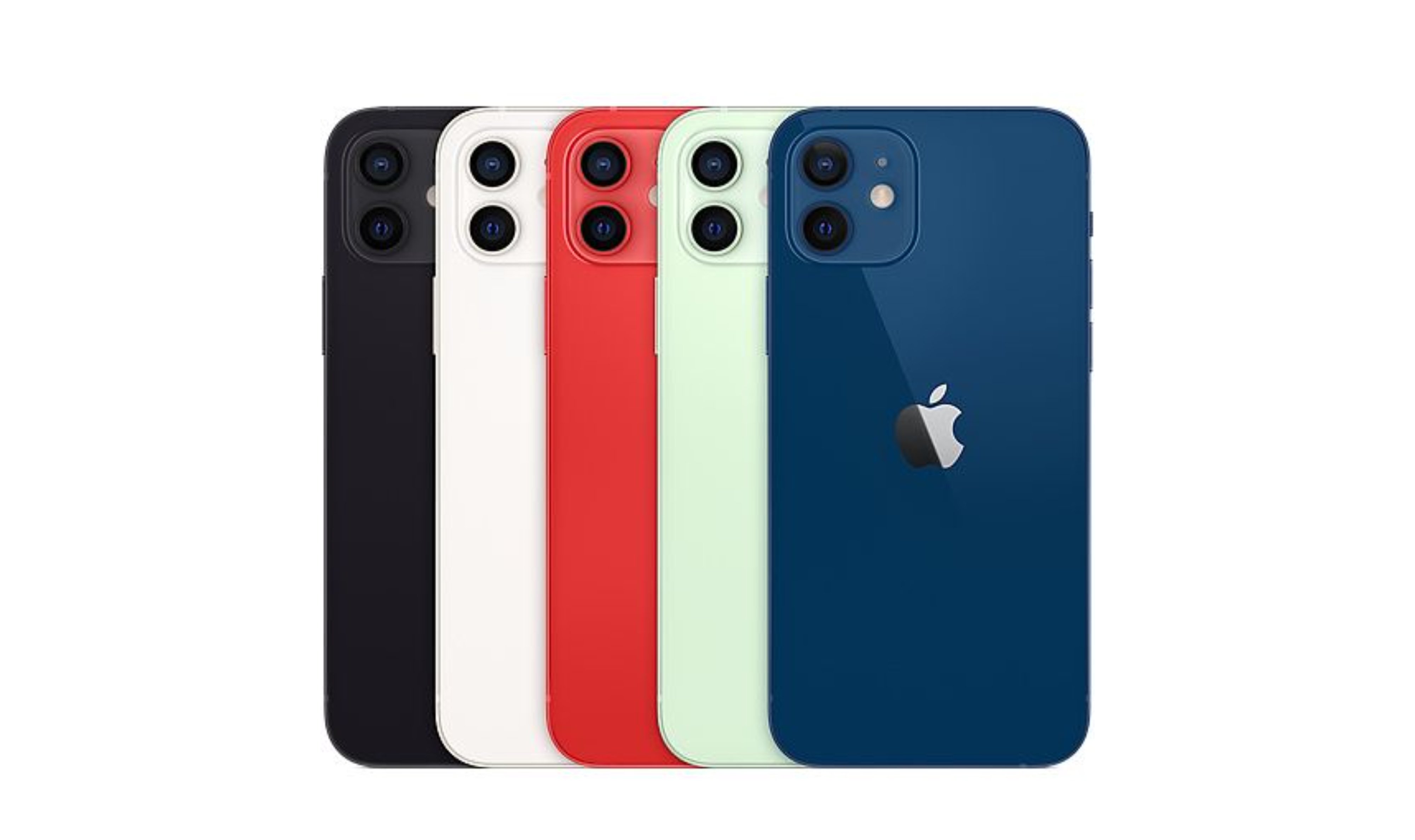
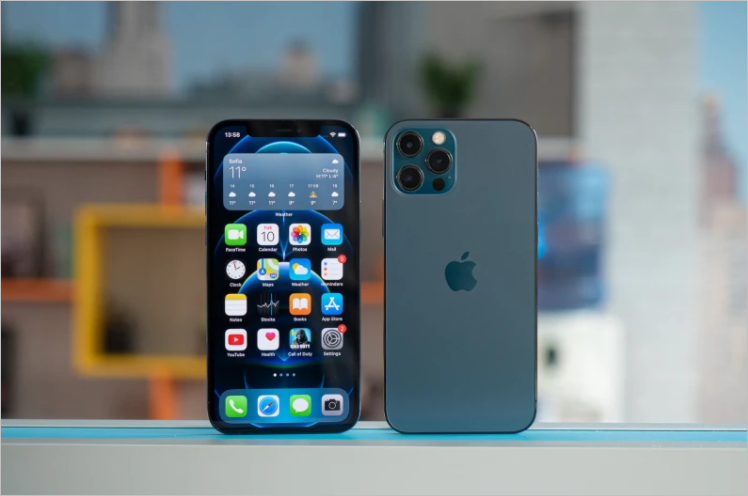
Known analyst, Ming-Chi Kuo, has just revealed interesting details regarding Apple‘s plans for future iPhones and their camera modules. Apparently, the company will not be offering any major upgrades to its handset camera lenses till the iPhone 15.
According to a PhoneArena report, Kuo noted that the Cupertino based giant doesn’t plan on upgrading its iPhone camera lenses till the launch of the iPhone 15 series. In other words, we would reportedly not see any major upgrade on iPhone lenses till the year 2023. Back in 2020, Apple included a 7P lens with the wide camera on its new iPhone 12 lineup, which was an improvement over the 6P lenses used on the iPhone 11 series from 2019. This enabled the company to bring the aperture on the current models to f/1.6 from f/1.8 on the 2019 phones.
As per Kuo, Apple suppliers Largan and Genius Electronics are currently competing to acquire a higher share of Apple’s lenses supply chain. This would have both firms likely compete by lowering prices to win over the iPhone maker. Kuo further added that “Our latest survey pointed out that Largan will increase the average capacity utilization rate of 1H21 from 50-55% to more than 70%, and will further bargain the ASP of mid-to-high-end iPhone lenses by about 15-25%. We believe that this price war will have a direct negative impact on Genius’ 1H21 order proportion, capacity utilization rate, and gross profit margin.”
Notably, the report also says that a new supplier is expected to join the lenses supply chain for Apple. This firm is Sunny Optical, which will provide 5P lenses for 2021 iPad and 7P lenses for 2021 iPhone models. At the moment, it is said that Sunny Optical will hold a 10 percent share for iPad lens supply and 15 to 20 percent for the iPhone lenses. This would add further strain on both Largan and Genius.
We use cookies on our website to give you the most relevant experience by remembering your preferences and repeat visits. By clicking “Accept”, you consent to the use of ALL the cookies.
This website uses cookies to improve your experience while you navigate through the website. Out of these, the cookies that are categorized as necessary are stored on your browser as they are essential for the working of basic functionalities of the website. We also use third-party cookies that help us analyze and understand how you use this website. These cookies will be stored in your browser only with your consent. You also have the option to opt-out of these cookies. But opting out of some of these cookies may affect your browsing experience.
Necessary cookies are absolutely essential for the website to function properly. This category only includes cookies that ensures basic functionalities and security features of the website. These cookies do not store any personal information.
Any cookies that may not be particularly necessary for the website to function and is used specifically to collect user personal data via analytics, ads, other embedded contents are termed as non-necessary cookies. It is mandatory to procure user consent prior to running these cookies on your website.