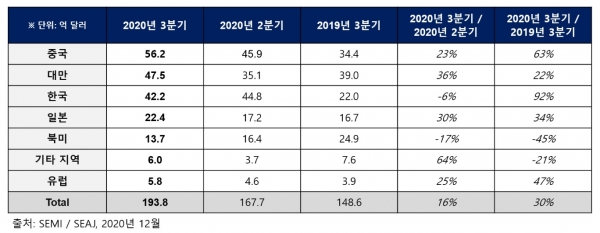
The semiconductor equipment sales have increased by a sizeable 30 percent worldwide in the third quarter of this year. This figure is a significant bump over the same quarter from back in 2019.
According to TheElecreport based on a SEMI analysis, the global sales of semiconductor equipment reached 19.4 billion US Dollars in Q3 2020. Out of this, China accounted for a notable 5.62 billion US Dollars. This was closely followed by Taiwan with 4.75 billion US Dollars. South Korea arrived third with 4.22 billion US Dollars, despite semiconductor equipment sales dropping by 6 percent in the third quarter compared to the previous quarter, but still saw an impressive jump of 92 percent over the same period last year.
Samsung Electronics and SK Hynix were notable figures and 2020 marked an increase in expenditure from both companies, which likely led to the growth. The former even began operations at its P2 line at its Pyeongtaek factory back in August. The South Korean tech giant has even signed contracts that are collectively worth 87.2 billion Won (or roughly 80 million US Dollars) in the third quarter for semiconductor equipment. Similarly, SK Hynix also signed two contracts worth 30.9 billion Won (roughly 28 million US Dollars) as well.
Motorola is reportedly working on a flagship phone that is codenamed as “Nio.” The Snapdragon 865 powered handset is expected to launch in Q1 2021. Fresh information shared by German publication Technik Newsreveals that the Lenovo-owned brand will also launch two budget phones in Q1 next year. These phones are codenamed as Capri and Capri Plus (caprip) and their respective model numbers are XT2127 and XT2129.
Motorola Capri and Capri Plus specifications (Expected)
The Motorola Capri is said to house a 60Hz display with a waterdrop notch and 720 x 1600 pixels HD+ resolution support. The Snapdragon 460 SoC powered device may ship with 4 GB of RAM and 64 GB of storage.
It has an 8-megapixel Samsung s5k4h7 lens as the front-facing camera. It rear-facing quad-camera module may feature a 48-megapixel s5kgm1st Samsung lens, an 8-megapixel ultrawide s5k4h7 Samsung sensor, a 2-megapixel OmniVision ov02b1b depth sensor, and a 2-megapixel GalaxyCore gc02m1 macro lens.
The Capri Plus has a 90Hz display that supports HD+ resolution. It is unclear which processor will be powering the device. The phone is expected to arrive in 4 GB RAM + 64 GB storage and 6 GB RAM + 128 GB storage options.
It will have a 13-megapixel Samsung s5k4h7 sensor as the selfie camera. The quad-camera setup of the device may comprise of a 64-megapixel OmniVision OV64B camera, a 13-megapixel Samsung s5k3l6 ultrawide lens, 2-megapixel OmniVision ov02b1b depth sensor, and a 2-megapixel GalaxyCore gc02m1 macro lens.
The battery size of both phones is not known yet. These phones are expected to arrive with some common features like Android 11 OS, NFC, and dual SIM support.
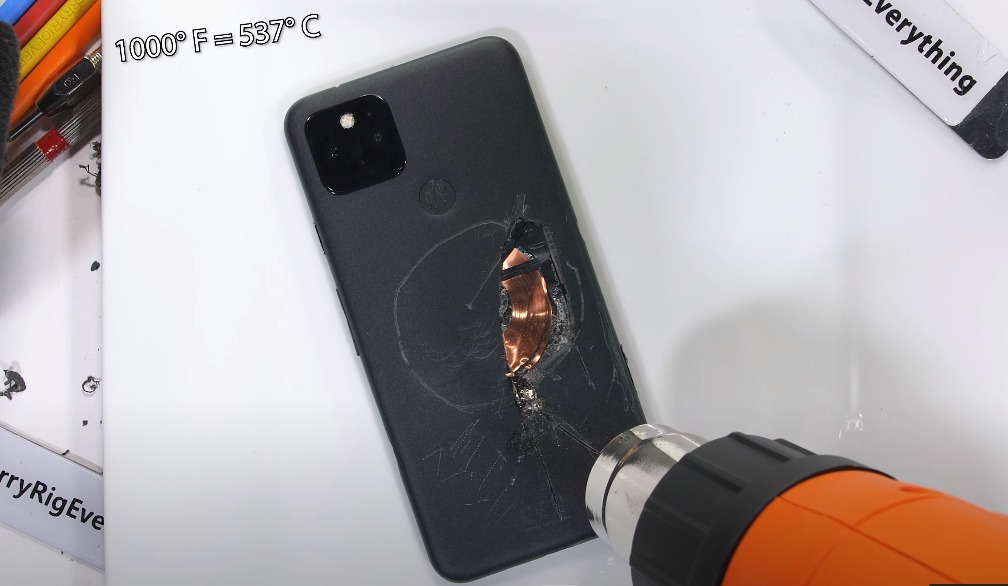
The Google Pixel 5 series is the company’s 2020 flagship lineup. While the search giant claims that the device is made out of metal, a recent durability test video revealed that the metal is actually buried under layers of plastic.
Known YouTube tech based content creator, JerryRigEverything, took to hunting down this metal that Google promised. In the video, we can observe him stress test and scratch test the Pixel 5. Apparently, the YouTuber wanted to find out for himself whether the company’s claims of using 100 percent recycled aluminum was true or not. Notably, since the Pixel 5 supported wireless charging, the claims from Google of an all metal device was already under scrutiny.
Apart from the power button, the rest of the smartphone is covered by layers of plastic. Google calls this finish, “bio resin,” which is just another name for plastic alloy. But, the device does have metal underneath all of these layers, although, one would have to dig around considerably. The video also reveals that once you go deep enough, you finally hit the wireless charging coils and the battery right underneath it.
Unfortunately, digging too deep had the YouTuber hit the battery, which caused fumes to come out of the rear. So, we advise you to not try this at home. To sum things up, Google did manage to make the device feel like metal, but its all just a clever trick that hides those fancy layers of plastic. You can check out the video yourselves above.
Last year, Qualcomm announced the Snapdragon 765 and Snapdragon 765G for upper mid-range phones alongside the Snapdragon 865. At the recently held Tech Summit Digital 2020, the company unveiled the Snapdragon 888 as the replacement to the SD865 chip, but it did not unveil the successor chip for SD765G. A fresh leak by Digital Chat Station reveals that it may debut in Q1 2021.
It is unclear whether the SD765G’s successor will be called Snapdragon 775G or Snapdragon 777. What is known is that it will be closely related to the Snapdragon 888. Qualcomm’s next Snapdragon 7-series chip is expected to rival MediaTek’s upcoming 6nm MT6893 chip and Samsung’s 5n Exynos 1080 SoC.
Past reports have revealed that its model number is sm7350 and it is codenamed Cedros. A prototype device powered with the chipset reportedly recorded over 530,000 points on AnTuTu benchmarks. The shipments of the chip is expected to begin soon after its announcement.
The alleged 6nm Snapdragon 777 is expected to arrive with several improvements over its predecessor. Phones powered with the new chip may arrive with up to 120Hz refresh rate supporting display, up to 12 GB of LPDDR5 RAM, and up to 256 GB of UFS 3.1 storage.
The Vivo X60 series that is expected to debut this month will be the first phones to feature the Exynos 1080 chip. The MediaTek MT6893 SOC is expected to go official this month. Phones feature the new Dimensity chip are expected to be available in the market next year.
With the Apple iPhone 12 series, the company essentially removed any accessories that one would expect to arrive within the box. However, it seems that certain local laws are preventing the Cupertino based giant from following this practice in Brazil.
Previously, we had reported on Apple being forced to ship iPhones with the included EarPods in France due to local laws. Now, a similar case has occurred in Brazil, after the Brazilian state of São Paulo has basically forced the company to ship its new iPhones with the accessory included. According to a 9To5Macreport, local news agencies reported earlier today (3rd December 2020) that the public consumer protection agency has sent a notification to Apple, asking for clarification on the removal of the power adapter from the iPhone box.
Furthermore, the public agency is also asking the company to prove that not including the charger will be beneficial to the environment and the customers. Apple responded with its own arguments, which were its original points, that most users already have compatible chargers. Thus, removing the charger from the box will reduce the total carbon emissions. However, the Brazilian agency isn’t content with the response and ruled that the power adapter is an essential component of the product. So, shipping iPhones without it would be going against the Brazilian Consumer Defense Code.
As per the agency, the company hasn’t provided enough evidence that removing the chargers from the box would help the environment in any way. Additionally, Apple has also not guaranteed that it will offer the same technical support to consumers that purchased third party chargers. At the moment, the agency is waiting for Apple’s response, which must arrive by tomorrow lest the company faces a fine in the country. While the decision is exclusive to São Paulo State, Brazil’s National Consumer Secretary is considering enforcing this nationwide to have the company sell iPhones with its chargers.
Xiaomi is expected to launch the Xiaomi Mi 11 series later this month. The lineup reportedly includes two handsets named the Mi 11 and Mi 11 Pro. Fresh leaks have surfaced on Weibo to reveal the specs of the two phones. Also, a couple of images have also surface to showcase the rear camera design of the Mi 11 duo. Before reading ahead, readers are advised to digest this report with a grain of salt since these leaks are not from regular leakers.
Xiaomi Mi 11 and Mi 11 Pro specifications (Unconfirmed)
The leak reveals that the Mi 11 and Mi 11 Pro will be equipped with S-AMOLED panels that offer a 120Hz refresh rate and quad HD+ resolution. The exact screen size is not mentioned in the leak. Both phones are said to be equipped with 20-megapixel front-facing cameras.
The Mi 11 could be backed by a battery of around 4,780mAh capacity and it may come with support for 50W wired charging and 30W wireless charging. The Mi 11 Pro could be coming with a smaller battery of around 4,500mAh capacity. It may support 120W wired charging and 80W wireless charging.
The leak states that Mi 11 may feature a 108-megapixel + 13-megapixel (ultrawide) + 5-megapixel (macro) triple camera setup. The Mi 11 Pro could be equipped with a 48-megapixel (OmniVision OV48C) + 20-megapixel (ultrawide) + 12-megapixel (telephoto with 2x optical zoom) triple camera setup.
The Snapdragon 888 will fuel the device with LPPDR5 RAM and UFS 3.1 storage. For security, these phones have an under-display fingerprint scanner and 2D face unlock. The other features that are available on Mi 11 duo include dual speakers, x-axis linear motor, IR blaster, and NFC. The leak states that the Mi 11 with 8 GB RAM + 128 GB storage may cost 3,999 Yuan (~$610) to 4,499 Yuan (~$686). The Pro model with the same RAM and storage may cost 5,299 Yuan (~$808) to 5,499 Yuan (~$838).
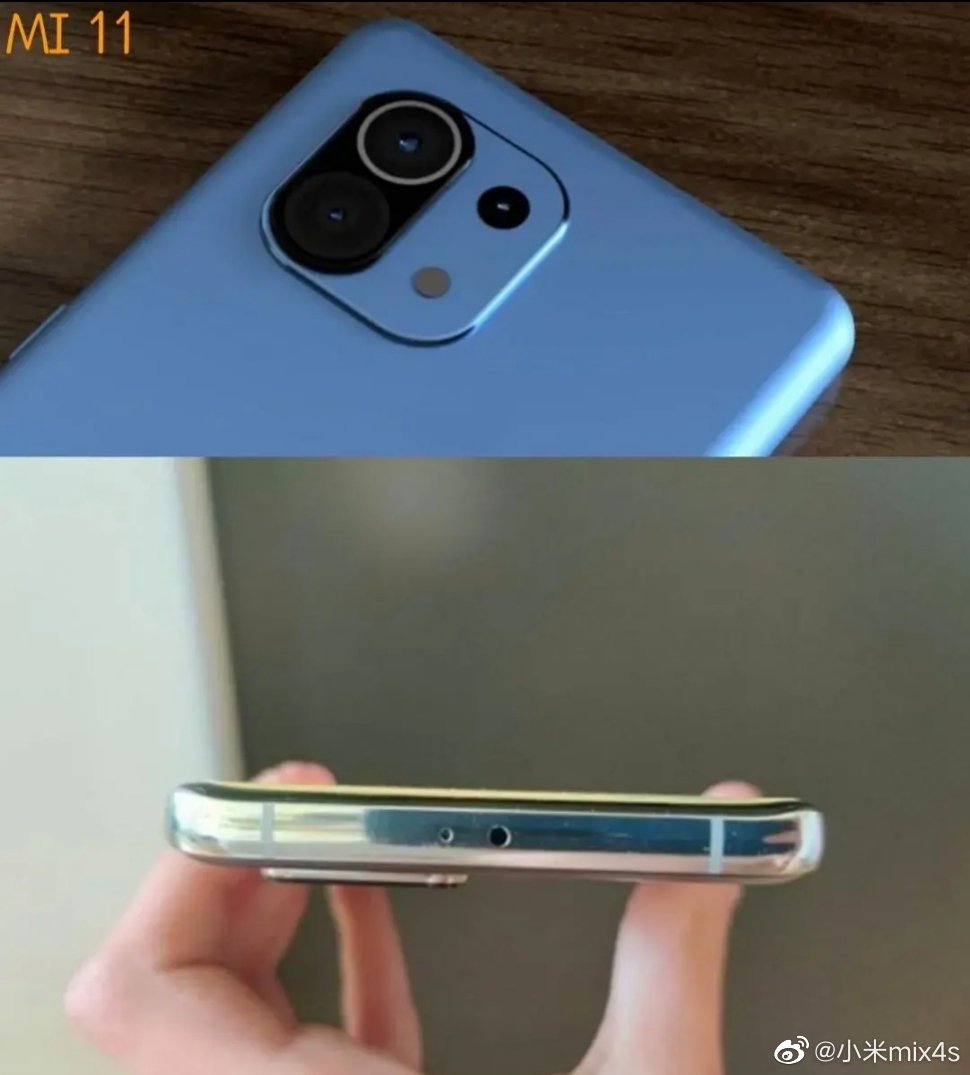
Tipster Digital Chat Station hinted today that the Mi 11 series will have a horizontal camera array. Shown above are some images that reveal that the Mi 11 duo will have a square-shaped camera module.
Chinese smartphone maker vivo has launched vivo Y51 as its latest budget smartphone in Indonesia. The new phone, albeit affordable, sports a rear design that is reminiscent of the expensive vivo X50 series. Let us take a closer look at the specs, features, and price of this new handset.
vivo Y51
vivo Y51 Specifications and Features
The newly launched vivo Y51 flaunts a 6.58-inch IPS LCD panel on the front with a resolution of 2408 × 1080 pixels (FHD+). The display supports the standard 60Hz refresh rate and features a dew-drop notch on the top nesting a 16MP selfie camera.
Whereas, the back of the phone houses a vertically aligned ‘vivo’ branding and a triple camera system consisting of a 48MP primary sensor with an f/1.79 wide-angle lens, an 8MP secondary sensor paired with an f/2.2 ultra-wide-angle lens, and a 2MP tertiary sensor with an f/2.4 macro lens. These cameras are also accompanied by a dual-LED flash.
Further, the device is powered by Qualcomm Snapdragon 665 chipset coupled with 8GB RAM and 128GB internal storage. If needed, the storage can be further expanded up to 1TB using a microSD card. As for software, it runs Funtouch OS 11 based on Android 11.
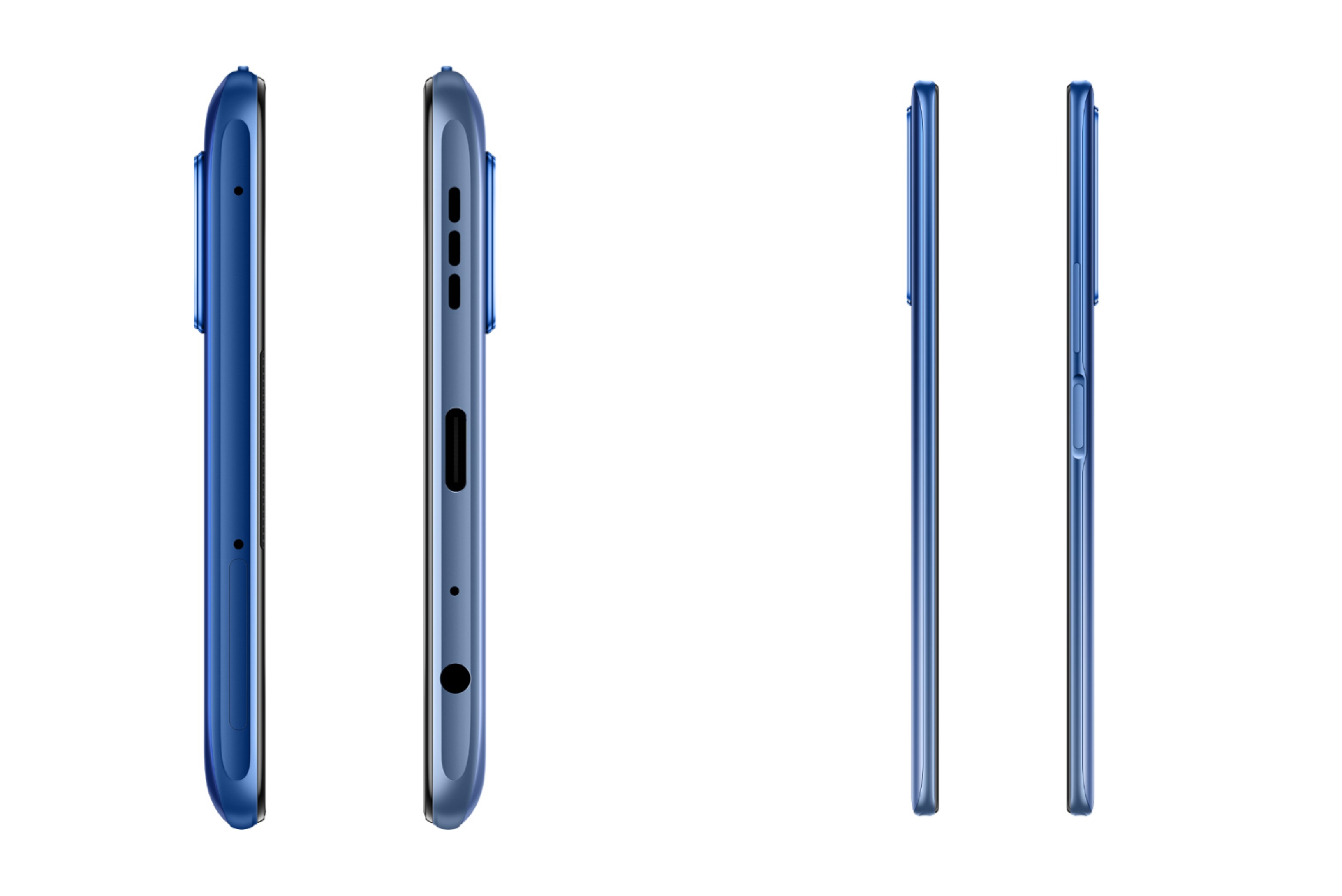
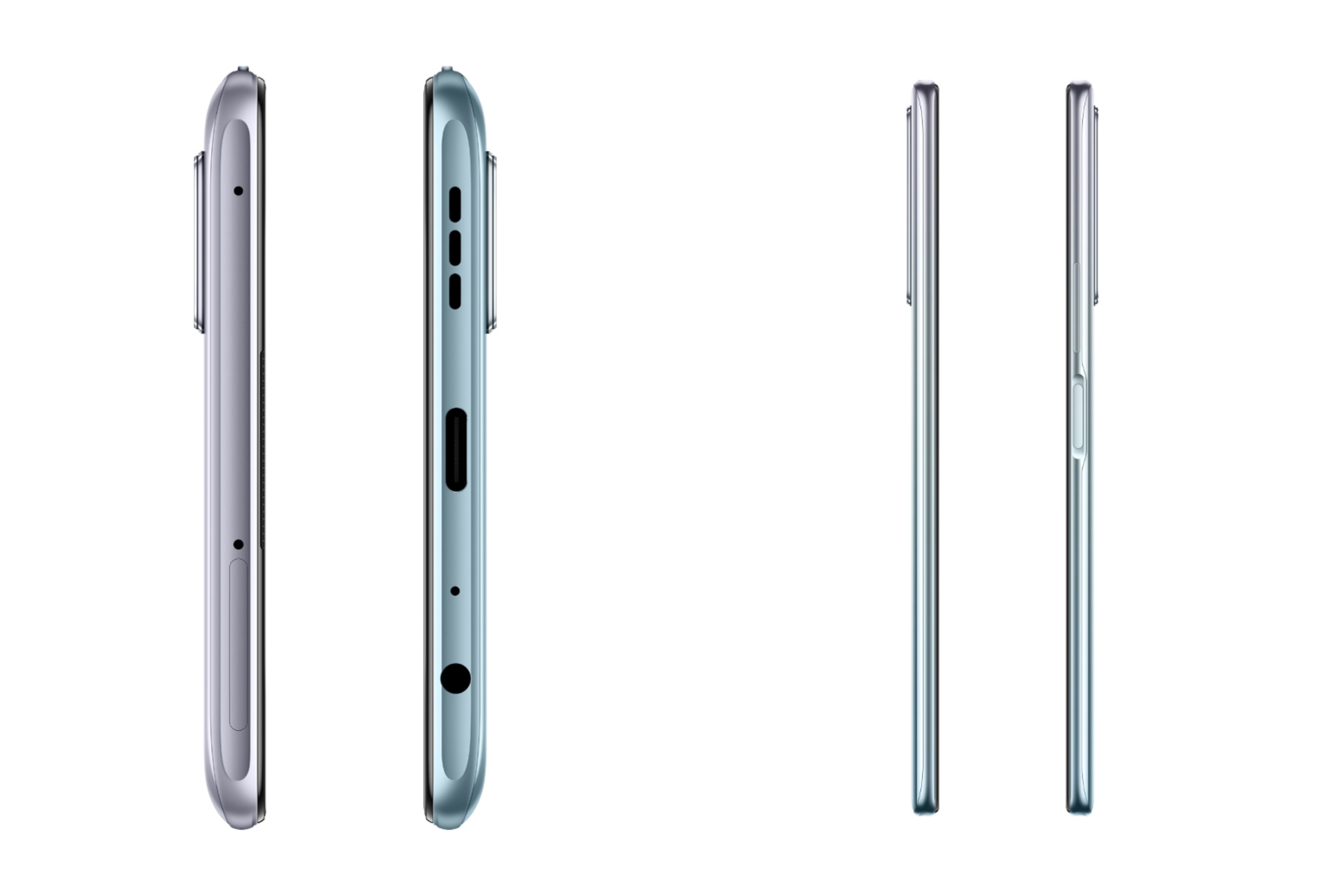
Being a budget smartphone, it comes with a 3.5mm headphone jack, which sits at the bottom alongside the USB Type-C port, speaker grille, and primary microphone. Then, the Dual SIM card + microSD card slot and secondary microphone are located at the top, volume rockers and a fingerprint sensor embedded power key reside on the right side, and finally, the left side is clean.
1 of 5
Other specs of this handset include dual-band WiFi 5, Bluetooth 5.0, GNSS (GPS, BeiDou, GLONASS, Galileo), accelerometer, ambient light sensor, proximity sensor, compass, gyro sensor, and a 5,000mAh battery with support for 18W fast charging.
Last but not least, the vivo Y51 measures 163.86 × 75.32 × 8.38mm in dimensions, weighs 188g, and comes in two colors namely Titanium Sapphire (Blue) and Crystal Symphony (Green).
vivo Y51 Pricing and Availability
The vivo Y51 is currently limited to Indonesia priced at Rp 3,599,000 ($253). According to a report, this phone may debut in India by the end of December to replace the vivo S1 Pro. Hence, it should cost under ₹20,000 ($271) in the country.
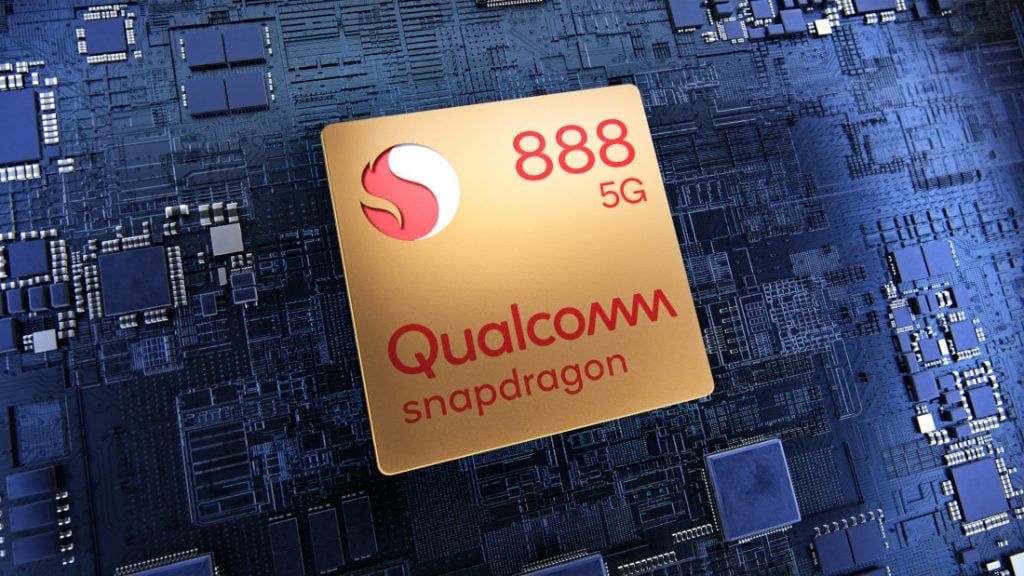
Recently, Qualcomm officially announced its next-generation flagship mobile chipset — Snapdragon 888. The processor is the successor to the company’s own Snapdragon 865 SoC launched last year.
The company was expected to name this chipset Qualcomm Snapdragon 875 but instead, when launched, the company named it Snapdragon 888. The reason for such a move from the company is also interesting.
During the keynote, Qualcomm claimed the number 888 to be the most premium name possible. That is because, in the Chinese culture, the number 888 symbolizes luck and prosperity, which the company wants to ensure for its continued success.
For Qualcomm, out of its 14 partners, 12 are the Chinese smartphone manufacturers. With the ongoing US-China trade war, the company wanted to ensure that it doesn’t affect the adaptability of its flagship chipset, and thus, opted for Snapdragon 888.
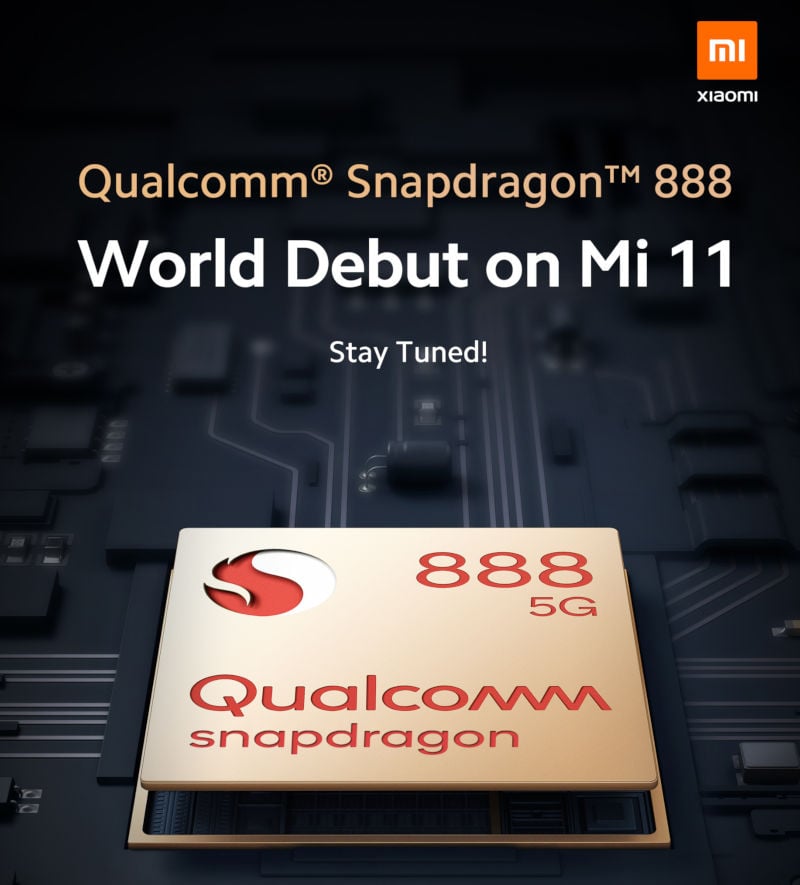
Xiaomi has confirmed that the brand’s Mi 11 will be the first smartphone to feature the newly launched SD888 SoC. While the launch date is not yet known, reports indicate that the phone could go official later this month.
Several other companies have also confirmed their flagship smartphone powered by the Snapdragon 888 chipset, which includes Black Shark, Nubia Red Magic, OPPO, Realme, LG, Vivo, iQOO, and OnePlus.
As for the chipset, the Qualcomm Snapdragon 888 is the most powerful offering from the company so far. It packs one Cortex X1 core, three Cortex A78 cores, and four Cortex A55 cores, along with Adreno 660 GPU.
It has an integrated Snapdragon X60 5G modem with support for mmWave and sub-6GHz 5G with support for most of the bands worldwide. The new SoC also supports Wi-Fi 6 and Bluetooth 5.2 and connectivity features. Here are the detailed specs of the chipset.
The Infinix Zero 8i smartphone is now official in India. It has arrived in the Indian market to rival other mid-range phones priced under Rs 15,000 (~$203). The major features of the Zero 8i include a high refresh rate display, dual selfie cameras, a gaming-focused mid-range chipset, and fast charging tech. Also, it sports a unique rhombus-shaped camera module for its rear cameras.
Infinix Zero 8i specifications and features
The Infinix Zero 8i has a massive 6.85-inch display that produces a Full HD+ resolution, a 90Hz refresh rate, a 20.5:9 aspect ratio, and a 180Hz touch sampling rate. The phone boots to OS7 based Android 10 OS and it has a side-mounted fingerprint scanner. The pill-shaped punch-hole cutout on the display has a 16-megapixel primary selfie camera and an 8-megapixel ultrawide lens. The front cameras support AI portrait mode, beautification features, and super night mode.
The backside of the device has a 48-megapixel main lens, a 119-degree 8-megapixel ultrawide shooter, a 2-megapixel depth sensor, an AI lens, and a quad-LED flash unit. The rear camera supports super night mode, an ultra-steady video mode that can shoot stable videos with the help of gyroscope and EIS, 4K video recording, and 960fps slow-motion video shooting.
The MediaTek Helio G90T fuels the device with 8 GB of RAM. The handset has 128 GB of built-in storage and a microSD card slot. Its 4,500mAh battery is equipped with 33W fast charging support.
Infinix Zero 8i price in India
The Infinix Zero 8i has landed in India for Rs 14,999 (~$203) and it comes in Black Diamond and Silver Diamond colors. The first sale of the phone will be carried out through Flipkart at 12 PM on Dec. 9.
AutoX, a China-based autonomous vehicle startup which is backed by Alibaba Group, has today confirmed that it has started testing the fully driverless vehicles in China with Pacifica minivans from Fiat Chrysler Automobiles NV (FCA).
The company will be deploying a fleet of 25 driverless vehicles in Shenzhen and five more in other cities to test the technology. AutoX has modified a number of vehicles from various manufacturers and tested them in Shenzhen, Shanghai, Guangzhou, Wuhan, and Wuhu.
Earlier this year, in July, AutoX became the second company to test a passenger vehicle on California’s public roads without a safety driver sitting on the front seat. The first company to do so was Alphabet Inc’s Waymo.
AutoX has said that the company will not have a remote center. It’s competitors, WeRide and Baidu, which are also testing driverless vehicles in China, uses a remote center that can take control of the vehicle if and when needed.
The company is pursuing the so-called level 4 autonomous driving standard. In this, a vehicle can handle all aspects of driving in most possible circumstances without the need for human intervention.
Vehicles of AutoX are equipped with the startup’s proprietary vehicle control unit called XCU, which the company claims have faster processing speed and more computational capability to handle complex road scenarios.
Xiao Jianxiong, Chief Executive Officer of the company had revealed last month that the company is currently in talks with prospective investors to fund fleet expansion and development plans. However, he has not shared more details about this.
Apart from Alibaba, the company is also backed by Dongfeng Motor Group and SAIC Motor Corp. So far, it has raised more than 160 million in five funding rounds, the latest being Series B raised in December last year.
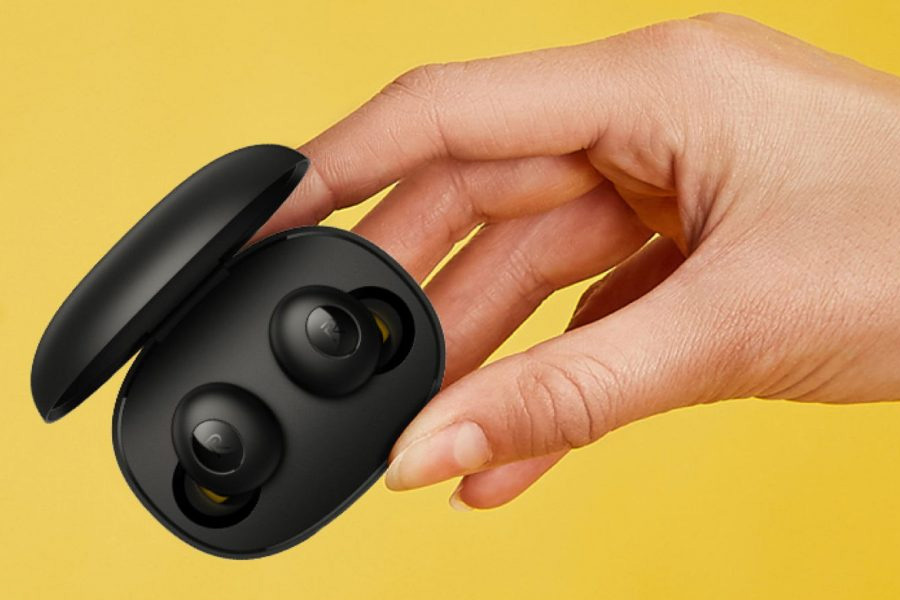
Realme has launched a couple of truly wireless earphones in the market and now the company seems to be gearing up to expand its portfolio of audio offerings by launching yet another TWS earphones — Realme Buds Q2.
As the name indicates, the upcoming earphones will be the successor to Realme Buds Q that was launched in India in June this year. However, the earphones were originally launched in China in May.
While the launch date for the upcoming Realme Buds Q2 is not yet known, but the fact that the device has been spotted on Indonesian telecom certification (via MySmartPrice) hints that the official launch should not be far away.
The listing has confirmed that the product is named Realme Buds Q2 and carries model number RMA2008. However, apart from that, the certification has not revealed anything else about the earphones.
If the company is planning to launch it soon, we expect to get more details in the coming days or weeks and an official confirmation from Realme for the launch date.
To remind you, the Realme Buds Q was launched as the company’s most affordable TWS earphones, priced at 129 yuan in China and ₹1,999 in India. Available in Black and Yellow colors, it features an in-ear design.
It comes with a 10mm bass booster unit with an ultra-low latency performance of 119ms. As for the battery life, it can run for about 4.5 hours on a single charge but with the storage box, that can be bumped up to 20 hours.
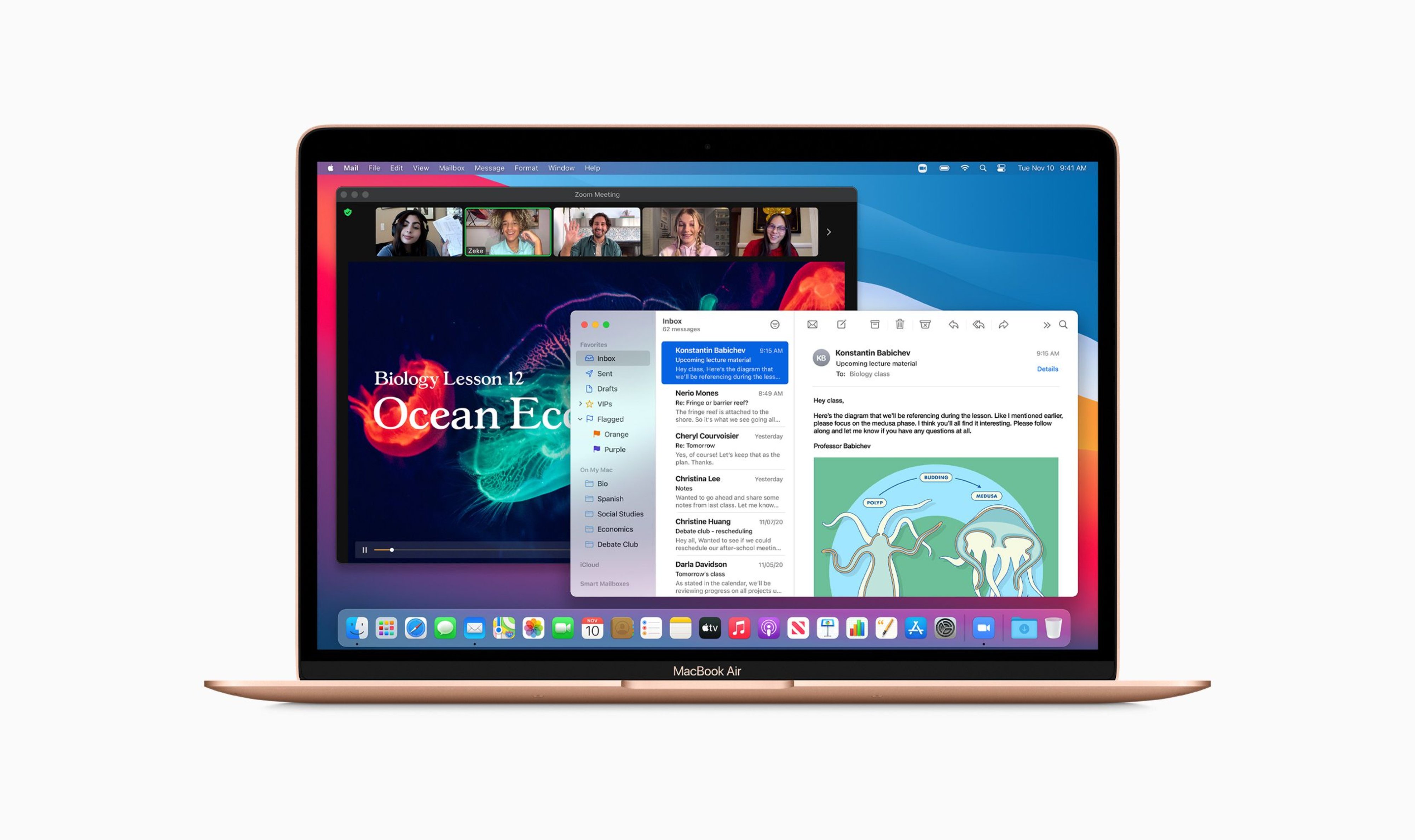
After promising Apple Silicon-powered MacBook devices, the Cupertino-based tech giant officially launched its new ARM-based M1 chipset and three new Mac devices — MacBook Air, MacBook Pro, and Mac Mini. With that, the company officially kicked-off the transition from Intel to its own ARM-based Apple Silicon.
So far, the response for the new M1-powered Mac devices is pretty good, thanks to the solid performance and improved battery life. Now, there are reports about the company’s new and more powerful chipset for Mac devices — Apple M2.
While the company has not yet confirmed this, several reports hint that the company will soon be launching new MacBook and iMac devices with a more powerful Apple Silicon processor, likely to be named M2.
Now, a new report coming from China claims that Apple will be launching the M2 chipset, manufactured using the 5nm process, and a new MacBook Pro 13-inch and MacBook Pro 16-inch powered by the same chipset, in early 2021.
It is also being reported that Apple is planning to launch two newly designed MacBook Pro models next year. In the year 2022, the company is expected to launch a refreshed MacBook Air along with MacBook Pro and MacBook, equipped with a Mini-LED display.
Interestingly, the report also claims that Apple will be launching a couple of GaN chargers in 2021. So far, nothing is known about the said chargers but if it’s true, then expect a smaller charger with the new MacBook purchases.
The Snapdragon 888 5G mobile platform that went official earlier is the most advanced mobile chipset from Qualcomm. The official specs page of the Snapdragon 888 is now live on Qualcomm’s website. The new SoC that is expected to power Android flagship phones in 2021 comes with several new improvements over its predecessor i.e. the Snapdragon 865 SoC.
The Snapdragon 888 is a 5nm chipset that comprises of the first-ever ARM Cortex-X1 performance CPU that works at 2.84GHz, three big Cortex-A78 that peaks at 2.4GHz, and four Cortex-A55 low power CPU that clocks at 1.8GHz. Compared to its predecessor, the SD888 promises 25 percent better performance. The Adreno 660 GPU promises 35 percent faster graphics rendering than its previous generation. It reportedly supports up to 16 GB of LPPDR5 RAM working at 3,200MHz and UFS 3.1 storage.
For AI processing, the Snapdragon 888 has the 6th generation Qualcomm Engine with the new Hexagon 780 DSP. The scalar accelerator which is now 50 percent more powerful, the tensor accelerator which is twofold fast, and the vector processing units are fused inside the Hexagon 780 DSP with 16x shared AI memory. Hence, it is dubbed as the fused AI accelerator architecture by the company. According to Qualcomm, the Hexagon 780 DSP offers a 26 TOPS AI performance, which brings 3 times performance per-watt improvement. The 2nd gen Sensing Hub comes with a dedicated low-power always-on AI processor for handling background tasks like screen awake, lift and activity detection, and audio event detection.
The Snapdragon X60 5G modem promises peak download speeds of 7.5G bps on 5G and peak upload speeds of 3 Gbps on 5G. It supports mmWave and sub-6GHz 5G networks, SA/NSA 5G networks, FDD and TDD networks. I t also supports Wi-Fi 6E, NFC, and Bluetooth 5.2. Support GPS systems include Beidou, Galileo, GLONASS, Dual-frequency GNSS, NavIC, NavIC enabled, GPS, GNSS, QZSS, and SBAS.
The Spectra 580 ISP is a triple image signal IPS which will make it possible to record video from three different simultaneously in 4K HDR quality. It supports up to 200-megapixel single camera, up to 64-megapixel dual cameras, and up to 28-megapixel triple cameras. It can shoot photos in 10-bit color depth, 120 images of 12-megapixel in one second, and record 4K videos at 120 fps. Phones featuring the SD888 chip will support a maximum resolution of 4K at 60Hz, and quad HD+ resolution at 144Hz. For gamers, the SD888 has Snapdragon Elite Gaming with Game Quick Touch feature that can reduce touch response latency and there is Variable Rate Shading (VRS) that can improve game renderings by up to 30 percent.
All the major smartphone brands like Samsung, OnePlus, Xiaomi, and others are expected to launch SD88 powered flagships in 2021. The first SD888 smartphones are expected to go official in Q1 next year.
Qualcomm recently unveiled its latest flagship chipset for smartphones, dubbed Snapdragon 888. This next-generation mobile platform will be powering most of the upcoming premium smartphones.
Soon after the SD888, SoC was unveiled, Chinese smartphone maker Xiaomi confirmed that the company will be among the first to launch a flagship device powered by the Snapdragon 888 chipset.
Recently, it was reported that Xiaomi’s upcoming flagship smartphone — Mi 11 could get launched in January 2021. However, a new report coming from well-known leaker ‘Ice Universe’ claims that the Mi 11 will be launched by the end of this month.
This is an interesting claim given that Xiaomi usually launches its flagship smartphone in the month of February. The company has reportedly sent the Mi 11 for network certification, which indicates that the launch isn’t far away.
Apart from that, it is also claimed that the smartphone will come with a four-curved screen design. Earlier leaks indicate that the phone will have a Quad HD+ display with a punch-hole cutout for the front-facing camera. Both the Mi 11 and Mi 11 Pro are expected to feature a 120Hz refresh rate screen.
If Xiaomi is indeed planning to launch the Mi 11 in December 2020, then we expect to start getting teasers about the upcoming phone’s features and specifications in the coming weeks. In that case, the company should also be revealing the launch date soon.
The Qualcomm Snapdragon 888 chipset is built using the 5nm process and comes integrated with the third-generation Snapdragon X60 5G modem that supports mmWave and sub-6 5G across all major bands worldwide.
Xiaomi isn’t the only company that has confirmed its SD888-powered smartphone. Several other brands, including Black Shark, Nubia Red Magic, OPPO, Realme, LG, Vivo, iQOO, and OnePlus have confirmed to launch their Snapdragon 888-powered flagship smartphones in the coming months.
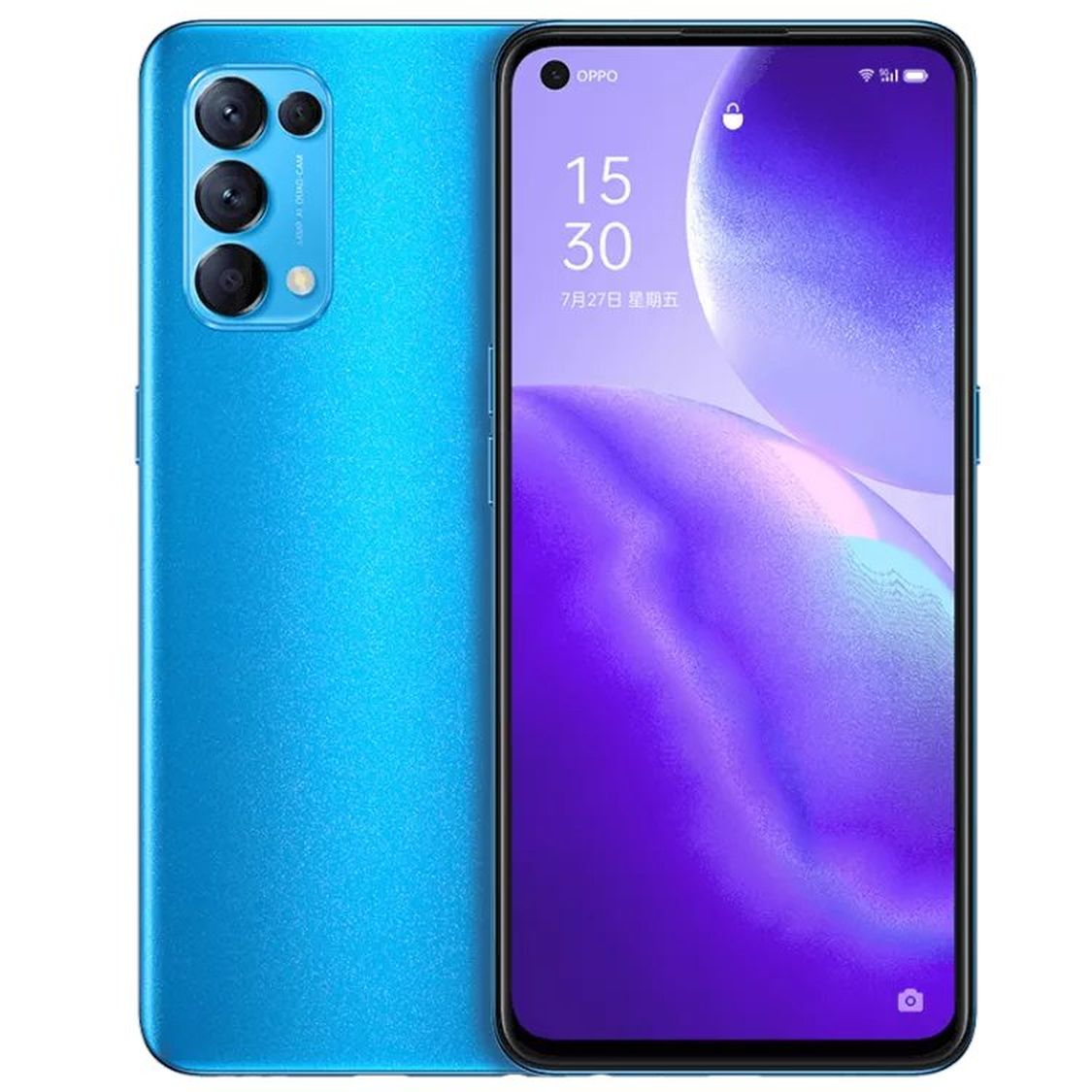
It is likely that the Reno5 5G and Reno5 Pro phones may go official in China on Dec. 10. Before its announcement, both the OPPO smartphones are now available for reservations on retailer platforms like JD.com and Tmall. The listings have not only revealed the keys specifications of the Reno5 5G and Reno5 Pro 5G but also their design through official renders.
OPPO Reno5 5G and Reno5 Pro 5G renders
The Reno5 5G and Reno5 Pro 5G renders show that these phones will in three colors such as Galaxy Dream (gradient white), Aurora Blue, Moonlight Night (black). Both smartphones are listed in two choices such as 8 GB RAM + 128 GB of storage and 12 GB RAM + 256 GB of storage. The pricing of these variants has not been revealed yet.
1 of 3
The Reno5 5G and Reno5 Pro 5G’s rear design resembles their predecessor models. The back panel has a rectangle-shaped camera module housing a 64-megapixel quad-camera system. At the front, the OPPO Reno5 5G sports a flat-screen with a punch-hole design. It is speculated to be equipped with a 6.43-inch OLED screen with 90Hz refresh rate support. On the other side, the Reno5 Pro 5G features a punch-hole screen flanked with curved edges. It is said to be fitted with a 90Hz 6.55-inch OLED display.
The reservations listings confirm that both phones will be sporting the Reno Glow 2.0 design, which seems to be a refined version of the Reno4’s Reno Glow design. Both phones are equipped with support for 65W fast charging. Recent reports have revealed that the Reno 5G and Reno5 Pro 5g are powered by Snapdragon 765G and Dimensity 1000+, respectively.
TENAA appearances of both phones have revealed that they have a 64-megapixel + 8-megapixel + 2-megapixel + 2-megapixel quad-camera setup and a 32-megapixel selfie camera. The Reno5 5G could be housing a 4,300mAh battery, whereas the Pro model could be packed with a slightly large battery of 4,350mAh capacity.
Fans of Huawei have a lot to look up to in the next few months as a lot of details regarding their plans have surfaced. The leak mentions upcoming products that include phones and smart displays and when they are expected to arrive.
The source of the leak is Teme (@RODENT950) and he begins with the Huawei Watch GT 2 Pro ECG which is expected to launch on December 12. According to him, the smartwatch will go on sale on December 21, this is the same date Huawei says the standard Mate 40 will go on sale too. That is nearly two weeks after it would have been announced. It has been reported that the ECG version will sell for ¥2688 (~$410) when it launches. While he didn’t say, we believe the ECG version of the watch will get a global release next year.
To round off the year, Huawei is also expected to announce a new smart screen too. There are also some other products that should launch and one of them may be the smart display that leaked last month. While Huawei has announced a few smart speakers, it is yet to announce a smart display.
Nova 8 series December/January like V40 Smart screen launch have new version of HarmonyOS for big screens P50 launch have EMUI 11.1 with Android 11
A second tweet says that the smart screen will launch with a new version of HarmonyOS designed for large displays. There is also mention of the Nova 8 series which may launch this year or might be moved to January like the Honor V40 series.
The tweet also mentions the Mate X2 foldable phone but there is no launch date yet, however, MWC 2021 does seem like a possible time for it to launch. Huawei announced its second foldable device, the Mate Xs back in February, so MWC (Shanghai) 2021 does seem like a plausible time for the Mate X2 to launch. For those who don’t know, the GSMA announced a reshuffle of its events a few months ago. The new calendar puts MWC Shanghai in the first half of the year (February 23 – February 25 next year) while MWC Barcelona will be held between June 28 and July 1.
In March, Huawei will announce the P50 series which is expected to bring new features. Unfortunately, as excited as the phones may be, the flagships will suffer from availability issues just like the Mate 40 series. The Huawei P50 series will run EMUI 11.1 based on Android 11 out of the box.
He also mentions that Huawei will unveil its next-gen flagship tablet, the MatePad Pro 2 later in Spring. The new tablet should come with a new chipset and be available in Wi-Fi and 5G variants.
These dates are unconfirmed and even though the leaker has a good track record, dates can change, so take the info with a pinch of salt.
Xiaomi‘s ecological chain company OCooker is known for its wide range of products for the home kitchen. The company already has a wide array of products under its sleeve but has continued to expand in uncommon style. A new innovative product has just been launched by Xiaomi for crowdfunding on the Youpin platform. The product is dubbed OCooker Multi-purpose Cooking Robot. It carries a crowdfunding price tag of 3999 yuan (~$609) but the actual retail price will peak at 5999 yuan (~$914) outside crowdfunding.
The OCooker Multi-purpose Cooking Robot can solely perform the functions of a staggering 21 different kitchen equipment. It can be used for stir-frying, braising, steaming, kneading, mincing meat, shaved ice, juicing, etc.
This can be regarded as a portable smart kitchen and it is mobile. The compact size makes it easy to store the gadget. It can replace rice cookers, wall breakers, slow cookers, juicers, ice crushers, sauce machines, hot pots, meat grinders, dough kneaders, Whisks, stir bars, yogurt machines, fermentation machines, electronic scales, grinders, electric steamers, and other kitchen appliances.
The device is equipped with a large 7-inch touch screen which gives you the leverage to select a recipe and also complete video preview as well as the ingredient ratio. The device also features voice guidance, automatic temperature control, timer and you can also adjust the cooking speed.
The OCooker Multi-purpose Cooking Robot features the self-developed Cookinglot intelligent auxiliary system, including rich big data support, real-time optimization of algorithms, and content available online. It can achieve precise temperature control in a wide range of 35℃-120℃, so that each dish can be in a suitable temperature range for cooking.
The large-capacity double-layer steamer and the superimposed structure design can easily achieve three dishes in one pot. It also has a built-in high-precision weighing sensor that can measure the weight of ±1g ingredients.
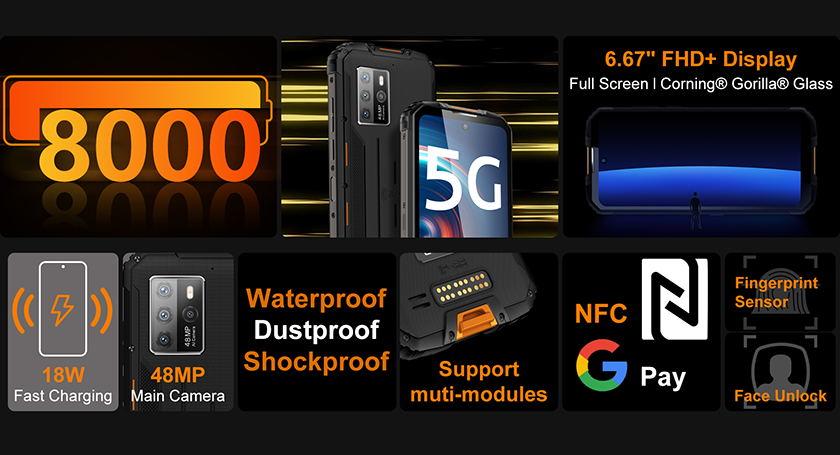
Oukitel WP10 – a 5G rugged smartphone is on pre-orders for the past month after the device went official. The device was available on pre-orders at a significantly lower price between November 23-27, but the company has extended the offer. The interested users can book Oukitel WP10 for $399 from December 7-11. Moreover, the first 500 buyers will get an additional $40 TWS Bluetooth earpiece for free.
Oukitel WP10 comes with a 6.67-inch punch-hole display featuring a 2400 x 1080 pixels resolution. The smartphone is protected with Corning Gorilla Glass which makes it drop-proof. However, the massive display enables a wider viewing experience.
It carries MediaTek Dimensity 800 chipset built on 7nm process technology with a 5G integrated modem. The device can easily run the 5G/4G network across the globe. OukiTel WP10 couples 8GB LPDDR4AX RAM and128GB UFS 2.1 ROM. There’s a huge 8000 mAh battery that can easily work for more than 2 days upon normal usage.
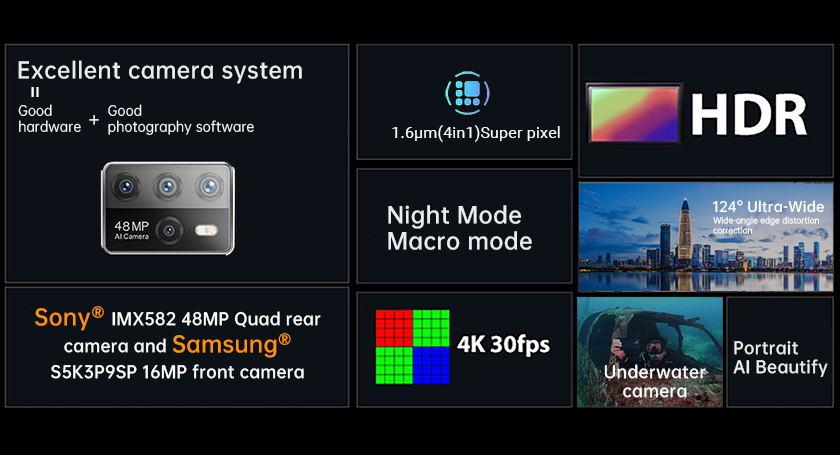
In the camera section, Oukitel WP10 comes with a quad-rear camera sensor featuring Sony IMX582 48MP camera, a 13MP wide-angle lens, a 2MP depth sensor for the bokeh effect, and a 2MP macro lens for shooting nearby objects. The device’s software makes the camera more competent with built-in HDR algorithms, ultra-wide-angle edge distortion, and several other such features. It can record 4K ultra-smooth videos in 30 fps.
To improve accessibility, Oukitel is providing a customizable physical button on the side of the smartphone. A side-fingerprint sensor enhances productivity with an easy unlock process. The support for NFC enables wireless payments.
Oukitel WP10 ruggedness and sturdiness is IP68 and IP69K certified. The device can remain underwater up to a depth of 1.5 meters for 30 minutes. It is designed for rough and tough use and is even MIL-STD-810G certified.
Oukitel WP10 will be available from AliExpress for $399 between December 7-11. The first 500 buyers will get a $40 TWS Bluetooth earpiece for free. We suggest the buyers to hurry if interested. You can know more about the device by heading over to the official website.
Xiaomi’s MIJIA Air Purifier should rank among the most popular brands in the market presently. Xiaomi celebrated the sales of 10 million units in five years as of December 2019. That figure has definitely gone up, especially as the sales of air purifiers are presently driven by the COVID 19 pandemic.
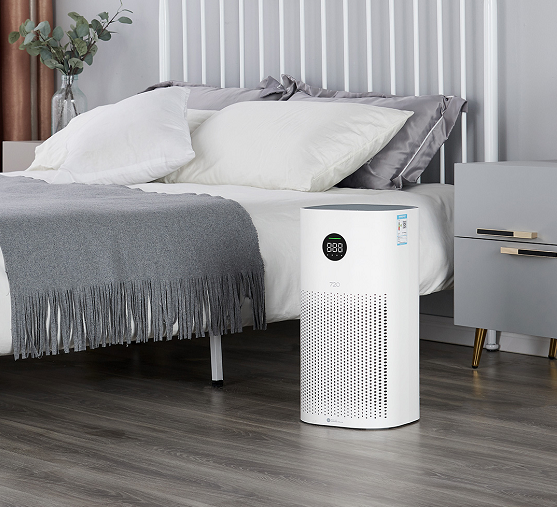
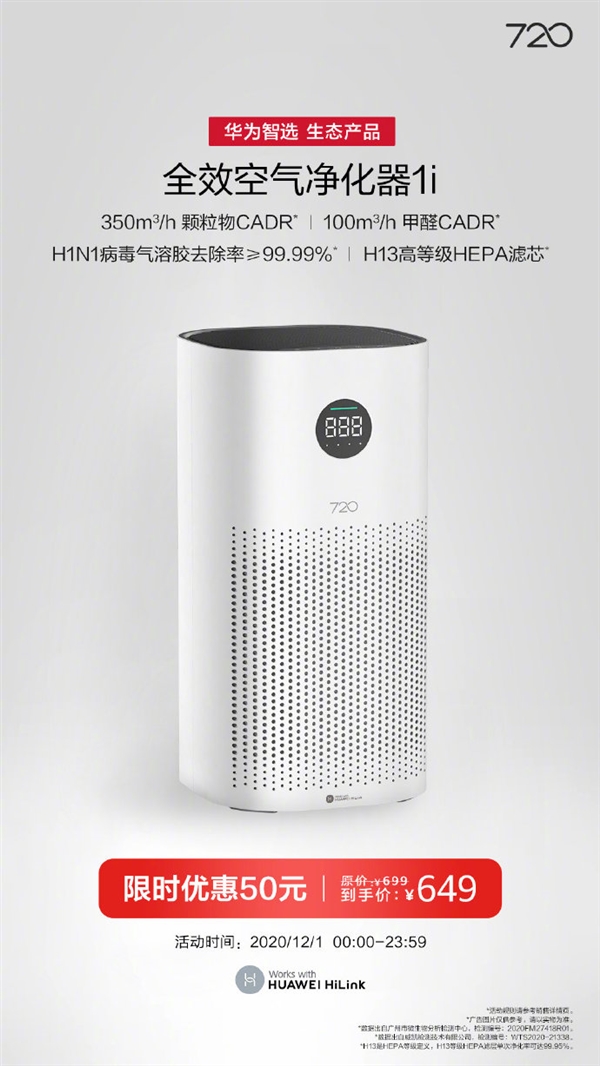
Huawei is looking to grab a share of the air purifier market as it has launched a new air purifier dubbed Huawei Smart Selection 720 Full Effect Air Purifier 1i. The gadget adopts a design similar to the Mijia Air Purifier Pro. It features a compact body design with a length and width of 24cm and a height of 47.3cm. It covers an area smaller than A4 paper and so, is suitable for use in small apartments, rental rooms, baby rooms, and others. The device adopts a three-sided air intake design and the CADR value is up to 350m3/h. The air purifier can cover a usable area of 42 square metres.
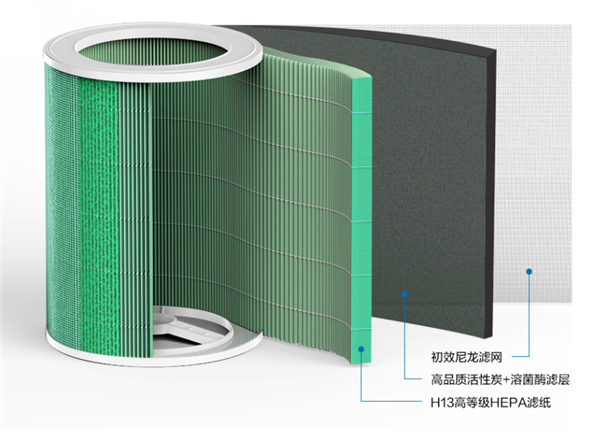
Huawei Smart Selection 720 Full-Efficiency Air Purifier 1i is equipped with an H13 high-efficiency filter element, which filters the main pollutants in the home layer by layer. The H13 is a high-grade HEPA filter layer 99.95% filter out particles with a particle size of 0.3μm or more, focusing on PM2.5, pollen allergens, and dust.
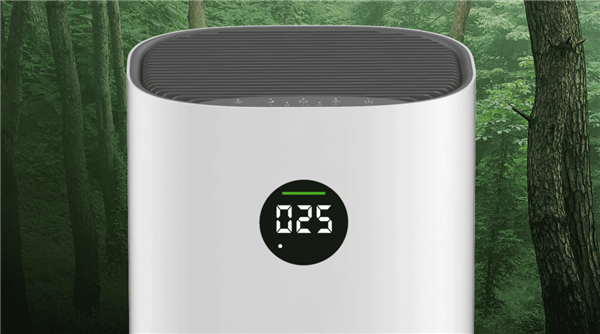
At the same time, this air purifier is equipped with a high-precision laser particle sensor, which can detect tiny particles and feedback changes in indoor air quality in real-time. When the automatic mode is turned on, the purifier will automatically adjust accordingly to obtain a more efficient purification effect.
It is equipped with a circular screen, which can change according to the PM2.5 concentration. The green, yellow, and red air quality indicator will automatically change the color, giving intuitive feedback on the indoor air quality.
It also supports intelligent autonomous power on and off, which automatically starts when PM2.5 exceeds the standard and then automatically shut down when PM2.5 reaches the standard.
In sleep mode, Huawei Smart Selection 720 full-effect air purifier 1i has a noise level as low as 31db which is as if there is almost no sound. At the same time, in sleep mode, the screen and button indicators are turned off so they don’t disturb sleeping family members. The device can also be controlled via a smartphone as it supports Huawei HiLink smart assistant app.
Huawei Smart Selection 720 Full Effect Air Purifier 1i carries a decent 699 yuan (~$106) price tag and is presently available at Vmall.
Huami announced the Amazfit GTS 2 Mini yesterday as a more affordable version of the Amazfit GTS 2 which itself is still a new smartwatch. After comparing the specs of the two watches, I can not come up with a justifiable reason to choose the latter.
The Amazfit GTS 2 Mini packs the necessary upgrades that earn it the tag of the true successor to the original Amazfit GTS that launched a year ago. It does this while keeping the price tag affordable. A few reviews I have come across said the Amazfit GTS 2 doesn’t offer enough to justify its price tag. For those who share a similar sentiment, I believe the GTS 2 Mini may be the smartwatch for them to purchase. I hope the points below help to convey why I believe so:
A smaller display but still AMOLED
The Amazfit GTS 2 Mini has an AMOLED screen. It is a 1.55-inch display with a 354 x 306 resolution and a ppi of 301. The screen is smaller than that of the original Amazfit GTS and the Amazfit GTS 2 and its resolution is also lower but it should suffice.
The display is housed in an aluminum alloy case with a plastic bottom shell. These are the same materials used for the Amazfit GTS 2. So just because it is cheaper doesn’t mean it comes with lower-quality materials. It is important to mention that Huami doesn’t say if the GTS 2 Mini has any form of protection for the screen but the GTS 2 drops the Gorilla Glass 3 protection of its predecessor for a diamond-like carbon coating that makes the screen more resistant to scratches and wear.
More than enough sports modes
The Amazfit GTS 2 launched with 12 sports modes out of the box but a recent update brought the total number to 90. That is definitely a lot and we are sure only a fraction of them will be used. The Amazfit GTS 2 Mini doesn’t disappoint either as it comes with 70 sports modes right out of the box. That is fewer than 90 but a lot more than the 12 sports the original Amazfit GTS has.
SpO2 Sensor? Women’s Health? Check!
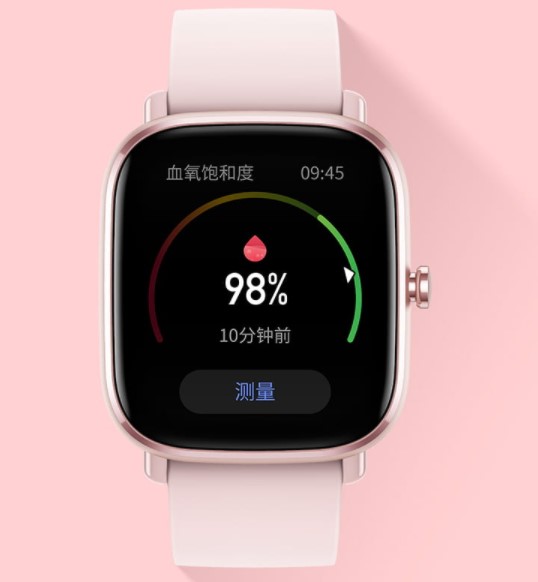
One of the upgrades the Amazfit GTS 2 brings over the first-gen model is support for blood oxygen level (SpO2) detection. The Amazfit GTS 2 Mini also comes with a SpO2 sensor. Another feature that the mini has is Women’s Health Management which tracks period and ovulation dates. Surprisingly the Amazfit GTS 2 doesn’t have this feature.
Huami is known to remove GPS from the more affordable models of its smartwatches. The Amazfit Bip Lite and Amazfit Bip S Lite are examples. Thankfully, that is not the case with the Amazfit GTS 2 Mini. It has GPS and GLONASS for positioning when exercising outdoors. It also has an accelerometer, geomagnetic sensor, and gyroscope.
AI Assistant and NFC on board
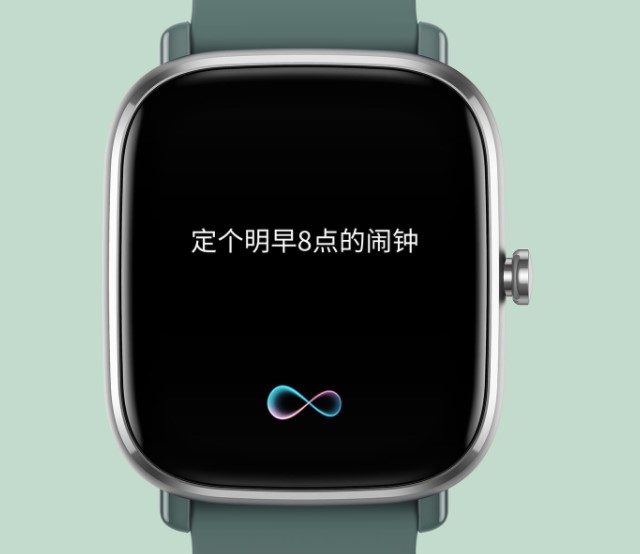
Just like the Amazfit GTS 2, the Amazfit GTS 2 Mini has Xiaomi’s XiaoAI Assistant, so you can set reminders, ask questions, and control compatible smart home products. We believe the global version will swap the Chinese assistant for Amazon’s Alexa assistant when it launches. The watch also has NFC but this will most likely not be available for the global version. The global version of the Amazfit GTS 2 also doesn’t have NFC but the one sold in China has.
Longer Battery Life
The Amazfit GTS 2 Mini has a smaller 220mAh battery capacity but its battery life – 14 days for typical usage is double that of the Amazfit GTS 2 which has a slightly larger 246mAh capacity.
What is missing?
To keep the price tag low, the GTS 2 Mini doesn’t have built-in storage so you can’t store songs or audiobooks on it but it does support music playback control when linked to a phone. It also doesn’t have a speaker so you cannot accept calls on it. Another missing feature is that its screen doesn’t rotate to accommodate both left and right-handed users. Other missing features are offline voice assistant, stress-level monitoring, and an air pressure sensor.
Conclusion
With a price tag of ¥699 (~$107), the Amazfit GTS 2 Mini costs even less than the original Amazfit GTS which launched for ¥899 (~$137). The Amazfit GTS 2 is ¥999 (~$152) in China, $179.99 in the US, €169 in Europe, and £159 in the UK.
We expect the global version of the GTS 2 Mini to be priced between $120 – $130 which makes it $50 to $60 cheaper than its sibling. For that price difference, and seeing that you are not missing much, the GTS 2 Mini will likely sell faster than its sibling.
We use cookies on our website to give you the most relevant experience by remembering your preferences and repeat visits. By clicking “Accept”, you consent to the use of ALL the cookies.
This website uses cookies to improve your experience while you navigate through the website. Out of these, the cookies that are categorized as necessary are stored on your browser as they are essential for the working of basic functionalities of the website. We also use third-party cookies that help us analyze and understand how you use this website. These cookies will be stored in your browser only with your consent. You also have the option to opt-out of these cookies. But opting out of some of these cookies may affect your browsing experience.
Necessary cookies are absolutely essential for the website to function properly. This category only includes cookies that ensures basic functionalities and security features of the website. These cookies do not store any personal information.
Any cookies that may not be particularly necessary for the website to function and is used specifically to collect user personal data via analytics, ads, other embedded contents are termed as non-necessary cookies. It is mandatory to procure user consent prior to running these cookies on your website.