However, it is not the only flagship the company is preparing. The Find X9s and Find X9s+ might also join the line soon. A fresh leak by tipster Digital Chat Station has now revealed the key specs of the vanilla X9s.
Oppo Find X9s Specifications
The leak suggests that the Find X9s will feature a 6.3-inch OLED display with a 1.5K resolution. The panel is said to use LTPS technology and will reportedly include a 3D ultrasonic fingerprint sensor under the screen.
The Find X9s is also tipped to come with two 200-megapixel cameras using Samsung’s HP5 sensor. This would include a main camera and a 3x periscope telephoto lens, alongside an ultra-wide camera.
The smartphone will run on a 7,000mAh battery, which will support both wired and wireless charging. On the software side, the phone is likely to ship with Android 16 and ColorOS 16 out of the box. The device is also said to offer strong water and dust resistance, possibly with an IP68 or IP69 rating.
Of course, Oppo still hasn’t confirmed any of these details yet. As always, these details should be taken cautiously until Oppo makes things official.
Oppo is expected to introduce the Find X9 Ultra around March 2026, and if past launches are any indication, the Find X9s and Find X9s+ may arrive at the same time. While the Plus model is rumored to be a refreshed version of the Find X8s, the Find X9s is said to be a smaller but still high-end option, much like its predecessor.
For more daily updates, please visit our News Section.
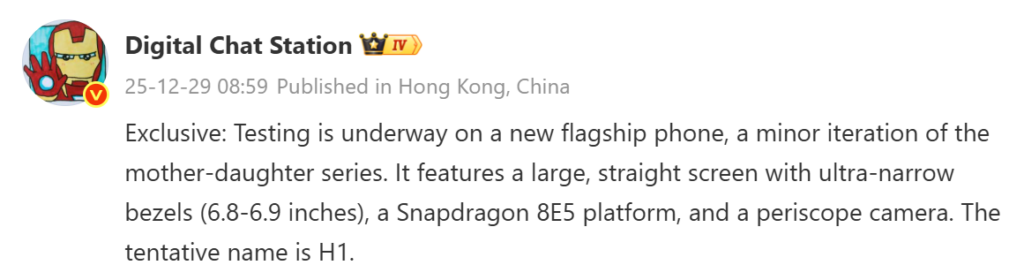
Xiaomi has just launched the Xiaomi 17 Ultra in China. This is the fourth phone in the series after the Xiaomi 17, 17 Pro, and 17 Pro Max, which debuted back in September in China. Now, a new leak has revealed that the company is gearing up to launch yet another Xiaomi 17 series phone. Here’s a look at the first details of this mysterious device.
New Xiaomi 17 series phone in the works
New Xiaomi 17 series phone incoming
As per the leak, the upcoming Xiaomi 17 series phone that is currently under testing will be a minor refresh. The tipster stated that the device is equipped with a 6.8-inch or 6.9-inch flat display with symmetrical and slim bezels.
It appears that the device will be an incremental upgrade over the Xiaomi 17 Pro Max, which features a 6.9-inch display. Without revealing the name of the upcoming phone, the tipster mentioned that it will feature the Snapdragon 8 Elite Gen 5 chipset and a periscope telephoto camera, both of which are also present on the Pro Max model.
Other details of the device remain under wraps. As for the launch timeline, the leak claims that it will debut in the first half of 2026. Therefore, it is advisable to wait for further reports to learn more about this handset.
In related news, the Xiaomi 17 Ultra, which recently debuted in China, has received certifications in multiple countries such as India, Thailand, and Singapore. Reports suggest that the Xiaomi 17 Ultra and Xiaomi 17 will enter global markets by March 2026.
For more daily updates, please visit our News Section.
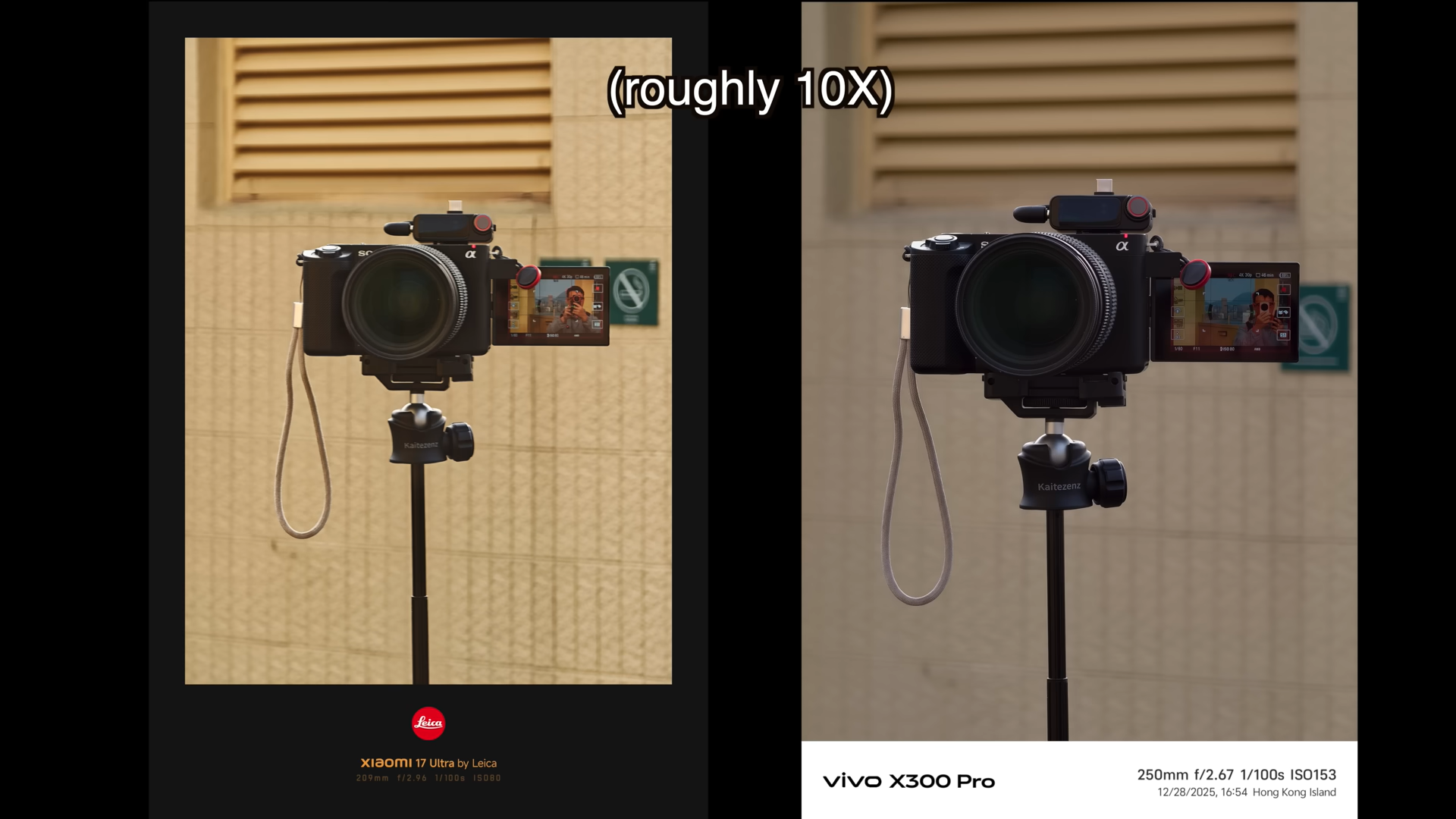
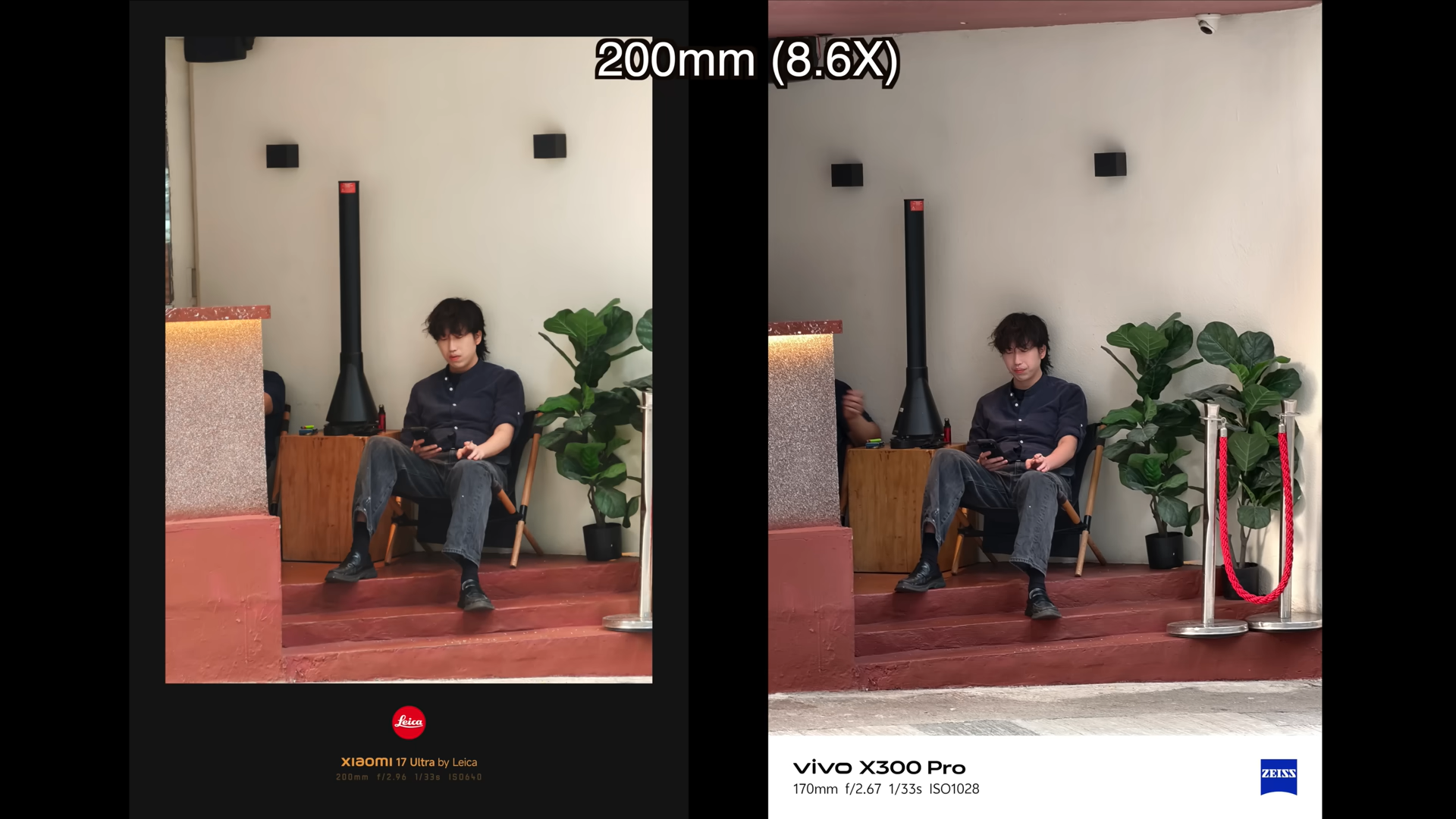
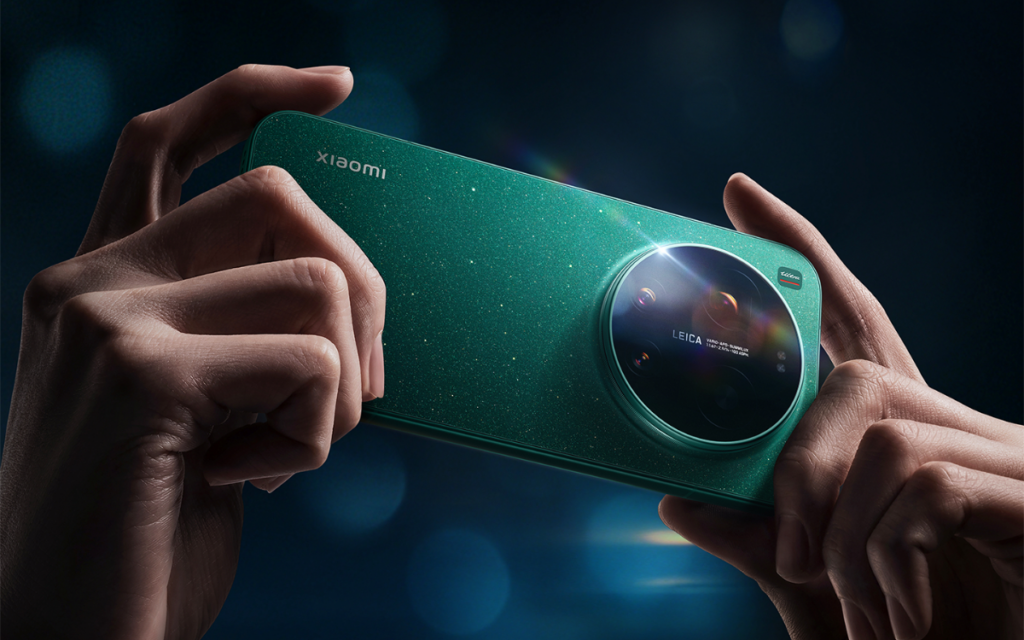
Just hours after going on sale in China, Xiaomi’s new 17 Ultra Leica Edition has already surfaced in what appears to be the first global hands-on video. Reviewer “ben’s gadget reviews” managed to get hold of the device almost immediately, offering an early look at Xiaomi’s latest camera-centric flagship and a quick comparison with the Vivo X300 Pro.
In a nearly 15-minute upload, he unboxes the Leica Edition model and walks through initial setup on the China-only variant. The video also hints at how the phone could be positioned internationally, with Ben suggesting it may eventually arrive globally under a Leica-branded “Leitzphone powered by Xiaomi” name.
Design-wise, Ben notes a few small disappointments. The lack of a dedicated side shutter button stands out. Still, he praises several premium details, including the ridged frame and a haptic zoom ring built into the camera module. This is also Xiaomi’s first phone to carry Leica’s iconic red dot, which is clearly positioned as a visual statement.
Early camera samples form the core of the video. Ben compares telephoto and zoom shots directly against the Vivo X300 Pro. The results are mixed. In one scene, the Vivo delivers slightly sharper detail, while the Xiaomi handles yellow tones more naturally. Portraits are also a toss-up: Vivo’s processing looks overly smoothed, while Xiaomi’s output is softer but more natural overall.
Video samples shot around Hong Kong show smooth transitions from optical to digital zoom up to 15x, though noticeable artifacts begin to appear beyond that. Low-light footage looks promising at first glance, but moving subjects still lack consistent sharpness.
These are, of course, early impressions. Still, Ben comes away largely satisfied, suggesting Xiaomi’s Leica-tuned camera system has real potential once fully tested in everyday use.
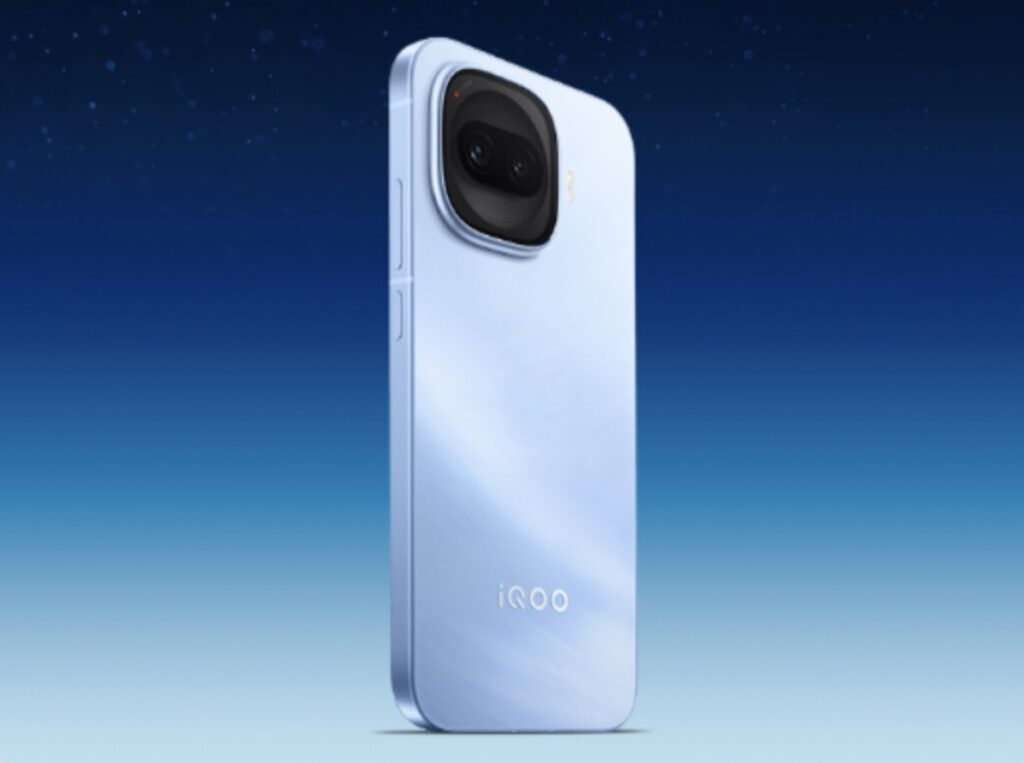
A slew of new smartphones is expected to hit the Chinese market in January 2026. While the launch dates for the OnePlus Turbo 6 series and Honor Power have officially been revealed, the Chinese market is also said to receive other phones, such as the Moto X70 Air Pro, Realme Neo 8, and the iQOO Z11 Turbo in January. Recently, iQOO released a teaser image showcasing the Z11 Turbo’s rear design. Now, the device has appeared on Geekbench, revealing its chipset, RAM, and OS version.
iQOO Z11 Turbo Geekbench listing
The above screenshot shows that an upcoming Vivo phone with the model number V2536A has appeared on Geekbench. The CPU and GPU details revealed through the listing suggest that it could be powered by the Snapdragon 8 Gen 5 chipset.
iQOO has already confirmed that the iQOO Z11 Turbo will feature the Snapdragon 8 Gen 5. Therefore, it appears that the V2536A model number is associated with this device.
The Geekbench listing further reveals that the Z11 Turbo is equipped with 16GB of RAM and runs on Android 16. It recorded a score of 2,753 in the single-core test and 8,990 in the multi-core test on Geekbench 6.5.
iQOO Z11 Turbo specifications
iQOO Z11 Turbo
As per other reports, the iQOO Z11 Turbo will arrive with a 6.59-inch OLED LTPS display offering a 1.5K resolution. The device is expected to run OriginOS 6 based on Android 16.
The Z11 Turbo is likely to ship with up to 16GB of LPDDR5x RAM and up to 512GB of UFS 4.1 storage. It will house a massive 7,600mAh battery with around 90W fast charging support.
For selfies, the Z11 Turbo will feature a 32-megapixel front camera. Its rear camera setup may comprise a 200-megapixel Samsung HP5 main camera with OIS support and an 8-megapixel ultra-wide lens. It is likely to be priced at around 2,500 Yuan (~$355).
For more daily updates, please visit our News Section.
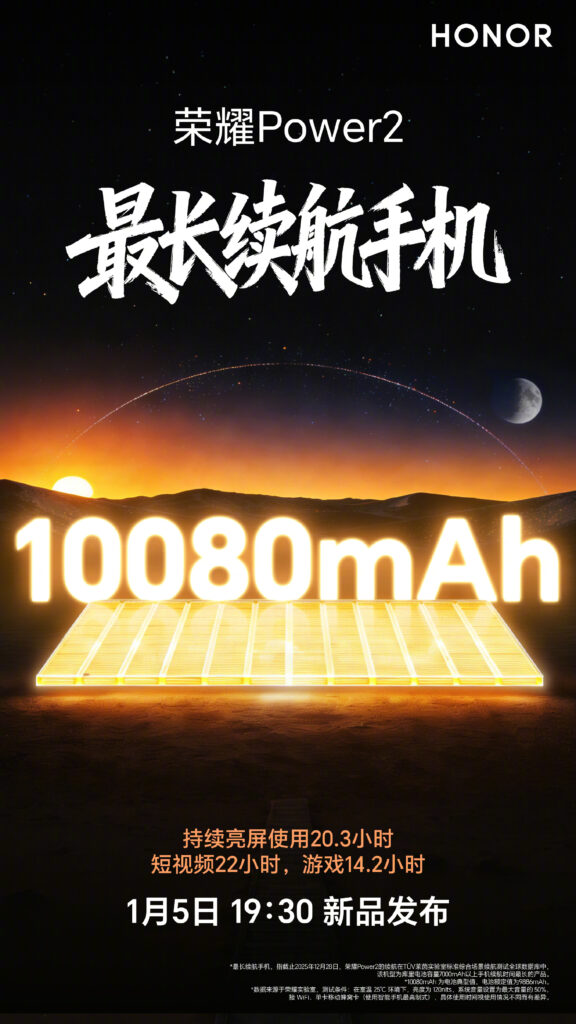
Recently, Honor unveiled the gaming-focused Honor Win series of smartphones in China. The Win and Win RT phones came equipped with a massive 10,000mAh battery. Now, the brand is all set to launch a mid-range phone called the Honor Power 2 as its first device of 2026. Today, the brand released the following poster to confirm its launch date.
Honor Power 2 launch date revealed
Honor Power 2 launch date
The Honor Power 2 is confirmed to break cover on Jan. 5, 2026. This phone will replace the original Honor Power, which went official in April 2024 and was equipped with the Snapdragon 7 Gen 3 chip and a massive 8,000mAh battery.
The above poster confirms that the Honor Power 2 will house a 10,080mAh battery, making it the largest battery phone from Honor. The brand claims that the phone can offer 20.3 hours of continuous screen-on usage, 22 hours of short-video playback, and 14.2 hours of gaming.
Honor Power 2 specifications (rumored)
Honor Power 2 – Snow WhiteHonor Power 2 – Midnight BlackHonor Power 2 – Sunrise Orange
As per reports, the Honor Power 2 will have a 6.79-inch LTPS OLED screen that offers a 1.5K resolution, a 120Hz refresh rate, and 8,000 nits of HDR brightness. It will run on Android 16 with a layer of MagicOS 10 on top.
Honor has also confirmed that the all-new Dimensity 8500 Elite chip will power the device. A recent Geekbench listing revealed that it will offer better performance than the Dimensity 8400 chip from last year.
The Honor Power 2’s 10,080mAh battery will support 80W charging, but it will lack wireless charging support. The device will be available in two configurations, such as 12GB + 256GB and 12GB + 512GB, both offering 12GB of virtual RAM.
The Power 2 will have a 16-megapixel camera on the front and a 50-megapixel + 5-megapixel (ultra-wide) dual-camera setup on the back. The official images show that the Power 2’s rear design will be similar to the recent Apple iPhone 17 Pro series. It will be available in three shades, such as Snow White, Midnight Black, and Sunrise Orange.
For more daily updates, please visit our News Section.
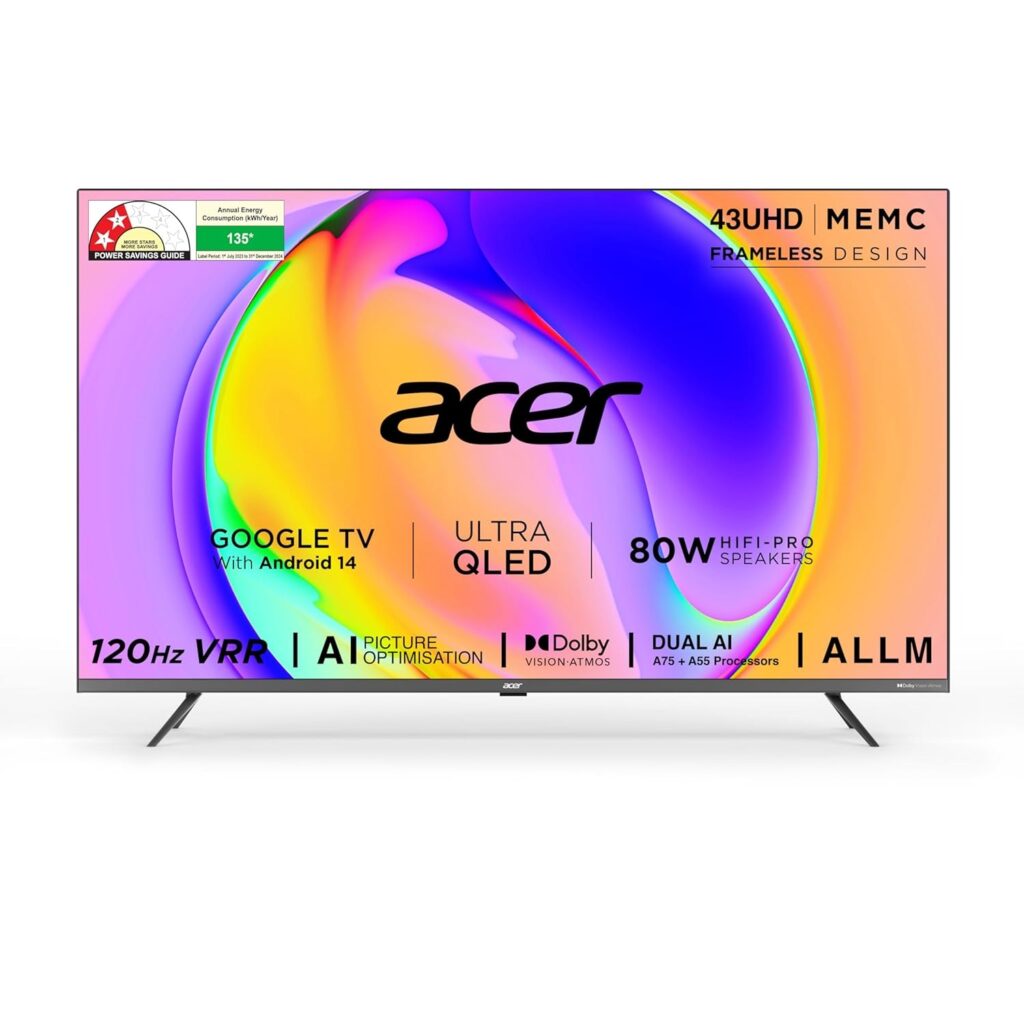
Amazon is currently offering incredible deals on its highly-rated Acer 4K UHD Smart QLED Google TV series. These smart TVs are expected to bring premium cinematic technology to your living room at unbeatable prices.
The 43-inch Acer QLED Google TV is currently available for just Rs. 20,999. For those seeking a more immersive, “big screen” experience, the 55-inch variant has been slashed to just Rs. 28,499.
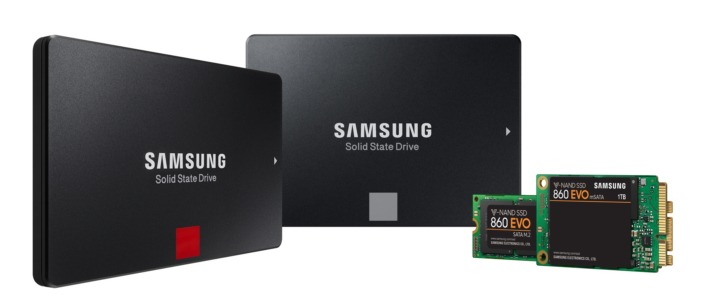
If you are intrested in SSDs, here is a very good holiday deal from Samsung on M.2 SSDs and 2.5″ SATA SSDs.
QLED Technology at an Affordable Rate
What makes these deals stand out is the QLED (Quantum Dot) technology. Unlike standard LED panels, QLED offers a wider color gamut and deeper contrasts, ensuring that everything you watch looks vibrant and lively. Combined with 4K Ultra HD resolution, you get four times the detail of standard 1080p TVs.
Both models run on the Google TV platform, which provides a seamless and personalized interface. You’ll have access to thousands of apps like Netflix, Prime Video, Disney+ Hotstar, and YouTube right out of the box. With built-in Google Assistant, you can control your TV, search for content, or even manage your smart home devices using just your voice.
The deal gets even sweeter when you apply bank discounts.
For the 43inch model: Get an additional Rs. 3,000 Off with HDFC Credit Cards or Rs. 2,750 Off with Axis Bank Credit Cards.
For the 55inch model: Save an extra Rs. 4,500 with HDFC Credit Cards or Rs. 4,000 with Axis Bank Credit Cards.
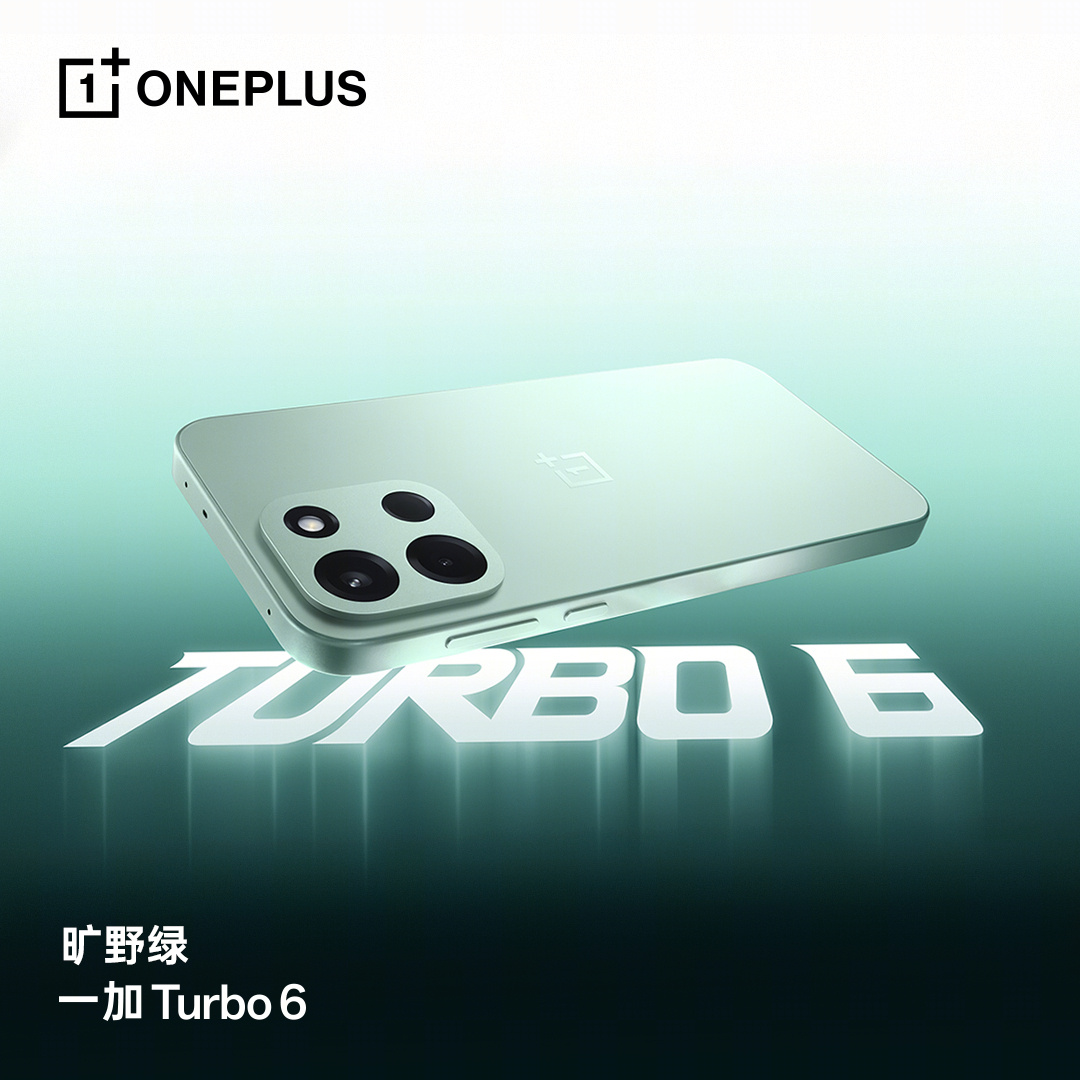
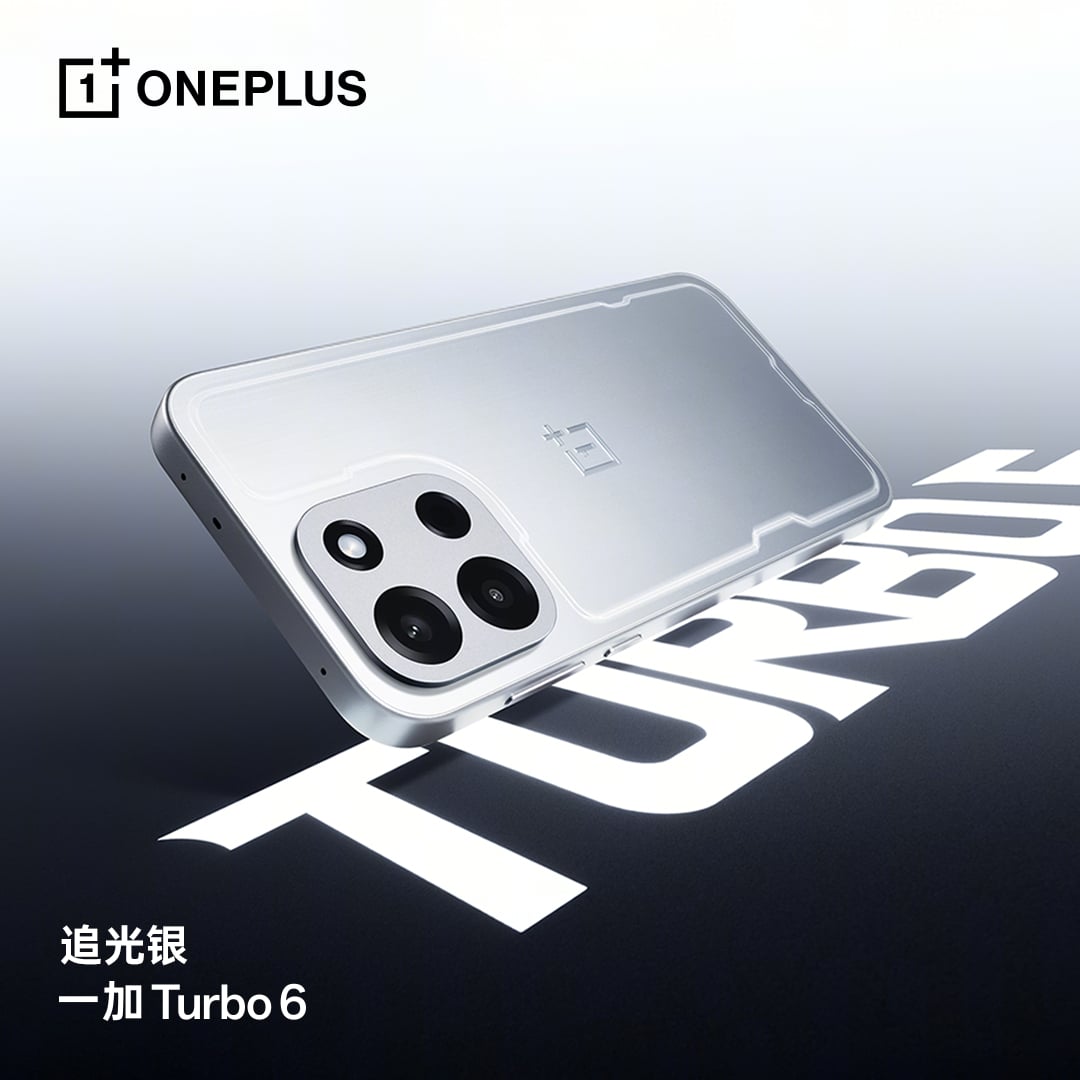
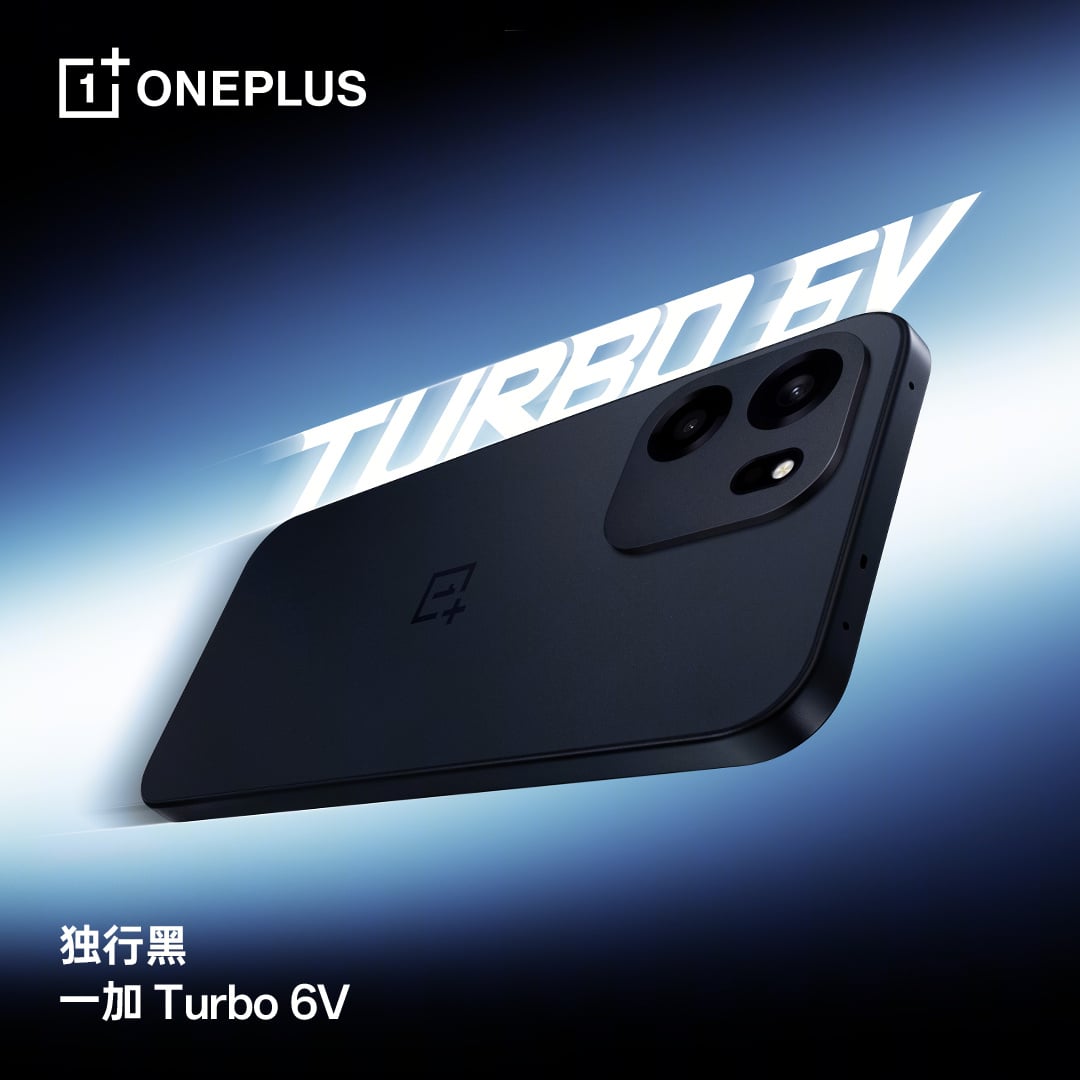
After weeks of leaks, OnePlus has finally confirmed the launch date of its new series, the OnePlus Turbo. The new lineup, which includes two models, namely, the Turbo 6 and Turbo 6V, will be announced on Jan. 8, 2026. Ahead of the official announcement, the brand has confirmed several key details about both phones.
OnePlus Turbo 6 series images, configs revealed
The OnePlus Turbo 6 will arrive in four variants, such as 12GB+256GB, 12GB+512GB, 16GB+256GB, and 16GB+512GB. It comes in three shades, such as Lone Black, Chasing Light Silver, and Wilderness Green.
On the other hand, the OnePlus Turbo 6V will be available in options like 8GB+256GB, 12GB+256GB, and 12GB+512GB. Buyers can choose from color options like Lone Black, Nova White, and Fearless Blue.
OnePlus Turbo 6 series specifications (rumored)
Reports suggest that OnePlus Turbo 6 and Turbo 6V will have a flat display that supports a 1.5K resolution. While the Turbo 6 is said to have a 6.78-inch display screen with support for a 165Hz refresh rate, the Turbo 6V is said to have a slightly bigger 6.8-inch screen with a 144Hz refresh rate.
The OnePlus Turbo 6 and Turbo 6V are said to be powered by the Snapdragon 8s Gen 4 and Snapdragon 7s Gen 4 chipsets, respectively. Both devices are said to pack a 9,000mAh battery with 80W wired charging.
The Turbo 6 is expected to offer 27W reverse wired charging, LPDDR5x RAM, and UFS 4.1 storage. Both devices will boot to ColorOS 16-based Android 16. These device are expected to come with other common features, such as an optical in-screen fingerprint sensor, an IR blaster, a plastic frame, and an IP68/69-rated dust and water resistance.
For more daily updates, please visit our News Section.
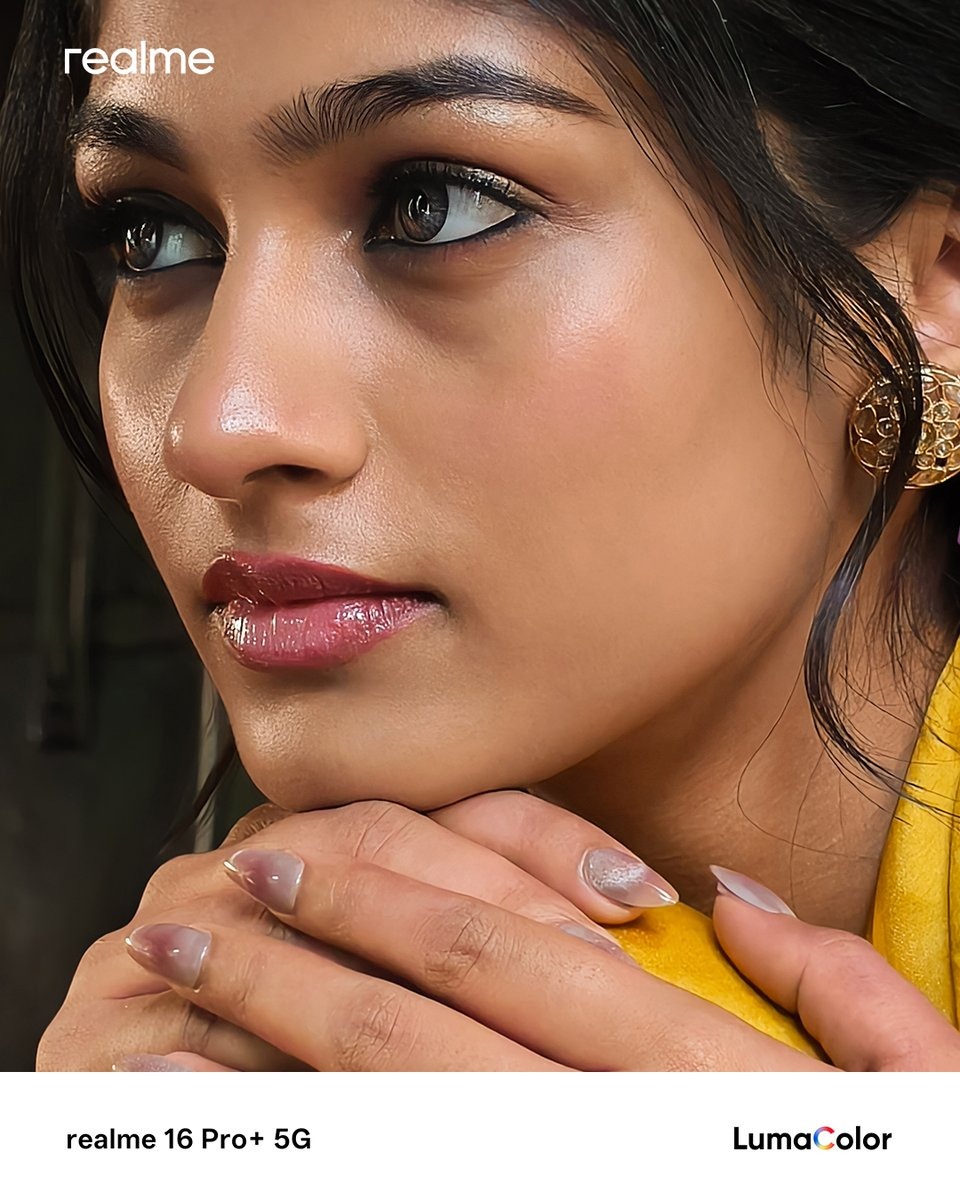
Realme has released official camera samples from the upcoming Realme 16 Pro+ 5G ahead of its India launch on January 6. These images offer a clear look at how the phone’s camera system performs in real-world shooting conditions, especially for portraits.
The samples focus heavily on people photography and show consistent results across different lighting setups. Skin tones appear natural and even, without heavy smoothing or sharpness. Fine details such as facial texture, jewelry, and fabric patterns are preserved well, indicating controlled image processing rather than aggressive tuning. Highlights on skin and metallic surfaces are handled cleanly, without visible clipping.
Portrait shots show strong subject separation. Edges around hair, ears, fingers, and accessories are accurately detected, even in close-up frames. Background blur looks smooth and gradual, with no harsh transitions. The blur effect remains consistent in both indoor and outdoor scenes.
Lighting control is another strong point in the samples. In shaded and low-light conditions, noise levels remain low, especially on skin and darker areas. Shadows retain detail, and brighter areas such as jewelry reflections and ambient light sources are kept under control. The dynamic range appears well balanced, which is important for portrait shots taken in mixed lighting.
According to earlier reports, the Realme 16 Pro+ 5G is expected to carry a box price of Rs. 43,999. That said, it is worth mentioning that the MRP written on the boxes are usually alot more than than the actual selling price of the device. For context, the Realme 14 Pro+, which is the predicessor of the Realme 16 Pro+, launched at Rs. 29,999, especially considering there was no Realme 15 Pro+ in between.
Realme has already confirmed several key specifications. The Realme 16 Pro+ 5G will feature a triple rear camera setup consisting of a 200MP main camera, an 8MP ultra wide camera, and a 50MP telephoto camera. The newly shared camera samples suggest a focus on portrait photography, with natural colors, clean subject separation, and balanced exposure across different lighting conditions.
LG Electronics will debut its home robot, LG CLOiD, at CES 2026 in Las Vegas from January 6-9. The robot handles various household tasks as a multipurpose home assistant.
The brand has shared a couple of teaser images of the robot in its press release alongside some key details. As per LG, CLOiD has two articulated arms with seven degrees of freedom each, allowing human-like movement. Each hand features five independently controlled fingers for delicate tasks requiring fine motor control.
The robot’s head contains an integrated chipset that serves as its brain, along with a display, speaker, camera, and sensors. These components enable voice interaction, navigation, and communication. LG’s Affectionate Intelligence technology lets CLOiD sense its surroundings, interact naturally with users, and improve through repeated use to provide personalized support.
LG designed CLOiD for its “Zero Labor Home, Makes Quality Time” vision. The goal is reducing household chores so people can focus on relationships and personal time instead of housework.
The robot’s size suits modern living spaces. Its sensor array and AI capabilities allow it to navigate homes, execute commands, and deliver increasingly personalized assistance over time.
LG’s announcement comes as the home robotics market becomes more competitive, with both major tech firms and startups racing to deliver practical robots for everyday use. Samsung is one of LG’s closest competitors with its Ballie home robot, which is preparing for wider release. Ballie focuses on mobility, voice interaction, and smart home control, positioning itself as an AI lifestyle assistant.
Amazon is another key player with its Astro robot, which extends Alexa into a mobile platform for home monitoring and security. Astro’s design centers on voice assistance and surveillance rather than physical work.
For more daily updates, please visit our News Section.
Xiaomi has fully transitioned its flagship smartphone lineup to TCL CSOT displays, with the Xiaomi 17 Ultra and 17 Ultra Leica Edition being the latest to feature the company’s advanced Real RGB panel technology. TCL CSOT now serves as the exclusive display supplier for the entire Xiaomi 17 series, including the 17, 17 Pro, and 17 Pro Max models.
The Xiaomi 17 Ultra features a 6.9-inch 2K flat OLED panel. The display uses TCL CSOT’s M10 light-emitting material and supports a 1-120Hz LTPO adaptive refresh rate. It delivers up to 3500 nits of peak brightness, offering high visibility in direct sunlight and improved HDR performance. TCL CSOT designed this display solution specifically to match Xiaomi’s hardware needs for clarity, color accuracy, and power efficiency.
Unlike conventional OLED panels that rely on a PenTile sub-pixel arrangement, TCL CSOT’s Real RGB layout assigns a dedicated red, green, and blue sub-pixel to every pixel. This approach eliminates sub-pixel sharing and color fringing. It also improves text sharpness and overall image clarity, making the panel appear as sharp as a traditional 2K display without the visual compromises found in most OLEDs.
According to TCL Central, the new display reaches a luminous efficiency of 82.1 cd/A, allowing it to maintain high brightness levels with lower power consumption. The use of Real RGB combined with a power-efficient LTPO backplane results in up to 26% energy savings compared to previous display generations.
The Real RGB display was first introduced on the Xiaomi 17 Pro and 17 Pro Max earlier this year. The 17 Pro Max also debuted a 2.9-inch rear AMOLED screen, while the 17 Ultra removes the secondary display to focus on camera performance. Xiaomi optimized the Ultra’s display to support LOFIC HDR, allowing it to accurately reproduce the dynamic range captured by the device’s 1-inch sensor.
Xiaomi and TCL CSOT have expanded their cooperation since establishing a strategic partnership in 2017. The companies set up a display innovation laboratory in 2021, followed by a Phase II expansion in July 2025. This collaboration allows Xiaomi to request precise hardware tuning for its flagship models, replacing reliance on off-the-shelf components from other suppliers.
For more daily updates, please visit our News Section.
When it comes to fast, reliable SSDs, Samsung is the first choice of many. And, since the Holiday season is here, Samsung is running stunning deals on its legendary storage lineup.
From blazing-fast M.2 NVMe drives for gamers to massive 8TB SATA drives for media collectors, here are the best Samsung SSD deals you can grab this Holiday season.
Discount on High-Performance M.2 NVMe SSDs
Perfect for PS5 upgrades, high-end gaming rigs, and professional video editing.
Samsung 990 EVO NVMe SSD (2TB)
Offer Price: $209.99
The 990 EVO is the modern standard for versatile performance, supporting both PCIe 4.0 and PCIe 5.0 interfaces. It’s power-efficient and stays cool under pressure.
Designed specifically for the PlayStation 5 and heavy-duty gaming PCs, this drive includes a built-in heatsink to prevent thermal throttling during intense holiday gaming sessions.
Read/Write Speeds: Up to 7,000- 5,000 MB/s
Best For: PS5 storage expansion and hardcore gamers.
A classic that still holds its own. The 970 EVO is a reliable, high-speed choice for those using PCIe 3.0 systems who want premium Samsung reliability.
Read/Write Speeds: Up to 3,400 – 2,500 MB/s
Best For: Older gaming PCs and productivity laptops.
In case you prefer portable storages which lets carry your files in style during your holiday travels. Here is one of the good deals.
Samsung T5 Portable SSD (1TB)
Offer Price: $197.99
Small, light, and shock-resistant, the T5 is the perfect travel companion for photographers and students. Available in classic Black and a festive Gold finish.
Transfer Speeds: Up to 540 MB/s
Best For: Moving files between devices and external backups.
Holiday Shopping Tip: These deals are expected to move out of stock as we approach the end of the year. Check the links for the latest real-time pricing and stock availability! Happy Holidays!
The Xiaomi 17 Ultra series, which just hit the shelves alongside its Leica edition, is already getting a feature-packed software update: HyperOS 3.0.7.0.WPACNXM. The release brings routine refinements while also delivering improvements to system performance, visual design, and deeper integration with Apple’s ecosystem.
What’s new in this update?
Performance-wise, the update tweaks compiler instructions and memory recycling to improve responsiveness while reducing power draw. Graphics rendering is now more efficient, and over 100 system animations have been tuned for smoother UI transitions.
Visually, Xiaomi introduces redesigned desktop icons, tighter grid spacing, a cleaner status bar, and a striking centered lockscreen clock. There’s also a new AI dynamic wallpaper system that animates static images and a unified editor for lockscreen and home customization.
Xiaomi Super Island evolves into a multitasking-friendly hub with floating windows and draggable real-time notifications. Gallery widgets now support pinned albums and smarter search. Calendar gets a new horoscope tab and a cleaner layout. Even the Recorder app gains structured summaries and dialect recognition.
Camera buffs get the spotlight here. The update adds a new 200MP mode with continuous zoom between 3.2x and 4.3x, faster snapshot speeds, better portrait clarity, and improved AI guidance. The Leica edition adds toggles for the signature zoom ring. Editing tools now include audio mixers, Magic Eraser glare removal, and AI-driven video creation with music and subtitle generation.
Perhaps the biggest surprise is Apple interconnect. The Xiaomi 17 Ultra now syncs notifications with iPhones, shares files via NFC, and supports app mirroring and hotspot tethering across iPads and Macs. You can even unlock your Xiaomi phone using Touch ID or Face ID on Apple devices.
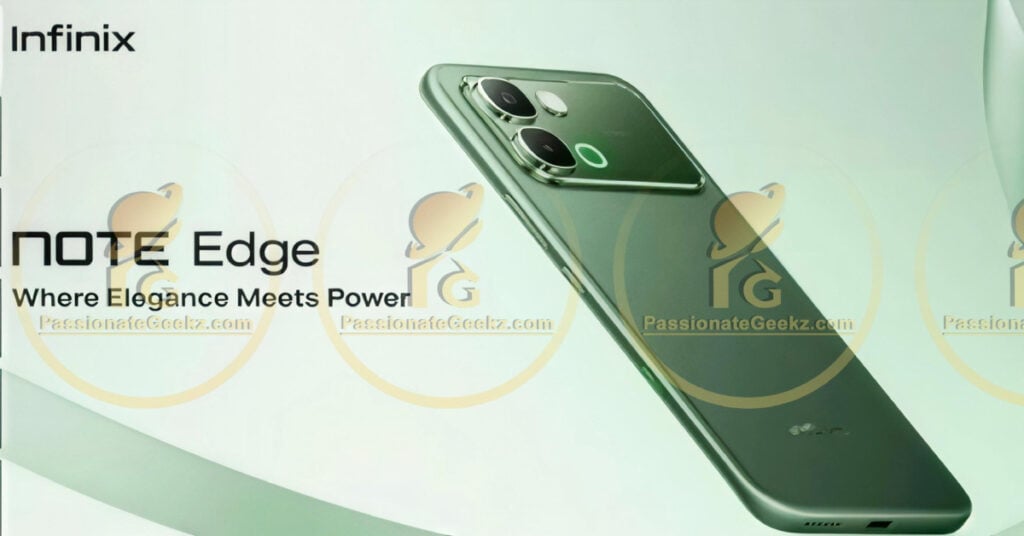
The Infinix Note Edge surfaced earlier this month via Indonesia’s SDPPI certification. Now the phone has shown up in a fresh leak, this time courtesy of tipster Paras Guglani on X.
The leaked image reveals the Infinix Note Edge in a green finish with a relatively slim profile. Around the back, the camera module stretches wide across the upper portion of the phone. It houses two camera lenses, an LED flash, and what appears to be an additional filler light.
Infinix Note Edge specifications (leaked)
According to Guglani, the Infinix Note Edge will be powered by a MediaTek Dimensity 7100 5G chipset. The processor hasn’t been officially announced yet, but the leak claims it will be built on a 6nm process.
Software-wise, it’s likely to come pre-installed with Android 16. Infinix is also said to be promising three years of Android platform updates and five years of security patches.
Up front, the Note Edge is said to feature a 3D curved AMOLED display with a 1.5K resolution. Keeping everything running will be a sizable 6,500mAh battery.
Guglani adds that the Infinix Note Edge is currently slated to debut in January 2026.
Exclusive: This is Upcoming Infinix Note Edge launching soon!!
– DM 7100 5G (6nm) – 3D Curved 1.5k Amoled Display – 6500 mAh – 3 Years of OS, 5 Years of Security updates
The Infinix Note Edge seems to be a new phone line from the Chinese brand. It received SDPPI recognition alongside the Infinix Note 60 and Note 60 Pro.
The Note 60 Pro has already popped up on Geekbench with Qualcomm’s Snapdragon 7s Gen 4 chipset, which was announced earlier this year.
The only other phone to feature this chip is the Redmi Note 15 Pro+, which is currently available only in China. The Note 60 Pro is also revealed to feature 8GB of RAM and Android 16.
While nothing is official just yet, there’s a good chance Infinix could launch all three phones together.
For more daily updates, please visit our News Section.
ASUS released the ExpertCenter P500 Mini Tower, a desktop PC designed for small businesses that need solid performance without spending too much.
The system runs on AMD Ryzen processors, with the top model using a Ryzen 7 260 at 3.8GHz. ASUS built a new Tower Air Cooler that lets the processor run at 45W TDP consistently. The company says this provides 40% better performance than similar desktops at the same price point. The cooling system uses copper heat pipes and a rear fan to pull air through the case, keeping noise at 28.7dB under heavy use.
Graphics options include integrated AMD Radeon 780M on Ryzen 7 models or Radeon 740M on Ryzen 5 and Ryzen 3 models. Discrete GPU options range up to NVIDIA GeForce RTX 5060 with 8GB GDDR7, plus RTX 5050, RTX 3050, and RTX A400 variants. The system takes up to 64GB of dual-channel DDR5-5600 RAM through two SO-DIMM slots. Storage includes two M.2 PCIe 4.0 SSD slots (up to 2TB each) and one 3.5-inch HDD bay (up to 2TB, 7200rpm) with tool-free installation.
Security features matter for business use. The P500 has a NIST SP 800-155-compliant BIOS, TPM 2.0, and a Kensington lock slot. ASUS will provide BIOS and driver updates for five years and includes a one-year McAfee+ Premium subscription. The company calls this package ExpertGuardian.
The P500 includes ASUS AI ExpertMeet software, which handles meeting transcription, translates subtitles in real time, and generates automatic summaries. This is part of the MyExpert software suite.
The case measures 296 x 155 x 347mm (29mm handle adds extra width) and weighs 6kg. Front ports include two USB 3.2 Gen 1 Type-A, one USB 3.2 Gen 1 Type-C, and one combo audio jack. Optional smart card and SD card 2.0 readers are available. The back has HDMI 2.1, DisplayPort 1.4, three USB ports (two USB 2.0, one USB 3.2 Gen 1), gigabit Ethernet with LED indicator, and three audio jacks for 7.1-channel output. Two USB 2.0 ports support keyboard power-on.
Processor options include AMD Ryzen 7 260 (8 cores, 16 threads, up to 5.1GHz, 16 TOPs NPU), Ryzen 5 220 (6 cores, 12 threads, up to 4.9GHz), and Ryzen 3 210 (4 cores, 8 threads, up to 4.7GHz). The PCIe 4.0 x16 slot runs at 8x electrical connection on Ryzen 7 models and 4x on Ryzen 5 and Ryzen 3 models.
The company has not yet announced the pricing or when the ExpertCenter P500 Mini Tower will go on sale.
Meizu has officially launched a new wireless charger called the Pandaer 66W Light Breeze in the Chinese market. The new accessory features a 3D airflow cooling system and supports both vertical and horizontal charging. It is priced at 349 yuan ($50), with a special launch price of 329 yuan ($46).
Meizu Pandaer 66W Charger Specifications
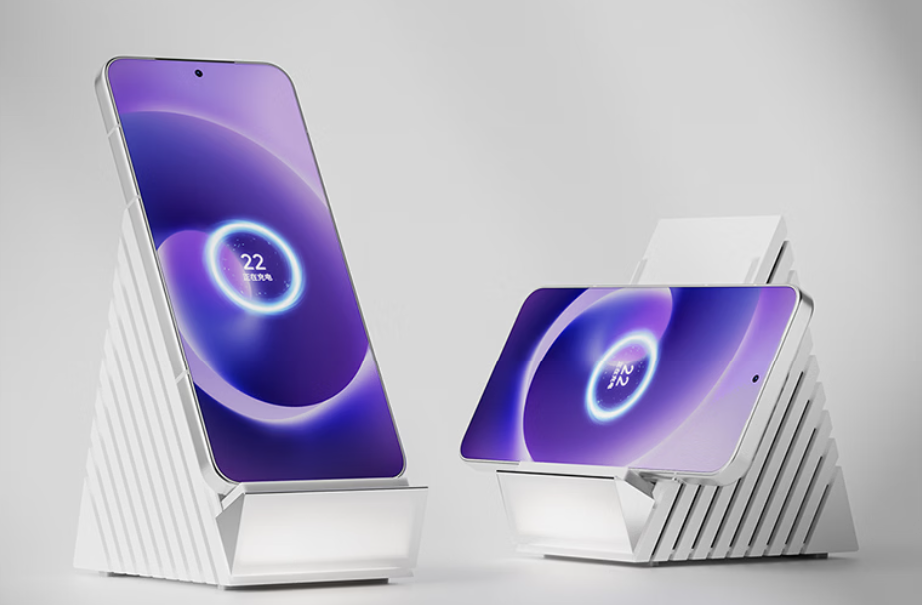
The charger features a minimalist all-white design inspired by Nordic architecture. It uses a matte white finish combined with soft translucent elements that emit a gentle glow during charging. The base includes a glossy metal charging stand that provides structural stability while allowing semi-transparent lighting to shine through.
The Pandaer charger supports up to 66W of wireless charging for the Meizu 22 series. It delivers 50W for the Meizu 21 Pro and Meizu 20 Pro. For other Android phones, the power drops to 10W, while iPhones receive up to 7.5W.
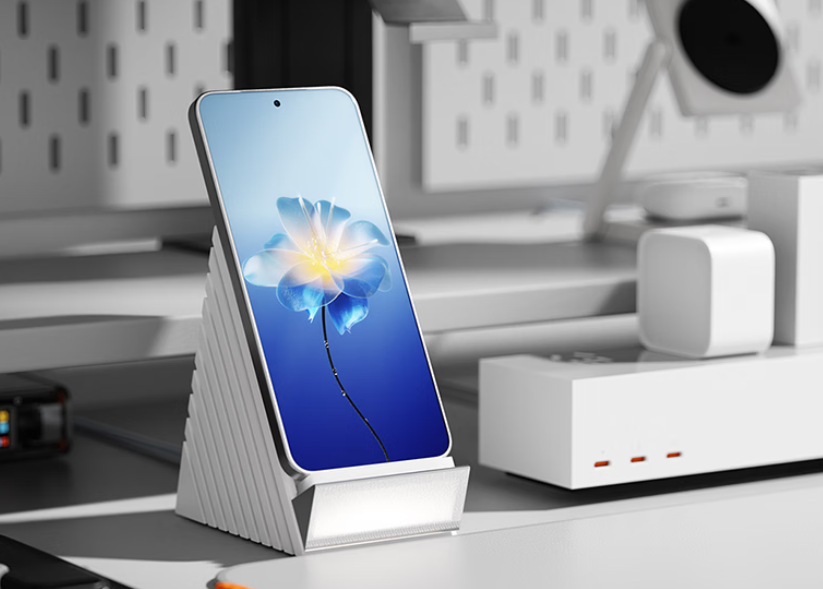
The dual-mode charging design supports both vertical and horizontal placement. The upright position works well for video calls, notifications, and productivity use. The horizontal position suits media playback and gaming.
The charger features a built-in 3D active airflow cooling system. The internal fan and air ducts generate full-surface airflow, which helps manage heat during high-wattage charging.
Meizu includes eight safety features: overvoltage protection, overcurrent protection, overheat protection, short circuit prevention, electromagnetic shielding, surge protection, foreign object detection, and abnormal power cutoff.
The charger also includes a touch-sensitive control to toggle the indicator light, making it suitable for night-time or low-light use.
In related news, Lenovo has recently launched the ThinkPlus 100W GaN charger with triple ports and dual 100W USB-C output, while Xiaomi has introduced a 67W GaN charger bundle that includes triple ports and a USB-C cable.
For more daily updates, please visit ourNews Section.
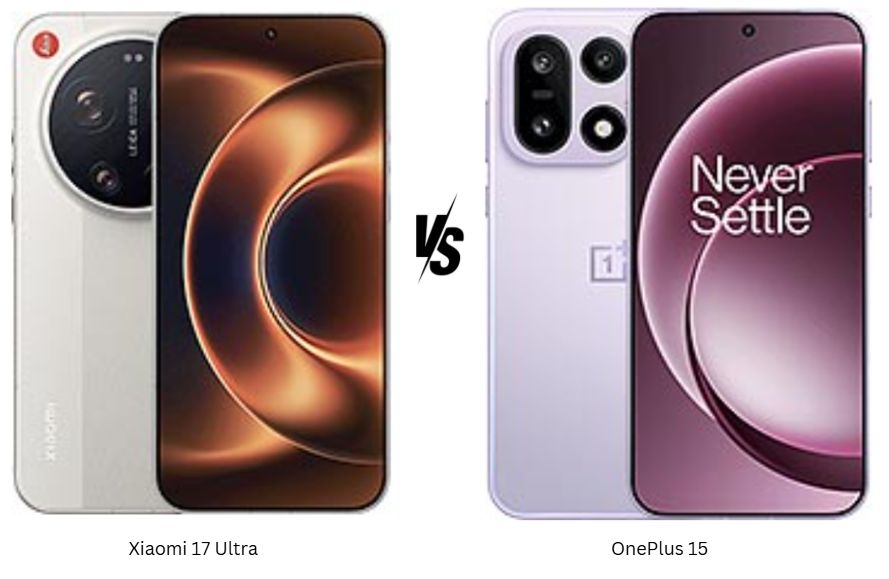
Xiaomi 17 Ultra and OnePlus 15 appeal to two distinctly different flagship buyers, one drawn to a creator-focused smartphone experience and the other looking for a fast, performance-driven everyday powerhouse. This comparison matters because both phones target premium users who want a device that feels meaningful in daily use rather than just powerful on paper. Choosing between them helps buyers decide whether a photography-centric approach or a balanced, all-around flagship experience fits their needs better.
Build and Feel Xiaomi 17 Ultra carries a rugged, camera-centric design that feels purpose-built for creators. The rear module and Leica styling give it a professional, tool-like character that appeals to users who value function over minimalism. OnePlus 15 feels cleaner and more refined, leaning toward a modern flagship look that suits everyday premium use. Its polished finish gives it a lighter, more lifestyle-oriented personality.
Display Quality Xiaomi 17 Ultra delivers rich colors and cinematic tones that feel great for movies, editing, and immersive visuals. The screen maintains strong brightness outdoors, which adds confidence in daily use. OnePlus 15 focuses more on speed and responsiveness, with a performance-oriented display that feels better aligned with gaming and fast UI interactions.
Verdict Xiaomi 17 Ultra suits buyers who prefer a creative-focused design and cinema-like viewing, while OnePlus 15 feels better for users who want a sleeker aesthetic and a performance-driven display experience.
Please Note: When you buy something using the links in our articles, we may earn a small commission at no cost to you.
2. Specifications
Performance Both phones run the Snapdragon 8 Elite Gen 5, but they feel tuned differently. Xiaomi 17 Ultra leans toward sustained stability for editing, heavy apps, and long multitasking sessions. It gives a sense of controlled power rather than burst performance. OnePlus 15 feels quicker in animations and gameplay, making it better suited to users who value instant snappiness and high-speed responsiveness.
Battery and Charging Xiaomi 17 Ultra focuses on endurance, with balanced wired and wireless charging that feels dependable for all-day use. It suits users who prefer longevity over extreme charging speeds. OnePlus 15 delivers significantly faster charging and a larger battery, which feels ideal for frequent travelers and power users who recharge multiple times a day.
Verdict Xiaomi 17 Ultra feels optimized for stability and long-term usage, while OnePlus 15 stands out for faster refills and a performance-centric battery experience.
3. Camera
Main and Secondary Lenses Xiaomi 17 Ultra positions itself as a creator-focused camera phone, with Leica tuning and continuous optical zoom that feels tailored for serious photography. Images carry natural tones and depth, giving the system a professional personality. OnePlus 15 offers a strong and consistent triple-camera setup that feels reliable across everyday shooting, with results that lean more toward accuracy than stylistic character.
Selfie Camera Xiaomi 17 Ultra produces detailed selfies and stable video, making it suitable for vlogging and content recording. OnePlus 15 gains an advantage with autofocus on the front camera, giving better framing and sharper portrait results.
Verdict Xiaomi 17 Ultra suits enthusiasts and creators who treat mobile photography as a core priority, while OnePlus 15 feels better for users who want a capable, consistent flagship camera experience.
4. Pricing
Xiaomi 17 Ultra is priced at around $1000, positioning it as a premium flagship for users who value advanced camera hardware, endurance-oriented tuning, and a creator-driven experience. The pricing feels aligned with its photography-first identity. OnePlus 15 comes in at around $900, offering faster charging, strong performance, and a more balanced flagship package at a lower entry point, which strengthens its value appeal for mainstream buyers.
Verdict Xiaomi 17 Ultra justifies its higher price for camera-centric and creator-focused users, while OnePlus 15 offers stronger price-to-performance value for everyday flagship customers.
Disclaimer: Prices are approximate and may vary based on country, region, and applicable taxes.
5. Conclusion
Xiaomi 17 Ultra stands out with Leica optics, continuous optical zoom, satellite communication support, and a creator-oriented hardware philosophy. It feels like a device built for users who treat smartphones as creative tools. OnePlus 15 distinguishes itself with ultra-fast charging, sleek design appeal, gaming-ready stability, and practical daily usability that feels more versatile for general flagship users.
Verdict If choosing the best, the OnePlus 15 makes more practical sense for most users. It offers better overall value at around $900, delivers faster charging, strong all-around performance, and a responsive display that feels better suited to everyday use and gaming. The camera is consistent and reliable, even if less specialized than Xiaomi’s Leica system.
Xiaomi 17 Ultra only makes more sense if photography and zoom versatility are your top priorities and you specifically want a creator-focused camera phone.
As Redmi gears up for the launch of the Redmi Note 15 5G in India on Jan. 6, 2026, a recurring question has surfaced among tech enthusiasts: are Indian consumers getting a different device compared to the global audience? Historically, Xiaomi has often tweaked specifications for different regions, but the latest reports suggest a more unified approach for its 2026 lineup.
Redmi Note 15 (Global)Redmi Note 15 (China)
3Indian / global version is better than the Chinese version
The Indian and global variants run HyperOS 2 based on Android 15 out of the box. While Xiaomi has not yet confirmed the software update policy for India, global markets are promised four years of Android OS upgrades.
Between the Indian / global versions and the Chinese variant, the key differences lie in the camera and battery departments. The Chinese model offers a larger battery but is limited to a single 50-megapixel rear camera and an 8-megapixel front camera.
On the other hand, the Indian and global Redmi Note 15 5G features a smaller battery but offers a more versatile camera setup, including a 108-megapixel primary sensor paired with an 8-megapixel ultra-wide camera on the back, along with a 20-megapixel front-facing camera.
Overall, it is encouraging to see Redmi offering a more capable Note 15 variant with improved cameras and longer software support for markets outside China.
For more daily updates, please visit our News Section.
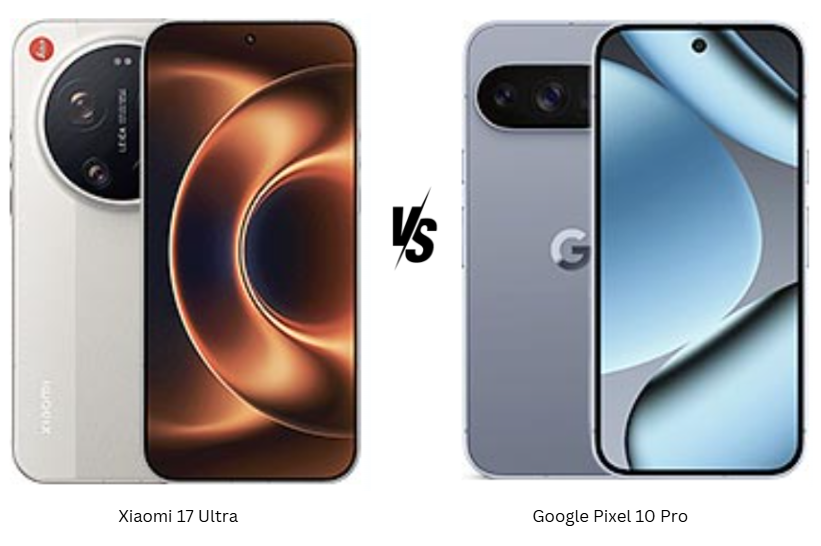
Xiaomi 17 Ultra and Google Pixel 10 Pro go head-to-head as two very different kinds of premium flagships, one built for power-hungry users who love pushing limits, and the other designed for buyers who want a smarter, more refined everyday experience. This comparison matters because both phones promise “top-tier performance,” but they deliver it in completely different ways. Choosing between them is less about which phone is stronger on paper and more about which one better fits the style, priorities, and habits of the person using it.
Major Features:
Feature
Xiaomi 17 Ultra
Google Pixel 10 Pro
Winner
Performance
Snapdragon 8 Elite Gen 5, Adreno 840 GPU, UFS 4.1
Google Tensor G5, PowerVR DXT-48 GPU, UFS 4.0 (not on base)
Xiaomi 17 Ultra carries a bold, tool-like design with its reinforced back and Leica-styled camera housing. It gives a confident, professional feel that suits users who like phones that look purpose-built rather than minimal. Pixel 10 Pro feels cleaner and more refined, with a polished glass finish and a calmer visual identity. Its design comes across as more lifestyle-friendly and subtle, which feels better for everyday premium use.
Display Quality
Xiaomi delivers a bright, contrast-rich AMOLED panel that feels cinematic and immersive, especially for gaming and HDR video. The tone leans dramatic, making content consumption feel engaging. Pixel 10 Pro focuses on sharpness and natural color tuning, giving it a more comfortable look for reading, browsing, and long-form viewing. The experience feels precise rather than flashy, which suits accuracy-focused users.
Verdict
Xiaomi 17 Ultra feels better for entertainment and creative viewing, while Pixel 10 Pro offers a more elegant and balanced visual style.
Please Note: When you buy something using the links in our articles, we may earn a small commission at no cost to you.
2. Specifications
Performance
Xiaomi 17 Ultra’s Snapdragon platform and fast storage deliver strong responsiveness for gaming, multitasking, and creative workloads. It feels engineered for power users who value raw speed and performance overhead. Pixel 10 Pro’s Tensor G5 leans into AI efficiency and smooth software behavior. Everyday tasks and system interactions feel cohesive and intelligent, giving it a polished, usability-first character.
Battery and Charging
Xiaomi offers a large battery with very fast wired and wireless charging, which feels convenient for frequent travelers and heavy users. Regaining power quickly reduces dependence on overnight charging. Pixel 10 Pro focuses on endurance efficiency and controlled charging speeds, giving it a steadier, long-term reliability feel that appeals to users who prioritize battery health over speed.
Verdict
Xiaomi 17 Ultra suits power-heavy usage and fast-charge convenience, while Pixel 10 Pro feels better for efficient, intelligent everyday performance.
3. Camera
Main and Secondary Lenses
Xiaomi 17 Ultra’s Leica-tuned system with continuous optical zoom feels crafted for creative shooting and dramatic visual style. Images often appear textured and cinematic, especially in zoom and low light, making it appealing for enthusiast-level photography. Pixel 10 Pro leans on computational processing for balanced tones and reliable consistency. Its photos feel realistic and clean, which works well for daily, documentary-style captures.
Selfie Camera
Xiaomi’s high-resolution selfie camera delivers detailed output suited for vlogging and creator-focused use, with a slightly vivid tone that enhances subject presence. Pixel 10 Pro’s ultrawide selfie camera feels more practical for groups and social content, with natural-looking skin tones that appear authentic and share-ready.
Verdict
Xiaomi 17 Ultra feels better for creative storytelling and flexible shooting, while Pixel 10 Pro delivers consistent, natural-looking everyday photography.
4. Pricing
Both phones sit at a similar premium price point, so value depends on priorities rather than cost alone. Xiaomi 17 Ultra offers strong hardware value with faster charging, larger capacity, and an enthusiast-grade camera setup. It feels worth the price for users who want depth in features and performance flexibility. Pixel 10 Pro justifies its price through extended software support, AI-driven utilities, and a stable, polished experience that feels future-ready for long-term ownership.
Xiaomi 17 Ultra feels like the stronger value for feature-focused and performance-centric buyers, while Pixel 10 Pro offers better long-term software value for practical, mainstream users.
Disclaimer: Prices are approximate and may vary based on country, region, and applicable taxes.
5. Conclusion
Xiaomi 17 Ultra stands out with continuous zoom imaging, Leica tuning, ultra-fast charging, satellite communication, and creator-oriented tools that make it feel like a performance-driven flagship. It suits users who enjoy experimenting with advanced hardware features. Pixel 10 Pro shines with extended Android upgrades, AI utilities, Ultra HDR, UWB, and a cohesive software experience that feels thoughtfully designed for daily life.
Verdict
Xiaomi 17 Ultra is the better overall choice if only one phone has to be picked. It offers stronger hardware value, faster charging, and a more versatile camera setup, making it feel more capable for demanding use and future-heavy workloads.
Pixel 10 Pro remains great for software longevity and consistent everyday performance, but its strengths are more experience-focused. For users wanting maximum power and feature depth at this price level, Xiaomi 17 Ultra feels like the more compelling all-around flagship.
As 2025 wraps up, ColorOS is rolling out an update focused on photography improvements, more customization options, and better day-to-day usability. The latest version includes noticeable updates to Camera, System, and Desktop features aimed at taking users into 2026.
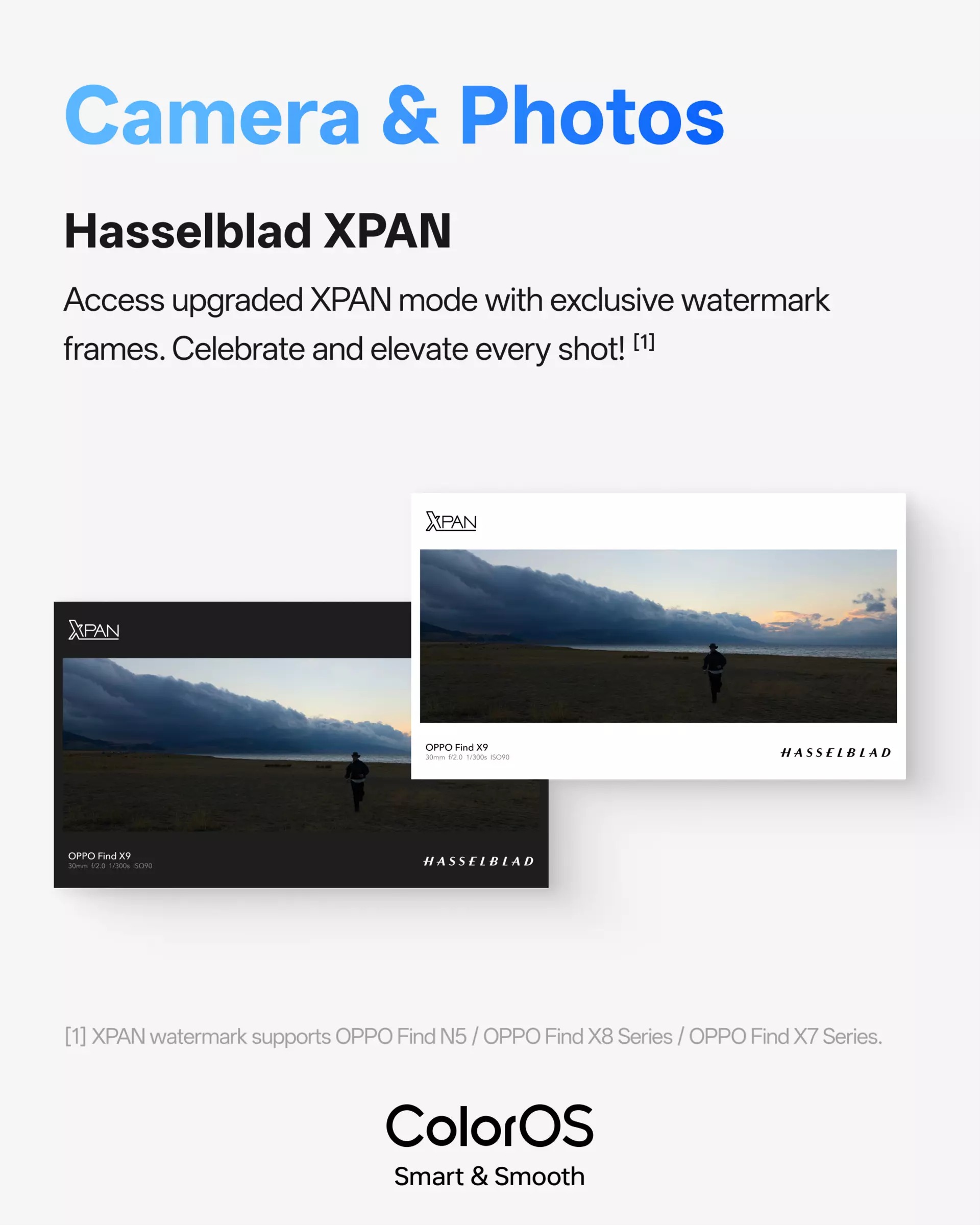
Photography gets the most attention this month. ColorOS has upgraded its Hasselblad XPAN mode for wide-format shooting. The updated XPAN mode lets you frame cinematic, panoramic shots with better depth and balance, turning landscapes and street photography into film-style images. There are also new exclusive XPAN watermark frames that add a polished look to your wide shots.
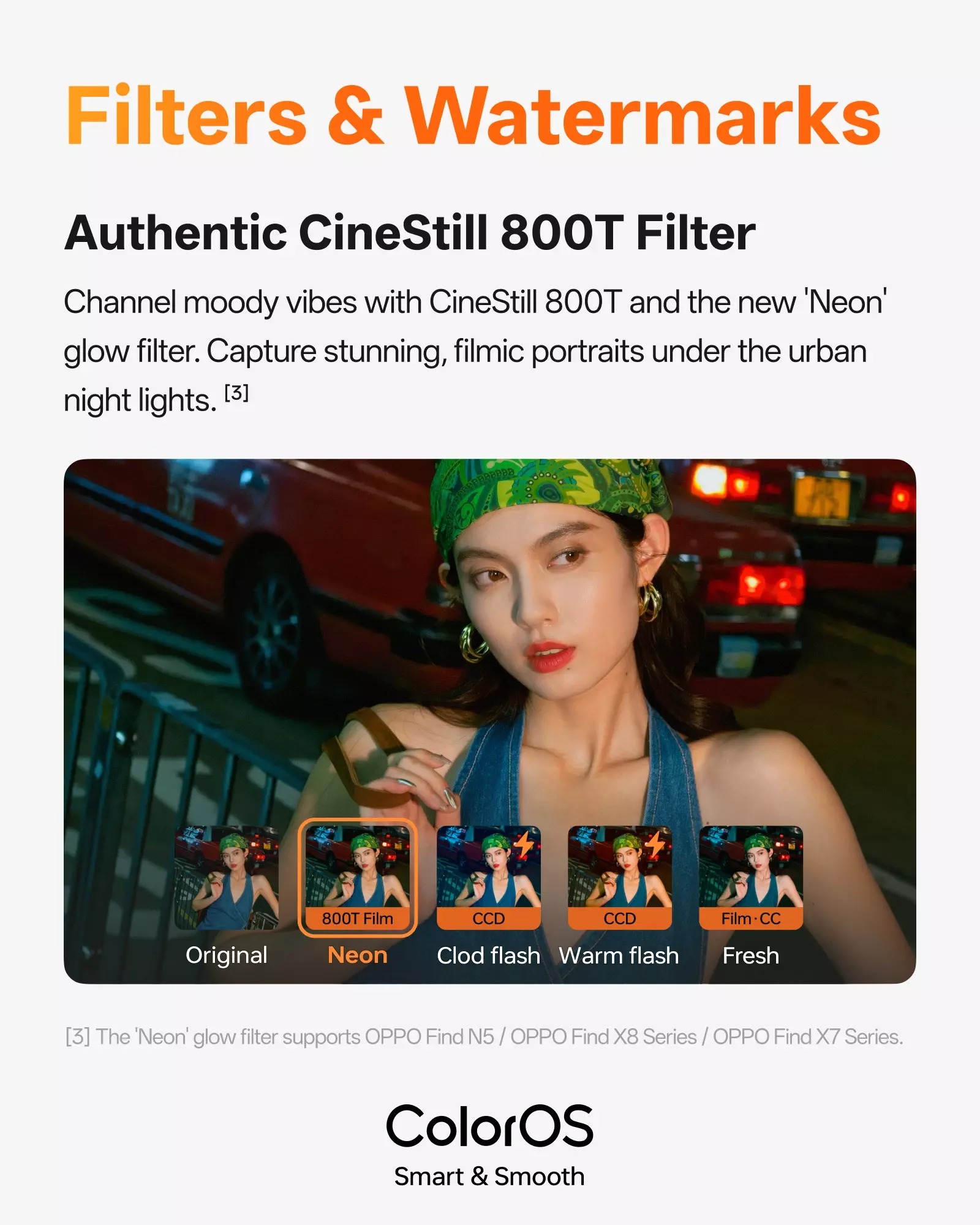
Night photography gets a creative upgrade too. A new CineStill 800T filter brings film-style tones that highlight urban lighting, contrast, and mood. Combined with the new Neon glow effect, the filter works well for portraits and night scenes where street lights, reflections, and bright spots matter. It creates a moodier, more cinematic feel compared to standard night modes.
For the holidays, ColorOS added a limited 2026 New Year watermark. The festive frame lets you add a seasonal touch to photos shared during the holiday season.
System customization is more flexible now. You can resize cloned app icons by dragging them, create quick shortcuts for actions you use often, and rearrange those shortcuts with drag and drop. These options help keep your Home screen organized and reduce the steps needed to access important functions.
Other improvements include the ability to stack 2×1 widgets to save Home screen space. System stability has been improved, along with privacy and security enhancements. Storage cleanup tools are now available directly from the Smart Sidebar, making file management faster.
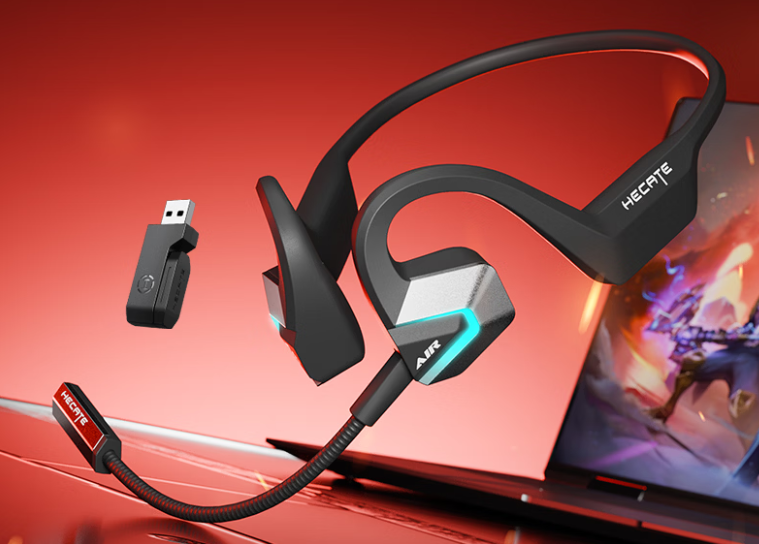
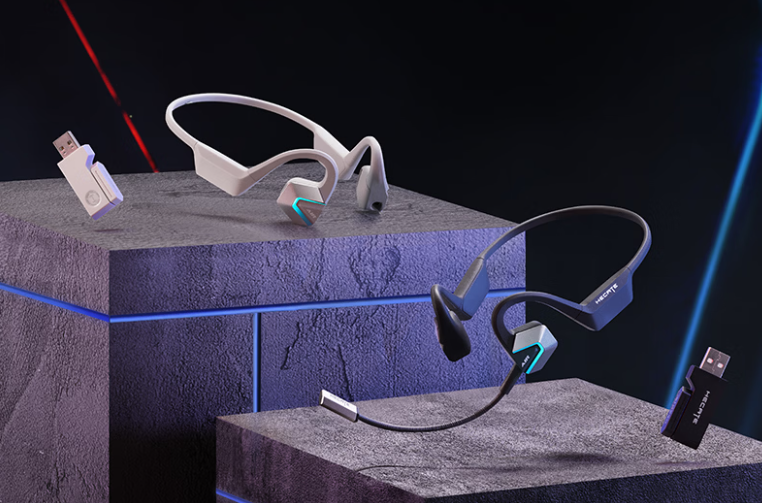
Edifier has launched the Hecate Air 3 Commander, a new open-ear dual-mode gaming headset designed for comfort and low-latency performance. The headset is now available on JD.com for 469 yuan ($66).
Edifier Hecate Air 3 Commander Specs
The Hecate Air 3 Commander uses an open-ear, non-in-ear design that aims to reduce pressure and heat buildup during extended use. It weighs approximately 35 grams without the detachable microphone and 2.4G receiver, allowing for comfortable long sessions, whether during gaming or daily use.
The headset supports both 2.4GHz wireless and Bluetooth 6.0 connections. Edifier uses its Flash Speed 2.4G wireless transmission technology to deliver a stable, low-latency experience suitable for competitive gaming.
The plug-and-play receiver supports USB-A and USB-C, making it compatible with a wide range of devices, including PCs, smartphones, tablets, Nintendo Switch, PS4, and PS5. Bluetooth 6.0 expands device compatibility further and supports common profiles such as HFP, A2DP, and AVRCP.
The Air 3 Commander features 16.2mm dynamic drivers paired with a PU wool paper composite diaphragm. The setup delivers a wide soundstage and covers the full 20Hz to 20kHz frequency range. Edifier has integrated a dynamic bass enhancement algorithm that adjusts low and ultra-low frequencies in real time to improve positional accuracy during gameplay.
The headset features a dual-microphone system with support for both built-in and detachable boom mics, paired with AI noise reduction for clearer voice capture.
Battery life reaches up to 18 hours in Bluetooth mode with lighting turned off, and up to 15 hours in 2.4G mode under the same conditions. The headset supports USB-C charging with 2C fast charging technology. It also features an IPX4 water resistance rating, protecting it from sweat and light splashes during outdoor use or workouts.
In related news, Xiaomi has recently launched the Buds 6 with triple magnet gold-plated drivers, Harman tuning, and active noise cancellation, while QCY has introduced the MeloBuds N20 featuring 13mm drivers, up to 50dB adaptive ANC, and a 40-hour battery life.
For more daily updates, please visit ourNews Section.
We use cookies on our website to give you the most relevant experience by remembering your preferences and repeat visits. By clicking “Accept”, you consent to the use of ALL the cookies.
This website uses cookies to improve your experience while you navigate through the website. Out of these, the cookies that are categorized as necessary are stored on your browser as they are essential for the working of basic functionalities of the website. We also use third-party cookies that help us analyze and understand how you use this website. These cookies will be stored in your browser only with your consent. You also have the option to opt-out of these cookies. But opting out of some of these cookies may affect your browsing experience.
Necessary cookies are absolutely essential for the website to function properly. This category only includes cookies that ensures basic functionalities and security features of the website. These cookies do not store any personal information.
Any cookies that may not be particularly necessary for the website to function and is used specifically to collect user personal data via analytics, ads, other embedded contents are termed as non-necessary cookies. It is mandatory to procure user consent prior to running these cookies on your website.