HMD Global has recently launched the Nokia 6300 4G and Nokia 8800 4G feature phones. Reports have claimed that the Finnish brand will hold a big launch event this month to launch. However, a fresh report by Nokia Power User states the company has postponed its launch event to December end. Moreover, another leak claims that the Nokia 9.3 PureView does not feature the Snapdragon 865 mobile platform.
The report states that there is no proper information on why the launch has been postponed to the next month. Also, it is not clear whether the company will announce the Nokia 9.3 PureView And Nokia 6.3 mid-range at the event. It states that it is certain that the Nokia 7.3 5G will be made official through the upcoming unveil event.
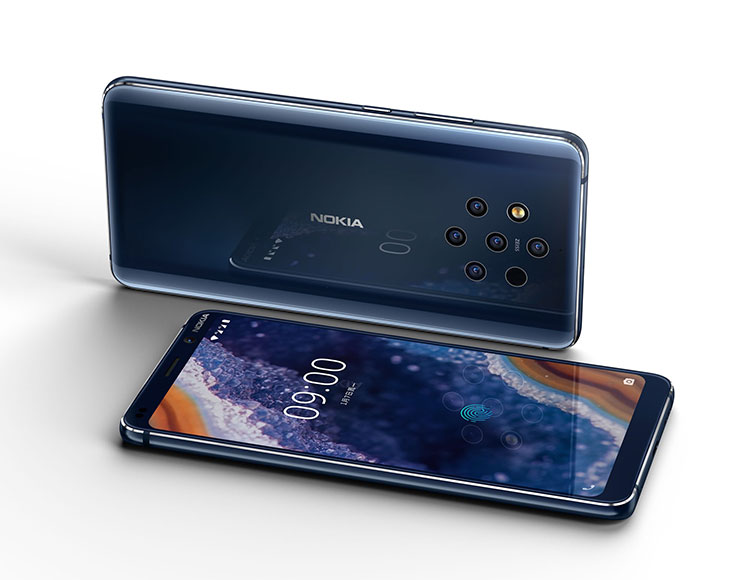
The Nokia 9.3 PureView will be arriving as a successor to the Nokia 9 PureView that debuted as the world’s first phone with penta-lens setup in February 2019. The Nokia 9.3 PureView was previously speculated to launch at the beginning of this year, but its arrival seems to have been delayed consistently.
Since the Nokia 9.3 PureView is expected to arrive by this year’s end, reports have claimed that is equipped with the Snapdragon 865. However, the Nokia_anew Twitter account, which is known for Nokia leaks has claimed that it is unlikely to be powered by Snapdragon 865. It remains to be seen whether the Nokia 9.3 PureView will be featuring the upcoming Snapdragon 875v chipset or last year’s Snapdragon 855+ / 855 SoC.
Samsung, which is the world’s largest smartphone manufacturers, has also recaptured the leading position in the Indian market after over two years. Now, Samsung reportedly has an all-time high market share in its home country South Korea.
The report from Strategy Analytics indicates that Samsung has reached an all-time high market share of 72.3 percent in South Korea in the third quarter of this year. This is the first time the company has managed to cross the 70 percent mark.
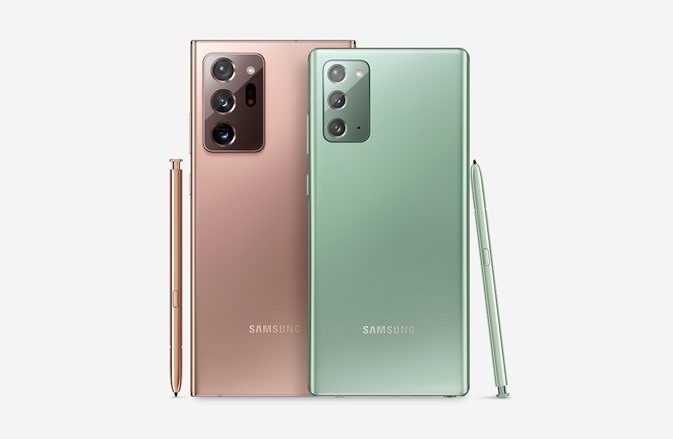
This year, the company expanded its smartphone lineup by launching new upgrades of the existing lineup as well as new foldable devices in the market. It seems that the premium offerings from the brand, including Galaxy Note 20 series, the Galaxy Z Flip 5G, and the Galaxy Z Fold2 5G have played a significant role to reach this milestone.
However, it remains to be seen how the South Korean giant performs in its home market in the fourth quarter of this year (i.e. Q4 2020) given that the newly launched Apple iPhone 12 series has been received quite well and is currently the hot-selling product.
There are reports that in order to combat the issue of Apple grabbing more market share with the iPhone 12 models, Samsung is planning to launch its next-generation Galaxy S21 series earlier than usual, somewhere around mid-January.
It is also being reported that the upcoming flagship offerings from the company will have a bit lower pricing and the company is also reportedly planning to bundle more accessories. So, it will be quite interesting to see where this goes.
Display technology has been seeing a lot of major developments since the past few years and South Korea is the leading country as two of the largest display manufacturers are based there — Samsung Display and LG Display.
However, it seems that China isn’t far behind and could soon catch-up with South Korea in terms of market share for the display panels. As per the report coming from Omdia (via The Elec), China’s display panel sales will reach $42.5 billion this year.
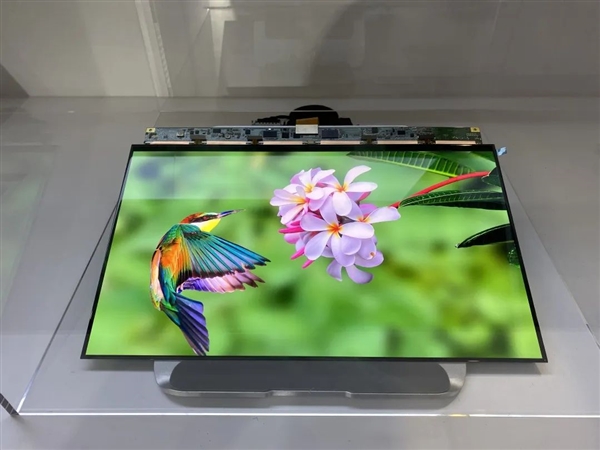
BOE’s Display Showcase
This accounts for around 36.3 percent of the market share. At the same time, it is reported that South Korea is expected to have sales of around $43.6 billion, which converts around 37.3 percent of the market share.
Checking the previous data, South Korea occupied around 40.1 percent of the market with sales of $44.1 billion. On the other hand, China had just 31 percent market, posting sales worth around $34 billion.
The report claims that South Korea’s sales will drop by 1.1 percent this year while that of China will see an increase of 25 percent. Thus, China will be able to reach the level of South Korea for display panel sales.
Most of the sales for South Korea now comes from OLED panels as one of the major companies for the displays — Samsung has left the LCD market and is just focusing on OLED and other display types.
In the year 2019, South Korea’s OLED panel sales accounted for 88.4 percent while that of China accounted for just 10.1 percent. However, China has been leading the LCD panel market for over two years now.
In order to boost its market, China is planning to commence its 14th 5-year plan this year in which the country is focusing on developing core materials and equipment on its own and focus more on the localized supply chain.
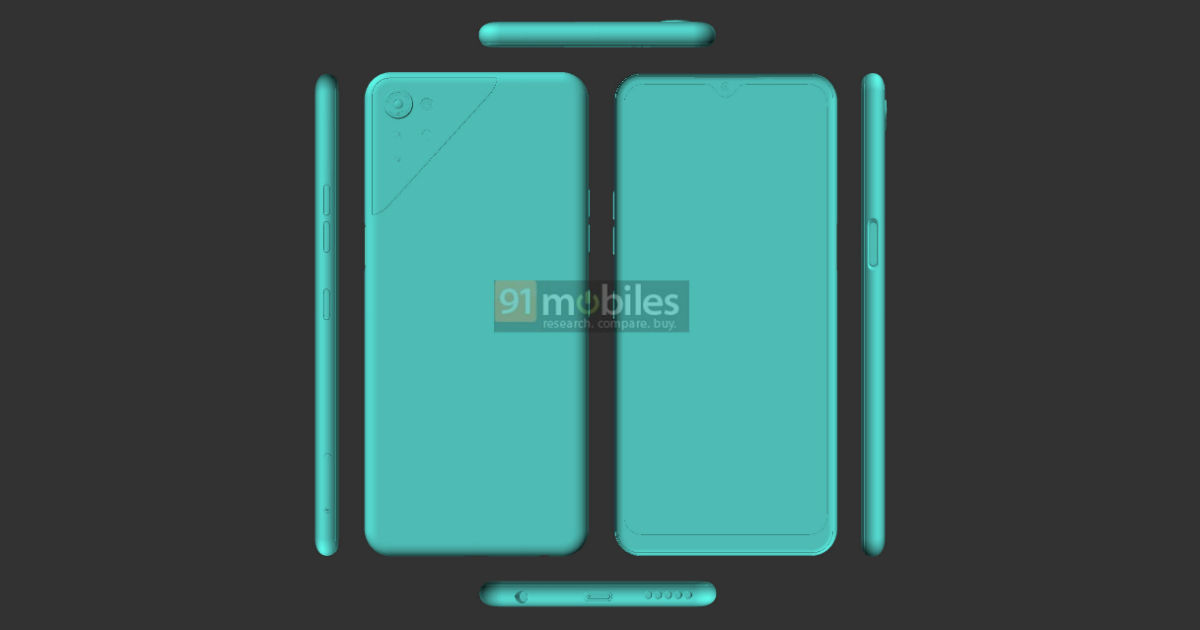
LG released a couple of Q series phones such as LG Q31, LG Q51, LG Q61, LG Q52, and LG Q92 5G. A new report by 91mobiles reveals that the South Korean company is planning to launch new Q-series smartphones in Q1 2021. It was recently reported that the company has trademarked as many as 13 Q-named phones, which also includes the LG Q63 and LG Q83. The 91mobileshas shared CAD renders of the LG Q63 or Q83 smartphone. Apart from revealing its design, the publication has also revealed some of its key information.
The CAD renders show that the LG Q63 / Q83 phone is fitted with a waterdrop notch screen with a thick-sized chin. The publication has learned from its source that the device measures 164.4 x 76.3 x 7.8mm and it has a 6.5-inch flat display.
There is a triangular camera module on the back panel of the phone. It houses three cameras, an LED flash unit, and an unknown unit. A fingerprint scanner is found on the right side of the device. Its left edge is fitted with volume buttons and it also seems to feature a dedicated hardware key for launching the Google Assistant.
The handset is also equipped with a 3.5mm audio jack, a USB-C port, and a speaker grille at its bottom edge. The other specs of the smartphone are currently under wraps.
Last month, LG unveiled the LG Q52 mid-range phone in South Korea. It came with specs like a 6.6inch IPS LCD HD+ display with punch-hole design, Helio P35 chipset, 4 GB of RAM, 64 GB of internal storage, 48-megapixel quad rear cameras, a 13-megapixel selfie camera, and a 4,000mAh battery.
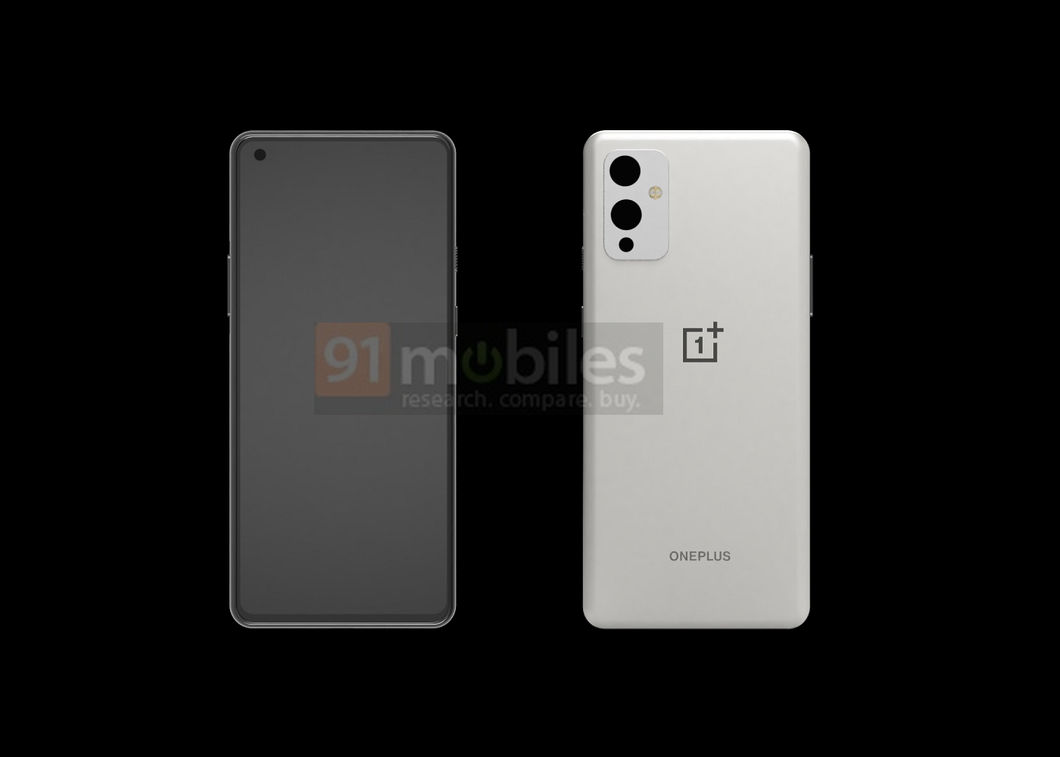
A report from last month claimed that OnePlus may announce the OnePlus 9 series by mid-March 2021. Over the weekend, 91mobilesshared the CAD render of the OnePlus 9. The leak reveals that the OnePlus 9 could be sporting a refreshed rear design.
The CAD render shows that the OnePlus 9 has a flat display that features a punch-hole at the top-left corner. The publication learned through its source that the OnePlus 9 is fitted that a 6.65-inch display. The screen is bigger than the OnePlus 8T that features a 6.55-inch screen. The OnePlus 9 is expected to carry support for the 120Hz refresh rate.
The render reveals that the back panel of the OnePlus 9 is curved, and it has a rectangle-shaped camera module. The camera housing has two large-sized lenses, a small-shaped camera and an LED flash. The leak has no information on the configurations of the cameras. Interestingly, reliable tipster Max Jambor claimed that the CAD render is inaccurate since it does not match the information that he has.
Some reports had claimed that the OnePlus 9 series has three devices, but it is now believed that the lineup includes only models namely, the OnePlus 9 and OnePlus 9 Pro. The model numbers LE2110, LE2117, and LE2119 is said to be associated with the OnePlus 9. The LE2120 and LE2127 model numbers could belong to the OnePlus 9 Pro.
The alleged OnePlus 9 / 9 Pro was spotted at Geekbench yesterday. The listing revealed that the chipset that is codenamed as “Lahaina” is present under its hood along with 8 GB of RAM. The CPU cores mentioned in the source code of the listing revealed that it could be equipped with the upcoming Snapdragon 875 mobile platform. The handset was found to be running on Android 11 OS. Since OnePlus 8T arrived with support for 65W fast charging, is highly likely that the OnePlus 9 series will also come with 65W rapid charging support.
Several reports have claimed that Samsung will be launching the Galaxy S21 series in January 2021. The S21 series will be driven by the Snapdragon 875 / Exynos 2100. In China, Xiaomi is expected to launch the first Snapdragon 875 powered phone. Hence, it is likely that the Chinese firm may also time the arrival of the Mi 11 series in January. A fresh leak reveals that the Mi 11 Pro will arrive with a significant improvement in the display department.
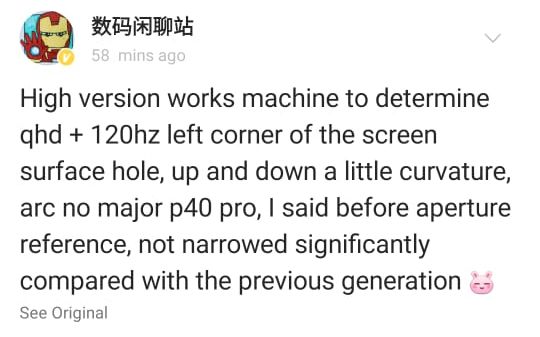
A tipster has claimed that there is a high version of a smartphone that carries support for a quad HD+ resolution and a 120Hz refresh rate. It seems to be a significant upgrade since the Xiaomi Mi 10 Pro that debuted earlier this year supports a full HD+ resolution and a 90Hz refresh rate.
The leak also mentioned that the screen has a punch-hole placed at the upper-left corner. The display seems to have curved edges, but they do not seem to be as curvy as waterfall screens found on the Huawei Mate 40 Pro and P40 Pro.
The leak suggests that the tipster could be talking about an upcoming flagship phone. Unlike flagship phones from Samsung, Huawei, OnePlus, and OPPO that carries support quad HD+ resolution, Xiaomi’s flagship smartphones have supported only full HD+ resolution. The tipster had claimed in the recent past that Xiaomi flagship phones arriving in 2021 will support quad HD+ resolution. Since he used the words “high version”, he could be talking about the Xiaomi Mi 11 Pro from the upcoming Mi 11 series.
The other details of the Xiaomi Mi 11 series are currently under wraps. Since Xiaomi introduced the 120W fast charging technology along with Xiaomi Mi 10 Ultra, it is likely that the Mi 11 series may arrive with support for 100W or 120W fast charging.
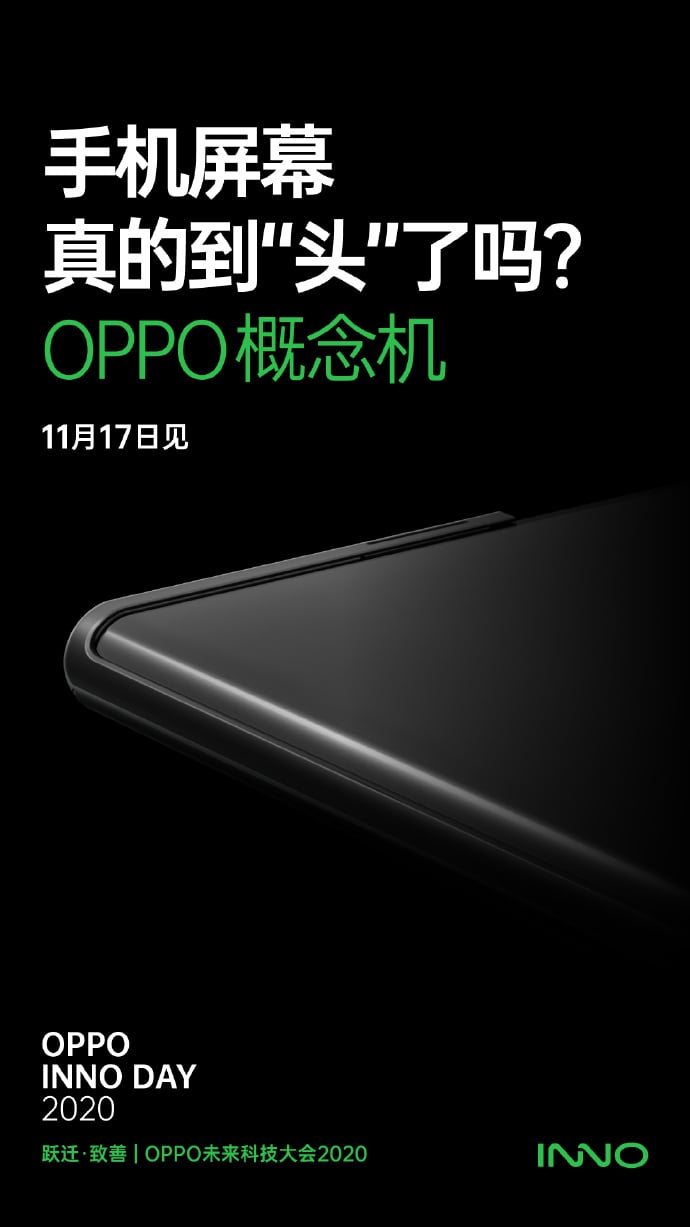
OPPO’s annual event dubbed INNO DAY is usually a highly anticipated one. The Chinese manufacturer is known to showcase new and breathtaking technologies it has been developing. This year’s edition is set for tomorrow, November 17, and a new poster released by OPPO teases a concept device with a rollable display.
The image was posted on Weibo with a caption that roughly translates into “Big screen? Small screen? Infinite screen? In the future, your mobile phone may be able to retract freely”.
The poster shows a render of a phone with a curved screen with a display that can be extended or retracted to change the size.
Earlier this month, an OPPO patent for a device with a rollable display was published by the China National Intellectual Property Administration. There is a possibility the device that will be showcased at tomorrow’s event may be based on this patent.
OPPO’s Weibo post clearly says this is a concept device, so don’t raise your hopes, expecting to purchase one soon. Nevertheless, a working concept means the era of rollable phones draws closer, and we can’t wait for it to be here.
The Mate 40 series, save for the standard Mate 40, is already available for purchase. The new phones pack the most powerful Kirin chipset, the 5nm Kirin 9000, super-fast charging, and impressive cameras. If you are grabbing a unit, Huawei’s VP, Bruce Lee, has a piece of advice about picking up a phone case.
The Huawei executive had responded to a question from a Weibo user asking if a particular type of third-party case was suitable for the Mate 40 as official cases were out of stock.
The case in question is partly made from metal which is where the problem lies. Mr. Lee says the case will seriously affect signal strength as well as GPS connection. To compensate for the weak signal, the phone will use more power to pick up stronger signals which will, in turn, lead to a battery drain and a shorter battery life.
Usually, cases are mostly made from non-metallic materials such as different forms of plastic with a mix of other materials such as fabric and leather. However, it appears some cases have metal in them to provide additional strength. Nevertheless, it is best to avoid these sorts of cases as they can negatively affect the performance of the phone.
Samsung is expected to launch a phone running Android 11 out of the box soon. The phone, according to a leak, will launch under the Galaxy M series.
The source of the info is Android Police’ Max Weinbach and he revealed in a tweet that an unreleased M series phone for India will launch with Android 11. The phone which has the model number “SM-F127G” will be powered by the Snapdragon 460 Mobile Platform.
Unreleased M series phone for India. Will launch with Android 11
Yes, we know the phone’s model number points at it launching under the Galaxy F series but Max’s statement means the device will also launch under the Galaxy M series. The Galaxy F41 is practically the Galaxy M31 with one less camera and this upcoming Galaxy M phone may also only slightly differ from the Galaxy F variant.
Samsung shipping the phone with Android 11 is a big deal since most manufacturers are still shipping phones, including flagships, with Android 10. This phone should also be an alternative to the OnePlus Nord N100 which is also powered by the Snapdragon 460 but runs Android 10 and will get Android 11 as its only OS upgrade.
There is no info on when the phone will be announced but we expect more details to surface in the coming weeks.
Samsung announced the first FE phone in 2017. The Galaxy Note FE (Fan Edition) as it was called was a revamp of the ill-fated Galaxy Note7 that was eventually recalled. This year, Samsung launched the Galaxy S20 FE, a more affordable version of the S20 series and it promised that more flagship phones will get FE models. Now, a list of upcoming Samsung flagships for next year has revealed the Galaxy Fold series will also get an FE model.
The list of devices was posted on Twitter by Max Weinbach (@MaxWinebach) and it includes a total of seven devices, some of which we already expect to be announced.
The list includes the Galaxy S21 FE, which should be the successor to the Galaxy S20 FE, and also mentions the already known members of the Galaxy S21 series. There is also the Galaxy Z Fold 3, the Galaxy Z Flip 3 (not 2?), and the Galaxy Z Fold FE.
Of all the devices on the list, we are most excited for the Galaxy Z Fold FE, as it means the large foldable series will be getting a more affordable model. We do not know how much it will cost but a price tag of under $1500 at launch seems plausible.
The Galaxy Note 20 series may be the last of the Note line
While this list should get Samsung fans excited, it should also be surprising to them as there is no mention of new Galaxy Note models. Back in August, it was reported that Samsung may kill the Galaxy Note series next year but info from Korea said new Galaxy Note models will be announced in 2021 whilst confirming that there are indeed talks to kill the series.
With the Galaxy Note 21 series missing from the list of 2021 Samsung flagships, it may mean a decision has been taken already and the legendary Galaxy Note line has been terminated.
Which phone are you most excited about? Do let us know in the comment box and also share your thoughts about the other devices on the list.
A number of manufacturers are expected to announce their H1 flagship phones early next year. The launch is expected to kick off with the Galaxy S21 series which are billed to arrive in the second week of January. OnePlus is also reported to be bringing the OnePlus 9 series early, with a rumored March 2021 launch date.
Last week, a leaker revealed the model numbers of the OnePlus 9 series. Now, a device with a model number that matches that of the OnePlus 9 Pro has been spotted on Geekbench.
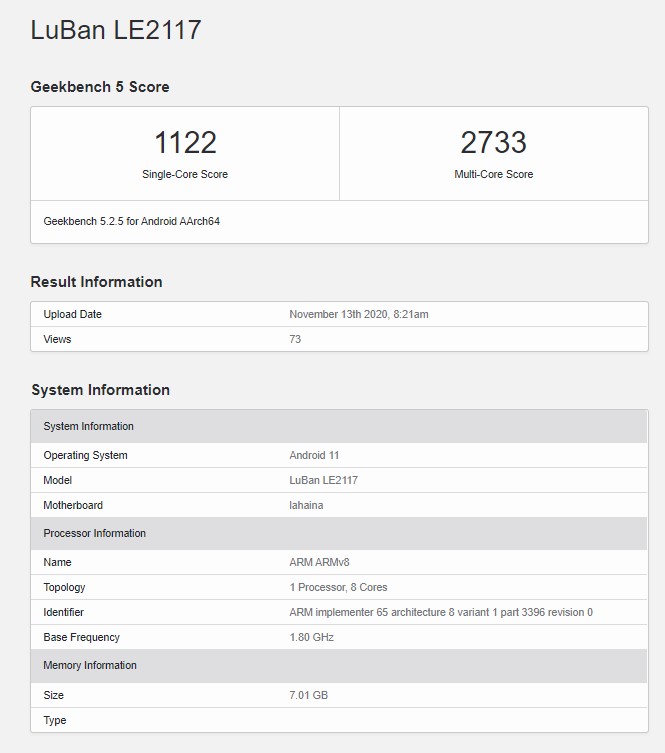
The device was benchmarked a few days ago under the name “LuBan LE2117”. The latter part of the benchmark ID is the model number of the OnePlus 9 Pro.
The OnePlus phone runs Android 11 and has 8GB of RAM. Its motherboard has the codename “lahaina” and its octa-core processor has a base frequency of 1.80GHz. The benchmark scores are 1122 points for the single-core test and 2733 points for the multi-core test.
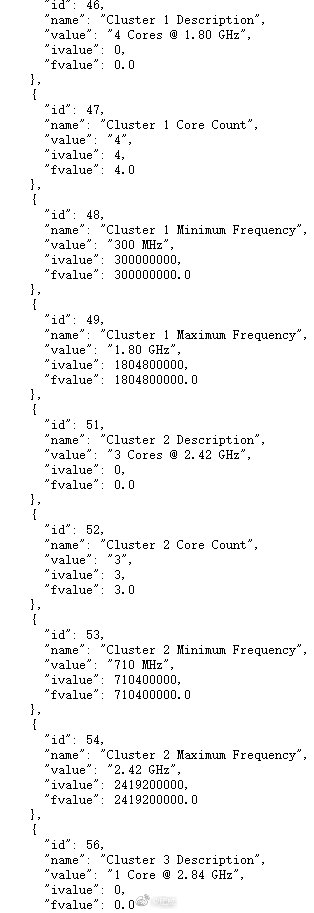
Further analysis of the benchmark result by the Weibo user that goes by @肥威, reveals the CPU configuration of the processor, which is believed to be the Snapdragon 875. As seen in the second image, the flagship octa-core processor has four of its (base) cores clocked at 1.80GHz, three (performance) cores clocked at 2.42GHz, and a prime core clocked at 2.84GHz.
The OnePlus 9 series should come with AMOLED displays with high refresh rates. Unconfirmed reports say the refresh rate may reach 144Hz but this may be limited to the OnePlus 9 Pro while the standard version has a 120Hz refresh rate. It has also been reported that the OnePlus 9 series will come with 65W fast wired charging and support for 40W fast wireless charging.
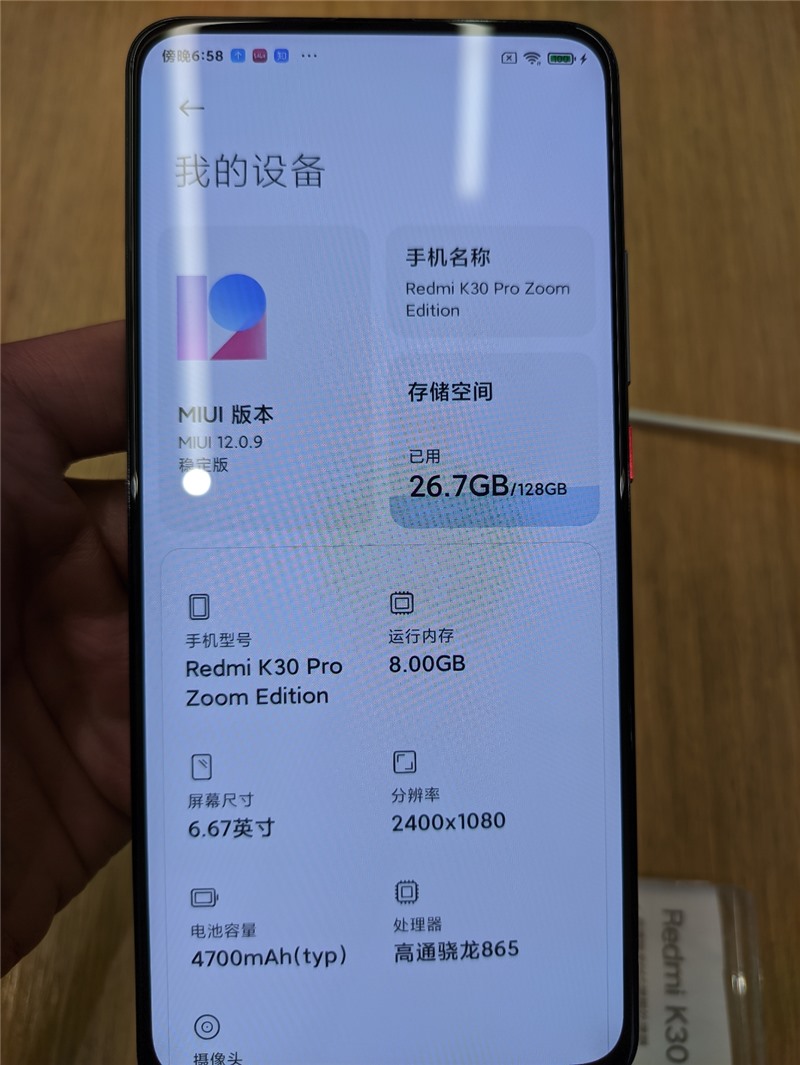
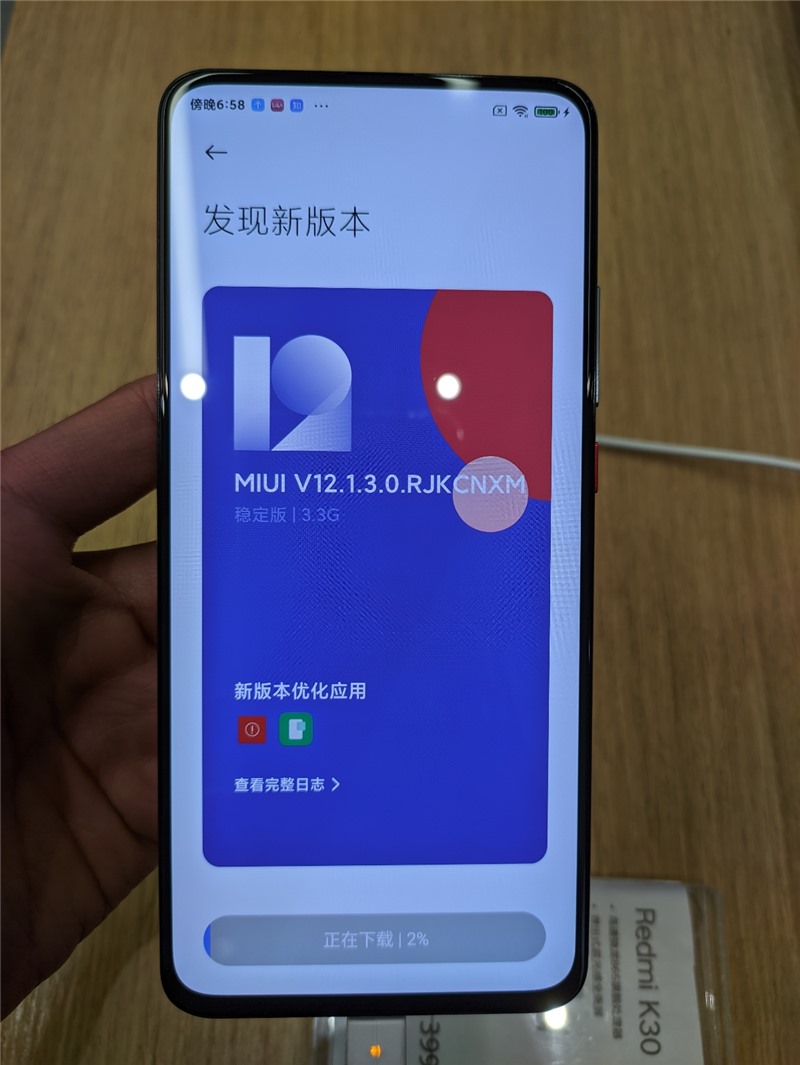
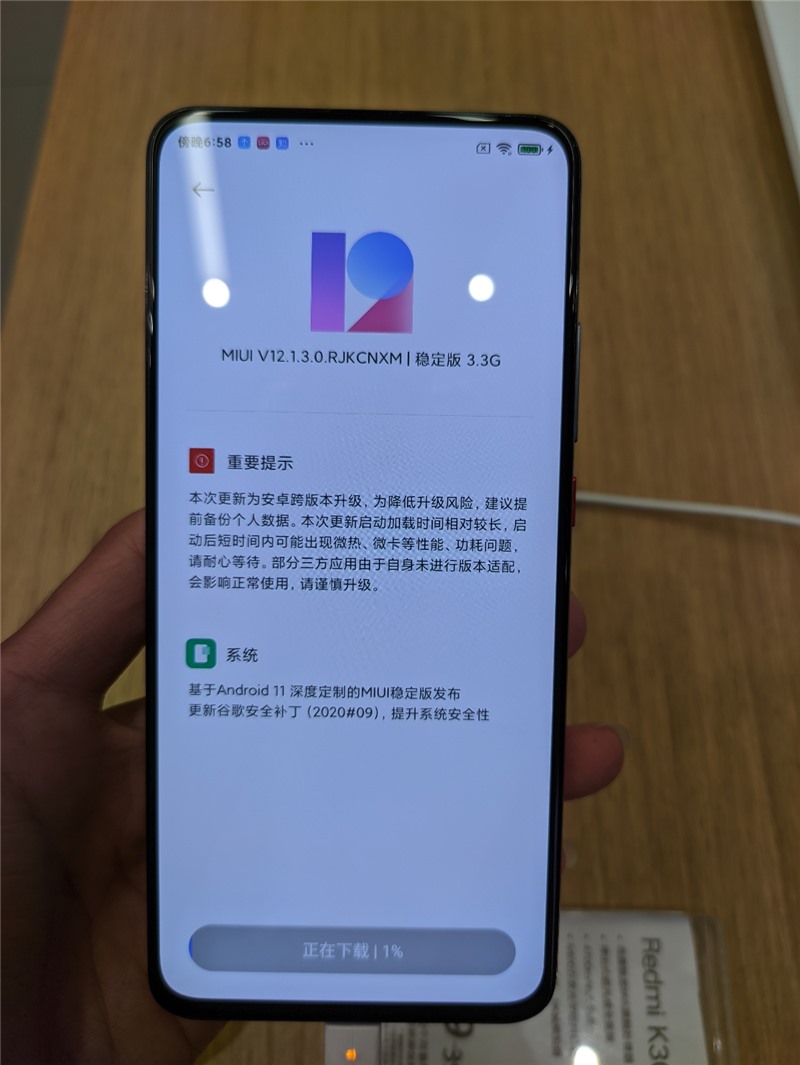
Xiaomi has reportedly started pushing a new update to the Redmi K30 Pro Zoom edition. The new update brings the firmware version MIUI V12.1.3.0.RJKCNXM stable version and the update package size is about 3.3GB.
The main highlight of this update is that it upgrades the OS version to the latest Android 11. It equally brings the latest Android security patch. However, no other details have been disclosed.
Feedbacks from users in the Mi community shows that the new version is still riddled with bugs such as battery life issues, minor sound system issues, etc.
Earlier this November, Xiaomi pushed the MIUI V12.2.2.0.RJBCNXM stable version based on Android 11 operating system to the Mi 10. The update was subsequently withdrawn but some of the features it came with include super document and camera VLOG, AI watermark, etc. We can’t say if these features will be pushed to other models.
The Redmi K30 Pro Zoom Edition was launched a few months back with Android 10-based MIUI 11 out-of-the-box. The phone features a 6.67-inch Full HD+ E3 Super AMOLED display. Under the hood, the device is powered by Qualcomm Snapdragon 865 tagging along with a Snapdragon X55 modem, providing support for both SA/NSA 5G modes.
The highlight of the smartphone is the quad-camera setup which includes a 64MP Sony IMX686 1/1.7″ sensor with four-axis OIS, an 8-megapixel telephoto lens with support for 3x optical and 30x digital zoom, a 13-megapixel 123° ultra-wide-angle lens and a 2MP depth sensor.
On the front side, the device is equipped with a pop-up mechanism for housing a 20-megapixel snapper with support for 120 fps slo-mo videos and time-lapse shooting. It is powered by a 4,700mAh battery with 33W fast charging support.
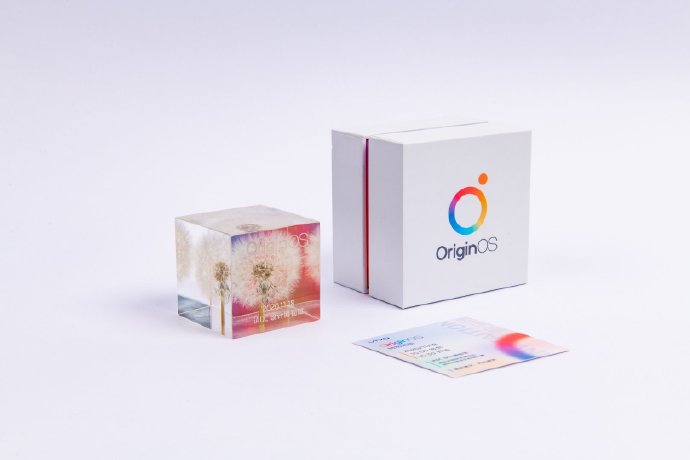
Vivo will take the wraps off its new operating system, which is called OriginOS, on Tuesday, November 18. The new operating system is said to be based on Android just like Vivo’s current operating system, Funtouch OS.
There are unconfirmed reports that Vivo plans to make it possible for users to switch between OriginOS and Stock Android with ease. While dual-boot is usually associated with computers, there are ways or apps users can install multiple Android operating systems on their Android devices. Nevertheless, the news sounds really exciting as practically all phones come with a single operating system out of the box.
For this week’s poll, we want to ask our readers if they want more manufacturers to adopt a dual-boot system that allows for switching from the custom OS of the manufacturer to a stock version of Android. So please take the poll below and also drop a comment sharing any thoughts you have about the topic.
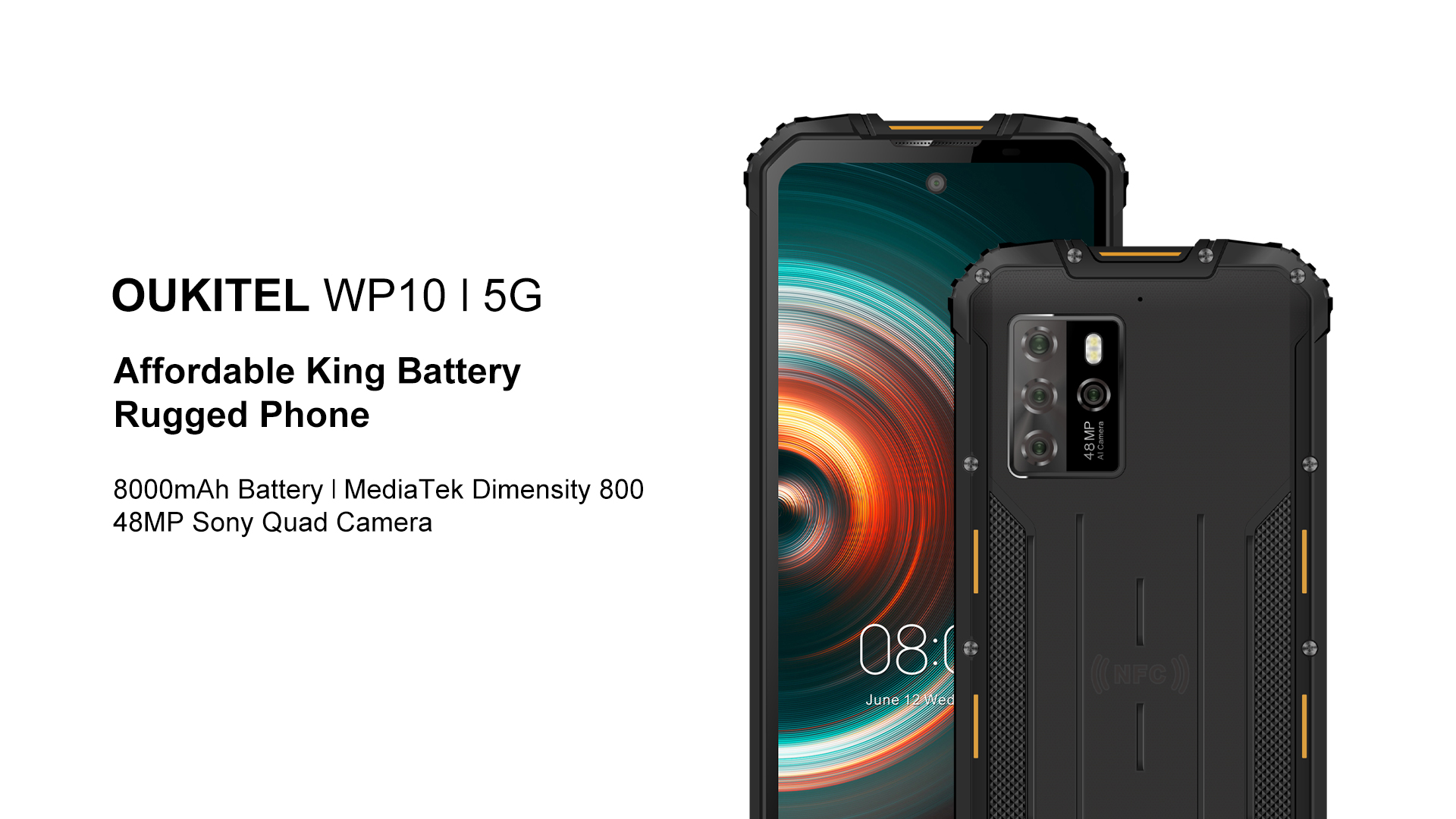
It is already well known that Oukitel flagship Oukitel WP10comes with a lot of exciting features, including 8000mAh battery capacity, sizeable full-view display and 5G fast network access. Although this rugged phone has a decent configuration, people have been wondering how its camera will be and will it match up to the specification hype. According to a recently released tender, the answer might be a Yes.
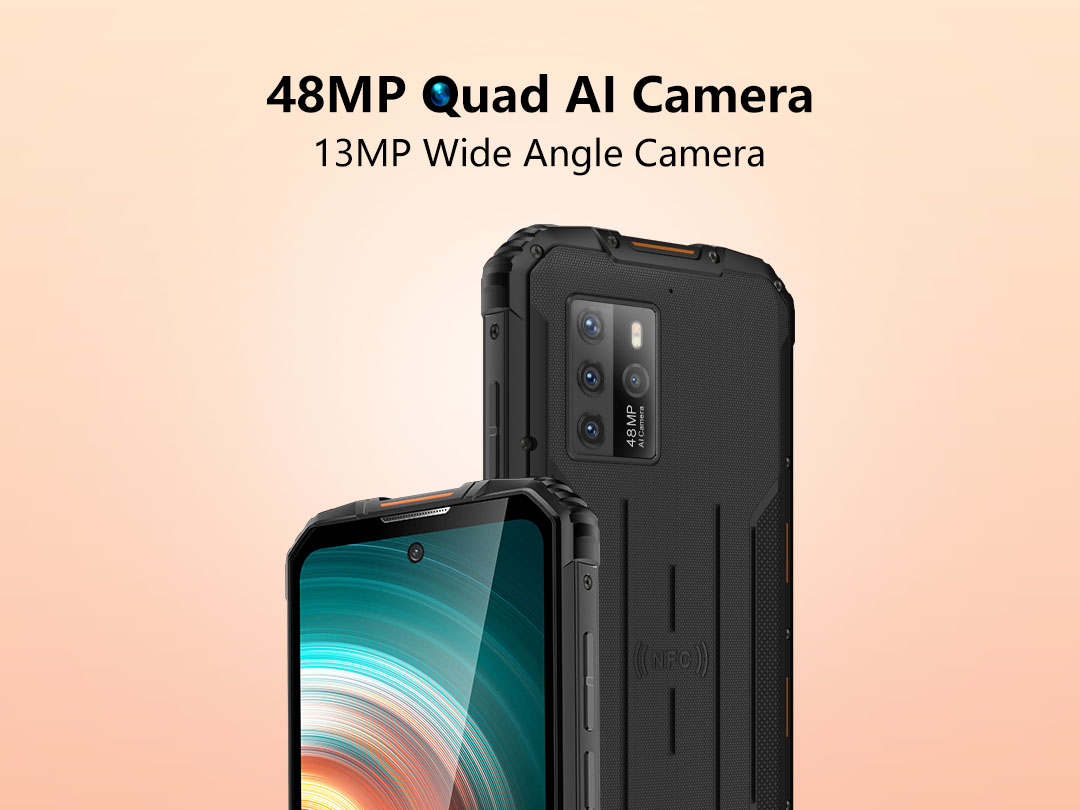
It is rumored that Oukitel invested a lot in upgrading the function of the camera this time. Oukitel WP10 is enhanced with a quad-camera system, having a 48MP Sony IMX582 primary camera, 13MP Samsung S5K3L6 wide camera, 2MP macro, and 2MP depth camera. To complement the camera system, the company has also upgraded its photography software with various features. Oukitel has customized and optimized the algorithm for each lens to achieve better shooting effects.
Crisp and Detailed Pictures
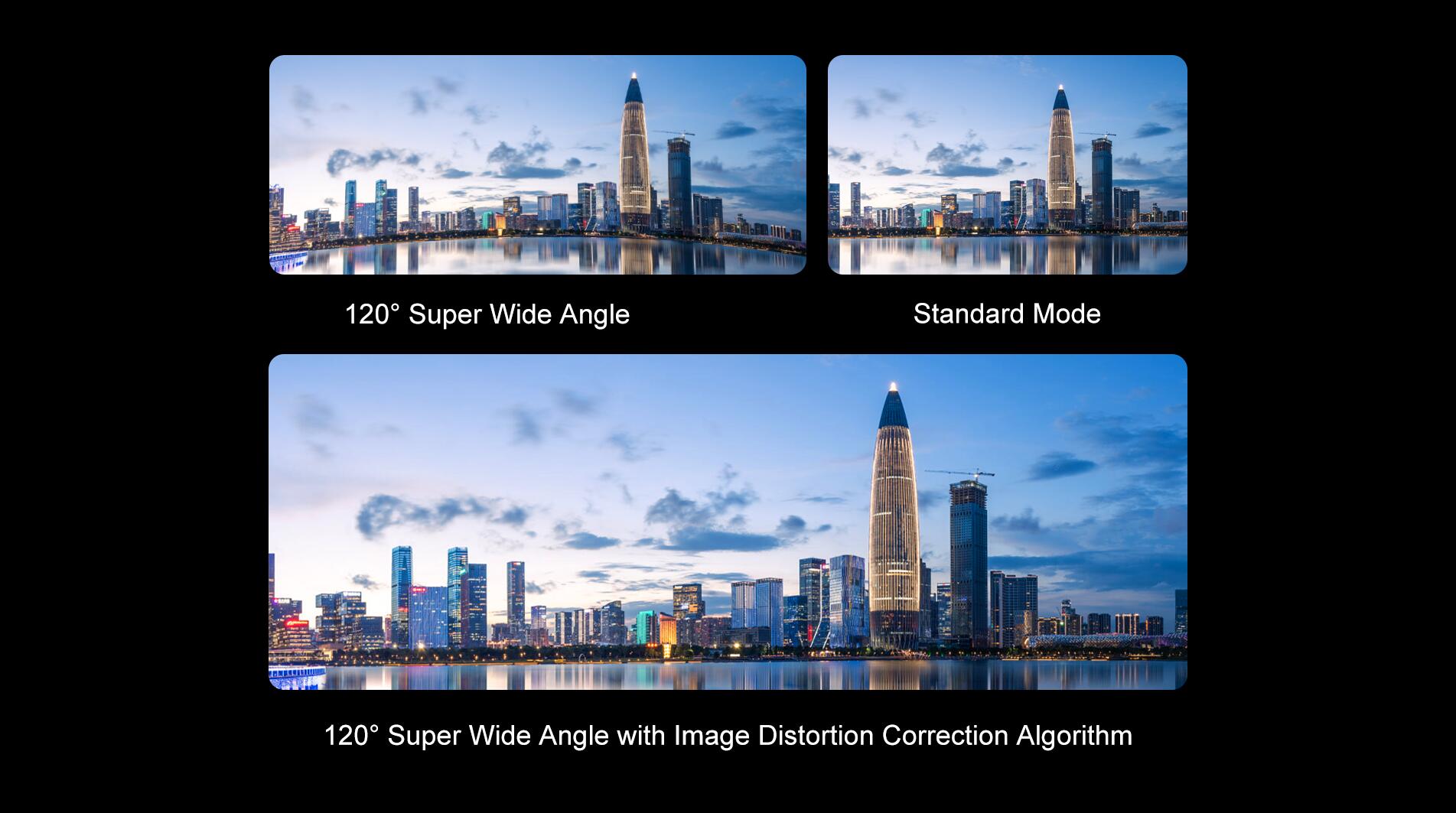
Oukitel WP10 features a wide lens that helps the user capture images at an expansive 120° ultra-wide angle. Coupled with an image distortion correction algorithm, this rugged smartphone delivers clean lines and edges for a crisp quality. Its super nightscape mode reduces the noise and allows one to click bright and clear photos in low-light environments. Furthermore, the smart HDR algorithms refine highlights, shadows, and contours to offer a more detailed view of the picture.The depth camera of Oukitel WP10 comes with a depth-sensing technology that enables the user to effectively do background blurs and facial detection for creative results. Its macro lens captures rich textures and patterns that enhance the visual appeal of the picture.
Shoot Professional 4K Videos
The most distinctive feature of the Oukitel WP10 camera is that it can shoot videos in 4k at 30fps. It gives the user the power to click and create high-quality content. The Dimensity 800 feature enables multi-frame 4K HDR video recording by capturing frames at different exposures and fusing them into a single video stream in real-time. It also features four cores of the latest Arm Mali-G57 MC4 GPU that can enhance any graphics-related function. Apart from this, Oukitel WP10 also features an underwater mode with a customizable side key to take pictures when the user is under the water.Packed with a host of features, Oukitel WP10 is a versatile, rugged smartphone, an ideal choice for basically everyone. The phone will be launching soon; to stay updated about their latest news and deals, all interested users can subscribe to the newsletter on their official website.
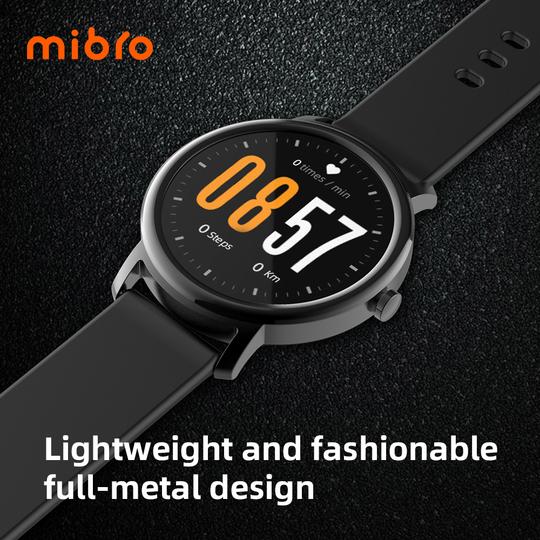
Mibro is a Zhenshi Technology brand and a part of the forked Xiaomi ecosystem. The company recently introduced a new smartwatch named Mibro Air with a decent design and specifications that catches one’s eye. This smartwatch will supposedly launch on November 30th at a pocket-friendly price range. To keep the conversation going and hold people’s interest, the company is offering various deals that one can take advantage of before its official launch.
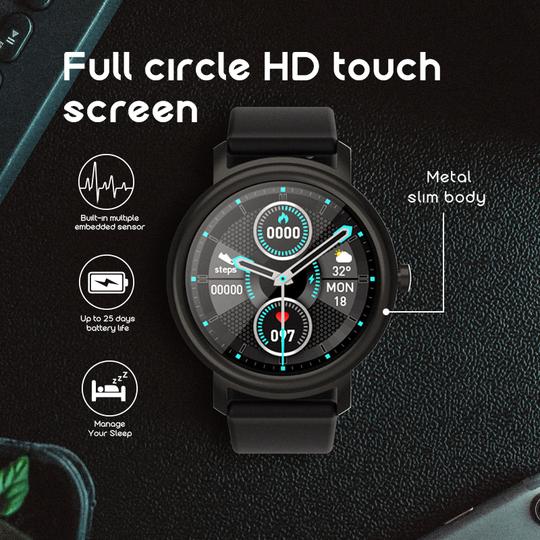
Mibro Air smartwatch boasts a metal body that is made from one piece to withstand scratches and offer durability. This piece has IP68 certification and can easily resist daily rain, sweat, and frequent handwashing splashes.
As for the display, this smartwatch features a 1.28-inch round dial with TFT high-resolution color screen with a screen-to-body ratio of 95%. Its well-spaced icons enhance readability while the rotary mode further adds to the versatility. The user can even customize the background and interface of the dial according to their preference.
Mibro Air smartwatch is perfect for people living an active lifestyle as it boasts up to 12 sports modes. It can effectively record various activities, including treadmill and exercise bike, in addition to the most usual sports such as running, football, tennis or even a simple walk. It comes equipped with a heart rate sensor that helps measure the values permanently, alerting the user to any possible problem or irregularity. Additionally, this smartwatch can also monitor one’s sleep every night to keep an all-round check. All these values and measurements can be recorded and synchronized with the Mibro Fit mobile app that is pretty similar to Xiaomi’s Mi Fit app.
Mibro Air comes with a 200mAh battery that guarantees up to 10 days of continuous use and 25 days standby. It supports Bluetooth V5.0 to offer a convenient connection with a smartphone. One can easily receive notifications from apps, including Phone(calls) and Messages, WhatsApp, Messenger, Skype, Gmail, and more.
The Xiaomi Mibro Air smartwatch is a lightweight, elegant and versatile piece that can be an ideal addition to one’s accessories. It is already up for preorders on their official store for a discounted price. The company is offering a free dark green strap to interested users who preorder the watch from November 11th to November 30th. In addition to that, the first 20 preorders on November 14th can get $16 off by using the coupon code MIBRO1114.
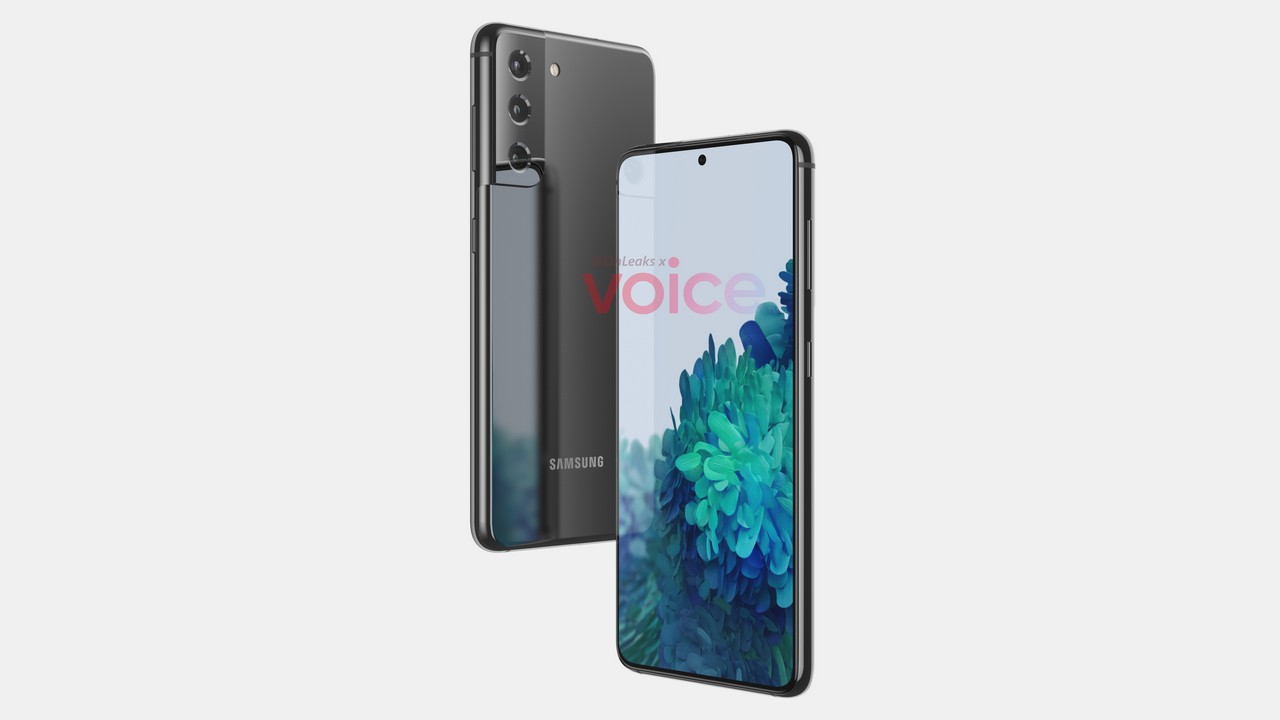
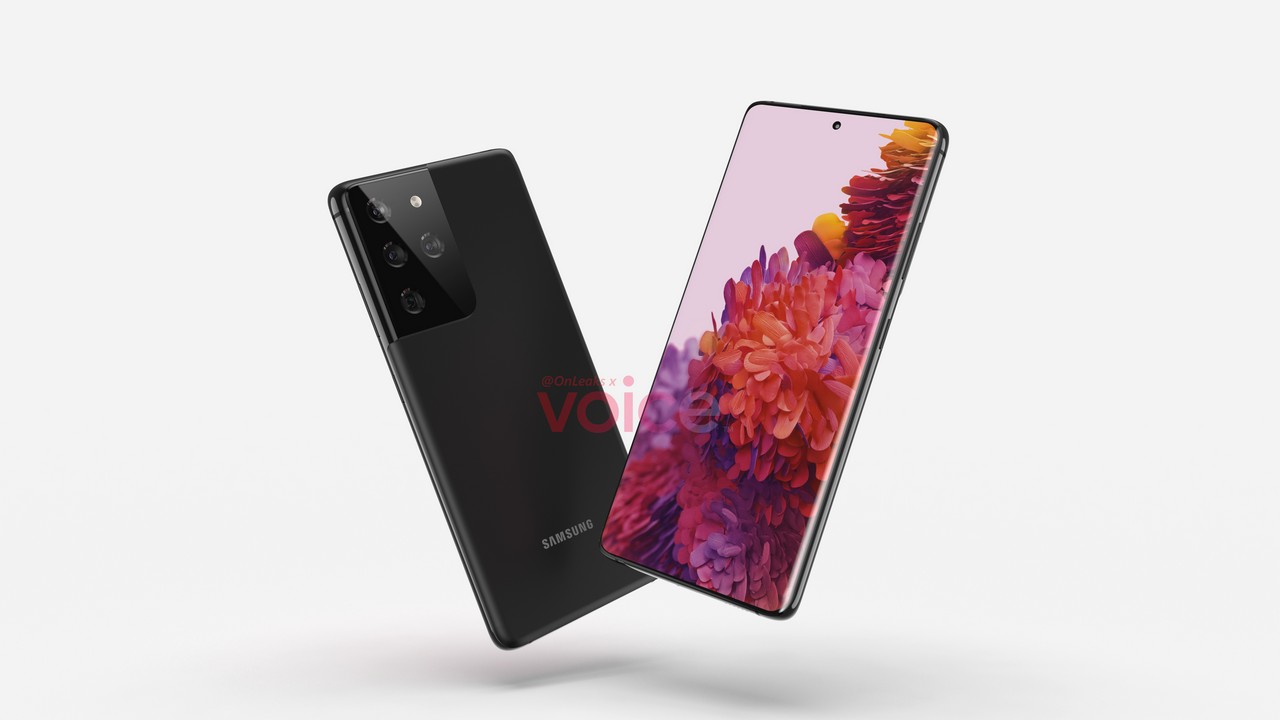
The Galaxy S21 series will arrive pretty early next year. As revealed by a leaker, the new phones will be announced on January 14 and will go on sale on January 29. We already know what the phones will look like thanks to CAD renders. Now, the key specifications of the three phones have been revealed along with some interesting details.
The leak confirms that Samsung will launch the Galaxy S21, Galaxy S21 Plus, and Galaxy S21 Ultra in two processor variants. In some markets, the phone will come with the Exynos 2100 processor while in others, it will be powered by the Snapdragon 875. The Exynos chipset will be better at power efficiency than its predecessors, so battery life should get an upgrade. It is also said to match or even outperform the Snapdragon 875 with respect to performance
Below are the specs and features for each model as reported by Android Police:
Galaxy S21
The standard Galaxy S21 will have a 6.2-inch LTPS display with an FHD+ resolution and a 120Hz refresh rate. There is no info on RAM and storage but that should vary from market to market.
On the back of the phone will be three cameras which is the same configuration as that of the Galaxy S20. So you get a 12MP ultrawide camera, a 12MP main sensor, and a 64MP telephoto camera. The selfie camera is not stated but that may also remain unchanged from the 10MP sensor we have on this year’s model.
Galaxy S21 CAD render
The cameras will be getting software upgrades such as support for 4K @60fps recording on all cameras, support for 60fps recording in Super Steady Stabilization mode, and the ability to automatically switch between 30fps and 60fps depending on the lighting conditions. Other stated features are 8K video recording at 30fps, support for dual recording (front and rear cameras at the same time), and an improved moon mode.
Samsung is also sticking to the same 4000mAh battery capacity of the S20. The phone will run One UI 3.1 based on Android 11 and will have 5G support, Wi-Fi 6, and Bluetooth 5.1. It will be available in Phantom Violet, Phantom Pink, Phantom Gray, and Phantom White. Just like the Galaxy Note 20, the Galaxy S21 will have a plastic back. Apparently, Samsung says the reception of the Galaxy Note 20’s plastic body was better received than it expected.
The Galaxy S21 Plus will come with a bigger 6.7-inch display but the resolution is now FHD+ and not QHD+. It also has a 120Hz refresh rate but it is not adaptive. That feature is exclusive to the Ultra model.
Galaxy S21 Plus render
The camera configuration on the back is also 12MP + 12MP + 64MP and you get the same software features as the standard variant. The battery capacity has been increased from 4500mAh in the Galaxy S20 Plus to 4800mAh. It will also run One UI 3.1 based on Android 11 and will be available in Phantom Silver, Phantom Black, and Phantom Violet. There is no confirmation on the material the backplate of the Galaxy S21 Plus will be made of.
Galaxy S21 Ultra
The Galaxy S21 Ultra is said to feature one of the best displays on a smartphone. The 6.8-inch screen has a WQHD+ LTPO display with a variable refresh rate from 1Hz to 120Hz and a peak brightness that reaches 1600 nits. The contrast ratio has also been increased to 3,000,000:1
Its quad-camera setup consists of a 12MP ultrawide camera, a 108MP sensor which is a newer version of the one in the S20 Ultra; a telephoto 10MP sensor with 3x optical zoom, and another 10MP super-telephoto sensor with 10x optical zoom which brings 100X Space Zoom. The two telephoto sensor are said to have 130% larger pixels and dual pixel autofocus. There is also a laser focus system on the Galaxy S21 Ultra.
Galaxy S21 Ultra render
The Plus and Ultra models are the only two that will have Ultra Wide Band support. The feature will be used for tracking the upcoming SmartThings tags. The source also mentions that the two phones will also have support for digital car keys but this feature may be available in select regions.
The phone will also have Bluetooth 5.1 and will be the only model with Wi-Fi 6E. It will have a 5000mAh battery under the hood. Another feature that has been confirmed is S Pen support but it will be purchased separately along with custom cases that have a slot for storing the stylus.
The Galaxy S21 Ultra will come in Phantom Black and Phantom Silver and will have a glass back.
Design and Price
The source confirms that the design of the three phones matches what the CAD renders have shown us. They claim they have also seen press renders but can’t show them so as to protect their insider source.
With respect to price, it is said that the Galaxy S21 series will be cheaper than the Galaxy S20 series due to the recession and pandemic ad also to make them more competitive. Sadly, there is no specific info on how much each model will cost. There is also no confirmation that the phones will not ship with a charger.
OPPO is scheduled to hold the 2020 OPPO Future Technology Conference in Shenzhen on November 17. The Future Technology Conference is an annual event where the tech giant showcases its latest discoveries, thoughts and results on future technology from its R&D arm.
Previously, it was revealed that OPPO will showcase an FDF full-dimensional portrait video technology system, a full-link colour management system, and three concept products.
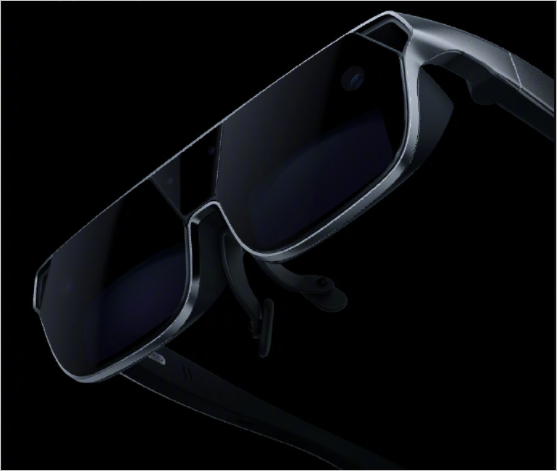
OPPO has revealed on Weibo that the second generation of the OPPO AR glasses will be unveiled at the Future Technology Conference. The teaser poster shows the device will bring a comfortable wearing experience. The AR glass is also lightweight and will have two cameras in the corners of the two lenses. One of the cameras will likely be used for AR detection.
In December last year, at the last OPPO Future Technology Conference, the company announced its involvement in the AR glasses category and demonstrated its first AR glasses. The first generation of OPPO AR glasses is equipped with four lenses, of which a ToF lens is used for distance measurement, an RGB lens is used for shooting object shapes, and two fisheye lenses are used for imaging.
According to reports, OPPO AR glasses will be equipped with depth sensors and spatial MIC arrays. It will also use diffractive optical waveguide technology, support voice interaction and 3D surround sound. It is also equipped with a microphone and physical buttons, which can be operated by gestures and voice.
OPPO founder and CEO Chen Mingyong once said that in the next three years, he will invest 50 billion yuan in R&D, continue to focus on cutting-edge technologies such as 5G/6G, artificial intelligence, AR, and big data. The company will also build core hardware technologies and software engineering and system capabilities.
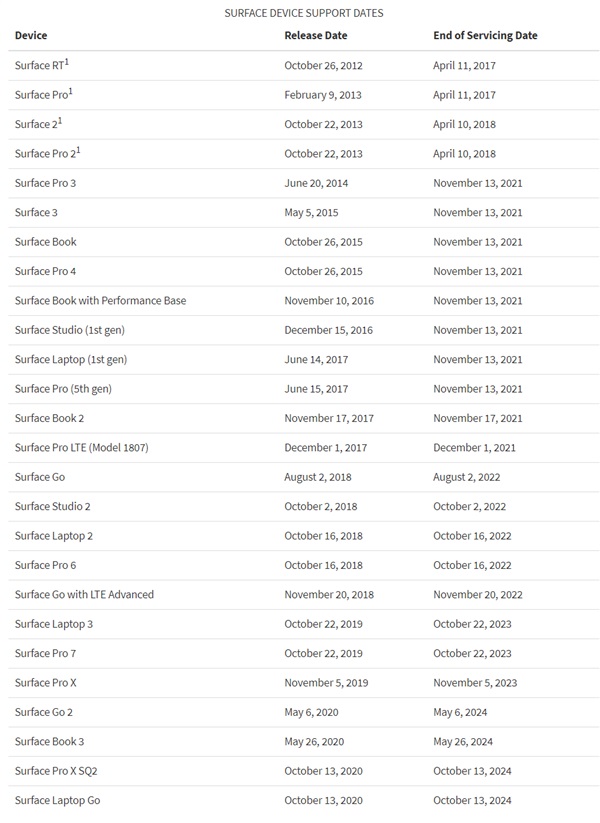
If you own a Surface device or plan to get one, then you should know that Microsoft has released a list detailing the end of service dates for its entire lineup. The list includes the Surface RT from 2012 as well as the Surface Laptop Go that was released last month.
The list which is shown below shows that the duration for support for most devices is 4 years, however, there are some devices that get 5 years of support, while a few such as the Surface Pro 3 get 7 years of support.
Image Source: MSPowerUSer
A few of the devices on the list have already passed their end of service dates while nearly a third will reach their end of service dates next year. The Surface Go, Surface Studio 2, Surface Pro 6, and Surface Laptop 2 which were released in 2018 will reach their end of service dates in 2022.
Microsoft said it decided to release the list following requests from customers so as “to help plan and manage hardware and software deployments”.
The end of service date is the date Microsoft stops providing driver updates and firmware updates for the devices. Nevertheless, they will continue to receive Windows OS updates and security updates.
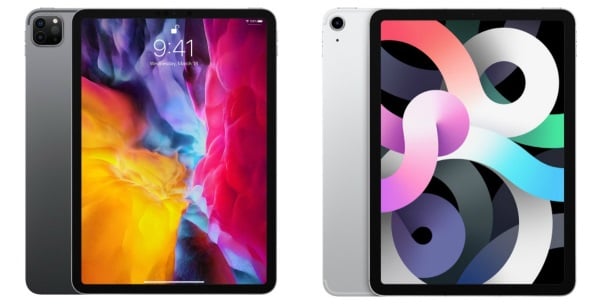
The latest iPad Air is incredibly powerful, beautiful, and full of features for entertainment and productivity. But it does not belong to the most advanced series of tablets by Apple. The most expensive ones belong to the iPad Pro series and they are specifically the iPad Pro 11 and the iPad Pro 12.9. Given that they actually feature similar street prices, is it better to go for the base variant of the Pro series, or the iPad Air 2020 is a superior tablet? This comparison will highlight the main differences between these two amazing Apple tablets.
Triple 12 + 10 MP + LiDAR scanner f/1.8 and f/2.4
7 MP f/2.2 front camera
BATTERY
28.6 Wh
28.65 Wh
ADDITIONAL FEATURES
Optional LTE, Pen support, keyboard support
Optional LTE, Pen support, LiDAR scanner
Design
If I had to choose only by focusing on the design, I would probably go for the iPad Pro 11 2020 because it has a higher screen-to-body ratio than the iPad Air 2020. But its rivals still comes with very narrow bezels and it has a less invasive camera module because it sports just one sensor on the rear side. The iPad Pro 11 is even lighter than the iPad Air. For the rest, they are more or less the same: they are thin and lightweight, and they are built with an aluminum body. Both come with the support of Apple Pencil and the official keyboard.
Display
The display found on the Apple iPad Pro 11 is actually superior to the one of the iPad Air. Besides having a slightly wider diagonal, it offers higher brightness and a slightly higher amount of pixels. But the biggest difference is the refresh rate: the iPad Pro 11 has a 120 Hz refresh rate, while its opponent offers a standard 60 Hz refresh rate. Despite we are talking about IPS panels, they offer very high color accuracy, as well as a high level of detail. They have a very wide color gamut and True-tone support. The iPad Pro 11 relies on facial recognition for authentication (Face ID), while the iPad Air has a fingerprint scanner.
Hardware/Software
Despite it is not a Pro variant, the iPad Air 2020 offers a stronger chipset than the iPad Pro 11: we are talking about the Apple A14 Bionic built at 5 nm, while the iPad Pro 11 has an older Apple A12Z Bionic built at 7 nm. So, you can get higher performance with the iPad Air. Further, it runs iPadOS 14 out of the box, while the Pro variant is still based on iPadOS 13. With iPadOS 14 you get more interesting productivity features and a lot of improvements. Note that, despite the SoC is different, there is not a huge difference in terms of performance.
Camera
IPad Pro 11 is one of the best tablets out there if we consider the camera department. It has a triple sensor composed of a 12 MP main camera, a 10 MP ultrawide sensor, and a ToF 3D LiDAR scanner to calculate depth info for AR appliances and mapping the environment. The iPad Air 2020 has exactly the same 12 MP main camera as the Pro version, but unfortunately, it lacks secondary sensors. The front camera is the same as well.
Battery
The iPad Pro 11 and the iPad Air 2020 come with the same battery capacity, but the iPad Air 2020 is able to last more on a single charge for two reasons. First of all, it has a more efficient chipset because the Apple A14 Bionic is built at 5 nm. Further, it does not come with a 120 Hz display, so it has a lower impact on battery life. But we should be talking about marginal differences. On the other hand, the iPad Pro 11 can be used as a power bank thanks to reverse charging. The iPad Pro 11 also supports 18W fast charging for its battery.
Price
The starting price of the iPad Air 2020 is €640/$550 for the configuration with 64 GB of internal storage, while the iPad Pro 11 starts from €800/$750 for the configuration with 128 GB of native storage. The iPad Pro 11 wins the comparison thanks to its better cameras and display, but the iPad Air 2020 actually offers a better hardware department (but it lacks reverse charging). With the iPad Air, you get an inferior camera and display, but the price is more affordable and iPadOS 14 is installed out of the box. Which would be your choice?
OnePlus is churning out updates for its latest flagship phone, the OnePlus 8T. Just last week, the phone received its second update which brought several fixes and optimizations. Yesterday, OnePlus announced that there is another update for the phone.
OnePlus 8T
The new update tagged a “hot-fix” for India arrives as OxygenOS 11.0.4.5 for the OnePlus 8T. The update will also be available for Europe and North America. The changelog lists several fixes and optimizations including for the camera and the network. Below is the full changelog:
System
Optimized the call stability
Improved system power consumption performance to reduce heating
Improved mis-touch prevention to offer a better gaming experience
Optimized fluidity with some mainstream games to reduce lagging risks
Optimized user experience with Alert Slider by adding toast messages when switching among the 3 modes
Fixed the issue that the status bar kept hovering on the screen in landscape mode
Fixed the issue that NFC cannot be turned on in a small probability
Camera
Optimized the imaging effect to bring you with better shooting experience
Improved camera stability
Network
Optimized mobile network connection to improve the network intensity with signal
Fixed the small probability issue with network interruption while playing games
The OnePlus 8T has a 6.55-inch FHD+ 120Hz display with a hole punch at the top left corner. There is a Snapdragon 865 processor under the hood along with up to 12GB of RAM and 256GB of storage. The phone has a 48MP quad-camera setup on the rear while the selfie camera is a 16MP sensor. Other features are a 4500mAh battery with support for 65W fast charging, stereo speakers, and Android 11 pre-installed.
We use cookies on our website to give you the most relevant experience by remembering your preferences and repeat visits. By clicking “Accept”, you consent to the use of ALL the cookies.
This website uses cookies to improve your experience while you navigate through the website. Out of these, the cookies that are categorized as necessary are stored on your browser as they are essential for the working of basic functionalities of the website. We also use third-party cookies that help us analyze and understand how you use this website. These cookies will be stored in your browser only with your consent. You also have the option to opt-out of these cookies. But opting out of some of these cookies may affect your browsing experience.
Necessary cookies are absolutely essential for the website to function properly. This category only includes cookies that ensures basic functionalities and security features of the website. These cookies do not store any personal information.
Any cookies that may not be particularly necessary for the website to function and is used specifically to collect user personal data via analytics, ads, other embedded contents are termed as non-necessary cookies. It is mandatory to procure user consent prior to running these cookies on your website.