Advertisement

Samsung Galaxy M12 3D renders along with Display, Dimension specs leaked

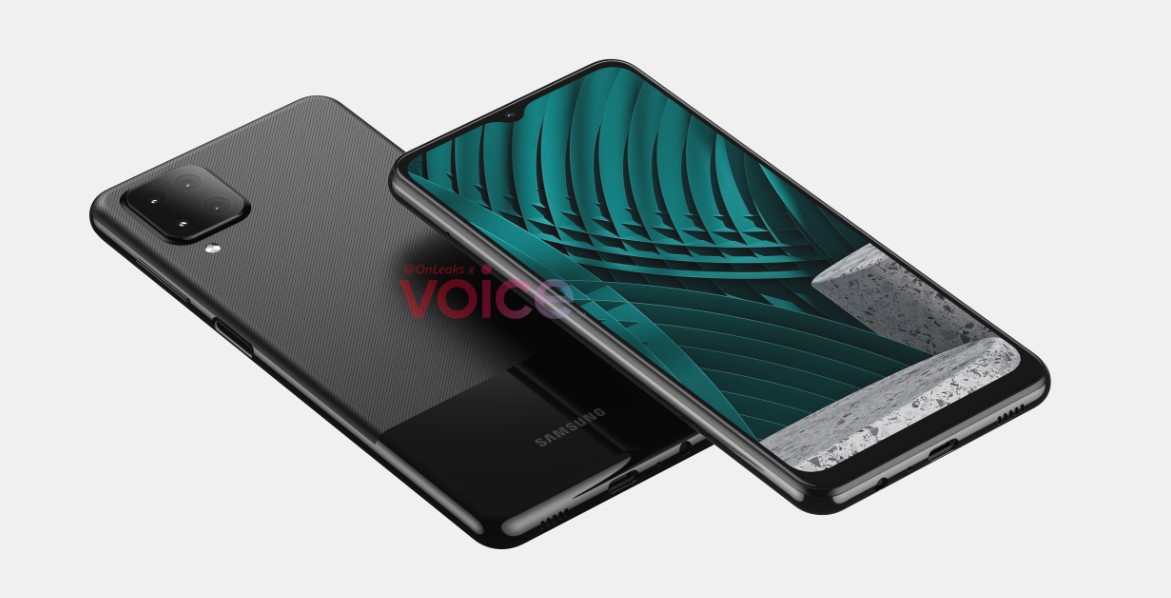
A few days ago, we got to see the live shots of the alleged Galaxy M12 smartphone. Today, Steve(@Onleaks) has shared the first 3D renders of the device, along with dimensions, and display specs.
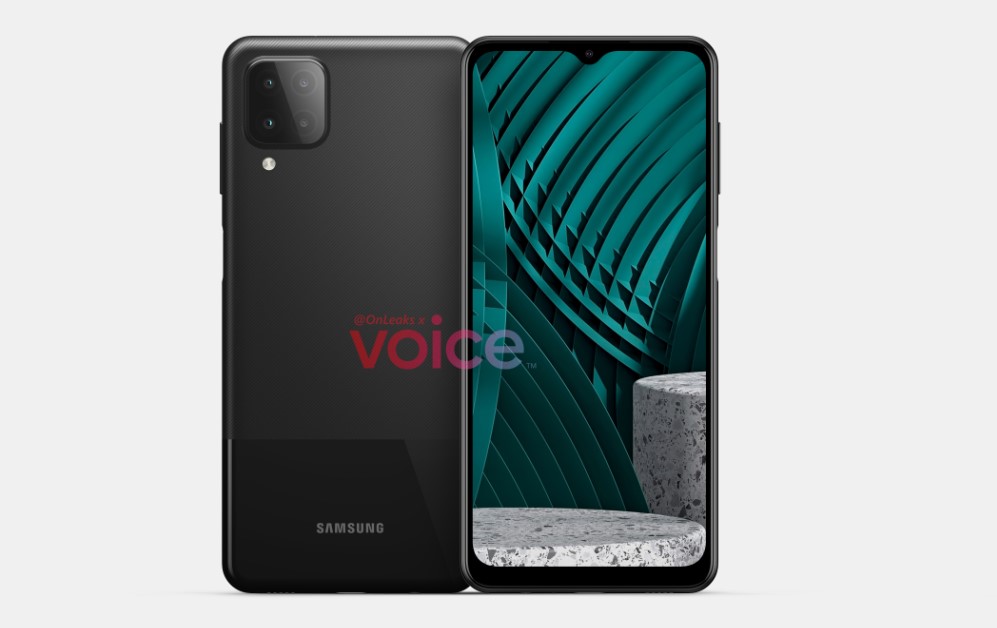
Samsung Galaxy M12
Credit: Steve/Voice

First off, Steve says that Samsung will likely launch the device in early 2021 with Galaxy M12‘ naming. However, he isn’t sure about the naming and says it might vary according to regions. Further, the renders shared by him show the display and a similar rear panel as the earlier leak. It has the same squircle camera layout with four sensors and an LED flash beneath the camera bump.

Plus, the rear shell has a unique dual-textured design with a striped top, and glossy bottom finish resembling Google’s Pixel design but in reverse. The new renders also show the power button with a built-in fingerprint sensor and volume buttons to the right. And a SIM card tray to the left confirming the earlier leak. Additionally, the bottom of the device seems to have USB-C, 3.5mm audio jack, speaker ports.
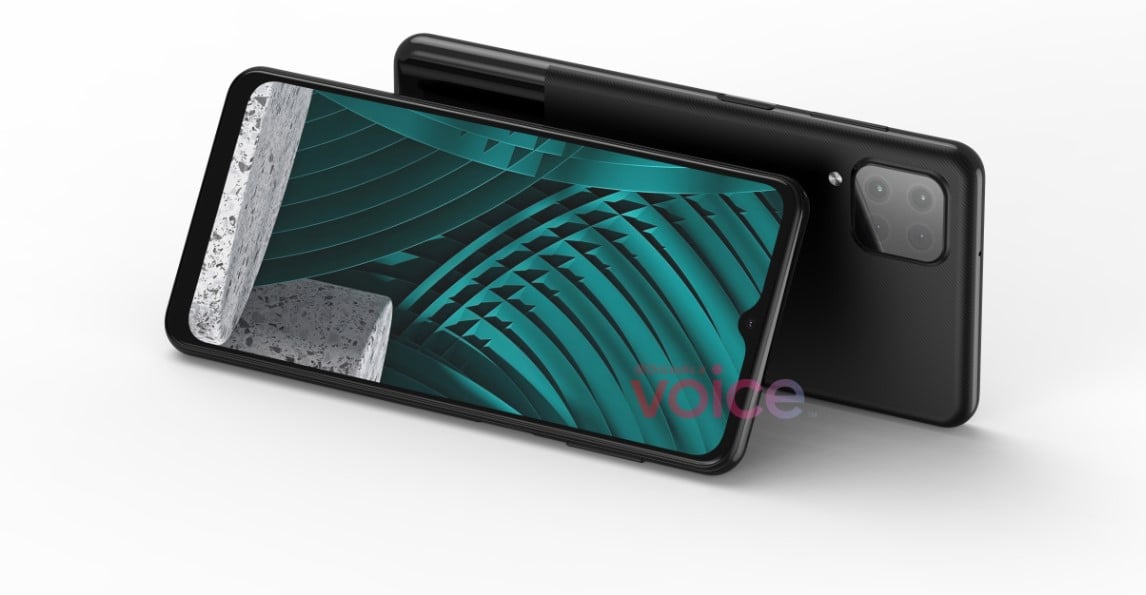
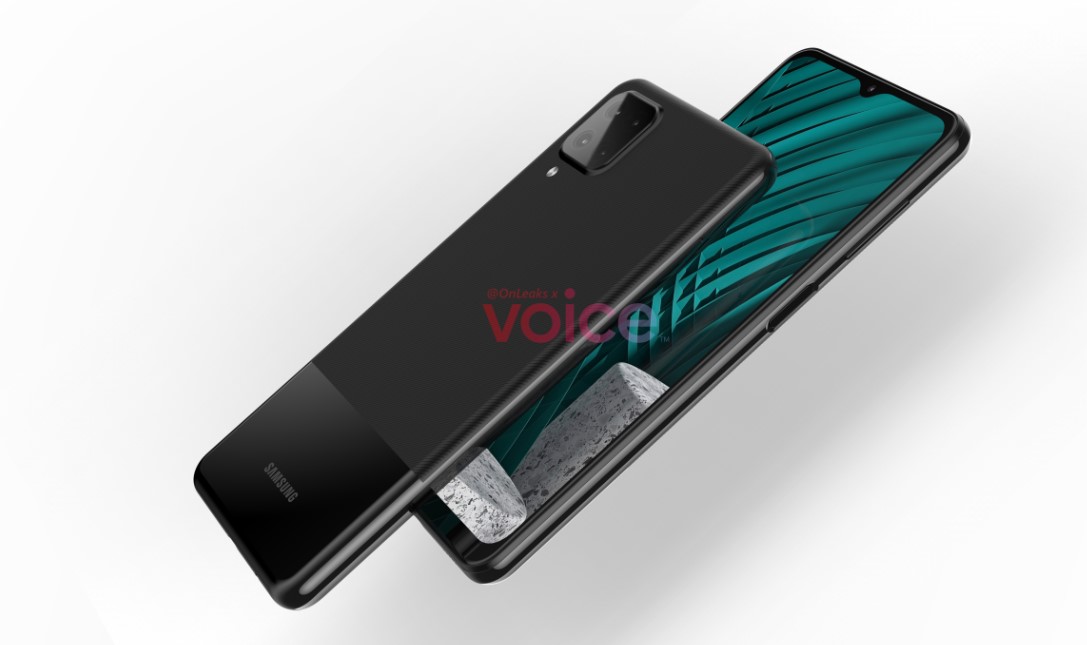
Galaxy M12 Specifications- Display, Dimensions

Further, according to Steve, the Samsung Galaxy M12 will have a 6.5-inch flat display with an Infinity-V notch. This is different from the earlier rumor of a 6.7-inch display. Steve adds that the device will measure 163.9 x 75.9 x 8.9mm. This suggests the device could have a lesser 8.9mm thickness compared to its predecessor Galaxy M11(9.0mm).

Also, he says that the thickness will increase to 10mm if you count the camera bump. That said, the side fingerprint sensors suggests that the device might have an LCD display to keep the costs low. Besides, considering the track record of Steve, the information above should most likely be true. However, we don’t have any other information about the specs and will only have to play the waiting game.
Samsung Galaxy Buds Beyond gets 3C certification revealing the battery capacity

South-Korea based tech giant, Samsung will release shortly, its new pair of true wireless stereo (TWS) earphones uniquely named the Galaxy Buds Beyond. The launch of the new earphones is expected to come in heels of the Galaxy Buds Live and might be available to consumers as early as mid-January of 2021 simultaneously as the Galaxy S21 series.Samsung Galaxy Buds

Samsung has established a growing tradition for some years now of releasing a fresh set of true wireless-enabled earphones to go with its release of the Galaxy smartphone series. The parent Galaxy buds, released in 2019, came with the release of the Galaxy S10, while this year saw the berthing of a couple of Galaxy buds including the latest Buds Live which was released together with the Samsung Galaxy Note 20.

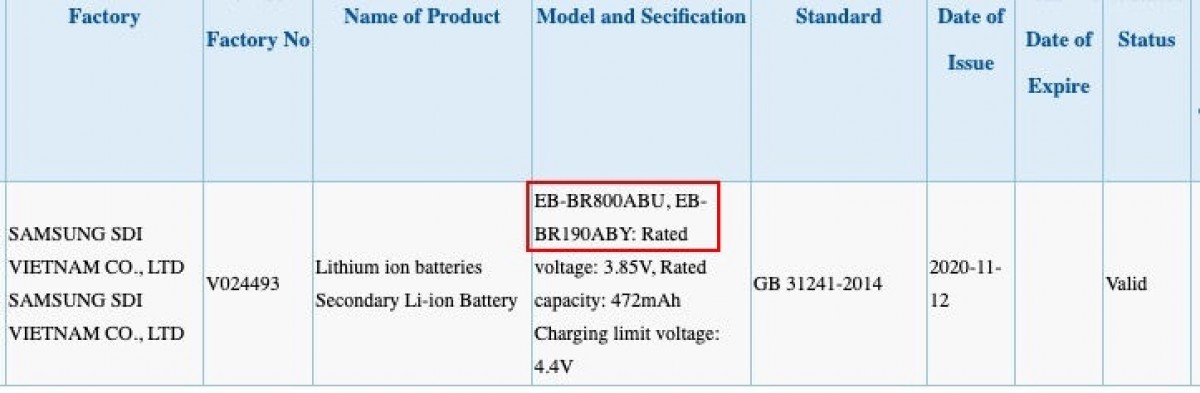
The new TWS product has just recently gotten the China Compulsory Certification (CCC, also called 3C) certification. Having passed this important hurdle, the product is set for full release and it was also shown that the battery capacity of the earphones is 472 mAh.

The battery has the same capacity as the earlier Galaxy Buds Live earphones, justifying the claims that the new product is just a possible update over the Live. The model number also points remarkably to the same conclusion about the two earphones. This is because the new Galaxy Bud’s model number is EB-BR190ABY, while the previous model has number EB-BR170ABU. 

The Buds Beyond is expected to be released with the Galaxy S21 smartphone in January 2021. Samsung had already gotten trademark and intellectual property control of the brand name “Galaxy Buds Beyond”, having filed a new trademark application with EUIPO and USPTO – regulatory agencies in the European Union and the United States respectively. 

Although the Samsung Galaxy Buds Beyond has a strong resemblance to the Galaxy Buds Live, the paucity of information on the product leads us to conclude that there might be an entirely new design on the offing, for example, a TWS earphone with several different characteristics and components from the precursor Buds Live.

UP NEXT: Xiaomi XiaoAI Speaker Art Battery Edition launched for 399 yuan ($59)


Samsung announces M5 and M7 Lifestyle Smart Monitors with DeX, Office 365, & more

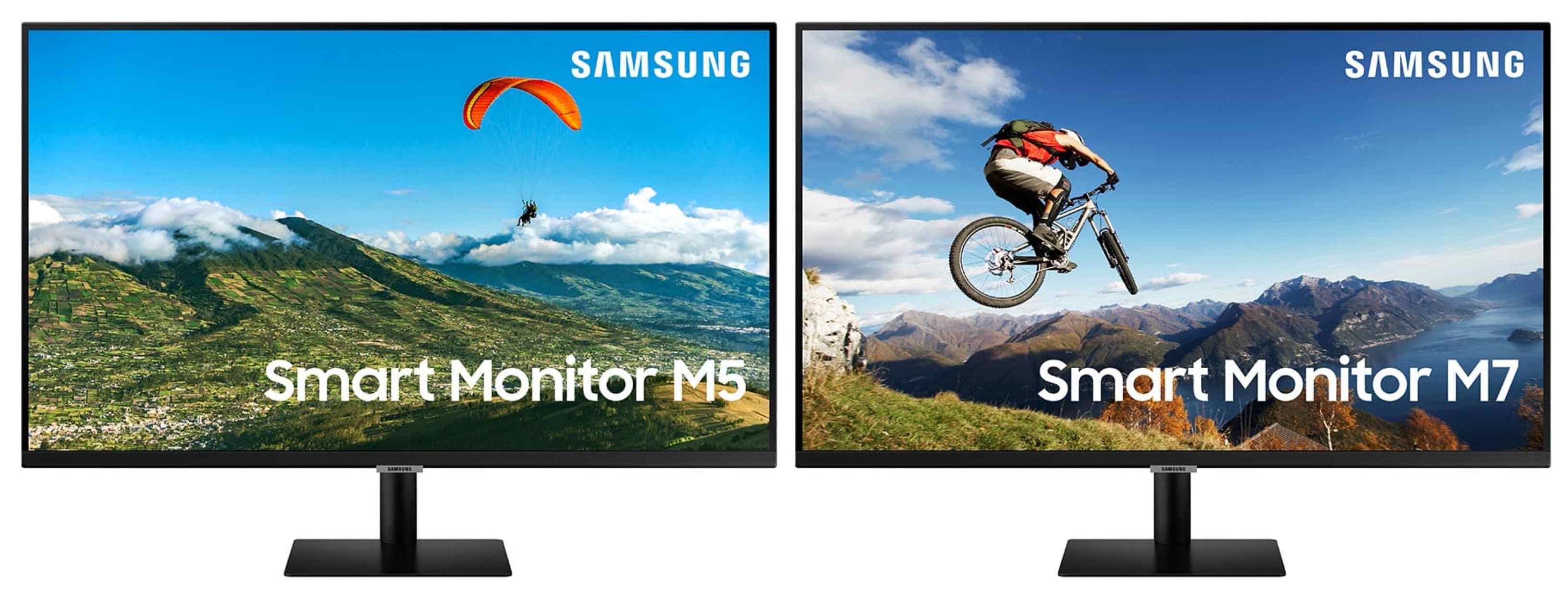
Samsung Electronics has announced two new Lifestyle Smart Monitors(M5, M7) today. Both of them have Mobile and PC connectivity, remote home office, and run Tizen OS. Samsung, which calls them the ‘do-it-all screen’, has launched it globally in countries like the USA, Canada, China.

samsung M5 M7 Smart Monitor
Samsung Smart Monitors Left: M5 Right: M7

Samsung Smart Monitors M5, M7- Pricing, Availability

Samsung’s new Smart Monitor includes two models- M5, and M7. M5 is available in two size variants- 27-inch(27M50A), 32-inch(32M50A). However, the M7 has only one variant- 32-inch(32M70A). All the Smart Monitors will be available starting November 16 in China, the USA, and Canada as of now.

However, Samsung plans to expand to other countries by the end of November. For now, you can take a look at the US pricing(via The Verge) below:

  • M5(27-inch)-$230(₹17,100)
  • M5(32-inch)-$280(₹20,990)
  • M7(32-inch)-$400(₹29,800)

To capitalize on the pandemic situation, Samsung‘s New Smart Monitors offer work-from-home features like Tap View connectivity, App casting/Apple AirPlay 2, and Samsung DeX. Additionally, the monitors also support home office features like Microsoft Office 365 applications, Remote access.

It also has entertainment features like Smart Hub(VOD), Mobile casting/mirroring, Bixby 2.0 integration, and more. Further, all the models run Samsung’s Tizen OS v5.5, have a speaker of 5W, and support VESA (100mmx100mm) wall mounts.

*VOD is video-on-demand and allows users to stream content on OTT apps like Netflix, YouTube without accessing PC/Mobile.

Samsung Smart Monitor M5- Specifications

The Samsung M5 models come in two sizes- M5(27-inch), and M5(32-inch). Both of them feature a 1,920×1,080(FHD) VA(Vertical Alignment) panel. Weighing in at 5.0kg(27″), and 6.2kg(32″) with a vertical stand, the monitors measure 615.5×455.4×193.5mm, and 716.1x517x193.5mm respectively.

Both the models have a flat display with a 16:9 aspect ratio, and 178° viewing angles. Brightness is up to 250cd/m2(nits), and support HDR10. For connectivity, you get 2xHDMI 2.0, 2xUSB 2.0, Wi-Fi 5, Bluetooth 4.2, and Bixby 2.0.

Samsung Smart Monitor M7- Specifications

Samsung’s M7 has a single variant- M7(32-inch). However, unlike the M5 models, this monitor supports resolution up to 4K(3840×2160 pixels). The display(VA panel) has 16.1M colors, 60Hz refresh rate, HDR10, 178° viewing angles, 16:9 aspect ratio, 250cd/m2(nits), and 3000:1 static contrast ratio.

As for connectivity, unlike the M5, this Monitor supports USB-C charging of up to 65W. You get a 1xUSB-C, 3xUSB 2.0, 2xHDMI 2.0, Wi-Fi 5, Bluetooth 4.2, and Bixby 2.0.

OPPO patents a smartphone design with circular pop-up camera module and 15x hybrid zoom

Update – November 16

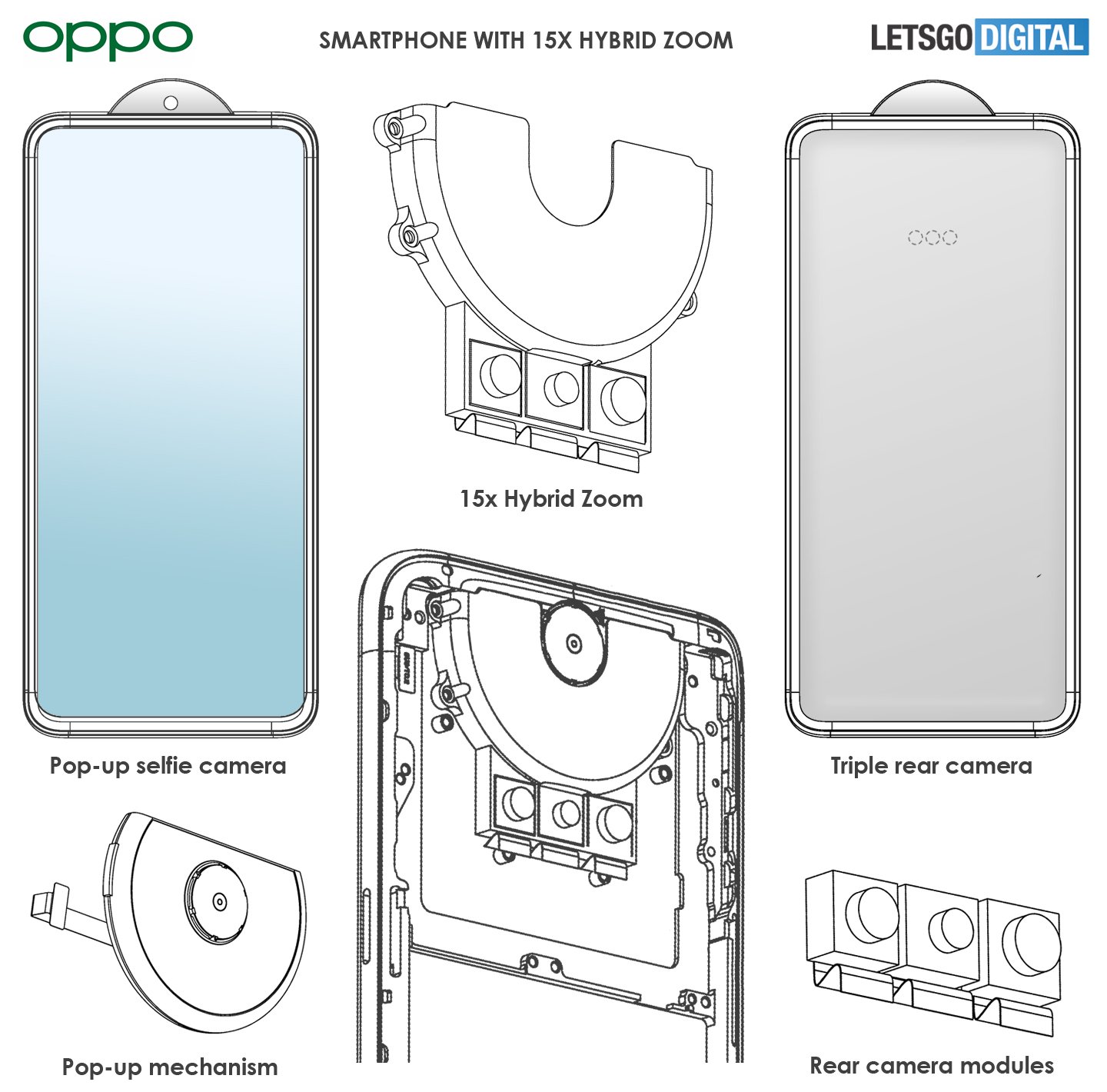
In the original story, we were skeptical regarding the presence of a periscope camera. Because the design sketches showed all the rear camera sensors in a circular shape.

But now, we can confirm the third sensor on the right side to feature a periscope lens. All thanks to the folks at LetsGoDigital who were kind enough to clarify the patent document to us.

Original Story – November 16

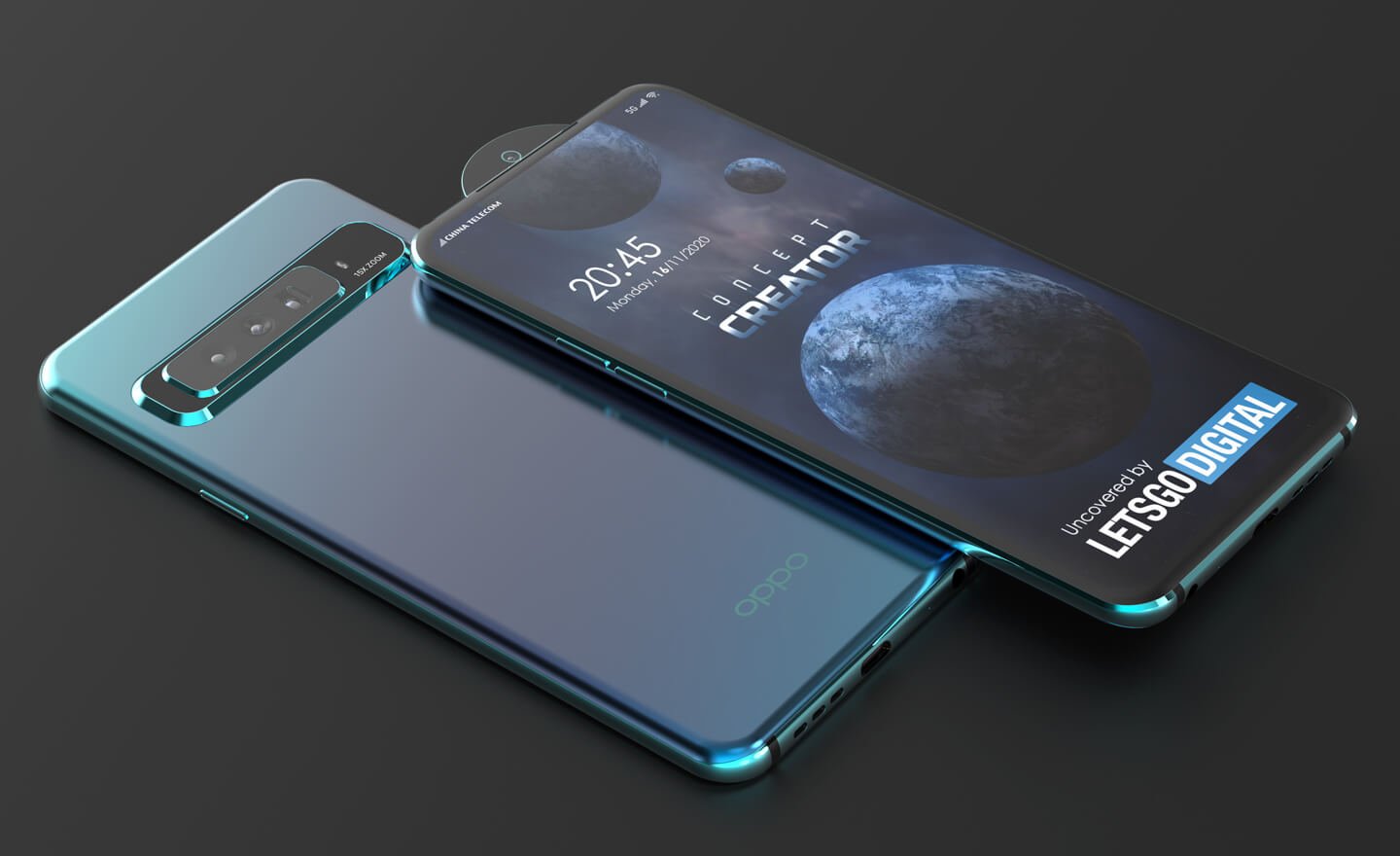
OPPO is gearing up for tomorrow’s OPPO INNO DAY 2020 conference. Ahead of it, a smartphone design patent by the company has emerged. This design includes a circular pop-up selfie camera module and a 15x hybrid zoom camera module.

OPPO Smartphone Design Patent Circular Pop-up Camera Module 15x hybrid zoom Featured

Recently, LetsGoDigital, a publication known for patent and trademark-related coverage has been posting stories on OPPO, probably in partnership with the company ahead of its biggest conferences of the year. 

Late last week, the publication posted a story on OPPO smartphone design with an extendable display. Now, today, the company itself confirmed that it will be showcasing a similar device at the event tomorrow.

A few hours later, LetsGoDigital has published another OPPO smartphone design patent story. Guangdong Oppo Mobile Telecommunications filed this patent in April but it got approved and published on November 12.


As mentioned in the beginning, this design features a single circular pop-up selfie camera module. That’s not all, it also houses a triple camera setup on the back with 15x hybrid zoom capability. 

But interestingly, none of the three cameras seems to feature a periscope lens as all of them are circular in shape. However, the renders created by Concept Creator shows a square-shaped module. Additionally, the design also features a 3.5mm headphone jack, which is no longer found in modern premium smartphones.

OPPO Smartphone Design Patent Circular Pop-up Camera Module 15x hybrid zoom

Further, unlike any other OPPO phone, the camera setup in this design is placed horizontally on the rear panel like on the Galaxy S10 series and Meizu 17 series

Anyway, we are not sure if the company will ever launch a commercial smartphone with this design. But the company may use the 15x hybrid camera system in a future device. In fact, it may even showcase it at tomorrow’s event.


Vivo S7e 5G will officially go on sale sixteen days after the announcement in China

Vivo unveiled the Vivo S7e 5G on November 4 in China. The device, which was available for pre-order, will finally go on sale in a few days in the country.

Vivo S7e


As reported by ITHome, the listing of Vivo S7e 5G on JD.com shows that the device will officially go for sale on November 20 in China. Moreover, the company’s official handle has confirmed the same via a Weibo post as well.

Vivo S7e 5G Pricing, Availability

Vivo S7e 5G is priced at 2,398 yuan($364) for the 8GB RAM, 128GB storage variant. As mentioned earlier, the device will be available on JD.com and probably major e-commerce platforms in China. The device sports three colorways- Phantom Blue, Mirror Black, and Silver Moon.

Vivo S7e 5G Specifications

The Vivo S7e 5G is typically a watered-down variant of the Vivo S7 5G as the former features a different SoC, lower MP front camera, battery. However, the rest of the specs are comparable to each other. The Vivo S7e 5G features a 6.44-inch AMOLED display with a water-drop notch. It is a FHD+(1080×2400 pixels) display with a 90.1 screen-body ratio, and 20:9 aspect ratio.

Under the hood, MediaTek’s Dimensity 720 5G SoC powers the device Vivo S7e 5G unlike Qualcomm counterpart on the S7. As mentioned earlier, it has LPDDR4x 8GB RAM and 128GB storage. For cameras, it features a 32MP selfie shooter unlike the 44MP on the Vivo S7. At the back, you have a rectangular layout with a 64MP f/1.89 sensor, 8MP f/2.2 ultra-wide with 120 FOV, and a 2MP f/2.4 depth sensor.

All this is backed up by a slightly lesser 4,100mAh battery with support for 33W fast charging. Other features include a microSD card slot, in-display fingerprint sensor, Funtouch 10.5 OS based on Android 10.

WhatsApp Web drops support for Microsoft Edge Legacy

WhatsApp is the world’s most-used cross-platform messaging app. Even after a decade, the app is yet to add support for multi-device login. However, it does allow users to use their account on computers via WhatsApp Web. This feature has now dropped support for Microsoft Edge Legacy.

WhatsApp Logo

The software giant Microsoft introduced Edge with the launch of the Windows 10 operating system in 2015. Up until 2019, it was based on the company’s own proprietary browser engine called EdgeHTML and Chakra JavasScripte engine. 

But then, the Redmont-based company introduced a new version of Edge based on the Google-sponsored Chromium project. The stable version of this new Edge was released in January 2020.

Since then, the original version has been called Edge Legacy. With Microsoft discontinuing the development of the original version, other companies started dropping support for it as well. Now, according to Windows Latest, WhatsApp has become the latest firm to join the bandwagon.

What this means is that users will be no longer able to sign into WhatsApp Web on Microsoft Edge Legacy. If they want to access it, they will have to download and install the latest Microsoft Edge or any other browser of their choice like Google Chrome.

Alternatively, users can also download and install the WhatsApp Web application from the official website of WhatsApp. That said, with the addition of multi-device support, WhatsApp Web will become redundant but the Facebook-owned service is yet to release it though it has been testing it for a while now.


Redmi Note 9 5G(China) spotted on Singapore’s IMDA; could debut as Redmi Note 10 5G Globally

Redmi Note 9 series is expected to launch very soon in China. In fact, according to a tipster, the company will launch them on November 24. Ahead of this, one of the two 5G smartphones has hit Singapore’s IMDA certification suggesting a Global launch.

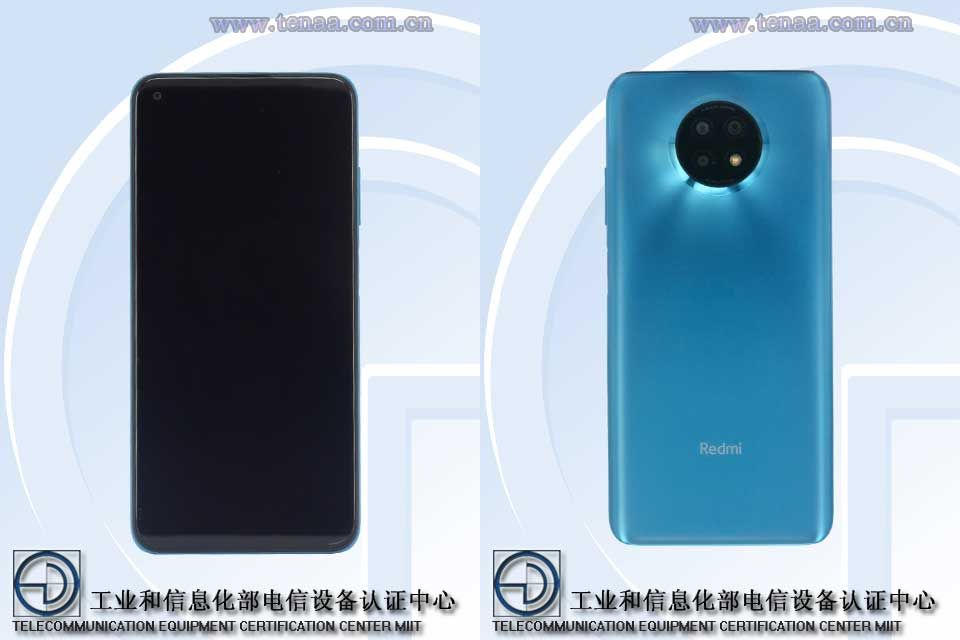
Redmi Note 9 5G Standard Edition M2007J22C TENAA

As tipped by Mukul Sharma, the model number listed on the IMDA database is M2007J22G. Usually, Xiaomi’s model numbers end with a suffix ‘C’, ‘G’ to indicate the Chinese, and Global variants respectively. Likewise, the M2007J22G suggests that it could be a global variant of the Redmi Note 9 5G from China with 5G connectivity and NFC support.

Now, to clear the air, Redmi Note 9 series for China is likely to have three models- two 5G Redmi Note 9 5G and Redmi Note 9 Pro 5G(Tentative names), and a 4G model. Previously, a Geekbench listing of this 4G device(M2010J19SI) suggested that the 4G model could be coming to global markets like India.

However, the new listing on IMDA suggests that 5G devices could be debuting Globally as well. It may also darn the name Redmi Note 10 5G elsewhere but let’s wait for official confirmation. Anyway, the Redmi Note 9 5G, as per recent reports, will start around 1000 yuan($152) in China. This would be a breakthrough for Xiaomi in China and confirm the earlier internal document leak which suggested the same.

Redmi Note 9 5G Specifications(Expected)

Besides, reports so far say that Redmi Note 9 5G will feature a MediaTek Dimensity 800U 5G SoC. It will likely have 4/6/8GB RAM and 64/128/256GB storage. For cameras, it will have a 48MP rear sensor and a 13MP selfie shooter. Plus, it will have a 6.53-inch LCD FHD+ display with a top-left punch-hole unlike the High Edition(centered punch-hole). Other Specifications include SA/NSA 5G, 5,000mAh battery with 22.5W charging support.

Apple and Google join 6G industry group despite both only recently launching 5G phones

5G networking is increasingly becoming the new standard in the smartphone industry and Google and Apple only recently launched their latest iPhone and Pixel smartphone with thew newer and faster bandwidth. But despite just joined the 5G club, both tech giants have joined “the Next G Alliance.”

Apple

The next generation of networking is already being worked on at different parts of the world. 6G is said to be 100 to 500 times faster than even 5G. With Google and Apple both joining the new 6G industry group, we can likely expect 6G iPhones and Pixels to also be a thing sometime in the next couple of years. As per a PhoneArena report, the Next G Alliance is set to hold its first meeting next week and will be led by the Alliance for Telecommunications Industry Solutions (ATIS).

ATIS is a North America trade associatiopn that previously worked with secure supply chains, hearing aids, robocalls, and more. The primary goal of the group is to “advance North American mobile technology leadership in 6G and beyond over the next decade, while building on the long-term evolution of 5G.” Both Apple and Google join the likes of Charter Communications, Cisco, Hewlett Packard Enterprise, Intel, Keysight Technologies, LG Electronics, Mavenir, MITRE and VMware.

Apple

As per official notes from the Next G Alliance, “While the world is exploring opportunities that will light the path to 6G, the US must take timely and critical action to ensure unquestioned leadership in 6G innovation and development.” Susan Miller ATIS CEO also added that “Old models of leadership are not going to play in this new future in light of the geopolitical landscape. If the US is really going to assert its leadership, it’s going to have to act in a new way.”


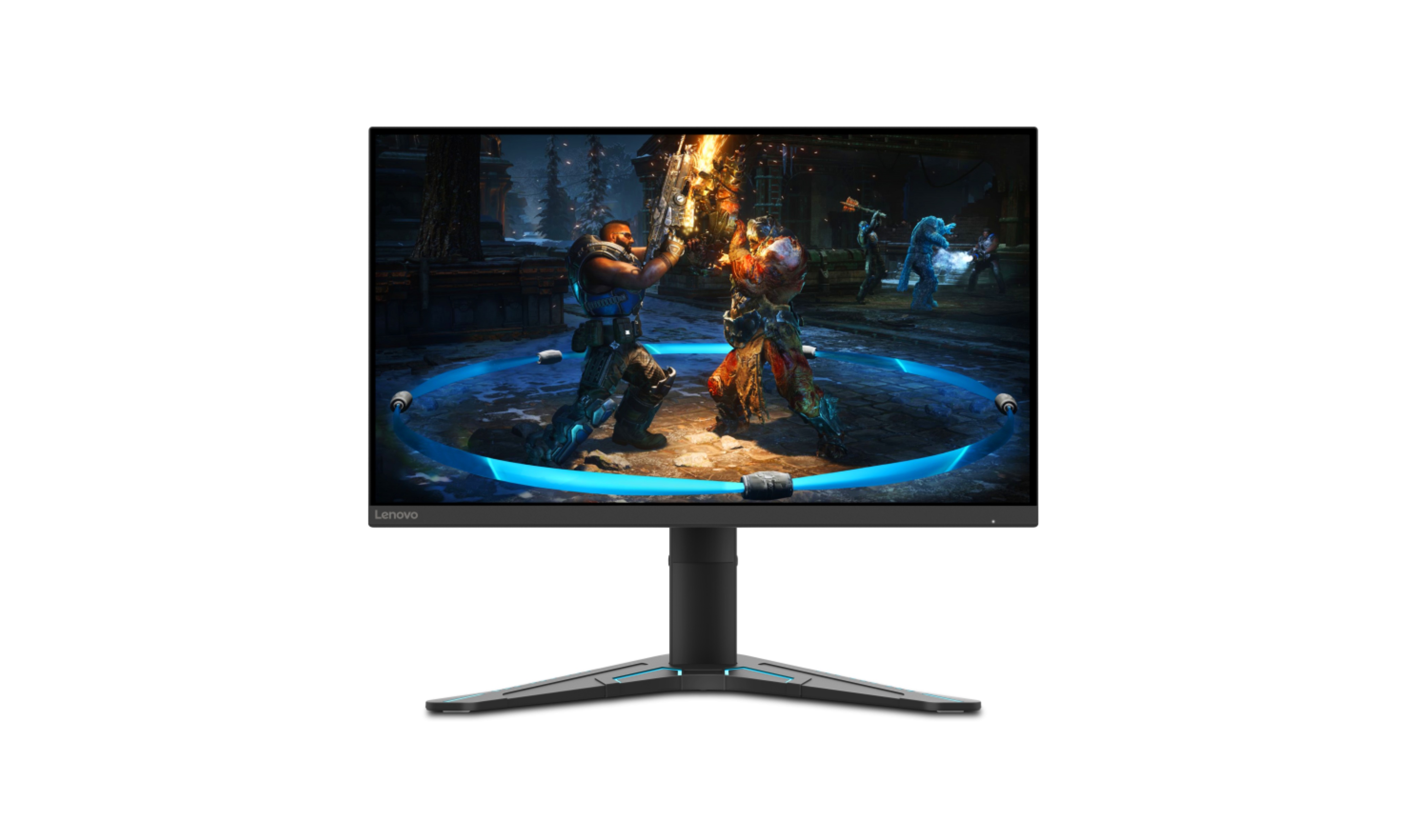
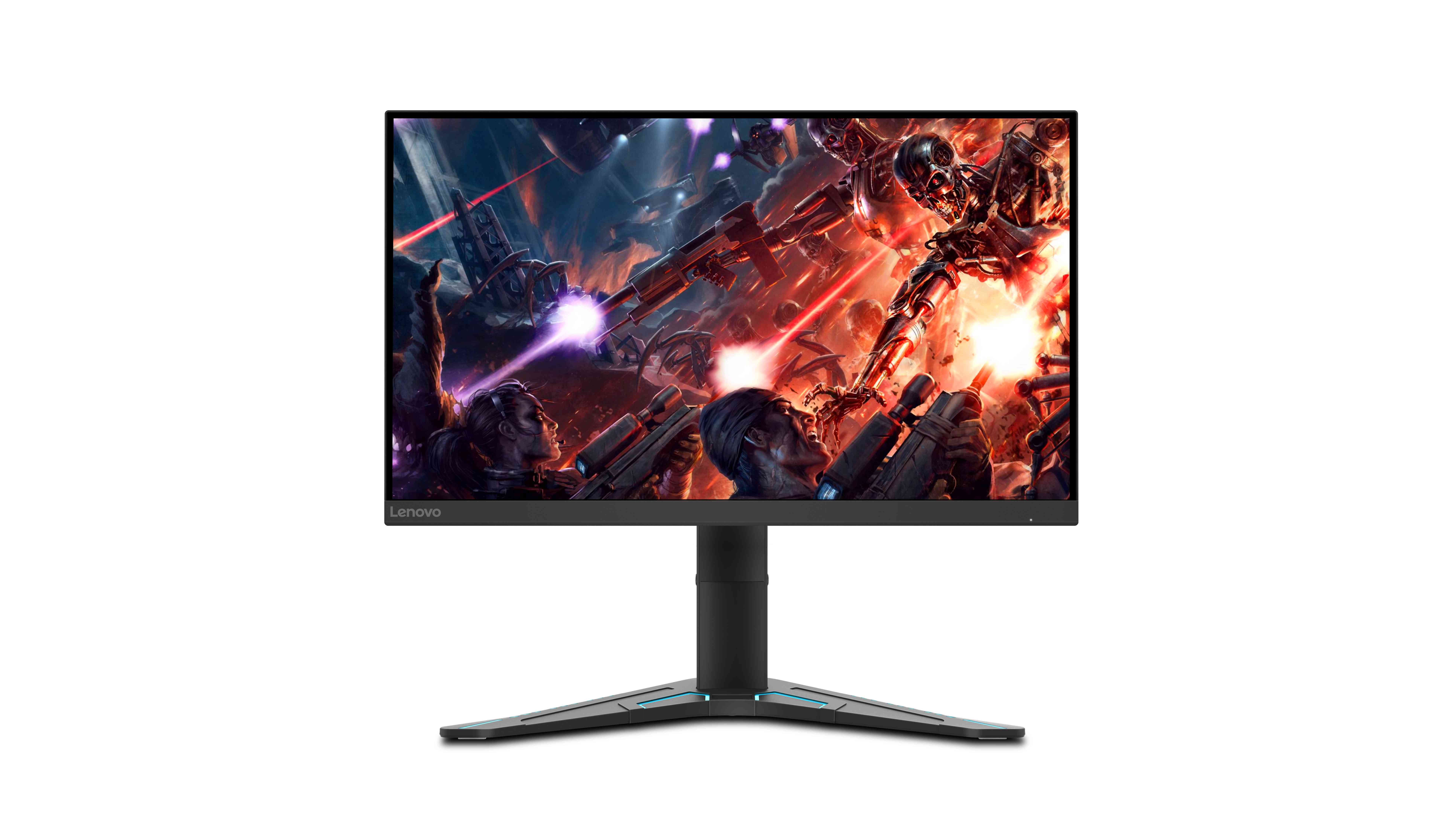
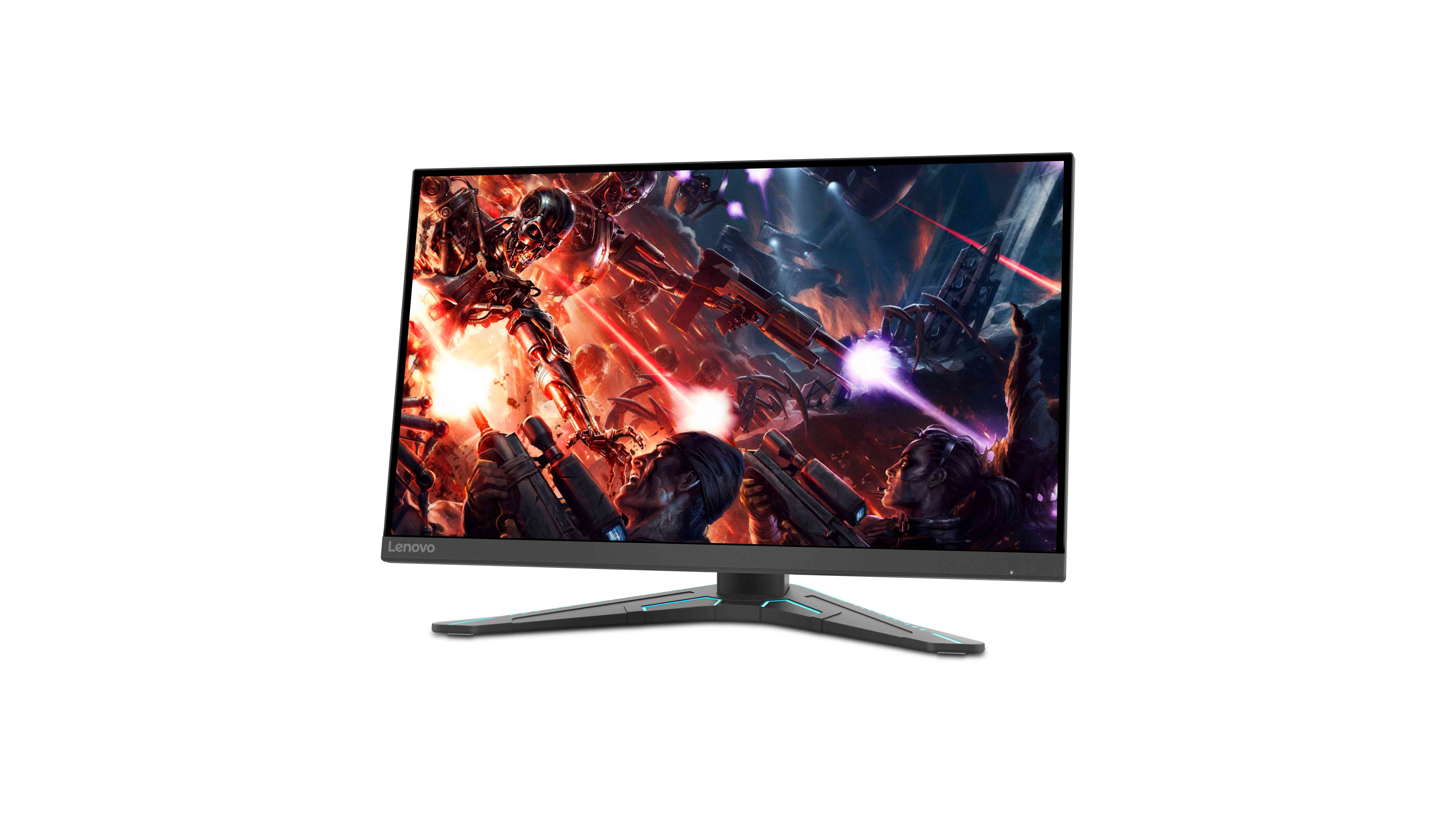
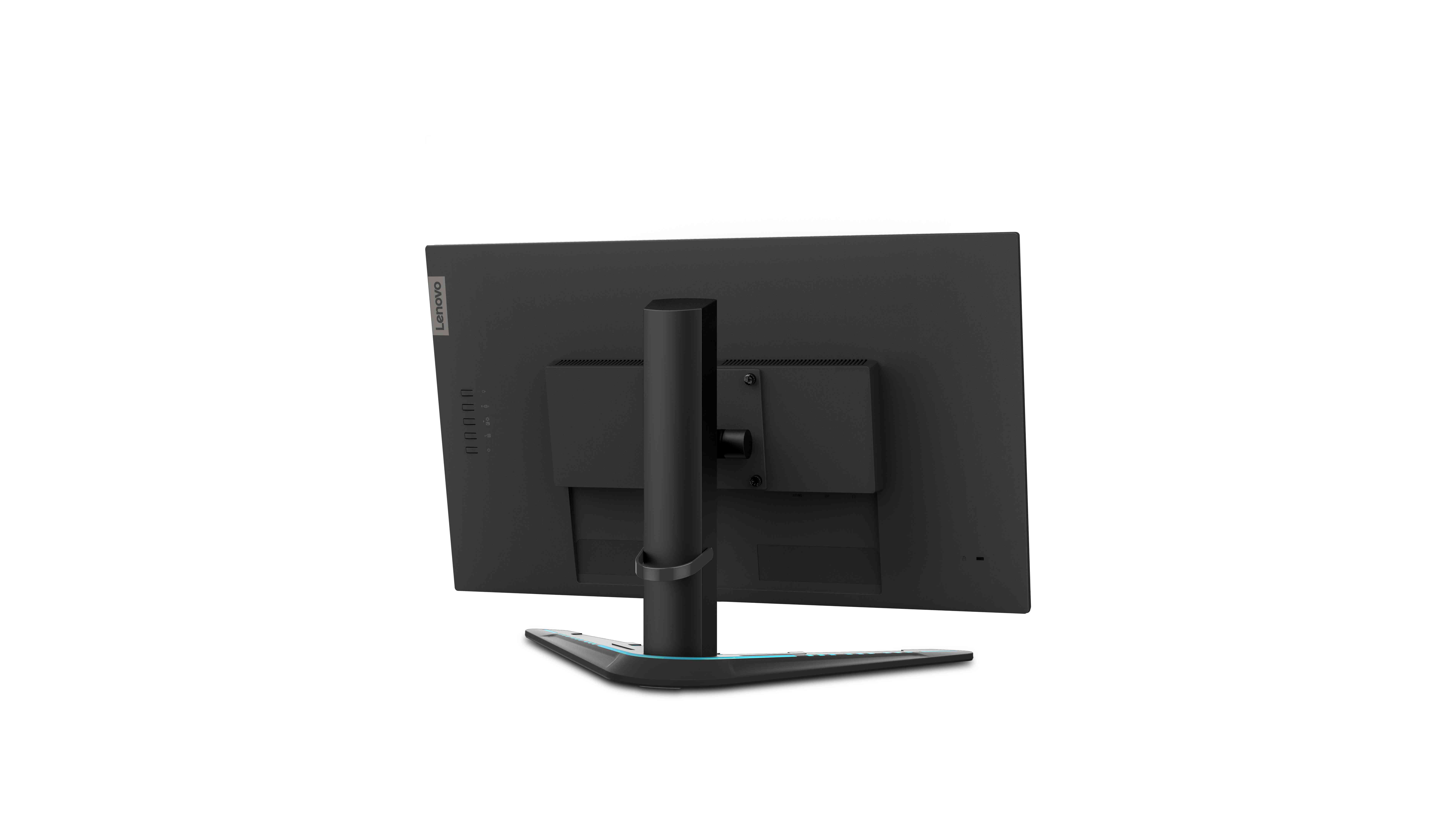
Lenovo G27q-20 and G27-20 gaming monitors announced for budget-conscious gamers

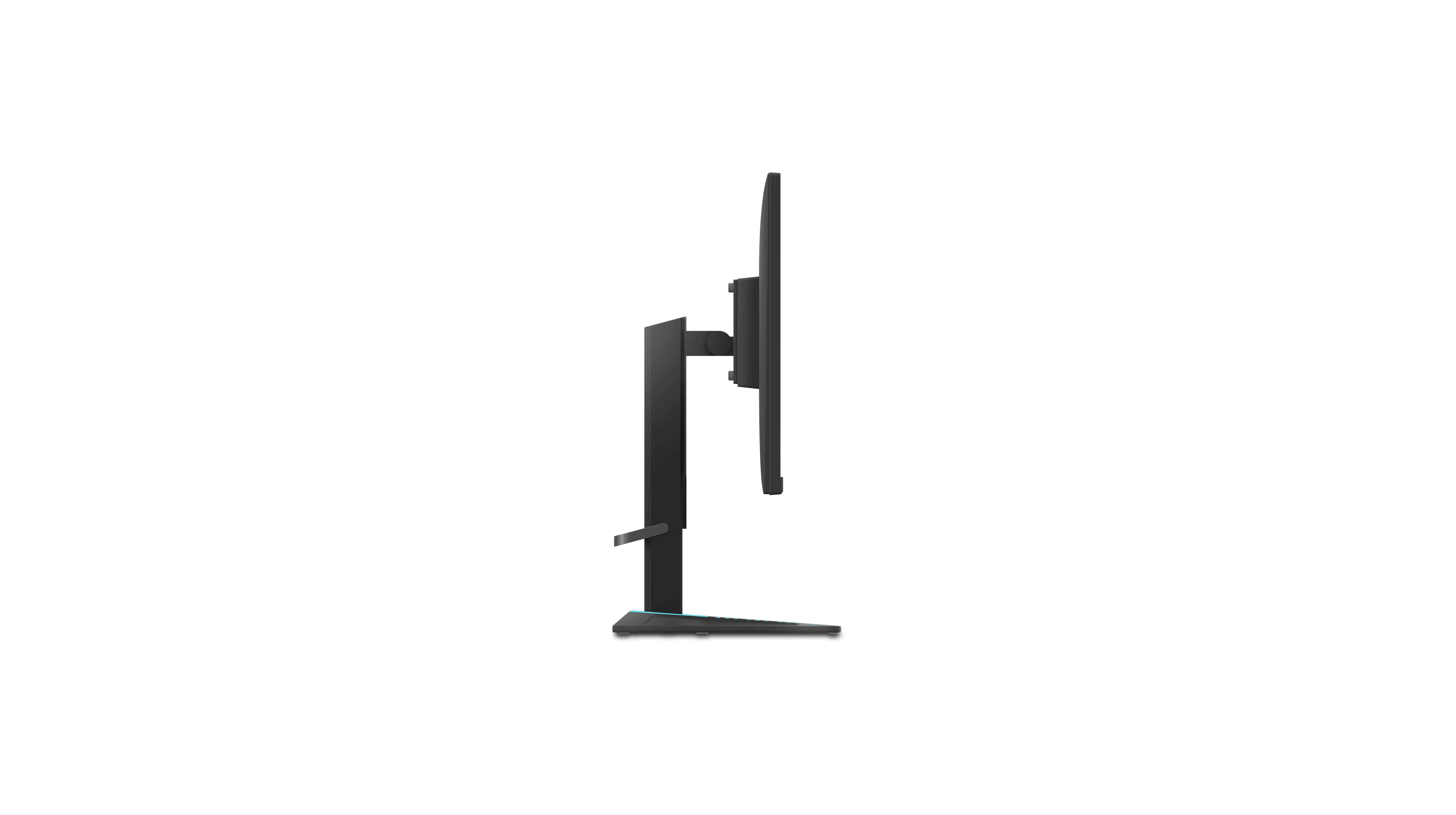
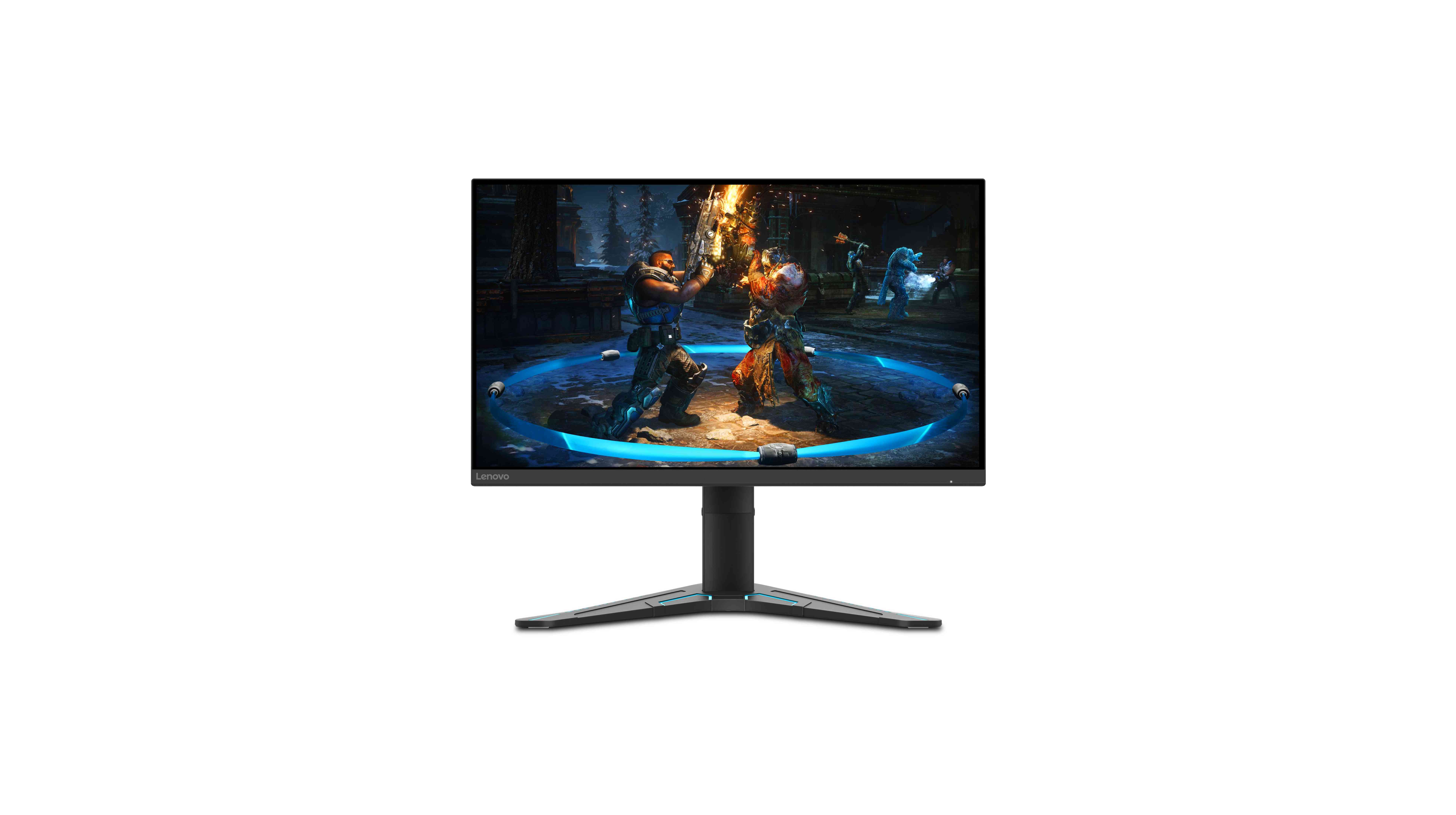
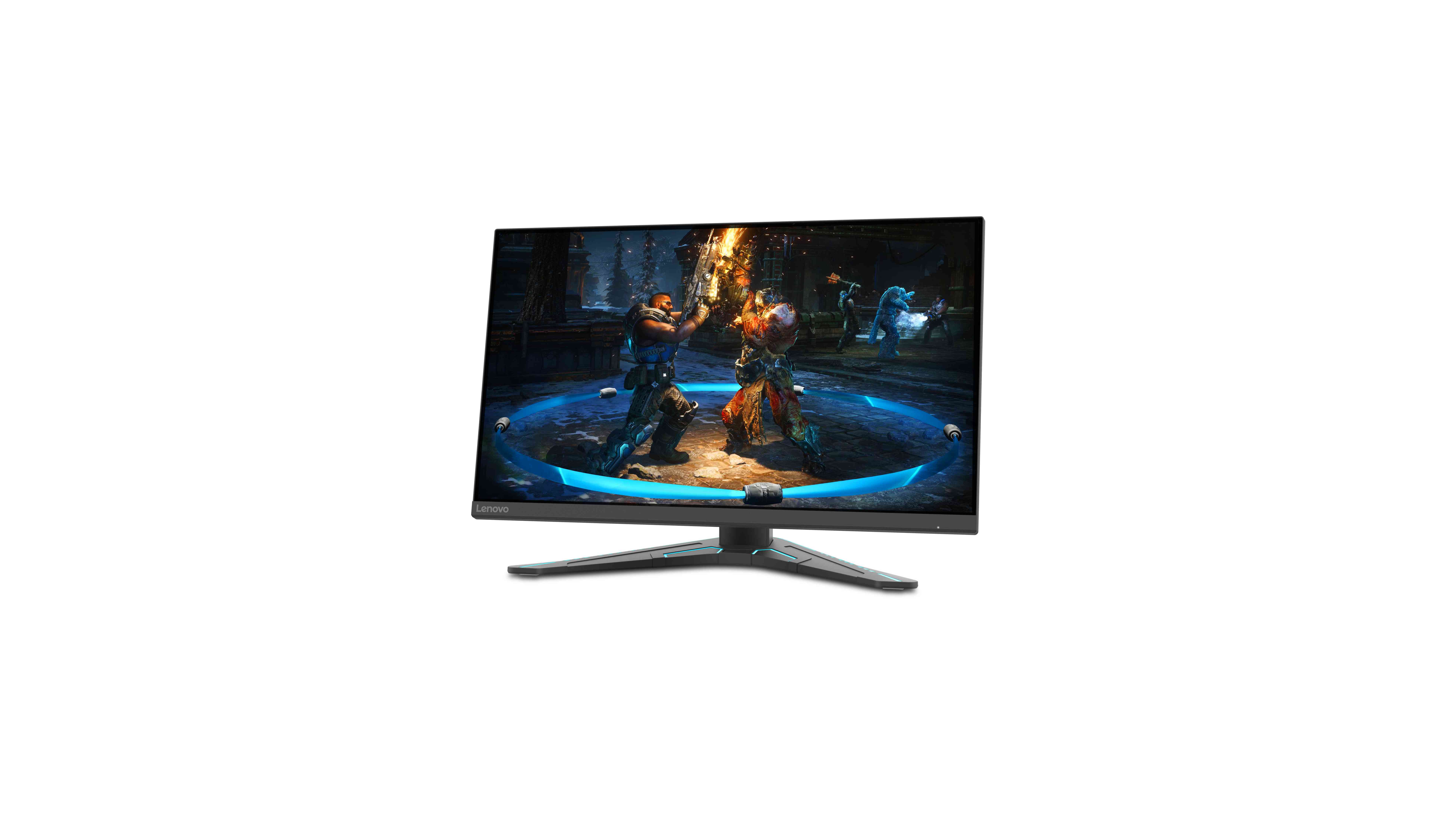
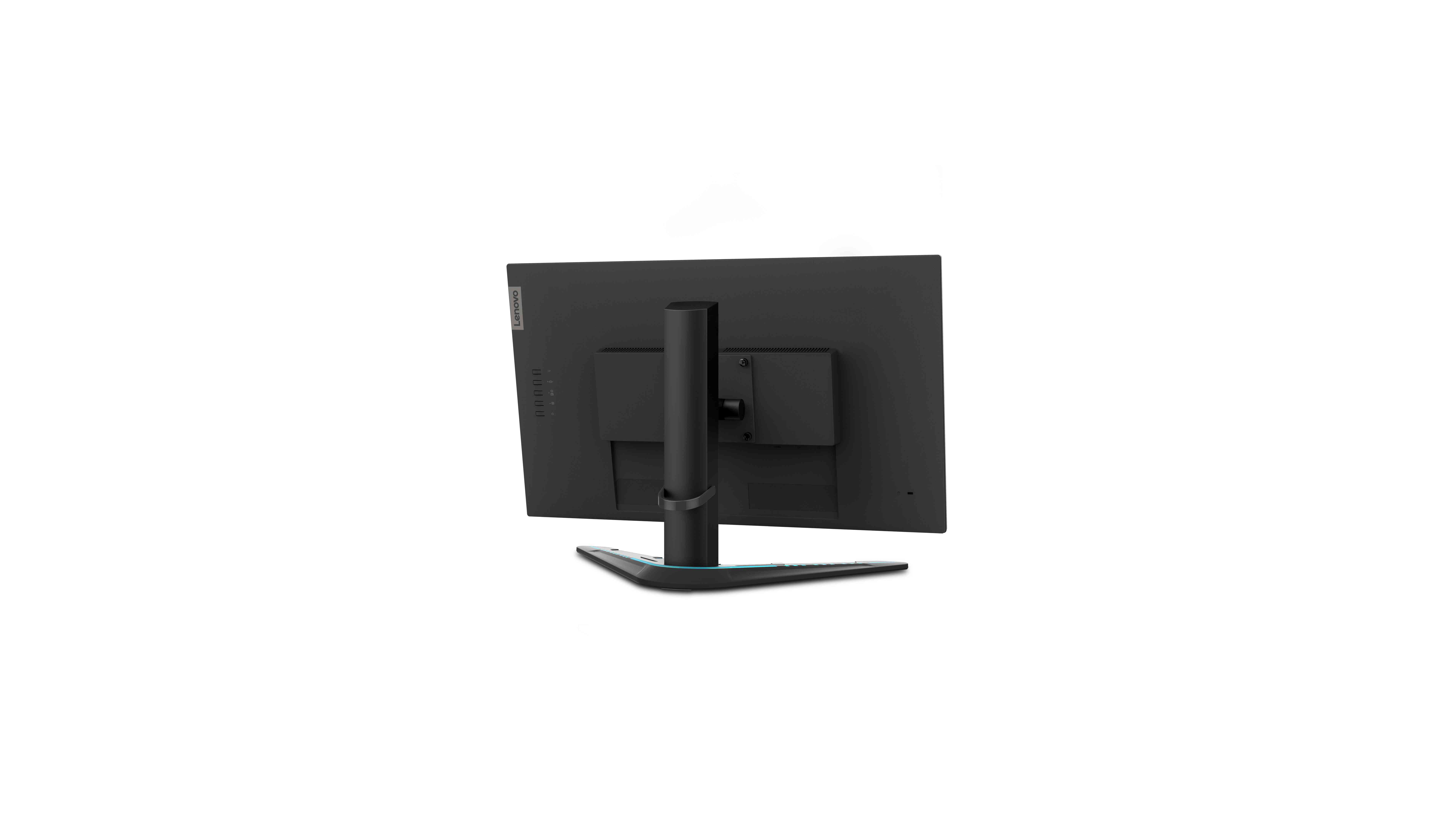
Last week, Lenovo announced a couple of gaming monitors called Lenovo G27q-20 and Lenovo G27-20. Both of them are identical to each other with some minor differences and these dissimilarities are directly proportional to the purchase decision. Let us take a look at the specs, features, price, and availability of these two monitors.

Lenovo G27q-20 G27-20 Gaming Monitors Featured

Lenovo G27q-20 / G27-20 Specifications & Features

As we mentioned in the beginning, the two monitors are similar in most ways. Hence, let’s talk about the differences between them first.

First and foremost, the G27q-20 supports up to 165Hz refresh rate, whereas the G27-20 is limited to 144Hz. Further, the former features a 1440p (2560 X 1440 pixels) 10-bit display panel and therefore, it supports up to 1.07 billion colors and 109 PPI. On the other hand, the latter only supports only up to 16.7 million colors with 82 PPI as it comes with an 8-bit panel 1080p (1920 x 1080 pixels).


Due to the differences in refresh rate and panel type, the power consumption is different in the two models, which is obvious. Additionally, the higher-spec’d model is also slightly heavier, larger in dimensions, and feature HDMI 2.0 instead of HDMI 1.4. However, both of them come with the same DP 1.4 and 3.5mm audio output ports.

With the dissimilarities out of the way, let us discuss the common specs between them. Starting with the size, the two monitors sport a 27-inch IPS LCD panel with a WLED backlight and 16:9 aspect ratio. The display is further covered by anti-glare coating and has a 178° viewing angle

Interestingly, despite the differences in resolution and refresh rate, both the monitors have the exact same peak brightness of 400 cd/m2, 1000:1 contrast ratio, 3M:1 dynamic contrast ratio, 99% sRGB color gamut, and up to 1ms response time.

They also support HDR decoding, AMD FreeSync™ Premium, and are also TÜV Rheinland Low Blue Light / Flicker Free-certified. Additionally, the monitors also come with a Kensington™ lock slot and support VESA mount as well as cable management.

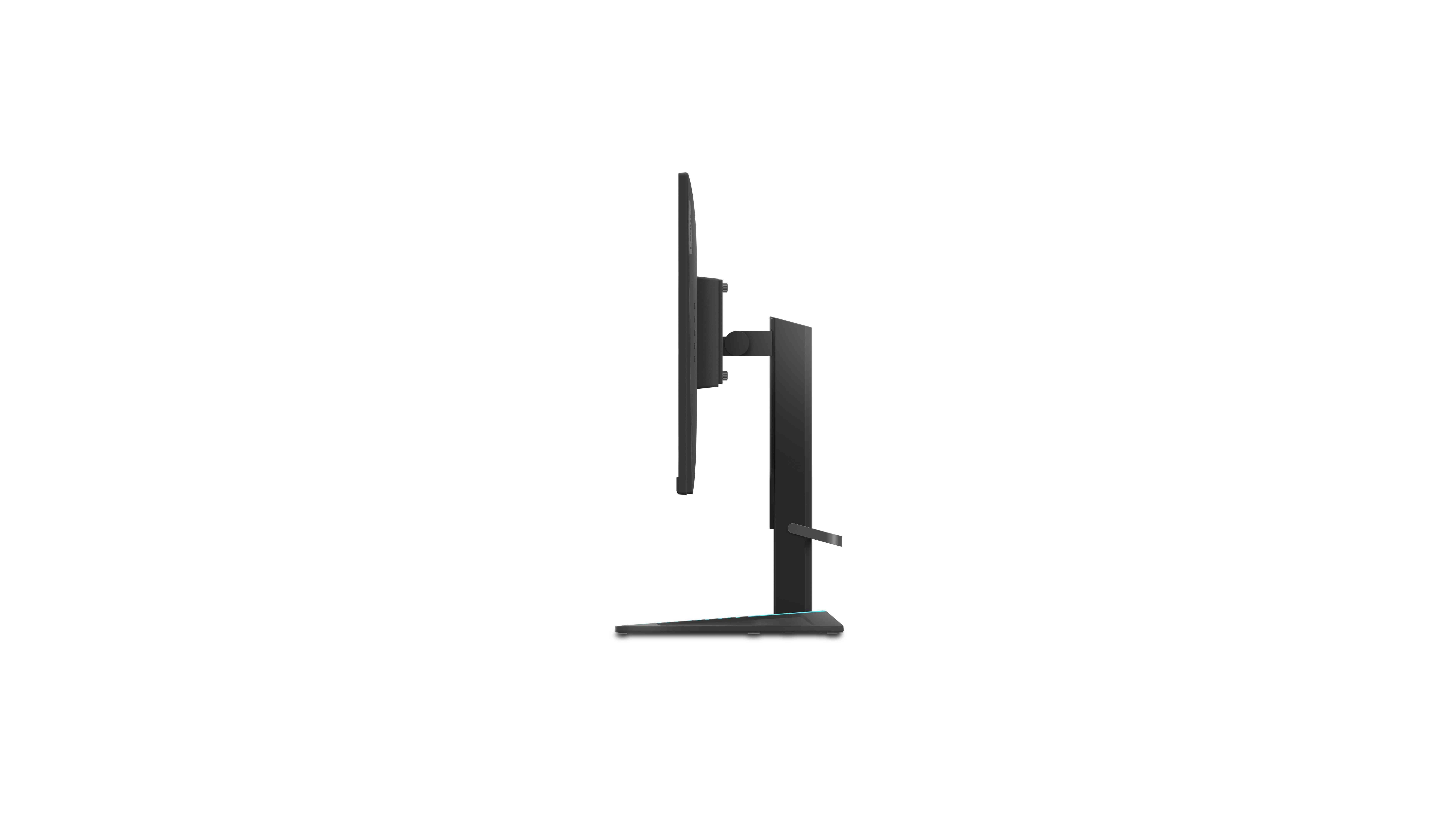
Last but not least, these monitors only come in Raven black color option with a blue accented stand that can be used to tilt or lift the screen.

Lenovo G27q-20 / G27-20 Pricing & Availability

The two new Lenovo gaming monitors will be available starting January 2021 in the US for the following prices.

  • Lenovo G27q-20 – $299.99
  • Lenovo G27-20   – $239.99

There’s no word on these monitors’ availability in other countries but they should hit other markets as well just like most Lenovo products.


Foxconn Chairman: IC shortages to last till demand falls for laptops and gaming PCs

Due to the Coronavirus pandemic, work from home or remote working has increasingly become the norm. Similarly, demand for gaming has also grown significantly, which is what Foxconn Chairman, Young Liu believes is causing the IC (integrated circuit) shortages at the moment.

As per the senior official, the shortages for various components, especially IC fabricated at 8 inch fabs will last till the terminal market demand does not slow down for notebooks, gaming PCs, and other devices that are a part of the new work from home market. According to a DigiTimes report, the shortage of supply for IC components is also due to the partly insufficient wafer capacity for chip vendors.

Foxconn

In other words, the shortages will effectively last till the time the consumer demand eases. Shortages for such components have been an issue ever since the onset of the pandemic, which first broke out in China back in 2019 end. These shortages have affected anywhere from LCD driver ICs, power management ICs, and other peripheral ICs as well. Furthermore, a recent surge in infected cases of the virus in regions like the US and Europe has also further fueled the demand for remote working months after the initial lockdowns had been implemented.


Google tests new video tutorial feature for mobile Chrome browser

Google is testing a new feature for its mobile Chrome browser. The search engine giant is working on soon adding a tutorial for the browser via a video to help new users get familiar with the app.

According to a PhoneArena report, Google Chrome users will be able to view a video tutorial to explain the functions of the browser. This feature will be built into the app itself and are already on testing or unstable builds for the mobile browser, which can be installed on Android smartphone right now through the Google Play Store. It includes the Chrome Canary app and the Chrome Dev app that lets users have access to features being tested by the company that will later arrive on live builds.

The code for the video tutorials in Canary only refer to Chrome on Android. So, we can expect the feature to be limited only to the platform for the time being. Meaning, their are currently no plans for the feature making its way to Chrome on iOS or the desktop version either. For those interested, you’ll have to enable a flag to access the feature. Searching for #video-tutorials on Chrome Canary will let users add a new card for the videos on the site. Although, only placeholders are currently in place for now, but future updates will have the videos.


Google CEO Sundar Pichai apologizes after document on countering EU rules leaked

Sundar Pichai, CEO of Alphabet (Parent company of Google) recently gave out an apology to Europe’s industry chief Thierry Breton after documents regarding tactics to tackle EU rules were leaked online.

For those unaware, a recent leak of internal documents found that Google was proposing actions that would counter the strict EU rules on internet companies and even lobbying against the EU commissioner. According to a Gadgets360 report, the senior executive from Google and Breton interacted in a video conference earlier this month, which was the third conference in 2020.

Google

This call arrived had both sides discuss a Google internal document, which defined a 60 day strategy against the European Union, who is pushing for stricter rules. The search giant planned on involving US based allies to push back against Brenton. Prior to the leak, the call had been initiated by Google, with Brenton later bringing up the leaked document during the conference to show it to Pichai.

Brenton stated in an interview that “I’m was not surprised. I’m not naive. I thought it was a bit old fashioned…,” in an interview with Anglo-American Press Association. He further added that “In any case, yes I had a discussion with Sundar… I told him what I had to tell him….he apologized. (I told him) If you need to tell me something, my door will always be open.” Apparently, Pichai apologized and also added that he had no prior knowledge of the document and it has yet to be sanctioned either.

Google

Brenton believes that “The Internet cannot remain a ‘Wild West’: we need clear and transparent rules, a predictable environment and balanced rights and obligations.” In other words, the two had an open conversation regarding the matter, with Pichai saying that he would approach Brenton directly regarding any policy that mentions Google directly. Notably, Brenton is set to announce new draft rules known as the Digital Services Act and the Digital Markets Act together with European Competition Commissioner Margrethe Vestager on 2nd December 2020.


TSMC faces new threat as South Korea actively pursues EUV patents: Report

South Korean companies have apparently made big strides in the EUV (extreme ultraviolet) lithography technology. The number of patents from Korean firms have grown significantly and may even be a concern to the world’s largest contract chipmaker, TSMC.

TSMC

A recent report from BusinessKorea had stated that South Korean companies are strengthening its patent applications for EUV technology. For those unaware, EUV is an advanced semiconductor manufacturing process that is used to produce logic chips and memory. The report found that the number of EUV related patent application have steadily been rising and have already surpassed foreign companies for the first time.

In other words, the patent applications would soon serve as a powerful tool for South Korean companies that plan on further developing EUV technology and products in the future. The report also found that just six major companies accounted for over 59 percent of the total patent applications. This includes Carl Zeiss (18 percent), Samsung Electronics (15 percent), ASML (11 percent), S&S Tech (8 percent), TSMC (6 percent), and, SK Hynix (1 percent).

Samsung

Furthermore, an analysis of the process technology field revealed that Samsung accounts for 39 percent of the patent applications while TSMC accounted for 15 percent. This meant that the two firms collectively held more than half of the total applications. Although, other South Korea based firms are also growing their patent portfolios as well.


Upcoming Black Shark smartphone’s feature claimed to surpass iPhone 12 Pro

Black Shark, a Xiaomi-backed gaming smartphone maker, has launched a few models in the market. Now, the Chinese company is gearing up to launch a new device, which currently seems to be in a development stage.

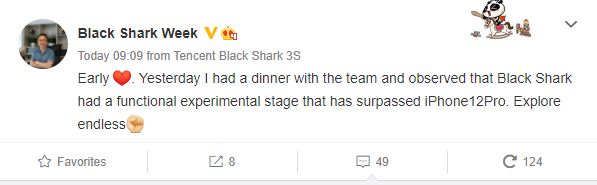
Ahead of the launch, the company’s executive Luo Yuzhou has claimed on Weibo that the upcoming Black Shark smartphone has a feature that is currently in the experimental stage but has surpassed the iPhone 12 Pro.

Black Shark iPhone 12 Pro Teaser

This hints that the smartphone has a feature that is already present on the iPhone 12 Pro but it will be an advanced version compared to Apple’s offering. However, what that feature is, remains unknown.

While Luo Yuzhou has not yet revealed what’s the feature he is talking about, some users claimed that he could be talking about the phone’s charging speed, or the weight of the device, or the screen refresh rate support.

EDITOR’S PICK: Here’s the official list of Xiaomi, Redmi, POCO, and Black Shark devices eligible for Android 11

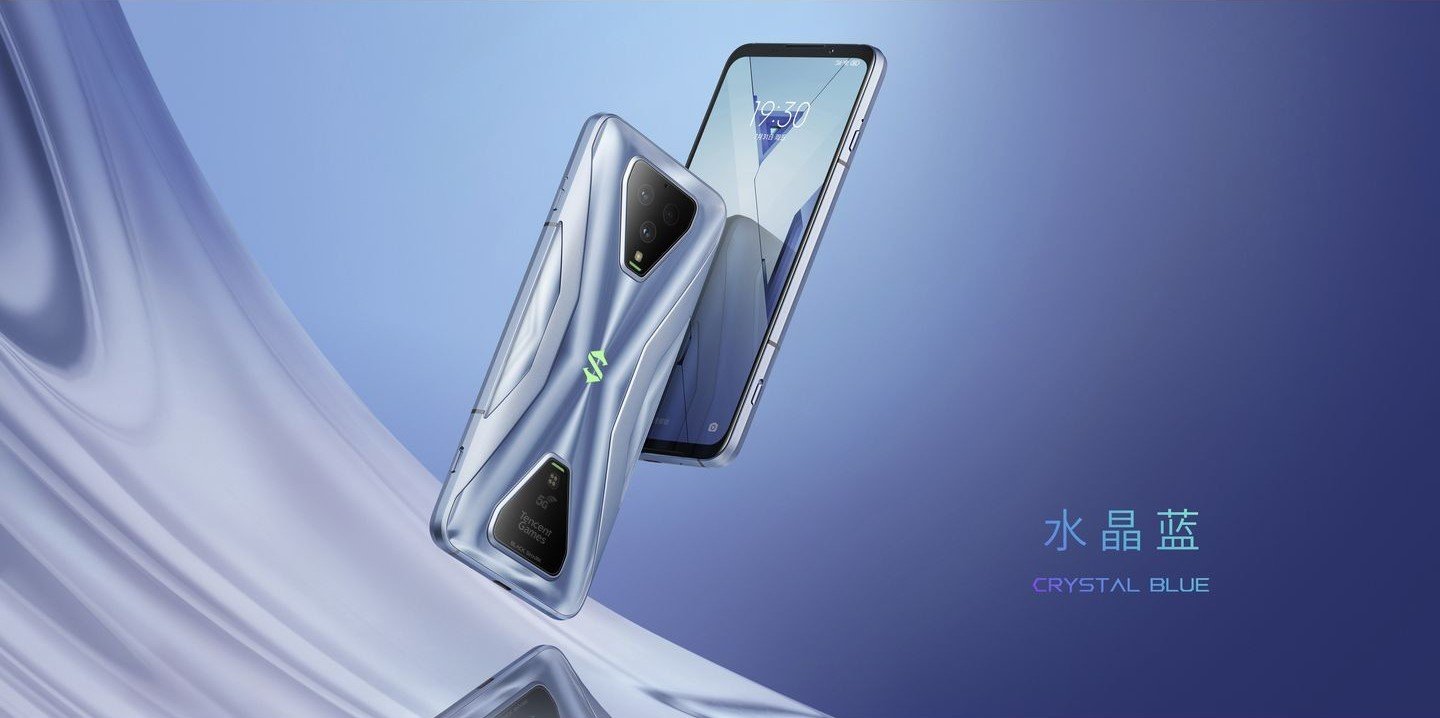
Black Shark 3S Crystal Blue

The last smartphone announced by the company was Black Shark 3S, back in July this year for which the company also partnered with Tencent Games. The phone packs 12GB RAM but offers three storage options — 128GB, 256GB, and 512GB.

It features a 6.67-inch AMOLED 120Hz display and is powered by the Qualcomm Snapdragon 865 chipset. The phone has a quad-camera setup on the back and a 20MP selfie snapper. It runs JoyUI 12 and is powered by a 4,720mAh battery with support for 65W fast charging technology.


EMUI 11 also has an ‘Earthquake Warning’ feature just like MIUI

Last year, Xiaomi introduced a useful feature called ‘Earthquake Warning’ with the release of MIUI 11. This feature is limited to the Sichuan province of China as this region is known for multiple earthquakes for centuries. Now, China’s largest smartphone brand HUAWEI has also implemented a similar feature in EMUI 11, the latest version of its mobile operating system.

HUAWEI EMUI 11 Logo Featured

EMUI 11 was officially unveiled at the HUAWEI DEVELOPER CONFERENCE 2020 in September. Though the company’s latest mobile software is still based on Android 10 just like EMUI 10.1 and EMUI 10, it brings a host of new features and functionalities. 

Also, the firm has even promised to add some select Android 11 features before updating the eligible devices to HarmonOS next year.

That said, in our EMUI 11 features roundup article, we missed two important features – Video Alarm & Earthquake Warning. Because these two features are limited to certain regions in China and our coverage was based on global ROM. 


But now, as Huawei has begun to roll out EMUI 11 stable builds, users in China started sharing the presence of the ‘Earthquake Warning’ feature on Weibo. According to ITHome, as we mentioned in the beginning, this feature is limited to users in Sichuan province.

It can be enabled from Settings > Security > Emergency Warning Notification > Earthquake Warning. When this feature is turned on, the phone will notify the user whenever there is an earthquake nearby.

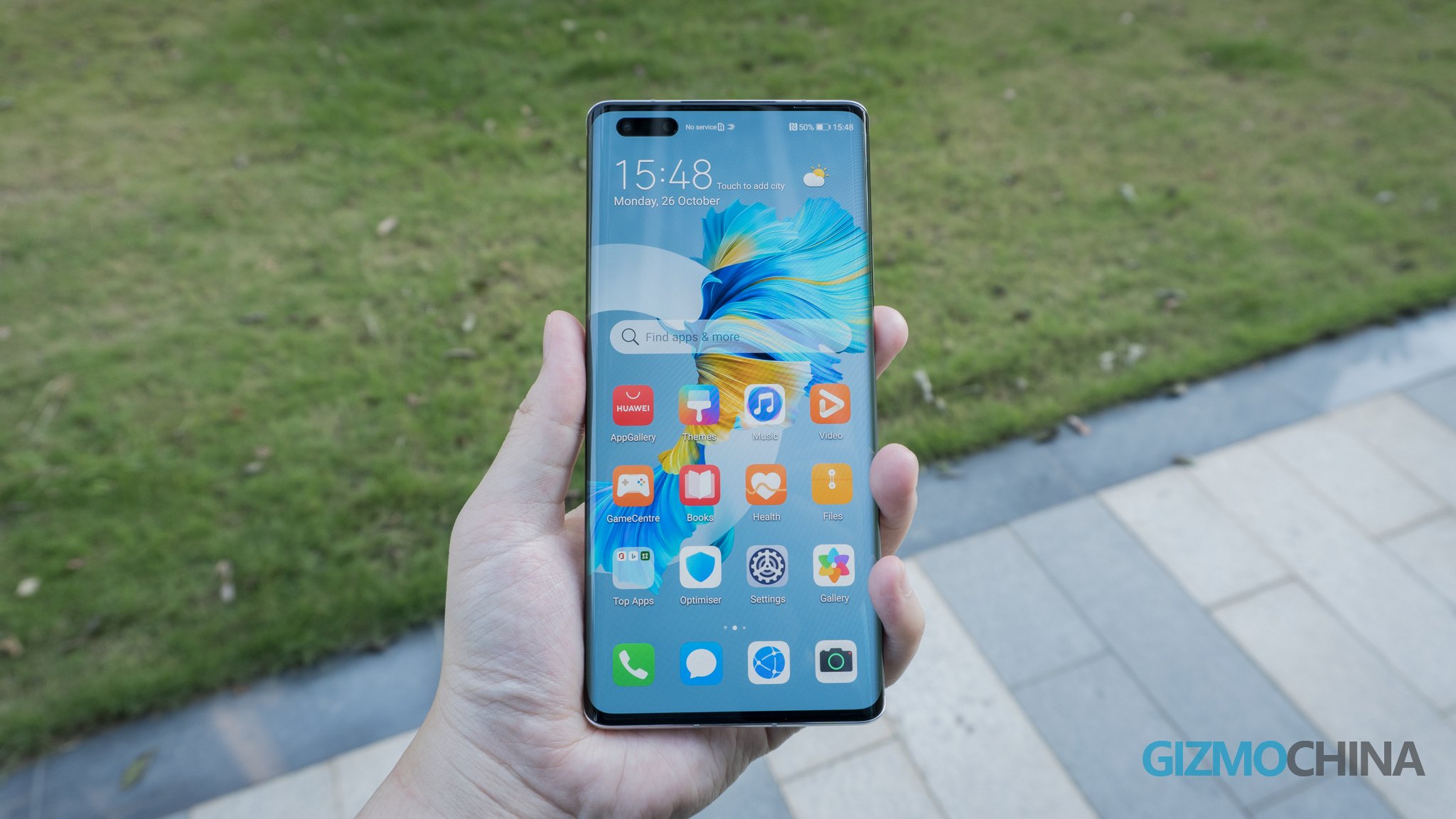
Huawei Mate 40 Pro featured EMUI 11
EMUI 11 Homescreen on HUAWEI Mate40 Pro

Similarly, EMUI 11 also brings another unique feature called ‘Video Alarm’. This enables users to video call the police in the event of an emergency. Currently, this feature is limited to the Guangdong Province.

Having said that, with Huawei’s popularity and user base, we expect these two features to make their way to more regions across China in the coming months.


Redmi Note 9 5G series launching next week, claims tipster

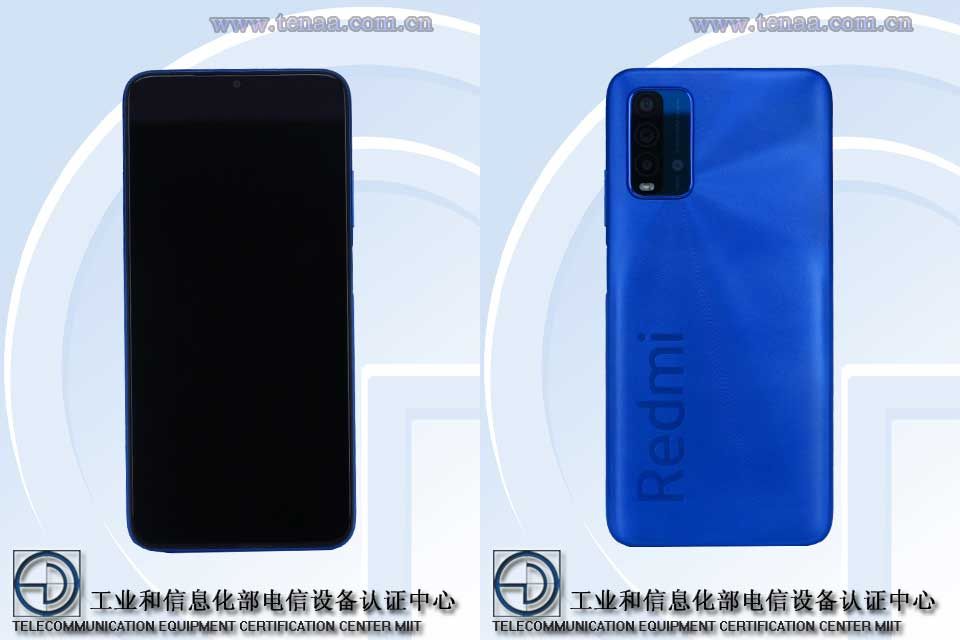
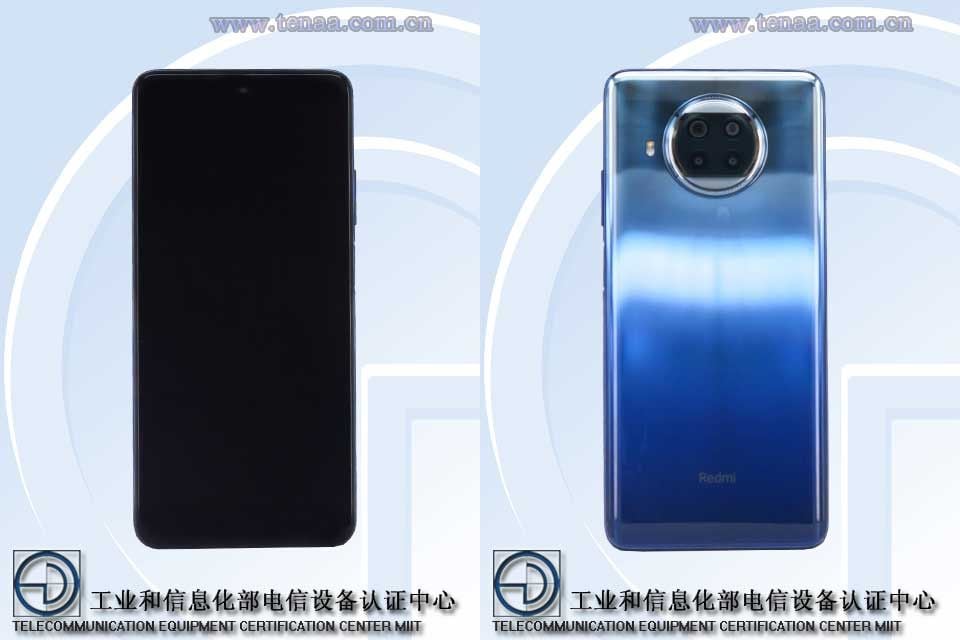
Redmi’s upcoming Redmi Note 9 5G series of smartphones have received approval from the TENAA authority in China. It appears that the company is now gearing up to announce the Redmi Note 9 5G series in the home market. A new leak claims that the Redmi Note 9 5G series will break cover next week.

According to the tipster (via), Redmi is likely to reveal the launch date for the Redmi Note 9 5G series either today or tomorrow. He added that smartphones will be launching next Tuesday. Since the launch date is expected to be confirmed by tomorrow, it appears that the unveiling event may take place on Nov. 24.

A recent leak had claimed that the Dimensity 800U powered Redmi Note 9 5G will be priced at 999 Yuan (~$152). On the other side, the Snapdragon 750G powered Redmi Note 9 Pro 5G may start at 1,499 Yuan (~$228).

Redmi-Note-10-4G-TENAA

The series reportedly includes a 4G variant. It is equipped with specs like 6.53-inch IPS LCD FHD+ display, Snapdragon 662 chipset, 48-megapixel triple shooters, an 8-megapixel selfie camera, and a 6,000mAh battery with 22.5W fast charge support. There is no word on its pricing.

Redmi Note 9 5G Standard Edition M2007J22C TENAA Redmi Note 9 5G High Edition M2007J17C TENAA

The Redmi Note 9 5G includes a 6.53-inch IPS LCD FHD+ display, 48-megapixel triple rear shooters, a 13-megapixel front camera, and a 5,000mAh battery with 22.5W fast charging support. The Note 9 Pro has a 6.67-inch IPS LCD FHD+ 120Hz screen, a 108-megapixel triple camera, a 16-mgeapixel front camera, and a 4,820mAh battery with 33W rapid charging support. The handset is expected to arrive as a tweaked version of the Xiaomi Mi 10T Lite.


Apple suppliers Foxconn and Pegatron expand production outside China: Report

Known Apple suppliers, Foxconn and Pegatron, are expanding their production capacities outside of China by increasing their overseas production. This is in line with the plans of globalization of operations.

Apple

The Taiwanese based firm, Foxconn, has set up factories in Vietnam. This site will have an overall production capacity that could meet demand by 2021 and 2022, as per the company’s chairman Liu Young-Way. Although, it is still uncertain whether the production capacity in the region can be further expanded since it is increasingly difficult to acquire factory sites in the country.

Furthermore, Foxconn also has plan to set up production sites in India as well. The region holds a huge market potential, but the progress would still depend on the country’s individual environments, politics, and other important factors. Foxconn is also working to establish a site in Wisconsin, US. These production lines will focus on local demand exclusively and will also include AI based devices, servers, telecom/networking devices and other software based products as well.

Apple

Similarly, the DigiTimes report also stated that Pegatron has started contructing a factory in Indonesia in 2019, with production having started already. The company’s president and CEO Liao Syh-jang revealed this information and also added that it has also kicked off its production at a factory in Vietnam. Like Foxconn, the Apple supplier, Pegatron, is also planning on building a factory in India and plans to start production in the region by 2021.


Samsung Display improves its QNED tech, production to start soon

Samsung Display has improved upon its QNED (quantum dot nanorod LED) display technology to a near production level. The company is expected to start investing in production equipment by 2021, and further commercialization soon after.

Samsung

According to TheElec report, the South Korean tech giant has recently filed for over 94 patents. These featured major improvements in technology in patents filed in the second half of 2020 over those that were filed in the first half of this year. Furthermore, the backplane used on the Samsung QNED has a 7T2C TFT (thin film transistor) structure and an oscillator transistor to align the nanorod LED and repair transistor were also found placed alongside each other.

Notably, the circuit design of the QNED technology was similar to the Samsung TFT structure that is used on the company’s mobile OLED panels. An analysis from UBI Research also found that the addition of oscillator transistor as an interesting find within the recent patents, since these had not been used in display panels before. At the moment, the yield rate of the new QNED technology is the primary concern for Samsung.

Samsung

Per pixel, about 10 to 20 nanorod LED have to be properly aligned otherwise it would lead to a short circuiting of the pixel. Hence, a repair transistor is also being included. Samsung Display has only spent 4 years to develop its QNED technology, but it seems that the company is already confident in its viability for production and would soon investment in production equipment for its factories by 2021.


Huawei, Changan Automobile and CATL jointly creates high-end smart car brand

China-based Contemporary Amperex Technology (CATL), which is a global leader in lithium-ion battery development and manufacturing, has announced that it has partnered with Huawei and Changan Automobile to create a new high-end smart car brand.

The new brand aims at creating a world-class high-end self-controlled smart electric vehicle platform and launch a range of smart cars, along with a super “human car” as a part of smart life and smart energy ecology.

Huawei, Changan Automobile, CATL Smart Car

It is said that the companies formed the partnership about a couple of months ago and will be launching new products as a part of this long-term strategic cooperation agreement. It also aims to jointly promote the development of China’s new electric vehicle industry.

Along with that, they have also announced a new technology named “Ark Architecture” and has said that around 105 models will be launched in the coming five years, which would include 23 new electric products.

EDITOR’S PICK: China to catch-up with South Korea for display panel market share this year

Ark Architecture developed by Changan Automobile Research & Development 4.0 is quite important for the company to improve the basic performance of the smart vehicle using artificial intelligence and Big Data.

It covers all A0-C models and is said to be compatible with eight engine states, displacement covers 1.2-2.0L, compatible with 48V low voltage mixing (LV-HEV), high-voltage mixing (HV-HEV), plug-in mixing (PHEV), three electrification power, matching eight transmission models, and 16 power combination modes.


Sharp AQUOS Sense 4 Plus goes on sale in Taiwan for ~$315

In September, Sharp announced the AQUOS Zero 5G Basic, Sense 5G, Sense 4, and Sense 4 Plus smartphones. It is known that the sales of the Sense 4 Plus have begun in Taiwan. The handset has arrived with a price tag of NTD 8,990 (~$315). It is unclear when other phones will be made available for purchase.

Sharp AQUOS Sense 4 Plus specifications and features

The Sharp AQUOS Sense 4 Plus has 166 x 78 x 8.8mm dimensions and it weighs 198 grams. The device is equipped with a 6.7-inch IGZO LCD panel that produces a full HD+ resolution of 1080 x 2400 pixels. The screen supports a 90Hz refresh rate and a 120Hz touch sampling rate. It is fueled by the Snapdragon 720G chipset and 8 GB of RAM.

The Sense 4 Plus has a native storage of 128 GB. There is a microSD card slot on the device for additional storage. It is loaded with Android 10 OS.

Sharp AQUOS Sense 4 Plus

The Sense 4 Plus is fitted with a dual selfie camera system that includes an 8-megapixel main camera with f/2.0 aperture and a 2-megapixel depth sensor. The backside of the device has a quad-camera setup that features a 48-megapixel main camera with f/1.8 aperture, a 5-megapixel superwide lens with 115-degree FOV, a 2-megapixel macro shooter, and a 2-megapixel depth sensor.

The Sense 4 Plus is backed by a 4,120mAh battery that supports fast charging. It is an IP56/68 rated dustproof and water-resistant device. Other features of the phone include stereo speakers, a 3.5mm audio jack, and a rear-facing fingerprint reader.