Advertisement

Google tests new video tutorial feature for mobile Chrome browser

Google is testing a new feature for its mobile Chrome browser. The search engine giant is working on soon adding a tutorial for the browser via a video to help new users get familiar with the app.

According to a PhoneArena report, Google Chrome users will be able to view a video tutorial to explain the functions of the browser. This feature will be built into the app itself and are already on testing or unstable builds for the mobile browser, which can be installed on Android smartphone right now through the Google Play Store. It includes the Chrome Canary app and the Chrome Dev app that lets users have access to features being tested by the company that will later arrive on live builds.

The code for the video tutorials in Canary only refer to Chrome on Android. So, we can expect the feature to be limited only to the platform for the time being. Meaning, their are currently no plans for the feature making its way to Chrome on iOS or the desktop version either. For those interested, you’ll have to enable a flag to access the feature. Searching for #video-tutorials on Chrome Canary will let users add a new card for the videos on the site. Although, only placeholders are currently in place for now, but future updates will have the videos.


Google CEO Sundar Pichai apologizes after document on countering EU rules leaked

Sundar Pichai, CEO of Alphabet (Parent company of Google) recently gave out an apology to Europe’s industry chief Thierry Breton after documents regarding tactics to tackle EU rules were leaked online.

For those unaware, a recent leak of internal documents found that Google was proposing actions that would counter the strict EU rules on internet companies and even lobbying against the EU commissioner. According to a Gadgets360 report, the senior executive from Google and Breton interacted in a video conference earlier this month, which was the third conference in 2020.

Google

This call arrived had both sides discuss a Google internal document, which defined a 60 day strategy against the European Union, who is pushing for stricter rules. The search giant planned on involving US based allies to push back against Brenton. Prior to the leak, the call had been initiated by Google, with Brenton later bringing up the leaked document during the conference to show it to Pichai.

Brenton stated in an interview that “I’m was not surprised. I’m not naive. I thought it was a bit old fashioned…,” in an interview with Anglo-American Press Association. He further added that “In any case, yes I had a discussion with Sundar… I told him what I had to tell him….he apologized. (I told him) If you need to tell me something, my door will always be open.” Apparently, Pichai apologized and also added that he had no prior knowledge of the document and it has yet to be sanctioned either.

Google

Brenton believes that “The Internet cannot remain a ‘Wild West’: we need clear and transparent rules, a predictable environment and balanced rights and obligations.” In other words, the two had an open conversation regarding the matter, with Pichai saying that he would approach Brenton directly regarding any policy that mentions Google directly. Notably, Brenton is set to announce new draft rules known as the Digital Services Act and the Digital Markets Act together with European Competition Commissioner Margrethe Vestager on 2nd December 2020.


TSMC faces new threat as South Korea actively pursues EUV patents: Report

South Korean companies have apparently made big strides in the EUV (extreme ultraviolet) lithography technology. The number of patents from Korean firms have grown significantly and may even be a concern to the world’s largest contract chipmaker, TSMC.

TSMC

A recent report from BusinessKorea had stated that South Korean companies are strengthening its patent applications for EUV technology. For those unaware, EUV is an advanced semiconductor manufacturing process that is used to produce logic chips and memory. The report found that the number of EUV related patent application have steadily been rising and have already surpassed foreign companies for the first time.

In other words, the patent applications would soon serve as a powerful tool for South Korean companies that plan on further developing EUV technology and products in the future. The report also found that just six major companies accounted for over 59 percent of the total patent applications. This includes Carl Zeiss (18 percent), Samsung Electronics (15 percent), ASML (11 percent), S&S Tech (8 percent), TSMC (6 percent), and, SK Hynix (1 percent).

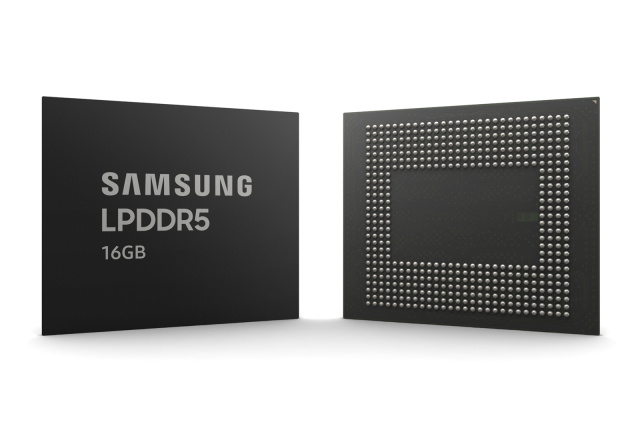
Samsung

Furthermore, an analysis of the process technology field revealed that Samsung accounts for 39 percent of the patent applications while TSMC accounted for 15 percent. This meant that the two firms collectively held more than half of the total applications. Although, other South Korea based firms are also growing their patent portfolios as well.


Upcoming Black Shark smartphone’s feature claimed to surpass iPhone 12 Pro

Black Shark, a Xiaomi-backed gaming smartphone maker, has launched a few models in the market. Now, the Chinese company is gearing up to launch a new device, which currently seems to be in a development stage.

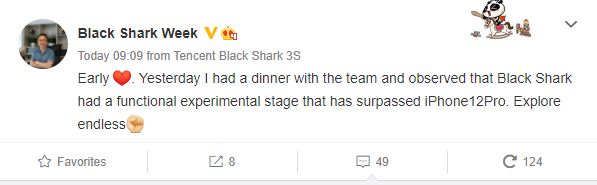
Ahead of the launch, the company’s executive Luo Yuzhou has claimed on Weibo that the upcoming Black Shark smartphone has a feature that is currently in the experimental stage but has surpassed the iPhone 12 Pro.

Black Shark iPhone 12 Pro Teaser
This hints that the smartphone has a feature that is already present on the iPhone 12 Pro but it will be an advanced version compared to Apple’s offering. However, what that feature is, remains unknown.

While Luo Yuzhou has not yet revealed what’s the feature he is talking about, some users claimed that he could be talking about the phone’s charging speed, or the weight of the device, or the screen refresh rate support.

EDITOR’S PICK: Here’s the official list of Xiaomi, Redmi, POCO, and Black Shark devices eligible for Android 11

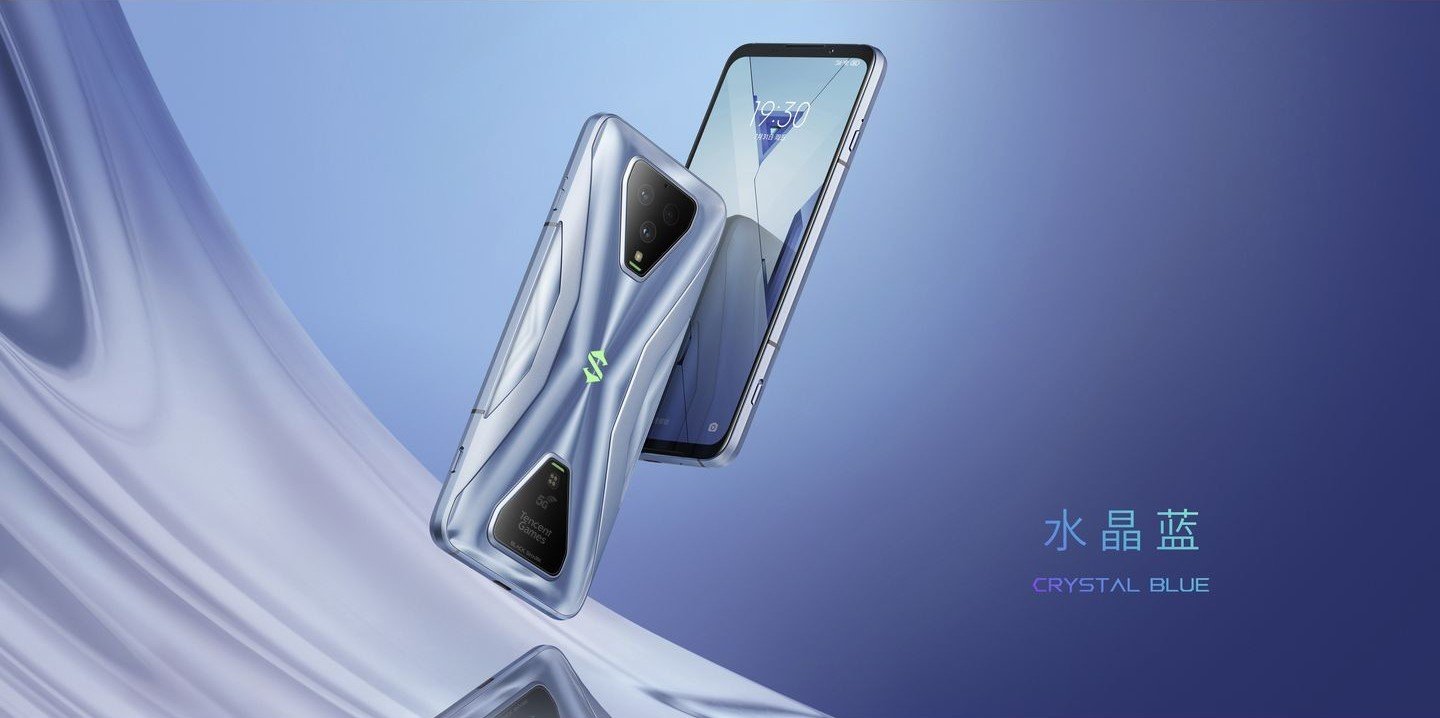
Black Shark 3S Crystal Blue

The last smartphone announced by the company was Black Shark 3S, back in July this year for which the company also partnered with Tencent Games. The phone packs 12GB RAM but offers three storage options — 128GB, 256GB, and 512GB.

It features a 6.67-inch AMOLED 120Hz display and is powered by the Qualcomm Snapdragon 865 chipset. The phone has a quad-camera setup on the back and a 20MP selfie snapper. It runs JoyUI 12 and is powered by a 4,720mAh battery with support for 65W fast charging technology.


EMUI 11 also has an ‘Earthquake Warning’ feature just like MIUI

Last year, Xiaomi introduced a useful feature called ‘Earthquake Warning’ with the release of MIUI 11. This feature is limited to the Sichuan province of China as this region is known for multiple earthquakes for centuries. Now, China’s largest smartphone brand HUAWEI has also implemented a similar feature in EMUI 11, the latest version of its mobile operating system.

HUAWEI EMUI 11 Logo Featured

EMUI 11 was officially unveiled at the HUAWEI DEVELOPER CONFERENCE 2020 in September. Though the company’s latest mobile software is still based on Android 10 just like EMUI 10.1 and EMUI 10, it brings a host of new features and functionalities. 

Also, the firm has even promised to add some select Android 11 features before updating the eligible devices to HarmonOS next year.

That said, in our EMUI 11 features roundup article, we missed two important features – Video Alarm & Earthquake Warning. Because these two features are limited to certain regions in China and our coverage was based on global ROM. 


But now, as Huawei has begun to roll out EMUI 11 stable builds, users in China started sharing the presence of the ‘Earthquake Warning’ feature on Weibo. According to ITHome, as we mentioned in the beginning, this feature is limited to users in Sichuan province.

It can be enabled from Settings > Security > Emergency Warning Notification > Earthquake Warning. When this feature is turned on, the phone will notify the user whenever there is an earthquake nearby.

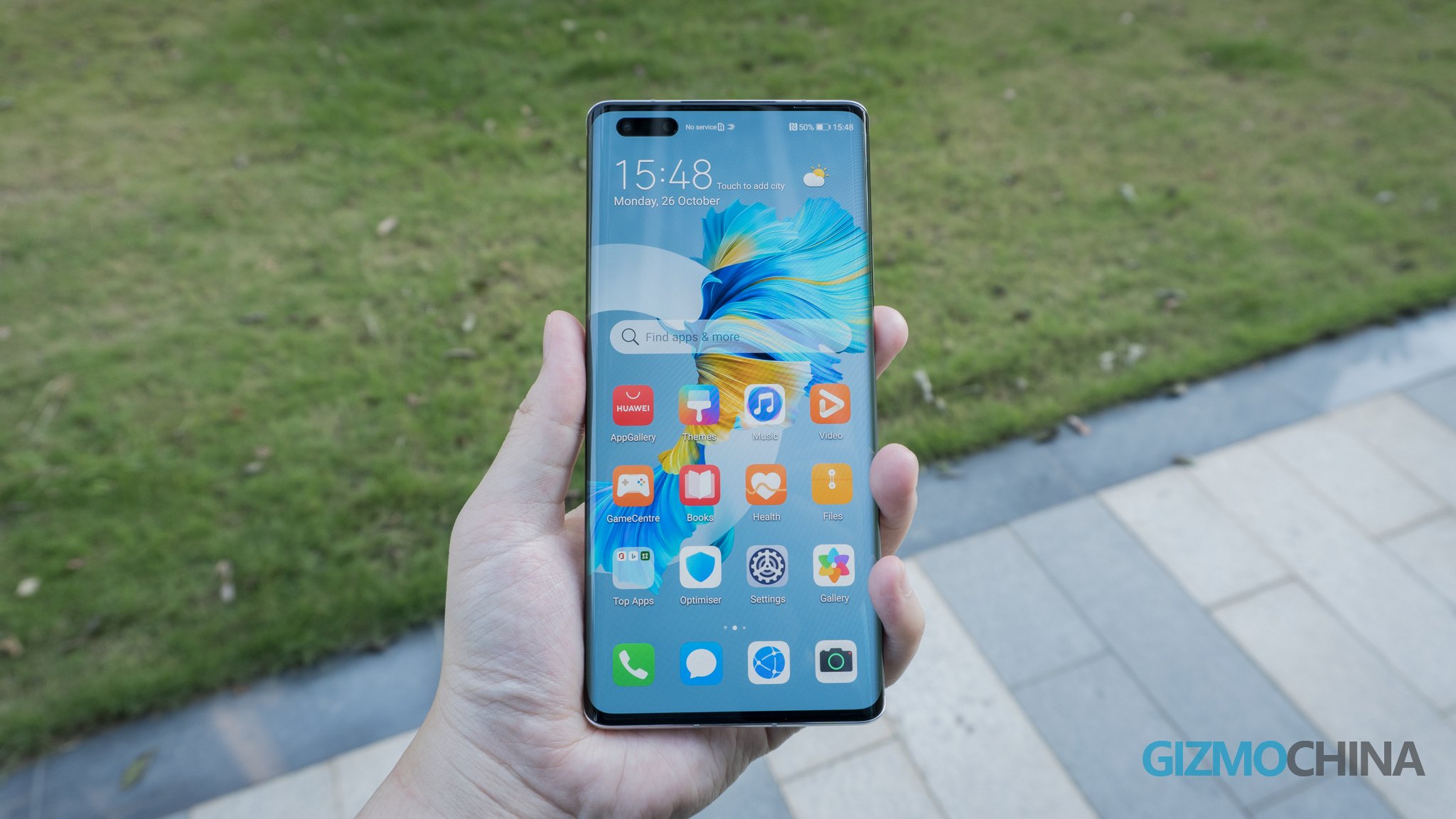
Huawei Mate 40 Pro featured EMUI 11
EMUI 11 Homescreen on HUAWEI Mate40 Pro

Similarly, EMUI 11 also brings another unique feature called ‘Video Alarm’. This enables users to video call the police in the event of an emergency. Currently, this feature is limited to the Guangdong Province.

Having said that, with Huawei’s popularity and user base, we expect these two features to make their way to more regions across China in the coming months.


Redmi Note 9 5G series launching next week, claims tipster

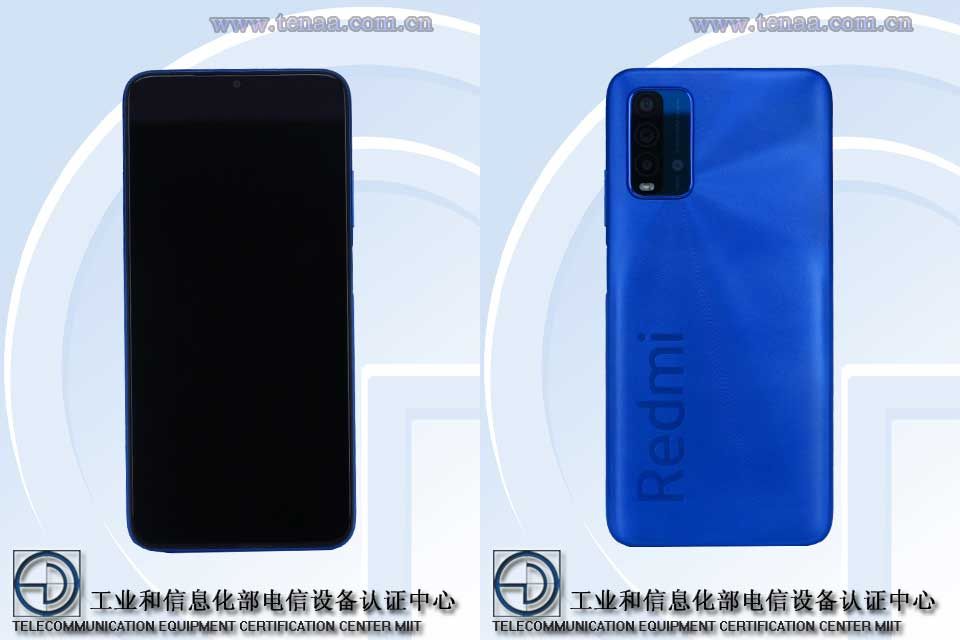
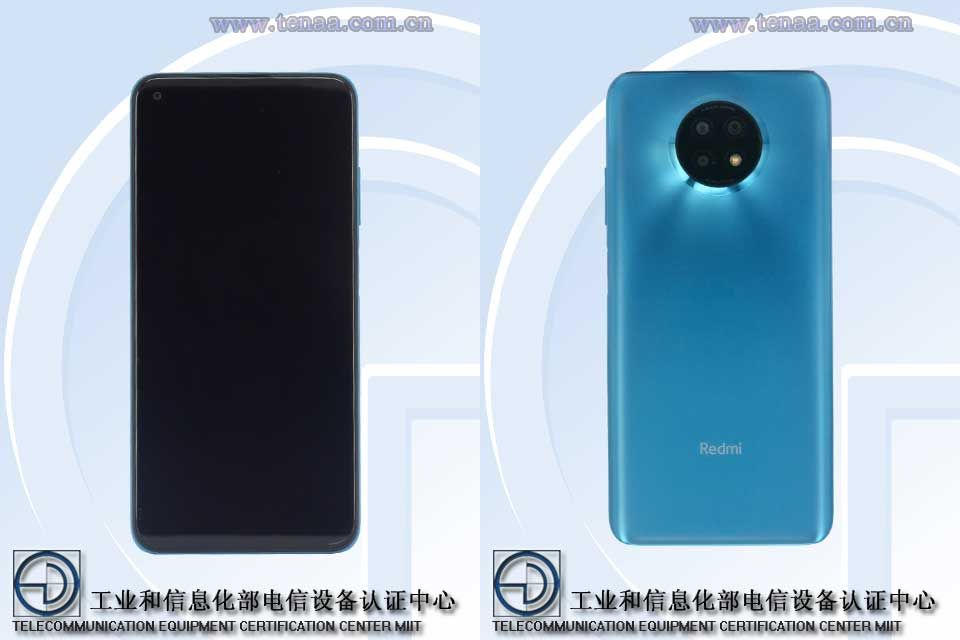
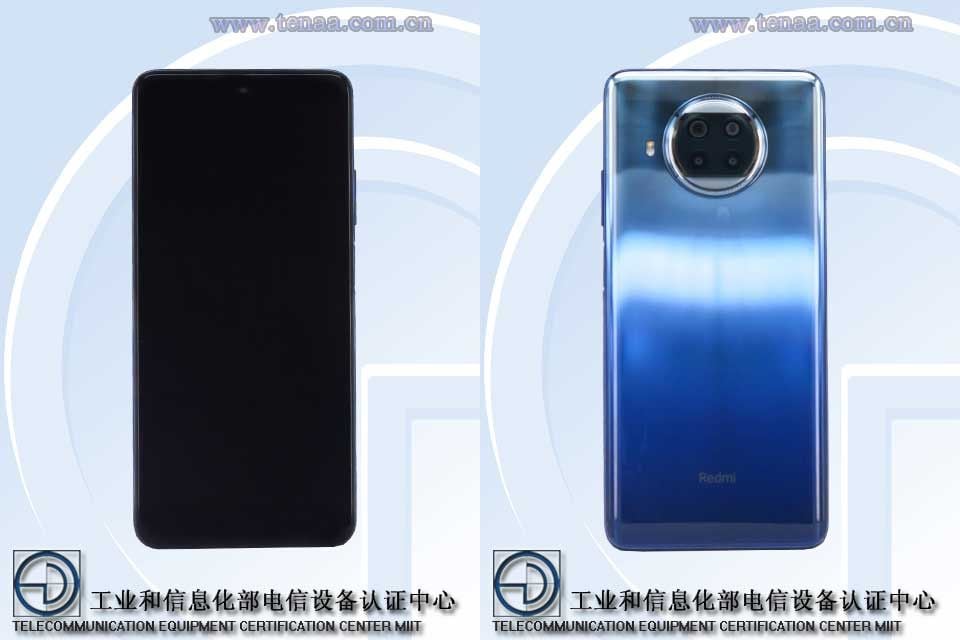
Redmi’s upcoming Redmi Note 9 5G series of smartphones have received approval from the TENAA authority in China. It appears that the company is now gearing up to announce the Redmi Note 9 5G series in the home market. A new leak claims that the Redmi Note 9 5G series will break cover next week.

According to the tipster (via), Redmi is likely to reveal the launch date for the Redmi Note 9 5G series either today or tomorrow. He added that smartphones will be launching next Tuesday. Since the launch date is expected to be confirmed by tomorrow, it appears that the unveiling event may take place on Nov. 24.

A recent leak had claimed that the Dimensity 800U powered Redmi Note 9 5G will be priced at 999 Yuan (~$152). On the other side, the Snapdragon 750G powered Redmi Note 9 Pro 5G may start at 1,499 Yuan (~$228).

Redmi-Note-10-4G-TENAA

The series reportedly includes a 4G variant. It is equipped with specs like 6.53-inch IPS LCD FHD+ display, Snapdragon 662 chipset, 48-megapixel triple shooters, an 8-megapixel selfie camera, and a 6,000mAh battery with 22.5W fast charge support. There is no word on its pricing.

Redmi Note 9 5G Standard Edition M2007J22C TENAA Redmi Note 9 5G High Edition M2007J17C TENAA

The Redmi Note 9 5G includes a 6.53-inch IPS LCD FHD+ display, 48-megapixel triple rear shooters, a 13-megapixel front camera, and a 5,000mAh battery with 22.5W fast charging support. The Note 9 Pro has a 6.67-inch IPS LCD FHD+ 120Hz screen, a 108-megapixel triple camera, a 16-mgeapixel front camera, and a 4,820mAh battery with 33W rapid charging support. The handset is expected to arrive as a tweaked version of the Xiaomi Mi 10T Lite.


Apple suppliers Foxconn and Pegatron expand production outside China: Report

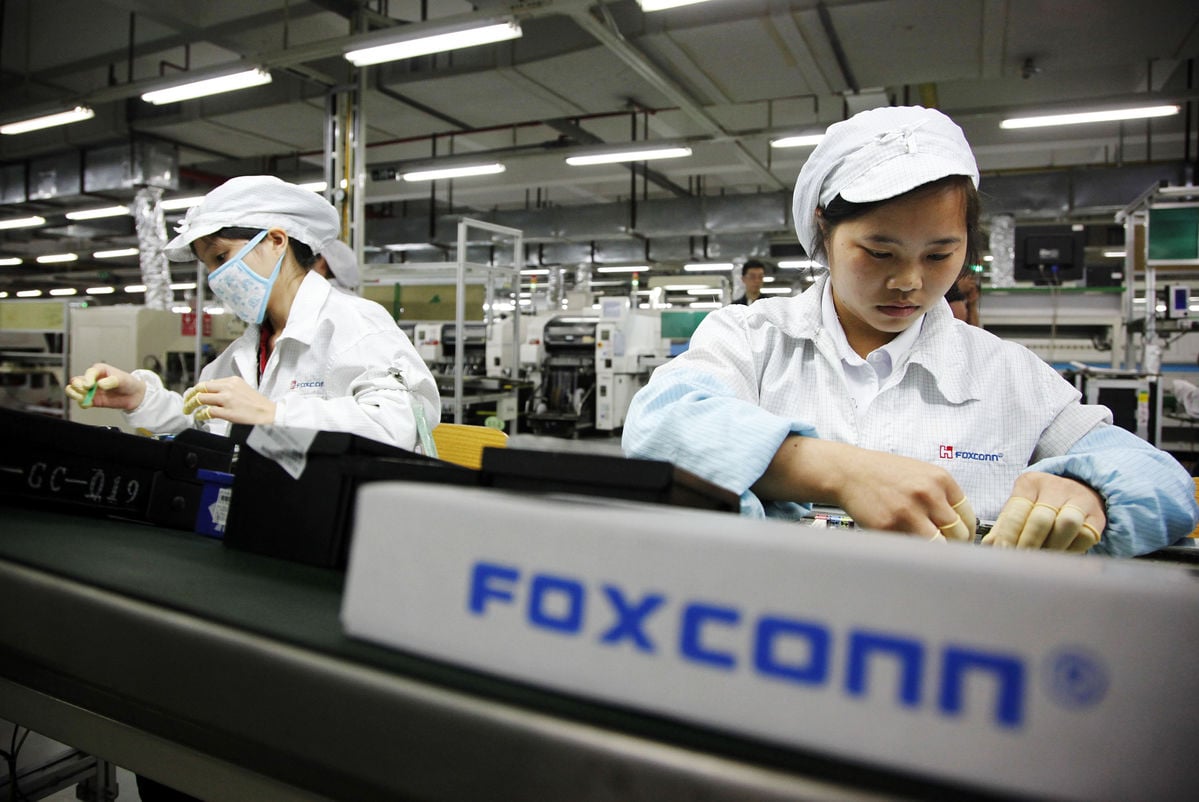
Known Apple suppliers, Foxconn and Pegatron, are expanding their production capacities outside of China by increasing their overseas production. This is in line with the plans of globalization of operations.

Apple

The Taiwanese based firm, Foxconn, has set up factories in Vietnam. This site will have an overall production capacity that could meet demand by 2021 and 2022, as per the company’s chairman Liu Young-Way. Although, it is still uncertain whether the production capacity in the region can be further expanded since it is increasingly difficult to acquire factory sites in the country.

Furthermore, Foxconn also has plan to set up production sites in India as well. The region holds a huge market potential, but the progress would still depend on the country’s individual environments, politics, and other important factors. Foxconn is also working to establish a site in Wisconsin, US. These production lines will focus on local demand exclusively and will also include AI based devices, servers, telecom/networking devices and other software based products as well.

Apple

Similarly, the DigiTimes report also stated that Pegatron has started contructing a factory in Indonesia in 2019, with production having started already. The company’s president and CEO Liao Syh-jang revealed this information and also added that it has also kicked off its production at a factory in Vietnam. Like Foxconn, the Apple supplier, Pegatron, is also planning on building a factory in India and plans to start production in the region by 2021.


Samsung Display improves its QNED tech, production to start soon

Samsung Display has improved upon its QNED (quantum dot nanorod LED) display technology to a near production level. The company is expected to start investing in production equipment by 2021, and further commercialization soon after.

Samsung

According to TheElec report, the South Korean tech giant has recently filed for over 94 patents. These featured major improvements in technology in patents filed in the second half of 2020 over those that were filed in the first half of this year. Furthermore, the backplane used on the Samsung QNED has a 7T2C TFT (thin film transistor) structure and an oscillator transistor to align the nanorod LED and repair transistor were also found placed alongside each other.

Notably, the circuit design of the QNED technology was similar to the Samsung TFT structure that is used on the company’s mobile OLED panels. An analysis from UBI Research also found that the addition of oscillator transistor as an interesting find within the recent patents, since these had not been used in display panels before. At the moment, the yield rate of the new QNED technology is the primary concern for Samsung.

Samsung

Per pixel, about 10 to 20 nanorod LED have to be properly aligned otherwise it would lead to a short circuiting of the pixel. Hence, a repair transistor is also being included. Samsung Display has only spent 4 years to develop its QNED technology, but it seems that the company is already confident in its viability for production and would soon investment in production equipment for its factories by 2021.


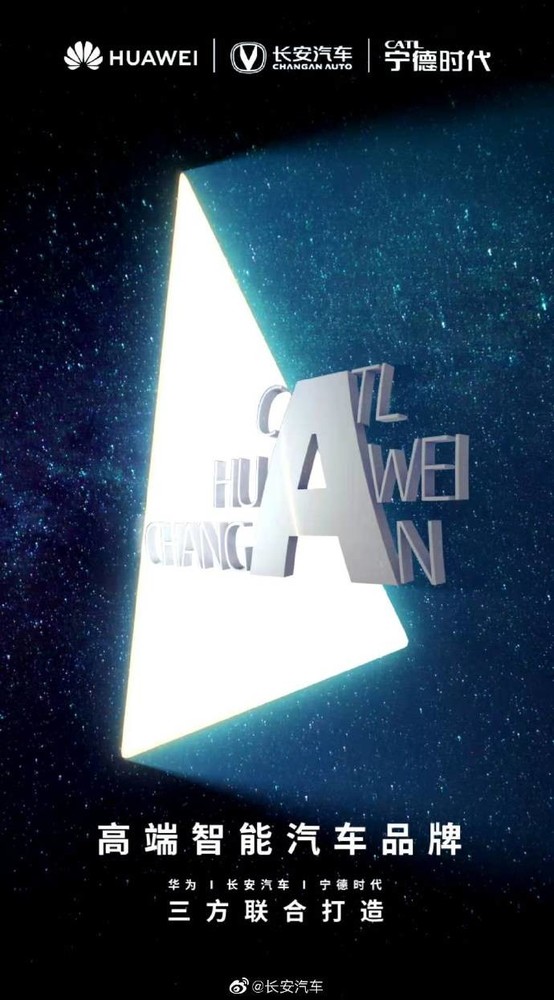
Huawei, Changan Automobile and CATL jointly creates high-end smart car brand

China-based Contemporary Amperex Technology (CATL), which is a global leader in lithium-ion battery development and manufacturing, has announced that it has partnered with Huawei and Changan Automobile to create a new high-end smart car brand.

The new brand aims at creating a world-class high-end self-controlled smart electric vehicle platform and launch a range of smart cars, along with a super “human car” as a part of smart life and smart energy ecology.

Huawei, Changan Automobile, CATL Smart Car

It is said that the companies formed the partnership about a couple of months ago and will be launching new products as a part of this long-term strategic cooperation agreement. It also aims to jointly promote the development of China’s new electric vehicle industry.

Along with that, they have also announced a new technology named “Ark Architecture” and has said that around 105 models will be launched in the coming five years, which would include 23 new electric products.

EDITOR’S PICK: China to catch-up with South Korea for display panel market share this year

Ark Architecture developed by Changan Automobile Research & Development 4.0 is quite important for the company to improve the basic performance of the smart vehicle using artificial intelligence and Big Data.

It covers all A0-C models and is said to be compatible with eight engine states, displacement covers 1.2-2.0L, compatible with 48V low voltage mixing (LV-HEV), high-voltage mixing (HV-HEV), plug-in mixing (PHEV), three electrification power, matching eight transmission models, and 16 power combination modes.


Sharp AQUOS Sense 4 Plus goes on sale in Taiwan for ~$315

In September, Sharp announced the AQUOS Zero 5G Basic, Sense 5G, Sense 4, and Sense 4 Plus smartphones. It is known that the sales of the Sense 4 Plus have begun in Taiwan. The handset has arrived with a price tag of NTD 8,990 (~$315). It is unclear when other phones will be made available for purchase.

Sharp AQUOS Sense 4 Plus specifications and features

The Sharp AQUOS Sense 4 Plus has 166 x 78 x 8.8mm dimensions and it weighs 198 grams. The device is equipped with a 6.7-inch IGZO LCD panel that produces a full HD+ resolution of 1080 x 2400 pixels. The screen supports a 90Hz refresh rate and a 120Hz touch sampling rate. It is fueled by the Snapdragon 720G chipset and 8 GB of RAM.

The Sense 4 Plus has a native storage of 128 GB. There is a microSD card slot on the device for additional storage. It is loaded with Android 10 OS.

Sharp AQUOS Sense 4 Plus

The Sense 4 Plus is fitted with a dual selfie camera system that includes an 8-megapixel main camera with f/2.0 aperture and a 2-megapixel depth sensor. The backside of the device has a quad-camera setup that features a 48-megapixel main camera with f/1.8 aperture, a 5-megapixel superwide lens with 115-degree FOV, a 2-megapixel macro shooter, and a 2-megapixel depth sensor.

The Sense 4 Plus is backed by a 4,120mAh battery that supports fast charging. It is an IP56/68 rated dustproof and water-resistant device. Other features of the phone include stereo speakers, a 3.5mm audio jack, and a rear-facing fingerprint reader.


Nokia 9.3 PureView may not feature Snapdragon 865

HMD Global has recently launched the Nokia 6300 4G and Nokia 8800 4G feature phones. Reports have claimed that the Finnish brand will hold a big launch event this month to launch. However, a fresh report by Nokia Power User states the company has postponed its launch event to December end. Moreover, another leak claims that the Nokia 9.3 PureView does not feature the Snapdragon 865 mobile platform.

The report states that there is no proper information on why the launch has been postponed to the next month. Also, it is not clear whether the company will announce the Nokia 9.3 PureView And Nokia 6.3 mid-range at the event. It states that it is certain that the Nokia 7.3 5G will be made official through the upcoming unveil event.

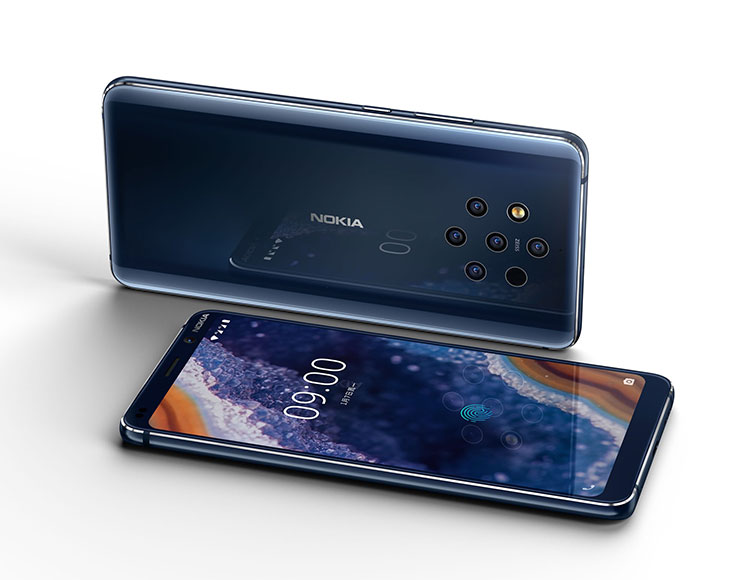
Nokia 9 Pureview

The Nokia 9.3 PureView will be arriving as a successor to the Nokia 9 PureView that debuted as the world’s first phone with penta-lens setup in February 2019. The Nokia 9.3 PureView was previously speculated to launch at the beginning of this year, but its arrival seems to have been delayed consistently.

Since the Nokia 9.3 PureView is expected to arrive by this year’s end, reports have claimed that is equipped with the Snapdragon 865. However, the Nokia_anew Twitter account, which is known for Nokia leaks has claimed that it is unlikely to be powered by Snapdragon 865. It remains to be seen whether the Nokia 9.3 PureView will be featuring the upcoming Snapdragon 875v chipset or last year’s Snapdragon 855+ / 855 SoC.

As far as the Nokia 7.3 5G is concerned, the handset is expected to arrive with a 90Hz or 120Hz refresh rate display and Snapdragon 690 chipset. The Nokia 6.3 could be Snapdragon 670 or 675 powered handset featuring a ZEISS branded quad-camera system.


Samsung accounts for 72.3% of smartphone market share in South Korea

Samsung, which is the world’s largest smartphone manufacturers, has also recaptured the leading position in the Indian market after over two years. Now, Samsung reportedly has an all-time high market share in its home country South Korea.

The report from Strategy Analytics indicates that Samsung has reached an all-time high market share of 72.3 percent in South Korea in the third quarter of this year. This is the first time the company has managed to cross the 70 percent mark.

Samsung Logo

EDITOR’S PICK: Samsung Galaxy S21 series leak reveals screen size, camera configuration, and more; will be cheaper too

This year, the company expanded its smartphone lineup by launching new upgrades of the existing lineup as well as new foldable devices in the market. It seems that the premium offerings from the brand, including Galaxy Note 20 series, the Galaxy Z Flip 5G, and the Galaxy Z Fold2 5G have played a significant role to reach this milestone.

However, it remains to be seen how the South Korean giant performs in its home market in the fourth quarter of this year (i.e. Q4 2020) given that the newly launched Apple iPhone 12 series has been received quite well and is currently the hot-selling product.

There are reports that in order to combat the issue of Apple grabbing more market share with the iPhone 12 models, Samsung is planning to launch its next-generation Galaxy S21 series earlier than usual, somewhere around mid-January.

It is also being reported that the upcoming flagship offerings from the company will have a bit lower pricing and the company is also reportedly planning to bundle more accessories. So, it will be quite interesting to see where this goes.


China to catch-up with South Korea for display panel market share this year

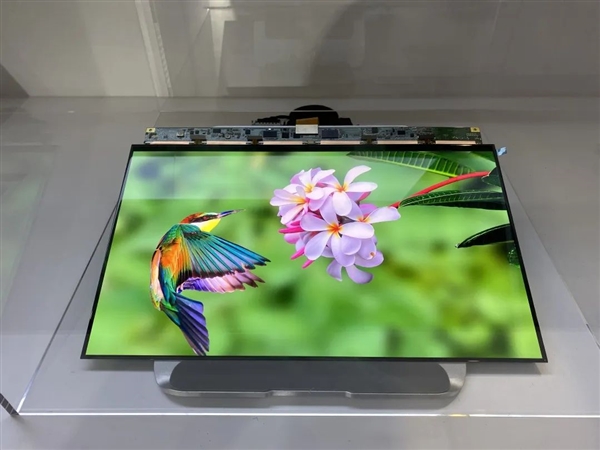
Display technology has been seeing a lot of major developments since the past few years and South Korea is the leading country as two of the largest display manufacturers are based there — Samsung Display and LG Display.

However, it seems that China isn’t far behind and could soon catch-up with South Korea in terms of market share for the display panels. As per the report coming from Omdia (via The Elec), China’s display panel sales will reach $42.5 billion this year.

BOE's Display Showcase, China
BOE’s Display Showcase

This accounts for around 36.3 percent of the market share. At the same time, it is reported that South Korea is expected to have sales of around $43.6 billion, which converts around 37.3 percent of the market share.

Checking the previous data, South Korea occupied around 40.1 percent of the market with sales of $44.1 billion. On the other hand, China had just 31 percent market, posting sales worth around $34 billion.

The report claims that South Korea’s sales will drop by 1.1 percent this year while that of China will see an increase of 25 percent. Thus, China will be able to reach the level of South Korea for display panel sales.

EDITOR’S PICK: OPPO teases to unveil a concept smartphone with a rollable display for INNO Day 2020

Most of the sales for South Korea now comes from OLED panels as one of the major companies for the displays — Samsung has left the LCD market and is just focusing on OLED and other display types.

In the year 2019, South Korea’s OLED panel sales accounted for 88.4 percent while that of China accounted for just 10.1 percent. However, China has been leading the LCD panel market for over two years now.

In order to boost its market, China is planning to commence its 14th 5-year plan this year in which the country is focusing on developing core materials and equipment on its own and focus more on the localized supply chain.


LG Q63 / Q83 CAD renders emerge ahead of 2021 launch

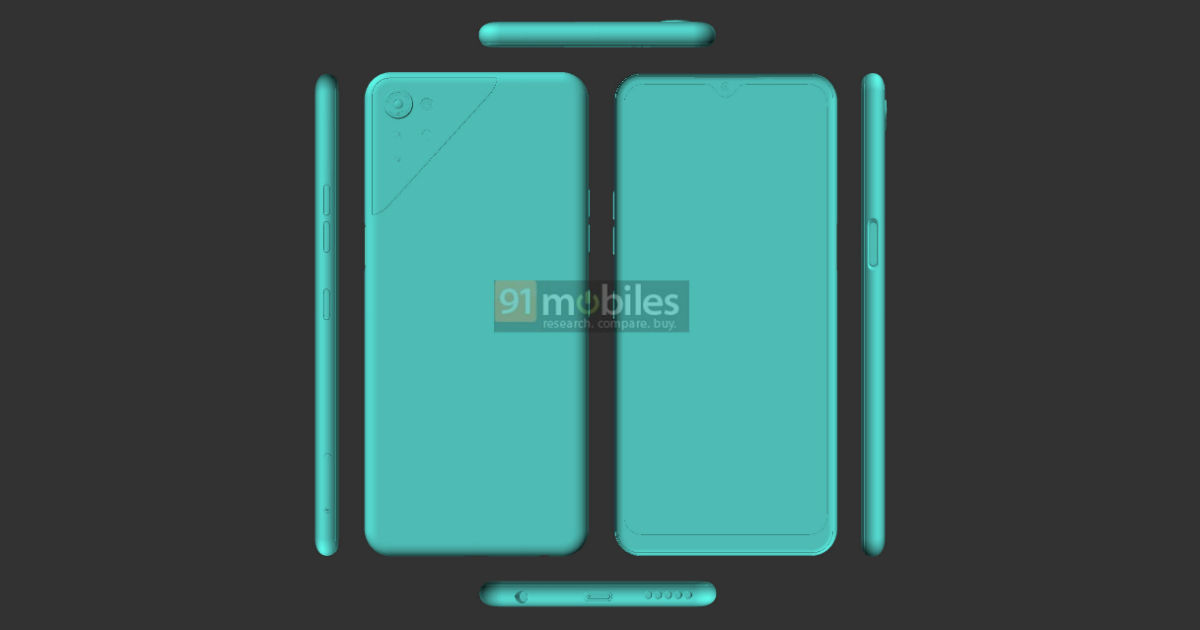
LG released a couple of Q series phones such as LG Q31, LG Q51, LG Q61, LG Q52, and LG Q92 5G. A new report by 91mobiles reveals that the South Korean company is planning to launch new Q-series smartphones in Q1 2021. It was recently reported that the company has trademarked as many as 13 Q-named phones, which also includes the LG Q63 and LG Q83. The 91mobiles has shared CAD renders of the LG Q63 or Q83 smartphone. Apart from revealing its design, the publication has also revealed some of its key information.

The CAD renders show that the LG Q63 / Q83 phone is fitted with a waterdrop notch screen with a thick-sized chin. The publication has learned from its source that the device measures 164.4 x 76.3 x 7.8mm and it has a 6.5-inch flat display.

There is a triangular camera module on the back panel of the phone. It houses three cameras, an LED flash unit, and an unknown unit. A fingerprint scanner is found on the right side of the device. Its left edge is fitted with volume buttons and it also seems to feature a dedicated hardware key for launching the Google Assistant.

LG Q63 / Q83 render

The handset is also equipped with a 3.5mm audio jack, a USB-C port, and a speaker grille at its bottom edge. The other specs of the smartphone are currently under wraps.

Last month, LG unveiled the LG Q52 mid-range phone in South Korea. It came with specs like a 6.6inch IPS LCD HD+ display with punch-hole design, Helio P35 chipset, 4 GB of RAM, 64 GB of internal storage, 48-megapixel quad rear cameras, a 13-megapixel selfie camera, and a 4,000mAh battery.

OnePlus 9 CAD render emerge to reveal curved back with triple cameras

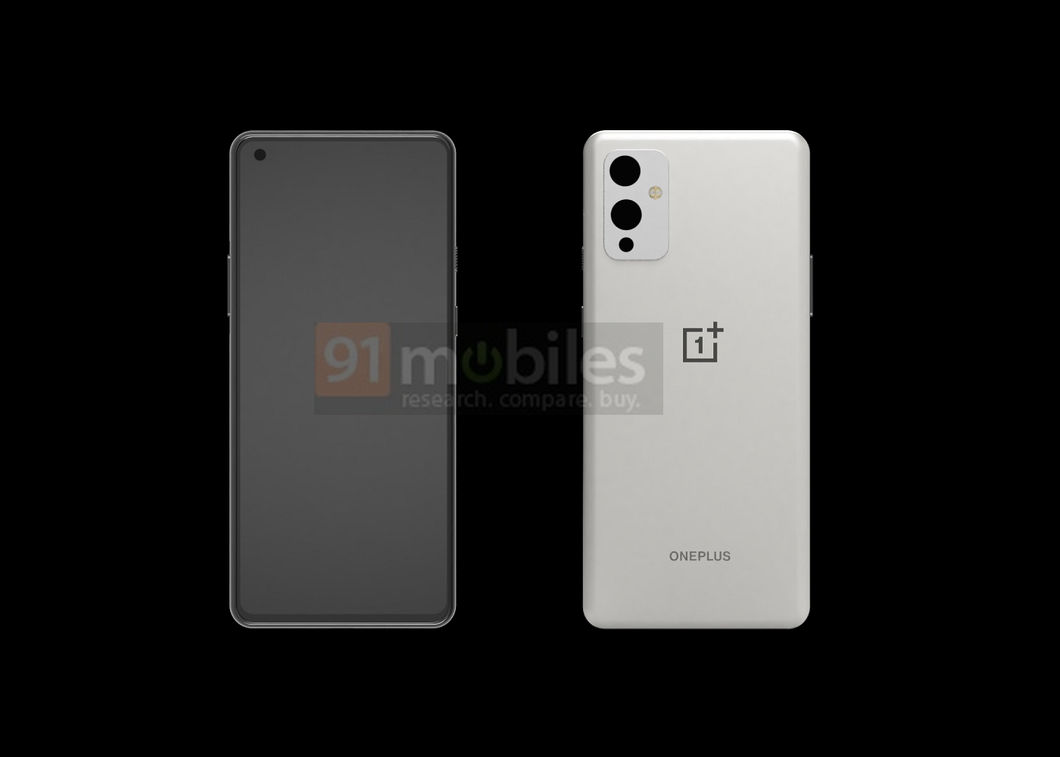
A report from last month claimed that OnePlus may announce the OnePlus 9 series by mid-March 2021. Over the weekend, 91mobiles shared the CAD render of the OnePlus 9. The leak reveals that the OnePlus 9 could be sporting a refreshed rear design.

The CAD render shows that the OnePlus 9 has a flat display that features a punch-hole at the top-left corner. The publication learned through its source that the OnePlus 9 is fitted that a 6.65-inch display. The screen is bigger than the OnePlus 8T that features a 6.55-inch screen. The OnePlus 9 is expected to carry support for the 120Hz refresh rate.

The render reveals that the back panel of the OnePlus 9 is curved, and it has a rectangle-shaped camera module. The camera housing has two large-sized lenses, a small-shaped camera and an LED flash. The leak has no information on the configurations of the cameras. Interestingly, reliable tipster Max Jambor claimed that the CAD render is inaccurate since it does not match the information that he has.

OnePlus 9 CAD Render


Some reports had claimed that the OnePlus 9 series has three devices, but it is now believed that the lineup includes only models namely, the OnePlus 9 and OnePlus 9 Pro. The model numbers LE2110, LE2117, and LE2119 is said to be associated with the OnePlus 9. The LE2120 and LE2127 model numbers could belong to the OnePlus 9 Pro.

The alleged OnePlus 9 / 9 Pro was spotted at Geekbench yesterday. The listing revealed that the chipset that is codenamed as “Lahaina” is present under its hood along with 8 GB of RAM. The CPU cores mentioned in the source code of the listing revealed that it could be equipped with the upcoming Snapdragon 875 mobile platform. The handset was found to be running on Android 11 OS. Since OnePlus 8T arrived with support for 65W fast charging, is highly likely that the OnePlus 9 series will also come with 65W rapid charging support.


Xiaomi Mi 11 Pro leak reveals 120Hz display with quad HD+ resolution support

Several reports have claimed that Samsung will be launching the Galaxy S21 series in January 2021. The S21 series will be driven by the Snapdragon 875 / Exynos 2100. In China, Xiaomi is expected to launch the first Snapdragon 875 powered phone. Hence, it is likely that the Chinese firm may also time the arrival of the Mi 11 series in January. A fresh leak reveals that the Mi 11 Pro will arrive with a significant improvement in the display department.

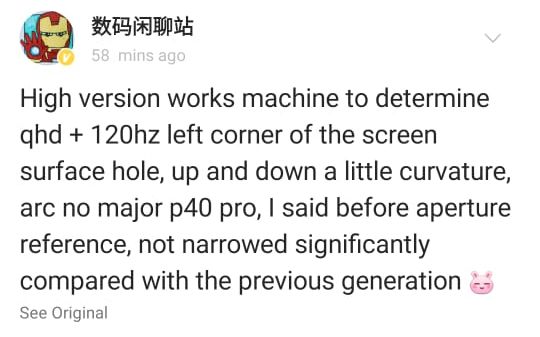
A tipster has claimed that there is a high version of a smartphone that carries support for a quad HD+ resolution and a 120Hz refresh rate. It seems to be a significant upgrade since the Xiaomi Mi 10 Pro that debuted earlier this year supports a full HD+ resolution and a 90Hz refresh rate.

Xiaomi Mi 11 Pro display leak

The leak also mentioned that the screen has a punch-hole placed at the upper-left corner. The display seems to have curved edges, but they do not seem to be as curvy as waterfall screens found on the Huawei Mate 40 Pro and P40 Pro.

The leak suggests that the tipster could be talking about an upcoming flagship phone. Unlike flagship phones from Samsung, Huawei, OnePlus, and OPPO that carries support quad HD+ resolution, Xiaomi’s flagship smartphones have supported only full HD+ resolution. The tipster had claimed in the recent past that Xiaomi flagship phones arriving in 2021 will support quad HD+ resolution. Since he used the words “high version”, he could be talking about the Xiaomi Mi 11 Pro from the upcoming Mi 11 series.

The other details of the Xiaomi Mi 11 series are currently under wraps. Since Xiaomi introduced the 120W fast charging technology along with Xiaomi Mi 10 Ultra, it is likely that the Mi 11 series may arrive with support for 100W or 120W fast charging.


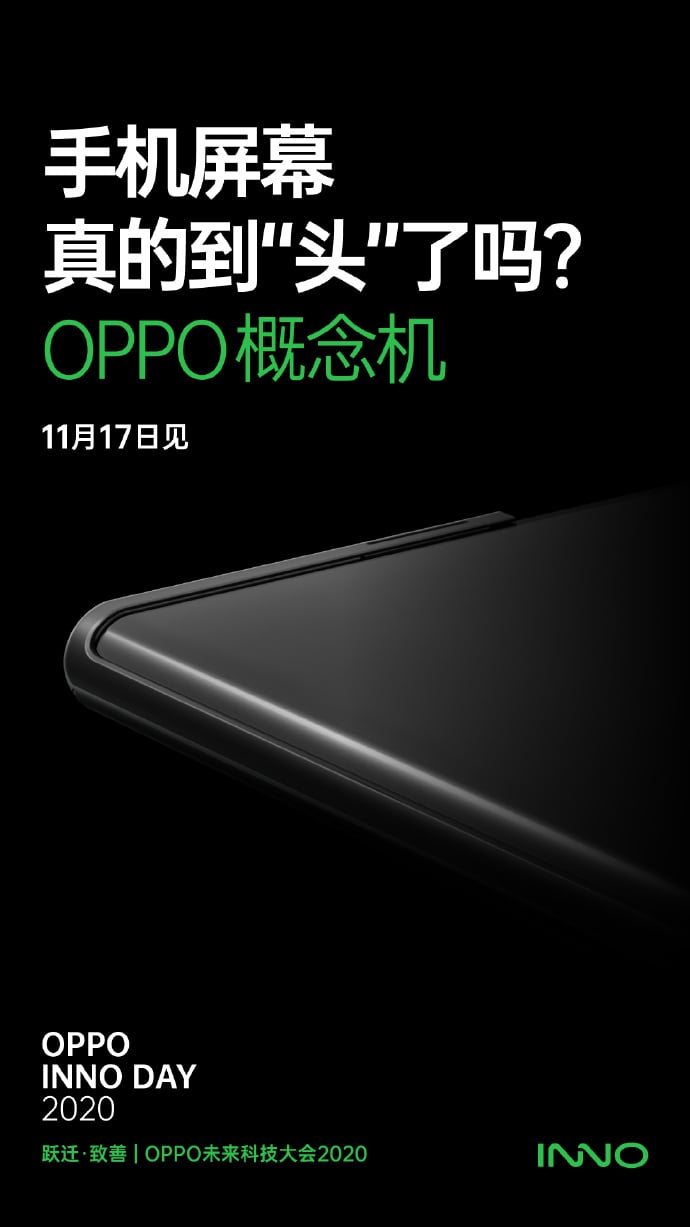
OPPO teases a concept phone with a rollable display for INNO Day 2020

OPPO’s annual event dubbed INNO DAY is usually a highly anticipated one. The Chinese manufacturer is known to showcase new and breathtaking technologies it has been developing. This year’s edition is set for tomorrow, November 17, and a new poster released by OPPO teases a concept device with a rollable display.

The image was posted on Weibo with a caption that roughly translates into “Big screen? Small screen? Infinite screen? In the future, your mobile phone may be able to retract freely”.

OPPO Concept Phone with a rollable display (INNO Day 2020)

The poster shows a render of a phone with a curved screen with a display that can be extended or retracted to change the size.

OPPO joins the growing list of other manufacturers working on a phone with a display that can be rolled. The list has manufacturers such as TCL who showcased a rollable phone early this year. A working prototype was even leaked last month. There is also LG who patented a phone with a rollable design back in 2019 and may be planning to launch one in the near future as one of the products from its Explorer Project.

Earlier this month, an OPPO patent for a device with a rollable display was published by the China National Intellectual Property Administration. There is a possibility the device that will be showcased at tomorrow’s event may be based on this patent.

OPPO’s Weibo post clearly says this is a concept device, so don’t raise your hopes, expecting to purchase one soon. Nevertheless, a working concept means the era of rollable phones draws closer, and we can’t wait for it to be here.


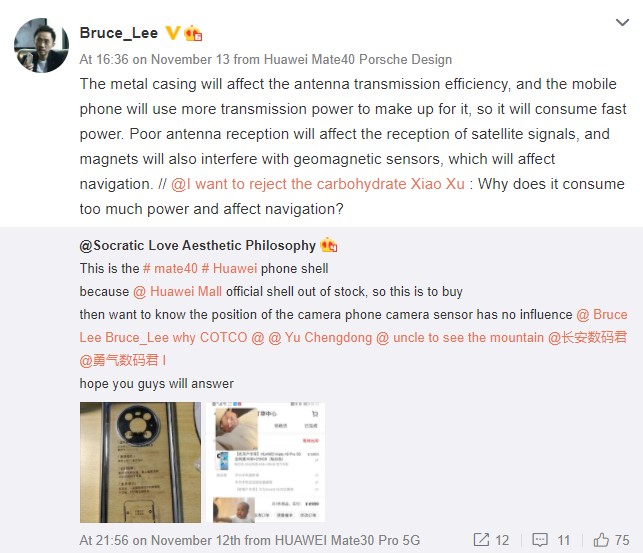
Huawei’s Bruce Lee warns against using a metal case for the Mate 40 series

The Mate 40 series, save for the standard Mate 40, is already available for purchase. The new phones pack the most powerful Kirin chipset, the 5nm Kirin 9000, super-fast charging, and impressive cameras. If you are grabbing a unit, Huawei’s VP, Bruce Lee, has a piece of advice about picking up a phone case.

The Huawei executive had responded to a question from a Weibo user asking if a particular type of third-party case was suitable for the Mate 40 as official cases were out of stock.

Huawei Mate 40 series case

The case in question is partly made from metal which is where the problem lies. Mr. Lee says the case will seriously affect signal strength as well as GPS connection. To compensate for the weak signal, the phone will use more power to pick up stronger signals which will, in turn, lead to a battery drain and a shorter battery life.

Usually, cases are mostly made from non-metallic materials such as different forms of plastic with a mix of other materials such as fabric and leather. However, it appears some cases have metal in them to provide additional strength. Nevertheless, it is best to avoid these sorts of cases as they can negatively affect the performance of the phone.


Samsung India to launch mid-range phone with Snapdragon 460 and Android 11

Samsung is expected to launch a phone running Android 11 out of the box soon. The phone, according to a leak, will launch under the Galaxy M series.

The source of the info is Android Police’ Max Weinbach and he revealed in a tweet that an unreleased M series phone for India will launch with Android 11. The phone which has the model number “SM-F127G” will be powered by the Snapdragon 460 Mobile Platform.

Yes, we know the phone’s model number points at it launching under the Galaxy F series but Max’s statement means the device will also launch under the Galaxy M series. The Galaxy F41 is practically the Galaxy M31 with one less camera and this upcoming Galaxy M phone may also only slightly differ from the Galaxy F variant.

Samsung shipping the phone with Android 11 is a big deal since most manufacturers are still shipping phones, including flagships, with Android 10. This phone should also be an alternative to the OnePlus Nord N100 which is also powered by the Snapdragon 460 but runs Android 10 and will get Android 11 as its only OS upgrade.

There is no info on when the phone will be announced but we expect more details to surface in the coming weeks.


List of 2021 Samsung flagships includes Galaxy Z Fold FE but omits Galaxy Note series

Samsung announced the first FE phone in 2017. The Galaxy Note FE (Fan Edition) as it was called was a revamp of the ill-fated Galaxy Note7 that was eventually recalled. This year, Samsung launched the Galaxy S20 FE, a more affordable version of the S20 series and it promised that more flagship phones will get FE models. Now, a list of upcoming Samsung flagships for next year has revealed the Galaxy Fold series will also get an FE model.

The list of devices was posted on Twitter by Max Weinbach (@MaxWinebach) and it includes a total of seven devices, some of which we already expect to be announced.

The list includes the Galaxy S21 FE, which should be the successor to the Galaxy S20 FE, and also mentions the already known members of the Galaxy S21 series. There is also the Galaxy Z Fold 3, the Galaxy Z Flip 3 (not 2?), and the Galaxy Z Fold FE.

Of all the devices on the list, we are most excited for the Galaxy Z Fold FE, as it means the large foldable series will be getting a more affordable model. We do not know how much it will cost but a price tag of under $1500 at launch seems plausible.

In a reply to the tweet, Max mentions that three of the devices will have S Pen support. We already know the Galaxy S21 Ultra is one of the three devices, thanks to recent leaks. We have also heard reports that the Galaxy Z Fold 3 may have support for Samsung’s stylus. If we were to take a guess, the third device will likely be the Galaxy Z Fold FE.

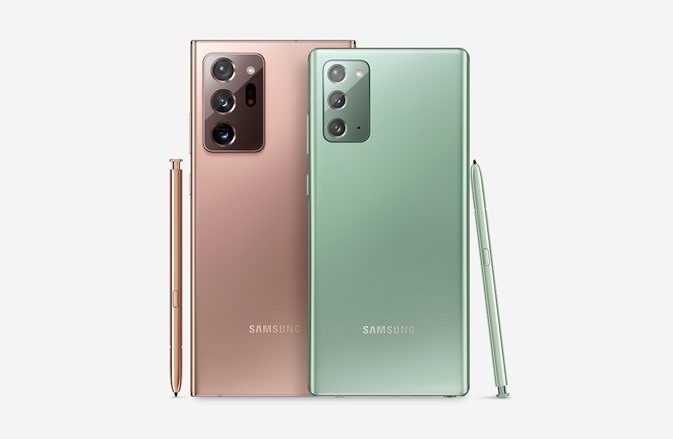
Samsung Galaxy Note 20 and Galaxy Note 20 Ultra
The Galaxy Note 20 series may be the last of the Note line

While this list should get Samsung fans excited, it should also be surprising to them as there is no mention of new Galaxy Note models. Back in August, it was reported that Samsung may kill the Galaxy Note series next year but info from Korea said new Galaxy Note models will be announced in 2021 whilst confirming that there are indeed talks to kill the series.

With the Galaxy Note 21 series missing from the list of 2021 Samsung flagships, it may mean a decision has been taken already and the legendary Galaxy Note line has been terminated.

Which phone are you most excited about? Do let us know in the comment box and also share your thoughts about the other devices on the list.