Advertisement

Xiaomi Mi 10T, Mi 10T Pro shipments to start on November 3 in India

Earlier this week, Xiaomi India announced the Xiaomi Mi 10T 5G and Mi 10T Pro 5G smartphones in India. Both phones are available for pre-orders in the country since Oct. 15. At launch, the company did not confirm when it will start shipping the pre-ordered units. The company has now revealed that the shipments of the Mi 10T series will begin on Nov. 3.

The Xiaomi Mi 10T and Mi 10T Pro are available for pre-booking through Mi.com, Mi Home, Mi Stores, Mi Studio, and Flipkart. Xiaomi and Flipkart will start shipping the Mi 10T units from Nov. 3.

Buyers of the Mi 10T series will benefit from offers like up to Rs 3,000 cashback, up to Rs 2,000 extra price cut on an exchange, no-cost EMI plans for up to 12 months, and up to Rs 500 discount by using Flipkart Super coins on purchase.
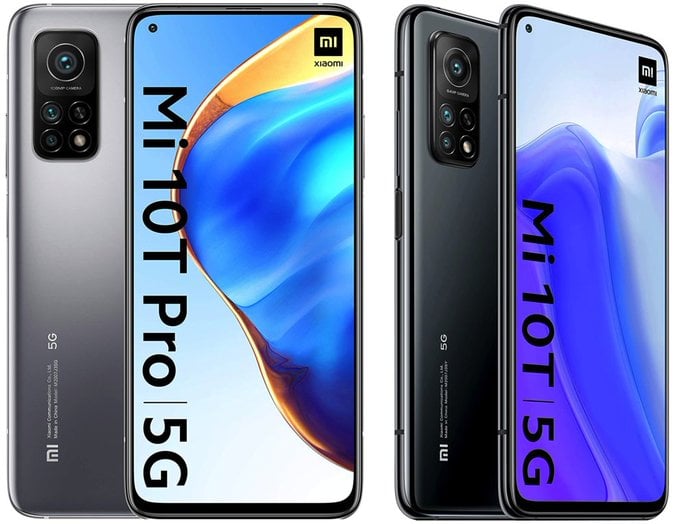
Xiaomi Mi 10 T Pro

Xiaomi Mi 10T and Mi 10T Pro price in India and specifications

The Xiaomi Mi 10T 5G has arrived in India in two options such as 6 GB RAM + 128 GB storage and 8 GB RAM + 128 GB storage. They are priced at Rs 35,999 (~$477) and Rs 37,999 (~$517), respectively. The Xiaomi Mi 10T Pro 5G comes in a single variant that has 8 GB of RAM and 128 GB storage and it costs Rs 39,999 (~$545). The Mi 10T duo comes in Lunar Silver and Cosmic Black colors.

The Xiaomi Mi 10T and Mi 10T Pro have 6.67-inch IPS LCD panels with a punch-hole design. The Full HD+ resolution supporting screens support an adaptive refresh rate of up to 144Hz. Both phones are powered by Snapdragon 865 mobile platform, LPDDR5 RAM, and 5,000mAh batteries. These phones have UFS 3.1 storage and they lack a microSD card slot.

The Mi 10T duo have 20-megapixel selfie cameras. The Mi 10T Pro has an OIS enabled 108-megapixel main camera, a 13-megapixel ultrawide lens, and a 5-megapixel macro lens in its triple camera system. The MI 10T’s triple camera setup has a 64-megapixel main camera, a 13-megapixel superwide sensor, and a 5-megapixel macro shooter.


Micromax may launch Helio G35 and Helio G85 phones in November first week, key specifications leaked

Yesterday, India-based Micromax brand’s co-founder Rahul Sharma admitted that it will be launching new phones in the country in early November. As is known, Micromax which was one of the leading smartphone brands in India had encountered defeat from Chinese counterparts. Currently, brands like Xiaomi, Vivo, Realme, and OPPO are very popular in India as they have been launching aggressively priced phones across different pricing segments in India for the past few years. Micromax will soon take on the competition with Chinese brands by introducing its “In” sub-brand. Sharma did not share any details on the specs of the upcoming Micromax phones, but a new report by The Mobile Indian has revealed key details of two forthcoming phones from the brand.

According to the publication, Micromax will launch two phones in the first week of November. It has even gone on to say that the launch could take place on Nov. 2. The first phone to say that the first phone will be featuring the MediaTek Helio G35 chipset and it will be equipped with an HD+ display of 6.5 inches. Sharma had claimed that the upcoming Micromax phones will offer stock Android experience that will be free from advertisements. The publication has claimed that the Helio G35 phone will also offer a stock Android experience.

Micromax to soon launch new phones under "In" sub-brand
Micromax to soon launch new phones under “In” sub-brand

The name of the device is not known yet. The report mentions that the base model of the phone will come with 2 GB of RAM and 32 GB storage and it will have a 13-megapixel + 2-megapixel dual-camera system. The higher 3 GB RAM + 32 GB storage model will be equipped with a 13-megapixel + 5-megapixel + 2-megapixel triple camera system. The device is backed by a 5,000mAh battery.

The second phone will be driven by the MediaTek Helio G85 chipset. However, its name and other specs are not known yet. Both phones could be priced between Rs 7,000 (~$95) and Rs 15,000 (~$204) in India.

A tipster has managed to find a third Micromax phone at the Geekbench benchmarking platform. The listing revealed that the phone’s name could be “Micromax In 1A” and it has specifications like Helio P35 chipset, 4 GB of RAM, and Android 10 OS.


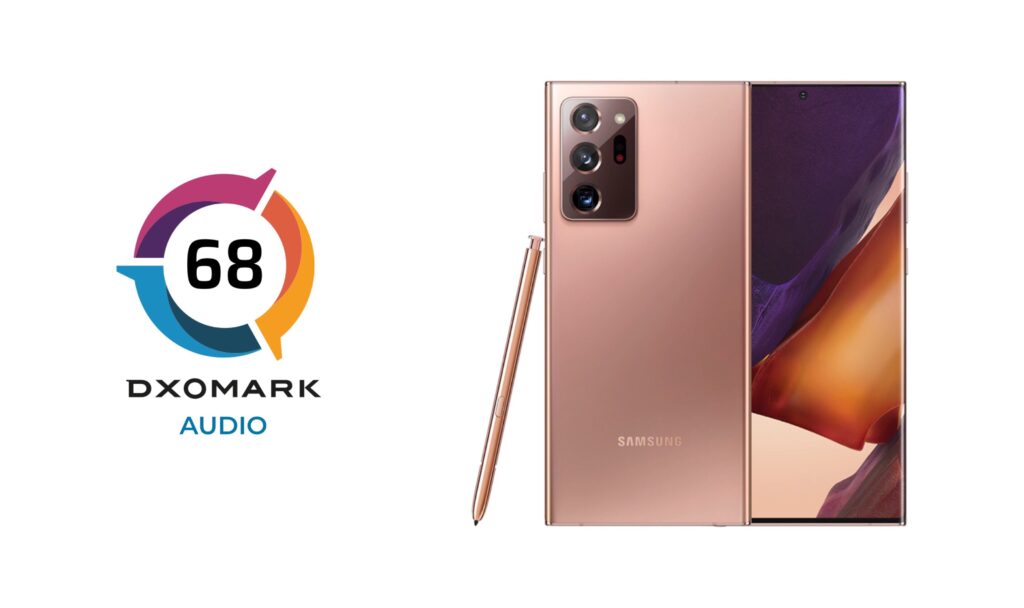
Galaxy Note20 Ultra sets a new benchmark for timbre performance in DxOMark Audio review

The Galaxy Note20 Ultra is the second-most expensive non-foldable smartphone launched by Samsung this year. Just like every year’s high-end Galaxy Note handset, it is the most jam-packed phone from the company. It was recently reviewed by DxOMArk Audio, however, it only scored 68 points despite packing so many bells and whistles.

Galaxy Note 20 Ultra DxOMark Audio

The Samsung Galaxy Note20 Ultra ranks distant eleventh in DxOMark Audio. Even the Galaxy S20 Ultra is ahead with 69 points. Nonetheless, the new Galaxy Note has the best artifacts score of 90 points setting a new benchmark. The previous record-holder Black Shark 2 Pro had scored 88 points in this regard.

Further, the device performs well in terms of timbre while recording with precise high-end even with background noises. The loudness is also great in selfie videos and in the memo app. But the smartphone has above-average dynamics and volume performances in playback.

Talking about cons, the Galaxy Note20 Ultra lacks high-end extension in playback and due to this, the tonal balance and spatial performance are affected. Also, the balance is shifted to the bottom right in playback.

Lastly, as for drawbacks in recording, mono recording by memo app impairs wideness and localizability, whereas due to lack of low-end extension, tonal balance is impaired, especially in portrait mode.


Carl Pei confirms exit from OnePlus, pens an emotional “Thank you” note

We recently reported that OnePlus‘ co-founder Carl Pei was leaving the company to set up his own startup. The news came as a shock to many who have over the years come to recognise Pei as the face of Oneplus. However, nothing has been confirmed since then. Well, until now.

Carl Pei himself has posted an informal letter on the OnePlus community forum, officially announcing that he is leaving the company he joined at 24 in 2013. The letter titled “Thank You”, gives a concise insight into how he joined the company with a college degree and the challenges encountered on the way.

Pei didn’t disclose his future career plans and so stated nothing to confirm rumours that he was starting a new company. He only indicated that the time off will be used to decompress and catch up with family and friends. “And then follow my heart on to what’s next”.

There has been an outpour of emotions and appreciations under the Twitter post which shared a link to the Forum note. Some of the respondents thanked Pei for building a solid company while some others expressed fears if OnePlus will remain the same after his exit.

Popular figures such as tipster @Sudhanshu1414, XDA Developer’s Mishaal Rahman and tipster Ben Geskin were also among the persons who extolled Pei.

We here at Gizmochina also wish Carl Pei good luck in his future endeavours. Meanwhile, you can read the entire “Thank you” note from here.


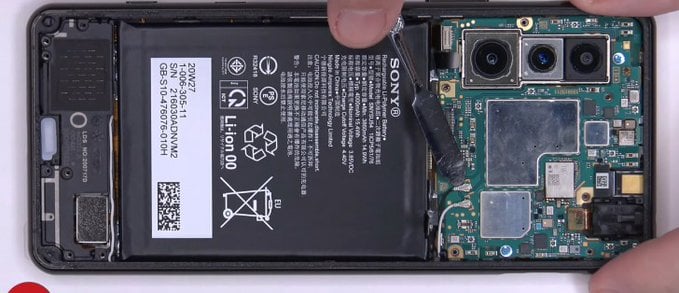
Sony Xperia 5 II teardown video reveals a graphite sheet for cooling the cameras

Sony Xperia 5 II was first unveiled last month as the Japanese brand’s first phone with a 120Hz display. Apart from the screen with a high refresh rate, the phone equally comes with several amazing features including an impressive camera setup. Youtube channel PCB Review has given us our first look at the internals of the Xperia 5 II. The teardown shows how the internal components are arranged.Sony Xperia 5 II

The Sony Xperia 5 II arrives with a compact build which means the company had a serious job to do to cram all the components into the available space withou compromising on stuff like battery capacity. The disassembly video gives us an insight into the engineering effort that went into the sleek design the device adopts.

On removal of the back cover, a layer of graphite sheet is revealed. The sheets are meant to dissipate heat from the device and this time around, it isn’t just from the battery but also on the trile rear cameras.as it extends in top of the sensors. The phone also features a copper tape behind the screen to transfer heat from the mid-frame.

The internal components are held in place, in some cases with adhesives, giving the device a water resistant build. Perpherals like the mis uses adhesives but the USB-C port is sealed using a rubber gasket.

On the whole, the Xperia 5 II looks quite easy to disassemble and put back together and should get a fair repairability score.

Asa reminder, the Xperia 5 Ⅱ sports a 6.1-inch OLED HDR display and is equipped with a Qualcomm Snapdragon 865 processor paired with 8GB of RAM while there is 256GB of storage onboard.  The phone packs a 4000mAh battery and has an IP68 dustproof and waterproof rating.

For photography, the Xperia 5 II features a triple camera setup, comprising of a 12MP f/1.7 primary sensor, a 12MP f/2.2 ultra-wide-angle camera, and another 12MP f/2.4 telephoto lens. The phone is capable of shooting 4K HDR videos at 120fps, which can also be played back at 5x slow motion at 24fps.


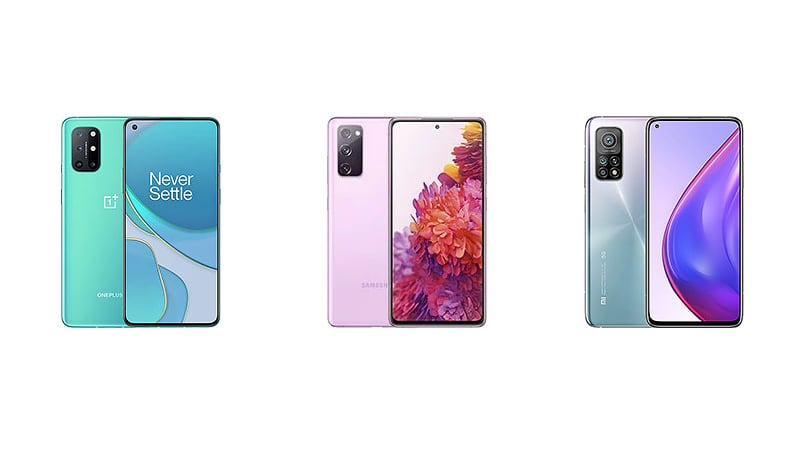
OnePlus 8T vs Samsung Galaxy S20 FE vs Xiaomi Mi 10T Pro: Specs Comparison

Samsung, OnePlus, and Xiaomi launched amazing flagship killers in the global market in the last period. Thanks to them, you can get a device with a top-tier performance at a very modest price. The flagship killers we are talking about are OnePlus 8T, Samsung Galaxy S20 FE, and Xiaomi Mi 10T Pro. People who know smartphones well appreciate these devices a lot due to their amazing hardware and very high value for money. This is a comparison between the latest flagship killers launched in the global market: note that the Samsung Galaxy S20 FE we are referring to inside this comparison is the 4G version because the 5G variant carries a higher price.

OnePlus 8T vs Samsung Galaxy S20 FE vs Xiaomi Mi 10T Pro

Xiaomi Mi 10T Pro 5G OnePlus 8T Samsung Galaxy S20 FE
DIMENSIONS AND WEIGHT 165.1 x 76.4 x 9.3 mm, 218 g 160.7 x 74.1 x 8.4 mm, 188 g 159.8 x 74.5 x 8.4 mm, 190 g
DISPLAY  6.67 inches, 1080 x 2400p (Full HD+), IPS LCD 6.55 inches, 1080 x 2400p (Full HD+), Fluid AMOLED 6.5 inches, 1080 x 2400p (Full HD+), Super AMOLED
PROCESSOR Qualcomm Snapdragon 865, octa-core 2.84 GHz Qualcomm Snapdragon 865, octa-core 2.84 GHz Qualcomm Snapdragon 865, octa-core 2.84 GHz
MEMORY  8 GB RAM, 256 GB – 12 GB RAM, 256 GB 8 GB RAM, 128 GB – 12 GB RAM, 256 GB 6 GB RAM, 128 GB – 8 GB RAM, 128 GB – 8 GB RAM, 256 GB – micro SD slot
SOFTWARE  Android 10, MIUI Android 10, Oxygen OS Android 10, One UI
CONNECTIVITY  Wi-Fi 802.11 a/b/g/n/ac/ax, Bluetooth 5.1, GPS  Wi-Fi 802.11 a/b/g/n/ac/ax, Bluetooth 5.1, GPS Wi-Fi 802.11 a/b/g/n/ac/ax, Bluetooth 5, GPS
CAMERA  Triple 108 + 13 + 5 MP, f/1.7 + f/2.4 + f/2.4
20 MP f/2.2 front camera
Quad 48 + 16 + 5 + 2 MP, f/1.7 + f/2.2 + f/2.4 + f/2.4
16 MP f/2.4 front camera
Triple 12  + 8 + 12 MP f/1.8, f/2.0 and f/2.2
32 MP f/2.0 front camera
BATTERY  5000 mAh, fast charging 33W 4500 mAh, fast charging 65W 4500 mAh, fast charging 15W, fast wireless charging 15W
ADDITIONAL FEATURES Dual SIM slot, 5G Dual SIM slot, 5G Dual SIM slot, 5G, reverse wireless charging 4.5W, waterproof

Design

If the design is one of your main priorities, discard the Samsung Galaxy S20 FE: it has a plastic body and it is not built with premium materials. The OnePlus 8T and Xiaomi Mi 10T Pro both come with a glass back and an aluminum frame, so they are more beautiful and attractive. Among these two devices, I prefer the OnePlus 8T because it is thinner, it is lighter and it has a slightly higher screen-to-body ratio. In a few words, it looks sleeker and it is even more compact.


Display

The Xiaomi Mi 10T Pro has the highest refresh rate ever seen on a phone (144 Hz), but it is not the handset with the best display in this comparison. The OnePlus 8T and the Samsung Galaxy S20 FE are actually superior because they sport AMOLED panels instead of the IPS panel found on the Mi 10T Pro. Further, they have a 120 Hz refresh rate and the HDR10+ certification. You should not notice big differences between the image quality of the Samsung Galaxy S20 FE and the OnePlus 8T, but the latter has a slightly wider panel.


Hardware/Software

The most powerful hardware department belongs to the OnePlus 8T. It is fueled by the Snapdragon 865 mobile platform just like the Xiaomi Mi 10T Pro, but it in its most expensive variant it offers a higher amount of RAM: up to 12 GB. Further, the OnePlus 8T is the only one that runs Android 11 out of the box, customized by OxygenOS. On the other hand, you can expect three years of software support and major Android updates with the Samsung Galaxy S20 FE, so the fact that it ships with Android 10 should not represent a concern. But the Samsung Galaxy S20 FE has an inferior hardware department: it ships with a weaker Exynos 990 chipset and it lacks 5G connectivity.


Camera

Despite the Xiaomi Mi 10T Pro packs an amazing 108 MP main sensor, the Samsung Galaxy S20 FE is a more interesting camera phone not only for its dual 12 MP sensor including an ultrawide lens and OIS but especially for its 8 MP telephoto sensor supporting 3x optical zoom and for its 32 MP selfie snapper. With normal photos, you can get superior quality with the Xiaomi Mi 10T Pro (and you can even record videos in 8K resolution), but there is no telephoto lens. OnePlus 8T is the most disappointing with its 48 MP quad camera lacking a telephoto sensor.


Battery

Xiaomi Mi 10T Pro has a longer battery life thanks to its bigger 5000 mAh battery. OnePlus 8T has the fastest charging technology thanks to its 65W power. Samsung Galaxy S20 FE has a smaller battery than Xiaomi Mi 10T Pro and slower fast charging technology, but unlike its two rivals, it supports fast wireless charging and reverse wireless charging.


Price

Xiaomi Mi 10T Pro is priced at €599/$700, just like the OnePlus 8T, in their base variants. Samsung Galaxy S20 FE 4G costs €669/$785. The waterproof design and wireless charging are unique features for a flagship killer, but the inferior hardware and the lack of 5G connectivity do not make the Samsung Galaxy S20 FE a device worth the money asked for everyone. OnePlus 8T lacks these features but comes with better hardware; however, it has inferior cameras. Xiaomi Mi 10T Pro has a bigger battery and great cameras, as well as an amazing hardware department, but it does not come with an AMOLED display. Which one wins the comparison? It depends on the users’ needs: which would you pick? I would personally discard all of these devices and spend a bit more on the 5G variant of the Galaxy S20 FE.


OnePlus 8T vs Samsung Galaxy S20 FE vs Xiaomi Mi 10T Pro: PRO and CONS

Samsung Galaxy S20 FE

PROS

  • Waterproof
  • Wireless charging
  • 3 years of updates
  • Best front camera
  • Telephoto sensor

CONS

  • No 5G
  • Plastic design


Xiaomi Mi 10T Pro 5G

PROS

  • Biggest battery
  • Highest refresh rate
  • 8K video recording
  • Great price
  • IR blaster

CONS

  • IPS display


OnePlus 8T

PROS

  • Android 11 out of the box
  • Fastest charging tech
  • Up to 12 GB RAM

CONS

  • Less impressive cameras

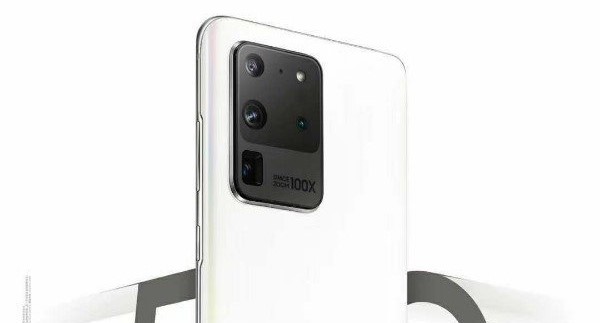
Samsung Galaxy S21 series to enter production a month early, could arrive in Jan 2021 along with Galaxy Buds 2

We are still more than two months away to enter into next year. However, leaks and rumors regarding next year flagships have started floating around already. Samsung just launched a Fan Edition of the Galaxy S20, and if reports are true, the company will reportedly begin production a month early and gear up for an early 2021 launch of its next Galaxy S flagship series.

Galaxy S20 Ultra Cosmic White China Featured

An exclusive report by Sammobile says that Samsung will launch the next flagship S series, dubbed the Galaxy S21(tentative) in January 2021. This is a clear departure from the February launch window of the Galaxy S series of devices. However, it could also be a strategy to maintain a reasonable time frame between launches. Samsung launched the Galaxy Z Flip this year along with the S20 series. It then moved to Note 20 series in August, before launching a quick Fan Edition of S20 in October.

Not to mention that it also unveiled the second generation of Fold, the Galaxy Z Fold 2 in-between in September. That was a mouthful of launches in a short span, and hence, maybe Samsung decided to streamline it a bit more. That said, the report says they don’t have an exact date but a rough time frame of January/early-February 2021. And, going by the current situation, we can expect the event to be virtual as well.

Production from mid-December 2020

To corroborate this, a report from TheElec says that Samsung will begin the production of the next Galaxy, the S21 around mid-December 2020. This is reportedly faster than the previous time frame when it began the Galaxy S20 production in January. Also, if it launches early as said above, it could also go on sale a month earlier says the report.

The report adds that Galaxy S21 will have three models and their production name is currently O1, P3, and T2. Samsung will likely announce the S21 series in Gray, Pink, Violet, White, and Silver options. If the report is true, Samsung will also unveil the next generation Galaxy Buds 2 along with S21. The earbuds will have upgraded water-resistance. Its codename is “Attic” and will likely come in Black, Silver, and Violet colors.

Samsung launched the Galaxy Buds Live along with Note 20 series recently. And as per the report, Samsung had to name it Live/ Plus earlier cos it didn’t improve the earbuds that much. Having said that, the earlier launch is reportedly in-line with varied strategies after Roh Tae-moon took over as Chief of Samsung Mobiles division. Also, with Huawei getting hampered by the US, Samsung is likely to steal the advantage and capture the vacuum early enough.

Up Next: Samsung was 31.6% ahead of Huawei in August; the gap between the two will continue to widen


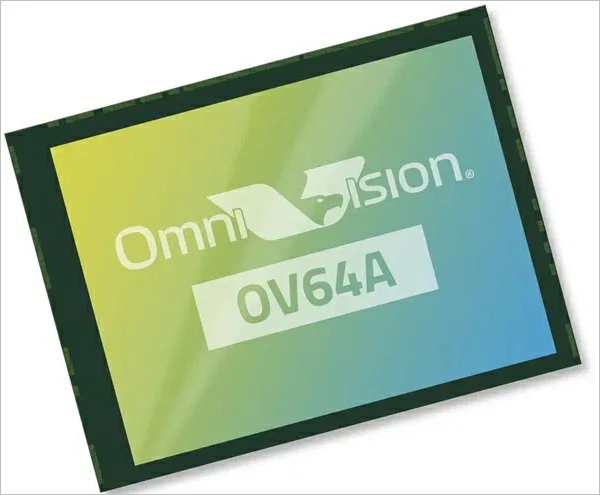
Omnivision OV64A announced as the world’s first 1.0-micron 64MP camera sensor

When you talk of image sensor manufacturers, Omnivision is a name that would pop up alongside Samsung and Sony. The company has just launched the Omnivision OV64A, an expected update in 64MP modules.Omnivision OV64A

Apparently, phone makers are focusing at utilising bigger sensors as a report recently predicted that shipments of image sensors of 50MP or more will hit 322 million units by 2021. Omnivision plans to get its bit of that pie with the OV64A, another CMOS sensor with 1 micron pixels. This is coming not too long after the OV64B which is the world’s first sensor with 0.7 micron was unveiled. Its creator affirms that this will enhance capacities, for example, low-light shooting in the more up to date sensor contrasted with past 64MP offerings.

The new module is made with Omnivision’s most recent PureCelPlus-S stacked kick the bucket innovation, and furthermore has an on-chip, 4-cell (4C) shading channel cluster. This may make for understood, constant 64MP Bayer yield and 8K video. These new specs likewise take into account 4C half-shield stage recognition, appraised for quick self-adjust (AF).

The OV64A has a 1/1.34-inch optical arrangement, though the OV64B is 1/2-inch and existing models, for example, the Sony IMX686 and Samsung ISOCELL Bright GW1 are 1/1.72-inch. The new Omnivision part is additionally appraised for pixel-binning for 16MP pictures with 4C binning at 60 fps; 8K video at 30 fps; 4K/2K video at 120 fps; 1080p at 240 fps and 720p at 480 fps.

On the other hand, similarly as with its archetype, optical image stabilisation (OIS) never figures in its specs. Omnivision has expressed that OV64A test units are now in the possession of cell phone OEMs, and that it will go into large scale manufacturing by the last quarter of 2020.

The sensor is not listed to feature Optical Image Stabilization (OIS). Omnivision has stated that OV64A samples are already in the hands of mobile device OEMs and that it will go into mass production by the last quarter of 2020.


Samsung was 31.6% ahead of Huawei in August; the gap between the two will continue to widen

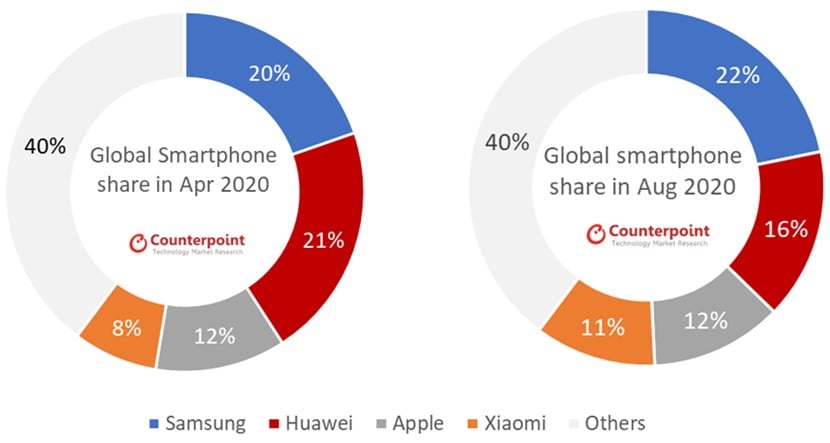
Back in April, Huawei surpassed Samsung as the world’s largest smartphone maker for a short period of time. It was due to the former’s success in China and the latter’s decline in markets like Europe and India due to lockdowns. But as the economy began to open, Samsung once again secured the top position in August and now, the South Korean tech giant is widening the market share gap between itself and Huawei which is currently at second place.

Global Smartphone Market Share April August 2020 Counterpoint Research

According to a report by Counterpoint Research, Samsung had a 22% global smartphone market share in August, followed by Huawei at a distant 16%. That means Samsung’s market share was 31.6% more than Huawei. A few months back in April, Samsung was at 20%, whereas Huawei was ahead at 21%.

Samsung managed to improve its market share shortly after April as lockdowns began to ease in most regions. As the company pushed an aggressive online strategy in India, it even managed to reach its highest market share in the country in Q2 2020 since the year 2018.

On the other hand, due to the US ban, Huawei’s global smartphone market share continued to drop in its key global markets like Europe. As a result of this, Xiaomi witnessed growth in Central Eastern Europe.

Whereas, Apple’s market remained at the same 12% mark in both April and August due to strong sales of the iPhone 11 series and iPhone SE. The Cupertino-based company’s performance may improve in November once the iPhone 12 series starts shipping to consumers.

Last but not least, as per analyst Minsoo Kang, “geopolitical policies and political affairs among nations are affecting the smartphone market in many ways”. Due to this, top players will become much stronger and companies like Samsung, Apple, Xiaomi, and OPPO will benefit the most.


Hulkman Alpha 100 Jump Starter raises more than $250,000 via Kickstarter

While traveling, battery fail is one of the most stressful car-related issues, especially when no one is in sight. To offer help in such situations, Hulkman has introduced the Hulkman Alpha 100 Jump Starter. It comes with 5-in-1 functions to cut down assistance costs and time. Featuring a versatile form, this unit provides a safe and hassle-free boost to the car battery. Hulkman Alpha 100 starts the vehicle in just three quick steps, making it convenient to use. This power-packed unit was able to raise up to $100,000 in just a day via Kickstarter.

Hulkman Alpha 100 (1)

Digital Screen

The Hulkman Alpha 100 comes with a large 3.3-inch screen to let the users view all the indicators conveniently. The primary functions displayed on the screen include power display, operation warnings, and user tips. Digital display offers precise measurements for easy reading while the large fonts and well-spaced layout of the indicators further enhance the readability.

Safety

Hulkman Alpha 100 features technologies like reverse-charge, reverse-polarity, over-current, overload, over-voltage, overcharge, short-circuit, high- and low-temperature protection to offer complete safety to the user. It is 100-percent hyper-safe to protect the user and car from sparks. The rubber-covered clamp provides added safety while using the unit. This jump starter also comes with SOS, emergency, and regular light functions to aid in emergencies.

Hulkman Alpha 100 (6)


Robust Design

Since low temperatures slow down the chemical reactions, the Hulkman Alpha 100 is designed to withstand extremely cold conditions up to -40° F to help the user start their car in a matter of seconds. Featuring an IP65 rating, this device offers resistance to damage caused by water and dust. Its sturdy exterior can easily withstand accidental falls and minor bumps.

Hulkman Alpha 100 (3)

Powerful Battery

Hulkman Alpha 100 comes with a 32000mAh battery capacity and 4000A peak current that can jumpstart a car up to 100 times in a single charge. This battery works well with all 12V vehicles like cars, motorcycles, watercraft, ATVs, UTVs, SUVs, and lawnmowers. Enhanced with an advanced chip, this jump starter can preserve its charge for up to 24 months when not in use. Furthermore, it is integrated with 65W speed charging technology that can jumpstart the car in just 5 minutes, even if there is no battery.

This unit can also be used as a charger for Type-C PD 18W and USB QC 3.0 devices, a 200 lumens light, or a substitute power source for an outdoor fridge.

Hulkman Alpha 100 (4)

Easy Use

The Hulkman Alpha 100 enables the user to jumpstart their car in 3 simple steps. One must connect the clamps to the battery, and when the screen indicates “ready,” start the vehicle.

This versatile unit can be an ideal addition to one’s garage essentials. Head on to the Kickstarter website to know more about the product.

Hulkman Alpha 100 (5)

Get 50% Off on UMIDIGI BISON and A9 Pro at UMIDIGI’s 9th Anniversary Sale

This is an excellent time to buy UMIDIGI smartphones as the company has its 9th-anniversary sale going on till 17th October (PDT). The company is offering a whopping 50% off on various smartphones like UMIDIGI BISON that will be available for just $149.99 and UMIDIGI A9 Pro for only $119.99. These smartphones are up for their first global sale with a significant discount, giving consumers a considerable advantage.

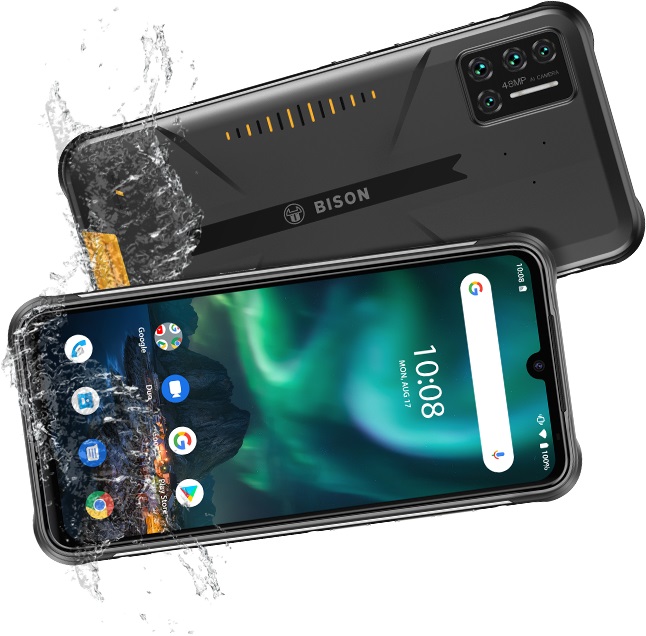
UMIDIGI BISON

UMIDIGI BISON is a rugged smartphone that features an IP68 and IP69K rating to offer water, sand, and dirt resistance. An ideal companion for adventurous people, this smartphone boasts a barometer, a lanyard hook, and two independent customizable buttons. It boasts a 6.3-inch FHD+ full screen that is protected by Corning Gorilla Glass to resist scratches and screen damage. Powered by Helio P60 with 6GB LPDDR4X RAM and 128GB UFS 2.1 ROM, this rugged phone offers a smooth operation. The liquid cooling system prevents overheating to offer seamless use.

Despite being a rugged smartphone, the UMIDIGI BISON features a sleek and straightforward design. Additionally, its Sony quad-rear and front camera enable the user to click decent quality pictures. This device features a 48MP primary and 16MP ultra-wide-angle camera with 5MP depth and a 5MP macro lens on the back and a 24MP camera on the front.


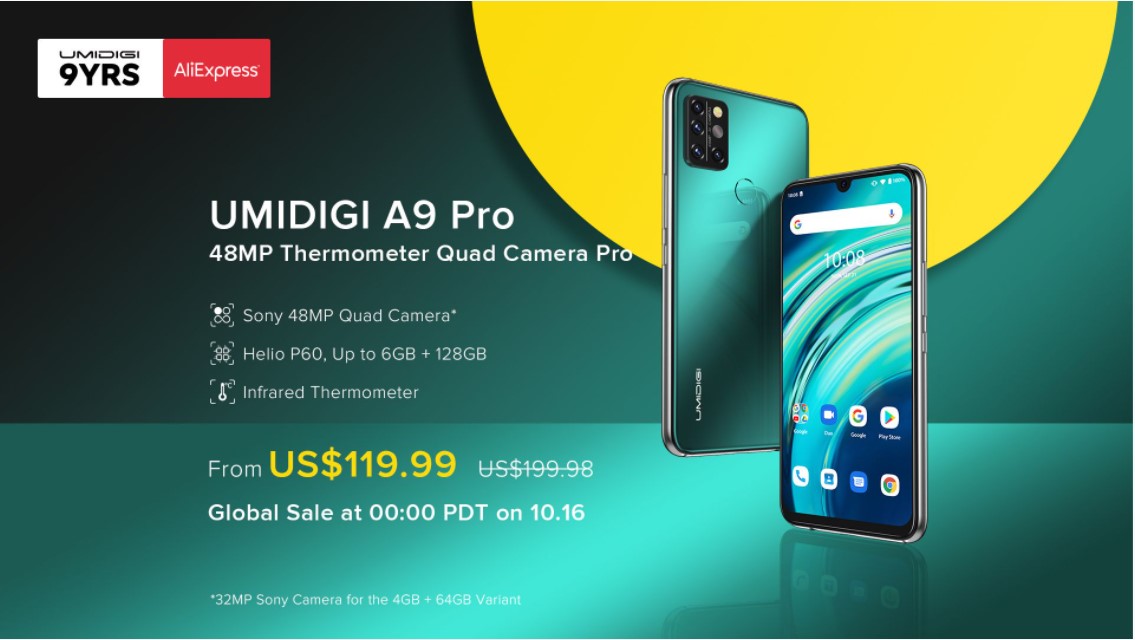
UMIDIGI A9 Pro

An upgrade of its predecessor A7 Pro, UMIDIGI A9 Pro is enhanced with a powerful processor and a new infrared thermometer sensor. Featuring a 6.3″ FHD+ display with 2340 x 1080p resolution, this device offers a decent viewing experience. It runs on Android 10 OS and has a Helio P60 processor with 6GB LPDDR4X RAM that consumes less power and allows seamless multi-tasking. 128GB UFS 2.1 ROM offers ample space for storing media, documents, and application-based files.

As for the camera, UMIDIGI A9 Pro comes with a Sony quad-rear and front camera. 48MP primary and 16MP ultra-wide-angle camera with 5MP depth and a 5MP macro lens on the back and 24MP camera on the front allows the user to take quality photos and videos. With a 4150mAh battery with Type C charging, this phone can last throughout the day.

Interested readers can buy UMIDIGI BISON on Aliexpress for just $149.99, where its first 500 buyers can get a chance to win free smartwatches.

UMIDIGI A9 Pro, on the other hand, is starting at only $119.99, where its first 1000 buyers can save an extra $10 with coupon code “UMA9PRO.”

Other smartphones that are on sale for UMIDIGI’s 9th anniversary are as follows:

Note: The sale ends on 17th October 2020, PDT.

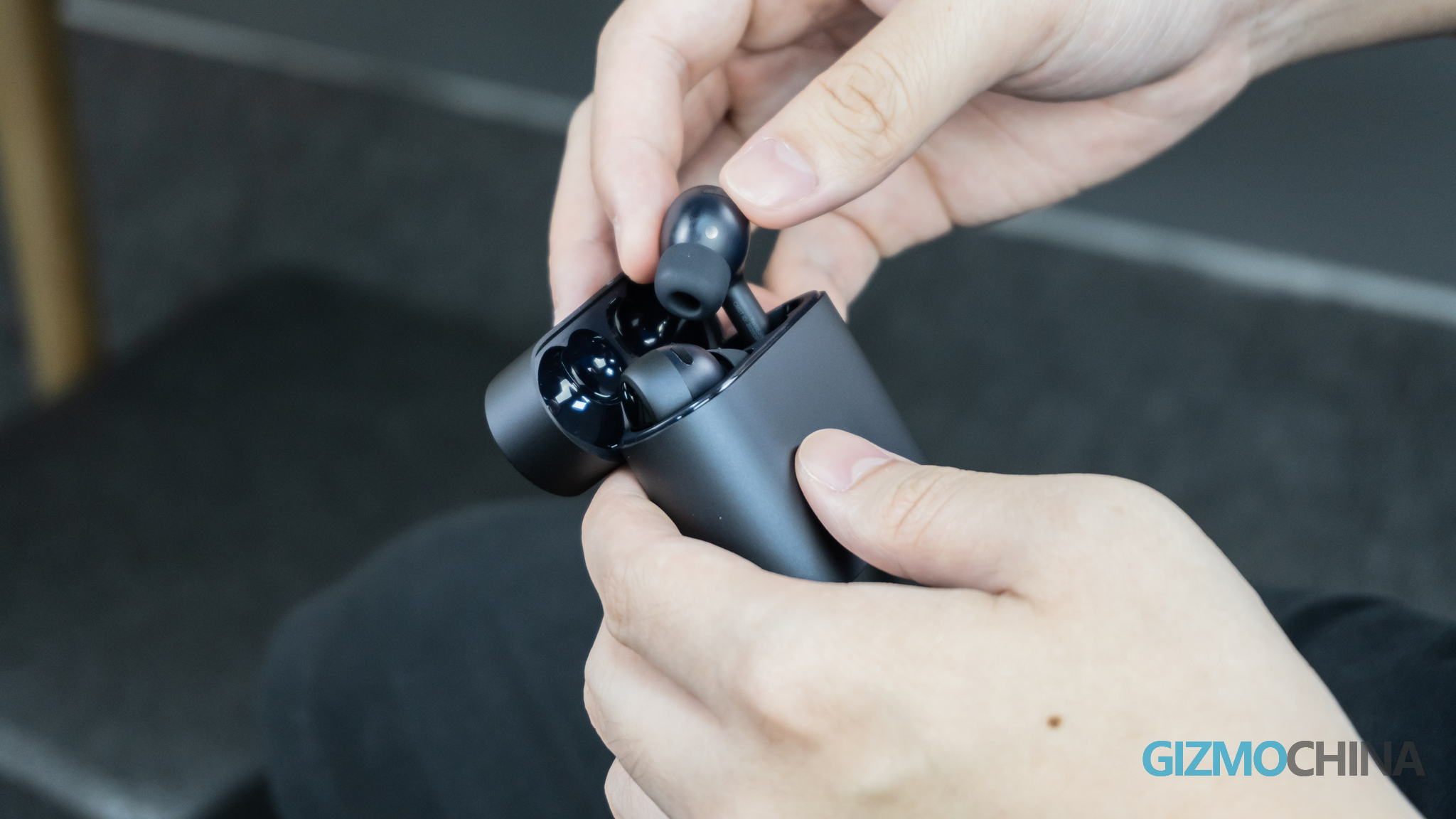
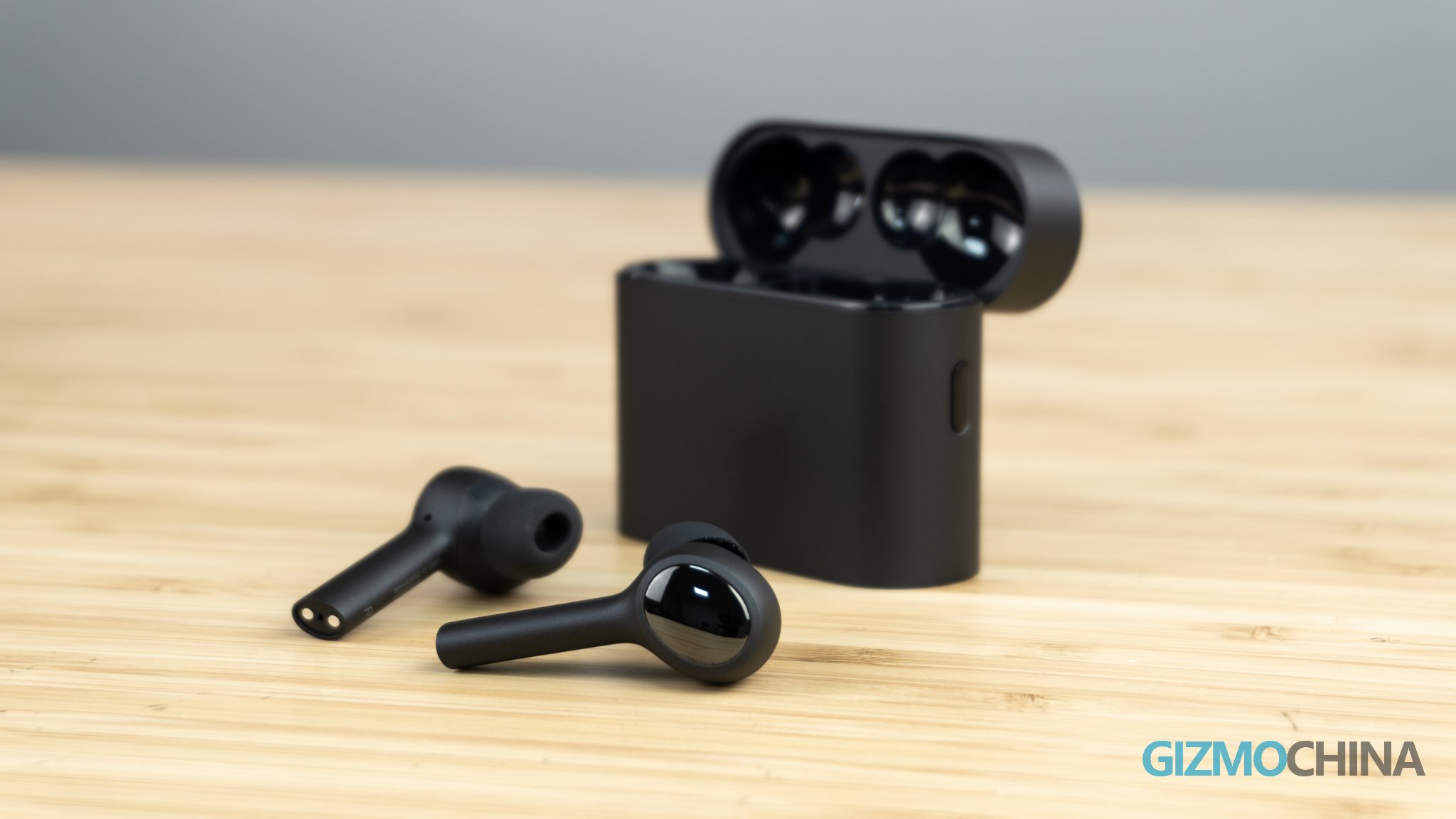
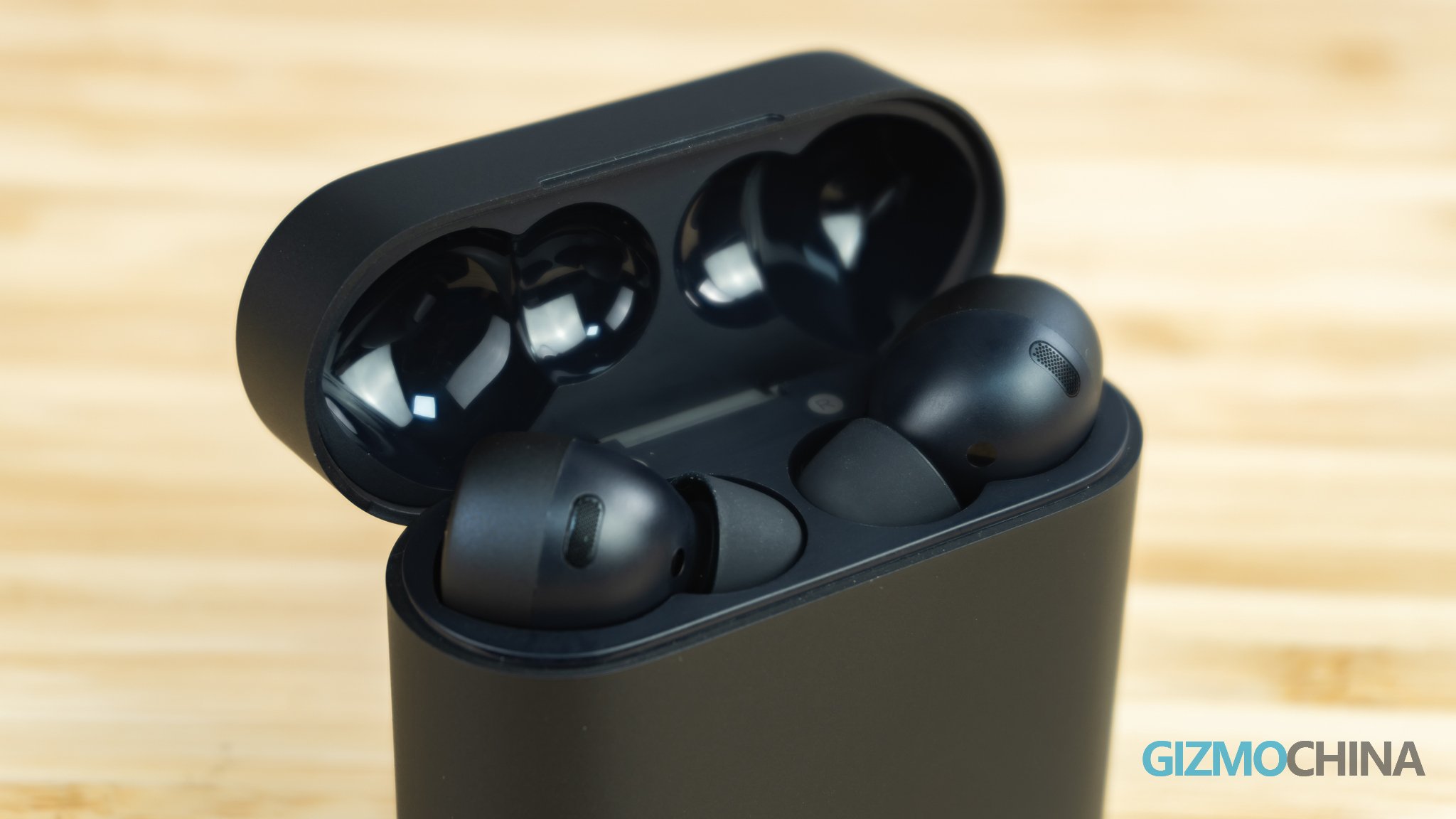
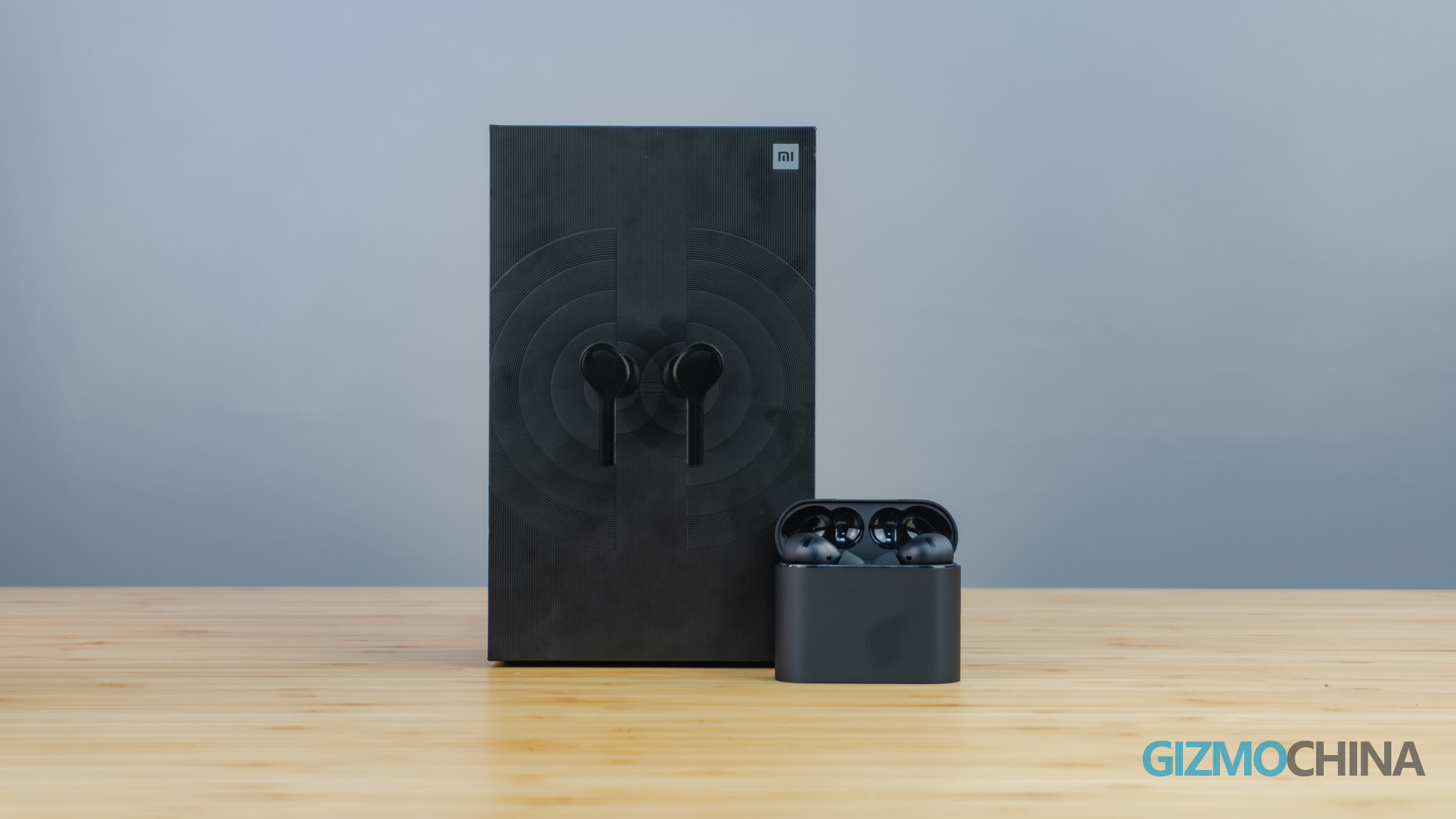
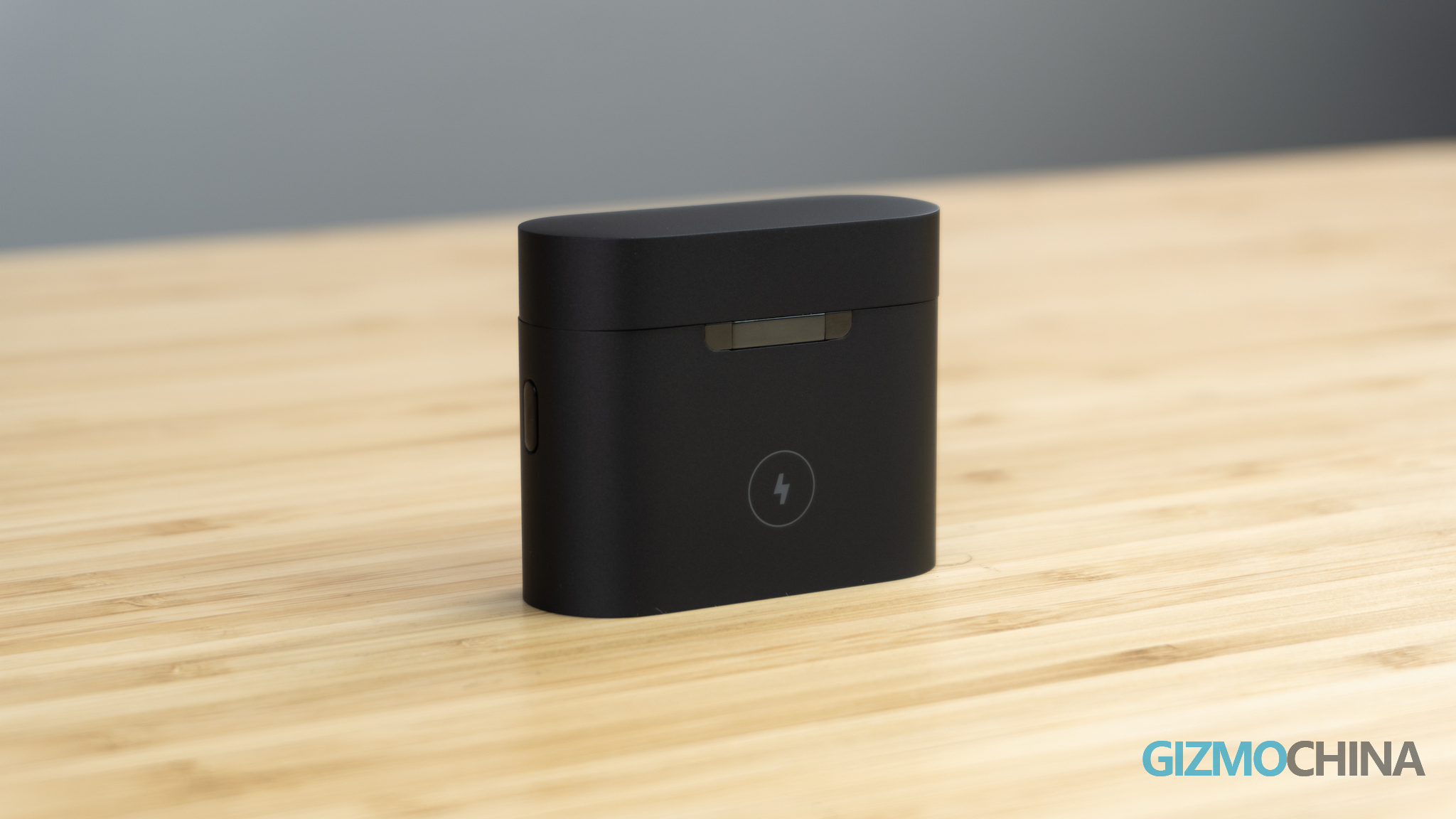
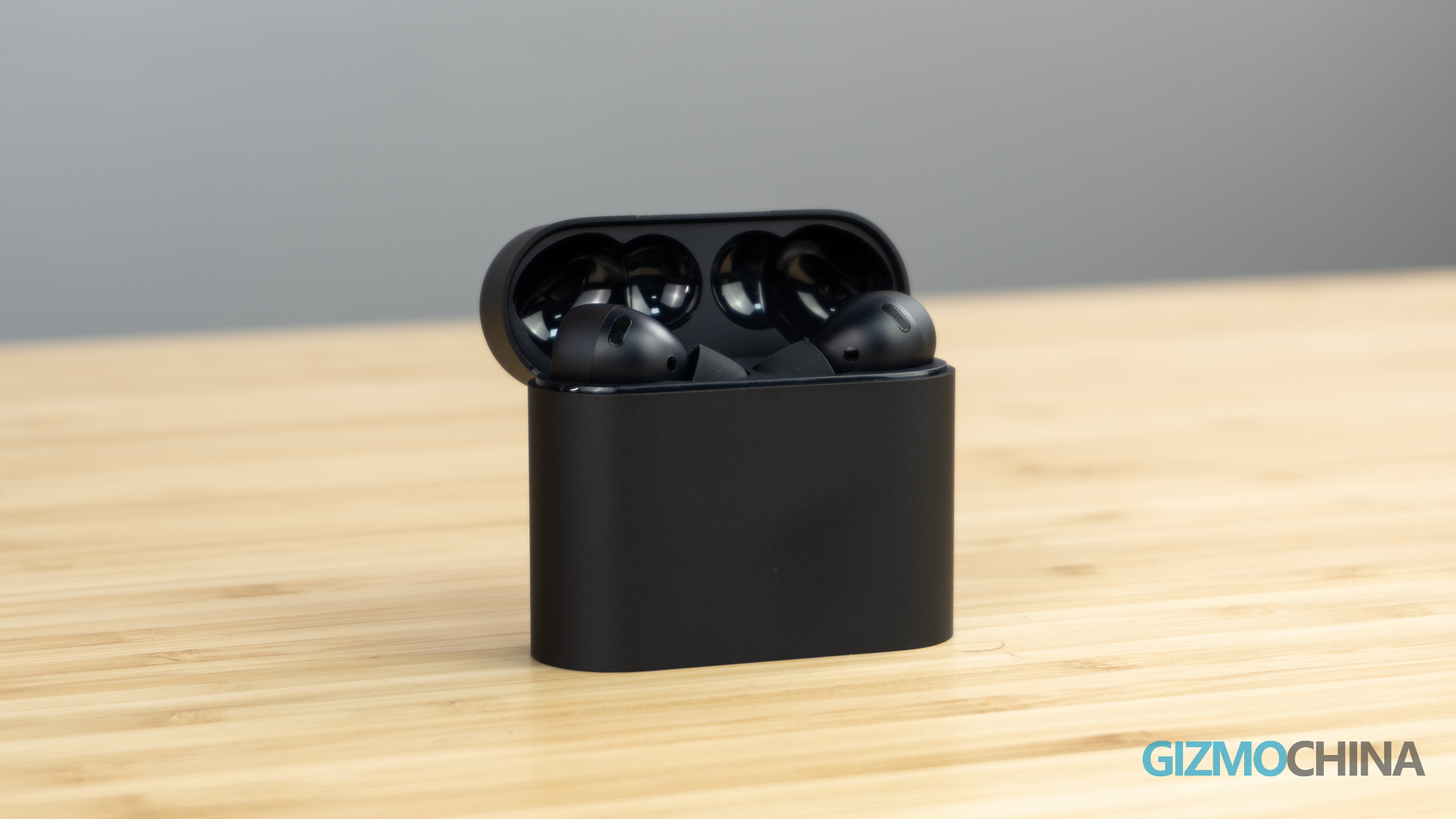
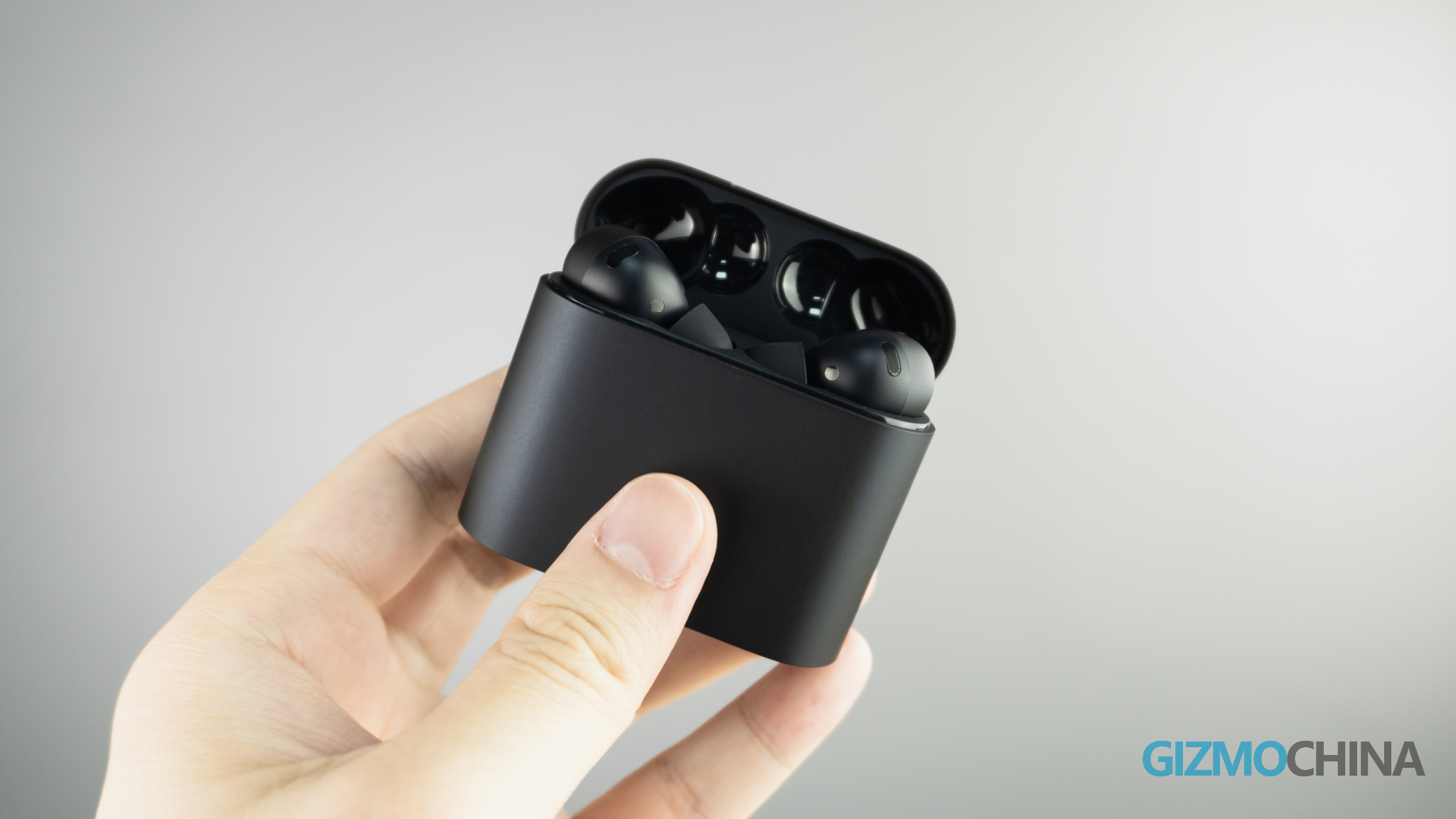
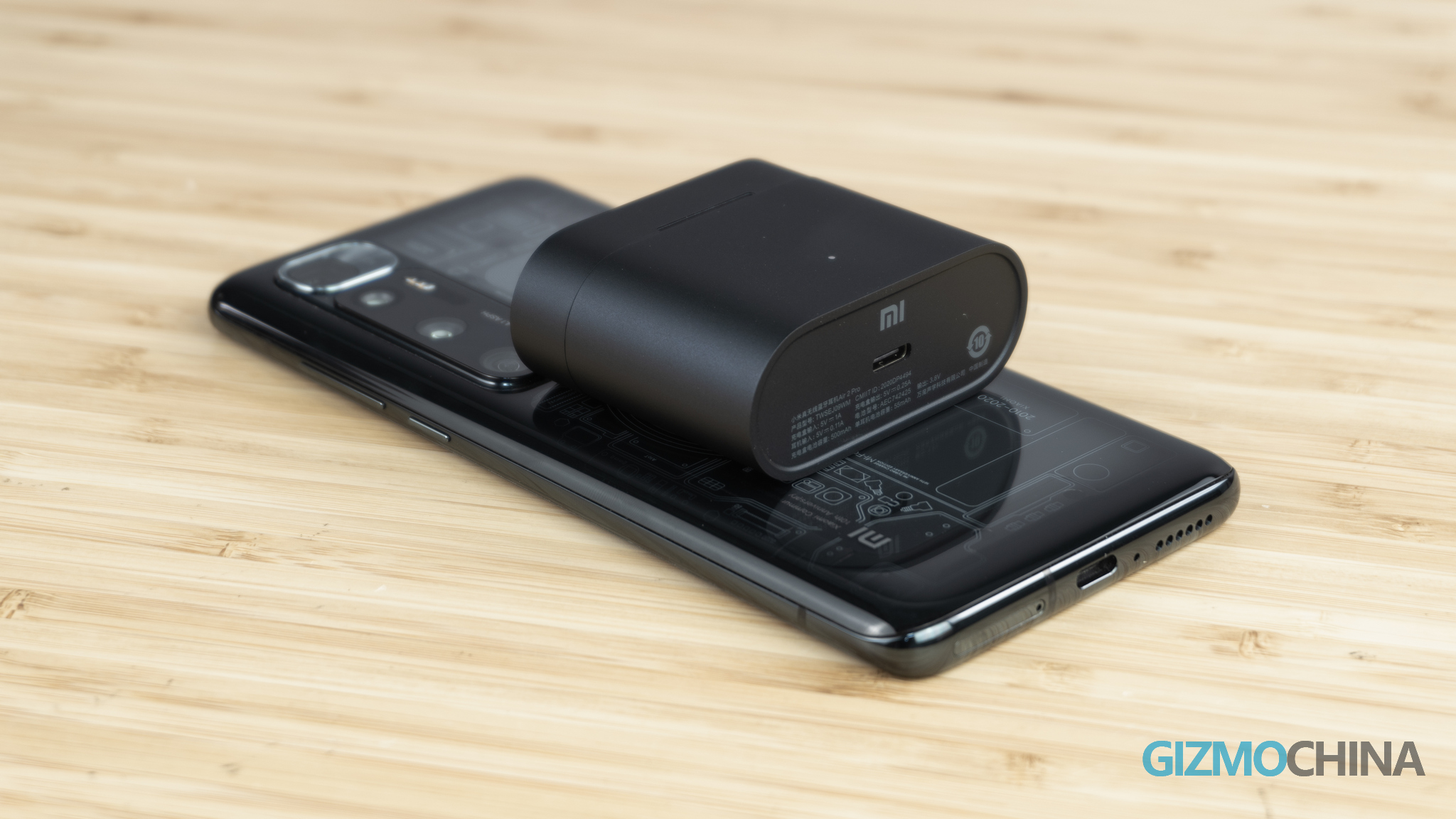
Xiaomi Mi Air 2 Pro ANC Earbuds Hands-on: Matte Finish gives a Premium Feel

Over the past couple of years, Xiaomi has focused on releasing mid-range to budget wireless earbuds in the market. However, this month, the company announced the brand new Mi Air 2 Pro TWS earbuds in China which caters to the high-end market with Active Noise Cancellation. This is the company’s first ANC earbuds, joining the likes of Apple, Huawei, and others. However, following Xiaomi’s tradition, the company has kept the pricing of the new Mi Air 2 Pro pretty affordable at 699 Yuan ($104). We knew we had to get our hands on this new pair of ANC earbuds and today, we take you through a quick Mi Air 2 Pro hands-on. A full review of the earbuds is coming your way in the coming days.

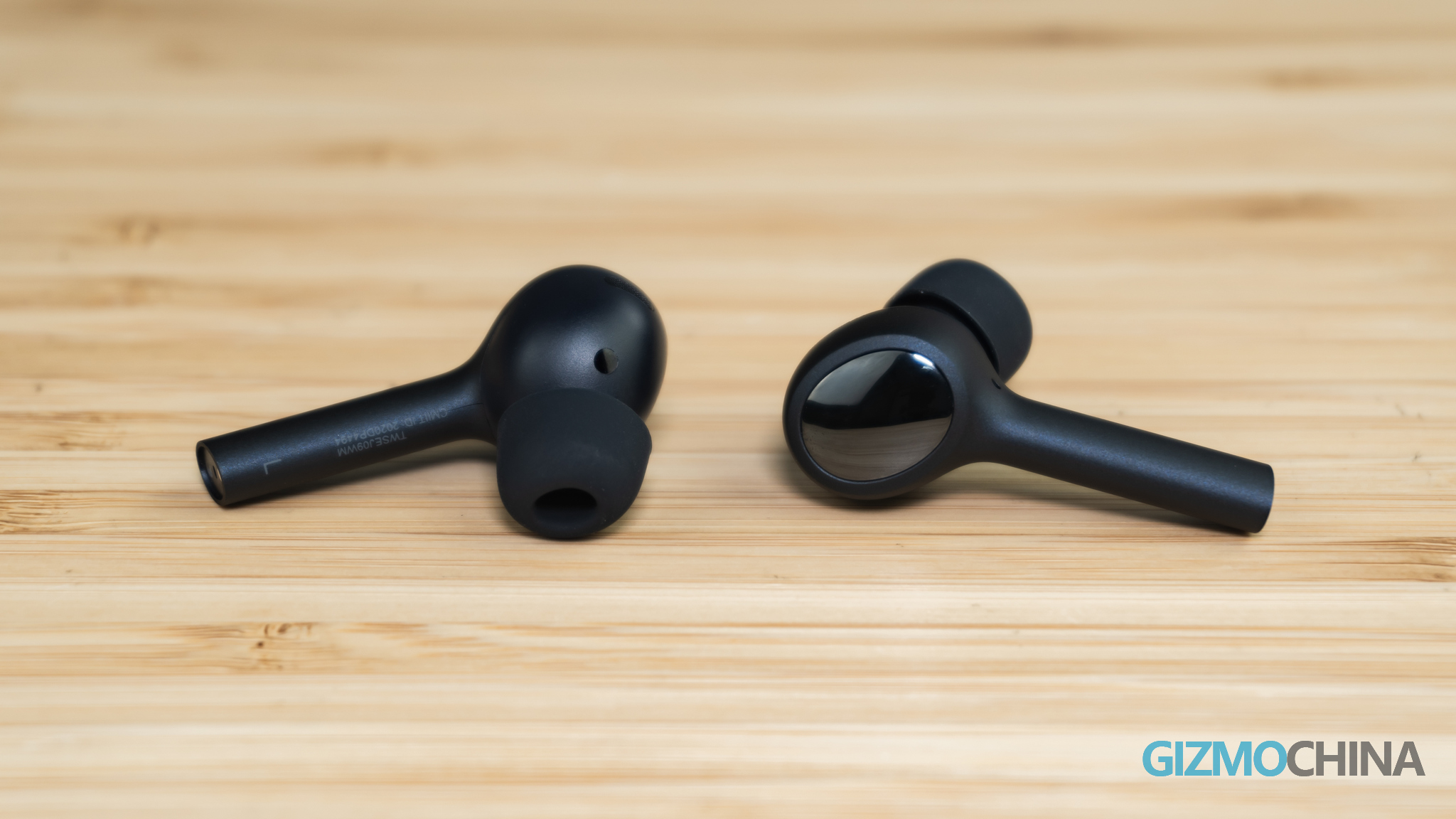
Xiaomi Mi Air 2 Pro ANC earbuds 01

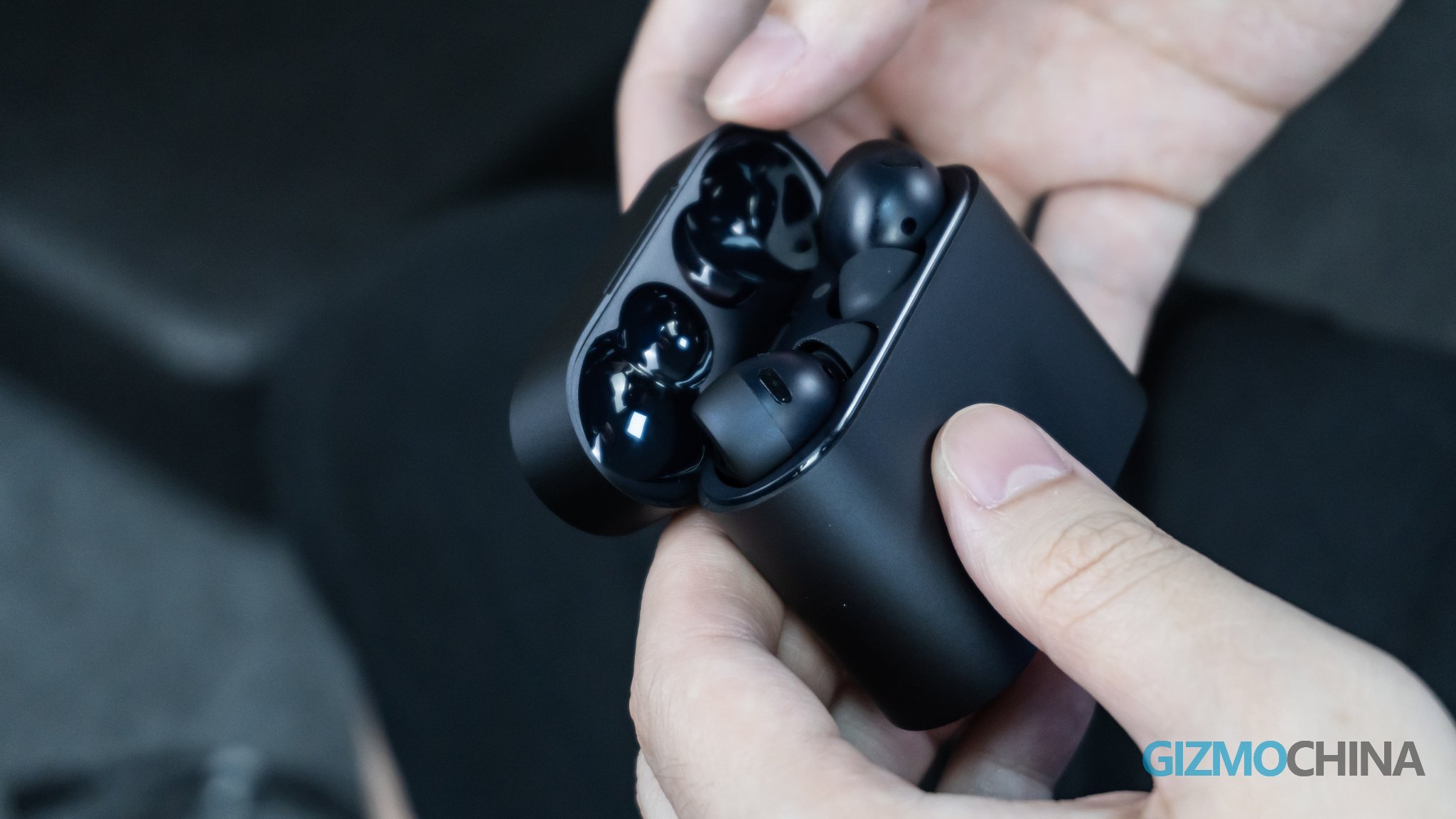
The Xiaomi Mi Air 2 Pro ANC earbuds follow a basic design as the Apple Airpods Pro. So you get a thin long stem design with in-ear tips. The earbuds itself are made out of plastic, however, it comes in a matte finish which sets it apart from its competitors. The touch sensing area on the back of each earbud features a ceramic material which feels really premium. Overall, we are impressed with the build quality of the Mi Air 2 Pro. Even the case adopts the same matte finish, which once again looks very premium. We are happy that Xiaomi decided to adopt a slightly different design for the charging case instead of the common curved, glossy design found on most TWS earbud cases in the market. The case supports wireless charging too. 

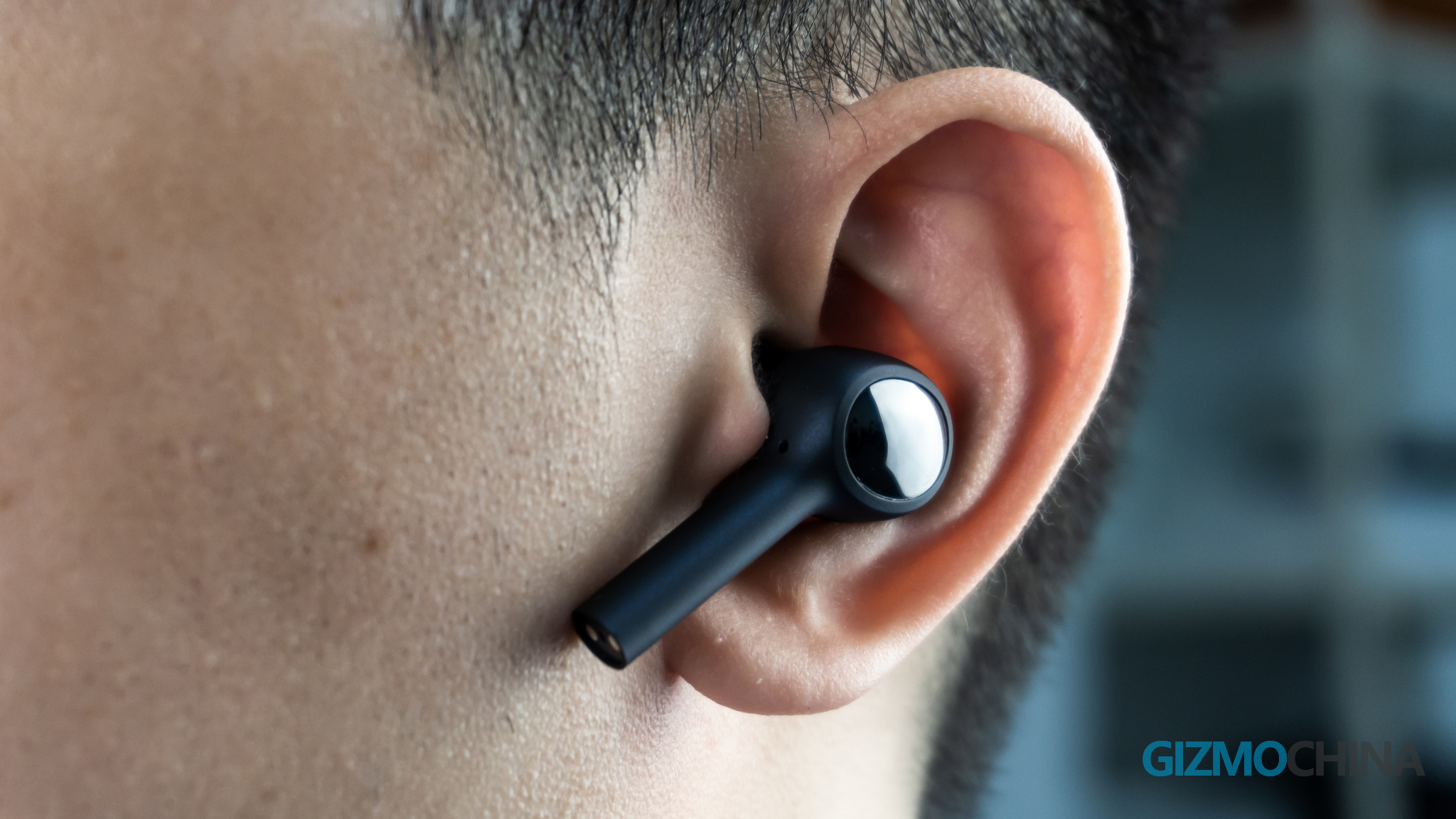
Xiaomi Mi Air 2 Pro ANC earbuds 05

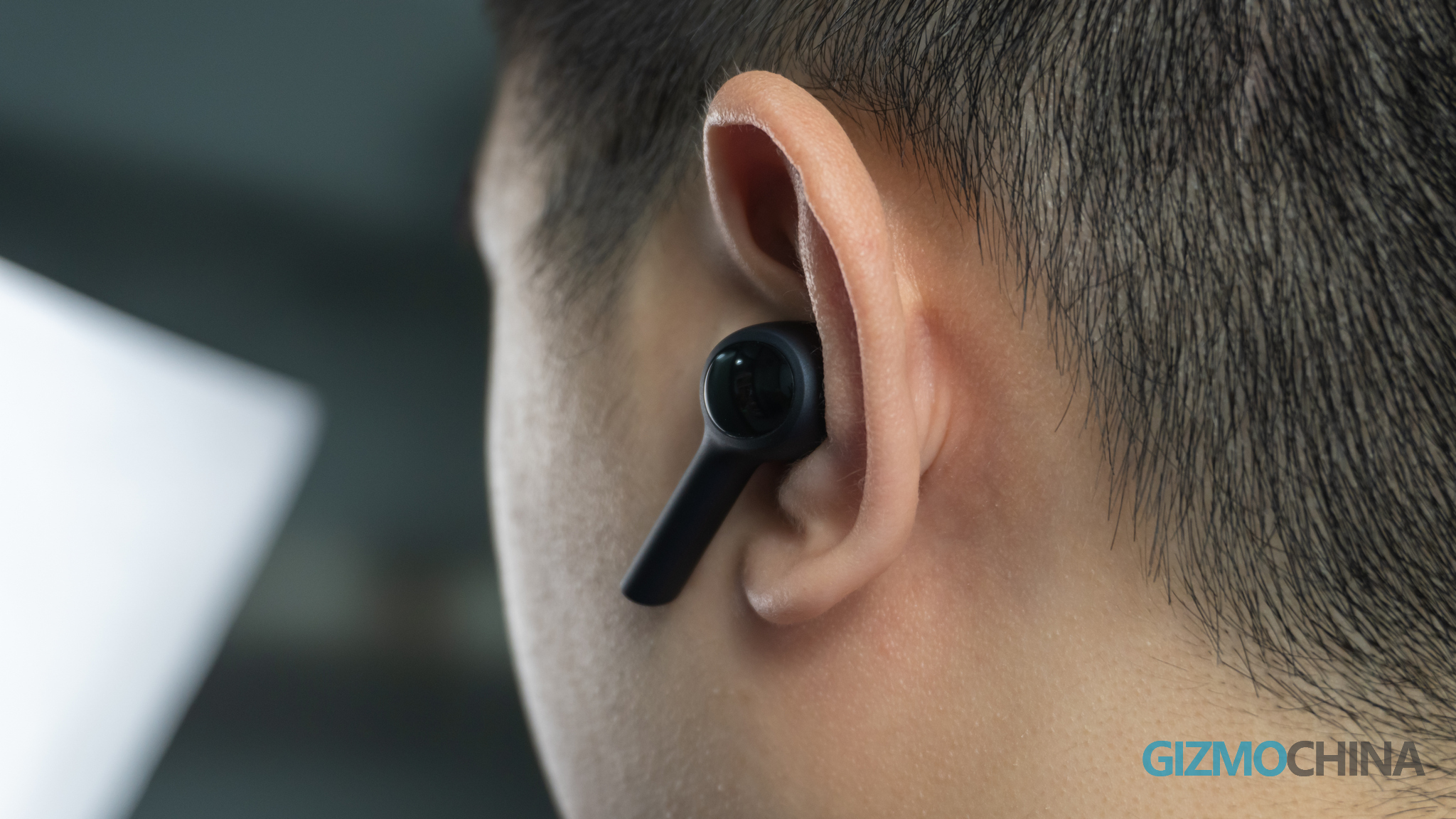
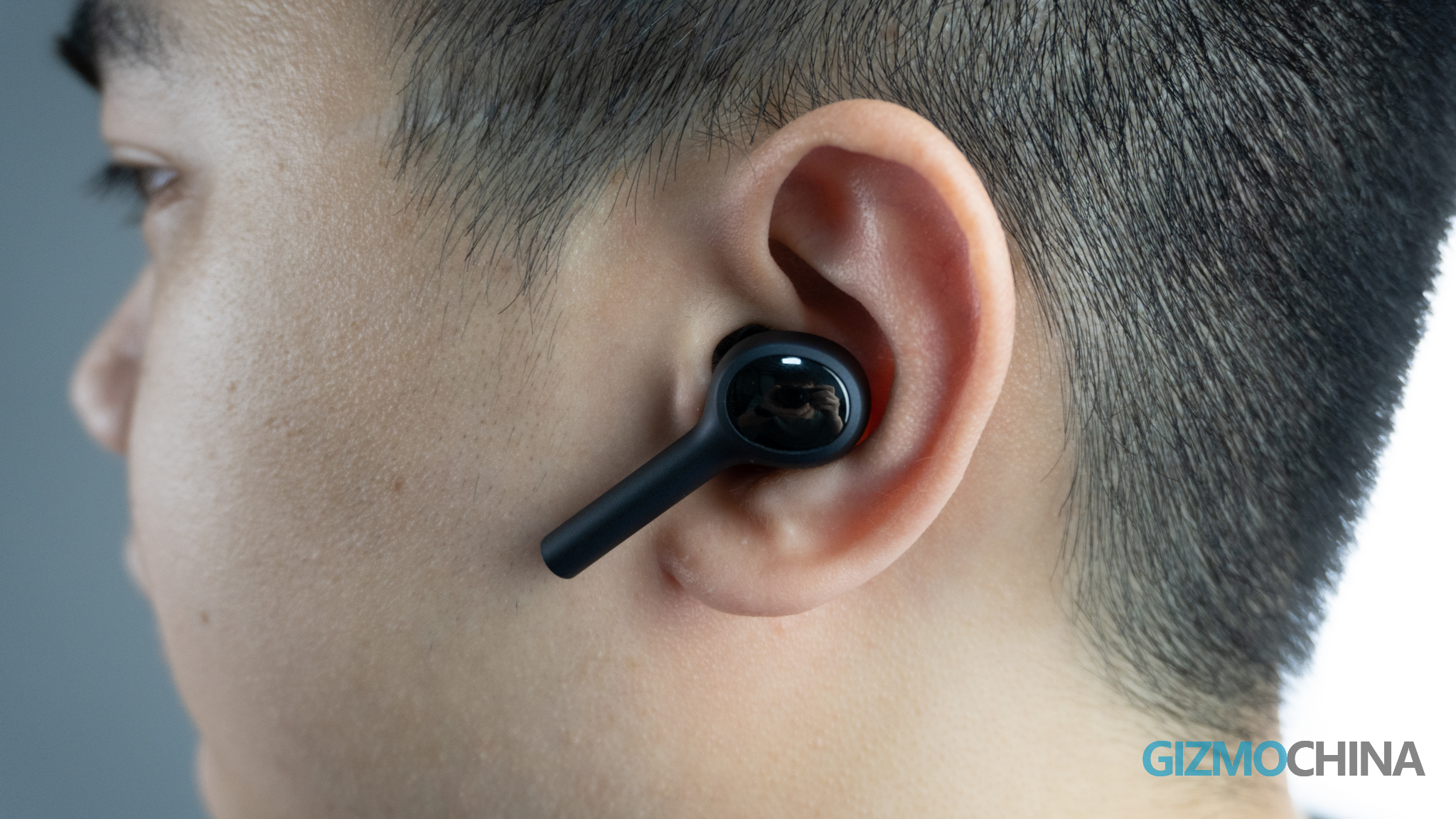
We tried on the Mi Air 2 Pro and realized that the earbuds have a pretty good fit, but it’s not as tight as the AirPods Pro. The 12mm drivers in the earbuds outputted good quality sound and the noise cancellation was also very good (up to 35dB). However, we hear that the earbuds will soon get a firmware update wherein we’ll be able to switch the Bluetooth codec to LHDC, which should further improve the audio quality and reduce latency (100ms). Although the noise cancellation is pretty good right now, we expect it to get better after the new update. So, we’ll test it out in detail in the coming days to let you know how good or bad it is, especially compared to rival ANC earbuds from Apple and Huawei (our review of the Huawei Freebuds Pro is also coming very soon!).

Xiaomi Mi Air 2 Pro ANC earbuds 08

Overall, we can easily say that the Xiaomi Mi Air 2 Pro is the company’s best sounding TWS earbuds in the market. Our full review of the earbuds will be up in a few days, so stay tuned for that. 

The Mi Air 2 Pro is currently up for pre-order internationally via Giztop at $129. Check out the listing if you are interested.

Meanwhile, feast on the hands-on images of the black Mi Air 2 Pro from the gallery down below. 


In case you missed, we reviewed the best gaming smartphones in 2020! Check out our video below.

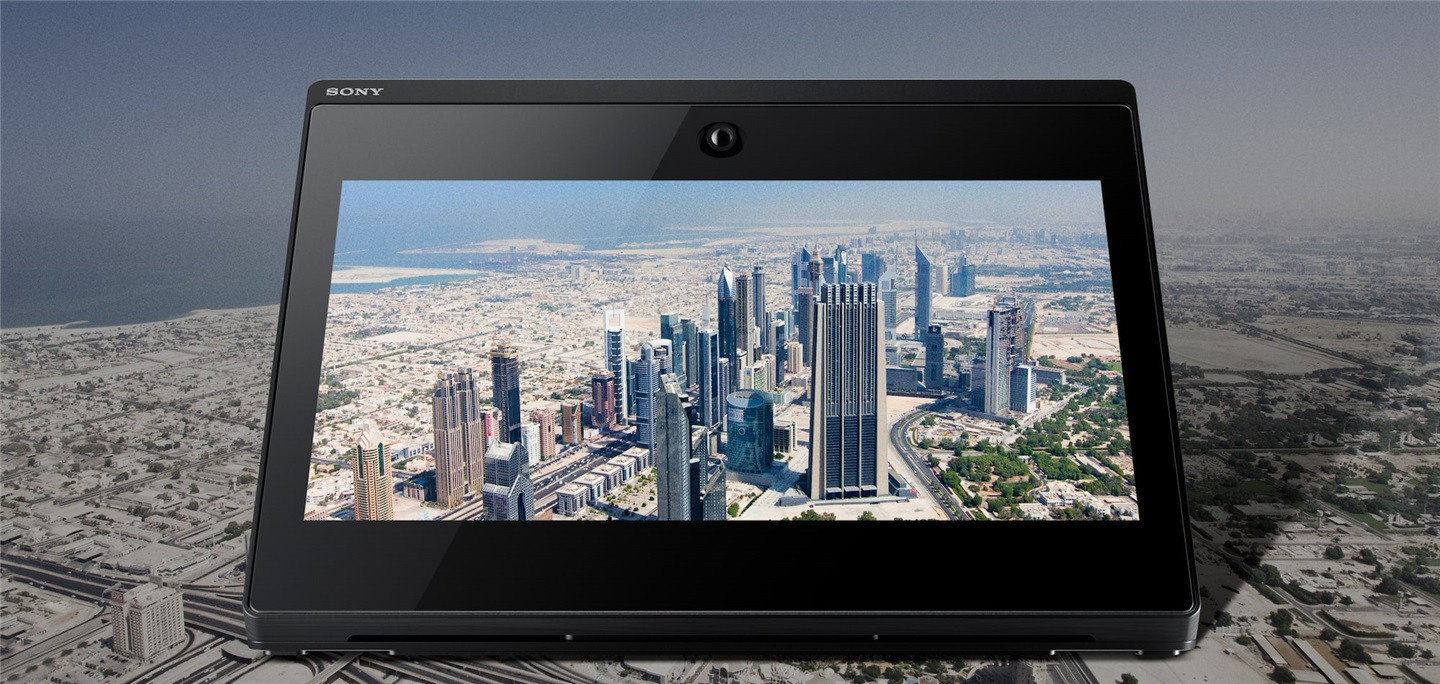
Sony launches Spatial Reality Display that lets creators bring their ideas to life in 3D

Sony Electronics has announced the launch of a ground-breaking new product dubbed “Spatial Reality Display”. The display utilises Sony’s award-winning Eye-Sensing Light Field Display (ELFD) technology and was first shown to participants at CES 2020 back in January. The display does not require users to wear specific VR glasses or headsets and only uses eye-tracking technology to render realistic 3D objects.Sony Spatial Reality Display

The Spatial Reality Display consists of a 15.6-inch 4K LCD display, equipped with a high-speed vision sensor, which can track the movement of the eyes and the position when walking around the display; there is also a micro-optical lens, located above the LCD, which can separate the left and right eye screens. To create a stereo image.

It is worth mentioning that SR Display uses top-level real-time rendering algorithms, so it needs a powerful PC with at least Intel Core i7 processor and Nvidia’s RTX 2070 Super GPU.

Spatial Reality Display (SR Display) will enable creators in various industries from automotive and industrial design to computer graphics (CG) and visual effects (VFX), as well as those in movies, to realize their creativity in stunning 3D displays.

In terms of pricing, Sony’s suggested retail price of the SR Display is US$4,999.99. It will be available on Sony Store and other retailers in November.


Upcoming Honor Monitor could share same design and specifications as Huawei

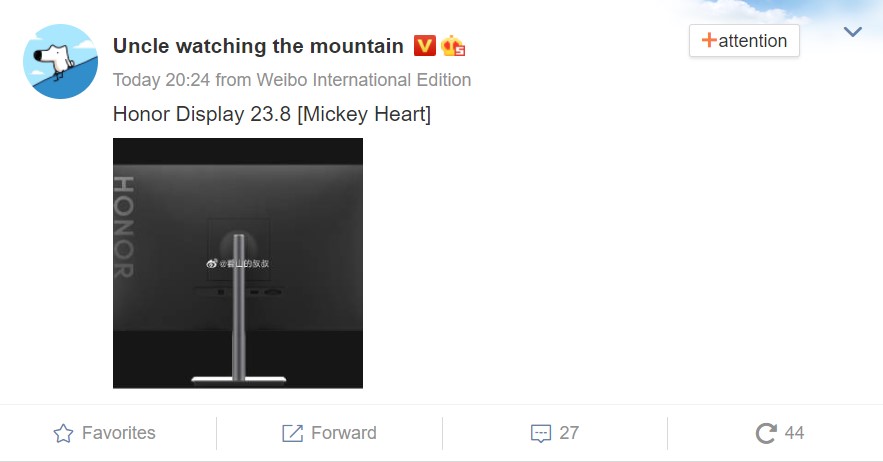
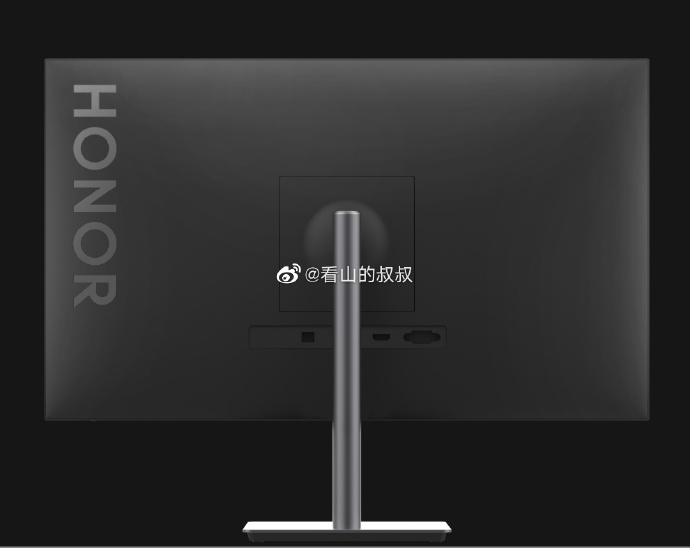
After launching wearables like the GS Pro, and Watch ES, Honor is reportedly gearing up to launch more products and a gaming monitor is one of them. Now, a tipster on Weibo has leaked an image of what could be the upcoming Honor Display. And it has a lot of reminiscence to a Huawei monitor that leaked earlier.

Courtesy: Weibo

A tipster on Weibo going by the username “uncle watching the mountain”(Google translated) has leaked(via IThome) a picture of a monitor. It has a big HONOR logo on the left side. The display and surround frame is held by a cylindrical stand with flat base. The rear frame that covers the electronics bends and slightly curves towards the sides. While the picture doesn’t give any specifications, the tipster has mentioned it as “Honor Display” and “23.8-inches”. If his claims are true, the new Honor Display will host 23.8-inch display up front.

However, the post doesn’t have any other info. Also, the rear image shows a few ports and one of them is HDMI. We all know that Honor is a sister brand of Huawei and shares its resources. In that case, this could just be a rebadged version of an upcoming Huawei display.

Editor’s Pick: Xiaomi launches a Gaming monitor stand with an ergonomic design, 360° rotation

A few weeks ago, Huawei had said that it will launch new Monitors and consumer grade PCs soon. And early reports said it will outsource the monitors to Vison-Electronic Technology (BOEVT). Further, Zhao Ming, at Honor HUNTER press-conference reportedly said that the company will launch new gaming monitors, routers, and other products.

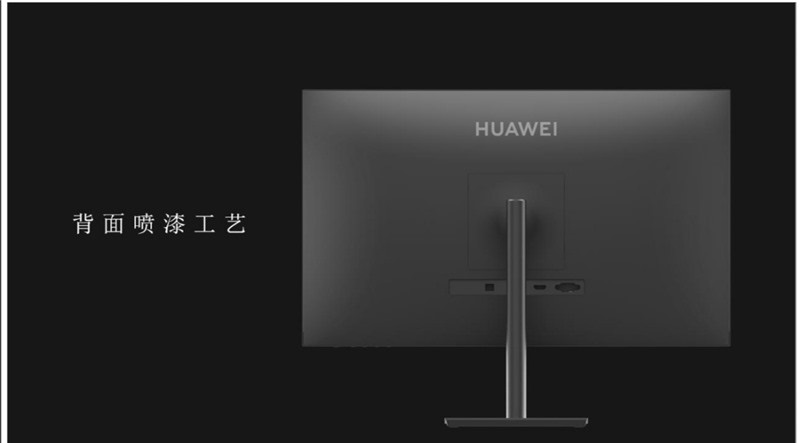
Following this, a leaked render of an alleged Huawei Monitor surfaced online. It had the same 23.8-inches. And a front side of the render showed display with minimum bezels on three sides but thick bezels at bottom. The model number AD80HW had IPS LCD display with 90% screen-body ratio, 72% NTSC color gamut.

That said, the new renders match exactly with the earlier leak except for logo changes. This sends a strong notion that Huawei, and Honor displays will likely share the same specs. Additionally, report says, the displays could have 144Hz refresh rate, spray paint on the rear. Huawei and Honor are expected to launch new gaming monitor before this year ends and rival competitors like Xiaomi.

Up Next: Huawei might soon manufacture and sell automobile parts: Report

Motorola XT2091 will be also launching as a Lenovo smartphone

Motorola is all set to launch a new budget smartphone with model number XT2091. This handset will be also debuting as a Lenovo-branded device in some markets. The existence of this phone has been confirmed by FCC, EEC and TÜV Rheinland. The certifications by these bureaus have also revealed the device’s rear design, battery capacity, and charging speed.

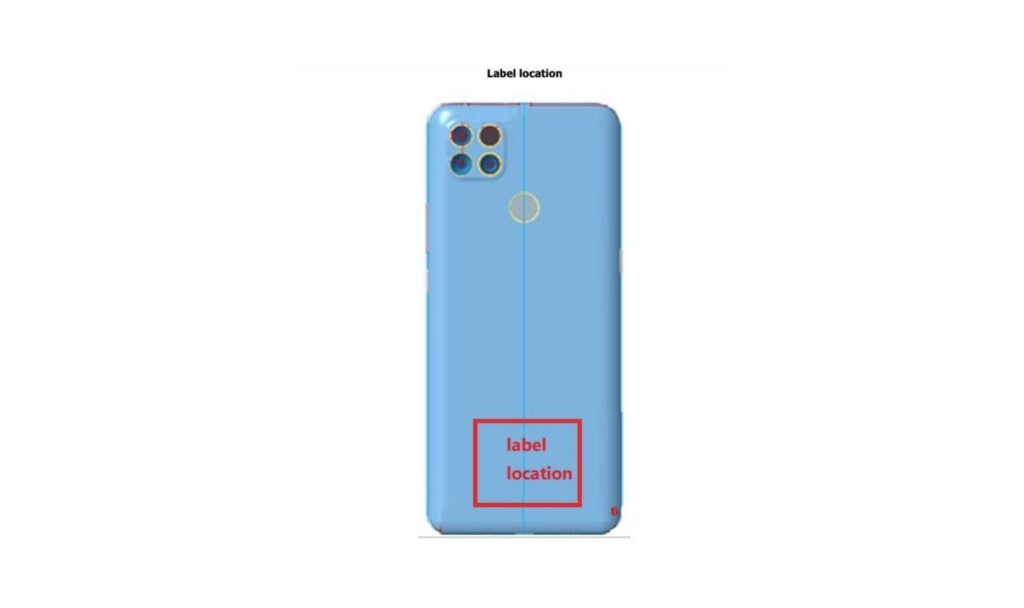
Motorola XT2091 Rear Design FCC

According to FCC, the upcoming Motorola XT2091 will come with two model numbers – XT2091-3 & XT2091-8. The former will feature Motorola branding, whereas the latter will debut as a Lenovo smartphone.

Since this handset will be also launching as a Lenovo device just like the Moto G9 Play/Moto G9 which was recently spotted as K12 Note, the XT2091 should be a Moto G9 series device. 

MySmartPrice points out that this smartphone could be Moto G9 Power because EEC and TÜV Rheinland have revealed it to sport a massive 6,000mAh battery. On the Lenovo side, it may debut as K12 Power.

That said, going by its rear design sketch found on FCC’s website, the Motorola XT2091 will come equipped with triple camera setup and a rear-mounted fingerprint sensor. Last but not least, FCC also confirms it to support 22.5W fast charging.


Xiaomi, OnePlus join Samsung to poke fun at Apple for removing the iPhone adapter

Apple‘s decision to remove the charging adapter from the iPhone 12 and other models have been received with mixed reaction. Even though the Cupertino-based company based the decision on environmental conservation efforts, most persons have spoken up against the decision especially as the has not released a phone with USB-C to lightning adapter in the past. The backlash has not only come from fans as even rival smartphone manufacturers have also caught up with the criticism, taking a subtle dig at Apple while promoting their brand.
Samsung recently tweeted that the Samsung Galaxy series smartphones continue to ship with a power adapter which is a reference to Apple. Xiaomi joined the trolling train, thanks to Xiaomi Spain. A tweet in Spanish translates thus; Good Morning #MiFans, today we dreamed that our smartphones came without a charger in the box. Fortunately, it was just a nightmare”. This is definitely a swipe at Apple’s controversial decision.
 

Even OnePlus joined the party during the launch of the OnePlus 8T. During the event, the company showed a scene in which the OnePlus 8T charger is coming out of the phone’s box. The Oneplus exec who hosted the launch event then laid emphasis on the fact that the phone will ship with a 65W adapter for free even though it cost the company twice the cost of the previous adapter to manufacture this one.

While some will commend Apple for playing its part in saving our planet, there are those who argue that the decision will likely lead to additional shipping and packaging since users will have to order the accessories separately.  However, viewing it from Apple’s perspective as it relates to environmental conservation, we can’t help but commend the company.


Under-Screen Touch ID on iPhones could be coming sooner than expected

Apple just unveiled the iPhone 12 series but leaks regarding future iPhones never stop coming. A few days before the event, we got to know that iPhone 13(tentative) will feature an LTPO display with high refresh rate screens. And now, more a tipster on Twitter hints at the inclusion of under-screen Touch ID on future iPhones.

fongerpritn in screen


A tipster on Twitter with username @L0vetodream(via PhoneArena) has posted a tweet that reads, “MESA uts for iPhone“. To this, well-known tipster Jon Prosser has replied that “MESA” stands for “Touch ID“, and “uts” refers to “under the screen“. However, neither of them have mentioned if it will be on iPhone 13, or other future versions. That said, this corroborates with earlier leaks of Apple working on under-screen Touch ID solutions.

Previously, analyst Ming-Chi Kuo had said that Apple was planning to launch at least one iPhone in 2021 with both Touch ID and Face ID on it. While some rumors said iPhone 12 series could have it, it didn’t turn out to be true. Having said that, rumors so far say Apple is reportedly working with Qualcomm to modify the ultrasonic fingerprint solution. The under-screen solution of Apple is likely to have a larger touch sensing area while drawing less power.

As is the case with every other technology, Apple would want to perfect the solution before debuting it. And if that happens, Apple’s next-generation iPhones will emphasize more on the display part. As we already know, early reports of the iPhone 13 indicate that it will have a 120Hz refresh rate screen(finally!). Additionally, it will adopt the LTPO(Low-Temperature Polycrystalline Oxide) display designed by Apple.

Whether or not Apple decides to include both of them on the next iPhone is something we will have to wait and see. However, considering the cost that’s probably involved, there is a chance that it could debut on the “Pro” models alone. Before finding its way to all the iPhones.

 Up Next: Apple to Outperform Global Smartphone market, iPhone 12 to raise sales in Q4 2020: Report

Google Pixel 4a sold out in India within 30 minutes but how many units?

Google revealed the price of Pixel 4a in India last week ahead of Flipkart Big Billion Days sale. Unlike previous Pixel smartphones, the newly launched Pixel 4a is priced aggressively in the country. It even sold out within 30 minutes as per a tweet by Google. However, the search giant did not mention the number of units people bought and that raises so many questions.

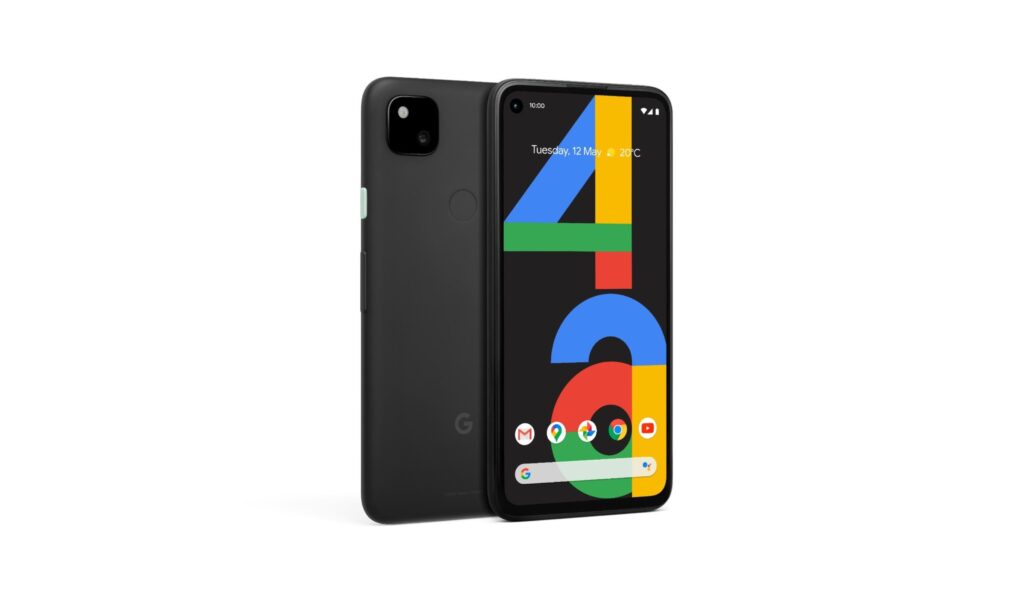
Google Pixel 4a Just Black Featured

In late September, news broke out that Google has a target of producing only 3 million Pixel smartphones. Out of this, 800,000 units are said to be reserved for Pixel 5 while the remaining units will include Pixel 4a and Pixel 4a 5G. This paints a clear picture that the search giant does not have enough stock of Pixel smartphones this year. 

Due to the company’s high pricing strategy in India, Pixels are not popular in the premium segment like OnePlus. Since India is a spec-hungry market, the Pixel 4a does not stand a chance against competitors. It is a niche phone in this part of the world and therefore, the company might have only put up limited units on sale.

Also, it is worth noting that last year’s Pixel 3a and Pixel 3a XL remained out of stock most of the times on official online partner Flipkart. Hence, hyping the smartphone going sold out just because the company did not have enough stock is a wrong thing to do ethically.

On the other hand, Indian consumers seem to have exceeded Google’s expectations. Maybe the pricing changed the mindset of buyers who had previously planned to buy some other handset. Whatever it is, this might make Google consider the Indian smartphone market seriously.


AnTuTu benchmark: iPad Air 2020 outperforms the iPhone 12 despite having the same A14 Bionic SoC

Apple launched the iPhone 12 series a couple of days back. It has the latest A14 Bionic SoC However, the company introduced this SoC a month earlier on iPad Air 4th generation. Today, AnTuTu reports the benchmarks of both the devices, and for some reason, the iPad is outsmarting the iPhone 12 here.

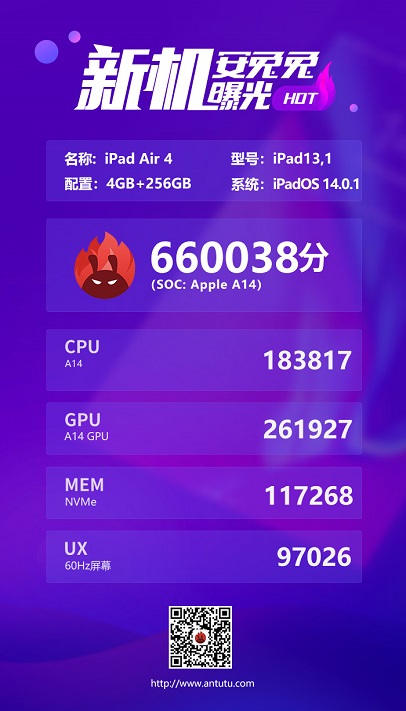
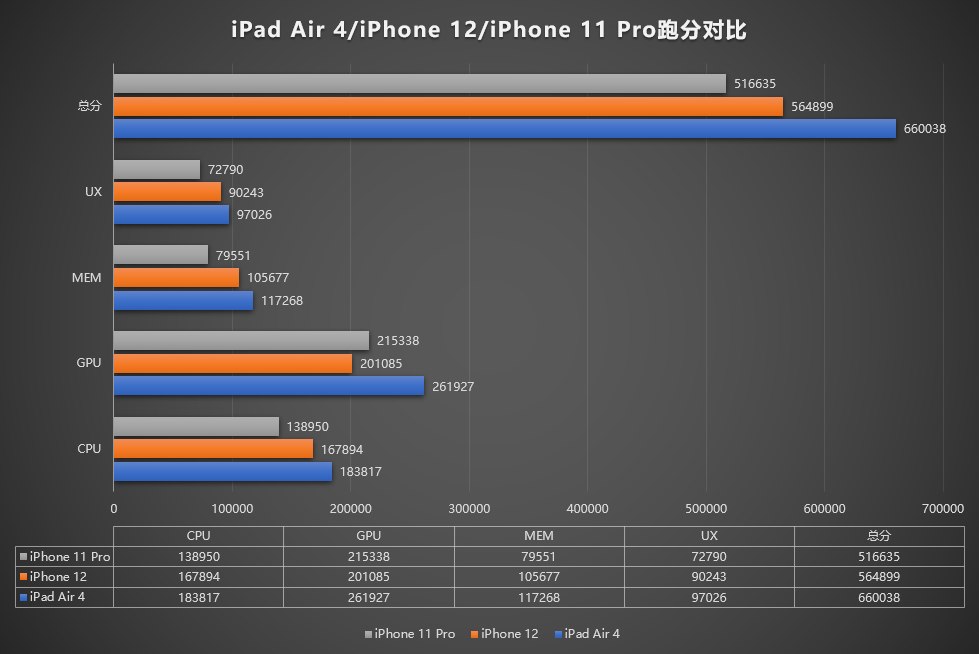
The benchmark report by AnTuTu shows that iPad Air 4 which is under testing boasts 4GB RAM and 256GB storage. The model number is iPad 13.1 and it is running on iPad OS 14.0.1. The device gets an overall score of 660,038 points. The CPU performance gets 183,817 points while the GPU score is 261,927 points.

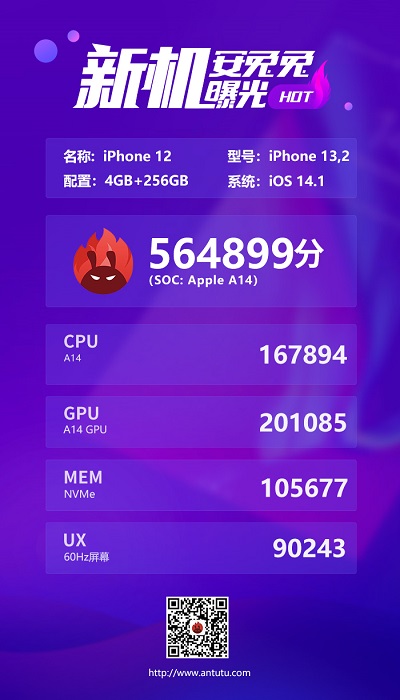
Whereas the iPhone 12 scores 564,899 points in total. Also, Its CPU score is 167,894 which is 9.5% lesser than the score of iPad Air. further, the GPU score on iPhone 12 is also lesser at 201,085. Here, there is a wider gap of about 30%. That said, the disparity makes us wonder whether Apple has underclocked the SoC on the iPhone to match the battery and thermals.

In terms of RAM, the iPhone 12 also has 4GB RAM just like the iPad. This further kindles a crazy thought if the iPad OS is better suiting for the A14 SoC compared to the iOS. This is because the UX score of iPad is around 97,026 but iPhone’s UX is just 90,243 points. And, a similar AnTuTu score of an iPhone 12 Pro Max a month before released hinted at a score close to its sibling. It had clocked an overall score of 572,333 points.

Having said that, just like AnTuTu’s report says, maybe Apple’s A14 SoC runs more stable with a theoretically better thermally managed, bigger battery iPad Air 4. Of course, all these will remain only as speculations unless Apple comes with a reason by itself. Additionally, a graphical representation shows that iPhone 12’s GPU score has dropped when compared to last year’s iPhone 11 Pro Max.

Nevertheless, it’s too early to comment on what’s being said or reported, and let’s wait for more samples in the future. And, we can also expect the scores to get better as Apple optimizes the devices going forward.

Up Next: Apple iPhone 12 Geekbench tests shows only slight performance gains

Huawei might soon manufacture and sell automobile parts: Report

Huawei Technologies is a known brand in the consumer electronics industry. However, its expertise doesn’t end there as it is also a leading telecom equipment provider as well. So, it arrives as a surprise when information surfaces that the Chinese tech giant might soon be entering the automobile market.

Huawei
HiCar

In the current age, technology and interconnectivity between different areas have become the norm thanks to advances in machines and improved networking. Self driving cars are a reality and smart cars feature various intelligent and interactive aspects as well. In recent times, Huawei has shown an interest in the automobile industry, although, it never really went past providing 5G support to vehicles or certain other tech to add on to a vehicle.

But now, it seems that the company seeks to expand on this new field by increasing the development, production, sales, and service of automobile parts and other intelligent systems. According to a NetEase report, a sudden message has surfaced that mentioned the company growing its investment in the automobile industry. In other words, a new venture/diversification that will have Huawei utilize its technology and communications expertise on vehicles.

Huawei
Roughly translates to Huawei R&D, Production, Sales of Auto parts, and Intelligent energy systems.

Previously, the company has worked with other brands for certain car models and has even dabbled with self driving vehicles as well. So with all this experience, it might be just a matter of time before the company enters the automobile industry with its own new brand. Keep in mind, Huawei has not explicitly stated its intentions regarding manufacturing auto parts, so take this report with a pinch of salt for now and stay tuned for more updates.