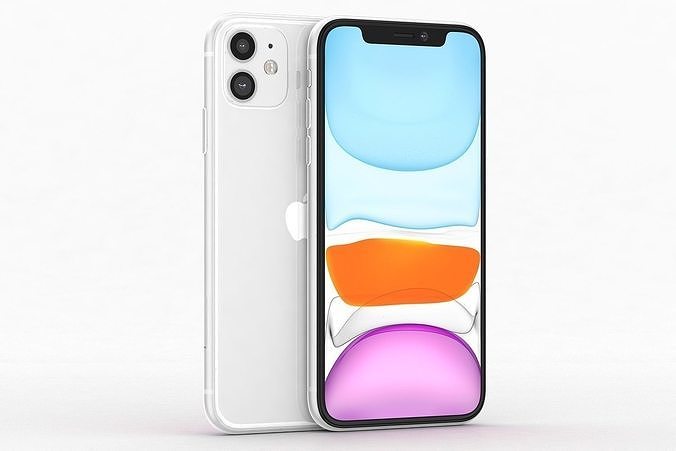
After months of speculation and anticipation, Apple has finally confirmed that it will be hosting a digital event on 13th September. While the company has not confirmed the devices getting launch, it is going to launch its next-generation iPhone 12 models.
Ahead of the official launch, most of the details about the upcoming smartphones have already been leaked online. We know that all the models will have an OLED display panel and the usual wide notch on top of the screen.
If you were hoping that the next year’s iPhone model will get rid of the notch on top of the display for a full-screen experience or some other kind of solution so that the company could offer edge-to-edge experience and better STB ratio, then you will be disappointed.
A popular leakster has claimed through a tweet that iPhone 13, which will get released in 2021, will also have a notch on top of the display, but it will be a bit thinner compared to what Apple is currently offering.
Many smartphone manufacturers have been trying out different types of solutions to get rid of the big notch on the display. Android phone makers have adopted pop-up camera modules, dot-notch, and pill-shaped notch to offer a better screen-to-body ratio.
However, it seems that Apple isn’t interested in trying out such solutions. Instead, it seems like the company is waiting for the under-display camera technology to be solid enough for mainstream commercial usage.
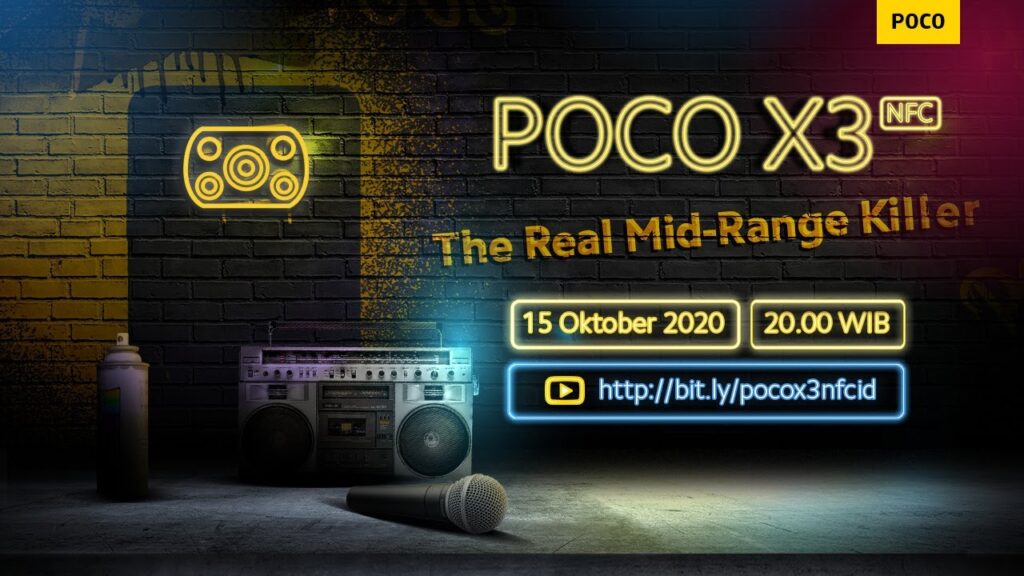
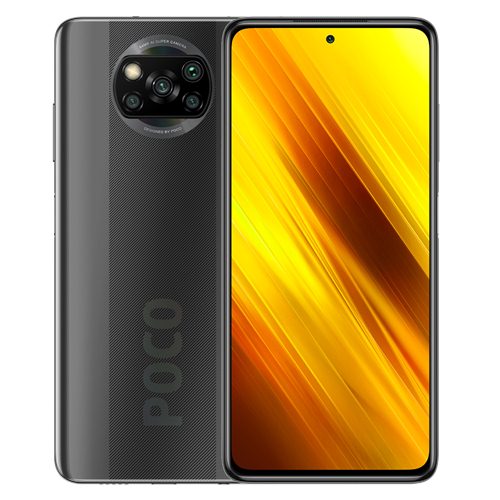
POCO X3 NFC made its global debut in Europe in early September. Later, in the same month, a slightly different version of the handset called POCO X3 was unveiled in India. Now, the brand has confirmed to launch the original model in Indonesia on October 15.
Just like its predecessor, it sports a 120Hz refresh rate LCD panel, however, its back is made of polycarbonate. But unlike its forerunner, it is IP53-certified for splash resistant. Also, it comes with a better 13MP ultra-wide-angle camera.
Further, the POCO X3 NFC is thicker and heavier at 9.4mm and 215g, compared to POCO X2, which measures 8.8mm and weighs 208g respectively. That’s because it has a larger 5,160mAh battery than the 4,500mAh unit present inside the previous model.
The POCO X3 NFC is sold in two variants – 6GB +64GB & 6GB +128GB in Europe priced at €229 and €269 respectively. It should cost less in Indonesia when it will launch in the country on October 15.
Broadcom is apparently going to end the exclusivity deals that it had offered to TV and modem makers for seven years in a deal with EU antitrust regulators. This move arrives after a year long investigation by the European Commission that hasn’t found any wrongdoing on Broadcom’s part.
For those unaware, the European Commission started an investigation against the US based chipmaker in June 2019, and had even threatened to issue an interim order, the first in two decades, to stop such practices during the course of the investigation. Broadcom is a known supplier of Apple and even makes chips for smartphones, computers, and even networking equipment as well.
According to the EU competition regulator, “Broadcom will suspend all existing agreements containing exclusivity or quasi-exclusivity arrangements and/or leveraging provisions concerning Systems-on-a-Chip (SoCs) for TV set-top boxes and Internet modems, and has committed not to enter into new agreements comprising such terms.”
As per the Reutersreport, the company will not offer price or non price incentives to TV and modem makers to buy a minimum number of its products in Europe. Furthermore, these purchases will also not be related to the sales of other products either. Similarly, Broadcom will also pledge not to offer price or non price incentives to TV and modem makers to buy more than 50 percent of its products or have its sales related to any other products for more than 50 percent of its products globally, excluding China.
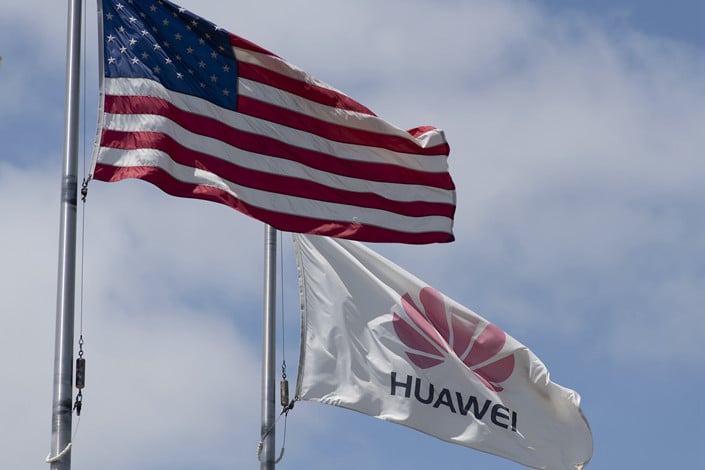
Before new sanctions on Chinese giant Huawei were set to kick-off from 15th September, the company had started stockpiling the necessary components to ensure that the business doesn’t go under.
Thanks to that stockpiling from Huawei, Taiwan has witnessed a rise in exports for the month of September. As per the report, the exports jumped 9.4 percent from a year earlier to $30.71 billion last month.
This is the second-highest monthly tally on record as far as exports from Taiwanese firms are concerned. The month of August had also witnessed a rise in export — an 8.3 percent increase, helped by Huawei.
For those who are unaware, the Trump administration expanded restriction on Huawei in the month of August and banned suppliers from selling chips made in the U.S. or using U.S. technology to Huawei without a special license. The new sanctions took effect in mid-September and thus, the Chinese giant had started stockpiling components.
It’s noteworthy that Taiwan’s September imports unexpectedly fell by 5.4 percent, against economists’ expectations for a 3 percent increase. As per the report, Taiwan, which has China as its largest trading partner, could see around 2 percent exports this month, i.e. October 2020, said Taiwan’s finance ministry.
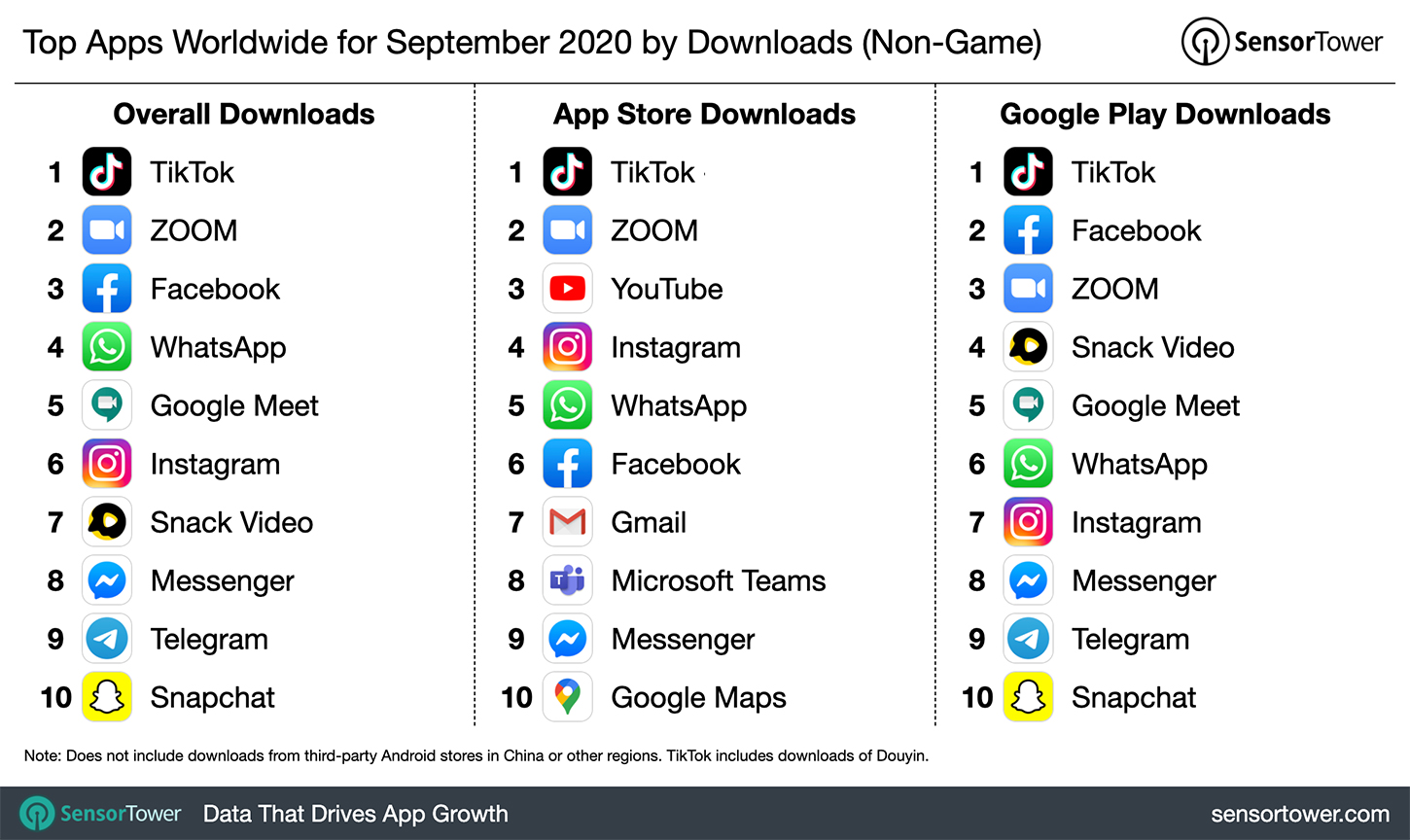
Despite facing issues in a few countries, the short-form social media app TikTok continues to be the most downloaded non-gaming app worldwide for September 2020, according to the new report from Sensor Tower.
In the month of September, TikTok witnessed more than 61.1 million installs, which represents a 2 percent increase compared to the same period last year.
Zoom was the second most installed non-gaming app with around 55 million installs, a growth of 21.4 times compared to September 2019. Completing the list of the top five most downloaded apps last month include Facebook, WhatsApp, and Google Meet.
Following the top five apps, other apps that made it to the top 10 most installed applications in the month of September 2020 include Instagram, Snack Video, Messenger, Telegram, and Snapchat.
As for the countries, it was Brazil which saw the most number of installs in September, representing 11 percent of the total installs worldwide. It was followed by the United States, which captured 9 percent of the total installs.
Do note that the report from Sensor Tower is for non-gaming mobile applications downloaded from 1st September 2020 to 30th September 2020 through Apple App Store and Google Play Store and no third-party app store.
Also, the company has clarified that it does not count Apple’s own applications and pre-installed Google apps. Further, the report includes only unique downloads and combines multiple versions of apps into one. For instance, Messenger and Messenger Lite from Facebook are counted together.
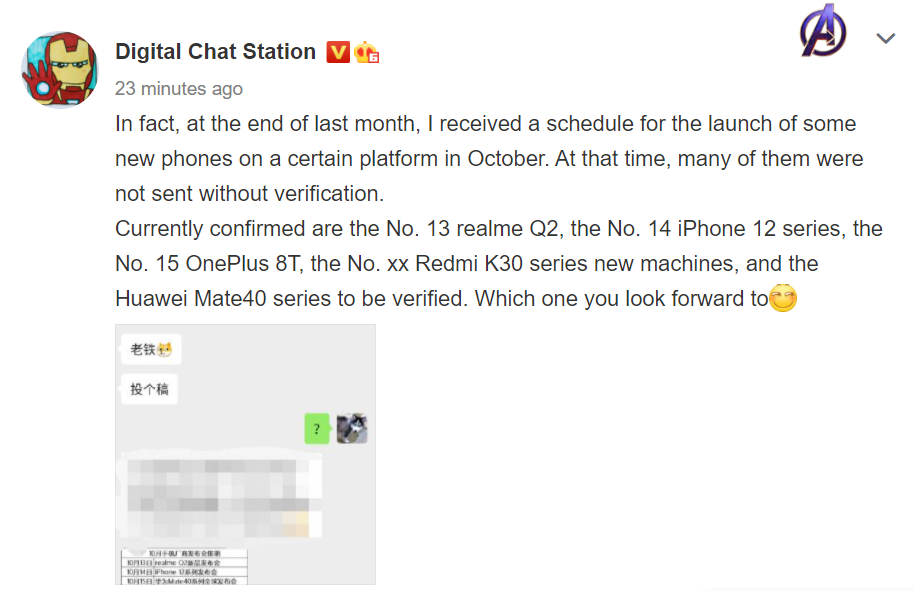
Yesterday, Redmi General Manager Lu Weibing released a Weibo that hinted that the company will be announcing new devices in this quarter. His Weibo post also reveals that Redmi will also unveil products this month. A well-known tipster shared the list of the phones that are expected to debut this month in China. He has revealed that the new Redmi K30 smartphones will break cover this month.
1 of 2
Redmi GM October launch event hint
Realme Q2 October 13 Launch Leak
The M2007J3SC 5G phone was recently certified by the 3C authority of China. It revealed that the phone could be coming with a 33W charger. The ‘C’ at the end of the model number hints that it is a Chinese version of the M2007J3SG model number that belongs to the Xiaomi Mi 10T.
There are rumors that claim that the Xiaomi Mi 10T will be rebranded as the Redmi K30T in China. The K30T is likely to rival with the iQOO Neo3 5G handset. It is unclear whether the Xiaomi Mi 10T Pro will be arriving as the Redmi K30T Pro in the home market.
The Xiaomi Mi 10T has a 6.67-inch IPS LCD punch-hole display that offers a full HD+ resolution and a 144Hz refresh rate. The Snapdragon 865 mobile platform and a 5,000mAh battery powers the handset. The phone comes with up 8 GB of RAM and up to 256 GB of storage. It carries support for 33W fast charging.
The Mi 10T has a front-facing snapper of 20-megapixel. Its rear features a 64-megapixel main camera, a 13-megapixel ultrawide shooter, and a 5-megapixel macro lens. It is preinstalled with MIUI 12 skinned Android 10 OS. It is fitted with a side-mounted fingerprint scanner. It is not clear whether the Xiaomi Mi 10T Pro will be rebadged as the Redmi K30T Pro.
Not only him, but other digital bloggers on Weibo are also claiming that the Realme Q2 phone will break cover on Oct. 13. There are speculations that the Q2 will come preloaded with Realme UI 2.0 based Android 10 OS.
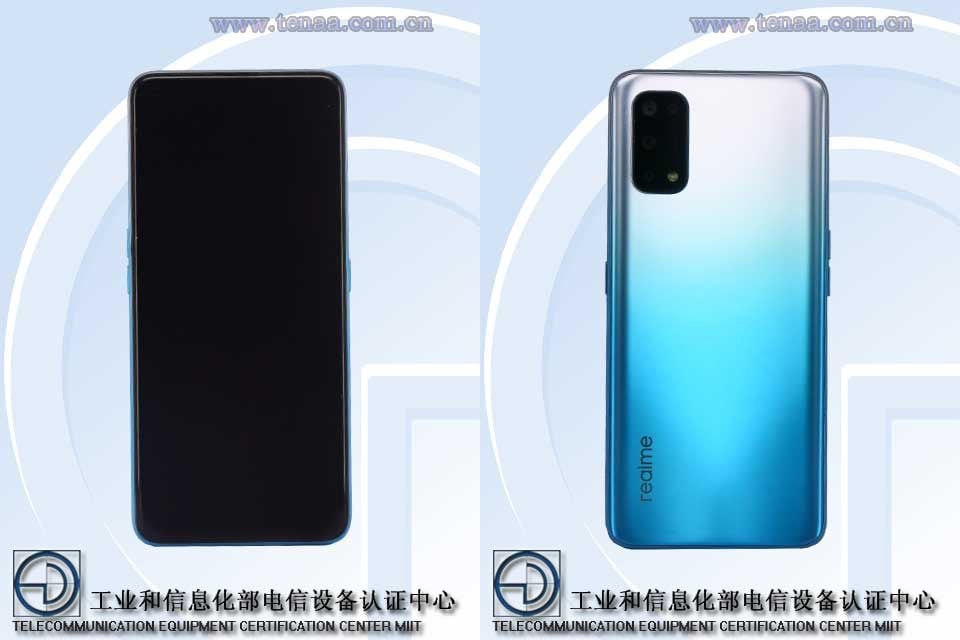
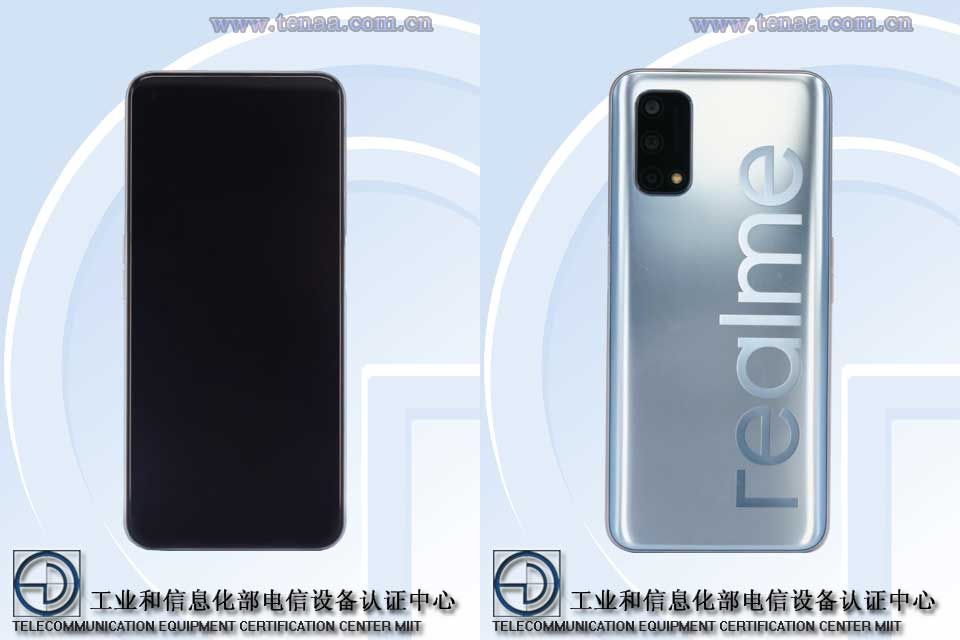
Two Realme phones with model numbers Realme RMX2173 and RMX2117 smartphones were approved by the TENAA authority in September. There is conflicting information on which of these devices will be debuting as the Realme Q2. There is a possibility that both devices may hit the Chinese markets as Q-series handsets.
The Realme RMX2173 has a 6.43-inch AMOLED display with full HD+ resolution support. It is integrated with an in-screen fingerprint sensor. It is fueled by a 2.4Ghz octa-core processor and 6 GB / 8 GB RAM. The handset was recently seen at AnTuTu with 519992 benchmarking scores. It is expected to arrive with 128 GB / 256 GB of storage. The phone has a 4,000mAh battery that seemingly supports 65W fast charging. It has a 48-megapixel + 8-megapixel + 2-megapixel + 2-megapixel quad-camera setup and a front-facing snapper of 16-megapixel.
The RMX2117 has a 6.5-inch FHD+ display, a 2.4GHz octa-core processor, up to 8 GB of RAM, up to 256 GB of storage, and a 5,000mAh battery. It has a 16-megapixel front camera, and a 48-megapixel + 8-megapixel + 2-megapixel triple camera system. Lastly, it has a side-mounted fingerprint reader.
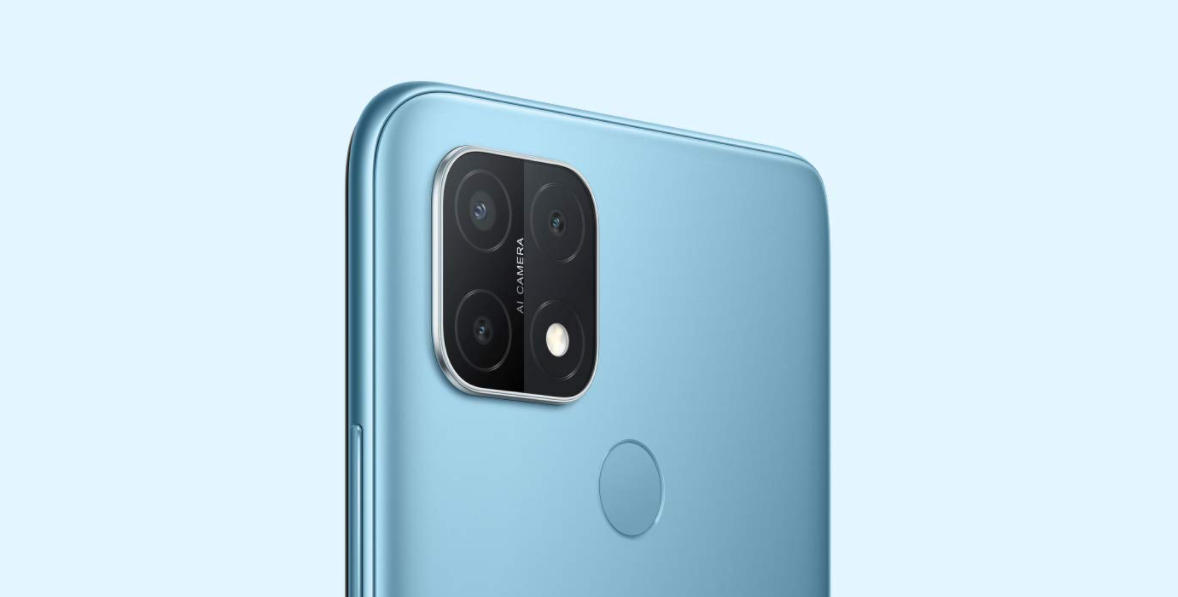
Recent reports have revealed that OPPO could be planning to release the new OPPO A15 in multiple markets like India, Thailand, Indonesia, and Europe. India could be the first market to receive it as the phone’s promo page is already live on the Amazon India retailer site. Today, the page got updated with the configurations of the rear cameras of the OPPO A15.
The OPPO A15 sports a trendy square-shaped camera housing at the upper-left corner of its back panel. The camera setup features a 13-megapixel main lens, a 2-megapixel macro lens, and a 2-megapixel sensor. The A15’s launch date is still a mystery. It is speculated that the smartphone may go official ahead of the Great Indian Sale shopping festival that begins on Oct. 17 on Amazon India.
Apart from the camera details, only a few specs of the OPPO A15 are known so far. Its FCC certification had revealed that it is has a 4,230mAh battery that supports 10W charging, a USB-C port, and a 3.5mm audio. The handset also features a traditional rear-facing fingerprint sensor.
Judging from the specs that have surfaced so far, it appears that the A15 could be priced under Rs 10,000 (~$136) in India. The Amazon listing of the device is expected to get updated with newer information on its specs in the coming days.
The FCC and NBTC (Thailand) certifications have revealed that the OPPO A15 has a CPH2185 model number. There is another phone called the OPPO A15s that has received approval from the EEC and Singapore’s IMDA authorities. The model number of the phone is CPH2179. As there is no information on the specs of the OPPO A15s, it is unclear whether it will be positioned lower than the OPPO A15.
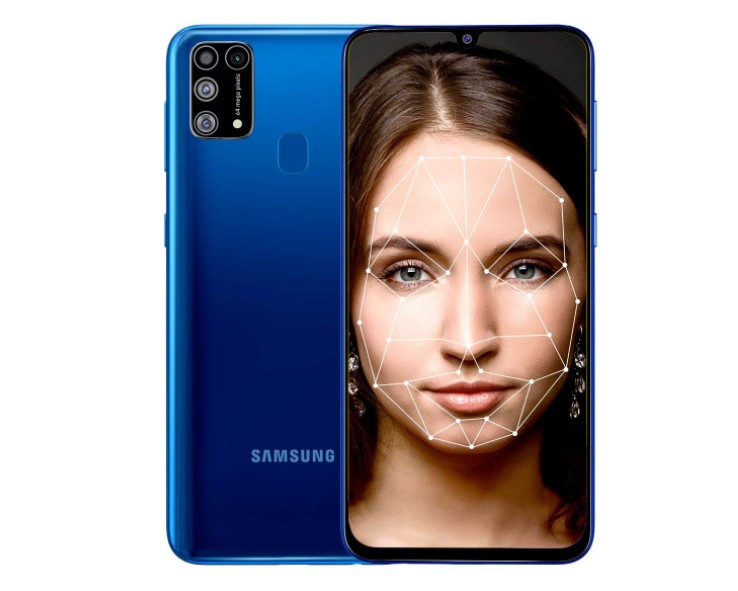
Samsung has recently started teasing the arrival of a new M-series phone through Amazon India. The promo page on the retailer site only mentions it as Galaxy M Prime, but its source code revealed that it could be called Galaxy M31 Prime. Well-known tipster Ishan Agarwal has revealed through 91mobilesthat the device will be breaking cover as the Galaxy M31 Prime Edition. He also shared the color variants of the smartphone.
The specs of the Galaxy M31 Prime Edition mentioned on the Amazon listing resemble with the Galaxy M31. It is unclear what differs the Prime Edition from the M31. Samsung announced the M31 back in February this year in color variants like Ocean Blue and Space Black. The publication revealed that the upcoming Galaxy M31 Prime Edition will be available in these two colors as well as in a new color named Iceberg Blue.
The Galaxy M31 Prime Edition promo page at Amazon India mentions that it is an Exynos 9611 chipset powered handset and it will come with 6 GB of LPDDR4x RAM and it has 64 GB / 128 GB of storage. Interestingly, the tipster claims that the Galaxy M31 Prime Edition will be available in a sole version of 6 GB RAM + 128 GB storage.
The Galaxy M31 Prime Edition has an Infinity-U notch display. It has a front-facing camera of 32-megapixel and its rear-mounted quad-camera system consists of a 64-megapixel main camera, an 8-megapixel superwide lens, a 5-megapixel macro shooter, and a 5-megapixel depth sensor.
The smartphone is equipped with a rear-mounted fingerprint reader. It is backed by a 6,000mAh battery that supports 15W charging. It also features a microSD card slot. At present, there is no word on the specifications of the device.
Google Assistant is available on a variety of devices from smartphones to speakers, to smart TVs. Since its launch, the Google Assistant has gotten new features such as support for more voices. Now Google says it will begin rolling out a Guest mode feature to the AI assistant.
A blog post by Google says that the feature will begin rolling out in the next few weeks. With Guest Mode, interactions with the Google Assistant are not saved to your Google Account. This can be likened to using incognito mode when browsing.
Google says you will be able to activate Guest Mode with a voice command. At the moment, you can ask Google Assistant to delete your last query and it will remove it from your Google Account. However, if you have multiple queries, that can be tiring. Guest Mode eliminates the need for that.
The blog post also revealed that Google will begin sending critical security alerts directly to users when using a Google app rather than to your email. So if you are using Google Maps and there is a security alert, you will be notified with the app. The notification will come via a blinking red icon on your Google account profile picture in the corner.
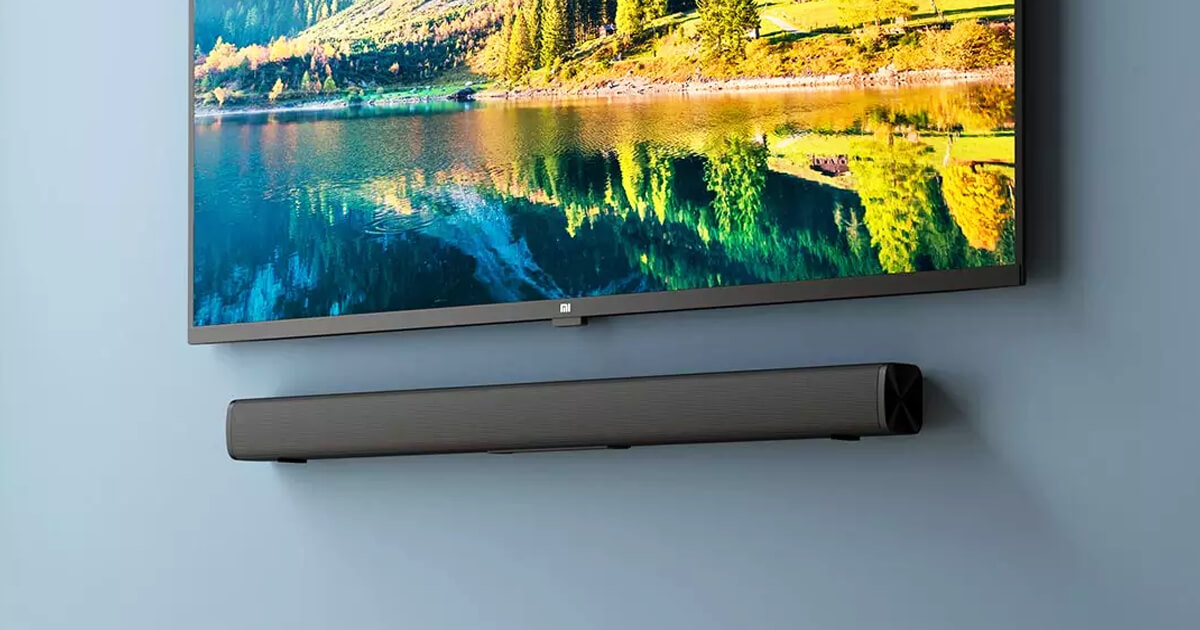
The Redmi TV Soundbar was announced in May this year in China. Priced at 199 Yuan (~Rs 2,150; ~$30), the device came with full-range speakers that delivered 30W sound output. It came with support for Bluetooth 5.0 and it supported wired connectivity through S/PDIF and AUX.
The product measured 78cm in length, 6.4cm in width, and 6.3cm in height and it weighed 1.5kg. The Matte Black colored soundbar sported a minimalist design. It can be used either by placing on a shelf or by mounting on a wall.
The publication revealed that the Redmi Soundbar will carry aggressive pricing in India since the brand is known for selling its devices at irresistible prices. The arrival of the soundbar is a good hint that Xiaomi may soon bring Redmi TVs to India in the near future.
In related news, Redmi has started with the sales of the Redmi Earbuds 2C and SonicBass wireless phones with respective price tags of Rs 1,499 (~$20) and Rs 1,299 (~$18). The latter is available at a limited period introductory price of Rs 999 (~$14).
The Earbuds 2C is an IPX rated earbuds that supports Bluetooth 5.0 connectivity and promises up to 12 hours of battery life through its carrying case. It is equipped with touch controls and it has a microUSB port. Also, it supports voice assistance and it supports Android and iOS devices.
The SonicBass is a Bluetooth 5.0 enabled neckband that promises 12 hours of battery life on a single charge. The IPX4 rated neckband supports dual pairing and supports dual-mic environmental noise cancellation support.
Huawei‘s consumer Business group is faced with a huge challenge that could crumble the brand’s smartphone business, occasioned by the US ban. Already, the company is already running short of supplies for chipsets that would be used on future models. As a result, the company is reportedly looking for contingency plans. Noted TF International Securities analyst Ming-Chi Kuo has released a research report that predicted and analyzed the potential impact of Huawei’s countermeasures against the US ban.
Ming-Chi Kuo pointed out in the report that after a comprehensive scenario analysis of Huawei’s potential countermeasures against the US ban, one of the most likely scenarios is that Huawei sells the Honor mobile phone business.
He believes that if Huawei sells the Honor mobile phone business, it will be a win-win situation for Honor brands, suppliers and China’s electronics industry.
The analyst noted that if Honor is independent from Huawei, the procurement of parts will not be restricted by the US ban on Huawei. This he said, will help Honor mobile phone business and suppliers grow.
Under the Huawei system, Honor is currently only positioned in low-end models. If it is independent of Huawei, it can develop high-end models.
Ming-Chi Kuo believes that Honor’s current advantage lies in its brand value. If it can maintain its existing brand value after its independence from the Huawei system and extend its brand value to the mid to high-end market, it will help continue its brand advantage and increase market share.
After the US ban on Huawei, the market expects that OPPO, Vivo and Xiaomi’s market share will increase. However, if the Honor mobile phone business can be independent of Huawei, the ASP of Honor mobile phone is similar to that of Xiaomi (about US$150–$220/1,000 yuan–1,500) yuan, so Xiaomi’s market share increase will most obviously be lower than market expectations. OPPO and Vivo’s market share may also be lower than market expectations if the Honor mobile phone business can maintain the recognition of the Honor brand by Chinese users through proper marketing after it becomes independent of the Huawei brand.
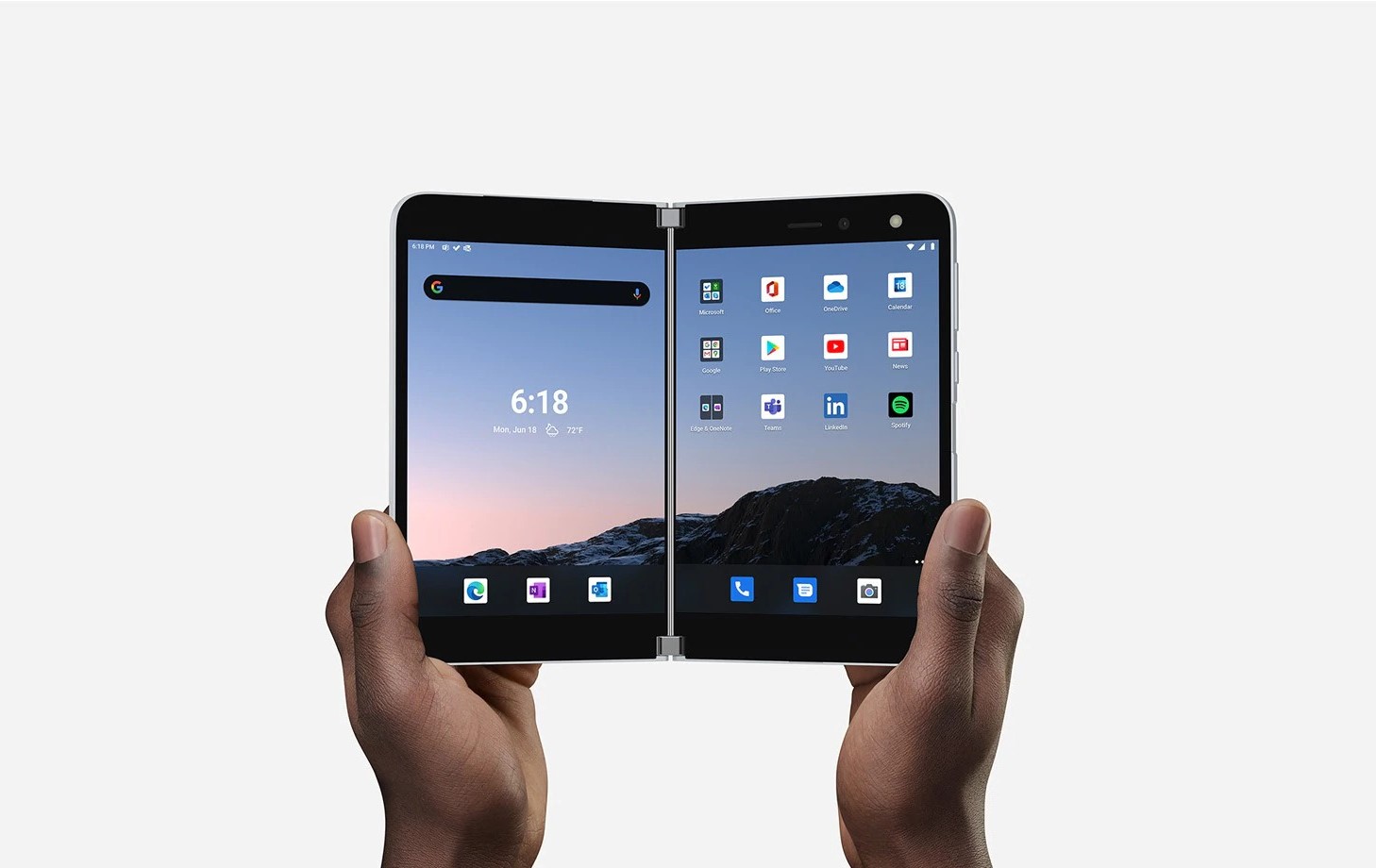
Microsoft unveiled its much-awaited Surface Duo smartphone which comes with dual displays and is powered by the Android operating system recently. Despite the device scoring a pass in JerryRigEverything’s Durability test, there have been a few reports of a cracked frame around the charging port apparently due to the thin frame. Looks like the Surface Duo’s woes are not over as there are also users who now report that their units have signal problems.
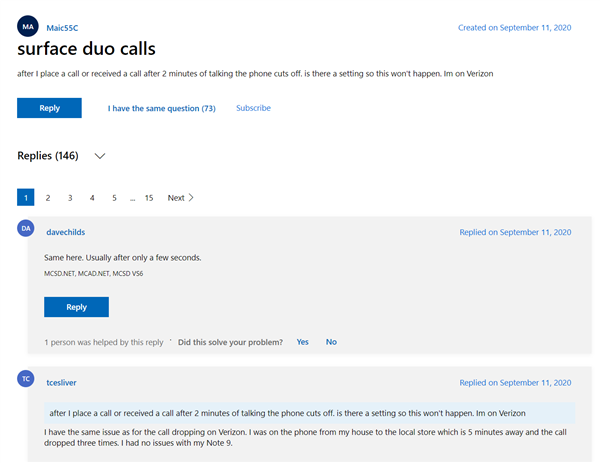
According to a user’s feedback thread on Microsoft’s official support community, the current problems include weak signal and high latency, and problems will occur regardless of incoming or outgoing calls.
At present, the problem is mainly caused by software, because the conditions for signal problems are often related to location, default location and frequency band settings. Reconfiguring the network settings may improve the signal strength, but there are also users who have responded that the disconnection problem cannot be solved anyway despite tweaking those settings
As of now, Microsoft has not officially responded to this issue. Users can only manually reset the local network settings to temporarily fix the signal problem. The good news is that compared to hardware problems such as broken plastic middle frames and damaged hinges, signal problems seem to be easier to solve. Microsoft officials should be able to fix the vulnerabilities in the software through later updates to prevent this problem from recurring.
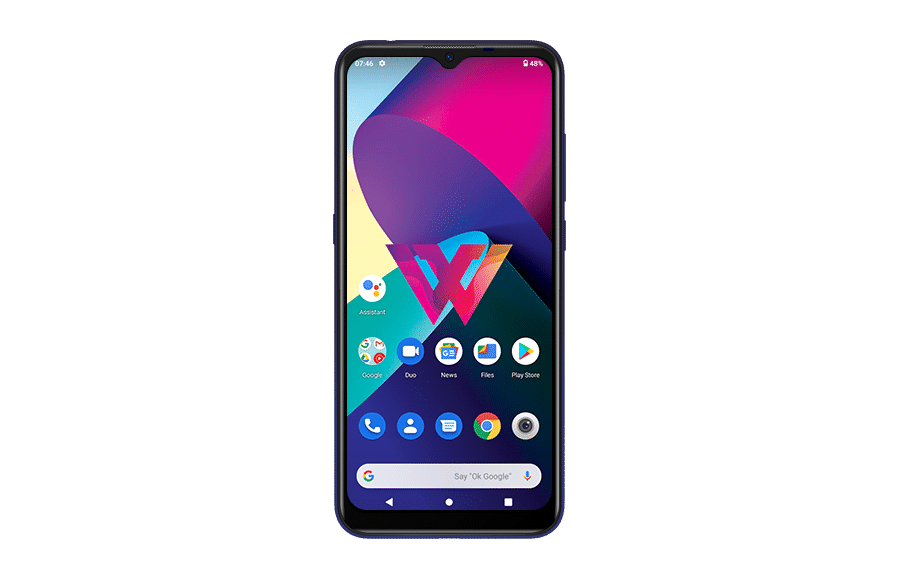
Last year in June, LG unveiled three W-series smartphones such as the LG W10, LG W30, and LG W30 Pro in India. Recent reports have revealed that the South Korean company is working on the LG W31 smartphone. The arrival of the LG W31 seems to be close at hand as it has appeared with its key specifications and an image at the Google Play Console.
The LG W31 Google Play Console listing shows that its display delivers an HD+ resolution of 720 x 1600 pixels and a 20:9 aspect ratio. The image of the phone reveals that it is equipped with a waterdrop notch display. The exact size of the screen is not mentioned. Since it is a budget-friendly device, it is likely to sport an LCD screen. The handset is preinstalled with Android 10 OS.
The MediaTek MT6762 i.e. the Helio P22 chipset is present under the hood of the device. The SoC is coupled with 4 GB of RAM. Now that the phone has appeared at the Google Play Console, it is likely to go official soon in the coming weeks.
The other details of the LG W31 smartphone are currently under wraps. The LG W31 moniker suggests that it will be succeeding the LG W30 from 2019. The handset had arrived with a 6.26-inch IPS LCD HD+ display with waterdrop notch, Helio P22 chipset, up to 4 GB of RAM, up to 64 GB of native storage, a 12-megapixel + 13-megapixel + 2-megapixel triple camera system, a 16-megapixel front-facing camera, a 4,000mAh battery, and a rear-facing fingerprint scanner.
The LG W30 Pro was a variant of the W30 with better specifications. It is unclear whether the company has plans to launch the LG W31 Pro phone alongside the LG W31.
A panel set up by the US House of Representative has stated that there is an abuse of market power by four major technology companies in their bid to rake in more profit. This in turn is destroying rivals and forcing small businesses to their knees.
According to the report by Reuters, the panel known as the antitrust subcommittee of the Judiciary Committee holds that Google, Apple, Amazon, and Facebook should not have dual powers to control and compete in the same business. Part of the recommendation is that these companies should be restructured but there was no revelation whether a specific company should be broken up.
The full report by the subcommittee is contained in a 449-page document. The report suggests wide changes to antitrust law and also listed “dozens of instances where companies misused their power”. It also revealed how companies did everything they could to dominate over competitors in order to control large portions of the internet.
One example is Facebook’s acquisition of Instagram back in 2012, when Mark Zuckerberg, Facebook CEO, noted the photo-sharing platform is building a competitive network that could be “very disruptive to us”, the report reads.
Changes suggested by the committee include stopping Google to both run the auctions for online ad space and participate in those auctions. Another suggestion is for Amazon to stop operating on markets where it also competes with other retailers, but the report also urged US Congress to act on allowing antitrust enforcers more freedom to stop purchases of potential rivals.
It is still a long way off for the report to the spun into an act of congress. Reuters noted that if the presidential elections are won by Joe Biden, the Democratic majority in the House might keep pressuring Congress to act on the findings and introduce a revamped antitrust law.
A report by the Korean Investor says Qualcomm has chosen Samsung over TSMC to manufacture its upcoming Snapdragon 750G chipset. Qualcomm is expected to announce the high-end Snapdragon 875 chipset on December 1 and it is built on a 5nm silicon manufactured by TSMC.
Apparently, the US fabless chipmaker is looking elsewhere for the manufacture of its premium mid-range offering. The Snapdragon 750G will succeed the Snapdragon 730G and will also supposedly be made using the 8nm process to keep the cost down.
Despite utilising the same 8nm process, the chipset is expected to come with several improvements over its predecessor. Some of the improvements include better CPU, graphics, and AI performance. The X52 5G modem embedded within the chip supports both mmWave and sub-6 5G. Some of the upcoming models fingered to be powered by the Snapdragon 750G includes the Xiaomi Mi 10T Lite and the Galaxy A42.
Winning the Snapdragon 750G orders is yet another plus for Samsung in its bid to increase its foundry market share. According to a ranking by TrendForce, the Taiwan Semiconductor Manufacturing Company (TSMC) is the current market leader with a 53.9 percent share of the market. TSMC is followed by Samsung which controls 17.4 percent of the market. Samsung’s market share is expected to rise above 20 percent next year.
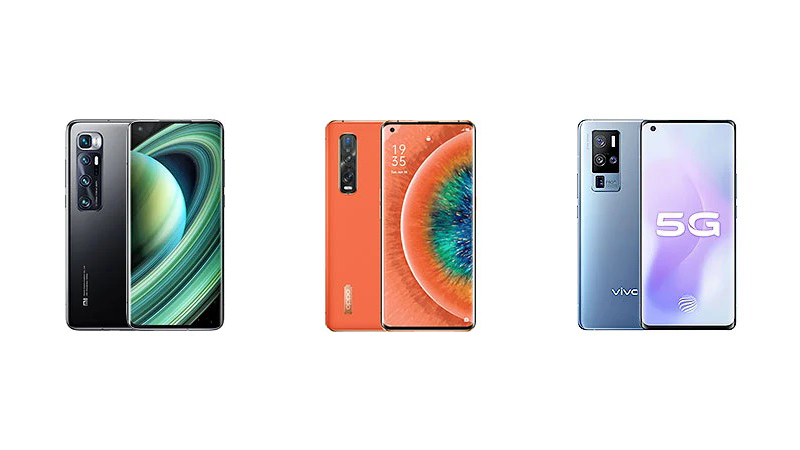
Gone are the days in which you had to opt either for Samsung or Apple to get a top-tier flagship. Now, all the mainstream Chinese smartphones manufacturers have a top-tier option, and in 2020, these options became even more premium. Xiaomi released the Mi 10 Ultra for the Chinese market: one of the most stunning devices of this year. It is currently very hot, but is it the best Chinese flagship you can get? We tried to let you find out by making an in-depth specs comparison between Xiaomi Mi 10 Ultra and two other top-tier flagships released by Chinese manufacturers: Oppo Find X2 Pro and Vivo X50 Pro+.
Xiaomi Mi 10 Ultra vs OPPO Find X2 Pro vs Vivo X50 Pro+
4500 mAh, fast charging 120W Quick Charge 5, fast wireless charging 50W and reverse wireless charging 10W
4315 mAh, fast charging 44W
ADDITIONAL FEATURES
Dual SIM slot, 5G
Dual SIM slot, 5G
Dual SIM slot, 5G
Design
Xiaomi Mi 10 Ultra is definitely a beautiful device, but OPPO Find X2 Pro and Vivo X50 Pro+ offer something more when it comes to aesthetics. They come in a very original variant boasting a vegan leather back, unlike all the other last-generation flagships. The OPPO Find X2 Pro is my favorite one because it has a less invasive camera module and more accurate details. It was launched in two color variant: a black one made of ceramic and an orange one made with vegan leather and aluminum. Which one would you pick?
Display
The most advanced display belongs to the OPPO Find X2 Pro: we are talking about a stunning 6.7-inch OLED panel with a Quad HD+ resolution which can display one billion colors thanks to its 10-bit architecture. The display supports a refresh rate up to 120 Hz and the HDR10+ certification. Its peak brightness is 1200 nits. Right after, not too distant, we got the Xiaomi Mi 10 Ultra with very similar specifications: the key difference is the resolution. While OPPO Find X2 Pro is the only one with a Quad HD+ display, the Mi 10 Ultra has a classic Full HD+ resolution.
Hardware/Software
Xiaomi Mi 10 Ultra, Oppo Find X2 Pro and Vivo X50 Pro+ are all powered by the octa-core Snapdragon 865 mobile platform by Qualcomm. But on the paper, Mi 10 Ultra is slightly better due to its better memory configuration: the Xiaomi flagship boasts up to 16 GB of RAM and up to 512 GB of UFS 3.1 internal storage, while Oppo Find X2 Pro and Vivo X50 Pro+ stop at 12 GB of RAM. All the handsets run Android 10 out of the box with a highly-customized user interface. All of them have flagship-class hardware and you will hardly notice the difference even with the most advanced usage scenarios.
Camera
According to the famous portal DxOMark, Xiaomi Mi 10 Ultra is the best camera phone ever. We did not test the cameras of these three devices thoroughly, but we know all of them are amazing camera phones. They boast an astonishing photo quality and, while the Oppo Find X2 Pro and the Mi 10 Ultra are more interesting for photos, Vivo X50 Pro+ looks more convincing when it comes to the videos, thanks to its gimbal-like stabilization.
Battery
Xiaomi Mi 10 Ultra has the biggest battery (4500 mAh capacity) and even the fastest wired charging technology with a 120W power. Unlike the Oppo Find X2 Pro and the Vivo X50 Pro+, the Mi 10 Ultra supports both wireless charging (50W, one of the fastest wireless charging technologies) and reverse wireless charging.
Price
Xiaomi Mi 10 Ultra is priced €645/$760 in its base variant in China, Vivo X50 Pro+ starts from €605/$711, and Oppo Find X2 Pro cost about €850/$1000. On the paper, it is a hard fight between Mi 10 Ultra and Oppo Find X2 Pro. The former has a bigger battery and more advanced charging technologies, while the latter has a better display and design. Further, it is waterproof, unlike the Mi 10 Ultra. Which one would you choose?
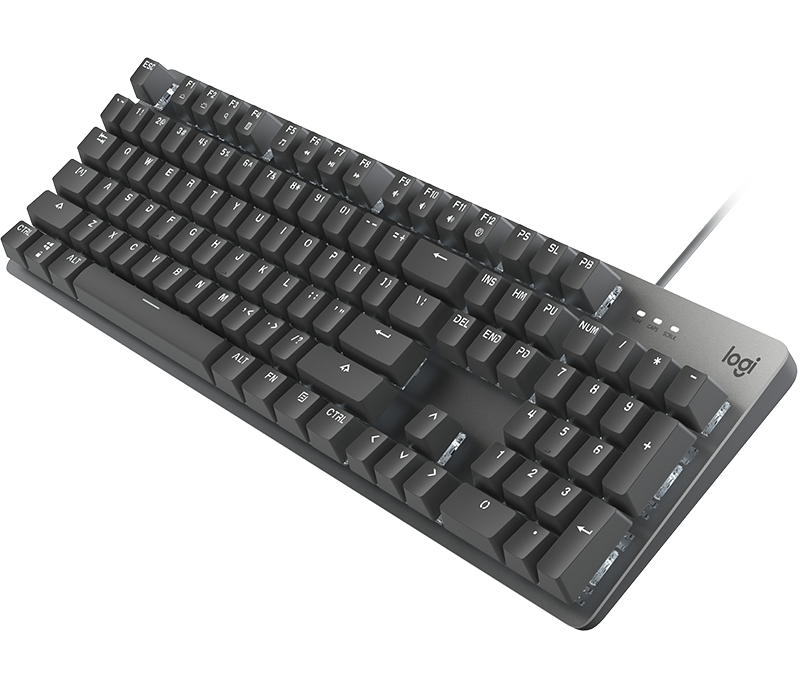
Logitech has announced a new mechanical keyboard that it says is designed for work. The Logitech K845 Mechanical Illuminated keyboard packs a lot of features for just $59!
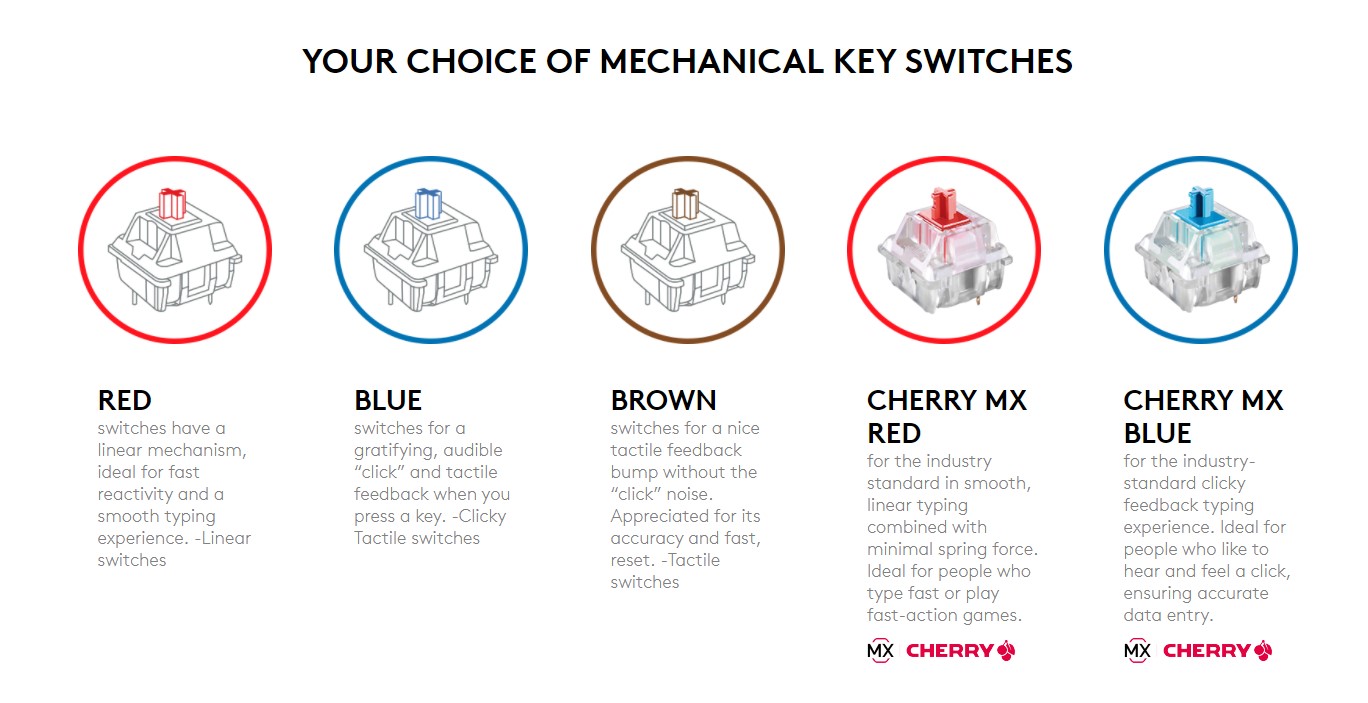
The new corded keyboard is designed to provide users with precision, speed, and accuracy when typing. Buyers will be able to choose from five different switches including linear, tactile, and clicky mechanical switches that best fit their typing style.
The Logitech K845 Mechanical Illuminated keyboard has a floating-key design. The peripheral manufacturer has gone for a premium aluminum top case that further improves the design. It is not just good looking but durable. Logitech says the switches have been tested up to 5 million clicks and the molded characters won’t fade or wear off.
The full-sized keyboard with angled keys also has tilt legs that allow you to switch between 4-degree and 8-degree angles. This way, you can type comfortably for longer.
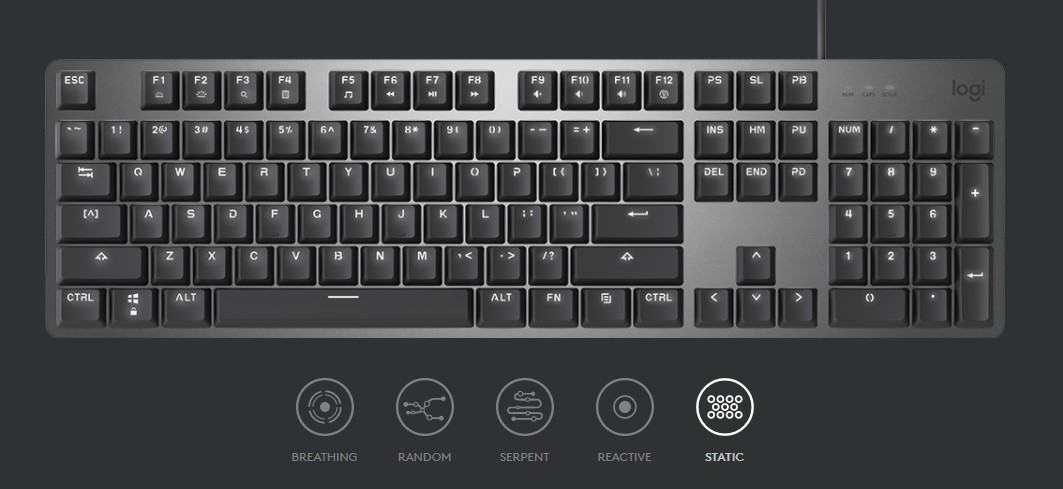
The keyboard also has a backlight that can be configured in five different ways. There is a breathing mode, random mode, serpent mode (which is really cool), reactive mode, and static mode. You can also increase and decrease the brightness as you deem fit.
The Logitech K845 Mechanical Illuminated keyboard is priced at $59.99 for the red, blue, or brown switches. If you want the version with the Cherry MX Switches, you will have to pay $79.99. The keyboard is compatible with Windows 10, Windows 8, and Windows 7. It weighs 780 grams and measures 127 x 435 x 6.5 millimeters.
The Nokia 3.1 released in May 2018 with Android 8.0 Oreo is now receiving the update for Android 10. The update was released today and has begun rolling out to the smartphone today.
This update comes later than expected. HMD Global had promised the update will roll out to the device in the latter part of the second quarter of the year but it has arrived in the fourth quarter.
Attention #Nokia3dot1 owners 🚨 The latest #Android10 update has been released to your devices. Experience the newest features on your phone today.
Android 10 brings Dark Mode, Smart Reply, Gesture Navigation, and more features. Sadly, we haven’t seen a screenshot of the update, so we do not know the file size and what security patch is included.
As is the norm, the update is rolling out in waves. The countries under Wave 1 include Armenia, Azerbaijan, Bangladesh, Belarus, Georgia, India, Kazakhstan, Laos, Malaysia, Mongolia, Morocco, Nepal, Philippines, Singapore, Sri Lanka, Thailand, Tunisia, Ukraine, Uzbekistan, and Vietnam.
The official post on the Nokia Community page says that 10% of the aforementioned markets will get it today. By October 10th, 50% of users should have received it and all users should have gotten it by October 12.
Smartphones running on MIUI are generally popular in the custom ROM community for various reasons. Mid-range POCO X2, which also runs on MIUI, has loads of custom ROMs. And now, its successor, POCO X3 NFC, has got a first working custom ROM within a month of its release.
The first working ROM, Nitrogen OS for POCO X3 NFC, is compiled by a senior member at XDA, xyyx. The ROM, however, is based on Android 10 and not 11. That said, this is based on AOSP(Android Open Source Project) and is sure to give a near-stock experience to users. Also, the ROM doesn’t contain any bloatware apart from the essential system apps. It doesn’t even include GApps(Google Apps) and you will have to flash it separately. XDA report also says that the ROM contains certain features hand-picked from LineageOS, OmniROM, Dirty Unicorns. If you wondering what these are, they are some of the popular custom ROMs.
That said, early builds of ROMs are sure to contain bugs. And, Nitrogen OS for POCO X3 NFC also has early bugs like broken video recording, inability to set SELinux to Enforcing mode, absence of Double-tap to wake feature. However, on looking at the current update of bugs on the Nitrogen OS XDA page for POCO X3 NFC, the bug section only lists SELinux. Hence, there is a possibility that the updated versions will fix the above bugs.
Other than this, basic features like Wi-Fi, calling, camera is reportedly working fine. You can visit the XDA forum page to download and install the Nitrogen OS ROM on your POCO X3 if interested. Do note that you need a device with bootloader unlocked, and a custom recovery like TWRP installed on the device as a pre-requisite.
POCO launched the POCO X3 smartphone recently at a price tag of around 199 euros. The device features a 6.67-inch FHD+ LCD display with 120Hz, Snapdragon 732G SoC, 64MP Sony IMX 682 equipped quad rear camera, 6,000mAh battery with 33W fast charging.
We use cookies on our website to give you the most relevant experience by remembering your preferences and repeat visits. By clicking “Accept”, you consent to the use of ALL the cookies.
This website uses cookies to improve your experience while you navigate through the website. Out of these, the cookies that are categorized as necessary are stored on your browser as they are essential for the working of basic functionalities of the website. We also use third-party cookies that help us analyze and understand how you use this website. These cookies will be stored in your browser only with your consent. You also have the option to opt-out of these cookies. But opting out of some of these cookies may affect your browsing experience.
Necessary cookies are absolutely essential for the website to function properly. This category only includes cookies that ensures basic functionalities and security features of the website. These cookies do not store any personal information.
Any cookies that may not be particularly necessary for the website to function and is used specifically to collect user personal data via analytics, ads, other embedded contents are termed as non-necessary cookies. It is mandatory to procure user consent prior to running these cookies on your website.