New sanctions imposed by the United States on Huawei Technologies and its subsidiaries are now in effect. Japan-based companies, which supplies chips to the Chinese giant, are now scrambling to replace Huawei, facing the risk of losing billions of dollars in revenue.
The ban isn’t hitting only the Japanese companies but has also made the situation worse for companies in South Korea and others. In the latest sanctions, the U.S. has banned all exports to Huawei for semiconductors made with American technology.
As per the data revealed by research firm Omdia, Japanese companies supplied parts worth around $10.4 billion to Huawei last year. Because of the ban, Sony trimmed its capital spending plan for three years, as there’s now a gap of billions of dollars in sales from supplying image sensors to Huawei.
Sony is reportedly planning to apply for a license with the United States to continue doing business with Huawei. To replace Huawei, the Japanese company could sell its sensors to Apple and other Chinese companies. It is also looking to expand beyond mobile phones and develop sensors for a broader range of applications.
Similarly, Renesas Electronics has now stopped supplying semiconductors for 5G network base stations to Huawei. Toshiba-backed Kioxia has also suspended shipments of flash memory, following the same route as Mitsubishi Electric.
Chinese giant Huawei has already stockpiled necessary components that should help the company continue operating normally at least for a few months. But the company’s production ability will take a hit after some time, as it starts running out of components. It remains to be seen what the company has planned to keep its business afloat.
Yesterday, Apple held a virtual event to announce a couple of new devices such as Apple Watch 6 series, Watch SE, the 4th generation iPad Air, the 8th generation iPad, and Apple One subscription service. Apart from confirming the pricing of these products for the U.S markets, the company also confirmed its pricing and availability for India.
Apple Watch Series 6 and Watch SE price in India
The Wi-Fi only edition of the Apple Watch Series 6 has a starting price of Rs 40,900 (~$555). Its cellular sibling costs Rs 49,900 (~$676). On the other side, the Watch SE with GPS support is priced at Rs 29,990 (~$405) and the GPS + cellular edition costs Rs 33,990 (~$461).
Both smartwatches will be available in 40mm and 44mm sizes in India. The company has also mentioned “coming soon” about its availability.
Apple iPad Air (2020) and iPad (2020) price in India
The Wi-Fi only iPad Air (2020) with 64GB storage costs Rs 54,900 (~$744) in India and its Cellular edition is priced at Rs 66,900 (~$907). The 256 GB Wi-Fi only and Wi-Fi + Cellular edition of the iPad Air (2020) are priced at Rs 68,900 (~$934) and Rs 80,900 (~$1,096), respectively. The iPad Air (2020) will go on sale in India from October through Apple Authorised Resellers.
The compatible 2nd generation Apple Pencil, Smart Keyboard Folio, and Magic Keyboard accessories for the iPad Air (2020) are priced at Rs 10,990 (~$148), Rs 15,900 (~$216), and Rs 27,900 (~$378), respectively.
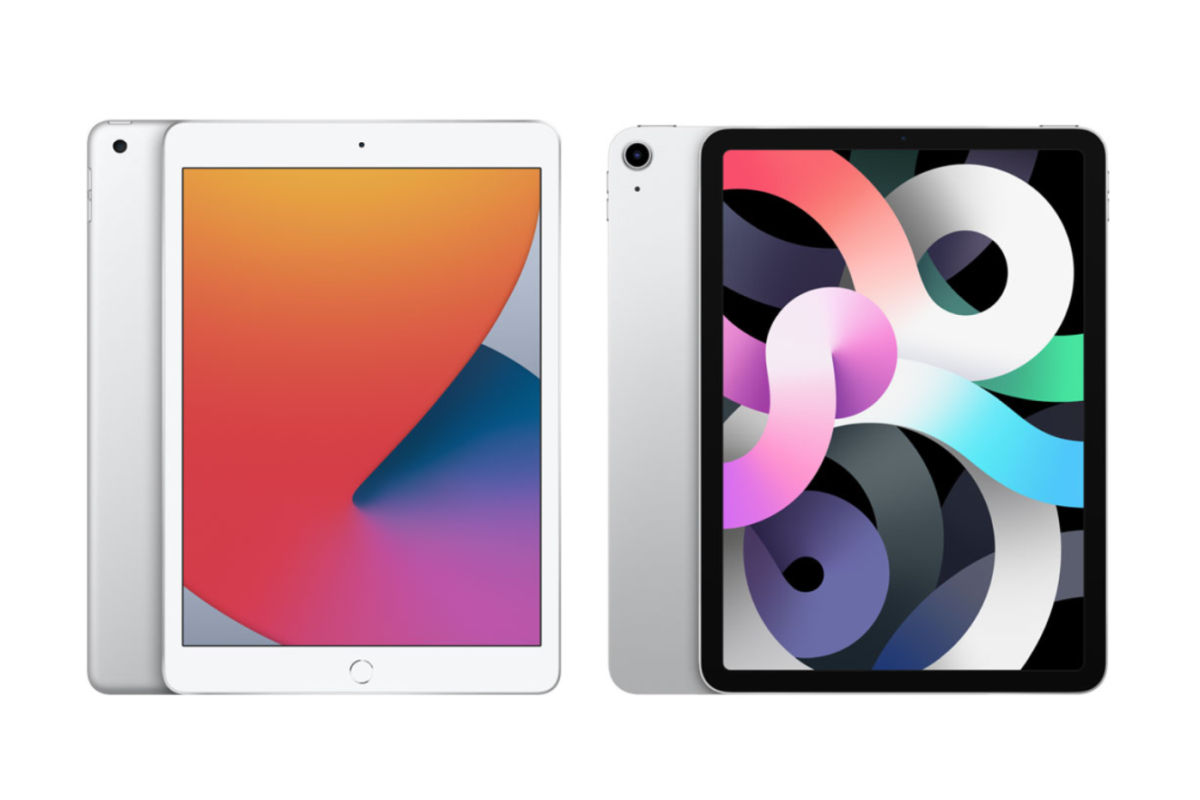
iPad 8th generation (left) and iPad AIr 4th generation (right)
The Wi-Fi only iPad (2020) 32GB and 128 GB storage editions are priced Rs 29,900 (~$405) and Rs 37,900 (~$514), respectively. The 256 GB iPad (2020) Wi-Fi only and Wi-Fi + Cellular variants are priced at Rs 41,900 (~$568) and Rs 49,900 (~$676)), respectively. The company claims that it will soon begin the sales of the device through Apple Authorised Resellers.
The 1st generation Apple Pencil, Smart cover, and Smart Keyboard for the new iPad are priced at Rs 8,500 (~$115), Rs 4,500 (~$61), and Rs. 13,900 (~$188).
Apple One price in India
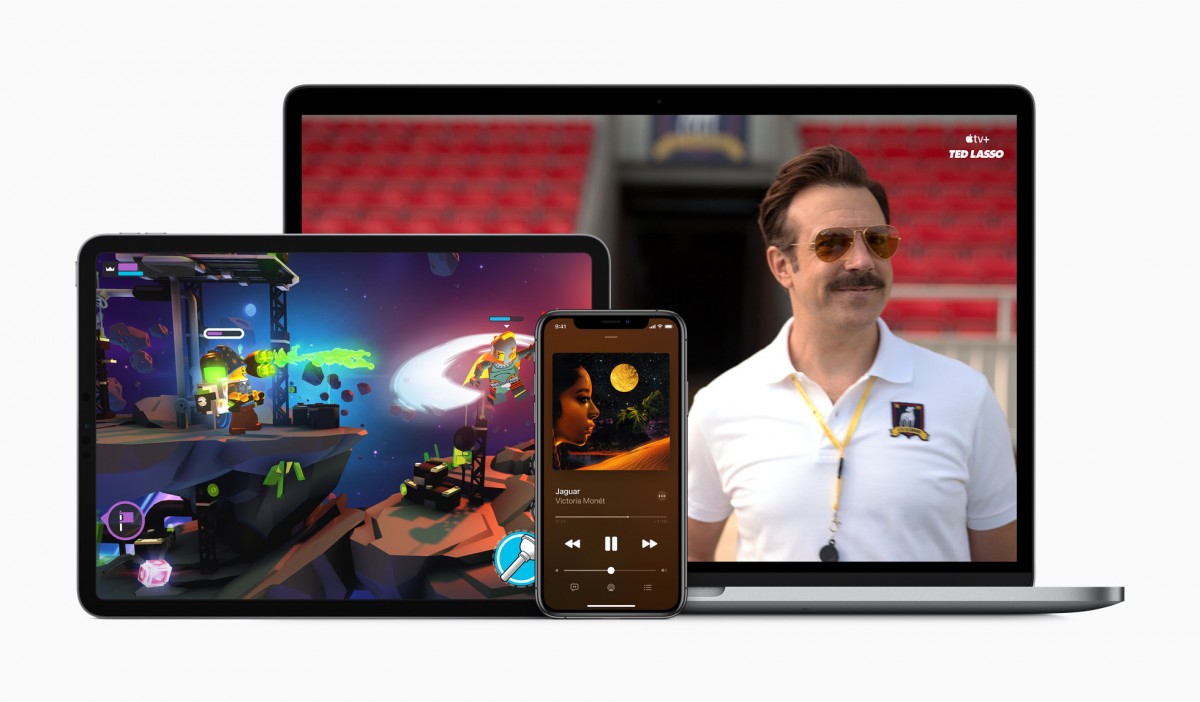
The Apple One Individual is priced at Rs 195 (~$3) per month. The plan comprises of Apple Music, Apple TV+, Apple Arcade, and 50 GB of iCloud storage. The Apple One Family plan which can be shared by six family members includes Music, TV+, Arcade, and 200 GB of iCloud storage. The Family plan is priced at Rs 365 (~$5) per month. It seems that there is no access to the premium plan in India since Apple News has not launched in the country yet.
Semiconductor Manufacturing International Corp (SMIC), one of the largest chipset manufacturer in China, has applied for a license from the United States to continue doing business with Huawei, reports Reuters.
SMIC confirmed to Beijing News that it is applying for a license in the U.S. to continue supplying chipsets to Huawei. Further, the company also said that it will abide by laws and regulations in all countries and regions.
The development comes just days after it was reported that the United States is planning to ban China’s largest semiconductor manufacturer, which relies on American chipmaking equipment for its business.
The ban on SMIC could badly hurt Huawei given that the company is manufacturing budget HiSilicon Kirin chipsets. As of now, SMIC is the only option left for Huawei given that it has been banned from using chipsets or its related technology by any American company.
Semiconductor Manufacturing International Corporation (SMIC), based in Shanghai, was founded in 20000. It recently raised around $7.8 billion in a secondary listing on the Star Market in July, making it the biggest public offering in China in a decade. For this, the company withdrew its listing from the New York Stock Exchange.
The company ranks among the top five semiconductor manufacturers in the world, but it is far behind its competitors when it comes to technology. While companies like TSMC and Samsung have started manufacturing 5nm chipsets, SMIC is still using the 14nm process for manufacturing smartphone chips.
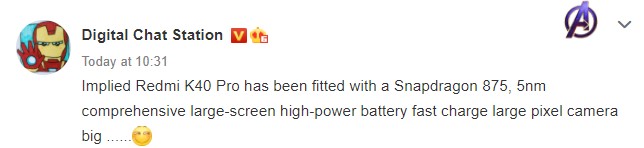
Apple announced the 4th generation iPad Air and the 8th generation iPad yesterday. The iPad Air (2020) is powered by the Apple A14 Bionic chipset, which is the world’s first 5nm SoC. The same SoC could be fueling the upcoming iPhone 12 series. As far as Android flagships are concerned, most of them are expected to feature the upcoming 5nm flagship chip from Qualcomm. While the name of the processor is under wraps, it is speculated to break cover as Snapdragon 875. Today, Redmi GM Lu Weibing released a post on Weibo to tease the arrival of new Redmi products with a 5nm chipset.
Qualcomm may launch the Snapdragon 875 mobile platform by the end of this year or early 2021. The first phones featuring the SD875 SoC will break cover in Q1 2021. Rumors have it that Xiaomi and Vivo will be the first brands to launch SD875 powered flagships.
This year, Xiaomi unveiled the Snapdragon 865 powered Xiaomi Mi 10 series in February. In March, Redmi announced the Redmi K30 Pro with the SD865 chip. Redmi’s first device to feature the new SD875 could be the Redmi K40 Pro.
Rumors are rife that the Redmi may announce the Redmi K40 by the end of this year and it may launch the Redmi K40 Pro in Q1 2020. The K40 is speculated to feature the upcoming Snapdragon 775 chipset. A tipster has claimed that the Redmi K40 will deliver a full-screen experience, carry support for rapid charger, and a large camera lens.
Xiaomi is expected to launch the Xiaomi Mi 20 (or Mi 11) flagship phones before the Spring Festival of China in February 2021. Probably, the Redmi K40 Pro may debut in March. At present, there is no word on other specs of the Redmi K40 and Redmi K40 Pro smartphones.
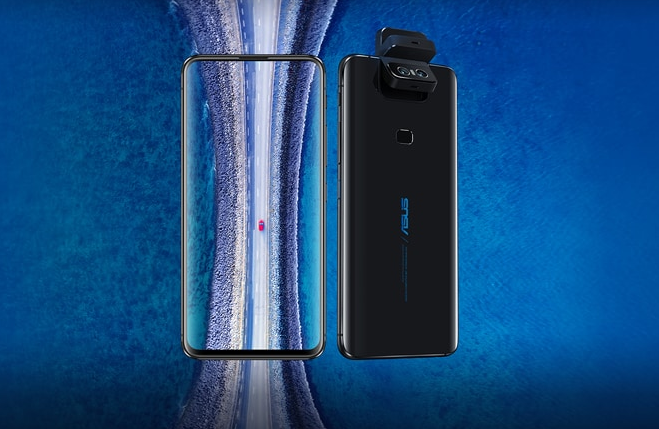
Like every other OEM, ASUS also opened Android 11 Beta registrations for ZenFone 6 aka ASUS 6Z last month. Now, after weeks, the company has finally released first-ever build for the selected users. The update comes with build number 18.0610.2009.37 and weighs around 1.4GB in size.
ZenUI on ASUS smartphones is now closer to stock Android than ever before. However, the company still takes time to roll out updates. For instance, Xiaomi and OPPO have already released Android 11-based MIUI 12 and ColorOS 11 for multiple devices. On the other hand, the Taiwanese company has only rolled out its first Android 11 Beta build for a single device.
Anyway, the update is here (via XDA Developers) and it brings all the core features of Android 11 like Chat Bubble, Notification History, Bluetooth in Airplane mode to name a few. Further, it finally adds support for gesture navigation for third-party features. We are not sure why ASUS waited until Android 11 to add it.
Interestingly, rather than adding new features, Android 11 for ZenFone 6 removes some old functions and apps like Private Listening, ZenUI Help, Smart group, Icon alignment, Icon packs, and Avast scanning engine. The new update also integrates PowerMaster features into Battery settings.
That said, although ASUS has seeded out the initial Android 11 Beta build for ZenFone 6, it is yet to announce a proper timeline regarding the delivery of subsequent beta builds and stable release.
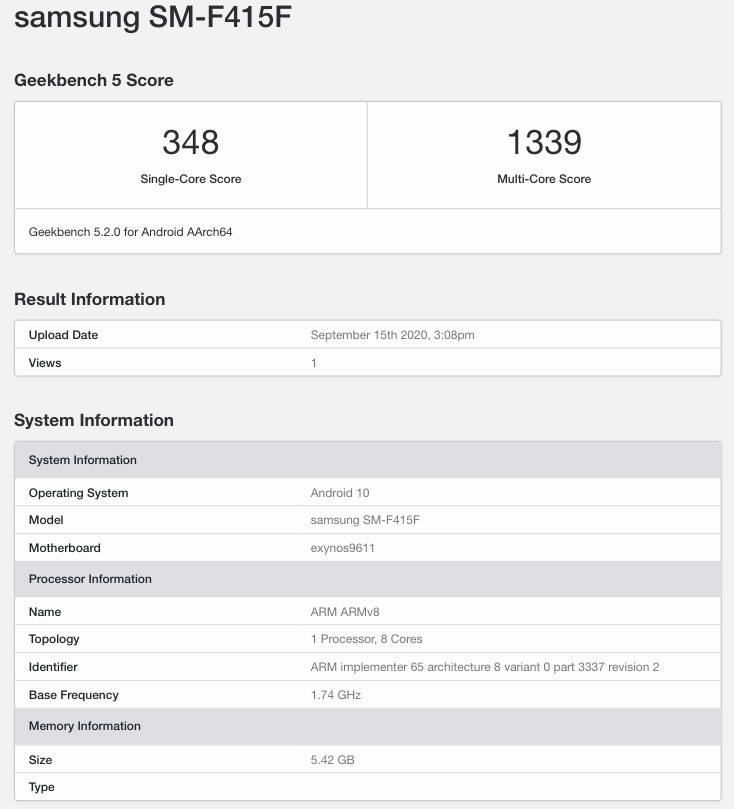
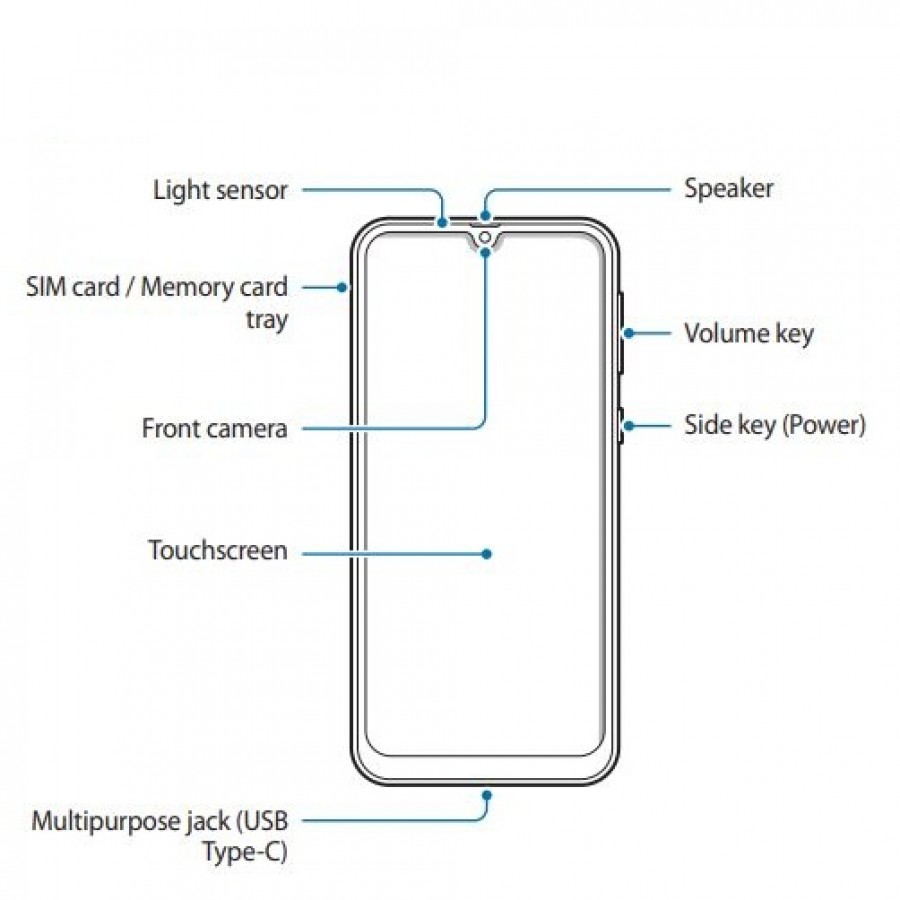
Samsung is reportedly planning to launch a new camera-focused Galaxy F series smartphone in India. It is speculated that the name of the first Galaxy F series phone is Galaxy F41 and it is likely to launch by the end of this month or early October. The model number of the device is SM-F415. While there is no official confirmation on its existence, its support page is now live on Samsung India’s website. The handset has received Wi-Fi certification and the company has reportedly started developing its firmware. Well-known Indian tipster Ishan Agarwal has shared the schematics of the Galaxy F41 to reveal its design. Moreover, the phone has appeared on Geekbench to reveal some of its key specs.
The screenshots of the leaked manual of the Galaxy F41 shows that the device is equipped with a waterdrop notch display, which seems to be an OLED panel. The notch houses a speaker and a selfie camera. The left edge of the smartphone has a SIM card slot and there are a volume rocker and a power key on the right edge. An external speaker, a USB-C port, and a 3.5mm audio jack are available on the bottom edge of the device.
The backside of the Galaxy F41 has a rectangle-shaped camera housing with three cameras and an LED flash inside. A fingerprint scanner is also available on the backside of the device. The device is equipped with a dedicated microSD card slot.
The Geekbench listing of the Galaxy F41 states that is driven by Exynos 9611 and 6 GB of RAM. The smartphone is preinstalled with Android 10 OS. Rumors surrounding the Galaxy F41 claim that it is a rebadged Galaxy M31 smartphone that may arrive with improved cameras. The schematics of the F41 also match with the design of the M31 handset.
The tipster further revealed that the Galaxy F41 mid-range phone will be coming to India in two variants. Also, he revealed that it will be available in three colors like blue, black, and green. It is speculated that the Galaxy F41 series phones will be priced between Rs 15,000 (~$204) and Rs 25,000 (~$339) in India and it will be made available through online retailers and later through offline channels.
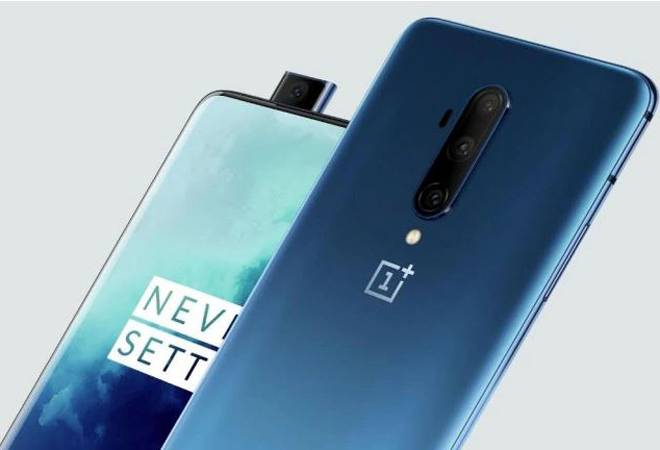
After releasing OxygenOS 11 Open Beta 1 for OnePlus 8 and OnePlus 8 Pro earlier this month, the company is now rolling out OxygenOS Open Beta 18/8 for OnePlus 7/7 Pro and OnePlus 7T/7T Pro. All the four devices receive a similar build with an identical set of Game Space and Community features.
First of all, the new OxygenOS Beta for OnePlus 7, OnePlus 7 Pro, OnePlus 7T, and OnePlus 7T Pro bumps up the security patch level to September 2020. The new update also fixes some known issues with screen recorder and a notification bar occasionally not working bug. It also brings an updated 2020.08 (August 2020) GMS package.
Talking about new features, Game Space gets a gaming tools box for Fnatic mode, three types of notifications – text only, heads up & block, quick reply feature in small window for WhatsApp/INS, and a mistouch prevention feature.
Also, the Community app gets a new Best Answer function and mall function to buy OnePlus devices from within this application. Lastly, the new OxygenOS update also optimizes log information capture function in the Community app.
OnePlus 7/7T Series OxygenOS Open Beta 18/8 Official Changelog
System
Fixed the known issues with screen recorder
Fixed the issue that the notification bar did not respond occasionally
Updated Android security patch to 2020.09
Updated GMS package to 2020.08
Game space
Newly added gaming tools box for convenient switches of Fnatic mode. You can now choose three ways of notifications: text only, heads up, and block just for your immersive gaming experience
Newly added quick reply feature in the small window for WhatsApp and INS (Enable it by swiping down from upper right/left corners of the screen in gaming mode)
Newly added mistouch prevention feature. Enable it, swipe down from the top of the screen, click and the notification bar will pop out
Community
Add the Best Answer function, which allows you to mark others’ answers. Best Answer will also be rewarded with experience points
Add mall function, you can buy mobile phones and other OnePlus products more conveniently
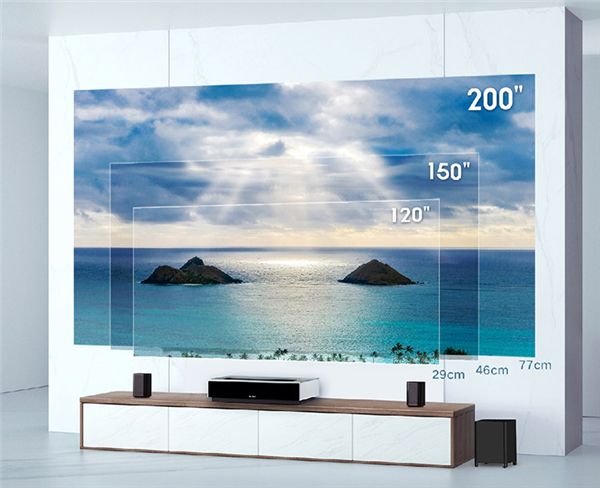
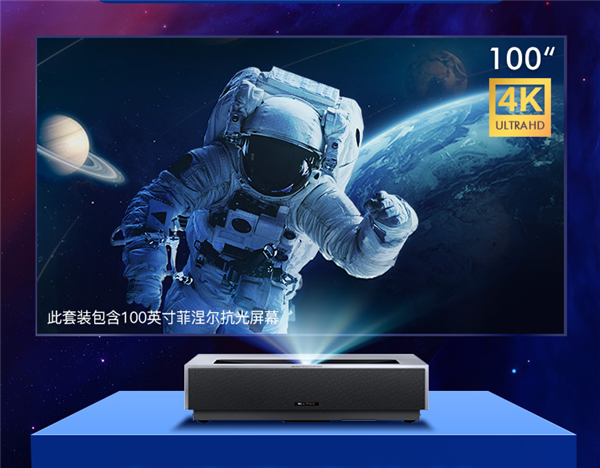
Xiaomi’s ecological chain company Fengmi Technology, on Tuesday, officially announced the Fengmi 4K Max Laser Projector, the brand’s latest laser TV which capable of displaying content in 4K. The product is presently on pre-sale on JD.com and is priced at 27,999 yuan (~$4,128).
The Fengmi 4K Max Laser Projector is another innovative masterpiece by Fengmi Technology in laser TV products. It comes with some premium features such as an increase for the display screen size from 100 inches to up to 200 inches. It also comes with 4K resolution, 4500 ANSI lumens super brightness level, as well as a high color gamut and high dynamic contrast.
At the same time, it is equipped with Fengmi’s self-developed FAV image quality optimization technology, as well as HDR10+ and HLG decoding technology support, which bring a more detailed picture contrast.
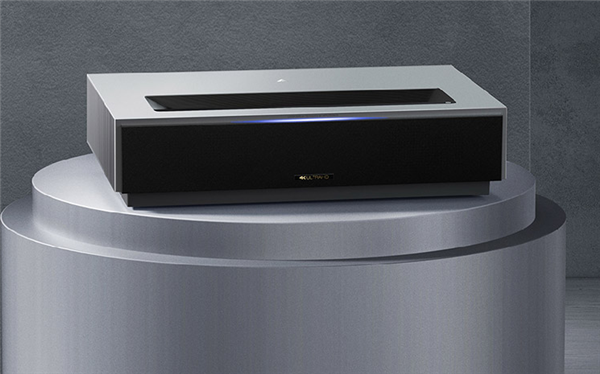
In terms of product appearance, the dimension of the entire projector is 608x389x140mm. It is manufactured using CNC metal integral moulding, and its streamlined design comes with gradual light and shadow.
Fengmi Laser Cinema 4K Max is equipped with a self-developed FengOS system and a flat layout, which is in line with the browsing and operating habits of large-screen users. With the self-developed FDP (Feng Dynamic Page) architecture, the FAV and FAA audio and picture engines are implemented at the technical level which can provide users with a smooth and large-screen human-computer interaction experience.
As a cinema-grade product, in addition to the laser TV, it also comes standard with a 100-inch Fresnel non-reflective screen that stands on an 8mm metal anodized frame. With the Fresnel screen, the contrast ratio is increased 10 times compared with the white wall, so that the projector’s picture quality is not affected by the ambient light level.
Except you are willing to ship this product from third-party retailers, we doubt if this product will be launched outside China.
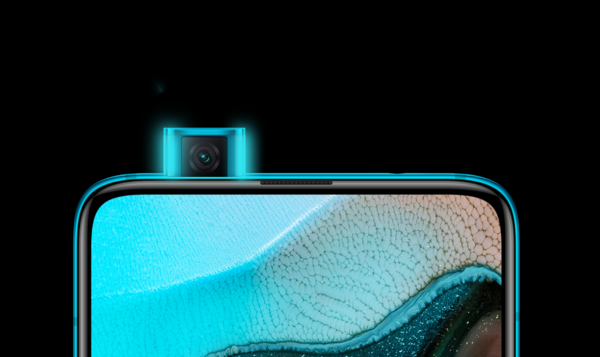
Xiaomi’s Redmi brand launched the Redmi K30 Pro Zoom in July this year as one of its flagship offering this year. As the name implies, the model features a zoom camera and on DXOMark, it was able to make it into the top 10 rankings for camera reviews. Apparently, Xiaomi is still optimizing the camera even with its prowess.
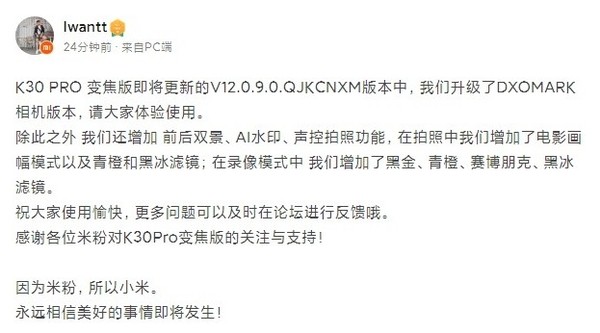
Recently, Xiaomi reportedly pushed a new firmware update to the Mi 10 Ultra which upgrades the camera algorithm to the level of the model sent to DXOMark for testing. According to an announcement on Xiaomi community, the Redmi K30 Pro Zoom will also receive a similar update which will upgrade the firmware to the DXOMak version firmware.
According to the feedback from users of Mi 10 Ultra who have upgraded the new firmware, the new firmware mainly has changes in many aspects such as the camera and the system. Of course, the focus of most users is on the performance of cameras with the same version of DXOMark firmware, because the Mi 10 Ultra equipped with this firmware version is still ranked at the top of DXO’s camera review with an impressive output.
In addition, Xiaomi also reportedly disclosed that the new Redmi K30 Pro Zoom firmware version will also bring new functions such as front and rear dual scenes, AI watermark, and voice-activated camera. It also adds green orange and black ice filters in the movie frame mode, and also in the video mode. Also added are black gold, cyberpunk and other colour filters.
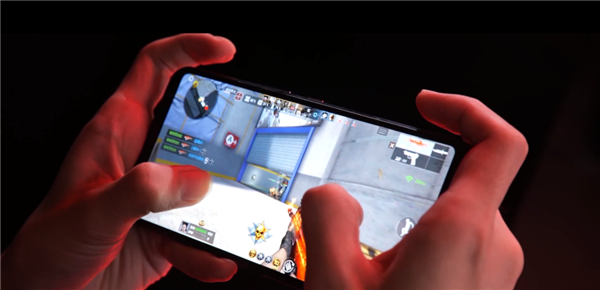
Taiwanese tech company ASUS unveiled the ROG Phone 3 in July this year as a beastly gaming phone. The phone comes with an unprecedented 144Hz screen refresh rate support, a SNapdragon 865+ chipset and several other features.
Perhaps to leverage on the popularity of the online tactical first-person shooter game CrossFire, ASUS has teamed up with Tencent, the publisher of the game in China, to launch the ASUS ROG phone 3 CrossFire Special Edition. The special edition carries a price tag of 4699 yuan (~$692) and will be available in limited numbers on September 22. ASUS has disclosed that the phone has been on the reservation on Jingdong since September 10. The total number of reservations has reportedly exceeded 160,000.
The ROG phone 3 CrossFire Special Edition comes with a customized theme that reflects the layout of the game. There are also several perks available to buyers which can be used for in-app purchases. You also get special lighting effect when playing CrossFire on the ROG Phone 3. The phone also supports Tencent Solar Core 3.0 game acceleration engine.
As a reminder, the ASUS ROG Phone 3 features a 6.59-inch AMOLED display with a 19.5:9 aspect ratio. The phone sports a Full HD+ resolution of 1080 x 2340 pixels, as well as a refresh rate up to 144 Hz. At 270Hz screen touch sampling rate and 25ms touch response, it can bring more sensitive battlefield visual capture and faster bullet firing speed. The phone also has a LED-lit ROG logo at the rear which lights up during gaming.
The ROG Phone 3 is powered by a Snapdragon 865 Plus mobile platform. The processor offers a 10% increase in GPU and CPU speed. It also brings 5G support to the smartphone with a Snapdragon X52 external 5G modem supporting all the 5G spectrum, including mmWave (SA and NSA). The version comes in 12GB RAM + 256GB storage configuration.
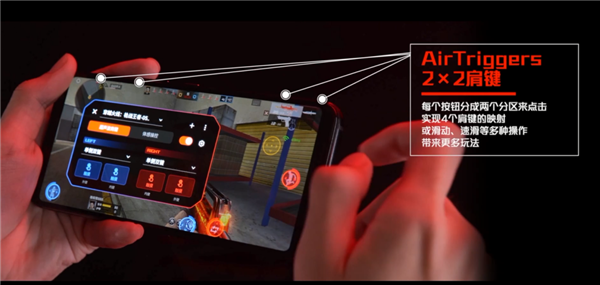
The phone comes with four AirTriggers functionalities which make it possible to setting up the entire gaming controls with less incursion into the display, giving gamers an immersive experience. During the game, players can set up special mapping settings for the four shoulder buttons through the horizontal screen game system. Skilled players can also set up special operation methods through somatosensory mapping to easily operate with multiple fingers.
For photography, the ROG Phone 3 packs a triple camera setup on the back including a 64MP Sony IMX686 main camera with f1.8 aperture and 1.6um large pixel size. There is also a 13MP ultrawide sensor and macro camera. For selfies, the notch-less display houses a 24MP sensor. There is a 6000mAh battery under the hood as well as dual stereo speakers.
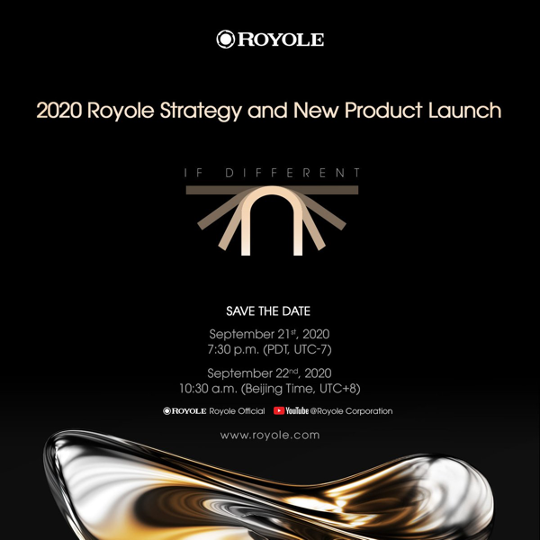
A new foldable is coming, this time from China. Royole has announced that it has a new product launch next week and we believe it is for the FlexPai 2 foldable smartphone.
The new FlexPai 2 was briefly announced back in March and is now set to get a proper launch on September 21. The event will begin at 7:30 PM Pacific Daylight Time which corresponds to 10:30 AM Beijing Time. The invite says the product launch will be live-streamed on YouTube and on the official Royole website.
The device is expected to feature the company’s 3rd generation Cicada Wing Fully Flexible OLED Display that is 7.8-inches in size and has a 60Hz refresh rate. It will have a Snapdragon 865 processor, 12GB of LPDDR5 RAM, and a 4050mAh battery. A leak from last month also revealed the phone will have four cameras – 64MP + 16MP + 8MP + 32MP and it will weight 340 grams.
The FlexPai 2 is expected to be cheaper than the Galaxy Z Fold 2 but that remains to be seen. Hopefully, the foldable phone will be available globally when it launches.
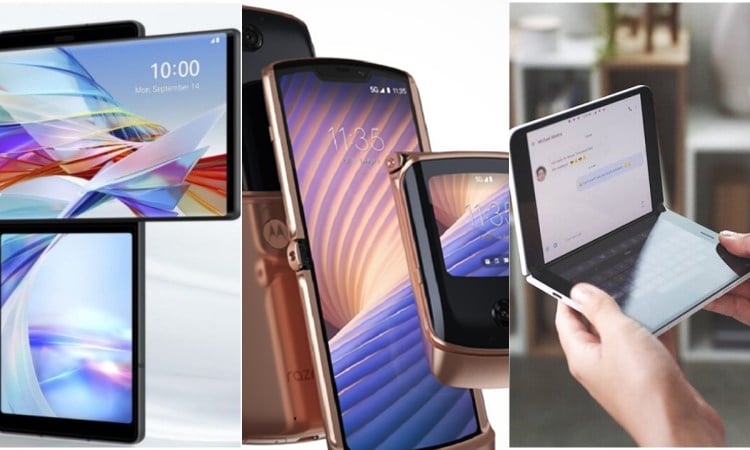
After the arrival of foldable phones to the market, a lot of innovative devices started coming to the shelves. In 2020, among the best smartphones, you do not only get those silly rectangles since a lot of new form factors started to emerge. An example is the LG Wing, with its dual rotating display and its Swivel Mode. This year Motorola even launched the Razr 5G: the evolution of its first foldable phone which is reminiscent of the iconic Razr series. Even Microsoft is back to the smartphone market and with a new form factor: the Microsoft Surface Duo is a foldable phone which is able to rotate by 360 degrees and supports the Surface Pen! Here is a comparison between three of the most innovative phones of the year.
LG Wing vs Motorola Razr 5G vs Microsoft Surface Duo
LG Wing
Motorola Razr 5G
Microsoft Surface Duo
DIMENSIONS AND WEIGHT
169.5 x 74.5 x 10.9 mm, 260 grams
169.2 x 72.6 x 7.9 mm unfolded and 91.7 x 72.6 x 16 mm folded, 192 grams
186.9 x 145.2 x 4.8 mm unfolded, 145.2 x 93.3 x 9.9 mm folded, 250 grams
DISPLAY
6.8 inches, 1080 x 2460p (Full HD+), P-OLED
3.9 inches, 1080 x 1240p, G-OLED (secondary display)
6.2 inches, 876 x 2142p (HD+), 373 ppi, Foldable P-OLED
2.7 inches, 600 x 800 pixels, G-OLED (secondary display)
8.1 inches, 1800 x 2700p (Quad HD+), 401 ppi, AMOLED (5.6 inches, AMOLED, 1350 x 1800p folded)
If we only consider the look, Motorola Razr 5G is definitely the best one. It is a clamshell phone with a foldable display built with premium material which reminds you of the iconic feature phones from the Motorola Razr lineup. But if you want to find the most useful form factor for multimedia and productivity, then LG Wing and Microsoft Surface Duo are more interesting options. With the Swivel Mode, the former can be used as a gimbal for better stabilization, it can split apps into two screens or even open two apps at the same time in two displays for a better multi-tasking experience. On the other hand, Microsoft Surface Duo has a dual display with a folding hinge that can turn it into a tablet. It can open two apps side-by-side for an even more amazing multi-tasking experience, it can be rotated by up to 360 degrees to reach the “phone mode” and it even supports the Surface Pen stylus!
Display
The AMOLED displays of the Microsoft Surface Duo are the most interesting panels because they come with a higher resolution and they can be positioned side-by-side in order to provide a tablet-like experience. Further, as mentioned above, you get the support to Surface Pen for handwriting and drawing, just like the Samsung Galaxy Note series! With the LG Wing, you get a rotating display with still high resolutions, while the Motorola Razr 5G offers an internal smartphone-sized foldable display and a mini external display to check notifications, shoot selfies, and a few more actions.
Hardware/Software
The most powerful hardware department belongs to the Microsoft Surface Duo which is fueled by the Snapdragon 855 mobile platform providing better CPU and GPU performance than the Snapdragon 765G. But unlike the Motorola Razr 5G and the LG Wing, Microsoft Surface Duo lacks 5G connectivity. With the LG Wing, you get 5G, up to 8 GB RAM, up to 256 GB of native storage, and even a micro SD slot to expand the internal storage. Android 10 is out of the box on each of these handsets.
Camera
LG Wing, Motorola Razr 5G, and Microsoft Surface Duo can be considered mid-range camera phones. The best one is undoubtedly the LG Wing which sports the most complete camera setup. It includes a main 64 MP sensor with OIS and two ultrawide sensors, as well as the best microphones with ASMR mode. Even the front camera is better with its 32 MP resolution. Right after, we got the Motorola Razr 5G with its 48 MP main camera and a 20 MP snapper for selfies.
Battery
The LG Wing has the biggest battery, it lasts more on a single charge and it is the only one to support wireless charging. Right after, we got the Microsoft Surface Duo with a 3577 mAh unit. The Motorola Razr 5G has a small and below-average 2800 mAh battery because it is a compact foldable phone.
Price
We still do not know the price of the LG Wing, while Motorola Razr 5G and Microsoft Surface Duo retail about €1500/$1400 and €1200/$1400 respectively. If you want the best design, the Motorola Razr 5G is definitely the best alternative, especially for nostalgic users. But if you prefer having a better user experience, then you should discard it. If we look at the specifications, the LG Wing is the most convincing one due to its better cameras, bigger battery, best audio experience, and protection against water and drops. But the Microsoft Surface Duo is the king of productivity with its dual display reaching a 8.1-inch diagonal, its advanced software offering the chance to use apps side-by-side, and the Surface Pen. Which form factor would you pick?
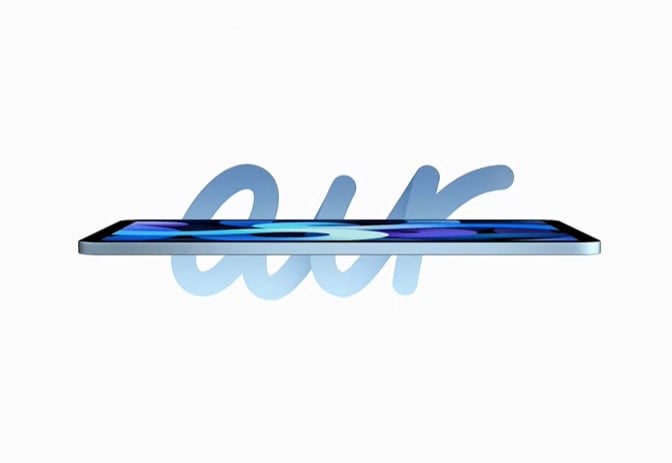
Apple announced two new iPads as expected today. There is the new iPad Air which is the first device in the world powered by a 5nm processor and there is the more affordable 8th Gen iPad.
iPad Air
The iPad Air series is designed as a middle ground between the iPad Pro line and the standard iPad. This year’s iPad sort of switches things a bit as it is the first device to launch with the all-new 5nm Apple A14 Bionic.
The new hexa-core processor has 11.8 billion transistors and boasts a 40% improvement in CPU performance and a 30% increase in GPU performance. The new chip also boasts a 10x improvement in machine learning.
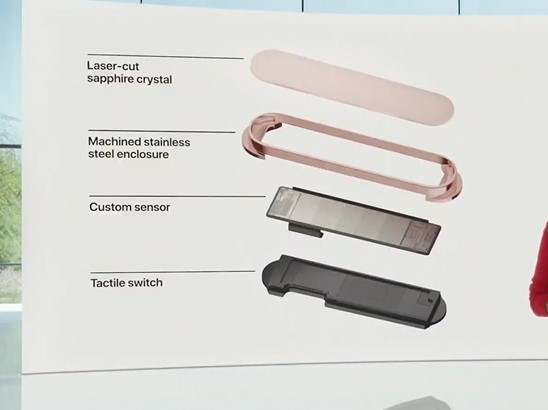
Coming to the tablet itself, Apple has gone for a new design. The new iPad Air ditches the thick bezels for slimmer and uniform ones. This new design means the TouchID button at the bottom of the screen is gone and it has a new home now. Apple has moved the fingerprint scanner to the top where it is buried under the power button. So when you push the power button, the iPad also unlocks.
The new iPad Air has a slightly larger screen than last year’s model but still skips on the 120Hz refresh rate available on the iPad Pro. It is a 10.9-inch liquid retina display, but with the trimmed bezels, it should be easier to hold. The screen is fully laminated and has an anti-reflective coating, P3 color gamut, and True Tone support.
The new iPad has a 7MP f/2.0 selfie camera and the same 12MP f/1.8 rear camera available on the iPad Pro. It also has a USB-C port with support for 20W fast charging (20W charger included in the box). There is support for the 2nd gen Apple Pencil, Smart Keyboard Folio, and the Apple Magic Keyboard.
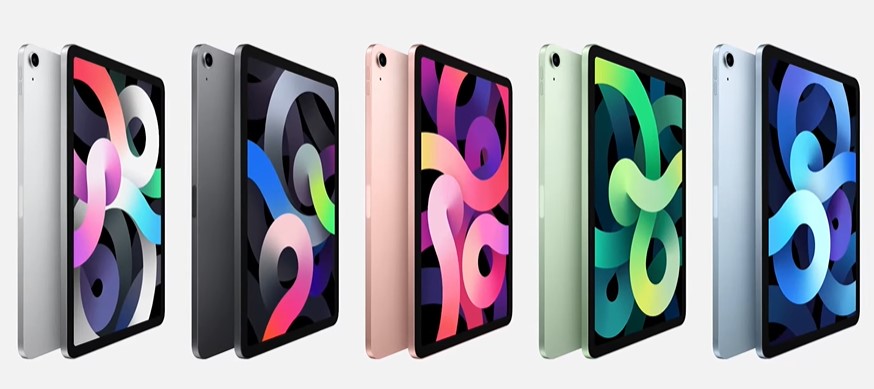
The iPad Air starts at $599 for the 64GB version while the 256GB version is priced at $749. If you want the LTE version, the 64GB version goes up to $729 while the 256GB version is $879. It will be available for purchase in October in Space Gray, Silver, Rose Gold, and Green, Sky Blue.
8th Gen iPad
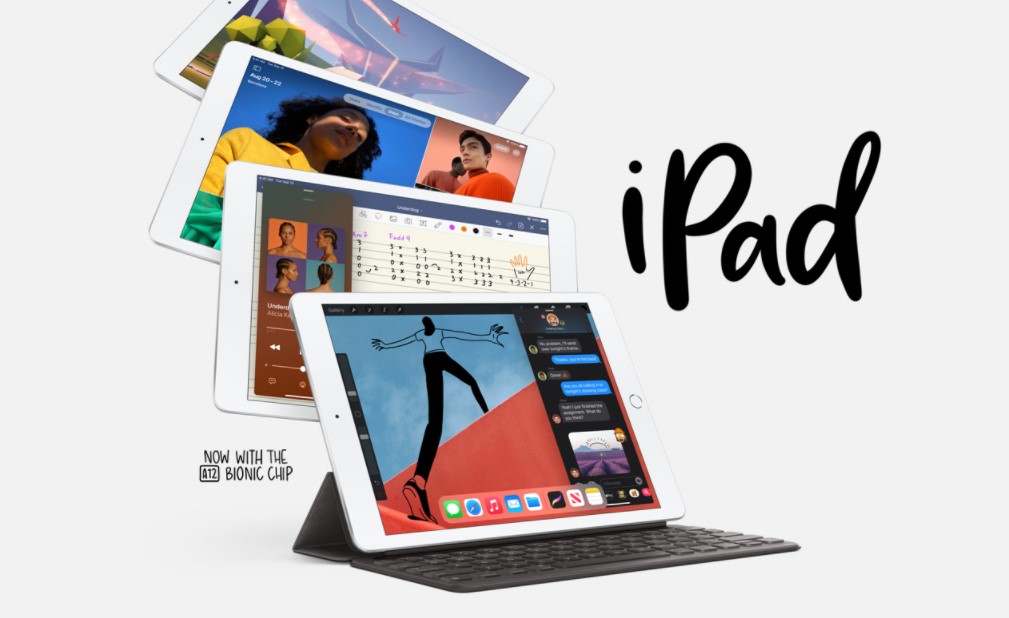
If you want something more affordable, the new 8th Gen iPad Air announced today is an option. It comes with the Apple A12 Bionic chip which offers a significant boost in performance compared to the A10 Fusion in last year’s model.
The design has not gotten much change if at all. So you are still stuck with thick bezels and ToucID remains in the familiar position you are accustomed to. Just like the iPad Air, this too will run the new iPadOS 14 which brings new features that make using the tablet a breeze. There is support for the first-gen Apple Pencil this allowing you to handwrite in any text field. There is also shape recognition which means your circle which doesn’t look anything like one can become a perfect one.
The A12 chipset will allow you to play games from Apple Arcade without any hiccups, and to make the experience better, you can pair your Xbox or PS4 controller to it.
The new iPad has a 10.2-inch 2160 x 1620 resolution, 32GB (Seriously, Apple?) or 128GB of storage, an 8MP rear camera, and a 1.2MP FaceTime camera. Apple says the 32.4 watt-hour battery should last up to 10 hours of web surfing on Wi-Fi.
The 8th Gen iPad is available for pre-order starting today and will go on sale on Friday. It is priced at $329 for the 32GB Wi-Fi version and $459 for the LTE version. The 128GB model is $429 for the Wi-Fi version and $559 for the LTE version. The tablet is available in Space Gray, Silver, and Gold.
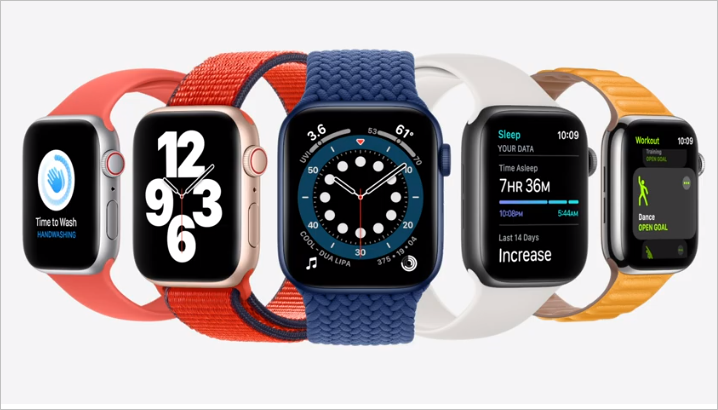
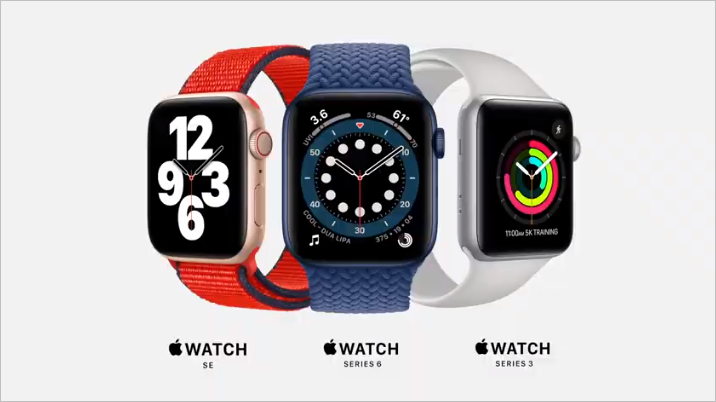
Apple today held an event where it announced a new Watch Series 6 alongside the iPad Air and Watch SE. The new Watch Series 6 retains the design of the previous Watch Series 4 and Series 5. However, this model comes with a number of new sensors which enables new features such as blood oxygen monitoring and better sleep tracking.
The blood oxygen level monitoring feature on the Watch Series 6 completes the process in about 15 seconds. This is accomplished using both red and infrared light. The company says it’s partnering with health networks to start large-scale studies using the new blood oxygen measurement feature, including testing to see if it can detect if a person is infected with COVID-19.
Crammed inside the Watch Series 6 is a new S6 processor which is based on the A13 chip. The processor is an upgrade over the S4 and S5 chips that were used on the Series 4 and at year’s Series 5 models. Despite the improvement in the performance, the Watch 6 retains the 18 hours battery life of the prior model. It also comes with fast charging which can be refilled in about one and a half hours between charges.
Further, it comes with always-on display which Apple touts to be 2.5 times brighter than that of the Series 5. It’s also now possible to access notifications, Control Center, change watch faces, or tap on complications without fully waking the screen. Another new sensor is the always-on altimeter, which provides real-time elevation information.
The Watch Series 6 comes in gray, silver, gold, or blue aluminium finishes. There is also a new Product (RED) version that has a striking red finish on it. The stainless steel model is available in either graphite or yellow gold, but the silver chrome model appears to be no longer available. The top-end Edition model is available in natural or black titanium, but no ceramic options this year.
Apple says the aluminium models are made of 100 percent recycled aluminium, much like the newer MacBook Pro models. In addition, Apple is announcing a new strap called the “Solo Loop” that is made from one piece of silicone, without any buckles or adjustments. It is available in a range of styles and seven different colors. There is also a braided Solo Loop made from yarn that’s available in five colors. Finally, Apple is releasing a new leather link strap.
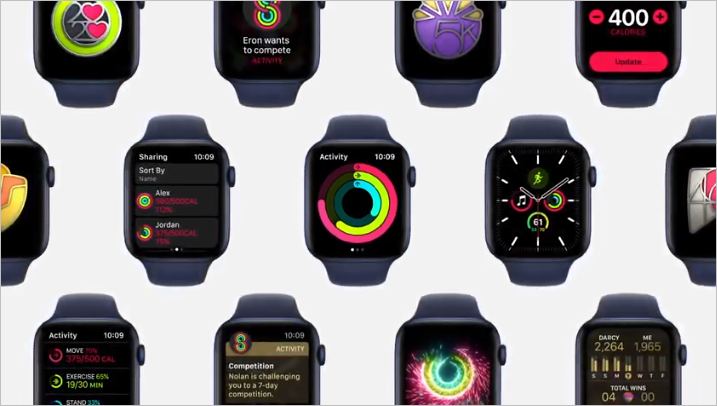
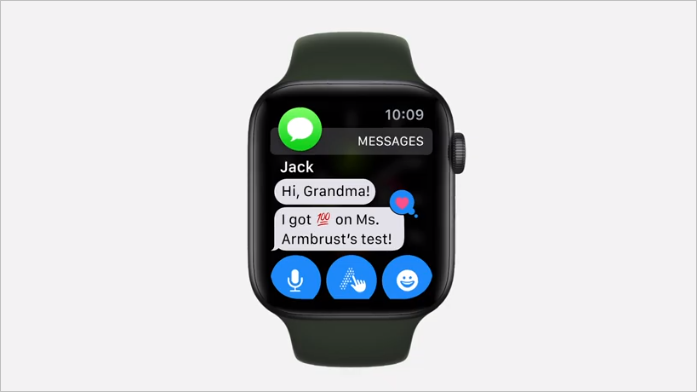
On the software side, the smartwatch runs on watchOS 7. The OS brings native sleep tracking support, a rebranded Fitness app with new workouts, a hand-washing feature tailored for the ongoing COVID-19 pandemic, richer complications, and the ability to share watchfaces with others.
Further, Apple also announced a new feature called Family Setup, which allows parents to set up managed Apple Watches for their kids who don’t have iPhones of their own. Parents will be able to manage who the child can message or call from the watch, set up location alerts, add do not disturb modes for school time, and a new watchface will inform teachers that the watch is in DND mode from a glance. Family Setup requires a cellular Apple Watch model and will be available through a handful of carriers at launch.
Family Setup allows parents to remotely manage a child’s Apple Watch.
Apple is also debuting a new service for the Apple Watch called Fitness Plus, a subscription service for virtual workouts and improved fitness tracking features.
As for the pricing, the Apple Watch Series 6 will retail for $399 for the 40mm model while the cellular models start at $499. The Series 6 is available to order starting today, September 15th and will start shipping on Friday, September 18th. Do note that Apple is implementing shipping the watch without a USB power adapter as part of efforts to reduce waste.
Apple Watch SE
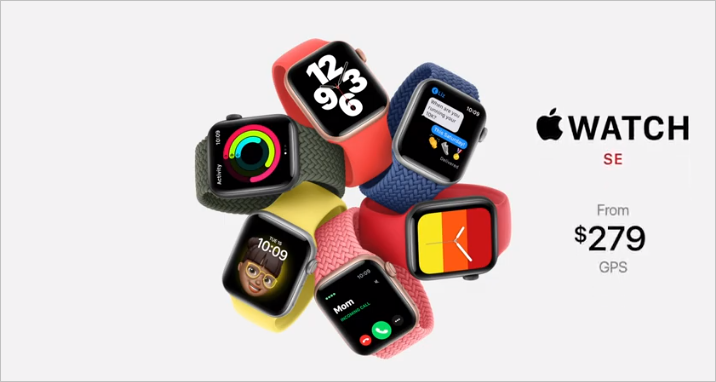
Alongside the Series 6, Apple also announced a new Apple Watch SE. The watch comes with a lower price tag than Watch Series 6. The Watch SE is a successor to the three-year-old Apple Watch Series 3 and it starts at $279; cellular models start at $329. It’s available this Friday, but you can order it today.
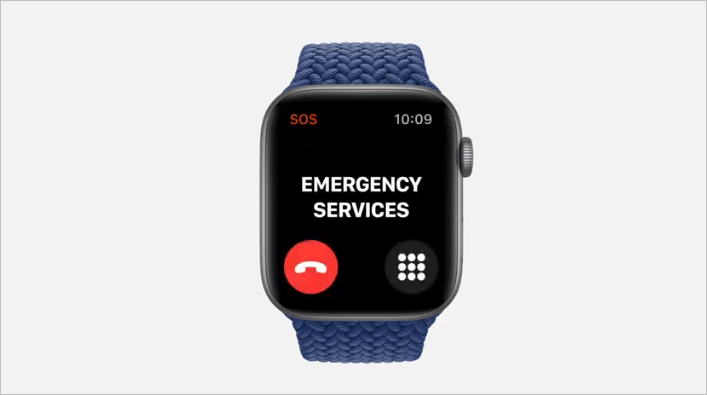
Despite the cheap pricing, the Watch SE comes with an array of features that are found on the Watch Series 6 such as built-in accelerometer, gyroscope, and always-on altimeter, as well as sleep tracking and hand-washing detection. The cellular models are also capable of making emergency calls, even internationally, with the Emergency SOS feature.
The watch uses the S5 System in Package (SiP) and dual-core processor, which Apple says will allow for up to two times better performance than we saw from the Series 3.Apple says the SE’s Retina display is 30 percent larger than that of the Series 3. It’s also compatible with all Apple Watch bands, including the new silicone “Solo Loop” and yarn “Braided Solo Loop” that Apple announced during the event.
The SE will run watchOS 7 and comes loaded with a new activity app (“Fitness Plus”), which includes workout tracking and virtual classes. It’s the first fitness service built for Apple Watch, and you’ll get three free months with the purchase of an Apple Watch (it’s $9.99 per month or $79.99 per year after that).
The Watch SE will also support Apple’s new Family Setup, which allows parents to set up and manage Apple Watches for their kids, including features like message monitoring and location alerts. And you’ll be able to share watch faces with others, using Apple’s new Face Sharing feature. watchOS 7 comes with seven new watch-face options.
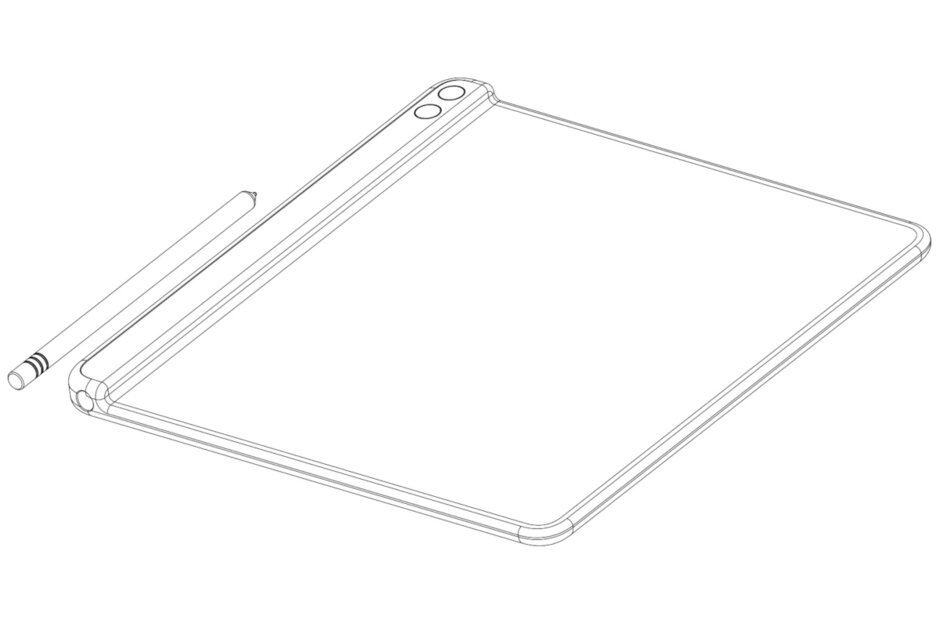
Going by the release date for the Mate X last year, the Mate X2 should not arrive until November, and that is about two months away. Unfortunately, that will most likely not happen, no thanks to Huawei’s troubles with the US government.
Shouldn't be a surprise, but we hear the Mate X2 won't launch in 2020 due to the US government's restrictions on Huawei. We have had to lower our foldable forecasts…
According to Ross Young, the Display Analyst and founder of DisplaySearch, the Mate X2 will not arrive this year due to the restrictions placed by the US government. These restrictions have made it near impossible for Huawei to get components for its products. If you have been following the news, you already know suppliers are trying to get licenses to supply the tech giant. However, there is no guarantee they will be granted, so Huawei has to cut back its plans.
The Huawei Mate X2 is supposed to have an inward folding design but with the same screen size as its predecessor, a more powerful processor (the Kirin 9000), upgraded cameras, and a stylus.
It is not yet known if Huawei is postponing the launch of the foldable device to next year or if it has suspended development.
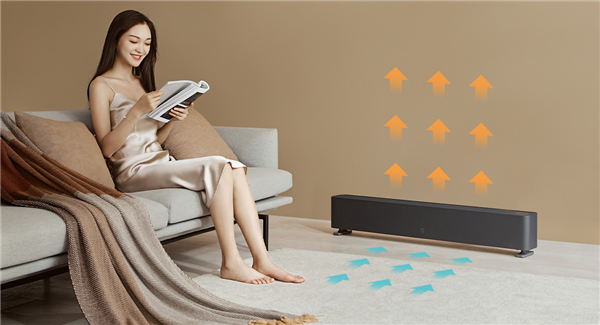
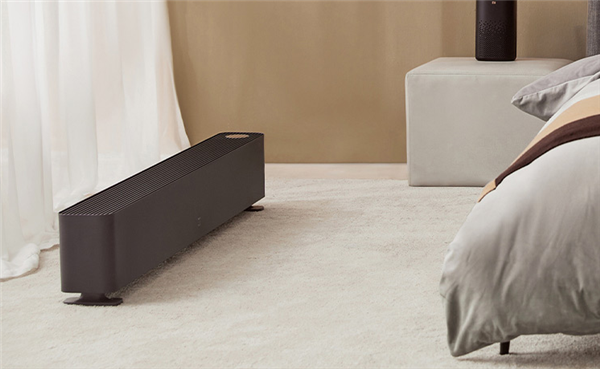
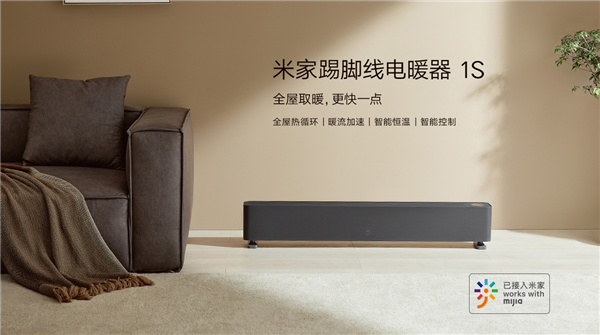
In November last year, Xiaomi launched the MIJIA Baseboard Electric Heater with a design that is similar to another model by Viomi, a Xiaomi ecological chain company. The electric heater later went on to clinch the 2020 German ed Dot Design award. A new version has now been launched dubbed MIJIA Baseboard Electric Heater 1S.
Going by the name, the new electric heater is likely just a slightly upgraded version. It carries a slightly higher 699 yuan ($103) price tag compared to the first-gen model which was sold for 599 yuan (~$88) price tag. However, the product is presently on pre-sale on Mi.com for 599 yuan (~$88). Let us take a look at the features.
The MIJIA Baseboard Electric Heater 1S bears the same design and specifications with the previous generation model. It also comes in black colour only which seems to be one of the differences with the first model which was available in white only.
At the same time, the new product emphasizes the “automatic constant temperature function.” The so-called automatic constant temperature means that on the basis of providing 900w/1300w/2200w three-speed power adjustment and adding an automatic transmission mode, the power output can be automatically adjusted according to the indoor temperature.
In terms of the build, the electric heater is made of aluminium. Power is automatically cut off when the body is tilted which is a safety feature. The gadget equally shuts down automatically when the temperature is too high, reducing the risk of flammability.
The electric heater adopts a windless convection heating system and is equipped with 127 dragon-scale radiating fins and double heating tubes. The heater can quickly heat up immediately after it is powered on. Heat circulates naturally through radiation and while doing so, dust won’t be generated easily and it reduces the indoor air moisture as well.
In addition, the MIJIA Baseboard Electric Heater 1S has an LCD touch screen which can be used to control the device. The heater can equally be controlled from anywhere deploying a XiaoAI Voice Assistant-powered device and also via the MIJIA app.
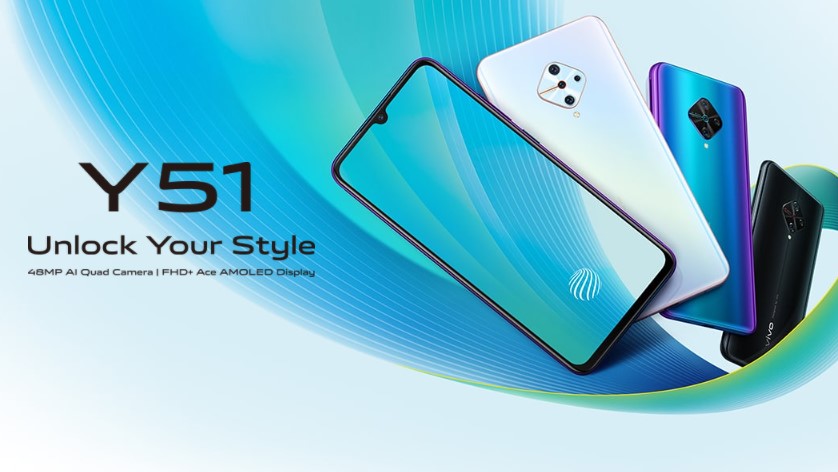
Vivo has a new smartphone called the Y51. Technically, this is the Vivo Y51 (2020) as the manufacturer announced a Y51 back in 2015. The new phone, which has been announced in Pakistan, is miles ahead of the original; boasting an AMOLED display, quad rear cameras, and almost double the battery capacity.
The Vivo Y51 (2020) has a 6.38-inch AMOLED display with a waterdrop notch at the top and an FHD+ resolution. The phone also has an in-display fingerprint scanner and an Always-on Display mode too.
Under the hood is the Snapdragon 665 processor and it comes along with 4GB of RAM and 128GB of storage. Vivo has added a MicroSD card slot that allows users to add up to 256GB of storage. The phone has a 4500mAh battery capacity with support for 18W fast charging.
The camera setup is made up of a 16MP f/2.0 sensor in front and a 48MP f/1.8 + 8MP ultrawide + 2MP macro + 2MP portrait configuration on the back. The camera app includes a bunch of features such as palm capture, voice control, slow-motion recording, super macro, super night mode, and AI face beauty.
The Vivo Y51 supports dual-band Wi-Fi and has Bluetooth 5.0, a USB-C port, and an audio jack. It runs Funtouch OS 10 based on Android 10 and is available in Mystic Black, Jazzy Blue, and Dreamy White.
Vivo has put a price tag of PKR 36,999 (~$222) and you can pre-order it starting today until September 18. It will go on the first sale on September 19.
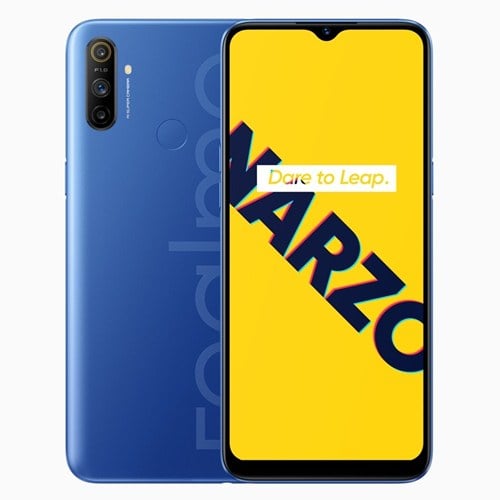
Popular tipster Mukul Sharma (@Stufflisting) has shared some of the key specs of the Narzo 20. The device is tipped to come with a mammoth 6000mAh battery and will also have support for 18W fast charging. At the rear, there will be a triple camera setup at the rear with a 48MP main sensor.
The device will be powered by a Mediatek Helio G85 processor. The mid-range chipset was first used on the Redmi 10X launched a few months back. The chip is a higher-clocked version of the Helio G80. It features two Cortex-A75 cores clocked at 2.0GHz and six Cortex-A55 cores.
Apart from the Narzo 20, Realme will also launch the Narzo 20 Pro and Narzo 20a. The launch date is still unknown.
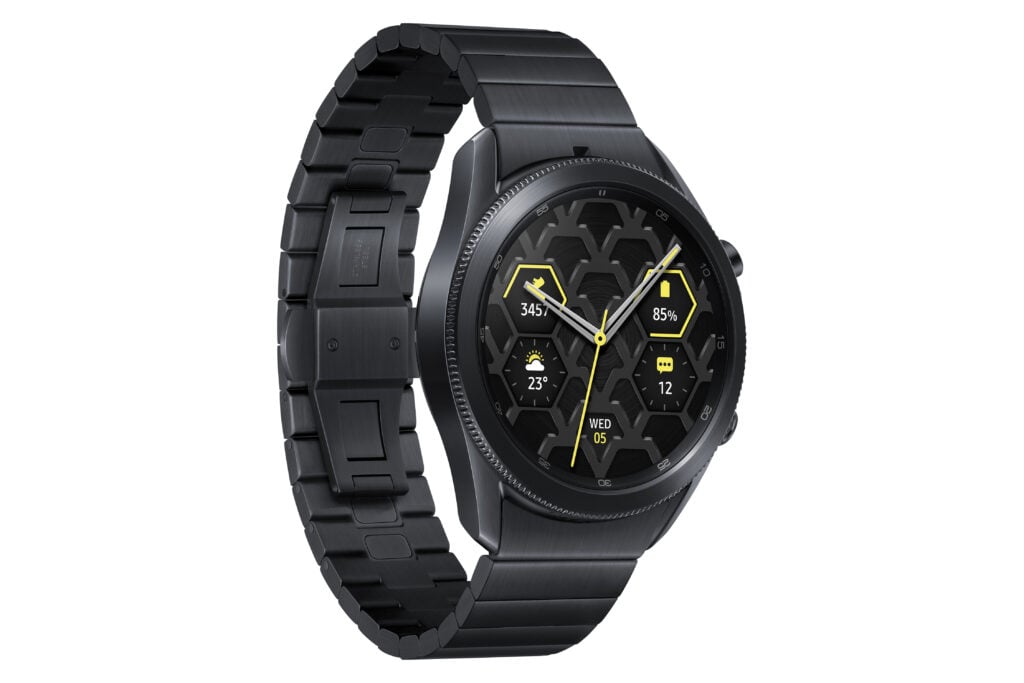
Last month, Samsung released Galaxy Watch3 as the direct successor to the original Galaxy Watch from 2018. It is currently on sale in a number of markets. Within a month of its debut, the company now launches a new special edition of this smartwatch called Galaxy Watch3 Titanium. This wearable will go on sale in select markets starting September 18.
Samsung Galaxy Watch3 Titanium
As the name suggests, the casing of Galaxy Watch3 Titanium is made of Titanium with an adjustable metal strap. It will be available in a single 45mm size variant with Bluetooth only option in Mystic Black color.
The newly announced Galaxy Watch3 Titanium is Samsung’s first-ever titanium smartwatch. The company says that it is elegant, lightweight, and durable. It also comes with the SMART CADDIE app, which includes data of over 40,000 golf courses around the world. This wearable is a perfect companion for golfers.
That said, apart from the use of different material and a special golf application, the Galaxy Watch3 Titanium is exactly the same in terms of features as it comes with identical internals, rotating bezel, and display as the regular version.
Additionally, the South Korean tech giant also announced a limited edition of this smartwatch called Galaxy Watch3 Titanium PXG Edition in collaboration with premium golf equipment company Parsons Xtreme Golf (PXG).
This version of the watch will feature a PXG logo and will ship with PXG watch face as well as PXG accessories. Most importantly, only 1,000 units of this model will be available for purchase.
Last but not least, the Galaxy Watch3 Titanium is priced at KRW 770,000 ($652), whereas the Galaxy Watch3 Titanium will retail for KRW 990,000 ($839) in South Korea.
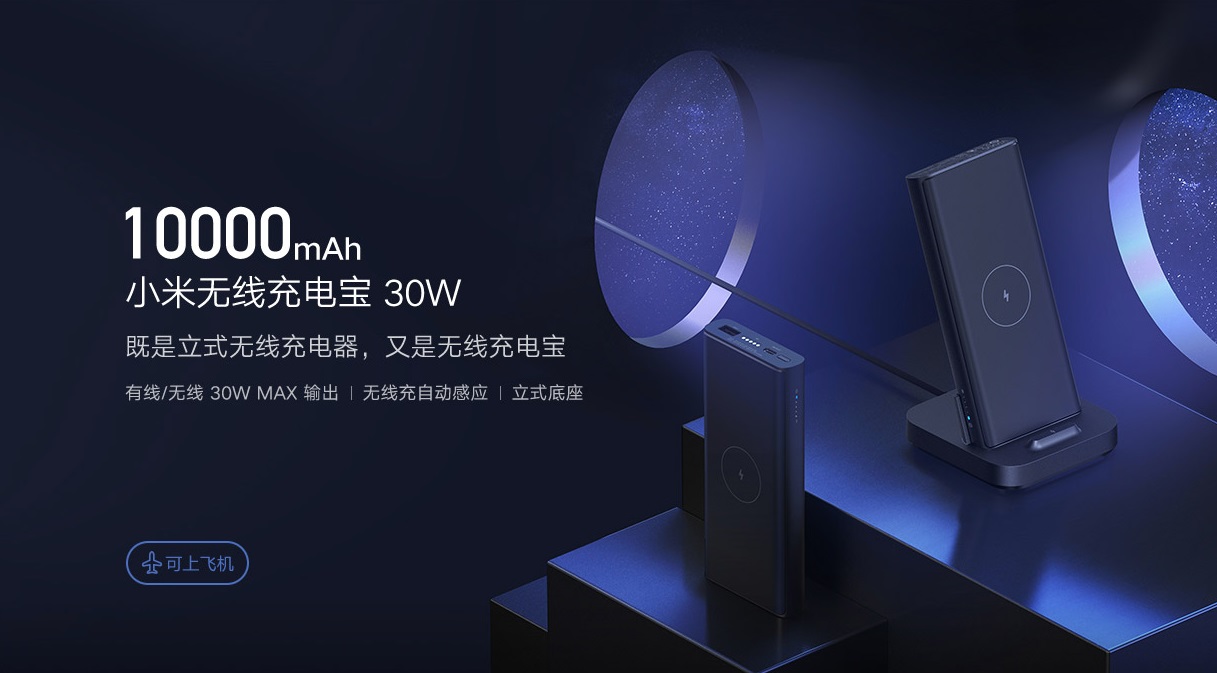
Xiaomi announced a new power bank today that serves a double function. The Mi Wireless Power Bank 30W is not only a portable battery pack but also doubles as a wireless charging stand.
The Mi Wireless Power Bank 30W (WPB25ZM) comes in black and has a wireless charging icon at the top to show it supports wireless charging. There is a 10000mAh lithium-ion polymer battery inside the device but the rated capacity is just 5600mAh.
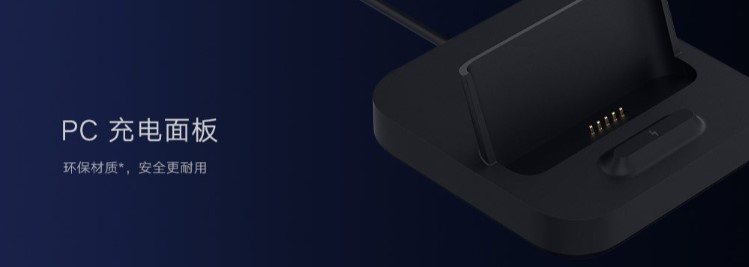
The new power bank ships with a dock that allows you to use the power bank as a vertical wireless charger when you are at home/work. All you have to do is place it on the dock pictured below and you can proceed to place your phone on it to charge. The dock will charge the power bank which will in turn wirelessly charge your device. There are LEDs on the side of the power bank that let you know its battery level and when the power bank is connected to the dock.
The power bank has a USB-A port with a maximum output capacity of 27W. There is also a USB-C port that has a maximum output capacity of 30W. The power bank can also wirelessly charge compatible devices at up to 30W such as the Mi 10 Ultra, Mi 10 5G, and Mi 9 Pro 5G. It will also charge the iPhone 11 series and Galaxy S20 series.
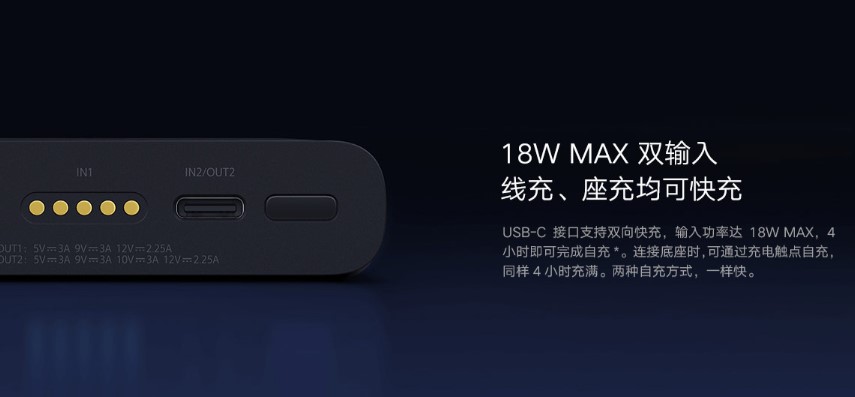
There are two ways to charge the power bank. The first is via the USB-C port which has a maximum power input of 18W. The other way to charge the power bank is when plugged into the dock that transforms it into a wireless charging stand. In this mode, it charges via the pogo pins. Do note that the dock has a maximum power output of 10W.
The Mi Wireless Power Bank 30W is priced at ¥199 (~$29) and is available for pre-order on Mi.com.
We use cookies on our website to give you the most relevant experience by remembering your preferences and repeat visits. By clicking “Accept”, you consent to the use of ALL the cookies.
This website uses cookies to improve your experience while you navigate through the website. Out of these, the cookies that are categorized as necessary are stored on your browser as they are essential for the working of basic functionalities of the website. We also use third-party cookies that help us analyze and understand how you use this website. These cookies will be stored in your browser only with your consent. You also have the option to opt-out of these cookies. But opting out of some of these cookies may affect your browsing experience.
Necessary cookies are absolutely essential for the website to function properly. This category only includes cookies that ensures basic functionalities and security features of the website. These cookies do not store any personal information.
Any cookies that may not be particularly necessary for the website to function and is used specifically to collect user personal data via analytics, ads, other embedded contents are termed as non-necessary cookies. It is mandatory to procure user consent prior to running these cookies on your website.


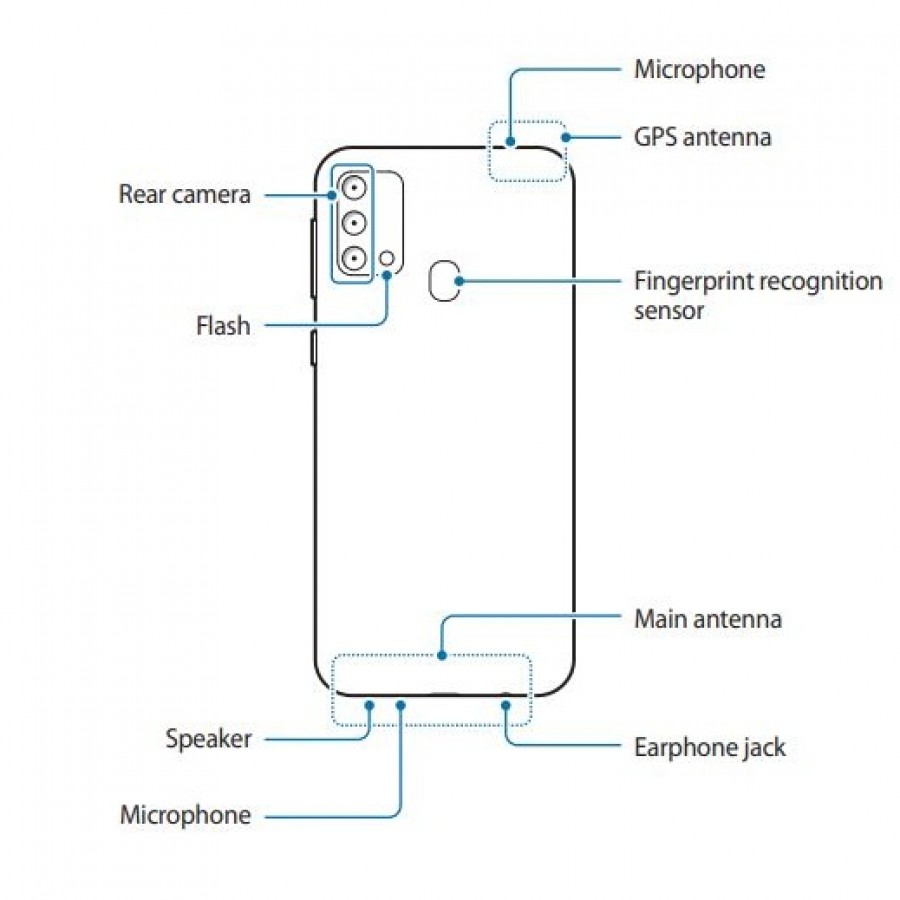 The backside of the Galaxy F41 has a rectangle-shaped camera housing with three cameras and an LED flash inside. A fingerprint scanner is also available on the backside of the device. The device is equipped with a dedicated microSD card slot.