Advertisement

Samsung launches Galaxy Watch3 Titanium & Galaxy Watch3 Titanium PXG Edition

Last month, Samsung released Galaxy Watch3 as the direct successor to the original Galaxy Watch from 2018. It is currently on sale in a number of markets. Within a month of its debut, the company now launches a new special edition of this smartwatch called Galaxy Watch3 Titanium. This wearable will go on sale in select markets starting September 18.
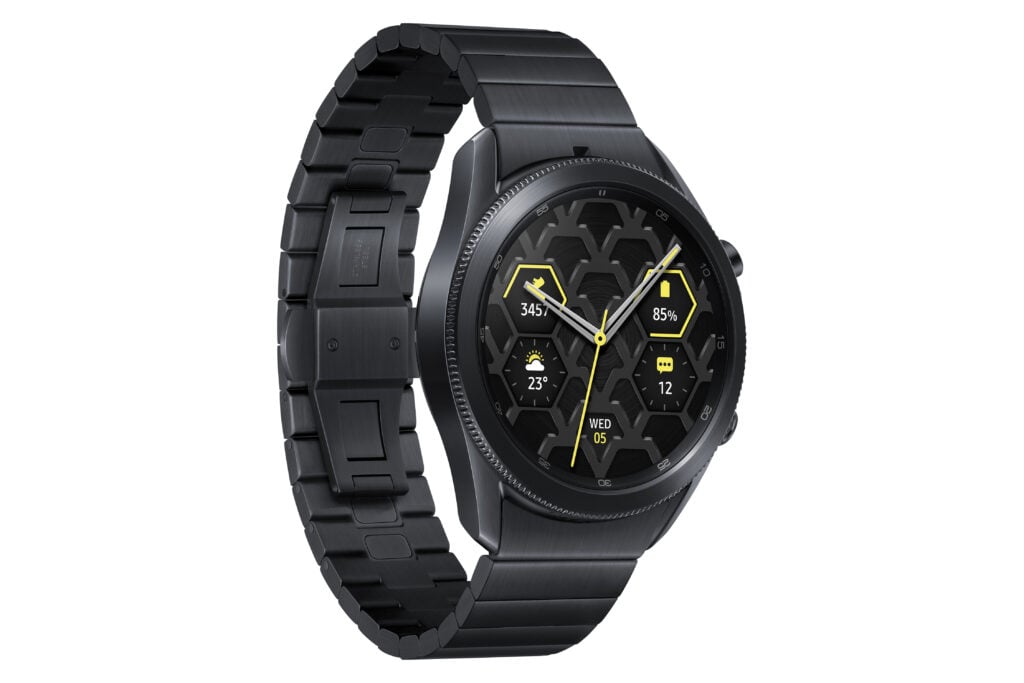
Samsung Galaxy Watch 3 Titanium Featured
Samsung Galaxy Watch3 Titanium

As the name suggests, the casing of Galaxy Watch3 Titanium is made of Titanium with an adjustable metal strap. It will be available in a single 45mm size variant with Bluetooth only option in Mystic Black color.

The newly announced Galaxy Watch3 Titanium is Samsung’s first-ever titanium smartwatch. The company says that it is elegant, lightweight, and durable. It also comes with the SMART CADDIE app, which includes data of over 40,000 golf courses around the world. This wearable is a perfect companion for golfers.


That said, apart from the use of different material and a special golf application, the Galaxy Watch3 Titanium is exactly the same in terms of features as it comes with identical internals, rotating bezel, and display as the regular version.

Additionally, the South Korean tech giant also announced a limited edition of this smartwatch called Galaxy Watch3 Titanium PXG Edition in collaboration with premium golf equipment company Parsons Xtreme Golf (PXG).

This version of the watch will feature a PXG logo and will ship with PXG watch face as well as PXG accessories. Most importantly, only 1,000 units of this model will be available for purchase.

Last but not least, the Galaxy Watch3 Titanium is priced at KRW 770,000 ($652), whereas the Galaxy Watch3 Titanium will retail for KRW 990,000 ($839) in South Korea.


Xiaomi’s new Mi Wireless Power Bank 30W doubles as a wireless charging stand

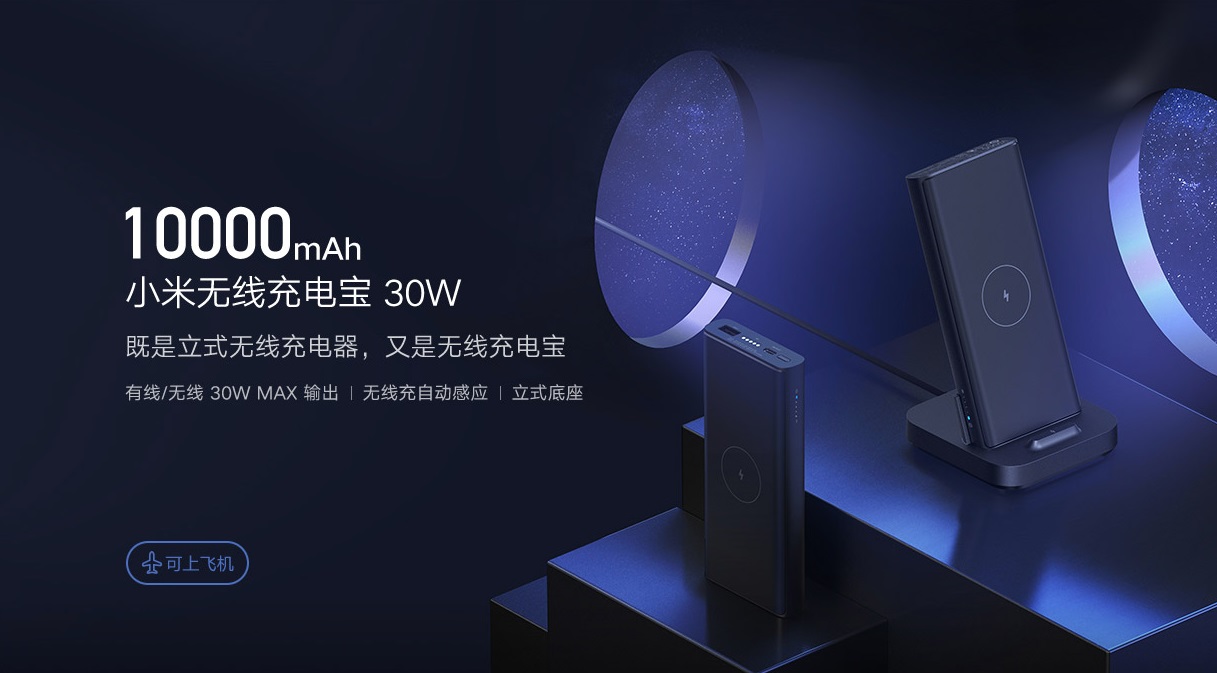
Xiaomi announced a new power bank today that serves a double function. The Mi Wireless Power Bank 30W is not only a portable battery pack but also doubles as a wireless charging stand.

Mi Wireless Power Bank 30W

The Mi Wireless Power Bank 30W (WPB25ZM) comes in black and has a wireless charging icon at the top to show it supports wireless charging. There is a 10000mAh lithium-ion polymer battery inside the device but the rated capacity is just 5600mAh.

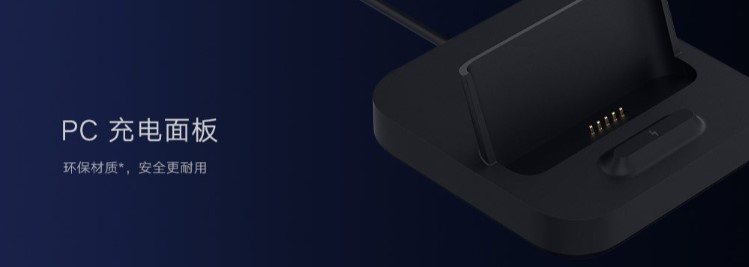
The new power bank ships with a dock that allows you to use the power bank as a vertical wireless charger when you are at home/work. All you have to do is place it on the dock pictured below and you can proceed to place your phone on it to charge. The dock will charge the power bank which will in turn wirelessly charge your device. There are LEDs on the side of the power bank that let you know its battery level and when the power bank is connected to the dock.

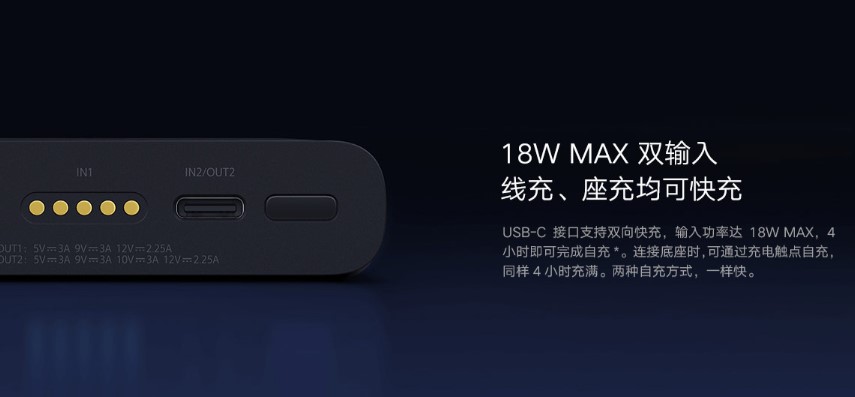
Mi Wireless Power Bank 30W input ports

Mi Wireless Power Bank 30W dock

The power bank has a USB-A port with a maximum output capacity of 27W. There is also a USB-C port that has a maximum output capacity of 30W. The power bank can also wirelessly charge compatible devices at up to 30W such as the Mi 10 Ultra, Mi 10 5G, and Mi 9 Pro 5G. It will also charge the iPhone 11 series and Galaxy S20 series.

There are two ways to charge the power bank. The first is via the USB-C port which has a maximum power input of 18W. The other way to charge the power bank is when plugged into the dock that transforms it into a wireless charging stand. In this mode, it charges via the pogo pins. Do note that the dock has a maximum power output of 10W.

The Mi Wireless Power Bank 30W is priced at ¥199 (~$29) and is available for pre-order on Mi.com.


Goophone 12 Pro is the first of several iPhone 12 Pro clones that’ll hit the market soon

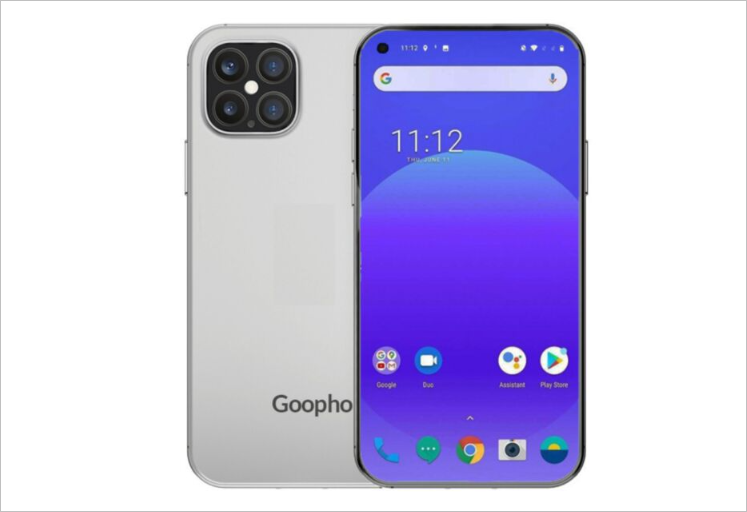
Apple is expected to hold a launch event today where the Watch Series 6 and iPad 4 Air are expected to be unveiled. The iPhone 12 isn’t likely to be launched until October but Chinese phone maker Goophone has teased the GooPhone 12 Pro, a clone of Apple’s next-gen flagship smartphone.Goophone 12 Pro

The brand is notorious for releasing counterfeit clones of popular high-end smartphones such as the iPhone and Samsung’s Galaxy S series. The phones are usually equipped with off-the-shelf chipsets from MediaTek. They also run on the Android operating system with customizations to the user interfaces who tends to make it resemble those of the devices they imitate.

The Goophone 12 Pro is no different. It has a quad-camera setup at the rear housed in a square-shaped module similar to what the iPhone 12 is expected to come with. The four sensors include a 48MP main camera teaming up with a 13MP, 5MP and 2MP sensor array.

The device is expected to feature a 6.7-inch AMOLED FHD+ display but the design doesn’t look like the iPhone 12. While the iPhone 12 Pro is expected to retain the notch design due to the 3D face unlock, this model features a punch-hole design. The punch-hole is located at he top left corner of the display panel and houses a 13MP selfie shooter.

On the internals, the iPhone 12 Pro clone is expected to be powered by a MediaTek Dimensity 1000+ processor paired with 8GB LPDDR4x RAM and 128GB UFS 3.0 storage. Here comes the twist, this hardware lineup places the phone in the flagship category. But traditionally, Goophone clones are cheap devices. For instance, the iPhone X clone dubbed Goophone Phone X was released in 2017. The device, which had significantly inferior hardware, was sold for around £80/$105 while the iPhone X retailed for $999. The same scenario played out for the iPhone XS Max. So, we are not so sure if the model will pack a Dimensity 1000+ chipset. The phone has to be cheap to make headway in the market.

However, the pricing and availability details are yet to be announced. The company has indicated that the model will be officially released soon, in China of course. The phone is currently listed on Giztop which means it may be available outside China.


Huawei opens EMUI 11/Magic UI 4.0 Closed Beta recruitments for 9 more devices

Last week, at HUAWEI DEVELOPER CONFERENCE (HDC) 2020, the company announced EMUI 11 as the latest version of Android skin. Unfortunately, it is based on Android 10 due to the US ban as the Chinese telecom giant could not work with Google. Anyway, it did promise to bring select Android 11 features in the future. That said, EMUI 11 Closed Beta was made available for 10 devices on the day of its announcement. Now, as promised, it opens closed beta recruitment for 9 more devices.

HUAWEI EMUI 11 Logo Featured

All the first batch of EMUI 11 Close Beta devices were HUAWEI-branded smartphones and tablets. But the second batch whose closed beta registrations have now gone live in China include 5 HONOR smartphones and 4 HUAWEI smartphones.

HONOR devices run a tweaked version of EMUI called Magic UI. Hence, the EMUI 11 update for eligible HONOR devices will come as Magic UI 4.0. The HONOR devices included in the second batch of closed beta rollout will be the first to get the latest version of Magic UI.

Having said that, there’s the list of newly added HUAWEI/HONOR devices in EMUI 11/Magic UI 4.0 Closed Beta program.

Huawei is currently recruiting closed beta testers for the above-mentioned devices only in China. The company is yet to announce the Closed Beta program for global markets. 


Amazfit GTR 2 and Amazfit GTS 2 will launch on September 22; may have SpO2 and Stress detection

Today, Huami announced it will have a launch event next week. The launch will be for the new Amazfit GTR 2 and Amazfit GTS 2 smartwatches. Alongside the poster for the event, Huami’s CEO, Huang Wang, also shared a post that talks about the challenges in design and how theirs and Apple’s own smartwatches overlap.

Amazfit GTR 2 and GTS 2 launch dte

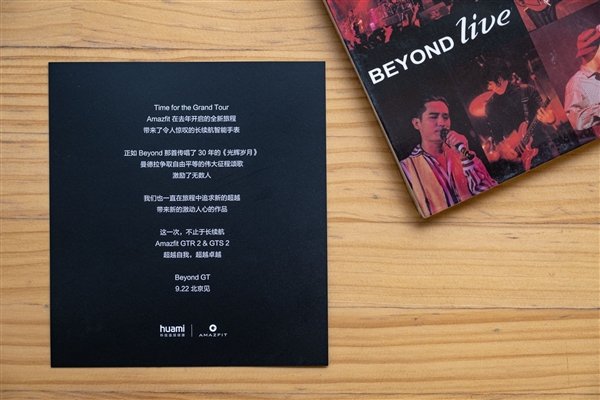
The launch is scheduled for Tuesday, September 22 at 2 PM (Beijing Time) and it will be held at the Black Sugar Box Art Center in Beijing. While the poster above doesn’t specifically say which products will be announced, the invite (pictured below) confirms it is for the GTR 2 and GTS 2.

Amazfit GTR 2 launch invite
Image source: Fast Technology

In the post written by the CEO, he cited how difficult it was to design the new smartwatches while focusing on three things – stylish appearance, long battery life, and great health features.

The post also mentioned the overlapping relationship between Apple and Amazfit Watches. Last year’s Amazfit GTS looks like Apple’s own watches and there are reports that the GTS 2 has ditched the square display for a round dial.

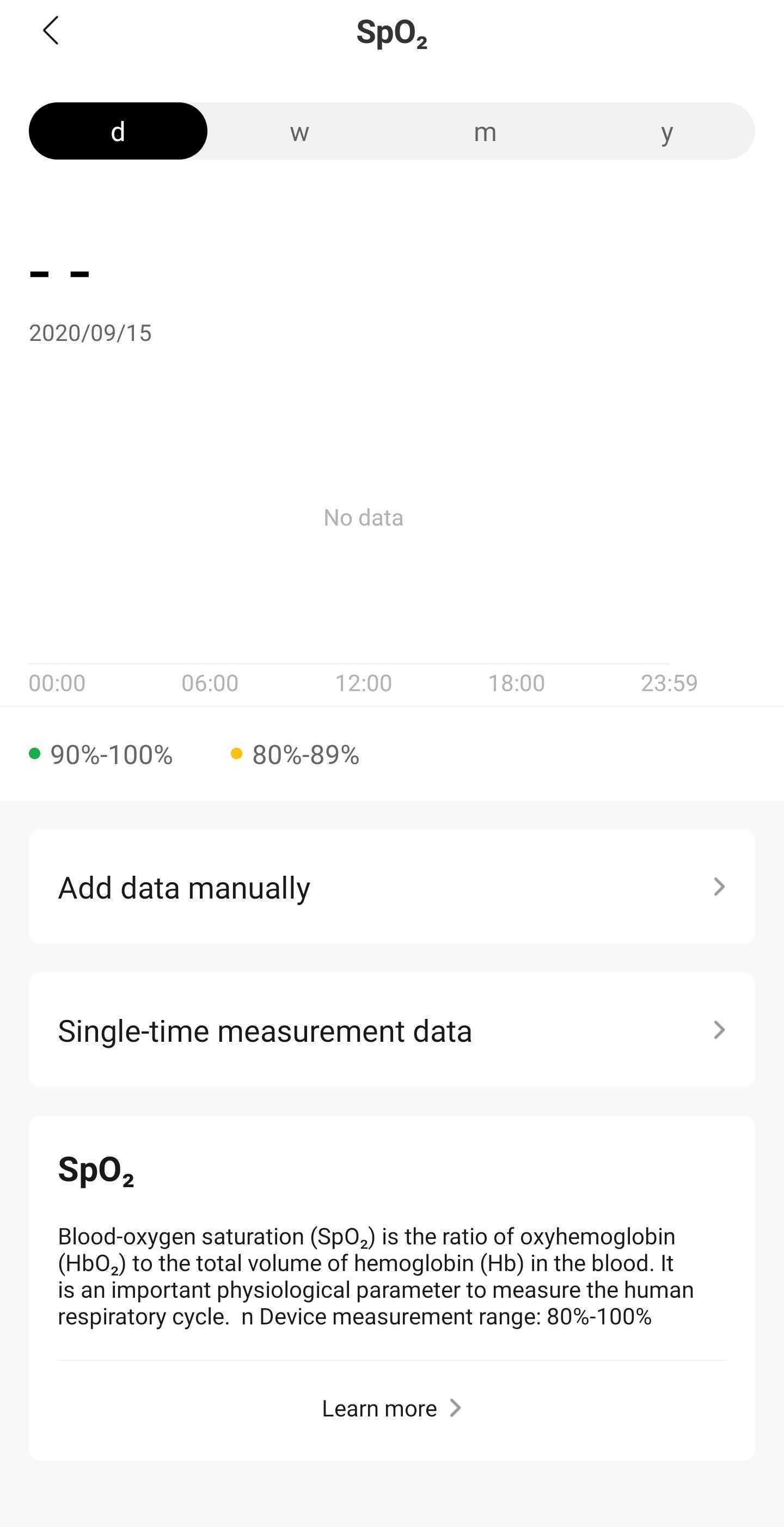
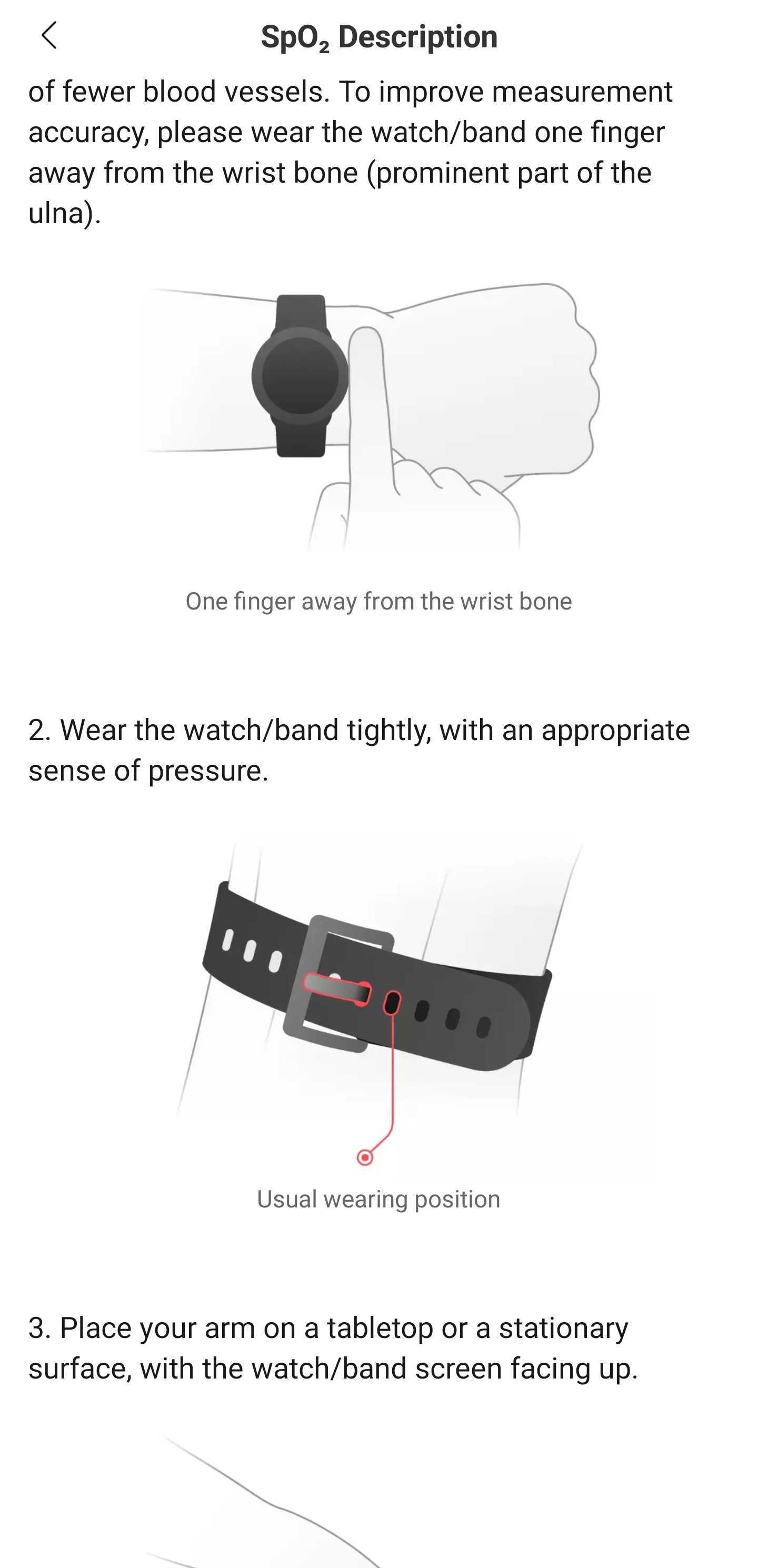
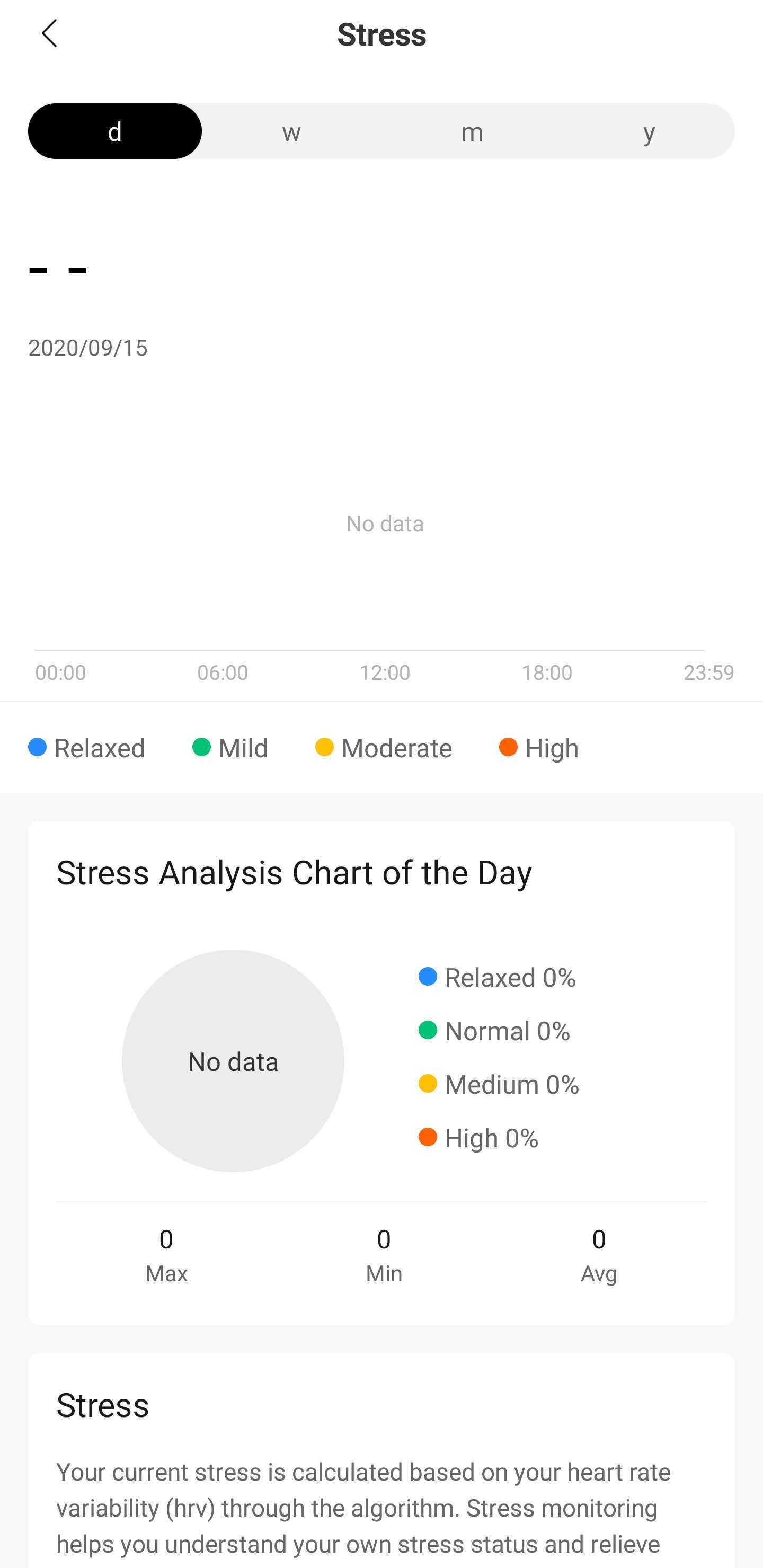
The top executive adds that he is looking forward to Apple’s own launch event today and what new features their new watches will have such as support for Blood Oxygen detection. The new Amazfit GTR 2 and GTS 2 should also have support for SpO2 detection and stress monitoring as the features are now visible on the Zepp app.


OPPO Enco W31, Enco M31 & Enco W11 price cut permanently by ₹500 ($7) in India

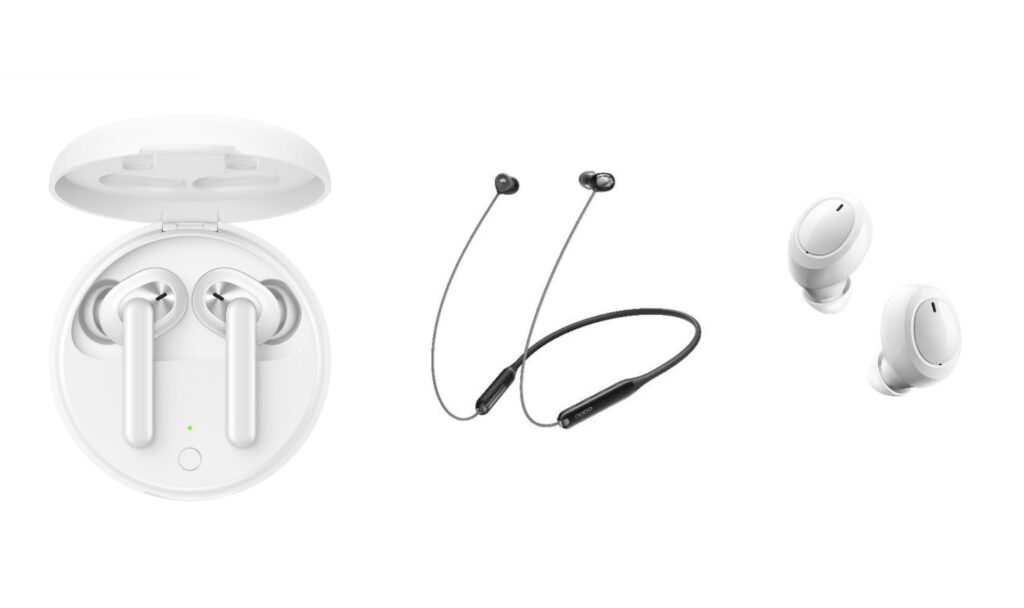
OPPO is known for its audio products other than smartphones. It offers bang for buck Bluetooth earphones under Enco series. Since the beginning of this year, the company has launched Enco W31, Enco M31, Enco W11, Enco Free, and Enco W51 in India. The price of the first three products has now been cut permanently by ₹500 ($7) in the country. Their new prices are now reflected on Amazon India and Flipkart respectively.

OPPO Enco W31 Enco M31 Enco W11

OPPO Enco W31

OPPO launched the Enco W31 TWS in March alongside OPPO Reno3 Pro 4G in India. It was priced at ₹4,499 ($61). But due to COVID-19, the truly wireless earphones only went on sale starting mid-May for a new revised price of ₹3,999 ($54).

Now, after months since it was made available for purchase, the TWS receives a permanent price drop of ₹500 ($7) lowering its selling price to ₹3,499 ($47).

OPPO Enco M31

Unlike the previous product, the OPPO Enco M31 is a neckband-style Bluetooth earphones. It supports LDAC codec and is even Hi-Res Audio certified. It is one of the most critically acclaimed budget audio products in India.

It launched for ₹2,999 ($41) but its selling price was ₹2,499 ($34). Now, with ₹500 ($7) permanent price cut, people can buy it for ₹1,999 ($27).

OPPO Enco W11

The OPPO Enco W11 is the company’s most-affordable TWS offering in India. Its price was said to be ₹2,999 ($41), however, it debuted for ₹2,499 ($34). Now, as its price has been slashed by ₹500 ($7) permanently, buyers can get it for ₹1,999 ($27).


N95 face masks might soon be rechargeable, reducing waste

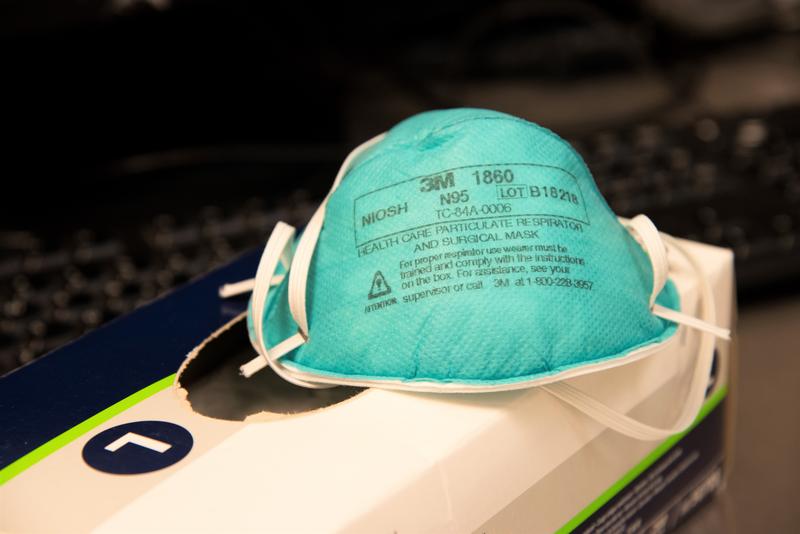
Due to the ongoing Coronavirus pandemic, N95 masks have become one of the most sought after commodities in the world. This holds especially true for many essential workers. However, this led to the problem of a huge amount of N95 masks also being disposed of, leading to waste, but that might soon change with a more effective rechargeable version.

N95
Rechargeable N95 face mask prototype

According to a TechCrunch report, the new rechargeable N95 face masks have been proposed by researchers at Technion-IIT in Israel and the Tata Institute of Fundamental Research in India. N95 masks use both mechanical filtering and electrostatic filtering, through which particles are caught in the microscopic fibers and are attracted to static charged surfaces on the scale of microns.

However, while this method has been proved to be very effective, it does not last. As with any charge, the electrostatic charge over time as more air and moisture passes over it. So while the mask can be cleaned, its effectiveness is lost as time passes. Thus, in a paper published in the Physics of Fluids journal, Dov Levine from Technion and Shankar Ghosh from Tata, showcases a method to possibly recharged said static charges to increase the masks’ life and effectiveness.

N95

According to the researchers, “We find that the total charge deposited on the masks depends strongly on the charging time… with the pristine value almost reattained after a 60 min charge at 1000 V.” In other words, the filter was just required to be placed between two plate electrodes with the application of a strong electric field. While regular essential workers cannot be expected to dismantle and charge their masks over and over again a dedicated team could be established, or better yet, a mask with a rechargeable battery can be made.


Huawei patents technology that can charge devices wirelessly from a distance

Huawei is apparently working on a new futuristic technology that can make everyone’s lives a lot more convenient. The Chinese tech giant has patented a new laser technology that can fully charge devices wirelessly from a distance.

According to a report from PocketNow, the technology doesn’t have an exact name, but it is still an exciting innovation in charging solution. As the smartphone is getting more and more powerful, having a good battery life is becoming a difficult challenge to many OEMs. Through this technology, the issue of carrying around a charger and wires can be ruled out and you can see an example of this working through the video above.

According to Huawei, “one of the biggest challenges to bathing every conference room or coffee shop in invisible charging power has been the safety of the lasers when surrounded by naked eyeballs.” The company is also working to make the technology safe within human proximity as well, with the system being able to detect eyes in the laser’s path, which would prompt the device to shut of the protect the user or their pets in the area.

Huawei
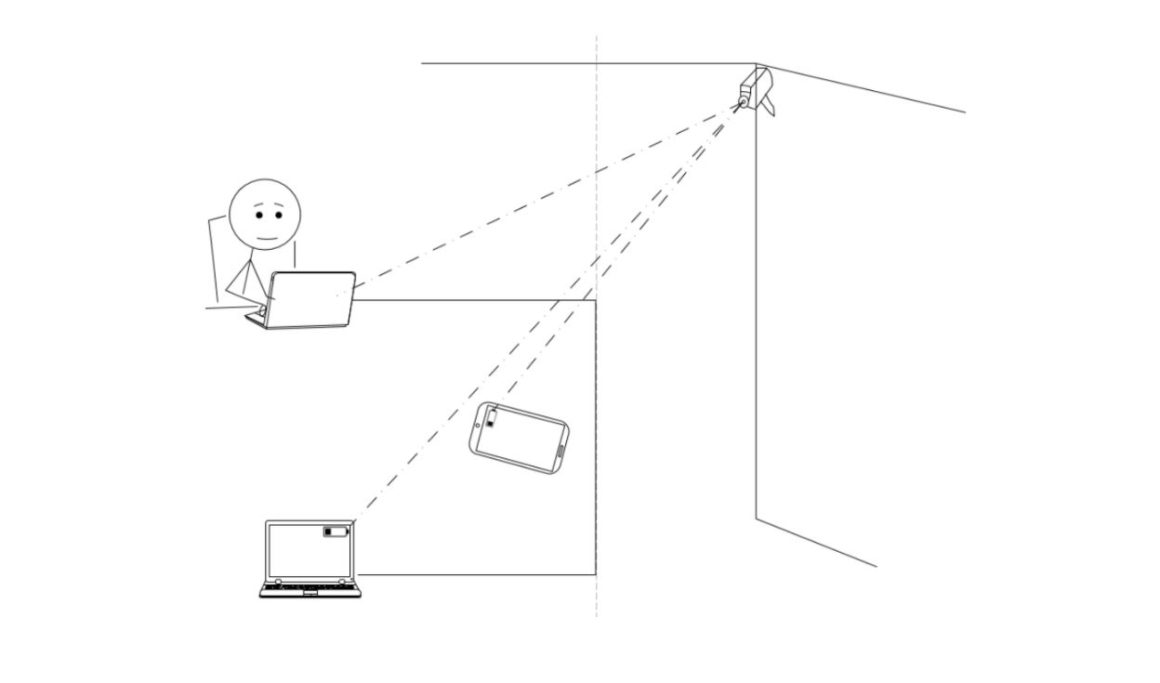
An illustration depicting the ranged wireless charging technology in action (Image Via PocketNow)

As depicted in the video, the device allows multiple electronic gadgets to be charged wirelessly at the same time. The charging module is housed on a vantage point overlooking the entire room, which allows it to automatically charge compatible devices. This technology can be used to transmit energy ideally for medium to long distance power transmission for a number of mobile devices, that can include smartphones, laptops, tablets, and even drones. Unfortunately, there is no launch date for this technology, but we hope to hear regarding it soon.


vivo S1 Pro & vivo Y50 price slashed by ₹1,000 ($13) in India

Despite global pandemic, smartphone OEMs have been launching new devices every other month or even week in case of certain brands in India. Some of these products such as Galaxy A51 and Galaxy A71 from earlier this year have now begun to receive price cuts as well. Similarly, vivo has slashed the  price of vivo S1 Pro and vivo Y50 by ₹1,000 ($13).

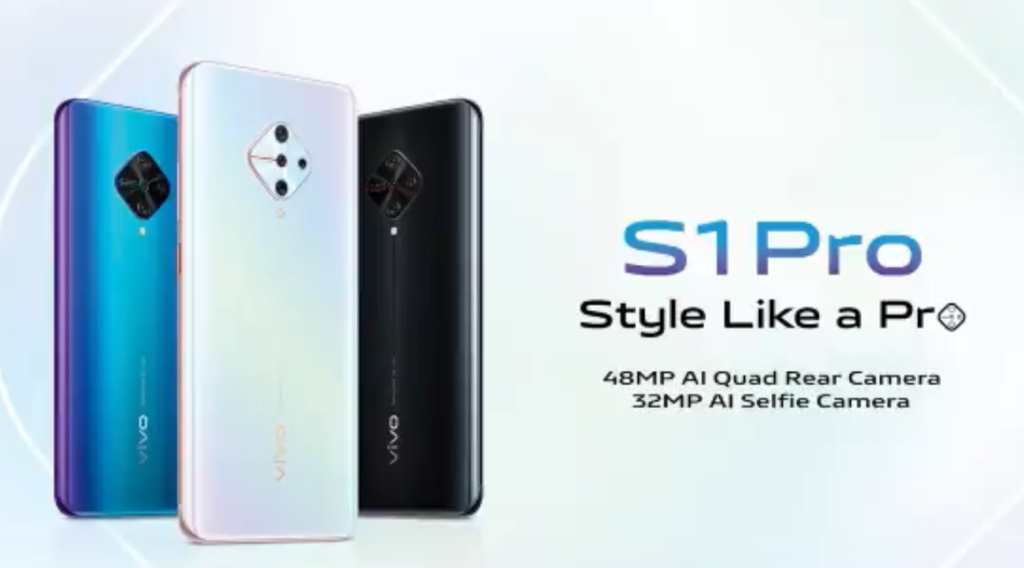
Vivo S1 Pro color variants for India

Chinese smartphone maker vivo launched vivo S1 Pro in India in early January for ₹19,990 ($271). The phone comes in a single 8GB + 128GB variant. Just after two months from its launch in March, it received a price cut of ₹1,000 ($13) bringing down its selling price to ₹18,990 ($258).

But then, in the very next month in August, its price was bumped up by ₹2,000 ($27) due to an increase in GST (Goods & Services Tax). Hence, it was retailing for ₹20,990 ($285) up until in July when it received another price cut of ₹1,000 ($13) lowering its selling price to its ₹19,990 ($271) launch price.

Now, after eight months from its launch, the handset’s price has been slashed by ₹1,000 ($13) once again. Hence, it can be now bought for ₹18,990 ($258) in India from Amazon India, Flipkart, vivo online store, and offline stores.

On the other hand, vivo Y50 launched in the month of June in a single 8GB + 128GB storage configuration for ₹17,990 ($244). Just like the vivo S1 Pro , it has also received a ₹1,000 ($13) price and therefore, it is now available for ₹16,990 ($231) on Amazon India, Flipkart, vivo online store, and from offline retailers.


(Via)

Sony Xperia 5 II spotted on 3C and TENAA, key specs and live images revealed

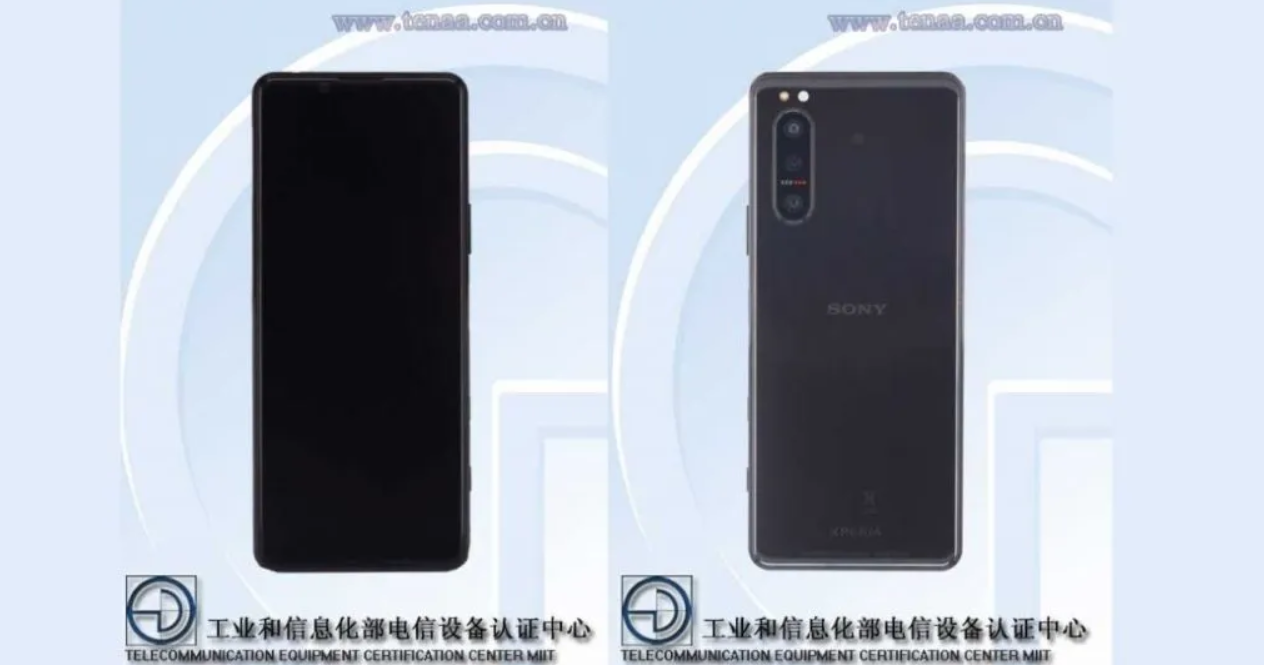
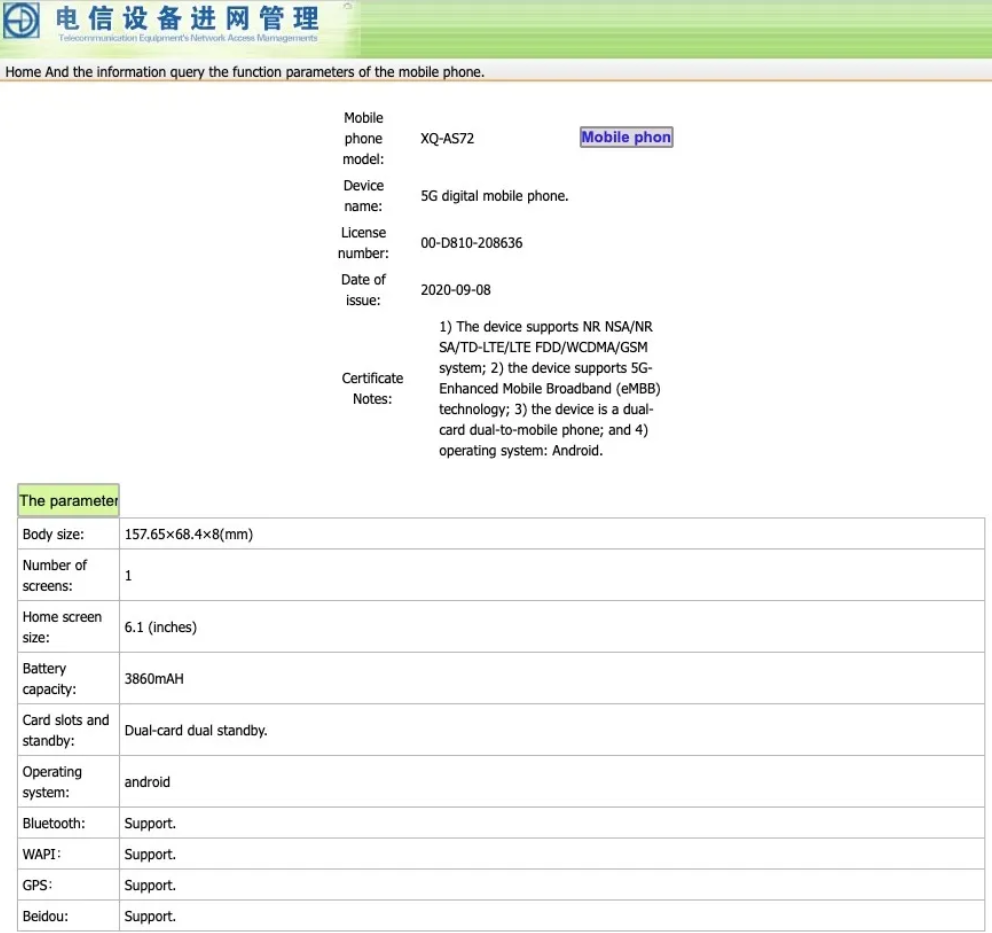
Sony is said to be working on a new smartphone called the Xperia 5 II. While numerous reports have surfaced in the last couple of months, the device has recently spotted on various certification websites like 3C and TENAA, which was revealed the live images of the smartphone and a few of its key specifications, as per a MySmartPrice report.

Sony

Looking at the images found on TENAA, the Sony Xperia 5 II will feature a single selfie shooter on the front and a triple camera setup on the rear. The rear camera module is aligned vertically on the top left corner of the device. On the right, a power button can be observed along with another physical button which is housed a bit below. At the moment, it is unknown what functionality this button might serve and it might just be dedicated to the camera.

Moving on to the specification, the TENAA listing also revealed that the Sony Xperia 5 II will sport a 6.1 inch display. The device measures in at 157.65 × 68.4 × 8mm and will be powered by a 3,860mAh battery, which will likely support some form of fast charging. The smartphone is a 5G enabled handset, so it will ship with a 5G chip and will probably run Android 10 OS out of the box.

Sony

The 3C certification reveals that fast charging will be supported, however, the exact wattage is currently unknown. However, since the device has been spotted on both websites, we can expect an announcement to follow soon after. So stay tuned for more updates that are likely to arrive within the next few weeks.


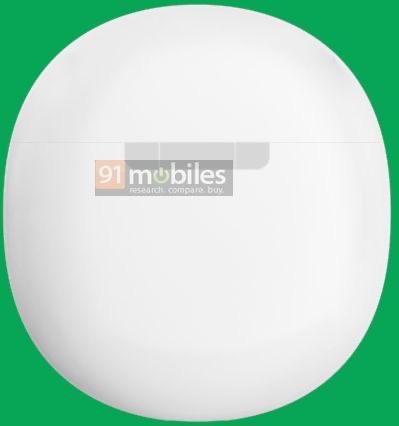
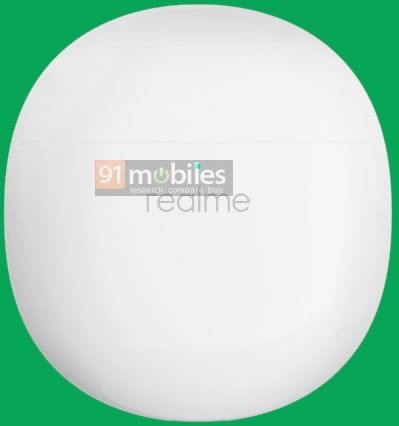
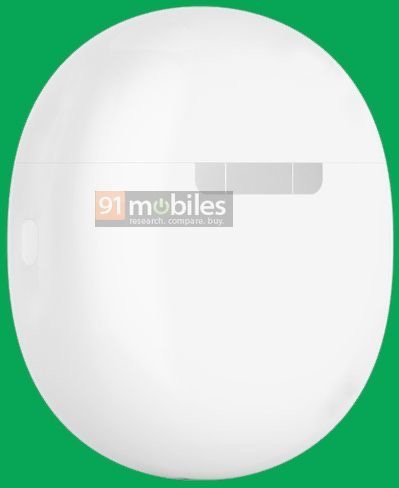
realme Buds Air Pro patent reveals the design of its charging case

Lately, smartphone makers have been trying to build their own ecosystem by launching AIoT or connected products. New brands like realme have been expanding into this territory for the past few quarters. Apart from smartphones, realme now sells a wide variety of products like TWS, smart TVs, fitness trackers, and more. So far, the brand has launched two pairs of TWS’. At IFA 2020, realme teased Buds Air Pro as its first pair of truly wireless earphones with noise cancellation. Now, the design of this hearable’s charging case leaks, thanks to its patent.

realme Buds Air Pro Patent Featured

Companies mostly file design patents of their new products either just before their launch (e.g., realme X50 Pro) or before they go into the development phase. Since realme had already teased the realme Bus Air Pro to launch in Q4 in Europe, it could be mostly in production phase now and the patent filing confirms the same.

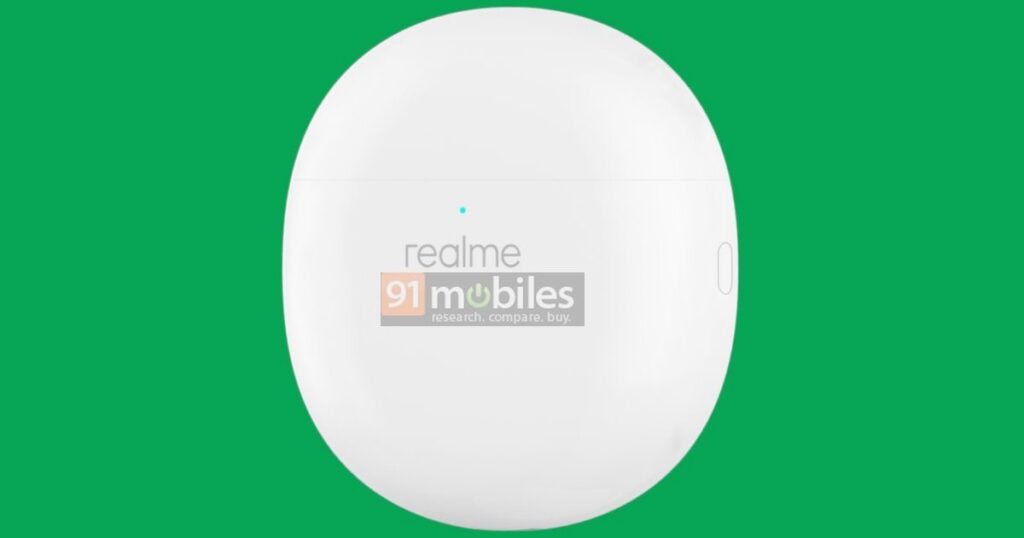
The design patent of realme Buds Air Pro was filed by the brand with the CNIPA (China National Intellectual Property Administration). It was unearthed by 91Mobiles.The patent images only showcases the charging case of realme’s upcoming TWS. 

Unlike the brand’s previous truly wireless earphones, the charging case of this one will come with a unique design resembling a hockey puck. In other words, it will look like a flat ball.

Apart from the realme branding, it will feature an LED indicator, a pairing button, and a USB Type-C port. The patent shows the realme Buds Air Pro in white color but it should be available in other bright colors as well.

That said, realme may probably launch this product first in China as soon as in October, the first month of Q4 2020.


Apple iPhone makers to win approval for $6.6 Billion India Plan: Report

Apple iPhone makers are said to be one among the companies that are expected to win approval to participate in a 6.6 billion US Dollars program that aims on bringing manufacturing to India.

For those unaware, the Indian government recently announced that it is expecting to approve a plan that aims at bringing 150 billion US Dollars worth of smartphone production into the country over the course of the next five years. According to a Bloomberg report, sources close to the matter said that known iPhone assemblers like Foxconn, Wistron, and Pegatron have already been cleared by the government committee for the program.

Apple

These three companies essentially produce almost every iPhone old in the world, with a majority of their assembly lines being located in China. Now, with the added incentive of the PLI (Production Linked Incentive) program, the government is trying to offer manufacturing incentives to some of the world’s largest smartphone brands to make their products in India and export to the world.

Apart from the iPhone assemblers, Samsung is the only other applicant for the five slots allotted to foreign companies. Notably, popular Chinese brands like Oppo and Vivo are clearly missing from the list, which might be indicative of the rising trend of countries reducing dependence on China. Hari Om Rai, chairman and founder of Lava (an Indian OEM) stated that “It’s a thoughtful move by the government aimed at wooing Apple to bring significant iPhone manufacturing to India because, when the iPhone maker shifts, an entire ecosystem follows.”

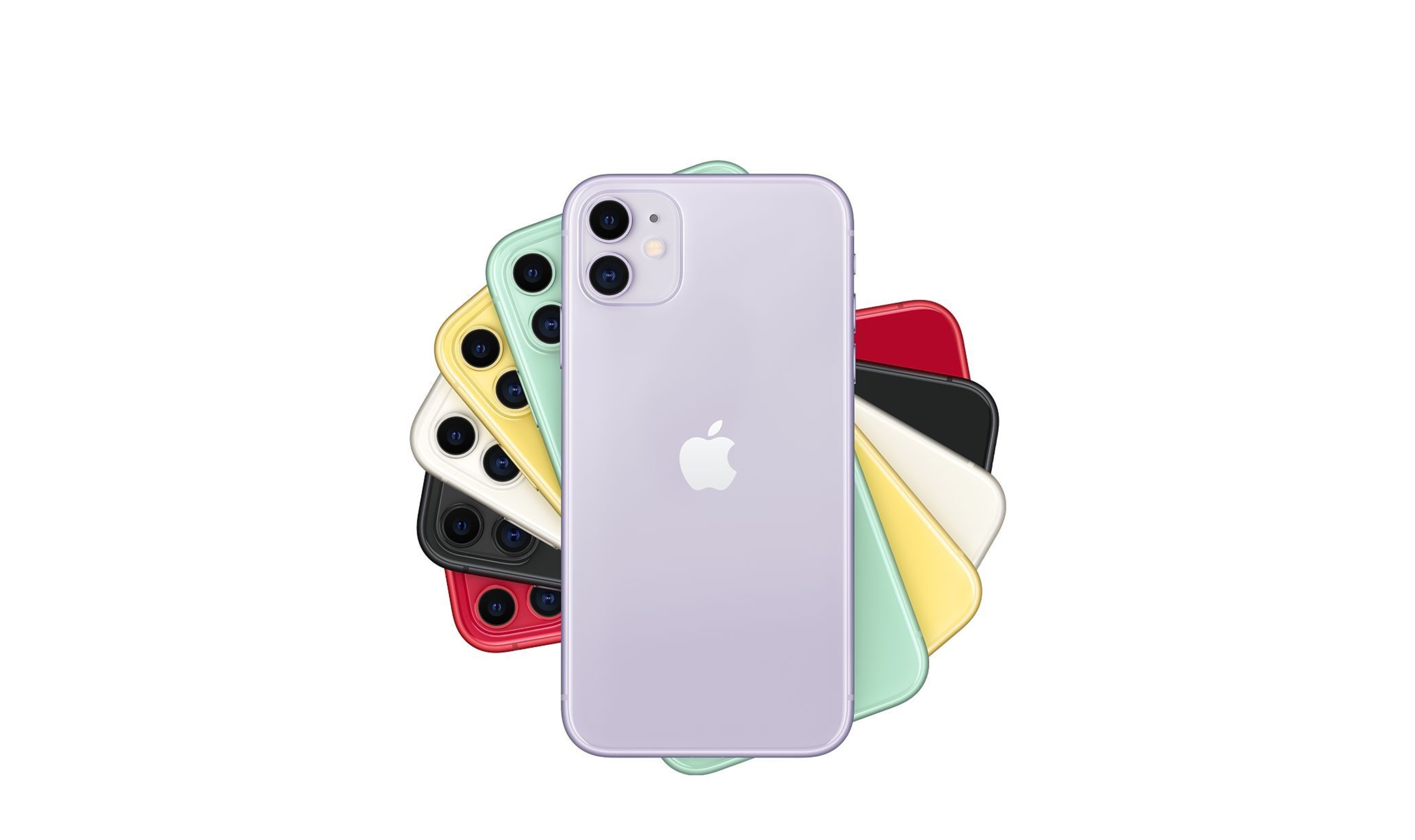
Apple iPhone 11 All Colors Featured

At the moment, Chinese brands have been the most dominant companies in the Indian smartphone market. An analyst said that “Chinese brands have driven out domestic phone companies, leaving them with a mere 2% market share.” So the move also aims to strengthen local brands while also bringing in incentives for other international players to help boost the economy as well.


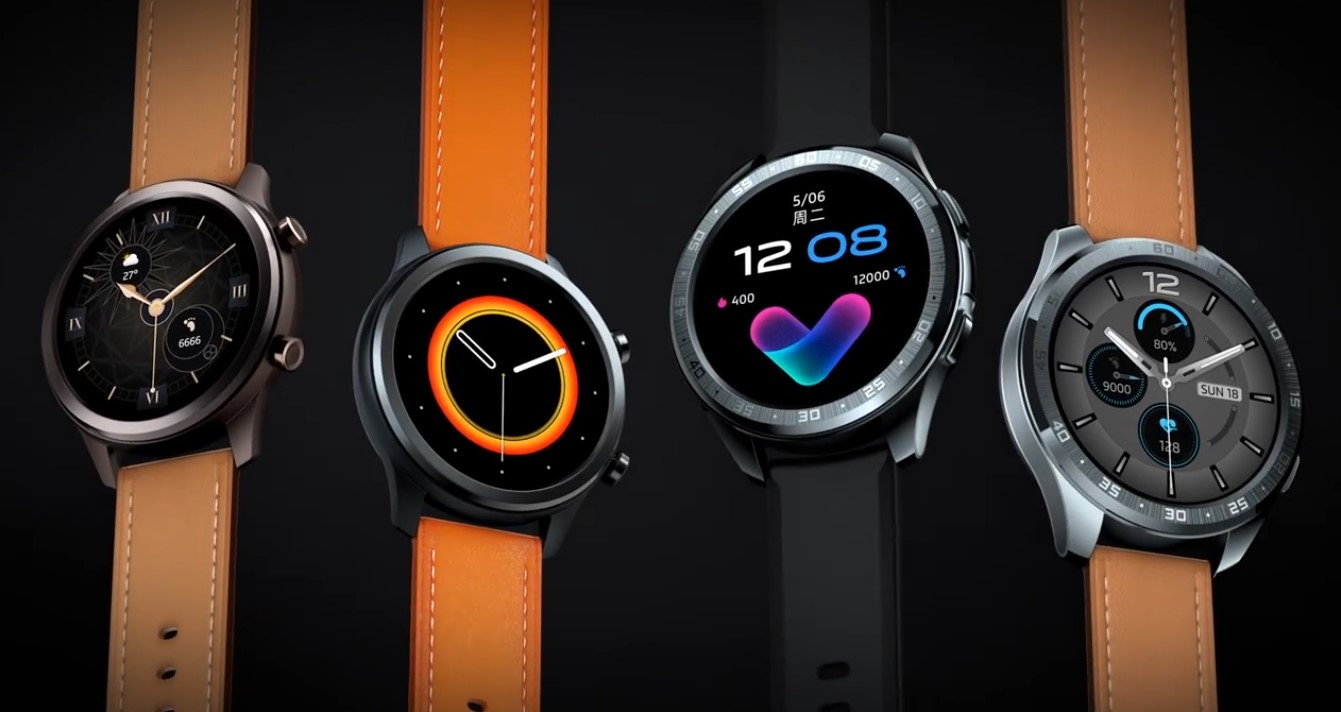
Vivo Watch official promo video released to reveal design

Last week, Vivo confirmed that it will be launching its first-ever smartwatch called the Vivo Watch in China on Sept. 22 at 19:30 PM (local time). Recent reports have already spilled a lot of information its specs. Today, the Chinese firm rollout an official promo of the Vivo Watch to showcase its design.

The official promo shows the two variants of the Vivo Watch sporting a round-shaped dial and a stainless-steel chassis. There are two buttons on the side of the device. The two buttons can be seen with different designs on both variants. The Vivo Watch seems to be equipped with leather and fluoro rubber strap options.

Vivo Watch specifications and features (Rumored)

The Vivo Watch is expected to arrive in 42mm and 46mm dial options. The smartwatch is expected to offer around 18 days of battery life. The device is likely to carry support for 5W charging.  It may not run on WearOS. Probably, it may boot to the FunTouchOS version for the smartwatch.

Vivo Watch
Vivo Watch

The Vivo Watch is expected to offer users with 5ATM water resistance. The device is expected to pack with other features like NFC for making payments, Bluetooth 5.1, optical heart rate sensor, blood oxygen content tracker, and support for independent music playback. The smartwatch could be priced around 1,000 Yuan (~$147). It is expected to arrive in four strap color options.


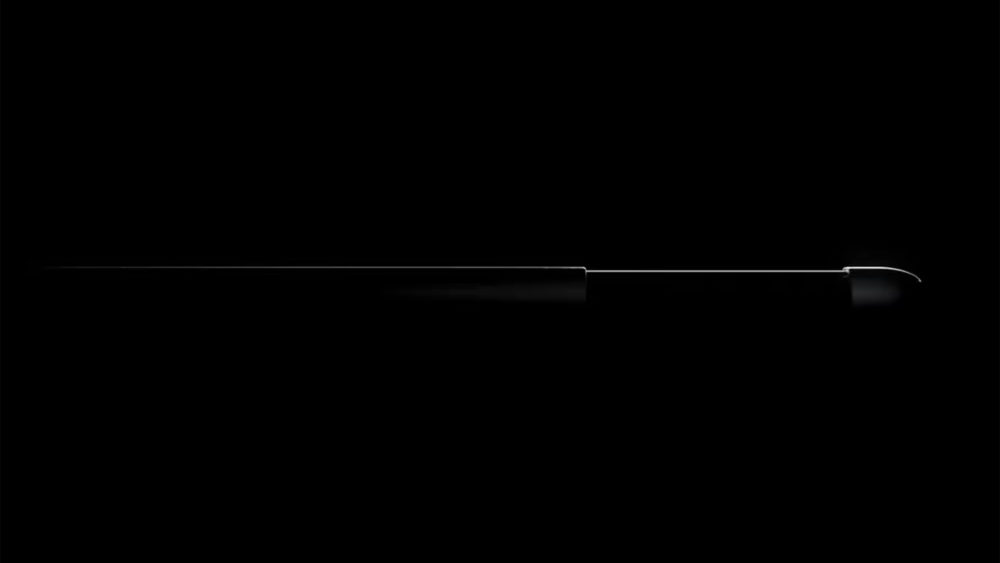
LG teases a new smartphone with an extendable display

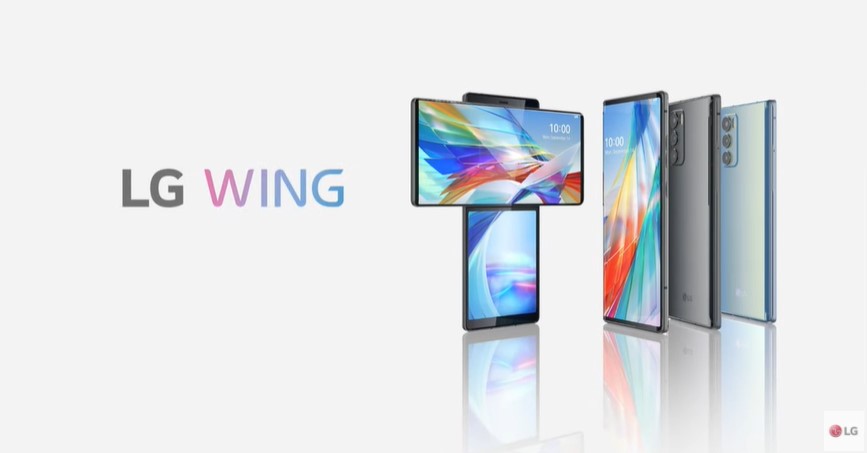
LG is showing no signs of stopping its innovative drive. Despite just announcing the new LG Wing, with a unique dual display design, the company has now teased another new smartphone, which features an extendable display.

LG

The experimental smartphone in question features a single display with a pull out chin. This design would make the device quite versatile, with users being able to use it in its extended form and in the retracted one as well for single handed use. Unfortunately, there is no information available regarding the device and the company has yet to divulge any finer details either.

Notably, LG did hint in the trailer to “hold your breath,” which might be indicative of a launch date that is not far off. But, it won’t be surprising if the extendable smartphone launches sometime in 2021. Furthermore, the device might even arrive with LG’s rollable display technology that it had previously showcased on a TV model. The display was a flexible OLED panel that was hidden in the base when not on use.

LG Wing featured

The teaser was revealed during the Explorer Project live stream where LG unveiled the LG Wing, and now it seems that this device will be the next smartphone under this project. So stay tuned for more updates, which are likely to arrive soon.


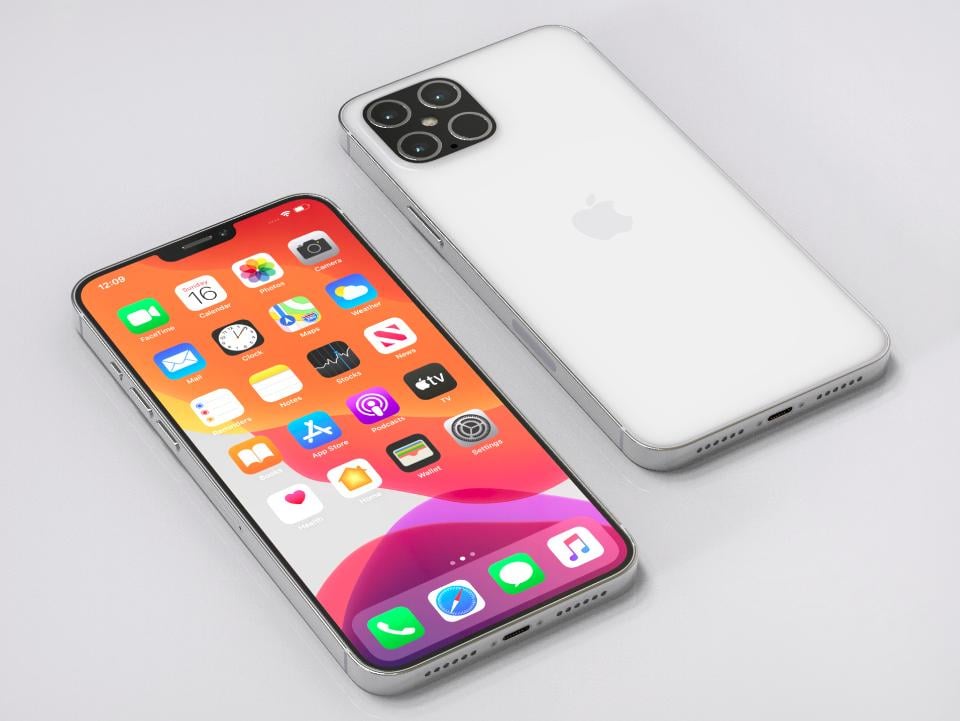
Apple iPhone 12 won’t feature 120Hz display support, claims Ming-Chi Kuo

As the launch for the Apple iPhone 12 nears, more and more details about the upcoming next-generation smartphone series keep surfacing online. In the latest development, well-known analyst Ming-Chi Kuo has shed light on the display of the phone.

He has claimed that the iPhone 12 won’t come with support for 120Hz refresh rate display and the reason cited for the same is battery life considerations, reports MacRumors. Kuo adds that support for 120Hz could be there in 2021 iPhone models.

Apple iPhone 12 Render

Further, he has said that 6.1-inch and 6.7-inch models of iPhone 12 will have the same display notch like the iPhone 11 models. However, the 5.4-inch model will have a slightly narrow notch to show more information on the screen at the top edges.

All the smartphones in the iPhone 12 series will come with support for 5G connectivity, notes Kuo. This is in line with the previous related to the product. He adds that there will be two versions of each model. Initially, the sub-6GHz models will be available and later, models with support for sub-6Ghz-plus mmWave will go on sale.

EDITOR’S PICK: US sanctions against Huawei will affect South Korean chip exports to China

Apple is hosting a launch event on 15th September, i.e. today but the company is not expected to unveil the new iPhone models. Instead, the event will introduce the new Apple Watch Series 6, new iPad, Apple TV, smaller HomePod, AirTags, and over-ear headphones.

The company has already confirmed that the iPhone 12 models launching this year will be “available a few weeks later.” There are several reports which claim that the new iPhones will go on sale from October.

Previous reports hint that pre-booking will start around mid-October and shipments of the base model beginning a week after that. But not all the models will go on sale together. As per the report, the iPhone 12 will be available for purchase in October itself, while other models in the lineup, including the iPhone 12 Pro, will go on sale in November.


Xiaomi Mi 10T Pro FCC and BIS certified; Key details appear

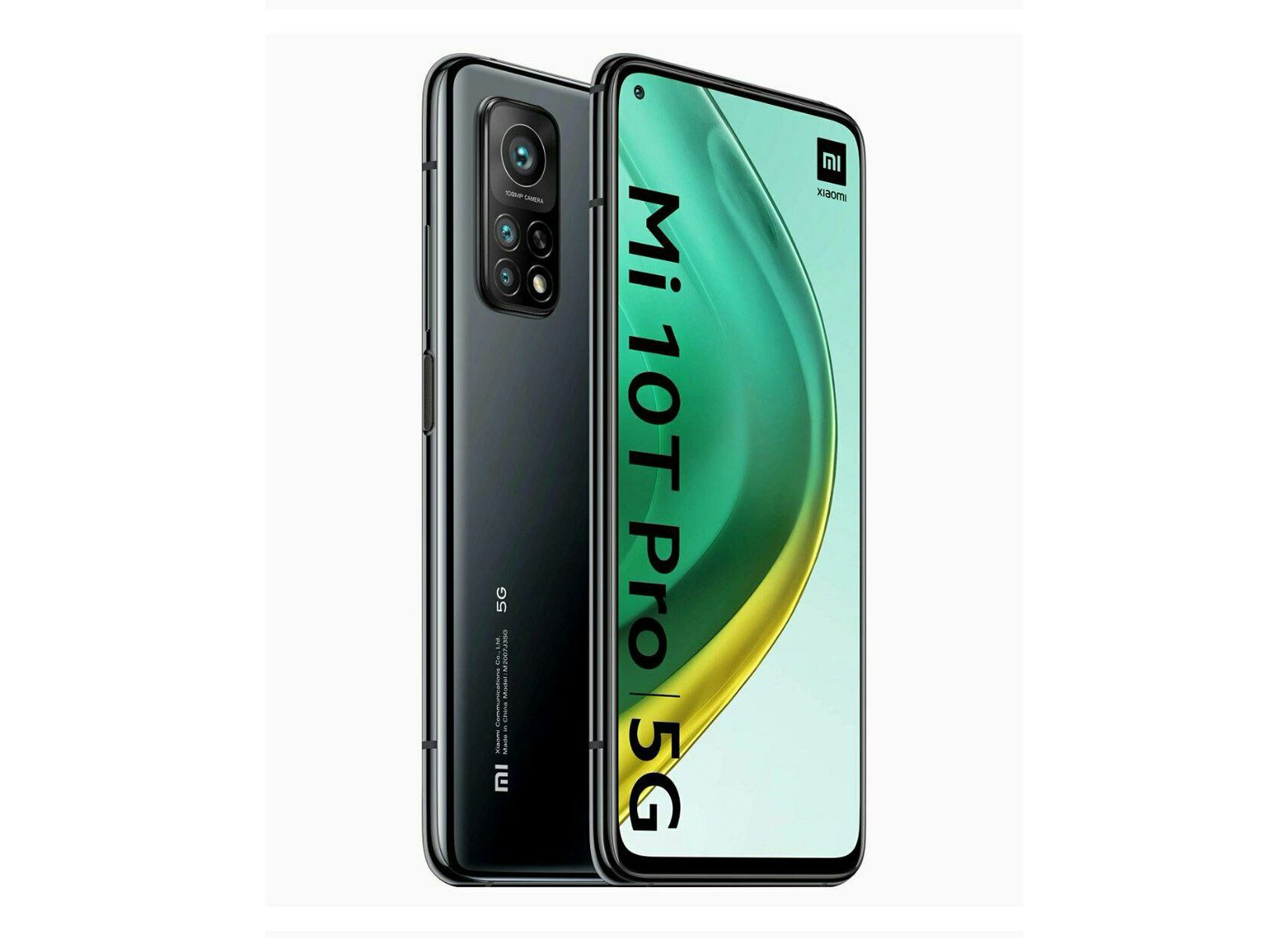
Xiaomi is soon going to announce the Xiaomi Mi 10T and Mi 10T Pro smartphones in various markets including India. It is speculated that the Mi 10T series may go official on Sept. 28. Ahead of the launch, the Mi 10T Pro has received approval from the Bureau of India Standards (BIS) in India and the Federal Communications Commission (FCC) in the U.S.

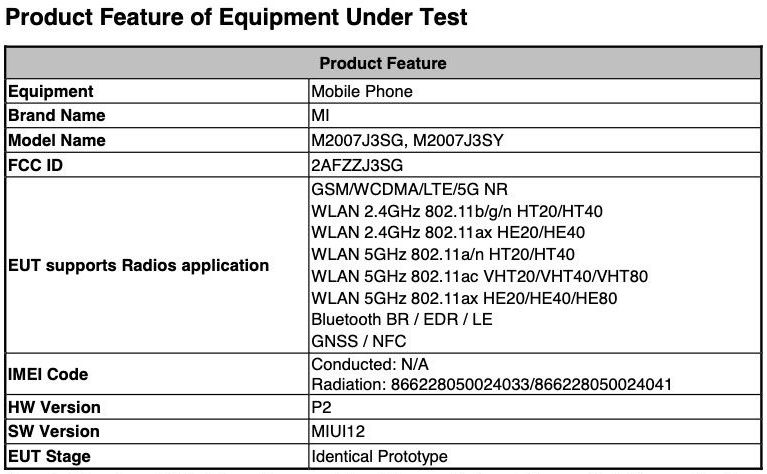
Previous reports have revealed that the Mi 10T is codenamed as Apollo and the Mi 10T Pro is codenamed as Apollo Pro. The FCC documents of the Xiaomi Mi 10T Pro mentions two model numbers such as M2007J3SG and M2007J3SY. The phone carries support for connectivity features such as Wi-Fi 6, Bluetooth, and NFC. The device is loaded with MIUI 12 based Android OS.

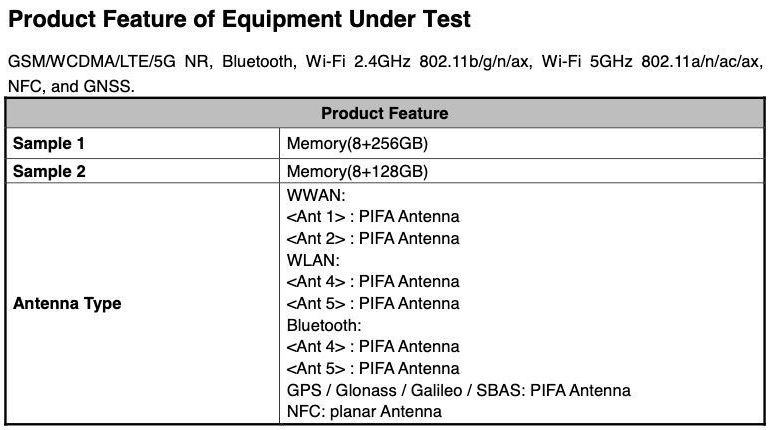
The FCC certification also reveals that the Mi 10T Pro will be available in two options such as 8 GB RAM + 128 GB storage and 8 GB RAM + 256 GB storage. Shown below is the screenshot of the Mi 10T Pro’s BIS certification.

Xiaomi Mi 10T Pro specifications

Past reports have revealed that the Xiaomi Mi 10T Pro has a 144Hz 6.67-inch IPS LCD panel with a punch-hole design. The MEME technology-enabled display supports full HD+ resolution and 19.5:9 aspect ratio. It is powered by Snapdragon 865. It has a 108-megapixel + 20-megapixel (ultrawide) + 8-megapixel triple rear cameras. It has a 5,000mAh battery with rapid charging tech. The 128 GB and 256 GB editions of the Mi 10T Pro could be priced at 639 euros and 679 euros, respectively.

The Xiaomi Mi 10T could be coming with a new Snapdragon 7-series 5G chipset, 64-megapixel triple rear cameras, 6 GB of RAM, and up to 128 GB of storage. Its other specs could be identical to the Pro model.


Samsung announces new 108MP, 64MP, 48MP, and 32MP ISOCELL image sensors

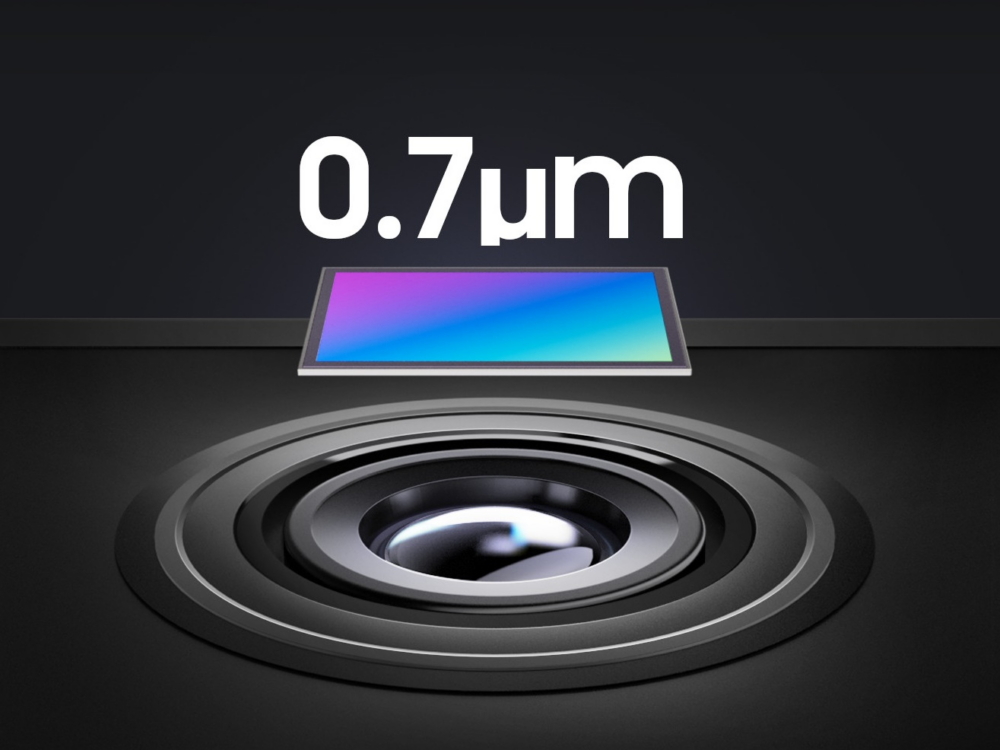
Samsung Electronics has announced four new ISOCELL image sensors for its 0.7 micrometers (μm)-pixel product lineup — 108-megapixel ISOCELL HM2, 64-megapixel ISOCELL GW3, 48-megapixel ISOCELL GM5, and 32-megapixel ISOCELL JD1.

With the new 0.7μm ISOCELL technology, the South Korean giant aims to expand the ultra-high-resolution offerings to mainstream smartphones. The small pixel size will allow cameras to be more powerful with thin smartphone designs.

Samsung 0.7μm ISOCELL Image Sensor

The company says that the newest image sensors are up to 15-percent smaller than the 0.8μm sensors of the same resolution and reduce the height of the camera module by up to 10 percent. Smaller form factors give more flexibility to manufacturers for added features and more streamlined designs.

Samsung has used its advanced ISOCELL Plus and Smart-ISO technologies, which the company says it especially optimized for 0.7μm. The company adds that ISOCELL Plus retains the received light while Smart-ISO makes full use of the incoming light by intelligently adjusting the ISO.

Samsung ISOCELL HM2

This is the third 108MP image sensor from Samsung after HMX and HM1. It features Super PD, a faster and more effective phase detecting autofocus solution, and comes with a nine-pixel binning technology as well as 3x lossless zoom.

ISOCELL GW3

This 64MP image sensor is optimized for mainstream devices and comes with Tetracell and Smart-ISO technologies. It also features gyro-based electronic image stabilization (EIS) for sharper still photos and steadier videos and supports video recording at up to 4K resolution at 60 frames-per-second (fps).

EDITOR’S PICK: Smart TV makers like Xiaomi and LG seeks extension for zero import duty policy with the Indian government

Samsung ISOCELL GM5

It is a 48MP image sensor designed for use in telescoping or ultra-wide-angle cameras. It offers a staggered-HDR feature for brighter and clearer images with less noise. It is said to be a faster and more power-efficient HDR technology that expedites image processing.

ISOCELL JD1

The 32MP image sensor is aimed for smartphones with bezel-less displays that incorporate a hole-in-active-area or motorized pop-up mechanism for the front-facing camera Like the GM5, the JD1 is also the one the first ISOCELL image sensors to offer staggered-HDR.

The South Korean giant has said that the HM2, GW3, and JD1 sensors are currently being mass-produced while the company has started providing samples of GM5 to customers.


US sanctions against Huawei to affect South Korean chip exports to China

The chip exports from South Korea to China are expected to take a hit after recent US sanctions were adopted against Huawei. This is likely due to South Korea’s heavy reliance on the neighboring country.

US

According to a YonhapNewsAgency report, the recent regulations that sought to ban Huawei from sourcing semiconductors that were made using US technology, software, or design, might affect the overall South Korean chip export to China. For those unaware, the new sanctions now require suppliers to acquire a special license to supply Huawei, which is granted by the US government.

This move affects Samsung Electronics, the world’s largest memory chipmaker, and SK Hynix, by having them stop sending semiconductor shipments to the Chinese company. Huawei is one of the top five customers for Samsung, while SK Hynix reportedly depends on the Chinese tech giant for over 10 percent of its total sales. Thus, the issue has a far more outreaching effect than just pressuring Huawei.

US

Industry sources close to the matter stated that South Korean exports will likely take a hit after recent US sanctions, due to their dependence on China. Reports have indicated that China accounted for 41 percent of all South Korean chip export in the first seven months of this year and was valued at 22.49 billion US Dollars. Similarly, Hong Kong came second in this regard, being evaluated at 11.38 billion US Dollars.
 

Smart TV makers like Xiaomi and LG seeks extension for zero import duty policy with the Indian govt

The Indian Cellular and Electronics Association (ICEA) has reached out to the Indian government and is seeking an extension of the zero import duty on open cell television panels beyond September 2020.

ICEA has written a letter to Revenue Secretary Ajay Bushan seeking an extension on zero duty on the open cell imports for three more years. They said that the policy has given a huge fillip to domestic manufacturing of LED televisions and has also led to a reduction in imports from ASEAN countries.

The body, which is representing companies like LG, Xiaomi, and Micromax among others, warned of the growth of the grey market if the new proposal of imposing 5 percent duty goes into effect.

Recently, the Ministry of Electronics and IT proposed to impose a duty of 5 percent on open cell panels and bring the pure cell to zero percent in a bid to encourage the process of polariser film and COF bonding for open-cell.

However, ICEA is opposing the move and claims that it is concerned about its implementation as the anomaly in the differentiation of open-cell with bonding and open-cell without bonding — pure cell — still remains a challenge.

EDITOR’S PICK: Huawei products are now getting out-of-stock; the company doesn’t have Plan B for Kirin chipsets

It adds that if the duration of zero import duty on an open cell doesn’t get extended, then there will be a rise in imports of LED TVs, giving a major blow to the government’s ambitious Make In India initiative.

As per the data published by Counterpoint Research, Xiaomi has grabbed around 27 percent of the Smart TV market in India in Q1 2020. LG and Samsung have taken the second and third positions with 14 percent and 10 percent market share respectively.

The Indian Smart TV market is poised to grow further as the Internet is penetrating at a faster pace and OTT consumption is growing in the market.


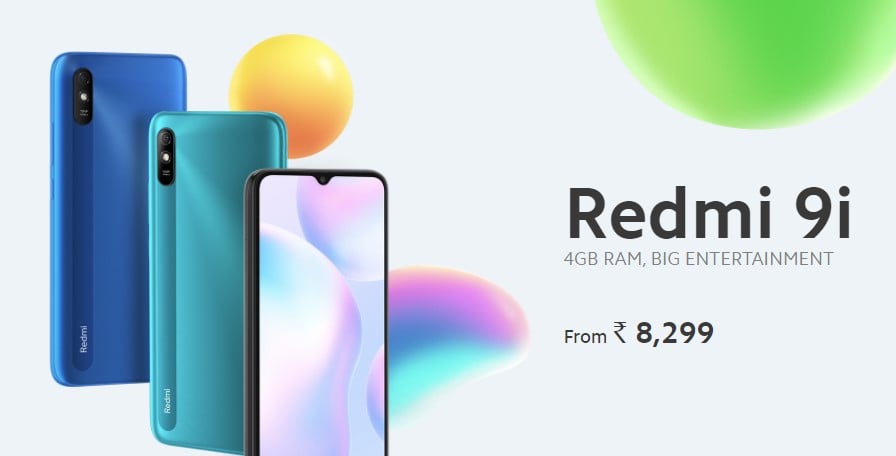
Redmi 9i with 4GB RAM, 128GB storage debuts for Rs 8,299 (~$113)

At the beginning of this month, Xiaomi announced the Redmi 9A entry-level smartphone with a starting price of Rs 6,799 (~$93) in India. Today, the Chinese firm has unveiled the Redmi 9i phone in the country. The Redmi 9i offers the same specs as the Redmi 9A. However, the new phone comes with more RAM and larger internal storage.

Redmi 9i specifications and features

The Redmi 9i flaunts a 6.53-inch IPS LCD panel with a waterdrop notch. It delivers an HD+ resolution of 720 x 1600 and an aspect ratio of 20:9. The smartphone is powered by the modest Helio G25 entry-level gaming-focused chipset.

The Redmi 9i ships with 4 GB of LPDDR4x RAM. It comes in two storage choices such as 64 GB and 128 GB. In comparison, the Redmi 9A comes in choices such as 2 GB RAM + 32 GB storage and 3 GB RAM + 32 Gb storage. Like the Redmi 9A, the newly unveiled 9i comes with MIUI 12 based Android 10 OS preinstalled and it offers users with a dedicated slot for adding a microSD card slot.

Xiaomi Redmi 9i
Xiaomi Redmi 9i

The Redmi 9i has a front-facing camera of 5-megapixel and it has a rear snapper of 13-megapixel. The phone houses a massive 5,000mAh battery. The device comes with other features such as 10W charging support, dual SIM slot, 4G VoLTE, Wi-Fi 802.11 b/g/n, Bluetooth 5.0, GPS, microUSB, a 3.5mm audio jack, and a P2i splash-resistant nano-coating.

Redmi 9i price in India

The 4 GB RAM + 64 GB storage and 4 GB RAM + 128 GB storage editions of the Redmi 9i are priced at Rs 8,299 (~$113) and Rs 9,299 (~$126) in India. The handset comes in color variants like Nature Green, Sea Blue, and Midnight Black. The first sale of the Redmi 9i will take place on Sept. 18 at 12 PM (local time) through platforms like Flipkart, Mi.com, and Mi Store.