Huawei, the major consumer electronics maker, has patented new technology which isn’t a regular patent for a smartphone or the likes, but rather in the field of medicine. The patent describes a new technology that can help predict the menstrual cycle for females.
The patent was found in the IncoPat website database and has been created to accurately map the monthly cycle for females. While not particularly known for it, the Chinese tech giant has dabbled with medical equipment in the past. So this might be another one of their one off creations that would seek to make lives more convenient for its large customer base.
According to the patent, the technology offers a method and an appartus (or technical equipment/machinery) through which, women can predict their physiological cycle. This method comprises of taking various measurements throughout a month, including when the user is asleep to accurately map the entire physiological parameters. Through these measurements, the device in question could accurately estimate the upcoming cycle based on any changes that might have occurred during the days leading up to it.
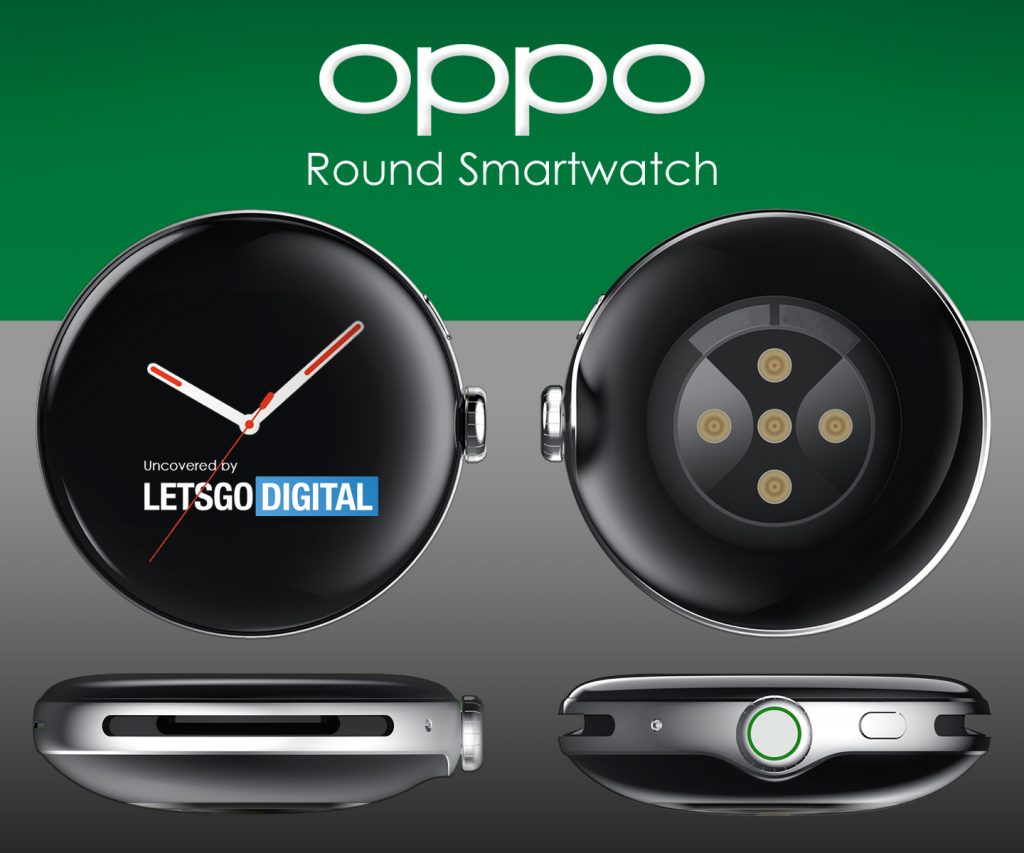
Oppo, the known smartphone manufacturer, has recently patented a new smartwatch. This new wearable features a round 3D curved display along with a digital crown. It might be the next iteration of the company’s Oppo Watch.
The Oppo Watch launched with a 3D curved display back in March 2020. However, it didn’t feature a circular display but a rectangular one. This made many draw similarities with the Apple Watch. So, the Chinese tech giant might be trying to distance itself from being a mere clone. The patent was filed back in 2019 with the CNIPA (China National Intellectual Property Administration), which was published earlier this week.
According to a LetsGoDigitalreport, the Oppo smartwatch in the patent features a rounded display built on a rectangular housing. On the bottom, numerous sensors can be observed, which are likely to monitor heart rate and more. The sides feature a button and a digital crown that are necessary for basic controls. Unfortunately, it is still unknown if the company is planning on actually launching such a wearable gadget or whether it is just covering all bases.
Three variations of the smartwatch were patented, with the first featuring a rounded 3D curved display on a rectangular housing while others sported a more square shaped flat display. This might be for a more affordable variant. The last one was a fully rounded 3D curved display but built upon a circular housing, with a unique looking aesthetic that would probably be paired with kinds types of straps.
Xiaomi is on a launch spree since the beginning of this year in India. After releasing a wide variety of smartphones, some laptops, and televisions, the company has scheduled another event for September 29 called “Smarter Living 2021”. The teaser image shared by Xiaomi hints at a number of products that will be unveiled at this virtual event.
Last year, Xiaoami held a similar launch event in India at which the company introduced new Mi TV models, Mi Smart Water Purifier, and Mi Smart Band 4 to name a few. We can expect the firm to announce a follow-up to these products and much-more going by the teaser.
That said, the teaser image with SMARTER LIVING 2021 art includes outlines of the following Xiaomi ecosystem products.
Apart from these products, Xiaomi may also launch new Mi TVs according to a report from July. It may also introduce new laptop models but we wouldn’t stress on it.
Anyway, what we can tell for sure is that the company will definitely launch Mi Smart Band 5 and Mi Watch Revolve as per the teaser picture and a leak from reliable tipster Ishan Agarwal.
Ever the US sanctions ended chip supply from TSMC to Huawei, the Chinese tech giant had placed its bets on various Chinese chipmakers and even started a few joint projects as well. However, it seems that the company might have just been abandoned by these semiconductor based companies in its home country.
For those unaware, the US had enforced new restrictions that cut off Huawei’s chip supply. Ever since then, rumors and reports had surfaced pointing at the company looking into alternatives through other companies like MediaTek and Qualcomm. But recent sanctions have reinforced the restrictions, as Huawei and its suppliers now are required to obtain a special license if they use American made technologies. This caused the company to go into “survival mode,” with the deadline being September 15.
According to a DigiTimesreport, Huawei had been aggressively stockpiling on chips just before the deadline. And now, any additional shipments have been suspended. But the issues for the Chinese smartphone maker doesn’t stop there as it is being reported that Chinese chipmakers have also quietly suspended shipments to Huawei. This ao includes all the joint development projects the companies had been working on together.
The reason for this is apparently due to fear of being targetted by the US for supplying Huawei. Industry sources close to the matter have revealed that the local chipmakers have suspended shipments since the US might also pressure them for being in breach of the US trade restrictions. If true, this would add another obstacle in Huawei’s operations that would deal a devastating blow that will be felt once its chip inventory finally dries up.
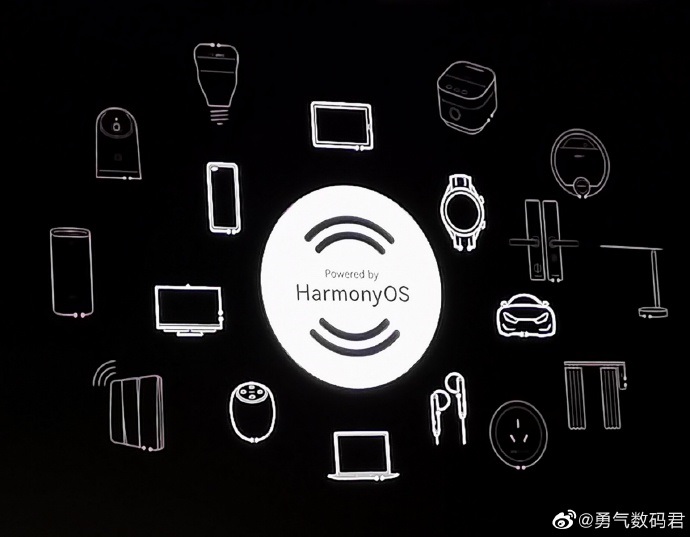
Huawei has brought in is research and development team from Russia to join in the development of the company’s proprietary operating system, dubbed HarmonyOS (or HongMengOS in China).
According to a GlobalTimesreport, the Chinese tech giant’s Russian R&D team has around 1,500 staff in cities including Moscow, St. Petersburg, Nizhny Novgorod, and Novosibirsk. This Russian team has been in close contact with Huawei’s development partners to help the research product be “more compatible with Huawei’s mobile ecosystem.” Earlier this month, the company had announced HarmonyOS 2.0, with its beta arriving in December 2020 and smartphone roll out sometime in 2021.
At the moment, the company is facing an extensive ban, with its supply chain being threatened to be cut off. So the news of the Russian team working on HarmonyOS 2.0 implies that the company is rushing to get the new OS out in time before it possibly completely loses access to the Android OS system.
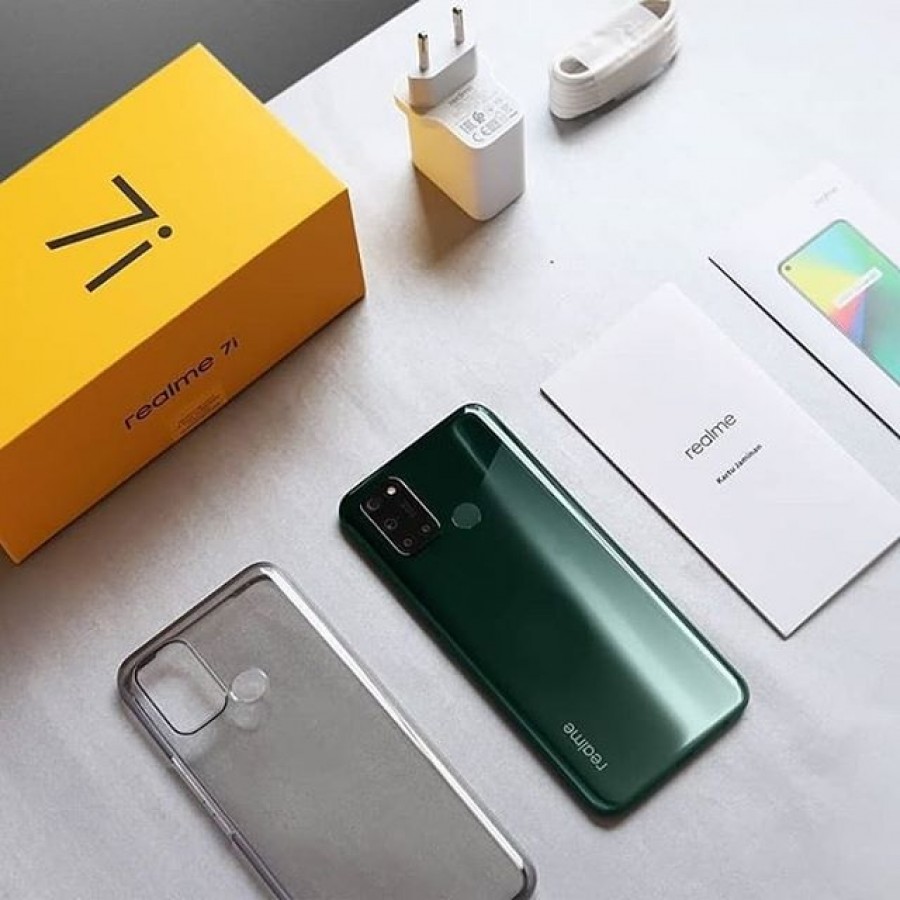
Realme will be announcing the Realme 7 and Realme 7i smartphones in Indonesia tomorrow. The specs of the Realme 7 are already known since it has already debuted in India earlier this month. While the Realme 7i is a new smartphone, its entire specs have surfaced in recent reports. A fresh leak gives a look at the real Realme 7i smartphone.
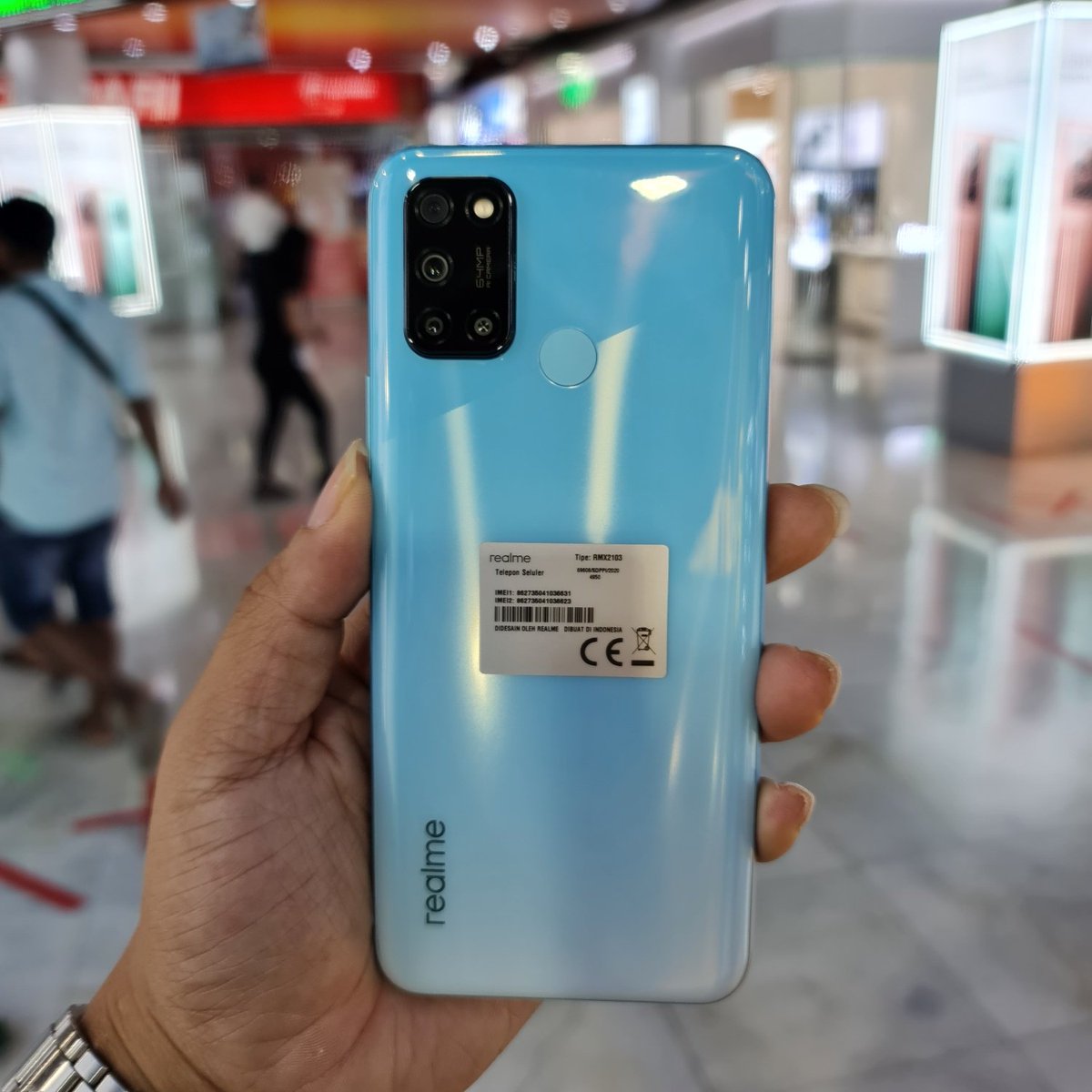
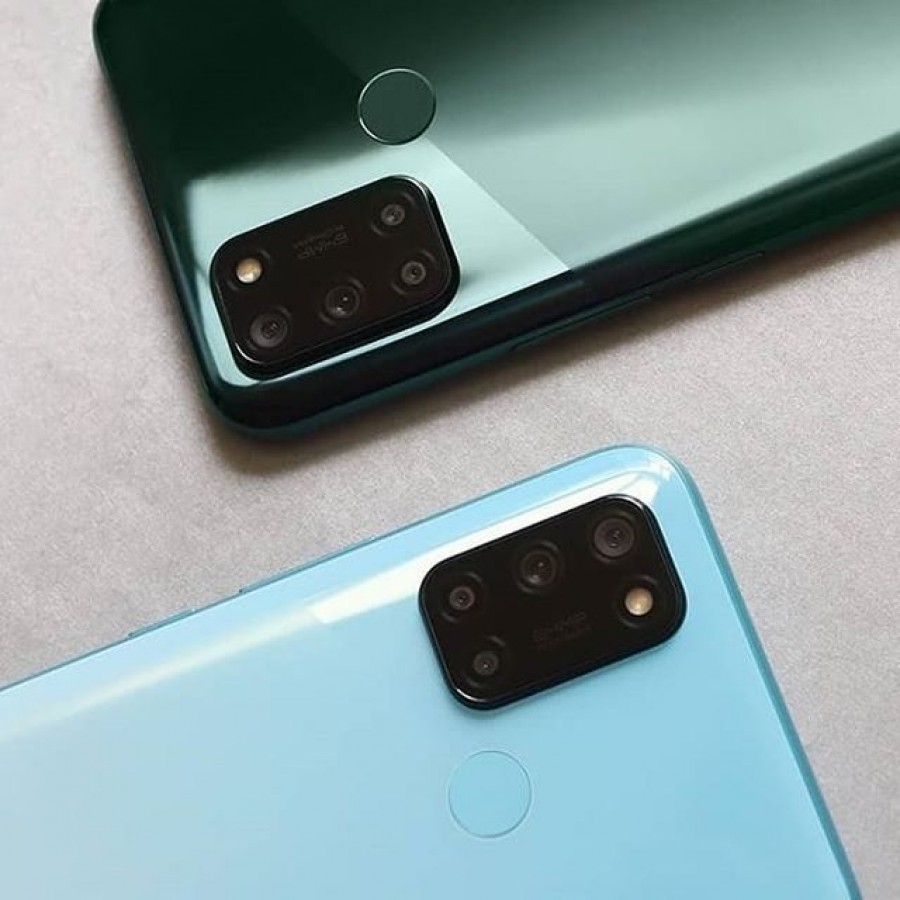
The Realme 7i can be seen in the Polar Blue color edition in the leaked shot. Apart from blue, the smartphone will be available in Aurora Green color. The rear side of the phone features a 64-megapixel quad-camera system and a fingerprint sensor.
1 of 2
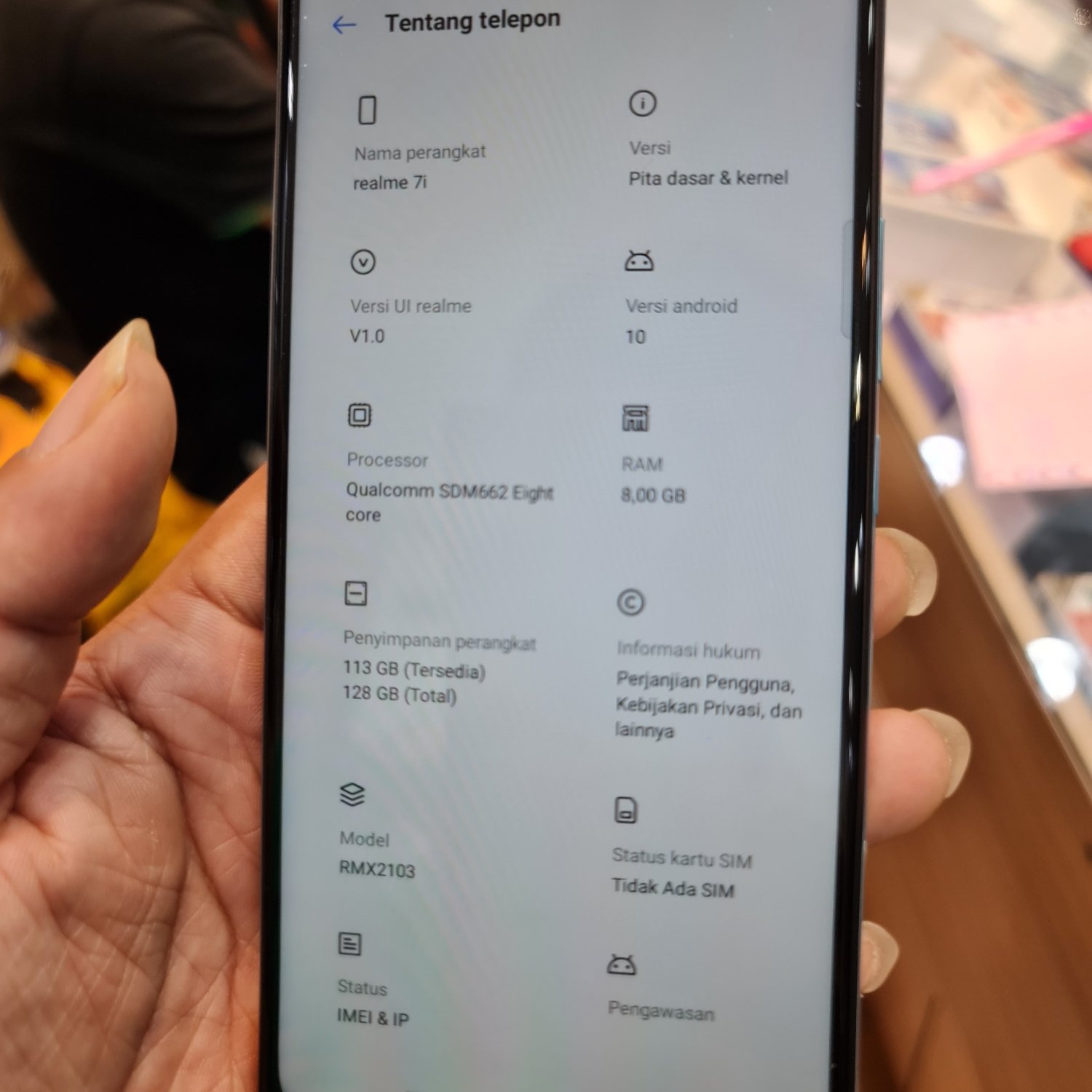
The other does not show the entire display of the phone. However, it does reveal the key details of the smartphone. The Realme 7i (RMX2103 model number) has 8 GB of RAM and 128 GB of built-in storage. The Snapdragon 662 chipset fuels the smartphone and its preinstalled with Realme UI 1.0 based Android 10 OS.
1 of 4
Shown above are some more images of the Realme 7i that have surfaced on Instagram.
Past reports have revealed that the Realme 7i has a 90Hz 6.5-inch HD+ display with punch-hole design. It has a 5,000mAh battery with 18W charging support. It has a 16-megapixel front camera and a 64-megapixel + 8-megapixel + 2-megapixel + 2-megapixel quad camera system.
Two years back, Honor entered the laptop segment with its MagicBook range of sleek and affordable notebooks. Today marks another milestone for the company as it enters a new product category with its new Honor Hunter brand. The first device in the Hunter brand is the high-end Honor Hunter V700 gaming laptop targeted at gamers who are looking for the best performance in a portable form factor.
Hunter Gaming Laptop Design
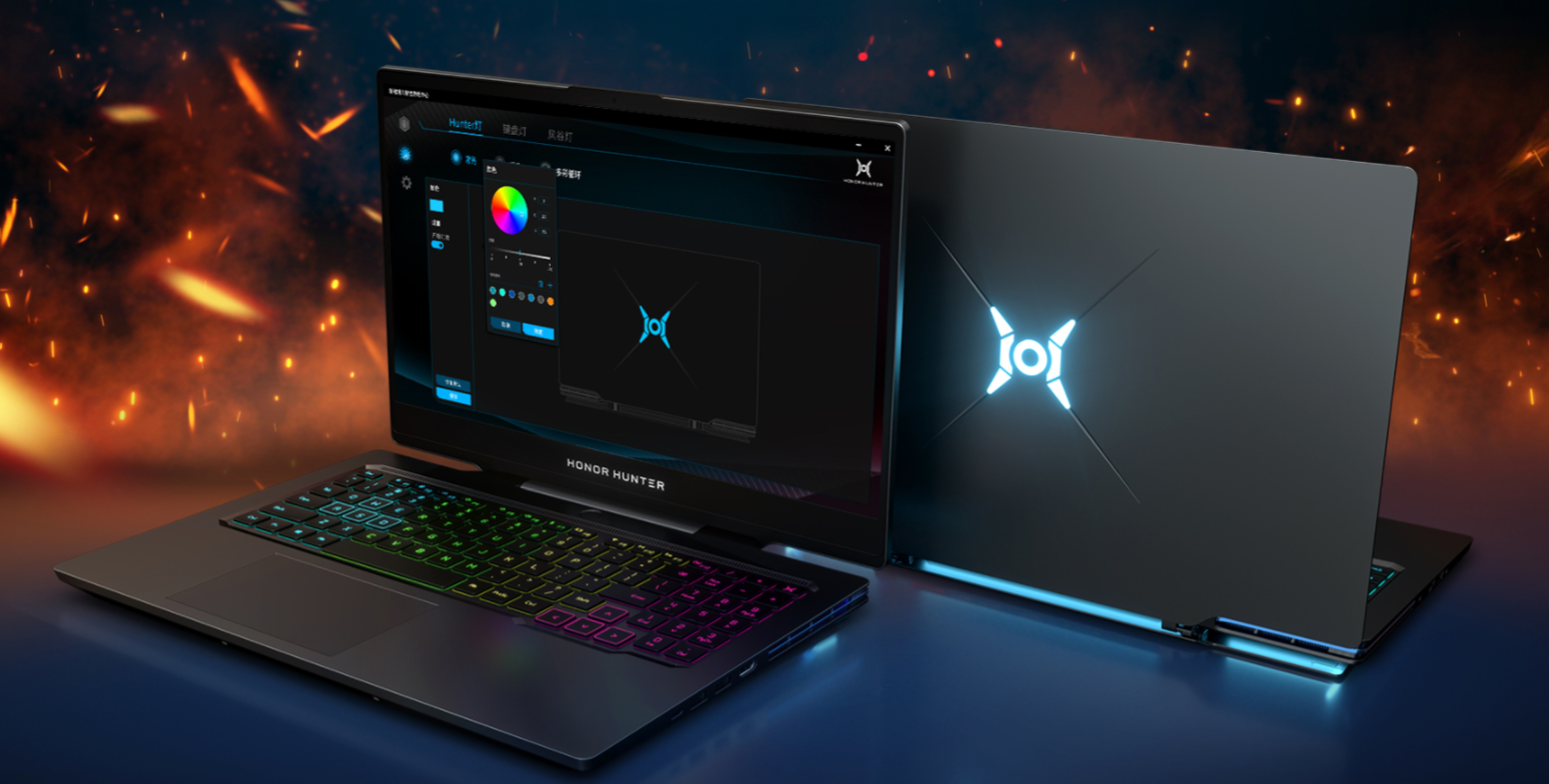
While many focus on the specifications of a gaming laptop, its design is just as important if not downright crucial. Honor has focused on both gaming aesthetics and heat management with its new Hunter series of laptops. The body of the new gaming laptop lineup is made from an anodized aluminum alloy body. For the RGB lovers, the Hunter logo on the rear panel lights up, and so does the keyboard and air vents that also have LEDs that light up the base, all of which can be controlled and customized.
Honor Hunter V700 Fingerprint Scanner
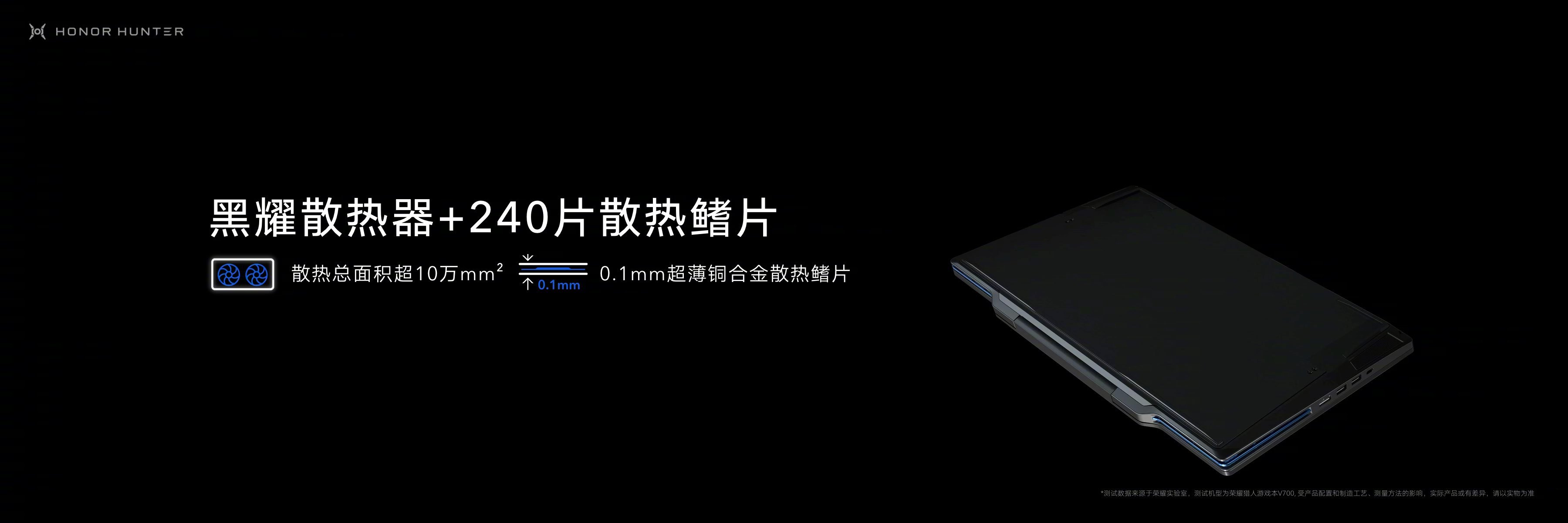
Despite the laptop being only 19.9mm thick, Honor has boasted of its thermal management capabilities. Even with its beefiest variant, the laptop still ran cooler than other gaming laptops from competing brands. While other laptops ran over 90 degrees Celsius in synthetic benchmark and stress testing, the Honor Hunter only reached 89 degrees Celsius, which is impressive for a laptop that runs a processor that reaches 5GHz in clock speeds. The company accredited its better thermal performance to its new fan designs, which sucks in more air for cooling. This is also supplemented by the radiators and 240 cooling fins built into the laptops.
Notably, despite heavy usage, the keyboard and, in particular, the WASD key positions barely saw temps higher than 48 degrees Celsius, which should make it comfortable for gaming for long hours. Furthermore, the hinge for the screen has also been tested 50,000 times to ensure the quality and durability of the laptop over the course of a few years.
Hunter Gaming Laptop Specs & Hardware
Arriving at the specs of the new Honor Hunter Gaming V700 laptops, the series features Intel‘s 10th gen processors, namely the i5-10300H or the i7-10750H. All three variants arrive with 16GB of dual channel RAM, with either 512GB or 1TB worth of NVMe SSD storage. Customers also get to choose between NVIDIA‘s GeForce GTX 1660 Ti and the RTX 2060 for graphics.
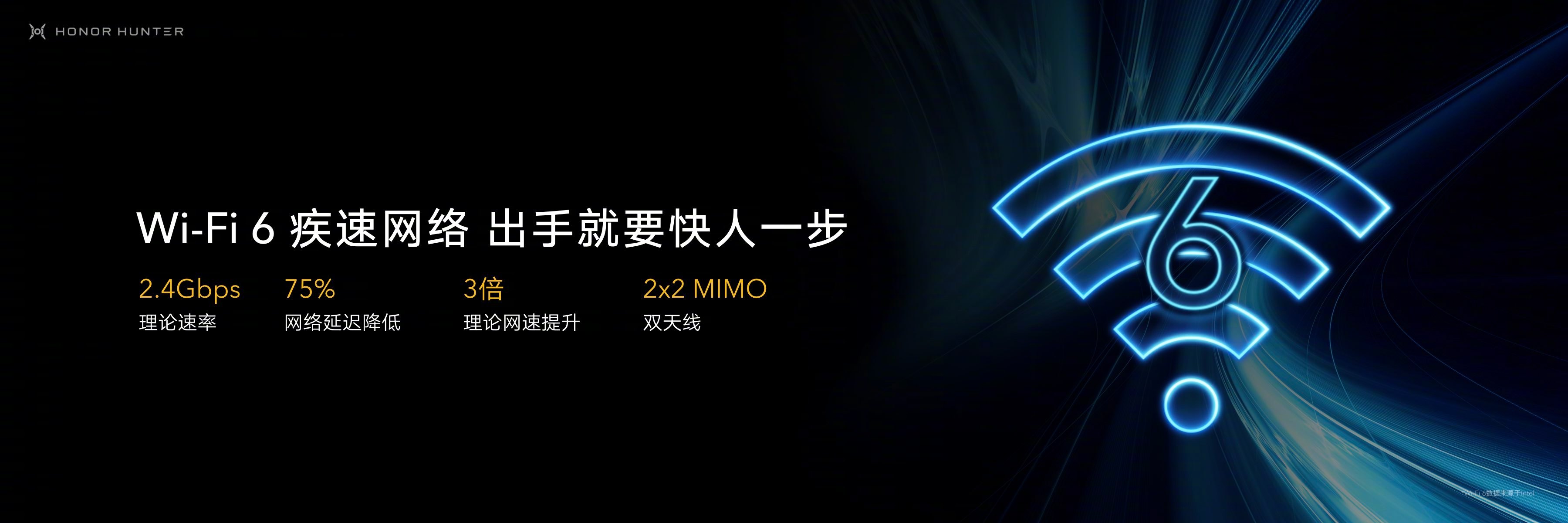
The display on these laptops is a 16.1 inch panel which is surrounded by narrow 4.7mm bezels. Since its a gaming laptop, Honor is offering a 144Hz high refresh rate support along with 100 percent sRBG color gamut. Through these specs, one can expect to hit high FPS in competitive games like CS:GO, Valorant, DOTA 2, and League of Legends. It even supports WiFi 6 for better connectivity during online gaming.
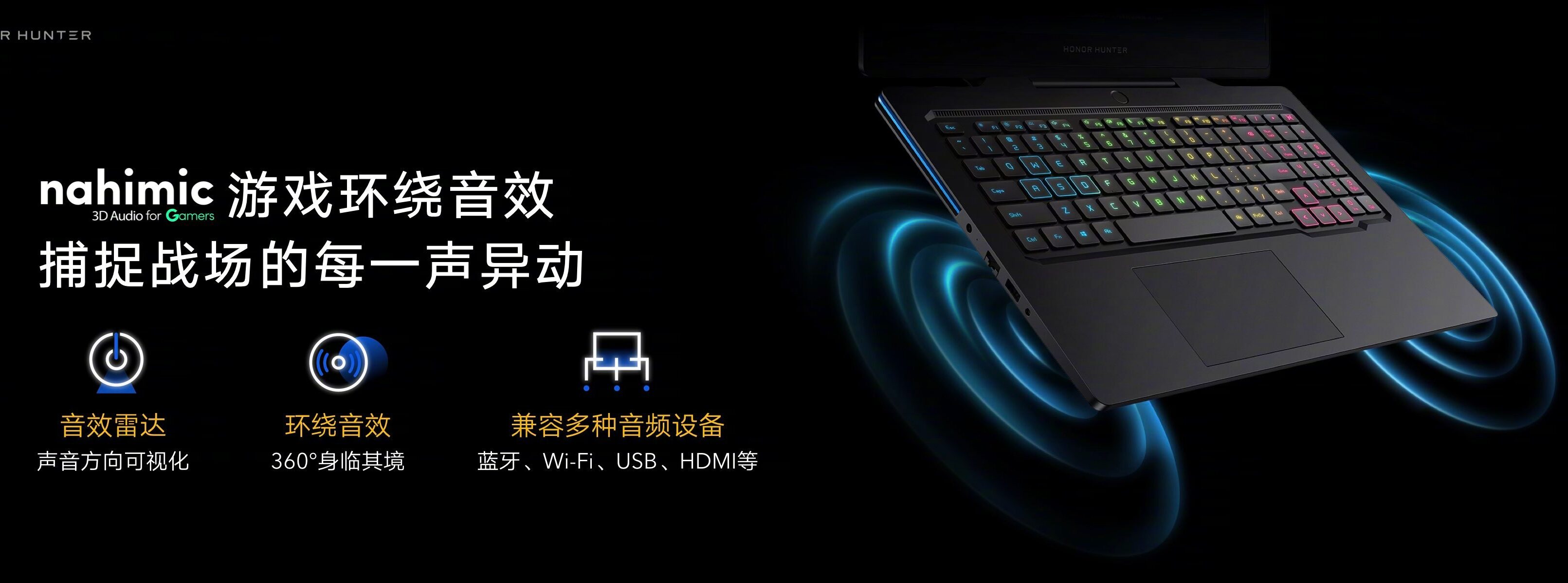
Honor has also placed an emphasis on the audio output of these gaming laptops, which is an area most OEMs cut corners in. The Hunter V700 series features nahimic 3D surround sound audio, which helps in making the gaming experience more immersive. Interestingly, the laptops will also support wireless smartphone game streaming, which allows one to play mobile games by mirroring on the bigger screen of the laptop.
Honor Hunter V700 Nahimic 3D Audio
Hunter Gaming Laptop Battery & Ports
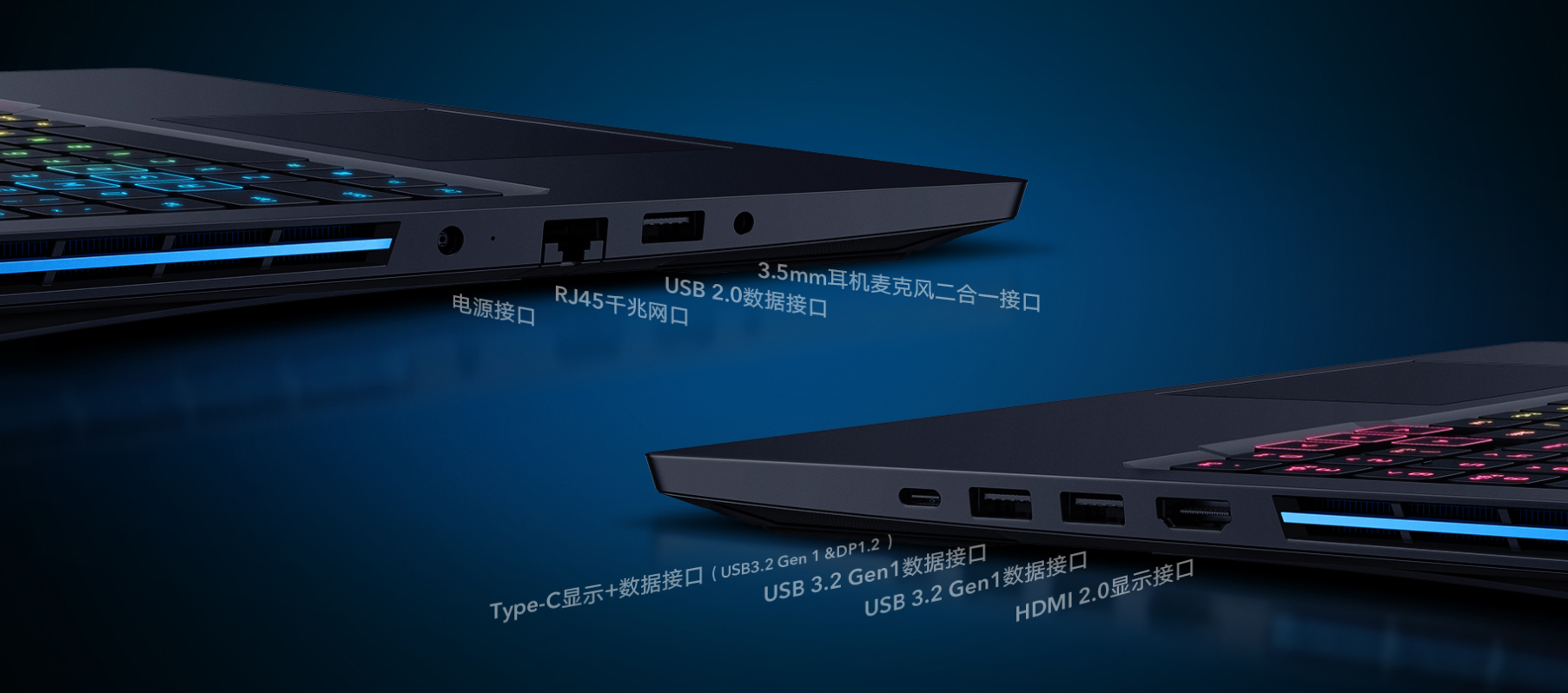
For ports, the Hunter V700 series features:
1 x HDMI 2.0
2 x USB 3.2 Gen1
1 x USB Type-C
1 x 3.5mm headphone jack
1 x USB 2.0
1 x RJ145 port
Power port
The battery is rated at 56Wh, which should get users a decent battery life with regular use, but it is advised to game only when the laptop is plugged in.
Honor Hunter Gaming Laptop Price & Availability
The Honor Hunter V700 Gaming Laptops are available in three variants:
i5-10300H / GTX 1660 Ti / 512GB – 7499 Yuan (roughly 1,109 US Dollars)
These will be available for purchase from 27th September 2020 and customers can also get the Honor Hunter Battle Armor Backpack to go along with the laptop, which is priced at 499 Yuan (roughly 74 US Dollars). The company has even collaborated with Cherry for a mechanical gaming keyboard with Cherry MX key switches. Looking at the pricing of the laptop, it is clear that it is competitively priced in comparison to offering from other brands with similar pricing. The deals around the 1000 US Dollar mark and below the 1500 US Dollar mark especially are on the sweet spot for pricing when considering the specs of these laptops.
Motorola India has started teasing the arrival of a new smartphone in India. The tweet which confirms its arrival showcases the rear design of the phone. The image suggests that the Lenovo-owned company could be soon launching the Moto E7 Plus smartphone in India.
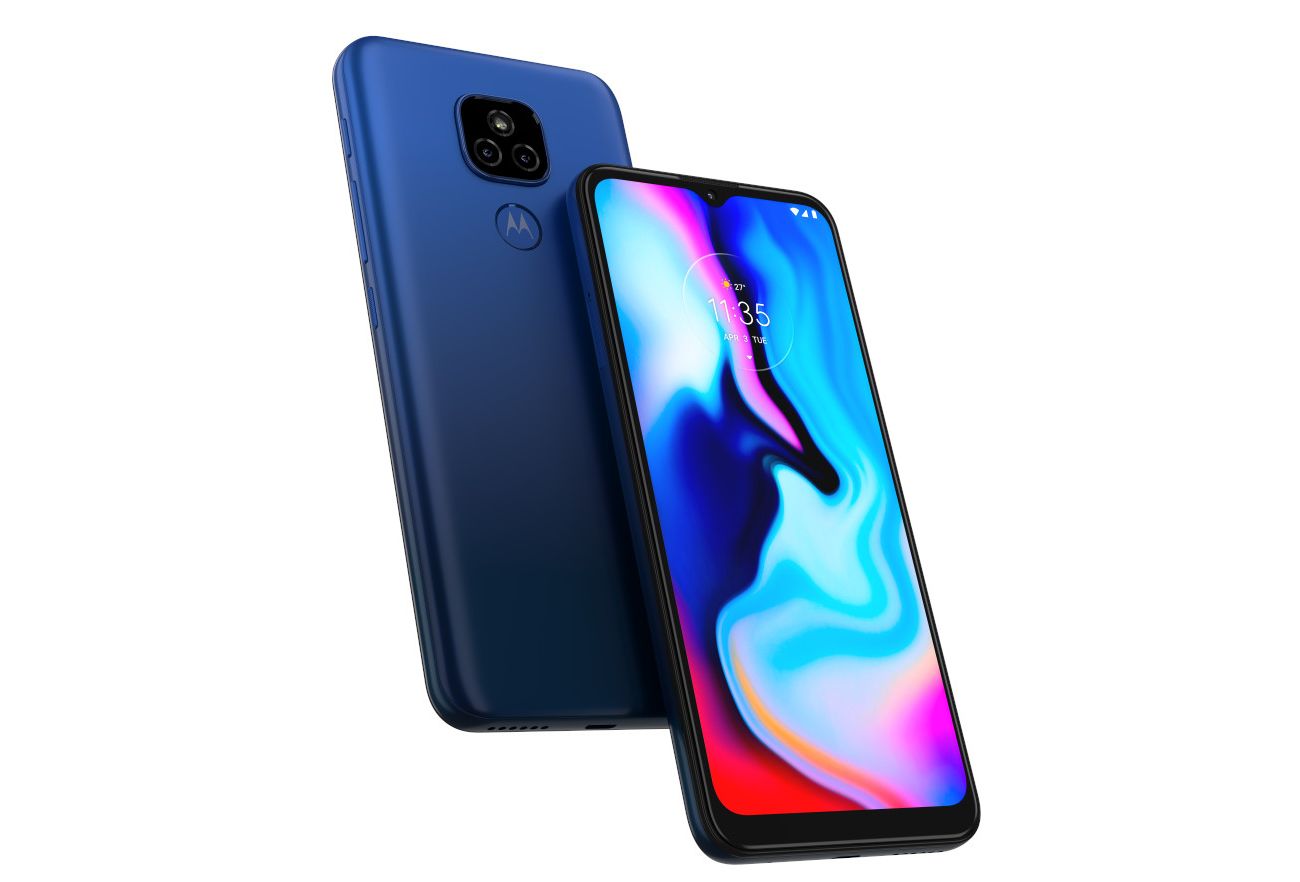
The teaser image reveals that the phone has a blue-colored rear with a square-shaped camera module that houses two cameras and an LED flash. It also features a rear-facing fingerprint scanner.
It’s time you take your smartphone photography to the nExt level with our upcoming launch. Any guesses? 😉 pic.twitter.com/tKhkIIlVVb
Motorola recently unveiled the Moto E7 Plus smartphone in Brazil. The above-shown teaser suggests that the E7 Plus will be soon debuting in India. The smartphone is selling in Brazil with a price tag of ZAR 1,349 (~Rs 6,000; ~$82). The smartphone comes in two colors such as Navy Blue and Amber Bronze.
The Motorola Moto E7 Plus has a 6.5-inch Max Vision display that supports HD+ resolution. The Snapdragon 460 chipset and 4 GB of RAM powers the smartphone. It comes with an internal storage of 64 GB and a microSD card slot. The My UX based Android 10 OS runs on the Moto E7 Plus.
It has a front camera of 8-megapixel with f/2.2 aperture. Its rear is flanked with a 48-megapixel main camera with f/1.7 aperture and a 2-megapixel depth sensor with f/2.4 aperture. The device houses a 5,000mAh battery.
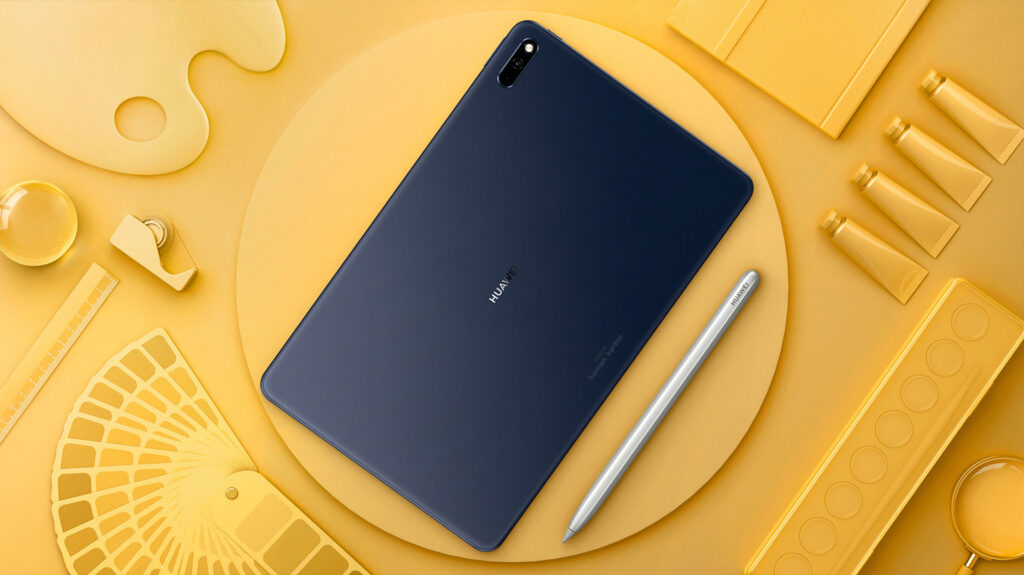
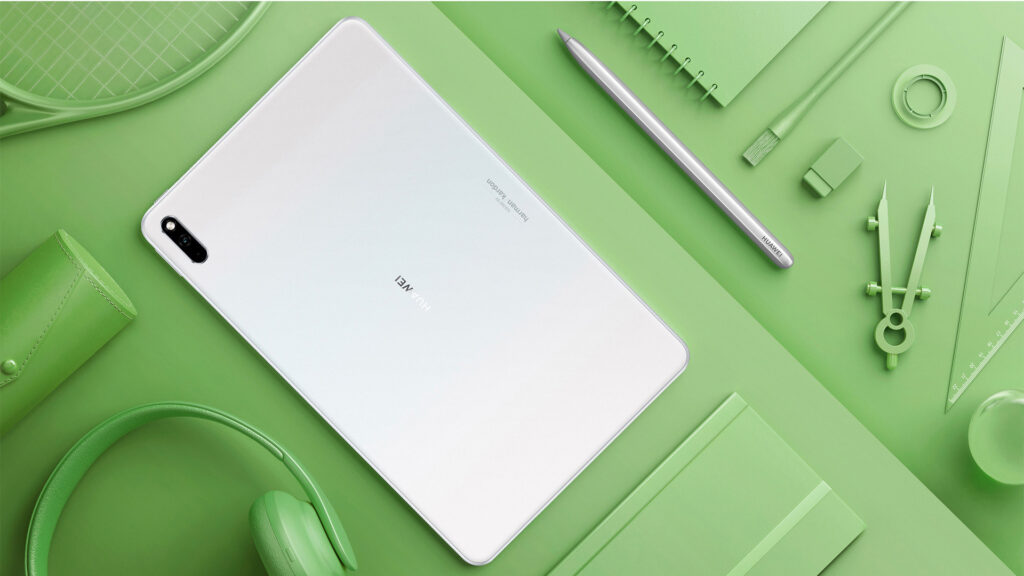
As the name suggests, the newly launched Huawei tablet flaunts a 10.4-inch IPS LCD panel with a resolution of 2000 x 1200 pixels, 225ppi, 10 point multi-touch, anti-fingerprint coating, 85° viewing angle, TÜV Rheinland certification for low blue light emission, and also supports input from HUAWEI M-Pencil.
It is powered by HiSilicon Kirin 820 chipset paired with 6GB RAM and 128GB internal storage with support for microSD card up to 512GB. Thanks to this silicon, it comes with 5G connectivity, dual-band WiFi 6, and Bluetooth 5.1.
HUAWEI MatePad 5G 10.4 Fritillary White
Apart from the above-mentioned internals, it also features all the required sensors like compass, ambient light sensor, hall sensor, and gravity sensor. Further, a 7,250mAh battery runs the show, which the brand claims to offer 12.5 hours of battery life.
Other features of this tablet include 8MP fixed focus (FF) rear-facing camera, another 8MP sensor on the front but with autofocus (AF), power key, volume rocker, 4 microphones for better noise reduction, quad-speaker with HUAWEI Histen 6.1 Sound and Harman Kardon tuning, 22.5W fast charging, and EMUI 10.1 operating system based on Android 10.
HUAWEI MatePad 5G 10.4 Pricing & Availability
The new HUAWEI MatePad 5G 10.4 is priced at 3,199 yuan ($473) and is limited to China for now. It will be available for pre-order starting September 16 in the country in two colors namely Fritillary White and Night Ash. The tablet will go on sale from September 23.
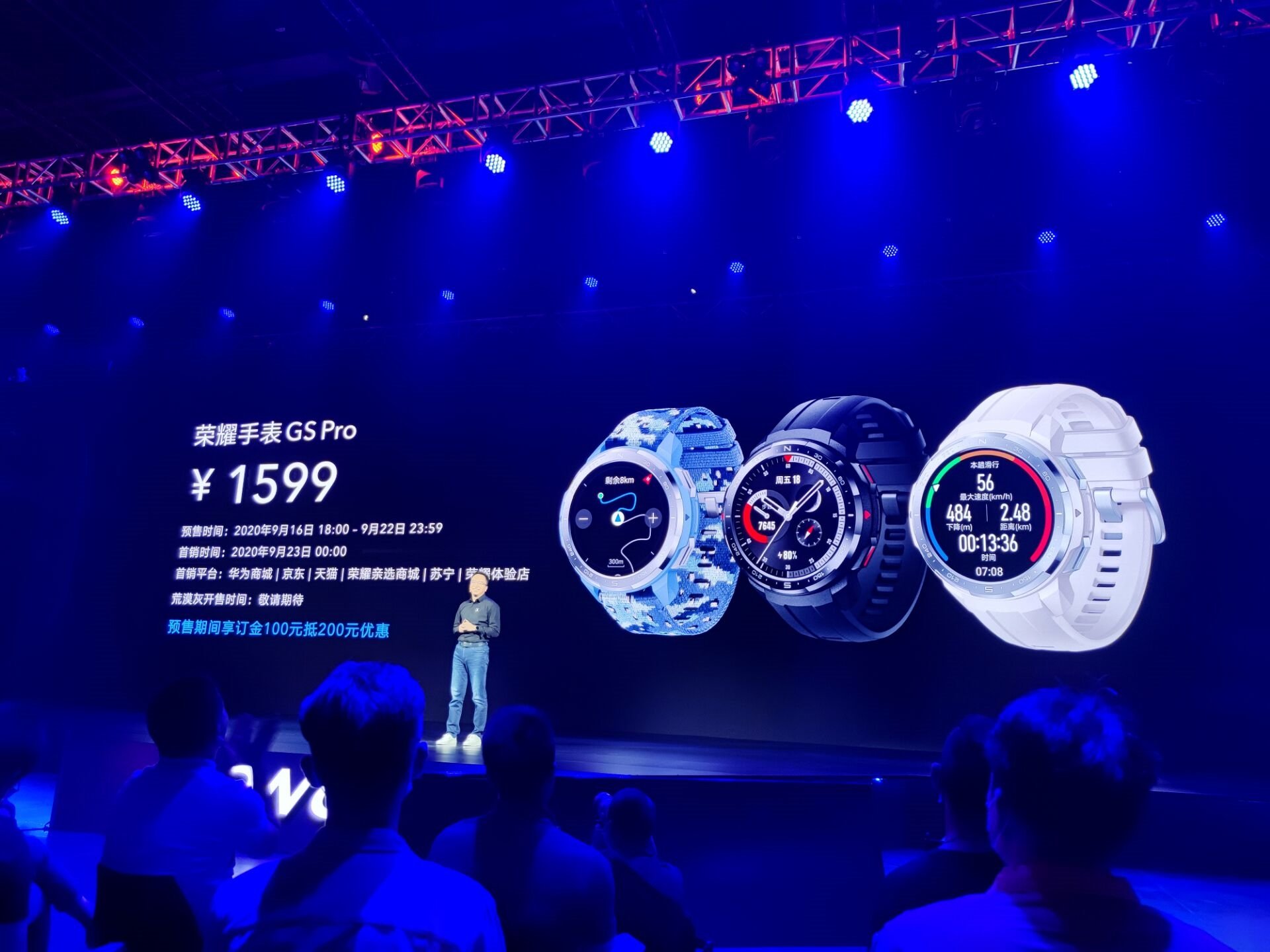
Earlier this month, during IFA 2020, Huawei sub-brand Honor had announced two new wearable devices — Honor Watch GS Pro and Honor Watch ES. Today, the company has launched both of them in its home market China.
Honor Watch GS Pro
This is the company’s first rugged smartwatch which comes with MIL-STD-810G certification. It features a massive 790mAh battery that is claimed by the company to offer a maximum 25-day battery life.
The Honor Watch GS Pro supports over 100 workout modes including skiing, snowboarding, hiking, and others. It comes with a circular AMOLED display, which measures 1.39-inch and offers a screen resolution of 454 x 454 pixels and 326ppi pixel density.
It also has an optical heart rate sensor, SpO2 sensor, accelerometer, gyro, barometer, compass, and ambient light sensor along with built-in GPS. It is powered by the company’s own Kirin A1 chipset and runs LiteOS.
As for the build, the casing is made of stainless steel and reinforced polycarbonate. It comes in three colors — Polar White, Tidal Blue, and Desert Grey. The Honor Watch GS Pro is priced at 1,599 yuan (~$237) and will go on sale in China from 23rd September.
The Honor Wach ES is targeted towards fashionable consumers. It features a 1.64-inch rectangular AMOLED display with 456 x 280 pixels screen resolution, 326ppi pixel density, and a 70 percent screen-to-body ratio.
Just like the GS Pro, this one too is powered by HiSilicon Kirin A1 and runs the company’s own LiteOS. There’s support for 95 workout modes and 12 animated workout courses. The device also packs an optical heart-rate sensor, SpO2 sensor, accelerometer, gyroscope, and ambient light sensor.
It is water-resistant up to 5ATM pressures and offers basic smartwatch features such as app notifications, alerts for calls & messages, sleep tracking, stress-level tracking, menstrual cycle tracking, and more.
The company claims that the Honor Watch ES could offer a 10-day battery life. It comes in three colors – Meteorite Black, Coral Pink, and Icelandic White. It is priced at 599 yuan and is set to be available in China from 23rd September.
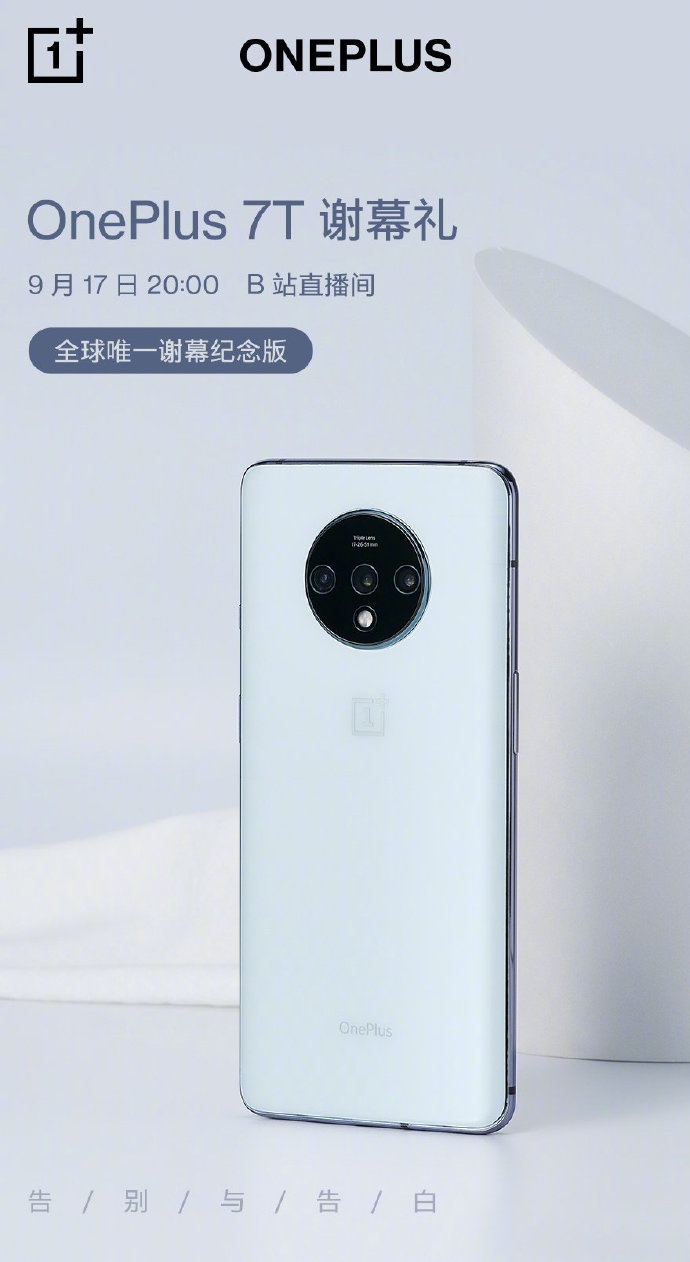
The OnePlus 7T that launched almost a year ago is finally seeing the end of its life as the company has confirmed its discontinuation. However, OnePlus has officially announced that it would be launching a unique special edition that will be the only one of its kind in the world.
The OnePlus 7T started sale on 15th October 2019 and will be discontinued this month of September 2020. The Chinese smartphone maker will be taking in entries for people to write about their 7T handsets on their official forums to record the memories and good wishes for the device till September 16. It is planned to be unboxed live on 17th September 2020 on Bilibili and will apparently be sent out in a unique way.
Looking at the promotional image poster for the device, this version of the OnePlus 7T features a white rear panel, which is surrounded by a silver metallic frame. Keep in mind that only a single unit of this special edition is being created and will likely be given away during the live stream broadcast on Bilibili on September 17.
Apart from the aesthetical differences in design, the device is essentially a regular OnePlus 7T on the inside. It sports a 6.55 inch AMOLED display with a resolution of 2400 x 1080px and a high 90Hz refresh rate. The peak brightness goes up to 1000 nits, and it also supports HDR10+. The display has an under-screen fingerprint scanner as well. It is powered by the Qualcomm Snapdragon 855+ chipsets, along with 8GB of RAM, and will either have 128 or 256GB of storage.
Apple has unveiled its latest A14 chipset which is powering the newly launched iPad Air. The same 5nm chipset will be powering the upcoming 5G-ready iPhone 12 models that are set to launch in the coming weeks.
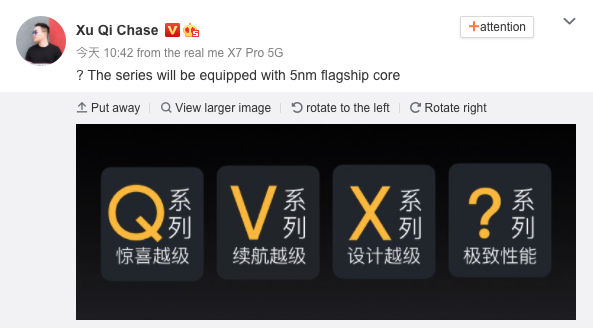
Soon after this, Redmi teased that the company will soon be launching its flagship smartphone powered by a 5nm chipset. Now, Realme executive has also teased a new flagship smartphone to be powered by Snapdragon 875 chipset.
Xu Qi, President of Global Marketing and Vice President at Realme, has shared a teaser poster on Weibo which hits at a new flagship smartphone from the company powered by a 5nm flagship chipset.
Given that most of the Android flagship smartphones are powered by Qualcomm chipset, it’s safe to assume that the phones teased by Redmi and Realme will pack the upcoming Qualcomm Snapdragon 875 SoC.
If Qualcomm is sticking to its usual schedule, then the Snapdragon 875 flagship chipset could be unveiled by the end of this year and we will start getting smartphones powered by the same some time in Q1 2021.
As per the reports, the Snapdragon 875 SoC could come with Cortex-X1 Super Core and Cortex-A78 Core. The X1 Core is 30 percent more energy-efficient than the A77 core and 23 percent more when compared to A78 core.
Apart from Qualcomm, Samsung and Huawei are also working on their next-generation flagship chipset based on the 5nm process. The Huawei’s Kirin 9000 will be powering the Mate 40 series devices and should get launched in the coming weeks.
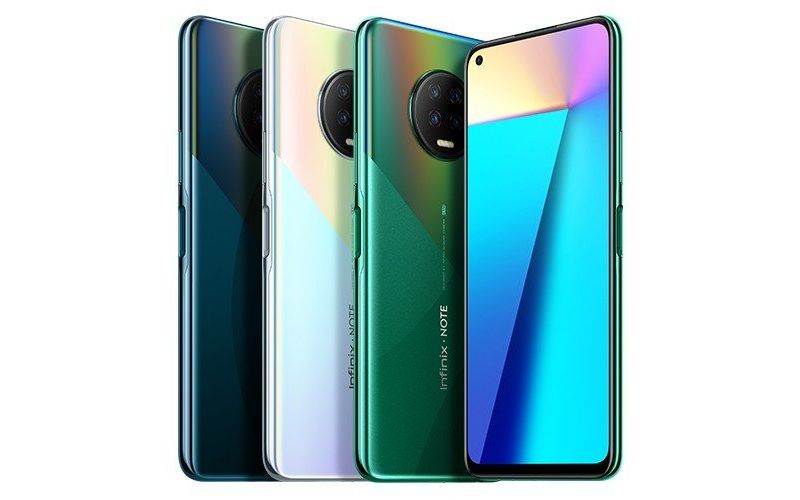
Infinix announced the Infinix Note 7 and Note 7 Lite smartphones in April. Both phones have Today, the company confirmed the pricing and availability of the Note 7 for India. Priced at Rs 11,499 (~$156), the Note 7 offers key features such as a huge display, 48-megapixel quad cameras, and a big battery.
Infinix Note 7 price in India
The Infinix Note 7 that comes with 4 GB of RAM and 64 GB of storage is priced at Rs 11,499 (~$156). It comes in three colors such as Forest Green, Bolivia Blue, and Aether Black. The first sale of the Note 7 will be held on Sept. 22 at 12 PM IST through Flipkart.
Infinix Note 7 specifications and features
The Infinix Note 7 has a 6.95-inch punch-hole display that delivers HD+ resolution and 20.5:9 aspect ratio. The phone offers a 91.5 percent screen-to-body ratio. The handset is preinstalled with XOS 6.1 based Android 10 OS.
The round-shaped camera module of the Note 7 has an f/1.79 aperture 48-megapixel main lens, a 2-megapixel macro lens, a 2-megapixel depth sensor, and a low light video camera. The rear cameras are protected by Gorilla Glass and they are assisted by a quad-LED flash unit. The rear cameras offer features like Super Night Mode, slow-motion video shooting, and more. It has a selfie camera of 16-megapixel with screen flash and HDR+ support.
The Helio G70 chipset is present under the hood of the Infinix Note 7. It has a 5,000mAh battery with 18W fast charging support. It comes with other features like a side-facing fingerprint reader, AI face unlock, dual stereo speakers with DTS 3D sound enhancement, a microSD card slot, dual SIM support, 4G VoLTE, Wi-Fi 802.11ac, Bluetooth 5.0, GPS, microUSB, and a 3.5mm audio jack.
Samsung Display has today announced a new foldable OLED panel which is claimed to have the world’s smaller curvature for a commercial device. The company adds that this is first applied to the recently-released Galaxy Z Fold2 5G.
The company says that Ultra-Thin Glass (UTG) on the display helps in delivering a higher level of product excellence. This is the company’s third foldable OLED panel and comes with support for 2208 x 768 pixels screen resolution on a 7.6-inch display.
As mentioned above, the company is the first in the world to apply a 1.4R curved display on a smartphone. The small curvature helps in enhancing the user experience as it enables the lowest verified level of blue light emissions along with improving usability.
The company also explains that to minimize folding stress, Samsung Display has optimized several technologies related to the material of the display, the panel design, and the module assembly, so that the multi-layered structure can function as a cushion when the display panel is folded.
Samsung adds that the panel has passed a folding test of 200,000 folds and has received an “Eye Care Display” certification. The new display has achieved an improved emission level for blue light of only 6.5% for comfortable long-time viewing on screen.
New sanctions imposed by the United States on Huawei Technologies and its subsidiaries are now in effect. Japan-based companies, which supplies chips to the Chinese giant, are now scrambling to replace Huawei, facing the risk of losing billions of dollars in revenue.
The ban isn’t hitting only the Japanese companies but has also made the situation worse for companies in South Korea and others. In the latest sanctions, the U.S. has banned all exports to Huawei for semiconductors made with American technology.
As per the data revealed by research firm Omdia, Japanese companies supplied parts worth around $10.4 billion to Huawei last year. Because of the ban, Sony trimmed its capital spending plan for three years, as there’s now a gap of billions of dollars in sales from supplying image sensors to Huawei.
Sony is reportedly planning to apply for a license with the United States to continue doing business with Huawei. To replace Huawei, the Japanese company could sell its sensors to Apple and other Chinese companies. It is also looking to expand beyond mobile phones and develop sensors for a broader range of applications.
Similarly, Renesas Electronics has now stopped supplying semiconductors for 5G network base stations to Huawei. Toshiba-backed Kioxia has also suspended shipments of flash memory, following the same route as Mitsubishi Electric.
Chinese giant Huawei has already stockpiled necessary components that should help the company continue operating normally at least for a few months. But the company’s production ability will take a hit after some time, as it starts running out of components. It remains to be seen what the company has planned to keep its business afloat.
Yesterday, Apple held a virtual event to announce a couple of new devices such as Apple Watch 6 series, Watch SE, the 4th generation iPad Air, the 8th generation iPad, and Apple One subscription service. Apart from confirming the pricing of these products for the U.S markets, the company also confirmed its pricing and availability for India.
Apple Watch Series 6 and Watch SE price in India
The Wi-Fi only edition of the Apple Watch Series 6 has a starting price of Rs 40,900 (~$555). Its cellular sibling costs Rs 49,900 (~$676). On the other side, the Watch SE with GPS support is priced at Rs 29,990 (~$405) and the GPS + cellular edition costs Rs 33,990 (~$461).
Both smartwatches will be available in 40mm and 44mm sizes in India. The company has also mentioned “coming soon” about its availability.
Apple iPad Air (2020) and iPad (2020) price in India
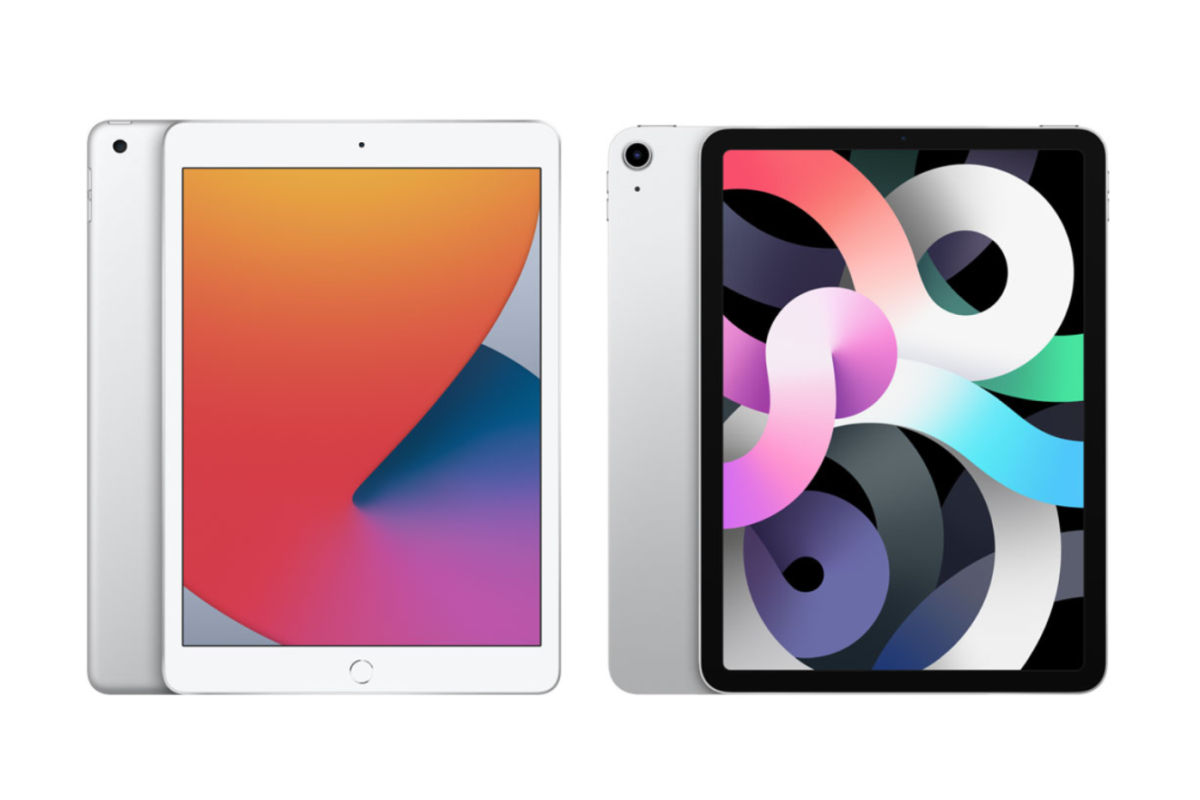
The Wi-Fi only iPad Air (2020) with 64GB storage costs Rs 54,900 (~$744) in India and its Cellular edition is priced at Rs 66,900 (~$907). The 256 GB Wi-Fi only and Wi-Fi + Cellular edition of the iPad Air (2020) are priced at Rs 68,900 (~$934) and Rs 80,900 (~$1,096), respectively. The iPad Air (2020) will go on sale in India from October through Apple Authorised Resellers.
The compatible 2nd generation Apple Pencil, Smart Keyboard Folio, and Magic Keyboard accessories for the iPad Air (2020) are priced at Rs 10,990 (~$148), Rs 15,900 (~$216), and Rs 27,900 (~$378), respectively.
iPad 8th generation (left) and iPad AIr 4th generation (right)
The Wi-Fi only iPad (2020) 32GB and 128 GB storage editions are priced Rs 29,900 (~$405) and Rs 37,900 (~$514), respectively. The 256 GB iPad (2020) Wi-Fi only and Wi-Fi + Cellular variants are priced at Rs 41,900 (~$568) and Rs 49,900 (~$676)), respectively. The company claims that it will soon begin the sales of the device through Apple Authorised Resellers.
The 1st generation Apple Pencil, Smart cover, and Smart Keyboard for the new iPad are priced at Rs 8,500 (~$115), Rs 4,500 (~$61), and Rs. 13,900 (~$188).
Apple One price in India
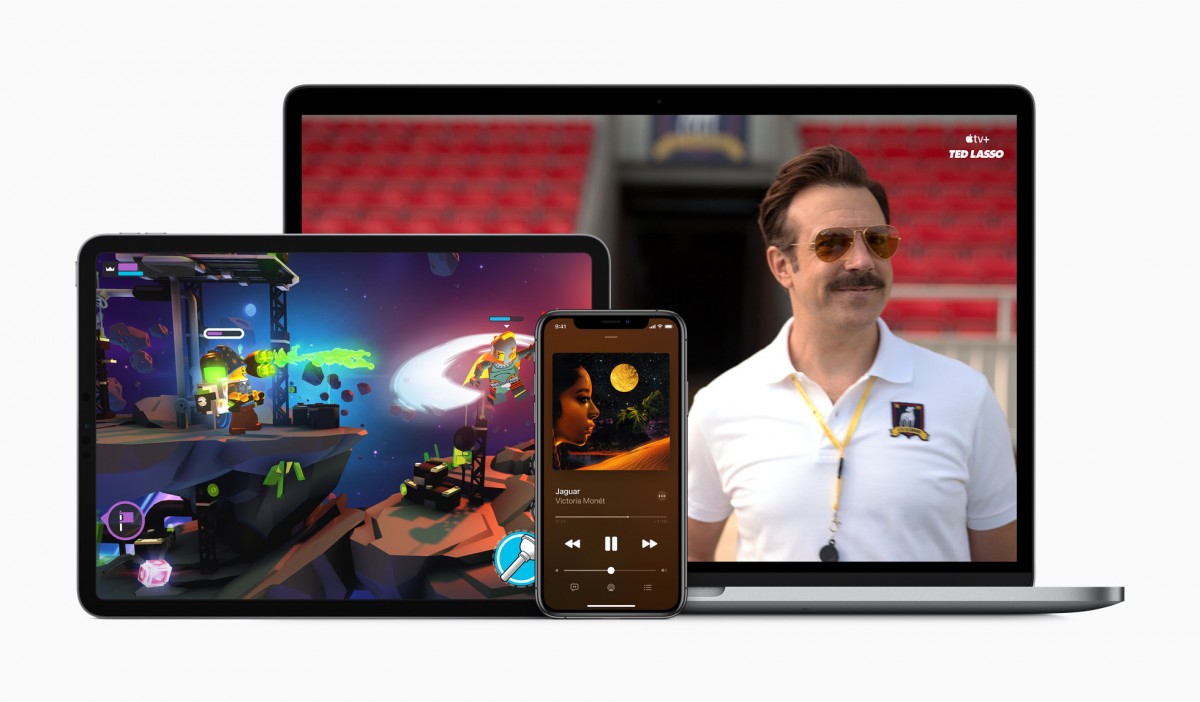
The Apple One Individual is priced at Rs 195 (~$3) per month. The plan comprises of Apple Music, Apple TV+, Apple Arcade, and 50 GB of iCloud storage. The Apple One Family plan which can be shared by six family members includes Music, TV+, Arcade, and 200 GB of iCloud storage. The Family plan is priced at Rs 365 (~$5) per month. It seems that there is no access to the premium plan in India since Apple News has not launched in the country yet.
Semiconductor Manufacturing International Corp (SMIC), one of the largest chipset manufacturer in China, has applied for a license from the United States to continue doing business with Huawei, reports Reuters.
SMIC confirmed to Beijing News that it is applying for a license in the U.S. to continue supplying chipsets to Huawei. Further, the company also said that it will abide by laws and regulations in all countries and regions.
The development comes just days after it was reported that the United States is planning to ban China’s largest semiconductor manufacturer, which relies on American chipmaking equipment for its business.
The ban on SMIC could badly hurt Huawei given that the company is manufacturing budget HiSilicon Kirin chipsets. As of now, SMIC is the only option left for Huawei given that it has been banned from using chipsets or its related technology by any American company.
Semiconductor Manufacturing International Corporation (SMIC), based in Shanghai, was founded in 20000. It recently raised around $7.8 billion in a secondary listing on the Star Market in July, making it the biggest public offering in China in a decade. For this, the company withdrew its listing from the New York Stock Exchange.
The company ranks among the top five semiconductor manufacturers in the world, but it is far behind its competitors when it comes to technology. While companies like TSMC and Samsung have started manufacturing 5nm chipsets, SMIC is still using the 14nm process for manufacturing smartphone chips.
Apple announced the 4th generation iPad Air and the 8th generation iPad yesterday. The iPad Air (2020) is powered by the Apple A14 Bionic chipset, which is the world’s first 5nm SoC. The same SoC could be fueling the upcoming iPhone 12 series. As far as Android flagships are concerned, most of them are expected to feature the upcoming 5nm flagship chip from Qualcomm. While the name of the processor is under wraps, it is speculated to break cover as Snapdragon 875. Today, Redmi GM Lu Weibing released a post on Weibo to tease the arrival of new Redmi products with a 5nm chipset.
Qualcomm may launch the Snapdragon 875 mobile platform by the end of this year or early 2021. The first phones featuring the SD875 SoC will break cover in Q1 2021. Rumors have it that Xiaomi and Vivo will be the first brands to launch SD875 powered flagships.
This year, Xiaomi unveiled the Snapdragon 865 powered Xiaomi Mi 10 series in February. In March, Redmi announced the Redmi K30 Pro with the SD865 chip. Redmi’s first device to feature the new SD875 could be the Redmi K40 Pro.
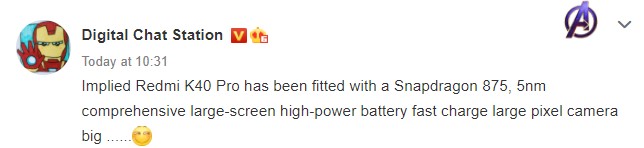
Rumors are rife that the Redmi may announce the Redmi K40 by the end of this year and it may launch the Redmi K40 Pro in Q1 2020. The K40 is speculated to feature the upcoming Snapdragon 775 chipset. A tipster has claimed that the Redmi K40 will deliver a full-screen experience, carry support for rapid charger, and a large camera lens.
Xiaomi is expected to launch the Xiaomi Mi 20 (or Mi 11) flagship phones before the Spring Festival of China in February 2021. Probably, the Redmi K40 Pro may debut in March. At present, there is no word on other specs of the Redmi K40 and Redmi K40 Pro smartphones.
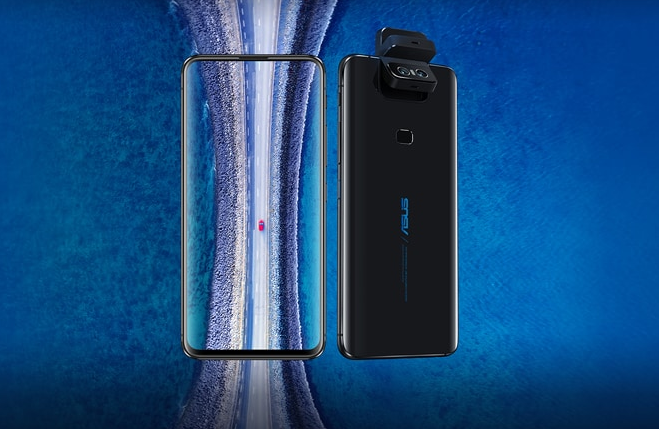
Like every other OEM, ASUS also opened Android 11 Beta registrations for ZenFone 6 aka ASUS 6Z last month. Now, after weeks, the company has finally released first-ever build for the selected users. The update comes with build number 18.0610.2009.37 and weighs around 1.4GB in size.
ZenUI on ASUS smartphones is now closer to stock Android than ever before. However, the company still takes time to roll out updates. For instance, Xiaomi and OPPO have already released Android 11-based MIUI 12 and ColorOS 11 for multiple devices. On the other hand, the Taiwanese company has only rolled out its first Android 11 Beta build for a single device.
Anyway, the update is here (via XDA Developers) and it brings all the core features of Android 11 like Chat Bubble, Notification History, Bluetooth in Airplane mode to name a few. Further, it finally adds support for gesture navigation for third-party features. We are not sure why ASUS waited until Android 11 to add it.
Interestingly, rather than adding new features, Android 11 for ZenFone 6 removes some old functions and apps like Private Listening, ZenUI Help, Smart group, Icon alignment, Icon packs, and Avast scanning engine. The new update also integrates PowerMaster features into Battery settings.
That said, although ASUS has seeded out the initial Android 11 Beta build for ZenFone 6, it is yet to announce a proper timeline regarding the delivery of subsequent beta builds and stable release.
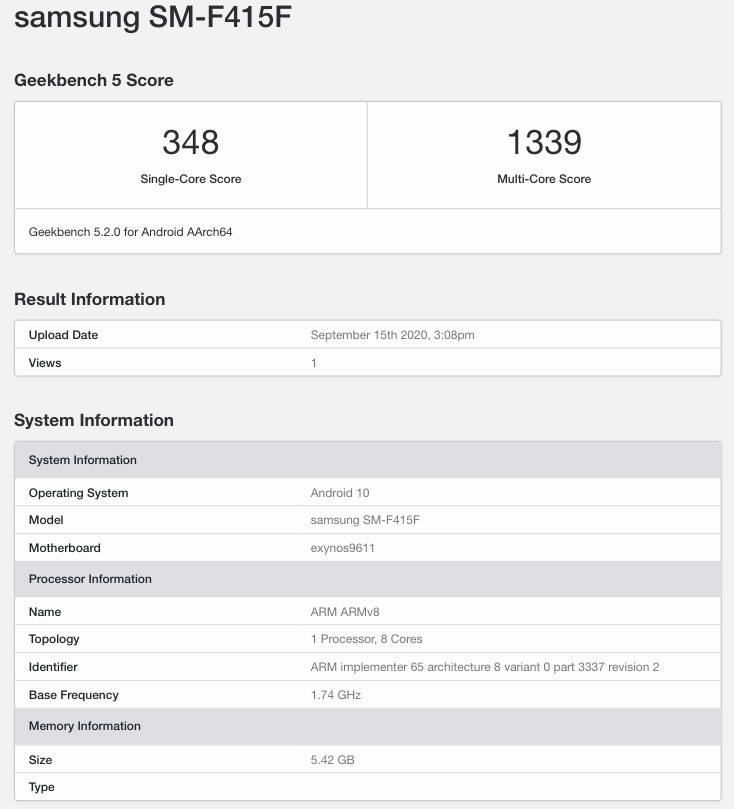
Samsung is reportedly planning to launch a new camera-focused Galaxy F series smartphone in India. It is speculated that the name of the first Galaxy F series phone is Galaxy F41 and it is likely to launch by the end of this month or early October. The model number of the device is SM-F415. While there is no official confirmation on its existence, its support page is now live on Samsung India’s website. The handset has received Wi-Fi certification and the company has reportedly started developing its firmware. Well-known Indian tipster Ishan Agarwal has shared the schematics of the Galaxy F41 to reveal its design. Moreover, the phone has appeared on Geekbench to reveal some of its key specs.
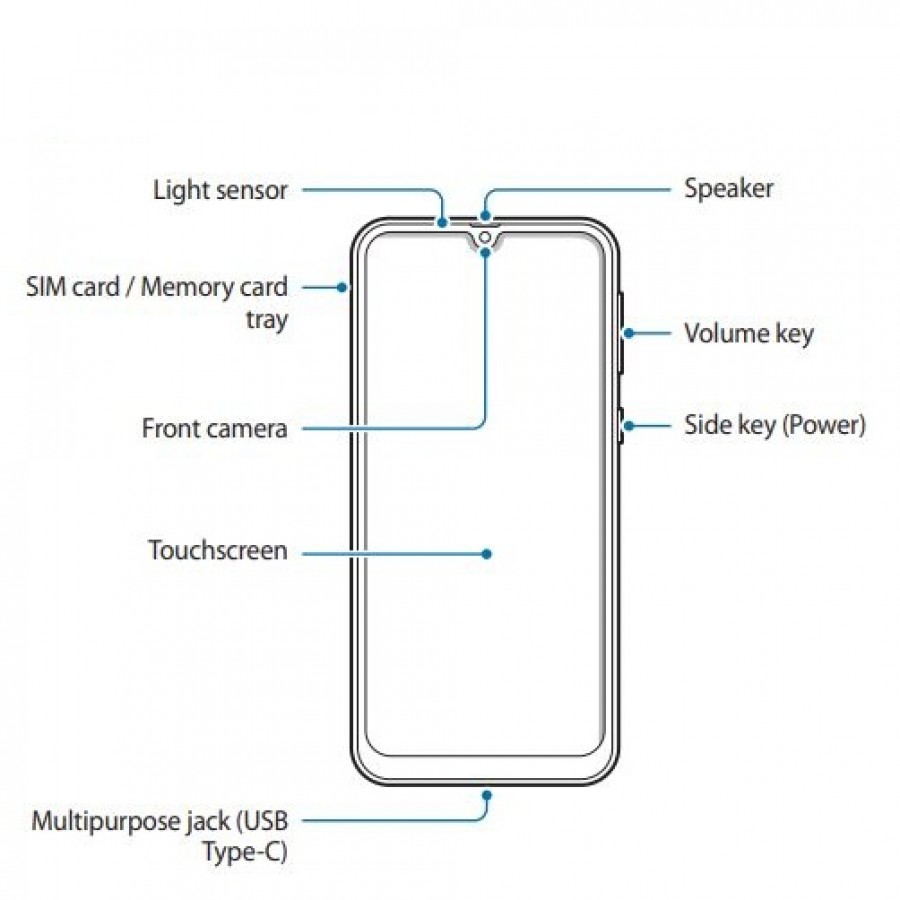
The screenshots of the leaked manual of the Galaxy F41 shows that the device is equipped with a waterdrop notch display, which seems to be an OLED panel. The notch houses a speaker and a selfie camera. The left edge of the smartphone has a SIM card slot and there are a volume rocker and a power key on the right edge. An external speaker, a USB-C port, and a 3.5mm audio jack are available on the bottom edge of the device.
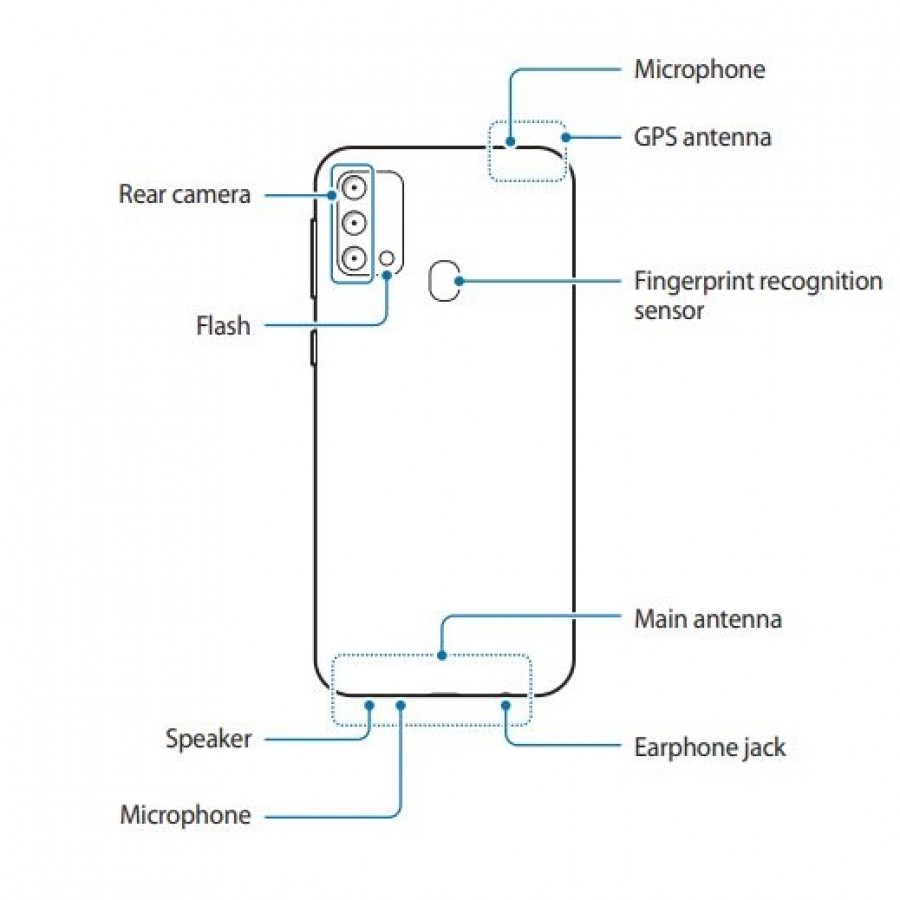
The backside of the Galaxy F41 has a rectangle-shaped camera housing with three cameras and an LED flash inside. A fingerprint scanner is also available on the backside of the device. The device is equipped with a dedicated microSD card slot.
The Geekbench listing of the Galaxy F41 states that is driven by Exynos 9611 and 6 GB of RAM. The smartphone is preinstalled with Android 10 OS. Rumors surrounding the Galaxy F41 claim that it is a rebadged Galaxy M31 smartphone that may arrive with improved cameras. The schematics of the F41 also match with the design of the M31 handset.
The tipster further revealed that the Galaxy F41 mid-range phone will be coming to India in two variants. Also, he revealed that it will be available in three colors like blue, black, and green. It is speculated that the Galaxy F41 series phones will be priced between Rs 15,000 (~$204) and Rs 25,000 (~$339) in India and it will be made available through online retailers and later through offline channels.
We use cookies on our website to give you the most relevant experience by remembering your preferences and repeat visits. By clicking “Accept”, you consent to the use of ALL the cookies.
This website uses cookies to improve your experience while you navigate through the website. Out of these, the cookies that are categorized as necessary are stored on your browser as they are essential for the working of basic functionalities of the website. We also use third-party cookies that help us analyze and understand how you use this website. These cookies will be stored in your browser only with your consent. You also have the option to opt-out of these cookies. But opting out of some of these cookies may affect your browsing experience.
Necessary cookies are absolutely essential for the website to function properly. This category only includes cookies that ensures basic functionalities and security features of the website. These cookies do not store any personal information.
Any cookies that may not be particularly necessary for the website to function and is used specifically to collect user personal data via analytics, ads, other embedded contents are termed as non-necessary cookies. It is mandatory to procure user consent prior to running these cookies on your website.















 The backside of the Galaxy F41 has a rectangle-shaped camera housing with three cameras and an LED flash inside. A fingerprint scanner is also available on the backside of the device. The device is equipped with a dedicated microSD card slot.