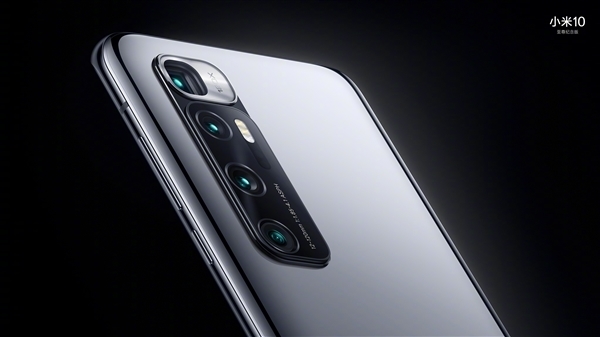
Xiaomi unveiled the Mi 10 Ultra on August 11 as part of activities to mark its ten years anniversary. The device was indeed a flagship model as it beat all other existing smartphones, including the Mi 10 Ultra, to emerge as the highest-rate camera. Apparently, Xiaomi is still optimizing the camera even with its prowess.
The update comes with the build number MIUI V12.0.10.0 QJJCNXM and delivers a stable MIUI 12 build. Apart from the improved camera software, the update also deliver anupgrade to the system UI. Here is the full changelog of the device.
System
Optimized battery display
Optimize the temperature control strategy for charging.
Optimize the charge-off problem under high-temperature conditions.
Optimize the problem of slow battery activation caused by not using the phone for a long time.
Optimize the dynamic picture compensation experience of the video toolbox
Camera
New video mode smooth zoom, improve video recording experience
The MIUI team reportedly disclosed that the camera update upgrades the camera algorithm to that of the model sent to DXOMark for testing. In short, it optimizes the imaging effect.
As a reminder of the specs, the Mi 10 Ultra is equipped with a 6.67-inch curved OLED panel with 120Hz refresh rate. The device is powered by the Snapdragon 865 5G platform, paired with LPDDR5 memory and UFS 3.1 flash memory. It packs a quad-camera setup at the rear including a 48-megapixel main camera with 1/1.32-inch ultra-large PPI, f1.85 aperture, 8P lens, OIS optical image stabilization and more.
Huawei has launched a new smart lamp dubbed Huawei Smart Lamp 2. The lamp will retail for 199 yuan (~$29) but is presently on sale for a promotional price of 179 yuan (~$26).
The desk lamp has received certification from five authoritative monitoring institutions and has been marked as emitting zero blue light. There is also no flicker, no radiation. It also features a national AA level illumination, ensuring eye safety in all aspects.
China’s national reading and writing desk lamp standards for desk lamps are divided into national A-level and national AA-level, and the national AA-level is superior to the national A-level in terms of lighting range, regional illuminance and uniformity of illuminance.
The Huawei Smart Desk Lamp 2 covers a desk with a diameter of up to 1.6 meters, realizing wide coverage of the entire desk, with a wide field of view and no dark areas, and can relieve eye fatigue. The lamp also supports three-axis adjustment. The upper and lower rotation axis of the lamp panel is 200°, the left and right rotation axis is 180°, and the base rotation axis is 55°. Users can adjust the height and angle as desired.
The highest central illuminance reaches 4839LUX and the light is uniform and soft. The color rendering index of the table lamp Ra>95, meeting the museum-level color rendering index requirements.
The lamp comes in white colour only and is already available on Tmall.
The Mate 40 series is highly anticipated but Huawei’s flagship phone may arrive later than expected. According to a tweet from a reliable source, the upcoming Huawei flagships may not get into buyers’ hands until next year.
The info comes from Evan Blass (@evleaks) who revealed the info in a tweet earlier today. Does that mean that the phone will not launch this year? No. Evan clarified in a reply that he’s referring to the retail release which is when you can actually buy one. So the launch should still happen this year.
Sounds like, if you're waiting on the Huawei Mate40 series, you won't be able to get your hands on one until next year…
It is also important to note that the device may launch and go on sale this year in China but not in other markets. Evan didn’t specify in his tweet but we are leaning towards a global release for next year while those in China get it this year.
The Mate 40 series will not come with Google Mobile Services but Huawei Mobile Services as a result of the US ban. The Mate 40 series will be powered by the Kirin 9000 processor, have curved displays, and rear cameras in a cookie-shaped housing.
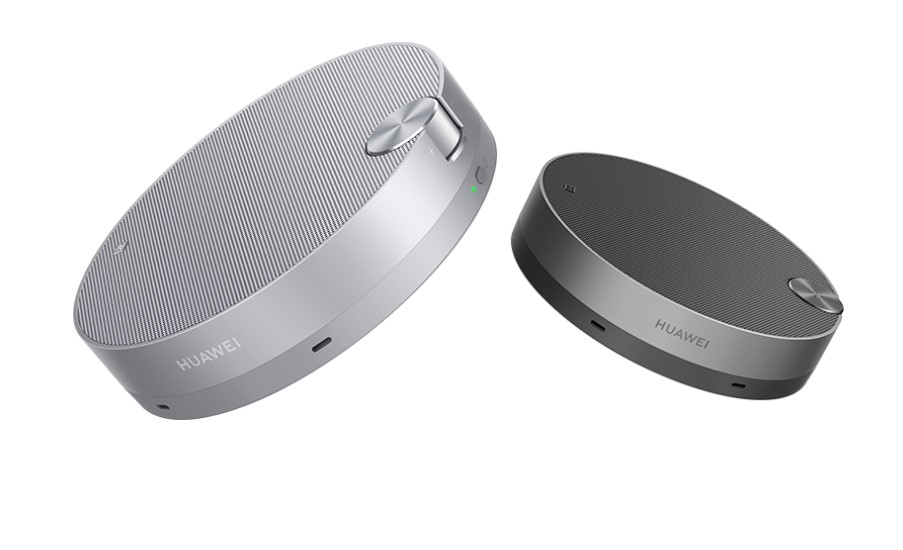
After three months since it was first announced, Huawei’s FreeGO Portable Bluetooth Speaker is finally available for purchase. The disc-shaped speaker is priced at ¥899 (~$132) and is available on Vmall in Obsidian Black and Siver.
The speaker has a multifunctional knob that controls the volume; mutes the microphones; rejects, accepts, and ends calls; controls playback, and calls up the voice assistant.
The Huawei FreeGO Portable Bluetooth Speaker also has NFC, 360° Omni-directional microphones with a 3-meter range, and connects via Bluetooth 5.0. There is a rechargeable lithium-ion polymer battery inside the device that charges via a USB-C port. While Huawei has kept the battery capacity a secret, the speaker does support 18W fast charging and a 15-minute charge will provide up to 2 hours of listening time.
There is no news of the speaker getting an international release yet but you should be able to purchase from resellers albeit at a higher price.
The Narzo 20 series may arrive pretty soon. Realme already confirmed that the phones are on the way. Now a leak has revealed the launch date and the invite for the launch has also surfaced on the web.
According to a tweet by Himanshu (@byhimanshu), who is the same source that revealed the color variants and configurations of the upcoming phones, Realme will announce the launch date for the Narzo 20 series tomorrow. However, we do not have to wait until then as he disclosed that the launch date is September 21.
According to my sources you'll see the announcement for Narzo 20 India launch tomorrow, and the launch is scheduled for 21st September
Under the tweet, a reply included a photo of the invite that Realme will be sending out. The image shows a blue box with the word “Narzo” written boldly at the top. Inside the box is the SUP Handheld Retro Game Console. There is also an energy bar snack in the box and at the bottom is a smaller box that has a battery indicator.
We believe the latter is a teaser that hints at the series sporting big batteries. The Realme Narzo 10 and Narzo 10A both have a 5000mAh battery capacity. Will Realme be increasing the battery capacity to match that of the newly launched Galaxy M51 which has a 7000mAh battery? Maybe, maybe not.
If you look at the image, it shows 7 battery bars. Could that be a hint at one or all members of the Narzo 20 series having a 7000mAh battery too?
The Narzo 20 series will include the Narzo 20A, Narzo 20, and the Narzo 20 Pro.
At the just-concluded Huawei Developer Conference 2020, Huawei announced HarmonyOS 2.0, a new version of its self-developed operating system which will power a variety of devices. Now, an image showing a logo Huawei plans to use for devices powered by its operating system has leaked.
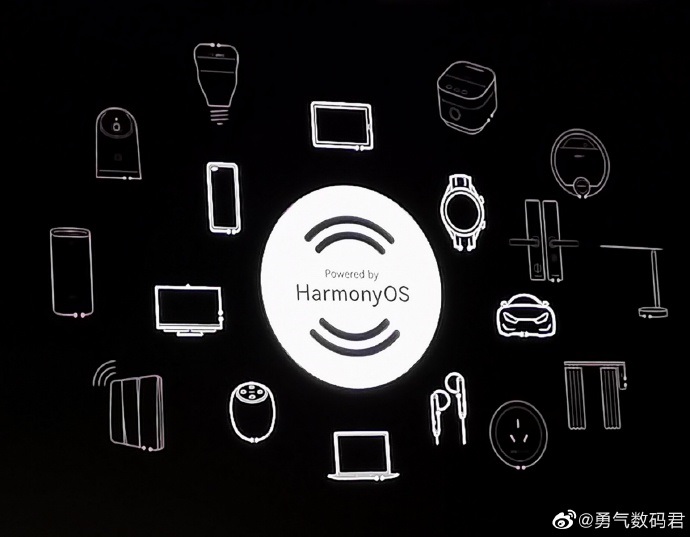
The image which was posted on Weibo by the user that goes by @勇气数码君 is of the “Powered by HarmonyOS” logo which should appear on devices (and services) powered by the operating system. It is similar to the “Powered by Android” logo you see when you boot up an Android smartphone.
The logo shows that HarmonyOS will power a variety of products including watches, cars, earphones, laptops, smart speakers, smart TVs, and smartphones. These devices will in turn control other Huawei smart home products. We expect the image should appear when booting up a device and as well as on their retail boxes.
Huawei already has some products running the new operating system. Last year, it announced the Huawei Vision, a smart TV with a 4K Quantum Dot display. The tech giant has also revealed it will announce a HarmonyOS-powered TV on September 19 that will be available globally.
The OnePlus 8T’s launch is inching closer. The upcoming flagship has now been certified by India’s Bureau of Standards. Some key specification details have also surfaced.
The BIS page revealed the OnePlus 8T has model number KB2001. As we already know, the phone is codenamed “Kebab”, so the model number checks out. This is also the same model number of a OnePlus phone that was spotted on Geekbench back in July.
OnePlus 8T Appears On BIS. But Surprisingly OnePlus 8T Will Have Normal Snapdragon 865 instead Of Snapdragon 865+ •Android 11😍 •Snapdragon 865 🙄 •8GB Ram https://t.co/vFXfWbgjHbpic.twitter.com/kUC8GTpXMy
The Geekbench result revealed the OnePlus 8T has 8GB of RAM though there should be other RAM variants too. It also runs Android 11 as expected. However, it turns out that it is powered by the Snapdragon 865 Mobile Platform and not the Snapdragon 865 Plus as seen in the tweet posted by Abhishek Yadav.
The OnePlus 8T is expected to have a flat AMOLED display with a punch hole at the top left corner for the selfie camera. The phone should bring improvements in the camera department compared to its predecessor, a faster wired charging technology, and hopefully, supports wireless charging too like the OnePlus 8 Pro.
Going by the launch of the OnePlus 7T, the OnePlus 8T should arrive by the end of September.
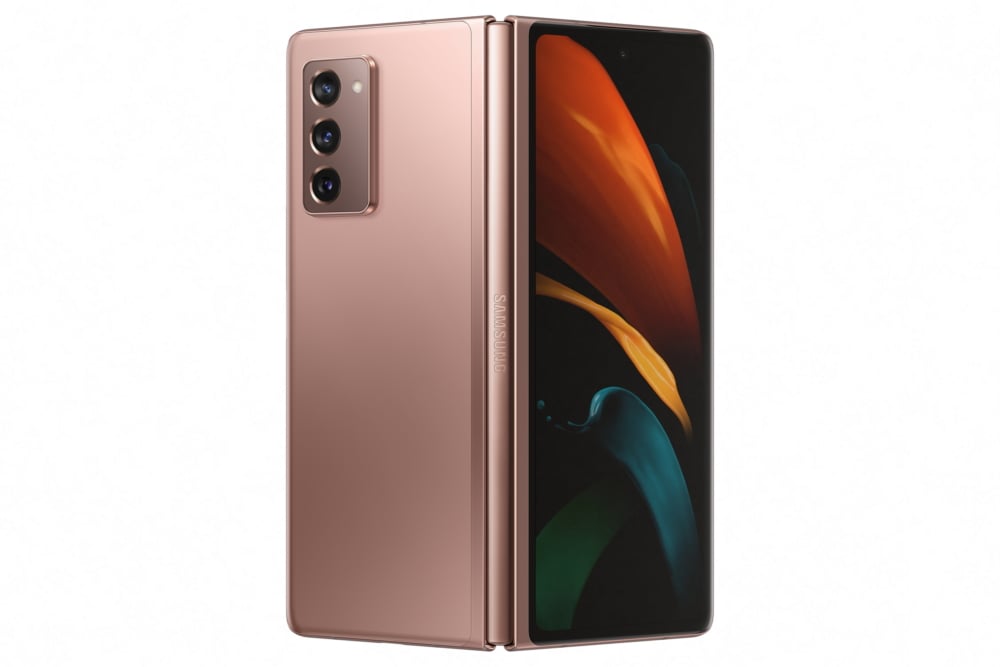
Foldable phones are still out of the reach of most people, no thanks to their high price tags. The recently announced Moto Razr 5G launched for $1400, the Galaxy Z Flip is now $1299, and the new Galaxy Z Fold 2 is $1999. Only a handful of folks can afford to pay the aforementioned prices for a phone.
There are rumors that Samsung is working on an affordable Galaxy Z Fold which has been unofficially dubbed the Galaxy (Z) Fold Lite. We do not know how significantly the specs will be toned down compared to its existing models or what corners Samsung will cut to keep the price tag low. Nevertheless, we have decided to create a poll to see if folks will be willing to purchase a foldable phone with mid-range specs.
Yes, we know the Moto Razr 2019 and Moto Razr 5G both qualify as mid-range foldable devices but we are looking at a form factor closer to that of the Galaxy Z Fold and specs that are further toned down to make them more affordable.
So the full question is this – Will you buy a foldable phone with the following mid-range specs for $1000?
Plastic/Glasstic Body
LCD outer display
Pixel 4a-level cameras (one on each side)
Snapdragon 730G/Snapdragon 732G
No wireless charging
4500+mAh battery
[yop_poll id=”53″]
So, please take the poll and let us know what you think in the comment box below.
While it was becoming very difficult to find an entry-level phone with a Qualcomm chipset, smartphone manufacturers finally started releasing handsets equipped with the latest and only last-generation Qualcomm chipset belonging to the entry-level Snapdragon 4xx series. We are talking about the Snapdragon 460, and this comparison includes the latest devices fueled by this mobile platform. Their names are Motorola Moto E7 Plus, Oppo A53, and Vivo Y20: if you need a Snapdragon 460-powered phone, there is no better option. So, let’s highlight their main differences.
Motorola Moto E7 Plus vs OPPO A53 vs Vivo Y20
Motorola Moto E7 Plus
Vivo Y20
Oppo A53 2020
DIMENSIONS AND WEIGHT
165.2 x 75.7 x 9.2 mm, 200 grams
164.4 x 76.3 x 8.4 mm, 192.3 grams
163.9 x 75.1 x 8.4 mm, 186 grams
DISPLAY
6.5 inches, 720 x 1600p (HD+), 270 ppi, IPS LCD
6.51 inches, 720 x 1600p (HD+), 270 ppi, IPS LCD
6.5 inches, 720 x 1600p (HD+), 270 ppi, IPS LCD
PROCESSOR
Qualcomm Snapdragon 460, octa-core 1.8 GHz
Qualcomm Snapdragon 460, octa-core 1.8 GHz
Qualcomm Snapdragon 460, octa-core 1.8 GHz
MEMORY
4 GB RAM, 64 GB – micro SD slot
4 GB RAM, 64 GB – micro SD dedicated slot
4 GB RAM, 64 GB – micro SD slot
SOFTWARE
Android 10
Android 10, Funtouch OS
Android 10, Color OS
CONNECTIVITY
Wi-Fi 802.11 b/g/n, Bluetooth 5.0, GPS
Wi-Fi 802.11 a/b/g/n/ac, Bluetooth 5, GPS
Wi-Fi 802.11 a/b/g/n/ac, Bluetooth 5.0, GPS
CAMERA
Triple 48 + 2 MP f/1.7
8 MP f/2.2 front camera
Triple 13 + 2 + 2 MP f/1.8 + f/2.4 + f/2.4
8 MP front camera
Quad 12 + 2 + 2 MP
16 MP f/2.0 front camera
BATTERY
5000 mAh, charging 10W
5000 mAh, fast charging 18W
5000 mAh, fast charging 18W
ADDITIONAL FEATURES
Hybrid Dual SIM slot
Dual SIM slot
Dual SIM slot
Design
The most attractive design belongs to the OPPO A53. First of all, it features a punch-hole display instead of a waterdrop notch, unlike Vivo Y20 and Motorola Moto E7 Plus. Further, it has slightly more compact dimensions, even though its display has the same size as its rivals. The OPPO A53 is even thinner than Motorola Moto E7 Plus and Vivo Y20. If we exclude the OPPO A53, Vivo Y20 has a more convincing look than Motorola Moto E7 Plus, at least according to my tastes.
Display
Unfortunately, these handsets do not feature amazing displays. Given that they are entry-level phones, in order to cut costs, the manufacturers opted for a below-average HD+ panel with the IPS technology. So, you do not get a very high level of detail. Such displays are sufficient for most of the basic users, but you can get better panels while keeping your budget low. The OPPO A53 wins the comparison because unlike Vivo Y20 and Motorola Moto E7 Plus it sports a 90 Hz refresh rate: a feature that you can only find in mid-rangers and flagships. Also, note that the OPPO A53 features stereo speakers for a better audio experience.
Specs & Software
In each case, you get an octa-core Snapdragon 460 chipset running at a 1.8 GHz frequency. That is why we made this comparison, as we explained in the intro. Again, the OPPO A53 wins the comparison because it features up to 6 GB of RAM, while Motorola Moto E7 Plus and Vivo Y20 offer just 4 GB of RAM. Naturally, you will have to spend more if you need the configuration with 6 GB of RAM. But the RAM is not the only superior component: the OPPO A53 packs a faster UFS 2.1 internal storage instead of eMMC, and it has more storage (128 GB) in its high-end configuration. In each case, you get Android 10 out of the box, but Motorola Moto E7 Plus is the only one with a user interface close to stock Android.
Camera
The king of cameras in this trio is the Motorola Moto E7 Plus. It features a lower number of sensors, but its main camera is a lot better than the ones found on the OPPO A53 and the Vivo Y20. We are talking about a 48 MP sensor with a bright f/1.7 aperture which provides a better photo quality. Unfortunately, the Motorola Moto E7 Plus lacks a dedicated macro sensor, but you can click better photos. The best front camera belongs to the OPPO A53 with a 16 MP resolution.
Battery
Vivo Y20, Motorola Moto E7 Plus, and OPPO A53 all feature a big 5000 mAh battery and they provide a long battery life. The Vivo Y20 and Motorola Moto E7 Plus should last more because they have a standard refresh rate instead of a 90 Hz display. Given that they feature similar components, it is hard to guess which one lasts more in every scenario.
Price
Unfortunately, these three devices are not present in the global market. In Asia, they all sell for less than €150/$178. The OPPO A53 wins the comparison thanks to its 90 Hz display, stereo speakers, UFS 2.1 storage, and better front camera. But if the photo quality is your main concern, then you should go for the Motorola E7 Plus packing a pretty nice 48 MP sensor instead of those 13 MP entry-level sensors found on OPPO A53 and Vivo Y20.
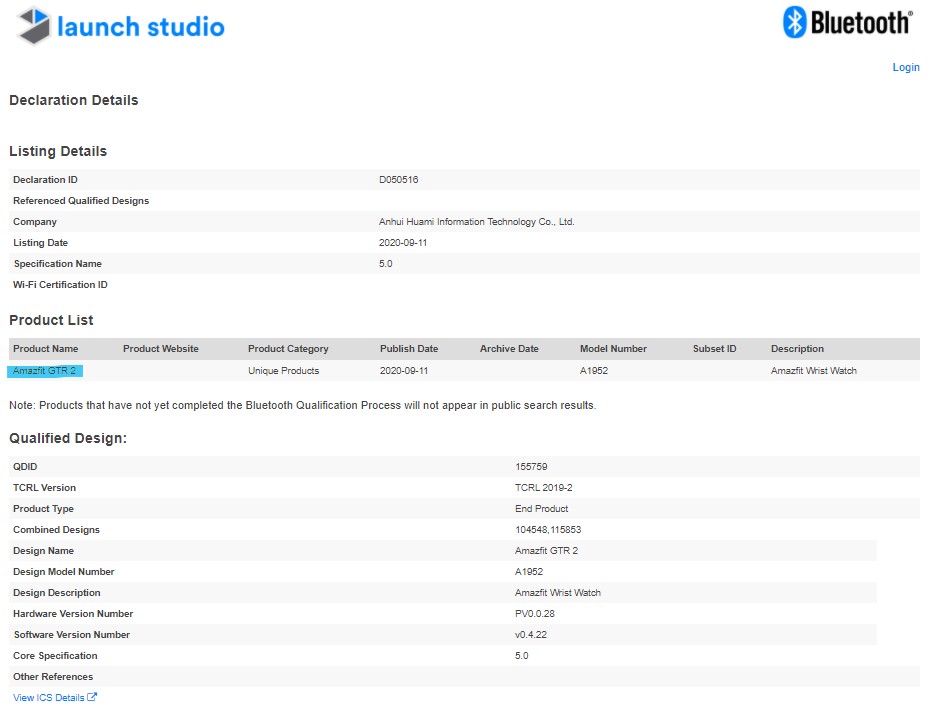
Huami recently announced a new smartwatch called the Amazfit Neo but we already know more new products are on the way including successors to last year’s Amazfit GTR and Amazfit GTS and a smart scale. Now, the Bluetooth Special Interest Group (SIG) has certified the Amazfit GTR 2.
The listing for the new watch was published on September 11 and it reveals the Amazfit GTR 2 has the model number “A1952”. It also revealed it will connect via Bluetooth 5.0.
Leaks have revealed that the Amazfit GTR 2 is codenamed “Lisbon”. The watch should have a round AMOLED display like its predecessor and be available in two sizes. With respect to features, we expect it should have more sports modes, an improved heart rate sensor, and hopefully, a SpO2 monitor. There is also a possibility that the international version of the watch will have Amazon’s Alexa assistant.
Since the Amazfit GTR 2 and Amazfit Smart Scale have both been certified by the Bluetooth SIG, we expect the Amazfit GTS 2 will follow suit soon and the launch of all three devices should be on the horizon.
Google Duo is a video calling app made by Google that is available for Android phones, iPhones, tablets, computers, and smart displays. Now, Google has added another device category – smart TVs running Android TV.
Yes, Google Duo is now available for Android TV four years after the app was published. Google did tease the arrival of the app on Thursday and said that it will be available in beta for Android TV. However, the Play Store listing on Android TV didn’t say the app is still in beta.
If your TV has a built-in camera, then you can make video calls but if your TV doesn’t have a camera, you can only make voice calls. Another option is to get a webcam as the Android TV platform (starting with Android 9) now has native support for webcams.
There is something important to note about the new feature. After installation, the app doesn’t show up in your app drawer or have a banner on the homescreen. The only way I was able to launch it is by going to Settings > Apps > Duo. Hopefully, an update will fix this.
When you make a voice call, the microphone on the remote picks up your voice while the voice of whom you are calling can be heard from the TV’s own speaker or any speakers connected to the TV.
Android TV gaining support for Google Duo makes sense especially now that video calling is now more popular among people.
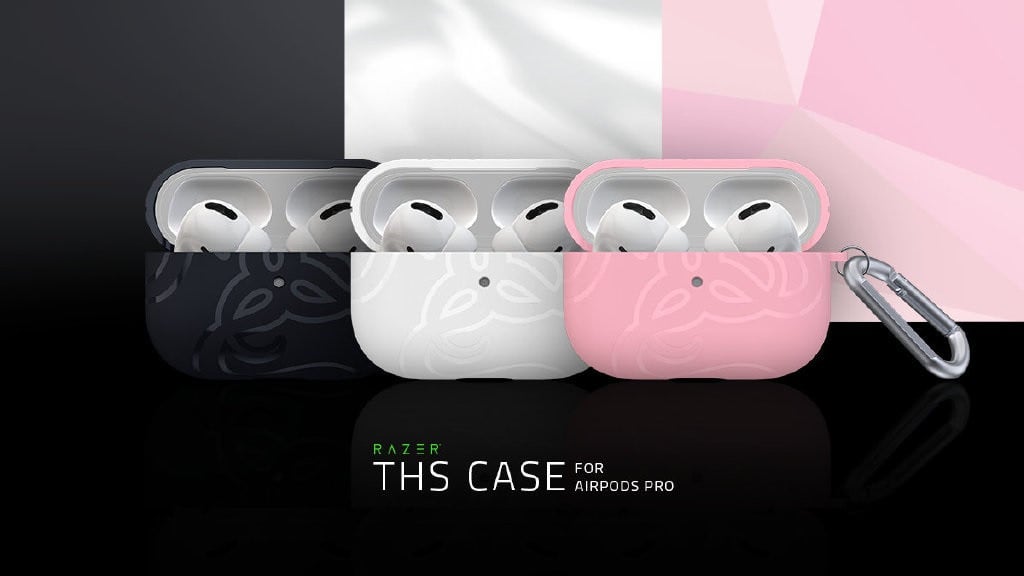
Razer may have become popular as a manufacturer of gaming peripherals but that is not all it does. The Singaporean-American company has diversified its portfolio to include other products such as laptops and even accessories for products from other manufacturers. Today, Razer announced a protective case for the Apple AirPods Pro called the THS Case.
With a price tag of ¥199 (~$29), Razer’s THS Case comes in three colors – black, white, and pink – with the manufacturer’s signature triple-headed snake etched on each one. The case is made from elastic TPU silicone and also comes with a carabiner.
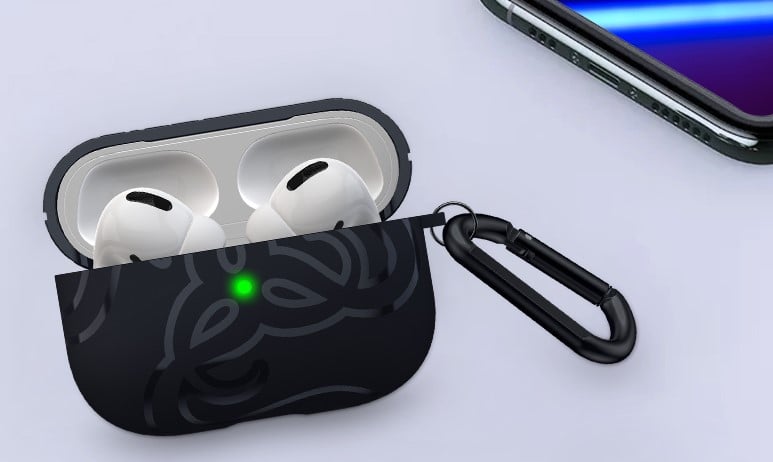
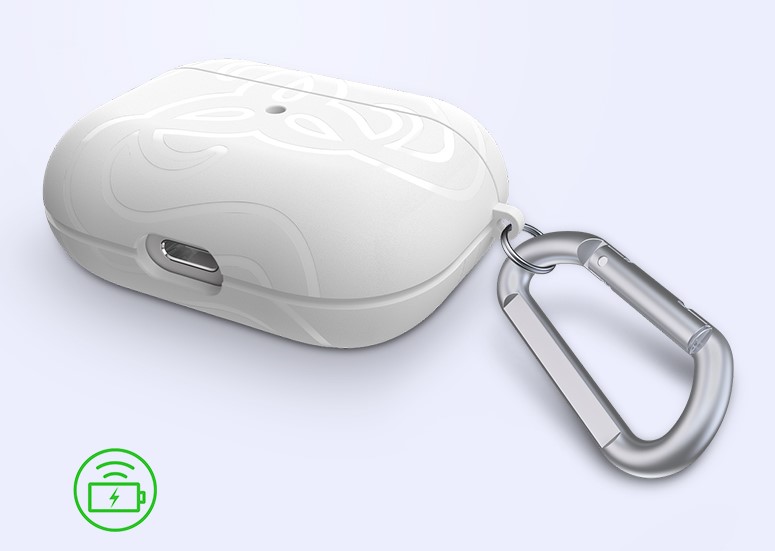
Razer has included a cut-out at the bottom for wired charging and another one in front for the LED. The manufacturer also says the silicone case doesn’t affect wireless charging. If your case gets dirty, Razer says you can wash it (most likely handwash) and it will be back to looking like it is brand new.
1 of 3
Razer THS Case for AirPods Pro
The Razer THS Case for AirPods Pro is available on Tmall now but you can only purchase it in black or pink.
At the HUAWEI DEVELOPER CONFERENCE 2020, the company unveiled EMUI 11, the latest version of its mobile software. It even released Closed Beta releases for 10 of its devices. Turns out the builds are based on Android 10 and not Android 11 as expected. Now, the company gives more clarification regarding this.
In two separate statements to Android Authority, Huawei provided some insights into the future of EMUI.
At first, the Chinese telecom giant confirmed that some selected Android 11 features will be incorporated into EMUI 11. Do note that the company only mentioned features. That means the base will probably remain Android 10 like in beta builds.
Due to the US ban, Huawei couldn’t work with Google to develop its new software based on the latest version of Android. The source code of Android 11 was only recently uploaded to the AOSP last week.
In a second statement, the company revealed that devices running EMUI 11, which the firm says to be based on distributed technology will be eligible for upgrade to HarmonyOS in the future.
However, it did not mention the exact models that will be eligible. Also, it is not known whether the HarmonyOS update will be mandatory or optional.
In a nutshell, the future of HUAWEI as well as HONOR-branded smartphones and tablets are confusing to say the least.
Because if the US ban gets reverted by a new government after the elections, it is a mystery whether the company will stick with Android or it’s very own heavily invested HarmonyOS although the chairman hinted Android several times.
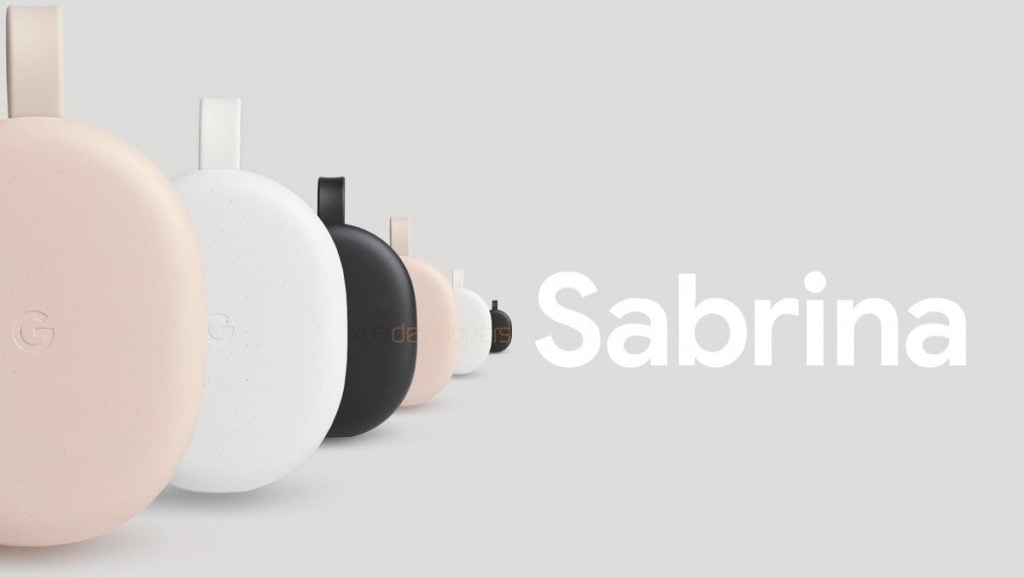
Earlier this year, Google was reported to be working on a streaming device. The same report also said that the search giant may rebrand “Android TV” to “Google TV”. This device in question is codenamed “Sabrina”, which has leaked several times over the past few months. Now, new leak sort of reveals it’s marketing name.
The new information about Google Sabrina streaming device comes from Artem Russakovskii of Android Police. The founder of the publication tweeted that this upcoming device is listed as “Google Chromecast with Google TV” in Target’s retail system for $49.99.
This new leak not only confirms the name of the forthcoming Google streaming device but also rebranding of Android TV to Google TV. Previously, it was said that the search giant may launch it under Nest branding but that does not seem to be the case. Actually, it is good that Google is sticking with “Chromecast” branding as it is popular among consumers for years.
Further, the listing also reveals the colors Sabrina will be available in. They are “Rocky Candy”, “Summer Melon”, and “Summer Blue” respectively.
After announcing the new generation of the Razr foldable, Motorola came up with a new mid-ranger: the Moto G9 Plus. It packs great specifications offered at a modest price, but it has a lot of concurrences. In order to understand whether or not the new Motorola mid-ranger deserves a chance, we decided to compare it with the latest affordable beasts launched by Xiaomi and Realme: the POCO X3 NFC and the Realme 7 Pro. These devices have a huge value for money, that is why we chose them for this battle. Let’s discover all the differences between the three handsets through an in-depth specs comparison.
Motorola Moto G9 Plus vs Xiaomi POCO X3 NFC vs Realme 7 Pro
Quad 64 + 8 + 2 + 2 MP f/1.8, f/2.3, f/2.4 and f/2.4
32 MP f/2.5 front camera
BATTERY
5000 mAh, fast charging 30W
5160 mAh, fast charging 33W
4500 mAh, fast charging 65W
ADDITIONAL FEATURES
Dual SIM slot
Dual SIM slot, splash proof
Dual SIM slot, splash resistant
Design
Not everyone may like the POCO X3 NFC due to the big POCO branding on the rear side and its weird camera module, but it has a very nice build quality including an aluminum frame. Motorola Moto G9 Plus looks pretty nice with its compact camera module and it reminds me of the Samsung Galaxy Note 20 lineup. Even Realme 7 Pro has an original and good-looking design, and it is even water-repellent. It is very hard to pick a winner of the design comparison because it mostly depends on the tastes of the users: do you prefer a better build quality or a more beautiful look?
Display
The Realme 7 Pro is the only handset of this trio to feature an AMOLED panel, and that is the reason why it wins the comparison. It shows more brilliant colors and it sports an under-display fingerprint reader. Realme decided to equip this device with an AMOLED display after listening to the users’ feedbacks: it seems like users prefer AMOLED display with a standard refresh rate instead of IPS panels with high refresh rates. But the POCO X3 NFC remains very interesting because it has a very high 120 Hz refresh rate and the HDR10 certification. It even comes with stereo speakers for a better multimedia experience.
Specs & Software
The most powerful device of this comparison is the POCO X3 NFC because it packs a stronger chipset: the new Snapdragon 732G which is actually an upgrade of the Snapdragon 730G found on the Motorola Moto G9 Plus. The chipset is paired with 6 GB of RAM and up to 128 GB of UFS 2.1 internal storage which you can furtherly expand with a micro SD. The Motorola Moto G9 Plus packs a better chipset than Realme 7 Pro (Snapdragon 730G vs Snapdragon 720G), but Realme 7 Pro is still superior because it doubles the RAM (8 GB vs 4 GB) and the Snapdragon 720G is more or less at the same level as the 730G. With these three devices, you naturally get Android 10 out of the box.
Camera
On the paper, the most advanced camera department is on board of the POCO X3 NFC, at least when it comes to the rear cameras. Indeed, it features a better ultrawide sensor with a 13 MP resolution instead of the 8 MP ultrawide lens found on the Moto G9 Plus and the Realme 7 Pro. On the other hand, Realme 7 Pro wins the selfie camera comparison with its 32 MP front camera. Motorola Moto G9 Plus and Realme 7 Pro come with the same rear camera department which should not be so different from the Xiaomi POCO X3 NFC.
Battery
POCO X3 NFC packs a bigger 5160 mAh battery and, despite its higher refresh rate, it should last more than Realme 7 Pro on a single charge. Motorola Moto G9 Plus should have a similar battery life with a 5000 mAh battery. But the Realme 7 Pro charges a lot faster with its 65W fast charging tech.
Price
POCO X3 NFC is priced €229/$273 globally, Motorola Moto G9 Plus starts from €250/$296, and Realme 7 Pro starts from €230/$273 in India. The most complete device of this comparison is the POCO X3 NFC, but some may prefer the Realme 7 Pro for its AMOLED display and its 65W fast charging. Which one would you pick?
Apple has an event scheduled for Tuesday, September 15. The event is expected to be for the unveiling of new Apple Watches including a more affordable variant that has been unofficially dubbed the Apple Watch SE. Now, the Apple leaker, Jon Prosser, has revealed some key details of this affordable Apple watch.
According to tweets posted yesterday, the Apple Watch SE will be available in two sizes – 40mm and 44m – and each size will come in GPS and cellular variants. The tweets also include the codenames for each size and variant.
With respect to design, the Apple Watch SE will look like the Apple Watch Series 4. However, it will not have an always-on display and ECG which should not be surprising seeing as Apple is trying to keep the price low. He also stated that the watch will come with an M9 chip.
The M-series of Apple chips is a line of motion coprocessors that used to be separate chips for older iPhones but have now been integrated into the main processor. The M9 chip was integrated with the A9 chip for the iPhone 6s and it allows for step tracking including changes in distance and elevation. It also allowed for “Hey Siri” to be always on.
There is no info yet on the price of the Apple Watch SE but we presume it may start at $199.
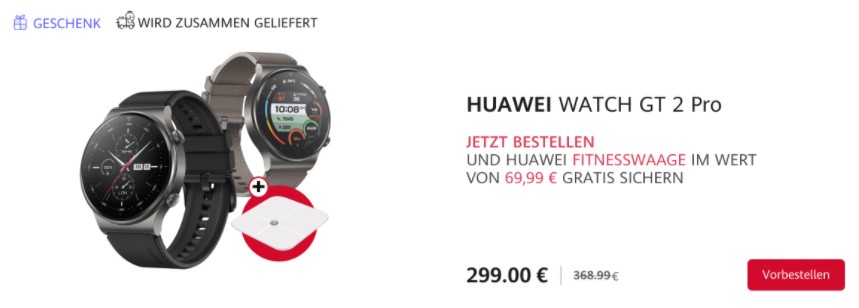
Huawei is now taking orders for the Watch Fit and pre-orders for the Watch GT 2 Pro and the FreeBuds Pro in Germany. All three wearables were announced in Europe earlier this week. According to the order pages, those who order/pre-order these items will get a free Huawei Body Fat Scale with their orders.
The Huawei Watch Fit is priced at €129 and is available in Graphite Black, Mint Green, Cantaloupe Orange, and Sakura Pink. Along with your order, you get the free smart scale which is worth €69.99. That sure is a better gift when compared to the pre-order bundle of the Honor Watch ES which is available for a discounted price of €79.99 (original price is €99.99) and includes a free pair of Bluetooth earphones.
Huawei says if you throw in the FreeBuds 3i with your order, you get it for a discounted price of €49.9 instead of €99.
Those who pre-order the Huawei Watch GT 2 Pro (available in Night Black and Nebula Gray) or FreeBuds Pro (available in Ceramic White, Silver Frost, and Carbon Black) also get a free Huawei Body Fat Scale with their orders. If you pre-order both, that means you should get two smart scales (I’ll advise you to pre-order them separately). The Watch GT 2 Pro and FreeBuds Pro are both discounted to €299 and €179 respectively when you pre-order.
Unlike the Huawei Watch Fit which seems to be shipping out immediately, the Watch GT 2 Pro and FreeBuds 3 Pro won’t ship until October 3rd. It also appears the free scale will only be available for orders made between now and the 2nd of October.
Do note that these pre-orders are for Germany only and may differ for other markets. You should check your local Huawei online store for what pre-order bonuses are available.
A few days ago, Huawei unveiled the Watch GT 2 Pro, its latest smartwatch with professional sports modes and support for wireless charging. The new smartwatch is significantly more expensive than Huawei’s previous smartwatches with a starting price of €329. It turns out there is even a more expensive model coming and it will launch as the Huawei Watch GT RS.
The info comes from the reliable leaker Teme (@RODENT950) and according to him, Huawei will announce the more expensive Watch GT RS alongside the Mate 40 series.
If GT2 Pro is too cheap for you, you can always get GT RS, coming with Mate 40 series.
We do not have any info regarding the specs of the upcoming smartwatch but we expect it to have support for wireless charging, a SpO2 monitor, and professional sports modes. Maybe it might even have a built-in electrocardiogram (ECG).
If the Watch GT 2 Pro starts at €329, there is a possibility that the Watch GT RS may be closer to €399.
In June, Tecno announced the Spark Power 2 smartphone in India. Now the Chinese firm is gearing u to launch a weaker variant of the phone named Tecno Spark Power 2 Air. A promo page for the new phone is now live on the Flipkart retailer site.
The Tecno Spark Power 2 Air’s promo page on the Flipkart has revealed that it has a huge battery that can last for up to 4 days on a single charge. The phone will be flaunting quad rear cameras. It has a large waterdrop notch display and it has a huge 7-inch display. The landing page on Flipkart confirms that the Tecno Spark Power 2 Air will be debuting at 12 PM IST on Sept. 14.
The Tecno Spark Power 2 had arrived with a price tag of Rs. 9,999 (~$135) in India. The Spark Power 2 Air could be priced lower than the Spark Power 2. According to a report by GSMArena, the Spark Power 2 could be priced under Rs. 9,000 (~$120). The device will be backed by a 6,000mAh battery.
Tecno Spark Power 2 Air
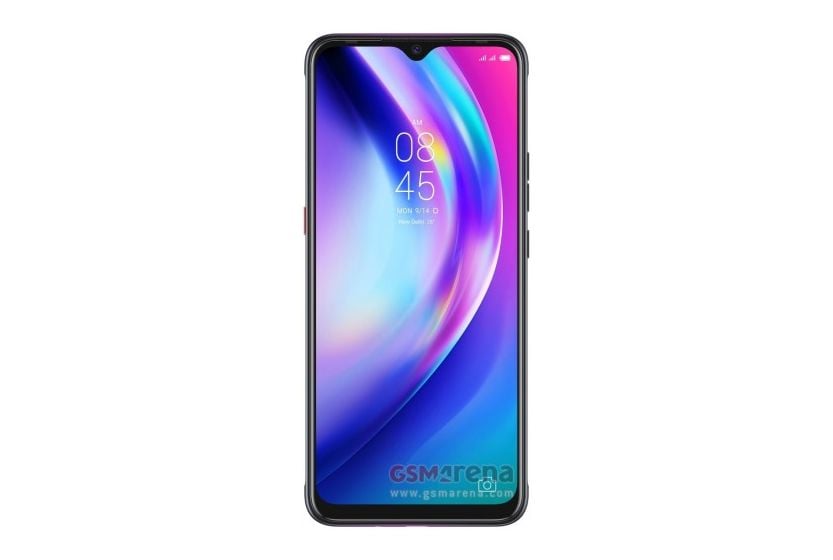
The publication has also shared a render of the smartphone. It reveals that the phone has a dedicated smart key for accessing Google Assistant apart from power and volume buttons. There is no information on the other specs of the device.
The Spark Power 2’s 7-inch IPS LCD screen produces 720 x 1460 pixels resolution. The HiOS 6.1 based Android 10 OS comes preinstalled on the smartphone. The Helio P22 chipset powered phone has 4 GB of RAM and 64 GB of internal storage. It has a quad-camera system that includes a 16-megapixel main snapper, a 5-megapixel ultrawide lens, a 2-megapixel macro sensor, and a depth sensor. It has a front-facing camera of 8-megapixel. The 7,000mAh battery of the Spark Power 2 is coupled with 18W fast charging technology through microUSB 2.0. It has other features such as a microSD card, a rear-facing fingerprint scanner, and a 3.5mm audio jack.
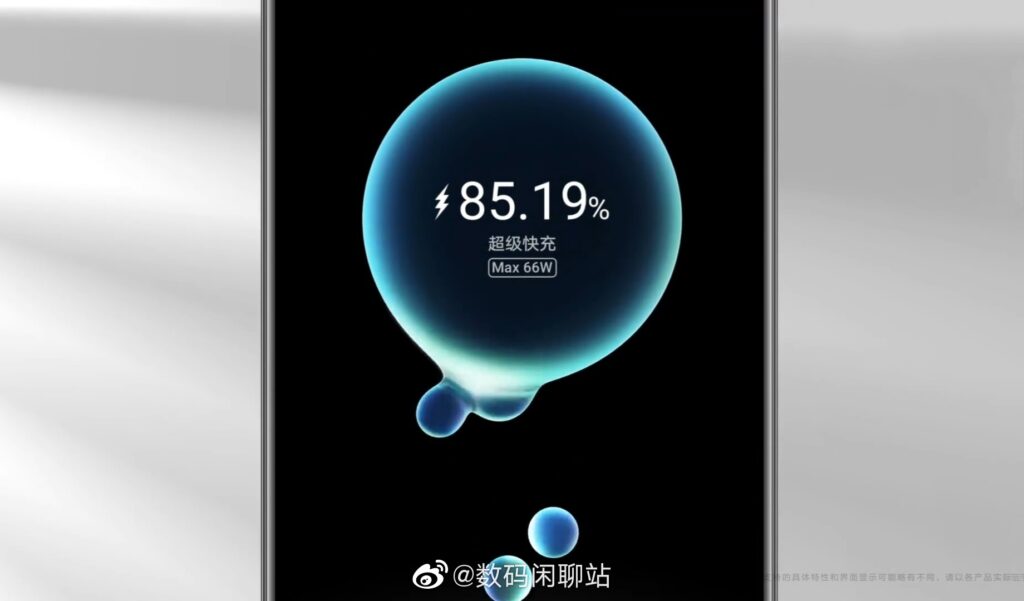
The HUAWEI Mate40 series is expected to be the last smartphones from the company to be powered by its in-house HiSilcion chipset until the US ban lifts. This chip is reported to be manufactured by TSMC’s 5nm node process. Other than the powerful silicon, the forthcoming flagship devices from the Chinese tech giant are also said to bring other high-end features. One of them could be 66W fast charging as hinted in a new EMUI 11 promo video.
Recently, at the HUAWEI DEVELOPER CONFERENCE 2020, the Chinese telecom giant unveiled HarmonyOS 2.0 and EMUI 11. The beta builds for the latter are also live for 10 of the company’s devices.
Huawei also released a number of promo videos for EMUI 11. One of those videos showcased the new charging animation with”Max 66W” text. Currently, none of the HUAWEI or HONOR smartphones/tablets supports it. So it should mostly debut on the forthcoming HUAWEI Mate40 series.
Unfortunately, we could not find this video anywhere on Weibo. Maybe, the company took it down. The above picture is a screengrab from the said video and it was shared by 数码闲聊站 (Digital Chat Station).
A 66W Huawei charger was already spotted at China’s 3C certification bureau in early July. This could be the charger that may come bundled with the Mate40 series.
We use cookies on our website to give you the most relevant experience by remembering your preferences and repeat visits. By clicking “Accept”, you consent to the use of ALL the cookies.
This website uses cookies to improve your experience while you navigate through the website. Out of these, the cookies that are categorized as necessary are stored on your browser as they are essential for the working of basic functionalities of the website. We also use third-party cookies that help us analyze and understand how you use this website. These cookies will be stored in your browser only with your consent. You also have the option to opt-out of these cookies. But opting out of some of these cookies may affect your browsing experience.
Necessary cookies are absolutely essential for the website to function properly. This category only includes cookies that ensures basic functionalities and security features of the website. These cookies do not store any personal information.
Any cookies that may not be particularly necessary for the website to function and is used specifically to collect user personal data via analytics, ads, other embedded contents are termed as non-necessary cookies. It is mandatory to procure user consent prior to running these cookies on your website.