Advertisement

OxygenOS 11 Hands On: A Bold New Redesign but Is It For the Better?

OnePlus’ OxygenOS is one of the most popular custom Android UIs in the market right now. The Android skin launched back in 2015, has often been touted as a better version of Stock Android.
OxygenOS 11 Android 11 featured


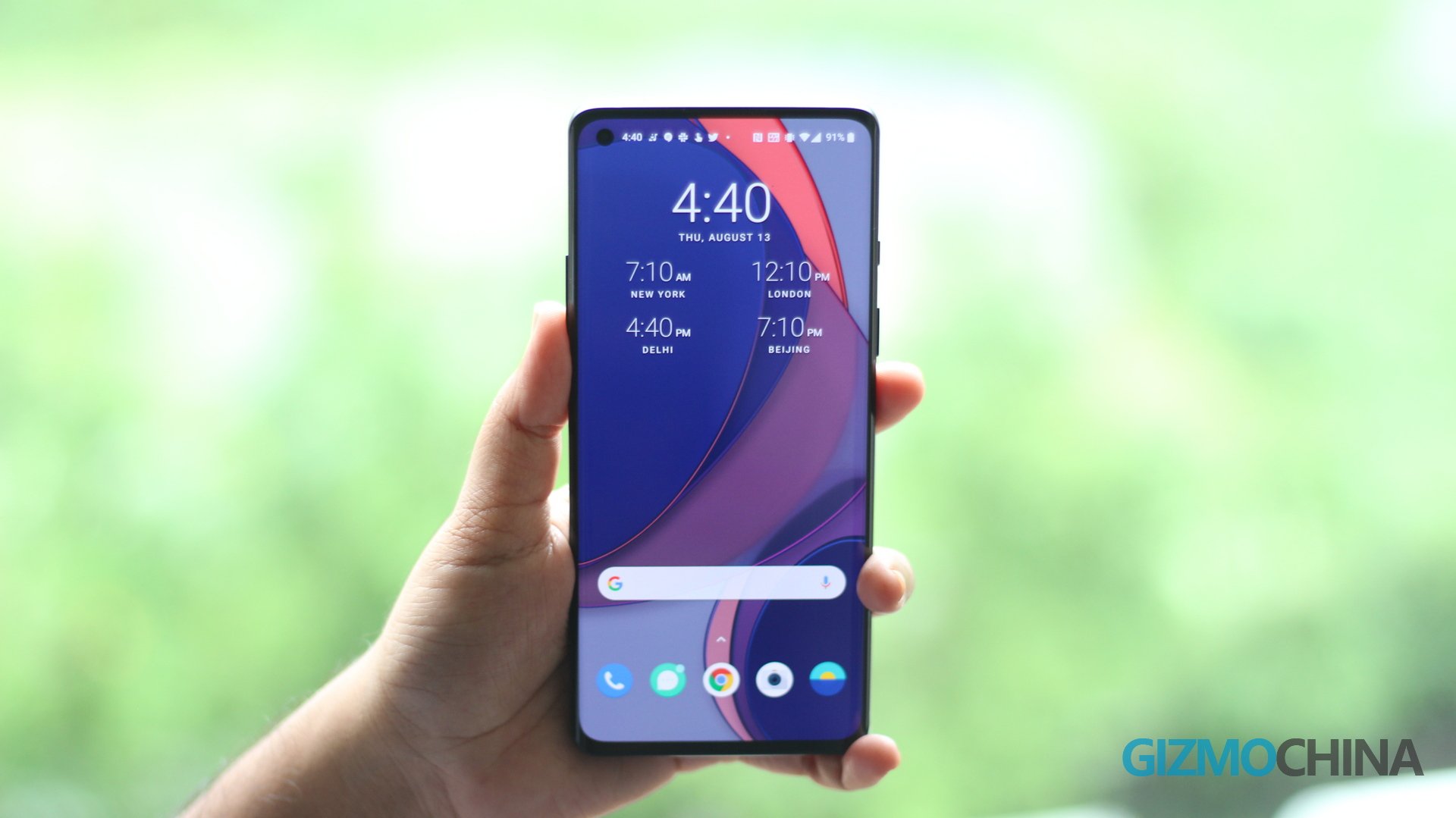
However, OnePlus has taken a bold new step to distance itself from the pure Android interface. As compared to its previous iterations, this year, there’s a significant deviation in the design philosophy of the OxygenOS 11. The app menu headers are redesigned, the settings menu gets minimalistic icons, the Zen app gets new themes and features, and more importantly, OxygenOS 11 adds the most requested feature among its fans – Always-On Ambient Display.
OxygenOS 11 Android 11 01

So here’s my OxygenOS 11 hands-on and comparison with OxygenOS 10 (specifically v10.5).


OxygenOS 11: AOD is Finally Here!

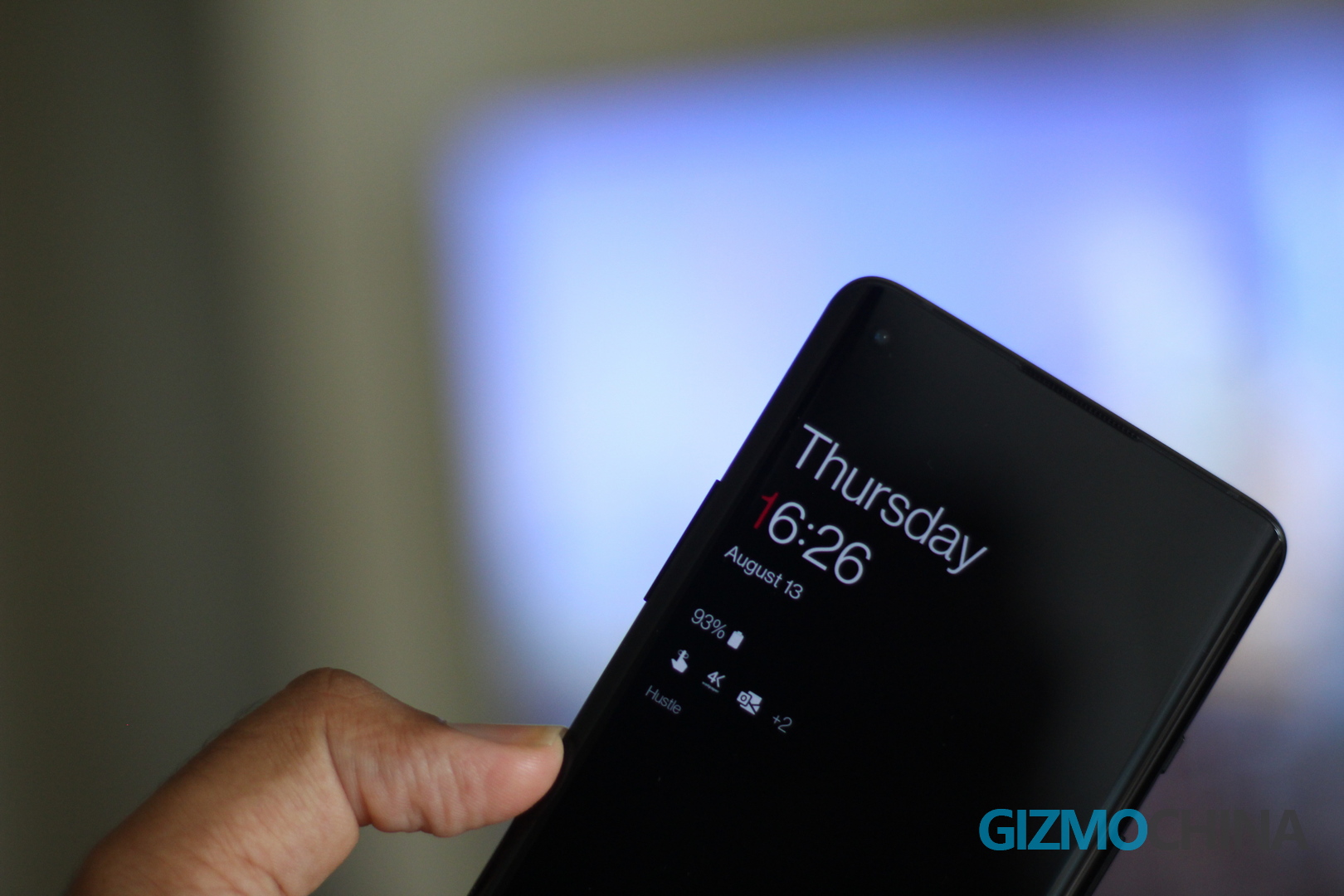
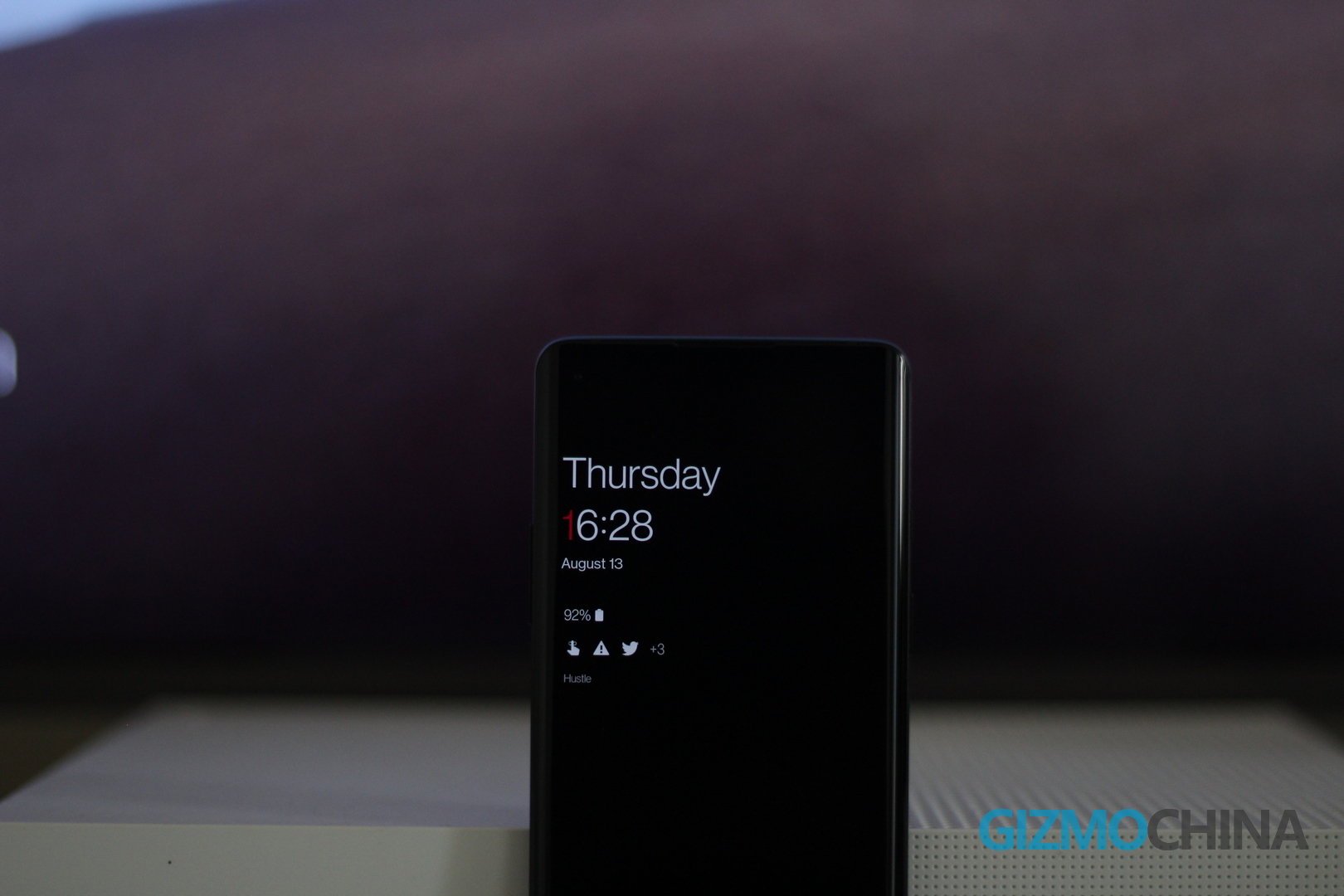
One of the biggest changes in OxygenOS 11 is the new Always-On Ambient Display (AOD). It was the most requested feature from its fans and OnePlus finally decided to add it to the latest OxygenOS 11 build (based on Android 11 DP3) for the OnePlus 8 and OnePlus 8 Pro.
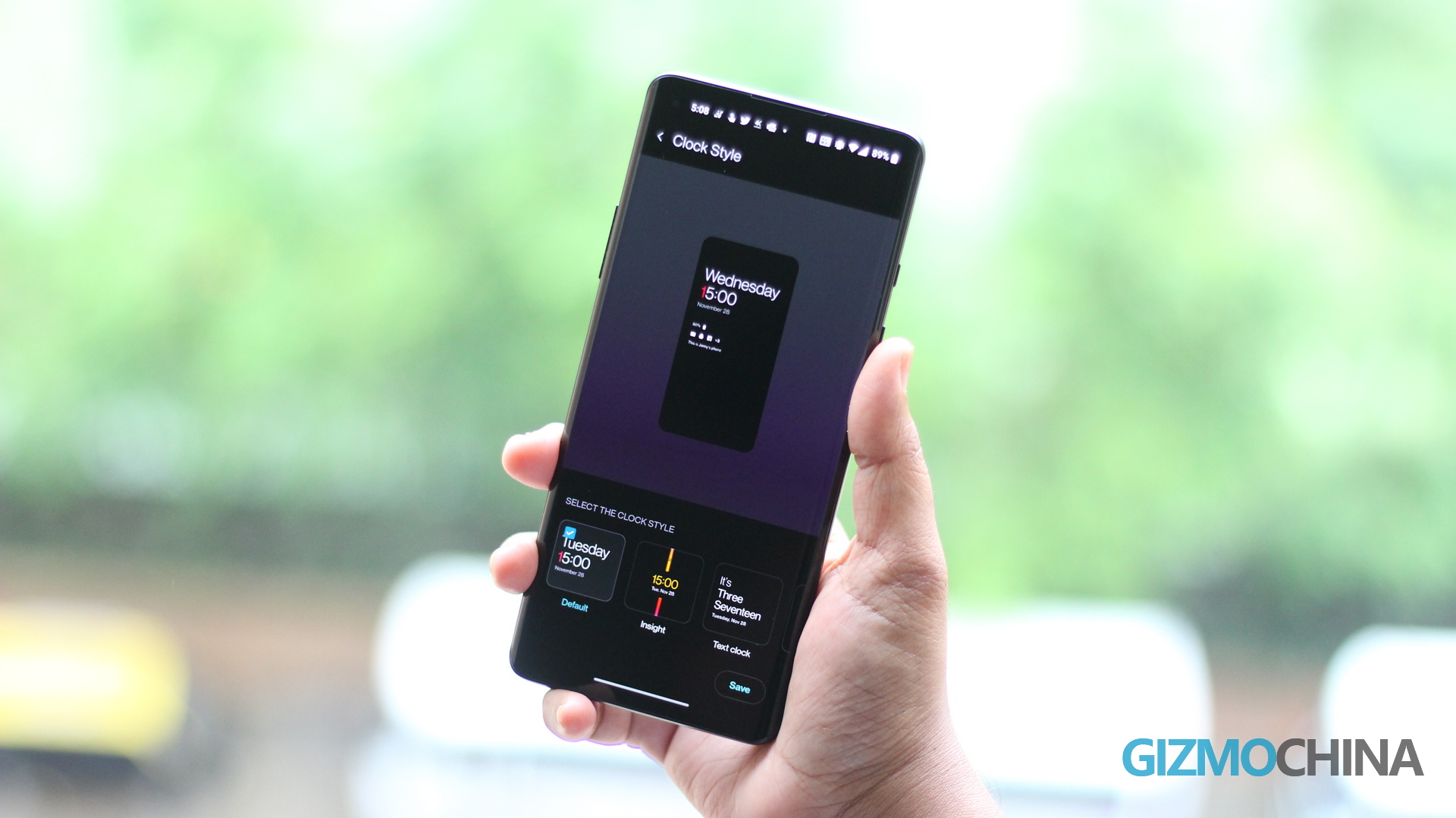
OxygenOS 11 Android 11 26

There are 12 different clock styles for the AOD but one particularly stands out – the Insight AOD style, designed in partnership with students from the Parsons School of Design. The Insight AOD adds a colorful bar in the middle that gets a break/groove every time you unlock and use the phone. The longer your usage, the wider the groove. It also shows you the total unlocks in a day.
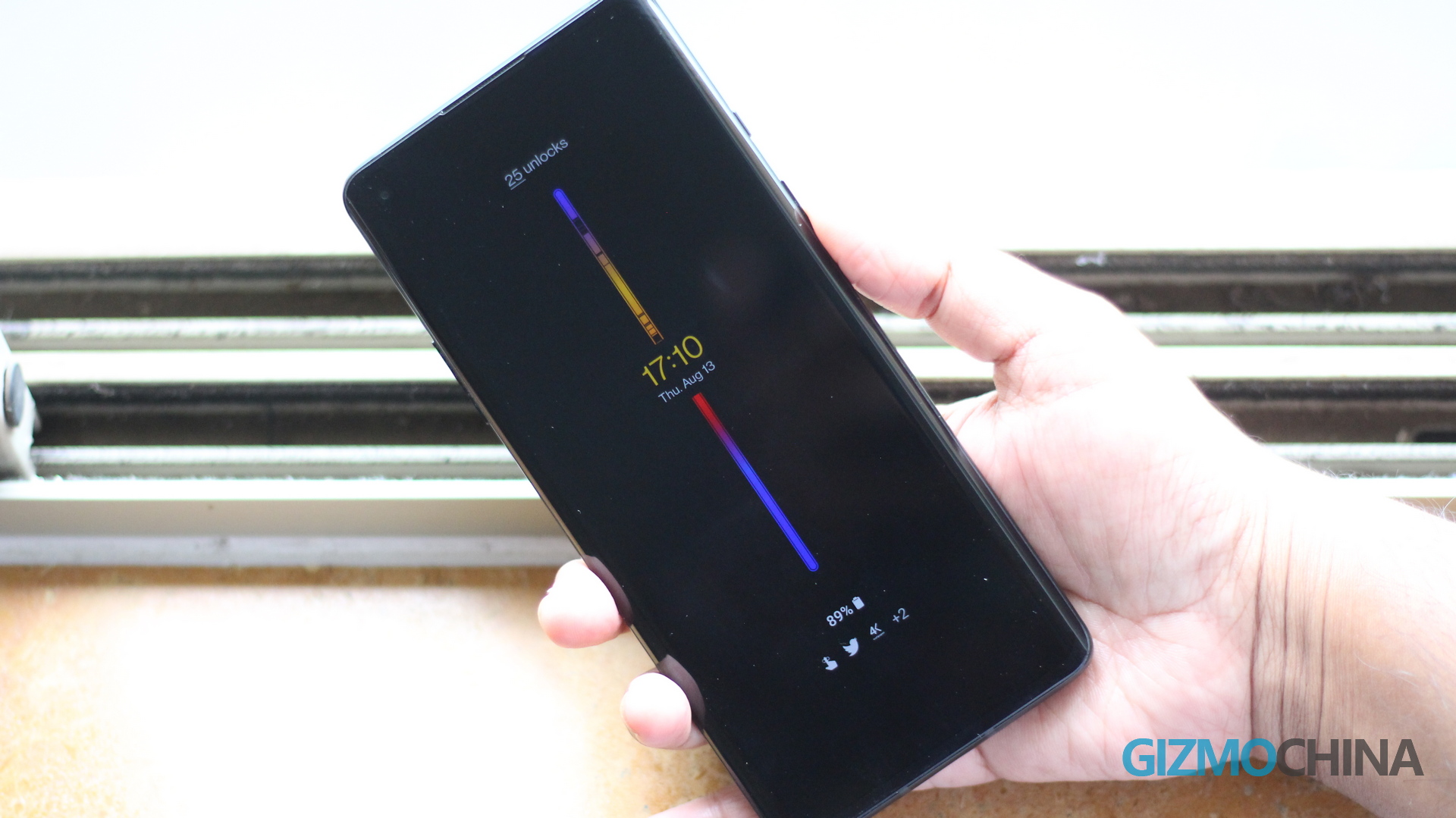
OxygenOS 11 Android 11 Insight AOD
Insight AOD

The rest of the clock styles are pretty standard, similar to the screensavers OnePlus had in the previous builds. However, I personally found a couple of them to be so dull that it was hard to see what was on the screen during the day. But I did find a few styles (out of the 12 available ones) that were bright and bold enough for my taste.
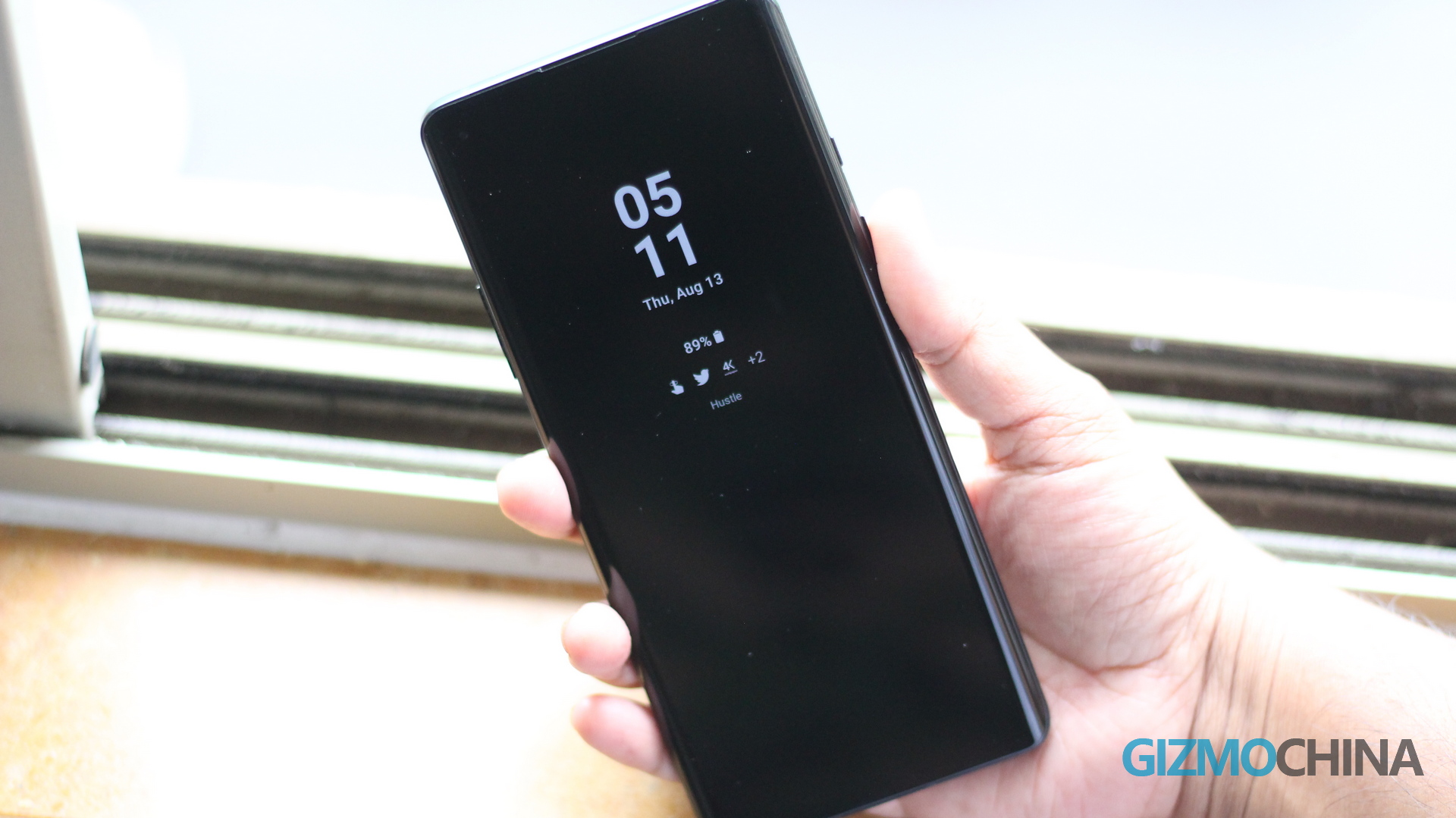
OxygenOS 11 Android 11 30

The standard AOD format is the same for all – time, date, day, battery, and notification icons. And yes, AOD will also display the title of the music that’s playing on the phone in the background (except when you use the insight AOD style).

You can enable AOD all the time or schedule it between a particular time period — this can help save some battery.


Visual Overhaul

The OxygenOS 11 visuals are a stark departure from its previous versions that were heavily inspired by Google’s vanilla Android ROM.

System App Redesign

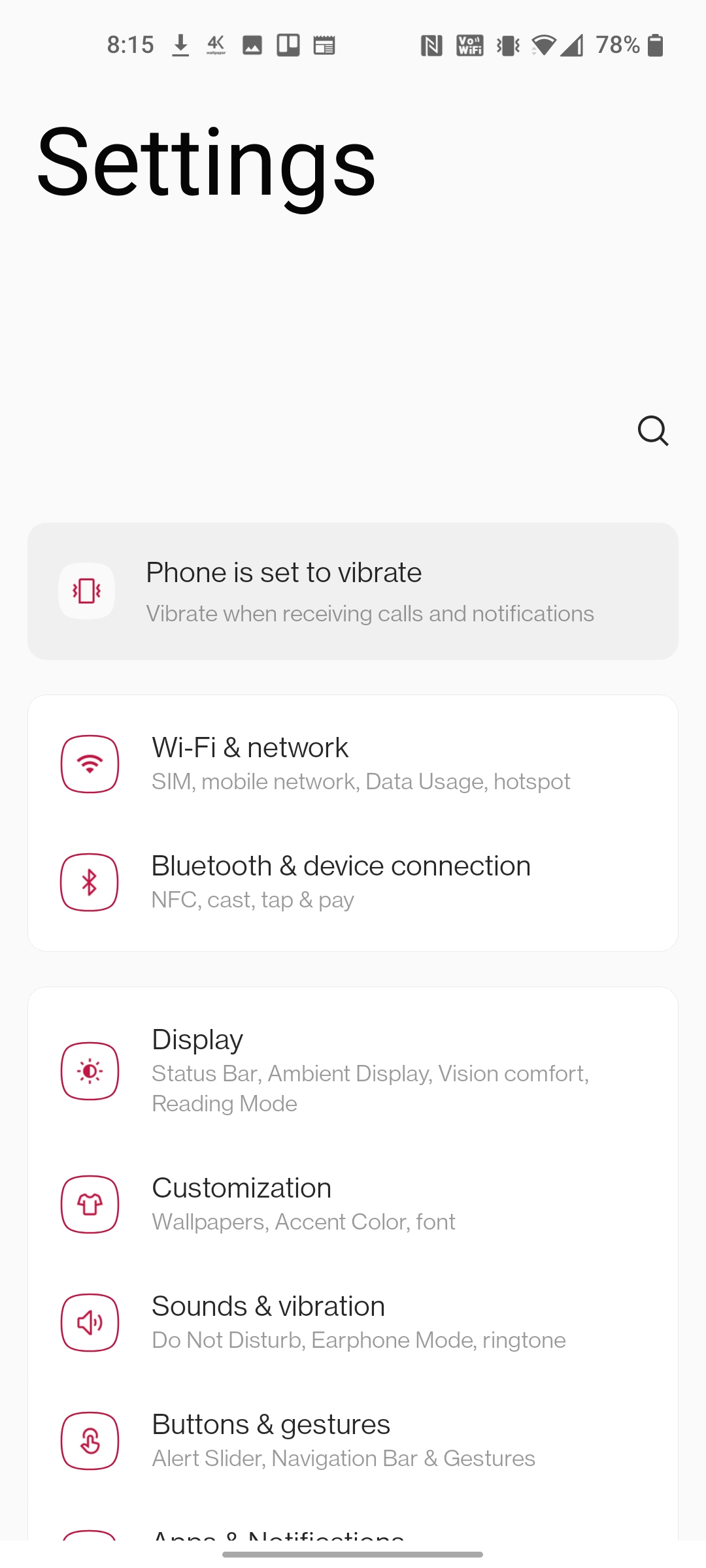
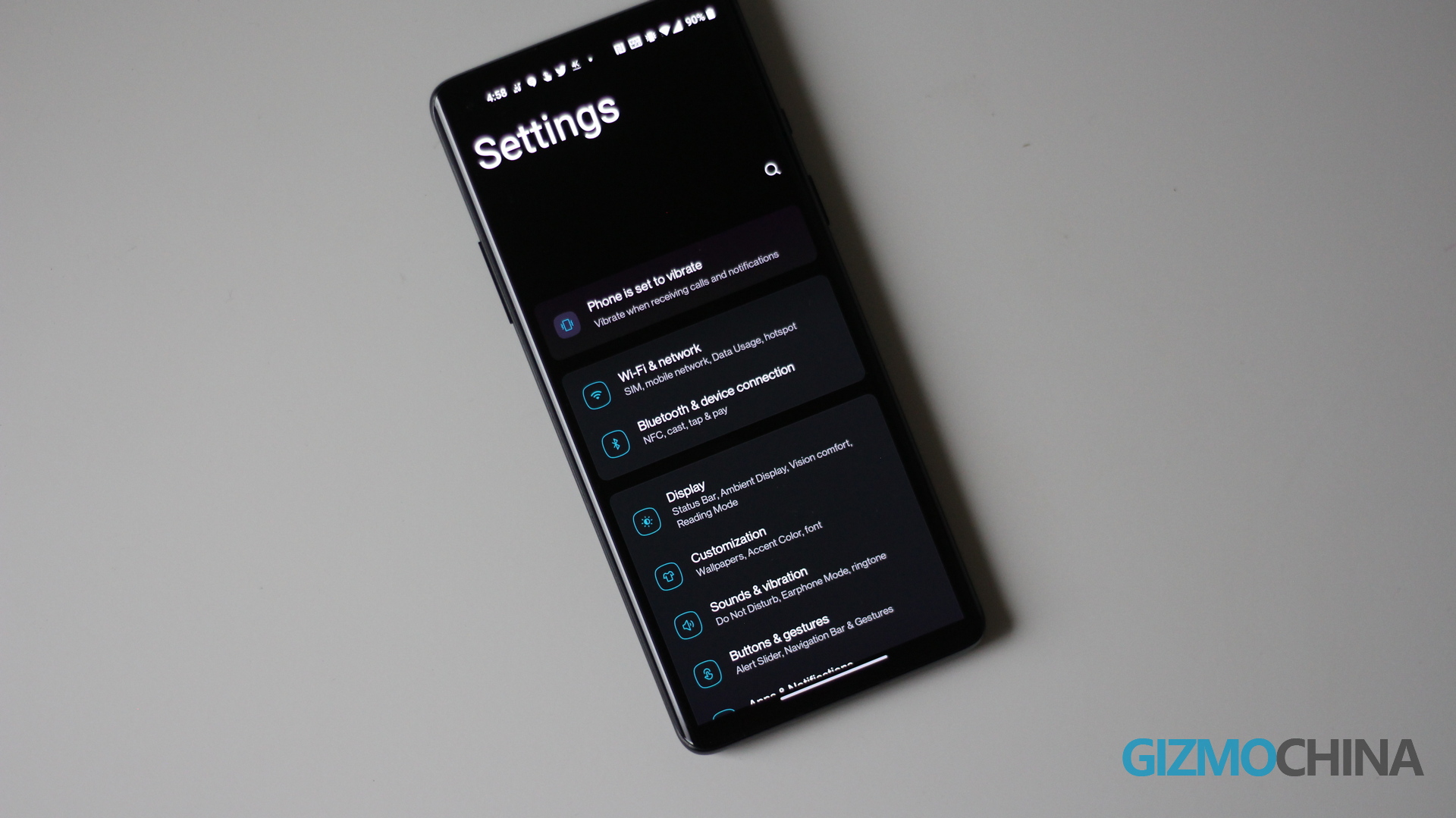
Messaging and contacts apps have been redesigned. The same design philosophy has been applied to the settings menu as well.
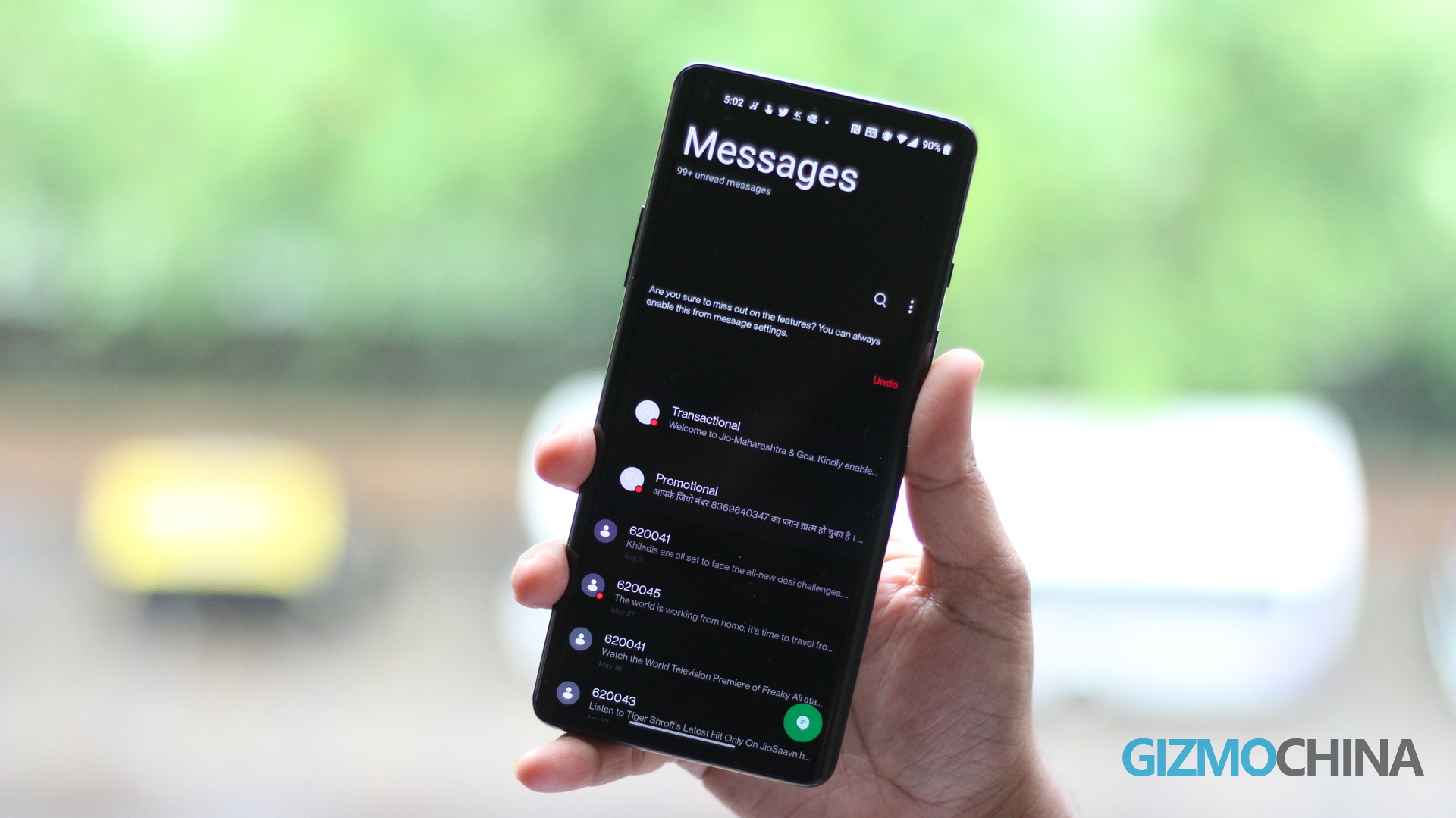
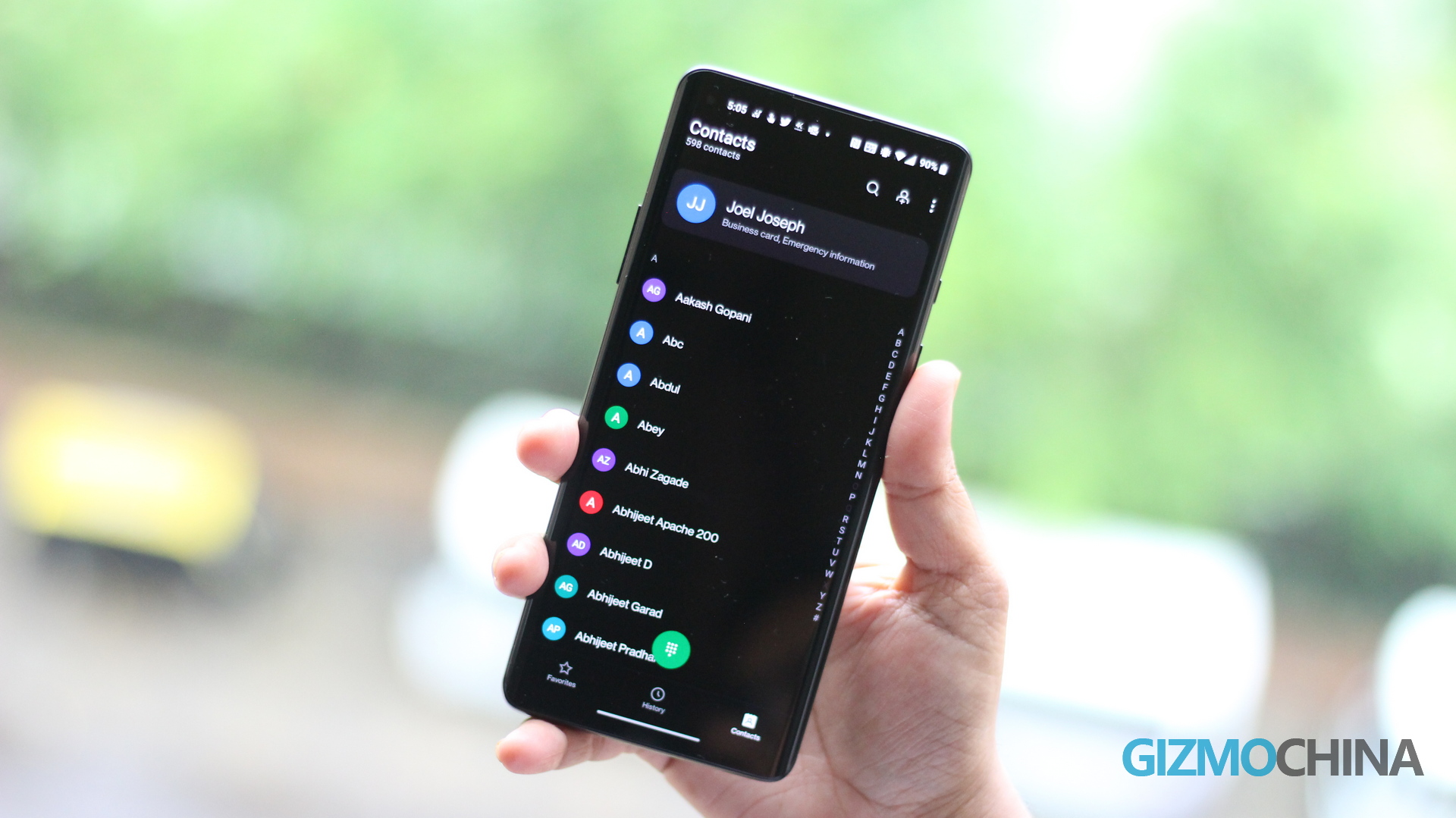
Everyone’s complaining about how the visual redesign is inspired by Samsung’s OneUI. As someone who hasn’t used a Samsung phone in a while, I can’t comment on their similarities. However, the OxygenOS 11 system app redesign did remind me of a previous UI – the Windows Phone OS.

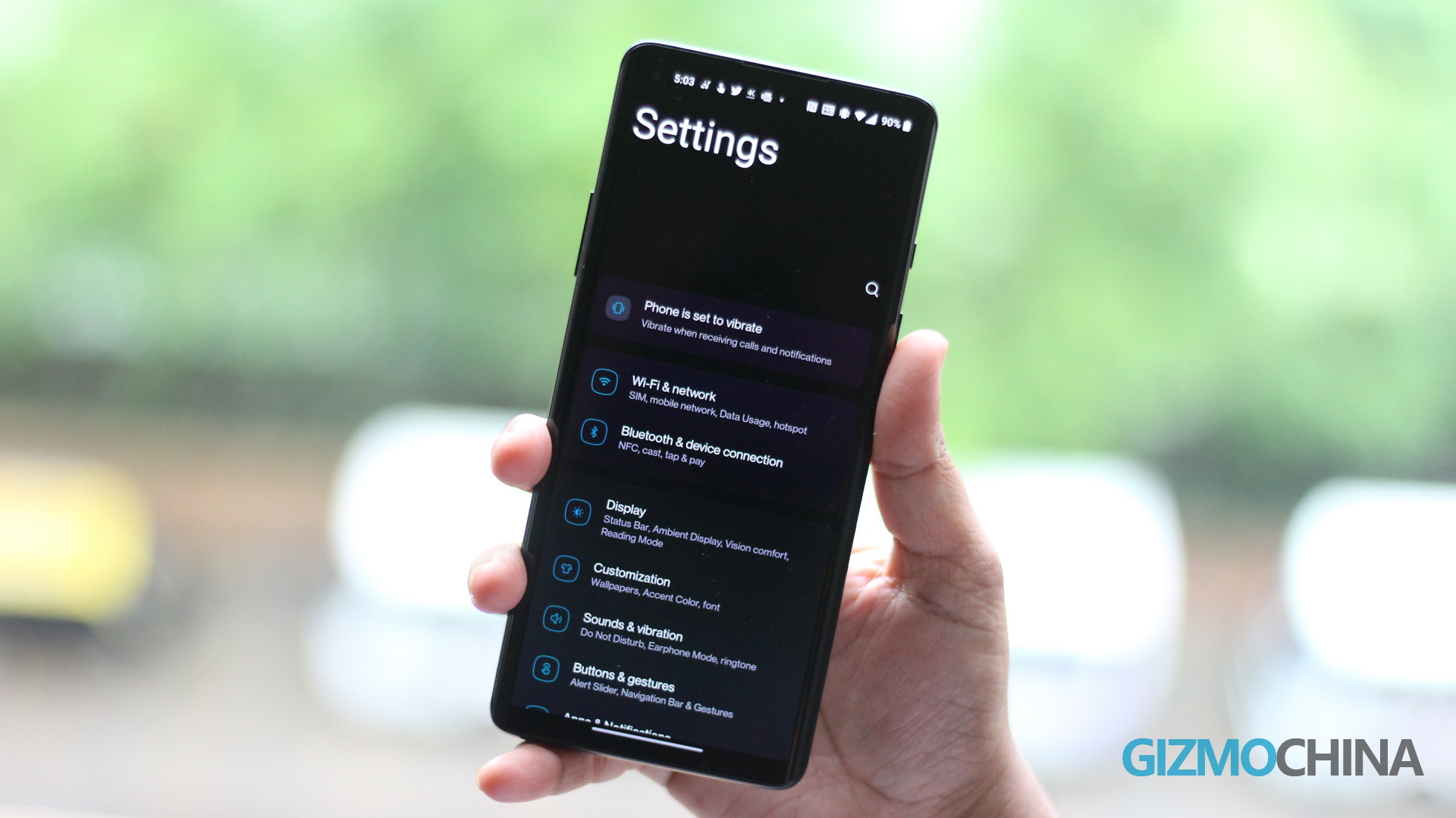
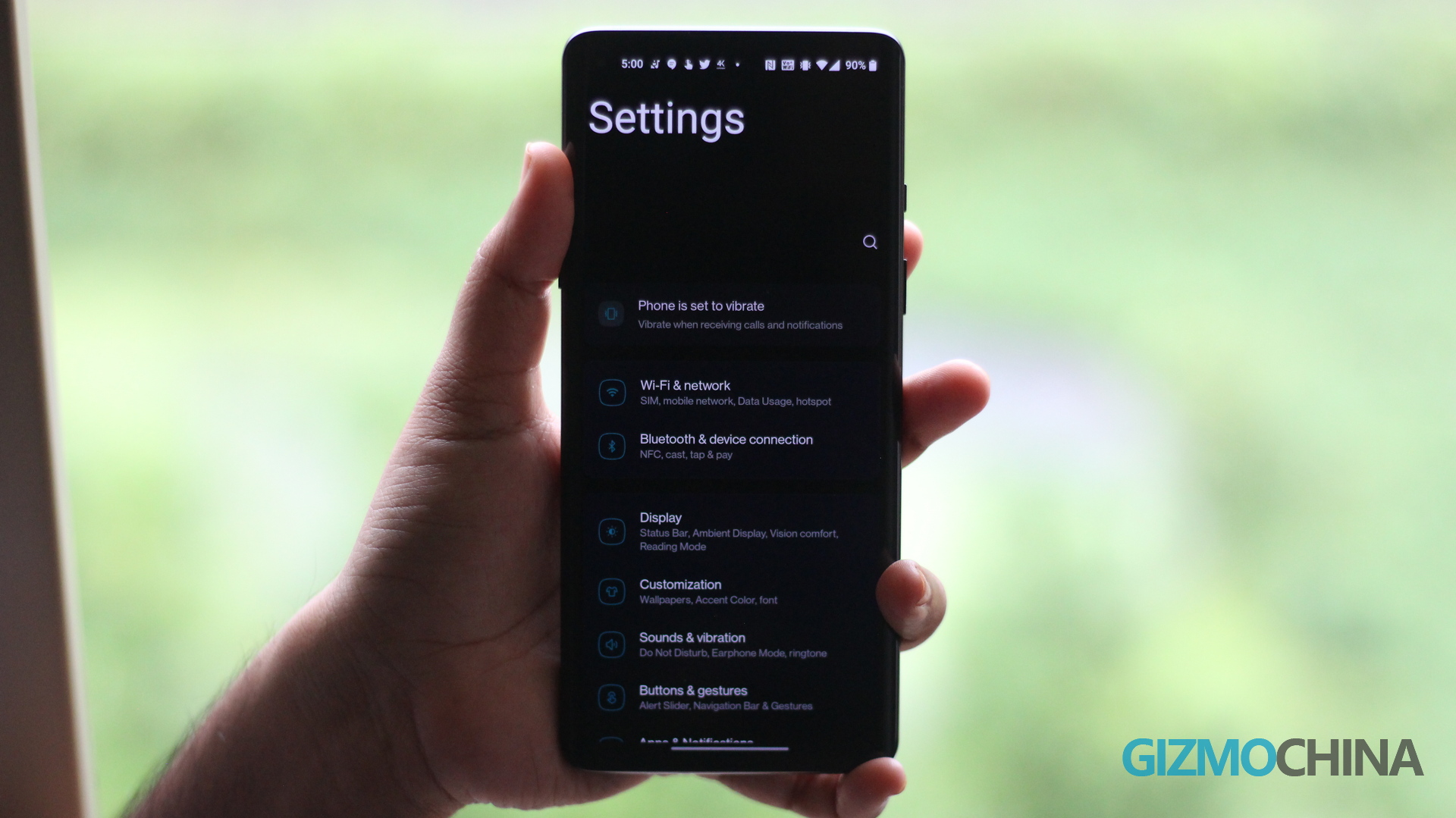
The large and bold app headers instantly reminded me of the now-extinct Windows Phone OS that ran on Nokia’s Lumia phones. Messaging, Contacts, and even the Settings menu get this new design. The content of these system apps has been brought down to the lower half of the screen. OnePlus says that this makes for better one-handed use. And as smartphone screens are getting larger every year, this redesign makes sense.

As someone who hasn’t used OneUI recently, I like the changes. Yes, it’s different from Stock Android. But different doesn’t necessarily mean worse. And this is coming from a Pixel user for the past two years.

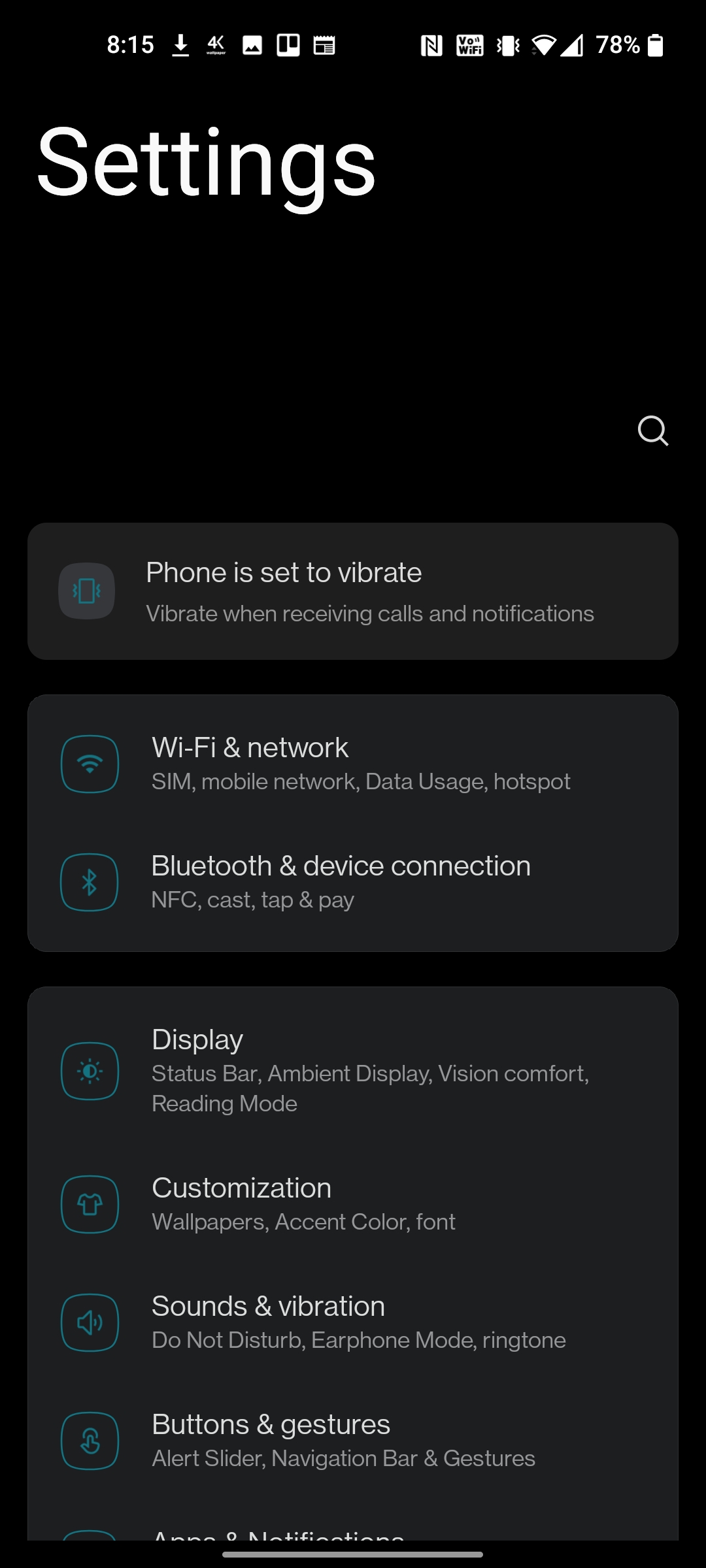
However, I’m not a fan of all the visual changes. For example, the settings menu looks pretty bland to me now. OnePlus has replaced all menu icons with minimalistic, mono-color icons. The monotone color scheme is too dull and boring for my taste.OxygenOS 11 Android 11 21
 

OnePlus Shelf gets a new position

OxygenOS 11 removes the Google Discover – OnePlus Shelf toggle from the leftmost pane on the home screen(previously found on the top right corner). The new build shows Google Discover by default on the left pane but includes an option in the launcher settings to activate OnePlus Shelf. So a downward swipe can bring up either OnePlus Shelf or Quick Settings/ Notifications panel.


Weather App is completely redesigned

The Weather App gets a new block design. All the important information is segregated in different blocks with a darker background that improves text visibility. It also has a new Sun tracking card that shows you the timings for sunrise and sunset.

You can swipe left or right to change cities.

The gallery gets a new stories feature too.
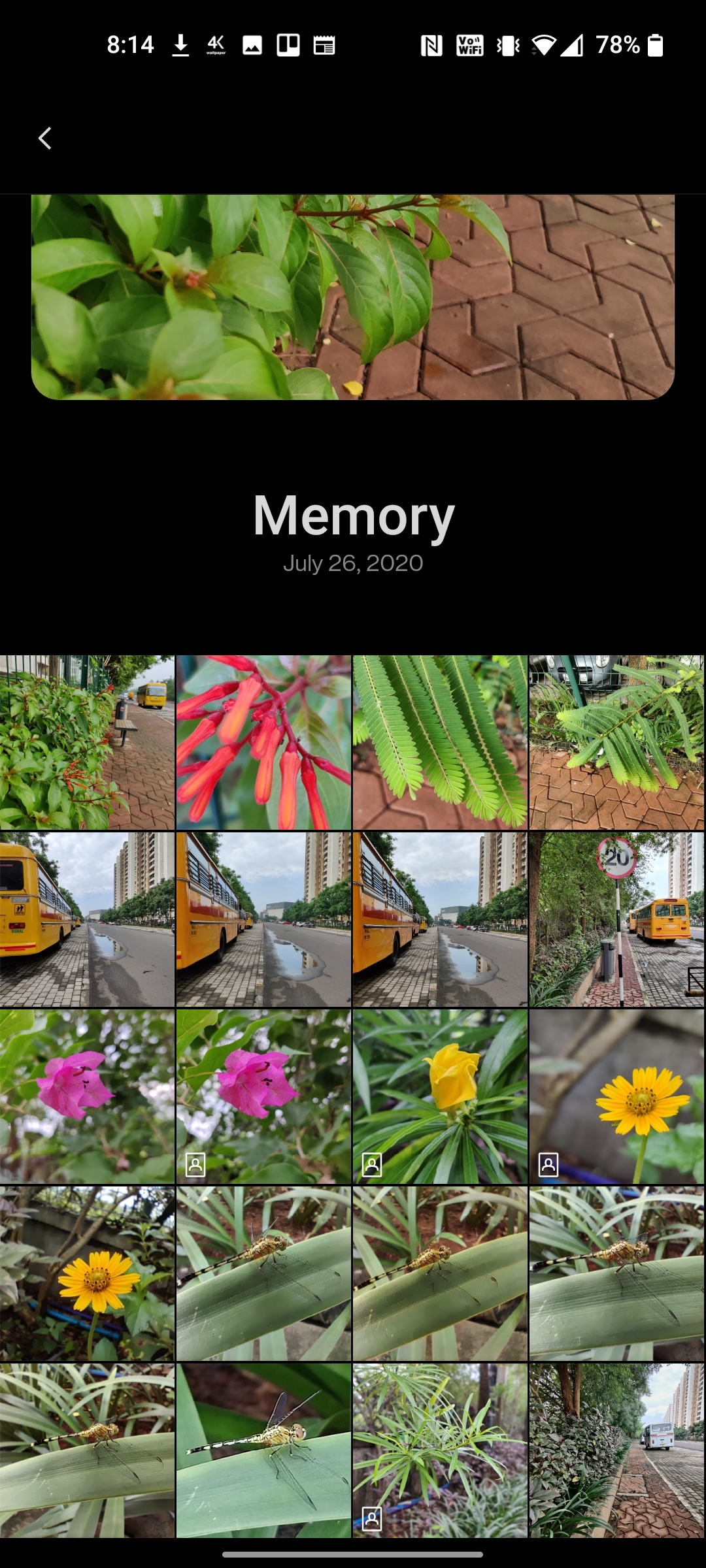
OxygenOS 11 Gallery Stories


Editor’s Pick: Xiaomi Mi 10 Ultra beats Huawei P40 Pro in Camera Performance with a DxOMark score of 130


OxygenOS 11: Dark Mode

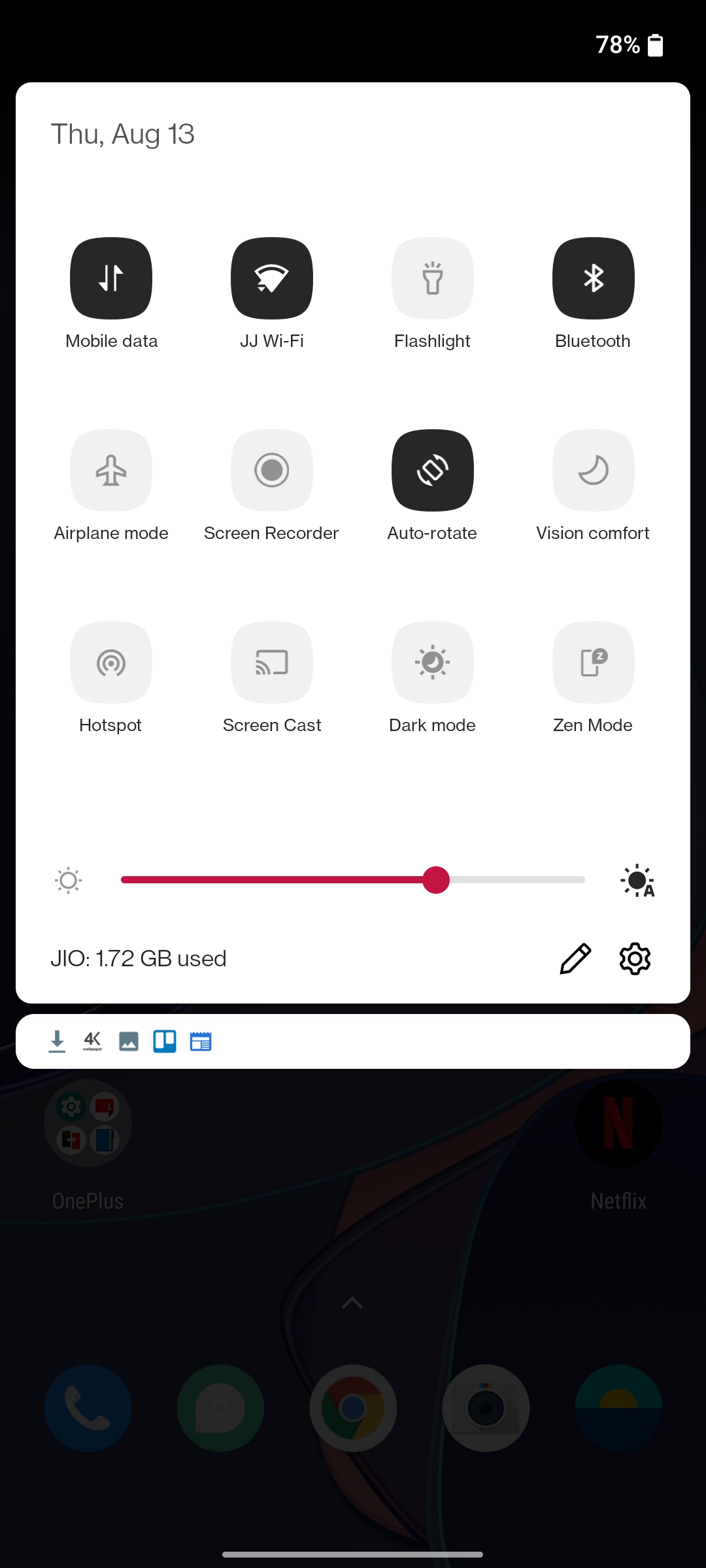
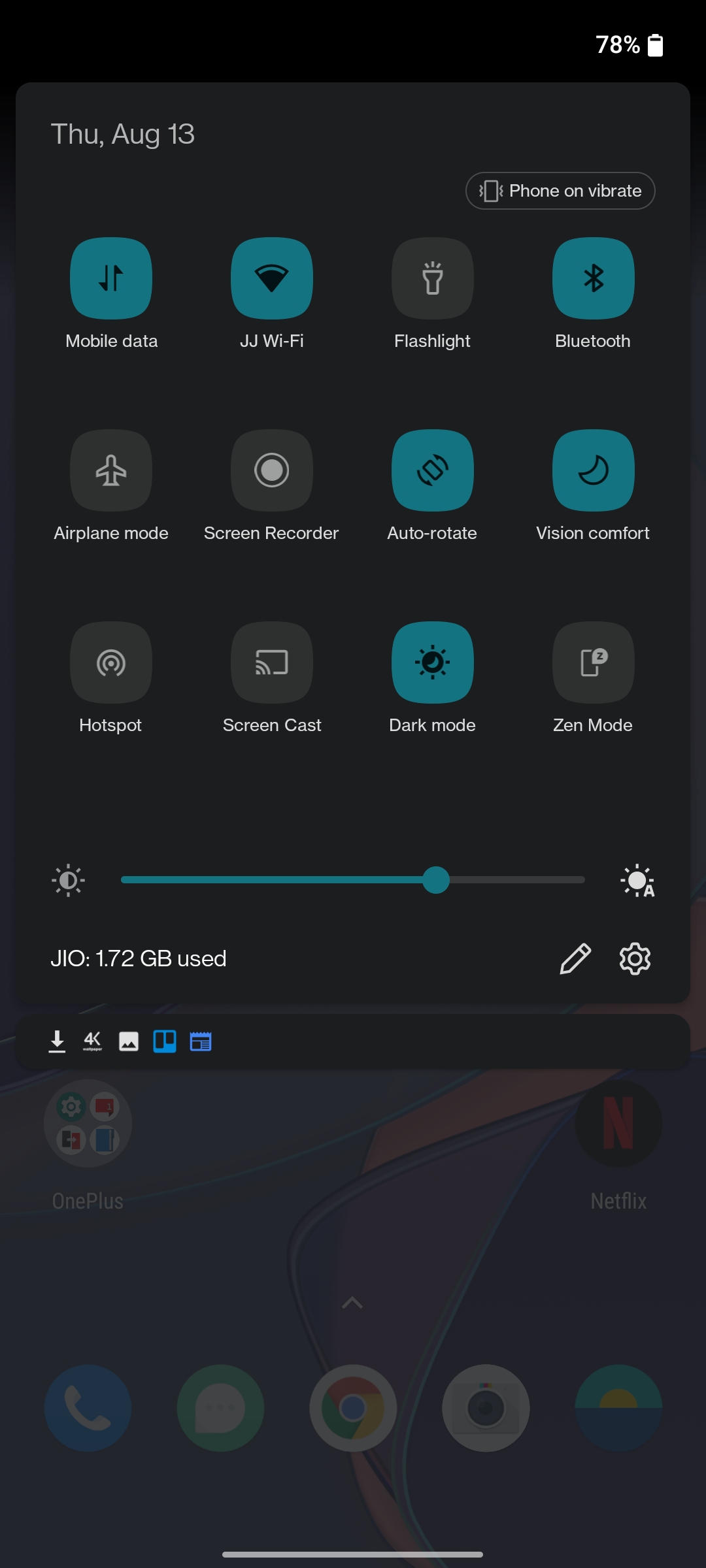
OnePlus already had a system-wide Dark mode in OxygenOS 10. However, in the latest version, the company has finally added the ‘Dark mode’ toggle in the quick settings.

If you don’t like the red accents in the dark mode (like me), know that you can easily change it from System>Customization>Accent Color. The accent color can be customized for light mode and dark mode respectively.
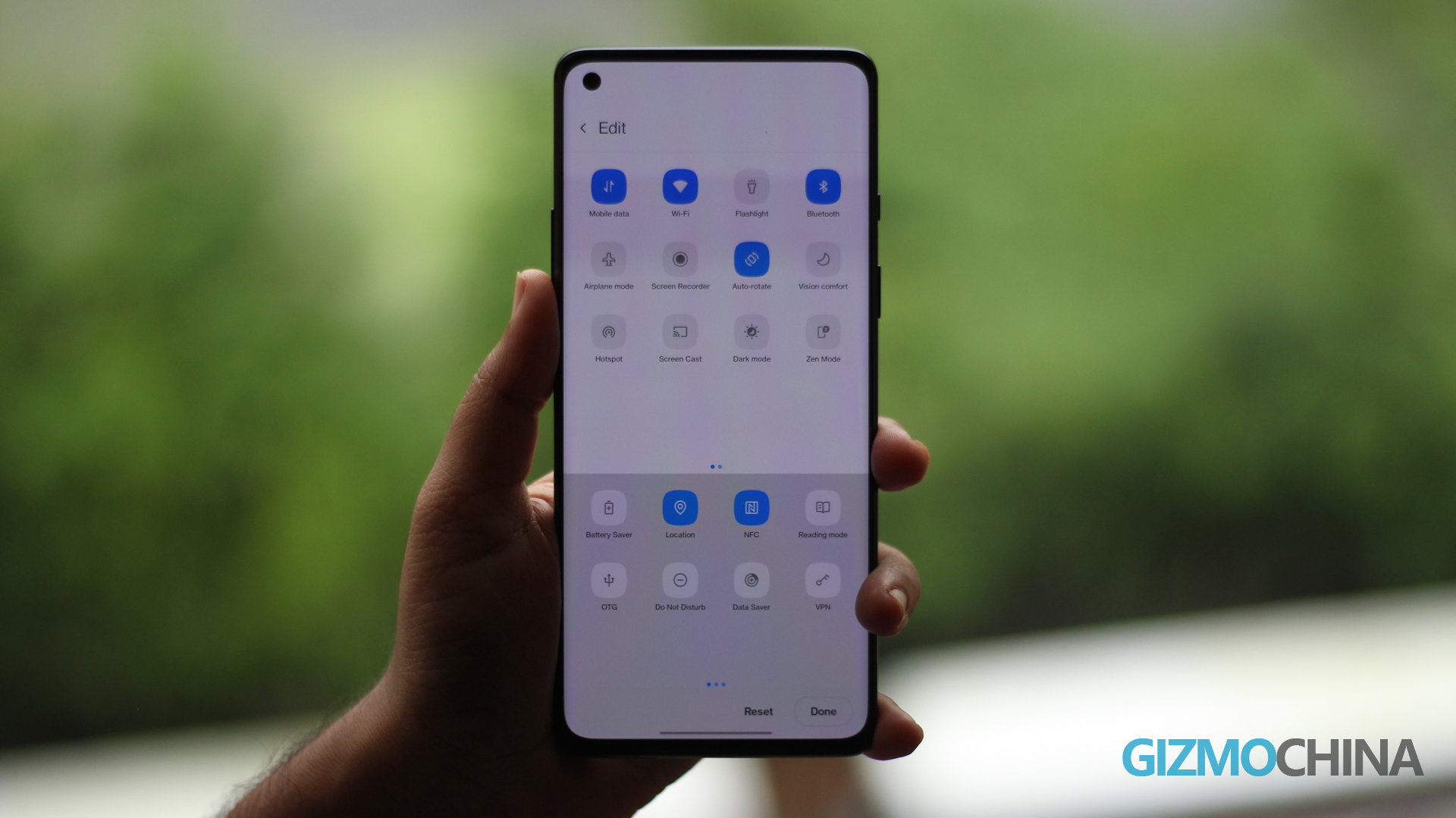
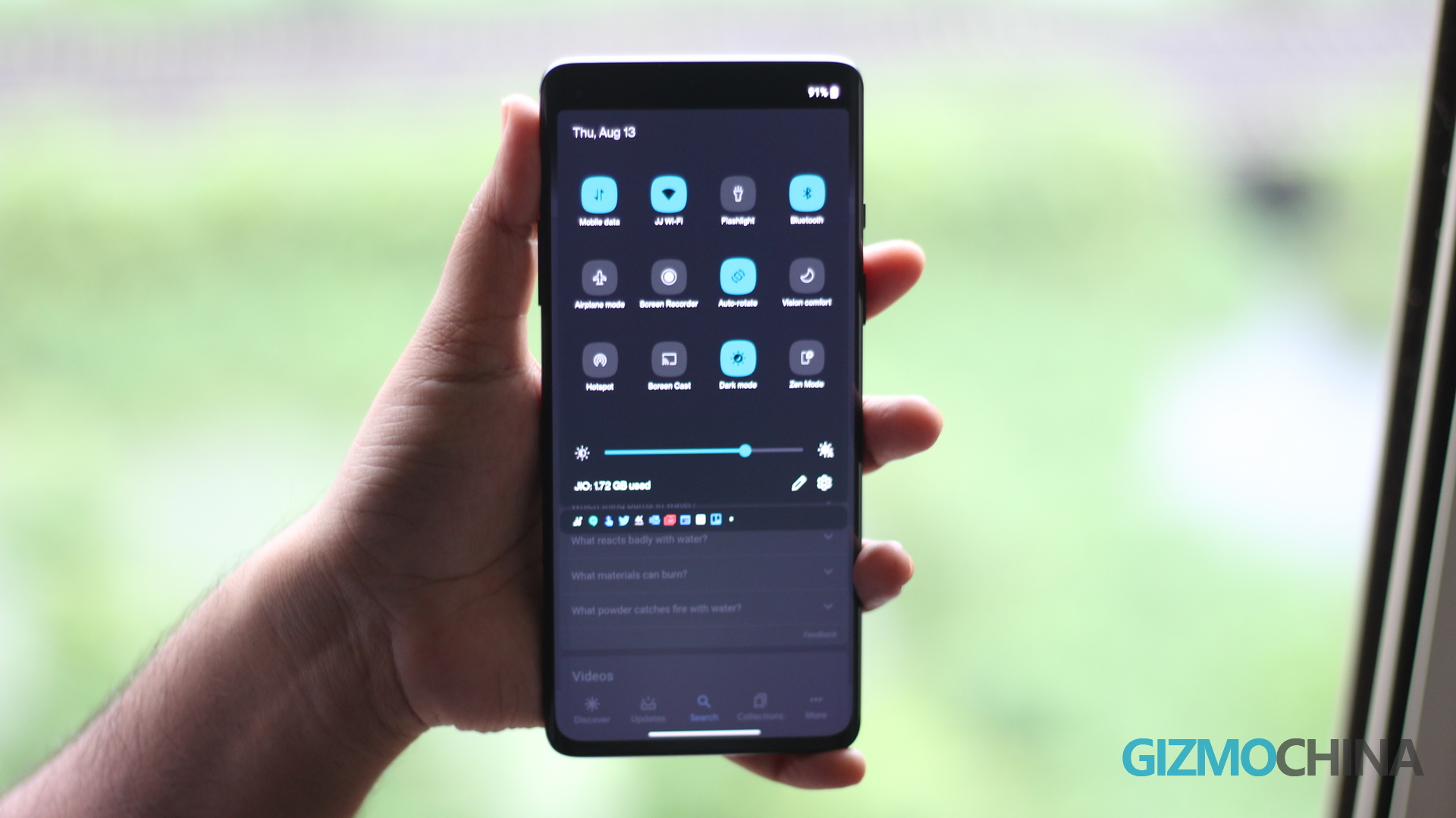
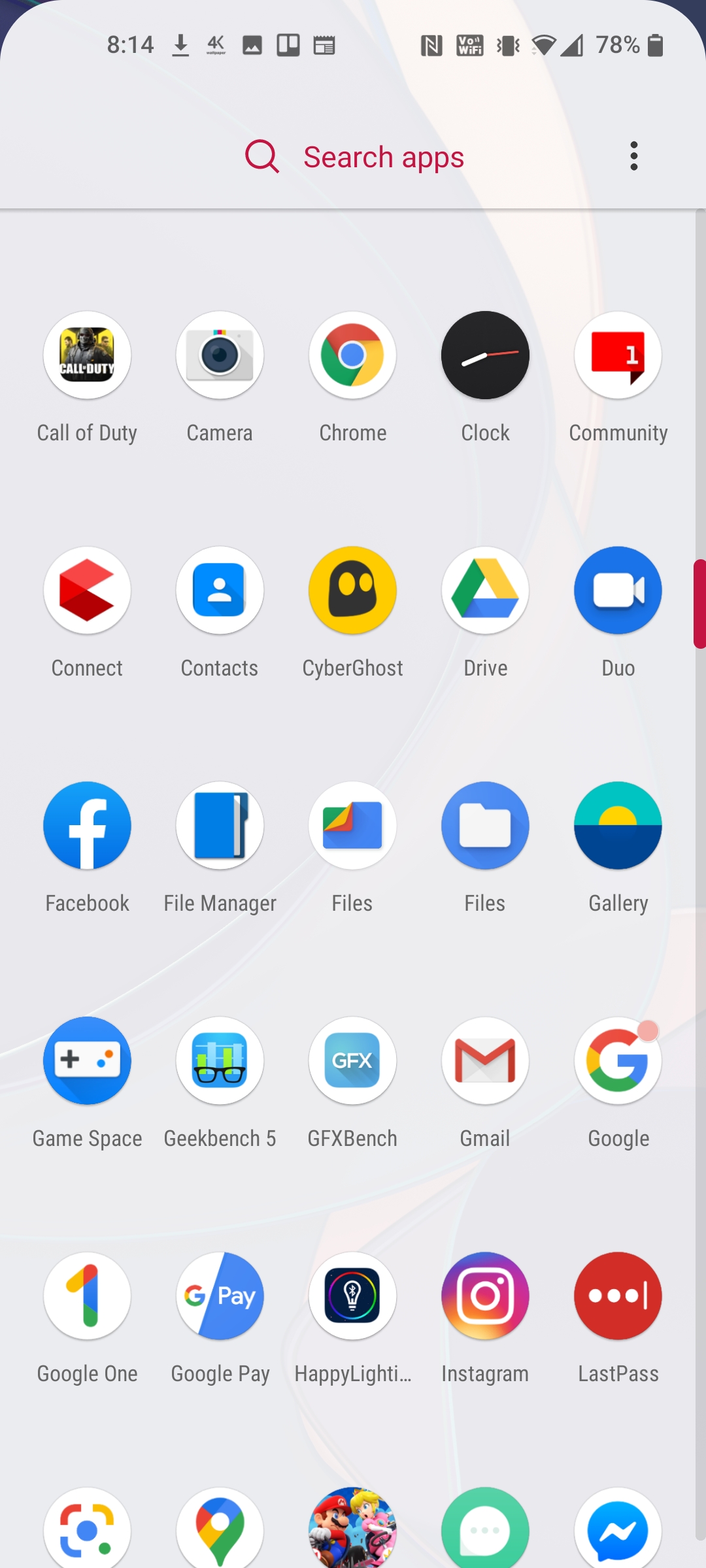
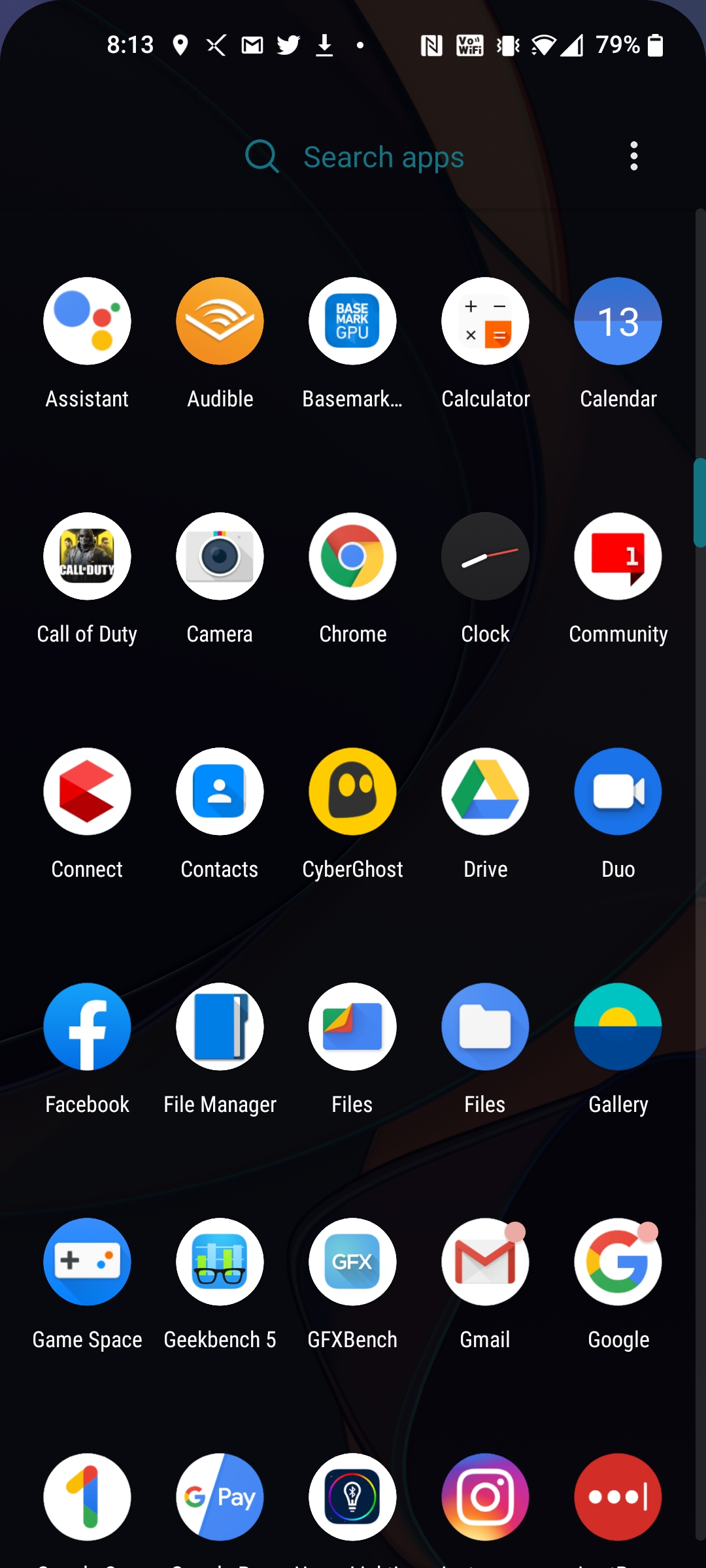
One complaint that I have is that the Dark mode is not really black in some areas. All OnePlus phones have AMOLED panels and it makes complete sense to leverage the deep blacks from their OLED panels. However, in some areas like the quick settings toggle and notifications, OnePlus’ dark mode isn’t really black. It’s rather dark grey. While in other places like the app drawer and system apps, you get deep blacks.
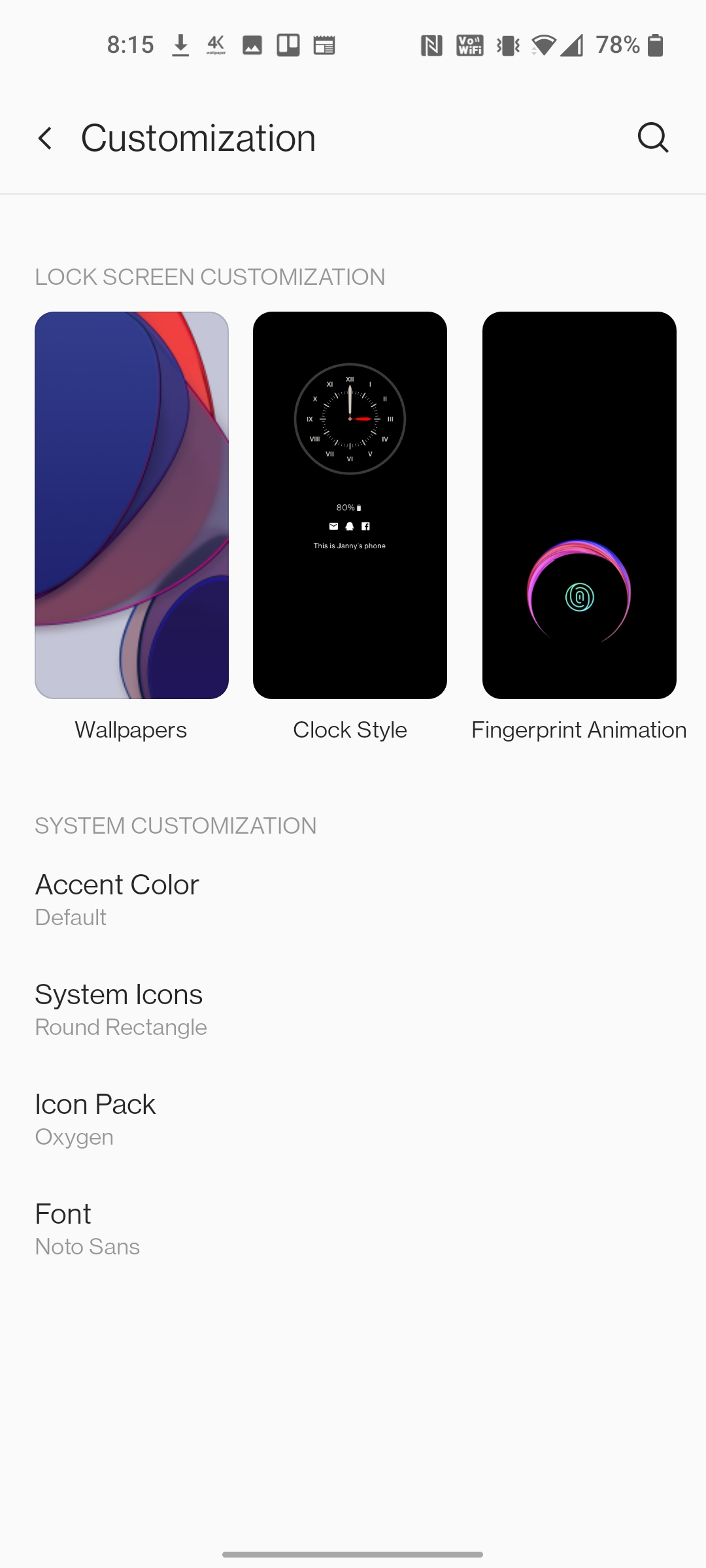
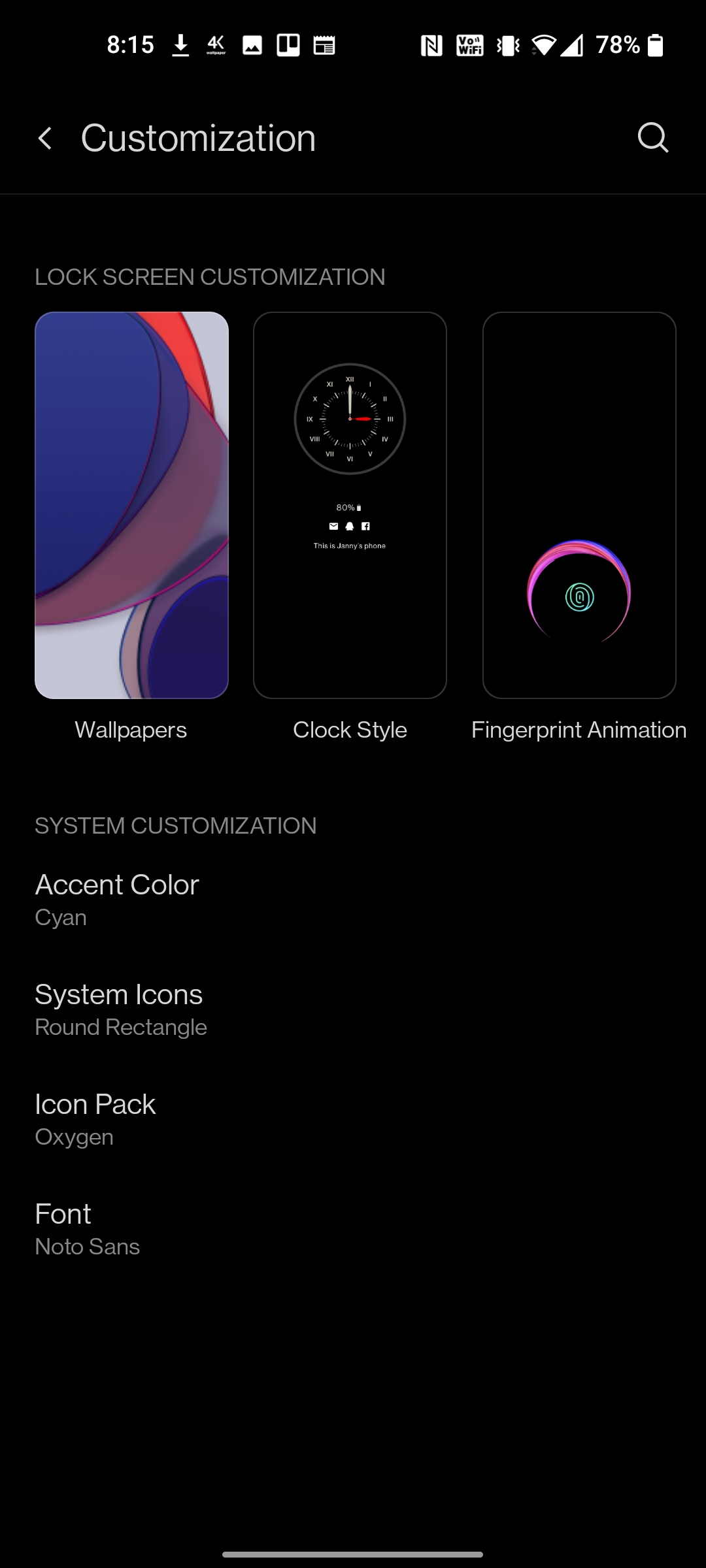
So the dark mode color scheme isn’t uniform across the UI. Hopefully, OnePlus will fix this in the upcoming builds.
OxygenOS 11 Android 11 22

Another subtle change is the renamed night mode. On OxygenOS 10.5, the quick settings panel had a night mode which was basically OnePlus’ eye protection mode. However, since the quick settings panel didn’t have a dark mode toggle, it would have been easy to confuse the night mode as the dark mode button.

OnePlus OxygenOS 11 Dark Mode

For ease of use, OnePlus has renamed the Night mode to Vision comfort which better explains its usage. Also, with a Dark mode toggle finally available in the quick setting panel, any potential confusion is avoided.


OxygenOS 11: Zen Mode

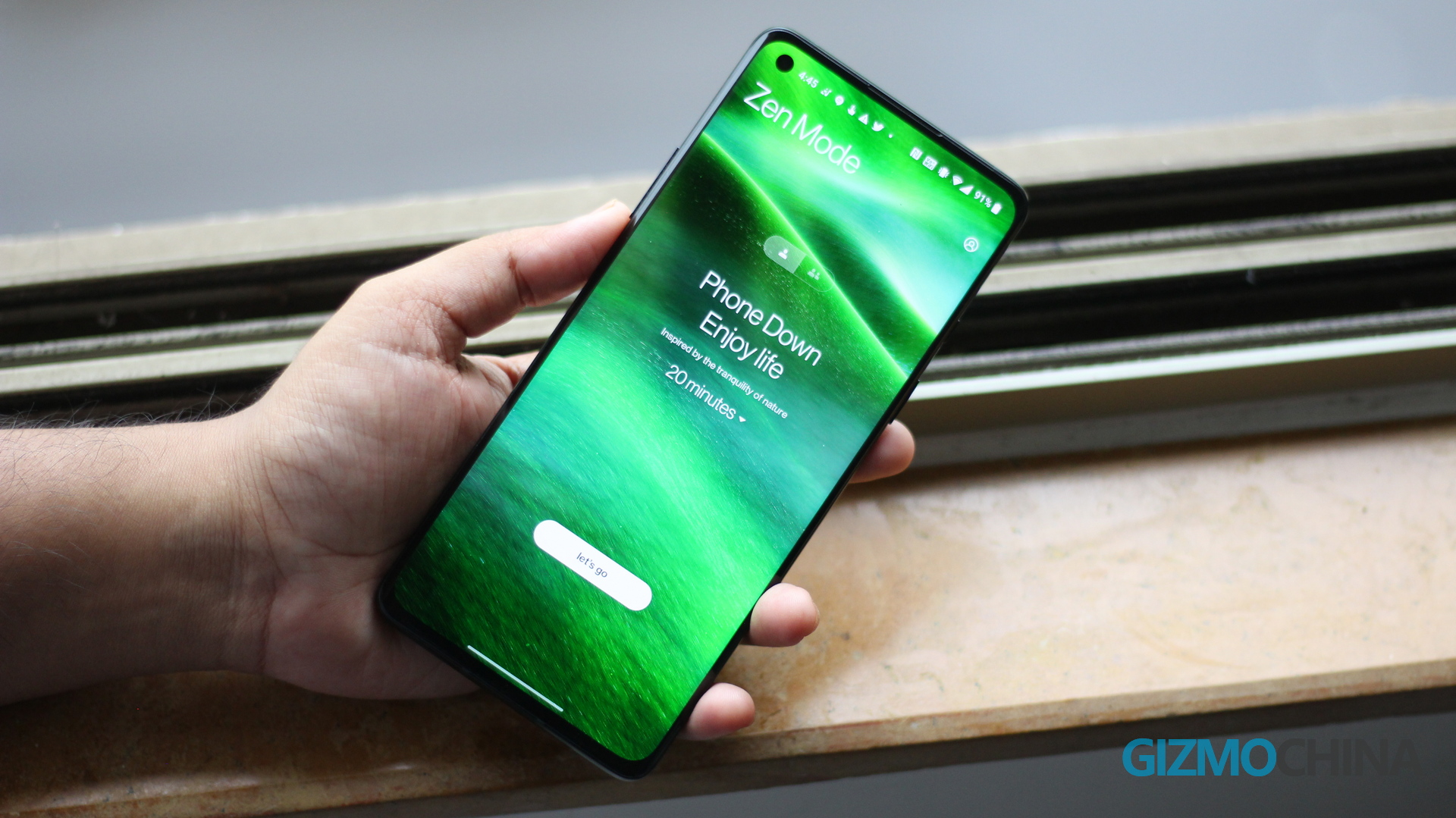
Zen mode gets a visual overhaul too. OnePlus has added three new themes for the app – Ocean, Nature, and the Universe. Zen Mode 2.0 gets new fonts and new time durations.
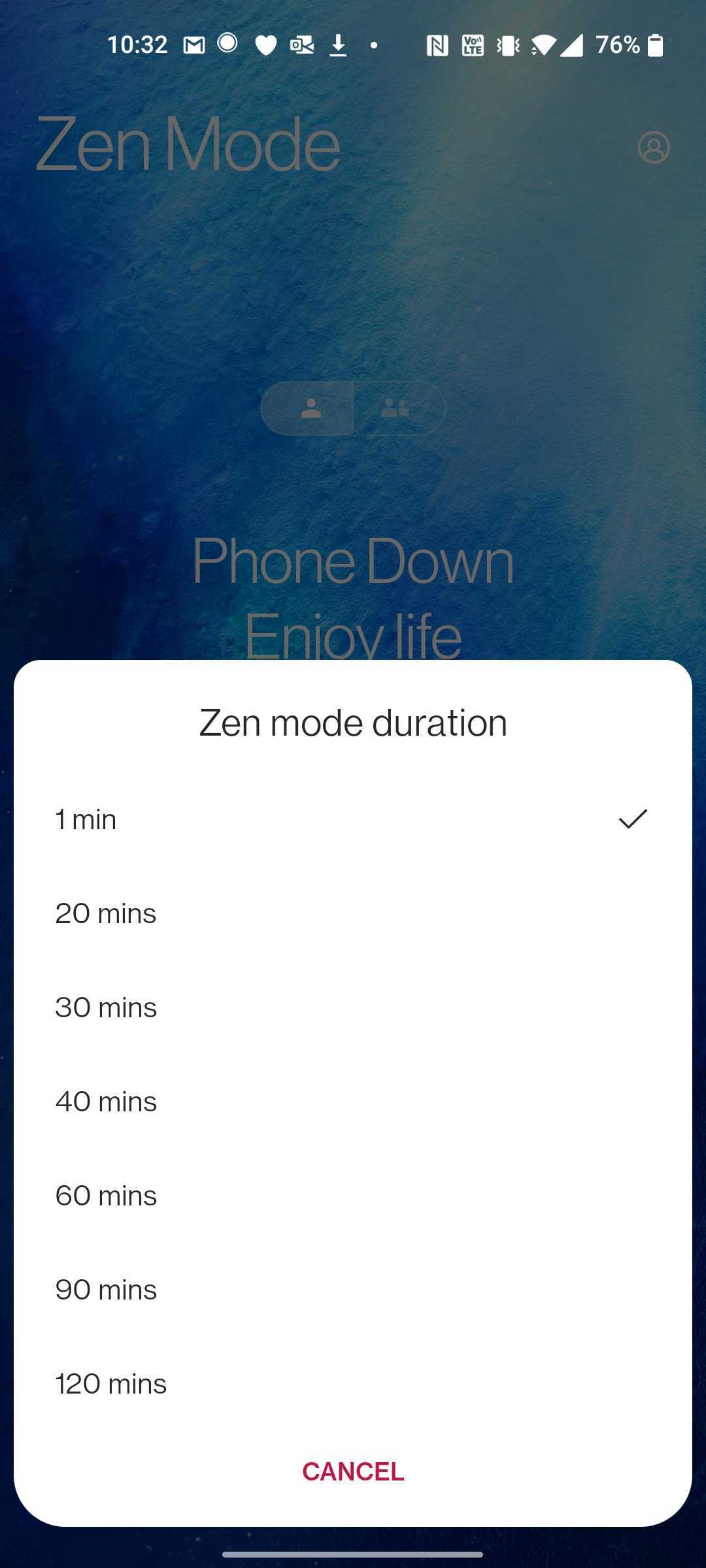
OxygenOS 11 Zen Mode 2 Time

But personally, I would have loved to see a slider that could adjust the number of minutes instead of adding a couple more fixed time periods.
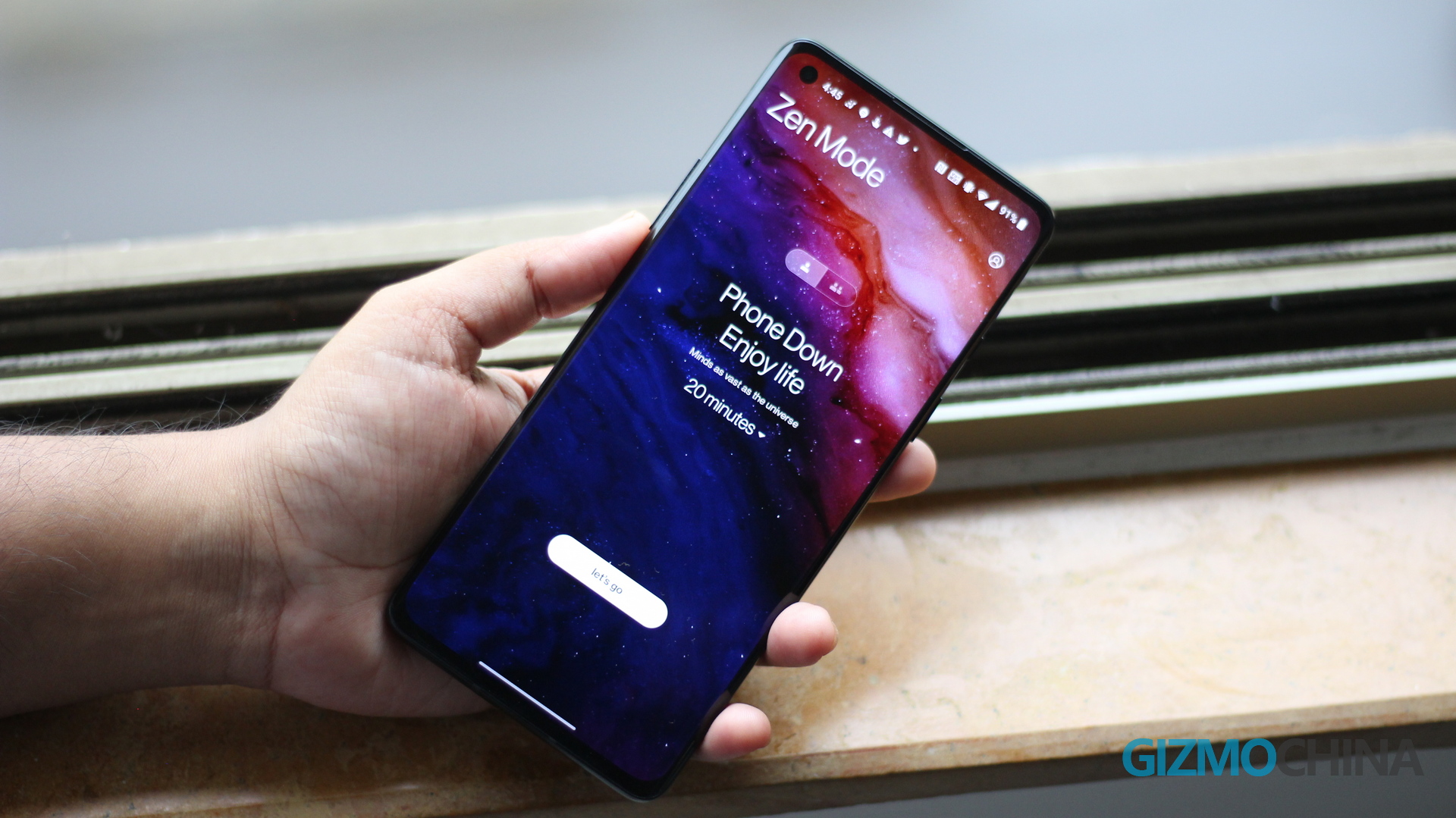
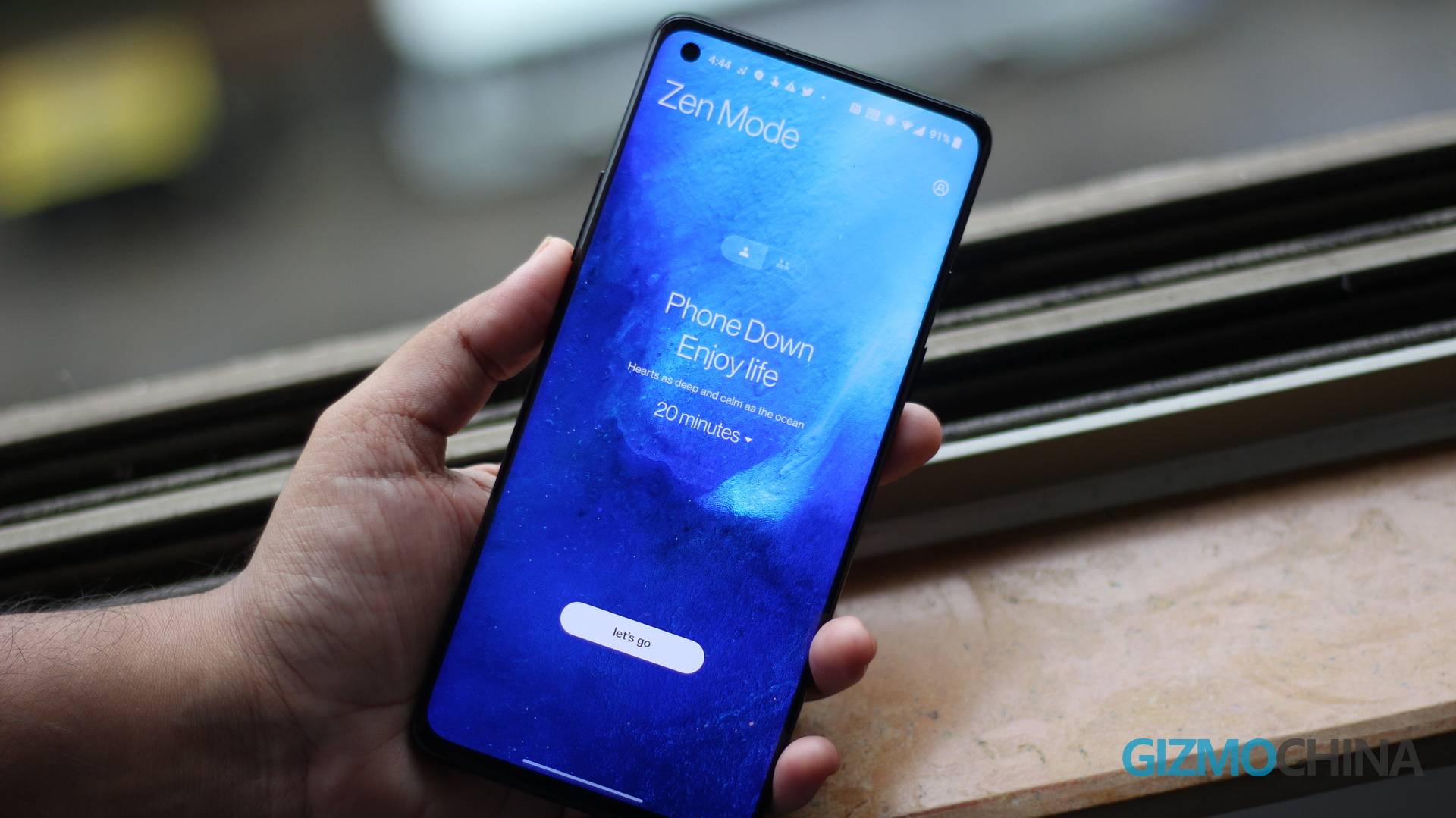
A major addition to the app is the new Group Zen Mode. You can create a room or join an existing one to enter Zen Mode in a group. I’m assuming this feature can come in handy when you are having dinner with your friends or family or participating in a short group activity. Non-OnePlus users can also enter Zen mode through an invite via their browser.
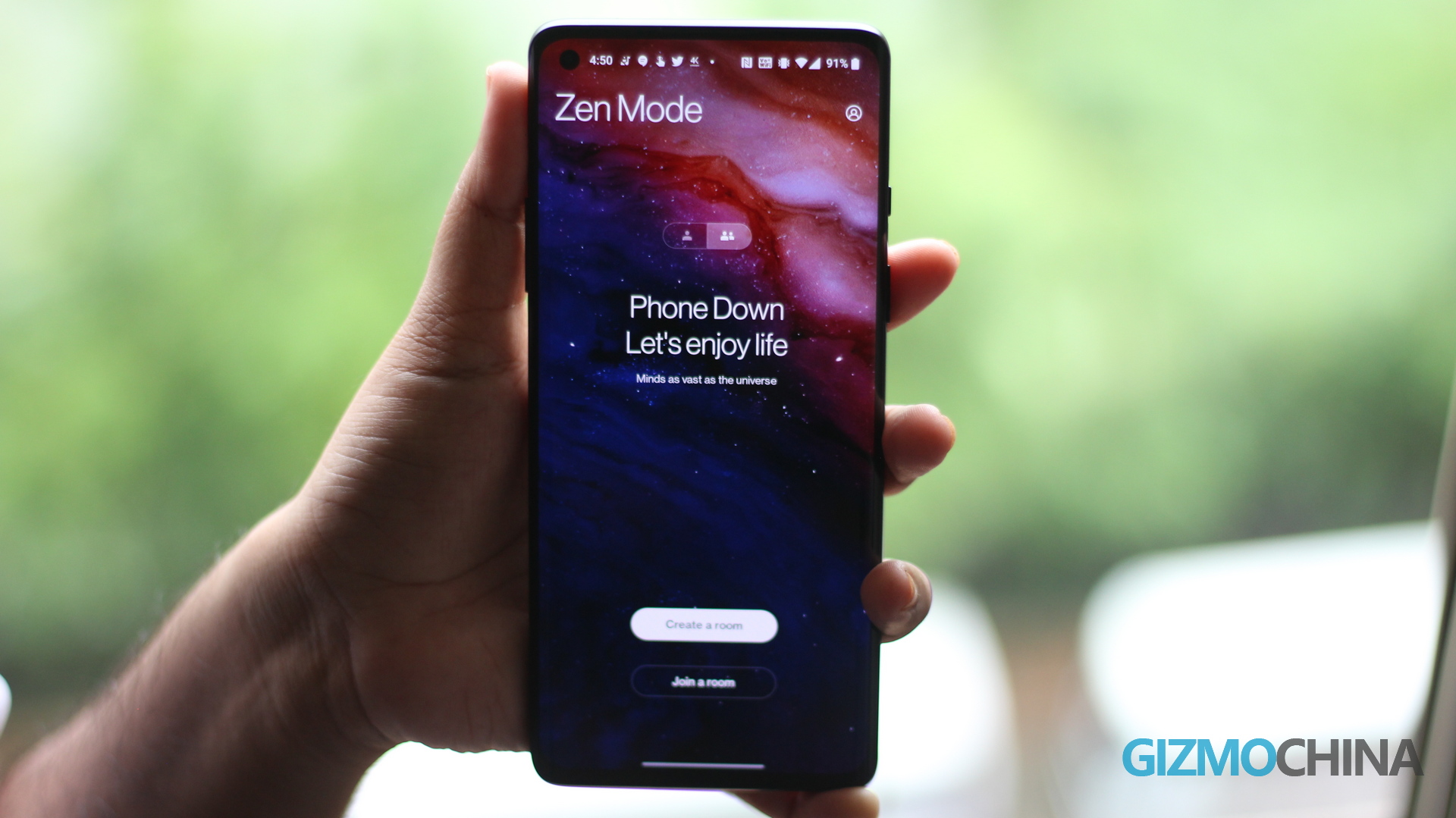
OxygenOS 11 Android 11 17

However, this group mode is only useful when you have a number of OnePlus users in your friend circle. The browser-based Zen mode for non-OnePlus users doesn’t block them from using the phone. So it’s more of a voluntary decision for them to not use the phone during this period.


OxygenOS 11 Hands-On: My Thoughts

OnePlus’ product strategy has become a lot more aggressive in the past few months. The company entered multiple new product categories like the TV market and the mid-range smartphone segment. This aggressive philosophy seems to have rubbed off on its software team as well.

The OxygenOS 11 is clearly the company’s boldest update to the OS yet. The stark deviation from its previous iterations shows that the company wants to distance itself from Stock Android UI.
 

OxygenOS 11 Android 11 22

Some of the changes are pretty useful. The addition of Always-on Ambient Display, New Dark Mode toggle in the quick settings panel, and redesigned system apps like messaging and contact aid for better user experience.

However, the non-uniform Dark mode and the bland systems menu design feels unpolished and boring. The new group mode in the Zen Mode app is also pretty useless if your friends and family are not a part of the OnePlus ecosystem.

To sum up, I like some of the changes on the OxygenOS 11. It’s practical and useful. But there’s definitely room for improvement in the design. And in the short term, it won’t be easy convincing OnePlus fans to accept this sudden change, many of whom love the pure and clean look of vanilla Android. Moreover, OxygenOS 11’s resemblance to OneUI doesn’t help its cause either.

What do you think?


New teaser hints at the iQOO 5 launching in India

The iQOO 5 will be announced on August 17. The flagship will come with support for 120W fast charging just like the Mi 10 Ultra that was announced a few days ago. However, while Xiaomi’s new flagship will not be launching in India, iQOO may be bringing its own to the Indian market.

The official iQOO India account shared a tweet earlier today that hints at the launch of the iQOO 5 in the country.

The iQOO 5 will have a curved display with a punch hole at the top left corner of the screen. The display is a Samsung panel with a 120Hz refresh rate. The phone will also have a Snapdragon 865 processor, LPDDR5 RAM, and UFS 3.1 storage. There will also be an iQOO 5 Pro with triple rear cameras which includes a periscope zoom lens but we are not sure this will be announced in India.

iQOO announced the iQOO 3 in India earlier this year but has not announced any other smartphone afterward. It announced a few mid-range phones in China such as the iQOO Z1x 5G and the iQOO U1 but they are yet to launch in India.


Microsoft confirms three years of Android and security updates for Surface Duo

Yesterday, Microsoft revealed the price and availability of Surface Duo. This dual-screen device was first unveiled in October 2019 and was supposed to go on sale in Holiday 2020. But the company is releasing it earlier than expected. Also, earlier today, the firm confirmed three years of Android and security updates to multiple publications.

Microsoft Surface Duo Featured

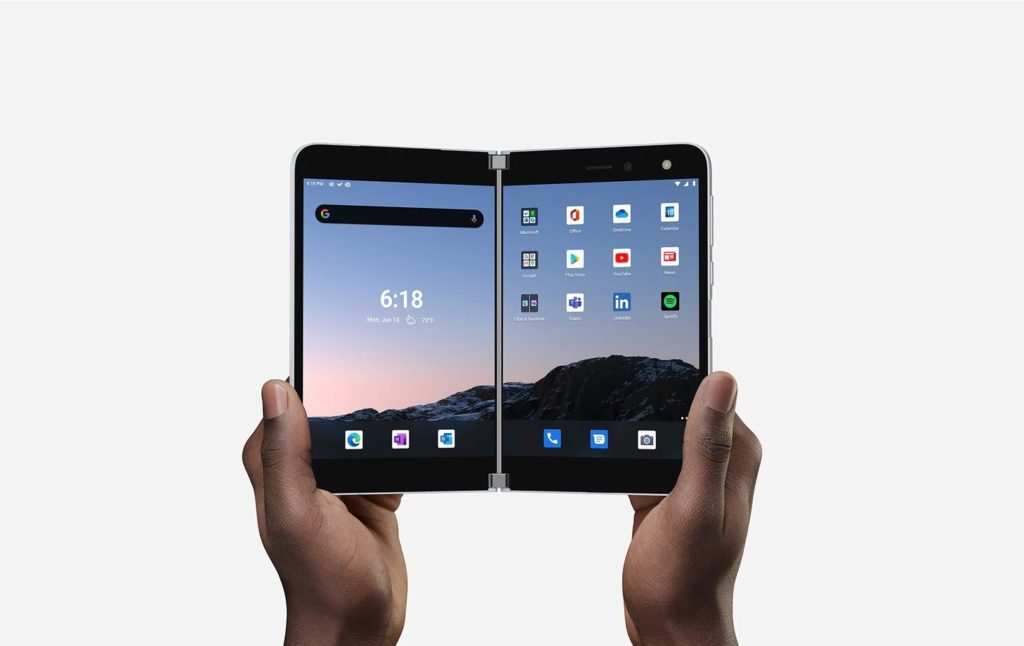
The Surface Duo is Microsoft’s first-ever self-developed Android device. It is also one of the unique dual-screen productivity machines in the market, in addition to being pricey at $1,399.

To justify its purpose and price tag, Microsoft confirms to provide three years of Android and security updates. However, it did not mention anything about the frequency of updates. But what’s more interesting is the Redmont-based company will also allow bootloader unlocking.

That means with proper third-party development, users can try out a wide variety of mods, kernels, and custom ROMs. Anyway, it is worth noting that its price can avoid Android enthusiasts and developers to invest in it.

Further, Microsoft did not reveal regarding warranty after bootloader unlock. But as XDA notes, it will mostly void warranty and it’s normal anyway.

That said, the Surface Duo is limited to the US and is already up for pre-order in the country with shipping commencing from September 10.


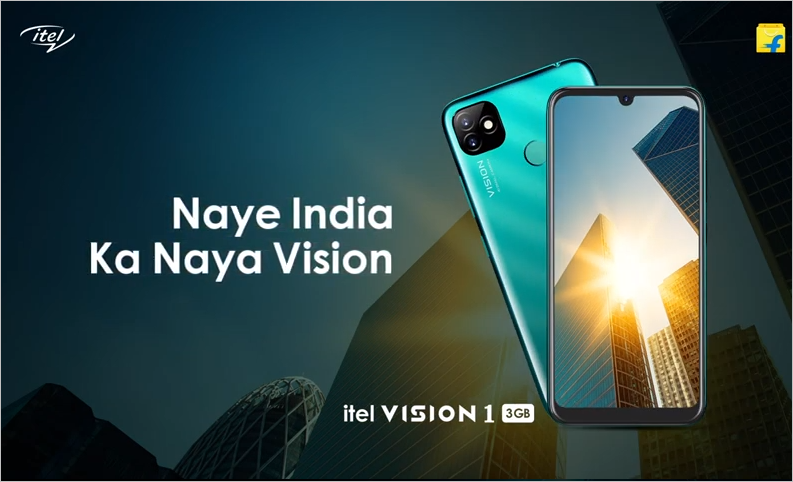
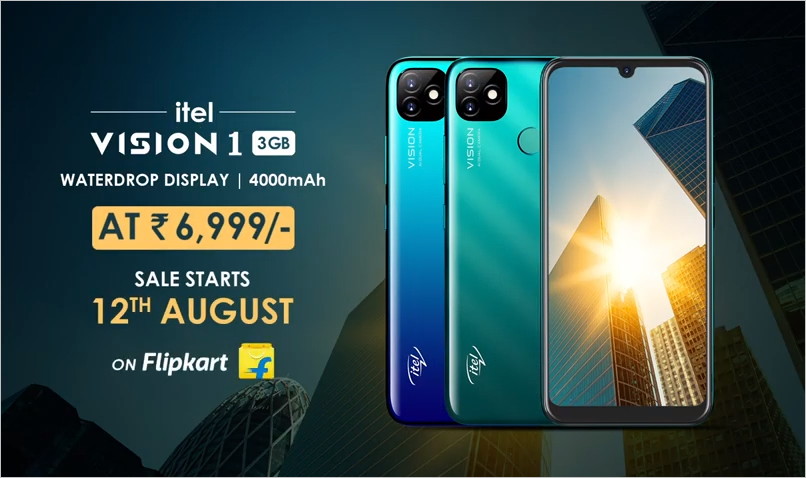
Itel Vision 1 with a 4000mAH battery launched in India priced at Rs. 6999 (~$93)

Transsion Holdings is popularly known for the Infinix brand also operates the Tecno and Itel brands. The Chinese company has now launched a new Itel branded model dubbed Itel Vision 1 in India. The model is an affordable phone which is consistent with Itel’s market strategy.Itel Vision 1

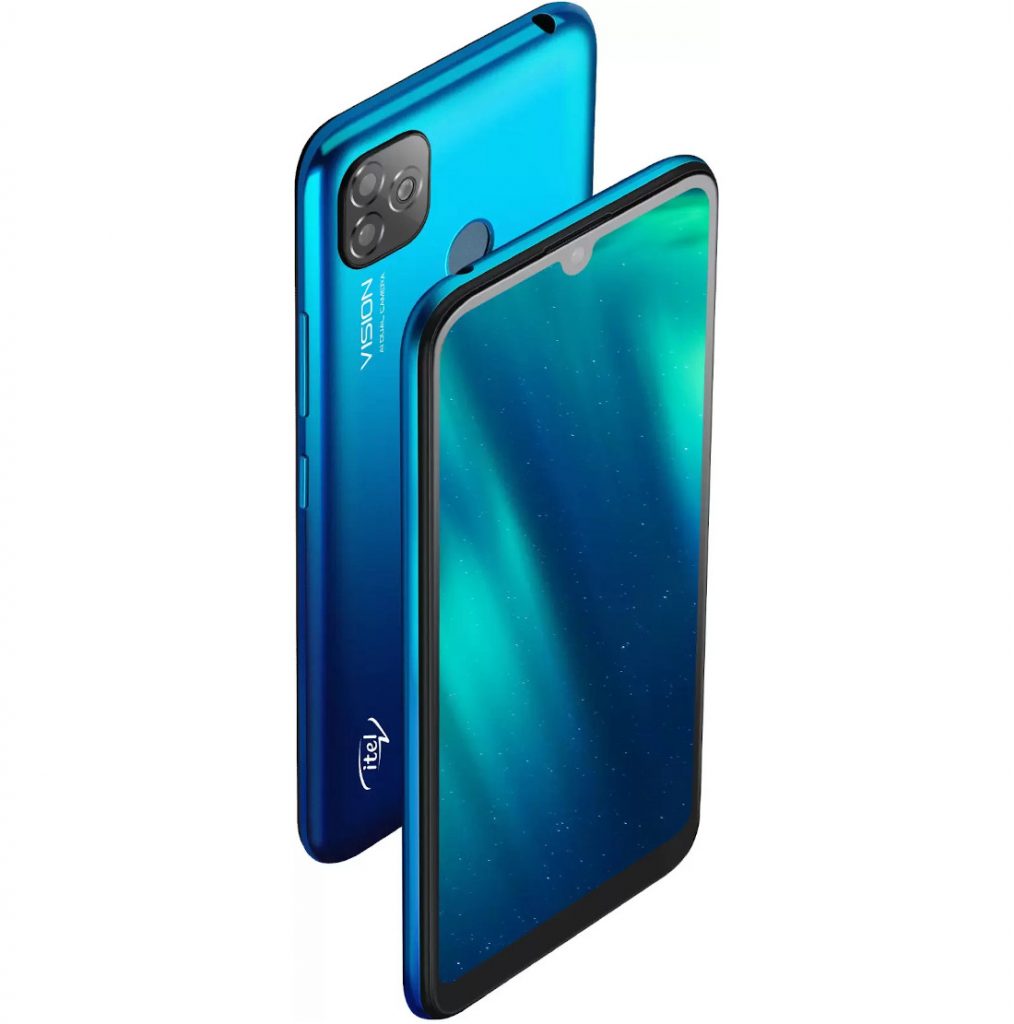
Despite being a cheap phone, the Vision 1 packs a decent hardware configuration that isn’t really disappointing. In terms of the design, the device adopts a U-shaped notch design at the top of the display but the bezel is still noticeable. The rear design includes a square-shaped camera module located at the upper left corner of the phone. The camera module houses a dual-camera setup as well as an LED flash. The phone also has a fingerprint sensor at the back. Itel Vision 1

Specs-wise, the Itel Vision 1 sports a 6.088-inch HD+ display with 19.5:9 aspect ratio and 500 nits brightness.  It is powered by an Octa-core Unisoc SC9863A processor clocked at 1.6GHz and bundled with an IMG8322 GPU. The processor is paired with 3GB of RAM while there is 32GB of storage onboard. The storage can be expanded up to 128GB via microSD card.Itel Vision 1

For photography, the vanilla Vision 1 packs an 8MP main camera at the rear teaming up with a 0.3MP depth sensor. For selfies, there is a 5MP front camera with f/2.0 aperture. The Itel Vision 1 runs on Android 9.0 Pie out of the box and packs a 4000mAh removable battery.

The phone is available in Green and Blue colours and carries a price tag of Rs. 6999 (~$93). It will go on sale from August 18 on Flipkart.

LG Q92 full spec sheet leaks: punch-hole display, Snapdragon 765G, and a 4000mAh battery

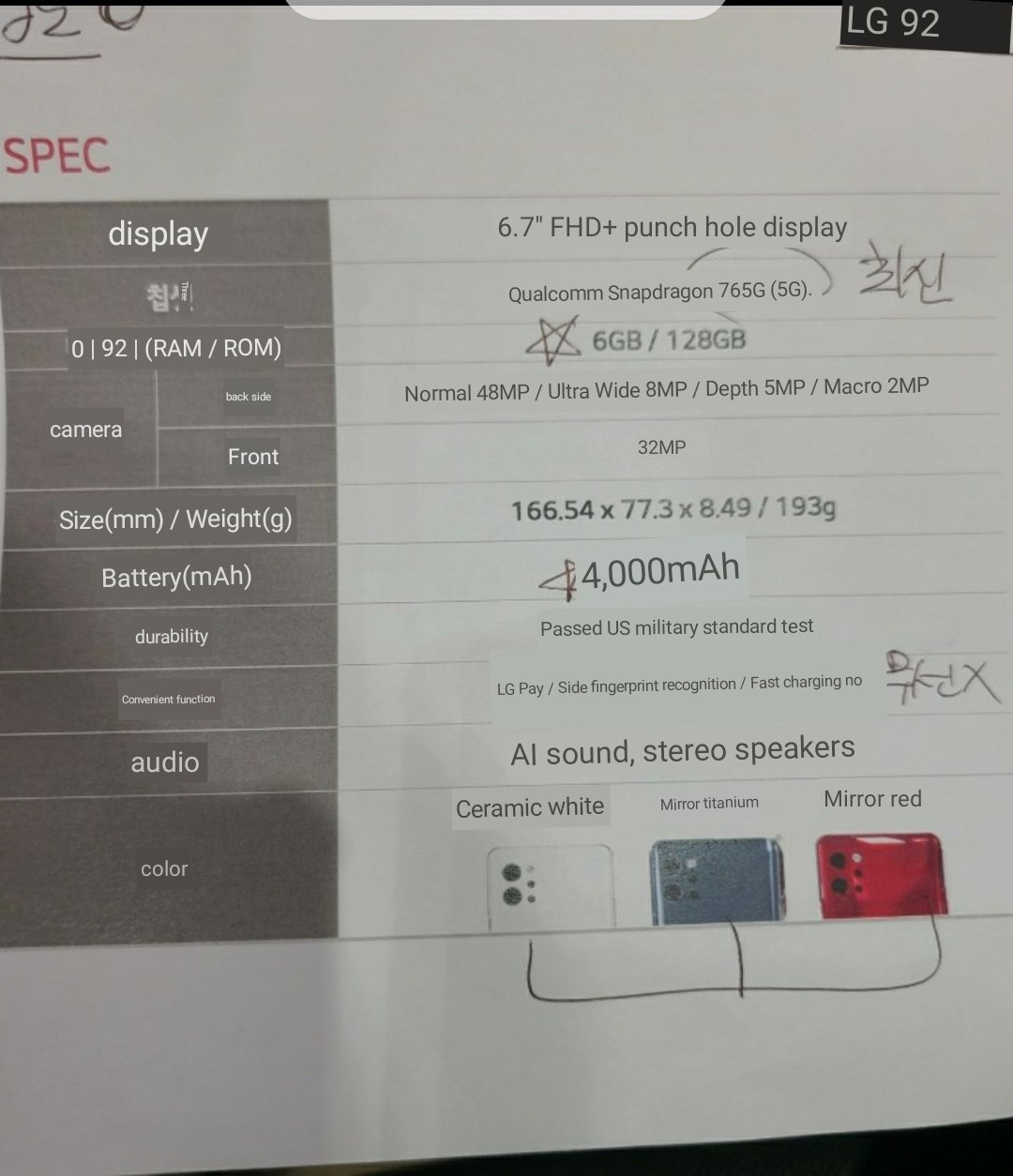
The LG Q92 is an upcoming 5G smartphone from the Korean tech giant. The device is expected to be a more affordable version of the LG Velvet 5G. Ahead of its release, the specs of the device have been leaked.

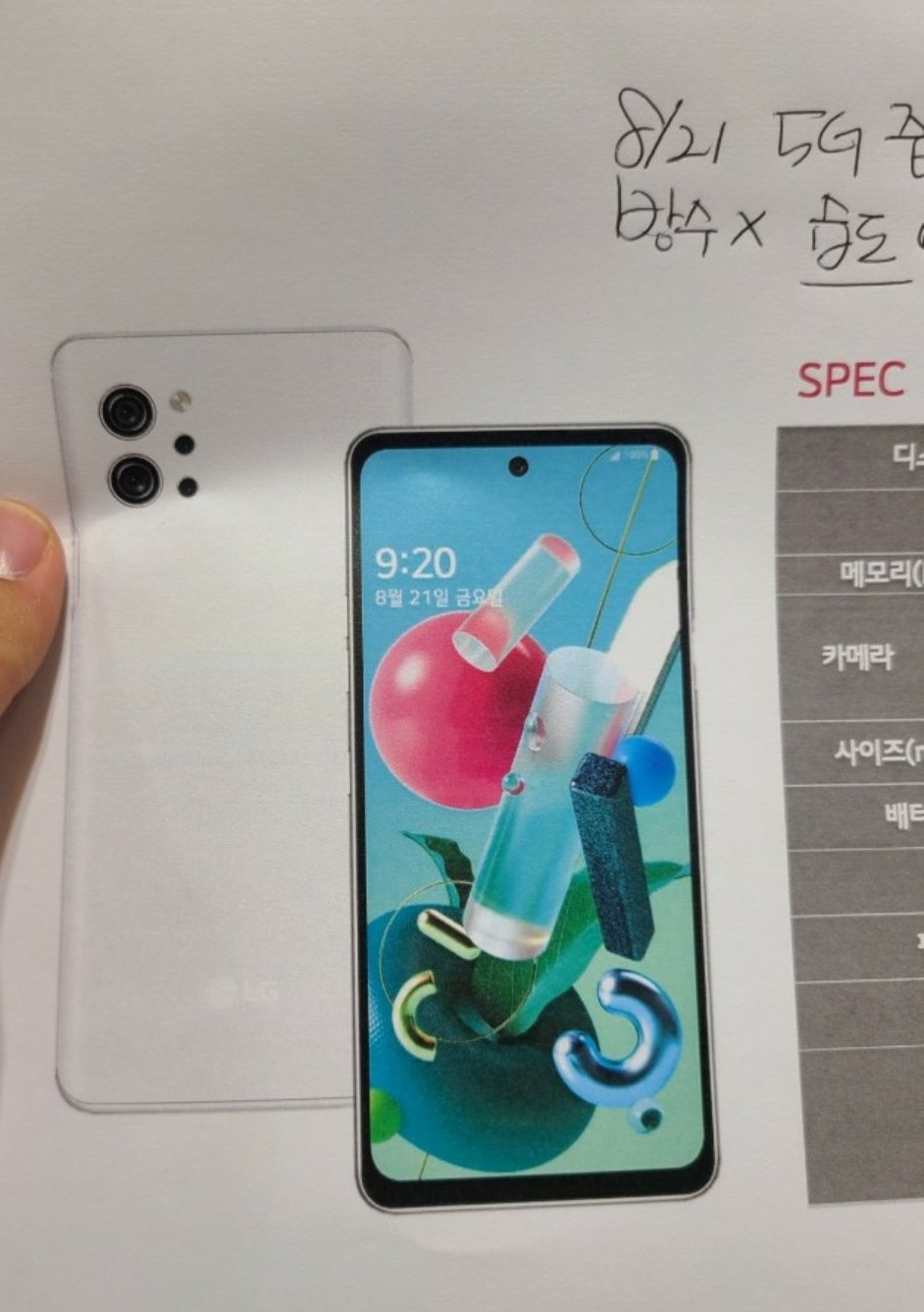
The leaker, Abhishek Yadav (@yabhishekhd) shared images of a specification sheet of the device on Twitter that bares it all with respect to its features as well as design.

Starting with the design of the phone, LG has adopted a flat LCD display with a punch hole in the middle of the upper part for the selfie camera. The device doesn’t have the slimmest bezels on a phone. The back is curved and home to four rear cameras with a distinct appearance. There are two large sensors and they are flanked on the right by two smaller ones and the LED flash. LG will make the available in three colors – Ceramic White, Mirror Titanium, and Mirror Red.

Coming to the specs, the LG Q92 has a 6.7-inch FHD+ punch-hole display. The hole is home to a 32MP sensor for selfies and video calls. There is a Snapdragon 765G processor under the hood and it is paired with 6GB of RAM and 128GB of storage.

The four rear cameras are made up of a 48MP primary camera, an 8MP ultrawide-angle camera, a 5MP depth sensor, and a 2MP macro camera. There is a side-mounted fingerprint scanner, support for LG Pay which means it has NFC, and the 4000mAh battery has support for Fast Charging.

The LG Q92 also has stereo speakers and a feature called AI sound. It has passed the US military standard test which means it is MIL-STD-810 certified. The phone weighs 193 grams and measures 166.54 x 77.3 x 8.49 millimeters. Although the spec sheet doesn’t say, it should run Android 10 out of the box.

LG is yet to announce a launch date but we expect it to be this month. It should launch first in its home country before making its way to other markets.


CaseCrawler is a robotic case which moves your phone to the nearest charging cradle

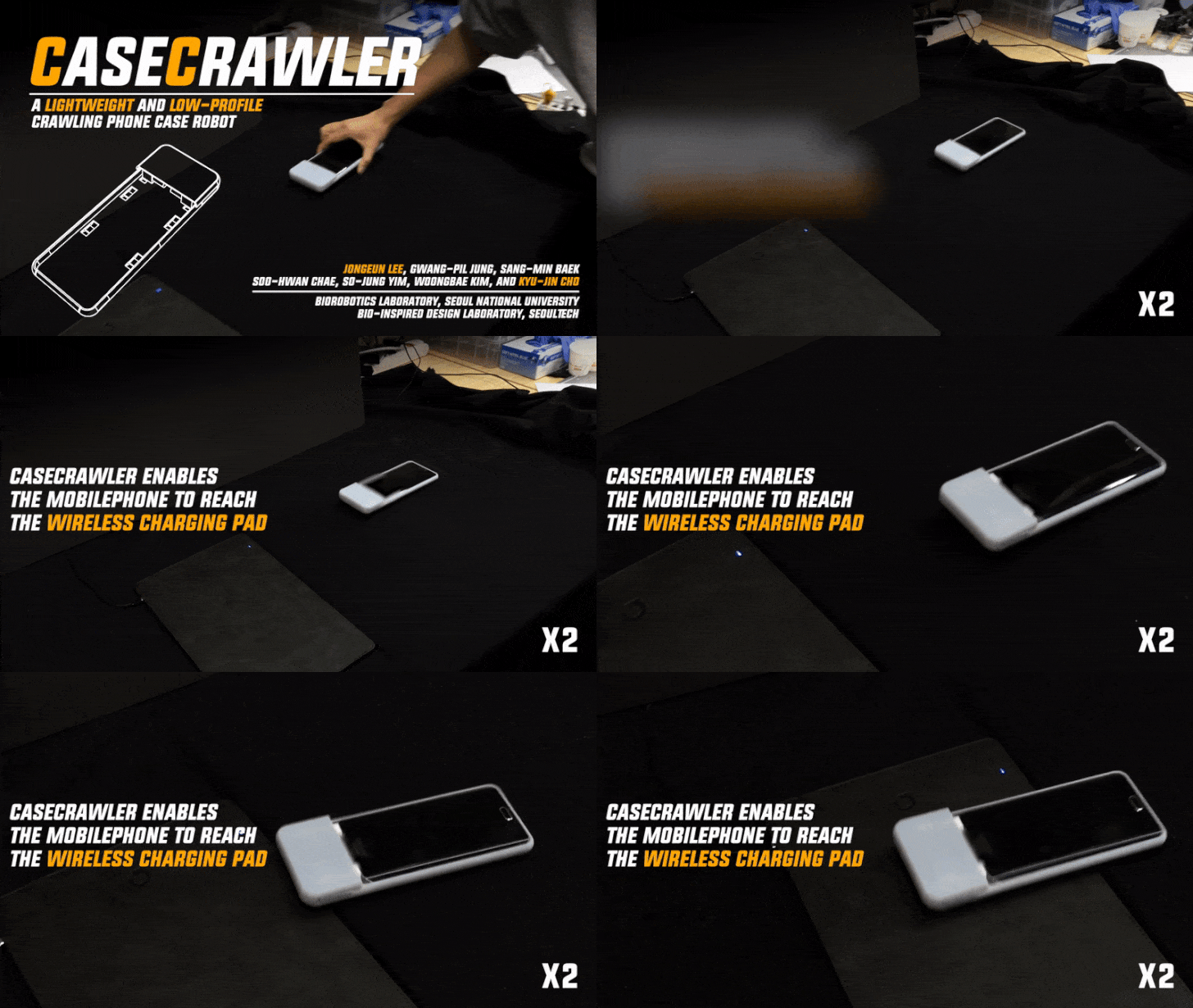
A team of researchers from South Korea have developed a crawling smartphone case that makes the phone literally crawl to the nearest wireless charging cradle.

The gadget dubbed CaseCrawler is equipped with tiny “legs” that are not so visible to the eyes even when they are moving. When the legs are not in use, they fold up, leaving your phone’s back flat. The CaseCrawler’s movement isn’t really smooth but it is impressive to see such a robotic mechanism put into play for an easy but important task such as charging your phone.

The robot which is built inside the case is said to be capable of lifting a load of more than 300g. It weighs 22.7g which is 13 times less than what it can lift. The robot also has a thickness of only 16mm. The thickness and weight increase after it is fully integrated into the case.

The CaseCrawler won’t be available any time soon since is still in the research phase. There is no timeline for its release year.  The research team hinted that in the future, if “the appropriate sensing and control functions” are provided, the robot will even be able to find and return to its owner once the phone is charged.

Already there is the possibility of over-the-air wireless charging arriving in the near future. Such tech will render this robot almost useless. Till then,we’ll wait and see when this product will be pushed out.


Xiaomi Smart Factory in Beijing has begun operations

Xiaomi held an event on August 11 to launch its 10th-anniversary special products. At the conference, Lei Jun, the company’s co-founder and CEO confirmed that its “Smart Factory” in Yizhuang, Beijing has begun operations. In fact, the newly unveiled Mi 10 Ultra smartphone is manufactured there.

Back in November 2019, Lei Jun revealed that Xiaomi is building a Smart Factory powered by 5G and AI (Artificial Intelligence). Now, nine months later, the company confirms the facility to be operational.

This factory, with an area of 18,600 square meters, is equipped with a “fully automated production line spanning processes from production management to machine processing, packaging and storage”. It is capable of producing over 1 million smartphones a year.

Xiaomi has dedicated this facility to manufacture high-end premium smartphones. Additionally, the factory will be also used for testing cutting edge materials, technologies, and manufacturing process, as well as, for pre-research projects, and automation equipment R&D.

Currently, the company only produces Mi 10 Ultra Transparent Edition in its new Smart Factory. But we expect the number of models to increase with the introduction of new premium handsets in the coming quarters.

That said, Xiaomi’s CEO also disclosed that the next phase of Smart Factory will be around three years later.


(Via)

Samsung unveils the Galaxy Note 20 series, Galaxy Watch 3, and Galaxy Buds Live in China

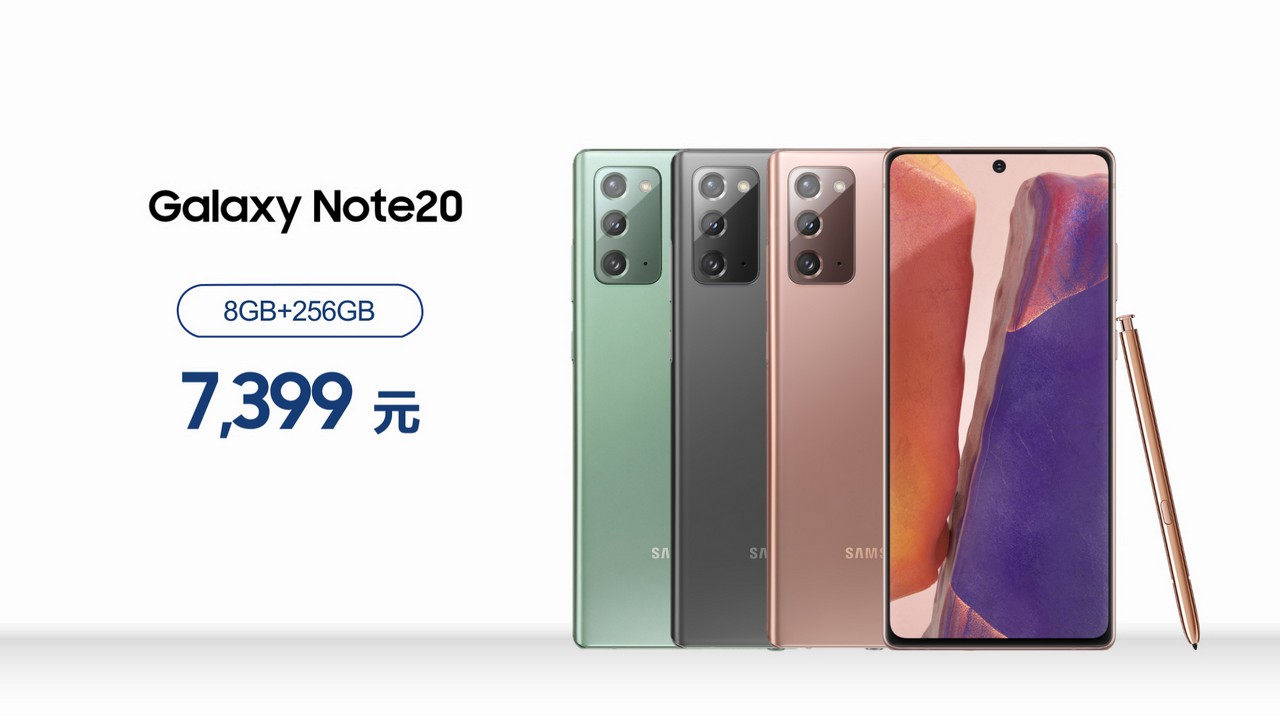
Today, Samsung officially unveiled the Galaxy Note 20 5G and Galaxy Note 20 Ultra 5G in China. The new smartphones will go on sale starting on August 28.

The Galaxy Note 20 5G comes in a single configuration like the international variant but it has 8GB of RAM and 256GB of storage, unlike the US version that has 128GB of storage. The phone is priced at ¥7,399 (~$1065) which is ~$65 higher than the 128GB version sold in the US.

Galaxy Note 20 China Price

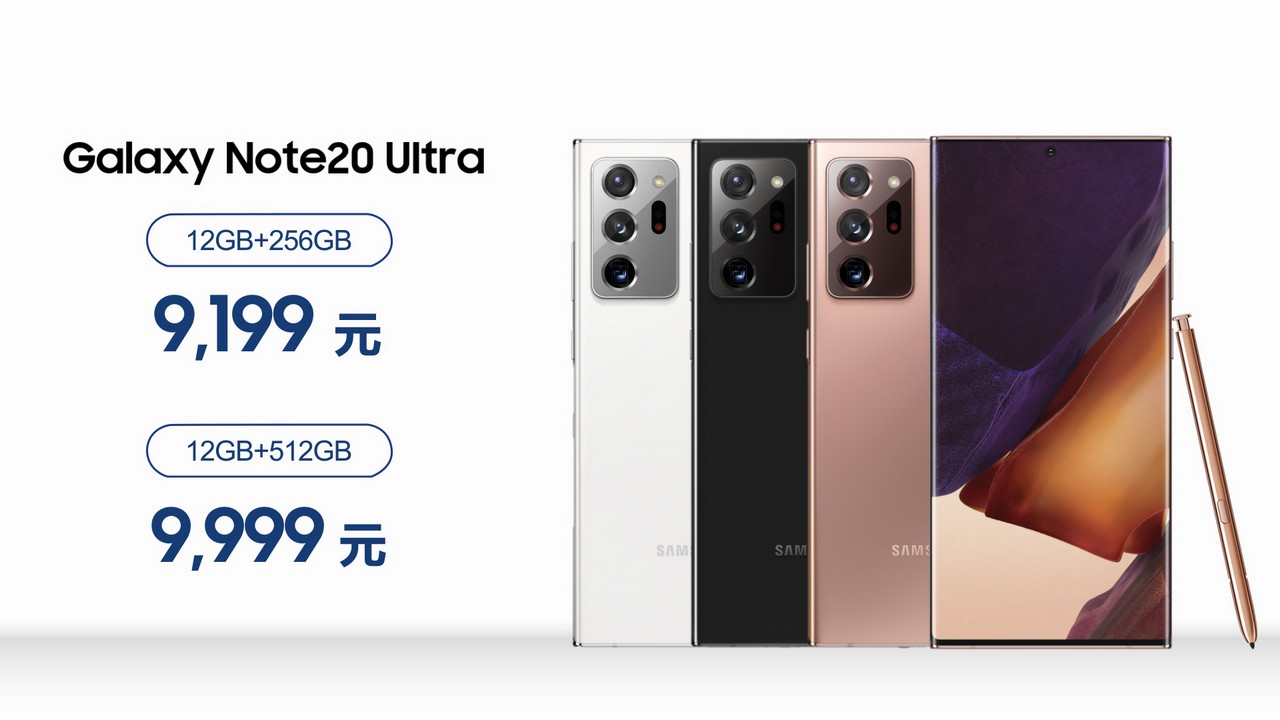
The Galaxy Note20 Ultra, on the other hand, comes in two variants – 12GB+256GB and 12GB+512GB. The price tag is ¥9,199 (~$1325) and ¥9,999 (~$1440) respectively. In the US, the Note 20 Ultra 5G is $1299.99 for the 12GB+128GB version and $1449.99 for the 12GB+512GB.

Galaxy Note 20 Ultra 5G China Price

The Galaxy Note 20 5G and Galaxy Note 20 Ultra 5G comes with AMOLED displays. The former has a flat panel with a 1080p resolution and a 60Hz refresh rate while the Ultra is a curved QHD+ panel with a 120Hz refresh rate. The Ultra is also the first smartphone with an adaptive refresh rate which means it automatically switches based on the content on the screen. It switches to the highest refresh rate when playing games on the device and drops to the lowest rate when sending emails or typing a document.

Both devices are powered by the Snapdragon 865 Plus processor. They have triple rear cameras albeit with different configurations. You also get stereo speakers, NFC, a 4300mAh battery in the Note 20 5G, and a 4500mAh battery inside the Note 20 Ultra 5G. The two phones support 25W fast charging, wireless charging, and reverse wireless charging.

Galaxy Watch 3 + Galaxy Buds Live

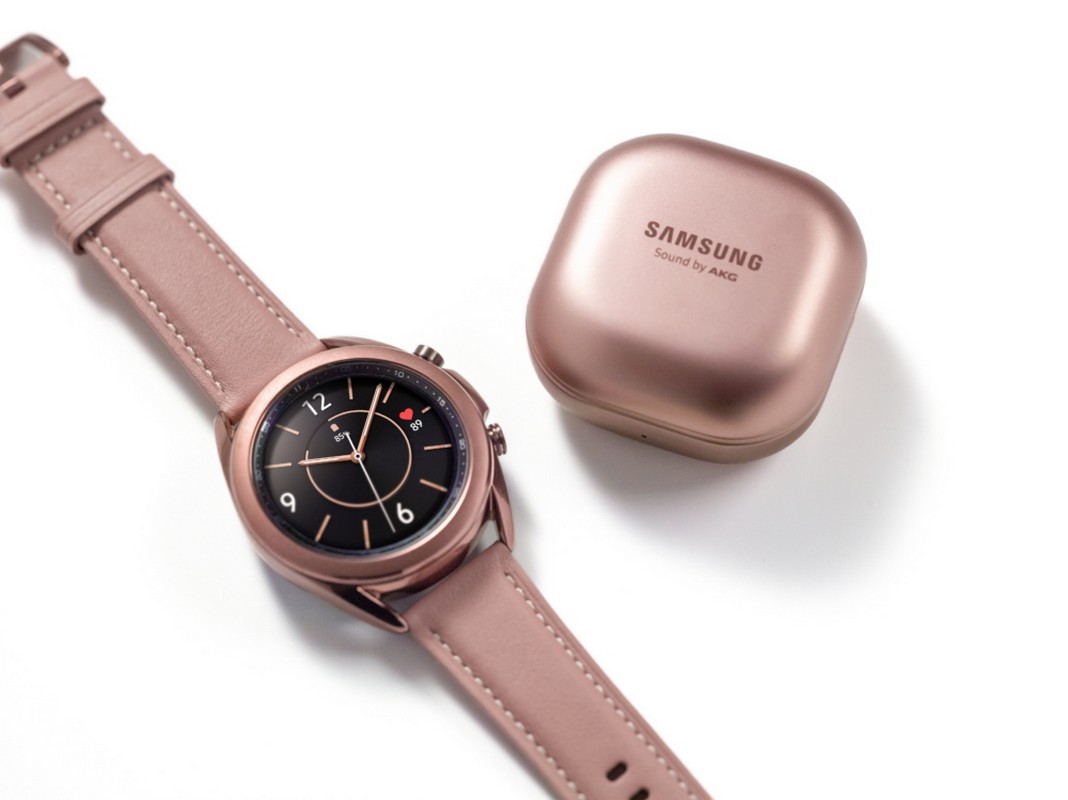
The Galaxy Watch3 and the Galaxy Buds Live are also available in China now. The smartwatch is available in the 45mm size for ¥3099 (~$446). It is available in Obsidian Black and Mountain Ash. The Buds Live is priced at ¥1199 (~$73) and is available in gold, black, and white.


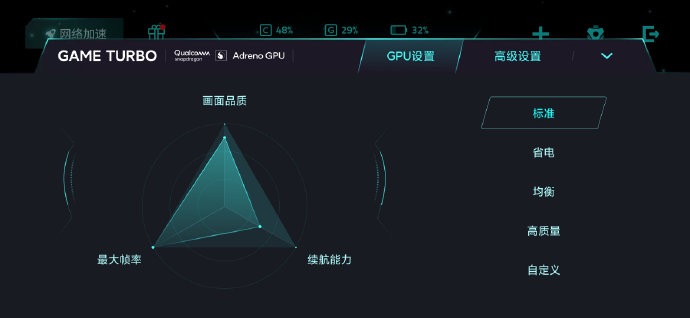
Xiaomi Mi 10 Ultra is the first device to support Qualcomm Adreno GPU Control Panel

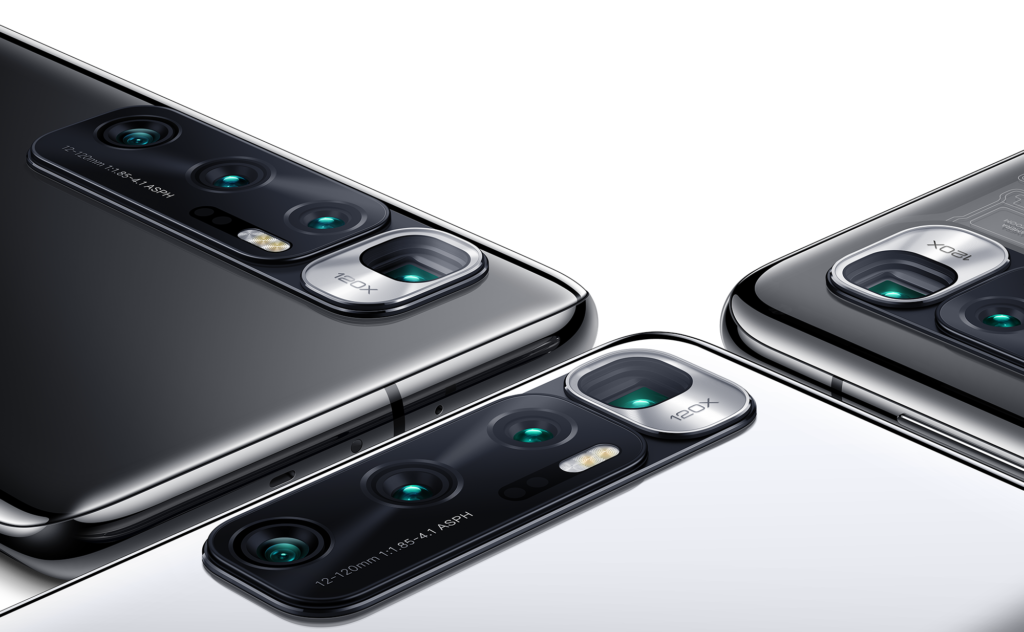
Xiaomi recently launched Mi 10 Ultra to celebrate its 10th anniversary. The handset features many firsts like 120W wired charging, 50W wireless charging, and Quick Charge 5.0. After the announcement of the device, Qualcomm also confirmed that it is the first phone to support Adreno GPU Control Panel.

Xiaomi Mi 10 Ultra Camera Module Featured

The Mi 10 Ultra is the most powerful and feature-packed commercially available smartphone from the house of Xiaomi. Unfortunately, it is limited to China as the company has no plans to launch it in global markets. Due to this, people outside China will miss out on many firsts that are present on this phone.

There are a number of gaming smartphones available internationally but none of them offers granular GPU controls like the Mi 10 Ultra. In fact, this feature is developed in partnership with the GPU maker Qualcomm itself.

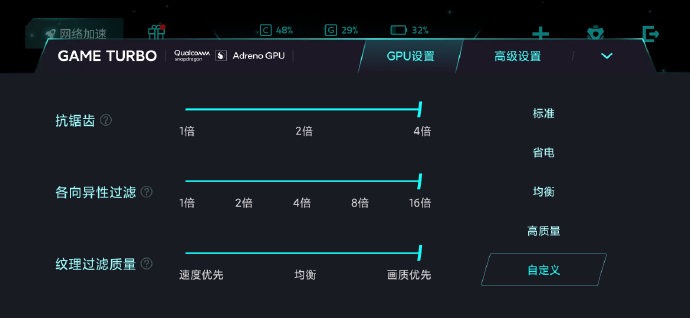
The American chipmaker calls it Adreno GPU Control Panel and it is part of MIUI’s Game Turbo 4.0 in Mi 10 Ultra. It enables users to tweak parameters like anti-aliasing, anisotropic filtering, texture filtering, frame rate, and others just like on desktop GPUs.

Further, the Adreno 650 GPU present inside it also supports updateable GPU drivers. In other words, this handset acts as a gaming smartphone without being one.

We are not sure which globally available device will be the first to bring Qualcomm Adreno GPU Control Panel but hopefully, it arrives sooner than later.


Samsung Galaxy S20 Fan Edition Exynos 990 edition spotted on Geekbench; Could be coming to India

Samsung has recently launched the Galaxy Note 20 series of flagship phones. Recent reports have revealed that the South Korean company is now working on the Galax 20 Fan Edition smartphone. The handset is expected to succeed the Galaxy S10 Lite that was announced at the beginning of 2020. Reports have revealed that the Snapdragon 865 SoC will be fueling the Galaxy S20 Fan Edition. Fresh information reveals that the company may also release the Exynos 990 SoC version of the smartphone.

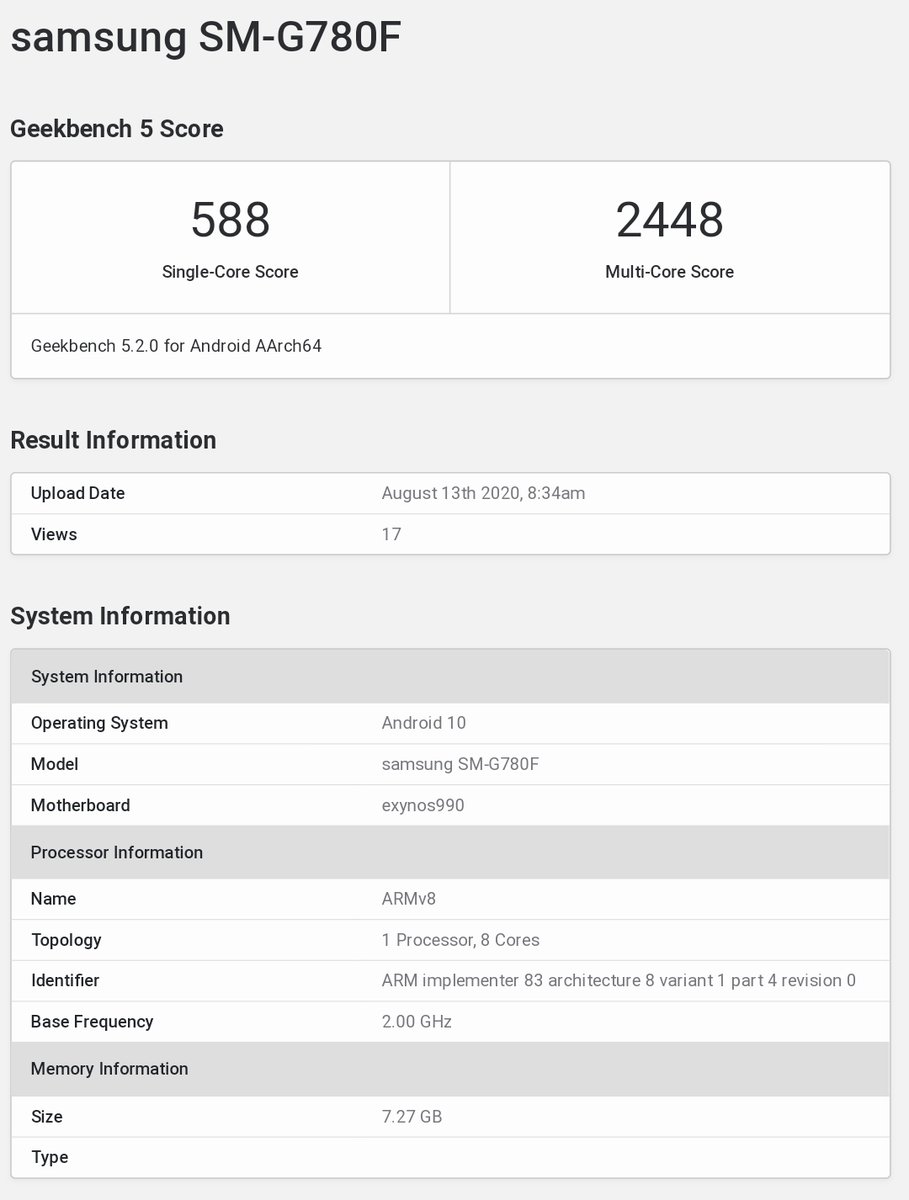
The Galaxy S20 Fan Edition with its SM-G780F model number has surfaced on the Geekbench 5 benchmarking platform. It scored 588 and 2448 in the single-core and multi-core tests of Geekbench, respectively.

Samsung Galaxy S20 Fan Edition Exynos 990 Geekbench

The Exynos 990 5G chipset with 2GHz base frequency is seen powering the device on Geekbench. The SoC is assisted by 8 GB of RAM. Also, the smartphone is preinstalled with Android 10 OS.

Samsung Galaxy S20 Fan Edition specifications (Rumored)

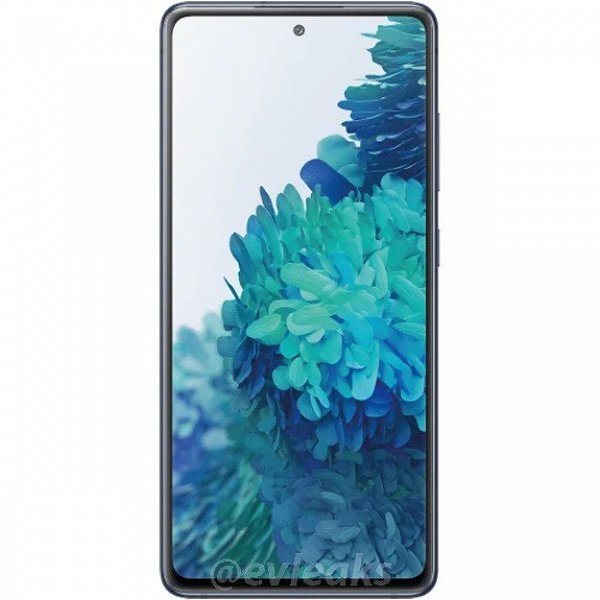
Shown below is the leaked press render of the Galaxy S20 Fan Edition that was released by reliable tipster Evan Blass. The handset could be arriving with a pricing of $750 and it could be available in red, white, green, and orange colorways.

The S20 Fan Edition’s display is expected to support a 120Hz refresh rate. It could be coming in 6 GB and 8 GB RAM variants and 128 GB of storage. The Android 10 OS will come preinstalled on the smartphone.

Samsung Galaxy S20 Fan Edition

The Galaxy S20 Fan Edition may feature a triple camera setup on its rear. The module could be housing a Sony IMX555 12-megapixel lens, a 12-megapixel superwide sensor, and an 8-megapixel telephoto lens. It could be sporting a 32-mgeapixel front camera. He device could be coming with an IP68 rated body along with a 3.5mm audio jack.


Redmi G Gaming laptop features revealed, Intel 10th Gen Processor, 16.1 inch display with 144Hz and more

Earlier today (13th August 2020), certain specs and features of the upcoming Redmi G Gaming laptop were officially confirmed by the company through its Weibo account, a Chinese microblogging website.

Redmi

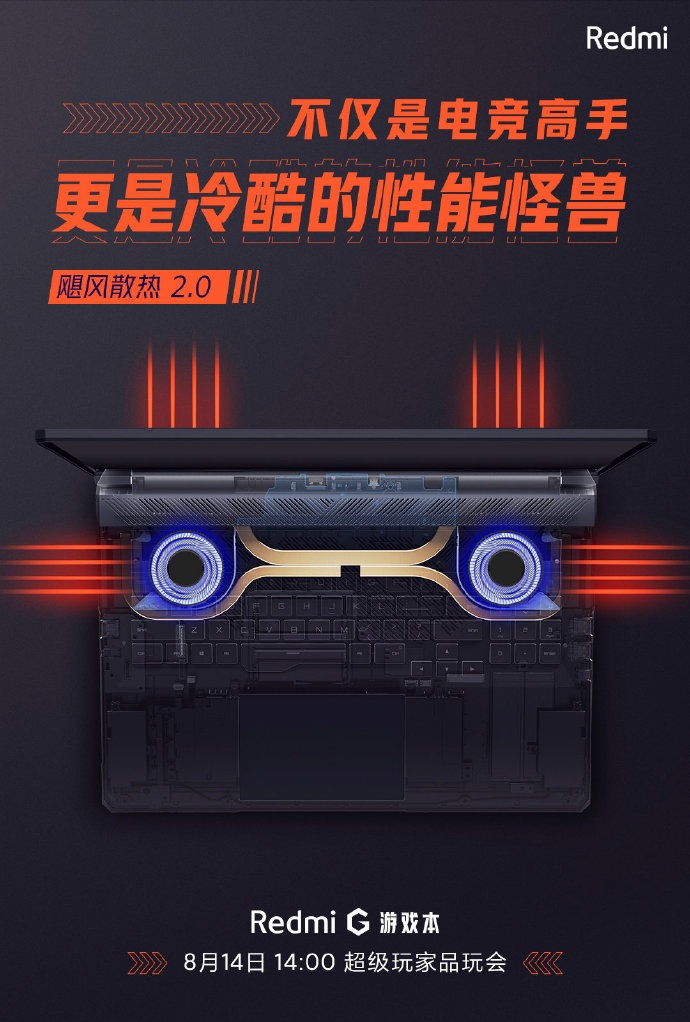
According to the post shared on the popular social media platform, the Redmi G Gaming laptop will feature Intel’s latest 10th gen Core processors and are expected to be paired with NVIDIA‘s discrete GPU offerings. Furthermore, its display will feature a high refresh rate, which is beneficial for various esports title, and measures in at 16.1 inches. The display resolution is 1080p with a 100 percent sRGB color gamut and a 144Hz refresh rate.

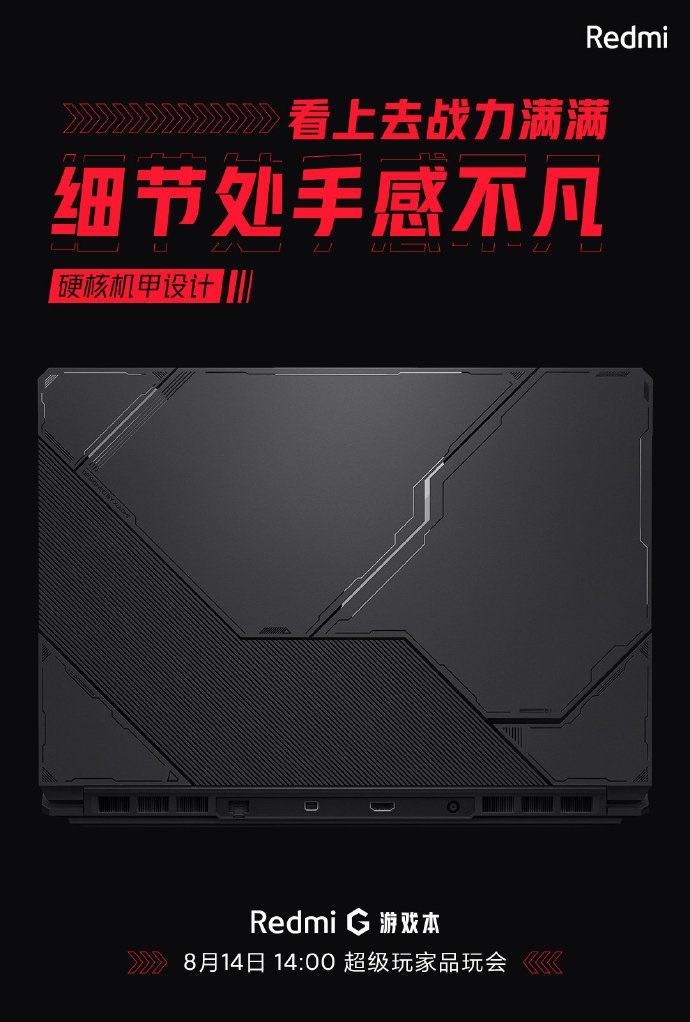
Under the hood, an Intel i7 10th Gen processor runs the gaming notebook with NVIDIA GPU expecting to start from the GTX 16 series to even the RTX cards as well. The official image posters also revealed that the laptops will feature improved cooling solutions thanks to its two fans that connect to its two heat pipes, with the laptop featuring a four outlet design.

Redmi

Speaking of the design, the company has opted for a clean and Mecha armor-like aesthetic, with the back portion also featuring the usual ports including the charging port, am HDMI port, mini DP ports, a LAN port as well. We had previously reported on the company’s new gaming laptop series’ launch date, which is on 14th August 2020. So stay tuned, as we will be covering the launch event.


Vivo S1 Prime unveiled with 6.38-inch display, Snapdragon 665, and 4,500mAh battery

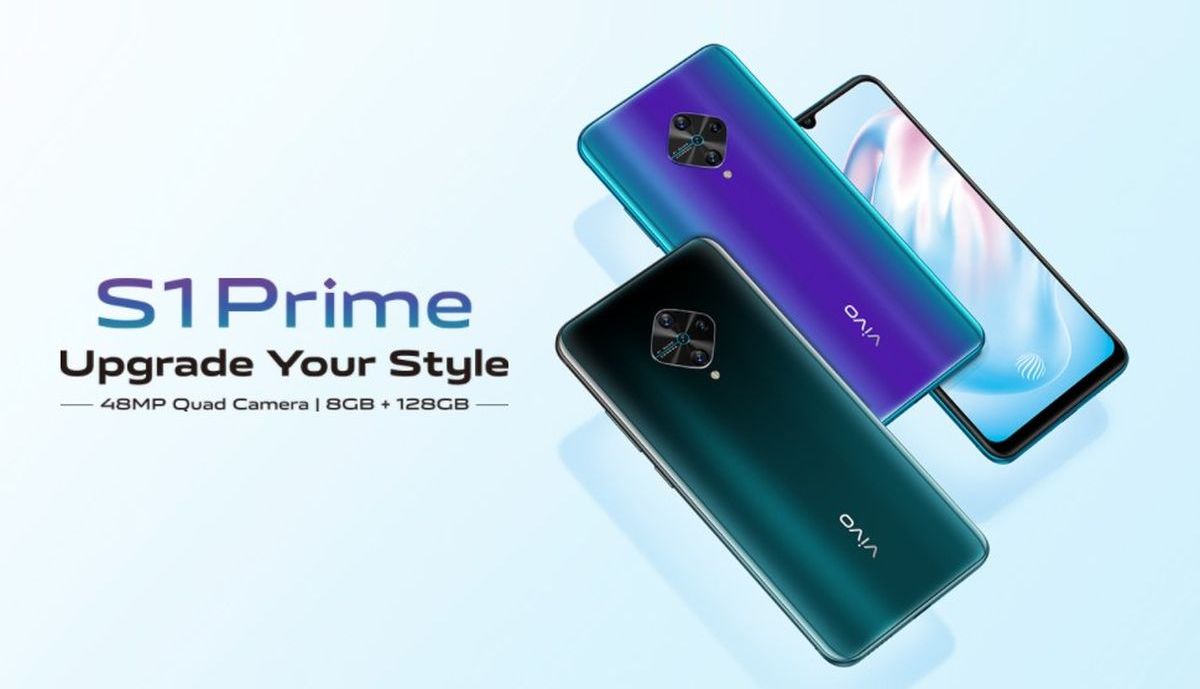
The Vivo S1 Prime midrange phone has gone official in Myanmar. The handset is a rebranded version of the Vivo S1 Pro that went official in India and some other markets in the past few months. The only major difference between the two phones is that the Vivo S1 Pro has a 32-megapixel selfie camera whereas the S1 Prime comes with a downgraded 16-megapixel selfie snapper.

Vivo S1 Prime specifications and features

The Vivo S1 Prime possesses a 6.38-inch AMOLED display with waterdrop notch. It delivers Full HD+ resolution and 19.5:9 aspect ratio. It draws power from the Snapdragon 665 chipset and 8 GB of RAM. The device offers users with an internal storage of 128 GB. For additional storage, the phone features a microSD card slot.

There is an attractive diamond-shaped camera housing on the rear side of the Vivo S1 Prime. It is led by a 48-megapixel main camera, an ultrawide lens of 8-megapixel, a macro shooter of 2-megapixel, and a depth assist sensor of 2-megapixel.

Vivo S1 Prime
Vivo S1 Prime

The Vivo S1 Prime is fueled by a 4,500mAh battery and there is support for 18W rapid charging through USB-C. The Android 10 OS overlaid with FunTouch OS 9.2 Ui comes preinstalled on the smartphone. The other features that can be found on the device are in-display fingerprint scanner, dual SIM support, Wi-Fi 802.11ac, v5.0 Bluetooth, GPS, NFC, and 3.5mm headphone slot.

Vivo S1 Prime price and availability

Myanmar has received the Vivo S1 Prime with a pricing of MMK 389,900 (~$285). Nebula Blue and Jade Black are the two color variants of the S1 Prime.


Xiaomi HIFI DAC Headphone Amplifier available on GizTop for $29.99

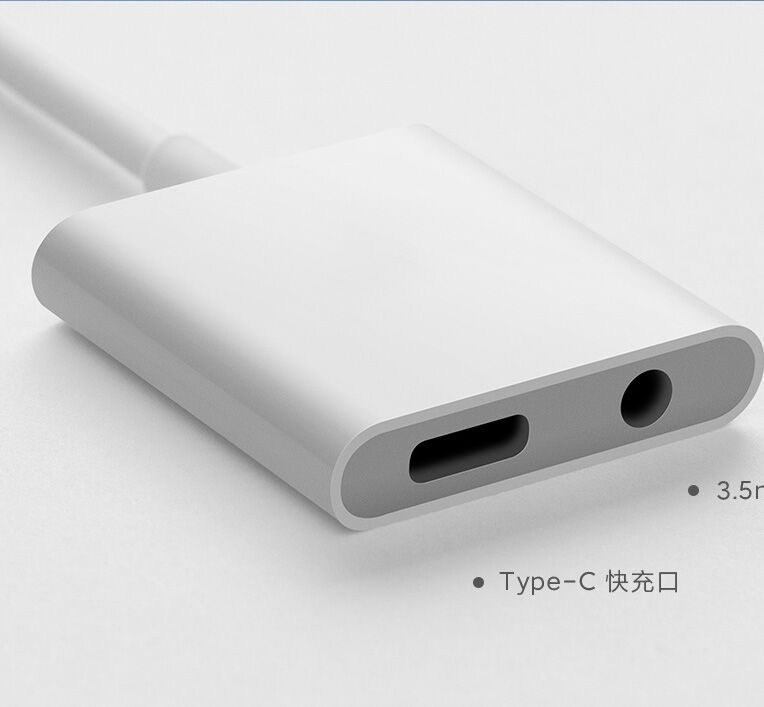
Xiaomi recently launched the Xiaomi HiFi DAC decoding headphone amplifier with quick charging technology. The amplifier is now listed on GizTop readily available for purchase.  As a quick intro, the amplifier comes with an inbuilt DAC (Digital to Analog Converter) supporting all the USB Type-C enabled smartphones.

xiaomi-hifi-doc

For the unversed, a DAC is a device used by audio enthusiasts to get the best possible audio quality from their electronic devices such as PC, Laptop, Home Theaters, etc. DACs are not commonly used by smartphone users as the majority of the available models don’t yield any noticeable improvement in quality, but things certainly going to change with the launch of the new Xiaomi HiFi Decoding Headphone Amplifier. Read on for its features and pricing.

Features and Pricing

Adaptive Impedance

The Xiaomi HiFi Decoding Amplifier dynamically adapts to 16-600Ω impedance to deliver powerful and pure power to headphones.

Quick Charge

With the new Dual Interface, the user has the option to charge the device and use the headphone jack for audio output simultaneously. The charging port can charge the device quickly. Two charging ports can also double as an audio output port for headphones and audio devices which uses the USB type C interface. The Type-C port is capable of quick charging devices up to 100W depending on the device.

DAC Digital Coding

The DAC Amplifier comes with the advantages of a new high-performance DAC chip, PCM up to 32bit/384kHz, DSD decoding, DSD64/DSD128. These features ensure supreme audio quality for every single audio playback.

Bolstered by Professional Audio Chip

Xiaomi HiFi Decoding Amplifier houses the modern CS43131 professional audio chip, which has a high dynamic range of 130dB. This ensures the audio quality will be shifted neither to the vocals nor to the base end.

Pricing and availability

Priced at 169 yuan or $29.99 the Xiaomi HiFi Decoding Headphone Amplifier is currently available on GizTop with worldwide shipping support. Given all the trade restrictions due to the pandemic, we wonder how smooth it’ll be for the product to ship internationally.

Nonetheless, if interested you can get the HIFI DAC right from the GizTop.

That being said, the Xiaomi HiFi Decoding Headphone Amplifier is a promising new product from Xiaomi which is well established with their new and inspiring innovations. We believe that this product will be a game-changer that will force the users to rethink the way they listen to their smartphone audio, given our beloved 3.5mm jack buddy is nearly extinct.

LG K31s live images revealed, features Dual Cameras, Helio P22 and passes FCC

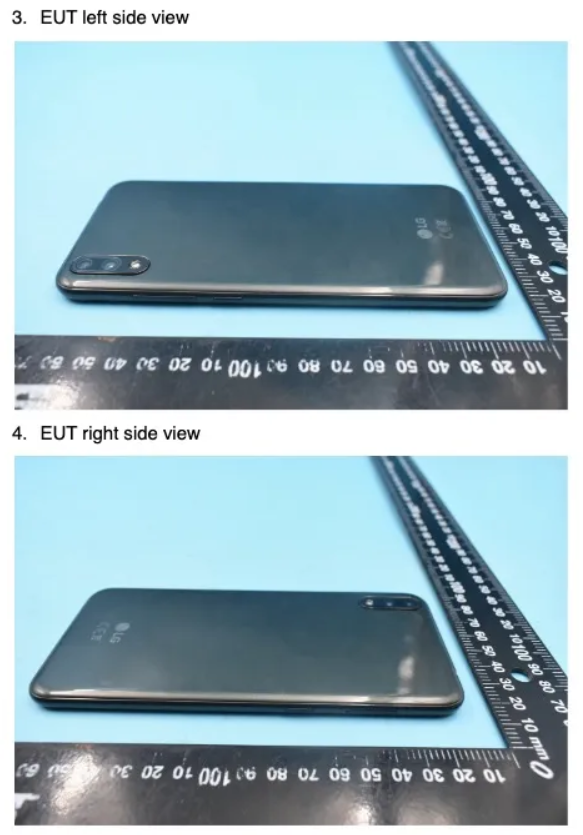
LG is apparently working on launching a new entry level smartphone. The handset is dubbed as the LG K31s, which might have been recently been spotted on FCC as a new LG device recently received certification.

LG

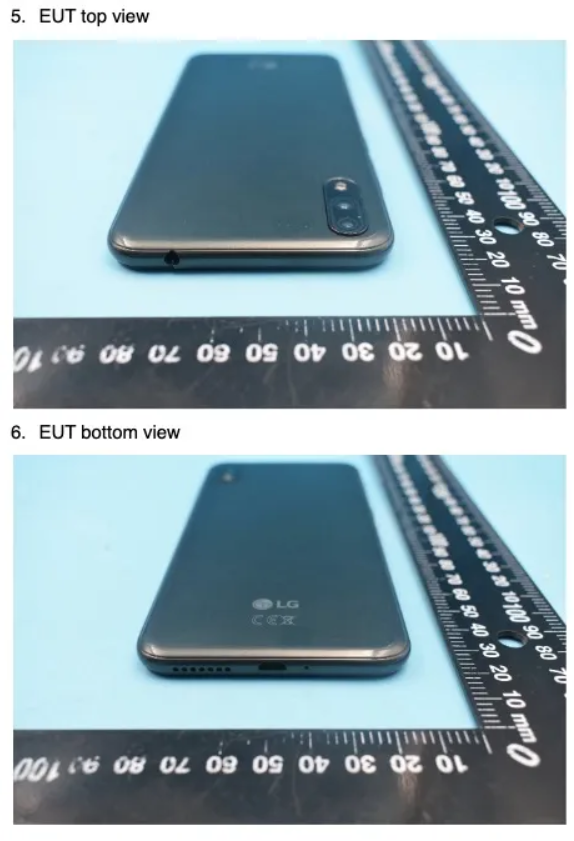
The device in question is unknown but is speculated to be the LG K31s, according to a MySmartPrice report. Furthermore, certain live images of the device and its internals was also found in the FCC certification. The smartphone carried the model number LG LM-K310lM, which is suggestive of its name since the LG K41s had the model number LG LM-K410.

The certification also revealed that the device has a dual camera setup on the rear that is aligned vertically with an LED flash under the module. Its power buttons and volume rockers are housed on the right side while a 3.5mm headphone jack can be found on the top. At the bottom, a speaker grille and a USB port can be observed. Under the hood, a MediaTek Helio P22 processors power the device.

LG

For memory, 3GB of RAM and 32GB of internal storage is offered, although, it is unclear if additional storage and memory options will be offered on launch. The K31s is run by a large 3,900mAh battery pack, with no information available for any kind of fast charging support. Unfortunately, this news is still unconfirmed officially, so take it with a pinch of salt for now and stay tuned for more updates.


Huawei invests heavily into LiDAR technology for Smart Cars

Huawei is apparently investing heavily in smart car solutions. The Chinese tech giant is working on creating cost effective LiDAR technology, as announced by the company’s auto division head, Wang Jun, as reported by KrASIA.

Huawei
Huawei HiCar

According to the senior official, “With its advanced 5G technology the company is set to reduce the cost of radar sensors to USD 100 in the future.” At the moment, the average price for the LiDAR sensors hovers around the 400 to 500 US Dollar price range. Thus, Huawei’s investment in the field could help the Chinese brand establish a more prominent role in the intelligent vehicle industry.

Despite not building any cars of its own, Huawei has used its expertise in various fields like telecommunications and ICT to offer parts to various automobile manufacturers at competitive rates. For those unaware, LiDAR basically stands for “light detection and ranging.” It is essentially a sensor that uses light in the form of pulsing lasers to measure the distance from a particular target.

Huawei

This technology is crucial for self driving cars as it helps the intelligent automobile to detect its own surrounds and act accordingly. While the technology is sought after by many in the industry, there are also those like Tesla that are working on non-LiDAR solutions as well, but the technology still remains the standard at the moment. Wang stated that an optoelectronic technology R&D center in Wuhan that employs more than 10,000 people aims to produce 100 lines LiDAR in short periods of time while reducing costs.


Qualcomm wins in US Court, ‘no-license, no-chips’ antitrust ruling overturned

Back in 2019, Qualcomm‘s policy of “no-license, no-chips” was deemed as anti competitive by a US judge. But now, the Ninth Circuit has overruled the verdict entirely, handing Qualcomm a huge win.

Qualcomm Logo

For those unaware, the FTC (Federal Trade Commission) had argued that the chipmaker was pushing out competitors within the field by adding a tax whenever OEMs bought chips from rival companies. This forced companies to pay royalties for Qualcomm’s standards-essential patents, even if they weren’t using the company’s products. In other words, it essentially made the products of the rival companies more expensive than the chip and patents bundle Qualcomm was offering.

The antitrust lawsuit faced by Qualcomm has had it face anti competitive charges in multiple countries. This includes $975 million to China, $854 million to South Korea and $1.2 billion to the European Union. The company had also settled a lawsuit by paying a fine of $774 million in Taiwan back in 2018. At the moment, it is still possible that Qualcomm can be charged for violating the concept of fair, reasonable, and non-discriminatory (FRAND) licensing terms.

Qualcomm

These terms are in place to keep companies from unfairly exploiting patents and provide every company a fair chance. However, Judge Callahan has suggested that this matter is for a different court. Unless the matter reaches the Supreme Court, Qualcomm would basically be granted the green light for its alleged anti competitive practices. Furthermore, it might even be bolder from here on out. According to FTC’s Bureau of Competition, “The court’s ruling is disappointing and we will be considering our options.”


China has hired over 100 engineers from TSMC to boost its Chip industry

The Chinese government is backing two chip projects and has hired more than 100 veteran engineers and managers from TSMC (Taiwan Semiconductor Manufacturing Company), the world’s largest contract chipmaker.

China

According to a report from Nikkei Asia Review, the recent hirings are aimed at helping Beijing achieve its goals of growing its domestic chip industry. The further development of its native semiconductors will lead to reduced reliance on foreign chip suppliers, according to a source. Quanxin Integrated Circuit Manufacturing or QXIC, and Wuhan Hongxin Semiconductor Manufacturing Co (HSMC) alongside their affiliates are the two government backed firms.

These names aren’t particularly well known within the global semiconductor industry, but that might change soon. Over 50 former TSMC employees have been enlisted by each firm, which is also being led by former TSMC executives as well. The officials have already established their reputation in the chip field and the new two new projects aim at developing 14nm and 12nm chip processes, which, at the moment, is still two or three generations behind industry giant, TSMC.

China

Despite being founded quite recently, both firms are benefiting from the recent boom of development and investment in the Chinese semiconductor industry. The government is actively pushing for self dependence and backing local projects to reduce its reliance on foreign technology, especially from the west. According to certain reports, Taiwan has already lost over 3,000 chip engineers to China, who is pushing for chip dominance in the coming future.


HTC Desire 20 Pro lands in Europe for 279 euros

In June, HTC unveiled the HTC U20 5G as the company’s first 5G phone in Taiwan. Alongside it, the Taiwanese brand also announced the Desire 20 Pro mid-range phone. Today, the phone has stepped out of the home market as the company has introduced it in Europe with a price tag of 279 euros.

HTC Desire 20 Pro specifications

The HTC Desire 20 Pro has 162 x 77 x 9.4mm and it weighs 201 grams. The phone is equipped with a 19.5:9 aspect ratio supporting display of 6.53 inches. The punch-hole screen offers a Full HD+ resolution of 1080 x 2340 pixels. The phone runs on Android 10 OS.

The mid-range Desire 20 Pro is driven by the Snapdragon 665 mobile platform and 6 GB of RAM. The handset has 128 GB of native storage and a microSD card slot for more storage.

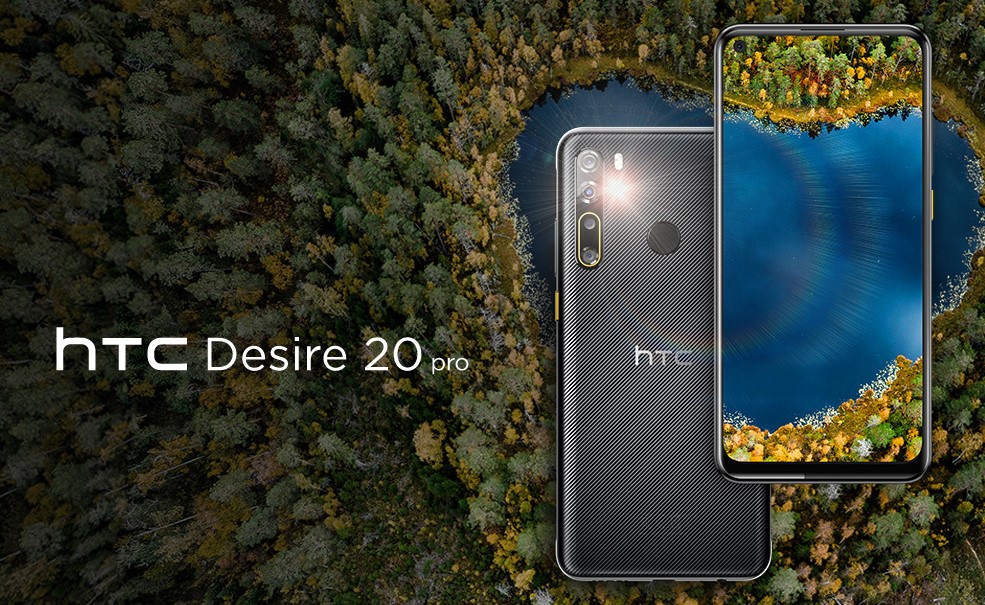
HTC Desire 20 Pro
HTC Desire 20 Pro

At the front, the Desire 20 Pro features a 25-megapixel selfie camera that comes with features like auto-HDR, beauty mode, and Full HD video recording.  A vertically positioned quad-camera setup along with dual-LED flash can be seen on the rear shell of the phone. It comprises of a 48-megapixel main camera, an 8-megapixel ultrawide lens, a 2-megapixel macro lens, and a 2-megapixel depth sensor. The phone offers photography features like face detection, auto-HDR, real-time portrait mode, and up to 4K video recording.

The HTC Desire 20 Pro is backed by a 5,000mAh battery that supports 15W fast charging. The handset has usual connectivity features like dual SIM slot, Wi-Fi 802.11ac, Bluetooth 5.0, GPS, NFC, and USB-C port. Lastly, it has a rear-positioned fingerprint reader.

HTC Desire 20 Pro pricing

The Desire 20 Pro is now for pre-orders across Europe. The phone is priced at 279 euros and is available in markets like the UK, France, Spain, Italy, Poland, and the Netherlands. The shipments of the Desire 20 Pro will start on Aug. 24.

ByteDance looks for investment in TikTok through India’s Reliance

ByteDance, the parent company of TikTok, is apparently looking into gaining investment for its short video sharing platform from Indian giant, Reliance. The move is likely to save the popular social media app from losing its biggest market in terms of users.

ByteDance

For those unaware, the Indian government had previously banned TikTok and 59 other applications a few weeks prior. This was done due to security and privacy concerns and arrived during increased tensions between India and China after certain military clashes in the Indo-China border regions. India has the largest userbase for TikTok outside of China, with over 200 million users.

At the moment, ByteDance employs over 2,000 people in the country, who are also in the gray regarding the situation surrounding their company. Either the company manages to convince the government and allow its operations or sells itself. But a new report from TechCrunch has suggested that the company is currently in talks with Reliance to strike a deal regarding investment into TikTok.

ByteDance

Two sources revealed a conversation between both companies last month which has yet to reach a deal. TikTok’s operations in India have been valued at more than 3 billion US Dollars, according to one of the sources. Unfortunately, both ByteDance and Reliance have declined from commenting on the matter. Although, an investment in TikTok could be highly beneficial for one of India’s largest firms.


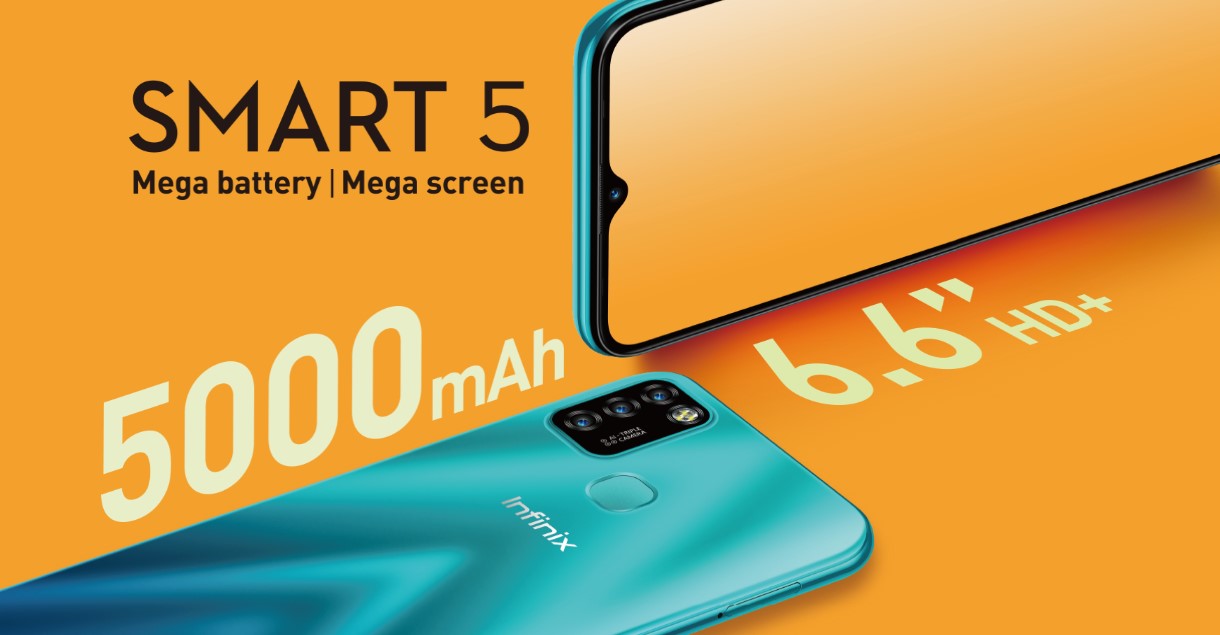
Infinix Smart 5 debuts with 6.6-inch HD+ display, 5,000mAh battery and 13MP triple cameras

The Infinix Smart 5 mid-range phone has gone official in Nigeria and India. The handset is the newest Smart series phone from the brand after the Smart 4 Plus that debuted in India last month with a price tag of Rs. 7,999. The Smart 5 comes with a tall aspect ratio, a large-sized battery, and triple rear cameras as some of its main highlights.

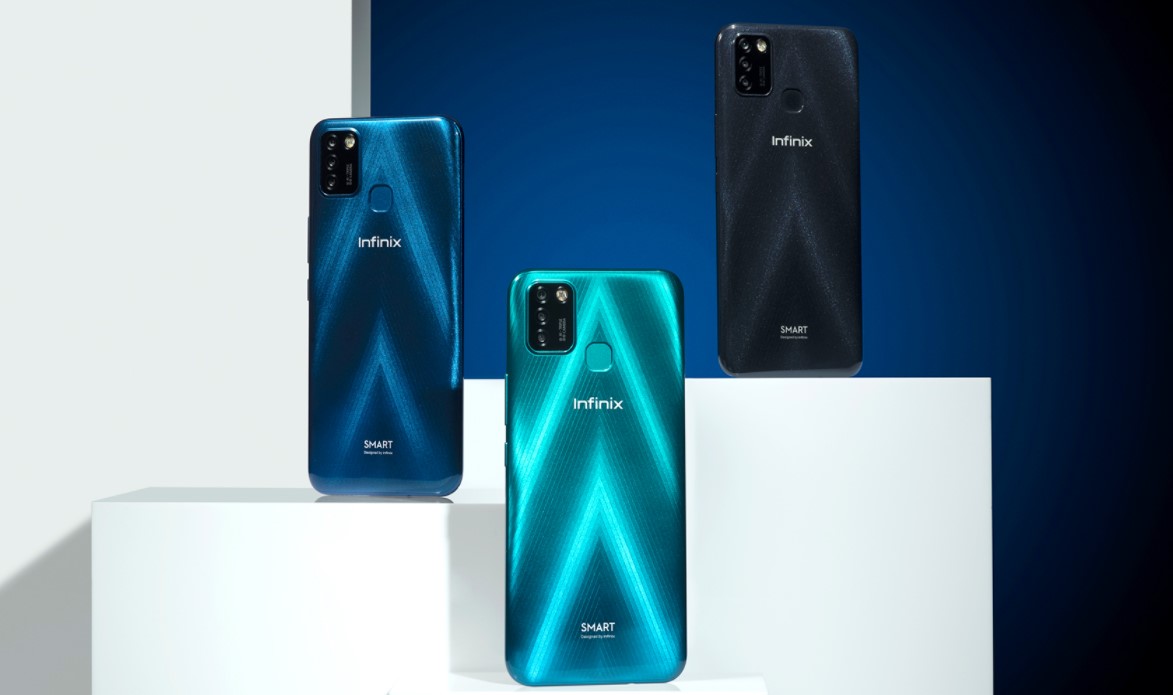
Infinix Smart 5

Infinix Smart 5 specifications

The Infinix Smart 5 measures 165.4 x 73.4 x 8.75mm and it houses a 6.6-inch LCD display that offers 720 x 1600 pixels resolution and 20:9 aspect ratio. The handset is fueled by a 1.8GHz processor. A recent report had revealed that the phone features Helio P22 chipset.

The Smart 5 for Nigeria comes with 2 GB / 3 GB of RAM and 32 GB / 64 GB of internal storage. The India model has 2 GB of RAM and 32 GB of storage. However, the pricing of the India variant is not known yet. There is a microSD card slot onboard for additional storage.

The Infinix Smart 5 runs on Android 10 Go Edition and it has massive battery of 5,000mAh. However, the device supports only 10W charging. The company claims that the device can last for up to 4 days once charged. The device has an 8-megapixel selfie snapper with dual flash. The backside of the phone has a rectangle-shaped camera module that includes a 13-megapixel main camera, and a pair of QVGA lenses. The handset supports DTS audio processing.

Infninx Smart 5
Infninx Smart 5

The Smart 5 comes with connectivity features such as dual SIM support, Wi-Fi 802.11ac, Bluetooth, GPS, microUSB, and a 3.5mm audio jack. The phone comes with security features like face recognition and a rear-facing fingerprint reader.

Infinix Smart 5 pricing and availability

The Infinix Smart 5 comes in three colors like black, blue, and green. The base model of the phone costs NGN 39,500 (~$102) in Nigeria.