The US government is facing another major accusation regarding data breach. This time regarding its Secret Service, who have allegedly paid for location data to illegally track down people without legal warrants or court orders.
According to a report from Motherboard, a Freedom of Information Act request has revealed that the Secret Service paid Babel Street to use Locate X, a service that supplies location data from common smartphone applications. Although the document didn’t clearly reveal the exact purpose of the tool the secret service used, but it was reported that it was utilized to create a virtual fence around a region and track devices in that area.
The contract with Locate X was between the period of September 2018 and September 2018 and had a sum transaction of 2 million US Dollars. It is speculated that the service was only used for just a few cases, however, it is also likely to have been for just one as well. At the moment, it is unknown where Babel Street sources its data from and who it is sold to. Babel nor the Secret Service has yet to comment on the matter.
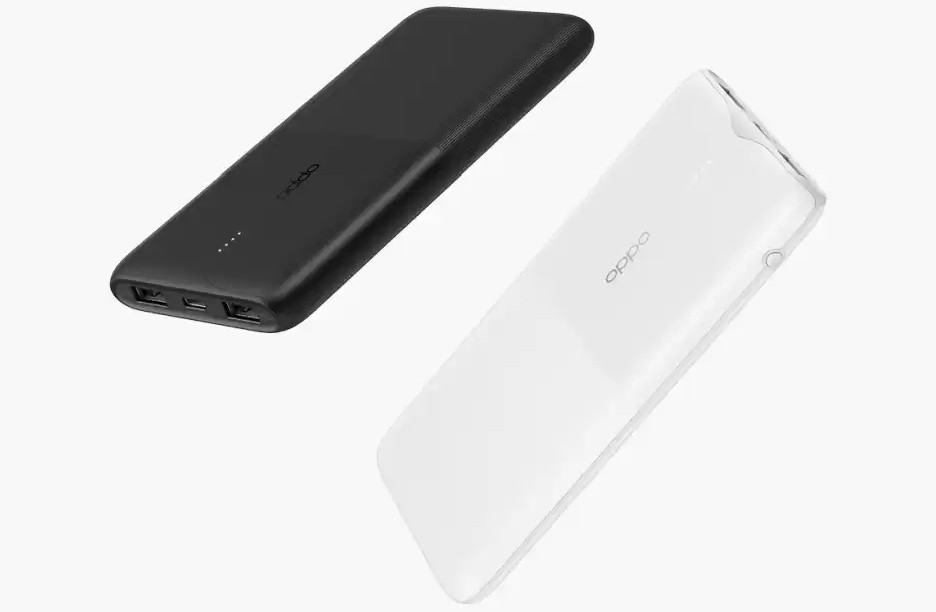
The new Oppo Power Bank 2 has just been launched in India. It is a new product from the Chinese smartphone maker, which expands the company’s electronic peripherals portfolio. The new power bank has a large battery capacity of 10,000mAh and offers fast charging solutions as well.
Oppo Power Bank 2 is available for purchase starting today (18th August 2020), and offers 18W fast charging on both directions, a low charging mode, and a 12 factor safety assurance as well. The new power bank is the latest IoT product from the company and allows users to “never run out of battery,” thanks to the power bank which is “large and in charge.’ According to official notes, the 18W fast charging allows the Oppo Power Bank2 to charge a 4,200mAh battery 16 percent faster than a regular power bank.
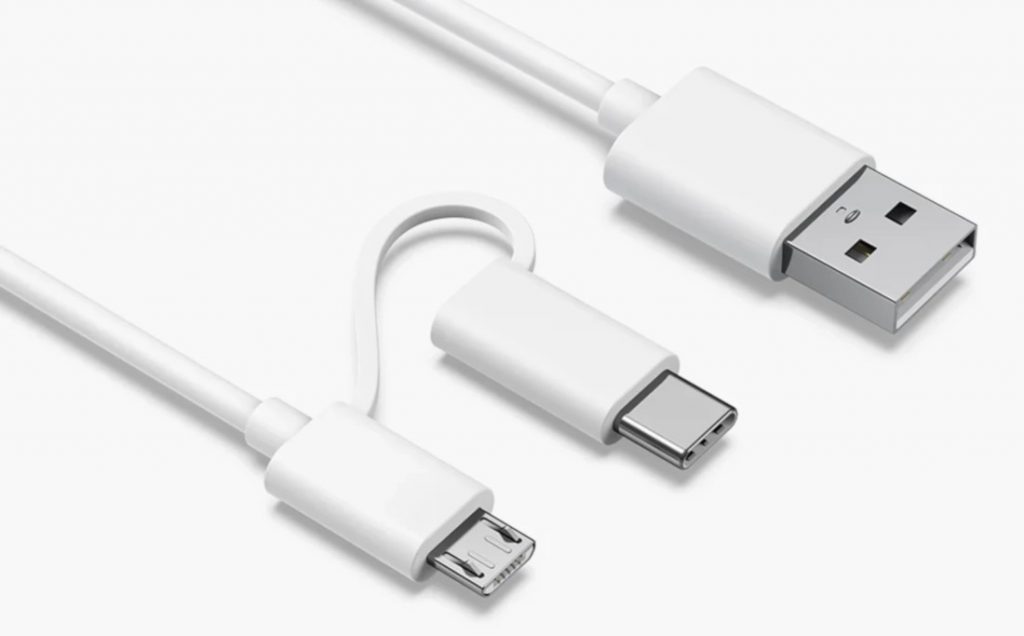
Furthermore, it is also compatible with PD, QC, and other mainstream charging protocols. The Power Bank 2 can charge smartphones and other peripherals like TWS earphones as well and thanks to its two way fast charging support, it can quickly charge a smartphone and itself. The gadget is also offered with a dual connector cable which provides both micro USB and USB Type C compatibility. Meaning, users would not have to worry about different ports being an issue.
The Oppo Power Bank 2 follows a sleek and simple aesthetic and is available in either black or white. It has a 3D curved design with a matte finish and ridged textures that offer a better grip as well. At the moment, it is available for purchase on Flipkart.com and is priced at 1,299 INR (roughly 17 US Dollars).
OPPO announced the Snapdragon 665 powered OPPO A52 phone in April this year. My Smart Pricehas carried a report on the leaked specs of the upcoming OPPO A53. The phone may debut as the first smartphone powered by the Snapdragon 460 chipset.
OPPO A53 specifications (Rumored)
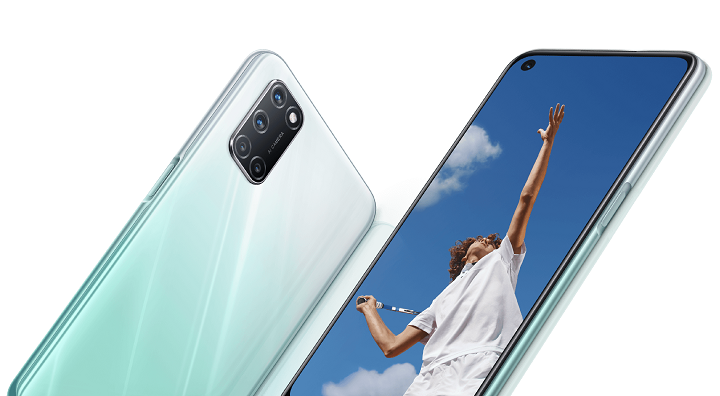
The OPPO A53 is rumored to arrive with a punch-hole LCD display of 6.5 inches. The screen resolution is not mentioned in the leak. Considering that the OPPO A52 came with Full HD+ resolution support, it is likely that the A53 will also feature an FHD+ display. The screen of the OPPO A53 will support 90Hz refresh rate.
The Snapdragon 665 SoC that powered the A52 came with four Kryo 260 Gold cores clocking at 2GHz and four Kryo 260 Silver cores working at 1.8GHz. The SoC includes Adreno 610 GPU. The Snapdragon 460 SoC that is rumored to fuel the A53 also features Adreno 610 GPU and four Kryo 240 Gold cores clocking at 1.8GHz along with four Kryo 240 Silver cores working at 1.8GHz
The OPPO A53 has a 16-megapixel selfie camera and a 13-megapixel (main) + 2-megapixel (macro) + 2-megapixel (depth) triple camera system. The phone will come with 18W fast charging for its 5,000mAh battery.
The OPPO A53 may come in variants such as 4 GB RAM + 64 GB storage and 6 GB RAM +128 GB storage. Some of the markets that are expected to receive the A53 are India, Thailand, Indonesia, and Europe.
At the Galaxy Unpacked event in the first week of August, Samsung promised three (3) generations of Android updates for its flagship series – Galaxy S, Galaxy Note, Galaxy Z, and Galaxy Tab S A week later, a report suggested certain Galaxy A series devices will be also eligible for this benefit. Now, the company officially releases the list of supported Galaxy smartphones and tablets for this program.
For years, Samsung had been long known for updating its Android devices slower than other OEMs. With strong criticisms, the company improved its mobile software by a long shot. At present, One UI is arguably one of the best Android skins out there.
That said, at the Galaxy Note20 series launch event, Samsung surprised everyone by extending Android OS upgrade by one more year for its flagships. It even opened registrations for One UI 3 (Android 11) Developer Beta for Galaxy S20 series much earlier than One UI 2.0 last year.
What’s more interesting is Samsung’s inclusion of its mid-range Galaxy A series for three Android updates. It was merely speculation last week but now, the South Korean tech giant breaks the ice by officially releasing the list of Galaxy devices eligible for three (3) generations of Android updates.
With that being said, here’s the official list of Samsung smartphones and tablets eligible/supported for three generations of Android updates.
Galaxy S Series
Galaxy S20 Ultra 5G
Galaxy S20 Ultra
Galaxy S20+ 5G
Galaxy S20+
Galaxy S20 5G
Galaxy S20
Galaxy S10 5G
Galaxy S10+
Galaxy S10
Galaxy S10e
Galaxy S10 Lite
And other upcoming new Galaxy S series smartphones.
Galaxy Note Series
Galaxy Note20 Ultra 5G
Galaxy Note20 Ultra
Galaxy Note20 5G
Galaxy Note20
Galaxy Note10+ 5G
Galaxy Note10+
Galaxy Note10 5G
Galaxy Note10
Galaxy Note10 Lite
And other upcoming Galaxy Note series smartphones
Galaxy Z Series (Foldables)
Galaxy Z Fold2 5G
Galaxy Z Fold2
Galaxy Z Flip 5G
Galaxy Z Flip
Galaxy Fold 5G
Galaxy Fold
And other upcoming Galaxy Z series foldable devices.
Galaxy A Series
Galaxy A71 5G
Galaxy A71
Galaxy A51 5G
Galaxy A51
Galaxy A90 5G
And other select upcoming Galaxy A series smartphones.
Galaxy Tab S Series
Galaxy Tab S7+ 5G
Galaxy Tab S7+
Galaxy Tab S7 5G
Galaxy Tab S7
Galaxy Tab S6 5G
Galaxy Tab S6
Galaxy Tab S6 Lite
And other upcoming Galaxy Tab S series tablets.
Though the list is long enough, we wish Samsung to have added Galaxy Tab A series as well. Since people tend to use tablets for a longer period of time than smartphones, the budget Samsung tablets also deserve one more generation of Android update.
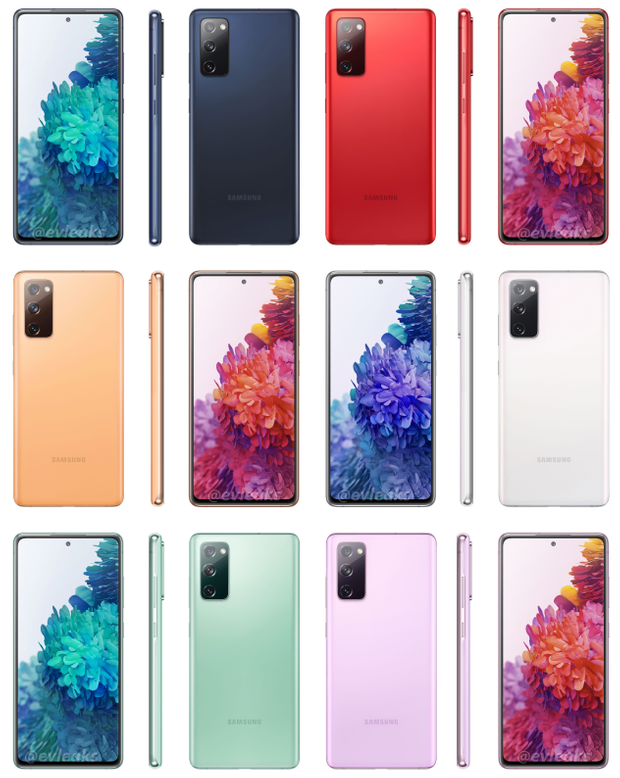
Rumors have it that the Samsung Galaxy S20 Fan Edition will go official in Q4 2020 as the successor to the Galaxy S10 Lite that went official at the beginning of this year. There is a possibility that it may get an early Q4 launch as recent leaks have revealed almost a lot of information about the Galaxy S20 FE (Fan Edition). At the beginning of this month, reputed tipster Evan Blass shared a front render of the Galaxy S20 FE. Last week, popular leakster OnLeaks shared the CAD renders of the phone. Now, Blass is back with a new image of the phone. The image gives a good look at the color variants of the Galaxy S20 FE.
As can be seen in the image, the Galaxy S20 FE will possibly come in vibrant colors like dark blue/prism blue, red, peach, white, mint, and light violet. The official names of the color variants are not known yet.
As far as design is concerned, the front side of the Galaxy S20 FE looks a lot similar to the Galaxy S20 series thanks to Infinity-O punch-hole display design.Pricebaba that had exclusively carried the CAD renders of the Galaxy S20 FE had claimed that the phone could be sporting a frosted/matte plastic.
The Galaxy S20 FE reportedly measures 161 x 73 x 8mm and houses a 6.4-inch or 6.5-inch S-AMOLED display. The display is rumored to support 120Hz refresh rate. The rear-facing triple camera system of the phone may feature a Sony IMX555 12-megapixel main camera, a 12-megapixel ultrawide sensor, and an 8-megapixel telephoto sensor with 3x optical zoom. For selfies, it may feature a 32-megapixel front camera. The device could be housing a 4,500mAh battery.
The Snapdragon 865 mobile platform may power the phone with 6 GB of RAM. It may come with 128 GB native storage and a dedicated microSD card slot. It is expected to arrive in Exynos 990 chipset version in India. The One UI 2.5 Android 10 OS is expected to come preinstalled on the smartphone. It is expected to sport an IP68 rated chassis. The Galaxy S20 FE could be priced around ~$750 in South Korea. The phone is expected to arrive in LTE and 5G flavors.
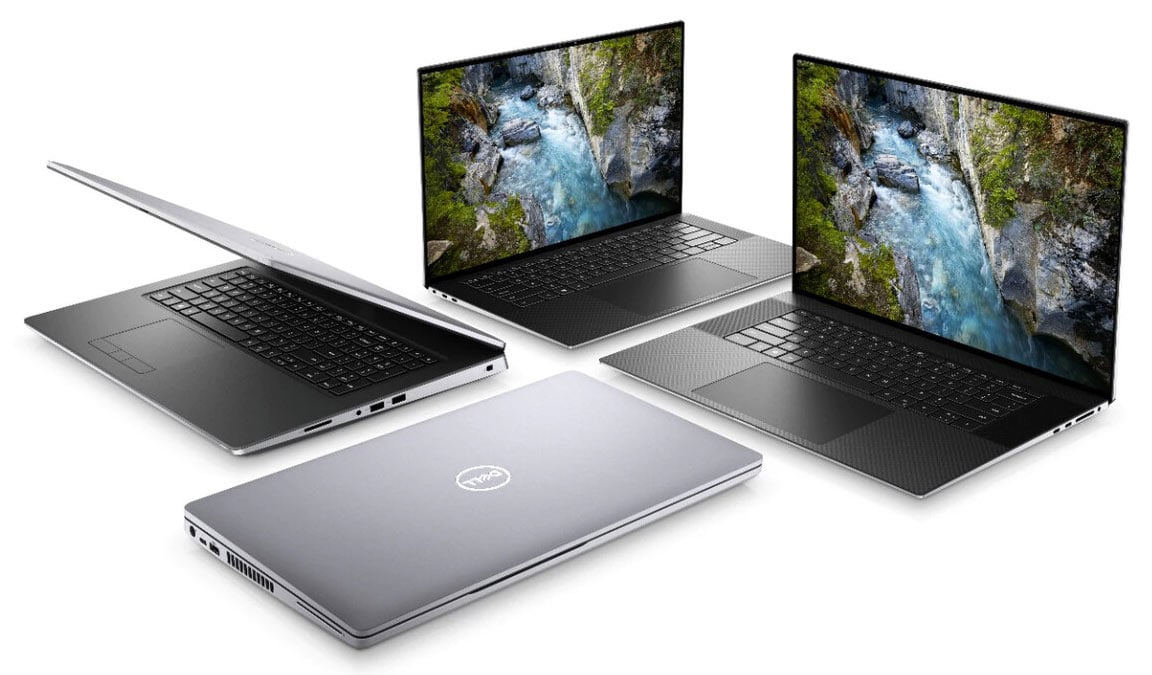
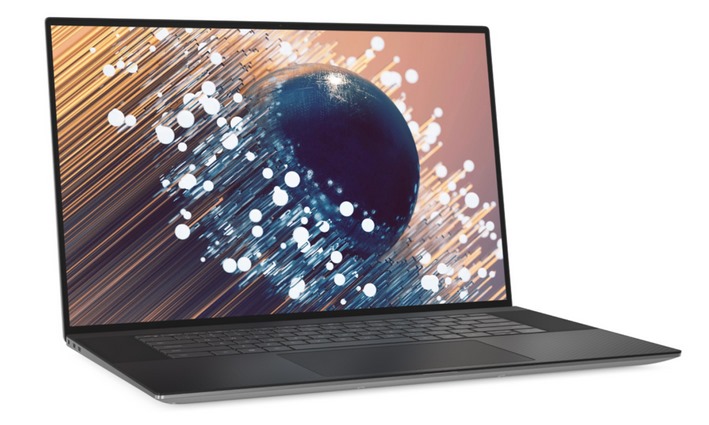
The Dell XPS 17 laptop has just been launched in India, after its initial global launch back in May. The laptop is a part of the company’s premium flagship thin and light notebooks and offers Intel’s latest 10th generation Core i7 processors with a bezel less display and a dedicated graphics card.
Dell XPS 17 9700 arrives with a carbon fiber keyboard deck and joins the likes of the XPS 14 and 15 series in India. The starting price for the laptop is 209,500 INR (roughly 2,799 US Dollars) and offers 10th gen Intel Core i7 alongside 8GB of RAM, 1TB of storage, a Full HD+ display with a wide color gamut and even a discrete GPU. It will be available for purchase from dedicated stores and online retailers like Amazon and the company’s official website.
As the name suggests, the premium laptop arrives with a 17 inch InfinityEdge anti-glare display with a 16:10 aspect ratio and a peak brightness of 500 nits. A UHD display variant is also available. Under the hood, an Intel Core i7-10750H CPU can be found alongside NVIDIA‘s GTX 1650 Ti. Memory configurations can be as high as 32GB of DDR4 RAM and storage is via a PCIe SSD. The laptop also offers two 2.5W stereo woofers and two 1.5 stereo tweets for audio and is powered by a 97Wh battery.
In terms of connectivity, the Dell XPS 17 feature Killer Wi-Fi 6 AX1650 (2 x 2), Bluetooth 5.1, four Thunderbolt 3 ports, a full-size SD card reader, and a 3.5mm headphone jack. The laptop being thin and light, measures in at 248.05×374.45×19.5mm with a weight of just 2.1 kilograms. For security, Window Hello facia recognition is also offered, while its touchpad supports gestures below a backlit keyboard.
Huawei is one of the largest smartphone manufacturers in the world, apart from being the leading telecom equipment maker globally. So, when the company gets hit, it also impacts a broad range of other companies, which are its suppliers.
As the United States government continues to clamp down on Chinese companies, especially Huawei, more and more companies doing business with the Chinese giant are now seeing the negative impact in the business.
For instance, MediaTek, which is the second smartphone mobile chip supplier in the world after Qualcomm, witnessed a drop of around nine percent at the Taiwan Stock Exchange. This seems to be the direct impact of the recent ban on Huawei from using chipset related technology developed in the U.S.
Another company named Novatek Microelectronics, which designs display integrated circuit drivers, saw its shares fall by eight percent. On the other hand, camera lens maker Largan Precision witnessed a 3 percent drop in its shares.
The list of companies getting hit by the new rule by the Trump administration includes image sensor supplier Sony, sensor maker STMicroelectronics, memory chipmaker Samsung Electronics, SK Hynix, Kioxia, Nanya Tech, and other Asian and European companies.
Several companies, including Qualcomm, have urged the United States government to relax some conditions to continue doing business with some Chinese companies. Recently, Qualcomm started lobbying the government, arguing that the ban on Huawei is driving “billions of dollars” of possible US sales to foreign chip makers like Samsung and MediaTek.
Huawei is one of the three smartphone makers to design its own chipsets through in-house unit HiSilicon Technologies. The recent sanctions have now made it impossible for the company to develop new high-end flagship chipsets.
While the United States is determined to make it impossible for Huawei to continue doing business, the company has shown tremendous growth. It managed to surpass Samsung to become the world’s leading smartphone brand, despite getting banned by the U.S. and facing issues in other Europen countries.
Huawei is now determined to become self-reliant and reduce its dependence on third-party. The company has already launched HarmonyOS as an alternative to Google’s Android and is expanding its use-case to include more devices. The company is also investing in Research & Development as well as other Chinese companies that could help make some of the hardware components locally.
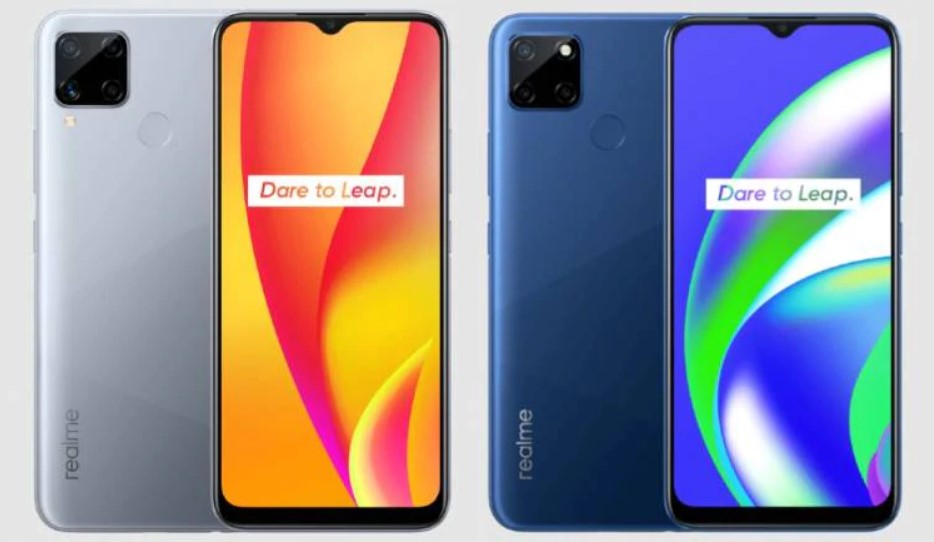
Realme recently unveiled the Realme C12 and Realme C15 smartphones in Indonesia. Today, the brand announced the C12 and C15 phones. The new C-series phones are packed with large-sized displays and batteries. These budget-friendly phones are powered by a gaming-focused chipset. Also, the Realme C15 comes with support for fast charging.
Realme C12 and C15 specifications and features
The Realme C12 and Realme C15 are packed with identical specs and they mainly differ in segments like camera configurations and fast charging capabilities. The Realme C15 has a quad-camera setup that includes a 13-megapixel main snapper, a 119-degree 8-megapixel ultrawide lens, a 2-mgeapixel b/w sensor, and a 2-mgeapixel depth assist lens. It has a front camera of 8-megapixel. The phone comes with support for 18W fast charging through microUSB.
In comparison, the Realme C12 has a triple camera setup on its back. It comprises of a 13-megapixel main camera, a 2-megapixel b/w lens, and a 2-megapixel depth sensor. It has a selfie camera of 5-megapixel. The phone supports only 10W charging.
The Realme C12 and C15 feature 6.5-inch LCD displays with waterdrop notch. Both phones support HD+ resolution and 20:9 aspect ratio. Both handsets feature Helio G35 chipset and LPDDR4x RAM. These phones offer users with eMMC 5.1 storage and a dedicated microSD card slot.
The Realme UI based Android 10 OS runs on Realme C15 and Realme C12. Both phones draw power from 6,000mAh batteries. Both phones support reverse charging. They are also fitted with rear-facing fingerprint scanners. The C12 and C15 offer users with common connectivity features such as dual SIM support, 4G VoLTE, Wi-Fi 802.11 b/g/n, Bluetooth 5.0, GPS. microUSB, and a 3.5mm audio jack.
Realme C12 and Realme price in India
Here is the pricing and availability of the Realme C12 and Realme C15
The Realme C12 comes in colors whereas the C15 can be bought in colors like Power Blue and Power Silver. Flipkart and Realme.com will begin with the sales of the C12 and C15 on Aug. 24 and Aug. 27 at 12PM, respectively.
At the event, the company also announced Realme Buds Classic for Rs. 399. Its first sale will be carried on Realme.com and Amazon India on Aug. 24. Later, these devices will be also made available in India through offline channels.
Apple has just responded to its latest dispute which has emerged with Epic Games. The known game publisher had recently had its popular game, Fortnite, removed from both Google Play and Apple App Store, since it brought in a new feature that lets users bypass the app stores for in game microtransactions. This caused Epic to respond with a lawsuit for both tech giants. Now, Apple has responded, saying it ‘won’t make any exceptions.’
According to an official statement by the Cupertino based company, “We very much want to keep the company as part of the Apple Developer Program and their apps on the Store. The problem Epic has created for itself is one that can easily be remedied if they submit an update of their app that reverts it to comply with the guidelines they agreed to and which apply to all developers.” Epic believes that both Google and Apple’s business operations on their app stores are anti competitive, and has filed a lawsuit accordingly.
This entire scenario was apparently planned months in advance as Epic Games responded with the lawsuit immediately after it got removed from both online stores. For those unaware, game developers that use either App Store or Google Play have to give either Apple or Google a 30 percent cut in any in game digital purchases. In other words, ordering a book or food is different, from buying a Fornite skin online, which must be bought through the platform’s respective payment system.
Thus, when Epic silently introduced the new bypass payment mechanics into its popular video game title, it was promptly removed from both platforms. At the moment, Apple has offered till the 28th of August to make changes to this system, and has said that this is a simple fix to the problem. If the publisher fails to comply, then it will be kicked out from its developer program, as reported by The Verge.
At a time when TikTok has been banned in one of the most important markets, India, and is facing the same issue in the United States, the short video social media platform has announced its first music partnership.
The ByteDance-owned company has announced a music distribution partnership with indie music distributor UnitedMasters. It will now allow artists on TikTok to tap into the platform and then distribute songs directly to other music streaming services.
This new deal seems to be a good easy-to-reach strategy for indie artists who can now circumvent traditional record labels to reach young music fans on the social video app. TikTok says that the platform has already helped several artists to further growth, including Lil Nas X, Ambjaay, StaySolidRocky, Powfu, BENEE, Y2K, bbno$ and others.
UnitedMasters, on the other hand, has grown its lineup to over 400,000 artists in the past 18 months, with a combined 5 billion streams and over a half-million distributed tracks. The company takes a 10 percent share of the revenue for music it distributes and allows artists to retain their rights.
Another interesting development in the on-going TikTok-relate circus in the United States is the entry of a new player for the acquisition talks. While Microsoft is already in talks with ByteDance for the acquisition of TikTok’s business in the United States, Oracle has now also joined the list of companies interested to acquire stake.
As per the report, the software giant has already held preliminary talks with TikTok’s parent company ByteDance and is also working with venture capital firms including General Atlantic and Sequoia Capital.
It is being said that Oracle is “seriously considering” to acquire TikTok’s business in the United States, Canada, Australia, and New Zealand. The development comes at a time when Donald Trump has signed an executive order ordering TikTok to sell its U.S. business within 90 days.
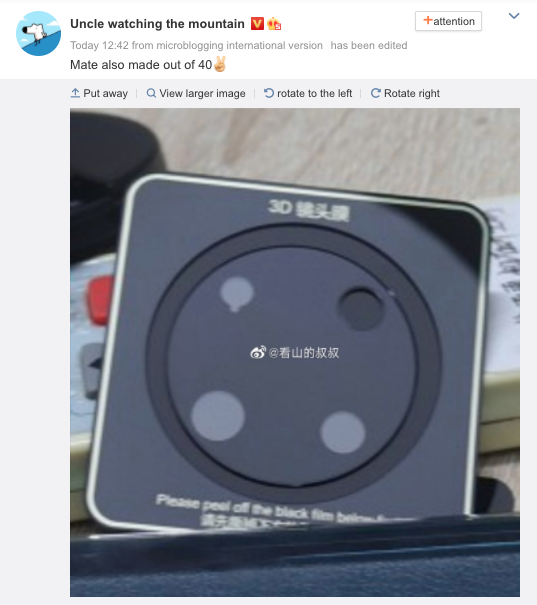
Chinese giant Huawei is now gearing up to launch its upcoming flagship smartphone — Huawei Mate40 series. Now, ahead of the phone going official, the design of the Mate40 Pro’s camera module has been leaked online.
The image of the upcoming Huawei Mate40 Pro’s camera module has been posted on Weibo, which showcases four camera sensors placed in a circular module while a rectangular element in the middle seems like an LED flash.
There’s a possibility that the phone may be equipped with a triple-camera setup and not a quad-camera setup given that while there are four camera positions in the image, only three on them have diaphragms. This indicates that the fourth element could be for some other type of sensor, like laser focus.
In related news, tempered glass for the protection of Huawei Mate40 series smartphones has also leaked online. From the leaked image, it seems that the series will come with a curved screen for a better screen-to-body ratio.
Recently, the company’s executive revealed that the Mate40 series could be the last from the company to come powered by the high-end Kirin series chipset as the company will stop making the flagship processors on 15th September after the new U.S. sanctions.
Another report has revealed that the Huawei Mate40 is expected to run the EMUI 10.X version while the Pro model could be the first smartphone from the company to be running the latest EMUI 11, which the company has been working on for quite some time.
The Huawei Mate40 series is expected to come in four models and the Mate40 Pro is reportedly codenamed “Noah”. While nothing much about these upcoming devices is known at this time, the phones are expected to go official next month.
Researchers have found that Snapdragon series smartphone chipsets from Qualcomm, which is widely being used in Android devices, has over 400 instances of vulnerable code that puts millions of users at risk.
Check Point, a cybersecurity firm has found that the DSP (Digital Signal Processor) used in Qualcomm Snapdragon chipset has the vulnerable code which it is calling “Achilles” and is claimed to impact phones to be used as a spying tool.
An app can bypass the usual security measures and can then access phone’s photos, videos, GPS, and location data, that too without the owner knowing about it. The attacker can also lock the phone with all the data stored, rendering it useless. It can also be used to store unknown and unremovable malware on the device.
The research firm has said that it has notified Qualcomm about its findings, as well as government officials and affected vendors. Given that millions of Android devices are at risk, the company has not published the details about its findings.
It is also being reported that Qualcomm has now fixed the issue but the affected devices can only be secured once the phone manufacturers start pushing the relevant updates and security patches to the affected phones, which is likely to take time.
In a statement, Qualcomm said that it has worked hard to validate and fix the issues. It also added that the company has not found any evidence of the Achilles vulnerability being exploited in the wild.
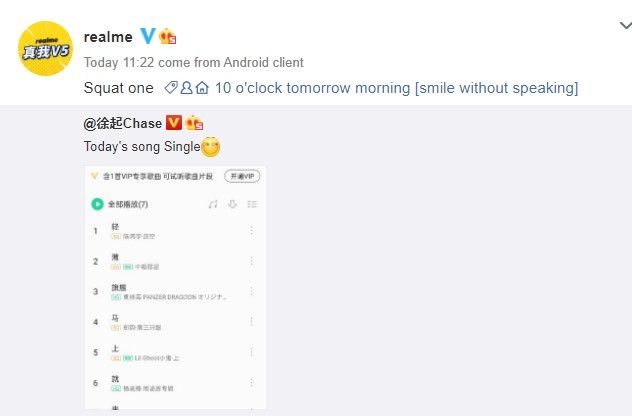
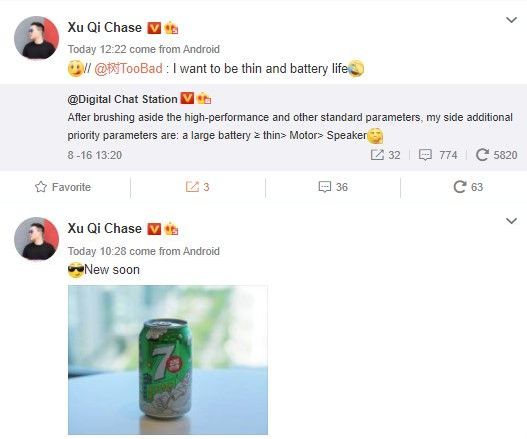
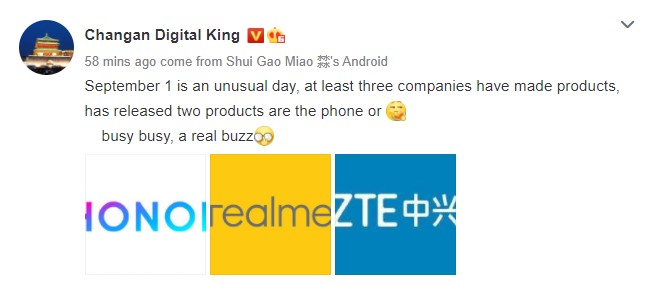
Realme is yet to confirm a date for its next launch event. Since Realme CMO Xu Qi has teased the arrival of new phones, it appears that the company could be gearing up to launch new phones in China soon. It is speculated that the Realme 7 or X7 series may go official on Sept. 1. A latest post from Realme’s Weibo account suggests that it may confirm the launch date tomorrow.
Yesterday, Realme CMO released a Weibo post carrying an image of 7up can along with “new soon” text. It is being speculated that the number 7 could be a hint that Xu Qi could be teasing the arrival of the Realme 7 or X7 series. His other post suggests that the new phones will have a thin form factor and still offer a good battery life.
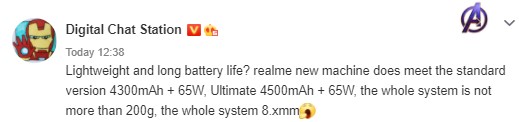
Yesterday, tipster Digital Chat Station from China had claimed that the two upcoming Realme phones measure 8.x mm and they are backed by 4,300mAh and 4,500mAh batteries. The two phones are also said to be equipped with 65W fast charging.
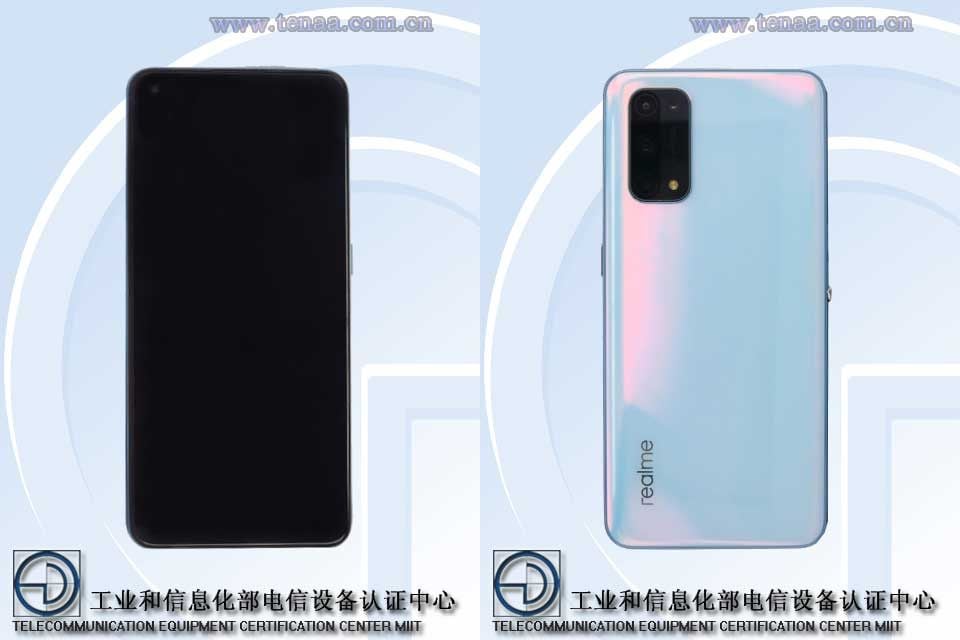
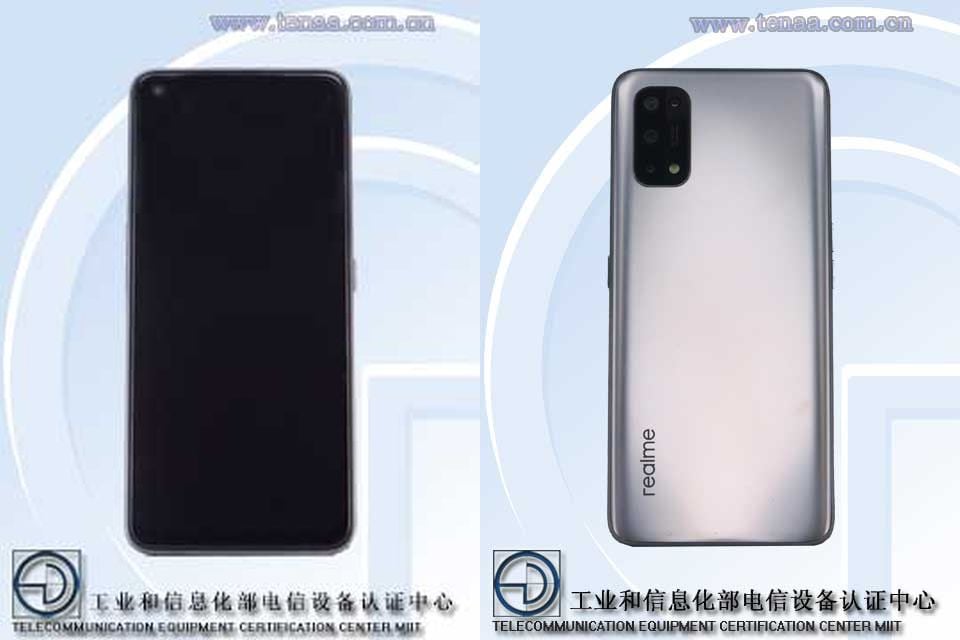
Based on recent reports, it can be said that the RMX2176 and RMX2121 could be the two upcoming Realme phones. The RMX2176 measures 8.1mm in thickness while the RMX2121 has a slim profile of 8.5mm. The TENAA listings of both phones have revealed that they are equipped with dual-cell batteries. The rated value of one of the batteries of RMX2176 is 2,100mAh while that of RMX2121 is 2,200mAh. TENAA has recently another Realme phone with RMX2200 / RMX2201 with a 4,890mAh rated battery. Hence, it may not be the phone that the tipster talked about.
A recent leak had revealed that the Realme RMX2176 has a 4,300mAh battery. The RMX2121 has been spotted at 3C’s database with a 65W fast charger in the recently. While the RMX2121 has appeared at 3C, it’s listing at TENAA is yet to get populated with full specs.
1 of 2
Realme RMX2121
Realme RMX2121 front
Realme RMX2176
Realme RMX2176 TENAA
On the other side, the RMX2176’s TENAA listing has revealed that it has a 6.43-inch FHD+ OLED punch-hole display with high refresh rate, a 32-megapixel camera, a 64-megapixel + 8-megapixel + 2-megapixel + 2-megapixel quad-camera system, Snapdragon 765G, 6 GB / 8 GB of RAM, and 128 GB / 256 GB of storage. It has an in-display fingerprint reader and lacks an external storage slot. The handset is yet to appear in 3C’s database.
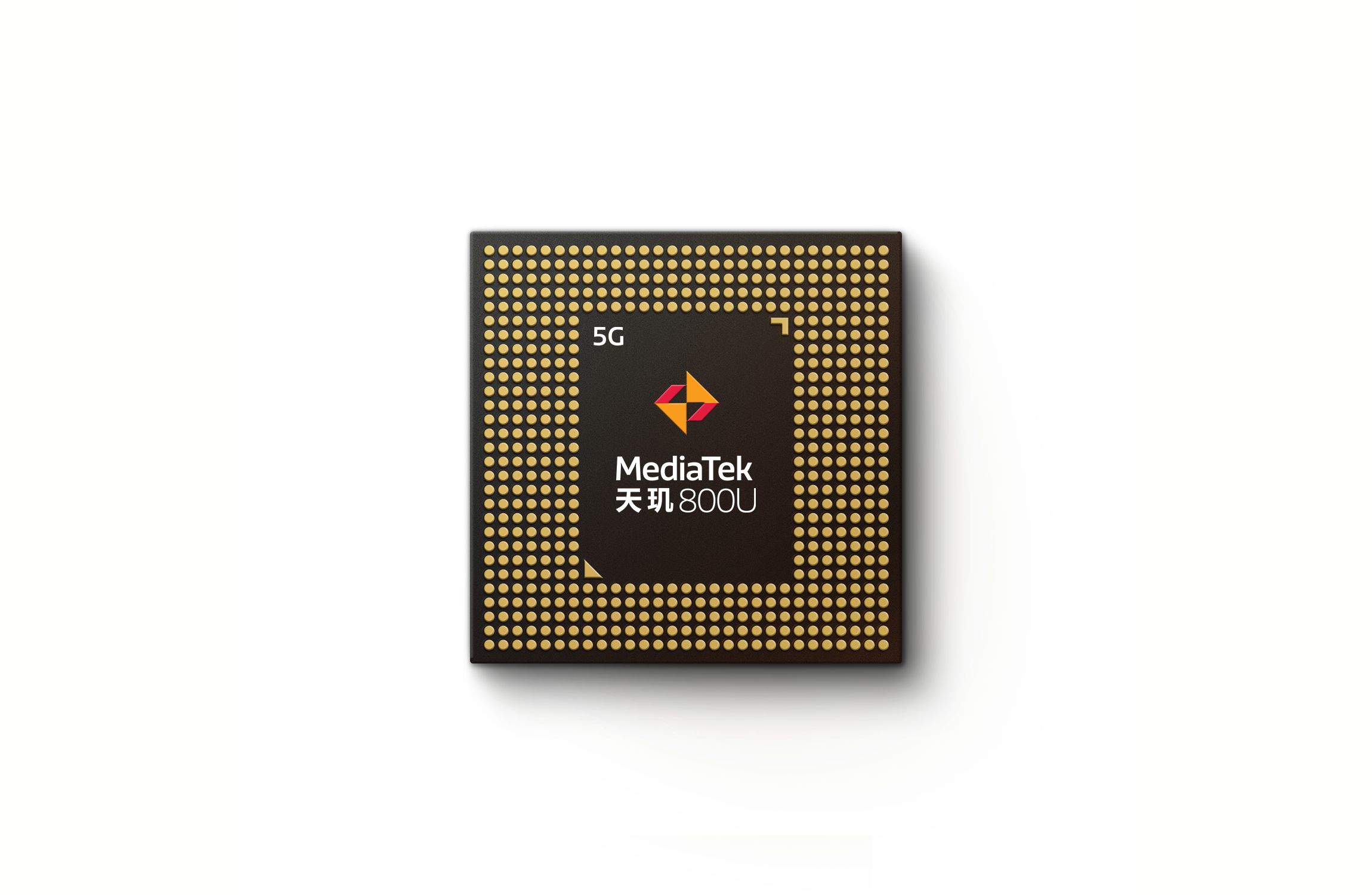
The Dimensity 800U is an octa-core chipset that includes two ARM Cortex-A76 cores that ticks at up to 2.4GHz and six Cortex-A55 cores that clocks at up to 2.0GHz. For graphics, it comes with ARM’s Mali-G57 GPU and it is equipped with an independent AI processing unit (APU).
The 5G modem of the Dimensity 800U support 5G + 5G dual SIM dual stand, dual VoNR (Voice over New Radio), sub-6GHz NSA / SA networks, and 5G two carrier aggregation (2CC 5G-CA). There is MediaTek 5G UltraSave technology onboard that manages the operations of the modem based on network environment and data transmission quality for improving the battery life of mobile devices.
Devices featuring the Dimensity 800U can include LPDDR4x RAM (up to 2133MHz) and UFS 2.2 storage. The SoC supports Full HD+ displays with 120Hz refresh rates. For enhanced visual experience, it supports HDR10+ and MediaTek’s MiraVision PQ engine with HDR optimization for different kinds of videos.
The IPS of the Dimensity 800U supports up to 64-megapixel image sensors and as many as four rear-facing cameras. Other features of the Dimensity 800U include support for multiple trigger words for different voice assistant, dual-mic noise reduction, Wi-Fi 802.11ac, Bluetooth 5.1
MediaTek has claimed that the Dimensity 800U is designed to deliver 11 percent and 28 percent faster CPU and GPU performance, respectively compared to the Dimensity 720 chipset that debuted last month. Phones featuring Dimensity chipsets are yet to release in markets outside of China. The company recently confirmed that Dimensity powered smartphones will debut in markets outside of China in Q3 this year. At present, there is no word on the first phone that will be arriving with the all-new Dimensity 800U SoC.
History will be made on September 1 when ZTE unveils the first commercially-available phone with an in-display front-facing camera. Ni Fei, the president of ZTE, has released a render that shows the front of the said device which will launch as the Axon 20 5G.
The image shows the phone will have pretty slim bezels, however, the bottom one is a bit thicker than the rest. The Axon 20 5G has three buttons on the right side of the frame. You can already tell they are the volume control buttons and the power button. The left side is bare and we can’t see the top and bottom.
The wallpaper used for the phone shows the front-facing camera design that the mobile industry as adopted in recent times. There is the left-cornered punch hole and the centered punch hole on the left while the pill-shaped punch hole and the motorized pop-up selfie camera are on the right. The image in the middle depicts the under-display camera which is not visible.
The Axon 20 5G will have a 6.92-inch FHD+ OLED display. It will be powered by a 2.4GHz octa-core processor believed to be the Snapdragon 765G, have up to 12GB of RAM, and 256GB of storage. The under-display camera is a 32MP sensor while the back is home to a 64MP + 8MP + 2MP + 2MP quad camera setup.
ZTE will ship the phone with a 4120mAh battery, an in-display fingerprint scanner, and Android 10 out of the box.
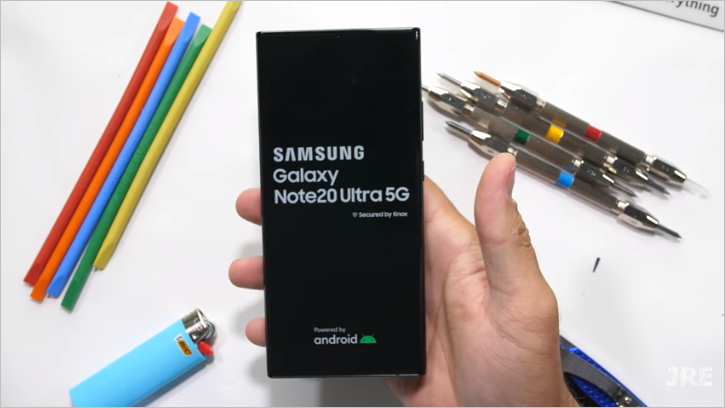
Samsung‘s latest Galaxy Note 20 Ultra has been put through Zack Nelson’s durability test. The evaluation sees the phone undergoing several categories of testing to determine its durability which includes scratch, bend and burn tests.
The first test is usually the scratch test beaming the searchlight on Corning’s latest Gorilla Glass Victus which features on the Not 20 Ultra first. The test using the Mohs hardness scale shows the device started getting some scratches at level 6 with deeper grooves at level 7. That is because Victu is still glass but with more strength.
The LED screen didn’t recover from the burn test which leaves a chunk of the display permanently damaged. The display still works fine and even with scratches, the under-screen fingerprint sensor still works perfectly.
Further, the phone handles the bend test pretty well with no damage when pressure is applied. The durability test also afforded us an opportunity to take a look at the S Pen stylus and other components crammed inside the body including a tiny lithium-titanate (LTO) battery at the top and charging coil near the tip of the pen.
You can check out the durability video from below.
To mark its 10th anniversary, Xiaomi unveiled a slew of products last week. At the top of the pack is the Mi 10 Ultra. The flagship device arrives with several standout features including 120W wired fast-charging support, a periscope lens and more.
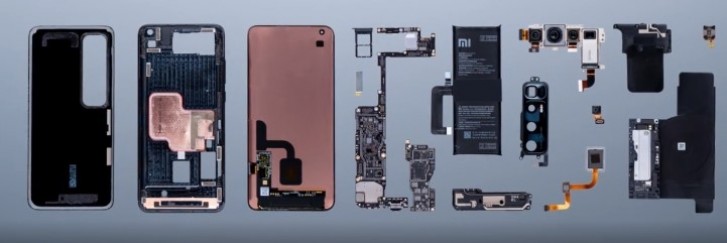
Xiaomi has now released a teardown with of the Mi 10 Ultra giving us our first glimpse of the internals. As revealed, the Mi 10 Ultra won’t be released outside China meaning it may not be possible to find a teardown video of the device on YouTube.
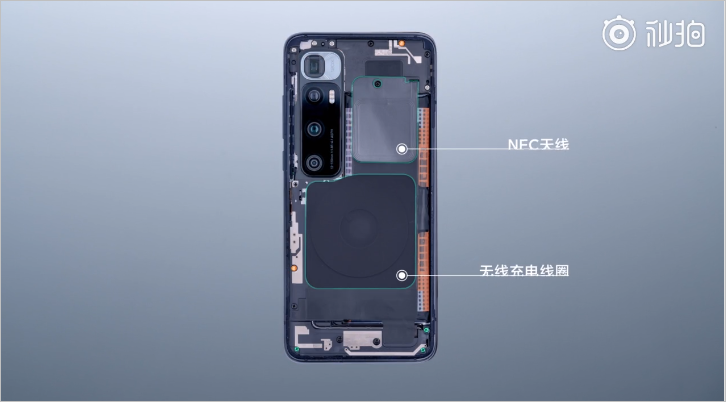
The video clip isn’t a long one, having a duration of two minutes but enough to showcase all the details there is to see. The first component that is visible when the back panel is yanked off is the NFC chip and the coil for the 50W wireless charging.
The video contains a reminder of the blazing speed at which the device can charge when the charger that ships with it is used. The phone can go from 0 to 100% in 40 minutes. The charging speed is even faster with a wired charger which tops the 4500mAh battery in 23 minutes.
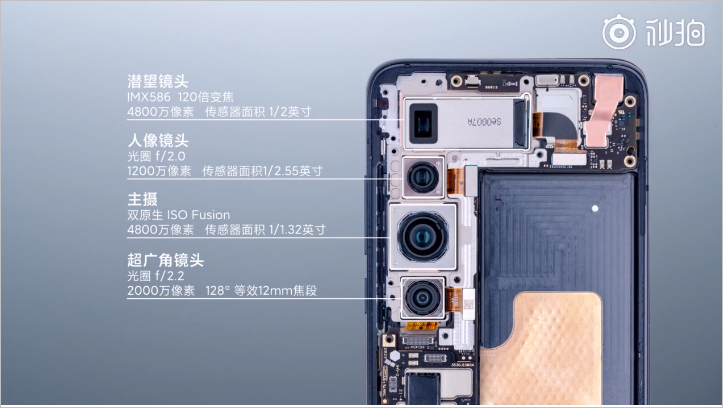
The rear camera setup is also unveiled in the video including the periscope cam which bends light through a prism that goes into the main sensor. The main cam is a 48 MP Sony IMX586 sensor.
Further, we get to see three cooling solutions which Xiaomi implemented on the Mi 10 Ultra. This includes a graphene-copper sandwich for the chipset, RAM, storage, and modem; additional graphene sheet, combined with a copper cooling chamber with vapor underneath the front panel; and an additional highly-conductive film, sitting right between the optical fingerprint scanner and the OLED, helping to dissolve the heat across the 110 sq.cm display.
The phone is also shown to feature an X-axis vibration motor sitting right below the battery and to pack a dual stereo speaker system.
The United States government has announced that it plans to reinforce its restrictions on the Chinese tech giant, Huawei. The move is to further prevent the manufacturer from gaining access to available chipsets and thus crippling its business even more.
Reuters reported earlier today that the US Commerce Department wants to prevent Huawei from purchasing chipsets using third parties which they have been doing. With the new rule, the use of American software or fabrication technology is banned and will require a license said Wilbur Ross, the Commerce Secretary.
We don’t want their equipment in the United States because they spy on us – Donald Trump, President of the United States
Huawei has denied that it spies for the Chinese government but it appears its words have fallen on deaf ears.
The new rule will make it even harder for Huawei to continue its operations. Mike Pompeo, the US Secretary of State said in a tweet that the US government has “dealt a direct blow to Huawei and the Chinese Communist Party by further limiting Huawei’s ability to acquire U.S. technology and compromise the integrity of the world’s networks and Americans’ private information.”
About a month ago, the UK government announced that Huawei was banned from the UK’s 5G networks. They also issued a ban on the purchase of Huawei equipment which will take effect on January 1, 2021. Carriers that have already set up 5G networks using Huawei technology have been given until 2027 to have them removed.
Xiaomi has been updating a plethora of smartphones to MIUI 12 since its official announcement in late April. The company is currently updating its 2018 handsets to stable version in China. Whereas, internationally, the update has begun to hit certain 2019 devices. The Mi 9 SE and Mi 9 Lite are the latest phones to get it.
The Xiaomi Mi 9 and Mi 9 Pro were one of the first smartphones to get MIUI 12 stable update in June in China. Later, the Mi 9 SE also received it in July. Now, the global, Europe (EEA) and Russian variants of the latter device along with Mi 9 Lite have also begun to get MIUI 12 stable.
Both the devices launched with Android Pie in all the markets and were updated to Android 10 earlier this year. However, as the Mi 9 SE is a bit older handset, it came with MIUI 10. On the other hand, Mi 9 Lite, which is basically a rebadged Mi CC9 debuted with MIUI 11.
Therefore, MIUI 12 update is the second and first MIUI update for these phones respectively. The build numbers for their update are as listed below.
Xiaomi Mi 9 SE
Xiaomi Mi 9 Lite
Global
v12.0.1.0.QFBMIXM
v12.0.2.0.QFCMIXM
EEA
v12.0.1.0.QFBEUXM
v12.0.2.0.QFCEUXM
Russia
v12.0.1.0.QFBRUXM
v12.0.2.0.QFCRUXM
That said, since these two devices have only received a single Android update so far, they are also eligible for Android 11. However, they may probably get it next year even though Google will officially release it in Septemeber.
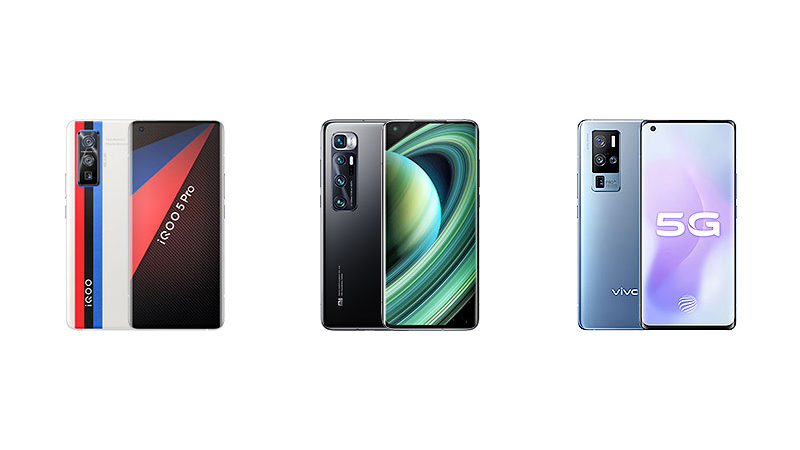
The newly-announced iQOO 5 Pro is one of the most original and powerful smartphones out there. A lot of people did not expect such a phone from a so young brand, but it came and it has all the potentialities to compete with the most advanced devices released from the best brands. The handset debuted in the Chinese market and we think there is no better way to understand its potentialities than comparing it with other Chinese-exclusive devices. iQOO is a brand launched by Vivo and the iQOO 5 Pro has a few important things in common with the Vivo X50 Pro+: that is why we decided to include it in this comparison. We also included the latest top-tier flagship by Xiaomi: the Mi 10 Ultra. Let’s discover who is better.
Vivo iQOO 5 Pro vs Xiaomi Mi 10 Ultra vs Vivo X50 Pro+
4500 mAh, fast charging 120W Quick Charge 5, fast wireless charging 50W and reverse wireless charging 10W
4315 mAh, fast charging 44W
ADDITIONAL FEATURES
Dual SIM slot, reverse wireless charging, 5G
Dual SIM slot, 5G
Dual SIM slot, 5G
Design
The iQOO 5 Pro and the Vivo X50 Pro+ offer a premium and unique design. The former debuted in a BMW Edition with two color variants: a carbon black version and a leather variant. The latter comes with a leather back as well, but it is not customized by a car manufacturer. On the other hand, it has a very elegant curved display. The most attractive devices are definitely iQOO 5 Pro and Vivo X50 Pro+. Xiaomi Mi 10 Ultra is still a premium device when it comes to the design, but it is a classic glass sandwich with an aluminum frame just like most of the flagships out there.
Display
In each case, you get amazing displays. All of these handsets feature an OLED panel with a Full HD+ resolution, a high 120 Hz refresh rate, the HDR10+ certification, and very high brightness. There is nothing negative to say about the displays. They are not the most advanced displays in the market, but they are great high-end panels. Given that there are only marginal differences between the displays of these phones, we recommend focusing on the other specifications instead of looking for the device with the best display. Note that Xiaomi Mi 10 Ultra comes with stereo speakers, so it should provide better audio quality.
Hardware/Software
If we talk about hardware, we can tell you almost the same concept we told you in the previous paragraph of this comparison. iQOO 5 Pro, Vivo X50 Pro+, and Xiaomi Mi 10 Ultra all feature a Snapdragon 865 chipset, as well as LPDDR5 RAM and UFS 3.1 native storage. In its most expensive configuration, Xiaomi Mi 10 Ultra wins the hardware comparison because it offers more RAM (up to 16 GB) and more internal storage (up to 512 GB). All of these devices get Android 10 out of the box, but with different customized UIs.
Camera
Besides coming with flagship-class hardware, these three phones are also amazing camera phones. The Xiaomi Mi 10 Ultra and the Vivo X50 Pro+ are actually superior to the iQOO 5 Pro, at least on the paper. They both look awesome with their incredible optical zoom capabilities, flagship-class sensors, and more. According to DxOMark, at this moment, the Xiaomi Mi 10 Ultra is the best camera phone in the market. But DxOMark never reviewed a Vivo phone and we believe the X50 Pro+ with its gimbal camera will be a valid opponent.
Battery
Xiaomi Mi 10 Ultra has a bigger battery and, given that it features similar components to its two rivals, it should last more on a single charge. Further, it has the fastest charging technology alongside the iQOO 5 Pro, with a 120W power. However, the iQOO 5 Pro will charge faster due to its smaller battery capacity. With the Xiaomi Mi 10 Ultra, you also get the fastest wireless charging technology with a 50W power.
Price
The starting price of the Xiaomi Mi 10 Ultra is $999/€841, Vivo X50 Pro+ begins at $790/€665, and iQOO 5 Pro starts from €610/$724. It costs more, but Xiaomi Mi 10 Ultra looks like the most complete device of the trio. The iQOO 5 Pro wins the value for money award.
We use cookies on our website to give you the most relevant experience by remembering your preferences and repeat visits. By clicking “Accept”, you consent to the use of ALL the cookies.
This website uses cookies to improve your experience while you navigate through the website. Out of these, the cookies that are categorized as necessary are stored on your browser as they are essential for the working of basic functionalities of the website. We also use third-party cookies that help us analyze and understand how you use this website. These cookies will be stored in your browser only with your consent. You also have the option to opt-out of these cookies. But opting out of some of these cookies may affect your browsing experience.
Necessary cookies are absolutely essential for the website to function properly. This category only includes cookies that ensures basic functionalities and security features of the website. These cookies do not store any personal information.
Any cookies that may not be particularly necessary for the website to function and is used specifically to collect user personal data via analytics, ads, other embedded contents are termed as non-necessary cookies. It is mandatory to procure user consent prior to running these cookies on your website.