Gionee has been taking things pretty slowly since the brand returned to the market last year after filing for bankruptcy. The Chinese brand has been focusing on India in addition to its major market which is China. There are indications that a new Gionee smartphone may be launched soon in India.
The product page for a Gionee model which is dubbed Gionee Max has appeared on Flipkart. The teaser poster on the page shows that the Gionee Max will be launched on August 25 at 2 PM IST.
Although the full specs of the phone are yet to be released, the poster promotes the Max as a superior budget smartphone that would be priced less than Rs. 6000 ($80). The Max may likely return as a large display model and will equally pack a big battery. The battery capacity wasn’t revealed but Gionee recently got TENAA certification in China for a model packing a 10000mAh battery. We don’t expect this model to have such a large battery but the capacity may likely be up to 5000mAh.
The renders of the device also contained on the poster shows the model will have a waterdrop notch design at the top but the bottom bezel looks thick. The device also packs a 3.5mm audio jack.
ASUS is launching the Zenfone 7 next week. A leak already revealed the price of the phone in Europe and it is cheaper than most of the phones from competitors. Another leak has now revealed the specs of the device and it shows that ASUS has made some tradeoffs to keep the price low.
The specs of the Zenfone 7 were found in the kernel source of the ROG Phone 3 by the tech blog ReaMeizu. They have reported that the flagship will feature an LCD display supplied by BOE. The screen size is put at 6.4-inches with a resolution of 2340 x 1080 and a refresh rate of 60Hz. The low refresh rate is pretty disappointing in a world where even mid-range phones with LCD panels have a high refresh rate.
Since it is an LCD panel, the fingerprint scanner is not buried under the display. The source says the scanner is supplied by Goodix and might be on the back of the phone or on the side where it doubles as the power button.
The code also revealed that the Zenfone 7 is powered by the Snapdragon 865 processor and not the Snapdragon 865 Plus as some sources have reported. It has support for a MicroSD card that is believed will sit in a triple card SIM tray.
Asus Zenfone 7 Specs. •6.4 inch LCD BOE FHD+ Display With 60Hz Refresh Rate •Goodix FP Scanner Present On Rear On Side Mounted •Snapdragon 865 5G •Triple Rear Flip Camera With Dual Led Flash 64MP Main Sony IMX686 + 12MP Ultra + Wide IMX363 + TOF Source https://t.co/YzrWBfrCEHpic.twitter.com/A7AGDKLwX8
Indian leaker, Abhishek Yadav, posted a tweet listing the aforementioned specifications. However, he adds that the Zenfone 7 will have triple rear cameras that consist of a 64MP Sony IMX686 main camera, a 12MP IMX363 ultrawide angle camera, and a ToF camera.
It has been reported in earlier leaks that the phone will have a 5000mAh battery. It should also run Android 10 out of the box and be eligible for two OS upgrades when it launches.
At the end of last month, OPPO Reno4 and Reno4 Pro made their international debut. However, these two phones are totally different from the ones launched in China. But there have been multiple certifications confirming the brand to bring the original with 5G connectivity to global markets. Now, the vanilla Reno4 5G also appears on Geekbenh suggesting an imminent launch.
The original Oppo Reno 4 (stylized as OPPO Reno4 5G) launched in early June in China. The same phone was expected to debut in other regions. Sadly, that did not happen as the company announced an inferior OPPO Reno4 for global markets.
When the launch of OPPO Reno4 series global variant was nearing, a number of certifications began to pop up for the original 5G version. Now, weeks later, more certifications and even a Geekbench listing has gone live for the regular Reno 4 5G.
The listing spotted by MySmartPrice mentions the device as OPPO CPH2091, which happens to be the model number of OPPO Reno4 5G launched in China in the month of June. This confirms that the company will be indeed launching the original handset in international markets.
Although the original Reno3 Pro and Reno3 Pro Vitality Edition were rebranded to Find X2 Neo and Find X2 Lite for the global markets, the Reno4 5G and Reno4 Pro 5G will retain their original as per FCC.
In June, the ZTE Blade A7s 2020 received approval from the Federal Communications Commission (FCC). It was approved by the Bluetooth SIG authority last month. The handset was also spotted at Google Play Console at the tail-end of July. Now, popular leakster Sudhanshu Ambhore has shared the official renders along with the pricing of the phone.
ZTE Blade A7s 2020 specifications (Rumored)
The leak has revealed that the Blade A7s 2020 has a 6.5-inch IPS LCD display with waterdrop notch. It supports anHD+ resolution of 720 x 1650 pixels and 262ppi pixel density. The UNISOC SC9863A SoC is present under the hood of the device. The SoC is coupled with up to 3 GB of RAM.
ZTE Blade A7s 2020
The phone comes with 64 GB of storage. There is a hybrid SIM slot for adding a microSD card slot. It houses a 4,000mAh battery with 10W charging support. It has a selfie camera of 8-megapixel. The backside of the phone has a vertical camera setup that includes a 16-megapixel main camera, an 8-megapixel lens, and a 2-megapixel sensor.

The Blade A7s 2020 has a 3.5mm audio jack and a USB-C port. A fingerprint scanner can be seen on the shell of the device. The renders show the Blade A7s 2020 in blue and black color variants. The handset measures 164.7 x 77.4 x 8.2mm and it measures 179 grams.
ZTE Blade A7s 2020
ZTE Blade A7s 2020 pricing (Rumored)
The leak mentions that the ZTE Blade A7s 2020 in two versions such as 2 GB RAM + 64 Gb storage and 3 GB RAM + 64 GB storage. They are priced at 99 euros and 110 euros, respectively. The tipster has mentioned that the actual pricing may vary by 10 euros. Since almost everything is known about the Blade A7s 2020, it may go official in the next few days.
The US Department of Commerce recently tightened sanctions against Chinese telecom giant Huawei with the state department going after companies affiliated to the Chinese tech giant.
MediaTek Dimensity 1000
The news is reported to have sent shares of Taiwan-based integrated circuit designer MediaTek Inc. plunging Tuesday. Financial experts are of the opinion that the tighter sanctions aimed at preventing Huawei from getting chips through alternative chip production have raised concerns over the prospects for MediaTek shipments.
MediaTek’s shares fell 9.49 percent to NT$620.00 (US$21) on the Taiwan Stock Exchange (TWSE). Selling in MediaTek spread to so-called MediaTek concept stocks, sending ripples throughout the semiconductor sector.
MediaTek shares came under heavy downward pressure soon after the market opened, as investors rushed to cut their holdings in the stock in the wake of the new sanctions.
The U.S. Department of Commerce announced on Monday that it has added 38 Huawei affiliates to the U.S. government’s economic blacklist amid escalating tensions between Washington and Beijing. The new measures raised the total to 152 affiliates on the list since Huawei was first added in May 2019.
U.S. Commerce Secretary Wilbur Ross said in an interview with Fox Business that the restrictions on Huawei-designed chips imposed in May “led them to do some evasive measures. They were going through third parties.”
The tighter restrictions, Ross said, “make it clear that any use of American software or American fabrication equipment is banned and requires a license.”
Before the stricter measures, analysts said Huawei was able to avoid the U.S. restrictions by going to third parties like fabless MediaTek, which designs chips but contracts IC makers already affected by U.S. sanctions to make them. Analysts say those loopholes have been closed with the new sanctions.
As its stock price plunged Tuesday morning, MediaTek issued a statement to the TWSE, saying the company always abides by global trade rules and that it is closely monitoring any changes in U.S. export rules. MediaTek said it has been working with external legal experts to ensure the company does not violate any international trade regulations.
Analysts said that despite the move’s potential impact on MediaTek’s shipments to Huawei, MediaTek may be able to fill the gap by supplying chips to other Chinese smartphone brands such as OPPO, Vivo and Xiaomi as well as South Korea’s Samsung.
The year 2020 has almost swept away but HMD Global is yet to launch this year’s budget Nokia Android smartphones. Thankfully, they seem to be coming soon according to a report from a few days back. Now, one of those phones called Nokia 3.4 visits Geekbench confirming its imminent launch.
The last Nokia 3 series handset was Nokia 3.2. But the company has decided to name the next device in the series as Nokia 3.4 to match it with its siblings. According to a Geekbenh listing spotted by 91Mobiles, this phone is codenamed “DoctorStrange”.
For those unaware, HMD Global has been using Marvel characters’ names as the codenames of its devices for a while now. Hence, there’s nothing to be shocked to learn the “Master of the Mystic Arts” to be attached with a Nokia Android smartphone.
What’s more interesting is the source code of this listing reveals this handset to feature Qualcomm Snapdragon 460 chipset. This makes it the fourth unreleased smartphone with the said chip after Oppo A53 2020, vivo Y20, and Motorola Moto E7 Plus.
The listing also confirms it to come with 3GB RAM and Android 10. But there could be other variants with more or less RAM (like 2GB and 4GB). As for performance, it scores 252 points and 1259 points in single-core and multi-core tests respectively.
Having said that, the design of this phone is still a mystery and so is its launch date.
Lenovo has officially introduced five new models to its Yoga laptop lineup. The models include the Yoga Slim 7i, Slim 7i Pro, Yoga Slim 7 Pro, Yoga 7i and Yoga 6. The Yoga Slim Pro and Yoga 6 are powered by AMD processors while the Yoga Slim 7i, Slim 7i Pro and Yoga 7i are powered by Intel processors.
Lenovo Yoga Slim 7 Pro
The Yoga Slim 7i features a 13-inch display while the next-gen Yoga Slim 7i Pro adopts a 14-inch screen. The Slim 7 Pro also features a 14-inch display but is powered by an AMD Ryzen 9 4900H series mobile processor with up to 16GB DDR4 memory and built-in AMD Radeon graphics. The Yoga Slim 7 Pro also provides up to 17 hours of battery life. It equally features Rapid Charge Boost which delivers two hours of battery life in just 15 minutes.
Lenovo-Yoga-6
The Yoga 7i is a portable 2-in-1 laptop which is available in 14-inch and 15.6-inch models. It is powered by an unnamed next-gen Intel Core processor and is designed for people who want high performance, immersive visuals, great connectivity, and long-lasting battery life.
Lenovo Yoga Slim 7i
The Yoga 6 is the first model of this lineup and it packs a 13.3-inch FHD touchscreen with convertible design. The display comes with a 72% NTSC colour gamut, 300 nits peak luminance and wide view angles. It is fired up by AMD’s Renoir-U APUs. One of the highlights for this new series is the unique hybrid design of metal and soft-touch materials wrapped in a textured blue fabric.
Lenovo-Yoga-7i
The specs are not as impressive as what we see on the Yoga Slim 7 Pro, but users can still opt between a Ryzen 5 4500U and a Ryzen 7 4700U with integrated Vega GPUs, which can be coupled with either 8 GB or 16 GB of DDR4 RAM and up to 1 TB of NVMe SSD storage.
Other impressive features you’ll find on the Yoga 6 include stereo Dolby Atmos SW speakers, fingerprint reader, backlit keyboard and webcam with TrueBlock Privacy Shutter system, plus an optional digital pen. The notebook supports dual-band Wi-Fi 6 and Bluetooth 5.0. It also features a USB-C 3.1 for charging, a second USB-C 3.1 for data transfer mode and two USB-A 3.1 ports as well as an audio jack.
The Yoga 6 gets its power from a 60 Wh battery, which is touted to last up to 18 hours.
The Yoga 6 Convertible with a Ryzen 5 4500U chip starts at €899 (including VAT). The laptop will be available this October.
With the Galaxy Note20 series out of the way, we are pretty sure Samsung is already working on the Galaxy S21 (or Galaxy S30). Now, details of the Galaxy S21 Ultra have begun surfacing.
According to Ice Universe, the 2021 flagship will have a 108MP camera just like its predecessor, the Galaxy S20 Ultra. However, it won’t be the same sensor but a new one. The leaker said in the tweet that the new sensor is the successor to the ISOCELL Bright HM1.
Galaxy S21 Ultra,Still 108MP, the sensor is the successor to HM1
We expect the new sensor will be announced before the end of the year. It is also safe to say that Samsung will not be the only picking up the sensor for its flagships.
Another info that has surfaced about the upcoming flagship is a faster-charging technology. According to Vietnamese leaker, Chun @Boby25846908, the Galaxy S21 Ultra will have support for 60W fast charging. The Galaxy S20 Ultra supports 45W fast charging but surprisingly, the new Galaxy Note20 Ultra only supports 25W fast charging.
We advise you to take the info with a pinch of salt. However, seeing as a lot of flagship phones launching next year will most likely support 100W+ (proprietary and Quick Charge 5.0) fast charging, it will be unwise for Samsung to ship a phone that charges considerably slower (25W or 45W).
The Galaxy S21 Ultra is still six months away from launch but more details should surface in the months leading to its launch.
Last month, OPPO silently unveiled the OPPO A72 5G smartphone. It debuted as the first phone powered by the Dimensity 720 5G chipset. Yesterday, MediaTek took off covers from the Dimensity 800U chipset. According to a tipster from China, an upcoming OPPO phone is powered by Dimensity 800U. The tipster is of the view that the smartphone may be debuting by the end of this month or in early September.
Through different Weibo posts, the tipster has claimed that the OPPO’s Dimensity 800U powered smartphone has an OLED screen with a punch-hole design. The phone is backed by a 4,300mAh battery and it is equipped with 65W fast charging capabilities. The thickness of the device is less than 8.5mm and it weighs under 180 grams.
In a more recent Weibo post, the tipster has mentioned that the phone belongs to the OPPO Reno4 series and it weighs 169 grams. The phone may go official at August-end or in early September.
The above-mentioned specs seem to match with OPPO PEAM00 / PEAT00 phone that has a 6.43-inch OLED panel with a punch-hole cutout at the top-left corner. TENAA listing mentions that the phone is powered by a 2.0GHz octa-core processor and 8 GB of RAM. The phone features an internal storage of 256 GB and it lacks support for microSD card slot.
The OPPO PEAM00 / PEAT00 smartphone has a 48-megapixel + 8-megapixel + 2-megapixel triple camera system and it has a front camera of 32-megapixel. The phone is fueled by a 2,200mAh dual-cell battery. The 3C listing of the phone has revealed that its retail package may include a 65W rapid charger. The phone has 160.5 x 73.9 x 7.85mm dimensions and weighs 169 grams.
The OPPO Reno4 series that debuted in June has Reno4 5G and Reno4 Pro 5G phones. The OPPO PEAM00 / PEAT00 is weaker in specs compared to the existing Reno4 series phones. Probably, it may arrive as Reno4 Youth or with some other moniker.
OnePlus offers some of the best smartphones in the market. This year, the brand has so far launched three handsets namely OnePlus 8, OnePlus 8 Pro, and OnePlus Nord. The first handset is now certified for Android Enterprise Recommended. Whereas, the latter two phones will be also receiving certification soon.
Google introduced Android Enterprise Recommended program in February 2018. The motive of this program is to create a list of certified recommended devices for enterprises. OnePlus phones have never been part of this program. But the company targeted to change it this year and it succeeded in achieving it.
As of writing this, the program includes a total of 182 smartphones. Out of which, one of them is OnePlus 8. However, the brand confirmed to XDA Developers that OnePlus 8 Pro and OnePlus Nord will also be added to the list soon.
The Android Enterprise Recommended program or AER for short requires certain hardware and software criteria. These three OnePlus handsets more than meet the requirements with their heavy specifications and regular system updates.
We believe future OnePlus handsets will be also enrolled in this program, thanks to the brand’s growing popularity in the US with carrier partnerships.
Earlier this month, Redmi India announced the Redmi 9 Prime. The phone is already available for purchase with the next flash sale date set for 12 Noon on August 24. Now, the manufacturer is teasing the arrival of another smartphone, and we have a good guess which phone it is.
The teaser was posted earlier today on Twitter and lists the already launched Redmi smartphones this year such as the Redmi Note 9 Pro Max and Redmi Note 9 Pro which launched in March; the Redmi Note 9 that was announced in July, and the Redmi 9 Prime. The teaser hints at the new smartphone also having a “9” in its name.
The Redmi 9A is an entry-level smartphone with a 6.53-inch 720 x 1600 display that has a waterdrop notch. It is powered by an Helio G25 processor with 2GB of RAM and 32GB of storage. There is a dedicated MicroSD card slot that allows users to add more storage.
On the back of the Redmi 9A is a 13MP camera and an LED flash while the selfie camera is a 5MP camera. There is a massive 5000mAh battery under the hood of the phone with support for 10W charging via a MicroUSB port. The phone also has an audio jack and Bluetooth 5.0. The Wi-Fi certificate revealed the Indian variant will run MIUI 12 (based on Android 10) out of the box.

The Redmi 9 is priced at INR 9,999 (~$134), so the Redmi 9A should sell for a lower price tag, probably around INR 7,499 (~$100).
In May this year, Xiaomi launched the Mi Precision Screwdriver Kit in India under crowdfunding with a decent price ta of 999 yuan (~$13). For those who couldn’t grab the gadget during the crowdfunding exercise, Xiaomi has now launched the Mi Precision Screwdriver Kit on open sale. It is presently available on mi.com for 1,299 yuan (~$17).
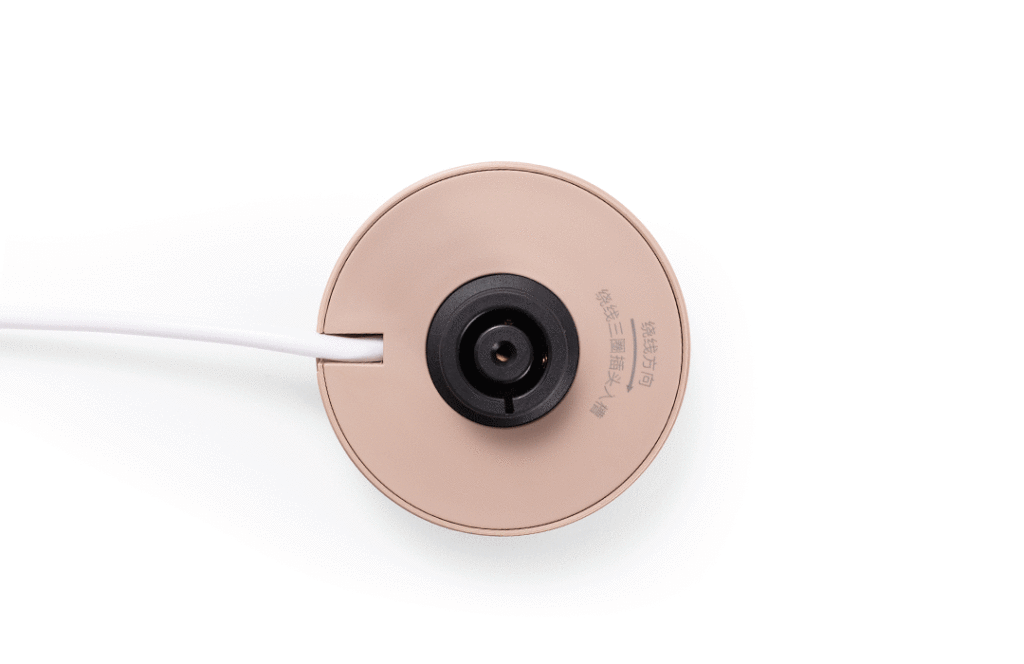
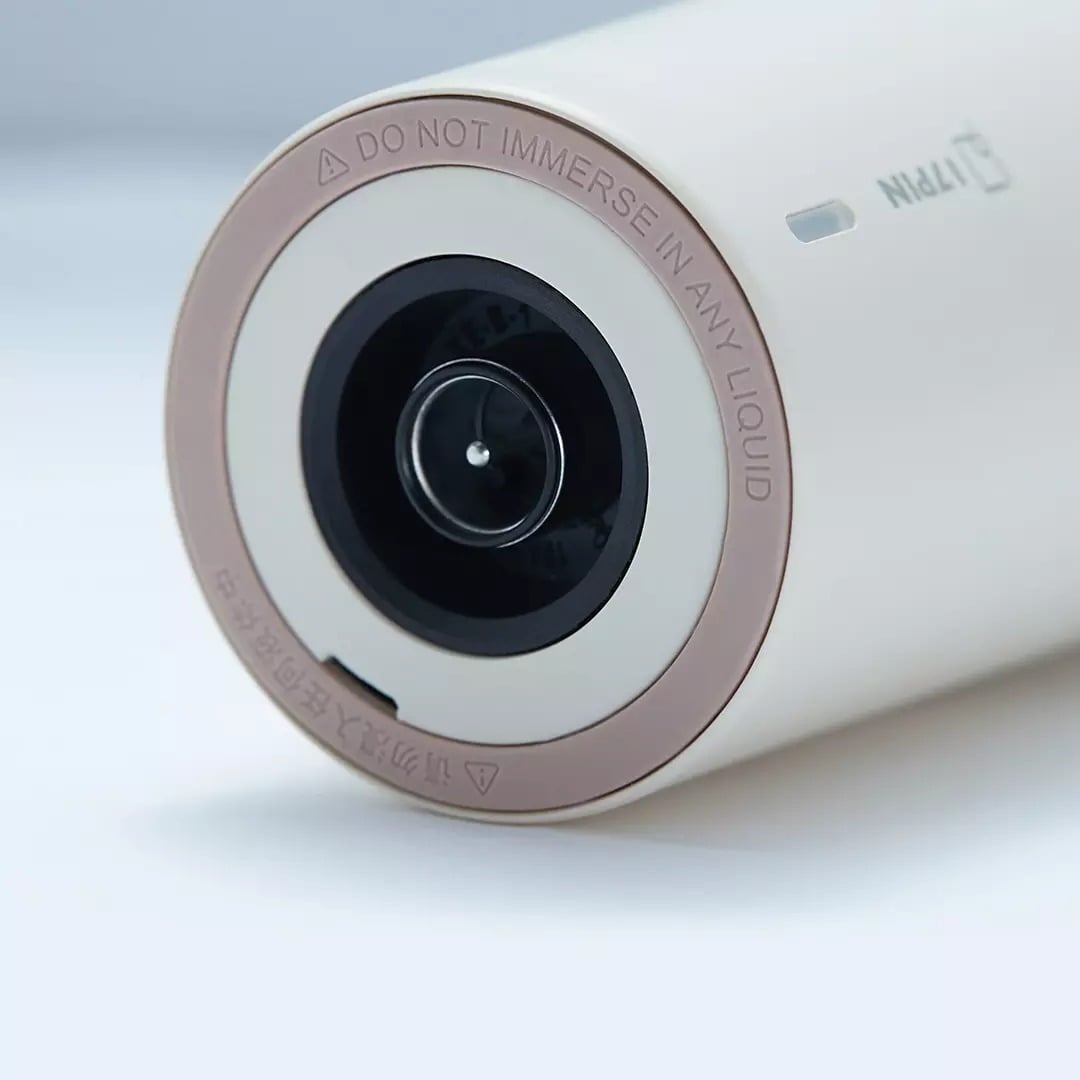
The Mi Precision Screwdriver Kit comes with 24 anti-rust precision bits covered in aluminium alloy cover. It features a magnetic box for storage with an aluminium alloy handle and is suitable for conventional household appliances like quartz watches, laptops, cameras, radios, computers, mobile phones, drones, etc. To open it, you have to press the magazine that holds the bits downwards.
The handle has a rotating cap and is designed to be anti-slip for a better grip. The bits are engineered to deliver super high precision for perfect usage. The cover comes with smooth arc edges for comfortable grip experience and is anti-sweat and anti-corrosion.
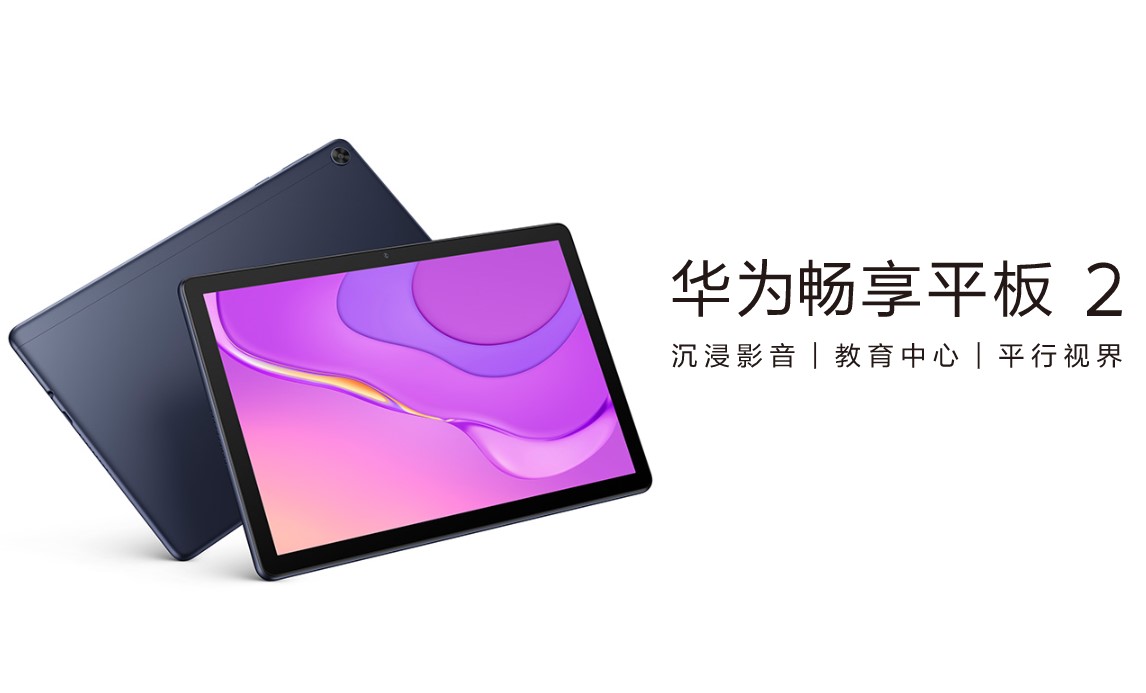
Displays with high refresh rates have become a norm in the mobile industry. However, there are only a few tablets with a high refresh rate with the notable ones being Apple’s iPad Pro tablets and Samsung’s Galaxy Tab S7 series. Now, a rumor says Huawei is about to join the league.
According to Digital Chat Station, Huawei is working on a tablet with a high refresh rate. While he didn’t specify if it is a 90Hz panel or a 120Hz panel, another Chinese blogger that goes by @科技du on Weibo confirmed that the info is true and revealed the Huawei tablet will have a 10.8-inch display.
There are speculations that the display will have a 120Hz refresh rate and the tablet itself may be a successor to the MatePad Pro that launched last December.
The new Huawei tablet should launch soon according to @科技du but it may not be powered by the Kirin 9000 processor that will launch with the Mate 40 series. Nevertheless, it should pack significant upgrades over the MatePad Pro.
Around this time last year, Fitbit unveiled the Versa 2 smartwatch packing an OLED display. The company is now set to announce the Versa 3 but before the official announcement, renders of the smartwatch have leaked online. Alongside the Versa 3, renders of the Fitbit Sense and Inspire 2 also made the round.
The leaked renders show the Versa 3 adopts a shape that is intermediate between a circle and a square. The squircle-shaped display and the home screen in the renders confirm the smartwatch will come with heart rate monitoring and step counter, which is commonplace in smartwatches these days.
Around the back, the Versa 3 has a heart rate sensor and charging pins, and there are a microphone, location and 50M icons below, which confirm voice controls, built-in GPS and 50 meters water resistance, respectively.
The source also leaked renders of the Fitbit Sense and Inspire 2. The Fitbit Sense looks similar to the Versa 3 but is costlier. Its home screen confirms the step counting, sleep tracking, and heart rate monitoring features.
Fitbit Inspire 2
Its back – which is home to the heart rate sensor and charging pins – has four icons, two of which confirm built-in GPS and 50 meters water resistance. The other two hint at temperature measurement and ECG. There’s no microphone icon here like the Versa 3, which means the Fitbit Sense either doesn’t support voice controls or the company decided to not put one. The latter is possible since the Fitbit Sense is costlier than Versa 3.
The Inspire 2 is a successor to the Fitbit Inspire which was announced last March. The smartwatch adopts a rounder design compared to its predecessor. It also confirms the presence of a heart rate sensor. Other features of this smart band are currently unknown, but you can expect it to come with basic fitness tracking.
Fitbit Inspire 2
The renders of the Versa 3 and Inspire 2 also reveal that the company has ditched the physical buttons and opted for a button-less design. Unlike their predecessors that had physical buttons on their left sides, these devices have an indent instead for what could be a touch/pressure-sensitive area. The same goes for Fitbit Sense.
Fitbit is yet to reveal any detail about the wearables but since these official-looking press renders are out, it won’t be long before the US-based company makes them official.
Earlier this year, TCL and BlackBerry Mobile announced that the latter will no longer design, manufacture, and sell BlackBerry-branded mobile devices anymore. There has not been a new BlackBerry phone in almost two years but that will change next year.
Apparently, there is a new BlackBerry licensee called OnwardMobility and they have announced they will launch the first BlackBerry 5G mobile phone next year. OnwardMobility is a security solutions company that is headed by Peter Franklin.
According to a video released by the CEO, the company has gone into an agreement with FIH Mobile, a subsidiary of Foxconn Technology Group, to launch a new 5G BlackBerry smartphone that will be powered by Android.
This image above from OnwardMobility’s website says new BlackBerry 5G smartphones are coming in 2021. This means there will be more than one device next year.
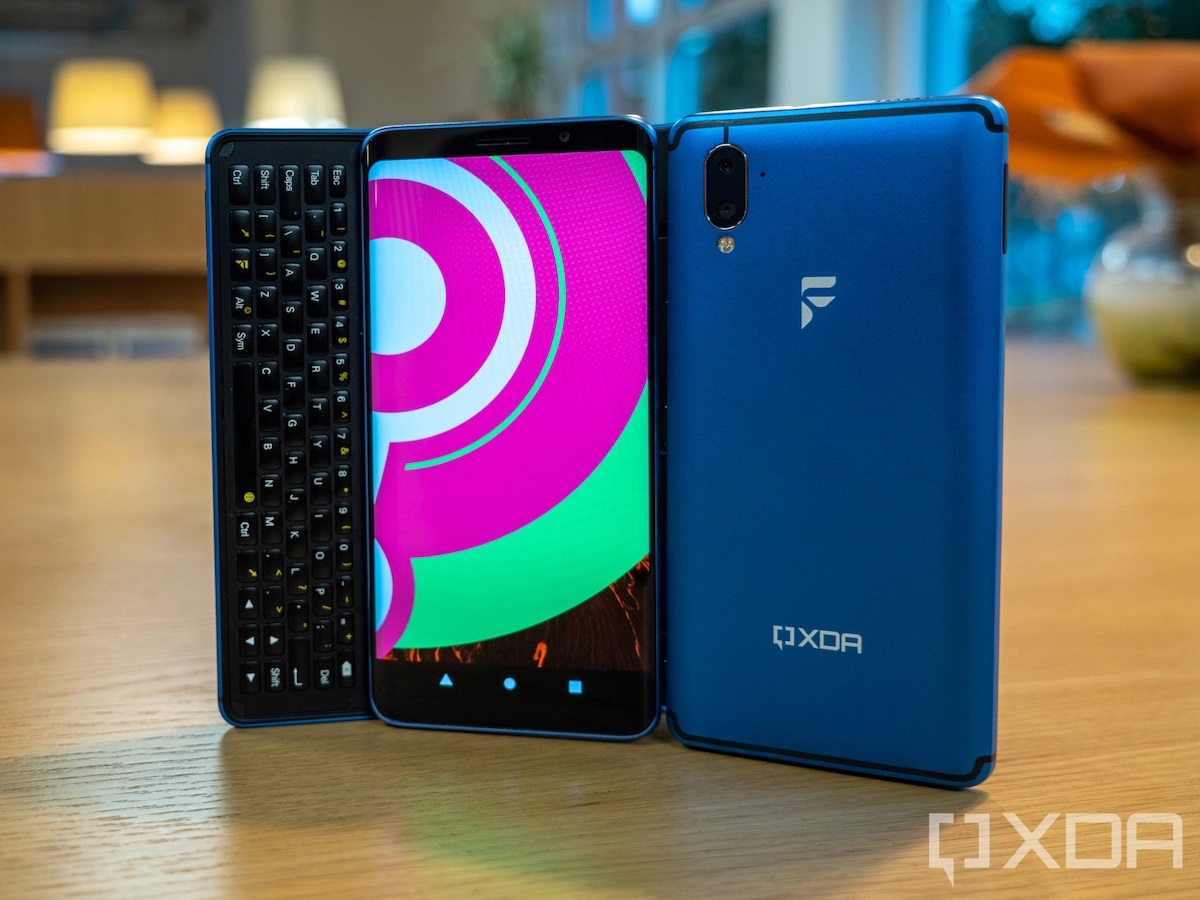
The company executive has also given us a heads-up with respect to the design of the first phone. In the video, he revealed that the new phone will have a physical keyboard. So we expect it to have a form factor similar to the BlackBerry KEY2.
With respect to specs, there are no details yet other than it having support for 5G. However, we presume it will not be a flagship phone.
OnwardMobility is promising a feature-rich Android smartphone that delivers on security and productivity which are the main strengths of BlackBerry smartphones. Information on the manufacturer’s website says that the phone will launch in the first half of 2021 in North America and Europe.
It definitely is good news to know that BlackBerry Mobile is not dead. We also hope OnwardMobility will have more success with the brand.
With the lockdowns due to COVID-19 pandemic, kids around the world are continuing their education at home. Similarly, more people are working from home than ever before. This led to the rise of the global tablet market and Lenovo even became the fastest-growing tablet brand in Q2 2020, according to Canalys. Now, a new report by IDC says that Educational Tablet market in China also witnessed 29.9% YoY increase in the last quarter.
The IDC report points out the Educational Tablet Market in China to decline by 9.2% YoY in Q1 2020 but it was less compared to the ordinary tablet market’s 29.8% YoY decline. The research firm says that it was due to reduced production capacity and therefore, with improvement in production, China Educational Tablet Market grew 29.9% YoY in Q2 2020.
As usual, BBK, the parent company of OPPO, vivo, OnePlus, realme, and iQOO lead the market with a whopping 41.8% share. Whereas, brands like ReadBoy, youxupeai, Subor, and Ozing secured second, third, fourth, and fifth positions with 10.4%, 9.1%, 8.3%, and 4.4% market shares respectively.
China Educational Tablet Market Q2 2020
Company
Market Share
BBK
41.8%
ReadBoy
10.4%
youxupeai
9.1%
Subor
8.3%
Ozing
4.4%
Others
26.0%
As per IDC, most sales occurred through offline retailers, closely followed by online retailers. The firm also noted that celebrity endorsements and advertisements were the key factors supporting these sales.
Just a day after launching the Cubot Note 20 Pro, the budget smartphone maker is here with a new premium yet affordable smartphone – Cubot C30. The new smartphone houses a quad-rear camera for improved photography experience and an Helio P60 Octa-Core chipset for enhanced performance. It is available in two different storage models of 8GB RAM + 128GB Storage and 8GB RAM + 256GB storage variant for the price of $149.99 and $178.99, respectively.
The smartphone houses a beautiful camera module enhancing the rear look of the device. The stylish and elegant design also enables the users to handle it comfortably. However, it is available in two color options of Black with a glass back and the green with a matte design.
Cubot C30 is a high-end smartphone that possesses a MediaTek Helio P60 SoC featuring an octa-core processor with four ARM Cortex-A73 up 2.0 GHz and four Arm Cortex-A53 up to 2.0GHz. The graphics-intensive tasks are handled by ARM Mali-G72 MP3 GPU. It comes with an 8GB RAM and 128/256GB storage variants.
Cubot C30 houses a beautiful 6.4-inch Full HD+ display featuring a resolution of 1080 x 2310 pixels. It can easily render 1080 p videos with vibrant colors and better visual appeal. The HD display improves the overall viewing experience with sharper images.
In the camera department, the smartphone embeds a quad-rear camera featuring a primary 49-megapixel Samsung S5KMG1 sensor which is facilitated with AI-based software to get more out of the present hardware. Other three sensor includes a 16-megapixel ultra-wide-angle lens, a 5-megapixel AF macro lens, and a 2.0-megapixel depth sensor. THere’s also a 32-megapixel selfie camera on the front encased inside the punch-hole display.
The new premium smartphone packs a 4200 mAh battery which can sustain for a day upon extensive usage, and a couple of days with normal use. It runs on pure stock android 10 OS featuring all the new features like navigation gestures, improved dark mode, and tweaked permissions control.
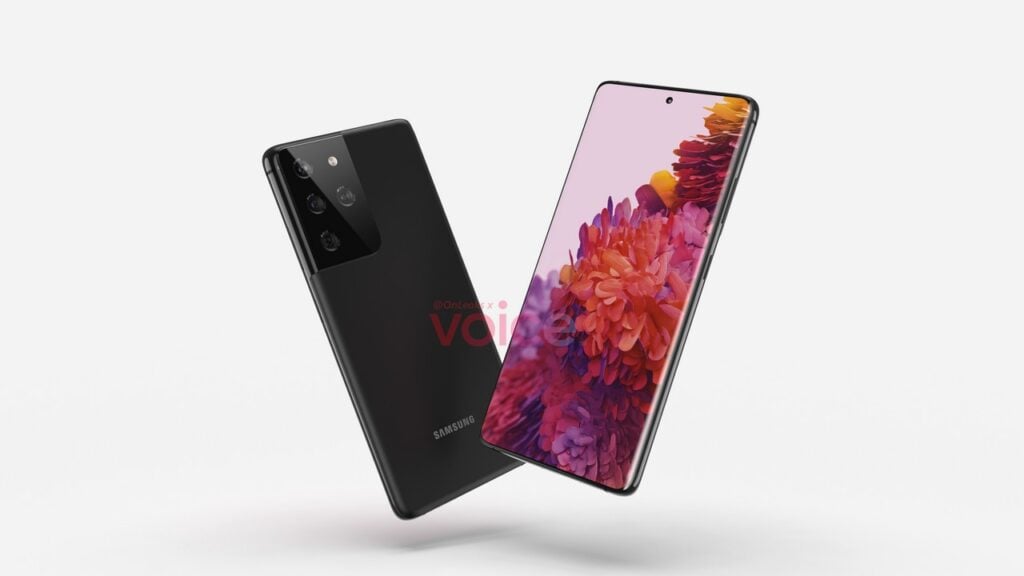
In connectivity, the user gets a Wifi, Bluetooth 4.2, NFC, OTG, and GPS. Cubot C30 also features multi-function NFC features for wireless payments via Google Pay or any other supported app.
Cubot C30 Pricing and Availability
It will be available for the starting price of $169 from Aliexpress. However, you can grab it for the price of $149 under the introductory sale using a coupon code on AliExpress from August 24. The discount is limited to the first 1000 units, so you can add it to the cart in order to get notified once the sale goes live.
Moreover, you can enter the giveaway to win a Cubot C30 smartphone. The company is offering Cubot C30 to 10 lucky users. To get more information about the product, head over to the official website.
A new video from CNEThas revealed the internals of the Microsoft Surface Duo. The company had been working on the device for five years, and the video showcases the neat engineering under the device.
Looking at the video, you can observe that Microsoft has paced the internals very cleanly. The processors that handle the battery management for its dual battery systems can be seen beneath both touch displays. Although the device supports Microsoft Pen, the video reveals that there is actually no space to house one. An interesting aspect that is also seen with this video was the functioning of the hinge mechanism.
In the video, the hinges can be seen funneling several wires to and from both sides of the device. In other words, some very clever and complex circuitry is housed beneath the Surface Duo. Other components like the proximity sensors, gyroscopes, and accelerometers can also be found behind both displays. The video also had Panos Panay, Microsoft’s Chief Product Officer, be interviewed who said that “When a new form factor comes along, it does have to be elegant, or it goes away quick.”
While the Surface Duo isn’t exactly a foldable smartphone, it isn’t simply a dual display smartphone or tablet either. As suggested, it is an entirely new form factor we see that we see the company offering. The video also compared the device to a Nintendo 3DS, which resembles the Surface Duo although, the portable gaming console is a bit thicker.
Late last week, the HUAWEI x GENTLE MONSTER Eyewear II (2) leaked in low quality renders. Today, at the HUAWEI MateBook X 2020 launch event, the company surprised everyone by unveiling it officially. No one expected it today as the first generation product and its refreshed designs debuted at P30 and P40 series events respectively. Hence, we expected it to launch alongside the Mate40 series.
HUAWEI x GENTLE MONSTER Eyewear II Specifications
The newly launched Huawei Eyewear 2 features the same technology as its predecessor. The only difference is that it sports a new design and comes with a redesigned carrying case.
The frame of these smart glasses is made of titanium alloy and has an opening and closing range of 12-degree. Whereas, the temple of the glasses features speakers with custom 128mm² diaphragm on either side to provide stereo sound effects. The company claims a maximum output of only 12dB so that only the wearer could listen to the audio.
The temple can be also used to control music playback, accept/decline calls, and access voice assistant via touch gestures just like the original Huawei Eyewear. Further, the charging case is now rectangular in size and the placement of USB Type-C port as well as the LED indicator has been moved to the centre.
Last but not least, it comes in the following four designs.
SMART MYMA
SMART VERONA
SMART ALIO
SMART CATTA
HUAWEI x GENTLE MONSTER Eyewear II Price and Availability
The Huawei Eyewear 2 will be available in China for pre-order starting September 1 and will go on sale from September 10 for the following prices.
Design
Price
Smart MYMA
New FLATBA Sunglasses Series
2,699 yuan ($391)
SMART VERONA
Class Optical Series
2,499 yuan ($362)
SMART ALIO
Metal Optical Series
2,699 yuan ($391)
SMART CATTA
Smart Design Series
2,499 yuan ($362)
There’s no word on international availability. But since the original Huawei Eyewear was available in some countries, this one may also debut in those regions.
Realme will be launching the Realme X7 series of smartphones on Sept. 1 in China. The lineup includes Realme X7 and Realme X7 Pro smartphones. The Chinese manufacturer is also planning to launch new phones in other markets. Fresh information shared by tipster Mukul Sharma reveals that the NBTC authority has approved new phones such as Realme 7 Pro, Realme 7i, and Realme C17.
The NBTC certification of the new Realme phones have not revealed any details on their specifications. However, the certification platform has confirmed that Realme C17 has an RMX2101 model number, the Realme 7i has an RMX2103 model number, and the Realme 7 Pro has an RMX2170 model number.
The TUV Rheinland certification platform had previously revealed that the RMX2170 phone has a pair of two batteries each having a rated size of 2,20mAh. The listing also revealed that the phone carries support for 65W fast charging.
The Realme RMX170 has previously received certification from the Wi-Fi Alliance authority. It revealed support for Wi-Fi 5 and Android 10 OS. India’s Bureau of Indian Standards (BIS) has also certified the RMX2170 phone.
The RMX2170 model number appears to be a variant of the Realme RMX2176 model number which belongs to the Realme X7 phone. Hence, there is a possibility that the Snapdragon 765G powered Realme X7 debuting on Sept. 1 could be breaking cover in global markets such as Realme 7 Pro.
The Realme 7i (RMX2103) has also received certification from the China Quality Certification agency. The listing first (spotted by MyFixGuide) revealed that the phone has a rated battery of 4,890mAh capacity. The certification also confirmed that the phone will arrive with support for 18W fast charging. As far as Realme C17 is concerned, the next C-series phone was approved by Indonesia’s TKDN authority in May.
We use cookies on our website to give you the most relevant experience by remembering your preferences and repeat visits. By clicking “Accept”, you consent to the use of ALL the cookies.
This website uses cookies to improve your experience while you navigate through the website. Out of these, the cookies that are categorized as necessary are stored on your browser as they are essential for the working of basic functionalities of the website. We also use third-party cookies that help us analyze and understand how you use this website. These cookies will be stored in your browser only with your consent. You also have the option to opt-out of these cookies. But opting out of some of these cookies may affect your browsing experience.
Necessary cookies are absolutely essential for the website to function properly. This category only includes cookies that ensures basic functionalities and security features of the website. These cookies do not store any personal information.
Any cookies that may not be particularly necessary for the website to function and is used specifically to collect user personal data via analytics, ads, other embedded contents are termed as non-necessary cookies. It is mandatory to procure user consent prior to running these cookies on your website.