Samsung Electronics has recently set up a new in house coronavirus check up center near its chip production plant in South Korea. The center is installed within the company’s campus in Hwaseong, according to a report from TheLec.
The new check up center comprises two containers, with one taking in samples while the other will run the diagnostics. This center is managed by six trained professionals, including a doctor. The South Korean tech giant has funded this through its own funds with the approval of the Hwaseong City Hall and the local public health center.
With the installation of a check up center near its chip production plant, regular check ups will be faster and would lessen the burden on the local hospitals. According to Samsung, this is just the first center and it plans to install additional ones for its other facilities in the near future as well. In the past, Samsung had to shut a few of its production sites due to on site infections, so these centers will help ensure the maximum safety for the workers and efficiency for the company.
Nokia seeks to block the US imports for Lenovo computers after it allegedly found that the latter had infringed on multiple patents. the USITC (International Trade Commission) has launched an investigation into the matter, which will have Lenovo’s laptops, tablets, and even desktops being blocked from being imported.
According to fresh reports (1,2), Nokia has alleged that Lenovo has violated section 337 of the Tariff Act and has claimed that the latter’s IdeaPad, ThinkPad, and Flex series of laptops have infringed on five patents around the H.264 video compression standard. Thus, Nokia is looking to block the imports of Lenovo computers to the US. Within the next 45 days, the ITC will set a target date for completing its investigation regarding the accusation.
Notably, the complaint arrives a year after multiple “unsuccessful attempts to license Lenovo to the standard essential claims of Nokias H.264 portfolio,” according to the official filing. The infringement is said to be across multiple different platforms including tablets and desktops, although, the investigation is still in its early stages and we will have to wait for official results of the ITC investigation. So stay tuned.
Apple has apparently made no structural improvements with its 2020 iPad Pro since the previous generation. The Durability test from JerryRigEverything saw the latest iPad snap and break just as easily as its 2018 counterpart.
The Cupertino based giant has seemingly skipped any improvements to the build quality, with the 2020 iPad Pro having the same structural flaws as the 2018 model. Similar to the previously launched iPad, the latest version also has the exact same weak point, which is near the microphone that is on the side. During the bend test, the 2020 iPad Pro snapped just as easily as the older variant.
In the video, the YouTuber tested the Magic Keyboard as well, which was found to be pretty durable and rigid. Although, it does arrive with a sizeable price tag. So while the internals and specifications of the new iPad have been improved, Apple has yet to take note of the physical and structural flaw that still persists two years after. For those interested, you can check out the video above.
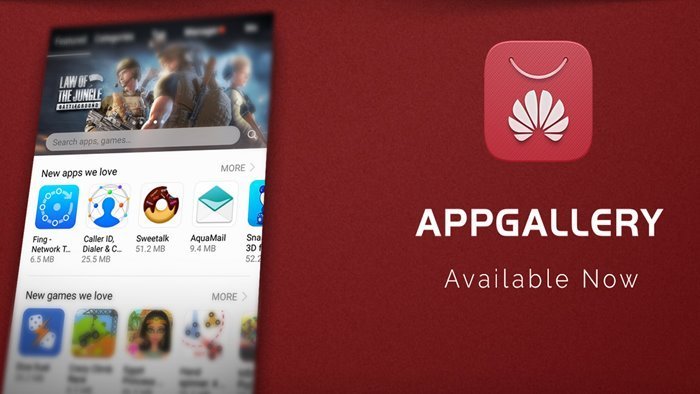
Earlier this week, Huawei announced the launch of its official game service and distribution platform called GameCenter. It will be available in 33 countries and regions across the world and is designed for the mobile gaming community.
Through the new smartphone gaming hub, the Chinese tech giants aim to bring mobile gamers together through “high-quality content and rewards.” This service will connect Huawei users from Asia Pacific, Europe, Latin America, the Middle East, Africa, and more. For those interested, the GameCenter app can be downloaded via the AppGallery.
Huawei GameCenter is essentially a one stop gaming service platform. In other words, it is built primarily for gaming, and its related services. In its core, the hub will work around two services, which are the content service and user welfare. With the new gaming platform, Huawei also plans on rewarding users through exclusive online game packages and online offers.
Furthermore, the GameCenter seems to be influenced by the console and PC gaming industry as well, with the platform offering the premiere launch of certain games before any other platform. This includes Starship Legion-AMG, BORN AS EPIC, Farm Legend, Survival Road, Ellr Land, Dynasty Legends: True Hero Rises from Chaos, Goddess MUA and more. In game special offers will have users receive exclusive package benefits such as gold coins and time-limited props. So, this is clearly another step from Huawei to make its app ecosystem more robust and attractive to the global market.
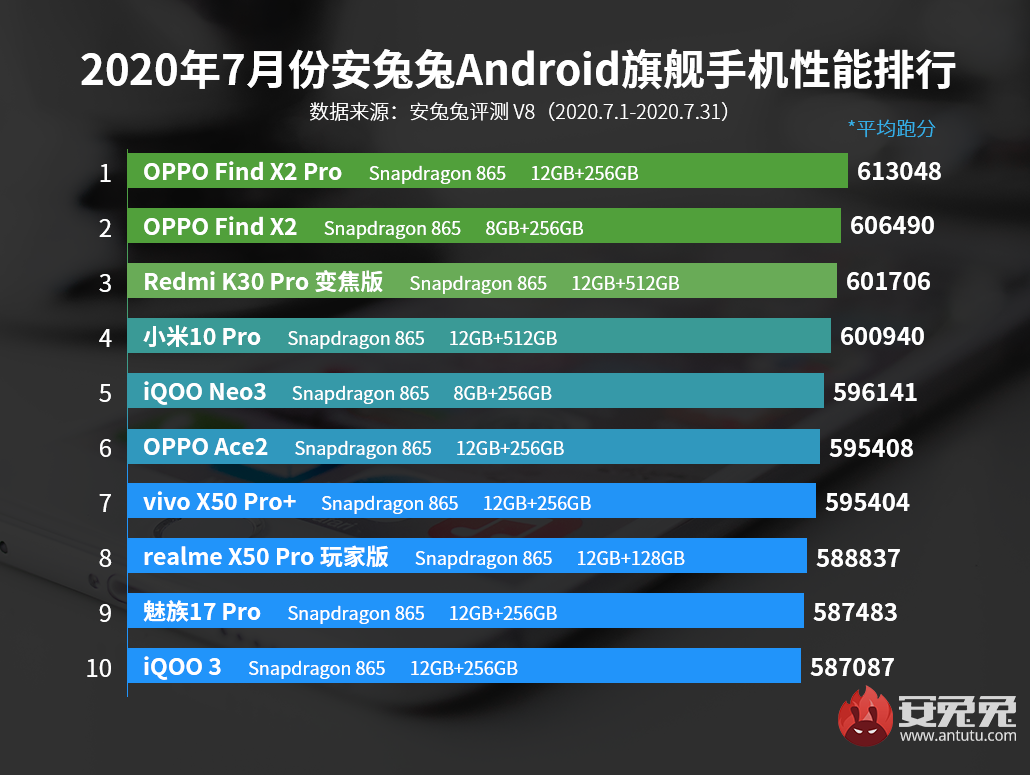
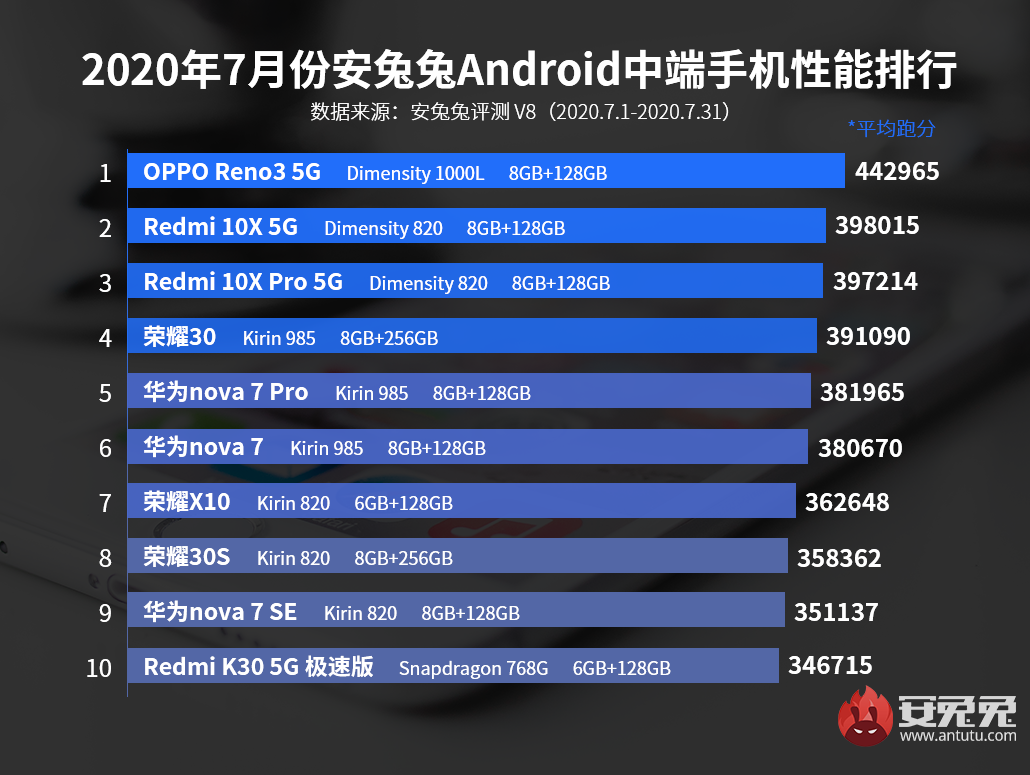
AnTuTu has just released the performance rankings for smartphones in the high end and mid range category for the month of July. This list also rounds up the first half of the year, with notable launches right around the corner or arriving in a couple of weeks.
The flagship performance list is from 1st July to 31st July 2020 and was calculated through an average score of any particular model. In the list, the Oppo Find X2 Pro topped the list with a score of 613,048 points. The Oppo Find X2 arrives in a close second with 606,490 points while the Redmi K30 Pro came in third with a score of 601706 points.
Other notable names down the list include the Mi 10 Pro, Oppo Ace2, Realme X50 Pro, and more. Notably, the list showcases the disparity in scores despite all of the 10 smartphones in this list featuring Qualcomm’s Snapdragon 865 SoC. This shows that software tweaks, optimizations, and more also factor in for performance rather than just new hardware.
Unlike the flagship performance list, the mid range rankings had more diversity regarding the chipsets. The Oppo Reno3 5G which topped the list features MediaTek’s Dimensity 1000L and scored 442,965 points. Redmi 10X 5G and 10X Pro 5G arrived second and third with 398,015 and 397,214 points respectively. Down the list, HiSilicon Kirin 985 chip sporting smartphones like Huawei Nova 7 Pro and Nova 7 can be found. The only Qualcomm chip smartphone in this list arrived 10th in the list, which was the Redmi K30 5G with its Snapdragon 768G SoC.
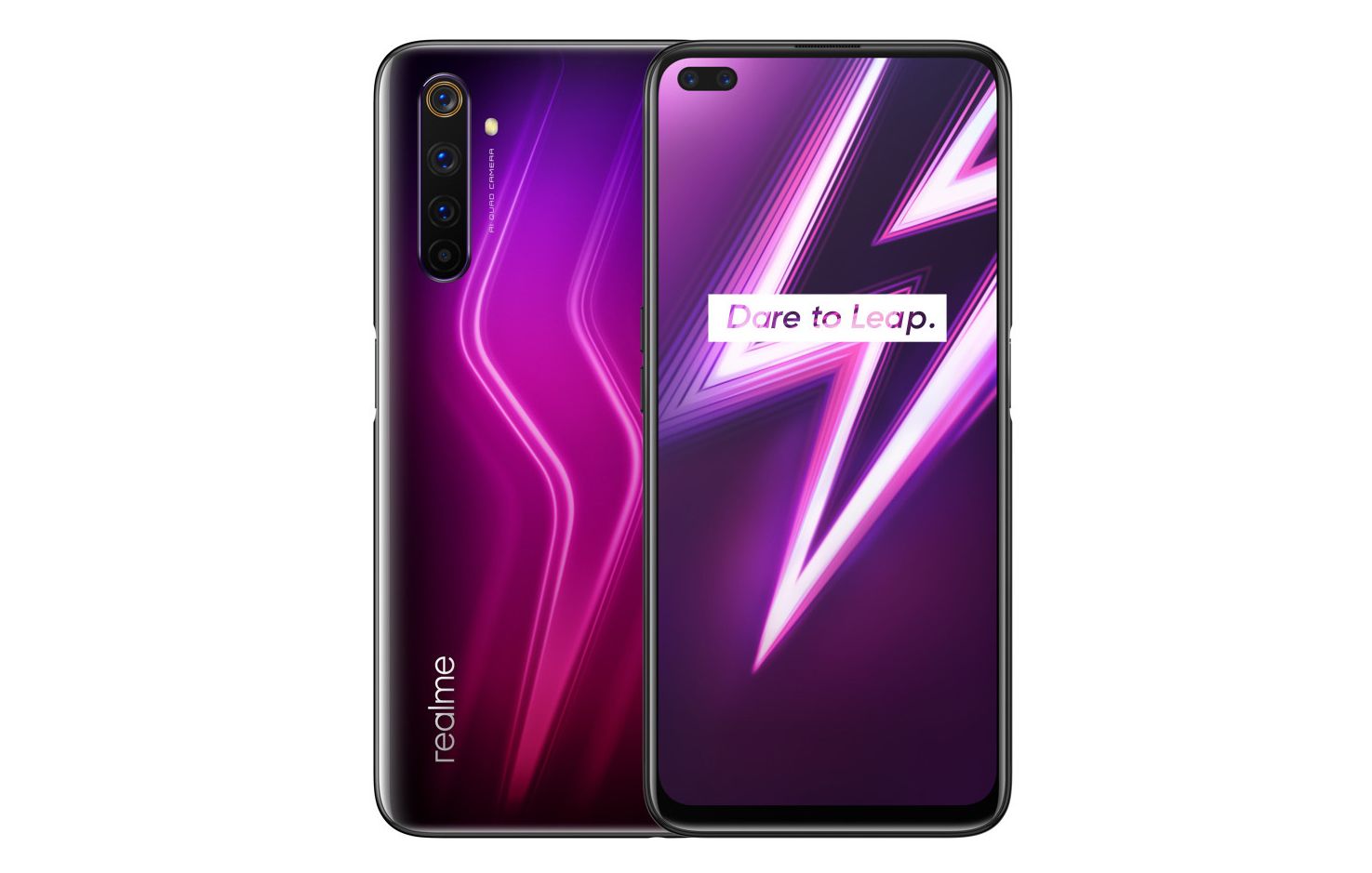
The Realme 6 Pro went official with the Realme 6v phone in India in March. The Pro model was introduced in two colors variants such as Lightning Blue and Lightning Orange. Soon after the launch, Realme India CEO Madhav Sheth had teased the existence of a red color variant for the Realme 6 Pro. The new color variant has debuted in the country.
Like the blue and orange color variants, the Realme 6 Pro Lightning Red comes in three choices such as 6 GB RAM + 64 GB storage, 6 GB RAM +128 GB storage, and 8 GB RAM + 128 GB storage in India. They are priced at Rs. 17,999 (~$227), Rs. 18,999 (~$240), and Rs. 19,999 (~$267), respectively. Flipkart will kick off the Big Savings Days sale at midnight today in India. The Realme 6 Pro Lightning Red variant can be availed through the upcoming shopping sale on the retailer site.
The Realme 6 Pro has a 6.6-inch IPS LCD panel that offers Full HD+ resolution, 20:9 aspect ratio, and 90Hz refresh rate. The pill-shaped cutout on the screen has a 16-megapixel main camera and an 8-megapixel ultrawide lens.
The backside of the device has a quad camera system. It includes a Samsung GW1 64-megapixel main camera, a 118-degree 8-megapixel ultrawide snapper, a 12-megapixel telephoto sensor with up to 2x zoom, and a 2-megapixel macro lens with 4cm focal length. The device houses a 4,300mAh battery that supports 30W VOOC Flash Charge. The Snapdragon 720Gv octa-core processor fuels the device.
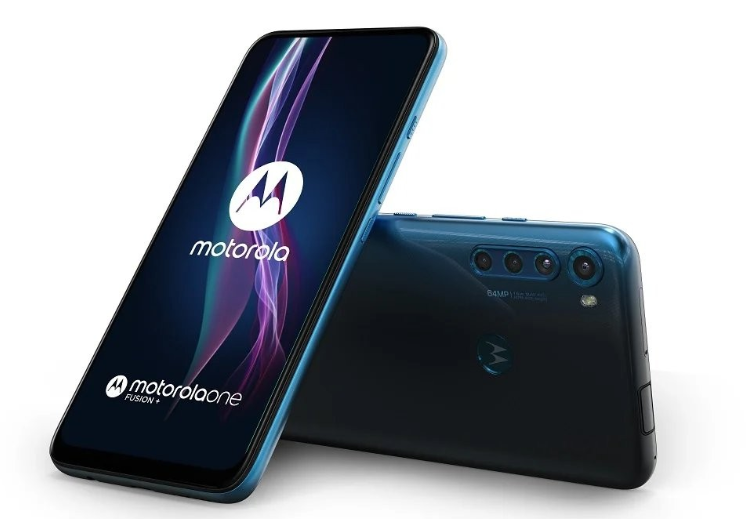
Motorola has confirmed that the company is launching its One Fusion+ mid-range smartphone in the North American market. Till now, the phone was only available in India, Europe, and Latin America.
The company has announced that the Motorola One Fusion+ will be available for purchase in the United States from today, i.e. 5th August, for a price of $399. It will be up for sale through Motorola’s own website as well as AT&T and T-Mobile.
The smartphone features a 6.5-inch IPS LCD display with a Full HD+ screen resolution of 2340 x 1080 pixels. Under the hood, the device is powered by Qualcomm Snapdragon 730 chipset, along with 6GB RAM and 128GB internal storage.
In the camera department, there’s a quad-camera setup on the back that consists of a 64-megapixel primary camera, an 8-megapixel ultra-wide snapper, a 5-megapixel macro lens, and a 2-megapixel depth sensor.
On the front side, the smartphone has a 16-megapixel snapper, housed inside a pop-up mechanism. The phone runs the Android 10 operating system with the company’s own My UX on top that comes with additional settings.
The phone also comes with a dedicated button for accessing Google Assistant. There’s also a rear-mounted fingerprint sensor. The Motorola One Fusion+ is powered by a 5,000mAh battery and has support for 15W TurboPower fast charging technology.
The launch of the Fusion+ in the United States comes just months after the company started selling the Motorola Edge, a mid-range 5G smartphone currently available for $499. It is a watered-down model of the flagship Motorola Edge+ launched in April.
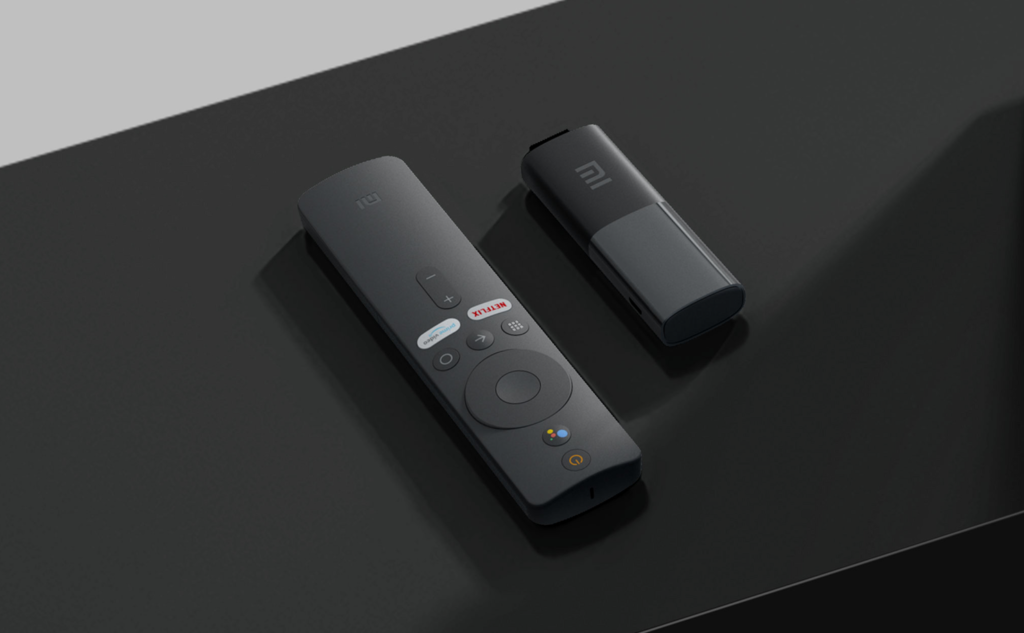
After debuting Mi Box 4K in May for ₹3,499 ($47) in India, Xiaomi has now launched Mi TV Stick in the country for only ₹2,799 ($37). The cheapest streaming device from the company offers Android TV experience in 1080p (FHD) resolution. It will be available for purchase starting August 7 from Flipkart, Mi.com, Mi Home, and other offline retail partners.
The all-new Mi TV Stick is powered by a 2.0GHz quad-core processor with Cortex-A53 cores paired with Mali-450 GPU. The device comes with 1GB DDR4 RAM and 8GB eMMC storage.
As mentioned in the beginning, it only supports output up to 1080p (1920 x 1080 pixels) at 60fps. However, it runs Android TV Pie and supports all leading streaming services like Netflix, Amazon Prime Video, Disney+ Hotstar, and more.
On the connectivity front, the Mi TV stick features 1 x HDMI, 1 X MicroUSB for power input, dual-band WiFi, and Bluetooth 4.2. Other features of the device include Google Assistant, Chromecast Built-in, Data Saver, and Dolby Audio.
The device measures 92.4 x 30.2 x 15.2mm in dimension and weighs 28.5g. Last but not least, It only comes in a single Black color variant with a dual-tone finish and Mi logo.
Having said that, do watch our review of the Xiaomi Mi TV Stick before making a purchase decision.
Samsung is among the leading brands working on several different technologies to offer the full-screen experience to the customers. The South Korean giant has been quite vocal about eventually offering a truly full-screen smartphone.
Currently, several companies are working on under-display camera technology, which is the only thing missing to enable true full-screen experience on a smartphone. Given Samsung’s development process, the company is believed to be actively working on this.
There were reports that Samsung could adopt this technology for its premium flagship offerings of this year — Galaxy S20 lineup and the upcoming Galaxy Note20 lineup. However, as confirmed, that is not the case.
Not only that, but it also seems that the company is playing safe for the next-generation Galaxy S-series flagship smartphones by skipping to adopt this new technology (via Ross Young). We can’t blame Samsung for this given that the under-display camera technology doesn’t seem to be ready yet for commercial use, that too with the desired camera output from a premium flagship-grade device.
Apart from the output, there’s also a costing factor. Integrating such a new experimental technology requires a lot of capital spending because of increased pricing of materials from vendors and low-yield in mass-production.
The next-generation Galaxy S-series flagship, which could be named Galaxy S21 or Galaxy S30, is still months away from launch. It is likely to launch in February next year, so we will definitely come across some exciting new features for the device in the coming months, if not this in-display camera technology.
Meanwhile, Samsung is all set to launch its Galaxy Note20 series smartphones at its Galaxy Unpacked event in just a few hours, along with Samsung Galaxy Z Fold 2 and Galaxy Buds Live TWS earphones.
Recently, Samsung confirmed that it has started mass-production of 5nm chips. At the time, it was believed that the company could have started producing orders from Qualcomm’s next chipset.
However, it looks like that isn’t the case and Samsung might have lost the order to TSMC if the new report coming from China is to be believed. The reason being cited in the report is problems in the development process.
We had recently reported that the Samsung Foundry is struggling with low yields of its 5nm EUV (Extreme Ultraviolet) process. Now, it is being reported that Qualcomm could shift the original order of Snapdragon X60 modem and Snapdragon 875 SoC to TSMC.
It seems that instead of shifting all the orders back from Samsung to TSMC, Qualcomm will distribute the orders among these two companies. Samsung also has an order of Snapdragon 735 SoC on 5nm node and is reportedly working on Exynos 1000 SoC.
TSMC, the world’s largest contract chipset manufacturer has already started mass-production of 5nm chips, starting with Apple‘s A14 chipset which will be powering the upcoming Apple iPhone 12 lineup.
The Taiwanese giant currently has a production capacity of 60,000 chips on a monthly basis on the 5nm process. But the company is looking to expand its capacity to reach around 80,000 to 90,000 units a month.
Samsung has ambitious plans for the future and aims to become the leading semiconductor company in the world by 2030. Apart from starting mass-production of 5nm chips, the company also announced that it has started working on the 4nm process.
Earlier this week, Google announced the much-awaited Google Pixel 4a mid-ranger with a price tag of $349. It does not support 5G connectivity. For people who are looking 5G-enabled Pixel phones, Google will be releasing the Pixel 4a 5G and Pixel 5 5G by fall this year. The specifications of these phones will be confirmed in the coming months. Fresh information reveals suggest that Google Pixel 5 could be arriving with a 120Hz display.
According to display analyst Ross Young, a new Google Pixel phone with 5G support arriving this year will be equipped with a big display 6.6 inches. The screen will carry support for 120Hz refresh rate, and it will be supplied by Samsung Display and BOE.
Next new Google phone, the 5G version, will be 6.67” from Samsung Display and BOE.
The Pixel 5 will come with better specs than the Pixel 4a 5G. Hence, it is likely that Young could be talking about the Pixel 5. However, the 6.67-inch display news for Pixel 5 contradicts previous claims that said that it has a 5.8-inch screen.
The Pixel 5 is rumored to be powered by the Snapdragon 765G chipset. Since the SoC is not as good as the Snapdragon 865 flagship chipset when it comes to power efficiency, the Pixel 5 may house a large-sized battery.
The Pixel 4a 5G will be arriving with a $449 whereas the Pixel 5 5G may cost $649. It is likely that the company will confirm the specs and features of these phones in October. Finally, the sales of these devices may begin in November or December.
Apple has today updated its 27-inch iMac lineup. If you are wondering if they are powered by the newly announced ARM-based Apple Silicon, then the answer is no. It still packs Intel chipset, but the newer version.
In terms of design, the new iMac looks exactly the same as the previous model. The changes are internal, which packs a new processor, better graphics, a high-resolution webcam, SSDs, and a new audio setup.
The new 27-inch iMac comes powered by the 10th generation Intel “Comet Lake” processors in two choices — Core i5 or Core i7. As for the graphics, the base configuration features either AMD Radeon Pro 5300 or Radeon Pro 5500 XT. The max-out graphics configuration includes 16GB GDDR6 VRAM with a 5700 XT model.
Coming to the memory configuration, it starts at 8GB DDR4 RAM and goes up to 128GB, double than the previous limit of 64GB. Another major change is the inclusion of SSD, making SSDs a standard across the line.
As for the 27-inch 5K display itself, which the company is calling “billion-color Retina Display”, it comes with Apple’s auto-adjusting True Tone technology. There’s also an optional nano texture finish for improved glare reduction, which will cost $500 extra.
The new models also feature Apple T2 security chip, enabling excrypted storage and Siri commands. It also comes with some camera improvements, including tone mapping, exposure control, and face detection. There’s also a new webcam with a 1080p resolution.
Coming to the pricing, it remains the same as the previous models for the base configuration. Here are the details:
$1,799 – 3.1GHz Intel Core i5 processor, 8GB RAM, 4GB AMD Radeon Pro 5300 GPU, and 256GB SSD
$1,999 – 3.3GHz Core i5 processor, 8GB RAM, 4GB AMD Radeon Pro 5300 GPU, and a 512GB SSD
$2,299 – 3.8GHz Core i7 processor, 8GB RAM, 8GB AMD Radeon Pro 5500 XT GPU, and 512GB SSD
All the models are now available for purchase online in the United States and the company says that they will be up for sale through stores from this week.
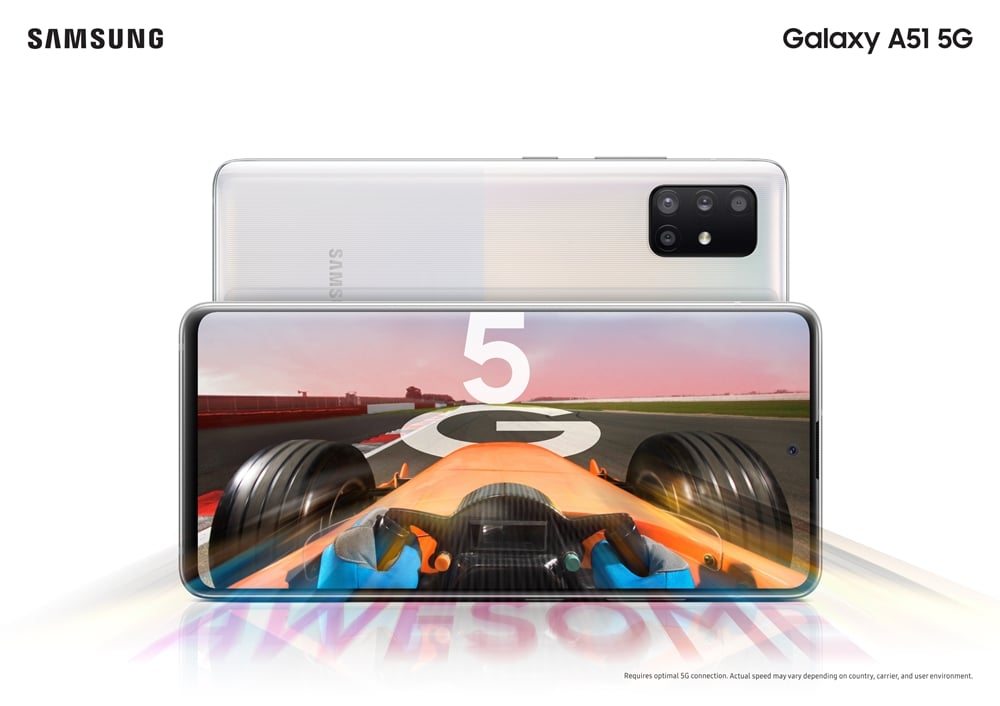
Samsung had launched the Galaxy A51 mid-range smartphone in the United States in April this year. Now, the company is all set to launch the 5G variant of the same this week in the U.S. but the exact launch date is not yet known.
Currently, the Samsung Galaxy A71 is the only 5G smartphone in the Galaxy A-series from the company in the United States. Thus, the launch of Galaxy A51 5G will mark the second 5G mid-range device from Samsung in the U.S., in line with the company’s promise of launching 5G models of A-series phones.
The Samsung Galaxy A51 5G will be available for $500 through T-Mobile and Verizon, starting from 7th August. The device will compete with the likes of Pixel 4a and iPhone SE, both of which lack 5G support.
The Galaxy A51 5G variant was launched in China a couple of months ago. It is powered by the company’s own Exynos 980 chipset with SA/NSA 5G support. However, there are reports suggesting that the model for the U.S. will be powered by the Snapdragon 765G SoC. It could come with 6/8GB of RAM and 128GB internal storage.
It features a 6.5-inch S-AMOLED display with Infinity-O design and Full HD+ resolution. The device has a quad-camera setup on the back consisting of a 48-megapixel primary sensor, a 12-megapixel ultra-wide-angle lens, a 5-megapixel depth sensor, and a 5-megapixel macro lens.
On the front side, the device features a 32 MP snapper for taking selfies and video calling. The smartphone runs the Android 10 operating system out-of-the-box with the company’s own Samsung One UI on top. It is powered by a 4,500mAh battery with support for 15W fast charging technology.
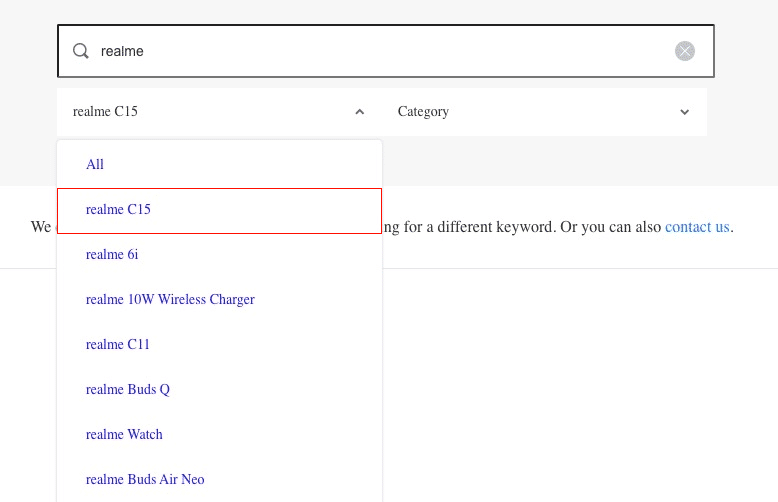
In July, Realme unveiled the Realme C11 phone in India. However, the country is yet to receive the Realme C15 phone that went official last month in Indonesia. MySmartPricehas spotted the Realme C15 moniker in the support page of Realme Indi’s official website. It is a clear indication that the phone could be soon landing in India.
Realme India may soon start teasing on the arrival of the Realme C15. At present, there is no confirmation on whether the handset will be made official this month.
Realme C15 specifications
The Realme C15 has a 6.5-inch IPS LCD panel with a mini-drop notch. It supports HD+ resolution of 720 x 1600 pixels and 20:9 aspect ratio. The Helio G35 chipset is present under the hood of the device. It comes with up to 4 GB of RAM and up to 128 GB of storage.
The Realme UI based Android 10 OS comes preinstalled on the Realme C15. The phone houses a 6,000mAh battery that supports 18W fast charging through microUSB.
It has a front camera of 8-megapixel. The back panel of the phone has a quad-camera setup that includes a 13-megapixel main camera, an 8-megapixel ultrawide sensor, a 2-megapixel macro lens, and a 2-megapixel depth sensor.
Realme C15 price
The 3 GB RAM + 64 GB storage, 4 GB RAM + 64 GB storage, and 4 GB RAM + 128 GB storage editions of the Realme C15 are priced at IDR 1,999,000 (~$137; ~Rs. 10,300), IDR 2,199,000 (~$151; ~Rs 11,300), and IDR 2,499,000 (~$172; ~Rs 12,900) in Indonesia. It comes two colors such as Seagull Gray and Marine Blue. The Realme C15 is expected to compete with the Redmi 9 Prime that went official in India with a starting price of Rs. 9,999 (~$133).
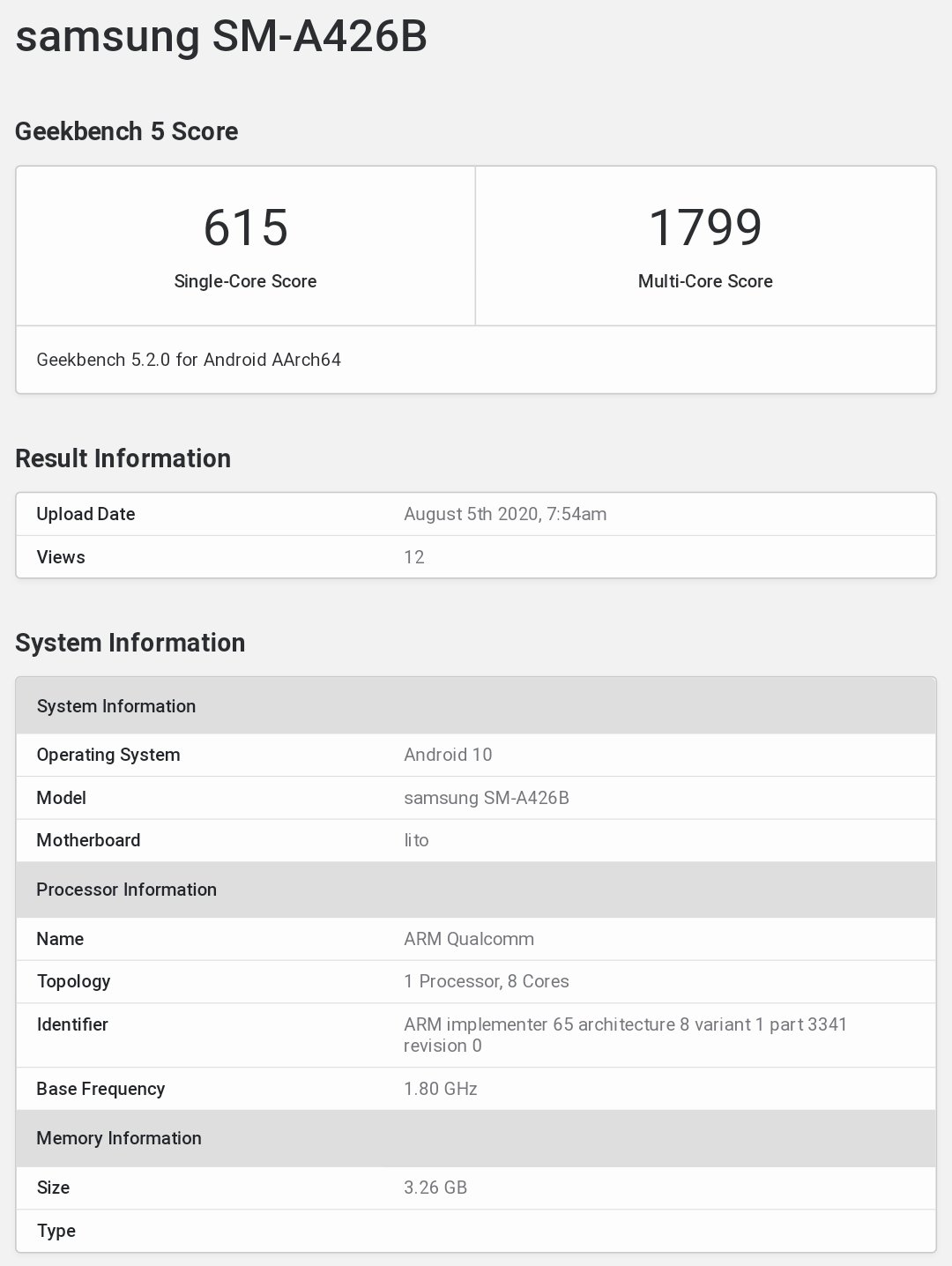
The Galaxy A51 and Galaxy A71 are the only A-series phones from Samsung that come with 5G support. The Galaxy A51 5G will be releasing in the U.S. markets with a price tag of $499. Recent reports have revealed that the Galaxy A42 5G phone arriving a few months later could be one of the cheapest 5G-ready phones from the South Korean company. The Galaxy A42 5G’s global edition that has a model number of SM-A426B has appeared on the Geekbench benchmarking platform with key specifications.
The Geekbench 5 listing reveals that the Galaxy A42 5G scored 615 in the single-core test and 1799 in the multi-core test. The ‘lito’ codename present in the motherboard field suggests that the phone could be powered by the Snapdragon 765G octa-core processor. However, leakster who shared the Geekbench listing claims that the GPU of the SoC suggests that it could be featuring the Snapdragon 690 5G chipset.
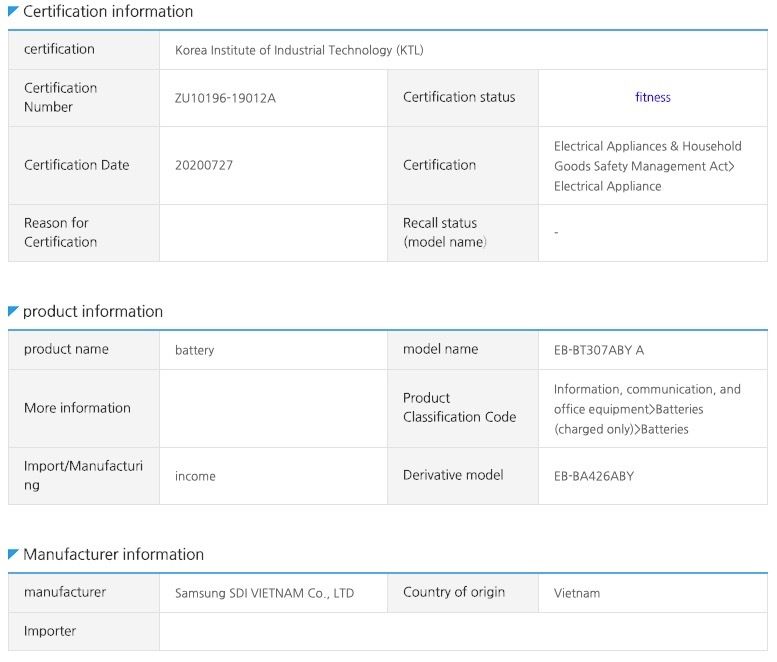
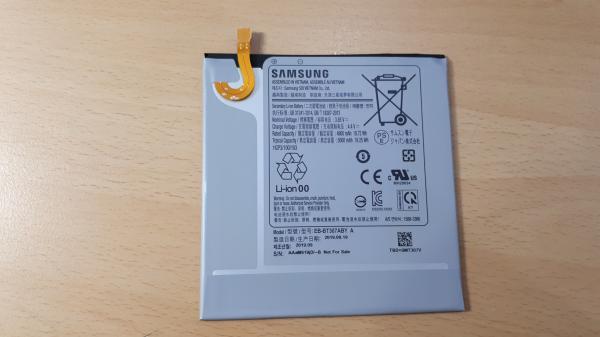
The SD765G powered handset is coupled with 4 GB of RAM. The smartphone is pre-installed with Android 10 OS. It was recently revealed that the model number of the Galaxy A42 5G’s battery is EB-BA426ABY. This battery had was spotted at the 3C certification platform of China last month.
Editor’s Pick: Samsung’s deepfake AI can Create your Video from a Single Photo
The 3C listing revealed that the rated value of the Galaxy A42 5G’s battery is 4,860mAh. Its typical value is 5,000mAh. MySmartPricehas come across a SafetyKorea listing that has also confirmed the presence of a 5,000mAh battery inside the A42 5G.
1 of 2
The Galaxy A42 is expected to arrive in 4G and 5G versions. There is no word on the processor that will be fueling its 4G variant. Also, there is no word on the launch date of the device.
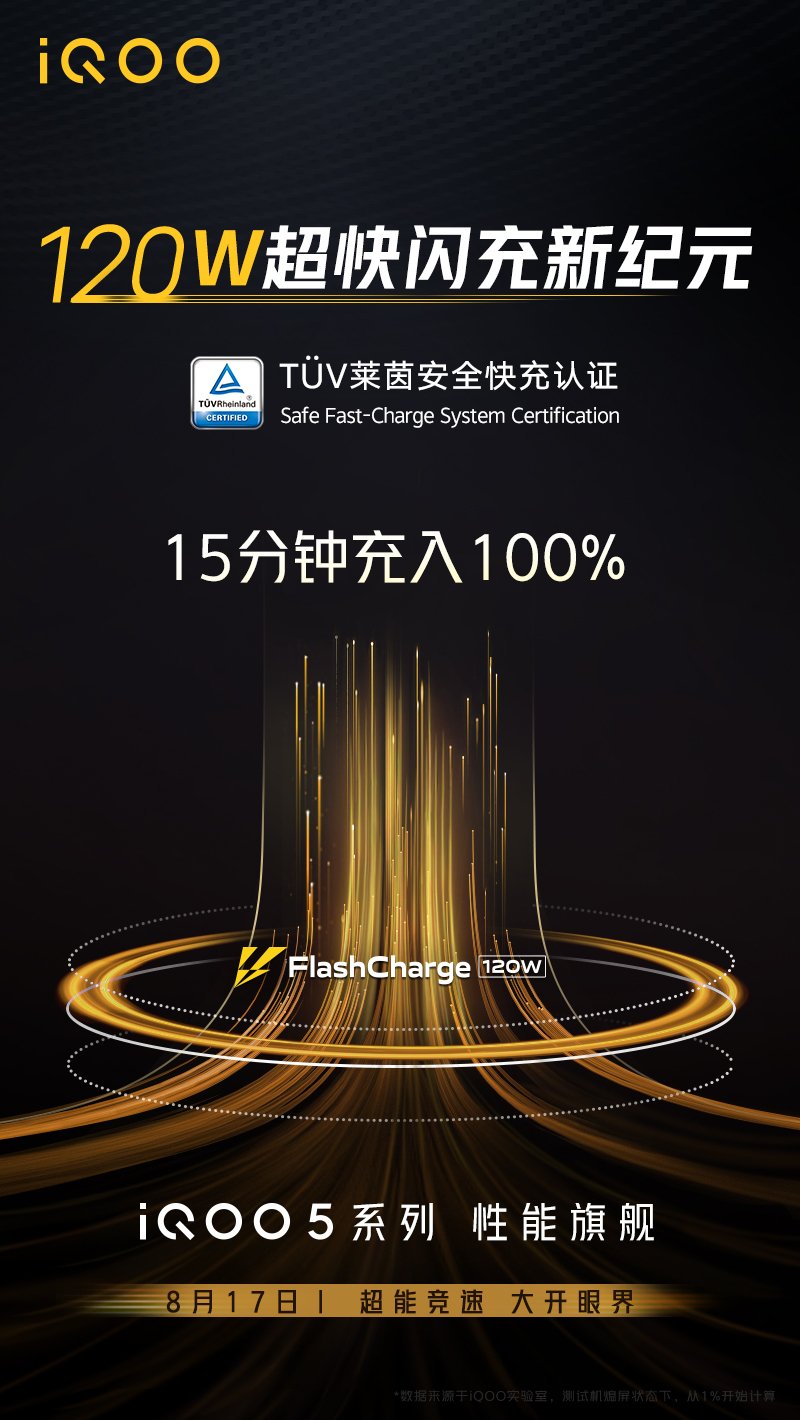
The iQOO 5 series is scheduled to go official on Aug. 17. Ahead of the launch, the company is now busy teasing on the features of the phone. The major highlight of the iQOO 5 is that it will be equipped with support for ultra-fast 120W charging technology. Today, the company claimed through Weibo that the iQOO 5 will be the first commercially smartphone with support for 120W rapid charging. It further said it is also the first smartphone with 120W charging that has received Rheinland’s safe-charging certification.
The 120W ultra-fast charging tech takes only 5 minutes to charge iQOO 5’s battery to 50 percent capacity. It can be fully charged in 15 minutes. The handset will have a dual-cell battery with industry-first 6C cell, each one measuring 2,000mAh in size.
The iQOO 5 is driven by the Snapdragon 865 chipset. The SoC is coupled with LPDDR5 RAM and UFS 3.1 storage. It is speculated that the phone is equipped with an AMOLED display with a punch-hole design and curved edge. A well-known tipster from China recently revealed that the series includes a cost-effective device and a flagship phone. It remains to be seen whether the devices are introduced as iQOO 5 and iQOO 5 Pro.
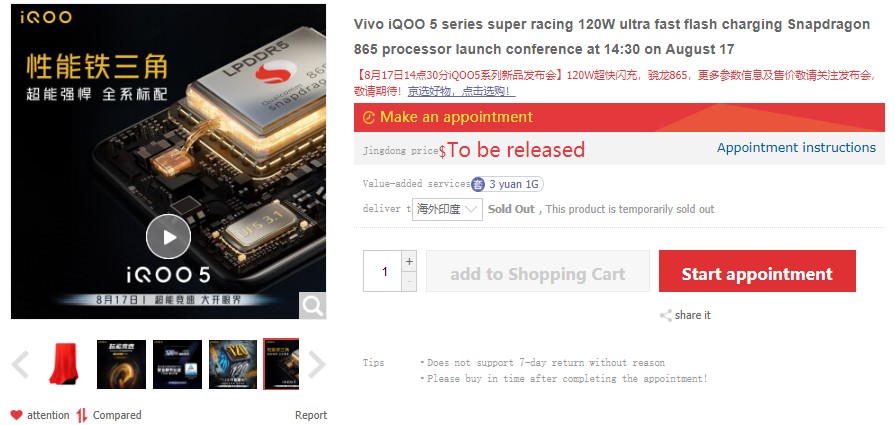
The iQOO 5 is now listed for reservations on the JD.com retailer site in China. The listing has no details on the specs of the phone. However, it reveals a piece of vital information that its model number is V2024A.
The V2024A was certified by China’s 3C certification platform. It revealed that it is a 5G phone that may come with a 55W fast charger. The handset was benchmarked on Geekbench in June. The Geekbench appearance revealed specs like Snapdragon 865, 8 GB of RAM, and Android 10 OS.
Update: Reliable tipster Digital Chat Station shared a screengrab of a Jingdong listing. It reveals that the handset named Redmi K30 Extreme Commemorative Edition also exists. It could be the M2006J10C phone that recently appeared with full specs and images on TENAA. It was previously believed to debut as Redmi K30 Ultra.
Original story continues…
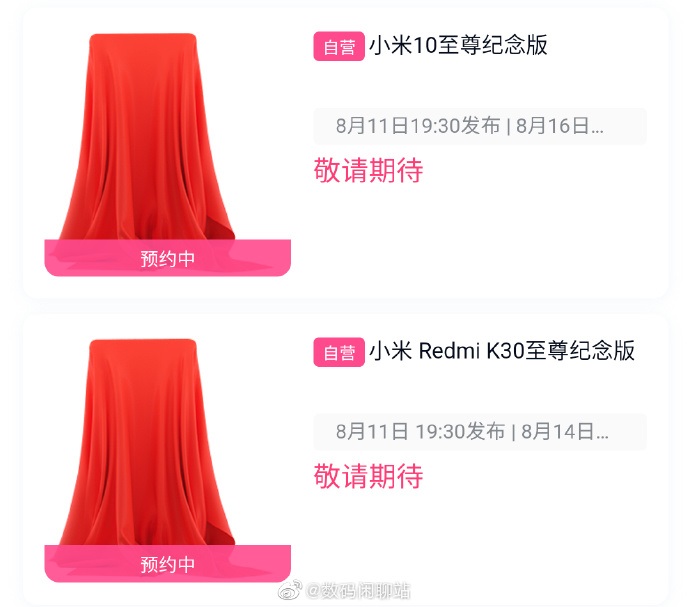
Earlier this week, Xiaomi confirmed that it will be holding a virtual event on Aug. 11. However, it did not share any details on the products that will be announced on the said date. Rumors are rife that Xiaomi’s new Mi 10 series flagship will be made official through the event. The rumor mill has been calling the device with different names such as Xiaomi Mi 10s and Xiaomi Mi 10 Pro Plus. Today, the company confirmed through a Weibo poster that it will be introduced as Xiaomi Mi 10 Extreme Commemorative Edition.
Xiaomi will be celebrating its 10th anniversary by announcing the Xiaomi Mi 10 Extreme Commemorative Edition. The event will commence at 7:30 PM local time in China on Aug. 11. The Weibo poster has no information on the specifications of the device.
The Xiaomi Mi 10 Extreme Commemorative Edition seems to be the M2007J1SC handset that was certified by the 3C authority last month. Recently, the Xiaomi phone was spotted at benchmarking platforms like AnTuTu and Geekbench.
Xiaomi Mi 10 Extreme Commemorative Edition specifications (Rumored)
The Xiaomi Mi 10 Extreme Commemorative Edition may sport a curved AMOLED display of 6.67 inches. The punch-hole screen may support a 120Hz refresh rate. It is unclear whether the phone is powered by Snapdragon 865 or the latest Snapdragon 865+ SoC. The SoC could be equipped with 12 GB of RAM.
The device will be housing a 4,500mAh dual-cell battery. Apart from carrying support for 120W fast charging, it is speculated that it will come with support for 55W super-fast wireless charging technology.
The rear shell of the Mi 10 Extreme Commemorative Edition could be sporting a 48-megapixel main lens on its back. It could be coupled with an ultrawide lens that can also capture macro shots. The camera setup may include a periscope zoom lens for high-definition zoom. It could be capable of shooting 10-bit 8K resolution videos in HDR10.
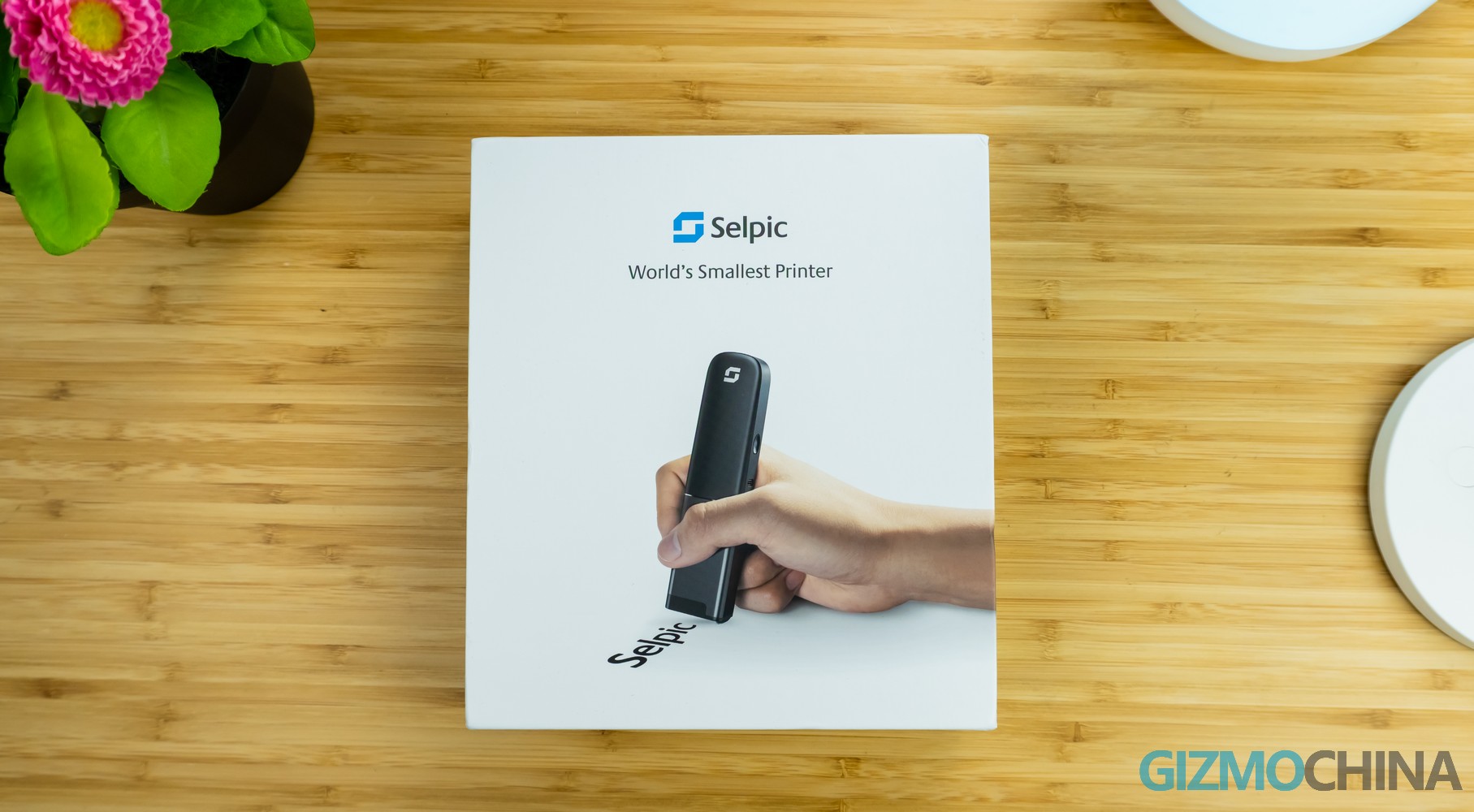
Last week we reported about Selpic P1, which claims to be the world’s smallest handheld printer. Our review team just received it last few days with great interest and curiosity.
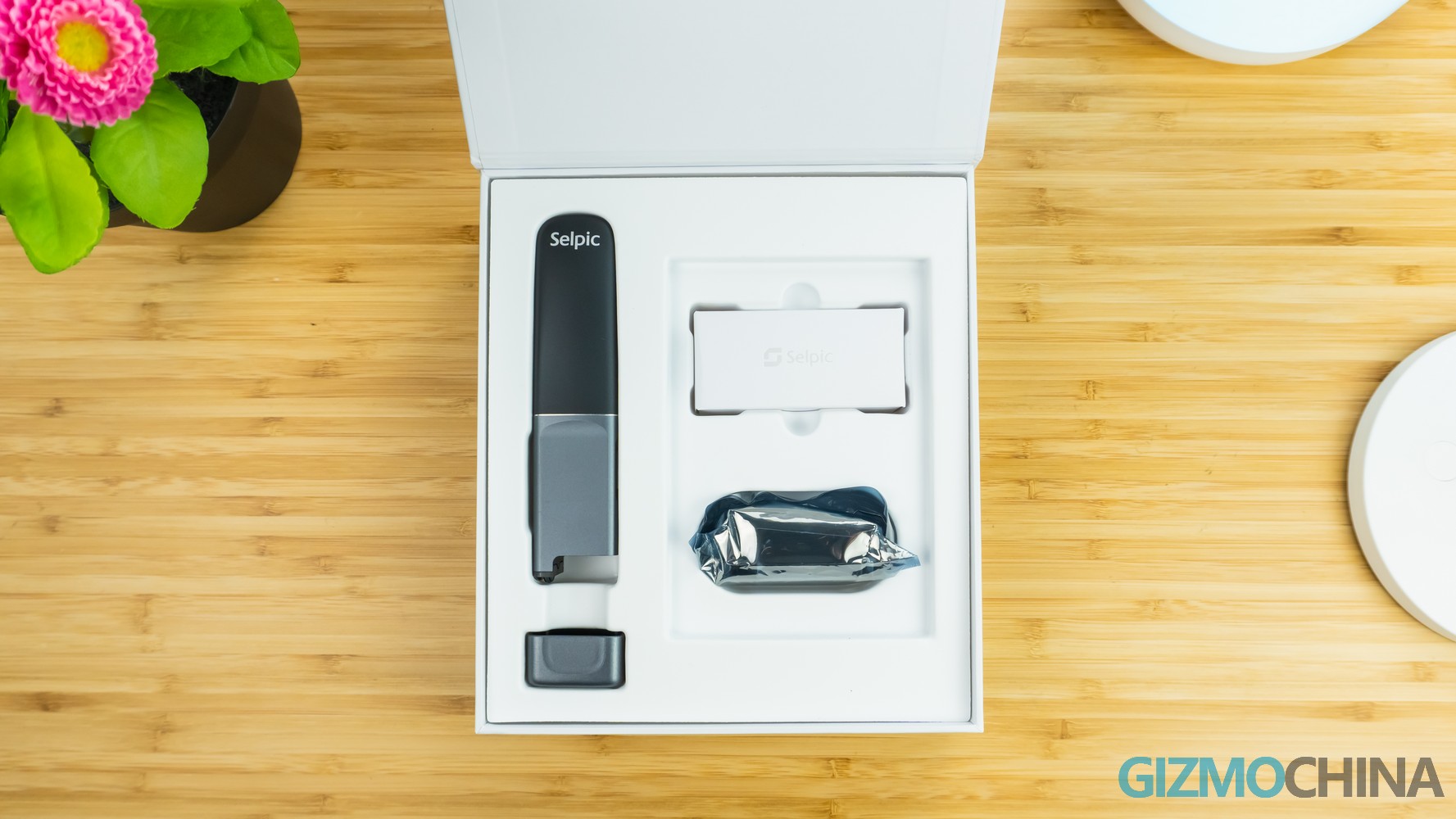
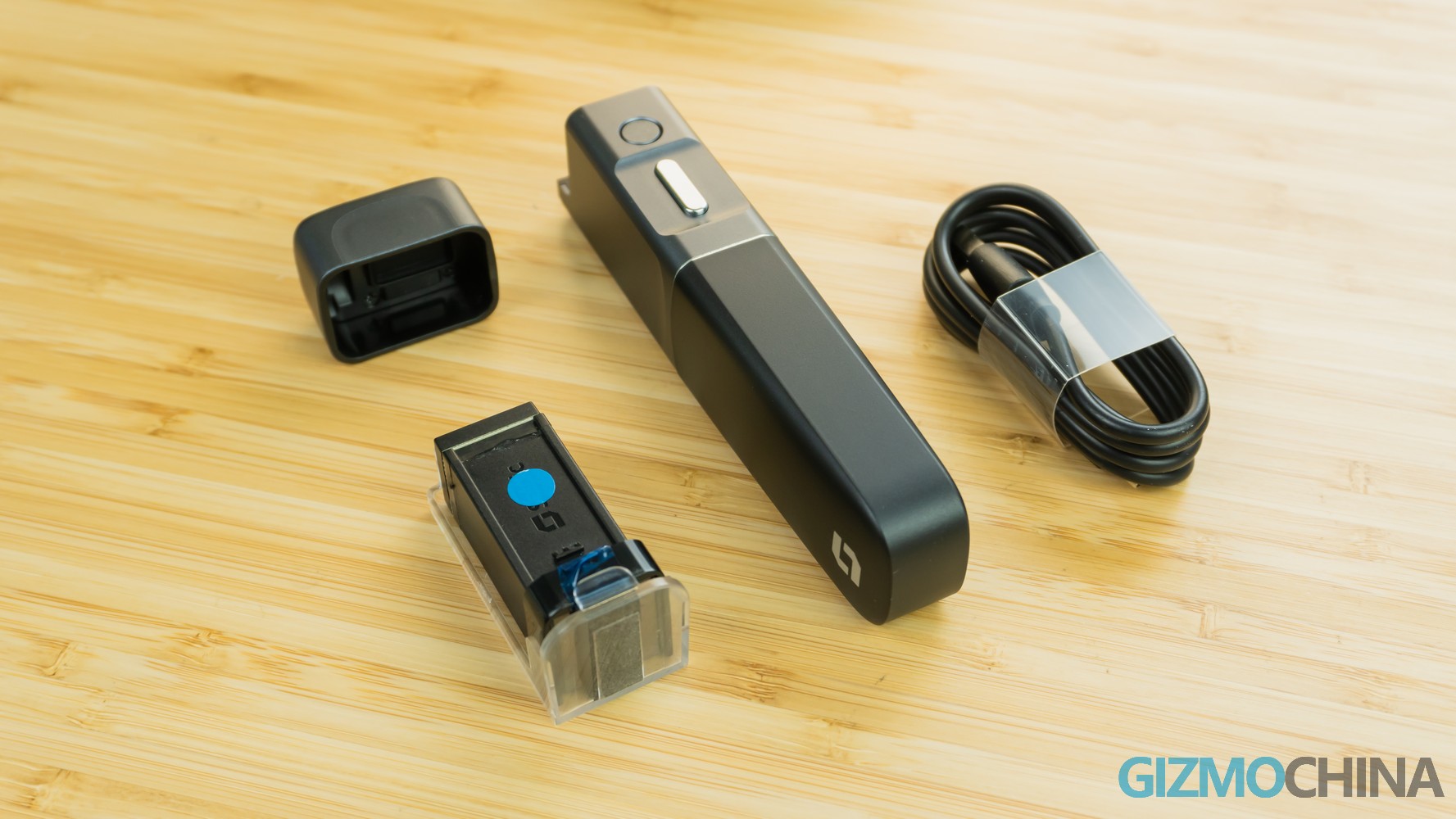
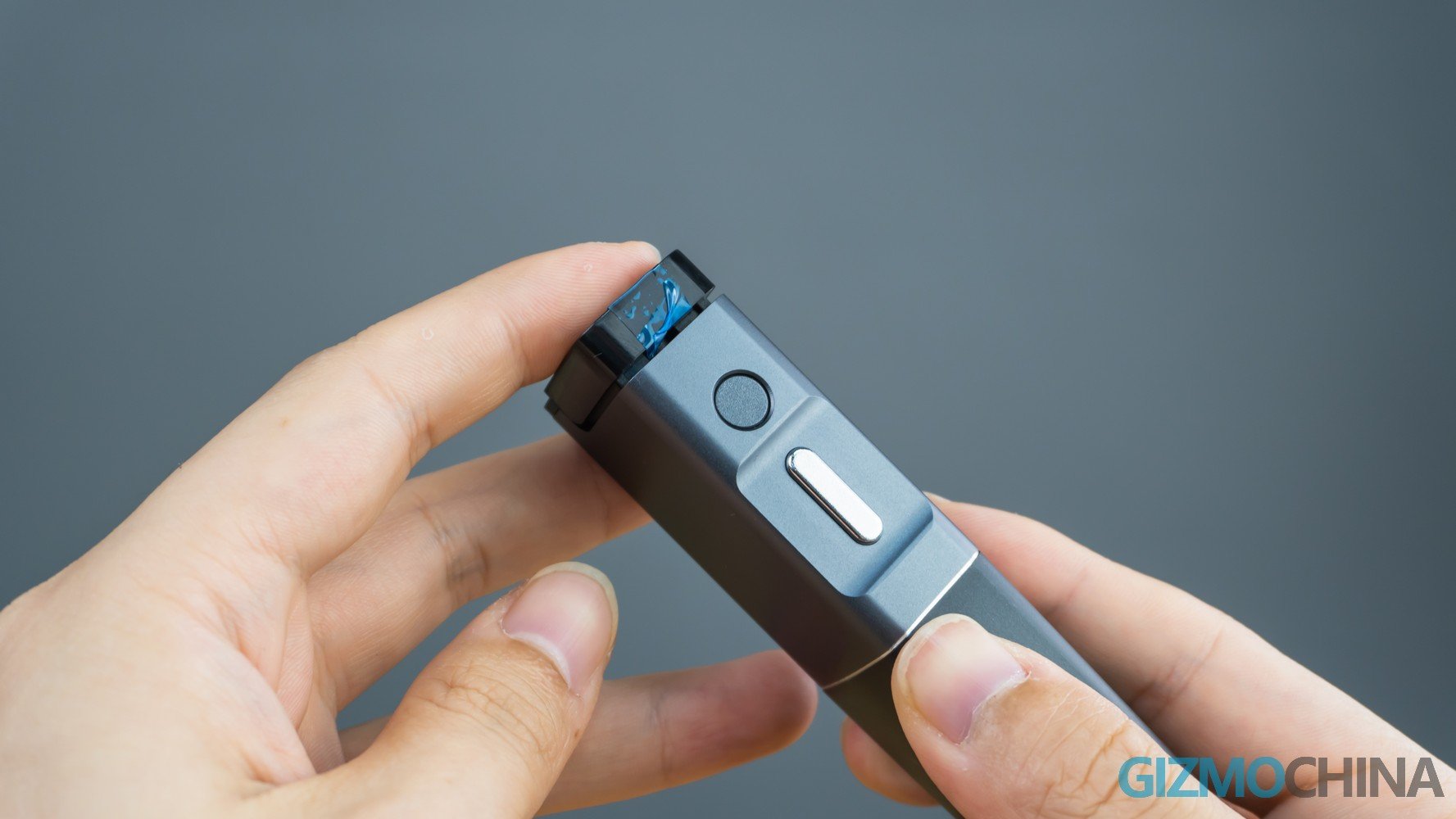
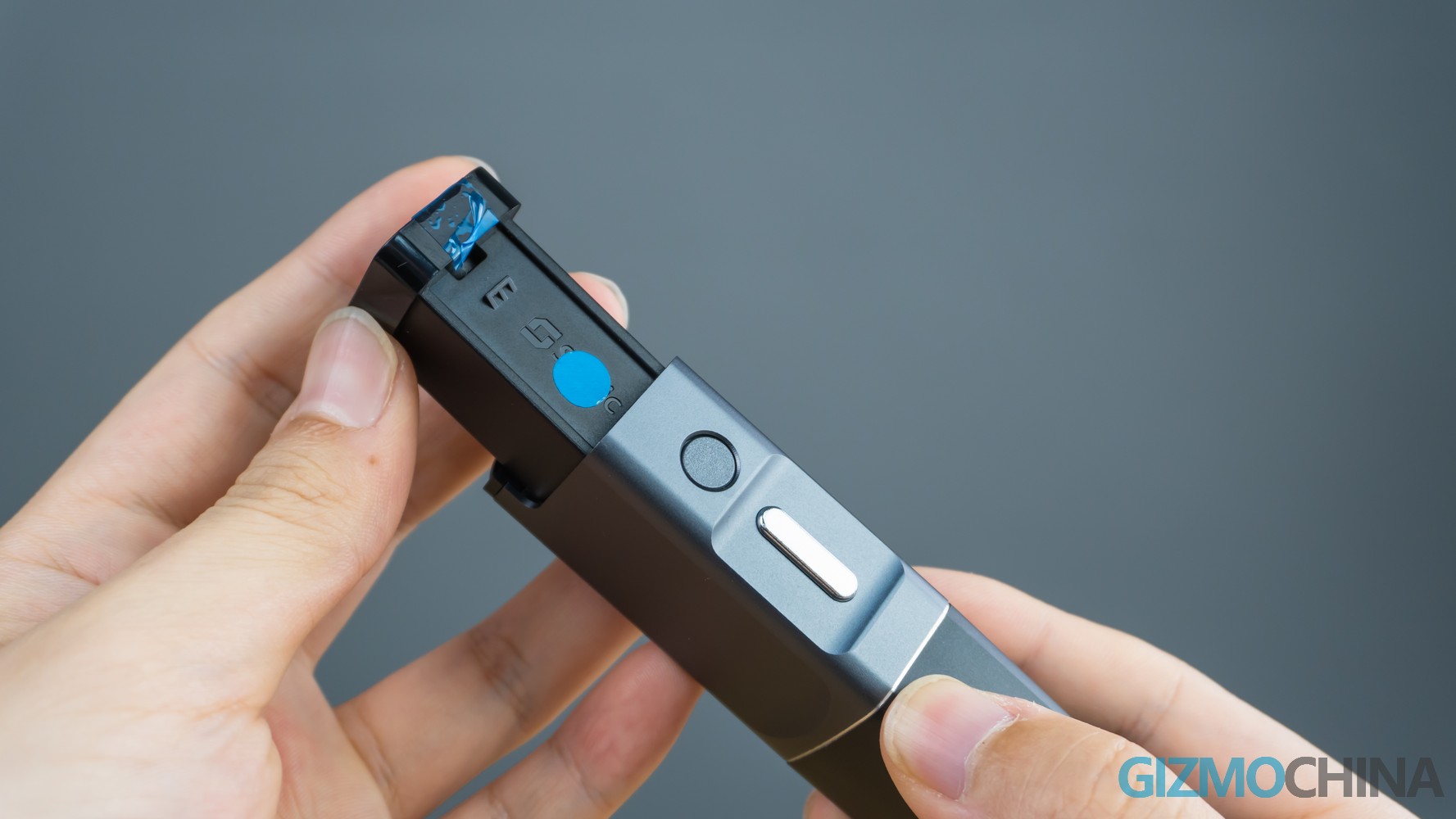
The P1 printer set includes a printer stick, an inkjet cartridge, and a charging cable. The Selpic P1 comes with smart inkjet technology and very easy to set up even without reading the instructions. The ink cartridge installation is much simpler than we thought. With a foolproof design of the ink slot, the one-step installation really simplified the process in the first use. Before that, all you need to pay attention to is to make sure you get the right ink color.
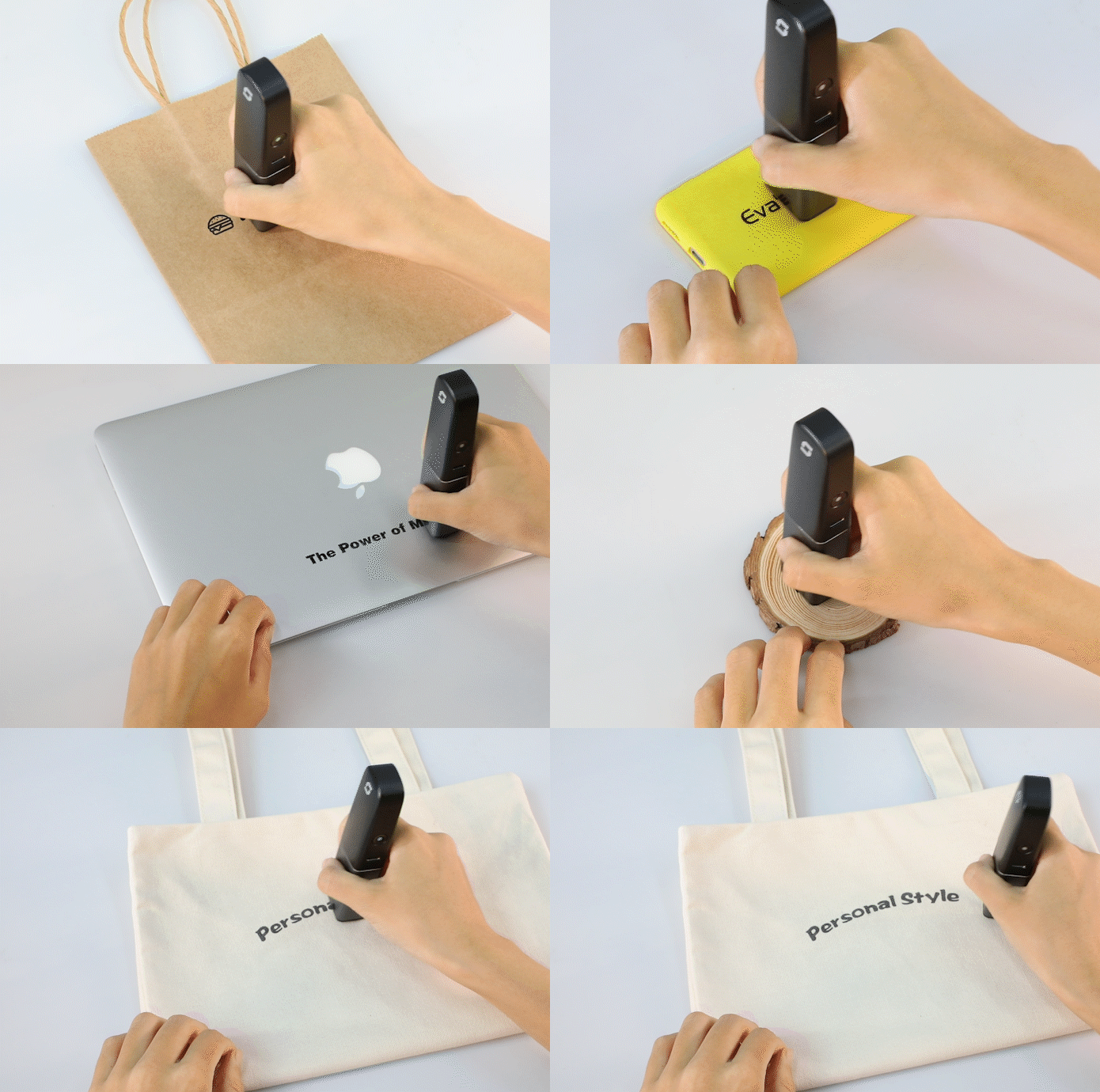
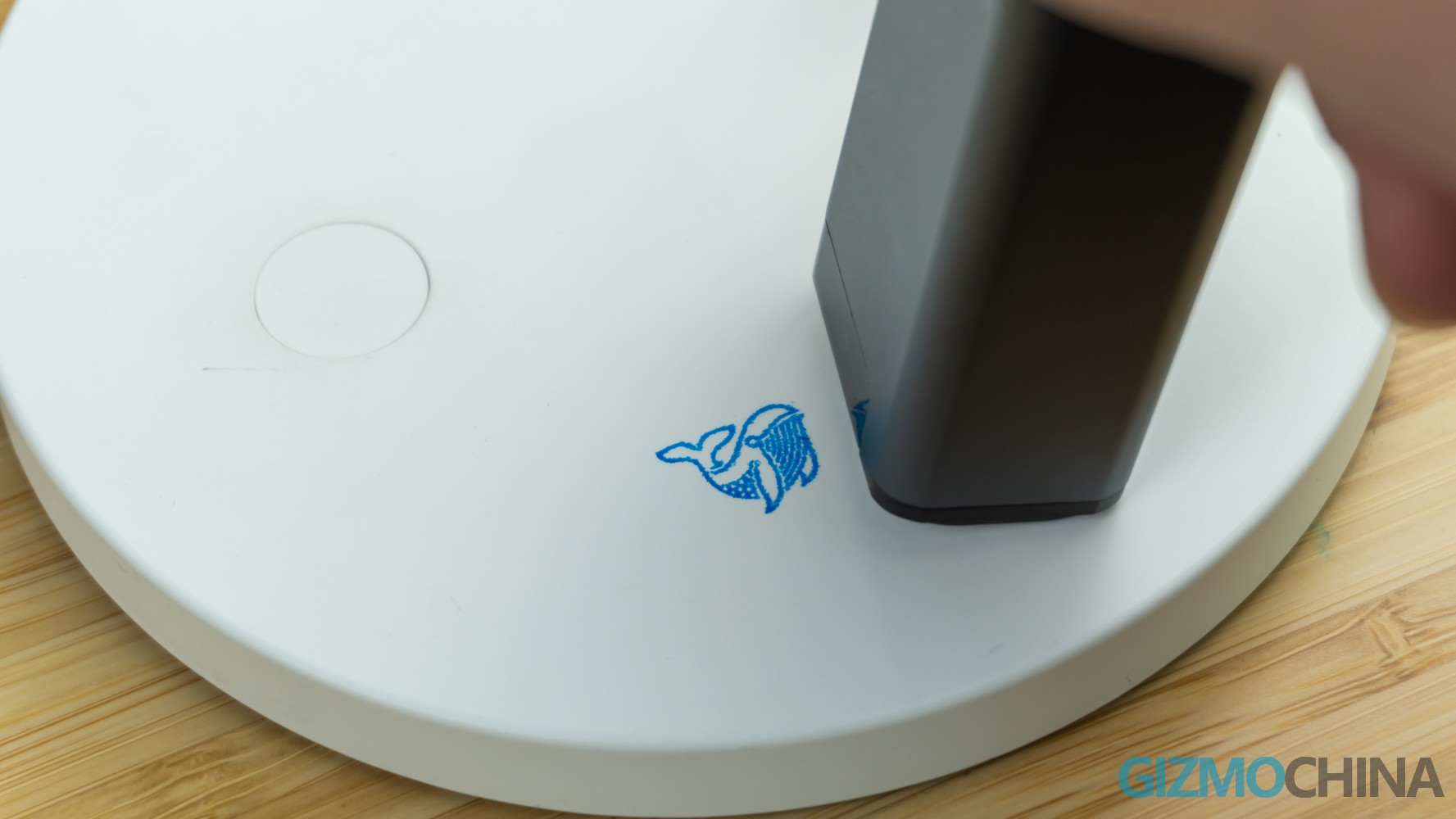
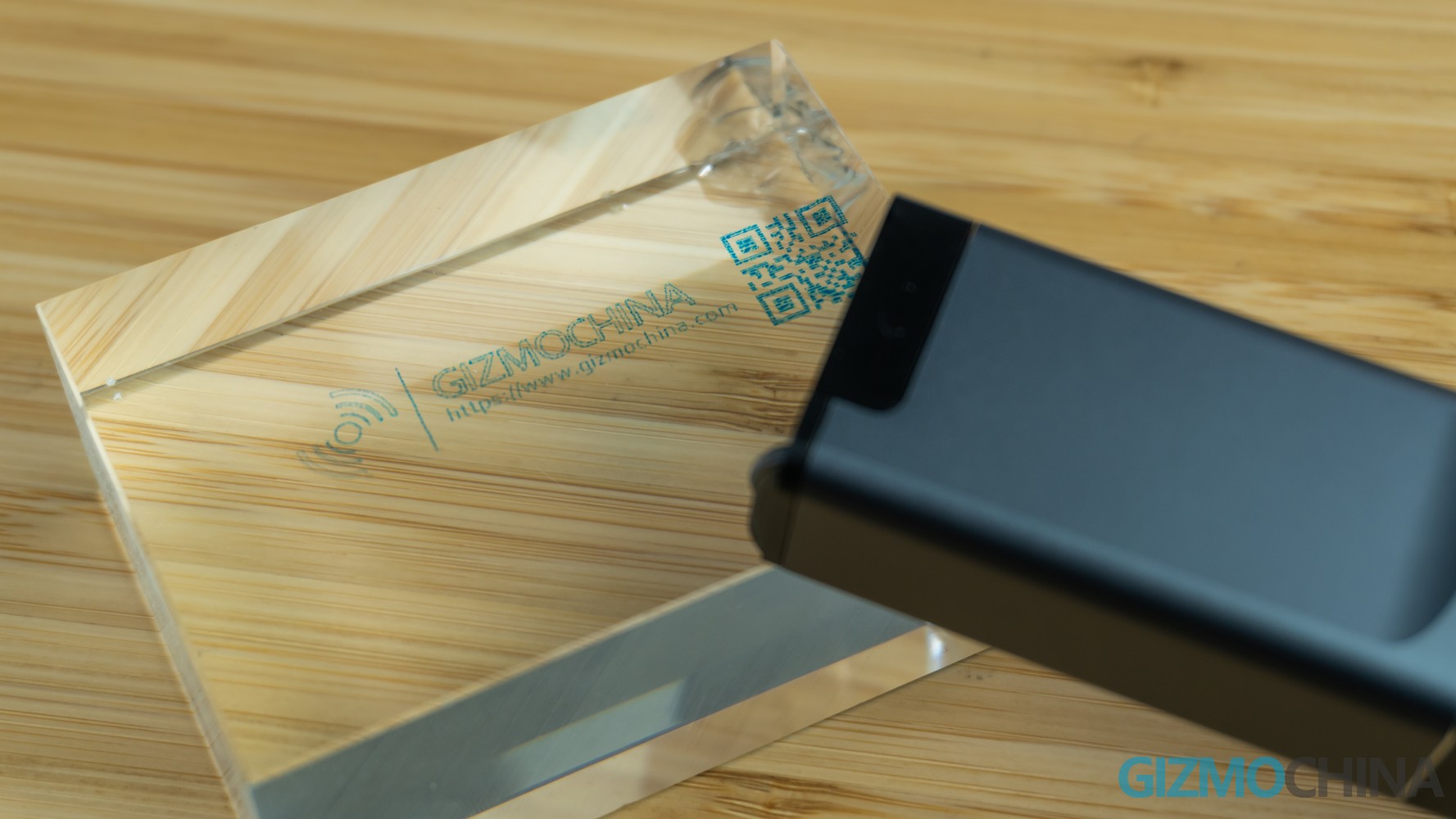
At first sight, it’s really hard to believe that such a pocketable stick is a printer. The pen-like printer felt so lightweight (92g) as holding in hands. Compared to most mobile printers, the Selpic P1 brought a more comfortable grip and stable operating experience. The special inkjet technology allows users to print photos, text, barcodes, QR codes on almost any porous surface, including paper, textiles, leather, wood, and also curved or uneven surfaces.
1 of 4
Selpic App
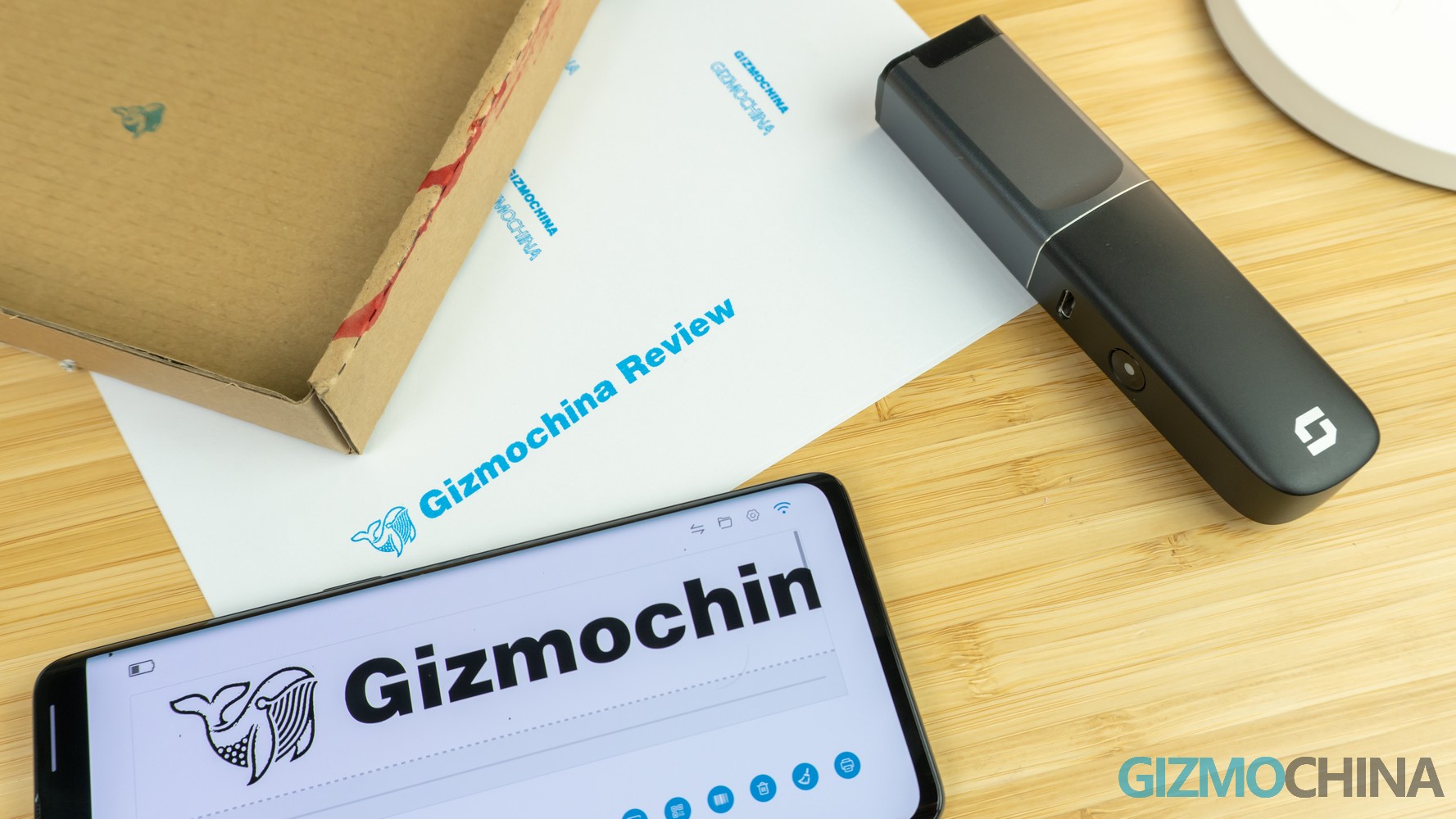
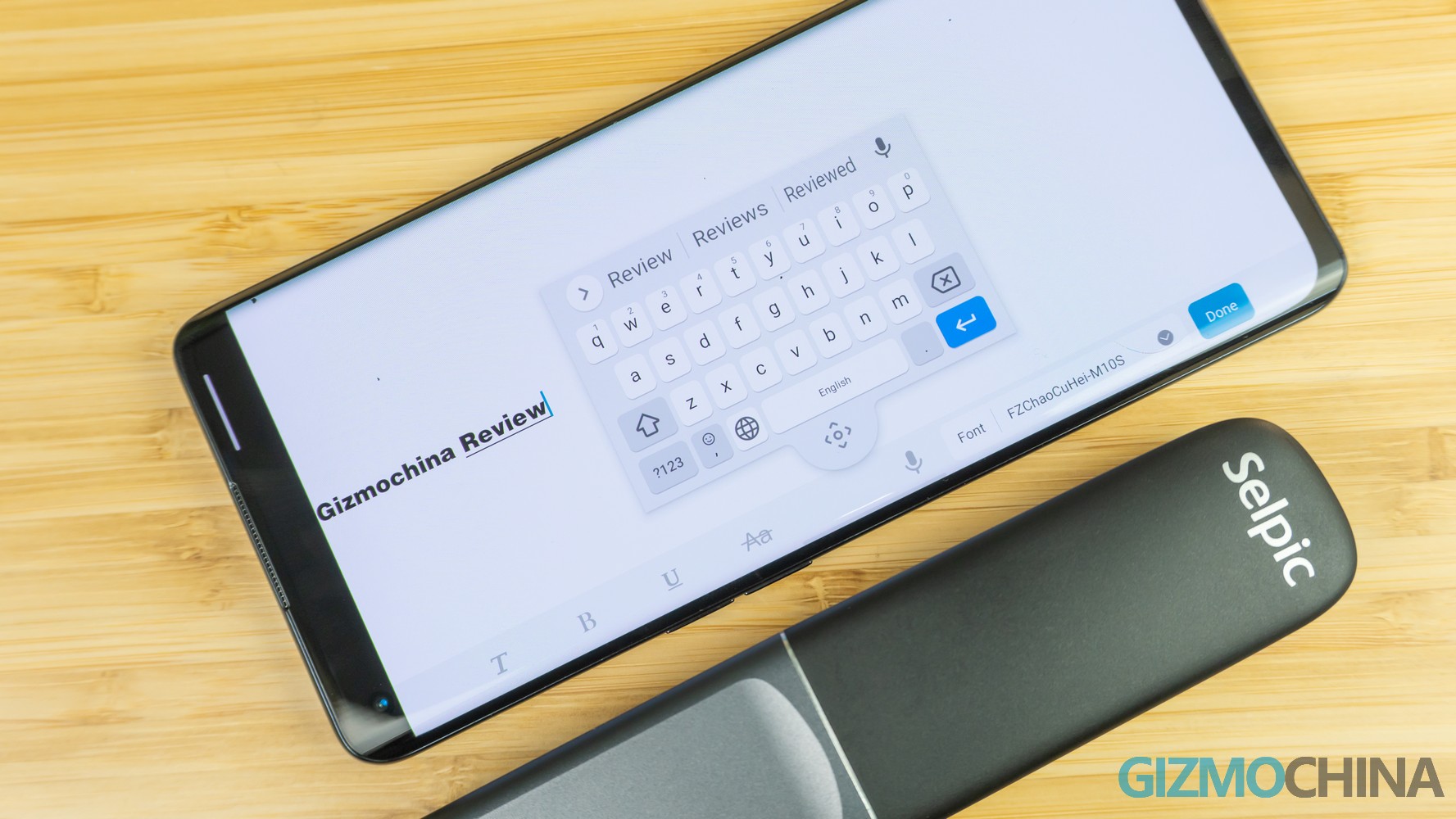
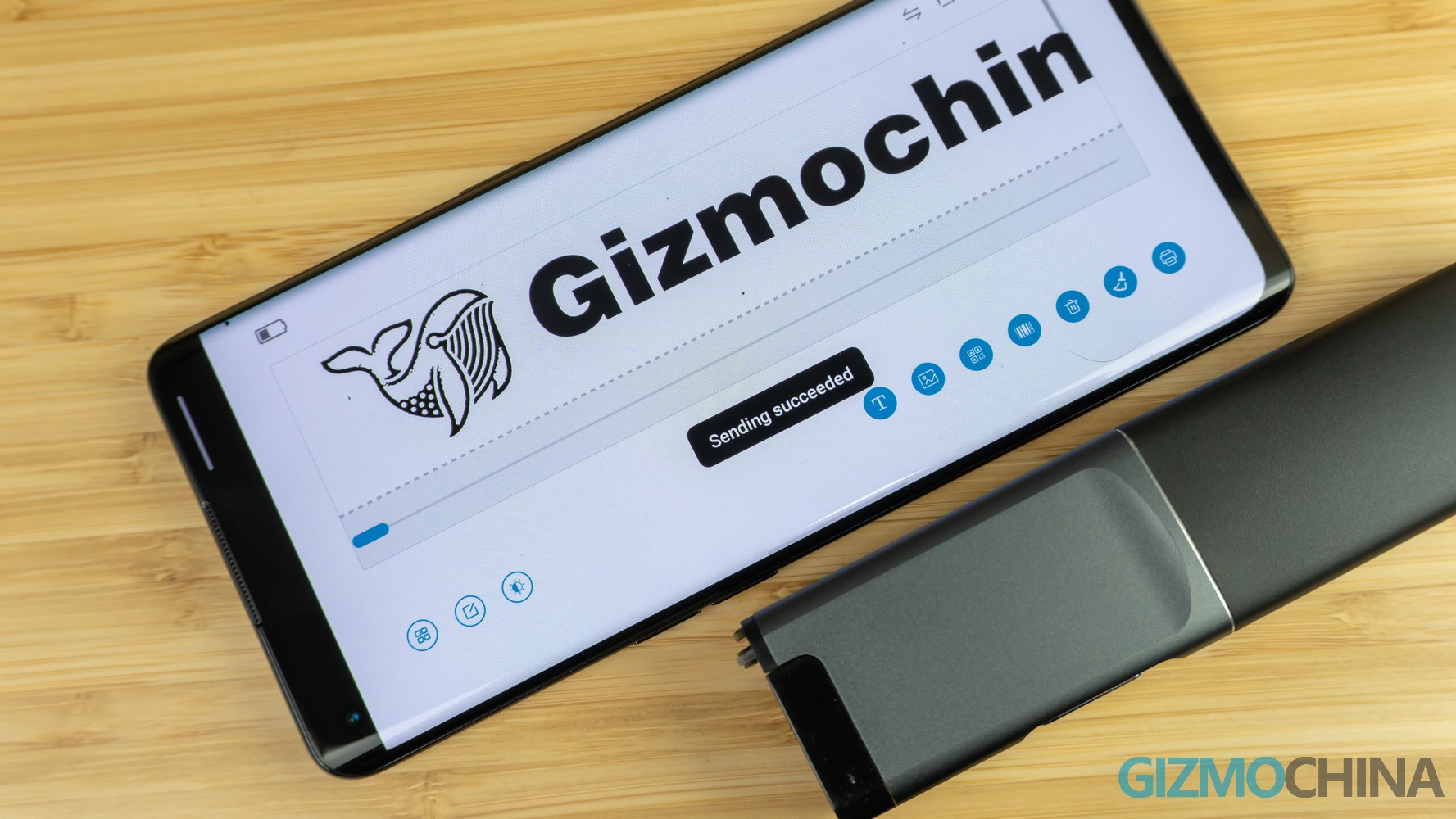
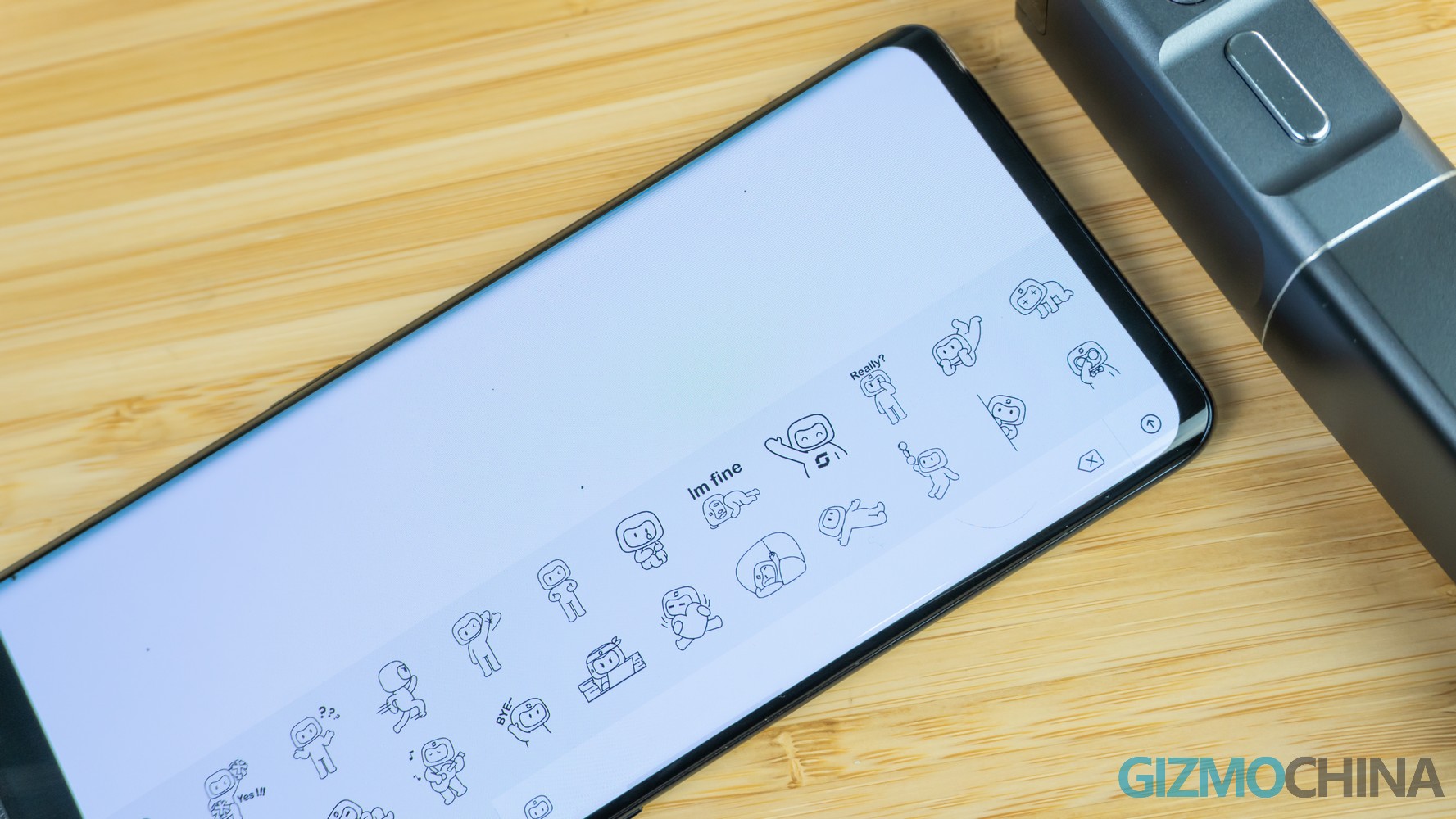
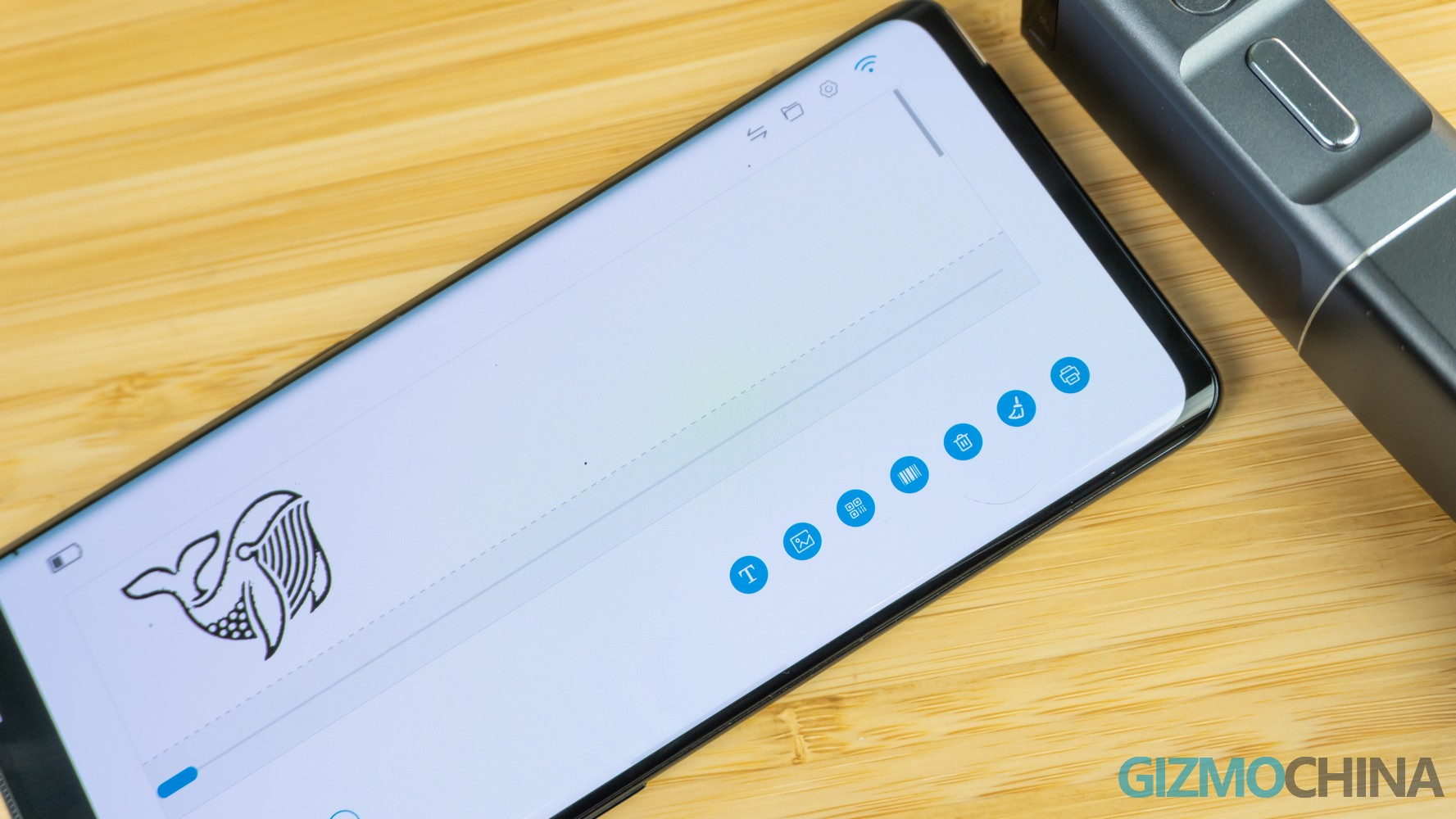
Although the P1 allows users to print a stored image without connecting a computer or smartphone, it’s better to edit your print image with a dedicated smartphone app, Selpic, which users can download in both the Google Play store for Android devices and the App Store for APPLE devices. The Selpic app supports multi-language for wide global users, including English, Japanese, German, Italian, French, Korean, Spanish, Russian, Chinese, and so on.
Print it right now
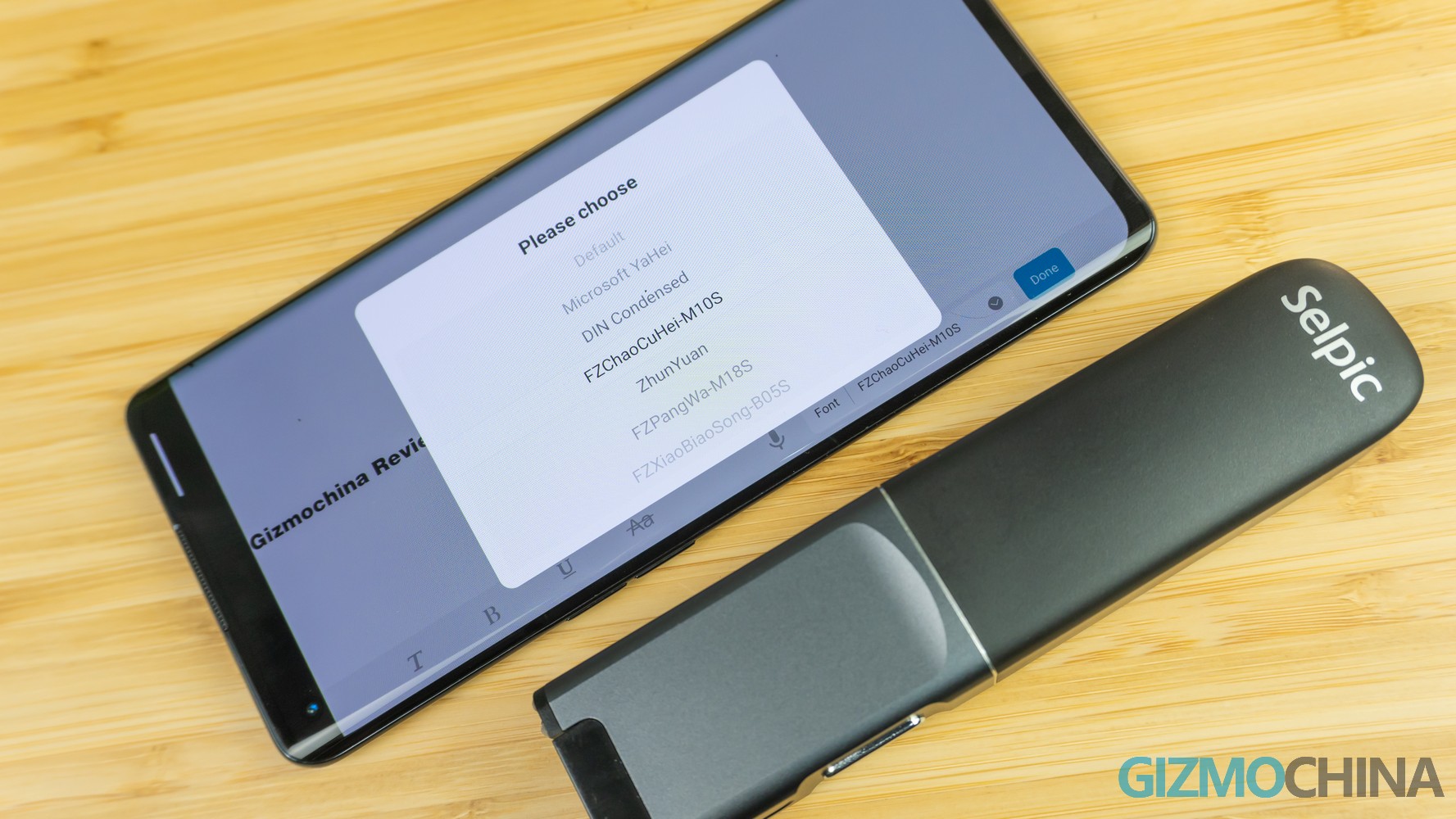
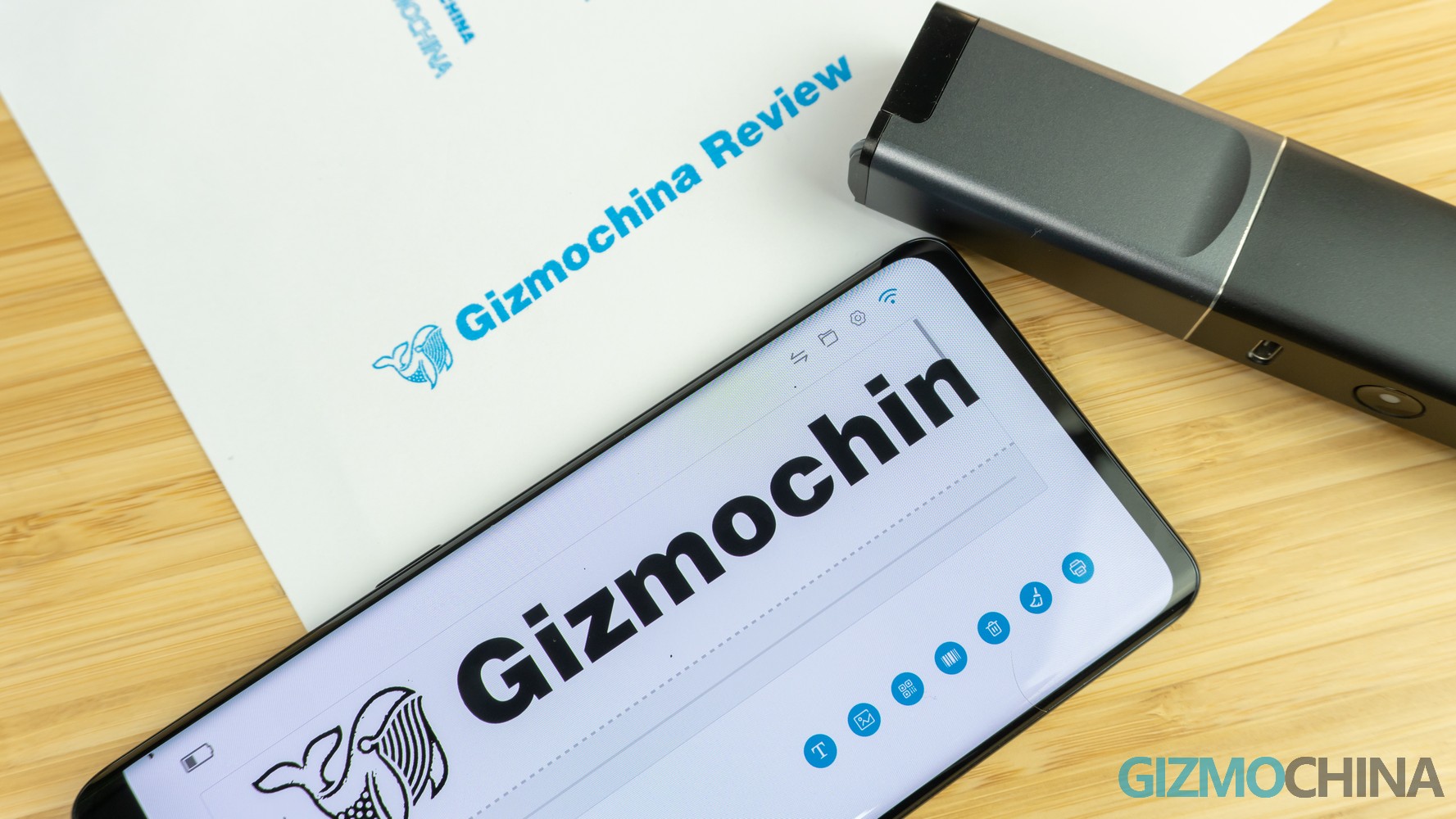
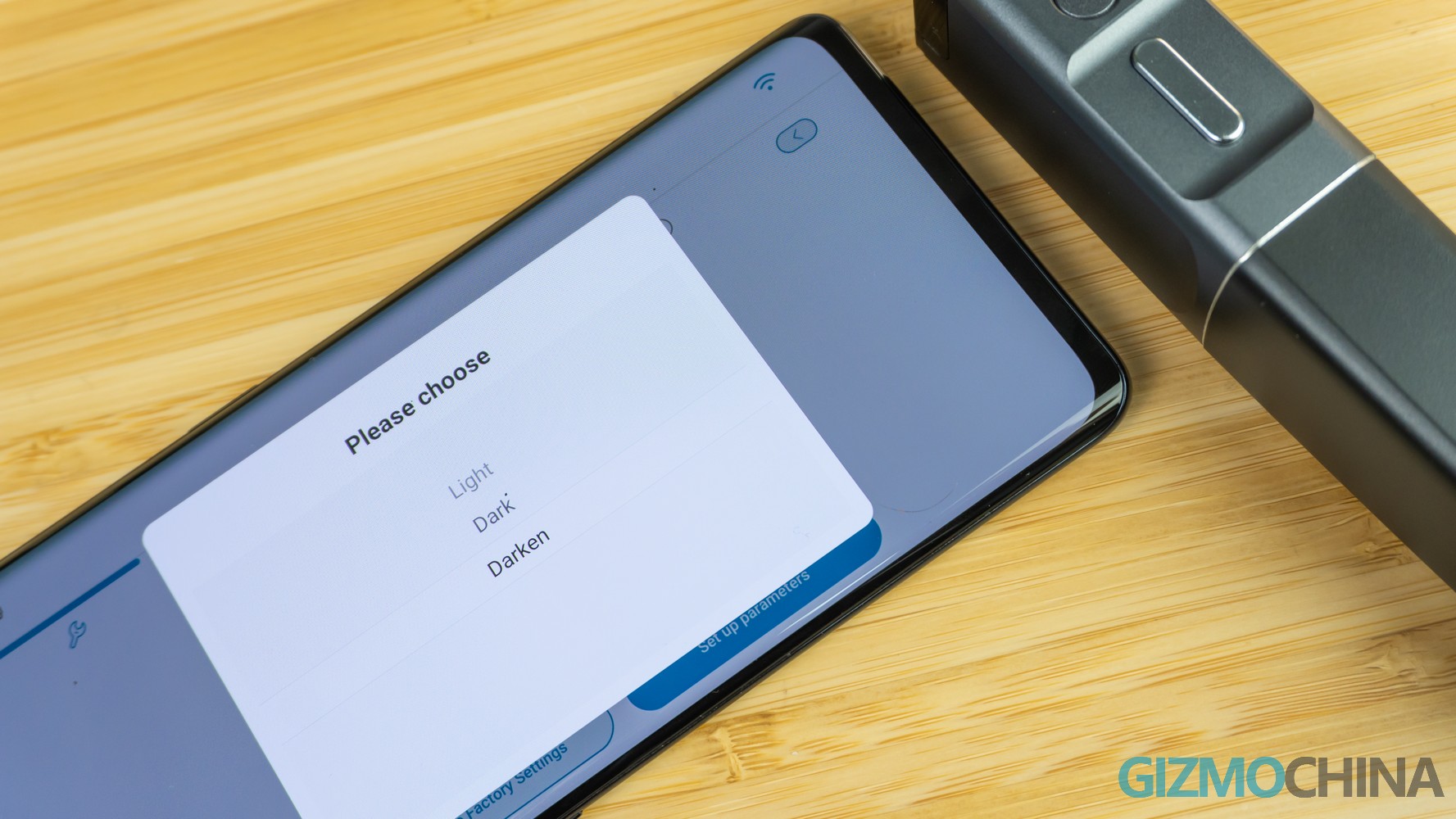
In the Selpic app, it would ask users to access a 2.4G WiFi network for the first time. And then the full features would be available through the app. For example, you could reset your print settings including changing interface material (Paper, Glass, Plastic, Leather, Cloth), switching ink gray level, and changing print direction. And after saving your favorite settings, there would be an input box for users to preview their print work. Users are allowed to adjust your text into various font styles or transfer them into QR Codes or Barcodes. Users can pack their additional information or just a personal page address through the function of code transfer, which is especially wonderful for those who are going to attach their files, artworks, or name cards with a special electronic identification. Or if you’re tired to type your text down, the Selpic app is able to turn your spoken words into text.
1 of 5
Good print quality
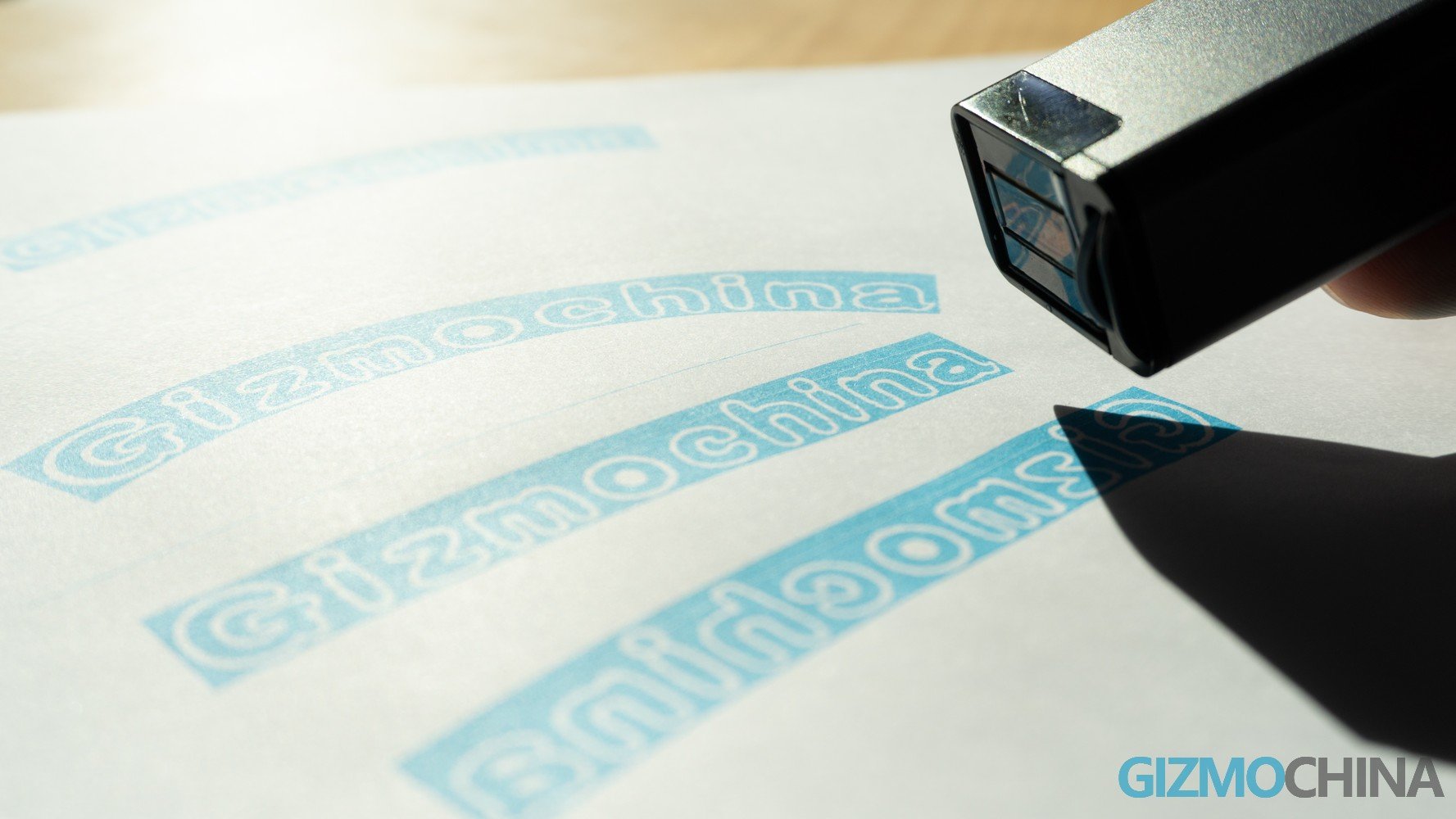
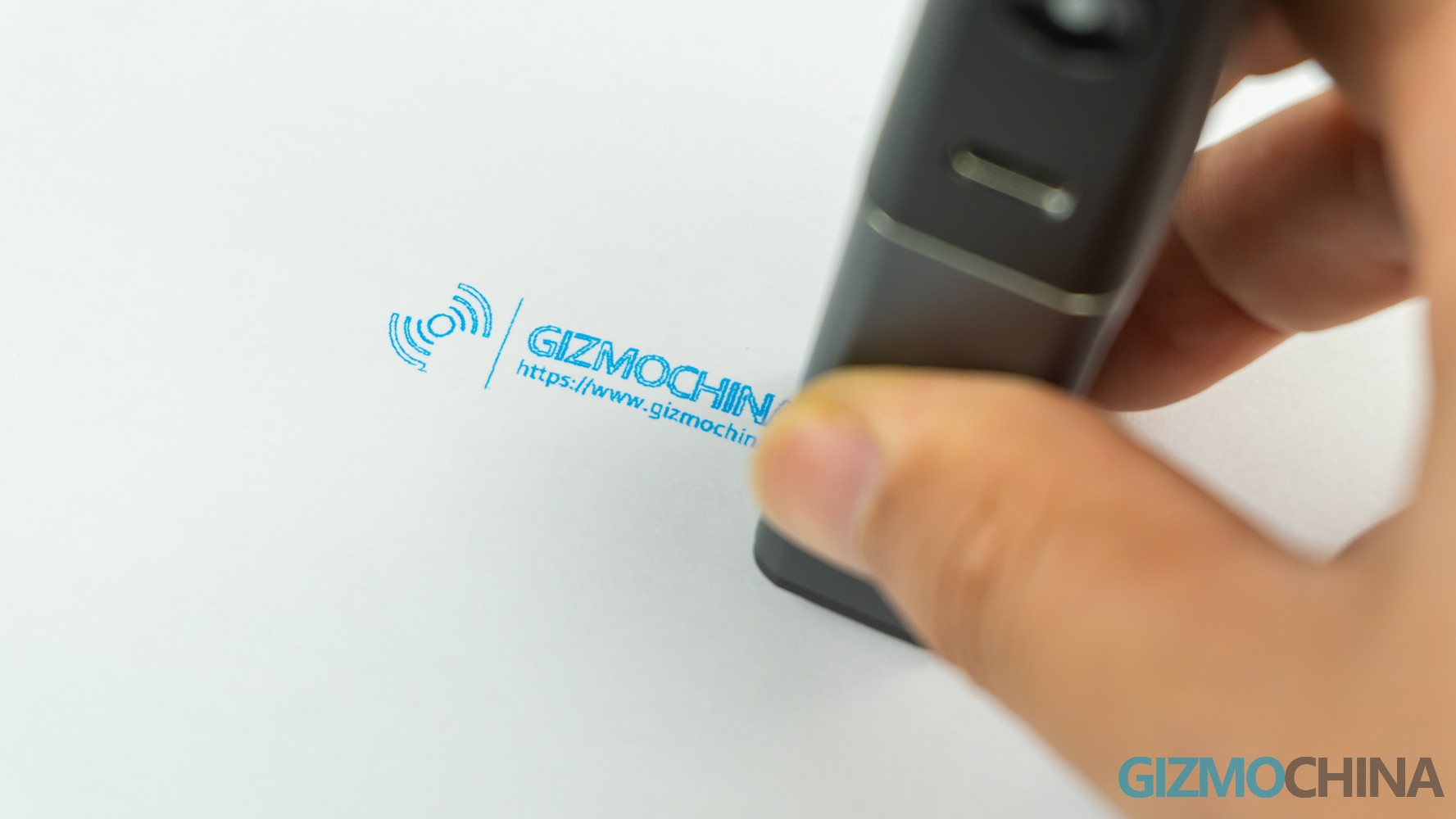
In actual print works, the P1 printer is impressive in its printing quality. The Selpic P1 has built-in 600×600 DPI, and is equipped with 300 nozzles (spacing of 0.002 inches), claims the Selpic team. Most mobile printers in the market now are only featuring 300 DPI. Higher DPI generally means better print detail and clarity. So that’s probably the reason why we are so surprised by the production from the small printer.
Ink cartridge
The color variety is another highlight of the Selpic P1. Selpic offers 8 ink colors for users. The cartridge for the printer, which will retail for $59 (currently $39), can also be replaced quite easily with the click of a button. The color of the ink cartridge we received is blue, a good detail is that it could be recognized by the Selpic app.
Any surface with any angle
Although we haven’t tried all the listed materials in the app, the printer showed great compatibility for different surfaces. It seems that the P1 can easily produce good content regardless of materials. And the P1 printer also impressed us with its multiple printing methods. Users can print their works in any direction, including horizontal, vertical, and even curved arrangements, which depend upon how you hold the printer.
Conclusion
The Selpic P1 is a practical product for different groups with various needs. For example, print down important information for business or education needs; sign a well-designed artwork for interesting identification; print a sketch on certain surfaces for design check… There are many small works that can be done with the pocketable printer rather than finding a print machine. As we mentioned in the last article, the Selpic P1 handheld printer is currently up for crowdfunding on Indiegogo for $99 and comes in Black and White versions. If you are interested in the creative printer, it should be a good choice to have some fun with the smart printer.
A few years ago, there were speculations that flexible display which would feature on foldable phones were the next big thing waiting to happen in the industry. Since then, a number of flexible display-packing models have hit the ground running but the technology is still not ready for mass adoption. Display maker LG is working on some solutions to fast track the adoption of the technology.
The Korean giant has showcased its next-generation OLED technologies at the 2020 Society for Information Display (SID) conference being held online. The company already has quite some experience in display innovation and this year, the focus seems to be of bendable displays.
In the company’s “Unlimited Design Freedom Zone” there’s a large 65-inch TV that unrolls its screen from above when needed and hides from sight when not. A smaller 12-inch version of the same technology is expected to make its way to car infotainment systems and desktop displays. The third SID wonder is transparent touch screens. From wardrobe covers to smart mirrors and windows, the applications of this technology are quite diverse.
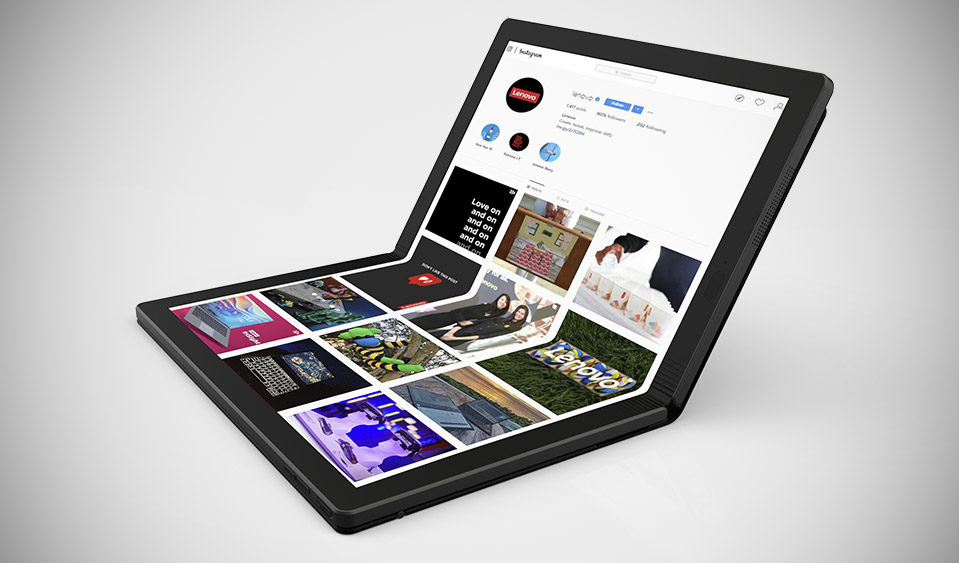
Finally, the fourth tech on display is LG’s 13.3-inch Foldable OLED that can be used to turn a large tablet into a laptop. The company also showcased a number of other more conventional screens but these flexible models stand out. However, we are not so sure if they will be available in the market anytime soon.
Motorola is gearing up for the release of multiple new phones including a new Moto G series as well as new Moto E models. The Moto E7 Plus is one of the expected devices and it might be one of the first phones to be powered by the Snapdragon 460 that was announced at the beginning of the year.
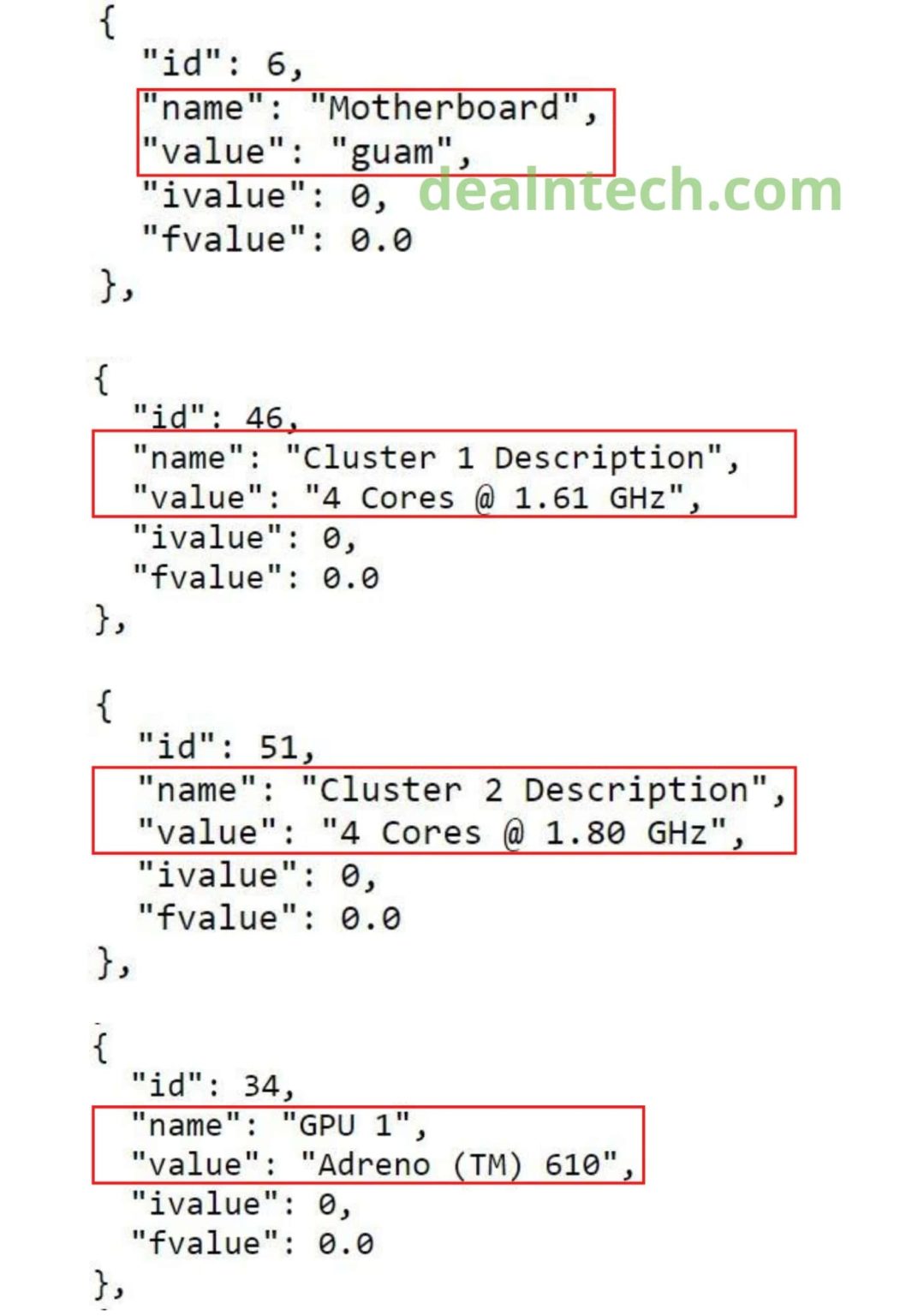
The device was seen on Geekbench on Monday with an unknown chipset dubbed “guam”. There are speculations that the chipset may be the Snapdragon 662 that was announced in January but it is the Snapdragon 460 mobile platform.
According to the folks at DealnTech the developer codes of the motherboard which has the CPU core and GPU configuration shows the processor has four of its cores clocked at 1.61GHz and the other four clocked at 1.80GHz. This is the CPU configuration for the Snapdragon 460 and not the Snapdragon 662. The latter has a different CPU configuration with a clockspeed of 2.0GHz. However, both chipsets have the same Adreno 610 GPU.
The Moto E7 Plus will have a waterdrop notch, dual rear cameras, a USB-C port, and a rear-mounted fingerprint scanner. It will run Android 10 out of the box, most likely with Motorola’s new My UX interface. Geekbench has also revealed the phone will have 4GB of RAM but we expect there will be other configurations too.
We use cookies on our website to give you the most relevant experience by remembering your preferences and repeat visits. By clicking “Accept”, you consent to the use of ALL the cookies.
This website uses cookies to improve your experience while you navigate through the website. Out of these, the cookies that are categorized as necessary are stored on your browser as they are essential for the working of basic functionalities of the website. We also use third-party cookies that help us analyze and understand how you use this website. These cookies will be stored in your browser only with your consent. You also have the option to opt-out of these cookies. But opting out of some of these cookies may affect your browsing experience.
Necessary cookies are absolutely essential for the website to function properly. This category only includes cookies that ensures basic functionalities and security features of the website. These cookies do not store any personal information.
Any cookies that may not be particularly necessary for the website to function and is used specifically to collect user personal data via analytics, ads, other embedded contents are termed as non-necessary cookies. It is mandatory to procure user consent prior to running these cookies on your website.