Samsung had recently unveiled its new ISOCELL GN1 50 megapixel image sensor with 1.2μm pixels. What’s notable about this sensor is that it combines both the Tetracell and Dual Pixel technology to bring improved camera performance.
The new ISOCELL GN1 sensor delivers excellent performance that can nearly rival professional grade images in almost any environment, according to Samsung. In other words, it is useful in low light conditions, where it uses the 4:1 pixel binning technology to sharpen images with less noise. Furthermore, it also offers ultra fast autofocus which is apparently just as good as the ones found in DSLR cameras.
The fast autofocus time means that shots can be taken quicker, which is achieved thanks to the Dual Pixel technology. Samsung’s ISOCELL GN1 sensor manages to pull this off through algorithms that enable image quality to be on par with 100 megapixel resolution shots. Notably, the South Korean tech giant stated that higher resolution sensors typically employ 0.8μm pixels, which is smaller than the GN1’s pixels. In other words, the latter has an advantage during night time.
Furthermore, the Samsung GN1 sensor also utilizes ISOCELL Plus, which uses barriers to isolate individual pixels. This enables micro lens to allow more light into the pixel’s photodiodes, which in turn, improves color fidelity and offers more accurate color reproduction as well. The images are captured in 8,160 x 6,144 resolutions while its pixels uses Samsung’s real time HDR to capture better shadows, mid tones, and highlights.
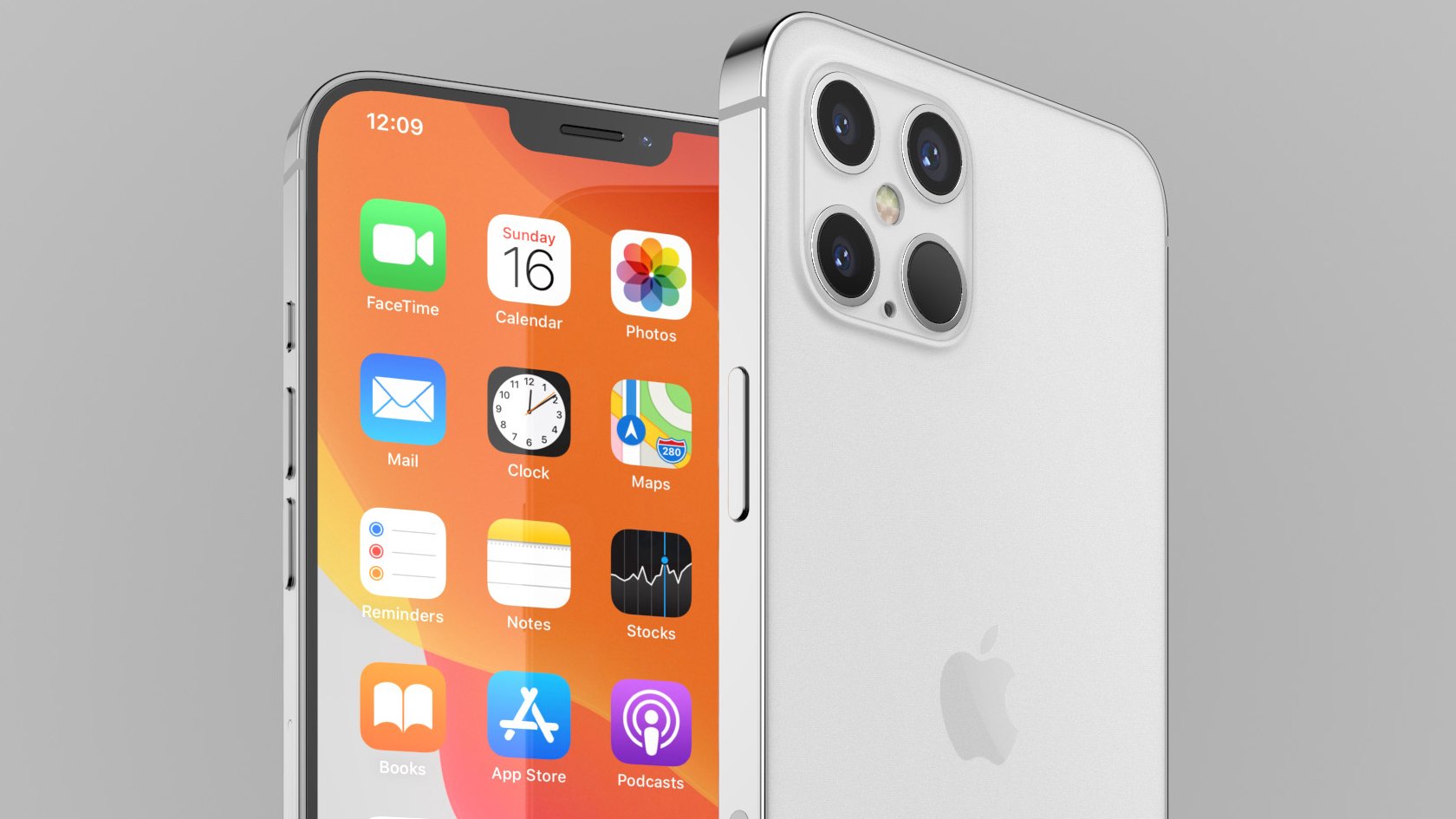
A new report has revealed that Apple is preparing to launch two iPhone 12 models that will support only 4G networks. This move apparently arrives since many nations have yet to adopt the newer and faster bandwidth, despite the upcoming lineup being it’s first to support 5G.
my first iphone rumor is the 4g version of the 12 and 12 max iphone 12(4g) if it happens will be 549$ 4g 12 max will be 649$ and there 5g prices are 649 and 749 just like jon prosser said.
— Omega LEAKS and RUMORS (@omegaleaks) June 25, 2020
According to analyst Daniel Ives, the new LTE enabled iPhone 12 will start from 549 US Dollars. Furthermore, an LTE only iPhone 12 Max is the second 4G handset offering and will be priced at 649 US Dollars. While most rumors had pointed at a full 5G lineup, the Cupertino based giant is now rumored to also be working on two separate 4G models as well.
The 4G iPhone 12 model might even sport an LCD display, as per analyst Jun Zhang. Jun had first reported on this back in December 2019 and had said that Apple might launch six iPhone 12 models in 2020. This includes two 4G offerings, one of which, will sport an LCD display. Some of the models within the series will likely be the iPhone 12, iPhone 12 Pro, and even the iPhone 12 Max, although the names of the other possible 3 variants are unknown.
But, if Apple really does decide to go for 6 iPhone 12 models, it would give a lot more choice to customers. Starting from 549 US Dollars, customers can even opt for higher end offerings with the reported LiDAR depth sensor technology or 120Hz “ProMotion” refresh rate feature that costs over 1,000 US Dollars.
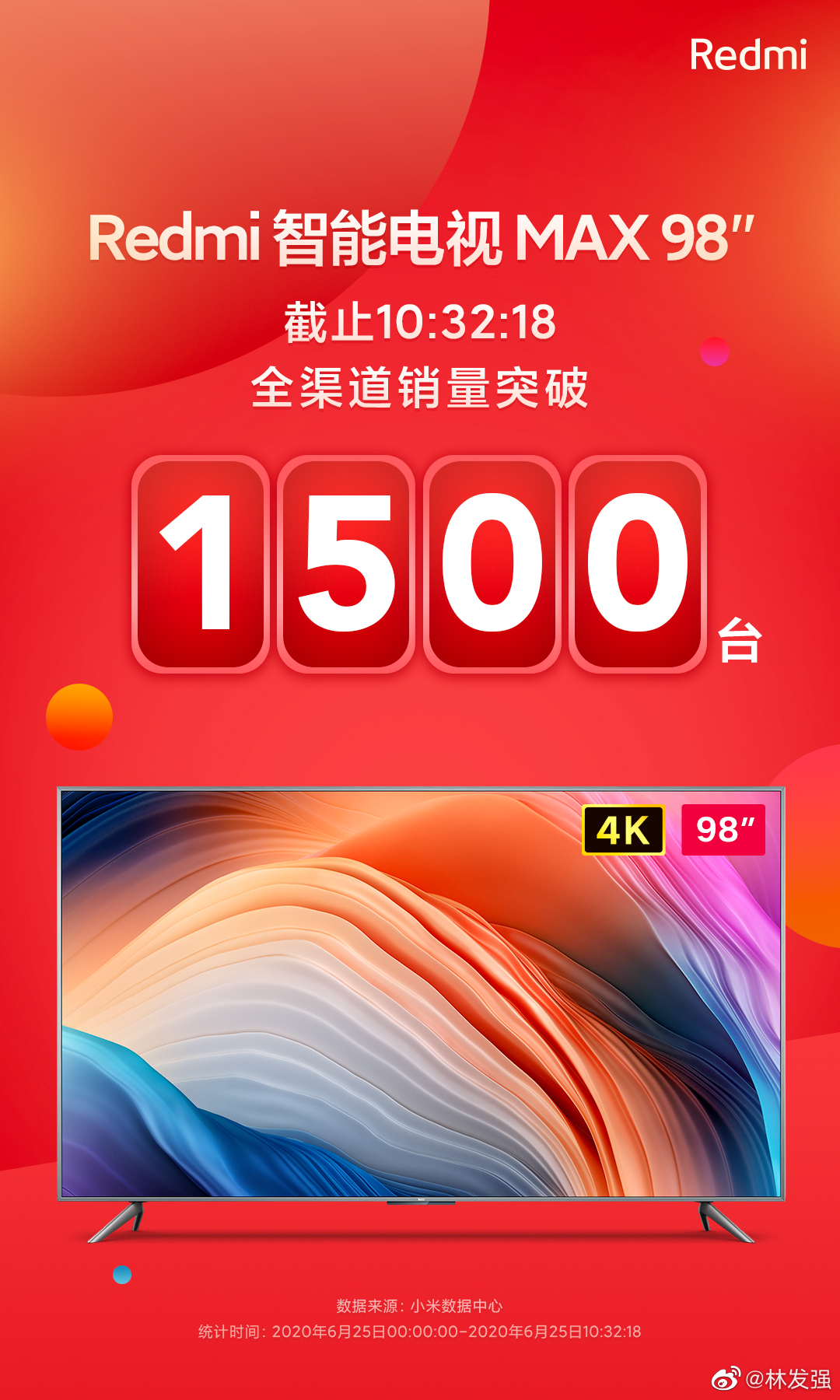
In late March, Redmi announced its largest TV dubbed as Redmi Smart TV MAX 98. This television went on sale many times since its release. But yesterday, it likely broke the sales record for the 100-inch TV segment in China as per a brand official on Weibo. According to him, they sold more than 1,500 units in less than 11 hours.
1 of 2
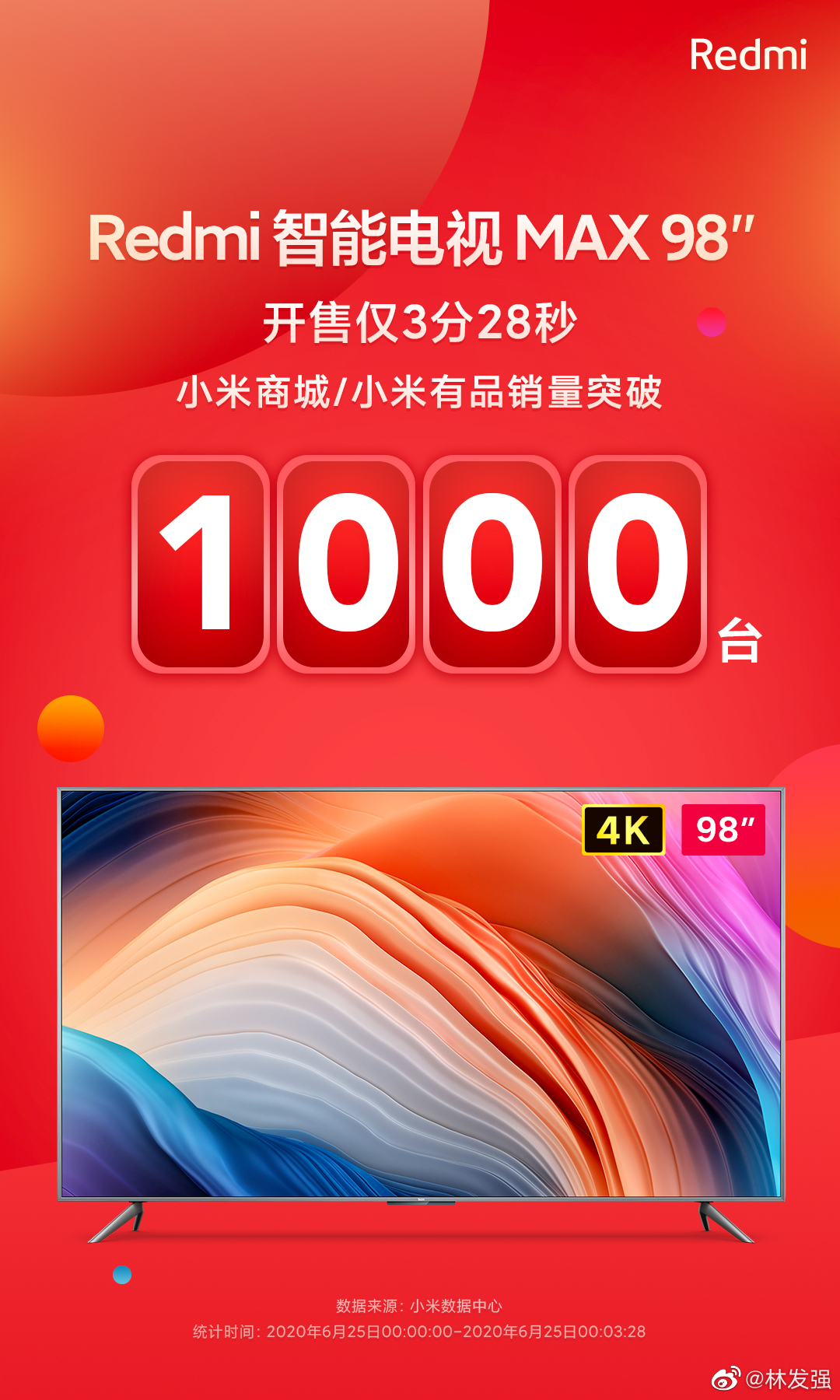
As per Xiaomi’s data, it sold above 1000 units of Redmi Smart TV MAX 98 in just 3 minutes and 28 seconds on Xiaomi Mall (Mi.com). In total, the brand sold 1,500+ units in 10 hours, 32 minutes and 18 seconds across all channels on June 25.
Lin Faqiang, the director of Xiaomi & Redmi TV operations in China says their product likely set a new industry record. But there’s no other data to prove the claim and hence he mentions it as a probability.
Having said that, the 100-inch TV segment is a new category and there are very few customers who would be interested in buying such a massive-sized television. Even people who would like to get it will have to shell a pile of cash.
But the Redmi Smart TV MAX 98 costs only 19,999 Yuan ($2,825), which is comparatively less than other options. This could be the sole reason why the brand managed to sell these many units.
Google is expected to launch a new streaming device codenamed ‘Sabrina’ soon. It was first reported to ditch the Android TV branding. Then, its renders and UI leaked, which was later followed by specs. Now, this upcoming device makes its appearance once again in Android 11 Developer Preview for Android TV.
Recently, Google released Android 11 Developer Preview for the ADT-3, an Android TV set-up box for developers. As usual, XDA Developers, dug into the firmware to find new undocumented things. To their surprise, they once again spotted ‘Sabrina’.
This time around, they did not find any new UI element or render but a short tutorial video named “reboot_sabrina” on how to reboot Google’s new streaming device. As you can see from the video attached above, to reboot it, users will have to disconnect the power source (could be USB Type-C) for 3 seconds before connecting it again.
Having said that, as per Mishaal Rahman of XDA, this device might launch with Android 10-based Android TV and will be one of the first to receive Android 11 update when it goes official sometime later this year.
According to previous findings, Sabrina will be powered by Amlogic S905X2 chip, which has a 1.8GHz quad-core ARM Cortex-A53 CPU and Mali-G31 MP2 GPU. Further, it will have 2GB RAM and Broadcom BCM43569 chip for Wi-Fi 802.11ac as well as Bluetooth 4.1.
Whereas, for audio, it will come with Cadence’s Tensilica HiFi 4 DSP. As for other features, it will have support for HLG, HDR10, Dolby Vision, Auto Low Latency Mode (ALLM), and mic on remote for Google Assistant.
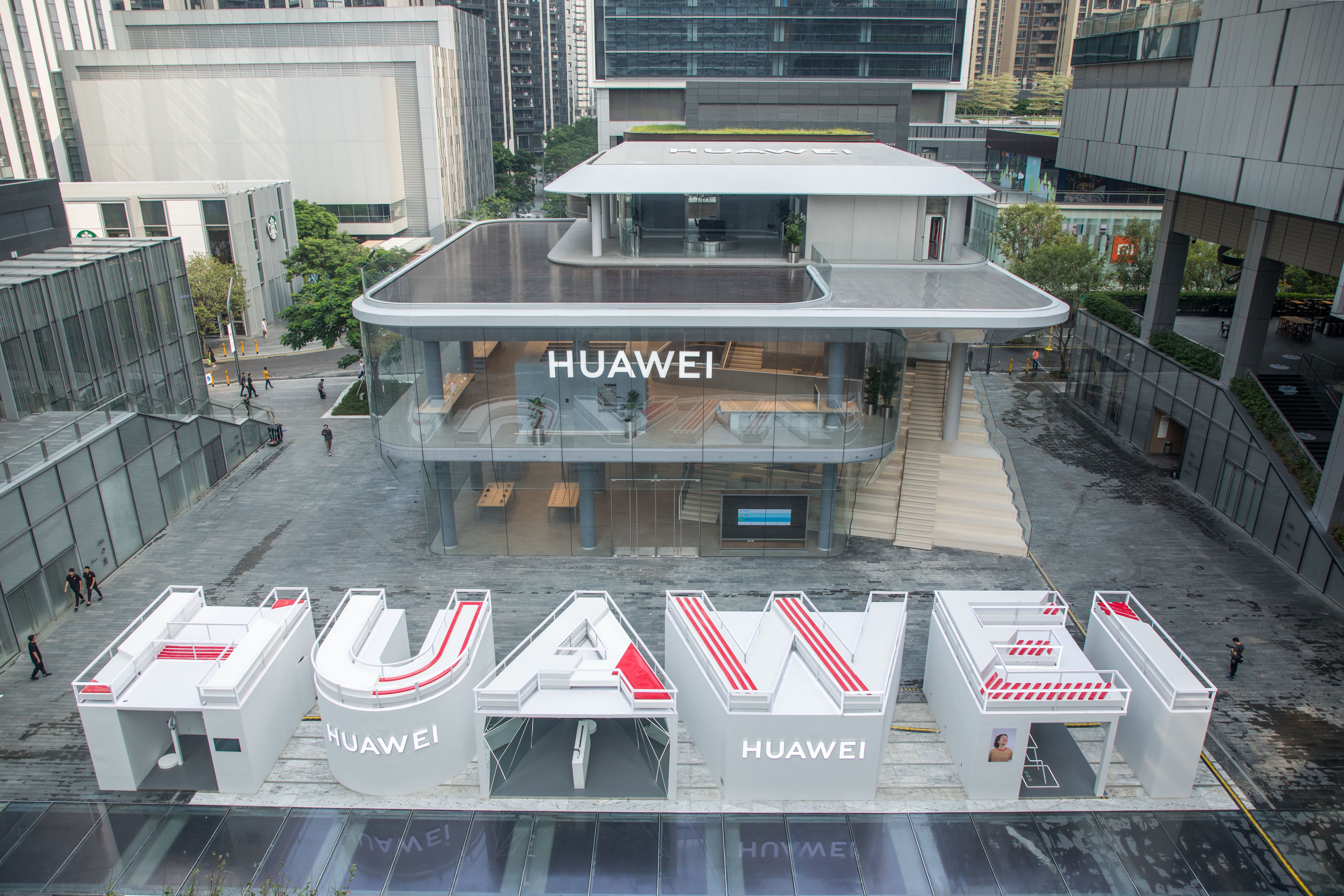
Huawei has just received approval earlier this week to build its new research facility in the UK. The news arrives amid future seems rocky and uncertain in the region, as increased pressures have brought its 5G networking equipment under scrutiny as well.
The $1.25 billion research facility in question will be built in Cambridge and will be the international headquarters of Huawei’s fiber optic communication business. This new firm is said to create 400 new jobs in the region according to Huawei. However, this sizeable investment arrives at the time where its future in the country is quite uncertain.
The new facility that is being built will bring hundreds of new job opportunities which acts as a boon to the UK’s economy that has been hit hard by the Coronavirus pandemic. The country is suffering from unemployment issues, with pressures increasing due to millions that are availing the government benefits. According to Huawei Vice President Victor Zhang, the new facility has been built “to help enshrine the UK’s leading position in optoelectronics and promote UK tech on a global scale.”
Earlier this week, Xiaomi had put a new product for crowdfunding. The gadget was the XiaoAI Mouse that arrived with the in built voice assistant, which has seen huge success in China as it has crossed the crowdfunding amount by 10 times in just 2 days.
According to the official website, the XiaoAI Mouse received support from over 17,000 people that raised a collective 1.28 million Yuan (roughly 181,000 US Dollars). For those unaware, the crowdfunding price of the mouse with the built in voice assistant was 129 Yuan while its actual retail price is set at 149 Yuan (roughly 18 and 21 US dollars respectively).
The Xiaomi XiaoAI Mouse has its design similar to the Mi Wireless Mouse that was previously launched by the Chinese tech giant. Albeit, a notable inclusion is the addition of a new button that is dedicated for the voice assistant that activates on a long press. Furthermore, the casing is antibacterial with a metal scroller and a hidden mic as well.
It supports various voice commands like “Open Word” and “Computer Shutdown,” being compatible with multiple languages including English, Japanese, and Korean. The XiaoAI Mouse can also be connected to users’ smart home products to activate them through voice commands.
In December 2018, Qualcomm unveiled the Snapdragon 8cx processor for always-connected laptops and 2-in-1 convertible PCs running on Windows. The 7nm chipset few notebooks like the Lenovo Flex 5G and Samsung Galaxy Book S. Fresh information shared by Winfuture.de publication reveals that the U.S. based chip manufacturer is working on an enhanced version of Snapdragon 8cx. It is expected to fuel upcoming Windows on ARM devices.
The ’SC8180X’ internal model number is associated with the Snapdragon 8cx. The publication claims that the ‘SC8180XP’ model number that has appeared in the import and export databases suggests that it could be an enhanced version of the Snapdragon 8cx. It is unclear whether the ‘P’ letter in the model number stands for ‘Plus’ edition.
The publication claims that the SC8180XP is an octa-core processor with four Kryo 495 Gold (Cortex-A76) CPU cores clocking at 3.15GHz and four Kryo 495 Silver (Cortex-A55) CPU cores working at 1.8GHz. The SoC will include 718MHz Adreno 680 graphics which is also available with the Snapdragon 8cx. It is unclear whether there is any change in the speed of the GPU as Qualcomm has never revealed the clocking speed of the Adreno 680 graphics.
In October 2019, Microsoft unveiled the Surface Pro X 2-in-1 convertible PC. The device came with a slightly improved version of the Snapdragon 8cx. The custom chip was dubbed as Microsoft SQ1 since it was exclusively made available on the Surface Pro X.
The Snapdragon 8cx Plus is expected to deliver faster performance than Microsoft SQ1. Since there is no official information available on the Snapdragon 8cx Plus, it is advisable to digest the report with a grain of salt.
Google Pixel 4a is the upcoming mid-range smartphone from the search engine giant. It is also the watered-down variant of the Pixel 4 flagship smartphone launched last year. The phone was set to launch a couple of months ago, but it still has not been made official.
The launch of the Google Pixel 4a has been delayed a few times, mainly because of the market conditions due to the COVID-19 pandemic. Now, ahead of the phone’s launch, it has appeared on FCC.
The FCC filing for A4RG025J published today although the application was filed on 2nd April. It lists three models — G025J, G025M, and G025N — first being US-based model and the other two likely featuring cellular radios for other parts of the world.
Google will again utilize an e-label for a clean rear panel and thus, the back panel will only feature the “G” logo. The layout is identical to the current labels on existing Pixel phones. Apart from this, the FCC listing reveals nothing about the phone.
Previous reports have revealed that the Google Pixel 4a will feature a 5.81-inch OLED panel with a punch-hole design and Full HD+ screen resolution. The phone is expected to arrive with Snapdragon 730 SoC, 6GB of RAM, and 64/128 GB internal storage.
The Android 10 operating system will come pre-installed on the smartphone and it will be powered by a 3,080mAh battery that is expected to support 18W fast charging. The phone may arrive in the U.S with a starting price of $349.
At such a price point, the company seems to be trying to compete against the Apple iPhone SE 2020, which costs $399. The Google Pixel 4a is expected to get announced on 13th July but reports indicate that it could go on sale from October this year.
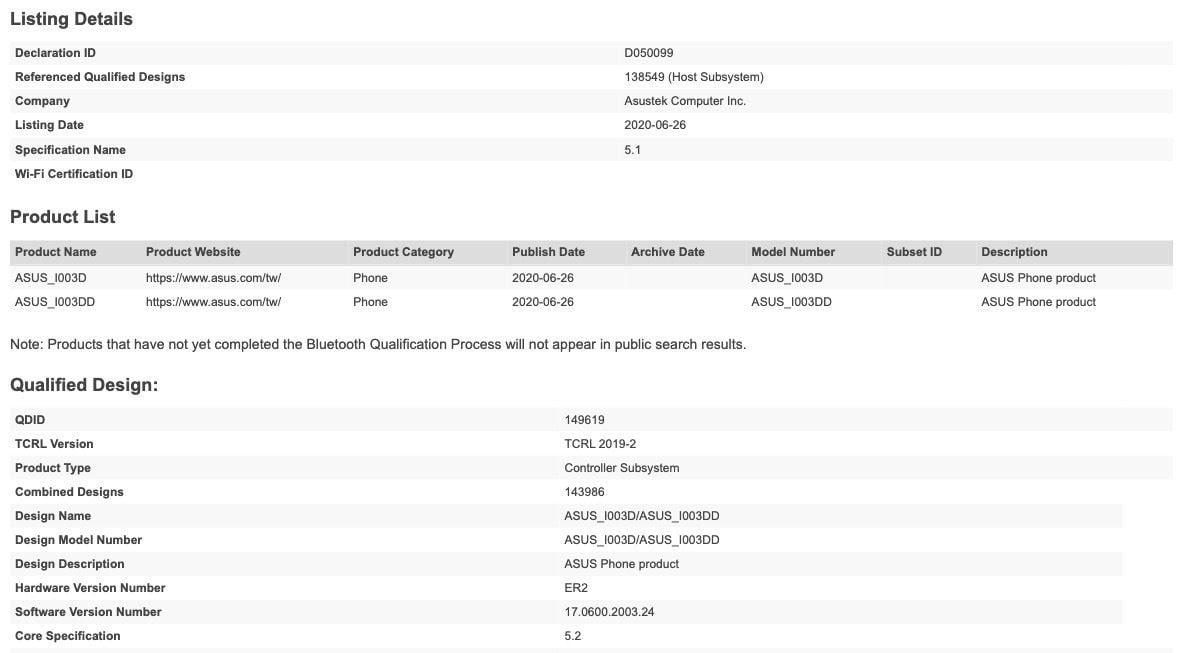
In July, ASUS will be announcing the ROG Phone 3 gaming smartphone. The handset has already been spotted at multiple certification platforms such as Wi-Fi Alliance and TENAA. It has also appeared on Geekbench benchmarking site. Today, the smartphone bagged yet another important certification from Bluetooth SIG authority.
The Bluetooth SIG has approved I003D and I003DD models of the ROG Phone 3. The listing confirms the support for Bluetooth 5.1 and Bluetooth 5.2 on the device.
In May, Qualcomm announced the Snapdragon 768G as an enhanced version of last year’s Snapdragon 765G SoC. The new SoC came with support for Bluetooth 5.2. Rumors are rife that the enhanced version of the Snapdragon 865 will debut next month. It remains to be seen whether the SoC will be called Snapdragon 865 Plus or Snapdragon 868. The new chipset is expected is likely to arrive with Bluetooth 5.2 support. Probably, the ASUS ROG Phone 3 could be the first phone to feature the Snapdragon 865+ SoC.
The TENAA appearance of the ASUS ROG Phone 3 revealed that it will be sporting a 6.59-inch notch-less AMOLED screen with support for Full HD+ resolution. The device is likely to offer users up to 16 GB of RAM and an internal storage of up to 512 GB. The AnTuTu listing of the phone revealed that it has LPDDR5 RAM and UFS 3.0 storage.
The rated battery of 5,800mAh capacity powers the device. It may support 30W rapid charging. The device has a 64-megapixel triple camera system on its back, and it has a front camera of 13-megapixel. The ROG Phone 3 will be rivaling with the Lenovo Legion Gaming Phone that is also scheduled to debut in the coming month.
The US is increasing its pressures on the Chinese tech and telecom giant, Huawei. A month prior, new US sanctions cut off its chip supply from TSMC and now, it seems that the US is planning on funding more regions to choose 5G telecom equipment from Huawei’s rivals.
According to an American official, the United States will also help other countries finance purchases of 5G telecom gear from western alternatives rather than Huawei, who it deems as a security threat due to alleged ties to the Chinese government. The Chinese company has played a major role in developing the 5G infrastructure in many regions, which was possible due to its lower cost equipment.
OnePlus is gearing up to launch its new smartphone series which will be focusing on the budget segment. The company has already confirmed this and is promoting this upcoming series with the keywords ‘New Beginnings’.
Now, making sure the hype around this new affordable smartphone lineup from the company goes to the peak, the company has today released a trailer for the upcoming New Beginnings Documentary from OnePlus.
The trailer is for a four-part documentary series that will showcase the company’s journey of designing its smartphones. It remains to be seen if this is limited to the upcoming budget smartphone only.
While the name of the upcoming budget smartphone from OnePlus has not been confirmed by the company, rumors indicate that it will get launched as OnePlus Nord. Earlier, it was rumored to launch as OnePlus Z and OnePlus 8 Lite.
The documentary series is set to release on 30th June. It remains to be seen if the company announces the smartphone on the same day or reveals information about when the launch event will take place.
As per the reports, the OnePlus Nord is expected to launch in the Indian market on 10th July. Before that, the company is hosting another launch event in India on 2nd July to unveil its new lineup of affordable Smart TVs.
Rumors indicate that the device will come with a 6.4-inch OLED display with Full HD+ screen resolution and a 90Hz refresh rate. Running on Android 10, the device is said to be powered by a 4,000mAh battery with the company’s own Warp Charge technology.
In the camera department, it is expected to have a quad-camera setup on the back, consisting of a 48-megapixel primary sensor, a 16-megapixel ultra-wide-angle lens, and a 2-megapixel macro lens. The fourth camera sensor could be a depth sensor or a color filter.
Along with the OnePlus Nord or whatever the company ends up calling this new budget smartphone, OnePlus Pods, the Chinese company’s first truly wireless earbuds are also expected to get launched.
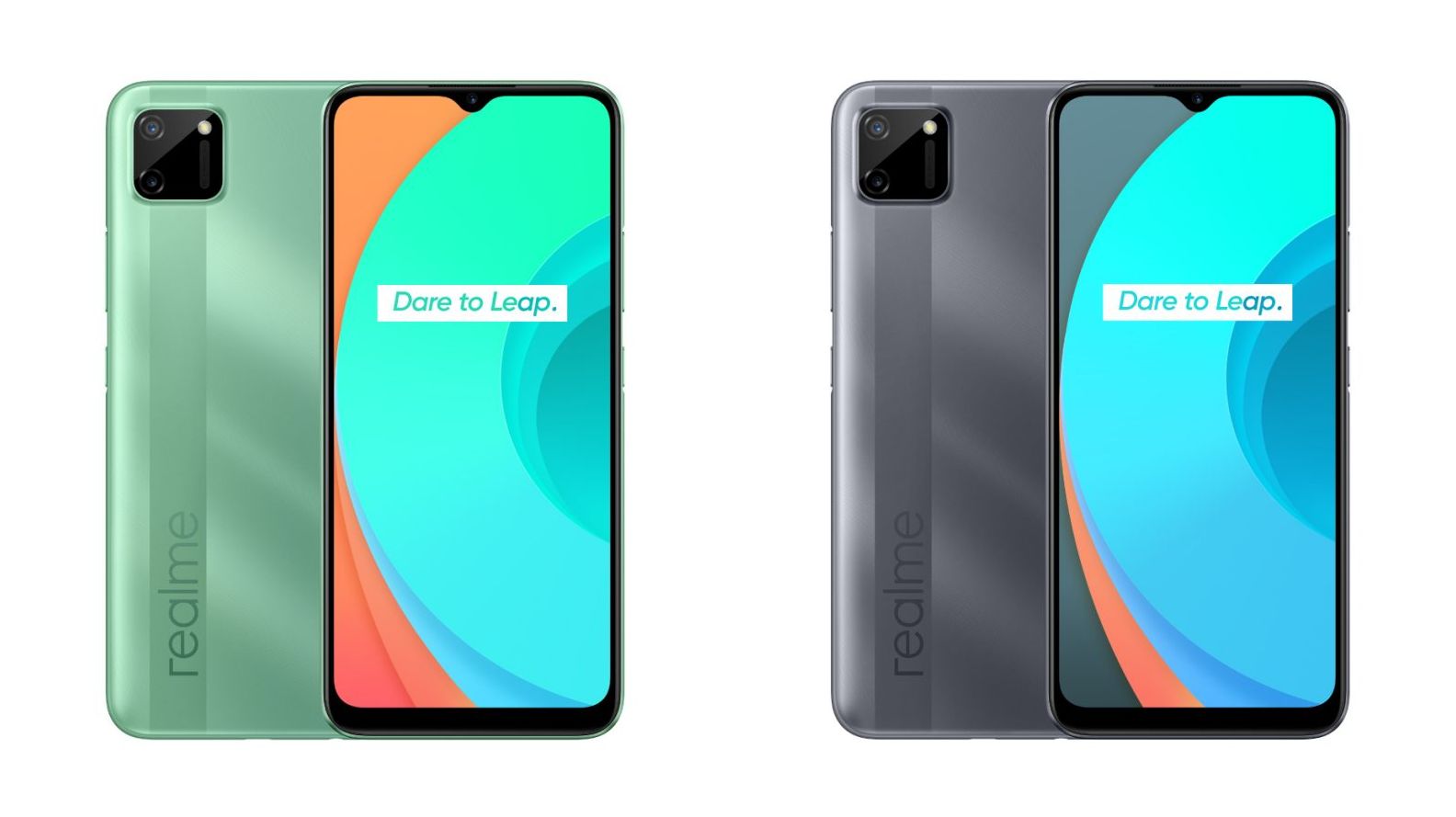
Realme will be launching the Realme C11 midrange smartphone in Malaysia on June 30. The handset will be also debuting on the same day in Indonesia. Ahead of the launch, the Realme C11 has appeared on the Indonesian edition of Lazada e-commerce site. The listing has renders of the Mint Green and Pepper Grey color variants of the smartphone along with its specifications.
The Realme C11 has a 6.5-inch IPS LCD display with a mini-drop notch. It supports HD+ resolution. The listing has no information on its selfie camera. However, it is likely to come with a front-facing camera of 5-megapixel or 8-megapixel. The device lacks a fingerprint reader, but it will be arriving with support for face unlock.
The Realme C11 is the company’s first phone to feature a square-shaped camera module. It comprises of an LED flash and a 13-megapixel main camera and a 2-megapixel depth sensor. The device will be arriving with Super Nightscape Mode for enhanced photography in dim-light conditions.
The Realme C11 will be breaking cover as the first MediaTek Helio G35 SoC powered device. The rumored Redmi 9C and Redmi 9C NFC are also expected to feature the same SoC. Coming back to the C11, it will be available in RAM variants like 2 GB and 3 GB. Both variants will come equipped with 32 GB of built-in storage.
There is a 5,000mAh battery inside the smartphone. However, there is no support for fast charging on the device. A dedicated microSD card slot is available on the phone. The smartphone will be running on Realme UI based Android 10 OS.
The actual pricing of the phone is not mentioned in the Lazada listing. The handset is now up for registration on the retailer site. After June 30 launch, Lazada will carry out its first flash sale on July 1. The handset is also expected to arrive in India in the near future.
Usually, most of the news related to Xiaomi is about the company launching a new product. For a change, the company’s CEO has shared his list of three favorite smartphones instead of teasing a new product for launch.
Leu Jun, Chairman and CEO of Xiaomi has listed the Mi MIX 2 smartphone as his most favorite. He adds that the phone has a ceramic body and is the first flagship smartphone in the world to have a unibody ceramic design.
One of the reasons behind this being his favorite is the process of getting it made. He says that each piece of unibody ceramic must be sintered at 1400-degree Celsius for seven days and involves some other processes as well.
The second smartphone in the list is the Xiaomi Mi 6 Bright Silver Discovery Edition. He goes on to explain that the phone has a vacuum-plated glass back shell and can be used as a mirror. The bright stainless steel frame gives the phone an excellent look and feel.
Lei Jun has mentioned Mi 10 Pro as the third favorite smartphone, which is the company’s first flagship smartphone to be available globally. He adds that with the Mi 10 Pro, Xiaomi hasn’t focused on reducing cost but has instead focused on providing the ultimate experience for those who are looking for a high-end smartphone.
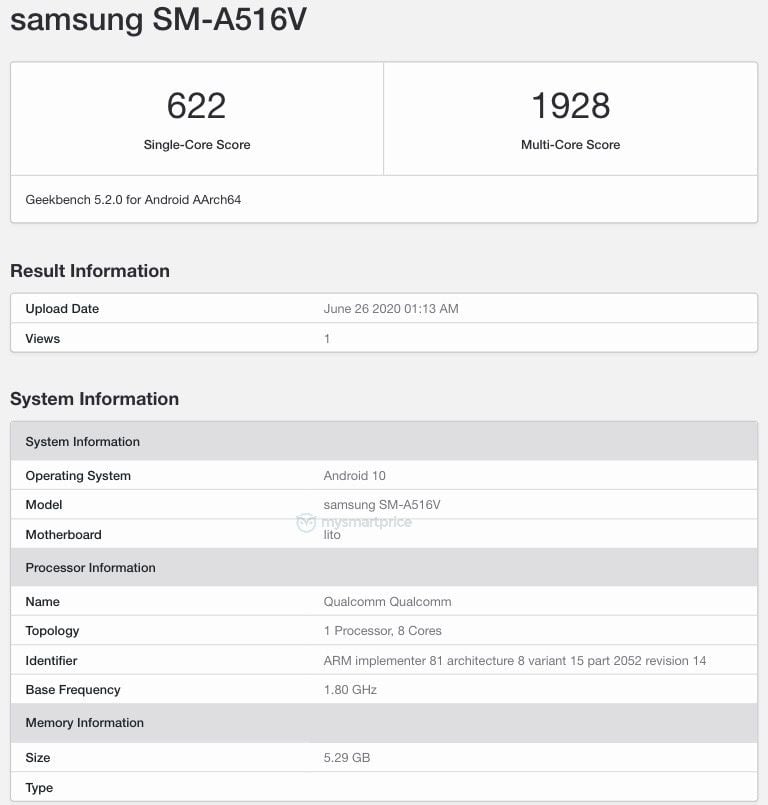
Samsung unveiled the Galaxy A51 5G and Galaxy A71 5G earlier this year. Both phones are fueled by the Exynos 980 chipset. Last week, Samsung introduced the Galaxy A71 5G. The handset arrived with Snapdragon 765G, instead of Exynos 980. Rumors have it that Snapdragon 765G version of the Galaxy A51 will be also heading to the U.S. in the coming month. Ahead of the launch, a Verizon variant of the Galaxy A51 5G with model number SM-A716V has appeared on the Geekbench benchmarking platform.
The SM-A516V that has appeared on Geekbench could belong to the Verizon variant of the upcoming Galaxy A51 5G phone. It is driven by Qualcomm’s ‘lito’ processor that is believed to be the Snapdragon 765G SoC and it runs on Android 10 OS. The chipset is coupled with 6 GB of RAM. It scored 622 and 1,928 points in Geekbench 5’s single-core and multi-core tests, respectively.
The SM-A516V has also appeared in the database of the Wi-Fi Alliance certification platform. The listing reveals it supports Wi-Fi 802.11ac and runs on Android 10 OS. The support for NFC is confirmed as it has bagged NFC certification.
The Galaxy A71 5G with a pricing of $599 is selling as the cheapest 5G phone in the U.S. at present. However, the Galaxy A51 5G that is expected to break cover soon may dethrone A71 5G to become the most affordable 5G smartphone in the U.S.
The Galaxy A51 5G SD765G version is expected to have the same specs that are available on its Exynos 980 variant. Hence, it is likely to come with specs like a 6.5-inch Infinity-O S-AMOLED display with Full HD+ resolution, 6 GB of RAM, 128 GB of storage, 48-megapixel quad cameras, 32-megapixel selfie camera and a 4,500mAh battery with 15W fast charging support.
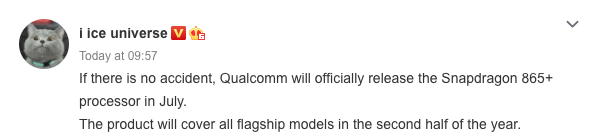
Currently, Qualcomm Snapdragon 865 is the flagship chipset from the company that is powering most of the flagship smartphones getting launched. However, that could change from next month.
As per the report, the upgraded variant of the chipset, dubbed as Snapdragon 865 Plus could get launched in July 2020. Thus, most of the devices getting launched in the second half of this year will be powered by the upcoming SD865 Plus SoC.
The same thing happened last year. When Qualcomm launched the Snapdragon 855 Plus as the upgraded variant of the SD855, the flagship devices getting launched after that were powered by the Plus variant. Even some models were re-launched with SD855 Plus inside.
Coming to the chipset, it is being reported that Snapdragon 865 Plus may have a clock speed of 3.09GHz, compared to 2.84GHz in SD865. The device spotted with such high clock speed was ASUS ROG Phone 3. Interestingly, the ROG Phone 2 was the first device to get launched powered by SD855 Plus.
According to the AnTuTu listing, the chipset has a total score of 646,310 points, which includes a CPU score of 183,149 points, a GPU score of 247,932 points, MEM score of 111,239 points and UX score of 103,990 points.
Recently, the Samsung Galaxy Z Flip 5G specifications leaked online, which also revealed that the device will come powered by the Snapdragon 865 Plus chipset. The smartphone is expected to get launched in a couple of months, along with the Galaxy Note 20 series and the Galaxy Fold 2 smartphone.
There has been so much conflicting information regarding this Snapdragon 865 Plus chipset. While it was earlier rumored to get launched in Q3 2020, some reports hinted that it’s not coming. Then Meizu’s executive said that SD865 Plus isn’t coming this year. However, soon after that, devices powered by the same chipset kept surfacing online and now it is expected to get launched next month.
In April, Honor announced the Honor Play 4T and Honor Play 4T Pro. The more powerful Honor Play4 and Honor Play4 Pro were made official earlier this month. It appears that the Huawei sub-brand is gearing up to launch another phone in the same series. A leaked poster of the Honor Play 4e is now doing rounds on Weibo. The key specs of the smartphone are mentioned on the poster.
The Honor Play 4e poster reveals that it has a punch-hole display and its gradient is equipped with a triple camera system. The poster mentions that the Play 4e features a 6.39-inch display and it is packed with a big battery of 4,000mAh capacity.
The handset is fueled by Kirin 710A chipset and 4 GB of RAM. The internal storage of the device is 128 GB. The rear-facing camera setup is led by a 13-megapixel lens. The starting variant of the phone likely features 4 GB of RAM + 128 GB storage and it has a three-digit pricing for China.
The appearance of Honor Play 4e phone is quite similar to that of the Honor Play 3 that debuted last year in September. The Play 4e differs in departments like cameras and chipset. The Honor Play 3 is powered by Kirin 710F, but the Play 4e is said to be equipped with its variant dubbed as Kirin 710A. The Play 3 has a 48-megapixel triple camera system whereas the Play 4e has 13-megapixel triple rear cameras.
Honor is yet to confirm the existence of the Honor Play 4e. The Chinese brand will be announcing the Honor X10 Max 5G phone on July 2. The same unveil event may see the arrival of the Honor 30 Lite 5G. It remains to be seen whether the Honor Play 4e also goes official through the same event.
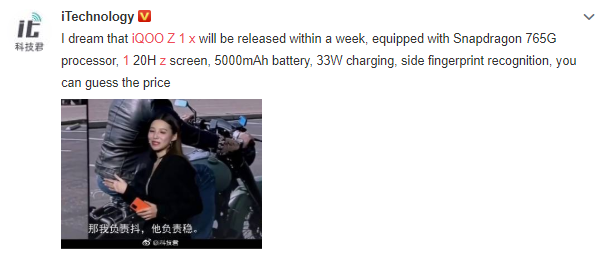
Previous reports have revealed plenty of information on the iQOO Z1x smartphone, but iQOO has been silent on its existence. The major highlight of this phone is that it will be arriving as iQOO’s first midrange phone. Fresh information reveals that the iQOO Z1x may go official in the coming week.
According to a Chinese tipster, the iQOO Z1x will debut within a week. Another leakster has even mentioned that it will be made official on July 2. If it is true, iQOO may release an official confirmation on the iQOO Z1x launch date in the next few days.
The leakster has assumed that the iQOO Z1x with 6 GB RAM + 128 GB storage could be priced at 1,398 Yuan. Previous leaks have claimed that the phone will be also available in 8 GB RAM + 128 GB storage version. The handset is rumored to debut as the most affordable phone running on the Snapdragon 765G SoC.
Past reports have revealed that a 6.57-inch IPS LCD panel will be available on the iQOO Z1x. It is unclear whether the display has a punch-hole design or waterdrop notch. What is known is that it will be supporting a 120Hz refresh rate.
The iQOO Z1x with Snapdragon 765G SoC onboard will carry support for 5G connectivity. The device will be backed by a 5,000mAh battery. Its 3C appearance revealed that it could be shipping with a 33W fast charger. The rear side of the phone could be fitted with a 48-megapixel triple camera system. The handset is expected to come with a side-facing fingerprint reader.
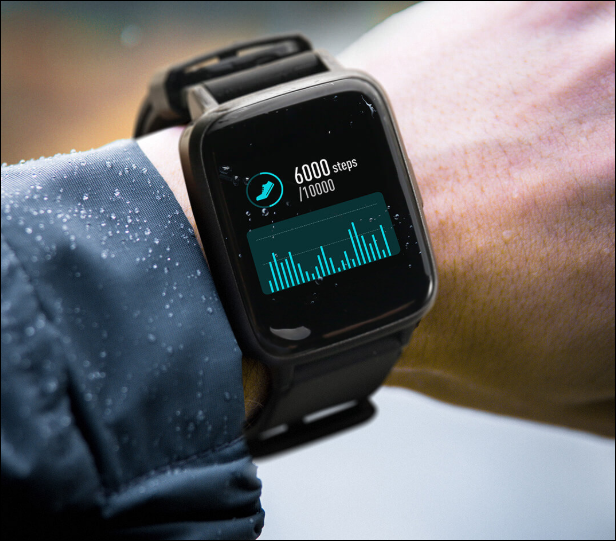
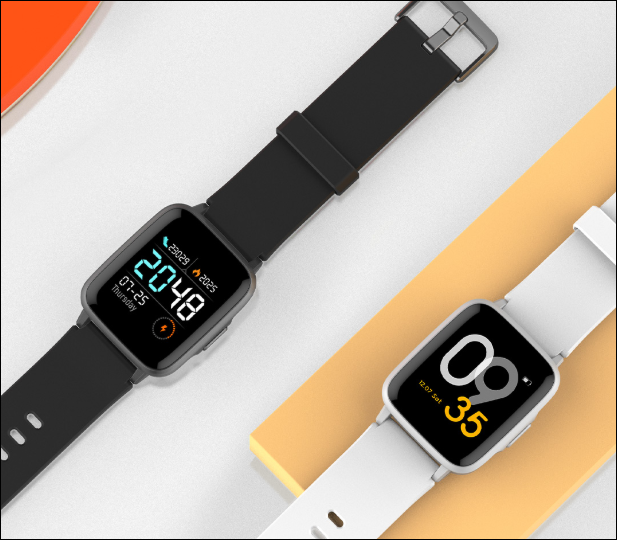
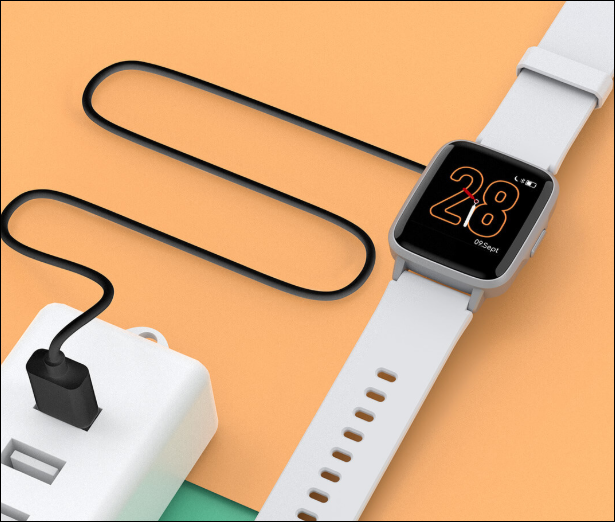
Xiaomi-backed Haylou first launched the Haylou LS01 smartwatch under crowdfunding at the Youpin platform in October 2019. Almost eight months after, the smartwatch has been launched for open sale at Xiaomi Youpin. This time around, it costs 129 yuan ($18) which is slightly higher than 99 yuan ($14) crowdfunding price. Even at that, it still is a cost-effective watch.
The Haylou LS01 is regarded as a smart band with a watch design in some quarters but it comes with 9 sport modes, 14 days of endurance, all-day heart rate, sleep management, and exercise pedometer.
In terms of design, Haylou smartwatch is equipped with a 1.3-inch TFT screen with a resolution of 240×240 pixel as well as rich and delicate colors. Whether in strong light or in the dark, the content is clear and the details are clearly visible.
The watch weighs only 34g and uses a smooth and soft TPU wristband which is comfortable and breathable and can maintain a comfortable wearing experience even when sweating. It is equipped with an adjustable porous design, which can match different wrists and can be worn for a long time without burden.
Haylou LS01 packs a built-in optical heart rate sensor and is equipped with mainstream intelligent heart rate algorithms to continuously monitor heart rate for 24 hours to prevent potential heart problems. Users can adjust the exercise time and amount of exercise according to heart rate changes at any time.
The nine sports modes it supports include walking, running, hiking, cycling, treadmill, fitness, mountain climbing, spinning and yoga. It also has an IP68 waterproof rating which means it can effectively prevent damages as a result of sweat or raindrops splashing.
The watch has a built-in 210mAh lithium battery which can last for 14 days on a single charge. When the 24-hour heart rate is turned on, the standby time drops slightly to 10 days.
Most smartwatches and fitness trackers have sleep tracking which practically activates when you go to bed at night up until you wake up. But of course, nighttime isn’t the only time we sleep.
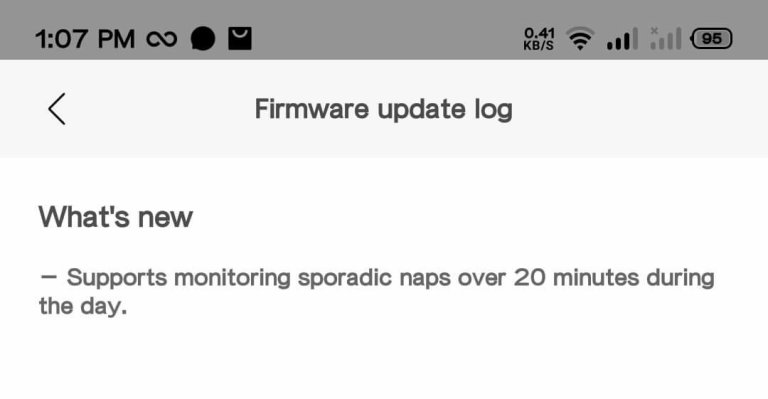
Huami has begun rolling out an update to the Amazfit GTR and Amazfit GTS that allows the smartwatches to track those naps you have during the day. The new feature will monitor any sporadic nap you have during the day that is more than 20 minutes.
The update brings the firmware version of the Amazfit GTR to 1.3.5.77 and that of the GTS to version 0.0.9.12. So if you own either of these two smartwatches, head to your app store and update your app. The new firmware should then be installed once you connect your watch to your phone.
There is no news on when the feature will roll out to other Amazfit smartwatches or even if they will get it at all.
Huawei launched a new entry-level handset in the global market and it is gradually hitting the shelves in a lot of countries: its name is Honor 9A and it is sold at a very affordable price. In this article, you can read an in-depth specs comparison between this new handset and other entry-levels sold in the same price segment. We chose the Oppo A12 because it is one of the most recent ones in that price range, and Redmi 8A Dual because it is one of the best-selling low-end devices in several regions.
Huawei Honor 9A vs Oppo A12 vs Xiaomi Redmi 8A Dual
Dual 13 + 2 MP f/2.2, and f/2.4
5 MP f/2.0 front camera
Triple 13 + 5 + 2 MP f/1.8, f/2.2 and f/2.4
8 MP f/2.0 front camera
Dual 13 + 2 MP f/2.2 and f/2.4
8 MP f/2.0 front camera
BATTERY
4230 mAh
5000 mAh
5000 mAh, fast charging 18W
ADDITIONAL FEATURES
Dual SIM slot
Dual SIM slot
Dual SIM slot, splash resistant, reverse charging
Design
If we talk about front designs, Honor 9A looks more elegant because it comes with a smaller waterdrop notch than the rest of the trio. But when it comes to the overall design, Redmi 8A Dual is slightly more interesting due to a more minimal look and a more compact body. The Redmi 8A Dual is also the only one with a water-repellent coating, and it is even protected by Gorilla Glass 5 (display). So if you need the best build quality, you know what to get.
Display
Honor 9A, Oppo A12, and Redmi 8A Dual are all equipped with an IPS panel coming with an HD+ resolution and more or less the same diagonal. With the Oppo A12, you should get a slightly better quality and a higher brightness. Given that these devices feature IPS panels, they do not have in-display fingerprint scanners. While Oppo A12 and Honor 9A have a rear-mounted fingerprint reader, Redmi 8A Dual does not have any biometric sensor, so users have to rely on a PIN to unlock their device.
Specs & Software
The Helio P35 processor found on the Oppo A12 and the Snapdragon 439 of the Redmi 8A Dual actually provide a very similar level of performance. But the Oppo A12 comes in a configuration with more RAM and more internal storage than Redmi 8A Dual. Oppo A12 has a 4/64 GB variant, while Redmi 8A Dual offers max 3 GB of RAM and max 32 GB of native storage. With its 64 GB, Honor 9A has more internal storage than Redmi 8A Dual, but it has an inferior processor, so it loses the hardware comparison. Note that Honor 9A is the only with Android 10 out of the box, but it lacks Google services in the global market due to the U.S. ban.
Camera
Honor 9A is the best camera phone of this comparison because it offers a 13 MP main sensor with a brighter focal aperture than its rivals (so better shots in low light conditions), as well as an ultrawide sensor. While Redmi 8A Dual and Oppo A12 only feature a depth sensor besides the main 13 MP lens, the Honor 9A also offers an 8 MP ultrawide lens. Redmi 8A Dual and Oppo A12 come with dual rear cameras sporting the same specifications, but the front camera is better on the Redmi 8A Dual.
Battery
Honor 9A and Redmi 8A Dual are able to provide a longer battery life than Oppo A12 because they feature a way bigger 5000 mAh battery. There should be only marginal differences between the battery life of the Honor 9A and the Redmi 8A Dual. But unlike the Honor 9A, Redmi 8A Dual supports 18W fast charging and reverse charging.
Price
Honor 9A is priced €150 globally and it is expected to hit the Indian market with an Rs.10,990/€130/$146 price tag. Redmi 8A Dual and Oppo A12 carry Rs.7,499/€88/$99 and Rs.9,990/€118/$132 prices, respectively. Overall, Redmi 8A Dual looks like a more complete device for average users. But if you need the best camera phone, Honor 9A is a way better choice. Oppo A12 is recommended for those who search for high performances.
We use cookies on our website to give you the most relevant experience by remembering your preferences and repeat visits. By clicking “Accept”, you consent to the use of ALL the cookies.
This website uses cookies to improve your experience while you navigate through the website. Out of these, the cookies that are categorized as necessary are stored on your browser as they are essential for the working of basic functionalities of the website. We also use third-party cookies that help us analyze and understand how you use this website. These cookies will be stored in your browser only with your consent. You also have the option to opt-out of these cookies. But opting out of some of these cookies may affect your browsing experience.
Necessary cookies are absolutely essential for the website to function properly. This category only includes cookies that ensures basic functionalities and security features of the website. These cookies do not store any personal information.
Any cookies that may not be particularly necessary for the website to function and is used specifically to collect user personal data via analytics, ads, other embedded contents are termed as non-necessary cookies. It is mandatory to procure user consent prior to running these cookies on your website.