Advertisement

Xiaomi launches the XVV Smart Panoramic Camera for ¥169 (~$24)

Most surveillance cameras for homes need a pan-tilt to achieve wide-angle field-of-view surveillance. Xiaomi has today launched one of such cameras dubbed XVV Smart Panoramic Camera. The camera features a fisheye lens enabling it to achieve a 360° panoramic VR angle + 180° ultra-wide-angle view. The camera is priced at 169 yuan (~$24). XVV Intelligent panoramic camera
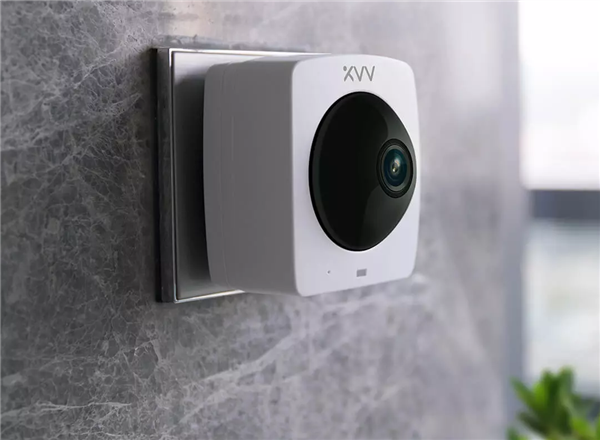
The XVV Smart Panoramic Camera comes with accessories to mount it on the ceiling allowing for 360-degree panoramic shooting. This ensures that there is no dead angle and thus, provides all-round security protection. The camera can also be mounted on the wall, providing a 180° field of view.XVV Smart panoramic camera
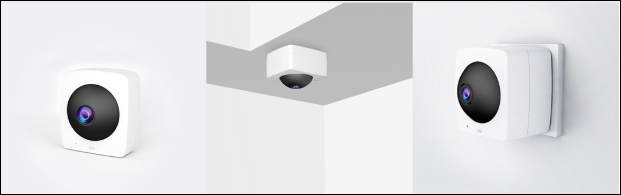
The camera features a 2MP sensor and can record 1080p HD quality videos. The camera supports infrared night vision function as there are 3 dot matrix infrared lights inside. The red lights are not seen on the outside and don’t affect the visuals.XVV Smart panoramic camera

As a panoramic camera, the XVV Intelligent panoramic camera supports several modular combinations such as panoramic mode/wide-angle mode/panorama decomposition/two-split screen/three-split screen and horizontal single-turn mode.XVV Smart panoramic camera
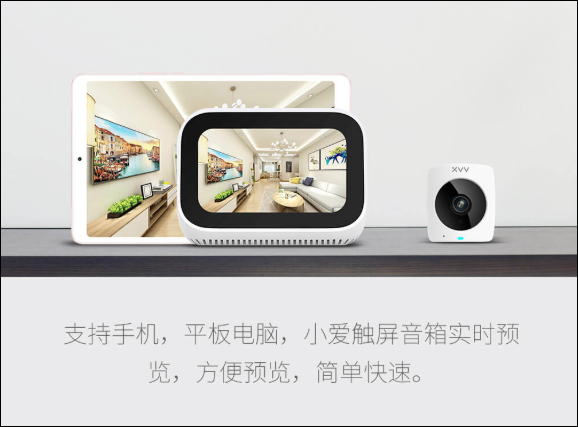
In addition, the camera supports voice intercom. There are built-in high-power speakers and a high-sensitivity microphone inside so you can communicate at any time without barriers. The camera can also be connected to the MIJIA app and supports real-time preview on mobile phones, Xiaomi TV and XiaoAI touch screen speakers.

The camera supports the H.265video encoding, 2.4GHz WiFi and has a 128GB microSD card slot.


(source)


Huawei releases HMS Core 5.0 (v5.0.0.304) in China with AR services and more

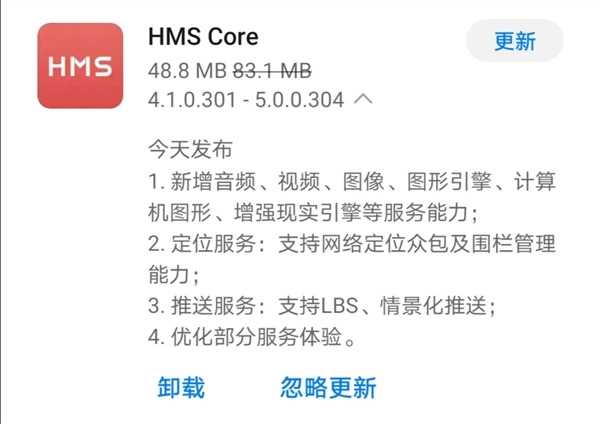
Last year, Huawei released HMS aka Huawei Mobile Services to fill the void left by GMS (Google Mobile Services) on its Android smartphones and tablets. The HMS Core app is similar to Google Play Services and it has been now updated to v5.0 in China with new features.

HMS-Core-v5.0.0.304-Official-Changelog

HMS Core is responsible for all the things that Google Play Services carries out on Android devices. In other words, it is the heart of EMUI/Magic UI as well as Huawei apps and services like payment, health, and cloud to name a few.

But just like Google Play services, HMS Core can be also used by third-party app developers. In fact, it is necessary for them to use it in order to make use of the complete hardware and software suite provided by Huawei.

Now, the company has updated this app to v5.0 in China. Users can update to the latest version v5.0.0.304 from the last version v4.1.0.301 via Huawei AppGallery. It is a major update as it adds support for various media engines, location services, and also optimizes the old features.

HMS Core v5.0.0.304 Official Changelog

  • Adds audio, video, images, graphics engine, computer graphics, augmented reality engine, and other services.
  • Location Services: Adds support for network location crowdsourcing and fence management capabilities.
  • Push Service: Adds support for LBS (location-based service) and contextual push.
  • Optimizes some service experiences.

As you can see from the changelog, Huawei is introducing its version of Google Play Services for AR, Geofencing API, now defunct Nearby Notifications, and more. Anyway, we will have to wait and see how these services perform in real life compared to the ones offered by Google.

Having said that, we expect this update to be soon made available for devices running global EMUI/Magic UI ROM in the coming days.


(Via)

First official OnePlus Nord teasers posted by Carl Pei and Pete Lau

The first set of official teasers of OnePlus’s first mid-range phone has now been released. The phone which was originally called the OnePlus 8 Lite then later dubbed OnePlus Z and is now referred to as the OnePlus Nord has been anticipated for months now.

The teasers were posted on Twitter by OnePlus’ co-founders Pete Lau and Carl Pei. The tweet by Pete Lau says “Who’s ready for something new from OnePlus? while Carl Pei’s tweet reads “It’s time to rock the boat again”. Both tweets use the hashtag NewBeginnings which points at a new direction for the company.

Pete Lau’s tweet includes a photo of the famous OnePlus logo but in blue/cyan. This may be the color of the OnePlus logo on the retail box of the phone and probably the color OnePlus will use for its mid-range line going forward. There are also speculations that this may be one of the color variants the phone will come in.

The OnePlus Nord is expected to come with a Snapdragon 765 5G processor, up to 8GB of RAM, and 128GB of storage. It has also been reported to have a 6.4-inch OLED display with a 90Hz refresh rate, quad rear cameras, and support for 30W Warp Charge.

Will you be getting the OnePlus Nord when it launches? Let us know in the comment box below.


(Sources: 1, 2)

Samsung Galaxy M31s packing a 6,000mAh battery certified by TUV

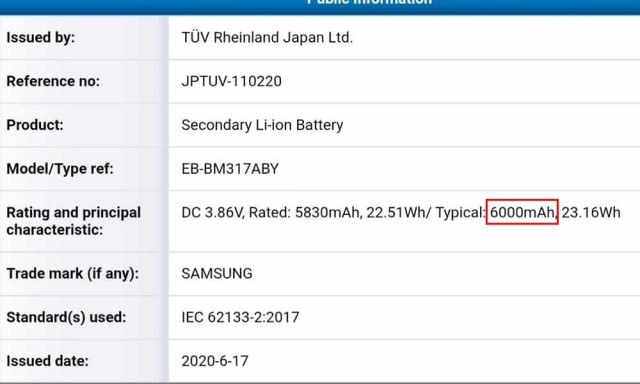
Samsung has got a replacement for the Galaxy M31 in the works and the model goes by the moniker Galaxy M31s. The smartphone made an appearance on GeekBench database earlier this month. The phone has now been certified by TUV Rheinland. The certification means a sampling of the product has been tested for safety and found to meet the minimum requirements of the German Equipment and Product Safety Act.Samsung Galaxy M31 TUV Rheinland certfifcate

The TUV Rheinland certification for the Galaxy M31s shows the device will pack a monstrous 6,000 mAh battery. That’s all that is revealed on the listing but the earlier GeekBench appearance shows the device will be powered by an Exynos 9611 chipset paired with 6GB of RAM. The Galaxy M31s is also expected to run on the latest Android 10 OS with an overlay of  Samsung’s One UI.

For now, no other details of the M31s is known. Going by previous M30 series models, the M31s may likely come with an upgraded camera system. The Galaxy M31 was launched in February 2020 so the upgrade won’t likely be a major one. Instead, this may likely be a trimmed down version with lesser pricing.


(via)


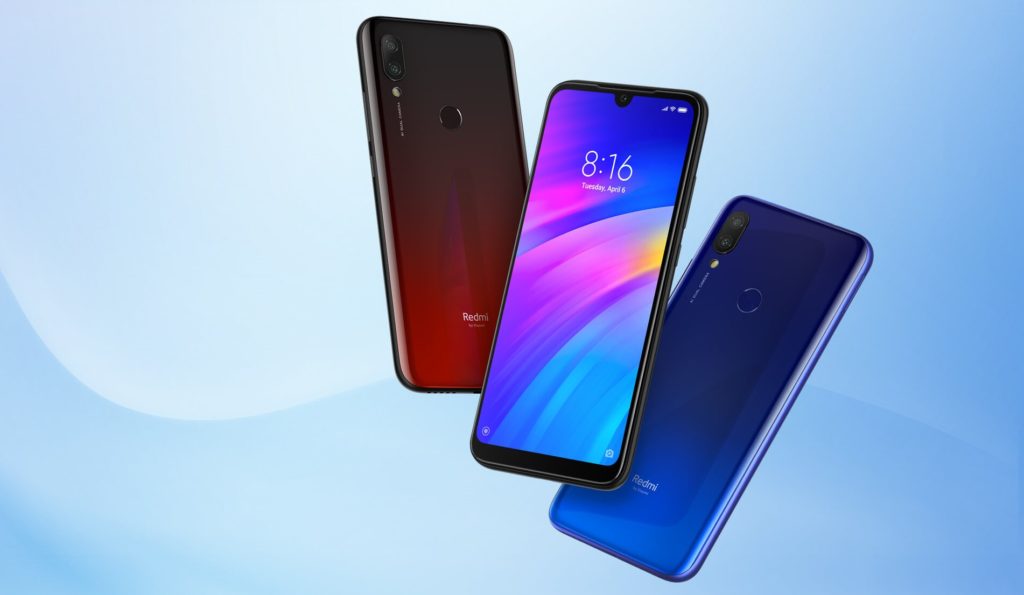
Redmi 7 receives Android 10 update in China with June security patch

Earlier this month, Redmi 7A received Android 10 update in China. The same update was rolled out in Europe last week. Now, its bigger sibling Redmi 7 has started receiving similar treatment in the brand’s home country.

Redmi 7 Featured

The Android 10 update for Redmi 7 comes with MIUI 11 as MIUI 12 is slated to arrive for this handset sometime later in July. The update comes with build number 11.0.1.0.QFLCNXM and weighs 2GB in size. It brings June 2020 security patch to the device unlike May patch on the Redmi 7A.

Anyway, as mentioned earlier, the OTA update is currently limited to Redmi 7 units running MIUI China ROM. But you can still install the update on your global phone if you have unlocked bootloader and TWRP recovery. But sadly, we don’t have access to the Recovery ROM download link yet. However, we will make sure to update the story once it is available.

On the other hand, the global units running MIUI Europe, Russia, and India ROMs are receiving the same June security patch sans Android 10. But we hope them to receive the latest stable Android in the coming weeks just like the cheaper Redmi 7A.


(Via)

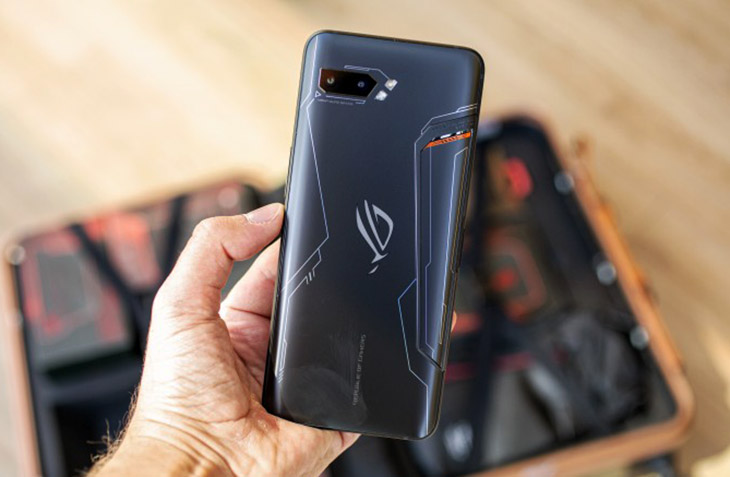
Asus ROG Phone 2 price hiked in India, Will be available on Flipkart starting June 23

Asus launched the ROG Phone 2 gaming smartphone in India in September 2019. Ever since its launch, the handset has been rarely in stock on its official online retailer Flipkart. When COVID-19 became intense, it went out of stock for months. But now, the device is coming back in stock with new price as part of Flipkart’s Big Saving Days sale starting June 23.

ASUS ROG Phone 2 Gaming Phone

The ROG Phone 2 debuted with aggressive pricing in India compared to its predecessor. The base 8GB + 128GB variant launched in the country for ₹37,999, however, the high-end 12GB + 512GB version released for ₹59,999.

Sadly, the Taiwanese computer giant has hiked the price of its phone due to new 18%  GST (Goods & Services Tax) on mobile phones and depreciation of the Indian rupee against the US dollar.

Therefore, the Asus ROG Phone 2 now costs ₹39,999 for the 8GB + 128GB variant and ₹62,999 for the 12GB + 512GB variant in India. Which translates to increase of ₹2,000 and ₹3,000 for the two storage configurations respectively.

Although ROG Phone 2 is a good gaming smartphone, its successor ROG Phone 3 is just around the corner. So it’s worth waiting for the next device if you can. 

On the other hand, we don’t think the price of this handset will ever go down in the near future and given its availability is scarce, do not miss the deal if you are looking to buy a gaming smartphone in India.


(Via)

Xiaomi Mi 10 receives MIUI 11 update, brings NavIC Support, April Security Patch and More

Xiaomi Mi 10 units in India have started receiving the MIUI 11 update in India. The software version V11.0.5.0.QJBINXM is the stable build for the latest ROM version and is currently being rolled out. The new update brings the latest Android 10 based MIUI 11 custom skin, which features some notable aspects.

miui 11

The Chinese tech giant shared the news on Twitter through its official MIUI India handle. MIUI 11 is being rolled out progressively, which means that all Mi 10 users in India should be receiving the update. So for those that have yet to get the notification, can check for the update manually through the Updater app. Furthermore, Xiaomi has also made the ROM packages for the update available online, with a download size of 2.5GB and step by step instruction as well.

Apart from the latest variant of the custom skin from the company, the MIUI 11 brings NavIC support to the Mi 10. NavIC stands for Navigation Satellite System and is India’s native navigation system, similar to the United States’ GPS. Thus, smartphones with the latest Qualcomm chipsets are compatible with NavIC, which is now available on the Mi 10.

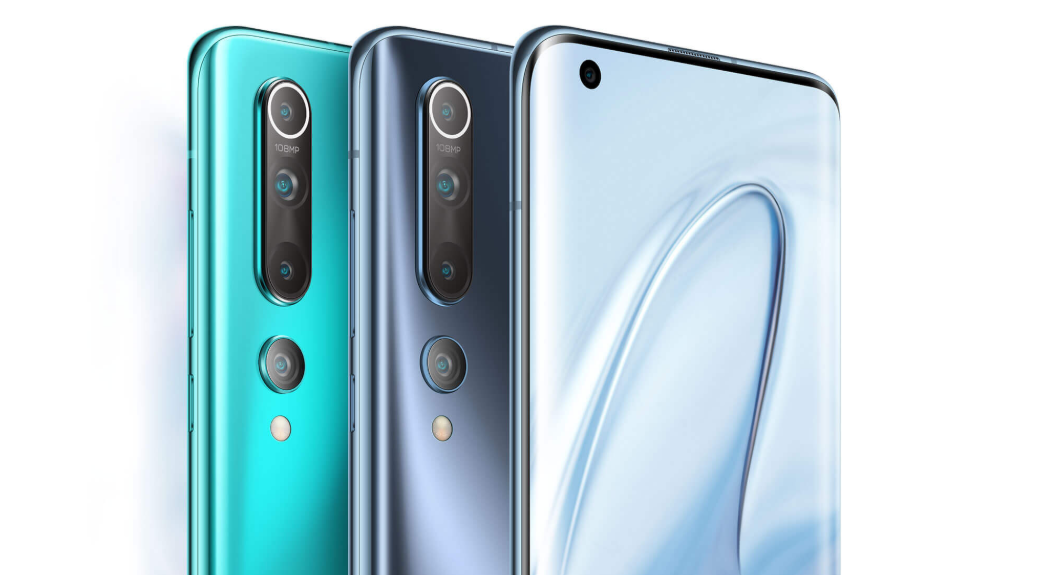
Xiaomi Mi 10 color variants
Xiaomi Mi 10

The update also brings changes to the status bar, notification shade, optimizes Wi-Fi 6 icon, and even brings in the April 2020 security patch. Recently, Mi 10 users are also eligible for the Android 11 Beta 1 update, which is mainly to test the latest generation of Android on the device. Keep in mind that this is without the MIUI custom skin and only features vanilla Android.


Amazfit Stratos 3 launched in India, features up to 14-day battery life

Amazfit Stratos 3 smartwatch has just been launched in India. The smart wearable features support for 80 different activity/sports modes and have a battery life of up to 14 days.

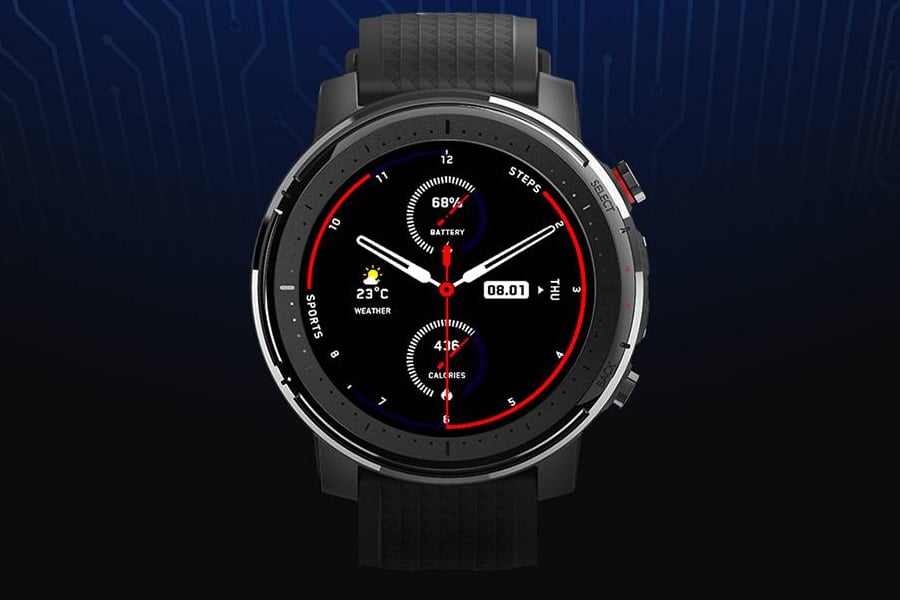
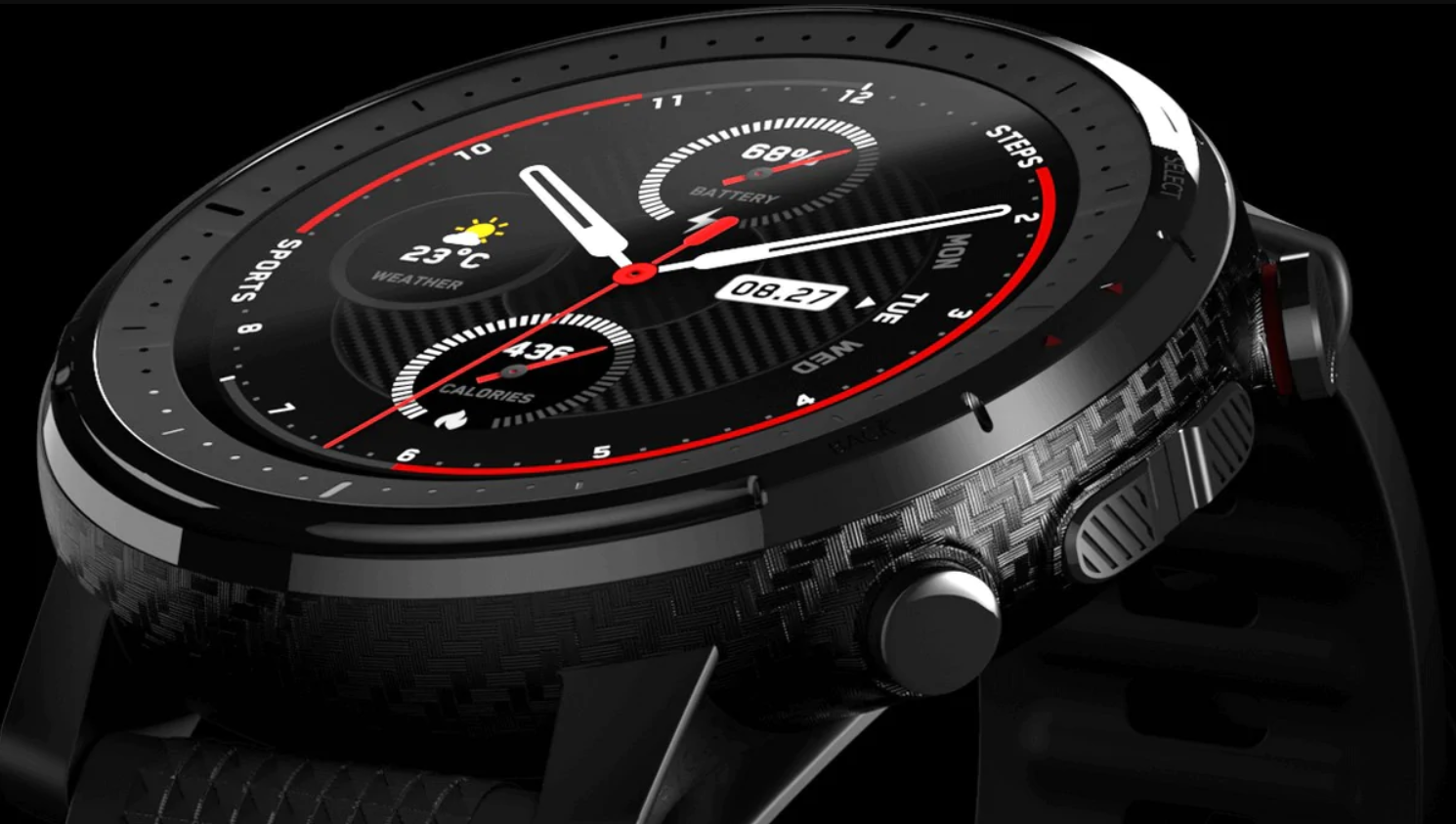
Amazfit had previously teased the gadget’s launch for the region. While it had originally been launched back in 2019, it has now finally arrived in India as well. The Amazfit Stratos 3 features a circular dial with a 1.34 inch transflective display with Corning Gorilla Glass 3 protection. The dial has four physicial buttons on a stainless steel body with a silicone strap.

AMAZFIT Stratos 3 Smart Sports Watch

The device is powered by a 1.2 GHz dual core processor and packs 512MB RAM and 2GB of internal storage. Its battery is claimed to last up to 14 days on a single full charge when used in Ultra Endurance Mode and 7 days in the Smart Mode. If GPS is used continuously, then the smartwatch lasts just 35 hours in the Accurate mode, 45 hours in Balanced mode, and 70 hours in Power Saving Mode.

The Amazfit Stratos 3 supports 80 different sports modes like snowboarding, skiing, outdoor skating, fencing, karate, and more. Furthermore, it houses a Biotracker PPG bio-tracking optical sensor, a 6 axis accelerometer, a 3-axis geomagnetic sensor, and even an ambient light sensor. In terms of connectivity, it offers NFC, GPS/ Glonass, Bluetooth v5.0, and Wi-Fi 802.11 b/g/n. The smartwatch can even survive up to 50 meters underwater thanks to its 5ATM waterproof rating.

Amazfit

For those interested, you can purchase the Amazfit Stratos 3 through the popular online retailer, Flipkart, and Amazfit’s official Indian website. It is priced at 13,999 INR (roughly 184 US Dollars) and will begin sales later today (22nd June 2020) starting from 8 pm IST for its single Black strap variant.


Redmi shipped over 19 million units of Redmi 8 series phones globally

Redmi number series is one of the best-selling smartphone series worldwide. The Redmi 8 series first debuted in September 2019 with the launch of Redmi 8A, which was later followed by Redmi 8, Redmi 8A Dual, and Redmi 8A Pro. Now, as the brand is set to lunch Redmi 9 in China on June 24, it reveals that it has shipped over 19 million units of Redmi 8 series devices globally.

Redmi 8 Series Over 19 Million Units Shipments

Since its inception, Xiaomi’s Redmi series of smartphones have been popular because of their affordable pricing as well as better specifications compared to devices from other companies.

But that begun to change as competitors began to launch identical phones and sometimes even better models. On the other hand, the Redmi series of smartphones had become large enough that it was spun-off into an individual brand.

Despite the competition, Redmi managed to ship over 19 million units of Redmi 8 series phones globally, which is truly an achievement. But the same cannot be said for the Redmi 9 series which is launching during the pandemic. 

Anyway, it is possible for the brand to sell more units as customers around the world are expected to prefer cheaper phones in the current situation.

Redmi 9, the successor to Redmi 8 was recently launched in South East Asia and Europe. Now, it is making its way to China and may also soon debut in India.


(Via)

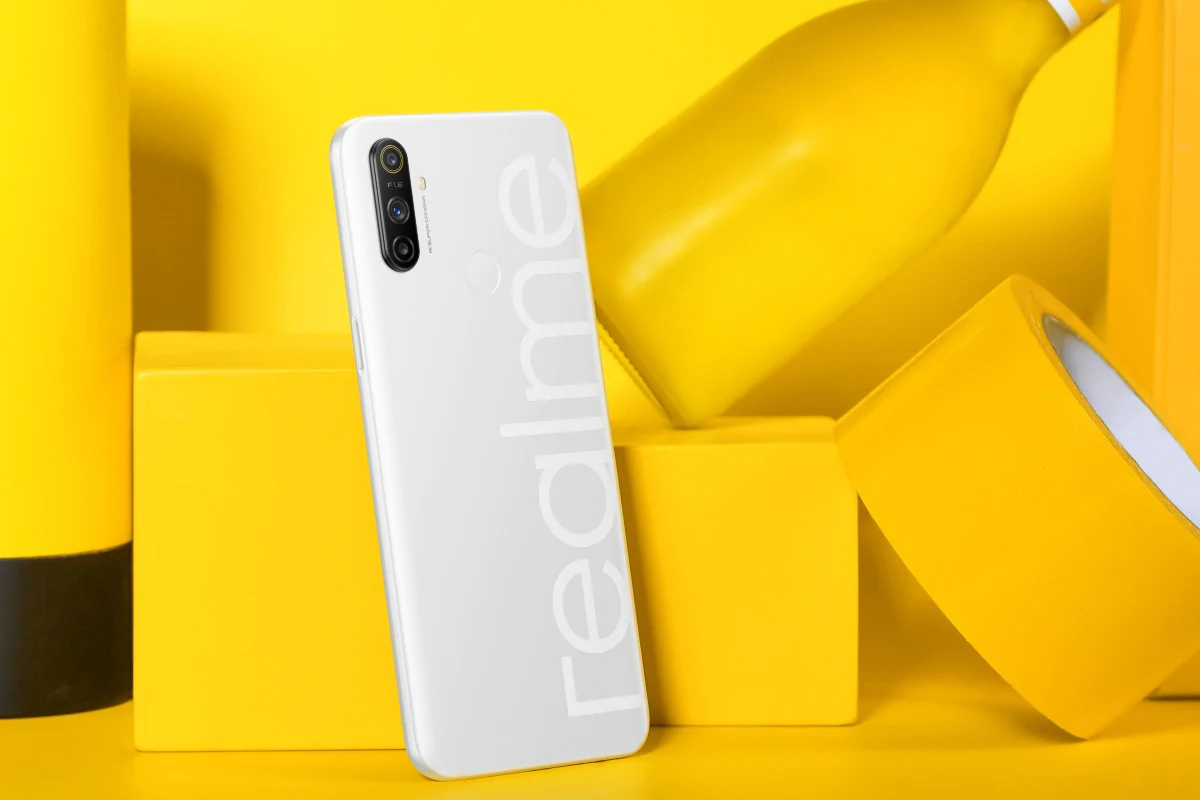
Realme Narzo 10A 4GB RAM + 64GB storage variant launched in India

Realme has just launched the higher end version of the Narzo 10A in India. This version houses 4GB of RAM and 64GB of internal storage and will sit right above the 3GB RAM model that was launched last month.

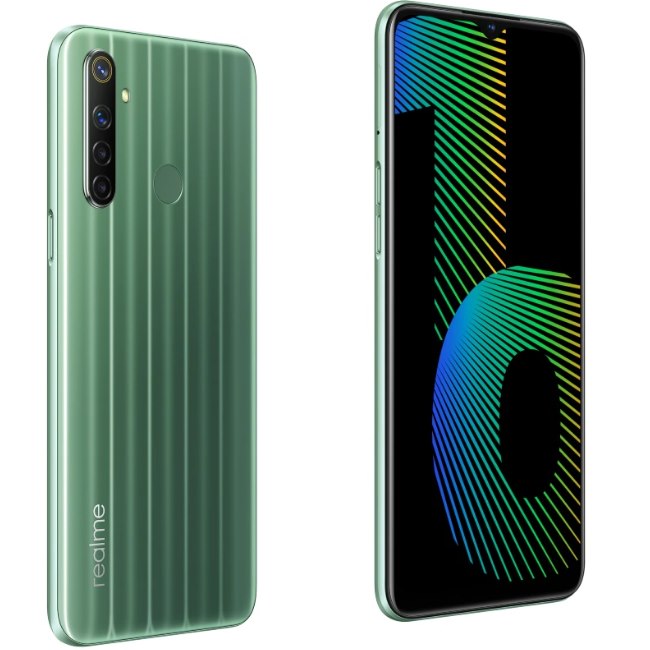
Realme Narzo 10A

Under the hood, the Realme Narzo 10A features MediaTek G70 SoC. It sports a triple camera setup on the back and is powered by a large 5,000mAh battery pack. The display is a 6.5 inch HD+ panel which has an aspect ratio of 20:9 and Corning Gorilla Glass 3 protection. Along with 64GB of storage, the memory can be expanded via a microSD card slot.

The Realme Narzo 10A 4GB RAM + 64GB storage variant is priced at 9,999 INR (roughly 131 US Dollars). It will be available through online retailers like Flipkart and the official Realme website and will go on sale tomorrow (23rd June 2020). The device will also be available in So White and So Blue variants and will also be sold through offline stores in select states in India.

Realme Narzo 10A

Certain offers are also applicable to its launch, including 500 INR MobiKwik cashback. Furthermore, Flipkart is offering 30 INR discount on their first prepaid transaction using RuPay debit card, 5 percent unlimited cash back on Flipkart Axis Bank credit card, and an extra 5 percent off with Axis Bank Buzz credit card. Customers will also have the option of no cost EMIs as well.


Pete Lau said to join OPPO as Chief Product Experience Officer; will keep working as OnePlus CEO

Pete Lau departed from OPPO to form another smartphone company — OnePlus, which is also backed by BBK Electronics. As a founder and CEO of OnePlus, Pete Lau made the company into one of the most recognized smartphone brands in a short time.

Now, Pete Lau is said to be returning to OPPO but will keep his current role as OnePlus as well. While continuing to the Chief Executive Officer of OnePlus, Pete Lau will likely be joining OPPO as the Chief Product Experience Officer.

OnePlus Co-Founder Pete Lau
Pete Lau, Co-founder & CEO of OnePlus (Image Source: OnePlus)

In this new role at OPPO, Pete Lau is said to be responsible for product planning as well as development. The news comes just months after it was announced that OPPO VP Shen Yiren announced his departure from the company, who was responsible for marketing.

It will be interesting to see how this senior leadership reshuffle will shape the company given that both OnePlus and OPPO have very different strategies. While OnePlus is heavily focused on online retail, OPPO gaining its prominence through offline sales.

The reshuffle of the leadership also comes as the performance of OPPO is declining even though the brand is still among the leading smartphone companies globally. For instance, in Q1 2020, OPPO’s market share dipped 1% compared to the previous quarter and it declined by 3% compared to the same period last year.

Currently, OPPO is the fifth largest smartphone brand globally with a market share of 8%. In Q1 2020, the company managed to ship 22.3 million units of its smartphones, which is quite lower compared to 31.4 million units in Q4 2019.


(Source)

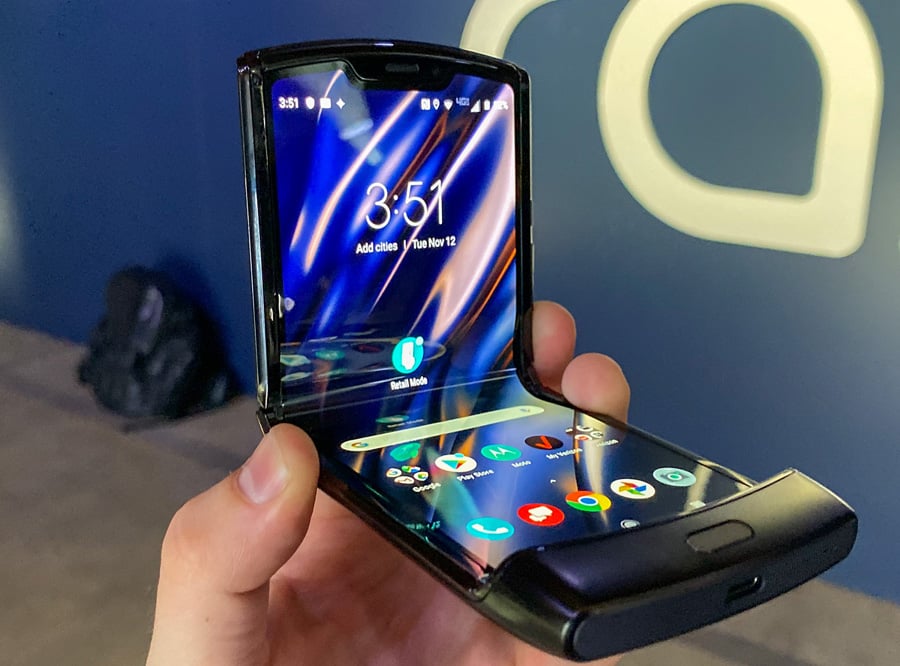
Motorola Razr 2 has been delayed, will now launch in 2021: Report

The Motorola Razr 2 may have been delayed. The second iteration of the foldable smartphone series from Motorola might not be seen until 2021. Ross Young, CEO of Display Supply Chain Consultants, shared this assessment on his Twitter handle. Ross is a known analyst who is well versed in the industry with his tips being accurate quite often.

The primary reason for the delay of the Motorola Razr 2 has been attributed to the ongoing Coronavirus pandemic. According to Ross Young, COVID-19 has been an obstacle in Motorola’s plans and has forced the company to move its launch date into the near future. So, the Motorola Razr 2 may be launched in 2020, but won’t be available until 2021.

Unfortunately, the exact launch date is not known, but he predicts that it will be some time at the start of the next year. This will likely give Motorola’s competitors enough time to fill in with their own offerings. Notable rivals include Samsung Galaxy Fold 2, which is expected in August 2020 along with the Galaxy Z Flip 5G. Furthermore, Ross also recently stated that the Motorola Razr 2 will not feature UTG or Ultra Thin Glass but will use a layer of plastic.

Motorola Razr

It is also expected that the second generation of the foldable handset will feature a larger display and will also likely feature Qualcomm’s Snapdragon 700 series processor, namely the Snapdragon 765G that is capable of 5G networking. Other improvements may be in the area of RAM memory, wireless charging, and more. Additional information should arrive in the coming weeks, so stay tuned for more updates.


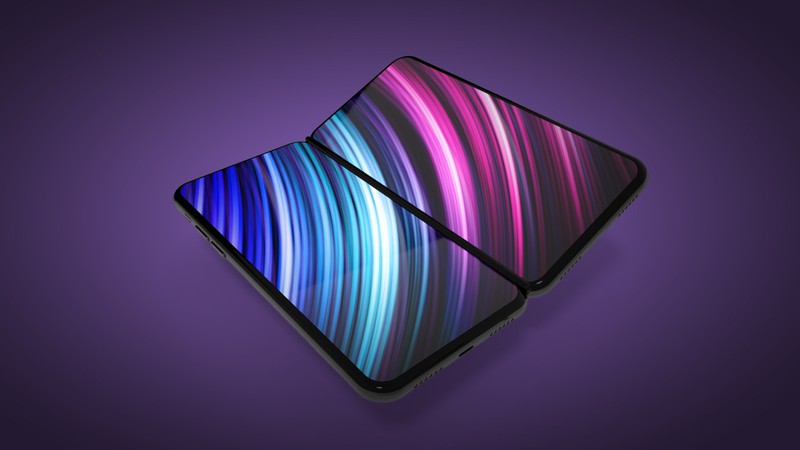
Apple’s foldable iPhone to reportedly launch as early as next year

Apple is well behind the likes of Samsung and Huawei which have already launched their foldable smartphones and are now gearing up to launch second-generation of such phones.

However, Apple is now trying to catch up. While it is coming up with a 5G-powered iPhone for the first time this year, it is also reportedly working on a foldable iPhone. As per the reports, the foldable iPhone could get launched as soon as next year.

Foldable iPhone Prototype

As per the report, the upcoming foldable iPhone will be ditching the notched front panel and thus, there will be no facial recognition support. Instead, the company will be opting for a side-mounted fingerprint sensor for the first time.

We recently reported about Apple’s first foldable iPhone and its design. It was clear that instead of a flexible screen that folds, a design that Samsung and Huawei uses, Apple will be using two displays that will be folded through hinges.

The Cupertino-giant is expected to keep its existing supply chain partners, including Hon Hai, Daliguang, Kecheng, etc. for the foldable device. However, for early-stage development, Hon Hai could be the only assembly foundry. The company will also be bringing Xinrixing on-board for the first time.

According to the analysts, which foldable smartphones are priced higher, they also offer higher margins to the companies. So no wonder most of the smartphone makers and focusing on offering foldable phones.

While we are waiting for a foldable Apple iPhone, Samsung is all set to launch its next-generation Samsung Galaxy Fold 2 smartphone, which is expected to go official in August this year, along with the Galaxy Note20 lineup.

(Via)

Qualcomm Snapdragon 875 flagship chipset goes into production at TSMC

Qualcomm will be announcing its Snapdragon 875 next-generation flagship mobile chipset by the end of this year. And it seems that COVID-19 has not affected the company’s plan and everything seems to be on schedule.

As per the new reports, the Taiwan Semiconductor Manufacturing Company (TSMC) has officially entered the production stage. It is based on the 5nm process and also includes the Snapdragon X60 5G baseband.

Qualcomm Snapdragon Processor

Compared to last month, the product capacity of the 5nm chips at the Nanke 18 factory has been increased by 10 percent to nearly 60,000 units in one month. As per the industry estimates, Qualcomm is investing 6,000 to 10,000 5nm wafers per month in TSMC.

Some estimates indicate that the Snapdragon 875 chipset could be delivered to Qualcomm somewhere around September. However, it remains to be seen when the company starts giving them to smartphone makers.

TSMC had previously started mass production of Apple A14 chipset which is also based on the 5nm process. The company will be using this new chipset to power the upcoming iPhone 12 series which also features 5G support.

On the other hand, Samsung is expected to start mass production of Exynos 992 5nm chipset from August this year. Recently, ZTE also confirmed that the company will be launching its 5nm chip next year and that its 7nm chip is in production.

Huawei is also reportedly working on two of its new chipsets using the same 5nm process — Kirin 1000 and Kirin 1020. The Kirin 1000-powered Huwaei P40 series is also expected to get launched in October this year.

(Via)

Xiaomi XiaoAI Mouse announced for crowdfunding at 129 yuan ($18)

Xiaomi has been launching its new products with XiaoAI smart voice assistant built-in. Continuing the trend, the company has today released Xiaomi XiaoAI Mouse, which as the name itself indicates, comes with support for XiaoAI voice assistant.

The product will be available through crowdfunding in China on the company’s own website for a price of 129 yuan. However, that pricing is just for the crowdfunding campaign and the retail price will be 149 yuan.

Xiaomi XiaoAI Mouse

As for the design, the new mouse looks similar to the Mi Wireless Mouse previously launched by the company. However, it adds a new button which when long-pressed, triggers voice assistant.

It comes with an antibacterial casing, a metal roller, and a hidden microphone. It has a USB Type-C interface and is powered by a built-in 750mAh battery which the company claims can offer 30 days of usage and 180 days of standby time.

This Xiaomi XiaoAI Mouse also marks the first entry of the voice assistant in the office use-case products that can be used with a computer. The voice assistant comes with support for thousands of smart skills, claims the company.

It comes with dual-mode connectivity options — Bluetooth and USB. It can also be connected to two computers at the same time. Users can hold the left and right keys for about three seconds simultaneously to switch between the computers.

The mouse supports several voice commands such as “Open Word” and it opens the computer’s default word processor. Similarly, you can command “Computer Shutdown” and your computer will initiate the shutdown process.

Apart from support for voice commands, it also comes with voice input. This can be very helpful for those who can’t type but now they can quickly add content through voice input. It also supports voice translation and word translation from Chinese to English, Japanese, and Korean.

Just like other products from Xiaomi, this one too supports controlling of smart home products through voice commands.


Samsung users complain of their Blu-ray players not working

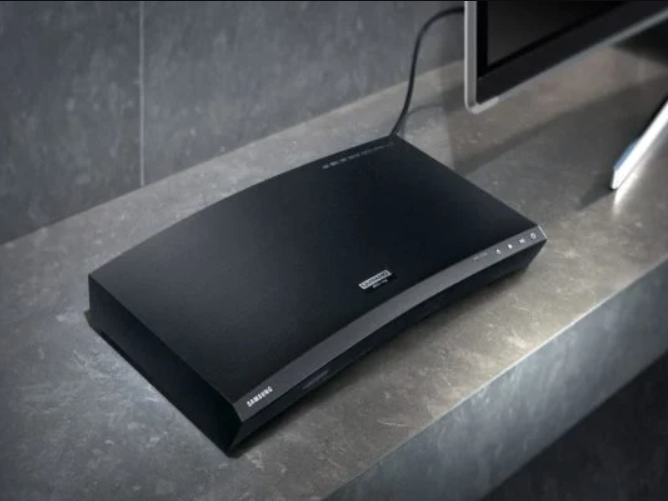
Many user have recently started complaining that their Samsung Blu-ray players have stopped working. According to hundreds of people, the Blu-ray players from the South Korean tech giant are stuck in an infinite boot loop when being turned on. Others reported hearing buzzing noises as well, but with no apparent reason.

Samsung

The Blu-ray players from Samsung have reportedly stopped functioning properly since Friday, last week. Apart from the endless boot cycle, a few devices have stopped responding altogether to any button presses or commands. Furthermore, the buzzing noise is similar to the Blu-ray players trying to read a disk, despite the users not putting any disk in the player.

This may be suggestive of an inherent hardware flaw. The issues being faced by Samsung products are not limited to any particular Blu-ray player model, which may suggest that it is likely related to software issues. However, brands don’t generally roll out a firmware update that is common across multiple different models and lineups.

Samsung

At the moment, even the support staff from Samsung have no idea what the problem actually is. An official statement has been given regarding an investigation being started to look into the issue. ZDNet claims that the problem might be related to an expired SSL certificate, which is basically what the Blu-ray players use to connect to Samsung’s servers. Although, that is yet to be confirmed.


(Via)

Redmi’s first Dimensity 1000+ smartphone could launch in about two months

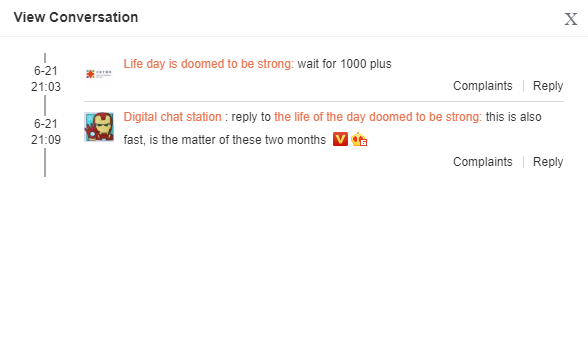
MediaTek has been releasing a number of 5G chips under its Dimensity series since last year. Nevertheless, we are yet to see a large adoption from OEMs. Lately, companies have been debuting phones with Dimensity 800, however, there are only two handsets with Dimensity 1000 series. But the number is expected to increase soon as Redmi’s first Dimensiy 1000+ (Plus) smartphone will be launching in about two months according to Digital Chat Station on Weibo.

Redmi First Dimensity 1000 Plus Smartphone Digital Chat Station

MediaTek hasn’t been doing well compared to its primary competitor Qualcomm in the past few years. From last year, the Taiwanese chipmaker started announcing new gaming-oriented Helio G series and Dimensity 5G chips. Though the former is being used by many OEMs, the latter has just begun to get traction.

The Dimnesity 800 SoC can be found in a handful of devices like Huawei Enjoy Z 5GZTE Axon 11 SE, Oppo A92s, and more. On the other hand, the Dimesity 100 series as a whole is limited to only two phones – Oppo Reno 3 5G (Dimensity 1000L) and iQOO Z1 5G (Dimensity 1000+). In fact, we are yet to see a phone with standard Dimensity 1000.

Having said that, Xiaomi (Redmi) only has two MediaTek 5G devices and those are the recently launched Redmi 10X 5G and Redmi 10X Pro 5G. But it is slated to change soon as Redmi could launch its first smartphone powered by Dimensity 1000+ (Plus) in the next two months.

This handset could be the one with model number M2006J10C, which was recently spotted on China’s 3C with support for 33W fast charging. As per a previous leak, it might feature a 144Hz LCD panel along with a side-mounted fingerprint sensor.

Unfortunately, the name of this phone is a mystery as of now. It is rumoured to be Redmi K40, a direct successor to Redmi K30 5G. Anyway, it could also be a new series altogether.


(Via)

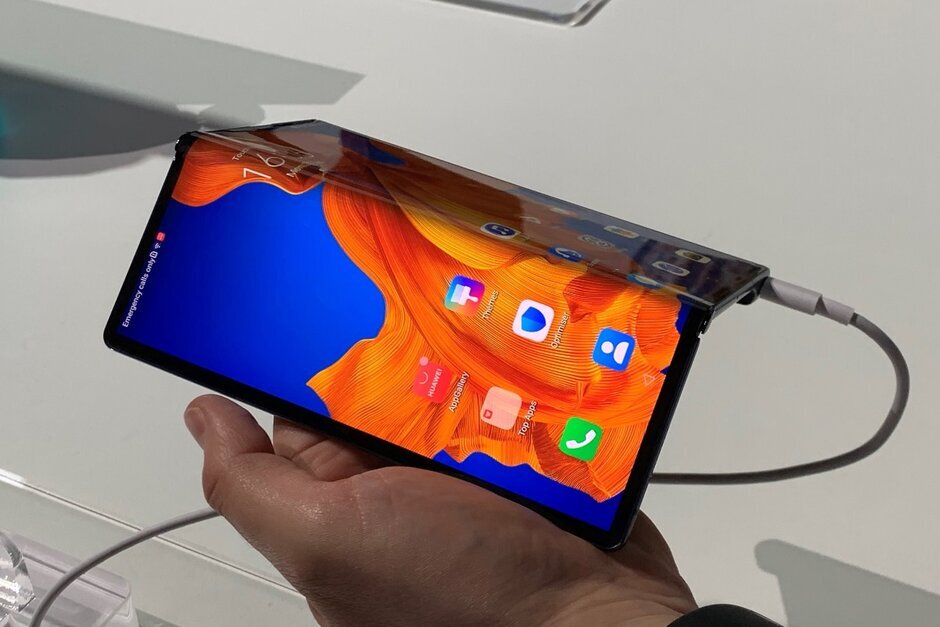
Huawei and Xiaomi are buying UTG panels for future Mate X or MIX Alpha models: Report

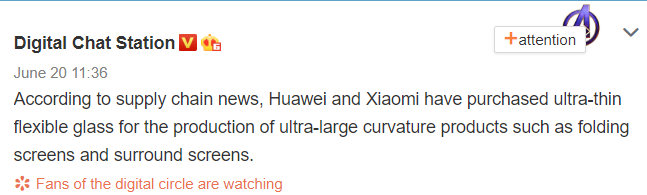
A new report has suggested that both Huawei and Xiaomi have placed orders for UTG or ultra thin glass panels. These panels are typically found as a layer on top of foldable smartphones like the Samsung Galaxy Z Flip. Hence, the new orders might be for a possible future variant of Huawei’s Mate X series and Xiaomi’s commercial version of the Mi MIX Alpha.

Huawei

For those unaware, UTG is an improved version of the polyimide film which was initially used in the first generation of foldable handsets like the Galaxy Fold and Mate X. Thus, it is a stronger, more durable, and flexible thin panel. Notably, the Xiaomi Mi MIX Alpha concept smartphone used a Visionox display that wrapped around the device, while the relatively more recent Mate Xs featured UTG.

Huawei
Huawei Mate Xs

At the moment, Xiaomi has yet to launch a commercial version of the Mi MIX Alpha, but the report from Digital Chat Station (@数码闲聊站) does hint at a possible variant. The report was shared on Weibo, a Chinese microblogging website, and is apparently from the supply chains of both the Chinese tech giants that are purchasing curved panels and surround panels.


Honor X10 Max’s renders and display details appear

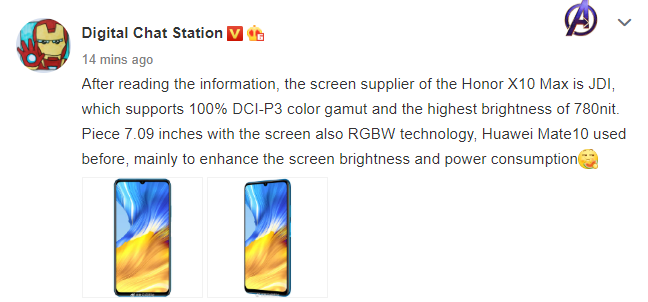
Earlier today, Honor confirmed that the Honor X10 Max will be debuting in China on July 2. Soon after the confirmation, a well-known Chinese tipster shared the specs sheet of the smartphone. The smartphone is now up for reservations in China through Suning.com. The listing has the front renders of the smartphone. Through a new Weibo post, the same tipster has revealed some vital information on the screen of the X10 Max.

Honor X10 Max display details

According to the tipster, the Honor X10 Max features a screen supplied by Japan Display (JDI). As previous rumors had claimed, the X10 Max’s display supports 100 percent DCI-P3 color gamut. It supports the highest brightness of 780nits.

The 7.09-inch display of the Honor X10 Max also supports RGBW technology that enhances screen brightness and reduces power consumption. The tech was previously seen on the Huawei Mate 10 that debuted back in October 2017.

Honor X10 Max render display
Honor X10 Max

The X10 Max’s screen supports 1080 x 2280 pixels Full HD+ resolution and an aspect ratio of 19:9. The chin of the device is slightly thick, but the rest of the bezels are quite slim. The right edge of the phone has a volume rocker and a power button that is integrated with a fingerprint sensor. The SIM card slot can be seen on the left spine of the device. Previous leaks have revealed that it has dual speakers. One speaker can be found on the top edge whereas the other is at its bottom.

The Dimensity 800 5G is said to power the phone along with a 5,000mAh battery. It is expected to come with support for 22.5W fast charging.

The Honor X10 Max has a camera of 8-megapixel housed inside the display notch. The rear camera setup will be led by a 48-megapixel main camera. The Magic UI 3.1.1 based Android 10 OS will come preloaded on the X10 Max.


(source)

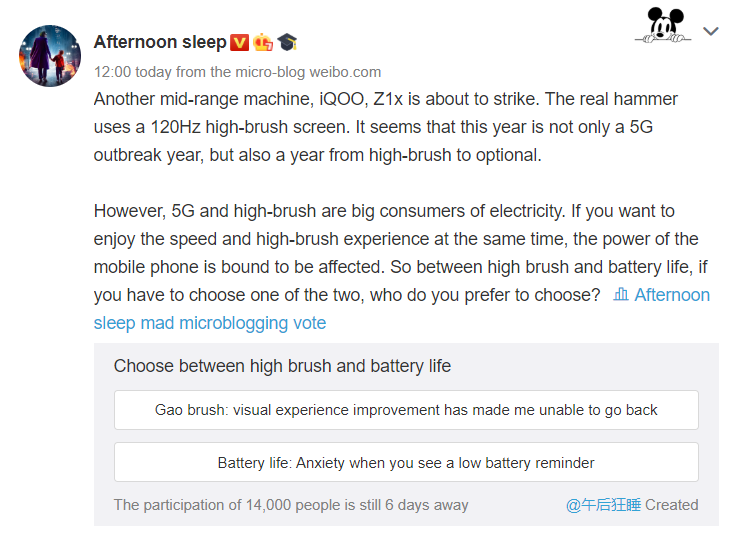
iQOO Z1x will reportedly feature a 120Hz high refresh rate display

With the smartphone market becoming increasingly more competitive, OEMs are cramming in more features and specs to make their offerings stand out. In this generation, features like 5G and a high refresh rate displays are the norm even for certain mid range handsets, and according to a fresh report, the upcoming iQOO Z1x will also sport a 120Hz display.

iQOO

The news was first shared online by a Weibo user (@午后狂睡). On the Chinese microblogging website post, the user revealed that the iQOO Z1x will feature a high refresh rate panel. Furthermore, the user even held a poll discussing the pros and cons of such displays. Higher refresh rate panels generally consume more energy than the standard displays but offer a better interaction and overall user experience.

From what we know so far, the iQOO Z1x will sport Qualcomm’s Snapdragon 765G SoC, which is capable of 5G networking. The device recently passed China’s 3C certification that revealed that the smartphone will support fast charging up to 33W. Unfortunately, finer details regarding the handset are currently unknown and we will have to wait for an official company announcement or news leaks to know more. So stay tuned.