Lately, smartphone companies have been entering the smart TV market, especially in India. In fact, the top smart TV brand in the country is Xiaomi. Last year, even OnePlus of all names began selling televisions in India. It was later followed by its sister brand Realme earlier this year. Now, according to a new report, itel will be the next smartphone brand to launch smart TVs in India.
Itel (stylized as itel) is one of the three brands, apart from Infinix and TECNO under the Transsion umbrella. All of them have operations in India but itel will be the first to introduce smart TVs in the country.
According to an IANS report (via Businessworld), itel will launch televisions with screen sizes ranging from 32-inch to 55-inch. The company will target tier 3 and lower markets with affordable pricing.
These TVs are said to be “technologically advanced one-stop entertainment product solution”. Though these jargons suggest something extraordinary, we are certain that they will be just another ODM products powered by Android TV with support for all leading streaming services like Netflix, Amazon Prime Video, Disney+ Hotstar, and others.
As for resolution, we can expect the brand to offer its TVs in HD, FHD (1080p), and UHD (4K) options.
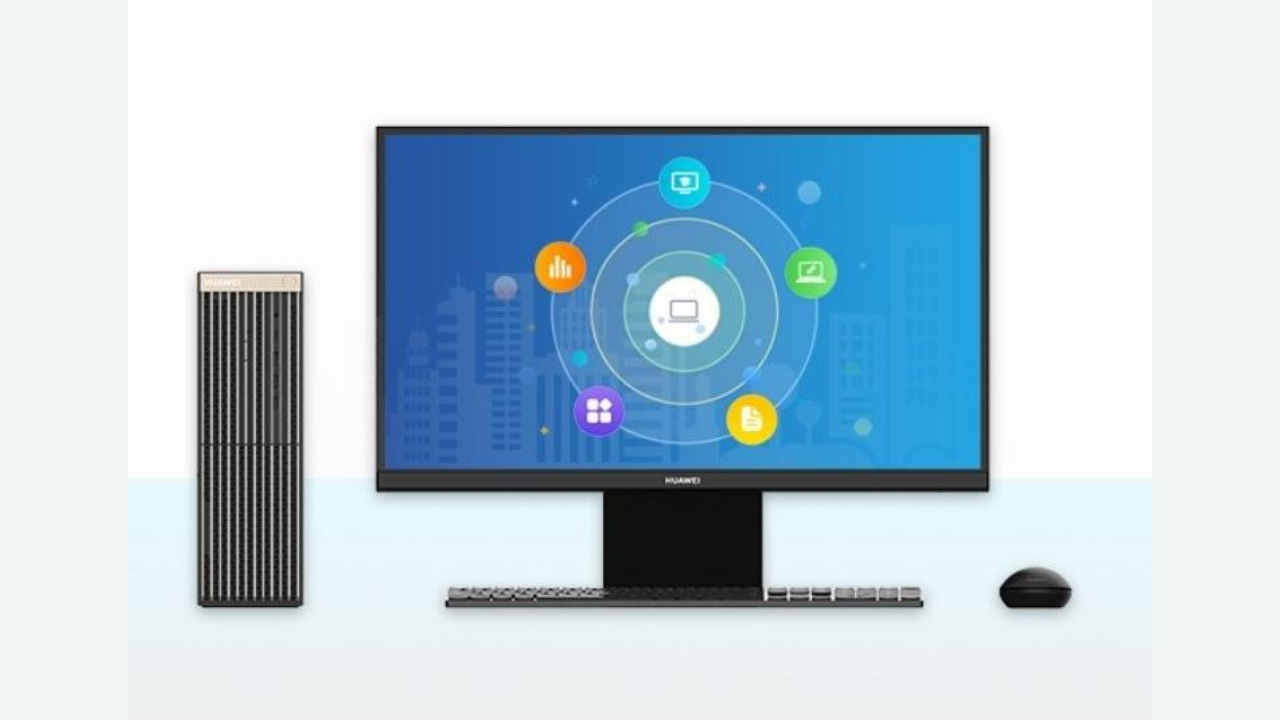
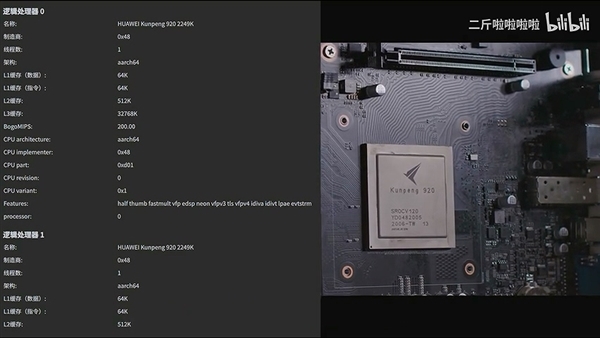
While Huawei is known for its smartphones, the company also offers products in the PC market outside of laptops. The Chinese tech giant recently launched a new workstation desktop that features its proprietary Kunpeng processor, which was made to rival other Intel Xeon based models.
For those unaware, Huawei has been offering workstation high performance processors for desktops through its Kunpeng 920 series since 2018. These powerhouses were built with productivity in mind and were developed by the company’s subsidiary HiSilicon, who also designed their signature Kirin mobile processors as well.
However, despite being capable, these chips had yet to receive proper support and optimization for different software a professional might require. So, Huawei recently started offering Kunpeng based workstation PCs to developers. Now, the Huawei Qingyun W510 has been launched with the HiSilicon Kunpeng 920-3211K SoC that features 24 cores that run at 2.6GHz, which are based on HiSilicon’s proprietary Armv8.2-compatible Taishan v110 cores.
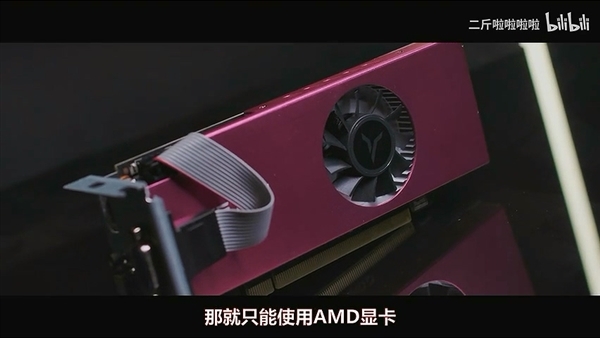
Furthermore, the workstation is equipped with AMD‘s Radeon 520 GPU and 8GB of DDR4 RAM and 512GB of SSD storage. Huawei is also bundling the new workstation with a 23.8 inch FHD monitor. Through this offering, the company is targetting the Chinese government, as well as local enterprises, which is the reason why runs the latest Deepin OS and not Microsoft’s Windows. At the moment, it is only available for developers, but the company will soon make the push to the commercial market.
Notably, the Kunpeng 920 series chip was originally meant for servers and supported an octa-channel DDR4-2933 memory, two 100GbE controllers, 40 PCIe 4.0 lanes with CCIX support, 16 SAS 3.0 ports, two SATA 3.0 ports, and four USB 3.0 connectors. Although, this particular variant was designed as a workstation, so had its 32 cores cut down, to offer a similar performance to an Intel Core i9-9900K. Unfortunately, these Kunpeng chips were manufactured by TSMC (on its 7nm process), so it remains to be seen how the company will source these chips after recent US sanctions.
Smartphone manufacturers have been trying to introduce devices with under-display camera sensors for years and now the technology finally seems ready to be used on a commercial smartphone.
ZTE has confirmed that the company will launch its Axon 20 5G smartphone on 1st September, making it the world’s first smartphone to feature an in-display camera sensor. Other companies like OPPO and Xiaomi are also working on similar technology.
Along with them, TCL is also working on the same, as revealed through a patent application a couple of months ago. However, it seems that the company is quite ambitious in this regard and isn’t stopping at an in-display camera but wants to hide all the camera sensors.
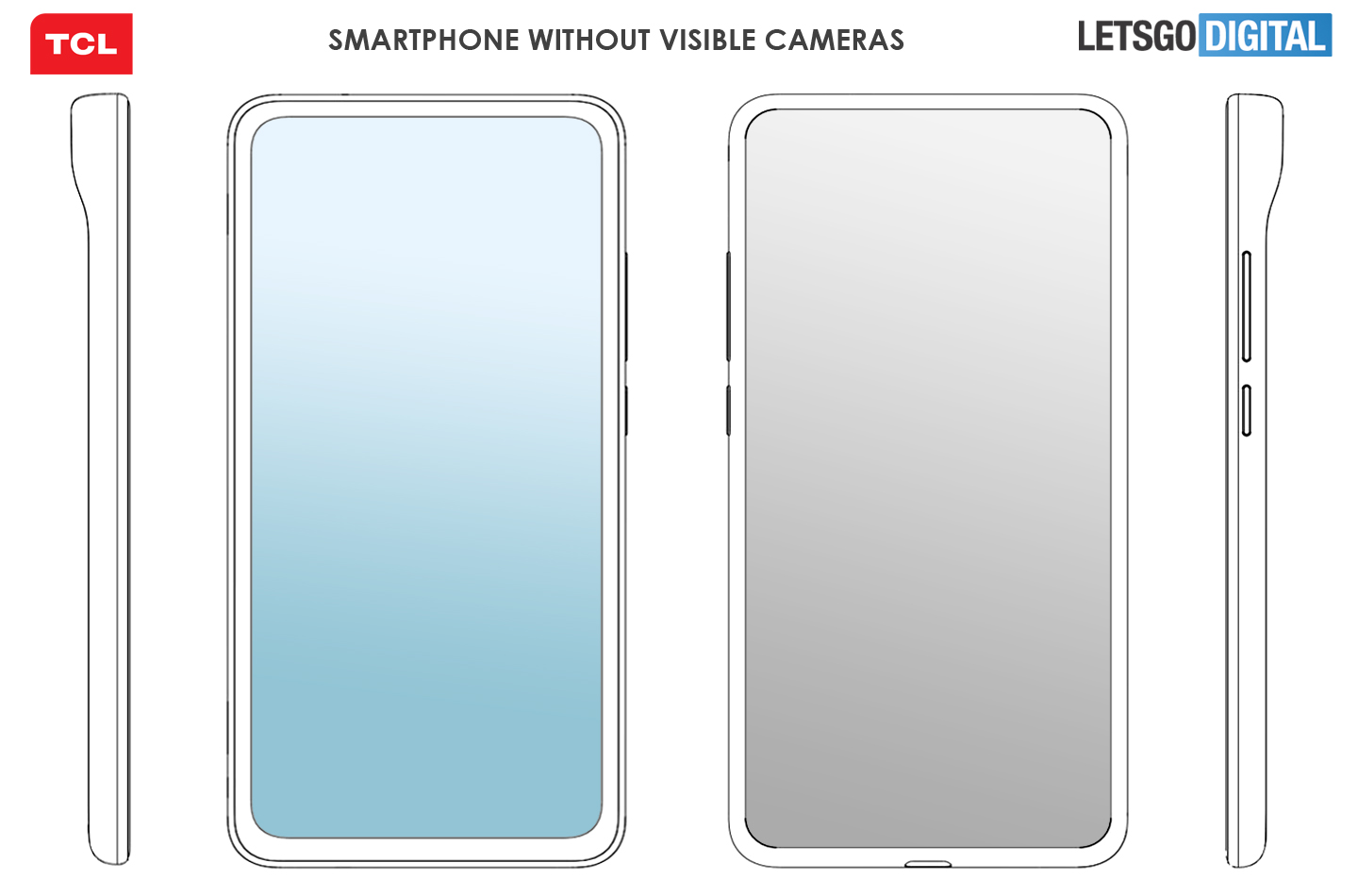
A new smartphone design patent filed by TCL has been surfaced online without any visible camera sensors on the device — neither on the front side nor on the back. The patent, first reported by LetsGoDigital, also includes product sketches, giving us an idea about the phone.
The images show a smartphone with relatively thicker bezels around the display. There’s definitely an in-display camera sensor at least for the front-facing camera. But interestingly, no camera module is visible on the backside.
The top part on the backside is significantly bigger than the rest of the area and it may have something to do with the camera module but nothing has been revealed in this patent. There’s another theory as well.
For the invisible camera module on the backside, the company could be using technology we saw on the OnePlus Concept One smartphone. The back could have a glass panel which becomes transparent when cameras are in use and becomes opaque when not in use.
Do note that this is just a patent so there’s no certainty that the company plans to launch a device with such design and technology. The company is more likely to launch its in-display camera smartphone first before unveiling a device with all camera sensors hidden.
Xiaomi recently revealed its financial report for the second quarter of 2020. In this period, the company saw a revenue of 7.77 billion US Dollars, which is a rise of 3.1 percent during the same period last year.
The revenue from Q2 is also higher than Q1 by about 7.7 percent for the Chinese tech giant. In other words, the company is seeing a recovery in its overseas market, according to a TechCrunchreport. Xiaomi’s recently appointed CFO, Alain Lam, stated that the company’s profits stood at 650 million US Dollars, which is up by 129.8 percent year on year and 108 percent in comparison to Q1 2020.
Xiaomi’s smartphone sales still account for the majority of the company’s revenue and have recovered in most of its overseas markets. This excludes one of its largest market India, where Xiaomi had to shut down most of its stores and production sites as the local government enforced a nationwide lockdown across the country. The measures to combat the Coronavirus pandemic started in late March, which affected the delivery and sales of “non-essential” goods in the region.
Since then, the lockdown has eased considerably, with production and sales ramping up. Compared to January 2020, the daily average of smartphone activations was around 72 percent as of July. In other words, the lockdown had adversely affected the company’s operations and sales. According to Xiaomi’s official statement, local production was the cause “as the production capacity had not yet returned to the normal level, our sales were still limited by the production constraints.”
Earlier this month, Xiaomi announced the Redmi 9 Prime smartphone in India. It debuted as the rebranded version of the Redmi 9 phone that debuted in global markets in July. Today, the Chinese brand announced the Redmi 9 handset in India. Well, it’s a rebadged edition of the Redmi 9C phone that has landed in India with a starting price of Rs. 8,999 (~$121).
Redmi 9 specifications and features
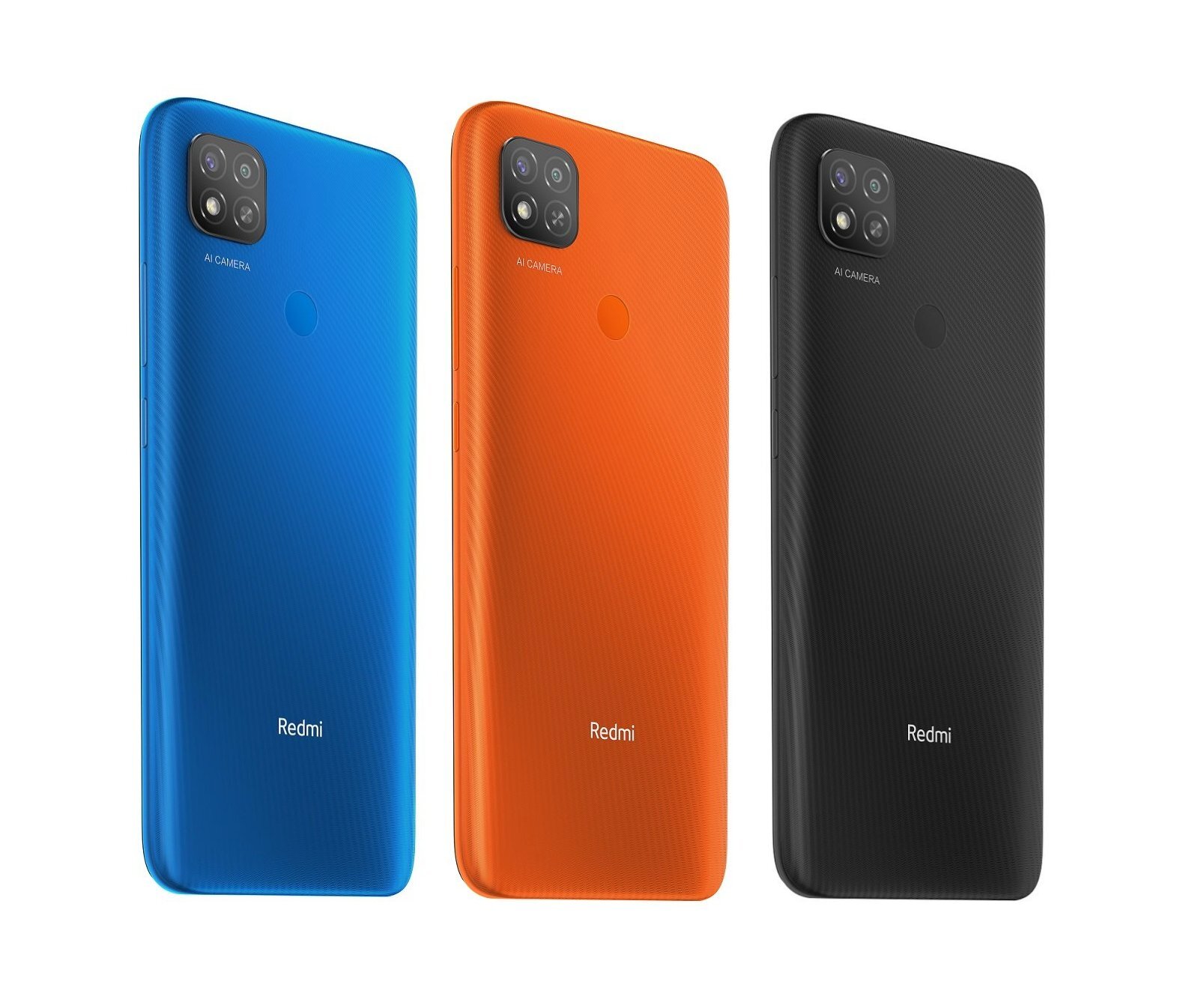
The Redmi 9 that comes with a polycarbonate construction along with P2i splash-resistant coating. It measures 164.9 x 77.07 x 9mm and it weighs 196 grams. The phone’s rear sports an impressive Aura Edge Design that provides users with a textured rear that prevents fingerprint marks and offers a better grip. The Redmi 9 has a 6.53-inch IPS LCD panel with a waterdrop notch. It supports 720 x 1,600 pixels and a 20:9 aspect ratio.
The gaming-centric MediaTek Helio G35 chipset fuels the phone with 4 GB of RAM. The handset offers users with up to 128 GB of native storage. There is a microSD card slot available onboard for additional storage.
The Redmi 9 has a square-shaped camera module at the upper-left corner of its back. The module comprises of a 13-megapixel main camera with f/2.2 aperture and a 2-megapixel depth sensor f/2.4 aperture. The rear cameras offer users with features such as AI scene detection, portrait mode, and Pro mode. It has a front-facing camera of 5-megapixel.
The Android 10 OS that comes preinstalled on the Redmi 9. It is the first smartphone from the brand in India to come with the latest MIUI 12. The phone is backed by a massive 5,000mAh battery that supports 10W charging. The company claims that the Enhanced Lifespan Battery tech will let the battery stay in healthy condition for more than 3.2 years. The handset has a rear-mounted fingerprint scanner. The Redmi 9 comes with usual connectivity features such as dual SIM slot, 4G VoLTE, Wi-Fi 802.11 b/g/n, Bluetooth 5.0, GPS, microUSB, and 3.5mm audio jack.
Redmi 9 price in India and availability
Here is the pricing of the different variants of the Redmi 9:
4 GB RAM + 64 GB storage – Rs. 8,999 (~$121)
4 GB RAM + 128 GB storage – Rs. 9,999 (~$135)
Color variants: Sporty Orange, Sky Blue, and Carbon Black
The first sale of the Redmi 9 will be carried out on Aug. 31 through Mi.com, Mi Home and Amazon India. Later, it will be brought to offline markets in the country.
Amid COVID-19 pandemic, IFA 2020 will be taking place in Berlin, starting from 3rd September for two days. Many companies have confirmed their presence at the event and LG has now revealed a new unique product that it plans to launch.
The South Korea-based LG has today revealed that the company will be launching a futuristic electronic mark at IFA 2020 next week. The company has named this electronic mask LG PuriCare Wearable Air Purifier.
The PuriCare Wearable Air Purifier includes two H13 HEPA filters, similar to the filters used in the company’s home air purifier products. With Dual Fans and the Respiratory Sensor, the air purifier allows users to take in clean and filtered air.
There are sensors to detect the cycle and volume of the wearer’s breath and adjusts the dual three-speed fans accordingly. The fans automatically speed up to assist air intake and slow down to reduce resistance when exhaling to make breathing effortless.
LG claims that it fits snugly on the user’s face to minimize air leakage around the nose and chin, making it possible to wear it comfortably for hours. It packs 820mAh battery which is promised to offer eight hours of operation in low mode and two hours in high mode.
Additionally, the company is bundling a carrying case for the LG PuriCare Wearable Air Purifier. It is equipped with UV-LED lights that kill harmful germs, charge the mask, and send notifications to the LG ThinQ mobile app on Android or iOS when the filters need to be replaced for better performance.
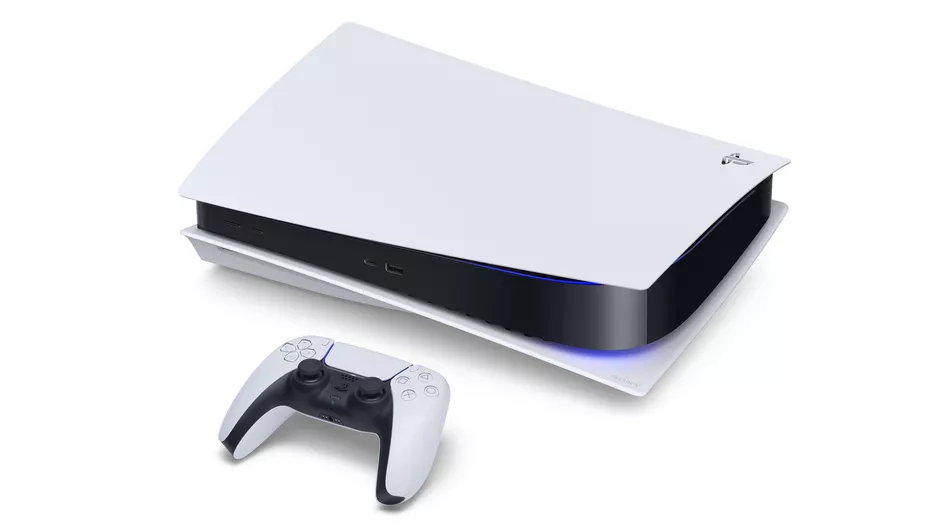
Sony is all set to launch its next-generation gaming console — Sony PlayStation 5 (aka PS5) during the holiday season this year. Ahead of that, the company has already revealed some key details about the console.
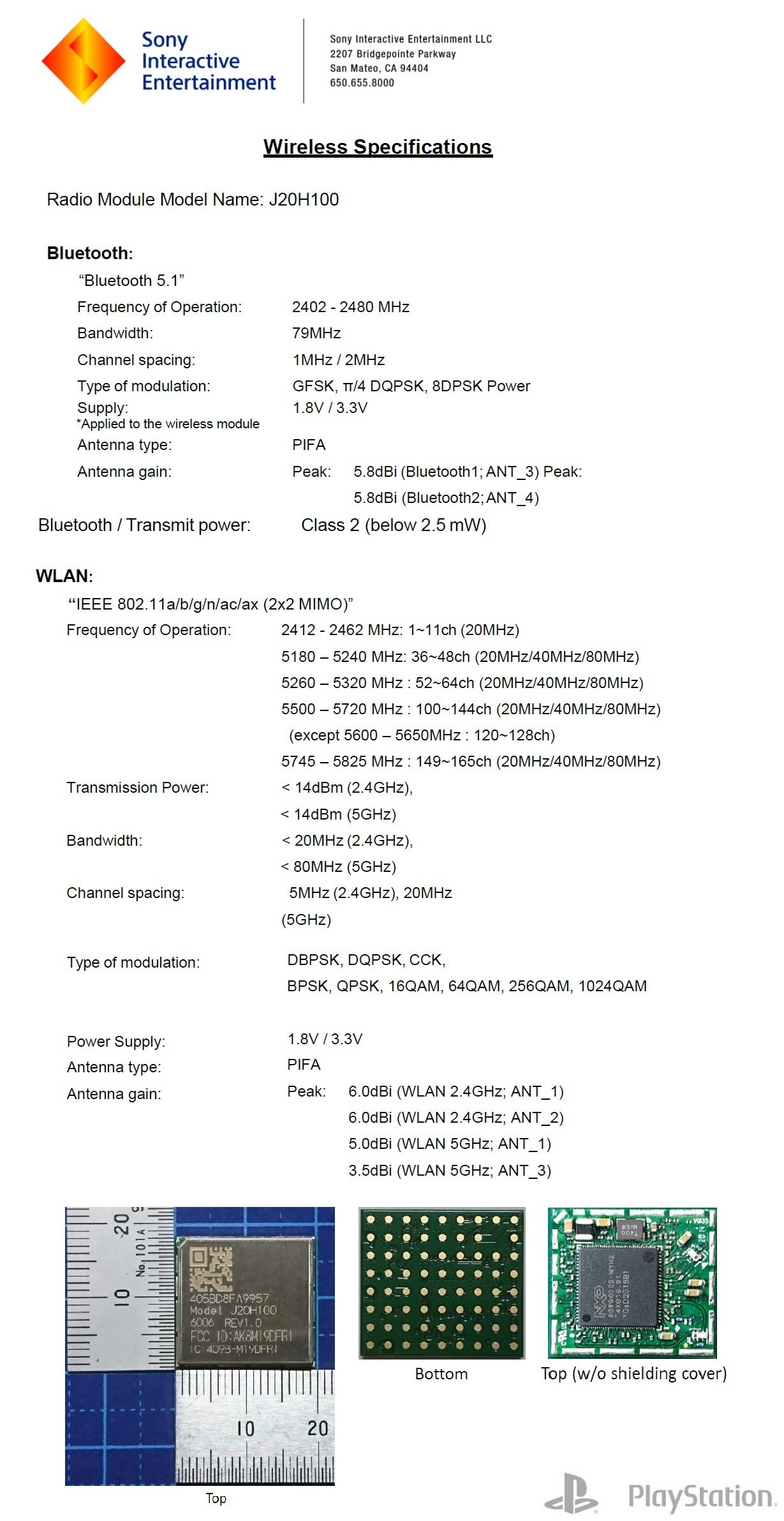
Now, the connectivity features of the upcoming Sony PS5 have been leaked online. The report coming from Brazil-based Tecnoblog reveals that the console will come with support for the latest Wi-Fi 6 as well as Bluetooth 5.1.
The support for Wi-Fi 6 is definitely an upgrade given that the PS4 supports Wi-Fi 4 while the PS4 Pro supports Wi-Fi 5. The sixth-generation of Wi-Fi is capable of a maximum throughput of 9.6 Gbps across multiple channels, which is around 32 times faster than the Wi-Fi 4 support present in the PlayStation 4.
Although Bluetooth 5.2 is the latest version out there, Sony has opted for a slightly older version — Bluetooth 5.1. However, this is also a great improvement over Bluetooth 2.1 in PS4 and Bluetooth 4.0 in PS4 Pro.
It will be made available in two versions — one standard model and another a slimmer digital model which will be “discless”. The device packs SSD and the game discs will support a capacity of up to 100GB.
Sony has already confirmed that the PlayStation 5 packs AMD hardware with Zen 2 CPU and Navi GPU, along with super-fast PCIe 4.0 SSD and new data-transfer architecture. The new DualSense controller is confirmed to come with haptic feedback, built-in microphone, more ergonomic design and shape.
While the company has not yet confirmed the launch date, reports indicate that the Sony PS5 could go on sale from 20th November. The digital version is expected to be priced around $399 while the standard PS5 could cost about $499.
Apple has already confirmed that the launch of this year’s iPhone models has been “postponed by a few weeks.” While the company has not yet revealed the launch dates, the new iPhone 12 series is expected to go official by mid-October.
The company has been historically launching the new iPhone models in the month of September. This time, while the iPhone launch is postponed, the company has planned to launch a couple of other devices.
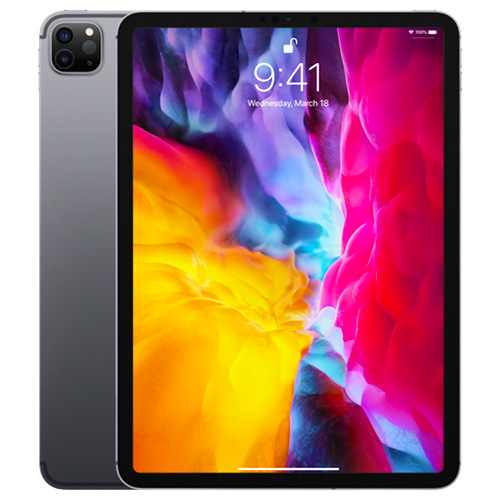
Apple iPad Pro 11 (2020)
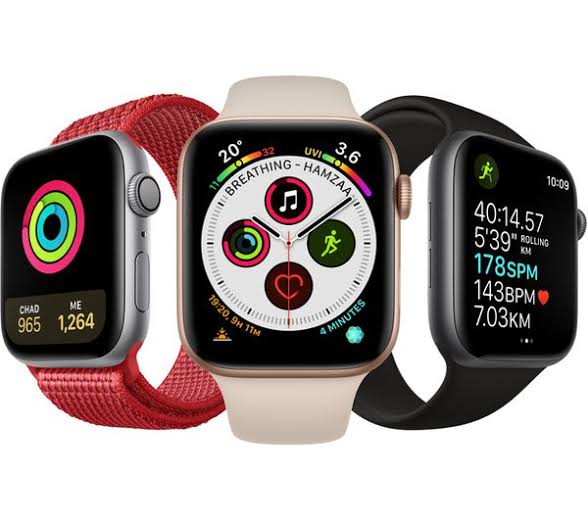
Earlier, YouTuber Jon Prosser had said that Apple could launch the new iPad and the Watch Series 6 in September and it seems that his predictions could turn out to be true. Both the devices have passed through the Eurasian Economic Commission, hinting at an imminent launch of the new iPad and Apple Watch models.
The listing in the database shows a tablet computer with ‘Apple’ trademark and note that mentions that it runs iPadOS 14 which was announced a couple of months ago during the online WWDC 2020.
The model numbers for the upcoming iPad include A2072, A2270, A2316, A2324, A2325 A2428, and A2429. On the other hand, the Apple Watch also appeared in the database with model numbers A2291, A2292, A2351, A2352, A2355, A2356, A2375, and A2376. The note adds that the smartwatch will run watchOS 7, announced during WWDC this year.
EEC does not reveal the specifications so we don’t know what the devices pack internally and how they differ from the existing models. But we expect to know all these details in the coming days or weeks.
While Apple has not yet confirmed the launch date for both these devices, reports indicate that the launch could take place during the week of September 7. If this turns out to be true, then this will be the first that Apple will launch its new smartwatch before launching the new iPhone models.
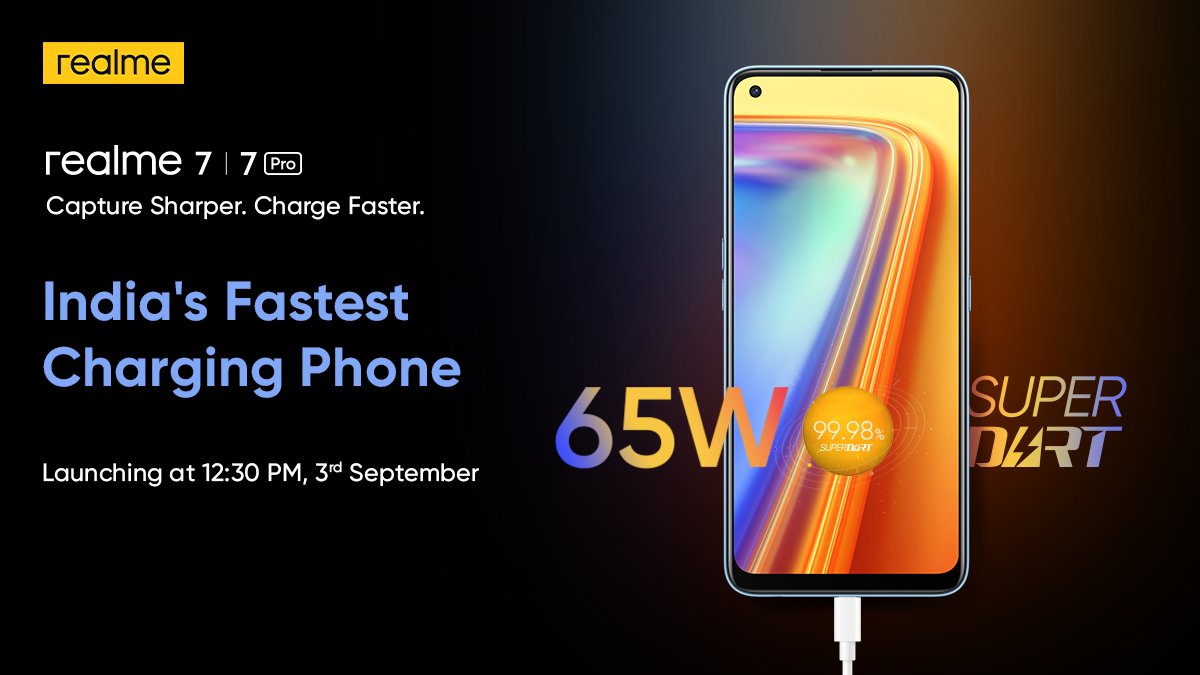
On Sept. 1, Realme will be launching the Realme X7 and Realme X7 Pro smartphones in China. Today the Chinese firm took to Twitter to confirm that it will be launching the Realme 7 series in India on Sept. 3. The company has officially confirmed the front design and some of the key features of the Realme 7 series.
The microsite of the Realme 7 series is now live on Realme India’s website. It reveals that the launch event of the Realme 7 series will take place at 12:30 PM (local time) in India. The Chinese firm is now receiving blind orders with a payment of Rs. 1,000 until Sept. 2.
The remaining amount can be paid between Sept. 3 and Sept. 15. The ordered unit will be dispatched after the balance amount is paid. Realme 7 customers who participate in the blind order will receive a coupon of Rs. 100 off for Realme AIoT products. On the other side, folks who blind order the Realme 7 Pro will get a random coupon ranging between Rs. 500 and Rs. 1,000. This amount can be redeemed on the purchase of other phones from the brand. The coupon amount will be a credit to the users’ account on Sept. 16.
The Realme 7 series microsite says it will carry support for 65W SuperDart fast charging. By charging the device for only 3 minutes, users will get 13.2 hours of music playback, 2.5 hours of movie playback, and 3 rounds PUBG gaming. As far as the design of the Realm 7 series is concerned, it will be sporting a punch-hole display with a thick-sized chin. The left edge of the device has volume up and down buttons and there is a power key on its right edge. The company is expected to update the microsite with more details before the launch.
The flagship Mi 10 smartphone series from Xiaomi already consists of five smartphones — Mi 10, Mi 10 Pro, Mi 10 Lite, Mi 10 Lite Zoom, and the most recently launched Mi 10 Ultra. Now, it seems that the company has yet another device up its sleeves.
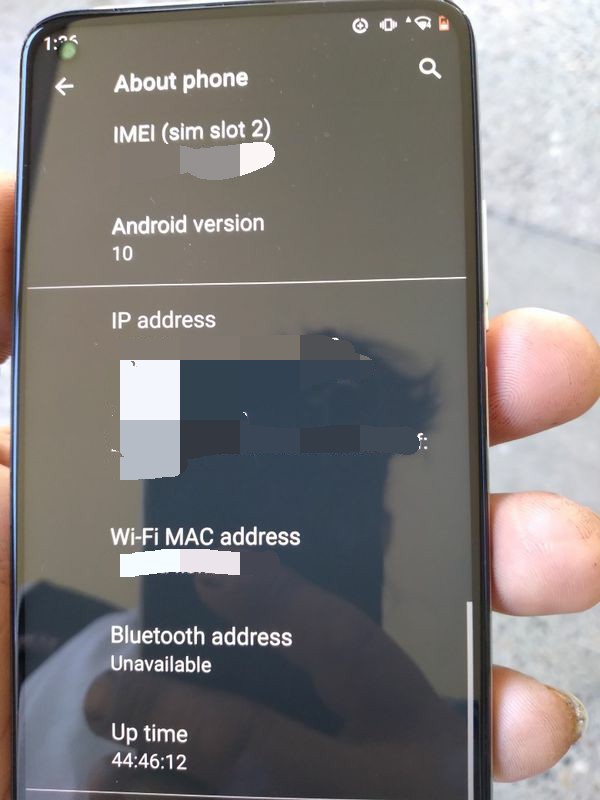
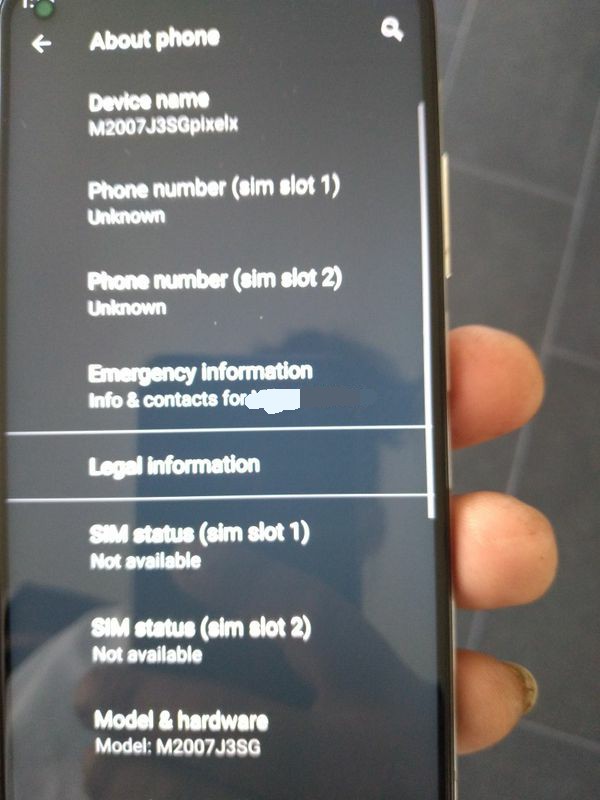
As per the report from XDA-Developers, Xiaomi is now gearing up to launch a new Mi 10T series flagship smartphone and some key details about the upcoming device as well as live images have been leaked online.
It has been revealed that the Mi 10T and Mi 10T Pro smartphones will have five models — M2007J3SC, M2007J3SI, M2007J3SP, M2007J3SG, and M2007J3SY. The Mi 10T is said to have been codenamed “apollo” while the Mi 10T Pro is codenamed “apollo pro.”
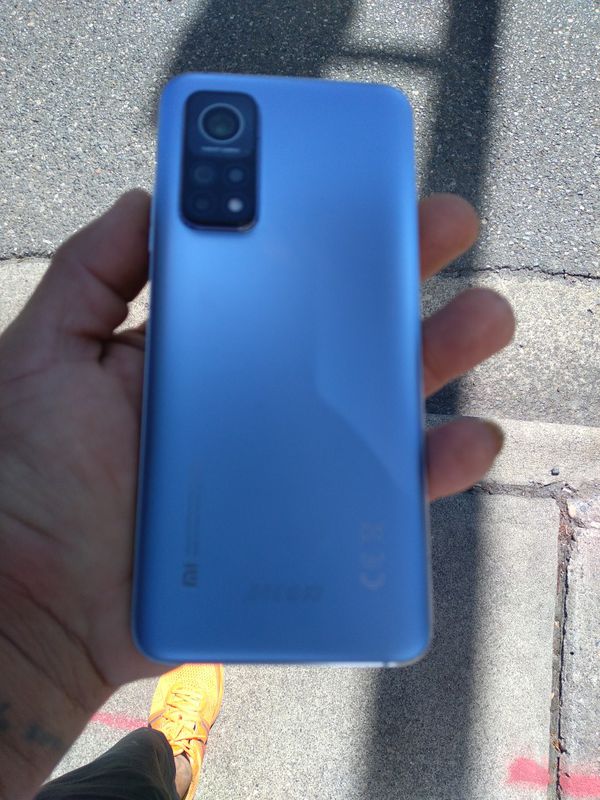
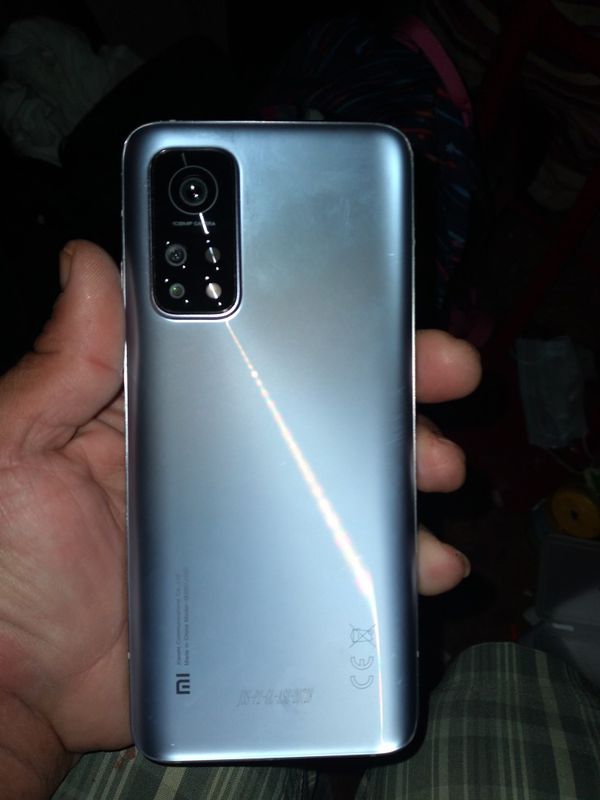
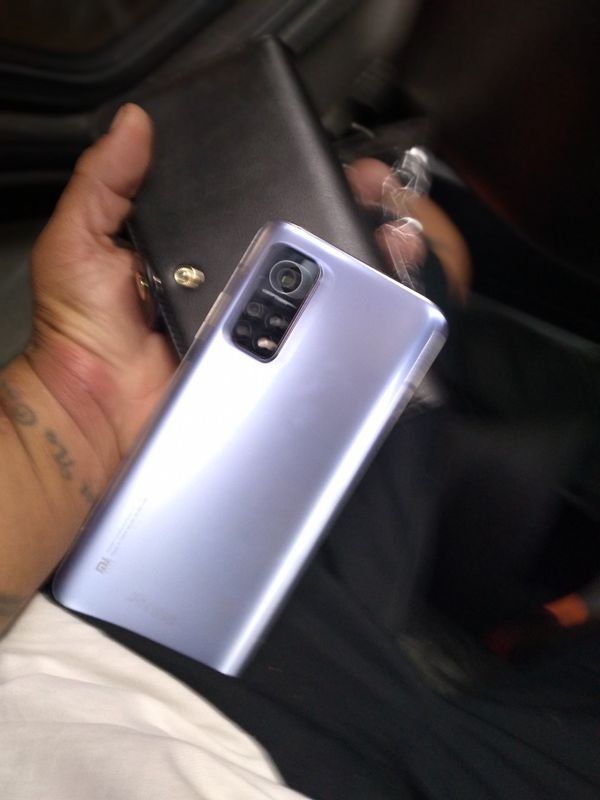
The live photos of the Xiaomi Mi 10T Pro have been leaked online, which shows that the device features a punch-hole display and a triple-camera setup on the back. The rectangular camera module is placed in the top-left corner.
While the screen size of the smartphone is not yet known, it has been confirmed that the phone will have an OLED display and come with a 144Hz refresh rate. Under the hood, the device is expected to be powered by either Qualcomm Snapdragon 865 SoC or the Snapdragon 865 Plus chipset.
As for the camera configuration, the standard model will come with a 64-megapixel primary sensor while the Pro model will have a 108-megapixel sensor as the primary camera in the triple-camera setup.
The device will come powered by a 5,000mAh battery and fast charging support. While the images seem to be of a pre-production model running the Android 10 operating system, we expect the commercial model to have MIUI 12 pre-installed.
We expect to know more information about the smartphones, including the full set of features and specifications, pricing details, launch, and availability in the coming days or weeks. It is said that the devices will be launched globally and not just in China.
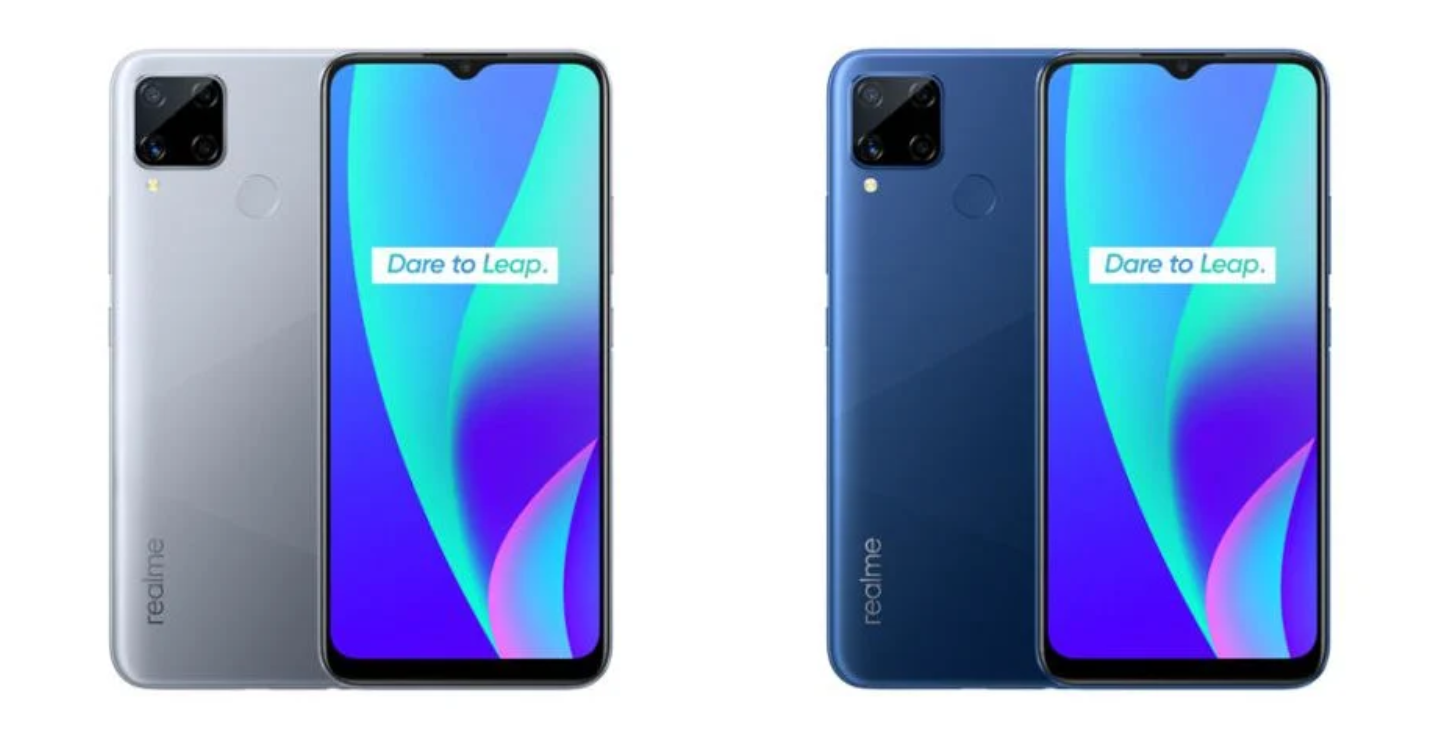
Last week, Realme announced the Realme C12 and Realme C15 budget-friendly smartphones in India. With a starting price of Rs. 9,999 (~$134), the Realme C15 offers users with a gaming-focused processor, a big display, and a large-sized battery along with fast charging support. Today, the Chinese firm will be carrying out the first sales of the Realme C15 in India at 12 PM.
Realme C15 price in India
The Realme C15’s first sale in India will start at 12 PM (local time) through Flipkart and Realme India’s online store. The phone will be available in offline markets from Sept. 3.
The Realme C15 comes in two variants such as 3 GB RAM + 32 GB storage and 4 GB RAM + 64 GB storage. They are priced at Rs. 9,999 (~$134) and Rs. 10,999 (~$148). The Realme C15 can be purchased in color options like Power Blue and Power Silver.
Buyers of the Realme C15 on Realme.com can take advantage of the cash benefits of Rs. 7,000 from Jio and Rs. 500 cashback Mobikwik. Flipkart is offering 5 percent unlimited cash back to customers who avail the handset through Flipkart Axis Bank credit card. Axis Bank Buzz credit card users can avail a 5 percent discount. The smartphone can also be purchased through convenient no-cost EMI plans through Flipkart.
The Realme C15 has a 6.5-inch HD+ display with a waterdrop notch. The screen produces HD+ resolution and a 20:9 aspect ratio. The Helio G35 chipset fuels the phone with LPDRR4x RAM. Apart from internal storage, the phone comes with a microSD card slot for more storage.
The C15 has a front camera of 8-mgeapixel and its rear has a 13-megapixel + 8-megapixel (ultrawide) + 2-mgeapixel (B&W) + 2-megapixel (retro) quad camera setup. The 6,000mAh battery of the C15 supports 18W fast charging through microUSB. It has a rear-facing fingerprint reader.
The microsite confirms that the Galaxy M51 moniker which carries the “Meanest Monster Ever” tagline. An image showing the front side of the phone with Infinity-O punch-hole design can be seen on the microsite. The Galaxy M51 launch date is not known yet. The microsite only mentions that it will be debuting soon.
Samsung Galaxy M51 specifications and price (Rumored)
Past reports have revealed that Samsung Galaxy M51 has a 6.67-inch S-AMOLED display that delivers Full HD+ resolution, 60Hz refresh rate, 386ppi pixel density, and 420nits brightness. It has a front-facing camera of 32-megapixel.
The rear side of the phone has a quad-camera system. The setup includes an f/1.8 aperture 64-megapixel main lens, an f/2.2 aperture 12-megapixel ultrawide lens, an f/2.4 aperture 5-megapixel, and an f/2.4 aperture 5-megapixel macro sensor.
The Snapdragon 730G may fuels the device. The SoC could be accompanied by 8 GB of RAM. The phone may offer users with 128 GB of internal storage. The handset will come preinstalled with One UI 2.5 based Android 10 OS. It has a side-facing fingerprint reader.
The Galaxy M51 measures 163 x 78 x 8.5mm and it weighs 213 grams. The handset will come in colors like Black and White. As far as pricing is concerned, the phone is likely to be priced between Rs. 25,000 (~$336) and Rs. 30,000 (~$404).
DJi has just announced its brand new mobile gimbal in the OSMO family, the DJI OM 4. Instead of the usual ‘OSMO Mobile’ branding, the company is simply calling it as the OM 4.
The DJI OSMO 3 was a foldable and feature-rich mobile gimbal at a pretty affordable price. In fact, we compared the OSMO 3 with two other popular mobile gimbals last year and we were pretty happy with OSMO’s performance. This year’s DJI OM 4 carries forward the best features from the OSMO 3 but makes it more user friendly by adding magnetic mounts.
DJI OM 4 magnetic clamp
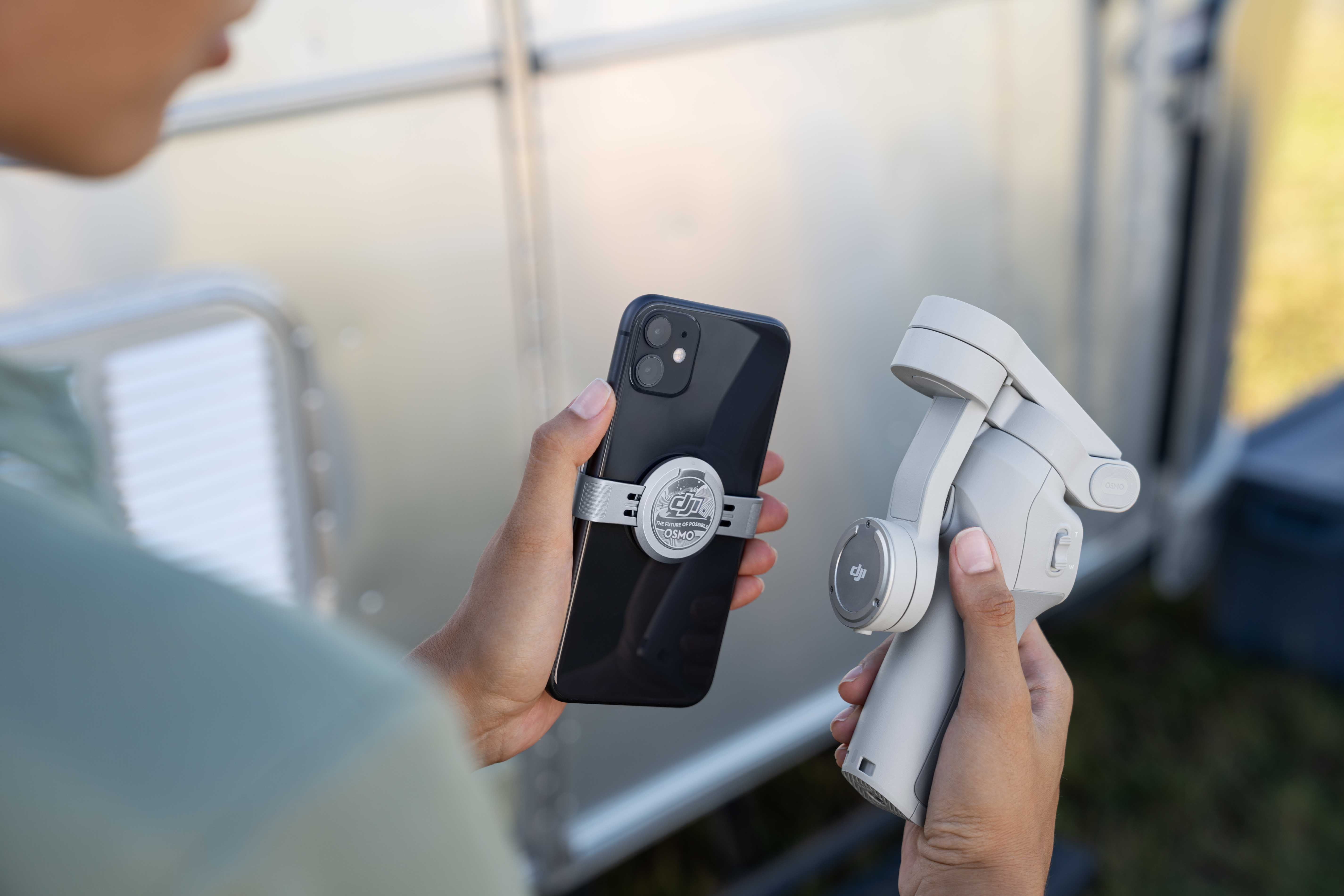
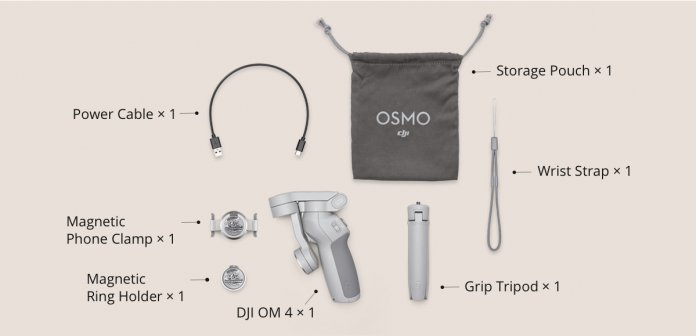
This is one of the biggest highlights of the new OSMO 4 (OM 4). You get two options to attach your phone to the gimbal. You can either use a clamp that comes with a magnet at the back or your can use a small and compact magnetic ring holder that you can attach to the back of your phone. In both the cases, you can simply snap the phone on to the gimbal in a second.
The new gimbal retains the same foldable design as its predecessor but is slightly more compact and lighter (390 grams vs 405 grams). DJI also adds that the OM 4 gimbal can carry heavier smartphones up to 230 grams in weight. So you can even mount a heavy device like the ASUS Zenfone 7 Pro. The battery capacity remains the same as the OSMO 3 – 2450mAh with a rated 15 hour battery life. The new gimbal also retains the same 3-axis stabilization as its previous version.
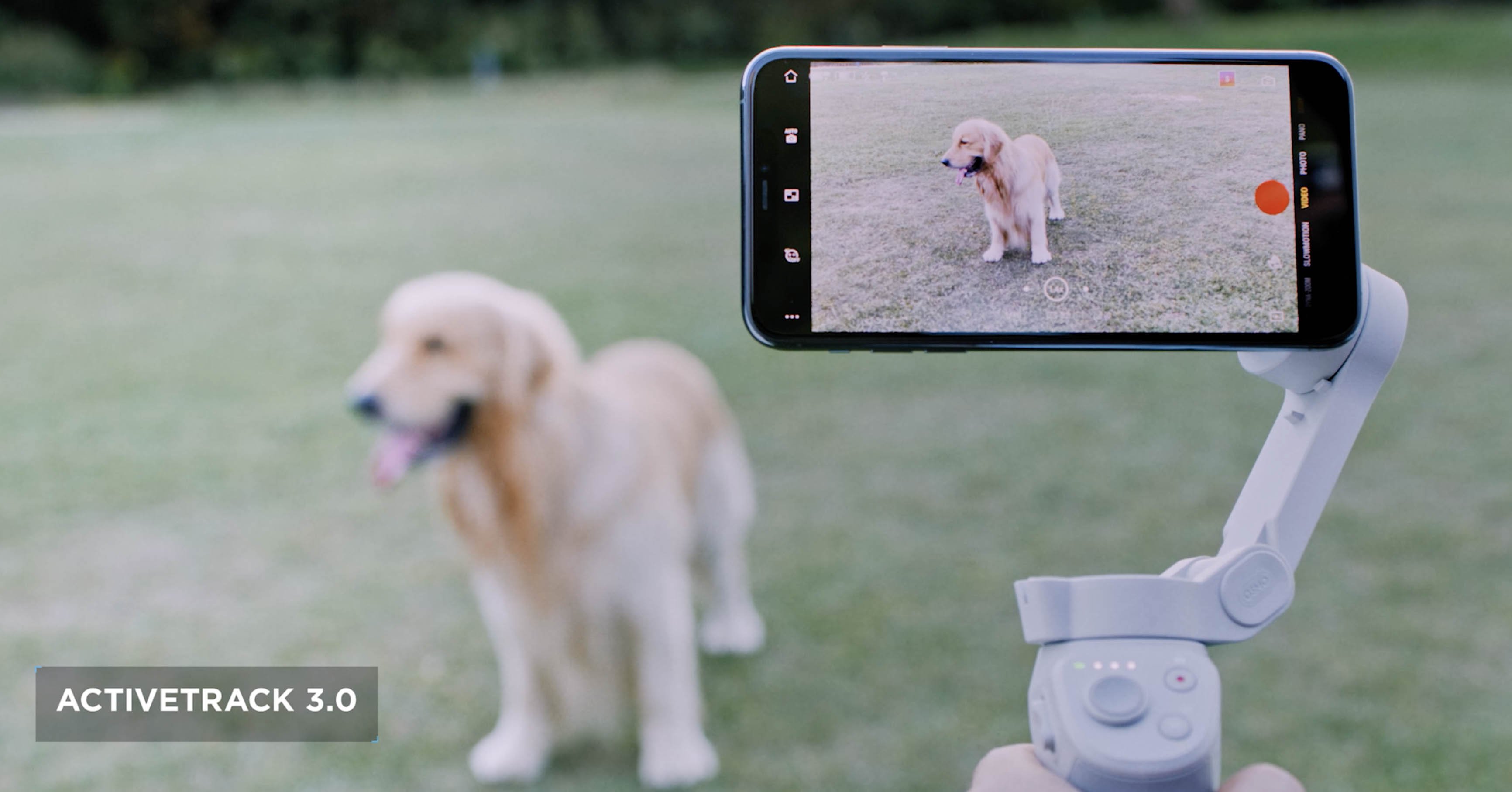
The DJI OM 4 (OSMO 4) also brings improvements in the software. You get an improved Active Track 3.0 which DJI claims offer better tracking accuracy of subjects such as humans and pets and DynamicZoom which automatically zooms in or out of the subject as you move in or out, respectively. You also get a new Cloneme Pano mode which captures a series of images of a moving subject to clone him or her in different poses in a wide panoramic image.
Other features include a SpinShot mode to create a barrel roll effect, slo-mo mode, 240-degree panorama, and 3 x 3 panorama (9 photos stitched together to automatically create a super wide shot). You also get three special modes – time lapse, hyper lapse and motion lapse to create unique videos using the gimbal.
The DJI OM4 is priced at $149 in the US, which is $30 more than the OSMO 3 ($119). But note that at this price, accessories such as the grip tripod and the magnetic phone clamp and ring holder come right inside the box.
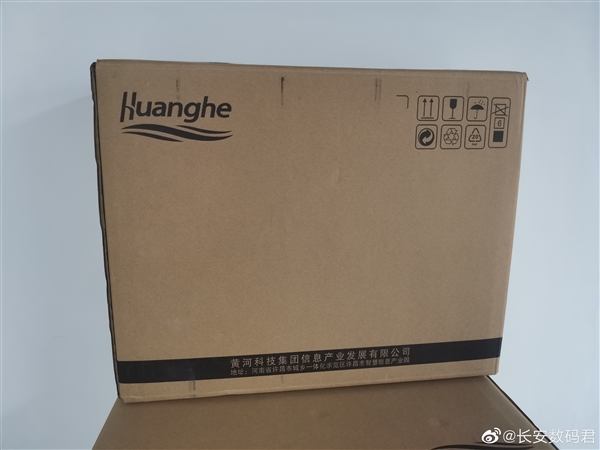
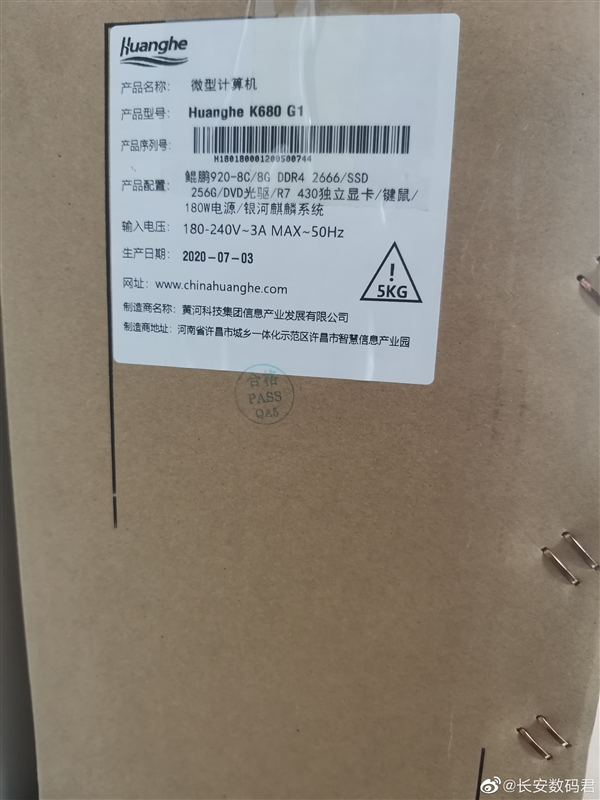
Huawei notebooks have gained a firm foothold in the domestic Chinese market and have also driven the progress of the entire industry. The much-touted Huawei desktop PC is also about to set off a storm in the PC industry. The packaging box of the Huawei desktop PC has been shared by some netizens with key specs of the desktop PC in view.
The label on the box shows that the specific model of the Huawei desktop is Huangue K680 G1 with the production date given as July 3. Some of the key specifications include a self-developed Kunpeng 920 8-core processor, 8GB DDR4-2666 memory, and 256GB solid-state Hard disk (SSD). The laptop is also listed to feature an AMD Radeon R7 430 discrete graphics card, a DVD drive and inside the packaging box is a keyboard and mouse. The desktop PC is listed to have a power rating of 180W and is pre-installed with the domestic Galaxy Kylin operating system.Huawei first announced the Kunpeng 920 processor early last year. It is manufactured using the 7nm process and features an ARM architecture with up to 64 cores, maximum frequency 2.6GHz, and supports PCIe 4.0, eight-channel DDR4 memory. The processor can be used in servers, data centres and consumer desktop market, as well as desktop products for corporate customers.
The AMD R7 430 used is a standard OEM entry-level model which is commonly used by PC brands such as HP and Dell. There are only 384 stream processors, and the performance is basically equivalent to that of the NVIDIA GT 640 and GTX 650.
According to reports, Huawei’s self-developed desktop computers have been piloted in many places to replace the traditional combination of AMD/Intel+Windows, and the feedback received is also very good. This year, combined with national strategic preparations, it is comprehensively covering government systems, education systems, and large and medium-sized enterprises in various regions. It will gradually be promoted to consumer-level use.
Huawei’s desktop computer is manufactured by Huanghe Technology Group located in Xuchang City, Henan Province. At the beginning of this year, the Huanghe Kunpeng server and desktop production line reportedly began rolling and the first batch of product delivery ceremony was held in Xuchang.
Nubia has released its Red Magic 5S gaming smartphone outside China. The device was launched in the manufacturer’s home country about a month ago as an upgraded version of the Red Magic 5G that was announced in the first half of the year.
The Red Magic 5S has brought its affordable price tag from China. In the US, it will sell for $579 for the base model with 8GB of LPDDR5 RAM and 128GB of UFS 3.1 storage. That is roughly $35 more than the price in China. You can also grab the 12GB RAM + 256GB version that is priced at $649. Unfortunately, Nubia has not brought the 16GB RAM version to international markets.
The device has a 6.65-inch HD+ AMOLED display that has a 144Hz refresh rate and a 240Hz touch sampling rate. There are no notches or holes in this screen. Under the hood is the Snapdragon 865 and not the more powerful Snapdragon 865 Plus. However, you get GPU Boost, a proprietary technology that allows for smoother gameplay without lags.
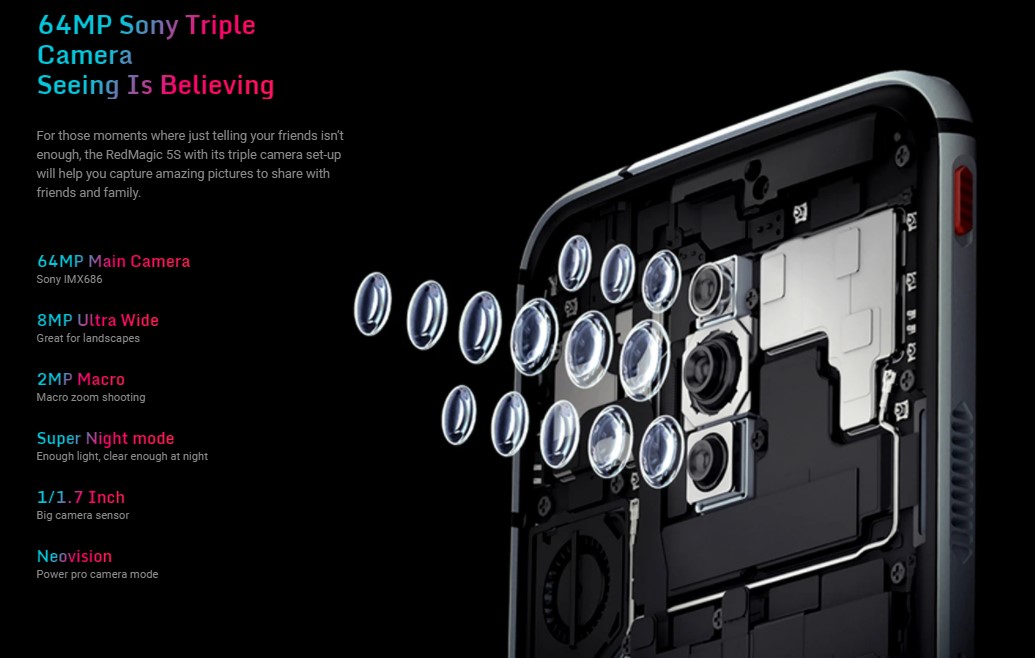
On the back of the Red Magic 5G are three rear cameras – a 64MP Sony IMX686 primary sensor, an 8MP ultrawide angle camera, and a 2MP macro camera. For selfies and video calls, you get an 8MP selfie camera. The rear camera has OIS and there is a Super Night Scene Mode for taking better low-light pictures.
The phone has a 4500mAh battery with support for 55W fast charging (ships with an 18W charger). It uses a triple cooling technology that consists of a built-in cooling fan, ICE 4.0 liquid cooling system, and the Ice Dock (needed for GPU Boost to work) which has to be purchased separately. The Red Magic 5S also has two shoulder triggers with a 320Hz touch sampling rate and 2ms touch delay. There are stereo speakers with a dual Smart PA, DTS:X Ultra, and 4D Shock to make gaming more enjoyable. It also runs Android 10 out of the box.
The phone will also be sold in Europe and the UK for €579/£539 for the base model and €649/£599 for the 12GB + 256GB version. The Ice Dock can be purchased for $44.90/€44.90/£40.90, there is a protective case that is $14.90/€14.90/£13.90, and a controller called the Pro Handle with a special case included that is $39.90/€39.90/£35.90. Unfortunately, the 55W charger is not yet available. You can pre-order the device now before it goes on sale on September 2.
The Android Enterprise Recommended program was created two years ago to help businesses choose which phones are best for them. Google has been adding new phones to the list which is no surprise seeing as there are new phones released practically every day. The latest to join the list is the Redmi Note 9 Pro and while it is not the first Xiaomi device to be added to the list, its addition is a big deal.
Other Xiaomi phones that have joined the Android Enterprise Program are the Mi A2, Mi A2 Lite, and the Mi A3. However, all these phones are Android One phones, unlike the Redmi Note 9 Pro which runs MIUI. So you see why this is a big deal.
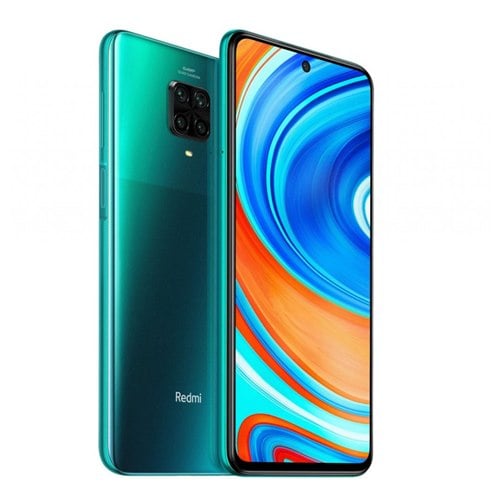
The Redmi Note 9 Pro was announced in May. It has a 6.67-inch FHD+ display with a punch hole in the middle of the screen. There is a Snapdragon 720G processor under the hood with 6GB of RAM and 64GB or 128GB of storage. The phone has dual SIM support and also has a dedicated MicroSD card slot.
There are four cameras on the back of the Redmi Note 9 Pro – a 64MP main camera, an 8MP ultrawide camera, a 5MP front-facing camera, and a 2MP depth sensor. The selfie camera is a 16MP sensor. Other features of the phone are a side-mounted fingerprint scanner, a 5020mAh battery with support for 30W fast charging, and NFC.
We expect more Xiaomi phones running MIUI will be added as time goes on. The minimum requirements for devices to be added include support for zero-touch enrollment, availability of unlocked models, and delivery of Android security updates within 90 days of release by Google for a minimum period of three years.
Xiaomi has been updating its devices to MIUI 12 for months. But the rollout is yet to end. In fact, it has just begun in certain regions. Currently, the update is being rolled out to older flagships and select budget smartphones in China. If these devices have only a single or two international variants, those models are getting higher priority than global variants of newer smartphones. Hence, the global variants of Mi Mix 3 and Mi Mix 2S have started to receive the update.
The Chinese variants of both Mi Mix 3 and Mix 2S were only updated to MIUI 12 earlier this month. Since these devices have only two international variants – Global and Russia, those have already begun to get the update.
It is worth noting that the Russian variant of Mi Mix 3 is yet to start receiving the update. But it should happen anytime soon in the coming days. With that being said, here are the build numbers of MIUI 12 update for these handsets.
Mi Mix 3
China – V12.0.1.0.QEECNXM
Global – V12.0.1.0.QEEMIXM
Mi Mix 2S
China – V12.0.1.0.QDGCNXM
Global – V12.0.1.0.QDGMIXM
Russia – V12.0.1.0.QDGRUXM
Although the above-mentioned two devices are flagship smartphones, Mi Mix 2S is not getting all the new features of MIUI 12 due to its LCD screen. That means users of this phone miss out on Super Wallpapers and AOD+ but the Mi Mix 3, on the other hand, gets all the new stuff.
Having said that, the new software update for these two Xiaomi devices is being seeded out in phases. Therefore, it will take time to reach every unit.
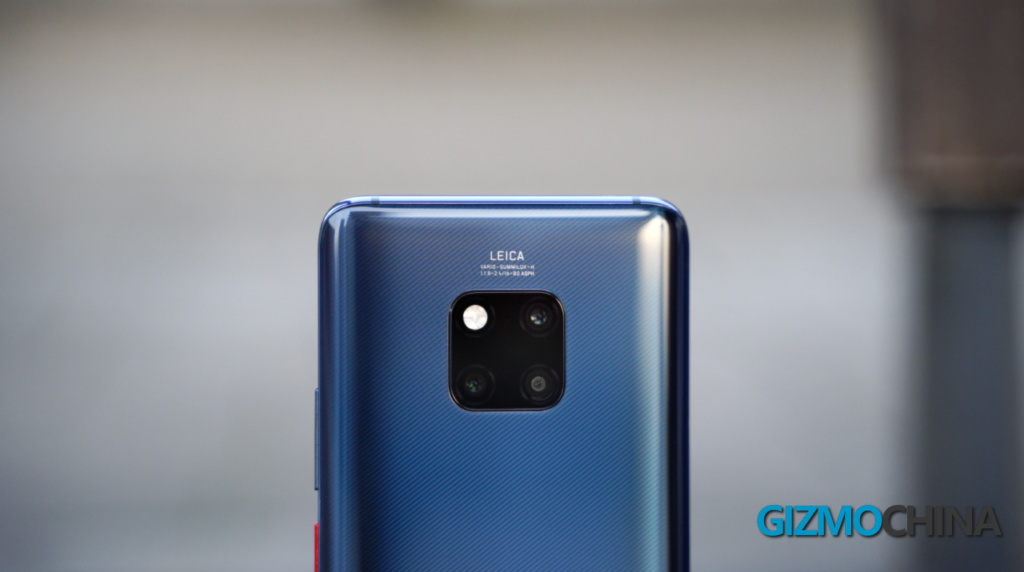
Huawei has been updating its devices to EMUI 10.1 ever since it debuted with HUAWEI P40 series earlier this year. The update rollout began in China, followed by other regions. Unfortunately, India is one of the last countries to get the update since the Chinese telecom giant was never a big smartphone player in this region. Hence, the Mate 20 Pro from 2018 has only started receiving the update now, a month later than other countries.
Recently, two Honor handsets namely HONOR 20 and HONOR View20 were updated to Magic UI 3.1 (EMUI 10.1 for Honor smartphones) in India. Then, a few days earlier, HUAWEI P30 Pro also began to get the same update in the country.
Now, HUAWEI Mate20 Pro is getting similar treatment in the region. The update for this phone comes with build number 10.1.0.291(C675E9R1P5) and weighs a whopping 4.80GB in size. Being the 2018 flagship of the company, it gets almost all the new features introduced in this version of the firm’s mobile software.
Some of the notable features include new AOD styles, new fingerprint animations, Multi-Window, new themes, Smart Charge, and more. The update also brings July 2020 security patch to the device.
That said, EMUI 10.1 for Mate 20 Pro in India is being rolled out in batches and therefore, may take time to reach every unit out there.
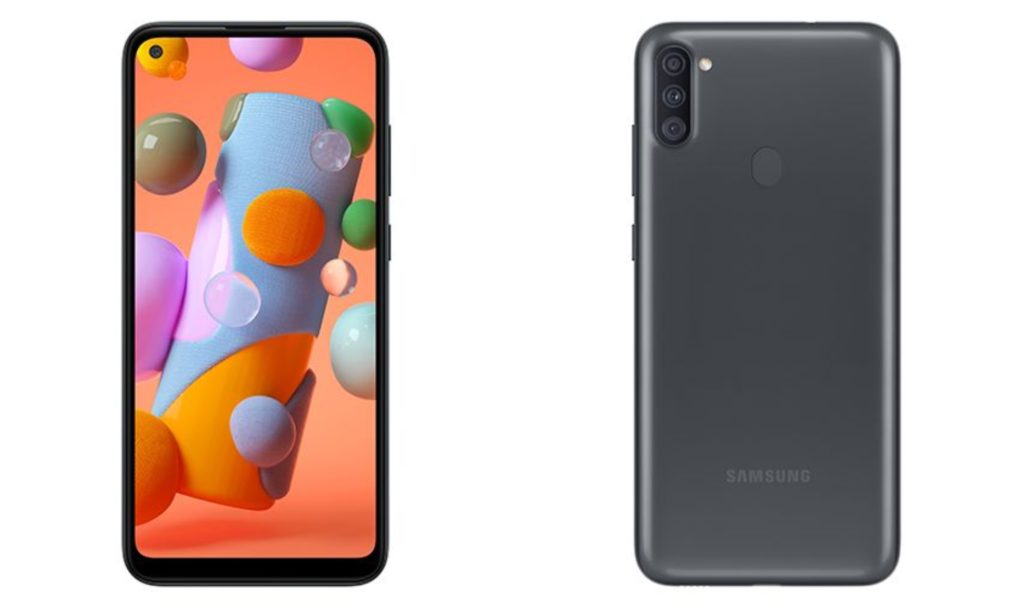
Samsung launched Galaxy A11 in March of this year as the cheapest Galaxy A series smartphone with a punch-hole display. Now, within five months of its release, a report says that the company is working on its successor called Galaxy A12, skipping Galaxy A11s.
Samsung Galaxy A11
This piece of information regarding the upcoming Galaxy A12 comes from SamMobile. According to the publication, the handset is in development with model number SM-A125F.
The only major difference between it and its predecessor will be a variant with higher internal storage. In case you do not know, the Galaxy A11 comes in two variants, one with 2GB RAM and another with 3GB RAM. However, both of them only feature 32GB internal storage with support for microSD card.
On the other hand, the forthcoming Galaxy A12 will also come in a 64GB storage configuration, in addition to a 32GB base version. But the amount of RAM present in both the variants is not known, however, it is confirmed to retain the capacitive fingerprint sensor. Also, it is said to come in four colors namely Black, White, Red, and Blue.
Although other specs of this Samsung budget smartphone is a mystery at the moment, one shouldn’t be surprised if it features the same 13MP (wide) + 5MP (ultra-wide) + 2MP (depth) triple camera setup and 4,000mAh or a slightly larger battery.
Blackview keeps entertaining its fans and the buyers by introducing some great discount festivals throughout the year. In the ongoing Blackview and AliExpress 828 sale, the company is offering massive discounts of up to 58% on its popular smartphones and other accessories. However, the sale is already on the verge to end, but still, our readers can benefit a lot if they are looking to buy a tablet, smartphone, and rugged smartphone.
The sale is slated to end on August 28th, but still, users can enjoy interesting discounts. We have compiled a list of some best deals including Blackview BV9900 Pro and BV6300 Pro which are retailing for the all-time-low price of $399.99.
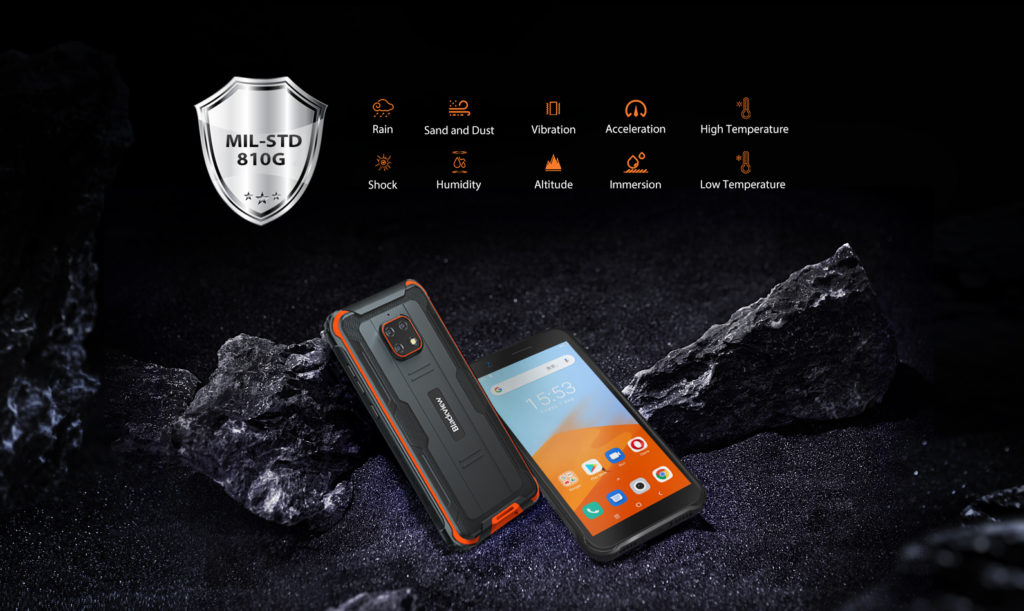
Blackview BV9900 Pro
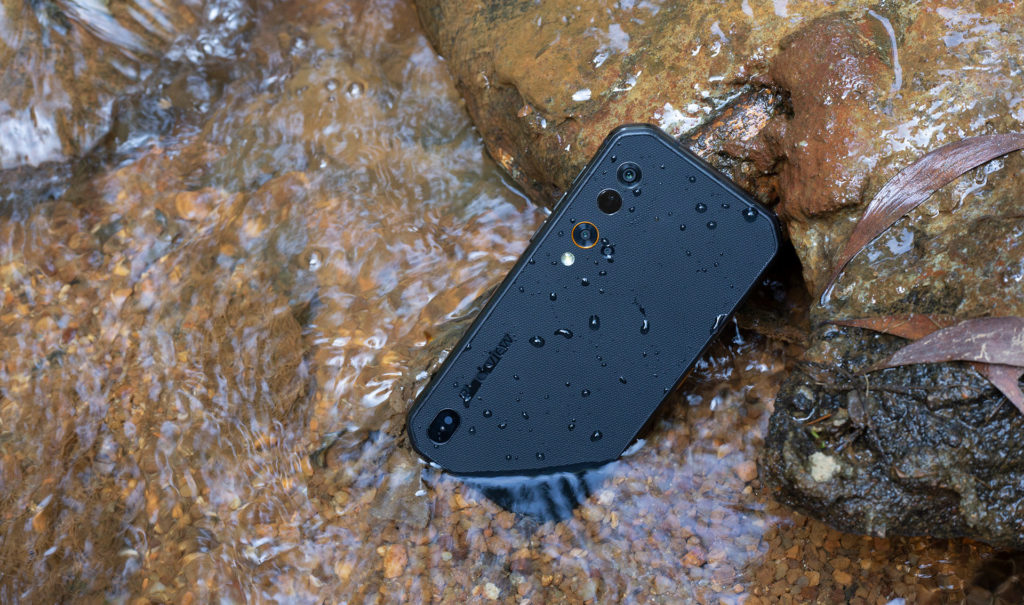
It is the fastest thermal rugged smartphone which is quite popular since its launch. The smartphones fully retail for the price of more than $449, but now the users can grab it for $399.99. It’s a limited time discount and will last only for a few days.
The smartphone primarily runs on MediaTek Helio P90 octa-core SoC which couples an 8GB RAM and 128GB internal storage. There’s a 5.85-inch FHD+ display enacted under Corning Gorilla Glass 5. There are a 48-megapixel quad-rear camera and a single 16-megapixel selfie camera on the front. It encompasses all the maintenance tools ranging from electrical systems to mechanical systems.
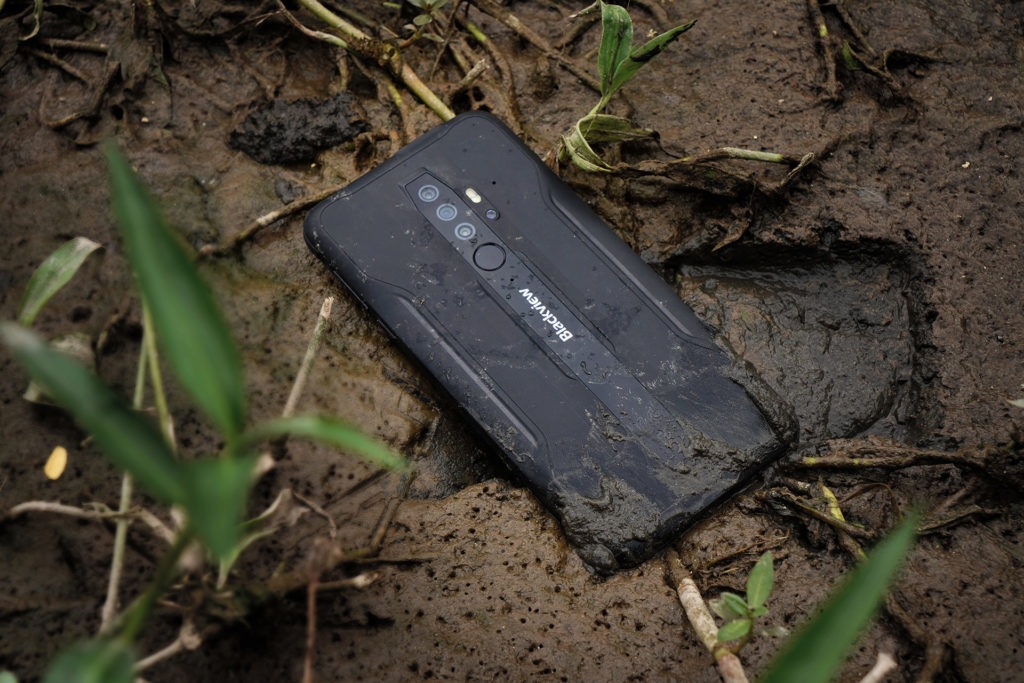
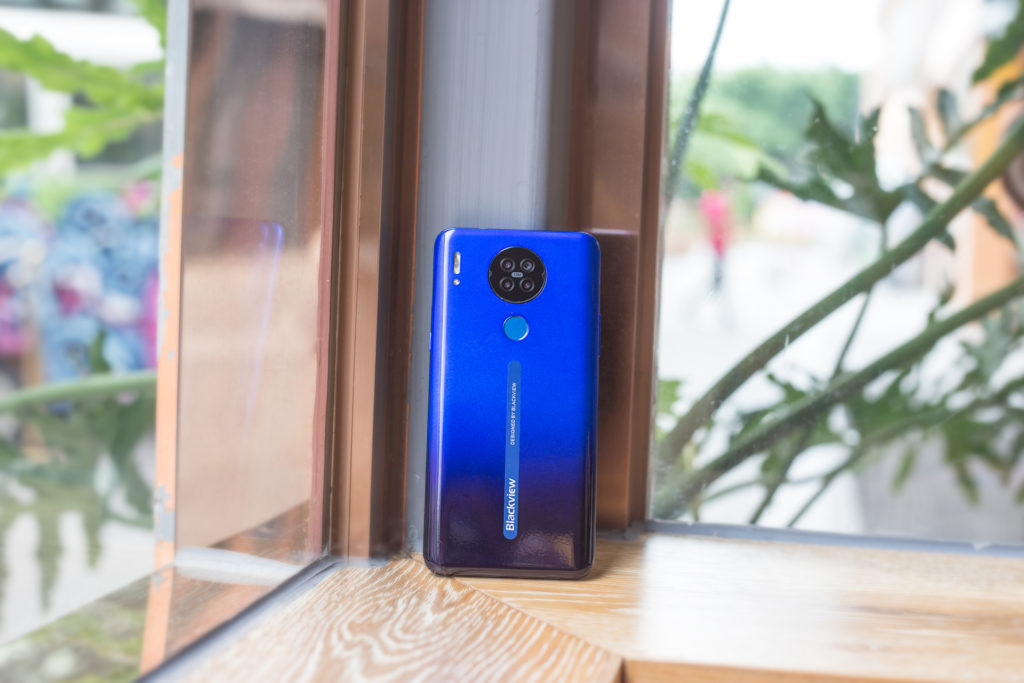
It is a photography-centric rugged smartphone available at a decent price of $179.99. The best camera-focused smartphone features a quad-rear camera with a Samsung 16-megapixel primary sensor, a 120-degree ultrawide sensor, a macro unit, and a depth sensor for pro photographs.
Blackview BV6300 Pro is even regarded as the slimmer and the lighter rugged smartphone among the other smartphones in the market. It measures 159.9 x 78.2 x 11.6 mm and weighs 230 grams. You can know more about the device here.
It is the latest entrant to the Blackview’s brochure featuring splendid “Space Capsule” rugged design. It is different in several aspects from other Blackview smartphones. Blackview BV4900 carries 27 upgrades on its inner design to make it more rugged and improves the resistance against drops, shocks, and water.
It is designed like a real space capsule. The smartphone houses a 5.7-inch HD+ display, 3GB RAM, and 32 GB internal storage. There’s a triple camera module on the rear and is powered with MediaTek MTK671 SoC. There’s around 5580 mAh battery and runs stock Android 10 out of the box. You can know more about the device over here.
Blackview A80 is a best-budged quad-camera smartphone. It is the cheapest Blackview smartphone housing a 6.21-inch display and MediaTek MT6737 SoC. Blackview A80 is available with 2GB RAM and 16 GB storage. A 13-megapixel sensor on the rear and a 5-megapixel camera reside on the front for selfies.
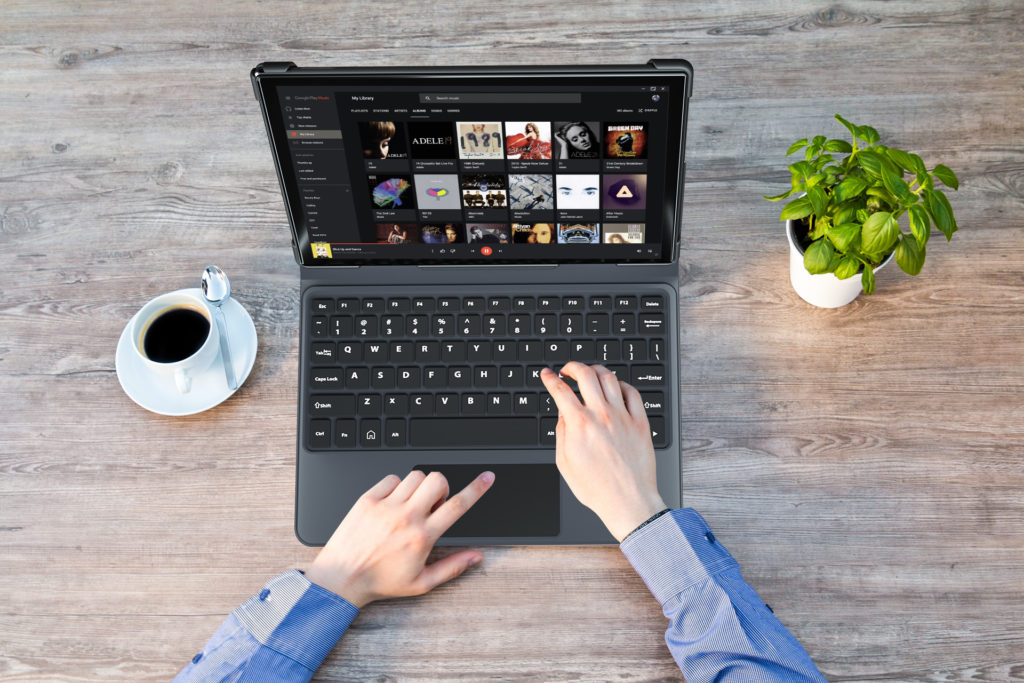
A tablet becomes a useful laptop if it supports external keyboard and that too with a 4G VoLTE support. Blackview Tab 8 offers both the functionalities at a super affordable price of $127.99. It houses a 10.1-inch display with a resolution of 1920 x 1200 pixels, an octa-core processor with 4GB RAM, and 64 GB storage.
It’s super slim body packs a 6580 mAh battery which can provide a standby time of more than a couple of days. Blackview Tab 8 runs Android 10 and packs a 13-megapixel rear camera and a 5-megapixel shooter on the front for selfies and face unlock.
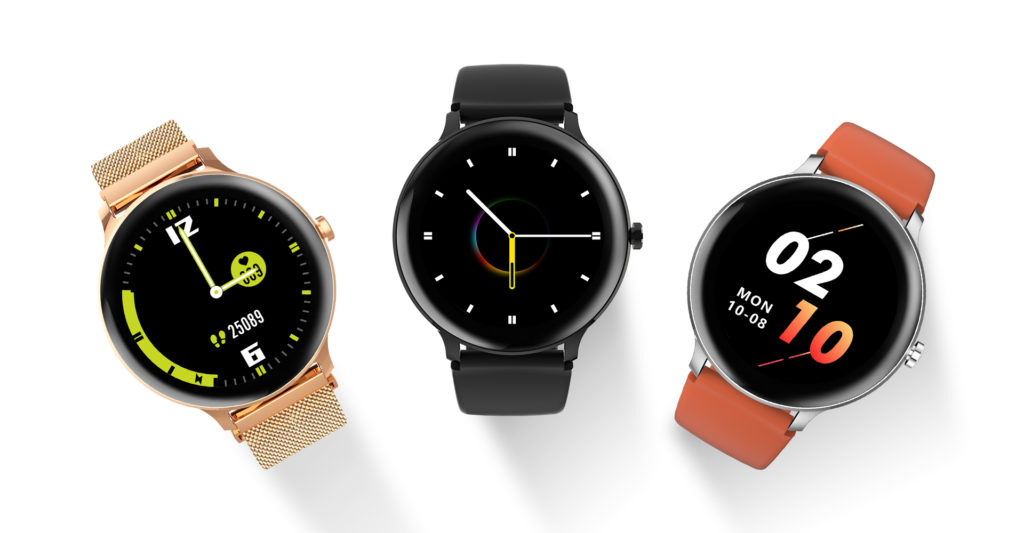
Along with rugged smartphones and quality tablets, Blackview also offers stunning smartwatches. The company recently unveiled Blackview X1 and X2 smartwatches to address the ever-increasing demand. Both the smartwatches packs outstanding features like support for 9 sports mode, 5ATM waterproof, long-lasting battery with 45 days standby. Moreover, it notifies you of important messages, texts, and calls.
AliExpress 828 sale will end on August 28, so hurry up if want to grab the Blackview device at a massive discount. You can get more information about the ongoing Blackview and AliExpress 828 sale by heading over here. You can also join Blackview new Giveaway to get products for free.
We use cookies on our website to give you the most relevant experience by remembering your preferences and repeat visits. By clicking “Accept”, you consent to the use of ALL the cookies.
This website uses cookies to improve your experience while you navigate through the website. Out of these, the cookies that are categorized as necessary are stored on your browser as they are essential for the working of basic functionalities of the website. We also use third-party cookies that help us analyze and understand how you use this website. These cookies will be stored in your browser only with your consent. You also have the option to opt-out of these cookies. But opting out of some of these cookies may affect your browsing experience.
Necessary cookies are absolutely essential for the website to function properly. This category only includes cookies that ensures basic functionalities and security features of the website. These cookies do not store any personal information.
Any cookies that may not be particularly necessary for the website to function and is used specifically to collect user personal data via analytics, ads, other embedded contents are termed as non-necessary cookies. It is mandatory to procure user consent prior to running these cookies on your website.