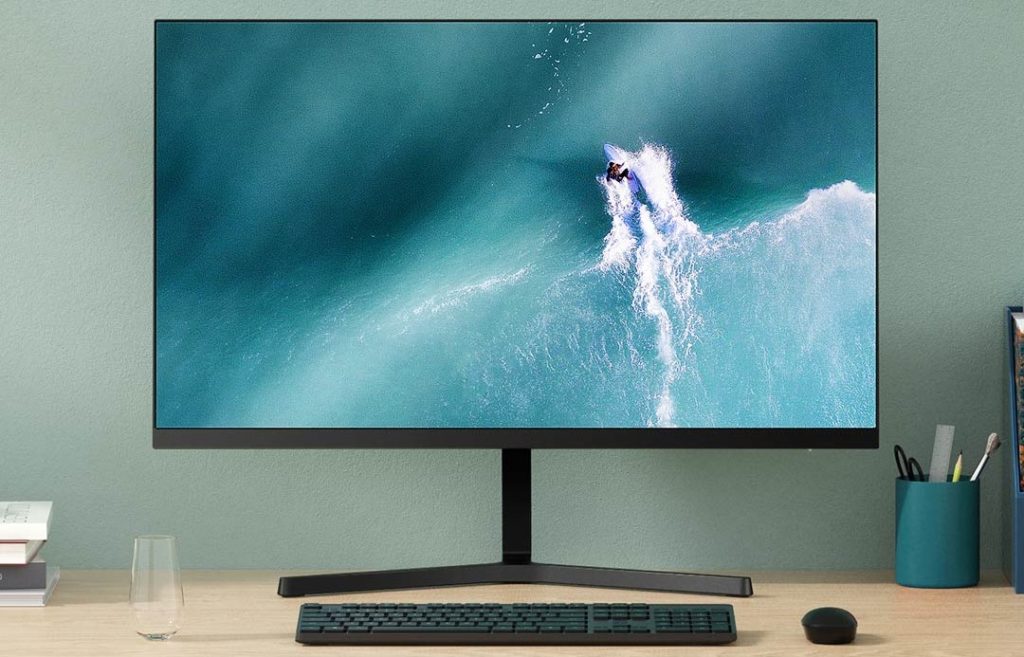
As leaked earlier, Redmi officially unveiled Redmi Display 1A as the brand’s first monitor in China for only 499 Yuan ($70). The monitor is currently being crowdfunded at Xiaomi’s Youpin platform.
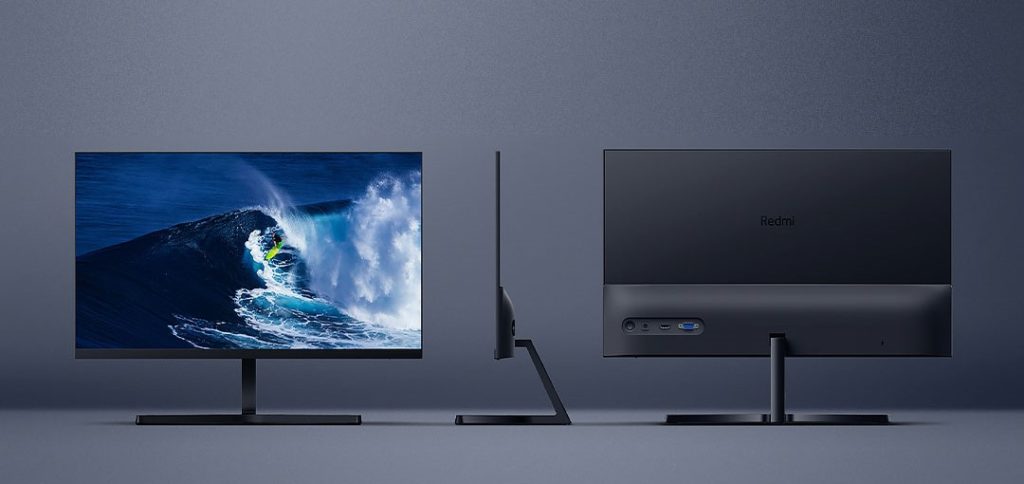
The new Redmi Display 1A features a 23.8-inch panel FHD (1080p) IPS LCD panel with thin bezels on three sides and a comparatively larger chin. The brand claims the monitor to be only 7.3mm thick and offers 3 years of warranty.
Redmi says its first monitor has a 178° viewing angle and is also TÜV Rheinland-certified for low blue light emission. Hence, the brand markets it for everyday usage, be it work or home.
The monitor can also be slightly adjusted at fewer angles for viewing. Since it has thin bezels, Redmi also advertises it to be a perfect choice for multiple monitors setup.
Other features of Redmi Display 1A includes 250 cd/m² brightness, 1000:1 contrast ratio, 16.7 million colors, 16:9 aspect ratio, 60Hz refresh rate, and 6ms (GTG) response time.
Lastly, as for ports, Redmi’s first monitor features only three and they are a DC power input, an HDMI, and a VGA.
Chinese brand Infinix will be launching the Infinix Hot 9 series of smartphones on May 29 in India. The lineup includes Infinix Hot 9 and Hot 9 Pro smartphones. The landing page of the new series merged on Flipkart e-commerce site in the previous week. The listing just got updated with vital information on the display, cameras, and battery for both smartphones.
The Infinix Hot 9 series has a 6.6-inch display that is surrounded by slim bezels to offer high screen-to-body ratio. A punch-hole is available at the upper-left corner of the screen for the selfie snapper. The right edge of the device features a volume rocker and a power key. Both Infinix Hot 9 and Hot 9 Pro both seem to be equipped with 5,000mAh batteries. There is no word on whether these devices will carry support for fast charging.
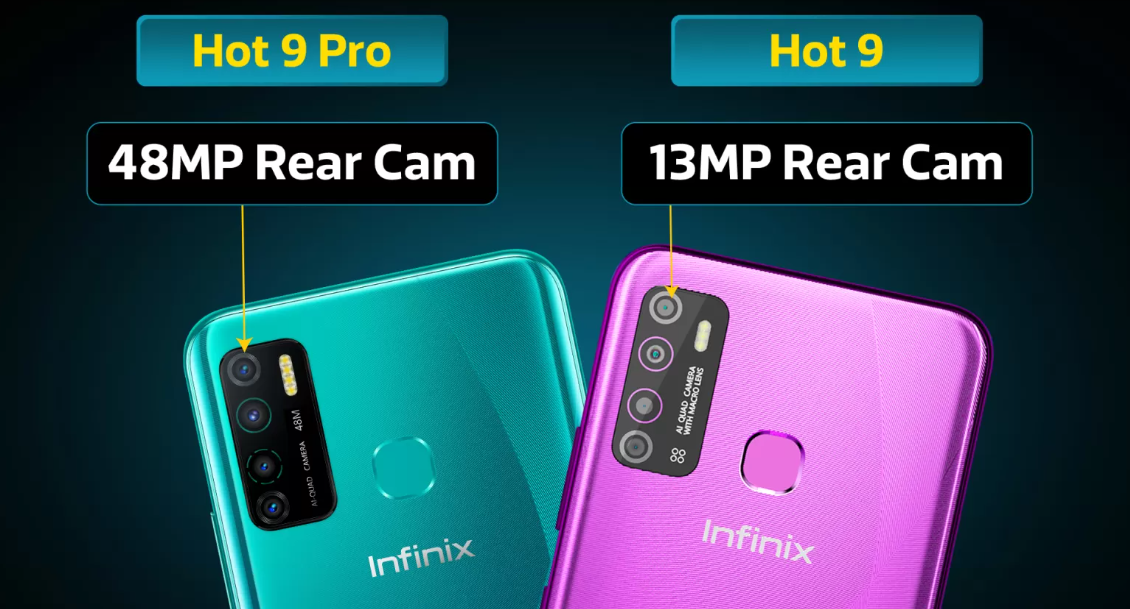
The Infinix Hot 9 series are blessed with quad cameras. The Hot 9 has a primary lens of 13-megapixel with f/1.8 aperture. It is coupled with a 2-megapixel macro lens, a 2-megapixel depth sensor, and a low-light sensor. The handset features triple-LED flash for the rear cameras.
On the other side, the four rear-facing cameras of the Infinix Hot 9 Pro are equipped with a quad-LED flash unit. It has a 48-megapixel main lens with f/1.8 aperture, a 2-megapixel macro sensor, a 2-megapixel depth assist lens, and a low-light camera. Both phones have rear-mounted fingerprint scanners.
The Infinix Hot 9 was made official in Indonesia back in March with a pricing of around ~Rs. 8,700 (~$115). It appears that a slightly modified version of the same phone will be announced in India on May 29.
The Infinix Hot 9 has a 6.6-inch IPS LCD HD+ screen and it is fueled by Helio A5 chipset and 4 GB of RAM. The phone has a big built-in storage of 128 GB. The Android 10 OS along with XOS 6 comes preloaded on the Hot 9.
It has an 8-megapixel front camera and a 16-megapixel + 2-megapixel + 2-megapixel + low-light sensor quad-camera system. The device is backed by a 5,000mAh battery.
The popular Chinese smartphone vendor, Oppo, is pushing forward with its efforts to design its proprietary mobile chipsets. It had initially begun focus on chip development back in 2019 when Huawei was hit with the trade ban. Now, the company is aggressively pushing for the self-made chips after recent sanctions have effectively cutoff Huawei’s chip supply from TSMC.
With the US and China trade disputes on the rise, various companies caught in between the crossfires will have to take precautionary measures. Huawei losing its chip supplier and losing Google support is a clear indication of what the US is capable of enforcing against those it considers a threat. Thus, Oppo is heavily investing in chips to reduce its reliance on US suppliers and expanding its presence in other western regions like Europe.
However, this major undertaking will come at a hefty cost and could even take Oppo years to achieve. According to sources, the Chinese tech giant is already bringing in top executives from its known chip supplier MediaTek, and UNISOC, which is China’s second largest mobile chip developer. Through this deal, Oppo aims to create an experienced chip team in Shanghai.
MediaTek is the second largest mobile chip developer after the industry giant, Qualcomm, in the US. It is currently based in Taiwan, with Oppo also bringing in its former co-chief operating officer, Jeffery Ju. Additional hires are also said to be underway, with talents being acquired from Qualcomm, Huawei’s HiSilicon, and more.
The Chinese tech giant, Xiaomi, is one of the most popular brands in India. The company and its subsidiary consider the Southeast Asian market as a very important region and have said that it will launch new products under Redmi‘s “Phone-Plus” strategy.
Redmi Earbuds S was recently launched in India
According to Xiaomi India’s Chief Marketing Officer, Anuj Sharma, “We have finalized the phase one of the phone plus strategy for the Redmi brand and have decided to launch TWS earphones.” The senior executive said that the company is working on phase two strategy for its Redmi brand. This new strategy will involve products that connect to its smartphone strategy and “are looking at quite a few different segments.”
This strategy is being undertaken to disrupt the current TWS market, similar to what Redmi had achieved when it launched its first smartphones in India. Counterpoint Research had revealed that the TWS market had seen a staggering growth of 700 percent in 2019, with brands like Apple, JBL, and Noise leading the category. Thus, future Xiaomi launches may target different price segments to appeal to a broader market in India.
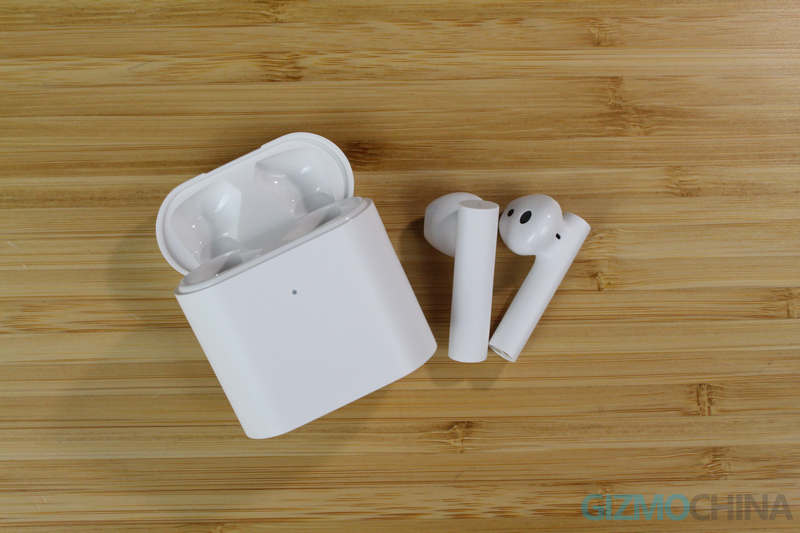
Xiaomi Airdots Pro 2 TWS
In other words, Xiaomi is currently planning on expanding its ecosystem around its smartphones and its supplementing products. This could be indicative of smart products like bands, smartwatches, earbuds, and more. As of right now, the company is confirmed to soon launch new TWS earbuds, which is a category that has seen immense growth in India recently.
Realme began with the X50 series by launching the Realme X50 5G in January. It was followed by the arrival of the Realme X50 Pro 5G flagship phone in February. The Realme X50m 5G went official in April and the company announced the Realme X50 Pro Player Edition gaming-centric handset yesterday. Fresh information reveals that the company is gearing up to introduce another X50 member called Realme X50t 5G.
The Realme X50t 5G moniker has appeared on the list of Google Play supported devices. The listing only mentions that RMX2052CN and RMX2052 model numbers are associated with the smartphone. Nothing else is known about the smartphone.
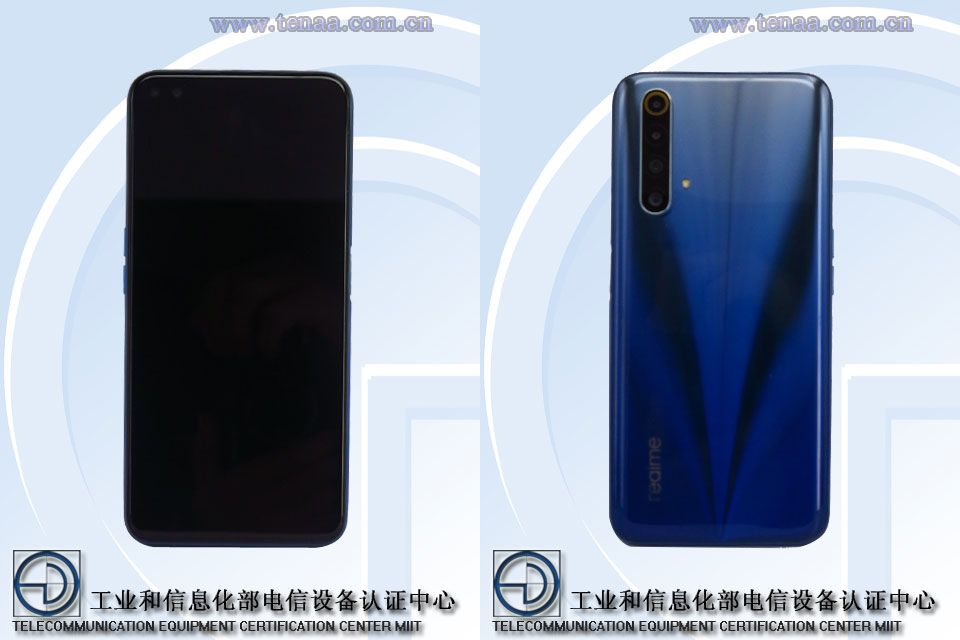
In the recent past, four Realme phones were spotted at TENAA such as RMX2141, RMX2142, RMX2052, and RMX2072. The RMX2141/2 model numbers are associated with Realme X50m and the Realme X50 Pro Player Edition has RMX2072 model number. The exact identity of the Realme RMX2052 is not known yet. Interestingly, the TENAA listing of the RMX2141/2 and RMX2052 are almost identical with only a few differences in the support for network frequencies.
The Realme RMX0252 has a 6.57-inch LCD display that supports Full HD+ resolution of 1080 x 2400 pixels. The handset has a side-facing fingerprint reader. The device is expected to arrive in China in white and grey-blue color editions.
The RMX2052 is powered by 2.4GHz octa-core processor and it has RAM variants such as 6 GB, 8 GB and 12 GB. Its storage variants are 64 GB, 128 GB and 256 GB. It is preinstalled with Android 10 OS.
The handset has a 4,000mAh battery that carries support for 30W fast charging. There is a 16-megapixel + 2-megapixel dual-camera system available in the pill-shaped cutout on the screen. The back panel of the phone features 48-megapixel + 8-megapixel + 2-megapixel + 2-megapixel quad-camera system.
OPPO is yet to confirm the launch date of the Reno4 series. Ahead of the launch, both phones have appeared in various leaks and at TENAA with their entire specifications. Many reports have claimed that the Reno4 and Reno4 Pro will be equipped with support for 65W fast charging. Today, the Chinese firm reached out its fans through Weibo to reveal that the Reno4 series will indeed arrive with 65W fast charging technology.
So far, OPPO has only offered its 65W SuperVOOC 2.0 technology on flagship devices like OPPO Reno Ace, Find X2 series and OPPO Ace2. The Reno4 and Reno4 Pro will be the first phones featuring non-flagship processor to arrive the highest rated fast charging technology that is currently available. Both smartphones are expected to arrive with 4,000mAh batteries.
The OPPO Reno4 has a 6.4-inch AMOLED display with a pill-shaped cutout for its 32-megapixel + 2-megapixel dual selfie camera system. The Reno4 Pro has a large punch-hole display of 6.5 inches with a single 32-megapixel front camera. Both phones support full HD+ resolution and have in-screen fingerprint readers.
The Reno4’s rear-mounted camera system is expected to include a 48-megapixel main shooter, an ultrawide lens of 8-megapixel and a 2-megapixel monochrome shooter. The Reno4 Pro’s triple camera setup that an OIS-assisted 48-megapixel primary shooter, a low-light video camera of 12-megapixel and a 13-megapixel telephoto lens. The ColorOS 7.1 based Android 10 OS will come preloaded on the Reno4 and Reno4 Pro handsets.
Reno4 Pro
Rumors are rife that Reno4 and Reno4 Pro phones are driven by Snapdragon 765G processor. Hopefully, the Chinese firm will confirm the name of the chipset that powers the Reno4 duo. OPPO is yet to confirm on the launch date of the Reno4 series. It is speculated that OPPO may announce it on June 12.
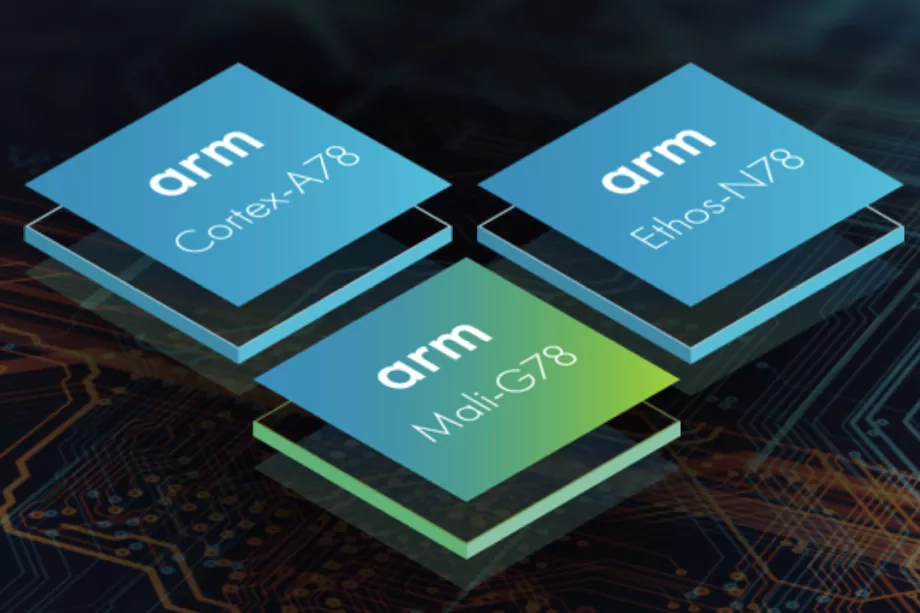
During the 2020 TechDay event, ARM announced two new CPU microarchitectures — Cortex-A78 and Cortex-X1 CPU for flagship performance design. Along with that, the company has also introduced a new Mali-G78 GPU.
So, it’s safe to assume that the next-generation flagship smartphones getting launched in 2021 will have ARM Cortex-A78 CPU and Mali-G78 GPU. For those who are unaware, chipset makers like Qualcomm, Huawei, Samsung, etc. use designs created by ARM to make their own SoCs that powers all the smartphones.
ARM says that the newly announced Cortex-A78 CPU core design is “unquestionably our most efficient Cortex-A CPU ever designed for mobile.” It is claimed to offer a 20 percent increase in performance compared to last year’s Cortex-A77 design while staying within a 1-watt power budget.
The new Cortex-A78 pretty much continues Arm’s traditional design philosophy on balance between performance, power, and area (PPA). ARM has a track record of being able to provide competitive performance with low power consumption and small die areas.
The company has also introduced a new Cortex-A custom program. With this, its partners can create their own specialized Cortex CPU in conjunction with ARM for their specific purposes beyond the stock Cortex-A78. The first of those chips is the ARM Cortex-X1.
The ARM Cortex-X1 will offer up to a 30 percent peak performance improvements over the Cortex-A77. The “Cortex-X Custom Program” is an evolution of “Built on Arm Cortex Technology” program that enabled customers to collaborate early in the design phase of a new microarchitecture, and request customizations to the configurations, such as a larger ROB, differently tuned prefetchers, or interface customizations for better integrations.
Besides new CPU designs, the company has also introduced a pair of new mobile GPUs — Mali-G78 and Mali-G68. While the G78 GPU is aimed at flagship smartphones, the G68 is meant for offering similar performance at a more affordable price point.
The new Mali-G78 supports 24 cores, up from 16, and the company promises that it will enable up to 25 percent increase in graphics performance compared to last year’s Mali-G77. ARM has also announced a new Ethos-N78 neural processing unit (NPU) which is promised to offer up to 25 percent improved performance efficiency over the Ethos-N77.
The Mali-G68 is the company’s first GPU targeted at the “sub-premium” market. It retains the FMA, dependency tracking, and tiler improvements from the G78 and comes with Asynchronous Top Level clock speed control. However, this budget GPU only scales between one and six cores.
Earlier this month, Nokia shut down its manufacturing plant in Tamil Nadu, India. The company made the move after employees tested positive for the Coronavirus infection. While the official numbers weren’t given out, a source close to the situation claimed that the infected number of people reached 42.
Back when the COVID-19 cases had initially started breaking out in India, the government had imposed a nation wide lockdown. This caused many OEMs that had their manufacturing plants set up in the region to also suspend operations. Since then, these lockdowns have seen a relaxation in various regards, but many feared that this would lead to infection cases rising again. So the news regarding Nokia’s plant shutdown arriving immediately after these relaxations might be behind why the company chose not to give out the official numbers.
According to a spokesperson, “We hope to resume operations soon at a restricted level with skeletal staff strength.” In other words, the scale of operations is going to see a drastic reduction. Notably, the Chinese smartphone maker, Oppo, recently reopened its plant in India after 9 of its employees tested positive for Coronavirus as well. So, while the government is trying to kickstart the economy again, the number of infections is expected to boom in the coming month.
Back when OnePlus had initially launched its first phones, it was quite common for these devices to be quickly sold again with a price tag over the MSRP. The reason for these higher priced reselling was due to the company’s then invite-only sales system. Now, the OnePlus 8 Pro is suffering from a similarly inflated resale but this time its caused by a scarcity in the market.
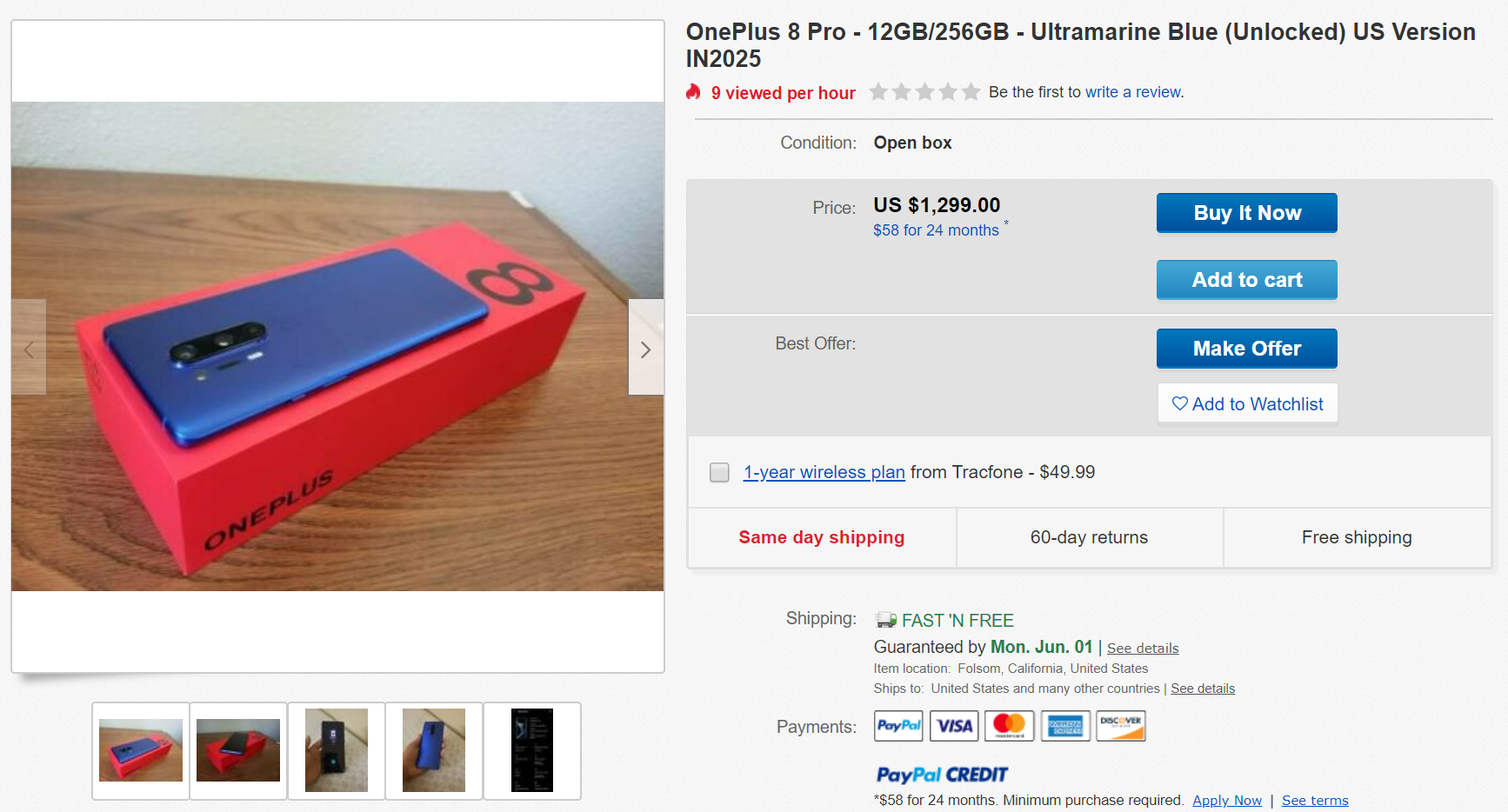
The OnePlus 8 series is the latest flagship from the Chinese smartphone vendor. Its high end Pro model went on sale in the US for 900 US Dollars. However, after the initial sales, the stock for the smartphone quickly got cleared by early buyers. Since then, its been weeks and OnePlus have yet to replenish its stocks. Thus, to meet the popular demand, certain listings have been spotted on popular reselling sites like Swappa and eBay.
In these listings, the average sales prices of the OnePlus 8 Pro have reached over 1,100 US Dollars, which is 200 US Dollars over its original MSRP. Notably, one 256GB internal storage variant was even spotted for a whopping 1,300 US Dollars. This is again 300 US Dollars over the original price tag. At the moment, the company has yet to respond to the situation regarding its issues with its supply chains.
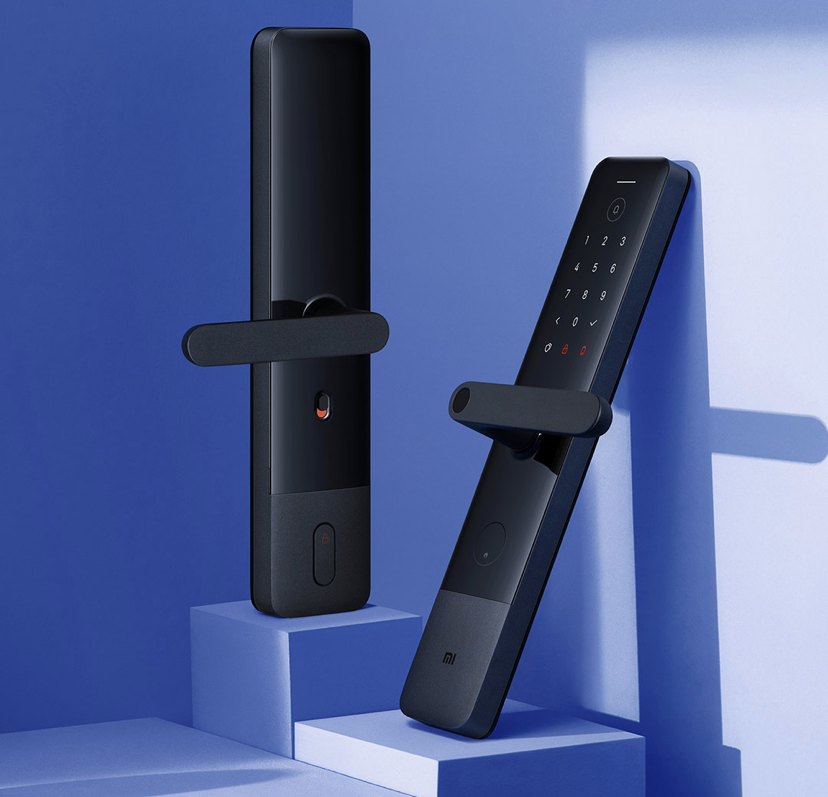
A few days ago, Xiaomi launched its new Smart Lock E for crowdfunding in China for a price of 899 yuan, which is roughly $126. While the company successfully completed the target, how it did is interesting.
As per the report, the Xiaomi Smart Lock E managed to exceed the crowdfunding target by 1000 percent in just 30 minutes of going live on the platform, generating about 900,000 yuan within that time frame.
It comes with support for six unlocking methods — Fingerprint, Password, Temporary Password, Bluetooth, Homekit, and Emergency Key. It’s integrated with a 3D semiconductor fingerprint module at the top of the door handle which the company claim has a recognition rate of 98.5 percent.
The product can also be easily controlled using the built-in Siri or Home application on iPhone, iPad, or even Apple Watch after it has been authorized by the Mi App. Once done, the device can be controlled through voice commands. For instance, when someone comes, just say “Hey Siri, open door lock.” and it’ll do the rest.
There’s a USB Type-C emergency power supply module at the bottom of the device which can temporarily power the product using the mobile power supply. If every digital unlocking system fails to work properly, it also comes with a mechanical lock which can be unlocked using a physical key.
The Xiaomi Smart Lock E is powered by eight batteries which promise to offer 18 months of battery life. The company says that when the power left is less than 20 percent, it starts showing red flashlight, reminding you to change batteries.
Samsung has seen tremendous success with its Galaxy S-series of flagship smartphones so far and the Galaxy S10 launched last year was well-praised and reported good sales numbers for the South Korean giant.
However, the new iteration in the lineup, the Galaxy S20 lineup, isn’t doing good as far as sales are concerned. Earlier this month, we reported that the new smartphone series is witnessing disappointing sales in the U.S. and now another report claims that the phenomenon isn’t limited to the United States.
A report coming from market research firm Omdia claims that Samsung has shipped just 8.2 million units of the Galaxy S20, S20 Plus, and S20 Ultra smartphones in the first quarter of the year, i.e. from January 2020 to March 2020.
However, do keep in mind that the smartphone was announced in February this year and went on sale in the month of March. So, the device had been on sale for just three weeks in the first quarter of this year.
While the numbers aren’t that bad for an Android smartphone maker but Samsung is the leading mobile brand globally and had posted impressive numbers for the predecessor Galaxy S10 lineup. The company had sold 10.3 million units of S10 and S10+ in Q1 2019 and adding S10e to the line brings the total to 12.5 million units.
The COVID-19 pandemic is also one of the reasons for the lackluster sales of the Galaxy S20 series this year but one cannot dismiss the higher pricing (thanks to 5G support) for the new lineup as of the major reason stopping users from upgrading.
At a time when the global shipments have declined by 13 percent compared to last year for the same period, the Galaxy S20 series have reported a 35 percent decline when compared to its predecessors.
The report reveals that the most popular flagship model from Samsung was the Galaxy S20 Plus with sales of 3.5 million units, which is down from the 5.2 million units the previous generation’s most popular model – the Galaxy S10.
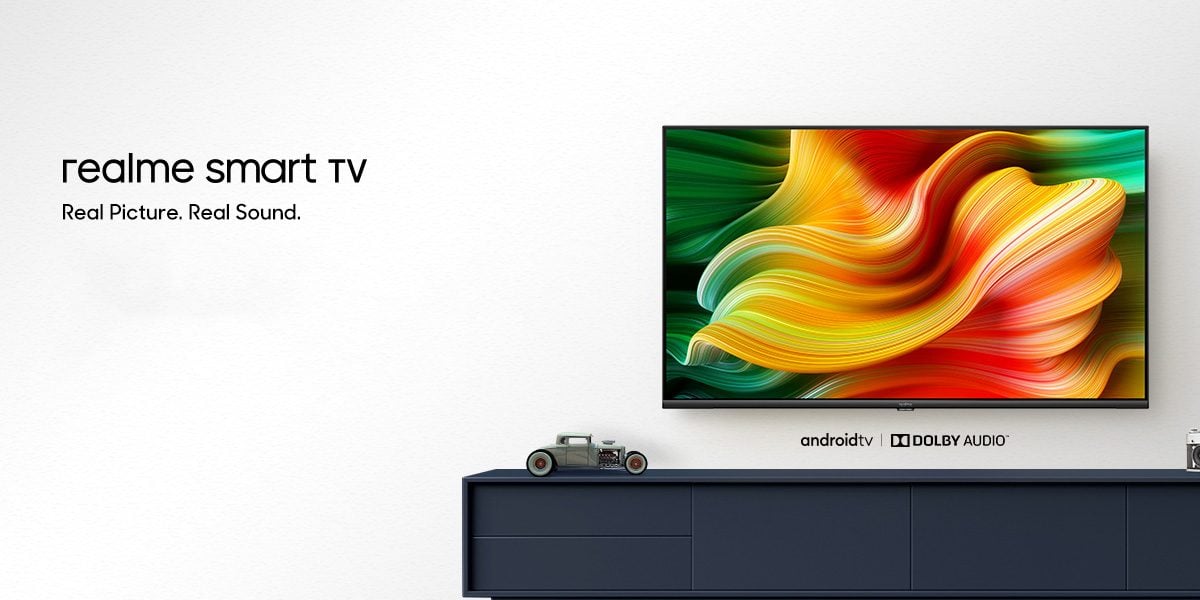
Realme recently launched its first smart TV in the Indian market, dubbed as Realme Smart TV, with a starting price of ₹12,999 (~$171). Now, the company’s executive has confirmed that it will soon set up SMT lines for Realme Smart TVs in India.
The SMT or Surface-mount technology is a method in which the electronic circuit is produced by directly mounting the components on the surface of the PCBs. Madhav Sheth, CEO of Realme India said that the company is investing in a full production line — from basic components to panel assembling and SMT.
He further added that for Realme smartphones, the company started SMT assembling from day 1. As for the capacity, the company can manufacture 3.5 million smartphone devices per month and can increase that up to 40-45 million a year.
The Realme Smart TV comes in two models — 32-inch and 43-inch, offering HD Ready and Full HD screen resolution respectively. The devices are powered by a Mediatek chipset, 1GB RAM, 8GB storage, 24W quad-speaker setup, Chroma Boost Picture Engine, and Android TV 9 operating system with built-in popular content apps.
Madhav Sheth also confirmed that the company will soon launch its flagship smart TV. While he has not revealed many details about it, the product is likely to be a 55-inch model of the Realme Smart TV which could have 4K screen resolution support.
As for growing the company’s business in India, Realme is expanding its distribution channels to even tier-IV and tier-V towns. The company believes that offline shops are the backbone of the country’s retail business.
It plans to cover more than 35,000 mobile stores across the country with more than 5,000 promoters, 400 distributors. The firm is also planning to make significant investments in training promoters, store branding, and mass media marketing.
Sony’s latest flagship smartphone which goes by the name Sony Xperia 1 II (pronounced as Mark Two), will be available for purchase in the United States from 24th July carrying a massive price tag of $1,199.
Along with that, the company has also confirmed that the device will be up for pre-orders from 1st June. Those who pre-orders the smartphone before 28th June will be getting a free pair of Sony WF-1000XM3 noise-canceling earbuds.
The highlight of the smartphone is its triple-camera setup on the back which is developed by the engineers who made Sony A7 III and other popular mirrorless cameras. The phone’s camera setup includes three 12-megapixel sensors — wide, ultra-wide, and zoom.
Sony says that the smartphone can shoot up to 20fps in burst mode with features like autofocus and auto-exposure enabled. This makes the phone an ideal candidate for capturing action and sports events.
Further, the camera can do human/animal eye-tracking and also offers features like Pro Mode, Movie Settings, and more. On the front side, the device comes with an 8-megapixel snapper with an f/2.0 aperture
The Sony Xperia 1 II features a 6.5-inch 4K HDR OLED screen that comes with a 21:9 aspect ratio, making it taller than other flagship phones available in the market. Under the hood, it is powered by Qualcomm Snapdragon 865 SoC along with 8GB of RAM and 256GB of internal storage with support for expandable storage up to 1TB.
The phone runs the Android 10 operating system and is powered by a 4,000mAh battery that comes with support for 21W fast charging and wireless charging. Although the Sony Xperia 1 II is the company’s first 5G smartphones for Europe, the U.S. variant supports LTE bands. But Sony has said that it will soon launch Xperia Pro 5G in the United States with support for high-speed mmWave 5G technology.
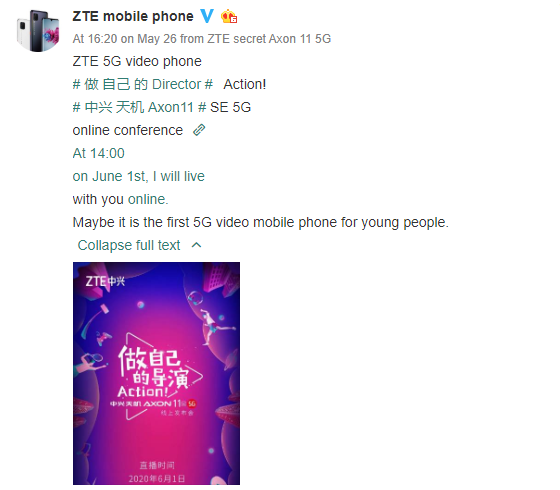
ZTE had recently revealed that its upcoming 5G phone will be the first 5G smartphone to support all four major carriers in China. The company also confirmed the name of the device has Axon 11 SE 5G. In a reply to one of the comments on its Weibo handle, the company also revealed that it will launch on June 1. Today, the company released a poster to confirm the June 1 launch event for the Axon 11 SE 5G smartphone.
The Chinese firms claims that the ZTE Axon 11 SE 5G is a 5G video phone aimed towards young audience. The handset is expected to break cover with a budget-friendly price tag. The company did not share any details on the specifications of the Axon 11 SE 5G.
Recently, the TENAA authority of China approved a ZTE phone with model number ZTE 900N. This handset could be debuting as Axon 11 SE 5G. The handset has a punch-hole display and a square-shaped camera module on its rear.
The 6.53-inch Full HD+ resolution supporting phone is driven by 2.0GHz octa-core processor. The phone may arrive in China in RAM editions like 6 GB and 8 GB. It could be available in storage flavors like 64 GB, 128 GB and 256 GB. A microSD card is available on the phone for additional storage. The phone is loaded with Android 10 OS.
The handset has fast charging support for its 4,000mAh battery. It has a front camera of 16-megapixel. The back panel of the smartphone has a 48-megapixel + 8-mgeapixel + 2-megapixel triple camera system. It is expected to arrive in Aurora Charm Sea, Aurora Glacier and Aurora Fantasy Night color editions.
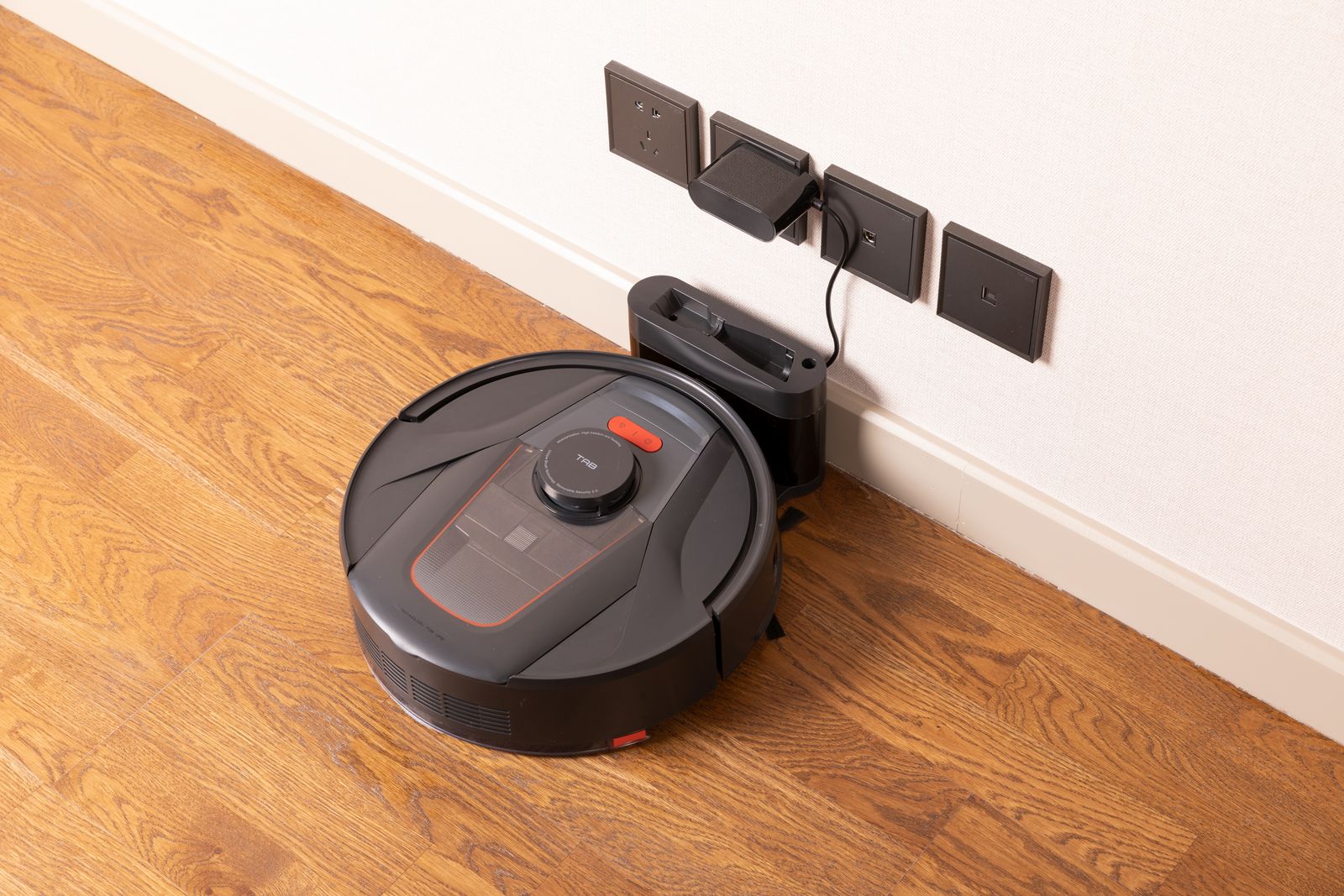
There tons of robot vacuum cleaners in the market presently but giving users good value for their money isn’t an attribute most of the products can boast of. Haier has launched a new vacuum cleaner/mop for crowdfunding on Indiegogo and it claims the product offers even more value than what it costs. The HiaerTAB Tabot Robot Vacuum/mop starts at $469 with several other perks.
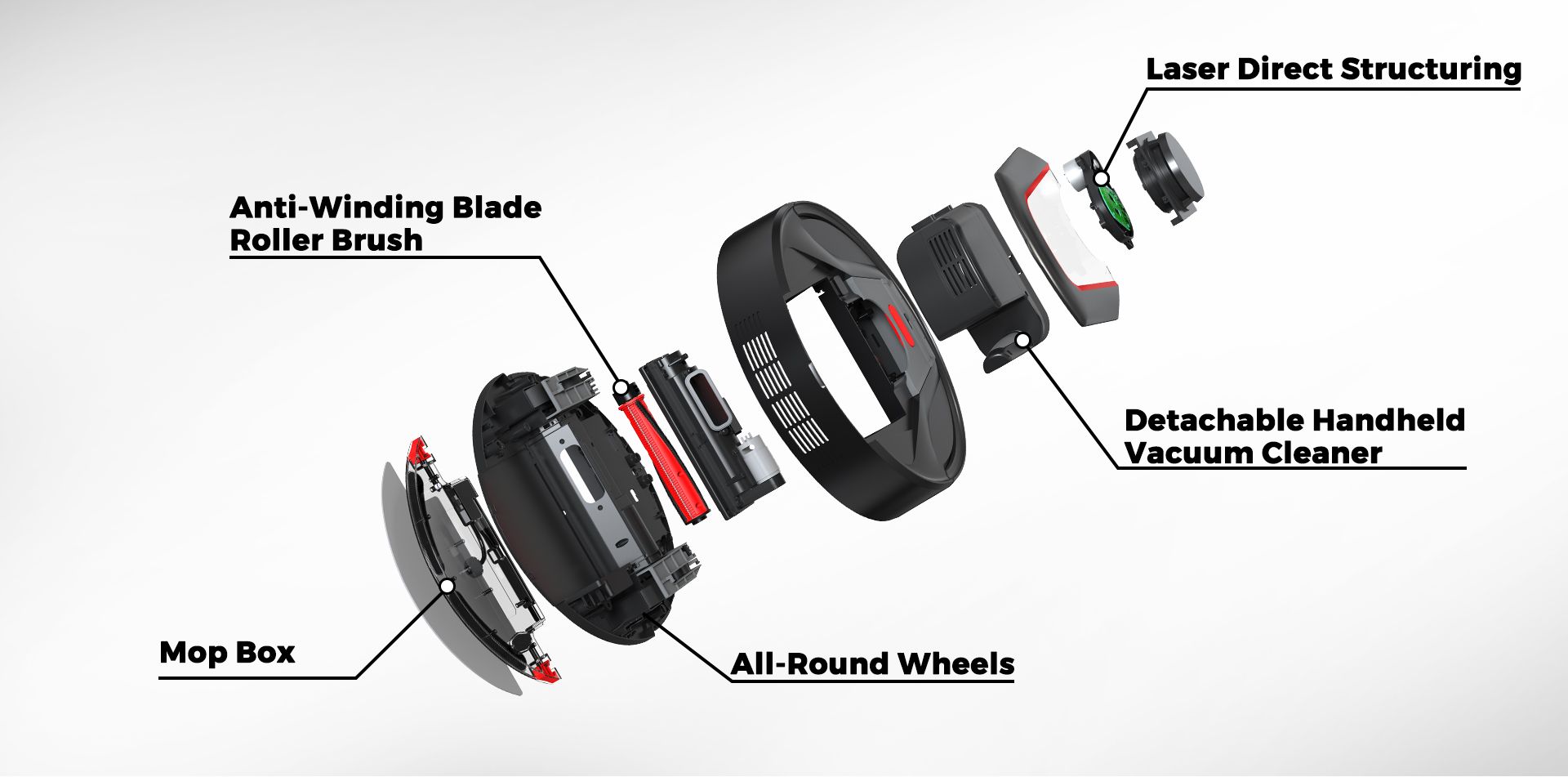
The Haier Tabot Robot Vacuum is a 2-in1 device, as it combines vacuuming and mop functions in one. It even extends beyond as there is a handheld vacuum cleaner that can be detached and used on surfaces where the robot cant be used such as sofas.
One attribute which Haier is promoting about the Tabot is the tangle-free design. You won’t have to spend man-hours removing tangle hairs from the vacuum brush. The HaierTabot robot vacuum adopts a proprietory anti-winding technology that cuts hair and never tangles.
The ultra-strong 3200Pa suction power of HaierTAB Tabot is powerful enough to lift steel balls, easily lift dirt off hardwood floors, deep clean carpets to remove hair and get rid of dust mites.
Vacuuming alone is not enough to remove ground-in dirt, stains, bacteria and allergens. Mopping is the best way to clean and the Tabot does a pretty amazing job at that. It packs a 230ml large capacity water tank, which is enough to cover a large surface area. There are three levels of electronic water dripping control ensures there is no leakage while pausing, charging or getting stuck. The ultra-fine microfiber mop pad on the water tank attachment hugs your floors gently and closely to keep them spotlessly clean without much effort.
HaierTAB Tabot can mop and vacuum at the same time. You can even add disinfectants or cleaning solution into the water in the tank so as to kill bacteria and viruses in addition to removing dust.
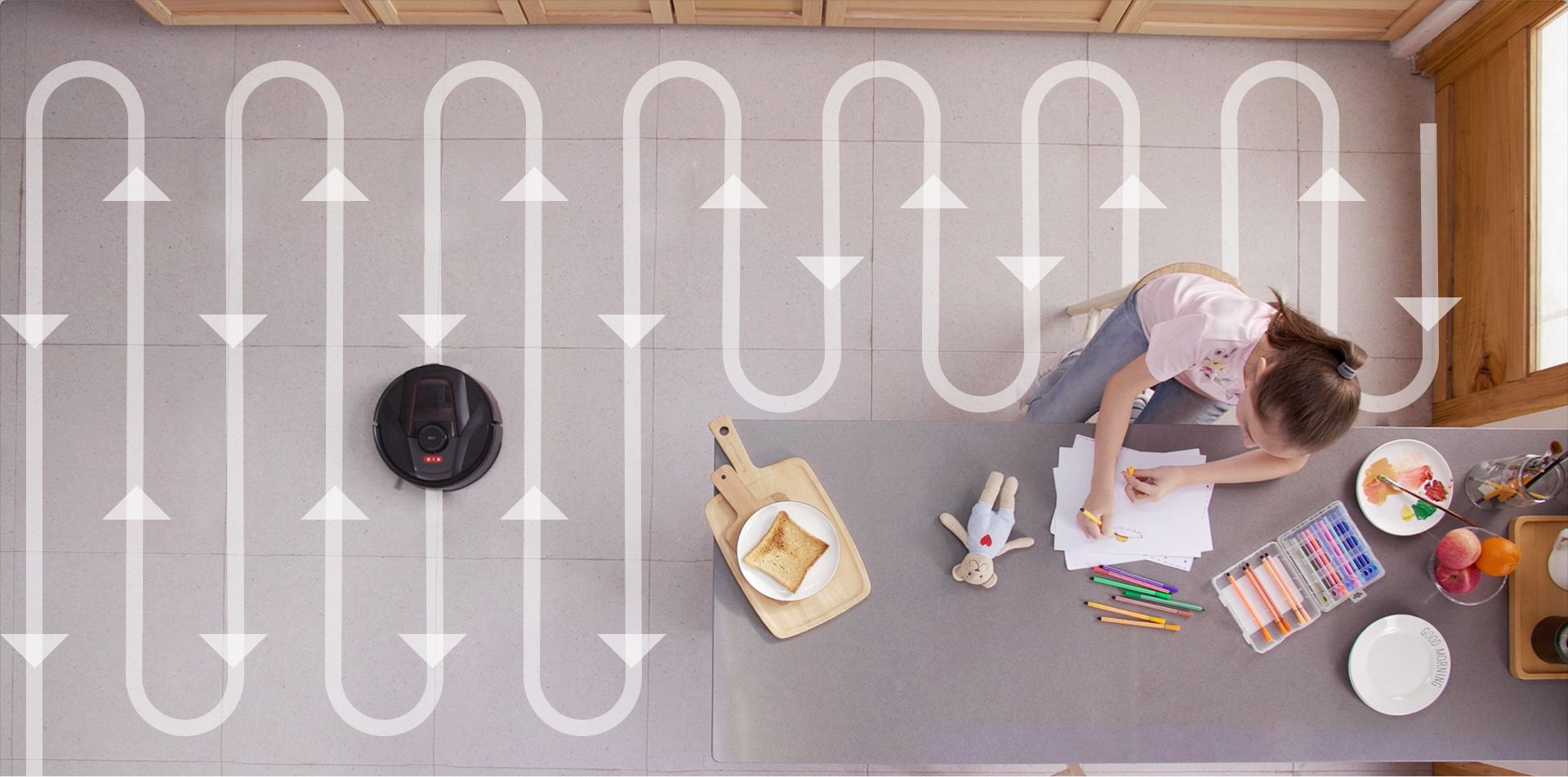
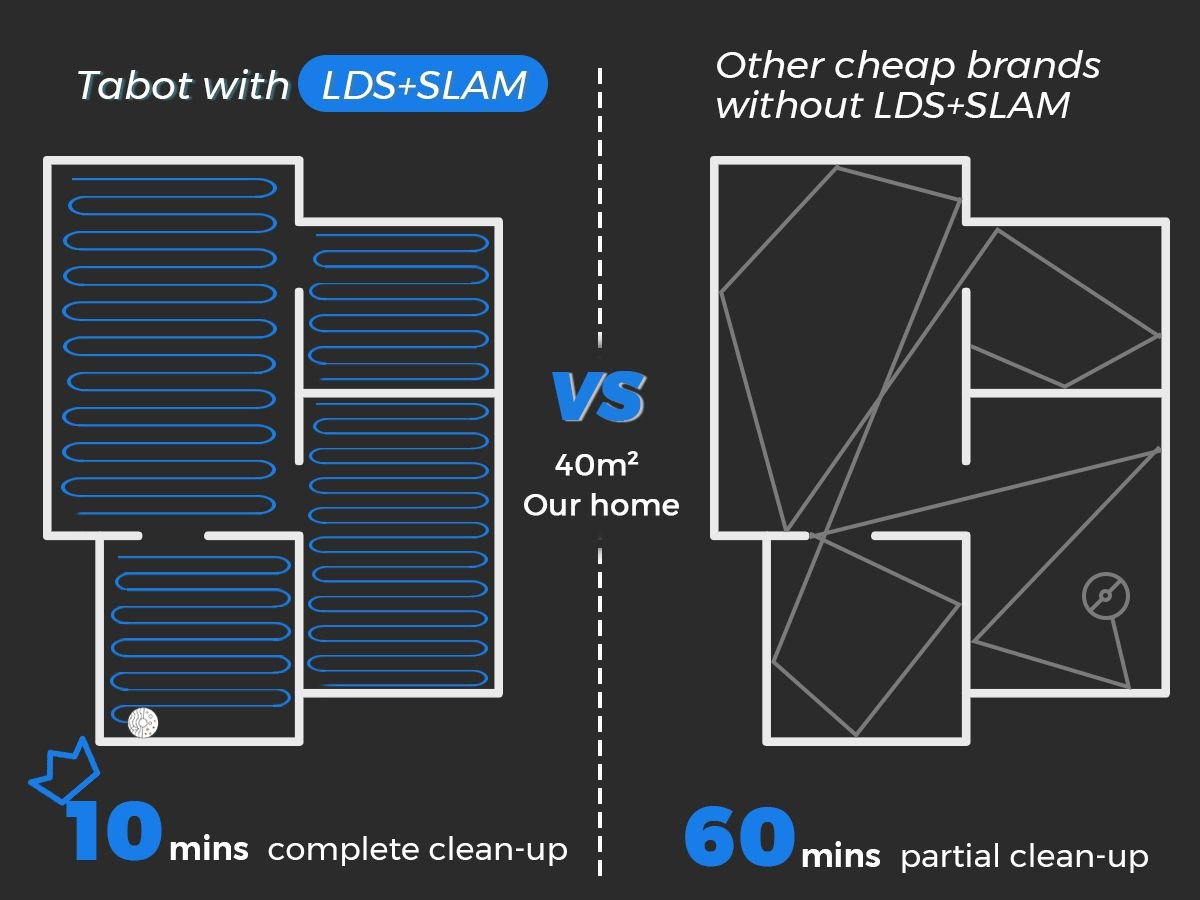
Further, the Robot vacuum adopts the remote laser scanning technology (LDS) similar to the technology applied to unmanned aerial vehicles (UAV). The robot makes 2D scans to acquire data from surrounding obstacles. It reconstructs the environment and creates a map of the house’s layout as it moves around. LDS + SLAM is the latest positioning technology for robot vacuum cleaners. With this positioning technology, Tabot precisely constructs the shortest cleaning route with the least time and lowest energy consumption to cover the entire room. With the LDS smart mapping, you can construct virtual walls to stop it from trespassing specific rooms or bumping into fragile objects.
The HaierTAB is compatible with Alexa and Google assistant. Simply control it with just your voice and you’ll get the ultimate in effortless cleaning without even lifting a finger. There is also a dedicated app called “TATA Future” app which can be used to remotely monitor the cleaning status, easily schedule and pre-set your cleaning preference via your mobile. You can even receive cleaning reports that show exactly where the robot cleaned and how long it took.
Keeping the lights on is a 5200mAh lithium battery on the main device and a 650mAh lithium battery on the detachable hand vacuum. The robot vacuum comes with an intelligent power management system built-in, which ensures the battery is fully used to its capacity each time.
The product ships worldwide and is expected to start shipping in July. So, if you would like to check out this offer, use the source link below.
Motorola launched the Moto G Pro stylus totting smartphone in Europe yesterday. It arrived as a rebranded version of the Moto G Stylus in the U.S. The Lenovo-owned company has launched many G-series phones this year and fresh information reveals that it is planning to launch a phone called Moto G Fast. Motorola reportedly published a promo video of the unannounced Moto G Fast on YouTube and took it down sometime later.
The promo video highlights the performance and camera capabilities of the Moto G Fast handset. The device is deigned to deliver “blazing fast performance” and it can last for up to 2 days.
The frontside of the phone features a punch-hole display. Its rear is fitted with a triple camera system and an LED flash. The camera setup includes an ultrawide lens and a macro sensor. The phone is powered by unspecified Qualcomm chipset along with 3 GB of RAM. The rear-facing Motorola logo is integrated with a fingerprint sensor. While the company is touting the performance of the device, it appears to be a less powerful compared to the Snapdragon 665 powered Moto G8 that comes with 4 GB of RAM.
Since the moniker of the phone has no number mentioned along with the letter ‘G’ and the promo video was posted Motorola US YouTube channel, it is safe to assume that the phone will be coming to the U.S. in the near future. It may not be an entirely new phone, but a renamed version of an existing G-series phone. Hopefully, more details of the Moto G Fast will appear in the near future.
Honor has silently listed the upcoming Honor Play4 Pro smartphone on Vmall for pre-orders with an initial payment of 100 Yuan. This amount can be between May 25 and June 8 and the final payment can be done on June 8 and June 9. Hence, it appears that the company announce the Honor Play4 Pro on or before June 9.
The Honor Play4 Pro can be seen in Magic Night Black and Mecha Blue color editions on the Vmall listing. The blue variant had first appeared on Chinese retailer site Suning in the previous week. The Vmall listing has only revealed the renders of the smartphones and has no information on its specifications.
As can be seen from the images, the Honor Play4 Pro is blessed with a dual punch-hole display and a side-facing fingerprint reader. The rear shell of the phone has only two cameras in its rectangle-shaped camera housing.
While initial rumors claimed that the Honor Play4 Pro could be powered by Kirin 820 5G, a newer report revealed that it could be featuring the Kirin 990 5G SoC since it is expected to arrive as the successor of the gaming-focused Honor Play handset that debuted with Kirin 970 in 2018.
The Honor Play4 Pro is said to be equipped with Sony IMX600Y 40-megapixel RYYB primary shooter. It is believed that the OXP-AN00 smartphone that received approval from Wi-Fi and 3C authorities in the recent past could be the Honor Play4 Pro handset. The 3C listing had revealed that the phone could be coming with a 40W fast charger. The EMUI 10 based Android 10 will come preinstalled on the smartphone. Lastly, the handset is rumored to be priced around 3,000 Yuan (~$420). It is speculated that a vanilla model called Honor Play4 will also debut alongside the Pro variant.
Flagship killers are popping up like mushrooms during the last period, especially thanks to Xiaomi and Realme. After announcing the Realme X50 Pro Player in China, the former OPPO’s sub-brand officially launched the Realme X3 SuperZoom in the global market. Given its incredibly high value for money (it is currently one of the cheapest flagships), we decided to compare it with the other affordable flagships which catalyzed the attention of tech-addicted all around the world. If you need the flagship with the highest performance released in 2020 in the global market, you must undoubtedly consider the POCO F2 Pro and the Realme X50 Pro. They are the best ones under the €599 threshold if we talk about hardware and performance. That is why they are the handsets we chose for this comparison.
Realme X3 SuperZoom vs Xiaomi POCO F2 Pro vs Realme X50 Pro
Realme X3 SuperZoom
Realme X50 Pro
Xiaomi Poco F2 Pro
DIMENSIONS AND WEIGHT
163.8 x 75.8 x 8.9 mm, 202 g
159 x 74.2 x 8.9 mm, 209 g
163.3 x 75.4 x 8.9 mm, 218 g
DISPLAY
6.6 inches, 1080 x 2400p (Full HD+), IPS LCD
6.44 inches, 1080 x 2400p (Full HD+), Super AMOLED
6.67 inches, 1080 x 2400p (Full HD+), Super AMOLED
Quad 64 + 12 + 8 + 2 MP, f/1.8 + f/2.5 + f/2.3 + f/2.4
Dual 32 + 8 MP f/2.5 and f/2.2 front camera
Quad 64 + 5 + 13 + 2 MP
20 MP front camera
BATTERY
4200 mAh, fast charging 30W
4200 mAh, fast charging 65W
4700 mAh, fast charging 33W
ADDITIONAL FEATURES
Dual SIM slot
Dual SIM slot, 5G
Dual SIM slot, 5G
Design
If you mind about having a real full screen experience with no interruptions, then you should give a chance to the POCO F2 Pro which comes with no holes nor notch on its screen, yet it provides very narrow bezels thanks to a motorized pop-up camera. But if you do not mind about having a dual punch-hole display, Realme X50 Pro 5G offers a more minimalistic glass back thanks to a less invasive camera module, as well as more compact dimensions. All the handsets in this trio come with a glass back and an aluminum frame.
Display
Despite Realme X3 SuperZoom offers a higher 120 Hz refresh rate instead of 90 Hz, Realme X50 Pro is the winner of the display comparison. Unlike the Realme X3 SuperZoom, it sports an AMOLED panel which, besides providing a good 90 Hz refresh rate, is also HDR10+ compliant. POCO F2 Pro has an AMOLED panel too (and even the widest display), but unfortunately, it lacks a high refresh rate.
Hardware/Software
Realme X3 SuperZoom packs a flagship SoC, but not the best one. The POCO F2 Pro and the Realme X50 Pro are superior with their Snapdragon 865 (instead of the 2019 Snapdragon 855+ found on the X3) and they support 5G connectivity in both sub 6 GHz frequencies and mmWave, while the Realme X3 SuperZoom does not support 5G at all. If you look at the most expensive version of the POCO F2 Pro and Realme X50 Pro, you can see that the former has a faster UFS 3.1 internal storage, while the latter has a higher amount of RAM (up to 12 GB). In each case you get Android 10 out of the box and a highly-customized UI.
Camera
Despite its inferior hardware, Realme X3 SuperZoom is the most interesting handset if we talk about cameras. It has a better telephoto sensor than Realme X50 Pro which supports up to 5x optical zoom and OIS. Realme X50 Pro comes with a telephoto lens as well, but it comes with 2x optical zoom and it lacks OIS. Both feature an ultrawide dual selfie camera with 32 and 8 MP resolutions. On the paper, POCO F2 Pro has an inferior camera department, but it is the only to support 8K video recording (max 30 fps unless you switch to 4K).
Battery
POCO F2 Pro provides the longest battery life thanks to its bigger 4700 mAh unit and a standard refresh rate. On the other hand, Realme X50 Pro has the fastest charging speeds thanks to the 65W Super Dart Charge technology (from 0 to 100 percent in just 35 minutes).
Price
POCO F2 Pro costs either €499/$549 or €599/$659 globally (depending on the country), in its base variant (6/128 GB). Realme X50 Pro 5G starts from €599/$659 (8/128 GB), while Realme X3 SuperZoom is priced €499/$549 (12/256 GB!). Realme X50 Pro wins the overall comparison due to its great cameras, faster charging, amazing display. POCO F2 Pro offers a bigger battery but its standard refresh rate may not be the best for a lot of gamers and power users. Realme X2 Pro lacks 5G, but it has definitely the highest value for money (where POCO F2 Pro costs €599, naturally) and the most interesting cameras.
Xiaomi and Redmi have been launching new smartphones every month in different markets since the beginning of 2020. Most of their new handsets in China are 5G capable. According to the company’s CEO, it will stop making 4G smartphones for its home country by the end of this year. The Chinese tech company has also started pre-research on 6G along with the development of satellite internet.
Image Source: Xiaomi
Lei Jun, the co-founder and CEO of Xiaomi was recently interviewed by Xinhua, in which he revealed some of his company’s future plans. He also mentioned the difficulties faced by them due to COVID-19 pandemic.
According to him, 5G will revolutionize the industry with applications like 4K / 8K video conferencing, cloud gaming (game streaming), and auto-pilot. Thus, Xiaomi / Redmi has been launching 5G handsets to ramp up the adaptation.
Unfortunately, the coronavirus outbreak in China affected the company’s supply chain severely. Due to which, it was out of 5G handsets in warehouses. This made Xiaomi subsidize factories for 250 million Yuan to increase the production of 5G smartphones. Also, it is planning to halt manufacturing of 4G handsets in China by the end of 2020 to spend more resources on 5G devices.
Xiaomi will be focussing more on mobile and AIoT, which it revealed last year. Also, it will work with the Chinese government to build disaster warning systems and other public service systems relying on 5G technology.
Last but not least, Xiaomi has also begun pre-research on 6G as well as satellite internet technology.
Xiaomi’s Mi Box 4K launched in India a few weeks ago. The Android TV-powered TV box allows owners to turn non-smart TVs into smart TVs. It appears Xiaomi will soon launch a smaller device called the Mi TV Stick that performs the same function.
The Mi TV Stick first appeared in a leak last month. The leak revealed a bunch of IoT products that will launch in Europe and on the list is the Mi TV Stick with a May release date.
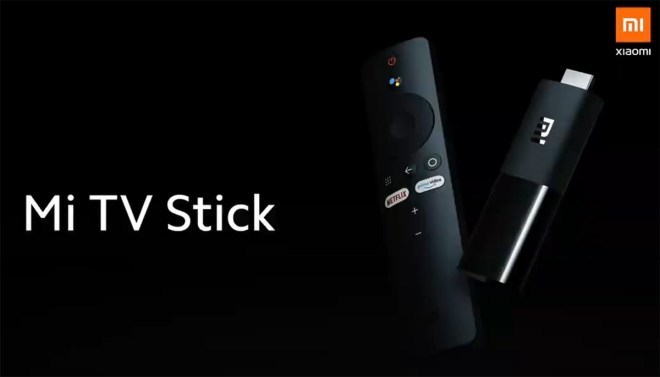
Today, Xiaomi Germany had a launch event where it announced the Redmi Note 9 series. During the live-stream, the manufacturer shared an image of the Mi TV Stick along with its remote.
The Mi TV Stick is shown in black with a half-gloss and half-matte finish. There is a “Mi” logo etched on the matte half of the TV stick. At the end of the TV stick is an HDMI output port.
The Bluetooth voice remote, which is also black, has dedicated buttons for Netflix and Amazon’ Prime Video. The remote is also home to a circular directional keypad, a dedicated Google Assistant button, a power button, volume control buttons, and navigation buttons.
The image of the TV Stick doesn’t show any other ports but it has been reported that the Mi TV Stick will have a USB port and a MicroSD card slot. It is also rumored to have a price tag of €80.
The launch date is still unknown but we do not expect it will launch before the end of the month.
We use cookies on our website to give you the most relevant experience by remembering your preferences and repeat visits. By clicking “Accept”, you consent to the use of ALL the cookies.
This website uses cookies to improve your experience while you navigate through the website. Out of these, the cookies that are categorized as necessary are stored on your browser as they are essential for the working of basic functionalities of the website. We also use third-party cookies that help us analyze and understand how you use this website. These cookies will be stored in your browser only with your consent. You also have the option to opt-out of these cookies. But opting out of some of these cookies may affect your browsing experience.
Necessary cookies are absolutely essential for the website to function properly. This category only includes cookies that ensures basic functionalities and security features of the website. These cookies do not store any personal information.
Any cookies that may not be particularly necessary for the website to function and is used specifically to collect user personal data via analytics, ads, other embedded contents are termed as non-necessary cookies. It is mandatory to procure user consent prior to running these cookies on your website.















 As can be seen from the images, the Honor Play4 Pro is blessed with a dual punch-hole display and a side-facing fingerprint reader. The rear shell of the phone has only two cameras in its rectangle-shaped camera housing.