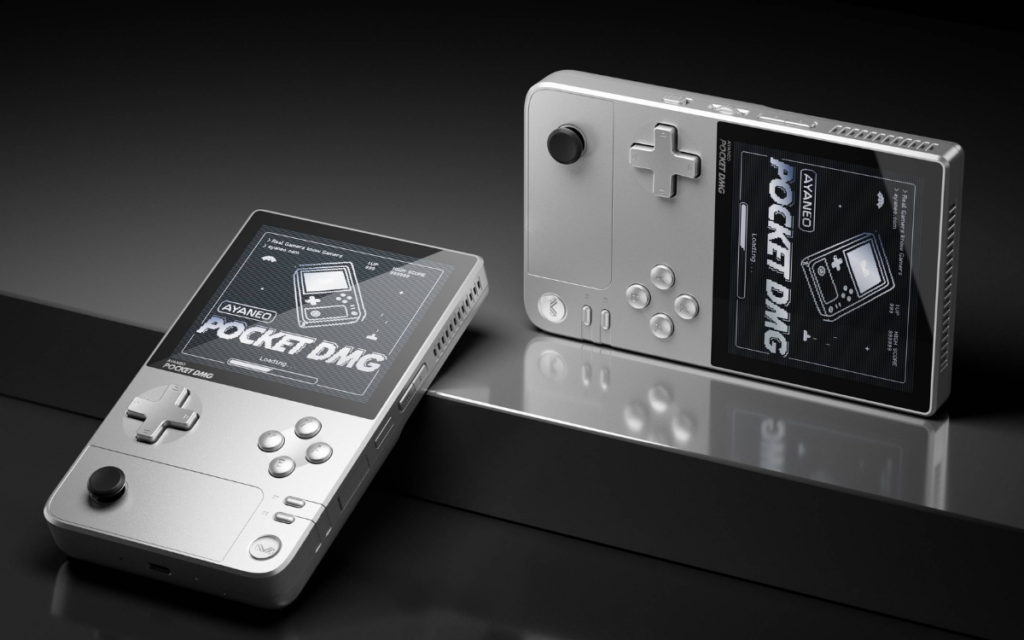
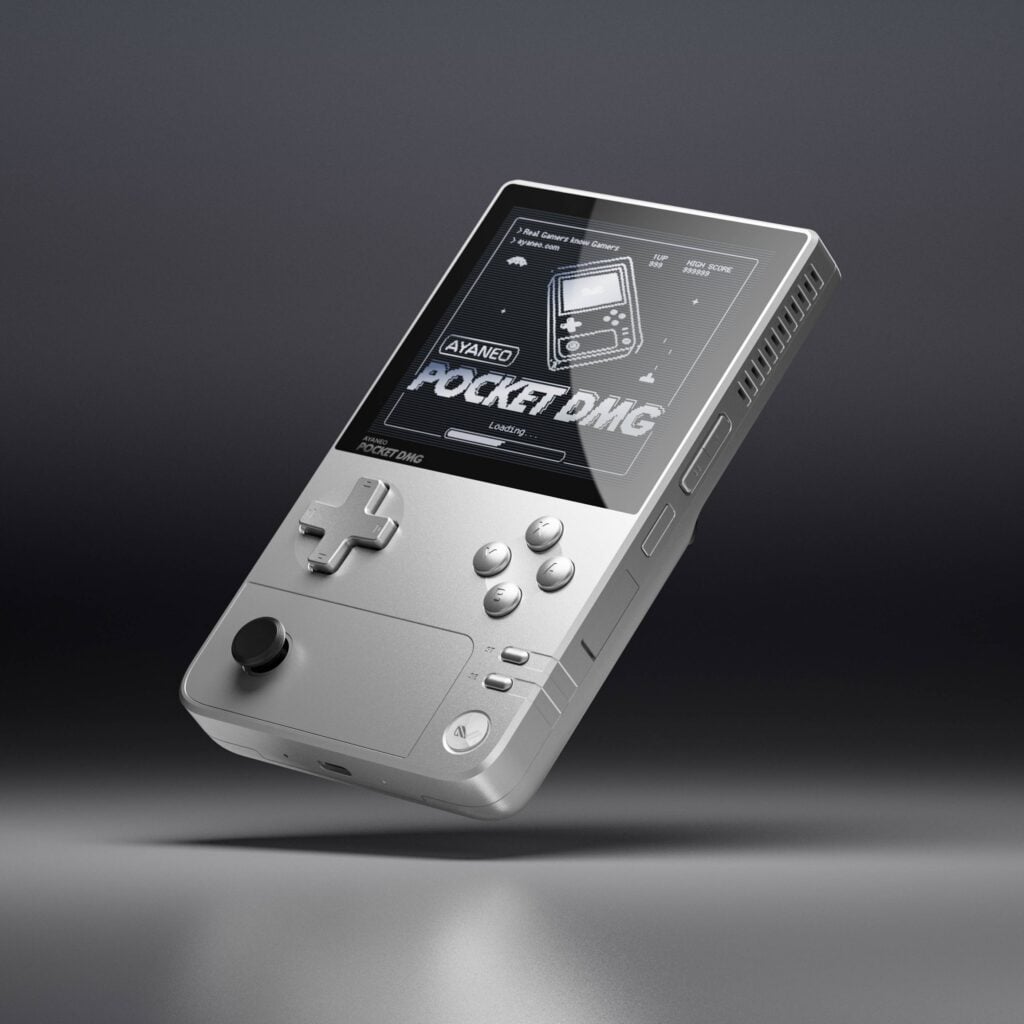
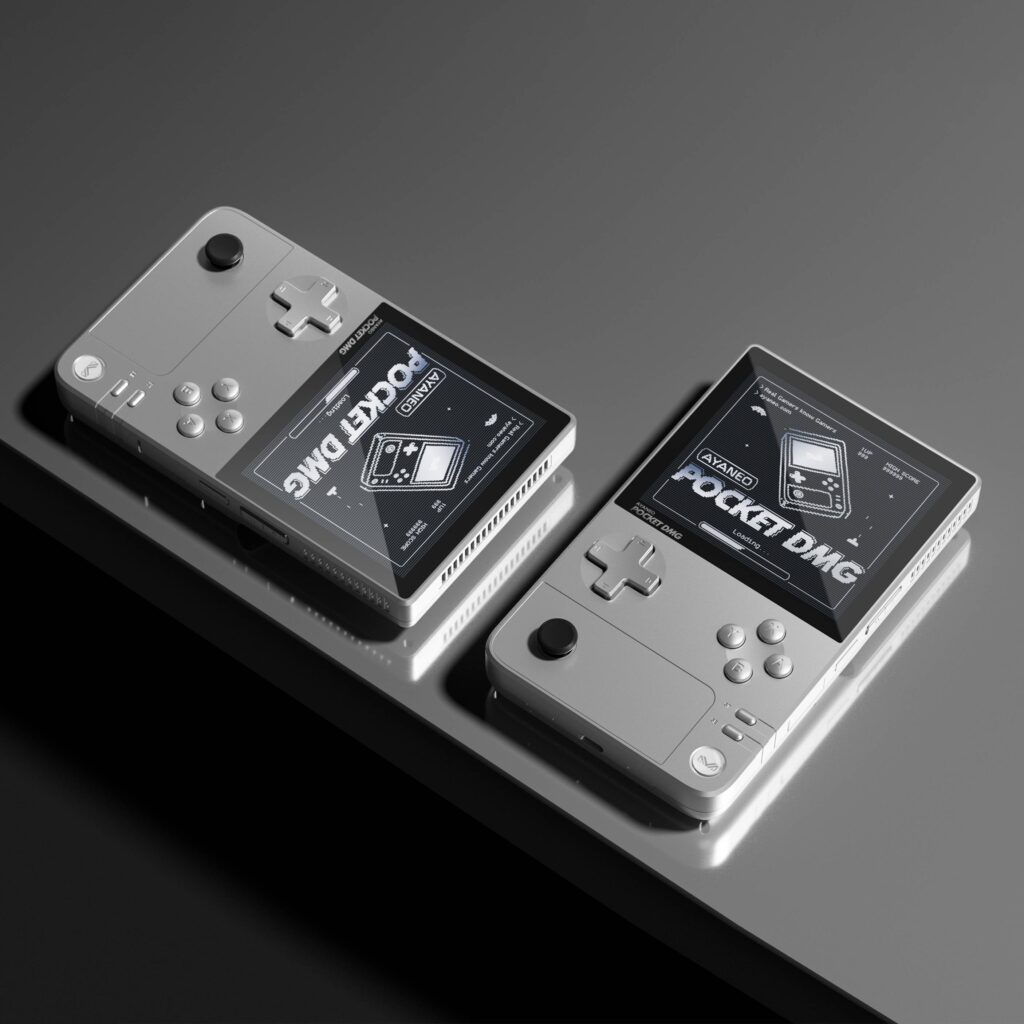
Ayaneo has launched a new limited edition of its vertical handheld console, the Pocket DMG, featuring a polished silver finish and Qualcomm’s Snapdragon G3x Gen 2 platform. The new variant, named Pocket DMG Silver Limited Edition, uses the same retro-inspired vertical design as the original model and is now available at a starting price of $339.
The silver version joins the existing Arctic Black, Moon White, and Retro Color options but stands out with its metallic aesthetic. This is not a generational upgrade but a new color variant with lower starting prices and added bonus accessories. The company currently lists two configurations for the Silver model: 8GB RAM + 128GB storage for $339 and 12GB RAM + 256GB storage for $419. For comparison, the standard Pocket DMG models start at $449.
Ayaneo Pocket DMG Specifications
The Pocket DMG features a 3.92-inch OLED display with a 1240 x 1080 resolution, 419 PPI pixel density, and 450-nit peak brightness. The screen sits above a redesigned control layout that includes a Hall-effect joystick on the left and a touch-based right stick that can also act as a mouse for PC-style games. The design includes shoulder buttons, a dedicated turbo key, MagicSwitch wheel controls, and a fingerprint sensor built into the power button.
Inside, the device runs on the Snapdragon G3x Gen 2 platform with LPDDR5X memory and UFS 4.0 storage, though the 128GB variant uses UFS 3.1. The handheld supports a performance envelope up to 15W and includes an active cooling system with a 13,330mm² heatsink to handle heat dissipation during long sessions.
Ayaneo equips the device with a 6,000mAh battery that supports 25W PD fast charging. It also features a six-axis gyroscope, an X-axis linear motor for vibration, a USB 3.2 Gen 2 Type-C port with DisplayPort 1.4 output, and a microSD slot. Wireless options cover Wi-Fi and Bluetooth 5.3
The handheld runs on Android 13 and supports the company’s AyaSpace front-end and AyaHome desktop launcher. Ayaneo claims the device can handle demanding 3D Android titles and offers customization for emulator use and Xbox streaming.
In related news, Ayaneo has introduced the Pocket Vert recently with a 3.5-inch LTPS LCD, a dual-mode hidden touchpad, and a 6000mAh battery. Ayaneo has also unveiled the Next 2 handheld with a Ryzen AI Max+ 395 chip, dual touchpads, and Xbox-style controls.
For more daily updates, please visit ourNews Section.
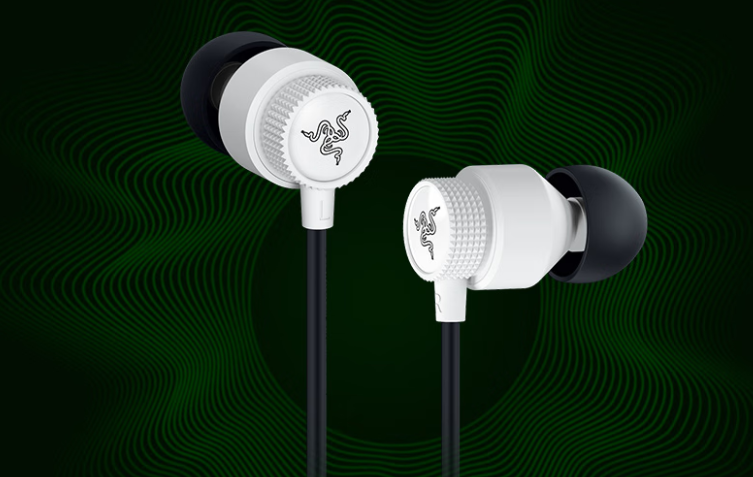
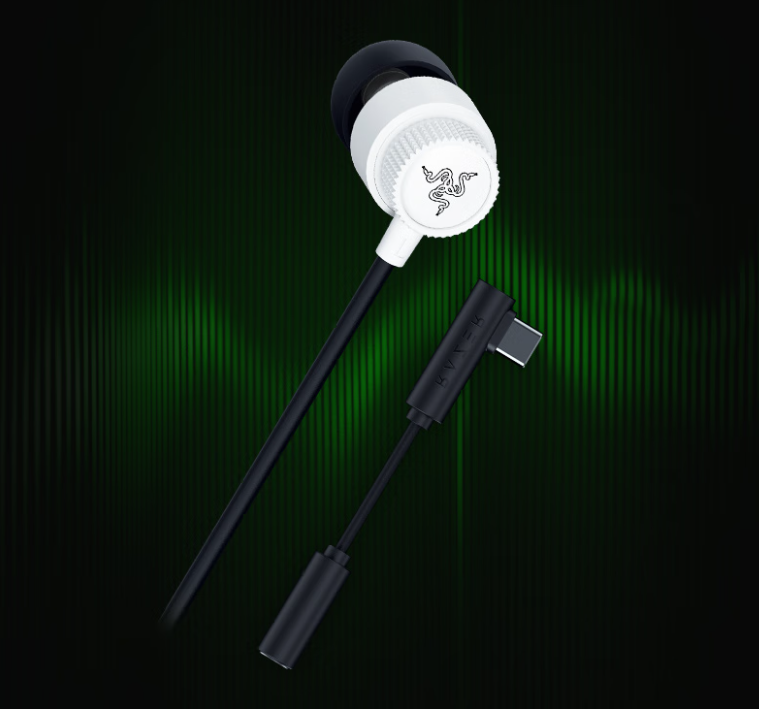
Razer has launched a new white version of its Hammerhead V3 wired earphones in China. The earbuds are now available on JD.com for 449 yuan ($64). This follows the earlier release of the same model in Neon Green.
Razer Hammerhead V3 Specifications
The Hammerhead V3 White features 11mm dynamic drivers tuned to deliver clear mids, strong bass, and crisp treble. Razer uses custom-designed acoustic chambers to reduce sound leakage and improve audio quality at higher volumes. The frequency response spans 20 Hz to 20 kHz, covering the full audible range.
The earphones include a standard 3.5mm audio jack and come bundled with a USB Type-C DAC adapter. The DAC supports 24-bit/48 kHz playback and enables plug-and-play compatibility with a wide range of devices, including Android phones, the iPhone 15 series, PS5 controllers, Nintendo Switch, and laptops.
Razer equips the Hammerhead V3 with an in-line control module. It includes physical buttons for volume, mic mute, playback, and voice assistant activation. The built-in microphone uses an omnidirectional pickup pattern to improve voice clarity during calls and game chats.
The earbuds have an ergonomic in-ear design and ship with three sizes of silicone ear tips. This allows users to get a better seal for noise isolation and long-term comfort during gaming or travel. The lightweight design aims to reduce fatigue during extended use.
The cable measures 1.2 meters and uses a TPE material that resists tangling and wear. Razer claims it can withstand daily handling and movement without affecting signal transmission.
On PC, the earphones support THX Spatial Audio through Razer Synapse software. Users can adjust EQ settings and enable positional sound for improved awareness in supported games. Razer includes an activation code for the software via customer support.
In related news, Nubia has introduced its Alien-themed CyberBuds gaming earbuds recently with 50 ms low latency and a 48-hour battery life, and Edifier has rolled out the Auro Clip ear-clip earbuds featuring AI translation, a 35-hour battery life, and Bluetooth 6.1.
For more daily updates, please visit ourNews Section.
OnePlus has released its OxygenOS FAQ for November 2025, addressing common issues reported by users after recent software updates. The company says the FAQ is based on frequent feedback related to bugs, feature behavior, and system compatibility.
One of the key issues covered is NFC payments not working after upgrading. OnePlus confirms that the cause has been identified. Users experiencing this issue are advised to update their phone to the latest software version, which includes the fix.
Another problem affects Live Alerts, where map navigation does not display after an update. OnePlus explains that this is due to a temporary compatibility issue between Live Alerts and third-party navigation apps. Until compatibility is improved, navigation status may not appear within Live Alerts.
Some users reported that tapping the desktop widget menu results in no response. OnePlus acknowledges this issue and says optimization work is ongoing. As a temporary solution, users can go to Settings, open Apps, select App Management, tap the three-dot menu, choose Show System, search for “Shelf,” then disable and re-enable it.
Network issues related to Airtel SIM cards have also been highlighted. Users may experience unusable 5G service or complete signal loss. OnePlus confirms the cause has been found and states that a fix will be rolled out in the next software update.
Another reported issue is wallpapers disappearing after upgrading. OnePlus apologizes for the inconvenience and says the problem has been identified. A fix will be delivered as soon as possible in a future update.
Users have also noticed differences between the lock screen display and preview of the Flux theme after upgrading. OnePlus confirms this is a known issue and will be corrected in subsequent updates.
The FAQ also mentions that the double-click power button shortcut for opening the camera may turn off or appear greyed out after restarting the phone. A permanent fix is planned, but users can manually re-enable the feature by going to Settings, Accessibility and convenience, Power button, and selecting the camera option for double-click.
Lastly, OnePlus addresses reports of the keyboard overlapping the navigation bar. The issue has been traced to the app itself, and a fix is planned for an upcoming update.
OnePlus says it is actively monitoring these issues and will continue to release fixes through future OxygenOS updates.
After years of silence, Finnish company Jolla is stepping back into the smartphone market. Today, the company announced on X that the new-generation Jolla Phone is coming soon with fresh hardware, a privacy-first operating system, and a promise to offer something that neither Android nor iOS currently does.
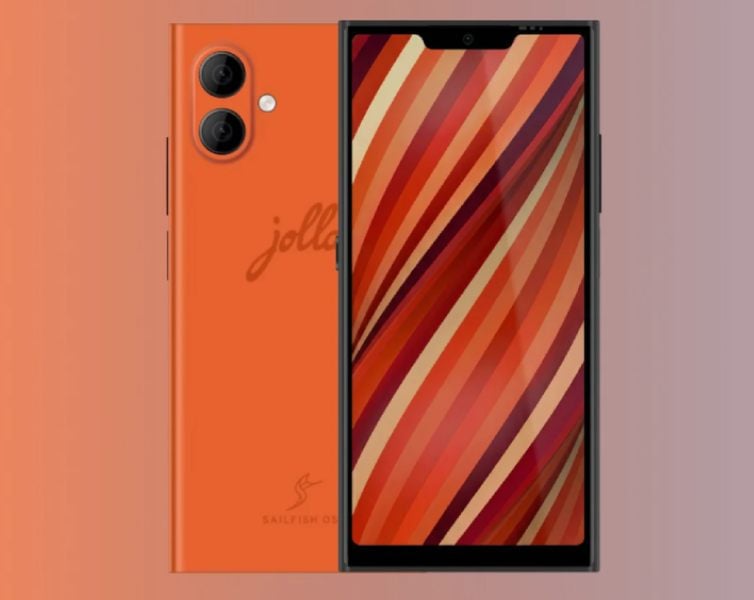
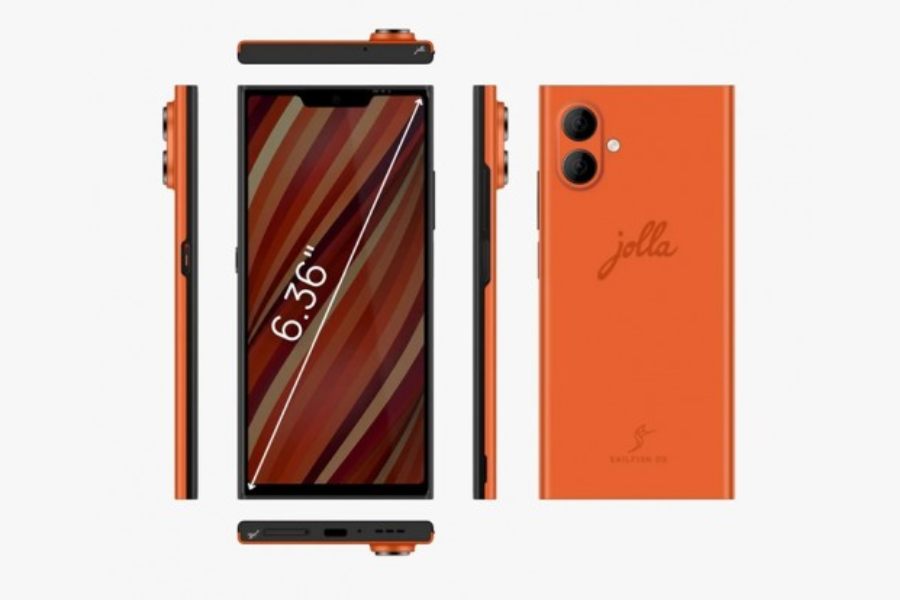
The new Jolla Phone arrives in three “Nordic scenery–inspired” colors: black, white, and a striking orange. Unlike most modern phones glued shut on all sides, Jolla is going old-school: the back cover pops off, and the battery is fully removable.
Inside, the phone looks much more modern. It supports 5G, carries 12GB of RAM, and includes 256GB of storage with the option to expand up to 2TB using a microSD card. The phone also has dual nano-SIM cards for connectivity.
On the front, there’s a 6.36-inch Full HD AMOLED display, protected by Gorilla Glass. The rear camera system features a 50MP main camera paired with a 13MP ultrawide, while the selfie camera hasn’t been fully detailed yet.
A new Sailfish OS
But hardware is only part of the story. The real heart of this device is Sailfish OS 5, the latest version of Jolla’s Linux-based mobile platform. Jolla calls it “the only commercially successful European mobile operating system,” and it leans heavily into privacy.
The company says Sailfish contains no trackers, no background data collection, and absolutely no Google Play Services lurking under the hood.
Even so, Jolla knows users still rely on popular Android apps, and fortunately, Sailfish OS supports Android applications. There’s even a physical privacy switch on the phone’s left side that instantly disables the microphone, camera, Bluetooth, and other sensors.
Jolla emphasizes that this release is the result of 12 years of survival in a mobile world that has seen platforms like Symbian, MeeGo, Firefox OS, and Windows Phone disappear. Today, the company says only four major mobile operating systems remain globally, and Sailfish is the lone representative from Europe.
The new Jolla Phone is available for pre-order now with a €99 deposit. Early supporters will pay a discounted full price of €499, while the regular retail price is expected to land between €599 and €699.
However, the phone will only be produced if at least 2,000 pre-orders are placed by January 4, 2026. The good news is that Jolla has already crossed more than half of that target.
For more daily updates, please visit our News Section.
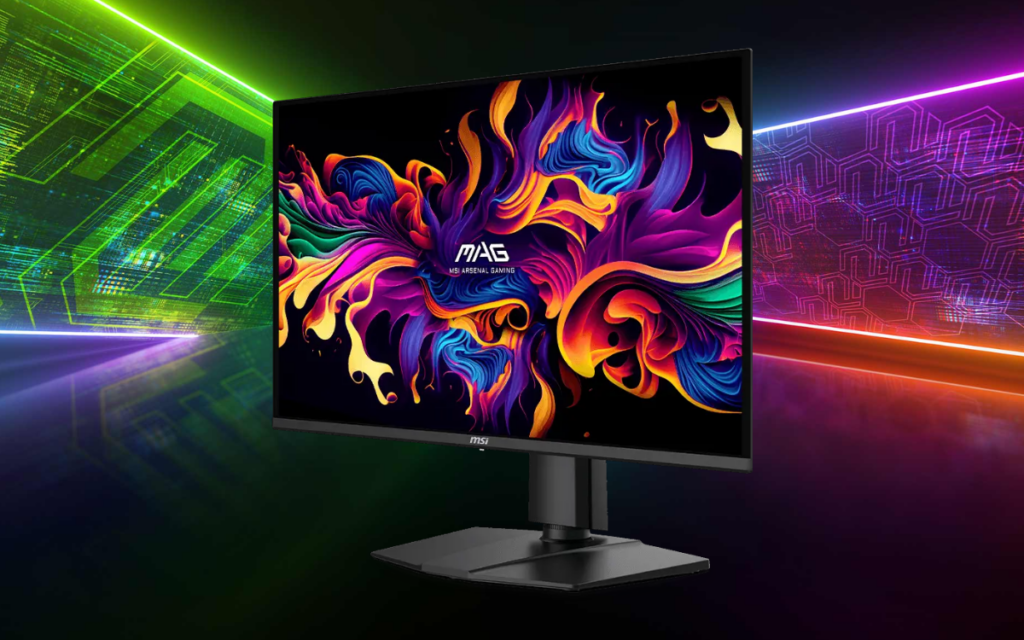
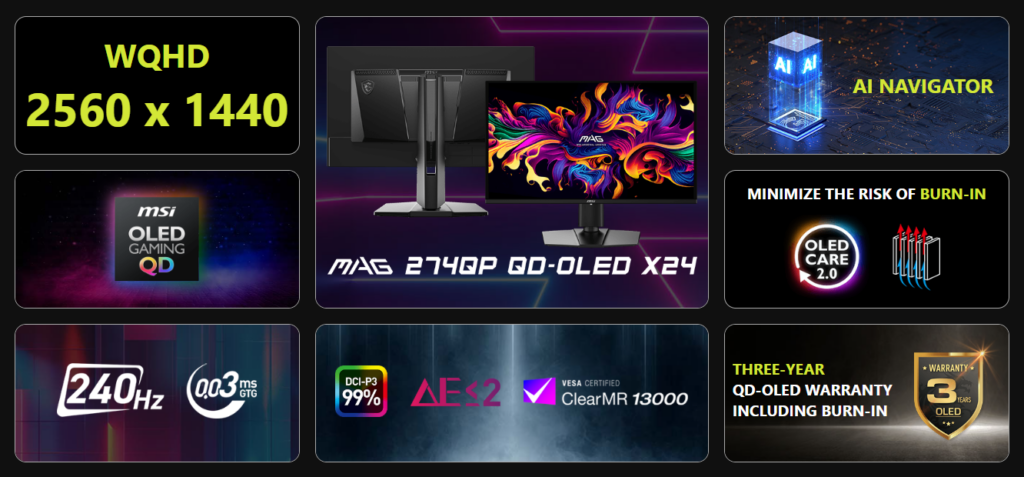
MSI has launched the MAG 274QP X24 gaming monitor in the US market. The monitor features a 26.5-inch QD-OLED panel sourced from Samsung and targets the mid-range segment. It is priced at $499.99.
MSI MAG 274QP X24 Specifications
The display delivers a 2560 x 1440 resolution and supports a 240Hz refresh rate. MSI uses Samsung’s latest 3rd-generation QD-OLED technology, which improves panel brightness, motion clarity, and overall efficiency. The panel has a 0.03ms GtG response time and holds the VESA ClearMR 13000 certification, ensuring sharp, low-blur visuals in fast-paced games.
The MAG 274QP X24 supports HDR content with a peak brightness of 400 nits. In SDR mode, the brightness reaches up to 200 nits. The monitor also covers 99% of the DCI-P3 color gamut and comes factory-calibrated with a Delta E of ≤2 for color accuracy. MSI includes support for Adaptive Sync to reduce screen tearing during gameplay.
MSI equips the monitor with its OLED Care 2.0 system to reduce burn-in risks. The updated setup runs a full panel refresh every 24 hours when the display enters standby or powers off. Users receive a 30-minute alert before the process starts, giving them time to pause work or gaming if needed. The company supports the product with a 3-year burn-in warranty.
The monitor includes ergonomic adjustments such as tilt, swivel, pivot, and height. It also supports VESA 100 x 100 wall mounting. The connectivity options include two HDMI 2.1 ports, one DisplayPort 1.4a, and a headphone-out jack. MSI does not include USB ports on this model, which helps keep the price down.
MSI has optimized the monitor for console gamers as well. It supports 1080p and 1440p resolutions at 60Hz and 120Hz, and includes features such as HDMI CEC and VRR for PlayStation 5 and Xbox Series X|S.
The Galaxy S26 series has been leaking for months, and every reliable render has pointed toward the same shift: the floating camera rings are gone, replaced with a Fold 7-style camera island. Until now, though, it was all just whispers — nothing truly official. That changed this week when Samsung accidentally did the leaking themselves.
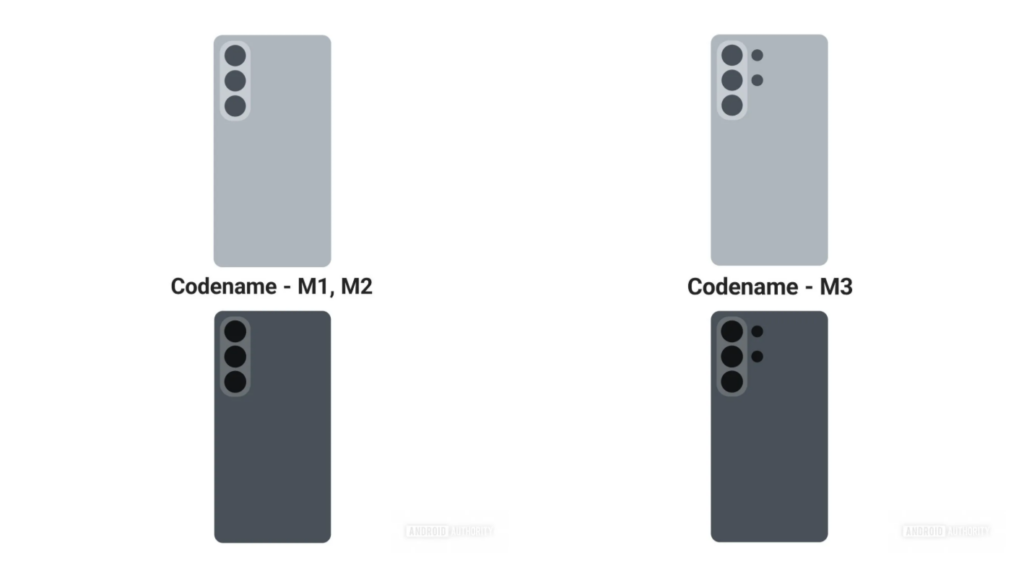
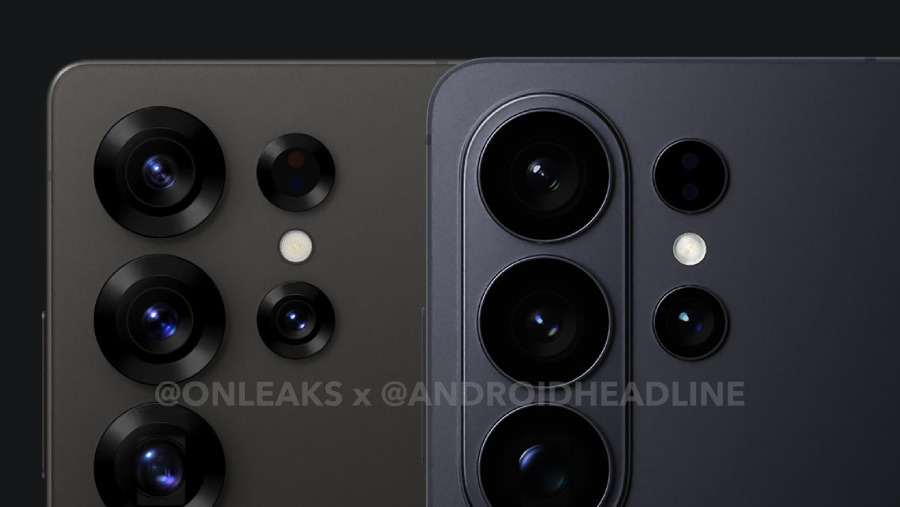
Android Authority spotted crude renders of the Galaxy S26, S26+, and S26 Ultra hidden inside a One UI 8.5 test firmware. These aren’t polished marketing images, but they’re more than enough to confirm the new look. All three models — M1 (S26), M2 (S26+), and M3 (S26 Ultra) — feature a protruding, pill-shaped camera bump with circular cutouts for each lens. It’s the same design language Samsung has used on the Z Fold lineup since 2021, and a full departure from the separate floating camera lenses seen on the Galaxy S25 series.
These internal model tags line up with earlier leaks too — the whole lineup is part of Samsung’s “Miracle” project. The phones are also expected to be the first to run One UI 8.5 out of the box, Samsung’s take on Android 16. Meanwhile, Galaxy S25 users should get access to the One UI 8.5 beta sometime in the second week of December.
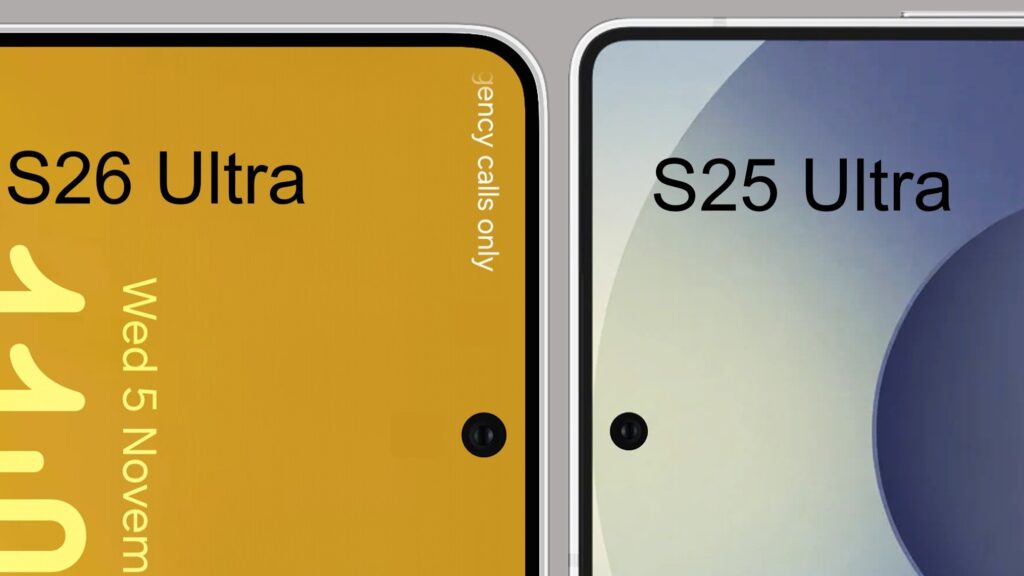
If earlier leaks are accurate, the S26 Ultra will feature noticeably more rounded corners than its predecessor, bringing it closer to the rest of the lineup and further away from the sharp Note-style look of past Ultra models.
The newly surfaced renders may be rough, but their source is what matters. With Samsung’s own firmware now revealing the design, the guessing game is officially over: the Galaxy S26 family is embracing a unified Fold-style aesthetic. Fans will still argue whether it’s bold or just bulky — but either way, the real launch suddenly feels a lot closer.
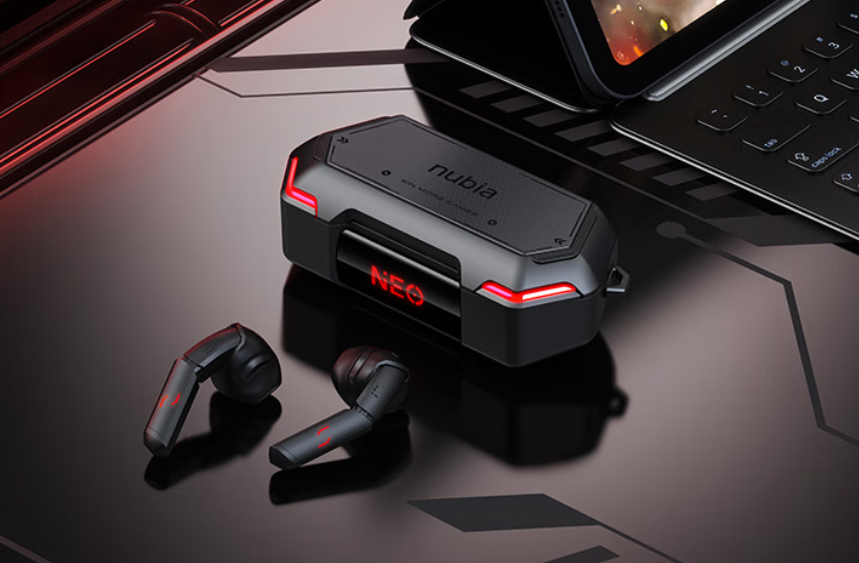
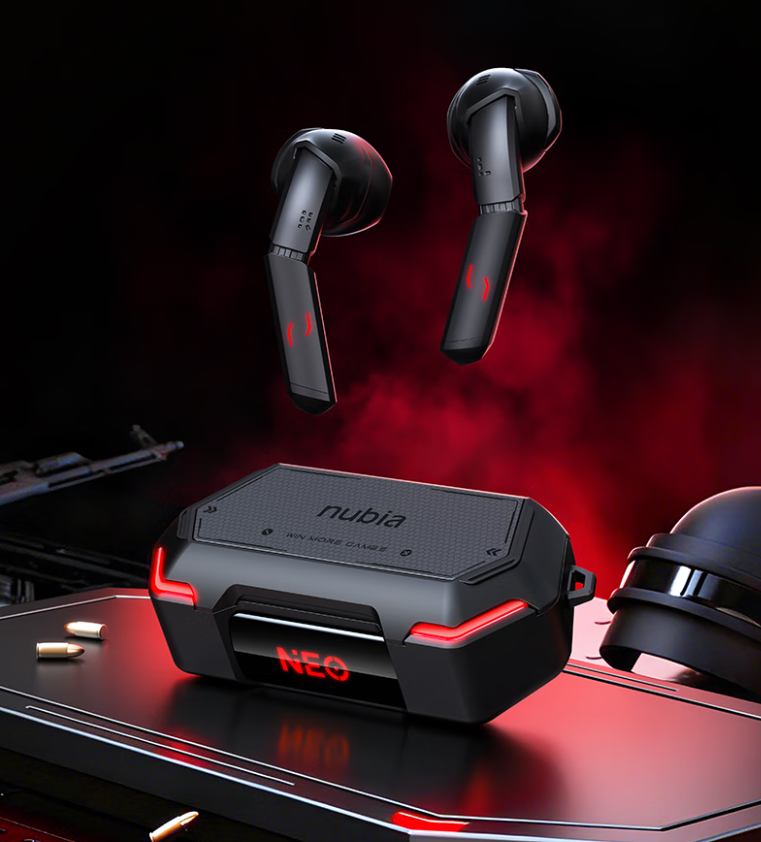
After the recent Nubia Fold & Flip 3 Go launch in Japan, Nubia has now introduced a new Alien-themed CyberBuds gaming TWS earbuds in China. The earbuds are available for reservation on JD.com at an introductory price of 199 yuan ($28), with open sales scheduled to begin on December 9.
Nubia CyberBuds Specifications
The CyberBuds feature a distinctive two-part mechanical design with an alien aesthetic. The charging case includes RGB lighting and a small integrated display. Both the earbuds and the case support customizable lighting effects through the Nubia Life+ app. Each earbud weighs just 3.6 grams, and the case weighs 58 grams. The case also includes a lanyard slot for easier portability.
Nubia uses Bluetooth 5.4 for wireless connectivity. The earbuds support instant wake and pairing when the lid is opened. Red Magic phone users get a system-level pop-up window that shows battery status and connection details.
The earbuds support Nubia’s FlashLink 2.0 low-latency audio technology. The company claims an end-to-end latency as low as 50 milliseconds, which can benefit fast-paced games that require precise timing.
Nubia also focuses on customizable audio. The companion app allows users to switch between audio modes tuned for different game types, such as FPS, racing, or general gaming. There is also a manual EQ mode for those who prefer a personalized sound profile.
Each earbud houses a 35mAh battery, and the charging case includes a 500mAh battery. The earbuds provide up to six hours of playback on a single charge, and the case extends total usage time to around 48 hours.
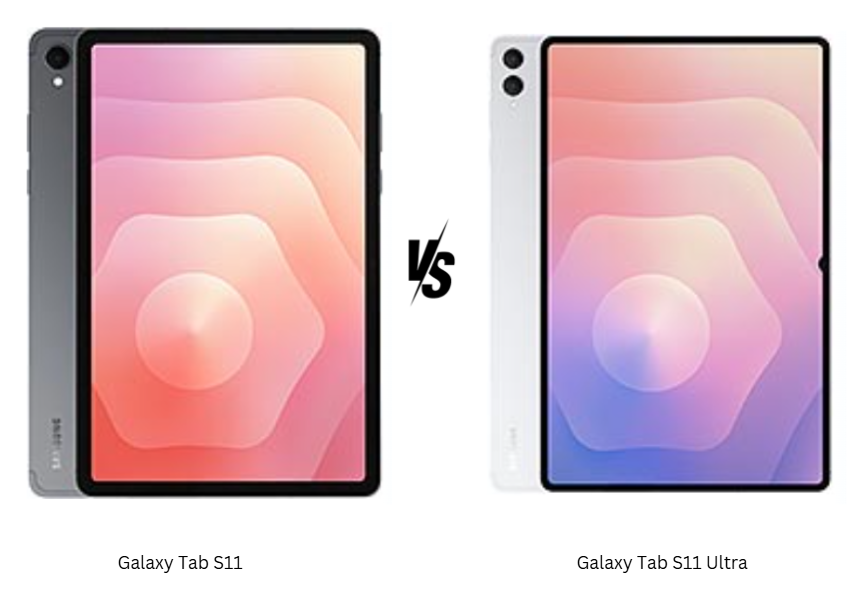
Samsung Galaxy Tab S11 and S11 Ultra target two very different types of users, making this comparison important for anyone deciding between portability and a premium, near-laptop experience. Buyers who want a lightweight, affordable powerhouse naturally lean toward the S11, while professionals, creators, and heavy multitaskers consider the Ultra for its workstation-level advantages. Comparing them helps clarify which model truly fits each user’s workflow, budget, and expectations.
Major Upgrades:
Feature
Galaxy Tab S11
Galaxy Tab S11 Ultra
Upgrades
Display Size
11.0″ AMOLED
14.6″ AMOLED
Bigger display – More workspace, better media, laptop-like usage
RAM (Max)
12 GB
16 GB
Higher RAM – Smoother heavy multitasking, better pro workflows
Battery
8,400 mAh
11,600 mAh
Larger battery – Longer endurance for work, streaming, travel
Rear Camera
Single 13 MP
Dual: 13 MP + 8 MP ultrawide
Extra ultrawide – More versatile photography & document capture
Productivity Fit
Good for everyday tasks
Excellent for pro-level tasks
Bigger screen + more RAM – Superior multitasking and DeX usage
Portability
Lighter & compact
Larger & heavier
Bigger size – Less portable, but far better media & work experience
Both tablets share the same aluminum body, IP68 rating, and slim profiles, but the Ultra feels more premium due to its massive footprint and thinner 5.1 mm frame. The standard S11 is easier to hold, while the Ultra leans toward laptop-class usage because of its larger surface area.
Display & Multimedia
The biggest upgrade is the 14.6-inch Dynamic AMOLED 2X panel on the Ultra. It offers a more immersive canvas for movies, art, and multitasking. Although both use the same peak brightness and HDR10+ support, the Ultra’s size gives it a clear edge for productivity and content consumption. The S11’s 11-inch display is sharper at a higher pixel density, but the Ultra provides a more cinematic and workstation-friendly experience.
Verdict
The S11 is practical and compact, but the Ultra stands out with a superior multimedia and workstation display, making it the stronger choice for creators, designers, and power users.
2. Performance and Software
Processor & UI Smoothness
Both tablets run the Dimensity 9400+, offering flagship-level speed, lag-free navigation, and fast app launches. The Ultra pulls slightly ahead in sustained workloads thanks to its better thermal distribution across a larger body and the option for 16GB RAM, which helps keep more apps alive in the background.
Productivity & Multitasking
Samsung DeX runs smoothly on both, but the Ultra’s huge 14.6-inch screen dramatically boosts split-screen usability. Writing, spreadsheet editing, and note-taking feel closer to laptop territory. The S11 handles everyday work easily, yet the Ultra’s larger display + higher RAM variant makes it better suited for creative suites, coding, and multitasking-heavy users.
Verdict
Performance is similar, but the Ultra’s 16GB RAM option and laptop-like workspace give it the productivity crown, especially for professionals and creators.
3. Battery and Accessories
Battery Life
The Ultra delivers a big upgrade with its 11,600 mAh battery, offering noticeably longer endurance for streaming, editing, and multitasking. The S11’s 8,400 mAh cell is solid but lasts shorter under heavy workloads, especially when using DeX or high brightness. Charging speed remains the same on both (45W).
Stylus, Keyboard & Ecosystem
Both support the S-Pen and Samsung’s accessory ecosystem. However, the Ultra benefits more from these add-ons because its large screen makes S-Pen drawing more natural and keyboard use more laptop-like. The bigger canvas improves handwriting accuracy and gives creators more space to work.
Verdict
While both share the same accessory support, the Ultra offers significantly longer battery life and a better stylus/keyboard experience, reinforcing its productivity focus.
4. Camera & Media
Rear and Front Camera
The S11 includes a single 13MP rear camera, while the Ultra introduces a dual setup with an 8MP ultrawide lens, making it more versatile for document capture and creative shots. Both share a 12MP ultrawide selfie camera, though the Ultra’s larger display makes video calls more comfortable.
Video & Audio Quality
Video capabilities remain similar (4K/30), but the Ultra’s wider rear setup offers more framing flexibility. Audio quality is excellent on both, but the Ultra’s larger chamber speakers produce deeper sound and better spatial output during movies or gaming.
Verdict
The Ultra wins with an extra ultrawide camera and richer audio, giving it stronger media creation and entertainment potential.
5. Pricing
The Tab S11 starts around $700, while the Ultra begins near $1000. The price jump is justified mainly by the massive 14.6-inch display, bigger battery, extra camera, and higher RAM variant. Buyers focused on portability should stick with the S11, while users replacing a laptop or working creatively get far better value from the Ultra.
Disclaimer: Prices are approximate and may vary based on country, region, and applicable taxes.
6. Conclusion
The Ultra stands out by offering:
14.6-inch AMOLED workstation display
Dual rear cameras
16GB RAM option
Massive 11,600 mAh battery
Better speakers and more immersive multimedia
The S11 remains a compact and powerful tablet, but lacks the dramatic upgrades that make the Ultra feel premium and productivity-ready.
Verdict
Go for the Galaxy Tab S11 if you prefer portability, a lower price, and solid all-around performance.
Choose the Galaxy Tab S11 Ultra if you want a laptop-like experience with better media quality, longer battery life, and enhanced creative capabilities. Its upgrades make a noticeable difference in daily use, and if budget isn’t a concern, the S11 Ultra delivers the most complete and premium tablet experience.
Samsung’s upcoming Galaxy S26 lineup may at last fix a pain point that has lingered for years: sluggish wireless charging. The current Galaxy S25 family tops out at 15 W, a limit that feels outdated compared to rival flagships from even half a decade ago. But a new leak suggests Samsung is preparing a meaningful upgrade — complete with magnets.
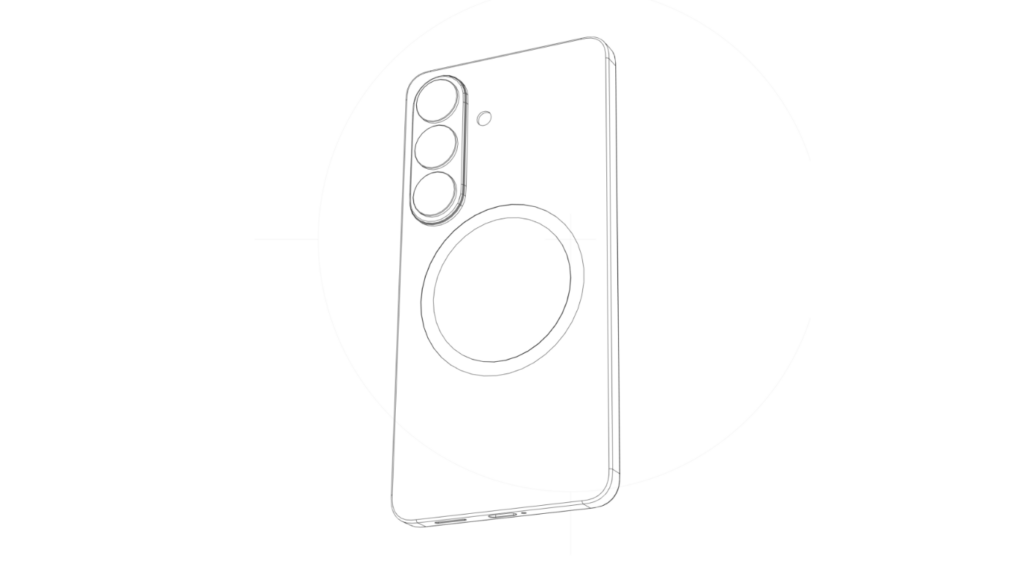
Retail listings and certifications point to a new accessory called the Samsung Magnetic Wireless Charger (model EP-P2900). It reportedly supports up to 25W wireless charging, making it Samsung’s fastest wireless solution for Galaxy phones yet. The magnet-equipped pad hints at full Qi2/MagSafe-style alignment, ensuring the charger snaps neatly into place instead of requiring guesswork.
The product is described in dark gray and is compatible with Galaxy S and Galaxy Z devices, as well as Galaxy Buds. It’s also expected to replace Samsung’s older square charging pad (EP-P2400) with a new circular design that matches the updated coil layout needed for Qi2.
There is a catch, though. The higher speeds may not be available on every model. Rumors say the Galaxy S26 Ultra will get the full 25W wireless charging upgrade, while the S26 and S26 Plus could remain stuck at the current 15W limit — a move that wouldn’t surprise anyone familiar with Samsung’s strict feature segmentation. It’s also unclear whether Samsung has addressed the S Pen interference issues seen on earlier Galaxy flagships when used with magnetic cases.
A similar pattern is expected on the wired charging front:
Galaxy S26 Ultra: up to 60W (Super Fast Charging 3.0)
Galaxy S26 Plus: up to 45W
Galaxy S26: 25W
We’re still months away from official images and exact specs, but the fact that Samsung has a 25W magnetic wireless charger ready to go is a strong hint of change. If the leaks prove accurate, Galaxy fans who’ve been waiting to cut the cable may finally have a reason — provided they spring for the right S26 model.
After debuting its new hypertension notification feature with the Apple Watch Series 11 and Watch Ultra 3 in September 2025, the company is finally bringing the health tracking metric for users in India.
Starting this week, users with the Apple Watch Series 9 or later and Watch Ultra 2 / 3 will be able to access Apple’s passive hypertension-detection system in India.
What’s Hypertension?
The feature is designed to flag early signs of chronic high blood pressure, a condition that affects millions of people in India but often goes undiagnosed. What makes Apple’s approach interesting is that it doesn’t ask users to change anything about how they use their watch.
Instead, it taps into data from the same optical heart sensor used for heart rate tracking and studies how the user’s blood vessels react to each heartbeat.
Apple says the watch runs this analysis quietly in the background, pulling data from a rolling 30-day window. If the algorithm identifies consistent patterns associated with hypertension, the user receives a notification explaining the concern and suggesting next steps.
Apple believes the feature could help more than a million people in India discover they may be living with high blood pressure. The company frames it as a tool to encourage early lifestyle changes or medical treatment before the condition leads to something more serious.
There are limitations, though. The feature isn’t available for users under 22, anyone already diagnosed with hypertension, or pregnant individuals. And of course, it’s not a replacement for medical equipment, just an early nudge from your wrist.
Still, this expansion makes Apple’s health ecosystem feel a lot more proactive. With a massive base of Apple Watch users in India, the rollout brings a meaningful new addition for users.
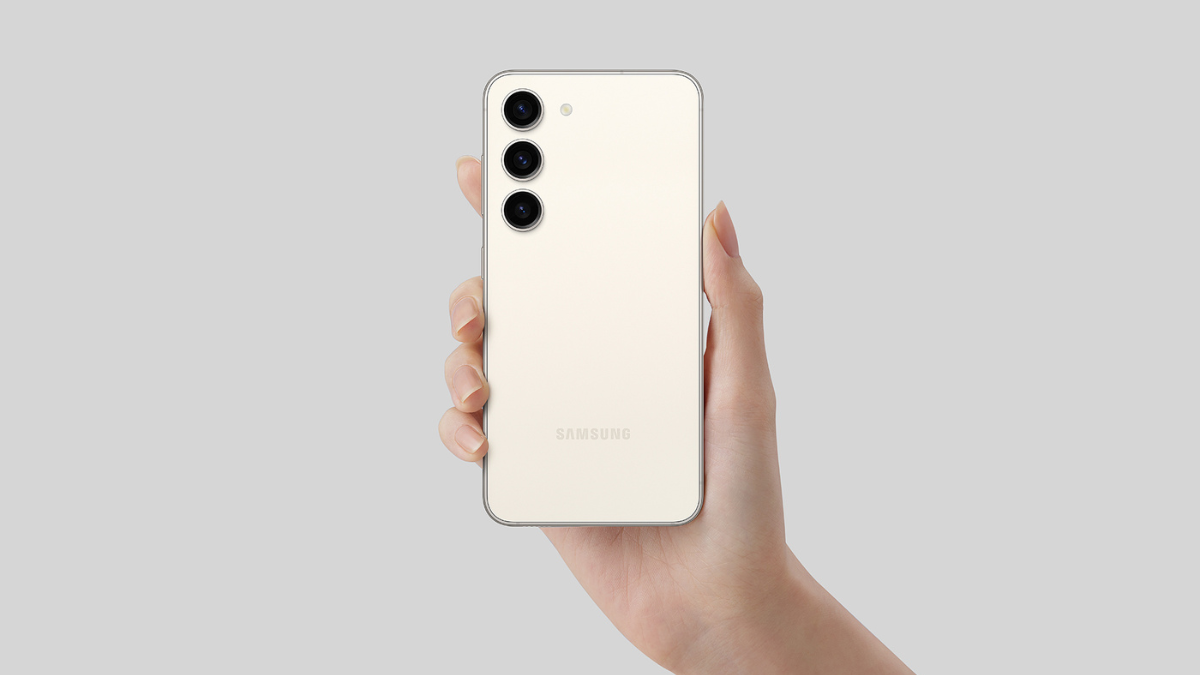
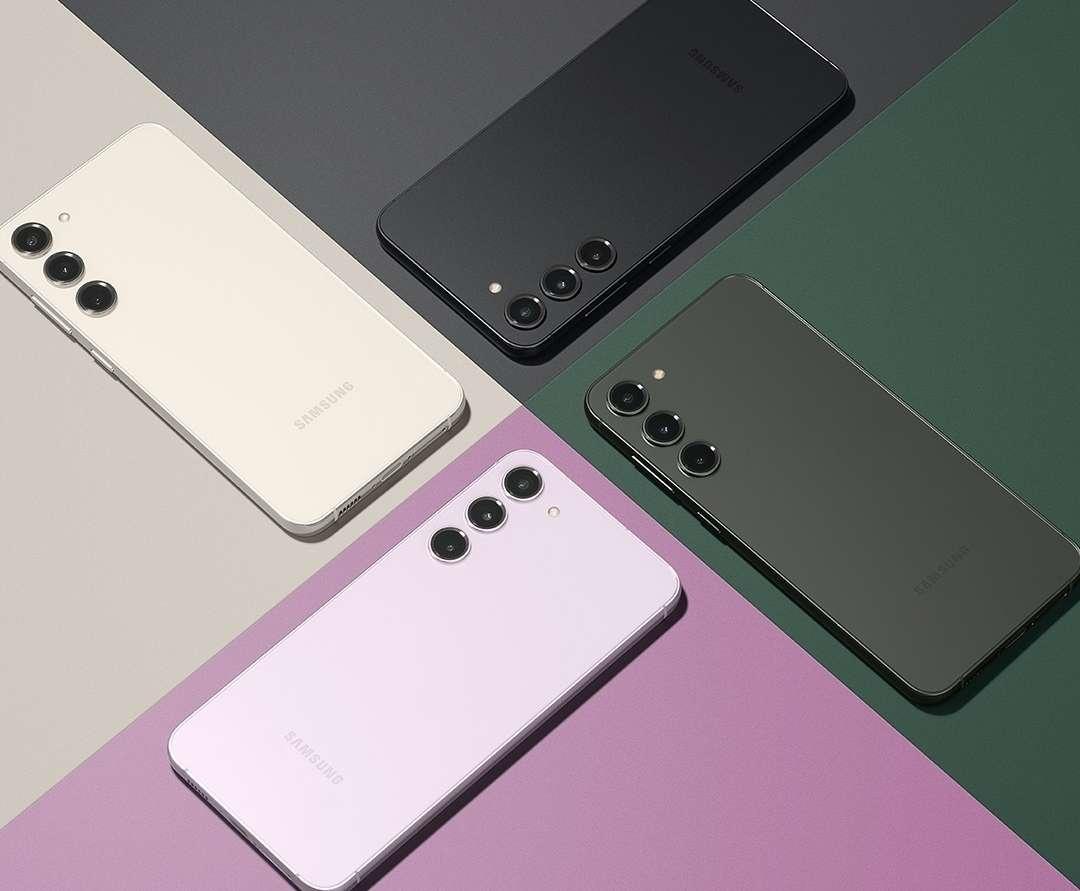
With the popularity of premium compact smartphones, Samsung’s Galaxy S23 was ahead of its time since it barely had any competition. So two years ago, this model was one of the best compact flagship. While the price cuts makes the device tempting, there are plenty of compromises and alternatives that should have you steer clear of the Galaxy S23 in 2025. So here are all the details.
When it first debuted, the Galaxy S23 was part of Samsung’s latest and greatest flagship lineup. It brought Qualcomm’s fastest processor at the time, the Snapdragon 8 Gen 2, bringing improved power efficiency and performance gains. But over the last two years, there have been notable upgrades in both regards.
The Galaxy S23 is not slow by any means, but if you’re expect the cutting edge performance, you might want to skip this device. Samsung is one of the manufacturers that offers long 7 years of major OS updates. However, the Galaxy S23 arrived just before this shift, so it only offers 4 years of OS updates. Two years after its release, now you also get two more major software upgrades.
2. Mediocre Battery Life
Samsung is still slow in adopting newer battery technology and even its latest gen Galaxy S25 carrying a tiny battery pack. But the older chipset paired with the small 3,900mAh cell, the battery life on the Galaxy S23 barely lasts a day. You are likely looking for your charger after a couple of hours of heavy use as well. Making matters worse is the snail paced 25W wired fast charging speeds.
3. Cameras
On paper, it seems like the South Korean tech giant has made no changes to the camera sensors to its base level Galaxy S series phones since 2022. In other words, the Galaxy S22, Galaxy S23, Galaxy S24, and Galaxy S25 still uses the same image sensors. While these were on par with other smartphones of its class. Compact devices are now rivaling premium flagships with impressive camera hardware.
4. Odd Pricing & Better Alternatives
As of right now, the Galaxy S23 is barely available in the market, and the pricing is inconsistent. In India, the smartphone is selling via Flipkart with a more hefty price tag than the newer Galaxy S24. While it is more affordable than the S24 in the US and the UK, the price gap isn’t quite large.
For more daily updates, please visit our News Section.
With global smartphone performance pushing ever higher, sometimes “flagship” doesn’t have to mean “expensive.” With the OnePlus 15R arriving in the global market soon, the budget flagship segment is heating up with another impressive release. From flagship grade hardware to a super smooth display, here’s a full breakdown of what looks good and what you should watch out for.
1. Performance: Snapdragon 8 Gen 5 Means Serious Power
OnePlus 15R
Under the hood, the OnePlus 15R carries the new Snapdragon 8 Gen 5. It is one of the first models to feature this chipset, which sits right below Qualcomm’s latest and greatest, Snapdragon 8 Elite Gen 5. In terms of overall performance, it is quite similar to last year’s Snapdragon 8 Elite. A recent GeekBench listing has even confirmed 12GB of RAM.
The Chinese brand may even offer a 16GB top end variant and the fast UFS 4.1 storage as well. With OnePlus’ focus shifting towards powerful value flagships, the OnePlus 15R sits perfectly as an approachable device that can handle intense tasks and high fidelity games. So you can expect a smooth daily experience with this phone, which can even triple digit fps on certain games.
2. Display: A Super Smooth Experience
Coupled with this powerful processor, we have a display that takes advantage of these hefty specs. The OnePlus 15R display is quite similar to the brand’s premium OnePlus 15 model, with minor differences. It sports a taller 6.83-inch AMOLED display with a 1.5K resolution, up to 165Hz refresh rate, TÜV Rheinland Intelligent Eye Care 5.0 certification, and possibly 1800 nits of peak brightness.
We can expect the screen to be similar to the OnePlus 15 in the way that the refresh rate is locked at 120fps till a supported application is launched. This kind of panel quality significantly elevates the user experience over typical mid-range phones. Combined with OnePlus’ new OxygenOS 16 custom skin, expect crisp visuals and fast touch response.
3. Biggest Battery on a OnePlus Phone Ever
OnePlus 15R battery
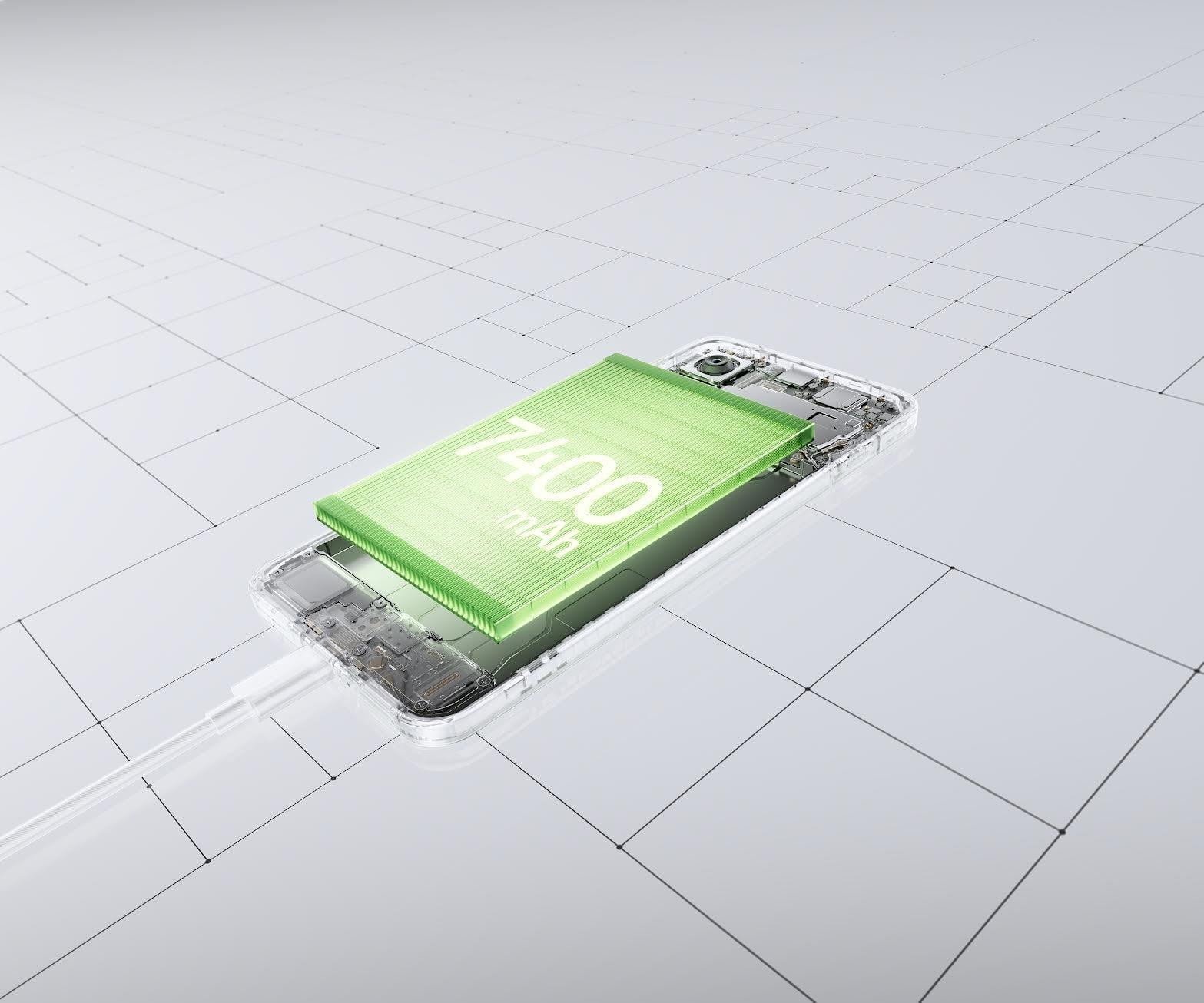
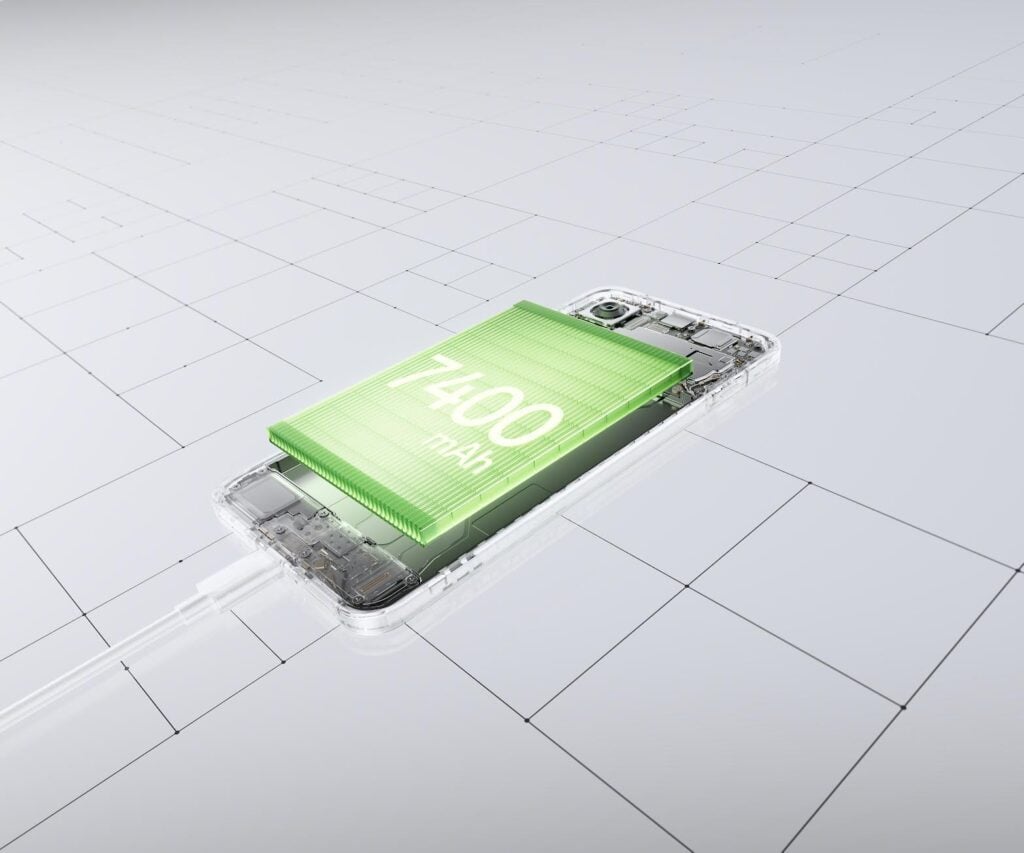
Smartphone makers, especially from China, have been making impressive leaps in battery technology. All of the latest models bring absolutely massive battery capacities, offering more than a day or two of battery life. OnePlus is no exception, and its OnePlus 15 will launch with a gigantic 7,400mAh cell, which is the largest ever battery fitted in a OnePlus phone that is sold globally.
To recall, the OnePlus 15R is basically a rebrand of the Ace 6T. Although, the latter has an ever larger 8,300mAh battery. The 15R also brings support for 80W wired fast charging. So you can experience a long gaming experience without worrying about the battery level. This device would likely include bypass charging like the OnePlus 15 to prevent overheating when charging and gaming.
4. Camera
For photography, the rear has a 50MP Sony IMX906 sensor with a 1/1.56″ size, f/1.8 aperture, OIS, and Oppo’s flagship computational photography. This is coupled with an 8MP 112° ultra wide angle lens. Meanwhile, the front houses a 16MP camera for selfies and video calls. You also get various AI features for portrait fill light, reflection removal, vintage photo mode, and more.
For more daily updates, please visit our News Section.
I’ve tested more than a few security cameras over the years, some basic, some advanced, some that promised full protection and left me disappointed. But the Baseus Security X1 Pro feels like a different beast altogether.
Not just because it looks like a sci-fi drone watching over your house, but because it attempts to rethink what outdoor security should be. Instead of trying to push higher resolution or smarter alerts, it solves a more practical and persistent problem: one camera just isn’t enough.
I’ve had this camera mounted around my property for about a month, testing it in real-world conditions, and it’s clear that Baseus isn’t just slapping buzzwords onto a product. The X1 Pro offers true dual tracking with two independent 3K lenses, and while it’s not perfect, it’s the closest I’ve seen to a truly set-it-and-forget-it security solution.
Setup and First Impressions
As someone who’s already used multiple Baseus cameras around my home, I didn’t expect the X1 Pro to surprise me during installation, but it did. Right out of the box, the camera feels more substantial. That’s partly due to its size. This thing is chunkier than your average security cam, and for good reason: it’s packing two fully independent 3K lenses, dual PIR sensors, a 7800mAh battery, and a motorized 3W solar panel all in one housing.
Setting it up was refreshingly straightforward. The included mounting hardware is some of the most thoughtful I’ve seen. Baseus has engineered a flexible three-axis bracket that lets you mount it on a wall. I initially tested it by placing it near the front of my house, then moved it to the top of the terrace for permanent installation. The solar panel is detachable, which gave me the flexibility to mount it in a sunnier spot, an absolute win for those of us with shaded porch areas.
Pairing with the app took less than a minute. Press the sync button, connect to Wi-Fi, and it’s ready to go. The camera talks to you during setup, confirming successful connections, which gives it a slightly more friendly (and less frustrating) feel compared to other silent, blinking-box setups.
Design and Build
You could mistake the X1 Pro for a robot from a Pixar movie. The dual-lens face has a subtle character to it, and the white plastic housing is clean and modern. But this isn’t just about looks. The IP65 rating means it’s waterproof and dustproof, and the unit held up well through a few days of wind and moderate rain during my testing.
What really impressed me, though, is how the solar panel doesn’t just sit there. It’s mounted on a motorized pivot that tracks the sun throughout the day. It can adjust its angle up to 120 degrees. Baseus says 20 minutes of sun can power a full day of operation. I haven’t charged it once since I installed it, and the battery indicator still hasn’t budged. That’s the beauty of solar done right.
Dual Cameras, No Blind Spots
Now to the main event: the dual-camera system. Each lens offers a 105° horizontal view with up to 55° of additional motorized panning. In static mode, you get 210° horizontal coverage. When the motors kick in, the X1 Pro reaches a sweeping 300°, effectively eliminating blind spots across wide driveways, backyards, or awkward corner lots.
This is not two lenses stitched into one wide view. These are two fully independent 3K cameras that can track separate subjects at the same time. That’s the kind of flexibility I didn’t realize I needed until I saw it in action.
My home has an awkward layout, so I set one lens to follow anyone approaching the house while the other kept its gaze on the lawn area between our neighbour and us. This just doesn’t happen with single-lens systems, no matter how wide their field of view claims to be.
Even better is the Live Cross-Cam AI Tracking. As a person moves across the yard, the first camera follows them and then hands off tracking duties to the second seamlessly. I’ve seen this handoff happen multiple times, and it’s nearly flawless, with no blackout or stutter, just continuous tracking.
Video and Night Vision Quality
You get 3K resolution per camera, which is crisp enough for identifying faces when zoomed in. Sure, some high-end rivals offer 4K, but in my experience, 3K is more than enough for everyday use, especially with dual perspectives.
Night vision is where the X1 Pro flexes a bit more. It supports both black-and-white IR and full-color night vision thanks to dual 100-lumen LED spotlights. When enabled, the spotlights offer a serious brightness boost, illuminating the area with a sharp clarity that makes color mode genuinely useful, not just a gimmick.
Zoom maxes out at 8x digital, which is okay but not spectacular. This is also where you start to notice the limits of a dual-camera system that relies entirely on digital zoom. It can pull license plate details or finer textures at times, but the results depend heavily on distance, lighting, and how much data the sensor has to work with. It isn’t the ideal choice if you want flawless clarity at high zoom levels.
App Experience
The Baseus Security app is, for the most part, intuitive. You get split-screen live views of both cameras, full-screen landscape mode, and a timeline playback system. Manual camera control lets you pan each lens independently, or you can activate Patrol Mode and let the AI do the work.
Patrol Mode was particularly useful during nighttime hours. I set both lenses to sweep every hour, scanning preselected zones. Combine that with the dual passive infrared sensors, and this camera rarely misses movement.
The AI detection is strong, differentiating reliably between people, faces, vehicles, and pets to significantly reduce false alarms. For smart home enthusiasts, it integrates with Amazon Alexa and Google Assistant.
It also offers a custom privacy zone. You can blank out areas you don’t want recorded, such as a neighbor’s window, while still monitoring the rest of your property. Two-way audio also works well.
There is also a siren, which is decently loud at 90dB. It’s not deafening, but enough to scare off someone snooping where they shouldn’t.
No Subscriptions, No Hidden Fees
Let’s talk storage. Unlike many smart cams that hold your data hostage behind a paywall, the X1 Pro supports local storage up to 512GB on a microSD card. No cloud fees. No monthly subscriptions. Just plug in your own card or use the one Baseus includes with Kickstarter orders, and you’re good to go.
For me, this is a huge selling point. Over time, those $5 or $10 monthly subscriptions add up. Being able to store and access footage locally without sacrificing encryption (it uses AES and RSA protocols) gives the X1 Pro a serious edge.
Where It Could Improve
No camera is perfect, and the X1 Pro has room to grow. The dual-camera feed is heavy on bandwidth, so if your Wi-Fi (2.4GHz) isn’t strong, you may notice occasional lag when accessing the stream.
I also noticed that areas with moving branches or small animals can still trigger false positives, though adjusting the motion detection sensitivity in the app helps reduce unwanted alerts.
The 3K resolution is great, but a future version with 4K and a better zoom range wouldn’t hurt, especially if you need to capture finer details at longer distances.
I also feel the zoom on these lenses isn’t strong enough to capture finer details, which leaves room for improvement. They work best in a backyard or any low-priority spot where you set the camera up and let it run without thinking about it, since it will reliably monitor that area. They aren’t ideal for a front yard where you need sharper detail and should consider cameras designed to capture more precise information.
Verdict
The Baseus Security X1 Pro isn’t just another camera trying to one-up the competition with a sharper lens or a new app UI. It’s a rethinking of how home security can work when you stop trying to make one lens do the job of two. Dual cameras, true AI subject tracking, local storage with no fees, and solar-powered autonomy, this thing is built for real-world use.
If you’re tired of swapping batteries, paying for cloud storage, or wondering what’s happening just outside your camera’s field of view, the X1 Pro might just be the fix. It’s not the cheapest or the sleekest, but it’s one of the smartest security devices I’ve ever used.
Pricing and Availability
The Baseus Security X1 Pro is currently available through Kickstarter, with special pricing for early backers. The single-camera set, which includes a 32GB microSD card, is priced at $149.99, significantly lower than its expected retail price of $279.99.
There are also bundle options for two or four units, offering even greater savings for those looking to secure multiple areas of their property.
For more daily updates, please visit ourNews Section.
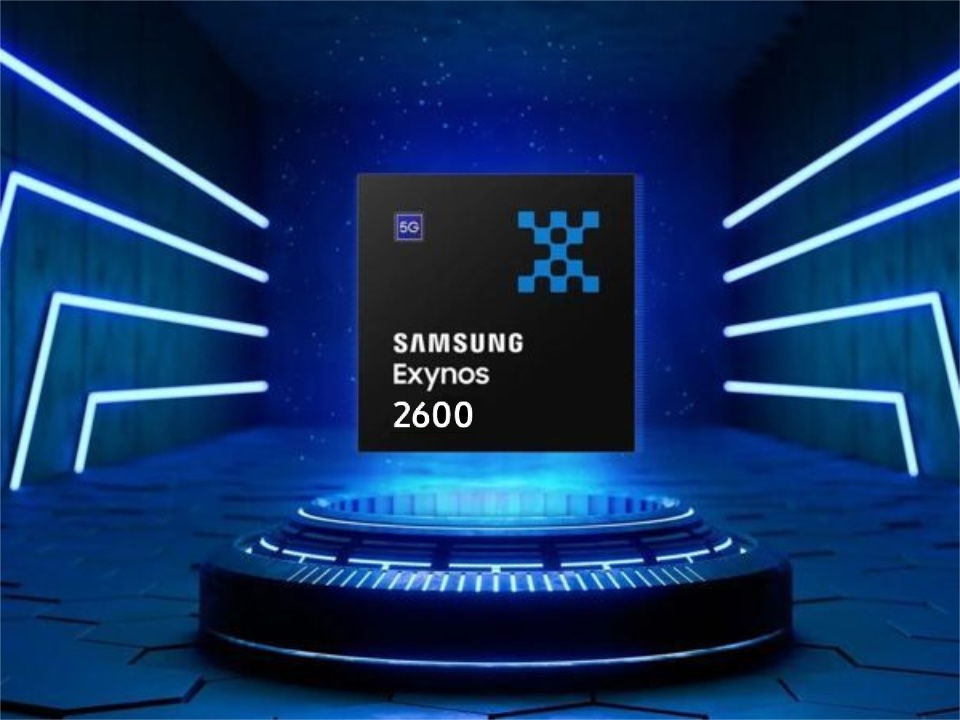
Samsung is gearing up to introduce its 2nm-based flagship chipset, the Exynos 2600, and early benchmarks suggest it can go head-to-head with Qualcomm’s Snapdragon 8 Elite Gen 5. But if history is anything to go by, it’s wise not to read too much into early numbers from an unreleased Exynos chip. Samsung is rumored to be planning the S26 and S26+ with this in-house silicon in most regions, which has understandably disappointed fans who were hoping for a global Snapdragon rollout.
Samsung Galaxy S26 Plus CAD render by AndroidHeadlines / OnLeaks
However, there might still be a silver lining. According to a recent report from Wccftech, the Exynos 2600 will only be used in the Korean versions of the Galaxy S26 and S26+. Most global markets are once again expected to receive Snapdragon-powered units. That either shows Samsung still lacks confidence in pushing Exynos internationally or suggests the current production yield on Samsung’s 2nm node isn’t yet high enough to keep up with global demand.
A deeper look from South Korea’s CTT Research highlights several long-standing challenges: overheating during extended workloads, kernel-level security concerns, and lower manufacturing yields. These issues have shaped consumer sentiment for years, with Snapdragon variants consistently seen as the safer bet for performance and stability.
Exynos 2600
Of course, Samsung is trying hard to change that narrative. The Exynos 2600 reportedly uses a new “Heat Pass Block” structure to improve thermal performance — potentially reducing temperatures by as much as 30%. The chip also continues leveraging Fan-Out Wafer Level Packaging (FOWLP) to boost efficiency. Meanwhile, yield rates for the 2nm GAA process have reportedly improved to around 50%, a meaningful step up from the previous generation.
But beyond technical hurdles, there’s a major business complication too: Samsung is tied to a multi-year agreement requiring roughly 75% of Galaxy S flagships to ship with Snapdragon chips. Expanding Exynos too aggressively could trigger expensive penalties, making any global scale-up a risky move.
So for now, customers in South Korea will be the first to experience Samsung’s newest silicon effort, while buyers elsewhere can set aside concerns over heating or performance variance.
Xiaomi has quietly refreshed its affordable TV lineup by adding a new 32-inch QLED option to the TV A Pro 2026 series. The smaller screen size brings premium display tech into the budget tier — and at a price that’s hard to ignore.
The Xiaomi TV A Pro 32 2026 has already appeared on the company’s global product pages. In Germany, it’s listed at just €229 (about $267), making it an appealing pick for bedrooms or anyone who wants a compact TV without giving up newer features.
Despite the low cost, the set uses a QLED panel that Xiaomi claims covers 90% of the DCI-P3 color gamut, with support for HDR10 and HLG. That should translate to reasonably good contrast and vibrant colors. Audio gets a boost too, thanks to dual 10W speakers and support for Dolby Audio, DTS-X, and DTS Virtual:X.
On the software side, the TV runs Google TV with built-in Google Assistant, Chromecast-style casting, and Miracast support. Wi-Fi (2.4/5GHz), Bluetooth 5.0, Ethernet, two HDMI ports, and a USB Type-A port cover the basics for connectivity.
Inside, there’s a quad-core Cortex-A53 processor paired with Mali-G31 graphics, 1GB of RAM, and 8GB of storage. The display resolution lands at 1,366 × 768 pixels with a 60Hz refresh rate — standard specs for this category.
Pricing varies by region: in Malaysia, the TV’s official price is MYR 899 (around $219), but early buyers can grab it for just MYR 619 (roughly $151) under a launch offer.
With QLED panel, Google TV, decent audio extras, and one of the most aggressive price tags among 32-inch smart TVs, Xiaomi’s latest addition aims to set a new baseline in the budget space.
Global buyers looking for a more compact screen with a high refresh rate may want to check out the Xiaomi Monitor A24i 2026.
Motorola continues to expand its Android 16 beta program to the more affordable Moto G-series lineup, with the Moto G56 being the latest to join the party. The beta program recently went live for the Moto G75 and Moto G67, and now for the G56.
The Android 16 beta program for the Moto G56 is available in multiple regions, including Brazil, Latin America, and Europe, as shared by a senior MotoAgent on the official community forum. If you own a Moto G56 and live in a supported region, you can register for the beta program to get early access to the latest features and upgrades.
If your application gets approved, you will receive the Android 16 beta on your Motorola phone via an OTA upgrade. You should receive a notification for the same in the notification center. Alternatively, you can navigate to Settings > System updates > Check for updates to manually check for updates.
After upgrading to Android 16, you’ll notice several useful upgrades and new features on your device. This includes a new Notification cooldown feature to prevent you from getting annoyed when an app sends you too many notifications in a small time period. There’s also a new Flash notification feature inside the Settings app, which, when enabled, flashes the screen or the camera on receiving calls and notifications.
Android 16 on Motorola phones also introduces custom modes, allowing users to create profiles for different activities. There’s also an Advanced protection feature designed to keep the device safe from various kinds of threats and vulnerabilities. Furthermore, the update improves compatibility with Bluetooth LE audio devices.
Fill in the required details and submit your application.
Motorola may send more details about the beta program via email. So, don’t forget to check your emails regularly. Remember to check your spam or junk folder as well.
Since it will be a beta update, it’s best to back up your important data first before installing the update. Also, ensure that the device has sufficient storage and at least 40% battery.
Don’t forget to hop into our Android 16 section regularly for the latest updates. Or, if you prefer your news instant and on the go, hop into our Telegram channel for instant notification about the latest software updates and all the biggest tech headlines.
After announcing the OnePlus 15 last month, OnePlus is now gearing up to unveil the 15R on Dec. 17 in India. The 15R will arrive as a sub-flagship phone powered by the all-new Snapdragon 8 Gen 5. Today, the company rolled out a press release confirming a few more details about the 15R.
OnePlus 15R battery, charging details confirmed
OnePlus 15R battery
While the OnePlus 15 packs a 7,300mAh battery, the upcoming OnePlus15R gets a slightly larger 7,400mAh battery with 80W fast charging. This makes the 15R the OnePlus phone with the largest battery size in the global market. In China, the recently unveiled Ace 6 and 6T feature 7,800mAh and 8,300mAh batteries, respectively.
Under the hood, the OnePlus 15R features the Snapdragon 8 Gen 5 chip. As per a recent Geekbench listing, the device will have 12GB of RAM and Android 16. At present, it is unclear whether a 16GB RAM variant will be offered.
While the brand has not confirmed the OnePlus 15R’s camera specifications, it has been revealed that the device will support 4K 120fps video recording. On the front, the device is equipped with a 1.5K AMOLED screen offering 450ppi and up to 1800 nits of brightness. Its TÜV Rheinland Intelligent Eye Care 5.0 certification helps ensure comfortable viewing and improved eye protection.
The OnePlus 15R has a Plus Key, which acts as a customizable shortcut button for quick access to specific features or tools. It will come preloaded with ColorOS 16 and will feature an IP68/69-rated dust and water-resistant chassis.
For more daily updates, please visit our News Section.
Xiaomi doesn’t seem to be slowing down on its in-house chip ambitions. The Xiaomi 15S Pro arrived in May 2025 as the first phone powered by the brand’s self-developed Xring O1 processor, a new leak suggests the company is already moving ahead with its successor.
Xiaomi 15S Pro
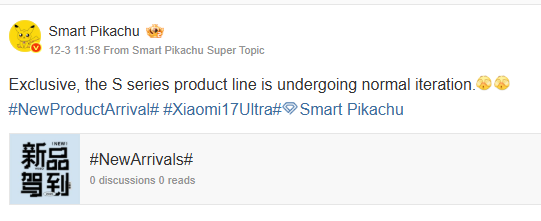
The report comes from popular Chinese tipster Smart Pikachu, who claims the Xiaomi 17S series is currently under development. The naming lines up with the upcoming Xiaomi 17 flagship family, keeping the “S” lineup positioned as the experimental sibling that relies on Xiaomi’s home-grown silicon. And this time, that likely means the debut of the second-generation Xring O2 chip.
The current 15S Pro served as a mid-cycle refresh of the Xiaomi 15 Pro, swapping out Qualcomm silicon in favor of Xiaomi’s own processor. Aside from that key change, the phone didn’t attempt anything too flashy — but it marked an important first step toward reducing reliance on outside chipmakers.
If a recent leak proves accurate, the Xiaomi 17S lineup will continue that effort with updated processing power and a more mature baseband design. Development of the network components is still underway, which supports the expectation of a 2026 release rather than anything sooner.
Like its predecessor, the 17S series is expected to remain exclusive to the Chinese market, giving Xiaomi a safer space to refine its in-house chip technology before considering wider expansion. Global flagships, at least for now, will still depend on established Qualcomm platforms.
The Xring O2 is expected to use ARM’s Travis core for a major performance leap, but there’s still plenty we don’t know. What is certain, though, is that Xiaomi’s push toward silicon independence isn’t a short-term experiment. The company is already preparing its next major step in the Xring roadmap.
Samsung’s next big software update may have just lost its surprise factor. Days before the One UI 8.5 beta is expected to go live for the Galaxy S25 series, what appears to be the full changelog has spilled online — and it’s a long one.
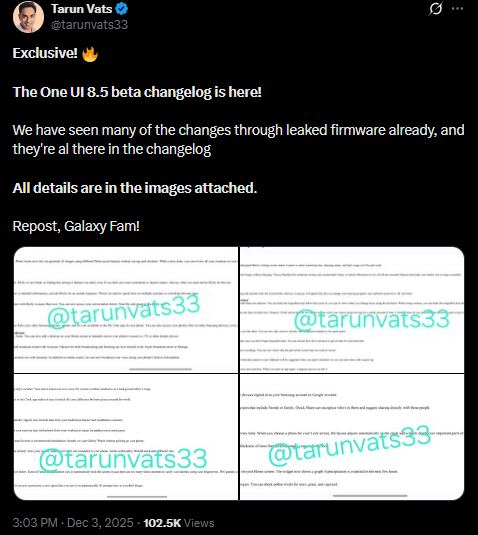
The leak comes from well-known tipster Tarun Vats, who shared details from internal test builds. While Samsung will likely save a few additions for the later stages of development, the current feature list already paints a clear picture of where the platform is headed: more AI, deeper ecosystem features, and a lot of thoughtful quality-of-life improvements.
Galaxy AI is getting smarter in places. Photo Assist reportedly supports continuous image generation so users can keep tweaking edits without cluttering their gallery. Bixby also gets a major conversational boost — you can speak casually, issue more complex commands, and even open a history panel to revisit previous interactions.
Samsung is also putting serious effort into making its devices work better together. A new Storage Share option surfaces files from linked Galaxy phones, tablets, PCs, and TVs right inside the My Files app. Quick Share gains smarter contact suggestions based on who appears in your photos, plus the ability to automatically block sketchy requests. Wireless audio sees upgrades too, including expanded Auracast features and faster Smart View casting shortcuts.
On the personalization front, Samsung finally addresses a long-standing annoyance: lock-screen clocks covering faces in portrait wallpapers. The system now automatically adjusts the layout. The weather widget gains new visuals like air quality and rain charts, and the Clock app adds improvements such as a time-zone slider and weather-matching alarm themes.
Elsewhere, there’s a redesigned Battery settings page, stronger power-saving options, upgraded Samsung Health tracking (including medication and mindfulness), tighter theft-protection, small but useful DeX refinements, partial screen recording, and more accessible controls throughout the UI.
The first beta build is rumored to arrive in mid-December for the Galaxy S25 series, with more devices to follow. Based on this leak, One UI 8.5 isn’t about flashy overhauls — it’s Samsung smoothing out the rough edges across the entire Galaxy experience.
Honor looks ready to roll out its next performance-focused smartphone. The upcoming Honor X80 has just passed a key certification in China, hinting that its official launch isn’t far off. And the biggest takeaway from the listing is the size of the battery Honor plans to squeeze inside this device.
Honor X70
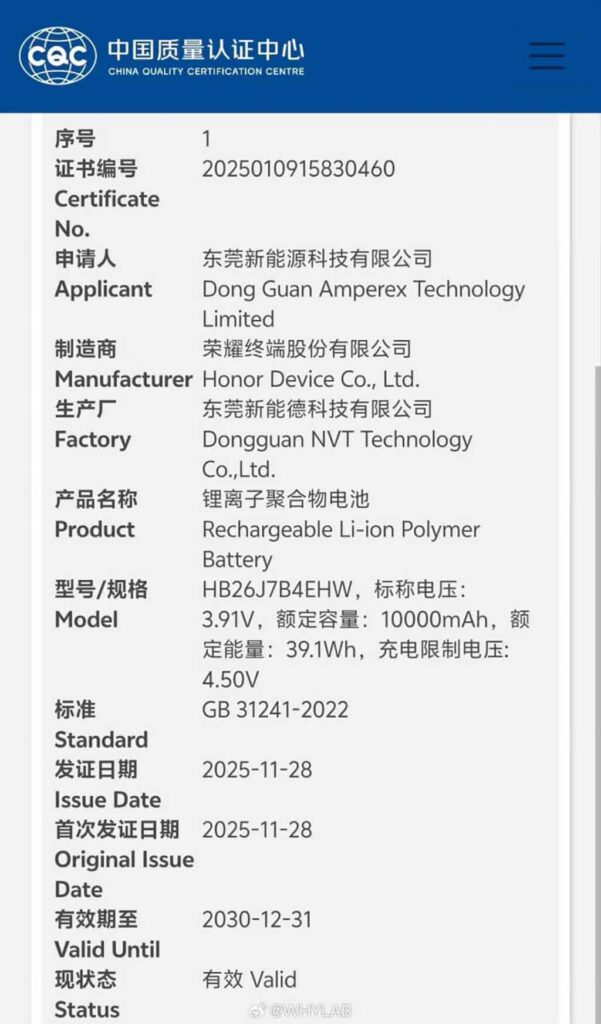
According to the China Quality Certification (CQC) database, the phone was approved under certificate number 2025010915830460. The paperwork confirms the X80 will feature a massive 10,000mAh battery. That’s a huge upgrade over the Honor X70’s 8,300mAh pack, which already earned a reputation for going well beyond a full day of use.
With this new bump in capacity, the X80 is shaping up to be one of the longest-lasting smartphones in its class — a device built for people who hate battery anxiety or spend hours gaming, streaming, or staying connected on the go.
The certification also confirms 5G support, which isn’t surprising at this point, but still checks one important box on the spec sheet. Other details, like the processor and display features, remain unconfirmed for now. That said, earlier reports have suggested the X80 may bring improved performance and possibly some enhancements aimed at mobile gamers — continuing a trend Honor has been pushing through the mid-range lineup.
The Honor X70 was a success story thanks to its durability and standout battery life, managing impressive early sales after its launch. With the X80 stepping things up further, Honor appears confident in doubling down on long-lasting devices that don’t require a mid-day recharge.
Since certification tends to come shortly before an official announcement, we may not have to wait long to see the X80 fully revealed. For buyers who want stamina above all else, this one could be worth keeping an eye on.
We use cookies on our website to give you the most relevant experience by remembering your preferences and repeat visits. By clicking “Accept”, you consent to the use of ALL the cookies.
This website uses cookies to improve your experience while you navigate through the website. Out of these, the cookies that are categorized as necessary are stored on your browser as they are essential for the working of basic functionalities of the website. We also use third-party cookies that help us analyze and understand how you use this website. These cookies will be stored in your browser only with your consent. You also have the option to opt-out of these cookies. But opting out of some of these cookies may affect your browsing experience.
Necessary cookies are absolutely essential for the website to function properly. This category only includes cookies that ensures basic functionalities and security features of the website. These cookies do not store any personal information.
Any cookies that may not be particularly necessary for the website to function and is used specifically to collect user personal data via analytics, ads, other embedded contents are termed as non-necessary cookies. It is mandatory to procure user consent prior to running these cookies on your website.