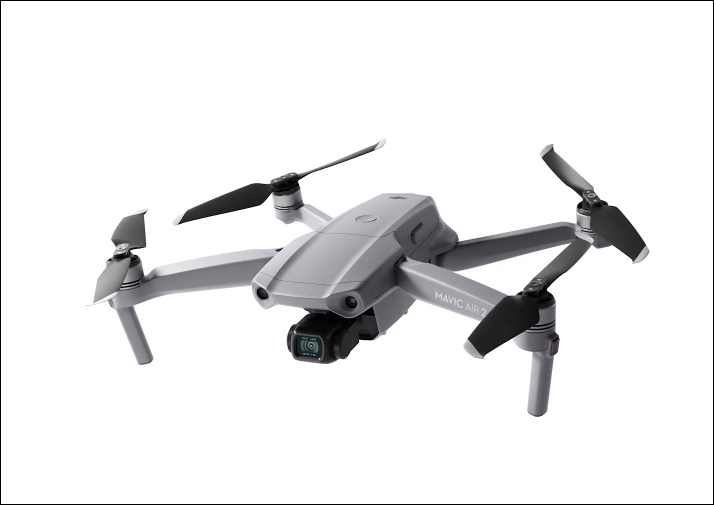
DJI has grown to become the leading name in the commercial drone industry. The drone maker has just launched its latest drone and it is available to buy on its website. The DJI Mavic Air 2 takes power and portability to the next level, offering advanced features in a compact form factor.
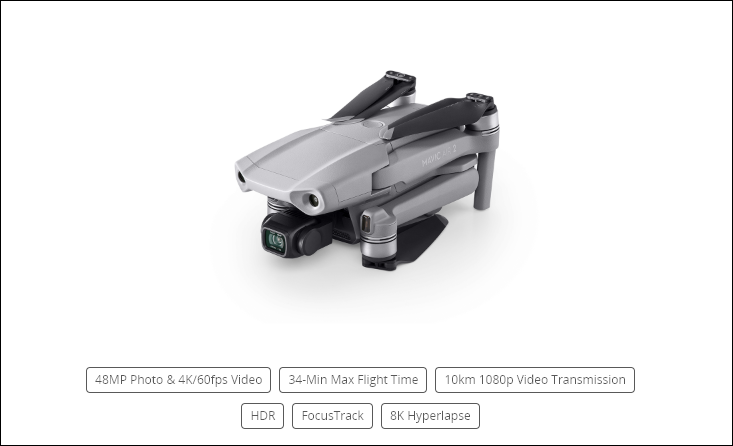
The drone has seen several improvements including the flight time and the camera. It packs a new 48MP sensor which can be binned to 12MP for better-quality photos. The sensor is also larger than the Mavic Air’s standing at 1/2.3” but the sensor has an 84° field of view and f/2.8 aperture, same as the first generation. It can shoot regular videos at 4K resolution and will also be able to shoot 8K Hyperlapses.
The DJI Mavic Air 2 weighs 570g which is higher than what the Mavic Air weighs. One reason for this is no doubt the larger 3,500mAh battery capacity. The bigger battery ensures the Mavic Air 2’s flight time is bumped up to 34 minutes, way higher than the 21 minutes light time which the first-gen model offers. The drone can travel at a maximum speed of 68.4 km/h and has a maximum descent of up to 5 m/s.
Further, the Mavic Air 2 supports OcuSync 2.0 out of the box, a feature from the Mavic Pro, which creates a more reliable long-distance attachment and enables the use of the DJI Goggles.
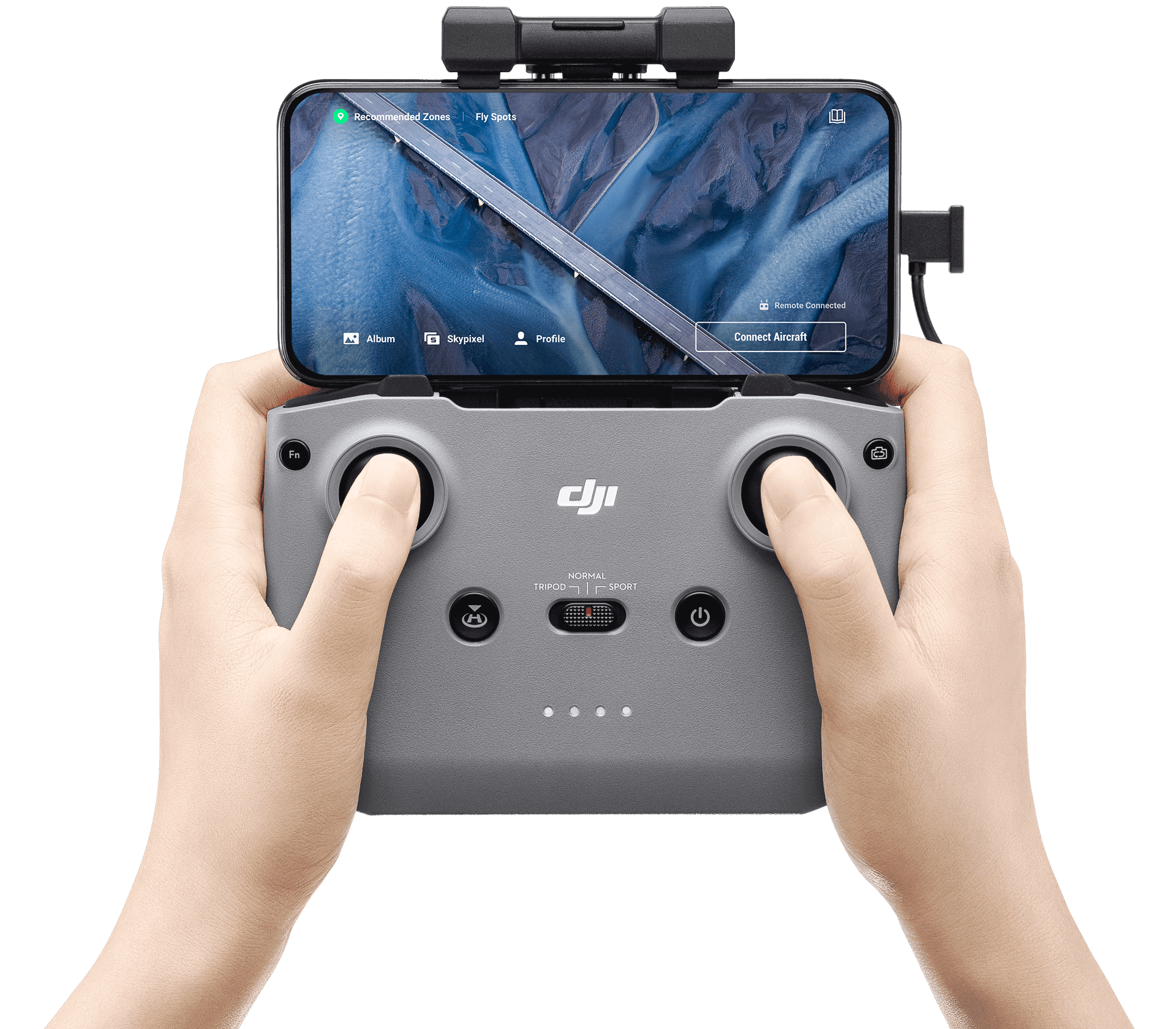
The newly designed remote controller features an ergonomic design for a more comfortable grip and boasts an impressively long battery life of 240 minutes. The new clamp makes attaching smartphones fast and easy, while integrated antennas significantly improve user experience.
The Mavic Air 2 with a price tag of $799. There is a “Fly more combo” with three batteries, a set of ND filters, 6 pair of replacement propellers, a battery charging hub, a Battery to Power Bank Adaptor, a shoulder bag and more offered for $988.
Quick Charge 4+ was announced back in 2017, so you won’t be wrong to expect the successor to arrive as Quick Charge 5 or Quick Charge 5+, right? Qualcomm has surprised us by not launching Quick Charge 5 but Quick Charge 3+.
Qualcomm says the new charging technology is designed to bring “advanced charging at a lower price point”. The feature is said to be available first on the Snapdragon 765 and Snapdragon 765G processors.
Quick Charge 3+ is also said to be available first on the newly-launched Mi 10 Lite Zoom (Mi 10 Youth Edition). Surprisingly, the phone is said to also support Quick Charge 4+, making it the world’s first smartphone to support both charging technologies.
Below are the key features of Quick Charge 3+:
Fast Charging and better efficiency: charges from 0% to 50% in 15 minutes. It is also 35% more efficient than the previous generation and 9°C cooler.
Support for USB Type-A to Type-C cables and accessories
Backward compatibility with previous-generation Quick Charge devices. Newer devices can also work with Quick Charge 3+ accessories.
Integrated cable power capability or identification
Support for new PMICs such as SMB1395/SMB1396 which brings advantages such as eliminating the need for external components an overvoltage protection chip and a sense resistor.
Qualcomm says more Snapdragon mobile platforms will support the new fast charging technology.
The COVID-19 pandemic was expected to have minimal effect on the smartphone industry but as the pandemic continues to ravage countries unabated, predictions are changing. Research firm DigiTimes has published a report which projects that smartphone shipments are now expected to decrease by a massive 15% this year to 1.15 billion units.
The slump in shipment is expected to hit smartphone brands with large presences in the United States and Europe, which have implemented strict lockdown measures and are likely to experience an economic recession this year. Manufacturers focused on the premium segment are also expected to face extra pressures since buyers are starting to live on tighter budgets. Besides, getting a new smartphone isn’t typically high on the list of priorities, especially not high-end ones. Recall that OnePlus which manufactures only premium phones recently laid off some of its workers in Europe.
Tech giant Apple has already lowered its internal targets. DigiTimes reports that Apple may have already lowered orders for the iPhone 11, which is the best-selling iPhone device globally, for the second and third quarters. The newly released iPhone SE may help soften the near-term impact.
Samsung has also reportedly lowered its internal smartphone shipment forecasts for the year. The poor reception of the Galaxy S20 series is one of the main reasons for this outcome. If the situation doesn’t improve, there are speculations the series could become the worst-selling Galaxy S lineup in years or perhaps ever. The company’s revenue will also take a hit under this circumstance.
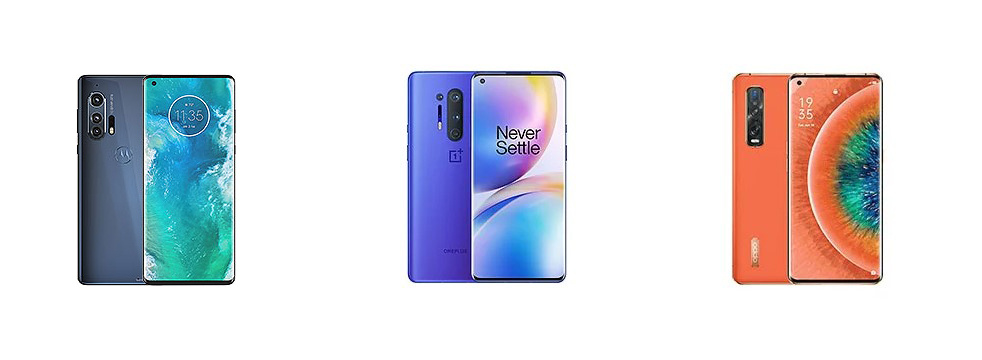
After years of silence, Motorola is back in the flagship segment with the Motorola Edge+. We are not talking about an affordable flagship, but a top-tier one offering maxed out specifications. We are still far from its launch in the market as the device will officially go on sale in May. But a lot of people are already wondering whether it is worth waiting for it or opting for other Chinese flagships already available to purchase. We think there is no better way to answer such a question than comparing the new Motorola Edge+ with the above-mentioned handsets. With the same budget, you can actually get an OnePlus 8 Pro or even an Oppo Find X2 Pro. Which one is worth the money asked and which is the best device? Go ahead with this comparison to find out.
Motorola Edge+ vs OnePlus 8 Pro vs Oppo Find X2 Pro
OnePlus 8 Pro
Oppo Find X2 Pro
Motorola Edge+
DIMENSIONS AND WEIGHT
165.3 x 74.4 x 8.5 mm, 199 g
165.2 x 74.4 x 8.8 mm, 200/208 g
161.1 x 71.4 x 9.6 mm, 203 g
DISPLAY
6.78 inches, 1440 x 3168p (Quad HD+), Fluid AMOLED
If you love stylish phones and you need the most unique design, go for the Oppo Find X2 Pro without thinking twice. It comes in two variants: one with a ceramic body and one with a vegan leather body. And in both versions, it is waterproof with the IP68 certification. Oppo Find X2 Pro has definitely the most impressive aesthetics, but OnePlus 8 Pro and Motorola Edge+ are still very beautiful handsets. All come with a punch-hole display and very narrow bezels, but Motorola Edge+ has a higher screen-to-body ratio and attractive curved edges, as the name suggests. However, while Oppo Find X2 Pro and OnePlus 8 Pro are waterproof, Motorola Edge+ is only splash resistant.
Display
With the Oppo Find X2 Pro and the OnePlus 8 Pro, you actually get a better display than Motorola Edge+. In both cases, we are talking about a 10-bit panel with a high Quad HD+ resolution and a 120 Hz refresh rate. OnePlus 8 Pro has a slightly wider panel with a 6.78-inch diagonal, while Oppo Find X2 Pro has a 6.7-inch display just like the Motorola Edge+. The Edge+ has a lower display resolution and even a lower refresh rate, so it is undoubtedly inferior. But with all of these devices, you get a rich image quality with the support of the HDR10+ standard.
Hardware/Software
The hardware side of Motorola Edge+, OnePlus 8 Pro, and Oppo Find X2 Pro does not have compromises. All are equipped with a Snapdragon 865 chipset and they offer up to 12 GB of RAM, so you get essentially the same performance level. Oppo Find X2 Pro offers more internal storage as it goes up to 512 GB, while its two rivals stop at 256 GB. Motorola Edge+ and OnePlus 8 Pro offer a nearly-stock Android experience with Android 10 out of the box, while the Android 10 version of the Oppo Find X2 Pro is customized by ColorOS 7 offering a different user interface. These devices are all 5G-enabled thanks to a Snapdragon X55 modem, but in the global market, OnePlus 8 Pro is the only with a dual SIM slot.
Camera
On the paper, the most impressive camera department belongs to the Oppo Find X2 Pro: it boasts two 48 MP sensors and a stunning periscope lens with up to 5x optical zoom. But hardware is not the only thing to consider when it comes to photo quality. Motorola Edge+ and OnePlus 8 Pro are still amazing camera phones, each with its strong points. The software optimization will be very important to establish which one wins the camera battle. But unfortunately, we still have no chance to test all of these devices thoroughly: the Motorola Edge+ will hit the shelves in May, so there is still no way to test it for us.
Battery
With its impressive 5000 mAh battery and a display with a lower resolution and a lower refresh rate, Motorola Edge+ will most likely offer a way longer battery life than Oppo Find X2 Pro and OnePlus 8 Pro. The OnePlus 8 Pro comes right after with a 4510 mAh battery. Oppo Find X2 Pro still offers a good battery life; it comes with the fastest wired charging technology, but unlike the OnePlus 8 Pro and the Motorola Edge+, it does not support wireless charging (neither reverse charging).
Price
Oppo Find X2 Pro and Motorola Edge+ carry a €1200/$1300 price tag globally (Motorola Edge+ will be priced $999 in the U.S.), while OnePlus 8 Pro begins at €919/$995. There is not a definitive winner for this comparison: each device has its pros and cons. The Oppo Find X2 Pro has a more impressive design and a great camera with high zoom capabilities, as well as a unique design and an amazing display; it is my favorite one for these reasons, but it does not support wireless charging. OnePlus 8 Pro has a higher value for money and a very similar specs sheet to Oppo Find X2 Pro, even though it lacks the unique design and 5x optical zoom. Motorola Edge+ has an inferior display, but it offers a bigger battery. Which one would you pick?
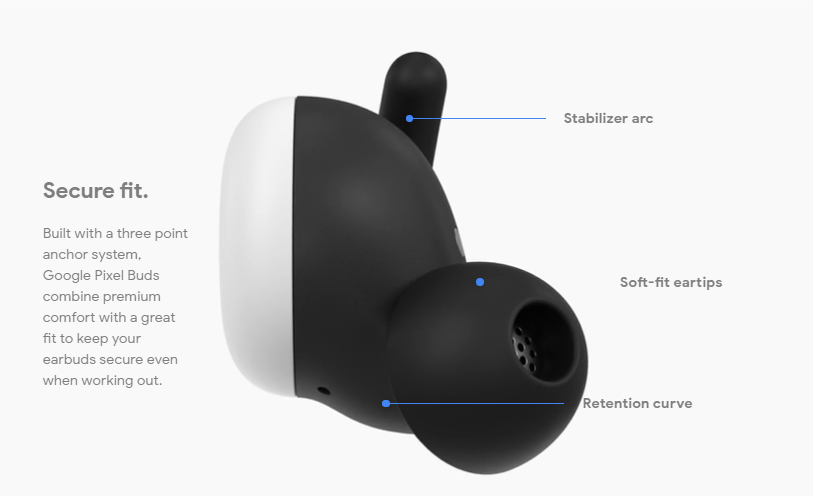
Google announced the new Pixel Buds with a truly wireless design in October last year and set the available date for Spring of 2020. Indeed, the Pixel Buds is now on sale in the US. According to Google, the earbuds will roll out to more countries in the coming months.
The Pixel Buds feature custom-designed 12 mm drivers, built-in sensors that automatically detect when you are talking, and microphones that help with noise cancellation. They come in a white case with black rubber seals that are visible even when closed. The case charges via USB Type-C and also wirelessly.
The earbuds are designed to have a secure fit and earbuds that seal the ears but they also have what is called an ambient vent that keeps you connected to the outside world. The buds have what is called adaptive sound which automatically adjusts the volume based on where you are.
Pixel Buds Quite Mint
Pixel Buds Oh So Orange
Pixel Buds Clearly White
The Pixel Buds are sweat and water-resistant, have real-time translation built-in, and of course, have Google Assistant too. The buds will last 5 hours on a single charge and provide up to 24 hours of usage with the case.
In the US, it is available on Google Store and retailers including AT&T, Best Buy, Target (coming early May), T-Mobile, U.S. Cellular, Verizon and Walmart at US$179 with free shipping. As of this moment, only the Clearly White colour variant is available Recall that the earbuds are also available in Almost Black, Quite Mint and Oh So Orange variants. Google says all other variants will be available in the coming months.
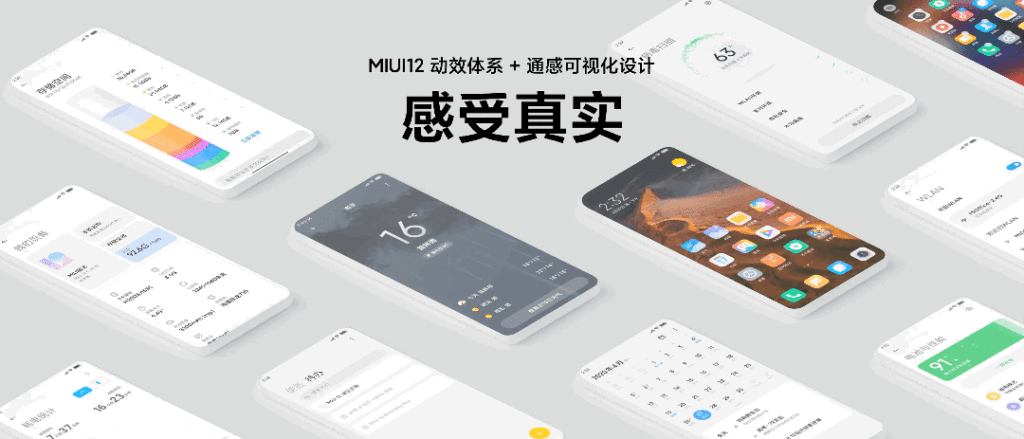
MIUI 12 was officially unveiled earlier today along with Mi 10 Youth Editon mid-range 5G smartphone sporting a periscope camera. After the event, the company also announced the update schedule in a post on Mi Community China. Unfortunately, the post also mentions some bad news suggesting MIUI 12 could be the last update for five popular devices from the company.
Xiaomi stopped releasing MIUI Global Beta builds from last year, however, it continued to provide beta builds for MIUI China ROM. Whenever the company drops support for beta builds for a device, it is likely to not receive the next iteration of MIUI thereafter.
In the post where the company listed the eligible devices for MIUI 12, it also noted the end of beta builds for five devices listed below from June 20, 2020.
MIUI 12 could be the last update for the above-listed devices. They may not receive MIUI 13 update whose ‘Feature Design Survey’ is already live on Mi Community China.
Once the development of MIUI China Beta ROMs for these devices will be ended, they will be receiving MIUI 12 Stable build as per the update schedule/timeline provided by the company. Additionally, they might receive one or two maintenance updates after that to fix bugs. And that could be the end of official software support for these handsets unless Xiaomi changes its mind.
It is worth noting that Mi 6 is yet to be decided by the company to get a stable update. Also, the Redmi Note 5 mentioned here is the Chinese variant, which is popular as Redmi Note 5 Pro in India.
Although these smartphones may not receive update from the company in the near future, they are expected to remain up to date for a few more years as almost all of them are still popular in the Android modding community.
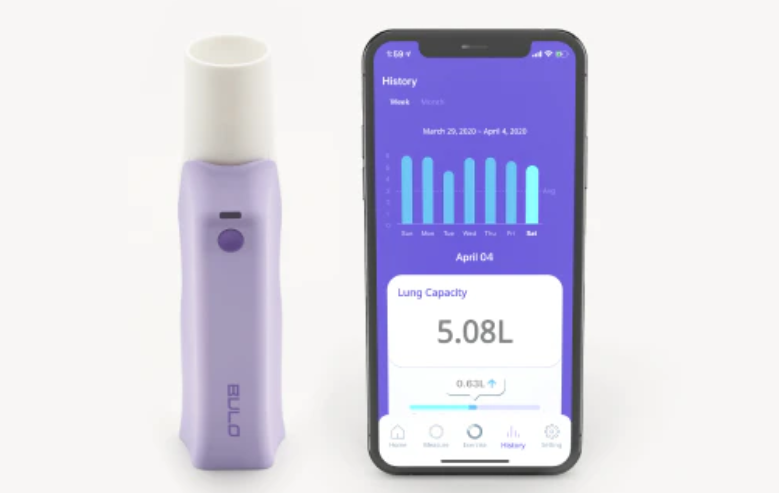
A new project on Kickstarter wants to help you monitor and improve the state of your lungs. BULO, as it is called, is a breath analysis device designed by ex-Samsung engineers and “accelerated by Samsung”. The portable device is able to measure and analyze the state of your lungs by simply breathing into it.
BULO connects to your phone via Bluetooth and has an accompanying app. The user is required to breathe into it for six seconds. The data is then sent to the phone and a special algorithm presents you with your result. The result includes your lung capacity, lung endurance, and even the age of your lungs.
Other than displaying the state of your lungs, it also suggests customized breathing exercises for you (based on your results) to improve the health of your lungs and records your daily progress. It will also display your results weekly, monthly, and yearly.
BULO has a removable and washable mouthpiece and LED. It has a 300mAh battery that charges via USB Type-C and lasts up to 20 days if you use it for 30 minutes per day. The charge time is stated as 4 hours.
BULO has crossed its $5000 goal even though it still has 23 days to go. Mass production is scheduled to begin in June and shipping is set for August. BULO does look like a promising product but we hope it comes in a sanitary carrying case. This is necessary for a product that is designed to go into your mouth.
You can back the project by visiting the source link below.
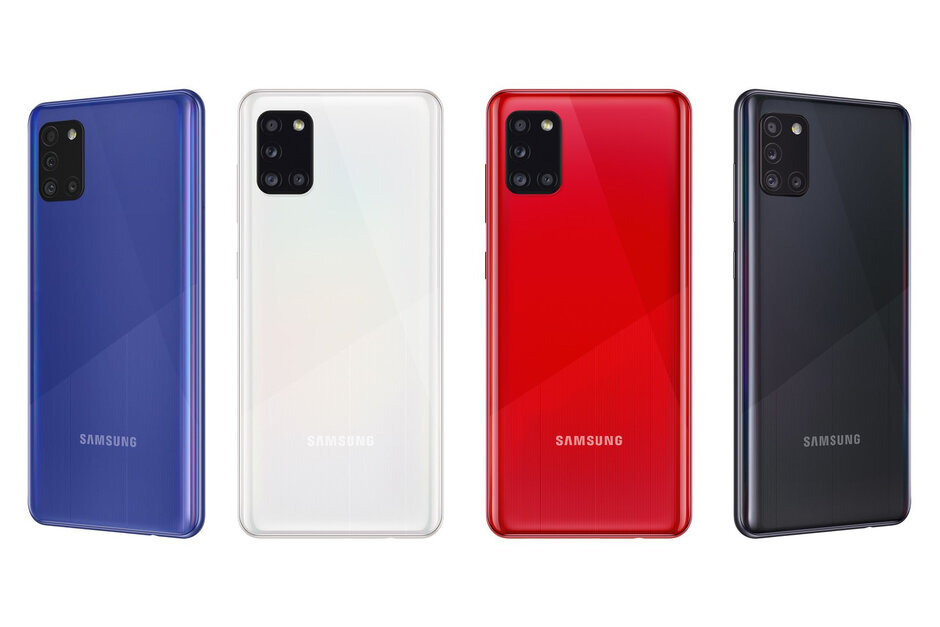
Samsung announced the Galaxy A31 recently as one of its Galaxy A series ew entrants. Even though the product was unveiled with the design and specifications listed, the pricing and availability weren’t revealed. The phone has now been listed by South Korean online store Coupang for preorder at a price of KRW 374,000 (around $300). Considering the specifications, the price looks good.
As a reminder, the Galaxy A31 packs a 6.4-inch FHD+ Infinity-U display and is powered by a MediaTek Helio P65 processor. The phone is available in two configurations – 4GB RAM + 64GB and 6GB RAM + 128GB. The pricing is for the 64GB version. There is also a MicroSD card slot which will allow users to add up to an additional 512GB of storage.
On the camera aspect, the Galaxy A31 also has a rectangular camera module. This houses four sensors – a 48MP f/2.0 primary camera, an 8MP f/2.2 ultrawide angle camera, a 5Mp f/2.4 depth sensor, and a 5MP f.2.4 macro camera. The selfie camera is a 20MP f/2.2 sensor.
The Galaxy A31 packs a 5000mAh battery but supports just 15W fast charging. There is an in-display fingerprint scanner and support for Samsung Pay. It also runs Android 10 out of the box.
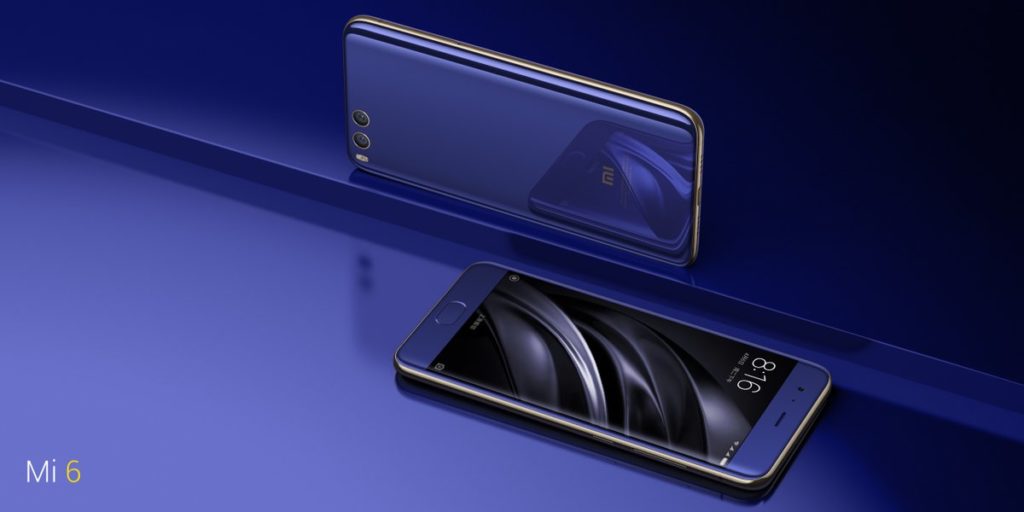
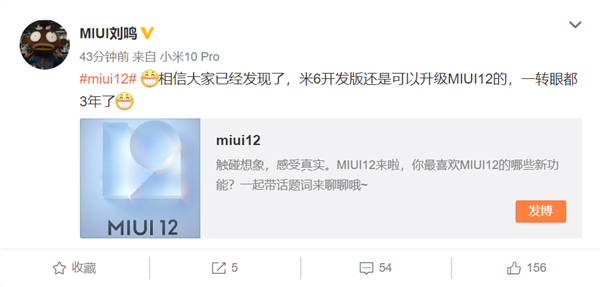
When Xiaomi revealed the official list of eligible devices for MIUI 12 update, it lacked Mi 6 flagship smartphone from 2017 but included Mi 6X, it’s lite variant. This was a head-turner for the user community as this device is still powerful enough to last for at least two more years. Thankfully, Liu Ming, the product manager of MUI has now confirmed the handset to receive the update.
The Xiaomi Mi 6 was launched in April 2017 with MIUI 8 based on Android Nougat. The device was later updated to MIUI 9, MIUI 10, and MIUI 11. Additionally, the system underneath was also upgraded to Android Oreo and Android Pie.
As far as any standard Android flagship smartphone is concerned, it is more likely to receive two platform updates and three years of security patches. In Mi 6’s case, it has already received support for 3 years and should not receive any update further if it has to follow the above tradition.
However, Xiaomi’s update tradition is different than other OEMs as it is known for supporting devices for up to 6 years. But sadly, the company has been changing as certain new MIUI features cannot work on old Android base and its a tiring job to update the platform versions of older devices.
On the other hand, phones released in the past few years are more capable than those launched before that. So, it was confusing why Xiaomi did not include Mi 6 for MIUI 12 update when Mi 6X was eligible for it.
At that moment, the MIUI Head took it to his Weibo to remind users that MIUI 12 Beta is indeed available for Mi 6. When we looked a look at the Mi Community post, we came to know that the company is yet to decide on providing a stable update to the device and thus it was not included in the official eligible list.
If Mi 6X is getting a stable MIUI 12 update, then Mi 6 will most certainly receive it. But for now, it is only guaranteed to get beta builds until the brand officially adds it to the official list of eligible devices, which we believe will happen soon going by the history of the company.
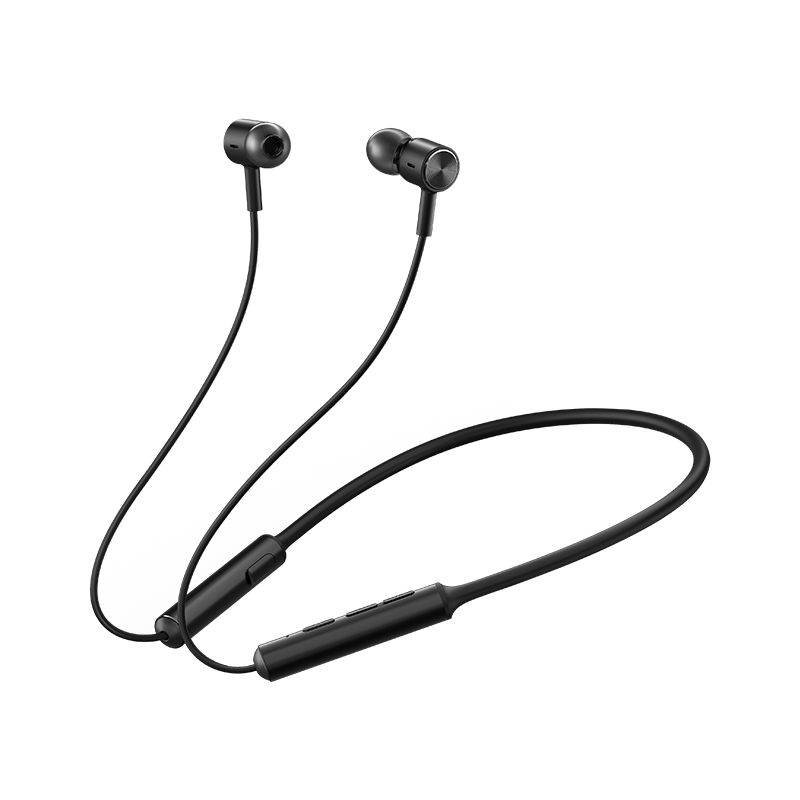
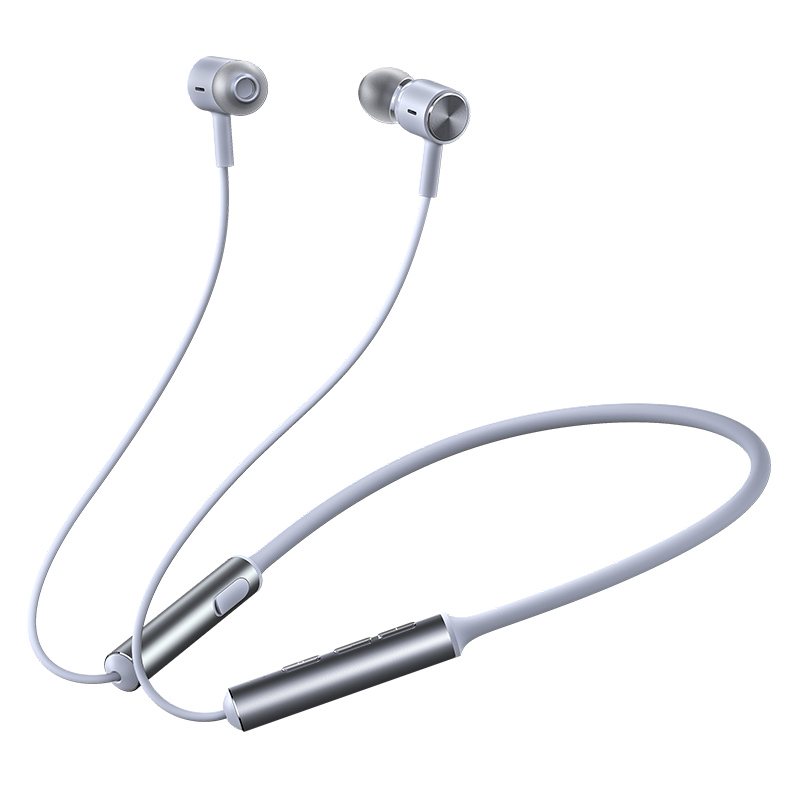
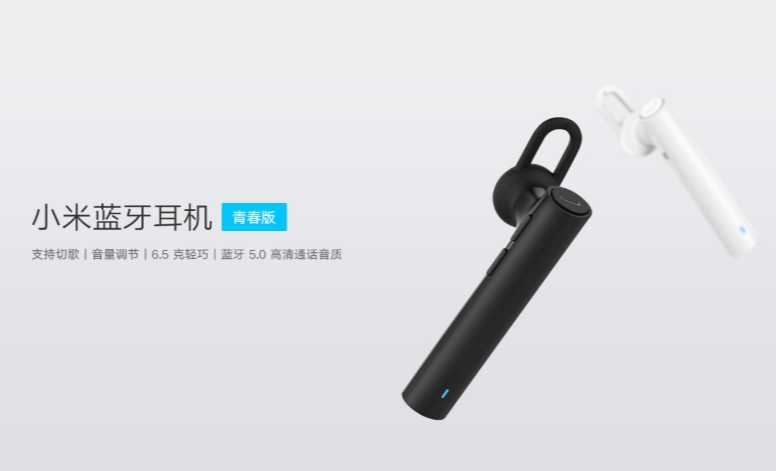
Alongside the Mi 10 Youth Edition, Xiaomi also announced two Bluetooth earphones. The two audio products are the Line Free Bluetooth Headphones and the Mi Bluetooth Headset Youth Edition.
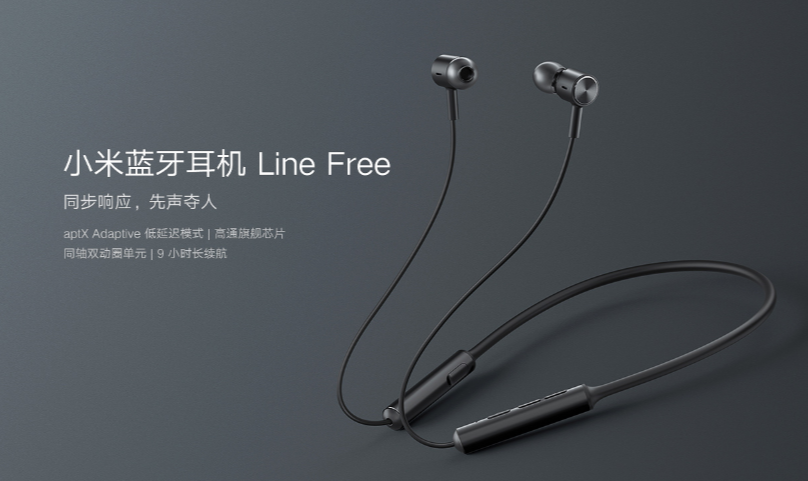
Xiaomi Line Free Bluetooth Headphones
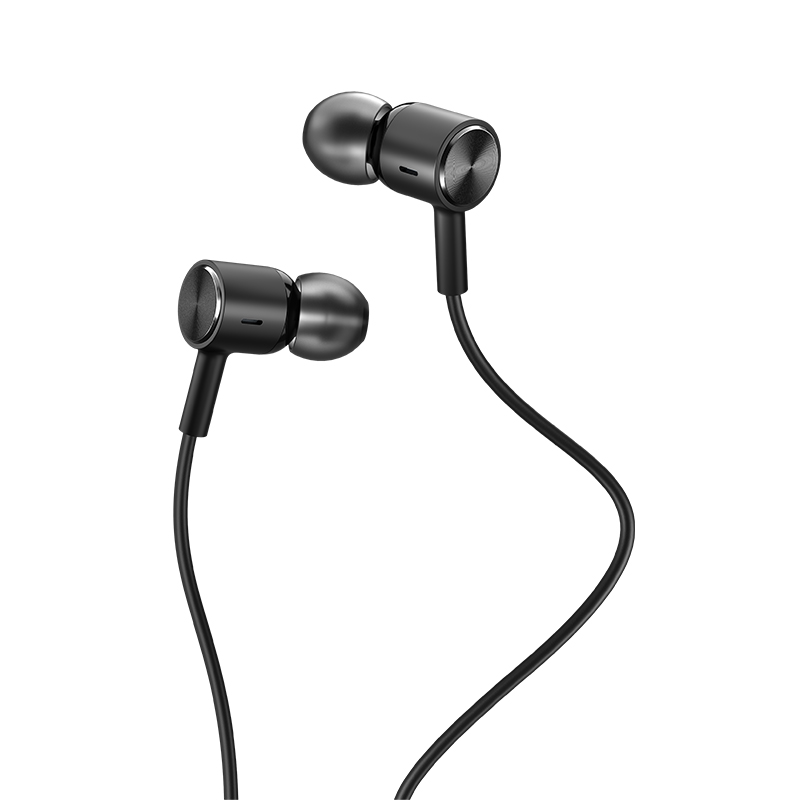
The Line Free Bluetooth Headphones has a neckband design with magnetic earbuds. It comes in two color variants – Black and Gray – with a sandblasted finish. The unique selling point of the earphones is its low-latency (80ms); thanks to Qualcomm’s aptX Adaptive technology.
The Bluetooth headphones are powered by Qualcomm’s QCC5125 audio chipset which is a low-power premium audio chipset. It combines DSP+cVC technology for crystal clear audio playback and calls.
The Line Free Bluetooth Headset has a 9-hour battery life and charges via a USB Type-C port. Xiaomi says a 10-minute charge will provide up to 2.5 hours of playback time. There is an in-line remote with buttons for controlling the volume and music playback. It also has support for XiaoAI, Siri, and the Google Assistant.
The Xiaomi Line Free Bluetooth Headphones is priced at ¥199 (~$28) and is already available for purchase on Mi.com.
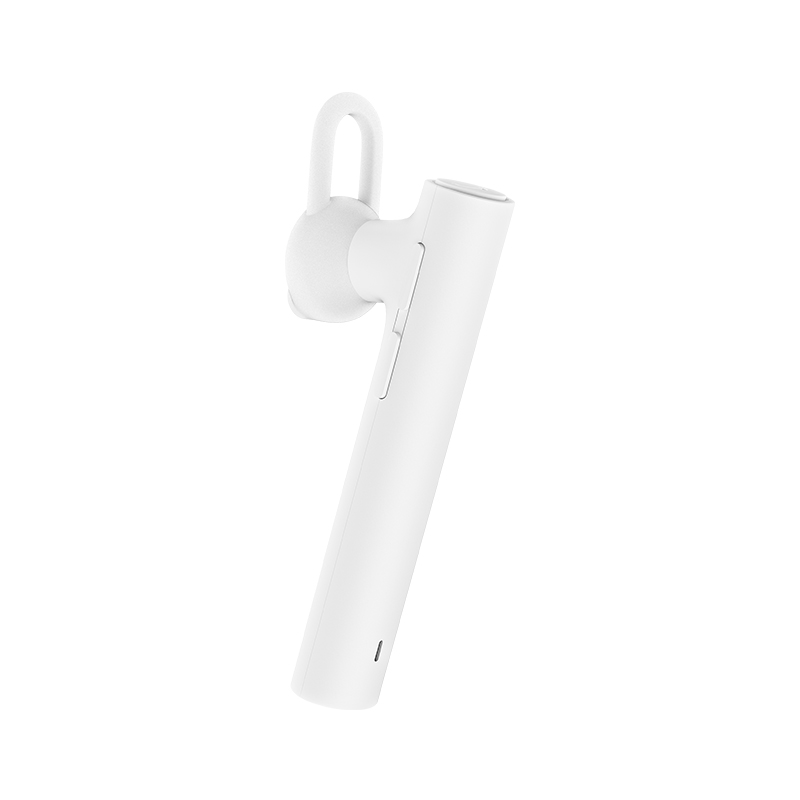
Mi Bluetooth Headset Youth Edition
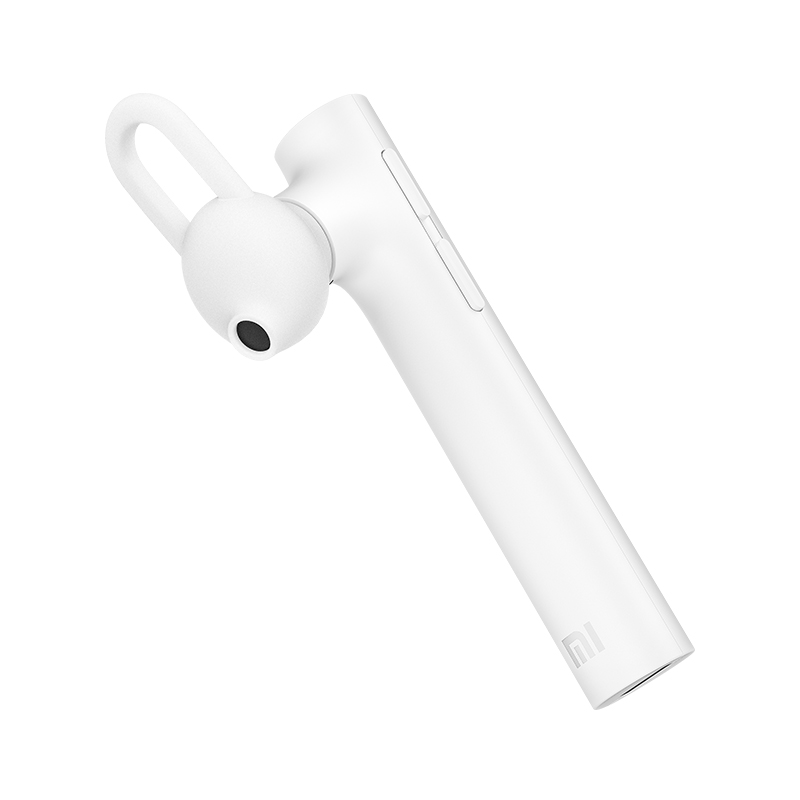
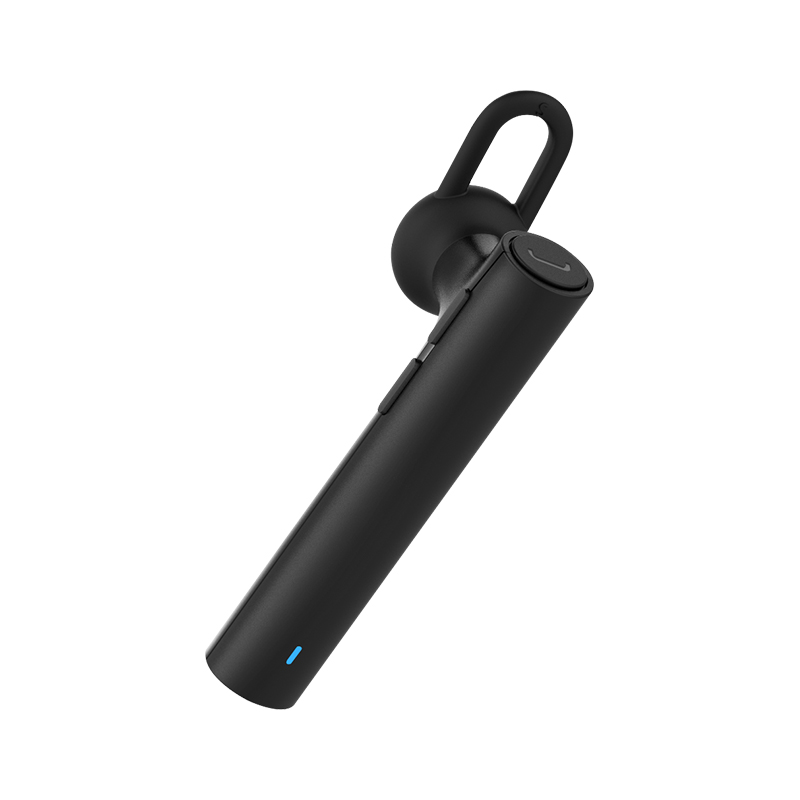
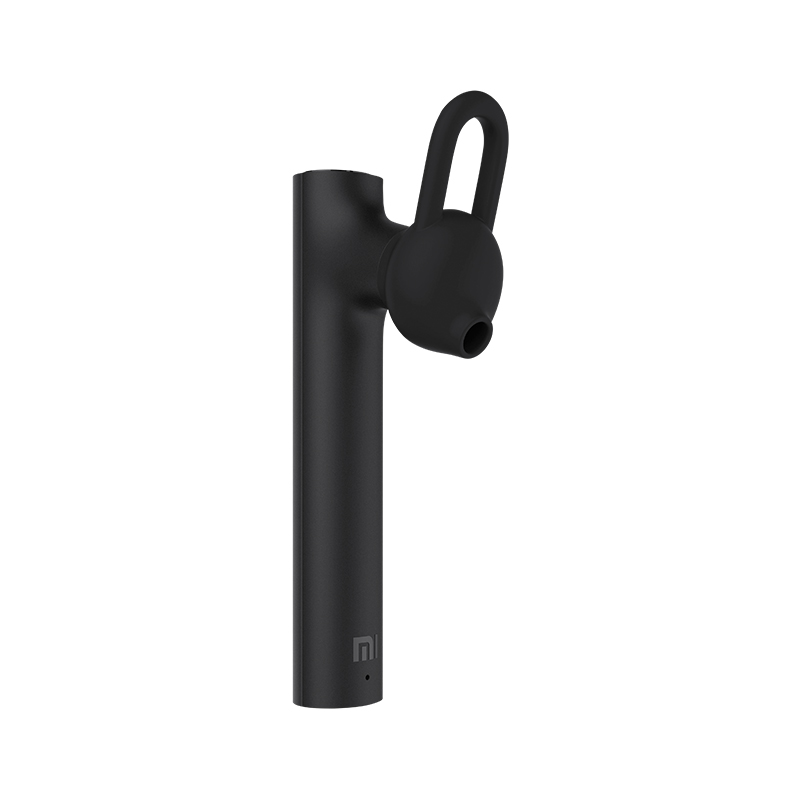
The Mi Bluetooth Headset Youth Edition (LYEJ07LS) is a single-ear Bluetooth headset designed primarily for calls. The design is similar to that of the Mi Bluetooth Headset Basic that was released a couple of years ago.
The headset weighs 6.5 grams and connects via Bluetooth 5.0 and has buttons for volume and music controls. You can also use the buttons to change tracks, reject or accept calls, redial numbers, and for three-way calling. It uses DSP technology for noise reduction and also reduces 4G network interference.
The Mi Bluetooth Headset Youth Edition has a nano-coating that is durable and oil-resistant. It has a 4-hour battery life and lasts up to 80 hours on standby. It can be paired to two devices at the same time and has a Bluetooth range of 10 meters.
The Mi Bluetooth Headset Youth Edition has a price tag of ¥59 (~$8) and comes in black and white color variants. It is also already available for purchase on Mi.com. It comes with three pairs of earbuds of varying sizes.
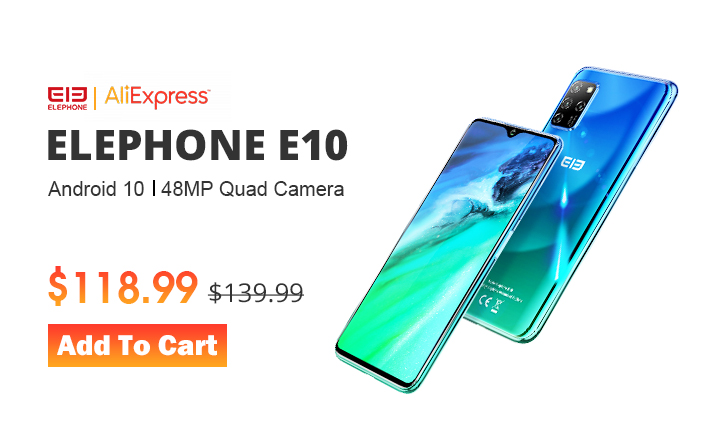
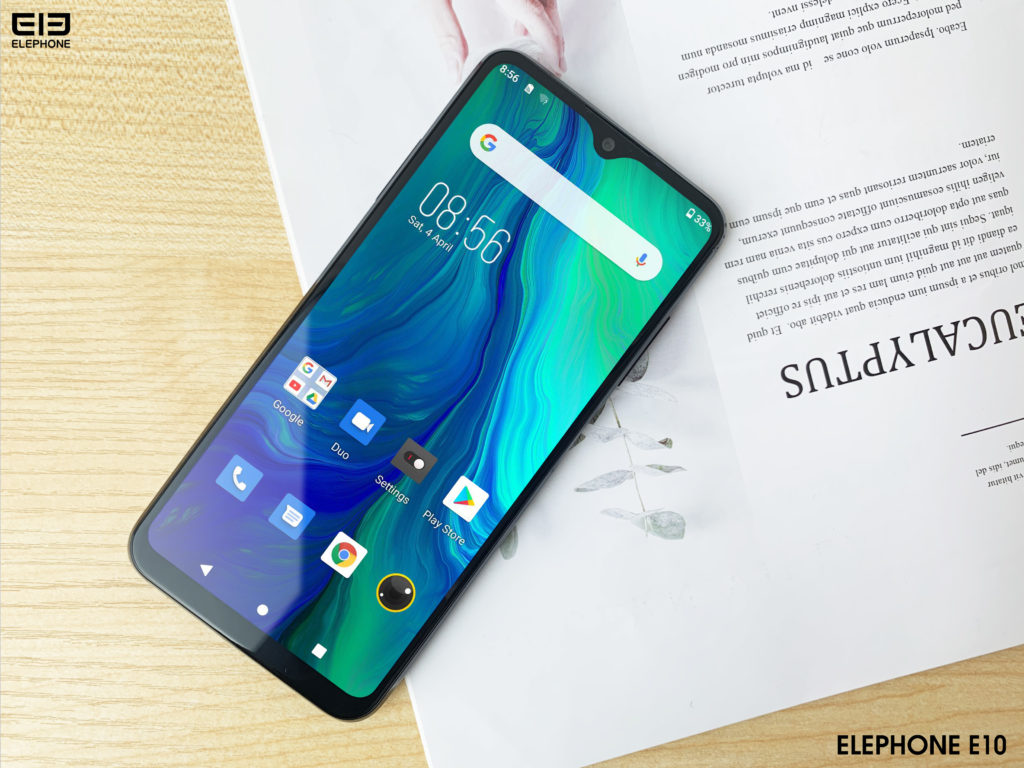
After the successful launch of Elephone E10, the company is now making it available across the globe by listing it on major e-tailers. Elephone E10 is already available on Banggood, and from today the smartphone will start retailing on Aliexpress for $108.99. The company is offering a limited time discount of $30 for early buyers until the end of April 2020.
Elephone E10 packs a true quad-module featuring a 48-megapixel primary camera, 13-megapixel ultrawide sensor, a 2-megapixel depth sensor, and a 5-megapixel macro sensor which fares well against the same sensor on Mi CC9 Pro. There’s a 13-megapixel front camera sensor for selfies and video calling.
Elephone E10 embeds a 6.5-inch Waterdrop display that offers 720 x 1560 pixels resolution having a 19:9 aspect ratio. It brings immersive experience thanks to the smaller bezels and 90.3% screen-to-body ratio.
The smartphone is powered with MediaTek Helio P22 chipset built on a 16nm process coupled with an octa-core processor with a maximum clocking speed of 2.0GHz. It swiftly handles the AI and couples a 4GB RAM. Elephone E10 houses a 64GB ROM and offers expandable storage up to 512GB storage with an SD card.
The smartphone packs a massive 4000 mAh battery which allows you to play games and watch videos without worrying about battery backup. It runs on Android 10 with a stock-like experience and supports NFC payments via Google Pay and other apps.
You can buy Elephone E10 at a discounted price of $108.99 on Aliexpress and Banggood. The limited-time discount will end and the smartphone will start retailing for the price of $139.99 from May. You can know more about the device by heading to the official Elephone store.
Moreover, Elephone is hosting 50% weekly flash sales to offer premium smartphones at dirt-cheap prices. Last week, the company sold out 50 units of Elephone PX, A6 Max, and A6 Mini within 2.-3 hours. If you are interested, then you can get Elepods, Elephone A5, and Elephone A7H for $0.99 from April 28 to 30. You can know more about the weekly deals on the Elephone official store.
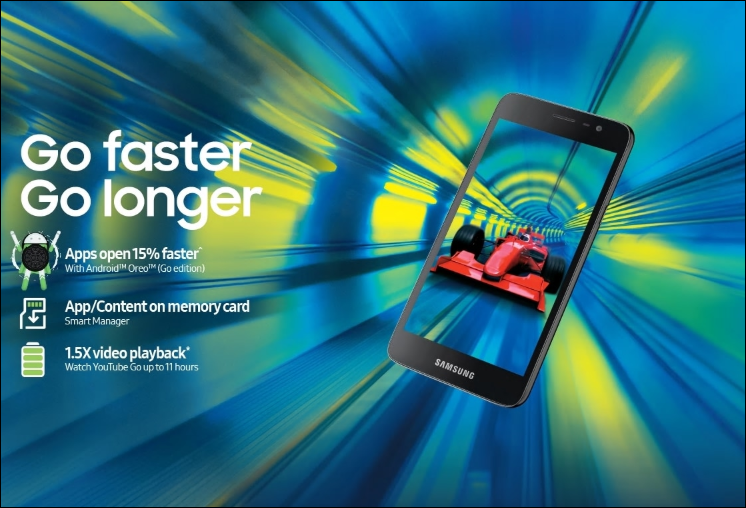
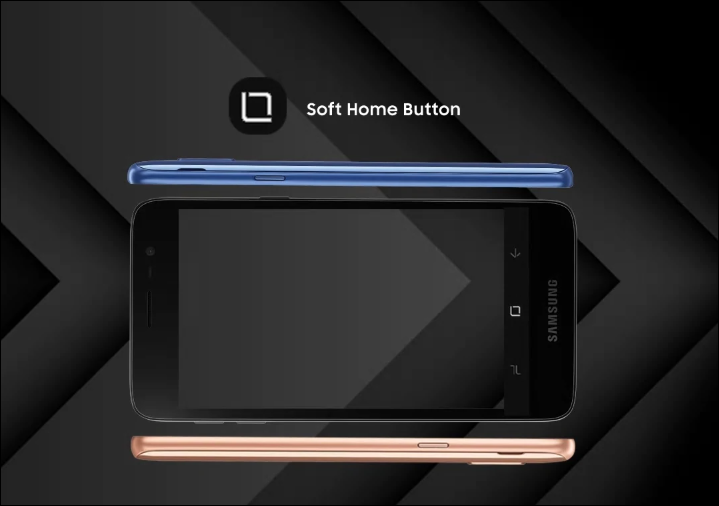
Samsung has officially unveiled a new entry-level smartphone in India. The model dubbed Samsung Galaxy J2 Core (2020) takes over the rein from the Galaxy J2 Core from 2018. Despite the two years gap between both launches, the new Galaxy J2 Core (2020) doesn’t really have so many improvements in the hardware and specs. The major improvement is in the storage as this model doubles up on the storage size of the earlier version. Here’s a look at the design and specifications.
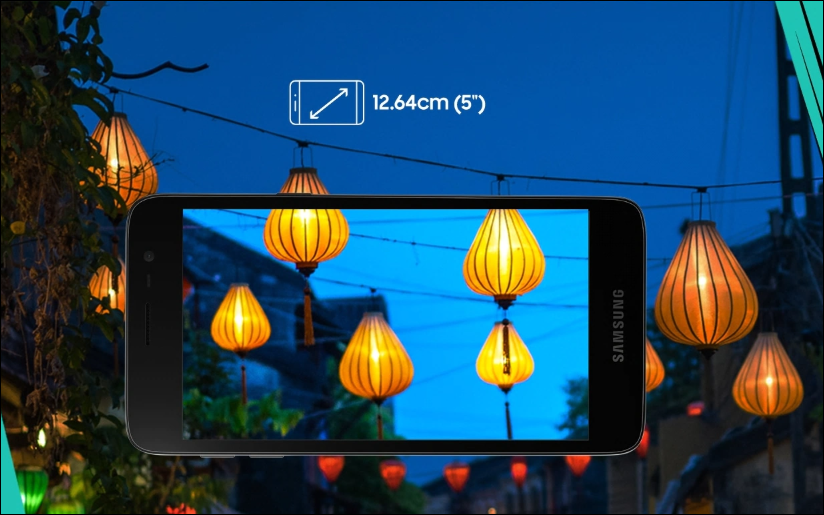
The Galaxy J2 Core (2020) presents with a 5-inch PLS TFT LCD display with a resolution of 540 x 960 pixels. The display retains the 16:9 aspect ratio and has large bezels at the top and bottom edges. We expect the display to retain the Gorilla Glass protection on the 2018 model.
The smartphone is powered by Exynos 7570 Quad-core processor clocked at 1.4GHz. The chipset is a 14nm chip with four Cortex-A53 cores and a Mali-T720 GPU. The processor pairs with 1GB of RAM while there is 16GB of internal storage onboard. The storage can be expanded up to 256GB via a microSD slot.
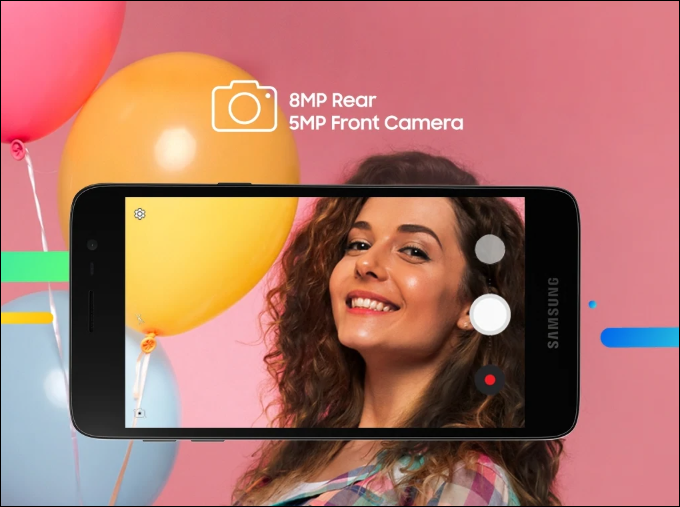
For photography, the Galaxy J2 (2020) packs a single 8-megapixel camera at the rear. The rear camera supports autofocus and can record 1080p videos at 30fps. For selfies, there is a 5-megapixel front camera just by the front speaker.
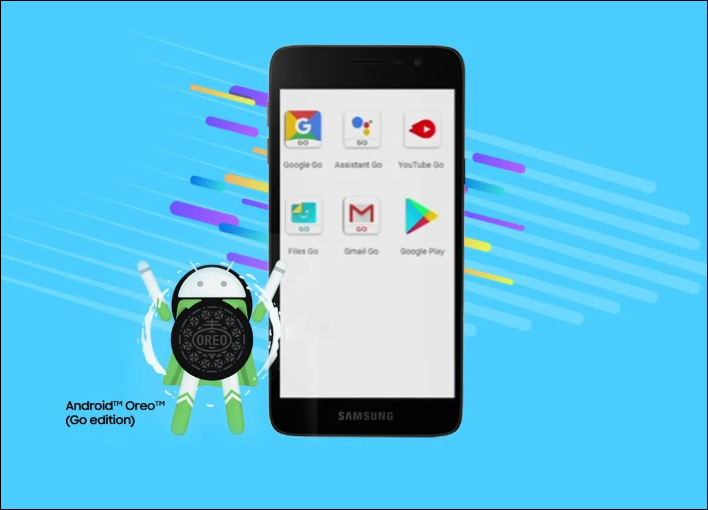
One important aspect of this entry-level phone is that it runs Android Go Edition even though it still runs Android 8.0 Oreo. The OS and apps are optimised to run on low-end hardware, in this case, a 1GB RAM phone. Android Go also comes with a Smart Manager which gives users the option to move apps and contents to the microSD card.
Keeping the lights up is a removable 2,600mAh battery which can last up to 14 hours when browsing the web over LTE and even longer over Wi-Fi (2.4GHz). You get two SIM slots and a dedicated SD card slot.
As for the pricing, the Samsung Galaxy J2 Core (2020) is priced at RS. 6299 (around $82). It’s available in Gold, Blue and Black.
Earlier today, Xiaomi officially revealed MIUI 12 and the eligible devices have just started receiving closed beta updates in China. The stable release for the first batch of devices is only expected by the end of June. However, the company has already started working on MIUI 13, the successor to the now-announced latest iteration of the firm’s mobile operating system.
The details about MIUI 13 comes directly from Xiaomi and is not a rumour of any sorts. MIUI User Research Team shared a post on Mi Community China soon after the MIUI 12 launch event. The post urges interested users to participate in a Feature Design Survey for MIUI 13.
The Chinese smartphone maker is yet to roll out stable MIUI 12 updates to its devices but it has already begun to work on MIUI 13, which will most probably release next year. This move by Xiaomi clearly echoes out a popular quote: ‘Dedication has no limitation’.
The MIUI head kicked off his presentation by saying ‘software is the soul of mobile phones, and it is more important that hardware to some extent’. This clearly spells out how committed Xiaomi is towards its mobile operating system. In fact, without MIUI, there would not be a Xiaomi now.
Having said that, the company is yet to announce the global launch event for MIUI 12. Xiaomi does have an online event scheduled for April 30 but it is for the launch of Redmi Note 9 series in Europe.
In the past couple of months, more Chinese smartphone manufacturers have announced their own smartwatches. Xiaomi already has two in form of the Mi Watch and Xiaomi Watch COLOR, both of which launched in the last quarter of 2019. OPPO followed suit last month with its OPPO Watch. Realme has also confirmed its smartwatch is coming and it has now been reported that Vivo is already developing its own smartwatch.
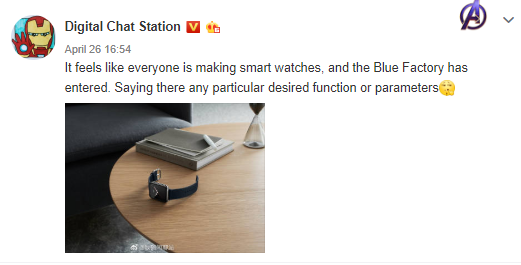
According to Digital Chat Station, the Chinese leaker on Weibo, Vivo has already begun the development of its first smartwatch. Sadly, there are no details on the features of the watch or its design. Nevertheless, more details should surface soon.
Based on the above info, we expect the smartwatch to launch this year. We do hope it is not another Apple Watch clone and that Vivo adopts a unique design language. As usual, expect the smartwatch to launch first in China before anywhere else.
Vivo’s AR Glasses
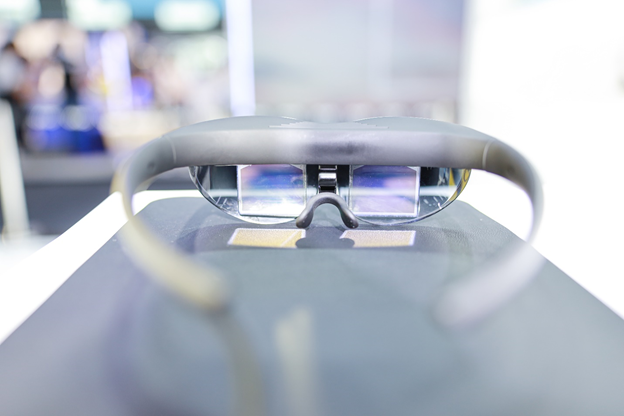
Other non-smartphone products Vivo is planning include AR Glasses and smart headphones. It actually showed a prototype of its AR Glasses at an event last year but has not said anything about availability.
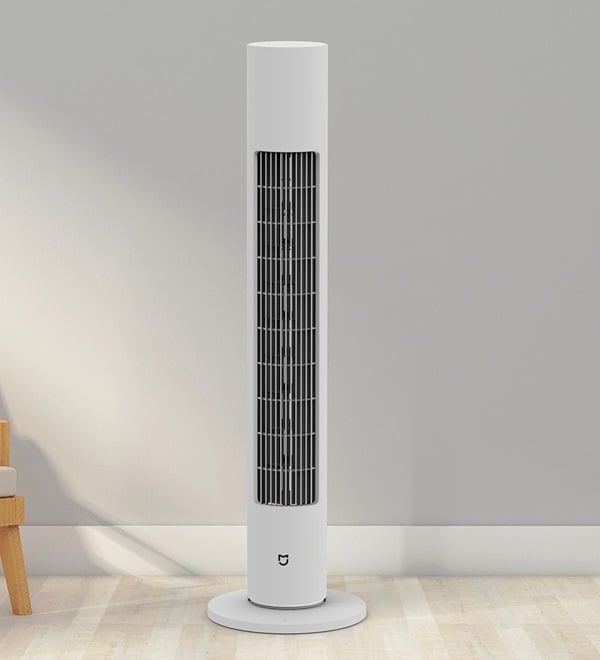
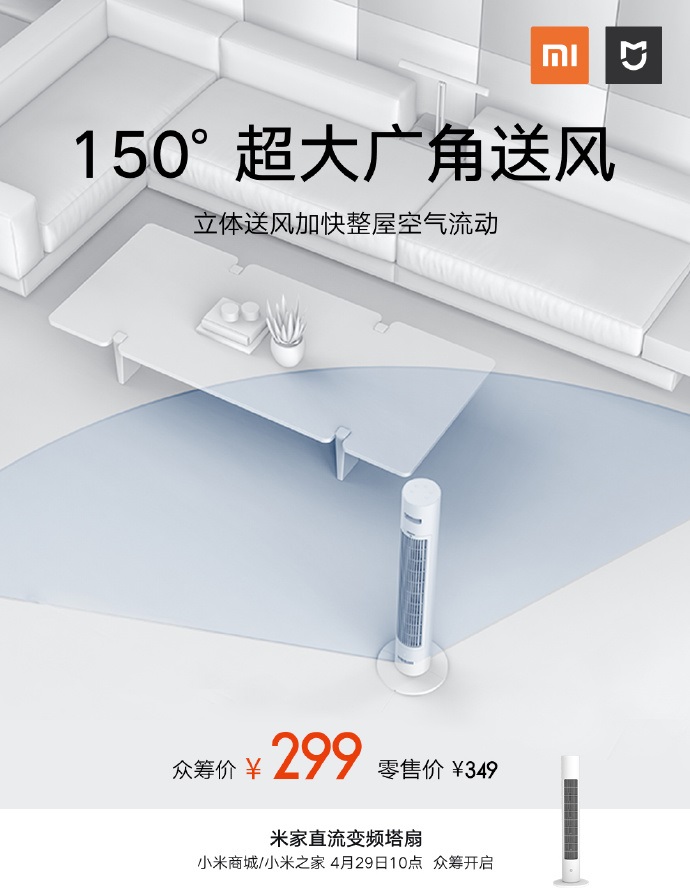
Xiaomi has today officially unveiled the MIJIA DC Inverter Tower Fan under crowdfunding. The product will retail for 349 yuan ($49) but during the crowdfunding period, it is available for 299 yuan ($42). The crowdfunding exercise will commence on April 29.
The MIJIA DC Inverter Tower Fan uses high-performance DC brushless fans with a maximum air output of up to 541m³ / h. The fan uses a cylindrical tower design with a round base. It has a 6.9mm fine outlet design and is also equipped with a 150° ultra-wide-angle air supply and super-large air outlets.
In addition, the Mijia tower fan uses a frequency conversion induction motor which runs smoothly and quietly, with noise as low as 34.6dB. The fan uses less power, as low as 3.5W. The maximum fan speed operation requires only 1.1 kWh for 6 days of operation assuming it was used for 8 hours daily
Furthermore, the fan supports AI voice control and can be turned on in one sentence
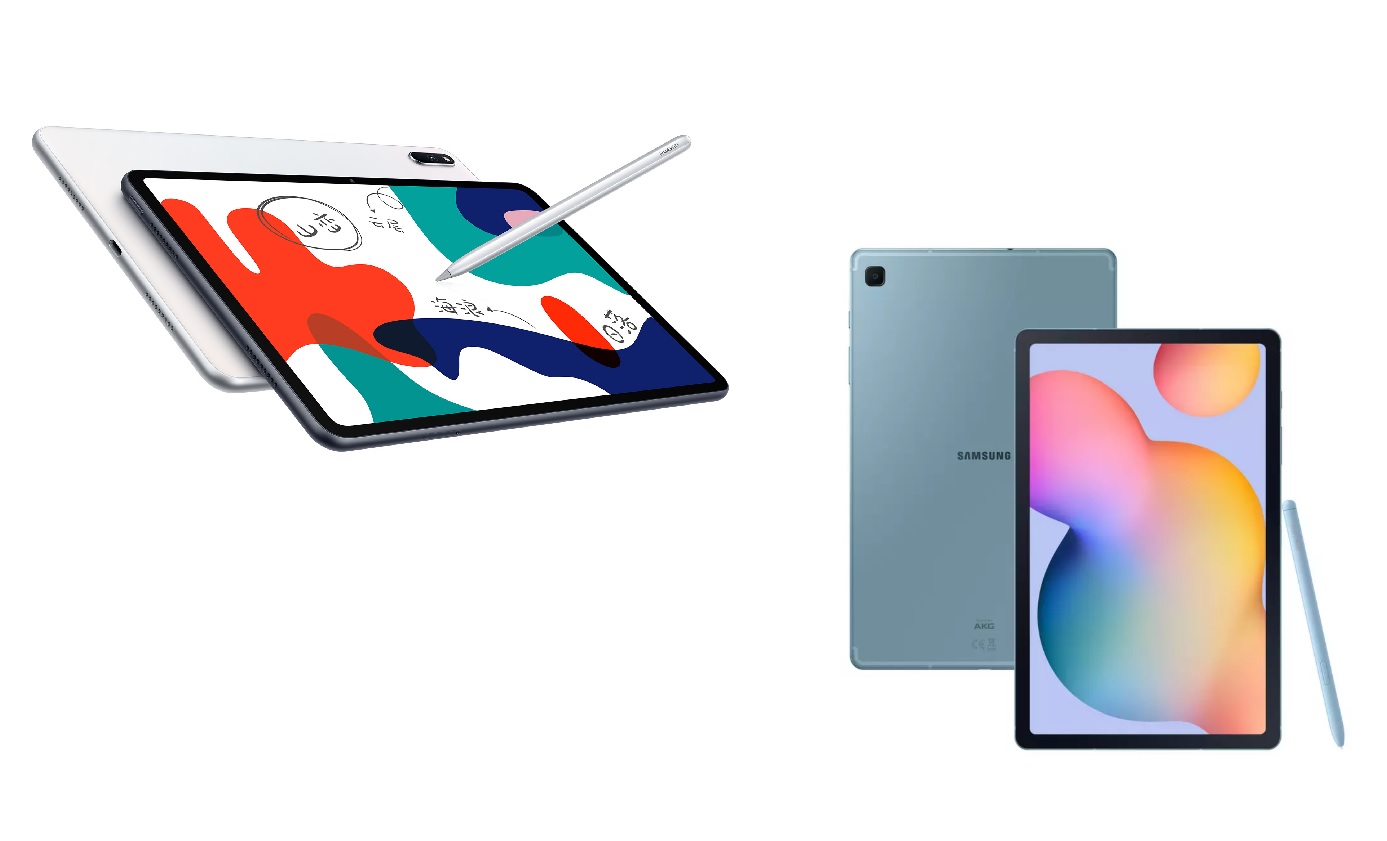
Last week, Huawei announced a new tablet simply called the MatePad which is actually a less-powerful version of its MatePad Pro flagship tablet. The MatePad is targeted at students and packs some pretty interesting specifications.
Huawei isn’t the only manufacturer that has announced a lite version of its flagship tablet. About a fortnight ago, Samsung announced the Galaxy Tab S6 Lite which is a cheaper version of its flagship tablet – the Galaxy Tab S6.
This post will compare the two new tablets which actually have more similarities than differences.
Design
Samsung and Huawei have gone with slightly different designs but the same materials. So you get a glass-covered display, an aluminum frame, and an aluminum back on both devices.
The two tablets have moderately-sized bezels, though not the slimmest we have seen. On the back, Huawei has adopted a pill-shaped camera housing for the MatePad while Samsung settled for a square-camera housing.
With respect to dimensions, the Galaxy Tab S6 Lite and Huawei MatePad are not too far apart. Samsung’s tablet measures 244.5 x 154.3 x 7 mm while the MatePad measures 245.2 x 155 x 7.4 mm. The Galaxy Tab S6 is slightly smaller and thinner but surprisingly weighs more at 467 grams compared to the MatePad that weighs 450 grams.
Display
The two tablets both have 10.4-inch displays with the same 1200 x 2000 resolution. Both are also LCD panels, so there isn’t a difference in quality.
Performance
The Huawei MatePad is powered by a Kirin 810 processor while the Galaxy Tab S6 Lite is powered by the Exynos 9611 processor. When it comes to performance, the Kirin 810 is the superior chipset. It has 2x Cortex-A76 cores and 6x Cortex-A55 cores compared to the Exynos 9611 that has 4x Cortex-A73 cores and 4x Cortex-A53 cores.
Based on the above, apps and games should launch and load faster on the MatePad. You should also have a better multi-tasking experience on Huawei’s tablet.
The MatePad is available in 4GB RAM and 6GB RAM variants with 64GB and 128GB of storage respectively. Samsung’s own tablet is available in a single 4GB RAM variant but you can choose between 64GB or 128GB of storage. The two tablets support storage expansion. Huawei’s tablet will allow you to add up to an extra 512GB while the Galaxy Tab S6 Lite doubles it to 1TB (US Site says 512GB).
Cameras
Another area where the two tablets are identical is the camera, the rear camera to be specific. Both have an 8MP camera but Huawei adds an LED flash to its setup which Samsung skips.
For selfies and video calls, Huawei goes with an 8MP sensor again but Samsung settles for a 5MP camera.
There is no camera comparison available yet, so we can’t say which tablet takes better pictures.
Battery and Fast Charging
Huawei ships the MatePad with a 7250mAh battery capacity with support for 18W fast charging (fully charged in 2.8 hours) and boasts it will provide up to 12 hours of video playback.
The Galaxy Tab S6 Lite has a smaller 7040mAh battery with support for 15W fast charging and claims it will last up to 13 hours on a single charge for video playback.
Other features
Both tablets have an active stylus – M-Pencil for the MatePad and S-Pen for the Galaxy Tab S6 Lite. However, Huawei doesn’t include the stylus in the box, so you have to buy that separately.
Another area where Samsung’s tablet wins is the addition of an audio jack. We are quite surprised why Huawei decided to skip it on a mid-range tablet. Huawei compensates for the lack of an audio jack by adding four speakers (Tuned by Harman Kardon) as against the two speakers (Tuned by AKG) on the Galaxy Tab S6 Lite. The MatePad also ships with a Type-C to 3.5mm audio cable in the box.
Both tablets come in LTE and Wi-Fi-only variants. However, Samsung opts for e-SIM connectivity for its own LTE version according to the official UK page.
The two tablets also ship with Android 10 out of the box with EMUI 10.1 on the MatePad and One UI 2 on the Galaxy Tab S6 Lite.
Price
Huawei’s MatePad sells for ¥1899 (~$269) for the 4+64GB Wi-Fi-only version compared to the Galaxy Tab S6 Lite’s $350/£349 price for the same configuration. However, if you throw in the price of the M-Pencil stylus which is ¥499 (~$70), the price tag almost levels up.
The 6+128GB Wi-Fi-only MatePad is ¥2199 (~$311) while the Galaxy Tab S6 Lite with the same configuration is $420.
If you want the LTE version of the MatePad with 6GB RAM and 128GB of storage, the price is ¥2499 (~$353). Samsung is selling the 64GB LTE version for £399 in the UK along with a free Book Cover (worth £59.99) for those who pre-order (Wi-Fi versions are eligible too). There is no info on the price of the 128GB version of the Galaxy Tab S6 Lite.
Conclusion
Both tablets are aimed at students as an affordable version of their more-powerful siblings which are targeted at professionals. However, they each have their strengths and weaknesses.
While the MatePad is definitely the better tablet in terms of performance and even price, its lack of Google Apps will not make it the first choice for several buyers outside China.
The Galaxy Tab S6 Lite has the advantage with support for Google Apps and Services, though it comes with an average chipset. It also has the S Pen included, and if you were to pre-order, you’d get a free case too.
If you do not mind the weak processor of the Galaxy Tab S6 Lite, it is the better buy. However, if you do not need the S Pen, the Galaxy Tab S5e which now sells for less ($330 on Best Buy) is a better alternative.
The Galaxy Tab S5e has a more powerful chipset, an OLED screen, better cameras, quad speakers, a fingerprint scanner, and faster charging (18W). It is also pretty thin at just 5.5mm but lacks an audio jack.
Power banks come in handy for recharging mobile phones on the go. Smartphone users often find themselves lower on the battery than they would like, which is exactly why buying a decent power bank is important.
A power bank enables you to top up without requiring you to go near a plug socket, making it a sensible investment. If you are carrying a power bank in your bag while traveling, you do not need to worry about potential battery emergencies for your mobile devices such as phones, tablets, smartwatches, Nintendo Switch, and more.
The market is teeming with massive power banks capable of recharging laptops. If you are in the market for a power bank that suits your fancy, you might want to check out our list of this year’s best power banks that keep your gadgets going.
iMuto 20,000mAh Power Bank
If you have restlessly been looking for a high capacity, yet easy-to-carry charger, the iMuto 20,000mAh portable charger might just fill the bill. It comes with a mammoth 20,000mAh capacity that can be used to charge an average smartphone more than four times, and still have enough juice left to another smaller device.
Unlike most chargers available on the market, the iMuto power banks show the exact remaining charge. A large number of currently available power banks indicate only a rough as far as remaining charge, meaning, you never know how much more you can charge your phone. Its highly appealing screen makes up for the large and ungainly frame.
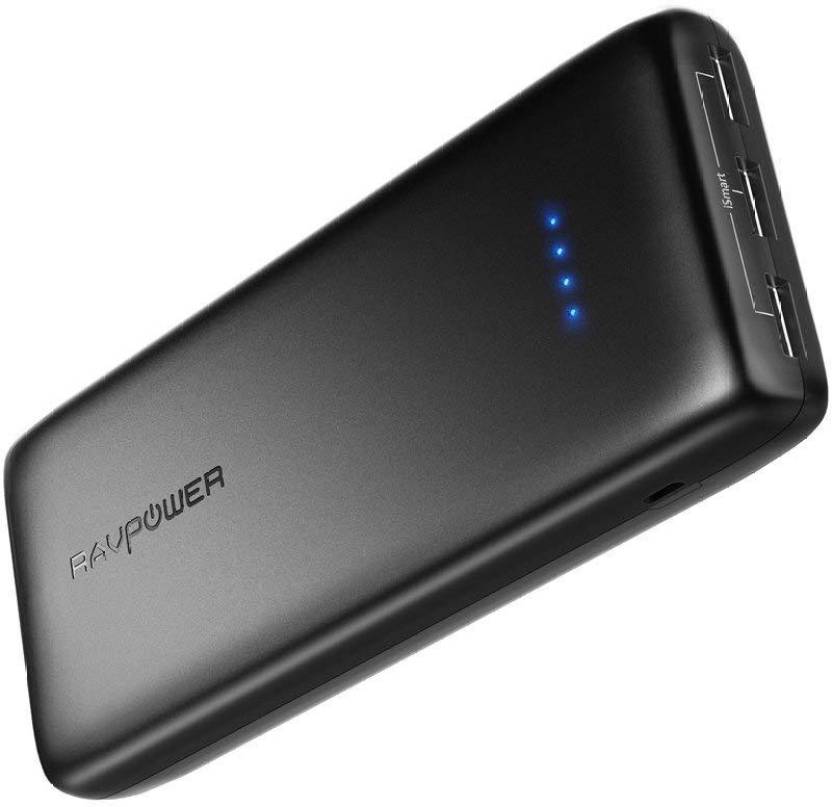
In terms of outward appearance, the RAVPower 20,000mAh power bank seems to look a lot like the rest of the alternatives available on the market. What makes it more useful than other charging banks is the fact that it offers a lot of capacity and can still fit inside your budget.
It features two ports, which allows you to charge two gadgets at the same time. It contains enough juice to charge up a mobile phone, as well as an iPad or a tablet from zero. Housed in a thinner and more streamlined body, the RAVPower 20,000mAh Power Bank fits inside your pocket.
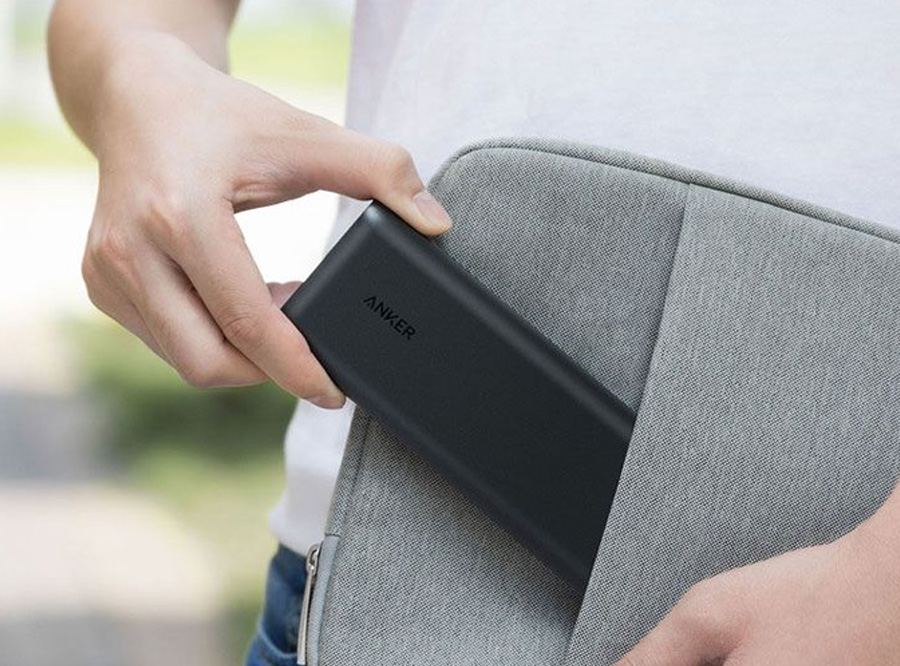
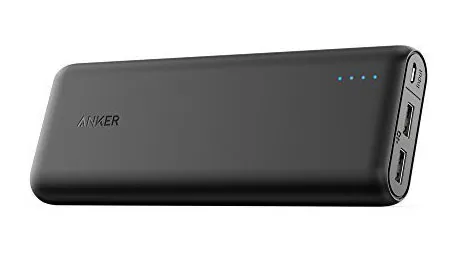
Anker is known for making the best portable chargers, and the Anker PowerCore 20,100 power bank is no exception. Backed by a mammoth 20,100mAh battery, this power bank can effortlessly charge your phone, tablet, and other devices several times before requiring a recharge.
In my opinion, it is a pretty snappy power bank to use. It not only can charge up quickly but can also power up your device instantaneously. It did heat up when I charged it more than the rest of the devices on the list, but not to alarming degrees. It is also worth noting that the high-speed charging doesn’t support all devices and works specifically with devices that use PowerIQ or VoltageBoost. Even though it cannot adopt Qualcomm’s QuickCharge technology, the power bank can still boost your device on the go.
The battery charger has two ports, meaning, you can charge your phone, as well as your tablet at the same time. Moreover, it has a light that shows the level of remaining battery charge. These are only standard features on a larger power bank; however, they are still useful for a lot of people.
The power bank sports a blocky design, making it less appealing to a lot of consumers. Nevertheless, it is portable and can be used to charge your mobile phones and a slew of other gadgets multiple times due to the high capacity cell inside.
The NOVOO Power Bank 22,500mAh comes with a socket that resembles the one you’d find on a wall, giving you the freedom to plug in any compatible device there. The powerful bank is ideal for scenarios when you do not want to charge Lightning, micro USB, or a USB-C device.On the downside, it is quite a big device. Moreover, most devices that you’d normally plug into the wall require more juice than just 22,500mAh. But with plugs and ports available for connection, the NOVOO Power Bank can still be touted as a malleable piece of tech.
Xiaomi announced MIUI 12 and Mi 10 Youth Edition earlier today. Closed beta registrations for the update is already live and the company will even start pushing OTA to selected users from today itself (April 27). Additionally, the firm also posted the MIUI 12 update schedule/timeline for its devices on Mi community China. Hence, let us go through it thoroughly in this post.
First and foremost, here’s the list of all the eligible Xiaomi and Redmi devices for MIUI 12 update. The company has divided them into three batches with the first set of stable updates scheduled for June 2020.
MIUI 12 Eligible / Supported Devices
First Batch
Xiaomi Mi 10
Xiaomi Mi 10 Pro
Xiaomi Mi 10 Youth Edition
Xiaomi Mi 9 Pro 5G
Xiaomi Mi 9 Explorer Edition
Xiaomi Mi 9
Redmi K30 Pro Zoom Edition
Redmi K30 Pro
Redmi K30 5G
Redmi K30
Redmi K20 Pro Premium Edition
Redmi K20 Pro
Redmi K20
Second Batch
Xiaomi Mi Mix 3
Xiaomi Mi Mix 2S
Xiaomi Mi CC9 Pro
Xiaomi Mi CC9
Xiaomi Mi CC9 Meitu Edition
Xiaomi Mi 9 SE
Xiaomi Mi 8 Screen Fingerprint Edition
Xiaomi Mi 8 Explorer Edition
Xiaomi Mi 8
Redmi Note 8 Pro
Redmi Note 7 Pro
Redmi Note 7
Third Batch
Xiaomi Mi CC9e
Xiaomi Mi Note 3
Xiaomi Mi Max 3
Xiaomi Mi 8 Youth Edition
Xiaomi Mi 8 SE
Xiaomi Mi Mix 2
Xiaomi Mi 6X
Redmi Note 8
Redmi 8
Redmi 8A
Redmi 7
Redmi 7A
Redmi 6 Pro
Redmi 6
Redmi 6A
Redmi Note 5
Redmi S2
Nitpicks About Missing Devices for MIUI 12 Update
At first glance, it is easy to miss but when you check the list again, you get to know a number of devices are missing. That is because this list is limited to China. We expect Xiaomi to add more devices in the MIUI 12 eligible list at the global launch.
Additionally, none of the Mi Pads is listed for the update. This is strange as the company’s tablets are currently only available in its home market but still, they are not included in the list above.
Xiaomi has no plans for giving up on tablets as a new product going by the name of Redmi Pad 5G was recently leaked via poster. Maybe, tablets from the company will get a forked version of MIUI 12 similar to iPadOS or they will be added to the list later.
Further, Mi 6 is also not listed but the cheaper offering Mi 6X makes the list. As per the Mi Community post, the former flagship smartphone will be indeed receiving MIUI 12, however, only beta builds for now. The company is yet to decide on providing a stable final build and therefore it is not on the list.
Now, as we are done with the devices supported for MIUI 12 update, let us take a look at the update schedule/timeline provided by the company.
MIUI 12 Update Schedule / Timeline
According to the latest post on Mi Community as of launch day, Xiaomi has revealed the MIUI 12 stable update schedule/timeline as mentioned below. We will update it every time the company makes any changes.
First Batch – Late June 2020
Second Batch – Yet to be declared
Third Batch – Yet to be declared
As mentioned earlier closed beta builds will be released from April 27, which will be followed by open beta builds from May 8.
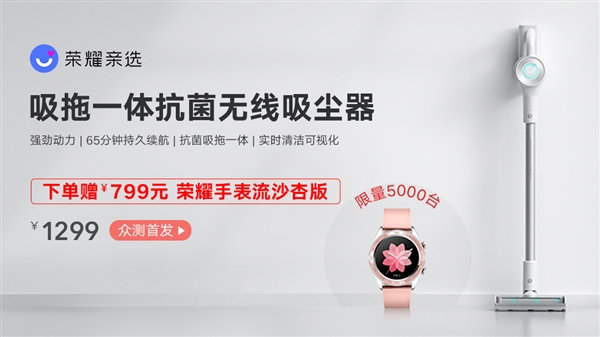
Honor, the Huawei subsidiary, has officially started the crowdfunding of its first wireless antibacterial vacuum cleaner. It is currently available on Huawei Mall and is priced at 1,299 Yuan (roughly 183 US Dollars).
Honor’s first vacuum cleaner is a wireless home appliance with anti-bacterial cleaning and 100,000rpm brushless motor. The motor has a TDP of 125W, allowing it to have strong suction reaching 24KPa. The gadget features a ten cone air duct optimization technology which basically enables manufacturers to integrate multiple filters to separate dust and air. This also prevents dust particles from clogging up on the inside, giving it longer durability with longer maintenance cycles.
The Honor vacuum cleaner also has a sterilization system, including the ion antibacterial air duct, silver io antibacterial roller brush, ion antibacterial water tank, and even an antibacterial rear filter. With these many prevention methods in its mechanism, the device can achieve up to 99.99 percent sterilization rates during its regular operations.
Arriving at the design, the Honor vacuum cleaner is made from lightweight durable materials and weighs in at just 1.65 kilograms. It can be used for up to 65 minutes on a single full charge. It follows a minimal aesthetics and is also shaped like a mop, which is another feature it possesses as another method for cleaning and hygiene. Finally, it also features an electric mite removal brush to get rid of pests alongside other specialized brush heads for other purposes.
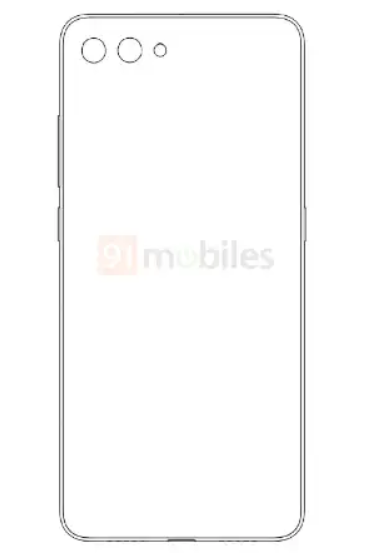
A unique Xiaomi smartphone has surfaced online through a new patent application from the company. The design was spotted on China’s National Intellectual Property Administration (CNIPA) and reveals a smartphone with a twisting camera, that acts as both the primary and selfie shooter.
Images Via 91Mobiles
Looking at the patent, it can be observed that the display panel of the Xiaomi smartphone comprises of two parts. This includes the bottom half is the larger portion, while the smaller half houses the camera module. The latter portion that has the camera module can be twisted, bringing the rear camera module to the front to act as a selfie shooter.
The smaller half sits on the top region of the smartphone and can be turned around. While we have seen examples of rotating cameras that make up both the front and rear cameras of a device, this is still a unique and new concept. The twisting mechanism occurs horizontally, meaning it rotates on its own axis and is joined by a hinge mechanism at the bottom.
This design may also be another form of attempt from Xiaomi to reduce bezels, although it remains unclear whether the process is automated or manual. The patent application could just be Xiaomi’s attempt to cover all bases since the viability of the technology is still uncertain. So, only time will tell if the Chinese tech giant actually plans on developing such a device.
We use cookies on our website to give you the most relevant experience by remembering your preferences and repeat visits. By clicking “Accept”, you consent to the use of ALL the cookies.
This website uses cookies to improve your experience while you navigate through the website. Out of these, the cookies that are categorized as necessary are stored on your browser as they are essential for the working of basic functionalities of the website. We also use third-party cookies that help us analyze and understand how you use this website. These cookies will be stored in your browser only with your consent. You also have the option to opt-out of these cookies. But opting out of some of these cookies may affect your browsing experience.
Necessary cookies are absolutely essential for the website to function properly. This category only includes cookies that ensures basic functionalities and security features of the website. These cookies do not store any personal information.
Any cookies that may not be particularly necessary for the website to function and is used specifically to collect user personal data via analytics, ads, other embedded contents are termed as non-necessary cookies. It is mandatory to procure user consent prior to running these cookies on your website.














 It is also worth noting that the high-speed charging doesn’t support all devices and works specifically with devices that use PowerIQ or VoltageBoost. Even though it cannot adopt Qualcomm’s QuickCharge technology, the power bank can still boost your device on the go.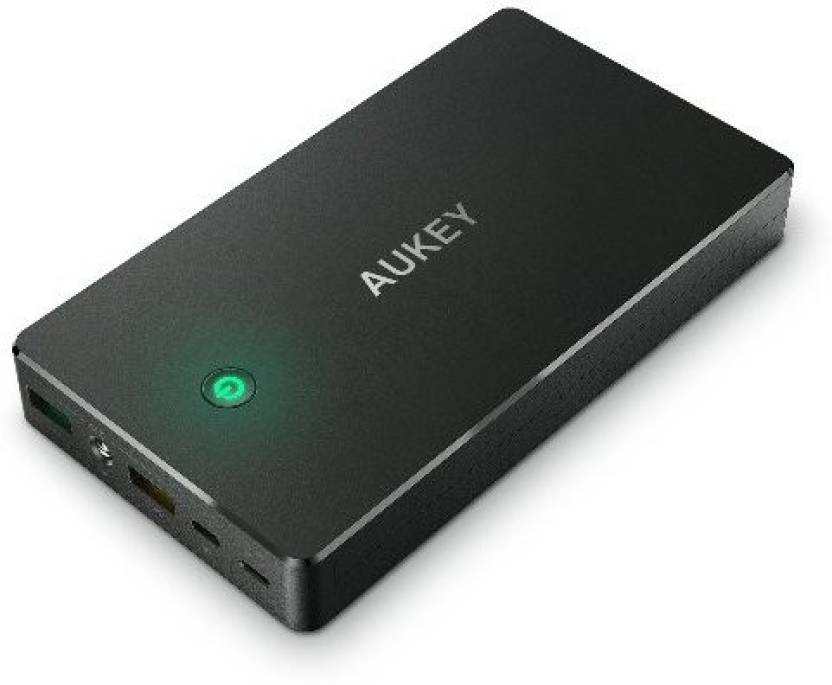
 On the downside, it is quite a big device. Moreover, most devices that you’d normally plug into the wall require more juice than just 22,500mAh. But with plugs and ports available for connection, the NOVOO Power Bank can still be touted as a malleable piece of tech.