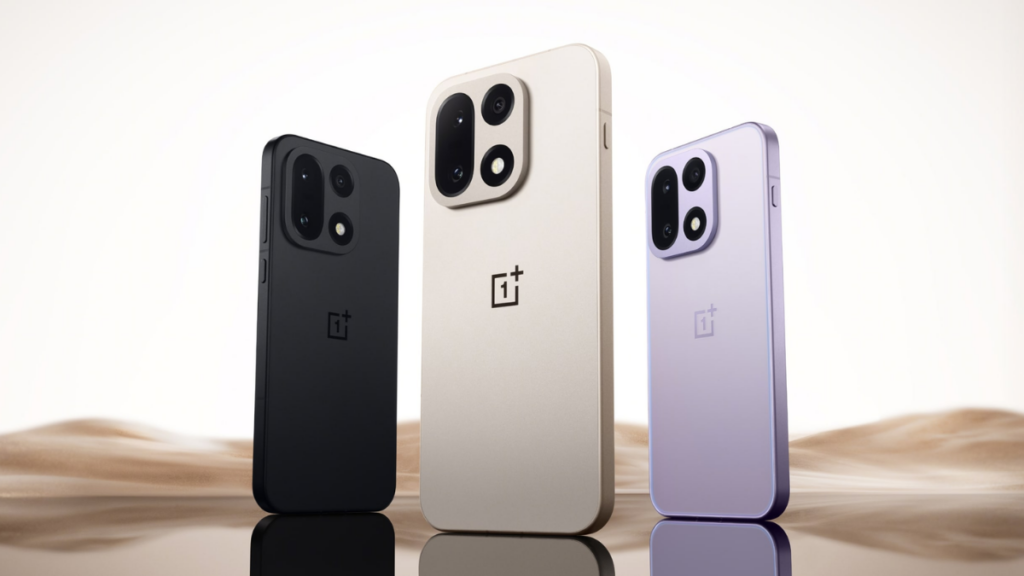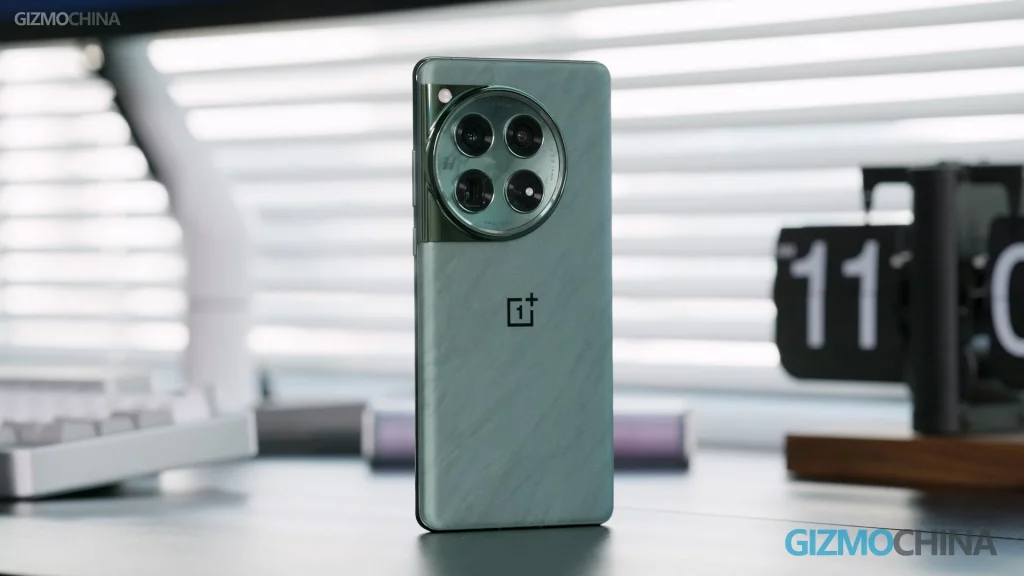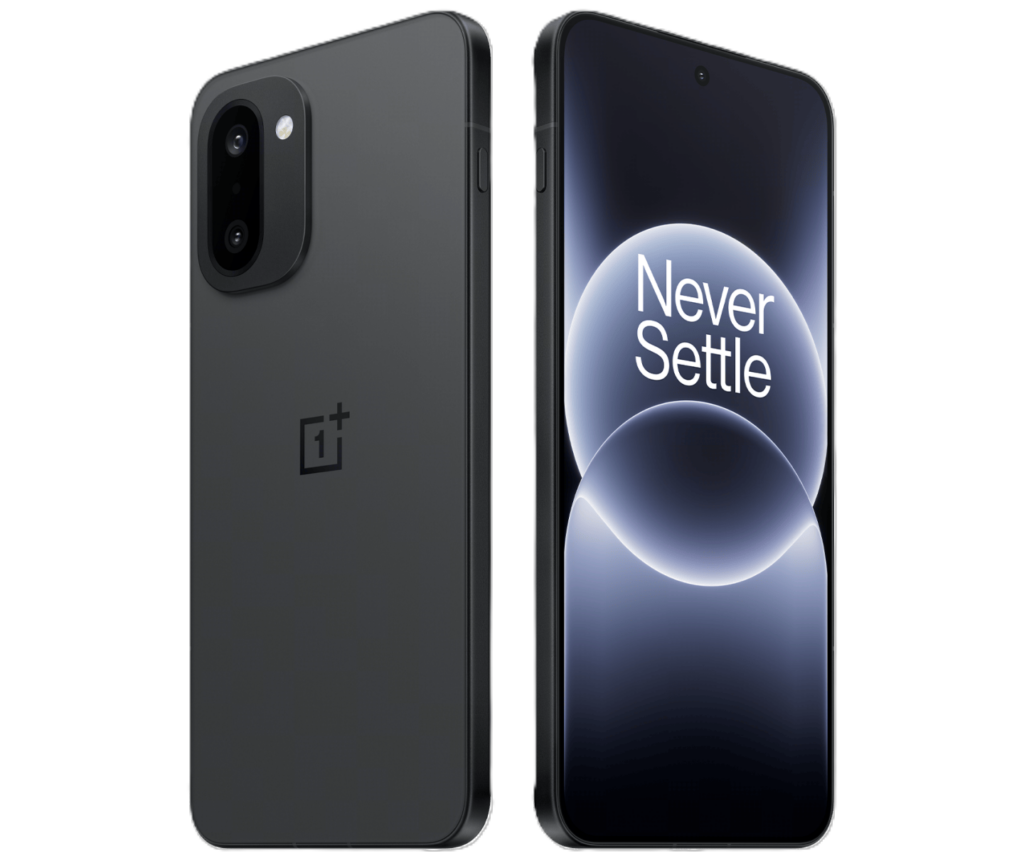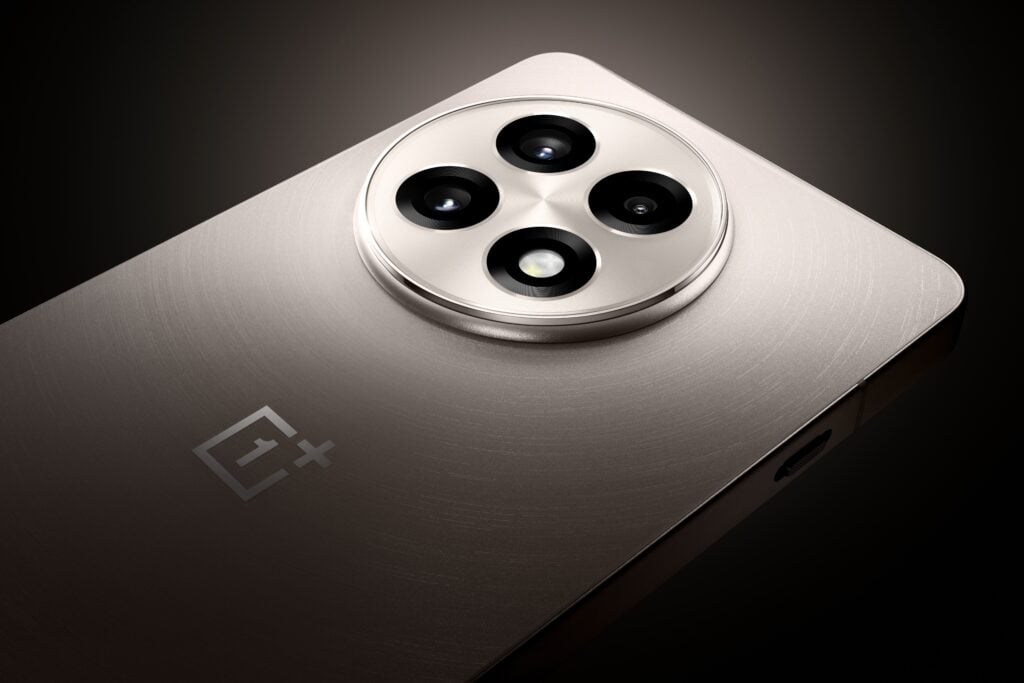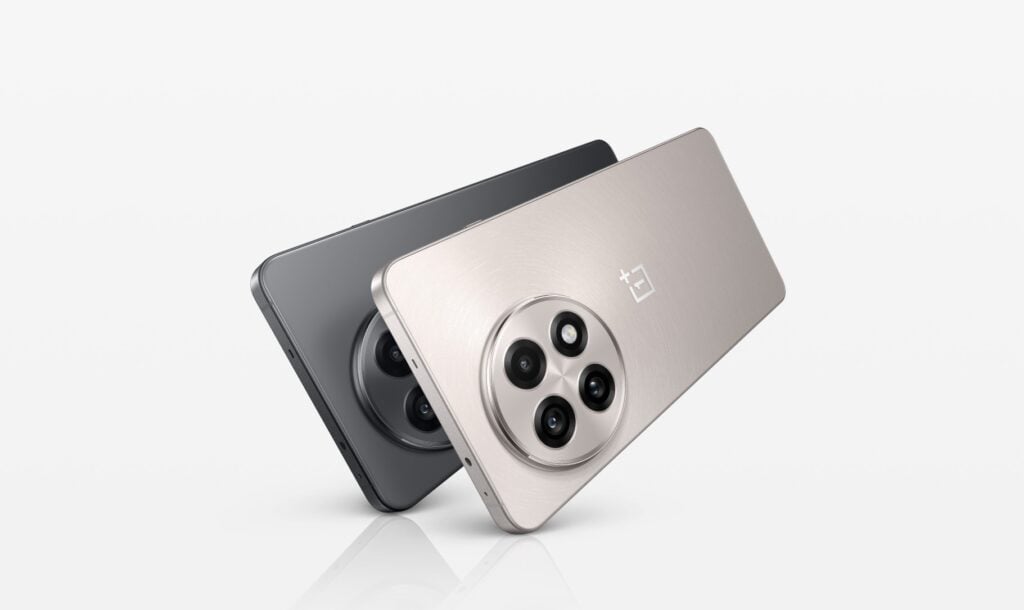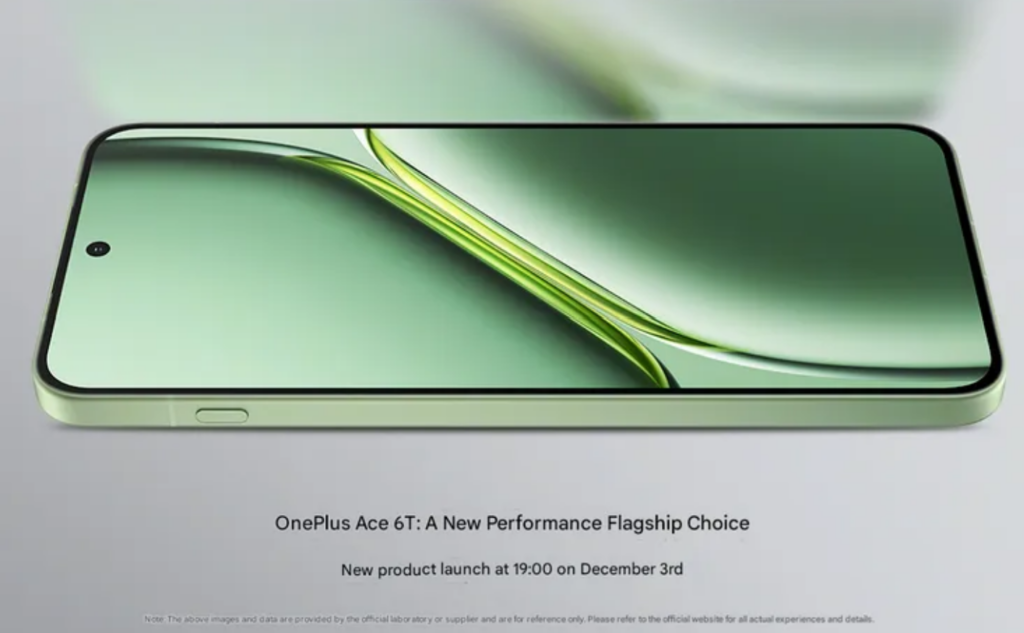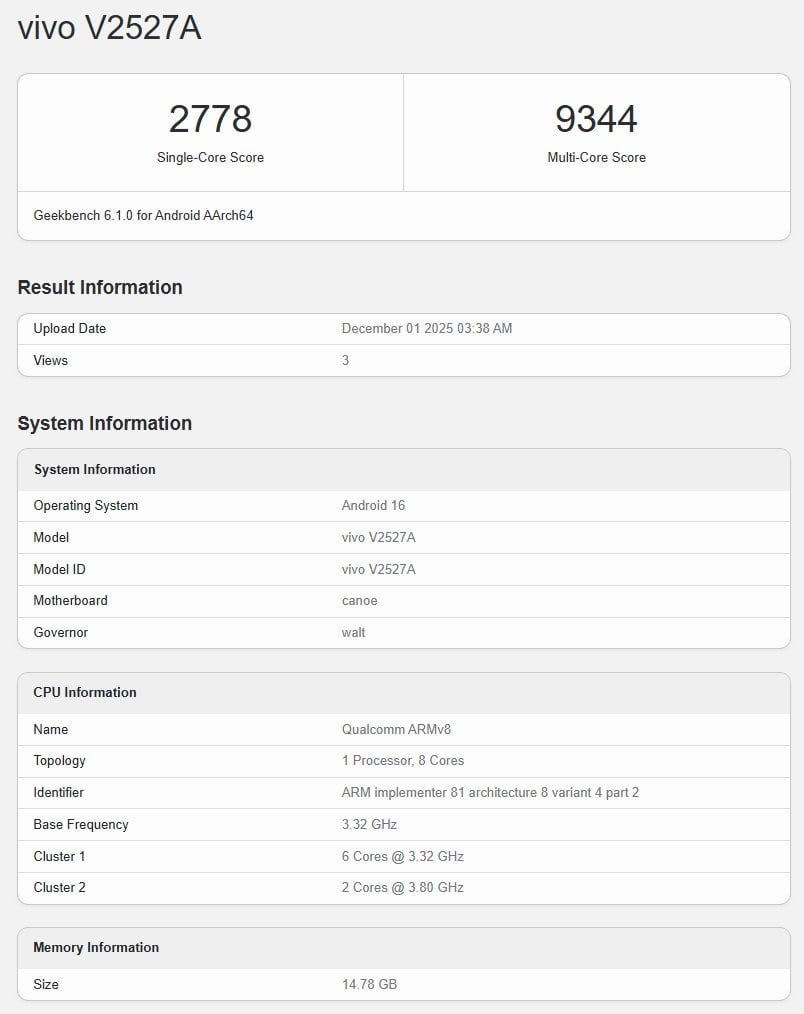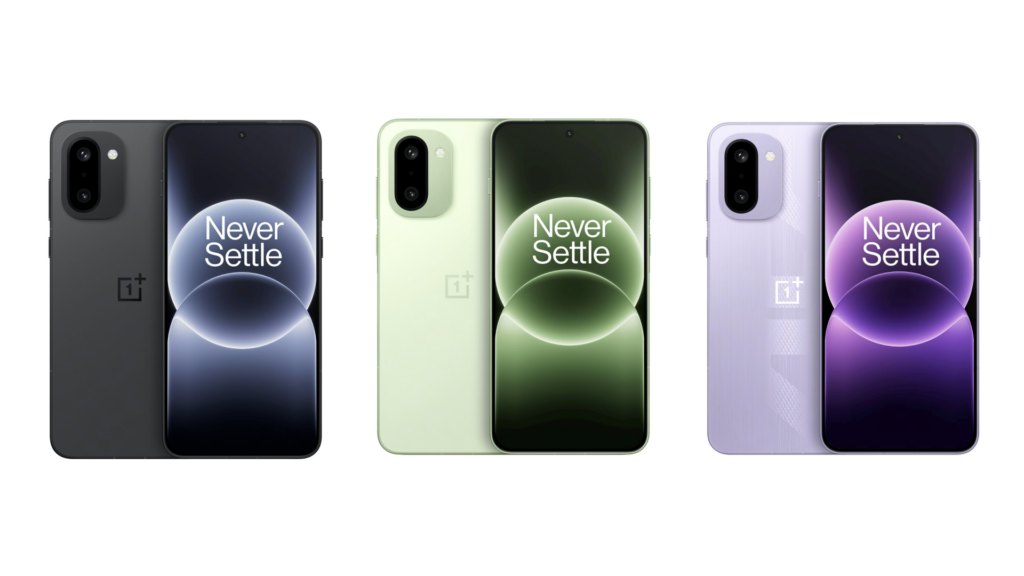
OnePlus has begun the incremental rollout of OxygenOS 15.0.2.501 for its Nord CE 5 and Nord 5 devices, bringing system stability improvements, camera optimizations, and the August 2025 Android security patch.
OnePlus Nord CE 5OnePlus Nord 5
Nord CE5 Update
For the OnePlus Nord CE 5 (build CPH2717_15.0.2.501(EX01)), the update enhances video performance and overall camera stability, aimed at improving photography and videography experiences. On the system side, the release strengthens overall stability and integrates the August 2025 Android security patch for better protection.
The rollout is starting in India, with a limited number of users receiving the OTA first. A wider release is planned in the following days.
Nord 5 Update
For the OnePlus Nord 5 (build CPH2707_15.0.2.501(EX01)), the update delivers similar upgrades in camera performance and stability. Additionally, it addresses a specific issue where Eye Comfort mode might not work during HDR video playback. Like the CE5 update, it also boosts system stability and includes the August 2025 Android security patch.
This rollout covers the India, Europe, and Global regions, following the same incremental approach as the Nord CE5. A small group of users will receive the OTA first, followed by a broader rollout.
Availability
As with previous OxygenOS releases, availability will expand gradually to ensure stability before wider distribution. Users are advised to check for updates manually in device settings if they haven’t received the notification yet.
For more daily updates, please visit our News Section.
Apple’s latest smartwatch has landed in hot water in Germany, where a court has ruled against the company’s claims that the Apple Watch Series 10 is “climate neutral.” The decision casts doubt on Apple’s green branding and raises questions about the wider use of carbon offsets in the tech industry.
Apple Watch Series 10
A Frankfurt court barred Apple from advertising the Watch Series 10 as carbon-neutral in Germany starting next month, according to Reuters. Apple promotes the $399 watch as its most sustainable yet, highlighting the use of 100% renewable energy in production, recycled or sustainably sourced packaging, and lower emissions thanks to ground and sea shipping. By Apple’s calculation, the device generates 8.3kg of CO₂ during its lifecycle, which the company claims to offset through carbon certificates linked to eucalyptus plantations in Paraguay.
But environmental groups challenged the approach, saying these plantations are monocultures with high water demands and only leased until 2029—raising doubts about their long-term ability to trap carbon. The court sided with that view, calling the practice misleading and essentially “greenwashing.” Apple responded by saying the decision “largely confirmed” its approach to carbon neutrality, though it hasn’t said whether it plans to appeal.
For Apple, the ruling could be a setback to its broader pledge to reach full carbon neutrality by 2030. The case highlights growing skepticism around offset-based sustainability claims, which many argue don’t deliver lasting environmental benefits. In Germany, Apple will now need to adjust its marketing to emphasize tangible efforts—such as renewable energy use and recycled materials—rather than leaning heavily on offsets.
The Apple Watch Series 10 itself still packs plenty of appeal, with a titanium case, 1,220 mm² display area, and impressively accurate health tracking. But in one of Apple’s biggest European markets, it’s not just the hardware under the spotlight—it’s the company’s environmental promises.
Oppo’s next flagship series is still a few months away, but leaks continue to fill in the details ahead of launch. The latest set of specifications, shared by tipster Yogesh Brar (via XpertPick), gives a full picture of what to expect from the upcoming Oppo Find X9, which is slated to debut in October in China alongside the X9 Pro.
Oppo Find X9 Specifications (Rumored)
The Find X9 is said to feature a 6.59-inch flat OLED LTPO screen with a 1.5K resolution and 120Hz refresh rate. Unlike the curved panels often used in the Find X series, Oppo is reportedly sticking to a flat design this time around. The display will also integrate an ultrasonic in-display fingerprint sensor.
Inside, the Find X9 is expected to run on the MediaTek Dimensity 9500, the same chip that will power the X9 Pro. Powering it all is a 7,025mAh battery, one of the largest we’ve seen in a mainstream flagship, with support for 80W wired and 50W wireless charging.
Oppo Find X8
On the software side, the phone should ship with Android 16 layered with Oppo’s new ColorOS 16.
As for the cameras, the front will house a 50-megapixel Samsung JN1 selfie camera, while the rear will use a 50MP Sony LYT-808 main sensor with OIS, a 50MP Samsung JN5 ultra-wide, and a 50MP Samsung JN9 periscope telephoto lens capable of 3x optical zoom with OIS.
Of course, Oppo will continue its partnership with camera manufacturer Hasselblad. The brand will also introduce its own Lumo imaging tech for better camera optimization with Find X9 series.
Other expected hardware includes dual stereo speakers, a new x-axis linear motor, and IP68/69 durability ratings, making it one of Oppo’s most rugged flagships yet. Interestingly, Oppo is also bringing back the Plus key, which was absent on last year’s Find X8.
The Find X9 series will reportedly consist of two models at launch — the X9 and X9 Pro — while the rumored X9 Ultra may not arrive until mid-2026.
Samsung’s latest clamshell foldable has just gone through the teardown treatment, and the results reveal some interesting behind-the-scenes changes. The Galaxy Z Flip 7 may look familiar on the outside, but inside, Samsung has quietly made decisions that could make life easier for repair shops and long-term users alike.
Zack Nelson of JerryRigEverything posted the teardown on August 25, following up on his durability test from earlier this month. Nelson found that Samsung has moved away from some of the more frustrating repair hurdles seen in earlier models. The Z Flip 7 uses regular Philips screws unlike Apple’s proprietary pentalobe type, and its dual batteries now come with pull tabs rather than being glued down. That’s a big improvement over past Flip generations, where battery swaps were far trickier.
That said, the foldable’s biggest pain point remains the same: its 6.9-inch flexible OLED. Replacing the inner screen is still tricky, and the IP48 dust-resistant hinge — branded as “Armor Flex” — isn’t exactly simple either. Swapping out a hinge component after accidental damage or natural wear would likely take time and skill. On the plus side, the cover display and back plate, while requiring a fair amount of isopropyl alcohol and heat to loosen the adhesive, came off in one piece and seemed relatively easy to replace. Overall, the most common fixes — displays, back plate, and battery — aren’t as complicated as they used to be.
Samsung’s behind-the-scenes repair tweaks could help the Flip 7 remain usable for longer than its predecessors. While most people will still want to stick with official service centers, the use of easier screws and removable batteries suggests Samsung is thinking more about longevity. For a category still battling fragility concerns, that’s a quiet but meaningful win.
NVIDIA’s latest Blackwell-based GB300 GPUs are starting to show what they can do, and early results point to a massive jump in efficiency compared to the company’s previous generation. A recent CoreWeave benchmark shows just how far the new chips push AI performance when running one of today’s heaviest workloads.
In tests using the DeepSeek R1 model, just four GB300 GPUs matched the performance of 16 H100s. That works out to roughly six times the throughput per card, thanks to both raw hardware upgrades and a more efficient architecture.
Source: CoreWeave
The GB300 NVL72 platform can scale up to 37TB of memory (40TB max) with 130TB/s of memory bandwidth, allowing it to tackle extremely large AI models without the bottlenecks seen in older hardware. It also makes use of 4-way tensor parallelism (TP4), while the H100 required 16-way splits (TP16) to reach similar scale. Fewer splits mean less communication overhead, and NVIDIA’s fifth-gen NVLink and NVSwitch interconnects help keep latency low.
Source: CoreWeave
For businesses running large AI services, that means faster token generation, lower costs per inference, and a more straightforward path to scaling. CoreWeave noted that the efficiency gains translate directly into practical benefits for workloads such as reasoning models, where performance-per-watt and latency are critical.
Of course, the hardware won’t come cheap. Systems built on the GB300 NVL72 are expected to start at around $300,000, putting them firmly in enterprise territory. But for companies already investing heavily in AI infrastructure, the performance leap could justify the cost.
If these early numbers hold true as deployments expand, the GB300 could mark one of the biggest generational jumps NVIDIA has delivered yet — and a new baseline for high-end AI computing.
Samsung’s next flagship phones could be about to make charging a lot smoother, though it might come at the cost of a familiar feature.
Right now, the Galaxy S25 series supports “Qi2 Ready” certification, which allows for 15W wireless charging. But because the phones don’t have magnets inside, users need special magnetic cases to properly align chargers and accessories. Google went a step further with the Pixel 10 series, launched last week, by including magnets directly in the phone for full Qi2 support. That means chargers snap into place with better alignment and stability, making the experience closer to Apple’s MagSafe.
However, Google’s move came with a downside. According to the company, the Pixel 10 had to drop reverse wireless charging because the magnets created “a physical limitation”. In practice, that means no more charging your earbuds or watch on the back of the device.
Pixel 5 Battery Share feature that the latest Pixel lacks
This naturally raises the question: what will Samsung do with the Galaxy S26 series, expected in January 2026? Reports claim the Galaxy S26 series will support the Magnetic Power Profile of Q2, which would finally bring full Qi2 compliance without cases. If true, Samsung may face the same compromise as Google, meaning Wireless PowerShare — the company’s version of reverse wireless charging — could be on the chopping block.
Reverse wireless charging may be niche, but it’s been a handy safety net when accessories run out of power. If Samsung does remove it, the company will need to lean on other upgrades — like faster Qi2 charging, refreshed camera hardware, and design tweaks — to justify the trade-off.
There’s also another concern: S Pen functionality. In the past, cases with built-in magnets have caused interference with the S Pen — likely one reason Samsung held back from adding true Qi2 support earlier. But with magnets built directly into the phone instead of an optional case, the risk of interference could be greater. Samsung may need to adjust how the S Pen communicates with the device to ensure a flawless experience.
Samsung’s next Ultra flagship is already making headlines months before launch. Fresh leaks suggest the Galaxy S26 Ultra could bring notable camera upgrades and even a return to an older design choice.
According to the latest leak, Samsung is testing a raised camera island for the S26 Ultra. The design hasn’t been used since the Galaxy S21 Ultra, with recent models placing each lens directly on the back glass. A larger housing would give Samsung room for bigger sensors and possibly new optics.
The 200MP main sensor is tipped to get better low-light performance, while the 50MP 5x periscope telephoto may see upgraded optics — one reason behind Samsung’s shift back to a raised camera island. However, the periscope sensor size is said to stay the same at 1/2.52-inch. Samsung typically updates its cameras every two generations, so the timing makes sense.
There’s also another possibility that makes things more interesting. While recent leaks suggest the zoom setup won’t see a major upgrade, an earlier leak from March claimed otherwise. Samsung could still be testing a revamped zoom system with bulkier telephoto modules, which would explain the need for a raised camera island to make everything fit.
Aside from the camera island, other design changes could be on the way. Leaker @UniverseIce has claimed the S26 Ultra will ditch its sharp corners in favor of a rounder frame, closer to the standard Galaxy S series. Combined with the possible camera island, the phone could look quite different from the S25 Ultra.
Other specs aren’t expected to change much. A 5,000mAh battery and a Snapdragon 8 Elite 2 chip are likely. Pricing is expected to start at or over $1,299, the launch price of the Galaxy S25 Ultra.
Samsung usually launches the Ultra in January, so the S26 Ultra is likely to arrive in January or February next year with both a fresh look and stronger camera hardware.
Google’s newly launched Pixel Watch 4 isn’t just an upgrade on the surface — it looks like a big win for repairability too. A new teardown from Wired (via Notebookcheck) shows that Google has redesigned the watch’s housing to make repairs far easier than before.
Image: Google
At first glance, the Watch 4 doesn’t look all that different from last year’s model. But inside, things have been reworked. The metal case and curved OLED panel are built for easier disassembly. Removing the back only takes two T2 screws hidden beneath the band slot, giving direct access to the sensors, vibration motor, and the battery. Swapping the battery requires just two more screws, while replacing the display takes about 13 minutes and four screws — something even beginners could manage.
Google also included a silicone ring to maintain IP68 water resistance after a display swap, though the watch won’t be swim-ready once opened. That still puts it ahead of rivals: Apple’s Watch Series 10 demands specialized tools, while Samsung’s Galaxy Watch Ultra isn’t quite as straightforward either.
Image: Google
On the feature side, the Pixel Watch 4 runs Wear OS 6 on the new Snapdragon W5 Gen 2 chip, supports satellite SOS, and up to 30 hours of battery life on the 41mm and 40 hours on the 45mm model. Starting at $349, it undercuts the $399 Apple Watch and the $649 Galaxy Watch Ultra.
For users who care about sustainability — or just want to replace the battery when it wears out — the Pixel Watch 4 is one of the most practical wearables yet.
Baseus has introduced a new high-power car charger in its PrimeTrip VR2 series. The new model, PrimeTrip VR2 240W, now joins the existing 30W and 100W variants and delivers the highest output in the lineup.
Baseus PrimeTrip VR2 240W Specifications
The charger features a total output of 240 watts. It includes two built-in USB-C cables, each capable of delivering up to 105W. In addition, it has a third 33W USB-C port and a 30W USB-A port. The internal power distribution system can dynamically allocate current across all four outputs, allowing users to charge a laptop, smartphone, drone, or camera simultaneously.


Baseus designed the charger for universal compatibility. It supports a wide 12V–24V DC input range, allowing installation in a range of vehicles, including sedans, SUVs, and commercial vans.
It also supports most fast-charging protocols, including PD2.0/3.0, PPS, QC2.0/3.0, FCP, AFC, HSCP (10V), and MTK1.0/2.0. Devices such as the MacBook Pro, DJI Mini 4 Pro, Canon mirrorless cameras, and flagship smartphones are fully supported.
To improve usability, the VR2 240W includes a dual-axis swivel head that adjusts 270 degrees horizontally and 180 degrees vertically. This lets both drivers and passengers reposition the charger easily. The two 31.5-inch USB-C cables extend smoothly and retract using a magnetic guide system, helping reduce clutter inside the vehicle.
Baseus designed the charger with a comprehensive safety system that includes protection against over-temperature, over-voltage, over-current, and short circuits. Its shell is made from flame-retardant materials for added durability and fire resistance. To maintain a secure fit, especially on rough roads, the charger features a patent-pending dual-clip locking mechanism that keeps it firmly in place within the power socket.
Pricing and Availability
The PrimeTrip VR2 240W is priced at $59.99, but buyers can use coupon code 3F5EKVOU to get it for $40.19. The 33% discount is valid between August 25 and September 30 on Amazon.
In related news, Baseus has launched the BS1 semi in-ear earbuds featuring 10mm dynamic drivers, AI-powered ENC, and up to 50 hours of battery life. The company also introduced the PicoGo AN12, a compact 45W fast charger that combines portability with high power output.
For more daily updates, please visit ourNews Section.
Apple’s 2025 fall showcase, titled “Awe-Dropping”, is set for September 9 at the Steve Jobs Theater. The hype behind this event is growing as the company is expected to make a series of major announcements. This includes the iPhone 17 lineup, the launch of iOS 26, next-gen AirPods Pro 3, and much more. So here’s everything we know so far.
The highlight of this upcoming event is undoubtedly the latest iPhones. Apple is expected to release four models in the iPhone 17 lineup, bringing various upgrades to the base variants, while also adding a new entry in the annual flagship. Replacing the iPhone 16 Plus, we have the iPhone 17 Air that has an ultra slim and lightweight design. The standard option is still here, but it finally gets an upgraded 120Hz refresh rate display.
Meanwhile, the iPhone 17 Pros are being redesigned with a longer camera module, which might house a new 8x telephoto lens. This sensor is reportedly getting bumped to a 48MP sensor. Leaked renders have also revealed new color options, like a bright orange model. Apple could be going back to the aluminum frame, keeping titanium exclusive to the razor thin iPhone 17 Air.
2. iOS 26 & AI-Powered Siri
iOS 26
The Cupertino based giant first unveiled iOS 26 with the Liquid Glass UI back in WWDC. Now, the latest iPhones will likely roll out with the latest software. It is expected to get enhanced AI tools across devices and deeper integration of Apple Intelligence. Another big upgrade is to Siri, which could be powered by AI.
3. AirPods Pro 3
AirPods Pro 2
AirPods Pro 3 may debut with major new features that include improved ANC, better audio quality, and longer battery life. Although, a notable new feature might be the heart rate monitoring through new built-in sensors.
4. New Apple Watches
Apple Watch Series 10
The latest line of Apple Watches is expected to be announced during this event as well. Rumors have hinted at the Apple Watch Series 11 arriving alongside the Apple Watch Ultra 3 and Apple Watch SE 3. The Watch 11 series are expected to get the new S11 chip and enhanced health tracking features like Sleep Score, while the Watch Ultra 3 might also get a wide angle OLED panel with a faster refresh rate. Meanwhile, the more affordable Watch SE 3 model may get a plastic body as an entry level option.
For more daily updates, please visit our News Section.
Realme may have just launched the Realme 15 and 15 Pro, but the company is already preparing to expand the lineup with the Realme 15T. Thanks to a leak from tipster Abhishek Yadav, we now have a detailed look at the phone’s specs and pricing ahead of launch.
Realme is leaning on design to set this phone apart. The phone measures just 7.79mm thick and weighs 181 grams. In fact, Realme is openly comparing it to the iPhone, even marketing it as a kind of “small iPhone” because of its slimmer profile.
Realme 15T Specs and Price (Rumored)
On the front, the 15T will feature a 6.57-inch AMOLED display. Under the hood, it’s powered by MediaTek’s 6nm Dimensity 6400 Max chipset, which reportedly scores over 480K points on AnTuTu.
The leak doesn’t reveal the battery capacity, but it’s expected to be 7,000mAh. The phone supports 60W wired charging, though Realme will include an 80W adapter in the box. It also supports reverse and bypass charging. For colors, buyers can choose between Silk Blue, Flowing Silver, and Suit Titanium finishes.
Pricing details are also part of the leak. The Realme 15T is expected to start at Rs 20,999 for the base 8GB RAM and 128GB storage model. The 8GB + 256GB version may cost Rs 22,999, while the top-end 12GB + 256GB configuration could be priced at Rs 24,999.
Realme hasn’t officially confirmed the launch date, but with the 15 and 15 Pro already out, the 15T looks set to join the lineup soon. Hopefully, we won’t have to wait long to hear more about the phone.
For more daily updates, please visit our News Section.
Huawei quietly introduced the FreeBuds SE 4 ANC to the global market, and while the launch didn’t make much noise, the earbuds themselves deserve our attention. They are the first earbud in Huawei SE line to offer active noise cancellation support.
Huawei FreeBuds SE 4 ANC with stem design
The FreeBuds SE 4 ANC offer three noise-canceling modes—Ultra, General, and Cozy—that the company says can block up to 24dB of surrounding sound. It has three microphones that handle directional pickup to keep call audio clear.
Huawei FreeBuds SE 4 ANC Specifications
Inside, the earbuds use a 10mm driver with a standard 20Hz–20kHz frequency response range. They’re in-ear buds shaped from data on more than 10,000 ear canals, and Huawei includes three sizes of ear tips to help with the fit. The overall design bears a more than passing resemblance to Apple AirPods.
Huawei FreeBuds SE 4 ANC has IP54 rating
Each bud weighs 4.3 grams and houses a 41mAh cell for 7 hours of playback time on a full charge. That is, with noise cancellation enabled. It can serve you for 10 hours with ANC off and as much as 50 hours total with the case.
Not only the buds deliver a great battery life, they are also built to last. Huawei claims the SE ANC has passed 26 stringent test, including 1.8 meter drop, and temperature difference, to prove its dburability.
Connectivity comes through Bluetooth 5.4 and the earbuds offer proximity pairing on Huawei phones. The buds also support touch controls for music, calls, and voice assistants, and carry an IP54 rating against dust and splashes.
The FreeBuds SE 4 ANC comes in either black or white
You can get them in Black or White shades. However, Huawei hasn’t announced pricing yet. For comparison, last year’s FreeBuds SE 3 launched in China at 199 yuan (about $27).
For more daily updates, please visit our News Section.
Realme has officially teased its new smartphone prototype equipped with an enormous 15000mAh battery. The company shared both a promotional image and a teaser video on its Weibo page, revealing the device’s full design and highlighting its ultra-long battery life claims.
The device features a horizontally aligned dual-camera setup, a cyber-textured white back panel, and bold “15000mAh” branding across the rear. According to Realme, the phone can reportedly last up to five days on a single charge based on the DOU benchmark. It also supports 18 hours of continuous video recording and 50 hours of video streaming.
Tipster Digital Chat Station also shared a hands-on image holding the device. The image reveals both the front and back of the prototype and confirms several key specifications. The phone sports a 6.7-inch display, 12GB of RAM, 256GB of internal storage, and is powered by MediaTek’s Dimensity 7300 processor.
The company stated that the phone is 42% slimmer and 68% lighter than a traditional power bank of the same capacity. Despite housing such a massive battery, the smartphone measures just 8.89mm thick. This slim profile is made possible by new battery materials and advanced internal engineering.
According to Realme, the phone uses the world’s first all-silicon content anode battery with 25% silicon content. This, combined with the record-high energy density of 1200Wh/L, enables a much more compact battery design.
The mainboard measures just 23.4mm, while advanced lamination techniques help reduce the battery thickness to 6.48mm. The phone also supports reverse charging, allowing it to power smaller gadgets such as wireless earbuds, drones, or even mini car refrigerators.
This isn’t Realme’s first venture into high-capacity battery concepts. The company previously showcased a prototype known as the “GT 10000mAh,” which packed a 10000mAh battery into an 8.5mm-thick chassis weighing just 215g. The new 15000mAh model pushes that vision further and hints at the potential future of ultra-endurance smartphones.
Realme has confirmed it will officially unveil the device tomorrow at 2PM during its 7th Anniversary livestream event. While the company does not plan to mass-produce this particular prototype, the reveal marks a broader industry trend toward significantly larger battery capacities. Commercial smartphones with 9000mAh to 10000mAh batteries may soon become more common, especially as brands shift focus toward practical endurance over pure flagship performance.
In related news, the alleged Realme GT 8 has surfaced on radio certification databases, while key specifications of the GT 8 Pro have once again leaked online. Separately, Realme has also teased a new concept phone dubbed the “Chill Fan Phone,” which features a built-in AC cooling system.
For more daily updates, please visit our News Section.
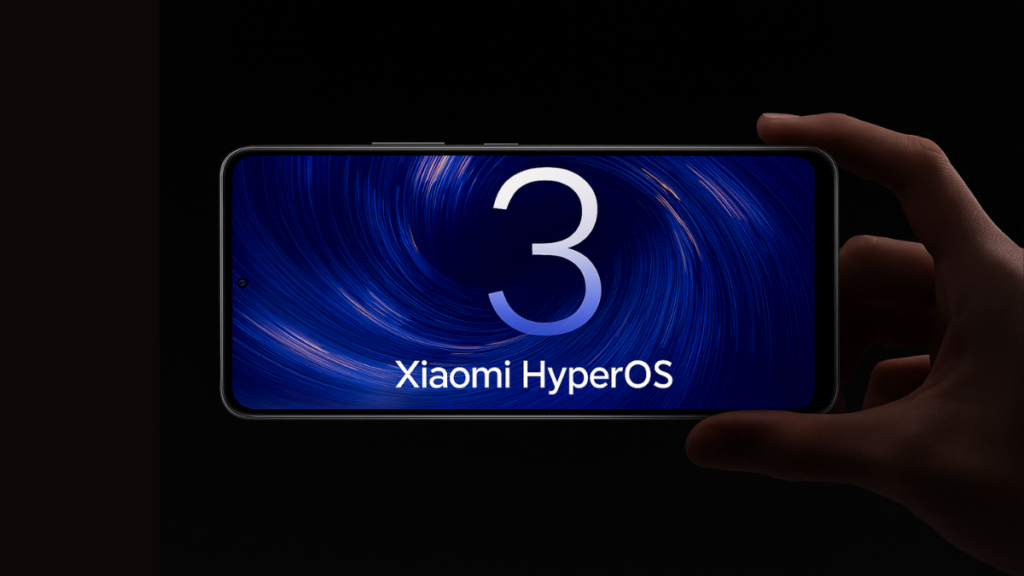
Xiaomi is gearing up to unveil HyperOS 3, the next iteration of its custom software, with the official announcement set for tomorrow in China. This custom UI is based on the next gen Android 16 operating system, so let’s check it out.
Here’s Everything to Know About Xiaomi’s HyperOS 3 Launch
The tech giant just announced the launch date for HyperOS 3.0, arriving in China on 28th August 2025. This is a surprising change in the brand’s schedule, since its latest smartphone skins typically arrive two months later, alongside its next gen flagship phones.
Lu Weibing, President of Xiaomi Group Partner and Mobile Phone Division, stated that (Translated) “Xiaomi HyperOS 3 is a new starting point. Making the system ‘smooth’ is our goal. We want users to have a smooth and responsive experience, and a natural, continuous, and smooth feel. At the same time, the functional experience must be easy to use and intuitive to achieve both ease of use and satisfaction.”
Xiaomi HyperOS 3
In other words, the brand plans to refine the smooth, connected ecosystem Xiaomi has been building across its smartphones, tablets, wearables, and smart home devices with the upcoming software release. Xiaomi is also expected to bring performance upgrades and deeper AI integration on HyperOS 3. This would even compete with rival Android brands and their custom UIs like Samsung’s new OneUI 8 and Oppo’s ColorOS 16.
As of right now, HyperOS 3 is in the testing stage. It is already available for a wide range of Xiaomi, POCO, and Redmi smartphones, like the Xiaomi 15 series, Redmi Note 14 lineup, and the latest POCO F7 models as well.
For more daily updates, please visit our News Section.
OnePlus Nord CE 5 and Motorola Moto G85 compete in the mid-range segment but target different priorities. The Nord CE 5 focuses on raw performance, fast charging, and durability, while the Moto G85 emphasizes lightweight design, affordability, and a strong selfie camera. Comparing them helps identify which device offers better value depending on user needs.
Design and display
OnePlus Nord CE 5
Build and Feel: The Nord CE 5 comes with an IP65 rating, a glass front, and an aluminum-like sturdy frame, offering higher dust and water resistance than the Moto G85’s water-repellent but uncertified design. The Moto, however, stands out with its lighter body and eco-leather back option, giving it a more modern and stylish in-hand feel. The OnePlus feels more rugged, while the Moto leans toward comfort and premium aesthetics.
Verdict: Moto G85 is better for lightweight comfort, but Nord CE 5 wins for durability.
Display Quality: OnePlus equips the Nord CE 5 with a Fluid AMOLED panel, HDR10+, and up to 1430 nits peak brightness, ensuring rich visuals even outdoors. Motorola counters with a P-OLED panel at 1600 nits, slightly brighter, though without HDR10+ support. Both deliver 120Hz refresh rates, but OnePlus’ Ultra HDR image support enhances dynamic visuals in streaming and photography.
Verdict: Nord CE 5 has the edge in visual quality, while Moto G85 prioritizes brightness.
Verdict: The Nord CE 5 is the sturdier and more display-focused option, ideal for durability and HDR viewing. The Moto G85 is slimmer, lighter, and stylish, making it a better fit for design-conscious users.
Specifications
Moto G85
Performance: The Nord CE 5 uses MediaTek’s Dimensity 8350 Apex, a 4nm chipset with Cortex-A715 cores, offering far stronger performance than the Moto G85’s Snapdragon 6s Gen 3 on 6nm. The Mali G615 GPU in the Nord also provides smoother graphics than the Adreno 619. This makes the OnePlus better for gaming, multitasking, and long-term updates.
Verdict: Nord CE 5 is the performance leader, and Moto G85 is sufficient for lighter tasks.
Battery and Charging: Nord CE 5 packs a larger 5200 mAh (7100 mAh in India) battery with blazing 80W fast charging, plus bypass charging for better battery health. Motorola’s 5000 mAh battery is standard, paired with 30W–33W charging depending on the region, which feels modest for 2025 standards. In real-world use, OnePlus charges more than twice as fast, making it more reliable for heavy users.
Verdict: Nord CE 5 clearly dominates in battery and charging.
Verdict: The Nord CE 5 is superior in raw power and endurance, while the Moto G85 balances efficiency for users who don’t push their phone to the limits.
Camera
OnePlus Nord CE5
Main and Secondary Lenses: Both phones feature 50 MP main cameras with OIS, but the Nord CE 5 extends capabilities with 4K recording, slow-motion modes, and HDR video. Motorola limits recording to 1080p, making it less appealing for creators. The Nord’s ultrawide (112°) is comparable to Moto’s (118°) but lacks autofocus, whereas Moto’s ultrawide offers AF, boosting versatility.
Verdict: Nord CE 5 is better for video content, Moto G85 wins in ultrawide flexibility.
Selfie Camera: The Moto G85 leads with a 32 MP front shooter, producing sharper, detailed selfies compared to the Nord’s 16 MP sensor. However, OnePlus supports 60fps video on its selfie camera, making it more stable for vlogging.
Verdict: Moto G85 is better for photography-focused selfies, Nord CE 5 for smoother video selfies.
Verdict: The Nord CE 5 is more creator-friendly with stronger video tools, while the Moto G85 caters better to selfie enthusiasts with its higher megapixel count.
Pricing
Moto G85
The OnePlus Nord CE 5 is priced around $400, while the Motorola Moto G85 costs about $250. The $150 difference is significant. Nord CE 5 justifies the extra cost with stronger performance, faster charging, and more advanced camera/video features. However, the Moto G85 offers excellent value at its price, especially for users prioritizing design, selfies, and everyday use.
Verdict: Moto G85 is the budget-friendly winner, while Nord CE 5 is the premium choice in the mid-range.
Conclusion
Moto G85
The Nord CE 5 brings IP65 water resistance, bypass charging, and Ultra HDR support, features rarely seen in this price bracket. Motorola counters with an eco-leather design, lighter ergonomics, and a higher megapixel selfie camera.
Verdict: Choose the OnePlus Nord CE 5 if you want flagship-level performance, ultra-fast charging, and advanced video tools. Go for the Motorola Moto G85 if you prefer a stylish, lightweight phone with great selfies at a much lower cost.
Both phones shine in their categories, Nord CE 5 as the power-packed all-rounder, and Moto G85 as the value-driven style phone.
SPECS TABLE
Feature
OnePlus Nord CE 5
Motorola Moto G85
Build & Design
IP65 dust & water resistant, glass front, solid build
Water-repellent design, Gorilla Glass 5 front, plastic/eco-leather back
TECNO POVA 7 and Realme Narzo 70 Pro target the competitive mid-range market, but each approaches value differently. One emphasizes raw power, battery endurance, and unique extras, while the other focuses on refined design, display quality, and camera versatility. This comparison highlights where each phone stands out and which one offers more meaningful upgrades.
Build and Feel: The TECNO POVA 7 comes with IP64 protection, a rugged build, and even a rear status LED, making it stand out in durability and functionality. The Realme Narzo 70 Pro, on the other hand, offers IP54 protection with a sleeker and more modern finish, including a glass front that feels more premium in hand. For everyday elegance, the Realme edges ahead, but the TECNO’s sturdier design with added features like an LED indicator will appeal to practical users.
Verdict: Realme offers a better premium feel, TECNO offers more utility.
Display Quality: The POVA 7 features a 6.78-inch IPS LCD with a very high 144Hz refresh rate, excellent for gamers who prioritize smooth motion. The Narzo 70 Pro offers a 6.67-inch AMOLED with 120Hz, HDR10+, and up to 2000 nits peak brightness, ensuring more vivid colors and better sunlight visibility. While TECNO wins in refresh rate, Realme’s AMOLED panel delivers superior contrast, brightness, and HDR visuals.
Verdict: Realme Narzo 70 Pro has a better display experience.
Verdict: For design, Realme wins with its premium build and AMOLED panel, but TECNO remains appealing to those who value durability, status-light utility, and higher refresh rates for gaming.
2. Specifications
TECNO POVA 7
Performance: TECNO POVA 7 is powered by the newer Dimensity 7300 Ultimate, paired with Mali-G615 GPU. This chipset is more efficient and capable than the Narzo 70 Pro’s Dimensity 7050 with Mali-G68. The POVA 7 also runs Android 15, compared to Narzo’s Android 14, offering longer software relevance. TECNO is better suited for demanding tasks and future-proofing.
Verdict: TECNO POVA 7 delivers more raw power and longevity.
Battery and Charging: TECNO packs a massive 6000mAh battery, significantly larger than the Narzo’s 5000mAh. It supports 45W wired charging, 30W wireless charging (rare at this price), and even reverse wired charging. The Narzo 70 Pro compensates with faster 67W wired charging, reaching 50% in just 19 minutes. The POVA 7 wins in endurance and wireless convenience, while Narzo wins in speed.
Verdict: TECNO POVA 7 is better for longevity, Realme for fast top-ups.
Verdict: In specs, TECNO POVA 7 shines with a stronger chipset, Android 15, and a bigger battery with wireless charging, making it more feature-rich. Realme Narzo 70 Pro is quicker to recharge but feels less versatile.
3. Camera
Realme Narzo 70 Pro
Main and Secondary Lenses: The Narzo 70 Pro offers a clear upgrade with a triple-lens setup: 50MP main with OIS, 8MP ultrawide, and 2MP macro. OIS alone makes low-light shots steadier, while the ultrawide adds versatility. In contrast, TECNO POVA 7 sticks to a single 50MP sensor, limiting photographic options.
Verdict: Realme Narzo 70 Pro is better for photography enthusiasts.
Selfie Camera: Narzo 70 Pro has a 16MP selfie lens with decent wide capture, while TECNO POVA 7 offers a 13MP unit. The resolution bump and tuning on the Realme side give it an advantage for sharper selfies, though TECNO still performs adequately for casual use.
Verdict: Realme wins for selfies.
Verdict: When it comes to cameras, Realme Narzo 70 Pro is clearly superior, with OIS, ultrawide capabilities, and better selfies, while TECNO POVA 7 feels more limited.
4. Pricing
TECNO POVA 7
TECNO POVA 7 is priced at around $200, making it significantly cheaper than the Realme Narzo 70 Pro at $240. While the Narzo provides a better display and camera setup, the POVA 7 offers a bigger battery, a newer processor, and wireless charging for less.
Verdict: TECNO POVA 7 is the more value-for-money option.
Disclaimer: Prices are approximate and may vary based on country, region, and applicable taxes.
5. Conclusion
Realme Narzo 70 Pro
TECNO POVA 7 stands out with its rear LED status light, huge 6000mAh battery, wireless charging support, Android 15, and newer chipset. These extras are rarely seen at its price. The Realme Narzo 70 Pro distinguishes itself with an AMOLED HDR display, OIS camera, ultrawide lens, and faster charging.
Verdict: TECNO POVA 7 is ideal for users who want endurance, gaming performance, and feature-rich extras at a lower cost. The Realme Narzo 70 Pro, however, is better for those who value premium design, vibrant AMOLED visuals, and superior camera versatility.
Both are strong contenders, but TECNO POVA 7 offers more futuristic features, while Realme Narzo 70 Pro offers better refinement.
After a slightly longer wait, Asus has finally started offering access to Android 16 beta. The beta program kicked off earlier this month, starting with the ZenFone 12 Ultra, and was later expanded to include more devices.
We’ve created a list of those Asus phones that have access to the Android 16 Beta program. Check if yours is eligible for an early taste of Android 16 ahead of a public rollout.
Android 16 beta program is available for these Asus phones
Asus Zenfone 12 Ultra
Asus ROG Phone 9
Asus ROG Phone 9 Pro
As of writing this post, these three Asus phones have access to the beta program. It’s unclear if the brand will expand the beta program further to more devices. Anyway, we’ll update the list when a new device gets the beta update.
If your Asus smartphone is on the list, you can enroll in the beta program and install the Android 16 beta update. (more on that below)
How to get Android 16 beta on your Asus phone?
Before applying for the beta program, please note that beta builds often contain bugs and may have unfinished features. The software experience may not be smooth, and some features may not work at all. Hence, it’s recommended that you install such builds on a secondary device.
It’s also recommended that you back up your important data to cloud storage or on a different device to prevent any data loss in case anything goes wrong. Also, keep in mind that you can’t go back to Android 15 after installing Android 16 beta. The beta program will come to an end once the stable version is released.
Open the Settings app on your Asus phone.
Select System and tap on System update.
Click the gear icon in the upper-right corner.
Tap on Enroll in Android preview program.
Click the Agree button and fill in your application.
Tap the Submit button.
If your application gets selected for beta testing, you’ll receive an email from Asus for confirmation. After that, you can expect a beta update on your phone very soon. You can manually check for updates by going to Settings > System > System update.
The beta announcement pages on the Asus community don’t have information about the last enrollment date or the number of beta applications. This could mean the beta program will be available for a longer period without any capping on the number of participants.
The Android 16 beta program is confidential, and Asus recommends not to publicly post information about the preview software. For bug reporting or questions about the beta software, beta participants will get access to a board on the official forum.
Nothing has landed in hot water after it was discovered that the company used stock photos as “camera samples” for its new flagship Phone (3). The images showcased in a demo unit were initially presented as real shots taken with the device, which turned out to be a lie.
Nothing in Trouble After Using Stock Images as Phone (3) Camera Samples
The brand got exposed through a screen recording that was captured from a retail demo unit of a Nothing Phone (3), which was on display in New Zealand. These demo units featured camera shots that it claims were taken from the latest flagship phone, but these were actually taken by professional photographers. Android Authority even reached out to two of the photographers who captured these photos.
The photographers also confirmed that they did not use the Nothing Phone (3) for these shots. Nothing claimed that these pictures were captured by Phone (3)’s camera, but the same pictures can also be seen on the photographer’s social media. Meanwhile, the company shared these pictures in their promo material, stating that “Here’s what our community has captured with the Phone (3).” So it was clear that Nothing was faking these camera samples.
Nothing Phone (3)
One of the photographers also revealed that all five of these images are available for licensing on ‘Stills’, a stock photo marketplace. So the people who took these pictures were likely paid for these images by this platform. Nothing has acknowledged this and even released a statement, “Accuracy in how we represent our product capabilities is important to us. Phone (3) demo units are being updated to feature only images captured with Phone (3).”
For more daily updates, please visit our News Section.
Ulefone has introduced its latest rugged smartphones, the Armor 33 Pro and Armor 33, designed to push the limits of durability while offering powerful features. Both models come with military-grade certifications, extreme protection, and useful innovations, but the Armor 33 Pro especially stands out with its dual-screen design and massive battery.
Durability First
The highlight of the Armor 33 Series is its unmatched toughness. Both phones are certified with IP68, IP69K, and MIL-STD-810H standards, proving their resistance against water, dust, sand, drops, and high-pressure jets. The Armor 33 Pro goes even further with a reinforced frame and dual Corning Gorilla Glass protection, making its screens survive impacts that would shatter most smartphones.
Real-World Durability Test
Ulefone put the Armor 33 Pro through extreme tests to prove its strength. The device was dropped from different heights onto hard surfaces and showed no damage. It was hammered into a concrete post, yet both the body and screens stayed intact. Even after being submerged in water and blasted with a high-pressure water gun, the phone continued working without issues. This test highlights why the Armor 33 Pro is being called one of the most rugged smartphones ever made.
Battery and Performance
The Armor 33 Pro is powered by the MediaTek Dimensity 7300X processor and an enormous 25,500mAh battery. It supports 66W fast charging, ensuring that despite the large battery, users can quickly top it up. Whether for outdoor professionals or adventure seekers, this long-lasting battery ensures reliability in the harshest conditions.
Camera System
Durability does not mean sacrificing imaging power. The Armor 33 Pro features a professional camera setup: a 50MP main sensor, a 64MP night vision camera, and a 50MP ultra-wide macro lens. This combination allows users to capture detailed shots during the day, wide landscapes, close-up macros, and even in total darkness.
The Affordable Armor 33
For those who want rugged reliability at a lower cost, the standard Armor 33 is priced at $299.99 (early bird). It skips the dual-screen and high-end camera system but adds a Versatile LED Light and Warning Light, making it a practical tool for workers and outdoor users who need visibility and safety.
Pricing and Availability
Armor 33 Pro: $399.99 (early bird)
Armor 33: $299.99 (early bird) Both models are available via AliExpress, Amazon, andUlefone’s official store, with the promotional pricing ending on August 27th.
Ulefone Armor 33 Pro is more than just a rugged smartphone; it’s built like a tank, surviving drops, water, and even hammer strikes while still functioning flawlessly. With its dual screens, huge battery, and advanced cameras, it’s ideal for professionals and adventurers who demand extreme durability. The Armor 33, on the other hand, offers a budget-friendly rugged choice with practical safety lights.
After being heavily criticized for the sluggish rollout of One UI 7, Samsung is making a quick turnaround with One UI 8. It started One UI 8 beta testing in May, becoming the first brand to launch the Android 16-based beta program with a new version of their custom skin — and then expanded the beta program to more Galaxy devices later on. Samsung is now just inches closer to the stable One UI 8 rollout, based on Android 16.
Whether you have a high-end Galaxy S or Z model, a mid-range A series phone, a budget-friendly phone, or a Galaxy tablet, you’re likely looking forward to the next major upgrade. So, here’s everything you need to know about it, including the rollout timeline, eligible devices, and the latest changes.
Samsung One UI 8 eligible devices
Samsung hasn’t officially announced which Galaxy phones and tablets will be upgraded to Android 16 and One UI 8. However, its transparent update policy was sufficient to help us prepare the following list:
If your Samsung Galaxy is on the list, you’re in for the One UI 8 treat. Read the next section to learn about the rollout plan.
Samsung One UI 8 rollout timeline
Samsung has officially confirmed that the stable rollout of One UI 8 will begin in September 2025, starting with the Galaxy S25 series. It could also reach a few other Galaxy devices, such as the Galaxy S24, Galaxy Z Fold 6, and Galaxy Z Flip 6, in the same month.
The stable One UI 8 rollout will then gradually cover the remaining Galaxy S-series models and Galaxy Tablets over the coming weeks. Some Galaxy A-series models, especially those part of the One UI 8 beta program, may receive the stable release sooner than many premium models.
Although the detailed update roadmap is under wraps, Samsung promises to bring the One UI 8 update to all eligible Galaxy devices before the end of this year. Unlike last year, the brand is sticking to all its promises, and hopefully, things will only continue to improve over time.
Samsung’s also making major changes to its One UI rollout strategy, according to which major Android and One UI versions will be released in the middle of the year alongside foldable phones. In fact, this change is already in action, as the One UI 8 debuted with the Galaxy Z Fold 7 and Flip 7 in July. The newer Galaxy S-series phones, meanwhile, launching early in the year will ship with an incremental software, likely One UI x.5. (Read more about it here)
What’s new in One UI 8?
Enhanced productivity and multitasking
One UI 8 adds a dedicated full-screen layout for Quick Share. Tapping the Quick Settings icon triggers “Ready to receive,” while a new Send tab lets you share files without opening another app.
Split screen is more flexible now — you can stretch one app as wide as you like (previously ~70%). Tapping the minimized app swaps it to the larger pane.
Samsung DeX also receives useful tweaks that allow users to change screen resolution and adjust rotation, which is particularly beneficial for vertical monitors.
Personalization and automation
The latest upgrade brings new dynamic live wallpapers that shift colors with the time of day — bright by day, darker by evening — for a subtle quality-of-life boost.
And, building on last year’s big Modes and Routines update, One UI 8 introduces new routines like Cold weather alert, Morning briefing, and Umbrella reminder to make it more useful.
Samsung has made Profile Card editing clearer, showing the full layout as you make changes.
Redesigned and smarter apps
Many apps have been upgraded with cleaner looks and smarter behaviors. Take the Gallery app, for example; it now auto-sorts screenshots into categories like Boarding Passes, Coupons, Shopping, and Locations for easier and quicker finding.
My Files now lets you filter downloads by the app they came from, and its compact categories put more content on screen. The Weather app now has smoother animations and hyper-realistic backgrounds.
The Reminder app also gets updated with a fresh design with top-placed category chips, suggests templates or past reminders as you type, and adds a new toolbar to insert checkmarks, media, date, location, and categories right from the input field.
The Calendar app now has a modern look with deeper blacks for eye comfort and integrates Reminders so you can create them directly. Additionally, it allows you to reschedule reminders by simply dragging and dropping them to new dates.
Privacy and accessibility
Secure Folder in One UI 8 gets more secure, as you can now assign a separate fingerprint for access. Additionally, you can hide other apps inside it, and even hide the Secure Folder entirely so it won’t show notifications or appear in suggestions.
Accessibility has received new options, including zooming the screen with buttons, controlling mouse actions via the keyboard, magnifying the on-screen keyboard, and pairing Bluetooth hearing aids directly from the Accessibility settings.
Other notable improvements
In the Camera app, you can remap the swipe down/up gesture to open controls (it previously only switched cameras).
Audio sharing is simpler — others can scan a QR code to join your Bluetooth audio.
One UI 8 makes managing Alarms a lot easier with a Home screen widget that controls an entire group, plus the ability to add existing alarms to groups.
The Samsung Health app now lets you challenge friends to fitness goals and can send health reminders if you’ve set it up already.
Which Galaxy device do you have and what are your thoughts on One UI 8? Let us know in the comments below.
We use cookies on our website to give you the most relevant experience by remembering your preferences and repeat visits. By clicking “Accept”, you consent to the use of ALL the cookies.
This website uses cookies to improve your experience while you navigate through the website. Out of these, the cookies that are categorized as necessary are stored on your browser as they are essential for the working of basic functionalities of the website. We also use third-party cookies that help us analyze and understand how you use this website. These cookies will be stored in your browser only with your consent. You also have the option to opt-out of these cookies. But opting out of some of these cookies may affect your browsing experience.
Necessary cookies are absolutely essential for the website to function properly. This category only includes cookies that ensures basic functionalities and security features of the website. These cookies do not store any personal information.
Any cookies that may not be particularly necessary for the website to function and is used specifically to collect user personal data via analytics, ads, other embedded contents are termed as non-necessary cookies. It is mandatory to procure user consent prior to running these cookies on your website.