Advertisement

Vivo V19 launches as the brand’s First Dual Punch-Hole Display smartphone

Vivo had earlier planned to launch the V19 on March 27 in India, however, it was later postponed indefinitely due to coronavirus outbreak. But now, to everyone’s surprise, the Chinese smartphone maker has listed the device officially on its global website.

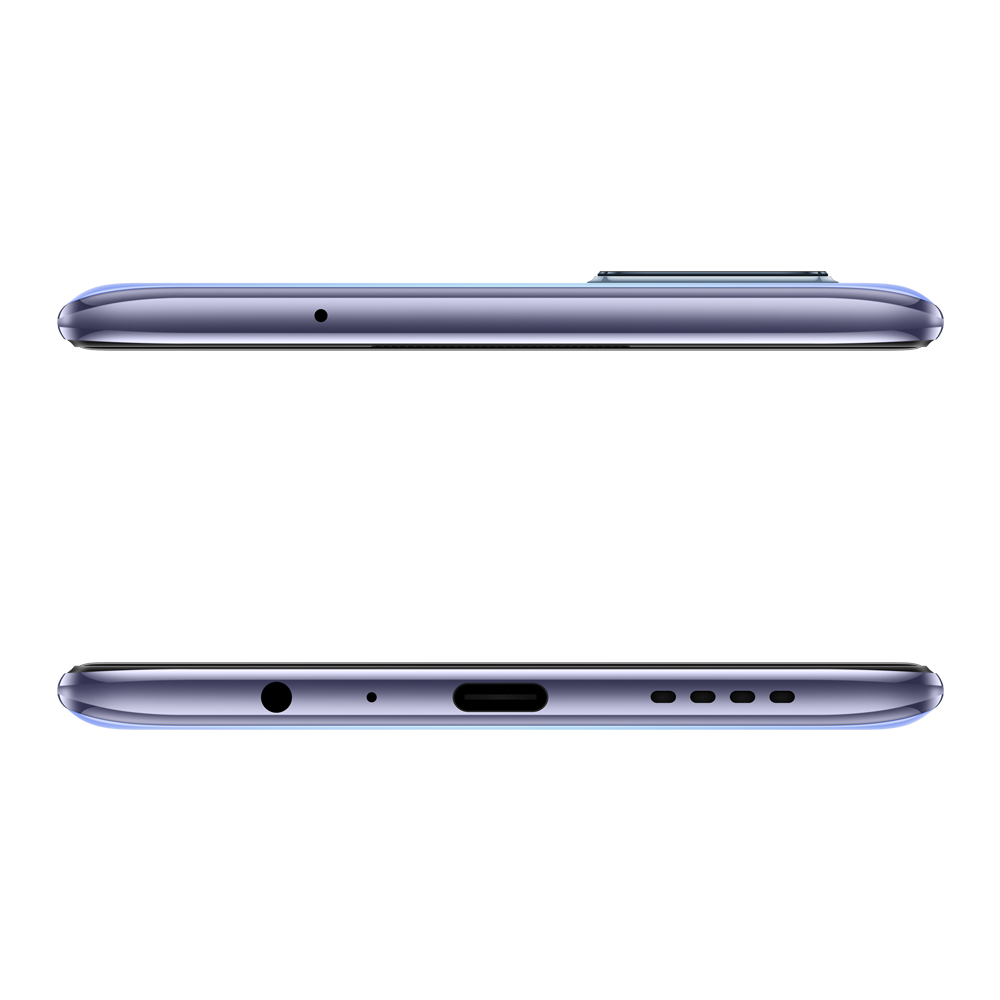
The Vivo V19 initially debuted in Indonesia last month but that device is merely a rebranded Vivo V17, which was launched in December 2019 in India. But now the original global V19 is official, becoming the company’s first smartphone with a dual punch-hole display.

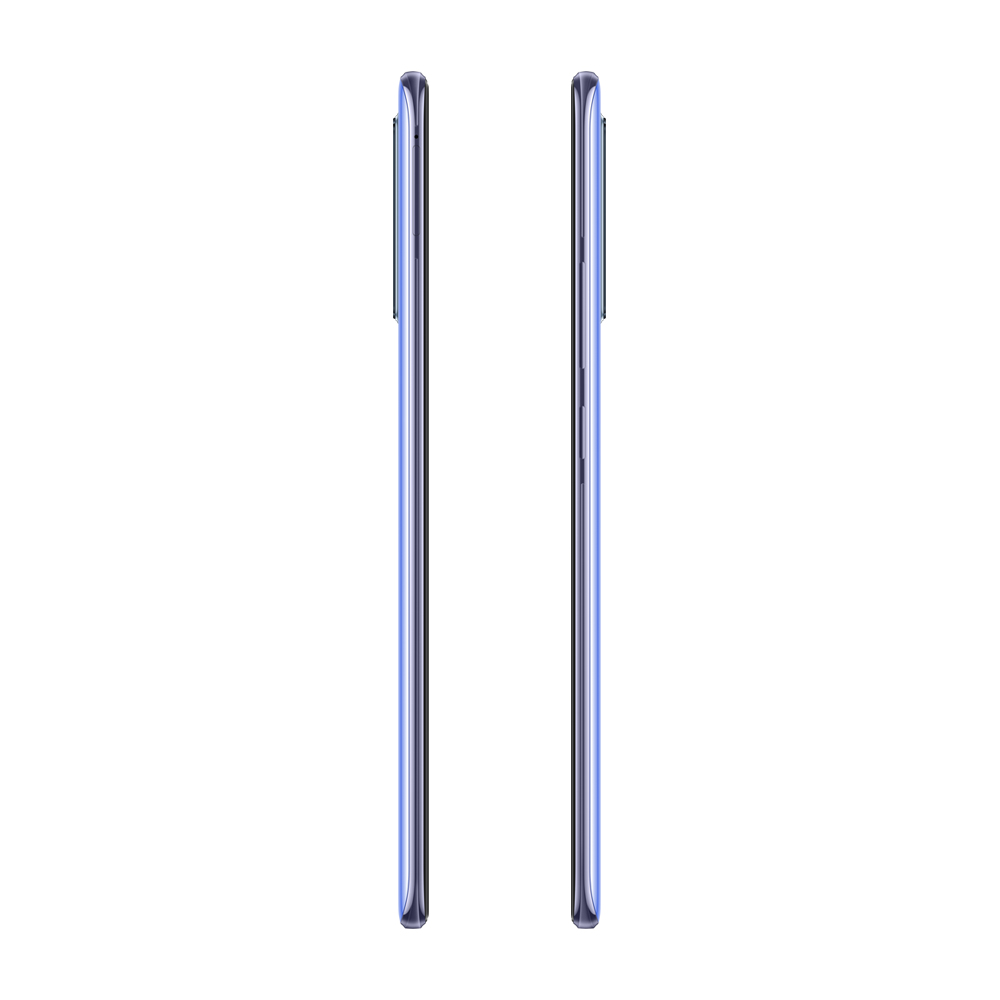
Under the hood, the Vivo V19 features a Qualcomm Snapdragon 712 SoC paired with 8GB LPDDR4X RAM and 128GB / 256GB UFS 2.1 ROM. On the front, it sports a 6.44-inches FHD+ (2400 x 1080 pixels) Super AMOLED display with dual punch-holes housing a 32MP primary snapper and an 8MP ultra-wide shooter. The display also accommodates an in-screen fingerprint reader just like other recent Vivo mid-range smartphones.

Whereas, on the back, the phone comes equipped with a rectangular quad-camera setup featuring a 48MP main sensor paired with an 8MP ultra-wide unit and two 2MP sensors for depth (bokeh) and macro photography. The camera features on the handset include super night mode, ultra-stable video, art portrait video, and much more.

On the software front, the Vivo V19 runs Functouch OS 10 based on Android 10 out of the box. It gets its juice from a 4,500 mAh battery with support for 33W Vivo FlashCharge 2.0 fast-charging technology over USB Type-C port. Other features of the phone include accelerometer, ambient light sensor, proximity sensor, e-compass, gyroscope, WiFi, Bluetooth 5.0, GPS, Beidou, Galileo, GLONASS, 3.5mm headphone jack, and a triple card slot.
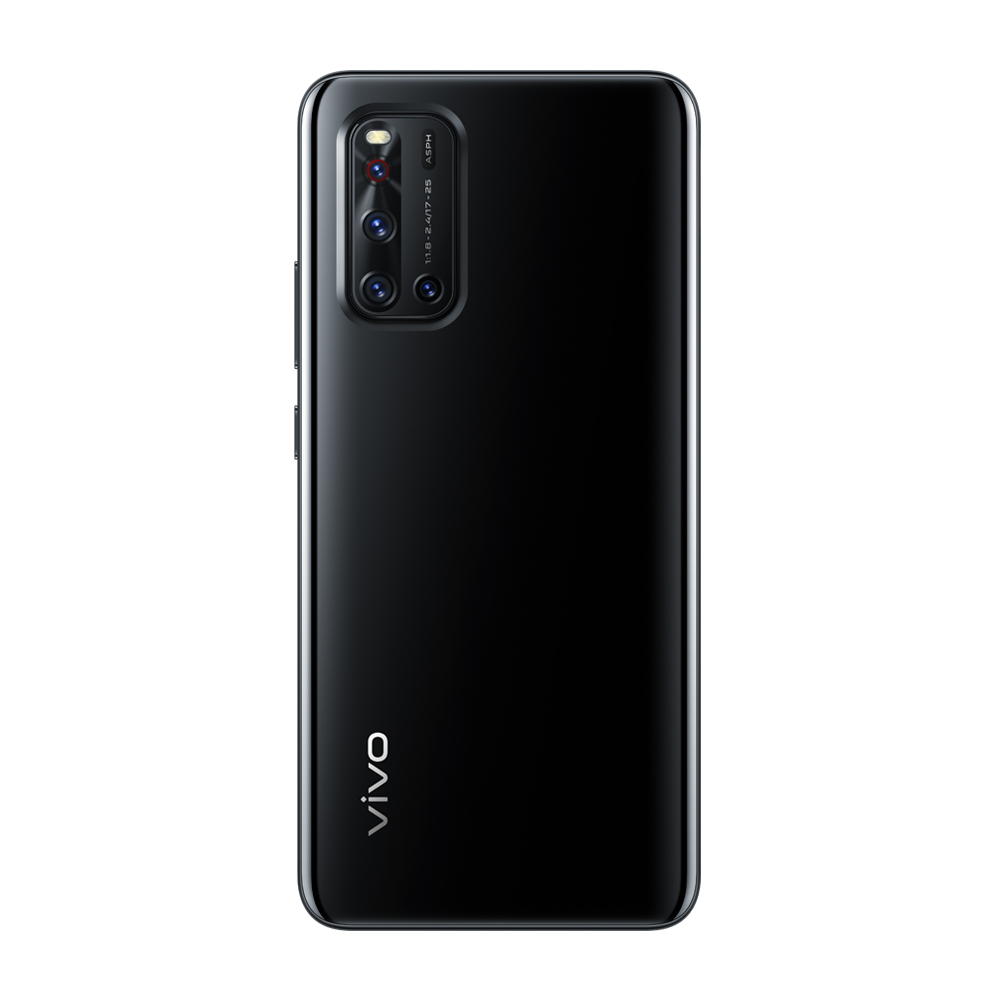
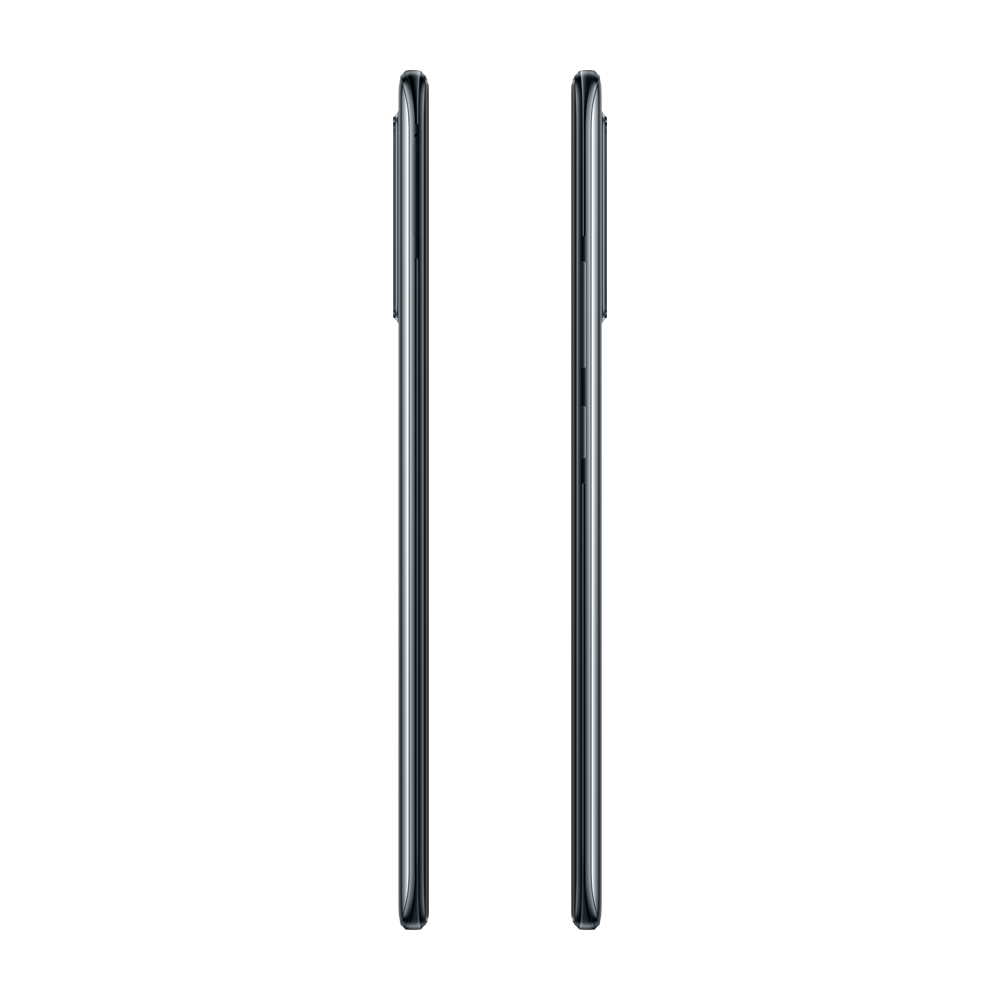
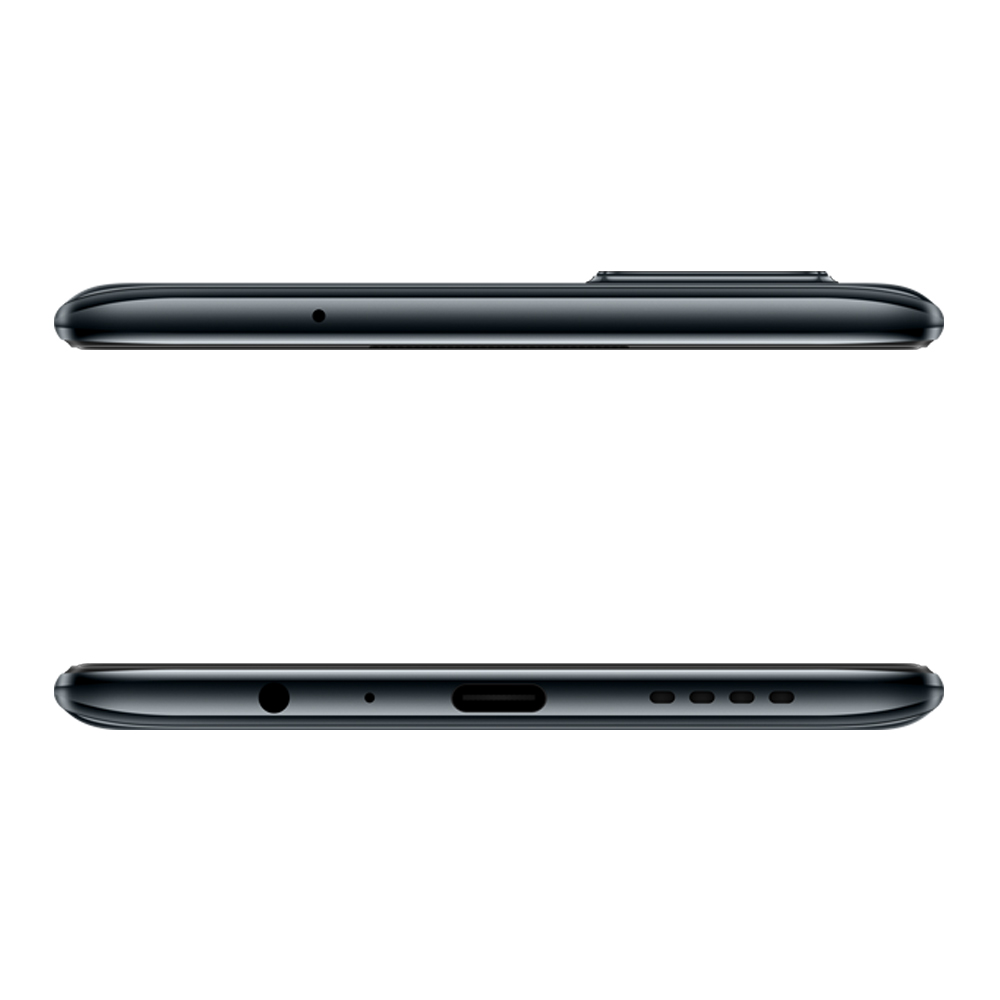
The Vivo V19 will come in two colors – Sleek Silver and Gleam Black. Although everything about the phone is out officially, the company is yet to reveal its price and availability.


OnePlus Pop-up event goes online for the OnePlus 8 series

With every launch of a new OnePlus phone comes pop-up events that are held across various cities. A pop-up event is a chance for fans to get a hands-on experience of the new devices and also an opportunity for interested buyers to purchase before the first sale. However, this year’s pop-up event will be different.

OnePlus 8 series online pop-up

The coronavirus pandemic has caused several manufacturers to switch to an online-only launch for their events as gatherings are high-risk places for the spread of the disease. Based on this, OnePlus is changing its traditional pop-up event to an online experience this year.

According to a press release on the official OnePlus forum, the pop-up experience will be online and will begin immediately after the live-stream ends on April 14. OnePlus is keeping a tight-lip on details but says teasers will be posted this week.

Since it will be online, everyone can partake, unlike physical pop-up events that are limited to certain countries and select cities. However, we are curious as to how many folks will get the freebies handed out at pop-up events or if there will even be any this year.


(Source)

Huawei to launch Matebook X Pro 2020 in a premium Emerald Green Color on April 8

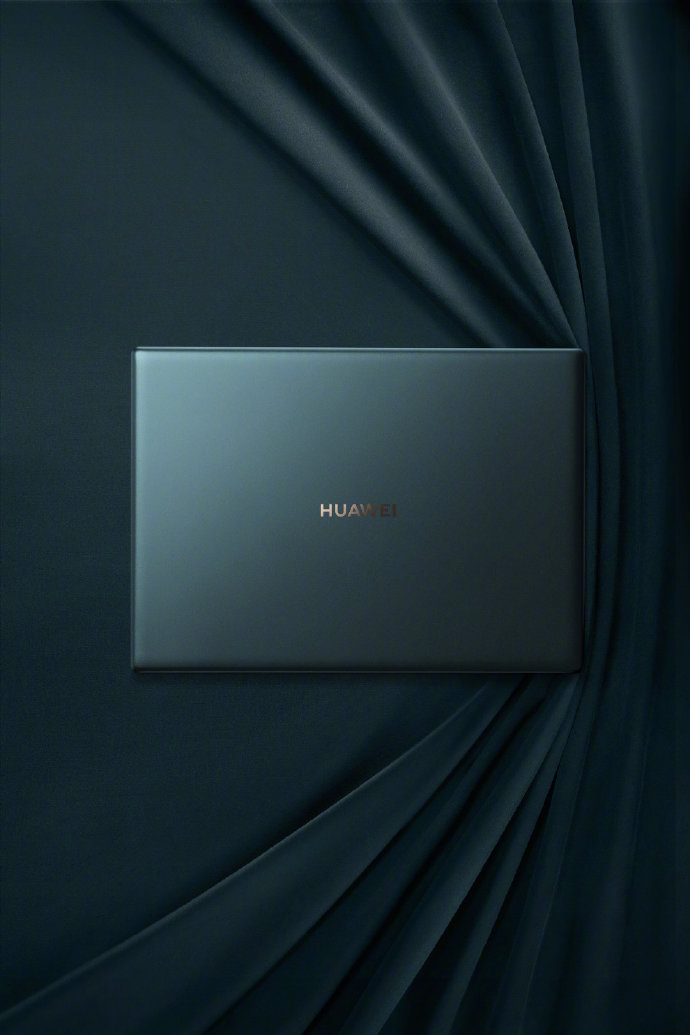
On 5th April 2020, Huawei released a short video alongside related image posters online. This promotional content was for the Huawei MateBook X Pro 2020 edition, which will now arrive in a new premium Emerald Green color.

Huawei
Huawei Mate X Pro 2020 Emerald Green Edition

For those unaware, the MateBook X Pro from the Chinese tech giant is one of its flagship notebook series. It features a 3K display with a high screen to body ratio of 91 percent, 100 percent sRGB color gamut and also supports touch screen with up to 10 points at the same time.

The laptop is housed on a thin metallic frame with different variations of internal configurations being available. This makes it in line with other ultra thin notebooks in the market, like the Apple MacBook Air or the Microsoft Surface laptops.

Huawei

The Huawei MateBook X Pro 2020 features either an Intel Core i5 or an i7 processor, alongside Nvidia’s mobile MX250 graphics processing unit. It will be sold in 4 color variants, which include Space Gray, Silver, Rose Gold, and the new Emerald Green version. The device will be officially released at the Huawei Spring launch conference that will take place on 8th April 2020. So stay tuned.


OnePlus Bullets Wireless Z will have 20-hour battery life and Warp Charge

OnePlus’s launch event is scheduled for next week Tuesday, and alongside the OnePlus 8 series, the manufacturer is also expected to launch a new pair of wireless earphones called the OnePlus Bullets Wireless Z. New details regarding the earphones have surfaced today.

According to a leak from Ishan Agarwal (@ishanagarwal24), the OnePlus Bullets Wireless Z will have support for OnePlus’s fast charging technology called Warp Charge. Additional info, provided by PriceBaba, says a 10-minute charge of the earphones will provide up to 10 hours of use while a full charge will provide 20 hours of use.

OnePlus Bullets Wireless Z

The Bullets Wireless 2 also supports Warp Charge and provides 10 hours of use when charged for 10 minutes. However, its total battery life is 14 hours. We do not know the dimension for the upcoming earphones neither do we know its battery capacity. However, if OnePlus is using new components just like Samsung’s new power management ICs, it is possible for them to fit in a bigger battery in the same space as the previous generation.

Other features mentioned include Bluetooth latency of 110ms, surpassing the AirPods Pro’ latency of 144ms. The wireless earphones will also have an IP55 rating which means it will survive light rain and sweat. While not mentioned, the OnePlus Bullets Wireless Z should have a USB Type-C port.

There is no info on the price of the OnePlus Bullets Wireless Z but we expect it to remain at $99 while the Bullets Wireless 2 gets a permanent price cut.


(Sources: 1, 2)

iPad Pro 2020 has a Hardware Microphone Disconnect Privacy Feature, Future iPads will have it too

Apple has always been a promoter of privacy. The Cupertino-based tech giant introduced T2 security chip on its 2018 MacBooks. It is now present in all the Apple MacBook and Macs released since those models This proprietary security chip helps in disconnecting the microphone when the lid of the notebook is shut. Now, according to the Apple Security Platform document, the company has included a similar feature in the newly-launched iPad Pro 2020 models.

Apple iPad Pro 2020

The new iPad Pro 2020 is basically the 2018 iPad Pro with a newer A12Z Bionic processor and a third LIDAR camera for AR applications. But it is the first of its kind to feature hardware-level microphone disconnect functionality as a privacy measure. In fact, Apple confirms that going forward all the new iPads will come with this feature.

The automatic microphone disconnect feature on iPad Pro 2020 and the forthcoming models require the users to shut their Apple tablets with an MFI (Made for iPad) compliant case. By doing so, the microphone on the iPad will be disconnected in hardware and thus microphone audio data cannot be used by software, even with root or kernel privileges.

However, it is worth noting that Apple says the cameras on MacBooks don’t disconnect as their field of view is obstructed by the lid. As for iPads, it does not mention anything about the camera disconnection since there’s no need for it anyway as the case covers the whole front and the rear cameras are faced down.


(Source, Via)

Black Shark 3 series gets its OLED panels from Samsung Display and BOE

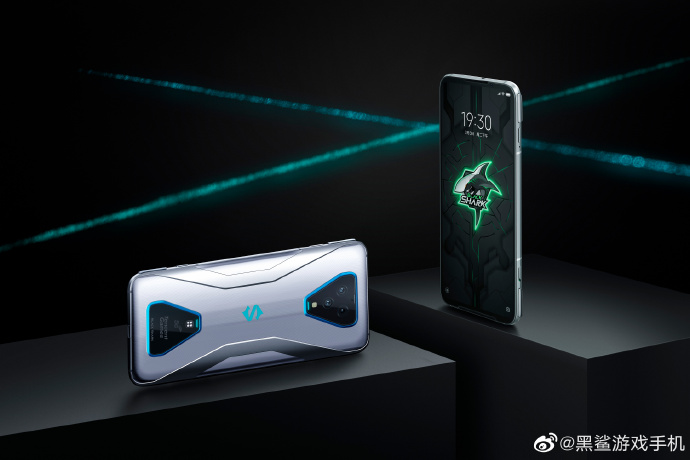
Black Shark 3 series launched as the world’s first 5G gaming smartphones in early March this year. The major difference between the standard and the pro models is their display size and resolution. It has been only over a month since these two devices debuted but now, we are aware of their panel suppliers who happen to be Samsung Display and BOE respectively.

Black Shark 3 Pro Silver 01

According to industry sources, the Black Shark 3’s 6.7-inches OLED panel with 2400 x 1080 resolution is supplied by Samsung Display. This is the same OCTA OLED rigid panel the firm is supplying to Huawei for its new P40 and P40 Plus. 

Samsung Display was the sole supplier of 2019’s Black Shark 2 and Black Shark 2 Pro. But this year, the Black Shark 3 Pro gets its 7.1-inches 3120 x 1140 resolution 2.5D flexible OLED panel with add-on touch technology from BOE, who also happens to supply Huawei for P40 series and Mate Xs.

However, the OCTA technology used on Samsung Display panels, which is equipped on the standard Black Shark 3 units are better than add-on touch BOE panels on the Black Shark 3 Pro. 

Samsung Display is the only display manufacturer to have mastered OCTA tech. BOE is yet to get a better yield in this tech and hence it continues to use the old tried and tested add-on touch solution.


(Source)

Apple will ship Face Shields for Medical Workers fighting the Viral Outbreak

Tim Cook, the CEO of Apple Inc, has shared a short video on the popular social media platform Twitter. In the tweet, the senior executive provides an update to its current response to the ongoing crisis at hand. The Cupertino based giant has specially designed and easy to assemble Face Shield, which will ship to various locations that are fighting the recent Coronavirus pandemic at critical stages.

According to Cook, Apple has sourced more than 20 million units of face mask through its various supply chains across the globe. He said that the company is working with the different governments to donate in locations with dire need. Furthermore, Apple is also working on launching “a company-wide effort bringing together product designers, engineering, operations, packaging teams, and our suppliers to design, produce and ship face shields for health workers.”

In the video, Tim shares one such face shield. It is built primarily from plastic based synthetics from the looks of it and is designed to fit all sizes. Apparently, the company has already shipped its first batch to the Kaiser hospital in the Santa Clara Valley, US, this past week and the doctors’ reception was “very positive.” Another advantage of this face mask is packaging since it can fit about 100 into a single box as they are placed flat.

Apple

The assembly of the face shield requires just two minutes and has been sourced from both the US and China. Apple is planning on shipping more than one million of these by the end of this week, and further million by the next week. As of right now, the face shields are available only in the US, but the company has plans on expanding and supplying other critical regions soon. The video was also showcased appreciation for all those fighting the COVID-19 and the face shields have been made from them.


Huawei P40 Pro Suppliers List revealed, most components sourced domestically

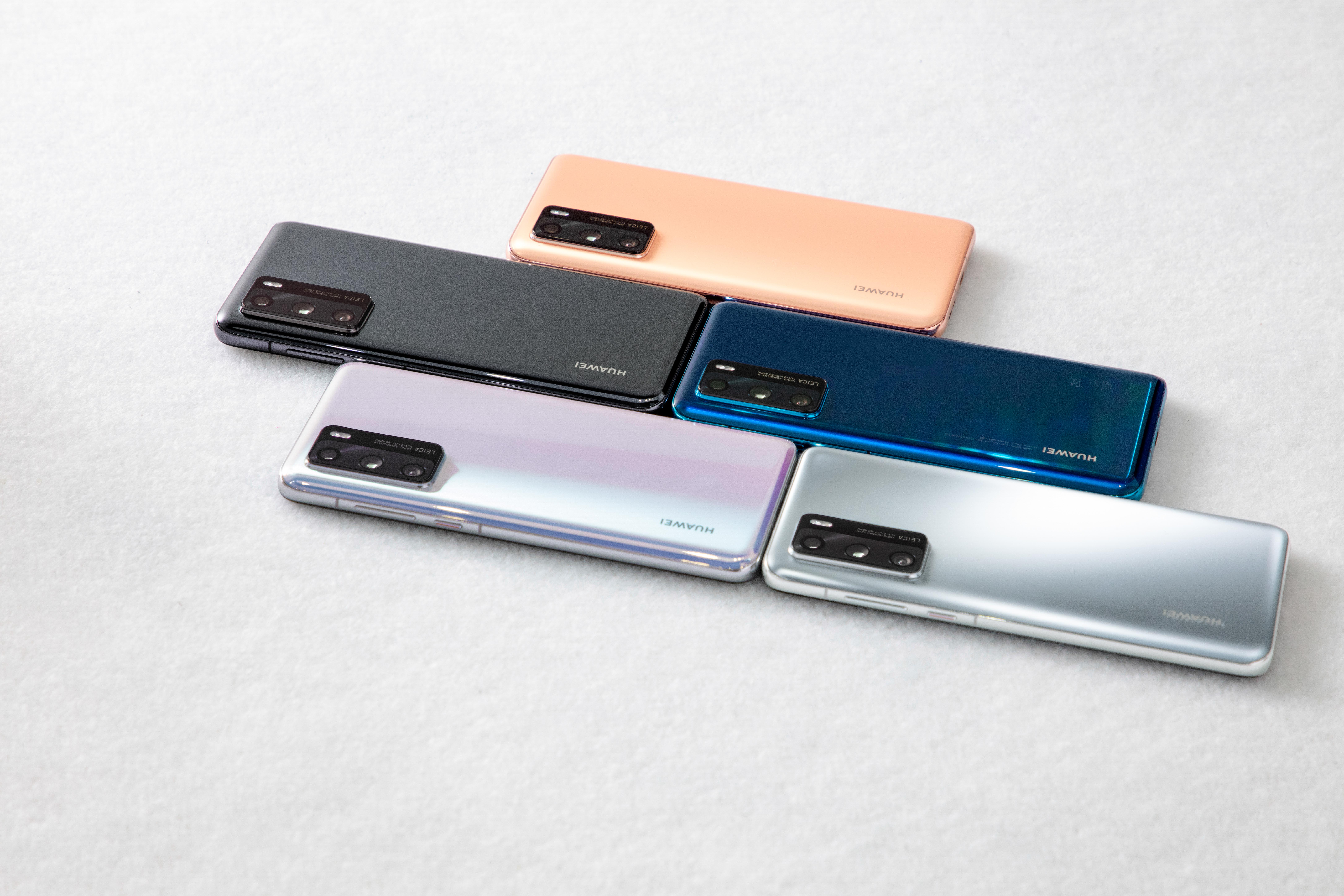
Recently, a Weibo post, a Chinese microblogging website, leaked the Huawei P40 series core suppliers list. In other words, the list revealed the manufacturers behind its crucial components are mostly based domestically, in China. These don’t include the handset’s processor and other proprietarily developed technology.

Huawei

According to the leaked list, the Huawei P40 Pro and P40 Pro+ use camera modules from Sony, Largan, Sunny Optical, OFILM, LuxVision, Q Technology, and Crystal Optech. Similarly, the fingerprint scanner is built by Goodix Technology with parts from OFILM, and Q Technology. The display touch panel and glass are provided by Lens Technology and Beil Crystal.

On 27th March, Yuan Feng, the CEO of BOE, had revealed that both the flagship models feature BOE curved displays.

A Chinese tech reporting portal, XYZone had also published a teardown video of their own. This breakdown revealed that most core components were sourced from China (primarily Huawei’s HiSilicon chipset and other technologies), Taiwan, South Korea, and even Japan. Although a small portion was also sourced from American companies like Skyworks, Qorvo, and Qualcomm for the RF fronts.

Huawei P40 Pro

According to analysts, Huawei already has pre-existing stocks for various components. This was done prior to its US ban that disallowed it from working with US based companies. However, from its inventory, it seems that the company still has enough parts for the next year at the very least, by then the company would’ve also come up with viable replacements or through other proprietary development.


5G towers in the UK are being burned by Conspiracy Theorists

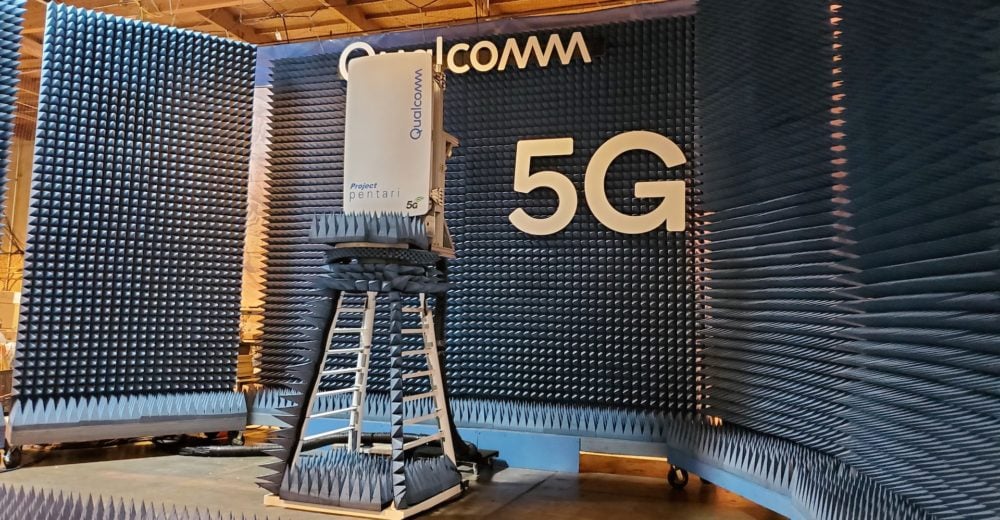
5G network has been considered as the new standard of a developed nation. This has caused various governments to push forward with the adoption of the newer and faster bandwidth. The UK is one of them, but unfortunately, it seems it has its own fair share of detractors as well.

5G
Conspiracy Theorists believe that 5G network helps in spreading the COVID-19

Despite the numerous scientifically backed evidence from researchers and industry experts, many still claim that the 5G network is harmful to human beings. Rather, some arguments even claim that it kills the birds and the bees, with images supporting such claims as well. However, these have yet to be proven to be factually correct. A general conspiracy would’ve been harmless, but its a cause for alarm as certain 5G cell towers are now being burned by such conspiracy theorists.

According to reports, the conspiracy theorists behind the vandalism incidents are now claiming that the Coronavirus outbreak is being further spread by the new 5G networking waves. Needless to say, these are just baseless claims and are only citing more panic amidst the global pandemic. Notably, cell towers are being burnt while the engineers working on them have been abused by such believers.

5G

Just a while back, a 70 foot (20 meter) cellular tower was lit on fire in Birmingham, UK. This incident was recorded and was also spread like wild fire on various social media platforms, such as Facebook, to incite other anti-5G groups as well. Facebook has since removed these videos, due to advocacy of violence, and has also other platforms to take similar measures.


(Via)

Huawei P40 can be used as a dedicated microphone

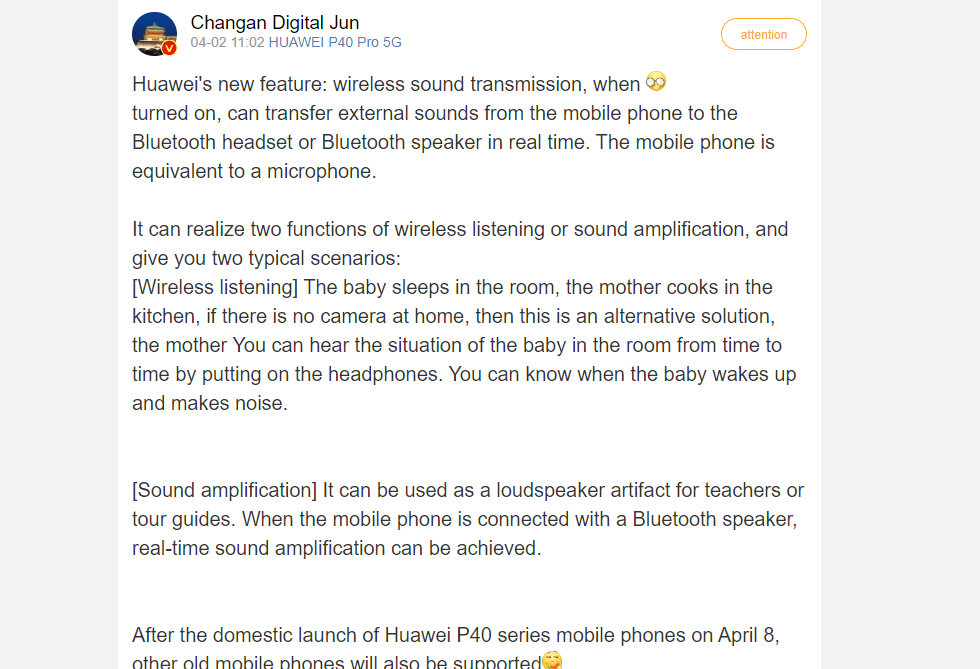
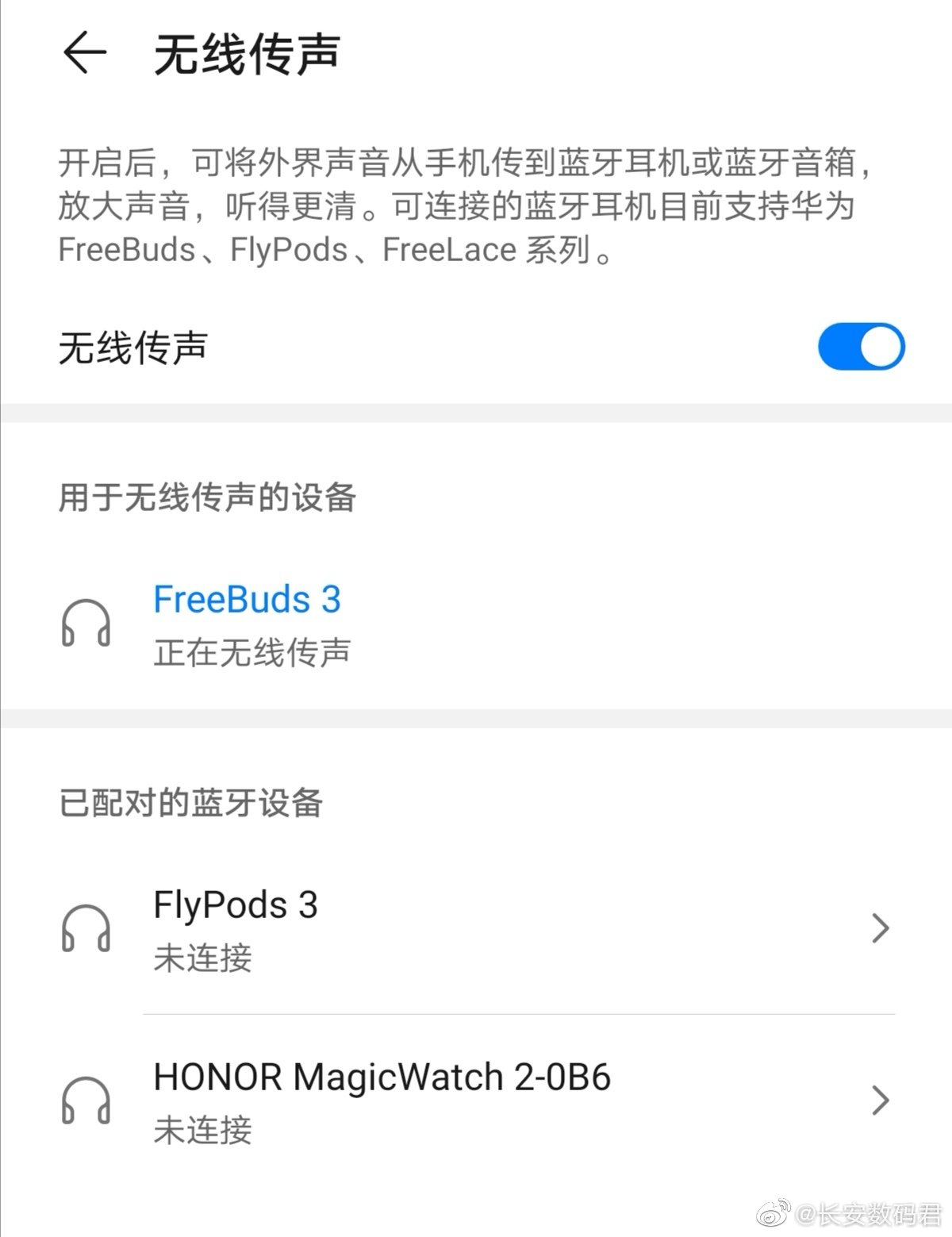
Huawei had just recently launched its latest flagship series, the Huawei P40 lineup. It arrives with top notch specs and features, and according to a new leak, it can soon also be used as a standalone dedicated microphone, thanks to its wireless sound transmission.

Huawei

From what we know so far, the wireless sound transmission is a feature that is only supported on the Huawei FreeBuds, FlyPods and FreeLance series of audio wearables at the moment. Through these headphones, one can transmit the external sound directly from the Huawei P40’s microphone to the Bluetooth headset or Bluetooth speakers in real time. In other words, it effectively makes the smartphone a dedicated microphone which also allows sound amplification.

There are certain real life applications of this as well. First, the wireless listening can act as a baby monitor, a device that relays sound from an audio capturing device in the infants’ room and an audio output device with the mother when she is not around. Thus, creating a situation that even if she is busy, the sound of the baby crying or other emergencies can be heard from afar through headphones.

Huawei

Another great example is sound application. Imagine a tour guide giving a lecture on all the rare and ancient artifacts in a museum. It can even be used by teachers for sound amplification, with the Huawei P40 acting as the microphone while a Bluetooth speaker amplifies the sounds so it is better audible for a larger crowd. A few people have also ridiculed the feature, as it also has potential for eavesdropping from a different room, although its viability is still unsure.


Download official TWRP for Realme XT, Realme X2, and Mi Pad 4 / 4 Plus from here

TWRP, which stands for Team Win Recovery Project is the most commonly used custom recovery on Android devices. It is essential to flash aftermarket Android builds (custom ROMs) as the built-in stock recoveries on the phones/tablets do not allow it. Hence, TWRP is the first thing to install if a user wants to use an alternate OS. The project supports a number of devices officially and now Realme XT, Realme X2, and Xiaomi Mi Pad 4 / 4 Plus also join the list.

TWRP Logo

Realme XT is one of the first smartphones with a 64MP primary camera. It was launched in India with ColorOS 6 based on Android 9.0 Pie on-board. Soon, an improved version of the phone called Realme X2 debuted with Snapdragon 730G instead of Snapdragon 712 but with the same software. However, both of them were recently updated to Realme UI based on Android 10.

Unfortunately, the same cannot be said for the Xiaomi Mi Pad 4 and Mi Pad 4 Plus. This duo launched exclusively in China with MIUI 9 based on Android 8.1 Oreo but it has received only one major update so far and that is MIUI 10. The underlying software is still Oreo and it is yet to receive MIUI 11 when the company is moved on to the development of MIUI 12.

But now, as these devices support TWRP officially, their users can finally use a solid trustworthy custom recovery to flash custom ROM, kernels, and mods of their choice.

Download TWRP for Realme XT

Download TWRP for Reame X2

Download TWRP for Xiaomi Mi Pad 4 / Mi Pad 4 Plus


(Source)

Huawei Vision Smart TV X65 poster leak reveals its key features

Huawei is gearing up to launch its flagship P40 series smartphones in its home market China on 8th April. Yu Chengdong, CEO of Huawei Consumer Business had announced that the company will debut something big at the same event.

Now, it has been confirmed what he was hinting with “something big”. The company will be launching the Huawei Vision X65 Smart TV along with the Huawei P40 series smartphones in China.

Huawei Smart Screen X65 Poster Leak

A poster for the Huawei Smart Screen X65 aka Huawei Vision Smart TV X65 has leaked online, which showcases its features. The poster shows that the device will come have major features — 24-megapixel ultra-wide-angle AI Smart Camera, OLED display, and 14 speakers for surround sound field.

This upcoming smart TV is expected to have an OLED display panel which reportedly uses advanced multi-channel sensors to adjust the color and speed of the screen. It also adopts the display to ambient light, making the display more natural.

Further, it is said to come with 14 speakers to offer a surround sound field and an immersive sound experience. It is said that the TV can intelligently identify the spatial structure, and emits sound waves to detect the room structure and receive feedback.

This helps in establishing a virtual spatial sound field model, and create an exclusive sound field by automatically matching the sound effect solution in the spatial scene. It is also confirmed that the TV will be running the company’s HongMeng OS.

HongMeng OS, launched by Huawei last year after the Chinese giant was banned from using Google’s Android, is a full-kernel distributed operating system based on microkernels built by Huawei. It is made for using on all smart devices coming from the company with support for cross devices and platforms.

(Via)

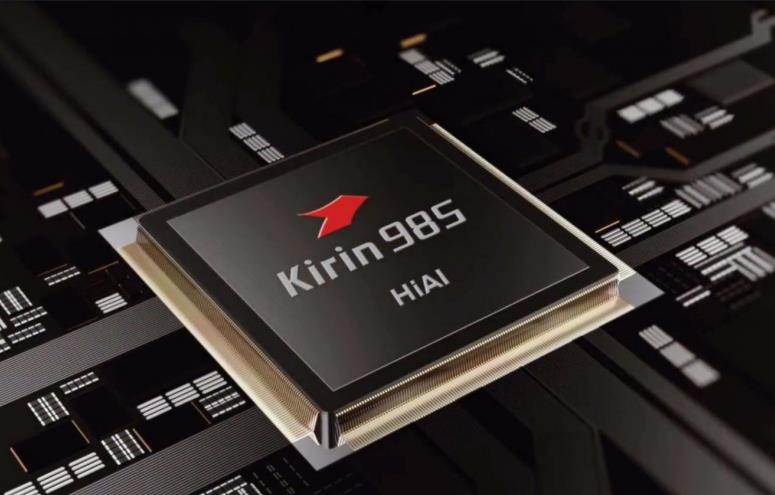
Honor 30 series could come powered by new Kirin 985 chipset

Huawei’s Kirin 990 5G chipset is already powering some of the flagship and premium devices from the company. Now, it seems that the company is now also gearing up to launch Kirin 985 chipset for premium phones.

As per the latest information, the upcoming Honor 30 series of smartphones could come powered by the Kirin 985 SoC. It is also being said that the chipset will come with support for largest image sensor in the mobile industry.

Huawei Kirin 985 SoC

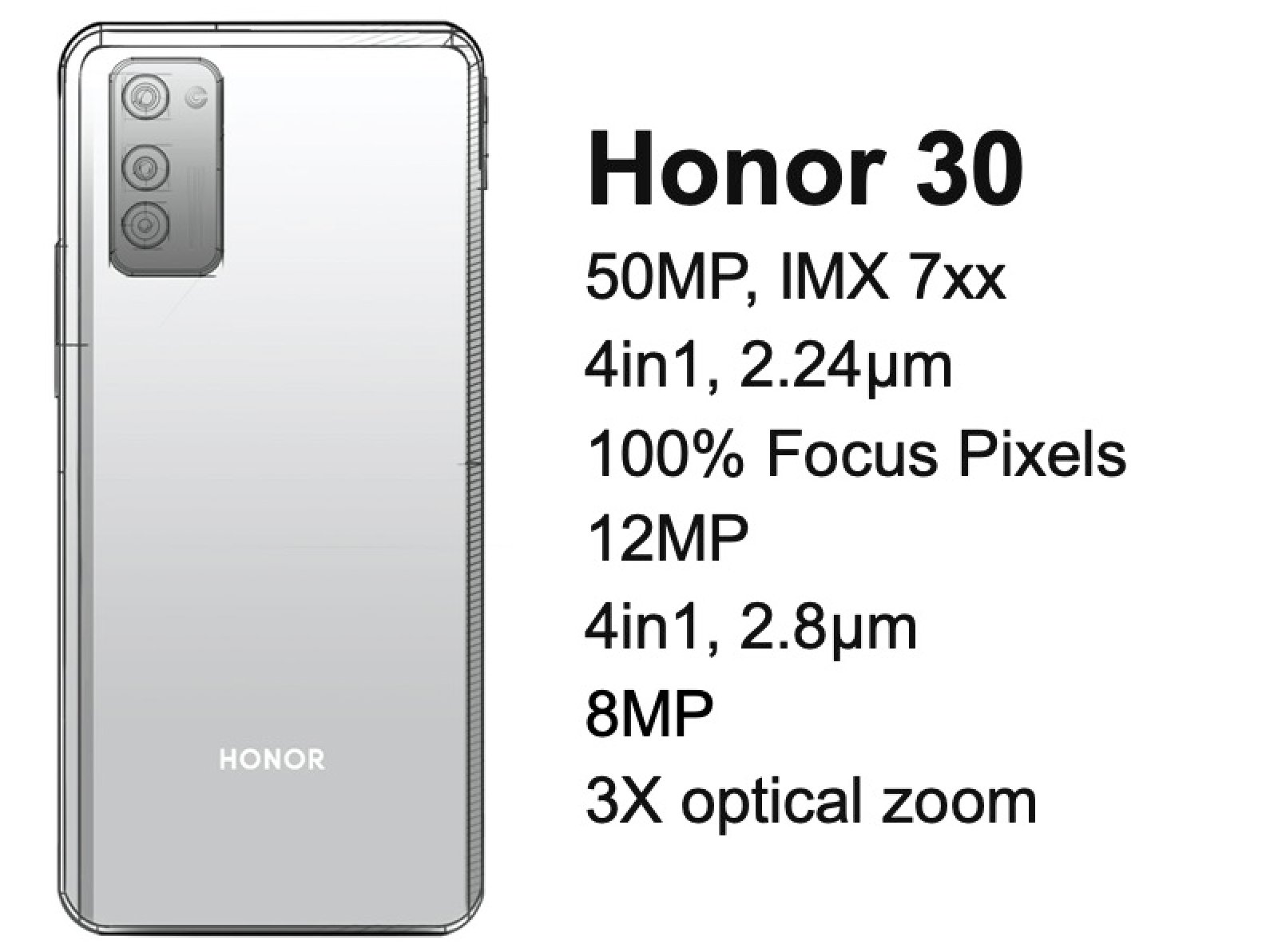
It is also being reported that the Honor 30 will come with a custom 50-megapixel Sony IMX 700-series camera sensor with Full-Pixel Focus, along with a 12-megapixel ultra-wide camera and an 8-megapixel telephoto lens with 3x optical zoom support.

The report further adds that the Kirin 985 chipset could go official on 15th April. However, it seems that the upcoming Huawei Nova 7 series smartphones will also come powered by this Kirin 985 processor.

Honor 30 Camera Specs Leak

This upcoming chipset could be built using the 7nm+ EUV lithography process and could be paired with the Balong 5000 modem. The performance of the processor will definitely be better than the recently launched Kirin 820 5G chipset.

There’s a possibility that the Honor 30 and the Huawei Nova 7 come powered by this new Kirin 985 SoC while the Pro variants both the upcoming series come packed with the company’s flagship Kirin 990 5G SoC.

As Huawei is still banned from using Google services on its new devices, both the smartphone series will come with the company’s own Huawei Mobile Services with its AppGallery, which is meant to replace Google’s offerings.

(Source)

Huawei / Honor could be working on a phone with 55x Zoom

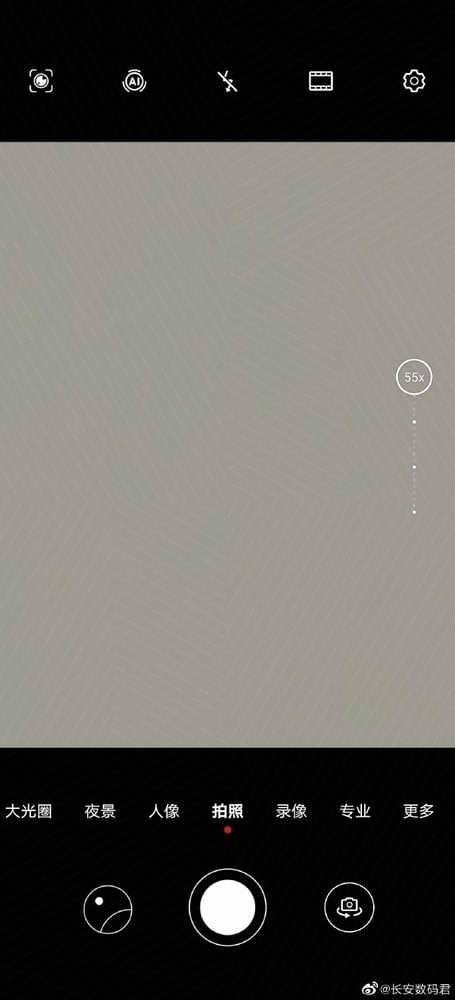
A new leak suggests Huawei or maybe Honor could be working on a smartphone with 55x digital zoom capability. The leak in question is a screenshot of the EMUI camera app with 55x zoom slider shared by a tipster. As of now, there is not a single Huawei or Honor smartphone with this option in their camera app.

Huawei has been making smartphones for over a decade now. However, the company’s devices did not focus more on the camera department until the Huawei P9 / P9 Plus, which was the first Huawei handset to feature cameras developed in partnership with Leica. Then, came the P20 Pro and P30 Pro with 3x optical zoom and 5x optical periscope zoom respectively. These two devices laid the foundation for the current-gen Huawei P40 Pro Plus with 10x optical periscope zoom.

Apart from the optical zoom functionality, these smartphones also support a very high digital zoom capability, up to 50x zoom on P30 Pro / P40 Pro and 100x zoom on the P40 Pro Plus. This leaked screenshot reveals a max digital zoom of 55x, which isn’t present on any of the current Huawei or Honor devices. This somewhat suggests the screengrab is from a different device altogether, which hasn’t been released so far. The blogger who leaked this image isn’t sure whether this engineering machine will be put to mass production. 

Huawei HOnor 55x zoom SS leak

If it does go into production, Huawei and Honor have a number of devices in their pipelines like the Honor 30 series, Mate 30s series, and Nova 7 series. Any of the Pro models from these lineups can feature 55x zoom, including the upcoming Honor 30 Pro.

For now, we only have camera details of the Honor 30 Pro, whose render leaked a few days back revealing a periscope camera, which is a strong contender for the purported 55x zoom.


OPPO teases a new audio product, could be Breeno smart speaker

Today, OPPO has teased the launch of its new product in its home market China. The poster confirms that the device will be unveiled on 7th April, i.e. tomorrow.

While the company has not revealed what product it plans to launch in China tomorrow, the poster shared for the announcement shows a black-colored circular device, which is similar to the Google Home Mini.

This hints that the device could be a smart speaker from OPPO, powered by Breeno which is the company’s own smart voice assistant. Another possibility is that the device is a new true-wireless earbuds from OPPO and the teaser image showcases its charging case.

OPPO Breeno Smart Speaker

However, given that the company has already launched a TWS earbuds, there’s higher possibility that the device in question is the Breeno Smart Speaker from OPPO. But there were also reports suggesting that the company could launch a new wireless earbuds with noise cancelling in mid-March.

To know for sure what the company has up its sleeves, we’ll have to wait for a few more hours for the company to make official announcement.

OPPO seems to be focusing on launching audio products from some time with an aim to expand its product offerings, apart from smartphones. The company has recently launched OPPO Enco Free TWS earbuds and OPPO Q1 wireless noise cancelling headphones.


Nokia 9.3 PureView launch reportedly postponed to H2 2020

HMD Global was expected to launch its first 5G phone has Nokia 8.2 5G. However, the handset was made official as Nokia 8.3 5G keeping its name in line with other Nokia phones of this year such as Nokia 5.3 and Nokia 1.3. The Finnish firm is reportedly working on a flagship phone. It is expected to replace 2019’s Nokia 9 PureView. Previous reports have claimed that it could be launching as Nokia 9.2 PureView, but newer leaks have revealed that it could be named as Nokia 9.3 PureView. A fresh report on Nokia Power User has claimed that Nokia’s SD865 flagship phone will be arriving in the latter half of the year.

In January, it was reported that the Nokia 9.3 could be debuting by the end of first half of the year. However, new information reveals that its arrival has been once again delayed. It is now expected to break cover in mid to late second half of 2020. The report states that it is due to the COVID-19 outbreak that the Nokia 9.3’s arrival has been pushed back. The report has no fresh details on the specs of the Nokia 9.3 PureView.

nokia 9.2 pureview

Many leading brands like Samsung, OPPO, Vivo, Honor and Xiaomi are working on under-display camera technology. It is speculated that first ones featuring the new camera tech may debut this year. It is speculated that the Nokia 9.3 PureView could be one of the first phones to feature the in-screen camera technology.

The Finnish firm had partnered with Light technology for the penta-lens setup of the Nokia 9 PureView phone. It is speculated that the company may this time work with Toshiba to bring enhanced photography experience on the Nokia 9 PureView.

Some rumors surrounding the Nokia 9.3 PureView have claimed that it could be arriving with a curved bezel-less screen. The device could be sporting a 32-megapixel or 48-megapixel front-facing camera. The handset could be coming with wireless charging support but may lack a 3.5mm audio jack.


(source)

Alleged Honor 30 Pro likely with Kirin 990 spotted on Geekbench

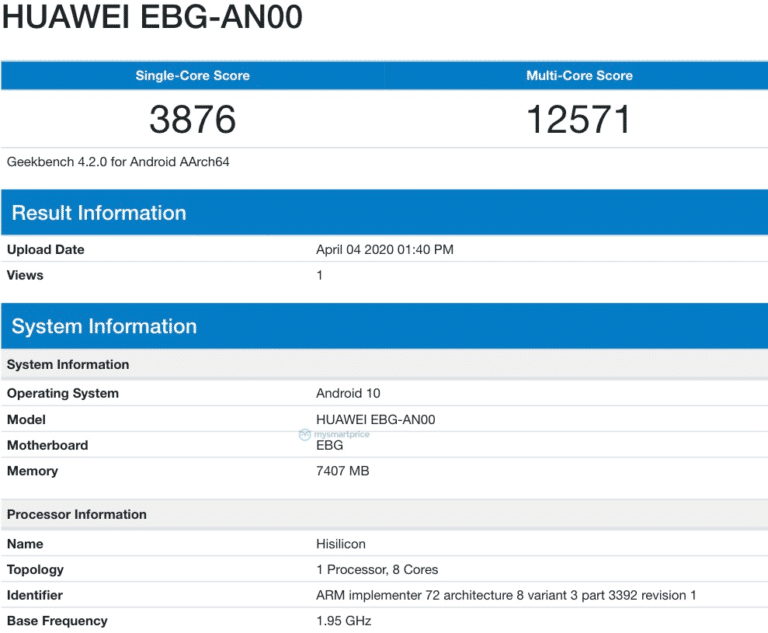
Honor recently unveiled the Honor 30S smartphone in China. It debuted as the first ever smartphone powered by the Kirin 820 5G chipset. On Thursday, the Chinese firm will be announcing the Honor Play 4T series. Next week, it will be unleashing the Honor 30 and Honor 30 Pro flagship phones on April 15. A Geekbench listing of an Honor phone with model number EBG-AN00 was spotted over the weekend. It seems to be benchmarks listing of the upcoming Honor 30 Pro smartphone.

The EBG-AN00 Geekbench listing reveals that it is powered by HiSilicon Kirin processor that has a base frequency of 1.95GHz.  The Kirin 990 5G chipset that powers the Huawei Mate 30 Pro 5G phone from last year and recently unveiled Huawei P40 series has a base frequency of 1.95GHz. Hence, the EBN-AN00 i.e. alleged Honor 30 Pro is driven by Kirin 990 5G.

The listing further reveals that the SoC is coupled with 8 GB of RAM. The phone is loaded with Android 10 OS. Like the recent Huawei and Honor phones, the EBG-AN00 phone is unlikely to arrive with support for Google Mobile Services (GMS).

The EBG-AN00 / AN10 smartphone was spotted at the 3C certification database last month. The listing revealed that it is a 5G phone. Since the listing had a mentioning of a 40W fast charger, it appeared that it could be an upcoming flagship phone from Honor. The handset has also acquired Bluetooth SIG approval in the past. It is said “EBG” could be referring to it “Edinburgh” codename. The Honor 30 is said to have BHM-AN10 model number and its model name could be based on “Birmingham” codename.

Recently, the alleged Honor 30 Pro was spotted encased in a protective cover. Its leaked shots revealed it could be featuring a full-screen design display with curved edges. It also seemed to feature a punch-hole cutout for two front-facing cameras. Its quad camera setup is said to be equipped with a 64-megapixel main lens.


(via)

Mysterious LG chocolate phone with SD765G to debut on May 15, claims report

Last month, LG launched the LG V60 ThinQ 5G smartphone. The LG G9 ThinQ with Snapdragon 765G as a more affordable 5G phone was also speculated to debut soon. However, recent reports had revealed that LG has reportedly killed its G-lineup of smartphones. However, the company is said to be still planning to launch an upper mid-range 5G phone for the masses. A recent report revealed that will launch it as a new version of the yesteryear LG Chocolate series phone. On Saturday, Naver reported that the handset will go official on May 15 in South Korea.

According to the South Korean publication’s report, a mobile operator of the country revealed that the so-called LG Chocolate will be arriving with a sophisticated design along with a new chip. The final name of the product is not known yet. Since the company is said to have axed its G-series, the handset is unlikely to be called LG G9 ThinQ.

The upcoming LG Chocolate phone is said to be equipped with a lightweight body that houses a 6.7-inch or 6.9-inch display. It is said to be driven by Qualcomm’s 7-series 5G chipset which is probably the Snapdragon 765G mobile platform.

LG G9 ThinQ
Renders of the LG G9 ThinQ that has been reportedly cancelled

The handset is expected to sport 48-megapixel quad camera setup on its back. The size of its battery could be 4,000mAh capacity. It is also likely to arrive with support for dual screen accessory. It is speculated that the handset could be priced under 1 million won (~$810). Some reports have claimed that it could be priced around 850,000 won (~$688).

LG is reportedly aiming the 5G Chocolate phone to target consumers who are looking for reasonable priced 5G smartphone. After launching the upper mid-range LG Chocolate 5G phone. The South Korean firm also plans to launch low-end and mid-range 5G phones in the home market.


(source)

Vivo V19 live shots reveal design in fully glory ahead of launch

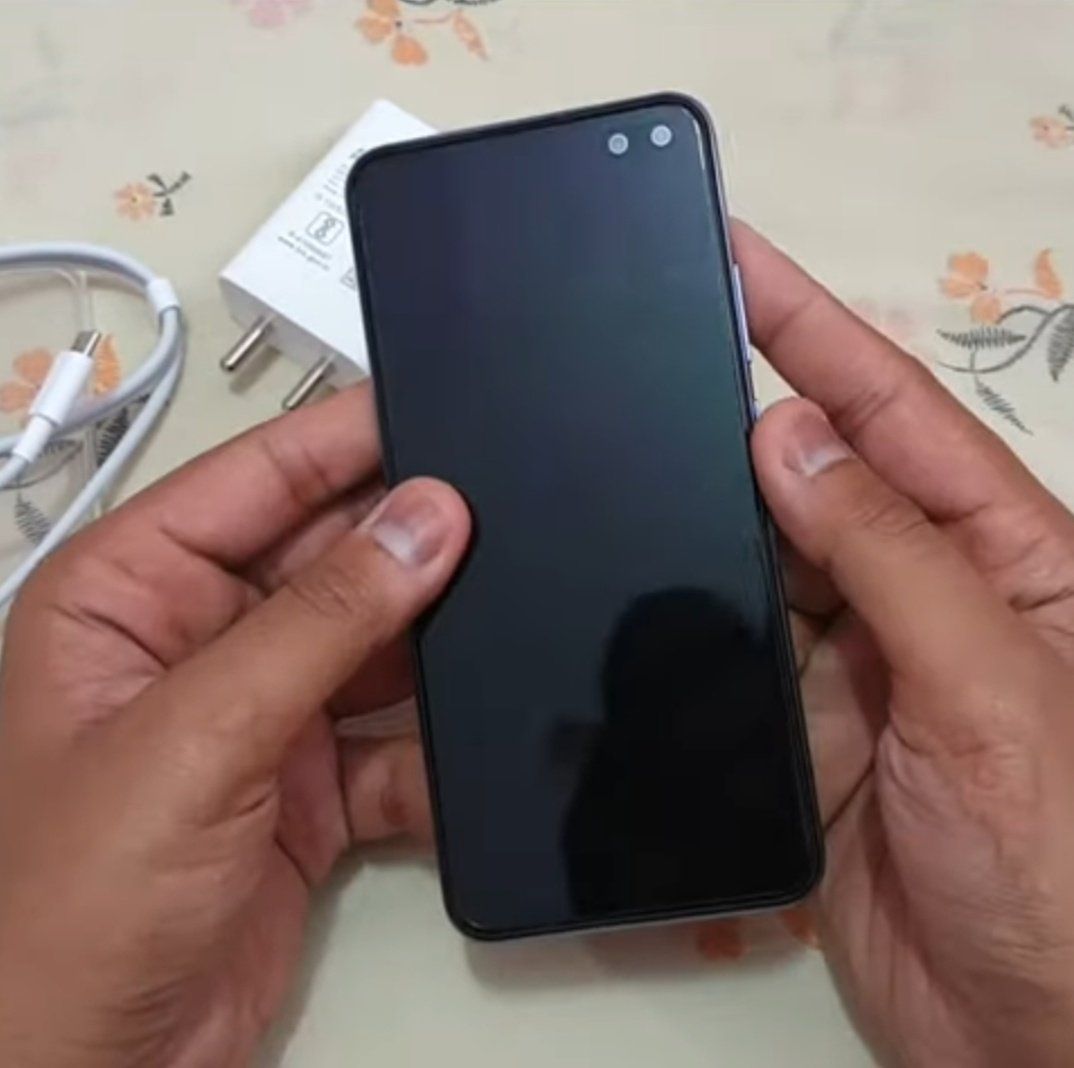
Vivo India had planned to launch the Vivo V19 smartphone in March. However, due to the outbreak of the COVID-19, the company cancelled the unveiling of the Vivo V19. The company is yet to confirm on the new launch date for the smartphone. However, its arrival may not be far away since it was recently spotted on Google Play Console. Also, some live shots of the phone have appeared to reveal its front and rear design.

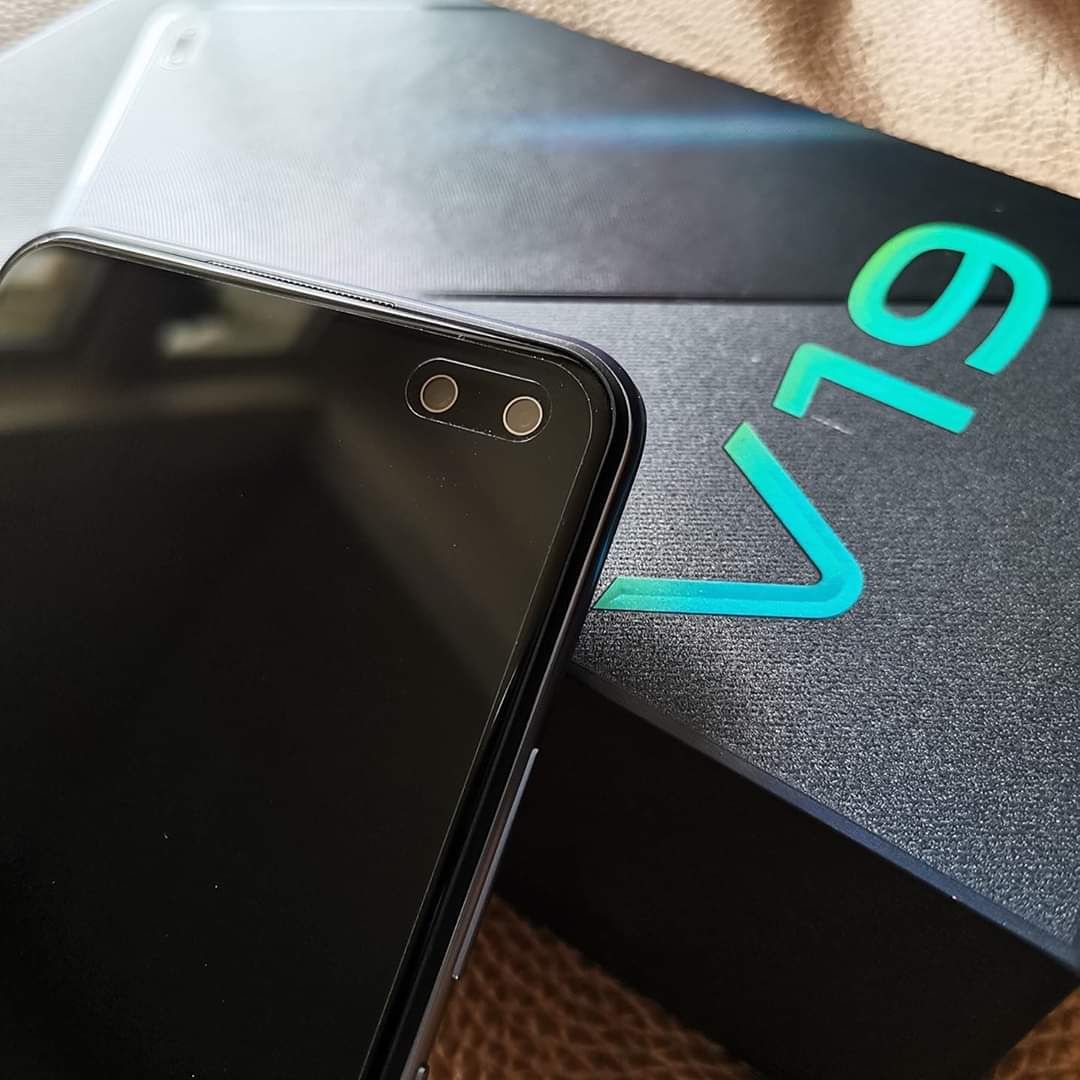
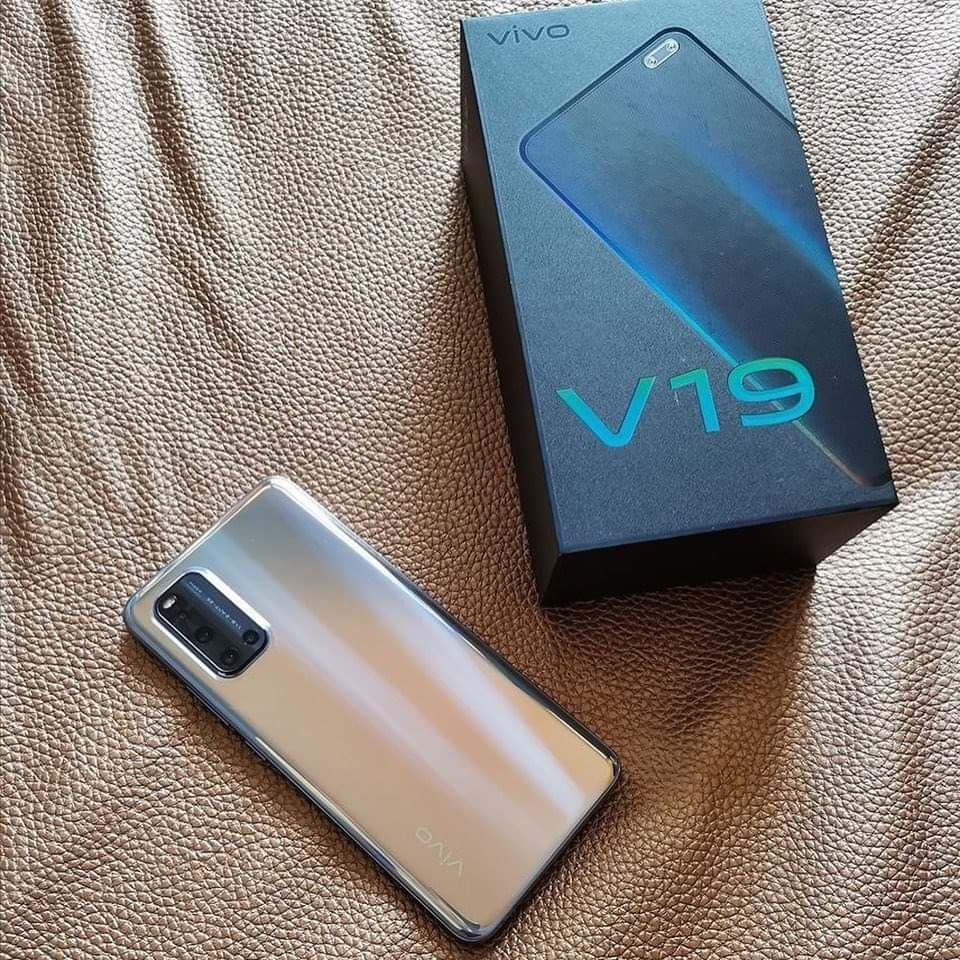
The new images give a closer look at the smartphone along with its retail box. It is not known whether it is a real handset or a dummy unit. However, it does manage to reveal its appearance in full glory.

The Vivo V19 has an elongated screen that features a dual punch-hole for its dual selfie camera setup. On its back, there is a rectangular camera module that houses four cameras in L-shape arrangement along with an LED flash. The right edge of the Vivo V19 has a volume rocker and a power key. Past reports have revealed that the V19 will be releasing in two color variants like Mystic Silver and Piano Black. The new images may belong to the Vivo V19 Mystic Silver edition.

Vivo V19 specifications (Rumored)

The Vivo V19 has a 6.44-inch 1080p AMOLED display with in-screen fingerprint reader. The Snapdragon 712 chipset will be powering the phone with 8 Gb of RAM. It may house a 4,500mAh battery that will carry support for 33W rapid charging.

The Vivo V19 has a 32-megapixel + 8-megapixel dual selfie camera system. On its rear, there is a 48-megapixel + 8-megapixel + 2-megapixel + 2-megapixel quad camera setup. It may come with Android 10 OS with FunTouch OS UI, 128 GB of native storage and a microSD card slot.  The handset could be priced around Rs. 24,999 (~$328).


(source)

Honor Play 4T series key details like Kirin 810, 48MP triple cameras and 4,000mAh battery revealed

On April 9, Honor will be announcing the Honor Play 4T series of budget-friendly smartphones in China. The lineup consists of two phones such as Honor Play 4T and Play 4T Pro. Both handsets have already appeared on TENAA with their entire specifications. Over the weekend, Honor shared key details of the Honor Play 4T series.

The Chinese firm revealed that the Honor Play 4T series has Kirin 810 chipset, 48-megapixel triple rear cameras and 4,000mAh battery. These specs belong to the Honor Play 4T Pro handset. Past reports have revealed that the Play 4T is driven by a less powerful processor that works at 2.0GHz. The Kirin 810 that fuels the Play 4T Pro ticks at 2.27GHz. Also, the Honor Play 4T has a dual camera setup and houses the same sized battery.

Honor Play 4T and Play 4T Pro specifications

The Honor Play 4T that has a model number of AKA-AL10 has a 6.39-inch IPS LCD punch-hole display. It offers HD+ resolution. It is expected to come in 4 GB and 6 GB RAM versions and storage choices like 64 GB and 128 GB in China.

For photography, it has a 48-megapixel + 2-megapixel dual camera setup on the back and a frontal shooter of 8-mgeapixel. The Android 10 OS runs on the device and it is backed a 4,000mAh battery. Green, black and gradient white are its color editions.

The Honor Play 4T Pro with model number AQM-AL10 has a 6.3-inch AMOLED display with waterdrop notch that offers HD+ resolution. The Kirin 810 chipset powers the phone’s 6 GB and 8 GB RAM editions. It may sell in 128 GB and 256 GB storage versions.

The rear shell of the phone has a 48-megapixel + 8-megapixel + 2-megapixel triple camera system and a front-facing camera of 16-megapixel. Its 4,000mAh battery may support 22.5W fast charging. It has an under-display fingerprint sensor.