Last week, when Huawei took the wraps off its P40 series, it also announced a new version of EMUI. The new EMUI 10.1 brings lots of new features including an AI Voice Assistant, a video calling app called MeeTime, new themes, and an improved AoD feature among others.
While it is a no-brainer that the Huawei P40 series will ship with the new version out of the box, the manufacturer knows folks are eager to know if their devices will get the update and when. Huawei has now released a list of eligible devices and the schedule for the EMUI 10.1 update.
According to the list, a total of 36 phones will get the EMUI 10.1 update and this includes Honor devices though some Honor phones will get it as Magic UI 3.1. Below are the devices and the timeframe for the update:
At the Vivo S6 launch event, the smartphone maker also announced a new pair of wired earphones. Priced at 129 Yuan, the brand claims it to offer an exceptional audio listening experience in both media consumption and calls.
The all-new Vivo wired earphones come in a dual-tone finish comprising of silver and black colors. It features an L-shaped 3.5mm headphone jack port and a built-in mic as well as a single button to wake up Vivo’s Jovi AI virtual assistant.
The earphones feature 11mm drivers along with diaphragm made of carbon fiber composite. Vivo says this hardware combined with the company’s audio tuning will output phenomenal sound into the users’ ears. Interestingly, Vivo bets more on the microphone quality in this new pair of wired earphones. The brand has included a MEMS (microelectro-mechanical system) microphone with a larger mesh than the competition to pick up the voice in a studio-level clarity.
This new wired earphones from Vivo is priced at 129 yuan ($18) as mentioned earlier. It will go on sale starting April 3 alongside the Vivo S6 in China. Additionally, the brand is offering a 30 Yuan ($4) discount on these earphones exclusively for the buyers of the company’s new S6 smartphone. Thus, for those customers, it will only cost them 99 Yuan ($14) effectively.
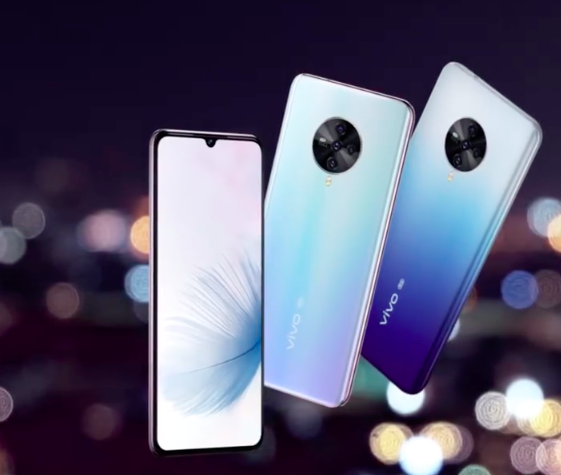
Vivo launched the Vivo S6 5G today at an online event in China. The phone comes with the super-fast 5G support and a bunch of camera tricks that appeal to the young generation in China. Moreover, with Exynos 980 on board, the phone packs enough power to tackle intensive tasks like gaming with ease.
The Vivo S6 5G comes with a familiar 3D curved design with a couple of interesting colors like Gradient Purple-Blue and Light Blue. As the company mentioned in one of its earlier teasers, the brand has limited the phone’s weight to just 181 grams, less than its predecessor. Vivo has also ditched the diamond-shaped camera housing from the Vivo S5 in favor of a simpler round camera design. This camera housing features a quad-camera setup and the flash is placed outside, just below it.
The Vivo S6 comes with an under-display fingerprint sensor.
Vivo S6 Specs
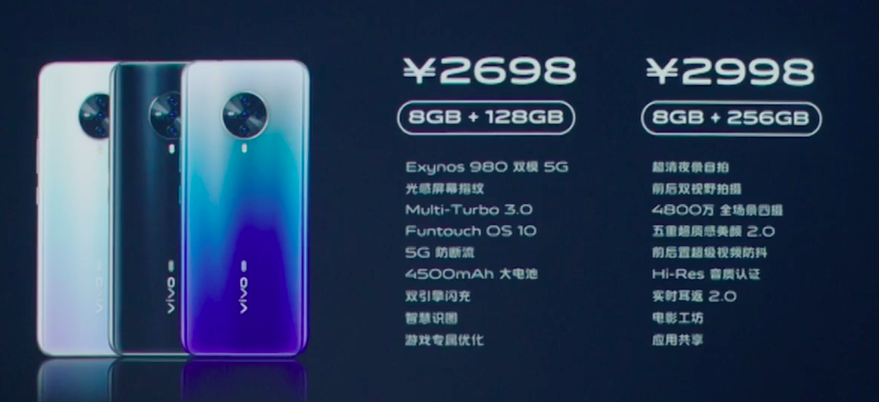
Under the hood, the Vivo S6 5G features the 8nm Exynos 980 upper mid-range 5G processor. This is paired with LPDDR4X 8GB of RAM and up to 256GB of storage. It supports both SA/NSA 5G standards and comes in a dual SIM dual standby variant.
There’s a 6.44-inch AMOLED HDR10 certified waterdrop display up front with 2400 × 1080 FHD+ resolution, 103% NTSC ultra-wide color gamut and ultra-high contrast of up to 1200000:1. The phone also features the company’s Multi-Turbo technology. This consists of six individual technologies which include CPU Turbo, AI Turbo, Net Turbo, Cooling Turbo, Game Turbo, and ART++ Turbo. The company claims that the new generation of Cooling Turbo on the Vivo S6 reduces the phone’s temperature by up to 10° celsius as compared to its predecessor.
Under the hood, the Vivo S6 5G comes with a 4500mAh battery, that’s larger than the S5. However, what’s really surprising is that it supports just 18W charging technology. To recall, even the S5 had a 22.5W charger, so it is really disappointing to see Vivo downgrade the charging tech on the new model.
Vivo is offering a bunch of software features like intelligent image recognition, app sharing, and screencast. As for connectivity, you get a dedicated 3.5mm headphone jack, Wi-Fi ac, and Bluetooth 5.1. The phone is also Hi-Res certified!
Vivo S6 Camera
The Vivo S6 5G comes with more or less the same camera specs as its predecessor. This includes a 48MP primary shooter that’s paired with an 8MP ultra-wide-angle lens, 2MP depth of field lens, and a 2MP macro lens capable of 4cm close-up shots.
The Vivo S6 supports 4K video shooting and 1080P real-time beauty mode shooting too. There’s a special dual view video mode that displays the video streams from the rear and front cameras simultaneously on the screen.
The real highlight of the Vivo S6 5G is its front camera. Featuring the same 32MP selfie shooter like its predecessor but with a larger f/2.08 aperture, the phone has a few tricks up its sleeve. For example, the S6 supports EIS on both front and back cameras. It has a new Super-Clear night view selfie mode that uses new super night view algorithms and lights up the screen upfront for brighter selfies when the lighting goes down. The selfie shooter also has 6 preset beauty makeup modes to liven up your selfies.
Vivo S6 5G Pricing & Availability
The Vivo S6 5G comes in two variants at launch. The 8GB RAM and 128GB storage variant start at 2698 yuan ($381) while the 8GB and 256GB storage variant is priced at 2998 yuan ($423).
The phone will go on sale from April 3 via Vivo’s official store, Tmall, JD.com, and other major online and offline platforms.
8848, the Chinese luxury phone manufacturer has begun taking pre-orders for its 5G smartphone – the 8848 Titanium M6. The phone is powered by the Snapdragon 865 chipset, and with it being a luxury phone, it doesn’t come cheap.
The 8848 Titanium M6 5G has a starting price of ¥12,999 (~$1830) and goes up to ¥29,999 (~$4225). That sure is a lot to pay for a phone. The brand definitely has its target market and it sure wants to cater to their different styles which explains why there are 11 different variants of the phone. Below are all the variants along with their respective prices:
The 8848 M6 has a 6.01-inch primary display in front and a 1.19-inch circular display on the back. It has triple rear cameras with support for 4K video recording. The RAM is LPDDR5 and the storage is UFS 3.0. It also supports Wi-Fi 6, packs a 4380mAh battery, and runs Android 10.
You can pre-order for the phone on JD.com and Tmall. A deposit of ¥500 is required while full payment has to be made between April 8 and April 11.
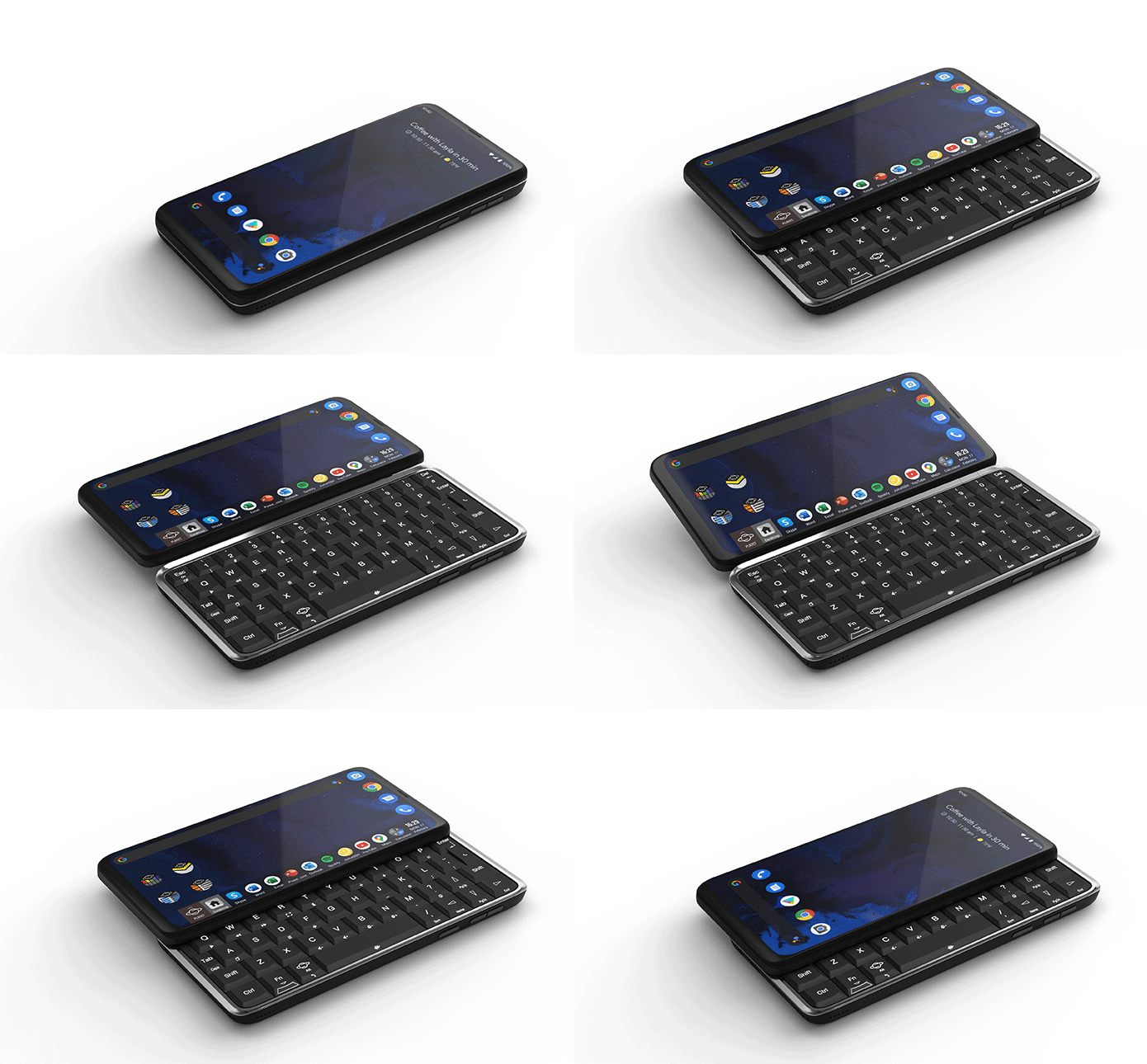
The OPPO Find X and Xiaomi Mi MIX 3 from 2018 are some of the recent phones with slider design. However, these phones do not have full-fledged slider design like the newly unveiled Astro Slide 5G Transformer smartphone. Like the 10-year Nokia E7 phone, the Astro Slide 5G comes with a physical QWERTY keyboard.
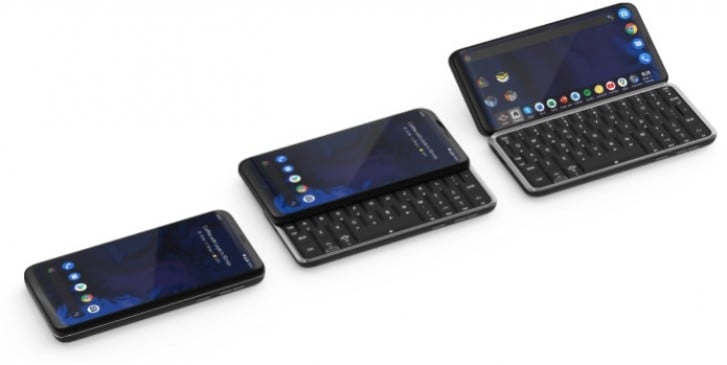
The display of Astro Slide 5G Transformer can slide out towards the left to reveal its backlit QWERTY keyboard. When the device is used in a notebook-like mode, its interface automatically switches to desktop mode.
The device is equipped with a 6.53-inch display that has slim bezels on the sides. It is notch-less screen with a slightly thick chin. There is no information available on the screen resolution. The device supports dual OS booting and it comes with options like Android 10 OS and Linux OS.
The rear side of the Astro Slide 5G features a 48-megapixel camera. The configuration of its front camera is not known. The device promises immersive audio experience through its stereo speakers.
The Astro Slide 5G Transformer is driven by the MediaTek 1000 5G chipset that supports dual-mode 5G, but lacks support for mmWave. The device features 6 GB of RAM and it has a native storage of 128 GB. The device is backed by a 4,000mAh battery. Its other features include a fingerprint reader, a microSD card slot, pair of USB-C ports, dual nano SIM slots, e-SIM support, Wi-Fi 6, Bluetooth 5.1, NFC and 3.5mm audio jack.
The Astro Slide 5G Transformer is now listed for crowdfunding on Indiegogo. Early bird buyers can get the device for $544. The device will retail at around $907. The shipments of the phone are expected to begin in March 2021.
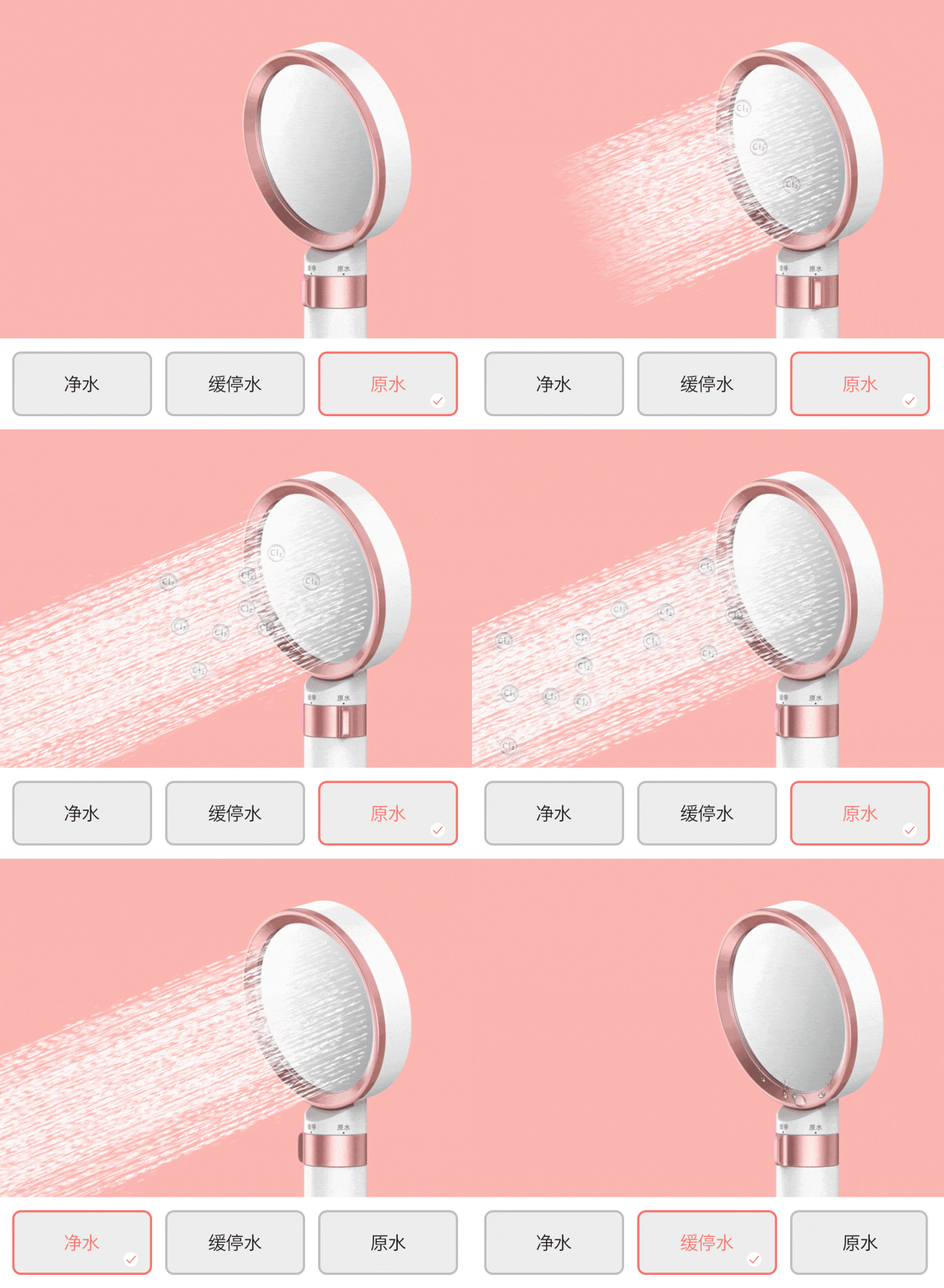
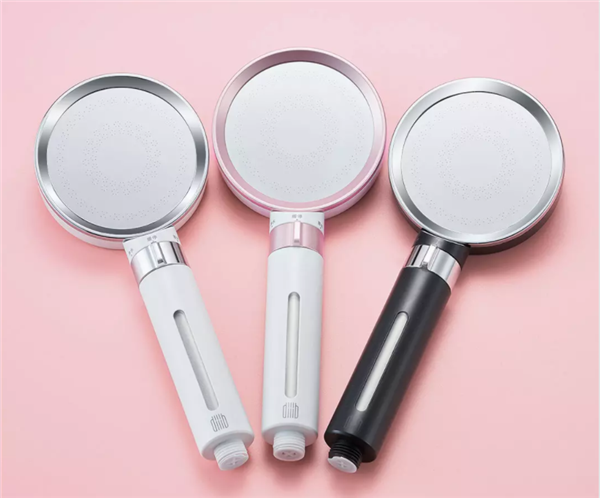
Xiaomi Youpin platform has officially started the crowdfunding of a new product earlier today (31st March 2020). It is a dechlorinated shower head with a built in filter and has been made by Diiib. The retail price is 139 Yuan and crowdfunding starts from 69 Yuan (roughly 19.5 and 9.7 US Dollars).
Looking at the official images, the showerhead from Diiib is clearly follows a luxury design with white and rose gold color pallets. In other words, “beauty” was a clear focus alongside its disinfectant function. The head contains 40 dense water outlets through which small streams of water can be ejected. The size of these holes is 0.25mm, allowing for pressurized water outlet even in lower pressure.
The body itself is made from stainless steel with high durability and strong anti corrosion properties. Meaning, it will not rust or have spots on it easily and can maintain its looks for longer. One can easily disassemble it as well, with one single twist. It features a double filtration system, featuring a layer of activated carbon fiber element alongside. This absorbs any residual chlorine in the water while the cotton filter helps remove any minute particles and impurities that may be suspended in the water.
This also helps in the prevention of the holes being blocked. Notably, the filter has a pore diameter of 1-4 nanometers, making its absorption capacity far superior to traditional filters. Through its filters, one can also resist bacteria infection as it has a high antibacterial rate of 99 percent. One only needs to replace the filter if it takes a dark brown color, which should happen once every 2 months, typically.
While the white and rose gold shower heads are priced at 69 Yuan, the black version of the same is priced at 79 Yuan (roughly 11 US Dollars). Furthermore, the add on hose can also be purchased for 109 Yuan and 129 Yuan for the black version (roughly 15.3 and 18.7 US Dollars). Users can also choose a gift box option that arrives with an additional 3 filter elements and cotton filters alongside the shower head for 119 Yuan (roughly 16 US Dollars) and is currently available in Xiaomi Youpin platform.
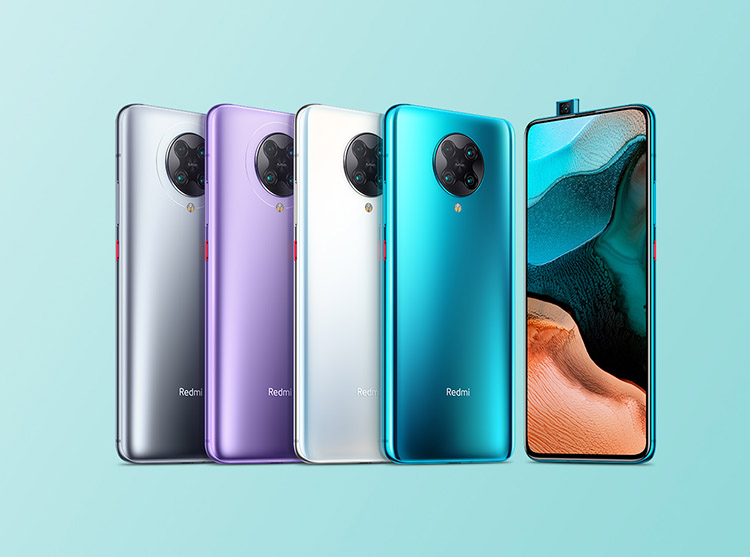
Redmi K30 Pro is the latest flagship killer from the house of Redmi. This phone is the direct successor to the last year’s immensely popular Redmi K20 Pro. Though it is only the second generation flagship smartphone by the brand, it packs everything one needs in a premium device without shelling out more penny. Now, it is expected to get even better with third-party software development as the company officially releases its source code on GitHub.
Xiaomi is well-known for being developer-friendly since the beginning. This applies to Redmi as well because it still comes under Xiaomi even though it was termed independent in late 2018 before the launch of Redmi Note 7 series.
Due to this, Xiaomi smartphone users have been enjoying using a variety of custom ROMs based on new iterations of Android whenever releases. In fact, most enthusiast smartphone users buy Xiaomi products for this reason apart from bang for buck hardware they offer.
The Redmi K30 Pro runs Xiaomi’s MIUI Android skin, which although is feature-rich in its own way, is still not a cup of tea for everyone, even in its 11th generation. But thankfully, as Xiaomi has released kernel source code for the device, we can expect developers to come up with custom recoveries, custom ROMs, mods, and what not as an alternative to MIUI 11 that the device comes with.
A few days back, MIUI camera app from the then-latest MIUI 11 beta build clearly suggested the Redmi K30 Pro will launch under POCO brand in India. But yesterday the brand’s general manager C Manmohan denied the device being launching as Poco F2, however, he did not mean the product to not launch at all. Maybe, the device will be rebranded as something else for the country like Poco X2 Pro.
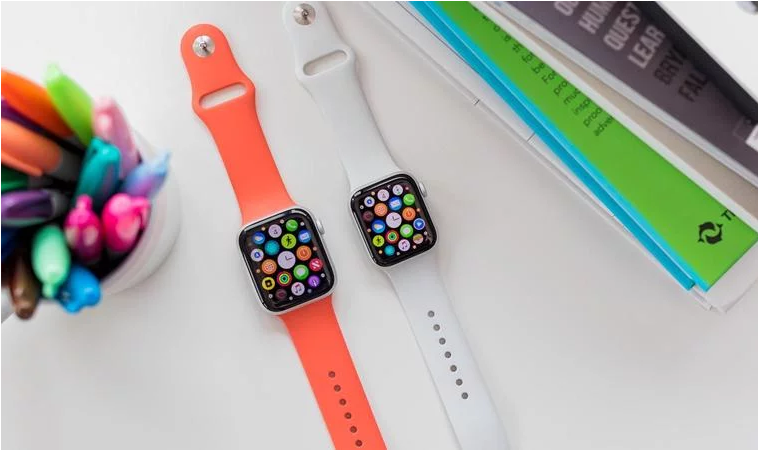
In recent times, the Coronavirus pandemic has been a cause for major alarm all across the globe. Various measures and diagnosis kits have been developed so far but none of those are generally available to the public or are easily obtainable. However, the wearables on your wrists might be useful in this regard and are more widely found.
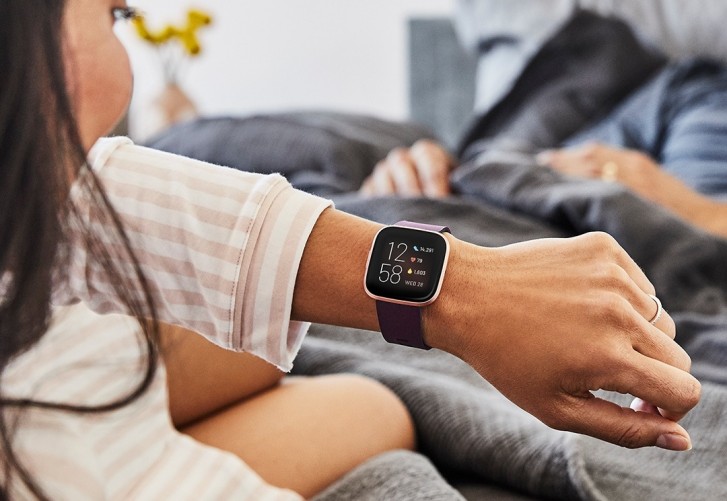
To be fair, it is unfortunate that Apple Watch, Fitbit and other WearOS featuring gadgets cannot measure temperatures. For those unaware, Coronavirus infection is mainly deduced through fevers (high temperature) and issues with the respiratory system as primary symptoms. However, for those that still wish to track their temperatures due to fears of the case of the cough that isn’t going away, can still manually upload the data.
One can regularly check their temperatures and input the data into your results in Apple Health or Google Fit for now. Thereafter, it will be easier in consulting your physician with precise data, if in case the health deteriorates and the temperature rises. Another very helpful took offered by such smartwatches includes the heart rate monitor. Current gen wearables can alert users to possible warning signs of atrial fibrillation or sleep apnea. But they can also show signs of your body fighting flu like symptoms if you can spot it.
Meaning, the fluctuations in heart rate during sleep can also be a signal that your body is fighting the Coronavirus infection. According to reports, your heart’s BPM (beats per minute) can be slightly but noticeably higher during sleep, if you are fighting the flu like an infection. So knowing your heart rate on an average day is also recommended.
Oneplus 7 and OnePlus 7T series are the company’s best-ever smartphones till date. Although the launch of the OnePlus 8 series is nearing, the brand keeps on pushing new updates to its old phones to keep the users entitled. Currently, the company is rolling out new OxygenOS stable builds to last year’s OnePlus 7, OnePlus 7 Pro, OnePlus 7 Pro 5G, and OnePlus 7T Pro 5G. The changelog for all these devices include one thing in common and that is March 2020 security patch.
OnePlus 7 / OnePlus 7 Pro OxygenOS 10.3.2 Stable Update
Apart from March 2020 security patch, the new update for the OnePlus 7 and OnePlus 7 Pro brings optimizations in RAM management, improvement in system stability, fix for known bugs, stability improvement in slow-mo video recording, fix for random disappearance of screenshots in the gallery, and fix for video playback lag in the gallery app.
Below-listed is the official changelog provided by the company.
System
Optimized the Ram management
Improved system stability and fixed known issues
Updated Android Security Patch to 2020.03
Gallery
Improved stability for recording videos in slow-mo
Fixed the random disappearance of screenshots in Gallery
Now play videos without any lags
OnePlus 7 Pro 5G OxygenOS 10.0.5 Stable Update
The OnePlus 7 Pro 5G is also receiving the new stable update alongside the non-5G version. However, only the European version of the device is receiving the new update as the US Sprint version has a different update schedule.
The official changelog for the update is as listed below.
System
General bug fixes and stability improvements
Updated Android security patch to 2020.03
Network
LTE CA combination now supports 5G connectivity to increase stability and speed of network connections
OnePlus 7T Pro 5G OxygenOS 10.0.31 Stable Update
Last but not least, the OnePlus 7T Pro 5G, the second 5G smartphone from the brand, which also doubles as the McLaren Edition in specific regions, is also receiving a new stable update. Just like the previous model, the update is currently limited to a certain version of the device, this time being T-Mobile. But other versions are also expected to receive this update sooner or later.
Here’s the official changelog in case you are interested in it.
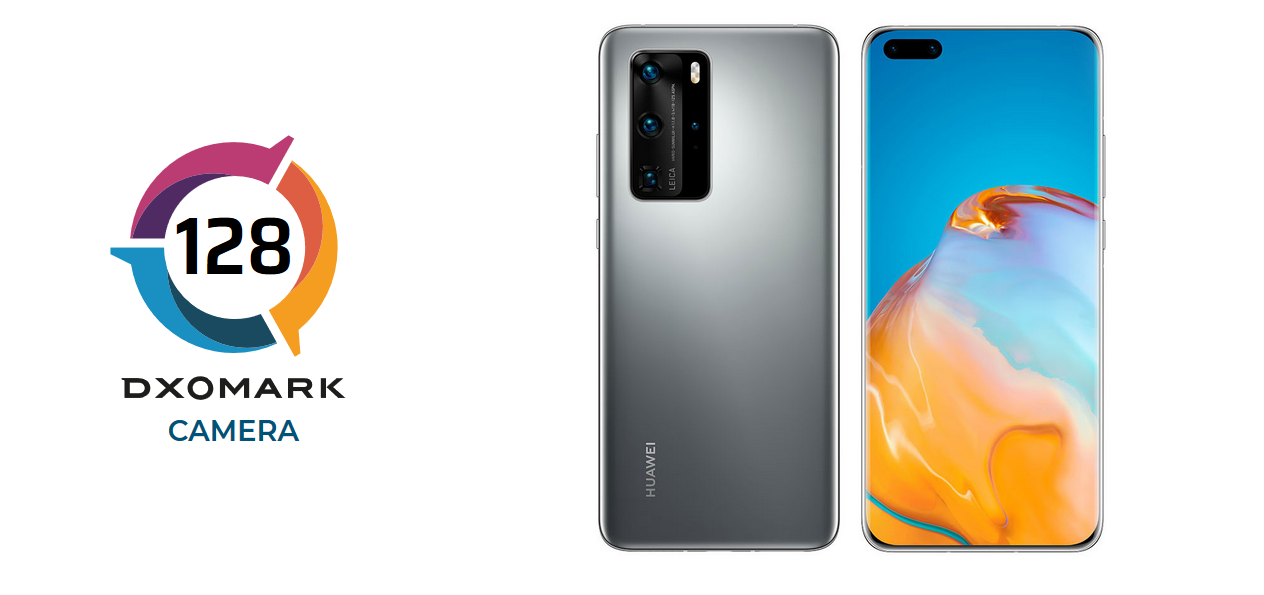
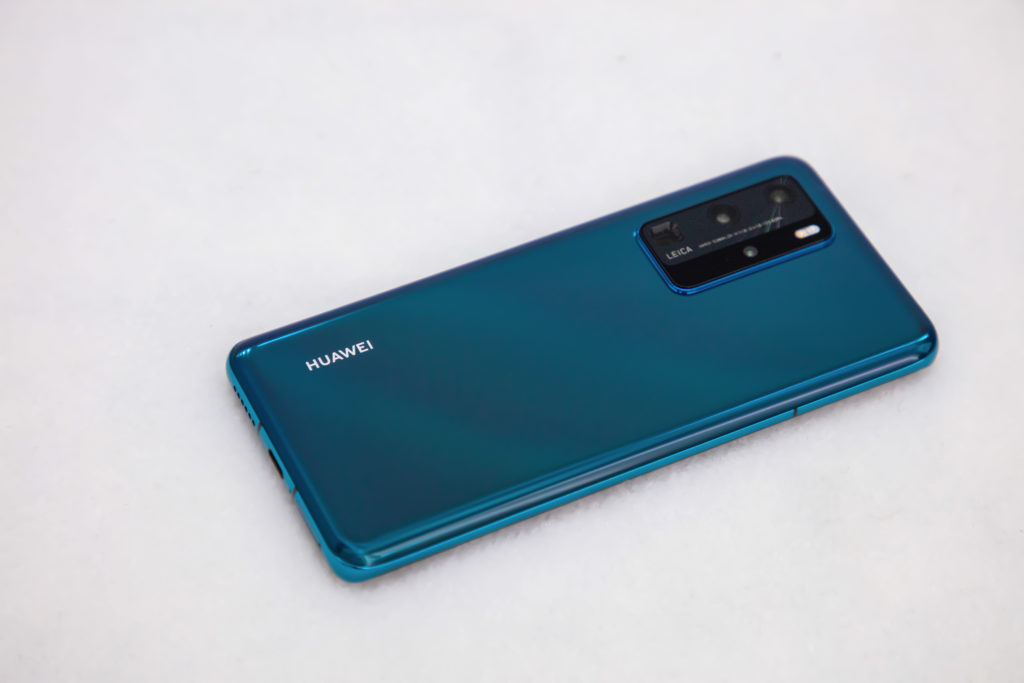
Huawei had recently launched its latest flagship series, the P40. Now, DxOMark has just released its testing results of the Huawei P40 Pro, which has achieved the highest camera ratings ever from a smartphone, with an overall score of 128 points.
Huawei P40 Pro has now beaten the Oppo Find X2 Pro, the previous DxOMark rating leader that scored 124 points in total. For those unaware, DxOMark is a renowned brand that tests digital professional grade cameras and smartphones as well. Their review has become a staple in the industry, especially for flagship reviews and devices have also been advertised having high scores through the reviews.
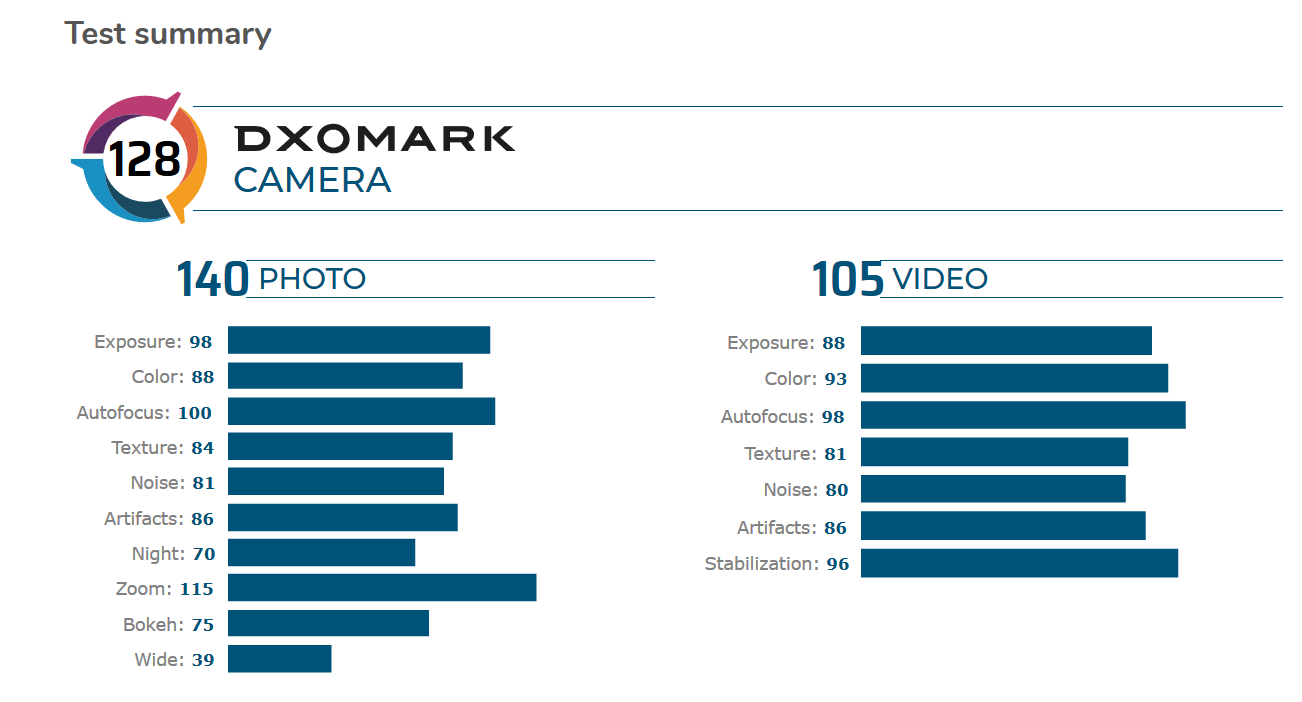
Now, the Huawei P40 Pro is the latest flagship series from the Chinese tech giant and succeeds the P30 series. It features a very large 1/1.28″ 50MP Quad-Bayer primary sensor that produces 12MP image output. In other words, pixel binning is used to increase the dynamic range and low light capabilities. Through this lens, the smartphone has achieved an impressively high score of 140 in still photography and 105 points for videography.
In terms of photography, certain areas received particularly high scores. This includes its Zoom performance with its 5x optical telephoto lens, fast and accurate autofocus, great exposure and color reproduction. Similarly, the Huawei P40 Pro was praised for its low light performance and its ability to reduce texture noise from images while also retaining relevant details.
For videos, color reproduction was once again a leading aspect, however, the stability when capturing video was the highly praised feature. The Huawei P40 Pro is capable of recording videos from 1080p and 4K at 30 and 60fps on the main camera. Thus, stabilization is an important part of it. But, the company has offered industry leading video stabilization, with the best DxOMark has ever seen.
All in all, the Huawei P40 Pro takes amazing images, with decent details, exposure, and consistent autofocus. But, may occasionally suffer from white balance issues, underexposure and lack of fine details. While the video stabilization is one of the best ever, with vivid colors and wide dynamic range, its white balance again takes a hit in certain scenarios while sharpness between frames is often noticeable as well.
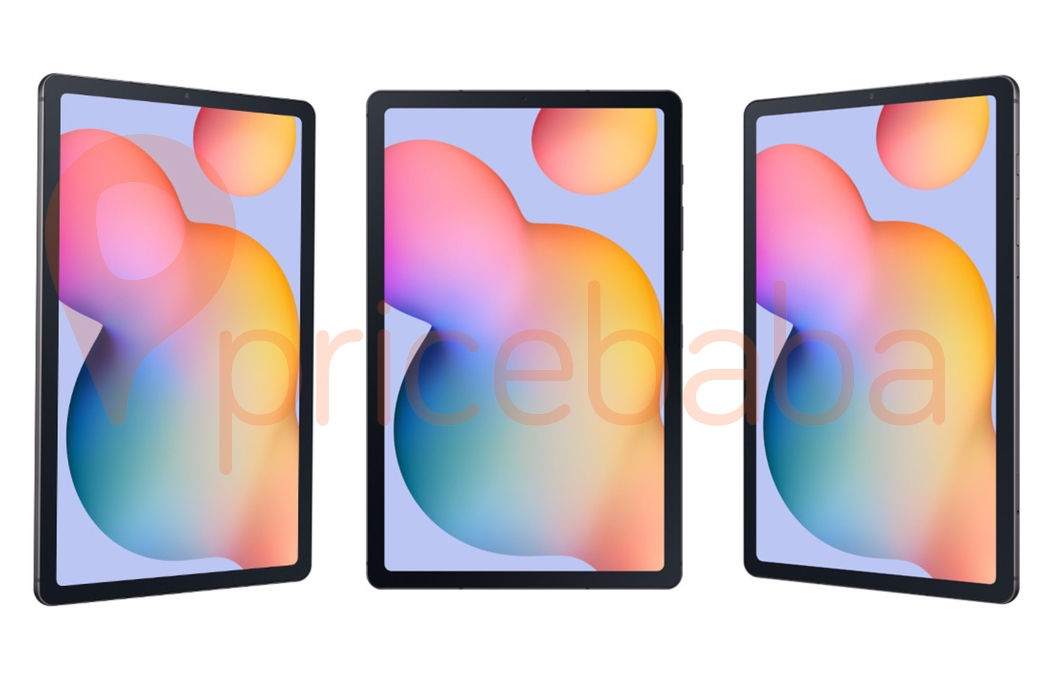
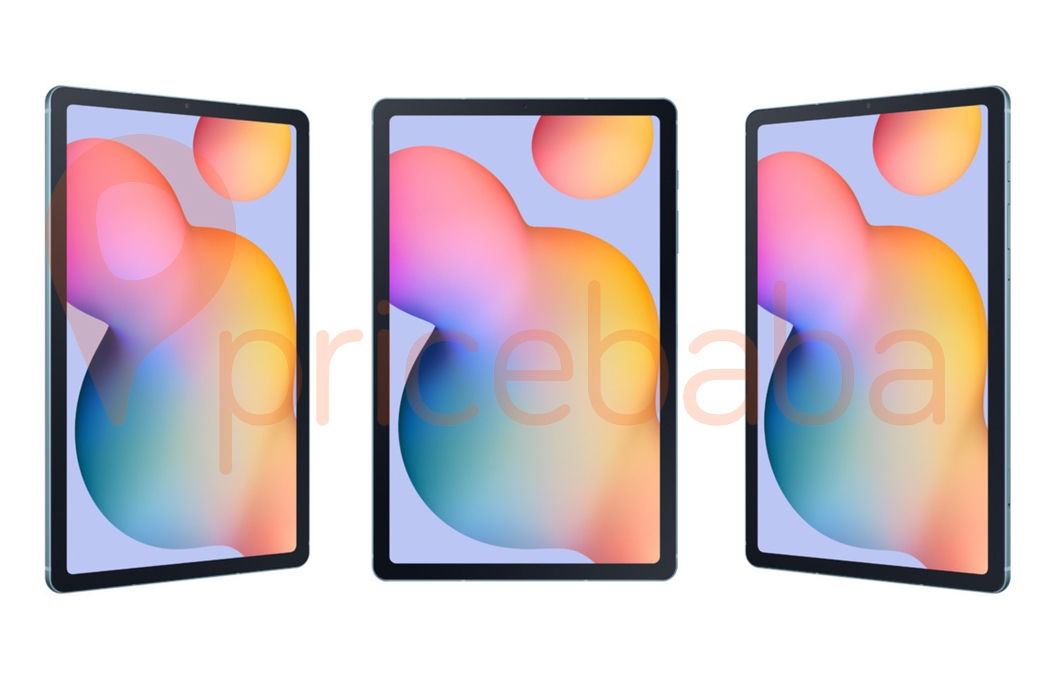
Samsung Galaxy Tab S6 Lite is expected to go official on April 2. The LTE version is now listed on Amazon Germany ahead of its announcement, but its sales haven’t started. Tipster Ishan Agarwal has teamed up with Pricebaba to share the renders and pricing of the Wi-Fi only version of the tablet.
The newly leaked renders of the Galaxy Tab S6 Lite have shown that it will be available in Slate Grey and Light Blue colors. The screen of the device is surrounded by thick bezels and it features a USB-C port and an external speaker at its bottom. The right spine of the slate features a power button, a volume rocker and a SIM card tray. The Slate Gray Galaxy Tab S6 Lite will come with a gray colored S Pen whereas the Light Blue edition will come with the same colored stylus.
1 of 4
The Galaxy Tab S6 Lite was found listed on the retailer site with a pricing of 428.44 euros (~$469) for the LTE edition. The new leak reveals that its Wi-Fi only version will be costing 399 euros (~$437).
The Galaxy Tab S6 Lite is fitted with a 10.4-inch LCD panel that delivers 1200 x 200 pixels resolution. The Exynos 9611 and 4 GB of RAM. The device is expected to arrive in 64 GB and 128 GB storage versions and there will be a microSD card onboard for additional storage.
The Galaxy Tab S6 Lite has a front-facing camera of 5-megapixel and it has a rear camera of 8-megapixel. The Android 10 OS along with One UI 2.0 will come preloaded on the device. The tablet houses a 7,040mAh battery and is equipped with AKG-tuned quad cameras. The connectivity features of the Tab S6 Lite include 4G LTE, Wi-Fi, NFC, GPS, USB-C and 3.5mm audio jack.
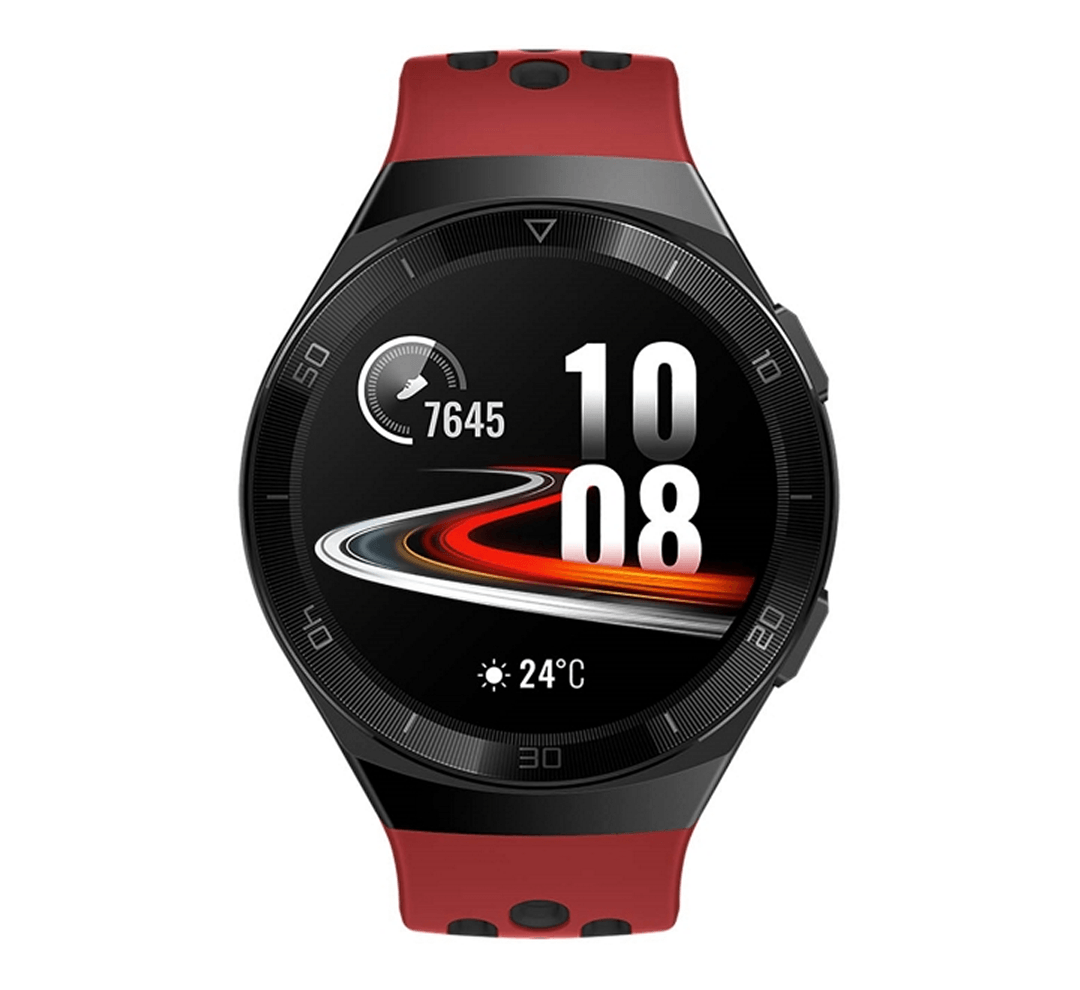
Huawei officially unveiled the P40 series and Huawei Watch GT 2e last week at an online-only event in Paris. Long before that in November 2019, the Chinese telecom giant also launched MatePad Pro, its flagship tablet in China, which they eventually brought to Europe in February 2020. Now, the company is set to bring all of the above-mentioned products to Malaysia very soon.
Huawei has been facing difficulties in selling its devices in the international markets after the US government added it to the entity list in May 2019. But still, the company has been trying hard to bring its innovation to other nations apart from its home country China.
The biggest hurdle for Huawei to sell devices running Android is that it no longer has access to Google Mobile Services. Thus, all of its new Android devices including smartphones and tablets are devoid of Google Play Store and other most-used necessary Google services. This makes the Huawei-made devices a tough sell in global markets.
Thus, to overcome this situation, the Chinese tech giant released HMS Core (Huawei Mobile Services), which comes pre-installed on new devices from the company including the Huawei P40 Series and Huawei MatePad Pro that are about to launch in Malaysia. On the other hand, the Huawei Watch GT 2e, which is a sporty makeover of the original Huawei Watch GT 2 runs proprietary software.
1 of 2
Huawei Watch GT 2e Volcano
The Malaysian launch, as well as the pricing of these Huawei devices, are unknown at the moment. However, the company is giving away a RM 30 discount voucher for simply subscribing to updates on these products on its official website. Ironically, this voucher cannot be used to buy any of the aforementioned products launching soon in the country.
For reference, we have listed the European pricing of the upcoming new Huawei gadgets along with their Malaysian Ringgit conversion rates.
Huawei had announced its financial report for the year 2019, earlier today (31st March 2020). After this, a senior executive from the company commented on the ongoing news regarding the US limiting TSMC chip supply to Huawei.
According to Xu Zhijun, the Deputy and Rotating Chairman of Huawei, “The Chinese government will not let Huawei be dominated or ignored. I believe the Chinese government will take countermeasures.” This means that if the US Government measures are implemented, then China will have no choice but to take similar measures against certain companies as well. Meaning, another trade war could start from this ordeal.
Xu Zhijun read the report from Reuters and People’s Daily and thinks it endangers the global ecology. He called out the US for arbitrarily modifying corporate product specifications which could lead to some devastating effects, or what Xu refers to as Pandora’s Box (a mythical object that contained human evils and plagues). The senior executive believes the impacts of this could potentially harm companies across the globe and their supply chains and not just Huawei.
Xu Zhijun further added that he believes” this message is false, otherwise there will be endless troubles. Players at any stage of the global industry chain will have a hard time staying alone.” Additionally, the Chinese government taking similar actions might lead to further tensions between the two nations and their trade regulations.
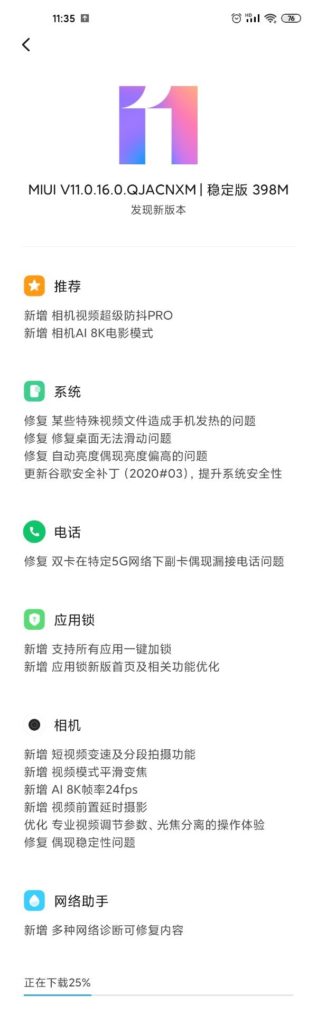
Xiaomi launched the Mi 10 Pro in February of 2020 in China and the handset later made its way to Europe last week. Now, the company is rolling out a new system update bearing the build number MIUI 11.0.16.0 This new stable MIUI release brings a lot of camera-related features to the device including AI 8K video recording, March 2020 security patch and a number of fixes.
The new MIUI 11.0.16.0 stable build released for the Mi 10 Pro is only limited to the Chinese variant of the device. The update weighs only 398MB in size but sill we will recommend users to download it via WiFi connection.
Also, if you cannot wait for the OTA to hit your device, then download the recovery ROM from the link provided at the end of this post and install the update manually.
The latest update for the device fixes automatic brightness, fixes heating of phone while playing certain video files, bumps up the security patch level to March 2020, adds one-click app lock functionality, brings new AI 8K video recording, adds variable speed option for short video recording and much more.
Here’s the complete official changelog (translated from Chinese) of MIUI 11.0.16.0 stable update for the Mi 10 Pro.
System
Fix problems with your phone that’s causing your phone to heat up with some special video files
Fix fix desktop failure to slide
Fix the problem of automatic brightness even-over-brightness high
Update Google Security Patch (2020 s03) to improve system security
Phone
Fix the problem of dual cards in a specific 5G network, the secondary card occasional flash pick-up phone
Applying a lock
Added one-click locking for all apps
New application lock new home page and related feature optimization
Camera
New short video variable speed and segment shooting features
New video mode smooth zoom
New AI 8K Frame Rate 24fps
New video pre-delay photography
Optimising professional video adjustment parameters, optical focus separation, repairing incidental stability issues
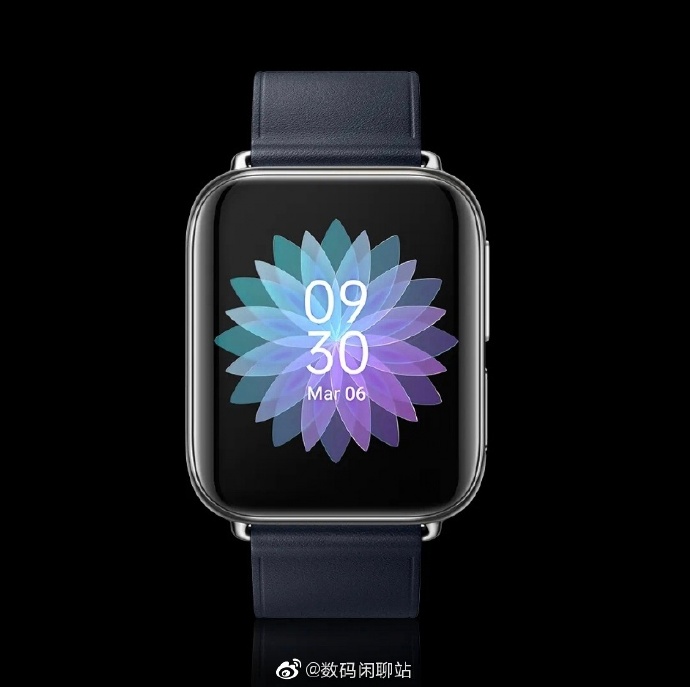
Earlier today (31st March 2020), Oppo officially announced that it would hold an “OPPO Watch App Development Contest.” The contest is will have various prizes and is aimed at the hidden talent in software programming.
OPPO Watch
The contest is being held by the Chinese smartphone manufacturer to enrich its existing Smart Watch software ecosystem. In other words, the company plans on bringing in new ideas with the incentive of different prizes. For those unaware, Oppo released its first smartwatch alongside the new Find X2 series earlier this year.
The Oppo Watch features a 1.91 inch AMOLED hyperboloid curved display and features a wide color gamut with a pixel density of 326ppi. It is surrounded by a metal frame that blends into the display and the design, with the bottom being a 3D ceramic case which is capable also waterproof and can withstand up to 50 meters in depth. The smartwatch also arrives in various colors via its rubber different rubber bands.
This move from Oppo is clearly to attract the attention of developers from or outside of their community. The competition will seek to supplement the existing ColorOS Watch system and encourages original software coding and development for the same.
China, Huawei, and other Chinese carriers wish to redesign the current internet model in China. The proposed plans offer certain positives but its possible abuse may raise some alarm. The report arrives from Financial Times and covers the newly proposed internet protocol announced at the ITU.
The new internet protocol had been proposed as a more efficient manner to address the issues telecoms face and a better network management system than the existing TCP/IP standard. However, the glaring issue with the new protocol is its clear authoritarian values. This will effectively give the Chinese government even more control over censorship and surveillance over its residents.
Notably, the new internet protocol will also feature a “shut up command,” which would allow a central part of the network to be cut off from data going to and from an address. In other words, a single killswitch that could potentially take away the internet from a group or section of people. This can also be clearly used by China to silence the ongoing activist movements without resorting to direct and visible actions.
As of right now, concerns regarding the new IP have already crossed the minds of people. Furthermore, it is being speculated that the new system might even require authentication of the identity of the user and not just address just for internet data access. The Chinese government has already made many moves to identify its internet users and their speech, but this will allow them to clearly link and individual and their actions online, which may even lead to them being banned from using the internet entirely.
According to a Huawei spokesperson, the new internet protocol is being designed solely to better cope with the technical demands of the changing digital landscape and not to exert control. The telecommunications giant has stated that the update is vital to powering “holo-sense teleportation” and self driving cars. This system will also be available and “open to scientists and engineers worldwide.”
China had previously mandated mobile internet users to submit facial data.
Unfortunately, this is less than consoling considering the framework for the design and its supporters. Regardless of its wide availability, it does not assure any of its probable authoritative rules. Rather, other nations with similar beliefs like Russia may even land in support of the new system, although they already have their very own RuNet.
Currently, it is unknown if the ITU will accept the new internet protocol standard. Although, its mere existence will likely instigate more people under the civil liberties side that see TCP/IP’s “dumb” nature as a positive since it still offers a surface level of freedom and anonymity as of right now.
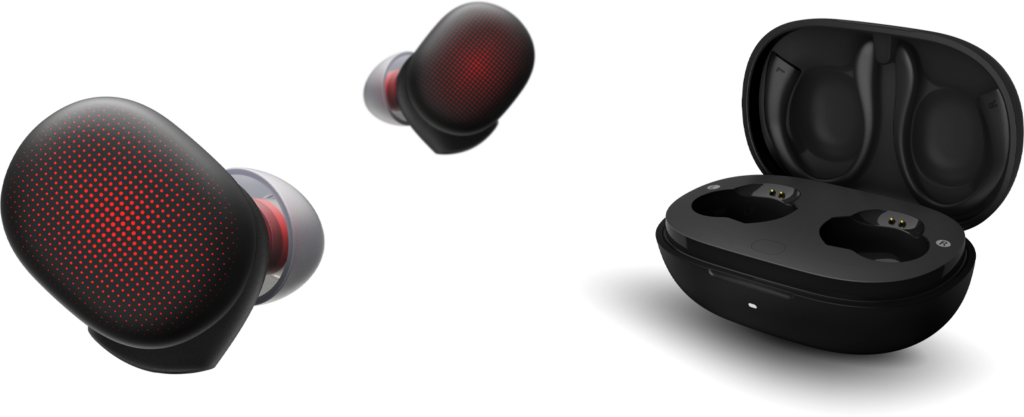
Huami announced a number of products at CES 2020 including PowerBuds TWS earphones with in-built heart rate monitor and a foldable treadmill called AirRun. Now, after two months from becoming official, these two products are finally up for sale in China.
Huami Amazfit PowerBuds
The Amazfit PowerBuds is the first TWS earphones from Huami. It was announced alongside AmazFit Zenbuds, another TWS earphones to help people sleep rather than listening to music.
The PowerBuds, unlike other competitors in the market, comes with a built-in PPG heart-rate sensor to monitor the heart rate of the wearer during the workout. The buds also come with optional magnetic ear hooks for a snug fit during intense workout sessions. Even with these hooks, the buds only weigh 7g but still offers 8 hours of battery life on a full charge with an additional 16 hours from the charging case.
Apart from being IP55 certified for dust and water resistance, the PowerBuds also feature ENC dual-microphone noise reduction technology to enable noise-free calling.
The Huami Amazfit PowerBuds is priced at 699 yuan ($98) but for a limited time until April 2, it will be available for 649 Yuan ($91) with a 50 Yuan ($7) discount voucher from TMall. Additionally, it is also available at GizTop for $129.99 with international shipping.
Huami Amazfit AirRun
Huami also announced two treadmills at CES 2020 and one of them was Amazfit AirRun. This treadmill is powered by a 1300 x 500 mm belt with minimalistic modern design. It also comes with custom JBL speakers and smart connectivity features to link other Amazft fitness products like Amazfit GTS, Amazfit Bip, and others.
The most interesting feature of AirRun is its ability to fold in order to reduce its footprint by 80%. Thus, it can be easily placed anywhere in the house such as under bed or sofa to save space. It also features an automatic scheduled maintenance system for longevity.
The Huami Amazfit AirRun retails for 2699 Yuan ($380) and is currently only available to purchase in China from TMall. But for a limited (till April 2), it can be bought for 2499 Yuan ($352) with a 200 Yuan ($28) discount voucher.
Huawei has clarified that all the parts used inside the P40 have been obtained legally and in compliance to export control regulations of the US. The company’s official statement is added below:
“Huawei has always complied with any export control regulations of various countries, including the United States. All the product materials are obtained legally from our global partners, and we insist on working with our partners to provide consumers with high-quality products and services.”
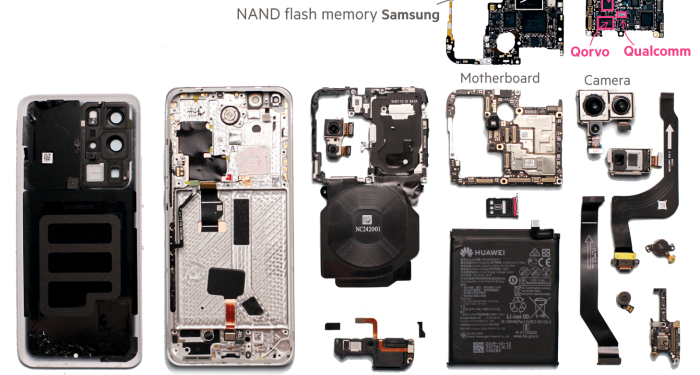
The breakdown reveals the manufacturer’s of the individual components, some of which are based in the US.
Now, a report from Financial Times has revealed through a breakdown of the Huawei P40, that the device still features parts made in the US. The device was recently launched by the company and is its latest flagship model. But for those unaware, American based companies are specifically prohibited from selling components to Huawei, unless they receive a special license and authorization.
The Trump administration has been open with its accusations of the Chinese group on the grounds of spying and espionage. This has caused Huawei to look for other alternatives since then for internals for its devices. The disassembly was carried out by XYZone, a company based in Shenzhen, China, and is known for disassembling and identifying the brands that supplied the internal components.
So now we will have to wait for Huawei’s official response to this new dilemma. Thus, it remains to be seen if the US government takes any actions against the telecommunications giant, especially a legal course of lawsuits. So stay tuned for more reports regarding this.
In the wake of national lockdown, people are forced to sit at homes in India. While the ongoing scenario has deliberately spiked internet usage across the country. It has even impacted the WhatsApp servers, and in wake of such a surge, the company is doing some changes to the social messaging app.
The world’s largest social messaging app has just trimmed the Status video limit by 15 seconds in India to reduce the server strain. WhatsApp tracker, WABetaInfo tweeted the information, “You can no longer send videos to WhatsApp Status if they are longer than 16 seconds: only videos having a duration of 15 seconds will be allowed. This is happening in India and it’s probably an initiative to reduce the traffic on the server infrastructures.”
The new change will affect all 400 million Whatsapp users throughout India. The app from now own will ask the users to reduce video time under 15 seconds to upload it as Status.
Several other services are reporting the upscale in data usage throughout India. To ease the load on telecom carriers and some service providers, the Indian Government has limited the video streaming to 480p last week on all the cellular networks.
It’s been a week since the Indian Government has imposed lockdown to fight against the novel coronavirus. The measures and steps taken by the government have somehow reduced the pace of virus spread.
Additionally, the WhatsApp Status feature initially allowed 90 seconds of video but was considerably reduced to 30 seconds.
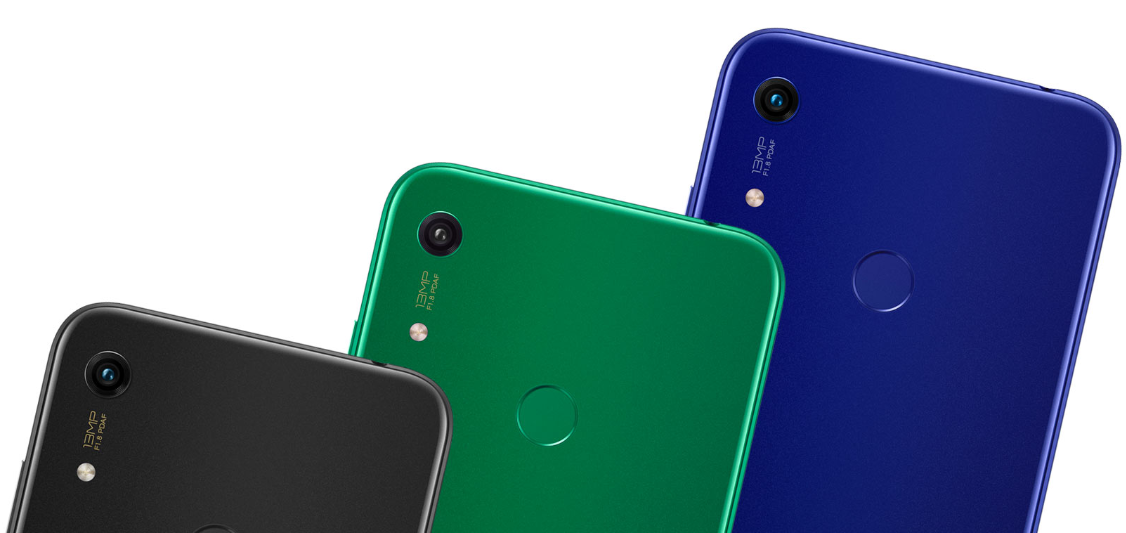
Honor has silently announced a new phone called Honor 8A Prime. The handset houses a waterdrop notch screen and it comes in vibrant colors. It is an entry-level phone that has arrived with a price tag of 9,990 Rubles ($126).
Honor 8A Prime Specifications
The Honor 8A Prime has a polycarbonate body that measures 156.28 x 73.5 x 8.22mm and it weighs 150 grams. The device is driven by MediaTek Helio P35 chipset that ticks at 2.3GHz. The handset features 3 GB of RAM and 64 GB of storage. It has a dedicated microSD card slot for additional storage.
The handset features a front-facing camera of 8-megapixel. The rear shell of the device has an LED flash assisted 13-megapixel shooter. It comes loaded with EMUI 9.0 based Android 9 Pie OS. A fingerprint sensor is available on its back.
The Honor 8A Prime includes a 3,020mAh battery and it comes with connectivity features like dual SIM support, 4G, Wi-Fi, Bluetooth 4.2, NFC, microUSB 2.0 and 3.5mm audio jack. The 8A Prime comes in three colors like Dark Blue, Midnight Black and Emerald Green.
The specifications of the Honor 8A Prime are exact match with Honor 8A Pro. The latter was introduced in Russia in April 2019 with a pricing of 13,990 Rubles. At that time, the phone was announced in Blue and Black colors. The Honor 8A Pro listing cannot be found on the Honor Russia website. Hence, it appears that the Chinese manufacturer may have launched the phone again as Honor 8A Prime with reduced pricing and in three colors. Since the Honor 8A Pro had debuted before US trade band, the Honor 8A Prime could be loaded with Google Mobile Services (GMS).
We use cookies on our website to give you the most relevant experience by remembering your preferences and repeat visits. By clicking “Accept”, you consent to the use of ALL the cookies.
This website uses cookies to improve your experience while you navigate through the website. Out of these, the cookies that are categorized as necessary are stored on your browser as they are essential for the working of basic functionalities of the website. We also use third-party cookies that help us analyze and understand how you use this website. These cookies will be stored in your browser only with your consent. You also have the option to opt-out of these cookies. But opting out of some of these cookies may affect your browsing experience.
Necessary cookies are absolutely essential for the website to function properly. This category only includes cookies that ensures basic functionalities and security features of the website. These cookies do not store any personal information.
Any cookies that may not be particularly necessary for the website to function and is used specifically to collect user personal data via analytics, ads, other embedded contents are termed as non-necessary cookies. It is mandatory to procure user consent prior to running these cookies on your website.