Sony is reportedly gearing up to launch its new flagship smartphone — Sony Xperia 2. Now, ahead of the launch, battery capacity of the device has been leaked online, which will allegedly be 4,400mAh.
However, do note that are multiple reports related the smartphone’s name and thus, the phone could also go official as the Xperia 0, Xperia 1.1, or Xperia 5. The leak about the 4,400mAh battery comes as the image of the phone’s battery surfaces online through Chinese microblogging platform Weibo.
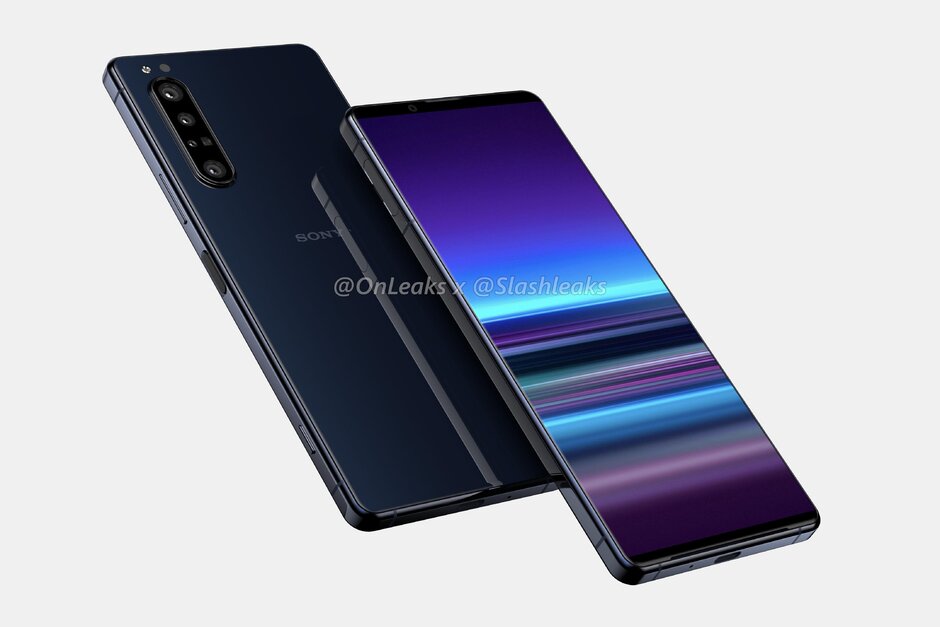
Sony Xperia 5 Plus Render
If this report turns out to be true, then the battery capacity on the Xperia 2 will be a significant as well as a much-needed upgrade over its predecessor Xperia 1 which packs 3,300mAh battery. Although that was pretty low in terms of battery capacity, it wasn’t much of an issue because of the company’s battery management.
Apart from the battery capacity, it is said that the Sony Xperia 2 will come with a 4K resolution display, offering 21:9 aspect ratio — same as the Xperia 1. As for the display size, the phone will reportedly come with a 6.6-inch panel, larger than the predecessor.
Further, the smartphone is also said to be capable of the latest 5G communication. This could explain the larger capacity battery as the next generation of cellular connectivity consumes more power than 4G LTE.
The Sony Xperia 2 will reportedly be powered by Qualcomm Snapdragon 865 SoC along with Snapdragon X55 modem. It will come packed with up to 12GB of RAM and will be running Android 10 operating system out-of-the-box.
As for the camera setup, the device is said to have a 64-megapixels or 48-megapixels primary sensor along with a 12-megapixels ultra-wide-angle camera, a 12-megapixels telephoto unit, and a Time Of Flight sensor. On the front side, the smartphone will be equipped with an 8-megapixel snapper.
The phone will reportedly have an IP68 rating too and will also feature NFC connectivity. Rumors also indicate a side-mounted fingerprint sensor along with a headphone jack. Some reports indicate that the phone will cost around $900.
This is what we know so far about Sony’s upcoming flagship smartphone. We expect to know more about the device as the launch near. The company has also scheduled a launch event at MWC 2020 and the phone could go official there.
Xiaomi‘s flagship smartphone for this year is just around the corner. The Mi 10 will be the successor to the Xiaomi Mi 9 from last year and will be a premium grade smartphone. Now, a new report has revealed the existence of a Mi 10 Pro variant alongside the standard Mi 10 version.
Reportedly, Xiaomi Mi 10 Pro was discovered via the MIUI 11 codes which have also revealed that one of the smartphones in the Mi 10 series will support 66W fast wired charging capabilities. According to the source, MIUI 11 v20.1.6 build from 16th January 2020 for the Redmi K30 5G contained codenames for two devices alongside the marketing names.
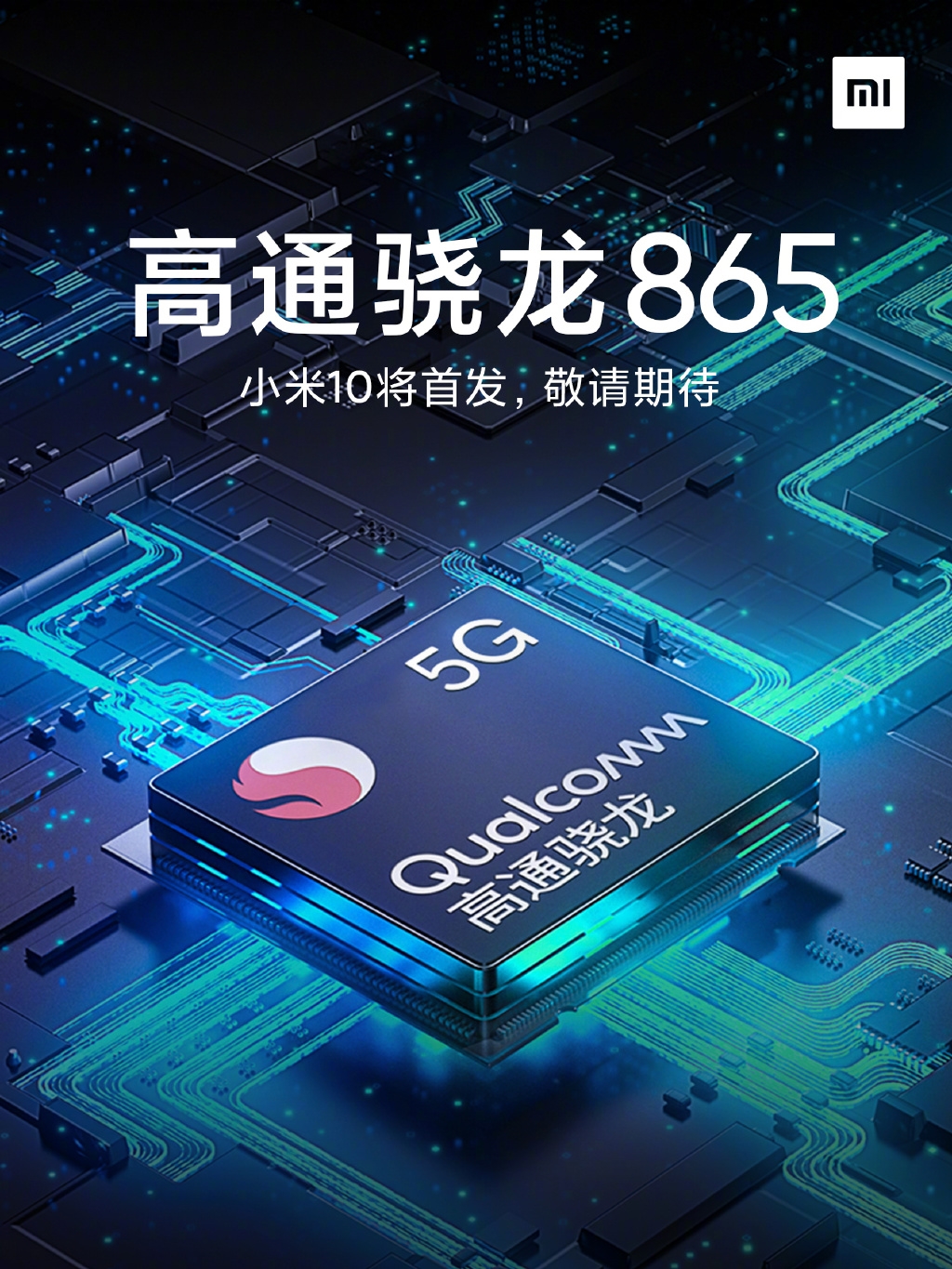
Xiaomi Mi 10 will arrive with Qualcomm’s Snapdragon 865 SoC
The Xiaomi Mi 10 has been designated with the codename M2001J2C while the Mi 10 Pro has been assigned M2001J1C. This has also confirmed the Mi 10 series will support 66W fast wired charging, which will likely be featured on the higher variant, the Mi 10 Pro. Although Xiaomi has teased 100W fast charging in the past, it seems there is still time before a commercial appearance as of right now.
Previously, a smartphone with the M2001J1C codename had been spotted in China’s CCC certification portal last year in November 2019, which is now believed to be the Mi 10 Pro. This listing had revealed its 66W fast wired charging capabilities. Notably, another smartphone codenamed M2001J1E also supports 66W fast charging and judging by the previous two flagship Xiaomi smartphone, it could be an Explorer Edition of the Mi 10 series. However, this is just speculation at best.
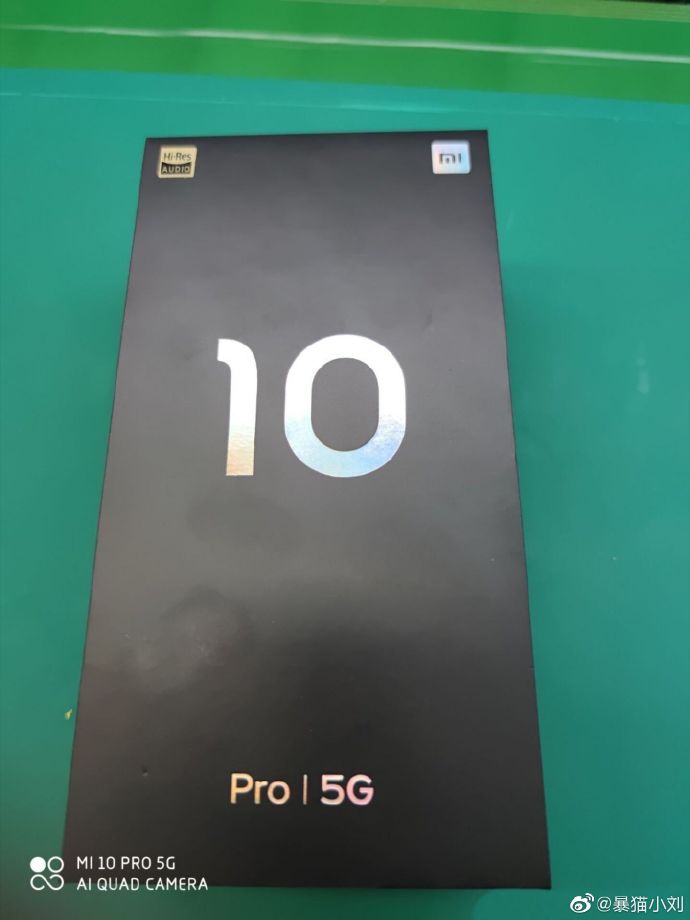
Xiaomi Mi 10 Pro’s alleged package that was leaked online
Xiaomi launched the Mi 9 on the same day as Samsung’s Galaxy S10 series but its doubtful if that would be repeated again. The viral outbreak plaguing the Wuhan region in China has been a cause for alarm and may lead to some unexpected delays as well. So stay tuned for more updates regarding the Mi 10 launch and more.
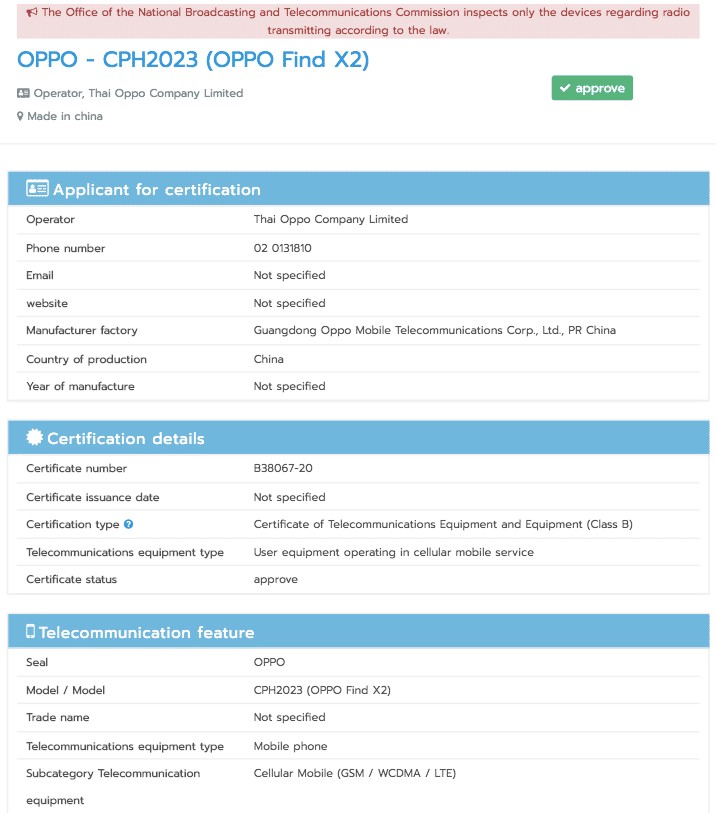
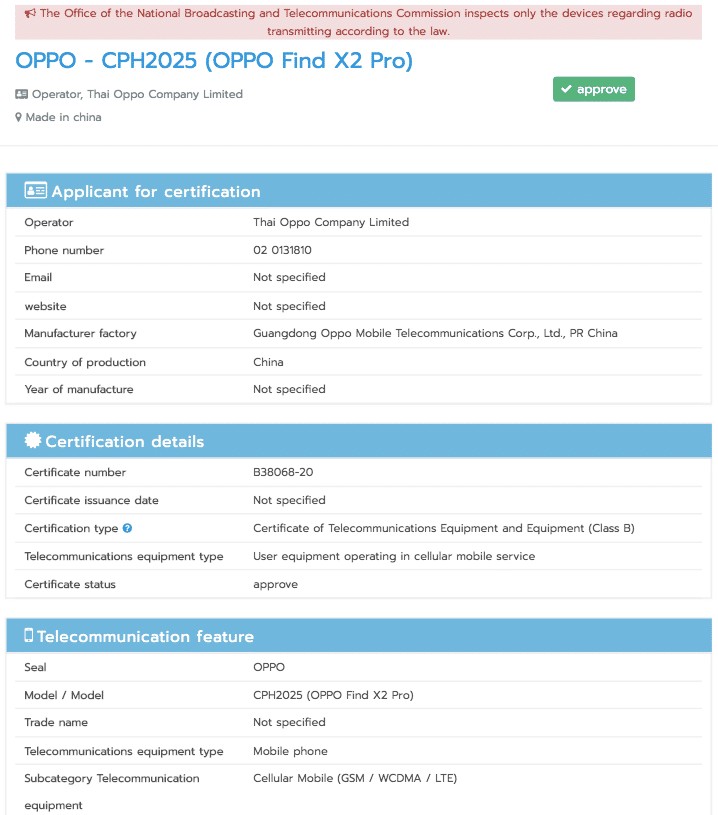
For several reasons, OPPO Find series has often been very popular even when there was a long hiatus before the company released the Find X in 2018. The Find X was an impressive flagship model which featured an innovative slider mechanism and a bezel-less design. OPPO didn’t release a successor in 2019 but is already prepping up a successor which would be known as Find X2. The OPPO Find X2 has now been certified and it came with a surprise- there is a Find X2 Pro in the works! The Find X2 Pro also got certified.
The models were certified by Thailand’s National Broadcasting and Telecommunications Commission (NBTC). While the Find X2 appears with the model number OPPO CPH2023, the Find X2 Pro is listed as OPPO-CPH2025. The listing mentions nothing about the specifications of both model but before now, we had seen some leaks of the Find X2.
The OPPO Find X2 is expected to pack a Snapdragon 865 chipset as well as Sony’s latest IMX689 and IMX708 image sensors. The Find X2 was earlier confirmed to pack a WQHD (1440p) display with a 120Hz refresh rate. The tweet further adds that the OPPO Find X2 will include support for 65-watt SuperVOOC fast charging which will be able to charge up the device to full in just 35 minutes. We expect the Find X2 Pro to feature a more premium hardware configuration but both would likely have the same design
At this moment, we don’t know more than these details of the Find X2 and there is no information what makes the Find X2 Pro distinct. However, we expect more details to surface as the launch inches closer.
For the past two years, Realme C-series smartphones have offered competitive specs in the budget segment. Now, Realme CEO Madhav Sheth has confirmed that an update to the lineup is in the cards. He is likely teasing the new Realme C3 series and we’ll get more details tomorrow.
With 10.2 million users globally & more than 7.5 Lakh users rating 5/5 on Flipkart, the #realmeCSeries has been highly successful in disrupting the entry level segment.
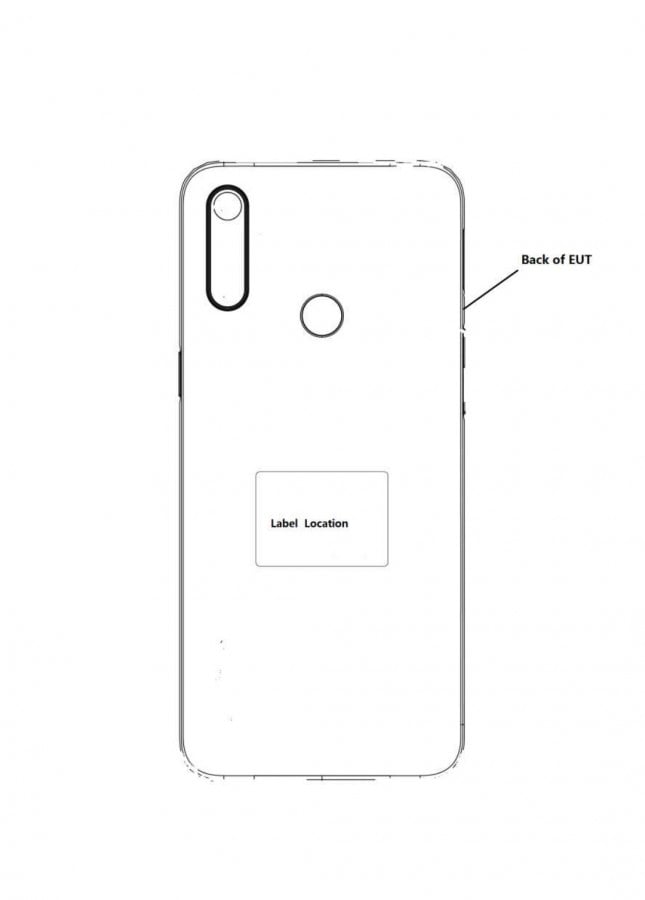
The C3s model has already passed several certification websites like Thailand’s NBTC and US’ FCC under the model number RMX2020. The two models will likely differ only in terms of its RAM and storage.
Realme C3 certified by FCC
FCC’s certification featured a schematic of the device giving us a glimpse of its back design. The Realme C3(s) will come with a vertically arranged rear camera setup, placed on the top left corner. There will be a fingerprint center at the back as well. Notably, the Realme C3 model had already passed Singapore’s certification agency back in December, alongside the Realme 5i which was recently announced in India.
There are rumors that the Realme C3 series will be officially announced on February 6, but we’ll have to wait for an official confirmation of the same.
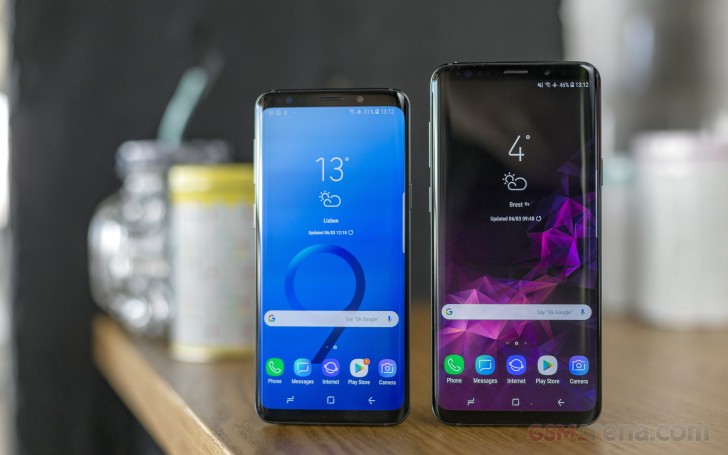
Samsung has just released the Android 10 OS updates for its 2018 flagship series, the Galaxy S9. The major systems update is being rolled out to both the Galaxy S9 and S9+ and is currently available in Germany and in the US.
Samsung Galaxy S9 and Galaxy S9 Plus
As of right now, the update is available only for users running Android 9 Pie. Unfortunately, the final build for Android 10 OS based One UI 2.0 has not been rolled out for beta testers, yet, but is expected to be released soon. For countries outside of Germany and the US, Samsung had initially unveiled the roadmap which pointed to early February 2020. So it should be rolled out in the next couple of weeks.
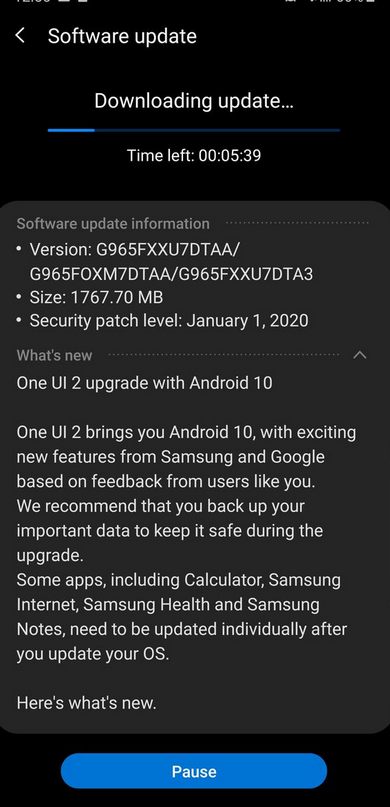
Notably, Samsung had previously mentioned that the update for the German region would arrive by March 2020, but it has been released now. So, we can expect the update to arrive a bit earlier in other regions as well since the South Korean tech giant is ahead of the curve. The Android 10 update for the Galaxy S9 series is between 1.8 to 1.9GB in size and users can check for the update by going to Settings>Software update menu.
Samsung Galaxy S9 received Android 10 OS based One UI 2.0 Update (Image Via SamMobile)
The new update brings the latest Android version alongside the January 2020 security patch. The One UI 2.0 is Samsung’s custom skin running over the OS and brings tons of new features that the company claimed arrives from feedback collected from Samsung and Google as well.
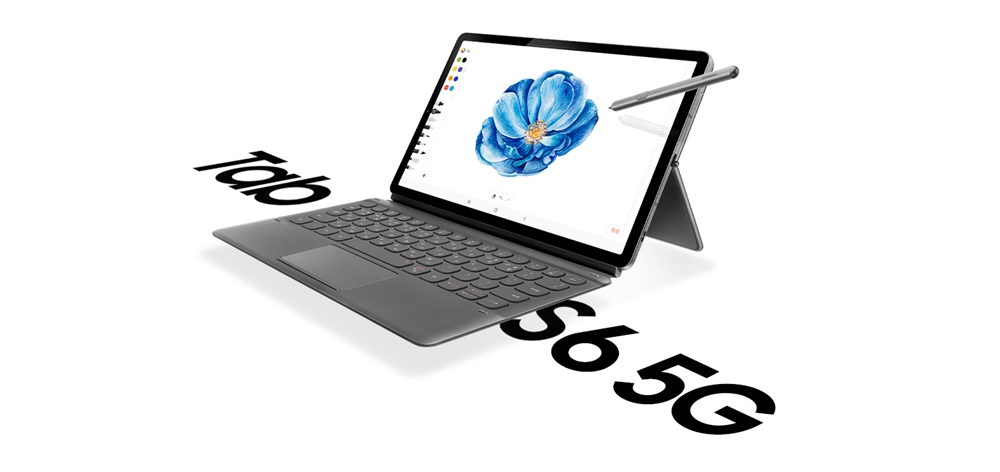
Samsung has officially announced that it will launch the world’s first 5G tablet, the Galaxy Tab S6 in South Korea tomorrow. The company is marketing the tablet as an entertainment hub with support for the new-age 5G network and features such as AKG audio and Dolby Atmos quad-speakers.
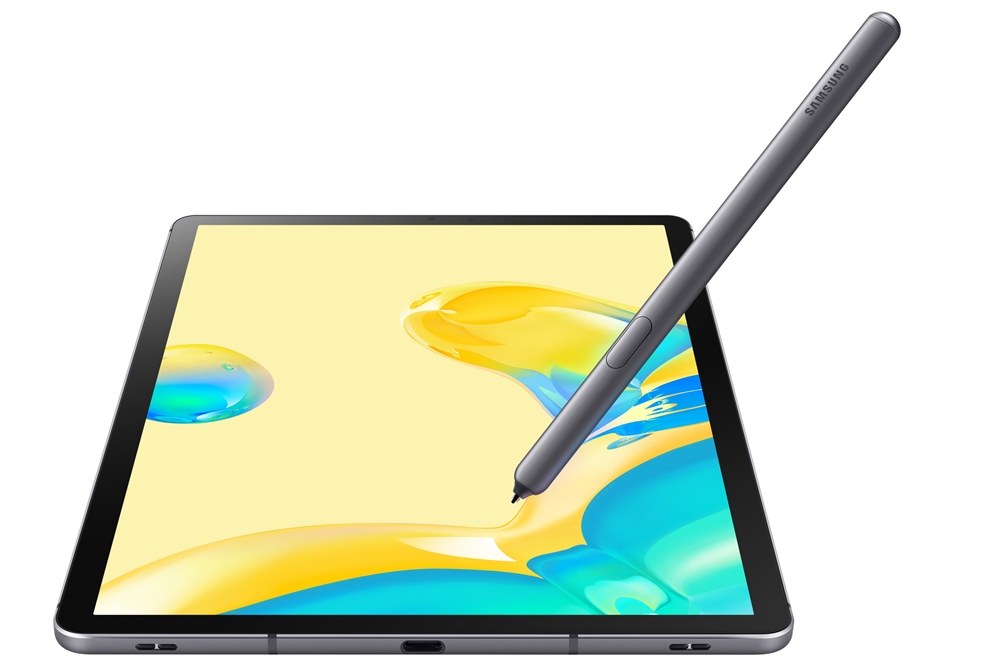
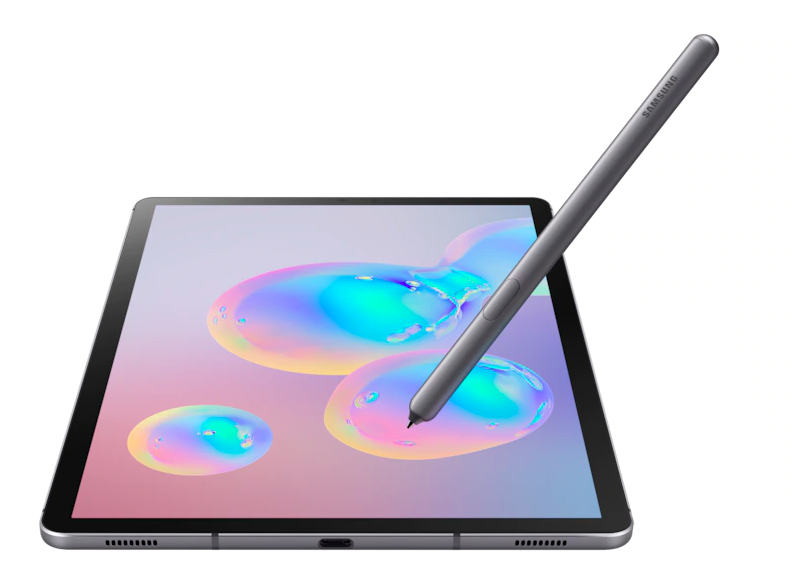
The Galaxy Tab S6 5G will come with similar specs as the LTE version which includes a 10.5-inch Super AMOLED display, and a 5.7mm thick body weighing 420 grams. The 5G tablet will be available in at least one Mountain Gray color along with an S-Pen. What’s interesting is that the official press renders of the Galaxy Tab S6 5G reveal a slightly different bottom design as compared to the LTE version. While the USB-C port is common, the speaker grill design is different on the 5G version. Check out the image down below to see the difference.
5G model
LTE model
The Galaxy Tab S6 5G will be available in just one 128GB ROM variant in mountain gray color at launch. It will be priced at 999,000 won ($848).
Samsung Electronics, a known brand in the tech industry, is developing a reusable packaging box. This is likely a move to reduce the waste generated from packaging during the sale of electronics products.
The South Korean tech giant applied for a patent under the title ‘reusable packaging box,’ which features a packaging that combines an inner cushion and an outer protective layer. Generally, a large electronic product like a refrigerator ais shipped in a large cardboard box with styrofoam on the inside to act as shock absorbing material. However, once the product is installed, it is unlikely that it is kept for future use and is typically disposed of immediately.
This creates additional waste and has been known to pollute the environment in the long run, especially styrofoam since its a non-biodegradable material. To tackle this, the new reusable packaging box has been designed with a focus of being used multiple times rather than simply disposing it after one use. Furthermore, the integrated cushion material and outer cover simplify the packaging process while also reduces the number of waste products.
Samsung has been influenced by many factors, one of which includes an upcoming Government regulation on waste in its home country, South Korea. Environmental protection and reduction in pollution caused by large corporations, especially within the electronics industry, has been a big debate for decades. If implemented, the new reusable packaging box could reduce disposable products and reduce its impact on the environment.
Notably, the development of the reusable packaging box from Samsung will have a great impact in terms of cost and environmental protection. This is due to packaging waste being a major polluting concern and the company has a big role since it is one of the biggest sellers in the industry. The new method of packaging is also a part of Samsung’s cyclical economy based around sourcing its supplies for its products from used and recyclable materials to fully optimize and reduce wastage during assembly.
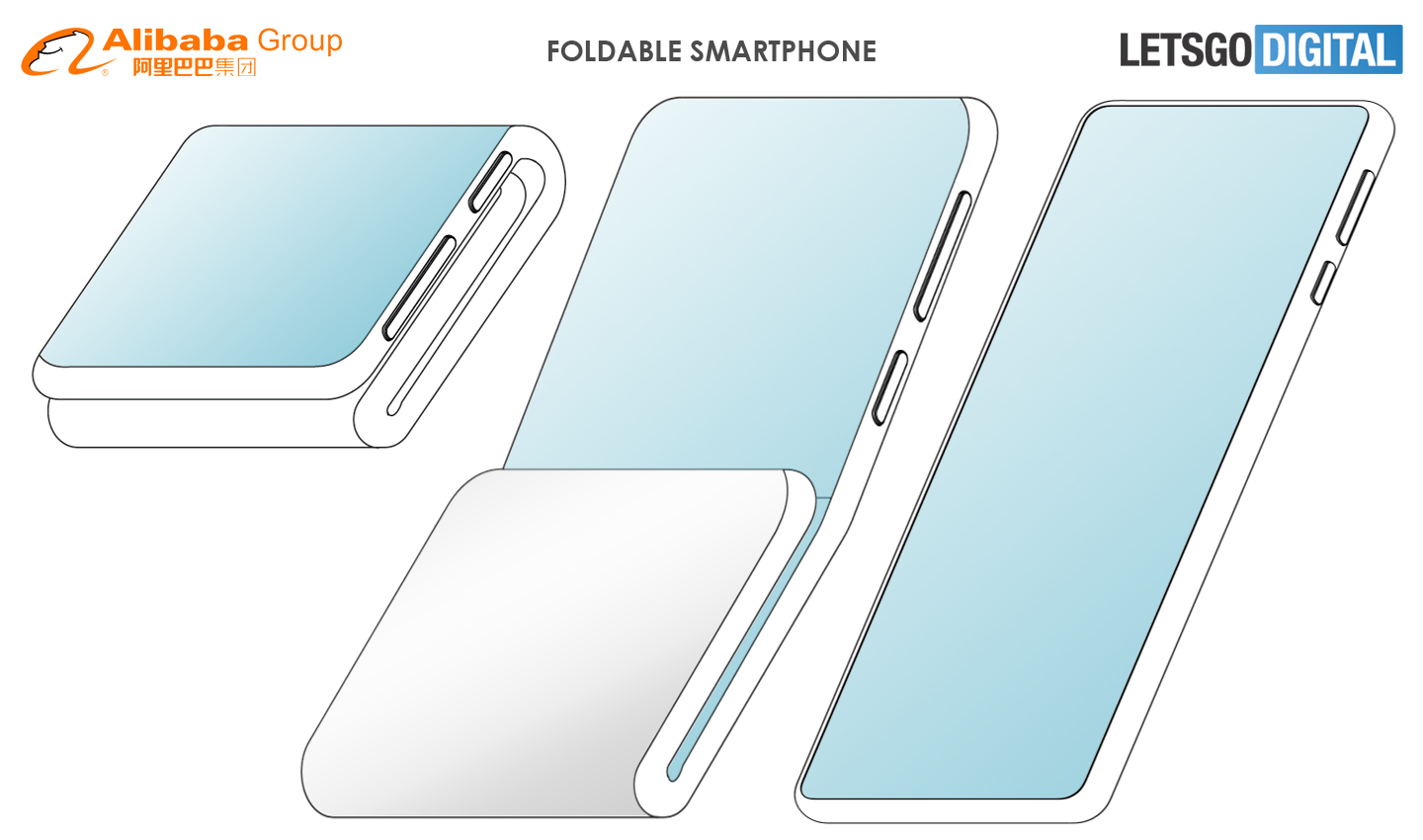
Alibaba, one of the world’s leading eCommerce platform, seems to be eyeing to enter the products market. The Chinese giant has developed a new design for a foldable smartphone and has also filed for its patent.
The foldable smartphone from Alibaba has a clamshell design and unlike the clamshell foldable smartphones that we’ve seen so far from the likes of Samsung and Motorola, this one from Alibaba can be folded twice.
Further, the smartphone from Alibaba also has a secondary display on the upper part of the back panel which covers about one-third of the total area. However, unlike the front screen, the display panel on the back side isn’t flexible. When the phone is folded, the back screen will remain usable as a front display.
Since the foldable screen is on the inside, it remains well-protected and when the phone is folded, the secondary screen on the back can be used for making calls and notifications, among other things. There were two physical buttons on the right which will serve as ON/OFF switch and for controlling volume.
The development of Alibaba patenting a foldable smartphone design is quite interesting given that the eCommerce giant doesn’t make products of its own. Even if the phone is to make its debut commercially in the market, the company could resold or license the patent to other smartphone manufacturers.
Over the past couple of years, Huawei’s P series has transformed into the ultimate camera flagship, rivaling the likes of the Galaxy Note series and the iPhone flagship models.
This year’s Huawei P40 lineup is extremely important for the brand for two reasons. First, it has big shoes to fill, after the P30 Pro turned out to be an extremely popular camera flagship. Secondly, this year, the Huawei P40 will launch without Google services. So, Huawei will have to convince users to purchase the P40 even without Google apps on board. And it looks like one way to do this is by making the series cheaper this year.
Huawei P40 Pro Source: 91Mobiles
According to @RODENT950 (Teme), the Huawei P40 series will be cheaper at launch. He says that the P40 series models will range between 3599 yuan ($519) to 6599 yuan ($951) in China. The P40 is expected to start around €599 in Europe while the P40 Pro should start at around €799. There should be a premium edition too this year which is expected to start at €1000.
Because I buy these phones largely from China so I bet 3599Y-6599Y (470€ – 870€ ~ 599€- 999€ )
The Huawei P30 Pro turned out to be one of the best camera flagships of 2019. And according to recent rumors and leaks, the Huawei P40 Pro and Pro PE (Premium Edition) will be able to carry its legacy.
Making the entire lineup cheaper is actually a pretty smart way to make up for the lack of Google services. Huawei has been aggressively working on developing Google app replacements over the past one year. In this regard, the P40 series will come with the company’s own Huawei Mobile services (HMS).
The lack of Google services would also translate into cheaper cost price of the smartphone. Google revealed last year that it was charging up to $40 for preloading GAPPs on Android smartphones in Europe. So, these savings could be directly transferred to the customers via cheaper launch prices.
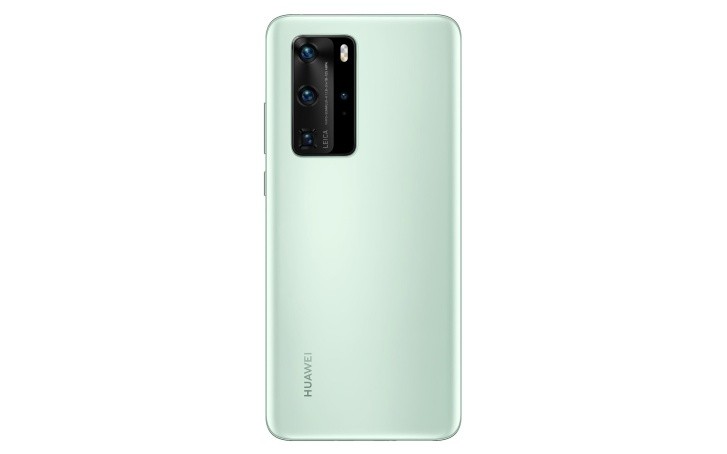
Huawei P40 Pro could also come in a Mint Green shade
Now the real question is – if the P40 Pro turns out to be the best camera smartphone of the year, would people consider it without Google Apps, even if it’s significantly cheaper than premium flagships?
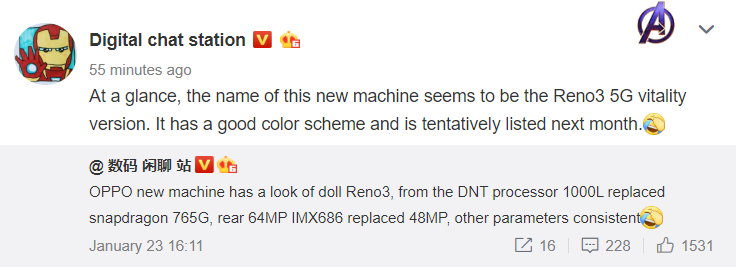
Come next month, OPPO’s Reno3 series will get a new member, a new leak has revealed. The new phone will join the Reno 3 5G and the Reno3 Pro 5G OPPO announced last month.
About a week ago, a new phone with model number PCLM50 was seen on TENAA’s database with nearly similar specs as the Reno3 5G but a different processor and a different primary rear camera.
According to Digital Chat Station, the OPPO PCLM50 will launch as the “Reno3 5G Power Edition” (this is a loose translation of the phrase. He adds that the phone will come in nice colors and should launch next month.
The TENAA listing says the phone has a 6.4-inch AMOLED display with a 2400 x 1080 resolution. It is powered by a 2.4GHz processor which is most definitely the Snapdragon 765G. It will have 8GB of RAM and 128GB or 256GB of expandable storage.
The Reno 3 5G Power Edition will have four rear cameras in a 48MP + 8MP + 2MP + 2MP configuration. It will also have a 32MP selfie camera. There is a fingerprint scanner under the display and a 3935mAh (4025mAh) battery under the hood.
TENAA says it will be available in white, black, and yellow, and it will run Android 10 out of the box.
While there is no info with respect to its price, we presume the Reno3 Pro 5G Power Edition may have the same price tag as the standard Reno3 Pro when it launches.
OPPO Find X2, the upcoming flagship smartphone from the Chinese brand, will be officially launched in the first quarter of this year, i.e. Q1 2020. Now, ahead of the launch, the company’s Vice President has shared new information about the phone.
Shen Yiren, Vice President of OPPO, has today confirmed that the OPPO Find X2 will come with support for 65W SuperVOOC Flash Charging technology. This is currently the highest rated fast charging technology that is commercially available.
With this, the Find X2 could become the world’s first smartphone powered by Qualcomm Snapdragon 865 chipset to feature 65W fast charging technology. Prior to this, OPPO Reno Ace was launched with the same charging technology which the company claims can fully charge a 4,000mAh battery in under 30 minutes.
Given that OPPO Find X2 will come packed with a 2K resolution AMOLED display with 120Hz refresh rate and dual-mode 5G support with SA and NSA, we expect the smartphone’s battery capacity to be more than 4,000mAh.
The Sony IMX689 is said to be the world’s first all-pixel omnidirectional focusing technology. It is a 48-megapixel lens with a sensor size of 1/1.3 inches. It is larger than the 1/1.75 sensor size of the Huawei Mate 30 Pro’s Sony IMX600 lens. This 48-megapixel sensor is expected to serve as the main lens in the triple camera setup of the Find X2.
The report further adds that it will be accompanied by a Sony IMX708 and a 13-megapixel telephoto sensor with 5x hybrid optical zooms support. The Sony IMX708 that will premiere on the Find X2 is the said to be the strongest super-wide lens. At the front, the Find X2 will be equipped with a Sony IMX616 32-megapixel selfie camera.
It is said that the OPPO Find X2 will feature an ultra-clear screen with support for quad HD+ screen resolution of 1440 x 3168 pixels and a refresh rate of 120Hz. Previous reports have claimed that the Find X2 will be fitted with a 6.5-inch display. The curvature of the phone’s screen will be 80-degree, less than the 88-degree waterfall screen.
The upcoming flagship smartphone is also expected to come with the self-developed OPPO M1 co-processor which is a power consumption controlling chip. It can effectively reduce power consumed by high refresh rate and resolution supporting screen.
While the company has not yet revealed anything related to the launch date of the flagship OPPO Find X2 smartphone, it won’t be surprising if the company choose to launch the device at the upcoming Mobile World Congress 2020 next month in Barcelona.
The spreading of coronavirus in China has impacted several technology companies given the massive role of China in global manufacturing. The situation has affected numerous hardware firms in Silicon Valley and beyond and it could also compromise Apple’s production line, especially iPhone 9 (aka iPhone SE 2) and AirPods.
According to the new reports, the virus has spread to the Hubei Province (with over 100 confirmed cases), which neighbours the Henan Province and is near the Guangdong Province, both of which hosts major Apple production centres.
This could impact the production of upcoming iPhone 9 and the AirPods, specifically, by the measures by Chinese authorities to contain the spreading of virus. The government has urged workers to stay home in cities affected by the coronavirus and has already quarantined the entire city of Wuhan from where the virus is believed to have originated.
It is not yet known if the production delay, if that happens, will impact the launch timeline of this upcoming smartphone. The U.S.-based tech giant is expected to start mass-production of the iPhone 9 in February and the phone is expected to go on sale from March. While we don’t see one production facility severely impacting the launch schedule, it could lead to fewer units available during the initial days.
A couple of days ago, Foxconn, which manufactures key products for Apple, said that it will not be adjusting any manufacturing timelines or closing its factories due to the ongoing coronavirus outbreak. The company added that it is monitoring the situation, but it’s not expecting it to affect any of its “manufacturing obligations.” On the other hand, Apple is yet to publicly comment on the coronavirus or how it might affect its operations in China.
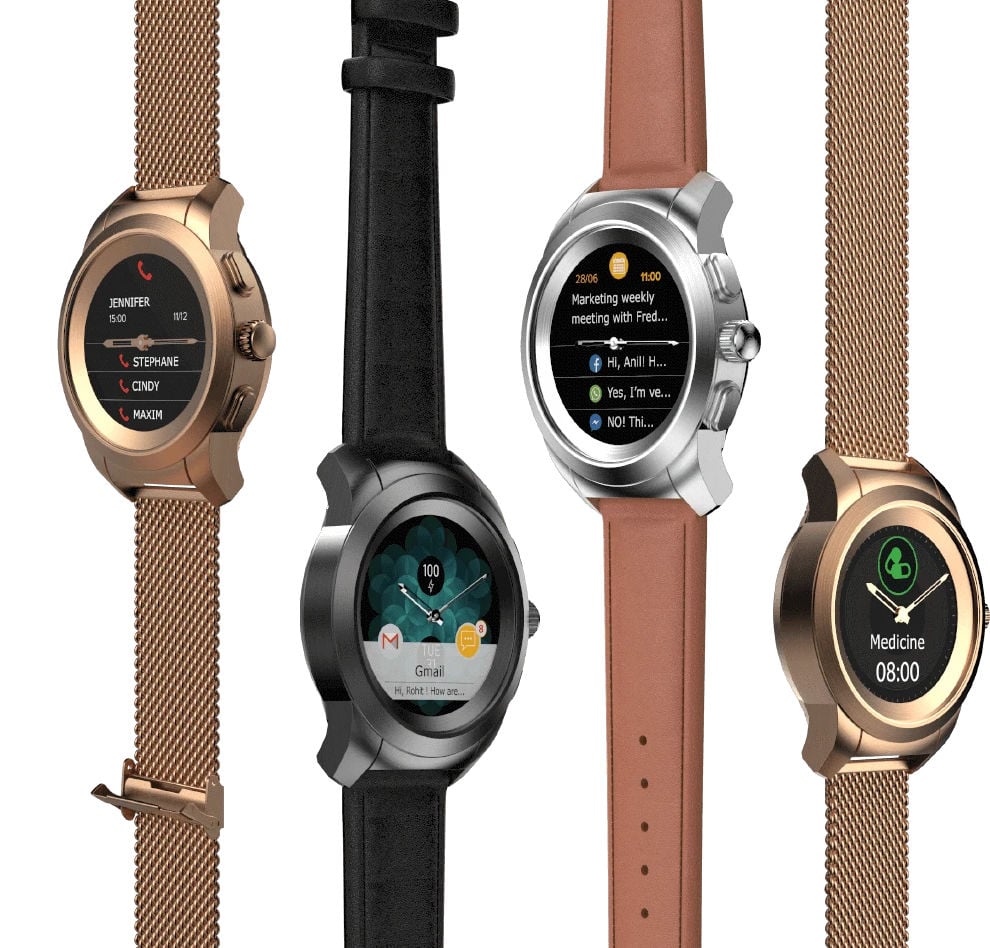
Noise, a company known for launching budget smartphone accessories and wearable devices, has launched a new smartwatch in the Indian market — NoiseFit Fusion. The company is calling it India’s first full touch hybrid smartwatch.
It integrates the traditional analog features along with the capabilities of a smartwatch. The device comes with a stainless steel and sapphire glass, featuring a 1.22-inch round, full-color and capacitive touch display that offers 240 x 240 pixels screen resolution.
The company is offering a range of 14 different watch faces, which Noise says that each of them are designed to appeal to distinct sensibilities. There are mechanical hands with smart movement intuitively align alongside crucial notifications such as phone calls, reminders and message notifications.
The smartwatch comes with features likes activity tracking and sleep tracking as well as optical heart rate sensor. It has Bluetooth 4.0 connectivity support and can be used to connect with Android or iOS smartphones.
It is powered by 200mAh battery which the company promises can offer three days of battery life in Smart Mode and about 30 days in analog mode.
The NoiseFit Fusion smartwatch comes in Classic Black, Vintage Brow, and Rose Gold color options. It comes with a leather strap and additional silicone strap. The device is priced at ₹6,999 which is roughly $98 and will be available for purchase in the country from Amazon, Flipkart and the company’s own website Gonoise.com.
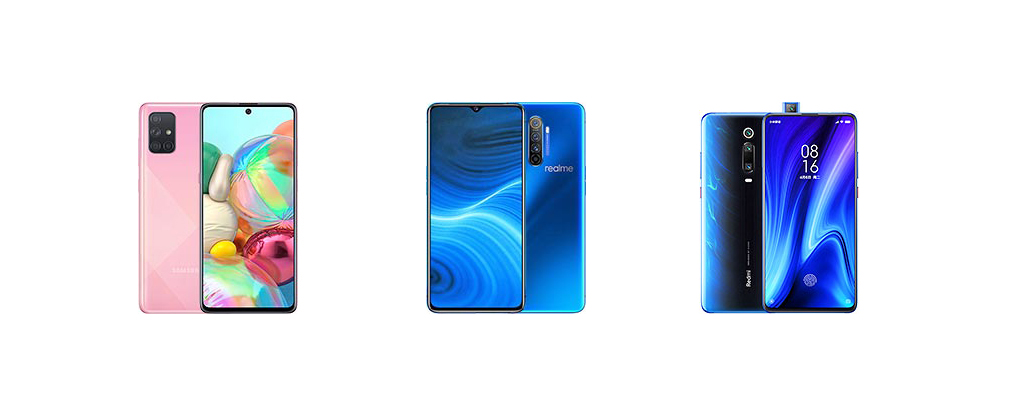
Samsung recently launched its latest mid-ranger in the market: Samsung Galaxy A71. It offers well-balanced specifications at a non-expensive price, but is it really the best alternative for people with that budget? In the same price range, you can also find a few so-called flagship killers. We are talking especially about Realme X2 Pro and Redmi K20 Pro, also known in Europe as the Xiaomi Mi 9T Pro. This comparison will help you understand whether or not it is worth considering the new Samsung Galaxy A71 for a purchase.
Samsung Galaxy A71 vs Oppo Realme X2 Pro vs Xiaomi Redmi K20 Pro
Oppo Realme X2 Pro
Samsung Galaxy A71
Xiaomi Redmi K20 Pro
DIMENSIONS AND WEIGHT
161 x 75.7 x 8.7 mm, 199 grams
163.6 x 76 x 7.7 mm, 179 grams
156.7 x 74.3 x 8.8 mm, 191 grams
DISPLAY
6.5 inches, 1080 x 2400p (Full HD+), 402 ppi, 20:9 ratio, Super AMOLED
6.7 inches, 1080 x 2400p (Full HD+), 393 ppi, Super AMOLED
6.39 inches, 1080 x 2340p (Full HD+), 403 ppi, 19.5:9 ratio, Super AMOLED
Quad 64 + 13 + 8 + 2 MP f/1.8 and f/2.5 and f/2.2 and f/2.4
16 MP f/2.0 front camera
Quad 64 + 12 + 5 + 5 MP f/1.8, f/2.2, f/2.4 and f/2.2
32 MP f/2.2 front camera
Triple 48 + 8 + 13 MP f/1.8, f/2.4 and f/2.4
20 MP f/2.2 front camera
BATTERY
4000 mAh
Fast charging 50W with SuperVOOC Flash Charge
4500 mAh, fast charging 25W
4000 mAh, Fast Charging 27W with Quick Charge 4+
ADDITIONAL FEATURES
Dual SIM slot
Dual SIM slot
Dual SIM slot
Design
While Realme X2 Pro does not offer the most impressive design out there, Samsung Galaxy A71 and Redmi K20 Pro look very interesting. The former has a much thinner profile, as well as a punch-hole display minimizing the bezels without the need for a notch. The latter is thicker but it has narrow bezels with no notch and no holes thanks to its motorized pop-up camera. Samsung Galaxy A71’s body consists of a glass back and a plastic frame, while Redmi K20 Pro has a glass back and an aluminum frame, just like the Realme X2 Pro. Which one do you prefer?
Display
If you need the most advanced display, go for the Realme X2 Pro without thinking twice. First of all, it is the only with a 90 Hz refresh rate, so it provides a smoother viewing experience and better gaming experience. It even delivers a higher image quality thanks to HDR10+ and full DCI P3 coverage. It comes with a notch, but it is definitely a better panel. Right after, we got the Redmi K20 Pro with an HDR10-compliant display and a full DCI P3 coverage. But in each case, you get a pretty nice AMOLED panel with an in-display fingerprint reader.
Specs & Software
Both Redmi K20 Pro and Realme X2 Pro are flagship killers, so they are superior to Samsung Galaxy A71. Realme X2 Pro is the fastest and most powerful one since it is fueled by a better Snapdragon 855+ chipset paired with up to 12 GB of RAM and up to 256 GB of UFS 3.0 internal storage. Some may actually like the software of the Redmi K20 Pro more, but due to its lower-end Snapdragon 855 chipset, it is less performing (but still a flagship). Samsung Galaxy A71 is just a mid-ranger, so you should not go for it if you need the highest performance. But it is the only with Android 10 out of the box.
Camera
Unfortunately, we still had no chance to test it, but on the paper, Samsung Galaxy A71 seems to offer the most convincing camera department. We are talking about a quad camera with a 64 MP main sensor, a 12 MP ultrawide lens, a 5 MP dedicated macro camera and a 5 MP depth sensor. Even the front camera is great with its 32 MP resolution.
Battery
Samsung Galaxy A71 wins the battery life comparison thanks to a bigger 4500 mAh unit, but Realme X2 Pro offers the fastest charging technology with a power of 50W.
Price
Samsung Galaxy A71 will hit the global market with aa €469/$516 price tag, Realme X2 Pro starts from €399/$440 and Redmi K20 Pro is available for about €350/$385 thanks to online street prices. In my opinion, Realme X2 Pro is the most awesome device of this trio since it has better hardware and display which you can not often find on a device sold for less than €400. But Samsung Galaxy A71 has a better camera and a longer lasting battery, while Redmi K20 Pro offers a slightly higher value for money due to its more affordable price.
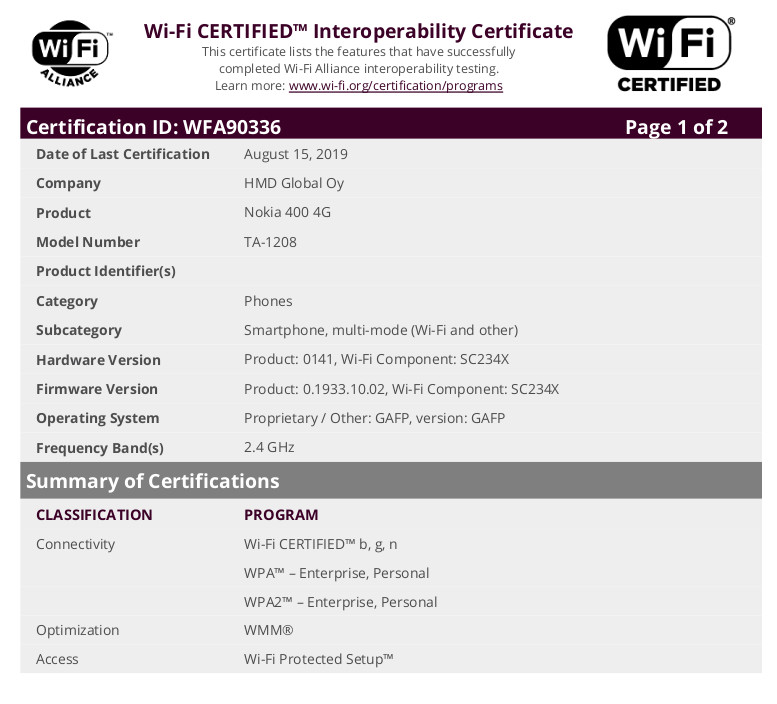
Nokia has always kept faith with its feature phones lineup. Even while the company was in limbo, the feature phones kept selling. Since HMD Global took ownership, they have made efforts to upgrade the feature phone’s connectivity from just 2G to 4G. The classic Nokia 3310 4G was one of the first feature phones launched with such hardware and it turned out to be a success. Nokia is now working o a feature phone with 4G capabilities identified as Nokia 400 4G.
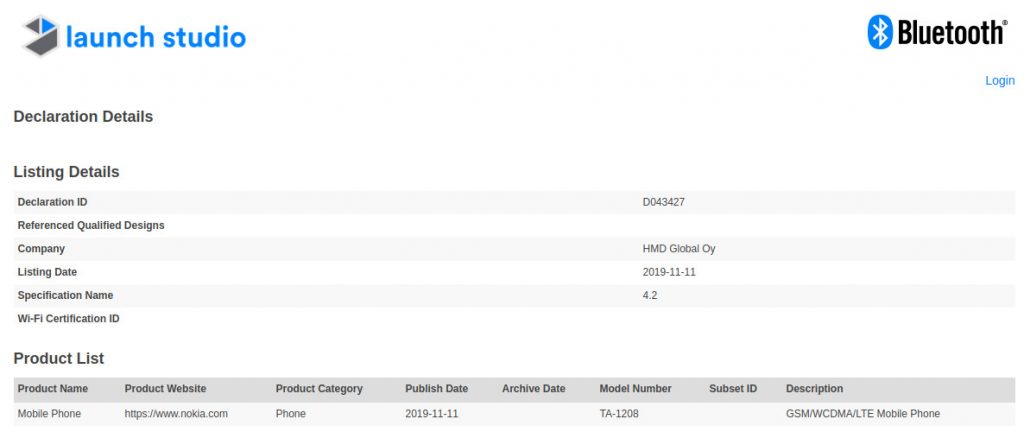
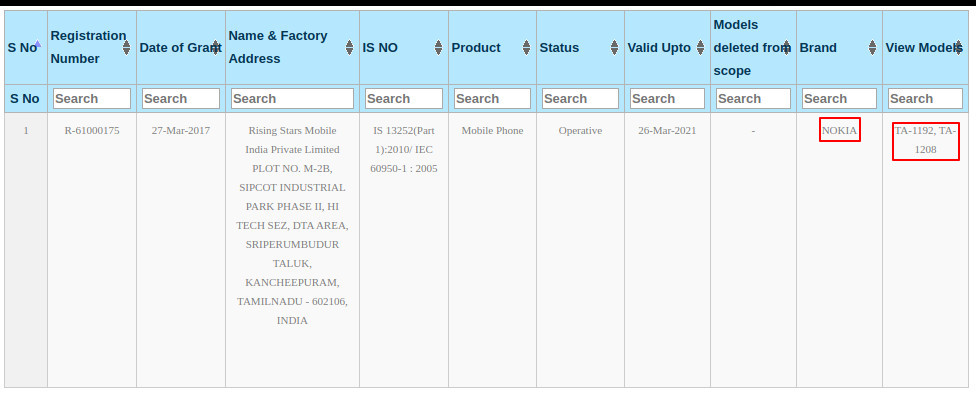
The device comes with the model number TA-1208 and recently got Bluetooth certification as well as Wi-Fi Alliance. The certification also contained some key details of the device, one of which is that it will feature Bluetooth 4.2 and have support for LTE. It is said to be powered by Unisoc processor and feature the Wi-Fi component SC234X.
Furthermore, it is said to be running GAFP operating system which is likely a version of Android OS for feature phones. A video had emerged late last year which shows a Nokia feature phone working on Android 8.1 operating system. The device was listed as running GAFP OS but there has been no sign since then that the company will actually venture in that direction.
The TA-1208 has also appeared on the BIS website which is an indication that the device will be launched in India. We expect more information about the device to appear in the coming days.
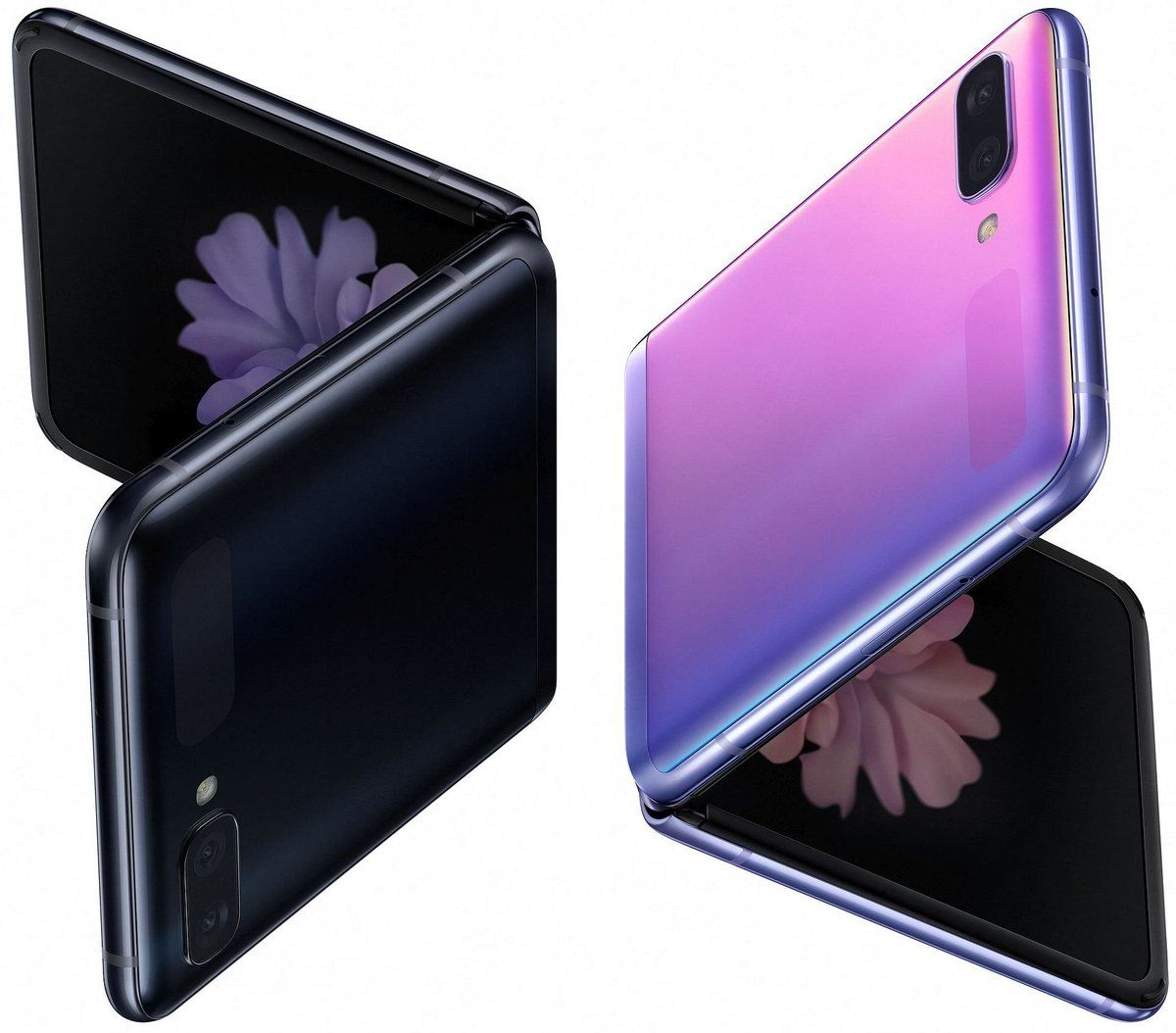
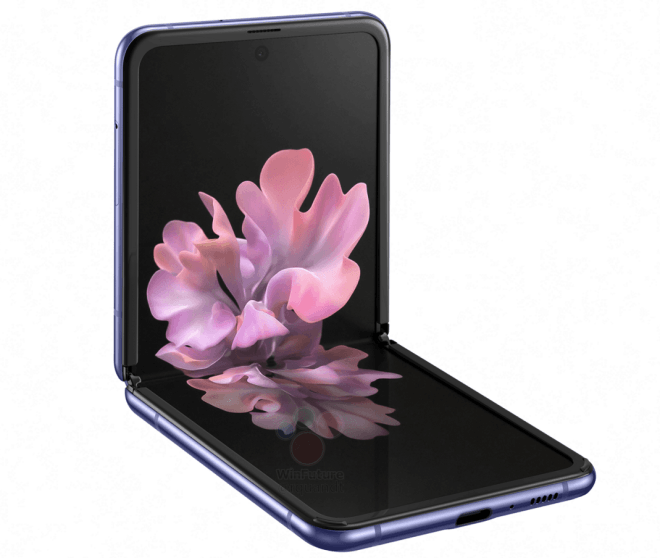
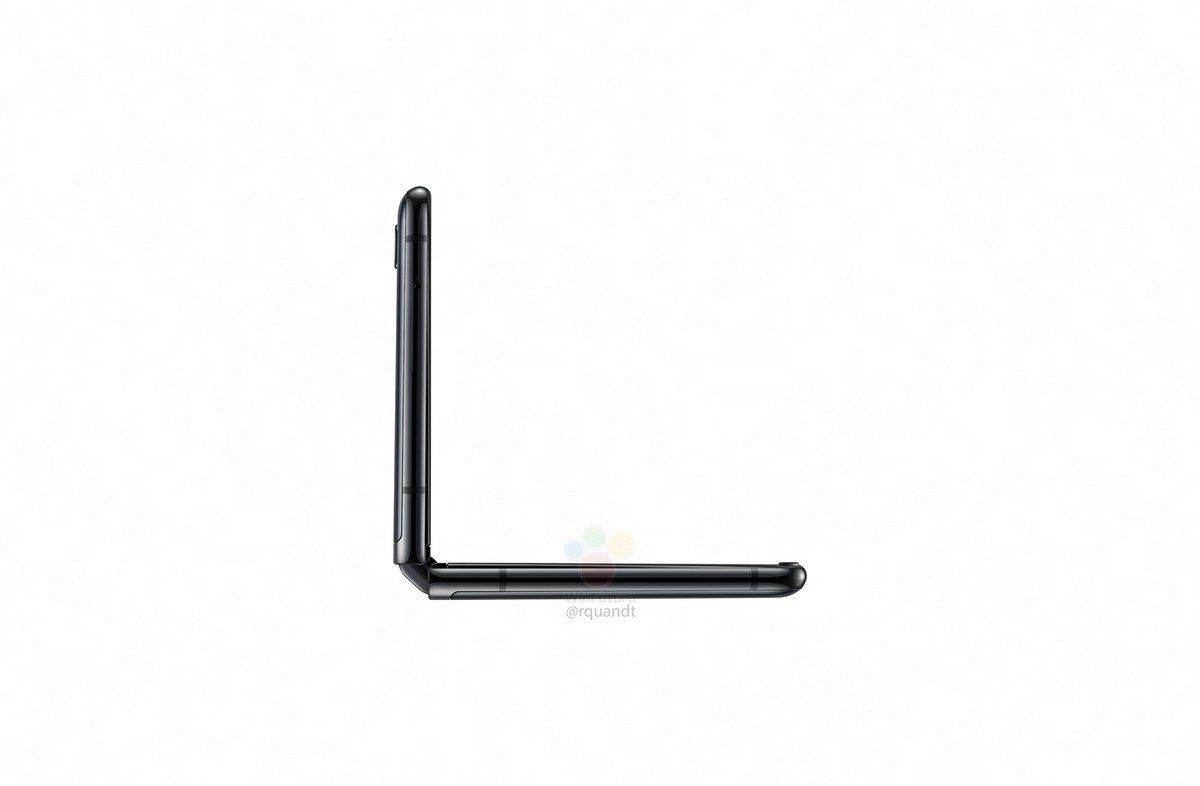
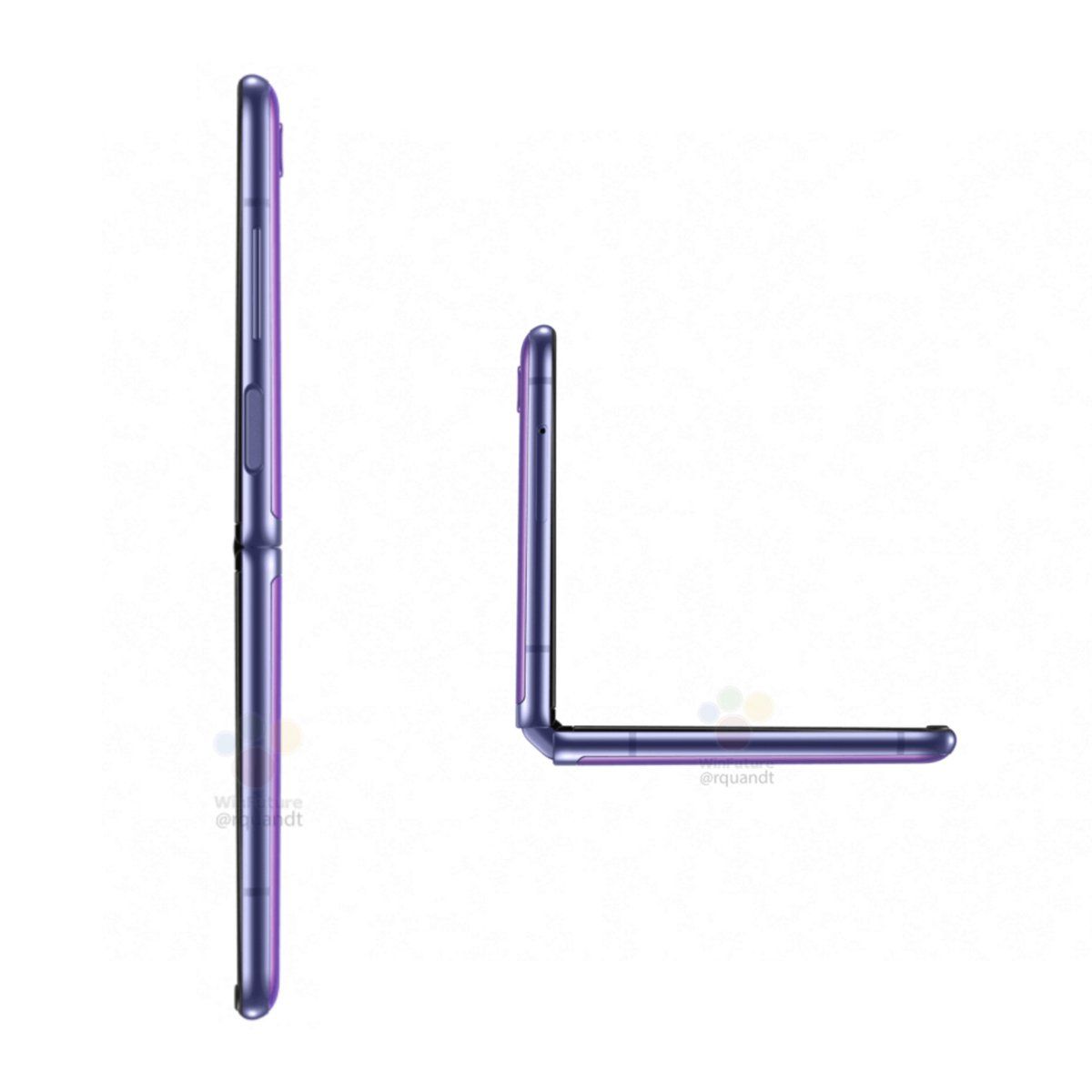
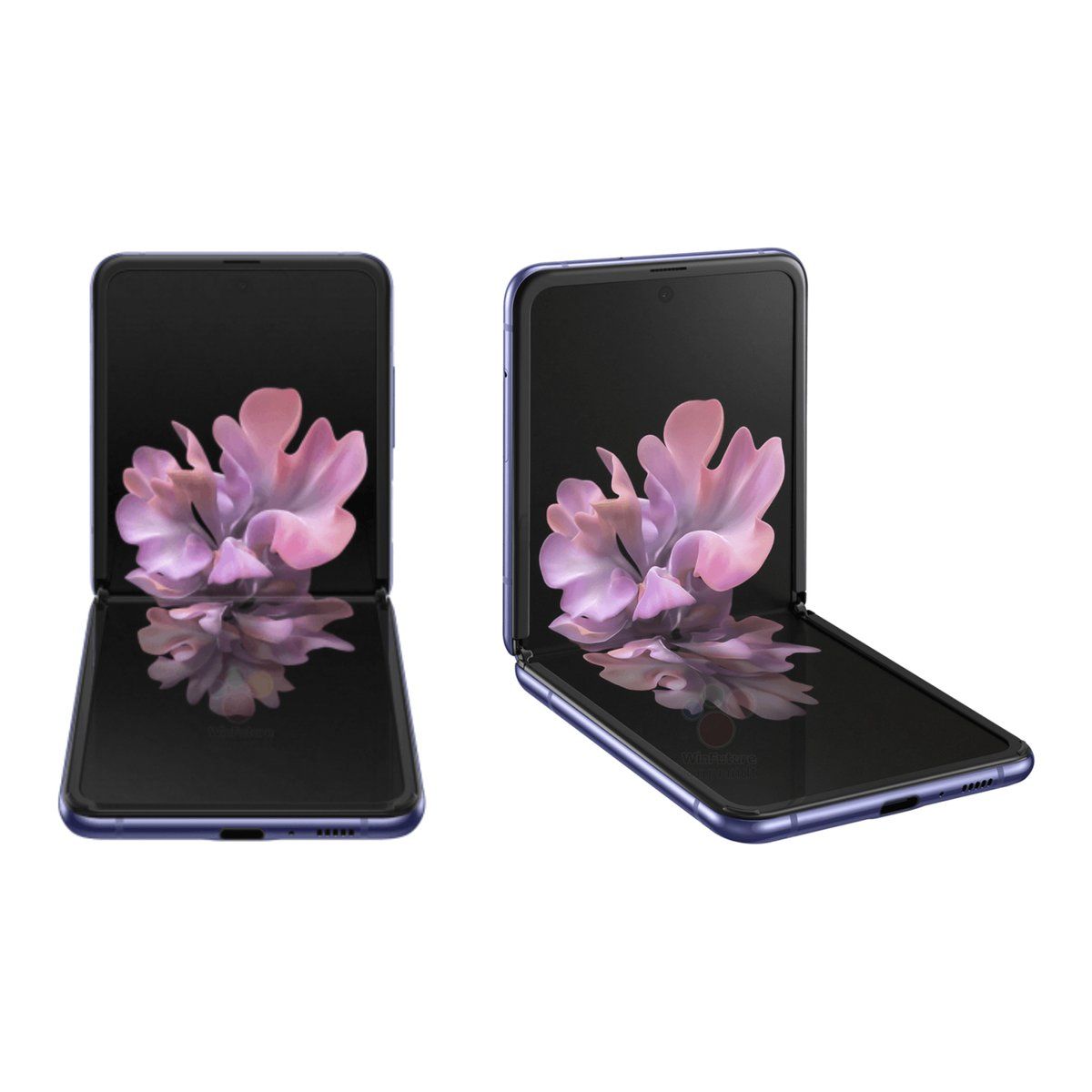
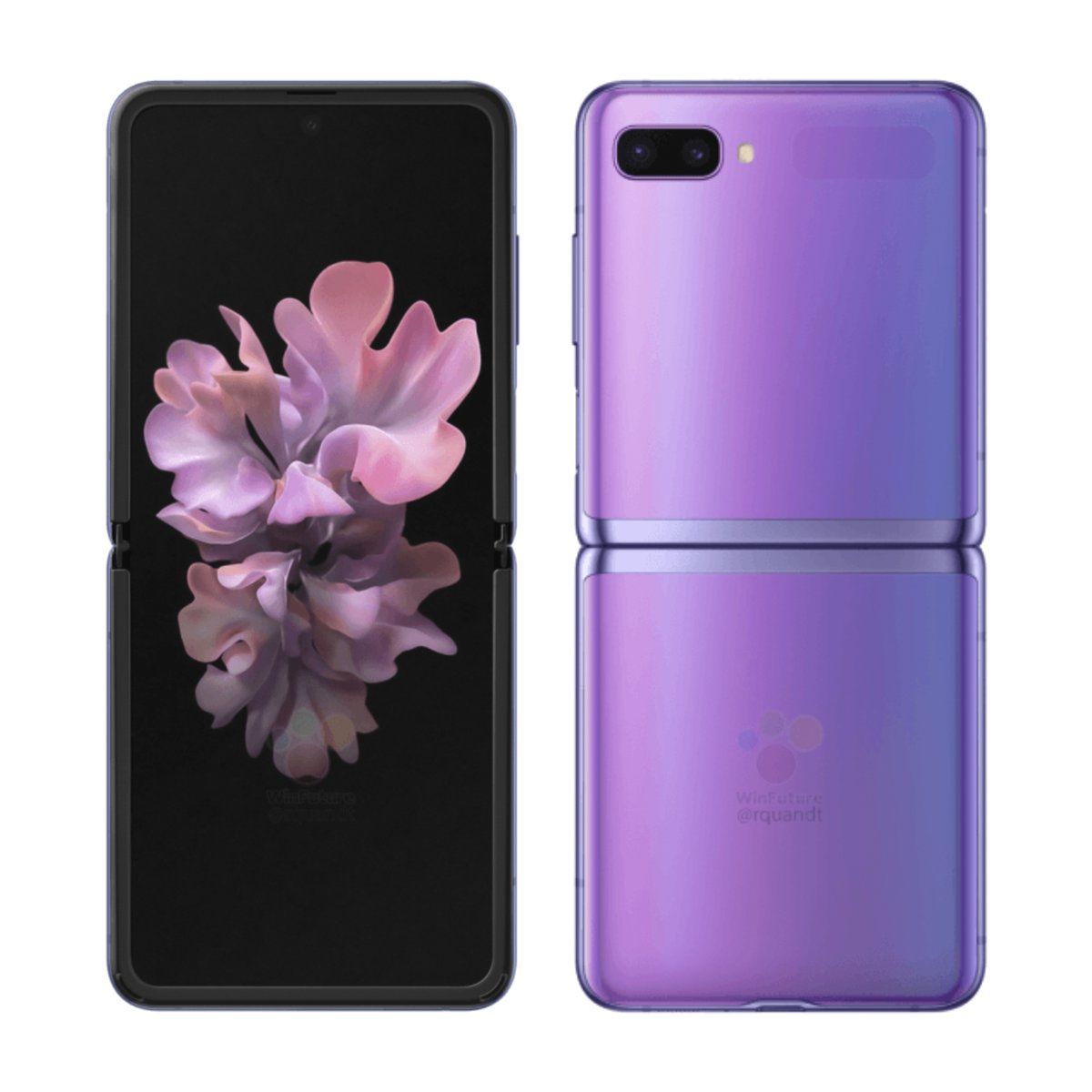
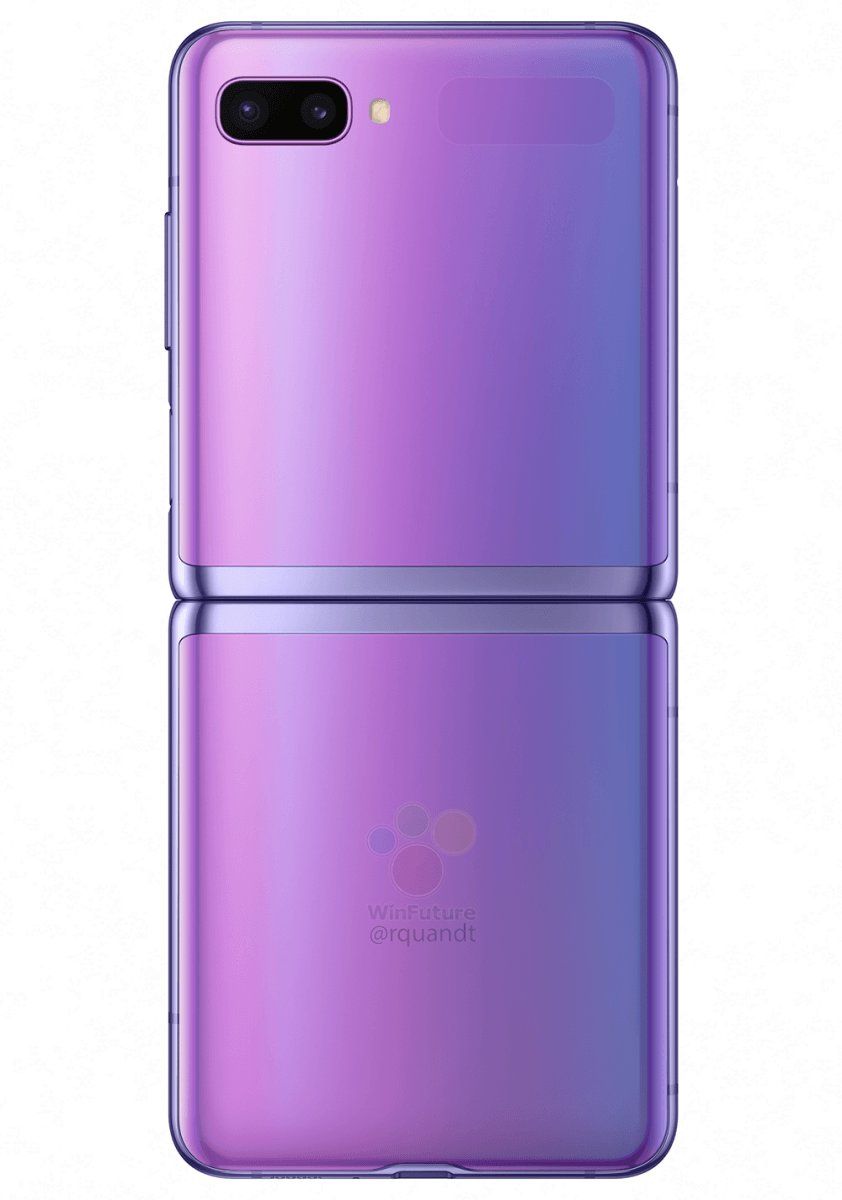
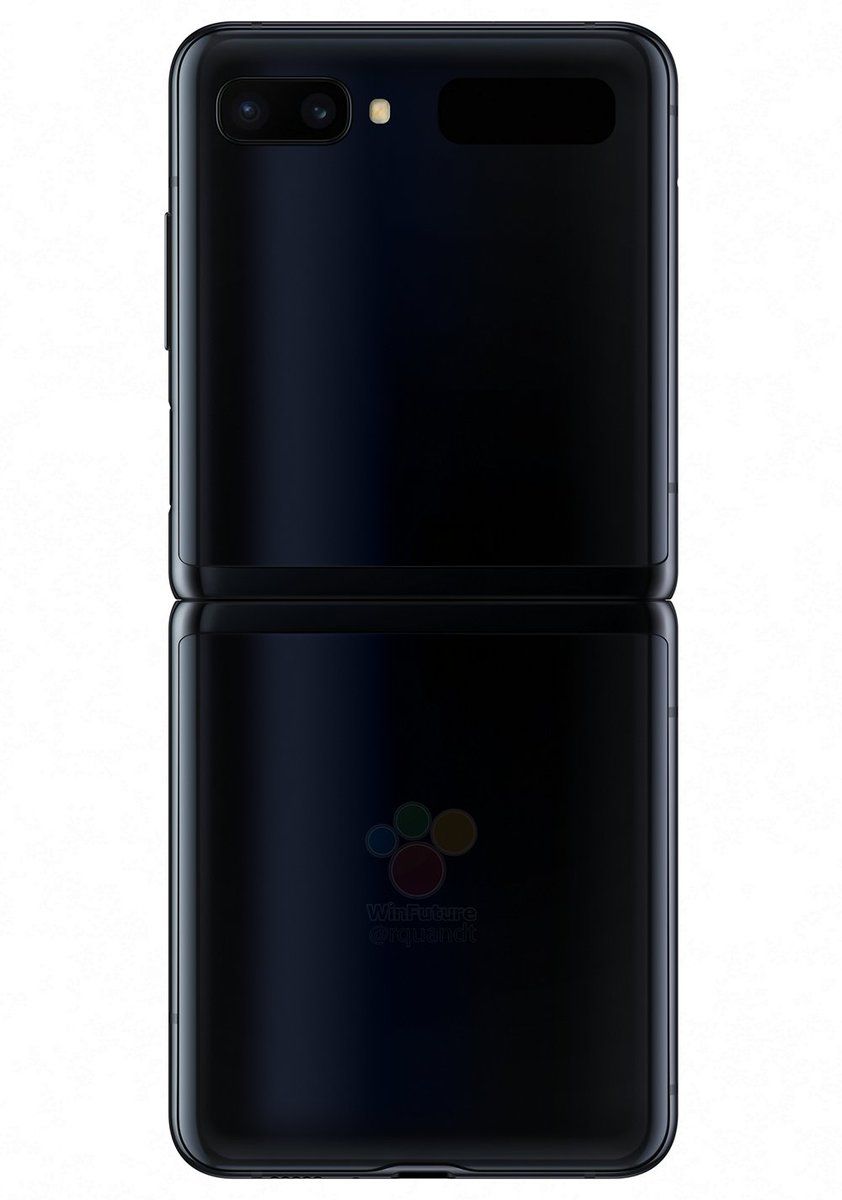
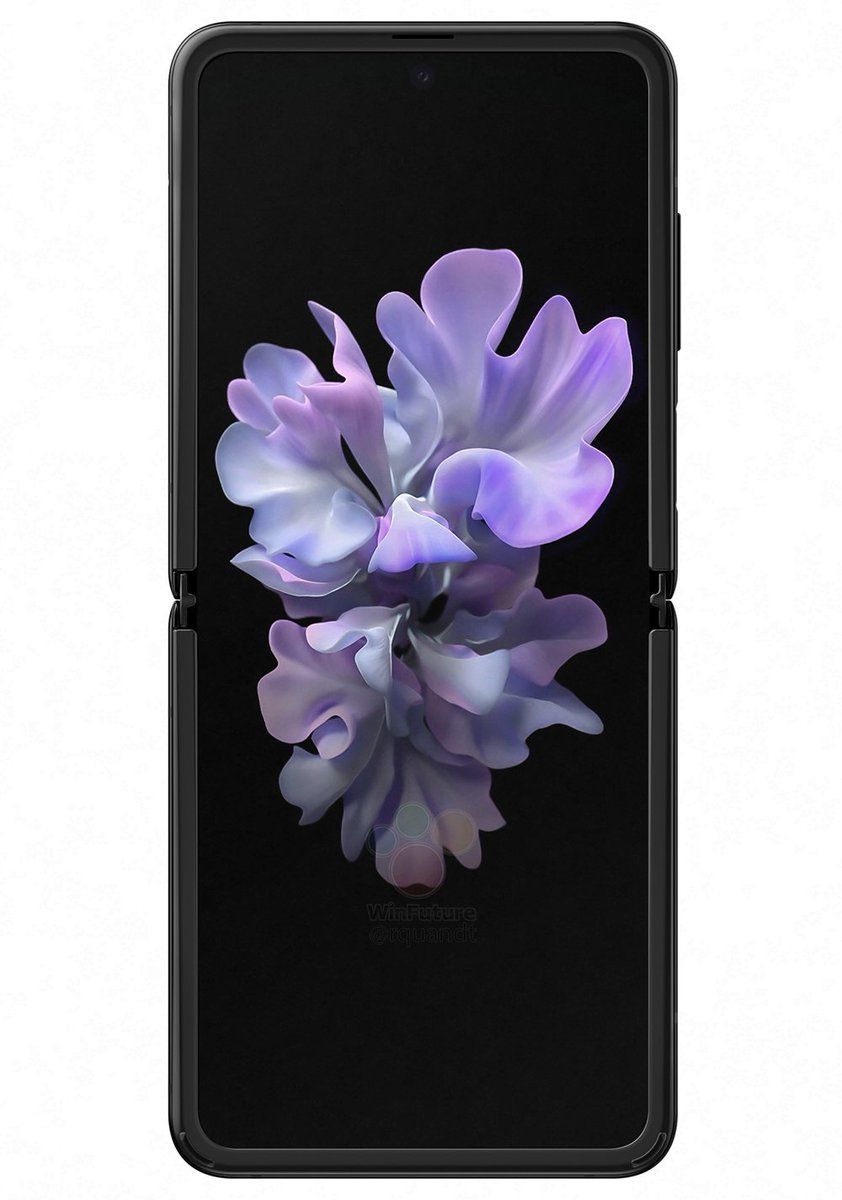
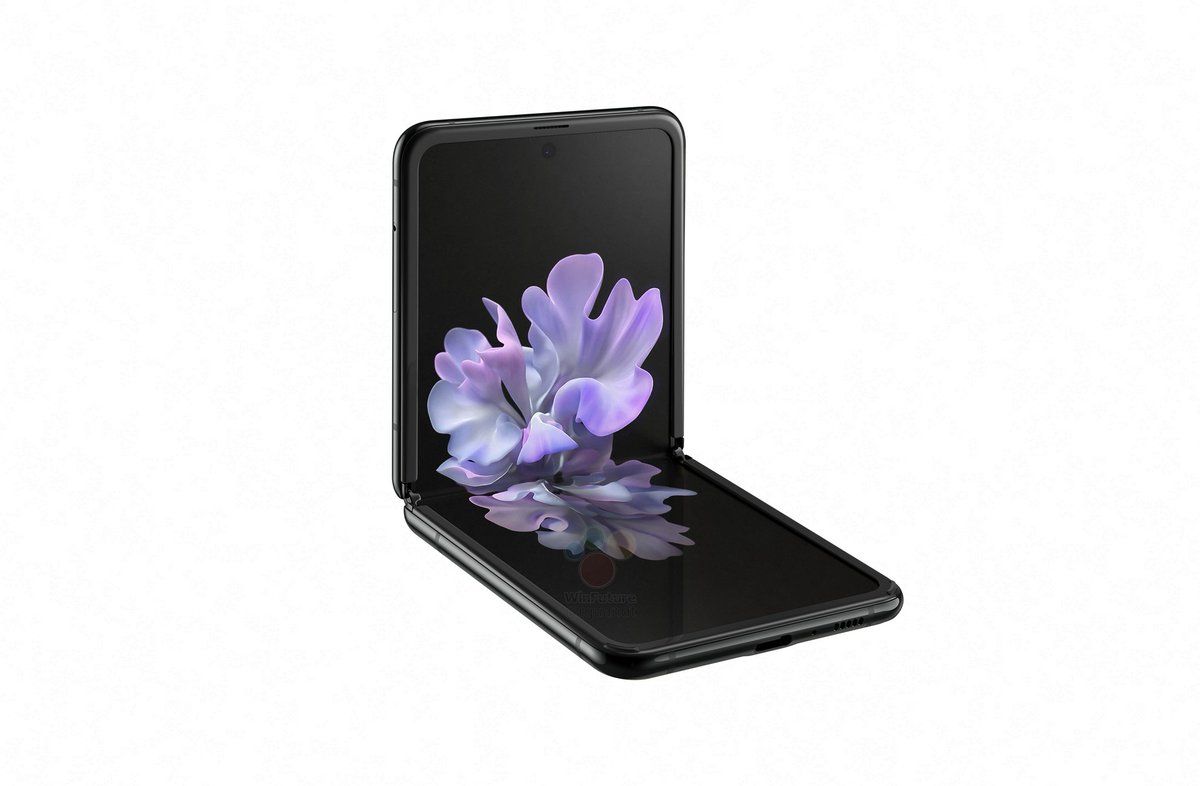
On Feb. 11, Samsung will be holding its Galaxy Unpacked event. The company will be using the said platform to showcase the Galaxy S20 series to the world. Multiple reports have also revealed that the Galaxy Z Flip will also go official at the same event. Multiple leaks have revealed the specs and pricing of the Galaxy Z Flip. A fresh report on Winfuture.de has provided in-depth information on its specifications along with its renders. The report also carries the pricing of the Galaxy Z Flip for the European markets.
Samsung Galaxy Z Flip specifications
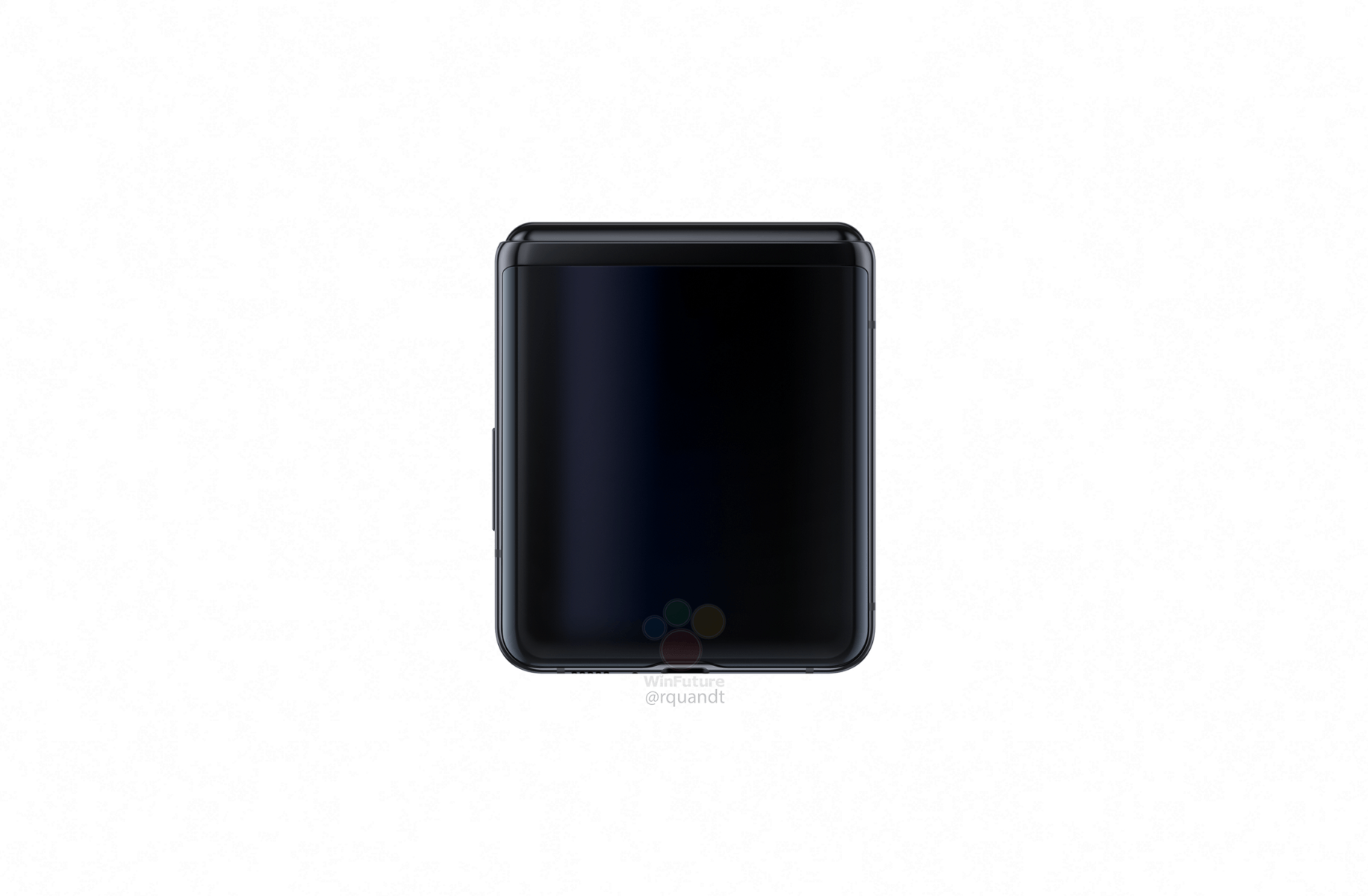
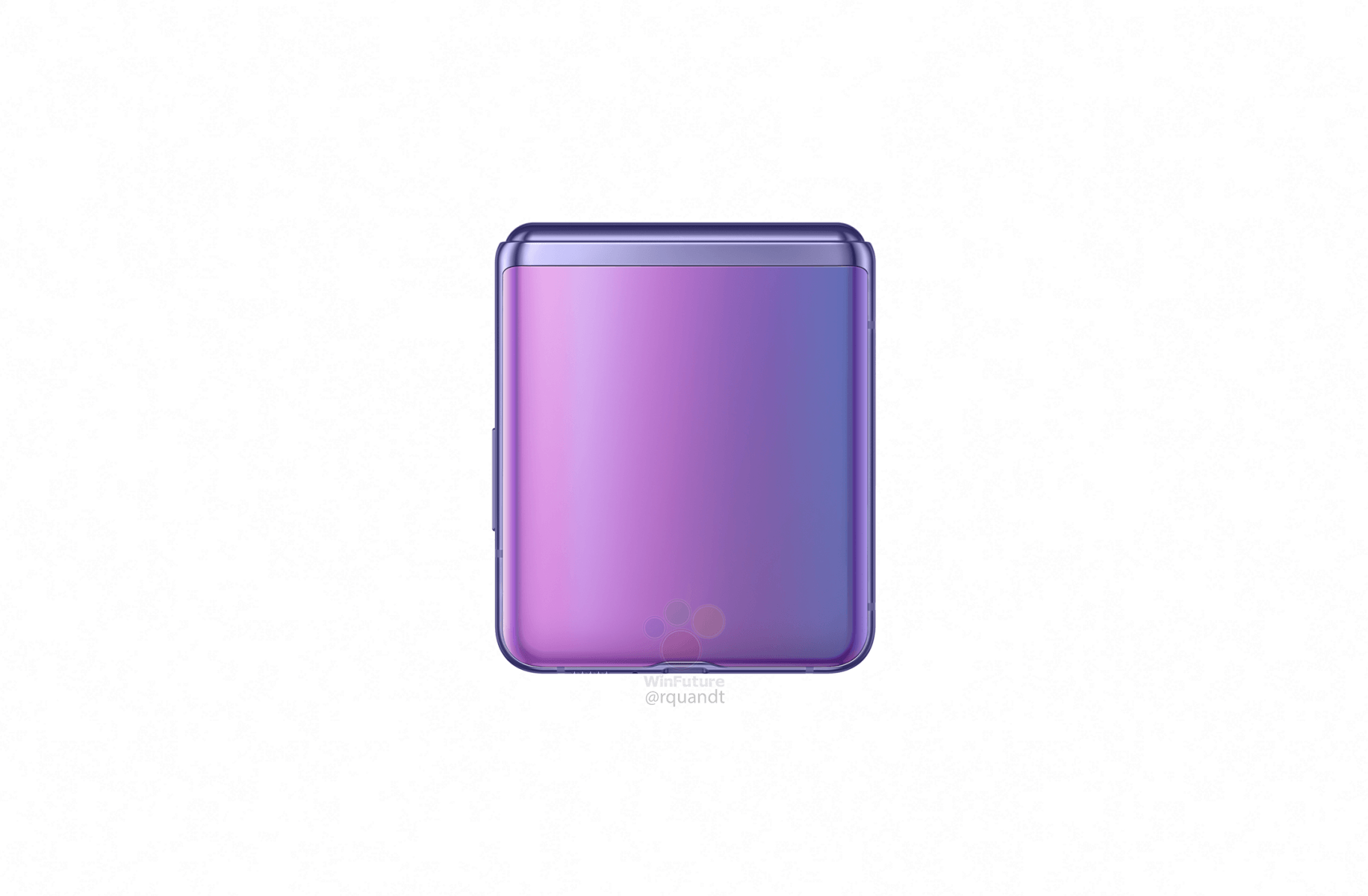
Codenamed as Galaxy Bloom, the Samsung Galaxy Z Flip clamshell phone measures 87.4 x 73.6 x ~17.3mm when folded. On the other side, when the device is vertically folded, it measures 167.9 x 73.6 x ~7.2mm. It weighs 183 grams. The rear side of the phone is safeguarded by Gorilla Glass 6. The handset has been designed to meet the demand for individuality. The phone is equipped with some software that makes it ideal device for users of apps like Instagram.
Samsung Galaxy Z Flip
The Galaxy Z Flip has a 6.7-inch Super AMOLED Dynamic screen that supports 1080 x 2636 full HD+ resolution and an aspect ratio of 22:9. The Infinity-O notch screen supports features like HDR10+ and Always-On Display. When opened, users will not be able to see the hinge as it is placed under the screen. It allows users to open the device at convenient angle between 70 and 110 degrees. On the outside, the Samsung logo can be seen on the hinge. The display is shielded with a layer of Ultra Thin Glass.
When closed, users can see the dual camera setup and a small-sized external screen. The 1.06-inch S-AMOLED display produces 300 x 116 pixels. It also supports Always-on Display. The external screen can be used for viewing time and notifications. A previous leaked had revealed that it can display charging rate, battery status and it can also serve as a viewfinder for using rear cameras for capturing selfies.
The Galaxy Z Flip’s dual camera setup has an f/1.8 aperture 12-megapixel primary shooter and a 123-degree f/2.2 aperture 12-megapixel ultrawide sensor. The dual cameras setup is equipped with features like LED flash, dual pixel autofocus, OIS and 60fps 4K video recording. Opening the device reveals its f/2.0 aperture selfie snapper of 10-megapixel that delivers features like autofocus, voice control and 30fps 4K video shooting support.
The 7nm Snapdragon 855+ mobile platform along with 8 GB of RAM drives the Galaxy Z Flip. It comes with 256 GB UFS 3.0 built-in storage. For more storage, the Z Flip can make user of services like Samsung Cloud, Google Drive and Microsoft OneDrive. The phone has two-part battery system that offers a total capacity of 3,300mAh. The Z Flip supports 15W rapid charging and 9W wireless charging.
The Android 10 OS along with Samsung’s One UI skin will come preloaded on the Galaxy Z Flip. The OS will tag along security features like Knox 3.4.1 and secure folder. Security on the device is further strengthened with features like side-facing fingerprint sensor and face recognition. The clamshell device is also equipped with AKG tuned and Dolby Atmos powered stereo speakers. The connectivity features that are available on the device include VoLTE, Wi-Fi 6, NFC, Bluetooth 5.0, NFC and USB-C. The phone lacks features such as microSD card slot, a 3.5mm audio jack and 5G support.
Samsung Galaxy Z Flip price and release date
The report states that the Galaxy Z Flip will be releasing in the European markets from Feb. 14 and it will be carrying a hefty price tag of nearly 1,500 euros (~$1,652). Buyers will be able to choose from Purple and Black color choices.
What’s your opinion on the pricing and specifications of the Galaxy Z Flip? Share us your thoughts by adding your comments below.
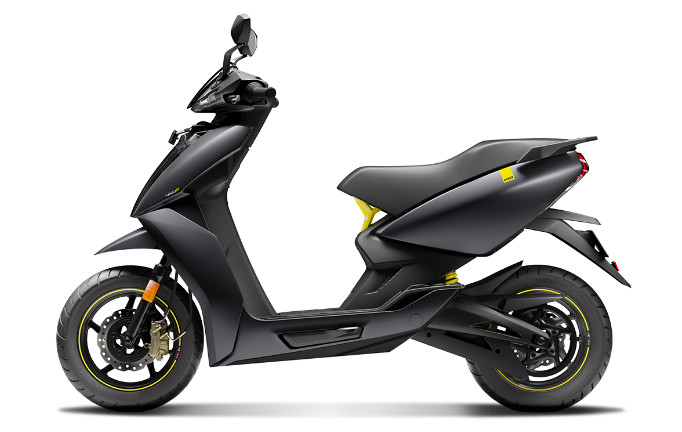
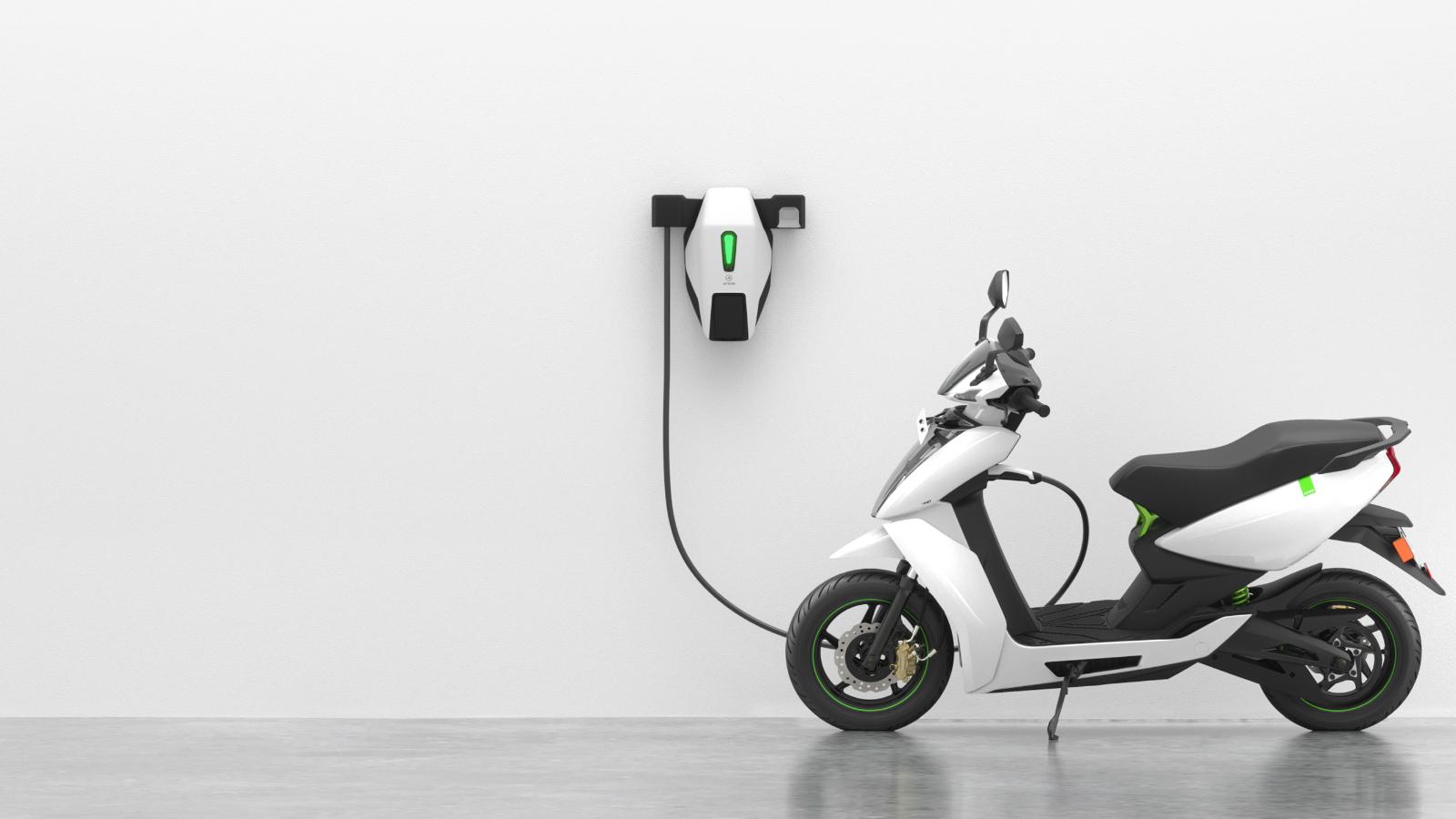
Indian electric vehicle company Ather Energy held a launch event in India earlier today where the company unveiled its latest electric scooter. The smart scooter is dubbed Ather 450x. The new model is an upgrade over the Ather 450.
Regarding the features, the Ather 450x smart electric scooter comes with a design similar to its predecessor but some improvements in its configuration. Of particular note, is the built-in 4G and WiFi support onboard. This is made possible due to the Snapdragon 212 chipset that is onboard the system. The chipset is backed by 1GB of RAM and 8GB of storage. The scooter packs a 7-inch TFT LCD touchscreen display with LED-backlit. Providing the interface is Android Open Source OS (AOSP). There is also Bluetooth connectivity onboard.
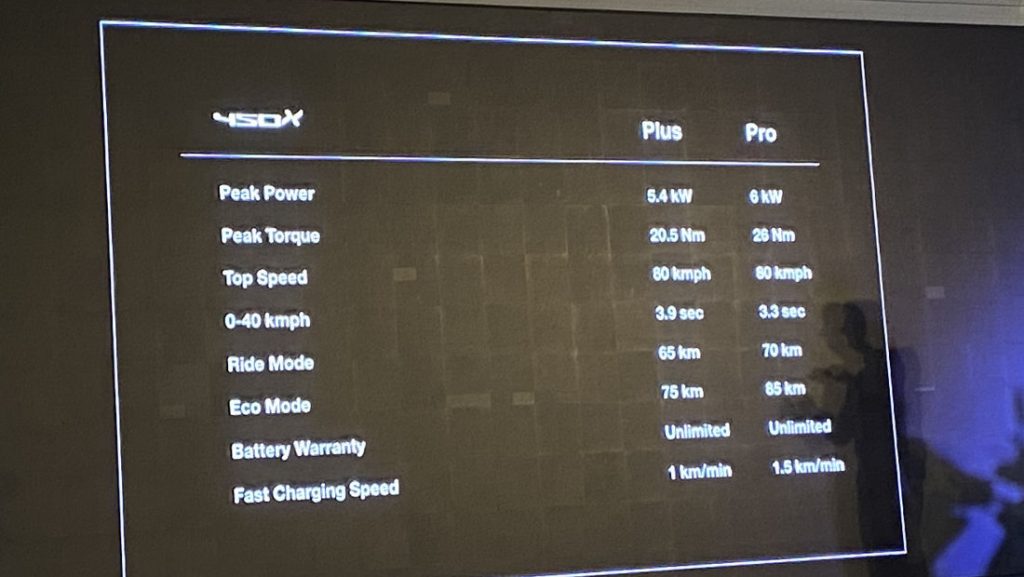
The smart scooter also has an impressive range of 85 km and crams a new 21700 battery inside. The scooter also comes with one of the quickest accelerations as it is capable of going from 0-60 km/hr in 6.5 seconds. It also has faster charging at 1.5km/ minute. The 450X comes in Plus and Pro versions with minor variations in peak power among others.
The Ather 450x is available in three colour variants; White with Green, Grey with Yellow, and Green with Orange. As for the price, the Smart scooter alone costs Rs. 99,000 in India but there are new Plus and Pro subscriptions that you can choose. You can choose to pay a monthly subscription of Rs. 1699 or 1999 per month, respectively. The company also stated that lease and financing options will be available. The scooter will go on sale from July 2020 in Bengaluru, Chennai, Delhi NCR, Mumbai, Pune and Hyderabad.
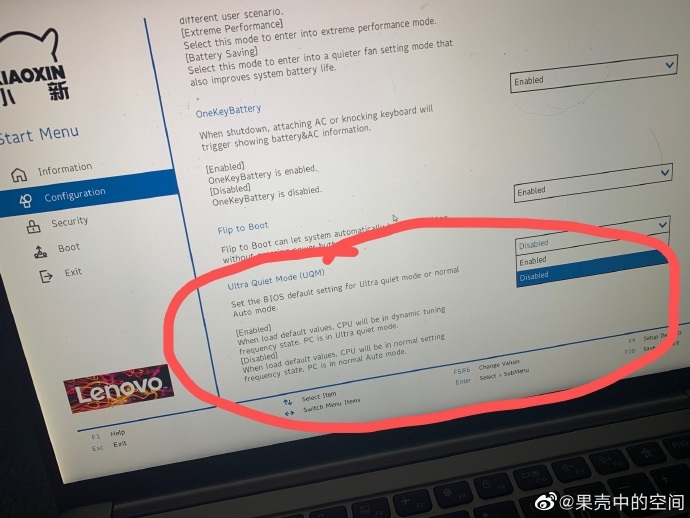
Lenovo is the largest PC maker in the world and it sells millions of laptops every year. The company has a wide range of premium as well as budget laptop options in the market. So it’s natural that the company tests out a number of new features to improve the experience of its users. One such feature, currently being tested, is the ‘Ultra Quiet Mode’.
ultra-quiet mode on a Lenovo laptop
According to a Chinese media website, Lenovo is testing a new ‘Ultra Quiet Mode’ on some of its notebooks in China. This particular feature can be turned on via the laptop’s BIOS setup. Once switched on, the CPU fan will enter a dynamic mode where it will automatically switch to the Ultra Quiet Mode when the laptop is not under stress. It will go back to the normal mode when the CPU needs cooling.
Some people are naturally more sensitive to a laptop fan’s whining noise. For them, this feature can be really useful. Unfortunately, we have no word on when this ‘Ultra Quiet Mode’ will be rolled out to Lenovo laptops in the market. Also, we don’t know whether this feature has any adverse effects on the laptop’s daily performance.
Medical masks are the most sought out product in China right now. And these masks are in very short supply across the country. So much so that Chinese citizens are flooding retailers, both online and offline, to get hold of a packet. Earlier today, when the Xiaomi Youpin website started selling a fresh batch of medical masks, they received so much traffic that the website crashed.
The new batch of medical masks went on sale at 4 PM on the Xiaomi Youpin website today. Due to the excessive demand for the product, the website decided to limit just one packet per user. A packet contains 20 masks and costs 39.9 yuan (~$5.75). It was further discounted for users from the Hubei province, who are at the center of the outbreak.
However, when the sale went live today, the website received so much traffic that it went down temporarily. Xiaomi Youpin published a statement confirming the downtime and apologized for the same. The online retailer explained that the traffic on its website at the time of sale was beyond their imagination and the server wasn’t capable of handling the kind of traffic it experienced today.
Xiaomi Youpin also promised to bring a fresh batch of medical masks on its website as soon as the new stock arrives.
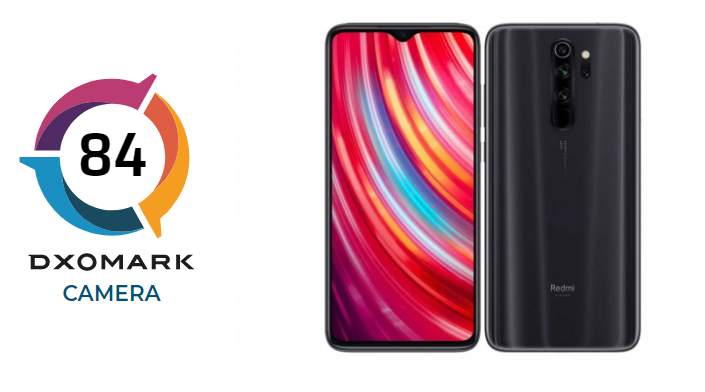
DxOLabs have been reviewing more mid-range phones lately. A few weeks ago, they released the review for the Nokia 7.2 and now they have followed it up with that of the Redmi Note 8 Pro.
The Redmi Note 8 Pro is the flagbearer of Redmi’s Note line. It was launched last year as the first device powered by MediaTek’s Helio G90T processor. However, its camera performance puts it behind that of several smartphones including those released in 2016.
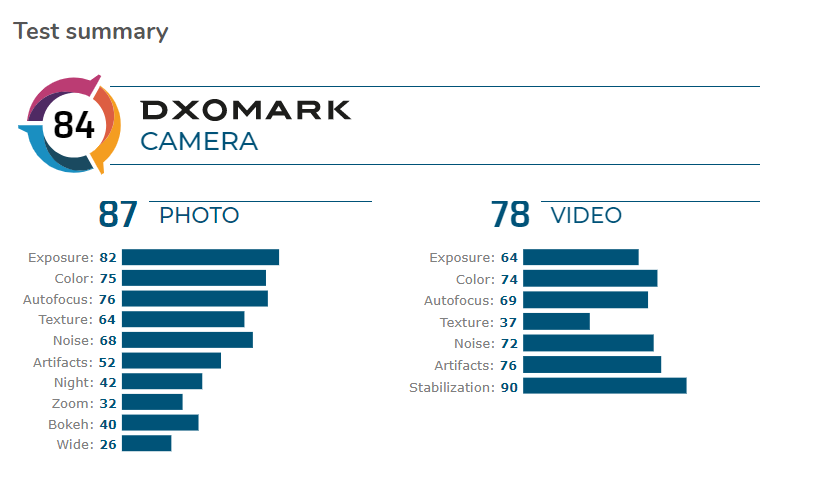
DxOMark has given the Redmi Note 8 Pro an overall score of 84 points which puts it under the Nokia 7.2 and the Samsung Galaxy A50.
The Redmi Note 8 Pro has four rear cameras and one of them is a 64MP f/1.9 camera. It also has an 8MP ultrawide angle camera, a 2MP macro camera, and a 2MP depth sensor.
The score is broken down into 87 points for photo and 78 points for video. The review says even with the high-resolution camera, there is a lack of fine detail in images. It also has a limited dynamic range that “results in clipping when shooting in difficult high-contrast situations”. The phone also can’t take detailed zoom shots since it doesn’t have a dedicated telephoto lens and its ultrawide angle photos also have low level of details due to lack of dynamic range.
The review praises its autofocus and subject isolation in bokeh mode.
With respect to video, the Redmi Note 8 Pro is said to show “good target exposure when recording outdoors or under typical indoor conditions”. The review also praises the electronic video stabilization and calls it effective. However, there are several areas where it could be better.
In changing light conditions, the Redmi Note 8 Pro has issues with white balance and exposure. It also has limited HDR and low detail levels with visible noise when recording in 4K.
The Redmi Note 8 Pro may have a high camera pixel count but it is not a great camera device. However, this is a mid-range device that is less than half of the cost of a flagship, so its camera performance is not expected to be stellar.
We use cookies on our website to give you the most relevant experience by remembering your preferences and repeat visits. By clicking “Accept”, you consent to the use of ALL the cookies.
This website uses cookies to improve your experience while you navigate through the website. Out of these, the cookies that are categorized as necessary are stored on your browser as they are essential for the working of basic functionalities of the website. We also use third-party cookies that help us analyze and understand how you use this website. These cookies will be stored in your browser only with your consent. You also have the option to opt-out of these cookies. But opting out of some of these cookies may affect your browsing experience.
Necessary cookies are absolutely essential for the website to function properly. This category only includes cookies that ensures basic functionalities and security features of the website. These cookies do not store any personal information.
Any cookies that may not be particularly necessary for the website to function and is used specifically to collect user personal data via analytics, ads, other embedded contents are termed as non-necessary cookies. It is mandatory to procure user consent prior to running these cookies on your website.